17 Sunroom Ideas: Cozy, Modern Ways to Style a Bright Space
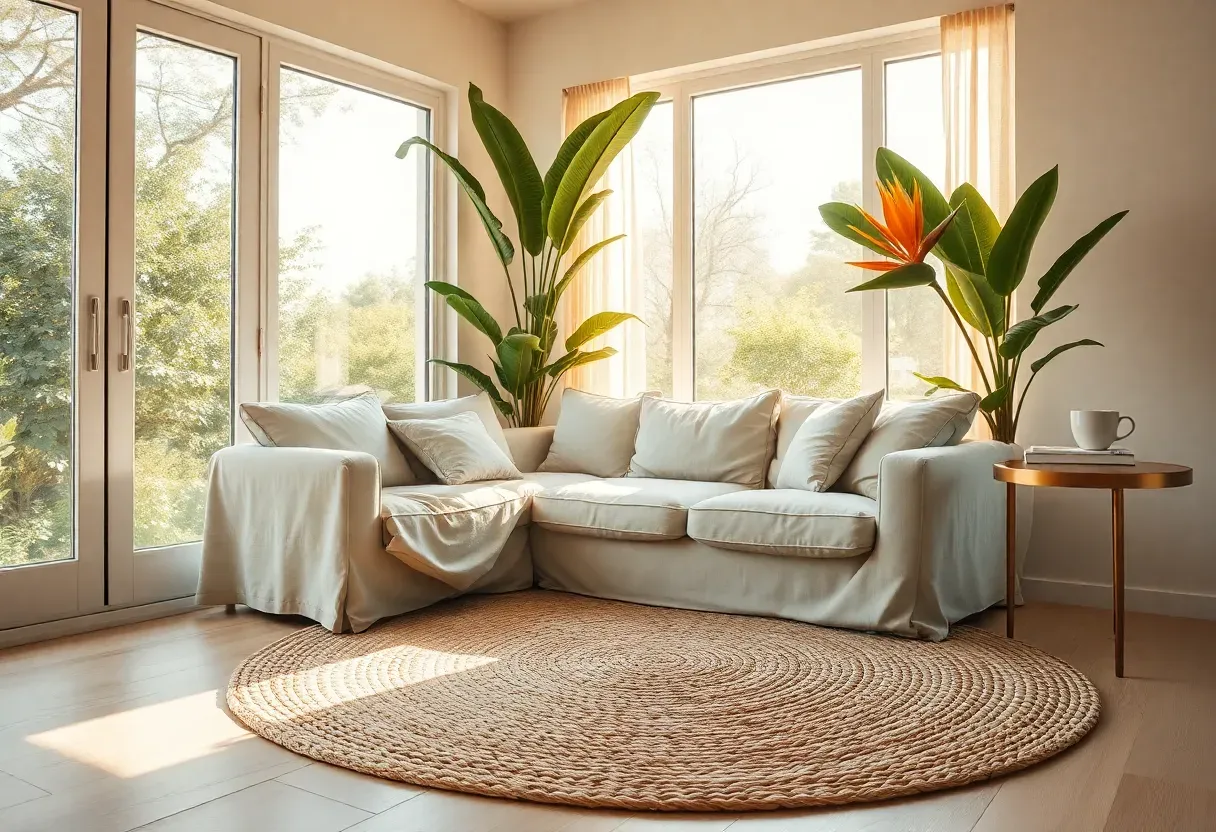
Sunrooms hold a strange power over us. They sit at the intersection of indoors and outdoors, catching every shift in weather and light, and somehow they make morning coffee taste better and rainy afternoons feel cinematic. Yet so many of these glass-walled rooms end up as dumping grounds for mismatched patio furniture and forgotten exercise equipment. The potential just sits there, flooded with light and completely wasted.
What follows is not a catalog of impossible magazine spreads. These are 17 grounded ideas — each one chosen because it solves a real sunroom problem, whether that is glare, heat, awkward proportions, or the eternal question of what furniture can actually handle direct sun exposure without fading. We start with layout fundamentals and move through style, comfort, and finishing details.
Ready to turn all that natural light into something worth sitting in? Let us get into it.
Quick FAQ
Is a sunroom worth the investment for resale value? Sunrooms consistently rank among the top mid-range home improvements for return on investment. Enclosed, climate-controlled versions can recoup 50-75% of costs at resale. Even a simple three-season room adds perceived square footage that buyers notice immediately during walkthroughs.
What temperature issues should I expect in a sunroom? Heat buildup in summer and cold drafts in winter are the two primary challenges. Insulated glass, ceiling fans, and cellular shades address most issues. For year-round comfort, consider a mini-split HVAC unit — they are energy-efficient and do not require ductwork modifications.
Can I use regular indoor furniture in a sunroom? It depends on your glass type and climate control. Fully insulated sunrooms with UV-filtered windows handle standard indoor pieces well. Rooms with single-pane glass or limited climate control need fade-resistant fabrics and materials that tolerate temperature swings — think solution-dyed acrylic upholstery and solid wood over veneers.
Which plants actually thrive in direct sunroom light? Succulents, fiddle leaf figs, bird of paradise, and citrus trees love the intense indirect light most sunrooms provide. Avoid placing delicate ferns directly against south-facing glass — the heat concentration will scorch their fronds. Group plants at varying distances from windows to create microclimates.
Should I choose tile or wood flooring for a sunroom? Porcelain tile handles temperature fluctuations and moisture better than hardwood, making it the practical choice for three-season rooms. If you prefer the warmth of wood, engineered hardwood with a UV-resistant finish outperforms solid planks. Layered area rugs add softness regardless of what is underneath.
Table of Contents
- Linen and Rattan Living Room Extension
- Minimalist Reading Retreat
- Tropical Indoor Garden Room
- Scandinavian Daybed Lounge
- Mid-Century Modern Conversation Pit
- Bohemian Floor Seating Nook
- Glass-Walled Dining Room
- Home Office with a View
- Wicker and White Cottage Style
- Japanese-Inspired Zen Space
- Vintage Greenhouse Aesthetic
- Neutral Palette with Bold Textiles
- Fireplace Anchor with Panoramic Windows
- Ceiling Fan and Plantation Shutter Combo
- Layered Rug and Pouf Gathering Area
- Dark Frame Contrast with Light Interiors
- Four-Season Heated Retreat
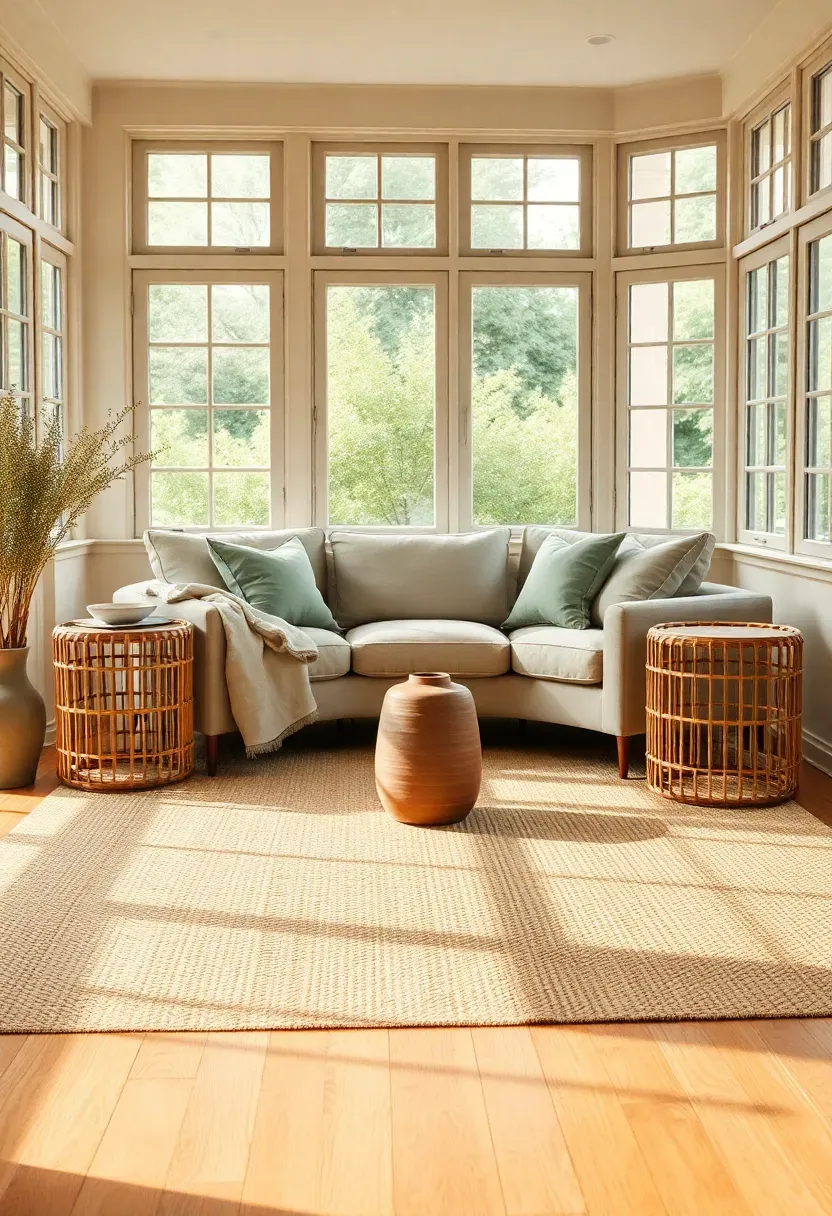
1. Linen and Rattan Living Room Extension
The fastest way to make a sunroom feel like an organic part of your home rather than an afterthought is to treat it as a living room extension. Natural linen upholstery paired with rattan and cane furniture creates a visual bridge between the outdoor landscape and indoor comfort. The key is matching your existing home palette while introducing lighter, airier textures that respond to the extra light.
How to Pull It Off
- Choose a sofa in washed linen that echoes your main living room color scheme but in a lighter shade
- Add rattan accent chairs instead of matching upholstered ones — they breathe in humidity and feel less heavy
- Ground the space with a jute or sisal rug that can handle foot traffic and occasional sun exposure
- Include at least one piece from your main living area, like matching throw pillows, to unify the rooms
We picked a few things that go well with this idea: L'AGRATY Chunky Knit Chenille Throw Blanket (★4.4), Handmade Cream Chunky Knit Throw (50x60) (★4.5) and Bigacogo Chunky Knit Chenille Throw (40x60) (★4.5). As an Amazon Associate we earn from qualifying purchases.
2. Minimalist Reading Retreat
The Core Issue
Most sunrooms suffer from too much stuff crammed into too little purpose. People furnish them like secondary living rooms without asking what they actually need the space for — and the result feels cluttered and confused.
The Solution
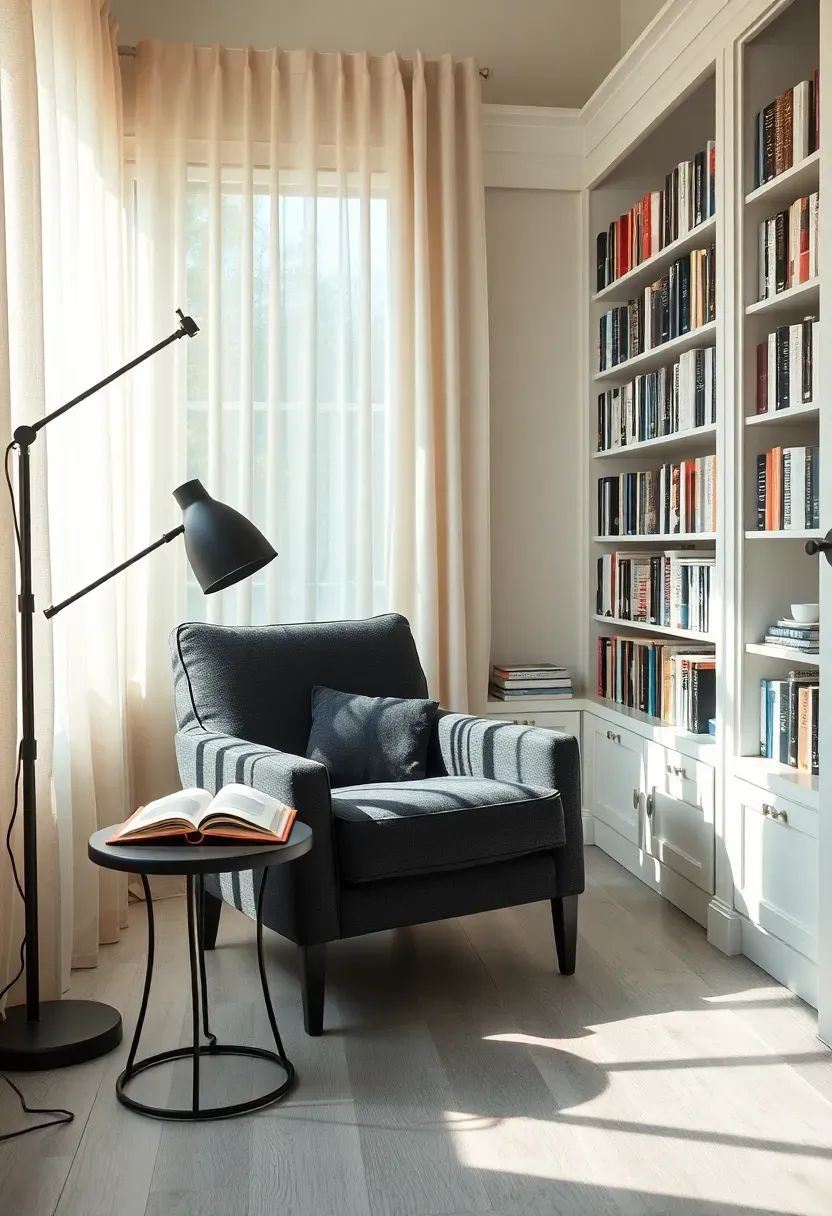
Strip back to one clear function: reading. A single high-quality armchair, a floor lamp with adjustable brightness, and a wall of built-in shelving transforms your sunroom into the kind of quiet refuge that libraries promise but rarely deliver. Sheer curtains diffuse harsh midday glare without blocking the warmth. The deliberate absence of a television, side tables piled with remotes, and competing seating makes this room feel instantly calming. Choose a chair with washable slipcovers in a UV-resistant fabric so the sun does not ruin your investment.
Pros and Cons
Pros: Extremely low cost to furnish, calming atmosphere, easy to maintain Cons: Limited to solo use, guests may feel the room is underutilized
We picked a few things that go well with this idea: GEEBOBO 5-Tier Wood Plant Stand (Walnut) (★4.3), GEEBOBO 3-Tier Metal Wood Plant Stand (★4.4) and Bamworld 4-Tier Round Wood Plant Stand (★4.2). As an Amazon Associate we earn from qualifying purchases.
3. Tropical Indoor Garden Room
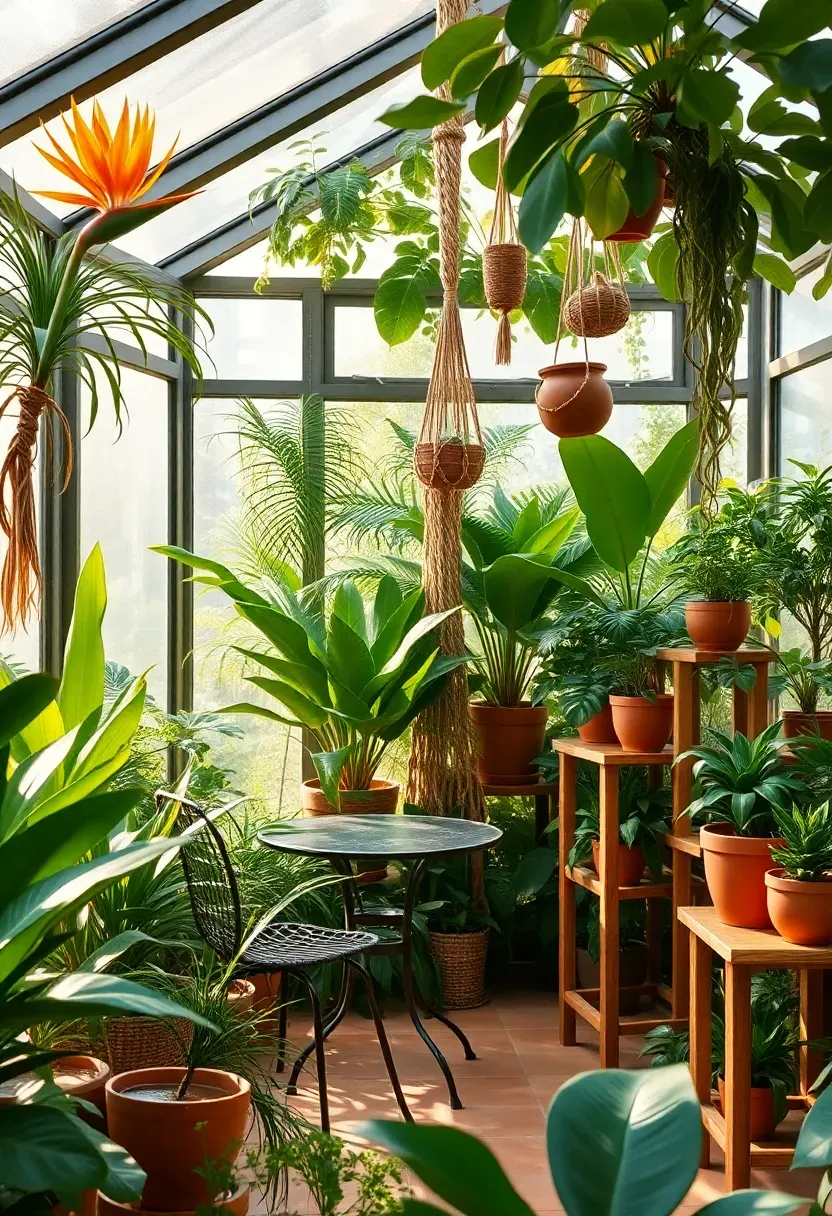
Sunrooms were practically invented for plant lovers, and leaning fully into a tropical garden aesthetic turns the space into something visitors remember. The consistent light, warmth, and humidity that frustrate furniture actually nourish tropical species like bird of paradise, monstera, and banana palms.
Step 1: Establish Vertical Layers
Install ceiling hooks for trailing pothos and staghorn ferns. Use tall plant stands to create canopy height variation — you want the eye to travel up and through the greenery, not just across a flat row of pots on the floor.
Step 2: Choose Your Containers Intentionally
Terracotta pots regulate moisture naturally and develop a beautiful patina over time. Group sizes in odd numbers — three large, five medium — for an organic, unplanned look that is actually quite deliberate.
Step 3: Add a Seating Moment
Tuck a small bistro set or a single vintage chair into the greenery. This is not a living room — it is a garden that happens to have a roof. The seating should feel discovered, not dominant.
What to Watch Out For
- South-facing glass concentrates heat; place sensitive species two to three feet back from the panes
- Install a drip tray system under pots to protect flooring
- A small oscillating fan prevents fungal issues in humid microclimates
We picked a few things that go well with this idea: S&L Homes Jute Cotton Area Rug (8x10) (★4.0), HOMEMONDE Braided Jute Area Rug (8x10) (★4.3) and S&L Homes Jute Cotton Area Rug (6x9) (★4.0). As an Amazon Associate we earn from qualifying purchases.
4. Scandinavian Daybed Lounge
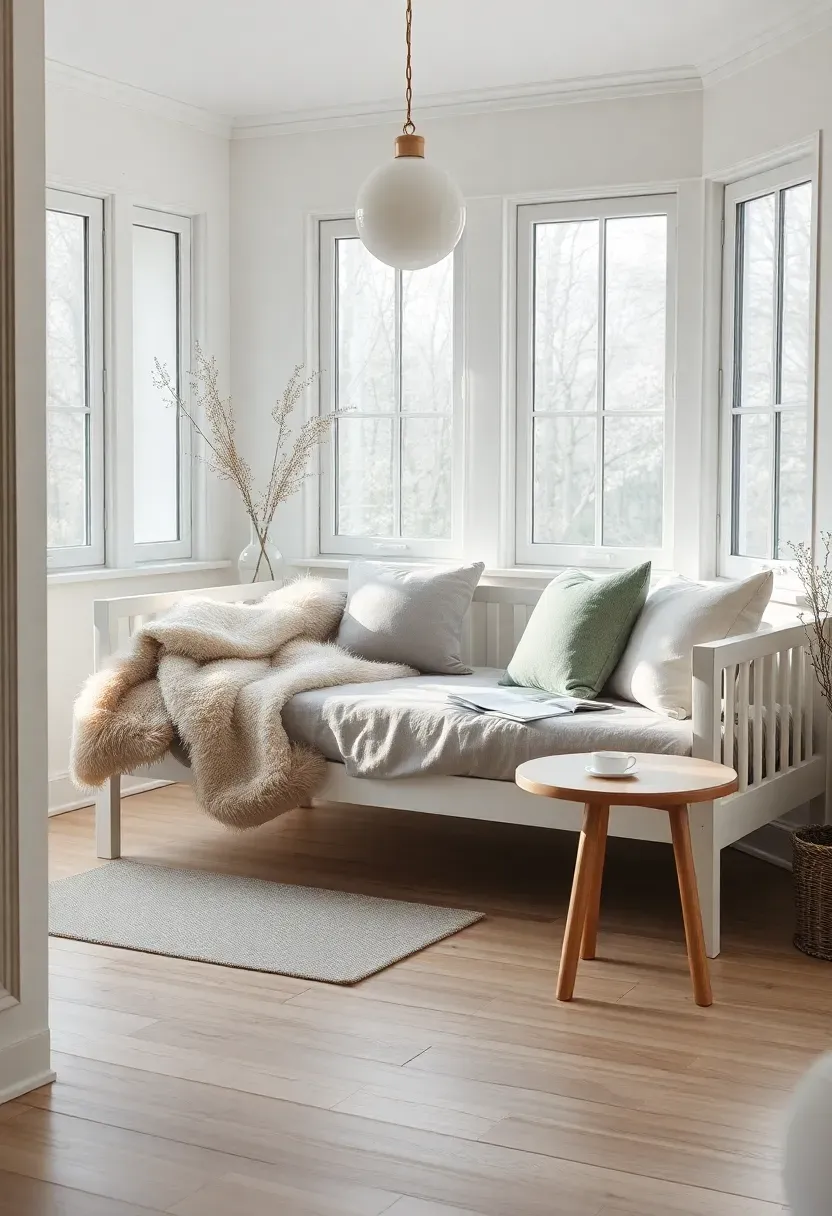
There is a reason Scandinavian design has held its appeal for decades — it prioritizes light, function, and materials that age gracefully, which happens to be exactly what a sunroom demands. A daybed anchors this look, serving as both sofa and napping spot. Pair it with pale oak side tables, a sheepskin throw, and one sculptural pendant light.
Tips for This Look
- Stick to a palette of white, oatmeal, and warm grey with one accent tone like sage or dusty blue
- Use blackout roller shades hidden behind sheer curtains for when afternoon sun gets too intense
- Swap out heavy cushion covers seasonally — linen in summer, wool in winter
- Keep surfaces nearly empty; the beauty here is in negative space and clean lines
Recommended
Items for this idea
5. Mid-Century Modern Conversation Pit
Origins
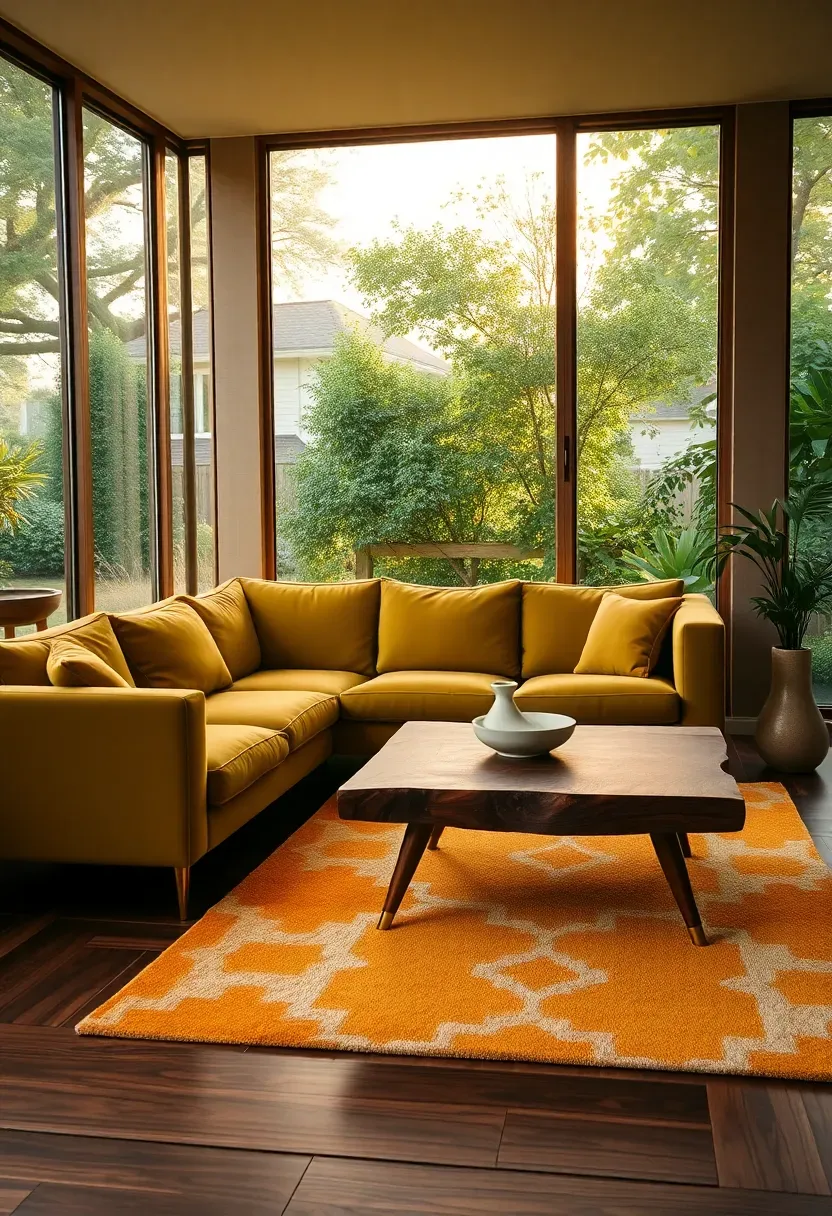
The conversation pit concept dates back to the 1950s and 60s, when architects like Eero Saarinen designed sunken seating areas meant to draw people together. While few of us can excavate our sunroom floors, the principle translates beautifully through low-profile furniture arrangements.
Modern Interpretation
Position a low sectional or two facing sofas around a walnut or teak coffee table, orienting the seating inward rather than toward a screen. The sunroom glass walls become the backdrop rather than the focal point. A geometric rug defines the conversation zone without physical walls. Tapered-leg furniture in warm wood tones keeps the look period-appropriate while feeling completely current. Add a Sputnik-style chandelier or an Arco floor lamp as the statement lighting piece — in a room this bright during the day, evening ambiance is what matters most.
How to Apply at Home
- Source vintage or reproduction pieces from mid-century specialists — the quality difference is visible
- Keep window treatments minimal or absent; this style celebrates the glass
- Add one or two ceramic vessels in mustard, olive, or burnt orange for color
- Float furniture away from walls to reinforce the gathered, intimate layout
6. Bohemian Floor Seating Nook
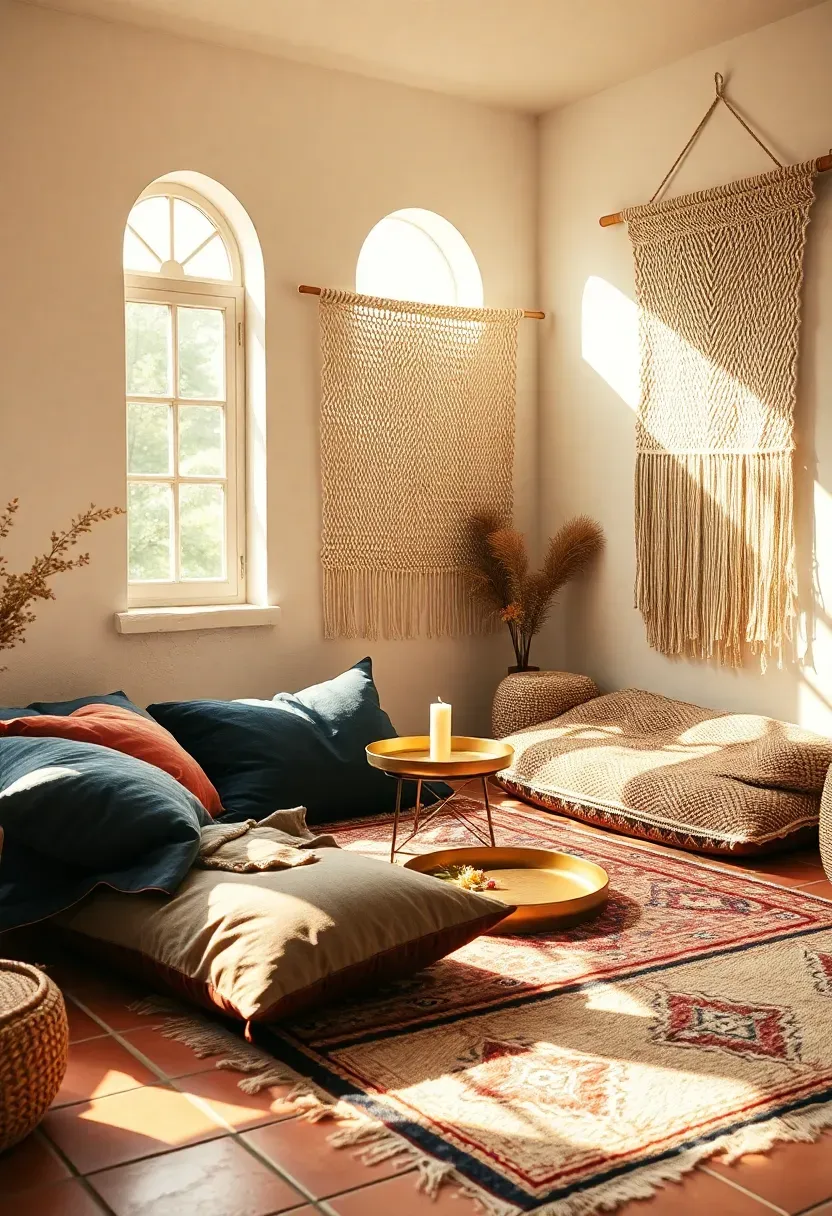
Skip the sofa entirely. Pile the floor with oversized cushions, a layered kilim rug, and a low Moroccan tray table. This approach works especially well in smaller sunrooms where standard furniture would crowd the space. Macrame wall hangings, woven baskets as storage, and a collection of mismatched throw pillows in earthy tones complete the vibe — relaxed, collected over time, and deeply personal.
Tips for Comfort
- Invest in high-density foam floor cushions covered in durable cotton canvas rather than cheap polyester options
- A thick rug pad underneath prevents cushions from sliding on hard floors
- Hang a fabric canopy from the ceiling to create an intimate enclosure within the glass room
- Include a basket for blankets; floor-level seating gets chilly once the sun sets
Recommended
Items for this idea
7. Glass-Walled Dining Room
Why This Works
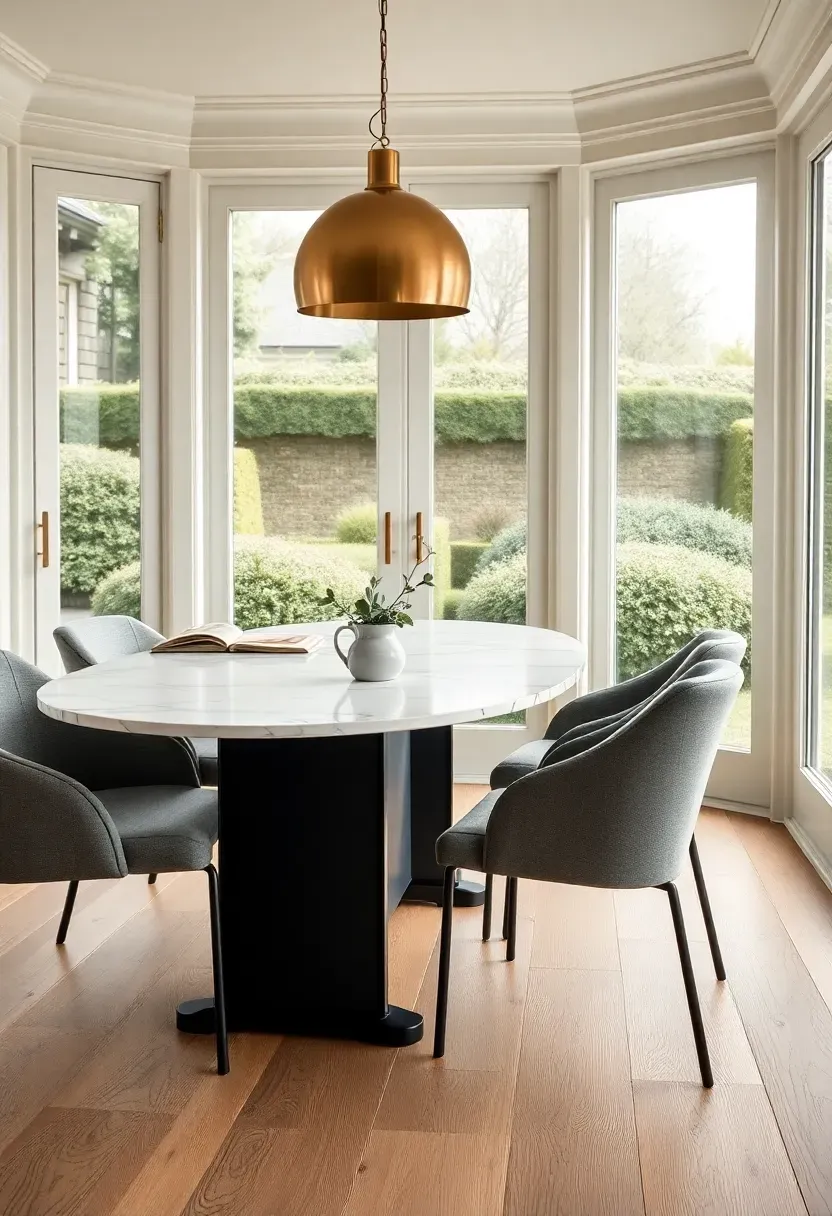
Most dining rooms sit in the interior of a home, surrounded by walls that make evening meals feel enclosed. Moving your dining function into the sunroom transforms every meal — breakfast with morning light, lunch watching rain on the glass, dinner under pendant lights with the garden as a dark backdrop.
The Setup
An oval or round table works better than rectangular in most sunrooms because it allows circulation around the perimeter without blocking window views. Upholstered dining chairs in a stain-resistant performance fabric add comfort for long meals. A single brass or matte black pendant centered over the table provides focused evening light while maintaining the clean ceiling line during the day.
Pros and Cons
Pros: Every meal feels like an event, frees up your original dining room for another use, natural light flatters food and faces Cons: Requires climate control for comfort during extreme weather, proximity to cooking smells may be an issue if the kitchen is not nearby
8. Home Office with a View
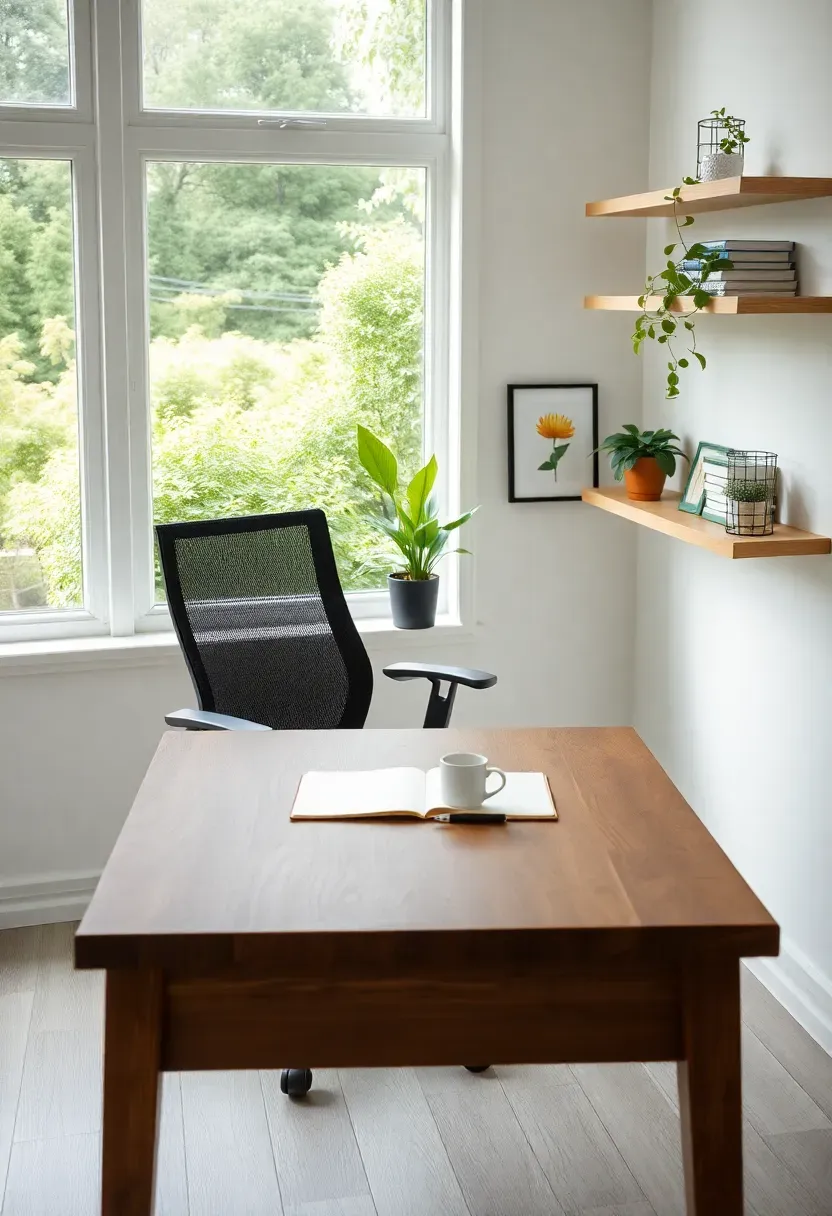
Working from home becomes significantly less tedious when your desk faces a wall of windows overlooking greenery instead of drywall. Position the desk perpendicular to the brightest window to avoid screen glare while keeping the garden in your peripheral vision. A sunroom office needs three things most home offices skip: a quality window treatment that reduces glare without killing natural light, an ergonomic chair that you would actually choose over the couch, and adequate ventilation for those warm afternoons when the glass heats up.
Practical Recommendations
- Cellular shades filter UV while preserving daylight — top-down bottom-up styles let you block glare at eye level while keeping upper light
- Route cables through a desk grommet and along baseboards to maintain the clean, bright aesthetic
- Add floating shelves on the one solid wall for reference materials and decor
- A small fan or portable AC unit prevents the post-lunch energy crash that warm sunrooms can cause
Recommended
Items for this idea
9. Wicker and White Cottage Style
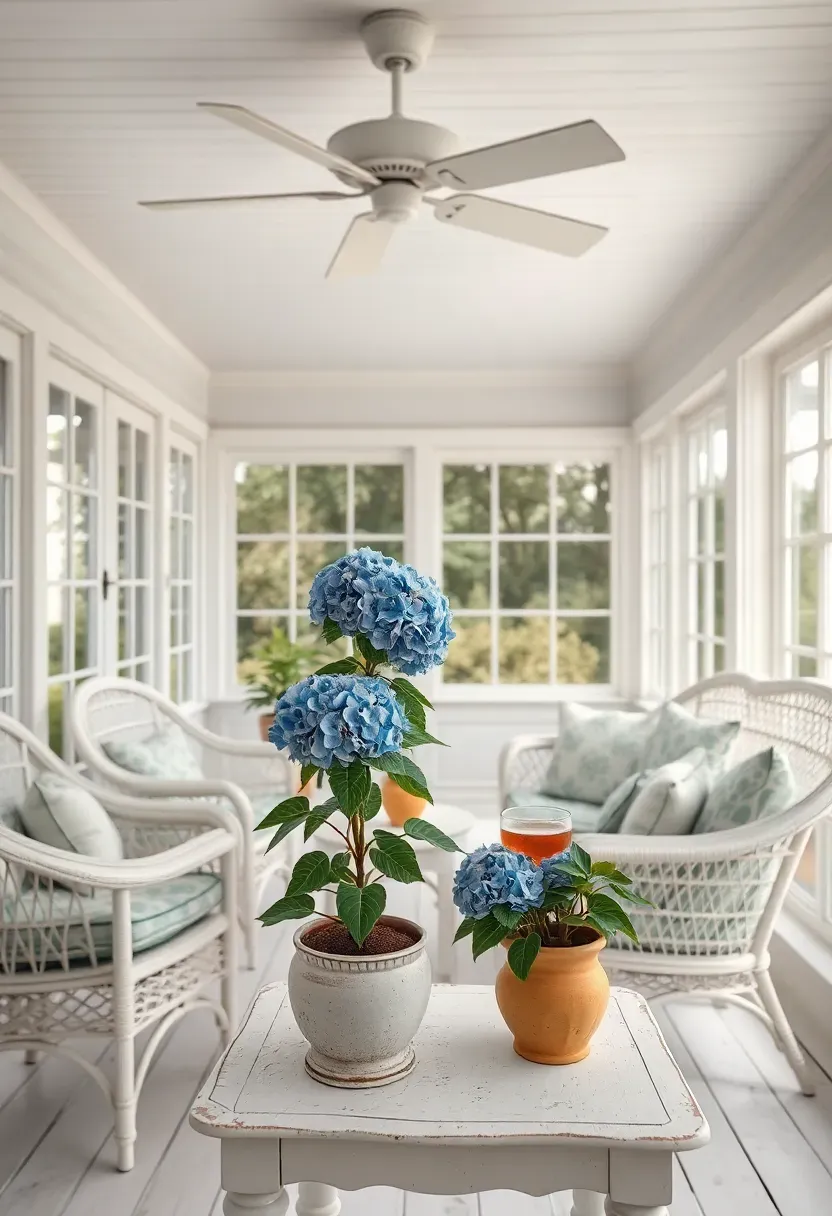
This is the sunroom aesthetic that comes to mind when most people hear the word "sunroom" — and for good reason. White-painted wicker furniture against a beadboard ceiling, floral cushions in soft blues and greens, potted hydrangeas catching the afternoon light. It works because the materials are genuinely suited to the environment: wicker breathes, white reflects heat, and the cottage palette harmonizes with any garden view outside the windows.
Step 1: Start with the Frame
Paint existing wicker furniture in a durable exterior-grade white. Sand lightly first and use spray paint for an even, factory-like finish. Two coats minimum.
Step 2: Layer the Softness
Floral cushion covers in Sunbrella or similar outdoor fabric ensure the cottage look survives sun exposure and the occasional spilled iced tea. Mix patterns in the same color family rather than matching everything identically.
Step 3: Add the Finishing Details
A beadboard ceiling treatment — even peel-and-stick panels — transforms a flat drywall ceiling into something with character. Hang a simple white ceiling fan to complete the classic look.

10. Japanese-Inspired Zen Space
The Philosophy
Japanese interior design treats rooms as vessels for stillness rather than storage. In a sunroom — where light itself becomes the primary design element — this philosophy reaches its purest expression. Every object earns its place through function or contemplative beauty, nothing more.
How to Create It
Replace standard flooring with tatami mats or a low wooden platform. A single bonsai tree placed where the sun catches its silhouette becomes the focal point. Shoji screen panels, either authentic or inspired reproductions, filter light into soft geometric patterns that move across the floor as the day progresses. Keep furniture at floor level: a zabuton cushion for seated meditation, a low chabudai table for tea. A small raked gravel tray in one corner invites interaction without demanding attention.
What to Watch Out For
- Tatami mats need protection from excessive moisture; ensure your sunroom has adequate ventilation
- Authentic shoji panels use delicate washi paper that tears easily — consider fabric-backed versions for durability
- This style requires ruthless editing; one misplaced item disrupts the entire composition
Recommended
Items for this idea
11. Vintage Greenhouse Aesthetic
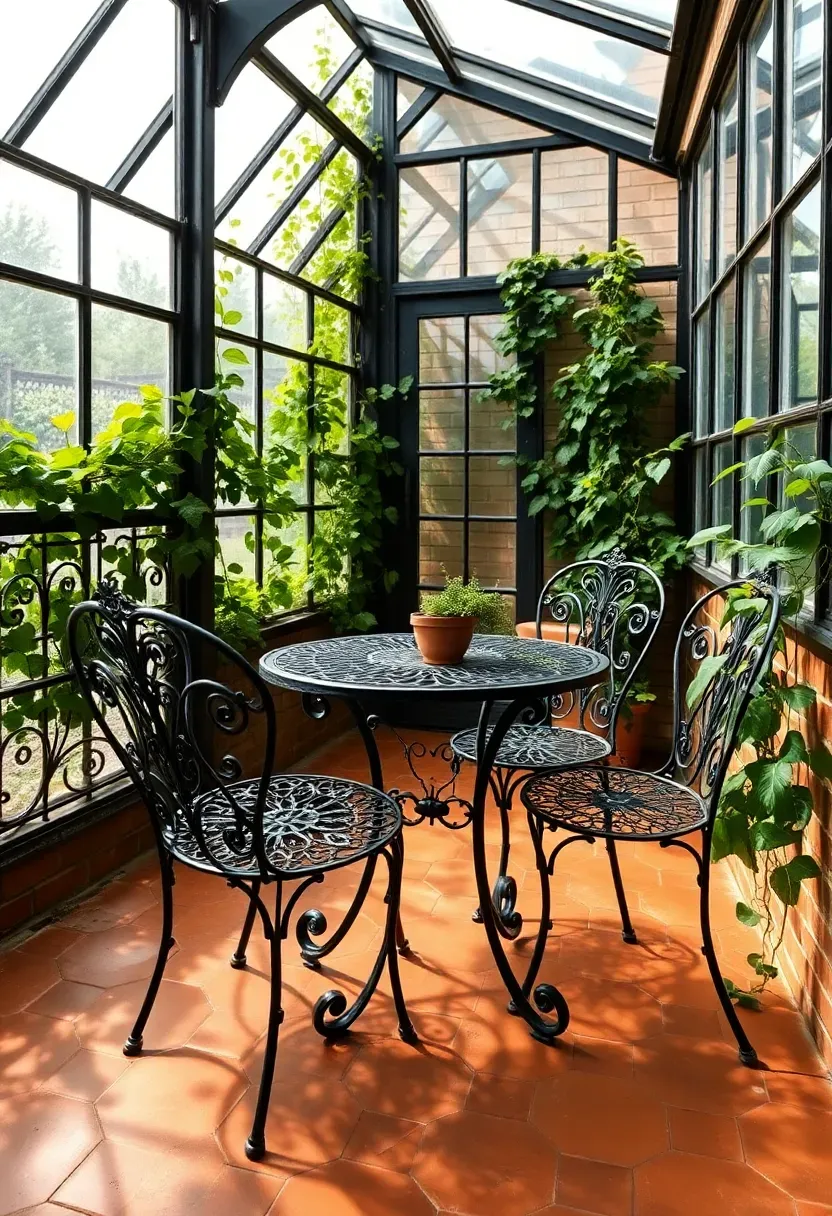
Lean into what your sunroom already is — a glass room designed for light — and style it like a conservatory from another era. Wrought iron bistro furniture, aged terracotta tile flooring, and climbing plants trained along the window frames create the atmosphere of a Victorian greenhouse repurposed for living. This approach works particularly well in sunrooms with visible structural framing, older windows, or architectural character that modern furniture would fight against rather than complement.
Tips to Sell the Look
- Patina is your friend here; resist the urge to refinish or paint over aged metal and wood
- Source vintage plant stands from estate sales and antique markets rather than buying reproductions
- Install a simple metal trellis against one glass wall for climbing jasmine or ivy
- Use aged terracotta pots in varying sizes and states of weathering for authenticity
12. Neutral Palette with Bold Textiles
The Strategy
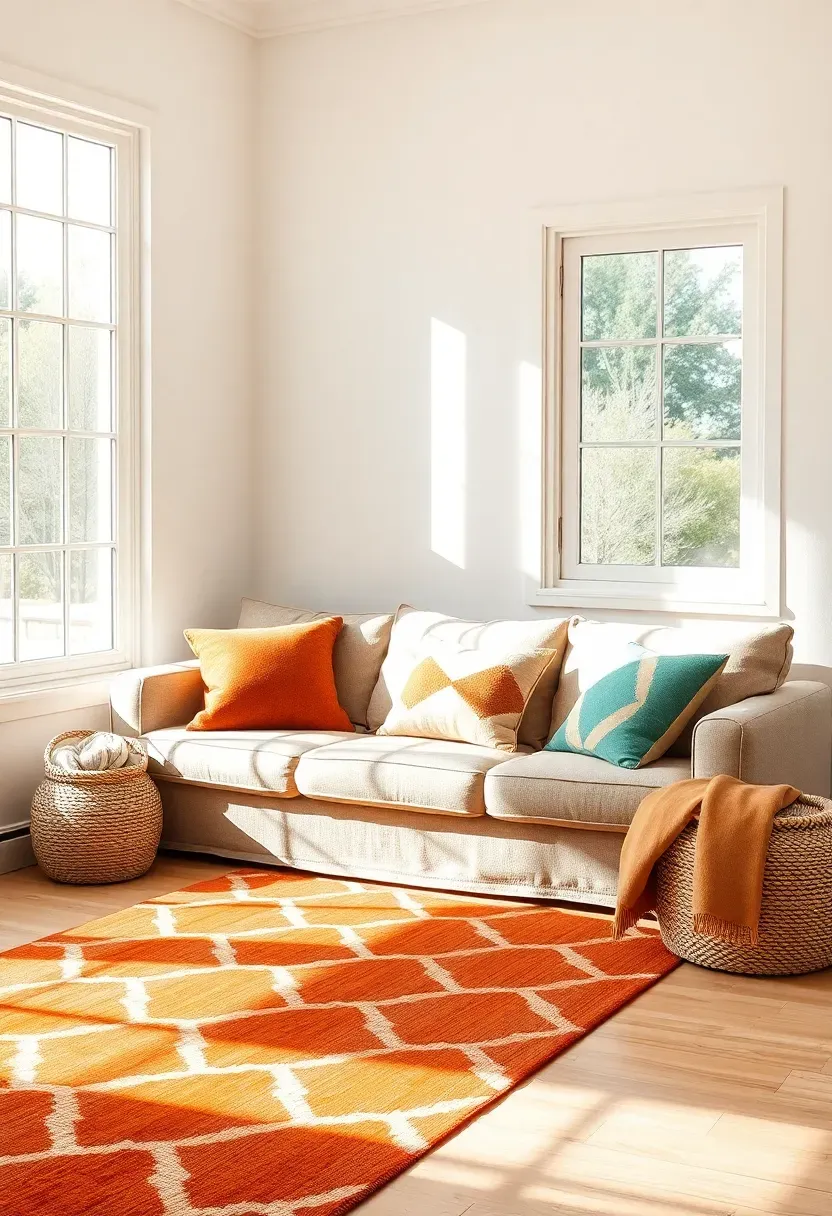
A sunroom already has the most dramatic feature any room can offer — abundant natural light. Fighting that with busy wall colors or loud furniture creates visual noise. Instead, keep the architecture and large pieces neutral, then introduce all personality through textiles that can be swapped seasonally.
How It Plays Out
Start with a beige or warm white sofa, light wood or painted white side tables, and sheer curtains in ivory. Then go bold: a vibrant geometric area rug in terracotta or deep teal, throw pillows mixing graphic prints with hand-woven textures, and a single statement blanket draped over the sofa arm. The neutral base lets sunlight do its work without competition, while the textiles provide the warmth, color, and personality that prevent the room from feeling like a doctor's waiting area.
Why This Approach Works Long-Term
Replacing cushion covers and a rug costs a fraction of replacing furniture. Your sunroom can shift from summer brights to autumn earth tones to winter jewel tones with a single afternoon of swapping — and the photographs for Pinterest will look different each time.
Recommended
Items for this idea
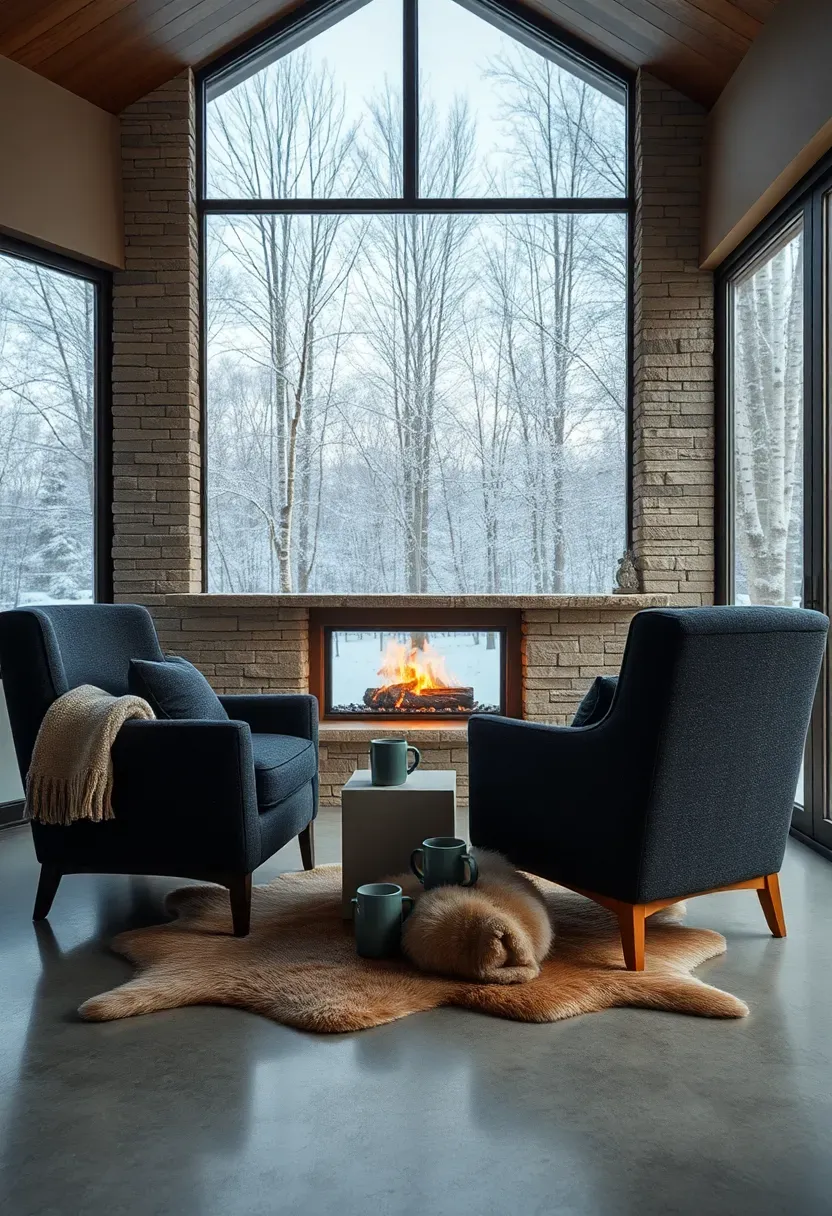
13. Fireplace Anchor with Panoramic Windows
Adding a fireplace to a sunroom solves its biggest weakness: usability drops dramatically once temperatures fall. A linear gas fireplace mounted on the one solid wall creates a visual anchor that draws you into the room even on the coldest days. Position two armchairs facing the fire with the windows at your back, and the room transforms from a summer-only space into a year-round retreat where you can watch snow fall while staying warm.
Practical Recommendations
- Gas inserts require venting through the wall behind them — confirm this is feasible before purchasing
- Electric fireplace units offer a simpler installation path if gas lines are not accessible
- A stone or concrete surround adds thermal mass that radiates warmth even after the fireplace shuts off
- Place a thick wool rug between the chairs to insulate against cold flooring
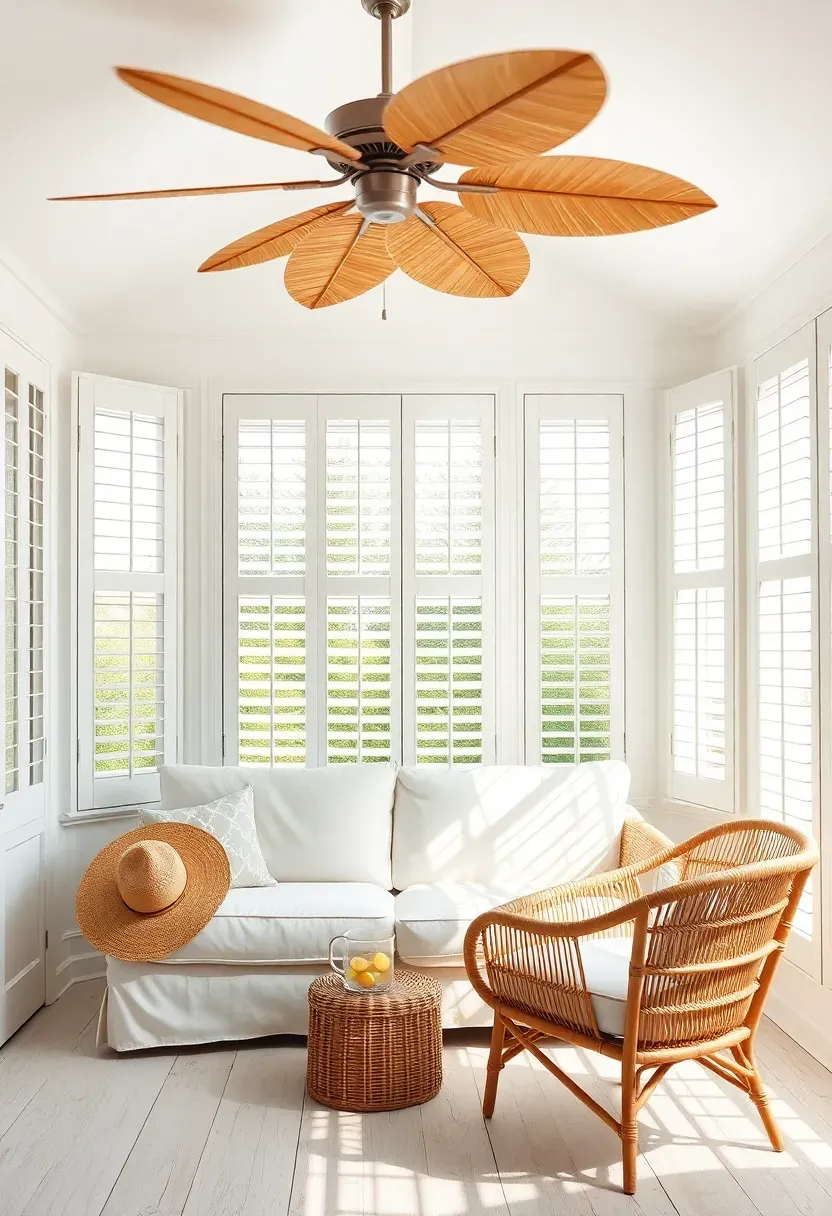
14. Ceiling Fan and Plantation Shutter Combo
This pairing solves the two most common sunroom complaints simultaneously. Plantation shutters give you adjustable light control — tilt the louvers to redirect glare while preserving airflow and views. A quality ceiling fan circulates air that would otherwise stratify, keeping the room comfortable without the noise and energy cost of running air conditioning all day. Together, they create a climate-manageable space that looks intentional and architecturally finished rather than patched together with aftermarket solutions.
Choosing the Right Pieces
- Composite shutters outperform real wood in sunrooms because they resist warping from temperature swings
- Select a fan with a DC motor for whisper-quiet operation and energy efficiency
- Match the shutter and fan finishes — white on white for cottage feel, matte black on white for modern contrast
- Install the fan on a downrod long enough to move air at seating level, not just near the ceiling
Recommended
Items for this idea
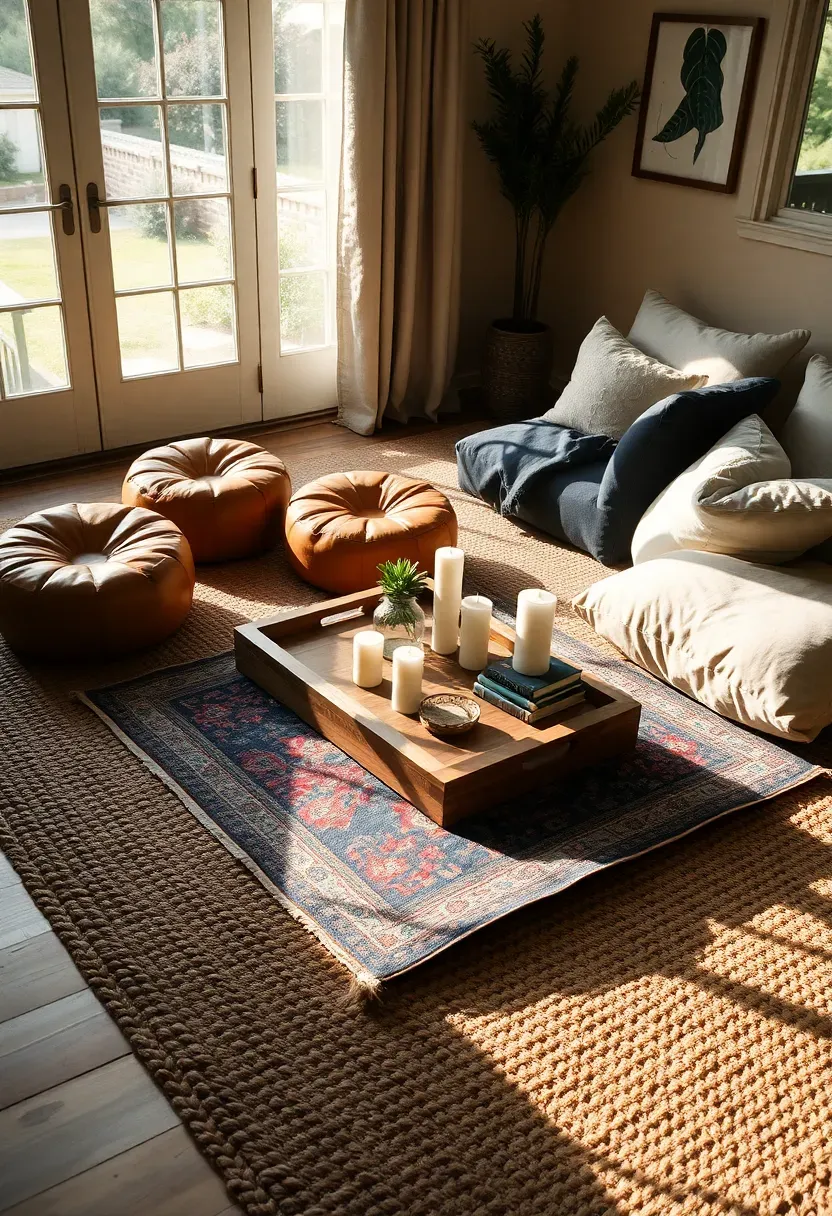
15. Layered Rug and Pouf Gathering Area
Why It Works
Sunroom floors — whether tile, concrete, or wood — tend to feel hard, cold, and unwelcoming underfoot. Layering rugs does not just add softness; it creates visual zones, introduces pattern and texture, and makes a large glass room feel intimate and grounded. Poufs scattered throughout offer flexible seating that moves wherever the conversation goes.
Building the Layers
Start with the largest rug as your base — a neutral jute or sisal that covers most of the floor. Add a smaller patterned rug on top, offset at an angle for visual interest. Scatter two or three leather or knit poufs around the edges. A low wooden tray on the floor holds candles, books, and a small plant — giving the arrangement a center of gravity without a formal coffee table.
The Advantage
This setup is completely modular. Pull poufs closer for a gathering of six, spread them apart for individual reading spots, or stack everything against the wall when you need open floor space. No other sunroom layout offers this kind of flexibility.
16. Dark Frame Contrast with Light Interiors
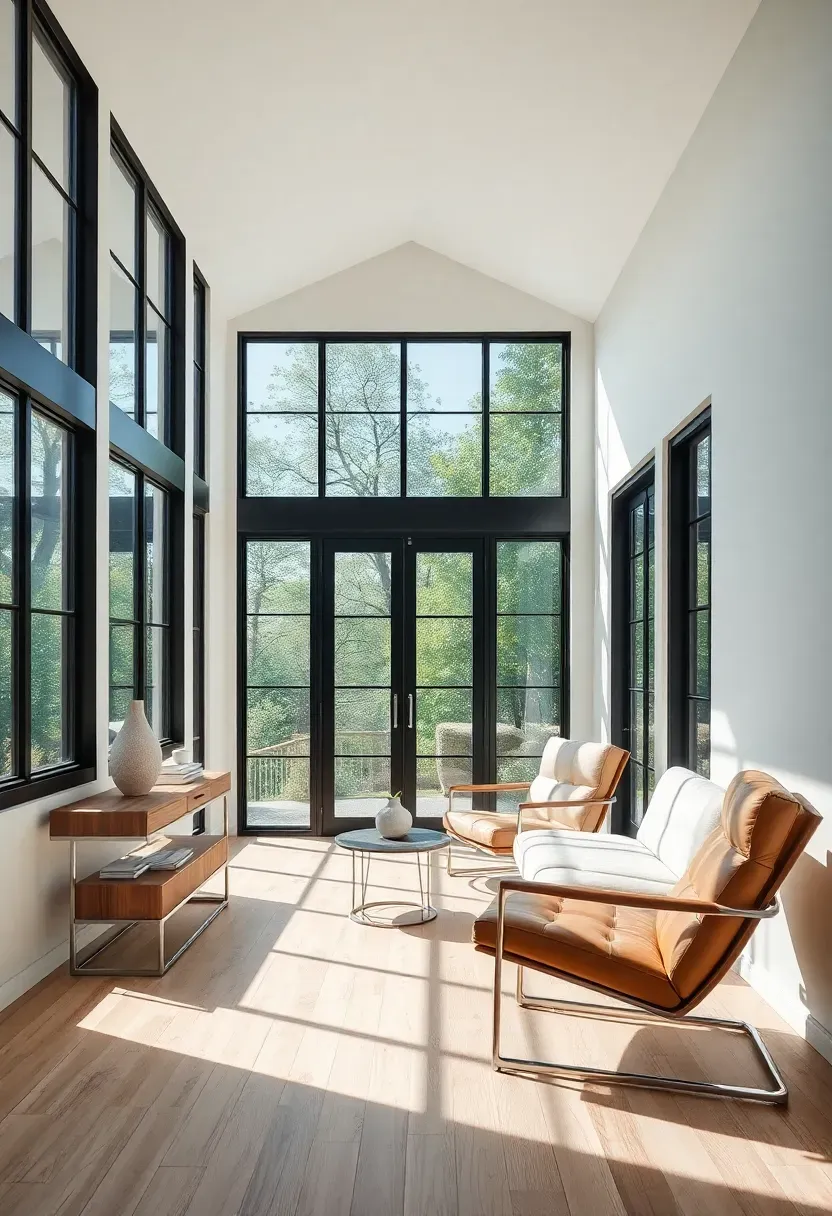
The Design Principle
Black steel window frames against white or light-toned interiors create a graphic effect that elevates a sunroom from pleasant to striking. The dark frames function like a mat in a picture frame — they define the boundary between inside and outside, making the garden view more deliberate and the architecture more visible.
Execution
If replacing windows is beyond budget, paint existing frames in matte black exterior paint. Pair with light oak or whitewashed flooring, cream upholstered furniture, and minimal decor that does not compete with the frame-and-view composition. Door mullions, transoms, and any metal hardware should match the frame color for consistency. The result photographs exceptionally well and reads as a considered architectural choice rather than a painted-over afterthought.
Where This Shines
- Sunrooms attached to modern or transitional-style homes
- Rooms with multiple window panes where the grid pattern becomes a design feature
- Spaces where the garden or landscape view is the primary attraction
Recommended
Items for this idea
17. Four-Season Heated Retreat
The ultimate sunroom upgrade is eliminating its seasonality entirely. Insulated glass panels, radiant floor heating, and a mini-split HVAC system transform a three-season porch into a room you use 365 days a year. The investment is significant — typically between eight thousand and twenty-five thousand dollars depending on room size and existing infrastructure — but the payoff is an entirely new room in your home that did not exist before in practical terms.
Step 1: Upgrade the Glass
Double-pane insulated glass with low-E coating blocks heat transfer in both directions. Argon-filled units perform even better. This single upgrade eliminates most comfort issues.
Step 2: Address the Floor
Radiant floor heating beneath tile or engineered hardwood provides silent, even warmth that rises naturally. Unlike forced air, it does not create dry drafts or circulate dust.
Step 3: Climate Control
A ductless mini-split provides both heating and cooling with individual room temperature control. Mount the indoor unit high on the solid wall where it is least visible.
What to Watch Out For
- Building permits are typically required for enclosed sunroom conversions with HVAC
- Insulated glass is heavy; confirm your existing structure can support the added weight
- Factor in increased energy costs for year-round climate control when budgeting
The thread running through all seventeen ideas is the same: a sunroom is not a bonus room or a place to store things that do not fit elsewhere. It is potentially the most compelling space in your home — a room where the weather becomes decor, where light shifts the mood by the hour, and where the boundary between your home and the outdoors dissolves in the best possible way. Pick one idea that resonates, commit to it fully rather than half-implementing three, and give that bright space the attention it has been waiting for.
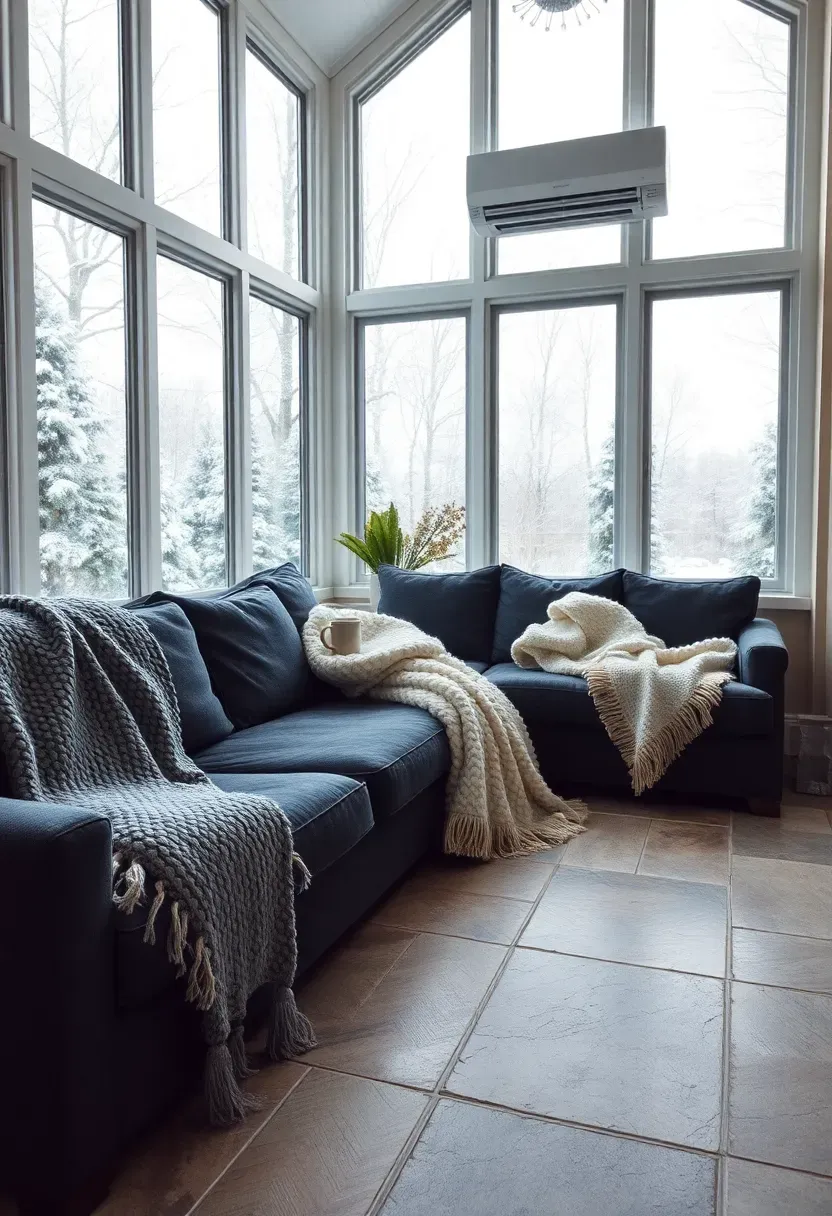
Pinterest cover for 17 Sunroom Ideas: Cozy, Modern Ways to Style a Bright Space
About the author
OBCD
CGI visualization and interior design content. We create detailed 3D renders and curate practical design ideas for every room in your home.