25 Sun Terrace Ideas for Outdoor Rooms: Shade, Seating, and Sunset Mood
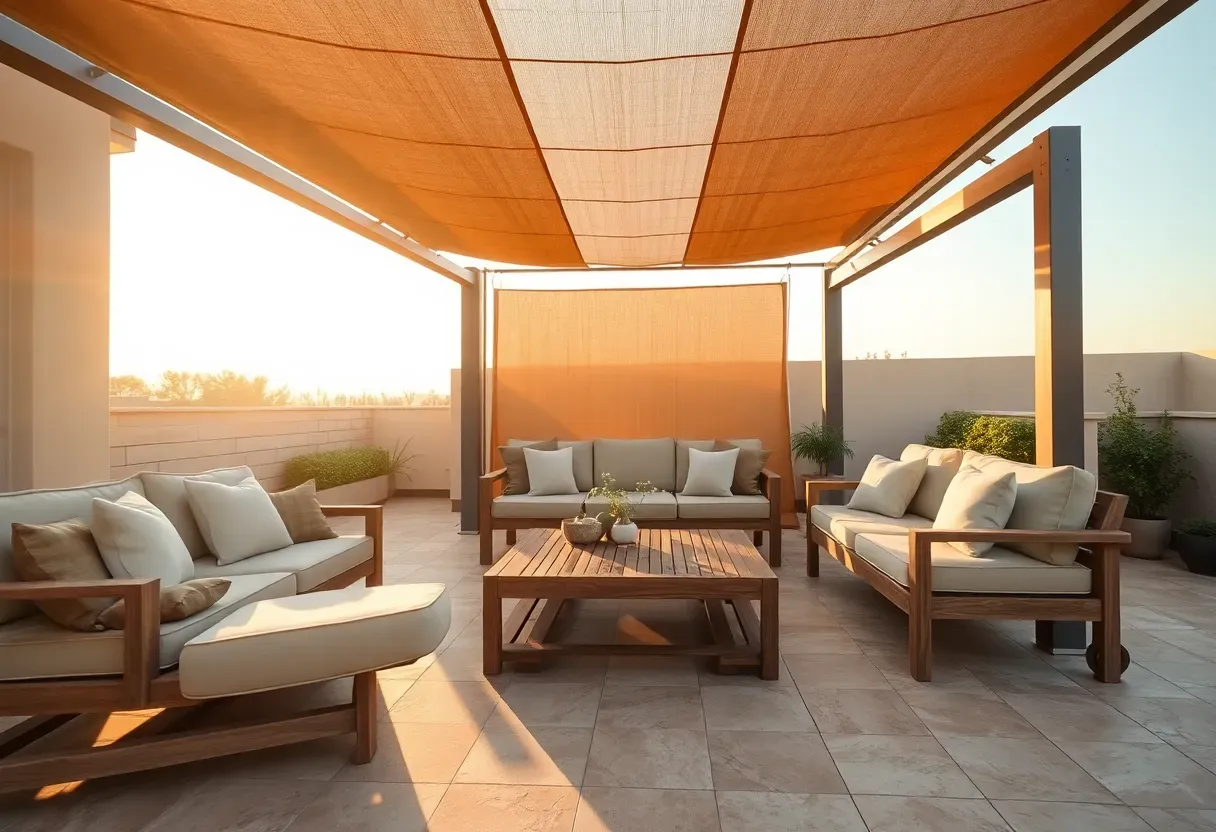
According to a 2026 survey by the National Association of Landscape Professionals, homeowners rank outdoor living spaces as their top renovation priority for the third consecutive year. And no outdoor space carries more potential than a sun terrace — that flat, open platform where sky meets architecture and the day slowly winds down in amber light.
Yet most terraces sit underused. A few scattered chairs, maybe a forgotten umbrella, and the nagging feeling that the space could be so much more. The difference between a neglected slab and a genuine outdoor room lies in three things: how you manage sunlight, where you place seating, and what mood you set for the hours after five.
These 25 ideas tackle all three. They range from minimalist Mediterranean platforms to lush tropical retreats, from budget-conscious DIY shade rigs to architect-grade canopy systems. Grab what works for your footprint, climate, and budget — and leave the rest.
Quick FAQ
Is a sun terrace the same as a patio? Not exactly. A patio sits at ground level, typically paved with stone or concrete. A sun terrace is elevated — built on a rooftop, upper floor, or raised platform. The elevation gives terraces better sun exposure and views, but also demands more attention to wind protection and drainage.
What shade solution lasts longest on a terrace? A fixed pergola with stainless steel hardware and UV-stabilized fabric panels typically outlasts portable options by five to ten years. Retractable awnings come second. Freestanding umbrellas, while flexible, need replacement every two to three seasons due to UV degradation and wind stress.
Should terrace furniture be bolted down? In exposed or elevated terraces, yes. Wind loads increase with height. Lightweight aluminum chairs can become projectiles during unexpected gusts. Anchored furniture or weighted bases rated for your wind zone prevent both damage and liability.
Can I grow food plants on a sun terrace? Absolutely. Container gardening works well for herbs, tomatoes, peppers, and leafy greens. Use self-watering planters to combat the faster evaporation that comes with elevated, sun-drenched surfaces. Position edibles where they receive at least six hours of direct sun.
What flooring works best for a rooftop terrace? Composite deck tiles, porcelain pavers on pedestals, and natural stone are the top three. All handle UV exposure, drain properly, and resist temperature swings. Avoid solid wood unless you commit to annual sealing — rooftop sun accelerates warping and cracking.
Table of Contents
- Retractable Pergola Living Room
- Mediterranean Whitewash Terrace
- Daybed Lounge with Canopy Drape
- Built-In Concrete Bench Perimeter
- Sunset Bar Counter with Stools
- Tropical Planter Privacy Wall
- Japanese Zen Platform Corner
- Sail Shade Geometric Canopy
- Modular Sectional Pit Seating
- Fire Table Conversation Circle
- Hanging Egg Chair Reading Spot
- Outdoor Dining Terrace with Vine Pergola
- Moroccan Lantern Sunset Lounge
- Minimalist Scandinavian Deck Terrace
- Waterfall Edge Infinity Terrace
- Bamboo Screen Wind Break Station
- Bohemian Floor Cushion Terrace
- Rooftop Cinema Under the Stars
- Tiered Planter Step Garden
- Hammock Corridor Between Columns
- Rustic Farmhouse Terrace with Timber Frame
- Glass Balustrade Panoramic Deck
- LED Strip Twilight Terrace
- Outdoor Kitchen and Grill Station
- All-Weather Enclosed Terrace Solarium
1. Retractable Pergola Living Room
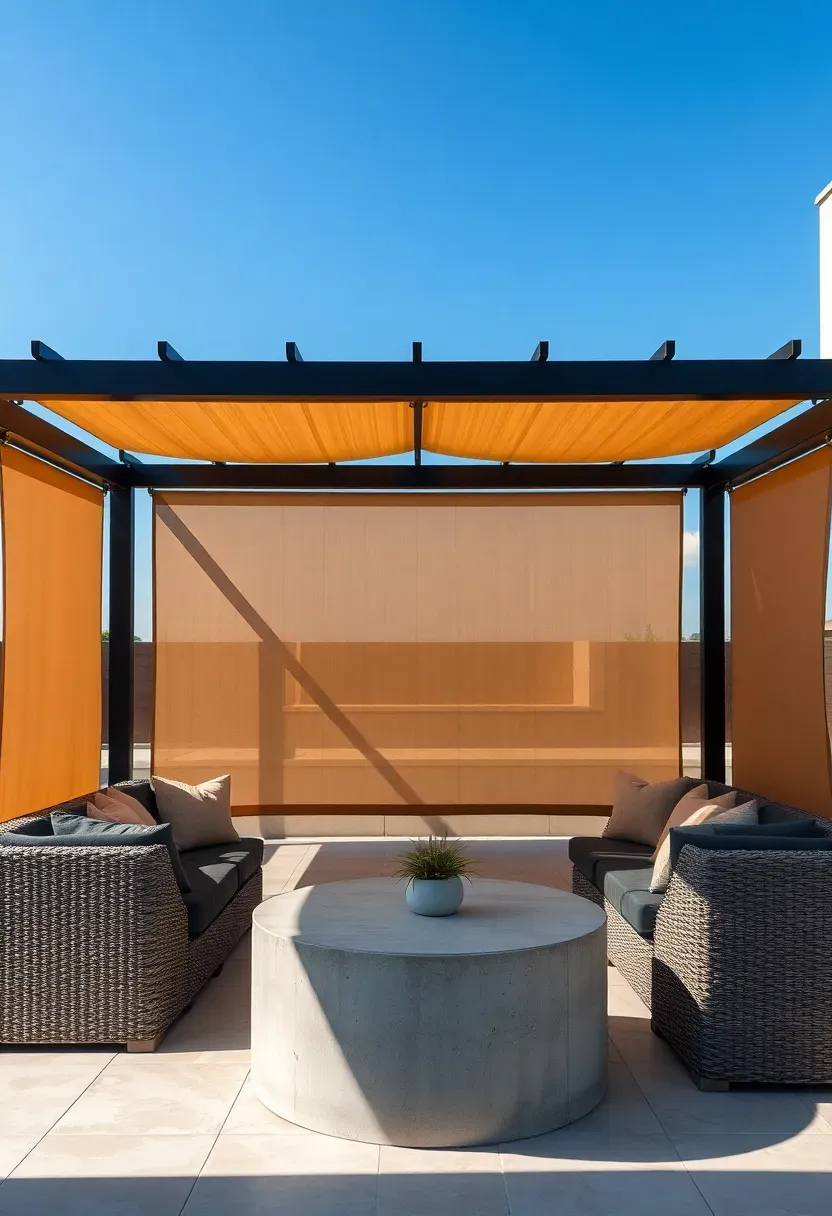
A retractable pergola transforms your terrace into a genuine living room that adapts to the weather minute by minute. When the sun is gentle, pull the canopy back and soak in open sky. When the midday heat becomes punishing, extend the fabric and create an instant shaded refuge without retreating indoors.
Why It Works
The appeal here is flexibility. Unlike a fixed roof, a retractable system lets you chase or escape the sun depending on the season. Motorized models with rain sensors even close automatically during downpours, protecting furniture underneath.
Tips for Installation
- Choose marine-grade fabric rated for UV 50+ protection and mildew resistance
- Aluminum frames resist rust better than steel in coastal or humid climates
- Add side curtains for wind protection on exposed rooftop terraces
We picked a few things that go well with this idea: LOVE STORY Triangle Sun Shade Sail (12ft) (★4.5), Shade&Beyond Triangle Sun Shade Sail (16ft) (★4.5) and SUNNY GUARD Triangle Sun Shade Sail (16ft) (★4.6). As an Amazon Associate we earn from qualifying purchases.
2. Mediterranean Whitewash Terrace
The Core Issue
Many terraces feel bland because they default to gray — gray concrete, gray metal furniture, gray everything. The space absorbs heat and radiates monotony.
The Solution
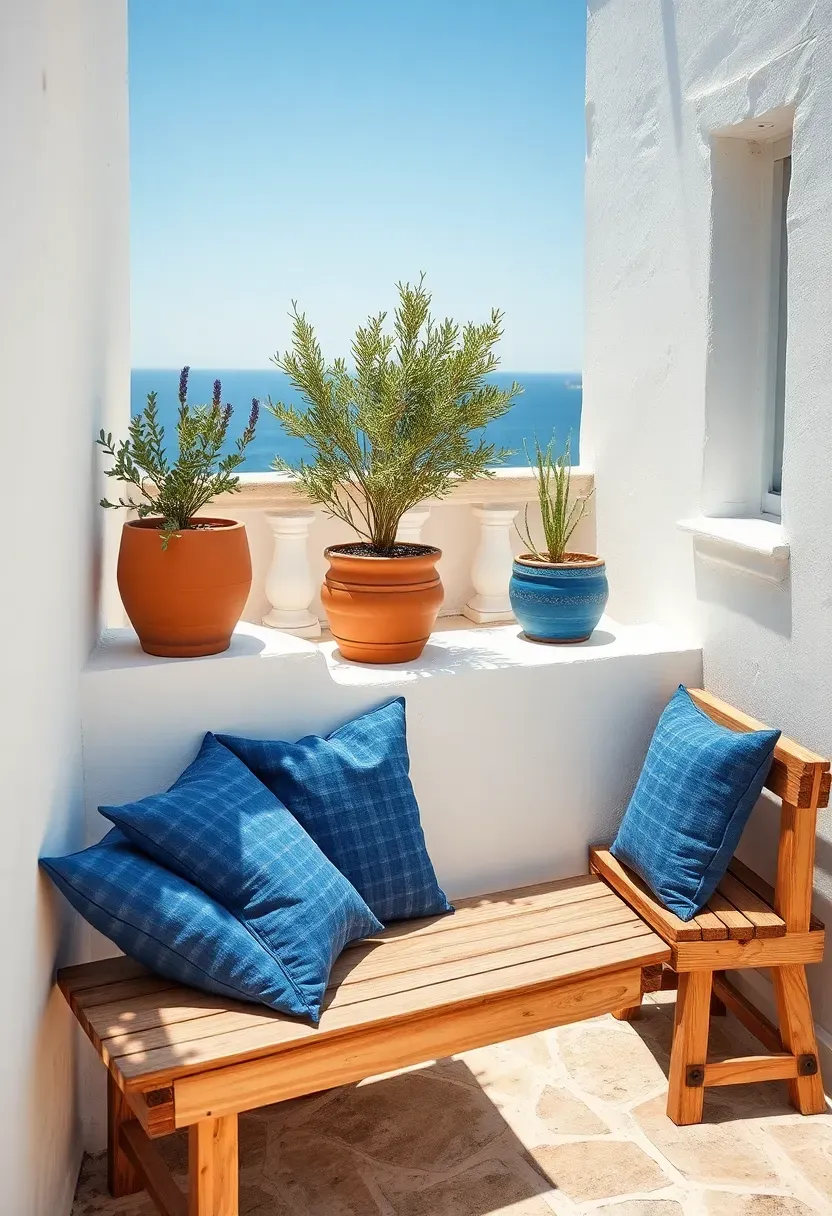
A Mediterranean whitewash treatment reflects sunlight rather than absorbing it, keeping the surface cooler while flooding the space with that luminous, Santorini-inspired brightness. Pair white stucco walls or painted surfaces with terracotta pots, cobalt blue textiles, and olive-toned greenery. The color palette is ancient, but the temperature reduction is practical science — light surfaces can stay 10-15 degrees cooler than dark ones under direct sun.
Pros and Cons
Pros: Cooler surface temperatures, visually expansive feel, photographs beautifully in any light Cons: White surfaces show dirt quickly and need seasonal cleaning; not suited to industrial or urban aesthetics
We picked a few things that go well with this idea: Brightever LED Outdoor String Lights (100ft) (★4.6), Brightown Outdoor Globe String Lights (50ft) (★4.7) and Addlon LED Outdoor String Lights with Remote (100ft) (★4.6). As an Amazon Associate we earn from qualifying purchases.
3. Daybed Lounge with Canopy Drape
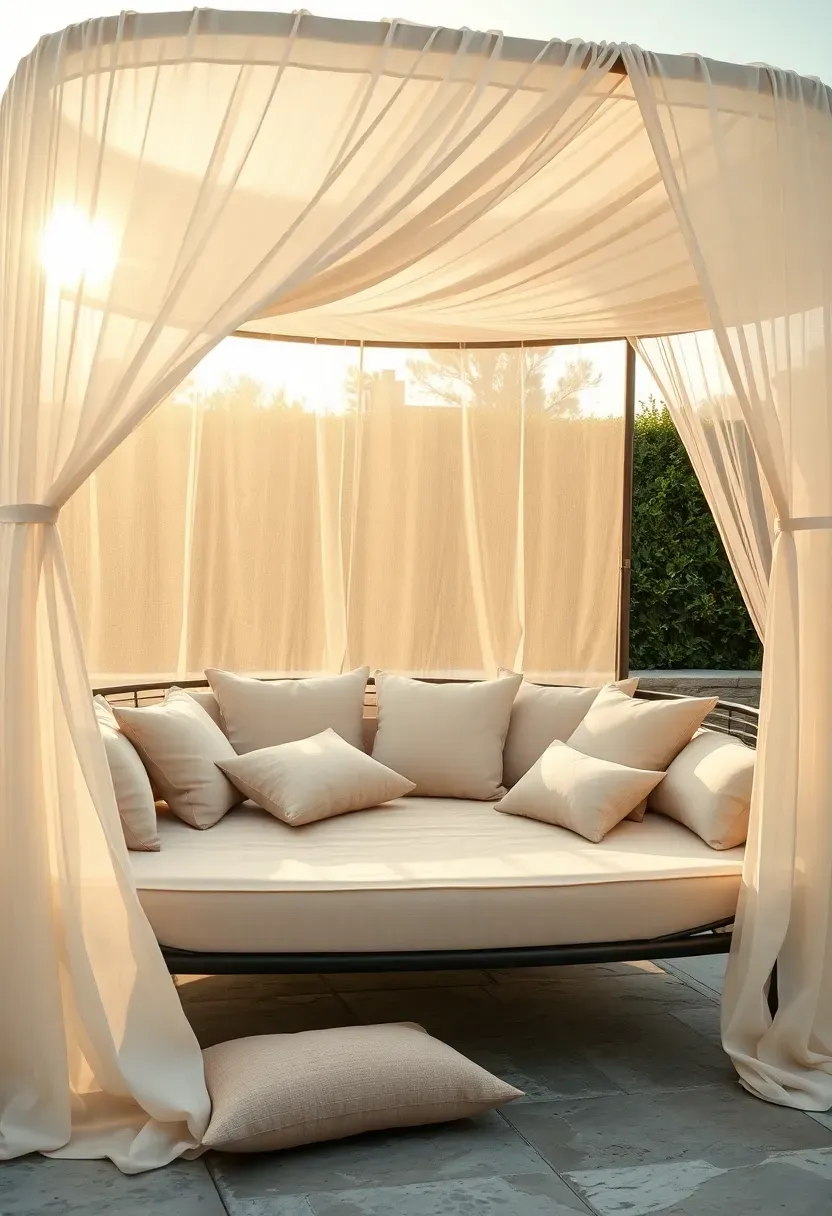
Imagine the laziest Sunday afternoon you can picture: a wide daybed, a stack of pillows, a book you keep forgetting to read, and a sheer canopy catching the breeze overhead. That is this idea in full. The daybed becomes the gravitational center of the terrace — the piece everyone migrates toward once the sun dips below forty-five degrees.
Tips for Choosing the Right Daybed
- Opt for powder-coated aluminum or teak frames that handle UV and moisture
- Cushions should be quick-dry foam with Sunbrella-type fabric covers
- Position the canopy post to cast shade across the headrest during peak afternoon hours
We picked a few things that go well with this idea: Walsunny 43-Inch Propane Fire Pit Table (★4.4), Ciays 28-Inch Propane Fire Pit Table (★4.6) and Ciays 42-Inch Gas Fire Pit Table (★4.6). As an Amazon Associate we earn from qualifying purchases.
4. Built-In Concrete Bench Perimeter
How to Build It
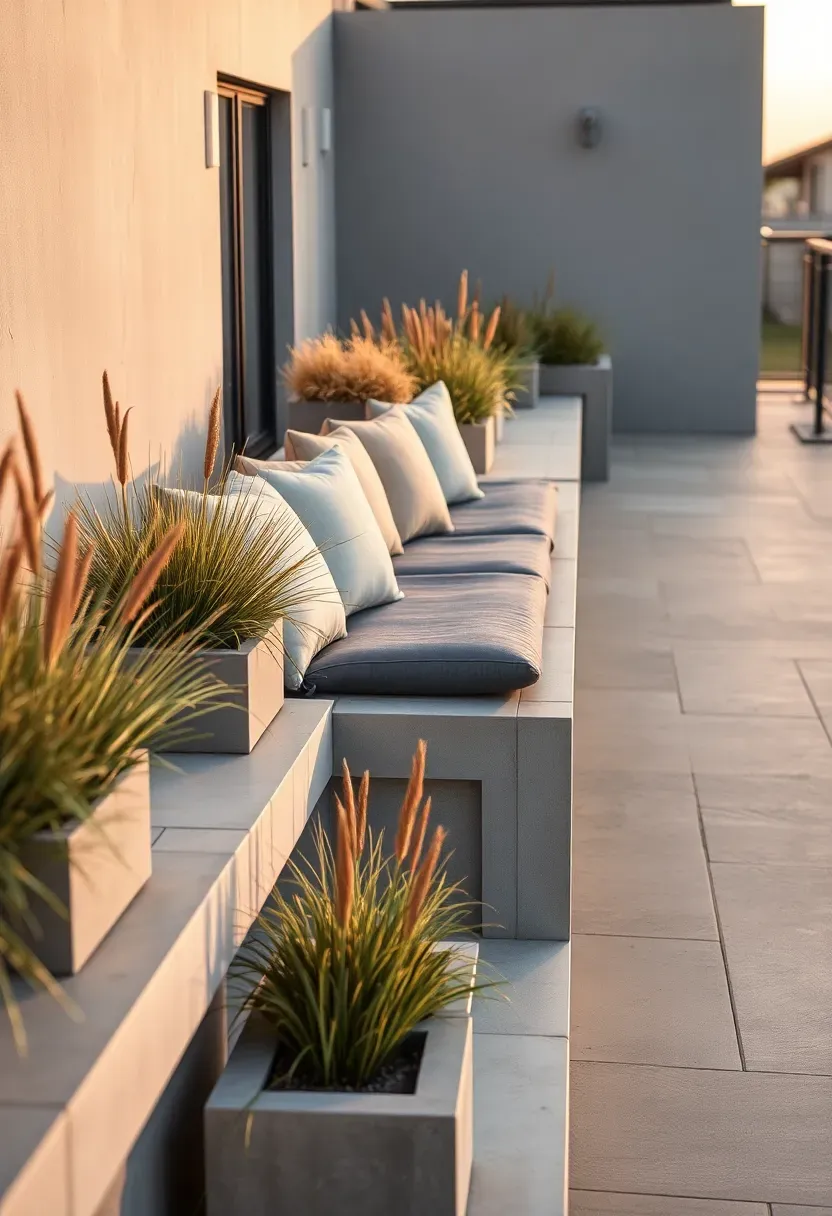
A perimeter bench system turns dead edge space into the most versatile seating on your terrace. Rather than cluttering the center with movable chairs, the bench wraps the boundary and keeps the middle open for a table, fire feature, or open lounging.
Opening note: this is a weekend project if you use cinder blocks and cap them with wood or stone. A poured concrete version requires forms and curing time, but the result is seamless.
Step 1: Plan the Layout
Measure your terrace perimeter and decide which walls get bench treatment. Corner sections are the most efficient — they create natural conversation nooks without additional furniture.
Step 2: Build the Base
Stack cinder blocks two or three high, depending on seat height preference. Standard seat height runs 17-19 inches. Mortar them in place or use construction adhesive for a lighter commitment.
Step 3: Add the Surface
Cap with sanded cedar planks, honed limestone slabs, or poured concrete. Secure with brackets or adhesive. Finish with weather-sealed outdoor cushions cut to fit.
What to Watch Out For
- Ensure drainage slopes away from bench bases to prevent water pooling
- Leave gaps in solid concrete runs to allow thermal expansion
- Test cushion fit before ordering custom sizes — measure twice
Recommended
Items for this idea
5. Sunset Bar Counter with Stools
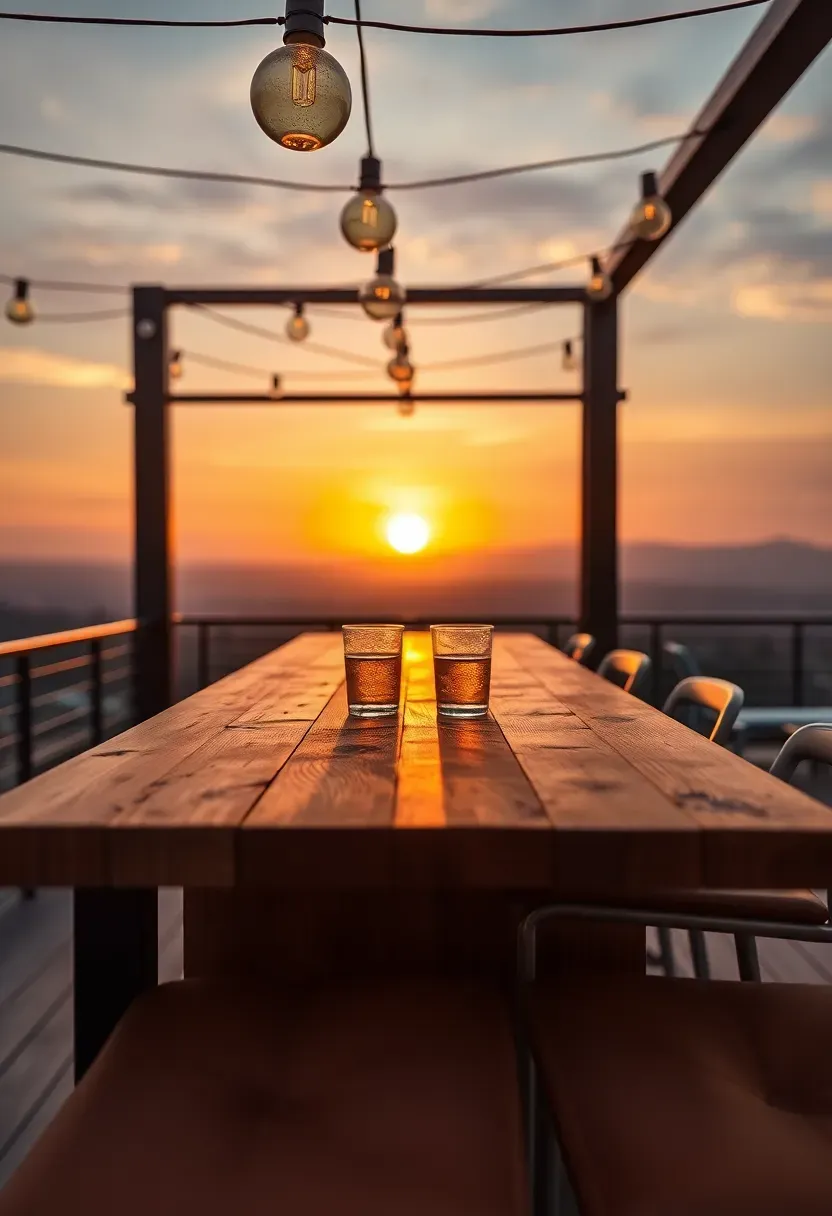
There is a reason rooftop bars charge premium prices — the combination of an elevated drink, open sky, and a horizon going gold is borderline addictive. You can replicate the experience at home with a simple bar-height counter positioned along the best view edge of your terrace.
Design Considerations
Build or buy a narrow counter (12-16 inches deep) and mount it at 42 inches high. Face the stools outward toward the sunset direction. Materials that age well outdoors include sealed concrete, powder-coated steel, and marine-grade plywood with epoxy finish.
Making It Functional
- Add a small bar cart or built-in shelf below for bottles and glasses
- Install a USB outlet strip for phone charging
- Use counter-height stools with footrests and weather-resistant seats
6. Tropical Planter Privacy Wall
Comparing: Fencing vs Living Green Wall
When you need privacy on a terrace, the obvious choice is a fence or screen. But the better question is whether that barrier can also provide shade, beauty, and a sense of being somewhere else entirely.
Option A: Traditional Fence or Screen
Quick to install, predictable, maintenance-free. But visually flat and does nothing for the microclimate on your terrace.
Option B: Tropical Planter Wall
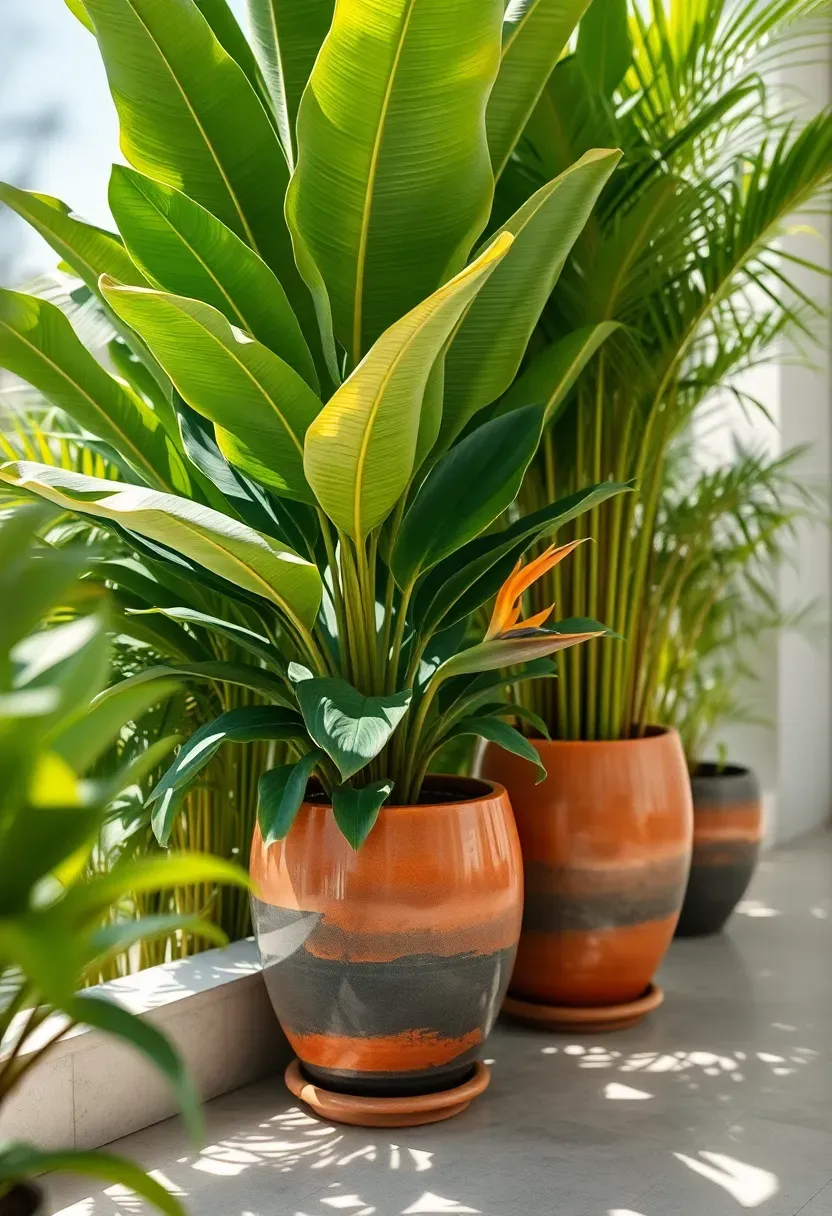
Rows of tall planters filled with banana plants, birds of paradise, bamboo palms, or tall grasses create a living screen that filters wind, provides dappled shade, and makes your terrace feel like a resort courtyard.
What to Choose
Choose a fence if: you need instant privacy, your climate is too cold for tropical plants, or you rent and cannot place heavy planters. Choose a planter wall if: you want multi-season beauty, natural shade, and the immersive feel of a tropical outdoor room.
Recommended
Items for this idea
7. Japanese Zen Platform Corner
Origins and Philosophy
The Japanese concept of engawa — a transitional space between indoors and outdoors — has influenced terrace design for centuries. It treats the boundary between house and garden not as a wall but as a gradient, a space where you sit and simply observe.
Modern Interpretation
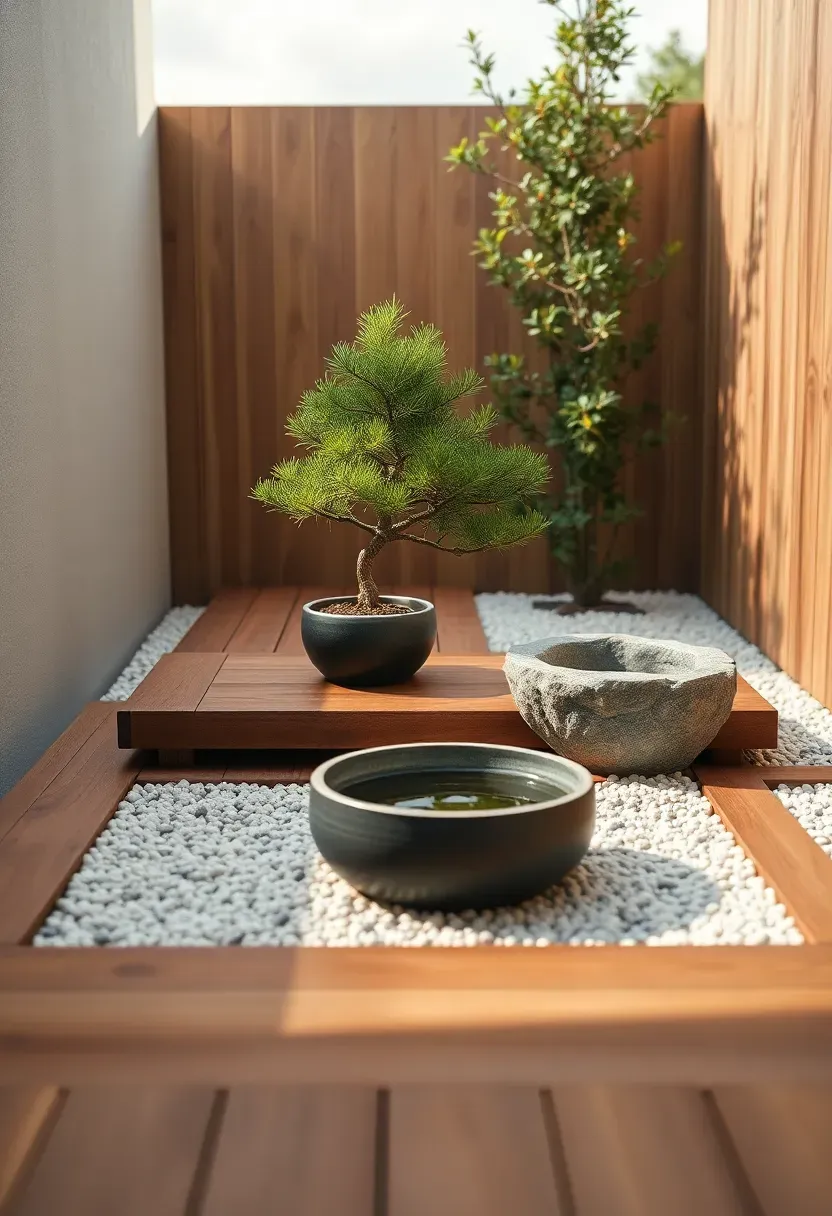
Translate this to a sun terrace by creating a low wooden platform (6-8 inches high) with clean edges, bordered by raked gravel or smooth river stones. The platform holds a single low table, floor cushions, and perhaps a carefully placed bonsai or stone water basin. Everything is minimal. The absence of clutter is the design. Natural light becomes the primary decorative element — shadows from a single tree or bamboo screen create moving patterns across the surface throughout the day.
How to Apply at Home
- Build the platform from weather-rated composite decking or oiled ipe wood
- Border with light-colored gravel in a raked pattern for meditative texture
- Limit furniture to one focal piece — a low table, a stone bench, or a single planter
- Add a small water feature for ambient sound
8. Sail Shade Geometric Canopy
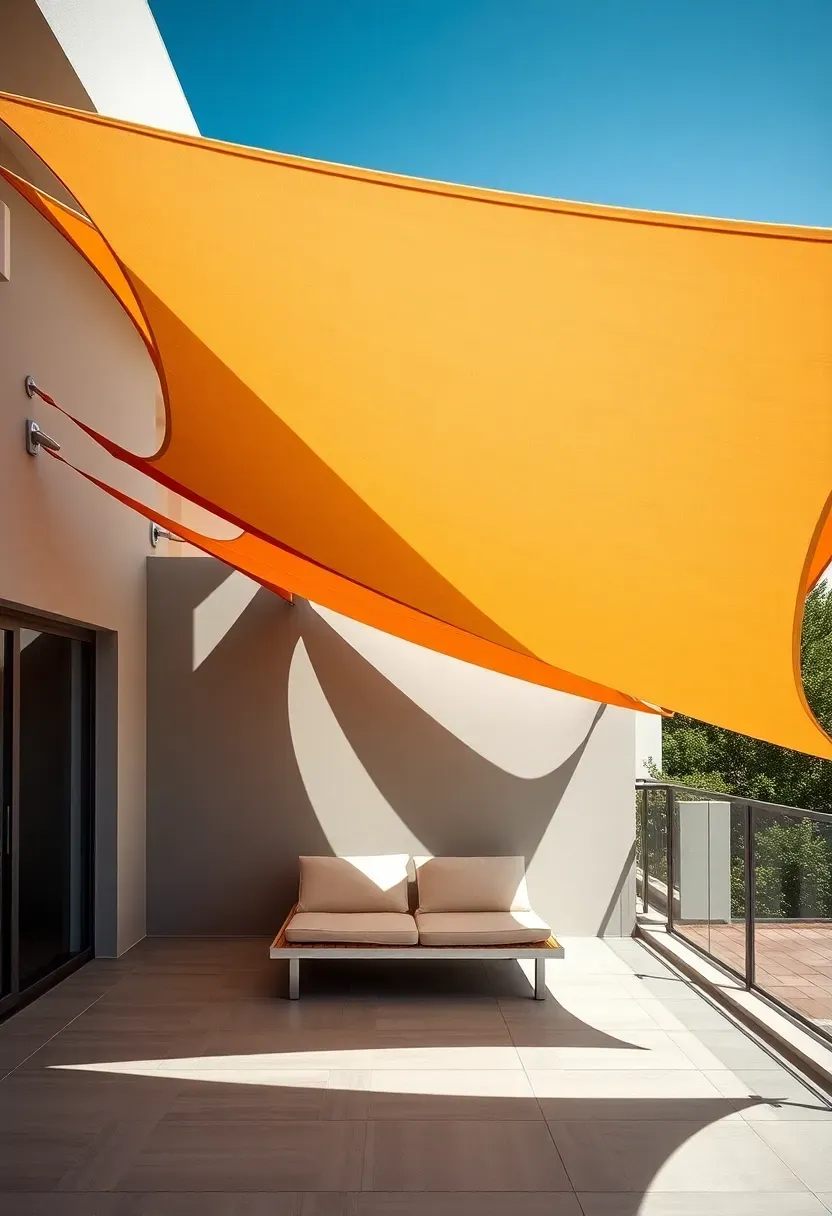
Sail shades are the Swiss Army knife of terrace shading — affordable, removable, and surprisingly dramatic when layered in geometric configurations. Instead of one flat rectangle, overlap two or three triangular sails at different heights and angles. The result is a dynamic canopy that casts shifting shadow patterns as the sun moves.
Tips for Maximum Impact
- Use contrasting colors (cream and charcoal, sand and terracotta) for visual depth
- Anchor points should be rated for wind loads — use stainless steel turnbuckles on wall mounts or heavy-duty poles
- Overlap sails by 20-30% to eliminate direct sun gaps during peak hours
- Take them down for winter storage in climates with heavy snow
Recommended
Items for this idea
9. Modular Sectional Pit Seating
The Core Issue
Traditional terrace seating forces everyone into separate chairs with awkward gaps. Conversation splinters. The group feels scattered rather than gathered.
The Solution
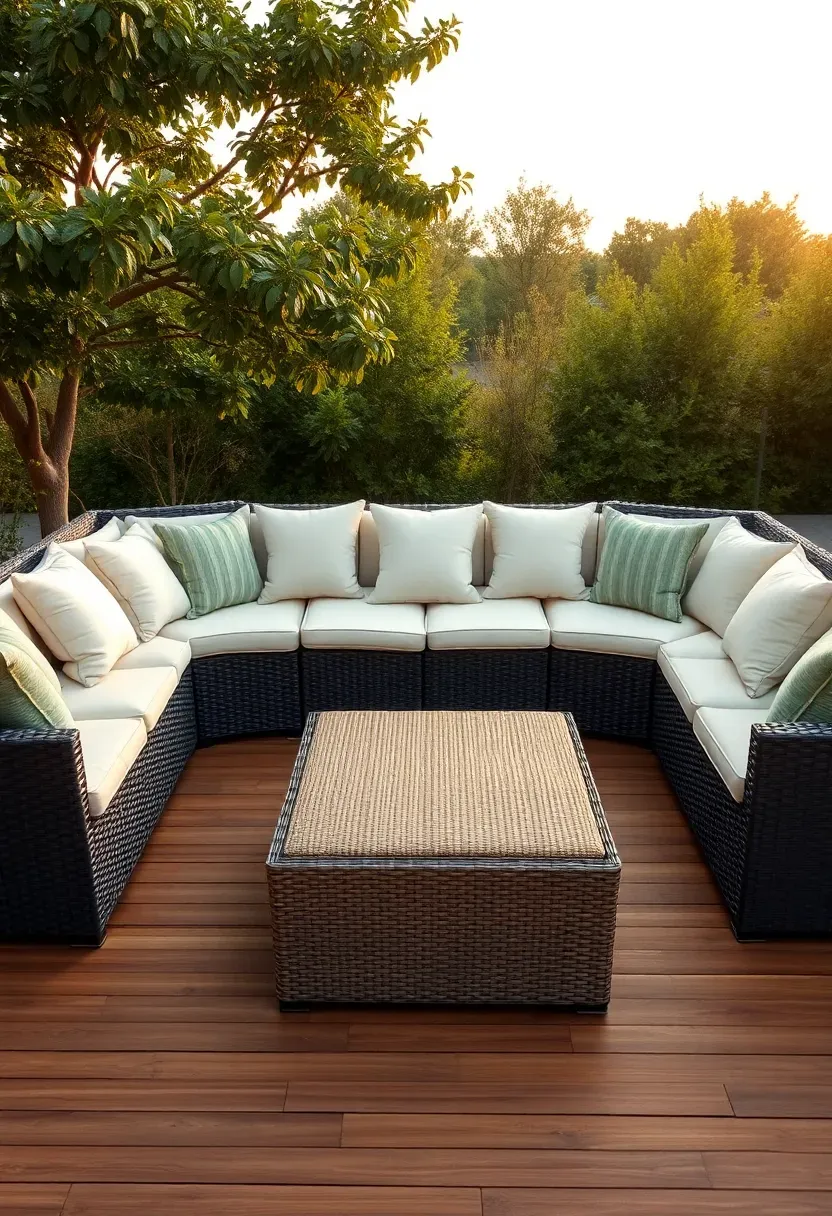
A modular sectional arranged in a U-shape or closed square creates pit-style seating — the outdoor equivalent of a sunken living room. Everyone faces inward, legs stretch onto a shared ottoman, and the group naturally gravitates toward each other. The configuration works for four people or fourteen, depending on how many modules you connect. Choose all-weather wicker, recycled HDPE plastic, or aluminum frame modules with quick-dry cushions rated for outdoor exposure.
Pros and Cons
Pros: Reconfigurable for different events, deeply comfortable, eliminates the need for separate chairs Cons: Takes up significant floor space, quality modular sets are an investment, cushion storage needed in wet climates
10. Fire Table Conversation Circle
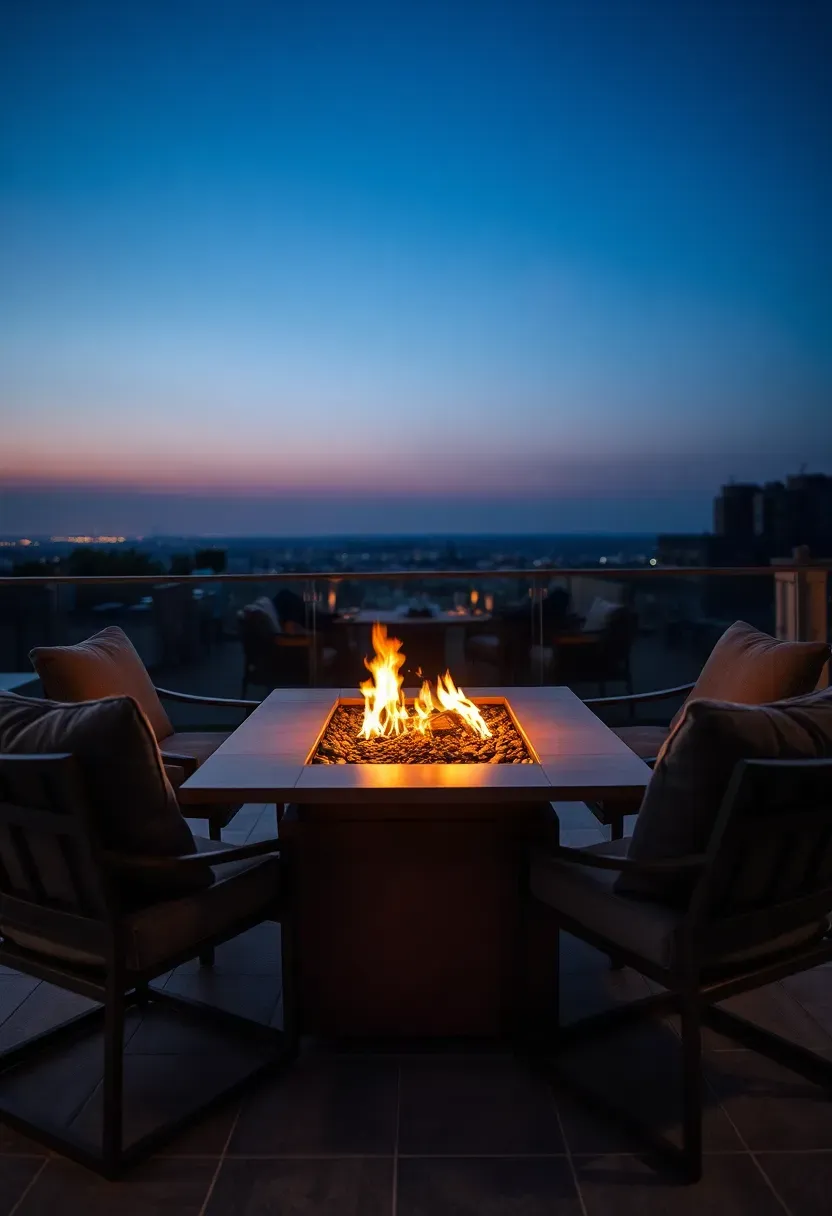
Nothing holds people on a terrace past sunset like fire. A fire table — a low rectangular or circular table with a built-in gas flame — becomes the anchor of your evening terrace. It provides warmth, ambient light, and a hypnotic focal point that keeps conversations going long after the last plate is cleared.
Choosing the Right Fire Table
- Propane models are portable and need no gas line installation
- Natural gas models connect to your home supply for unlimited run time
- Glass wind guards protect the flame in breezy rooftop conditions
- Size the table to your seating circle — guests should sit 24-36 inches from the flame edge
Recommended
Items for this idea
11. Hanging Egg Chair Reading Spot
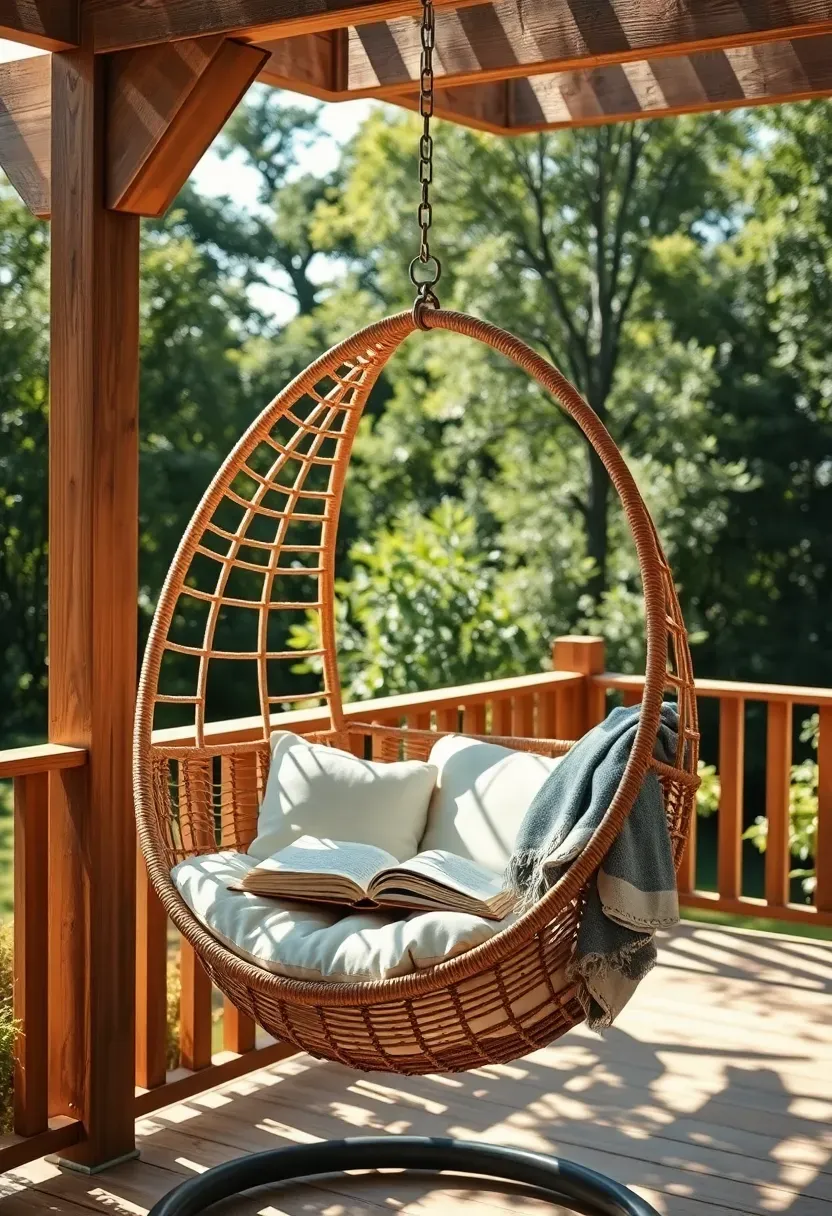
Step 1: Pick the Right Chair
Not all egg chairs are outdoor-rated. Look for powder-coated steel or aluminum frames with UV-resistant synthetic rattan weave. The cushion insert should be quick-dry foam with a removable, washable cover.
Step 2: Find a Strong Anchor Point
Ceiling-mounted hooks need to attach to a structural beam — not drywall, not decorative trim. If your terrace has a pergola, wrap the chain around a main beam with a rated carabiner. Freestanding frames eliminate the anchor question entirely but take up more floor space.
Step 3: Style the Spot
Add a small side table within arm's reach for a drink and a reading lamp. A sheepskin throw draped over the seat back adds texture and warmth for cooler evenings. Position the chair to face the best view — garden, skyline, or sunset horizon.
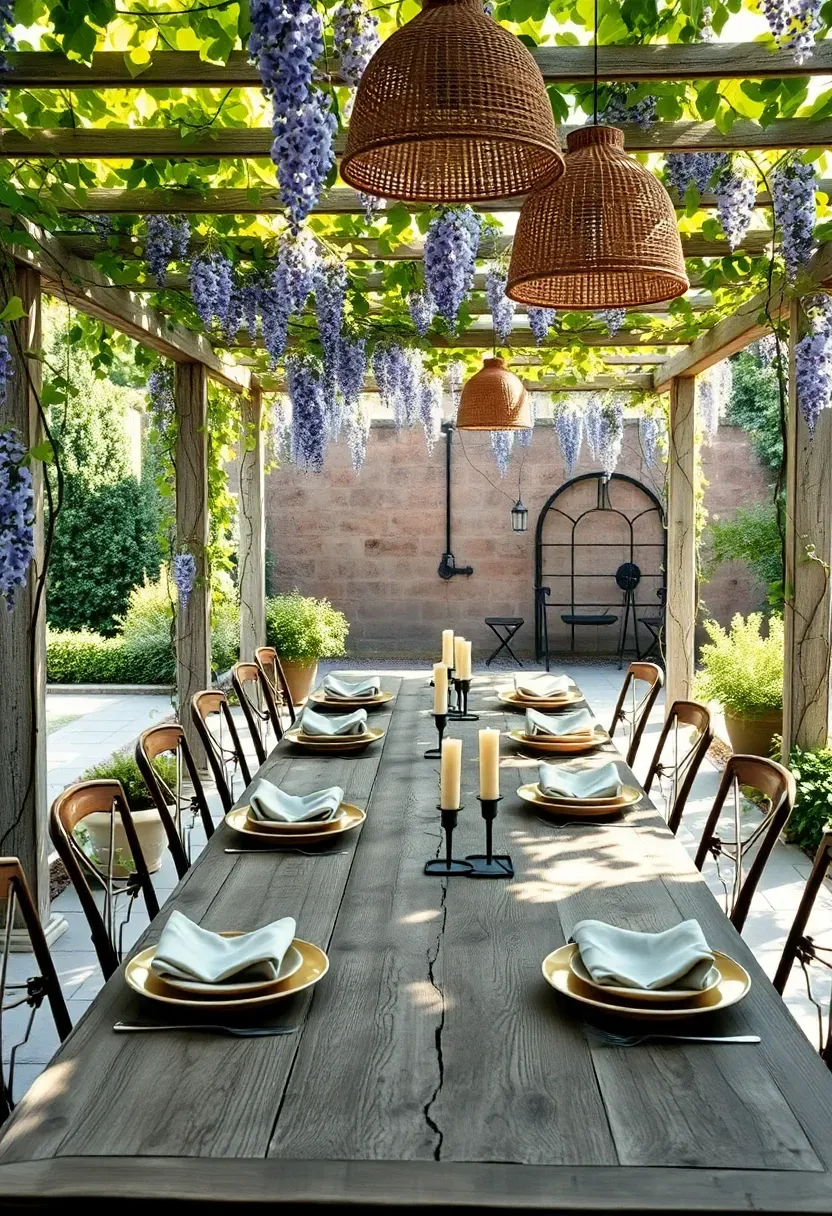
12. Outdoor Dining Terrace with Vine Pergola
For centuries, people in warm climates have eaten under living canopies. A vine-covered pergola over a dining table is one of the oldest and most effective terrace designs — the vines filter harsh sunlight into a dappled, shifting pattern while keeping the air beneath several degrees cooler than the open terrace.
Best Vines for Terrace Pergolas
Wisteria delivers dramatic spring blooms but grows aggressively. Grape vines offer shade, fruit, and autumn color. Star jasmine provides evergreen coverage and fragrant white flowers. Bougainvillea thrives in hot, dry climates with vivid color but needs pruning to stay manageable.
Practical Notes
- Train vines on stainless steel wire guides attached to pergola beams
- Allow 2-3 growing seasons for full canopy coverage
- Install drip irrigation along the pergola top for consistent watering
- Supplement with string lights woven through the vine canopy for evening ambiance
Recommended
Items for this idea
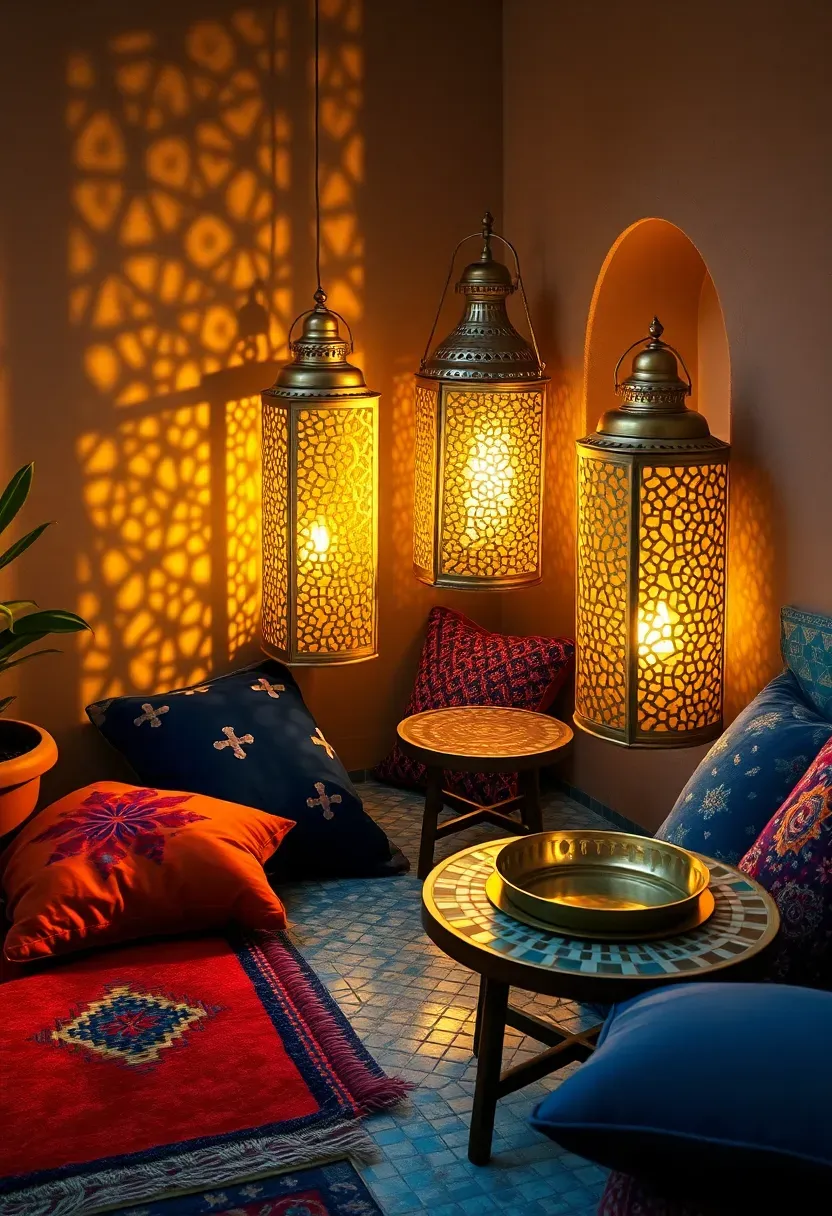
13. Moroccan Lantern Sunset Lounge
Origins and Cultural Context
Moroccan outdoor design descends from the riad — an inward-facing courtyard home where all living gravitates toward an open-air center. Light, pattern, and metalwork transform plain surfaces into sensory experiences. The lantern is the signature element: pierced metal casting intricate shadow patterns that shift with the flame.
Modern Interpretation
You do not need a riad to capture this atmosphere. Cluster brass or iron lanterns in varying heights across your terrace — on tables, hung from hooks, placed on steps. Add colorful floor cushions, a mosaic-top side table, and a low wooden tray for tea service. The key is density of detail: layered textiles, mixed metals, and warm-toned ceramics create a cocoon-like richness that commercial minimalism cannot match. As the sun sets, the lanterns take over, and your terrace becomes something between a bazaar and a private courtyard.
How to Apply at Home
- Source lanterns from import stores or online artisan marketplaces for authentic craftsmanship
- Use battery-operated LED candles inside lanterns for safety on windy terraces
- Layer kilim rugs over tile or stone flooring for pattern and warmth underfoot
- Serve mint tea in traditional glasses to complete the sensory experience
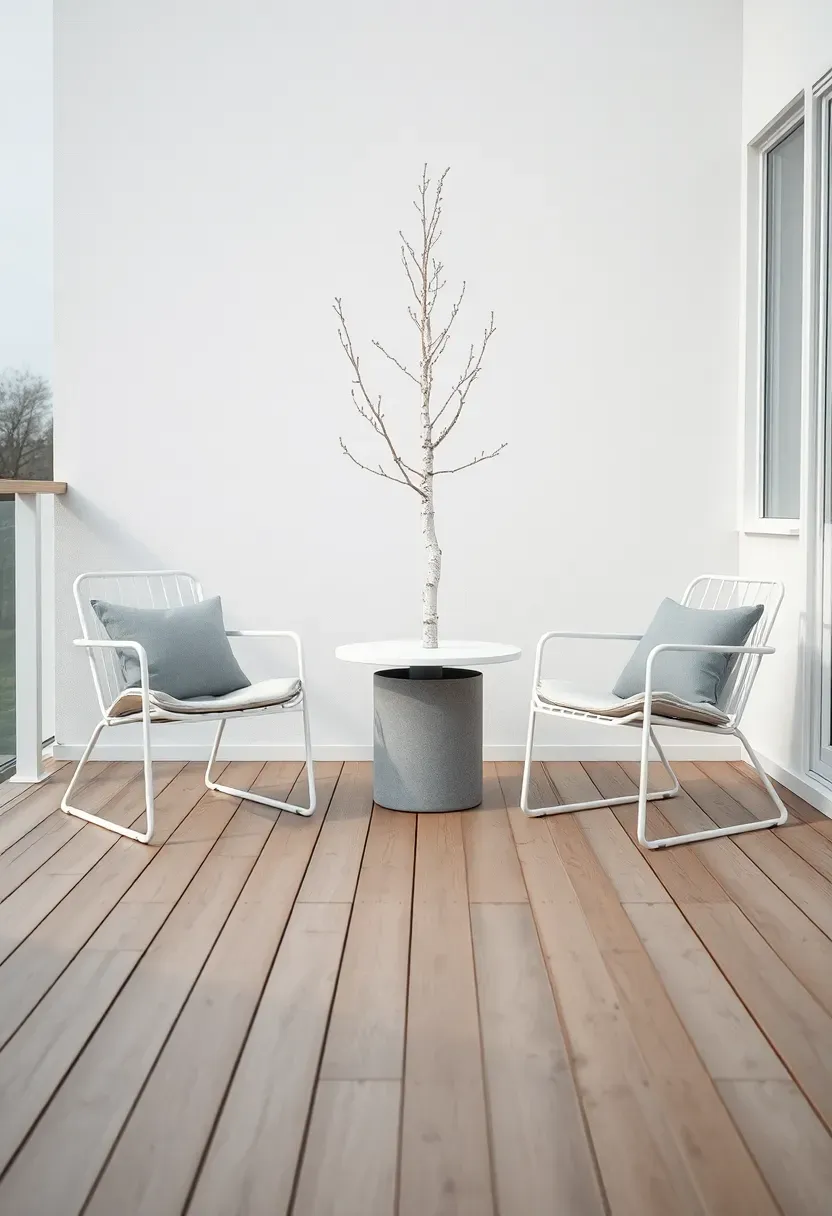
14. Minimalist Scandinavian Deck Terrace
Strip away the ornamentation. Remove the busy patterns. Let the materials speak. A Scandinavian terrace design relies on light wood, muted neutrals, and the kind of restraint that makes every object feel intentional.
What Makes It Work
The palette stays tight: whitewashed or natural wood decking, pale gray or off-white cushions, and a single accent in muted sage or dusty blue. Furniture lines are clean — no curves, no scrollwork. A single potted birch or ornamental grass provides the only organic movement.
Tips for Authenticity
- Choose untreated or lightly oiled larch, cedar, or Douglas fir decking
- Limit decorative objects to three or fewer per zone
- Use wool or linen throws rather than synthetic fabrics for texture
- Embrace negative space — resist the urge to fill every corner
Recommended
Items for this idea
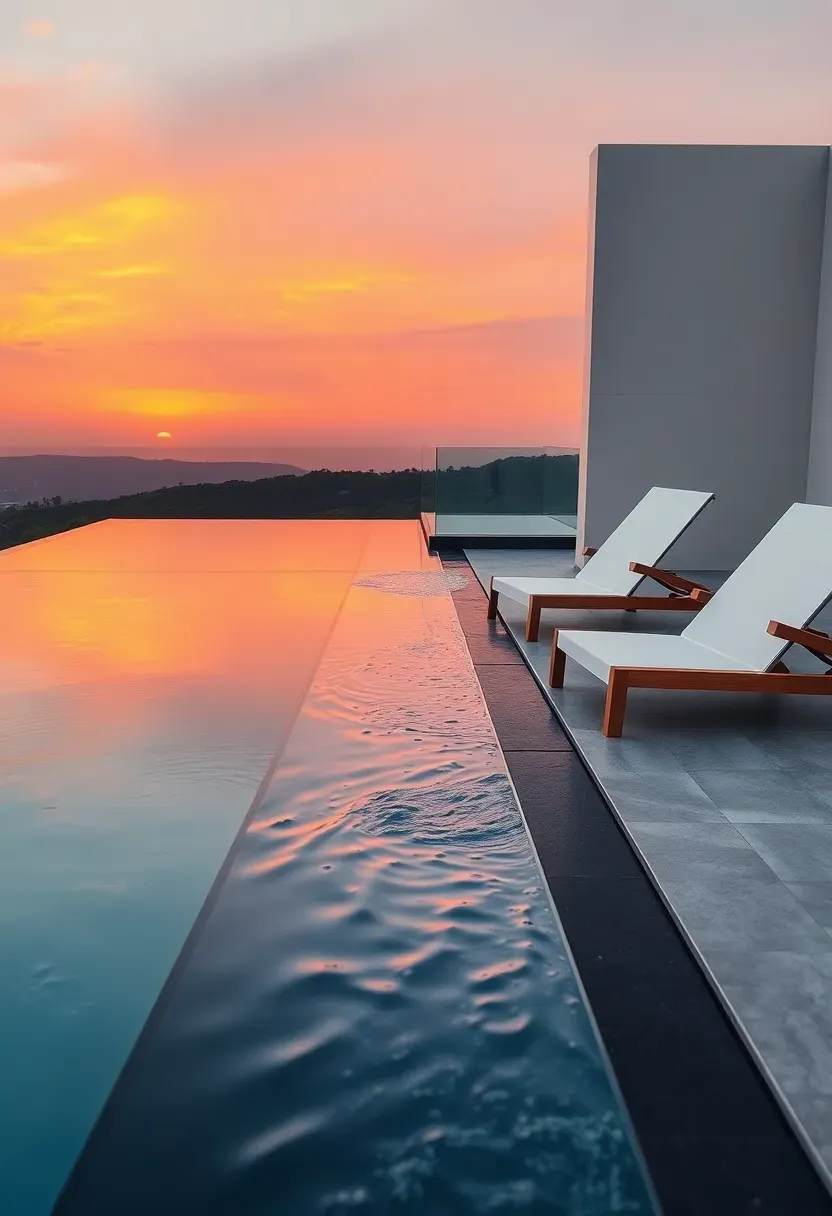
15. Waterfall Edge Infinity Terrace
This is the aspirational build — the terrace that stops the scroll on any design feed. An infinity-edge water feature along the terrace perimeter creates the illusion that the surface extends into the horizon. The water catches sunset colors and doubles the visual drama of golden hour.
Making It Feasible
Full infinity pools require structural engineering on rooftops. But a narrow reflecting channel (12-18 inches wide, 4-6 inches deep) along one terrace edge achieves 80% of the visual effect at a fraction of the cost. Recirculating pumps keep water moving. The sound of trickling water masks urban noise and adds a meditative layer to the space.
Considerations
- Waterproofing membrane beneath the channel is non-negotiable
- Add underwater LED strip lights for evening shimmer
- Keep the water treated to prevent algae and mosquito breeding
- Position lounge furniture to face the water edge for maximum impact
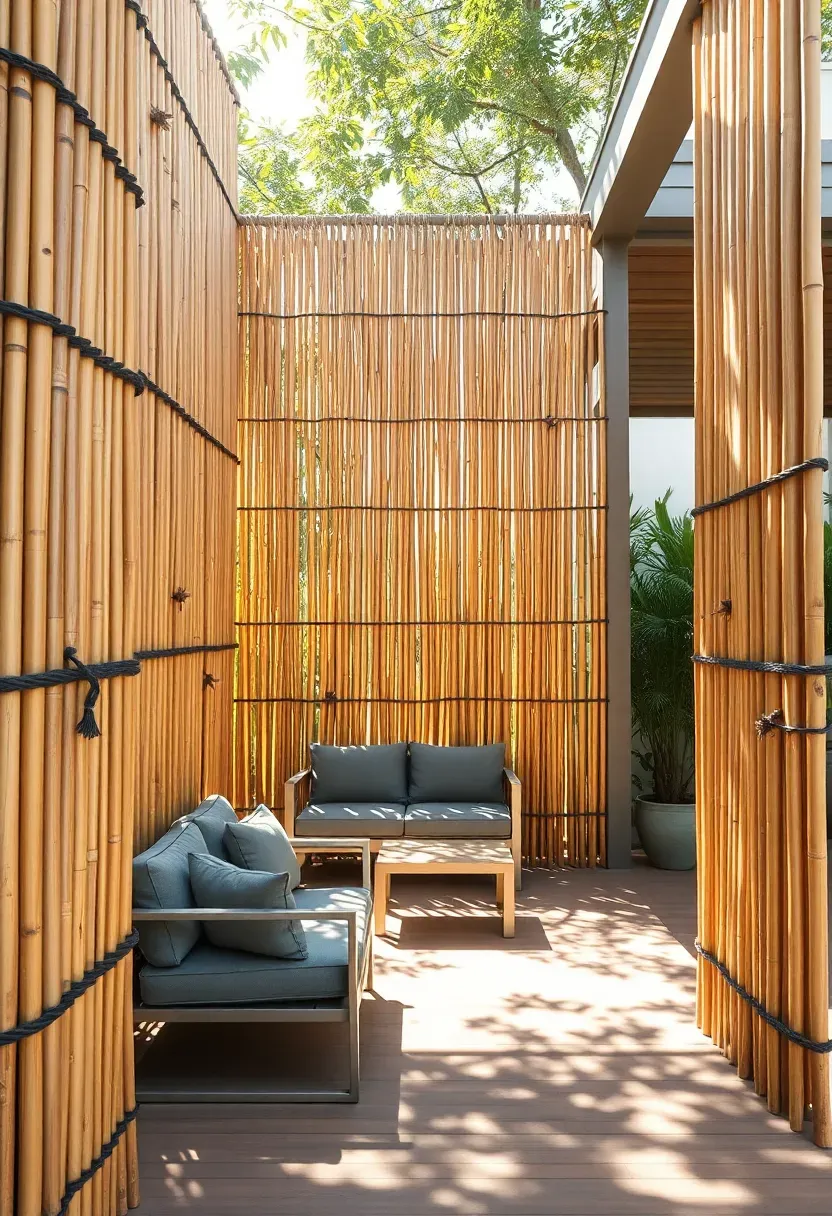
16. Bamboo Screen Wind Break Station
The Core Issue
Elevated terraces catch wind that ground-level patios never experience. Constant gusts make dining uncomfortable, scatter lightweight items, and turn candle flames into wishful thinking.
The Solution
Bamboo screen panels — either natural culm poles lashed together or woven bamboo mats mounted on metal frames — break wind velocity by 60-70% while allowing filtered airflow through. Unlike solid walls, bamboo screens breathe. They reduce wind without creating the turbulence pockets that solid barriers generate on their leeward side. Position screens perpendicular to your prevailing wind direction, and your terrace transforms from gusty to gentle.
Pros and Cons
Pros: Affordable, natural aesthetic, easy to install and relocate, provides partial shade Cons: Natural bamboo needs replacement every 3-5 years, not effective against extreme wind events
Recommended
Items for this idea
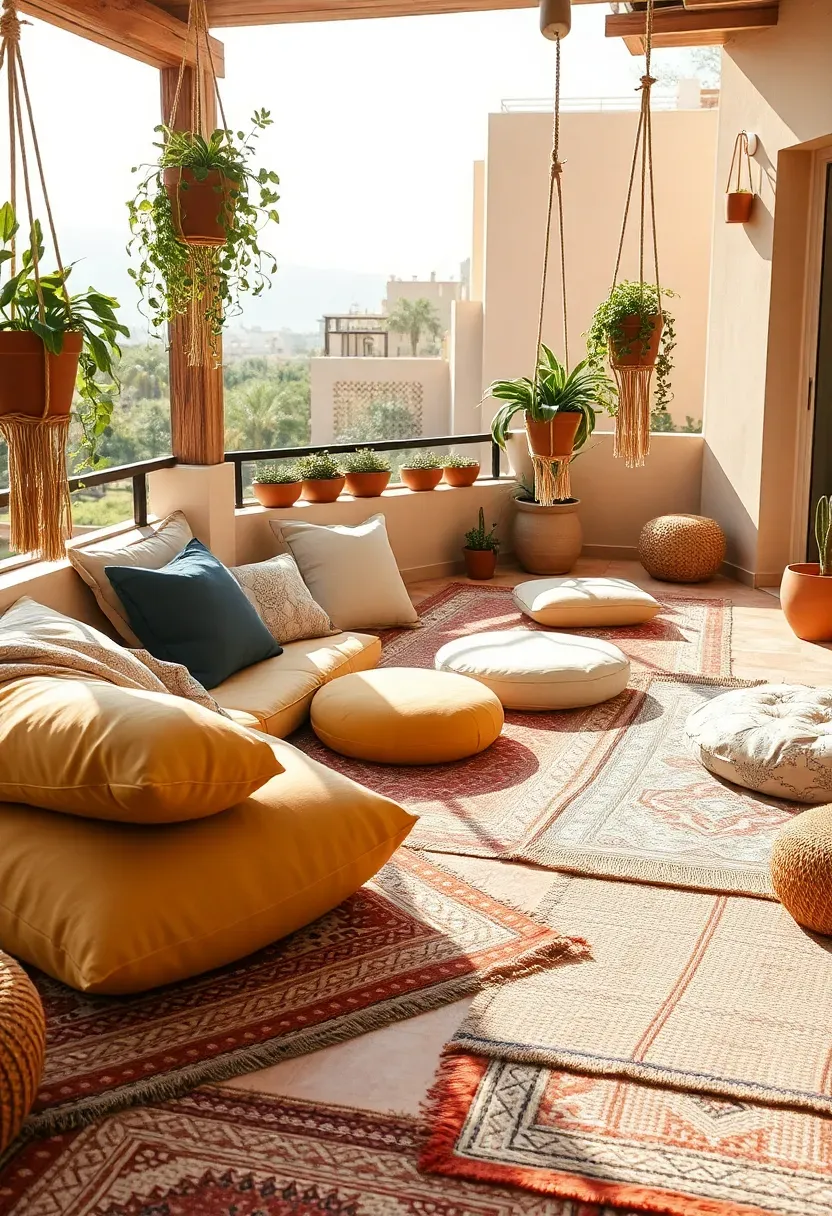
17. Bohemian Floor Cushion Terrace
Why chairs at all? A bohemian floor terrace replaces conventional seating with an expanse of layered outdoor rugs, oversized floor cushions, and poufs at various heights. The entire terrace becomes one continuous lounging surface where guests sit, recline, stretch, and rearrange themselves naturally.
Making It Practical
- Invest in outdoor-rated floor cushions with removable covers for washing
- Layer two or three flat-weave outdoor rugs in complementary patterns
- Add a low tray table (12-16 inches high) for drinks and snacks
- Hang macramé planters or woven tapestries from overhead structures for vertical interest
- Store cushions in a weatherproof deck box when not in use
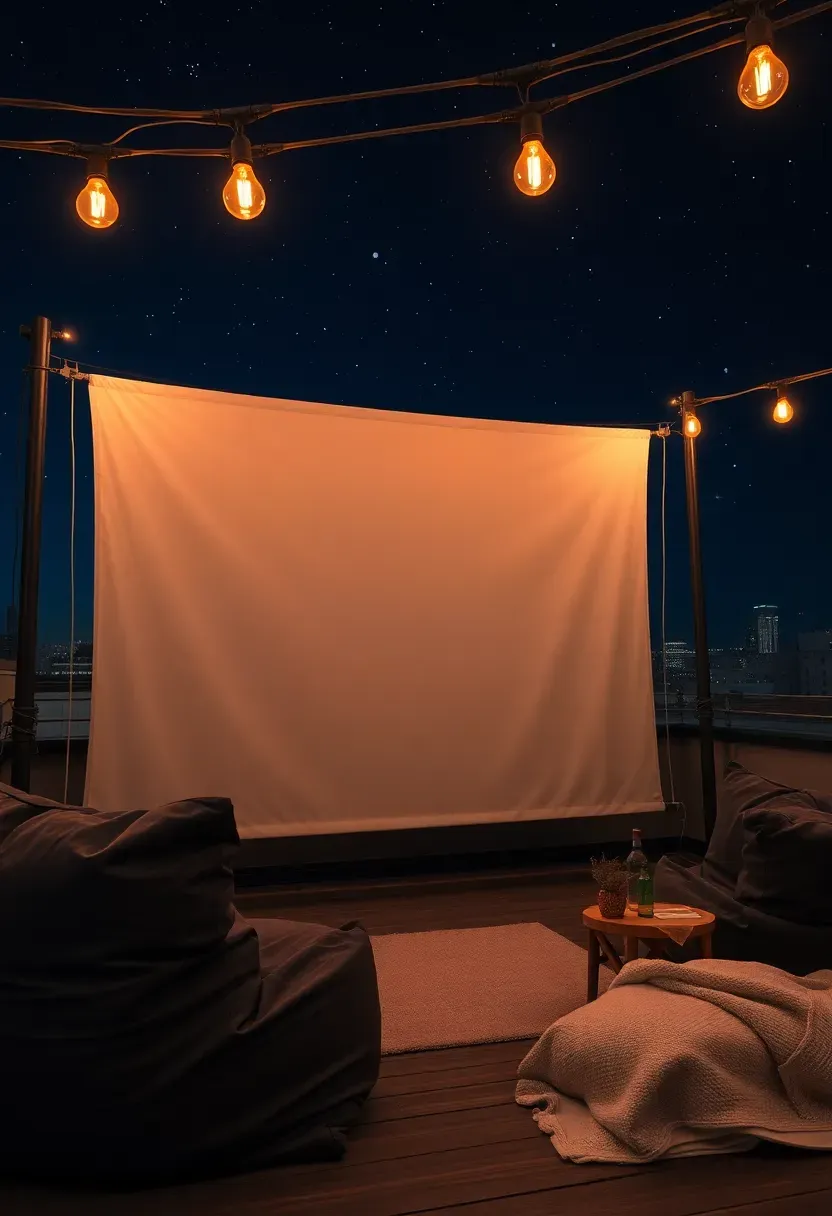
18. Rooftop Cinema Under the Stars
How to Set Up an Outdoor Movie Night
Your terrace already has one thing most indoor rooms lack — a ceiling of stars. Add a projector and a screen, and you have a private cinema that doubles as the best date night or gathering spot in the neighborhood.
Step 1: Choose Your Screen
A retractable pull-down screen (100-120 inches) mounts to a wall or pergola beam. Budget option: a flat white bedsheet stretched taut between two poles. The key is a flat, wrinkle-free surface.
Step 2: Position the Projector
A portable LED projector with 3000+ lumens works outdoors after sunset. Place it on a stable surface or ceiling-mount bracket behind the seating area. Test the throw distance before committing to placement.
Step 3: Build the Seating
Bean bags, floor cushions, and outdoor lounge chairs arranged in rows. Provide blankets — rooftop temperatures drop quickly after dark. A popcorn station on a side cart completes the experience.
What to Watch Out For
- Ambient city light washes out projections — wait until full dark or add blackout side panels
- Bluetooth speakers beat projector audio in every scenario
- Check local noise ordinances for rooftop sound levels after 10 PM
Recommended
Items for this idea
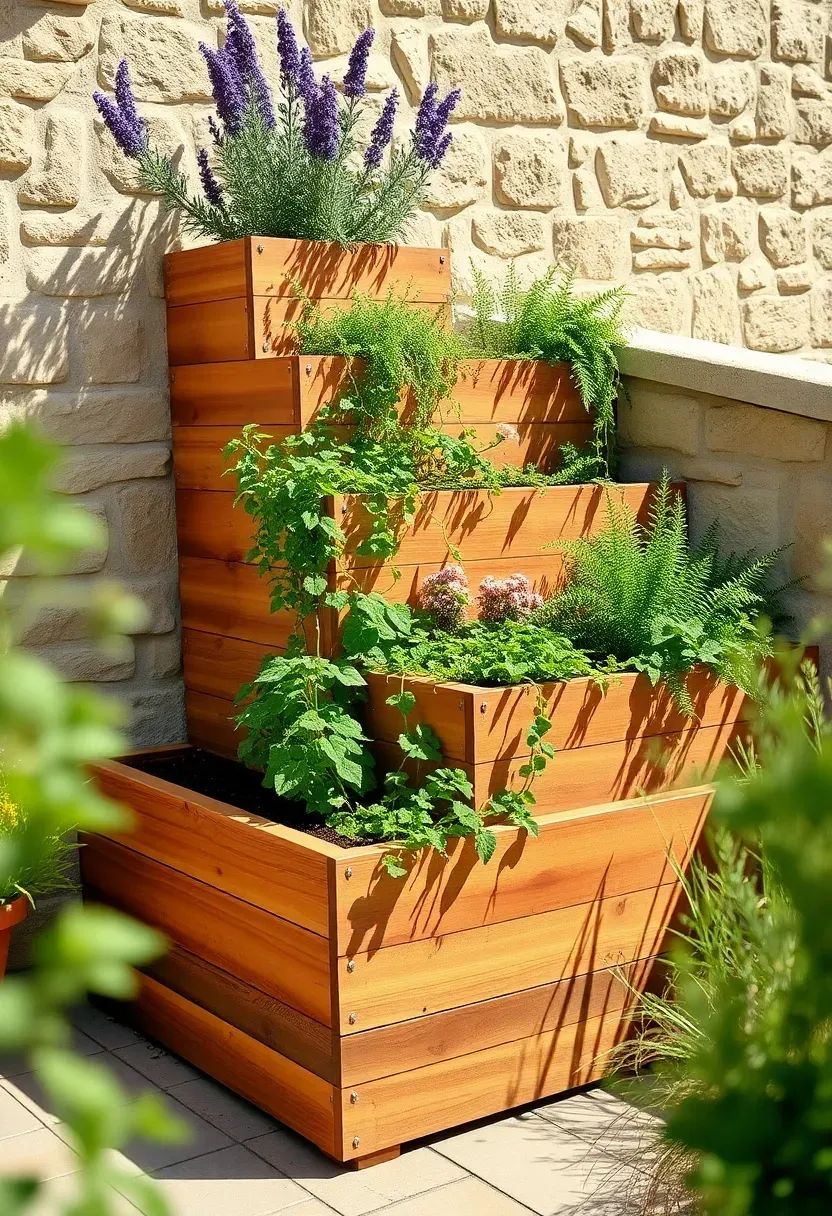
19. Tiered Planter Step Garden
Think of this as a vertical garden that steps horizontally across your terrace. Rather than one flat row of pots, create cascading tiers using stacked planters, raised beds at different heights, or a custom-built stepped planter wall. The visual effect is lush and layered — a green staircase that adds dimension to a flat terrace surface.
Plant Selection by Tier
Top tier (most sun): Lavender, rosemary, ornamental grasses, succulents Middle tier: Herbs, compact flowering plants, trailing ivy Bottom tier (most shade): Ferns, hostas, begonias, moss
Construction Tips
- Use rot-resistant cedar or composite lumber for built structures
- Line planters with landscape fabric to prevent soil washout through drainage holes
- Install drip irrigation with a timer for consistent watering across all tiers
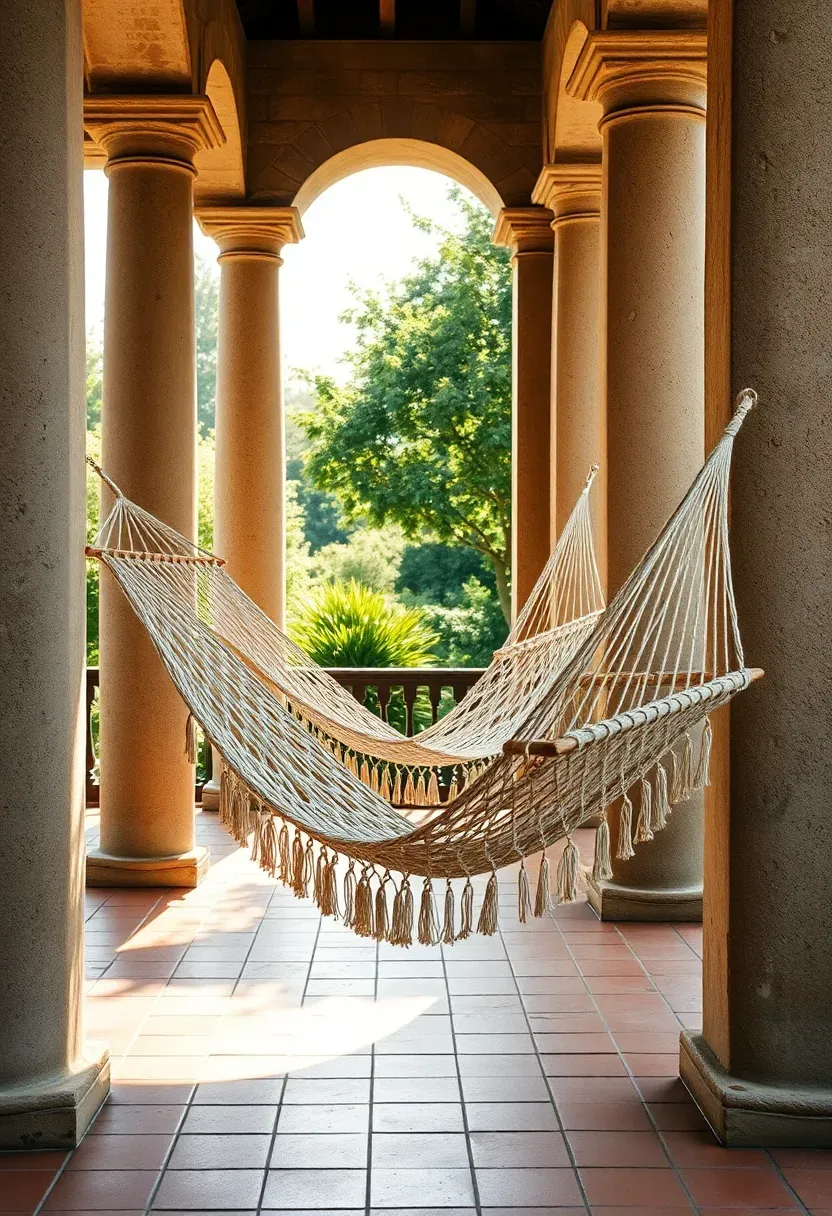
20. Hammock Corridor Between Columns
If your terrace has columns, posts, or substantial wall anchors spaced 10-15 feet apart, you have natural hammock anchor points. Stringing one or two hammocks creates a corridor of suspended relaxation that uses vertical space rather than floor space — critical on smaller terraces.
Selecting the Right Hammock
Brazilian-style gathered hammocks cocoon around you and work well for napping. Spreader-bar hammocks lay flat and suit reading or two-person use. Rope hammocks are classic but less comfortable for extended lounging without a pad.
Placement Strategy
- Hang hammocks at minimum 4 feet above the floor at the lowest sag point
- Angle them to face the best view or sunset direction
- Add a small clip-on side tray for a drink — reaching for a table from a hammock is an exercise in futility
Recommended
Items for this idea
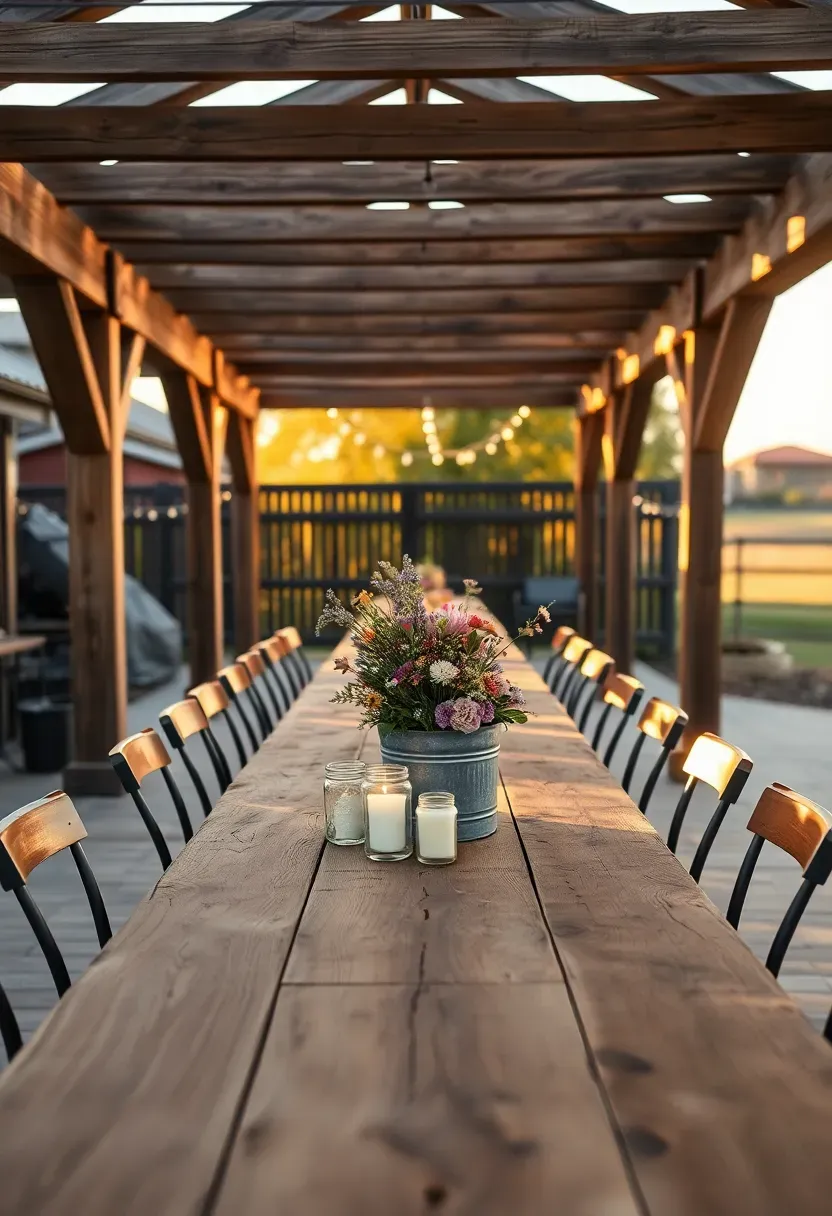
21. Rustic Farmhouse Terrace with Timber Frame
Origins and Character
Farmhouse style draws from agrarian architecture — exposed timber, rough-hewn surfaces, functional hardware, and a color palette dictated by natural materials rather than trend forecasts. On a terrace, this translates to heavy wood beams, iron accents, and the kind of table that looks like it has hosted a hundred harvest dinners.
Modern Interpretation
Today's farmhouse terrace borrows the bones but refines the comfort. A reclaimed timber pergola provides structural drama and partial shade. Below it, a long plank table seats eight to twelve with mismatched chairs — some metal, some wood, deliberately imperfect. Mason jars hold candles or wildflowers. Linen runners drape casually over the table edge. The whole composition says: sit down, stay a while, no one is keeping score. The rustic elements ground the space while modern cushions and weather-resistant finishes ensure it actually holds up through seasons of use.
How to Apply at Home
- Source reclaimed barn wood for the table or pergola beams
- Mix metals: wrought iron lanterns with galvanized steel planters
- Add a vintage farm sink converted to an outdoor planter or beverage station
- Keep textiles neutral: burlap, linen, unbleached cotton
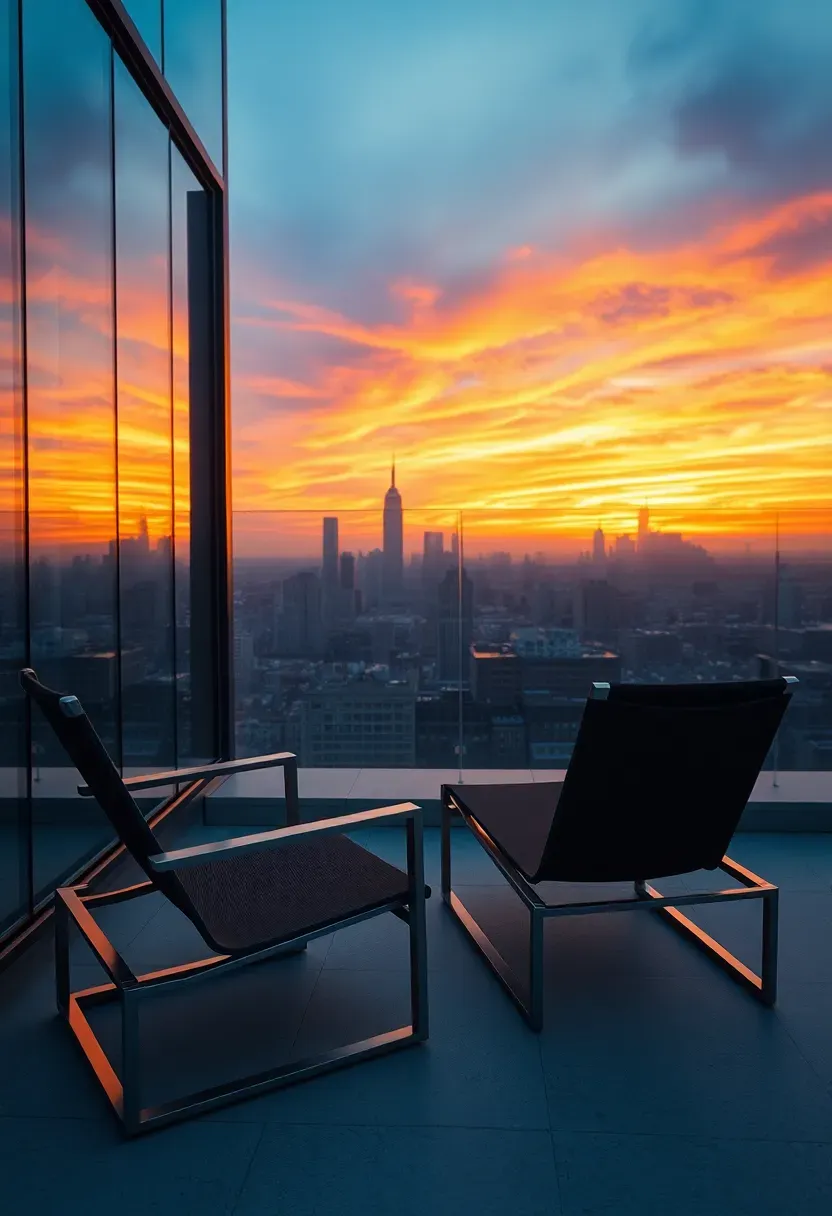
22. Glass Balustrade Panoramic Deck
Comparing: Glass vs Metal Railing
The railing system on your terrace controls how much of the view you actually see. It is a choice between obstruction and openness.
Option A: Traditional Metal Railing
Durable, code-compliant, relatively affordable. Vertical balusters break the view into slices. Horizontal cable rails improve sightlines but still interrupt the visual plane.
Option B: Frameless Glass Balustrade
Tempered glass panels mounted with minimal hardware create an almost invisible barrier. The view remains unbroken from seated or standing height. Wind protection is superior to open railings.
What to Choose
Choose metal if: budget is the primary concern, or your aesthetic leans industrial or traditional. Choose glass if: the view is the main reason you use your terrace, you want wind protection without visual obstruction, and you can commit to regular cleaning.
Recommendation
For terraces where the view is the primary asset — ocean, skyline, mountains — glass balustrades pay for themselves in daily enjoyment. The investment runs 2-3 times the cost of metal, but the experiential difference is dramatic.
Recommended
Items for this idea
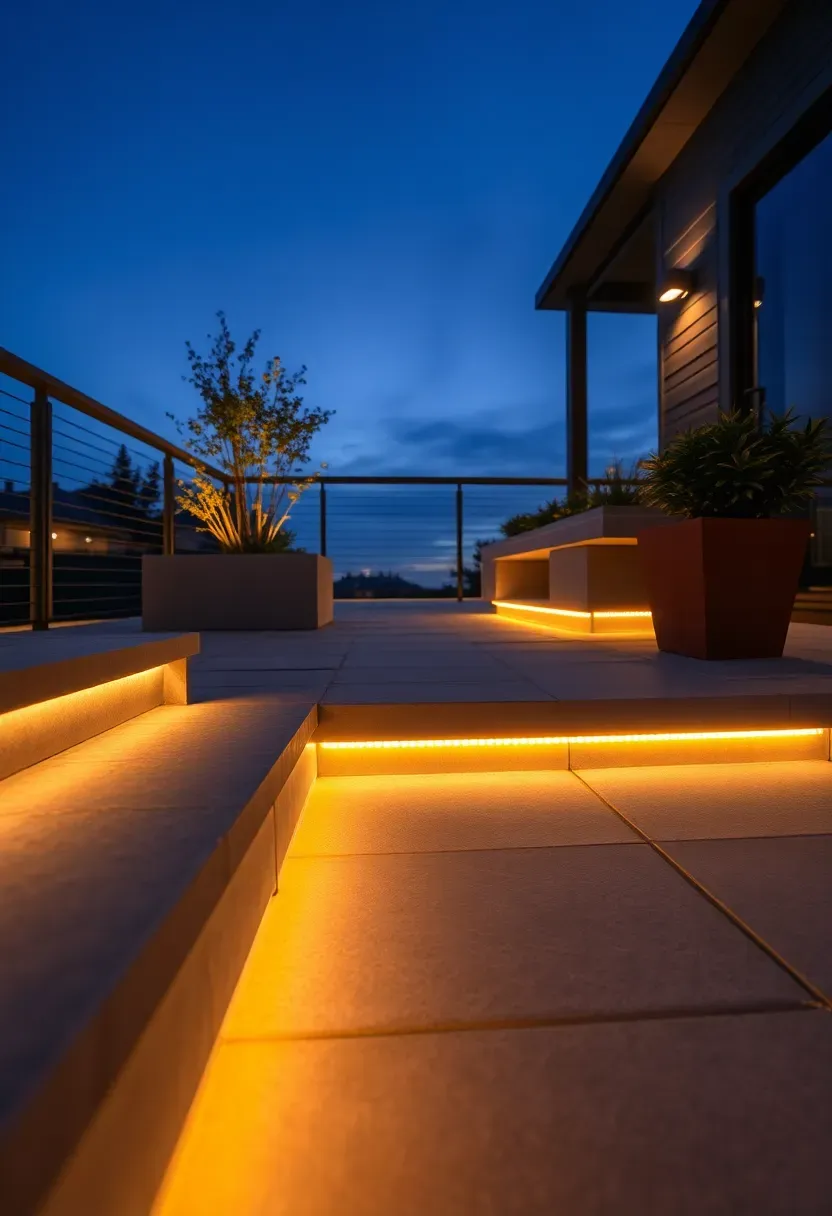
23. LED Strip Twilight Terrace
The transition from daylight to night is where most terraces lose their magic. Overhead floodlights are harsh. Total darkness is impractical. LED strip lighting threads the needle — it provides wayfinding illumination, ambient warmth, and architectural definition without a single visible bulb.
Where to Install Strips
- Along step risers for safety and drama
- Under bench seats for a floating glow effect
- Inside planter rims to uplight foliage
- Along railing undersides to define the terrace perimeter
- Under overhead pergola beams for indirect ceiling light
Technical Notes
- Choose warm white (2700-3000K) for a sunset-like ambiance; avoid cool white on terraces
- IP65 or higher waterproof rating is mandatory for outdoor use
- Smart LED strips with app control let you dim, schedule, and change color temperature
- Battery-powered strips work for renters; hardwired systems suit permanent installations
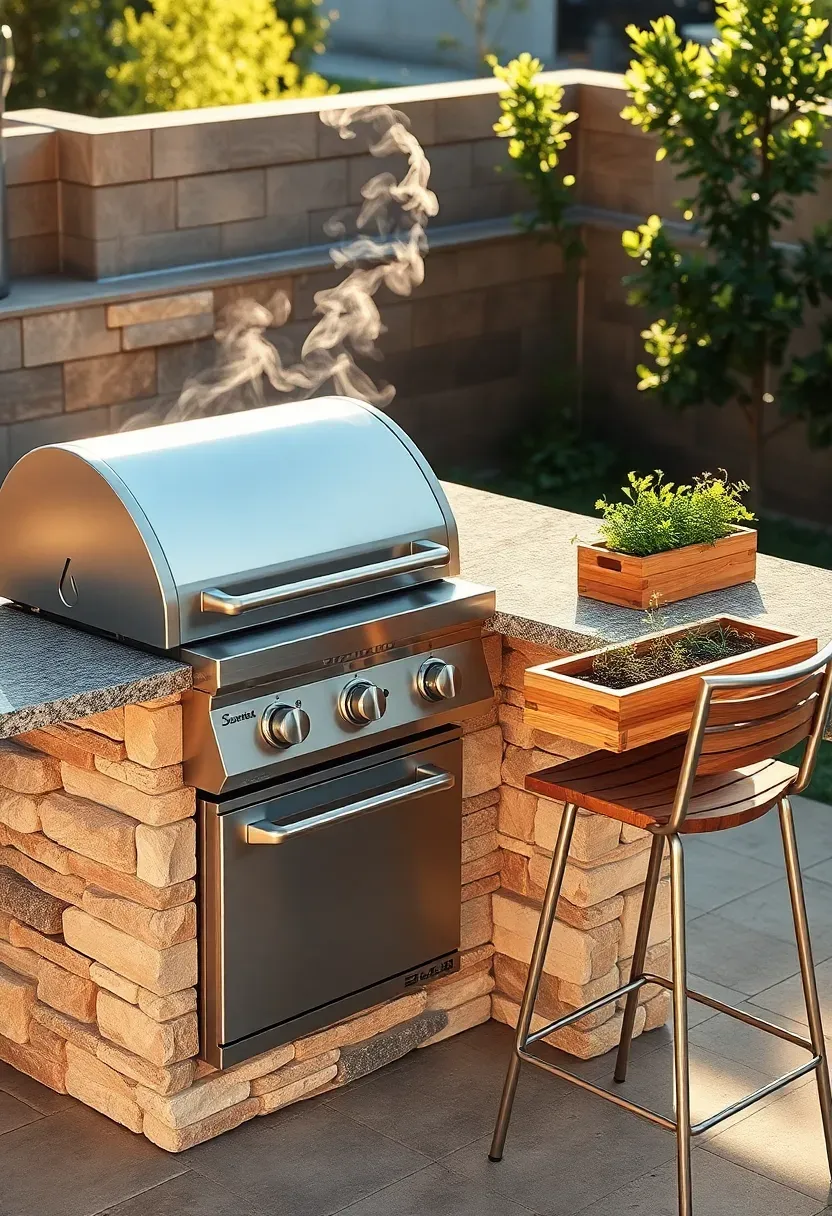
24. Outdoor Kitchen and Grill Station
An outdoor kitchen turns your terrace from a seating area into a full living space. When you can cook, eat, and clean up without going inside, the terrace becomes the default room for warm-weather months. Even a compact setup — a built-in grill, a prep counter, and a small sink — changes the dynamics entirely.
Essential Components
Must-have: Built-in grill (gas or charcoal), weather-resistant countertop (granite, concrete, or stainless steel), and a small prep sink with running water.
Nice to add: Mini fridge for beverages, pizza oven, pull-out trash bin, and a dedicated herb planter within arm's reach of the grill.
Layout Principles
- Position the grill downwind from dining and lounging zones to keep smoke away
- Allow 36 inches of counter space on each side of the grill for prep and plating
- Face the cook toward guests, not the wall — a peninsula layout keeps the chef in the conversation
Recommended
Items for this idea
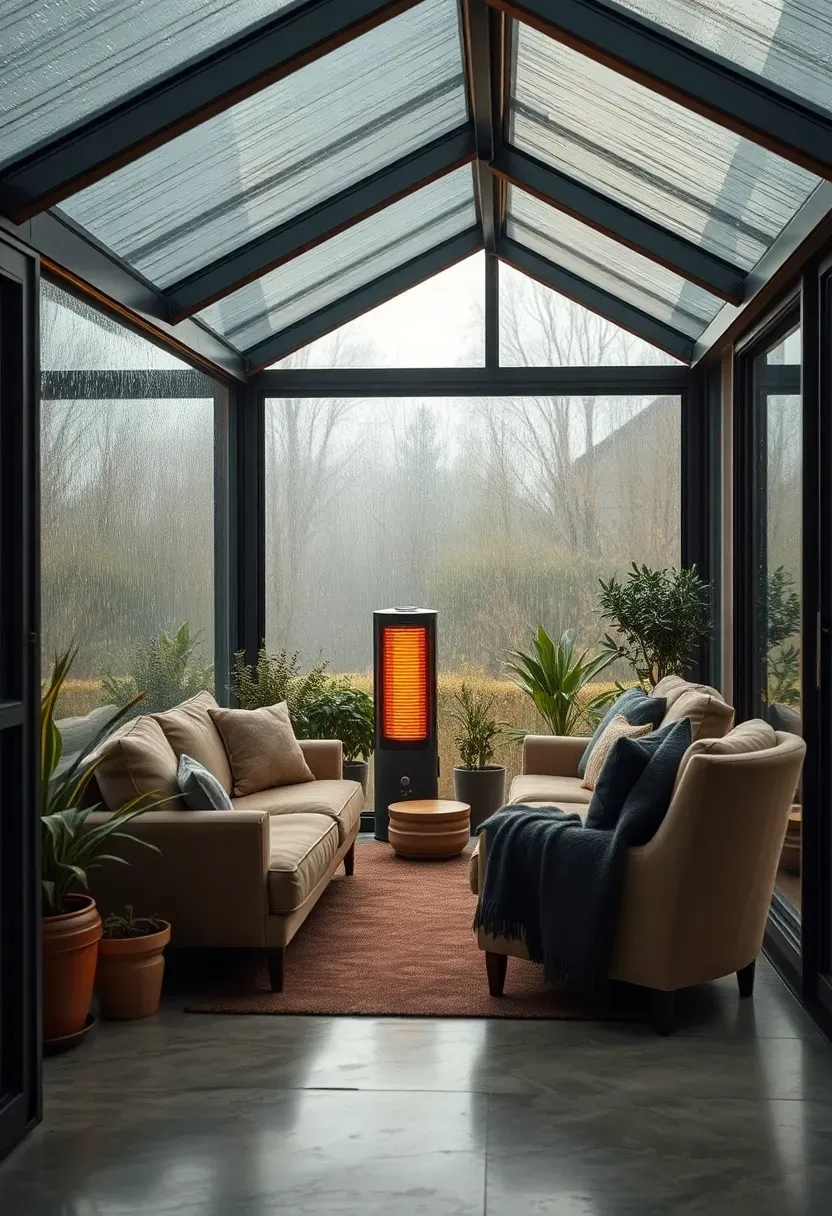
25. All-Weather Enclosed Terrace Solarium
The ultimate sun terrace is one you can use twelve months a year. A solarium enclosure — glass walls with a retractable or fixed glass roof — captures solar warmth in winter, opens fully in summer, and protects from rain, wind, and insects year-round. It is the most significant investment on this list, but also the most transformative.
What Makes It Different from a Sunroom
A sunroom is typically a permanent room addition attached to the ground floor. A solarium-style terrace enclosure preserves the elevated, open-air character of a terrace while adding weather protection. The retractable roof is the key distinction — it opens to full sky when conditions allow.
Planning Considerations
- Structural assessment is mandatory — glass enclosures add significant weight to elevated terraces
- Ventilation panels or operable windows prevent greenhouse-effect overheating in summer
- Add radiant floor heating or portable infrared heaters for three-season or year-round comfort
- Motorized retractable roof panels with rain sensors offer the best balance of openness and protection
The best sun terrace is not the most expensive or the most decorated — it is the one that gets used. Start with one element that pulls you outside: a shade solution that makes noon bearable, a seating arrangement that keeps friends talking past dark, or a mood detail that turns an ordinary Tuesday evening into something worth remembering. Build from there. The terrace will tell you what it needs next.
Pinterest cover for 25 Sun Terrace Ideas for Outdoor Rooms: Shade, Seating, and Sunset Mood
About the author
OBCD
CGI visualization and interior design content. We create detailed 3D renders and curate practical design ideas for every room in your home.