23 Sun Rooms Decor Ideas: Plants, Textiles, Lighting, and Simple Upgrades
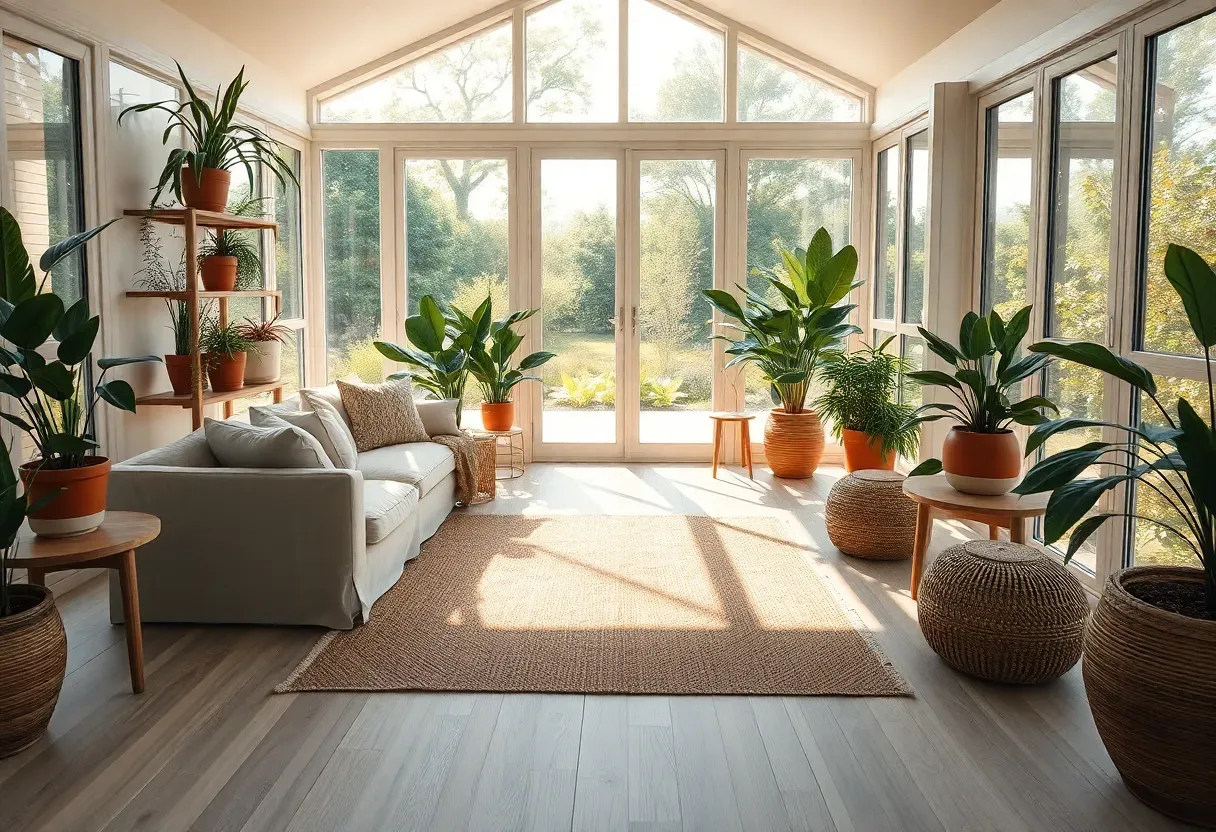
We have all walked into a sun room that felt half-finished -- glass walls flooding the space with gorgeous light, but bare floors, a lonely chair, and nothing to anchor the eye. The truth is, sun rooms sit in an awkward spot between indoors and outdoors, and that in-between quality makes decorating tricky. Too much furniture kills the openness; too little turns the room into a glorified hallway. What actually works is layering: a fiddle-leaf fig beside a textured throw, a pendant lamp that catches afternoon glare, a rug that grounds the seating without competing with the view. These twenty-three ideas cover exactly that territory, organized by plants, textiles, lighting, and quick upgrades you can tackle in a weekend.
In this article I have gathered four distinct angles on sun room decorating -- greenery setups, fabric layering, light fixtures, and simple swaps -- so you can mix and match based on your space and budget.
Table of Contents
- Tropical Plant Corner with Tiered Shelving
- Hanging Macrame Planter Cluster
- Herb Garden Window Ledge
- Fiddle-Leaf Fig Statement Piece
- Trailing Pothos Curtain
- Succulent Terrarium Coffee Table Display
- Linen Slipcover Sofa with Washable Covers
- Layered Throw Blanket Station
- Floor Cushion Lounge with Kilim Covers
- Sheer Curtain Panels in Raw Cotton
- Woven Jute Rug with Cotton Border
- Embroidered Outdoor Pillow Mix
- Rattan Pendant Light with Warm Bulb
- Paper Lantern String Lights
- Adjustable Floor Lamp for Reading
- Solar-Powered Table Lanterns
- Recessed LED Strip Along Ceiling Edge
- Candle Cluster on a Wooden Tray
- Painted Terracotta Pot Collection
- Bamboo Roller Blind Swap
- Peel-and-Stick Tile Accent Wall
- Vintage Mirror Gallery Wall
- Ceiling Fan with Woven Blade Covers
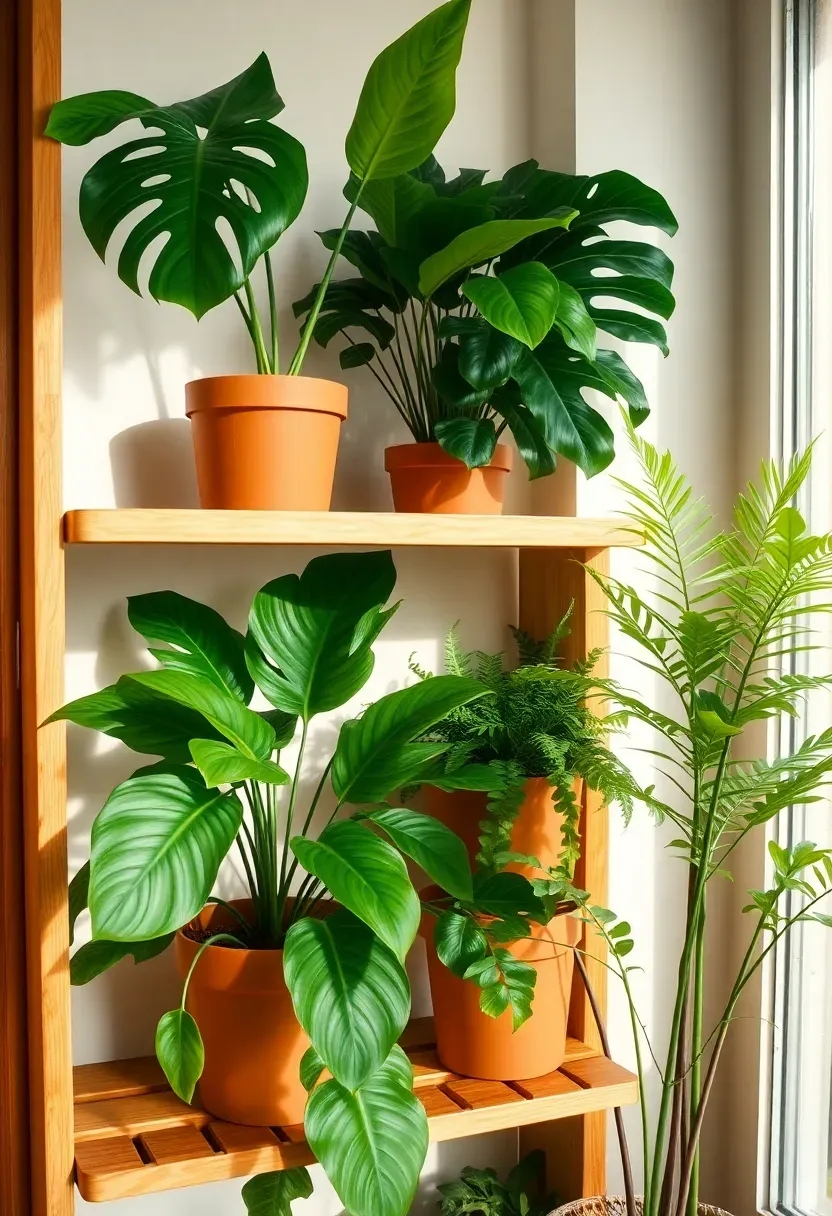
1. Tropical Plant Corner with Tiered Shelving
Why This Works
A bare sunroom corner is wasted real estate. Tiered shelving turns that empty angle into a vertical garden that draws the eye upward and fills the room with oxygen-rich texture. The key is mixing leaf sizes -- broad monstera leaves on the bottom shelf, feathery ferns in the middle, and a tall bird of paradise reaching toward the ceiling from the floor. Terracotta pots in varying diameters tie the arrangement together without looking matchy. The shelving itself should be open -- slatted wood or metal wire -- so light passes through to every plant.
Practical Tips
- Position the shelf within one meter of the largest window to ensure lower tiers receive indirect light
- Group plants by watering schedule so you can drench the whole corner at once
- Rotate pots a quarter turn every two weeks to prevent lopsided growth toward the glass
We picked a few things that go well with this idea: Rattan Wicker Pendant Light (13.8in) (★5.0), Nathan James Farmhouse Rattan Pendant (★4.4) and Boho Hand Woven Rattan Chandelier (19in) (★4.7). As an Amazon Associate we earn from qualifying purchases.
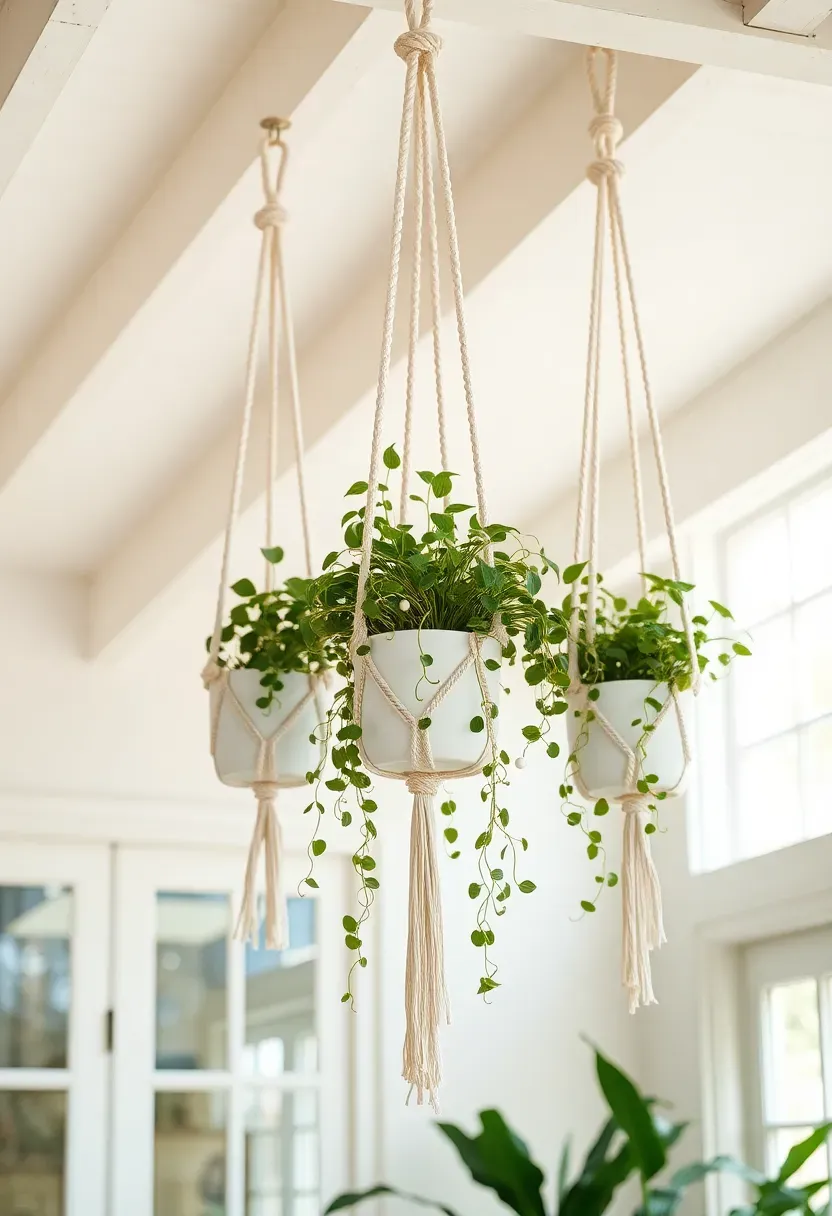
2. Hanging Macrame Planter Cluster
Ceiling space in a sunroom is prime territory that most people ignore entirely. A cluster of three to five macrame hangers at staggered heights creates a floating garden effect that feels organic and sculptural at the same time. Choose trailing varieties -- string of pearls, pothos, or creeping fig -- so the foliage cascades downward and softens the hard geometry of window frames. Off-white cotton cord keeps the look neutral enough to pair with any furniture below.
Step 1: Select Your Anchoring Points
Identify ceiling joists or install heavy-duty toggle bolts rated for at least ten kilograms each. Space the hooks thirty to fifty centimeters apart for a clustered, deliberate look rather than a scattered one.
Step 2: Vary the Cord Lengths
Cut macrame hangers at three distinct lengths -- short, medium, and long -- so the lowest pot hangs roughly at eye level and the highest sits just below the ceiling line.
Step 3: Choose the Right Pots
Lightweight plastic nursery pots nested inside decorative ceramic cachepots keep the weight manageable and let you swap plants seasonally without re-tying anything.
We picked a few things that go well with this idea: Macrame Plant Hangers Set (6-Pack) (★4.7), Handmade Macrame Hanging Planters (6-Pack) (★4.7) and Mkono Macrame Plant Hangers with Hooks (4-Pack) (★4.7). As an Amazon Associate we earn from qualifying purchases.
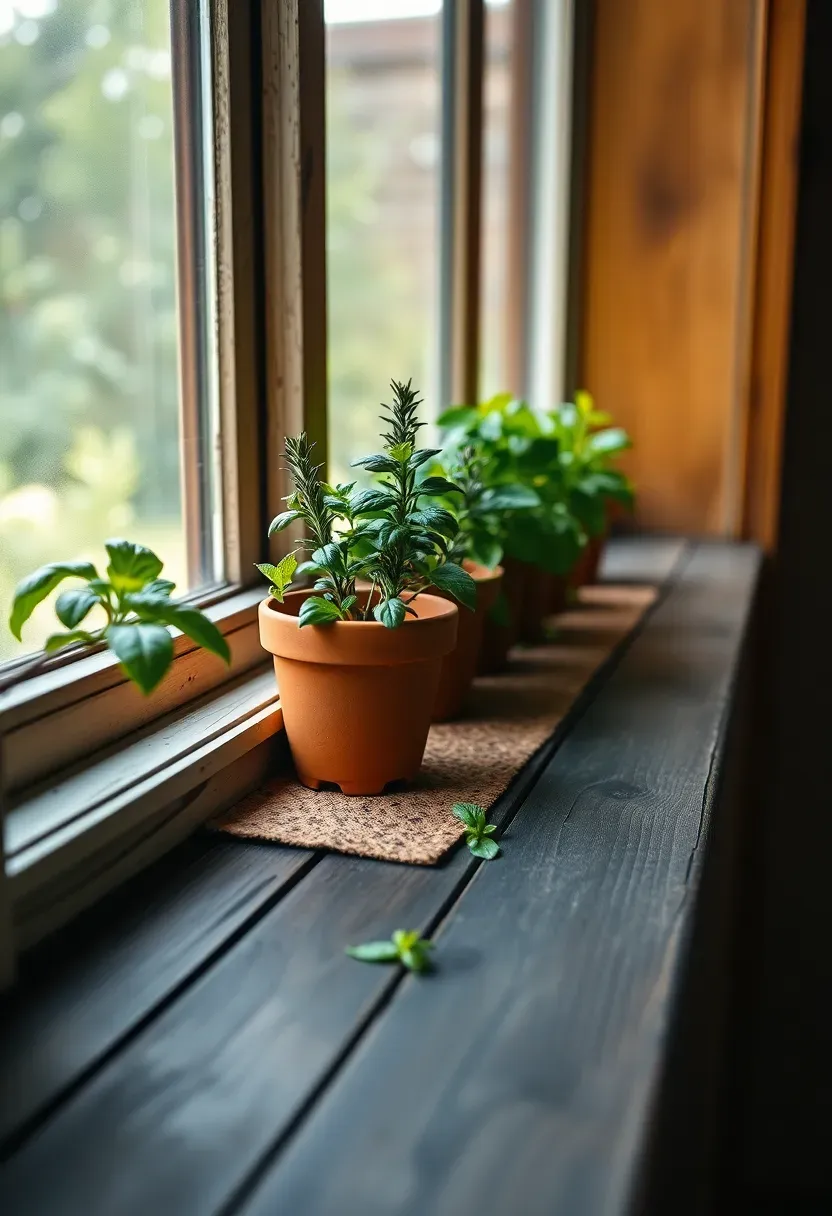
3. Herb Garden Window Ledge
The Core Issue
Sun rooms get plenty of light, yet most homeowners fill their sills with decorative objects that collect dust instead of earning their keep.
The Solution
A narrow window ledge herb garden turns that prime real estate into a fragrant, functional display. Basil, rosemary, thyme, and mint thrive in the bright indirect light that sunrooms provide, and the herbs perfume the air every time a breeze passes through. Use matching terracotta pots -- ten-centimeter diameter works for most culinary herbs -- lined up tightly so they read as a cohesive row rather than random clutter. A thin cork mat underneath protects the sill from water stains and adds a finished look.
Pros and Cons
Pros: Fresh herbs within arm's reach for cooking, natural fragrance, low cost to set up, easy to replace if a plant bolts in summer heat
Cons: Requires daily watering in hot months, basil especially is sensitive to cold drafts if you open windows in winter
We picked a few things that go well with this idea: HOMEMONDE Braided Jute Area Rug (8x10) (★4.3), S&L Homes Jute Cotton Farmhouse Rug (8x10) (★4.0) and SAFAVIEH Natural Fiber Jute Rug (9x12) (★4.2). As an Amazon Associate we earn from qualifying purchases.
4. Fiddle-Leaf Fig Statement Piece
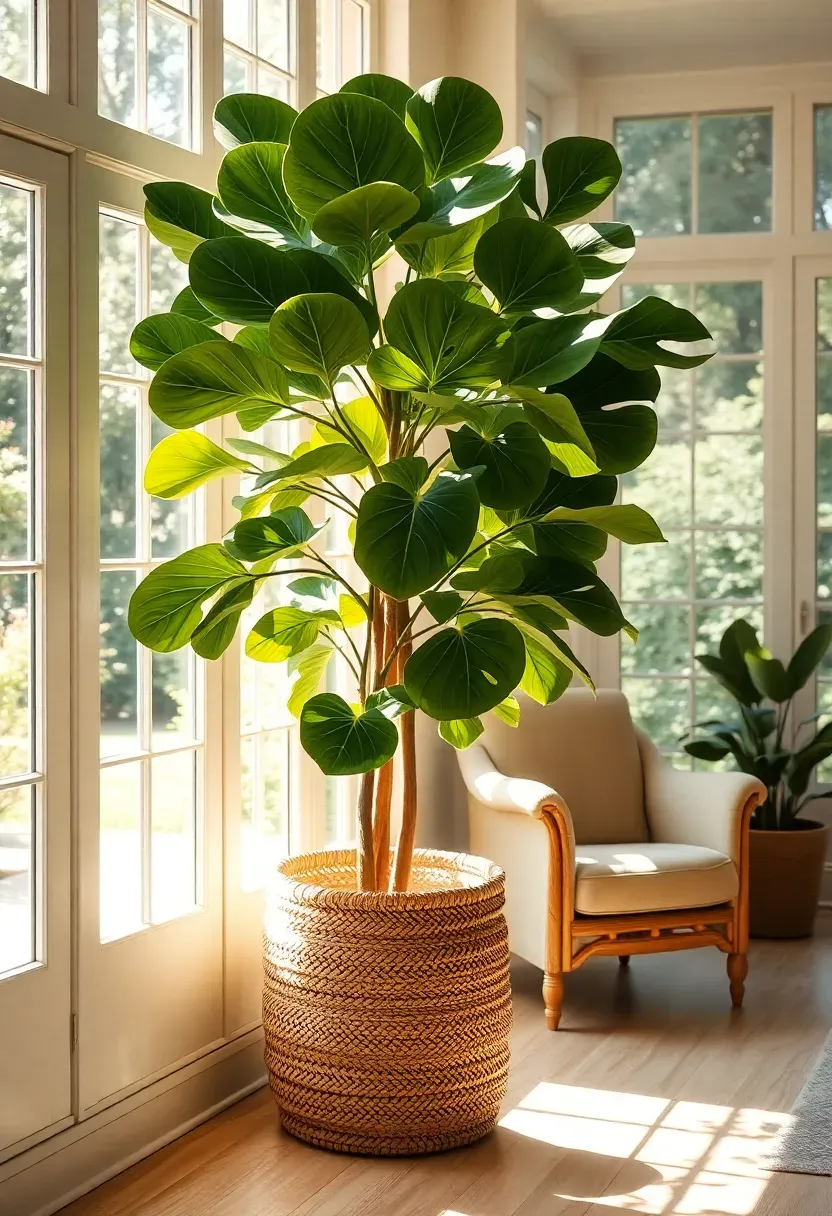
Some plants whisper; a fiddle-leaf fig announces itself. Standing one-and-a-half to two meters tall, this single specimen fills a vertical void between furniture and ceiling that nothing else can reach. Position it beside your main seating piece -- an armchair or the end of a sofa -- so it frames the sitting area like a living sculpture. A woven seagrass basket as a planter cover hides the plastic nursery pot and echoes the natural textures already present in most sunroom furniture. The secret to keeping a fiddle-leaf happy in a sunroom is consistency: same spot, same watering day, same amount of water, no drama.
What to Watch Out For
- Direct midday sun through south-facing glass can scorch the leaves -- use a sheer curtain as a buffer between noon and three
- Wipe each leaf monthly with a damp cloth to remove dust that blocks photosynthesis
- Turn the plant a quarter rotation every watering to keep the canopy symmetrical
Recommended
Items for this idea
5. Trailing Pothos Curtain
Origins of the Idea
The concept of training vines across windows has roots in Victorian conservatories, where gardeners would guide jasmine and ivy along wire frames to create living screens that filtered light and added privacy.
Modern Interpretation
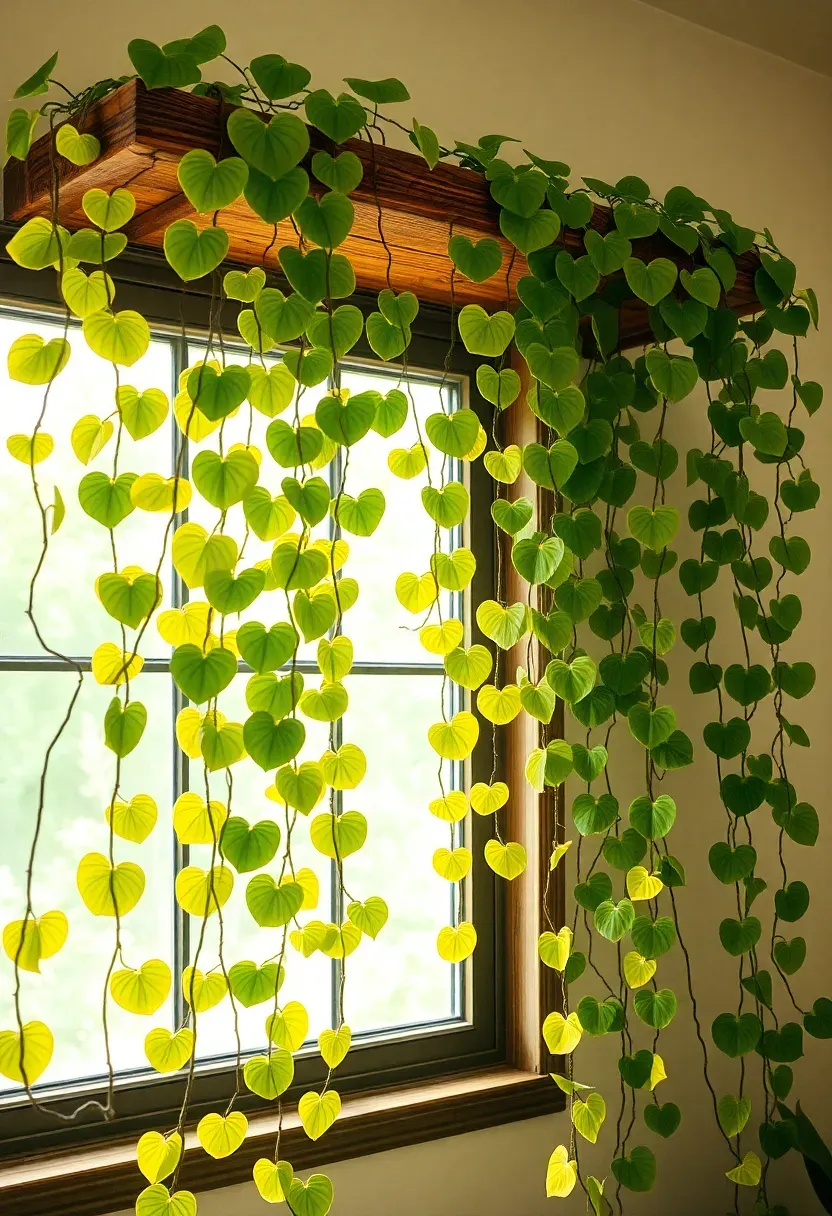
Today, a golden pothos trained along transparent fishing line or small adhesive hooks achieves the same effect with far less maintenance. Start the plant on a high shelf or wall-mounted bracket near the top of the window, and guide the vines horizontally along the frame. Within six months, the trailing stems create a partial curtain of heart-shaped leaves that dapples incoming light without blocking it. The result is a green screen that shifts and grows over time, making the sunroom feel genuinely alive in a way that static decor never can.
How to Apply at Home
- Use 3M Command hooks along the window frame every thirty centimeters for invisible vine support
- Mist the leaves twice weekly in dry climates to prevent browning tips
- Trim leggy stems back to a node to encourage bushier growth at the top
- Propagate cuttings in water jars on the windowsill for a secondary display
6. Succulent Terrarium Coffee Table Display
Why Terrariums Belong in Sun Rooms
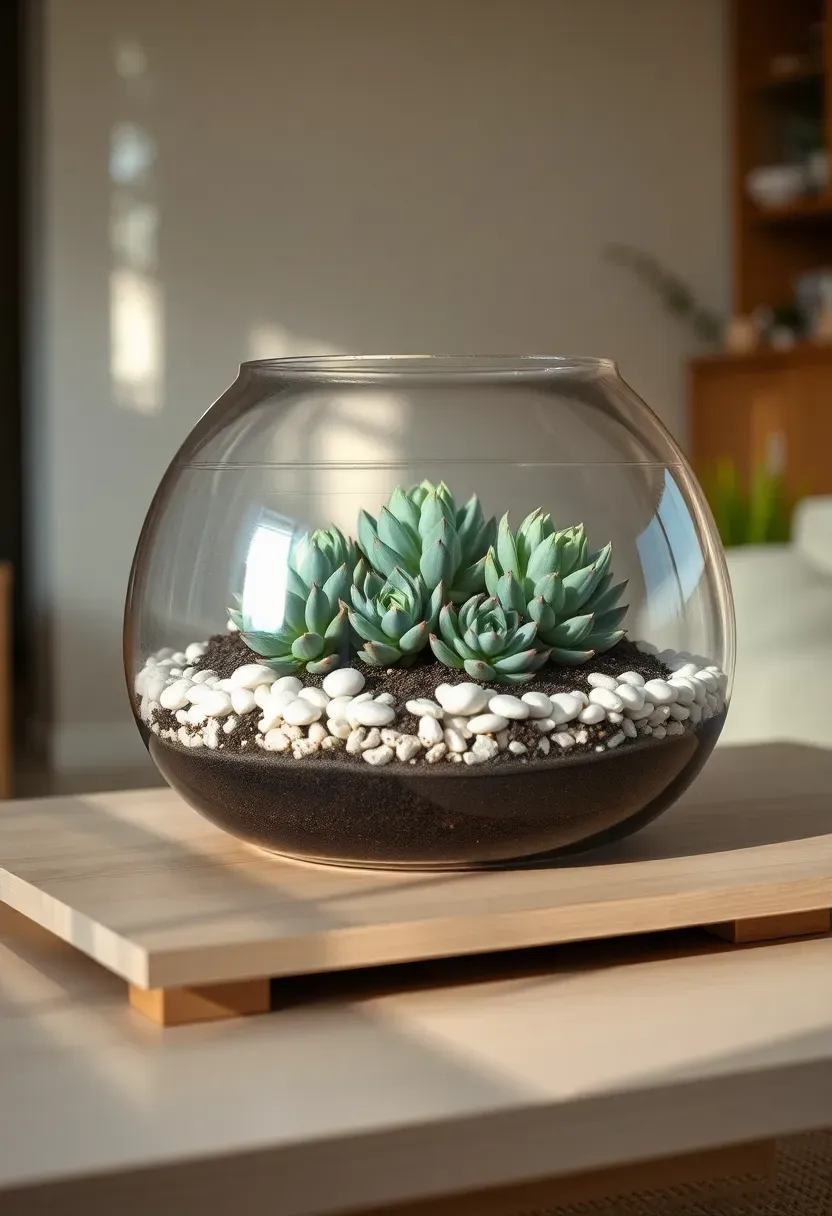
A glass terrarium on the coffee table acts as a living centerpiece that catches and refracts sunlight through its walls, creating miniature light patterns that shift throughout the day. Fill it with drought-tolerant succulents -- echeveria, haworthia, and sedum varieties work well together because they share similar water needs. Layer the bottom with pebbles, then activated charcoal, then cactus mix soil. The charcoal prevents stale odors, and the pebbles ensure drainage in a container without holes.
Practical Recommendations
- Choose an open-top terrarium for succulents since they hate humidity trapped inside closed glass
- Water sparingly every ten to fourteen days by drizzling along the edges, not directly on the rosettes
- Replace any succulent that etiolates -- stretches toward light -- with a more compact variety suited to bright indirect conditions
Recommended
Items for this idea
7. Linen Slipcover Sofa with Washable Covers
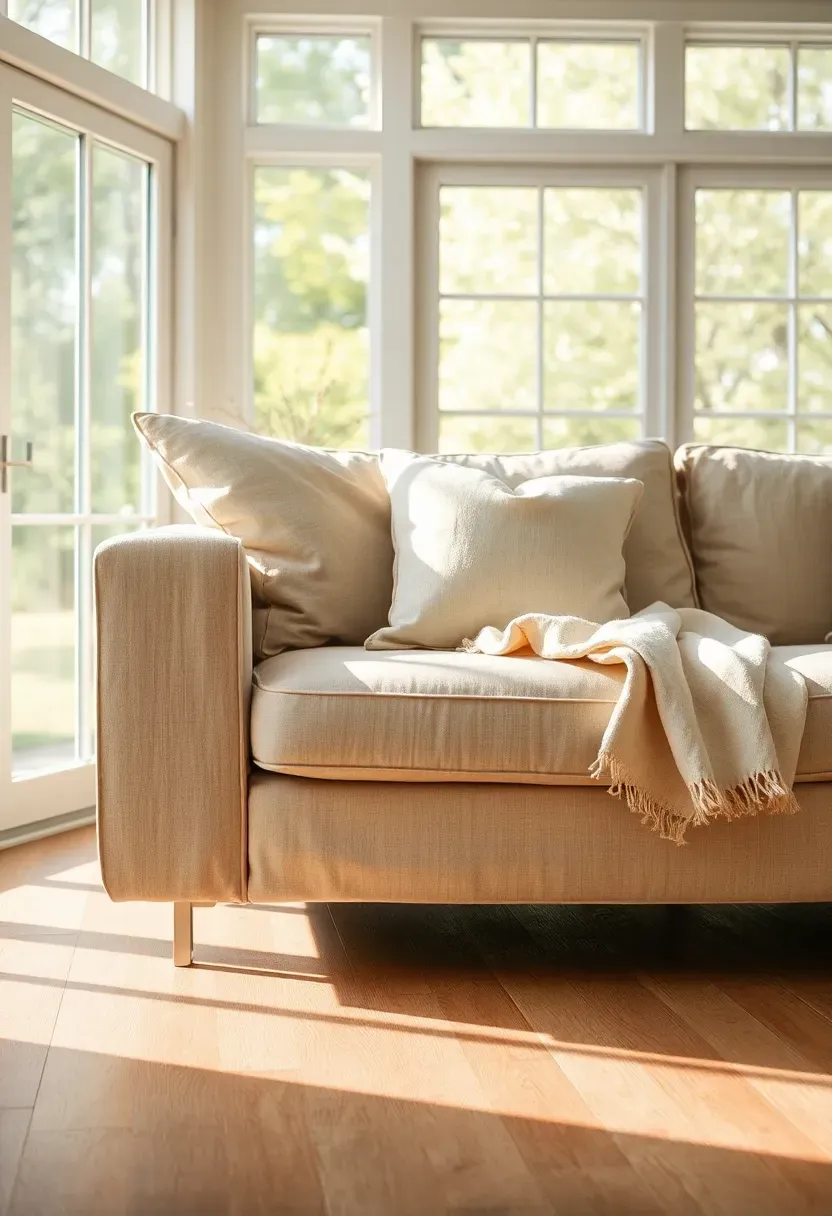
Sunrooms punish upholstery. UV rays fade dark fabrics within a single season, humidity encourages mildew in tight seams, and the casual indoor-outdoor traffic means more spills than a formal living room sees in a year. A linen slipcover sofa solves every one of these problems. The covers come off for machine washing, the fabric breathes in warm weather, and the natural wrinkled texture of linen actually looks better with age rather than worse. Choose oatmeal, flax, or soft ivory -- colors that will not show fading even after years of sun exposure.
Pros and Cons
Pros: Machine-washable covers, improves in texture over time, naturally anti-microbial, breathable in warm climates
Cons: Wrinkles are inherent to linen so it never looks crisp and tailored, and white or ivory shades show pet hair easily
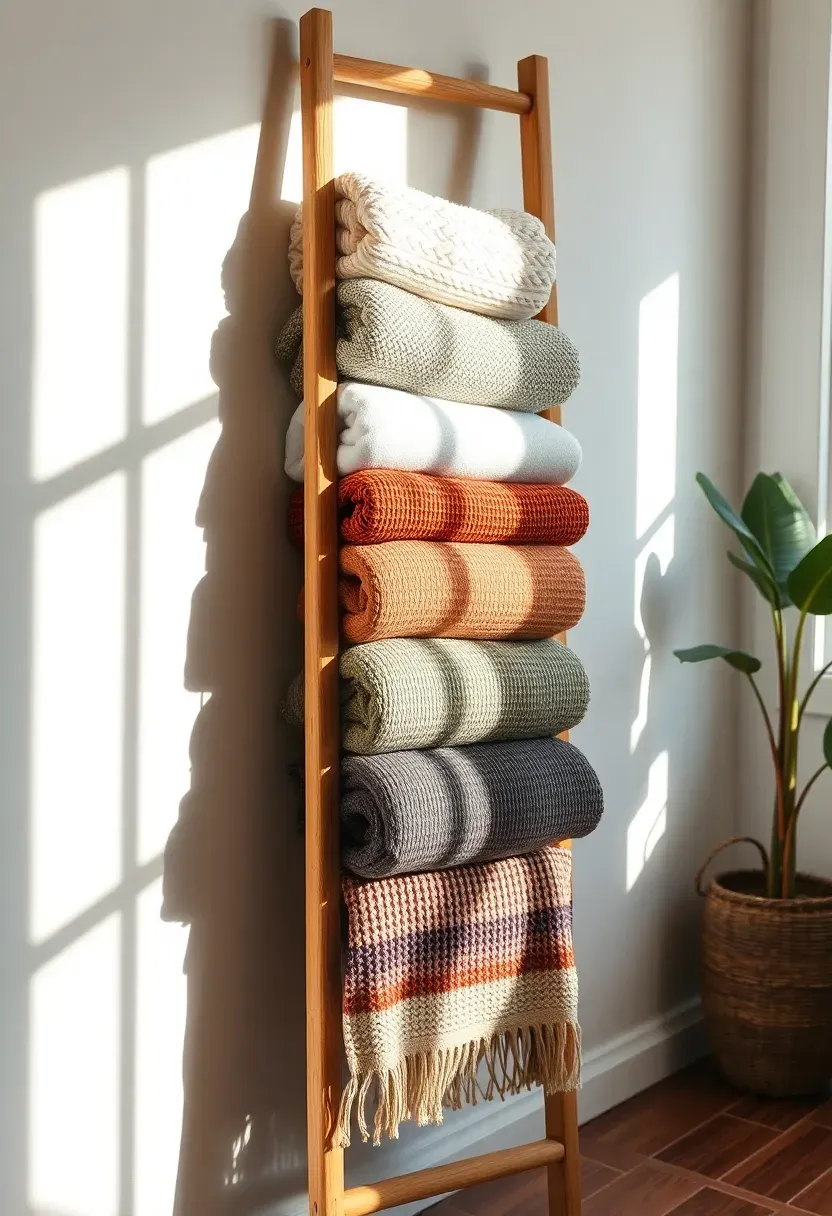
8. Layered Throw Blanket Station
Comparing: Blanket Ladder vs. Basket Storage
Throws are essential in a sunroom where temperatures swing with the sun, but storing them visibly adds warmth to the room even before you wrap one around your shoulders.
Option A: Blanket Ladder
A slim wooden ladder leaned against the wall lets you drape four to five throws in a tidy, editorial display. Each blanket becomes a color stripe in the composition, and guests can grab one without rummaging through a bin.
Option B: Large Woven Basket
A floor basket beside the sofa holds rolled blankets out of sight until needed. It looks cleaner, but you lose the decorative impact and it is harder to find the specific throw you want.
What to Choose
Choose the ladder if: your sunroom has a bare wall that needs visual interest and you enjoy a curated, display-forward style.
Choose the basket if: you prefer a minimal look and have limited wall space.
Recommendation
For most sunrooms, the ladder wins. It doubles as art, keeps throws accessible, and adds vertical dimension to a room that is often dominated by horizontal glass lines.
Recommended
Items for this idea
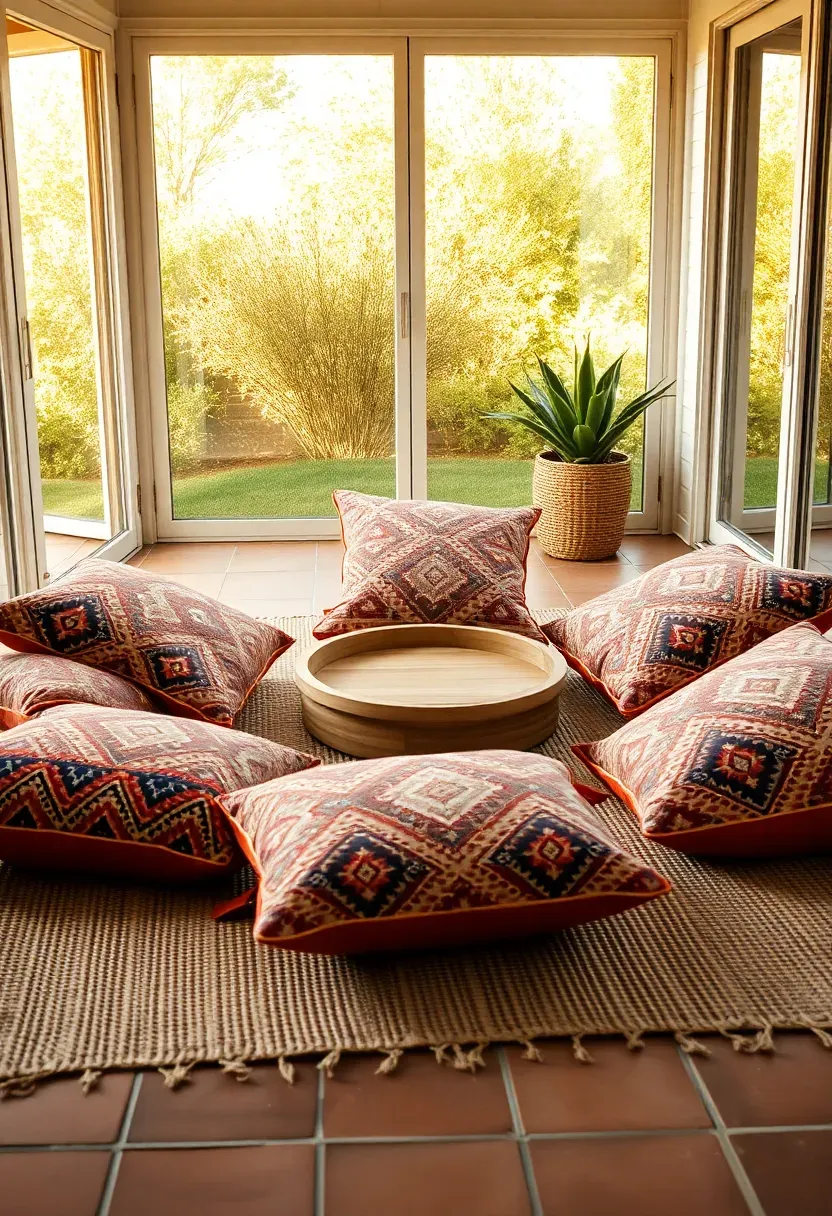
9. Floor Cushion Lounge with Kilim Covers
Forget the sofa for a moment. In a sunroom where the view is the main event, low floor cushions shift the sightline downward and open up the glass walls completely. Kilim-patterned covers -- woven with geometric motifs in burnt orange, indigo, and cream -- bring pattern and warmth without the visual bulk of traditional furniture. Scatter five or six oversized cushions around a low tray table, and the setup accommodates casual conversation, reading, or afternoon naps with equal ease. The whole arrangement can be stacked against the wall in under a minute when you need the floor space.
Practical Tips
- Use twenty-centimeter thick foam inserts inside the kilim covers for genuine comfort on hard floors
- Layer a sisal or jute rug underneath to prevent cushions from sliding on tile or wood
- Rotate the covers seasonally -- heavier wool kilims in cooler months, cotton dhurrie covers in summer

10. Sheer Curtain Panels in Raw Cotton
How to Install for Maximum Effect
Opening paragraph: raw cotton sheers diffuse harsh midday glare into a warm, even glow that makes everything in the room look better -- skin tones included.
Step 1: Choose Unbleached Fabric
Unbleached raw cotton has a faint ivory warmth that looks more natural against sunlight than bright white polyester sheers. The slight irregularities in the weave create visual texture that machine-perfect fabrics lack.
Step 2: Hang Higher Than the Frame
Mount your curtain rod twenty centimeters above the window trim and extend it fifteen centimeters beyond each side. This makes the windows appear taller and wider, amplifying the sunroom's defining feature.
Step 3: Allow Generous Fullness
Use fabric at two to two-and-a-half times the window width for each panel so the curtain gathers into soft folds rather than hanging flat like a bedsheet.
What to Watch Out For
- Raw cotton shrinks significantly on the first wash -- pre-wash before hemming or buy panels ten centimeters longer than your measurement
- Avoid heavy curtain weights at the hem; the charm of sheers is the way they move in a breeze
Recommended
Items for this idea
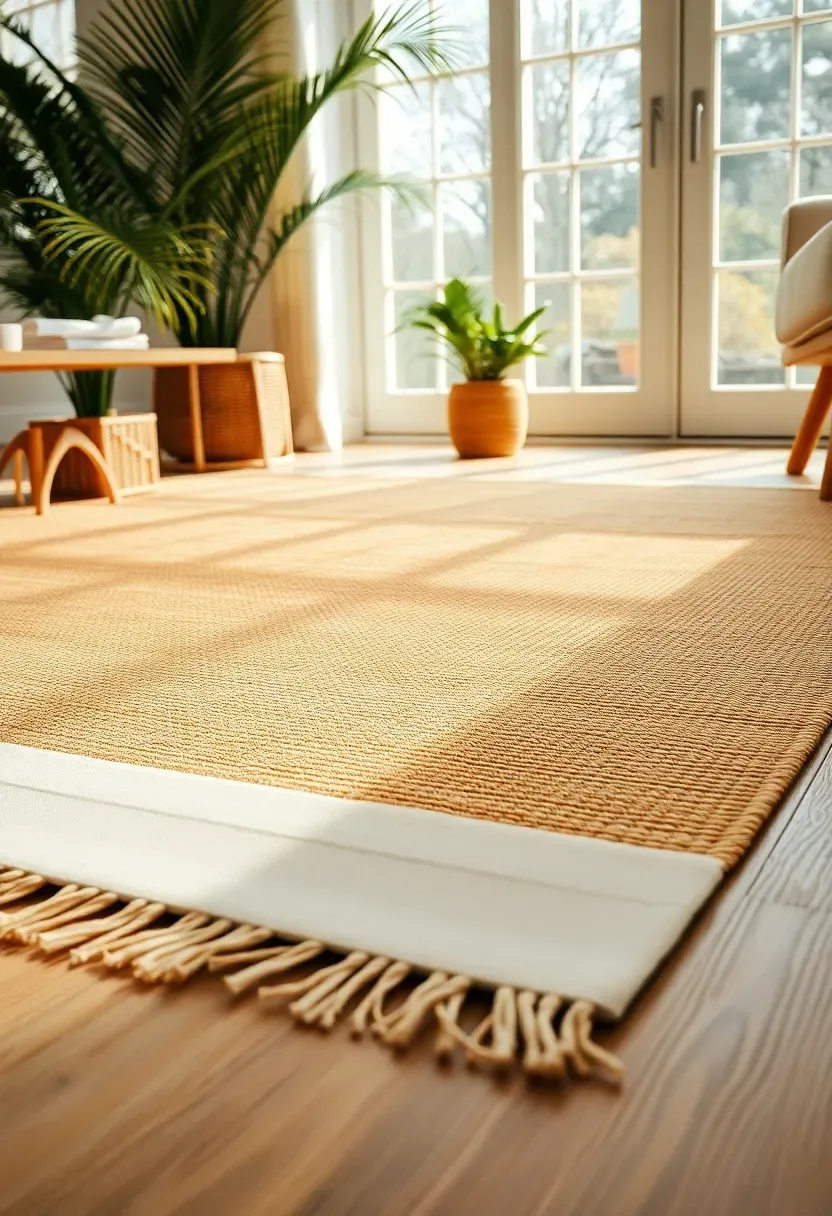
11. Woven Jute Rug with Cotton Border
A rug in a sunroom performs double duty: it defines the seating area and adds texture underfoot in a space dominated by hard surfaces like tile, concrete, or wood. Jute is the ideal fiber because it handles humidity better than wool, it does not trap heat the way synthetics do, and its golden tone complements natural light beautifully. The cotton border in cream or white gives the rug a finished edge that prevents the casual material from reading as too rustic. Size matters here -- choose a rug large enough that all front legs of your seating pieces rest on it, which visually anchors the furniture grouping to the floor.
Practical Recommendations
- Vacuum jute rugs weekly on a low-suction setting to prevent fiber shedding into the weave
- Spot-clean spills immediately with a dry cloth since jute absorbs moisture and can develop mildew if left damp
- Place a thin non-slip pad underneath on smooth floors to prevent bunching when walked on barefoot
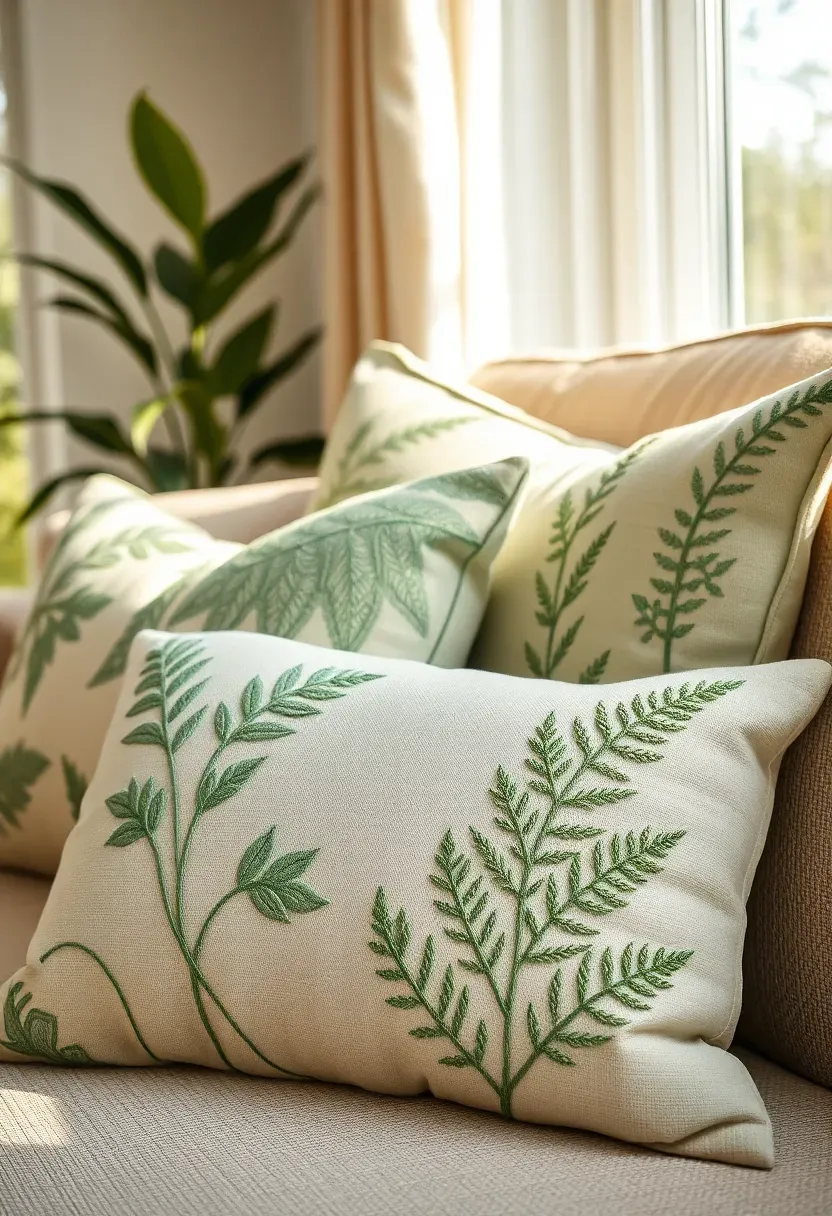
12. Embroidered Outdoor Pillow Mix
The Core Issue
Standard indoor throw pillows fade, develop mildew, and fall apart in a sunroom's fluctuating conditions within a single season. Most homeowners replace them repeatedly rather than investing in the right type.
The Solution
Outdoor-rated pillows with embroidered details give you the decorative richness of indoor textiles paired with the durability of weather-resistant fabric. Look for solution-dyed acrylic shells with chain-stitch or crewel embroidery in botanical motifs -- leaf patterns, fern fronds, or abstract florals. Mix three sizes across your seating: two large twenty-inch squares, two medium eighteen-inch squares, and one lumbar pillow. Keep the palette tight -- no more than three colors -- so the mix feels curated rather than chaotic.
Pros and Cons
Pros: UV-resistant, quick-drying fills, embroidery adds artisan quality that printed pillows cannot match
Cons: Higher price point than basic outdoor pillows, and the embroidered surface can snag on rough wicker if you drag them across furniture
Recommended
Items for this idea
13. Rattan Pendant Light with Warm Bulb
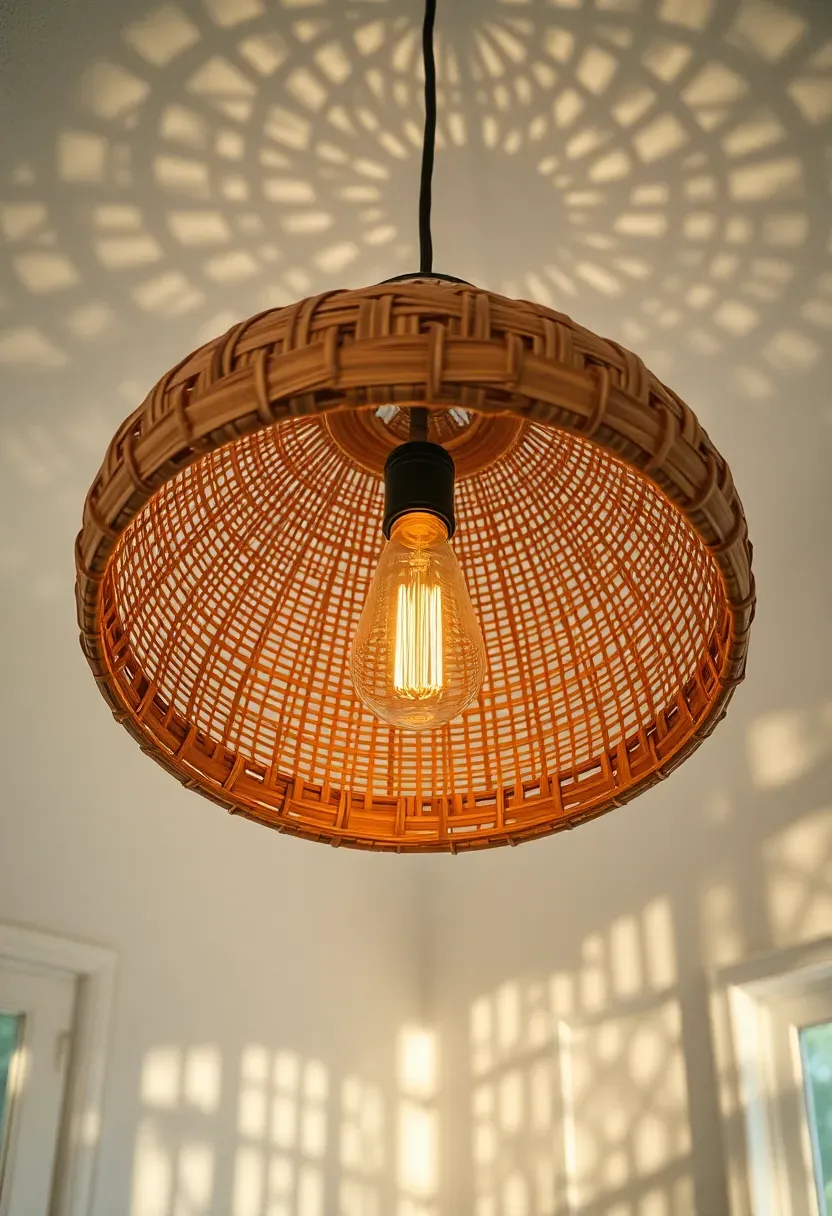
Most sunrooms rely entirely on natural light and become black holes after sunset. A single oversized rattan pendant centered above the main seating area changes the evening personality of the room completely. The open weave casts intricate shadow patterns on walls and ceiling, turning a simple fixture into ambient art. Pair it with a warm-toned Edison bulb -- 2200K to 2700K color temperature -- and the glow mimics golden-hour sunlight so the transition from day to evening feels seamless rather than abrupt.
Practical Tips
- Choose a pendant diameter between forty and sixty centimeters for a standard sunroom to avoid overwhelming the space
- Install a dimmer switch so you can lower the intensity for evening relaxation or raise it for tasks
- Ensure the fixture is rated for damp locations if your sunroom lacks full climate control
14. Paper Lantern String Lights
Why They Transform a Sunroom
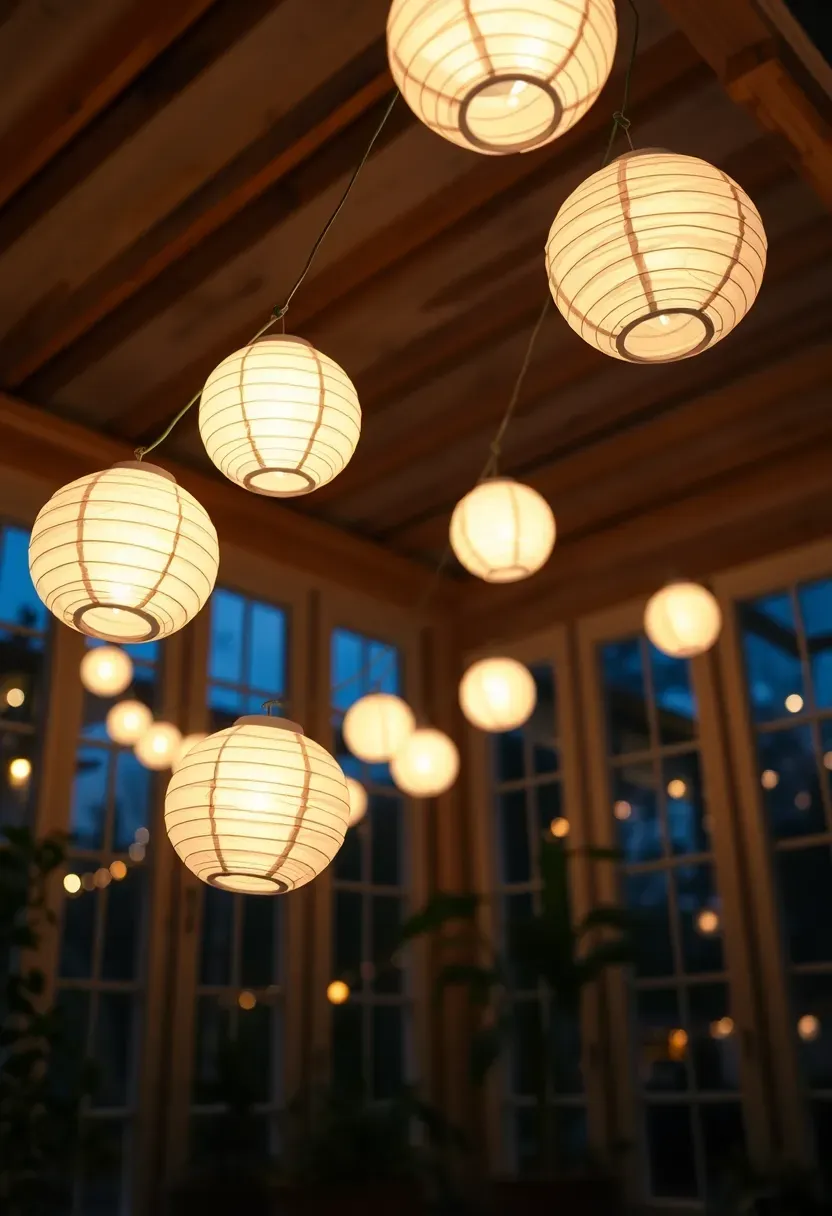
There is something about paper lantern string lights that shifts a sunroom from daytime reading nook to evening gathering spot instantly. Unlike bare bulb strings that can feel harsh, the paper globes diffuse light into soft orbs that float across the ceiling like oversized fireflies. Drape them along exposed beams, or if your ceiling is flat, run them in a gentle zigzag from wall to wall using small cup hooks. The warm white version at 2700K keeps the atmosphere inviting without veering into holiday-decoration territory.
Practical Recommendations
- Use LED lantern strings for safety since paper near hot incandescent bulbs is a fire risk
- Bring them indoors or store them during rainy seasons if your sunroom is not fully enclosed
- Mix ten-centimeter and twenty-centimeter diameter lanterns on the same string for visual rhythm
Recommended
Items for this idea
15. Adjustable Floor Lamp for Reading
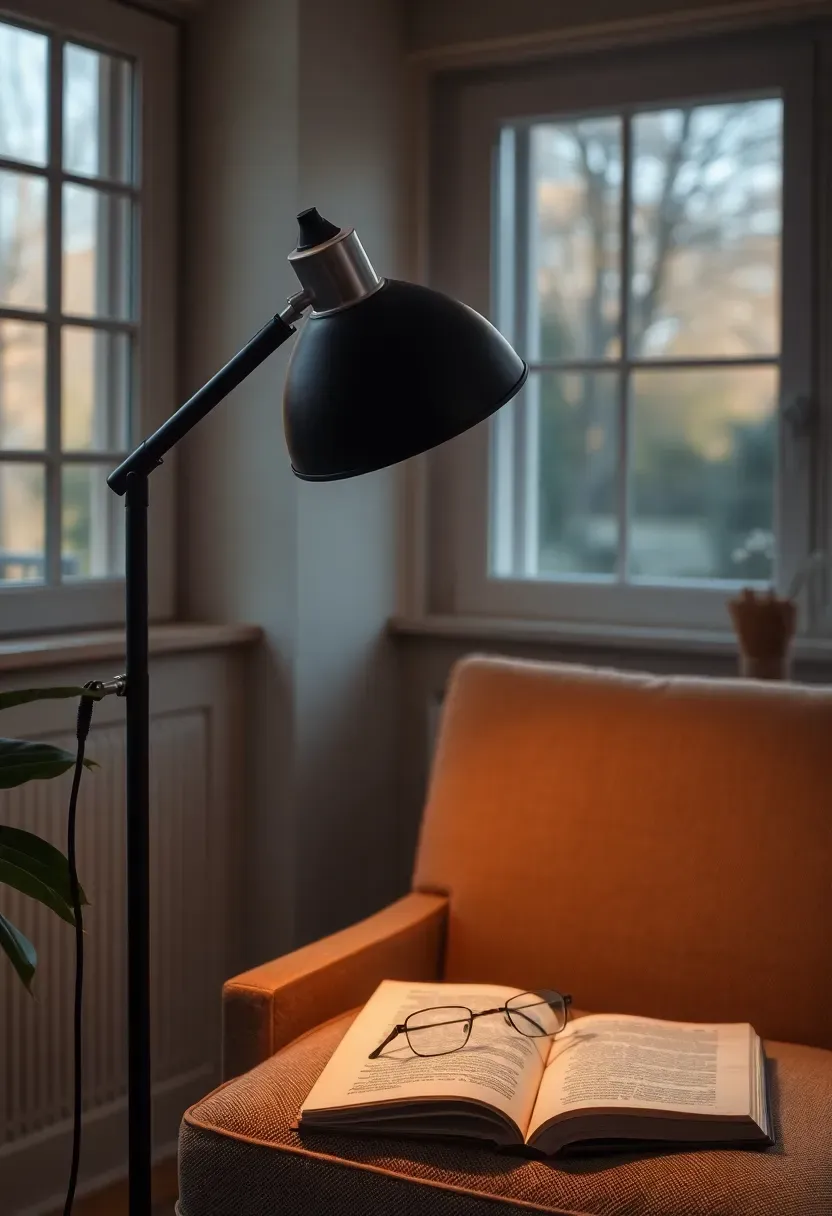
Sunrooms excel at ambient light but fail at task lighting. Once the sun moves past your window wall, reading a book or working on a laptop becomes a squinting exercise. An adjustable arc floor lamp -- matte black or brushed brass -- beside your reading chair fills that specific gap. The arc arm should extend far enough to position the light source directly above your lap, and a directional shade lets you angle the beam precisely. During the day, the lamp stands as a sculptural accent; after dark, it becomes the room's most functional piece.
What to Watch Out For
- Weighted bases prevent tipping on tile floors; avoid tripod designs in high-traffic areas
- A three-way switch or built-in dimmer lets you move between bright reading light and soft background glow
- Position the lamp so the bulb sits at roughly one hundred twenty centimeters from the floor for optimal reading height in a seated position
16. Solar-Powered Table Lanterns
Comparing: Solar Lanterns vs. Battery-Operated Candles
Both options deliver wireless warm light for a sunroom side table, but they serve slightly different purposes.
Option A: Solar Lanterns
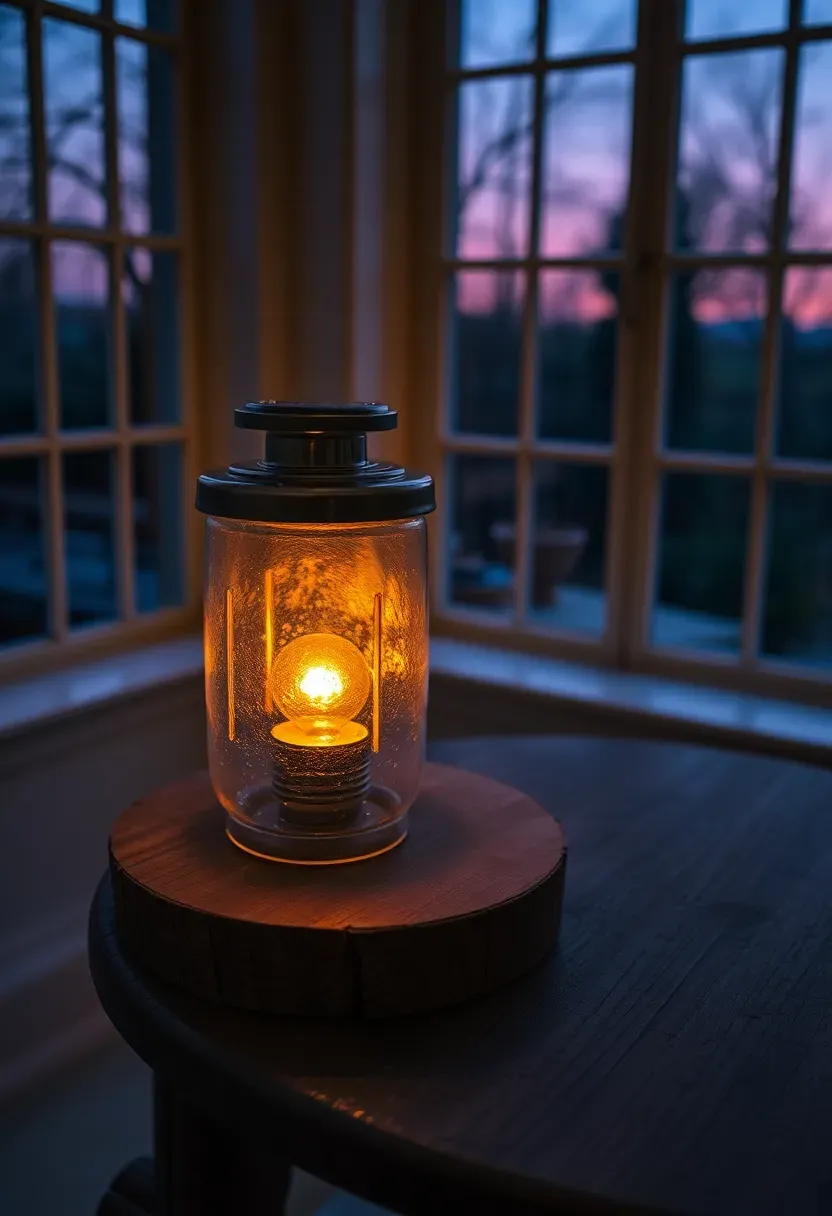
Place them on a sunny windowsill during the day to charge, then move them to the table at dusk. They run four to eight hours per charge, cost nothing to operate, and the amber LED glow mimics candlelight convincingly.
Option B: Battery-Operated Candles
No charging required, consistent light output, and you can place them anywhere regardless of sun exposure. However, they require regular battery replacements and the plastic housing rarely looks as refined as glass.
What to Choose
Choose solar lanterns if: your sunroom gets at least four hours of direct sun daily and you prefer a zero-waste, set-and-forget lighting solution.
Choose battery candles if: your sunroom faces north or is shaded by trees, making solar charging unreliable.
Recommendation
In a south- or west-facing sunroom, solar lanterns are the clear winner. They charge themselves in the same light that defines the room, closing a satisfying loop between daytime brightness and evening ambiance.
Recommended
Items for this idea
17. Recessed LED Strip Along Ceiling Edge
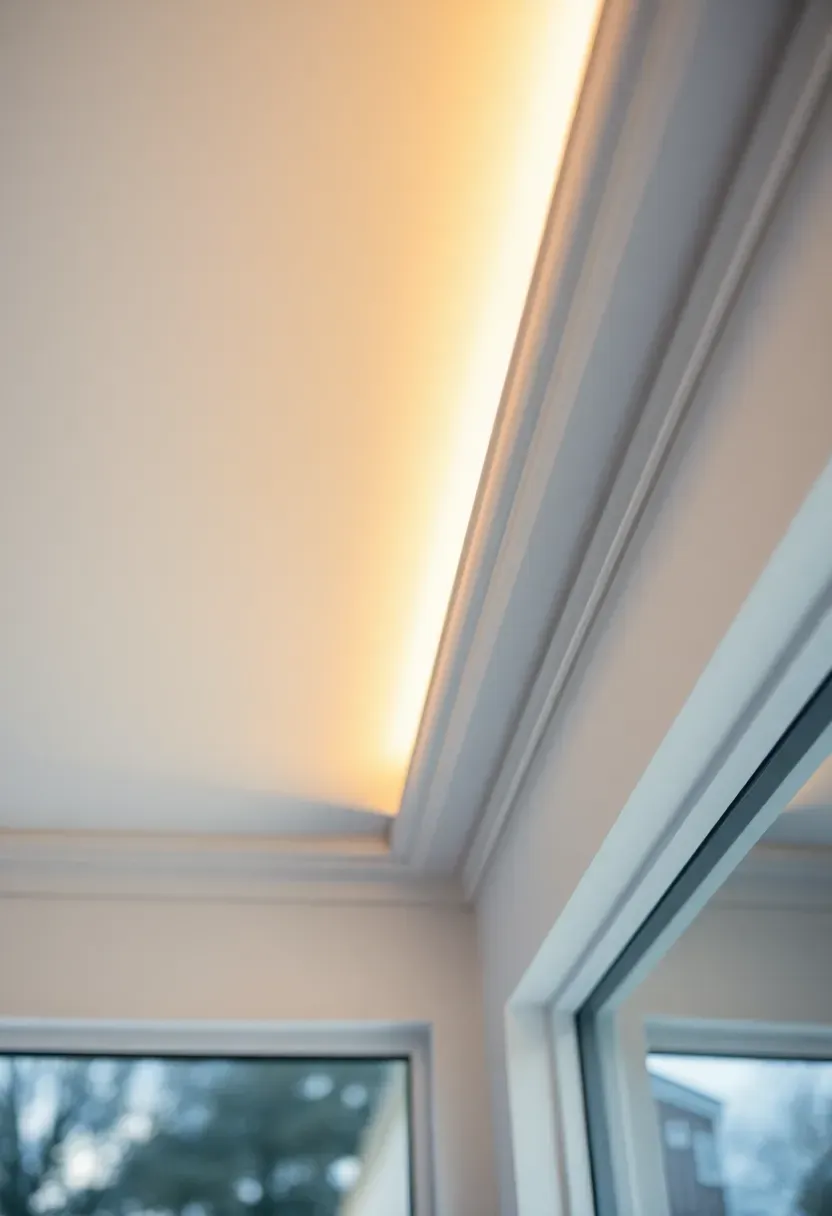
LED strip lighting along the ceiling perimeter creates a halo effect that makes the room appear to float after dark. The trick is hiding the strip itself inside a shallow channel or behind a slim molding so you see only the light, never the source. Warm white LEDs at 2700K wash the ceiling with a soft upward glow that bounces back down into the room without creating harsh shadows. The effect is architectural -- it makes even a basic sunroom feel deliberately designed rather than accidentally bright. Smart-compatible strips let you control intensity and color temperature from your phone, so you can shift from functional brightness at dinner to a dim amber glow for evening conversation.
Practical Tips
- Choose strips with a CRI rating above ninety so colors in the room render naturally under artificial light
- Ensure the aluminum channel has a frosted diffuser cover to eliminate the dotted-line look of individual LEDs
- Run the wiring before installing ceiling trim so all connections stay concealed
18. Candle Cluster on a Wooden Tray
Origins of Candle Grouping
Grouping candles on a tray dates back to Scandinavian hygge traditions where clustered flames were the primary light source during long dark winters, creating intimate pools of warmth in otherwise cold rooms.
Modern Interpretation
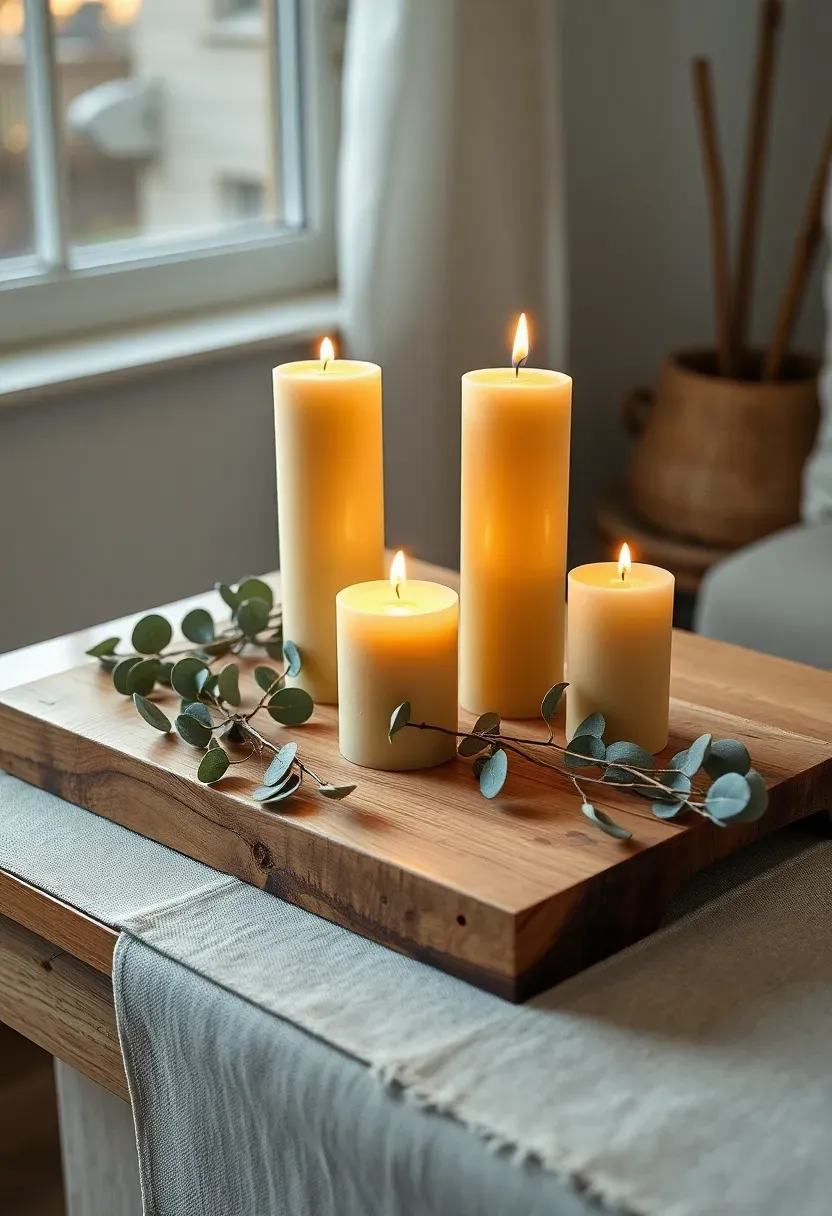
In a sunroom, a candle cluster serves less as primary lighting and more as a mood anchor -- a deliberate contrast to the room's reliance on daylight. Arrange five pillar candles in varying heights on a raw wooden tray, and tuck dried eucalyptus or lavender stems between them for texture and fragrance. The tray corrals everything into a tidy composition that can move from the coffee table to the side table to the floor depending on how you are using the space. Unscented beeswax candles glow warmest and drip least, making them ideal for a room where you want ambiance without competing with the scent of nearby plants.
How to Apply at Home
- Use a tray with raised edges to catch any wax drips and protect the surface beneath
- Mix pillar widths as well as heights for a more organic, collected-over-time look
- Replace candles when they burn below five centimeters to maintain proportion within the group
Recommended
Items for this idea
19. Painted Terracotta Pot Collection
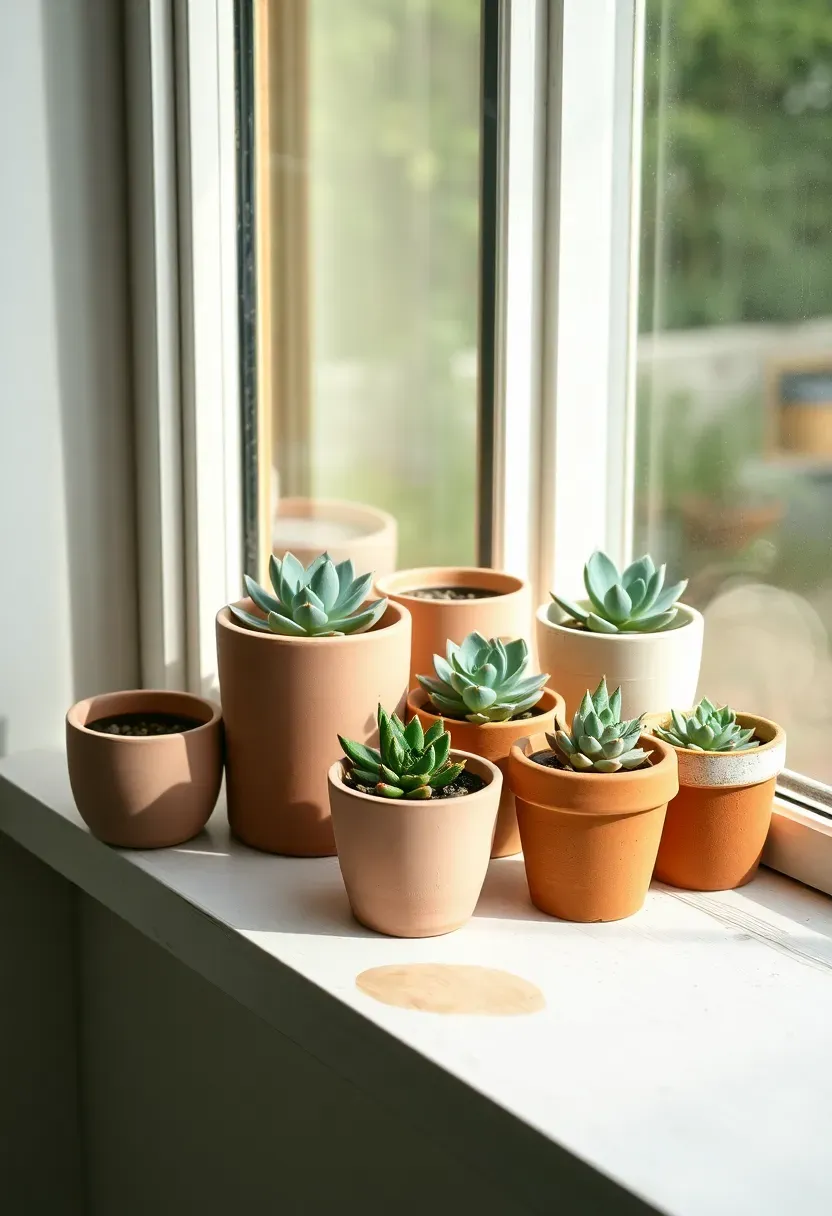
Terracotta pots are inexpensive, universally available, and incredibly satisfying to customize. A collection of hand-painted pots in a cohesive palette -- think muted blush, sage, cream, and burnt sienna -- elevates a sunroom windowsill from garden-center generic to deliberately styled. Use chalk paint for a matte finish that looks artisan rather than crafty, and seal with a matte varnish to prevent the paint from peeling when pots get wet during watering. Group pots in odd numbers -- three, five, or seven -- and vary the sizes so the arrangement has rhythm. This is a weekend project that costs under twenty dollars and delivers outsized visual impact.
Practical Recommendations
- Sand the pot surface lightly before painting for better adhesion
- Leave the interior unpainted so the terracotta can still breathe and regulate moisture for plant roots
- Coordinate the palette with your existing textiles so the pots feel integrated rather than like an afterthought
20. Bamboo Roller Blind Swap
How to Upgrade Your Window Treatments in Three Steps
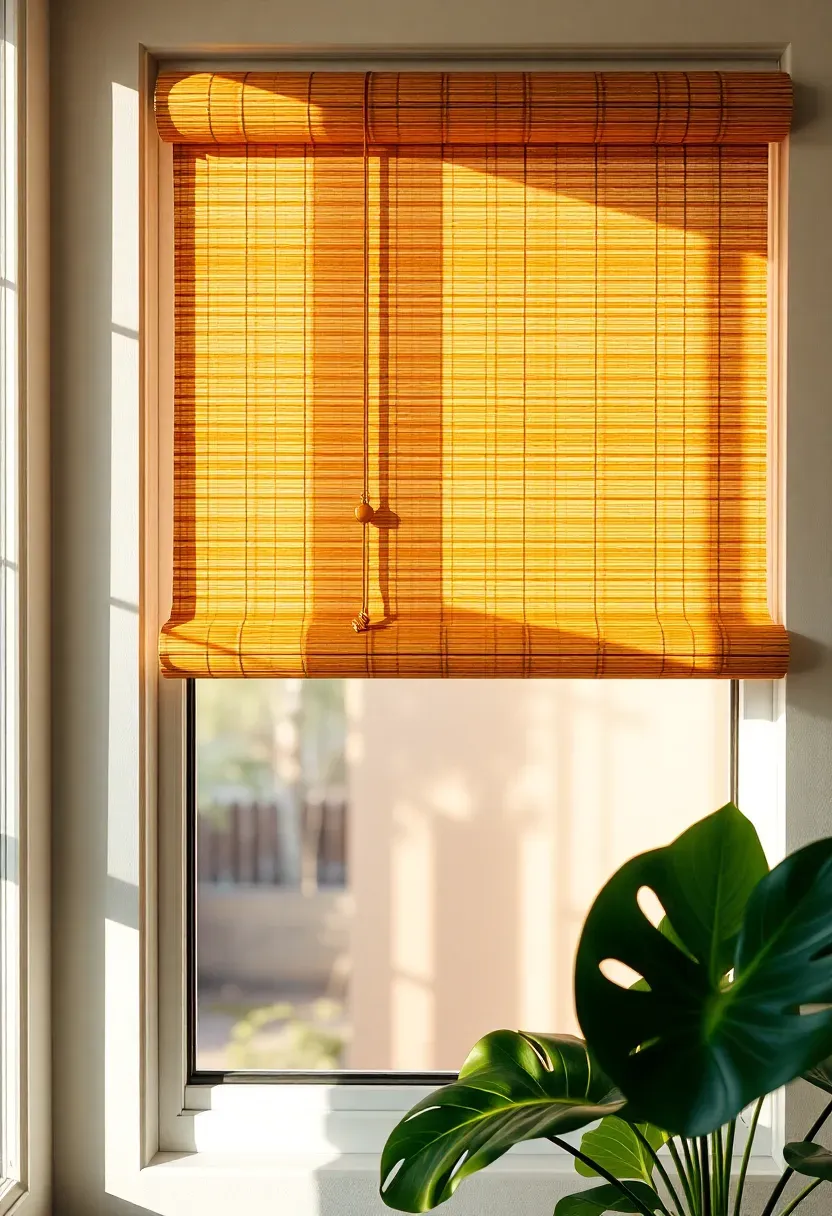
Replacing standard vinyl blinds with bamboo rollers is one of the fastest ways to add warmth and texture to a sunroom without spending more than a weekend afternoon.
Step 1: Measure and Order
Measure each window opening and order inside-mount bamboo blinds cut to fit. Most home improvement stores offer free custom cutting. Add five millimeters of clearance on each side so the blind rolls up and down smoothly.
Step 2: Install the Brackets
Bamboo roller blinds come with simple L-brackets that screw directly into the window frame. Two screws per bracket, four brackets per blind -- the entire installation takes ten minutes per window with a cordless drill.
Step 3: Adjust the Drop Height
Set the blind at the halfway point for most of the day. This blocks the upper portion of intense midday sun while preserving the garden view through the lower half. Roll up completely in the morning and evening when the light is golden and gentle.
What to Watch Out For
- Choose blinds with a light-filtering weave rather than blackout backing so you maintain the sunroom's bright character even when they are lowered
- Spray with a UV-resistant sealant annually to prevent the bamboo from cracking in direct sun
Recommended
Items for this idea
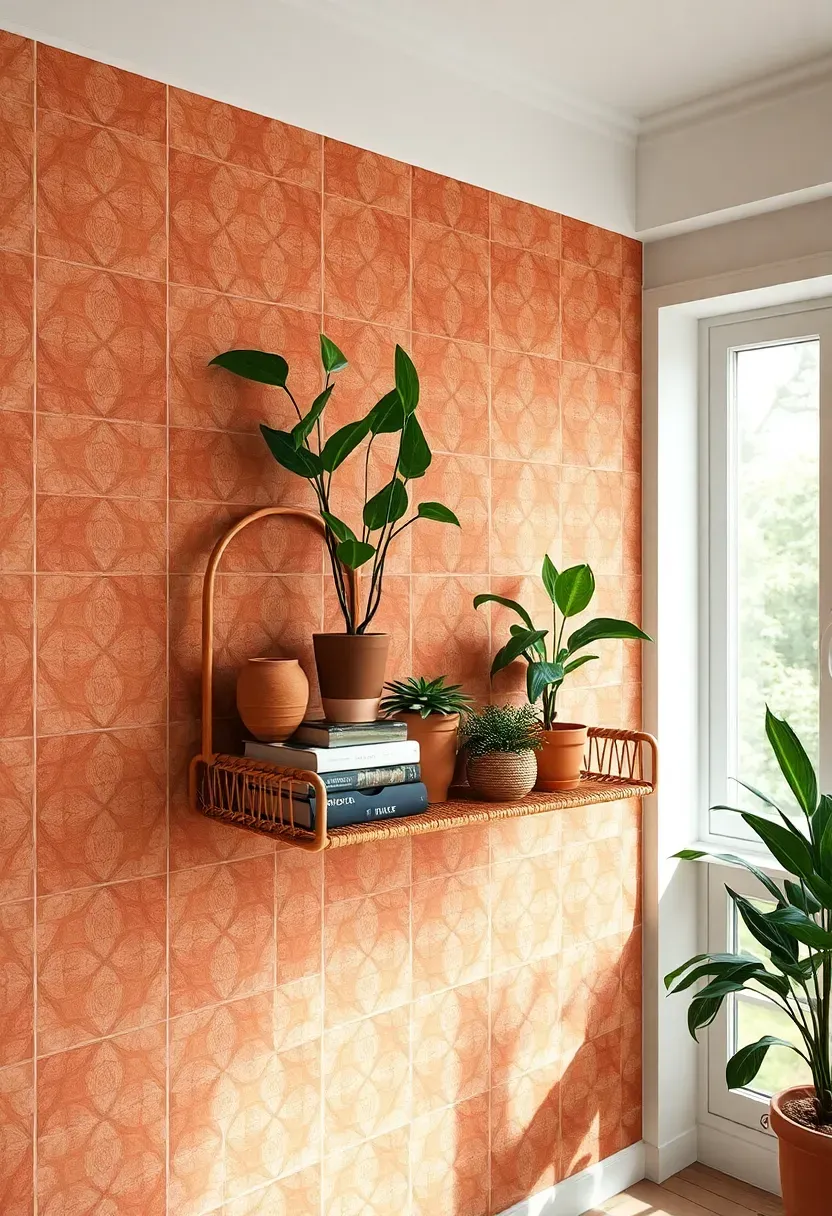
21. Peel-and-Stick Tile Accent Wall
The Core Issue
Sunroom walls are often plain drywall or painted plywood -- functional but visually flat. Adding a traditional tile backsplash involves mortar, grout, and a tiler, which feels excessive for a casual space.
The Solution
Peel-and-stick tiles transform a single wall into a textured focal point in under two hours with zero specialized tools. Choose a geometric pattern in warm terracotta or cement-look tones that complement the room's natural light. Apply from the bottom up, using a level line to ensure the first row is straight -- every subsequent row aligns to that baseline. The adhesive is repositionable for the first few minutes, so corrections are forgiving. The finished wall behind a shelf or seating area anchors the room with color and pattern that paint alone cannot achieve.
Pros and Cons
Pros: Renter-friendly since they peel off cleanly, waterproof surface wipes down easily, no grout maintenance
Cons: Adhesive may weaken in extreme heat if the wall receives direct afternoon sun for hours, and cheap brands can curl at the edges over time
22. Vintage Mirror Gallery Wall
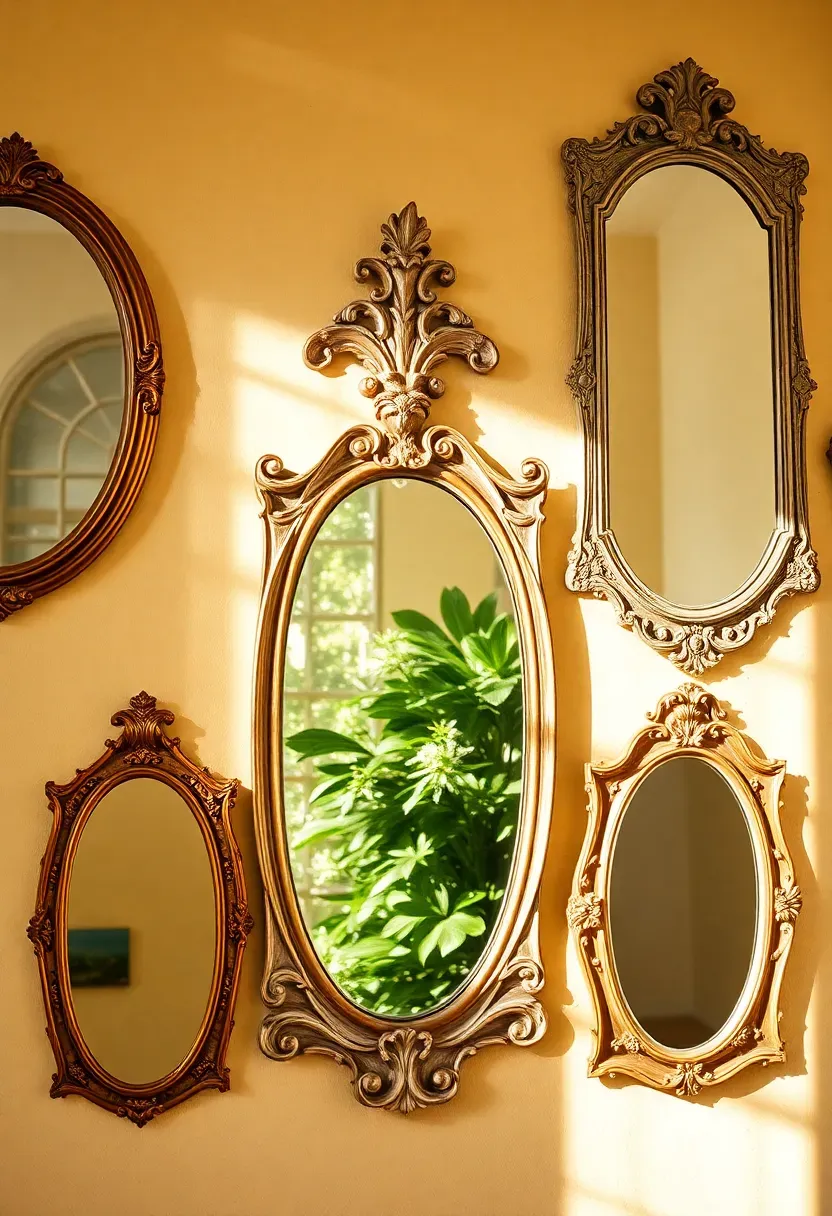
Mirrors in a sunroom are not about vanity -- they are light multipliers. A gallery wall of five to seven mismatched vintage mirrors in varying shapes and frames bounces daylight into corners that glass walls alone cannot reach. The mix of ornate gold frames, distressed white wood, and simple round mirrors creates an eclectic composition that feels collected over years rather than purchased in a single shopping trip. Hang them on the one solid wall opposite the windows for maximum reflection, and suddenly the room feels twice as bright and significantly deeper than its actual footprint.
Practical Tips
- Use paper templates taped to the wall before hammering a single nail so you can rearrange until the composition feels balanced
- Leave eight to twelve centimeters between frames for breathing room
- Thrift stores and estate sales are the best sources for genuinely mismatched frames at a fraction of retail cost
- Clean vintage mirrors with a gentle glass cleaner only -- harsh chemicals can damage the silver backing on older pieces

Recommended
Items for this idea
23. Ceiling Fan with Woven Blade Covers
A ceiling fan is non-negotiable in a sunroom where temperatures climb faster than any other room in the house. But the standard white paddle-blade fan looks sterile in a space built around natural materials. Woven blade covers -- rattan sleeves or wicker wraps that slip over the existing blades -- turn a utilitarian fixture into a statement piece that echoes the room's organic aesthetic. The texture catches light and casts interesting shadows as the blades turn, and the whole upgrade takes fifteen minutes per blade with no tools beyond your hands. Keep the fan on its lowest setting during mild days and increase the speed only when the room heats up, so the breeze moves air gently without scattering papers or disturbing hanging plants.
What to Watch Out For
- Ensure the covers fit your blade width and length precisely so they do not wobble at higher speeds
- Woven covers add slight weight, which may reduce the top speed of the fan by five to ten percent
- Dust woven covers monthly with a soft brush attachment on the vacuum since the textured surface traps particles more than smooth blades
Quick FAQ
Should I use real or faux plants in a sunroom? Real plants thrive in sunrooms because of the abundant natural light, and they improve air quality in a measurable way. Faux plants make sense only in spaces with extreme temperature swings -- below freezing in winter or above forty degrees Celsius in summer -- where living plants would not survive even with care.
Is it possible to decorate a sunroom on a tight budget? Absolutely. Painted terracotta pots, peel-and-stick tiles, paper lantern string lights, and thrifted mirrors are all projects under thirty dollars each. Start with one upgrade per month and the room transforms within a single season without straining your wallet.
Which textiles hold up best against sun damage? Solution-dyed acrylic and outdoor-rated polyester resist UV fading far better than cotton or linen. For natural fibers, choose those in light neutral tones since dark colors show fading more visibly. Linen slipcovers in oatmeal or flax age gracefully rather than deteriorating.
What lighting color temperature works best for evening sunroom use? Stay between 2200K and 2700K for warm, amber-toned light that extends the golden-hour feeling into the evening. Anything above 3000K starts to feel clinical in a room built to feel relaxed and connected to the outdoors.
Does a ceiling fan actually make a difference in a sunroom? Yes, significantly. Sunrooms trap heat behind glass, and a ceiling fan circulates trapped air to reduce the perceived temperature by three to five degrees. In three-season rooms without air conditioning, a fan extends comfortable use by several weeks on each end of the warm season.
Sun rooms sit at the intersection of architecture and nature, and the best ones lean into that tension rather than resolving it. Pick two or three ideas from this list -- maybe a trailing pothos curtain, a linen slipcover sofa, and a rattan pendant light -- and let them establish the room's identity before adding more. The goal is not a showroom; it is a space where sunlight, greenery, soft fabric, and warm light conspire to make you stay longer than you planned.
Pinterest cover for 23 Sun Rooms Decor Ideas: Plants, Textiles, Lighting, and Simple Upgrades
About the author
OBCD
CGI visualization and interior design content. We create detailed 3D renders and curate practical design ideas for every room in your home.