17 Sunroom Decorating Ideas to Refresh Your Space Without a Full Renovation
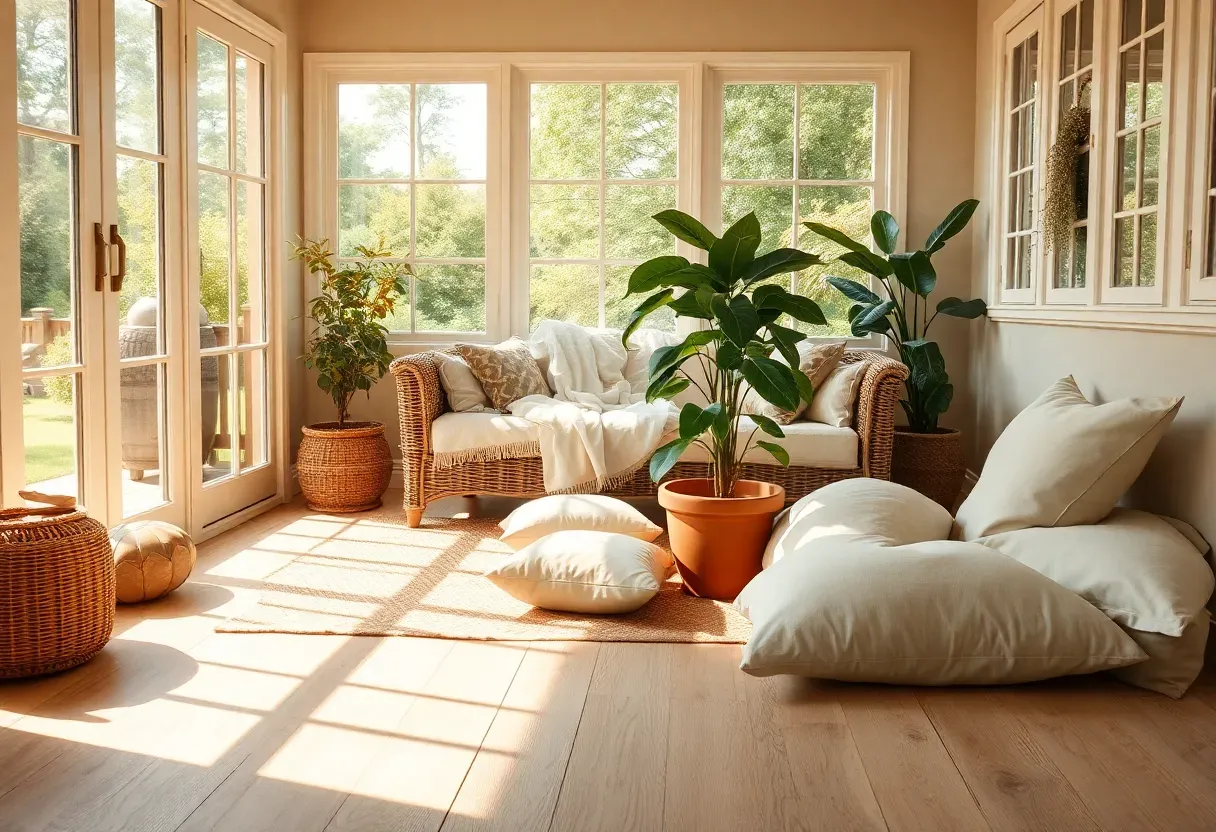
We have all stared at a sunroom that lost its spark. The cushions faded two summers ago. The rug curled at the edges. A stack of magazines nobody reads guards the corner like a sad little monument to good intentions. And the instinct is always the same: rip it out, start over, spend thousands. But what if none of that is necessary?
A sunroom responds to small, intentional changes faster than any other room in the house because natural light does half the work for you. Swap a few textiles, rethink the seating arrangement, introduce one unexpected material, and the entire atmosphere shifts. No contractors. No permits. No dust in your coffee.
Below you will find 17 ideas organized from quick afternoon fixes to weekend projects. Each one targets a specific element — textiles, lighting, furniture placement, greenery, color — so you can mix and match based on what your sunroom actually needs.
Table of Contents
- Linen Curtain Refresh
- Floor Cushion Lounge Zone
- Woven Basket Wall Display
- Layered Rug Strategy
- Statement Pendant Swap
- Painted Wicker Revival
- Window Shelf Herb Garden
- Throw Pillow Color Story
- Vintage Mirror Light Trick
- Hanging Planter Canopy
- Daybed with Removable Slipcover
- Lantern Cluster for Evening Glow
- Sisal-to-Tile Transition Strip
- Folding Screen Room Divider
- Rattan Tray Styling on Every Surface
- Bold Accent Wall with Removable Wallpaper
- Seasonal Tablecloth Rotation
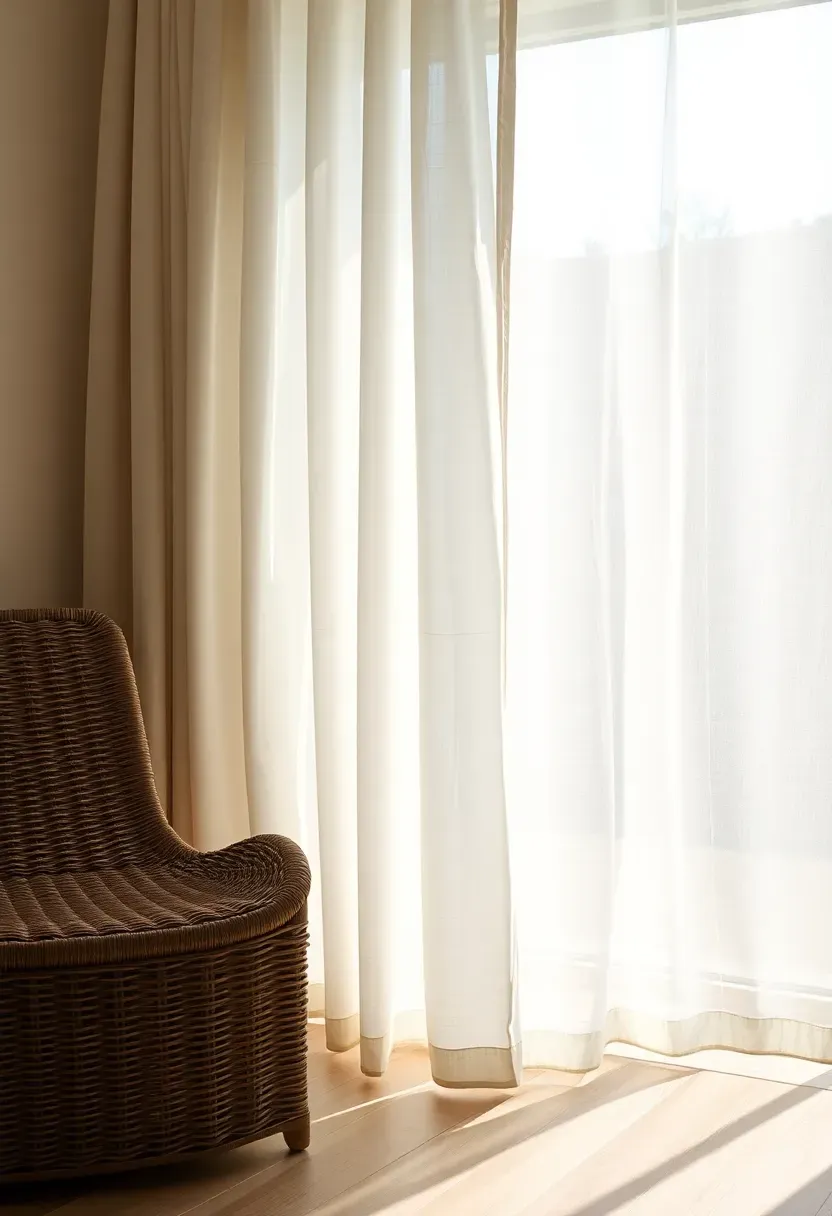
1. Linen Curtain Refresh
Nothing dates a sunroom faster than stiff, yellowed sheers that have been hanging since the previous homeowner. Replacing them with washed linen panels in a soft ivory or oatmeal instantly updates the room's entire personality. Linen filters harsh midday glare while still letting warm morning light through, and it moves with every breeze, adding a sense of life that static blinds never achieve.
Tips for Getting It Right
- Choose panels six inches wider than the window frame so the fabric gathers naturally instead of stretching flat
- Install the curtain rod eight inches above the frame to create the illusion of taller ceilings
- Opt for a relaxed, unhemmed bottom edge — linen looks best when it just barely grazes the floor
- Machine wash before hanging to pre-shrink and achieve that soft, lived-in drape from day one
We picked a few things that go well with this idea: ELYONA 16" Boho Rattan Pendant Light (★4.8), InterMaka 24" Rattan 6-Light Chandelier (★4.8) and Eccuslon 19" Woven Rattan Pendant Light (★4.7). As an Amazon Associate we earn from qualifying purchases.
2. Floor Cushion Lounge Zone
The Core Issue
Standard sunroom furniture sits too high. Sofas and chairs designed for traditional living rooms create a stiff, formal feeling in a space that should invite you to sprawl. People end up perching rather than relaxing, and the room never quite feels comfortable despite all the light pouring in.
The Solution
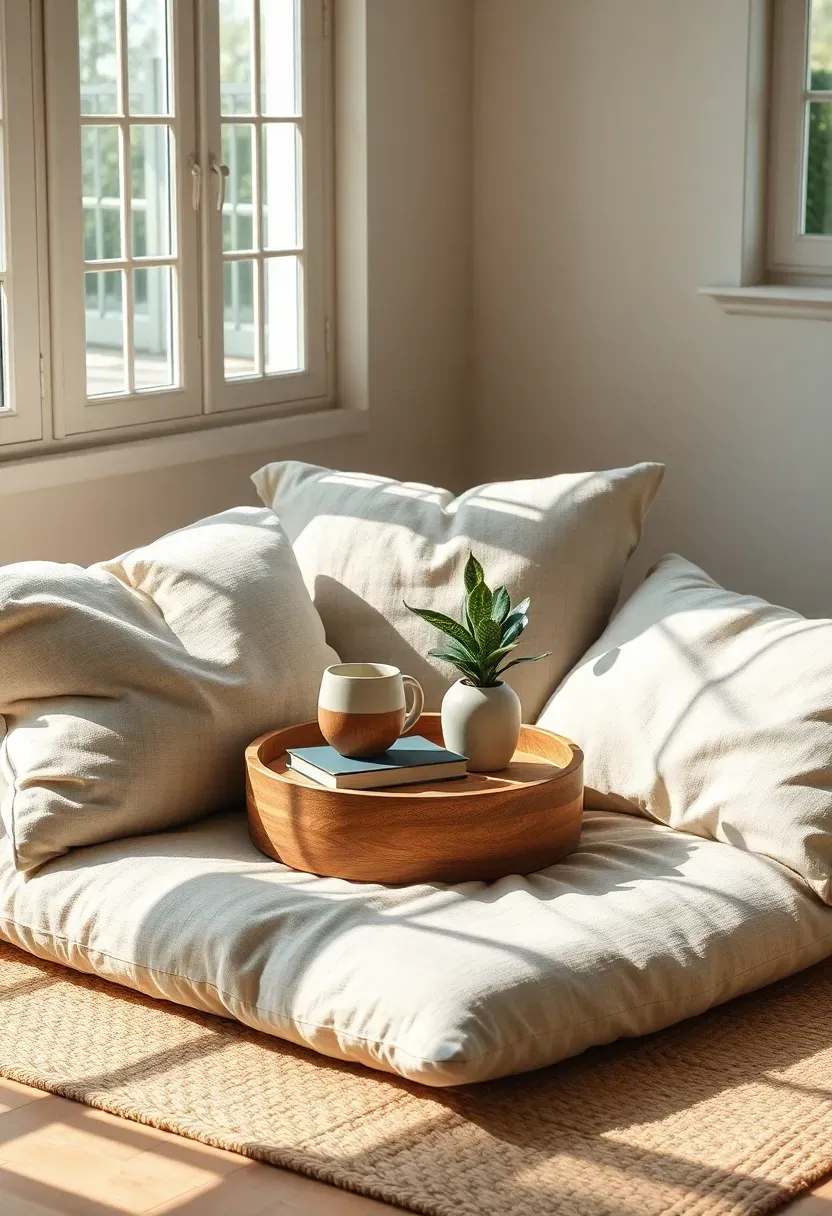
Replace at least one seating area with oversized floor cushions in durable, washable cotton or canvas. Arrange four to six cushions around a low wooden tray table to create a casual gathering spot that feels more like a Moroccan riad than a suburban addition. The lower sightline opens up the windows, making the room feel larger and more connected to the garden outside. Choose covers with hidden zippers so you can toss them in the wash when summer dust accumulates.
Pros and Cons
Pros: Costs a fraction of new furniture, instantly relaxes the atmosphere, easy to store when hosting formal events Cons: Not ideal for guests with mobility issues, requires a clean floor surface underneath
We picked a few things that go well with this idea: Mkono Ceramic Macrame Hanging Planter (2-Pack) (★4.6), Mkono Ceramic Macrame Hanging Planter (★4.6) and Wavy Studio Large Macrame Ceramic Planter. As an Amazon Associate we earn from qualifying purchases.
3. Woven Basket Wall Display
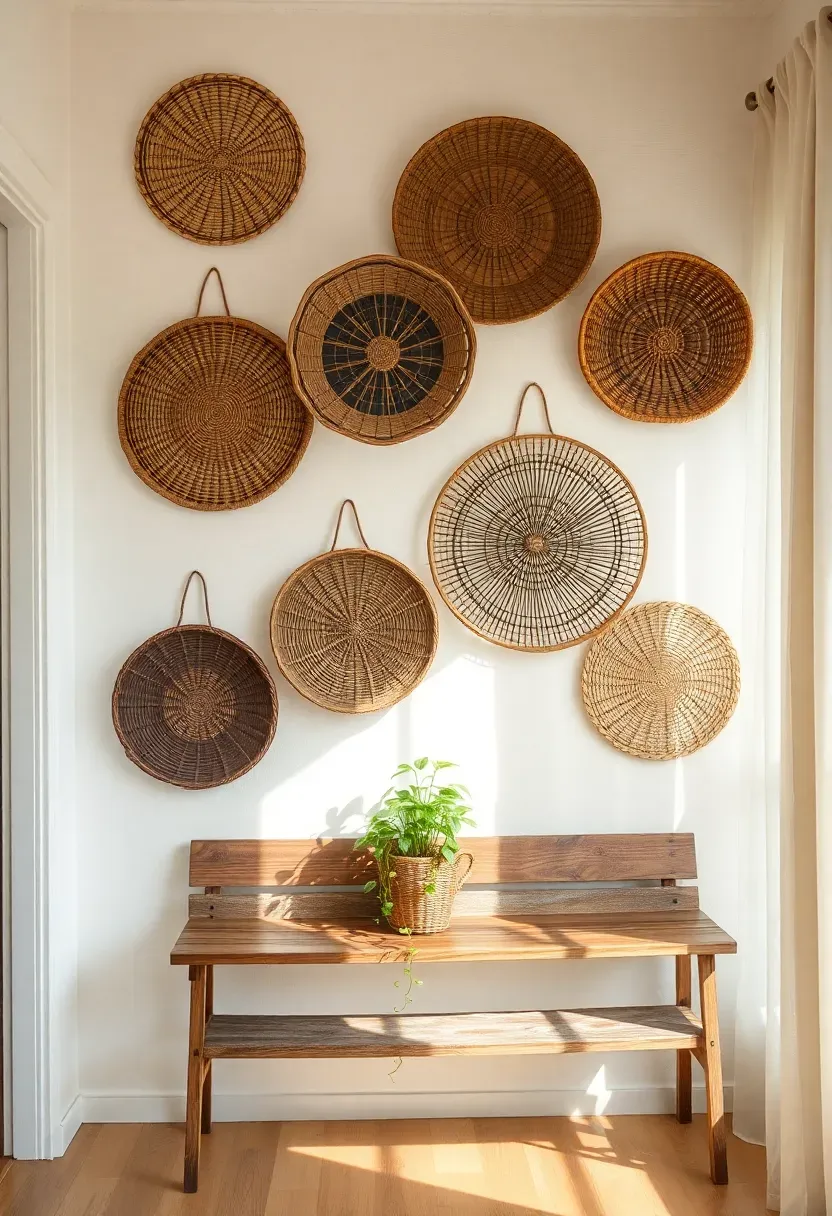
Bare walls in a sunroom tend to look unfinished, but heavy framed artwork feels wrong in a room dominated by natural light and outdoor views. Woven baskets solve this tension beautifully. They add texture and warmth without visual weight, and their organic shapes complement the garden landscape visible through the windows.
Step 1: Collect Your Baskets
Gather five to nine baskets in varying diameters. Mix flat-weave trays with deeper bowls. Thrift stores, estate sales, and online vintage shops carry them affordably. Aim for a range of natural tones — tan, honey, charcoal, cream — rather than matching sets.
Step 2: Plan the Arrangement
Lay baskets on the floor first and photograph the arrangement from above. Start with the largest piece slightly off-center, then build outward in an organic cluster. Leave two to three inches between each basket.
Step 3: Mount Securely
Use plate hangers or sawtooth hooks rated for the basket weight. Anchor into studs where possible, especially for larger pieces that can catch wind through open windows.
What to Watch Out For
- Direct sustained sunlight will bleach some natural fibers over time; rotate positions annually
- Avoid placing baskets on walls that receive condensation in colder months
- Dust regularly with a soft brush attachment to prevent cobwebs from settling into the weave
We picked a few things that go well with this idea: AVOIN Terracotta Sage Pillow Covers (Set of 4) (★4.5), Jartinle Mid Century Boho Pillow Covers (Set of 4) (★4.5) and Fancy Homi Terracotta Corduroy Pillow Covers (2-Pack) (★4.7). As an Amazon Associate we earn from qualifying purchases.
4. Layered Rug Strategy
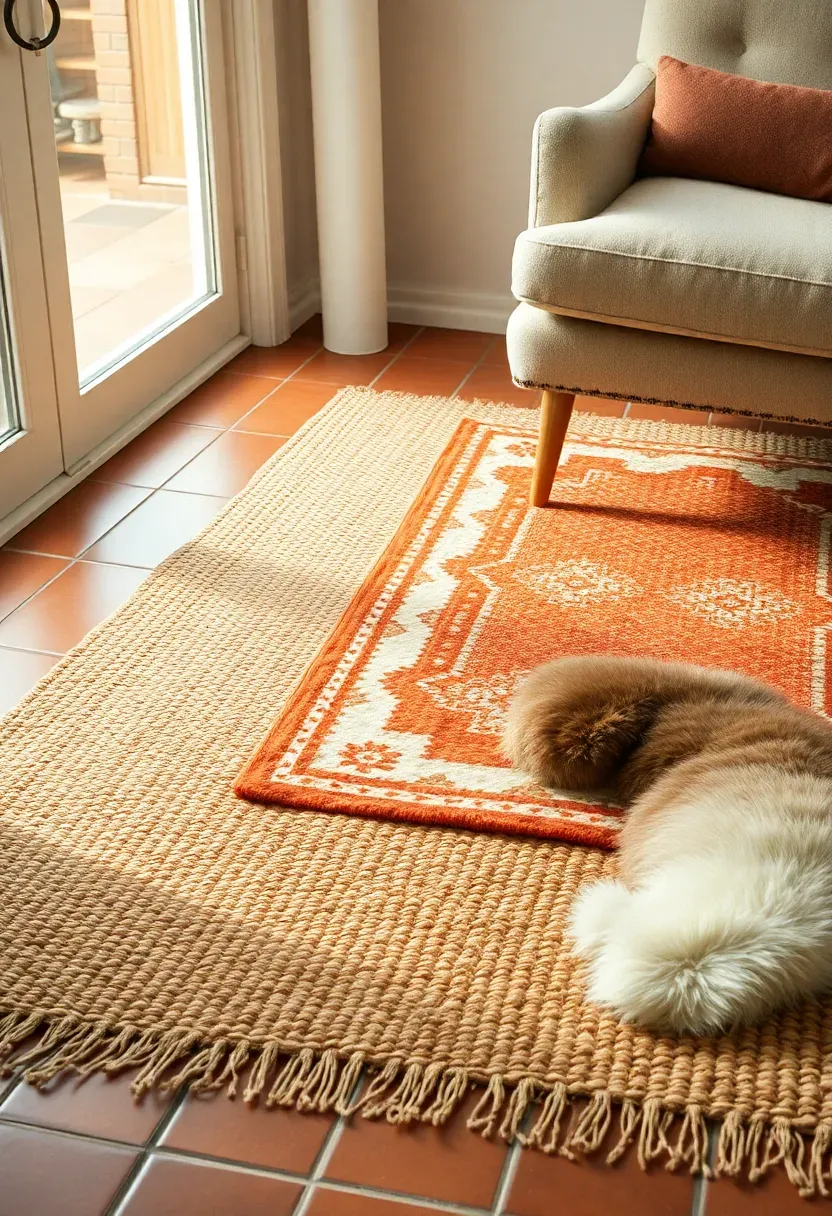
A single rug in a sunroom often looks lost against the expanse of flooring. Layering two or three rugs of different textures and scales creates visual warmth and defines distinct zones within an open plan. The technique works particularly well in sunrooms because these spaces rarely have architectural features that naturally separate areas.
How to Layer Effectively
- Start with the largest rug as the foundation — jute or sisal works well because it is affordable and handles sun exposure
- Add a medium patterned rug at an angle on top, covering about sixty percent of the base layer
- Place a small accent piece like a sheepskin or vintage runner at the seating area for a third layer
- Keep the color palette within two to three tonal families so the layers feel intentional rather than chaotic
Recommended
Items for this idea
5. Statement Pendant Swap
Why It Works
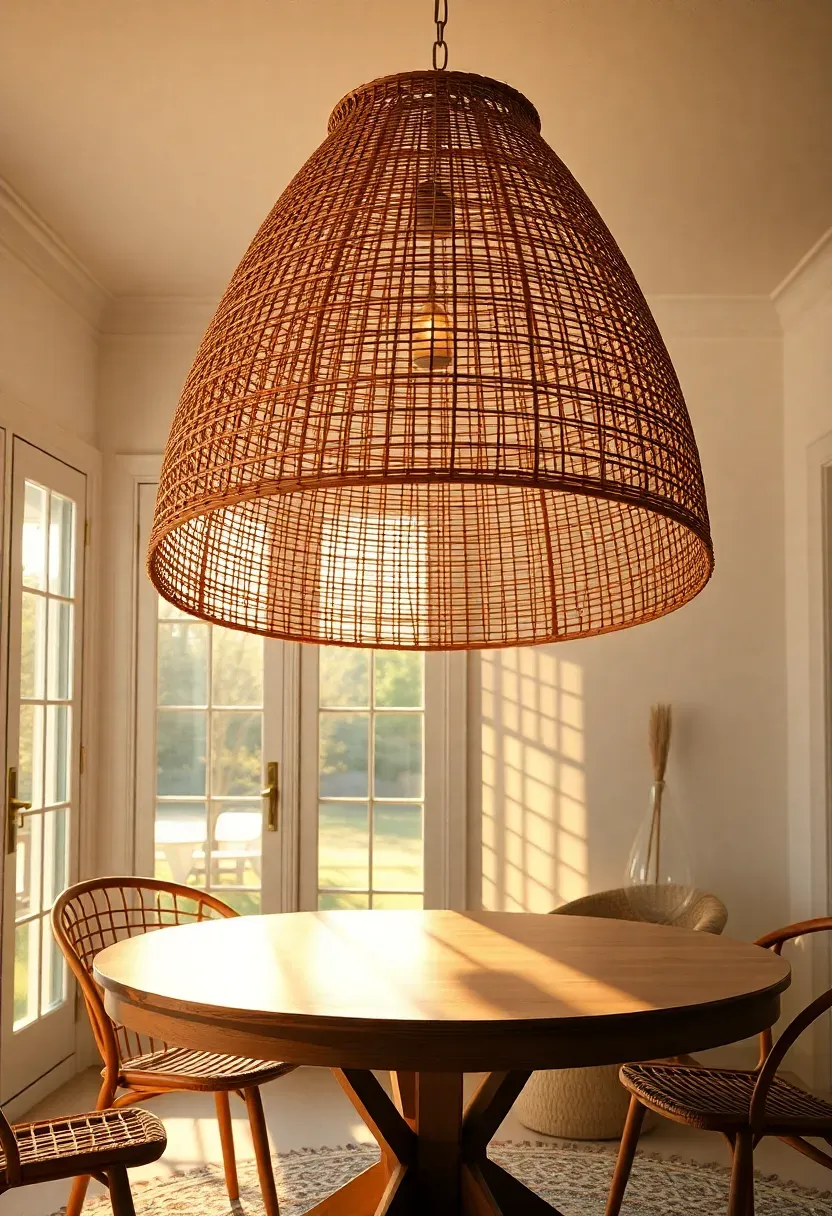
Sunrooms rarely need overhead lighting during the day, which means most people ignore the fixture entirely. That is a missed opportunity. A single bold pendant light — oversized rattan, woven seagrass, or sculptural paper — transforms the ceiling plane and creates dramatic shadow patterns once the sun drops.
The Swap Process
Replacing a basic flush-mount with a pendant takes under thirty minutes if the electrical box is already in place. Choose a fixture at least eighteen inches in diameter for visual impact. Hang it lower than you think is necessary — twenty-eight to thirty-two inches above a table surface, or seven feet from the floor in open areas.
Recommendation
An oversized woven pendant between twenty-four and thirty inches wide delivers the most transformation for the least money. The shadows it casts at sunset become a design feature on their own.
6. Painted Wicker Revival
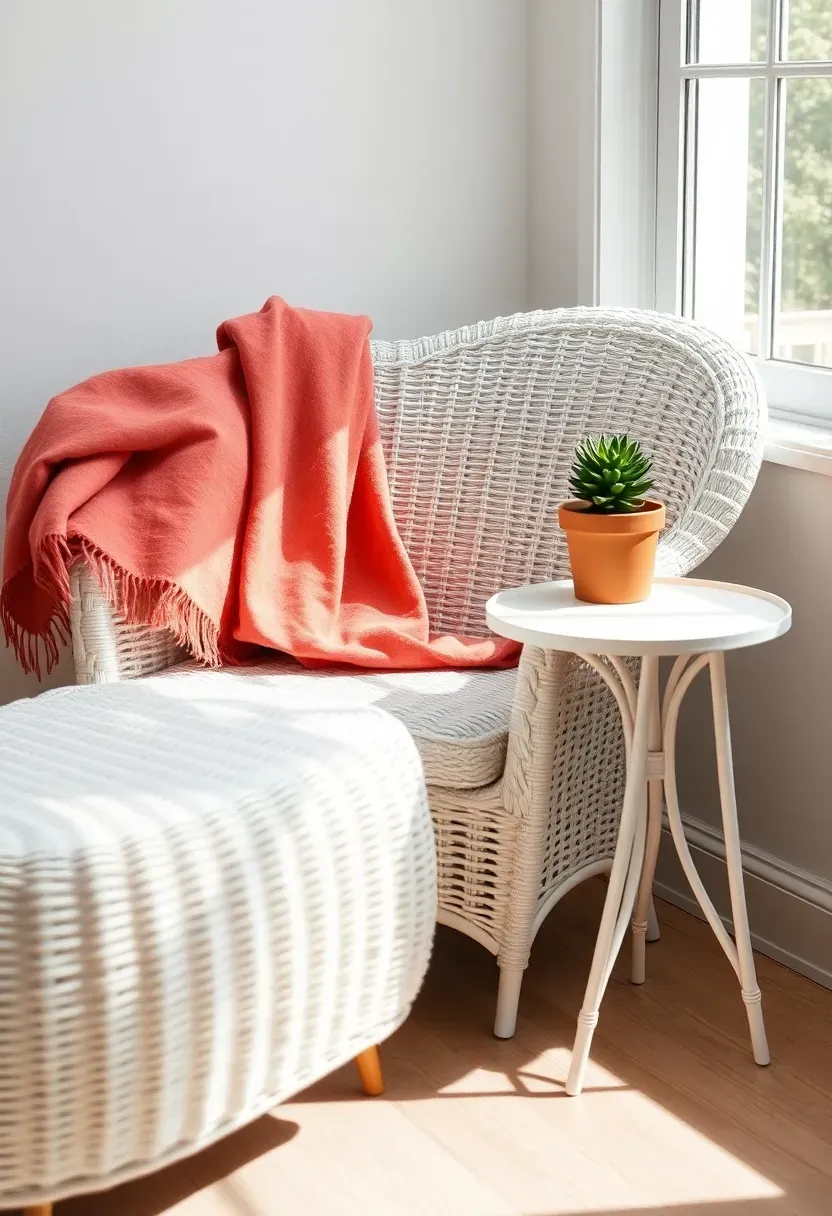
Old wicker furniture does not need to be replaced. It needs paint. A coat of exterior-grade chalk paint in matte white, soft black, or sage green turns dated, orangey wicker into something that looks intentionally chosen. The texture of the weave catches the paint unevenly, creating depth that factory-finished pieces cannot replicate.
Step 1: Clean and Prep
Scrub pieces with a stiff brush and soapy water. Let dry completely — at least twenty-four hours in a ventilated area. Fill any broken weave sections with wood glue before painting.
Step 2: Apply Paint
Use a spray application for even coverage in the crevices. Two thin coats beat one heavy coat every time. Sand lightly between coats with 220-grit sandpaper for a smooth, professional finish.
Step 3: Seal and Style
Finish with a matte clear coat rated for UV exposure. Add fresh cushions in a contrasting color and the piece looks like a deliberate design statement rather than a rescue project.
What to Watch Out For
- Avoid high-gloss finishes on wicker — they highlight every imperfection in the weave
- Work outdoors or in the sunroom with all windows open; ventilation is critical during spray application
- Test your color on the underside of the piece first to confirm the shade against natural light
Recommended
Items for this idea
7. Window Shelf Herb Garden
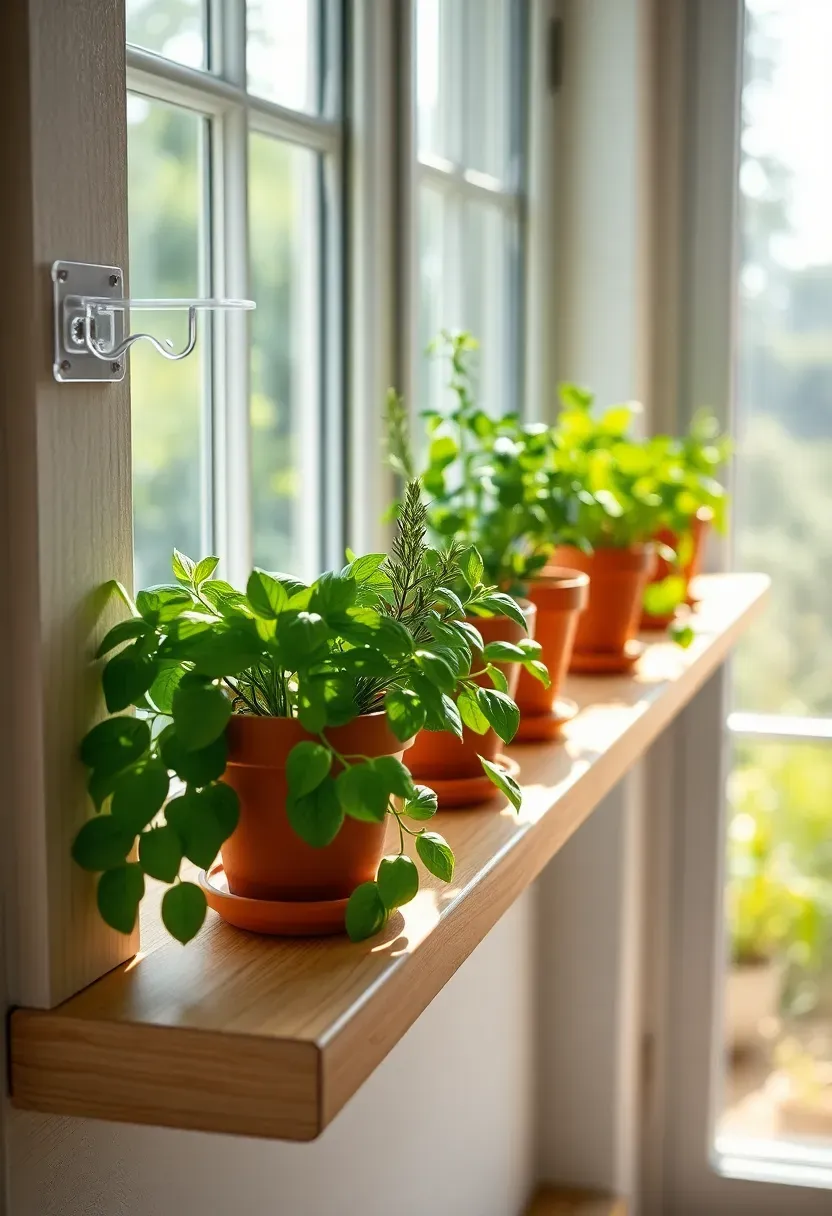
Sunroom windows offer the consistent bright light that herbs desperately need, and a simple floating shelf across the lower third of a window frame turns dead space into a functioning kitchen garden. Basil, rosemary, thyme, mint, and chives all thrive in the conditions a south-facing sunroom provides naturally.
Practical Setup
- Install narrow shelves (four to six inches deep) using clear acrylic brackets to minimize light blockage
- Use terracotta pots with saucers — the porous material regulates moisture and prevents root rot
- Space pots three to four inches apart for airflow; crowded herbs invite mildew
- Rotate pots a quarter turn weekly so all sides receive equal light exposure
- Harvest frequently to encourage bushy growth rather than leggy stretching

8. Throw Pillow Color Story
Comparing: Coordinated Sets vs. Collected Mix
Throw pillows offer the fastest, cheapest decorating reset available, but the approach matters more than the price tag.
Coordinated Sets
Pre-matched pillow sets from home stores guarantee that nothing clashes. They are safe, quick, and require zero design confidence. The downside is they often look catalog-generic and signal that the room was decorated in a single shopping trip rather than curated over time.
Collected Mix
Building a pillow collection from different sources — a vintage textile here, a handmade cover there, a solid velvet from a craft fair — creates a layered, personal look. The trick is anchoring the mix with one repeated color that appears in at least three of the five to seven pillows.
What to Choose
Choose coordinated if: You want a quick fix and plan to swap again next season Choose collected if: You enjoy the hunt and want a look that feels uniquely yours
Recommendation
Start with two solid-color anchors in your dominant tone, add two patterned covers that share that tone, then introduce one wild card in an unexpected texture like leather or raw silk.
Recommended
Items for this idea
9. Vintage Mirror Light Trick
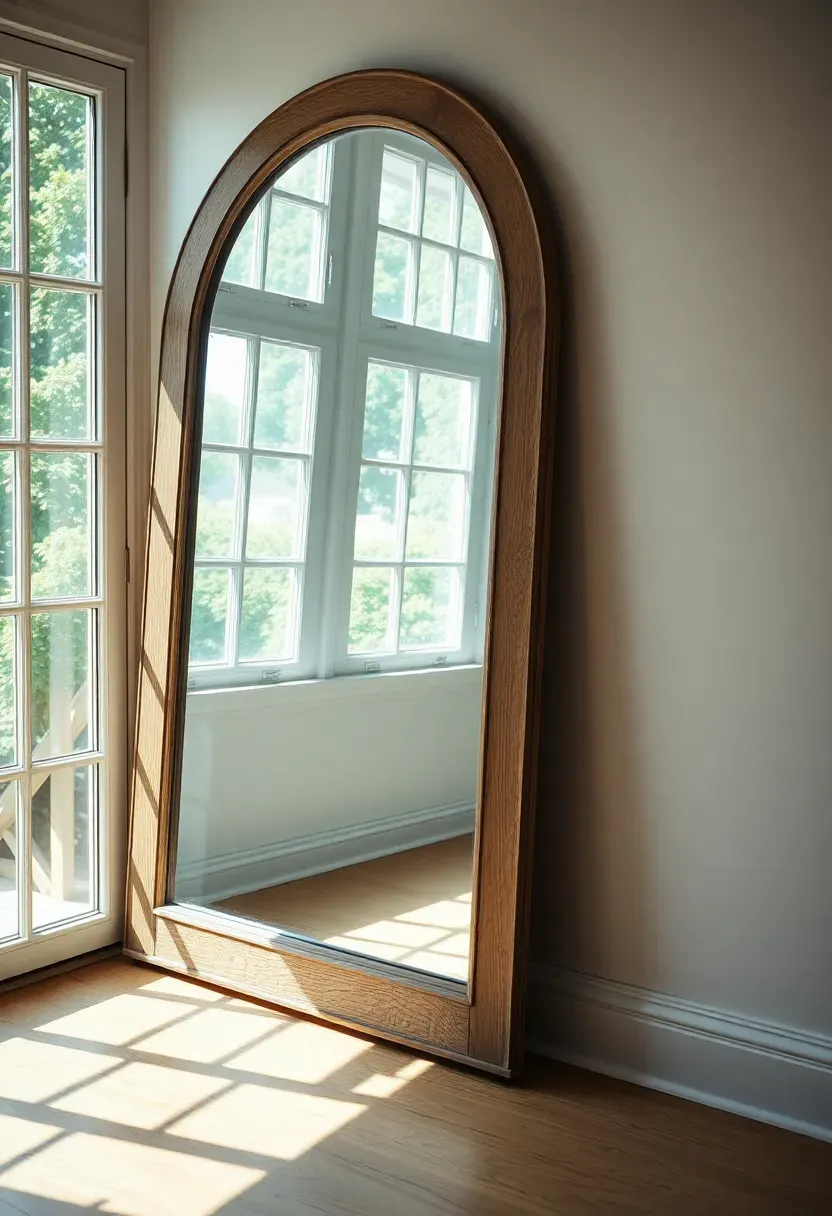
A large mirror in a sunroom does not just reflect your face — it reflects the garden, the sky, and whatever light is moving through the room at that moment. Position a vintage arched or full-length mirror on the wall opposite the primary window bank and the perceived depth of the space doubles instantly. The mirror becomes a second window that you never have to clean on the outside.
Tips for Maximum Effect
- Lean the mirror against the wall at a slight angle rather than hanging it flush; this catches more of the outdoor view
- Choose frames in weathered wood, aged brass, or iron to complement the sunroom's natural materials
- Avoid placing mirrors where they will reflect clutter or the backs of furniture
- Clean with diluted vinegar rather than commercial glass cleaner to protect antique silvering
10. Hanging Planter Canopy
Origins
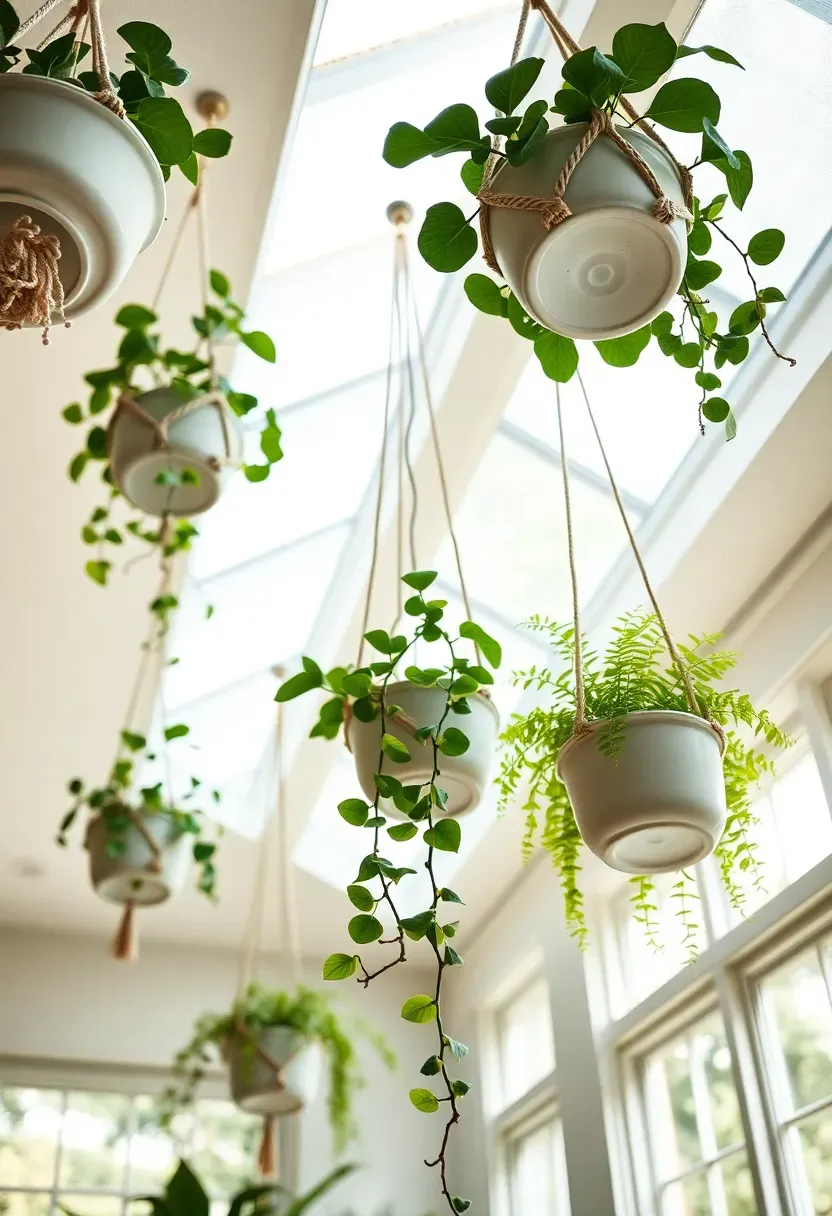
The tradition of suspending plants from above traces back to the Hanging Gardens concept and through Victorian conservatories where trailing species turned ceilings into living canopies. The idea experienced a massive revival in the 1970s macrame era and has circled back with cleaner, more modern hardware.
Modern Interpretation
Today's version skips the heavy macrame owls and uses minimal brass hooks, leather plant slings, or slim ceramic pots on adjustable cords. The effect is a green ceiling layer that draws the eye upward and fills the vertical space between furniture height and the roofline — a zone most decorators completely ignore. Trailing pothos, string of pearls, and Boston ferns create a cascade effect that softens the hard geometry of window frames and ceiling beams. Vary the hanging heights aggressively; uniform rows look institutional rather than lush.
How to Apply at Home
- Install ceiling hooks into joists, not just drywall — each pot with wet soil weighs more than you expect
- Use a pulley system for high ceilings so you can lower plants for watering without a ladder
- Group odd numbers of planters in clusters rather than spacing them evenly across the ceiling
- Choose trailing varieties for the highest hooks and compact plants for lower positions
Recommended
Items for this idea
11. Daybed with Removable Slipcover
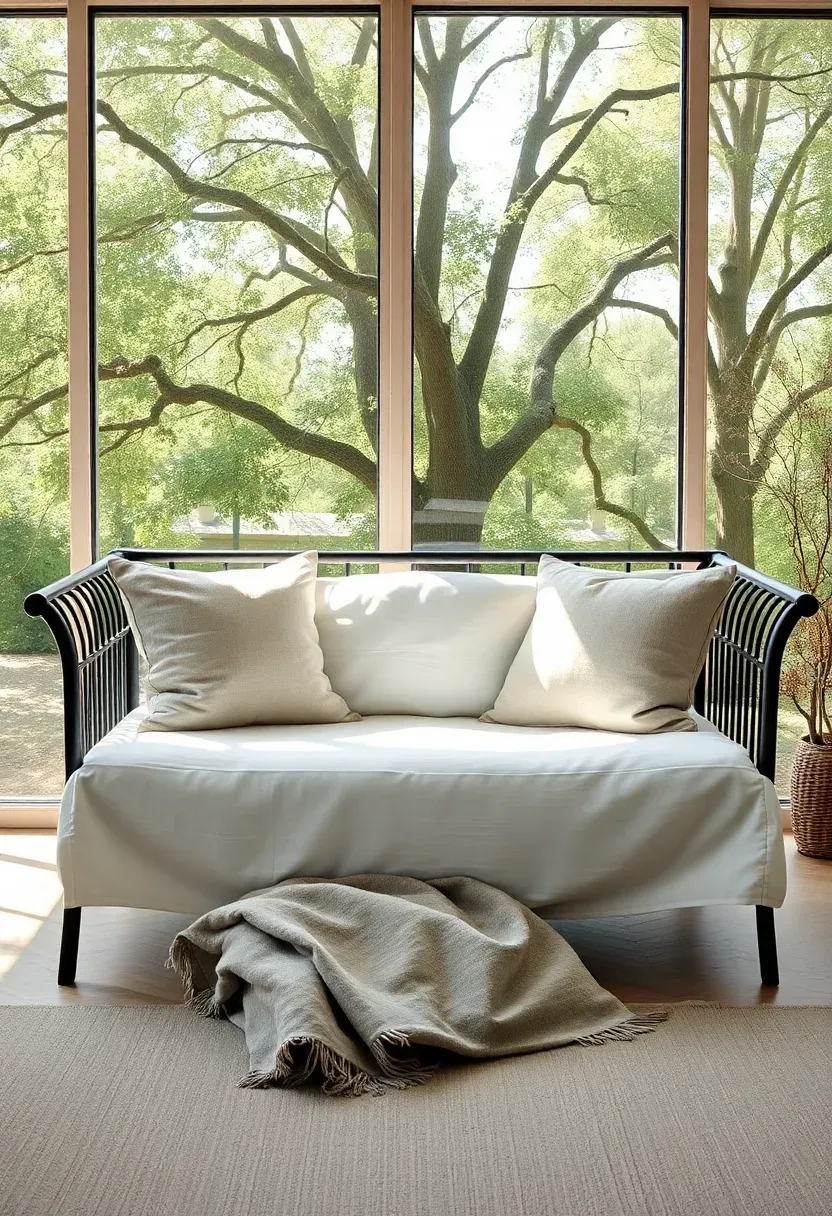
A daybed bridges the gap between sofa and bed, and in a sunroom it becomes the piece everyone gravitates toward. The critical detail is a removable, machine-washable slipcover. Sunrooms collect pollen, pet hair, and sunscreen residue at rates that would destroy a fixed-upholstery sofa within a season.
Making It Work
- Choose a metal or wooden daybed frame with clean lines; ornate frames compete with the windows
- Order two slipcovers — one on the daybed, one in the closet — so you can swap instantly after washing
- Use a six-inch mattress or a stacked pair of three-inch foam pads for comfortable seating depth
- Add a linen bolster along the back wall to convert the sleeping surface into a sofa profile during the day

12. Lantern Cluster for Evening Glow
The Core Issue
Sunrooms feel magical during the day but often become dark, uninviting voids after sunset. A single overhead fixture creates flat, unflattering light that kills the room's daytime charm. People stop using the space once the sun goes down, which means half the room's potential is wasted.
The Solution
Group five to eight lanterns of varying heights and materials — glass hurricanes, punched metal Moroccan styles, matte black geometric frames — on the floor, on side tables, and on windowsills. Fill them with LED pillar candles that flicker realistically without fire risk. The distributed, low-level light mimics the warm glow of multiple candles and extends the room's usable hours deep into the evening. Arrange them in a loose arc near the primary seating area so the light pools where people actually sit.
Pros and Cons
Pros: No electrical work required, instantly romantic atmosphere, easy to rearrange for different occasions Cons: LED candles need battery replacement, lanterns collect dust and require periodic cleaning
Recommended
Items for this idea
13. Sisal-to-Tile Transition Strip
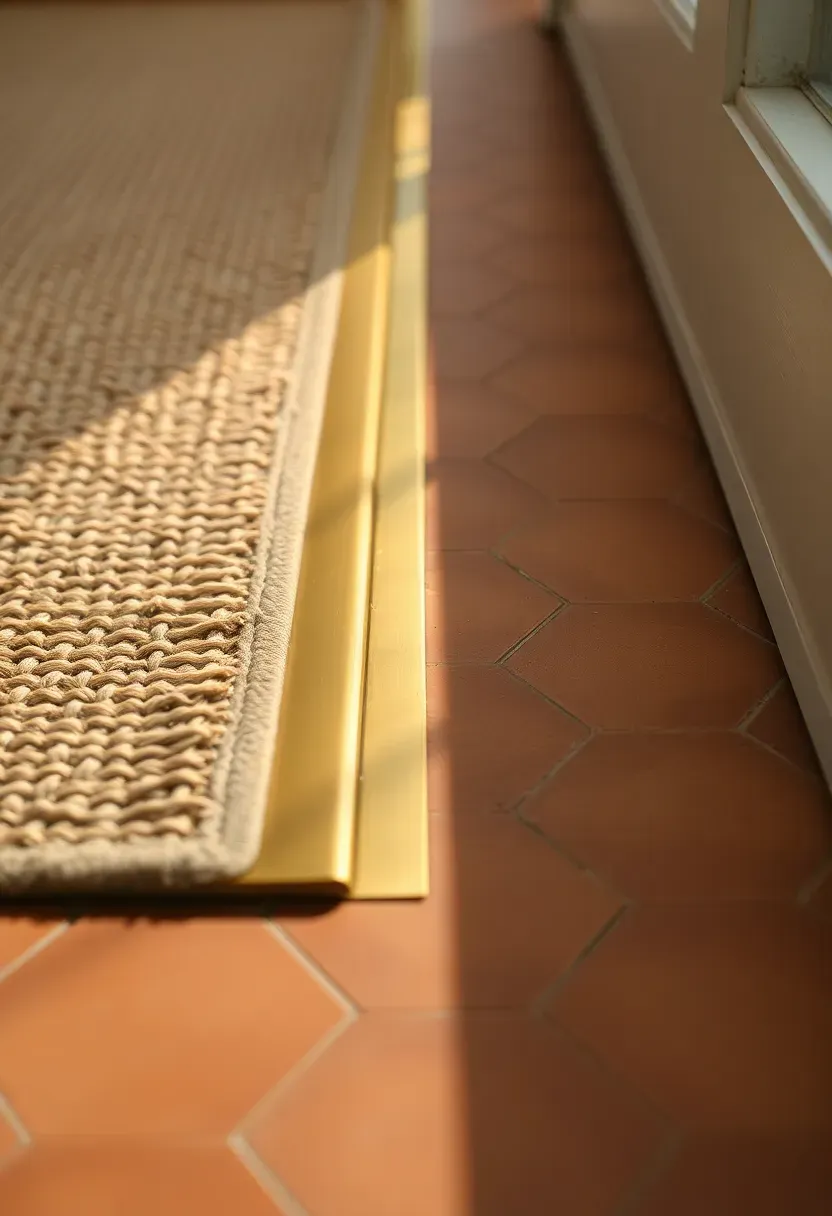
Small details communicate design intention. Where your sunroom floor meets a different material — tile to wood, concrete to rug — the transition strip either looks like an afterthought or a deliberate finish. Replacing a basic aluminum strip with a flat brass, matte black, or walnut threshold instantly elevates the junction. It signals that someone thought about every edge in this room.
Quick Execution
- Measure the exact width of the transition gap before ordering; custom-cut strips eliminate awkward gaps
- Adhesive-backed strips work on most surfaces and avoid drilling into heated floors
- Match the metal finish to your hardware — if the door handles are brass, the threshold strip should be brass
- For rug-to-hard-floor transitions, a slight bevel prevents tripping without creating a visual bump
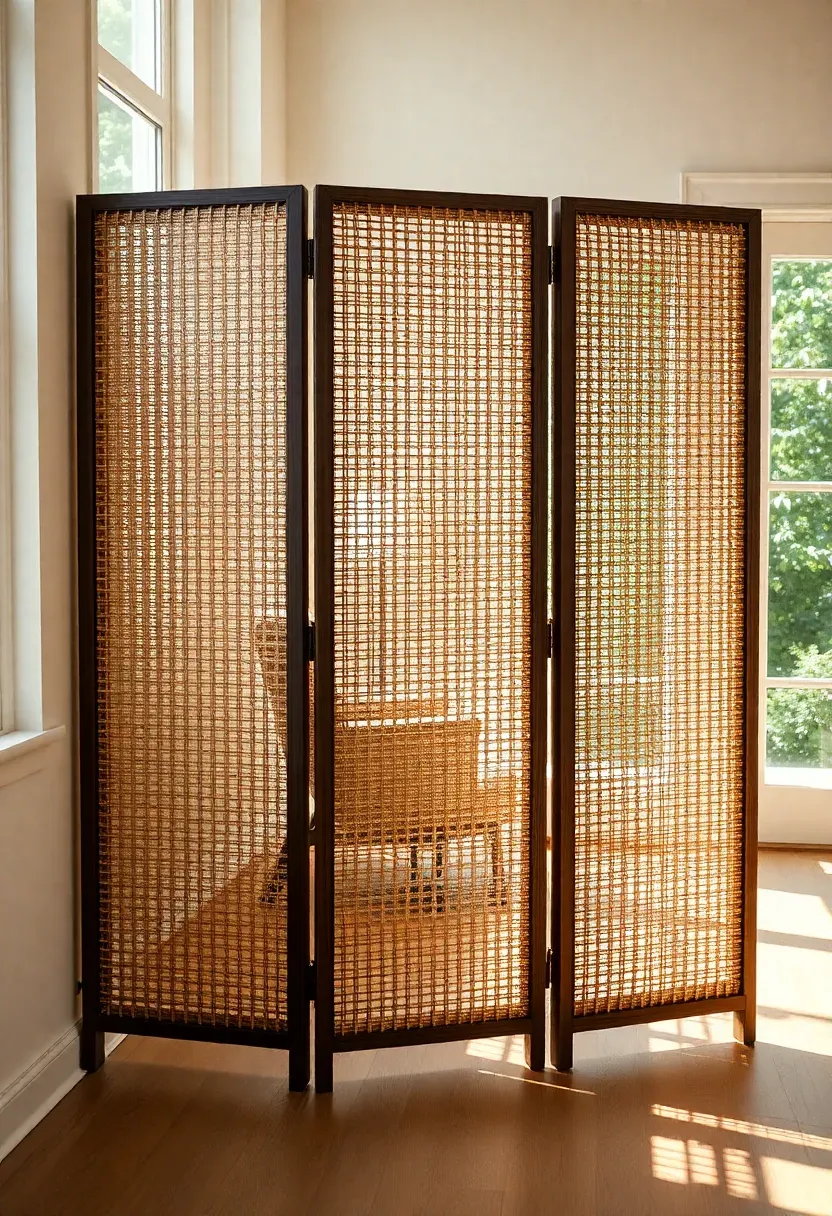
14. Folding Screen Room Divider
Sunrooms are almost always single open volumes, which limits how the space can serve multiple purposes simultaneously. A folding screen — three or four panels in rattan, linen-covered wood, or slatted bamboo — introduces flexible zoning without permanent construction. Place it to carve a reading corner from a conversation area, or angle it to hide a storage zone from the main sightline.
Choosing the Right Screen
- Height matters: screens should reach at least five feet to create genuine visual separation
- Rattan and bamboo screens filter light through their weave, maintaining the room's airy quality
- Solid fabric panels provide more privacy but can make the space feel smaller
- Hinged screens fold flat against a wall when you want the room fully open for entertaining
Recommended
Items for this idea
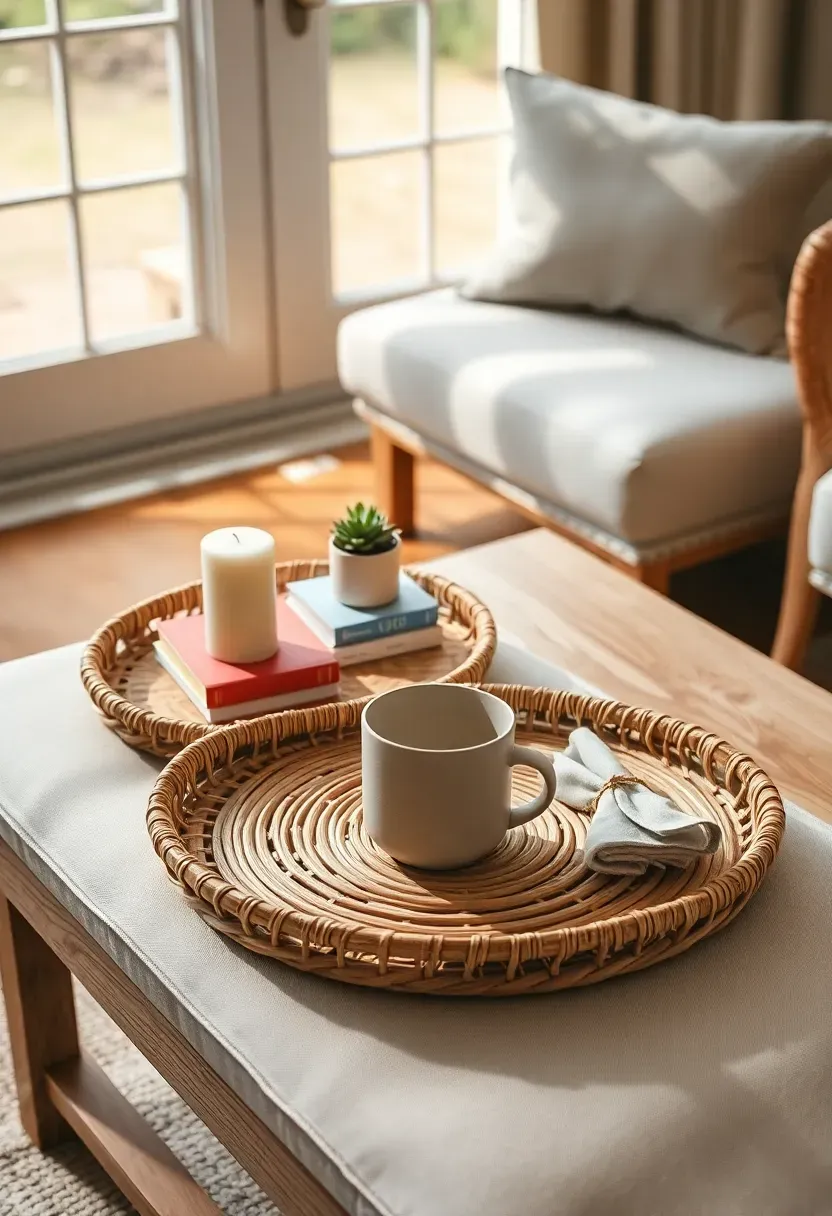
15. Rattan Tray Styling on Every Surface
Flat surfaces in sunrooms tend to accumulate randomness — a water glass here, sunglasses there, a tube of sunscreen slowly migrating across the side table. Rattan or woven trays corral this chaos into intentional vignettes. They create visual boundaries on coffee tables, ottomans, and consoles that say "this grouping is on purpose" even when the contents shift daily.
Styling Principles
- Each tray gets three to five objects maximum: a candle, a small plant, a book stack, and one personal item
- Vary tray shapes — round on a square table, rectangular on a round ottoman — for visual contrast
- Nest a smaller tray inside a larger one for depth on generous surfaces
- Rotate the contents seasonally: shells in summer, pine cones in autumn, forced bulbs in spring
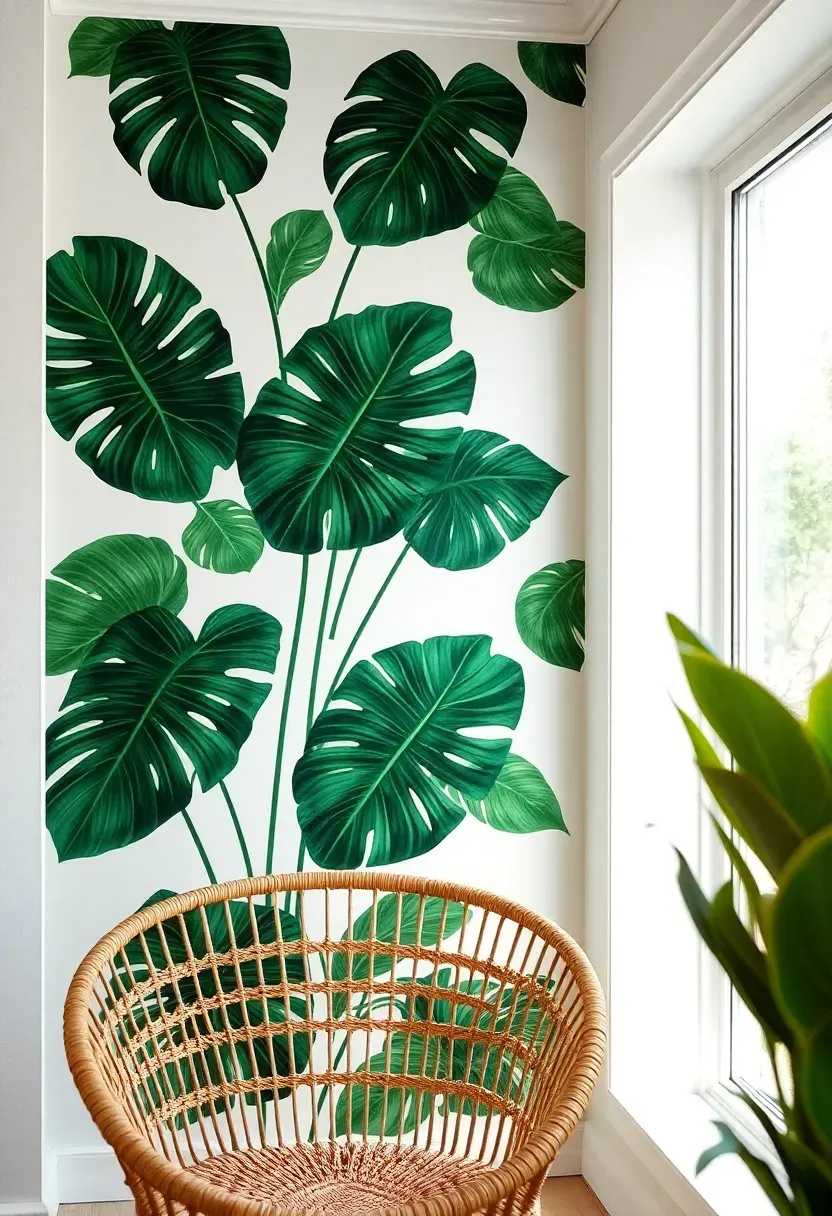
16. Bold Accent Wall with Removable Wallpaper
Why This Works for Sunrooms
Sunrooms suffer from an abundance of sameness — windows, white frames, more windows, more white frames. A single accent wall in a bold removable wallpaper pattern breaks the rhythm and gives the room an anchor point that competes with the outdoor view in the best possible way.
Execution Without Commitment
Peel-and-stick wallpaper applies in under two hours and removes cleanly when you are ready for a change. Choose the wall with the least window coverage — usually the one connecting the sunroom to the main house. Large-scale botanical prints, geometric patterns in navy or forest green, or textured grasscloth designs all work. Avoid tiny repeat patterns that read as busy from across the room. The goal is one bold statement, not visual noise.
Recommendation
Start with a large-scale tropical leaf or palm frond pattern in a single color on white. It echoes the garden visible through the windows while adding graphic punch that photographs beautifully for anyone who, say, shares their home on Pinterest.
Recommended
Items for this idea
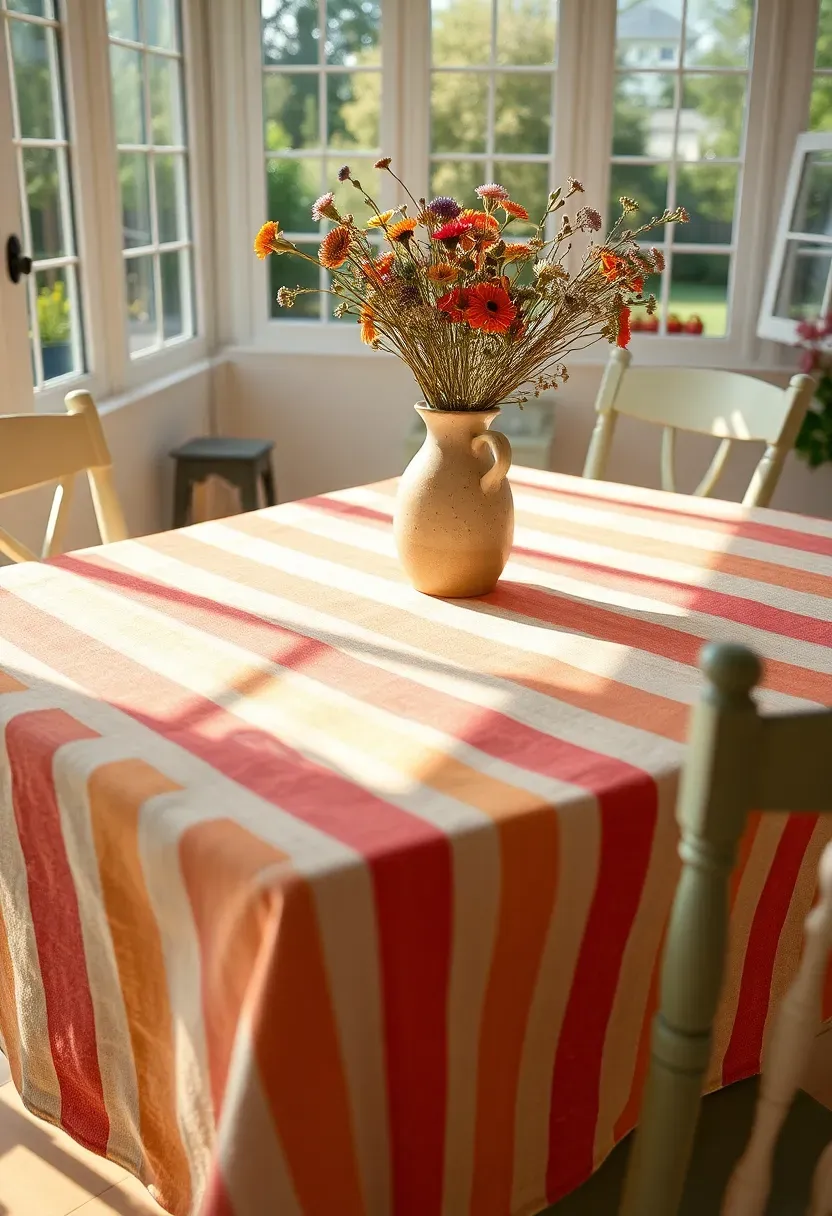
17. Seasonal Tablecloth Rotation
The simplest decorating idea on this list is also one of the most effective. If your sunroom includes any kind of table — dining, console, or side — a seasonal tablecloth rotation changes the room's color temperature four times a year with zero effort and minimal cost.
The Four-Season Approach
- Spring: Lightweight cotton in soft florals or pastel stripes signals freshness after winter months
- Summer: Crisp linen in white or natural with bold fruit or citrus prints adds energy
- Autumn: Heavier cotton canvas in warm terracotta, mustard, or olive grounds the room as light softens
- Winter: Textured wool blend or flannel in deep jewel tones creates warmth against grey skies
Why It Keeps Working
Tablecloths store flat, cost a fraction of new furniture, and take thirty seconds to swap. They also protect table surfaces from sun damage, which means your furniture lasts longer. A stack of four seasonal cloths in a linen closet gives you a completely different sunroom mood every quarter.
Quick FAQ
Is removable wallpaper truly damage-free on sunroom walls? Quality peel-and-stick products from reputable brands remove cleanly from smooth, painted surfaces. Issues arise on textured walls, fresh paint under thirty days old, or surfaces with moisture problems. Test a small section behind furniture first and leave it for forty-eight hours before committing to a full wall.
Which plants survive the temperature swings in a three-season sunroom? Spider plants, pothos, snake plants, and ZZ plants tolerate the widest temperature range — roughly 45 to 95 degrees Fahrenheit. Avoid tropical species that demand consistent warmth unless your sunroom has climate control. During cold snaps, group pots in the center of the room away from glass to buffer temperature drops.
Should I choose indoor or outdoor furniture for a sunroom? That depends on your climate control setup. Fully insulated, HVAC-equipped sunrooms handle standard indoor furniture beautifully. Three-season rooms with single-pane glass benefit from outdoor-rated pieces that tolerate humidity and temperature fluctuations. The hybrid approach — indoor frames with outdoor-grade cushion covers — often delivers the best of both.
Can I install floating shelves without damaging the window frames? Absolutely. Mount brackets into the surrounding wall studs rather than the window frame itself. Use a stud finder and toggle bolts for drywall sections between windows. Clear acrylic brackets minimize visual interruption and let light pass through rather than casting hard shadows.
What is the fastest single change that refreshes a tired sunroom? New throw pillows. Five to seven coordinated covers in a fresh color palette transform the seating area in under ten minutes. Pair them with one new throw blanket draped over the arm of your primary seating piece and the room reads as entirely updated to anyone who walks in.
A sunroom is already doing the hardest part of interior design for you — flooding itself with natural light and connecting you to the outdoors. Everything on this list works with that advantage rather than against it. Pick the two or three ideas that match what your space is missing right now, spend a weekend implementing them, and notice how quickly you start using the room again. The best renovation is the one you never had to schedule.
Pinterest cover for 17 Sunroom Decorating Ideas to Refresh Your Space Without a Full Renovation
About the author
OBCD
CGI visualization and interior design content. We create detailed 3D renders and curate practical design ideas for every room in your home.