17 Modern Sunroom Ideas with Clean Lines, Light Neutrals, and Texture
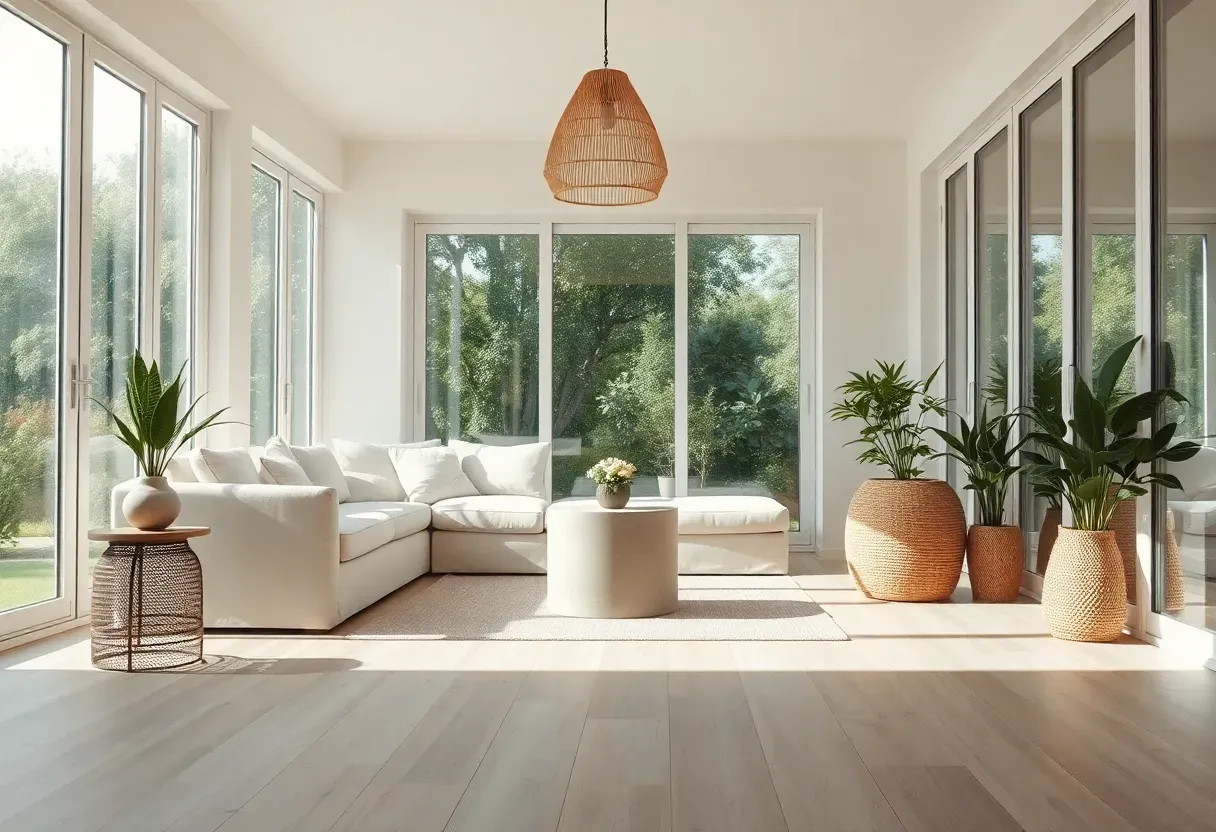
According to 2026 design trends, the most searched sunroom aesthetics center on one idea: less, but better. Homeowners are moving away from the cluttered wicker-and-floral look of older sunrooms and toward spaces that feel clean, intentional, and quietly luxurious. Light neutrals — whites, creams, greiges — hold the room together without fighting the natural light. And texture does the work that color used to do: linen throws catch the afternoon sun, rattan chairs add visual grain, concrete surfaces ground the composition, and pale wood floors tie it all back to nature. The result is a sunroom that photographs beautifully but, more importantly, feels genuinely good to sit in.
In this article I have gathered 17 ideas that each explore one facet of the modern sunroom aesthetic — from structural furniture choices to small finishing details that shift the entire atmosphere.
Table of Contents
- Low-Profile Linen Sofa
- Concrete Side Table and Planter Pair
- Floor-to-Ceiling Sheer Panels
- Rattan Pendant Light
- Greige Wall Color
- Pale Oak or Ash Wood Floor
- Built-In Window Bench with Hidden Storage
- Minimalist Steel-Frame Chairs
- Textured Bouclé Accent Chair
- Cream Wool Area Rug
- Matte Ceramic Pot Cluster
- Linen Curtains with Blackout Lining
- Travertine or Limewash Coffee Table
- Gallery Wall in Neutral Tones
- Woven Storage Baskets Under Bench
- Fiddle-Leaf Fig in a Concrete Planter
- Integrated Lighting: Recessed and Pendant
1. Low-Profile Linen Sofa
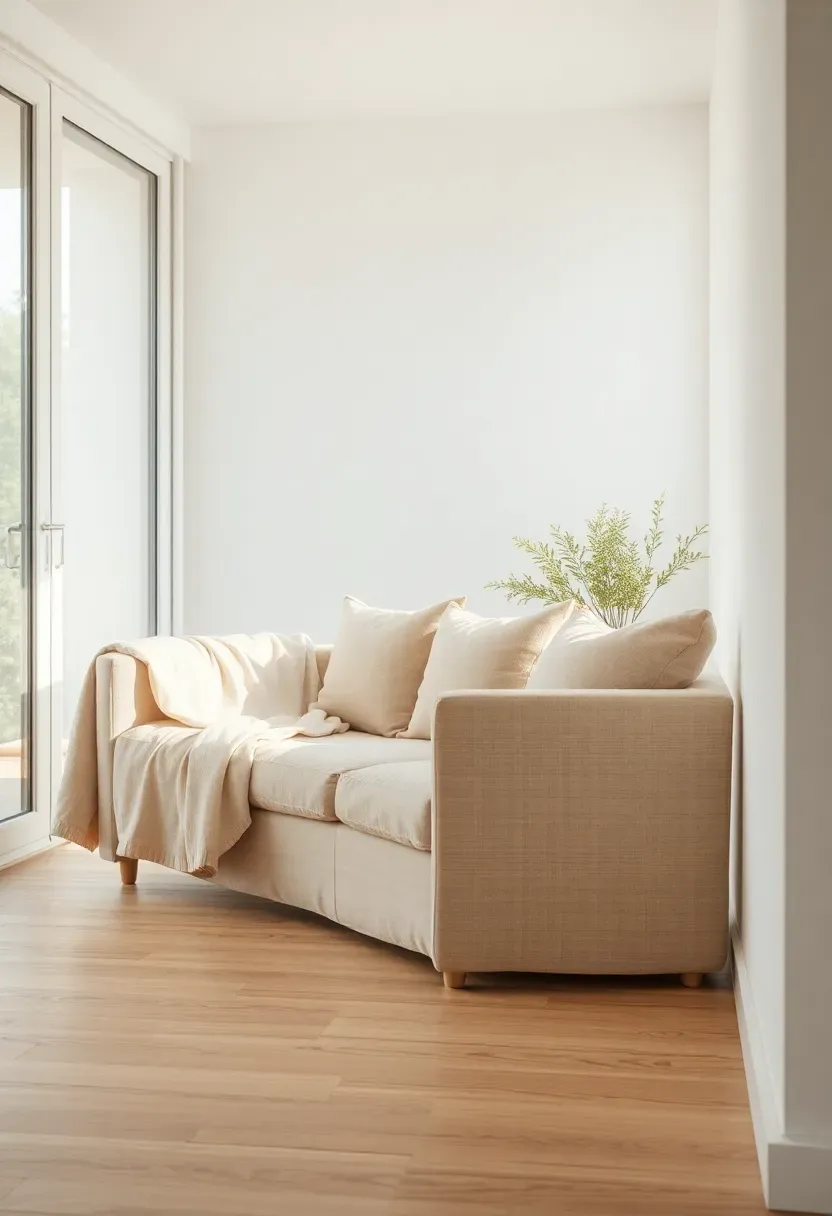
The foundation of a modern sunroom is seating that stays close to the ground. A low-profile sofa — roughly 70 to 75 cm in seat height — creates an immediate sense of calm and openness. Upholstered in natural linen in warm white or ecru, it reflects the bright incoming light without competing with it. The fabric develops soft folds and creases that add lived-in texture over time. Pair it with a single loose linen slipcover for easy laundering. The horizontal silhouette echoes the clean lines of the windows and keeps sightlines free.
What to Consider When Choosing
- Select a frame depth of at least 90 cm for genuine lounging comfort
- Look for linen blends with 20–30% cotton for wrinkle resistance
- Avoid tufting — it reads as too formal for a minimalist sunroom
We picked a few things that go well with this idea: Kingfun Mid Century Linen Loveseat Sofa (★4.3), Tbfit 77" Linen Loveseat Mid Century (★4.3) and Modern Linen 2-Seater Sofa with USB (★4.3). As an Amazon Associate we earn from qualifying purchases.
2. Concrete Side Table and Planter Pair
The Core Challenge
Most sunrooms struggle with furniture that looks too light — wicker and rattan can make a space feel temporary or unsettled. You need something with mass to anchor the composition.
The Solution
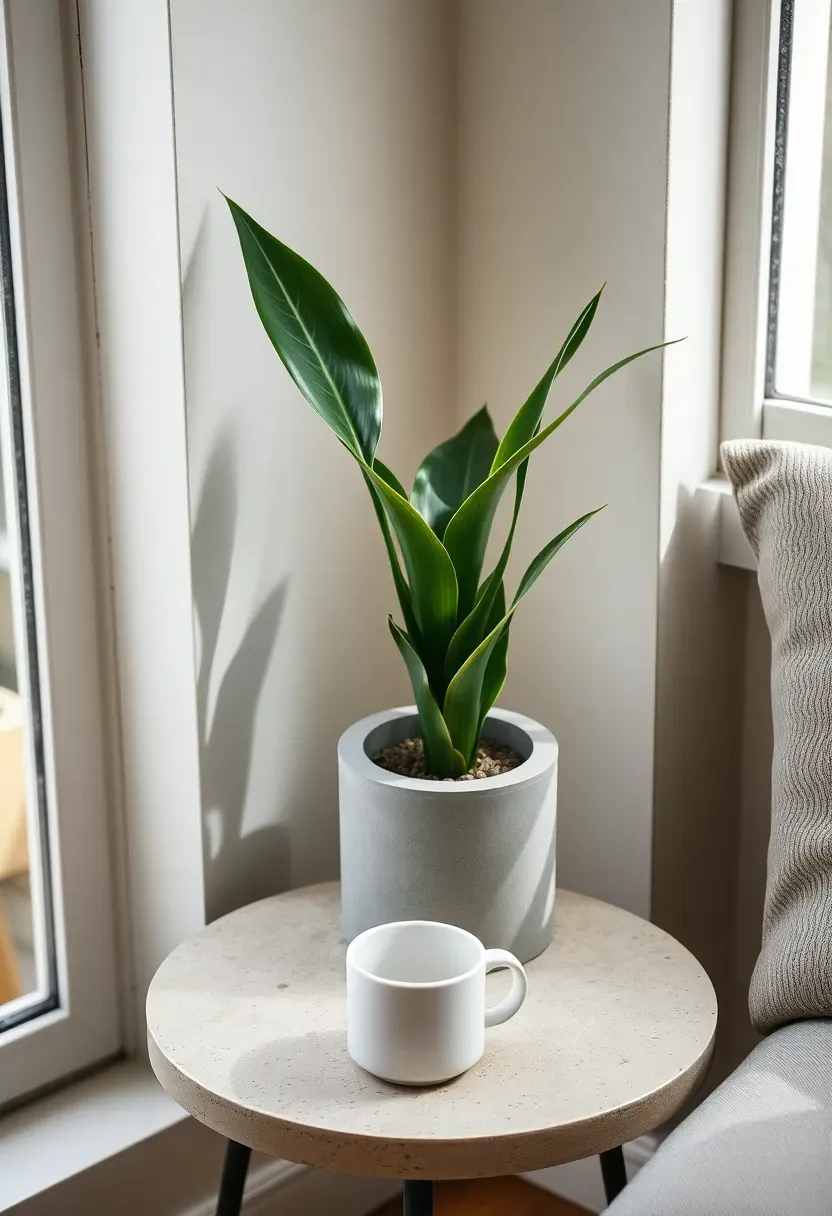
A concrete side table — roughly 45 to 50 cm tall with a simple cylinder or cube form — provides that visual weight without visual bulk. Set a matching concrete planter beside it, planted with a snake plant or peace lily. The matte gray surface contrasts cleanly against white or cream upholstery and introduces a subtle industrial note that modern aesthetic depends on. Concrete also ages gracefully, developing a patina that grows more interesting with time. Keep the table surface clear except for a single ceramic mug or a small sculptural object — restraint is the point.
Pros and Cons
Pros: Extremely durable, weather-tolerant if the space is semi-open, adds genuine weight to the composition Cons: Heavy to move, can feel cold in north-facing rooms without warm textiles nearby
We picked a few things that go well with this idea: Hemp Rope Woven Rattan Pendant Light (★4.7), Karjearl Bamboo Woven Basket Pendant Light (★4.2) and ELYONA 16" Boho Rattan Basket Chandelier (★4.8). As an Amazon Associate we earn from qualifying purchases.
3. Floor-to-Ceiling Sheer Panels
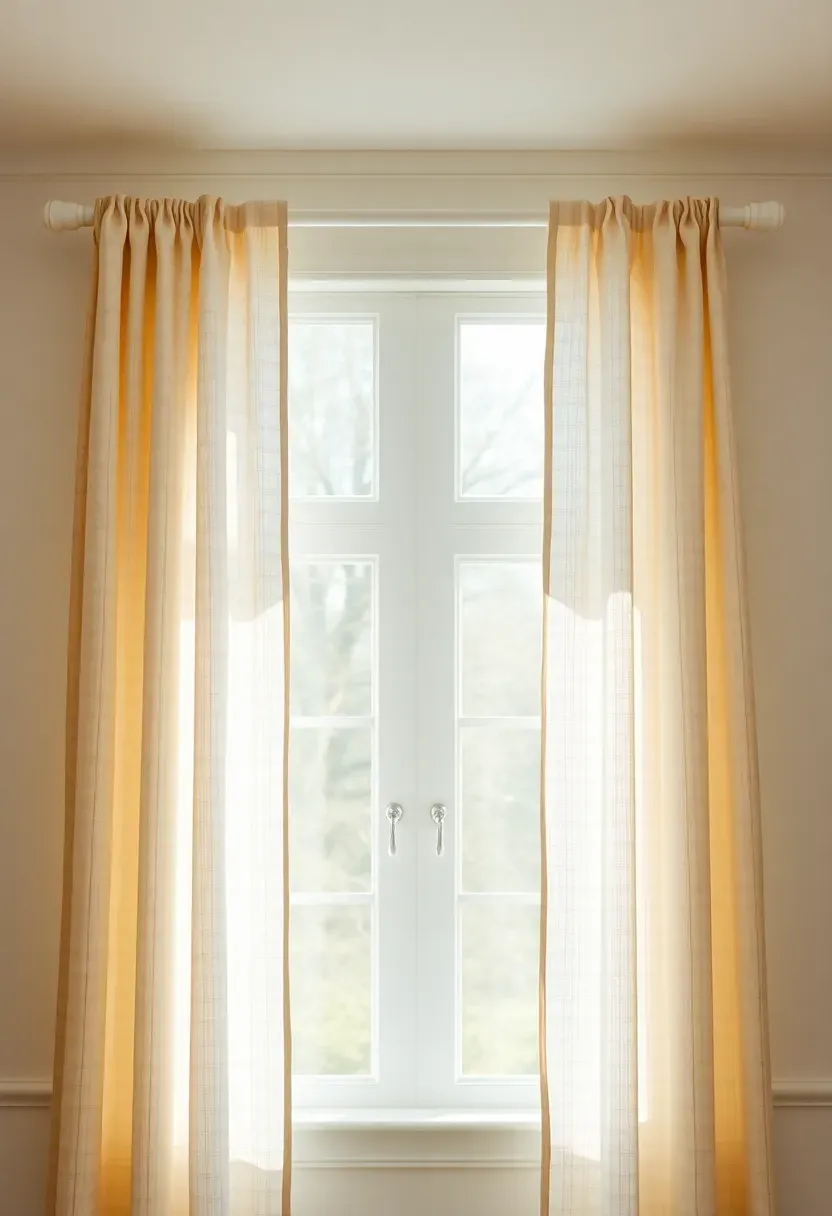
How you dress the windows defines everything else. Sheer panels — floor-to-ceiling, not curtains that stop at the sill — create a sense of height and softness simultaneously. Choose ivory or natural linen sheers rather than pure white, which can read as clinical. The fabric filters direct sun into a soft, diffused glow that is far easier to live in than raw sunlight. Hang the rod 10 to 15 cm above the window frame to exaggerate ceiling height.
Practical Setup
- Use a ceiling-mounted rod for the cleanest modern look
- Layer sheers over a roller blind for full light control when needed
- Wash at 30°C and rehang while damp to prevent shrinkage creases
We picked a few things that go well with this idea: Faux Travertine Coffee Table with Drawers (★4.0), win2win Travertine Nesting Coffee Table (Set of 2) (★3.9) and Hyfirm 55" Travertine Cloud Coffee Table (★4.1). As an Amazon Associate we earn from qualifying purchases.
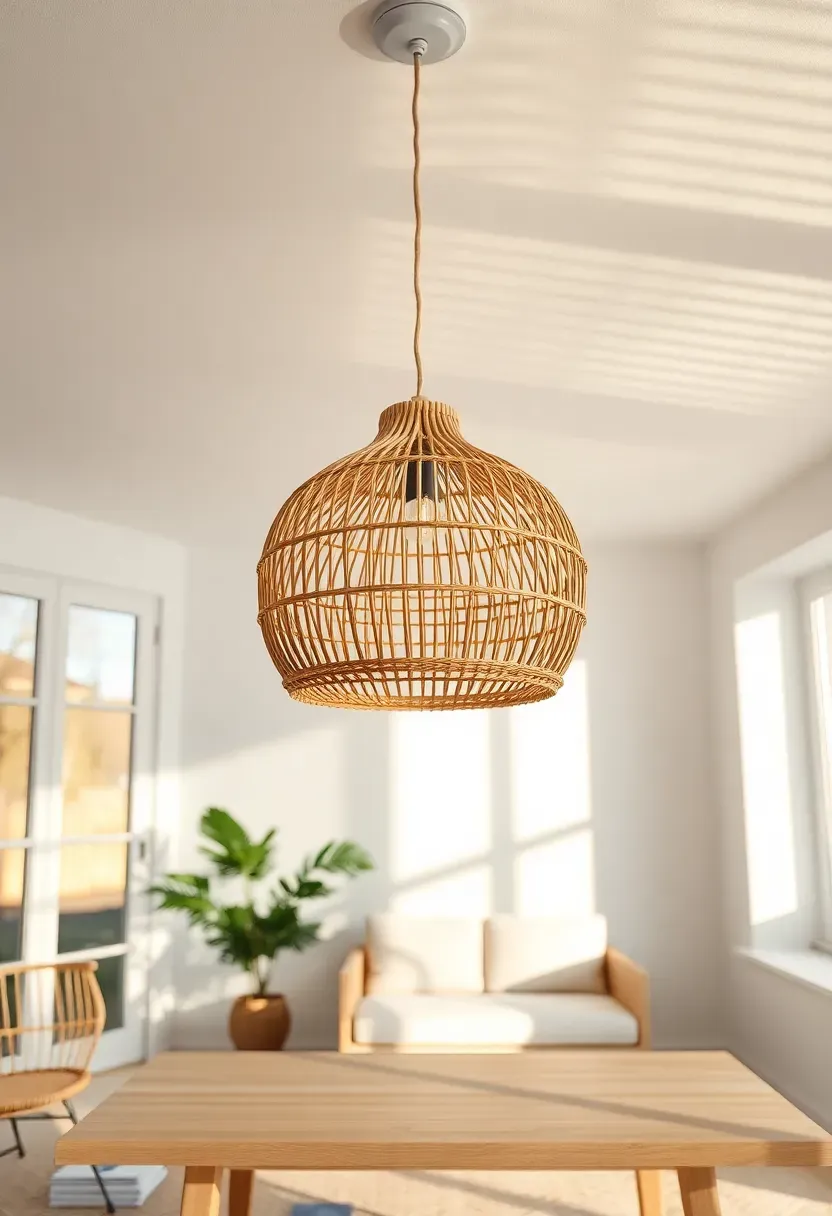
4. Rattan Pendant Light
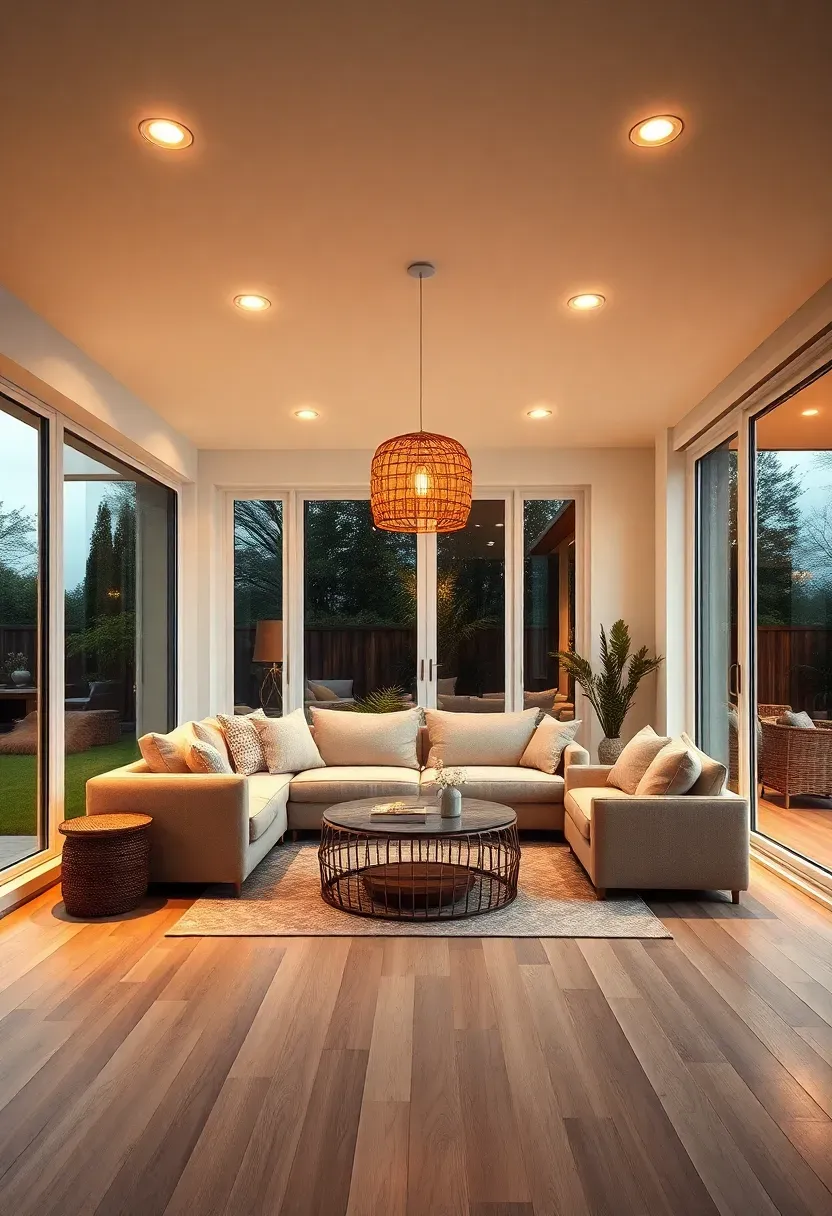
Overhead lighting in sunrooms is often an afterthought — a bare bulb or a generic drum shade. A rattan pendant changes the conversation entirely. The woven material casts patterned shadows on the ceiling and walls when lit at night, adding warmth and movement without any visual clutter. Choose a pendant that sits between 45 and 60 cm in diameter — large enough to read as a statement, compact enough not to overwhelm a standard sunroom ceiling. Position it directly over the coffee table to define the seating zone. During the day the pendant functions as a sculptural element; at night it becomes the primary mood light.
Sizing Guide
- Small sunrooms (under 12 m²): 40–45 cm diameter
- Medium sunrooms (12–20 m²): 50–60 cm diameter
- Hang base of pendant 200–210 cm from floor for comfortable clearance
Recommended
Items for this idea
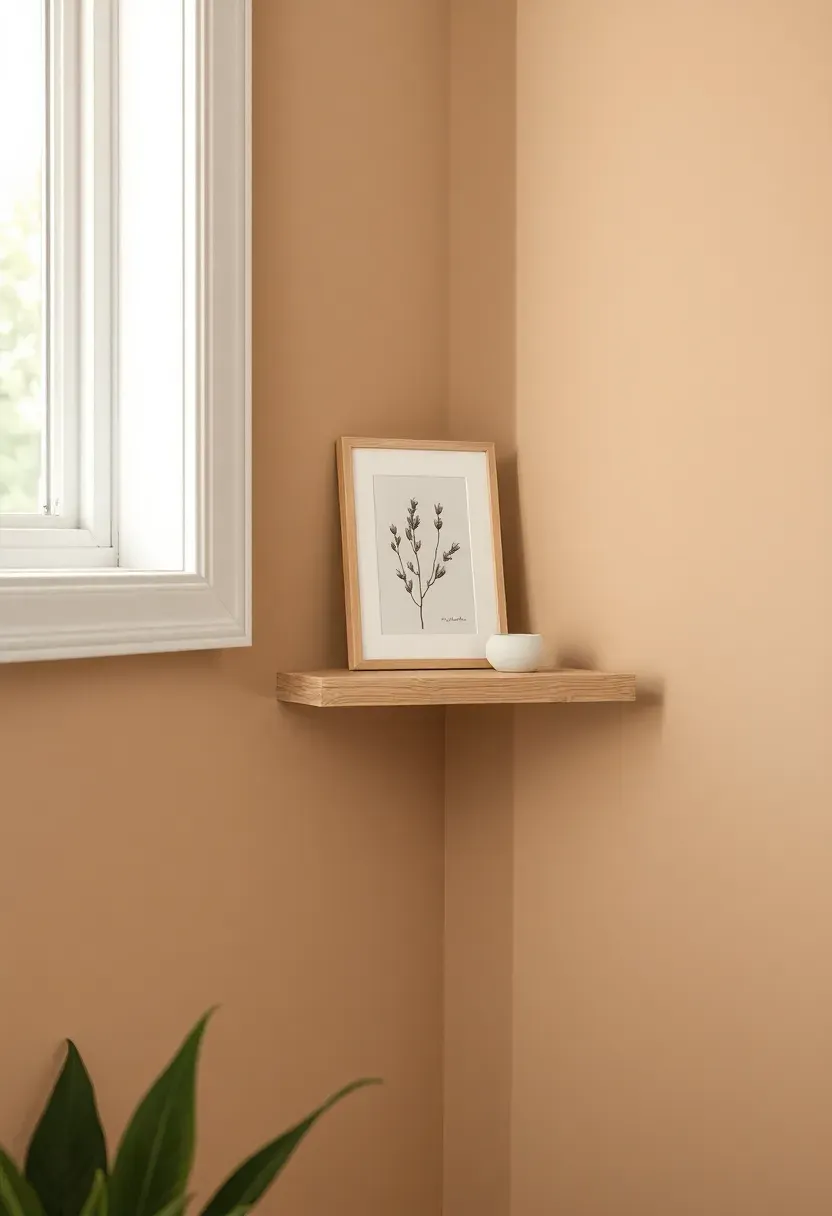
5. Greige Wall Color
White walls read differently in a sunroom than in interior rooms. The intense daylight can make pure white feel harsh or reflective rather than clean. Greige — a gray-beige hybrid — holds its tone across changing light conditions and creates a warmer, more enclosed feeling that makes sunrooms livable rather than just bright. Look for colors with undertones of taupe or sand rather than blue or green. The warm undertone interacts well with cream textiles, wood floors, and natural rattan.
Best Pairings
- Trim: Crisp white (Benjamin Moore Chantilly Lace or similar)
- Floor: Pale oak or ash, not pine
- Accents: Cream, sand, stone — never bold color that fights the wall tone

6. Pale Oak or Ash Wood Floor
Flooring material sets the acoustic and visual temperature of a sunroom more than any other element. Pale oak or ash — a wide plank format, 150 mm or wider — reflects light upward and creates a sense of space that darker woods cannot achieve. The natural grain adds texture at floor level, which becomes important in a room where you deliberately keep walls and furniture quiet. Choose a matte or satin finish rather than gloss, which can look plasticky in strong sunlight.
Installation Notes
- Allow for a 10 mm expansion gap on all sides — sunrooms experience significant temperature fluctuation
- Underfloor heating compatible with engineered wood is worth the investment in cooler climates
- Pre-treat with a durable natural oil rather than varnish for an authentic matte look that recoats easily
Recommended
Items for this idea
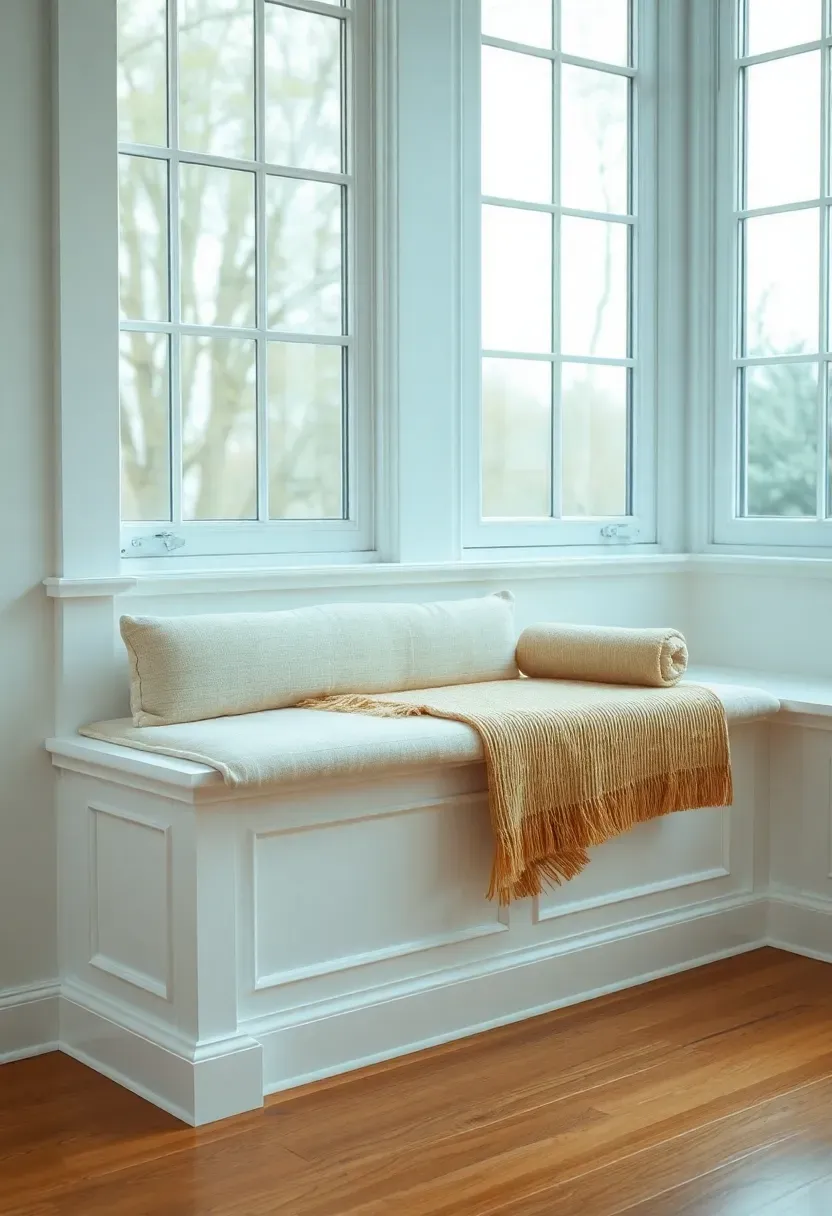
7. Built-In Window Bench with Hidden Storage
A window bench built along the primary glazed wall serves two functions simultaneously: it adds seating for guests without requiring freestanding furniture, and it creates concealed storage for cushions, throws, and seasonal items. The bench top should be upholstered in a fabric that matches the main sofa — the visual continuity reads as intentional rather than mismatched. Keep the bench profile simple: a flat lid with a recessed handle or push-to-open mechanism maintains the clean-line aesthetic.
Step 1: Determine Depth
A bench 50–55 cm deep is comfortable for sitting but does not consume significant floor space.
Step 2: Choose the Lid Material
MDF with a linen fabric wrap hides hinges cleanly and resists the temperature swings typical of sunroom environments.
Step 3: Add Edge Lighting
A thin LED strip under the bench lip provides gentle ambient light after dark and visually lifts the bench off the floor.
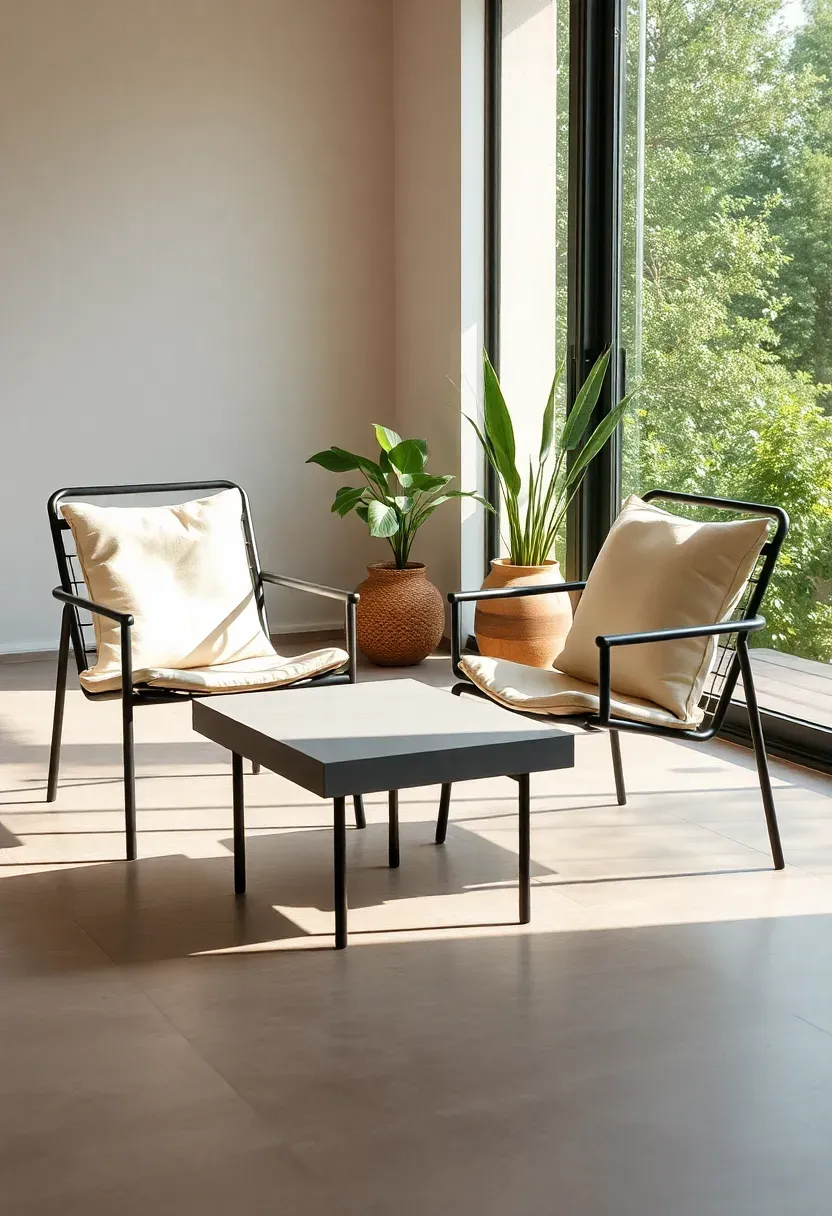
8. Minimalist Steel-Frame Chairs
Where the linen sofa offers softness, a pair of steel-frame chairs brings structural clarity. The thin metal frame — ideally matte black or raw steel — draws a precise line in the room without visual weight. Upholster the seat and back pad in the same cream or warm white linen used elsewhere. The contrast between hard frame and soft cushion is central to the modern aesthetic: everything is intentionally paired rather than accidentally combined. Steel-frame chairs also offer a practical benefit — they are lighter than upholstered armchairs and easy to rearrange for different group configurations.
Comparing: Black Frame vs. Raw Steel
Black frame: Stronger contrast, more defined, works better in greige rooms where a dark note grounds the palette
Raw steel: Warmer, more industrial, develops slight oxidation character over time — better in rooms with more natural wood
Choose black if: You want a crisp, controlled look Choose raw steel if: You want a softer, more artisanal quality
Recommended
Items for this idea
9. Textured Bouclé Accent Chair
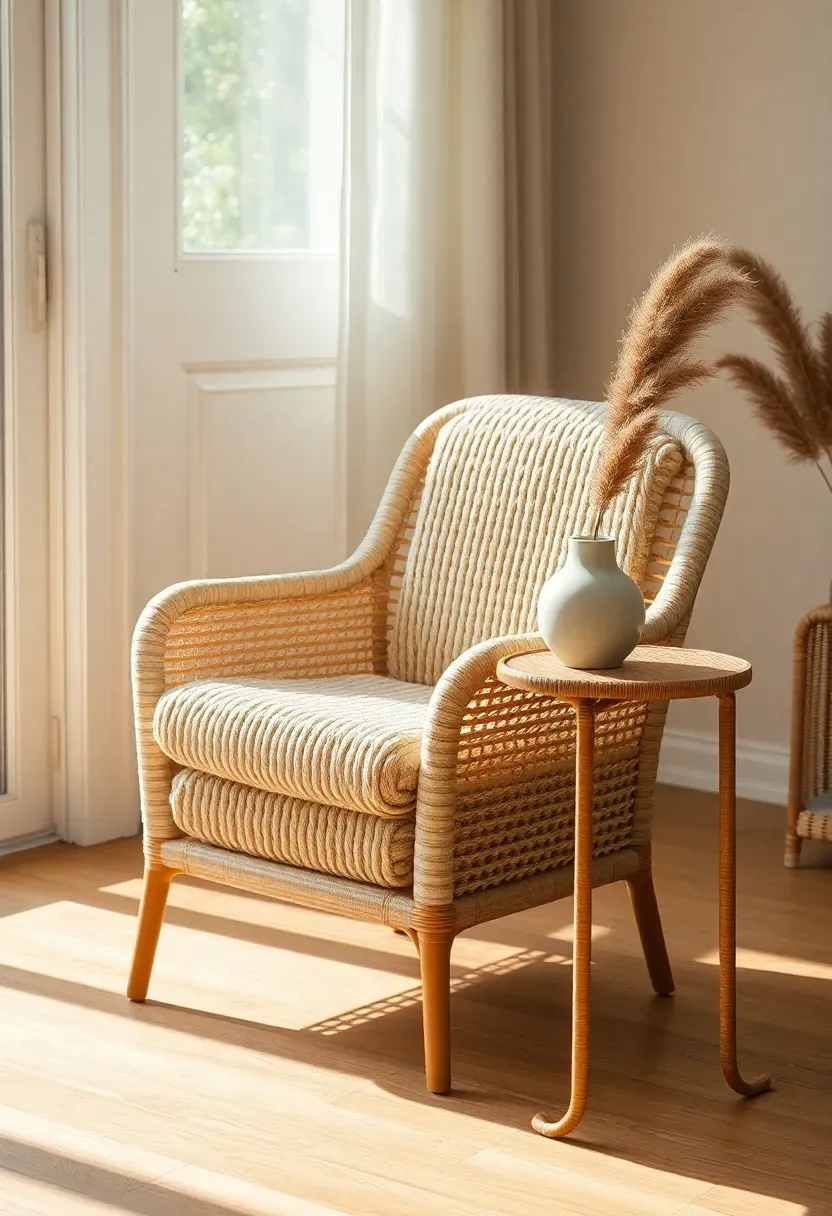
Bouclé — the loopy, textured fabric associated with mid-century and contemporary design alike — earns its place in a modern sunroom through pure tactile appeal. A single bouclé armchair in natural cream or warm ivory introduces a different material language than the flat linen sofa without breaking the color palette. The looped texture catches light differently throughout the day, creating subtle visual variation without pattern. Position the chair at a slight angle to the seating group — it reads as an invitation rather than a formal arrangement.
What to Watch Out For
- Bouclé attracts pet hair; choose a tighter weave if you have animals in the space
- Avoid cleaning with excess water — spot-clean with a dry cloth first
- Pair with a simple rattan side table rather than another concrete element to prevent the grouping from feeling too heavy
10. Cream Wool Area Rug
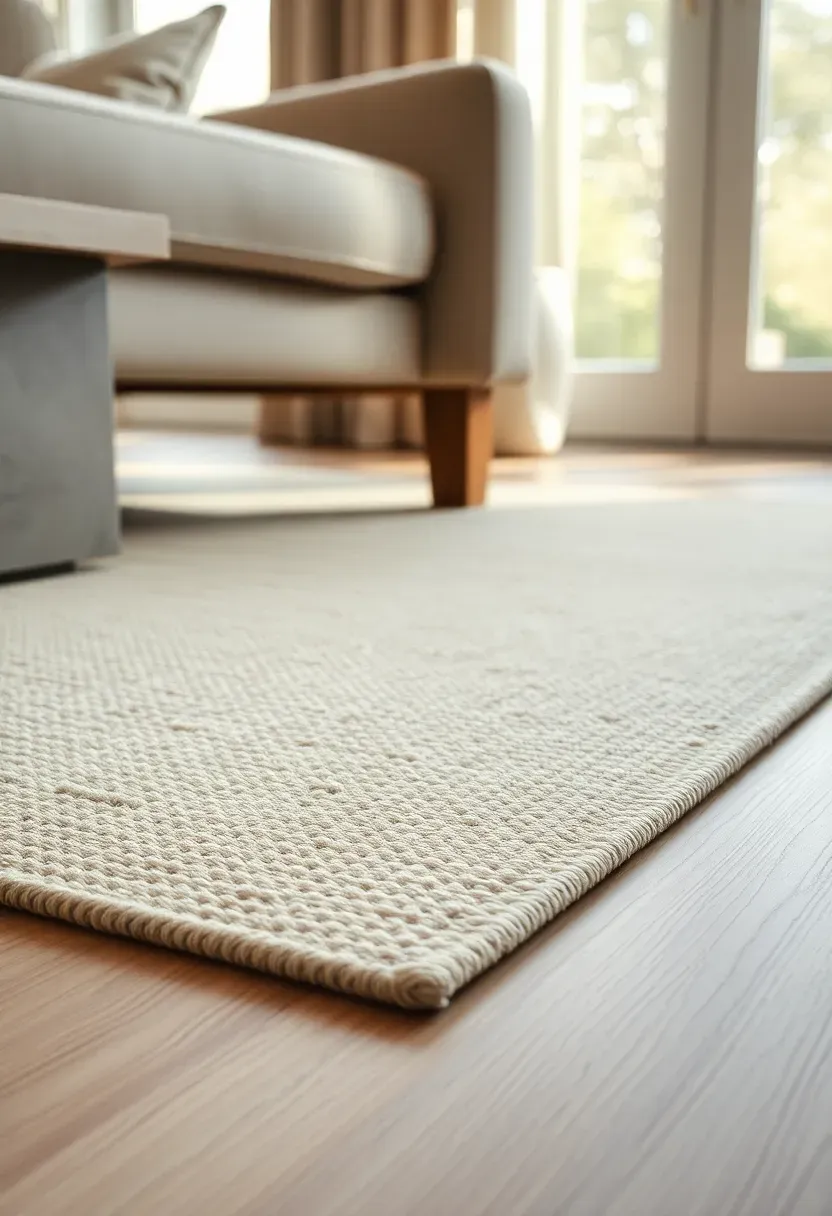
A rug does two things in a sunroom: it defines the seating area and it softens the acoustic quality of the room. Sunrooms without rugs tend to feel echoey and hard. A cream wool rug — flat weave or low pile — adds warmth at foot level and creates a visual boundary that makes the furniture arrangement feel considered. Wool handles the temperature variations and UV exposure of a sunroom better than synthetic alternatives, and it cleans well with regular beating or vacuuming.
Sizing Rule
The rug should extend at least 30 cm beyond the edges of the coffee table on all sides. In a standard sunroom seating group, this typically means a 200 x 300 cm or 240 x 340 cm rectangle. Too small a rug fragments the composition; too large and it begins to compete with the floor itself.
Recommended
Items for this idea
11. Matte Ceramic Pot Cluster
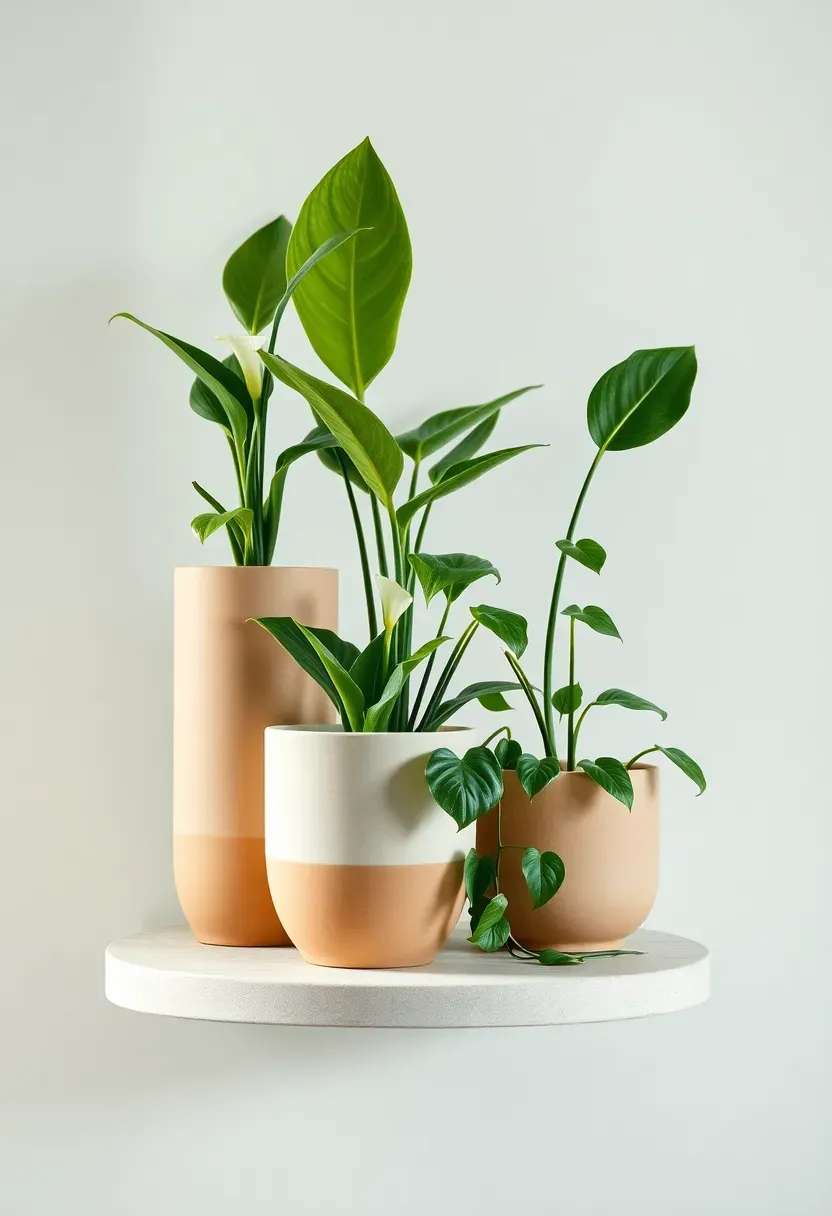
Plants belong in a modern sunroom, but how they are contained matters as much as the plants themselves. Matte ceramic pots — in white, cream, or warm stone tones — group naturally without requiring a specific theme. Arrange three pots in varying heights: a tall cylinder for a snake plant or bird of paradise, a medium cylinder for a peace lily, and a small squat form for succulents or a trailing pothos. The matte surface absorbs light rather than reflecting it, which keeps the grouping quiet rather than showy. Keep saucers simple and white or remove them entirely, placing the pots on a thin concrete slab or a pale wood tray.
12. Linen Curtains with Blackout Lining
Why You Need Both
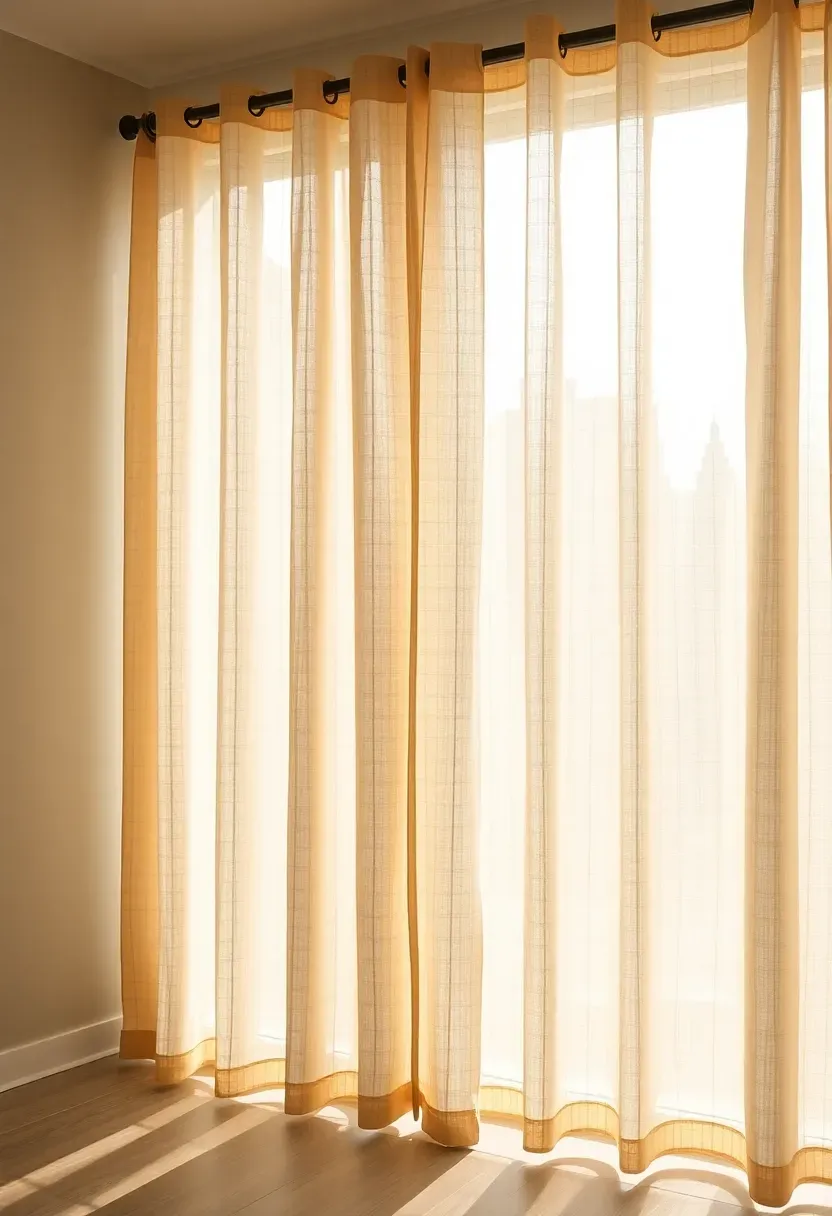
Sheer panels create atmosphere but cannot block intense afternoon sun when you need to rest or watch a screen. Adding a blackout lining behind a linen outer panel gives you full flexibility: open the linen alone for filtered light, draw both layers when you need darkness.
The Solution
Choose a linen fabric with a visible weave structure — the texture matters when the curtains are closed and become the main visual surface of that wall. A blackout lining in warm white (never black) prevents a dark silhouette when the sun is directly behind the curtain. The two-layer system also adds meaningful insulation in both winter and summer.
Pros and Cons
Pros: Full light control, insulation value, beautiful when backlit, practical for daytime napping Cons: More expensive than single-layer curtains, requires a deeper rod bracket to accommodate both layers
Recommended
Items for this idea
13. Travertine or Limewash Coffee Table
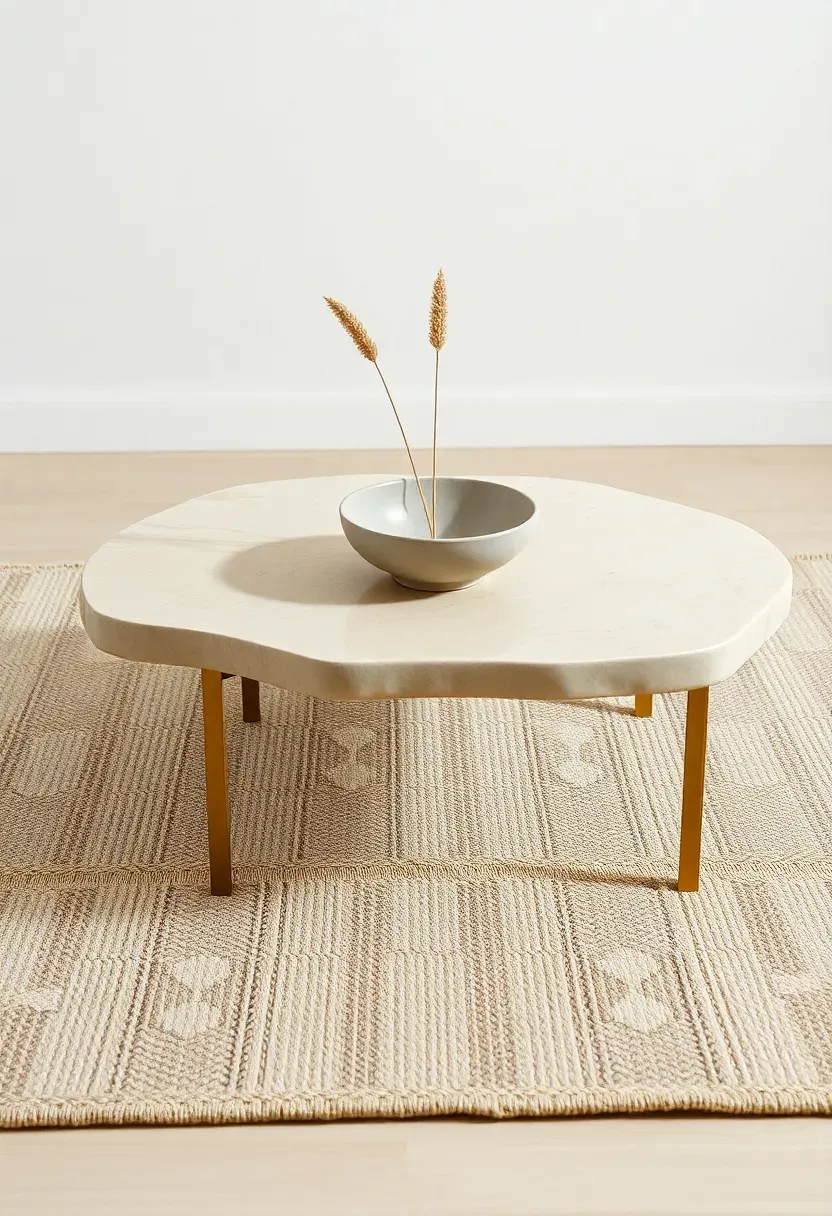
The coffee table is a good place to introduce natural stone as a material without committing to an entire stone floor. Travertine — with its characteristic small voids and warm cream-to-beige tones — reads as luxurious but organic. Limewash concrete achieves a similar effect at lower cost. Either surface, in a simple rectangular or oval form with clean low legs, anchors the seating group and introduces a material that connects the room to the natural world outside. Style the surface with minimal objects: a ceramic bowl, a single candle, and perhaps a small stack of books. The table does enough work on its own.
14. Gallery Wall in Neutral Tones
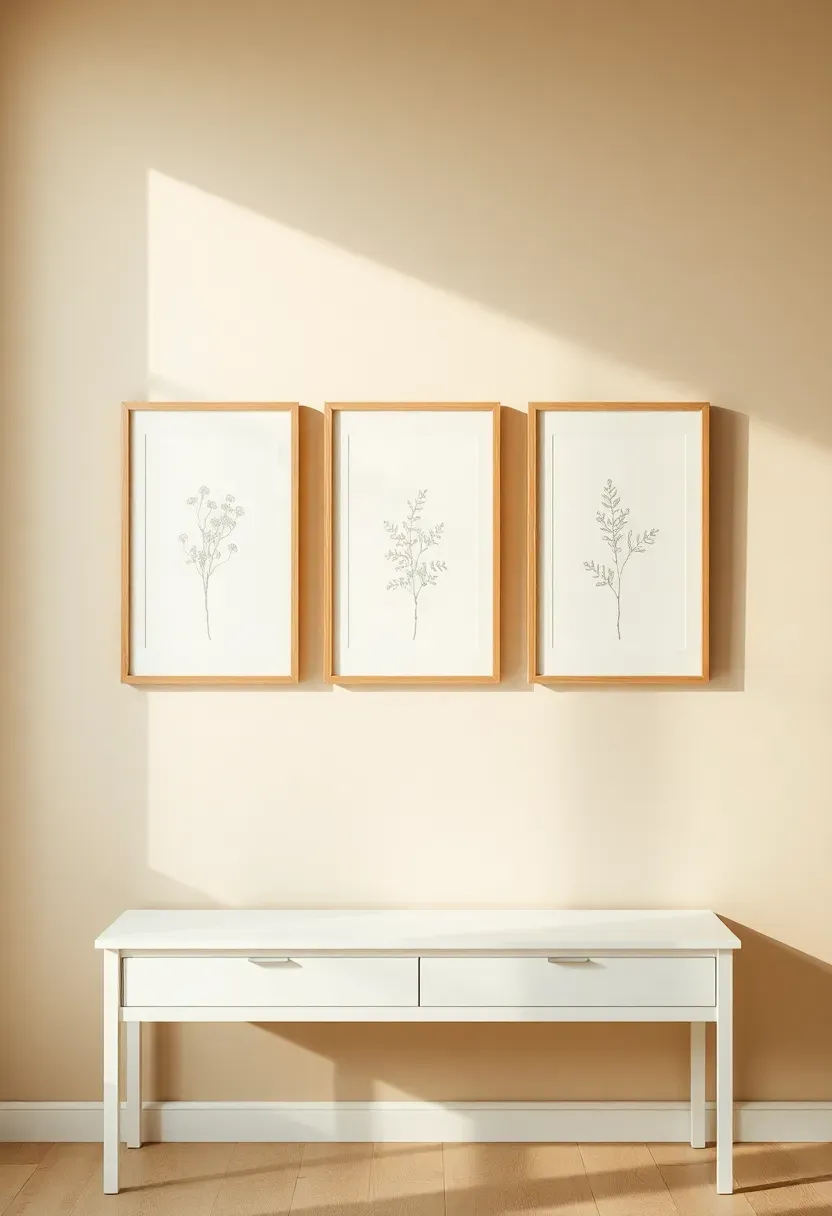
A modern gallery wall in a sunroom is not the eclectic salon-style arrangement popular elsewhere. Here, restraint applies. Choose three to five works in the same palette — botanical line drawings, abstract washes in sand and taupe, or simple nature photography — and frame them identically in thin natural wood or matte aluminum frames. A linen mat around each image adds breathing room and connects the wall to the textile palette of the room. Arrange in a single horizontal line at eye level rather than a freeform cluster. The result is calm and curated rather than busy.
Hanging Guide
- Eye level center: 145 to 150 cm from the floor to the center of each piece
- Spacing between frames: 5 to 8 cm — tight enough to read as a group, spacious enough to breathe
- Use adhesive strips rather than nails in rented spaces or where you want flexibility
Recommended
Items for this idea
15. Woven Storage Baskets Under Bench
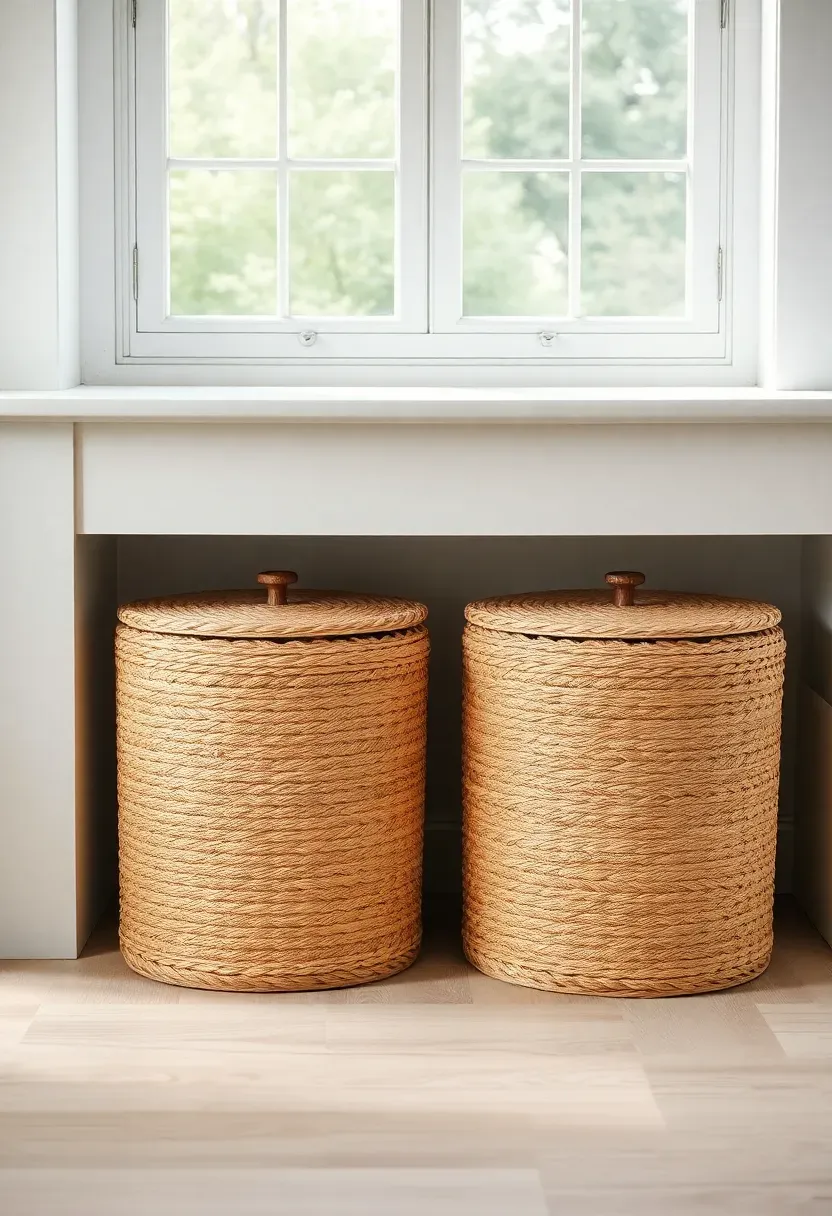
Storage in a modern sunroom should never be visible. Woven seagrass or water hyacinth baskets tucked beneath a bench — or aligned under a console table — keep extra throws, cushions, and reading materials accessible but out of sight. The natural material introduces another layer of texture at floor level and echoes the rattan pendant light overhead, creating a material thread that ties the room together vertically. Choose baskets with lids for a cleaner look; lidless baskets work when the contents are visually organized, like rolled throws in a consistent color.

16. Fiddle-Leaf Fig in a Concrete Planter
Among large-format plants, the fiddle-leaf fig earns its place in a modern sunroom specifically because of its architectural leaf form. The large, waxy, lobed leaves read almost like graphic shapes when backlit by a sunroom window. Plant it in a tall concrete cylinder — the proportions should have the planter at roughly one-third the height of the plant. Position it in the corner nearest the largest window but angled so the leaves catch indirect rather than direct rays. The concrete planter connects it visually to the side table and other concrete elements in the room, reinforcing material consistency.
Care Notes
- Water only when the top 3 cm of soil is dry
- Rotate the pot 90 degrees monthly to prevent one-sided leaf growth
- Wipe leaves with a damp cloth quarterly to remove dust and maintain the glossy surface
Recommended
Items for this idea
17. Integrated Lighting: Recessed and Pendant
Daytime in a sunroom is lit by nature. Evening is a different challenge entirely. Without thoughtful artificial lighting, a sunroom after dark becomes a glass box with a single overhead fixture — uncomfortable and cold. The solution is a layered approach: recessed downlights on a dimmer provide general illumination without visual clutter, while the rattan pendant above the seating zone creates a warm focal pool of light. Add a single floor lamp beside the reading chair for task lighting. Three light sources, all dimmable, all warm-toned (2700–3000K), give you complete control over the room's atmosphere from early evening through night.
Circuit Planning
- Recessed lights and pendant on separate dimmer circuits
- Floor lamp on a smart plug for remote control
- Consider warm LED filament bulbs in the pendant for a soft, flattering glow
Quick FAQ
Is a linen sofa practical for a sunroom that gets heavy use? Linen is more durable than its delicate appearance suggests. Look for a linen-cotton blend with at least 30% cotton — it holds its shape better and resists wrinkling more effectively than pure linen. Using a removable slipcover makes cleaning simple and extends the life of the upholstery significantly.
Should the concrete elements match in tone, or can they vary? Slight variation adds depth and prevents the room from feeling like a showroom. Concrete in the same warm gray family — some slightly cooler, some with more sand — reads as collected rather than coordinated. Avoid mixing warm and cool concrete tones in the same space, as the contrast can feel unresolved.
Is rattan weather-resistant enough for a sunroom that gets very warm in summer? Natural rattan tolerates moderate heat well but dries out over time in intense UV exposure. Applying a thin coat of rattan oil annually prevents cracking. Synthetic rattan (polyethylene weave) is fully weather-proof and increasingly indistinguishable from natural at a glance, making it a sensible choice for hot or south-facing sunrooms.
What is the difference between greige and warm gray, and which suits a modern sunroom better? Greige has more beige in its undertone — it reads warmer and softer. Warm gray has more blue-gray base with just enough warmth to avoid coldness. For a sunroom that receives strong natural light, greige generally works better because it does not shift as dramatically under changing light conditions. Warm gray can look almost lilac in certain afternoon light, which disrupts the neutral palette.
Can this modern aesthetic work in a small sunroom under 10 square meters? Absolutely — in fact, it works better. The restrained palette and low-profile furniture prevent visual crowding. Use a single sofa rather than a full seating group, choose one statement material (rattan or concrete, not both), and keep the floor completely clear of unnecessary objects. Small modern sunrooms often feel more refined than larger ones precisely because each element has been forced to earn its place.
Trends come and go, but a sunroom designed around clean lines, honest materials, and a quiet neutral palette does not age the way trend-driven rooms do. The ideas here are investments in long-term quality rather than seasonal updates. Start with the floor and the sofa — get those right, and everything else finds its place naturally.
Pinterest cover for 17 Modern Sunroom Ideas with Clean Lines, Light Neutrals, and Texture
About the author
OBCD
CGI visualization and interior design content. We create detailed 3D renders and curate practical design ideas for every room in your home.