25 Sunroom Ideas on a Budget: High-Impact Upgrades for Less
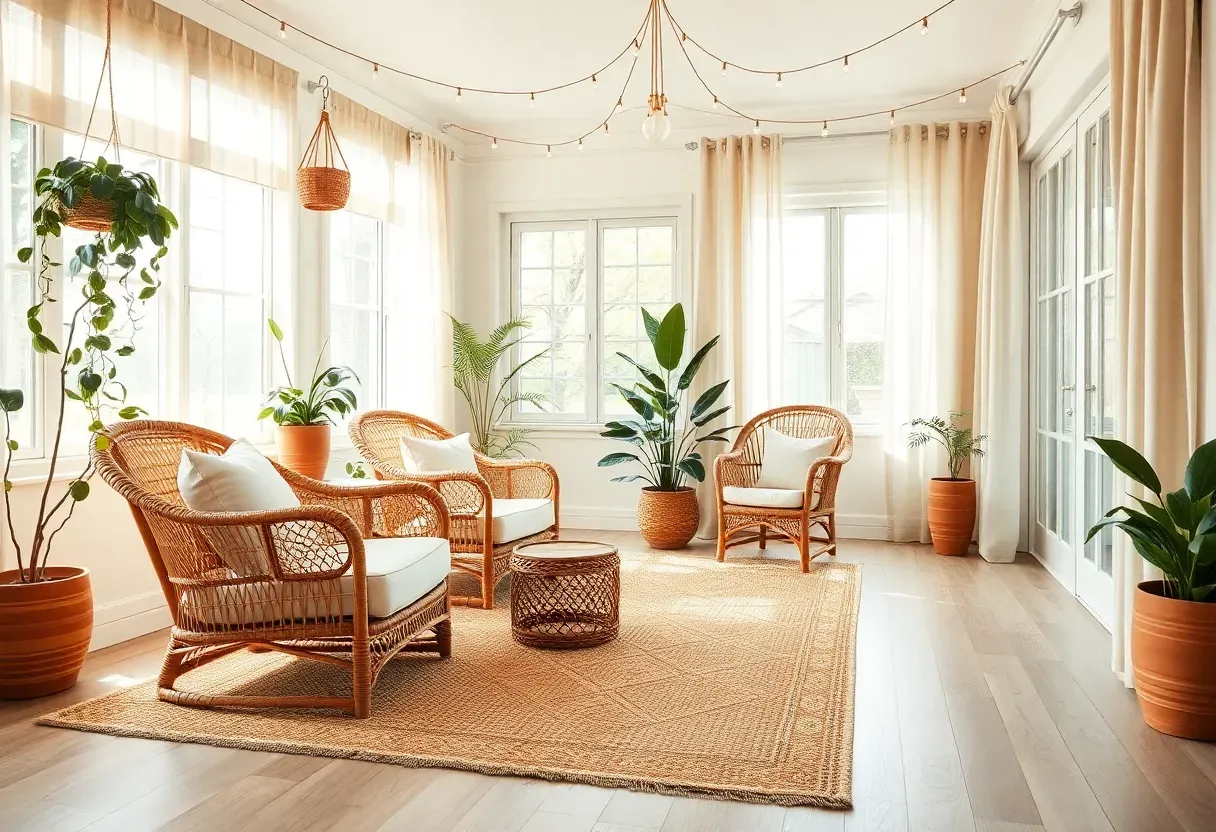
We've all felt that pull when stepping into a sunroom — all that natural light, the sense of being half-indoors, half-outdoors. But when the space looks tired or bare, it stops being a retreat and starts being a storage zone. The good news: a dramatic transformation doesn't require a contractor or a big credit card bill. The most effective sunroom upgrades tend to be the simplest ones — a layered rug, a few hanging plants, a coat of fresh paint, and some thrifted finds given new life.
Below, 25 practical, budget-friendly ideas that deliver outsized impact. We'll move from foundational changes through furniture, textiles, lighting, plants, and finishing touches — so you can pick wherever you are in your sunroom journey.
Table of Contents
- Paint the Walls a Light-Reflecting Neutral
- Bring In a Large Area Rug
- Thrift a Wicker or Rattan Chair
- Hang Sheer Curtains from Ceiling to Floor
- DIY a Pallet Coffee Table
- Add a String Light Canopy
- Fill In With Floor Plants
- Repaint or Stain Old Furniture
- Layer Throw Pillows in One Color Family
- Install Peel-and-Stick Floor Tiles
- Create a Plant Shelf with a Ladder
- Use Baskets for Storage and Texture
- Hang a Macrame Wall Piece
- Swap Out Overhead Lighting
- Find a Thrifted Side Table
- Add an Outdoor Rug as a Layering Base
- DIY Painted Terracotta Pots
- Hang Roman Shades for Light Control
- Build a Simple Floating Shelf
- Mix Metals in Accents
- Use Mirrors to Double the Light
- Create a Reading Corner
- Add a Hammock Chair
- Group Small Plants on a Tray
- Finish with Scented Candles and Ambient Details
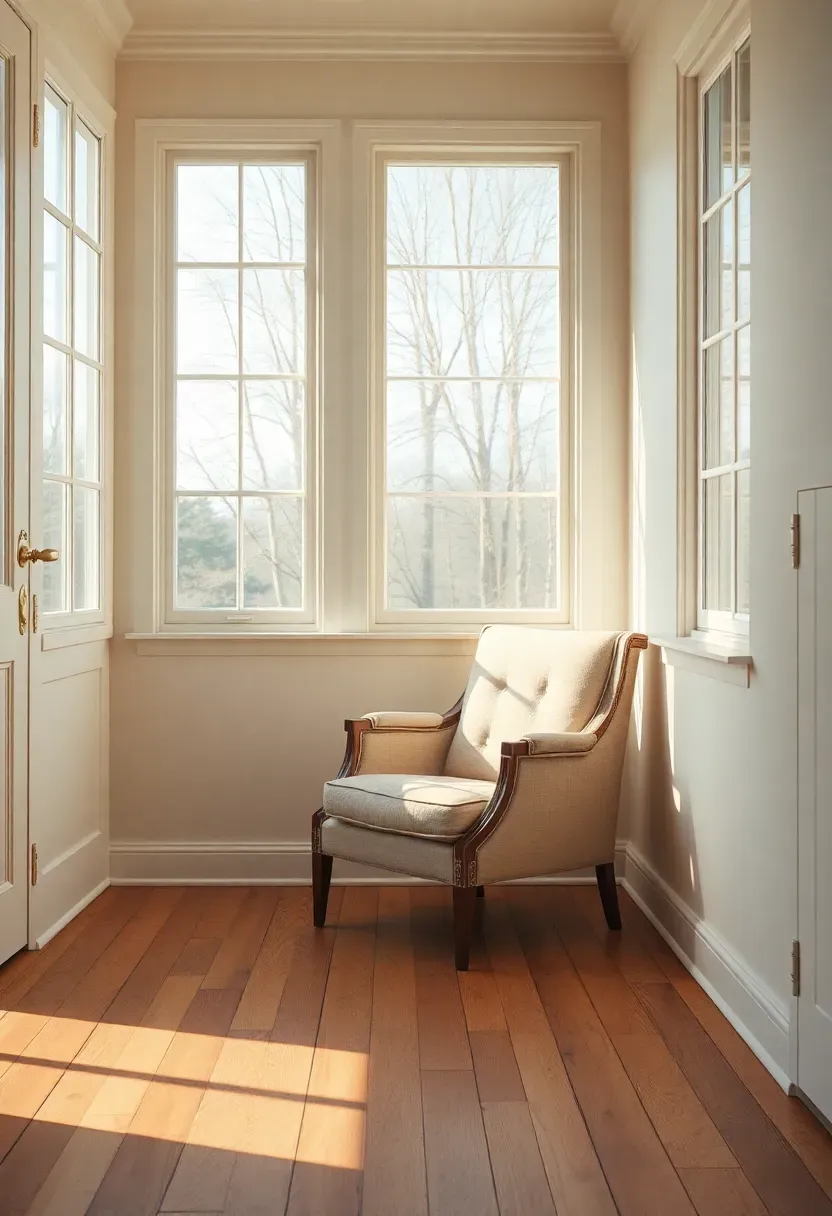
1. Paint the Walls a Light-Reflecting Neutral
The Core Issue
Sunrooms often have dated wood paneling, dingy white walls, or colors that compete with the natural light rather than amplifying it.
The Solution
A gallon of paint is one of the highest-ROI investments in any sunroom refresh. Choose a warm white (think creamy undertones — not stark cool white), a soft sage, or a pale greige. These tones bounce light around the room without reading as stark. Warm whites like Benjamin Moore's "White Dove" or budget-friendly Behr equivalents work beautifully. One gallon covers roughly 400 square feet and costs $30–$50 at most hardware stores.
Pros and Cons
Pros: Immediate visual transformation, cost under $50, works with any furniture style Cons: Takes a weekend, prep work matters — skip it and the result looks sloppy
We picked a few things that go well with this idea: Malibu Natural Rattan Wicker Armchair Cream Cushion (★4.5), Safavieh Inez Natural Wicker Club Chair (★4.3) and Wickerix Natural Rattan Wicker Armchair Cream Cushion (★4.3). As an Amazon Associate we earn from qualifying purchases.
2. Bring In a Large Area Rug
How to Do It
Bare floors in a sunroom — even nice ones — make a space feel unfinished and echoey. A rug anchors the seating area and adds warmth that hard surfaces can't replicate.
Step 1: Size It Correctly
The rug should be large enough that all front legs of your furniture sit on it. In a sunroom, an 8x10 or 9x12 is usually right. Going too small is the most common rug mistake.
Step 2: Choose a Durable Material
Since sunrooms get strong light and sometimes tracked-in dirt, choose a flatweave cotton, jute, or indoor-outdoor polypropylene rug. These clean easily and don't fade as quickly. IKEA's LOHALS jute rug runs under $50 for a large size.
Step 3: Layer If You Like
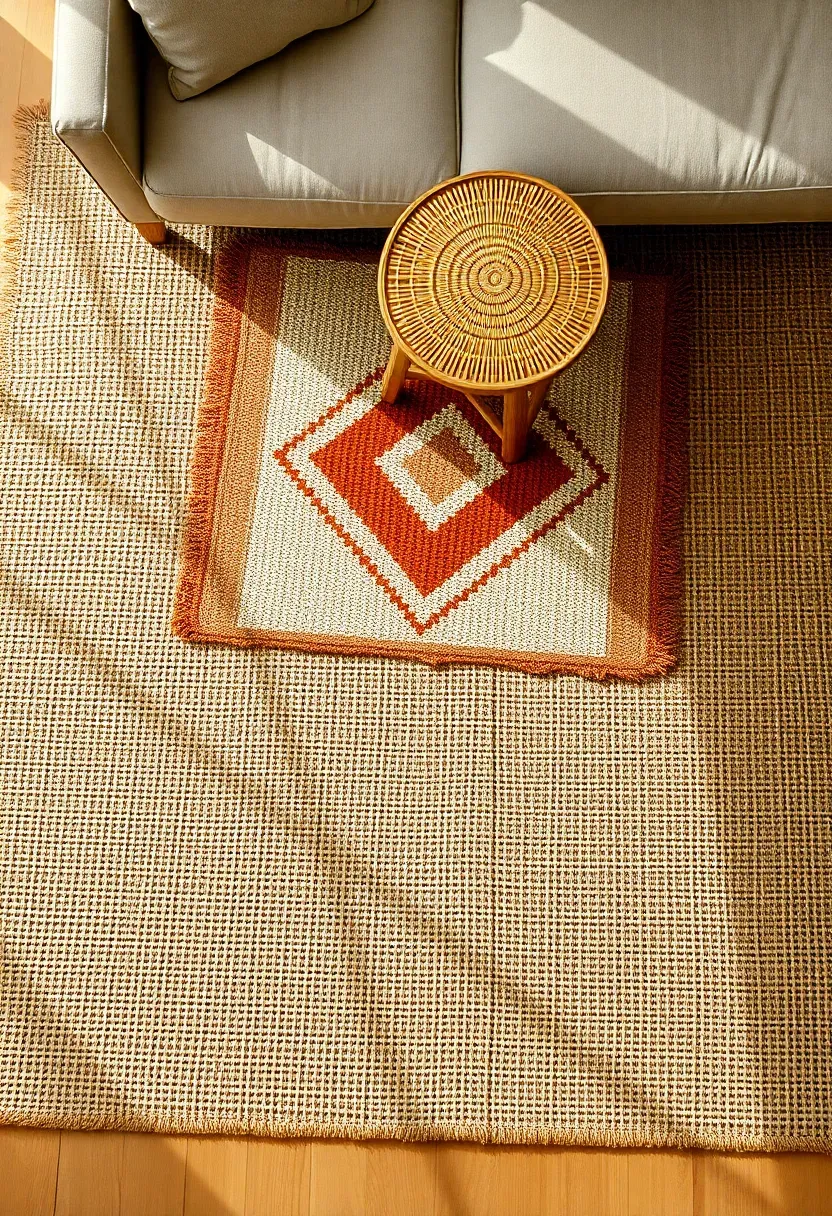
Layer a smaller, patterned accent rug on top of a larger neutral base for a designer look that costs very little.
What to Watch Out For
Rug pads are essential — they prevent slipping and add cushion. Budget for one. Avoid thick shag in sunrooms; it traps debris and is harder to keep clean in a space that connects to the outdoors.
We picked a few things that go well with this idea: nuLOOM Rigo Jute Hand Woven Area Rug (6x9) (★4.1), nuLOOM Ashli Farmhouse Jute Woven Area Rug (★4.3) and S&L Homes Jute Cotton Farmhouse Area Rug (8x10) (★4.0). As an Amazon Associate we earn from qualifying purchases.
3. Thrift a Wicker or Rattan Chair
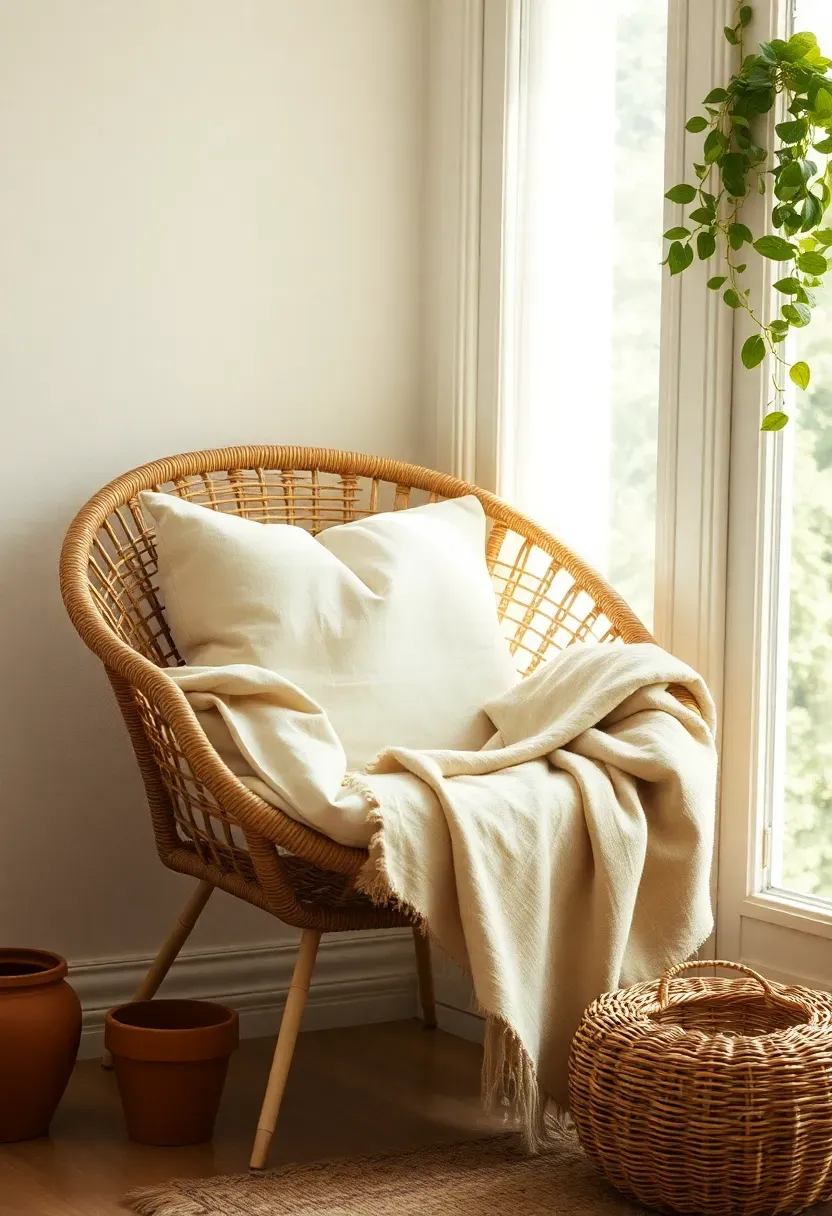
Wicker and rattan furniture has been a sunroom staple for generations — and it's everywhere at thrift stores, estate sales, and Facebook Marketplace, often for $10–$40. The frames are usually solid; it's just the cushions and finish that wear out.
What to Look For
Solid frame with no broken weave on weight-bearing sections. Cushions can always be replaced. A can of spray paint in white, black, or warm brown can transform a dated piece entirely.
How to Refresh It
Clean with a stiff brush and mild soap. Let dry fully. Spray with a rattan-specific primer, then topcoat with your chosen color. New cushions from IKEA or Amazon under $30 complete the transformation.
Recommendation
One beautiful thrifted chair in the right spot does more for a sunroom than a whole suite of mediocre new furniture. Invest the time to find a good one.
We picked a few things that go well with this idea: Abeja G40 Globe String Lights (50FT, 53 Bulbs) (★4.3), Brightown G40 Globe Patio String Lights (30FT) (★4.5) and GLUROO G40 LED Globe String Lights (2x60FT) (★4.6). As an Amazon Associate we earn from qualifying purchases.
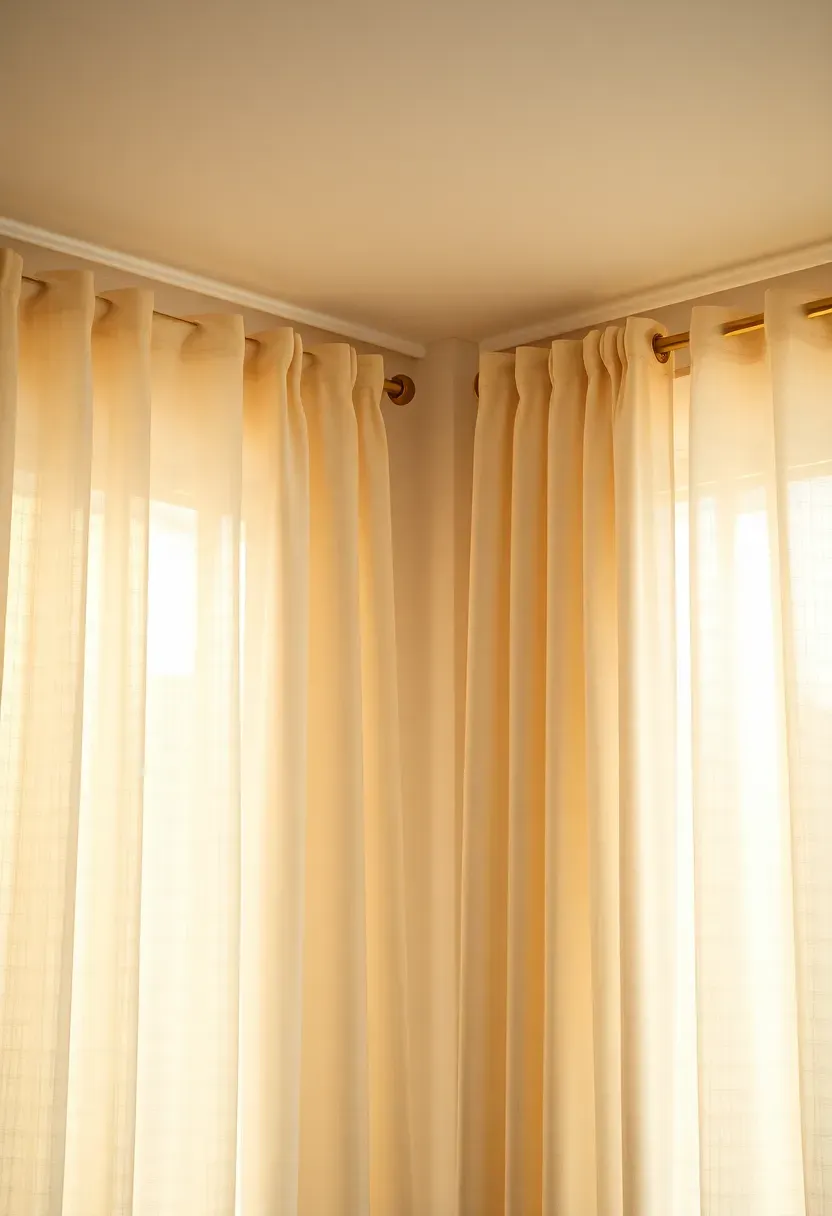
4. Hang Sheer Curtains from Ceiling to Floor
Why It Works
Curtains hung from ceiling height — even on standard windows — make ceilings feel taller and windows feel grander. Sheers soften the light without blocking it, which is exactly what a sunroom needs.
The Practical Side
Mount the curtain rod as close to the ceiling as possible. Choose a rod that's 8–12 inches wider than your window on each side so the curtains stack off the glass when open, maximizing light. IKEA's LILL sheers cost under $10 a pair. For a warmer look, linen-look curtains from Amazon run $20–$35 a panel.
What Makes the Difference
The length matters most: curtains should just barely skim or pool slightly on the floor. Curtains that hang too short visually cut the room — one of the most common styling mistakes in residential spaces.
Recommended
Items for this idea
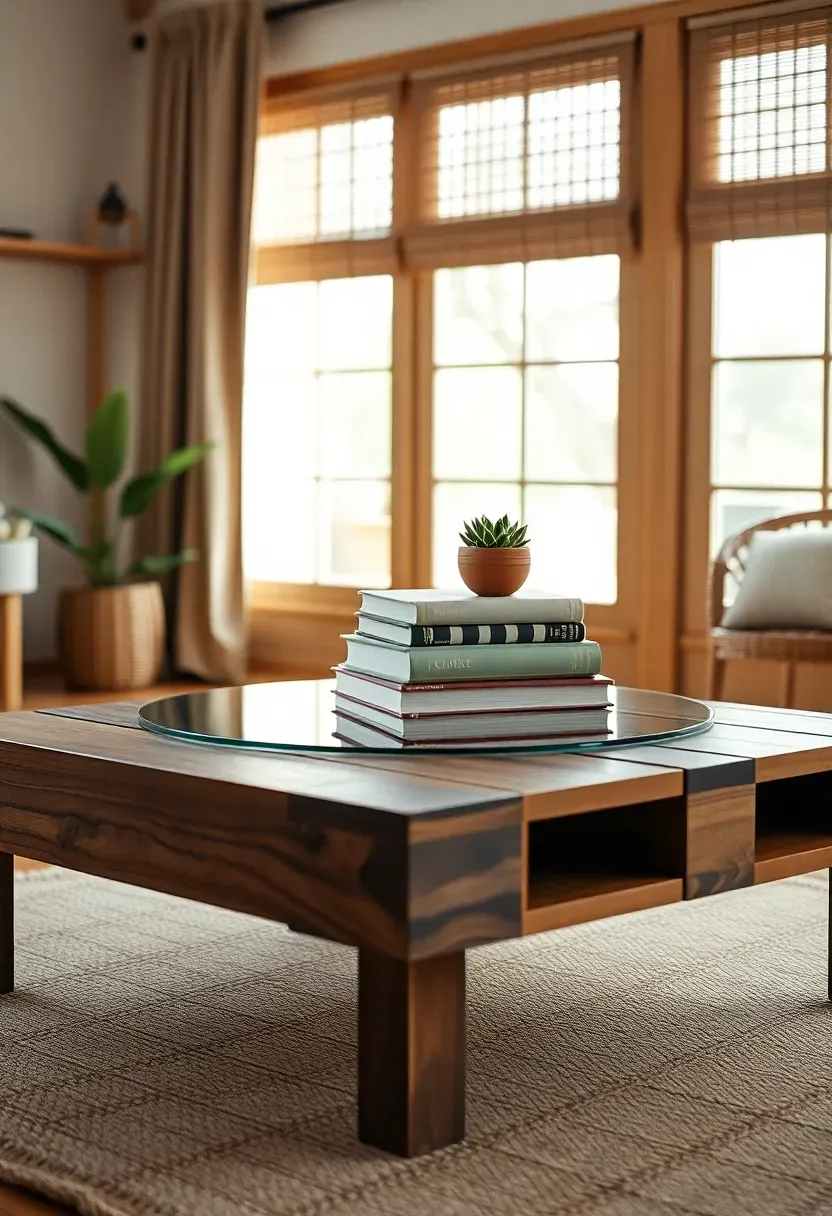
5. DIY a Pallet Coffee Table
Pallets are often free from hardware stores, plant nurseries, or big-box retailers. A single pallet, sanded and sealed, makes a sturdy coffee table with a casual, outdoor-inspired character that fits perfectly in a sunroom.
Step 1: Source a Heat-Treated Pallet
Look for the HT stamp (heat-treated, not chemically treated). These are safe for indoor use. Pallets are often available free on Craigslist or at local businesses.
Step 2: Sand and Seal
Sand starting with 80-grit to remove splinters, then finish with 120-grit. Wipe clean, then apply a clear polyurethane sealer or a tinted stain for color. Two coats protect the wood from moisture.
Step 3: Add Casters or Stack Two
Adding casters makes it mobile and adds a bit of industrial character. Stacking two pallets creates a taller profile. For a cleaner look, add a piece of tempered glass on top — custom cut at a hardware store for under $40.
What to Watch Out For
Don't skip the sanding. Rough pallet wood will snag fabrics and scratch floors. Take the time — the result looks genuinely polished.
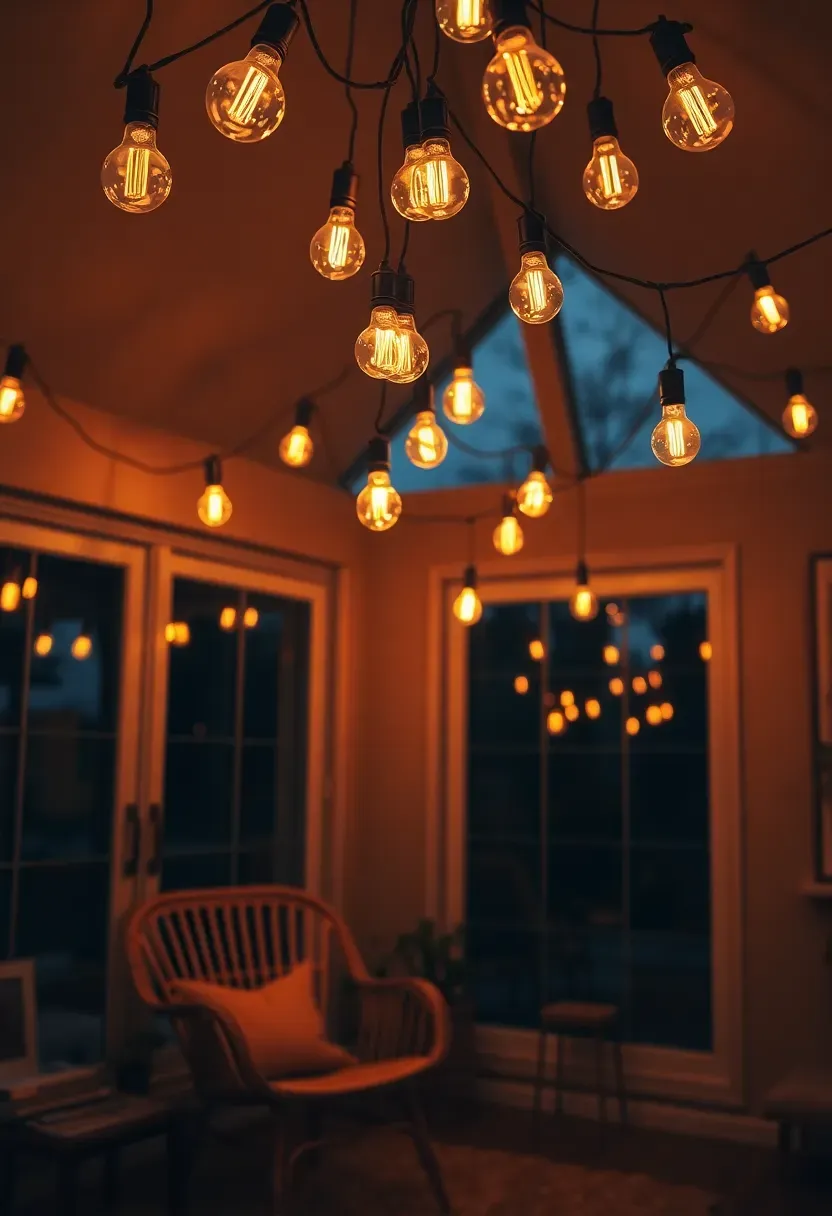
6. Add a String Light Canopy
Origins / History
String lights moved from patios to interiors about a decade ago and never really left. Their popularity in sunrooms specifically comes from how naturally they bridge the indoor-outdoor boundary — they feel like a summer night, even in February.
Modern Interpretation
A canopy of string lights across the ceiling — strung from corner to corner in a grid or draped in swooping lines — creates an entirely different atmosphere after dark. During the day, they add texture overhead. At night, they're the only light source you need for a relaxed evening in the sunroom. Warm white (2700K) bulbs are key; cool white kills the mood entirely.
How to Apply at Home
- Anchor screw hooks into ceiling joists or beams; no drilling needed with adhesive hooks on lightweight strands
- Use globe-style Edison bulbs for a classic look
- Look for solar-powered options if outlets are limited — they charge during the day and glow at night
- Keep strands at 12–18 feet per section for a balanced canopy effect
Recommended
Items for this idea
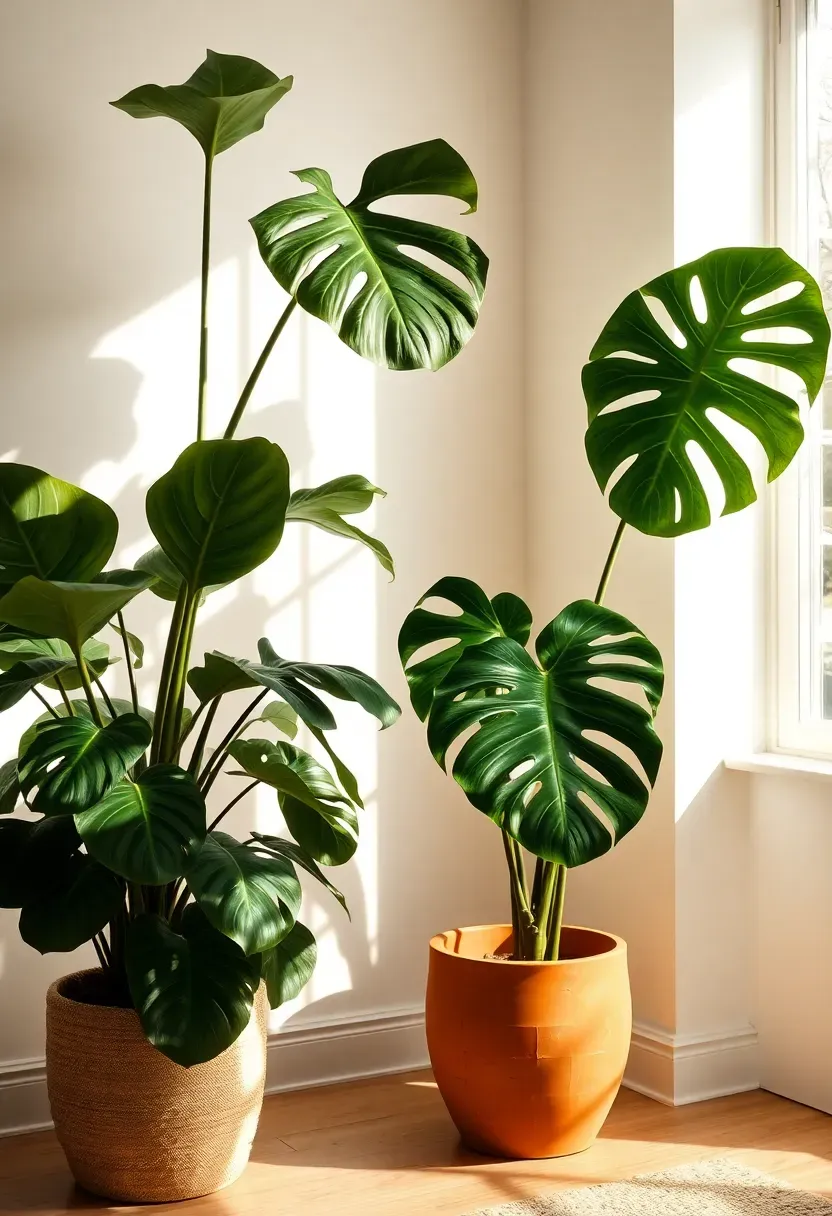
7. Fill In With Floor Plants
A sunroom is the ideal growing environment for large houseplants — plenty of indirect light, stable temperatures, and usually good humidity if you water consistently. A single well-placed floor plant can change the entire personality of a corner.
Best Budget Picks
Pothos (Epipremnum aureum): Nearly indestructible, grows fast, trails beautifully. Often under $8 at garden centers.
Monstera deliciosa: The iconic split-leaf plant. Thrives in bright indirect light. Available at most big-box stores for $15–$30.
Snake plant (Sansevieria): Tolerates low light better than most, extremely low maintenance. Great filler plant under $20.
What to Choose
Choose floor plants if: you want immediate scale and drama without spending much Choose a collection of small plants if: you prefer a layered, curated look you can build over time
Recommendation
Start with one or two large floor plants rather than many small ones. Scale makes an impact; a cluster of tiny pots reads as clutter.
8. Repaint or Stain Old Furniture
The Core Issue
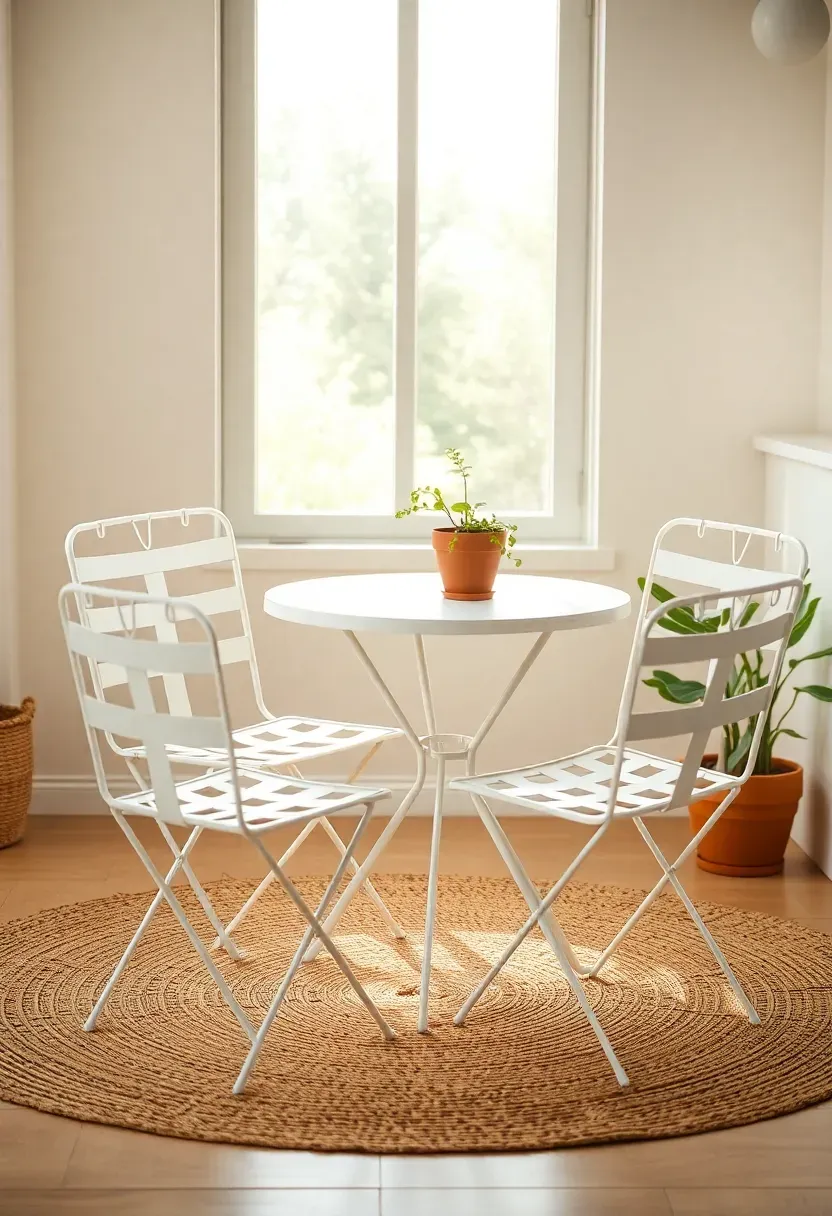
Sunroom furniture often comes from the garage, the patio, or the thrift store — perfectly good bones, exhausted finish. Peeling paint, faded wood, or an outdated stain color undermines an otherwise functional piece.
The Solution
Spray paint is transformative on metal and wicker. Chalk paint works beautifully on wood without sanding. For a unified look, repaint two or three mismatched pieces in the same color — a warm white, a deep navy, or a matte black makes an eclectic mix look intentional. A can of Rust-Oleum spray paint runs $7–$12 and covers most chair-sized pieces completely. The transformation time is one afternoon.
Pros and Cons
Pros: Pennies per square foot, completely changes the look, eco-friendly (extends furniture life) Cons: Requires dry conditions and adequate ventilation; some finishes need a topcoat for durability
Recommended
Items for this idea
9. Layer Throw Pillows in One Color Family
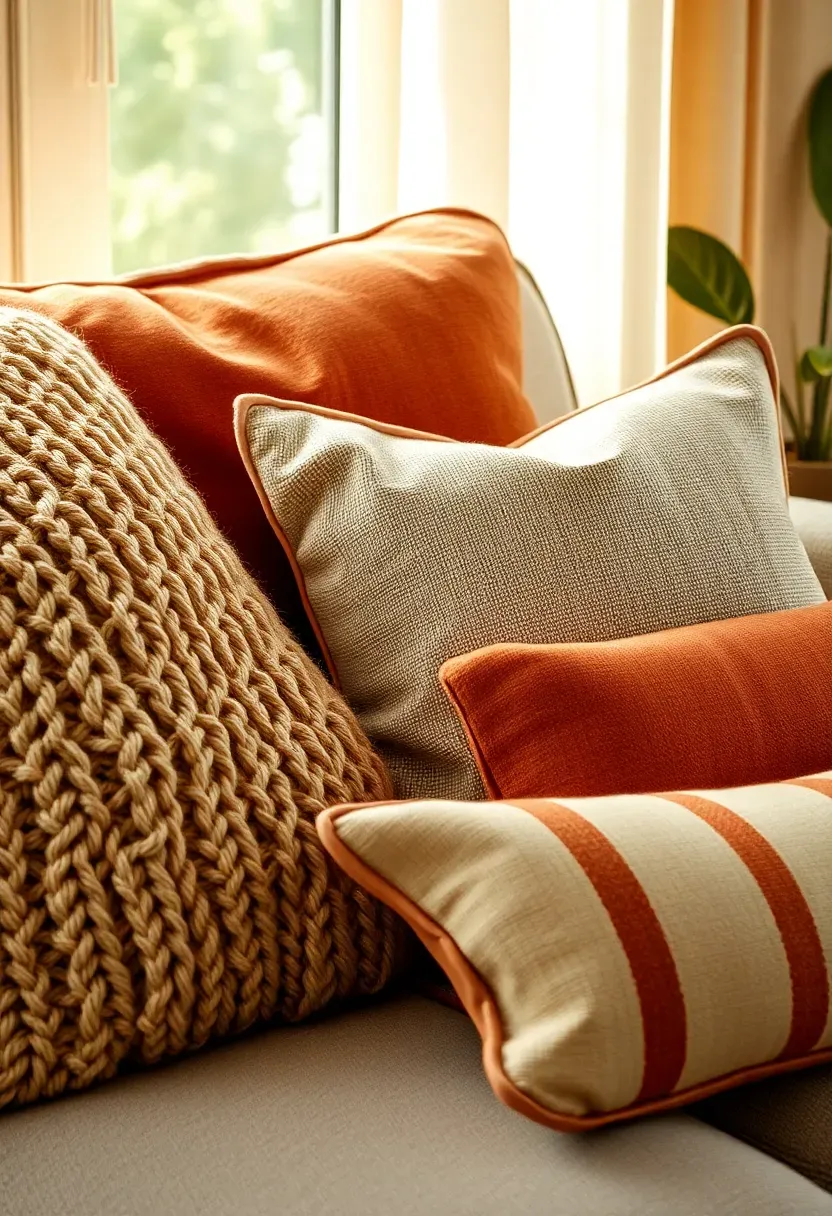
Is it possible to go wrong with throw pillows? Absolutely — when colors compete, sizes mismatch, or there are too few to look intentional and too many to look curated. The trick is restraint within a palette.
The Formula That Works
Pick a color family (earthy terracottas, soft blues, natural neutrals) and vary the texture and pattern within that family. A chunky knit pillow, a solid linen, and a subtle stripe in the same color story create depth without visual chaos. Mix two or three sizes: 24-inch base pillows, 20-inch midsize, and a 12-inch lumbar.
Budget Approach
T.J. Maxx, HomeGoods, and Amazon's budget brands regularly offer on-trend pillow covers for $8–$18 each. Buying covers rather than filled pillows saves money — stuff them with inserts from IKEA ($3–$6 each).
10. Install Peel-and-Stick Floor Tiles
How to Do It
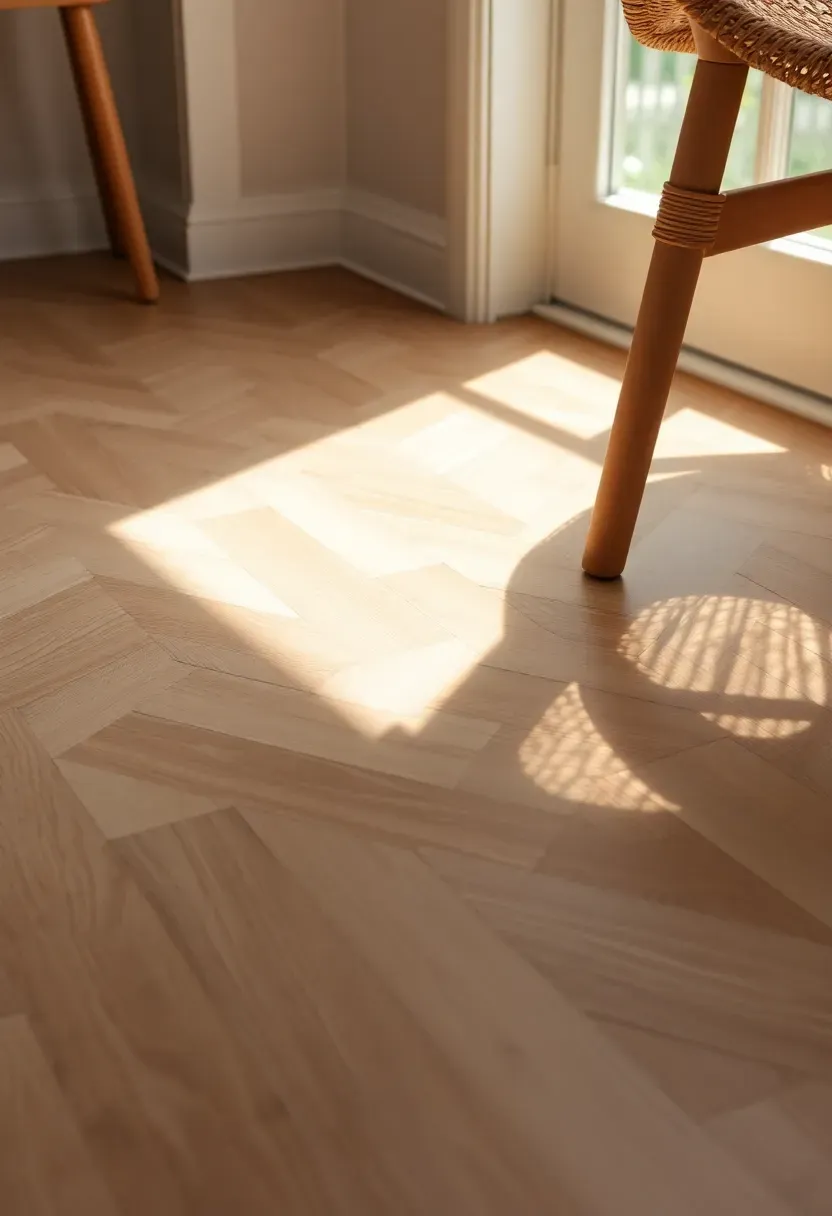
Old vinyl, tired linoleum, or stained concrete can be covered without renting tools or hiring anyone. Peel-and-stick tiles have improved dramatically — current options include realistic wood-look, stone, and herringbone patterns that look intentional from across the room.
Step 1: Clean the Subfloor Completely
Any dirt or grease prevents the adhesive from bonding. Sweep, mop, and let dry completely. Fill any cracks or uneven spots with floor leveling compound ($8 at hardware stores).
Step 2: Measure and Plan Your Layout
Start in the center of the room and work outward — this ensures partial tiles fall at the edges, where furniture usually hides them anyway. Dry-lay your first row before peeling backing.
Step 3: Apply and Press Firmly
Peel the backing, press firmly in place, and roll over with a rolling pin or J-roller. Apply pressure along all edges — corners lift first on any peel-and-stick product.
What to Watch Out For
These work best on smooth, flat subfloors. Textured or uneven surfaces will cause lifting at edges. Floating vinyl plank (also budget-friendly) is a better choice if your subfloor is rough.
Recommended
Items for this idea
11. Create a Plant Shelf with a Ladder
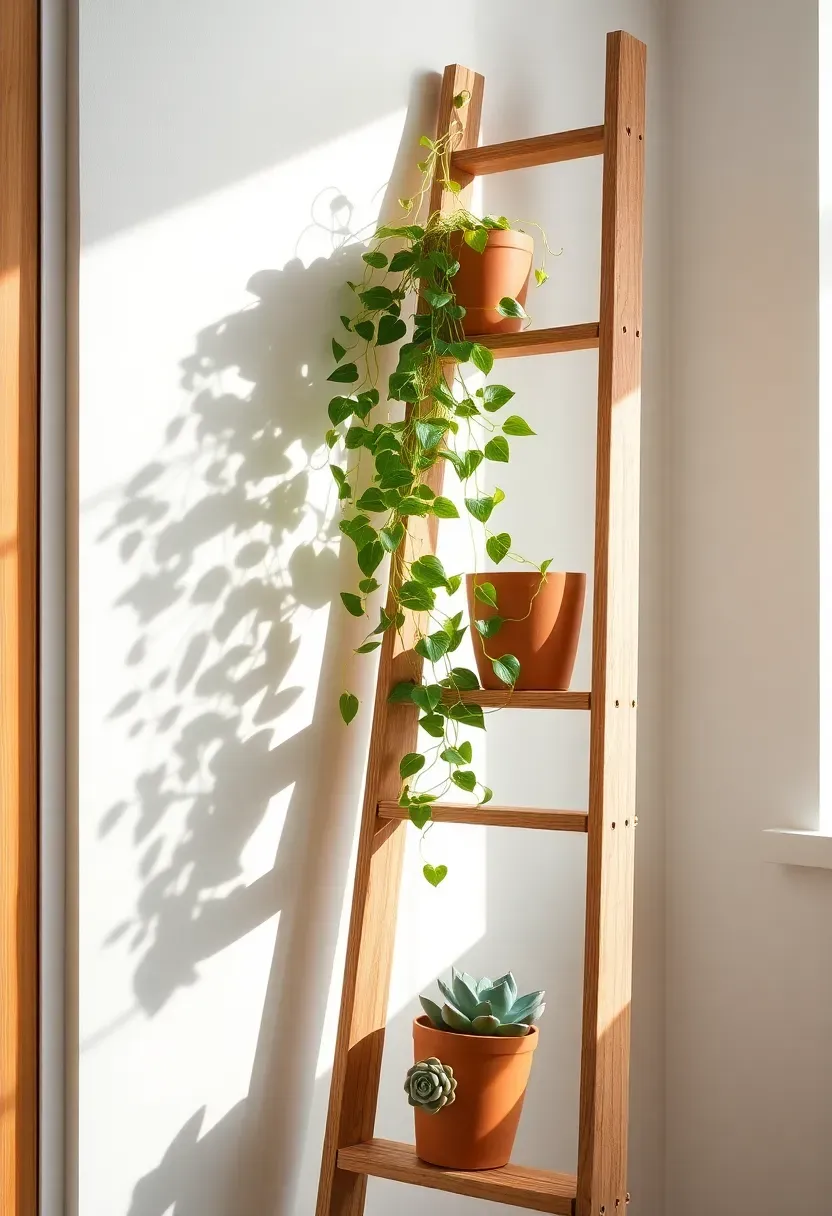
A wooden ladder — new from a home store for $25–$40, or found at a thrift store for under $10 — becomes a vertical plant display that uses no floor space and adds height and texture to a bare wall. Lean it against the wall and fill the rungs with varying-sized pots.
What Works Best
Trailing plants on higher rungs (pothos, string of pearls, heartleaf philodendron) that cascade down add movement. Compact upright plants (succulents, snake plants, herbs) fill the lower rungs. The visual rhythm of different heights creates exactly the kind of layered look that would cost hundreds at a garden center if you bought pre-arranged.
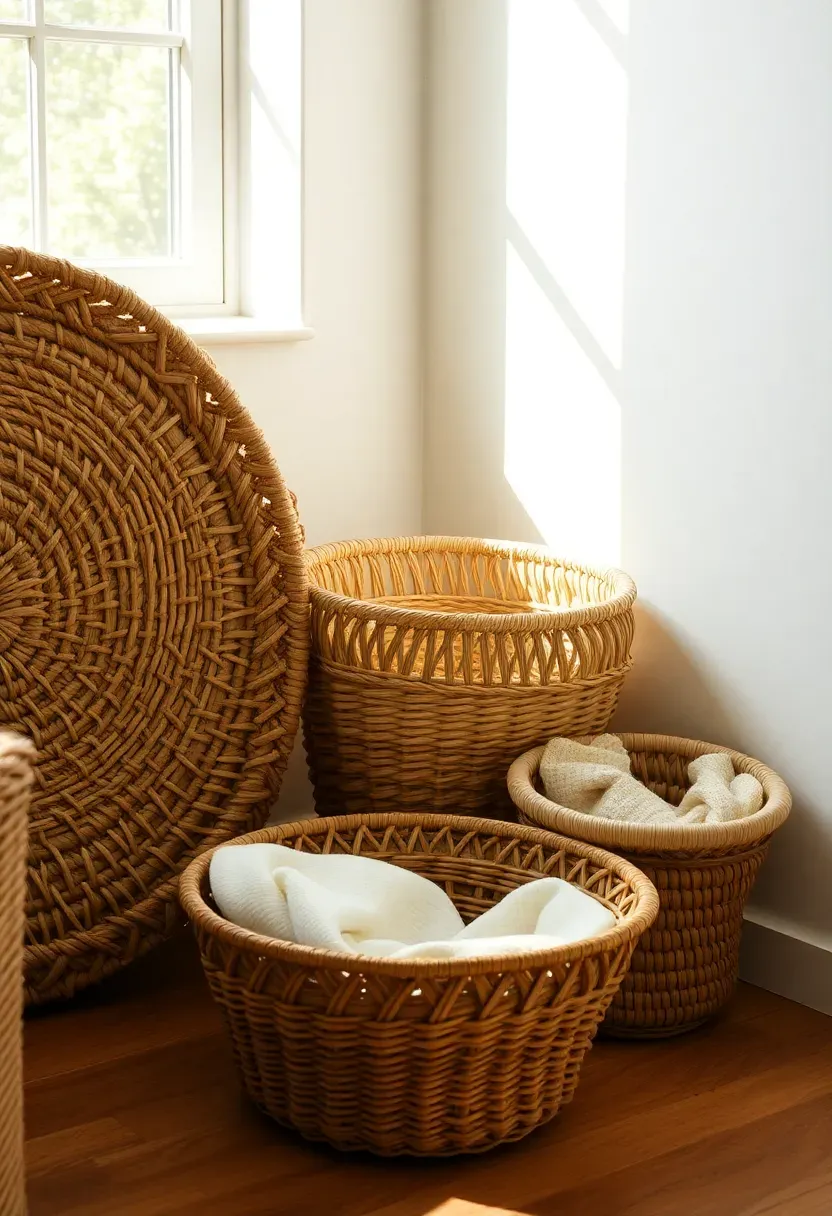
12. Use Baskets for Storage and Texture
Why Baskets Work in Sunrooms
Seagrass, rattan, and water hyacinth baskets feel inherently connected to the outdoors — they're made from the same natural materials as sunroom furniture. Functionally, they hide blankets, books, plant pots, and kids' toys. Aesthetically, they add the warm, organic texture that keeps sunrooms from feeling sterile.
Buying Smart
Baskets are expensive at boutique home stores and cheap almost everywhere else. IKEA, TJ Maxx, Walmart, and thrift stores all carry quality natural-fiber baskets for $5–$25. A set of three in graduating sizes reads as a curated collection rather than random clutter.
Practical Tip
Use the largest basket as a blanket storage bin beside the sofa. Keep a medium one for remote controls and reading glasses. Use a small one as a cachepot to hide a plastic nursery pot.
Recommended
Items for this idea
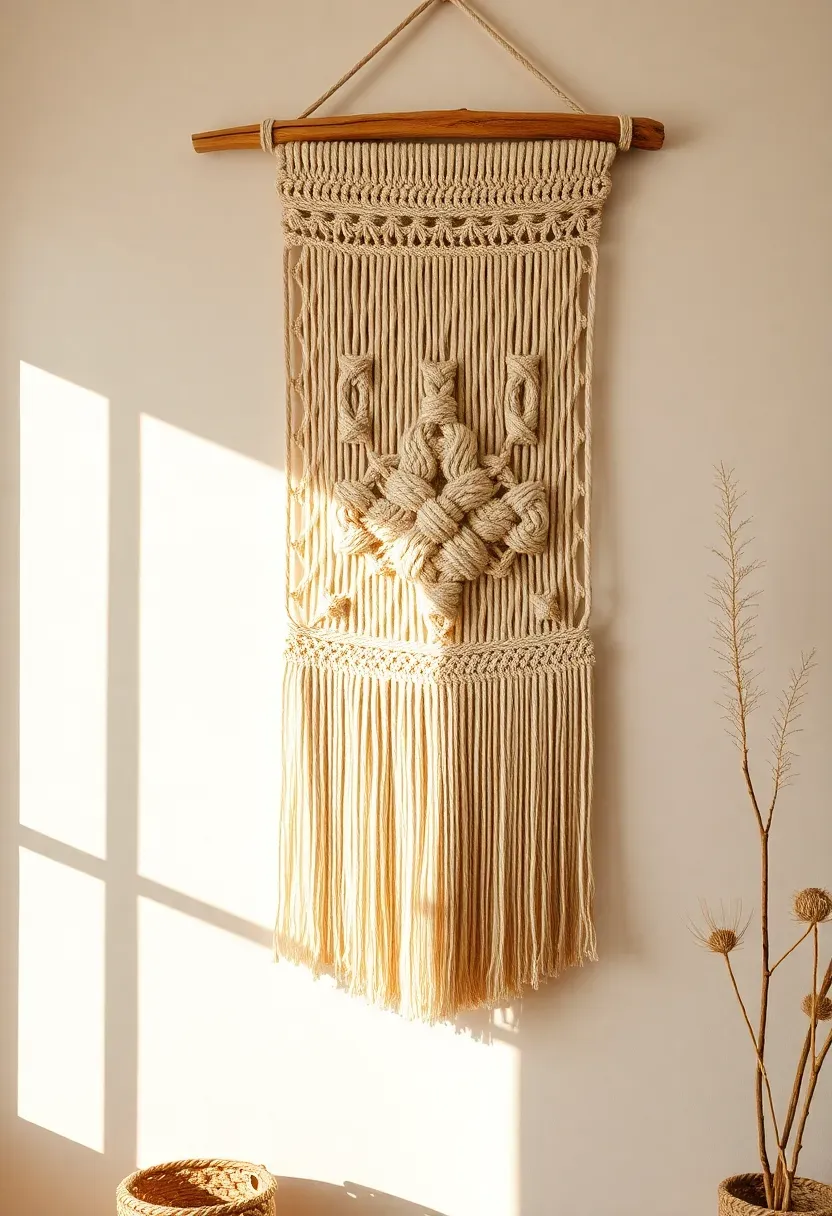
13. Hang a Macrame Wall Piece
Origins / History
Macrame — the craft of knotting cord into decorative patterns — originated in 13th-century Arabia and traveled through Europe via Moorish Spain. It hit peak Western popularity in the 1970s, then came back in the 2010s as part of the broader natural-texture and handcraft revival in interior design.
Modern Interpretation
A large macrame wall hanging does what a painting cannot in a sunroom: it adds tactile warmth and organic texture without competing with the windows. White or natural cotton cord reads as neutral and works with almost any color scheme. Sizes range from small accent pieces to wall-spanning installations.
How to Apply at Home
- Hang from a simple wooden dowel or a driftwood branch for a natural look
- Size up: a piece that spans 18–24 inches wide is the minimum for visual impact on a standard wall
- DIY macrame kits cost $20–$35 and make the project accessible to beginners — dozens of YouTube tutorials cover basic knots
- Buy on Etsy for handmade pieces starting around $30–$60
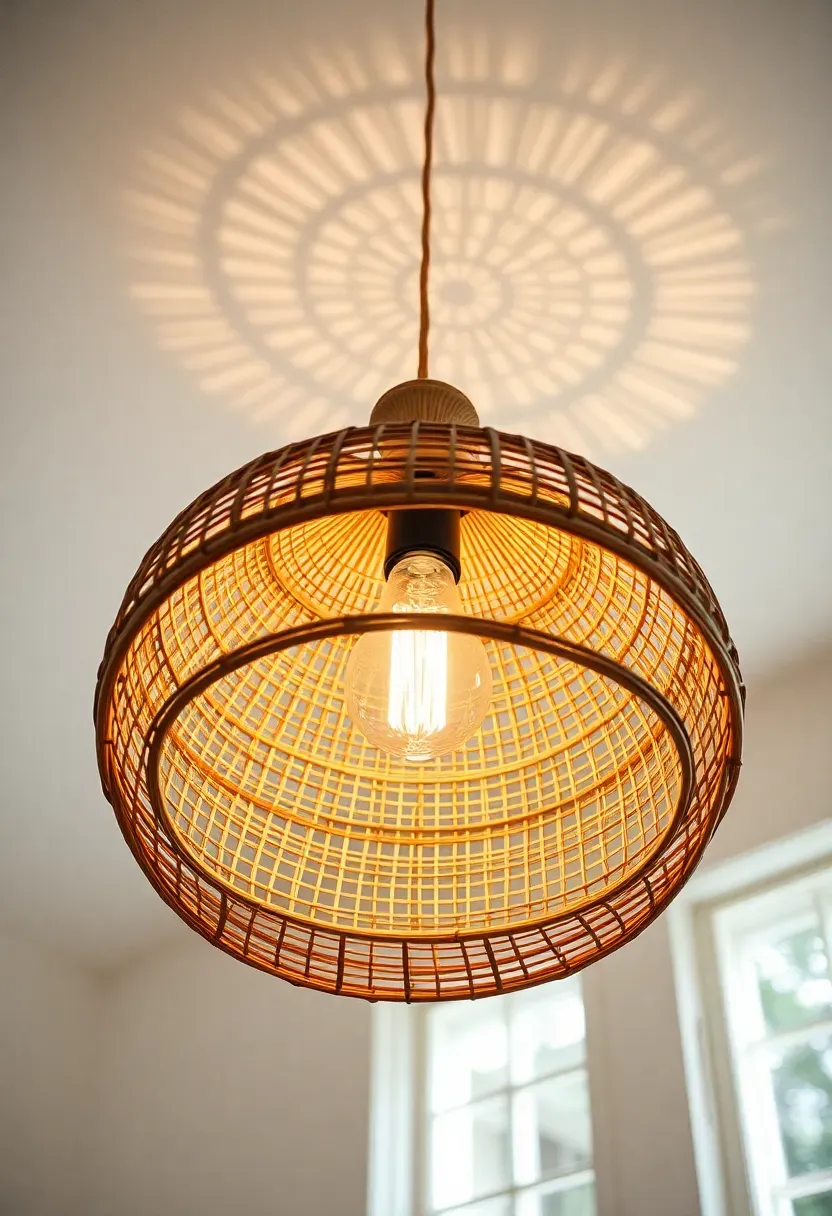
14. Swap Out Overhead Lighting
Comparing: Rattan Pendant vs. Basic Flush Mount
Introduction: Most sunrooms come with a basic ceiling fixture — functional, forgettable. Swapping it is a $50–$120 project that changes the entire personality of the room.
Rattan Pendant
A rattan or bamboo shade pendant light adds texture, warmth, and a sense of organic character. It works best in sunrooms with 8-foot or higher ceilings. Available on Amazon, at IKEA (the SINNERLIG pendant), and at thrift stores. Typical cost: $30–$80.
Basic Flush Mount
Modern flush mounts with frosted glass or linen shades provide better illumination and work on lower ceilings. A well-chosen flush mount doesn't have to be boring — matte black or brushed brass options at Home Depot run $40–$90.
What to Choose
Choose rattan pendant if: your sunroom has ceiling height and you want a warm, bohemian-adjacent character Choose updated flush mount if: your ceiling is 7.5 feet or lower, or you need strong overhead light for evening use
Recommendation
Swapping a light fixture is a one-hour project with a screwdriver and no special skills. The visual payoff is immediate and disproportionate to the cost — this is one of the highest-impact upgrades on this list.
Recommended
Items for this idea
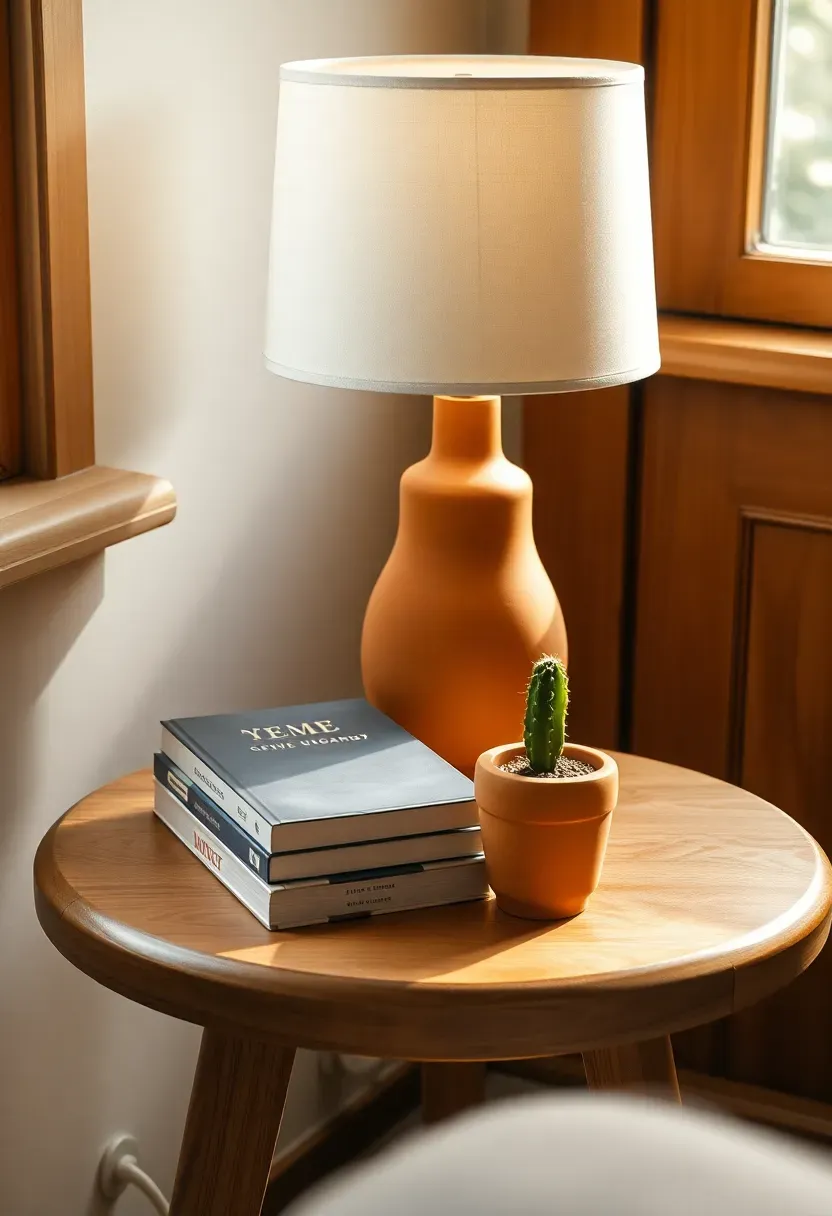
15. Find a Thrifted Side Table
Should you pay retail for a side table? Almost never. Side tables at thrift stores, estate sales, and Facebook Marketplace sell for $5–$25 — and the variety of styles available means you can find exactly the right height, scale, and shape for your space.
What to Look For
A stable base with no wobble. Surface damage (rings, scratches) can be sanded out or covered with chalk paint. Look for unusual shapes — a drum table, a Chinese-style tapered leg, a small industrial pipe table — that add character beyond what a big-box store offers.
The Quick Refresh
A coat of chalk paint (no primer needed, adheres to most surfaces) and new hardware if applicable. Chalk paint in a 32oz container runs $17–$22 at craft stores and covers several pieces.
16. Add an Outdoor Rug as a Layering Base
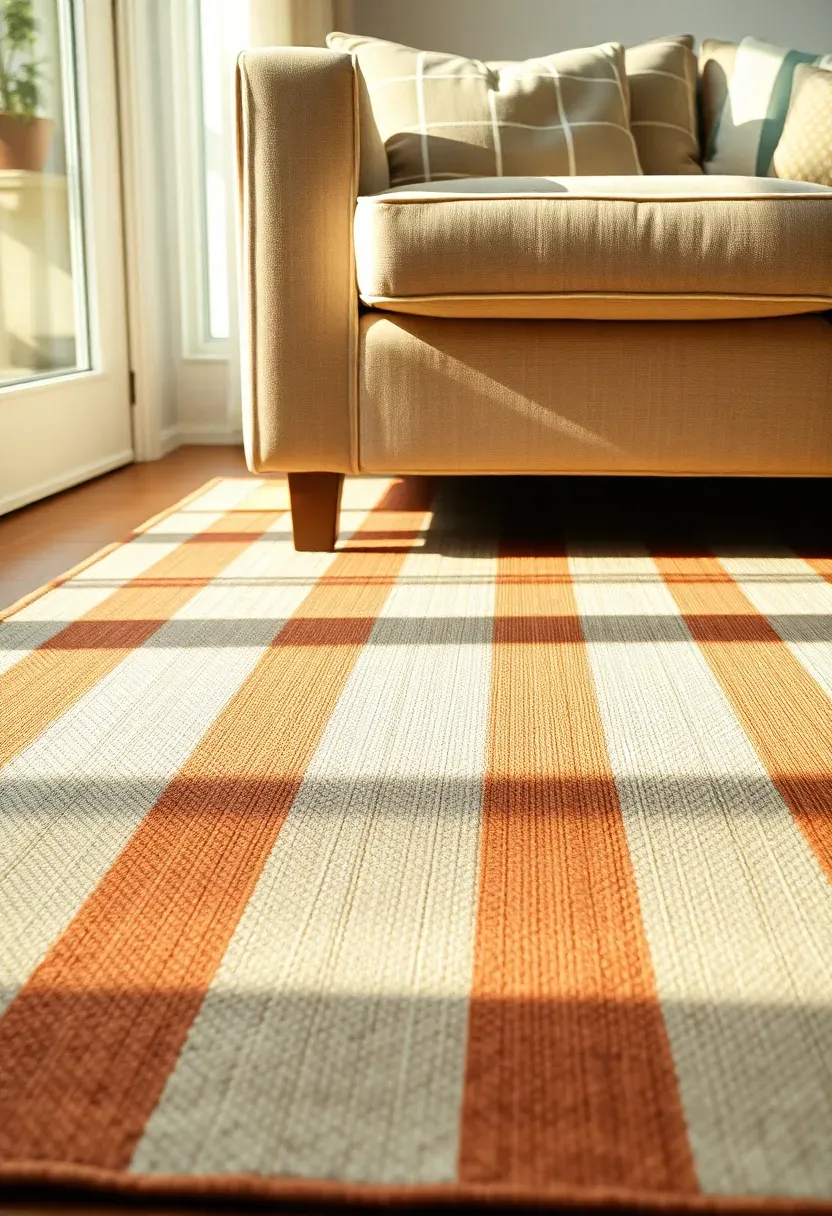
Outdoor rugs designed for patios and decks are often half the price of comparable indoor rugs — and they're built to handle sun, moisture, and foot traffic. In a sunroom, where conditions are closer to outdoor than indoor, they're actually a smarter choice than many traditional area rugs.
Why This Works
Polypropylene outdoor rugs resist UV fading, clean with a garden hose, and don't harbor mold or mildew in humid conditions. Designs have improved enormously — geometric, striped, and medallion patterns are now widely available in appealing colorways that look completely at home indoors.
Where to Find Them
Wayfair, Amazon, Target, and Ruggable all offer outdoor rugs from $35–$90 in large sizes. Look for a pattern that complements your pillow colors and you've instantly layered the space.
Recommended
Items for this idea
17. DIY Painted Terracotta Pots
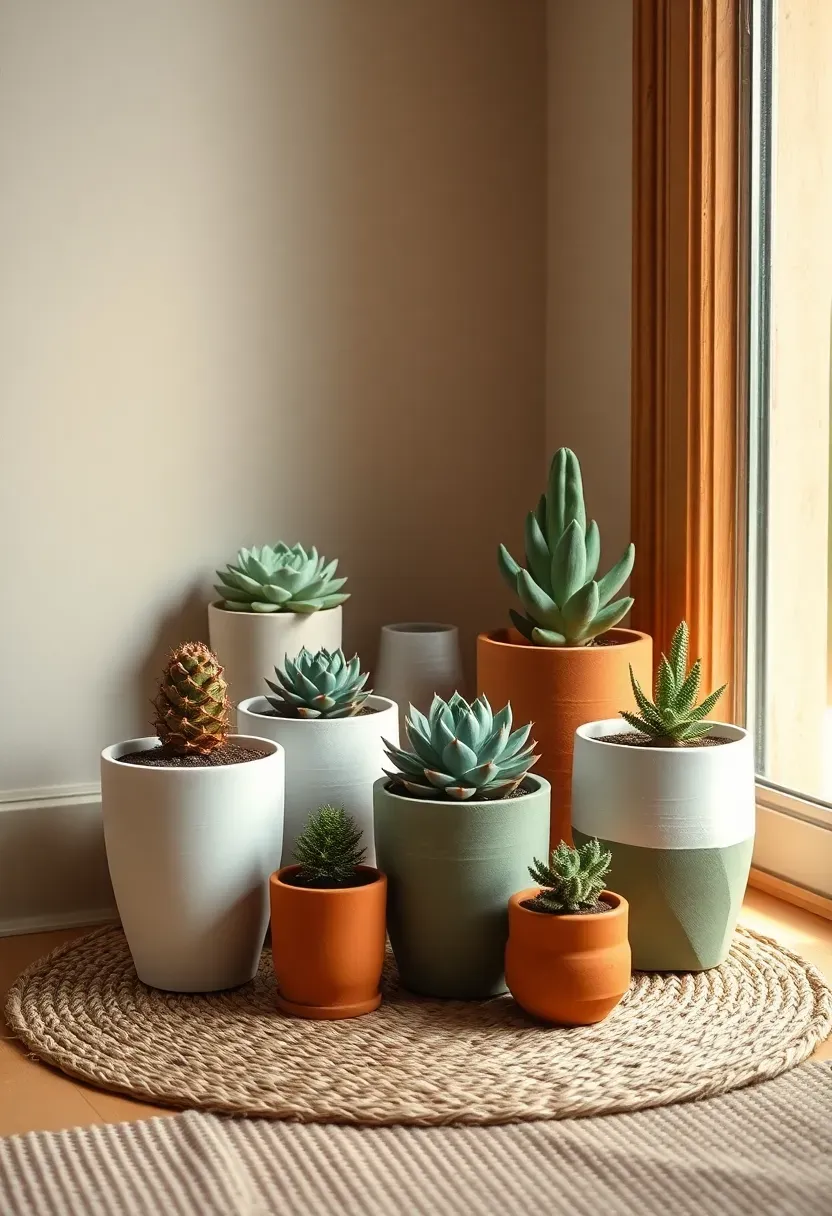
Terracotta pots are $1–$3 each at garden centers and big-box stores. Plain orange-red terracotta is fine; painted terracotta is a statement. This is the simplest DIY project on this list and one of the most satisfying.
Step 1: Seal the Interior
Brush the inside of each pot with a coat of sealant or watered-down white glue before painting. This prevents the porous clay from wicking moisture through and bubbling the paint on the outside.
Step 2: Paint Your Design
Solid colors in a single palette look intentional grouped together. Try all-white, all-terracotta-toned, or a mix of earthy muted tones. For patterns: wide horizontal stripes, a single geometric band near the rim, or a simple color-block design are all beginner-friendly. Chalk paint or exterior acrylic both work well.
Step 3: Seal the Exterior
A clear matte sealer protects the finish from watering splashes.
What to Watch Out For
Drainage is still essential — painted pots don't change a plant's moisture requirements. Make sure each pot has a drainage hole and a saucer underneath.
18. Hang Roman Shades for Light Control
Why Roman Shades Work
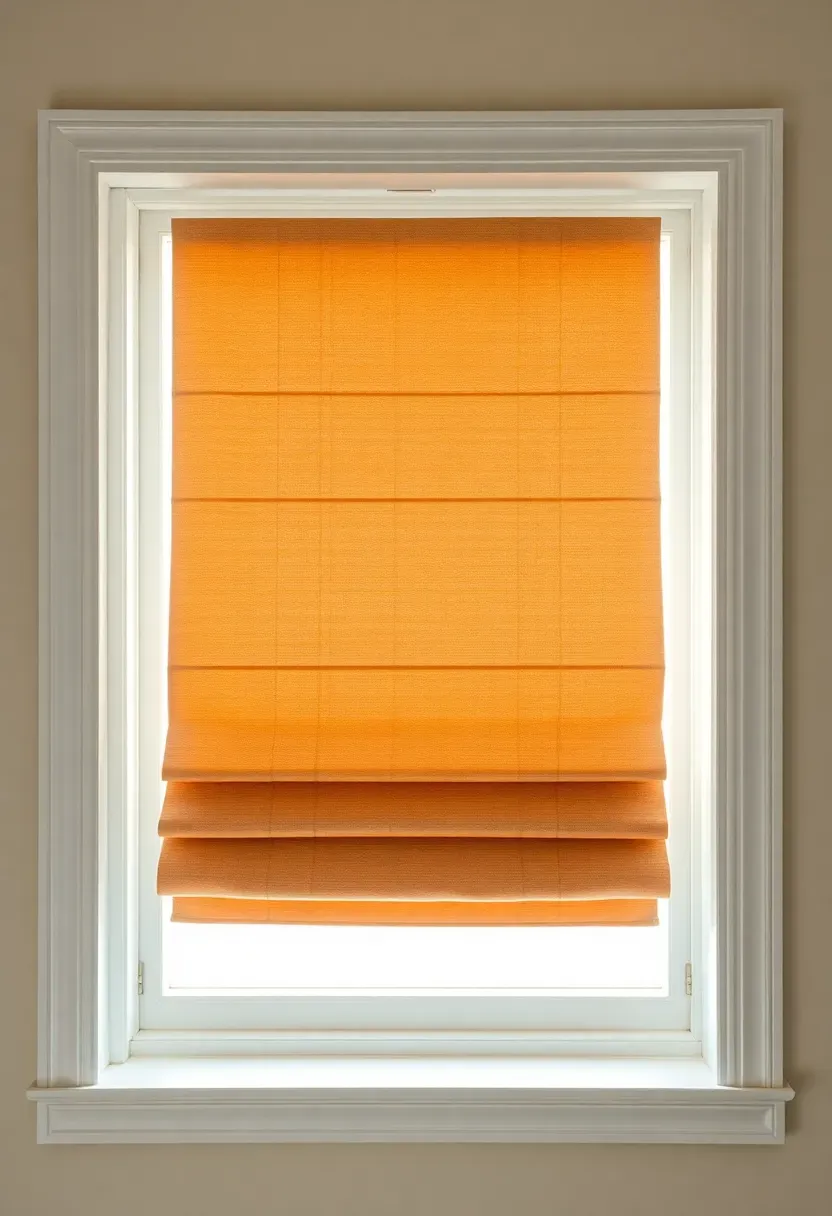
Sunrooms are often flooded with light — which is the whole point — but unfiltered midday sun can make the space uncomfortably bright and heat it significantly. Roman shades give you control: fully raised, they disappear; partially lowered, they filter without blocking; fully lowered, they provide privacy and shade.
Budget Options
Cordless Roman shades from IKEA (the ENJE in natural linen) start around $30 each. Budget cordless options from Amazon run $20–$45 per window. For a truly custom look without custom pricing, the "measure-and-order" programs at Home Depot or Lowe's offer semi-custom shades from $35 per window.
Installation Note
Most Roman shades mount inside the window frame with a few screws — a 20-minute install per window with a basic drill.
Recommended
Items for this idea
19. Build a Simple Floating Shelf
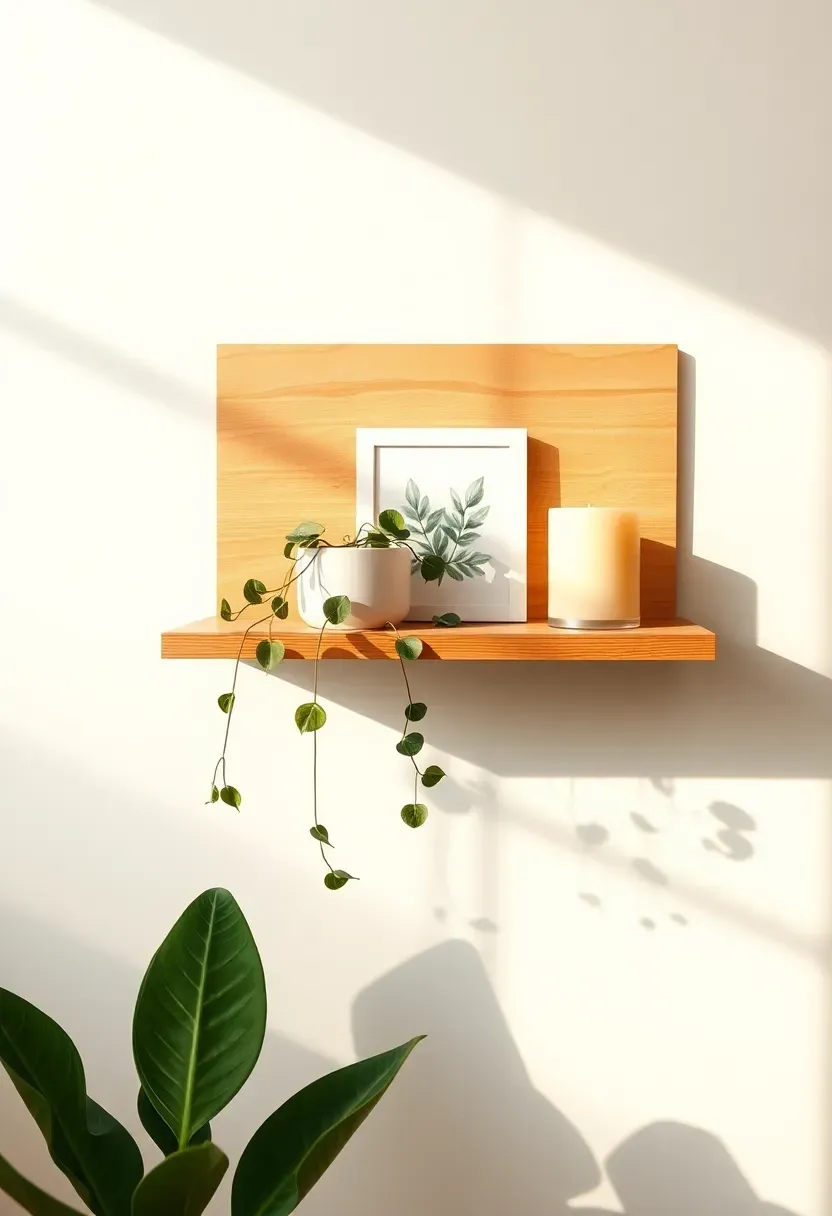
A single floating shelf changes a blank wall from unused to useful. In a sunroom, a shelf at window height creates a natural ledge for plants, small decor objects, or books — exactly the kind of lived-in detail that makes a space feel finished.
The Build (Beginner-Friendly)
A 1x8 pine board from any hardware store costs $8–$15 for a 6-foot length. Cut to your desired length, sand, stain or paint, and mount with floating shelf brackets. Brackets from Home Depot run $4–$8 each — you need two for a standard shelf. Total cost: under $30.
What to Put On It
One rule: avoid crowding. A shelf in a sunroom looks best with 3–5 objects: a trailing plant, a small framed print, a stack of books, and a candle. The negative space between objects is part of the design.
20. Mix Metals in Accents
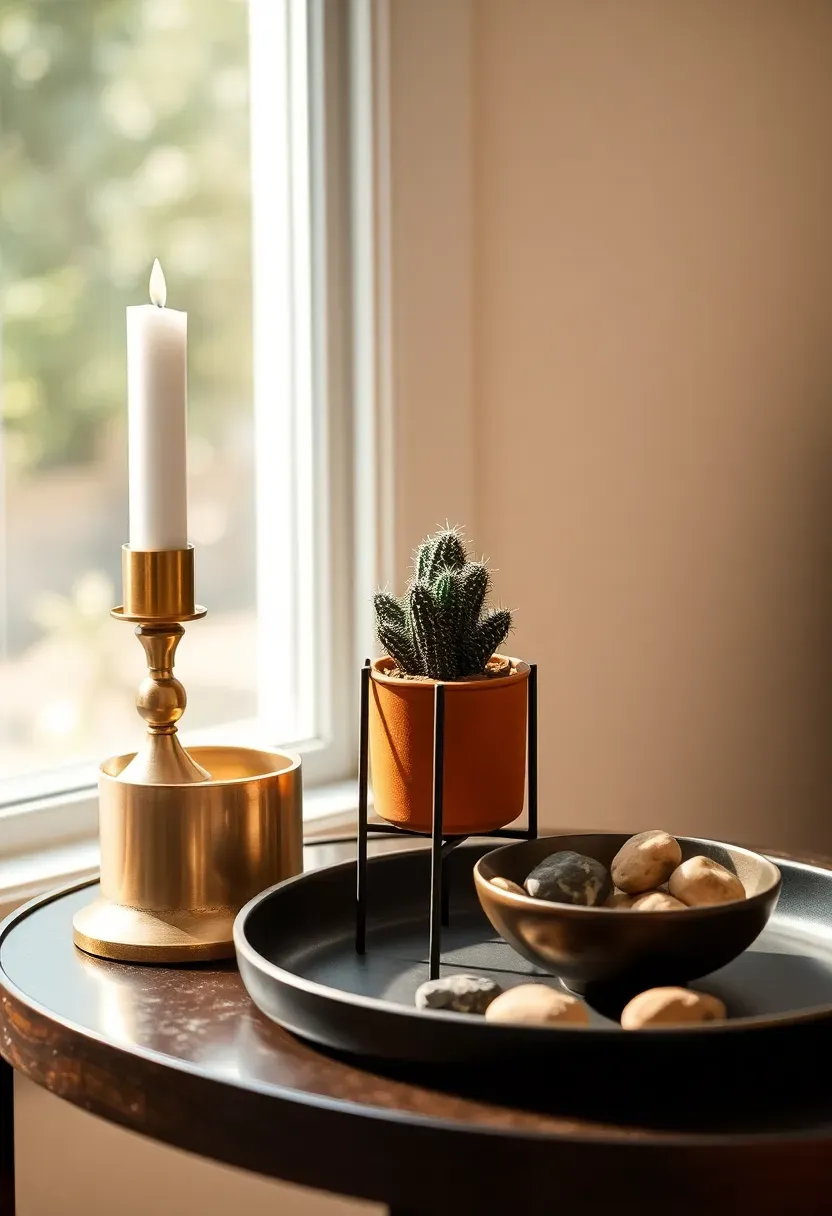
The old rule — match all your metals — has given way to something more interesting: intentional mixing. In a sunroom, where the overall mood is relaxed and organic, mixing metals in small accent pieces (lamp bases, plant stands, candleholders, hardware) adds visual richness.
How to Mix Without It Looking Random
Anchor with one dominant metal (usually the largest piece — a lamp or plant stand). Let one secondary metal appear in two or three smaller pieces. Keep the overall count low — three metals in a room is plenty. Brass + black + natural wood reads consistently warm and current. Chrome + brass + white reads lighter and more transitional.
Budget Sources
Thrift stores and dollar stores carry metal candleholders, small trays, and decorative objects for $1–$8. Spray paint lets you shift any metal object toward your desired finish for $7 a can.
Recommended
Items for this idea
21. Use Mirrors to Double the Light
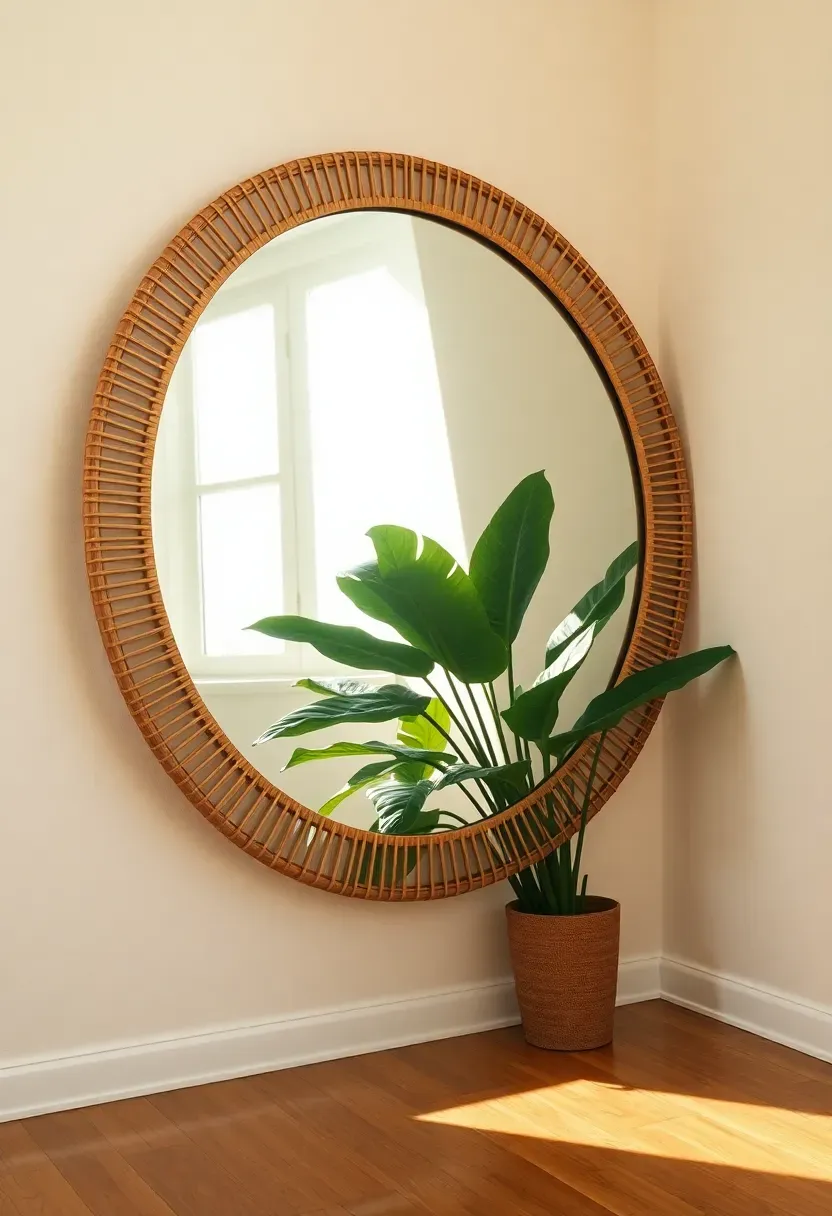
A sunroom already has light in abundance during the day — a well-placed mirror turns that light into an asset rather than a given. By reflecting window light back into the room, mirrors make space feel larger, more luminous, and more dynamic as the light shifts through the day.
Placement Strategy
The most effective position is on the wall opposite or perpendicular to the main windows. Avoid placing mirrors directly across from windows if you get intense afternoon sun — the reflection can create uncomfortable glare.
Size and Style
Go large: a mirror under 24 inches reads as an afterthought in most sunrooms. A 36-inch round mirror or a 24x36 rectangle creates presence. Thrift stores regularly stock large mirrors for $10–$30. An arched mirror leaning against the wall feels deliberately casual and works beautifully in sunrooms.
22. Create a Reading Corner
The Core Issue
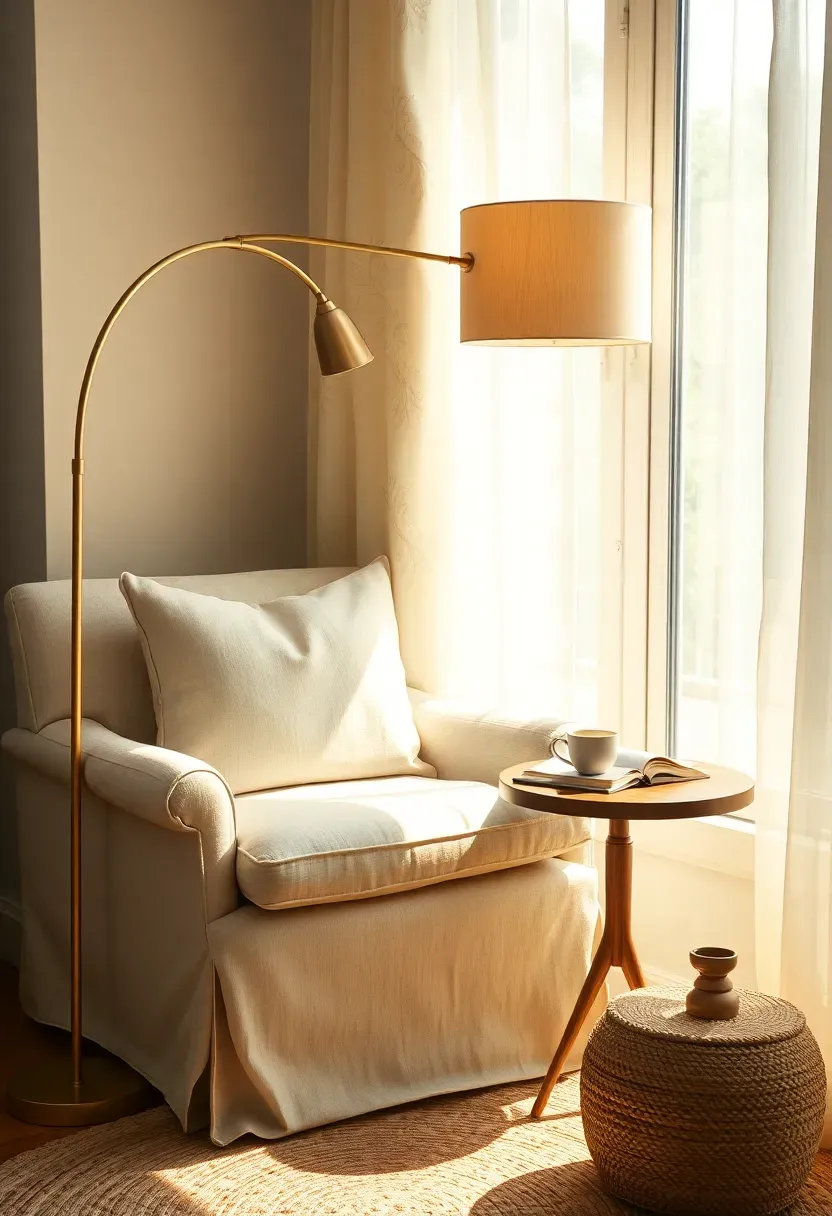
A sunroom without a clear purpose tends to become a catchall. Giving one corner a defined function — reading, morning coffee, plant care — creates an anchor point that makes the whole room feel more intentional.
The Solution
A reading corner needs three things: a comfortable chair, a light source (floor lamp or clamp-on reading lamp), and a surface for a drink or book. Add a small rug to define the zone within the larger space, and the corner immediately reads as deliberate. Source the chair thrifted or on Marketplace for under $40. A floor lamp from IKEA runs $25–$50. The defined zone costs almost nothing to create — it's more about intention than objects.
Pros and Cons
Pros: Makes the room feel purposeful, creates a daily habit of using the space, costs very little to set up Cons: Requires committing to a layout — move furniture only after living with it for a few weeks to see what feels right
Recommended
Items for this idea
23. Add a Hammock Chair
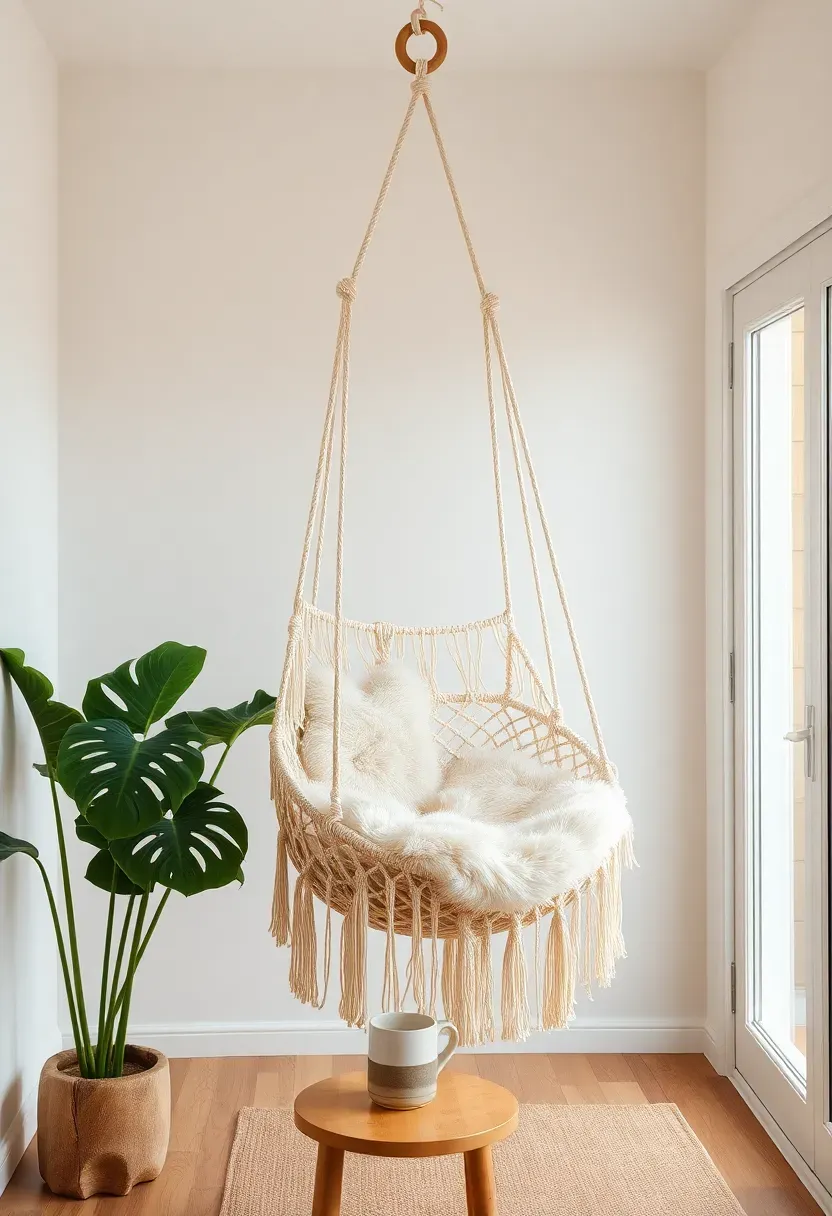
Few single pieces transform a sunroom's personality as completely as a hanging hammock chair. It signals that this room is for relaxation — not work, not storage — and it's genuinely comfortable for reading, napping, or just existing.
What to Look For
Cotton or canvas chairs with rope suspension are the most durable. Look for a chair rated for at least 250 lbs. Brazilian-style hammock chairs and macrame-style chairs are widely available on Amazon for $35–$70.
Installation
Mount a ceiling hook into a joist — not just drywall. Use a stud finder, a 3/8-inch eye bolt, and a safety rating of at least 300 lbs. The install takes 20 minutes and costs under $10 in hardware.
Styling It
A sheepskin throw draped over the seat, a small side table nearby, and a plant at the base complete the vignette. This single piece has more visual character than most furniture groupings twice the price.
24. Group Small Plants on a Tray
Why Grouping Works
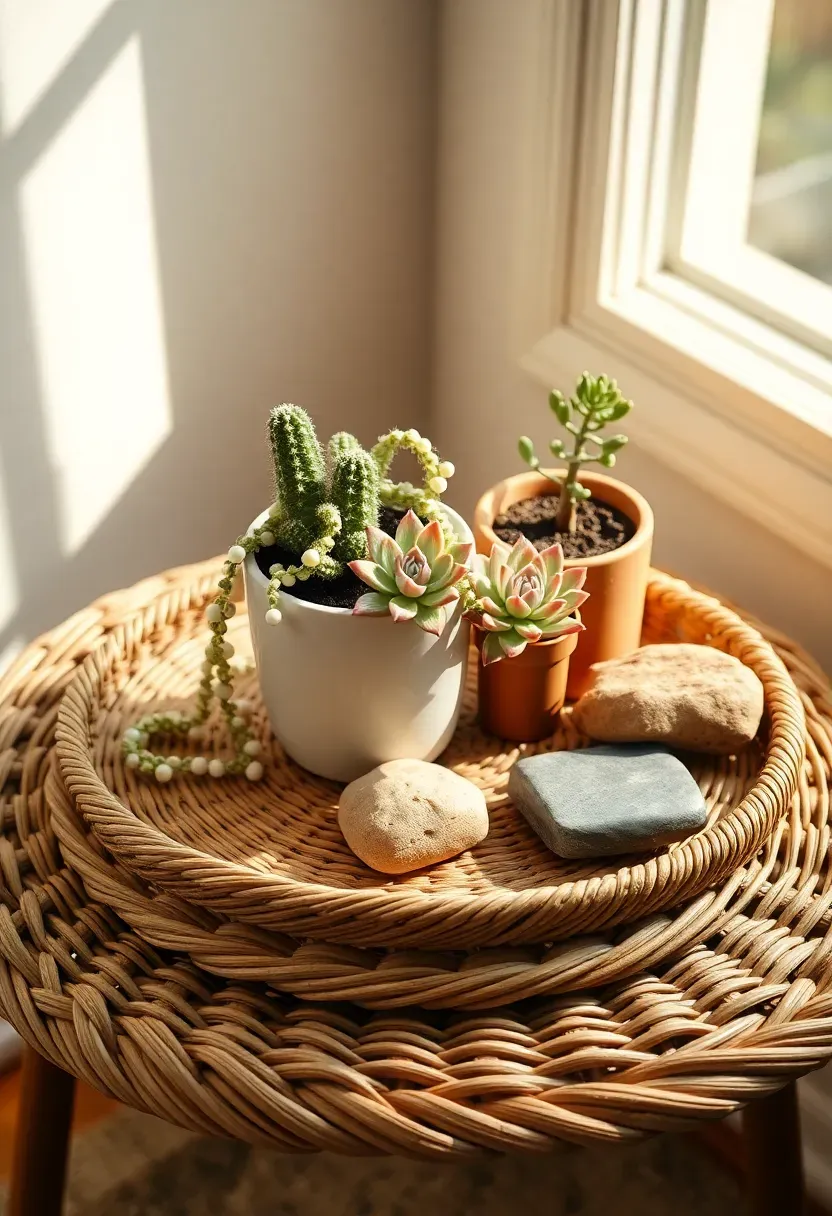
Individual small plants scattered around a room look disorganized. The same plants grouped together on a tray read as a considered collection. The tray creates visual containment and makes the grouping easy to move when you want to water or clean.
Building the Collection
Three to five small plants in varying heights create the best groupings. Combine one tall (a small cactus column or snake plant), one medium trailing (pothos or string of pearls in a small pot), and one low rosette form (echeveria or haworthia). Succulents and small tropical plants are available at garden centers, Trader Joe's, and IKEA for $2–$8 each.
The Tray
A wooden serving tray, a terracotta saucer, or a woven rattan tray all work. The tray should be natural-material and slightly oversized relative to the plants — if the tray disappears under the pots, it's doing nothing visually.
Recommended
Items for this idea
25. Finish with Scented Candles and Ambient Details
Origins / History
The Scandinavian concept of hygge — the art of creating coziness through atmosphere rather than objects — has influenced interior design globally over the past decade. In a sunroom, which already has the framework of warmth and light, small ambient details are the final layer that makes the space feel alive.
Modern Interpretation
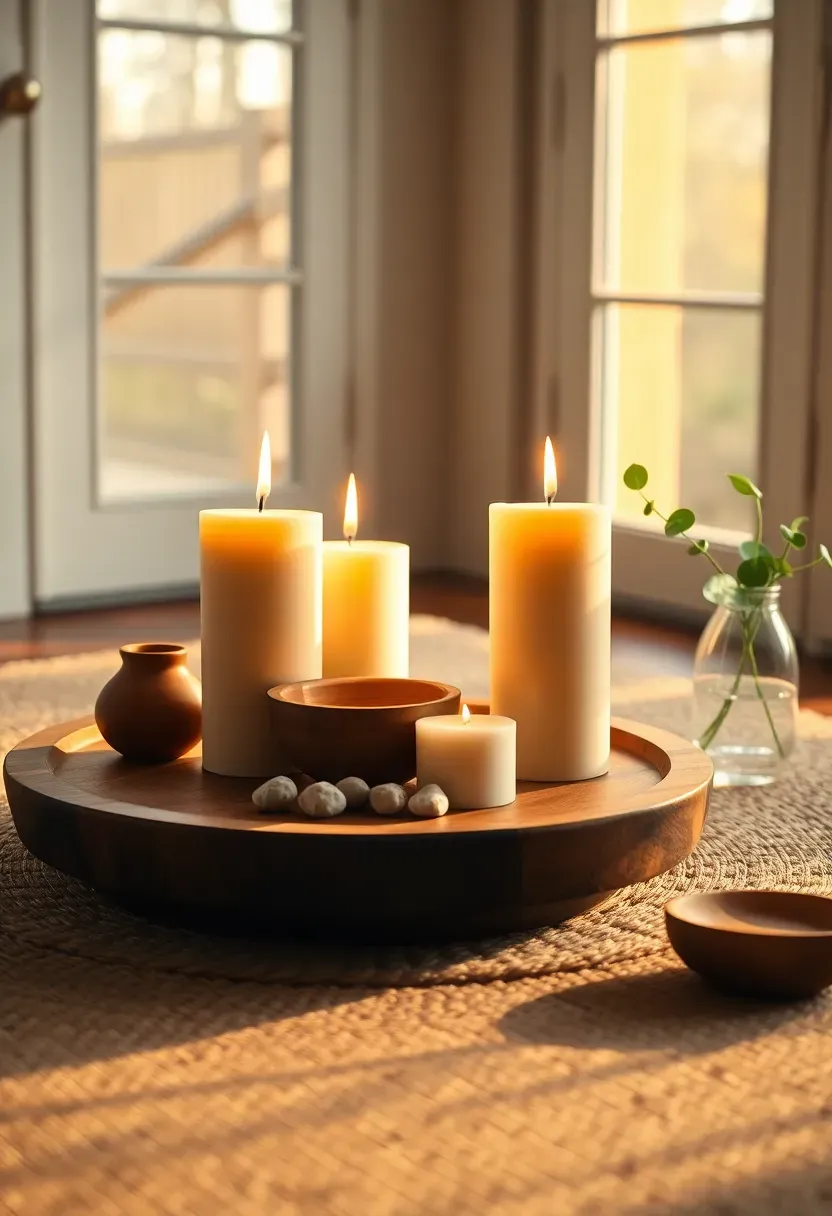
Scented candles do double duty: they're visual objects when unlit and atmospheric elements when burning. Choose scents that evoke the outdoors (cedarwood, lemon verbena, eucalyptus, jasmine) to reinforce the indoor-outdoor character of the space. Affordable options from Target's Made By Design line, IKEA, or TJ Maxx run $4–$15.
How to Apply at Home
- Group candles in odd numbers (3 or 5) on a tray or clustered on a coffee table
- Add a small bowl of stones, shells, or dried botanicals for texture without cost
- A vintage paperback with a worn cover, a pair of reading glasses, and a ceramic mug on a side table complete the "someone lives here" detail that staged rooms always lack
- Dried flowers in a simple vase — under $5 from a dollar store or foraged — add color and organic texture that lasts for months
Quick FAQ
How much does a complete budget sunroom makeover typically cost? A full transformation using the ideas on this list — paint, rug, curtains, a few thrifted pieces, plants, and lighting — typically runs $150–$400 depending on your existing furniture and how aggressively you thrift. The biggest savings come from repainting what you have rather than replacing it.
Which upgrades deliver the most visual impact for the least money? Paint, curtains, and a large rug are the three highest-impact changes in any sunroom. Together, they typically cost under $150 and affect the entire room. Everything else adds character on top of that foundation.
Should I use outdoor furniture in my sunroom? Yes — outdoor furniture is often built better than comparable indoor pieces, handles humidity and sun better, and costs significantly less. Many outdoor collections have graduated to genuinely stylish designs that look completely at home inside.
Is thrifting worth the time for sunroom furniture? For wicker, rattan, wooden chairs, side tables, and mirrors, absolutely. These pieces are abundant at thrift stores and on Marketplace. Avoid thrifting upholstered seating unless you can clean and recover it — fabric condition is harder to assess and harder to fix.
What plants are best for sunrooms on a limited budget? Pothos, monstera, and snake plants are the best value — widely available, inexpensive ($5–$20), and extremely forgiving. For a sunroom with direct sun, succulents and cacti thrive and are nearly indestructible. Avoid delicate tropicals if you're budget-shopping — start with plants that are hard to kill.
Try at least one idea this weekend — paint a set of terracotta pots, hang a string of lights, or spend an afternoon at your local thrift store hunting for a wicker chair. The best budget transformations don't happen all at once; they build slowly through small, intentional choices that compound into something genuinely beautiful. A sunroom on a budget can look just as good as a designer space — often better, because the pieces have stories.
Pinterest cover for 25 Sunroom Ideas on a Budget: High-Impact Upgrades for Less
About the author
OBCD
CGI visualization and interior design content. We create detailed 3D renders and curate practical design ideas for every room in your home.