19 Enclosed Sunroom Ideas for Privacy, Insulation, and All-Season Use
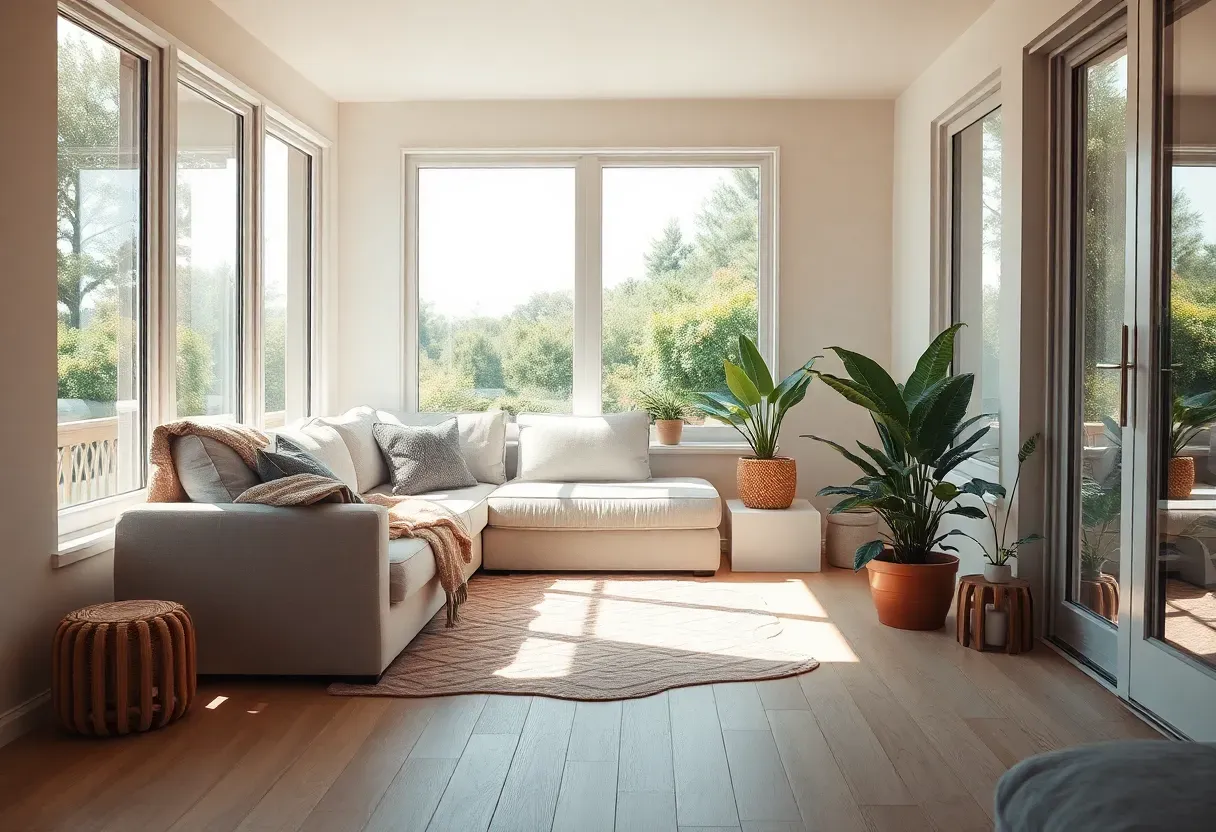
We have all stood in a sunroom mid-January, wrapped in a blanket, watching frost collect on the glass, wondering why this beautiful space feels unusable for half the year. An enclosed sunroom has every advantage — natural light, a visual connection to the garden, a room that feels distinct from the main house — but without proper insulation, window treatments, and climate control, it becomes a seasonal afterthought. The gap between a sunroom you use occasionally and one you live in every day comes down to a handful of deliberate design decisions. These nineteen ideas address exactly that: privacy when you need it, insulation that actually works, and the kind of layered comfort that makes the space inviting whether it is a rainy April morning or a frozen February afternoon.
Ready? Let us work through each idea systematically, from the glass itself to the finishing layers that seal comfort into the room.
Table of Contents
- Double-Glazed Low-E Window Panels
- Insulated Roman Blinds for Layered Privacy
- Cellular Honeycomb Shades
- Frosted Window Film with Pattern
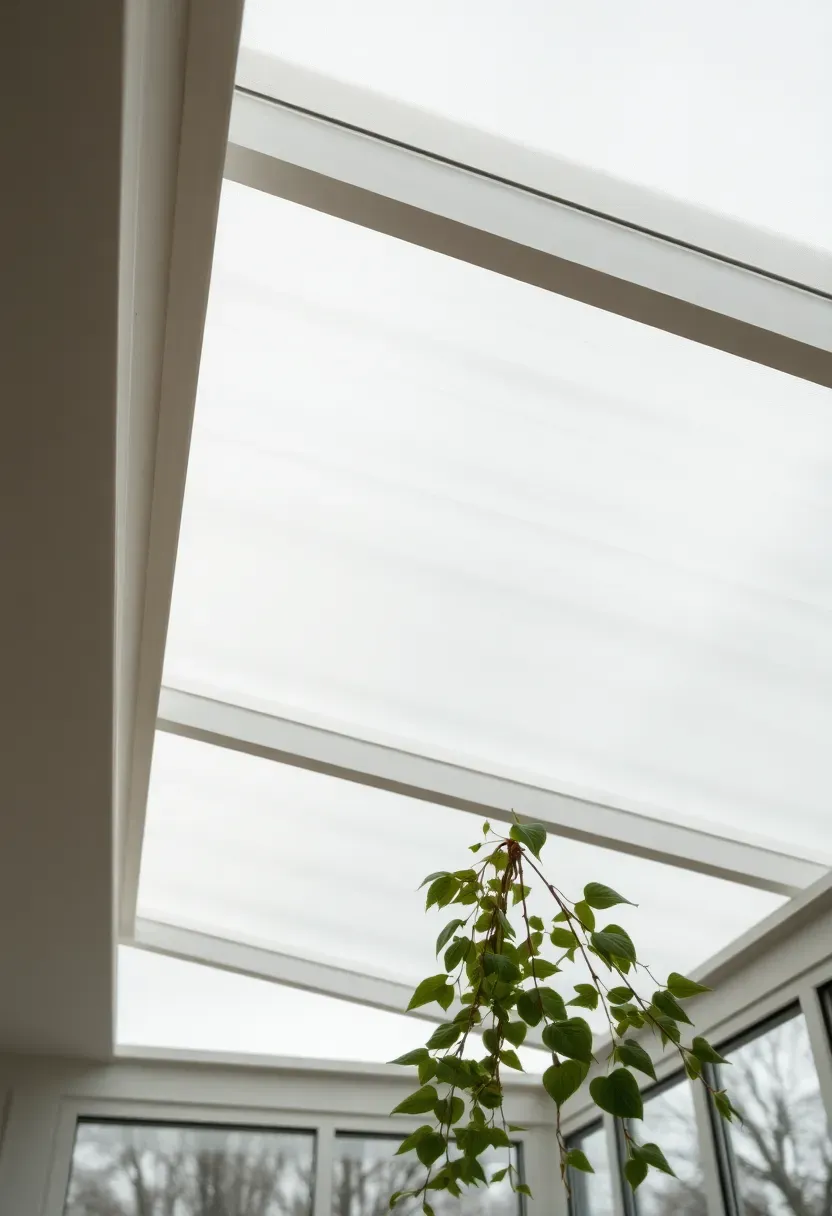
- Insulated Polycarbonate Roof Panels
- Radiant Floor Heating
- Mini-Split Heat Pump System
- Thermal Curtain Panels on Ceiling Track
- Weatherstripped French Door Upgrades
- Cork Underlayment Beneath Tile
- Interior Wall Insulation Wraps
- Outdoor Privacy Screen Panels
- Transom Window Ventilation Strategy
- Ceiling Fan with Reversible Motor
- All-Weather Upholstered Furniture
- Layered Rug System for Warmth
- Portable Electric Fireplace
- Blackout Blinds for Summer Heat Control
- Year-Round Plant Wall for Insulation and Privacy

1. Double-Glazed Low-E Window Panels
The most impactful single upgrade you can make to an enclosed sunroom is replacing single-pane glass with double-glazed low-emissivity panels. The air gap between panes acts as a thermal buffer, dramatically reducing heat transfer in both directions — keeping warmth inside during winter and blocking solar heat gain in summer. Low-E coating reflects infrared radiation without visibly darkening the glass, so the room stays bright while your heating system works far less. For sunrooms in climates with genuine winters, the energy savings typically offset installation costs within five to seven years.
What to Look For When Upgrading
- Gas-filled cavities: Argon or krypton fill between panes outperforms air-filled versions
- Warm-edge spacers: Reduce condensation at the edges where heat loss concentrates
- Frame materials: Thermally broken aluminum or uPVC frames prevent cold bridging
- Installation gaps: Even the best glass underperforms if frames are not properly sealed
We picked a few things that go well with this idea: RYB HOME Blackout Thermal Divider Curtains (20ft) (★4.7), NICETOWN Thermal Grommet Blackout Curtains (2 Panels) (★4.6) and Faux Linen Insulated Blackout Curtains Sunroom (2 Panels) (★4.4). As an Amazon Associate we earn from qualifying purchases.
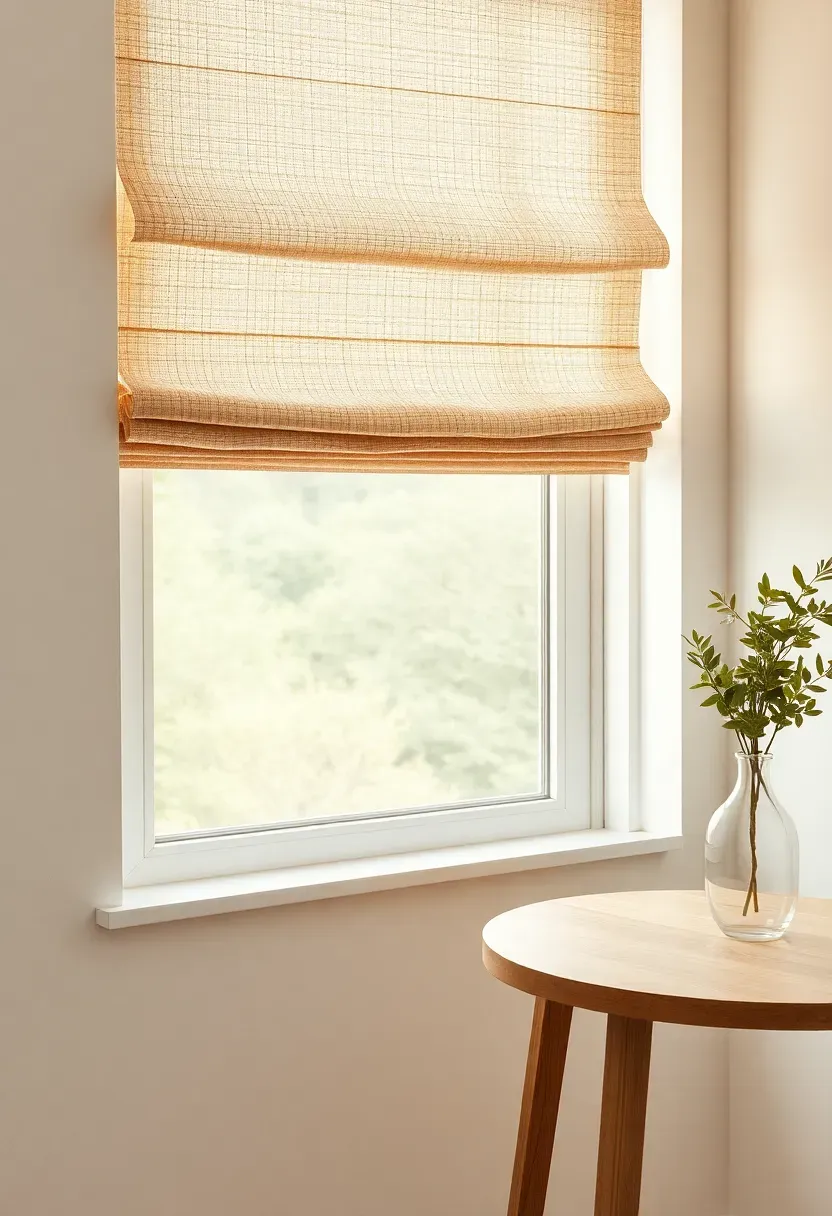
2. Insulated Roman Blinds for Layered Privacy
The Core Issue
Standard Roman blinds look clean and structured, but most provide almost no insulation value. When pulled down over cold glass on a winter night, the temperature between the blind and the pane plummets, and the blind itself becomes a cold radiator facing into the room.
The Solution
Insulated Roman blinds solve this with a multi-layer construction: a decorative face fabric, a reflective or foam interlining, and a blackout backing. The interlining traps air and prevents the cold from the glass radiating inward. For privacy, they provide complete coverage when drawn, and the structured fold means they stack neatly out of the way during daylight hours. Choose a linen or cotton face fabric in a neutral tone and pair them with a sheer layer that stays drawn during the day for filtered light with partial privacy.
Pros and Cons
Pros: Significant thermal improvement over standard blinds; clean, tailored look; full privacy when drawn; DIY-friendly installation on most window frames
Cons: Requires measuring each window precisely; thermal benefit reduces if there is a large gap between blind and glass; more expensive than standard Roman blinds
We picked a few things that go well with this idea: 30 Sqft Radiant Floor Heating Mat WiFi Thermostat, 10 Sqft Radiant Floor Heating Mat WiFi Thermostat and LuxHeat 20 Sqft Radiant Floor Heating Mat Kit (★4.6). As an Amazon Associate we earn from qualifying purchases.
3. Cellular Honeycomb Shades
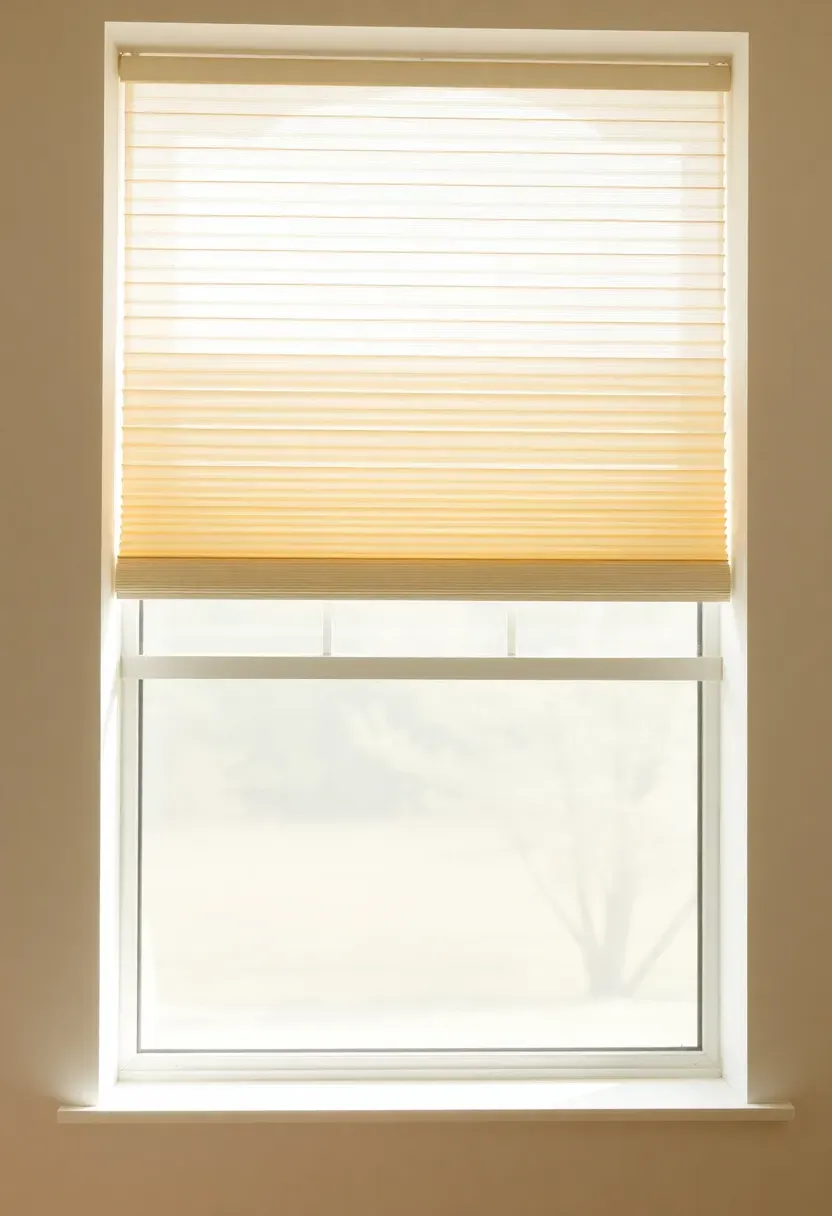
How to choose window treatments when you need maximum insulation without sacrificing natural light? Cellular honeycomb shades are the answer that most interior designers reach for first in sunroom projects.
The cellular structure works like a series of insulating chambers. Each cell traps a pocket of air between the glass and the room, and because convection within those trapped pockets is limited, heat transfer slows dramatically. Single-cell versions work well in mild climates; double-cell and triple-cell varieties are worth the additional cost in regions where temperatures drop below freezing regularly.
Step 1: Measure Carefully
Inside-mount shades fit within the window recess and look cleaner; outside-mount versions overlap the frame for better coverage of the gap between glass and wall.
Step 2: Select the Cell Size
Larger cells allow more light transmission; smaller cells provide better insulation. In enclosed sunrooms where you want both, a 3/4-inch double-cell shade splits the difference effectively.
Step 3: Add a Top-Down Bottom-Up Option
This configuration lets you lower the shade from the top for ceiling-height light while raising it from the bottom for privacy at eye level — the most practical choice when the sunroom faces a neighbor or a busy outdoor area.
What to Watch Out For
- Ensure cordless or motorized options in rooms where children or pets are present
- Clean with a low-heat hair dryer rather than water to preserve the cell structure
- Check for air gaps at the sides; add a light-seal track for maximum thermal performance
We picked a few things that go well with this idea: Malibu Rattan Wicker Lounge Set (4-Piece) (★4.5), CHITA 5-Piece Rattan Patio Bistro Set (★4.4) and MOCHITO 7-Piece All-Weather Rattan Sectional Set (★5.0). As an Amazon Associate we earn from qualifying purchases.
4. Frosted Window Film with Pattern
Origins / Context
Frosted glass has been used in architecture for privacy for well over a century, originally through acid-etching or sandblasting. Modern adhesive films replicate the effect at a fraction of the cost and with far more design flexibility.
Modern Interpretation
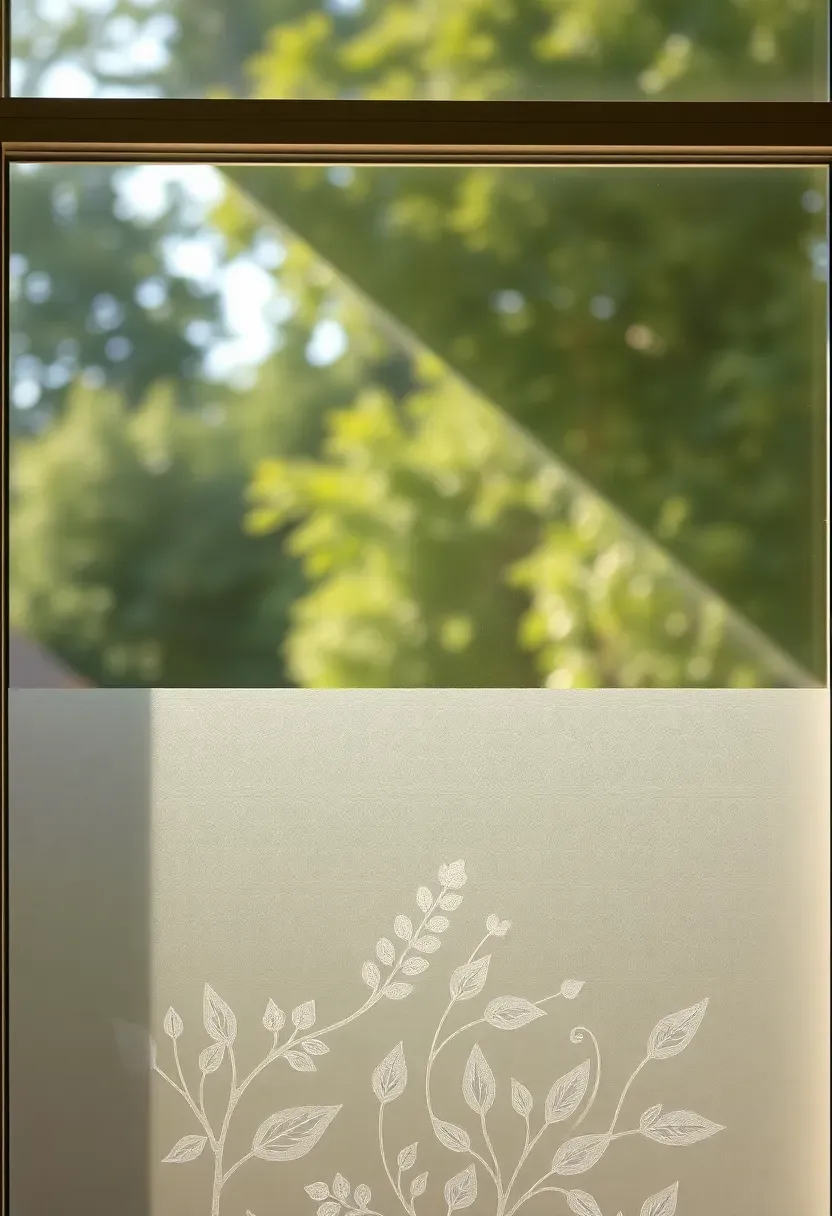
Patterned frosted films — geometric, botanical, or abstract — transform a plain expanse of glazing into a design feature while providing consistent privacy at eye level. You apply the film directly to the interior glass surface, and it diffuses light rather than blocking it, so the room retains its bright, airy quality. For an enclosed sunroom facing a neighbor's yard or a street, applying film to the lower half of each panel provides standing privacy without blocking sky views. The top half remains clear, preserving the open feeling that makes sunrooms worth having.
How to Apply at Home
- Clean the glass thoroughly with a rubbing alcohol solution before application
- Cut the film to size with a sharp utility knife and a straight edge for clean edges
- Use a spray bottle with a dilute soap solution to allow repositioning before the adhesive sets
- Use a squeegee working from the center outward to remove all air bubbles
Recommended
Items for this idea
5. Insulated Polycarbonate Roof Panels
When the ceiling is predominantly glass or single-skin polycarbonate, it becomes the primary source of heat loss in winter and heat gain in summer. An enclosed sunroom loses up to forty percent of its thermal energy through the roof in cold months.
Comparing Standard vs. Insulated Polycarbonate:
Standard Polycarbonate
A single-skin or twinwall polycarbonate sheet. Lightweight, inexpensive, and easy to install. Allows excellent light transmission but offers very little resistance to heat flow. Rooms covered with standard polycarbonate routinely hit uncomfortable temperatures in both summer and winter.
Insulated Multiwall Polycarbonate
Triplewall and sixwall polycarbonate sheets contain multiple air channels that dramatically improve thermal performance. Some sixwall variants achieve insulation values close to double-glazed glass while remaining far lighter and easier to cut and fit.
What to Choose
Choose standard if: budget is very tight, the climate is mild year-round, and the sunroom is used primarily in spring and autumn
Choose insulated multiwall if: year-round use is the goal, temperatures fall below 35°F in winter, or the sunroom has no supplementary heating
Recommendation
For a genuinely all-season room, sixwall or eight-wall polycarbonate in the roof is the minimum worth installing. The cost difference over twinwall pays back within two to three heating seasons.
6. Radiant Floor Heating
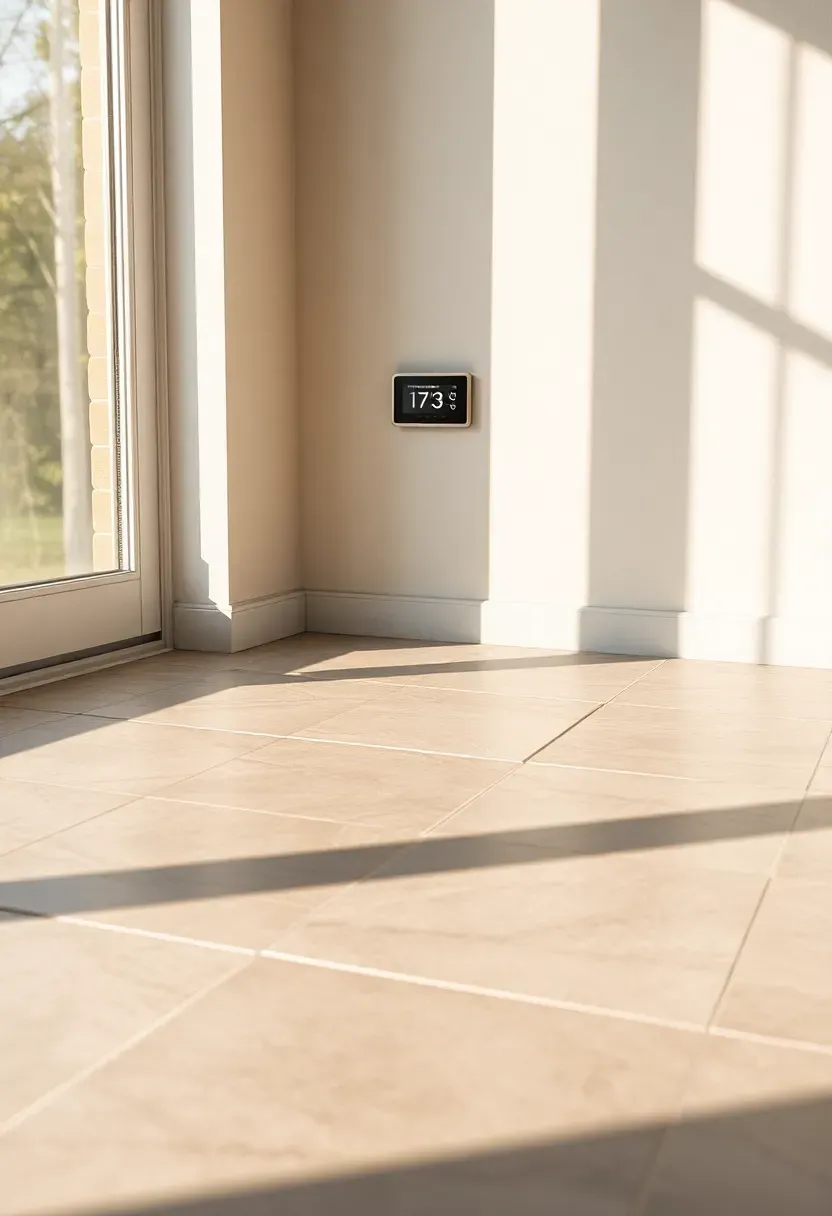
There is a reason radiant floor heating appears in almost every serious sunroom renovation: it solves the cold-floor problem that makes even well-insulated sunrooms feel unwelcoming in winter. When the floor surface itself is warm to the touch, the entire thermal experience of the room changes. You sit down, take off your shoes, let your coffee cool a little, and realize you have been in the sunroom for two hours without reaching for a blanket.
Electric radiant mats are simpler to install beneath tile or stone flooring than hydronic systems, and for a sunroom-sized space, the operating costs are manageable. Pair the radiant system with a programmable thermostat so the floor is warm by the time you arrive in the morning.
Tips / Practical Recommendations
- Tile, stone, and luxury vinyl plank are the best conductors for radiant heat; thick carpet insulates against the warmth and reduces efficiency
- Run radiant heat on a schedule that pre-warms the floor before peak use hours
- Ensure the subfloor is level and properly waterproofed before installation
- In very cold climates, combine radiant floor heat with a supplementary wall unit rather than relying on floor heat alone
Recommended
Items for this idea
7. Mini-Split Heat Pump System
The Core Issue
A sunroom added to an existing home rarely connects to the main HVAC system. Extending ductwork is expensive and often structurally impractical, which leaves many homeowners relying on portable space heaters in winter and box fans in summer — neither of which creates a comfortable year-round room.
The Solution
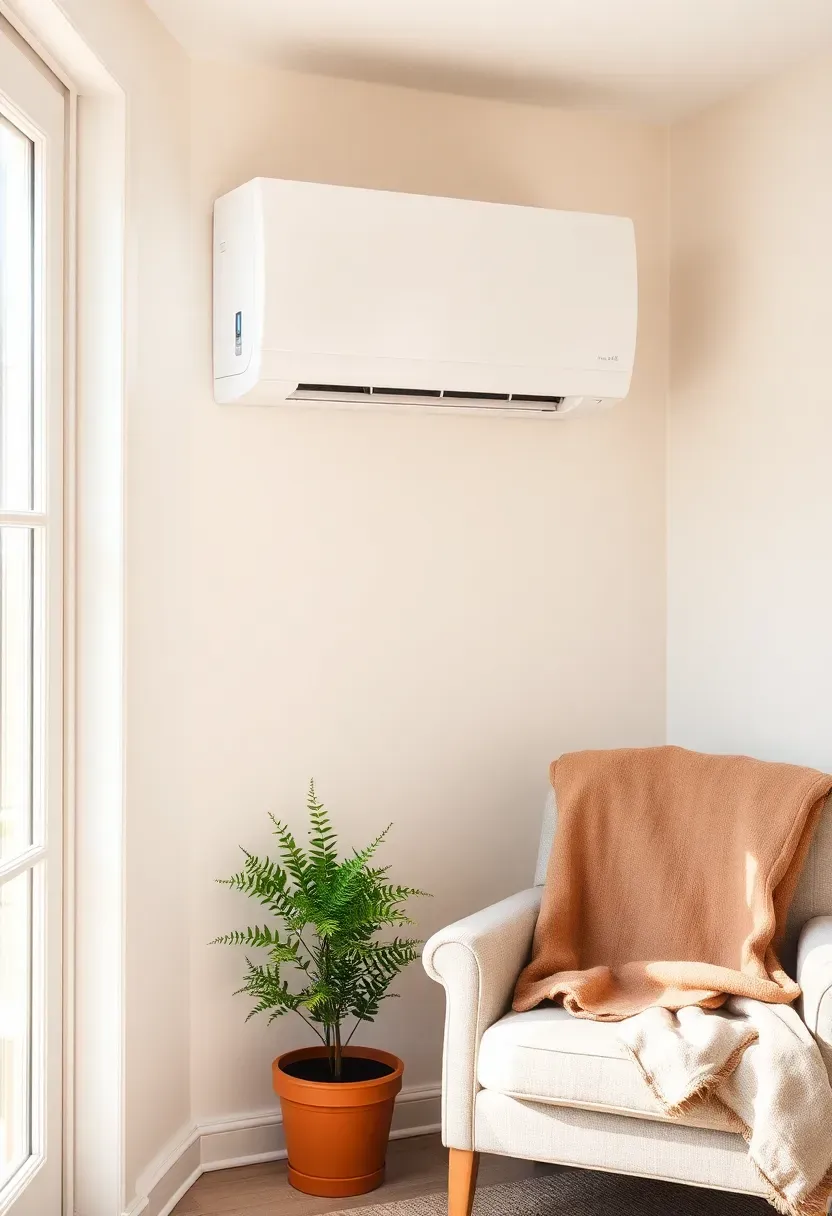
A ductless mini-split heat pump is the professional-grade answer. The system consists of an outdoor compressor unit connected by refrigerant lines to one or more indoor wall-mounted heads. Because it is a heat pump rather than a simple resistive heater, it moves heat rather than generating it, achieving efficiency ratios of three to four units of heat per unit of electricity consumed. In summer, it reverses to act as an air conditioner. Modern inverter-driven units operate reliably down to -13°F (-25°C) outdoor temperature.
A single-zone mini-split sized at 9,000 to 12,000 BTU covers most sunrooms up to 400 square feet comfortably.
Pros and Cons
Pros: Provides both heating and cooling from one system; highly efficient; no ductwork required; precise temperature control with remote or app; relatively quiet indoor operation
Cons: Requires professional installation for refrigerant work; outdoor compressor unit is visible from the garden; upfront cost is higher than portable heaters
8. Thermal Curtain Panels on Ceiling Track
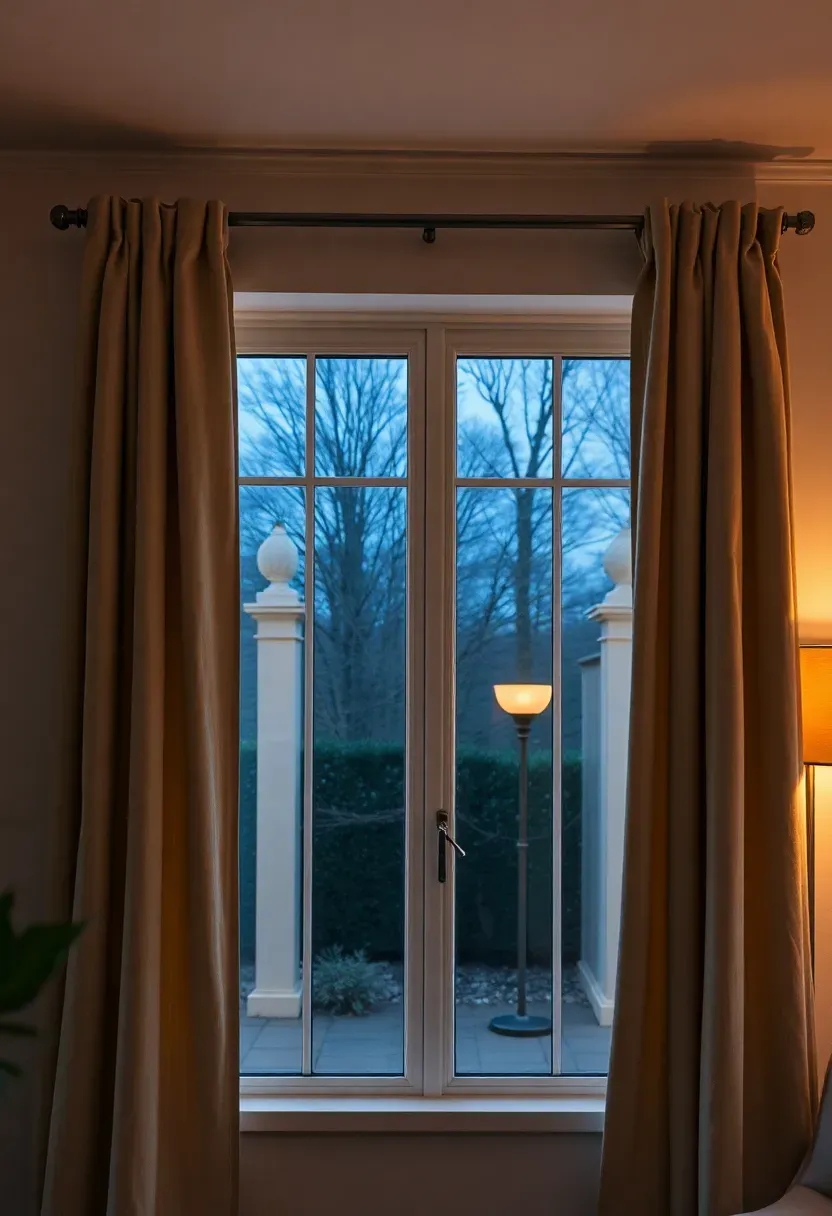
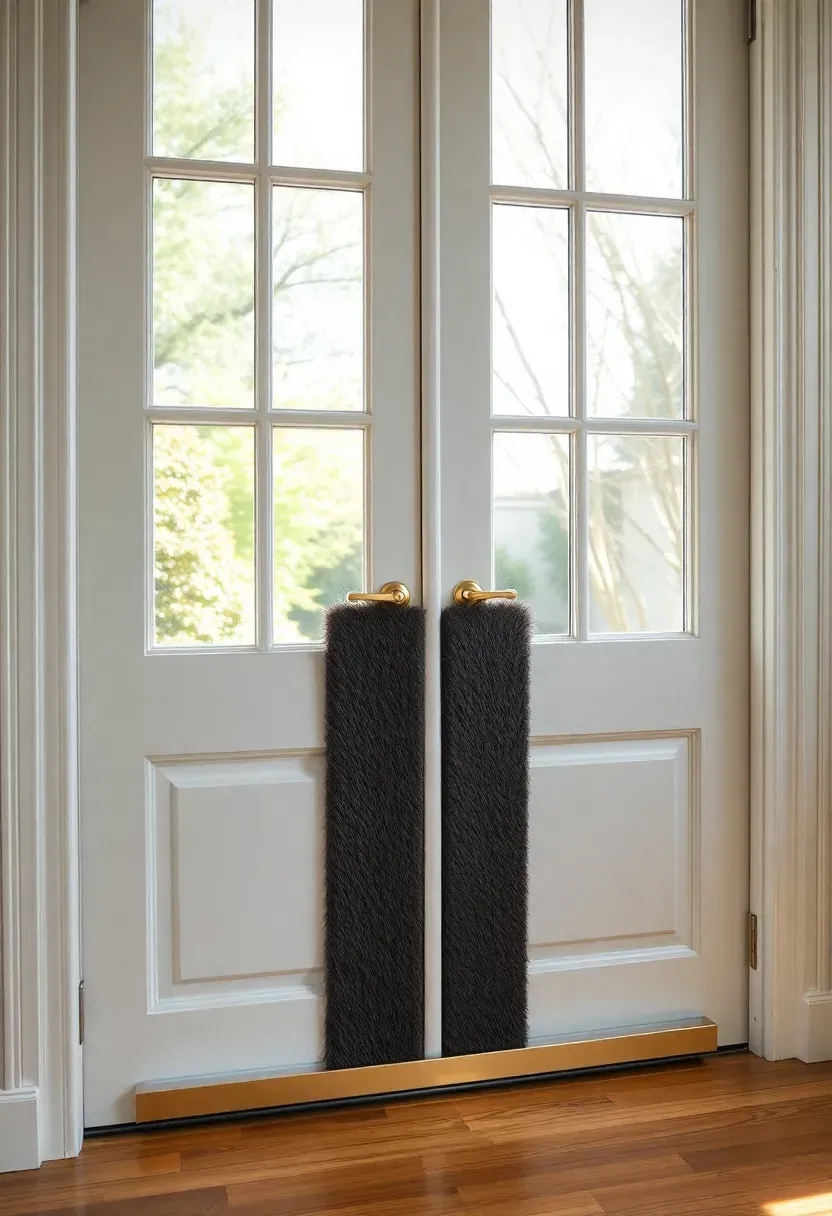
A ceiling-mounted track that runs the full perimeter of your sunroom's glazed walls allows floor-to-ceiling thermal curtains to close off the entire glass envelope in a single sweep. At night in winter, this creates a second skin that traps a layer of still air between the curtain and the glass — a remarkably effective low-tech insulation strategy.
During the day, the panels stack neatly at each side, taking up minimal space. For the best thermal performance, choose curtains with a thermal interlining and a floor-length hem that meets the floor without gaps. A small Velcro strip at the baseboard prevents the curtain from billowing inward and breaking the air seal.
Step 1: Install a Ceiling-Mounted Track
Use a continuous bendable track that follows the curve of any bay or angled walls. Most aluminum systems can be bent on site to follow irregular layouts.
Step 2: Choose the Right Fabric
A face fabric with 180-200 GSM weight, combined with a thermal interlining and a white or silver blackout backing, provides both insulation and full light control.
Step 3: Ensure the Bottom Seals
Add a weighted hem or Velcro seal at the floor to eliminate the cold draft that flows under loose curtains.
What to Watch Out For
- Ceiling tracks require solid ceiling substrate for the brackets; check structural capacity
- Long curtain panels need regular steaming to prevent creases from stacking
- In a high-humidity sunroom with plants, choose mold-resistant fabric finishes
Recommended
Items for this idea
9. Weatherstripped French Door Upgrades
The French doors between your home and the sunroom are often the single largest thermal weak point in the entire structure. Even well-fitted doors develop gaps over time as frames shift seasonally, and the standard compression seals that come with most doors fail within a few years.
Comparing Options:
Standard Compression Strip
The strip that ships with most interior French doors. Works adequately for interior drafts but compresses permanently over time, creating gaps that let cold air pass freely.
High-Performance Brush Seal + Threshold
A pile brush seal around the door perimeter combined with an automatic threshold that drops a sealing strip when the door closes provides a far more durable solution. The threshold in particular eliminates the cold floor draft that makes you feel cold even when the room is at a reasonable air temperature.
What to Choose
Choose standard compression strip if: the sunroom is used only in spring and autumn and budget is the primary constraint
Choose high-performance brush seal + threshold if: the sunroom is a four-season room, year-round comfort is expected, or there is a noticeable draft under existing doors
Recommendation
Add an insulated door sweep to the bottom of every French door panel, and apply a foam backer rod in any visible gaps around the frame before adding the final weatherstrip. The combined investment is modest and the improvement in draft reduction is immediate.
10. Cork Underlayment Beneath Tile
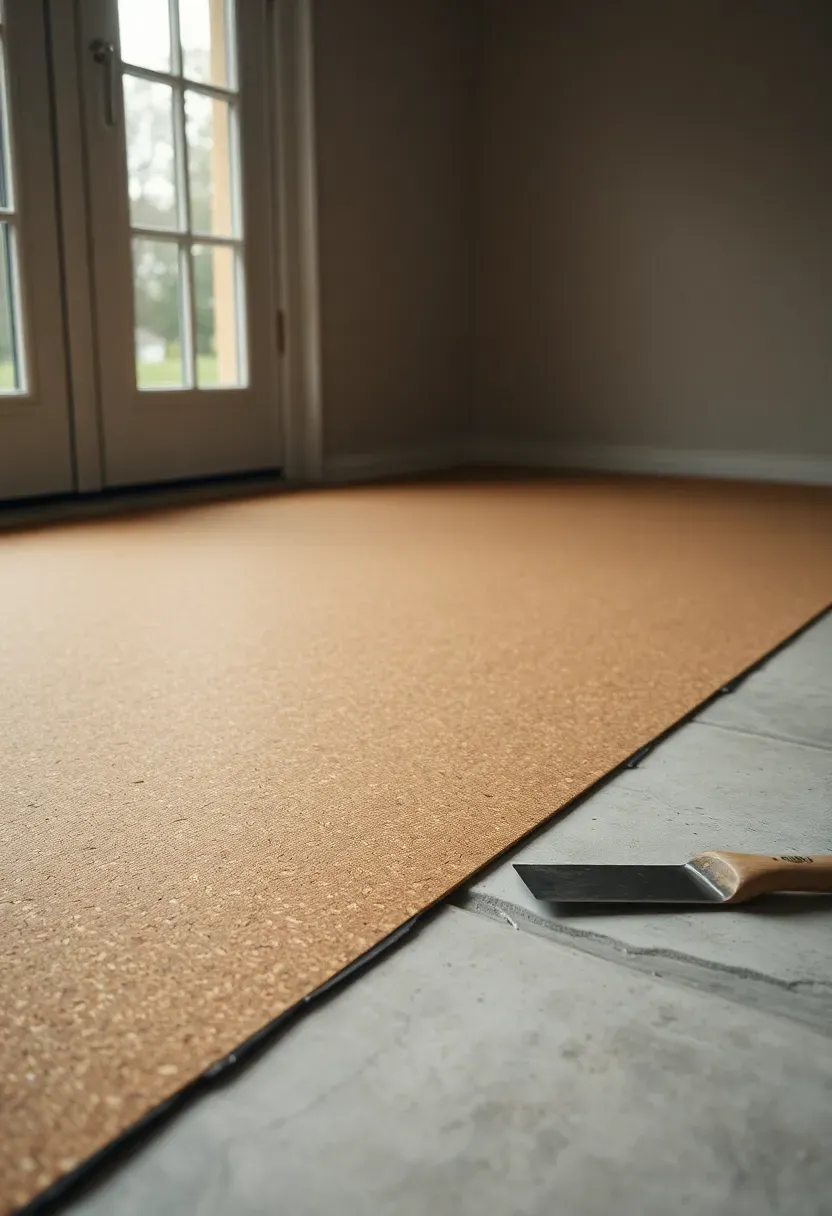
Tile and stone flooring look beautiful in sunrooms and wear extremely well, but they conduct heat away from your feet efficiently — which is the opposite of comfortable in a room that is already fighting cold infiltration. Cork underlayment installed between the subfloor and the tile surface adds a thermal break that keeps the surface temperature noticeably warmer while also improving acoustic comfort.
Cork is naturally resistant to mold and moisture, dimensionally stable, and compressible enough to absorb the slight subfloor variations that can cause large-format tiles to crack over time.
Tips / Practical Recommendations
- Use 6mm cork underlayment as a minimum; 10-12mm provides better insulation but raises floor height, which may affect door thresholds
- Ensure all sunroom floor penetrations (pipe chases, cable entries) are sealed before laying cork to prevent cold drafts rising through the floor structure
- Cork underlayment is compatible with electric radiant heating mats — combine both for maximum floor warmth
- Once tile is laid, a grout with a slight warm tone (sand or buff rather than bright white) reads as warmer in winter light
Recommended
Items for this idea
11. Interior Wall Insulation Wraps
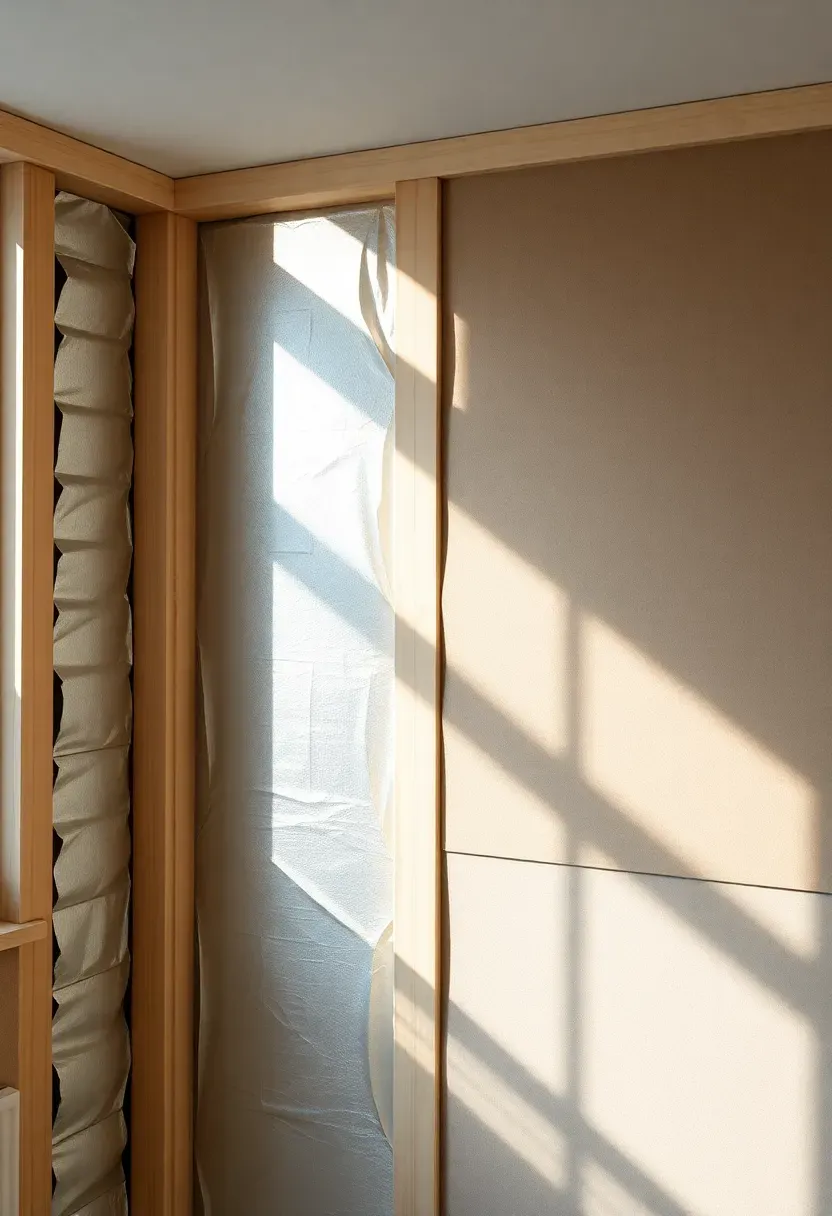
Masonry or timber stud walls shared between the sunroom and the garden or adjacent structures can transmit cold into the room even when the glazing is well-insulated. An interior insulation wrap — rigid foam board faced with a decorative finish material — adds thermal mass and cuts infiltration without requiring external excavation or structural work.
Slim-profile rigid polyisocyanurate board (PIR) at 25-50mm thickness provides excellent R-values for the space consumed. Face it with a moisture-resistant plasterboard for a seamless wall finish that can be painted or clad in thin timber paneling.
Step 1: Identify the Cold Walls
Use a thermal camera or hold your hand close to each wall surface on a cold day — you will feel which walls are significantly colder than the air.
Step 2: Install Battens
Horizontal 38mm timber or metal battens at 400mm centers create the void for the insulation board and provide a fixing point for the face material.
Step 3: Fit the Insulation
Cut PIR board to fill each bay, tape all joints with foil tape, and seal the perimeter with acoustic sealant.
What to Watch Out For
- Always maintain a vapour control layer facing the warm room side to prevent condensation within the wall buildup
- Keep insulation clear of door frames and window reveals; fill these separately with expanding foam
- Check that the added wall thickness does not obstruct any planned furniture placement
12. Outdoor Privacy Screen Panels
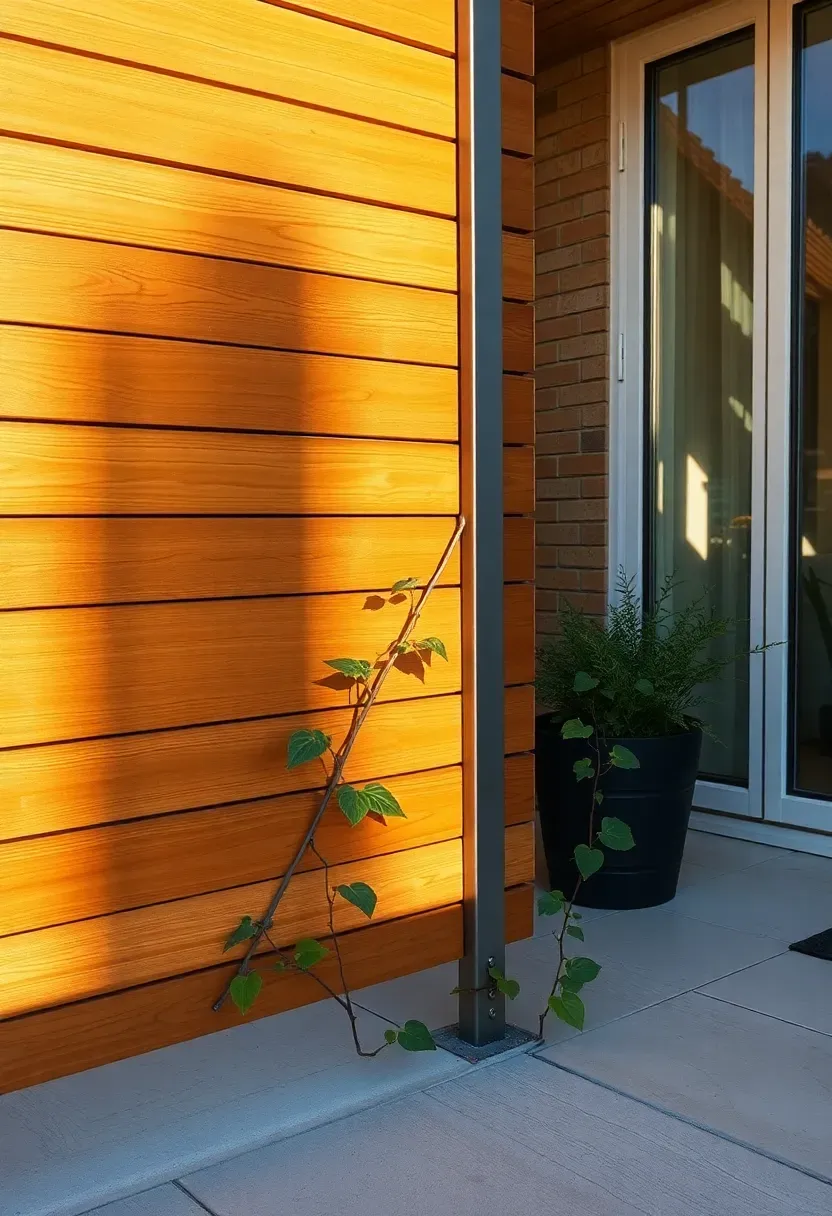
Sometimes privacy is most efficiently addressed on the exterior. A freestanding or wall-mounted screen panel positioned outside the sunroom's most exposed glazing reduces visibility from neighboring gardens, passing pedestrians, or adjacent driveways — without any window treatment inside the room that might block light or require daily adjustment.
Slatted hardwood, powder-coated steel, polycarbonate, or laser-cut aluminum panels all offer full-exterior privacy with a range of aesthetic options. The gap between the screen and the glass also provides a buffer against prevailing wind that can significantly reduce infiltration through window seals.
Tips / Practical Recommendations
- Angle the slats at 15-25 degrees from horizontal to allow light in from above while blocking lateral lines of sight
- Plant climbing evergreens against the screen's outer face to integrate it into the garden and provide additional insulation through the vegetation layer
- Ensure the screen posts are set in concrete footings below the frost line to prevent heaving and leaning
- Leave a 200mm gap between the screen and the glass to allow air circulation and prevent moisture accumulation
Recommended
Items for this idea
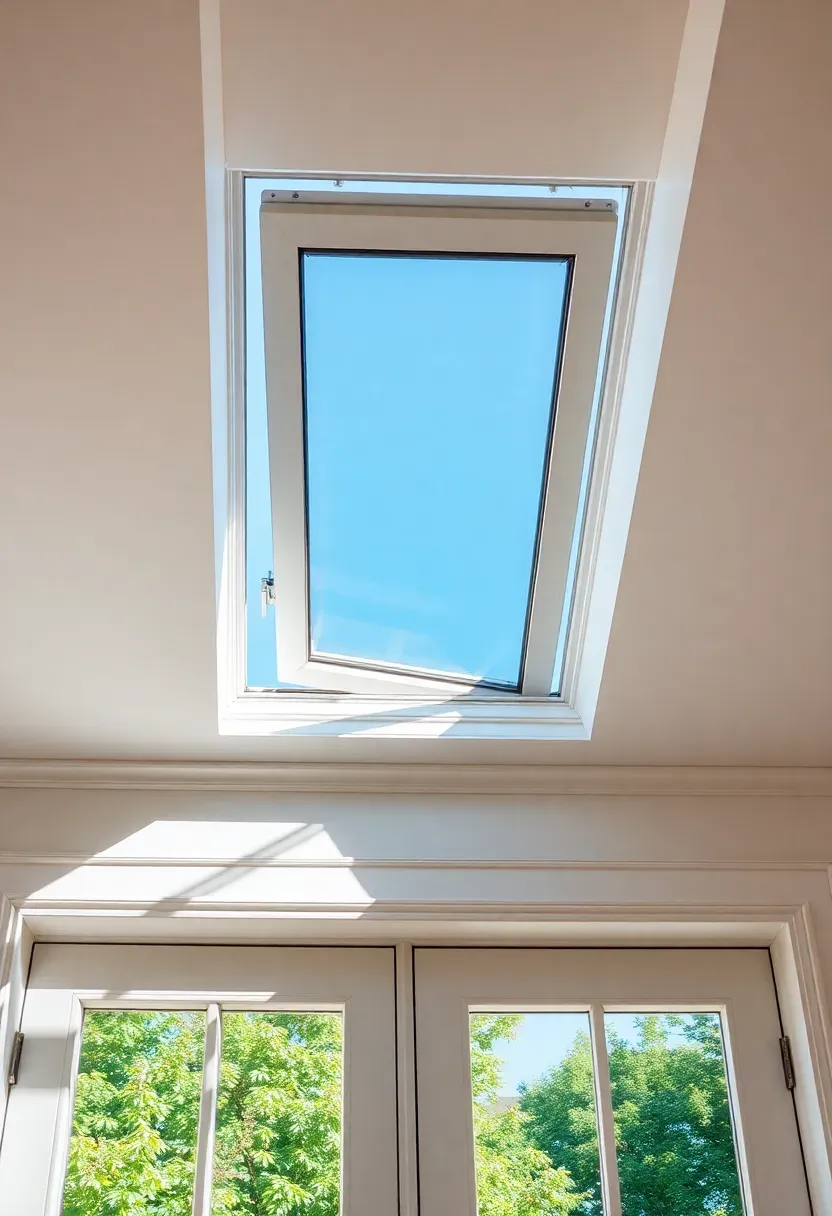
13. Transom Window Ventilation Strategy
An enclosed sunroom that is well-insulated for winter faces an equally pressing problem in summer: overheating. A room wrapped in glass and facing the sun can reach temperatures twenty degrees above the outside air temperature within hours, making it uninhabitable from late morning onward. The most passive and reliable solution is strategic ventilation through transom windows.
Transom windows positioned above the main glazing panels operate on the stack effect: hot air rises and escapes through high-level openings, drawing cooler air in from low-level openings on the shaded side of the room. When properly sized and positioned, this natural ventilation can keep a sunroom fifteen to twenty degrees cooler than a closed version of the same space.
Comparing Fixed vs. Operable Transoms
Fixed Transom Windows
Add architectural detail and allow light transmission but provide no ventilation. Common in historical-style sunrooms.
Operable Transom Windows
Open with a push rod or chain operator. Essential for thermal management in warm climates. Can be motorized for integration with a temperature-controlled automation system.
What to Choose
Choose fixed if: the sunroom is used primarily in winter and spring, or a mini-split air conditioner handles summer cooling
Choose operable if: natural ventilation is preferred, summer overheating is a documented problem, or the room is on the south or west face of the house
Recommendation
Pair operable transom windows at the top of the sunniest glazed wall with a low-level opening on the opposite shaded side for maximum cross-ventilation and stack effect.
14. Ceiling Fan with Reversible Motor
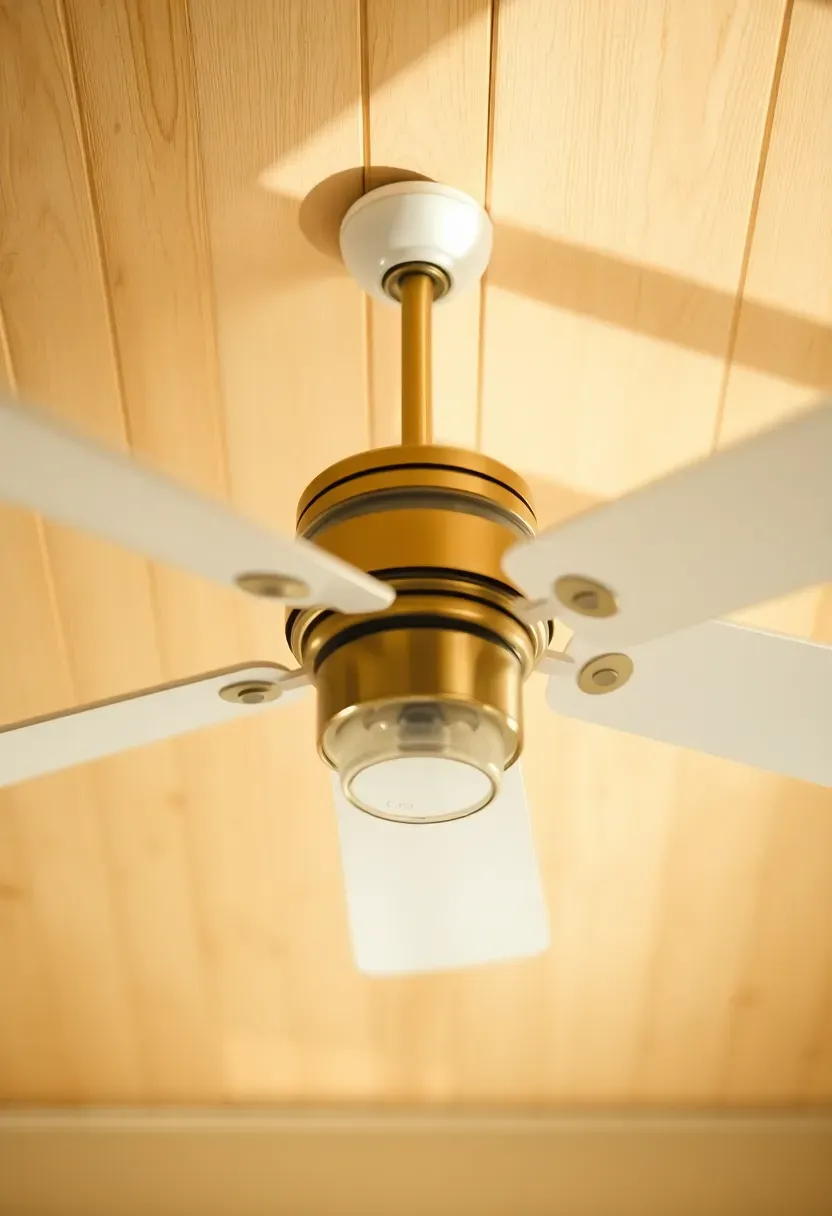
Ceiling fans are typically associated with summer cooling, but a fan with a reversible motor serves an equally useful function in winter. In the cold season, running the fan at low speed in reverse (clockwise when viewed from below) pushes the warm air that has risen to the ceiling back down along the walls, recirculating it into the occupied zone without creating the cold-feeling draft that a downward-blowing fan produces.
In summer, the fan runs counter-clockwise at higher speed, creating the wind-chill effect that makes the room feel several degrees cooler than it actually is — which may be enough to reduce air conditioning use significantly on mild days.
Tips / Practical Recommendations
- Select a fan sized to the room: 52-inch span for sunrooms up to 200 square feet, 60-inch or larger for bigger spaces
- Choose a damp-rated fixture if the sunroom has high humidity from plants or frequent door opening to the outdoors
- Position the fan so the blades are at least 7 feet from the floor for safety and adequate clearance
- Use the lowest speed setting in winter reverse mode to maximize heat redistribution without creating perceptible air movement
Recommended
Items for this idea
15. All-Weather Upholstered Furniture
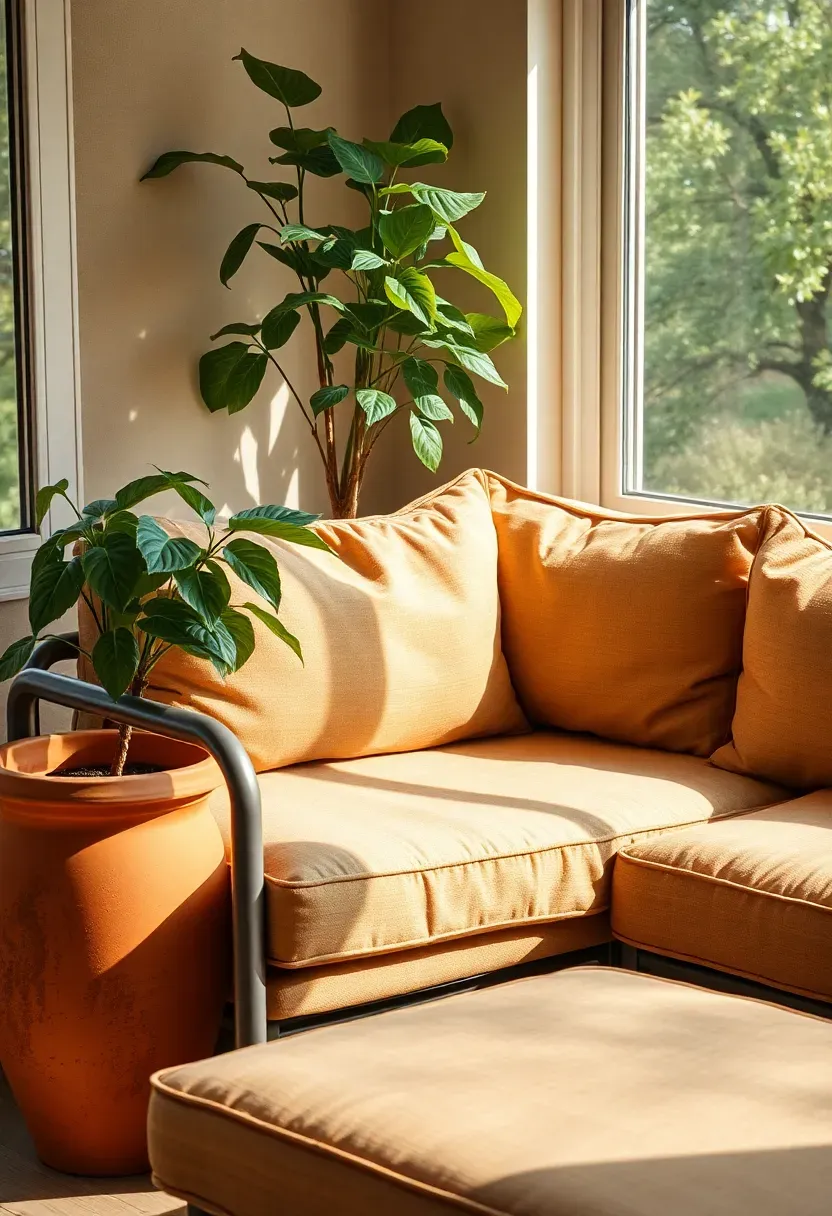
Standard indoor furniture deteriorates rapidly in sunrooms. Temperature fluctuations, condensation, UV exposure through glass, and occasional humidity from plants or open doors cause wood joints to crack, upholstery to fade, and metal hardware to corrode. Furniture labeled for all-weather outdoor use is engineered to survive these conditions while looking as refined as traditional indoor pieces.
Solution-dyed acrylic fabrics resist UV fading and dry quickly after moisture exposure. Powder-coated aluminum and teak or eucalyptus wood frames handle temperature cycling without warping. Foam cores rated for outdoor use resist mold growth rather than holding moisture like standard furniture foam.
Tips / Practical Recommendations
- Look for ASTM G-155 rating on fabrics for verified UV resistance over a multi-year test period
- Avoid furniture with stapled upholstery at the base — staples rust and release, causing premature fabric failure in humid conditions
- Choose removable, washable cushion covers in a sunroom where coffee spills and muddy pet paws are part of life
- Dark frame colors absorb radiant heat and can become uncomfortable to touch on sunny days; lighter powder-coat finishes stay cooler
16. Layered Rug System for Warmth
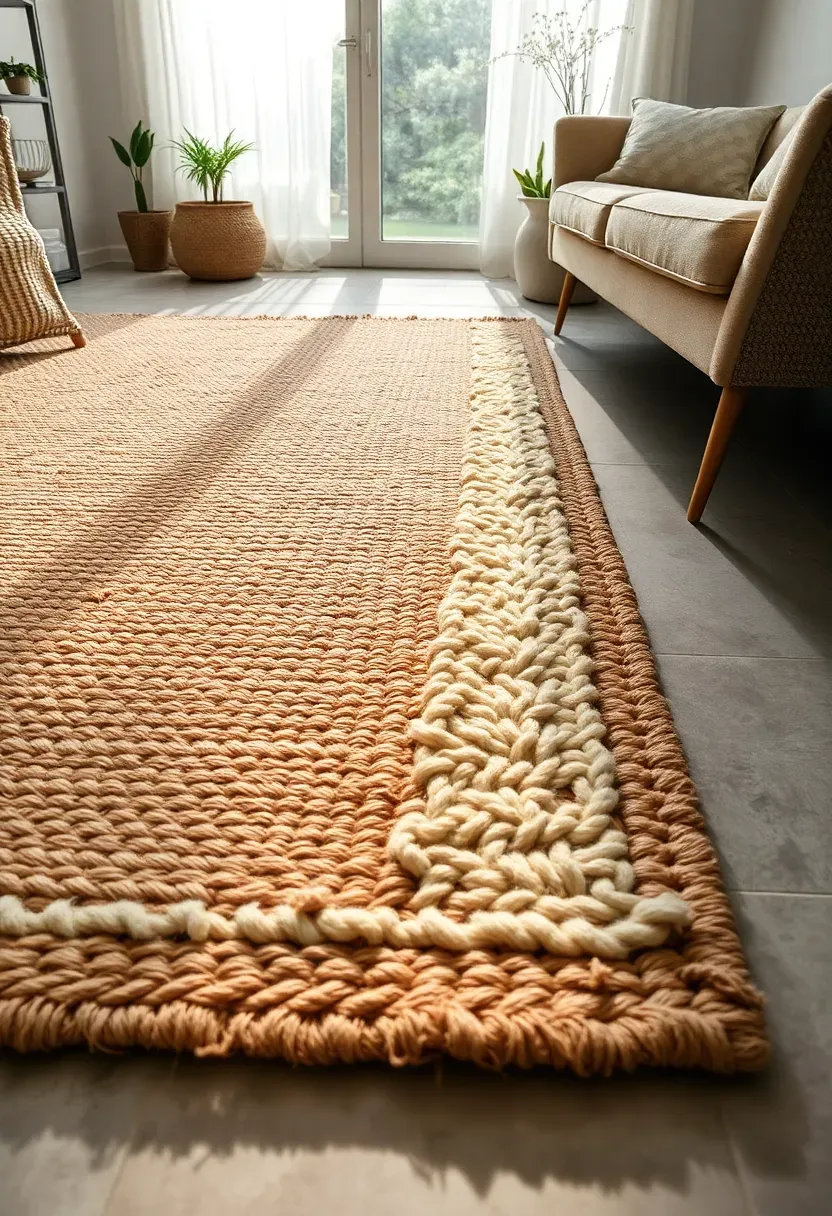
Why do we still treat sunroom floors as if they are outdoor spaces? A layered rug system transforms a cold tile surface into the warmest and most inviting floor in the house, and it does so without any structural modification.
Start with a large, flat-woven jute or sisal rug that covers the majority of the floor area. This base layer adds texture and warmth immediately while providing a natural non-slip foundation. Layer a smaller, thicker wool or chenille rug on top, positioned in the primary seating area. The air trapped between the two layers adds insulation, the textural contrast adds visual depth, and the wool upper layer provides genuine foot warmth that a single flat rug cannot match.
Comparing Single vs. Layered Approach
Single Large Rug
Simpler to clean, less visual complexity. Adds warmth but provides no insulation between layers.
Layered Rug System
Higher warmth factor, more visual interest, and the ability to change the upper layer seasonally — a lighter sisal on top in summer, a heavy wool in winter.
What to Choose
Choose a single rug if: the sunroom floor already has radiant heating, or if frequent cleaning is a priority and layered rugs seem impractical
Choose a layered system if: the floor is cold tile or stone, there is no radiant heat, and the sunroom is used year-round as a primary sitting room
Recommendation
For a sunroom that serves as a true year-round room, the layered system is worth the extra effort. The physical warmth underfoot changes how long guests want to stay.
Recommended
Items for this idea
17. Portable Electric Fireplace
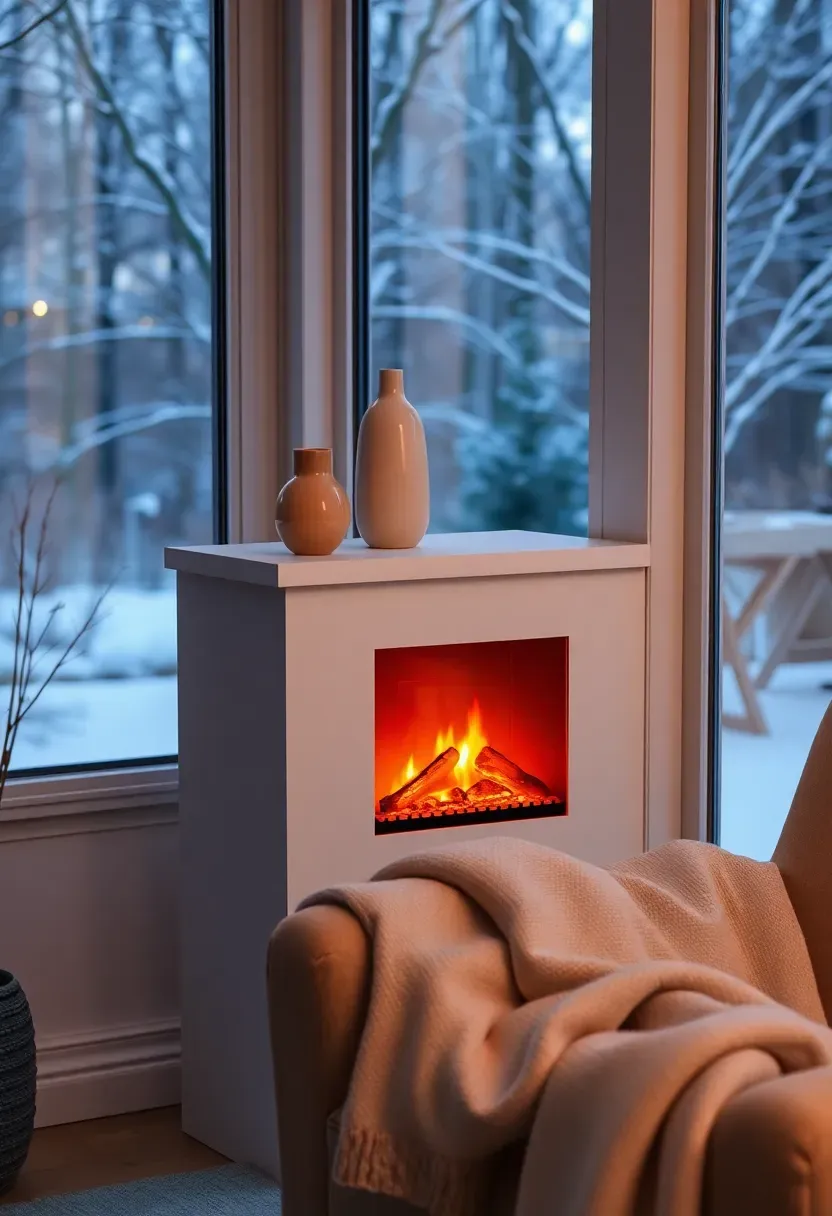
For sunrooms that reach the required temperatures most of the time but need a boost on the coldest days, a portable electric fireplace provides targeted supplementary heat without any permanent installation. Modern electric fireplaces with LED flame simulation are convincingly realistic and provide both infrared radiant warmth and fan-assisted convection, making them effective in sunrooms up to 400 square feet.
The portability is a genuine advantage: move the unit to the corner you are sitting in rather than heating the entire room uniformly, and shut it off when the sun handles the warmth on its own.
Step 1: Choose the Output
1,500 watts is the standard output for US 120V outlets, which is adequate for moderately insulated sunrooms. Look for a thermostat and programmable timer.
Step 2: Position for Safety and Airflow
Place the unit at least 3 feet from upholstered furniture and curtains, and ensure the intake grille on the back or sides is not blocked by a wall or stored items.
Step 3: Style the Installation
An electric fireplace insert set into a simple surround of painted MDF with a floating shelf above reads as a permanent design feature rather than a portable appliance.
What to Watch Out For
- Never use a portable electric fireplace on an extension cord — always plug directly into a wall outlet at the appropriate amperage
- Some units produce ozone as a byproduct; choose a model without ionizer function for enclosed spaces
- In a sunroom with plants, opt for convective rather than infrared heat, which can scorch foliage if placed too close
18. Blackout Blinds for Summer Heat Control
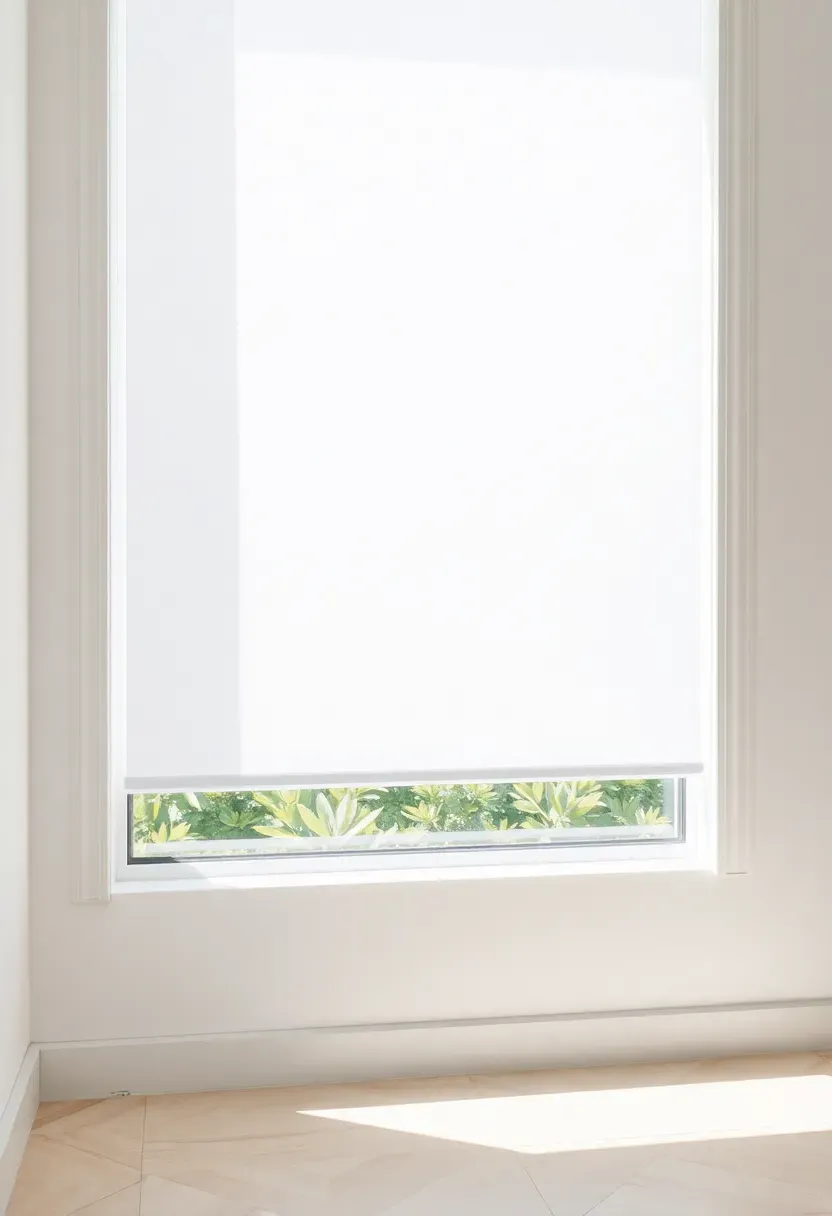
The same glazing that floods the room with winter light turns it into an unwanted greenhouse on a July afternoon. External shading is the most efficient solution, but internal blackout roller blinds offer a practical alternative for sunrooms where external installation is not feasible.
A blackout roller blind with a white or reflective backing reflects solar radiation before it enters the room rather than absorbing it. The difference between a white-backed and a standard dark roller blind in terms of solar heat gain is measurable — as much as a fifteen to twenty percent reduction in heat gain on south-facing windows.
Step 1: Measure and Mount
Inside-mount cassette systems with side channels minimize the gap between the blind and the glass, reducing the chimney effect where hot air rises between blind and pane.
Step 2: Use on a Timer or Sensor
A smart blind system that automatically closes when a temperature sensor detects the room exceeding a set point keeps the room comfortable without requiring manual intervention mid-afternoon.
Step 3: Pair with Ventilation
Close the blackout blinds on the sunniest windows and open transom vents or high windows on the shaded side simultaneously for maximum cooling effect.
What to Watch Out For
- White-backed blinds show dirt from the room side far more readily than fabric-faced versions; choose a wipeable coated backing
- Even reflective blinds trap heat between the blind and the glass; ensure some ventilation in this cavity to prevent heat buildup that can damage window seals over time
- Consider motorized systems for ceiling-height windows that are not accessible manually
Recommended
Items for this idea
19. Year-Round Plant Wall for Insulation and Privacy
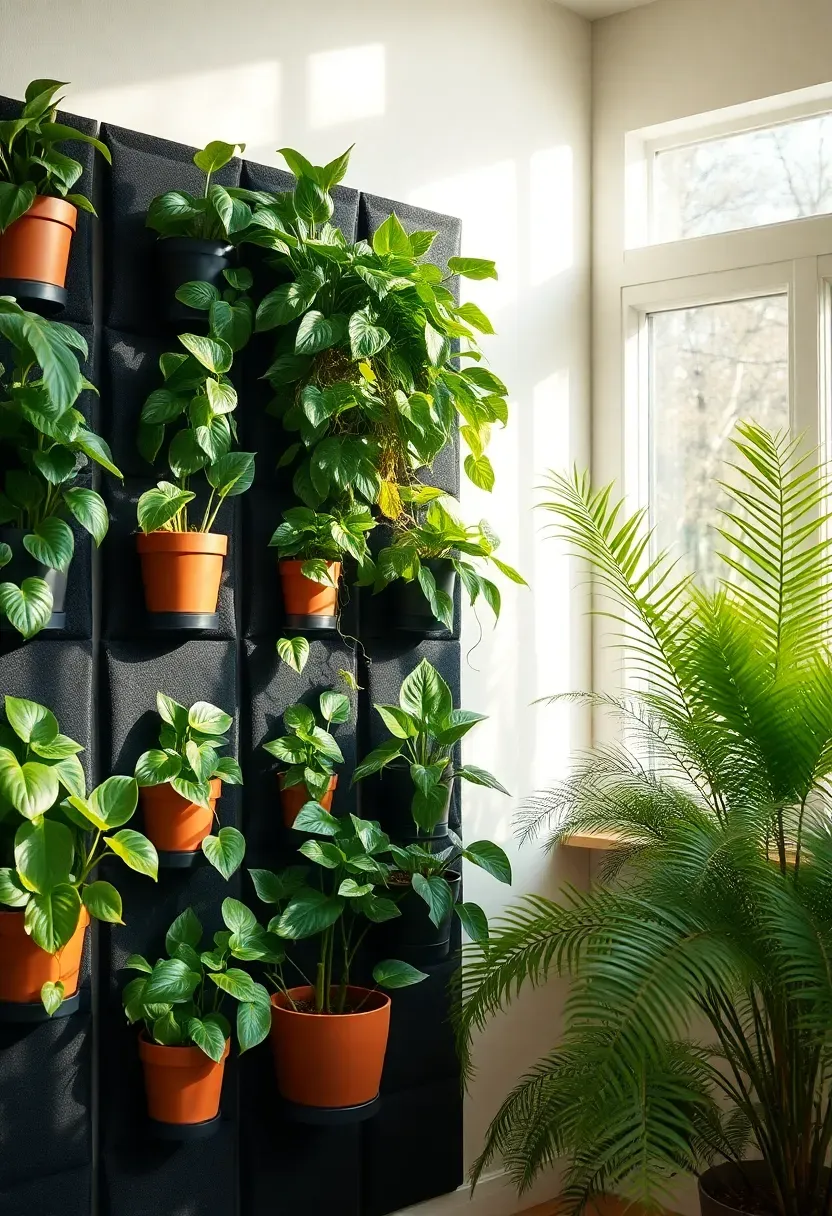
The final idea is the one that makes an enclosed sunroom feel fundamentally different from a room that simply happens to have glass walls. A living plant wall — a framework of individual planters or a felt pocket system covering an interior wall — serves multiple practical functions beyond aesthetics. Dense foliage absorbs sound, moderates humidity, and creates a visual screen for any interior window or glazed wall facing a view you would prefer not to see.
From a thermal standpoint, a planted wall adds thermal mass: the growing medium, moisture, and root structure store warmth and release it slowly, smoothing out the temperature swings that make sunrooms uncomfortable. The plants also release water vapor through transpiration, which prevents the dry winter air problem that electric heating creates.
Tips / Practical Recommendations
- Choose species that thrive in high-light, fluctuating-temperature conditions: pothos, philodendron, ferns, and spider plants are all excellent starting points
- Use a self-watering reservoir system built into the frame to make maintenance manageable — daily watering of a full plant wall is impractical without it
- Inspect the wall structure before installation; a fully planted felt system can weigh forty to sixty kilograms when wet, requiring solid backing
- Position the plant wall on the interior partition rather than against exterior glazing to prevent cold damage to roots in deep winter
Quick FAQ
Is an enclosed sunroom truly usable in winter without additional heating? A well-insulated enclosed sunroom — with double-glazed or low-E panels, insulated roof, and thermally lined curtains — can stay at a comfortable ambient temperature during mild winters without supplementary heating during daylight hours. Once outdoor temperatures fall consistently below 35°F, some form of active heating such as a mini-split or radiant floor system becomes necessary for genuine all-day, all-season use.
Should I address privacy from inside or outside the sunroom? Both approaches work, and the best enclosed sunrooms use them in combination. Interior treatments like frosted film, Roman blinds, and honeycomb shades provide adjustable privacy that you can modify throughout the day. Exterior screens or strategically planted evergreens provide permanent screening without reducing interior light levels at all. If the privacy need is from a fixed direction — a neighbor's upper window, for example — an exterior screen is often the more efficient and less obtrusive solution.
What is the difference between a three-season and a four-season sunroom? A three-season room is typically a screened or single-glazed structure suitable for spring, summer, and autumn in mild climates. A four-season room (also called an all-season room) is built to the standard of conditioned living space, with insulated glazing, insulated roof panels, weatherstripped doors, and an independent HVAC system. The distinction matters primarily for building permits, property tax assessments, and resale value — a four-season room typically adds more measurable value to a home than a three-season structure.
Which flooring holds up best in a sunroom that sees temperature extremes? Porcelain tile is the most durable option for sunrooms with significant temperature variation — it does not expand and contract the way wood does, and it handles moisture from plants, pet traffic, and tracked-in rain without warping. Luxury vinyl plank is a close second and much warmer underfoot. Solid hardwood is the most vulnerable in sunroom conditions and is generally not recommended unless the room is climate-controlled year-round and humidity is carefully managed.
Can I add insulation to an existing sunroom without a full renovation? Yes, and the most impactful additions are the ones that require the least structural work: applying frosted or solar-control film to existing glass, adding interior insulation wraps to solid walls, installing cellular honeycomb shades on all windows, fitting high-performance weatherstripping to doors, and laying a layered rug system over existing tile or concrete. Each of these upgrades can be completed independently and delivers measurable thermal improvement, even in an older sunroom that was never designed for winter use.
Trends in sunroom design come and go — the current enthusiasm for greenhouse-style black frames will eventually give way to something else — but the fundamentals of a genuinely comfortable enclosed sunroom do not change. You need glass that holds heat, floors that feel warm, doors and walls that do not leak, a heating system that works when the sun does not, and enough control over light and privacy to feel settled in the room at any hour. Start with whichever of these nineteen ideas addresses your most urgent problem right now, and build from there. An enclosed sunroom that you use every single day of the year is worth every considered choice that gets it there.
Pinterest cover for 19 Enclosed Sunroom Ideas for Privacy, Insulation, and All-Season Use
About the author
OBCD
CGI visualization and interior design content. We create detailed 3D renders and curate practical design ideas for every room in your home.