17 Kitchen Trends for 2026 That Redefine How We Cook and Gather
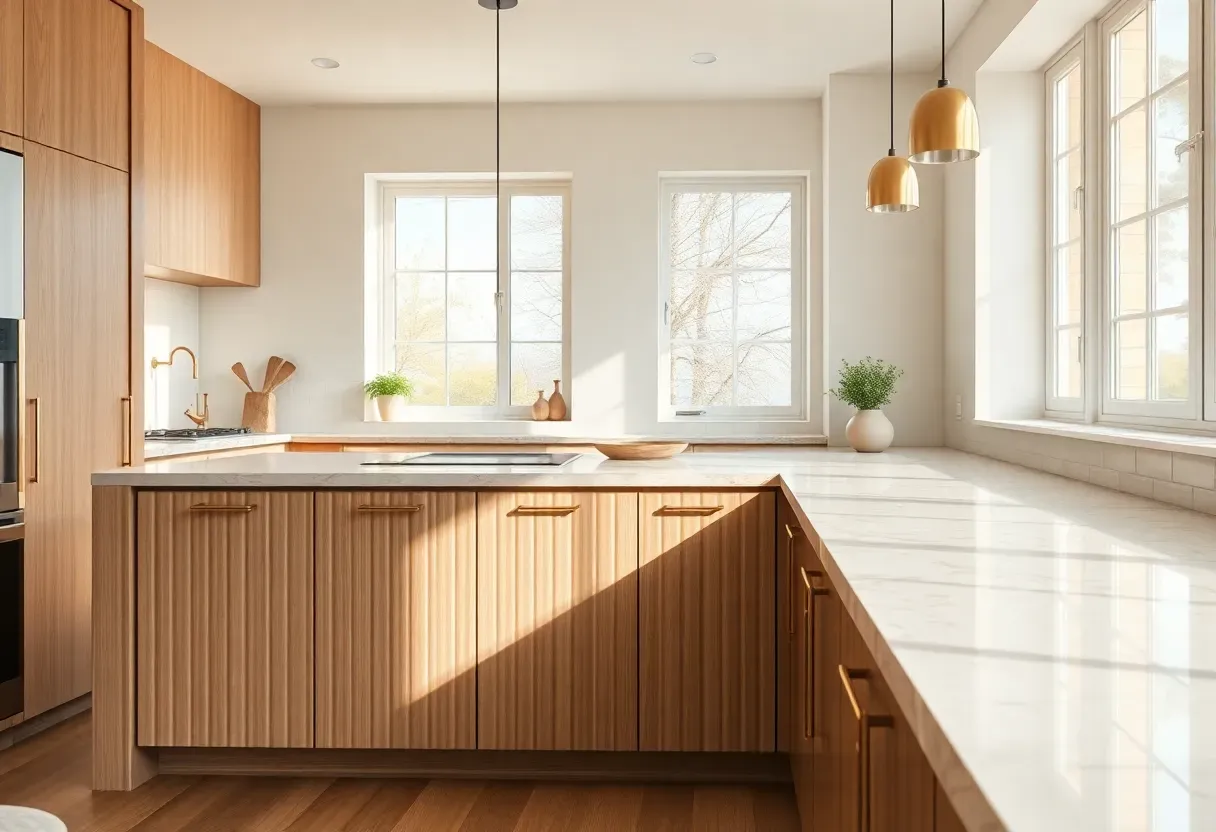
According to leading interior designers and renovation data from early 2026, the kitchen is shifting away from sterile showroom aesthetics toward spaces that feel genuinely lived in. Warm textures, organic materials, and intentional imperfection are replacing the ultra-polished look that dominated the last decade. Homeowners want kitchens that invite slow mornings and spontaneous dinner parties, not rooms that punish fingerprints and crumbs. The result is a wave of trends that balance beauty with real-life function.
Below you will find 17 trends shaping kitchens right now. We start with surface and color shifts, move through layout innovations, and finish with the technology quietly changing daily routines.
Table of Contents
- Fluted Wood Cabinetry
- Moody Earth-Tone Palettes
- Living Herb Walls
- Unlacquered Brass Hardware
- Curved Kitchen Islands
- Integrated Appliance Panels
- Open Shelving with Closed Storage Hybrids
- Terrazzo Countertops
- Warm LED Under-Cabinet Lighting
- Statement Range Hoods
- Pocket Door Pantries
- Zellige Tile Backsplashes
- Two-Tone Cabinet Layouts
- Waterfall Edge Counters
- Smart Faucets with Touchless Controls
- Concrete and Microcement Finishes
- Banquette Dining Nooks
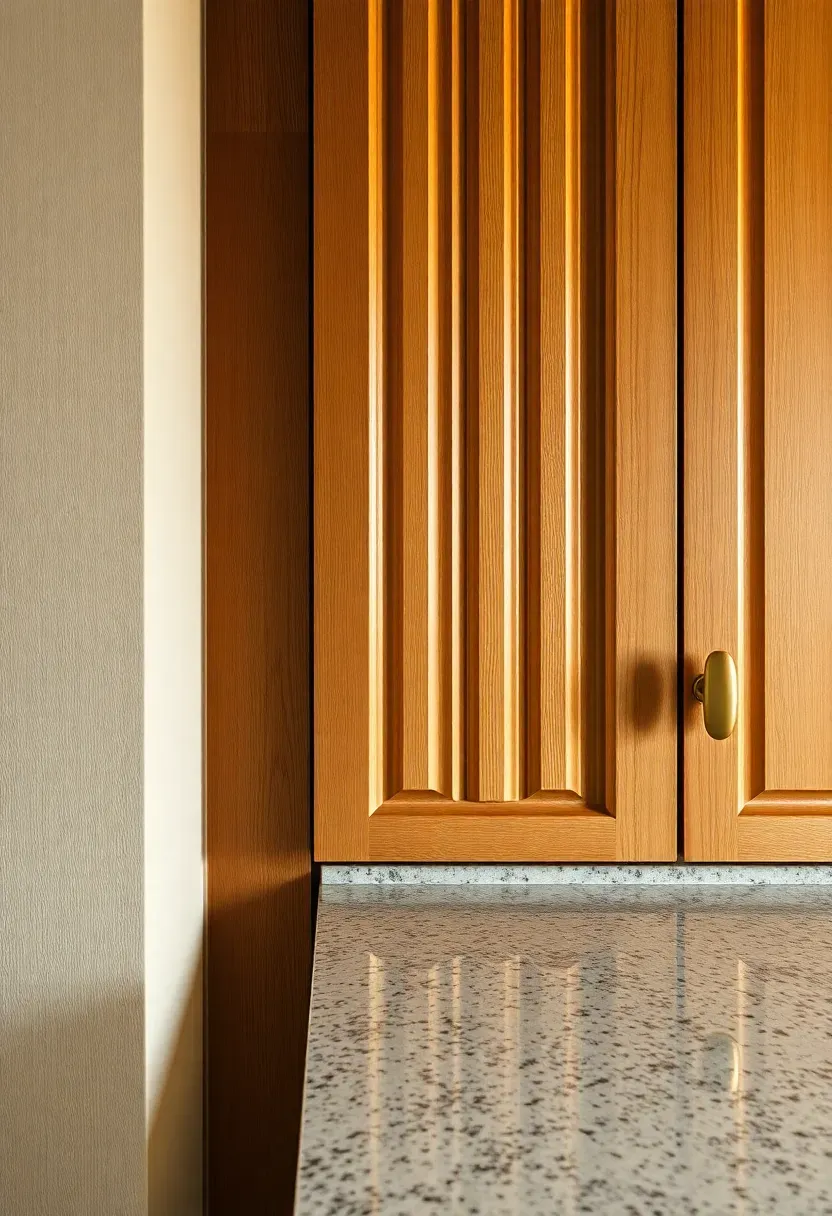
1. Fluted Wood Cabinetry
Origins
Fluted detailing traces back to classical architecture, where grooved columns added rhythm and shadow to stone facades. In furniture, reed-like channels appeared on mid-century sideboards before fading from mainstream design for decades.
Modern Interpretation
Today, fluted panels bring subtle texture to flat-front cabinetry without the fussiness of raised-panel doors. Designers favor white oak and walnut with vertical channels that catch light differently throughout the day. The effect feels handcrafted and warm, turning basic lower cabinets into a visual anchor. Unlike heavily ornate styles, fluted fronts pair easily with both modern hardware and rustic open shelving above.
How to Apply at Home
- Start with the island front only to test the look before committing to all cabinets
- Pair fluted doors with simple slab uppers for visual contrast
- Choose a matte finish to emphasize the groove shadows
- Keep hardware minimal — a slim pull or push-to-open mechanism works best
We picked a few things that go well with this idea: Handmade Unlacquered Solid Brass Cabinet Handle (★4.6), Unlacquered Brass Cabinet Pull Modern Style (★4.6) and Richmond Unlacquered Brass Cabinet Pulls (10-inch) (★5.0). As an Amazon Associate we earn from qualifying purchases.
2. Moody Earth-Tone Palettes
The Core Issue
All-white kitchens photograph beautifully but reveal every smudge, stain, and scratch in daily life. Many homeowners find themselves constantly wiping down surfaces and feeling like the room never looks clean enough despite constant effort.
The Solution
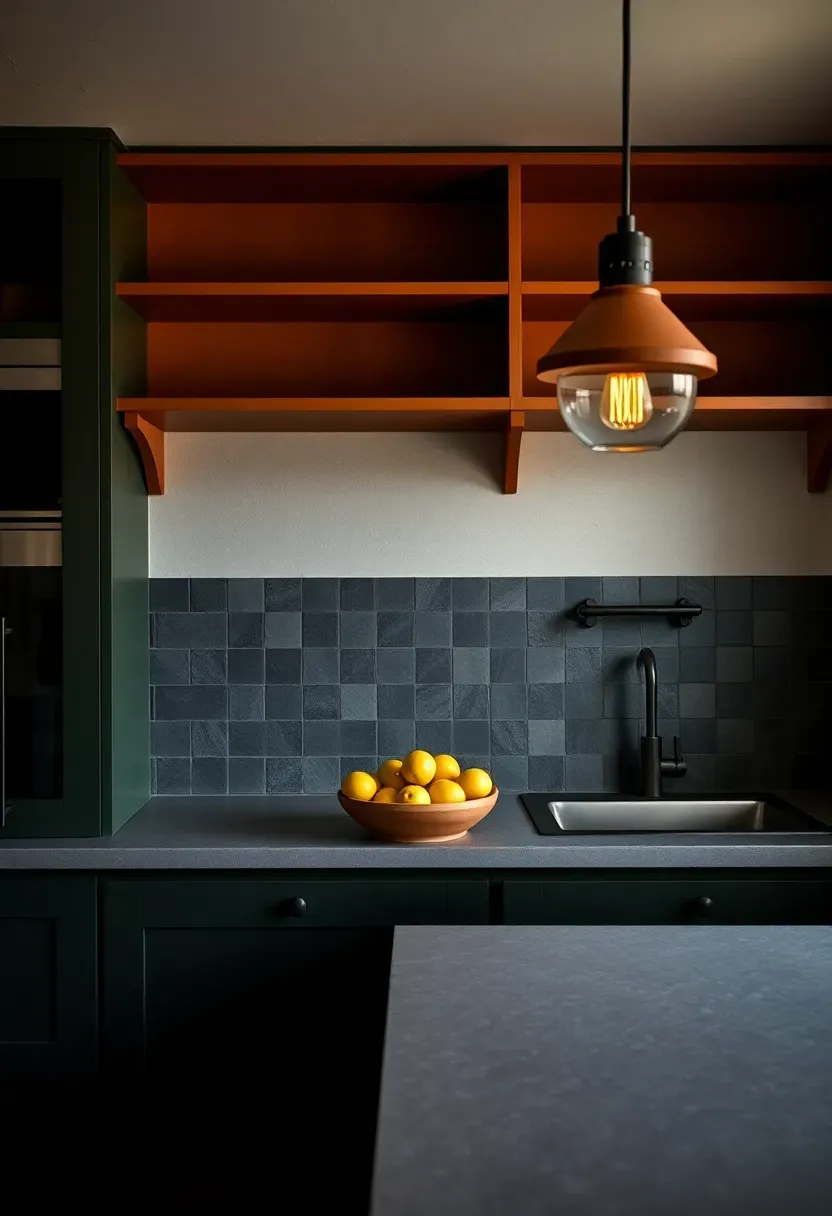
Moody earth tones — deep olive, warm clay, charcoal brown, and mushroom grey — hide wear while adding character. These colors ground a kitchen, making it feel anchored rather than floating in brightness. Matte finishes in these shades absorb light softly, reducing the clinical feel that high-gloss whites create. Pair dark lowers with lighter walls to prevent the space from feeling cave-like, and introduce natural wood or stone to break up the palette.
Pros and Cons
Pros: Hides daily wear, creates a cozy atmosphere, photographs with rich depth Cons: Requires good lighting to avoid feeling dark, shows dust more than fingerprints
We picked a few things that go well with this idea: DAYBETTER Under Cabinet LED Lights (6-Pack) (★4.3), Govee Warm White LED Strip (16.4ft) (★4.6) and WOBANE Under Cabinet LED Kit (6-Pack) (★4.4). As an Amazon Associate we earn from qualifying purchases.
3. Living Herb Walls
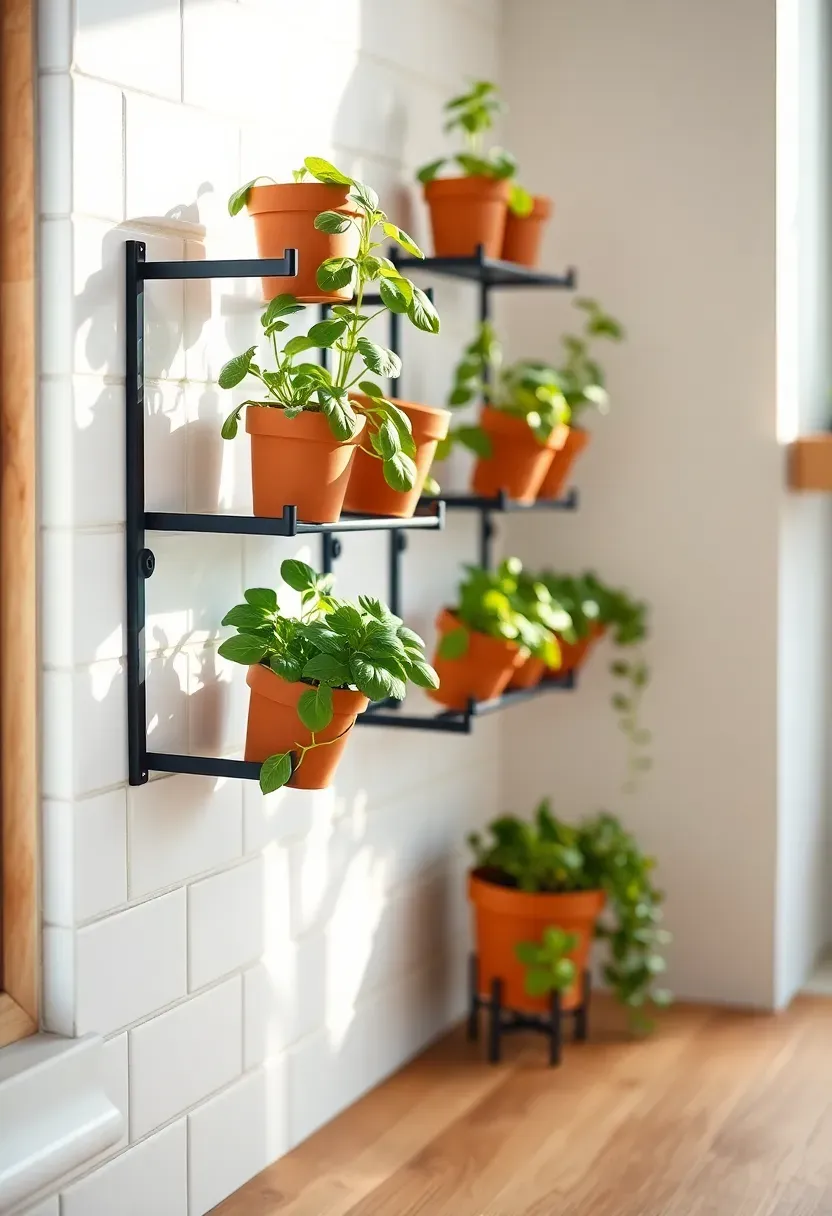
For centuries, kitchen gardens sat just outside the back door. The 2026 version brings that garden indoors, mounting herb planters directly on the kitchen wall or integrating hydroponic strips into the backsplash area. Fresh basil, mint, thyme, and rosemary grow within arm's reach of the cutting board.
Step 1: Choose Your System
Select between soil-based pocket planters or hydroponic wall units. Hydroponic systems require less maintenance but cost more upfront. Soil planters offer a more natural look and suit kitchens with strong natural light.
Step 2: Position Near Light
Mount the wall garden near a south-facing window or install a dedicated grow light bar above the planting area. Herbs need 6-8 hours of light daily, so placement matters more than the container you choose.
Step 3: Plan Drainage
Use planters with built-in drip trays or waterproof backing. Without proper drainage management, moisture will damage drywall within months.
What to Watch Out For
- Humidity from herb walls can affect nearby wood surfaces — seal or finish adjacent cabinets
- Rotate herbs quarterly as some varieties exhaust soil nutrients fast
- Avoid placing directly above heat-generating appliances
We picked a few things that go well with this idea: GIMILI Matte Black Touchless Kitchen Faucet (★4.2), Delta Essa Matte Black Touch Faucet (★4.3) and FORIOUS Black Touchless Faucet with Soap Dispenser (★4.6). As an Amazon Associate we earn from qualifying purchases.
4. Unlacquered Brass Hardware
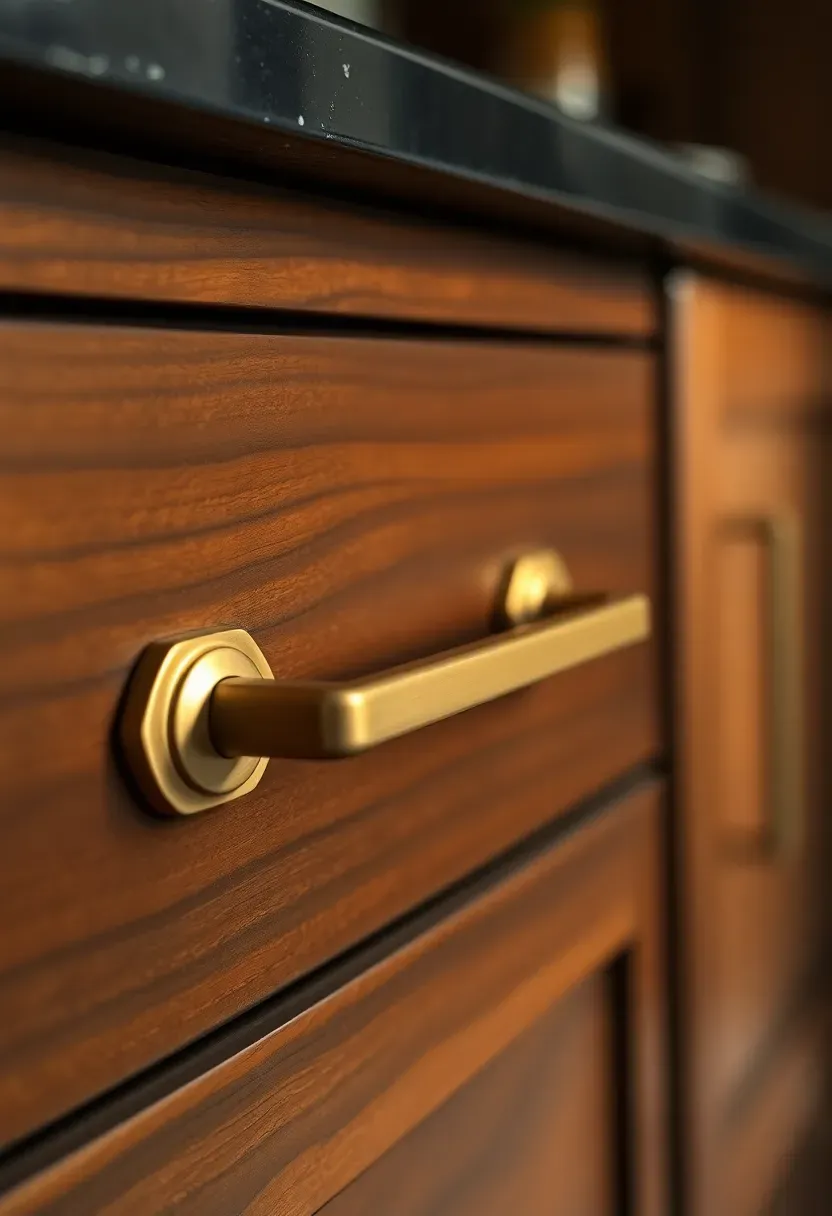
Unlacquered brass develops a living patina over time, shifting from bright gold toward a deeper, antique warmth. Unlike polished chrome or brushed nickel that aim for consistency, this finish celebrates aging. Each handle and knob tells its own story based on how often and where it gets touched. The areas gripped most frequently darken first, while edges retain brightness — creating an organic gradient that no factory finish can replicate.
Tips
- Accept the uneven patina as a feature, not a flaw — forcing uniformity defeats the purpose
- Pair with natural stone countertops and wood tones for a cohesive organic feel
- If you want to slow the aging process on certain pieces, apply a thin beeswax coat seasonally
Recommended
Items for this idea
5. Curved Kitchen Islands
Why Straight Lines Limit Flow
Rectangular islands create sharp corners that interrupt traffic flow, especially in open-plan kitchens where children and guests move freely. People instinctively give corners wide berth, which wastes floor space and creates awkward pinch points near the stove or refrigerator.
The Solution
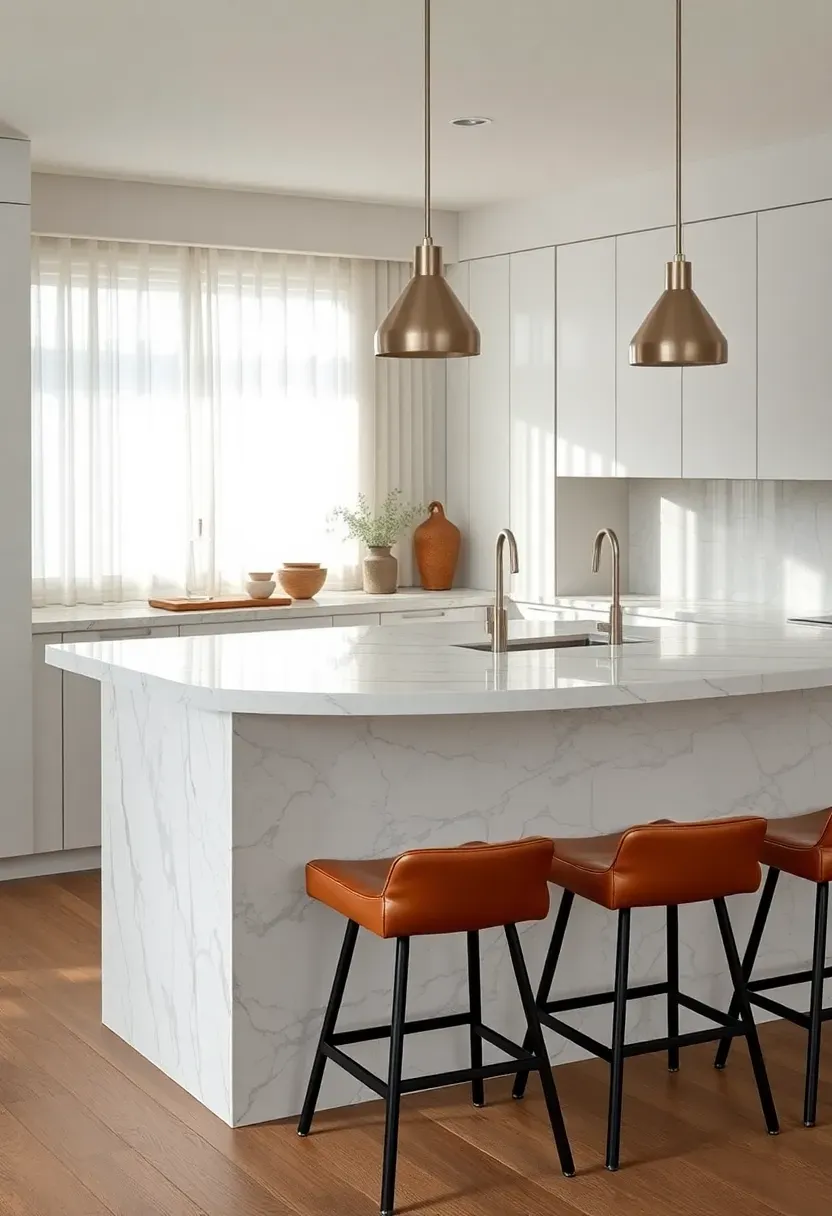
Curved or softly rounded islands eliminate harsh edges and guide movement naturally around the workspace. A gentle arc on the seating side invites people to gather, while the working side maintains enough straight edge for prep tasks. Curved islands also create the illusion of more space in compact kitchens because the eye travels along the arc rather than stopping at a corner.
Pros and Cons
Pros: Better traffic flow, safer for families, visually softening in angular rooms Cons: Custom fabrication costs more, slightly less linear counter space, harder to tile edges
6. Integrated Appliance Panels
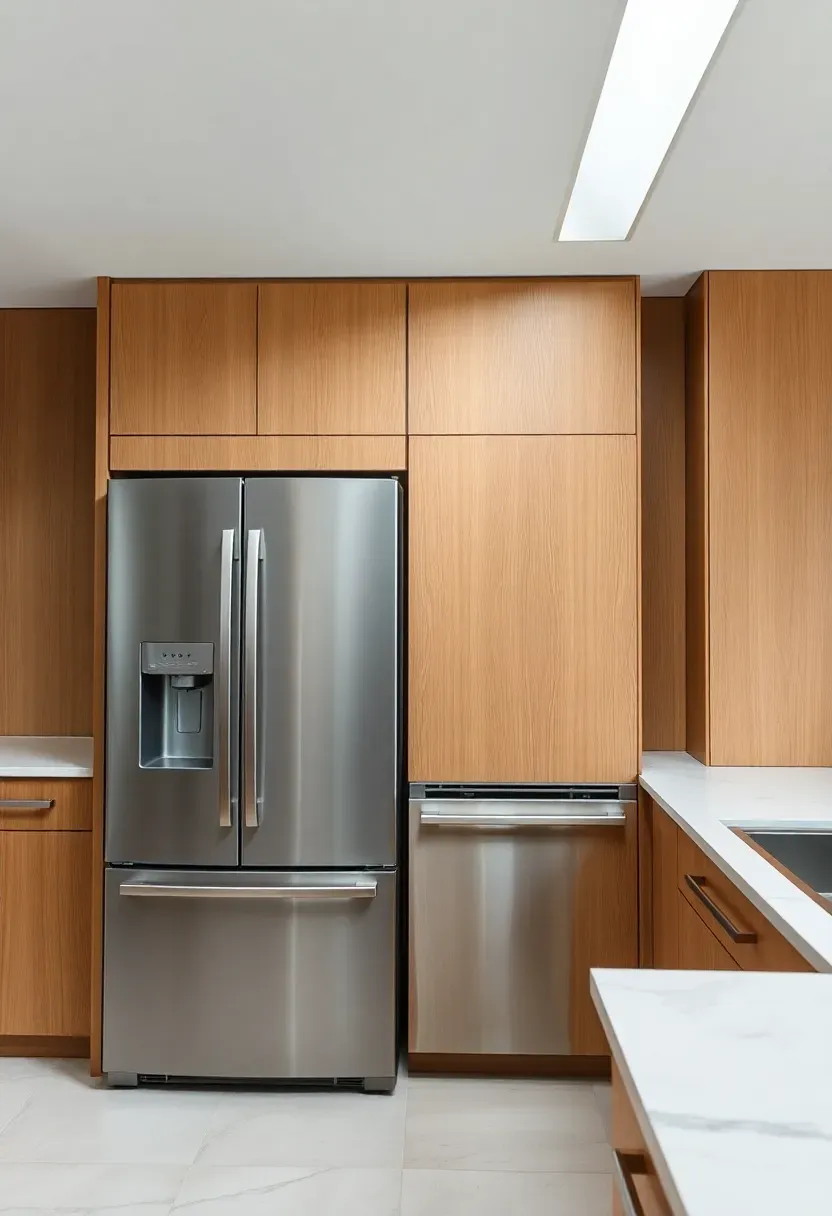
The trend toward seamless kitchens pushes appliances behind custom panels that match surrounding cabinetry. Refrigerators, dishwashers, and even microwaves disappear into the wall of cabinets, creating an uninterrupted visual line. The kitchen reads as furniture rather than a collection of branded machines. Panel-ready appliances cost more upfront, but the cohesive result dramatically elevates the room's aesthetic and often increases resale value.
Tips
- Budget for custom panel fabrication — standard panels rarely match existing cabinet finishes perfectly
- Ensure adequate ventilation behind panel-covered appliances to prevent overheating
- Label hidden appliances subtly for guests who cannot tell which panel opens the dishwasher
Recommended
Items for this idea
7. Open Shelving with Closed Storage Hybrids
Comparing: Full Open Shelving vs Full Closed Cabinets
Finding the right storage balance matters more than committing to either extreme. Both approaches have clear strengths and limitations.
Full Open Shelving
Displays your most-used items beautifully and makes grabbing plates or glasses effortless. However, everything collects dust, grease, and demands constant curation to avoid looking cluttered.
Full Closed Cabinets
Hides mess completely and protects items from kitchen grime. But it can make a space feel heavy and box-like, especially in smaller kitchens with limited natural light.
What to Choose
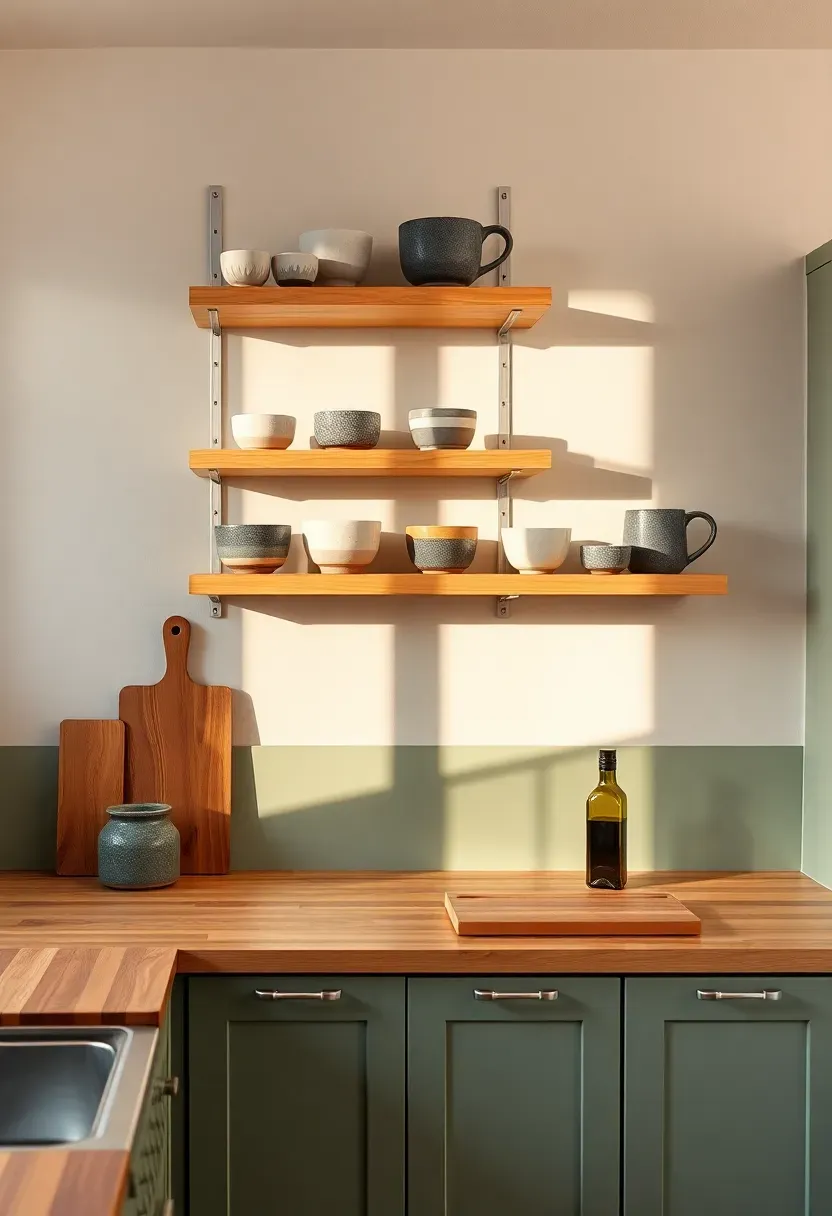
Choose open shelves if: you own a curated set of matching dishware and enjoy styling Choose closed cabinets if: you prefer low-maintenance storage and have diverse kitchen items
Recommendation
The 2026 sweet spot is a hybrid: open shelves at eye level for display pieces and daily-use items, with solid-door cabinets below and above for bulk storage, cleaning supplies, and less photogenic necessities.
8. Terrazzo Countertops
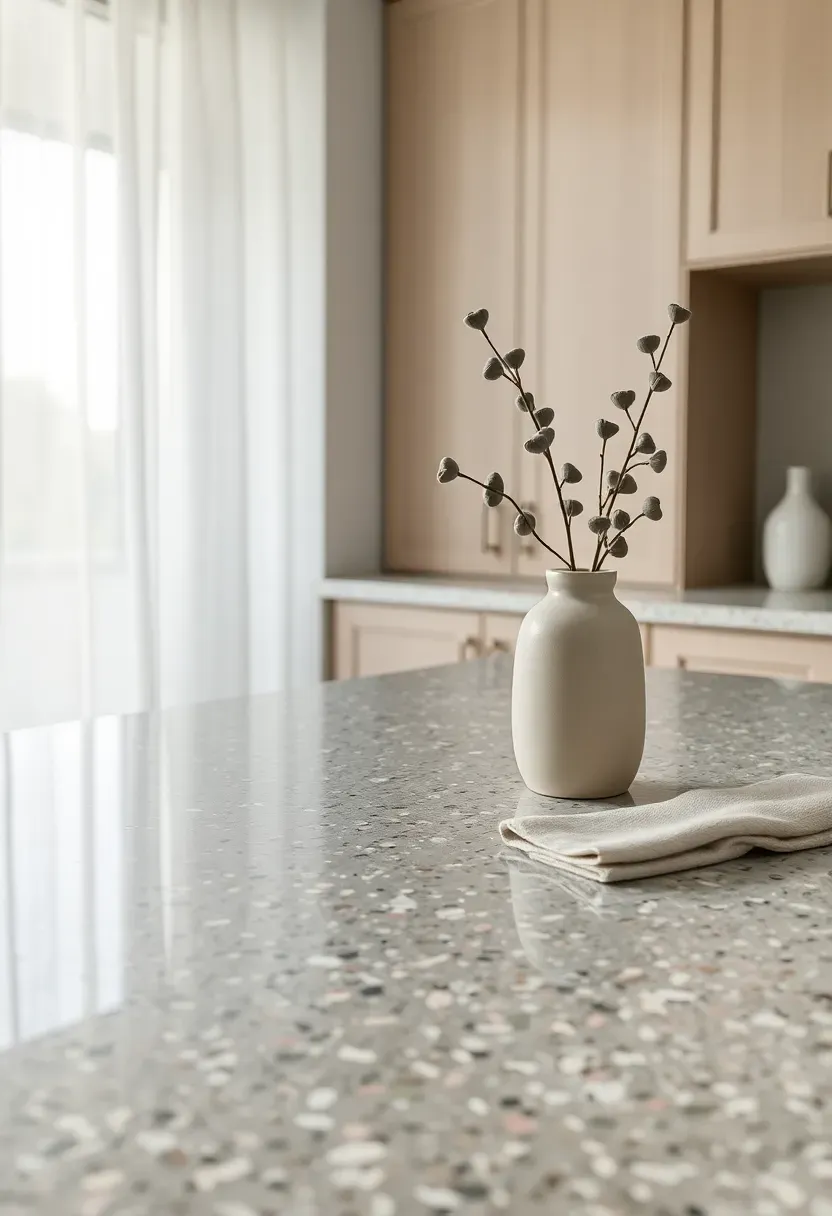
Once confined to commercial flooring, terrazzo is climbing onto kitchen counters in 2026. Modern versions embed marble, quartz, and recycled glass chips into cement or resin bases, producing surfaces that are genuinely one of a kind. The speckled pattern naturally camouflages crumbs, water spots, and minor scratches, making terrazzo surprisingly practical for busy kitchens. Unlike solid-color surfaces that show every imperfection, terrazzo rewards a hands-off approach to maintenance.
Tips
- Request sample slabs with different chip sizes — larger chips read more dramatic, smaller chips feel subtler
- Seal cement-based terrazzo every 12-18 months to prevent staining
- Pair with simple cabinetry so the counter becomes the focal point rather than competing with busy backsplashes
Recommended
Items for this idea
9. Warm LED Under-Cabinet Lighting
The Core Issue
Overhead ceiling lights cast shadows exactly where you need to see — on the countertop. Chopping, measuring, and reading recipes all suffer when your own body blocks the primary light source from above.
The Solution
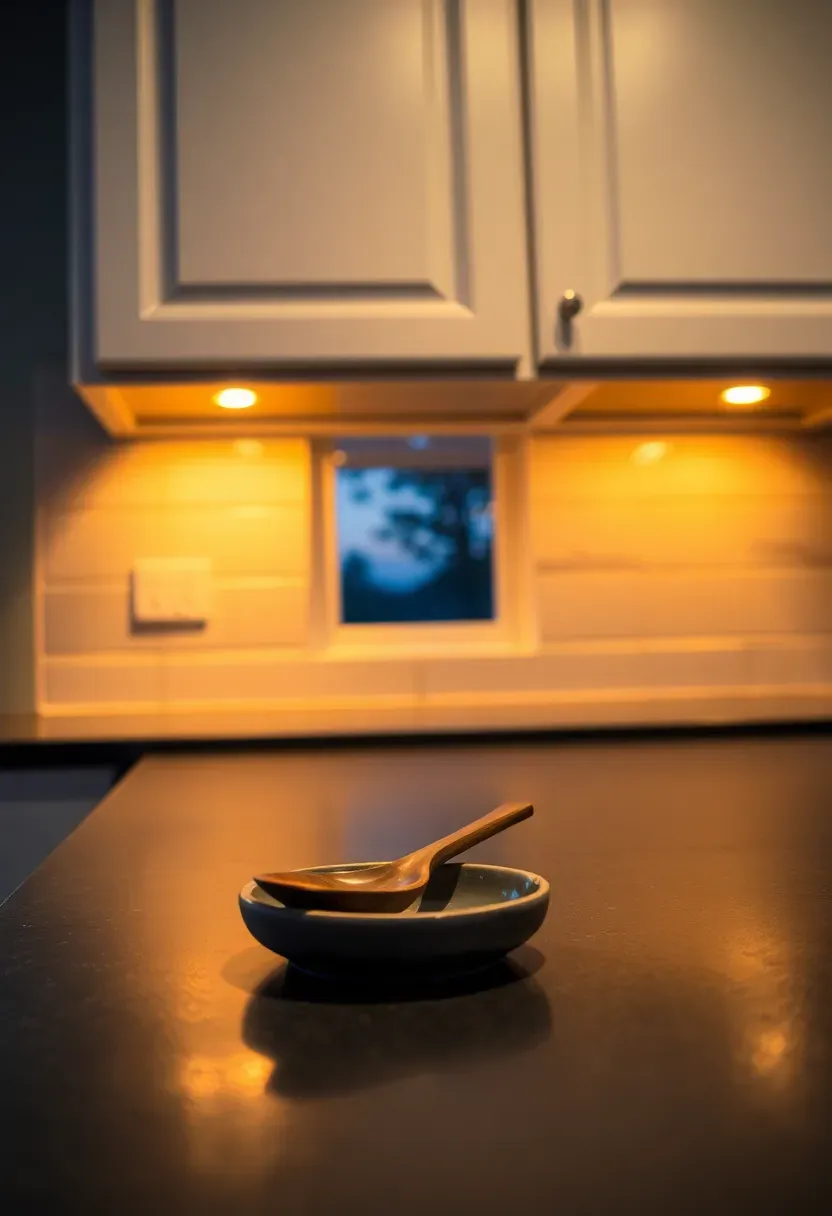
Warm-toned LED strips mounted beneath upper cabinets eliminate counter shadows completely while adding ambient warmth. Unlike cool-white LEDs that make food look clinical, 2700K to 3000K strips mimic golden-hour sunlight and flatter both the food you prepare and the finishes surrounding it. Many 2026 installations include dimmable controls or smart integration, allowing the lighting to shift from bright task mode during cooking to a soft glow for evening gatherings.
Pros and Cons
Pros: Eliminates counter shadows, adds warmth, energy-efficient, easy retrofit Cons: Requires hiding the strip and wiring neatly, cheap strips can flicker or discolor over time
10. Statement Range Hoods
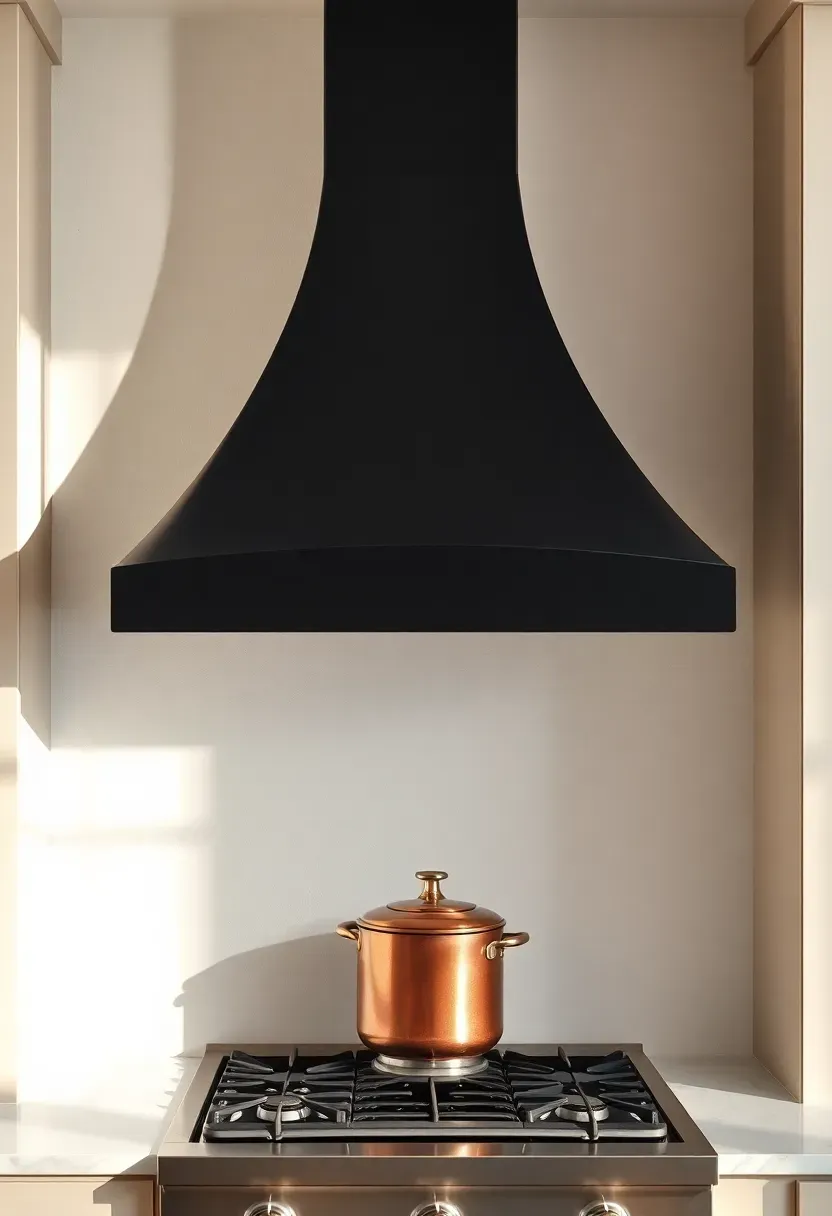
Range hoods are stepping out from behind cabinet enclosures and demanding attention. Sculptural shapes — flared cones, geometric prisms, hammered copper bells — turn the ventilation unit into the kitchen's centerpiece. Rather than hiding the hood, designers are framing it as art. This shift makes particular sense in open-plan homes where the kitchen is visible from living and dining areas, and a striking hood provides a visual anchor that anchors the entire space.
Tips
- Match the hood material to one other element in the kitchen — brass hood with brass hardware, matte black hood with black window frames
- Ensure the hood's CFM rating matches your cooking style; a beautiful hood that cannot clear smoke is purely decorative
- Consider noise levels — larger statement hoods sometimes generate more sound at high speeds
Recommended
Items for this idea
11. Pocket Door Pantries
How to Build a Hidden Pantry
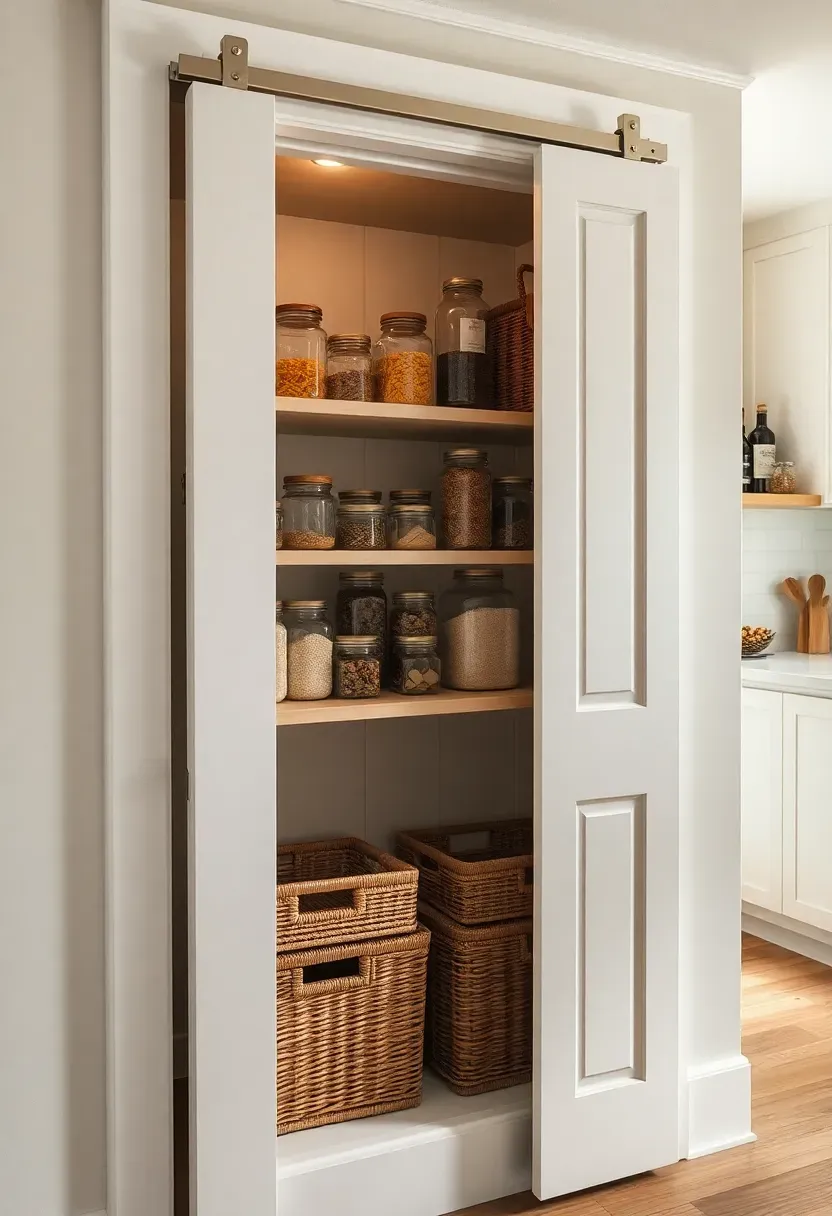
Pocket doors slide into the wall rather than swinging outward, which saves floor space and creates a clean wall when closed. Pairing pocket doors with a walk-in or reach-in pantry creates a storage zone that completely vanishes when not in use.
Step 1: Frame the Opening
Work with a contractor to verify that the wall can accommodate a pocket door track. Load-bearing walls need header reinforcement, while partition walls are typically straightforward.
Step 2: Choose Door Style
Match the door panel to adjacent cabinetry or wall finish for seamless integration. Frosted glass panels offer a middle ground — hiding contents while letting light through.
Step 3: Organize the Interior
Install adjustable shelving, pull-out drawers at lower heights, and door-mounted racks. The goal is maximizing every inch since pocket pantries tend to be shallow.
What to Watch Out For
- Pocket door hardware quality varies widely — invest in soft-close mechanisms to prevent slamming
- Leave at least 4 inches of clearance between shelves and the door path so items do not block closure
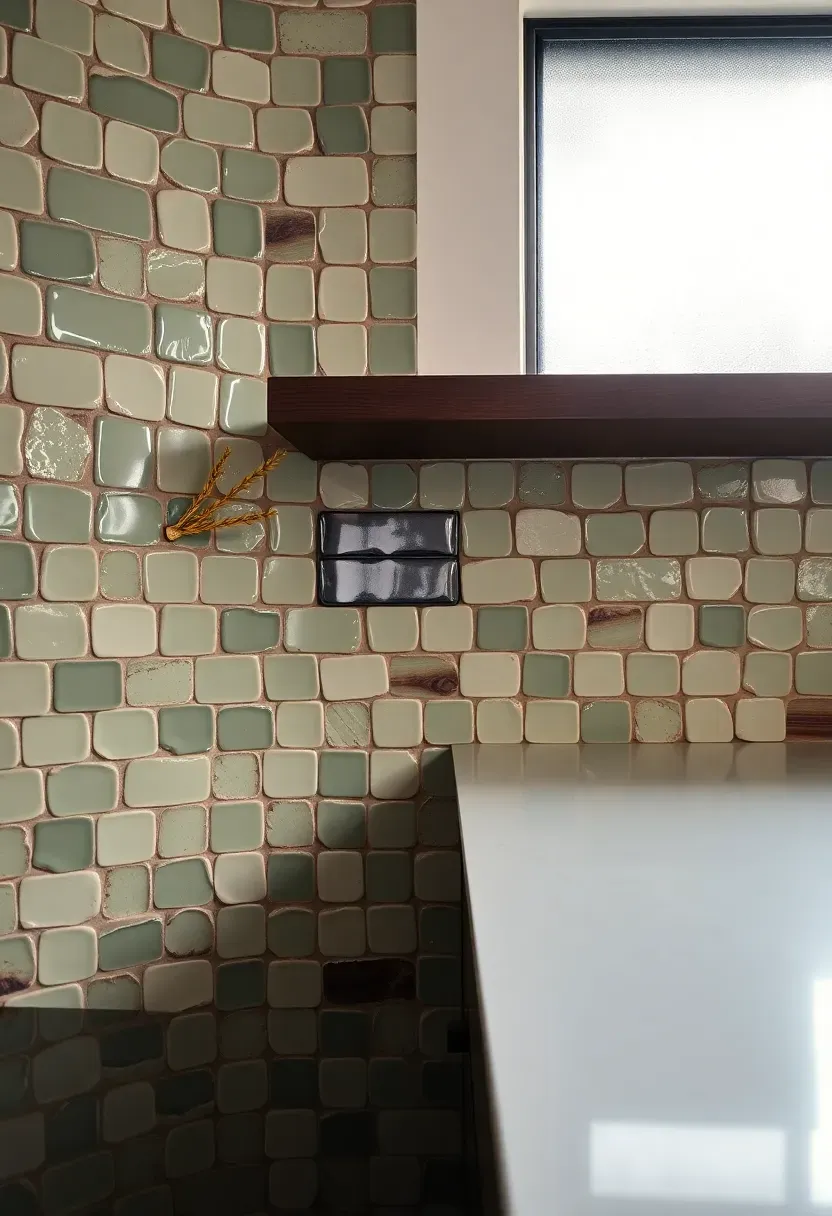
12. Zellige Tile Backsplashes
Origins
Zellige tiles originate from Fez, Morocco, where artisans have hand-cut and glazed terracotta tiles for centuries. Each piece carries slight variations in color, thickness, and surface texture — imperfections that are considered the hallmark of authentic craftsmanship.
Modern Interpretation
In 2026 kitchens, zellige tiles bring handmade warmth to backsplashes that factory-produced subway tiles cannot replicate. The irregular glazed surface catches light at unpredictable angles, creating a shimmering, almost liquid effect that shifts throughout the day. Popular colors include sage green, creamy white, terracotta, and deep blue. Designers are using them not just as backsplashes but also wrapping them around range hood enclosures and window reveals for a cohesive artisan feel.
How to Apply at Home
- Order 15-20% extra tiles to account for variation and cutting waste
- Use a skilled tile setter experienced with irregular handmade tiles
- Pair with simple grout in a tone that matches the tile rather than contrasts
- Seal the surface with a penetrating sealer to protect against kitchen grease
Recommended
Items for this idea
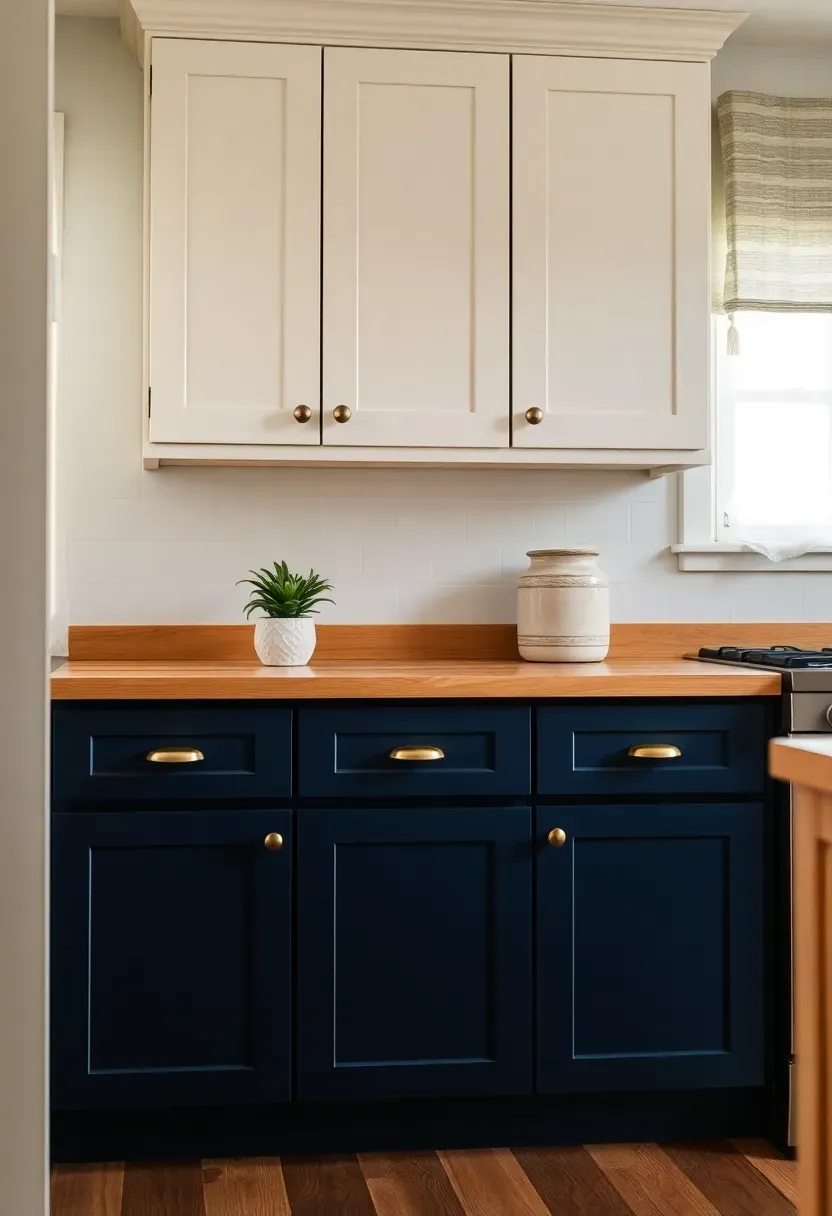
13. Two-Tone Cabinet Layouts
Two-tone kitchens break the monotony of single-color cabinet runs by assigning different finishes to upper and lower sections, or to the island versus perimeter cabinets. The technique adds visual depth without requiring a complete renovation — you can repaint or reface just one zone for a fresh look. The most popular 2026 combinations pair a darker lower with lighter uppers, grounding the kitchen while keeping the sightline open and airy above counter height.
Tips
- Limit the palette to two tones plus one accent metal — more combinations risk looking disjointed
- Use the darker tone on the element closest to the floor for visual weight
- Connect the two tones with a unifying countertop material that complements both
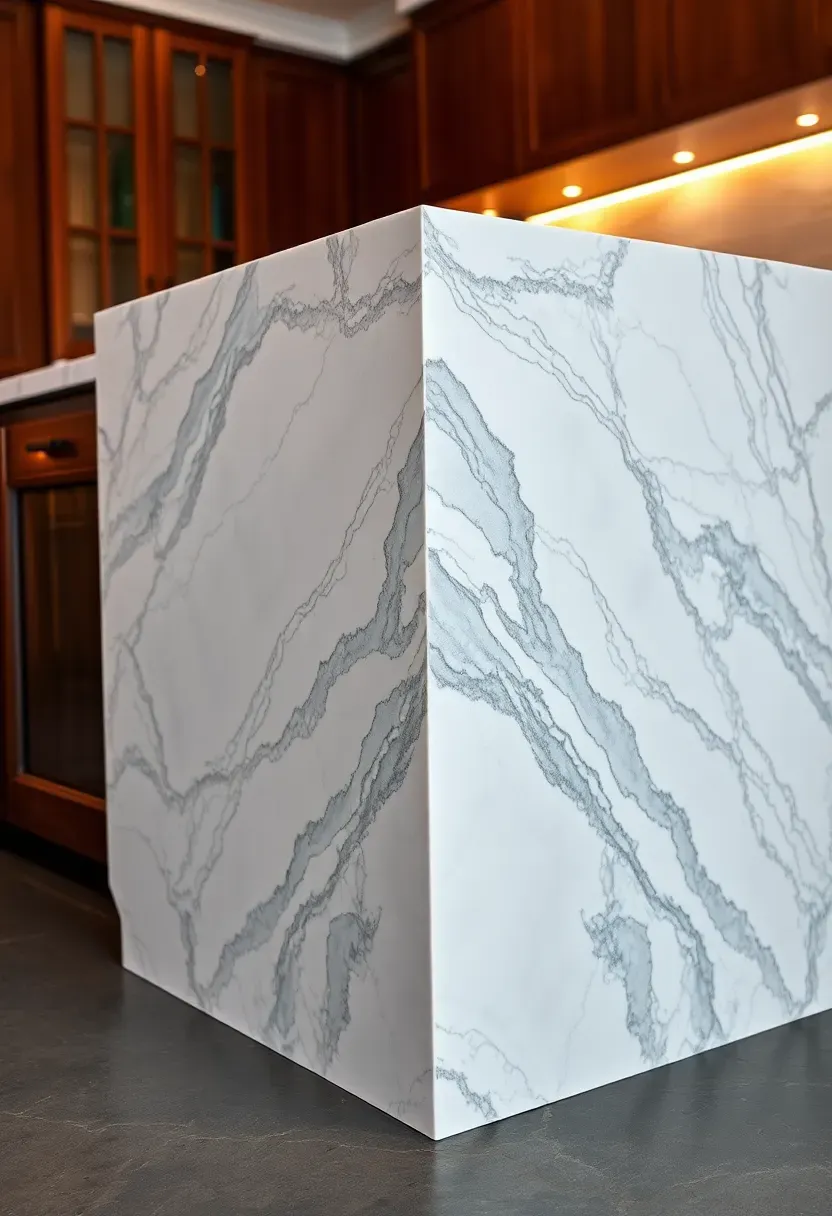
14. Waterfall Edge Counters
A waterfall counter wraps the countertop material down the sides of an island or peninsula, flowing vertically to the floor. The continuous slab eliminates the visual break where counter meets cabinet, creating a clean monolithic form. This treatment works especially well with veined natural stone, where the pattern can be bookmatched across the horizontal and vertical planes for a mirror effect that draws the eye and makes the stone itself the star.
Tips
- Bookmatch the vein pattern at the corner for the most striking visual effect
- Budget for thicker slabs — waterfall edges require more material and expert fabrication
- Protect the vertical face from kicks and scuffs with a recessed toe kick at the base
Recommended
Items for this idea
15. Smart Faucets with Touchless Controls
The Core Issue
Touching faucet handles with raw-chicken hands or flour-coated fingers creates cross-contamination points and constant cleanup. Traditional faucets become the dirtiest fixture in the kitchen precisely because you touch them when your hands are at their worst.
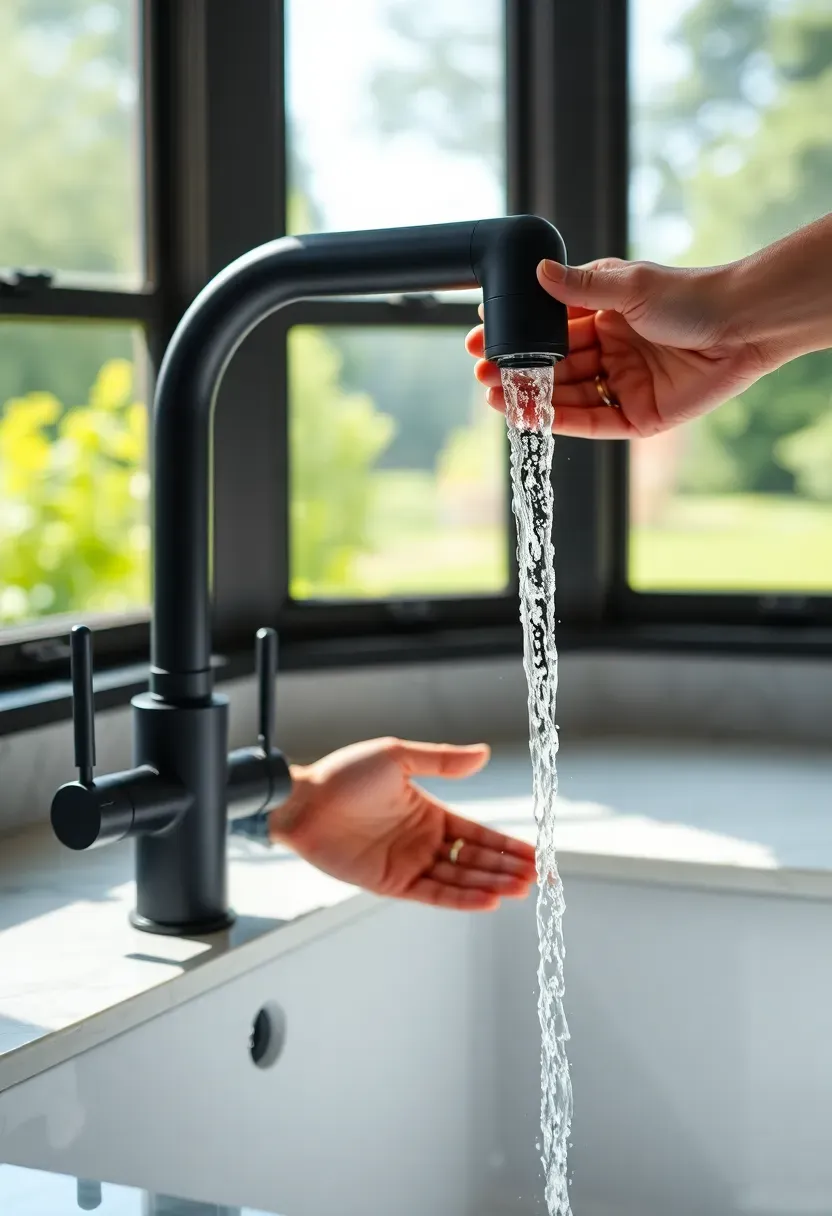
The Solution
Touchless faucets equipped with motion sensors or voice activation solve the hygiene problem while adding genuine convenience. Wave a wrist to start water flow, speak a command to dispense a precise measured amount, or tap an elbow against a sensor pad. The 2026 generation of smart faucets includes temperature memory, filtered water integration, and app-based usage tracking that helps monitor household water consumption.
Pros and Cons
Pros: Hygienic hands-free operation, precise water measurement, reduced water waste Cons: Sensor sensitivity requires calibration, battery or electrical connection needed, higher price point than standard faucets
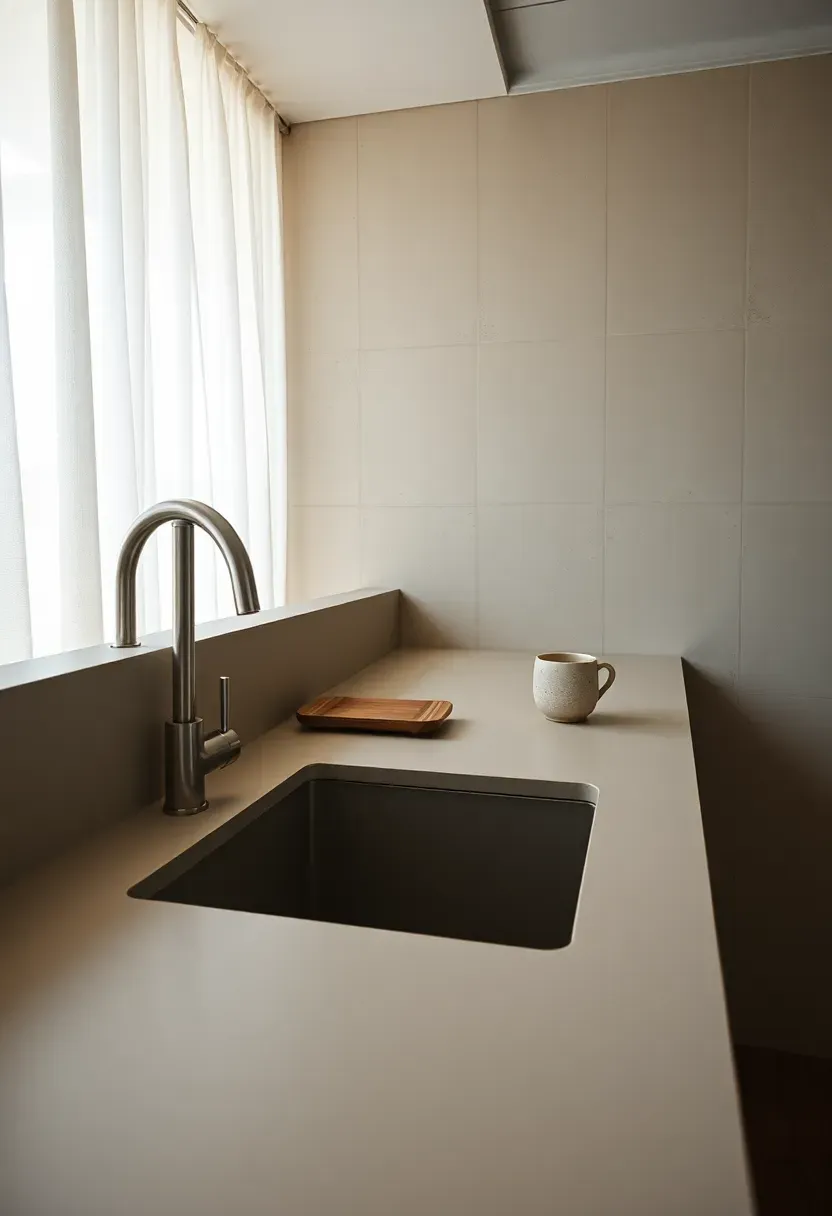
16. Concrete and Microcement Finishes
Concrete and microcement surfaces bring an industrial edge that softens with daily use. Applied in thin layers over existing substrates, microcement transforms countertops, walls, and even cabinet fronts into seamless, joint-free surfaces. The monolithic look eliminates grout lines and seams where bacteria and grime collect. Color pigments mixed directly into the cement allow customization from pale dove grey to deep charcoal, and the slightly matte texture hides small imperfections better than polished stone.
Tips
- Apply a food-safe sealant every 6-12 months on countertop surfaces
- Test sample patches first — microcement color shifts slightly as it cures
- Pair with warmer materials like wood or leather to prevent the space from feeling too stark
Recommended
Items for this idea
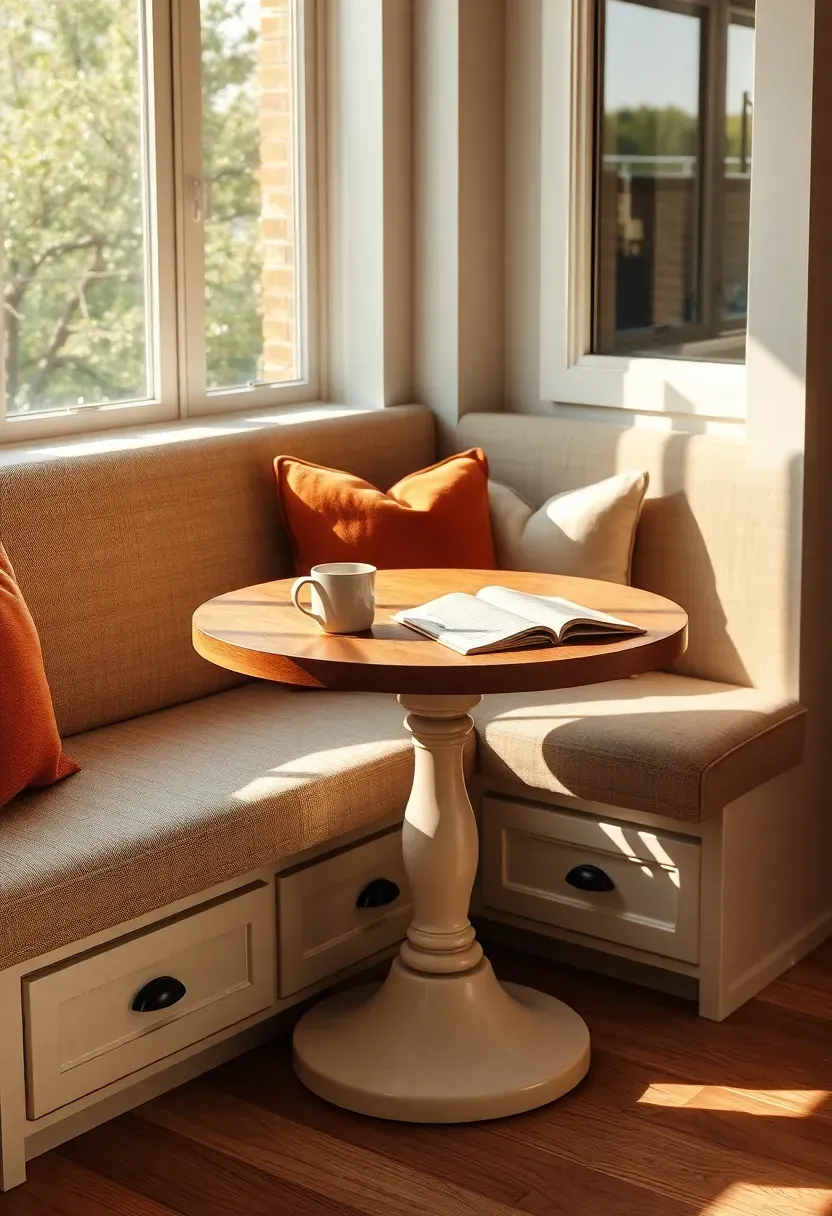
17. Banquette Dining Nooks
Banquette seating turns an underused kitchen corner or window bay into the most inviting seat in the house. Built-in benches with upholstered cushions offer more seating capacity than chairs in the same footprint, and the enclosed feeling creates a sense of intimacy that freestanding dining sets rarely match. Storage drawers hidden beneath the bench seats double the utility, giving you a place for table linens, kids' craft supplies, or rarely used serving pieces.
Tips
- Choose performance fabric for cushions — spill resistance matters more here than anywhere else in the home
- Build the seat height at 18 inches for comfortable dining posture
- Add a pendant light directly above the table to define the nook as its own zone within the kitchen
- Include a window if possible — natural light transforms a banquette from cozy to luminous
Quick FAQ
Is all-white still a good choice for kitchens in 2026? White kitchens remain timeless, but the trend has shifted toward warmer whites and off-white tones rather than stark bright white. Pairing white with natural wood and textured surfaces keeps it from feeling dated.
Should I invest in smart kitchen appliances right now? If you cook daily, touchless faucets and smart ovens offer genuine convenience. However, avoid gadgets that require proprietary apps with subscription fees — choose devices with open standards that will still work in five years.
Which countertop material gives the best value in 2026? Quartz remains the best balance of durability, aesthetics, and price. Terrazzo and microcement are trending but cost more and require periodic sealing. Natural stone is beautiful but demands the most maintenance.
Can I combine multiple trends without the kitchen looking chaotic? Absolutely. The key is limiting your statement choices to two or three trends and keeping everything else neutral. For example, pair a fluted island with zellige backsplash tiles, but keep the remaining cabinets and countertops simple.
What is the fastest kitchen update I can do without a full renovation? Swap hardware to unlacquered brass, add warm LED under-cabinet lighting, and repaint lower cabinets in an earth tone. These three changes take a weekend and shift the entire mood of the room.
The kitchen that feels right in 2026 is not trying to impress anyone. It is warm, a little imperfect, and built around the way you actually use it — whether that means slow Sunday baking or reheating leftovers on a Tuesday night. Pick the trends that match your daily rhythms, skip the ones that would add maintenance you will resent, and remember that the best kitchen upgrade is the one you still love using a year from now.
Pinterest cover for 17 Kitchen Trends for 2026 That Redefine How We Cook and Gather
About the author
OBCD
CGI visualization and interior design content. We create detailed 3D renders and curate practical design ideas for every room in your home.