17 Sunroom Bedroom Ideas for a Bright, Calm Sleeping Zone

Picture waking up in a room where sunlight pours through glass on three sides, the garden visible from your pillow, and the air somehow feels lighter than in the rest of the house. A sunroom bedroom offers exactly that -- the rare combination of sleeping deep in nature's rhythm while staying sheltered from the elements. The challenge, of course, is balancing all that glorious light with the darkness your body needs for restful sleep. Too many windows can mean overheating in summer and freezing in winter. Glare can turn a peaceful morning into a squinting contest. But every one of those problems has a solution, and the payoff is a bedroom unlike any other room in your home. These seventeen ideas tackle light control, temperature comfort, furniture placement, and aesthetic choices that make a sunroom sleep-worthy without sacrificing the brightness that makes it special.
Ready to turn that glass-walled room into your favorite place to rest? We will move from foundational decisions like window treatments and bed positioning through textiles, lighting, and finishing details that pull everything together.
Table of Contents
- Sheer Linen Layered with Blackout Panels
- Low Platform Bed Centered Under the Peak
- Bamboo Roller Shades for Light Control
- White Cotton Canopy for Soft Diffusion
- Ceiling Fan with Reversible Airflow
- Rattan Headboard Against a Glass Wall
- Indoor-Outdoor Rug in Natural Sisal
- Daybed with Trundle for Flex Use
- Potted Palms as Living Privacy Screens
- Warm Edison String Lights at Dusk
- Thermal Curtains in Soft Oatmeal
- Hanging Macrame Shelf for Bedside Storage
- Floor-Level Mattress on a Tatami Base
- Woven Pendant Light Cluster
- Tinted Window Film for UV and Glare
- Linen Bedding in Washed Earth Tones
- Morning Coffee Nook by the Window
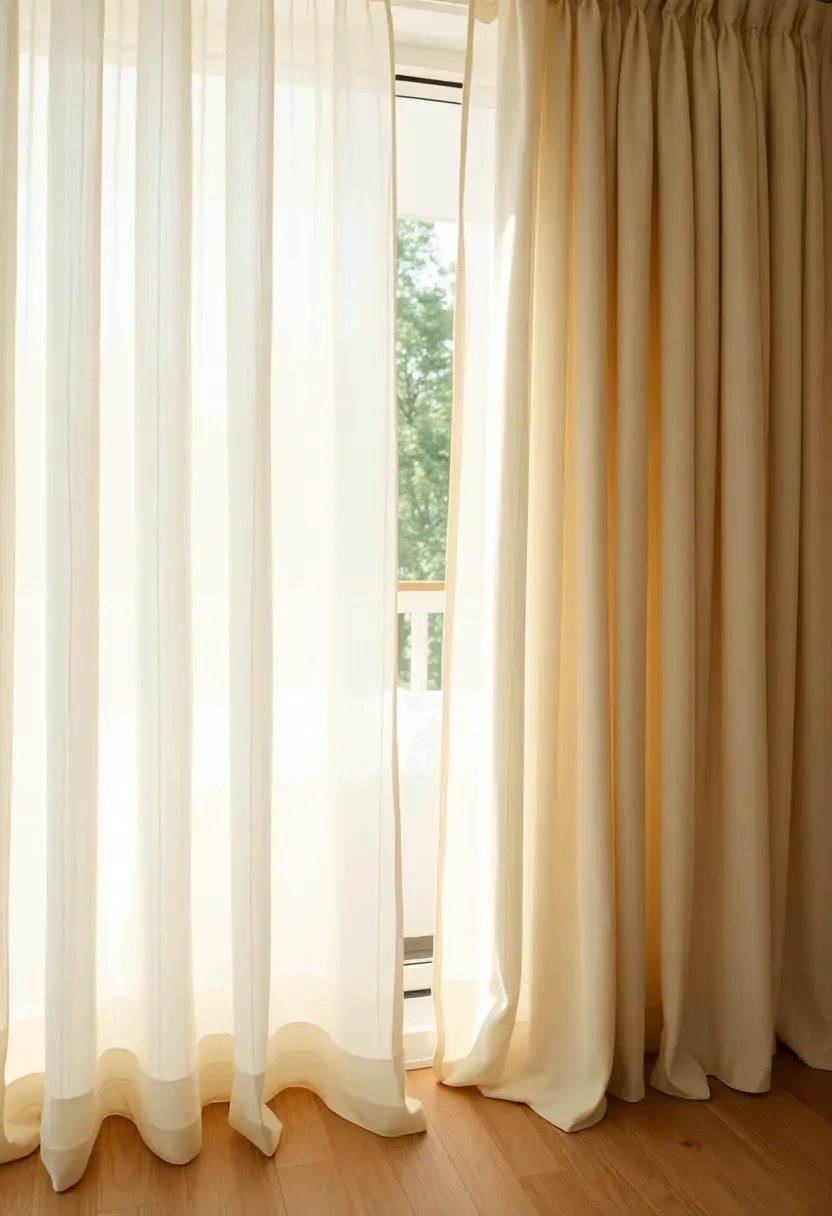
1. Sheer Linen Layered with Blackout Panels
The Core Issue
Sunrooms flood with light -- wonderful at noon, brutal at 5 AM when you are trying to sleep. Standard blinds look institutional against all that glass, and single-layer curtains never block enough.
The Solution
Install a double curtain rod on every window wall. The inner layer holds sheer linen panels that stay closed during the day, softening direct glare while preserving the airy feel of the room. The outer layer carries heavyweight blackout curtains in a neutral tone like warm ivory or soft clay. Pull them closed at bedtime and the room goes dark enough for deep sleep. Choose curtains that puddle slightly on the floor for a relaxed, bedroom-appropriate look rather than a crisp commercial finish. Linen sheers wrinkle naturally, which adds texture and prevents the space from looking overly styled.
Pros and Cons
Pros: Full control over light at any hour, the double layer insulates against heat and cold, linen drapes beautifully in sun-drenched rooms. Cons: Double rods require more wall or ceiling mounting hardware, and full-length curtains on multiple walls use significant fabric yardage.

We picked a few things that go well with this idea: LAMIT Ivory Sheer Linen Curtains (2 Panels) (★4.6), ATLINIA 100% Linen Sheer White Curtains (2 Panels) (★4.7) and NICETOWN White Sheer Linen Curtains (2 Panels) (★4.5). As an Amazon Associate we earn from qualifying purchases.
2. Low Platform Bed Centered Under the Peak
Where you place the bed determines the entire energy of a sunroom bedroom. Pushing it against a wall wastes the panoramic advantage. Instead, position a low platform bed directly under the highest point of the ceiling -- usually the center ridge or peak.
Step 1: Measure the Peak
Find the ceiling's apex and mark the floor directly below it. This is your bed's center point. A low frame keeps sightlines open to every window.
Step 2: Choose the Frame
Solid wood platform frames in walnut, ash, or whitewashed pine work best. Skip metal frames that reflect glare. The platform should sit 8 to 12 inches off the floor.
Step 3: Anchor with Symmetry
Place matching nightstands on each side and add low ceramic table lamps. The symmetry creates calm, and the low profile means nothing competes with the views.
What to Watch Out For
- Avoid placing the bed directly against glass walls to prevent heat transfer through the panes while you sleep.
- Leave at least 18 inches between the headboard and any window for curtain clearance.
- Test the position at sunrise to confirm direct light does not hit your face before your alarm goes off.

We picked a few things that go well with this idea: Vkinman Vintage Woven Bamboo Pendant Light (★5.0), Maliralt Rattan Plug-In Pendant Light (16ft Cord) (★4.6) and Sunli House Boho Rattan Woven Pendant Light (★4.2). As an Amazon Associate we earn from qualifying purchases.
3. Bamboo Roller Shades for Light Control
Bamboo roller shades bring warmth and texture that metal or vinyl blinds cannot match. They filter sunlight into soft, dappled patterns across the floor and bedding without completely darkening the room -- perfect for daytime naps or lazy weekend mornings when you want gentle brightness rather than total blackout. Mount them inside each window frame for a clean look, or go outside-mount for maximum light blocking along the edges. The natural bamboo fibers age beautifully in sun-heavy rooms, developing a honeyed patina over time that synthetic shades never achieve. Pair them with blackout curtains for full nighttime darkness, or use them solo if you prefer waking with gradual natural light.
Tips
- Choose a flat-weave bamboo for a modern bedroom look or a more open weave for a beachy, casual feel.
- Motorized options let you adjust shades from bed without getting up -- worth the upgrade in a multi-window room.
- Coordinate the bamboo tone with your flooring to create visual continuity across the space.

We picked a few things that go well with this idea: SAFAVIEH Natural Fiber Sisal Rug 6x9 (★4.5), SAFAVIEH Maize Beige Sisal Rug 5x8 (★4.5) and Martha Stewart SAFAVIEH Sisal Jute Rug 8x10 (★4.4). As an Amazon Associate we earn from qualifying purchases.
4. White Cotton Canopy for Soft Diffusion
Why It Works Here
A sunroom ceiling is often entirely or partially glass, which means direct overhead light can feel harsh during peak hours. Hanging a white cotton canopy from the ceiling joists or beams creates a textile filter between you and the sky. The fabric intercepts UV while letting brightness through in a soft, diffused glow -- similar to how a cloud works, except this one is three feet above your pillow.
How to Set It Up
Use four ceiling hooks arranged in a rectangle slightly larger than your bed frame. Drape lightweight cotton muslin or gauze between the hooks, allowing the center to sag gently for a relaxed, tented shape. Leave the sides open or let fabric cascade down on two sides for a more enclosed, cocoon feeling.
Practical Considerations
The canopy collects dust in a bright, airy room, so choose machine-washable cotton you can take down monthly. Avoid synthetic sheers that trap heat underneath -- breathable natural fiber is essential in a glass-ceilinged space.

Recommended
Items for this idea
5. Ceiling Fan with Reversible Airflow
Temperature control separates a sunroom bedroom that works year-round from one that only feels comfortable in spring and fall. A ceiling fan with a reversible motor addresses both extremes without the noise and energy cost of running HVAC constantly.
In summer, set the blades to spin counterclockwise to push cool air downward. In winter, switch to clockwise rotation at low speed to circulate warm air trapped near the ceiling back down to bed level. Choose a fan with wooden or matte-finish blades that complement the organic feel of a sunroom -- avoid chrome or metallic finishes that bounce light and create visual noise. Mount it at the ceiling peak if possible, and verify the blade span covers at least 80 percent of the bed area. A fan with an integrated LED light on a dimmer eliminates the need for a separate overhead fixture.
Tips
- Opt for a DC motor fan -- they run quieter than AC motors, critical for a sleeping room.
- Install a wall control or pair with a smart plug so you can adjust speed without leaving bed.

6. Rattan Headboard Against a Glass Wall
Comparing: Rattan vs Upholstered Headboard
Deciding on headboard material for a sunroom bedroom comes down to how you want the room to feel and how the piece handles moisture and sun exposure.
Rattan
Lightweight and visually open, rattan lets light pass through its woven pattern, preserving the transparent quality of a glass-walled room. It handles humidity fluctuations well, ages gracefully in sunlight, and adds organic texture without visual weight. An arched or peacock-style rattan headboard creates a focal point that feels intentional rather than heavy.
Upholstered
Fabric headboards offer a softer landing for leaning against while reading and absorb some sound in an echo-prone glass room. However, fabric fades faster in direct sunlight, can trap moisture in humid sunrooms, and visually blocks light flow.
What to Choose
Choose rattan if: your sunroom gets direct sun most of the day, you want a beachy or bohemian aesthetic, or you need a headboard that will not block window views. Choose upholstered if: you prioritize reading comfort, your sunroom has mostly indirect light, or you want a more traditional bedroom feel.
Recommendation
For most sunroom bedrooms, rattan wins. Its transparency, durability in sunlit conditions, and organic look align naturally with the character of a glass-walled sleeping space.

Recommended
Items for this idea
7. Indoor-Outdoor Rug in Natural Sisal
Sunroom floors take a beating from temperature swings, foot traffic, and UV exposure, so the rug you choose needs to handle conditions that would destroy a delicate wool piece. Natural sisal delivers the texture and warmth of a woven rug while standing up to the demands of a sun-drenched room. Its rough, earthy surface feels grounding underfoot when you step out of bed in the morning. Choose a bound-edge sisal in a warm honey or wheat tone that coordinates with wood flooring. Size the rug to extend at least 18 inches beyond the bed on all walkable sides so your feet always land on fiber, not cold floor. For extra softness, layer a small sheepskin or cotton bath mat at the bedside.
Tips
- Rotate the rug 180 degrees every three months to even out sun fading.
- Avoid jute in humid sunrooms -- it absorbs moisture and can develop mildew. Sisal is more resistant.
- Use a non-slip pad underneath, since temperature changes can cause rugs to shift on hard floors.

8. Daybed with Trundle for Flex Use
Not every sunroom bedroom serves as a primary sleeping space. Many function as guest rooms, reading retreats, or napping stations that double as living areas during the day. A daybed with a pop-up trundle handles both roles without the visual bulk of a full bed frame.
The Daytime Configuration
Push the trundle underneath, stack three to five bolster and throw pillows along the back wall, and the daybed becomes a sofa. Position a low side table and a reading lamp, and you have a sunroom lounge that nobody would guess is a bedroom.
The Nighttime Switch
Pull the trundle out, raise it to daybed height if the mechanism allows, add proper pillows and a duvet, and you have two single sleeping surfaces or one wide shared bed. The conversion takes under two minutes.
Pros and Cons
Pros: Maximizes a small sunroom, guests get a real mattress instead of an air bed, daytime appearance is clean and sofa-like. Cons: Trundle mattresses are thinner than standard, and the pop-up mechanism adds cost. Daily conversion can feel tedious if this is your primary bed.

Recommended
Items for this idea
9. Potted Palms as Living Privacy Screens
Origins
Using large plants as room dividers traces back to Victorian conservatories, where ferns and palms turned glass structures into private green retreats. The idea works even better in a modern sunroom bedroom because the plants thrive in the abundant light while solving a genuine problem: privacy in a room made mostly of windows.
Modern Interpretation
Line tall potted palms -- areca, majesty, or kentia -- along the glass wall that faces neighbors or a street. Choose pots in matte ceramic or woven baskets that coordinate with your bedroom palette. Space them close enough that the fronds overlap slightly, creating a dense but natural screen. The palms filter harsh midday light into a green-tinted glow and add gentle movement when air circulates. At night, the foliage creates a soft boundary between the room's interior and the dark glass, reducing the fishbowl effect that makes some people uneasy about sleeping in a sunroom.
How to Apply at Home
- Start with three to five palms in 10- to 14-inch pots, depending on your wall length.
- Set pots on plant caddies with wheels so you can reposition them for cleaning or seasonal sun shifts.
- Water on a consistent schedule -- sunroom heat dries soil faster than in a standard room.
- Add a humidity tray beneath each pot to counteract dry air from heating systems in winter.
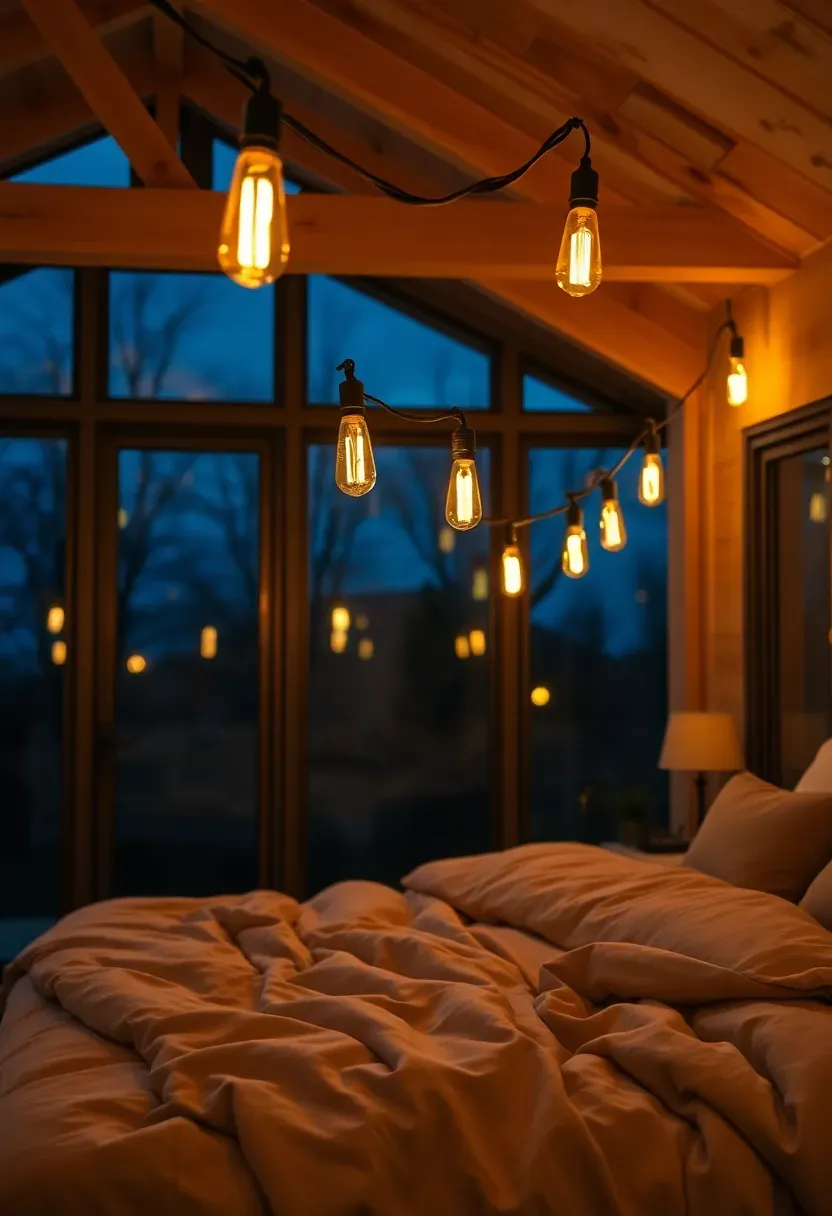
10. Warm Edison String Lights at Dusk
Overhead lighting in a sunroom bedroom needs to feel gentle after sunset -- the space spent all day being the brightest room in the house, and nighttime should offer contrast. Edison-style string lights draped along the ceiling beams or ridge line deliver exactly the right quality of warmth without the clinical feel of recessed downlights.
Use bulbs with a color temperature between 2200K and 2700K for a true warm amber glow. Drape the string in a relaxed zigzag pattern rather than taut straight lines so the effect feels organic. Put the entire strand on a dimmer or smart plug so you can fade it down as you approach sleep. The low wattage of Edison strings means minimal heat output, which matters in a room that already collects warmth from the sun during the day. When the lights reflect off dark glass at night, they create a glowing cocoon that replaces the daytime view with something equally beautiful.

Recommended
Items for this idea
11. Thermal Curtains in Soft Oatmeal
Why This Matters for Sleep
A sunroom without thermal insulation swings wildly between hot and cold. In summer, afternoon sun can push the room temperature above 90 degrees. In winter, single-pane glass radiates cold that wakes you at 3 AM. Thermal curtains solve both extremes with a foam-backed or fleece-lined layer that traps air between the fabric and the glass.
Choosing the Right Shade
Oatmeal hits the sweet spot between light enough to brighten the room when open and warm enough to feel cozy when drawn. Avoid pure white thermal curtains -- the foam backing shows through when backlit. Oatmeal, sand, and soft taupe disguise the backing and coordinate with natural-material furniture common in sunroom bedrooms.
Installation Details
Mount curtain rods as close to the ceiling as possible and extend them 6 inches beyond the window frame on each side. This wraparound coverage prevents light leaks at the edges and maximizes the insulating air pocket. Use curtain weights or magnetic closures at the center where panels meet to eliminate the gap that lets drafts through.

12. Hanging Macrame Shelf for Bedside Storage
Traditional nightstands eat floor space that a small sunroom bedroom cannot afford, and their solid forms block light flow between windows. A hanging macrame shelf solves both problems by suspending your bedside essentials from a ceiling hook, leaving the floor completely open.
Step 1: Find Your Anchor Point
Locate a ceiling joist or beam near the head of the bed, roughly 24 inches from the mattress edge. Install a heavy-duty swag hook rated for at least 30 pounds.
Step 2: Choose or Make the Shelf
A two-tier macrame shelf with wooden plank inserts gives you one surface for a small lamp or candle and another for your phone, book, and water glass. Natural cotton rope in an off-white or cream tone keeps the piece light and cohesive with linen bedding.
Step 3: Adjust the Height
Hang the top shelf at seated elbow height when you are sitting up in bed. This puts everything within arm's reach without straining.
What to Watch Out For
- Do not overload the shelf -- keep items under 15 pounds total to prevent the hook from loosening over time.
- Avoid placing anything breakable on the lower tier, since the shelf sways slightly when you brush against it.
Recommended
Items for this idea
13. Floor-Level Mattress on a Tatami Base
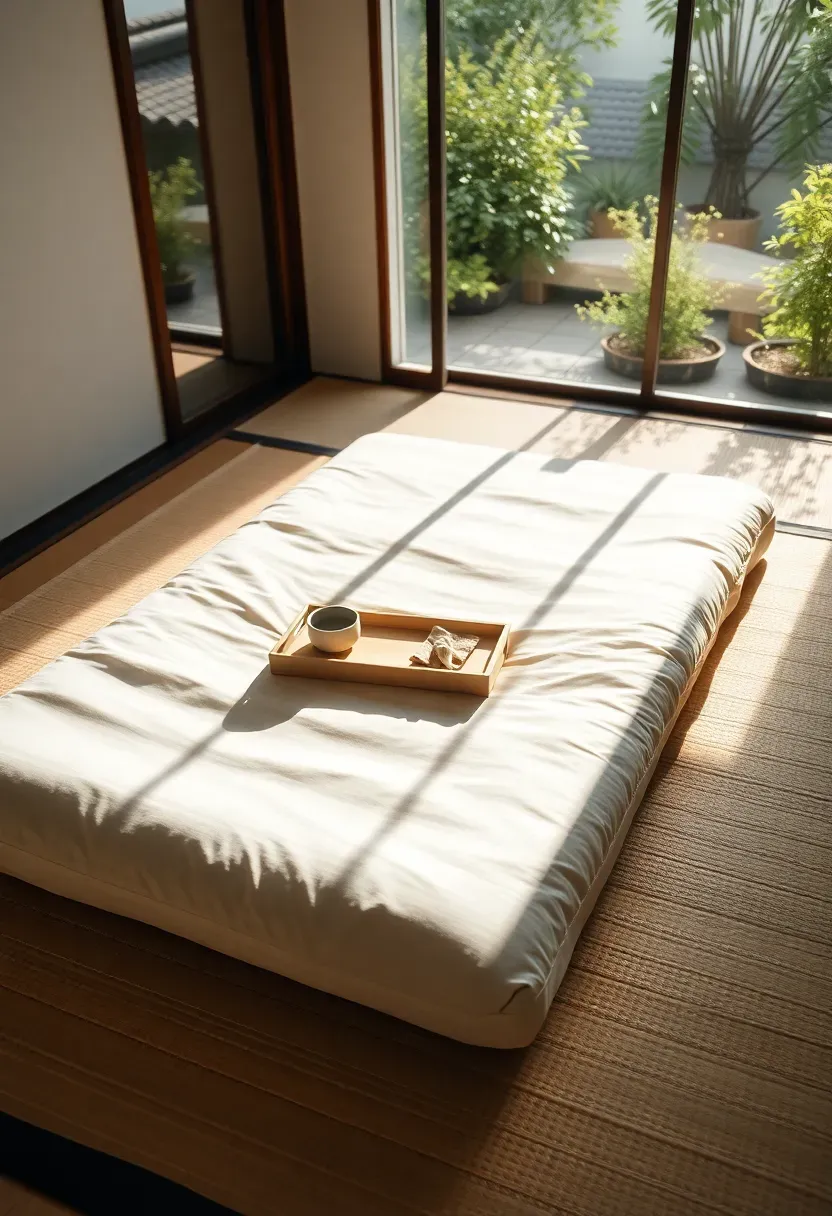
Going frameless transforms a sunroom bedroom into something closer to a Japanese-inspired retreat where the architecture and the light become the primary design elements. A quality futon mattress laid on two or three tatami mats sits just 4 inches off the floor, which does three things at once. First, it keeps your sleeping surface below the window sill line so you are surrounded by glass and sky rather than looking up at it from a raised bed. Second, it eliminates the visual clutter of a bed frame, legs, and under-bed storage, letting the clean geometry of the sunroom structure speak for itself. Third, tatami breathes -- the rush grass mat wicks moisture from below the mattress, critical in a room that can accumulate humidity from all that solar gain.
Tips
- Roll the futon mattress and air it weekly to prevent moisture buildup.
- Place tatami on a breathable rug pad if your sunroom has concrete or tile floors.
- Add a low wooden tray table beside the mattress for a lamp and water glass.

14. Woven Pendant Light Cluster
A single overhead light in a sunroom bedroom tends to compete with the natural light during the day and feel lonely at night. A cluster of three woven pendants hung at staggered heights creates layered, dimensional lighting that looks intentional around the clock.
Choosing the Pendants
Select rattan, seagrass, or bamboo shades in complementary shapes -- one globe, one bell, and one drum work well together. Keep them in the same material family so the cluster reads as a set rather than mismatched fixtures. Warm-toned LED bulbs inside the woven shades cast intricate shadow patterns on the ceiling and walls after dark, transforming the sunroom from a bright daytime space into an intimate evening bedroom.
Hanging Arrangement
Stagger the three pendants at 12-inch height intervals, with the lowest one centered over the foot of the bed and the highest near the headboard. This draws the eye upward and emphasizes the sunroom's ceiling height. Use a single canopy plate with three cord exits for a clean ceiling mount, or hang each from its own hook if your ceiling structure requires it.
Recommended
Items for this idea
15. Tinted Window Film for UV and Glare
The Core Issue
Unfiltered sunlight streaming through sunroom glass causes two bedroom-specific problems: UV rays fade your bedding, rugs, and furniture finishes over time, and intense glare makes afternoon naps or late-morning sleep-ins uncomfortable.
The Solution
Apply a light-tint ceramic window film to the interior of every glass panel. Ceramic film blocks up to 99 percent of UV rays and reduces solar heat gain by 40 to 60 percent without dramatically changing the view. Choose a barely-there bronze or neutral tint -- from outside, the glass looks nearly unchanged, but from inside, the light feels softer and warmer. Professional installation takes one day for a typical three-wall sunroom and the film lasts 10 to 15 years.
Pros and Cons
Pros: Protects furnishings from fading, reduces cooling costs in summer, eliminates harsh glare for sleeping and reading. Cons: Some films void glass warranties, tinting is semi-permanent and difficult to remove cleanly, and dark tints reduce light levels more than most sunroom owners prefer.

16. Linen Bedding in Washed Earth Tones
The bed is the visual center of any bedroom, and in a sunroom it sits in an environment of constant, shifting light that exposes every texture and color variation in your bedding. Washed linen thrives under this scrutiny. Its natural slubs and gentle creases look more beautiful in direct sunlight rather than less -- unlike smooth cotton sateen, which shows every wrinkle as a flaw.
Build your linen set in earth tones: a terracotta or clay duvet cover, sage or olive pillowcases, and an oatmeal fitted sheet. These warm, muted colors absorb light softly rather than bouncing it back, reducing the glare that bright white bedding can create in a glass-walled room. Earth tones also connect visually to the outdoor landscape visible through the windows, blurring the line between inside and outside.
Tips
- Pre-washed or stone-washed linen is softer from day one and shrinks less in the laundry.
- Skip ironing entirely -- the lived-in texture is the point in a sunroom bedroom.
- Add a lightweight cotton blanket between the sheet and duvet for layered temperature control.

Recommended
Items for this idea
17. Morning Coffee Nook by the Window
Why End with This
A sunroom bedroom's greatest luxury is not the sleeping -- it is the waking up. Dedicate one corner to a tiny coffee nook so you can sit with your first cup without leaving the room that gets the best morning light in the house.
The Setup
A small round bistro table, 24 inches in diameter or less, fits against almost any window section. Pair it with a single comfortable chair -- a cushioned cafe chair, a low armchair, or even a sturdy stool with a sheepskin draped over it. Keep a small tray on the table with a pour-over cone, a mug, and a jar of coffee so the ritual requires zero trips to the kitchen on the days you want to linger.
Making It Feel Intentional
Add a single potted herb or small succulent to the table. Place a thin stack of books or a journal beside the mug. These details signal that this corner exists for slow mornings, not as leftover space. When the morning sun hits the table at the right angle, you will understand why people convert sunrooms into bedrooms in the first place.
Quick FAQ
Is a sunroom warm enough to sleep in during winter? With proper insulation measures -- thermal curtains, window film, and a ceiling fan on reverse -- many sunrooms stay comfortable through mild winters. In cold climates below freezing, consider adding a small electric radiator or heated blanket for overnight warmth.
Should you use blackout curtains in every sunroom bedroom? Not necessarily. Some sleepers prefer waking with natural light and only need sheer filtering. If you are sensitive to early morning brightness or the room faces east, blackout panels on at least the sunrise-facing wall make a significant difference in sleep quality.
What flooring works best under a bed in a sunroom? Engineered hardwood or luxury vinyl plank handle temperature and humidity swings better than solid hardwood. Tile with radiant heat underneath is another durable option. Always layer a rug for barefoot comfort and warmth.
Can you convert a three-season sunroom into a year-round bedroom? Yes, but it requires upgrading to insulated glass, adding proper HVAC, and potentially reinforcing the roof for insulation. The conversion typically costs between $10,000 and $30,000 depending on the sunroom size and your climate zone.
Which plants survive best in a sunroom bedroom? Snake plants, pothos, and peace lilies tolerate the bright-to-dark cycle of a sunroom and actually improve air quality overnight. Avoid high-pollen plants near the bed if you have allergies.
A sunroom bedroom is not about choosing between rest and light -- it is about designing a space that gives you both. Start with the problem that matters most to you, whether that is heat control, privacy, or simply finding the right bed position, and build outward from there. The best version of this room is the one that makes you want to go to bed early just so you can wake up in it.
Pinterest cover for 17 Sunroom Bedroom Ideas for a Bright, Calm Sleeping Zone
About the author
OBCD
CGI visualization and interior design content. We create detailed 3D renders and curate practical design ideas for every room in your home.