30 Minimalist Kids Bedroom Ideas for Calm, Clutter-Free Spaces
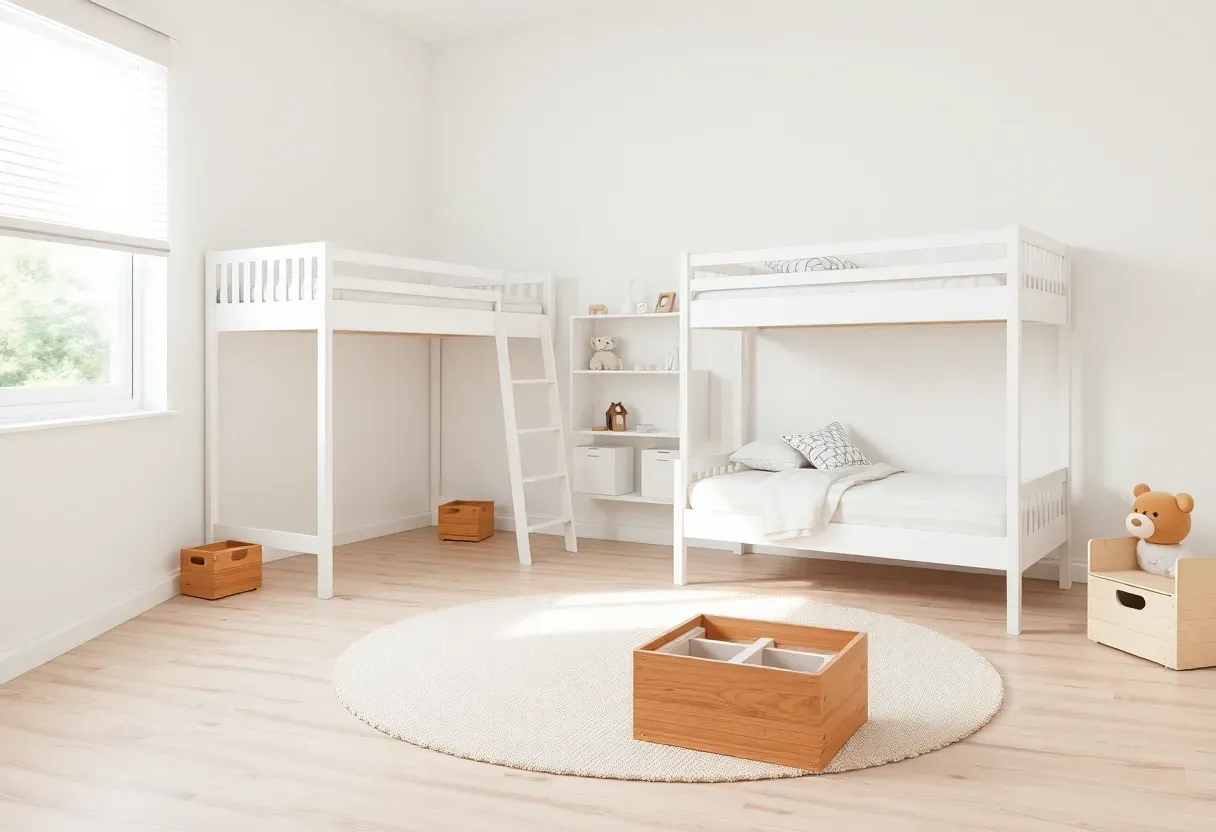
Looking for minimalist kids bedroom ideas that actually work in real life? A calm, clutter-free kids room supports creativity, focus, and rest without the visual chaos that often takes over children's spaces. Unlike traditional rooms filled with bright character themes and overflowing toy bins, minimalist kids bedrooms prioritize intentional pieces, smart storage systems, and neutral palettes that grow with your child through every stage. We found that the key is quality over quantity, function over decoration, and adaptability over fixed themes.
The beauty of a minimalist kids room lies in creating an environment that feels organized rather than cluttered and peaceful rather than hectic. These spaces give children room to play, create, and think while building organizational habits early. Whether you are decorating a rental apartment or a small bedroom on a budget, the following 30 minimalist kids bedroom ideas show how to design a space that is both child-friendly and beautifully simple. For more inspiration on [simple yet playful kids room designs](/posts/58_17-minimalist-kids-bedroom-ideas-simple-yet-playful-designs-that-transform-the-bedroom/), check out our companion guide.
Quick FAQ
What makes a kids bedroom minimalist?
Minimalist kids bedrooms feature essential furniture only smart closed storage systems neutral color palettes limited toy accessibility (rotated regularly) and intentional decor. The focus is on quality pieces that serve multiple functions rather than abundant items that create visual noise and require constant maintenance.
Are minimalist kids bedrooms too stark for children?
Not at all—minimalist kids rooms prioritize open play space organized systems and calming environments which actually support child development better than overstimulating colorful rooms. Children add color and personality through their art toys and projects while the room provides peaceful structured backdrop.
How do I handle toys in a minimalist kids room?
Use closed storage systems (drawers cabinets baskets) for most toys with only 10-15 items accessible at any time. Implement toy rotation: store extras elsewhere and swap quarterly. This keeps rooms manageable while maintaining novelty and preventing toy fatigue.
What colors work best for minimalist kids bedrooms?
Start with neutral base: white cream light gray or soft beige walls. Add warmth through light wood furniture. Limit accent colors to 2-3 maximum: soft sage dusty blue warm terracotta or gentle blush. These colors feel soothing rather than stimulating and can easily update as child's preferences change.
How long do minimalist kids bedrooms last as child grows?
That's the beauty—minimalist design inherently adapts. Neutral walls and quality furniture transition from nursery to teen room by simply updating bedding art and accessories. Invest in convertible cribs adjustable desks and modular storage that evolves with changing needs.
Won't my child be bored without more decor and toys?
Children actually thrive in less cluttered spaces—they focus better play more creatively and develop stronger imaginative skills. Open floor space becomes canvas for building projects dance art projects and games. Limited accessible toys encourage deeper engagement rather than constant grazing between options.
As an Amazon Associate I earn from qualifying purchases.
Table of Contents
- 1. Neutral Wall Colors for a Calm Kids Bedroom Foundation
- 2. Light Wood Furniture Base
- 3. Closed Toy Storage System for a Clutter-Free Kids Room
- 4. Simple Bed Frame Design
- 5. Soft Neutral Bedding
- 6. Multi-Functional Storage Bed for Small Kids Bedrooms
- 7. Minimalist Desk Setup
- 8. Adjustable Wall Shelving
- 9. Cozy Reading Nook Corner
- 10. Blackout Curtains for Sleep
- 11. Soft Area Rug Definition
- 12. Organized Art Display
- 13. Hidden Charging Station
- 14. Quality Mattress Investment
- 15. Adjustable Lighting Options
- 16. Minimal Window Treatments
- 17. Open Floor Play Space in a Minimalist Kids Room
- 18. Built-In Wardrobe Storage
- 19. Low Profile Furniture Scale
- 20. Neutral Basket Storage
- 21. Mirror for Spatial Depth
- 22. Minimalist Nightstand
- 23. Soft Textural Layers
- 24. Clothing Organization System
- 25. Calming Nature Elements
- 26. Flexible Accent Colors
- 27. Thoughtful Art Selection
- 28. Hidden Clutter Solutions
- 29. Quality Window Treatments
- 30. Intentional Empty Space: The Heart of Minimalist Kids Bedroom Design
1. Neutral Wall Colors for a Calm Kids Bedroom Foundation
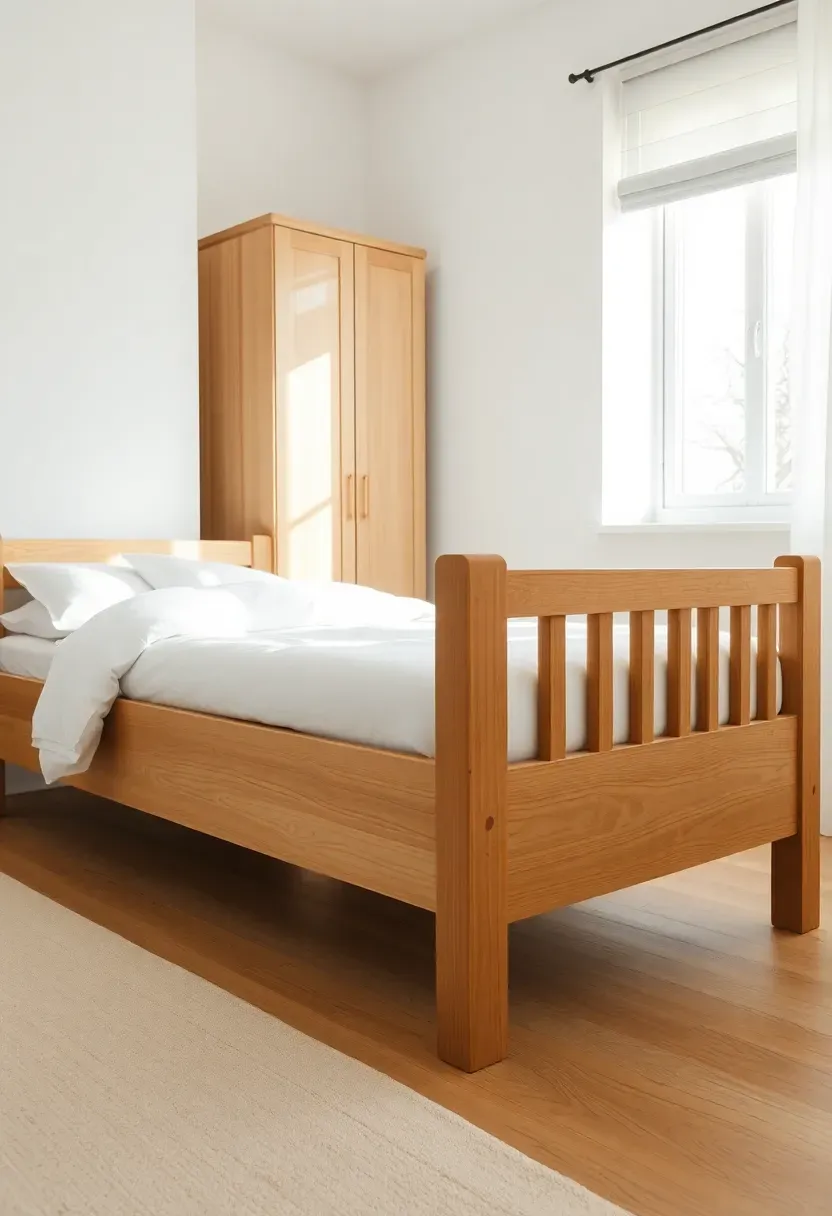
Prompt: Nature documentary capture on Hasselblad X2D 100C with XCD 90V lens at f/4. Hyper-realistic wide view of minimalist kids bedroom with warm white walls, light wood twin bed with simple frame, floating desk, closed storage cabinets. Soft natural light from window (5000K). Materials: warm white plaster, light oak wood, white cotton bedding. Clean organized serene space. No text, no logos, no watermarks.
Starting with neutral wall colors creates versatile calming foundation that works throughout childhood and beyond. Warm white cream soft gray or pale beige walls provide bright backdrop without visual stimulation that can interfere with sleep and focus. Unlike themed colors or bright primaries that quickly feel dated neutral walls adapt seamlessly to changing preferences as children grow.
Neutral walls also make rooms feel larger and brighter—small bedrooms particularly benefit from light reflective surfaces that maximize available natural light. When child wants personalization add temporary elements: art wall decals or removable wallpaper that can update without repainting entire room.
Tips
- Choose warm white or cream rather than stark bright white—yellow undertones create cozy kid-friendly atmosphere
- Test paint colors at different times of day—artificial lighting can make neutrals look dingy or too yellow
- Consider washable matte finishes for kids' rooms—easily clean marks and scuffs without shiny reflection
Budget/Time: Paint is relatively inexpensive DIY project. One gallon covers ~400 sq ft. Most kids' bedrooms need 2-3 gallons including trim.
What this gives you: Adaptable timeless foundation that supports multiple design phases while maintaining calm bright atmosphere.
We picked a few things that go well with this idea: HOOBRO Toy Storage Organizer with Cubbies (★4.4), FINETONES Kids Bookshelf with Storage Chests (★4.7) and Gizoon Toy Storage Cabinet with Shelves (★4.8). As an Amazon Associate we earn from qualifying purchases.
2. Light Wood Furniture Base
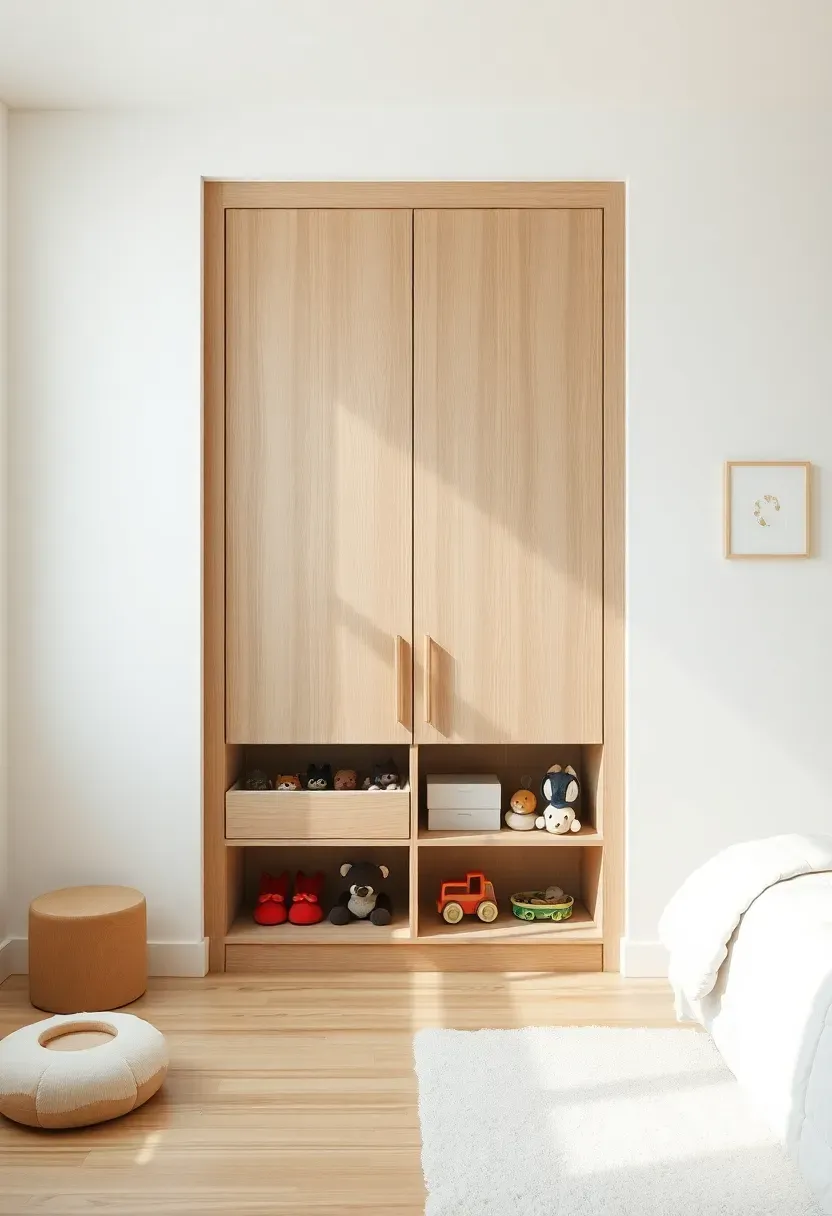
Prompt: Nature documentary capture on Hasselblad X2D 100C with XCD 90V lens at f/4. Hyper-realistic 3/4 view of light oak wood twin bed frame with simple clean lines, white bedding, warm white walls. Part of bedroom with window and closed storage cabinet visible. Materials: light oak wood with visible grain, white cotton linen. Soft natural light (5000K). Minimalist kids bedroom. No text, no logos, no watermarks.
Light wood furniture in oak ash or birch provides warmth and durability while maintaining minimalist aesthetic. Unlike white furniture which shows every mark and dark wood which feels heavy light tones strike perfect balance: naturally hide wear and tear feel cheerful rather than solemn and transition beautifully from nursery through teen years.
Wood's natural variation grain and subtle color differences add visual interest without needing additional ornamentation. Quality wood pieces also develop character over time—dings scratches and wear become story rather than damage especially appealing in kids' rooms where perfection isn't realistic or desirable.
Tips
- Choose solid wood or high-quality plywood rather than particle board—kids' furniture takes substantial wear
- Consider convertible cribs that transform to toddler beds then twin beds—investment piece grows with child through multiple stages
- Opt for rounded edges and corners on furniture for safety—minimalism doesn't mean eliminating essential child-friendly features
Avoid if: You prefer consistent all-white aesthetic—light wood introduces natural warmth that doesn't suit strictly modern spaces.
What this gives you: Durable warm foundation that hides wear gracefully and transitions through multiple childhood phases.
We picked a few things that go well with this idea: Bedsure White Boho Twin Comforter Set (★4.5), PERFEMET Beige Cream Pom Pom Bed Set (5-Piece) (★4.6) and Andency Beige Ruffle Twin Comforter Set (★4.6). As an Amazon Associate we earn from qualifying purchases.
3. Closed Toy Storage System for a Clutter-Free Kids Room
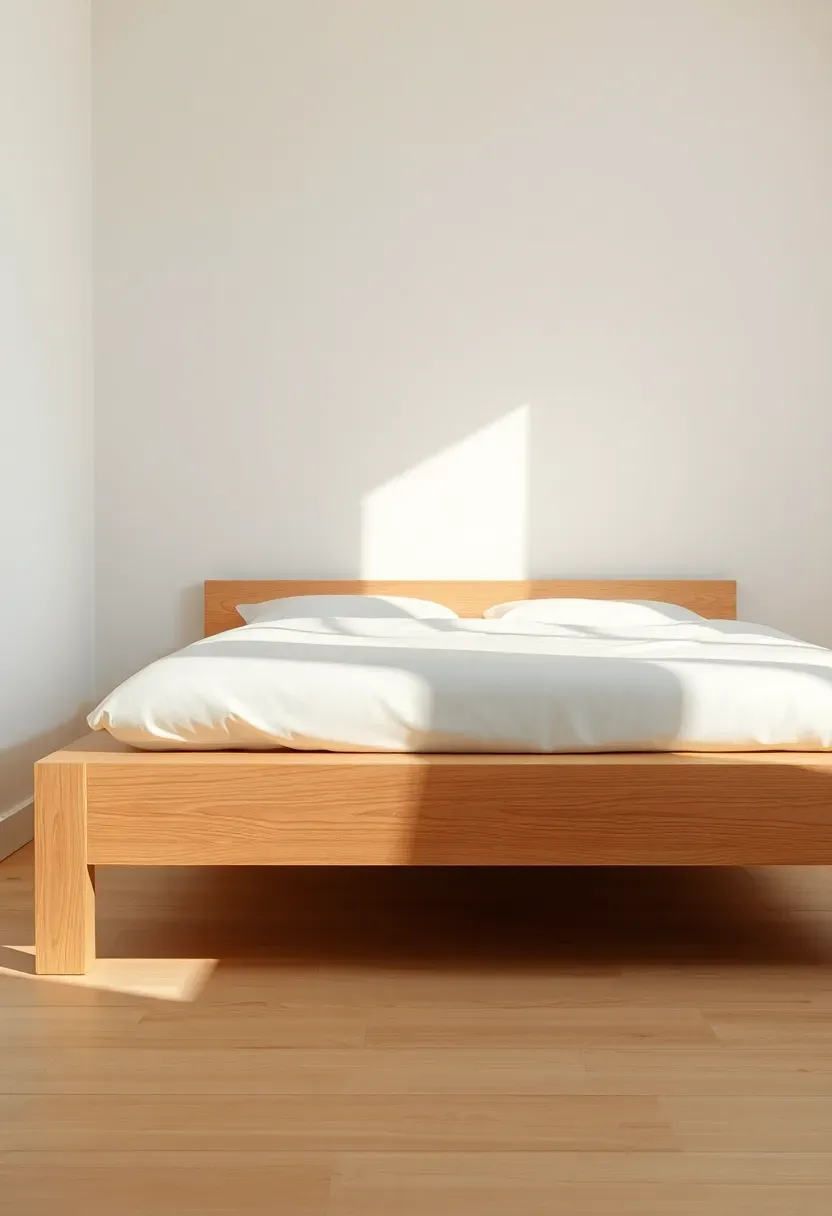
Prompt: Nature documentary capture on Hasselblad X2D 100C with XCD 90V lens at f/4. Hyper-realistic 3/4 view of floor-to-ceiling light oak cabinet with closed doors in minimalist kids bedroom, warm white walls. Cabinet provides concealed toy storage with clean minimalist appearance. Materials: light oak wood, warm white plaster. Soft natural light (5000K). Organized calm space. No text, no logos, no watermarks.
Closed toy storage is minimalist kids' room essential—keeping toys behind cabinet doors or drawers maintains visual calm while providing substantial storage capacity. Unlike open shelves or toy boxes which display every item creating visual noise closed systems let you control what's visible and what's stored.
The most effective systems combine accessibility with concealment: lower drawers or cabinets at child height for frequently used toys upper storage for less-used items or seasonal rotation. This teaches organization while preventing room from becoming constant explosion of toys.
Tips
- Use soft-close hinges on all cabinets and drawers—prevents slamming and protects little fingers
- Label storage areas with pictures or words depending on child's age—helps maintain organization system long-term
- Implement toy rotation: keep only 10-15 toys accessible at once store rest in upper cabinets or closet
What this gives you: Abundant toy storage that maintains visual calm and teaches organizational habits through contained accessibility.
We picked a few things that go well with this idea: Fixwal Natural Wood Nursery Shelves (Set of 3) (★4.5), Pine Wood Picture Ledge Shelves (2-Pack, 36in) (★4.7) and MBYD Natural Wood Floating Shelves (Set of 3) (★4.6). As an Amazon Associate we earn from qualifying purchases.
4. Simple Bed Frame Design
Recommended
Items for this idea
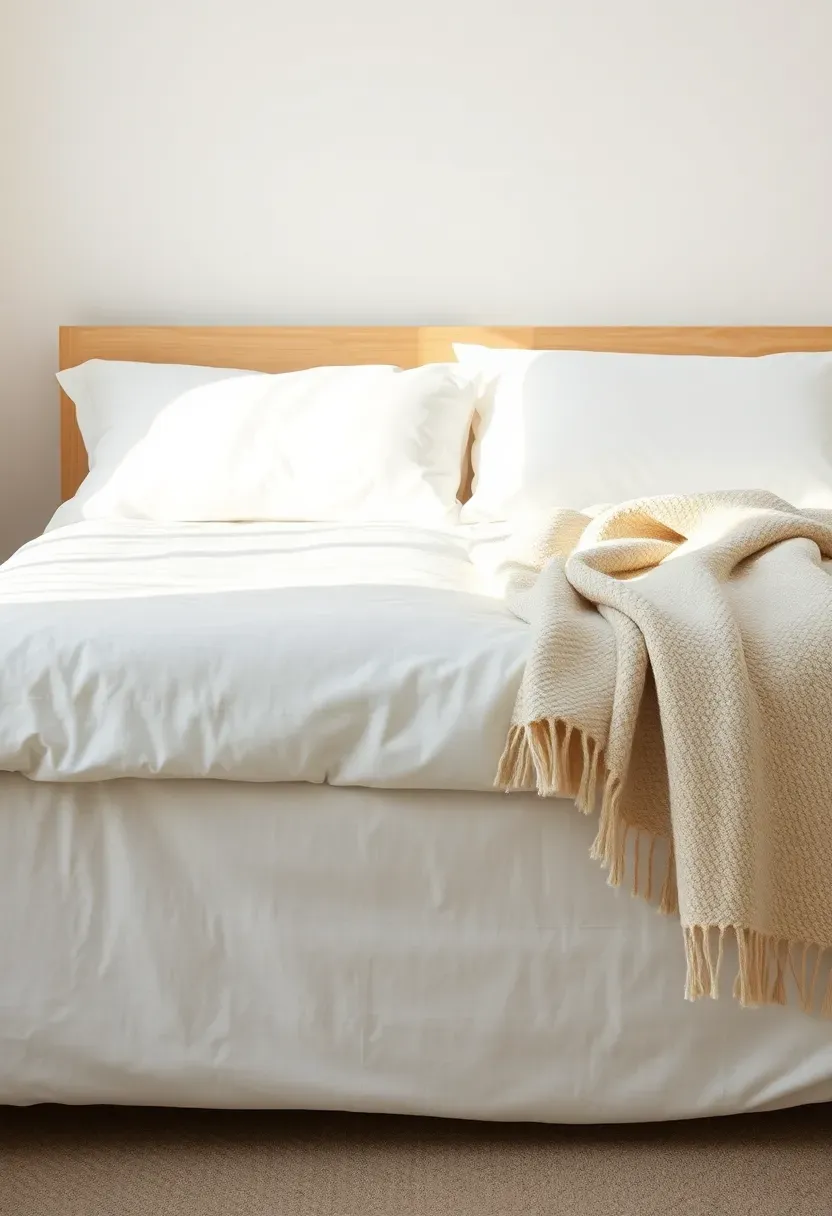
Prompt: Nature documentary capture on Hasselblad X2D 100C with XCD 90V lens at f/4. Hyper-realistic 3/4 view of platform twin bed frame with light oak wood slat base, simple white bedding, warm white walls. Clean minimalist design with no headboard or ornate details. Materials: light oak wood with visible grain, white cotton linen. Soft natural light (5000K). Kids bedroom. No text, no logos, no watermarks.
Simple platform bed frames with clean lines embody minimalist kids' bedroom principles—functional unobtrusive and durable. Unlike elaborate themed beds or car-shaped designs that kids quickly outgrow platform frames provide necessary support without visual drama or fixed themes that restrict room's evolution.
Low-profile platform beds (12-14 inches high) offer additional benefits: easier for young children to climb in and out independently create sense of grounding and security and maximize vertical space making rooms feel larger. Choose solid wood construction for durability—kids' beds take substantial wear from jumping playing and everyday use.
Tips
- Skip headboards or choose minimal designs—upholstered or elaborate headboards consume space and limit flexibility
- Consider beds with built-in under-bed storage drawers—maximize space efficiency in smaller rooms
- Choose standard twin size (39x75 inches) for longevity—many cribs convert to this size and it works through teen years
What this gives you: Functional timeless sleep space that prioritizes simplicity durability and adaptability over decorative themes.
5. Soft Neutral Bedding
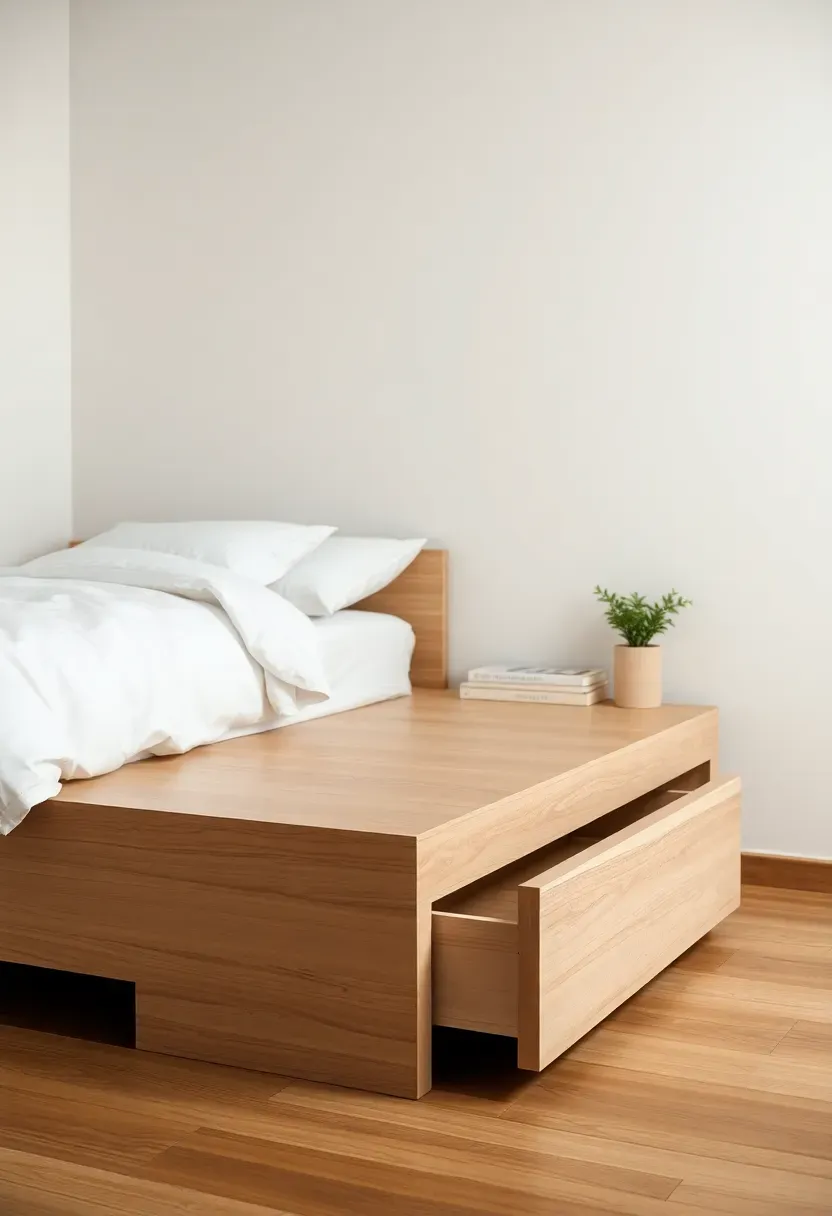
Prompt: Nature documentary capture on Hasselblad X2D 100C with XCD 90V lens at f/4. Hyper-realistic 3/4 view of twin bed with layered neutral bedding: white fitted sheet cream duvet white pillow simple throw blanket. Visible fabric texture. Light oak bed frame warm white walls. Materials: white cotton cream linen soft wool. Soft natural light (5000K). Minimalist kids bedroom. No text, no logos, no watermarks.
Neutral bedding in whites creams soft grays or pale tans creates calm sleep environment while easily washing and updating as child grows. Unlike character-themed or brightly patterned bedding that kids quickly outgrow neutral layers provide sophisticated backdrop that can be refreshed with throw pillows blankets without replacing entire set.
Invest in quality natural materials—cotton linen or wool—which feel comfortable wash well and develop softness over time. Two to three sets of neutral sheets plus one duvet cover provide sufficient variety for washing without excessive linen storage. Add personality through washable throw blankets or pillows that can be inexpensively replaced.
Tips
- Choose washable natural fibers—cotton percale or linen for sheets wool or cotton for blankets
- Add waterproof mattress protector under fitted sheet—essential for kids through bedwetting and accident phases
- Keep 2-3 backup sets only—excessive linens consume valuable storage space in typically smaller rooms
Best for: Parents wanting longevity—neutral bedding works from preschool through college without replacement.
What this gives you: Calm washable sleep foundation that adapts to changing preferences while providing quality comfort.
6. Multi-Functional Storage Bed for Small Kids Bedrooms
Recommended
Items for this idea
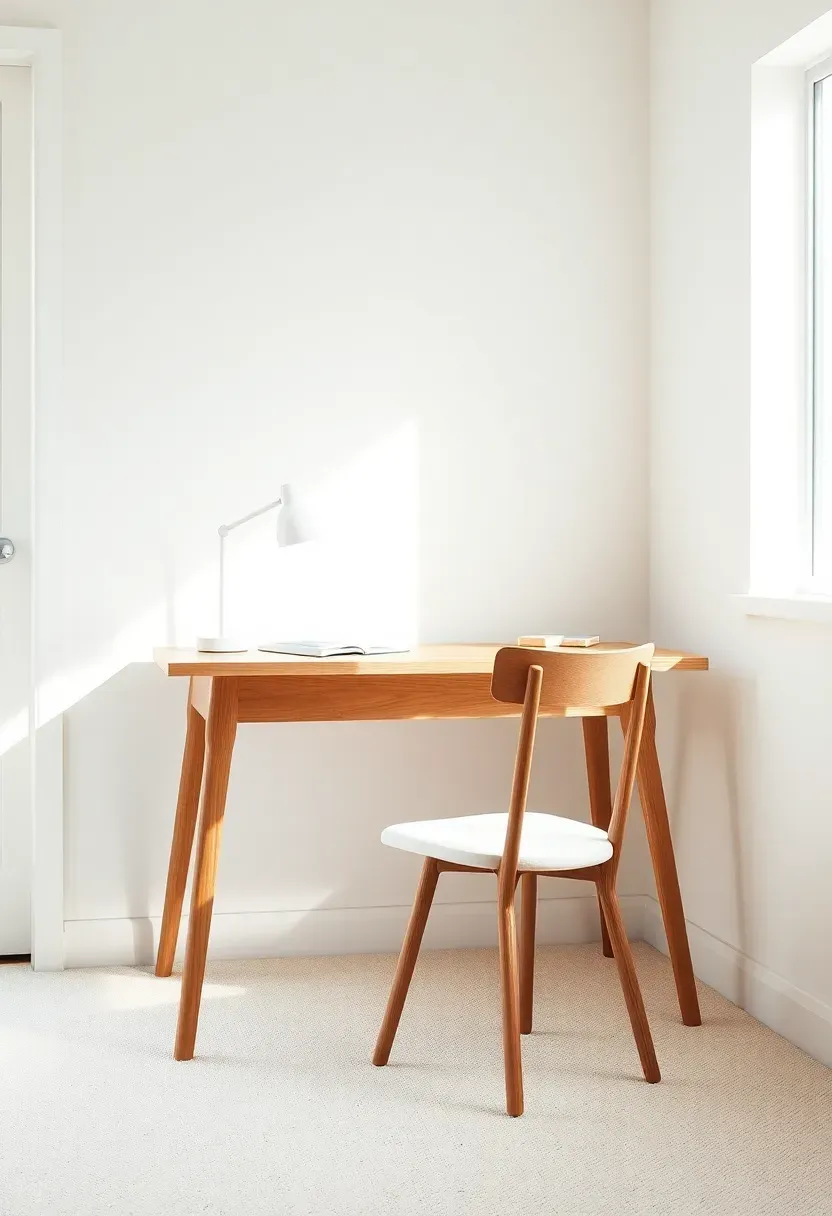
Prompt: Nature documentary capture onTokyo 100C with XCD 90V lens at f/4. Hyper-realistic 3/4 view of twin platform bed with built-in under-bed storage drawers on light oak base. Drawers with simple pulls extend from under bed. Warm white walls white bedding. Materials: light oak wood white cotton linen. Soft ambient light (5000K). Minimalist kids bedroom with smart storage. No text no logos no watermarks.
Storage beds maximize space efficiency in kids' rooms by utilizing under-bed area for concealed storage. This multi-functional approach provides substantial capacity for bedding seasonal clothing or extra toys without consuming additional floor space—especially valuable in smaller bedrooms where every square foot matters.
Look for beds with integrated drawers on smooth-gliding hardware rather than separate rolling bins which can feel makeshift. Hydraulic lift beds (entire mattress base raises) provide even larger storage capacity though they're more expensive and heavier to operate.
Tips
- Ensure at least 12 inches clearance between floor and bed frame for adequate drawer storage capacity
- Choose soft-close drawer mechanisms—prevents pinched fingers and slamming especially important for children
- Use dividers inside drawers to organize contents—prevents jumbled mess and maximizes usable space
Budget/Time: Storage beds cost $200-800 more than standard frames but replace separate dresser—consider overall space savings.
What this gives you: Maximum storage capacity without floor space consumption maintaining minimalist visual simplicity.
7. Minimalist Desk Setup
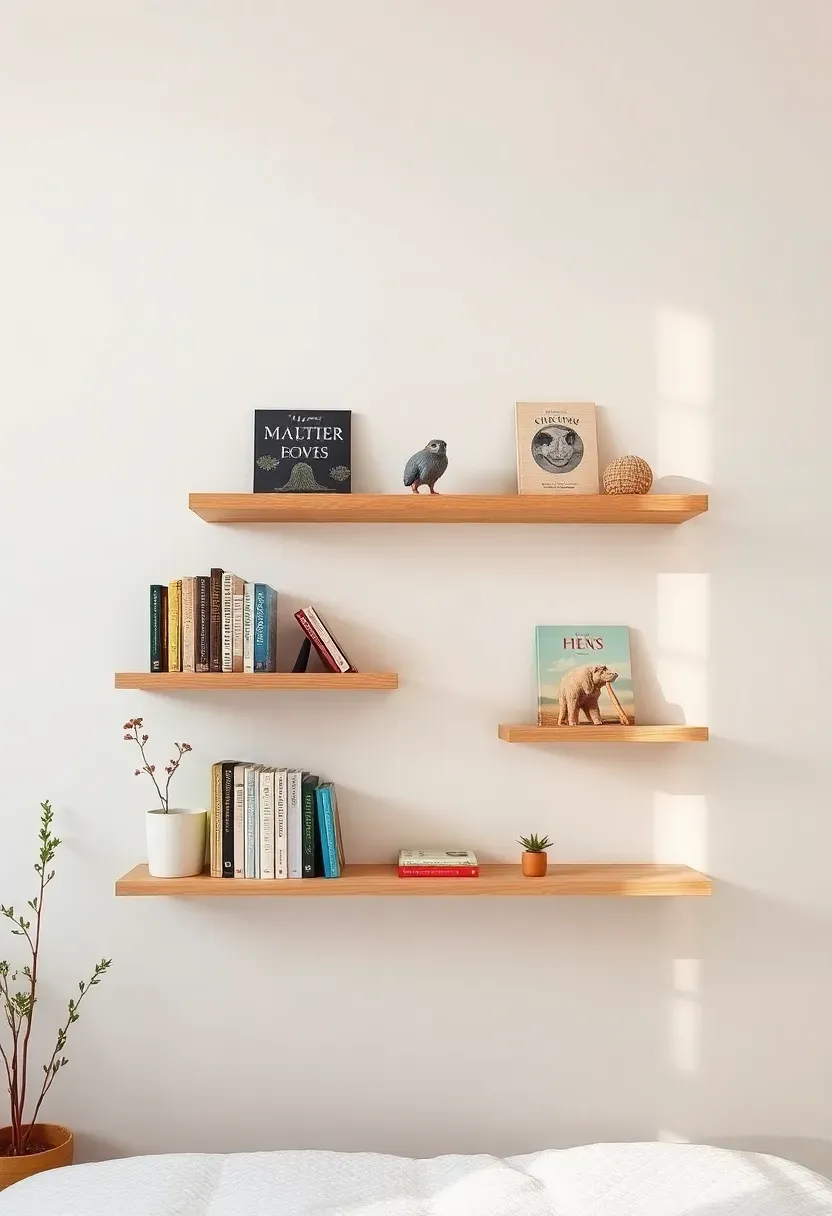
Prompt: Nature documentary capture on Hasselblad X2D 100C with XCD 90V lens at f/4. Hyper-realistic 3/4 view of minimalist writing desk with light oak top and tapered legs in kids bedroom. Simple chair minimal desk lamp. Warm white walls window with natural light. Materials: light oak wood white cotton cushion. Soft natural light (5000K). Clean organized study space. No text no logos no watermarks.
A simple desk provides dedicated workspace for homework art projects and creative activities while maintaining minimalist calm. Choose clean-lined design without extensive storage or ornamentation—surface area for tasks and one drawer for essentials is sufficient. Position desk to maximize natural light which supports focus and reduces eye strain during study sessions.
Desk height should accommodate child's current size with adjustability or replacement as they grow. For younger children lower surfaces work on floor; for school-age children standard desk height (28-30 inches) provides ergonomically correct positioning for writing and computer work.
Tips
- Choose adjustable-height chairs that grow with child—proper seating supports posture and focus during homework
- Position desk near window for natural light but avoid direct glare on work surface
- Keep desk surface mostly clear—minimal supplies accessible (3-5 items max) to maintain focus and prevent distraction
Rental note: Wall-mounted desks are excellent rental solution—provide work surface without permanent floor-based furniture commitment.
What this gives you: Dedicated workspace that supports focus and creativity while maintaining room's visual calm.
8. Adjustable Wall Shelving

Recommended
Items for this idea
Prompt: Nature documentary capture on Hasselblad X2D 100C with XCD 90V lens at f/4. Hyper-realistic 3/4 view of floating wall shelves in light oak at varying heights in kids bedroom. Shelves display few books and small curated items. Warm white wall background. Materials: light oak wood neutral book spines. Soft natural light (5000K). Organized minimalist display. No text no logos no watermarks.
Wall-mounted shelving provides storage and display without consuming floor space—especially valuable in smaller kids' rooms where every square foot of play area matters. Choose adjustable systems that can reposition as child grows: lower for young children's accessible books higher for preteen display items.
Style shelves with extreme restraint: 3-5 items per shelf maximum leaving abundant negative space. This prevents visual clutter while highlighting special pieces. Edit regularly removing items that no longer spark joy or serve purpose—minimalism requires consistent curation not one-time organization.
Tips
- Install at least one shelf at child's height for accessible favorites—higher shelves store display-only or parent-managed items
- Use bookends or forward-facing display for picture books with younger children—makes selection easy and covers look decorative
- Consider floating ledge-style shelves rather than brackets—cleaner appearance easier to adjust as needs change
What this gives you: Storage and display that preserves floor space while adapting to child's changing accessibility needs.
9. Cozy Reading Nook Corner
Prompt: Nature documentary capture on Hasselblad X2D 100C with XCD 90V lens at f/4. Hyper-realistic 3/4 view of corner reading nook in minimalist kids bedroom with floor cushions in neutral tones small floating shelf with few books warm white walls. Soft natural light from nearby window. Materials: cream linen cushions light oak wood shelf neutral books. Cozy inviting space. No text no logos no watermarks.
A dedicated reading corner encourages literacy and provides quiet retreat space without requiring substantial square footage. Use floor cushions, a beanbag chair, or a small upholstered bench in neutral tones along with one floating shelf or small basket for book storage. Position near natural light if possible. For more ideas on creating the perfect reading spot, see our [minimalist bedroom reading nook ideas](/posts/355_27-minimalist-bedroom-reading-nook-ideas-to-unwind-that-transform-the-bedroom/).
Reading nooks work especially well in room corners or alcoves—spaces that might otherwise go unused. Keep styling minimal: comfortable seating 5-10 accessible books one small pillow or throw blanket maximum. The space should feel inviting not cluttered.
Tips
- Use washable removable cushion covers—kids' reading spaces get substantial wear from snacks spills and everyday use
- Include soft lighting: floor lamp with warm bulb or string lights for cozy evening reading atmosphere
- Rotate books monthly—keeps reading material fresh and prevents pile from becoming overwhelming unmanageable stack
What this gives you: Inviting literacy-supporting space that utilizes corner areas while maintaining room's minimalist calm.
10. Blackout Curtains for Sleep
Recommended
Items for this idea
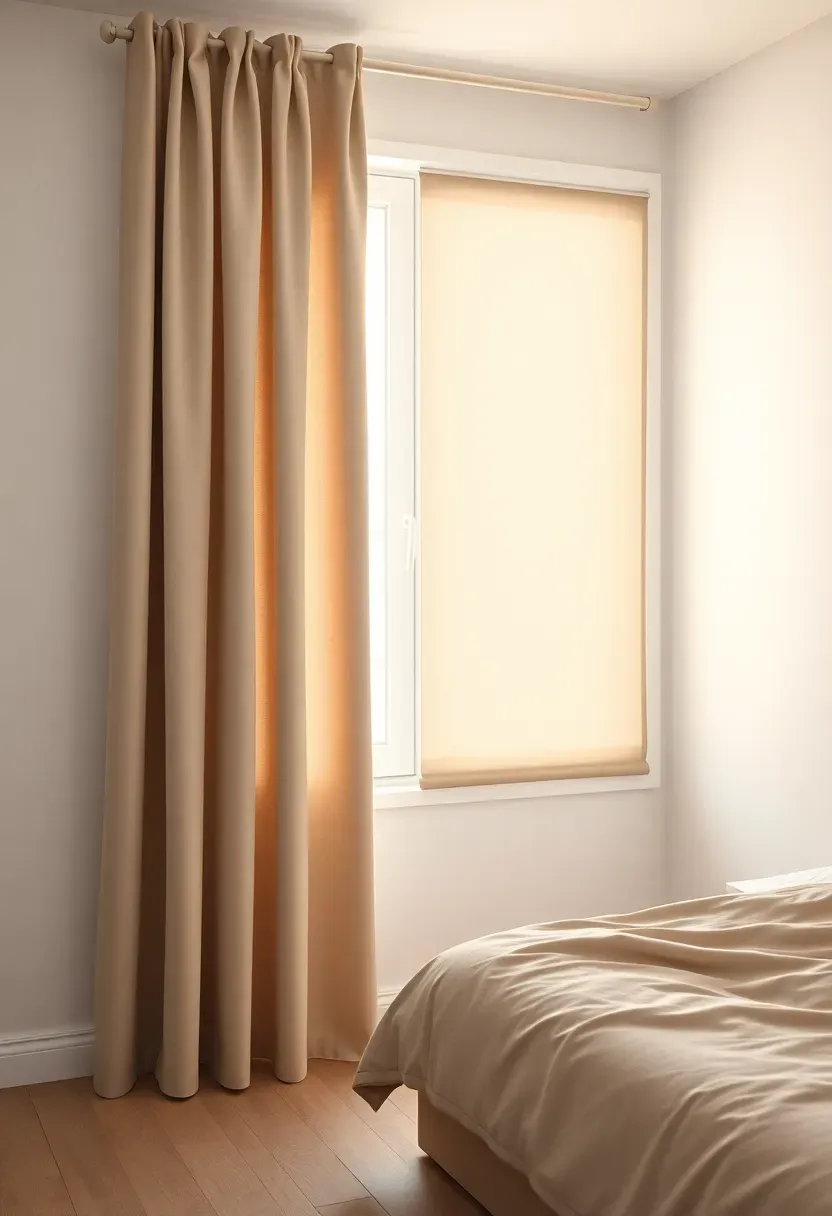
Prompt: Nature documentary capture on Hasselblad X2D 100C with XCD 90V lens at f/4. Hyper-realistic 3/4 view of window with floor-to-ceiling blackout curtains in warm gray or cream covering window completely. Part of minimalist kids bedroom with twin bed visible. Warm white walls light wood floor. Materials: neutral fabric blackout lining. Soft ambient light (5000K). Darkened room for sleep. No text no logos no watermarks.
Quality blackout curtains support healthy sleep by blocking external light and creating dark restful environment—especially important for children who may nap or have earlier bedtimes than adults. Choose neutral colors that coordinate with room rather than character prints or bright colors that fight minimalism.
Install floor-to-ceiling curtains hung several inches above window frame and extending beyond each side—this approach maximizes light blockage and makes windows feel larger while maintaining clean appearance. Layer with sheer white curtains if you want light-filtering option during daytime.
Tips
- Choose curtains with 95-100% blackout rating—cheaper "room darkening" options often let substantial light through
- Use wraparound rod or track system if possible—prevents light gaps at sides where curtains meet wall
- Select machine-washable fabrics—curtains collect dust allergens and kids' room grime that requires regular cleaning
What this gives you: Sleep-supporting darkness that maintains minimalist aesthetic through neutral colors and clean installation.
11. Soft Area Rug Definition
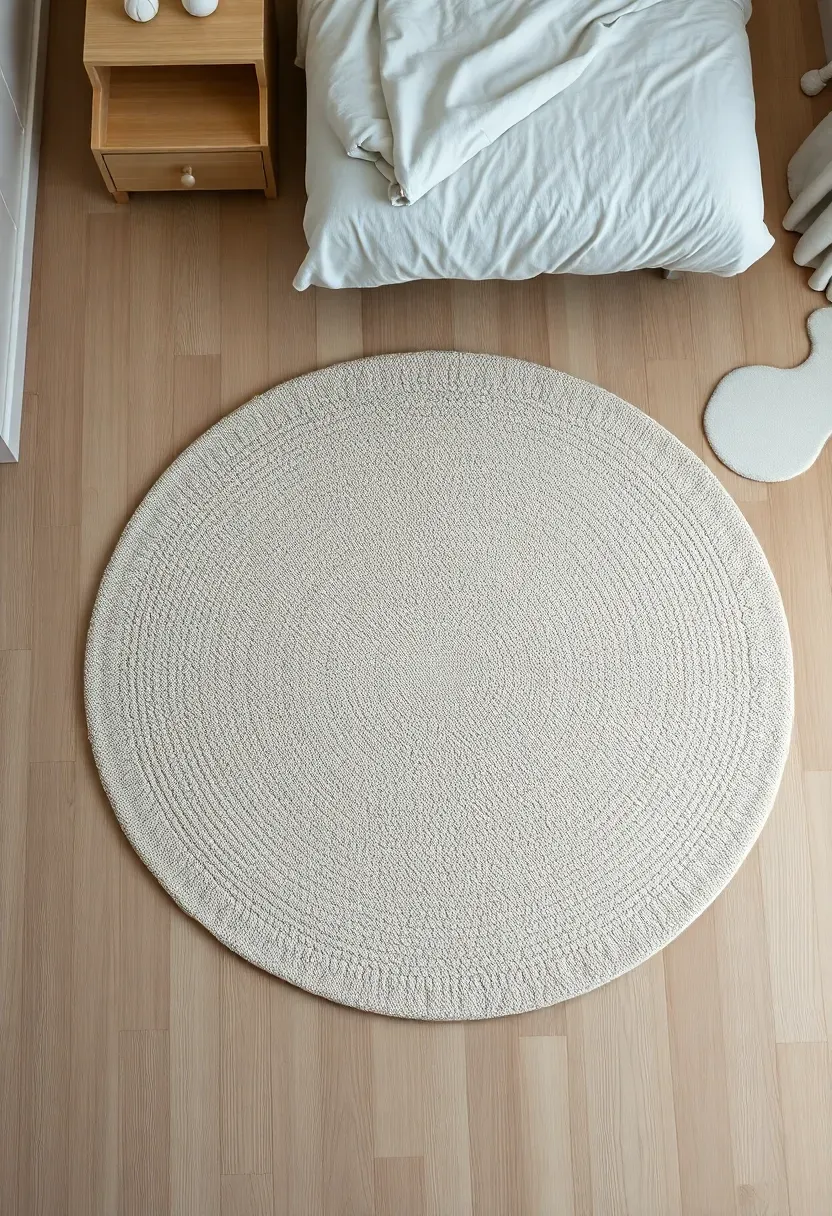
Prompt: Nature documentary capture on Hasselblad X2D 100C with XCD 90V lens at f/4. Hyper-realistic top-down view showing neutral textured area rug (cream or light gray) in center of minimalist kids bedroom defining play zone. Light wood flooring visible around rug edges. Part of bed and storage cabinet visible. Materials: wool or cotton rug with visible texture light oak wood. Soft ambient light (5000K). No text no logos no watermarks.
A soft area rug defines play or reading zone while adding warmth and sound-dampening to hard floors. Choose neutral colors and textures rather than patterns or bright colors—wool or cotton with visible texture provides sufficient visual interest without fighting minimalist aesthetic.
Size matters: rug should be large enough to define space but not wall-to-wall covering which makes rooms feel smaller. For kids' rooms 5x7 or 6x9 feet typically works well for central play area. Ensure rug has non-slip backing or separate pad for safety.
Tips
- Choose washable materials for younger kids—cotton or synthetic blends that can handle spills and accidents
- Consider flatweave or low-pile options—easier to clean and less likely to trap allergens than plush high-pile rugs
- Leave 12-18 inches of exposed floor around rug edges—creates breathing room and makes room feel larger
Best for: Rooms with hard floors—rugs provide essential softness for floor play and reduce noise.
What this gives you: Defined comfortable play area that adds warmth texture and sound-dampening without visual disruption.
12. Organized Art Display
Recommended
Items for this idea
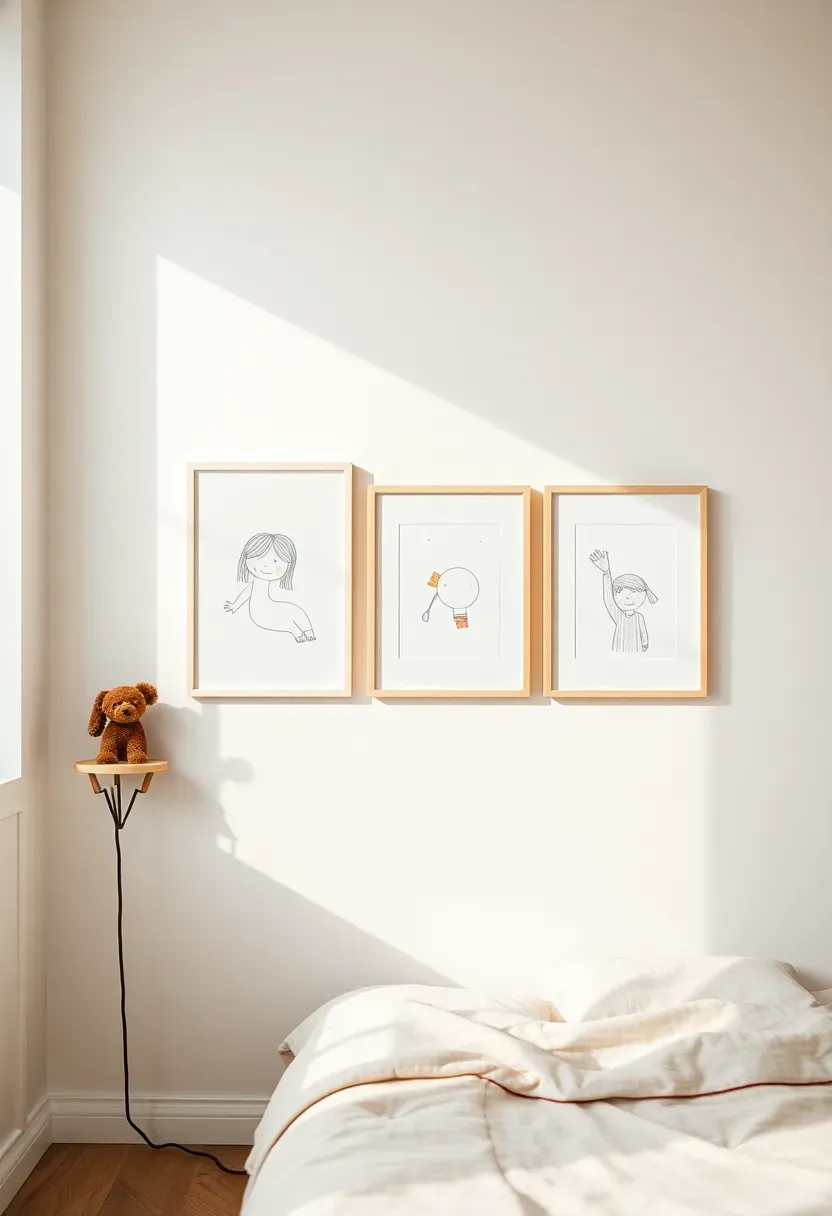
Prompt: Nature documentary capture on Hasselblad X2D 100C with XCD 90V lens at f/4. Hyper-realistic 3/4 view of organized art display on warm white wall in minimalist kids bedroom. 3-4 simple frames with children's artwork behind glass. Clean grid layout. Neutral room background with bed visible. Materials: white or light wood frames paper art. Soft natural light (5000K). Intentional curated display. No text no logos no watermarks.
Displaying children's art celebrates creativity while adding personal touches—key is organized intentional presentation rather than haphazard taping to walls. Use matching or coordinating frames in consistent sizes arranged in grid formation for gallery-like appearance that feels curated rather than cluttered.
Establish rotation system: display 5-8 pieces maximum storing extras in portfolio or bin. Rotate quarterly allowing child to choose favorites while preventing wall from becoming overwhelmed. This teaches editing and curation skills while maintaining visual calm.
Tips
- Choose lightweight acrylic or plastic frames for safety—avoid glass in kids' rooms where breakage risk is high
- Use picture-ledging or magnetic frames instead of traditional framing—easier to swap art as new pieces are created
- Involve child in selection process—teaches decision-making and investment in maintaining organized display
What this gives you: Personal art display that celebrates creativity while teaching curation and maintaining visual harmony.
13. Hidden Charging Station
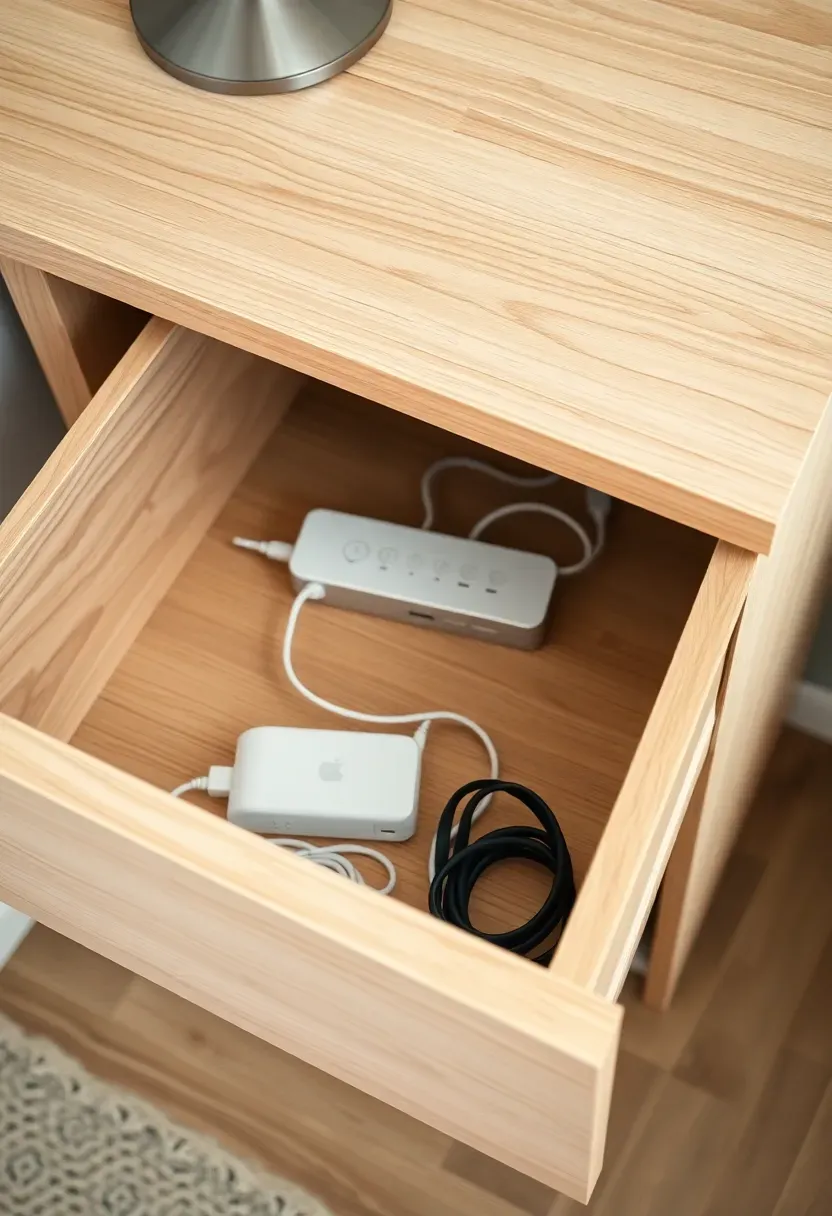
Prompt: Nature documentary capture on Hasselblad X2D 100C with XCD 90V lens at f/4. Hyper-realistic 3/4 view of drawer open showing built-in charging station with USB ports and power strip inside desk or nightstand. Cables neatly organized. Light oak wood warm white wall background. Materials: light oak wood white plastic power strip device cables. Soft ambient light (5000K). Organized tech storage. No text no logos no watermarks.
Concealed charging station keeps device cords organized and out of sight while providing necessary tech access. Install power strip with USB ports inside desk drawer or nightstand drawer—cords stay contained but accessible. Close drawer when not in use maintaining minimalist visual calm.
This solution becomes increasingly essential as children age and acquire more electronics: tablets phones laptops smart devices. Hidden charging prevents cord tangle visual clutter while teaching device management habits.
Tips
- Choose power strips with multiple USB-C and USB-A ports to accommodate evolving device charging needs
- Include small basket or cord organizer inside drawer to prevent cable tangle and maintain tidy appearance
- Consider built-in USB outlets during electrical updates—most seamless integrated solution for long-term use
What this gives you: Organized device charging that maintains visual calm while teaching tech management habits.
14. Quality Mattress Investment
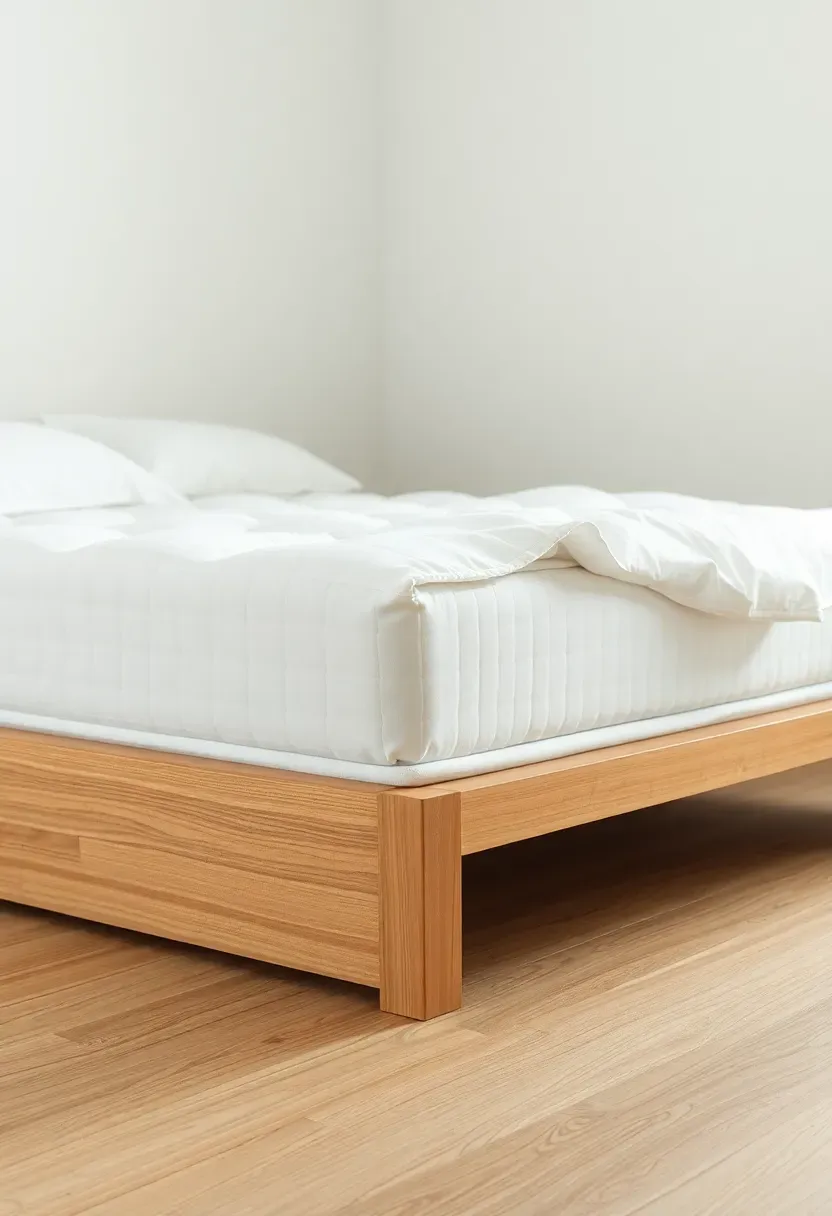
Recommended
Items for this idea
Prompt: Nature documentary capture on Hasselblad X2D 100C with XCD 90V lens at f/4. Hyper-realistic 3/4 view of quality twin mattress on simple platform base with white bedding showing mattress profile. Warm white walls light wood floor. Materials: white mattress cover white cotton bedding light oak wood. Soft natural light (5000K). Clean sleep space. No text no logos no watermarks.
Investing in quality mattress prioritizes child's health sleep quality and long-term comfort over decorative furniture that loses relevance. Children spend 10-12 hours daily sleeping—mattress quality directly impacts physical development cognitive function and emotional regulation.
Look for medium-firm feel with adequate support for growing bodies. Natural materials (cotton wool latex) provide breathability and temperature regulation especially important for children who tend to sleep hot. Expect to replace mattress every 7-10 years as child grows—plan for this investment cycle.
Tips
- Choose waterproof mattress protector—extends mattress life by guarding against accidents spills and sweat
- Rotate mattress quarterly—prevents body impressions and extends usable lifespan significantly
- Avoid pillow-top mattresses for children—softer surfaces lose shape quickly and don't provide adequate support
Budget/Time: Quality twin mattress costs $400-1000 but lasts 7-10 years—invests in sleep quality during critical development period.
What this gives you: Long-term sleep quality investment that supports healthy development and daily functioning.
15. Adjustable Lighting Options
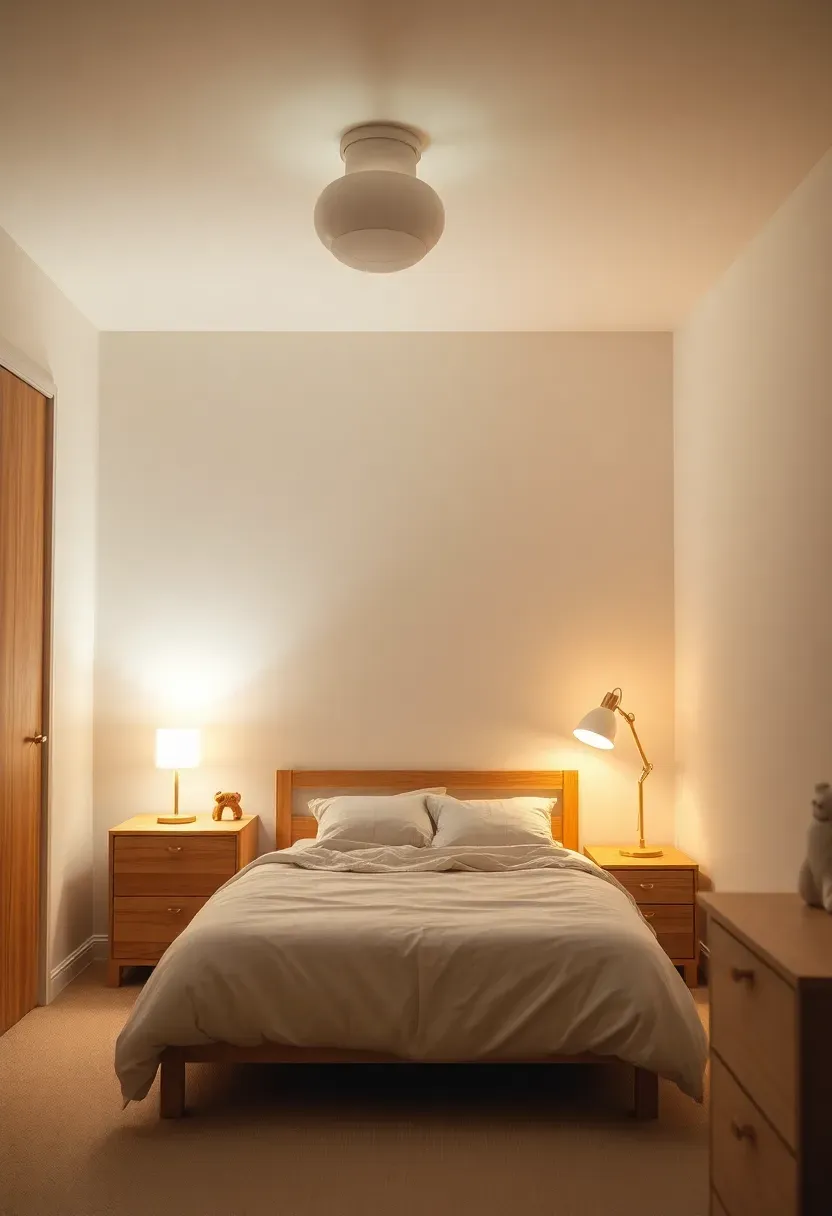
Prompt: Nature documentary capture on Hasselblad X2D 100C with XCD 90V lens at f/4. Hyper-realistic 3/4 view of minimalist kids bedroom at evening with layered lighting: dimmable ceiling fixture warm glow from desk lamp. Twin bed with neutral bedding visible. Warm white walls light wood furniture creating cozy atmosphere. Materials: light oak wood white fabric shades warm white bulbs (2700K). Calming ambient light. No text no logos no watermarks.
Layered adjustable lighting creates versatility for different activities: bright overhead for homework and cleaning dim ambient for bedtime routine warm focused light for reading. Install dimmer switches on ceiling fixtures—a single addition dramatically increases room functionality and creates calming evening atmosphere.
Bedside lamp or wall sconce with warm bulb (2700K) provides gentle bedtime lighting. Desk lamp with adjustable brightness supports focused work. All lighting should stay consistent in warm white temperature rather than mixed cool/warm which creates visual discord.
Tips
- Use warm white bulbs (2700K-3000K) throughout—cool daylight tones feel harsh and can interfere with sleep cycles
- Install dimmers on all lighting circuits—maximum versatility for different activities and moods
- Consider smart bulbs with scheduling capabilities for older kids—automated routines support independence and sleep hygiene
What this gives you: Versatile lighting supporting various activities while creating calming bedtime atmosphere.
16. Minimal Window Treatments
Recommended
Items for this idea
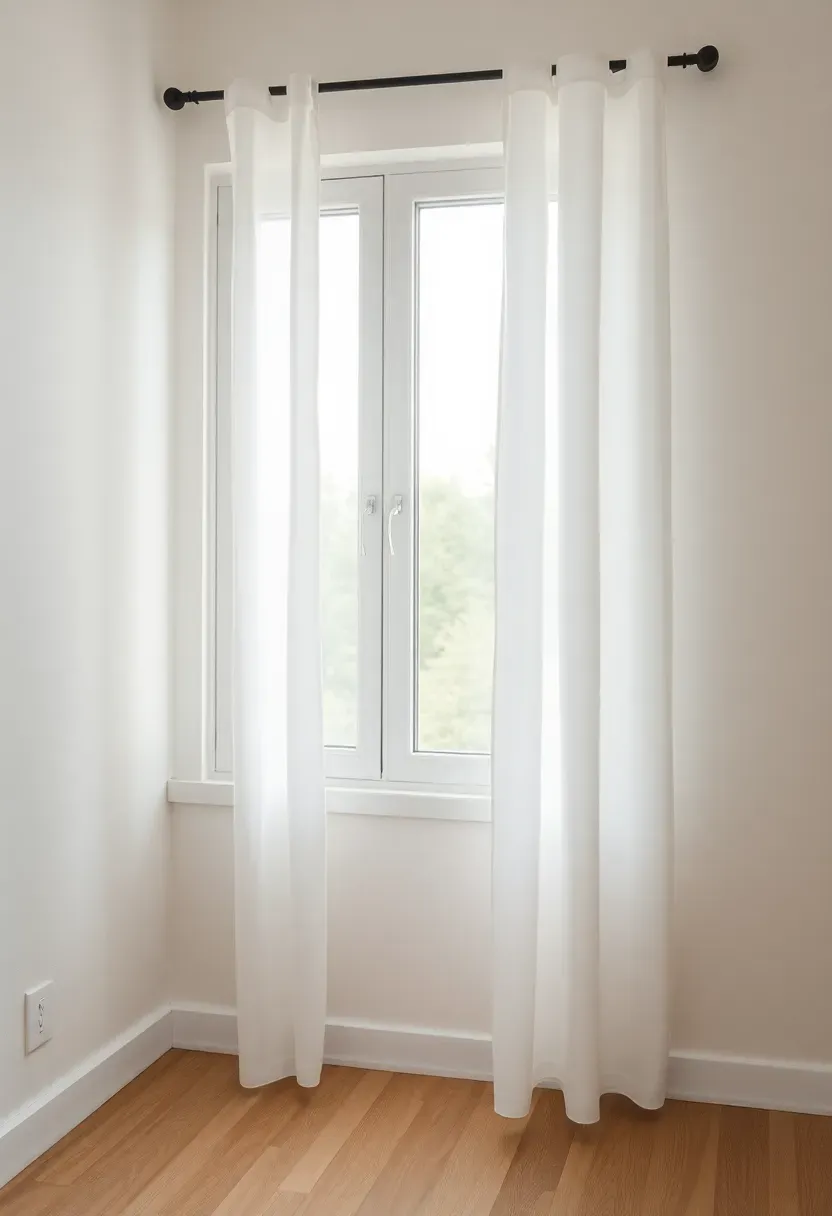
Prompt: Nature documentary capture on Hasselblad X2D 100C with XCD 90V lens at f/4. Hyper-realistic 3/4 view of window with simple white curtains hung from minimal black metal rod in kids bedroom. Warm white walls light oak floor. Soft natural light filtering through fabric. Clean uncluttered appearance. Materials: white fabric black metal rod warm white plaster. Soft natural light (5000K). Minimalist window treatment. No text no logos no watermarks.
Simple window treatments in white or neutral fabrics provide privacy and light control without visual weight. Avoid valances cornices or elaborate decorative elements that consume space and feel dated. Clean floor-to-ceiling panels on minimal rods feel current and maintain minimalist calm.
Choose light-filtering sheers for privacy and UV protection or blackout lined panels for sleep support. Install rods 2-4 inches above window frame and extend 6-12 inches beyond each side—makes windows feel larger and maximizes light while maintaining privacy.
Tips
- Use simple metal rods without decorative finials—black nickel or matte white finishes blend rather than stand out
- Choose linen or linen-cotton blend panels—natural fabrics drape beautifully and develop texture over time
- Hang curtains high rather than just above frame—ceiling-height installation makes rooms feel taller and more intentional
What this gives you: Light control and privacy while maintaining minimalist aesthetic through simple materials and clean installation.
17. Open Floor Play Space in a Minimalist Kids Room
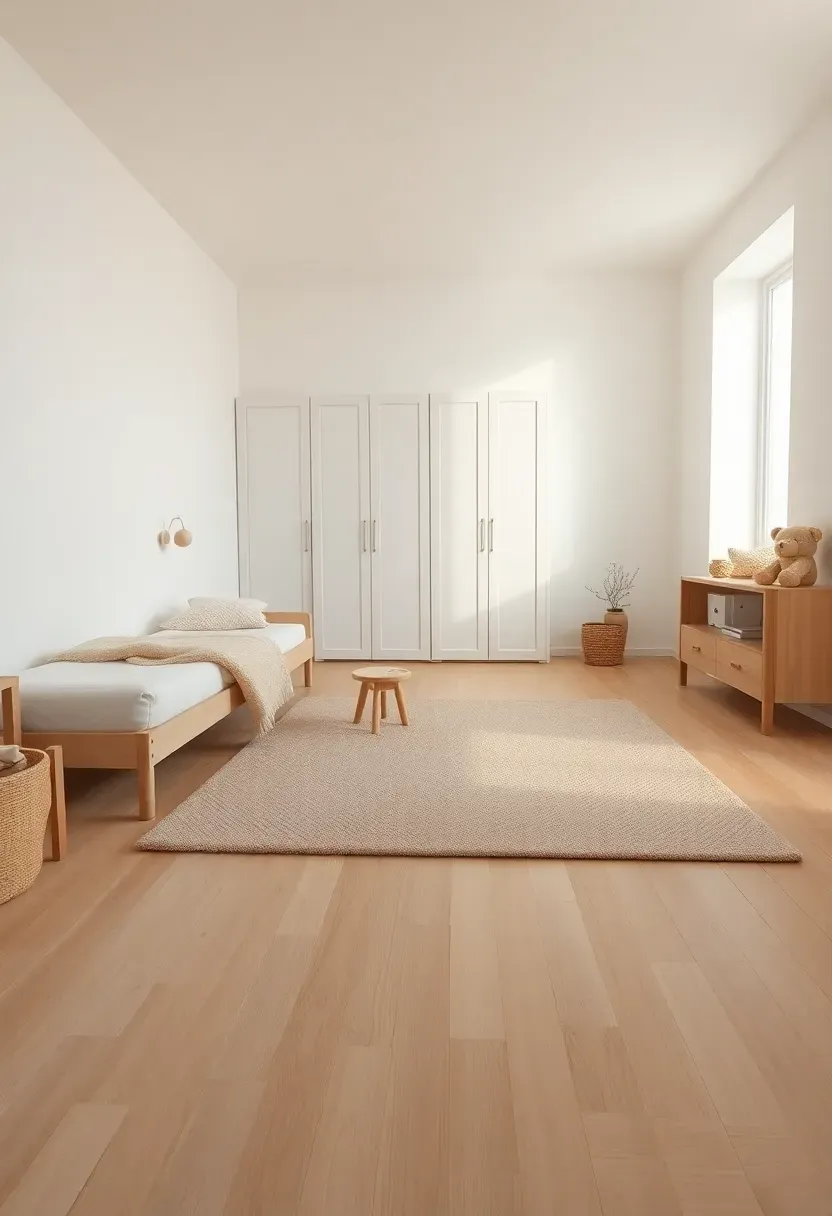
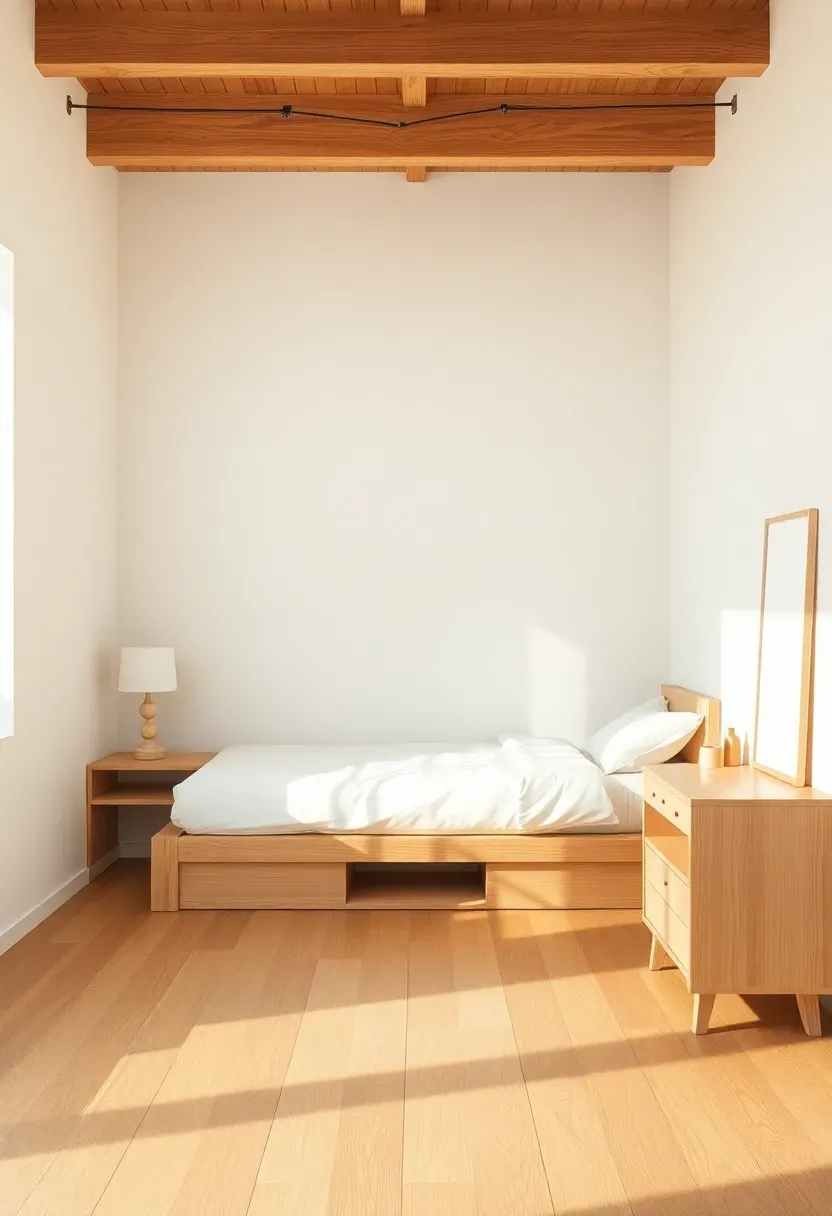
Prompt: Nature documentary capture on Hasselblad X2D 100C with XCD 90V lens at f/4. Hyper-realistic wide view of minimalist kids bedroom showing abundant open floor space with neutral area rug. Twin bed along one wall closed storage along another. Warm white walls light oak flooring. Empty central floor area available for play. Materials: light oak wood neutral rug warm white plaster. Soft natural light (5000K). Spacious calm environment. No text no logos no watermarks.
Preserving substantial open floor space may be minimalist kids' room's most valuable feature—children need room to build create dance and play without furniture obstructions. Unlike adult rooms where furniture fills space kids' bedrooms should prioritize negative space allowing activities to dominate.
Keep furniture pushed to perimeter: bed against one wall storage along another desk at third wall if possible. This arrangement leaves center of room free for building projects floor play yoga or sprawling with toys. Open space also makes rooms feel larger and brighter.
Tips
- Maintain minimum 4x6 foot open area for play—smaller rooms may require vertical storage solutions to preserve floor space
- Use rugs to define play zone without adding furniture—soft boundaries help contain activities visually while maintaining openness
- Resist urge to fill empty corners with additional furniture—negative space is active design element in kids' rooms not wasted area
Placement note: Position open area where natural light reaches—daylight play is preferable and makes space feel more inviting.
What this gives you: Flexible play space that supports diverse activities while maintaining room's sense of spaciousness and calm.
18. Built-In Wardrobe Storage
Recommended
Items for this idea
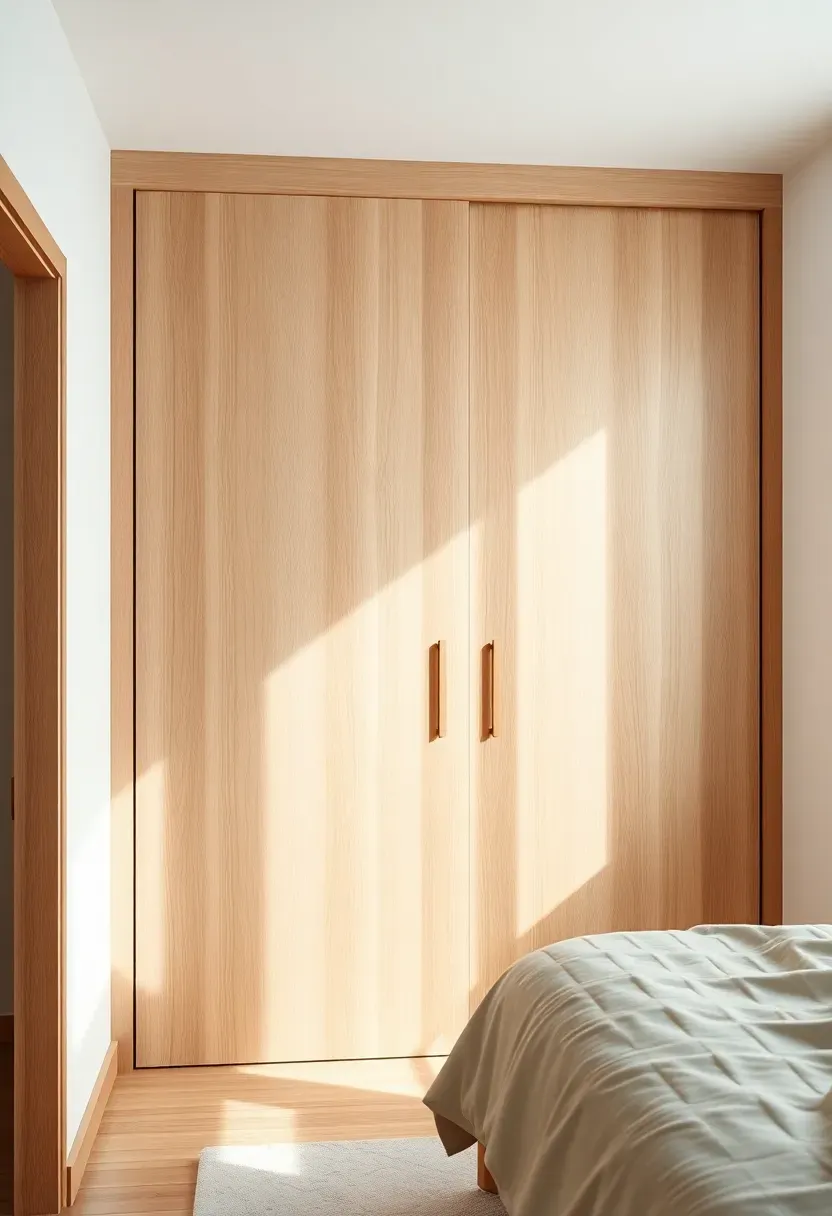
Prompt: Nature documentary capture on Hasselblad X2D 100C with XCD 90V lens at f/4. Hyper-realistic 3/4 view of floor-to-ceiling wardrobe with light wood sliding doors in minimalist kids bedroom. Minimal recessed handles. Warm white walls surrounding. Part of room with twin bed visible. Materials: light oak wood with visible grain warm white plaster. Soft natural light (5000K). Seamless storage. No text no logos no watermarks.
Built-in wardrobe provides substantial concealed storage while maintaining minimalist visual calm through architectural integration. Unlike freestanding armoires or dressers with visible contents built-ins feel seamless and intentional. Floor-to-ceiling design maximizes storage without consuming additional floor area.
Interior organization is key: adjustable hanging rods at multiple heights accommodate changing needs as child grows. Deep drawers for folded items shelves for shoes and accessories. Configurable systems allow reorganization as storage requirements evolve from baby clothes through teen wardrobe.
Tips
- Include mix of hanging and folded storage—kids' clothes include both types and needs change with age
- Use pull-out baskets or bins for lower shelves—easier for children to access than traditional drawers
- Install LED lighting inside wardrobe—automated or switch-activated lights help children find items and maintain organization
Budget/Time: Built-ins require significant investment ($2000-5000+) but add home value and last decades—consider long-term investment.
What this gives you: Maximum concealed storage maintaining minimalist calm through architectural integration and adaptability.
19. Low Profile Furniture Scale
Prompt: Nature documentary capture on Hasselblad X2D 100C with XCD 90V lens at f/4. Hyper-realistic 3/4 view of minimalist kids bedroom with low-profile furniture: platform bed 12 inches high low desk shallow storage. Warm white walls light oak flooring creates spacious vertical feel. Materials: light oak wood white cotton bedding warm white plaster. Soft natural light (5000K). Airy uncluttered space. No text no logos no watermarks.
Choosing low-profile furniture maintains visual lightness and makes rooms feel more spacious—especially important in typically smaller kids' bedrooms. Platform beds low desks and shallow storage preserve vertical space and create sense of openness unlike tall bureaus or high bookcases which consume room visually.
Low furniture also feels more child-appropriate and accessible. Young children can climb in and out of low beds independently. Items on low shelves are within reach without assistance. This accessibility fosters independence while maintaining safety.
Tips
- Choose platform beds 12-14 inches high—low enough for easy access but sufficient height for under-bed storage if desired
- Opt for horizontal dresser over tall chest—provides equivalent storage with less visual mass and more surface area for display
- Consider wall-mounted desks or shelving to eliminate furniture footprint entirely while maintaining functionality
What this gives you: Spacious airy feel while maintaining child-friendly accessibility and functional storage capacity.
20. Neutral Basket Storage
Recommended
Items for this idea
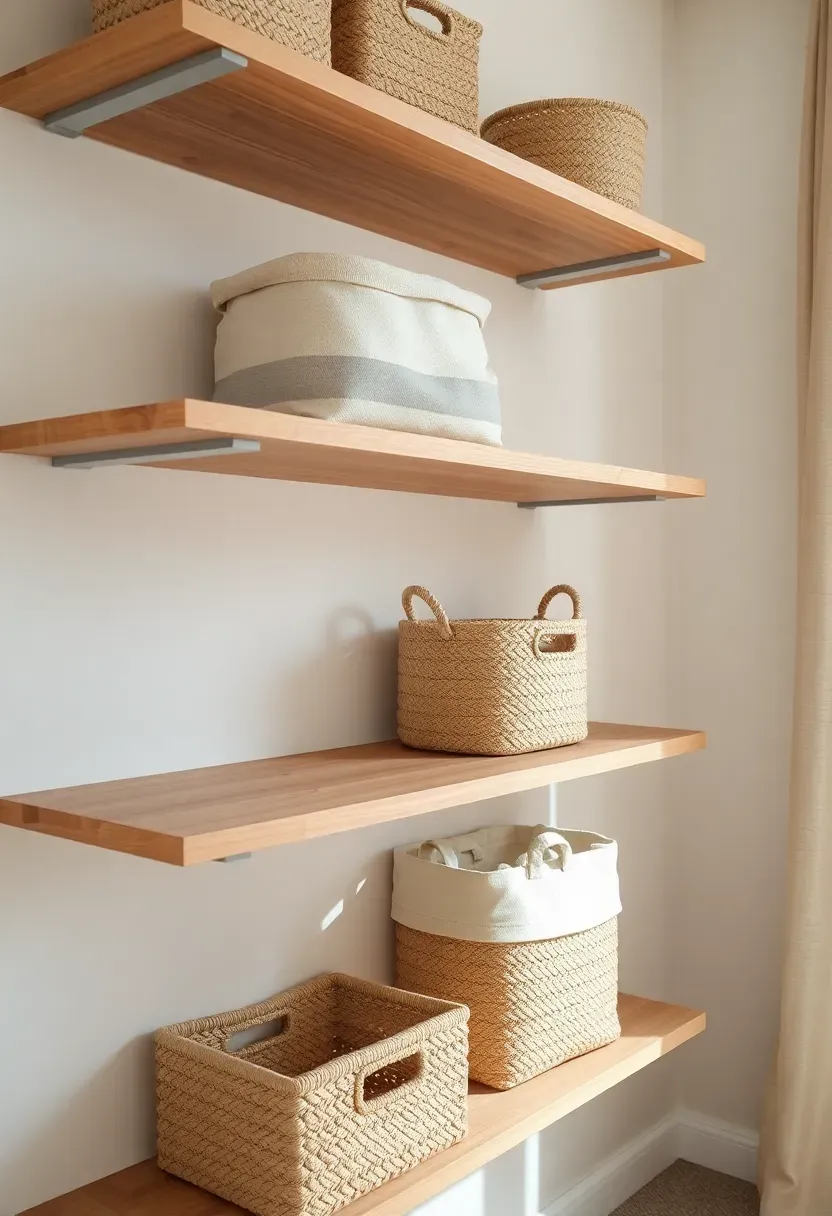
Prompt: Nature documentary capture on Hasselblad X2D 100C with XCD 90V lens at f/4. Hyper-realistic 3/4 view of floating shelves in minimalist kids bedroom with neutral woven baskets for toy storage. Baskets in natural jute cream and soft gray. Warm white wall background. Materials: woven jute cotton canvas light oak wood shelves. Soft natural light (5000K). Organized concealed storage. No text no logos no watermarks.
Neutral woven baskets provide stylish concealed storage that maintains minimalist calm while hiding toy clutter. Use natural jute cotton canvas or seagrass baskets in cream tan gray or soft white—coordinating colors feel intentional rather than haphazard mix of bright bins.
Baskets work beautifully on open shelves inside closets or under beds. Label contents with picture labels for non-readers or word labels for older kids—helps maintain system and prevents jumbled mixing of categories. Group toys by type: vehicles dolls building materials art supplies.
Tips
- Choose sturdy handles on all baskets—children need to be able to carry baskets to play areas and return them for storage
- Buy multiples of same basket style—uniform appearance creates calmer visual than mix of different sizes colors
- Consider soft-sided canvas or fabric baskets for younger children—no risk of injury from dropped or thrown baskets
What this gives you: Stylish portable toy storage that conceals clutter while maintaining neutral aesthetic.
21. Mirror for Spatial Depth
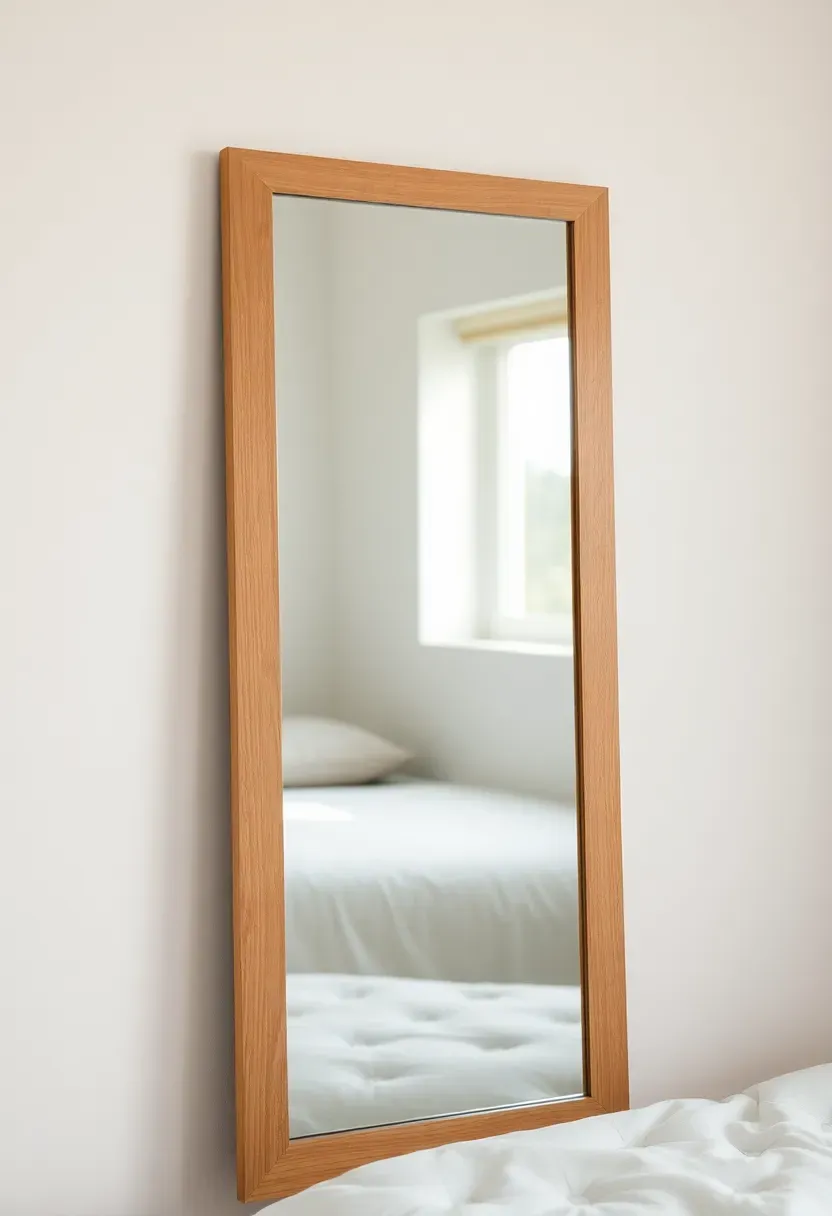
Prompt: Nature documentary capture on Hasselblad X2D 100C with XCD 90V lens at f/4. Hyper-realistic 3/4 view of simple rectangular mirror with light oak frame leaning against warm white wall in kids bedroom. Reflection shows part of room with window and bed. Materials: light oak wood frame high-quality mirror glass. Soft natural light (5000K). Space-enhancing reflective element. No text no logos no watermarks.
A well-placed mirror adds depth light and sense of spaciousness to smaller kids' bedrooms without consuming floor space or adding visual clutter. Choose simple rectangular or round mirror with light wood or matte white frame that coordinates with existing furniture.
Position mirror to reflect window light or visually pleasing area—maximizes light-doubling effect and creates intentional reflection rather than showing cluttered corner. Lean against wall or hang securely depending on space and child's age.
Tips
- Choose shatter-resistant acrylic mirrors for younger children—safety essential in kids' spaces where play gets rowdy
- Secure leaning mirrors to wall with discrete anchors—prevents tipping while maintaining casual aesthetic
- Avoid placing mirror directly facing bed for young children—reflections at night can sometimes cause fear or confusion
Best for: Small bedrooms where mirror's light-maximizing and space-expanding effects provide most benefit.
What this gives you: Enhanced spaciousness and light without sacrificing floor space or adding visual clutter.
22. Minimalist Nightstand
Recommended
Items for this idea
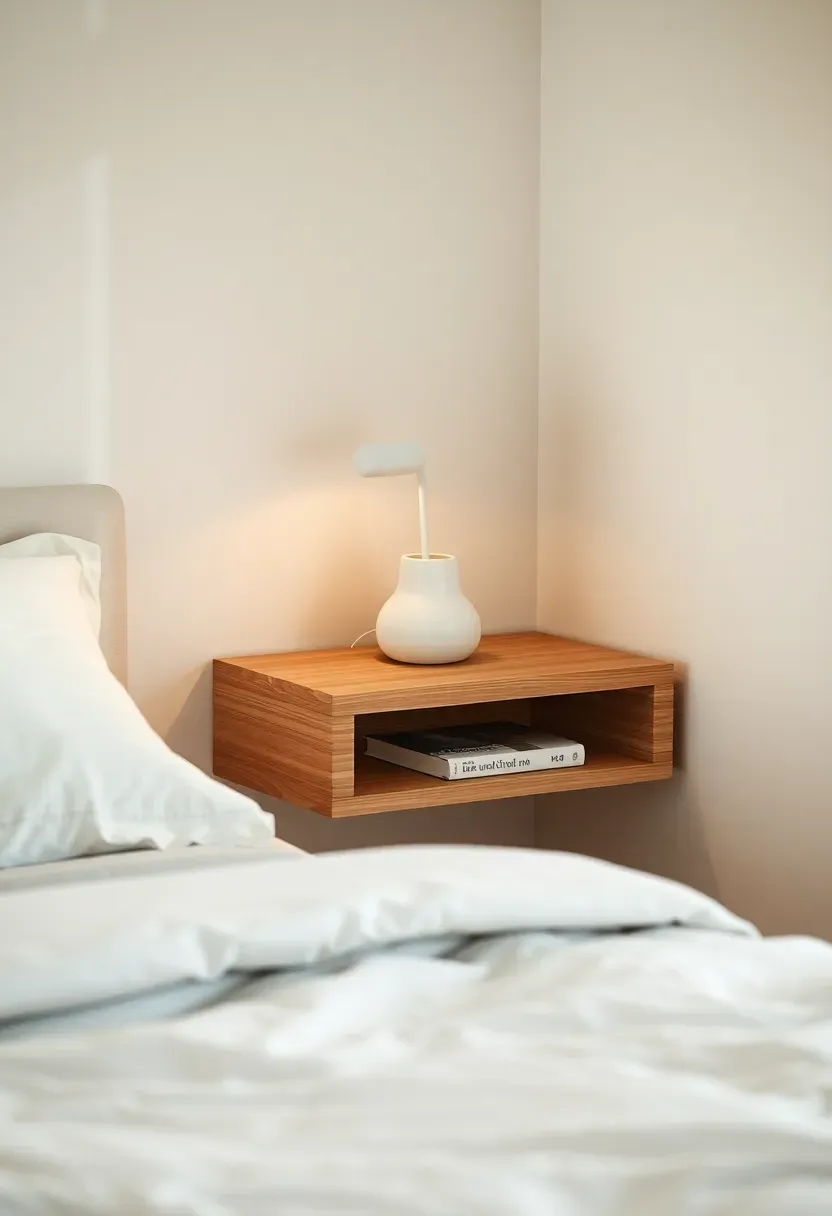
Prompt: Nature documentary capture on Hasselblad X2D 100C with XCD 90V lens at f/4. Hyper-realistic 3/4 view of minimalist nightstand in kids bedroom—small floating shelf or simple light wood table. Surface holds only lamp and one book. Warm white walls bed visible. Materials: light oak wood white ceramic lamp neutral book. Soft ambient light (5000K). Essential bedside storage. No text no logos no watermarks.
Minimalist nightstand provides essential surface for lamp water book or alarm clock without consuming substantial floor space. For younger children floating shelf or small wall-mounted table works perfectly—keeps floor area open for play. As children age and need more surface area transition to small bedside table.
Style surface with extreme restraint: lamp plus one functional item maximum. This prevents accumulation of nightstand clutter that seems to plague all bedrooms over time. If storage is needed choose nightstand with single drawer rather than open shelves which collect visible clutter.
Tips
- Mount floating nightstands 20-24 inches from floor—aligns with mattress height for easy access from bed
- Choose compact depth (12-14 inches maximum) to maintain open floor feeling while providing sufficient surface area
- Consider wall-mounted sconces instead of table lamps—frees up limited surface space entirely while providing bedtime lighting
What this gives you: Essential bedside functionality that preserves floor space and maintains minimalist simplicity.
23. Soft Textural Layers
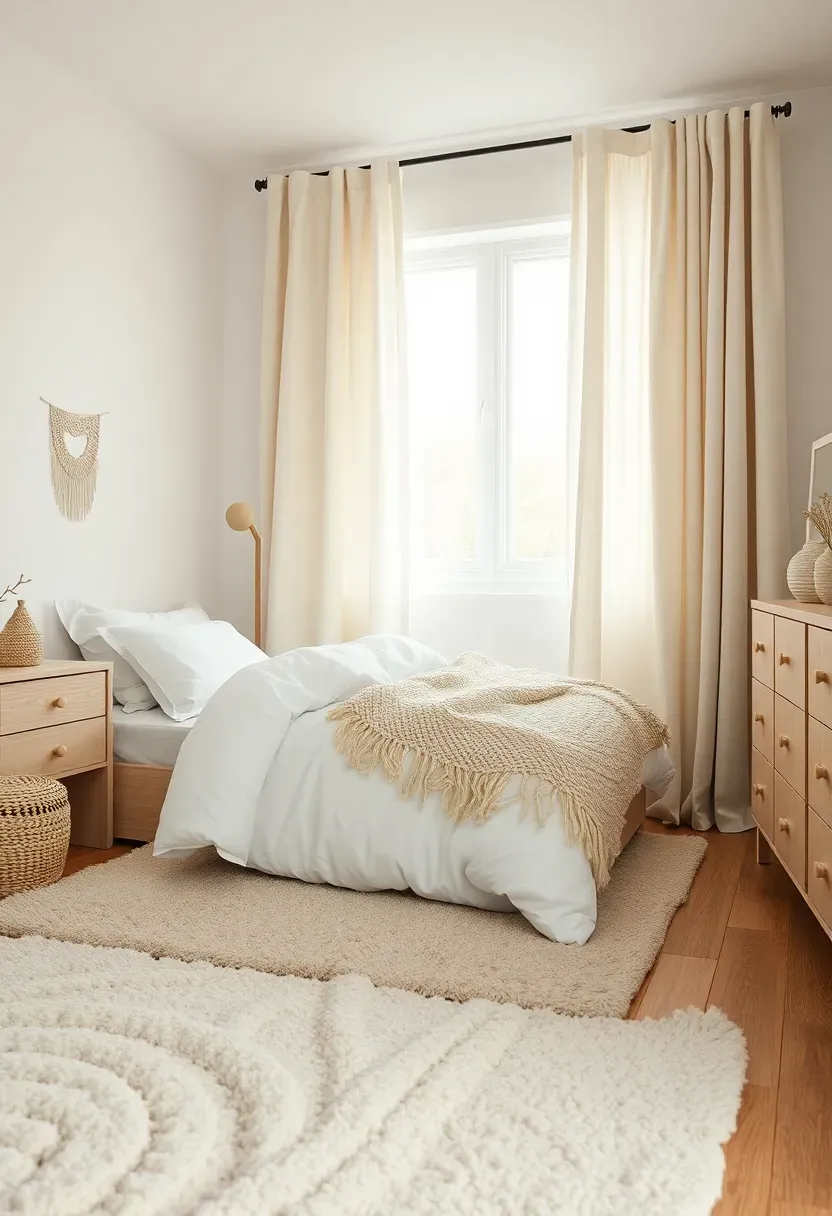
Prompt: Nature documentary capture on Hasselblad X2D 100C with XCD 90V lens at f/4. Hyper-realistic 3/4 view of minimalist kids bedroom showing soft textural layers: white bedding cream throw blanket wool rug linen curtains. Warm white walls light wood furniture. Visible fabric textures creating warmth without color. Materials: white cotton cream wool linen textures. Soft natural light (5000K). Tactile warmth. No text no logos no watermarks.
Layering neutral textiles adds warmth comfort and sound-dampening without introducing color or pattern. White bedding cream throw wool rug linen curtains—variety comes from texture differences rather than color contrasts. This approach creates cozy inviting atmosphere while maintaining minimalist calm.
Textural layers also provide practical benefits: multiple throw blankets for different temperatures rug softens hard floors and dampens sound curtains provide privacy and light control. Each layer serves function while contributing to room's tactile comfort.
Tips
- Choose natural materials—cotton linen wool jute—for superior texture that develops character over time
- Layer 2-3 textiles maximum: bedding throw rug is sufficient formula for most rooms
- Embrace visible texture: linen wrinkles wool grain woven basket patterns provide sufficient visual interest without pattern
What this gives you: Tactile warmth and comfort while maintaining neutral palette and minimalist simplicity.
24. Clothing Organization System
Recommended
Items for this idea
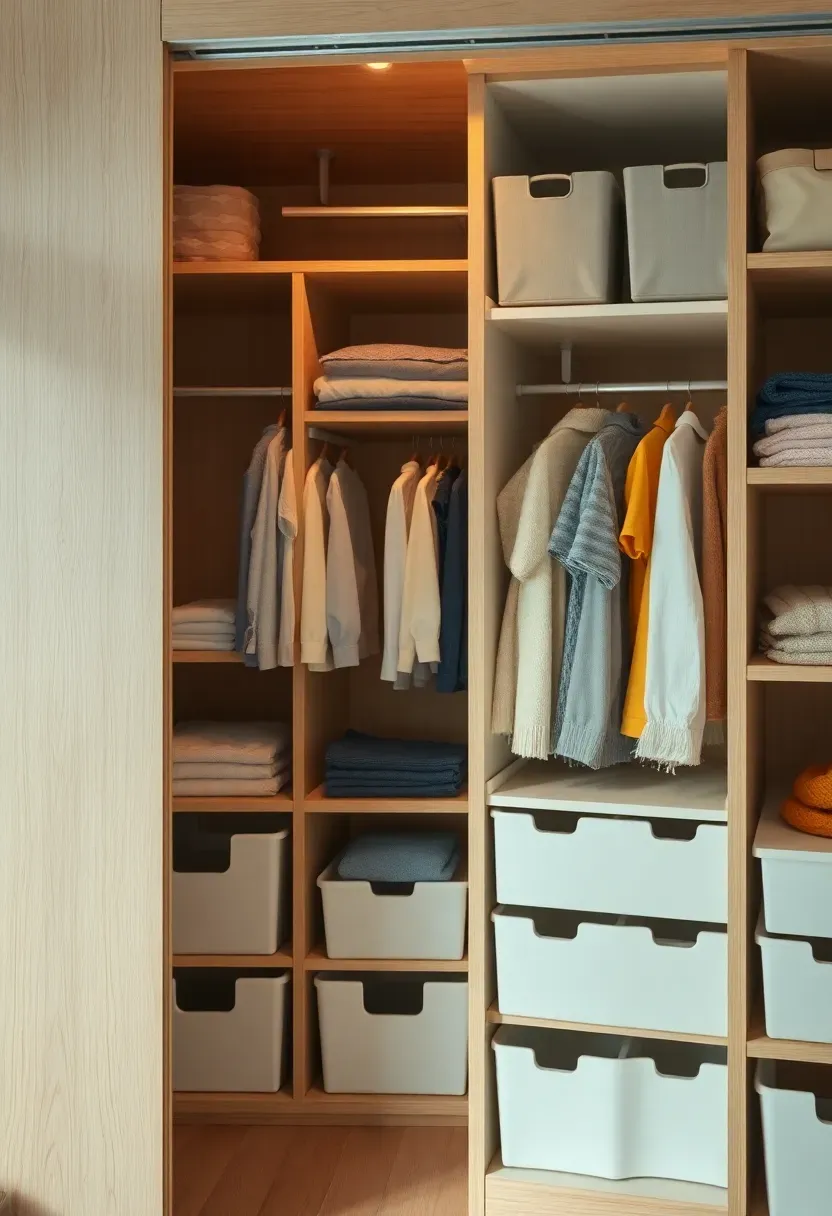
Prompt: Nature documentary capture on Hasselblad X2D 100C with XCD 90V lens at f/4. Hyper-realistic 3/4 view of organized closet interior in minimalist kids bedroom. Adjustable hanging rod divided into sections shelves with folded clothes bins for accessories. Light wood or white interior. Warm lighting inside. Materials: light oak wood white bins organized clothing. Soft ambient light (5000K). Efficient organization. No text no logos no watermarks.
Intentional clothing organization system teaches responsibility while maintaining room's calm. Use divided closet with accessible hanging rod for school clothes drawers for folded items bins for accessories and shoes. Label each section clearly using pictures for younger children words for older.
Organize by category: tops bottoms dresses outerwear. Keep school clothes separate from play clothes to support independence in morning routine. Include child-accessible hamper for dirty clothes—teaches separation and prevents floor clutter.
Tips
- Install adjustable double hanging rod—maximizes vertical space and accommodates both short hanging (kids clothes) and long items
- Use matching slim non-slip hangers—bulkless hangers maximize hanging capacity and create visual calm
- Keep only current season accessible—store off-season clothes elsewhere to prevent closet overflow and overwhelm
What this gives you: Organized clothing storage that teaches independence while maintaining closet functionality and calm.
25. Calming Nature Elements
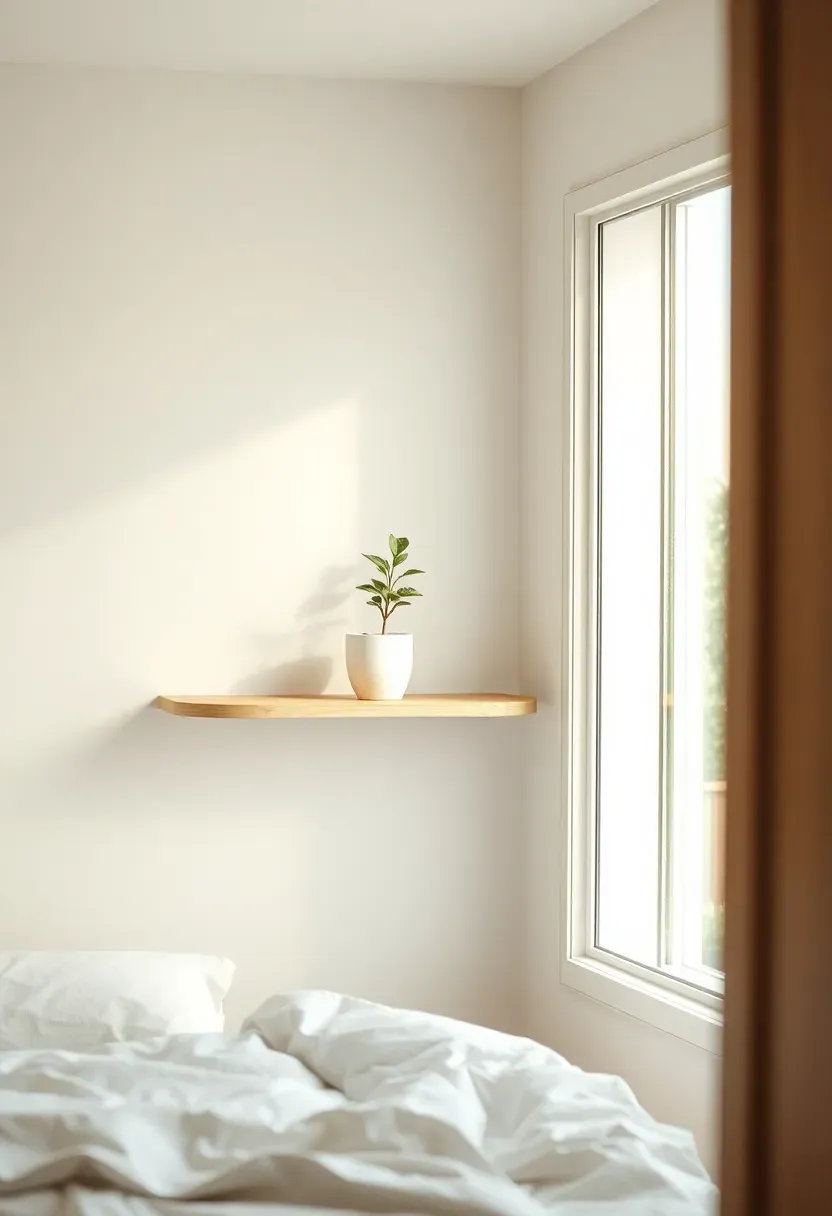
Prompt: Nature documentary capture on Hasselblad X2D 100C with XCD 90V lens at f/4. Hyper-realistic 3/4 view of minimalist kids bedroom with single small plant in white ceramic planter on floating shelf. Warm white walls light wood furniture. Natural materials: wood plants cotton bedding. Soft natural light from window (5000K). Organic calming element. No text no logos no watermarks.
Single carefully chosen natural element—small plant natural wood accessory or stone paperweight—adds organic life without cluttering minimalist space. Unlike multiple accessories or collections which feel chaotic one substantial piece provides focal point impact.
For younger children choose non-toxic plants positioned out of reach. As children age include them in plant care teaching responsibility and connection to nature. Natural materials like wood stone or woven fibers provide same organic warmth without maintenance requirements.
Tips
- Choose hardy low-maintenance plants: snake plant pothos ZZ plant—tolerate irregular watering and low light conditions
- Position plants where they receive appropriate light for species but avoid blocking play areas or creating tripping hazards
- Consider high-quality faux plants for younger children—provides natural aesthetic without poisoning or breakage risk
What this gives you: Organic calming element that adds life and nature connection while maintaining minimalist restraint.
26. Flexible Accent Colors
Recommended
Items for this idea
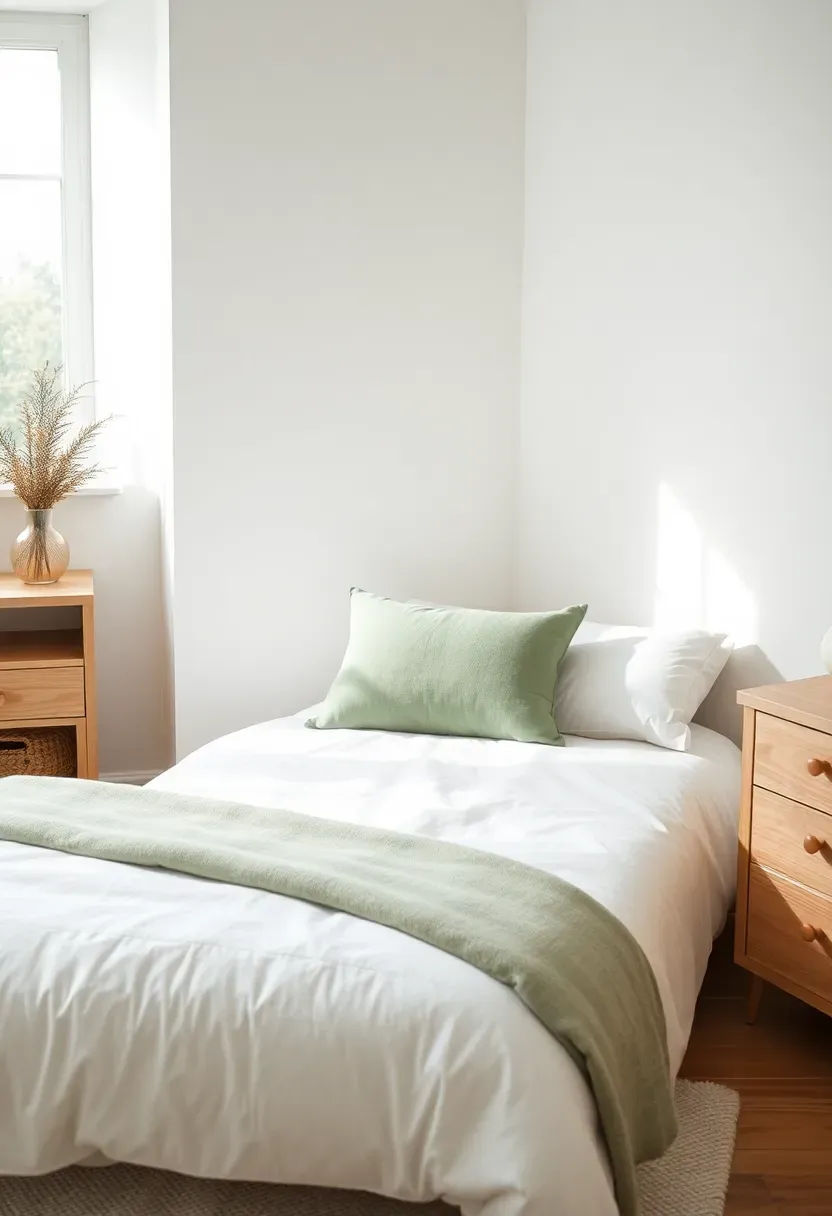
Prompt: Nature documentary capture on Hasselblad X2D 100C with XCD 90V lens at f/4. Hyper-realistic 3/4 view of minimalist kids bedroom with neutral base and single accent color—soft sage green throw pillow on white bed. Warm white walls light wood furniture. Cohesive calming palette. Materials: white cotton sage green linen light oak wood. Soft natural light (5000K). Intentional color accent. No text no logos no watermarks.
Limited accent color palette (1-2 colors maximum) adds personality while maintaining minimalist calm. Unlike rainbow brights or mixed primaries which feel chaotic restrained color scheme feels intentional and sophisticated. Choose accent through washable elements: throw pillow blanket rug or lamp shade—inexpensively replaced as preferences change.
Colors should be muted rather than saturated: soft sage dusty blue warm terracotta gentle blush pale yellow. These tones feel calming rather than stimulating and coordinate beautifully with neutral base. Use accent in 2-3 places maximum for cohesive appearance.
Tips
- Test accent colors in actual room lighting—colors look dramatically different under warm artificial light vs cool natural light
- Implement accents through replaceable items: pillows throws rug rather than permanent elements like paint or furniture
- Involve child in color selection within predetermined palette—gives autonomy while maintaining parental control over overall aesthetic
Alternative: Keep entirely neutral and add color through rotating art projects rather than fixed accents—more flexible long-term.
What this gives you: Personal color expression that maintains calm while easily updating as child's preferences evolve.
27. Thoughtful Art Selection
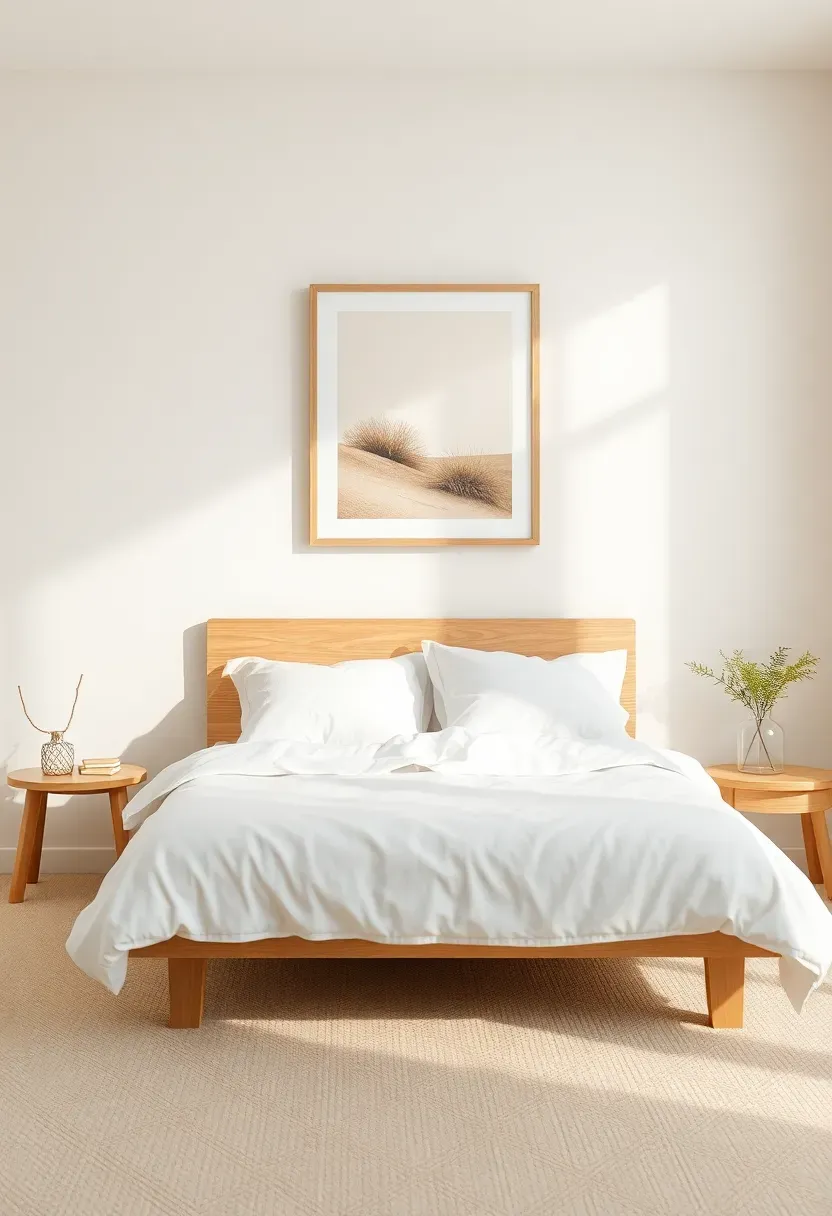
Prompt: Nature documentary capture on Hasselblad X2D 100C with XCD 90V lens at f/4. Hyper-realistic 3/4 view of minimalist kids bedroom with single statement art piece above bed—abstract nature print in neutral tones with simple light wood frame. Warm white walls white bedding. Materials: paper or canvas print light oak frame. Soft natural light (5000K). Intentional focal point. No text no logos no watermarks.
Single substantial art piece creates focal point impact without gallery wall clutter. Choose nature-inspired art abstract prints or photography in neutral tones that coordinates with room palette. Simple frame in light wood or matte white maintains minimalist aesthetic rather than ornate gold or colorful frames.
Position art at standard gallery height (57-60 inches from floor to center) or center above bed for balanced composition. As child's tastes evolve replace single piece rather than adding to collection—maintains one-statement impact rather than accumulated clutter.
Tips
- Choose art in room's existing color palette—neutrals with touches of accent color for cohesive appearance
- Consider two-dimensional art over sculptural pieces—flatter surfaces are safer in active kids' rooms and easier to clean
- Invest in quality framing with UV-protective glass or acrylic—preserves art and prevents fading in sun-exposed rooms
What this gives you: Focal point sophistication that adds personality without overwhelming minimalist calm.
28. Hidden Clutter Solutions
Recommended
Items for this idea
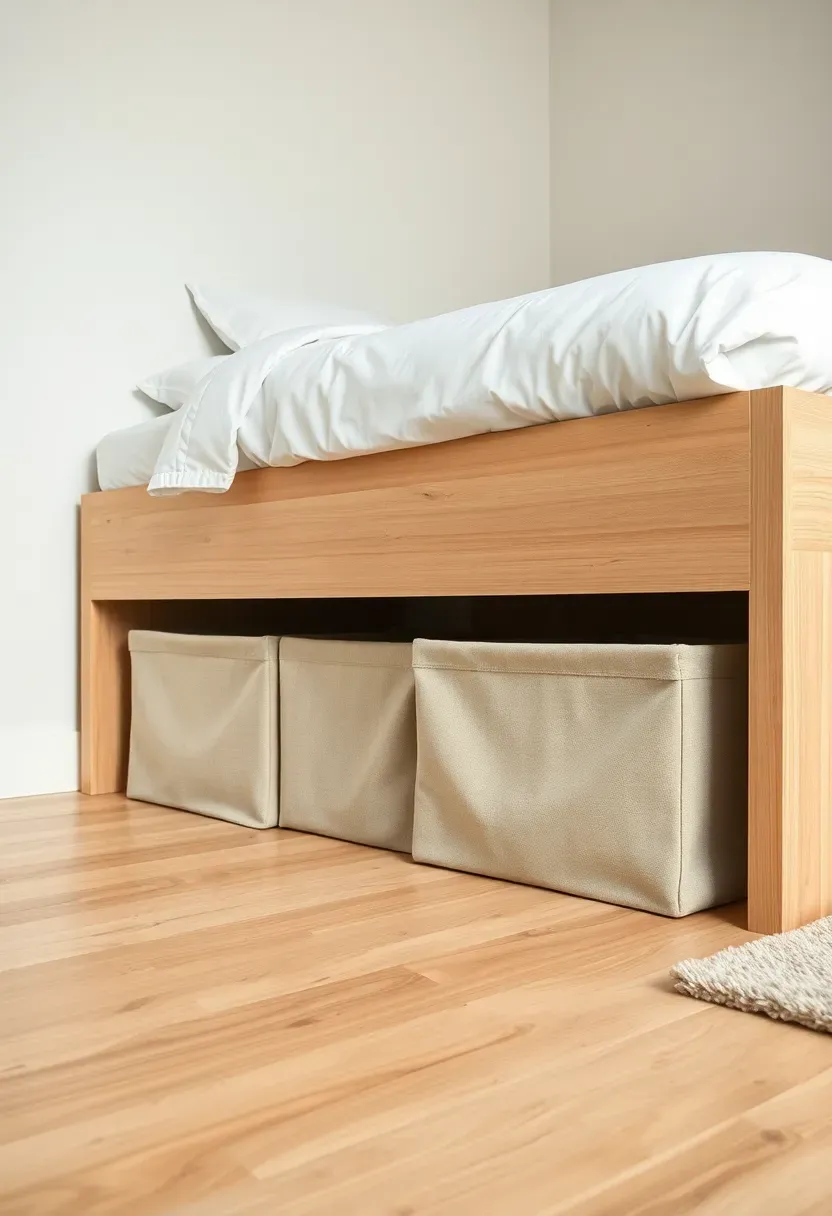
Prompt: Nature documentary capture on Hasselblad X2D 100C with XCD 90V lens at f/4. Hyper-realistic 3/4 view of under-bed storage bins with neutral canvas covers sliding under platform bed in minimalist kids bedroom. Clean organized floor appearance. Warm white walls light wood bed. Materials: neutral canvas bins light oak wood white bedding. Soft ambient light (5000K). Concealed storage. No text no logos no watermarks.
Strategic hidden storage solutions maintain minimalist calm by concealing inevitable clutter that accumulates in kids' rooms: outgrown clothes seasonal gear extra bedding project supplies. Under-bed bins closet organizers behind-door storage—use all available spaces for containment.
Key is uniformity: matching bins baskets and containers in neutral colors creates intentional appearance even when storing miscellaneous items. Label everything clearly to maintain organization system long-term.
Tips
- Choose rolling under-bed bins with canvas covers—easy to access but maintains tidy appearance when stored
- Use behind-door shoe organizers for small items: art supplies accessories small toys—maximizes unused vertical space
- Implement "one in one out" rule for clothes toys and supplies—prevents storage overflow and requires regular editing
What this gives you: Maximum storage capacity while maintaining visual calm through concealed organized solutions.
29. Quality Window Treatments
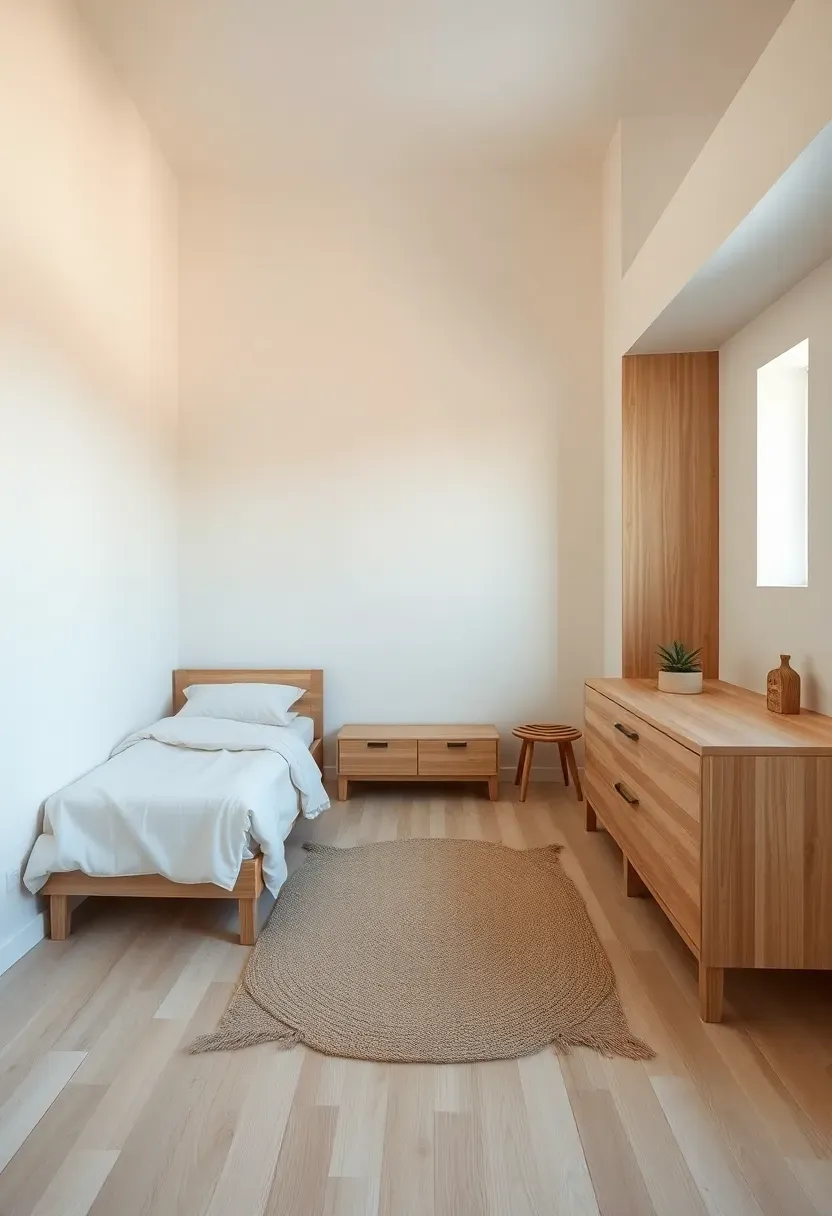
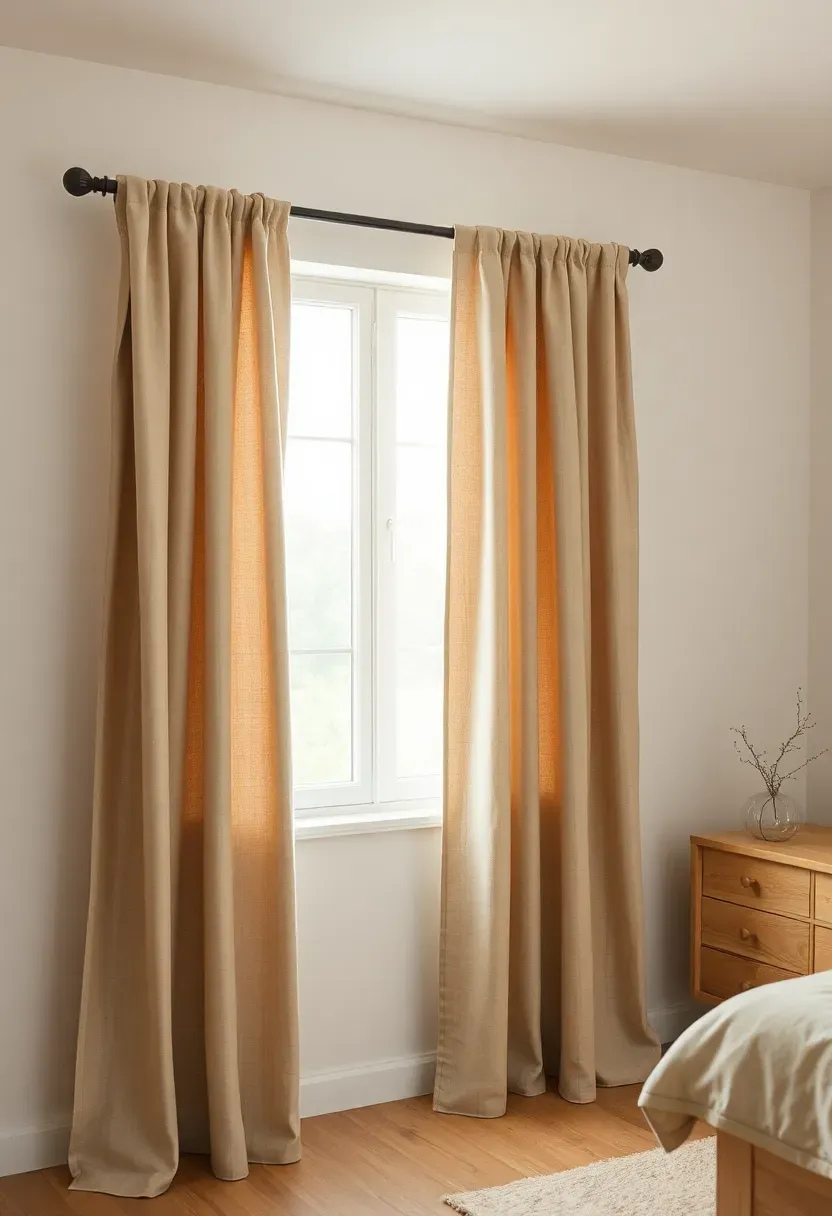
Prompt: Nature documentary capture on Hasselblad X2D 100C with XCD 90V lens at f/4. Hyper-realistic 3/4 view of quality floor-to-ceiling curtains in neutral linen fabric hung from substantial metal rod. Warm white walls light oak flooring visible. Fabric has visible natural texture and weight. Materials: linen fabric metal rod warm white plaster. Soft natural light filtering through. High-quality window treatment. No text no logos no watermarks.
Quality window treatments in natural materials feel substantial and intentional while providing essential light control and privacy. Unlike cheap synthetic curtains that look flimsy and deteriorate quickly well-made linen or cotton curtains develop beautiful drape and last through multiple children.
Invest in proper hardware: substantial metal rod rated for curtain weight decorative rings or smooth-gliding clips quality brackets. Hardware quality makes dramatic difference in appearance and functionality—cheap rods sag and bind making curtains difficult to operate.
Tips
- Choose linen or linen-cotton blend curtains—natural fibers drape beautifully block light effectively and develop character over time
- Calculate fabric width at 2-3 times window width for proper fullness—insufficient fabric looks cheap and skimpy
- Install rod brackets into studs or use appropriate anchors—curtains are surprisingly heavy and require secure mounting
Budget/Time: Quality curtains cost $100-300 per panel but last 10+ years—consider investment in room-longevity and aesthetic.
What this gives you: Polished intentional appearance while providing superior light control and privacy.
30. Intentional Empty Space: The Heart of Minimalist Kids Bedroom Design
Recommended
Items for this idea
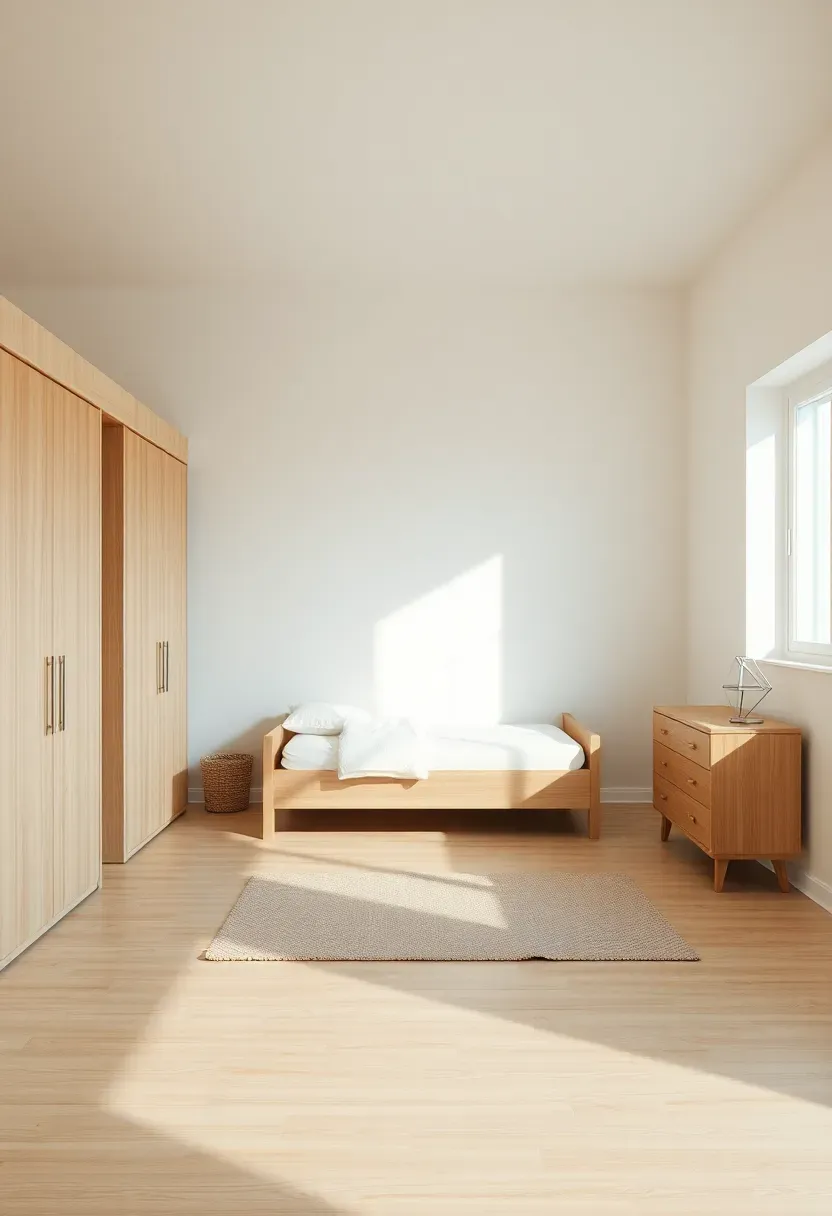
Prompt: Nature documentary capture on Hasselblad X2D 100C with XCD 90V lens at f/4. Hyper-realistic wide view of minimalist kids bedroom emphasizing intentional empty space: twin bed along one wall closed storage along another open floor area with small rug. Warm white walls abundant negative space. Light oak furniture. Materials: light oak wood white cotton neutral rug warm white plaster. Soft natural light (5000K). Peaceful spacious calm. No text no logos no watermarks.
Embracing intentional empty space—negative space left deliberately clear—is minimalist kids' room's most powerful and most counterintuitive principle. Unlike impulse to fill every corner with furniture or decor minimalist design preserves breathing room that makes spaces feel larger calmer and more functional.
Empty space serves active purposes: room for play projects dance expansion. Visual breathing room that feels peaceful rather than cluttered. Flexibility as needs change without rearranging furniture. Teaching moment that less can be more—that abundance isn't about stuff but about space and possibility.
Tips
- Resist filling empty corners or walls—learn to appreciate negative space as active design element not wasted area
- Practice regular editing: every 3-6 months assess possessions and remove items no longer serving purpose or bringing joy
- Keep 30-40% of floor space clear—this might feel extreme but creates dramatic spaciousness and functional flexibility
What this gives you: Spacious peaceful environment that supports diverse activities while teaching value of restraint and intentionality.
These 30 minimalist kids bedroom ideas prove that children's rooms can be both functional and beautiful, organized and creative, simple and sophisticated, all without sacrificing warmth or personality. The goal is not a stark empty room but an intentional space where quality supersedes quantity, where every object earns its place through function or genuine joy, and where children have room to grow, play, create, and simply be. Whether you are working with a small rental bedroom or redesigning a larger space on a budget, minimalist design provides a peaceful sanctuary that supports development while teaching valuable lessons about living with less. If you are also setting up a nursery, our guide to [dreamy boho nursery ideas](/posts/253_17-dreamy-pink-boho-nursery-ideas-for-a-stylish-baby-room-that-actually-work-in-real-homes/) offers a softer take on intentional children's spaces. Your child's bedroom can be both beautifully minimal and beautifully theirs, a space that serves them through multiple phases of childhood while maintaining timeless, clutter-free calm.
About the author
OBCD
CGI visualization and interior design content. We create detailed 3D renders and curate practical design ideas for every room in your home.