23 Bathroom Remodel Ideas for 2026
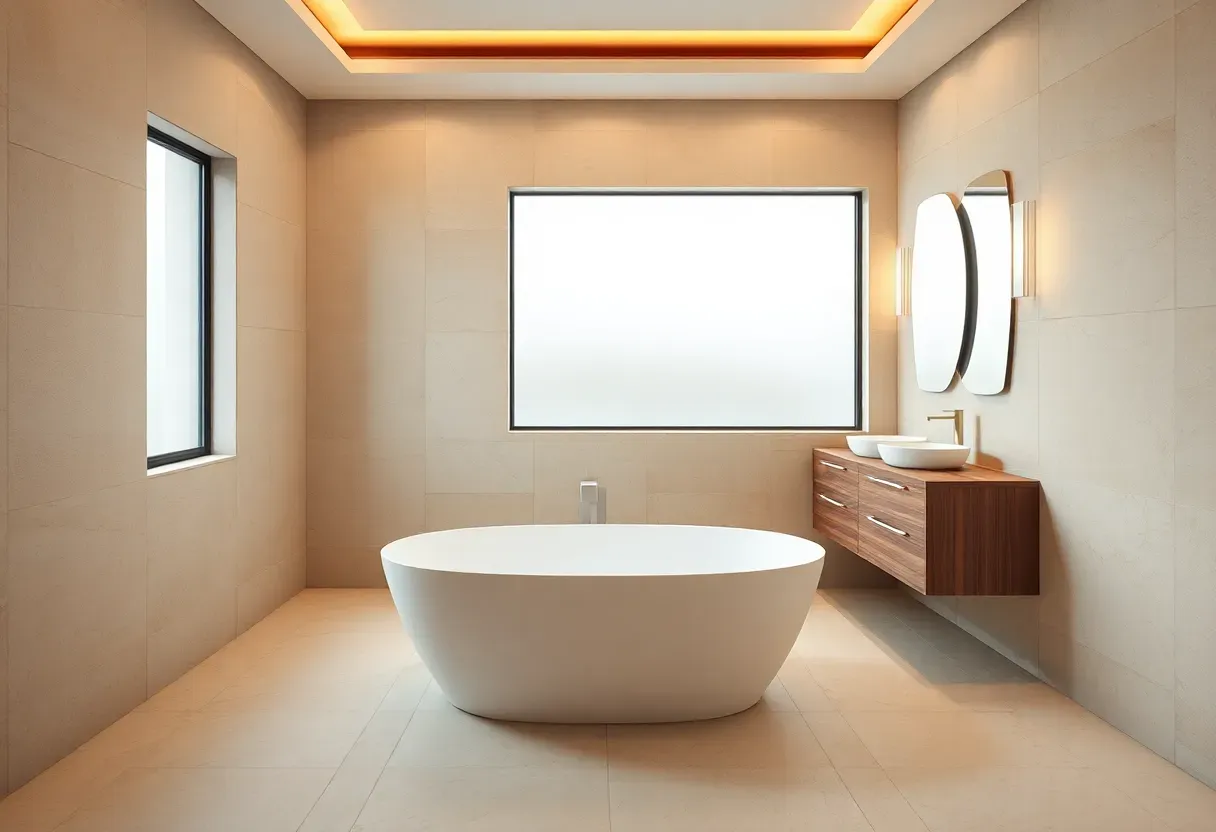
Picture this: you walk into your bathroom one ordinary morning and instead of the same tired grout lines and dated fixtures, you're greeted by warm stone walls, soft layered lighting, and a vanity that actually makes you feel good. That shift — from a purely functional room to a space with genuine atmosphere — is what bathroom remodeling in 2026 is all about.
This year's best ideas range from small, high-impact updates you can do over a weekend to full gut-and-rebuild transformations. Ready? Let's dive in — starting with the details that make the biggest difference.
Table of Contents
- Warm Stone Tile Walls
- Double Vanity with Open Shelving
- Walk-In Shower with No Threshold
- Earthy Color Palette
- Freestanding Soaking Tub
- Statement Ceiling Treatment
- Floating Vanity with Ambient Underlight
- Vintage-Style Fixtures in Matte Black
- Heated Floor Tiles
- Wet Room Layout
- Terrazzo Accents
- Arched Mirror or Doorway
- Large-Format Porcelain Slabs
- Bold Zellige Tile Feature Wall
- Built-In Niche Storage
- Natural Wood Accents
- Spa-Style Lighting Layers
- Japandi-Inspired Minimalism
- Dramatic Dark Grout Lines
- Organic Shapes in Fixtures
- Smart Mirror with Integrated Display
- Limewash or Plaster Walls
- Green Wall or Living Plant Corner
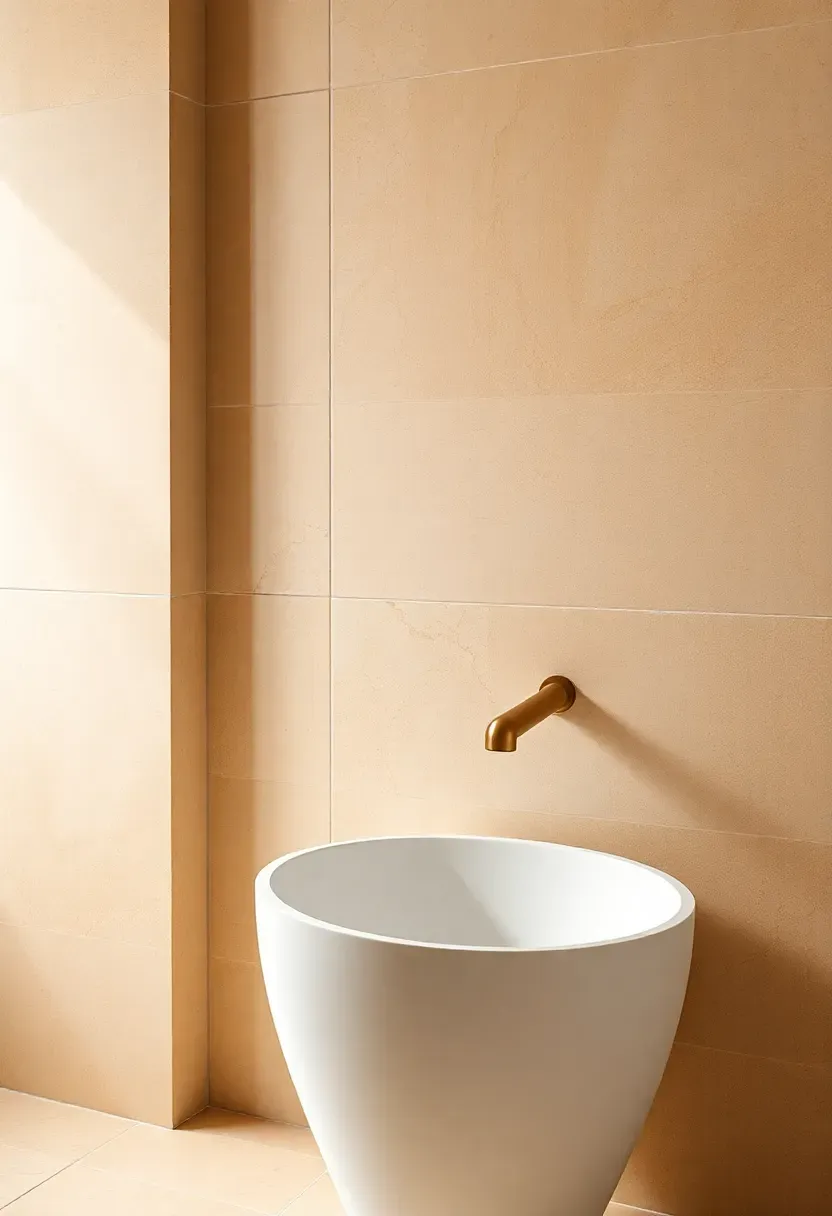
1. Warm Stone Tile Walls
Polished marble is giving way to something earthier. Travertine, honed limestone, and warm-toned sandstone tiles have become defining elements in 2026 bathroom remodels. Their natural veining introduces organic movement that no wallpaper can replicate.
What Makes It Work
The tactile quality of stone adds instant warmth — especially in neutral or cream-heavy color schemes. Honed finishes resist fingerprints better than polished surfaces and stay safe underfoot when damp.
Tips / Practical Recommendations
- Choose large-format stone tiles (60×120 cm) to minimize grout lines and create a seamless flow
- Pair warm beige stone with brushed brass fittings for a cohesive, luxurious look
- Seal natural stone at installation and reseal annually to prevent staining
We picked a few things that go well with this idea: Hurran Matte Black Centerset Faucet (2-Pack) (★4.6), Matte Black Waterfall Single Handle Faucet (★4.4) and Hurran Matte Black Widespread Faucet (2-Pack) (★4.5). As an Amazon Associate we earn from qualifying purchases.
2. Double Vanity with Open Shelving
The Core Issue
Single vanities create morning bottlenecks — and they rarely offer enough storage for two people sharing a bathroom.
The Solution
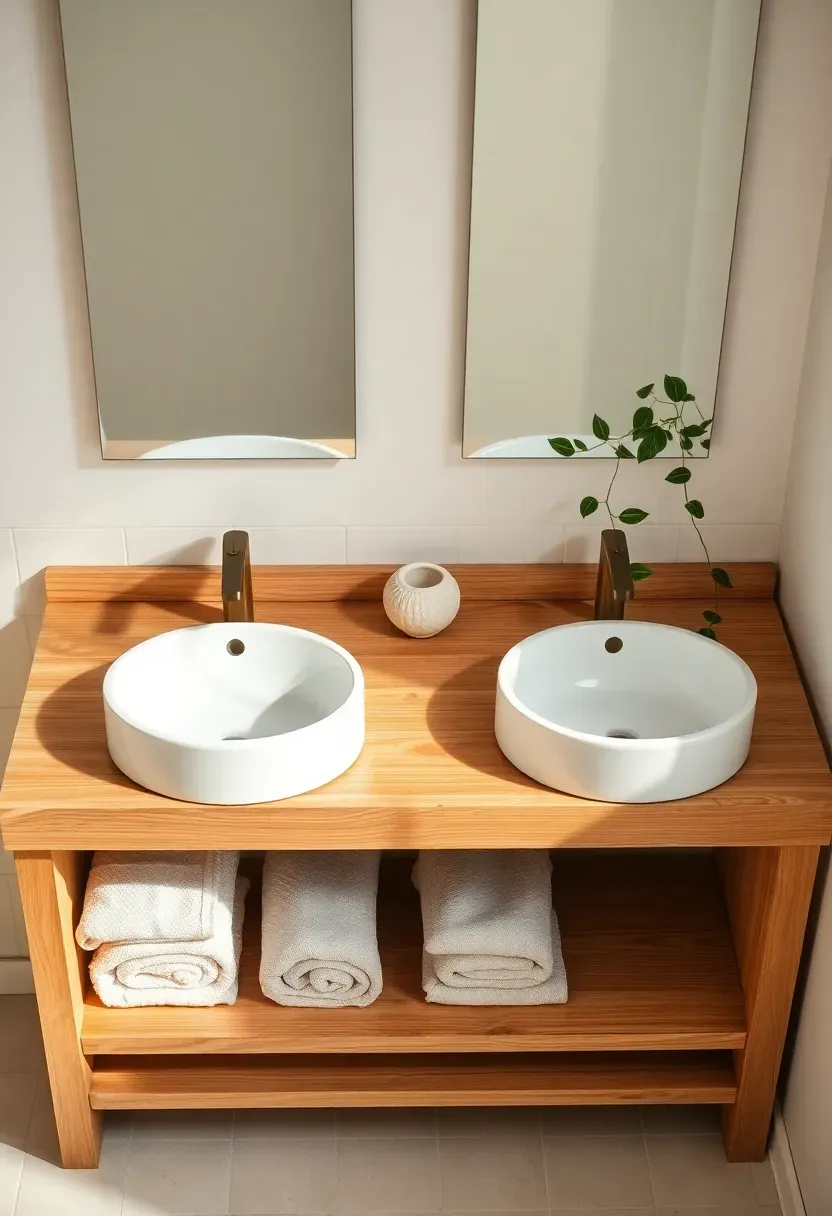
A double vanity solves the traffic problem while open shelving below or beside it adds practical display space. In 2026 designs, the shelving isn't an afterthought — it's styled with rolled towels, minimal ceramics, and a trailing plant. The whole unit reads as intentional furniture rather than plumbing infrastructure. Opt for floating configurations that clear the floor, making the room feel larger and easier to clean.
Pros and Cons
Pros: Doubles the prep space; storage and display in one; makes a narrow bathroom feel deliberate and well-designed Cons: Requires a wider wall (ideally 150 cm minimum); open shelves need regular styling to avoid clutter
We picked a few things that go well with this idea: VEVOR 67-Inch Acrylic Oval Soaking Tub (★5.0), Empava 59-Inch Freestanding Acrylic Soaking Tub (★5.0) and 59-Inch Oval Acrylic Freestanding Soaking Tub (★5.0). As an Amazon Associate we earn from qualifying purchases.
3. Walk-In Shower with No Threshold
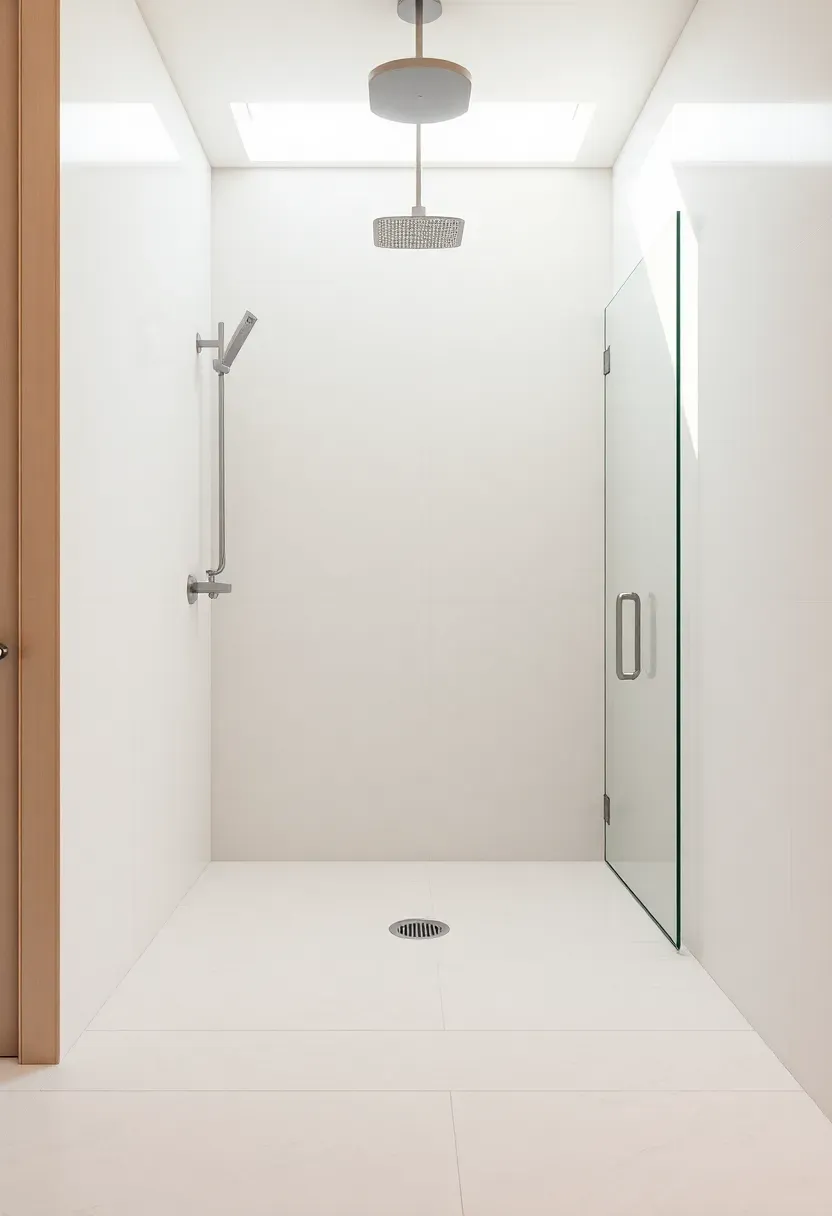
Barrier-free showers have crossed from the accessibility niche into mainstream design. The curbless, threshold-free walk-in is now one of the most requested elements in bathroom remodels.
Why It Changes Everything
Eliminating the curb visually extends the floor plane across the entire room. The shower becomes part of the bathroom rather than a box inside it. Floor-level linear drains handle water quietly and efficiently.
How to Do It Right
Ensure the floor has a minimum slope of 1–2% toward the drain — enough to move water without you noticing the tilt. Use non-slip tiles with a matte finish throughout. A frameless glass panel (or no panel at all in wet rooms) keeps the view completely open.
What to Watch Out For
- Waterproofing must extend at least 30 cm beyond the shower zone
- Underfloor heating pairs perfectly here — cold tile underfoot on wet mornings is avoidable
- Ventilation matters more without a curb to contain steam
We picked a few things that go well with this idea: LOAAO 24x32 Backlit Anti-Fog Vanity Mirror (★4.6), Sweetcrispy Smart LED Vanity Mirror 3-Color (★4.5) and Hivone 40x32 Dimmable Backlit Vanity Mirror (★4.7). As an Amazon Associate we earn from qualifying purchases.
4. Earthy Color Palette
Comparing: Cool Grays vs. Warm Earth Tones
For the past decade, cool gray dominated bathroom remodels. In 2026, the shift toward warm earth tones is unmistakable — and the design logic behind it is sound.
Cool Grays
Gray reads as modern and clean, but can feel clinical — particularly in windowless or north-facing bathrooms. When the light is anything other than bright white, gray walls skew dingy.
Warm Earth Tones
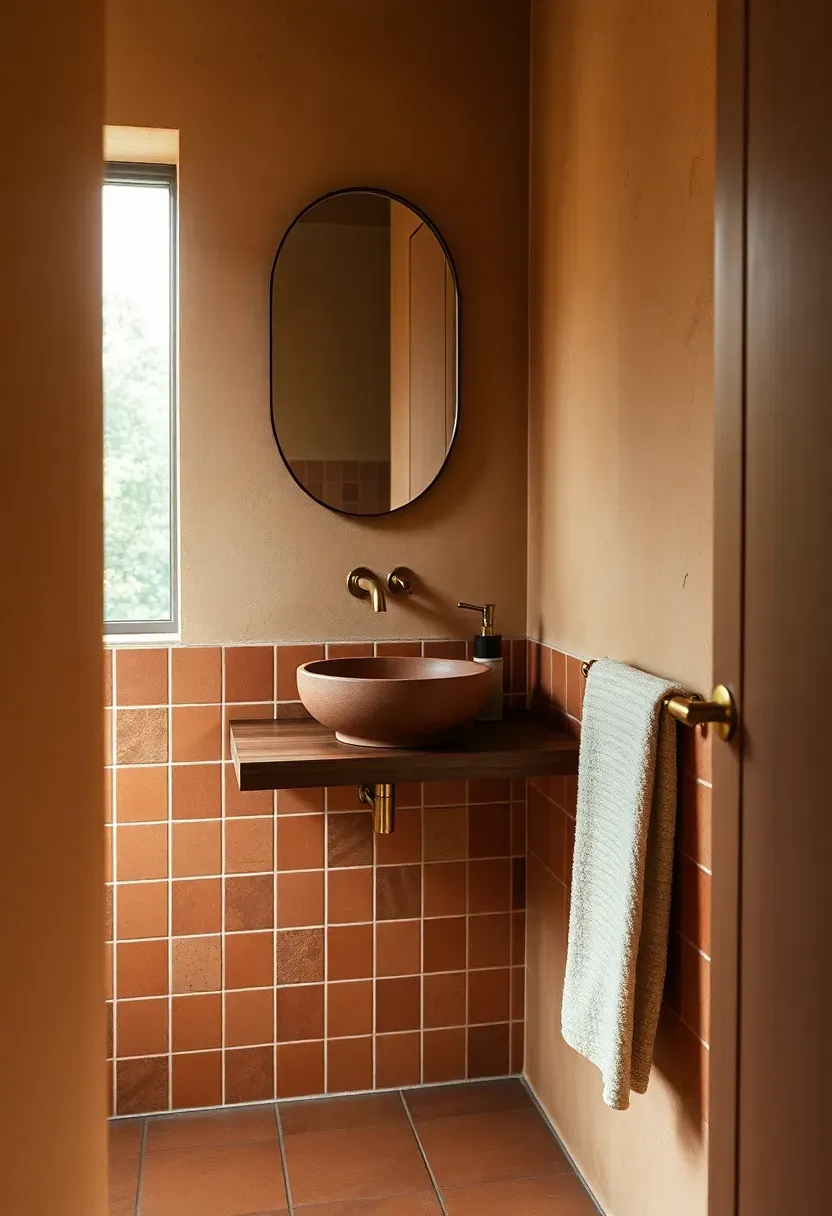
Terracotta, warm sand, mushroom, and deep clay bring genuine warmth and visual weight. These shades absorb light in a flattering way and pair naturally with wood, brass, linen, and organic stone textures.
What to Choose
Choose cool gray if: your bathroom gets abundant natural light and you prefer a clinical, contemporary aesthetic Choose warm earth tones if: you want the room to feel cozy, spa-like, and intentional at any time of day
Recommendation
Most 2026 remodel designs layer earth tones from the floor up — lighter on the ceiling, warmer on the lower walls and floor.
Recommended
Items for this idea
5. Freestanding Soaking Tub
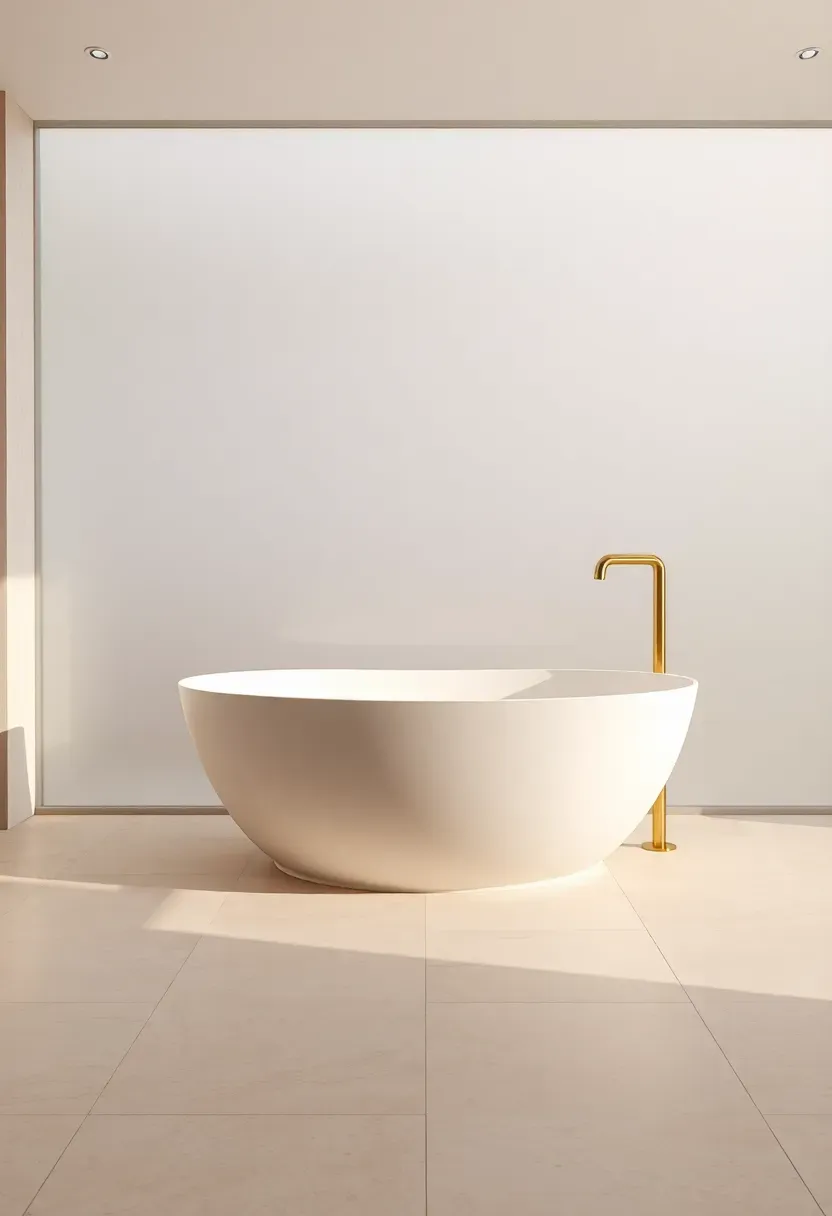
If you have the square footage and the budget for one statement piece, this is it. A freestanding soaking tub transforms how the room reads from the doorway — it commands attention the way a sculpture does.
Tips / Practical Recommendations
- Position the tub on the longest uninterrupted wall, or centered in front of a window if privacy allows
- Choose a slim-profile oval or pill-shaped model for small-to-medium bathrooms; oversized slipper tubs need space to breathe
- Floor-mounted freestanding faucets look spectacular but require exact placement before tiling — plan the plumbing rough-in carefully
- Matte white and stone gray are the two leading finishes for 2026; avoid gloss acrylics if you want a contemporary feel
6. Statement Ceiling Treatment
We spend a lot of time thinking about walls and floors but the ceiling in a bathroom remodel is an often-wasted opportunity.
Origins / History
The "fifth wall" concept has roots in classic interior design — treating the ceiling as a designed surface rather than just the top of the room. In bathrooms, humidity requirements traditionally limited material choices. Newer water-resistant products have changed that.
Modern Interpretation
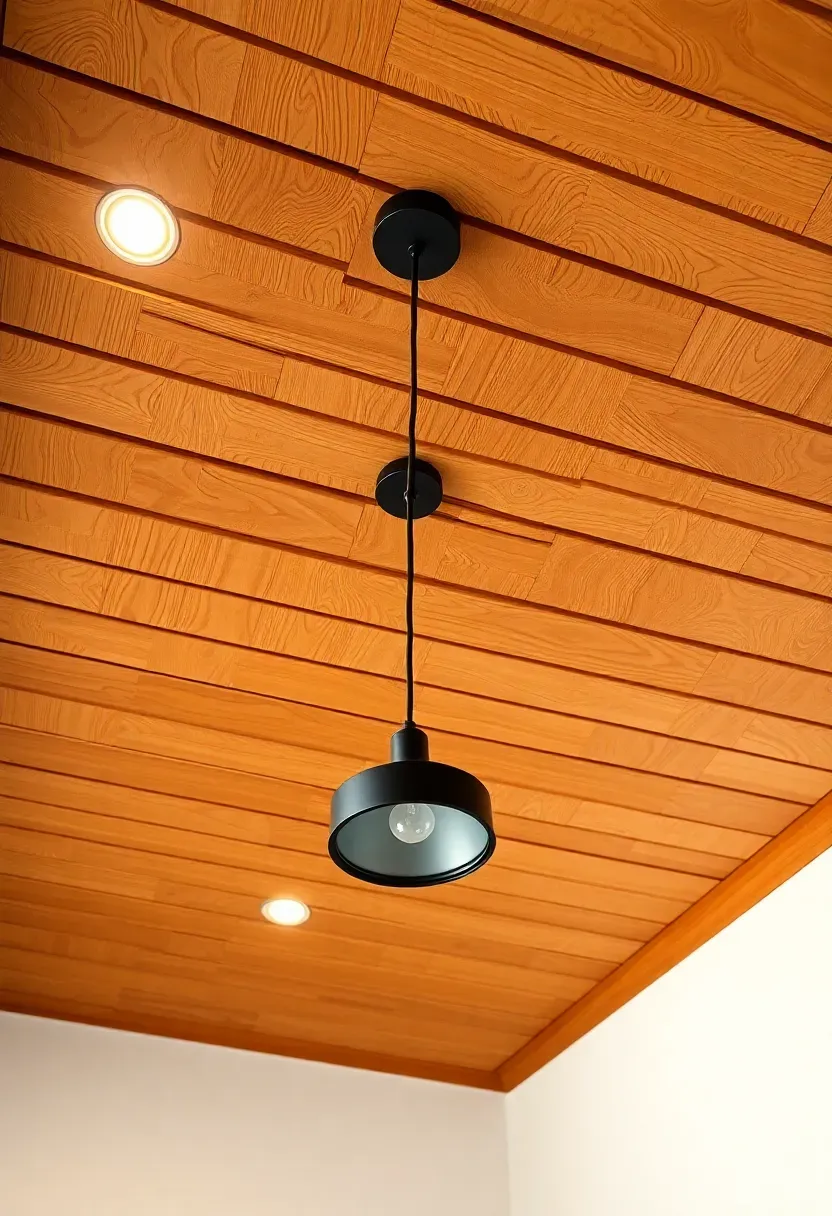
In 2026, bathroom ceilings are getting wood slat treatments, bold paint in a contrasting color, or small-format mosaic tiles extending up from the shower wall. The effect is a fully wrapped, immersive environment that feels considered rather than half-finished.
How to Apply at Home
- Use humidity-resistant engineered wood or PVC slat panels if working in a wet zone
- Paint the ceiling two shades darker than the wall color for a cocooning effect
- Extending the shower tile 30–40 cm onto the ceiling creates a seamless architectural moment without going all-in on a full ceiling treatment
Recommended
Items for this idea
7. Floating Vanity with Ambient Underlight
The Core Issue
Traditional floor-mounted vanities visually break the floor plane and make a bathroom feel segmented — especially in smaller spaces.
The Solution
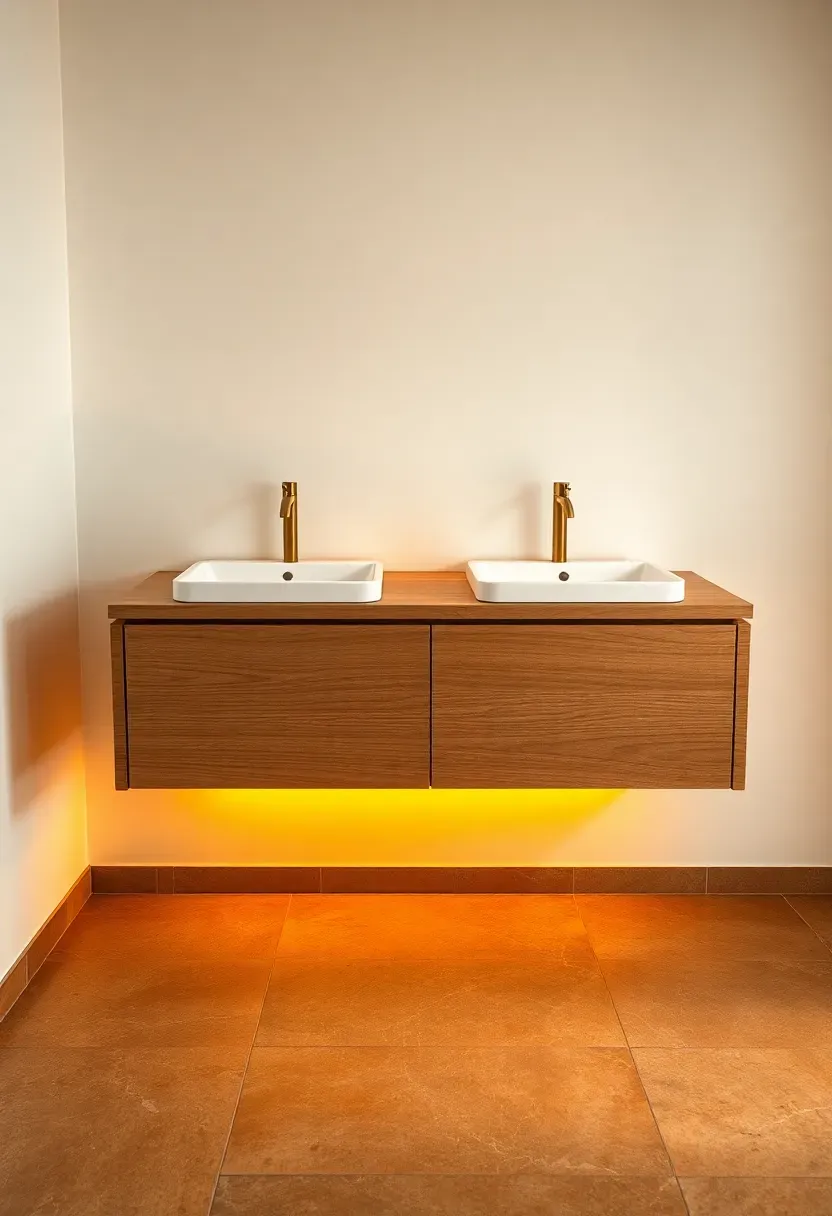
A floating vanity mounted 15–20 cm above the floor creates visual continuity across the floor surface. When you add a thin LED strip underneath, that gap glows softly — giving the room a low-level warmth that standard overhead lighting never achieves. The effect is particularly striking at night. Choose a warm white or amber LED (2700–3000K) to avoid a cold clinical glow. The vanity itself should be the cleanest, most furniture-like element in the room: no exposed plumbing, no visible hardware if possible.
Pros and Cons
Pros: Makes the room feel taller and more open; easy to clean underneath; the underlight creates genuine atmosphere Cons: Installation is more complex than floor-mounted; requires proper wall anchoring for the weight
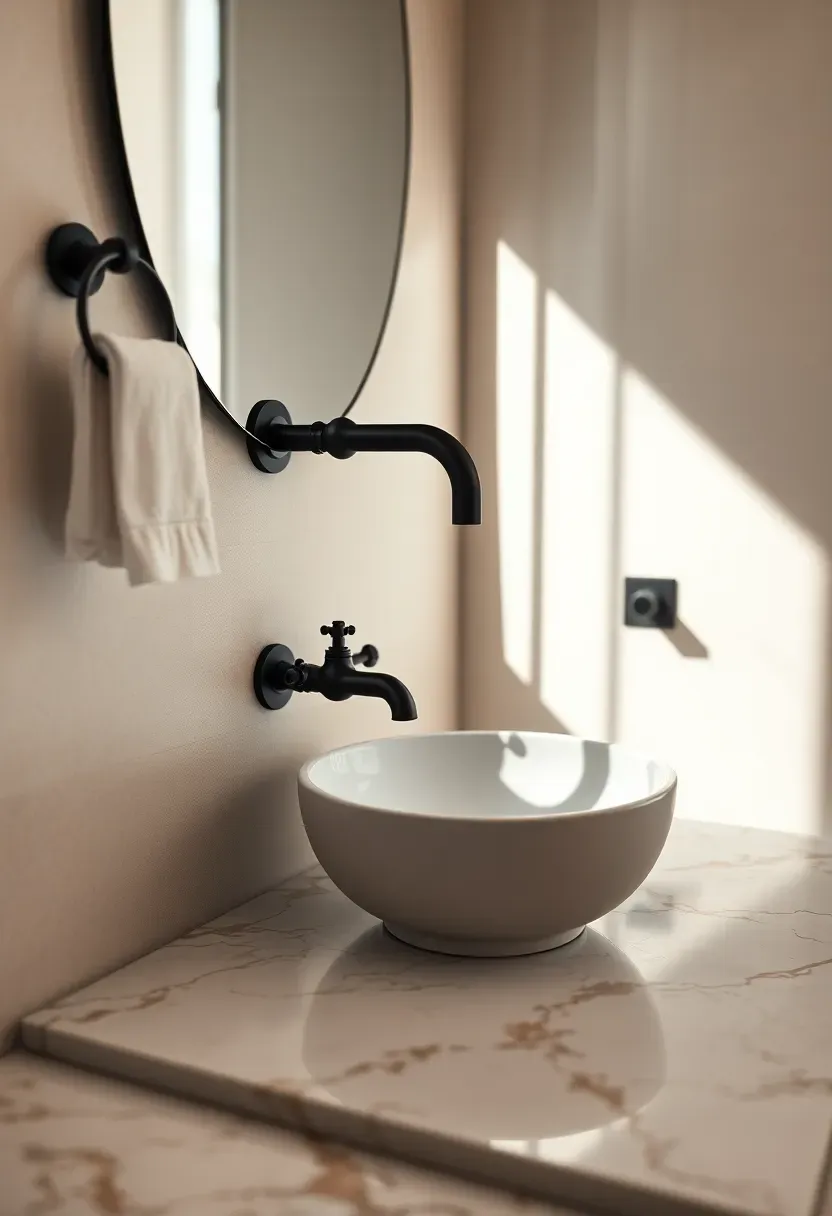
8. Vintage-Style Fixtures in Matte Black
How to get the look of a high-end hotel bathroom without the renovation budget of one — this is the shortcut designers have been recommending for two years running.
Swapping chrome fixtures for matte black cross-handle taps, towel rails, and toilet paper holders is a half-day project with an outsized visual return. The matte finish reads as deliberately chosen rather than builder-grade. Vintage-inspired silhouettes — cross handles, arched spouts, exposed shower plumbing — add character without committing to a full period aesthetic.
Step 1: Audit Your Current Fixtures
List every chrome or brushed nickel element: taps, showerhead, towel bars, cabinet handles, toilet flush. Replacing all at once gives the most cohesive result.
Step 2: Choose a Cohesive Range
Buy from one manufacturer's collection so profiles and finishes match exactly. Matte black varies subtly between brands.
Step 3: Replace Sequentially
Start with the vanity tap and mirror accessories — these have the most visual impact. The shower can follow once you've confirmed the look works in your space.
What to Watch Out For
- Matte black shows water spots more than chrome; keep a microfibre cloth nearby
- Pair with warm-toned surfaces for balance — matte black against gray tile reads cold
Recommended
Items for this idea
9. Heated Floor Tiles
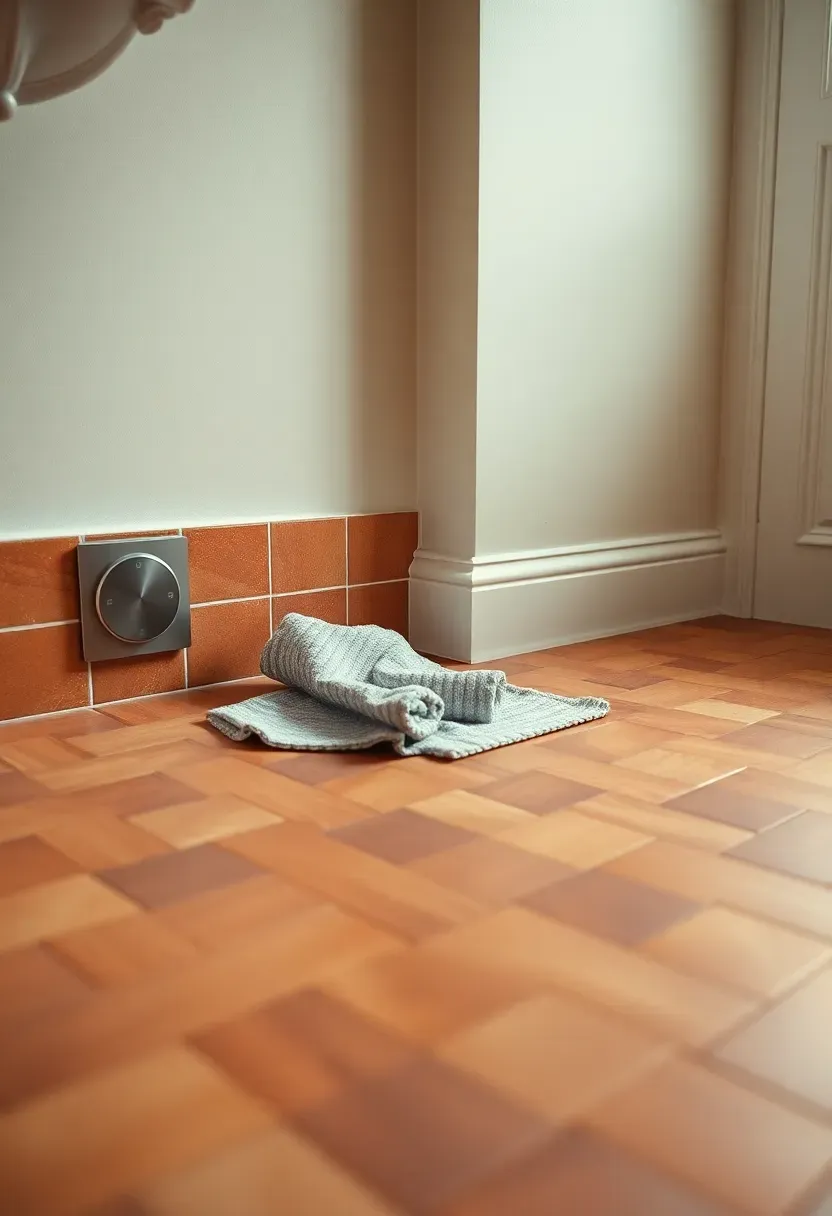
According to 2026 renovation surveys, underfloor heating ranks among the top three upgrades homeowners say they wish they'd included earlier. Once you've experienced stepping onto a warm floor on a winter morning, cold tiles feel like a design flaw.
Electric mat systems are the most practical option for bathroom remodels — they sit under the tile and connect to a programmable thermostat. The installation adds 20–30 mm to the floor height (a detail worth planning for if you have a step threshold at the doorway). Schedule the heating to reach temperature 30 minutes before you typically shower. Most modern controllers can be set from a phone app.
Tips / Practical Recommendations
- Insulate the subfloor before laying the heating mat — uninsulated concrete absorbs heat inefficiently
- Porcelain and natural stone conduct heat better than thick natural materials
- Get a thermostat with an air sensor as well as a floor sensor to prevent tile overheating
10. Wet Room Layout
The Core Issue
Traditional shower enclosures eat floor area, fragment the visual space, and require constant glass cleaning.
The Solution
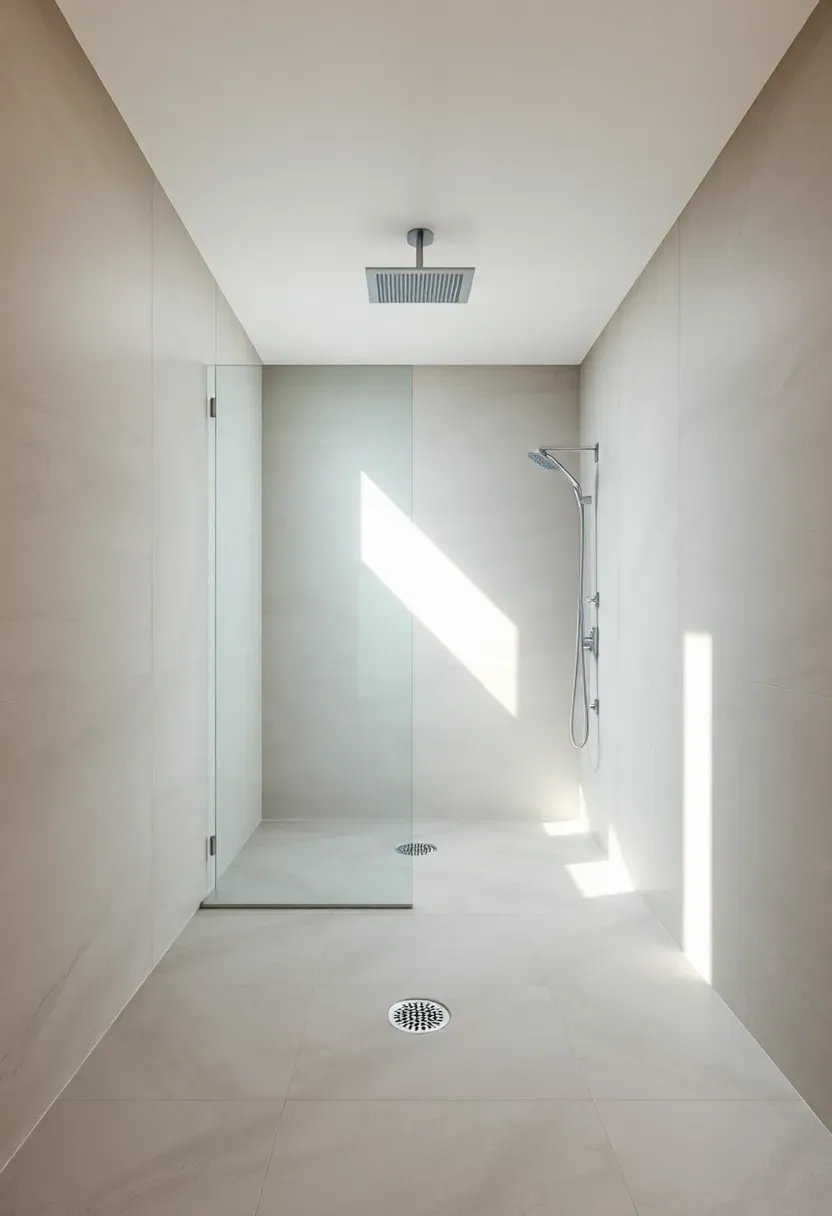
A wet room waterproofs the entire bathroom floor and eliminates the shower enclosure entirely. The shower becomes a zone rather than a structure. A low glass screen (or none at all) separates the wet area just enough to protect the vanity. This approach is architecturally clean and makes small bathrooms feel significantly larger than they are. Every surface — walls, floor, and ceiling of the shower zone — must be fully tanked. A professional waterproofing membrane is non-negotiable here.
Pros and Cons
Pros: Maximum visual space; easiest layout to keep clean; works beautifully in tight footprints Cons: Full waterproofing is expensive and must be done perfectly; not suitable for DIY unless you have tiling experience
Recommended
Items for this idea
11. Terrazzo Accents
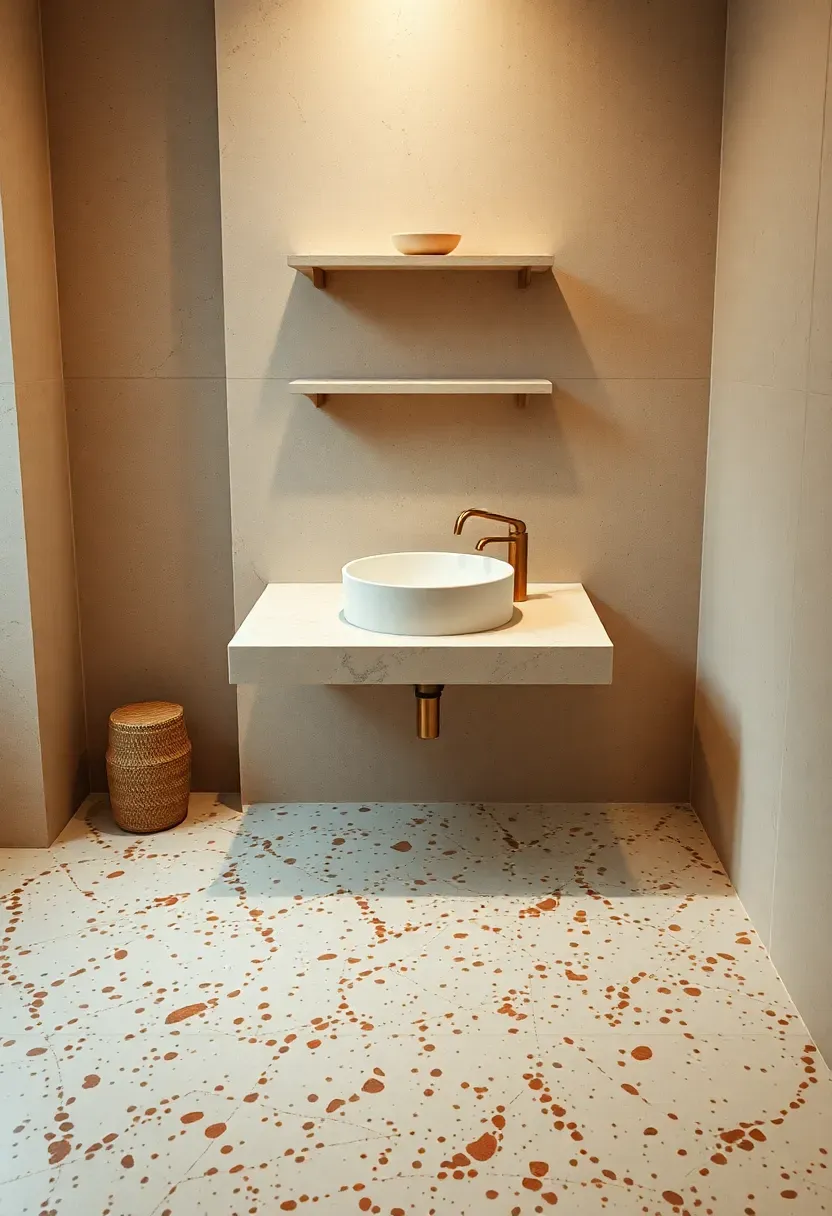
Terrazzo had its revival moment a few years ago — but in 2026, it's been refined. Gone are the acid-green chips of mid-century buildings; this year's terrazzo uses warm stone chips in cream, sand, and rust against a pale or white matrix.
Tips / Practical Recommendations
- Use terrazzo as an accent rather than wall-to-wall — a floor, a vanity top, or a countertop brings personality without overwhelming the room
- Prefabricated terrazzo slabs (available as vanity tops and shelf inserts) give the look without the on-site labor of poured terrazzo
- The warm chip palette coordinates beautifully with travertine, oak, and brushed brass
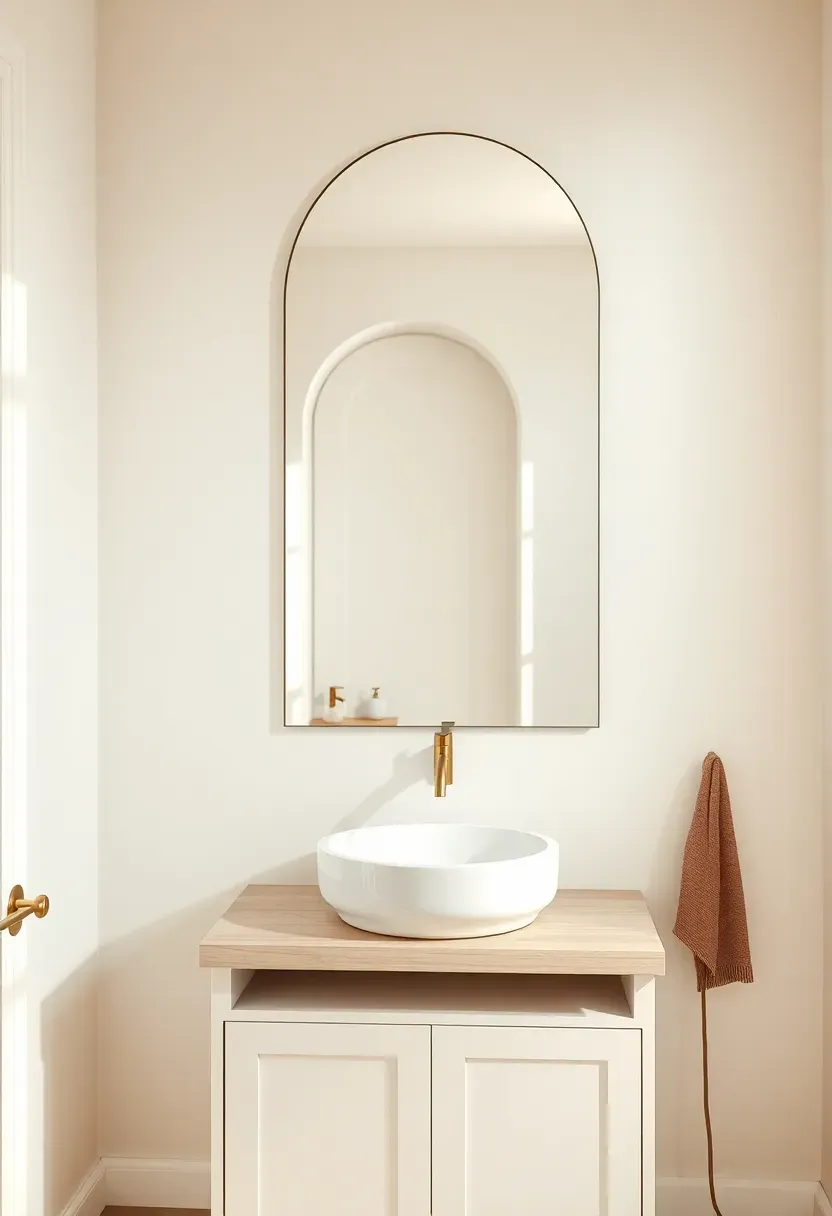
12. Arched Mirror or Doorway
The arch is one of the most powerful yet simple interventions in a bathroom remodel. A single arch — whether it frames the doorway, defines a niche, or shapes a mirror — softens the right-angle geometry of a rectangular room.
Origins / History
Arched architectural elements appear across Moorish, Mediterranean, and Romanesque traditions — they've been used in domestic interiors for centuries. The 2026 revival pairs the arch with clean, minimal surfaces rather than ornate surrounds.
Modern Interpretation
Today's bathroom arches are simple and clean — plaster, tile, or a frameless mirror ground to a curved shape. The arch doesn't need to be elaborate; even a slight arch at the top of a doorway changes how the room feels.
How to Apply at Home
- A large arched mirror above the vanity is the easiest entry point
- An arched niche in the shower wall creates both storage and architectural interest
- Arched doorways require structural consideration if the wall is load-bearing — consult a builder before removing material
Recommended
Items for this idea
13. Large-Format Porcelain Slabs
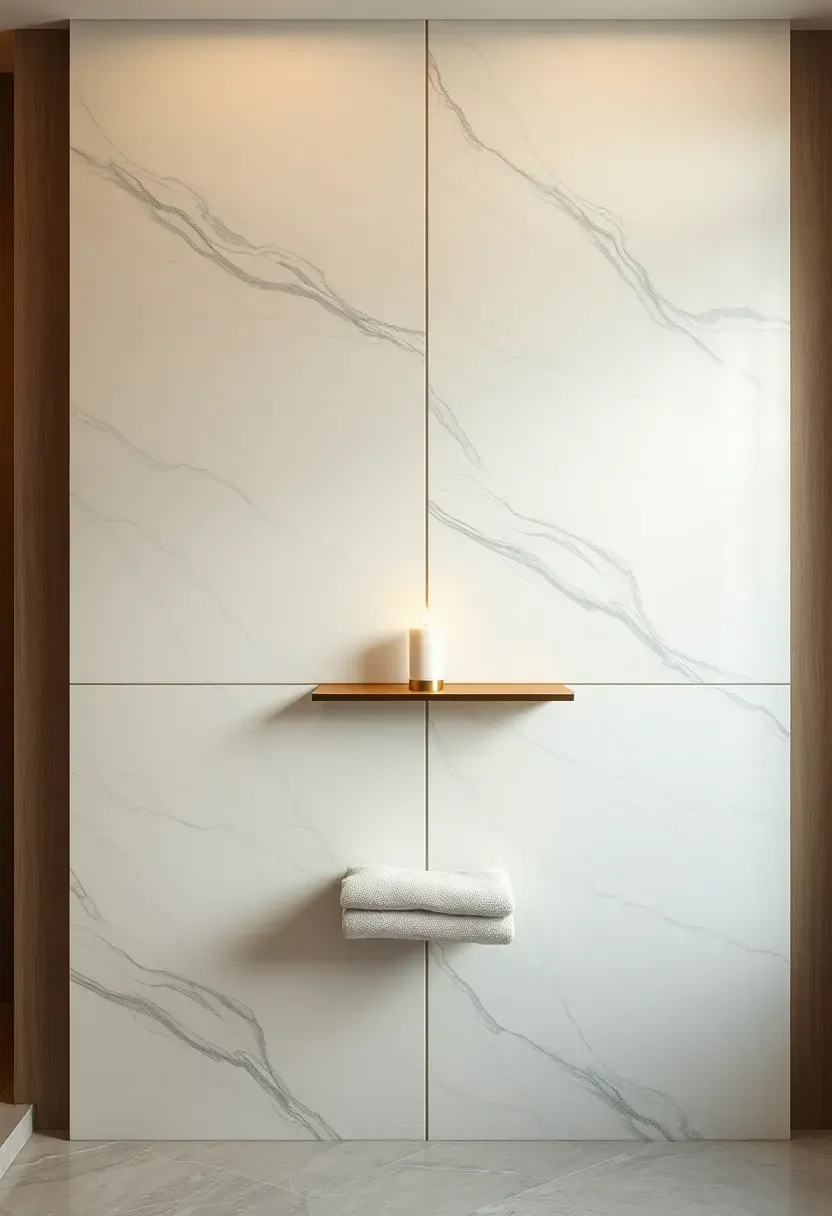
We've reached the point where a porcelain tile can be virtually indistinguishable from a solid slab of marble or stone — but at a fraction of the weight, cost, and maintenance demand.
Large-format porcelain slabs (120×240 cm or larger) are now a defining material in high-end bathroom remodels. The near-zero grout lines create an uninterrupted surface that reads as expansive and effortlessly luxurious. Book-matching — installing adjacent panels as mirror images to continue the vein pattern — elevates the effect further.
Tips / Practical Recommendations
- Ensure your subfloor is level to within 3 mm over 2 m — large format tiles amplify any unevenness
- Large slabs are heavy and fragile; professional installation is strongly recommended
- Choose a matte or lappato (semi-polished) finish for floors; polished finishes are slippery when wet
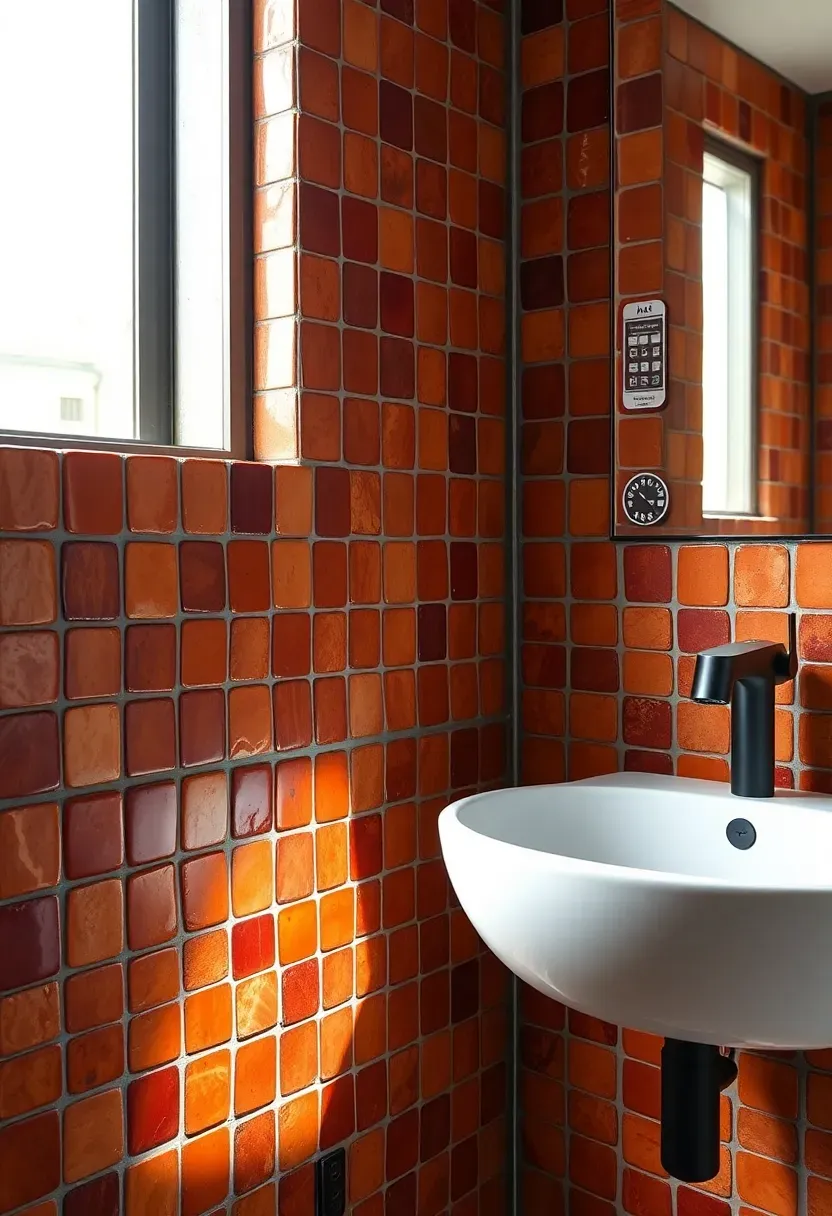
14. Bold Zellige Tile Feature Wall
The Core Issue
Bathrooms often default to the safe and neutral. The result is a room with no personality — one that could belong to anyone.
The Solution
A single feature wall in zellige tile — traditional Moroccan handmade clay tile with an irregular, light-catching surface — introduces texture, color, and unmistakable craft. In 2026, zellige appears most often in warm terracotta, sage green, and dusty blue. The organic variation in each tile means no two walls look the same. Limit the treatment to one wall (typically behind the vanity or in the shower) to avoid visual overload.
Pros and Cons
Pros: High visual impact; unique handmade quality; ages beautifully as the glaze develops a patina Cons: Irregular surface requires experienced installation; harder to keep grout clean compared to flat tile
Recommended
Items for this idea
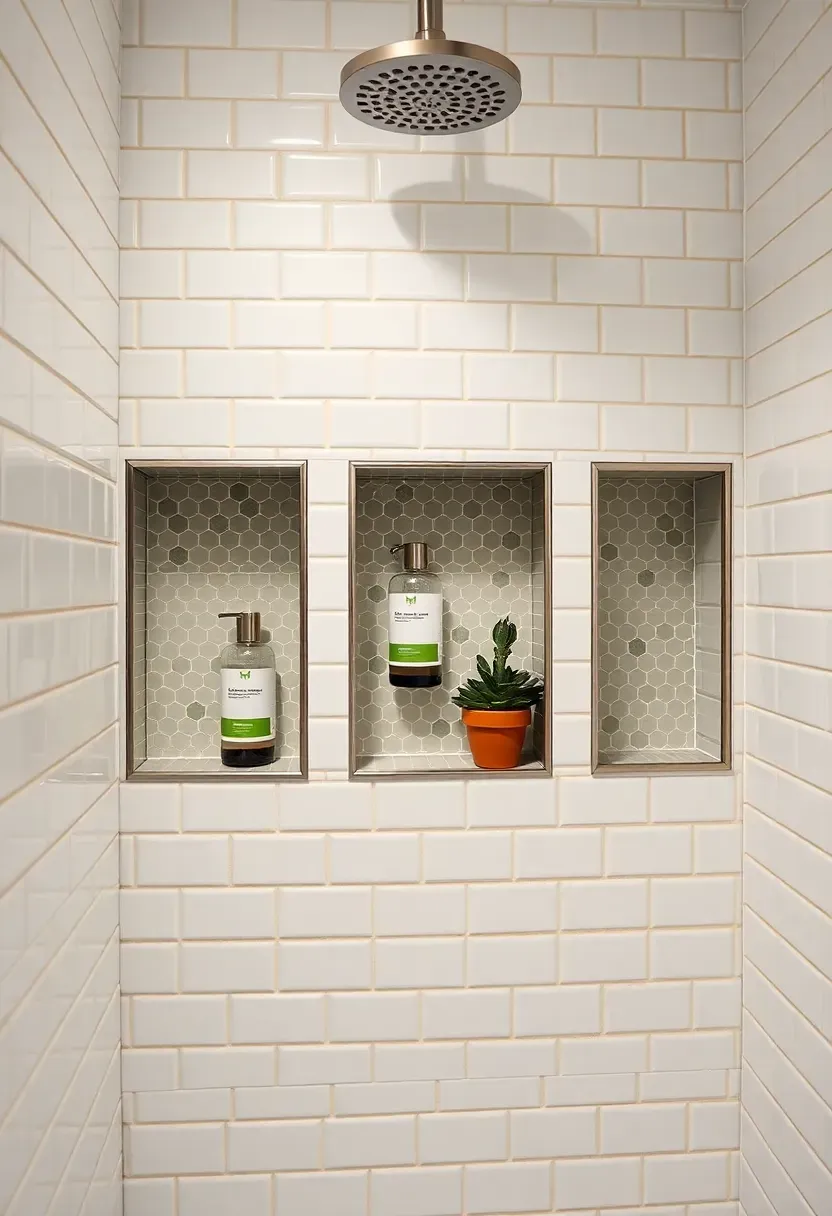
15. Built-In Niche Storage
Recessed niches are one of those small details that make a finished bathroom feel truly designed. They're practical, visually clean, and — if tiled in a contrasting material — they become a subtle architectural feature.
Step 1: Plan During Rough-In
Niches must be cut between studs before waterproofing and tiling. They can't be added after the fact without significant rework. Mark locations and depths on the plans before the tiler starts.
Step 2: Waterproof Carefully
Every surface inside the niche requires full waterproofing membrane coverage, including the back wall. Missed corners are a common source of moisture problems.
Step 3: Tile the Interior Distinctively
Using a contrasting tile inside the niche — a small mosaic, a colored zellige, or a patterned format — makes it a feature rather than just a hole in the wall.
What to Watch Out For
- Standard niche depth is 8–10 cm (between standard studs); deeper than this requires structural modification
- Position shower niches at eye level for the tallest regular user
- Install a thin LED strip inside larger niches for ambient lighting
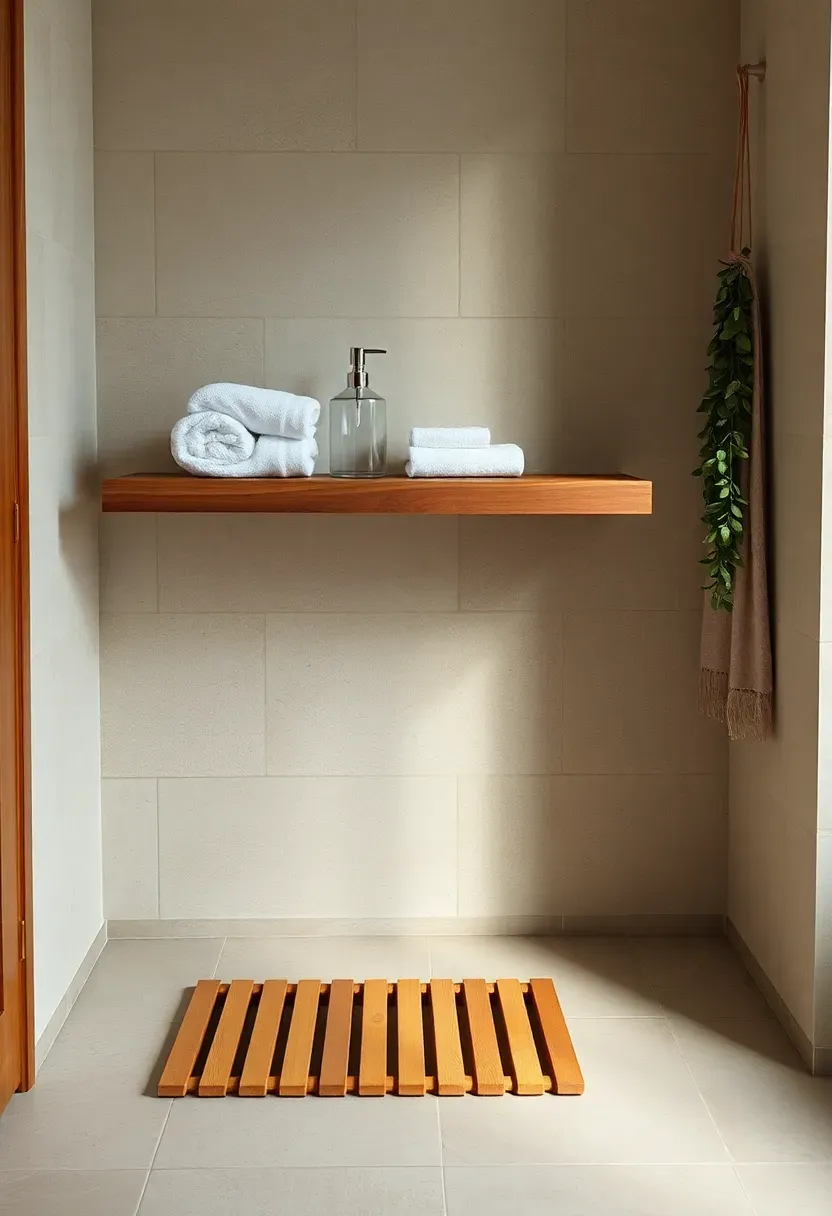
16. Natural Wood Accents
Wood and water aren't natural allies, but the pairing — handled correctly — is one of the warmest things you can do to a bathroom.
In 2026, wood appears in bathrooms as floating shelves, vanity fronts, bath caddies, and teak floor grates. The key is using properly sealed or naturally moisture-resistant species: teak, iroko, and oiled oak all perform well in humid environments. Avoid pine and MDF in the wet zone entirely.
Tips / Practical Recommendations
- Oiled wood requires annual maintenance (a 30-minute job with teak oil) to stay protected and looking good
- Floating oak shelves with invisible fixings are among the simplest, highest-impact additions in any bathroom
- Pair warm wood tones with white walls and matte black hardware for a three-part palette that photographs beautifully
Recommended
Items for this idea
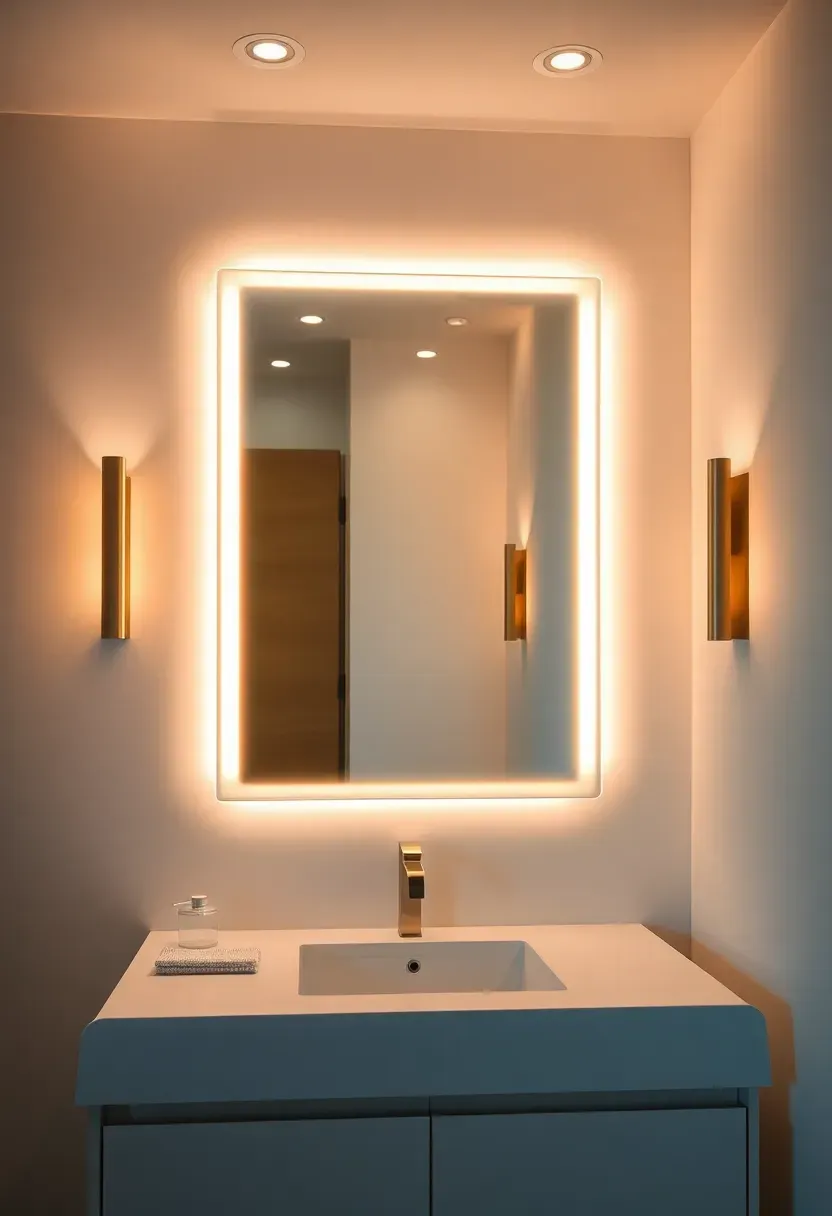
17. Spa-Style Lighting Layers
The Core Issue
A single overhead light makes bathrooms feel harsh, clinical, and unflattering — particularly for mirrors.
The Solution
Spa-style lighting means building up three layers: ambient (overall illumination), task (at the mirror, for grooming), and accent (inside niches, under the vanity, above the bath). When all three are on separate dimmer circuits, you can dial the atmosphere from functional morning brightness to candlelit evening soak. The most important change most bathrooms need is moving task lighting to the sides of the mirror rather than above it — overhead mirror light casts unflattering shadows.
Pros and Cons
Pros: Transformative with relatively modest investment; improves daily usability and evening ambiance Cons: Requires an electrician if circuits need rerouting; planning ahead is essential — adding circuits after tiling is disruptive
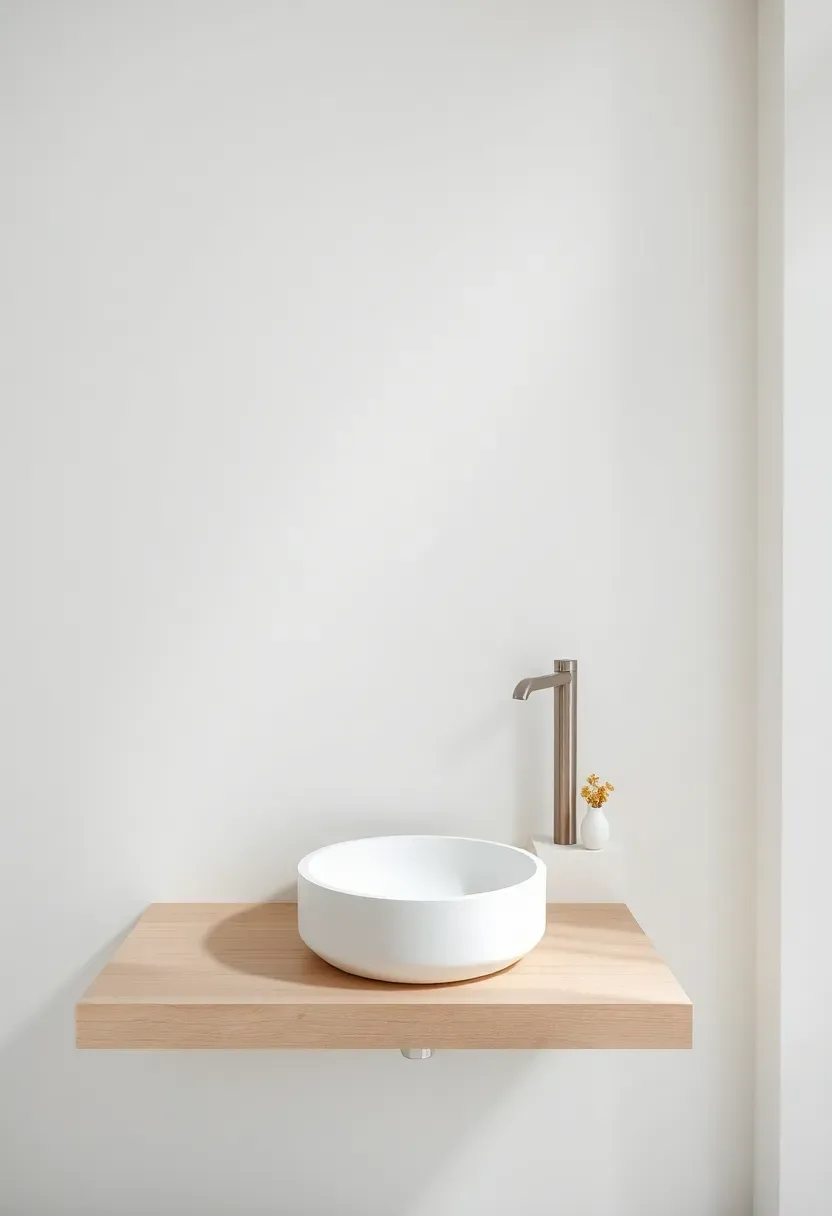
18. Japandi-Inspired Minimalism
The Japandi aesthetic — a blend of Japanese wabi-sabi and Scandinavian hygge — continues to influence bathroom design in 2026, and for good reason: it resolves almost every bathroom design dilemma in one coherent approach.
Japandi bathrooms use a restrained palette (white, cream, pale wood, stone gray), eliminate decorative clutter in favor of functional objects of quality, and emphasize texture over color. Every element earns its place.
Tips / Practical Recommendations
- Limit the room to three materials and three tones maximum
- Choose fixtures with clean profiles and no decorative detailing
- Add life through a single carefully placed plant (snake plant or orchid both thrive in bathroom humidity)
- The overall effect depends on absence as much as presence — ruthless editing is the most important design move
Recommended
Items for this idea
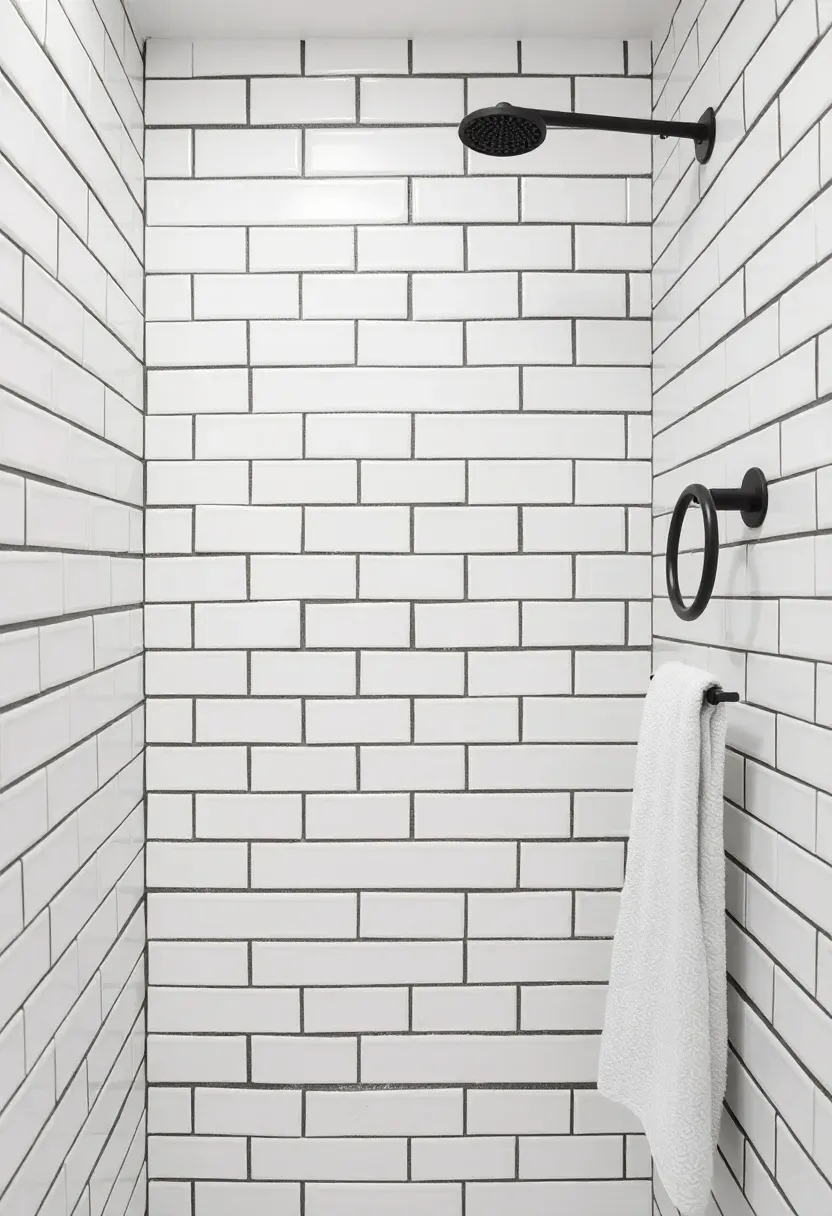
19. Dramatic Dark Grout Lines
One of the most affordable and reversible design decisions in a bathroom remodel is grout color. And in 2026, dark grout — charcoal, slate, and even near-black — is making a forceful case.
Origins / History
Traditional pale grout was a practicality choice that became a default. Dark grout has been used in industrial and Mediterranean tile traditions for generations, where the contrast between tile body and grout line is part of the aesthetic.
Modern Interpretation
White subway tiles with charcoal grout. Cream zellige with brown grout. Even pale marble-look porcelain looks sharper and more intentional with a dark grout line. The grid pattern becomes a graphic element rather than a background condition.
How to Apply at Home
- Dark grout shows less discoloration over time — it's actually lower maintenance than white grout
- The contrast reads strongest from a distance; test a small patch before committing to the full room
- Pair bold dark grout with simpler tile shapes to avoid visual competition
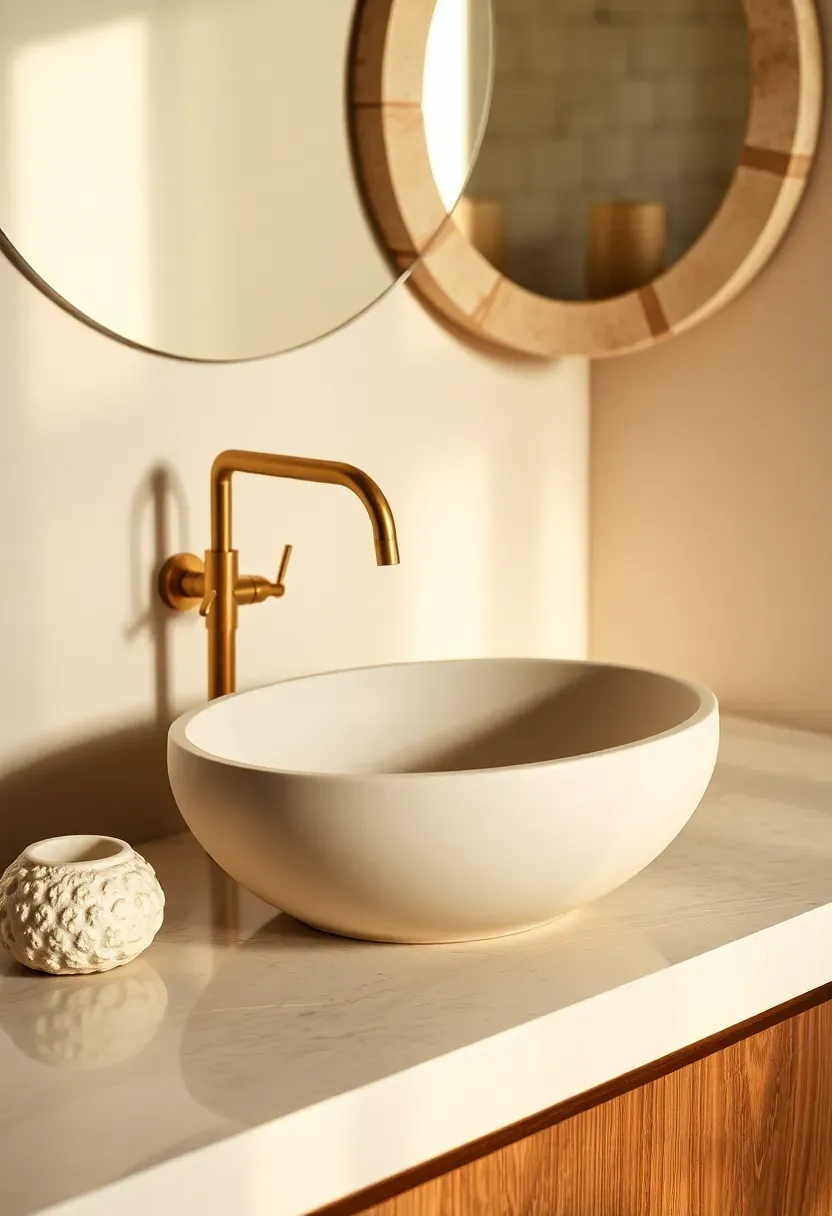
20. Organic Shapes in Fixtures
The shift from angular geometry to organic curves in bathroom design is one of the defining directions of the 2026 market. Basins, mirrors, bathtubs, and even towel hooks are available in rounded, free-form shapes that feel sculpted rather than manufactured.
Tips / Practical Recommendations
- A round or oval vessel basin on a rectangular vanity creates deliberate tension — mix shapes intentionally rather than matching everything
- Organic-shaped mirrors (irregular oval, asymmetric blob forms) are the easiest entry point to this trend
- Keep other elements clean and rectilinear when using curved fixtures — the contrast makes the organic pieces read as features
Recommended
Items for this idea
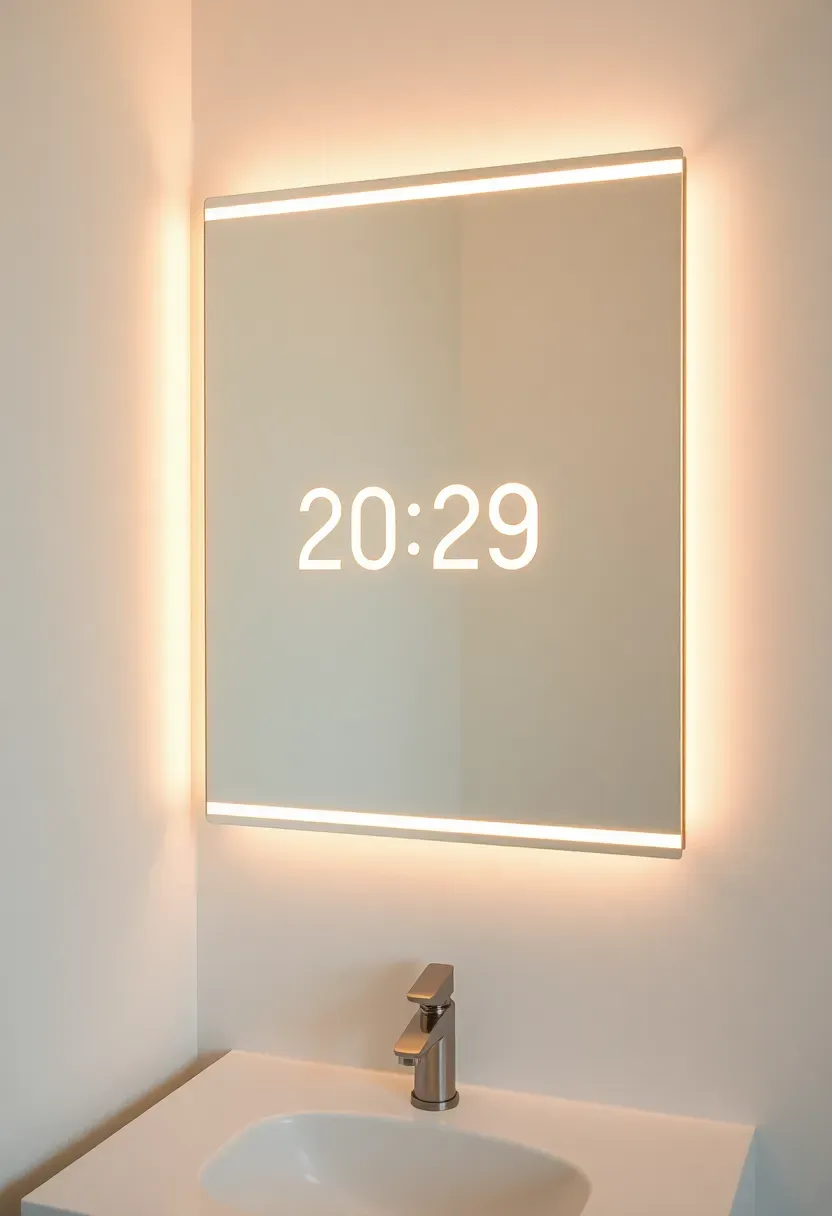
21. Smart Mirror with Integrated Display
The Core Issue
The bathroom is the room where many people begin and end their day — but it typically offers zero ambient information.
The Solution
Smart mirrors now embed touch-controlled displays behind the glass surface — showing time, weather, calendar events, or a gentle news briefing. When the mirror is off, it functions as a normal backlit mirror; when active, the display appears within the glass. The setup requires a power outlet behind the mirror and a Wi-Fi connection. Brands like Kohler, Emco, and several boutique manufacturers now offer genuinely polished options at accessible price points.
Pros and Cons
Pros: Morning routine efficiency without bringing a phone into the bathroom; clean aesthetic with nothing additional on the wall Cons: Premium price over standard mirrors; dependency on Wi-Fi; display quality varies significantly between brands
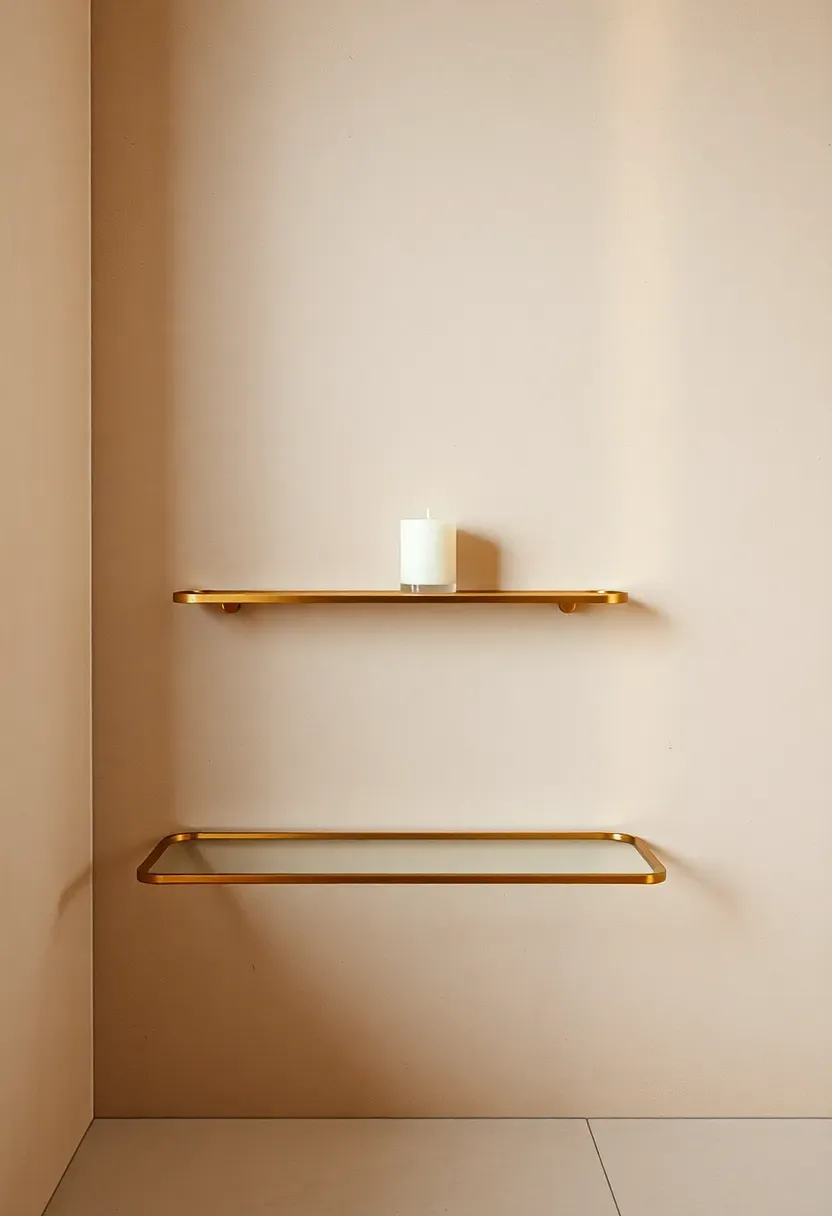
22. Limewash or Plaster Walls
For those who want texture and warmth without tile, limewash and tadelakt plaster are the 2026 answer. Both create surfaces with a depth and luminosity that paint simply cannot match.
Limewash is calcium lime applied in thin coats that dry to a variegated, matte finish — each section slightly different in tone, like aged Mediterranean stone. Tadelakt is a Moroccan waterproof plaster that can be used in wet zones (even inside showers) and polished to a silky, slightly reflective finish.
Tips / Practical Recommendations
- Hire an experienced applicator for tadelakt — the polishing technique is time-sensitive and technique-dependent
- Limewash can be applied by a competent DIY renovator using quality pigmented lime product
- Both finishes are vapour-permeable, which makes them particularly well-suited to the humidity of a bathroom
Recommended
Items for this idea
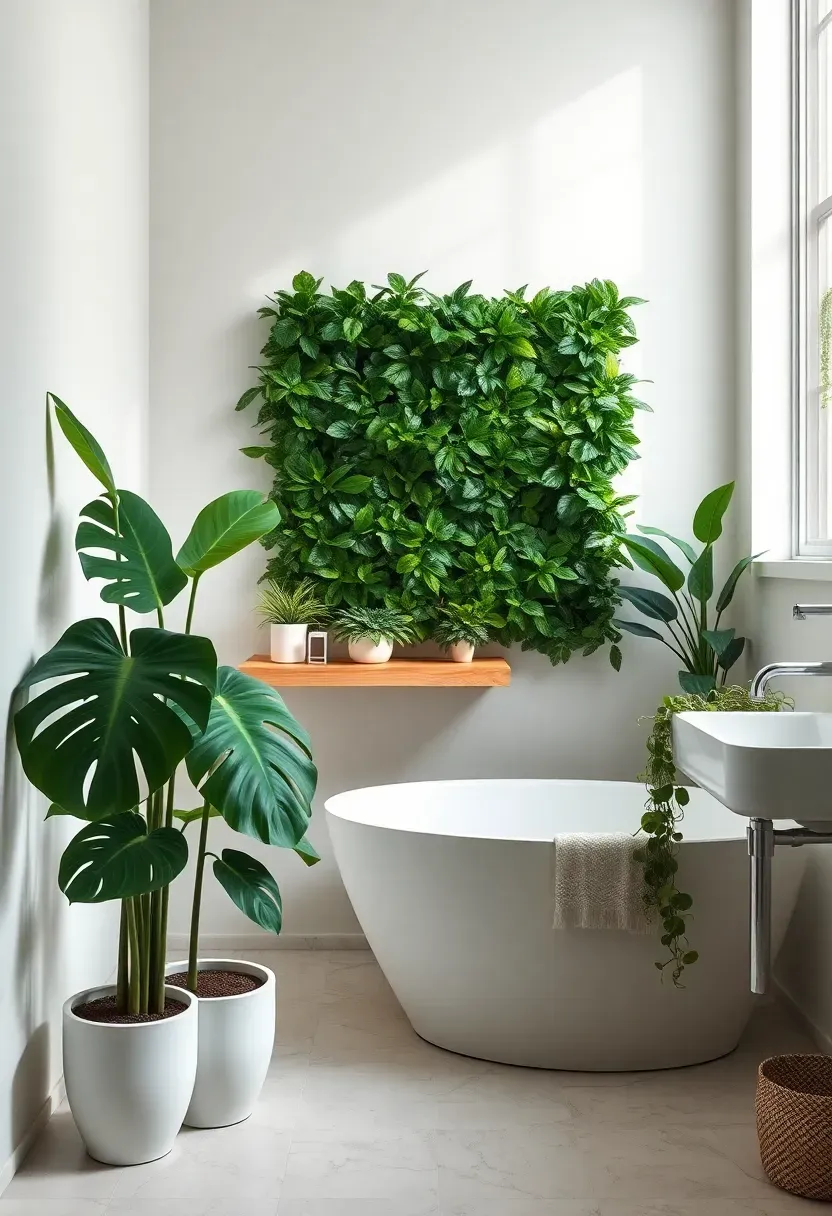
23. Green Wall or Living Plant Corner
The final idea is also the most alive. A dedicated plant corner or small living wall panel in a bathroom draws the outdoors in and does something no tile or fixture can: it changes with the seasons, responds to light, and reminds the room that it's connected to the natural world.
Tips / Practical Recommendations
- Assess light levels honestly — only low-light tolerant species (pothos, heartleaf philodendron, ZZ plant) will thrive in a windowless bathroom
- A small modular living wall kit with a built-in irrigation reservoir makes maintenance manageable
- Even a single oversized tropical plant in a ceramic pot — monstera, bird of paradise, or large fern — makes a more powerful statement than several small ones
- Pair with natural stone, wood, and earthy tones to complete the biophilic narrative
Quick FAQ
Is 2026 a good year to remodel a bathroom? Material and fixture availability has stabilized after years of supply chain disruption, and design trends are in a confident, refined phase rather than in transition — making 2026 an excellent time to invest in a bathroom remodel with lasting style.
Which update delivers the biggest visual impact for the smallest budget? Replacing fixtures (taps, towel rails, cabinet hardware) in a consistent finish — matte black or brushed brass — combined with a grout refresh and new lighting gives a dramatic result for a fraction of a full remodel cost.
Should you DIY a bathroom remodel or hire professionals? Cosmetic changes (painting, fixture swaps, accessory updates) are well within DIY range. Anything involving waterproofing, tile installation, plumbing rough-in, or electrical work is best left to licensed tradespeople — mistakes in these areas are expensive to repair.
What's the difference between a wet room and a walk-in shower? A walk-in shower has a defined zone but may still have a low threshold; a wet room waterproofs the entire bathroom floor so the shower and room are fully unified with no enclosure or threshold at all.
How long does a full bathroom remodel typically take? A complete gut renovation for a standard bathroom takes 3–5 weeks with a reliable contractor. A cosmetic refresh (no plumbing or tile changes) can be done in 2–5 days.
A bathroom remodel doesn't have to mean tearing everything back to bare concrete. Some of the most satisfying transformations on this list require a weekend, the right materials, and a clear vision of what you want the room to feel like. Start with one idea that resonates, build from there, and you'll be surprised how quickly the room begins to reflect a space you actually want to spend time in.
Pinterest cover for 23 Bathroom Remodel Ideas for 2026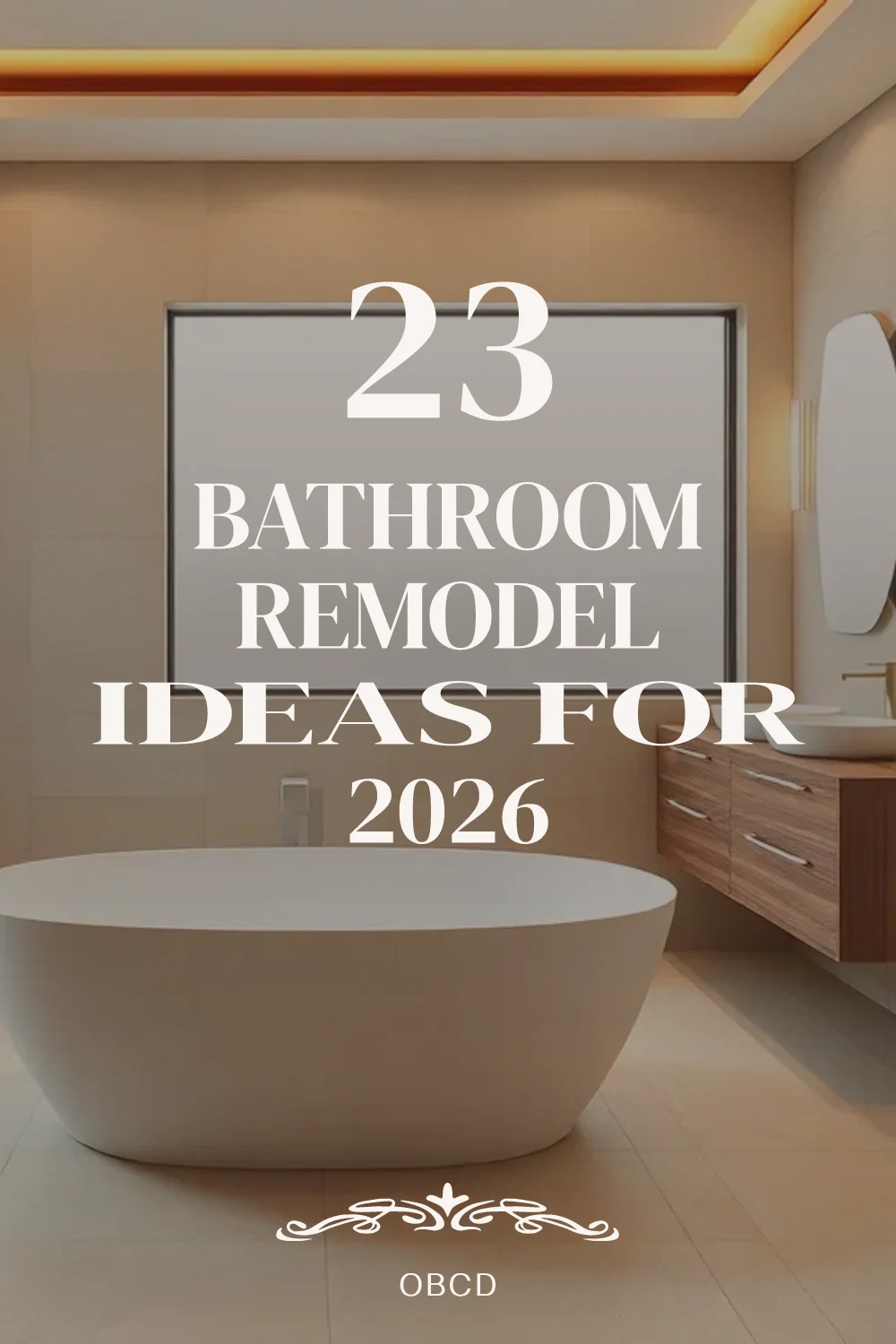
About the author
OBCD
CGI visualization and interior design content. We create detailed 3D renders and curate practical design ideas for every room in your home.