21 Porch Decorating Ideas That Make Your Entrance Unforgettable
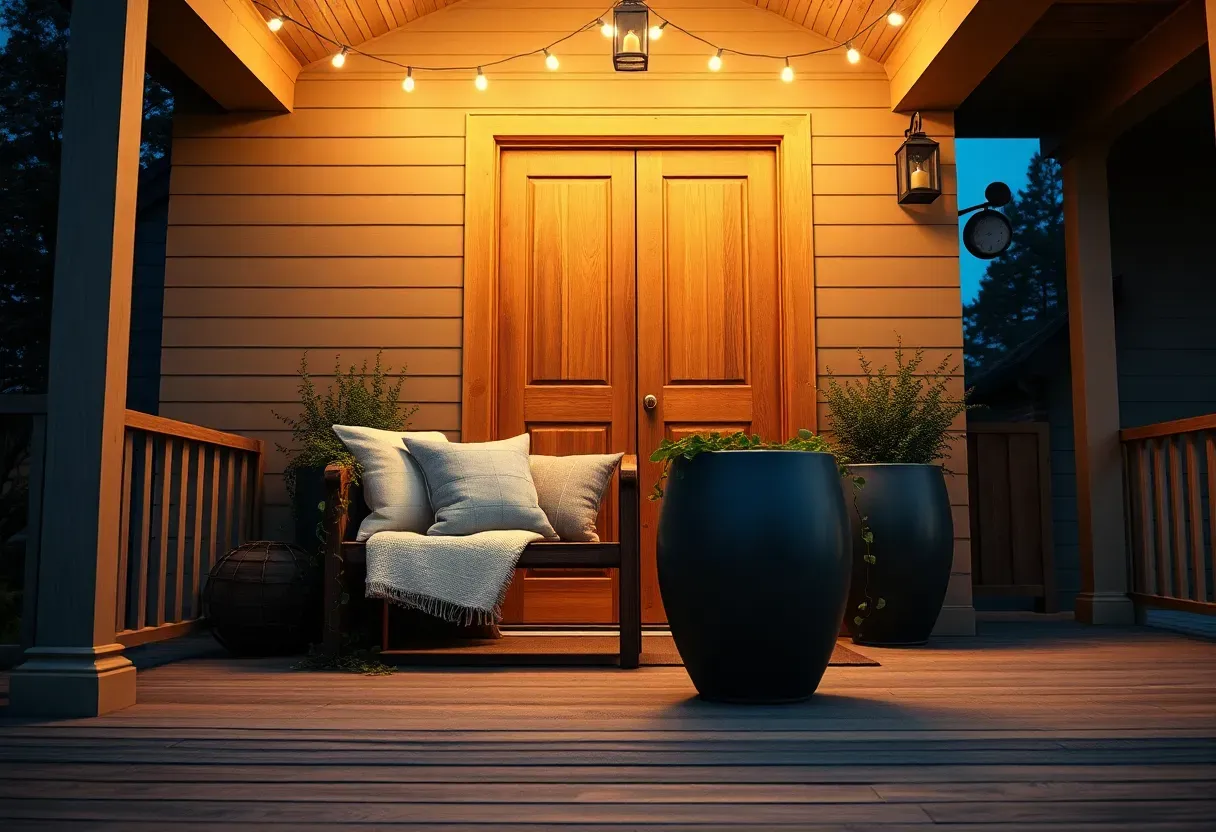
According to a 2026 survey by the National Association of Realtors, the front porch ranks among the top three exterior features buyers notice within the first ten seconds of arrival. That narrow strip of covered outdoor space sets the emotional tone for everything behind the front door. Yet most homeowners treat it as a pass-through zone — a place for shoes and packages, not a destination worth decorating. That changes today.
Below you will find a detailed guide covering 21 distinct porch decorating approaches, from furniture arrangement and lighting to seasonal accents and color palettes. We start with foundational choices and build toward finishing touches that pull the whole scene together.
Table of Contents
- Oversized Ceramic Planters as Anchors
- Layered Outdoor Rug Foundation
- Rocking Chair Pair with a Side Table
- Hanging Porch Swing with Cushions
- Lantern Cluster at the Front Door
- Wreath and Door Garland Combination
- Vertical Herb Garden Wall
- Porch Ceiling Color Statement
- Wicker Furniture with Linen Throws
- Black and White High-Contrast Palette
- Vintage Metal Accents and Salvage Finds
- Outdoor Curtains for Privacy and Softness
- Potted Tree Framing the Entryway
- String Light Canopy Overhead
- Seasonal Wreath Rotation System
- Bench with Storage Below
- Address Plaque as Decor Statement
- Tiered Plant Stand Display
- Porch Rail Planter Boxes
- Doormat Layering Technique
- Color-Coordinated Pillow and Textile Refresh
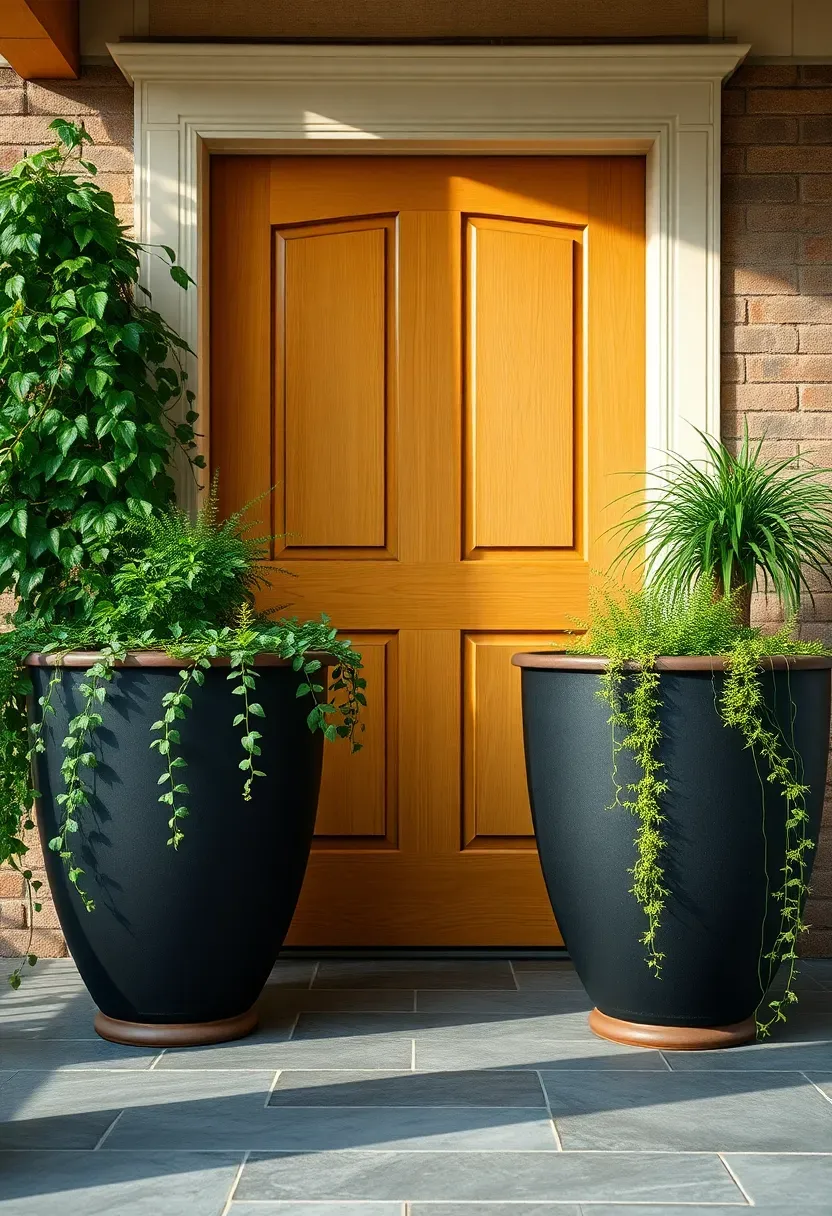
1. Oversized Ceramic Planters as Anchors
Nothing grounds a porch entrance faster than a pair of substantial planters positioned on either side of the front door. They frame the doorway with living architecture and create an immediate sense of intentional design that smaller pots scattered randomly cannot achieve.
Tips for Getting It Right
- Choose planters at least 18 inches in diameter and 24 inches tall — anything smaller gets visually lost beside a standard-height door frame.
- Stick to a single planter color that contrasts your door: matte black against a white door, glazed terracotta against navy.
- Plant a single statement species per pot (olive tree, boxwood topiary, or fiddle leaf fig) rather than a mixed arrangement — simplicity reads as elegance from the sidewalk.
We picked a few things that go well with this idea: GCI Freestyle Outdoor Rocker with Holder (★4.8), Oversized All-Weather Porch Rocker (★4.7) and HDPE High Back Porch Rocker Chair (★4.4). As an Amazon Associate we earn from qualifying purchases.
2. Layered Outdoor Rug Foundation
The Core Issue
Bare porch floors — whether concrete, composite, or wood — look unfinished and cold. A single doormat helps, but it covers only the threshold and leaves the rest of the floor looking like a hallway nobody bothered to furnish.
The Solution
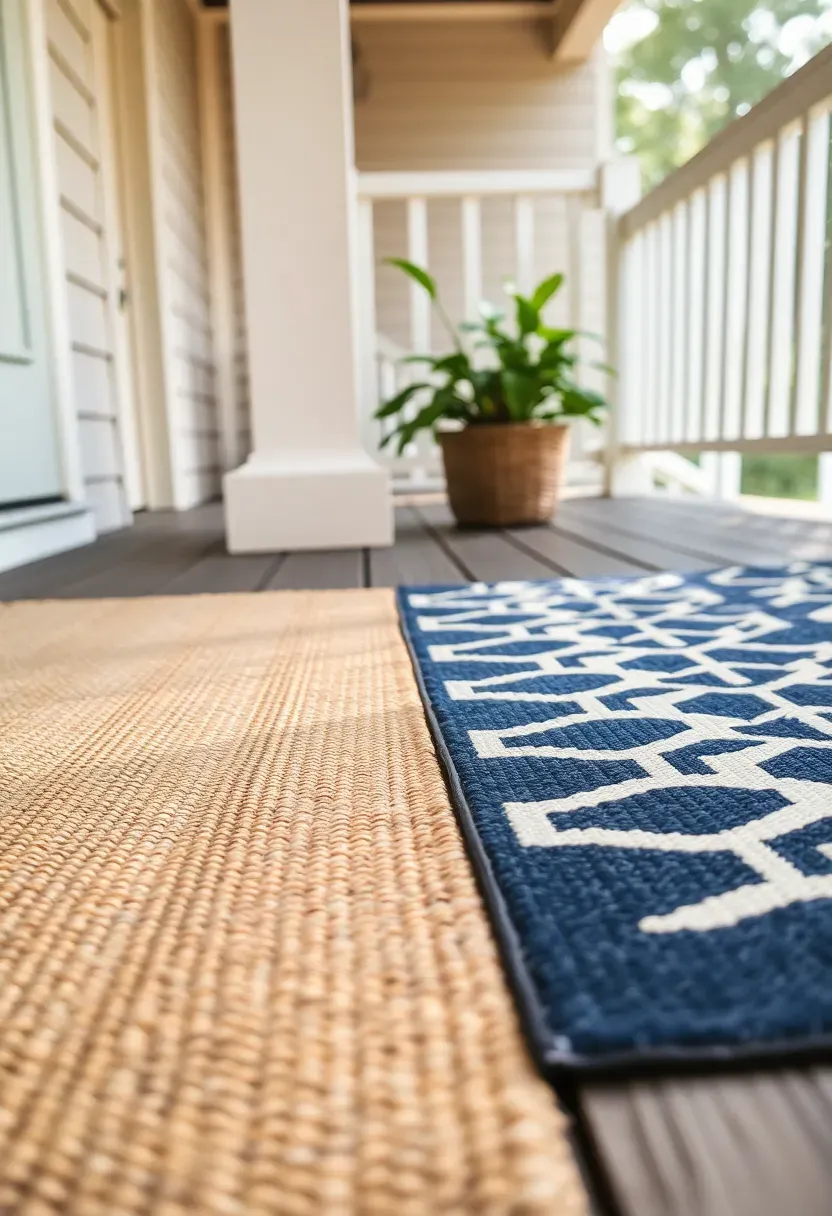
Layer two outdoor-rated rugs: a larger base rug (typically 5x7 or 5x8 feet) that defines the seating or entryway zone, topped with a smaller accent rug or runner angled slightly off-center. The base rug should be a neutral or subtle stripe; the top rug introduces pattern and color. This layering trick adds visual depth and makes the porch feel furnished like an actual room rather than an exposed corridor.
Pros and Cons
Pros: Instantly warms the floor; creates a defined living zone; easy to swap seasonally.
Cons: Outdoor rugs trap moisture underneath on wood decks — lift and dry them monthly to prevent mildew buildup.
We picked a few things that go well with this idea: Black Metal Decorative Lanterns (Set of 3) (★4.7), Large Floor Lanterns for Porch (Set of 2) (★4.4) and NEEDOMO Bronze Metal Lanterns (Set of 2) (★4.4). As an Amazon Associate we earn from qualifying purchases.
3. Rocking Chair Pair with a Side Table
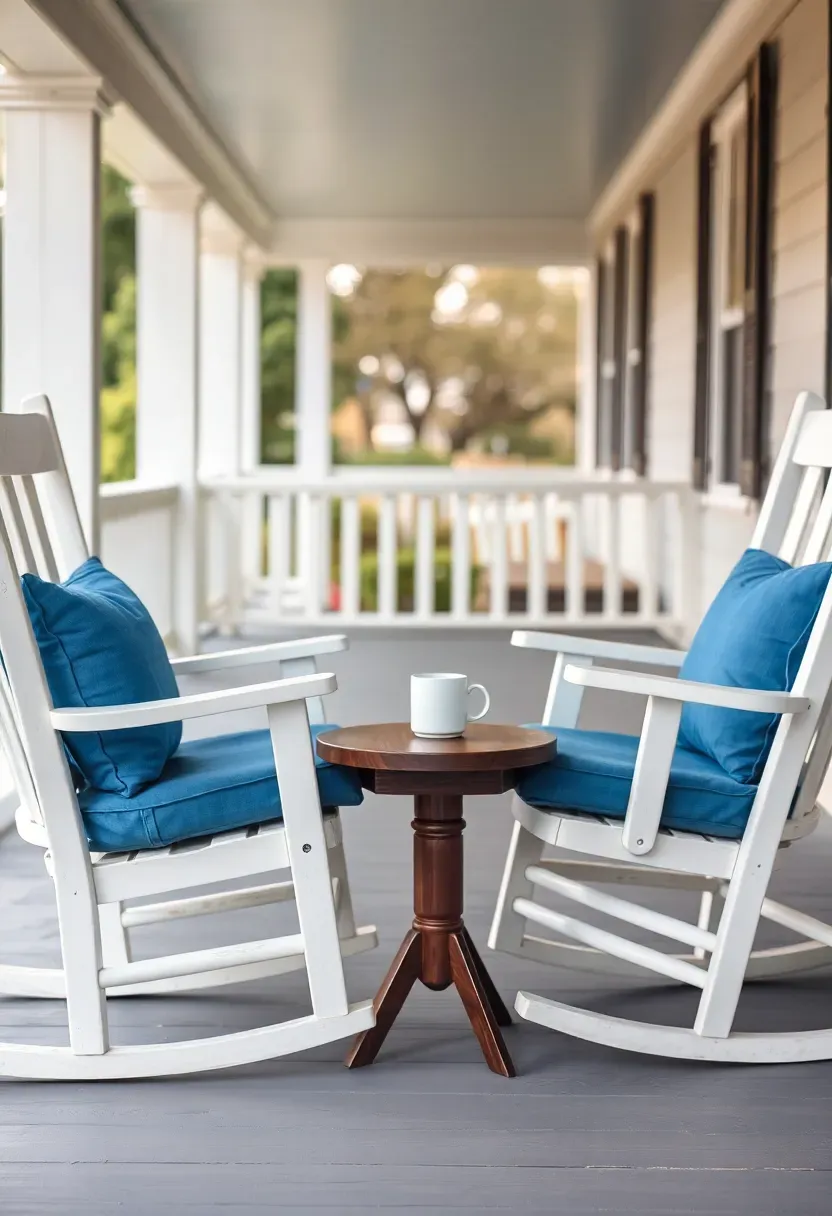
There is something deeply American about rocking chairs on a front porch — and the reason they persist across centuries of design trends is that they genuinely work. The gentle motion invites lingering, and the paired arrangement signals that this space is meant for conversation, not just passing through.
Choosing the Right Rockers
Select chairs with wide armrests that can double as a place to set a coffee cup. Polywood (recycled high-density polyethylene) versions hold up better than painted wood in wet climates and never need refinishing. Place a small round side table between them — 16 to 18 inches in diameter is sufficient. Add seat cushions in a fade-resistant outdoor fabric to introduce color and soften the seat.
What to Watch Out For
- Leave at least 30 inches of clearance behind each rocker for the full rocking arc.
- Avoid placing rockers directly against the porch railing — the chair back will eventually scratch or dent the rail.
- If your porch is narrower than 8 feet deep, swap traditional rockers for glider chairs that move front-to-back without the large rear clearance requirement.
We picked a few things that go well with this idea: Ceramic-Look Tall Planters (3-Pack) (★4.6), Large Tall Round Planters (Set of 3) (★4.7) and Kante Round Concrete Planter (20-Inch) (★4.4). As an Amazon Associate we earn from qualifying purchases.
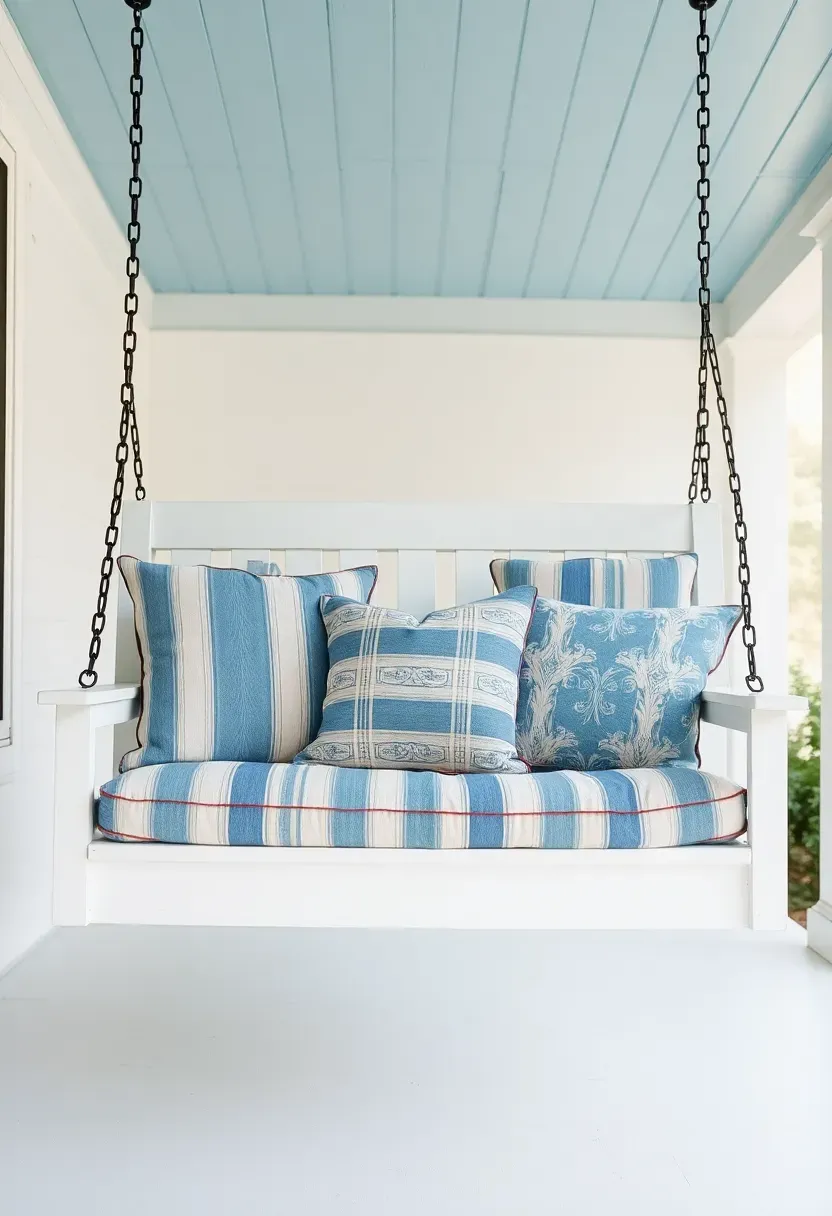
4. Hanging Porch Swing with Cushions
Why Swings Transform a Porch
A porch swing changes the entire dynamic of the space — it's no longer a static entryway but a place where people actively choose to sit. The gentle motion calms, and the visual of a swing loaded with cushions photographs beautifully for Pinterest and real estate listings alike.
How to Install Safely
Step 1: Locate Ceiling Joists
Use a stud finder on the porch ceiling to locate structural joists — never hang a swing from drywall, plywood, or thin tongue-and-groove ceiling boards alone. Mark two joist locations at least 36 inches apart.
Step 2: Install Heavy-Duty Eye Bolts
Use 3/8-inch galvanized or stainless steel eye bolts rated for at least 500 pounds each. Drill pilot holes into the joist center and screw the eye bolts flush.
Step 3: Hang and Level
Attach marine-grade chains to the eye bolts, adjust the chain length so the swing seat sits approximately 17 to 19 inches off the porch floor, and verify the seat hangs level before loading.
What to Watch Out For
- The swing needs at least 3 feet of clearance in front and behind for a comfortable arc.
- Choose outdoor-rated Sunbrella cushions — indoor cushions will mildew within one season.
Recommended
Items for this idea
5. Lantern Cluster at the Front Door
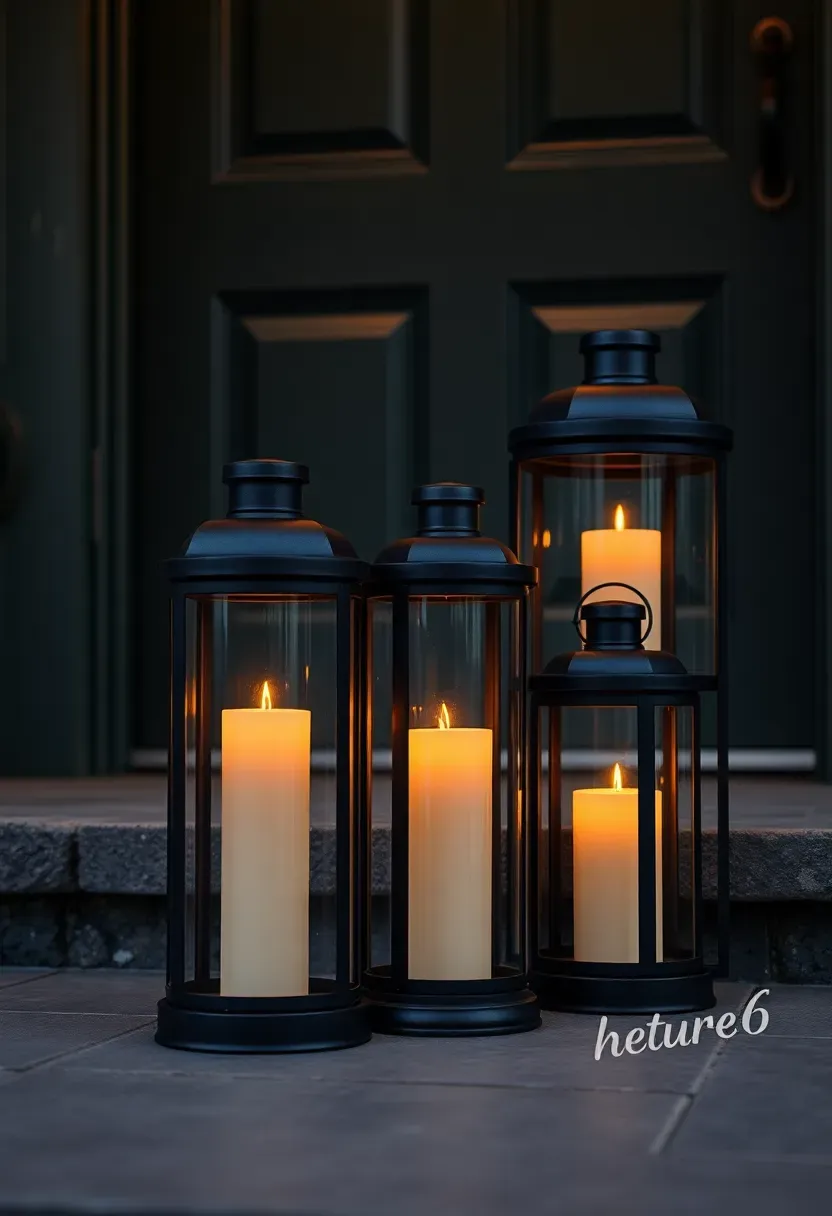
Overhead porch lights serve a functional role, but they cast flat, even illumination that lacks character. A cluster of lanterns placed on the porch floor beside the door introduces warm light at a lower level, creating depth and atmosphere that a single ceiling fixture cannot provide.
Practical Recommendations
- Group three lanterns of varying heights (12, 16, and 20 inches tall) in a triangular arrangement beside the door on the hinge side.
- Use LED flameless candles with a timer function — real candles blow out in wind and pose a fire risk near doormats.
- Select lanterns in a finish that complements your door hardware: matte black with oil-rubbed bronze hardware, brushed brass with polished nickel hardware, or weathered copper with antique fixtures.
6. Wreath and Door Garland Combination
Comparing: Wreath Only vs. Wreath Plus Garland
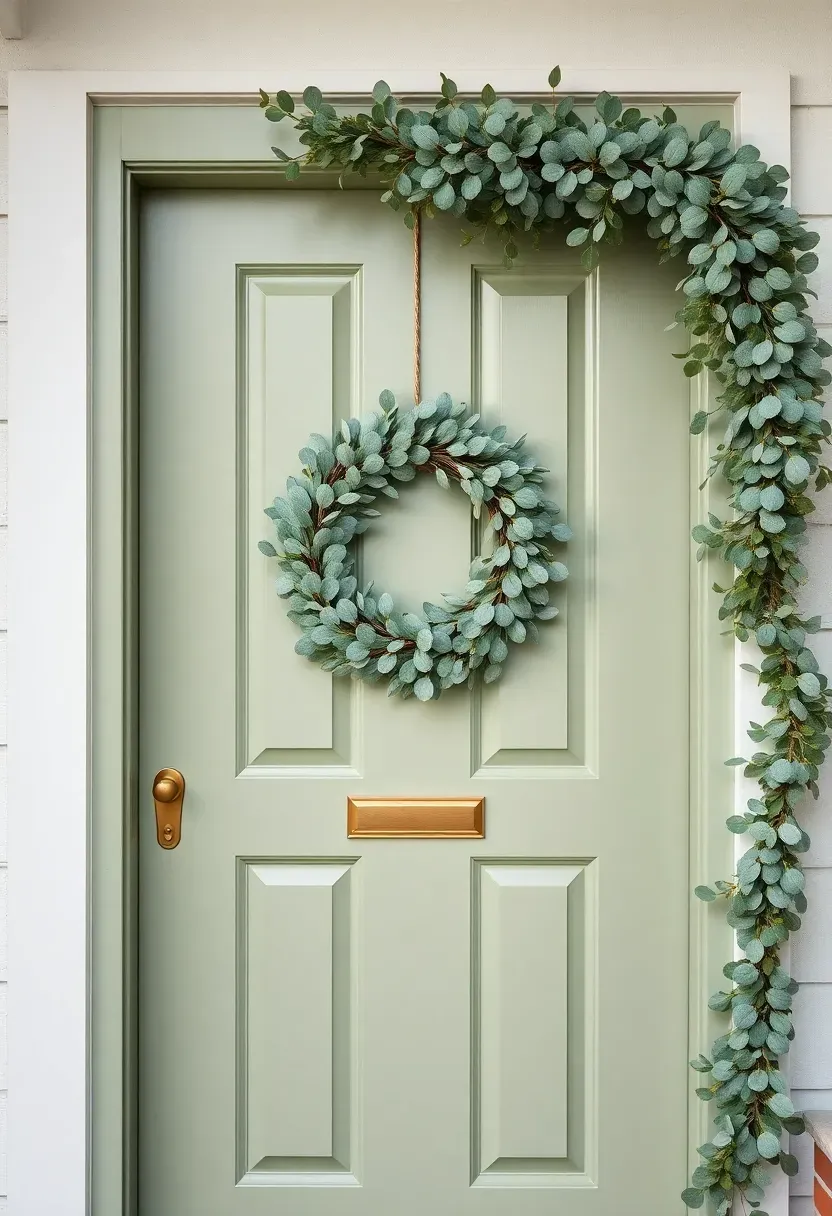
Why settle for one when both together create a layered, generous entrance? The wreath marks the center; the garland frames the perimeter. Together they transform a flat door into a dimensional display.
Wreath Only
A single wreath centered on the door is the classic choice. It works well on minimalist or modern porches where restraint matters. A 22-inch wreath on a standard 36-inch door leaves comfortable visual breathing room.
Wreath Plus Garland
Draping garland around the door frame — across the header and partway down each side jamb — creates an archway effect. Combined with a wreath on the door itself, the entrance feels intentional and celebratory even outside the holiday season.
What to Choose
Choose wreath only if: Your porch style is minimal, modern, or your door frame has ornate molding that garland would obscure.
Choose wreath plus garland if: You want maximum visual impact, your door frame is simple, or you are decorating for seasonal occasions and want a full, abundant look.
Recommended
Items for this idea
7. Vertical Herb Garden Wall
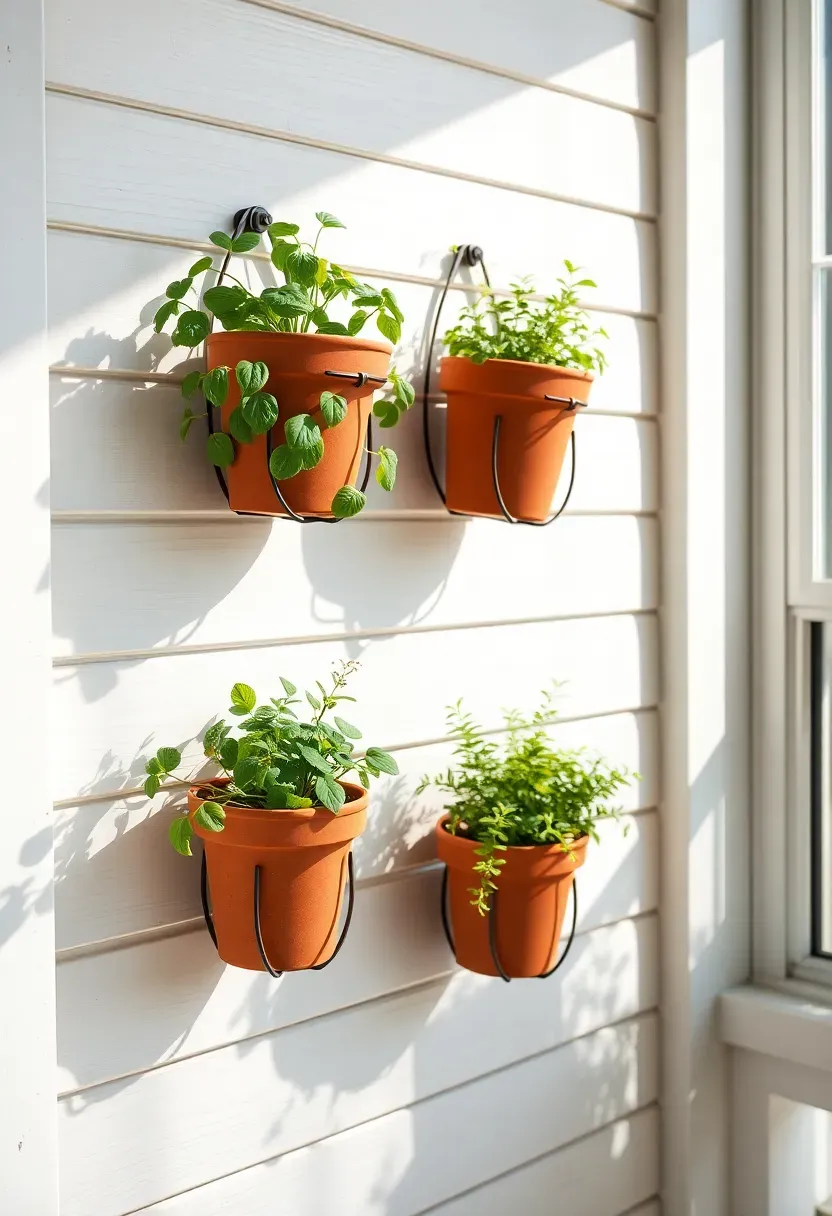
Imagine stepping out your front door and snipping fresh rosemary for dinner without walking to the backyard. A vertical herb garden mounted to a porch wall delivers that convenience while adding living texture and fragrance to the space. It occupies zero floor area — a critical advantage on narrow porches where every square foot matters.
How to Build It
Step 1: Mount the Frame
Attach a wooden pallet, metal grid panel, or a series of individual wall-mounted pot rings to the sunniest porch wall. The frame should be secured into wall studs or masonry anchors, not just siding.
Step 2: Select Herbs for Your Light Conditions
Full sun (6+ hours): basil, rosemary, thyme, oregano. Partial sun (3-5 hours): parsley, cilantro, mint, chives. Avoid mixing sun-loving and shade-tolerant herbs on the same frame — their watering needs will conflict.
Step 3: Water Management
Place a drip tray or gutter channel at the base of the frame to catch runoff. Water herbs in the morning so foliage dries before evening, reducing fungal risk.
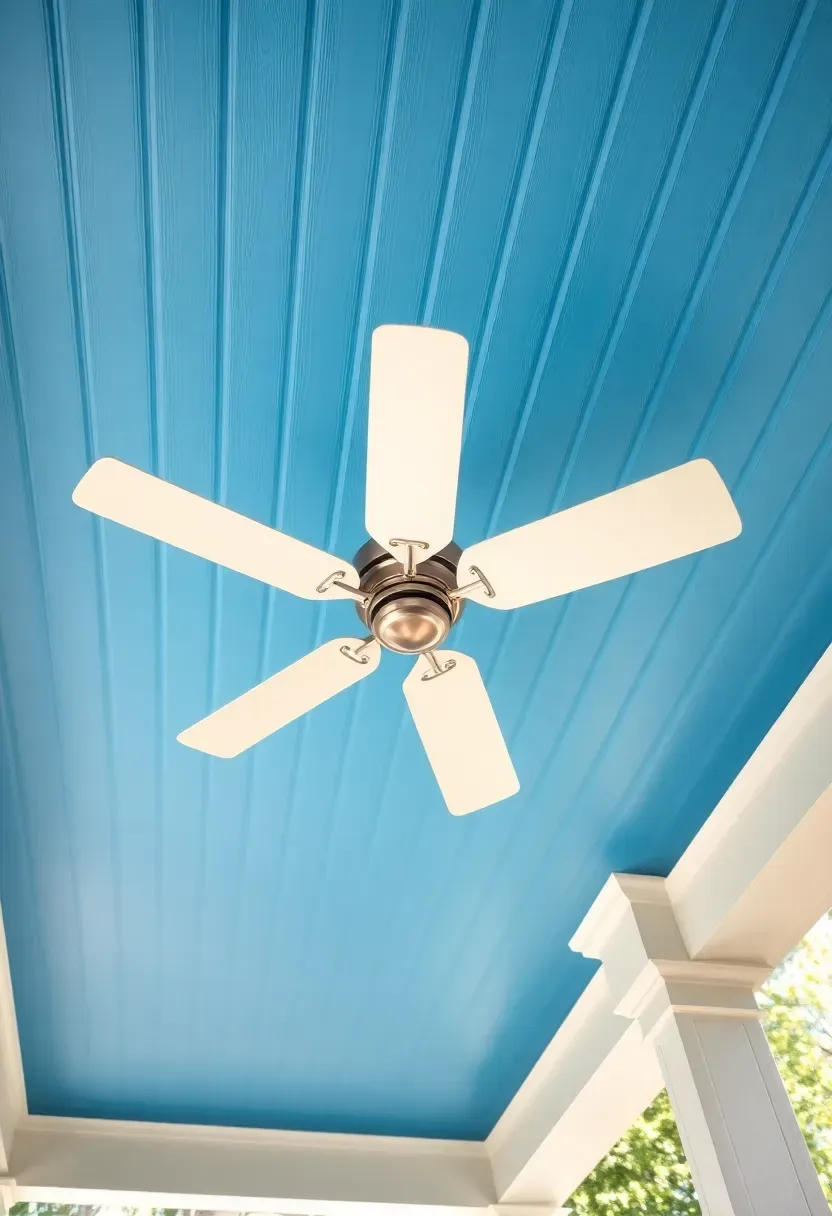
8. Porch Ceiling Color Statement
Origins and Cultural Context
The tradition of painting porch ceilings blue — known as "haint blue" across the American South — traces back to the Gullah Geechee communities of the coastal Carolinas. The blue was believed to ward off spirits (haints) that could not cross water. Whether or not you follow the folklore, the visual effect is undeniable: a blue ceiling mimics the sky, makes the porch feel taller, and is said to discourage wasps from nesting.
Modern Interpretation
Today the palette has expanded beyond traditional haint blue. Soft sage green, pale lavender, warm cream, and even matte charcoal all work as porch ceiling colors that create a distinct atmosphere. The key is choosing a color noticeably different from the surrounding trim and walls — the ceiling should register as a deliberate design decision, not a painting oversight. Many homeowners now pair the ceiling color with complementary accessories: a sage ceiling with olive-toned cushions, or a charcoal ceiling with black lanterns and white furniture.
How to Apply at Home
- Use exterior-grade paint in a satin or semi-gloss finish for easy wipe-down and light reflection.
- Paint the entire ceiling surface including any beadboard grooves for a uniform read.
- Avoid extending the color onto the soffit beyond the porch footprint — the color should stop where the roofline meets the open air.
- Test three shades on a 2x2-foot section before committing — porch ceilings appear darker in shade than the paint chip suggests.
Recommended
Items for this idea
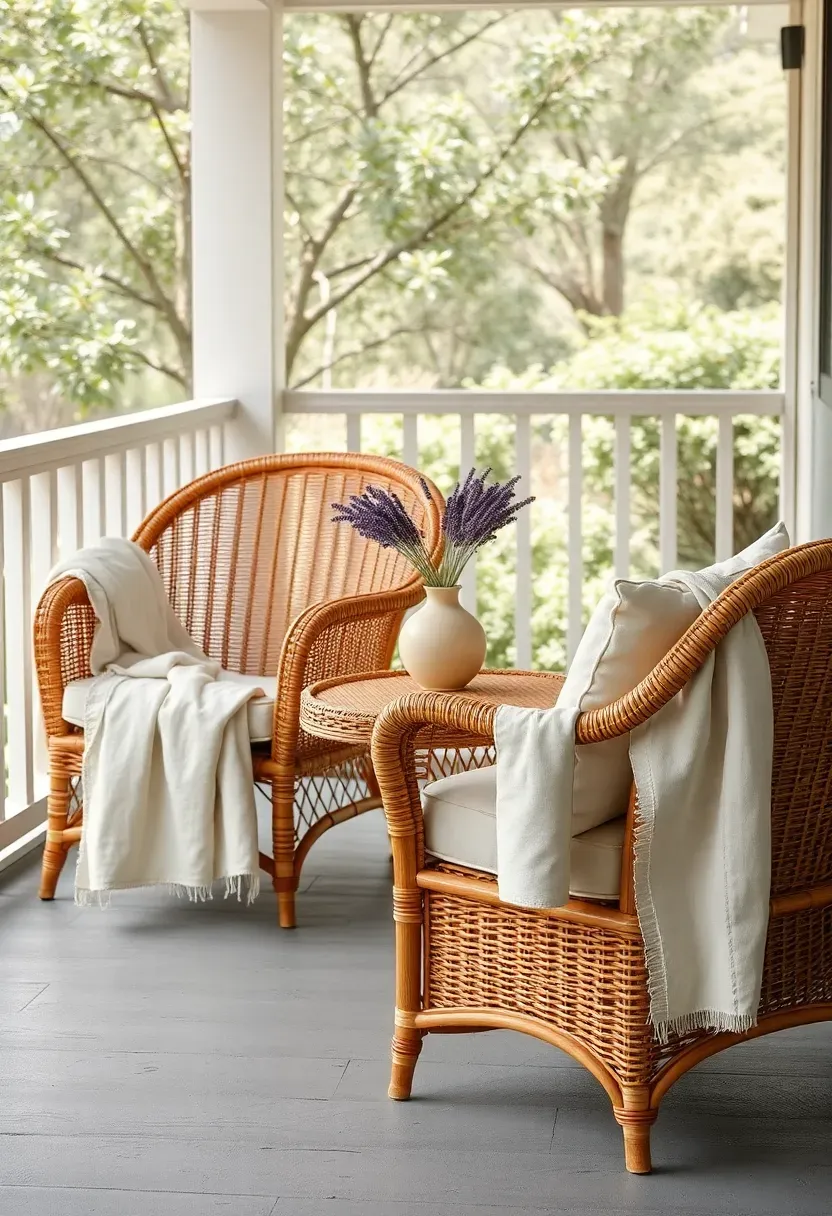
9. Wicker Furniture with Linen Throws
Wicker has survived every porch furniture trend from Victorian to mid-century to coastal farmhouse — and for good reason. Its woven texture introduces visual warmth that metal and plastic cannot replicate, and natural rattan tones blend with nearly any exterior color scheme. Draping linen throws over the arms and backs softens the look further and invites people to actually settle in rather than perch.
Tips for Longevity
- Choose synthetic resin wicker (all-weather wicker) for uncovered or partially exposed porches — natural rattan deteriorates rapidly in rain and humidity.
- Linen throws will fade in direct sun; bring them indoors when not in use or choose solution-dyed outdoor fabrics that mimic linen's drape.
- Anchor the furniture grouping with an outdoor rug underneath to prevent wicker feet from scratching the porch floor.
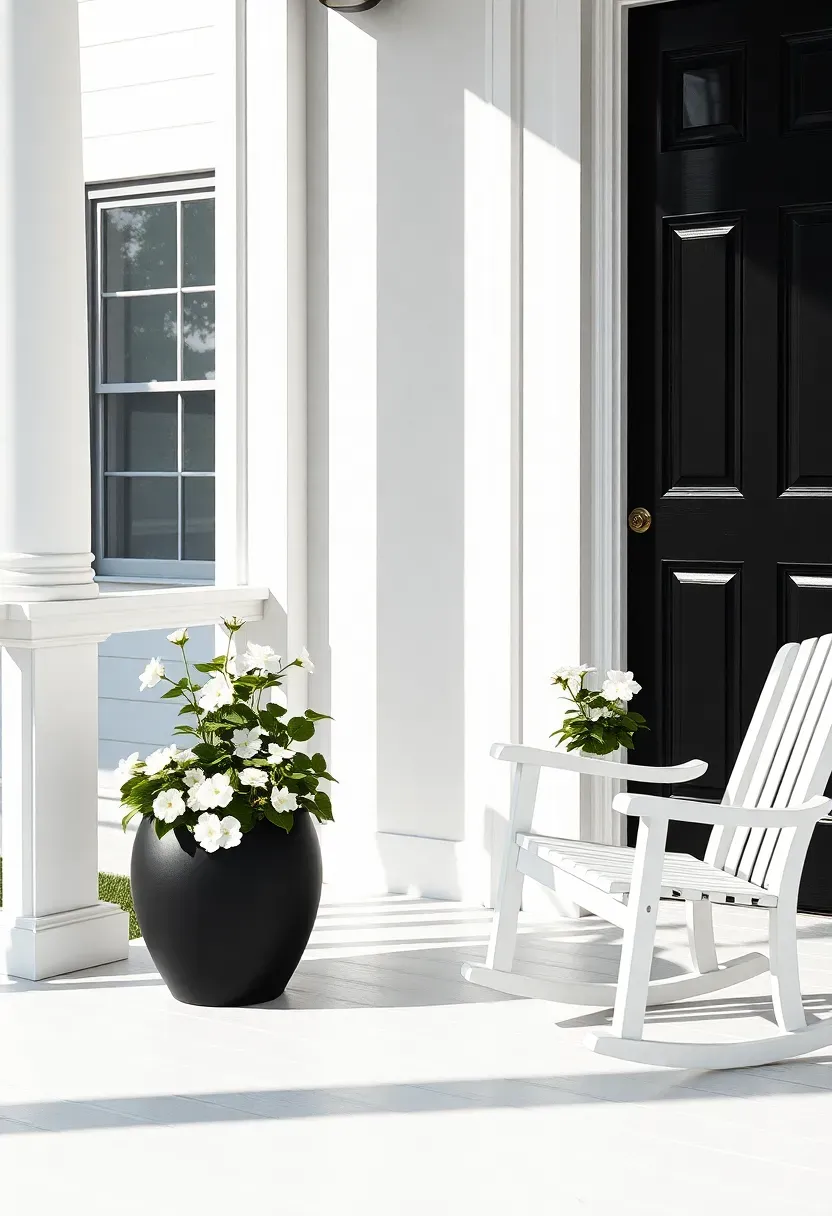
10. Black and White High-Contrast Palette
Why This Palette Works on Any Porch
Black and white is the most universally flattering color combination for exterior spaces because it relies on contrast rather than color matching. A black front door against white trim, black planters on a white-painted floor, white chairs against a dark wall — every pairing creates instant visual sharpness. The absence of color also means this palette never clashes with surrounding landscaping, neighboring houses, or seasonal decor.
The Practical Approach
Paint the door and any accent elements (shutters, lanterns, planter pots) in a true satin black. Keep all structural elements — columns, railings, trim, ceiling — in a clean warm white. Add a black and white striped outdoor rug to tie the ground plane into the palette. The result looks crisp, intentional, and expensive without requiring expensive materials.
Pros and Cons
Pros: Timeless; never dates; works with any architecture from colonial to contemporary; easy to maintain since touch-up paint is always standard black or white.
Cons: Shows dust and pollen more visibly than earth tones; requires more frequent wipe-downs in high-pollen regions.
Recommended
Items for this idea
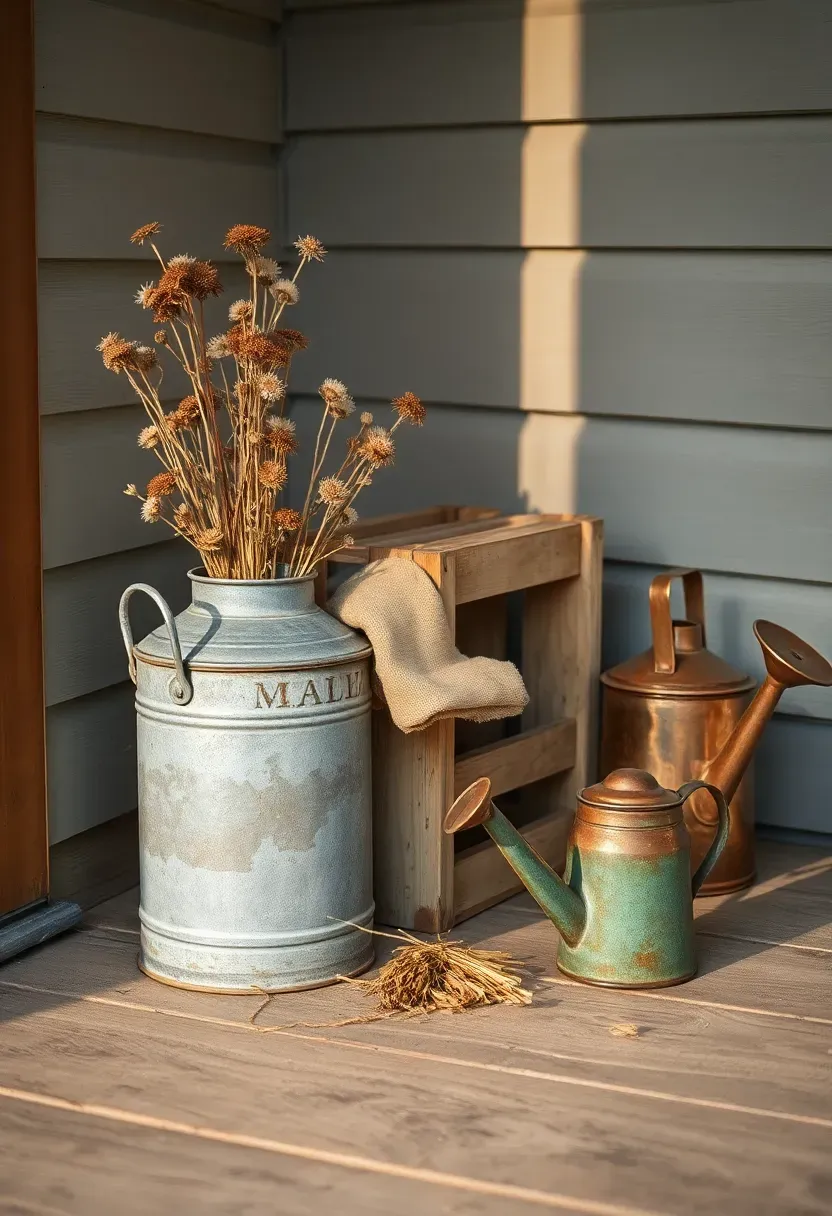
11. Vintage Metal Accents and Salvage Finds
We've all walked past a farmhouse porch that stopped us mid-stride — not because of expensive furniture, but because of a single weathered milk can filled with wildflowers or an old wooden crate repurposed as a side table. Salvage finds inject character that new manufactured decor simply cannot fake. The patina tells a story.
Where to Source
Flea markets, estate sales, and architectural salvage yards are the best hunting grounds. Look for items with structural integrity beneath the surface patina — a rusted-through base won't hold a planter, but surface rust on solid steel adds charm. Old watering cans, galvanized buckets, iron wheel hubs, and vintage signs all work as porch accents.
How to Style Without Clutter
The line between curated vintage and junkyard collection is editing. Limit yourself to three vintage pieces per porch scene. Give each piece a functional role: the milk can holds dried branches, the crate holds gardening gloves, the watering can holds fresh-cut stems. Function prevents the arrangement from feeling like a museum display.
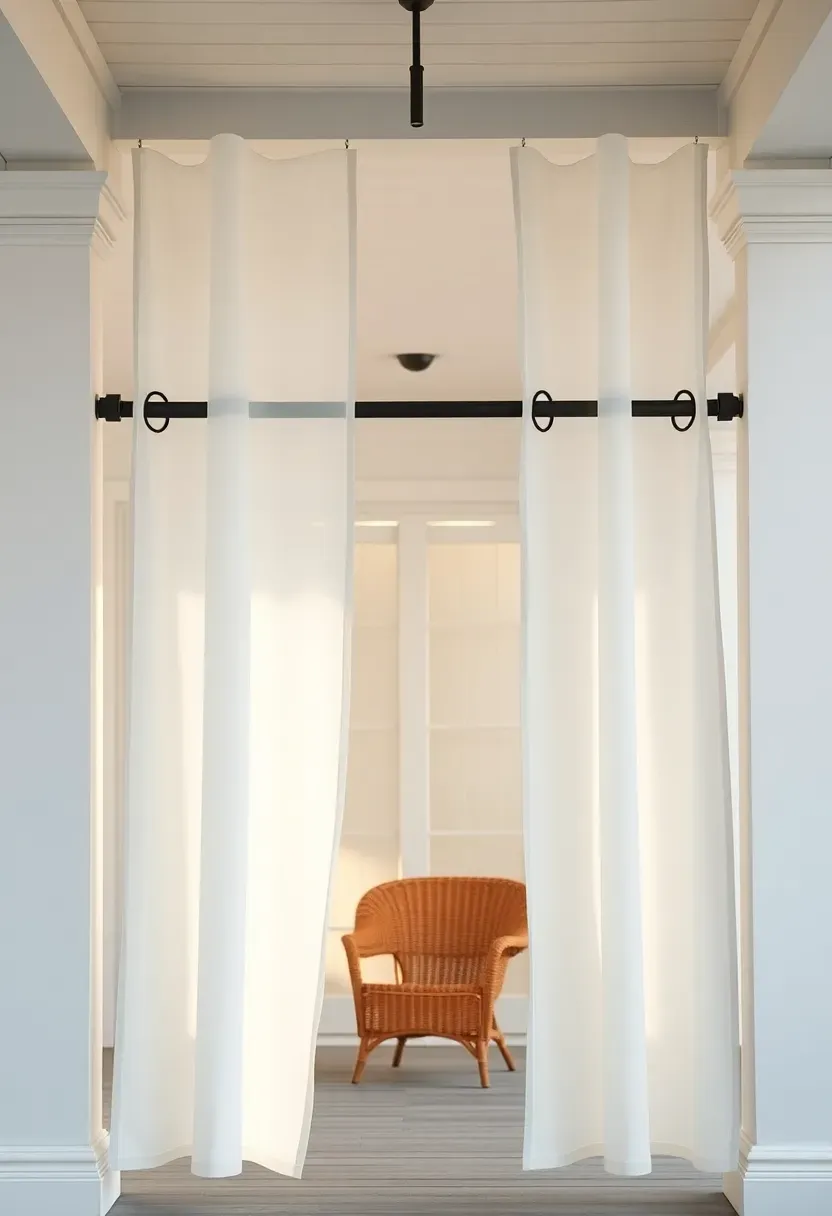
12. Outdoor Curtains for Privacy and Softness
The Core Issue
Open porches feel exposed — to neighbors, to street traffic, to the afternoon sun. The lack of enclosure makes many homeowners avoid furnishing the porch as a real living space because it never quite feels private enough to relax.
The Solution
Hang outdoor-rated curtain panels from a tension rod or ceiling-mounted curtain track between porch columns. Sheer white panels filter light and soften the view without blocking airflow. For more privacy, use heavier Sunbrella-fabric panels that can be drawn closed. The curtains transform the porch into a semi-enclosed room — airy when open, intimate when drawn.
Pros and Cons
Pros: Adds architectural softness to angular porch structures; provides adjustable privacy; filters harsh afternoon sun; photographs beautifully with light breeze.
Cons: Panels need to be machine-washable or hose-cleanable since outdoor fabric collects pollen and dust; curtain hardware must be corrosion-resistant in humid climates.
Recommended
Items for this idea
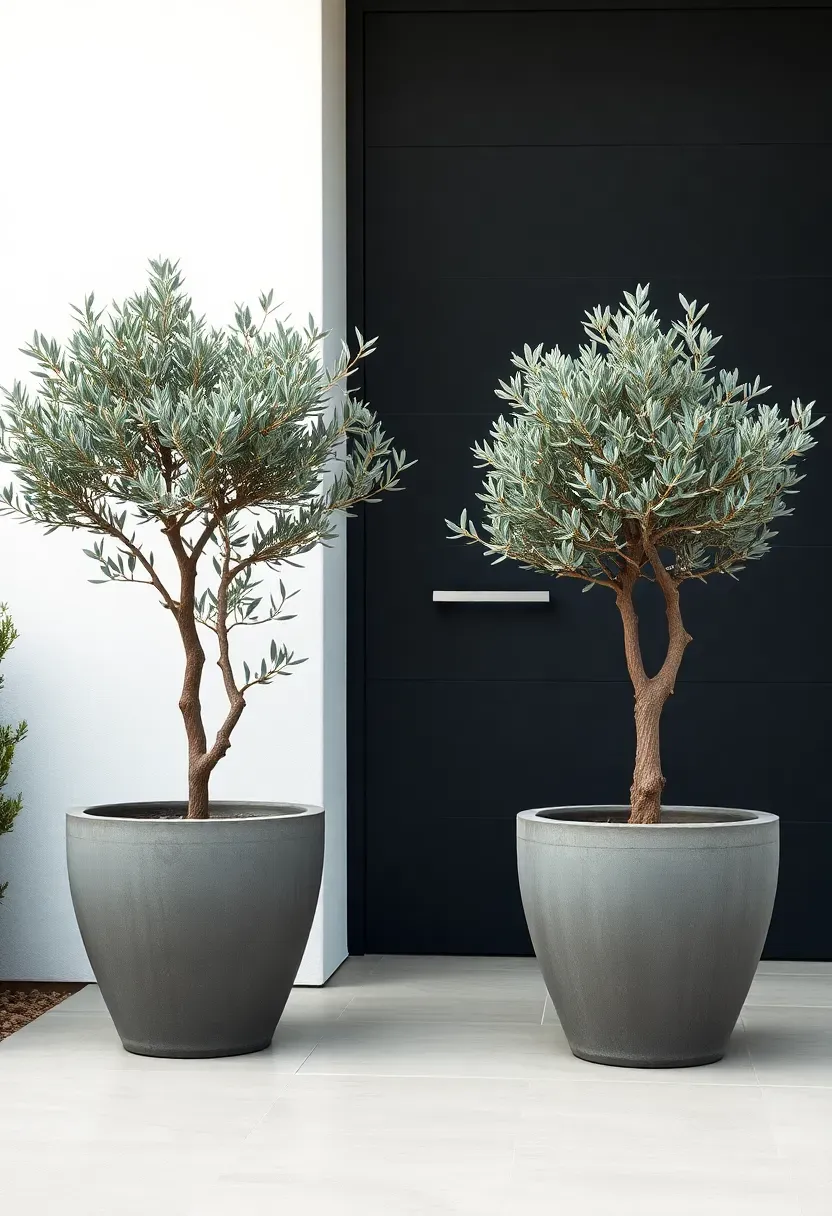
13. Potted Tree Framing the Entryway
A potted tree delivers vertical scale that flowers, shrubs, and low planters cannot. Two symmetrical potted trees flanking the front door create a formal gateway effect — an approach borrowed from Mediterranean architecture that translates beautifully to American porches of every style.
Best Species for Porch Trees
- Olive trees (Olea europaea): drought-tolerant, silvery foliage, evergreen. Best in zones 8-11 or as a bring-indoors-for-winter specimen in colder climates.
- Italian cypress (Cupressus sempervirens): narrow columnar form fits tight spaces. Evergreen. Zones 7-11.
- Bay laurel (Laurus nobilis): dense glossy foliage, fragrant leaves useful in cooking. Zones 8-10 outdoors.
- Dwarf Alberta spruce (Picea glauca 'Conica'): conical evergreen perfect for cold-climate porches. Zones 3-8.
What to Watch Out For
- Use planters with drainage holes and elevate them on pot feet or risers to prevent water pooling on the porch floor.
- Potted trees are top-heavy — weight the bottom of the planter with gravel before adding soil to lower the center of gravity in windy locations.
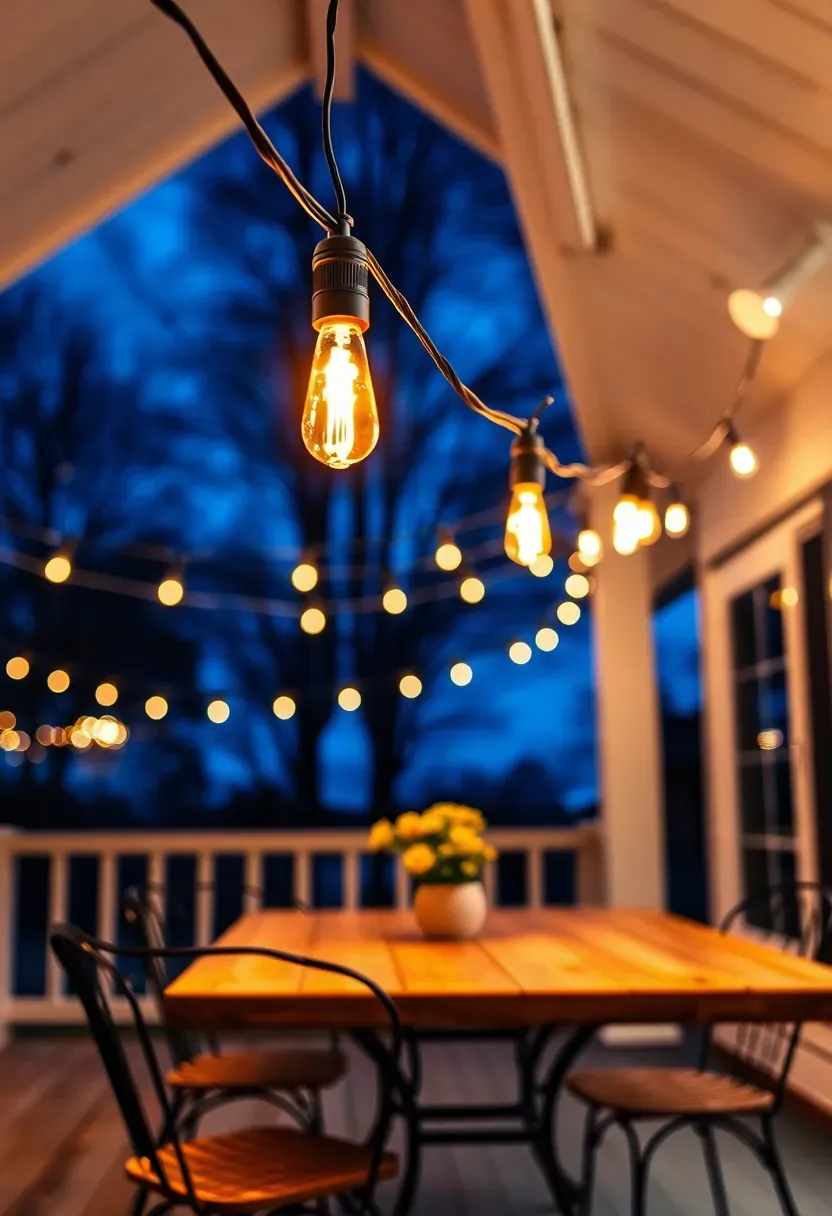
14. String Light Canopy Overhead
How to Create the Canopy
The goal is a warm, ambient overhead glow that makes the porch feel like an outdoor room after dark. A single strand along the roofline looks thin; a canopy pattern — multiple parallel strands or a zigzag layout — fills the ceiling plane with light and creates visual warmth.
Step 1: Plan the Layout
Measure your porch ceiling and sketch a pattern: parallel runs spaced 18 to 24 inches apart work for rectangular porches; a radial pattern from a central hook works for square porches.
Step 2: Install Cup Hooks
Screw small brass or white cup hooks into the ceiling joists (or beadboard backing) at each turn point. Use a drill to pre-drill pilot holes — porch ceiling boards split easily.
Step 3: Hang and Adjust
Run commercial-grade outdoor string lights (not indoor Christmas lights) along the planned path, hooking them at each cup hook. Let the strands drape slightly between hooks rather than pulling them taut — a gentle swag looks more inviting than a rigid grid.
What to Watch Out For
- Use LED Edison-style bulbs for the warm amber glow without the heat and energy cost of incandescent.
- Connect all strands to a single outdoor-rated timer so lights turn on automatically at dusk.

Recommended
Items for this idea
15. Seasonal Wreath Rotation System
Why Rotate Instead of Replace
A single wreath becomes invisible after a few weeks — your eye stops registering it. Rotating wreaths with the seasons keeps the front door feeling fresh and gives neighbors and visitors a subtle signal that someone cares about this home's details. It also extends the lifespan of each wreath since none hangs in sun and weather year-round.
The Four-Season Lineup
- Spring (March-May): Fresh or faux floral wreath — peonies, ranunculus, or cherry blossom branches in soft pastels.
- Summer (June-August): Lush green eucalyptus, magnolia leaf, or succulent wreath — low-key and heat-tolerant.
- Autumn (September-November): Dried wheat, preserved oak leaves, or a grapevine base with miniature pumpkins and dried berries.
- Winter (December-February): Fraser fir or cedar with pinecones, dried oranges, and a velvet ribbon.
Practical Recommendations
- Store off-season wreaths in individual cotton storage bags in a cool, dry closet to prevent crushing and fading.
- Use a wreath hanger rated for your door type (magnetic for steel, over-the-door for wood) — avoid nail holes in the door face.
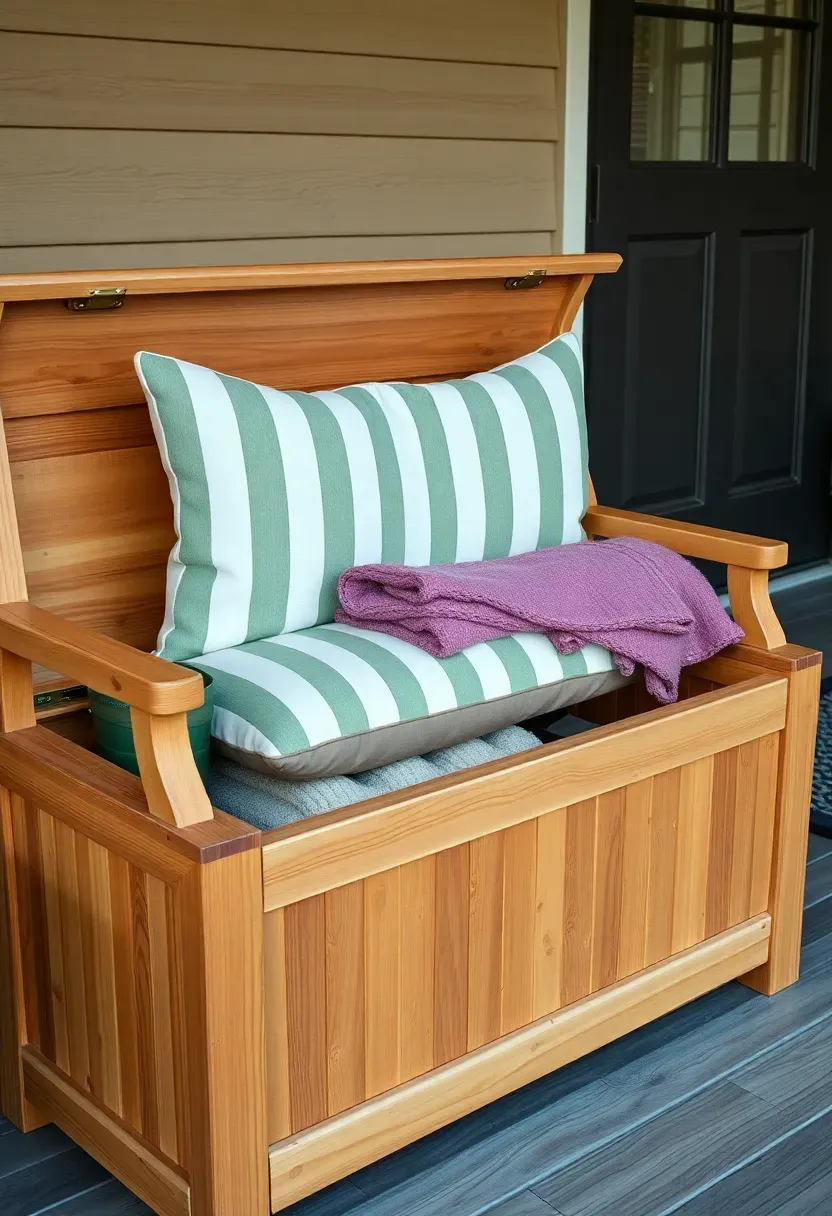
16. Bench with Storage Below
The Core Issue
Porches accumulate clutter — shoes, dog leashes, packages, umbrellas, gardening gloves. Without a dedicated storage solution, these items pile up in corners and undermine even the most carefully decorated space.
The Solution
A hinged-lid storage bench serves triple duty: seating, storage, and decor surface. Position it against the house wall beside or across from the front door. The interior holds all the daily clutter invisibly, the top provides a seat for putting on shoes, and a cushion on the lid ties it into the porch's textile palette. Cedar and teak benches resist moisture naturally; painted pine works in covered porches but needs resealing every other year in exposed locations.
Pros and Cons
Pros: Eliminates visible clutter; provides seating without adding a separate chair; the flat lid surface doubles as a plant display shelf when not being sat on.
Cons: Hinged lids can pinch fingers — choose a model with a soft-close hinge or a safety chain that limits the opening angle.

Recommended
Items for this idea
17. Address Plaque as Decor Statement
Should house numbers be purely functional or are they an opportunity for design expression? The answer is both. A well-chosen address plaque communicates your home's aesthetic personality in a single glance — serif numbers suggest traditional, sans-serif reads modern, hand-painted tiles evoke Mediterranean warmth.
Selecting the Right Style
Match the plaque material and font to your porch's design language. A craftsman porch with stone columns calls for hand-hammered copper or oil-rubbed bronze numerals. A coastal cottage porch looks best with white ceramic tile numbers on a blue-painted wood backer. A modern porch demands oversized stainless steel or matte black floating numbers mounted directly to the siding.
Installation Tips
- Mount numbers at eye level (approximately 56 to 60 inches from the porch floor) and ensure they are visible from the street — legibility matters for guests and delivery drivers.
- Illuminate the plaque with a small downlight or uplighter for nighttime visibility.
- Space individual floating numbers approximately 1 inch apart for a clean, intentional look.
18. Tiered Plant Stand Display
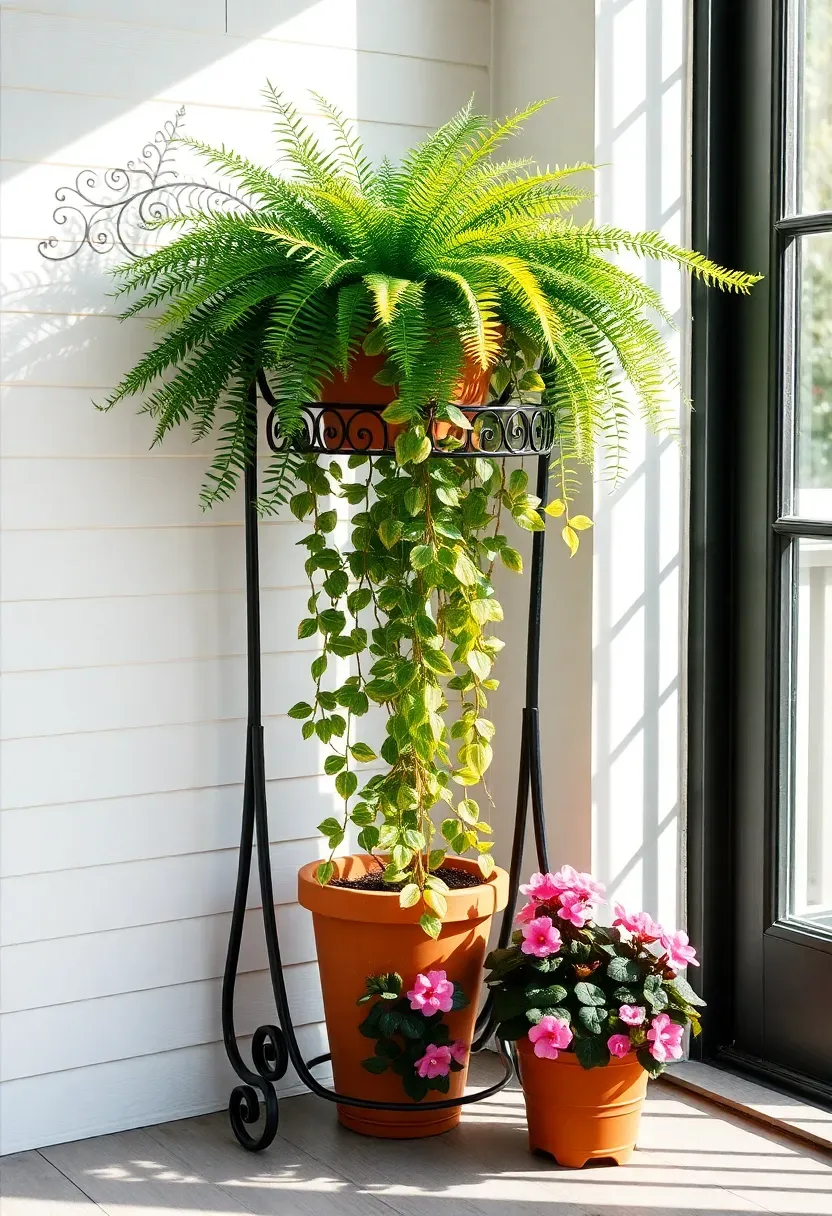
A single row of pots on the porch floor creates a flat, one-dimensional plant display. A tiered stand introduces vertical layers — tall plants at the top, trailing plants at the middle, compact bloomers at the base — producing a lush, garden-center effect in a footprint barely larger than a single planter.
How to Arrange for Maximum Impact
Step 1: Choose the Stand
A three-tier corner stand works best for porch corners; a straight-line ladder stand suits wall positions. Metal frames in matte black or aged bronze hold up to weather better than untreated wood stands.
Step 2: Assign Plants by Tier
Top tier: a tall upright plant (Boston fern, dracaena, or peace lily in shade). Middle tier: a trailing plant whose vines cascade down to the next level (pothos, string of pearls, creeping jenny). Bottom tier: compact flowering plants for color at eye level when seated (begonias, impatiens, or kalanchoe).
Step 3: Rotate Weekly
Give the stand a quarter turn each week so all sides receive even light exposure. This prevents one-sided growth and keeps the display looking full from every angle.
Recommended
Items for this idea
19. Porch Rail Planter Boxes
Why Rail Planters Beat Floor Pots on Narrow Porches
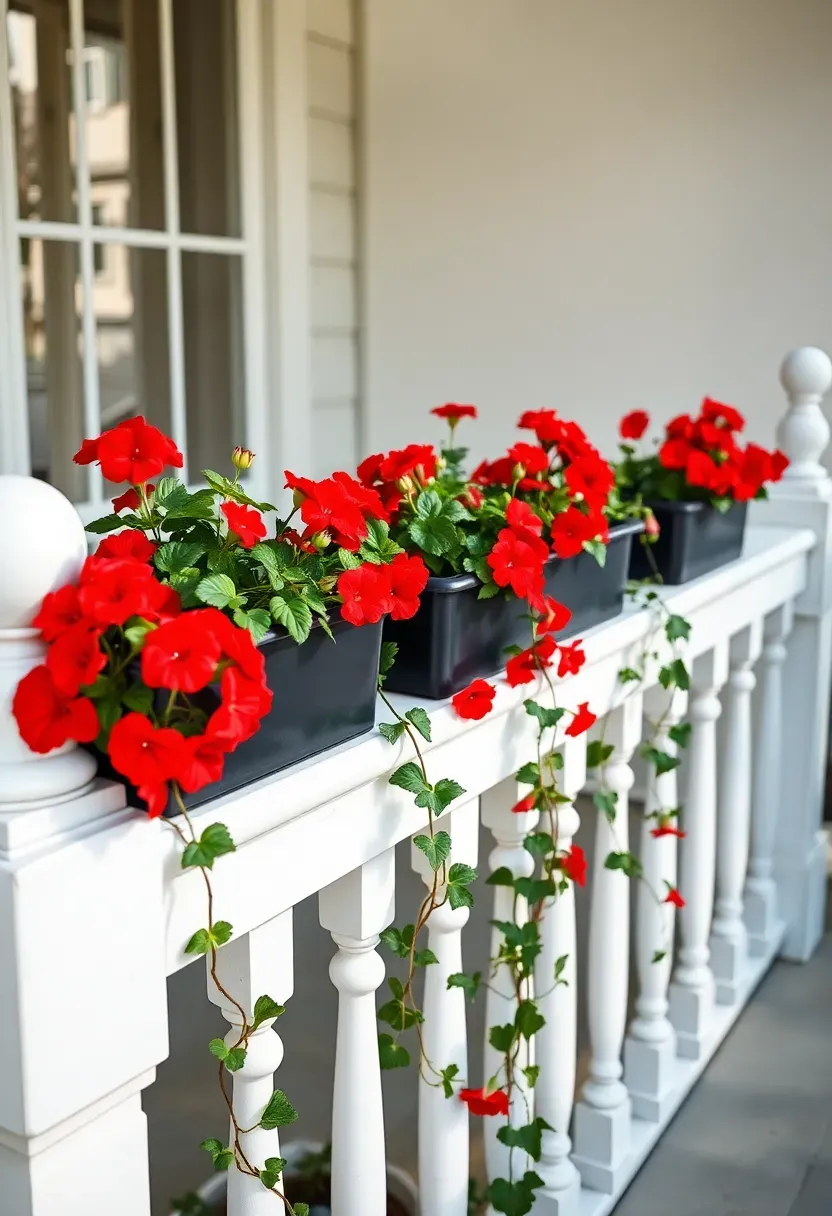
When floor space is limited — and on many porches it is — rail planters put greenery at eye level without consuming a single square inch of walkway. They also line the porch perimeter with color visible from the street, boosting curb appeal in a way that floor-level pots, hidden behind the railing, simply cannot.
Material Options
Powder-coated steel boxes: Most durable; won't warp or crack; heavier (secure mounting essential). Available in black, white, copper tones.
Fiberglass and resin boxes: Lightweight; convincing stone or terracotta finishes; less expensive; can crack in extreme cold.
Natural cedar boxes: Beautiful grain; naturally rot-resistant; grays gracefully if left unfinished; requires a waterproof liner to protect the wood from constant soil moisture.
Recommendation
For most homeowners, powder-coated steel boxes with a built-in drip tray deliver the best balance of durability, appearance, and easy maintenance. Plant them with red geraniums and trailing ivy for the classic look, or go modern with ornamental grasses and succulents.
20. Doormat Layering Technique
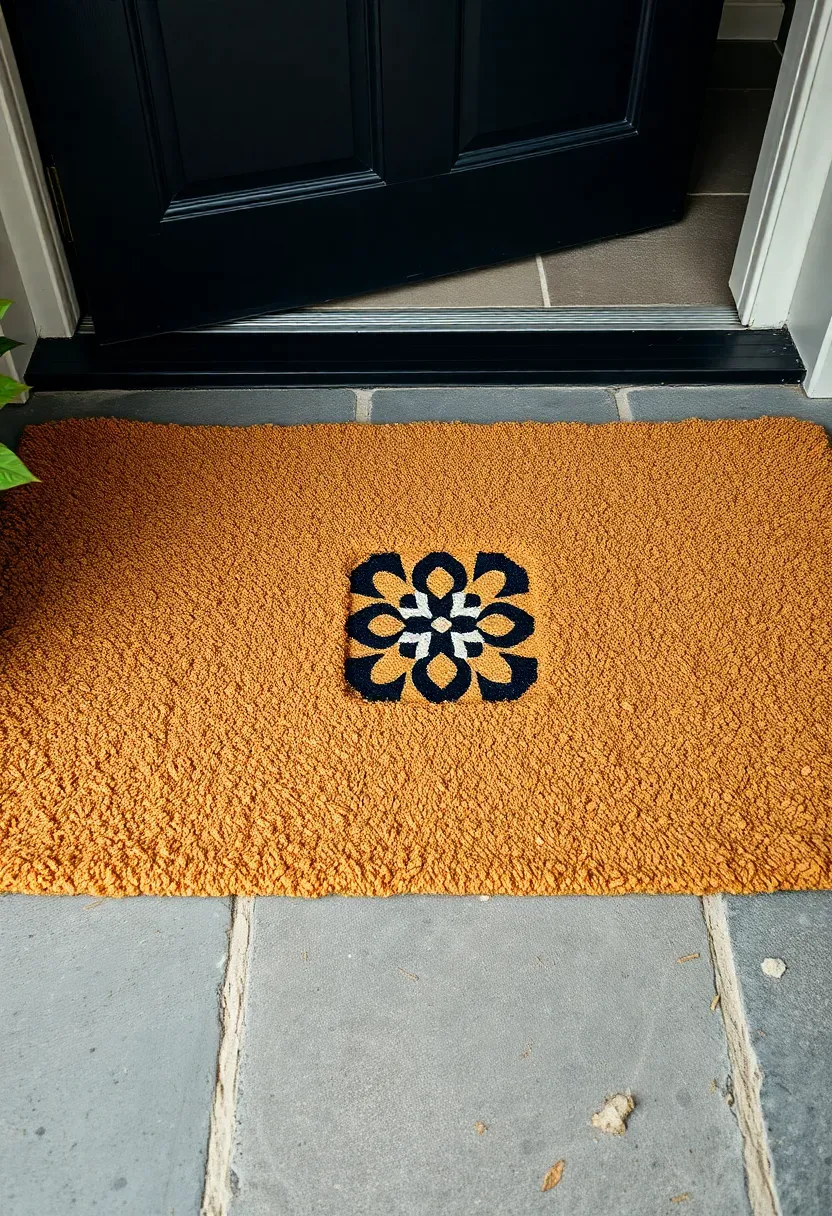
A single doormat is functional. Two doormats layered together are decorative. The technique borrows from the indoor rug-layering trend and translates it to the porch threshold — creating a welcoming visual moment right at the door's feet.
How to Layer
Place a large natural coir or jute mat (approximately 2x3 feet) as the base layer. Center a smaller decorative mat (approximately 18x30 inches) on top. The base mat provides the workhorse scraping surface; the top mat adds personality through pattern, color, or a printed greeting. The size contrast between the two mats is what makes the layering read as intentional rather than accidental.
Tips for Durability
- Choose a coir base mat with a rubber backing — pure coir without backing slides on smooth porch surfaces and falls apart faster.
- Replace the base mat annually; refresh the decorative top mat seasonally for variety.
- Avoid placing layered mats on unfinished wood where trapped moisture could stain the boards — elevate on a rubber mat riser if needed.
Recommended
Items for this idea
21. Color-Coordinated Pillow and Textile Refresh
Why Textiles Are the Fastest Porch Transformation
Furniture is expensive. Paint takes a weekend. Planters need soil, plants, and watering schedules. But swapping out throw pillows and seat cushions? That takes thirty minutes and immediately shifts the entire porch color story. Textiles are the lowest-commitment, highest-impact decorating tool available for outdoor spaces.
Building a Cohesive Palette
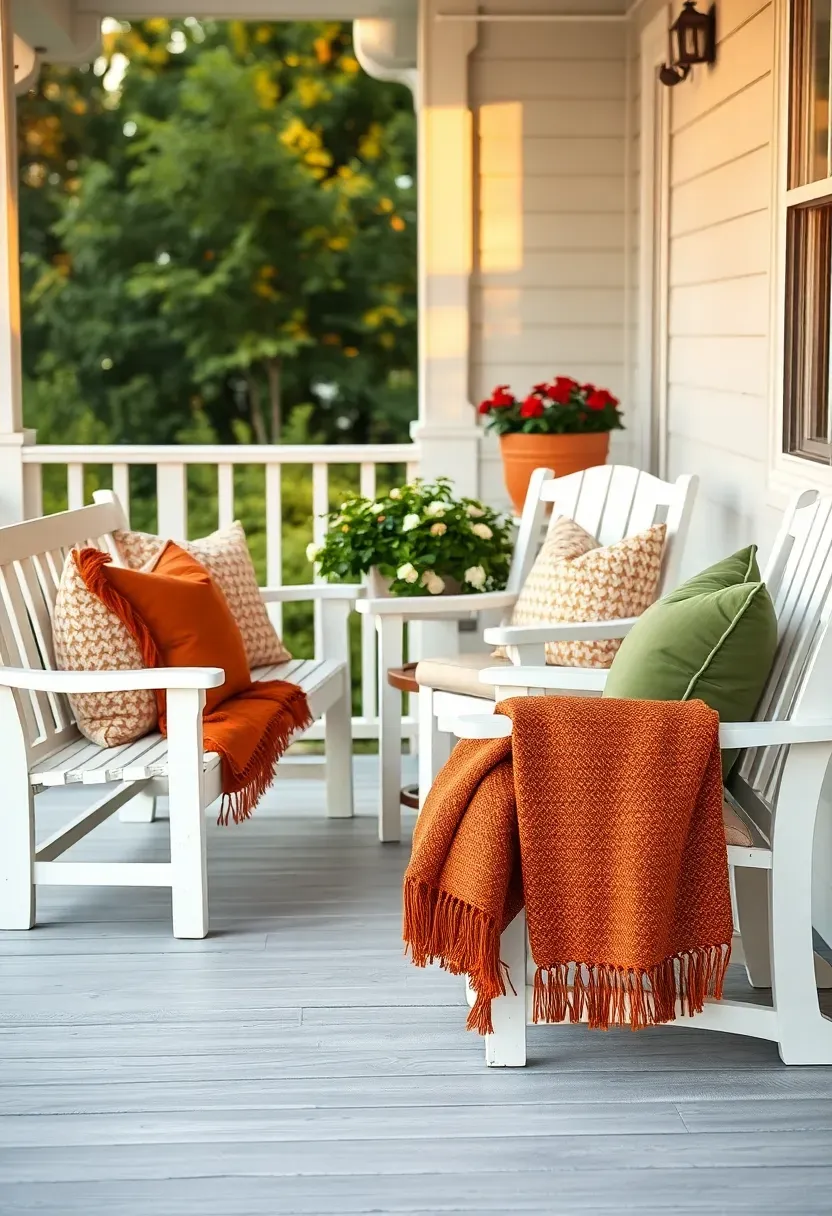
Pick three colors: a dominant neutral (cream, gray, or white), a secondary earth tone (terracotta, olive, navy, or mustard), and a small accent (rust, sage, or dusty rose). Distribute the colors across all porch textiles — seat cushions in the dominant neutral, throw pillows mixing the secondary and accent, and a throw blanket in the accent color draped over a chair arm.
How to Apply at Home
- Buy outdoor-rated pillow inserts and removable zippered covers separately — this lets you swap covers each season without replacing the inserts.
- Machine-wash all outdoor textile covers monthly to prevent mildew and pollen buildup.
- Store off-season covers in labeled vacuum bags to save space and keep them fresh.
- Introduce one bold patterned pillow per seating area to prevent the palette from feeling flat.
Quick FAQ
Is it possible to decorate a small apartment porch attractively? Absolutely. Focus on vertical elements — a wall-mounted planter, a slim lantern, and a layered doormat create an inviting entrance without consuming floor space. Skip bulky furniture entirely and opt for a single folding chair or a wall-mounted drop-leaf shelf that folds flat when not in use.
Which porch decorating ideas work year-round without seasonal changes? Evergreen topiaries in oversized planters, a painted porch ceiling, a black and white color palette, and quality outdoor furniture with neutral cushions all remain attractive through every season. These foundational elements serve as the backdrop onto which you can layer seasonal accents when the mood strikes.
Should porch decor match the interior style of the house? Not necessarily match, but it should feel connected. If your interior leans mid-century modern, a farmhouse-rustic porch will create visual whiplash at the threshold. Instead, carry one or two elements from inside outward — a shared color, a similar material (wood tone, metal finish), or a consistent level of formality.
What budget should someone expect for a full porch makeover? A meaningful transformation is possible between $200 and $800. A layered rug ($60-$120), two outdoor pillows ($40-$80), a pair of lanterns ($30-$60), and a statement planter pair ($80-$200) cover the essentials. The porch swing and full furniture sets push the budget higher, but the decorative layer alone creates substantial visual change.
Do outdoor textiles really survive more than one season? Solution-dyed acrylic fabrics like Sunbrella are engineered to resist UV fading, mildew, and water damage for three to five years of outdoor exposure. The key is choosing fabrics rated for outdoor use from the start — repurposing indoor cushions or throw pillows for porch use guarantees disappointment by midsummer.
Try one idea this weekend — even something as simple as a pair of lanterns beside the door or a fresh doormat layered over a coir base. Porches reward small investments generously because every addition is visible, immediate, and experienced daily. The best porch is not the most expensive one; it is the one that makes you pause on your way inside.
Pinterest cover for 21 Porch Decorating Ideas That Make Your Entrance Unforgettable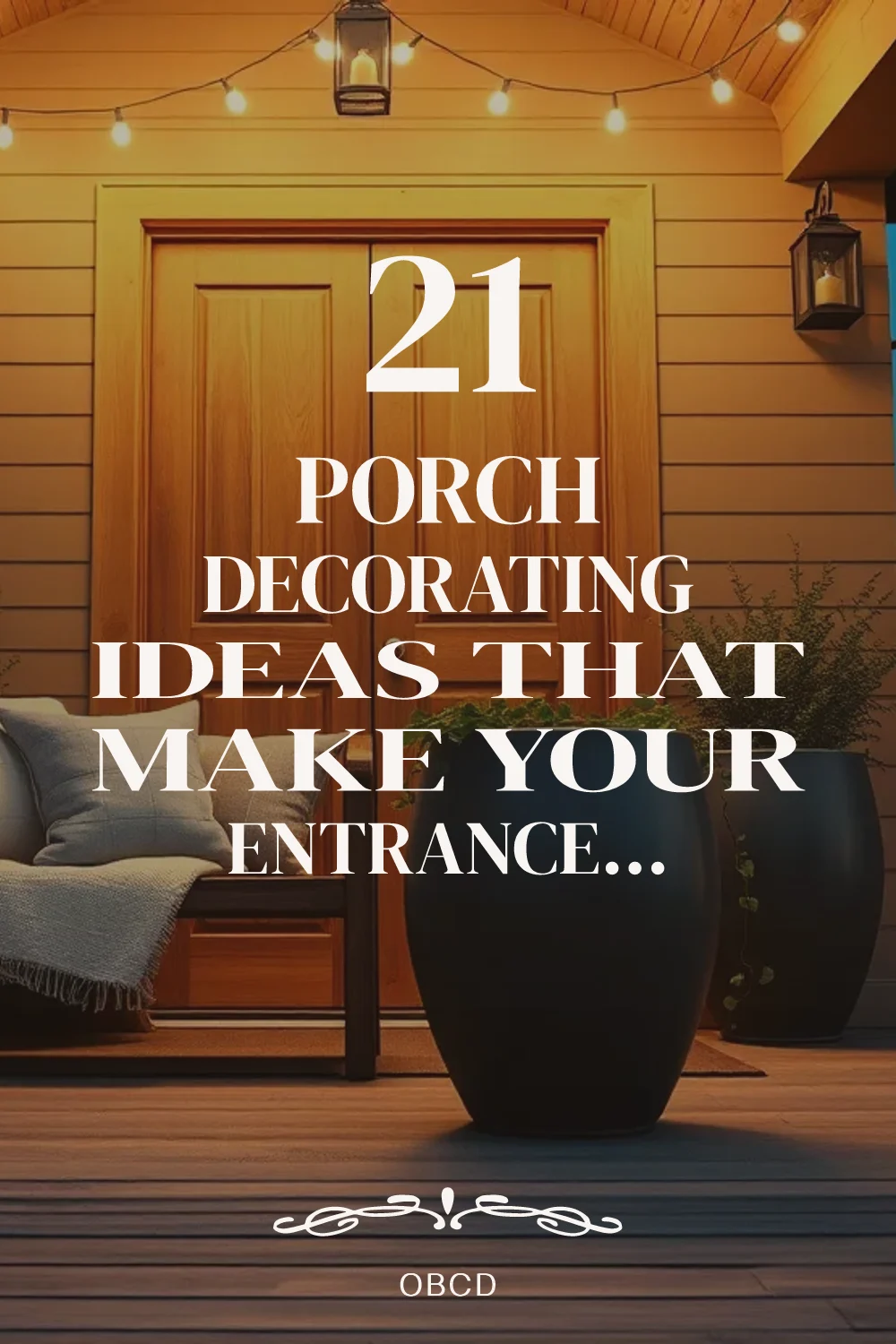
About the author
OBCD
CGI visualization and interior design content. We create detailed 3D renders and curate practical design ideas for every room in your home.