17 Minimalist Japandi Bedroom Ideas for Calm, Balanced Spaces
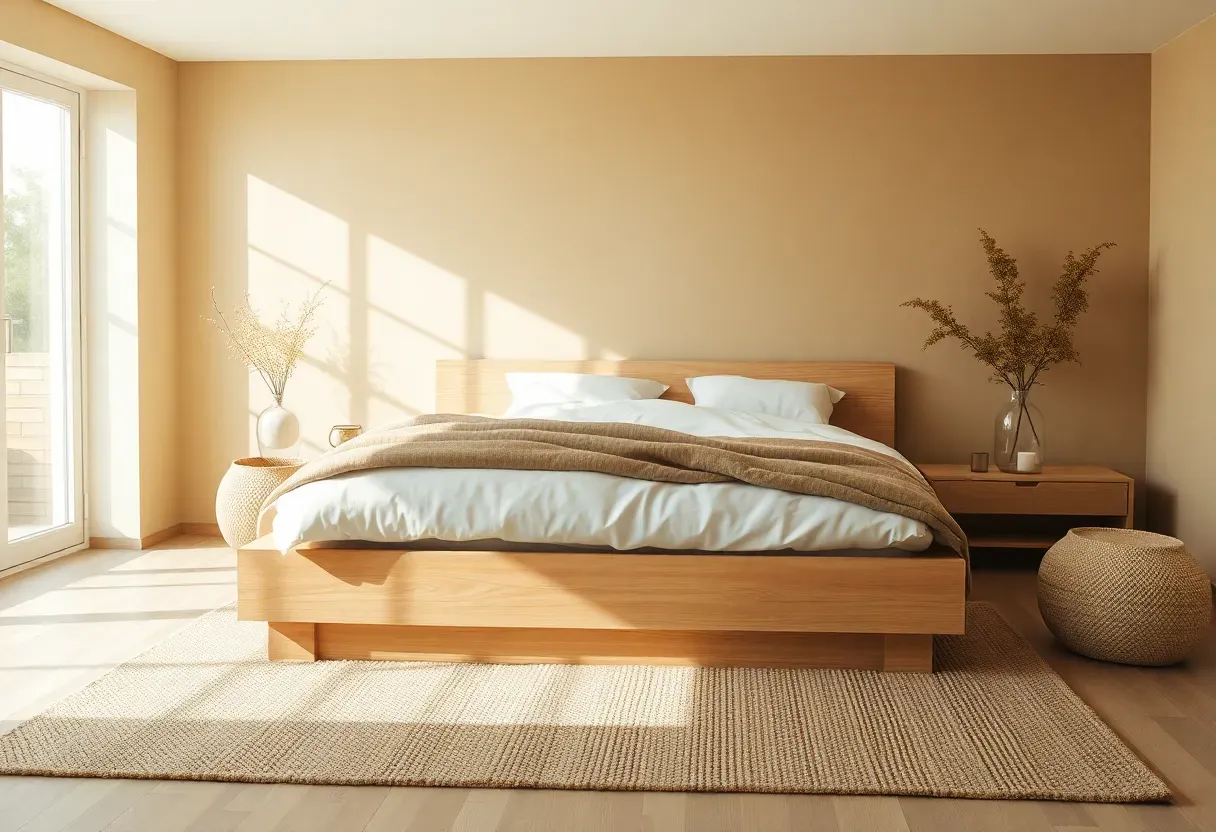
A minimalist japandi bedroom blends serene Japanese simplicity with Scandinavian warmth to create a restful, balanced space. These 17 minimalist japandi bedroom ideas focus on light oak, calm neutrals, and soft linen layers so the room feels grounded, not bare.
Whether you rent a small apartment or own a spacious suite, each idea works as a standalone upgrade or part of a full japandi bedroom makeover. Use this list as a flexible toolkit to build calm, one layer at a time.
Quick FAQ
Which minimalist japandi bedroom ideas feel the most timeless?
Low platform beds, natural wood grain, and a restrained neutral palette stay classic. Keep silhouettes simple and let textures provide depth.
How do I make a minimalist japandi bedroom feel cozy?
Layer linen, wool, and soft lighting at 2700K. A warm rug and muted textiles keep minimalism from feeling cold.
What colors work best in a japandi minimalist bedroom?
Warm whites, sand, and soft taupe keep the look calm. Add one darker accent like charcoal or black for balance.
Should I mix wood tones in a minimalist japandi bedroom?
Yes, but keep one dominant tone and match undertones. A small walnut accent with light oak can look intentional.
How do I add storage without clutter?
Use low dressers, hidden drawers, and closed fronts. Clean lines preserve the visual calm.
As an Amazon Associate I earn from qualifying purchases.
Table of Contents
- 1. Light oak platform bed with quiet lines
- 2. Matte black sconces over warm neutrals
- 3. Linen bedding stack in soft sand
- 4. Shoji-inspired divider with ribbed glass
- 5. Wabi-sabi plaster wall wash
- 6. Microcement floor with wool rug
- 7. Slatted wood headboard panel
- 8. Paper lantern pendant glow
- 9. Tatami-style woven runner
- 10. Brushed steel wardrobe handles
- 11. Warm neutral wall and trim blend
- 12. Low platform bed with hidden drawers
- 13. Tone-on-tone linen curtains
- 14. Floating nightstand in pale oak
- 15. Oak veneer wardrobe front
- 16. Concrete plaster niche shelf
- 17. Bamboo tray styling on dresser
1. Light oak platform bed with quiet lines
A minimalist japandi bedroom feels most balanced when the bed is low, simple, and built in light oak. Choose a platform around 10 inches high to keep the profile calm. The light oak grain adds warmth without visual noise, especially against warm white walls. For contrast, avoid bulky headboards and upgrade to a clean, flat back instead. This creates an airy base that still feels grounded.
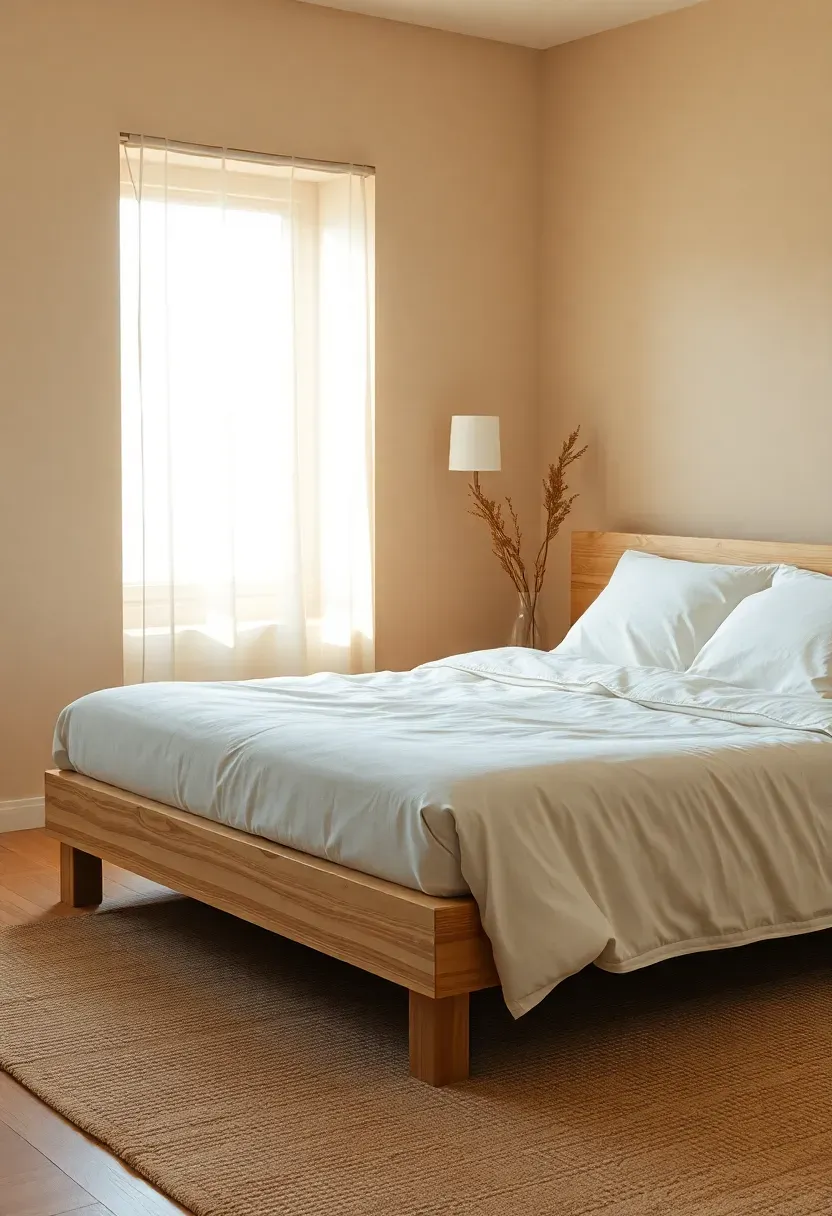
Keep bedding in two tones like sand and warm white so the bed reads soft and cohesive. Add a slim bench in matching oak to anchor the foot of the bed. The trade-off is less under-bed storage, so use a low dresser for essentials. A woven wool rug in a 6x9 size adds quiet comfort underfoot. The room feels calm and clear without feeling sparse.
Tips
- Do: align the bed with the longest wall for a clean line.
- Don't: mix this oak with cool gray floors.
- Do: keep the mattress edge 2 inches inside the frame.
Best for: rooms that need warmth with a minimal footprint.
What this gives you: a grounded centerpiece with calm, warm lines.
2. Matte black sconces over warm neutrals
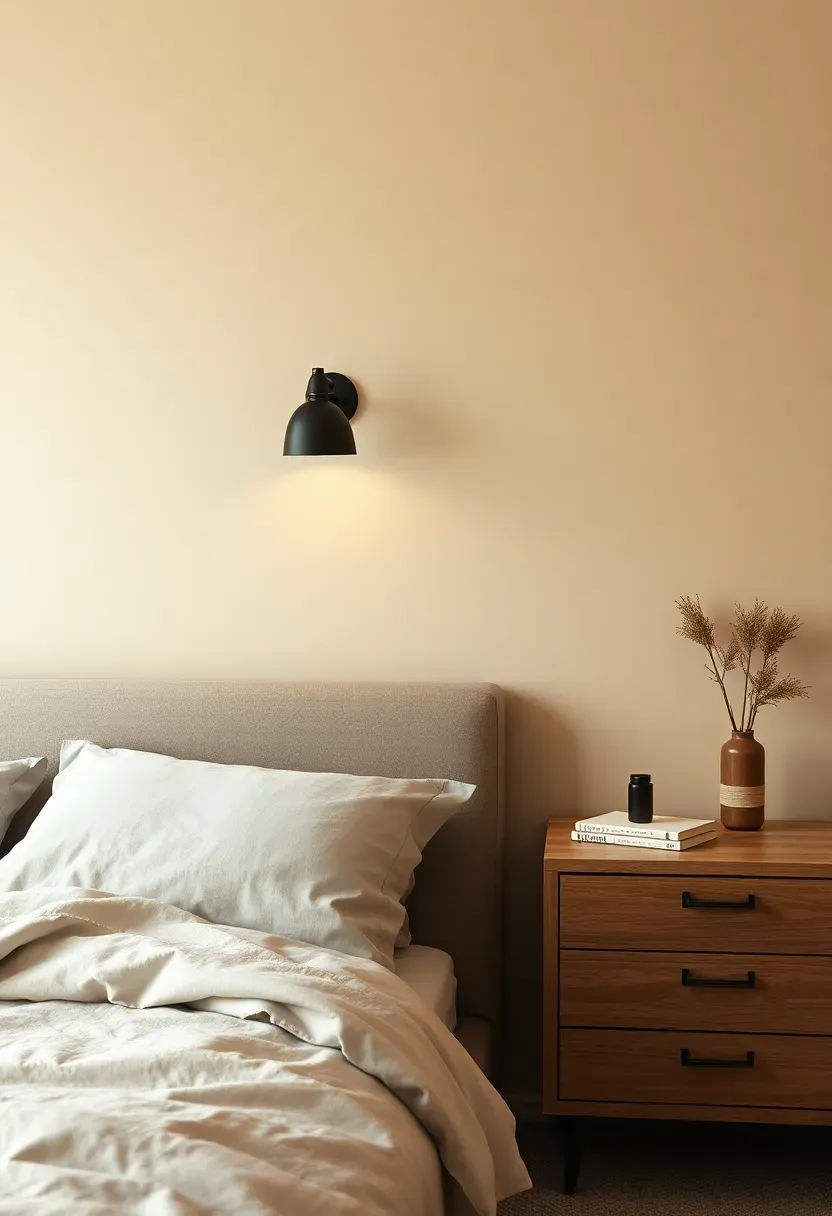
A pair of matte black sconces adds definition to a minimalist japandi bedroom without breaking the calm. Mount them 60 inches from the floor so the light lands at shoulder height. Keep walls in warm neutrals to soften the black silhouette. For contrast, avoid shiny metal and upgrade to a soft matte finish instead. The dark line adds balance without overpowering the room.
Recommended
Items for this idea
Placement note: Keep sconces 6 inches above the nightstand line for comfortable reach.
Use warm bulbs around 2700K so the black feels soft, not harsh. The trade-off is more visible dust, so wipe the sconces monthly. Add a light oak tray on each nightstand for a balanced material mix. This lighting setup gives a crisp outline while still feeling cozy.
For a deeper, moody take, see 27 Navy Blue Bedroom Ideas That Feel Rich, Calm, and Timeless and borrow the warm-dark balance.
Tips
- If you read in bed, then choose a shade with a wide opening.
- If the wall feels flat, then add a linen headboard panel.
- If you want softer light, then use a dimmer switch.
What this gives you: clean lighting lines with gentle contrast.
3. Linen bedding stack in soft sand
Soft linen bedding is the most effortless way to make a minimalist japandi bedroom feel inviting. Choose a sand tone that sits between beige and light taupe for calm warmth. Layer a duvet with two sleeping pillows and one low lumbar to keep the stack minimal. For contrast, avoid stark white sheets and upgrade to a warm ivory instead. Linen bedding brings texture without clutter.

Why it works: linen texture adds depth while keeping the color palette quiet. It softens minimal lines without introducing pattern.
Wash linen on cold and air dry to keep the relaxed texture. The trade-off is natural wrinkles, so lean into the lived-in look. Add a thin wool throw at the foot for a second texture layer. This creates a calm bed that still feels warm and tactile.
Tips
- Pro: linen breathes well and feels cool year-round.
- Con: it can look messy if you over-layer.
- Fix: keep to two layers plus one small throw.
Budget/Time: $120-$280 and one wash to soften the fabric.
What this gives you: a soft, minimal bed with rich texture.
4. Shoji-inspired divider with ribbed glass
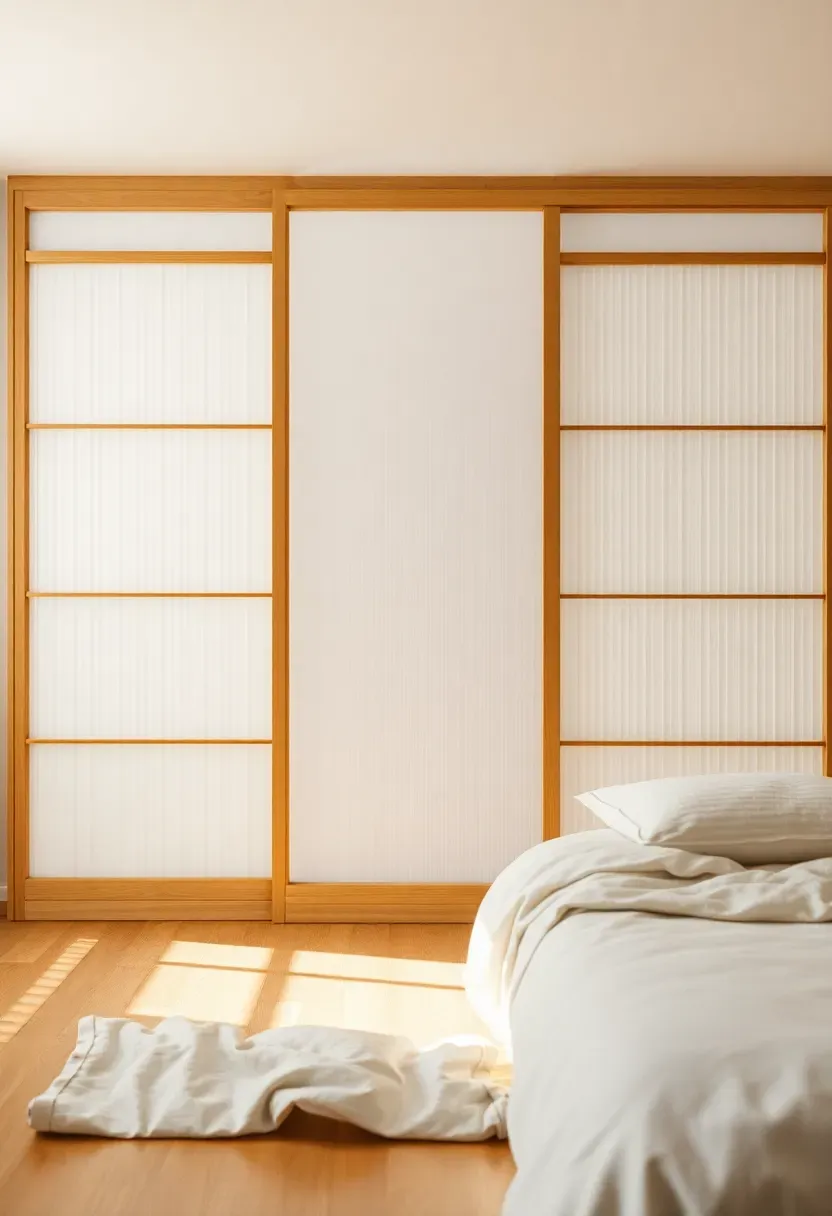
A shoji-inspired divider adds gentle structure to a minimalist japandi bedroom without blocking light. Use ribbed glass in a light wood frame for soft privacy. Keep the panel around 30 inches wide so it slides easily. For contrast, avoid opaque panels and upgrade to translucent glass instead. The divider gives the room a subtle architectural rhythm.
Recommended
Items for this idea
Common mistake: choosing a thick frame that makes the screen feel heavy.
Keep the frame thin and use a satin finish for a soft glow. The trade-off is fingerprints, so wipe the glass weekly with a microfiber cloth. Add a small floor lamp behind the screen to create a warm evening silhouette. This divider adds calm separation while keeping the space open.
For more minimalist japandi layouts, see 25 Minimalist Japandi Bedroom Design Ideas for Serene Spaces and adapt the divider concept.
Tips
- Use a felt guide to keep the panel quiet.
- Keep the track flush for a clean floor line.
- Store a small cloth nearby for quick cleaning.
What this gives you: soft privacy with light flow intact.
5. Wabi-sabi plaster wall wash
A wabi-sabi plaster wash adds organic warmth to a minimalist japandi bedroom without extra decor. Use a warm off-white plaster with a subtle hand-troweled texture. Keep the finish matte so light diffuses gently across the surface. For contrast, avoid glossy sealers and upgrade to a soft lime-based finish instead. The imperfect texture brings quiet depth.
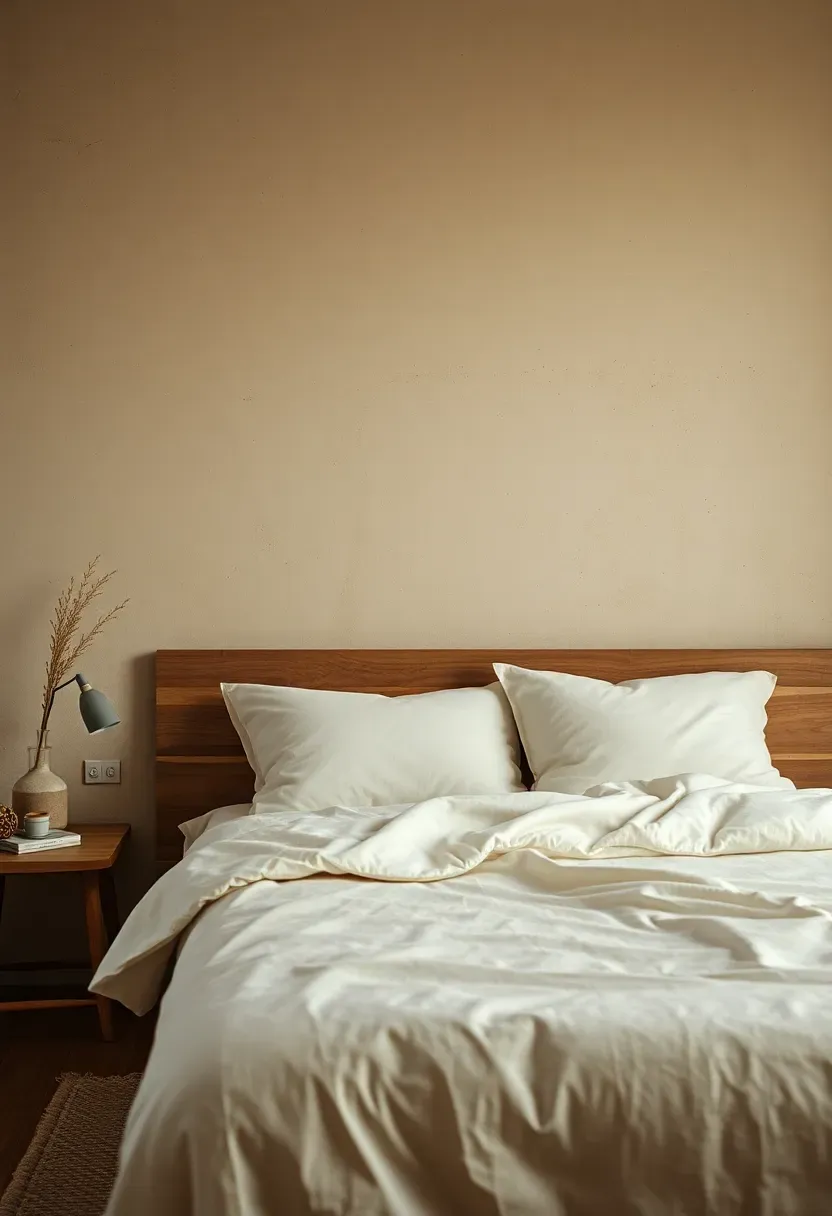
The trade-off is a surface that shows marks, so keep the bed 2 inches from the wall. Layer a soft wool throw to contrast the plaster texture. Add a single ceramic lamp to echo the handmade feel. Use a small cedar diffuser or clay vase to reinforce the earthy texture. A slim oak ledge below keeps the wall from feeling bare. This wall treatment makes the room feel warm without adding color. It is minimal, but far from flat.
Tips
- Do: test plaster samples in warm evening light.
- Don't: pair this with high-gloss furniture.
Best for: rooms that need depth without dark paint.
What this gives you: soft texture that keeps the room serene.
6. Microcement floor with wool rug
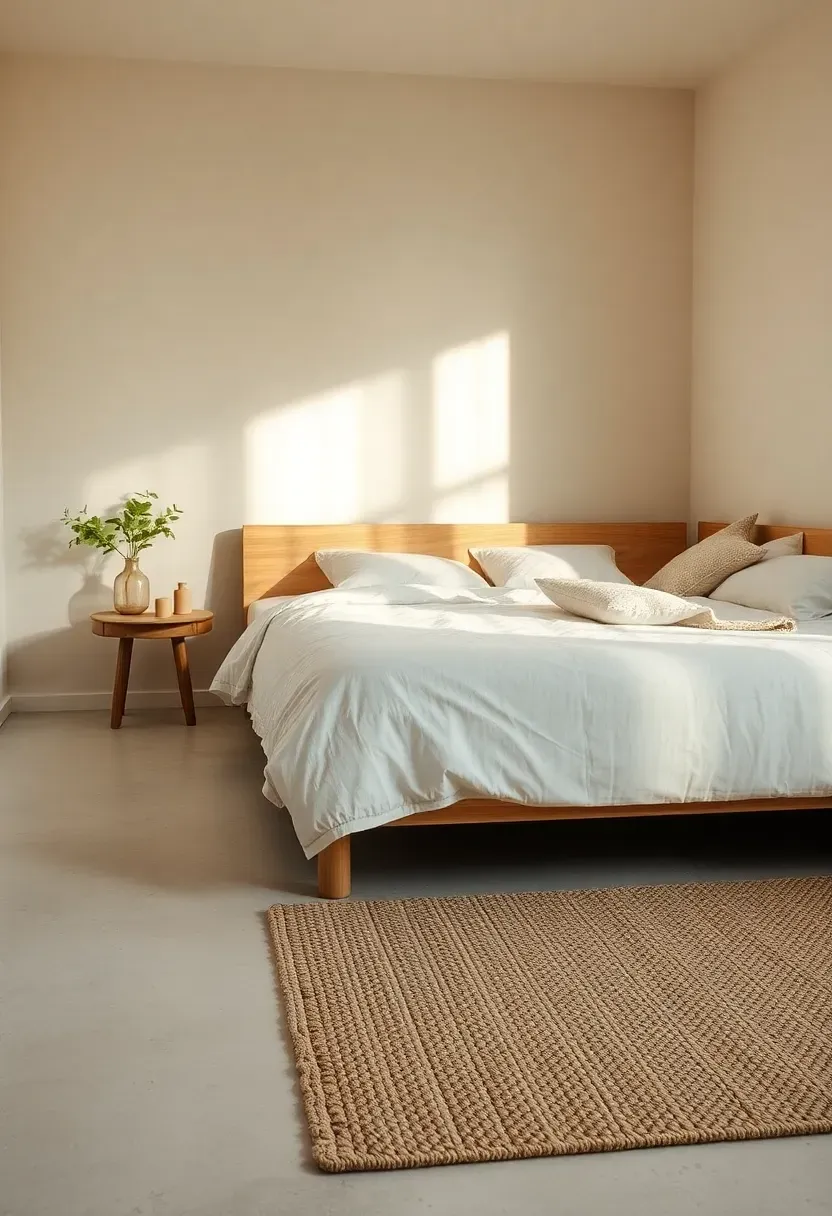
Microcement floors give a minimalist japandi bedroom a smooth, industrial base without harshness. Choose a warm gray microcement and keep the finish satin. Add a 6x9 wool rug under the bed to soften the steps. For contrast, avoid glossy coatings and upgrade to a low-sheen finish instead. The mix of sleek floor and soft rug feels calm and grounded.
Recommended
Items for this idea
Placement note: Let the rug extend at least 24 inches beyond the bed sides.
Seal microcement every two years to protect from stains. The trade-off is a cooler surface, so choose a rug pad with extra cushioning. Add a low wood stool to keep the material mix warm. The floor stays clean-lined while the rug adds softness.
For more calm bedroom surfaces, see 35 Japandi Bedroom Interior Design Ideas for Calm Spaces and adapt the floor pairing.
Tips
- If the floor feels cold, then choose a thicker rug pad.
- If you want warmth, then use a warm gray tone.
- If you have pets, then keep the rug low pile.
What this gives you: a smooth base softened by a cozy rug.
7. Slatted wood headboard panel
A slatted wood headboard panel adds texture to a minimalist japandi bedroom without heavy decor. Use 1-inch slats with a 0.5-inch gap to keep the pattern light. Keep the slats in a warm oak tone for a calm, natural feel. For contrast, avoid dark stain and upgrade to a light oil finish instead. The vertical rhythm adds height while staying subtle.
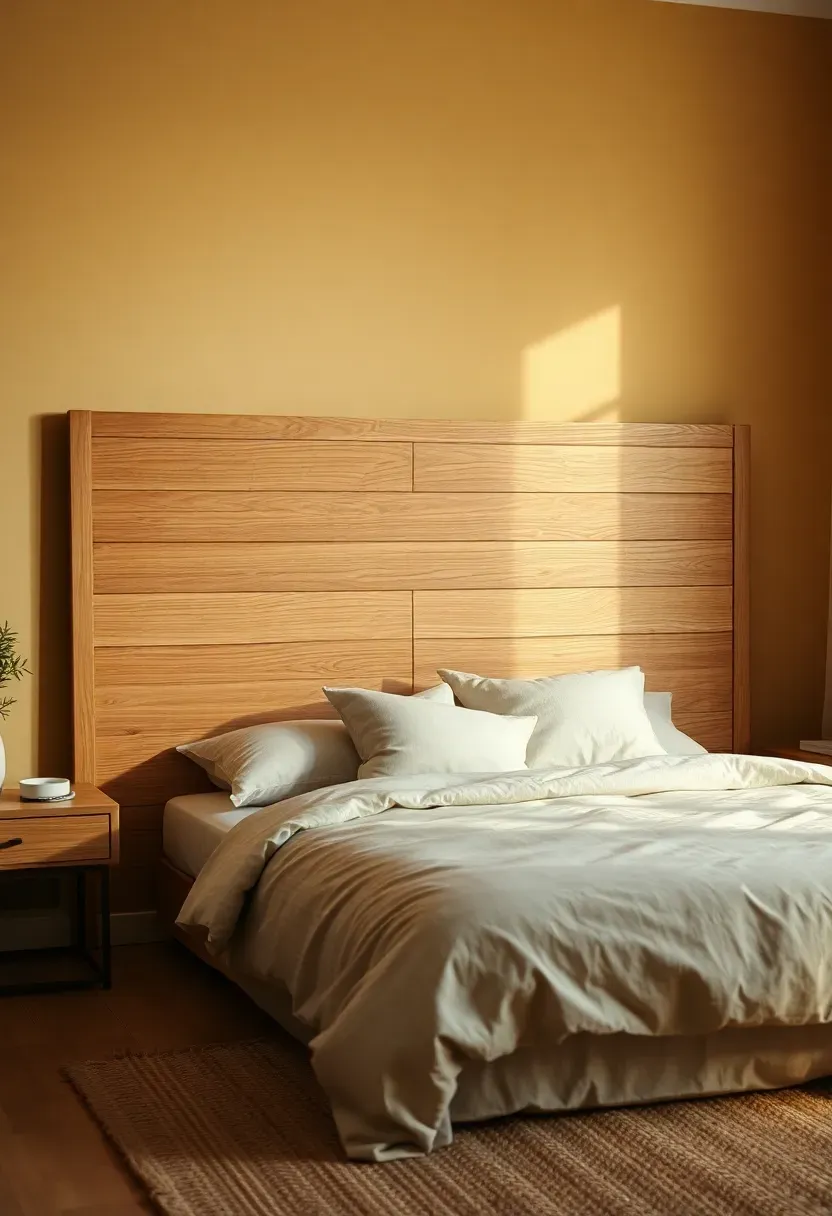
Why it works: the slats create texture without patterns or color shifts. They add depth while keeping the room quiet.
Keep the panel the width of the bed plus 12 inches so it feels intentional. The trade-off is dust in the gaps, so vacuum lightly once a month. Pair with simple linen bedding to keep the focus on texture. This is an easy way to add warmth with clean lines.
Tips
- Pro: slats make the wall feel taller and more refined.
- Con: tight gaps can trap dust.
- Fix: use a soft brush vacuum attachment monthly.
Best for: bedrooms that need texture without extra decor.
What this gives you: soft architectural texture with minimal effort.
8. Paper lantern pendant glow
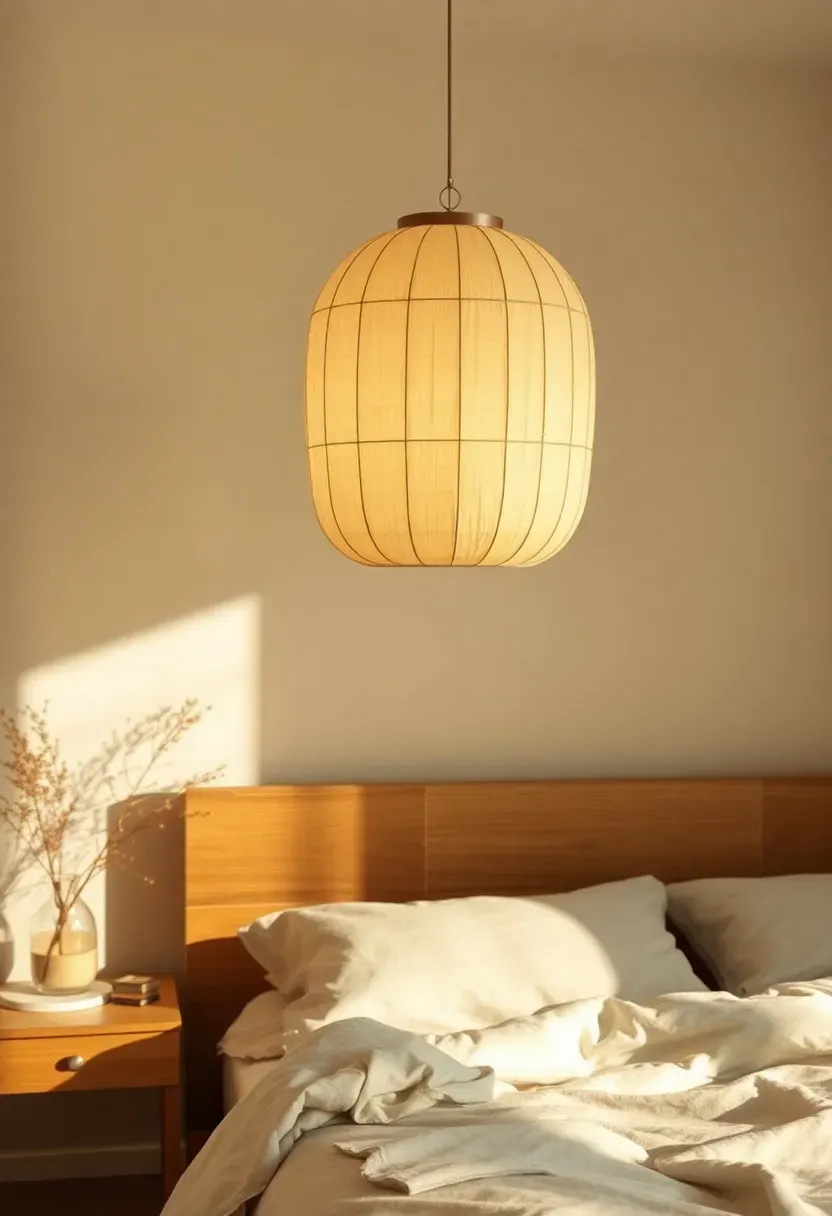
A paper lantern pendant adds a gentle glow to a minimalist japandi bedroom and keeps the ceiling light. Choose a 16-inch lantern to avoid overpowering the bed. Keep the cord in black or warm gray for a subtle industrial nod. For contrast, avoid glossy shades and upgrade to soft rice paper instead. The lantern brings warmth without heavy visual weight.
Recommended
Items for this idea
Common mistake: hanging the lantern too low so it blocks the sightline.
Hang the lantern so the bottom is 80 inches from the floor. The trade-off is less task lighting, so add a small bedside lamp if you read. Use a 2700K bulb to keep the glow warm. The soft shade diffuses light without adding visual clutter.
For softer, cozy lighting ideas, see 17 Cozy Romantic Bedroom Ideas for Comfort and Elegance and borrow the gentle glow.
Tips
- Use a warm bulb for a gentle amber tint.
- Keep the lantern centered over the bed.
- Add a dimmer to control nighttime brightness.
What this gives you: soft overhead light with minimal weight.
9. Tatami-style woven runner
A tatami-style runner adds a subtle Japanese note to a minimalist japandi bedroom without changing floors. Choose a 2x6 runner in a tight weave so it feels clean and modern. Place it beside the bed for a soft landing in the morning. For contrast, avoid bold patterns and upgrade to a plain weave instead. The woven texture adds calm detail underfoot.
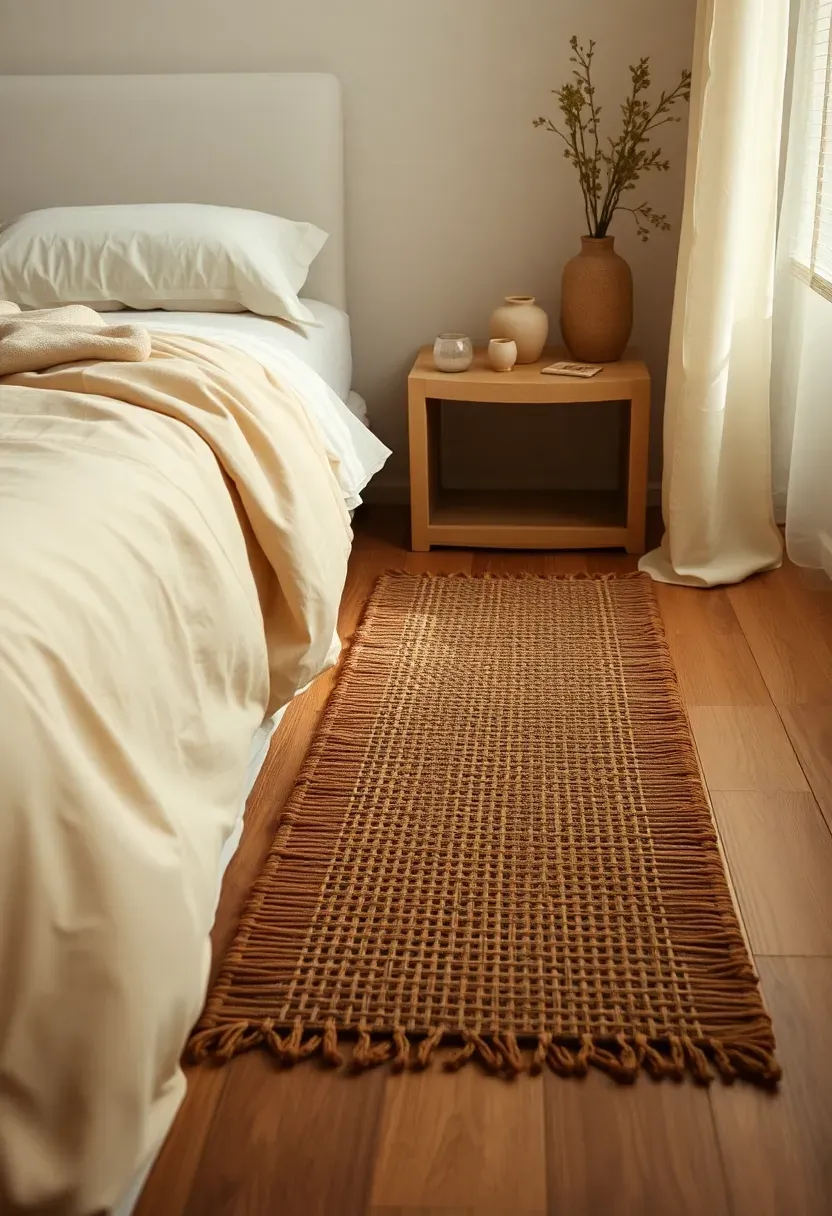
The trade-off is edge wear, so bind the runner with a linen trim. Use a non-slip pad to keep it steady. Leave a 2-inch border of bare floor to keep the layout crisp. Keep the runner 12 inches from any door swing. Add a small wooden stool nearby to echo the natural fiber. The runner adds texture while keeping the palette quiet. It is a simple touch that feels intentional.
Tips
- Do: use a low-profile pad for stability.
- Don't: place the runner too close to a swinging door.
- Do: vacuum weekly to keep fibers crisp.
Best for: renters who want a small, low-commitment update.
What this gives you: subtle texture with Japanese influence.
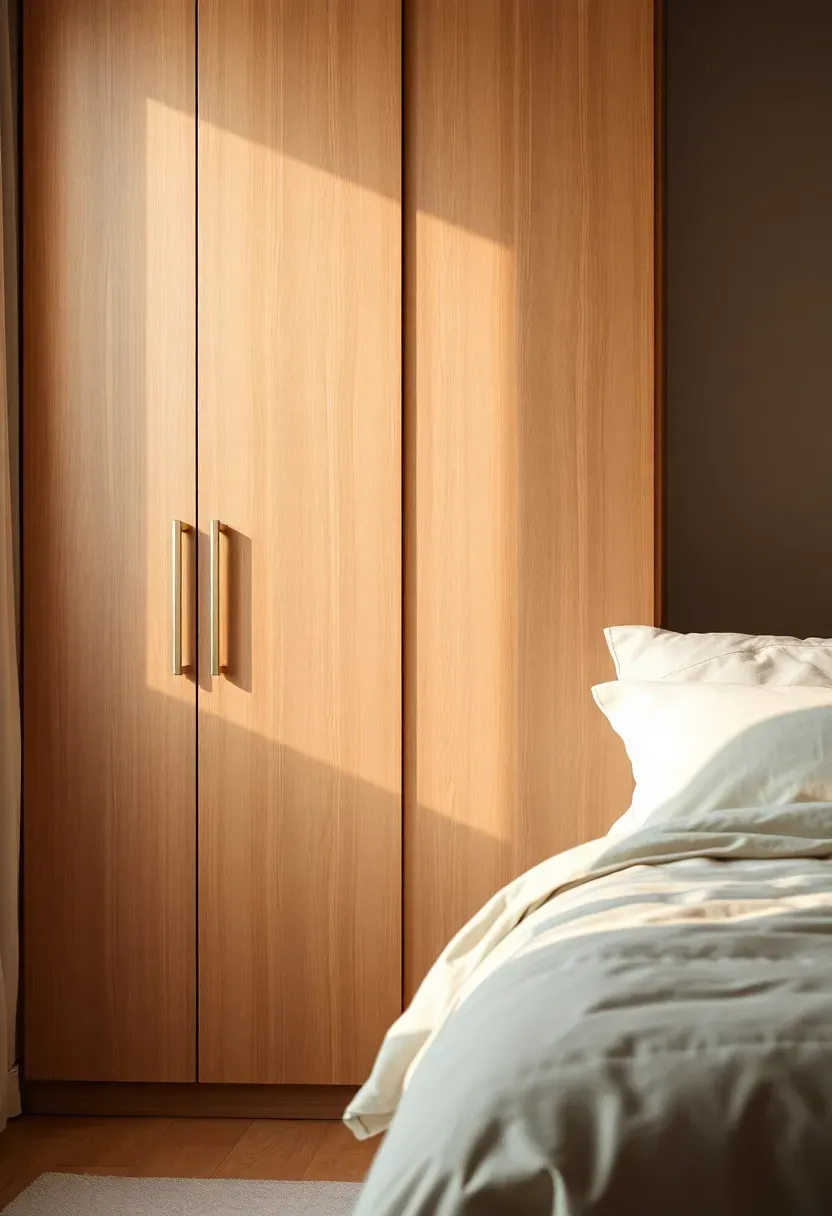
10. Brushed steel wardrobe handles
Brushed steel handles add a crisp industrial note to a minimalist japandi bedroom without harsh shine. Choose pulls around 6 inches long for easy grip. Keep wardrobe fronts in warm wood or soft gray to balance the metal. For contrast, avoid polished chrome and upgrade to brushed steel instead. This detail adds structure while staying subtle.
Recommended
Items for this idea
Placement note: Align handles at the same height across doors for a clean grid.
Use a satin wall finish to keep the metal from feeling too cold. The trade-off is fingerprints, so wipe handles weekly. Pair with a single black lamp to echo the metal tone without adding shine. The effect feels precise and quietly industrial.
For clean storage ideas, see Cozy Guest Bedroom Ideas for a Welcoming Stay and adapt the minimal storage styling.
Tips
- If doors feel heavy, then use longer pulls for leverage.
- If the room is small, then keep hardware matte and slim.
- If you want warmth, then add a wood tray nearby.
What this gives you: refined hardware that supports the minimal look.
11. Warm neutral wall and trim blend
A warm neutral wall and trim blend keeps a minimalist japandi bedroom calm and cohesive. Use a warm white on both walls and trim with only a slight sheen change. This creates a soft, continuous envelope without sharp edges. For contrast, avoid cool white trim and upgrade to a creamy neutral instead. The room feels balanced and restful without visual breaks.
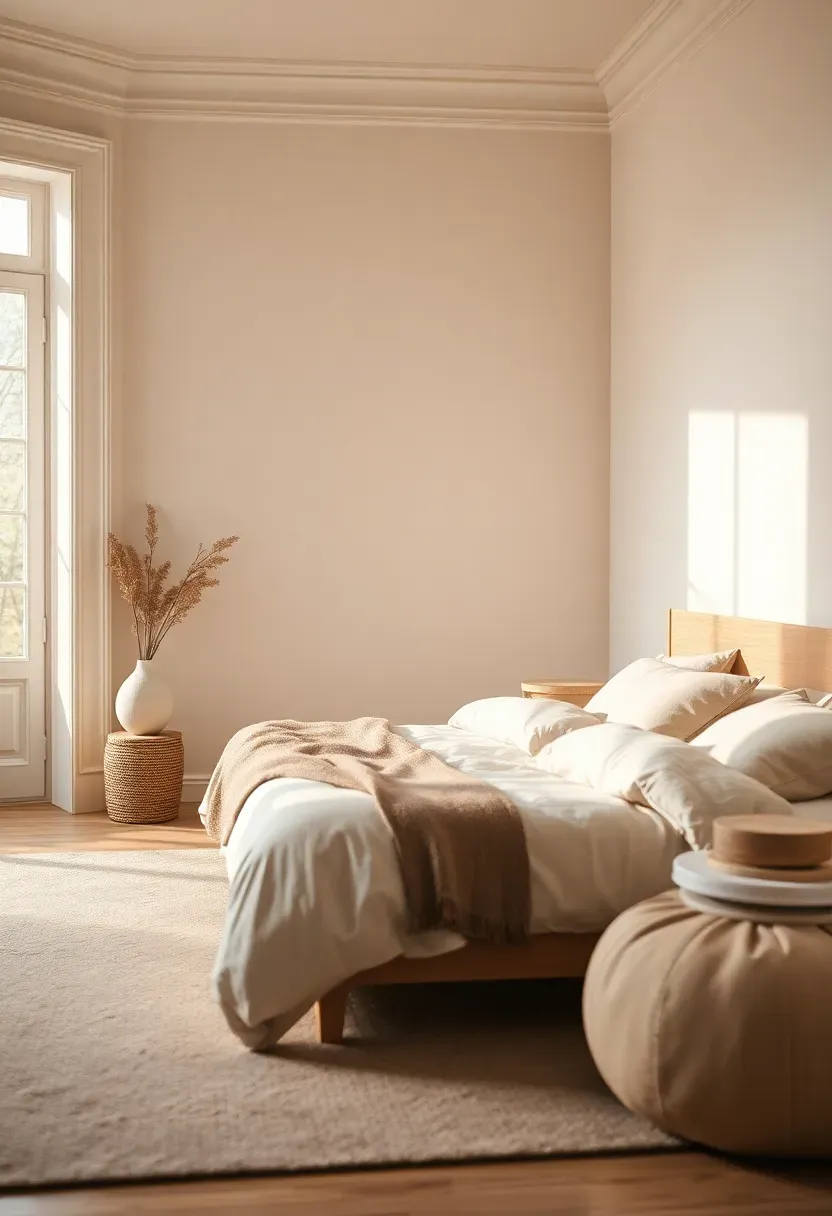
Why it works: a unified wall wash reduces visual noise and lets textures stand out. It keeps the eye calm and focused.
Add warmth with linen bedding and one oak accent piece. The trade-off is subtlety, so include a darker element like a black lamp for balance. Use a satin finish on trim to catch soft light. This palette feels timeless and gentle.
Tips
- Pro: matching trim keeps the room feeling larger.
- Con: it can look flat if textures are missing.
- Fix: layer linen, wool, and a small wood stool.
Best for: small bedrooms that need visual continuity.
What this gives you: a seamless backdrop that highlights materials.
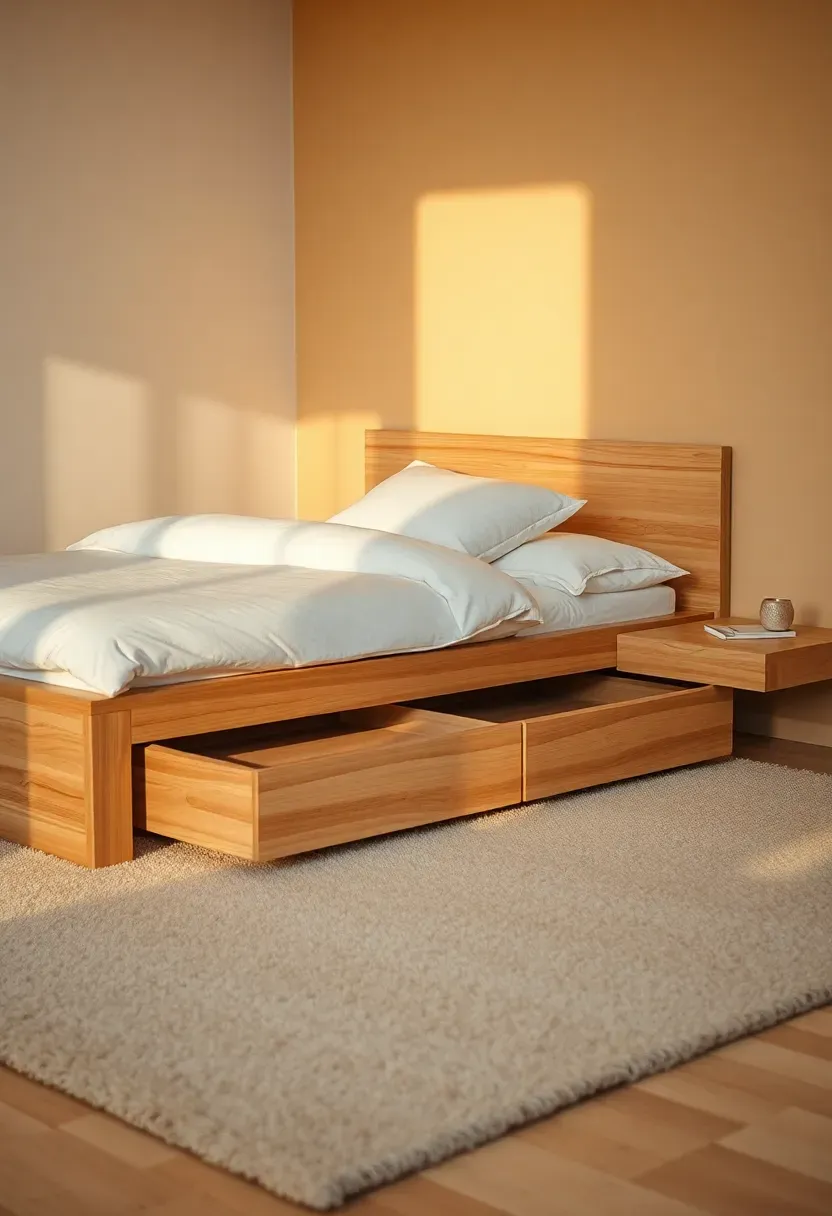
12. Low platform bed with hidden drawers
A low platform bed with hidden drawers keeps a minimalist japandi bedroom tidy without adding bulky storage. Choose a platform around 12 inches high with two pull-out drawers. Keep the drawer fronts in matching wood so the base reads clean. For contrast, avoid visible hardware and upgrade to recessed pulls instead. This keeps storage invisible and the room calm.
Recommended
Items for this idea
Common mistake: using drawers that are too shallow to be useful.
Plan for at least 8 inches of drawer depth for bedding storage. The trade-off is added weight, so choose smooth sliders rated for 75 pounds. Add a soft rug to reduce drawer noise on hard floors. This is a practical upgrade that keeps the room visually quiet.
For cozy storage ideas, see 11 Charming Vintage Bedroom Ideas for a Timeless Retreat and borrow the hidden storage approach.
Tips
- Use soft-close sliders for a quiet feel.
- Keep drawer fronts flush with the bed frame.
- Label bins inside for easy organization.
What this gives you: hidden storage that preserves clean lines.
13. Tone-on-tone linen curtains
Tone-on-tone linen curtains add softness to a minimalist japandi bedroom without adding color. Choose a curtain one shade deeper than the wall for gentle contrast. Hang the rod 4 inches above the frame to elongate the wall. For contrast, avoid heavy drapes and upgrade to light linen panels instead. The layered linen keeps the window quiet and calm.
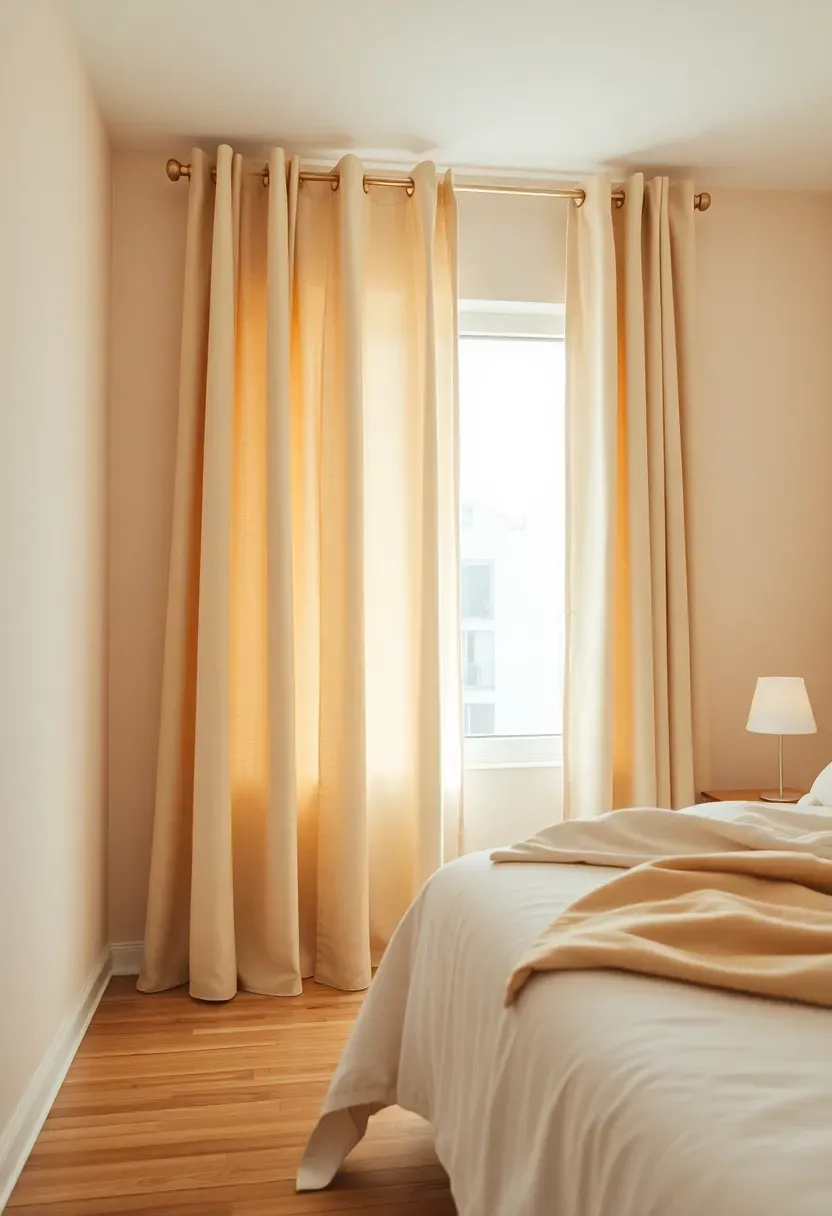
Why it works: the subtle contrast frames the window while keeping the palette quiet. Linen texture adds softness without visual noise.
Use a rod 1.5 times the window width for full gathers. The trade-off is more fabric, so choose washable linen. Keep hems just grazing the floor, about half an inch, for a clean line. Add a simple blackout roller behind the curtains for nighttime control. This keeps the room minimal while still functional.
Tips
- Pro: linen filters light and softens the room.
- Con: thin linen can feel too sheer at night.
- Fix: layer a hidden blackout roller.
Best for: bedrooms with strong daylight that needs softening.
What this gives you: gentle window framing with soft texture.
14. Floating nightstand in pale oak
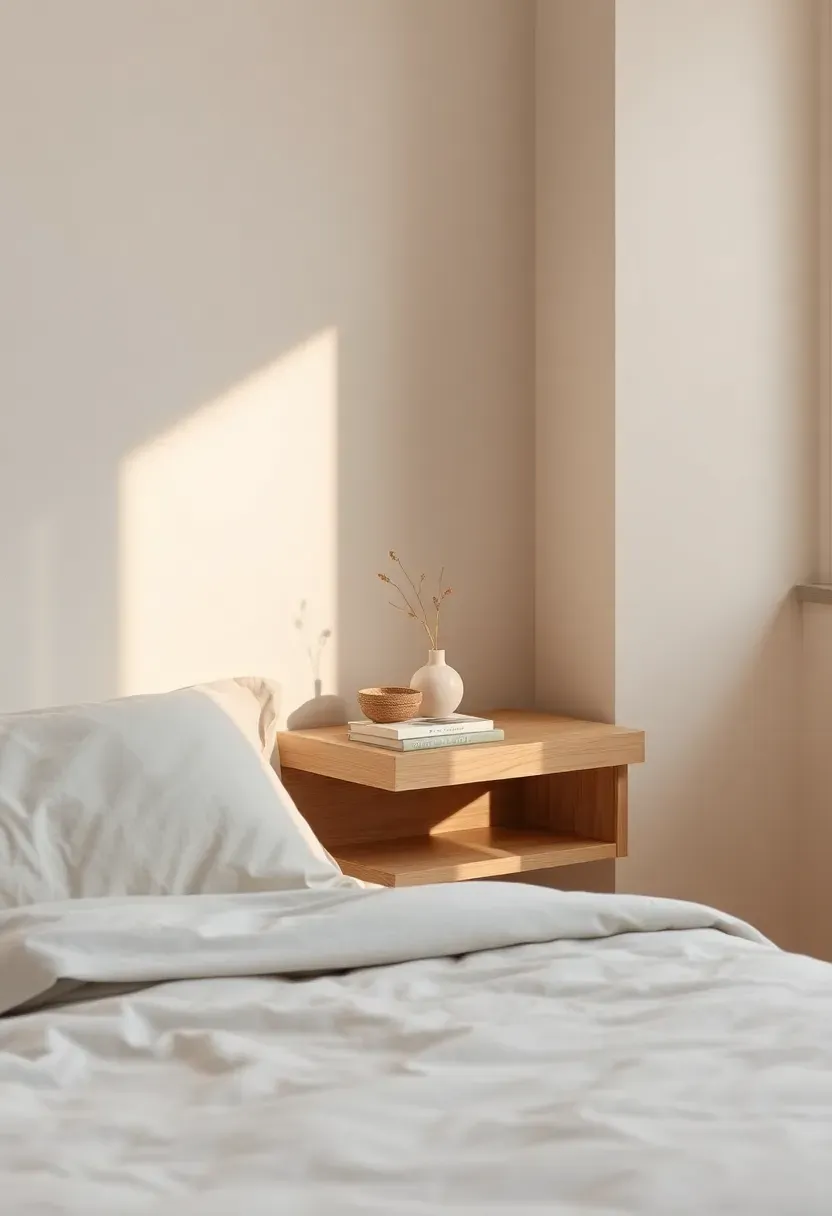
A floating nightstand keeps a minimalist japandi bedroom light by freeing the floor. Use a pale oak box around 18 inches wide with one drawer. Mount it so the top sits level with the mattress. For contrast, avoid chunky brackets and upgrade to hidden mounts instead. The floating form keeps the room airy and clean.
Recommended
Items for this idea
Placement note: Mount the nightstand at 24 to 26 inches high for easy reach.
Keep the surface clear with one small lamp and a tray. The trade-off is less storage, so use a shallow drawer organizer. A slim black sconce above adds a quiet contrast without clutter. This detail makes the bed zone feel open and intentional.
For more light, airy bedside ideas, see 21 Navy Blue Bedroom Ideas for Women With Elegant Cozy Details and borrow the floating styling.
Tips
- If the drawer is small, then store only nightly essentials.
- If the wall is thin, then use proper anchors.
- If you want symmetry, then use two matching units.
What this gives you: a light bedside zone with clean lines.
15. Oak veneer wardrobe front
An oak veneer wardrobe front brings warm texture without the weight of solid wood. Use veneer panels with straight grain and a matte seal. Keep the wardrobe flush with the wall so the line feels quiet. For contrast, avoid busy grain and upgrade to rift-sawn veneer instead. This adds warmth while keeping the room minimal.
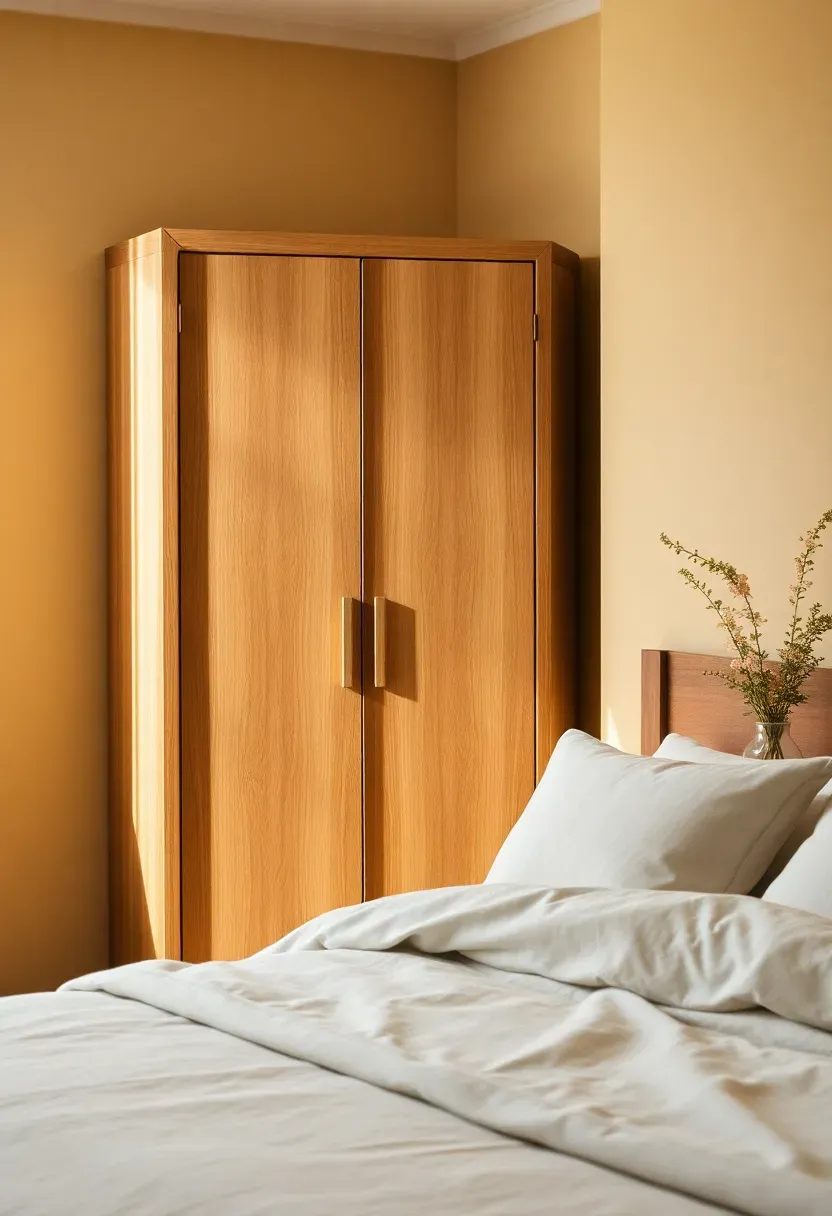
Why it works: veneer gives the warmth of wood without heavy bulk. The straight grain keeps the look calm and tailored.
Use slim recessed pulls to keep the front clean. The trade-off is veneer edge wear, so seal the edges carefully. A single matte black knob on a side drawer adds a quiet anchor. Add a soft wool rug nearby to balance the smooth surface. The wardrobe reads warm and quiet, not flashy.
Tips
- Pro: veneer is lighter and more stable than solid wood.
- Con: edges can chip if unsealed.
- Fix: use edge banding and a matte seal coat.
Best for: rooms that need warm storage with clean lines.
What this gives you: warm cabinetry without visual weight.
16. Concrete plaster niche shelf
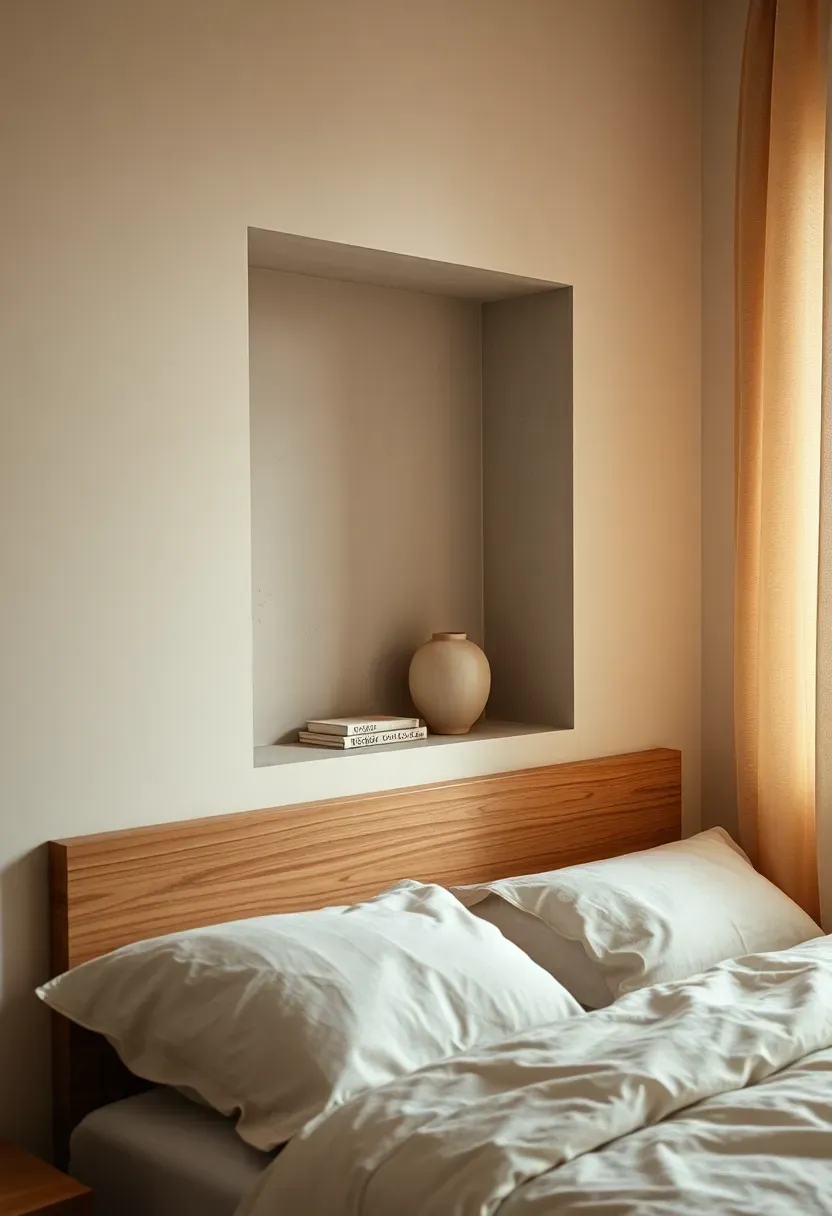
A concrete plaster niche adds a quiet industrial note to a minimalist japandi bedroom while keeping the wall clean. Build a niche about 24 inches wide and 10 inches high to hold a single object. Keep the plaster warm gray so it pairs with wood tones. For contrast, avoid glossy finishes and upgrade to a matte concrete plaster instead. The niche becomes a subtle focal point without clutter.
Recommended
Items for this idea
Common mistake: filling the niche with too many objects so it feels busy.
Keep one ceramic piece or a single book for a clean look. The trade-off is extra wall work, so plan placement carefully before cutting. Add a hidden LED strip at 2700K for a soft glow. The niche adds depth while staying minimal.
If you want more textural wall ideas, see Charming Dark Cottagecore Bedroom Ideas for Coziness and borrow the texture layering.
Tips
- Use a small lip to keep items from sliding.
- Keep the niche height aligned with the headboard.
- Test plaster color under warm evening light.
What this gives you: a quiet focal point with subtle industrial texture.
17. Bamboo tray styling on dresser
Bamboo trays add a soft Japanese note to a minimalist japandi bedroom without adding clutter. Choose a 12-inch tray to hold daily essentials like a watch and hand cream. Place it on a low dresser to keep the styling contained. For contrast, avoid glossy lacquered trays and upgrade to natural bamboo instead. The tray keeps the surface tidy and warm.
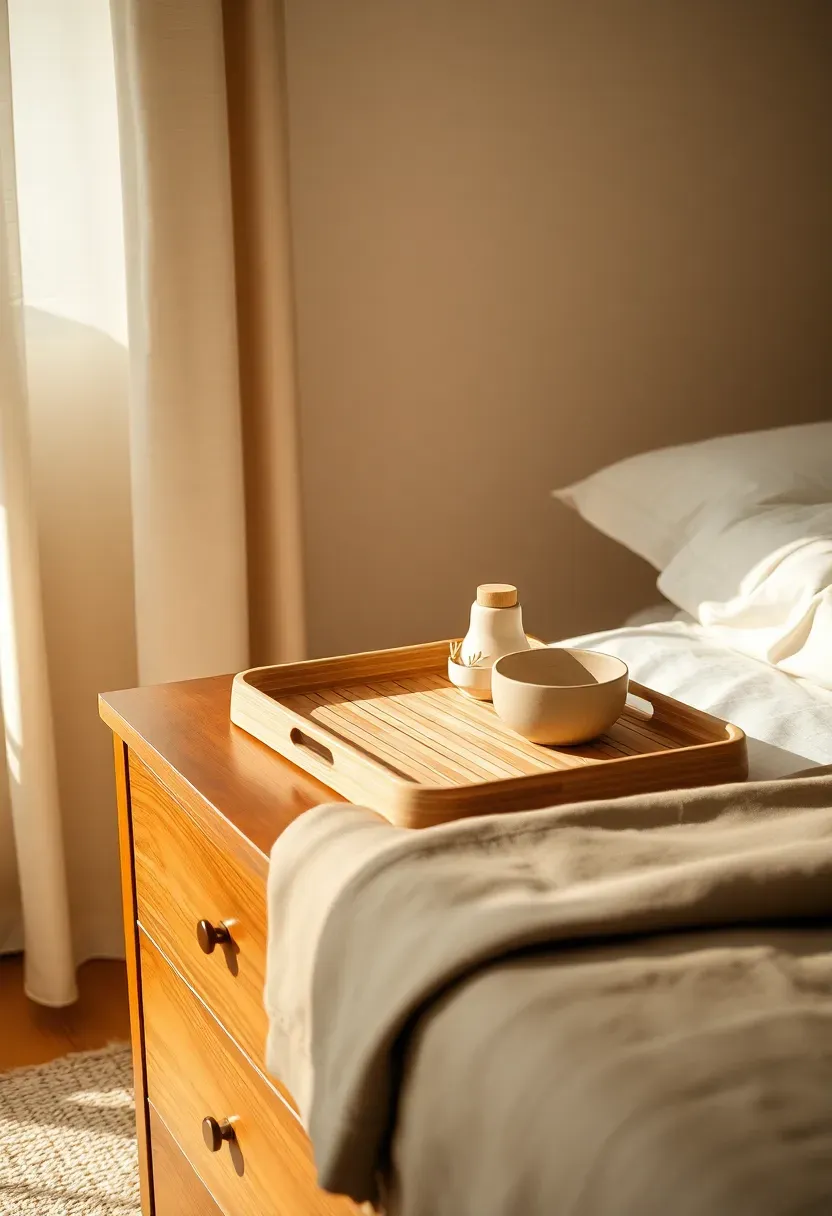
The trade-off is limited storage, so keep only daily items on the tray. Add a small linen cloth inside for softness and contrast. A warm wood mirror frame above the dresser repeats the natural tone. This finishing touch keeps the room calm and practical.
Tips
- Do: keep the tray under 12 inches for a clean look.
- Don't: fill it with more than three items.
- Do: repeat bamboo in one other small accessory.
Best for: bedrooms that need one small, tidy styling point.
What this gives you: a quiet finishing touch with Japanese warmth.
A minimalist japandi bedroom feels best when warm wood and soft textiles carry the mood without visual noise. Keep the palette calm, add one or two structured accents, and let the textures do the work. These minimalist japandi bedroom ideas create comfort and visual balance without clutter, whether you rent a small apartment or own a larger space. Start with one idea, then build the rest slowly so the room stays serene.

About the author
OBCD
CGI visualization and interior design content. We create detailed 3D renders and curate practical design ideas for every room in your home.