23 AI Backyard Landscape Design Ideas
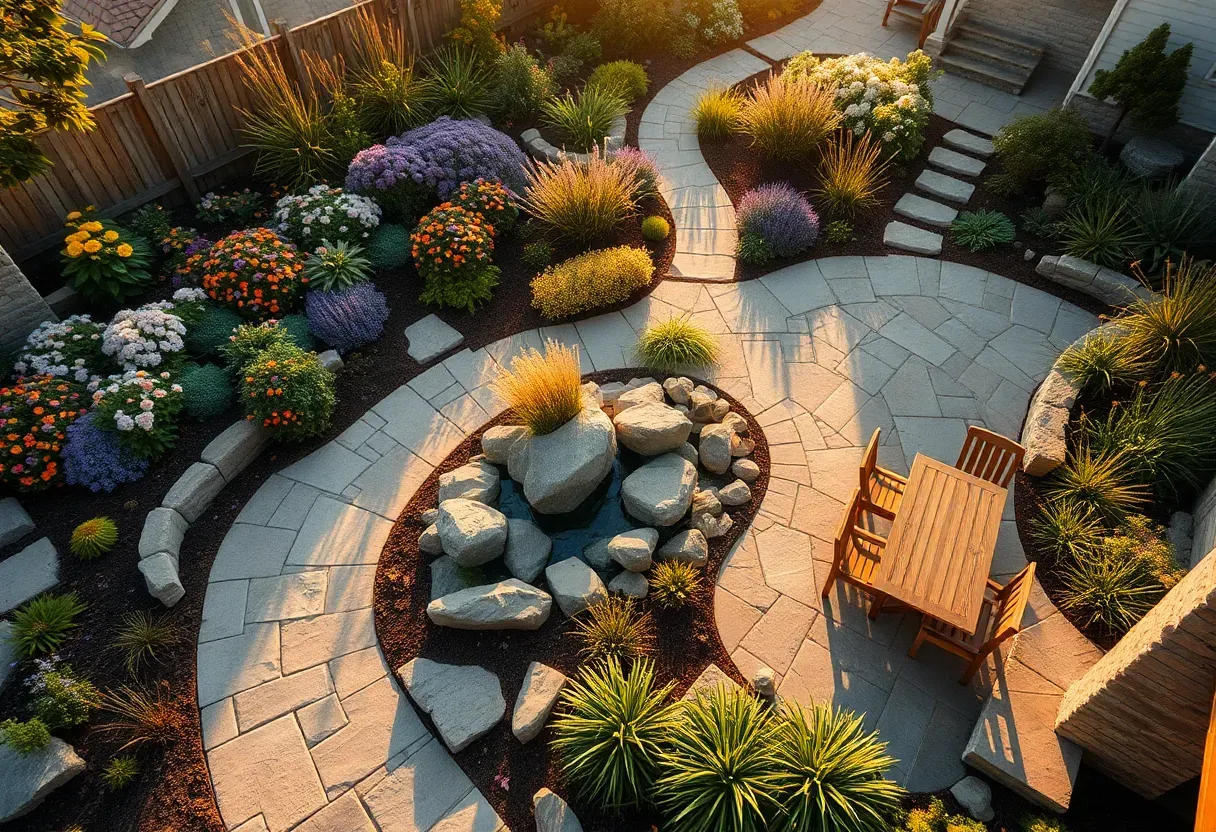
For decades, designing a backyard meant hiring a landscaper, sketching rough ideas on graph paper, and hoping the final result matched what you pictured. Artificial intelligence has upended that process entirely. AI landscape design tools now let homeowners visualize photorealistic renderings of their own yards within minutes, testing everything from plant placement to hardscape materials before a single shovel hits dirt. The technology pulls from millions of real-world landscapes to suggest combinations that work for your specific climate, soil type, and sun exposure.
Below you will find 23 AI-generated backyard landscape concepts, each tackling a different aesthetic or functional goal. Some lean into lush, layered greenery while others prioritize entertainment zones, water features, or low-maintenance ground covers. Use them as direct inspiration or as starting points to feed into your own AI design sessions.
Table of Contents
- Tiered Garden Terrace
- Zen Rock and Moss Retreat
- Curved Gravel Pathway Garden
- Modern Firepit Lounge
- Tropical Courtyard Oasis
- Cottage Garden Wildflower Border
- Minimalist Concrete and Grass Grid
- Japanese Maple Focal Point
- Sunken Conversation Pit
- Drought-Tolerant Desert Scape
- Formal Boxwood Parterre
- Reclaimed Wood Deck with Planter Walls
- Meadow-Style Naturalized Planting
- Geometric Hedge Maze
- Pool-Adjacent Tropical Planting
- Woodland Shade Garden
- Mediterranean Gravel Court
- Vertical Living Wall Fence
- Stream and Boulder Water Feature
- Edible Landscape Kitchen Garden
- Moonlight Garden with White Blooms
- Prairie-Inspired Grass Meadow
- Multi-Level Outdoor Living Room
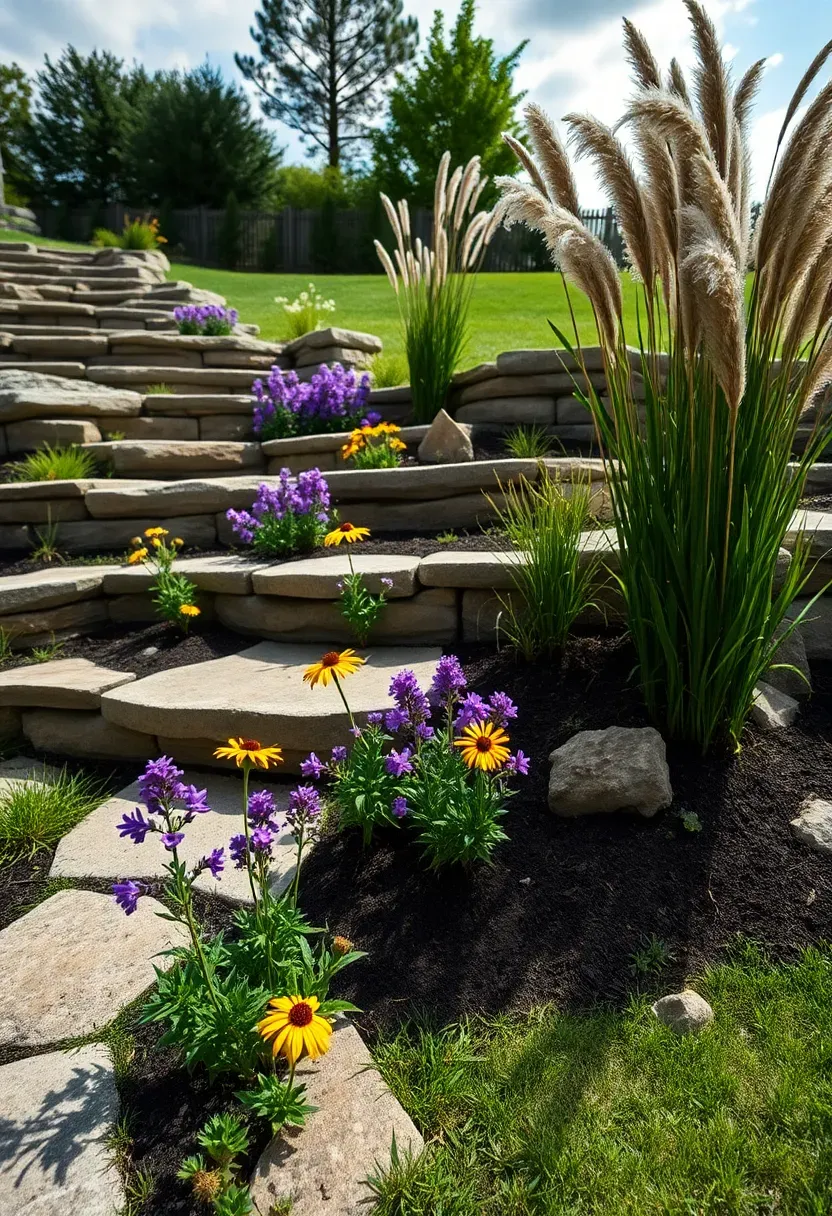
1. Tiered Garden Terrace
Working with a sloped yard? AI design tools excel at solving grade changes. A tiered terrace system converts that awkward incline into a series of flat planting beds retained by natural stone or stacked concrete walls. Each level becomes its own microclimate — sun-loving herbs on top, shade-tolerant ferns at the bottom.
How to Build It
Step 1: Measure the total elevation change across your yard. AI tools can estimate this from photos alone, but precise measurements yield better results.
Step 2: Choose retaining wall material. Natural fieldstone gives organic character; poured concrete suits modern homes.
Step 3: Plan drainage between tiers. Every level needs a path for water to move downhill without eroding soil.
What to Watch Out For
- Retaining walls over four feet typically require engineering approval
- Budget for extra soil — terracing exposes subsoil that needs amendment
- Install drip irrigation per tier since water needs differ by elevation
We picked a few things that go well with this idea: DERAYSION Solar Pathway Lights (12-Pack) (★4.4), BITPOTT Solar Garden Pathway Lights (8-Pack) (★4.5) and Greluna Warm White Solar Path Lights (12-Pack) (★4.3). As an Amazon Associate we earn from qualifying purchases.
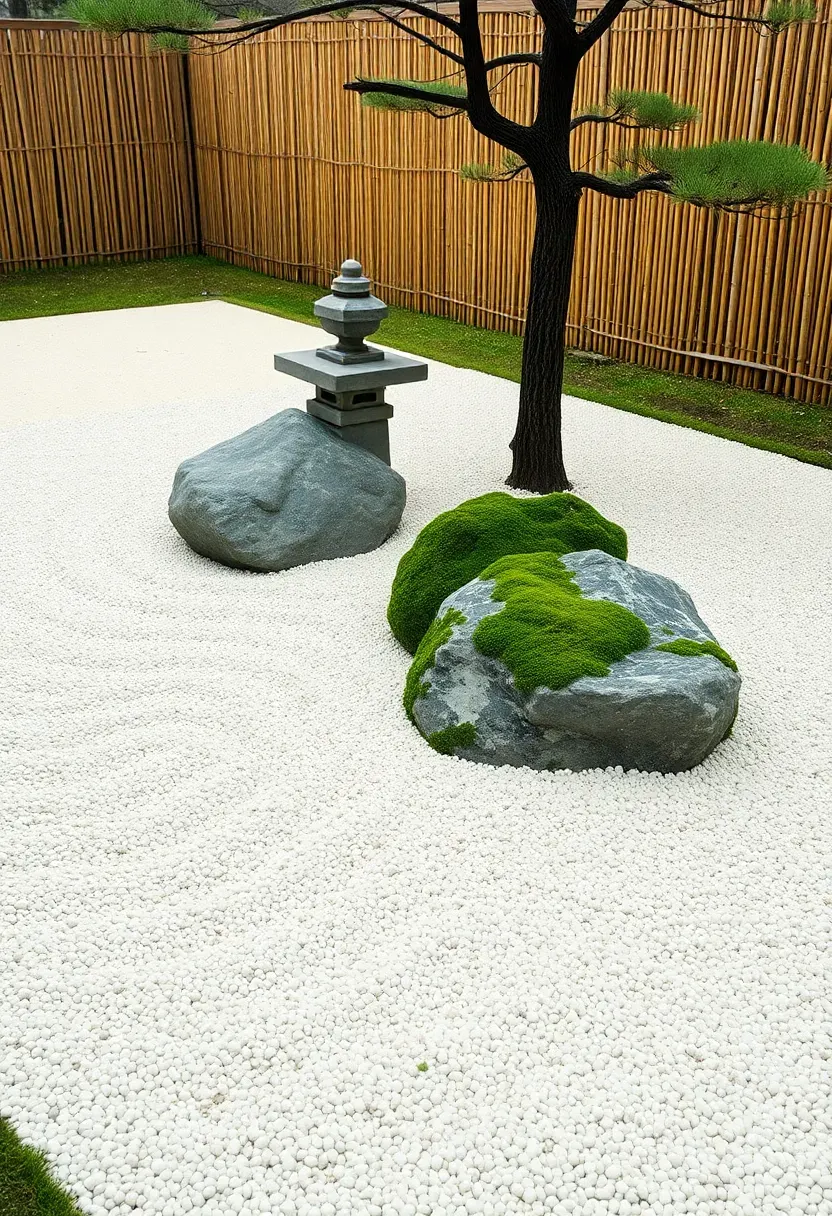
2. Zen Rock and Moss Retreat
The Core Issue
Many homeowners crave a calm outdoor space but feel overwhelmed by the maintenance demands of traditional gardens. Lawns need mowing, flowers need deadheading, and borders need constant edging.
The Solution
A Zen rock garden eliminates nearly all of that labor. AI rendering can position boulders, gravel patterns, and moss patches to achieve the asymmetric balance that defines Japanese dry gardens. The key material is decomposed granite or fine white gravel raked into flowing patterns around strategically placed stones. Moss fills the gaps between rocks, adding color without requiring irrigation. A single sculptural tree — Japanese black pine or laceleaf maple — anchors the composition.
Pros and Cons
Pros: virtually zero mowing, deeply meditative atmosphere, year-round visual interest Cons: gravel needs periodic re-raking, moss requires shade and humidity to thrive, may feel sparse to those who prefer lush greenery
We picked a few things that go well with this idea: Vego 10-in-1 Modular Raised Garden Bed (★4.7), Earth Elevated Cedar Raised Garden Bed (★3.8) and Infinite Cedar Raised Bed Kit (2x10ft) (★3.4). As an Amazon Associate we earn from qualifying purchases.
3. Curved Gravel Pathway Garden
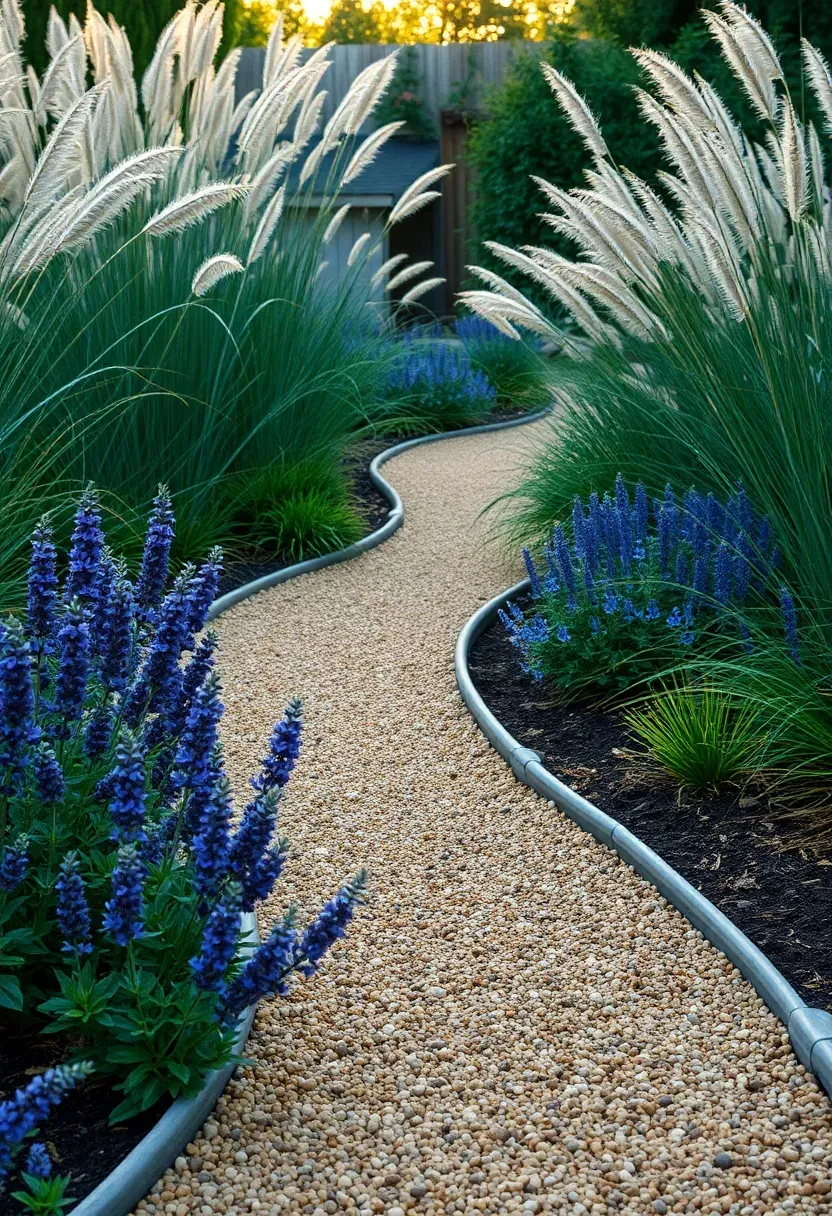
Straight paths rush you through a space. Curved ones slow you down, reveal plantings gradually, and make even a modest yard feel larger than its footprint. AI layout generators are particularly good at calculating optimal curve radii that feel natural rather than forced.
A decomposed granite or pea gravel surface keeps costs low while offering excellent drainage. Border the path with low-mounding plants — lavender, catmint, creeping thyme — so the edges blur softly rather than ending in a hard line. Taller grasses and shrubs behind the border create depth and the sensation of walking through a garden rather than alongside one.
Tips for the Best Result
- Keep path width between 30 and 36 inches for comfortable single-file walking
- Add a destination: a bench, a birdbath, or a small sculpture at the path's terminus
- Use steel or aluminum edging buried flush with the gravel to prevent spreading
We picked a few things that go well with this idea: Ciays 28-Inch Propane Fire Pit Table (★4.6), East Oak 52,000 BTU Fire Pit Table (★4.8) and East Oak Outdoor Gas Fire Pit (Black) (★4.7). As an Amazon Associate we earn from qualifying purchases.
4. Modern Firepit Lounge
Origins
The gathering-around-fire instinct is as old as civilization itself. Modern landscape design simply refines that primal draw into something architecturally intentional. AI tools generate fire pit layouts that account for wind direction, seating distance from flame, and sight lines to the rest of the yard.
Modern Interpretation
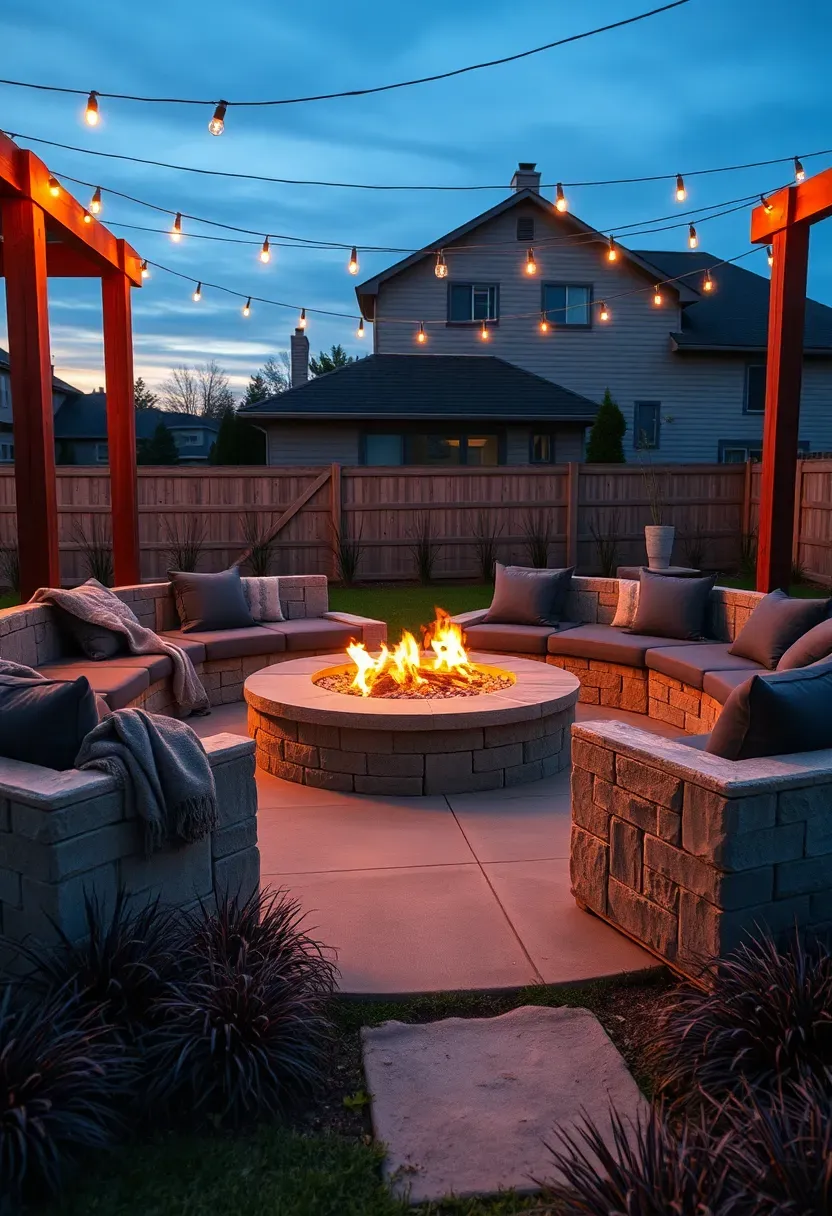
Today's fire pit zones blend hardscape and softscape seamlessly. A circular or rectangular gas-burning pit sits at the center of a poured concrete or flagstone pad. Built-in bench seating wraps the perimeter, topped with weather-resistant cushions. Overhead, string lights on cedar posts define the vertical space. Ornamental grasses planted behind the seating screen the area from neighbors without blocking airflow.
How to Apply at Home
- Position the pit at least 10 feet from any structure or fence
- Gas lines require a licensed plumber; budget accordingly
- Add a gravel border between the pad and plantings for fire safety
- Include a drainage slope away from the seating area
Recommended
Items for this idea
5. Tropical Courtyard Oasis
Walled or fenced courtyards create protected microclimates where tropical plants can thrive even in zones slightly cooler than their native range. AI visualization excels here because it can overlay plant growth projections onto your exact space, showing how a banana palm will look at year one versus year three.
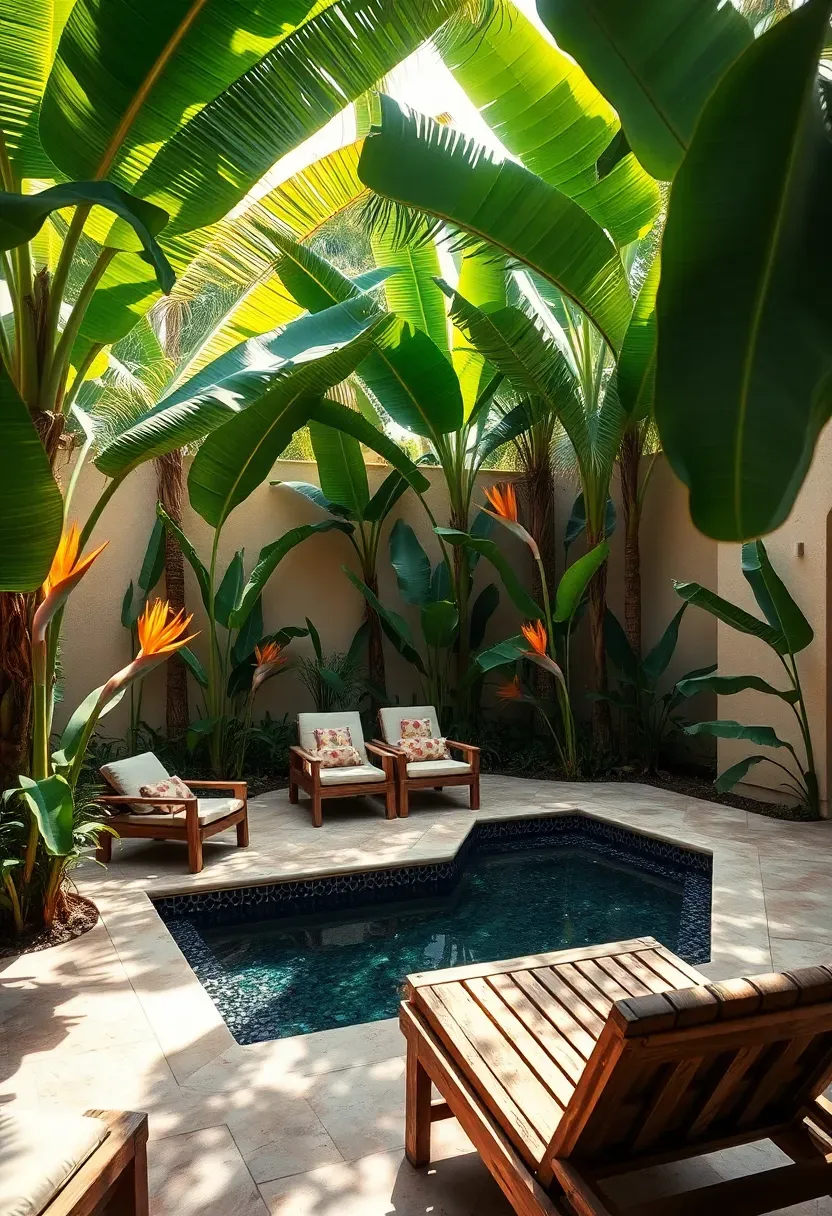
The formula is density. Tropical design rejects empty space in favor of overlapping canopy layers: tall palms above, mid-height heliconias and bird of paradise at eye level, and ground-hugging ferns and bromeliads below. A small plunge pool or water bowl adds humidity and sound. Weathered teak furniture keeps the mood relaxed rather than resort-formal.
Tips for Cooler Climates
- Choose hardy banana varieties like Musa basjoo that tolerate frost
- Group tropicals near south-facing walls for radiant heat protection
- Mulch heavily in autumn to insulate root zones
6. Cottage Garden Wildflower Border
Comparing: Structured Beds vs Wildflower Drift
Both approaches have loyal followings, but AI design tools reveal that wildflower drift planting actually requires more initial planning than it appears to. The "casual" look is carefully orchestrated.
Structured Beds
Traditional rectangular borders with plants organized by height from front to back. Clean, predictable, easier to maintain with clear weeding boundaries. Works well in formal home styles.
Wildflower Drift
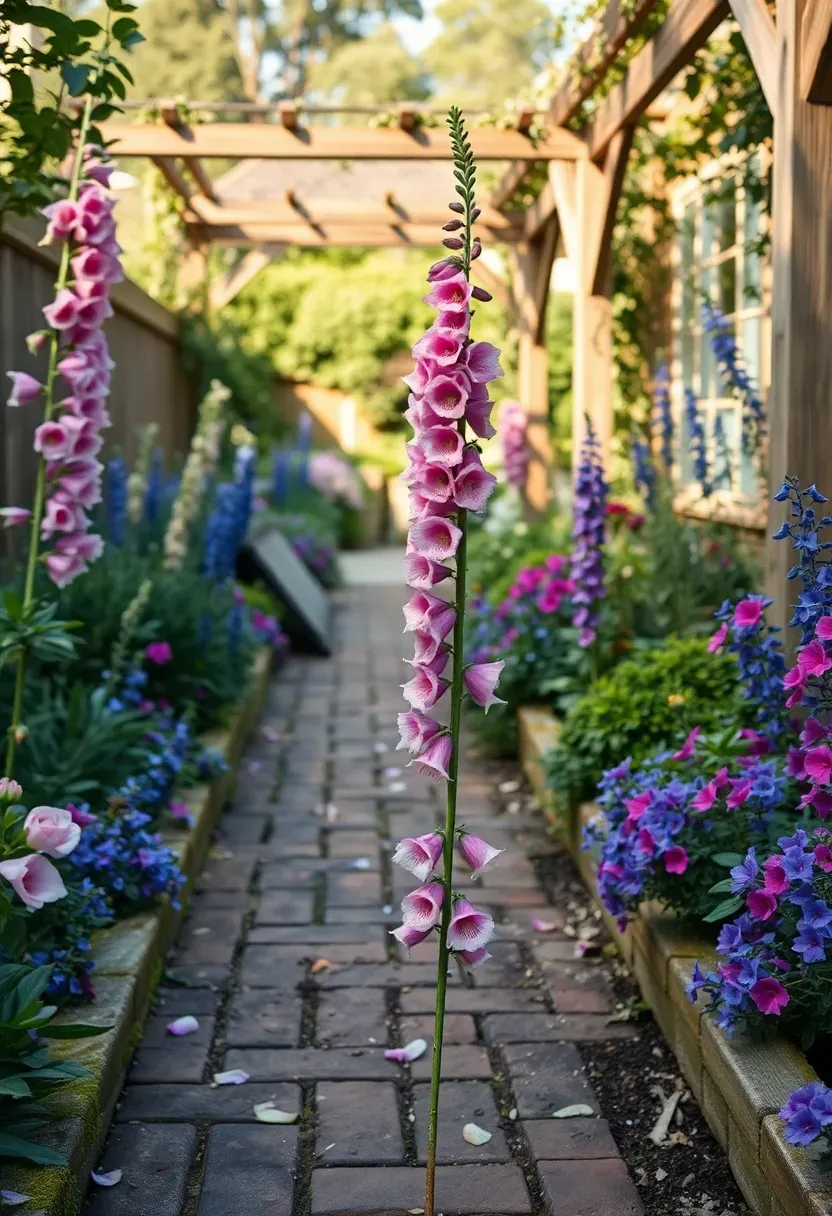
Plants flow in irregular clusters that mimic natural meadow patterns. Taller plants like hollyhocks and delphiniums appear at varying depths rather than just the back row. Self-seeding annuals fill gaps year after year, making the garden evolve organically.
What to Choose
Choose structured beds if: you prefer neat sight lines and easier maintenance schedules Choose wildflower drift if: you want a romantic, evolving garden that looks different each season
Recommendation
For most backyards, a hybrid works best. Use structured edging along paths but allow planting within those borders to drift freely.
Recommended
Items for this idea
7. Minimalist Concrete and Grass Grid
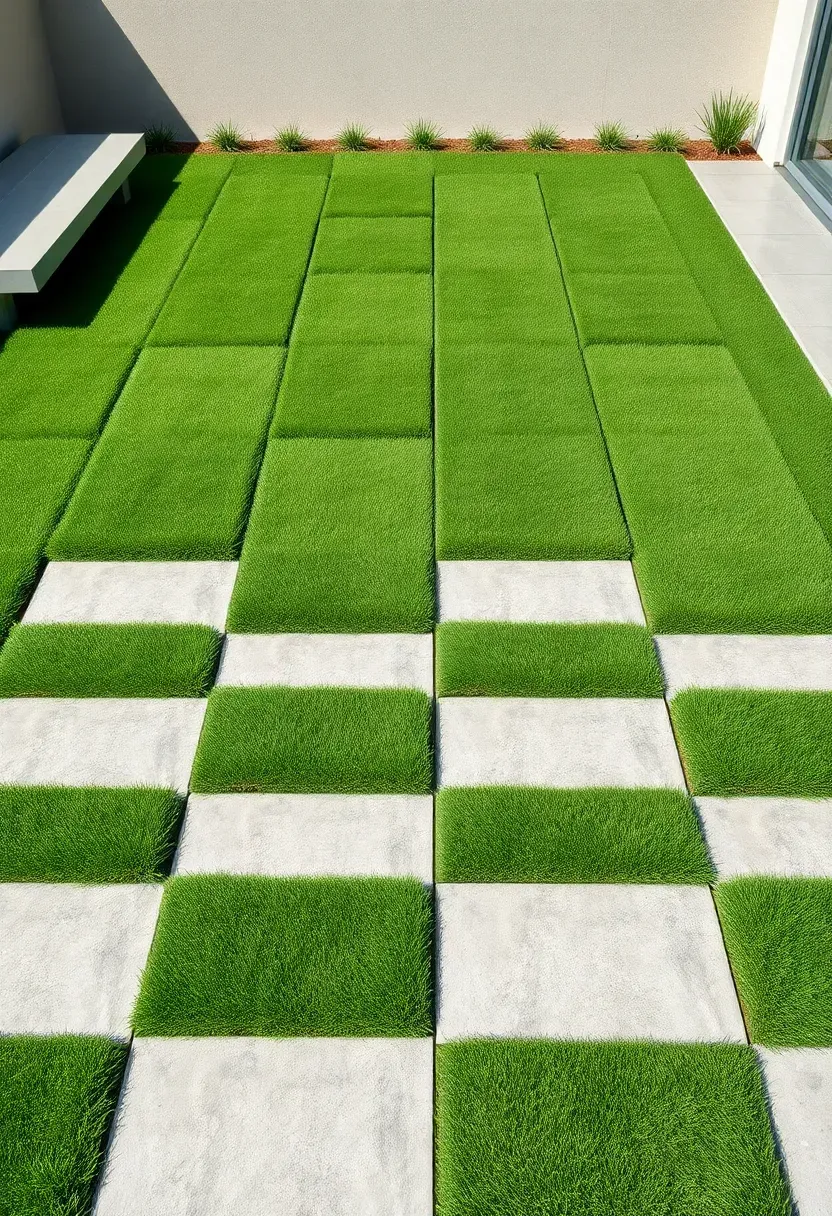
When less is the entire point, AI tools help refine proportions that hand-sketching often gets wrong. A checkerboard alternating poured concrete pavers with squares of low-cut turf or creeping ground cover delivers graphic punch with almost no ornamentation. The contrast between hard and soft materials does all the visual work.
This approach suits contemporary architecture where the landscape should extend the home's clean geometry rather than compete with it. Scale the grid to your yard — 24-inch squares for smaller spaces, 36-inch for larger ones. The ground cover choice matters: dwarf mondo grass stays neat without mowing, while creeping thyme adds fragrance underfoot.
Tips for Execution
- Pour concrete squares at exact level with the surrounding soil for a seamless look
- Leave half-inch expansion joints between pavers filled with polymeric sand
- Water ground cover plugs daily for the first two weeks after planting
8. Japanese Maple Focal Point
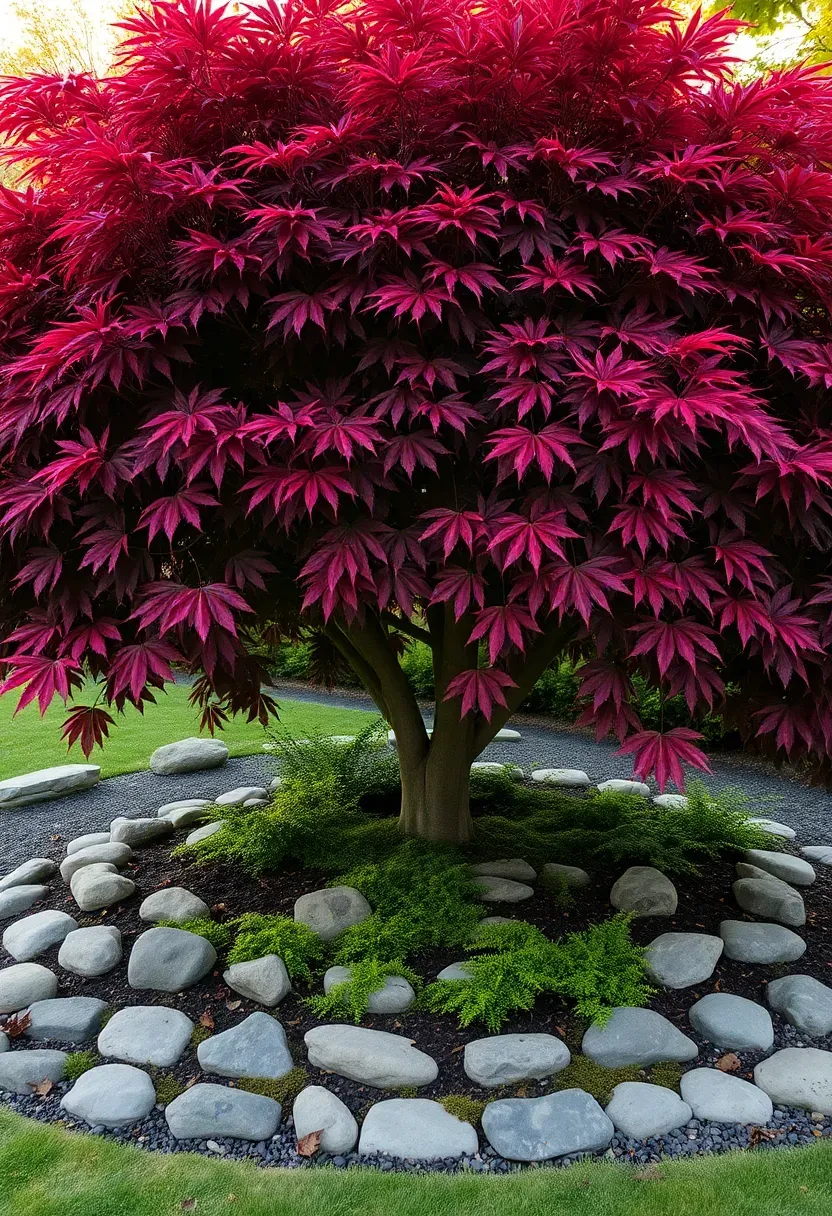
Every landscape needs at least one tree that stops you in your tracks. AI design platforms frequently suggest Japanese maples for this role because their branching structure, leaf shape, and seasonal color shifts photograph exceptionally well — and they deliver that same impact in person.
The Tree's Role
A specimen maple placed slightly off-center in the yard creates natural asymmetry. Underplant with shade-tolerant ground covers: hostas, ferns, or liriope. River rocks or a thin gravel mulch ring around the trunk keeps mowers away from the root flare while adding textural contrast.
Seasonal Payoff
Spring brings delicate new foliage in chartreuse or bronze. Summer deepens to rich burgundy or green depending on cultivar. Autumn ignites the canopy in scarlet and gold. Even bare winter branches hold structural beauty against a gray sky.
What to Watch Out For
- Most Japanese maples prefer afternoon shade in zones 7 and warmer
- Protect from harsh wind which can scorch the fine-textured leaves
- Water deeply but infrequently — they dislike soggy roots
Recommended
Items for this idea
9. Sunken Conversation Pit
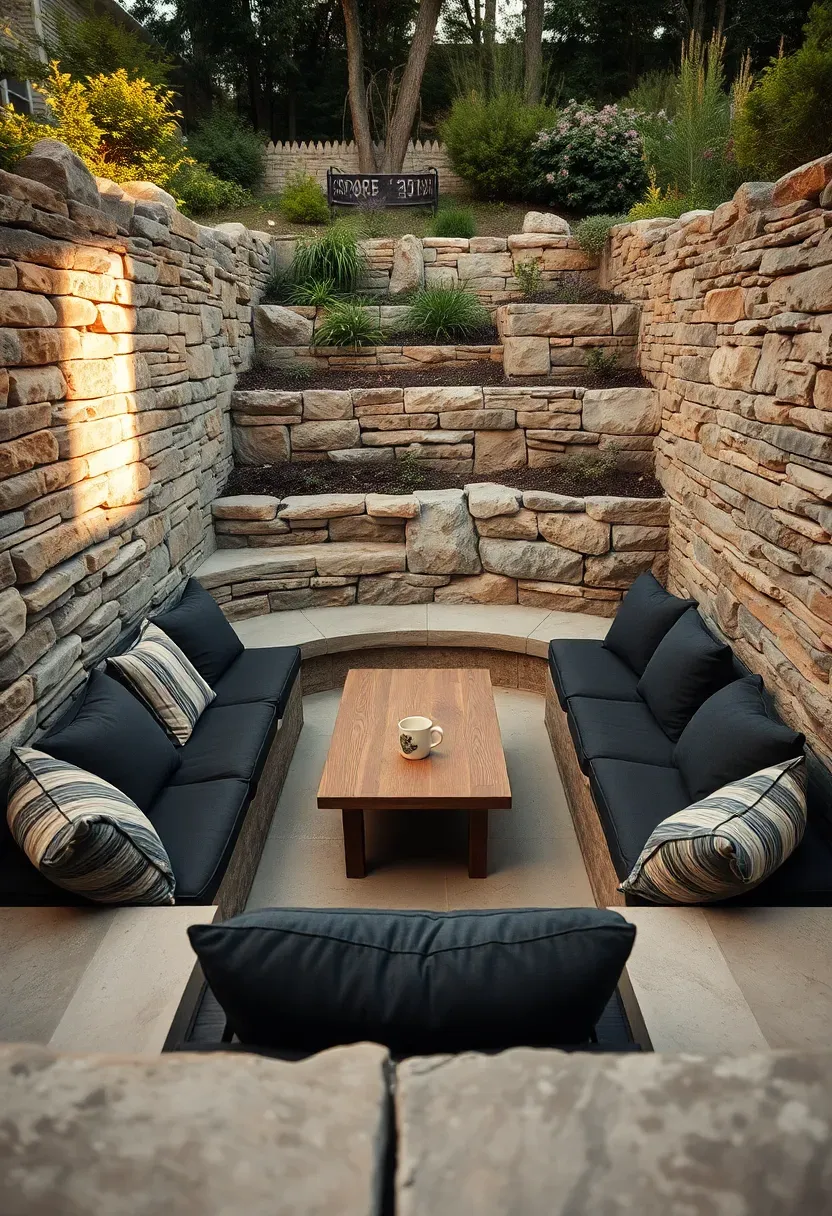
Lowering the seating area two to three feet below grade level transforms the social dynamic of a backyard gathering. Guests sit below the surrounding garden, wrapped in plantings that rise around them like a living amphitheater. AI modeling handles the engineering puzzle of drainage, structural support, and step placement that makes this concept safe and functional.
Stone or poured concrete retaining walls form the pit's perimeter. Built-in benches line the interior walls, topped with thick outdoor cushions. A low fire table or coffee table anchors the center. The recessed position naturally blocks wind, extending the usable season into cooler months.
Practical Considerations
- Install a French drain beneath the pit floor to handle rain accumulation
- Include at least two entry points for comfortable traffic flow
- Lighting recessed into the retaining walls eliminates the need for floor lamps
10. Drought-Tolerant Desert Scape
Why Water-Wise Design Matters Now
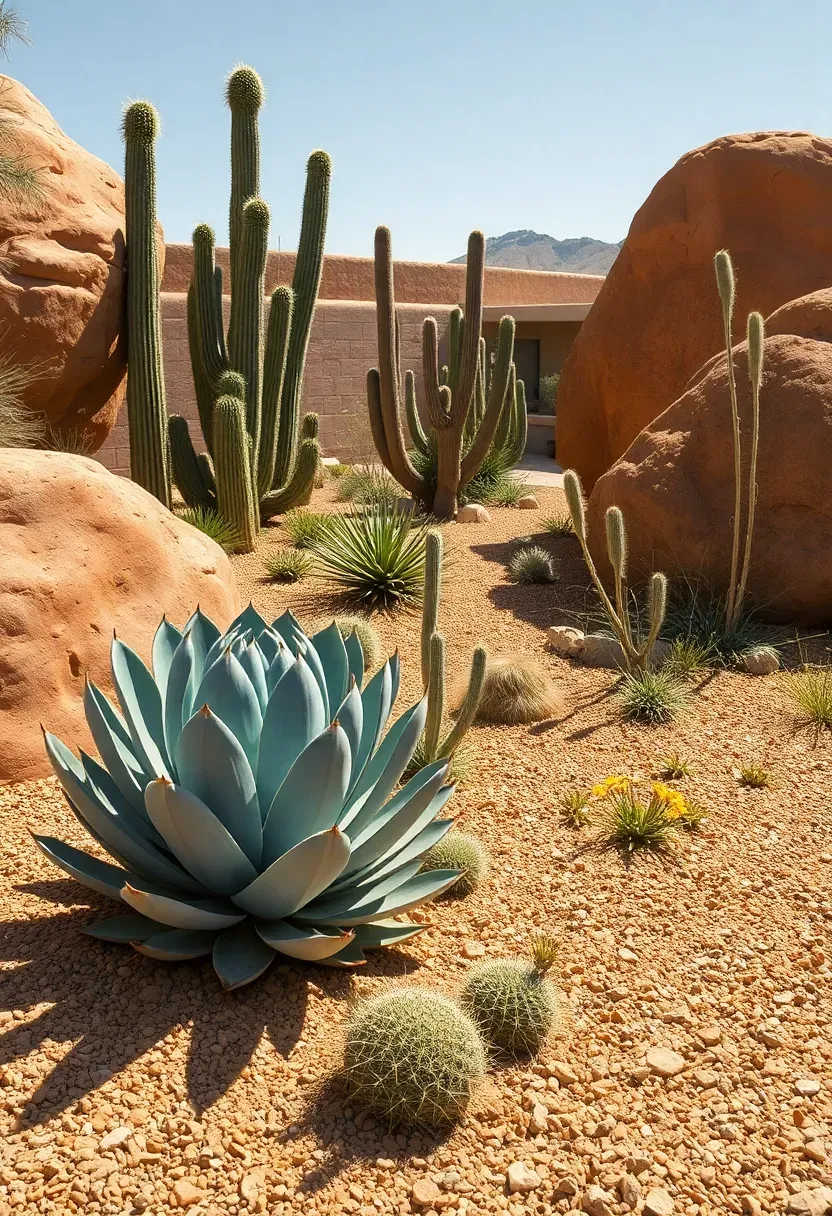
Water restrictions are tightening across the American West and Southwest. Even regions with historically reliable rainfall are rethinking lawn-centric landscapes. AI landscape tools trained on arid-climate databases can generate stunning desert compositions that use a fraction of the water a traditional lawn demands.
The Solution
Replace turf with decomposed granite in warm earth tones. Cluster sculptural succulents — agave, prickly pear, yucca — in odd-numbered groupings for visual rhythm. Add boulders as anchors and native desert wildflowers for seasonal pops of color. A single mesquite or palo verde tree provides dappled shade without heavy water demand.
Pros and Cons
Pros: slashes water bills by 50 to 70 percent, thrives on neglect, striking year-round silhouettes Cons: spiny plants are unfriendly to pets and children, limited shade until trees mature, decomposed granite can track indoors
Recommended
Items for this idea
11. Formal Boxwood Parterre
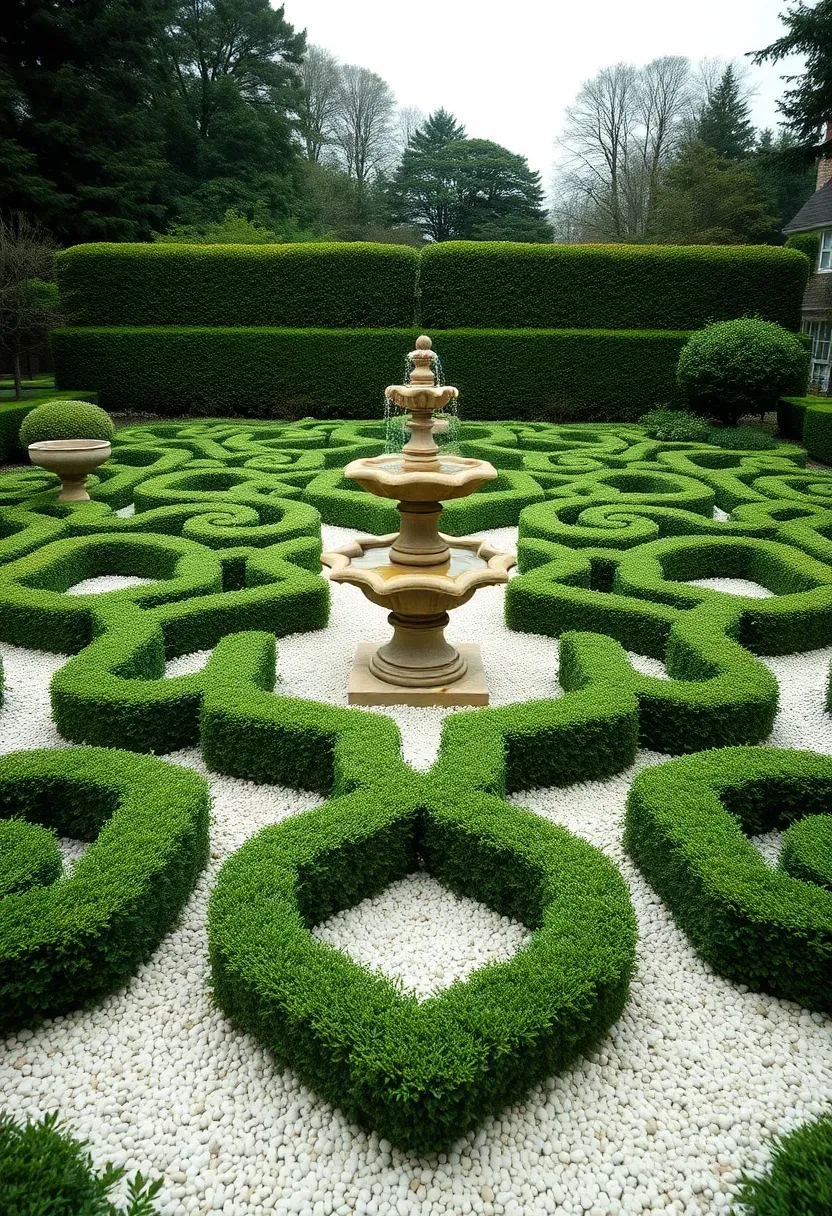
Parterres — ornamental arrangements of low hedges forming geometric patterns — carry centuries of European garden tradition. What once required a master gardener's eye to lay out can now be generated by AI in seconds, scaled precisely to your available space and tested with different pattern complexity levels before you plant a single shrub.
Boxwood remains the classic hedge material for its dense foliage and tolerance for tight shearing. Fill the interior beds with gravel, flowering annuals, or low perennials depending on desired maintenance level. A central focal point — a fountain, an urn, or a specimen topiary — anchors the symmetry.
Tips for Long-Term Success
- Shear boxwood twice yearly: late spring and early fall
- Watch for boxwood blight — select resistant cultivars like Buxus sempervirens 'Dee Runk'
- Edge gravel beds with metal strips to maintain crisp geometric lines
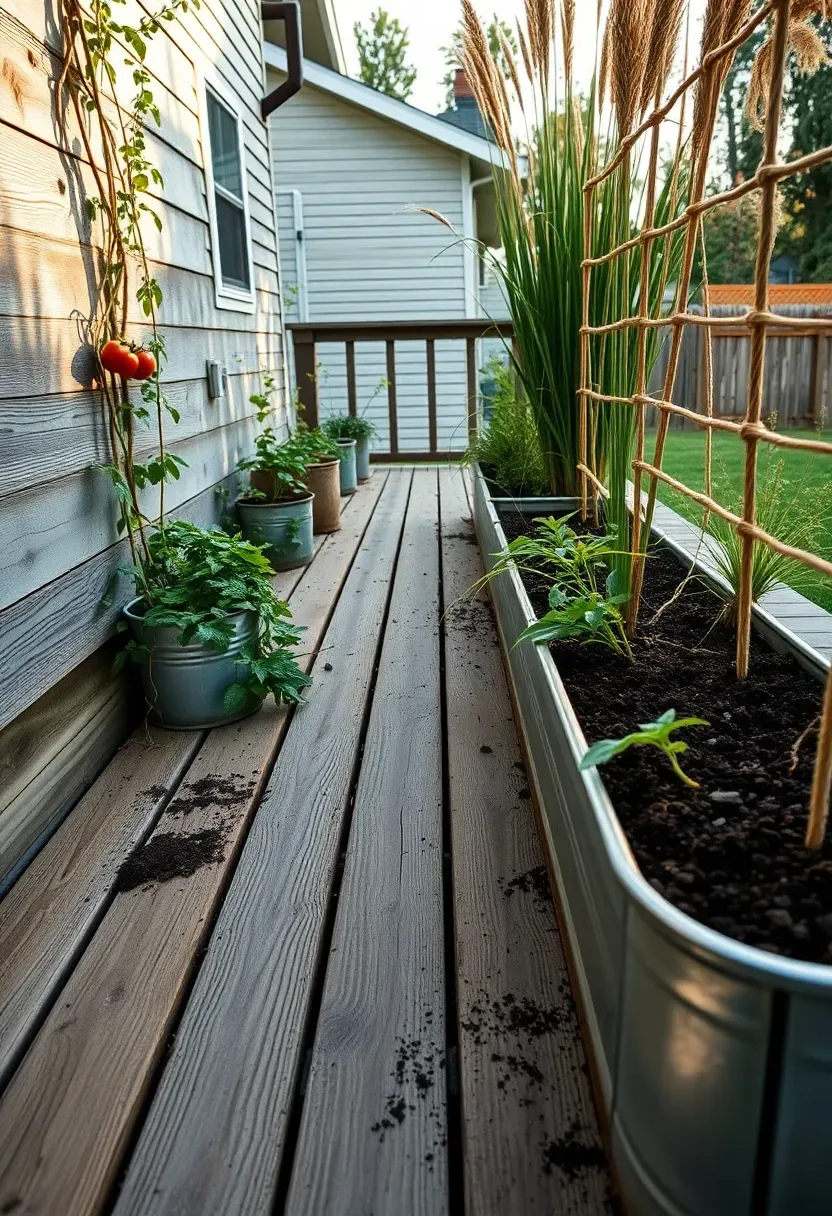
12. Reclaimed Wood Deck with Planter Walls
Step 1: Source the Material
Reclaimed barn wood, shipping pallets, or deconstructed fence boards give a deck character that new lumber cannot replicate. AI visualization tools simulate how different wood patinas — silvered gray, warm amber, deep walnut — look against your home's exterior.
Step 2: Integrate the Planters
Instead of separate pots cluttering the deck surface, build planter boxes directly into the railing or perimeter walls. These double as privacy screens when filled with tall ornamental grasses or climbing vines.
Step 3: Finish and Protect
Seal reclaimed wood with a penetrating oil finish rather than a film-forming varnish. Oil preserves the weathered texture while adding moisture resistance. Reapply annually in high-traffic zones.
What to Watch Out For
- Inspect reclaimed wood for hidden nails, rot, and insect damage before building
- Ensure structural lumber is new and rated for outdoor use even if the decking surface is reclaimed
- Check local codes for deck height and railing requirements
Recommended
Items for this idea
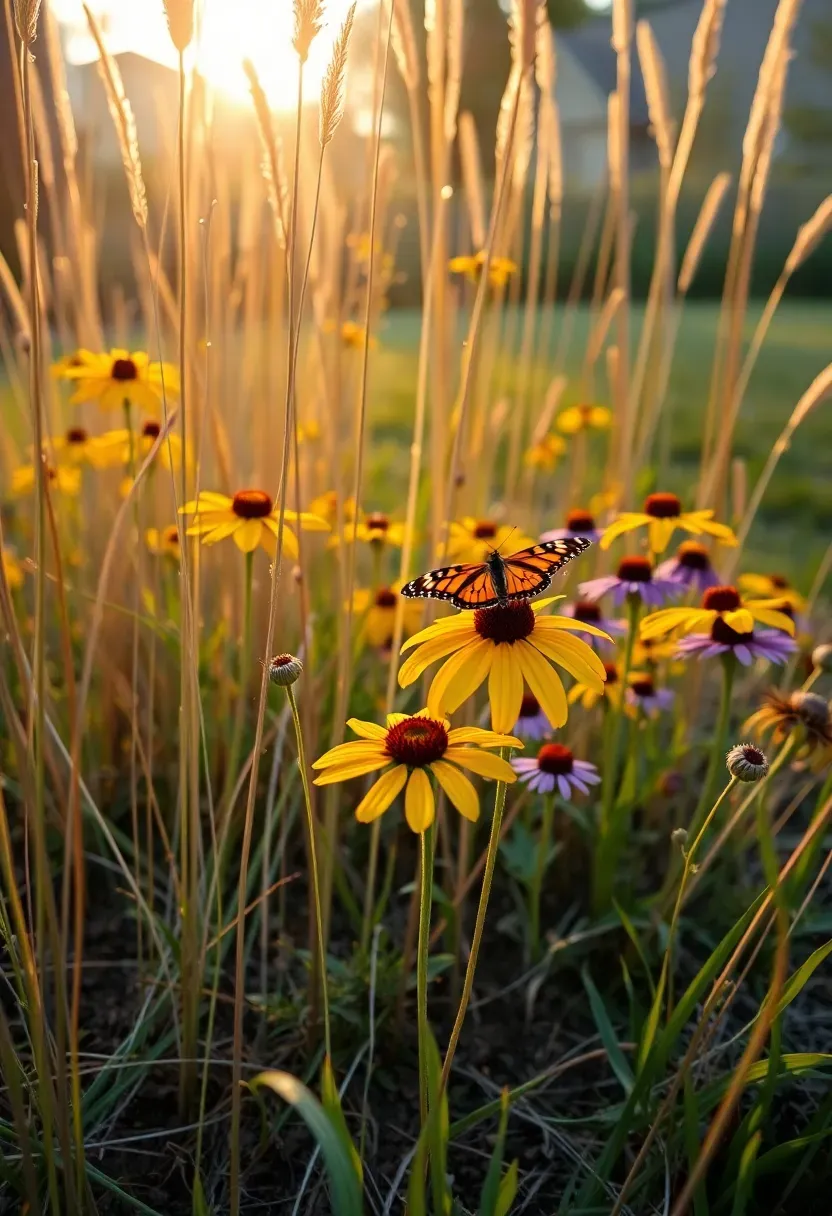
13. Meadow-Style Naturalized Planting
Letting a portion of your backyard grow wild is not laziness — it is a deliberate design choice that supports pollinators, reduces mowing, and creates movement and seasonal color that formal beds rarely match. AI platforms trained on native plant databases can recommend species mixes tuned to your exact hardiness zone and soil conditions.
The approach works best when contained within a defined area bordered by mowed lawn or hardscape. This contrast signals intention. Seed mixes heavy on native perennials — black-eyed Susan, purple coneflower, little bluestem — establish within one to two seasons. By year three, the meadow is self-sustaining with minimal input beyond an annual late-winter mow.
Tips to Avoid the "Neglected Yard" Look
- Mow a clean 3-foot border around the meadow
- Add a simple sign or rustic fence panel to signal intentional design
- Include a mowed path through the center for access and visual structure

14. Geometric Hedge Maze
Small-scale hedge mazes are among the most dramatic landscape features AI can model. What reads as whimsical and ambitious in concept is actually achievable in backyards as modest as 30 by 30 feet when you scale the paths and hedge height correctly.
AI mapping calculates the path layout, turning radius, and sight lines needed to create genuine discovery — that satisfying feeling of rounding a corner into something unexpected. A bench or small sculpture at the center provides the reward. Privet or yew grows fast enough to establish waist-high walls within two growing seasons, with full head-height privacy in four to five years.
Practical Notes
- Plan irrigation lines before planting since established hedges are difficult to retrofit
- Trim quarterly during the growing season to maintain clean walls
- Mulch the path surface with shredded bark or fine gravel for comfortable walking

Recommended
Items for this idea
15. Pool-Adjacent Tropical Planting
The space between a pool edge and the fence line is prime real estate for creating a resort atmosphere at home. AI tools optimize this narrow zone by selecting plants that tolerate chlorine splash-back, reflected heat from the water surface, and restricted root space.
Layer the planting in three tiers: tall palms or bamboo for overhead canopy, mid-height bird of paradise and hibiscus for color at eye level, and low bromeliads or liriope for ground cover. Avoid trees that drop heavy debris into the pool — no jacaranda, no sweetgum, no cottonwood. Natural stone coping and a pebble-finish pool interior complete the tropical illusion.
What to Watch Out For
- Bamboo spreads aggressively; use clumping varieties only, or install root barriers
- Select salt-tolerant plants if you run a saltwater chlorination system
- Place tall plants on the north or west side to avoid shading the pool during peak sun hours
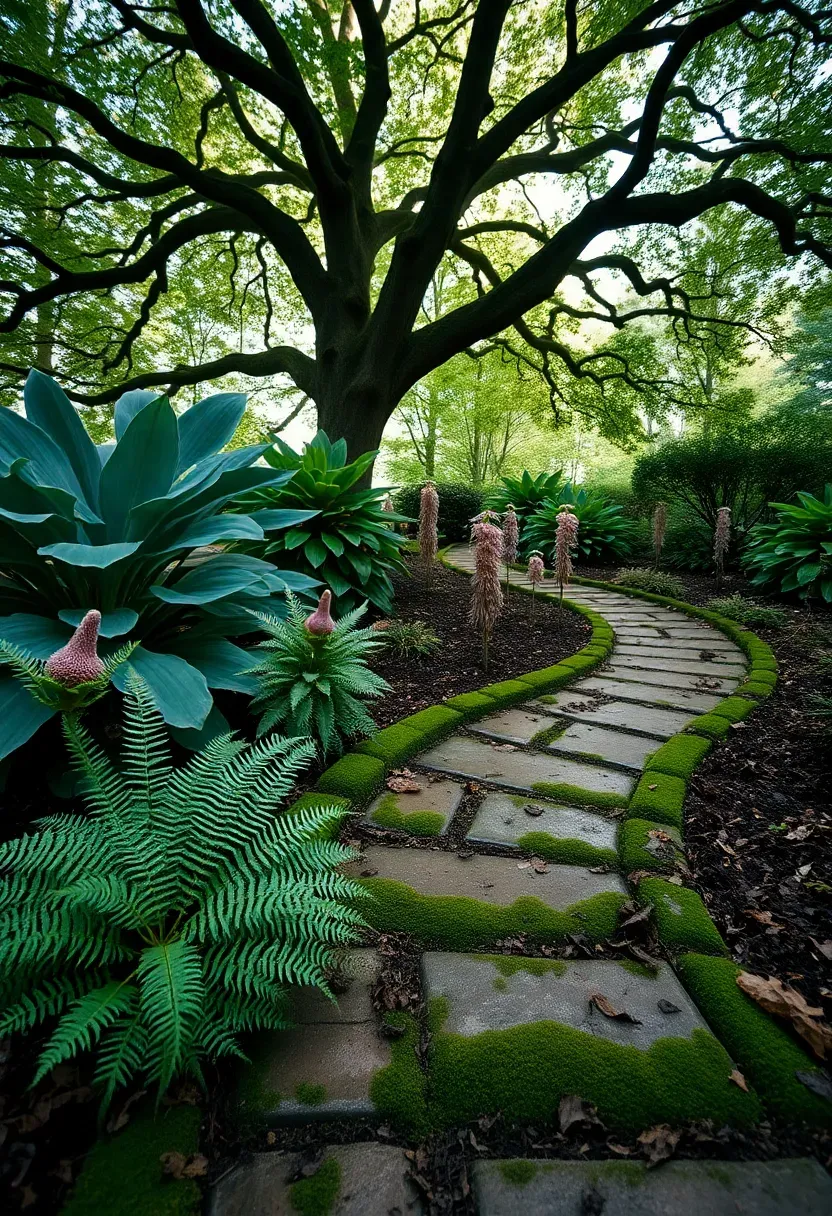
16. Woodland Shade Garden
Not every backyard gets full sun, and that is perfectly fine. Mature trees that cast deep shade create conditions for an entirely different palette of plants that many AI tools now handle with sophistication, recommending shade-tolerant species based on your canopy density.
Building the Layers
Start from the ground up. Moss or creeping Jenny forms the lowest layer. Ferns, hostas, and astilbe fill the middle ground with varied leaf textures and height. Taller natives like Solomon's seal and goatsbeard provide vertical accents. A winding stone path through this understory invites slow, meditative walking.
Seasonal Interest
Spring delivers waves of ephemeral wildflowers — trillium, bloodroot, Virginia bluebells — that bloom before the canopy leafs out fully. Summer is all about foliage texture and shade of green. Autumn brings golden fern fronds and hosta seed stalks. Evergreen ferns and moss carry the garden through winter.
Recommended
Items for this idea
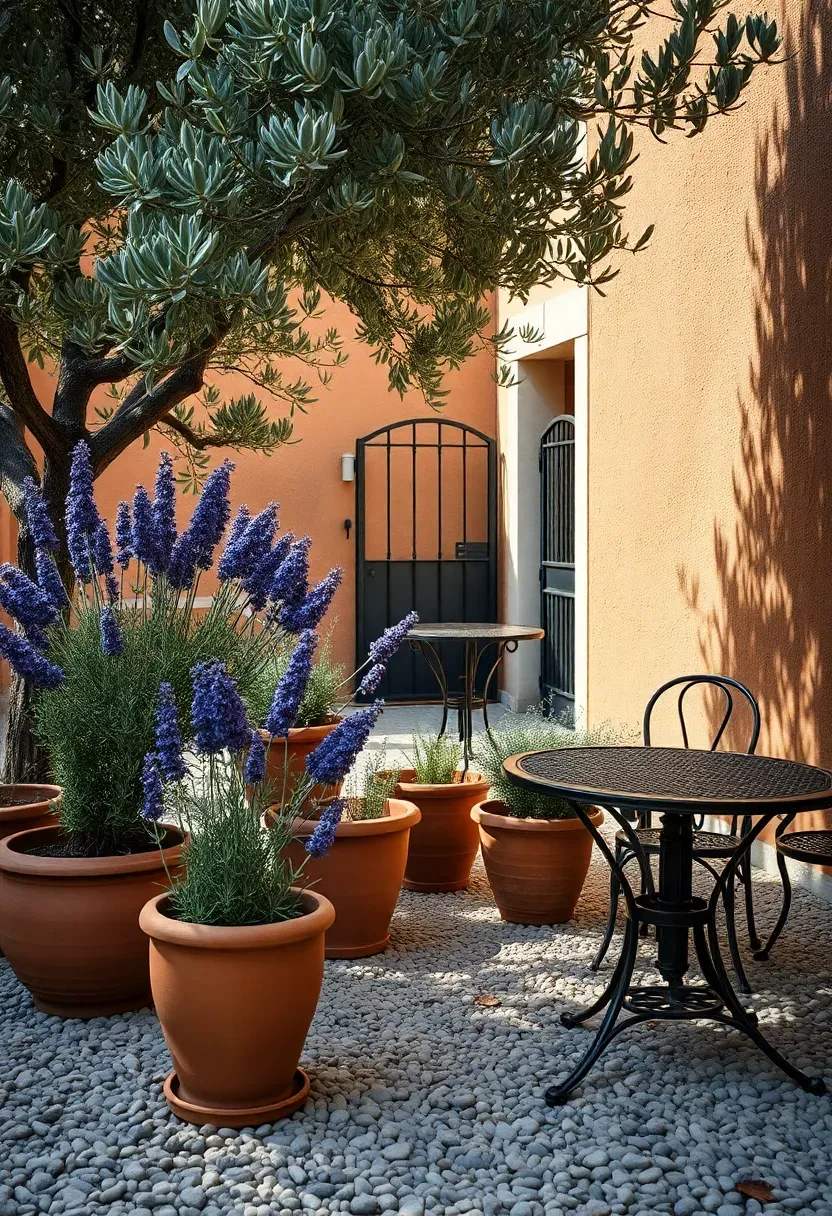
17. Mediterranean Gravel Court
Origins
Mediterranean garden design evolved in response to hot, dry summers and mild, wet winters. Every element — from gravel surfaces to drought-adapted plantings — serves a functional purpose rooted in climate adaptation.
Modern Interpretation
The aesthetic translates beautifully to contemporary backyards through AI's ability to blend period-authentic elements with modern proportions. A central gravel courtyard replaces lawn as the primary surface. Terracotta pots of varying sizes cluster near walls and doorways, planted with lavender, rosemary, and trailing pelargonium. A single olive or citrus tree provides focal-point shade. Wrought iron or rusted steel furniture adds warmth without visual weight. Colors stay within the ochre, terra cotta, and sage green range.
How to Apply at Home
- Use compacted crushed limestone rather than loose pea gravel for a stable walking surface
- Group pots in odd numbers at varying heights for a collected, not cluttered, effect
- Install a simple wall-mounted fountain for ambient sound and Mediterranean authenticity
- Choose unglazed terracotta to develop patina over time
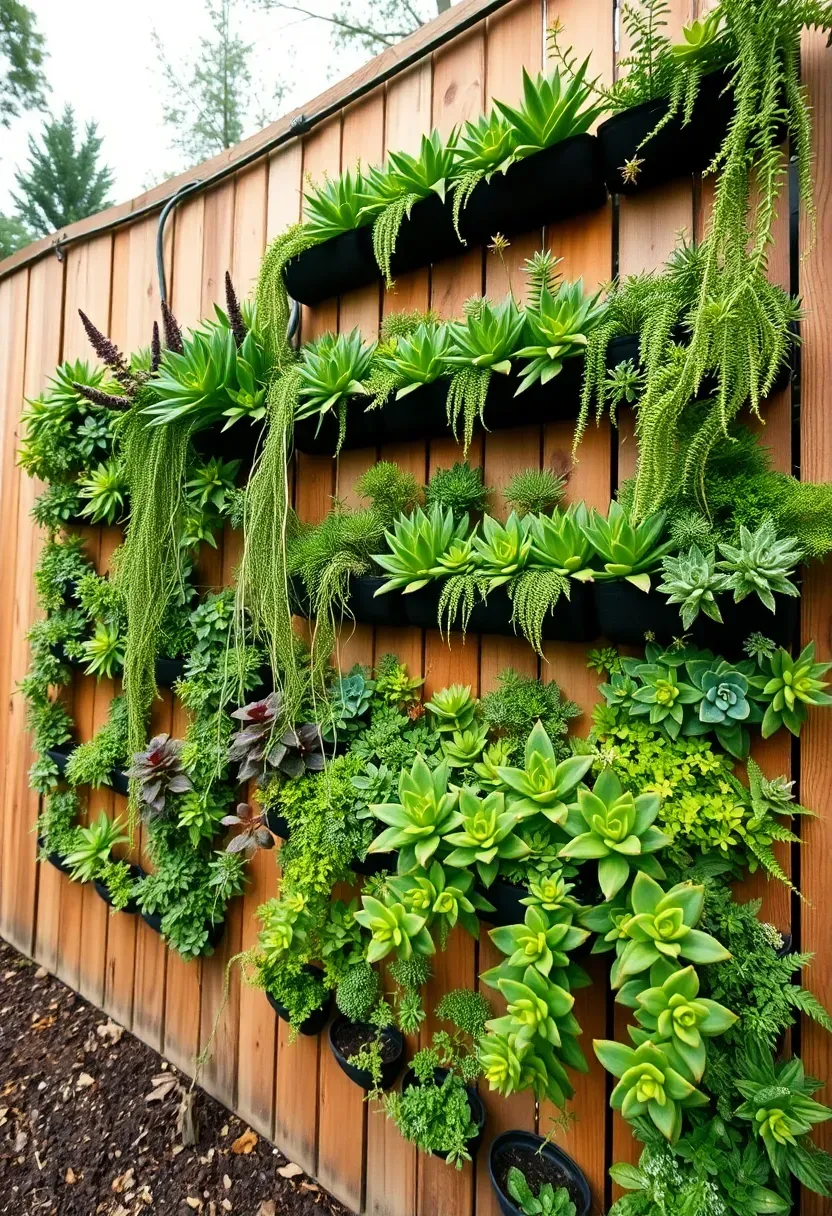
18. Vertical Living Wall Fence
When your backyard is short on square footage, grow upward. A living wall mounted on an existing fence or freestanding frame transforms a flat boundary into a lush green tapestry. AI design platforms now include living wall modules in their plant libraries, calculating light exposure per panel and recommending species accordingly.
Modular felt-pocket systems or stacked planter boxes attach directly to fence posts. Succulents, small ferns, and trailing sedums work for sunny exposures. Shade walls support creeping fig, pothos, and small-leafed ivy. An integrated drip irrigation line running across the top of the wall delivers water that percolates down through each tier.
Tips for Longevity
- Waterproof the fence backing to prevent rot behind the wall
- Fertilize monthly with diluted liquid feed during the growing season
- Replace individual plants as needed without disturbing the overall composition
Recommended
Items for this idea
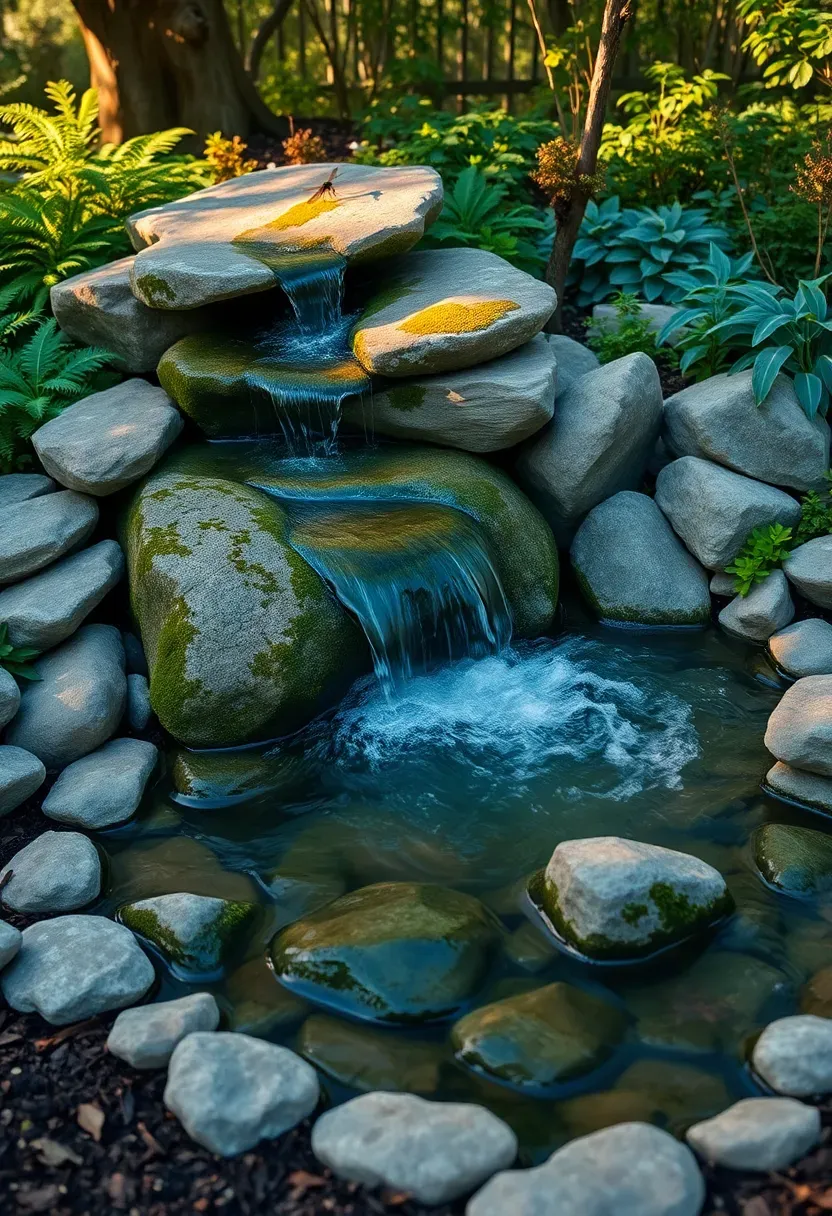
19. Stream and Boulder Water Feature
Moving water introduces something no static landscape element can: sound. The gentle tumble of a recirculating stream over boulders masks traffic noise, attracts birds, and creates a sensory anchor that draws you outside instinctively. AI landscape tools model water flow paths, pump sizing, and boulder placement to ensure the stream looks natural rather than forced.
Step 1: Map the Water Course
Follow the natural low point of your yard. AI can identify this from elevation photos. A 15 to 25 foot run gives enough length for two or three small cascades.
Step 2: Size the Pump
Calculate total head height — the vertical distance between the lowest pool and the highest point of the stream. Add friction loss for tubing length. AI calculators handle this math instantly.
Step 3: Place the Boulders
Odd numbers, varied sizes, and partially buried positioning make boulders look like they have always been there. The stream should appear to have carved its path around them rather than been built on top of them.
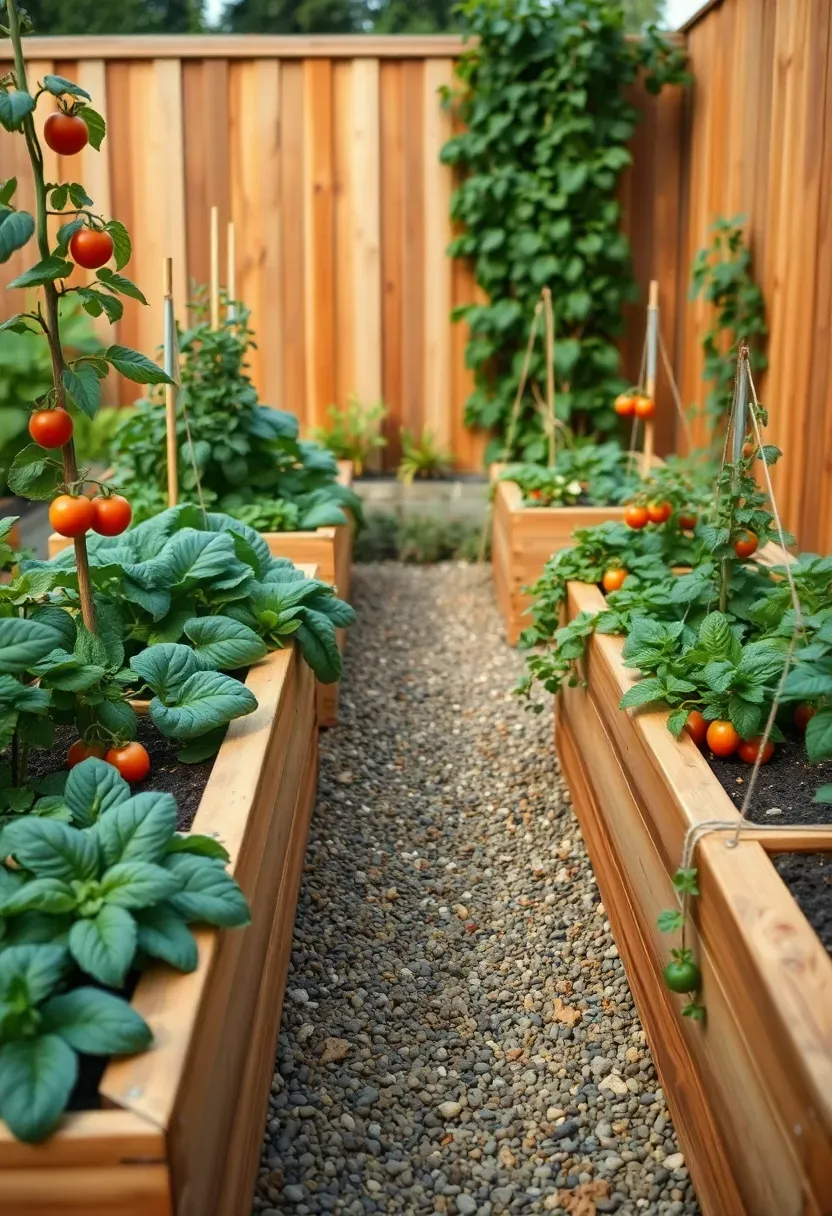
20. Edible Landscape Kitchen Garden
Comparing: Raised Beds vs In-Ground Planting
AI landscape tools generate both configurations, and each has clear strengths depending on your soil quality and physical needs.
Raised Beds
Cedar or galvanized steel frames filled with custom soil mix. Excellent drainage, no bending, clear organization. Ideal for clay-heavy or contaminated native soil. Higher upfront cost but easier ongoing maintenance.
In-Ground Planting
Lower cost, deeper root potential, and a more integrated look with surrounding landscape. Requires good native soil or significant amendment. Harder to maintain crisp edges over time.
What to Choose
Choose raised beds if: you want maximum control over soil quality and ergonomic comfort Choose in-ground if: you have naturally fertile soil and prefer a seamless garden-to-landscape transition
Recommendation
Most AI-generated kitchen garden layouts favor raised beds for their photogenic structure and practical benefits. Add a fruit espalier along the fence line and herb spirals at pathway intersections for both beauty and harvest.

Recommended
Items for this idea
21. Moonlight Garden with White Blooms
A moonlight garden is designed to peak after dark. White and pale-colored flowers reflect ambient light — moonlight, pathway lights, even the glow from a window — creating an ethereal effect that colored gardens simply cannot achieve after sunset. AI tools curate bloom-time sequences so that something white is always flowering from spring through fall.
Plant white roses, gardenias, white hydrangeas, and moonflower vines for fragrance that intensifies in evening air. Silver-leafed plants like dusty miller, lamb's ear, and artemisia fill gaps between bloomers with luminous foliage. Position uplights at the base of key plants to amplify the effect on moonless nights.
Tips for Maximum Glow
- Group white flowers in masses rather than scattering them for stronger visual impact
- Underplant with white-variegated hostas in shaded sections
- Add a white gravel mulch to amplify reflected light at ground level

22. Prairie-Inspired Grass Meadow
Where the meadow concept from idea 13 mixes wildflowers and grasses equally, a prairie garden gives ornamental grasses the starring role. Tall switchgrass, big bluestem, and Indian grass rise four to six feet by late summer, creating a private, rustling screen that changes character with every breeze.
AI design tools recommend grass-dominant mixes calibrated to your region's native prairie species. The grasses provide four-season structure: green summer blades, golden autumn color, tawny winter seed heads, and fresh spring growth emerging from last year's stubble. Interplant with tough wildflowers like blazing star, compass plant, and rattlesnake master for vertical contrast and pollinator support.
Maintenance Calendar
- Late February: mow everything to 6 inches before new growth starts
- Spring through summer: no action needed — let it grow
- Fall: enjoy the golden display; leave seed heads for winter birds
Recommended
Items for this idea
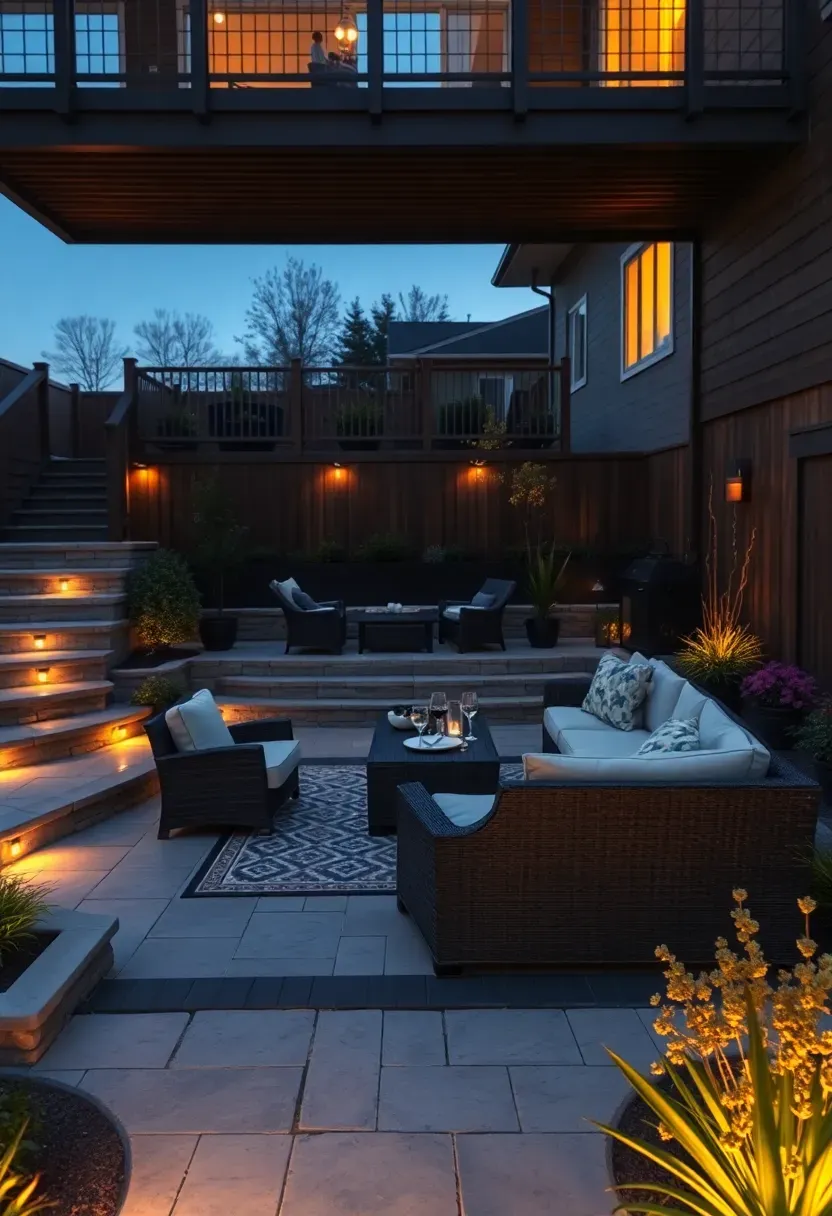
23. Multi-Level Outdoor Living Room
The ultimate AI backyard concept treats the entire yard as a sequence of interconnected rooms. An upper deck off the house serves as the dining zone. Steps lead to a mid-level lounge area with weather-resistant sectional seating, a coffee table, and an outdoor rug that defines the space. Below that, a garden level offers planting beds, a water feature, or a fire pit alcove.
AI modeling excels at this kind of spatial choreography — calculating sight lines between levels, ensuring each zone feels distinct yet connected, and optimizing traffic flow so guests move naturally between areas. Material transitions reinforce the room analogy: composite decking on the upper level, flagstone on the mid-level, and gravel or lawn on the lowest.
Tips for Cohesion
- Repeat one material or color across all three levels — the same stone, the same planter style, the same cushion fabric
- Use landscape lighting to define each zone after dark
- Keep the lowest level slightly open to avoid a boxed-in feeling
- Position the lounge area to capture the best sunset view
Quick FAQ
Can AI landscape design tools replace a professional landscaper? AI handles visualization and plant selection with impressive accuracy, but it cannot assess hidden utilities, drainage problems, or soil conditions beneath the surface. Use AI for concept development, then consult a professional for engineering and installation details.
Is it worth paying for premium AI landscape design software? Free tools generate basic renderings, but paid platforms offer climate-specific plant databases, 3D walkthroughs, and seasonal change simulations that justify the cost if you are planning a significant investment in your yard.
Which backyard landscape style requires the least maintenance? Desert-scape and gravel courtyard designs demand the least ongoing labor. Meadow and prairie gardens are low-maintenance once established but need one to two years of active weed management during the establishment phase.
Should I design my entire backyard at once or in phases? Phased implementation is often smarter financially, but design the full plan upfront with AI so that each phase connects logically. Random incremental additions tend to produce a disjointed result.
Do AI-designed landscapes work in cold climates? Absolutely. Most AI tools let you input your USDA hardiness zone and filter out plants that will not survive your winters. The concepts in this article adapt to zones 3 through 10 with appropriate species substitutions.
Your backyard is the one room in your home with no ceiling and no limit on what it can become. Whether you start with a single focal-point tree or tackle a full multi-level overhaul, AI landscape tools give you the power to test, refine, and visualize every detail before committing a dollar to materials. Pick the concept that speaks to you, feed your yard's dimensions into your preferred platform, and watch the rendering take shape. The gap between imagination and reality has never been narrower.
Pinterest cover for 23 AI Backyard Landscape Design Ideas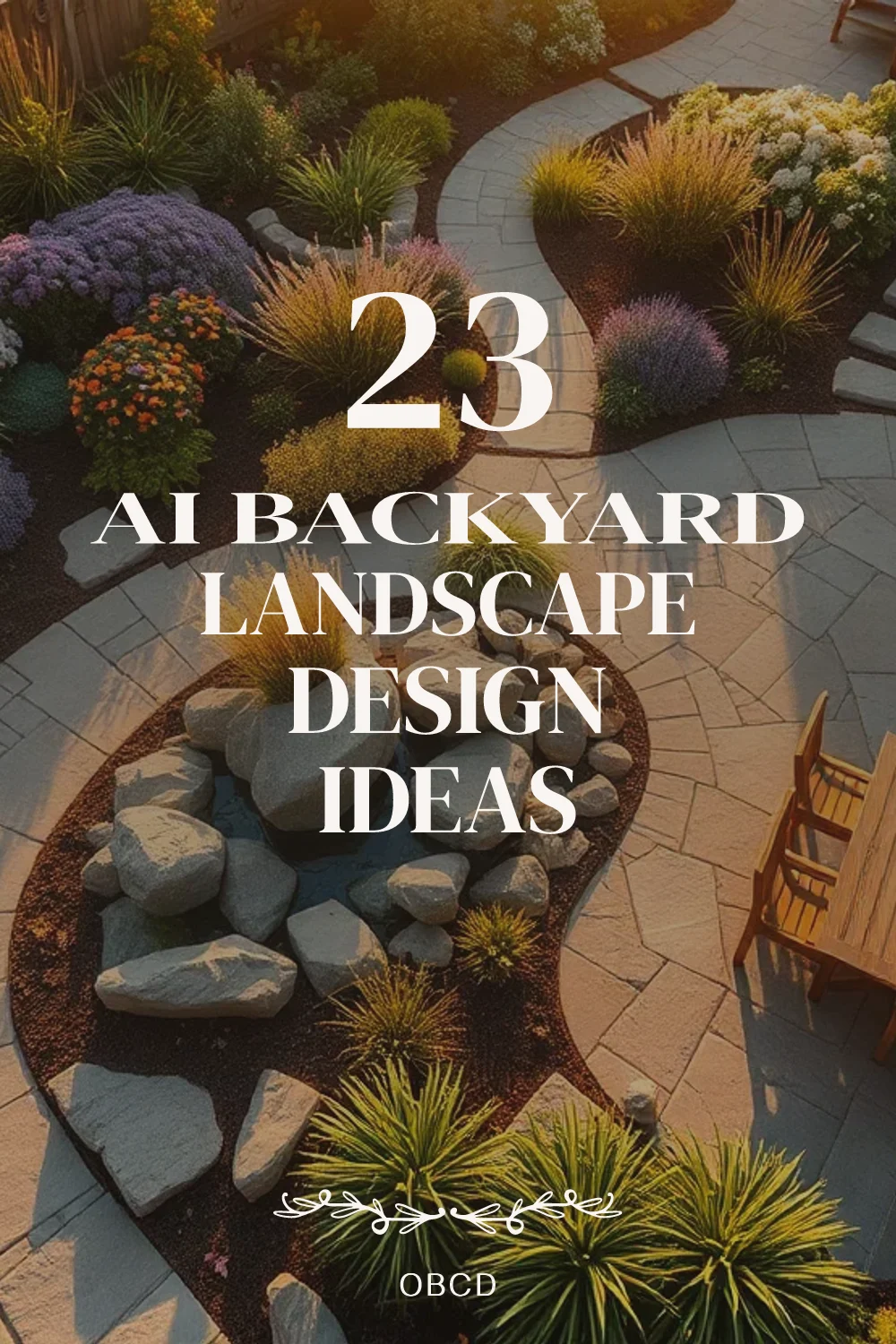
About the author
OBCD
CGI visualization and interior design content. We create detailed 3D renders and curate practical design ideas for every room in your home.