23 Adult Bedroom Ideas for a Refined Personal Retreat
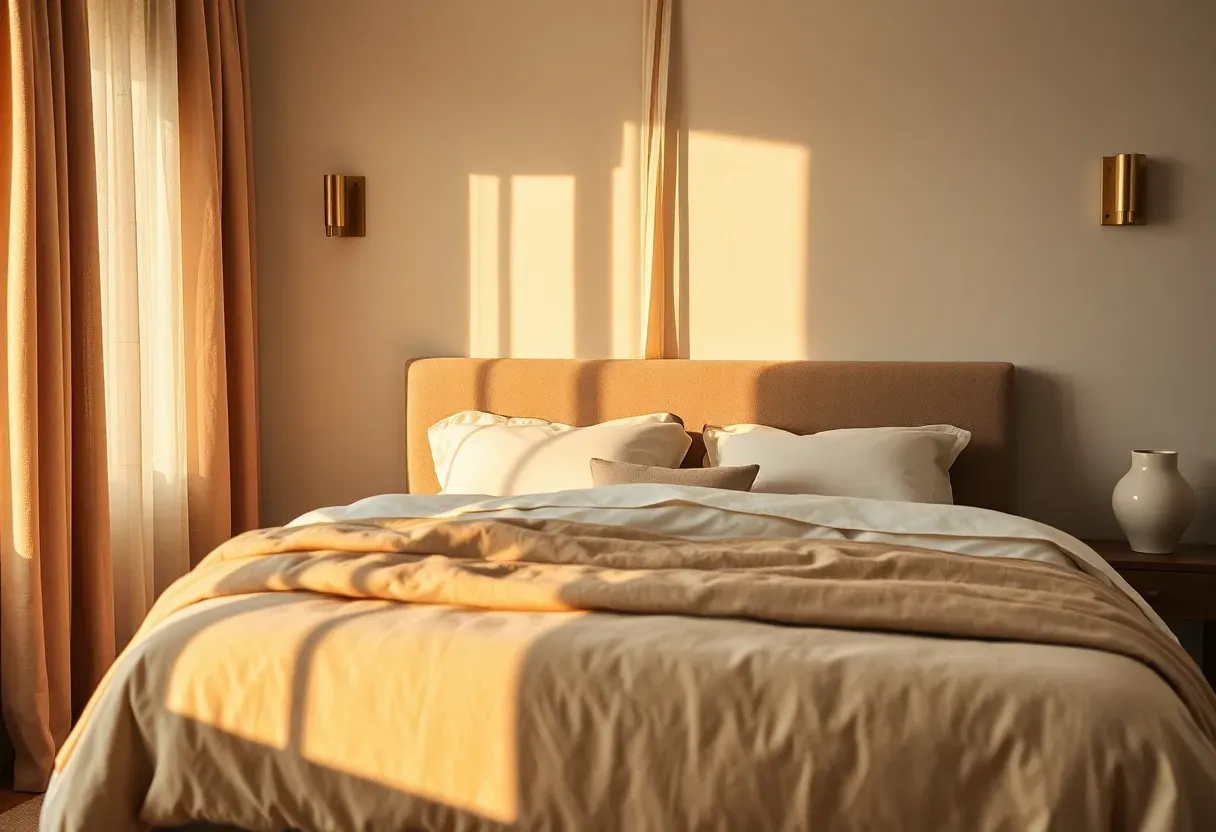
For centuries, bedrooms have served as private quarters where daily life pauses and rest begins. Yet somewhere along the way, many of us stopped treating this room with intention. We furnish it with leftovers from other spaces, neglect the lighting, and settle for bedding that does nothing for the senses. A truly adult bedroom is not about spending more money — it is about making deliberate choices that reflect who you are now rather than who you were a decade ago. Thoughtful layering, restrained color palettes, and quality over quantity form the backbone of a room that feels both polished and deeply personal.
Ready? Let us walk through 23 distinct ideas that span warm neutrals, moody darks, natural textures, and unexpected accents.
Table of Contents
- Warm Taupe and Ivory Layering
- Black Accent Wall with Brass Details
- Linen-Wrapped Relaxation Zone
- Walnut and Charcoal Contrast
- Sage Green Serenity
- Sculptural Bedside Lighting
- Moody Plum and Velvet Textures
- Minimal Platform Bed with Storage
- Earthy Terracotta Tones
- Upholstered Wall Panel Behind the Bed
- Warm White with Natural Wood
- Dark Blue and Caramel Leather
- Oversized Art as a Focal Point
- Japandi Calm with Low Furniture
- Layered Rug Arrangement
- Smoked Glass and Matte Black Hardware
- Olive and Cream Mediterranean Feel
- Statement Headboard in Boucle Fabric
- Monochrome Gray Gradient
- Warm Lighting with Dimmers and Candles
- Woven Rattan and Linen Coastal Touch
- Rich Burgundy and Gold Accents
- Stone and Concrete Texture Play
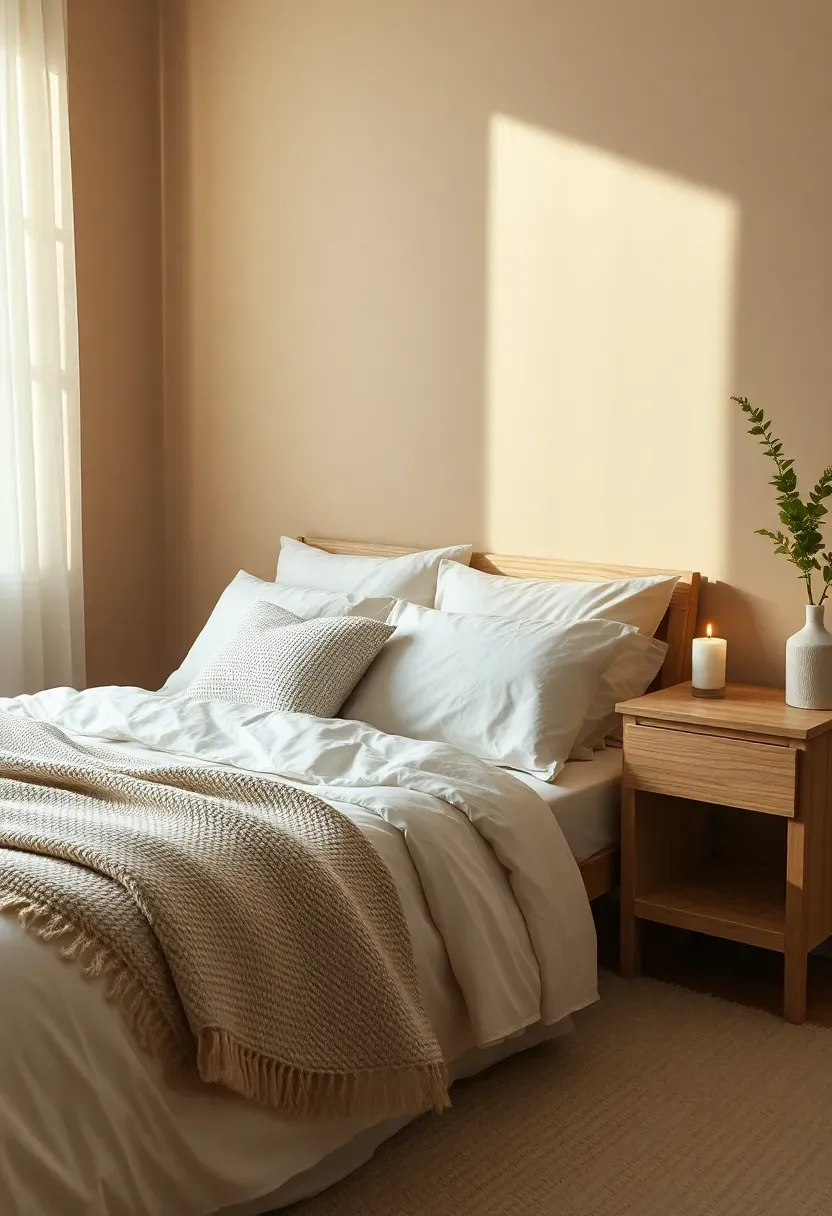
1. Warm Taupe and Ivory Layering
Imagine walking into a bedroom that wraps around you like a cashmere blanket. That is exactly what a warm taupe and ivory palette delivers. The walls carry a muted clay-tinged beige while the bedding stacks cream linen sheets beneath an ivory waffle-knit throw. Nothing competes for attention, yet every surface has depth because the tones shift slightly from warm to cool across each layer.
Tips to Nail This Look
- Use three shades within the same warm family — one for walls, one for bedding, one for accents
- Add texture contrast through a chunky knit throw or a raw linen pillowcase
- Avoid stark white; it will break the cocooning warmth this palette relies on
We picked a few things that go well with this idea: DAPU French Flax Linen Duvet Cover Set (★4.5), SONORO KATE French Linen Duvet Cover (Queen) (★4.4) and MooMee Washed Cotton Linen-Textured Duvet Cover (★4.4). As an Amazon Associate we earn from qualifying purchases.
2. Black Accent Wall with Brass Details
The Core Issue
Most bedrooms default to safe, pale walls because darker shades feel risky. The concern is always the same: will it make the room feel smaller or gloomier?
The Solution
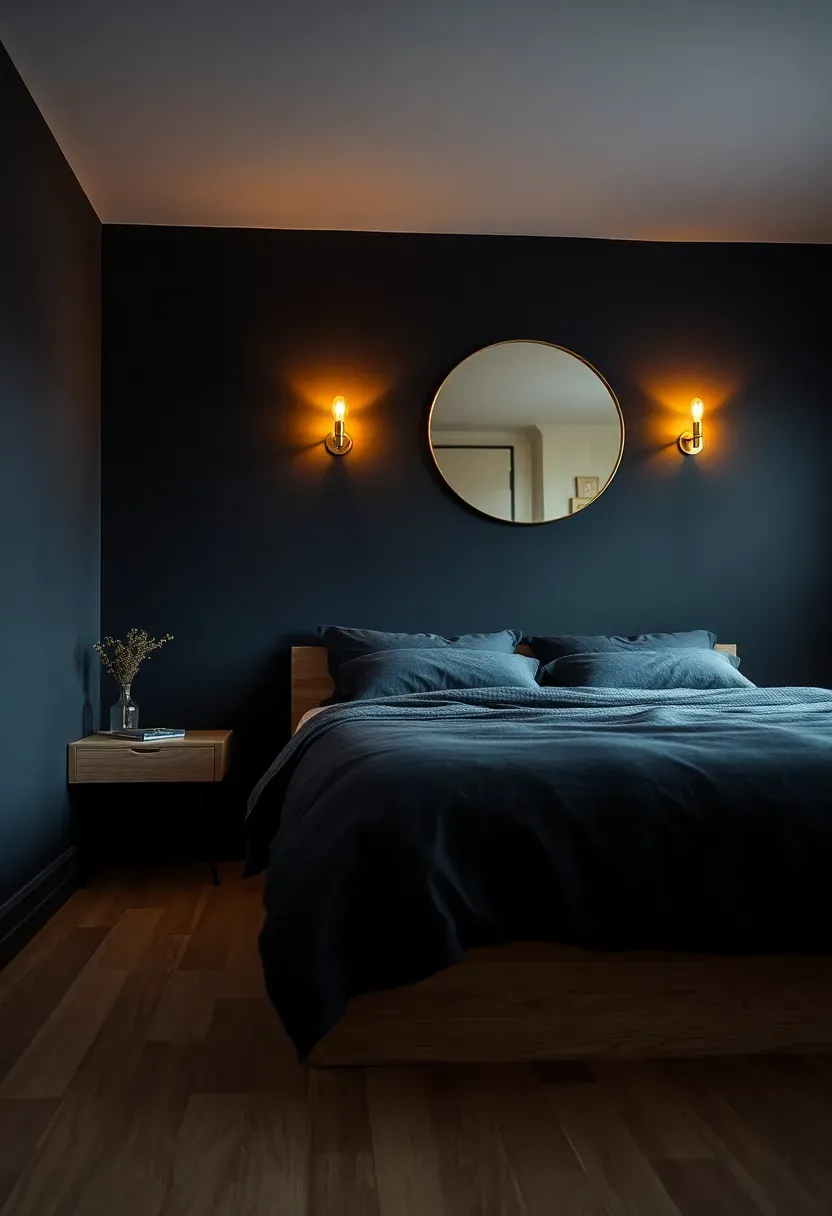
A single matte black wall behind the bed actually pushes the other walls outward visually, creating a sense of depth that pale paint cannot match. The trick lies in balancing the darkness with warm metals. Brass sconces, a brushed gold mirror frame, or even copper switch plates introduce reflective warmth that prevents the room from feeling heavy. Keep the remaining three walls in a soft off-white and let the black wall do the talking.
Pros and Cons
Pros: Instant drama, makes artwork pop, photographs beautifully Cons: Requires careful lighting placement, shows scuff marks more easily
We picked a few things that go well with this idea: MWZ Modern Brass Wall Sconces Set of 2 (★4.6), Brushed Brass Wall Sconces with Clear Glass (Set of 2) (★4.7) and WILON Gold Gooseneck Wall Sconces (Set of 2) (★4.9). As an Amazon Associate we earn from qualifying purchases.
3. Linen-Wrapped Relaxation Zone
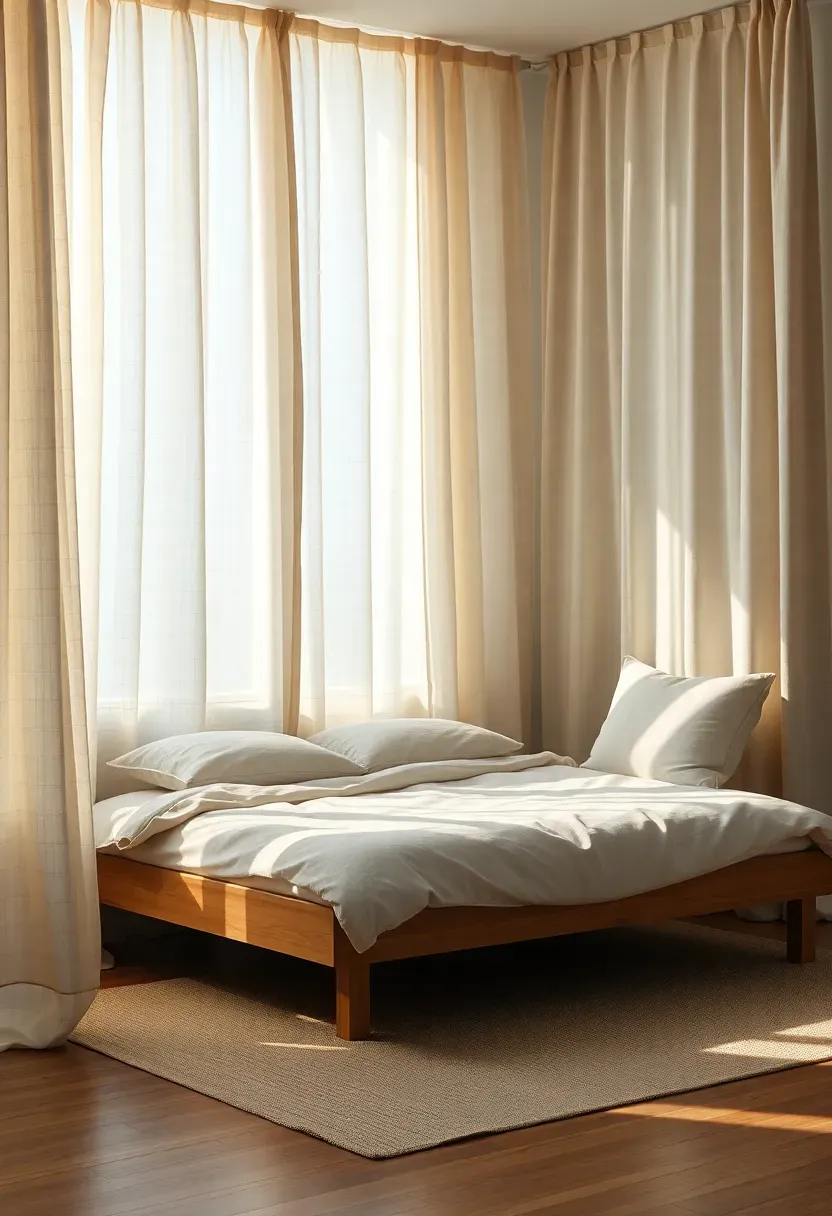
There is something primal about a room where every surface you touch is linen. From the curtains filtering daylight into a soft glow, to the duvet cover that softens with every wash, to the slipcover on the reading chair — linen unifies the space through texture rather than color. The slight wrinkle and natural drape of the fabric signals that this is a room meant for unwinding, not performing.
Practical Recommendations
- Pre-wash all linen items twice before styling to achieve that lived-in softness
- Stick to oatmeal, flax, and warm gray for a cohesive feel
- Iron nothing — the casual rumple is the entire point
We picked a few things that go well with this idea: Foindtower Boucle Throw Pillow Covers Beige (2-Pack) (★4.6), Foindtower Boucle Throw Pillow Covers White 24" (2-Pack) (★4.6) and Foindtower Boucle Throw Pillow Covers White 22" (2-Pack) (★4.6). As an Amazon Associate we earn from qualifying purchases.
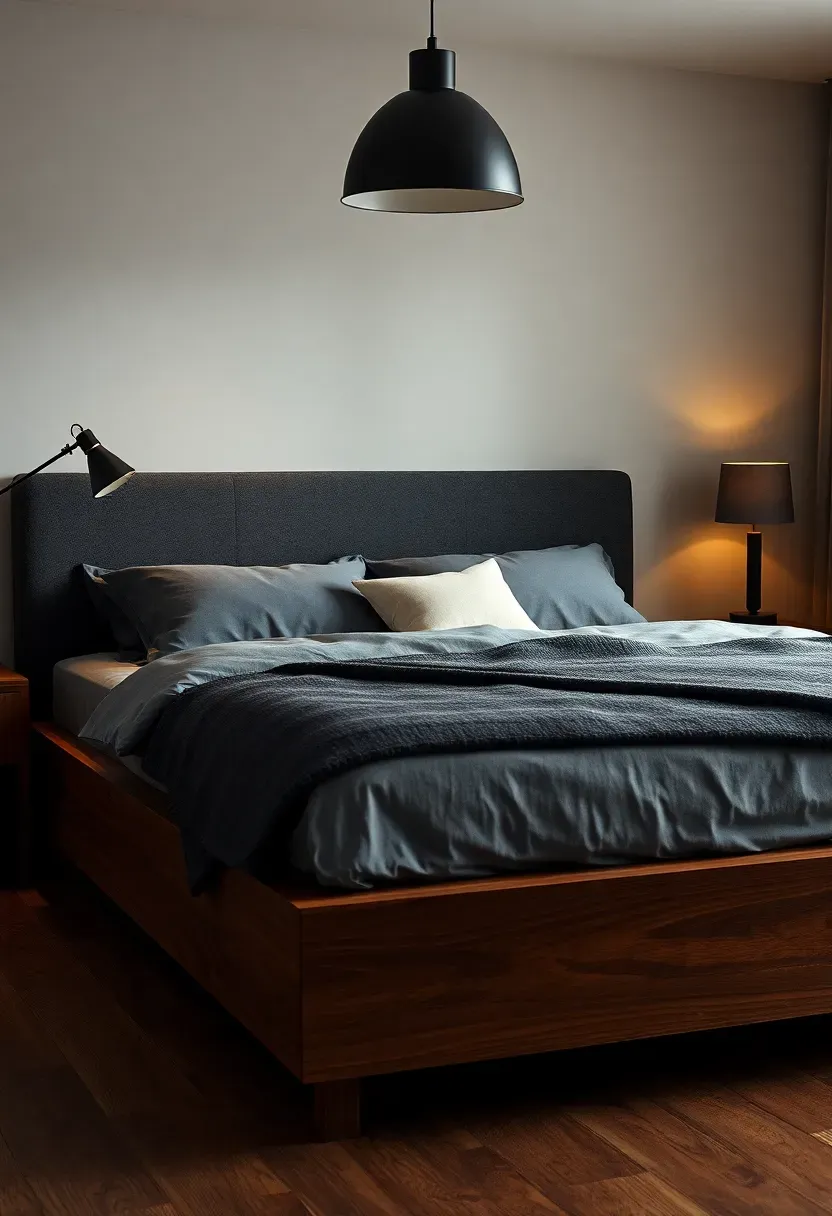
4. Walnut and Charcoal Contrast
How to Build This Combination
Opening: Dark walnut wood paired with charcoal textiles creates a masculine, grounded atmosphere that still feels warm rather than cold.
Step 1: Anchor with the Bed Frame
Choose a solid walnut platform bed. The rich brown grain gives the room its character and warmth foundation.
Step 2: Layer Charcoal Textiles
Add a charcoal linen duvet, slate throw pillows, and a dark gray wool blanket. The key is varying the shades of gray so the bed does not look flat.
Step 3: Add a Single Light Accent
Introduce one cream or sand-colored element — a single pillow, a ceramic bedside lamp, or a woven rug — to keep the palette from feeling too heavy.
What to Watch Out For
- Avoid matching the wood tone exactly across all furniture; slight variation reads more natural
- Use matte finishes on metals to maintain the understated feel
- Ensure at least one source of warm light reaches the headboard area
Recommended
Items for this idea
5. Sage Green Serenity
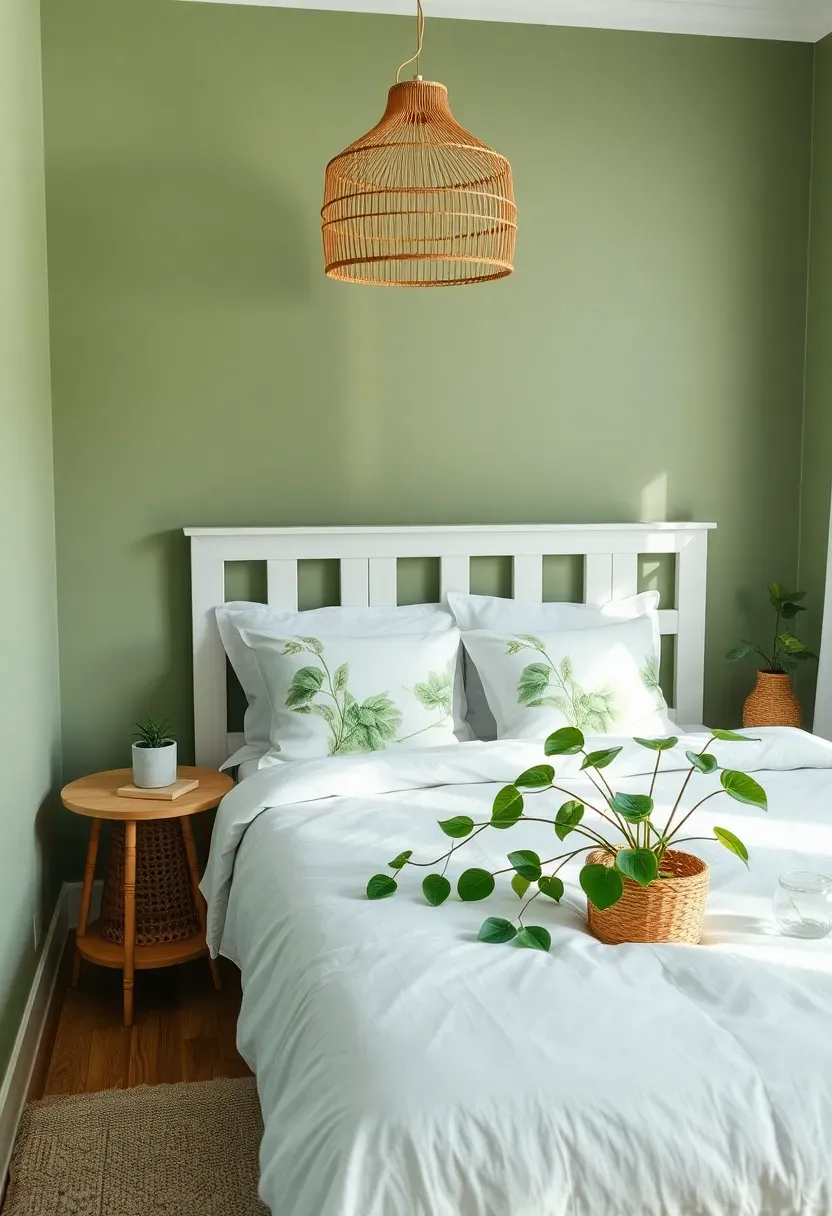
According to color psychology research, green tones lower cortisol levels faster than any other hue. A sage green bedroom capitalizes on this by enveloping the room in a muted, gray-touched green that reads as sophisticated rather than juvenile. Pair it with crisp white bedding, a single trailing plant on the nightstand, and warm wood accents to complete a space that genuinely helps you decompress after a long day.
Tips for This Palette
- Choose sage with a gray undertone, not a yellow one, for a more refined result
- White bedding pops cleanly against sage walls without creating stark contrast
- A single woven pendant light in natural rattan ties the organic palette together
6. Sculptural Bedside Lighting
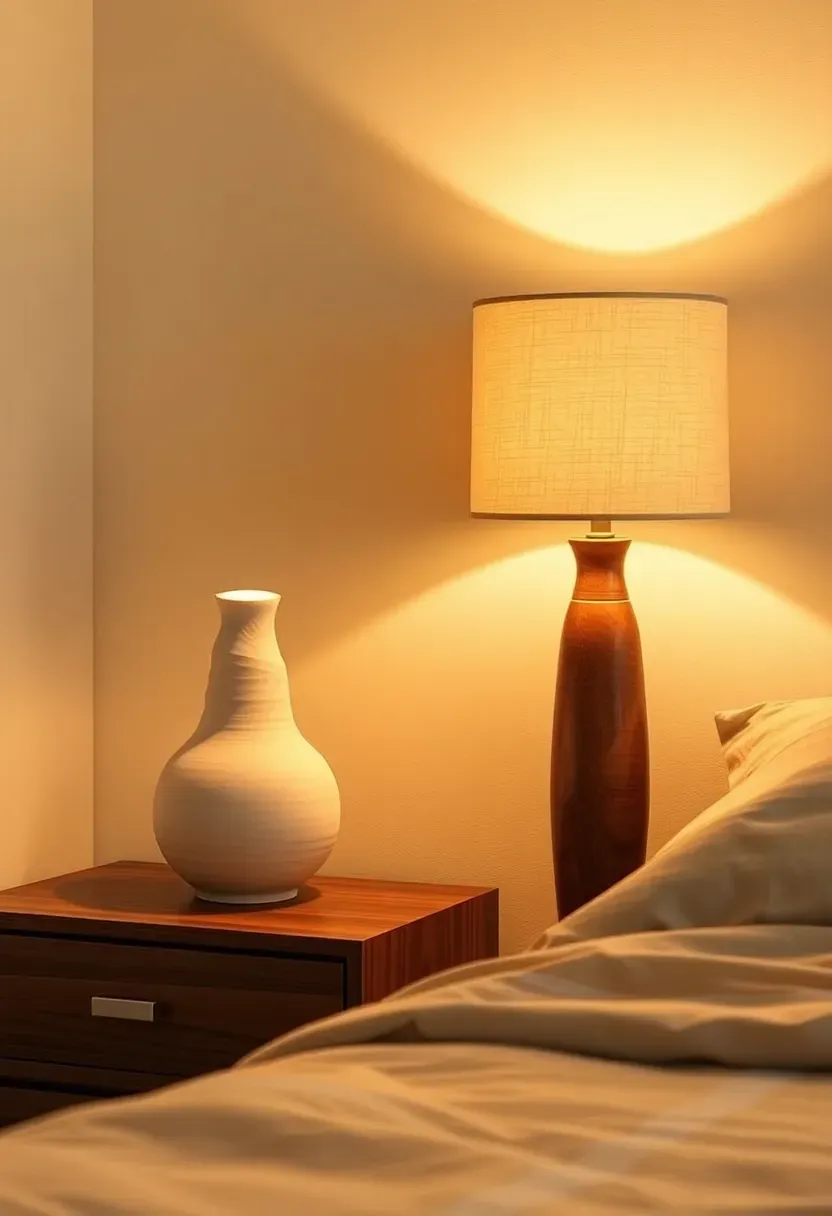
Most people pick bedside lamps as an afterthought. Flip that thinking. When the lamps themselves become sculptural objects — handmade ceramic forms, asymmetric brass shapes, blown glass silhouettes — they carry the entire aesthetic of the room. A pair of well-chosen lamps can transform even basic furniture into something that looks curated and intentional.
Comparing: Symmetrical vs Asymmetrical Placement
Choose symmetrical placement if: you prefer order, balance, and a hotel-suite feel. Matching lamps on each side create calm visual rhythm.
Choose asymmetrical placement if: you want a more collected, lived-in look. A tall floor lamp on one side and a small sculptural lamp on the other adds personality.
Recommended
Items for this idea
7. Moody Plum and Velvet Textures
Origins and Appeal
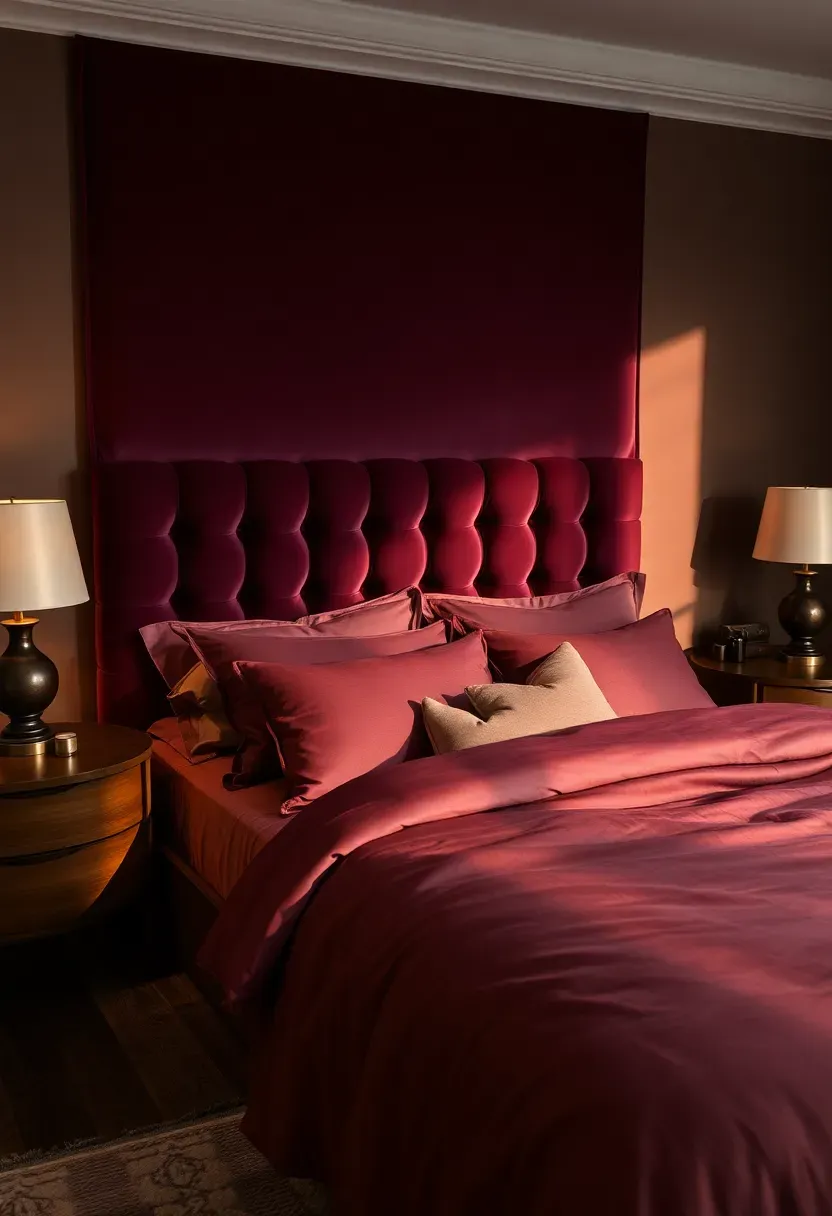
Plum has roots in royal interiors dating back centuries, where deep purple dyes signaled wealth and status. Today the shade carries that same sense of richness but works in a modern context when kept to controlled doses.
Modern Interpretation
A plum velvet headboard anchoring a bedroom with mauve and dusty rose bedding creates a layered, moody palette that feels intimate without tipping into darkness. The velvet catches light differently throughout the day, shifting from deep eggplant in morning shadow to warm wine tones under evening lamps. Pairing plum with soft blush, warm taupe, and aged brass keeps the room feeling modern rather than theatrical.
How to Apply
- Limit plum to the headboard and one or two throw pillows — restraint is essential
- Use warm-toned lighting to bring out the red undertones in the fabric
- Add a cream or sand area rug to ground the palette with lightness
- Include one metallic accent, such as a brass tray or mirror frame
8. Minimal Platform Bed with Storage
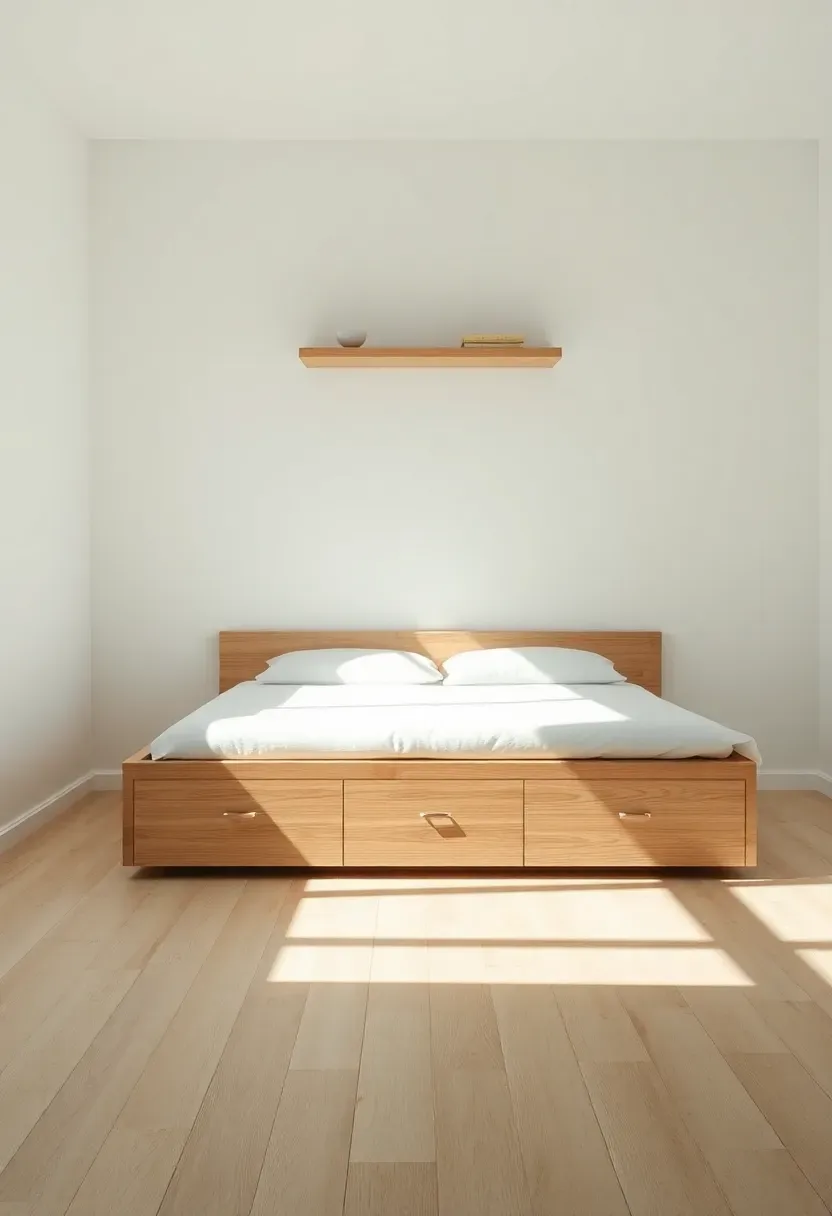
Is it possible to have a beautifully minimal bedroom when storage space is limited? Absolutely. A low-profile platform bed with integrated drawers underneath eliminates the need for a bulky dresser entirely. The result is a room that breathes — open floor space, clean sightlines, and a sense of order that makes the entire bedroom feel larger than its square footage suggests.
Tips for Choosing the Right Frame
- Measure carefully: platform beds sit lower, so your mattress height changes significantly
- Opt for soft-close drawer mechanisms to avoid jarring sounds at night
- Choose a frame width that allows at least 60 centimeters of walkway on each side
Recommended
Items for this idea
9. Earthy Terracotta Tones
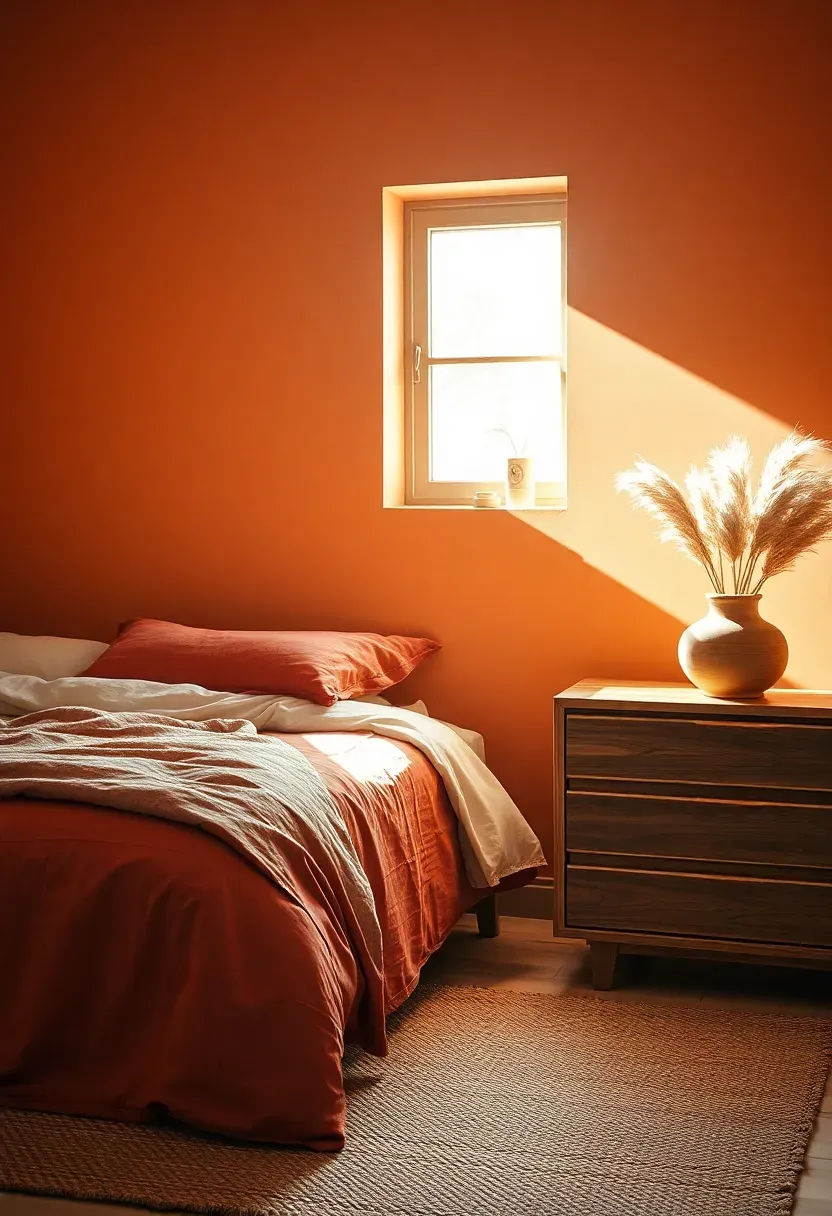
Terracotta brings the warmth of sun-baked clay indoors. This palette works especially well in bedrooms that receive plenty of natural light, where the orange-brown tones glow throughout the afternoon. Layer rust-colored throws over cream sheets, add a jute rug underfoot, and place dried grasses or seed pods in a simple clay vessel on the dresser. The room should feel like a quiet retreat in a Mediterranean hill town.
What to Watch Out For
- Avoid pairing terracotta with cool blues or grays — they clash rather than complement
- Use matte finishes on walls for a chalky, authentic feel
- Balance the warmth with plenty of cream and natural wood to prevent the room from feeling too saturated
10. Upholstered Wall Panel Behind the Bed
Why This Matters and How It Solves Noise
An upholstered wall panel behind the bed does double duty: it adds a layer of visual luxury and absorbs sound. In apartments with thin walls, this single addition can meaningfully reduce noise transfer while making the room feel like a boutique hotel suite. Fabric choices range from neutral boucle for softness to dark linen for sophistication.
The Solution in Detail
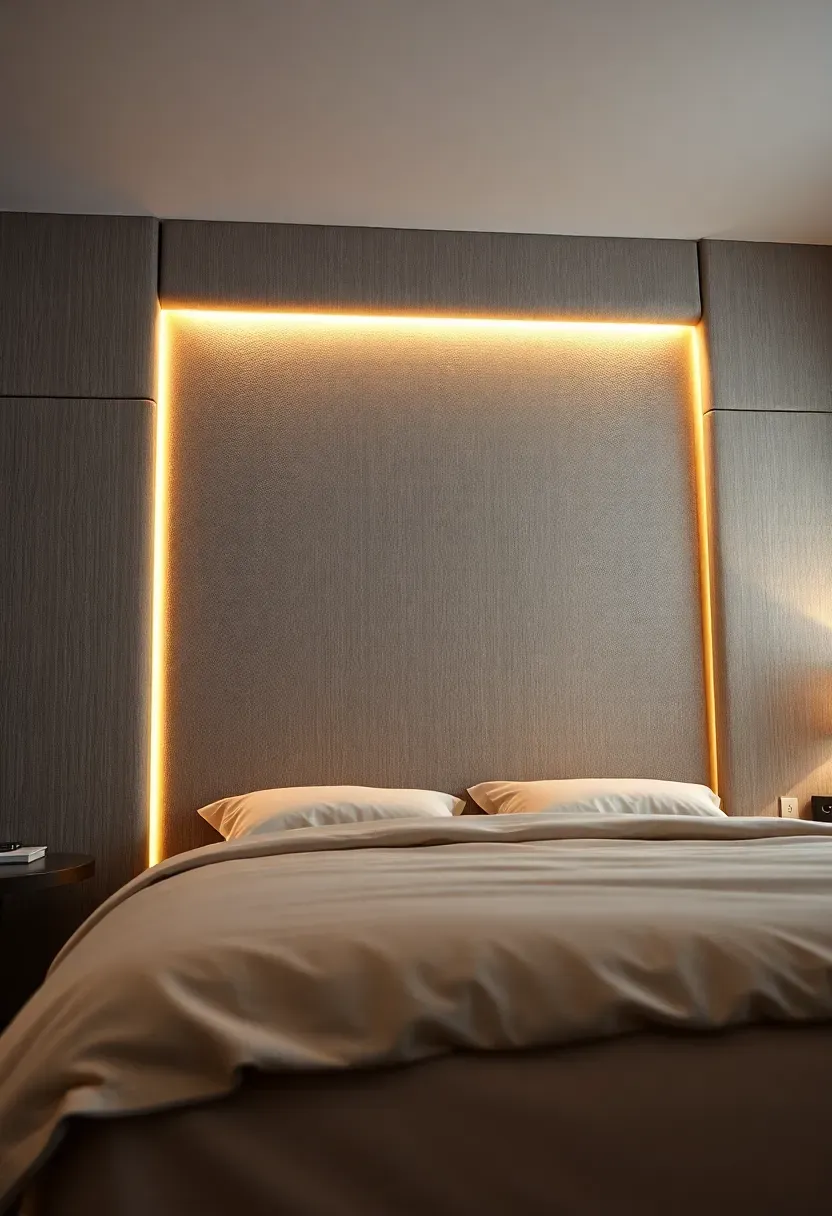
Mount a floor-to-ceiling padded panel in a neutral fabric directly behind the bed. The panel should extend at least 30 centimeters beyond the bed frame on each side to create visual proportion. Use recessed or strip lighting along the top edge to wash the fabric with warm light, highlighting its texture and creating ambient glow for evening reading.
Pros and Cons
Pros: Reduces echo, replaces the need for a headboard, feels luxurious Cons: Requires professional installation for large panels, fabric may need periodic cleaning
Recommended
Items for this idea
11. Warm White with Natural Wood
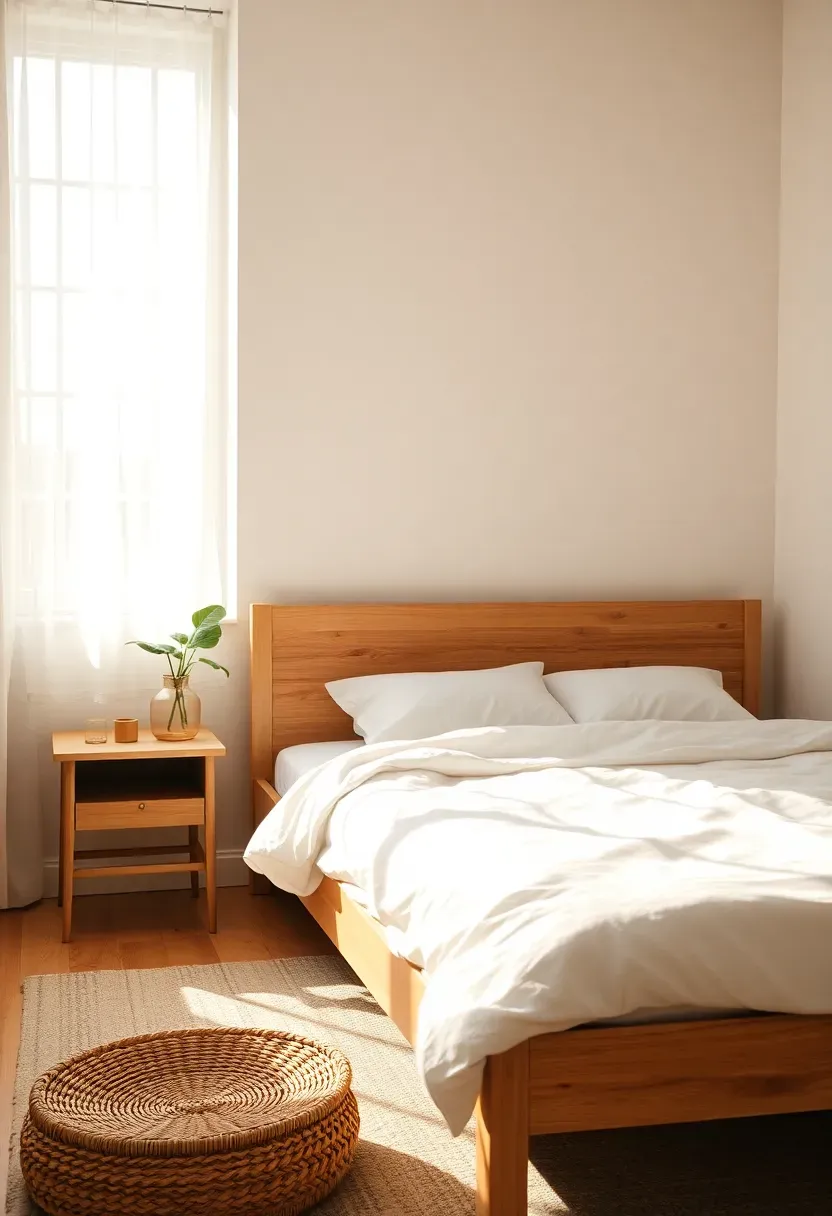
Sometimes the most sophisticated move is the simplest. A bedroom dressed entirely in warm whites — not cool, clinical whites — paired with light natural wood furniture has a timeless quality that never dates. The secret lies in choosing whites with yellow or pink undertones rather than blue ones. Benjamin Moore's Swiss Coffee or Farrow and Ball's White Tie both deliver warmth without yellowing.
Tips for Execution
- Test white paint swatches at night under your actual bedroom lighting before committing
- Mix at least two wood species to avoid a furniture-showroom feel
- Add one textured element like a woven basket or a linen lampshade for visual interest
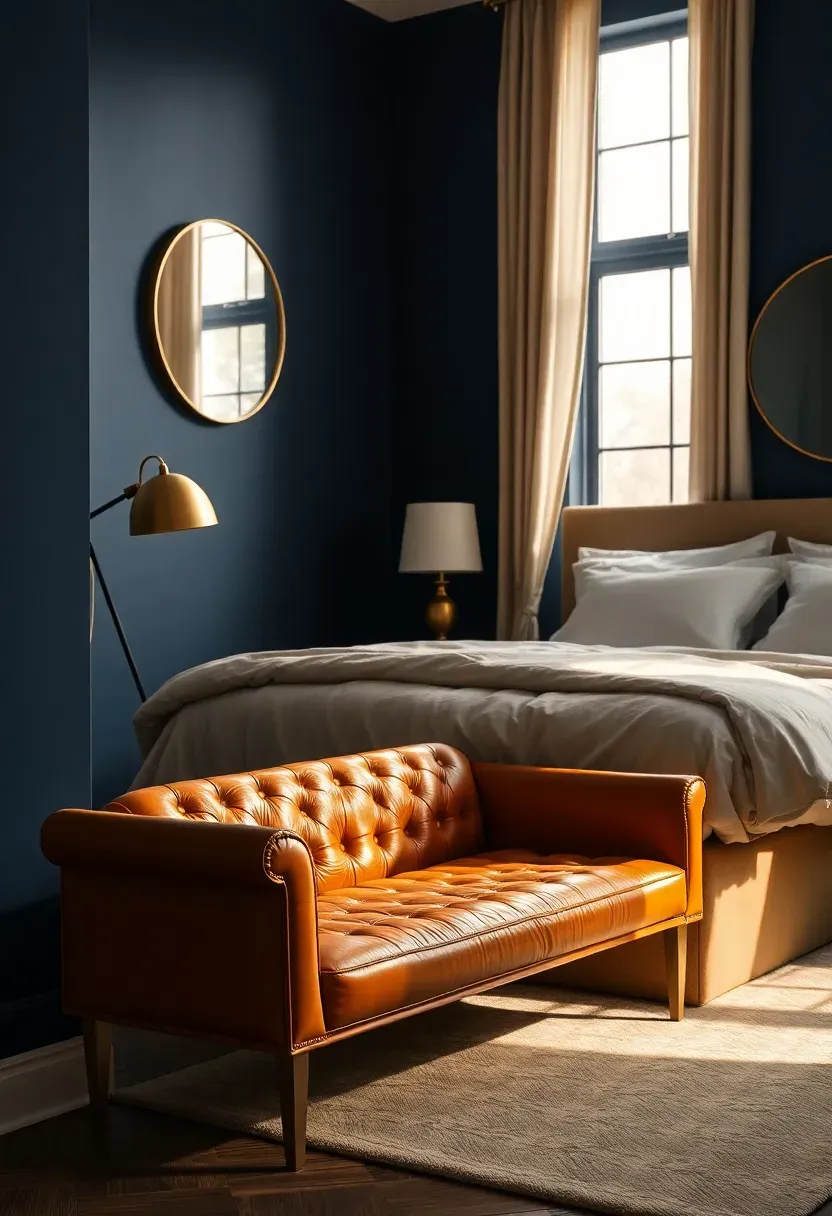
12. Dark Blue and Caramel Leather
The Core Issue
Navy bedrooms can feel cold and impersonal if the supporting materials lack warmth. The solution is caramel leather — a bench at the foot of the bed, a leather-wrapped tray on the nightstand, or a leather-framed mirror. The warm brown tones of aged leather pull the navy away from corporate and toward inviting.
The Solution
Anchor the room with deep navy walls and layer in cream bedding for contrast. Then introduce caramel leather through two or three accessories. The leather develops a patina over time, which gives the room a living, evolving quality that painted or fabric surfaces cannot replicate. Finish with a single brass element to bridge the warm and cool tones.
Recommendation
This pairing works best in bedrooms with at least one large window. The natural light reveals the depth in the navy paint and warms the leather throughout the day.
Recommended
Items for this idea
13. Oversized Art as a Focal Point
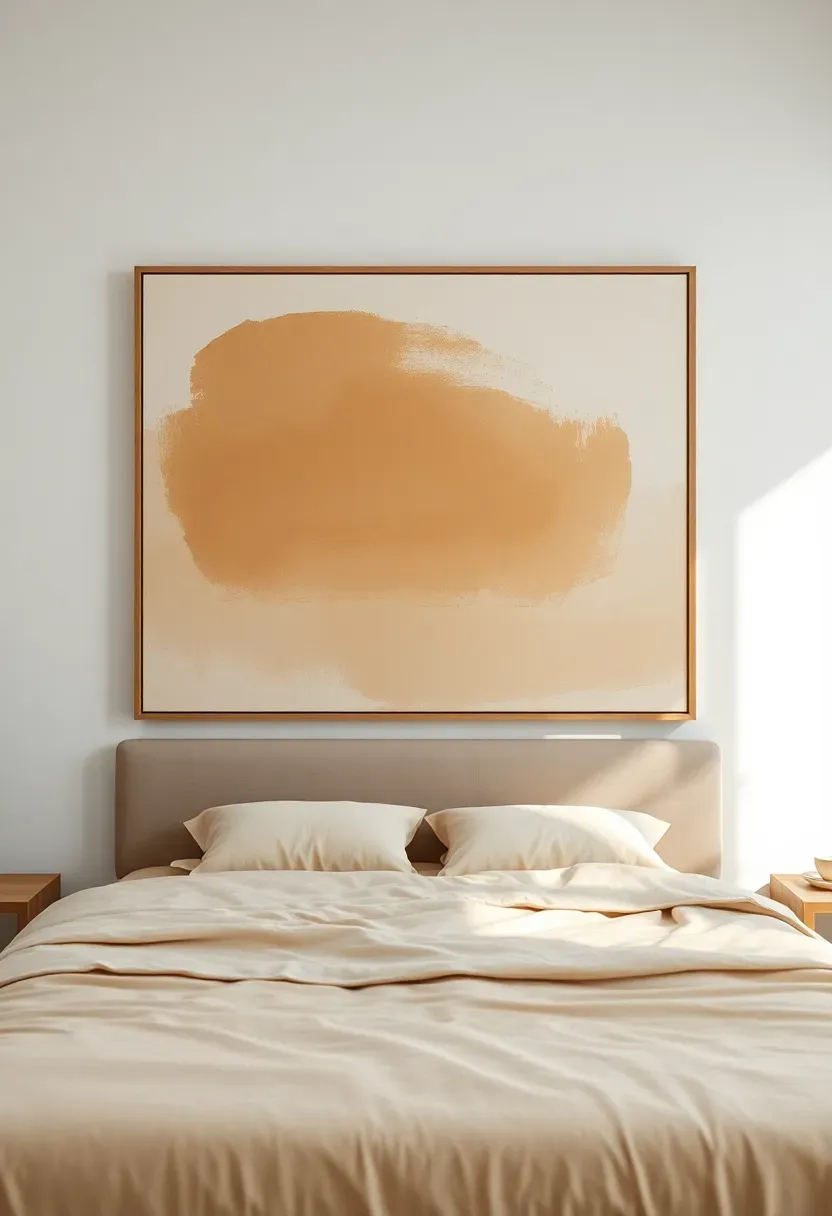
Skip the gallery wall. Instead, invest in a single oversized piece of art that speaks to you and let it command the wall above the bed. A large canvas — at least 120 by 90 centimeters — eliminates visual clutter while giving the room a clear point of focus. Abstract works in muted earth tones or soft watercolor washes complement most bedroom palettes without competing with the bedding or furniture.
Practical Recommendations
- Hang the artwork so its center sits roughly at eye level when standing, not when lying in bed
- Use a simple float frame in natural wood or slim black metal to avoid distracting from the art itself
- Lean very large pieces against the wall on the floor if your lease restricts drilling
14. Japandi Calm with Low Furniture
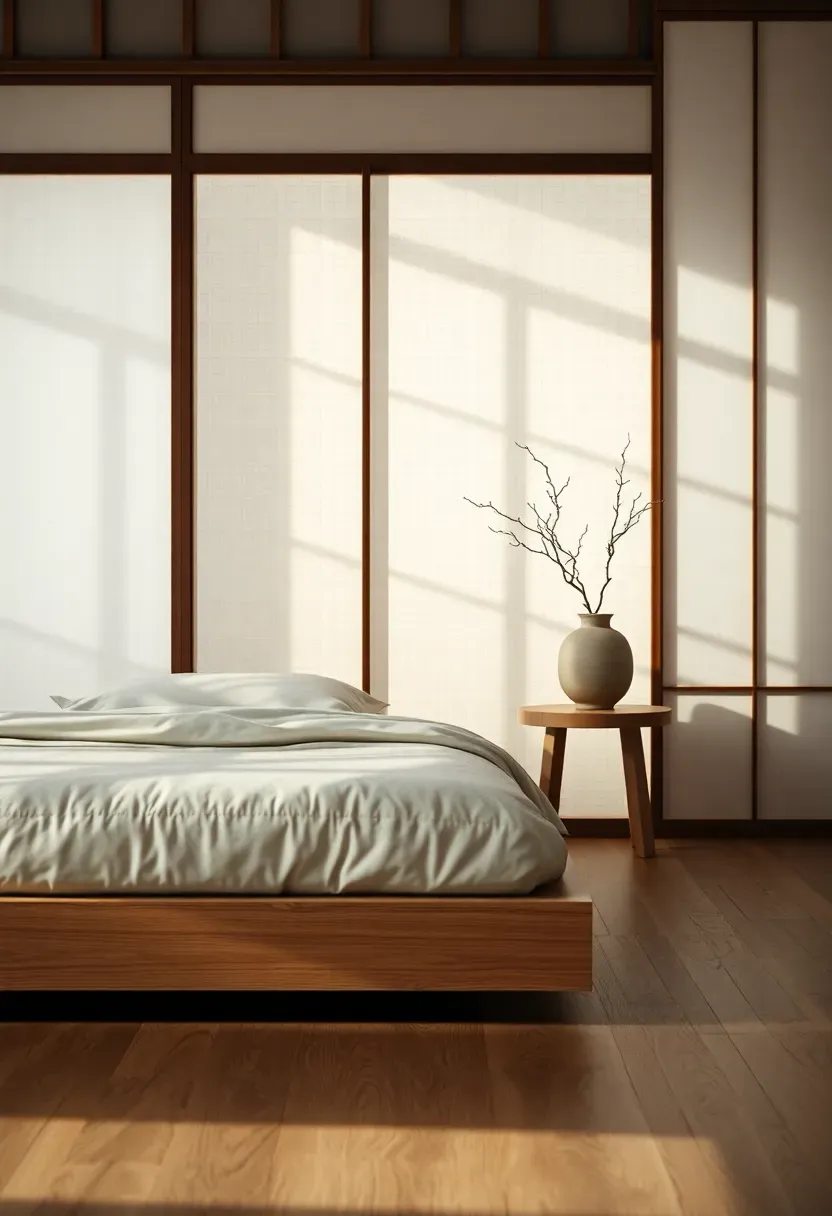
Japandi blends Japanese minimalism with Scandinavian warmth, and the bedroom is where this marriage shines brightest. Every piece of furniture sits low to the ground — a platform bed, a short nightstand, a floor cushion for reading. The lower sightlines make the ceiling appear higher and the room more spacious. Materials stay natural: light oak, raw linen, unglazed ceramic, and woven cotton.
How to Apply at Home
- Remove anything above shoulder height except wall-mounted lighting
- Replace a tall dresser with a low credenza or built-in closet storage
- Choose a single statement object per surface — one vase, one book stack, one candle
- Keep the floor visible; avoid rugs that cover more than half the room

Recommended
Items for this idea
15. Layered Rug Arrangement
Step 1: Start with a Large Natural Base
Place an oversized jute or sisal rug that extends at least 60 centimeters beyond the bed on three sides. This grounds the sleeping area and defines the zone.
Step 2: Add a Smaller Accent Rug
Layer a vintage Persian runner, a soft sheepskin, or a textured wool rug on top, angled slightly off-center. The overlap creates depth and visual richness that a single rug cannot achieve.
Step 3: Consider the Bedside Landing
Place a small sheepskin or cotton rug on each side of the bed where your feet touch down in the morning. The soft texture becomes a small daily ritual of comfort.
What to Watch Out For
- Use rug pads beneath every layer to prevent sliding
- Keep color families consistent between the base and accent rugs
- In small rooms, two layers maximum — three can feel cluttered
16. Smoked Glass and Matte Black Hardware
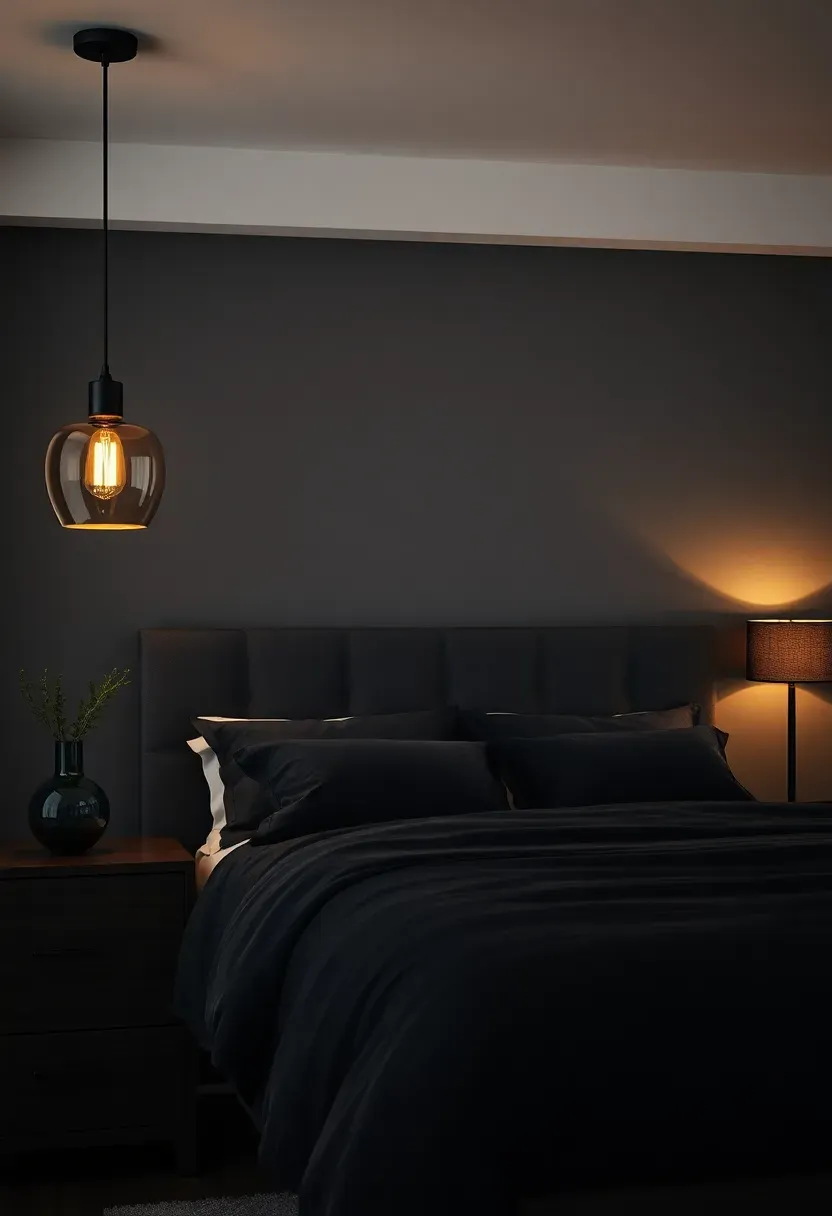
Should you replace every handle, knob, and light fixture in the bedroom? If they are currently a mix of finishes — yes. Unifying all hardware in matte black creates instant cohesion. Pair it with smoked glass pendant lights or a smoked glass vase on the dresser, and the room takes on a contemporary edge that still feels warm because the glass absorbs and diffuses light rather than reflecting it sharply.
Tips for This Approach
- Replace drawer pulls first — they are the cheapest and most impactful swap
- Choose smoked glass in amber or gray tones for warmth
- Limit yourself to two materials: matte black metal and smoked glass — adding more dilutes the effect
Recommended
Items for this idea
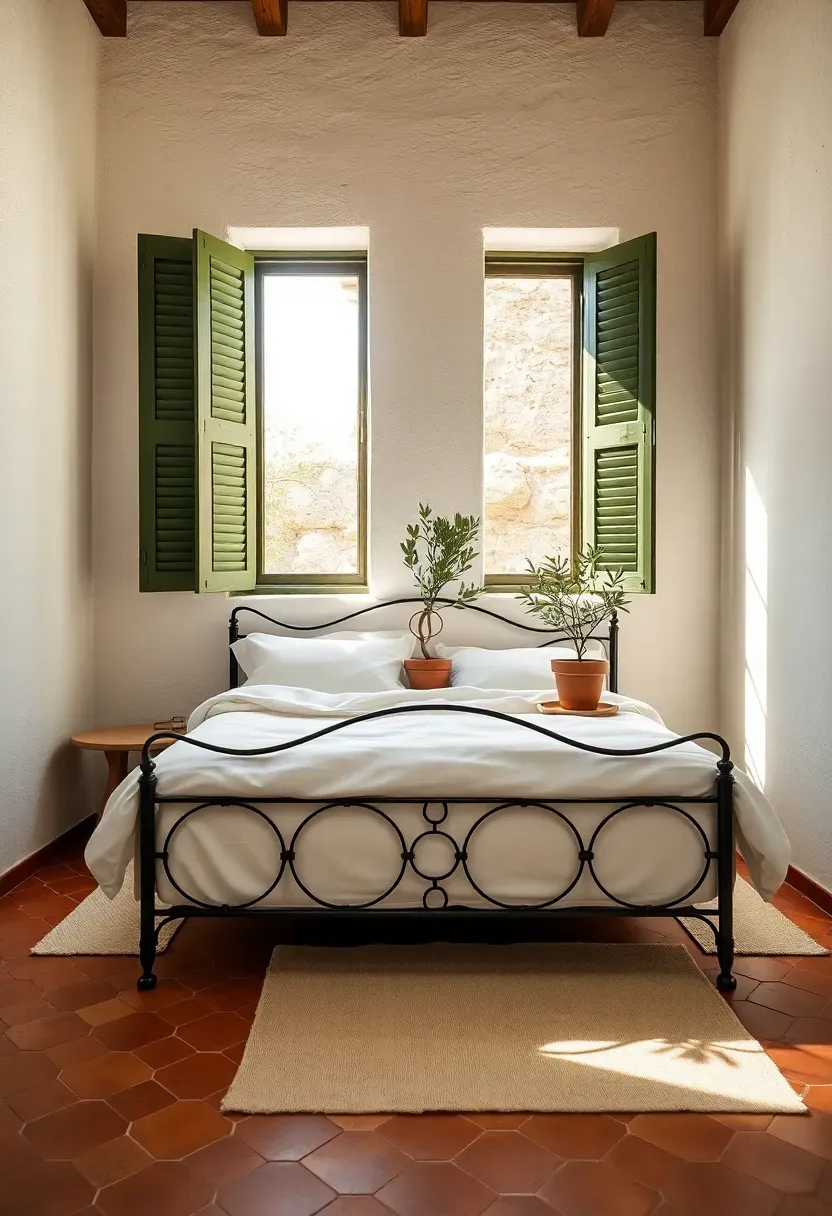
17. Olive and Cream Mediterranean Feel
Origins and Character
Mediterranean bedrooms draw from centuries of southern European architecture — thick plaster walls that stay cool, terracotta tiles underfoot, and wooden shutters that filter afternoon sun. The palette naturally settles around olive, cream, and warm stone.
Modern Interpretation
Translate this aesthetic into a contemporary bedroom by pairing olive green accents — a painted shutter-style headboard, linen throw pillows, or a potted olive tree — with cream plaster-effect walls. Add warmth through terracotta-toned ceramics or a woven basket. The result is a room that feels as though it belongs in a coastal village while functioning perfectly in a city apartment.
How to Apply at Home
- Use limewash paint for an authentic plaster texture on walls
- Choose olive in muted, gray-touched tones rather than bright or yellow-greens
- Add one natural stone element such as a travertine tray or marble coaster set
- Keep window treatments simple — sheer linen panels or wooden blinds
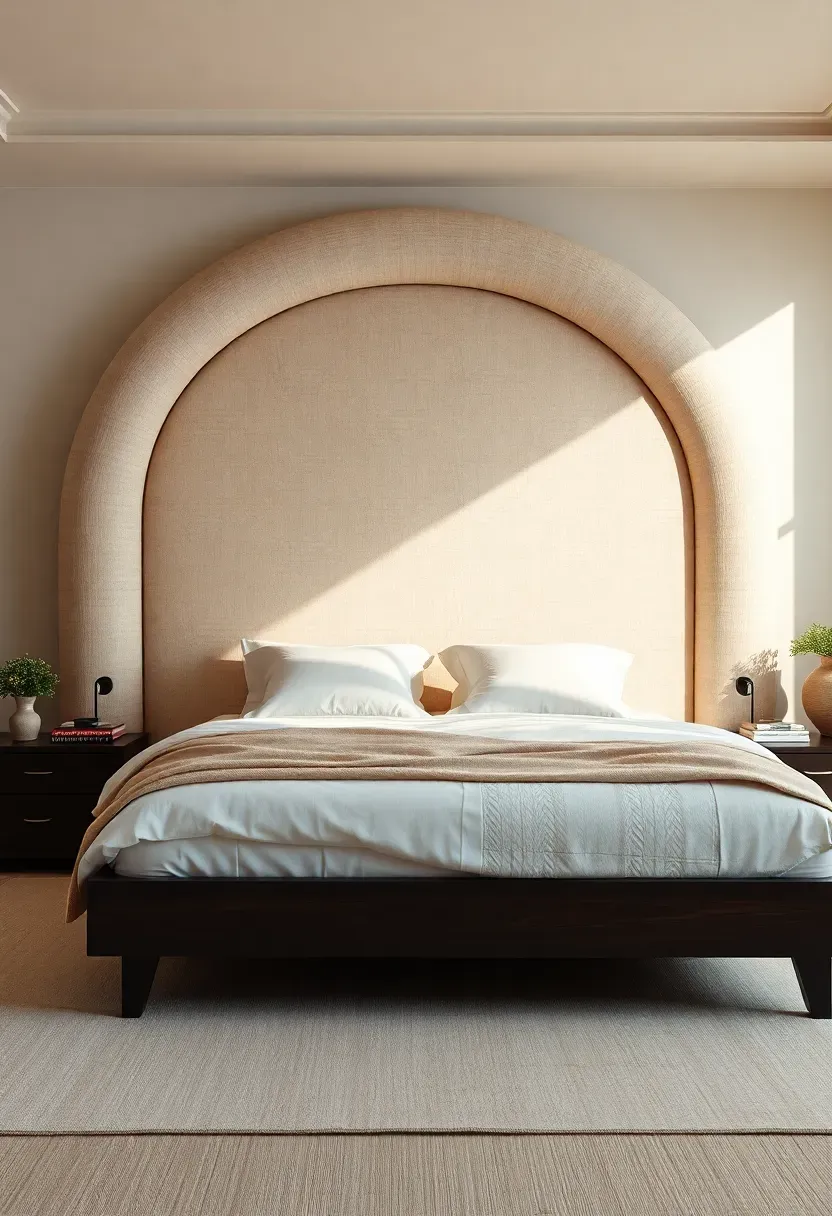
18. Statement Headboard in Boucle Fabric
A boucle headboard has become a design signature for good reason. The looped, textured fabric catches light in a way that flat upholstery cannot, creating soft shadows and dimension even in a neutral palette. Opt for an oversized, gently curved shape that extends wide beyond the mattress edges. This single piece replaces the need for bedside art, a gallery wall, or any additional wall decor — the headboard itself becomes the room's defining feature.
Practical Recommendations
- Choose a headboard at least 150 centimeters wide for a queen bed
- Cream or oatmeal boucle works in nearly any color scheme
- Keep the bed frame simple and low to let the headboard dominate visually
Recommended
Items for this idea
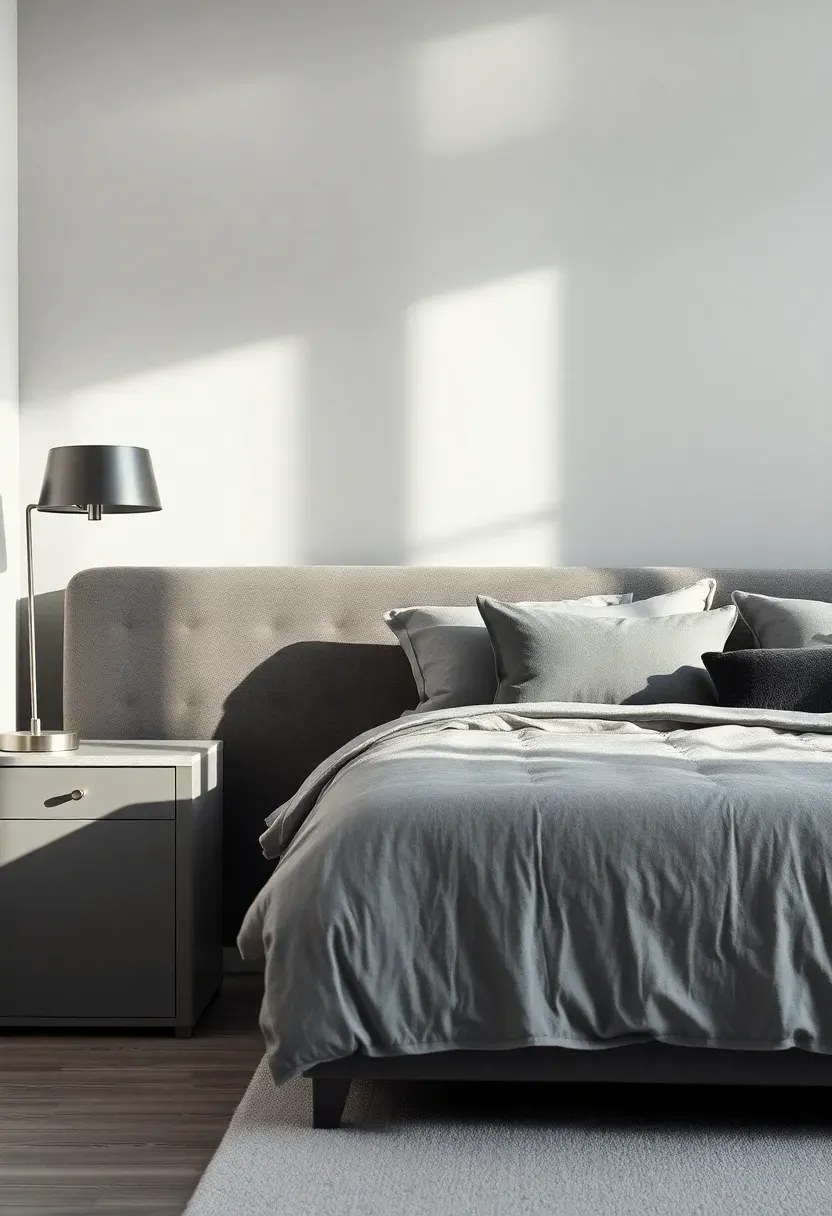
19. Monochrome Gray Gradient
Comparing: Cool Gray vs Warm Gray
Choose cool gray if: your bedroom receives abundant natural light and you want a crisp, modern atmosphere. Cool grays have blue or green undertones that read as fresh and clean.
Choose warm gray if: the room faces north or gets limited sunlight. Warm grays carry taupe or mauve undertones that prevent the space from feeling sterile.
How to Build the Gradient
Start with the lightest shade on the walls, move to a medium tone on the bed frame or headboard, and finish with the darkest charcoal on accent pillows and throws. This tonal progression gives the room sophisticated depth while maintaining a calm, unified feel. One metallic accent in brushed nickel or pewter ties the layers together.
Recommendation
Test all three gray shades together in the actual room before purchasing. Grays shift dramatically under different lighting conditions, and what looks perfect in a store can appear completely different at home.
20. Warm Lighting with Dimmers and Candles
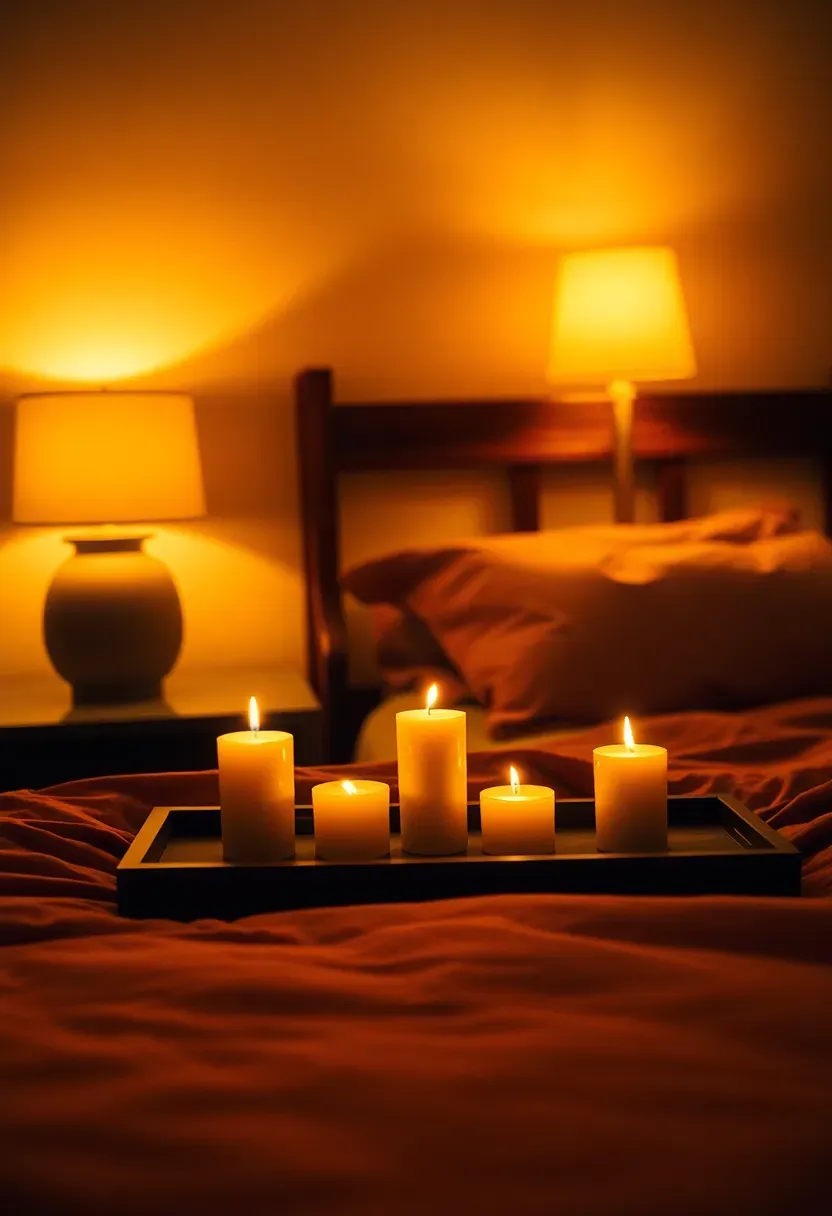
The single most transformative upgrade in any adult bedroom costs less than most decorative pillows: a dimmer switch. Overhead light on full brightness belongs in a kitchen, not a bedroom. Install dimmers on every light source and supplement with candles clustered on a tray or in a fireplace-style arrangement. The room should shift from functional brightness during morning routines to a warm, low amber glow by evening.
Tips for Layered Lighting
- Install dimmers on bedside lamps, overhead fixtures, and any accent lighting
- Use 2700K bulbs for a warm golden tone that flatters skin and textiles
- Group three to five candles of varying heights on a single tray for visual impact
- Consider a salt lamp or backlit alabaster piece for a soft, constant glow
Recommended
Items for this idea
21. Woven Rattan and Linen Coastal Touch
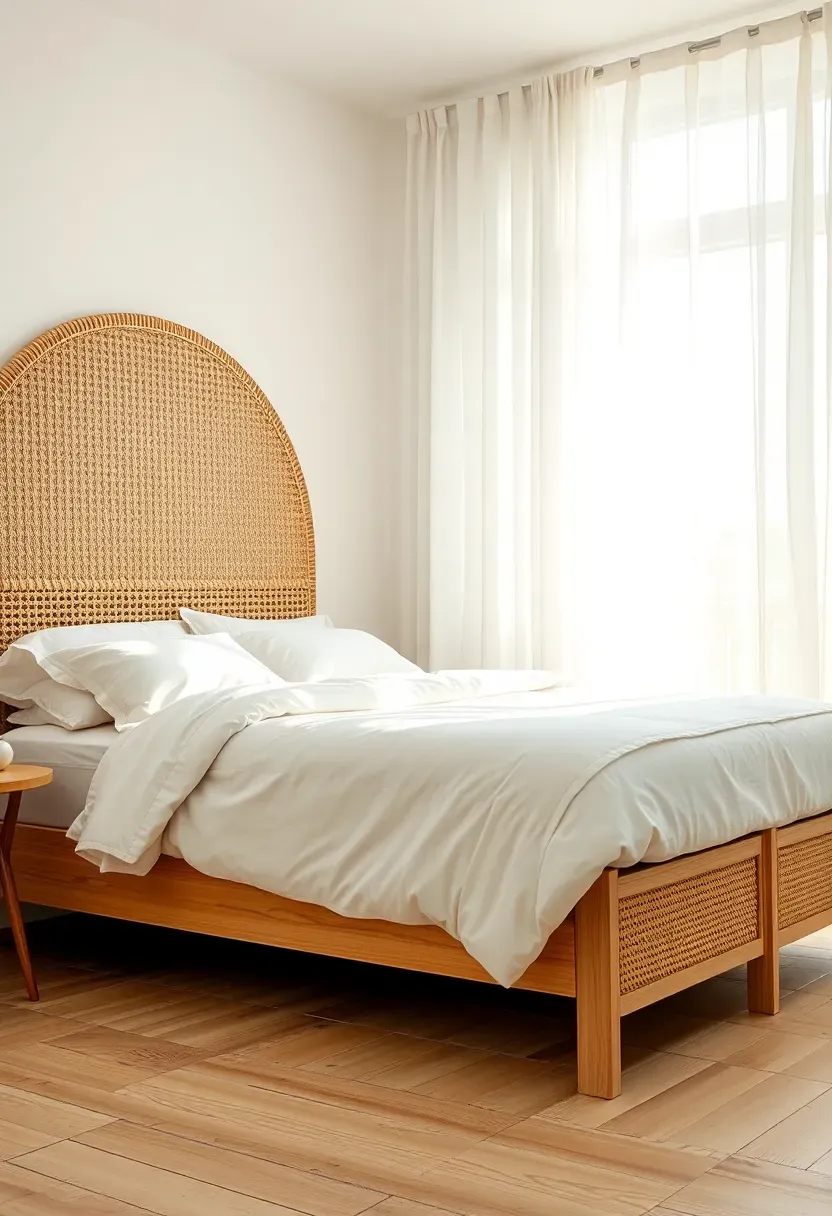
Rattan and linen together create a coastal bedroom that avoids the usual seashell-and-stripe cliches. A woven rattan headboard paired with billowing white linen curtains and a simple cotton bedspread captures the feeling of an island retreat without a single nautical motif in sight. The natural materials do all the work — their organic textures and warm tones suggest proximity to the ocean and warm air without being literal about it.
What to Watch Out For
- Choose tight-weave rattan for headboards; loose weaves collect dust
- Wash linen curtains on a gentle cycle and hang damp for a relaxed drape
- Add a single blue accent — a ceramic vase or a watercolor print — if you want a nod to the sea
22. Rich Burgundy and Gold Accents
Why This Palette Stands Apart
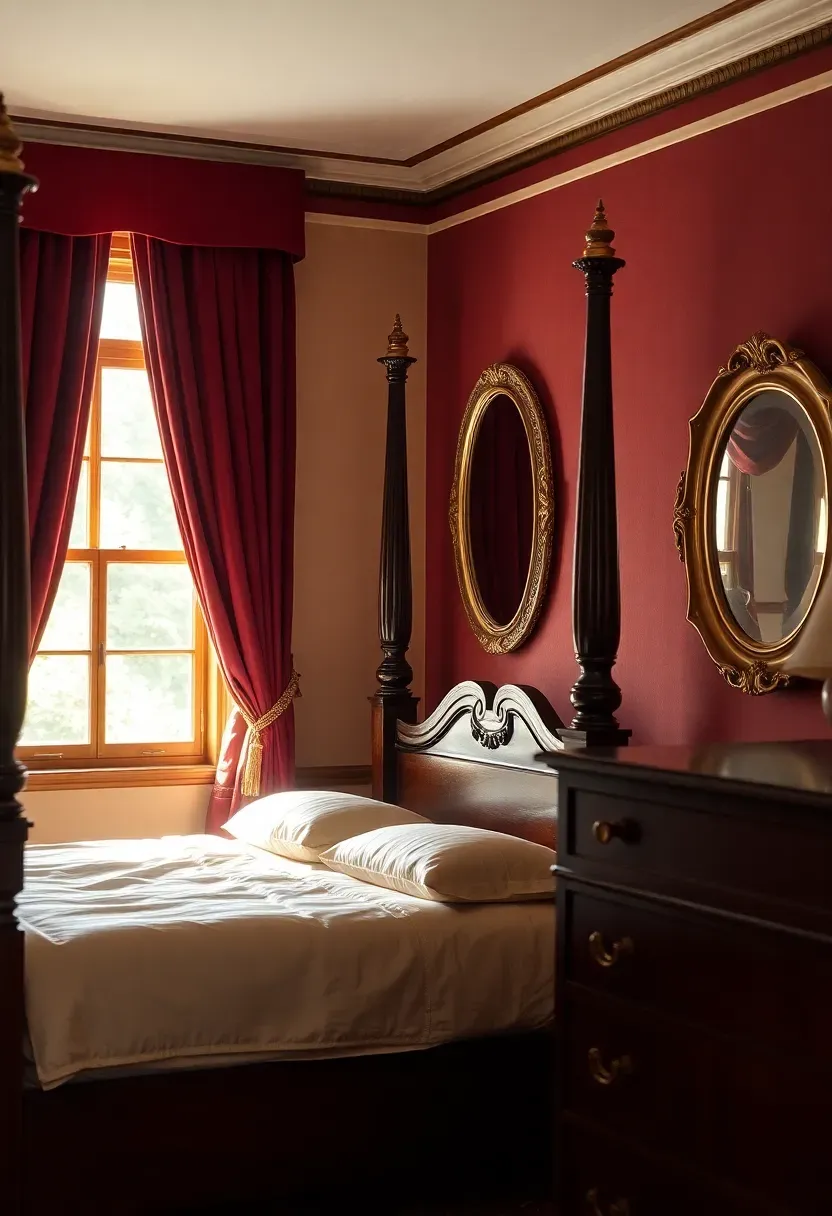
Burgundy sits at the intersection of red's energy and brown's stability, making it one of the most emotionally complex colors for a bedroom. Unlike bright reds that stimulate, burgundy soothes. Paired with gold — not shiny, but brushed or antiqued — the combination evokes a sense of old-world elegance without the fussiness of traditional decor.
How to Apply
Layer burgundy through soft furnishings: velvet curtains, a throw draped over the foot of the bed, or upholstered accent pillows. Keep walls neutral in warm cream or soft taupe so the burgundy elements feel deliberate rather than overwhelming. Introduce gold through picture frames, a small side table, or hardware on the dresser. The restraint in how much gold you use determines whether the room feels elegant or costume-like.
Recommended
Items for this idea
23. Stone and Concrete Texture Play
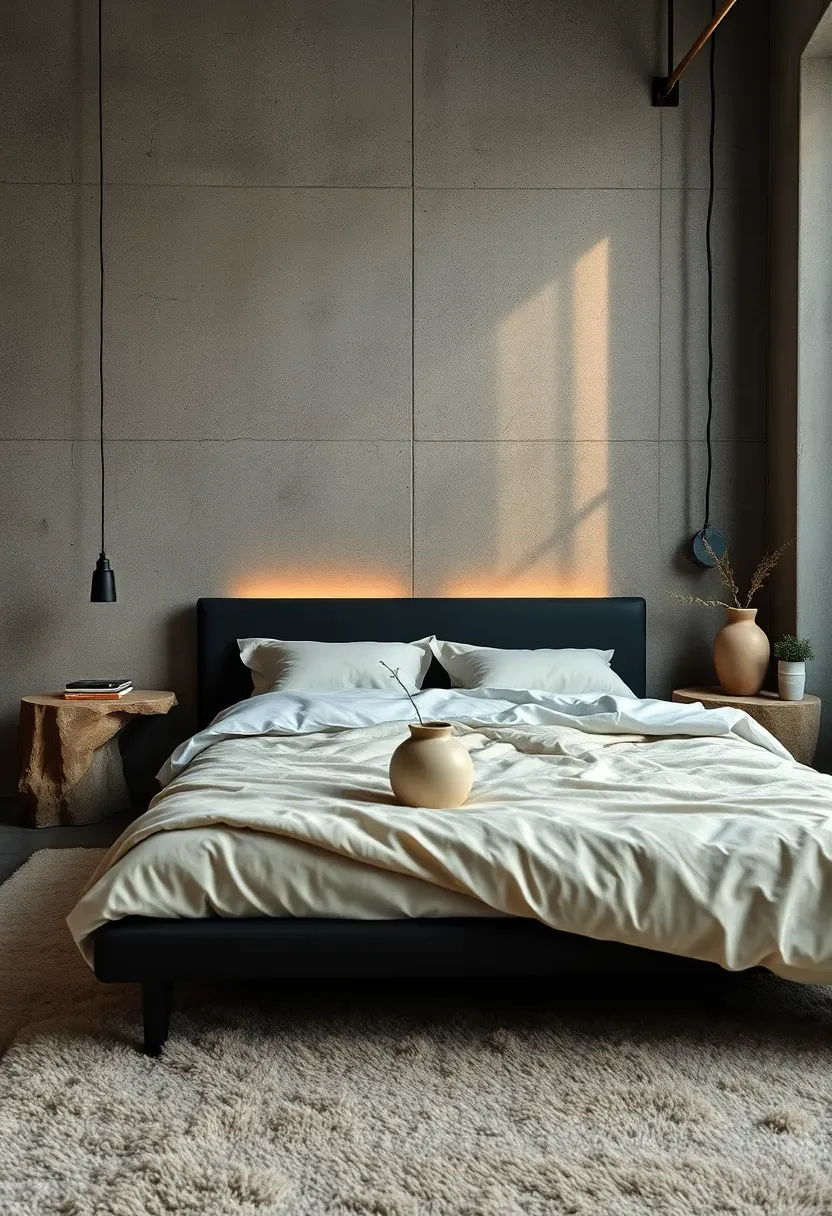
What is the difference between a bedroom that feels cold and one that feels artfully raw? Warmth in the details. A concrete-effect wall behind the bed — achieved through microcement, specialty paint, or textured wallpaper — introduces industrial character. Then balance it with a plush wool rug, soft cotton bedding, and a pair of natural stone bedside tables or carved marble bookends. The tension between hard surfaces and soft textiles is what makes this approach feel sophisticated rather than unfinished.
Tips for Getting the Balance Right
- Limit hard textures to one wall and one accessory surface; everything else should be soft
- Use warm concrete tones with pink or yellow undertones, never blue-gray
- Add at least one organic shape — a round mirror, a curved vase — to soften the angular lines
Quick FAQ
What makes an adult bedroom different from any other bedroom? An adult bedroom prioritizes intentional choices over impulse purchases. It favors quality textiles, cohesive color palettes, and functional lighting over trendy accessories. Every element serves a purpose — comfort, beauty, or both — and nothing is there simply because it was on sale.
Should you match all furniture in an adult bedroom? Not necessarily. Matching bedroom sets can look dated. Instead, choose pieces that share a common material or finish family without being identical. A walnut bed frame with oak nightstands and a dark wood dresser creates visual harmony through tone rather than exact match.
Which lighting temperature works best for a relaxing bedroom? Stick to bulbs rated at 2700K or lower. This warm temperature mimics candlelight and golden-hour sunlight, which signals to your body that it is time to wind down. Avoid anything above 3000K in the bedroom — it reads as commercial and disrupts melatonin production.
Is it worth investing in high-quality bedding? Without question. You spend roughly a third of your life in bed, and the tactile experience of your sheets directly affects sleep quality. Natural fibers like linen, long-staple cotton, and silk regulate temperature better than synthetics and improve with every wash.
Can renters create a polished adult bedroom without permanent changes? Absolutely. Swap out hardware on existing furniture, layer rugs over builder-grade flooring, use command strips for art, lean oversized mirrors against walls, and invest in beautiful bedding and curtains. These changes are removable and transformative.
A bedroom is not just a place where you sleep. It is the first thing you see each morning and the last thing you see each night. When every surface, texture, and light source has been chosen with care, the room becomes a quiet act of self-respect — a daily reminder that you deserve a space that looks and feels as considered as the life you are building.
Pinterest cover for 23 Adult Bedroom Ideas for a Refined Personal Retreat
About the author
OBCD
CGI visualization and interior design content. We create detailed 3D renders and curate practical design ideas for every room in your home.