19 Accent Wall Designs That Steal the Show in Any Room
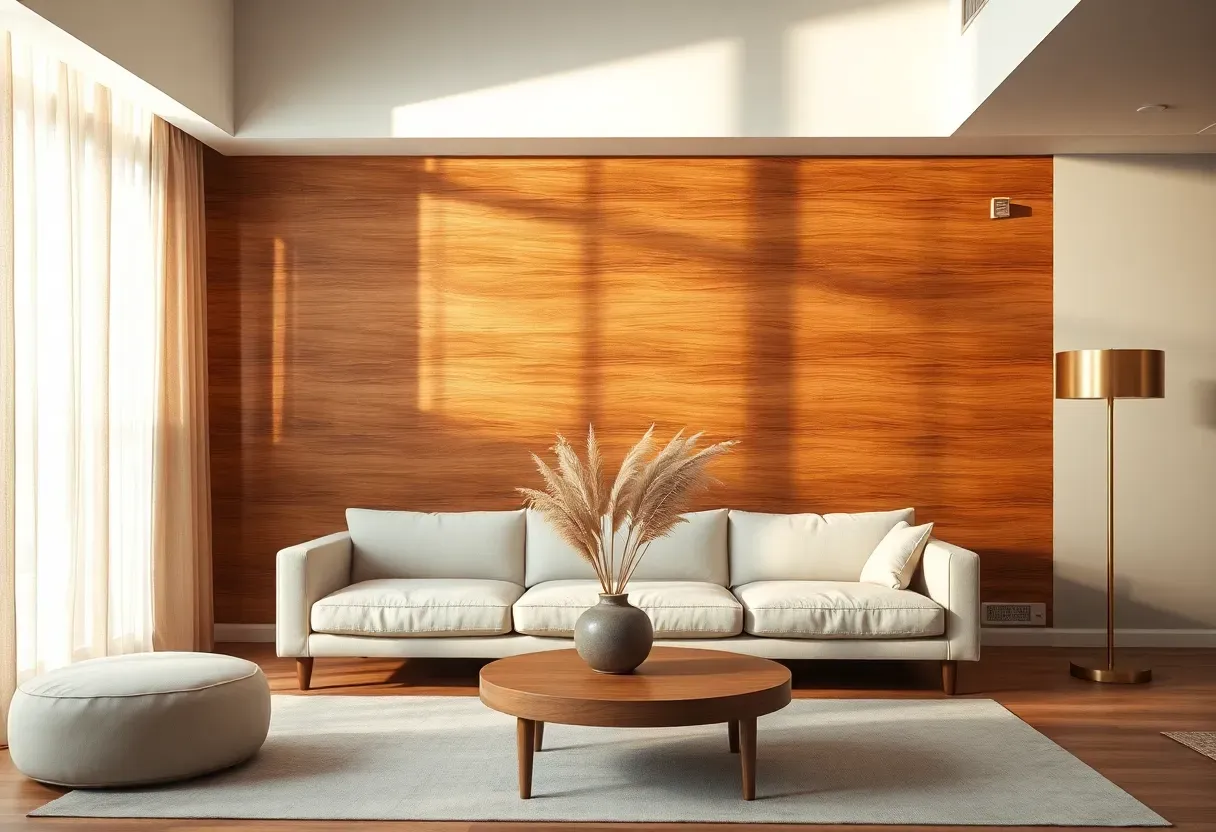
We have all walked into a room that felt flat, despite decent furniture and good proportions. Nine times out of ten, the walls are the culprit. A single accent wall can anchor a space, redirect the eye, and inject personality without a full renovation. The trick lies in choosing the right treatment for the room's scale, light conditions, and existing palette. Whether you lean toward natural stone or geometric wallpaper, the wall itself becomes the centerpiece.
In this article I have gathered 19 accent wall designs spanning paint techniques, natural materials, paneling, and mixed media. We start with accessible paint-based options and build toward more ambitious installations.
Table of Contents
- Deep Charcoal Limewash
- Vertical Wood Slat Panel
- Moroccan Zellige Tile Mosaic
- Ombre Color Fade
- Exposed Brick with White Wash
- Geometric 3D Wall Panel
- Grasscloth Textile Wall
- Stacked Natural Stone
- Arched Plaster Niche
- Bold Botanical Mural
- Vertical Garden Living Wall
- Reclaimed Barn Wood Planks
- Color-Blocked Paint Shapes
- Fluted Concrete Panel
- Wainscoting with Contrasting Paint
- Metallic Leaf Accent
- Terrazzo-Inspired Finish
- Dark Moody Wallpaper
- Mixed Material Collage Wall
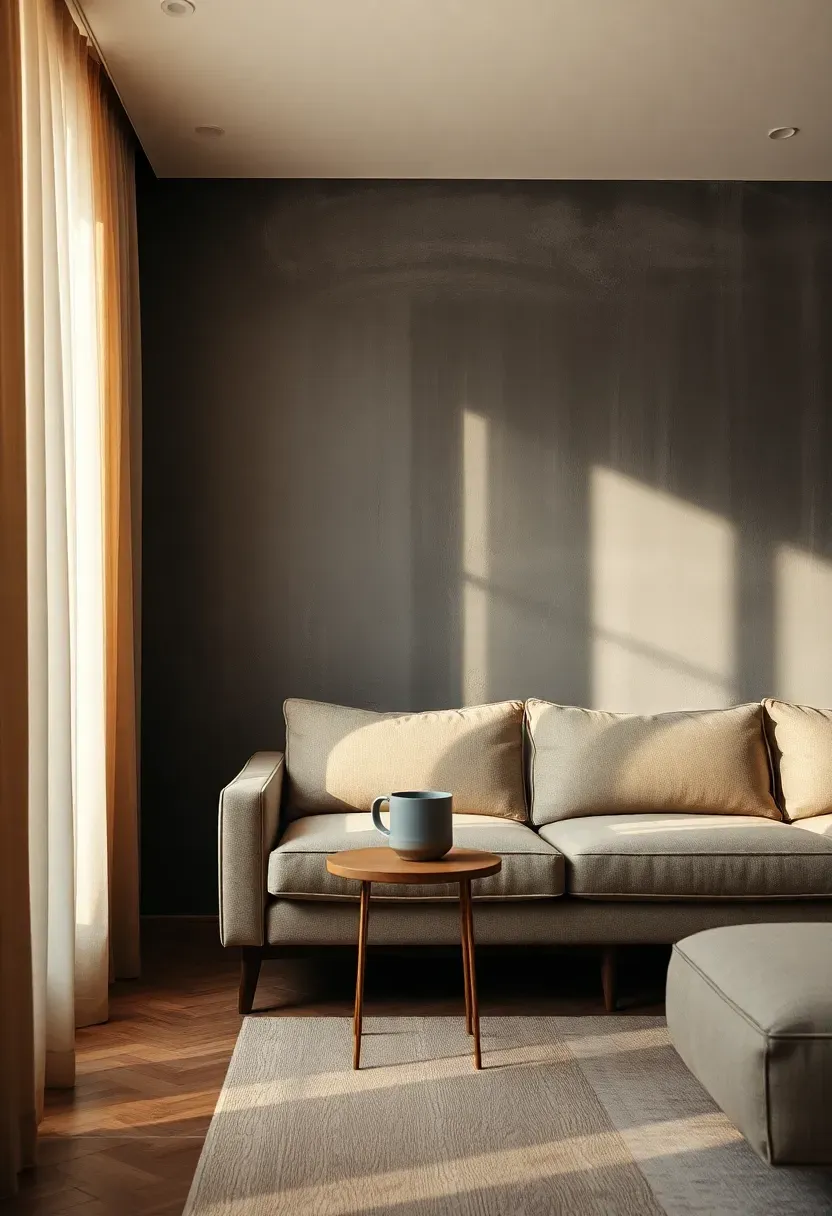
1. Deep Charcoal Limewash
There is something magnetic about a wall that looks handmade. Limewash paint creates natural depth and tonal variation that flat paint simply cannot replicate. The charcoal shade works in both warm and cool palettes, absorbing light during the day and softening under evening lamps.
Why It Works
The chalky, matte texture hides imperfections in older walls while adding visual weight. Unlike solid dark paint, limewash breathes — each brushstroke leaves a slightly different opacity.
Tips for Application
- Apply in thin, cross-hatched strokes using a wide masonry brush
- Two coats deliver subtle variation; three coats build richer saturation
- Seal with a matte wax if the wall receives direct contact
We picked a few things that go well with this idea: Art3d 3D White PVC Wall Panels (20-Pack) (★4.6), Art3d Diamond Textured Wall Panels (33-Pack) (★4.6) and Art3d 3D Black PVC Wall Panels (20-Pack) (★4.6). As an Amazon Associate we earn from qualifying purchases.
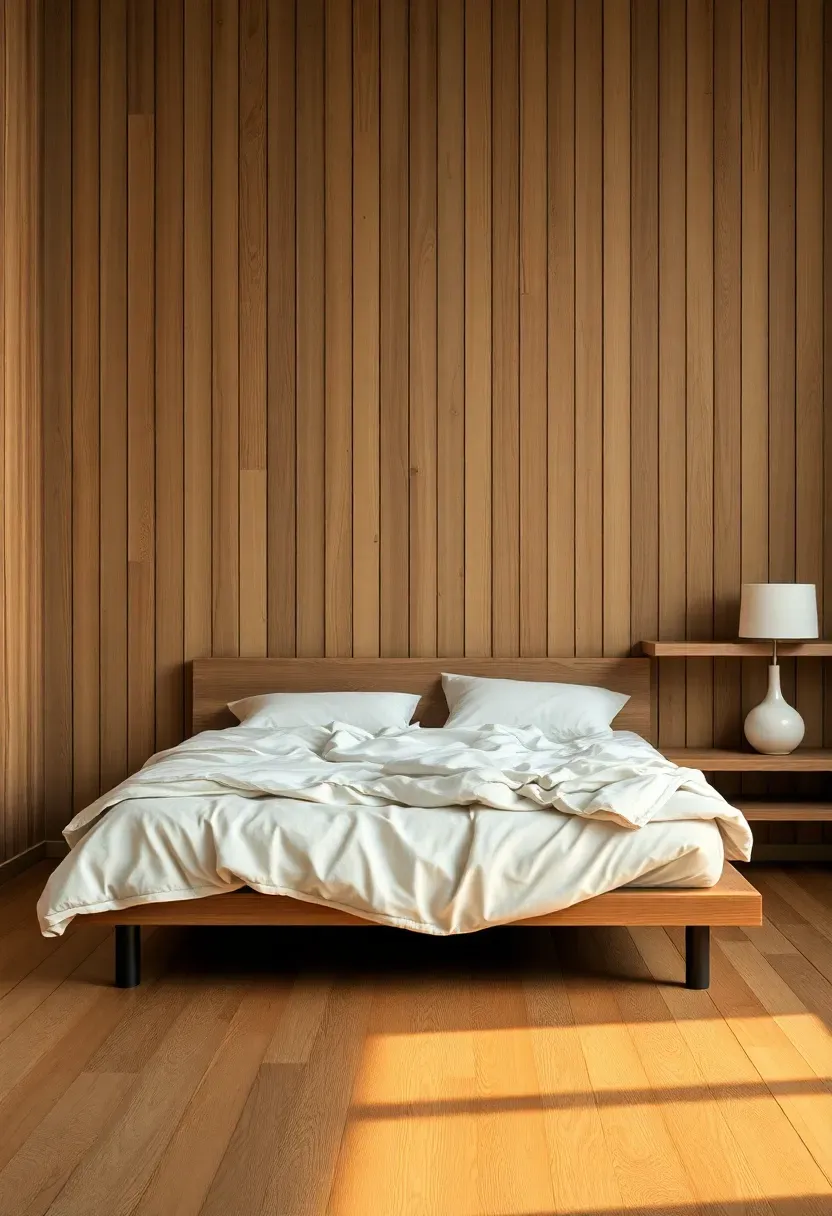
2. Vertical Wood Slat Panel
Vertical wood slats bring warmth and rhythm to a flat wall. The repeating lines draw the eye upward, making ceilings feel taller. Oak and walnut are popular choices, but lighter woods like ash or birch suit Scandinavian and coastal rooms.
Step 1: Choose Your Timber
Select a species and finish that complements existing flooring. Matching exactly can feel monotonous — go one shade lighter or darker for contrast.
Step 2: Set the Spacing
Gaps of 15 to 25 millimeters between slats create a balanced rhythm. Wider gaps feel airier; narrower gaps read as more solid.
Step 3: Install on a Backer Board
Mount slats onto a plywood backer rather than directly into the wall. This simplifies removal and protects the wall underneath.
What to Watch Out For
- Cheap MDF slats warp in humid rooms — invest in real timber for bathrooms
- Pre-stain or oil each slat before mounting; finishing after installation leads to drips between gaps
We picked a few things that go well with this idea: Tropical Leaf Peel and Stick Wallpaper (236") (★5.0), Tropical Leaf Peel and Stick Wallpaper (118") (★5.0) and Sage Green Floral Peel and Stick Wallpaper (★4.4). As an Amazon Associate we earn from qualifying purchases.
3. Moroccan Zellige Tile Mosaic
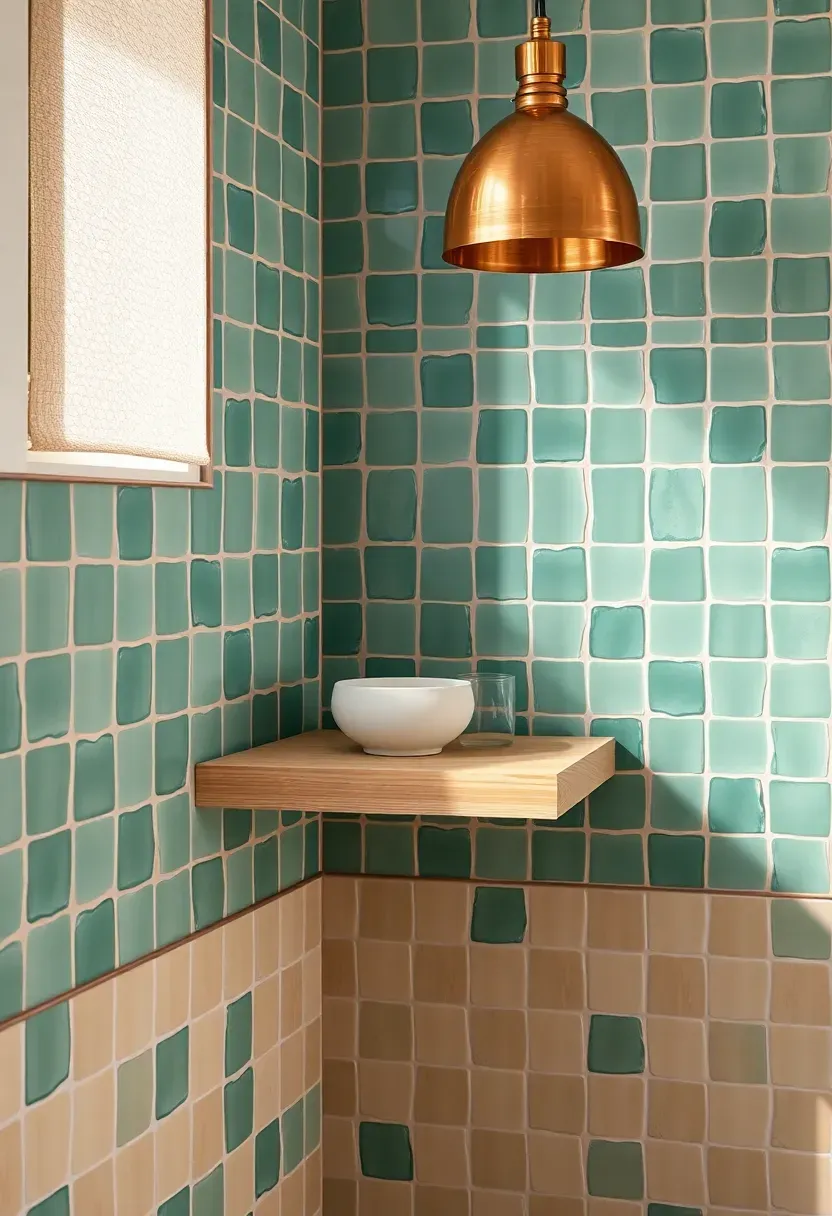
Handmade zellige tiles offer an imperfect beauty that mass-produced ceramics lack. Each tile is slightly uneven in color and texture, creating a shimmering, dimensional surface that reacts differently at every hour of the day.
The Core Appeal
Zellige works because imperfection is the design. The slight color shifts across hundreds of small tiles produce a surface that feels alive. Popular palettes include sea green, terracotta, bone white, and midnight blue.
Practical Considerations
Pros: Waterproof and heat-resistant, ideal for kitchen splashbacks and bathroom walls. Ages gracefully with a natural patina. Cons: Labor-intensive installation. Costs two to four times more than standard subway tile. Grout lines require regular sealing.
We picked a few things that go well with this idea: Peel and Stick Oak Slat Wall Panel (236") (★4.2), Peel and Stick Oak Slat Wall Panel (118") (★4.2) and STICKEEP Brown Acoustic Slat Wall Panel (120") (★4.1). As an Amazon Associate we earn from qualifying purchases.
4. Ombre Color Fade
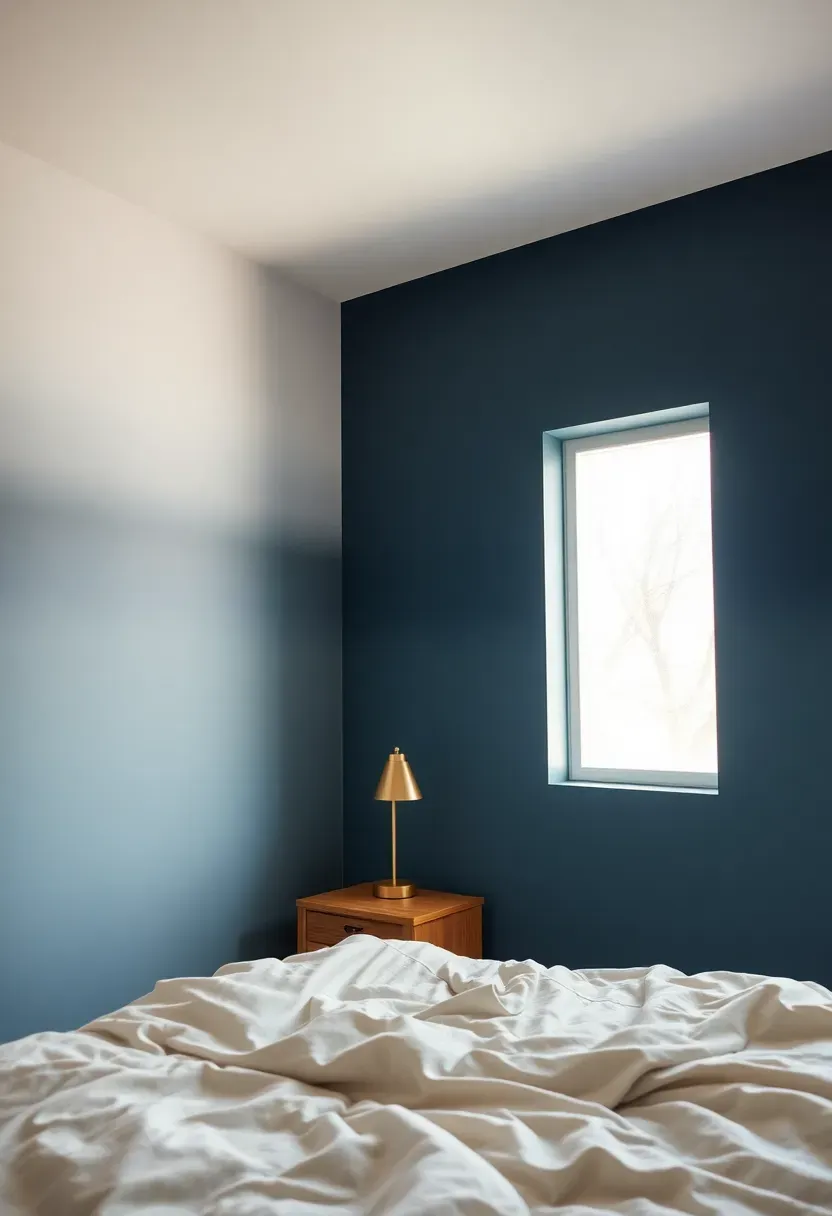
An ombre wall introduces movement without pattern. The gradual transition from a saturated base to a lighter tone above opens up the vertical space and eliminates the hard line where wall meets ceiling.
How to Achieve the Gradient
Start with the darkest shade at the bottom third. While the paint is still wet, blend the middle zone using a damp roller loaded with a fifty-fifty mix of the dark and light shades. Finish the top third in the lightest tone and blend downward into the wet middle section.
Tips for a Smooth Finish
- Work fast — ombre demands a wet edge throughout the entire wall
- Use a spray gun for large walls to avoid roller marks
- Mist the blending zone lightly with water to extend working time
Recommended
Items for this idea
5. Exposed Brick with White Wash
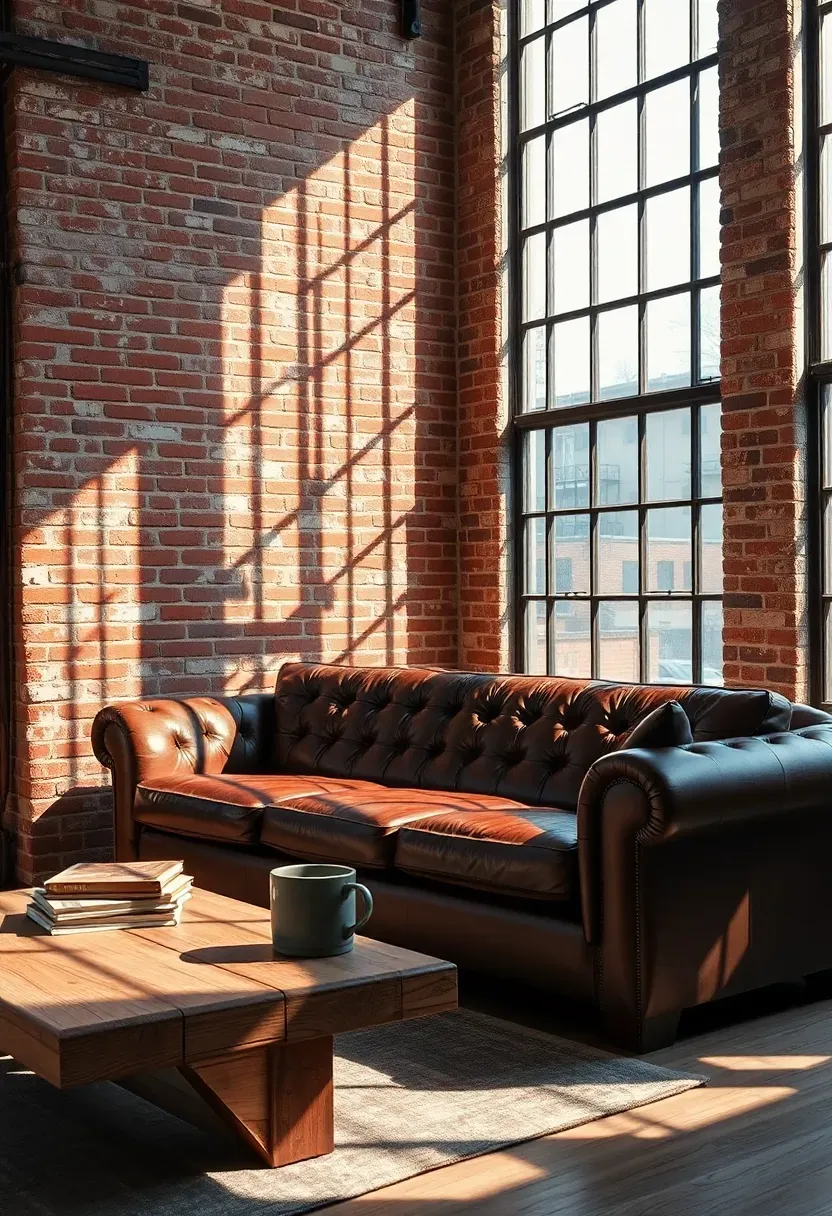
Raw brick carries decades of character, but left untreated it can feel aggressive in a residential setting. A diluted whitewash tames the intensity while preserving the texture and irregularity that make brick walls appealing.
Why Choose Whitewash Over Full Paint
Full paint erases the brick texture. Whitewash — a thin mix of white latex paint and water at a ratio of roughly one to one — lets the warm red and brown tones peek through. The effect is nostalgic without being rustic.
Application Notes
- Dampen the brick with water before applying the wash for better absorption
- Dab with a rag rather than a brush for an authentic, uneven finish
- Build coverage gradually — you can always add more but cannot easily remove it
6. Geometric 3D Wall Panel
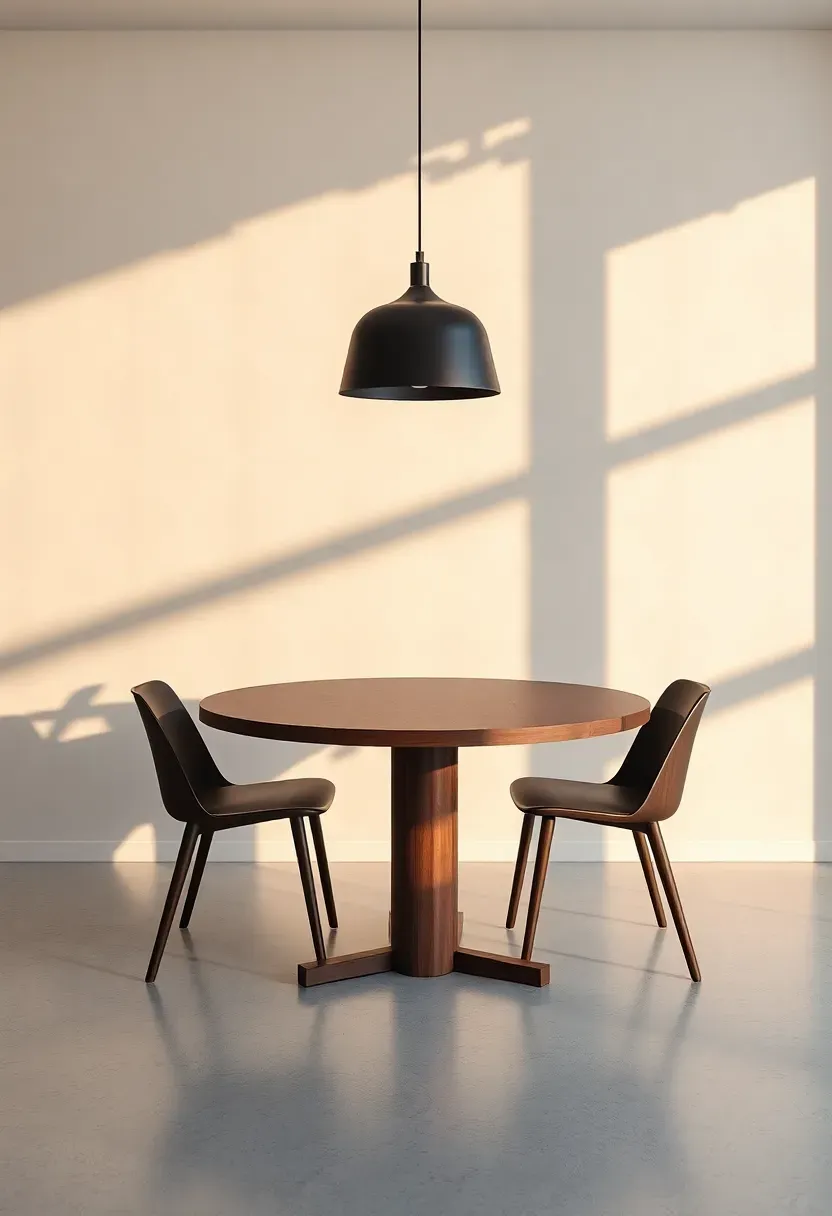
Three-dimensional wall panels turn a flat surface into a sculptural element. Available in PVC, gypsum, and MDF, these panels cast shadows that shift throughout the day as light angles change.
Comparing Materials
PVC Panels
Lightweight, moisture-resistant, and budget-friendly. Best for rental apartments and bathrooms where humidity is a concern.
Gypsum Panels
Heavier and more premium in feel. Accept paint well and produce sharper shadow lines. Ideal for living rooms and dining rooms where visual impact matters most.
What to Choose
Choose PVC if: you want easy installation, low cost, and moisture tolerance. Choose Gypsum if: shadow definition and a high-end finish are priorities.
Recommended
Items for this idea
7. Grasscloth Textile Wall
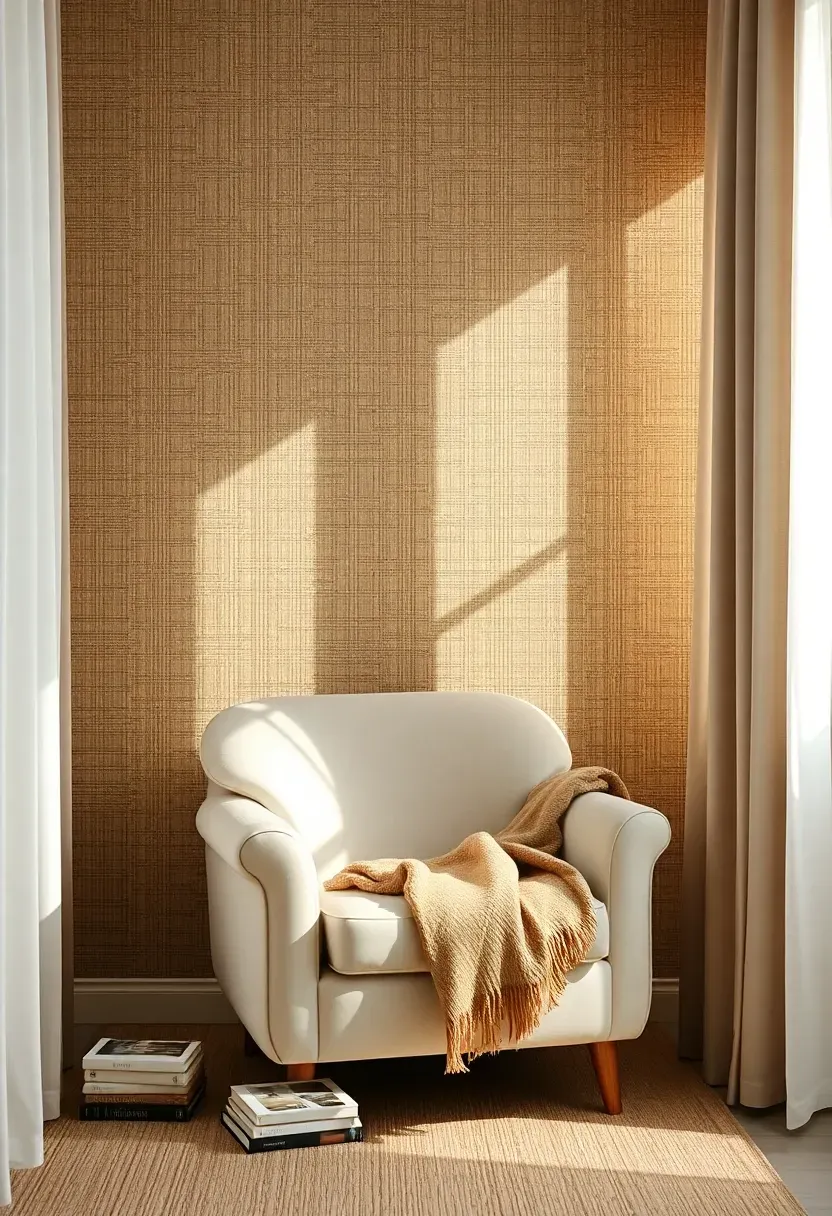
Grasscloth wallpaper brings organic warmth that no paint finish can match. Woven from jute, seagrass, or sisal fibers bonded to a paper backing, each roll displays unique variations in tone and texture that make the wall feel handcrafted.
Origins and Modern Use
Grasscloth has roots in East Asian interiors dating back centuries, where woven wall coverings served both decorative and insulation purposes. Today it appears in contemporary spaces as a grounding element — especially effective behind sofas, beds, and bookshelves.
How to Apply at Home
- Hire a professional for hanging — grasscloth is unforgiving with visible seams if misaligned
- Avoid high-moisture rooms; natural fibers absorb humidity and can stain
- Pair with matte white or cream trim for a clean frame around the texture
- Use grasscloth on a single wall only; full-room coverage feels heavy
8. Stacked Natural Stone
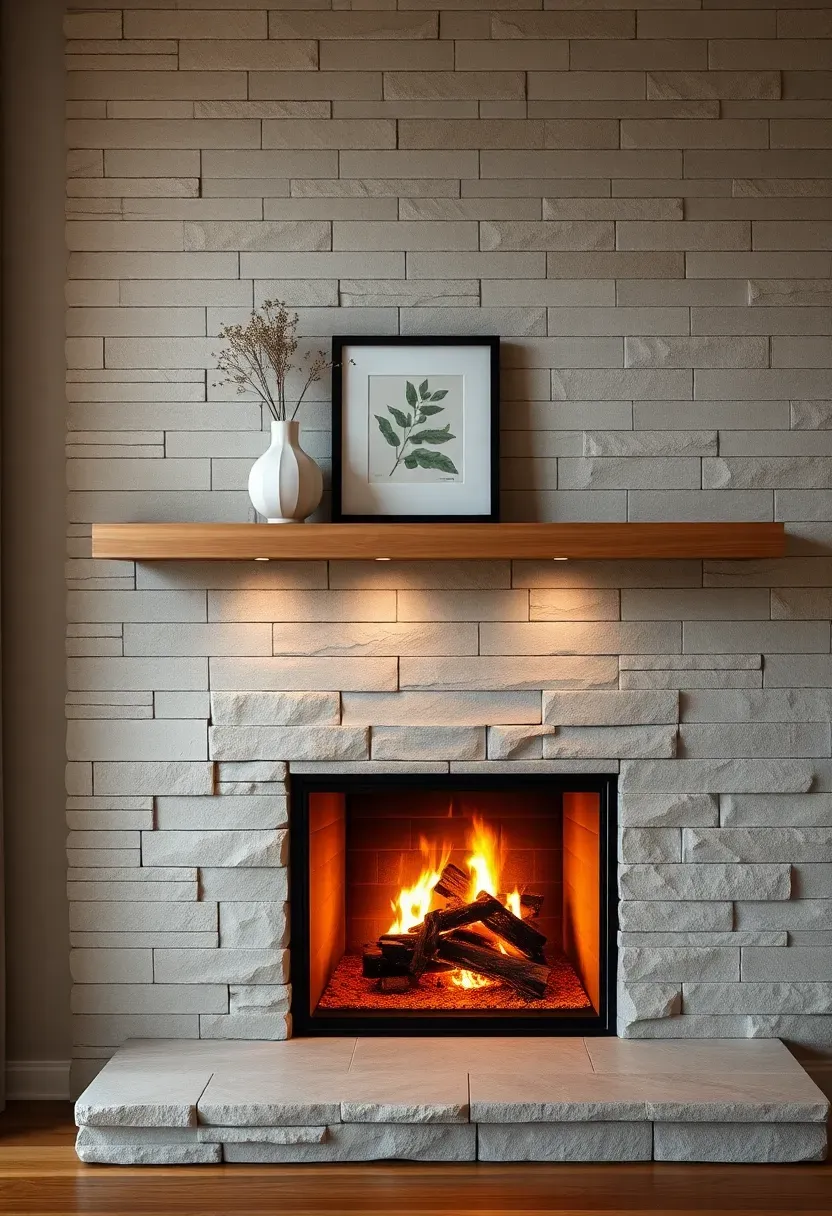
Nothing communicates permanence like natural stone on a wall. Stacked ledger panels — thin-cut slabs of limestone, slate, or quartzite — install over standard drywall and deliver the gravitas of a full stone wall at a fraction of the weight and cost.
Best Placements
Fireplace surrounds are the classic application, but stacked stone also anchors entryways, master bedroom headboard walls, and open-plan dining areas.
Pros and Cons
Pros: Extremely durable. No fading or wear over time. Each stone is unique, guaranteeing a one-of-a-kind result. Cons: Heavy even in thin-cut form — confirm wall framing can support the weight. Grout lines collect dust. Professional installation recommended for clean edges.
Recommended
Items for this idea
9. Arched Plaster Niche
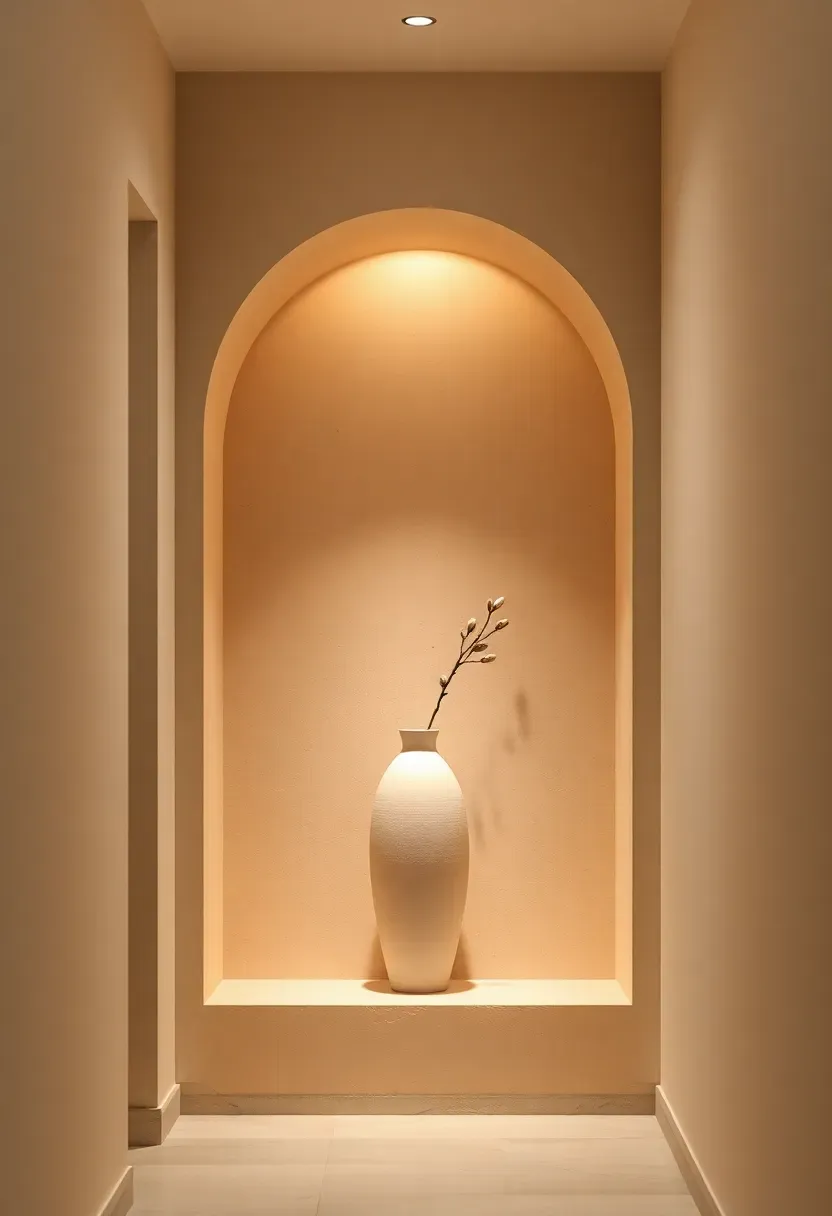
An arched niche transforms a blank wall into a curated display. Borrowed from Mediterranean and Moorish architecture, the arched recess adds sculptural depth and serves as a natural focal point for art, pottery, or a single statement object.
Step 1: Frame the Arch
Build a curved frame from flexible plywood or drywall over a simple stud box. Standard niche depths range from 100 to 200 millimeters.
Step 2: Apply Plaster Finish
Coat the interior and surrounding wall in a microcement or Venetian plaster for a seamless, monolithic look. Color-match the niche to the wall or go one shade darker for subtle contrast.
Step 3: Light the Interior
Recessed LED strip lighting along the top curve of the arch creates a warm glow that highlights whatever you place inside.
What to Watch Out For
- Avoid overfilling the niche — one or two objects look intentional; five look cluttered
- Rounded arches suit traditional and transitional spaces; pointed or squared arches lean modern
10. Bold Botanical Mural
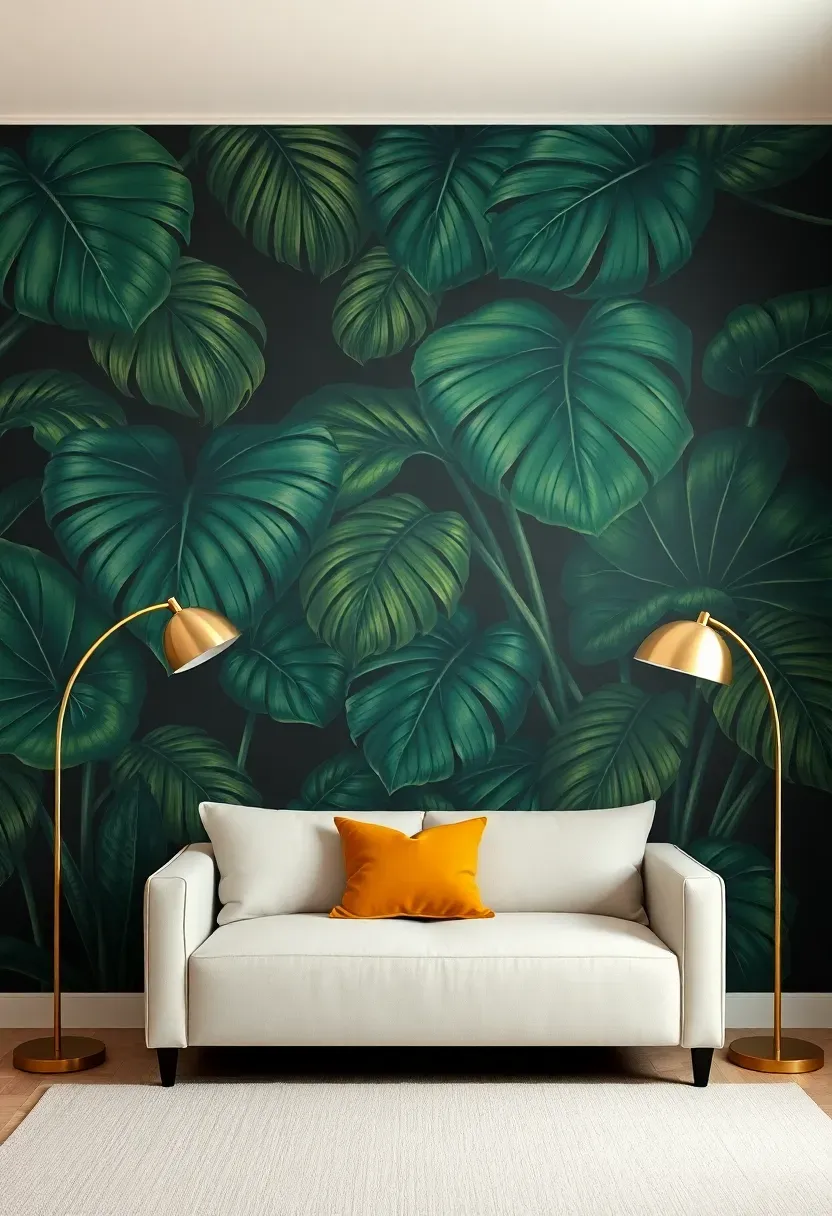
A floor-to-ceiling botanical mural does what a gallery wall takes ten frames to accomplish — it fills the space with a single dramatic gesture. Large-scale leaf and floral prints create an immersive atmosphere that works especially well in rooms with minimal furniture.
The Core Issue
Many rooms feel impersonal because their walls stay neutral out of fear that bold choices will overwhelm. The result is a space that plays it safe and lacks character.
The Solution
A botanical mural injects life without physical clutter. Peel-and-stick versions make this commitment-free for renters. Choose oversized tropical motifs for drama or muted wildflower studies for subtlety. Position the mural on the wall you face when entering the room for maximum impact.
Pros and Cons
Pros: Instant transformation. Removable options exist for renters. Wide variety of styles from photographic to illustrative. Cons: Large patterns require careful alignment at seams. Busy murals compete with gallery art on adjacent walls.
Recommended
Items for this idea
11. Vertical Garden Living Wall
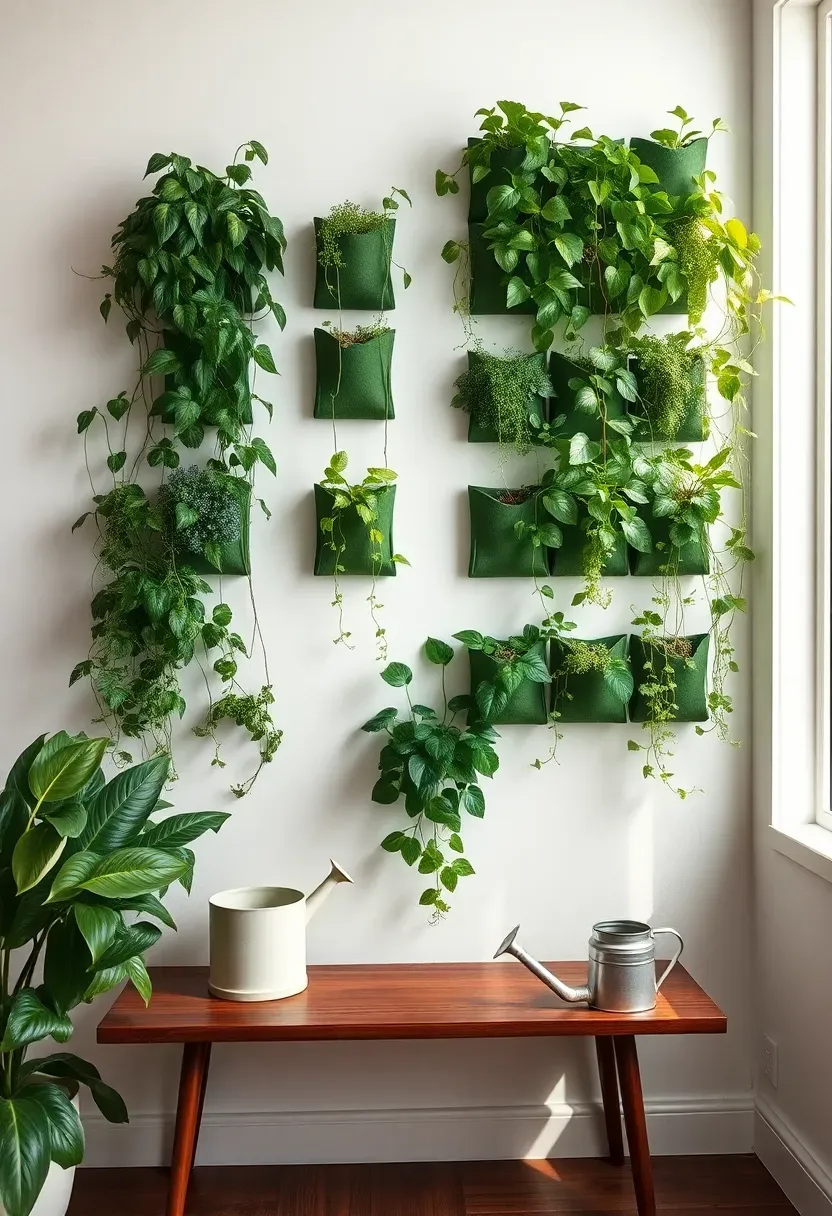
A living wall merges architecture with botany. Modular planter systems now make it feasible to install a full vertical garden indoors without commercial irrigation setups.
Modern Interpretation
Once limited to corporate lobbies and high-end restaurants, living walls have scaled down for residential use. Pocket planter panels, felt-based systems, and self-watering modules let homeowners build a green accent wall section by section.
How to Apply at Home
- Start small — a one-meter-square section above a console table makes a strong statement
- Choose low-light tolerant plants like pothos, ferns, and philodendron for interior walls
- Ensure a waterproof membrane behind the planter system to protect drywall
- Budget for a drip irrigation kit if the wall exceeds two square meters
12. Reclaimed Barn Wood Planks
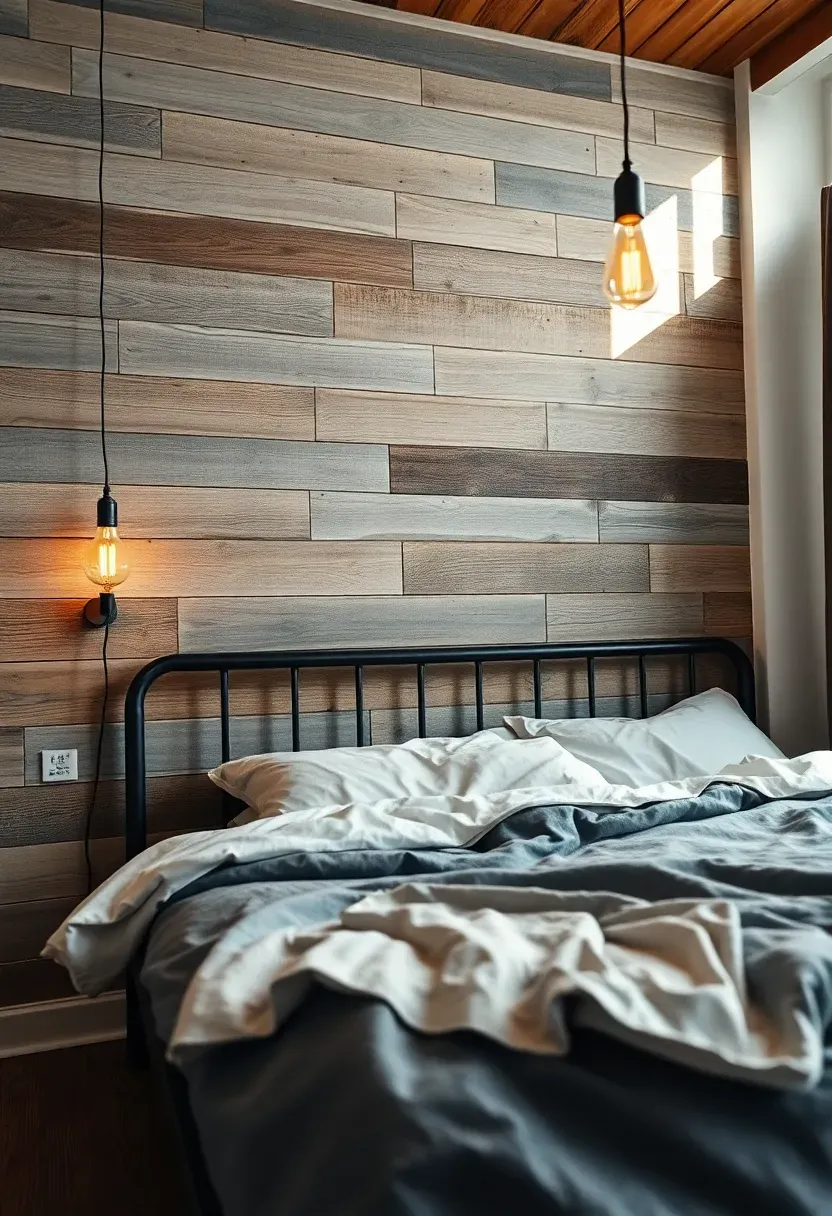
Reclaimed wood tells a story that new lumber cannot. Weathered barn planks bring a spectrum of grays, browns, and warm ochres to a wall, with nail holes and saw marks adding texture that feels earned rather than manufactured.
Why It Works
The irregular tones and grain patterns create visual interest at every distance. Up close, you appreciate the individual board character. From across the room, the wall reads as a unified warm backdrop.
Tips for Installation
- Sand lightly to remove splinters but preserve patina — over-sanding defeats the purpose
- Seal with a clear matte polyurethane to prevent dust and insect issues
- Mix plank widths for a more authentic look rather than using uniform boards
Recommended
Items for this idea
13. Color-Blocked Paint Shapes
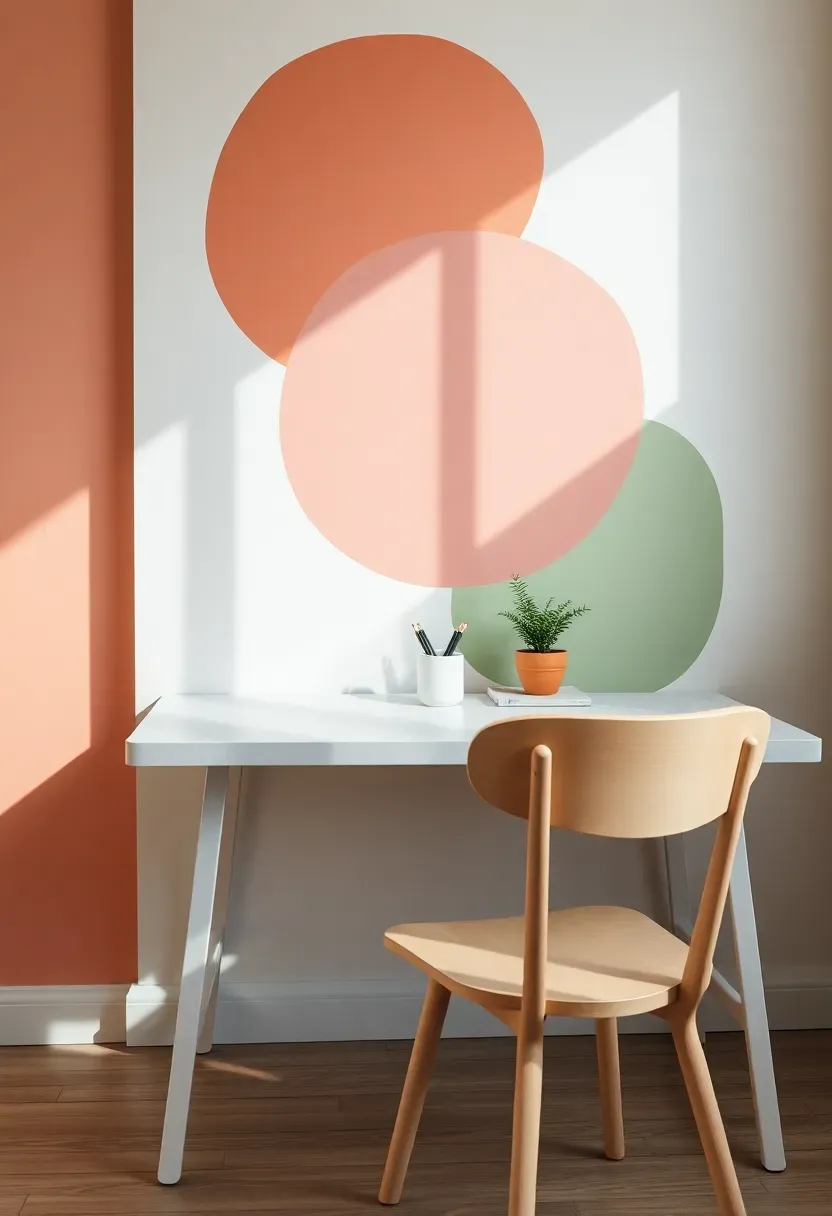
Forget painting wall to wall in a single color. Color blocking uses painter's tape to create bold geometric shapes — arches, circles, diagonal bands, or overlapping rectangles — directly on the wall surface.
This technique costs almost nothing beyond paint and tape, yet delivers a graphic impact that rivals wallpaper. It works brilliantly in children's rooms, home offices, and entryways where a hit of personality is welcome.
Step 1: Sketch the Design
Draw your shapes on paper first. Odd numbers of shapes tend to look more balanced than even groupings.
Step 2: Tape and Paint
Use high-quality painter's tape and press edges firmly. Apply two thin coats rather than one thick one to prevent bleeding under the tape.
Step 3: Peel While Damp
Remove tape while the final coat is still slightly tacky for the cleanest lines.
14. Fluted Concrete Panel
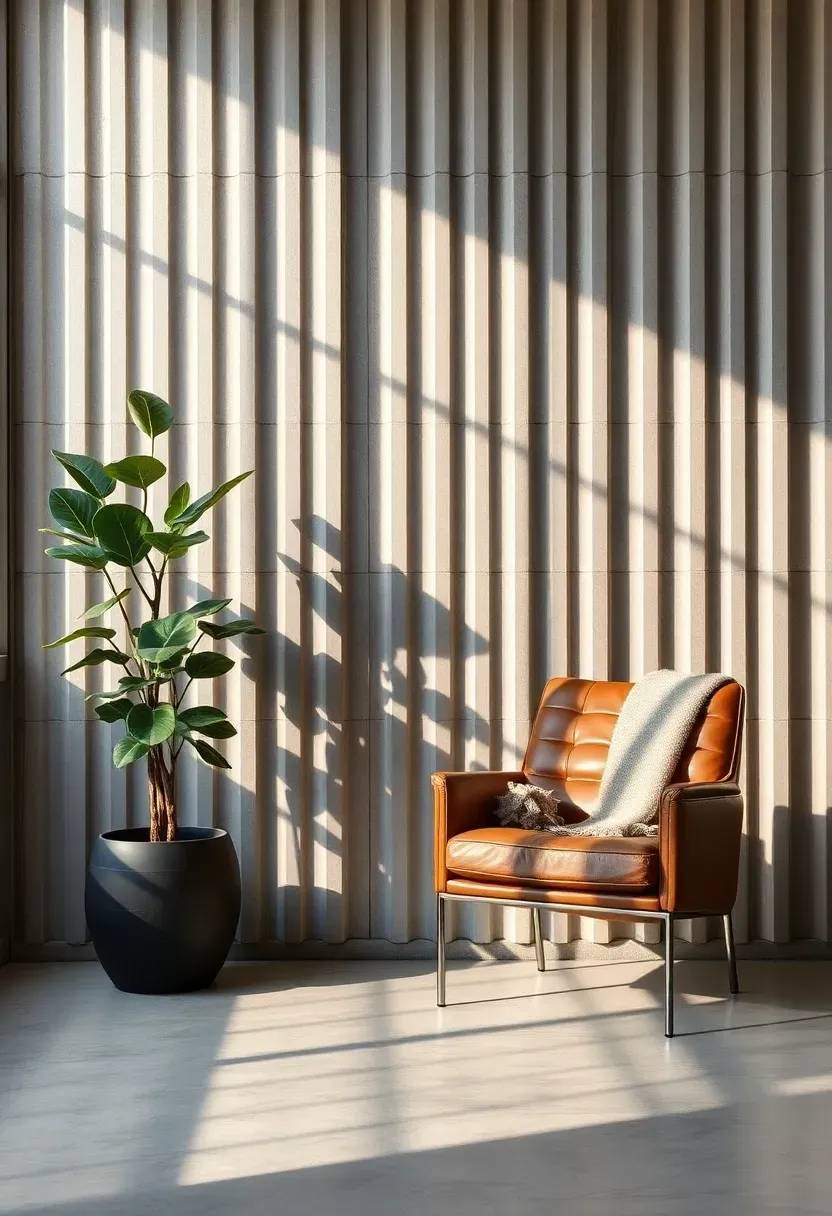
Fluted concrete panels bring industrial texture with a refined edge. The vertical ridges catch light in parallel lines, creating a rhythmic pattern that reads as both raw and sophisticated.
Origins and Appeal
Fluted concrete draws from midcentury Brutalist architecture but has been softened for residential use. Lightweight cement-board versions weigh a fraction of poured concrete while maintaining the material's honest, tactile quality.
Modern Application
Install panels floor to ceiling behind a dining table or as a fireplace surround. The neutral gray palette pairs naturally with warm wood furniture, brass hardware, and textured fabrics. For a warmer take, tint the concrete with pigment in terracotta or sand tones.
Recommended
Items for this idea
15. Wainscoting with Contrasting Paint
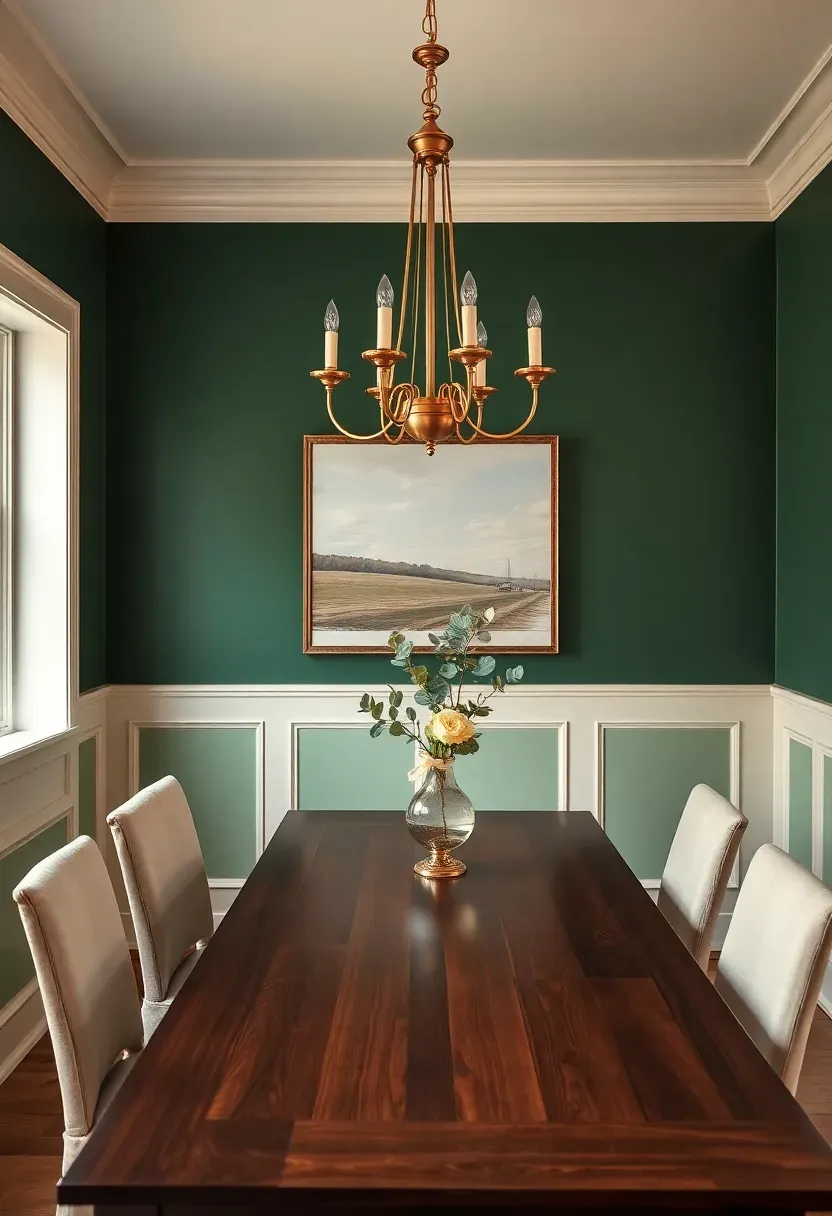
Traditional wainscoting gains a contemporary edge when you pair it with a bold paint contrast. The lower wall paneling in a saturated color — forest green, navy, or deep burgundy — against a lighter upper wall creates visual depth and a sense of architectural detail.
Why This Combination Endures
Wainscoting divides the wall into two distinct zones, each with its own purpose. The darker lower section grounds the room and hides scuffs from chairs and foot traffic. The lighter upper zone opens the vertical space and reflects more light.
Practical Notes
- Standard wainscoting height sits between 800 and 1000 millimeters — roughly one-third of the wall
- Use satin finish on the paneling for easy cleaning and matte on the upper wall
- Shaker-style flat panels suit modern rooms; raised panels lean traditional
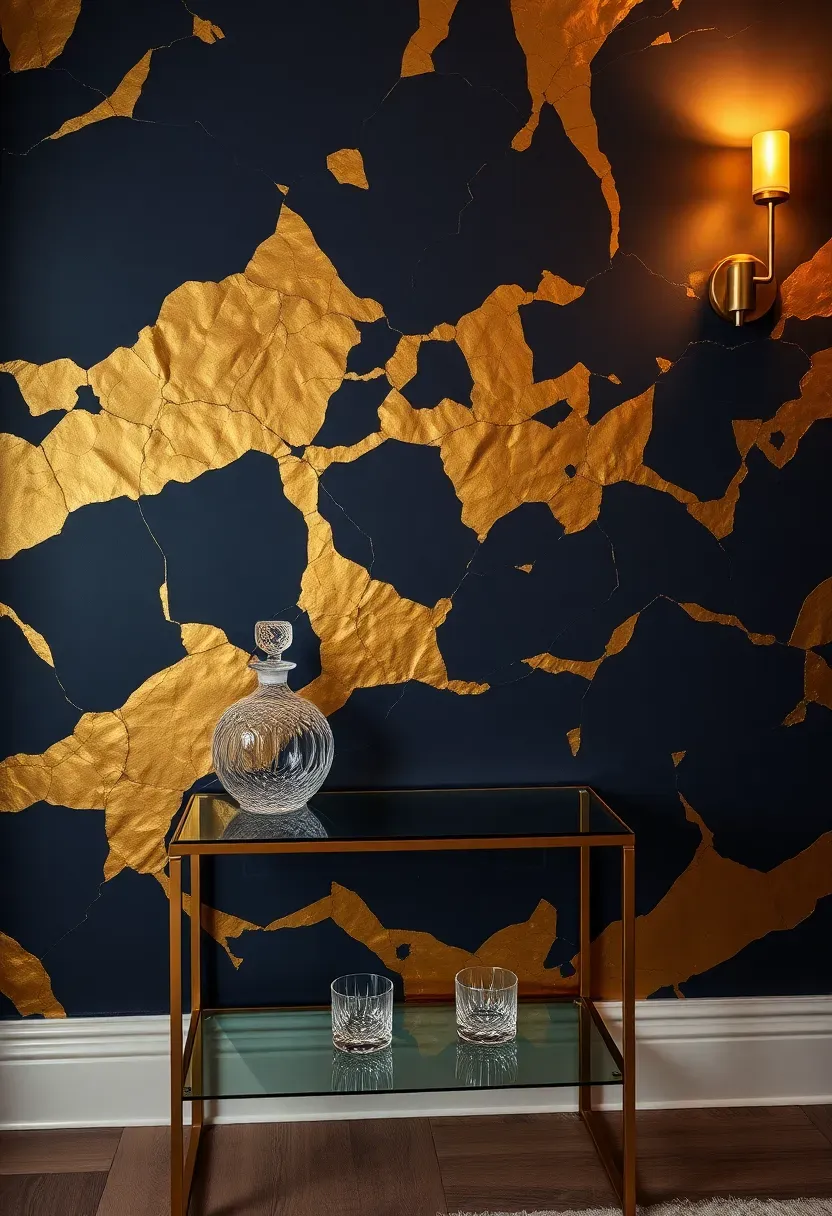
16. Metallic Leaf Accent
Gold, silver, or copper leaf applied in deliberate patterns over a painted base wall produces a finish that catches and scatters light in unpredictable ways. This is accent wall design at its most theatrical.
The Process
Apply sizing adhesive in your chosen pattern — freeform brushstrokes, geometric blocks, or an abstract cloud formation. Press sheets of metal leaf onto the adhesive, then brush away loose flakes. Seal with a clear topcoat to prevent tarnish.
Best Contexts
Metallic leaf works best on small to medium walls — a full large wall can feel overwhelming. Try it on a powder room accent wall, a bar niche, or behind a bedroom headboard where the reflective surface amplifies candlelight and evening lamps.
Tips for Restraint
- Limit leaf coverage to 40 to 60 percent of the wall surface; leaving gaps of the base color provides breathing room
- Pair with muted furnishings to let the wall remain the undisputed star
Recommended
Items for this idea
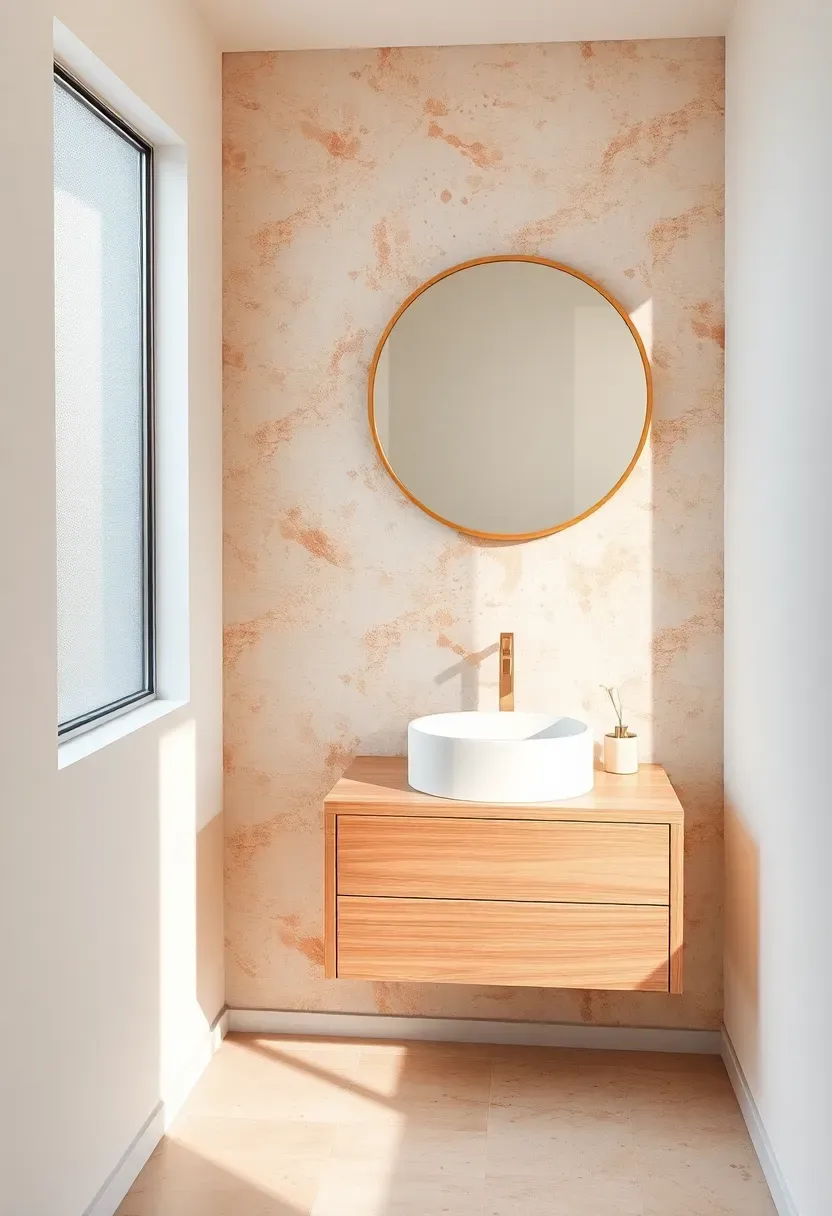
17. Terrazzo-Inspired Finish
Terrazzo has migrated from floors to walls, and the results are striking. Whether using actual poured terrazzo, pre-made panels, or terrazzo-look wallpaper, this speckled pattern adds playful texture without overwhelming the room.
Comparing Options
Real Terrazzo Panels
Custom-poured panels with marble, glass, or stone chips set in cement or resin. Premium look and feel. Heavy and expensive.
Terrazzo-Look Wallpaper
Printed vinyl or non-woven wallpaper mimicking the terrazzo pattern. Lightweight and affordable. Lacks tactile depth.
What to Choose
Choose real panels if: you want a permanent, high-end finish for a bathroom or kitchen accent wall. Choose wallpaper if: budget matters, you rent, or you want the ability to change looks seasonally.
18. Dark Moody Wallpaper
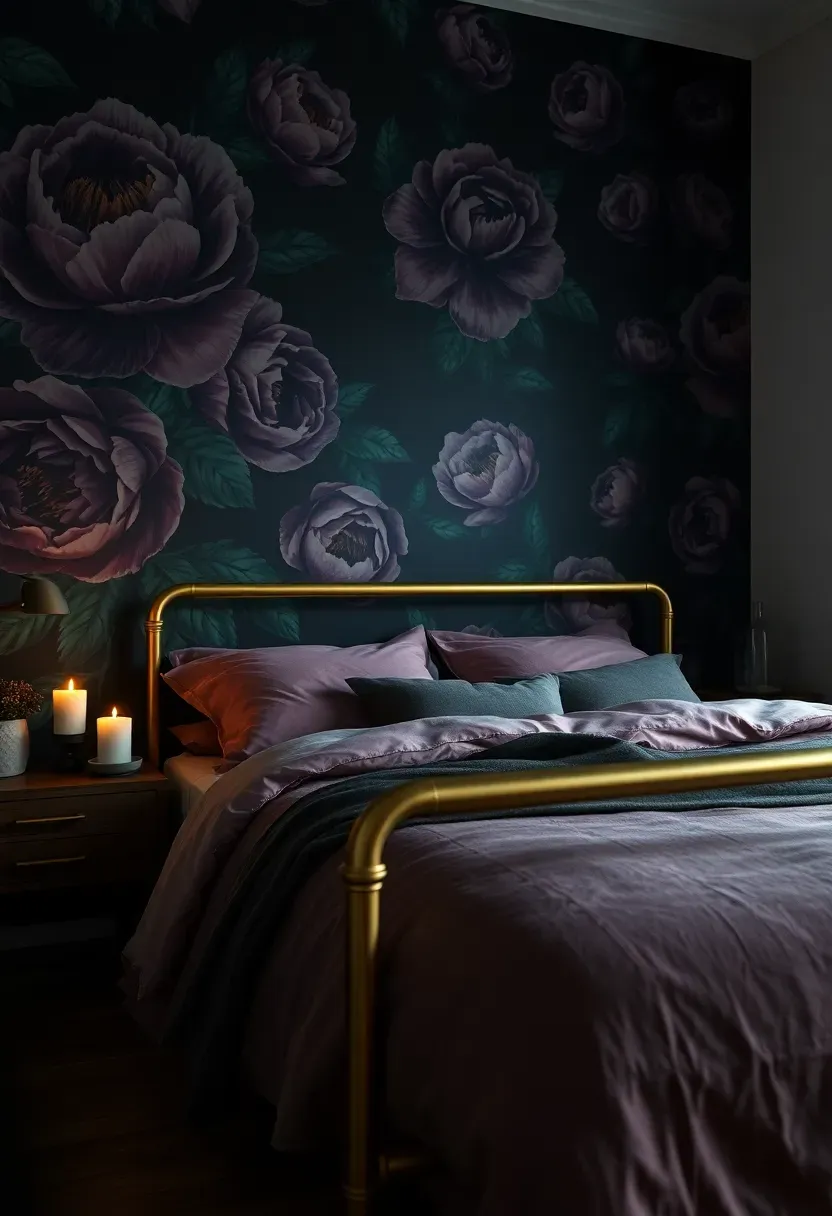
Dark wallpaper — florals, damasks, abstract textures, or celestial prints on a near-black ground — creates intimacy and drama that light walls cannot. A single moody papered wall transforms a bedroom or dining room into something that feels deliberately atmospheric.
Why Dark Walls Work
Dark backgrounds recede visually, making furniture and art pop forward. The room feels cocooned rather than small, especially when paired with warm-toned lighting and rich textiles.
How to Apply at Home
- Choose a wall that receives the least direct sunlight to maintain the moody effect throughout the day
- Balance the dark wall with lighter flooring or a light-toned rug
- Keep adjacent walls in a neutral tone — painting them the same dark shade will close the room in
- Matte finishes feel more enveloping; satin finishes add subtle sheen for glamour
Recommended
Items for this idea
19. Mixed Material Collage Wall
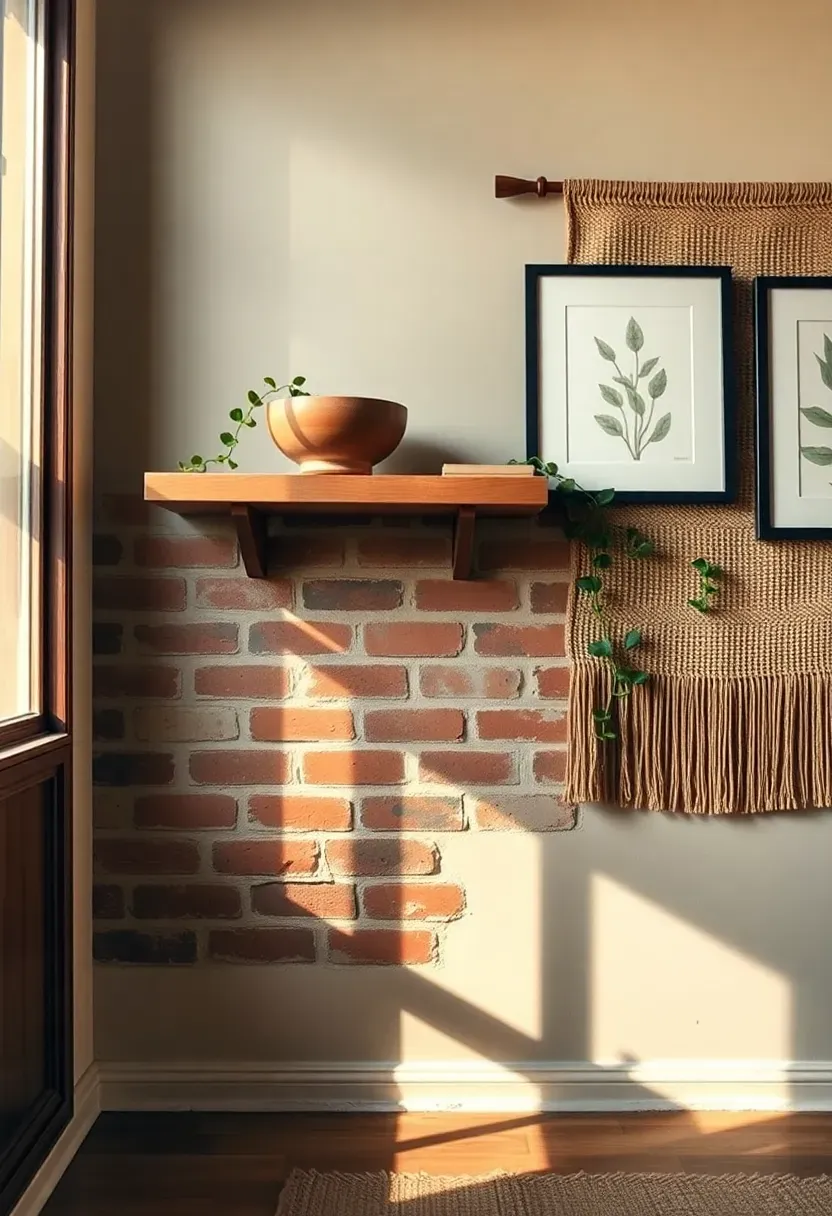
Should you commit to just one material? Not necessarily. A mixed-material wall layers multiple textures — a band of exposed brick at the base, a plaster section above, a floating shelf with objects, a tapestry beside framed art — into a curated collage that reflects your personality more than any single treatment could.
How to Pull It Off
The key is a shared color story. When different materials speak the same tonal language — warm earth tones, cool monochromes, or muted pastels — the variety reads as intentional rather than chaotic.
Practical Recommendations
- Limit yourself to three to four materials maximum; beyond that, the wall loses coherence
- Anchor the composition with one dominant material covering at least 50 percent of the surface
- Let negative space breathe — not every square centimeter needs covering
- Step back frequently during installation to check balance from a normal viewing distance
Quick FAQ
Is it possible to create an accent wall in a small room without making it feel cramped? Absolutely. Choose lighter textures like grasscloth or a subtle ombre rather than heavy dark paint. Reflective materials like metallic leaf or high-gloss finishes bounce light and counteract the smaller footprint.
Which accent wall material lasts the longest without maintenance? Natural stacked stone and porcelain tile are nearly maintenance-free and can last decades. Wood slats and brick require occasional sealing. Paint and wallpaper need refreshing every five to ten years.
Should the accent wall always be the wall behind the sofa or bed? Not always. The most effective accent wall is the one you face when entering the room. That could be the wall behind the sofa, beside a window, or at the end of a hallway. Let sightlines guide the decision rather than furniture placement.
What is the most budget-friendly accent wall option from this list? Color-blocked paint shapes and limewash both require only paint and basic tools. You can transform a wall for under fifty dollars if you already own brushes and tape.
Do accent walls work in open-plan layouts where walls are shared between zones? They can be highly effective as zone dividers. A stone accent wall behind the dining table, for example, visually separates dining from living without a physical partition.
Start with whichever design matches the wall you have been staring at for too long. A single afternoon of limewash or an hour spent hanging a bold mural can shift the entire energy of a room. The best accent wall is not the trendiest one — it is the one that makes you pause every time you walk past it.
Pinterest cover for 19 Accent Wall Designs That Steal the Show in Any Room
About the author
OBCD
CGI visualization and interior design content. We create detailed 3D renders and curate practical design ideas for every room in your home.