25 AI Low Maintenance Garden Ideas
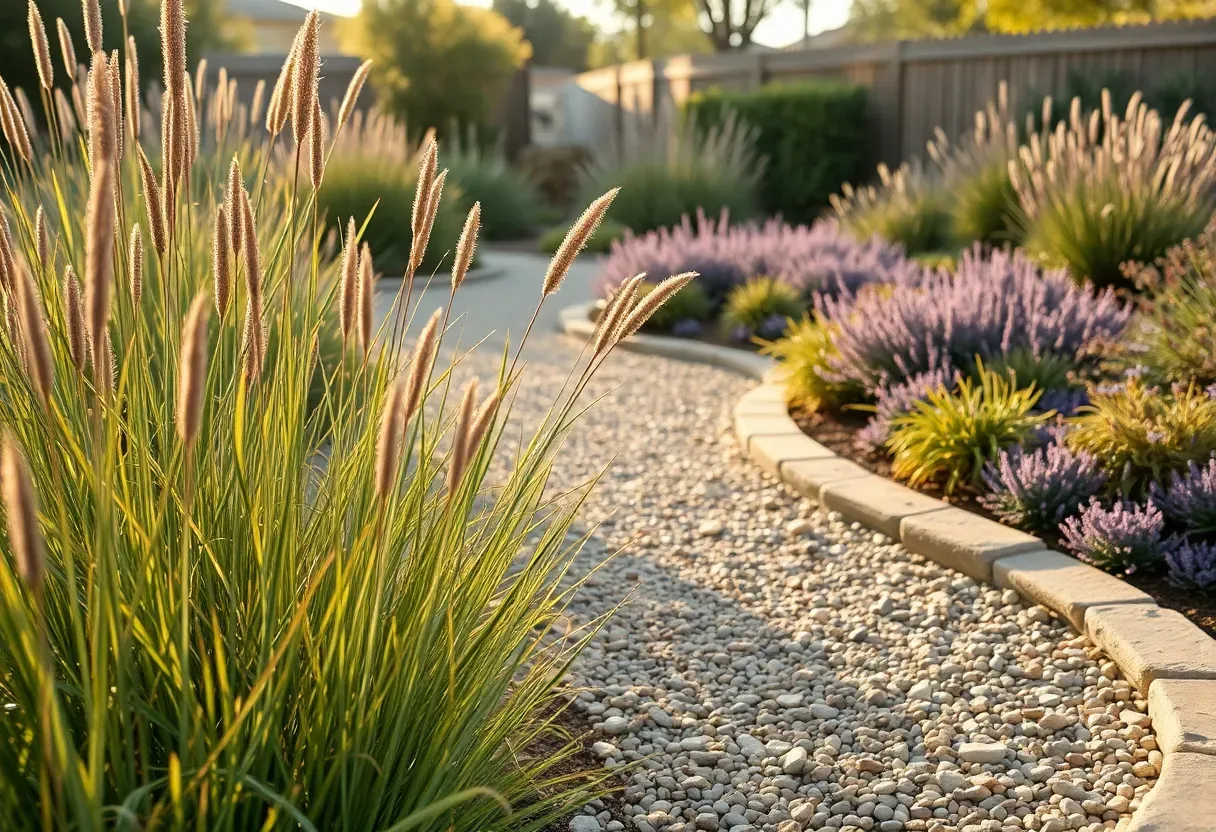
We have all stood in the yard on a Saturday morning, staring at overgrown beds, thinking there has to be an easier way. There is. AI garden design tools now generate photorealistic landscape concepts tailored to your specific climate, soil, and sun exposure in minutes rather than months. The best part? These tools naturally gravitate toward plant combinations and hardscape materials that demand minimal upkeep, because durability and beauty are baked into the algorithms. What once required a professional landscaper and a thick wallet now starts with a phone photo and a few clicks.
Here are 25 AI-generated garden concepts built around one shared principle: spend less time maintaining and more time enjoying. We move from ground-level solutions to vertical ideas, from front yard curb appeal to private backyard retreats.
Table of Contents
- Gravel and Ornamental Grass Meadow
- Succulent Rock Garden
- Native Wildflower Prairie Strip
- Evergreen Shrub Border
- Creeping Thyme Lawn Replacement
- Japanese Zen Gravel Court
- Raised Corten Steel Planter Beds
- Drought-Tolerant Mediterranean Courtyard
- Moss and Fern Shade Garden
- Self-Seeding Cottage Wildflower Bed
- Decomposed Granite Patio Garden
- Clumping Bamboo Privacy Screen
- Lavender and Rosemary Herb Border
- No-Mow Sedge Lawn
- Automated Drip Irrigation Raised Beds
- Xeriscaped Front Yard
- Gravel River Bed Rain Garden
- Perennial Ground Cover Tapestry
- Low Hedge Parterre with Pea Gravel
- Ornamental Grass Boulevard
- Stone Slab Stepping Path Through Groundcover
- Vertical Living Wall on Fence
- Agave and Boulder Desert Scape
- Mixed Evergreen Container Garden
- Wildflower Meadow with Mown Path
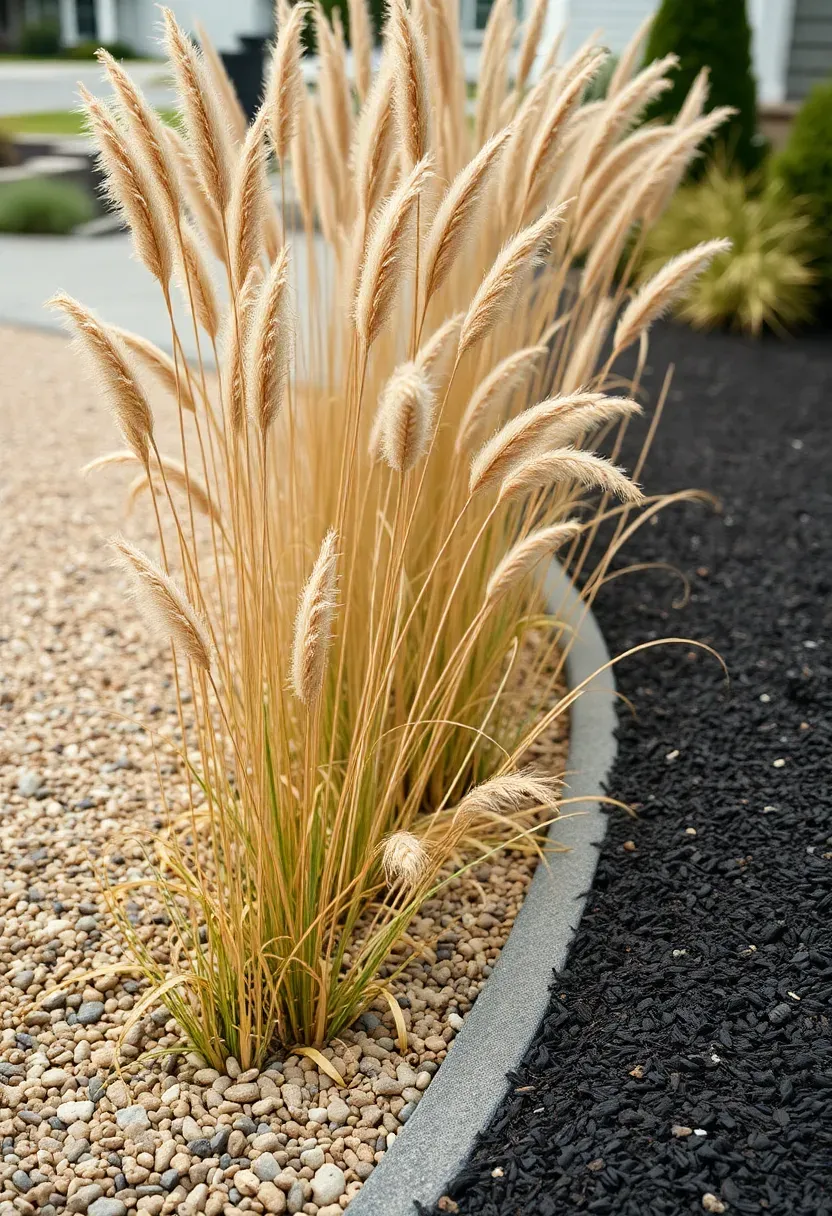
1. Gravel and Ornamental Grass Meadow
Picture a yard where swaying grasses catch every breeze and gravel mulch handles drainage without a single bag of bark mulch in sight. AI tools love this pairing because the color palette is naturally cohesive and the maintenance profile is almost zero once established.
Why It Works
Ornamental grasses like Miscanthus, Karl Foerster feather reed grass, and blue fescue thrive on neglect. They rarely need fertilizer, resist most pests, and only ask for one hard cutback each late winter. Gravel suppresses weeds, retains warmth around root zones, and eliminates the need for edging.
Tips
- Choose angular gravel over round pebbles for better stability underfoot
- Plant grasses in odd-numbered clusters for a natural, unplanned look
- Lay landscape fabric beneath gravel to block persistent weed seeds
We picked a few things that go well with this idea: Quick-Connect Drip Irrigation Kit (240ft) (★4.5), MIXC Quick-Connect Garden Irrigation System (230ft) (★4.5) and CARPATHEN Premium Drip Irrigation Kit (★4.5). As an Amazon Associate we earn from qualifying purchases.
2. Succulent Rock Garden
The Core Issue
Traditional flower beds demand constant watering, deadheading, and seasonal replanting. Homeowners in hot, dry climates often burn through water budgets trying to keep them alive.
The Solution
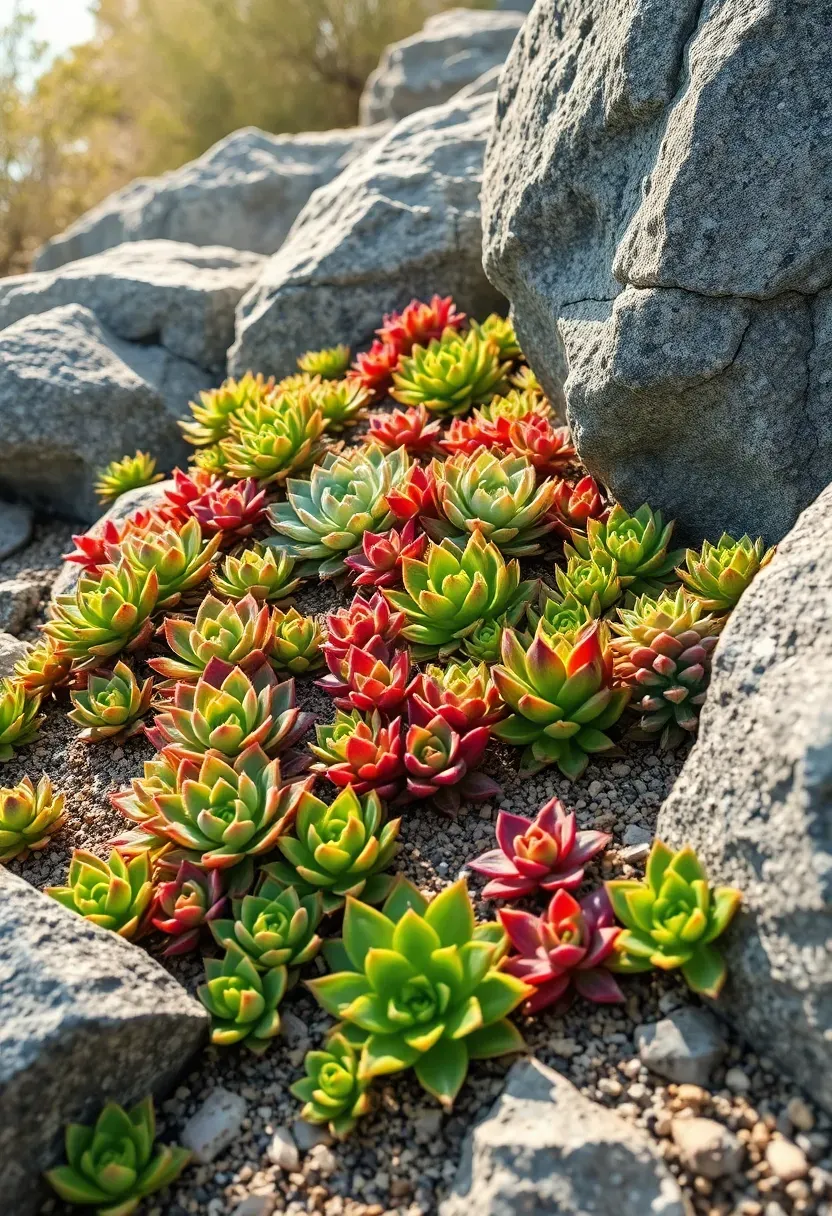
A succulent rock garden stores water inside the plants themselves. AI renderings consistently place succulents between large boulders where pockets of well-draining soil collect just enough moisture. The sculptural rosettes of echeveria, the cascading tails of donkey tail sedum, and the architectural spikes of agave create visual depth without a single irrigation timer.
Pros and Cons
Pros: Virtually no watering once established, year-round structure, endless color variety from green to deep burgundy.
Cons: Cold-climate gardeners need to bring tender succulents indoors for winter, and deer occasionally browse softer varieties.
We picked a few things that go well with this idea: Voulosimi Polished River Rock Stones (40lb) (★4.4), Natural White Landscaping Rocks (45lb) (★4.1) and Polished Mixed Color Decorative Pebbles (2lb) (★4.6). As an Amazon Associate we earn from qualifying purchases.
3. Native Wildflower Prairie Strip
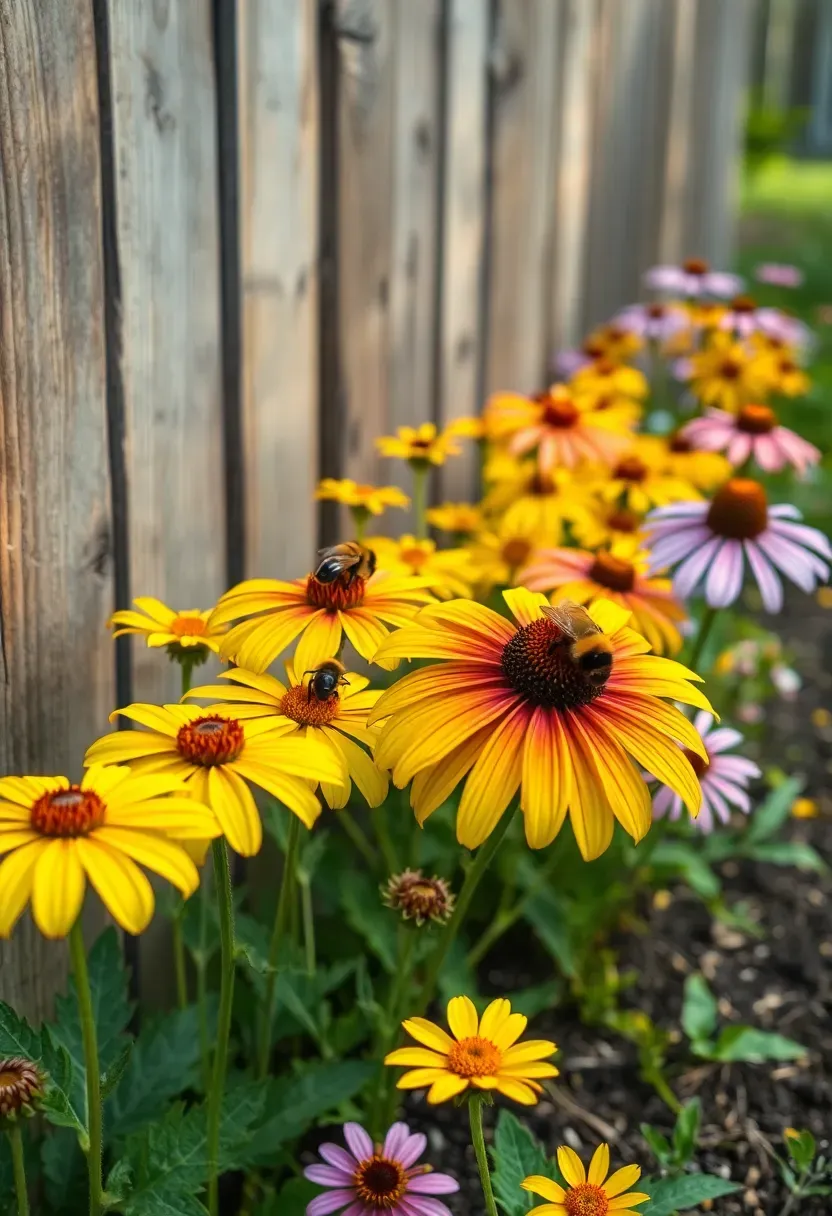
There is something deeply satisfying about a garden that feeds itself. Native wildflower strips pull nutrients from deep soil layers, attract beneficial pollinators, and reseed year after year without intervention. AI design platforms excel at selecting region-appropriate seed mixes by cross-referencing your ZIP code with native plant databases.
How to Establish
Step 1: Clear existing turf in a strip at least four feet wide along a fence, property line, or walkway edge.
Step 2: Scatter a locally sourced native seed mix over lightly raked soil in fall or early spring. Press seeds into soil contact without burying them.
Step 3: Water lightly for the first two weeks, then step back entirely. By the second growing season, the strip fills in with color from May through October.
What to Watch Out For
- Avoid mixes with aggressive spreaders like crown vetch in small gardens
- Mow once in late winter to clear dead stalks before new growth emerges
- Patience matters: native prairie strips look scrappy in year one and spectacular by year three
We picked a few things that go well with this idea: Land Guard Galvanized Raised Garden Bed (★4.5), Galvanized Oval Raised Bed (2-Pack, 8x4ft) (★4.4) and Vengarus Galvanized Raised Bed Kit (2-Pack) (★4.5). As an Amazon Associate we earn from qualifying purchases.
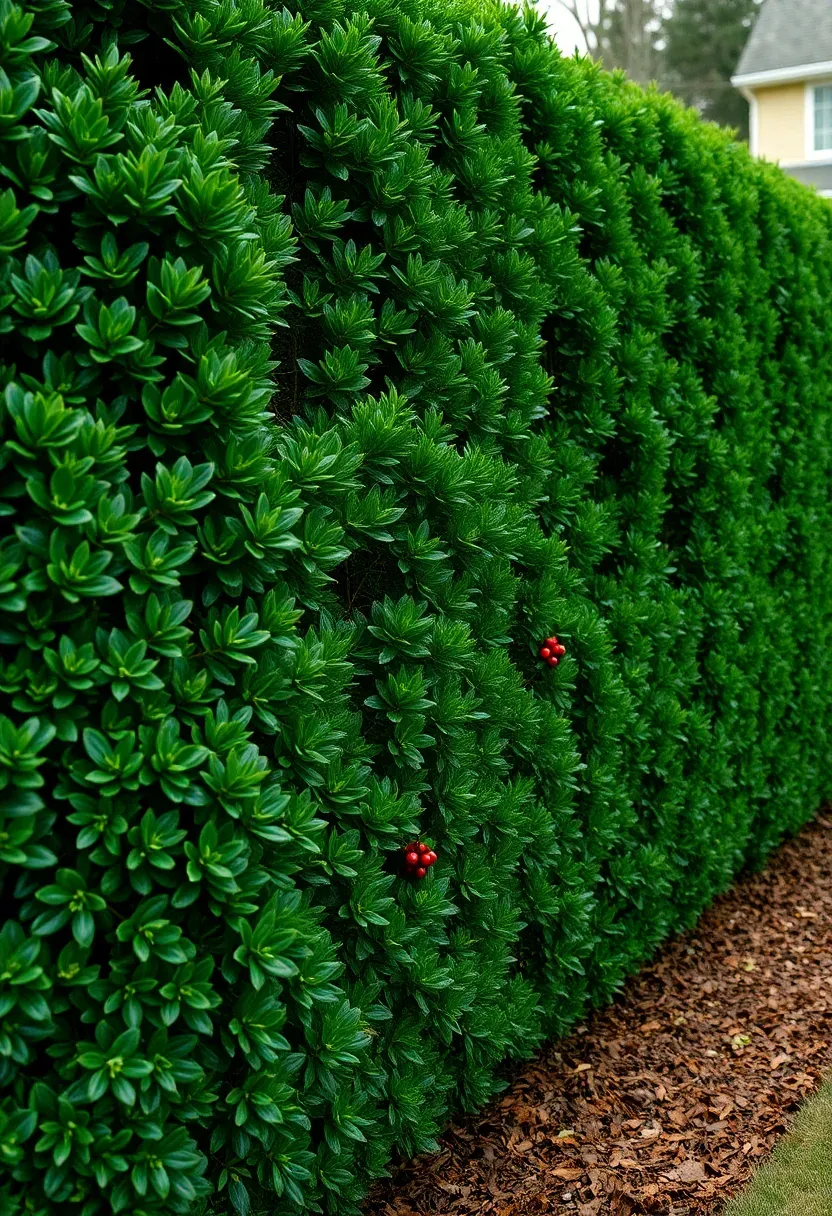
4. Evergreen Shrub Border
Origins
Evergreen hedging dates back to formal Renaissance gardens where clipped yew and boxwood defined outdoor rooms. The concept survives because it works — a dense evergreen border provides year-round privacy, wind protection, and a clean backdrop for whatever you plant in front.
Modern Interpretation
AI tools now suggest mixed evergreen borders instead of single-species hedges. Combining boxwood, skip laurel, and inkberry holly creates texture variety while maintaining that continuous green wall. Staggering heights — taller shrubs at the back, compact ones forward — adds depth without extra maintenance. Most evergreens need only one or two shaping sessions per year.
How to Apply at Home
- Space shrubs at mature width to avoid overcrowding within five years
- Mulch the base with two inches of wood chips to retain moisture and suppress weeds
- Choose disease-resistant boxwood cultivars to avoid blight issues
- Install a simple soaker hose for the first two summers until roots establish
Recommended
Items for this idea
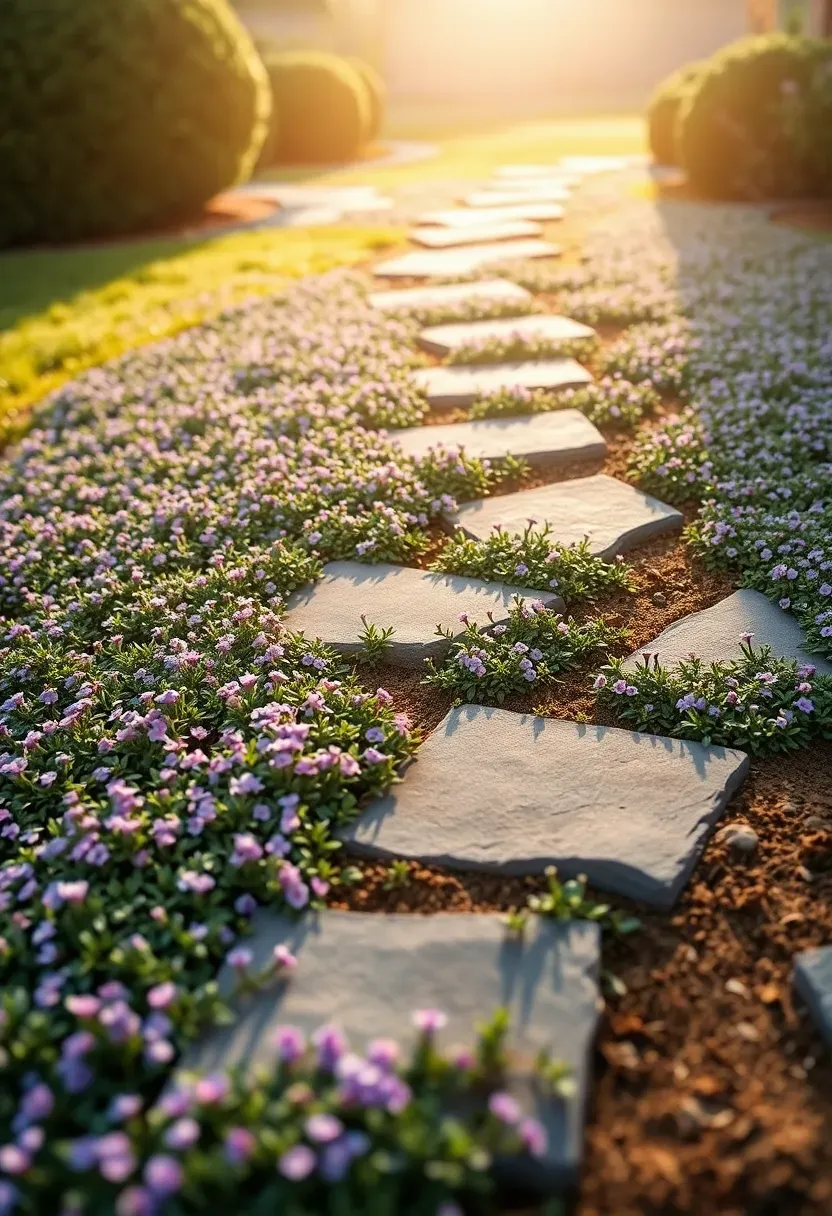
5. Creeping Thyme Lawn Replacement
Should you replace your entire lawn with creeping thyme? That depends on foot traffic, but for lightly used areas the answer is a confident yes. Creeping thyme (Thymus serpyllum) forms a dense, fragrant mat that blooms purple or pink in early summer, attracts pollinators, and never needs mowing. Walk across it and the air fills with a herbal scent that no turf grass can match.
Step 1: Prepare the Ground
Remove existing sod and amend heavy clay soils with coarse sand for drainage. Thyme despises wet feet.
Step 2: Plant Plugs in a Grid
Space plugs six to eight inches apart. They knit together within one growing season.
Step 3: Water Sparingly
Soak once a week for the first month, then rely on rainfall. Overwatering is the fastest way to kill thyme.
What to Watch Out For
- Not suitable for heavy foot traffic areas like play zones
- Combine with stepping stones for main walkway paths through the planting
- Tolerates light snow cover but may thin in extreme cold without insulating snow

6. Japanese Zen Gravel Court
Few garden styles demand less upkeep while delivering more visual calm. A zen gravel court replaces plantings almost entirely with raked gravel, stone, and deliberate negative space. AI renderings nail the proportions — the ratio of open gravel to boulder placement matters enormously, and algorithms trained on hundreds of traditional Japanese gardens produce balanced compositions reliably.
Tips
- Use angular crushed granite rather than smooth river rock for authentic raked patterns
- Limit plant material to one or two specimen trees: Japanese maple, black pine, or cloud-pruned juniper
- Rake patterns weekly for a meditative ritual or leave them undisturbed for a wilder aesthetic
- Edge the court with dark timber or steel for a clean boundary
Recommended
Items for this idea
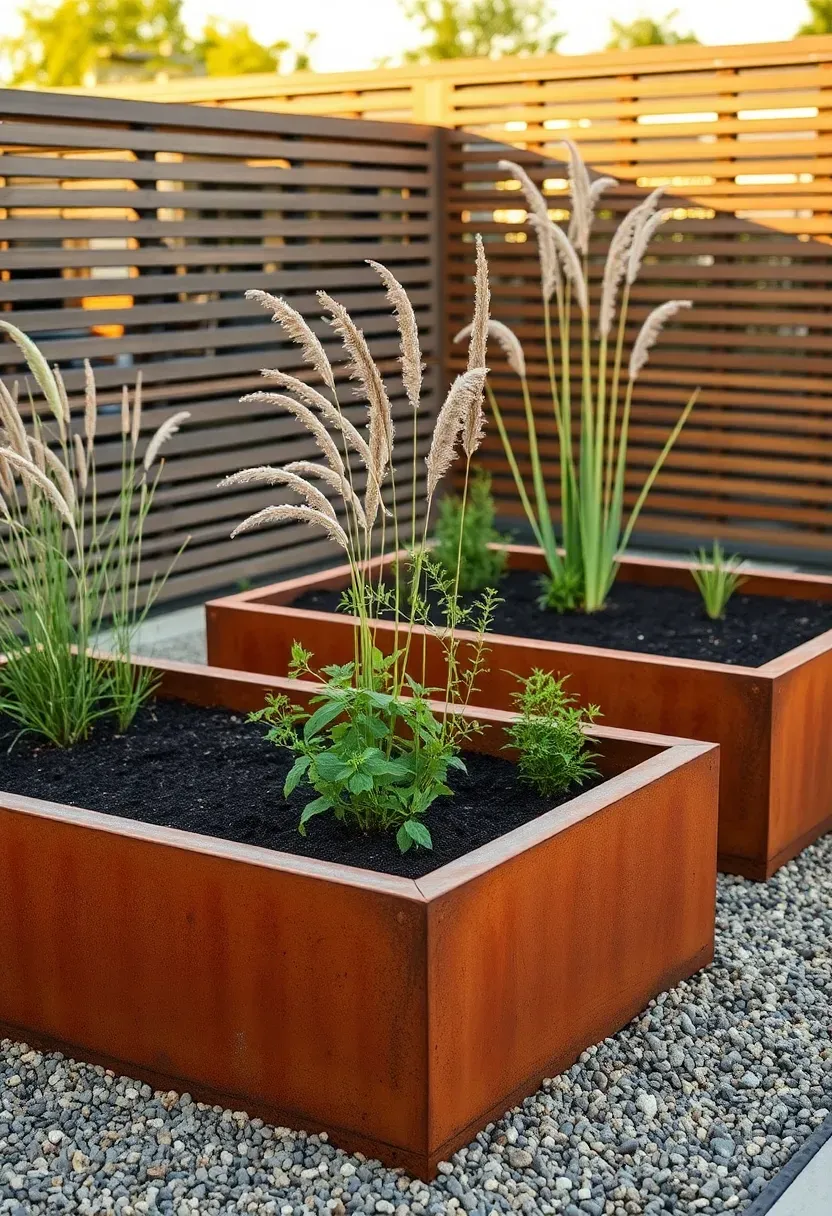
7. Raised Corten Steel Planter Beds
Comparing: Corten Steel vs Wood Raised Beds
Raised beds concentrate your gardening effort into a contained, manageable space. But the material you choose determines how much maintenance that bed will demand over the next decade.
Corten Steel
Develops a protective rust patina that seals the surface against further corrosion. Never needs painting, staining, or replacing. Retains heat, extending the growing season slightly. Lasts 50+ years.
Wood (Cedar or Redwood)
Warm, natural appearance. Costs less upfront. However, even rot-resistant species degrade within 8 to 12 years, requiring rebuilds. Needs periodic treatment.
What to Choose
Choose corten if: you want permanent infrastructure that ages beautifully and you can absorb the higher initial cost.
Choose wood if: you rent, need temporary beds, or prefer a rustic cottage aesthetic.
Recommendation
For a low maintenance garden, corten wins decisively. The upfront investment pays back in decades of zero maintenance.
8. Drought-Tolerant Mediterranean Courtyard
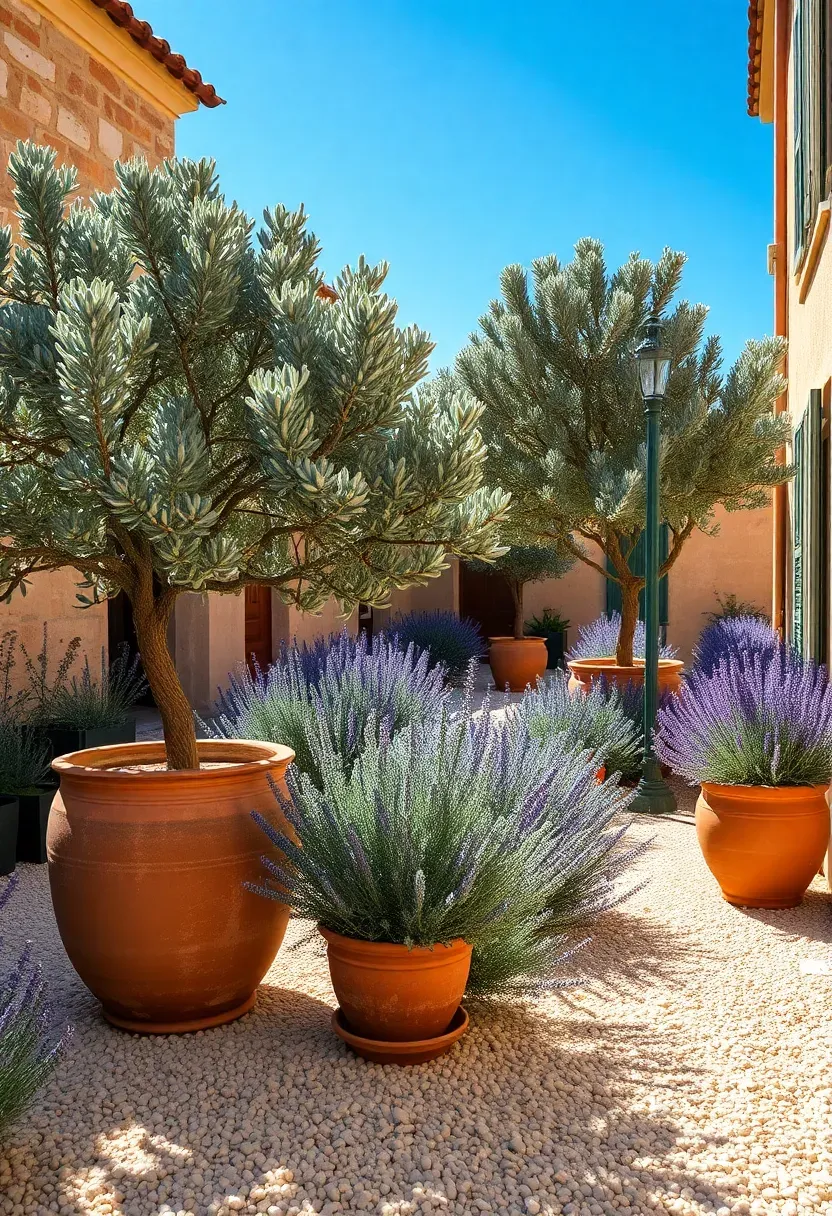
Imagine stepping through a gate into a courtyard where silvery olive trees shade terracotta pots, lavender hums with bees, and the ground is crushed limestone rather than thirsty lawn. Mediterranean gardens are engineered by centuries of water scarcity — every plant earns its place by surviving on rainfall alone once established.
Tips
- Group plants by water needs: lavender, rosemary, and santolina in the driest zones; fig trees and grape vines where rainwater naturally collects
- Use terracotta and stone containers that breathe, preventing root rot
- Leave gravel or stone as the primary ground surface — no irrigation system needed
- Add a simple wall-mounted fountain for sound without the maintenance of a pond
Recommended
Items for this idea
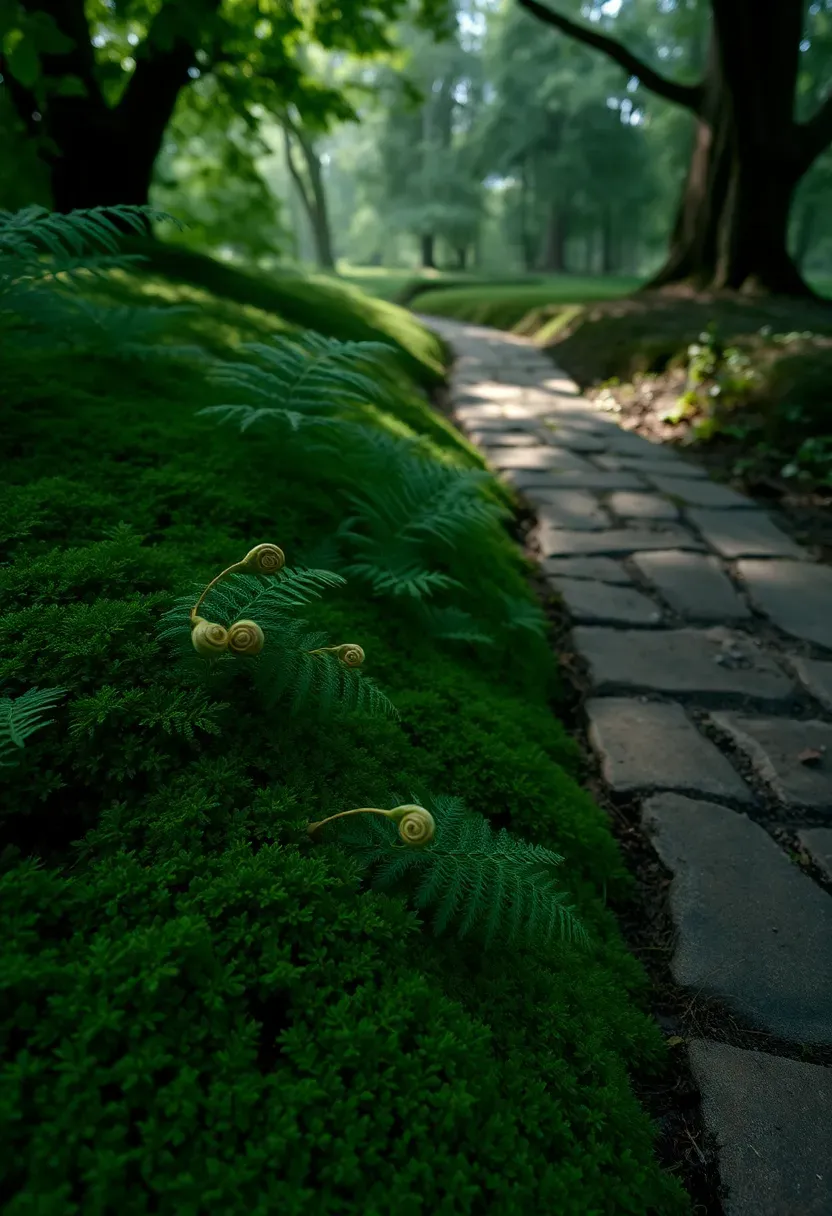
9. Moss and Fern Shade Garden
What if the shadiest corner of your yard became the most beautiful? Moss and fern gardens thrive where nothing else wants to grow — under dense tree canopy, on north-facing slopes, in those damp spots beside the foundation. Once established, moss forms a living carpet that never needs mowing, fertilizing, or reseeding.
The Core Issue
Shady areas collect bare soil, mud, and invasive weeds because most ornamental plants demand at least partial sun.
The Solution
Sheet moss, fern moss, and hair cap moss colonize shady ground when given consistent moisture during establishment. Pair them with native ferns like Christmas fern, maidenhair, or ostrich fern for vertical interest. AI tools map shade patterns throughout the day to identify exactly which zones support which species.
Pros and Cons
Pros: Zero mowing, no fertilizer, stays green year-round in mild climates, soft and inviting texture.
Cons: Requires reliable moisture during the first season, does not tolerate foot traffic, and needs acidic soil (pH 5.0 to 6.0).
10. Self-Seeding Cottage Wildflower Bed
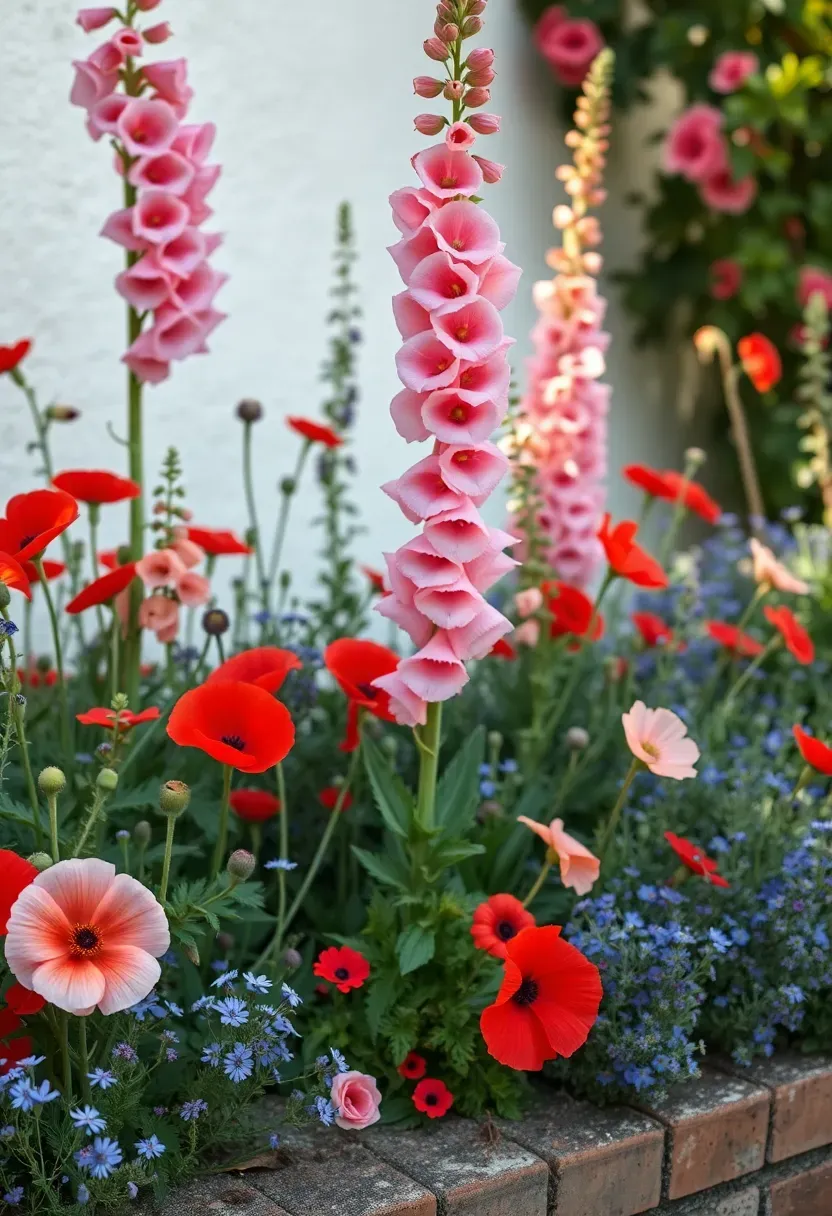
Some of the most charming gardens in history were accidental — plants that dropped seeds, germinated where they landed, and created tapestries no designer could plan. Self-seeding annuals and short-lived perennials like foxglove, California poppy, nigella, and sweet William renew themselves each year. Your only job is to resist the urge to tidy up in fall. Those dried seed heads are next year's garden.
Tips
- Let spent flowers stand through winter — seeds need cold stratification to germinate
- Lightly scratch bare soil in spring to give fallen seeds soil contact
- Thin overcrowded seedlings by pulling the weakest rather than transplanting
- Add new species every few years to keep the mix evolving
Recommended
Items for this idea
11. Decomposed Granite Patio Garden
Decomposed granite (DG) splits the difference between hardscape and garden. It is softer and more permeable than concrete, cheaper than pavers, and creates a warm, earthy tone that complements both modern and rustic plantings. AI layout tools frequently suggest DG patios as the anchor for low maintenance gardens because the material handles drainage, suppresses weeds when compacted, and never cracks.
Step 1: Excavate and Grade
Remove four inches of existing soil. Grade for a slight slope away from structures to manage rainwater.
Step 2: Compact the Base
Lay two inches of crushed rock base and compact with a plate compactor. Add two inches of DG and compact again.
Step 3: Define Edges
Steel or aluminum edging keeps DG from migrating into adjacent planting beds.
What to Watch Out For
- Stabilized DG (mixed with a binding resin) resists tracking into the house better than loose DG
- Refresh the surface with a thin top layer every two to three years
- Avoid using DG on steep slopes where rain will wash it downhill
12. Clumping Bamboo Privacy Screen
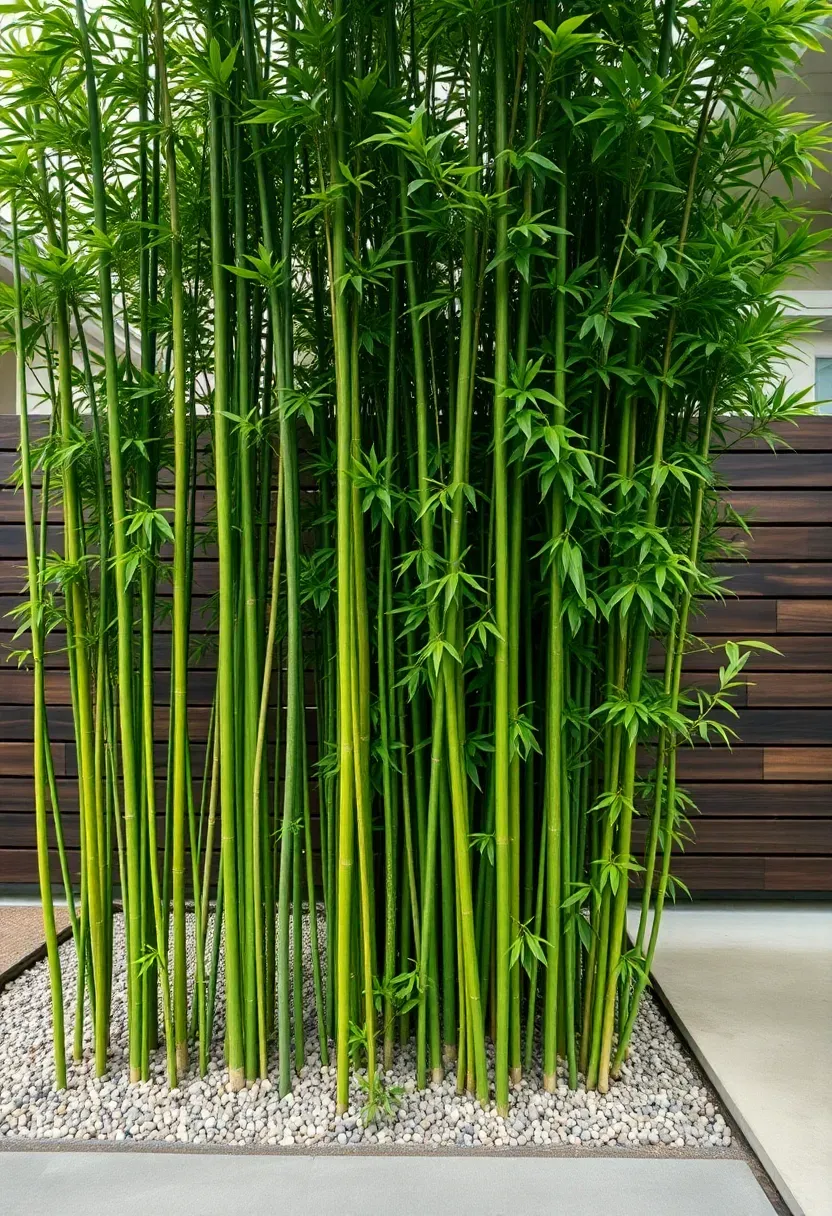
Not all bamboo is invasive. Clumping varieties like Bambusa multiplex and Fargesia stay exactly where you plant them, growing in tight clusters rather than sending runners across the yard. A single row planted three feet apart fills into a solid green screen within two to three seasons, reaching twelve to twenty feet depending on species.
Why It Beats a Fence
A bamboo screen moves with the wind, filters noise, and provides habitat for birds. It costs less than a six-foot privacy fence, requires no painting or staining, and actually improves with age. Annual maintenance consists of removing dead culms at the base and optionally thinning for airflow.
Tips
- Confirm your species is clumping, not running — the difference is critical
- Water deeply during the first summer establishment period
- Apply a four-inch ring of mulch around the base to retain moisture
Recommended
Items for this idea
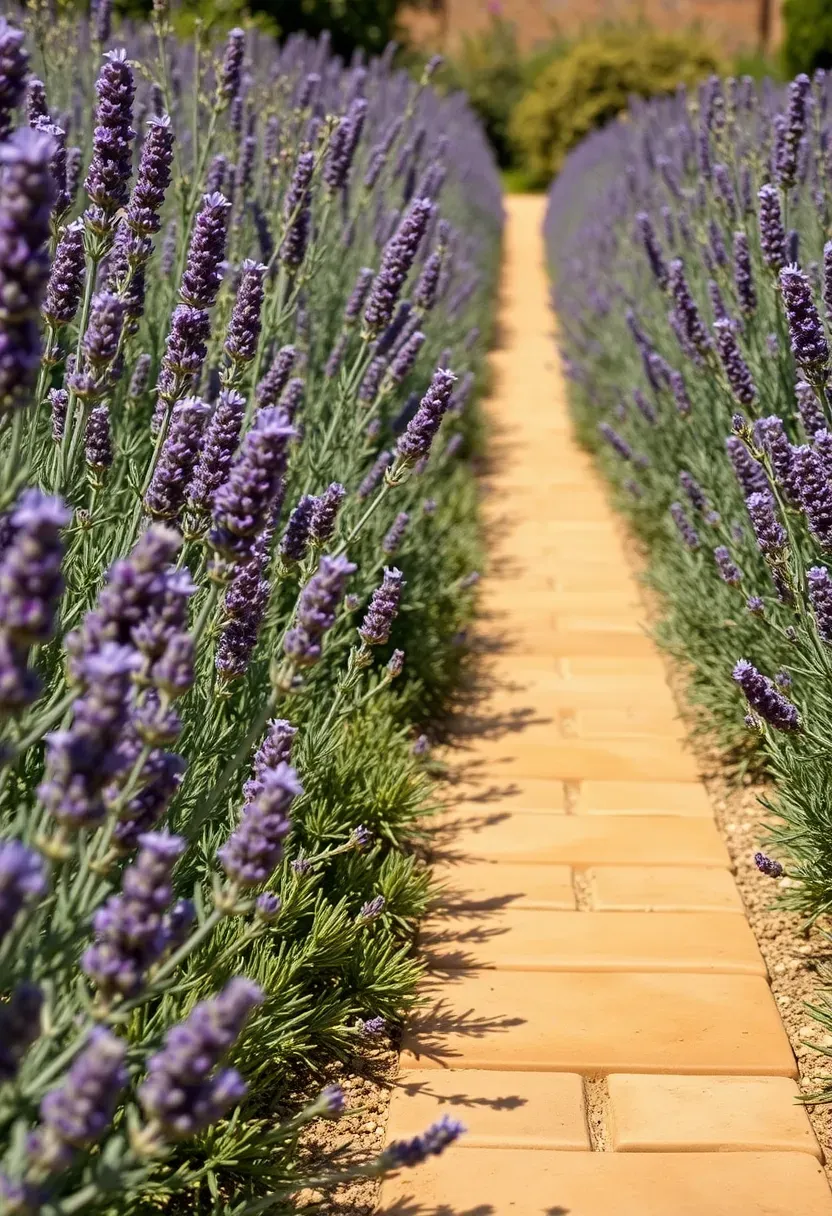
13. Lavender and Rosemary Herb Border
Is there a more rewarding low maintenance planting than one that smells incredible, feeds pollinators, and provides fresh cooking herbs all season? Lavender and rosemary share identical growing requirements: full sun, fast-draining soil, and very little water. They resist deer, tolerate poor soil, and bloom reliably year after year.
How to Establish
Plant one-gallon nursery stock eighteen inches apart along a pathway, driveway, or patio edge. Amend heavy soil with perlite or coarse sand at planting time. Water weekly for the first month, then stop. Prune after flowering by cutting back one-third of the growth to keep plants compact and prevent woody legginess.
Pros and Cons
Pros: Fragrant, evergreen in mild climates, pollinator magnet, edible harvest.
Cons: Short-lived in humid climates with heavy clay soil, needs replacement every five to seven years in wet zones.
14. No-Mow Sedge Lawn
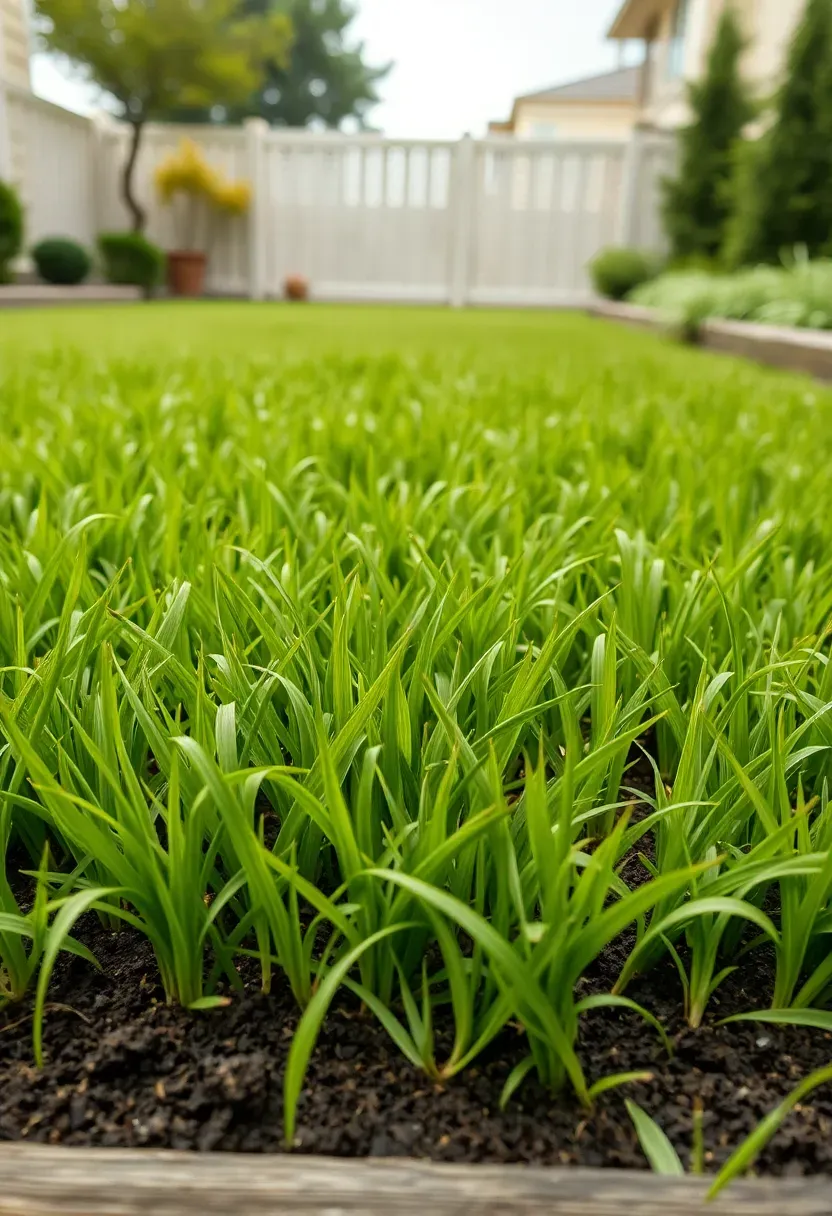
The Core Issue
Traditional turf lawns consume more water, fertilizer, and weekend hours than any other element in the American landscape. The EPA estimates that lawn irrigation accounts for nearly one-third of residential water use.
The Solution
Native sedges (Carex species) form dense, soft tufts that arch gracefully to six or eight inches and never need mowing. Pennsylvania sedge works in shade, prairie sedge handles sun, and California meadow sedge tolerates drought. AI design tools match sedge species to your exact light and moisture conditions, producing renderings that show the finished lawn at one, three, and five years.
Pros and Cons
Pros: No mowing, no fertilizing, deep root systems prevent erosion, stays green longer into drought than turf.
Cons: Does not tolerate heavy foot traffic like sports turf, takes two full seasons to fill in completely, and initial plug planting is labor intensive.
Recommended
Items for this idea
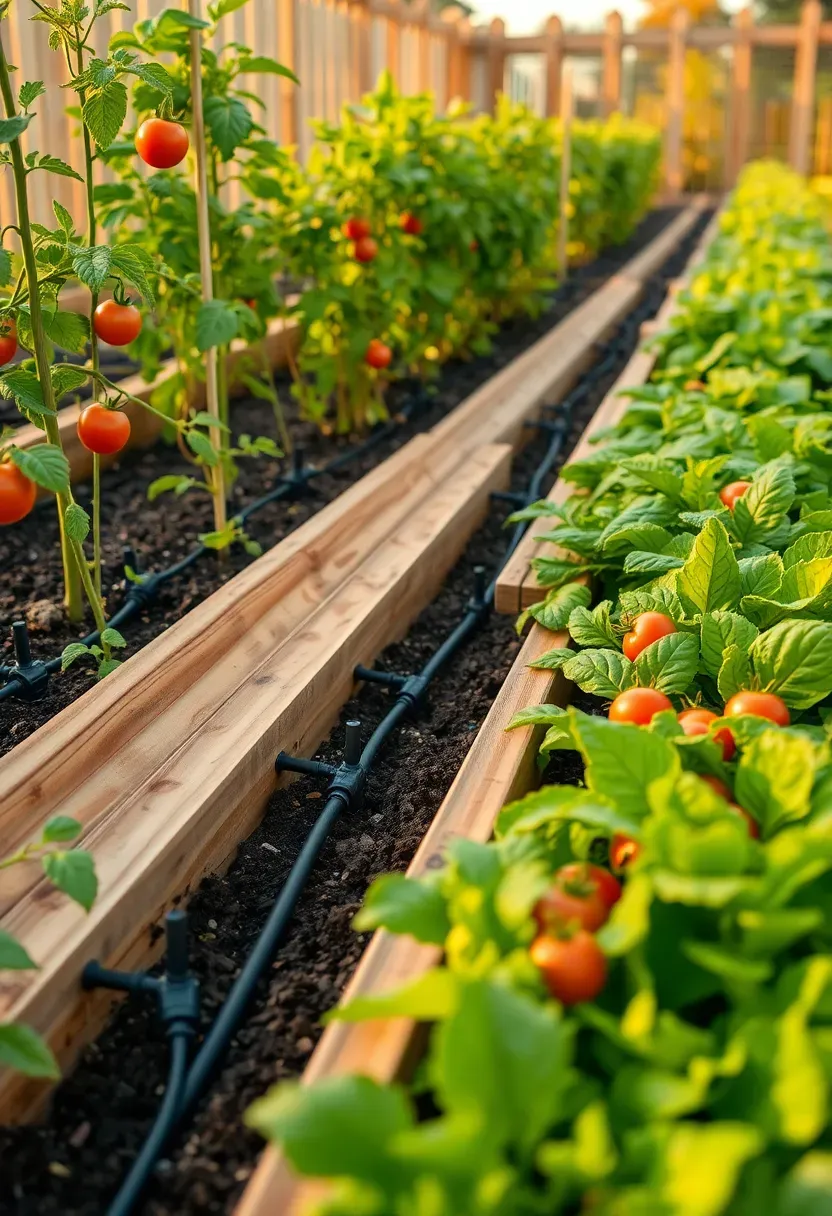
15. Automated Drip Irrigation Raised Beds
Why drag a hose around the yard when a twenty-dollar timer and some drip tubing can water your garden at dawn while you sleep? Automated drip irrigation delivers water directly to root zones, cutting consumption by up to fifty percent compared to overhead sprinklers. Pair this with raised beds and you have a food-producing garden that runs almost on autopilot.
Step 1: Install a Timer at the Spigot
Battery-powered hose timers cost under thirty dollars and program in minutes. Set watering for early morning to minimize evaporation.
Step 2: Run Main Line to Beds
Use half-inch polyethylene tubing from the timer to each raised bed. Tee connectors split the line.
Step 3: Add Emitters at Each Plant
Quarter-inch spaghetti tubing with drip emitters delivers precise water to individual root zones. Adjust flow rates by plant type.
What to Watch Out For
- Flush lines monthly to prevent mineral buildup
- Check emitters seasonally for clogs, especially in hard water areas
- Add a simple inline filter between the timer and main line
16. Xeriscaped Front Yard
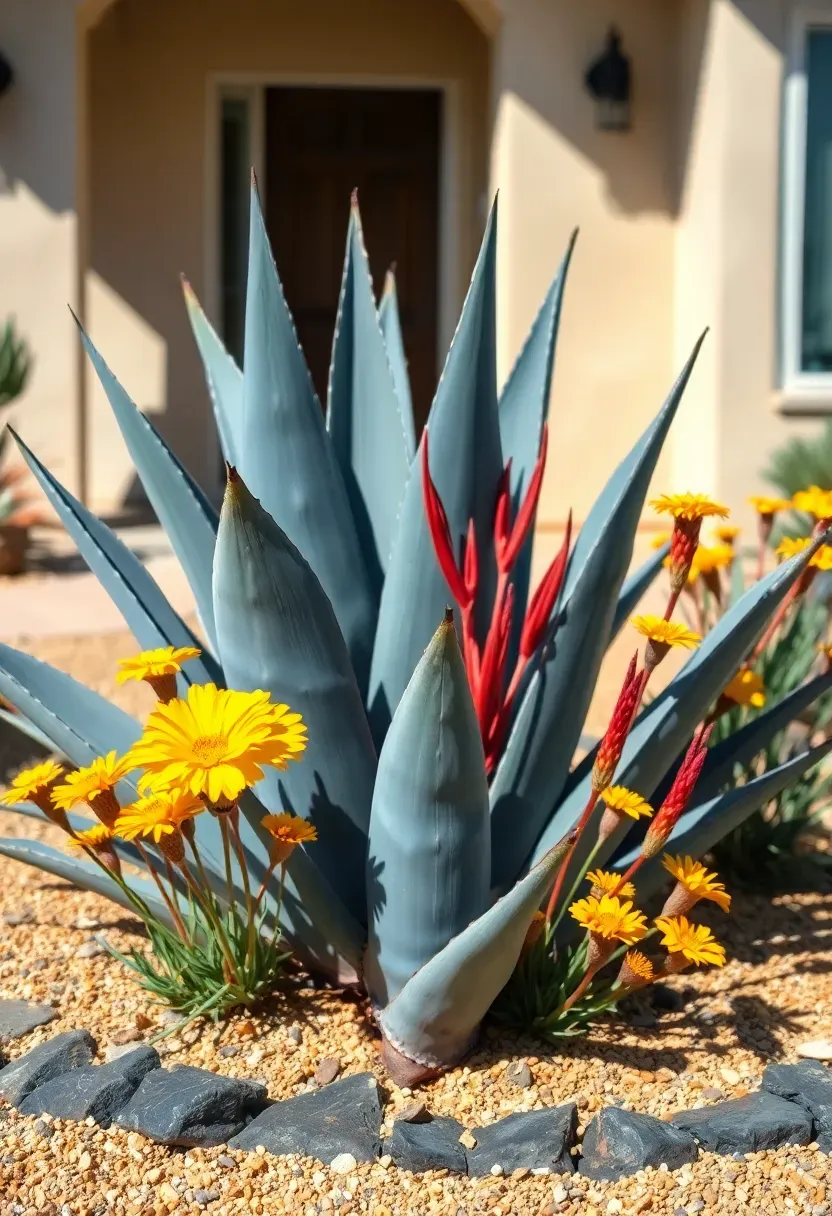
Xeriscaping is not about replacing your lawn with a parking lot of gravel. Done well, it is among the most visually striking landscape styles — and AI design platforms prove this repeatedly by generating front yard concepts that rival any traditional garden in curb appeal. The key is layering: anchor plants like agave or yucca in the foreground, mid-height shrubs like Texas sage or desert willow in the middle, and tall accent trees like palo verde at the back.
Tips
- Group plants by water zone — zero-irrigation species together, occasional-water species in a separate zone
- Use a two-inch layer of decorative rock mulch rather than organic mulch, which decomposes too fast in arid heat
- Add one accent color through flowering perennials like penstemon or desert marigold
- Include at least one bold sculptural element for architectural punch
Recommended
Items for this idea
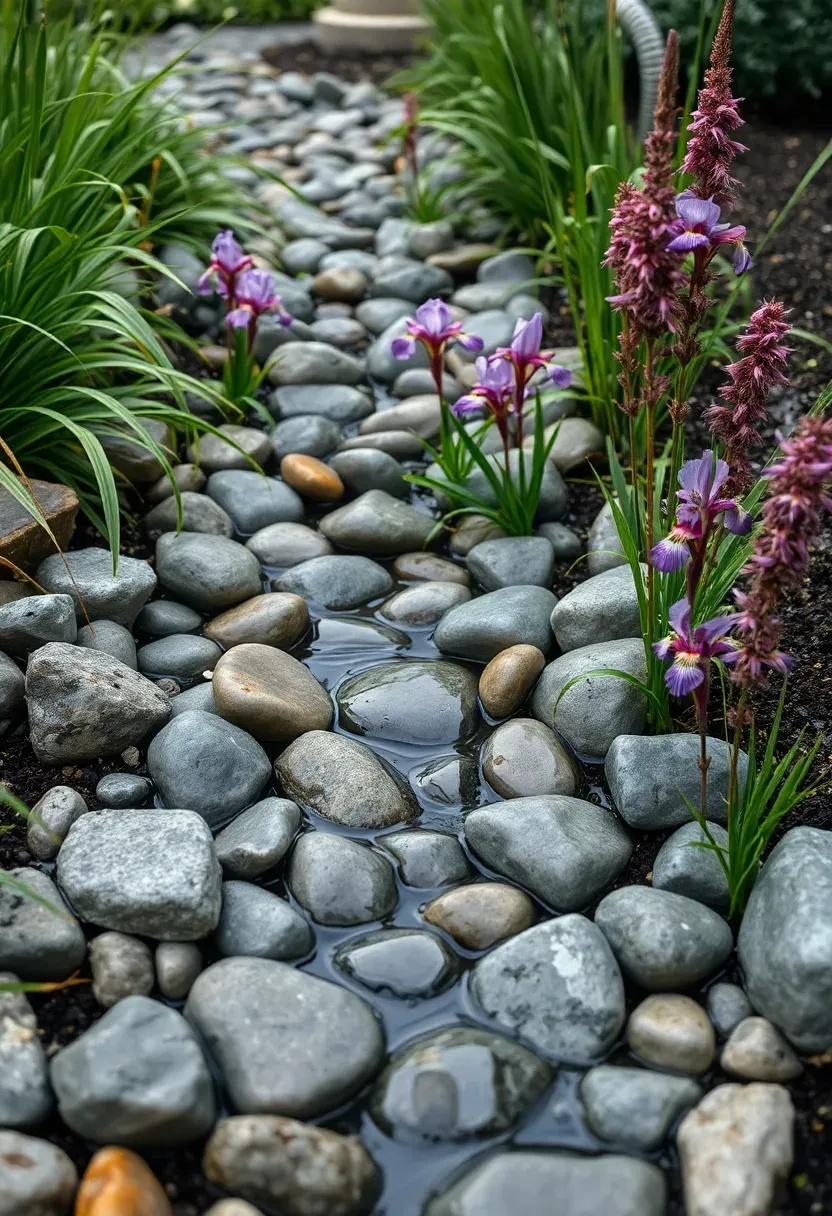
17. Gravel River Bed Rain Garden
Why Drainage Matters and How Nature Handles It
Every rainstorm sends water rushing off roofs, driveways, and compacted lawns. Traditional solutions involve French drains and buried pipes. A rain garden does the same job above ground, using a shallow depression planted with water-tolerant natives that absorb storm surges and filter runoff.
The Solution
AI tools map your property's natural drainage patterns from satellite imagery and suggest rain garden placement at the lowest collection points. A dry creek bed of river stone channels water into a planted basin where native iris, cardinal flower, and joe-pye weed absorb moisture over twenty-four to forty-eight hours. Between storms, the garden looks like any other perennial bed.
Pros and Cons
Pros: Manages stormwater naturally, reduces erosion, creates habitat, prevents basement flooding.
Cons: Requires correct grading during installation, and standing water for more than forty-eight hours signals a design flaw that needs correction.
18. Perennial Ground Cover Tapestry
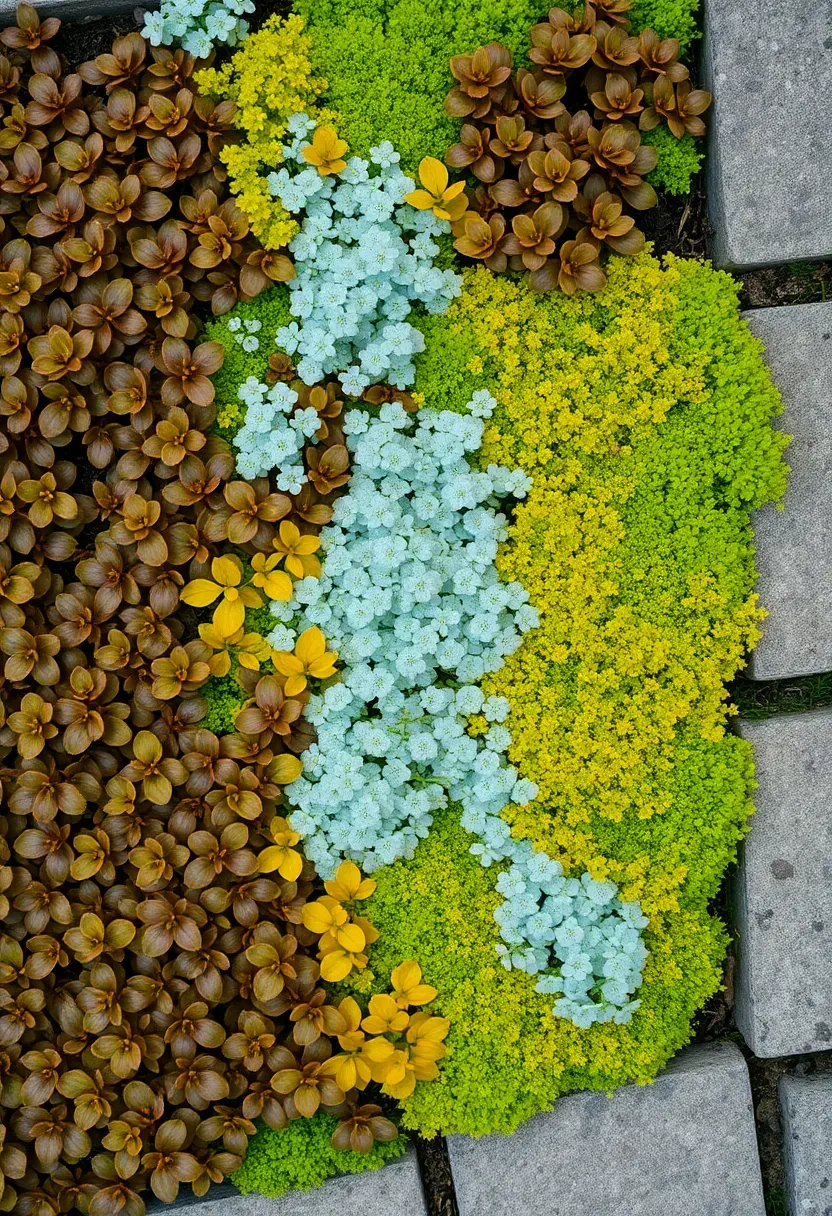
Forget mulch. A living ground cover tapestry weaves together multiple species at different heights, textures, and bloom times to blanket the soil permanently. Once filled in, weeds cannot establish. AI design tools generate patchwork layouts that look intentional by assigning each species a zone based on sun, moisture, and soil pH.
Recommended Combinations
- Sun: Creeping sedum + woolly thyme + blue star creeper
- Partial shade: Ajuga + creeping jenny + sweet woodruff
- Full shade: Irish moss + wild ginger + barren strawberry
Tips
- Plant in spring when soil temperatures warm above fifty degrees
- Space plugs on six-inch centers for fastest coverage
- Water consistently for the first season, then reduce dramatically
- Avoid foot traffic until plants knit into a continuous mat

Recommended
Items for this idea
19. Low Hedge Parterre with Pea Gravel
The parterre borrows from French formal garden tradition but strips it down to the essentials: low clipped hedges outlining geometric shapes, filled with gravel instead of labor-intensive annual flowers. The result looks polished and intentional with only two hedge-trimming sessions per year.
How to Build It
Step 1: Sketch your pattern. Simple rectangles and diamonds work better than curves for clean lines.
Step 2: Plant dwarf boxwood or Japanese holly at eight-inch spacing along your pattern lines.
Step 3: Fill interior sections with compacted pea gravel over landscape fabric.
What to Watch Out For
- Use slow-release boxwood fertilizer once in spring to maintain deep green color
- Monitor for boxwood blight in humid regions and switch to Japanese holly or inkberry as alternatives
- Keep gravel level flush with the base of hedges for a tidy appearance

20. Ornamental Grass Boulevard
That strip of neglected turf between the sidewalk and the street — the boulevard or hell strip — is one of the hardest landscaping zones to maintain. It bakes in reflected heat, gets compacted by foot traffic, and often lacks irrigation access. Ornamental grasses thrive in exactly these hostile conditions.
Best Species for Boulevards
- Switchgrass (Panicum virgatum): Native, drought-tolerant, four to six feet tall, stunning fall gold color
- Blue oat grass (Helictotrichon sempervirens): Compact, steely blue, tolerates poor soil
- Fountain grass (Pennisetum alopecuroides): Arching form, soft bottlebrush plumes, three feet tall
Tips
- Check local ordinances — some cities restrict boulevard planting heights
- Leave a two-foot clear zone at curb edge for car doors
- Gravel mulch around the base prevents mud splashing onto sidewalks
Recommended
Items for this idea
21. Stone Slab Stepping Path Through Groundcover
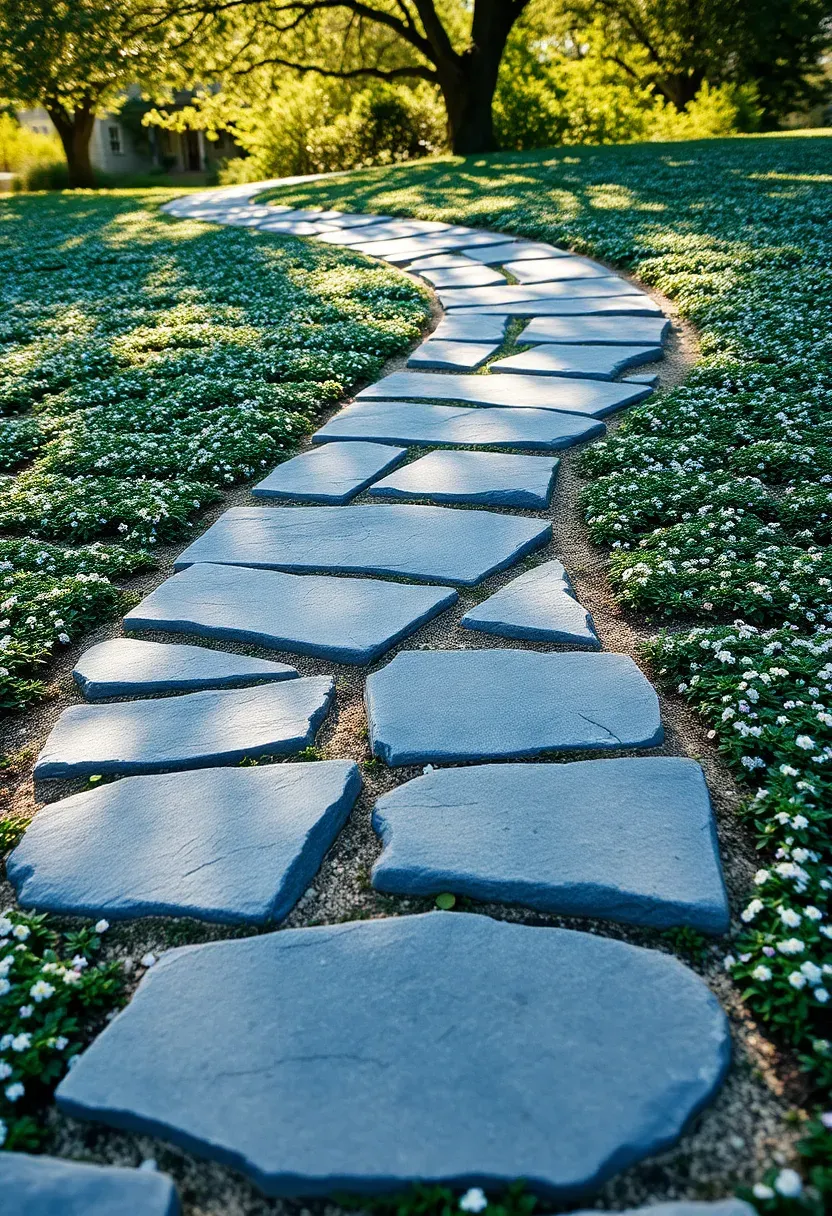
A stepping stone path through ground cover is possibly the most photogenic low maintenance garden element. Each stone slab floats in a sea of creeping thyme, mazus, or dwarf mondo grass, creating rhythm and direction without any hard edging. AI renderings consistently favor irregularly shaped bluestone or flagstone over uniform pavers for this application because the organic shapes echo the planting.
Step 1: Lay Stones First
Set slabs on a compacted sand base with eighteen-inch spacing measured center to center. Walk the path to test comfort before planting.
Step 2: Plant Between
Tuck ground cover plugs into the gaps. Water daily for two weeks.
Step 3: Let It Fill
Within one season, plants envelop the stone edges. Trim only if growth covers the walking surface.
22. Vertical Living Wall on Fence
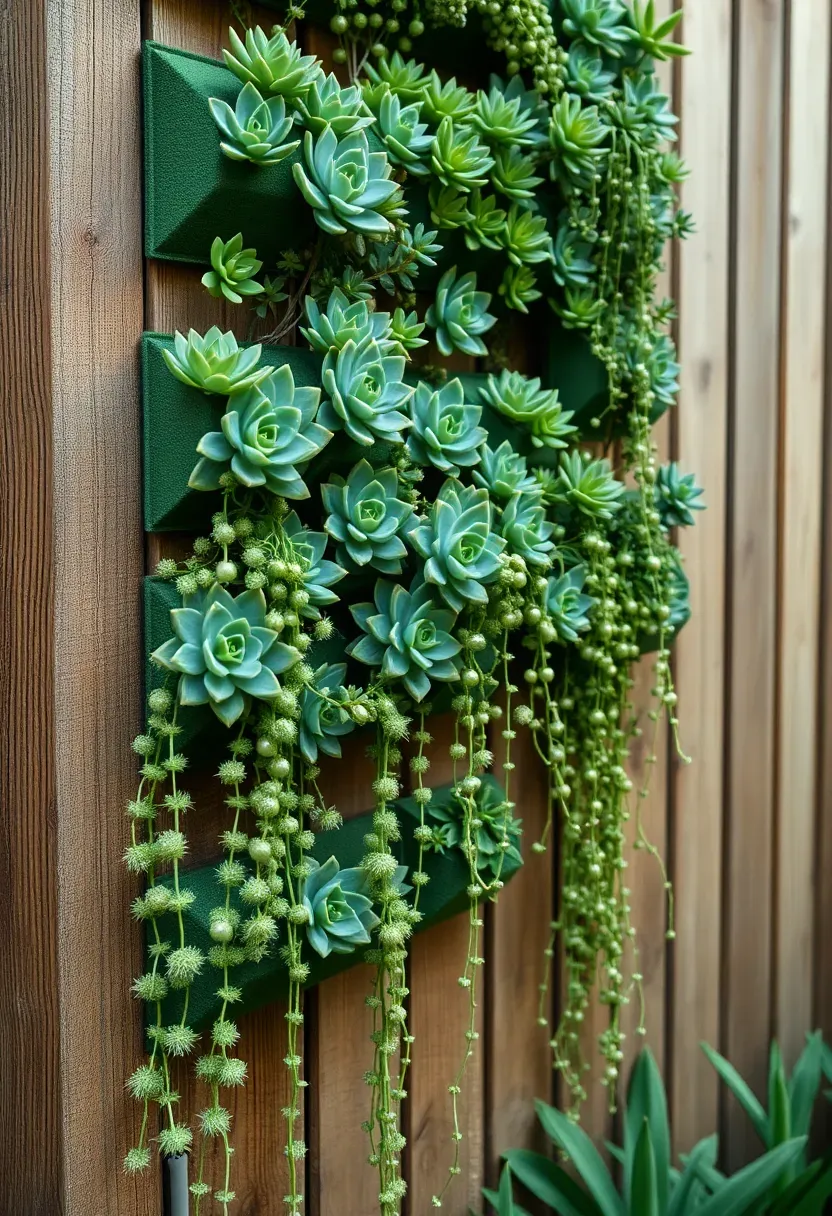
When ground space runs out, go vertical. A living wall transforms a blank fence into a garden feature. Pocket planters, modular panel systems, or simple hanging felt pockets attach directly to existing fence boards and hold succulents, herbs, or trailing plants like string of pearls and creeping fig.
Comparing: Modular Panels vs Pocket Planters
Modular Panels
Pre-planted grids that bolt to the fence. Integrated drip lines water all cells simultaneously. Higher cost, cleaner look, and less ongoing attention.
Pocket Planters
Individual felt or plastic pockets nailed to the fence. Cheaper, more flexible layout, but each pocket may dry out at different rates.
What to Choose
Choose modular if: your wall exceeds twenty square feet and you want uniform coverage.
Choose pockets if: you want to experiment with a small section first or on a tight budget.

Recommended
Items for this idea
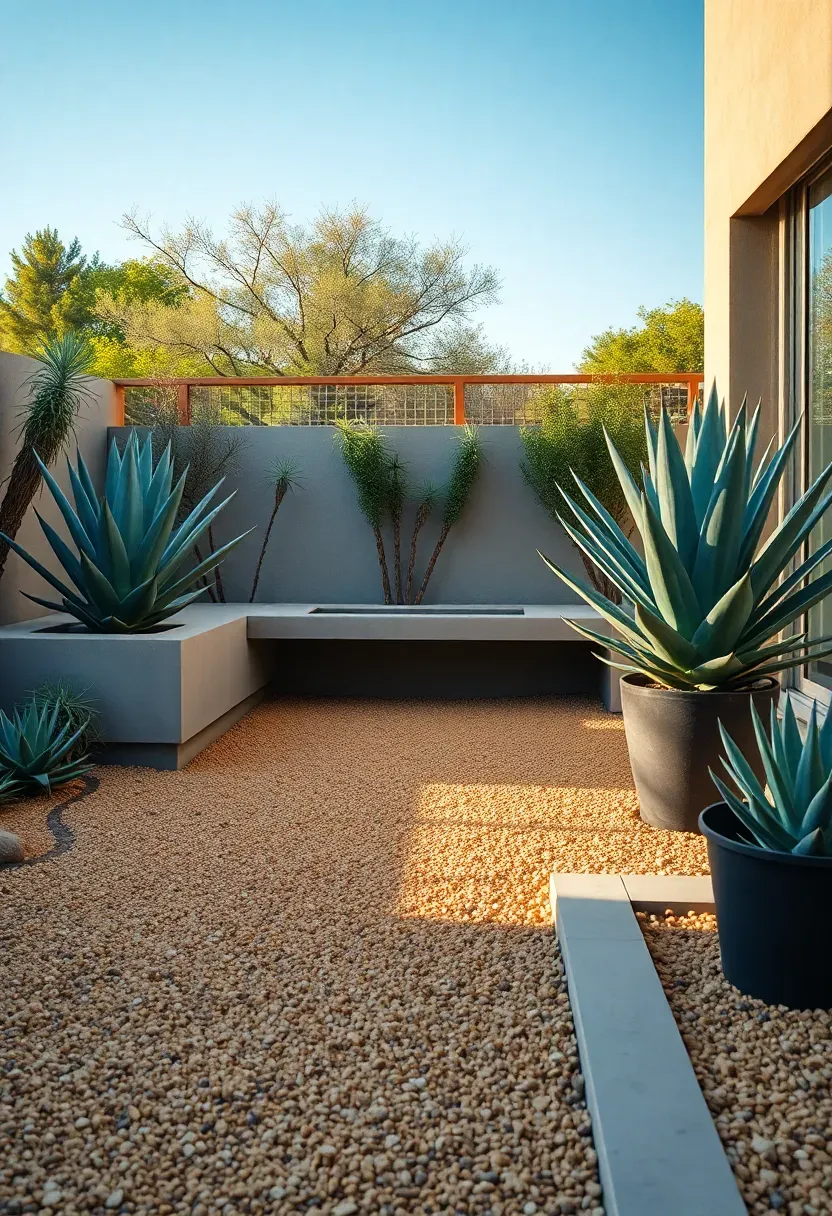
23. Agave and Boulder Desert Scape
There is raw sculptural power in a garden that reduces plant material to a few bold specimens set against stone. Agave — with its symmetrical rosettes and blue-green armor — dominates the frame while boulders anchor the composition and golden gravel fills the void. Maintenance is essentially nonexistent: no watering after establishment, no pruning, no fertilizer, no pests.
Tips
- Wear thick leather gloves when handling agave — the spine tips are genuinely sharp
- Bury boulders one-third into the ground for a natural, geological appearance
- Use odd numbers: three agaves, five boulders reads better than even groupings
- Add low-voltage uplighting beneath agave leaves for dramatic nighttime shadows
24. Mixed Evergreen Container Garden
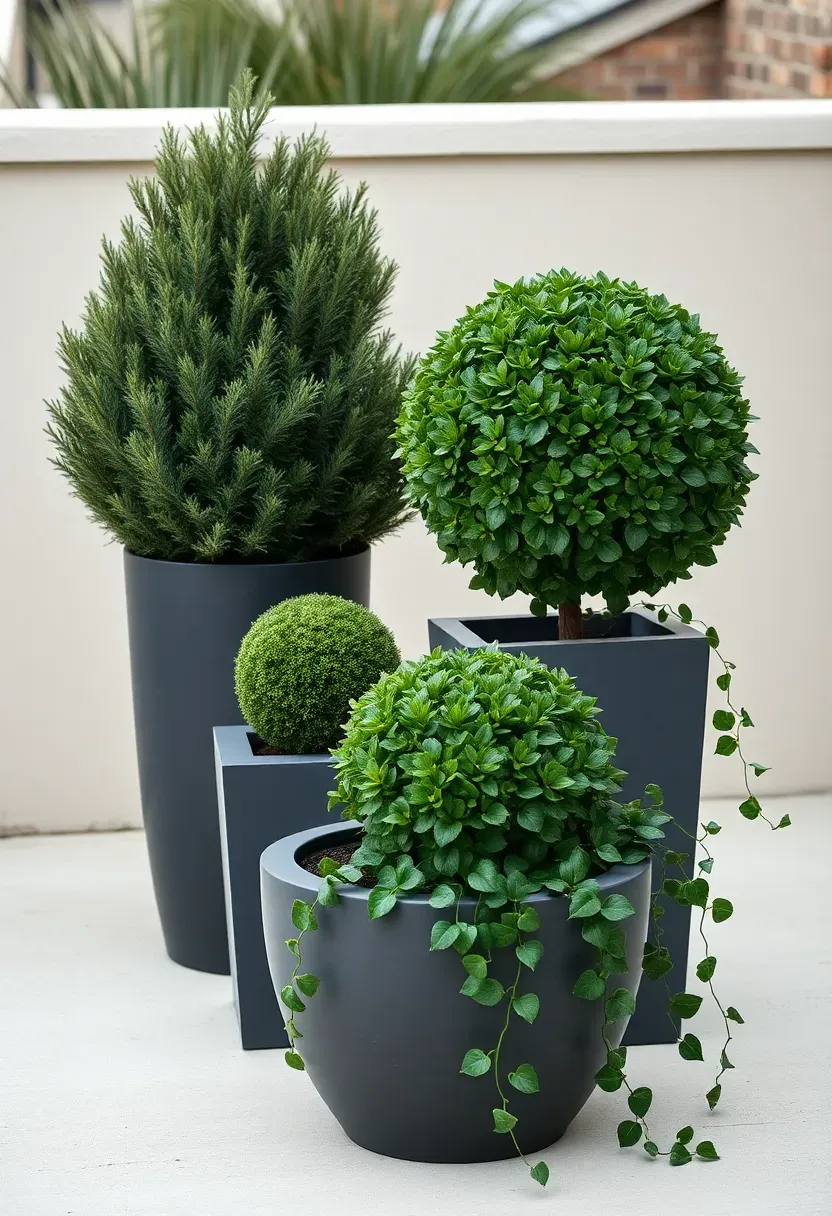
Is it possible to have a year-round garden on a patio with zero planting beds? Absolutely. A curated collection of evergreen container plants — dwarf Alberta spruce, boxwood topiaries, Japanese skimmia, and trailing English ivy — delivers green structure twelve months a year. Containers concentrate care into a small footprint and let you rearrange the layout seasonally.
Tips
- Use containers at least sixteen inches in diameter to insulate roots through winter
- Choose frost-resistant fiberglass or concrete pots in freeze-thaw climates
- Refresh the top inch of soil annually rather than repotting
- Group containers in clusters of three or five at varying heights
Recommended
Items for this idea
25. Wildflower Meadow with Mown Path
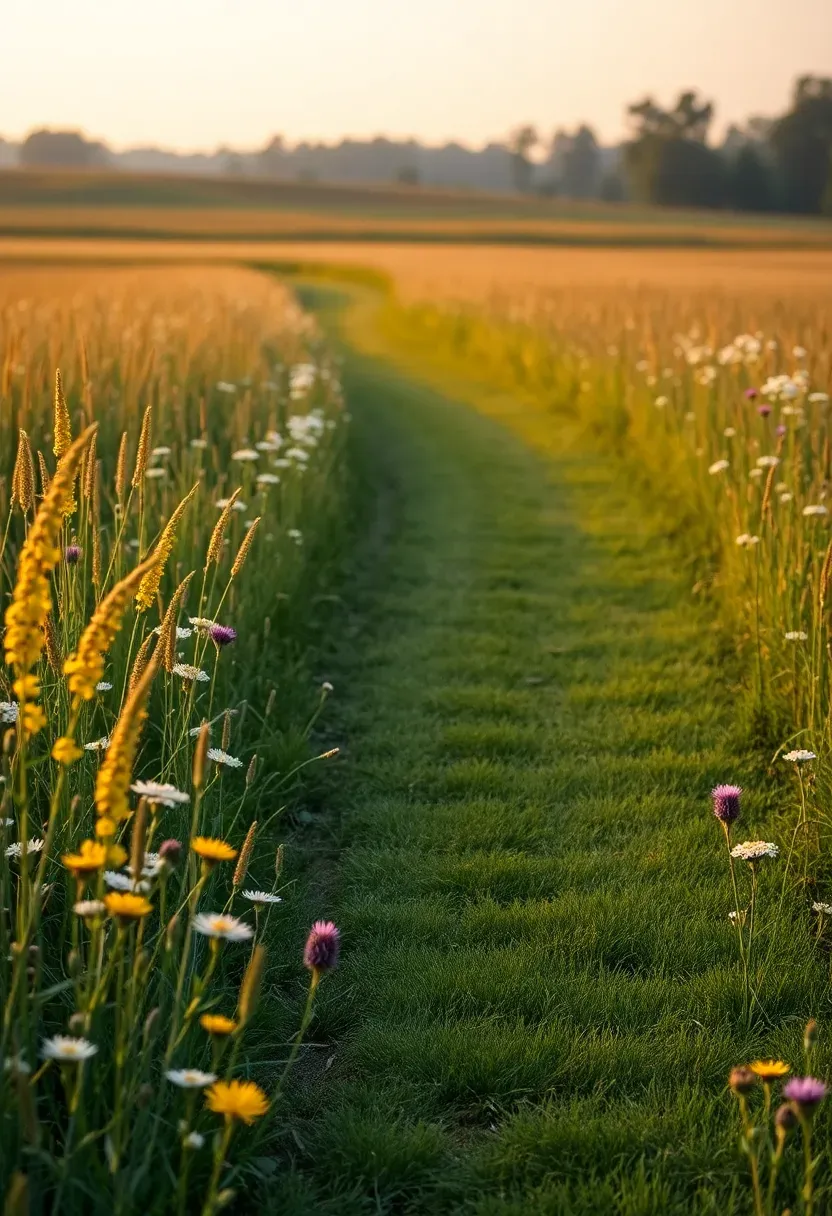
The grandest low maintenance garden idea may also be the simplest: stop mowing most of your yard and let it become a meadow. A single mown path curving through the tall growth gives the space intention and access. AI renderings reveal how powerful this contrast is — the crisp mown edges against the wild exuberance of blooming grasses and flowers creates a landscape that looks curated, not neglected.
How to Transition
Allow existing lawn to grow for one full season without mowing. Overseed with a native wildflower and grass mix for added diversity. Mow only the pathway at standard lawn height weekly. Mow the entire meadow once per year in late winter to reset growth.
Pros and Cons
Pros: Dramatic reduction in mowing, fuel, and water. Supports birds, butterflies, and native pollinators. Scales from a small backyard to acres.
Cons: Neighbors may complain before the meadow matures into something clearly intentional. Check local weed ordinances and mow a tidy border along property lines to signal deliberate design.
Quick FAQ
Which low maintenance plants survive both heat and cold climates? Ornamental grasses like switchgrass and little bluestem handle USDA zones 3 through 9 without flinching. Sedum, lavender, and native sedges also tolerate wide temperature swings. AI tools filter plant selections by your exact hardiness zone.
Does a low maintenance garden cost more upfront than traditional landscaping? Sometimes. Native plants, gravel, and quality hardscape materials can have higher initial costs than sod and annual bedding plants. However, the long-term savings on water, fertilizer, replacement plants, and labor typically pay back the investment within two to three years.
Can I convert my existing lawn to a low maintenance garden in stages? Yes, and that is actually the recommended approach. Start by replacing one high-maintenance zone — the boulevard strip, a shady corner, or the front foundation bed — and expand each season as confidence grows.
Should I hire a landscaper or use AI design tools? Both serve different purposes. AI tools generate quick visual concepts and plant palettes at no cost. A landscaper brings installation expertise, grading equipment, and accountability. The smartest approach uses AI for planning and a professional for execution on projects involving drainage, retaining walls, or large-scale planting.
What is the single easiest low maintenance garden change I can make today? Mulch. A three-inch layer of wood chip mulch over existing beds suppresses weeds, retains moisture, and feeds the soil as it decomposes. It takes one afternoon and costs under fifty dollars for a mid-sized garden.
The best garden is the one that lets you sit in it with a coffee rather than slave over it with a shovel. Every idea above exists on a spectrum from quick weekend project to full yard transformation. Pick the one that matches your current energy level and expand from there. Your yard will thank you, and so will your Saturdays.
Pinterest cover for 25 AI Low Maintenance Garden Ideas
About the author
OBCD
CGI visualization and interior design content. We create detailed 3D renders and curate practical design ideas for every room in your home.