21 AI Pantry Organization Ideas for a Smarter Kitchen
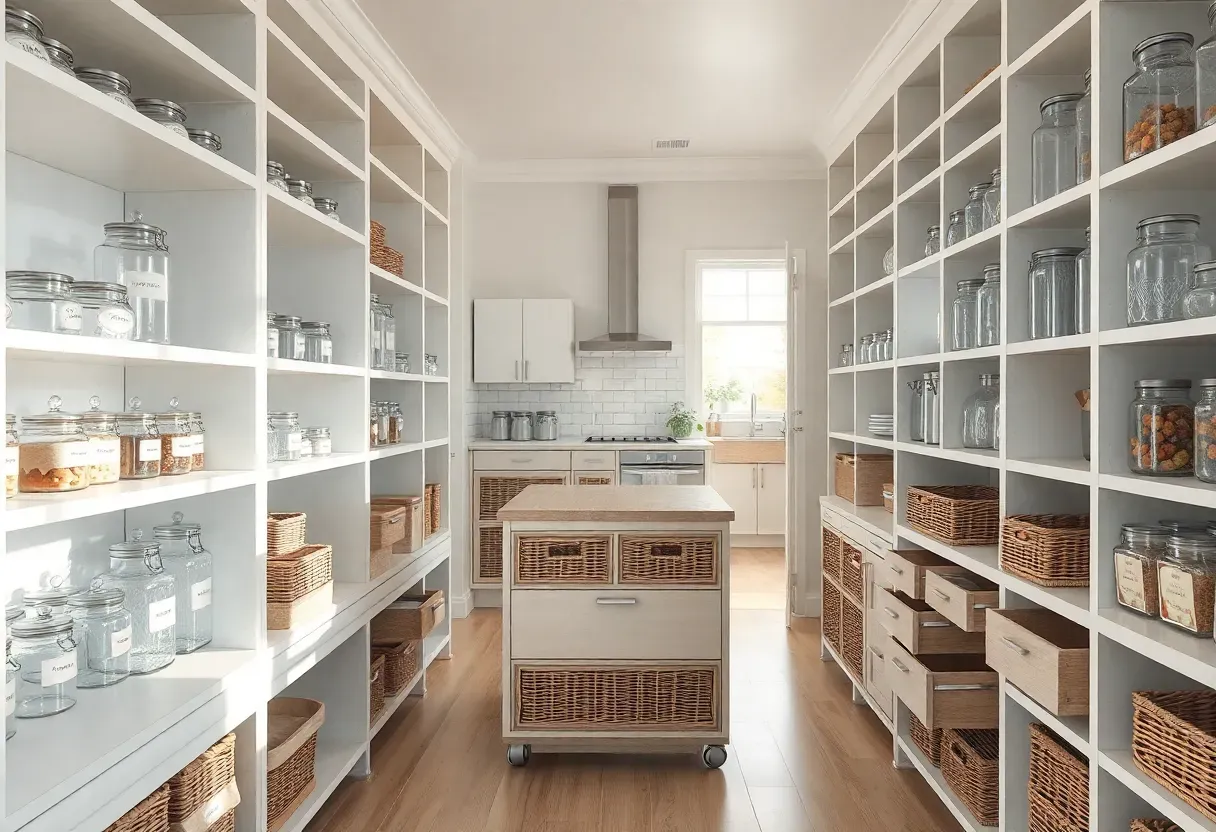
Picture opening your pantry and knowing exactly where everything is — no digging through expired cans, no mystery bags at the back, no last-minute grocery runs for ingredients you already own. That version of your kitchen exists, and AI-powered organization principles are making it achievable without a full renovation. From zone planning and smart labeling to automated inventory tracking and meal prep integration, this guide pulls together 21 practical ideas that bring real intelligence to everyday food storage.
Ready? Let's dive in — starting with the foundational strategies and building toward the systems that genuinely change how a kitchen functions.
Table of Contents
- AI-Planned Pantry Zones
- Smart Container Labeling System
- Vertical Shelf Dividers
- AI-Recommended Rotation System
- Climate-Controlled Storage Section
- Smart Inventory Tracking
- Voice-Activated Label Tags
- Pull-Out Drawer Organization
- AI Pantry Audit System
- Color-Coded Storage Bins
- Meal Prep Designated Zone
- AI-Generated Weekly Restocking Plan
- Stackable Airtight Containers
- Custom Pantry Door Organizer
- AI-Based Expiry Date Tracker
- Magnetic Spice Wall System
- Clear Bin System for Grains
- Dedicated Snack Zone
- Under-Shelf LED Lighting
- Adjustable Shelf Configuration
- AI Meal Planning Integration
1. AI-Planned Pantry Zones
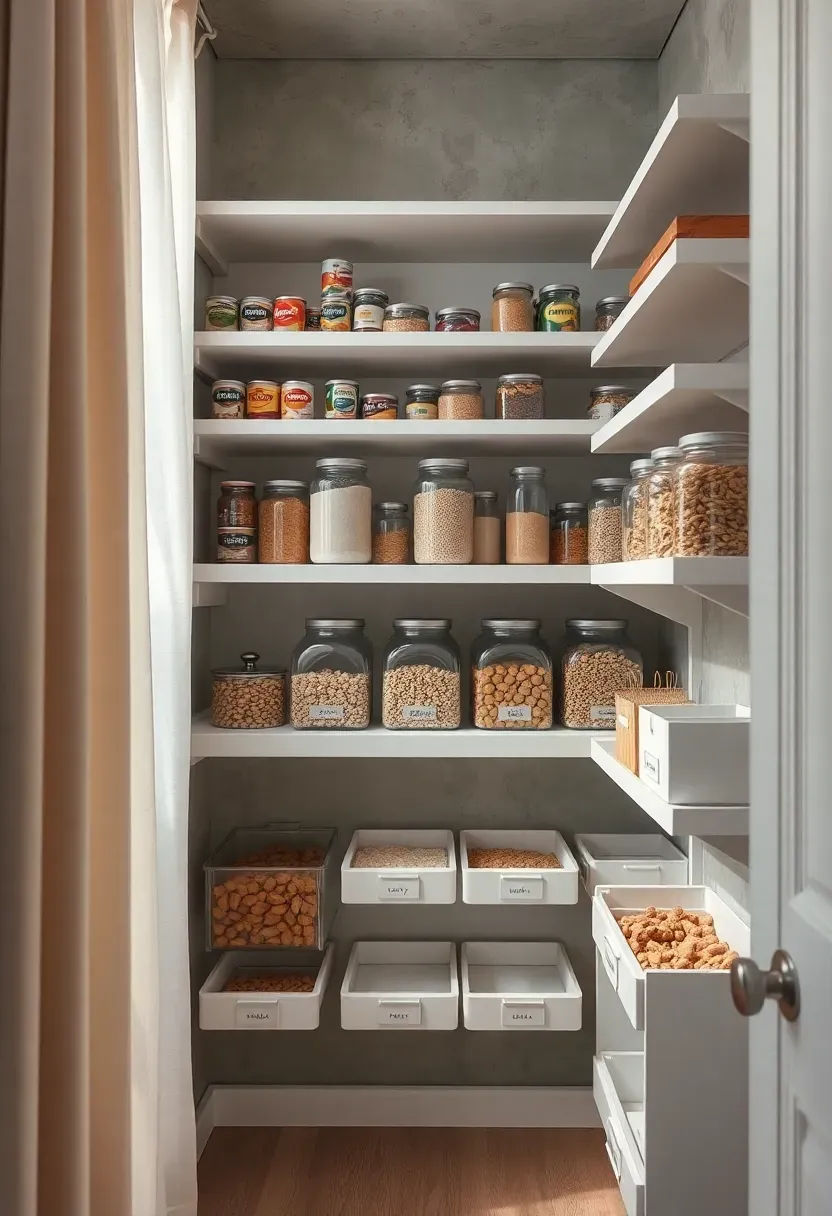
An AI tool can analyze your household's eating habits and shopping history to recommend a custom zone layout before you touch a single shelf. The idea is straightforward: group items by how often you use them, not just by category. Everyday staples go at arm height, bulk backups on upper shelves, and rarely-used specialty items tucked toward the back. This removes the unconscious hunting that happens every time you cook — and, over weeks, actually reduces food waste as items become visible at the right moment.
How to Set It Up
Step 1: Map Current Usage
Log what you reach for daily versus weekly for two weeks — apps like Pantry Check or a simple note on your phone work fine.
Step 2: Let AI Suggest the Layout
Run your usage data through a pantry-planning AI prompt or a dedicated app. Most will output a zone map matching your patterns.
Step 3: Rearrange and Stick to It
Physically rearrange shelves following the suggestion and give it 30 days before adjusting again.
What to Watch Out For
- Don't create too many zones — three to four is optimal for most household pantries
- Keep seasonal items in a consistent "seasonal" zone to avoid scattering them
- Revisit the layout when cooking habits shift significantly (new diet, new household member)
We picked a few things that go well with this idea: ComSaf Airtight Glass Canister Set (6-Pack) (★4.6), LIBWYS Square Glass Jars Bamboo Lids (12-Pack) (★4.3) and Stackable Glass Pantry Jars Bamboo Lids (6-Pack) (★4.6). As an Amazon Associate we earn from qualifying purchases.
2. Smart Container Labeling System
The Core Issue
Half of pantry confusion comes not from clutter but from unlabeled containers. You know approximately what's in the jar — it's either rice or barley, probably — and that uncertainty alone is enough to derail a recipe mid-preparation.
The Solution
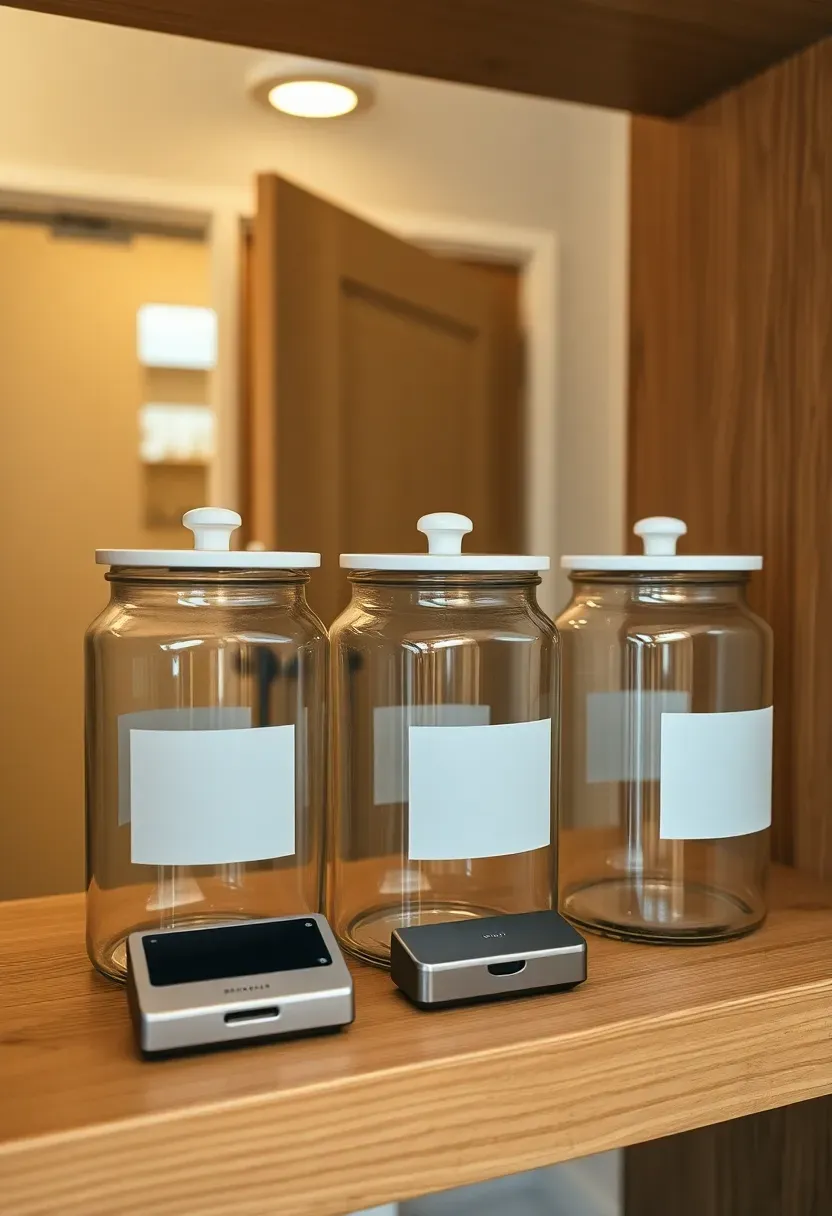
AI-powered label printers (like Brother QL or Dymo with smart templates) let you design and print consistent labels in seconds. Set up a template once: ingredient name, purchase date, and expiry date. Some apps auto-populate this data when you scan a barcode. Every container gets the same format, every time, so scanning a shelf takes under three seconds per item.
Pros and Cons
Pros: Eliminates guessing, speeds up cooking prep, forces a regular refresh cycle Cons: Requires consistent commitment — one mislabeled jar breaks the whole system
We picked a few things that go well with this idea: SpaceAid Bamboo Tray Dividers (8-Pack) (★4.5), NEX Bamboo Stackable Shelf Organizer (4-Pack) (★4.4) and HTB Bamboo 4-Section Snack Organizer (2-Pack) (★4.7). As an Amazon Associate we earn from qualifying purchases.
3. Vertical Shelf Dividers
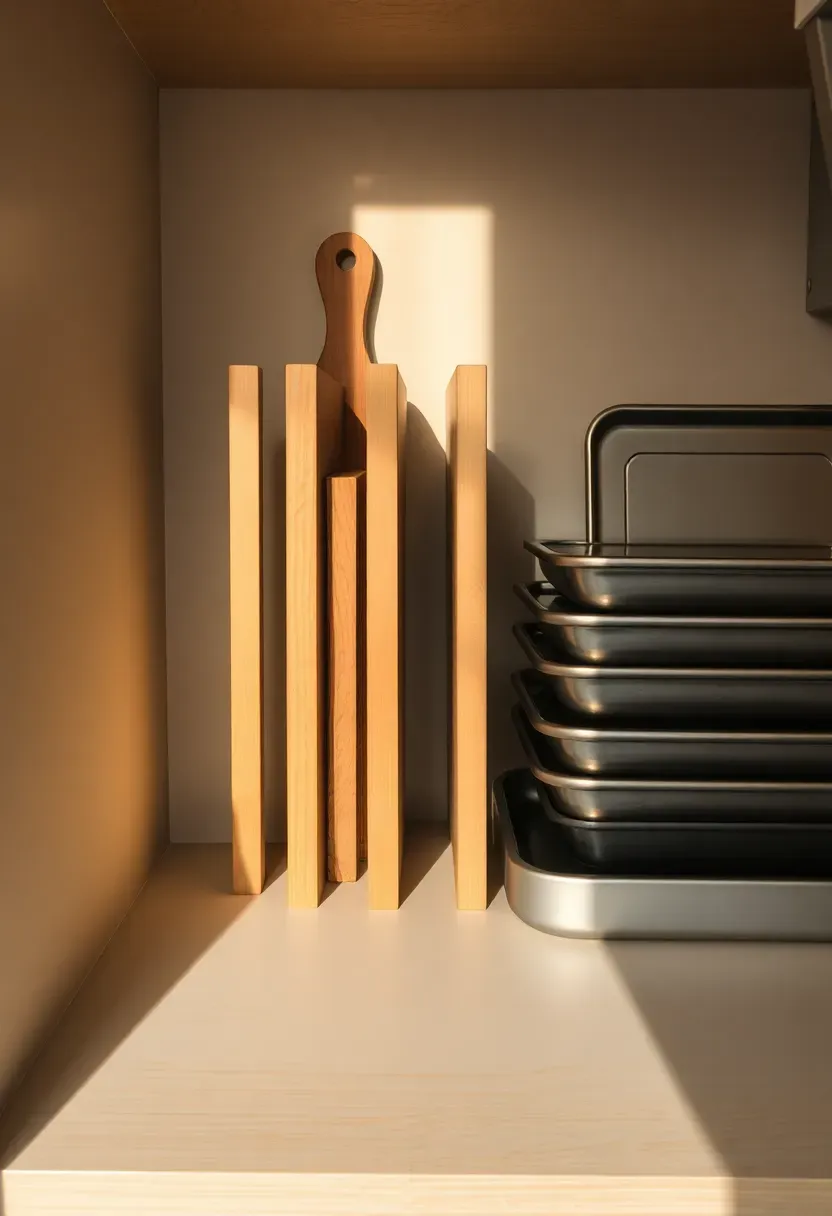
Below the "visible organization" layer, there's a second problem most pantries share: flat items stored horizontally in unstable piles. Cutting boards, baking sheets, and large serving platters slide, scratch, and clutter. Vertical bamboo or acrylic dividers solve this elegantly — items stand upright, individual pieces are pulled out without disturbing the stack, and a shelf section that used to hold four items now holds ten.
Tips / Practical Recommendations
- Bamboo dividers offer a warmer aesthetic; acrylic dividers show contents more clearly — choose based on your pantry's overall look
- Space dividers roughly 4–6 inches apart for optimal fit across most tray sizes
- Use a strip of non-slip drawer liner under the first divider to prevent lateral sliding
We picked a few things that go well with this idea: Govee Dimmable White LED Strip (16.4ft) (★4.6), Rechargeable Motion Sensor Cabinet Light (2-Pack) (★4.5) and DAYBETTER Under Cabinet LED Lights (6-Pack) (★4.3). As an Amazon Associate we earn from qualifying purchases.
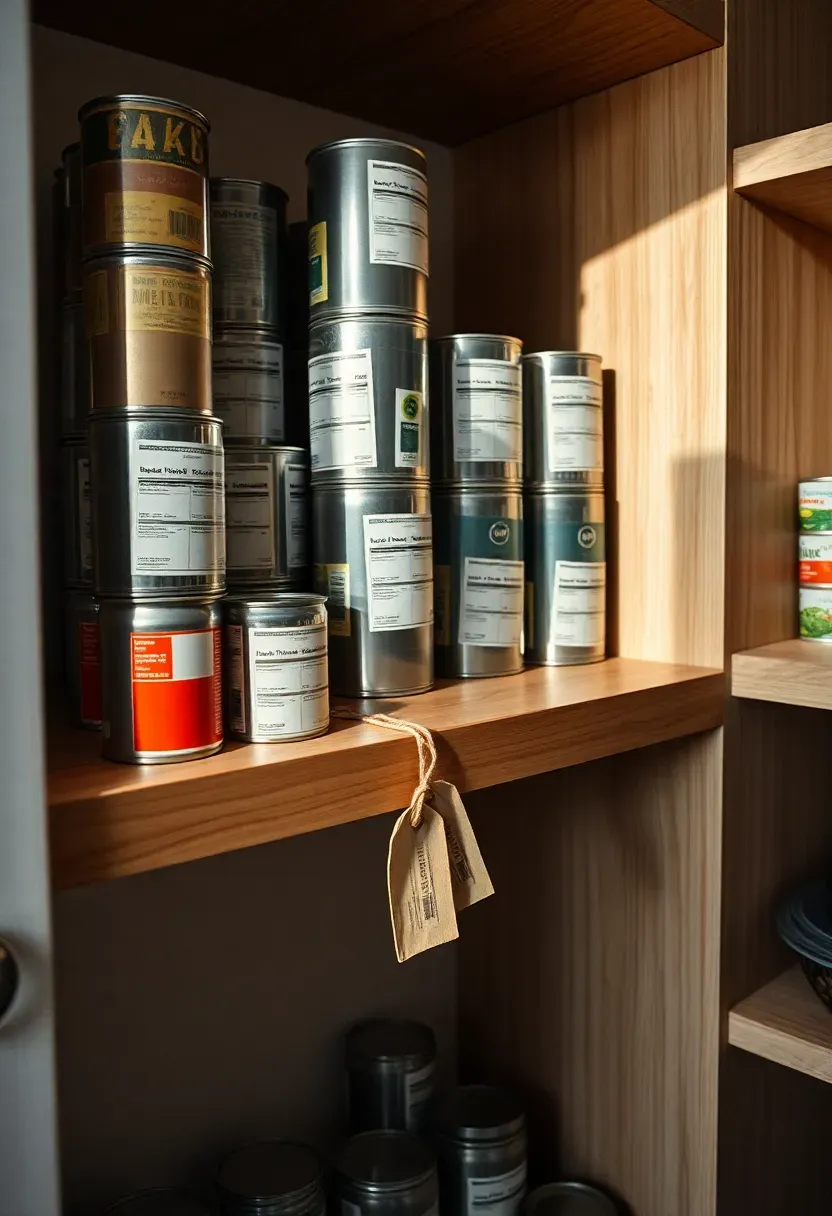
4. AI-Recommended Rotation System
The principle is old — FIFO, first in, first out — but AI adds a layer that transforms it from a reminder into an automatic workflow. Grocery apps with AI features (like AnyList or Mealime) can track when you add an item and prompt you to move older stock forward when you restock. Some smart refrigerator apps extend this logic to pantry-synced lists. The result is that food genuinely moves through your pantry in the right order without you managing it manually.
Tips / Practical Recommendations
- Place a small sticky dot (one color = this month's batch) on new purchases when shelving — low-tech but effective as a backup
- Shelf risers at the back of deep shelves let you see shorter cans behind taller ones
- Review and purge items past their suggested rotation date on the first Saturday of each month
Recommended
Items for this idea
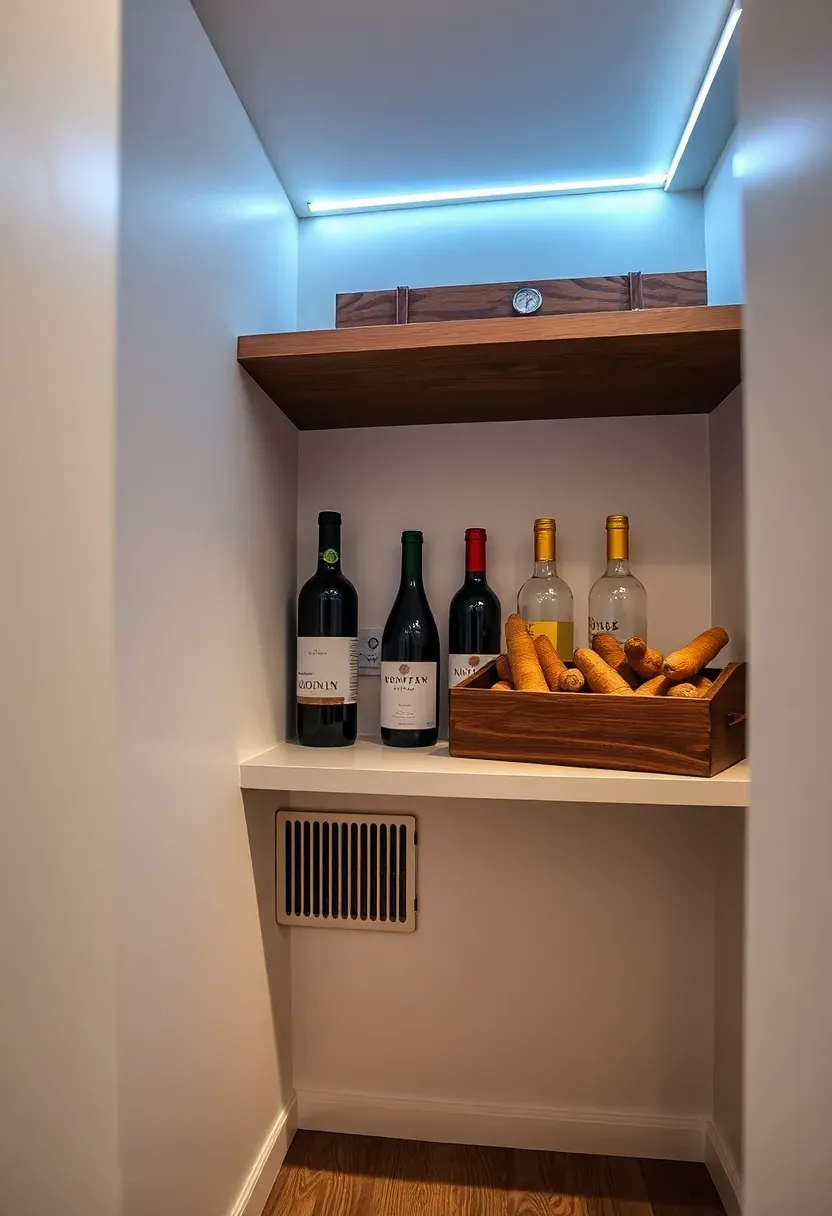
5. Climate-Controlled Storage Section
Comparing: Ambient Pantry vs. Climate-Controlled Zone
Not all pantry items thrive at room temperature. Potatoes, onions, garlic, wine, and some specialty oils need lower temperatures or controlled humidity — often different from each other.
Ambient Pantry Section
Works for shelf-stable items: canned goods, dried pasta, cereals, crackers. Standard room temperature between 60–75°F is sufficient. No special equipment needed.
Climate-Controlled Zone
A dedicated lower shelf or cabinet section with passive ventilation (a wall grille) or a small thermoelectric cooler strip. Keeps root vegetables from sprouting and olive oil from oxidizing prematurely.
What to Choose
Choose ambient if: Your pantry runs 65–72°F consistently and you store mostly shelf-stable items. Choose a climate zone if: You buy fresh produce in bulk or store wine, specialty oils, or chocolate.
Recommendation
Even a single shelf with a ventilation grille and a basic thermometer adds meaningful storage flexibility for most households.
6. Smart Inventory Tracking
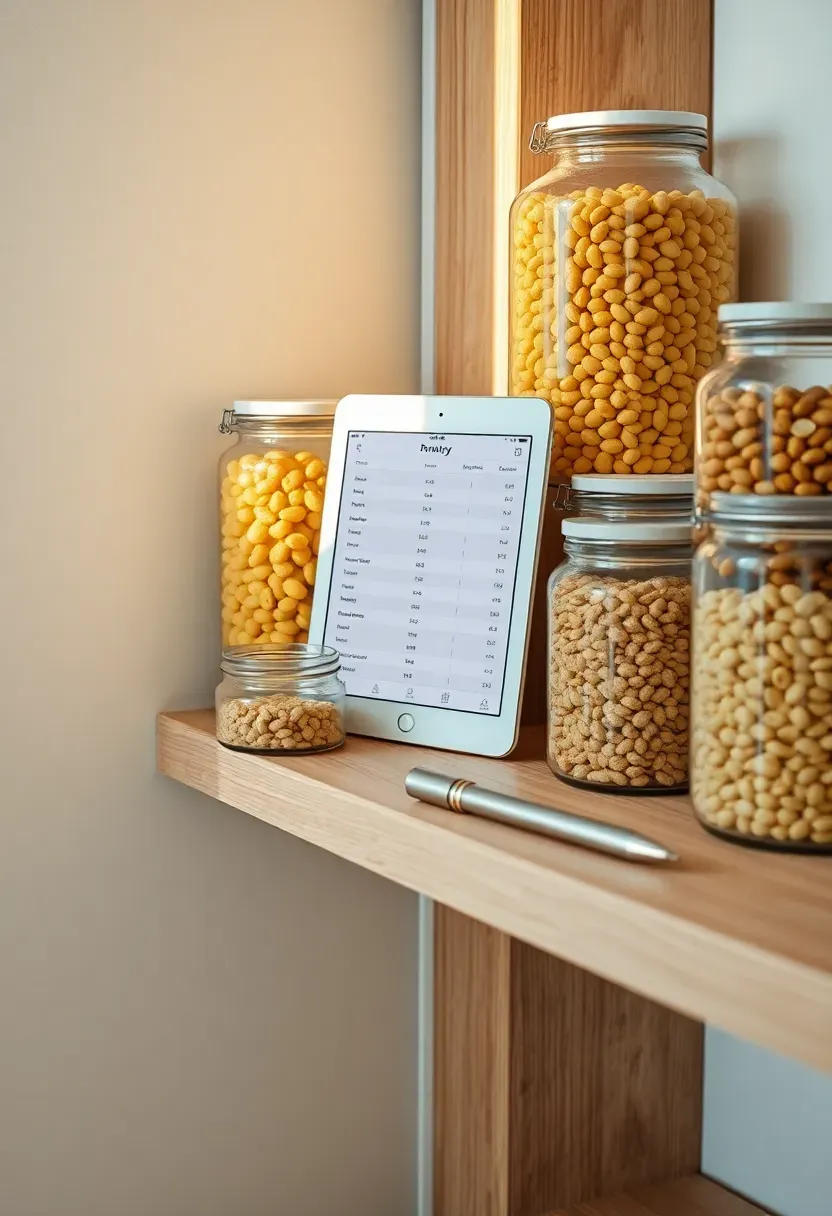
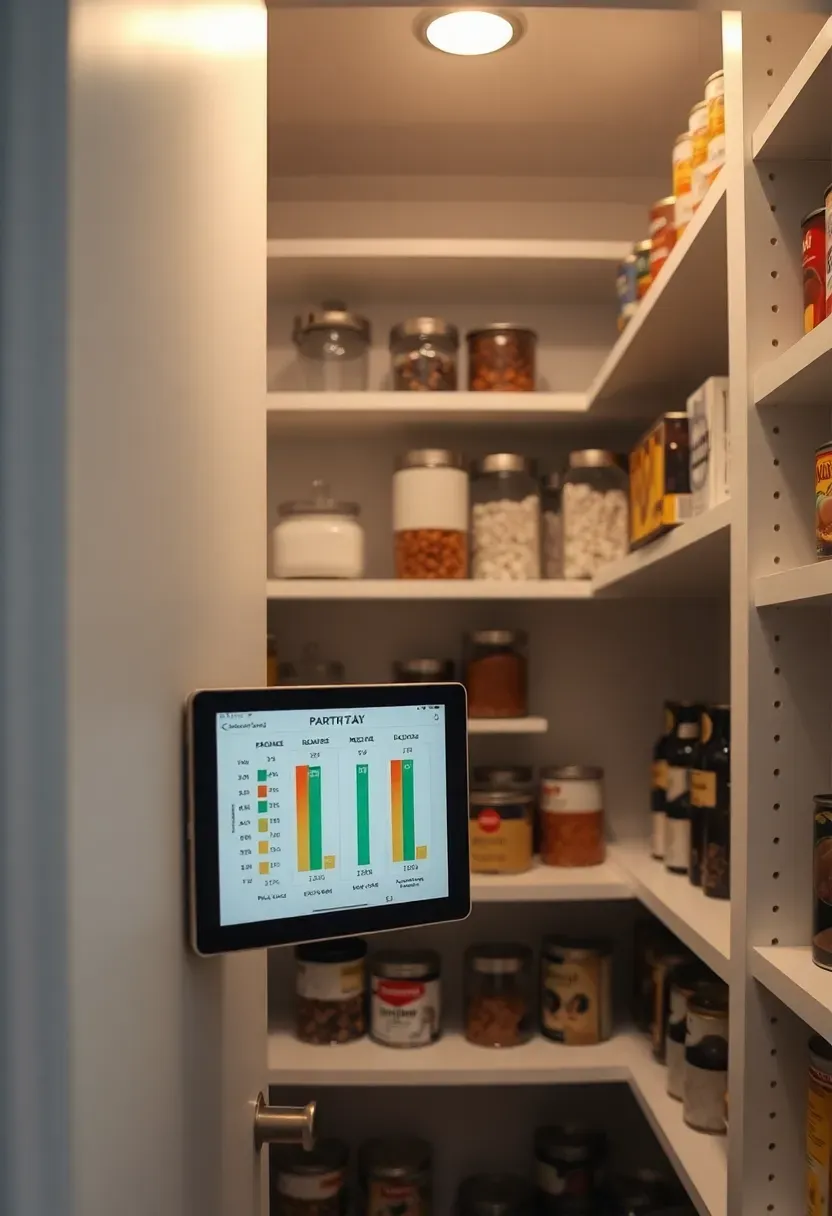
Imagine never buying a second jar of tahini while the first is still half-full. Smart inventory apps — Pantry, Grocy, or Out of Milk — let you log every item via barcode scan and track quantities over time. AI features in some of these apps predict depletion timing based on your usage frequency and auto-add items to your shopping list before you run out. Setup takes an afternoon; the ongoing maintenance is less than two minutes per grocery run.
Tips / Practical Recommendations
- Place a tablet or phone holder inside the pantry door for frictionless scanning as you unpack groceries
- Use barcode stickers on bulk items to bring them into the tracking system
- Review the AI "low stock" predictions weekly — they get more accurate as the app learns your consumption patterns
Recommended
Items for this idea
7. Voice-Activated Label Tags
The Core Issue
Reaching into a pantry with flour-covered hands or when cooking solo makes checking a phone inconvenient. Traditional labels don't help when your hands are full.
The Solution
NFC-enabled tags (Orbit or custom-programmed NFC stickers) can be linked to a smart home system. Tap a jar with your phone once to register it; after that, asking your smart speaker "What's in the round tin?" triggers the linked description. More advanced setups allow Google Home or Alexa routines to read back ingredient info, expiry dates, and even recipe suggestions for that item.
Pros and Cons
Pros: Genuinely hands-free access, impressive practical utility for busy cooking sessions Cons: Requires initial setup time and a compatible smart home ecosystem — not a five-minute solution
8. Pull-Out Drawer Organization
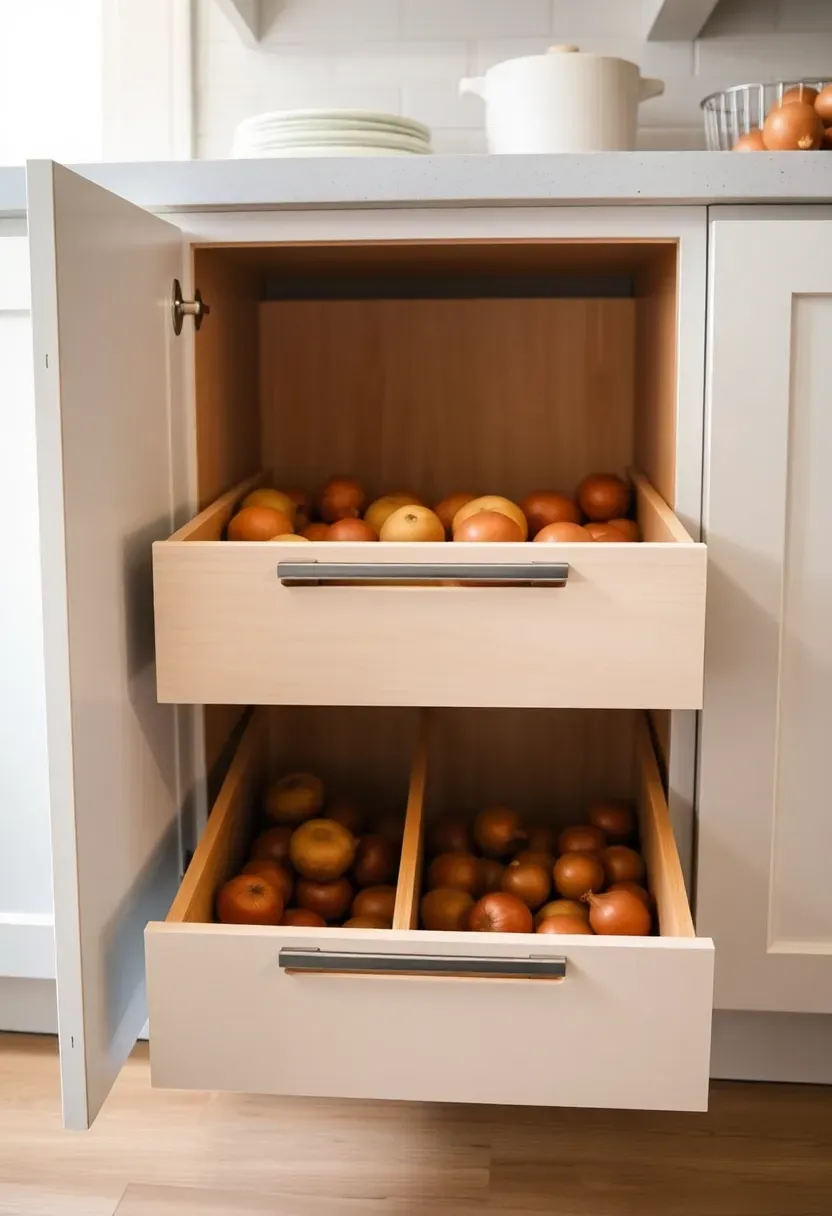
Deep pantry shelves are notorious for creating dead zones at the back where items disappear for months. Pull-out drawers — either retrofitted into an existing cabinet or purpose-built — solve this entirely. The drawer comes to you; you see everything at once; nothing hides. This is especially effective for root vegetables, canned goods, and small appliances. AI home-planning tools can recommend the optimal drawer depth and divider configuration based on what you store.
Tips / Practical Recommendations
- Full-extension drawer slides are essential — half-extension defeats the purpose by leaving the back inaccessible
- Line drawers with non-slip, food-safe shelf liner for easy cleaning after vegetables shed soil
- Divide drawers with adjustable bamboo divider kits rather than fixed dividers, so the configuration adapts as storage needs change
Recommended
Items for this idea
9. AI Pantry Audit System
A quarterly audit sounds mundane, but with an AI-assisted pantry app it becomes a 15-minute exercise rather than an hour of chaos. Grocy and Pantry Check both support an audit mode where you walk through your pantry with the app open, confirm quantities, and flag expired or near-expiry items. The AI component then generates a prioritized use-up list: recipes that specifically consume your near-expiry items. This single habit dramatically reduces the food waste that silently inflates most households' grocery bills.
Tips / Practical Recommendations
- Schedule audits on the first day of each new season — four times yearly is the minimum for meaningful waste reduction
- Photograph shelves during each audit and compare over time to spot accumulation patterns
- Let the AI-generated use-up recipe list guide one full week of meals after each audit
10. Color-Coded Storage Bins
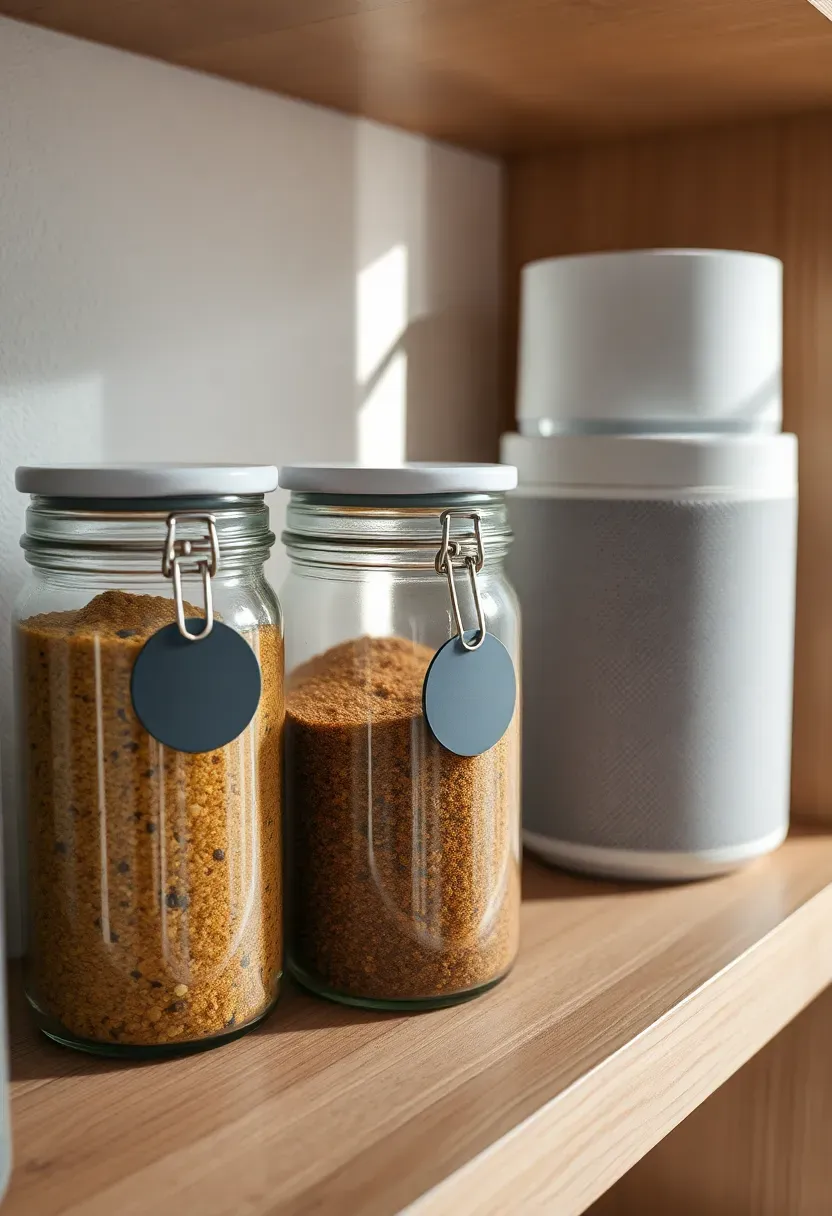
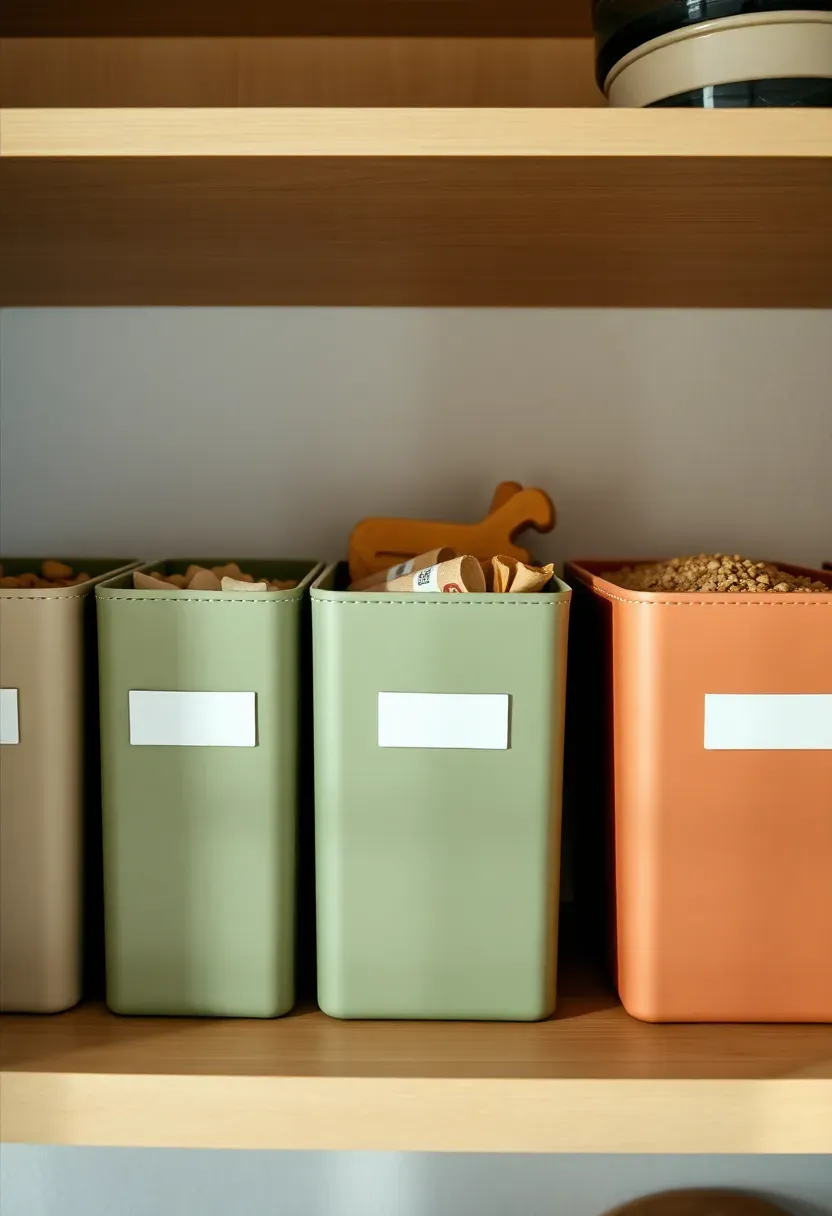
Color coding works on a psychological level — your eye sorts information faster by color than by text. Assigning one palette to each category (cream for grains, sage for snacks, terracotta for baking goods, for example) means identifying the right section takes under a second, even from across the room. AI pantry planning tools can suggest a color scheme based on how many categories your pantry contains, keeping the overall look cohesive rather than chaotic.
Tips / Practical Recommendations
- Limit the palette to three or four colors — more than five colors begins to feel visually noisy
- Choose muted, non-glossy tones for a timeless aesthetic that photographs well for Pinterest
- Use matching matte label tags clipped to bin fronts so the color coding is reinforced by text for guests
Recommended
Items for this idea
11. Meal Prep Designated Zone
Having a physical space dedicated entirely to meal prep changes the behavior around it. This zone — a single shelf or a pull-out tray — holds your prep containers, a small cutting mat, and the specific ingredients earmarked for the week's meals. AI meal planning apps (Mealime, Plan to Eat) can sync with your pantry inventory and pre-select which items should live in this zone each week, refreshing the suggestion every Sunday automatically.
Tips / Practical Recommendations
- Keep the zone at a consistent height — between waist and shoulder level — to make pulling containers effortless
- Store pre-portioned dry ingredients in clear labeled containers within the zone so they're ready to grab during cooking
- Clear the zone completely at week's end before restocking it for the new week — this prevents the accumulation of half-used prep containers
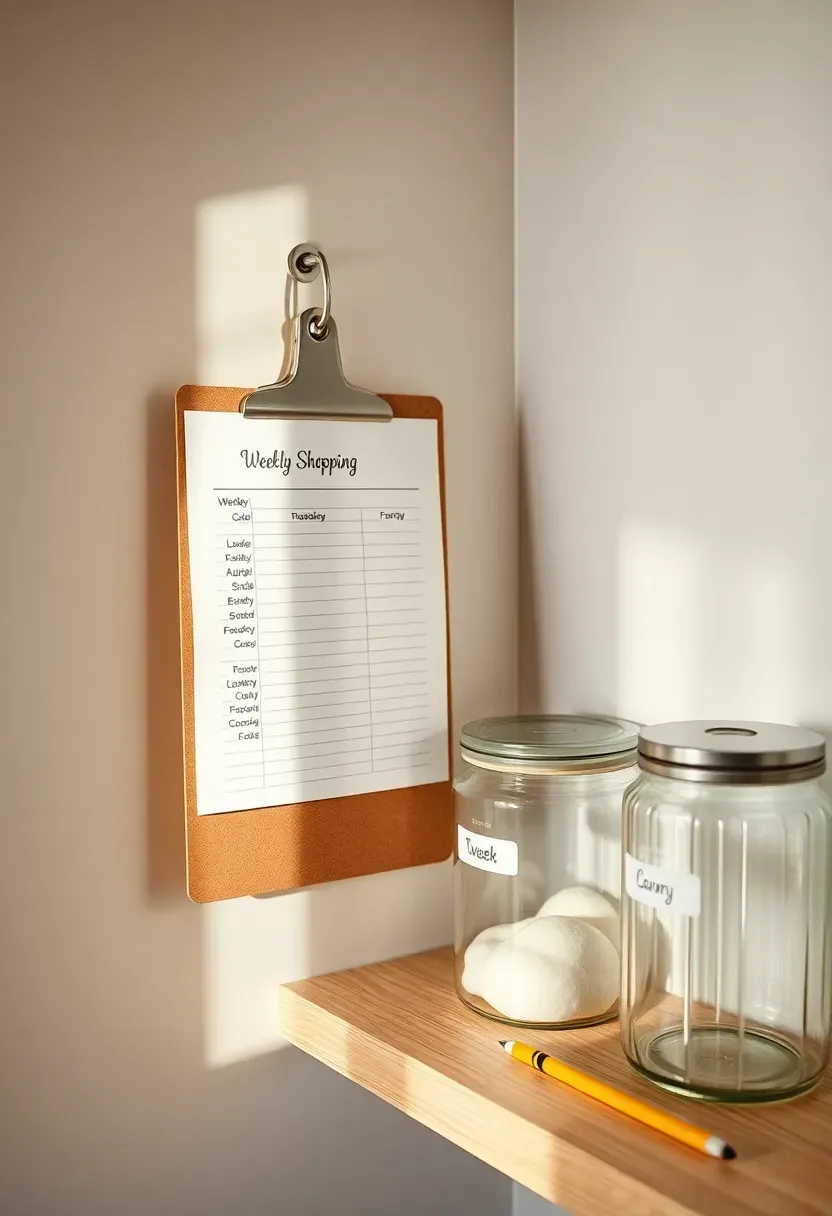
12. AI-Generated Weekly Restocking Plan
The frustration of running out of basics mid-recipe is preventable. AI-driven grocery apps analyze your usage velocity — how fast you go through oats, olive oil, pasta — and generate a weekly restocking list tuned to your actual consumption, not just a generic template. Flipp, OurGroceries, and similar apps with AI features can factor in store sales and seasonal availability to suggest the most economical restocking order. The shopping list that appears on your phone is dynamically tailored, not static.
Tips / Practical Recommendations
- Run the AI list generation every Thursday so weekend shopping can restock in time for the week ahead
- Mount a small corkboard inside the pantry door for printed backup lists — useful during power outages or phone-free cooking
- Track patterns over three months: the AI's accuracy improves noticeably once it has accumulated usage history
Recommended
Items for this idea
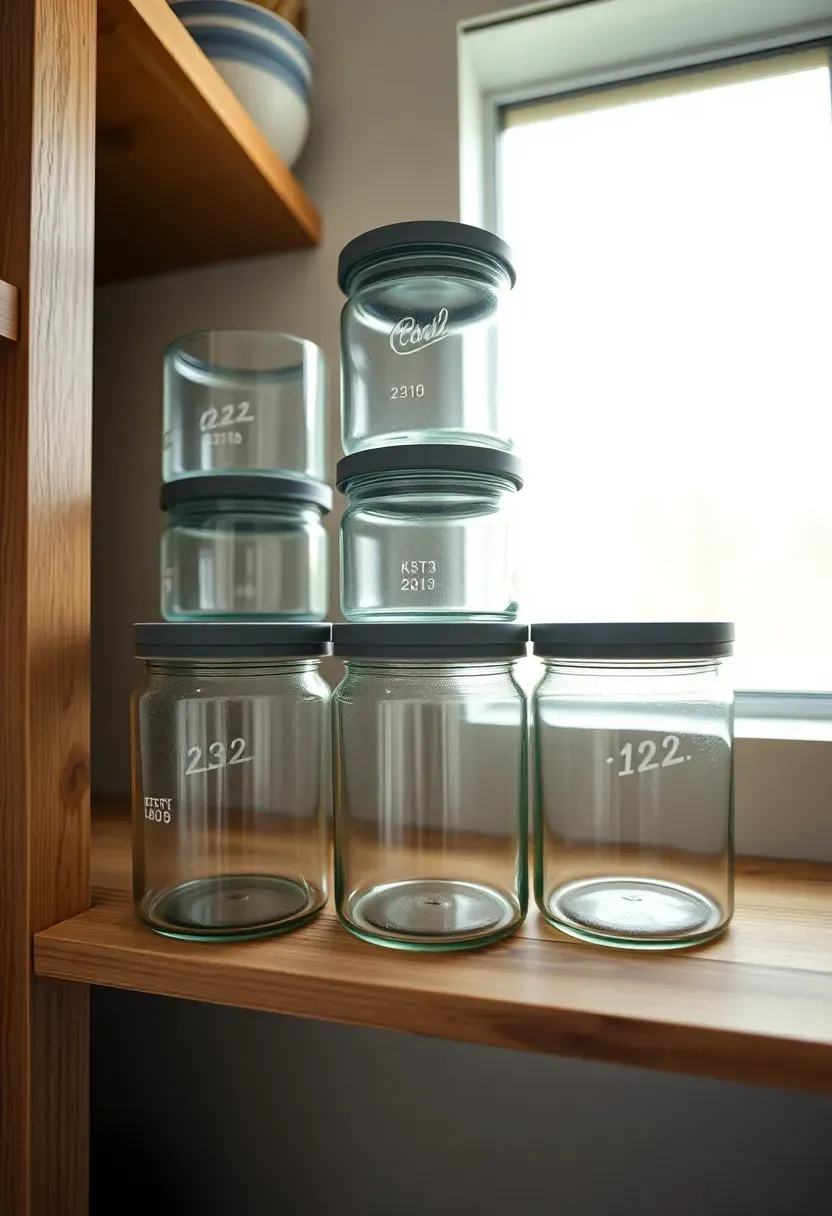
13. Stackable Airtight Containers
The Core Issue
Once opened, most pantry packaging — cardboard boxes, paper bags, resealable plastic — is genuinely poor at keeping air out. Oats go stale, spices lose potency, flour picks up off-flavors. The degradation is slow enough to be invisible until you notice the food tastes wrong.
The Solution
Borosilicate glass canisters with silicone gasket lids maintain an airtight seal reliably over years of use. Stackable models (Weck, OXO, or Kilner) use standardized sizing so shelves hold more per square foot. Pairing these with an AI inventory app and date stickers creates a complete food-freshness system — you see what's there, you know when it was opened, and the app reminds you when to replace it.
Pros and Cons
Pros: Genuinely extends shelf life of dry goods, reduces packaging waste, looks cohesive on open shelves Cons: Higher upfront cost than plastic; glass is heavier and breaks if dropped
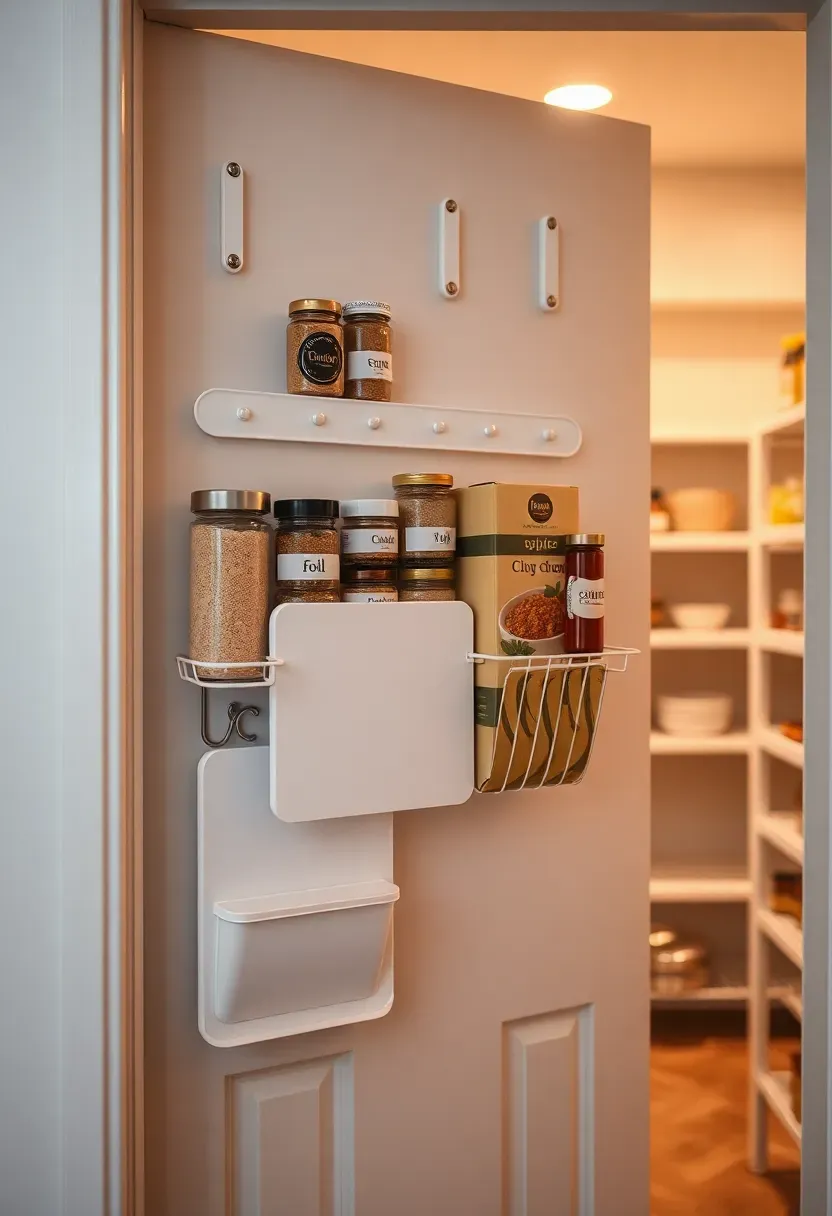
14. Custom Pantry Door Organizer
The inside of a pantry door is one of the most underused surfaces in any kitchen. A custom powder-coated steel organizer mounted on the door can add the equivalent of a full shelf's worth of storage in a space that previously did nothing. AI home-planning apps can generate a door organizer layout based on your specific door dimensions and what you need to store, including spice jars, wraps, a small whiteboard, or even a tablet holder for recipe display.
Tips / Practical Recommendations
- Measure the clearance between the door and the nearest shelf before installing — most ready-made organizers are 3–4 inches deep
- Prioritize everyday-access items for the door: spices, foil, cling wrap, cooking oil
- Add a small magnetic whiteboard strip at the top of the organizer for quick grocery notes
Recommended
Items for this idea
15. AI-Based Expiry Date Tracker
Food waste is as much a financial problem as it is an environmental one — the average household wastes over 30% of purchased food, much of it due to missed expiry dates. AI-powered apps like Pantry Pal or Whisk track expiry dates logged at purchase and send a push notification seven to fourteen days before an item expires, with a recipe suggestion using that ingredient. The difference between a heads-up and a missed date is often just a few days of visibility.
Tips / Practical Recommendations
- Log expiry dates immediately when unpacking groceries — the habit only works if the data is entered consistently
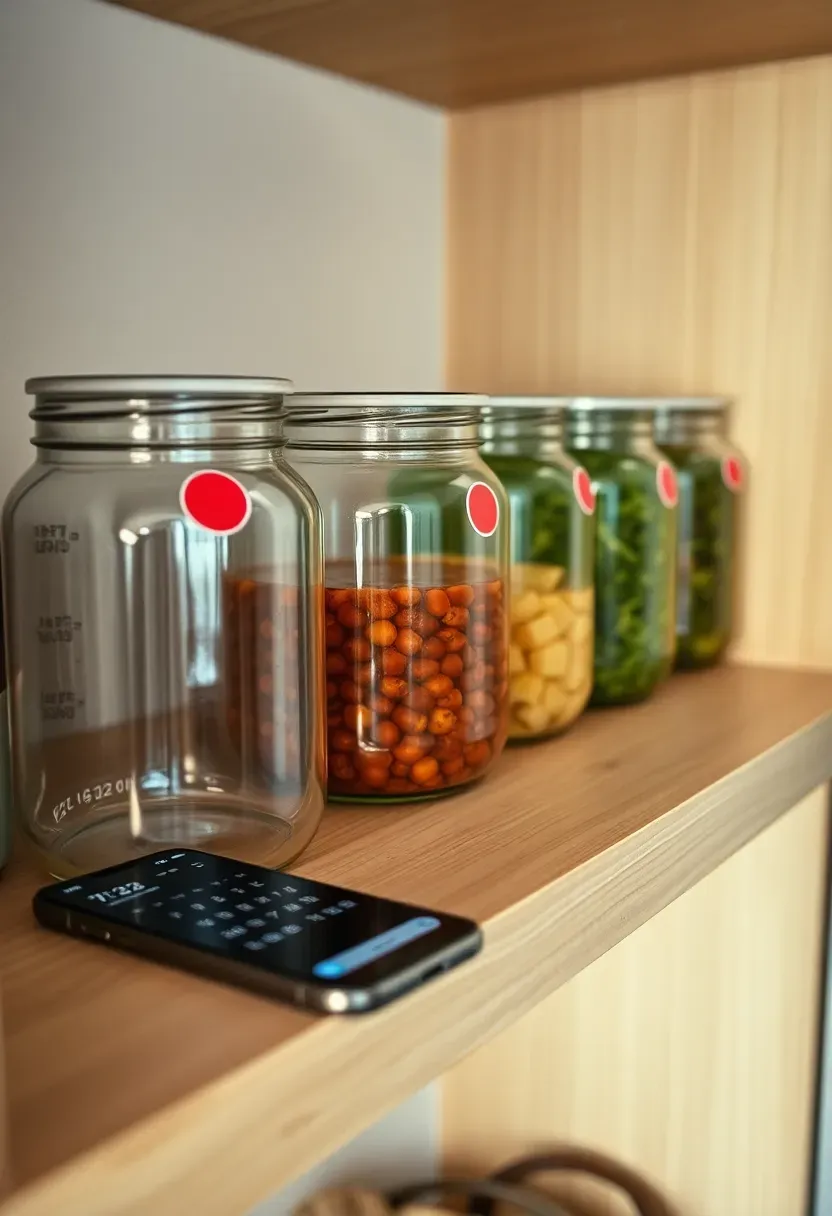
- Color-dot the lids of near-expiry items as a physical backup visible without opening the app
- Use the app's "use up soon" meal suggestion feature for at least one meal per week to close the loop on the system
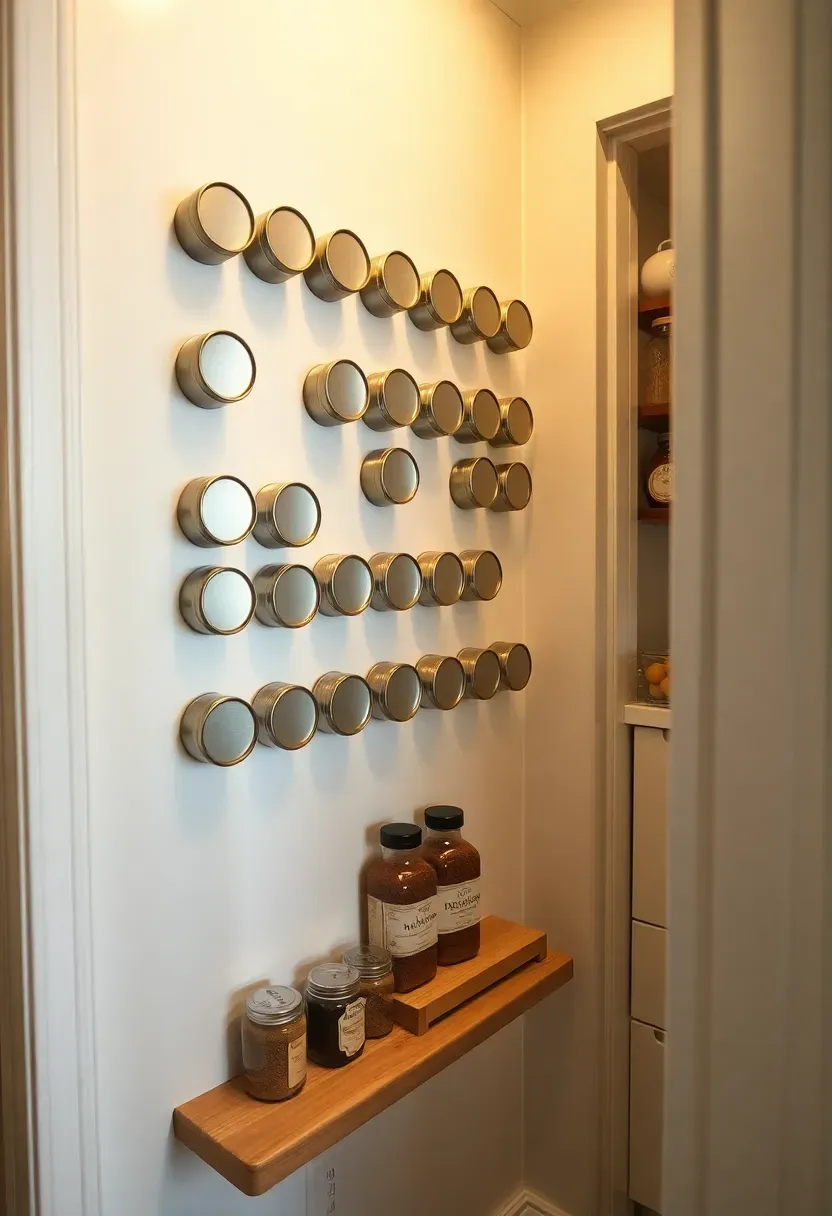
16. Magnetic Spice Wall System
How to Set It Up
A magnetic spice wall transforms a blank pantry wall or the back of a large pantry cabinet into active storage. The basic setup: a sheet of white enameled steel (or a commercially available magnetic spice panel) adhered or mounted to the wall, with matching round tin or stainless steel magnetic spice containers attached to it.
Step 1: Choose Your Panel Size
Measure the target wall section. Panels are available in 12×24 inch or 24×36 inch sizes — one large panel typically holds 20–30 containers.
Step 2: Fill and Arrange Containers
Transfer spices from original packaging into uniform tins. Group by cooking cuisine (Asian spices together, baking spices together) or by frequency of use, following an AI meal-pattern analysis.
Step 3: Mount at Eye Level
Install the panel at a height where all containers are visible at a glance — shoulder to eye level works for most adults.
What to Watch Out For
- Spices in tins fade faster under direct light — avoid mounting on a wall that receives direct sunlight
- Replace spices every 12–18 months; the visual system makes it easy to spot containers that haven't moved
Recommended
Items for this idea
17. Clear Bin System for Grains
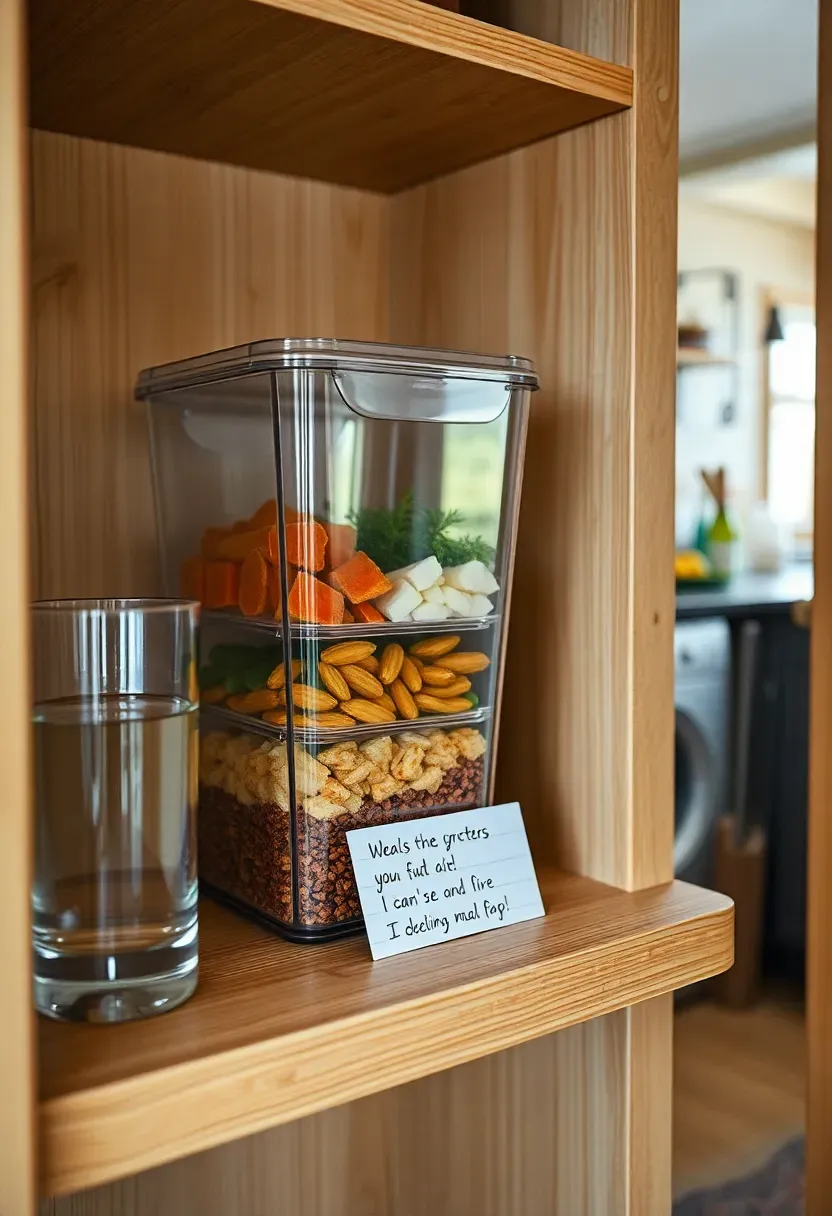
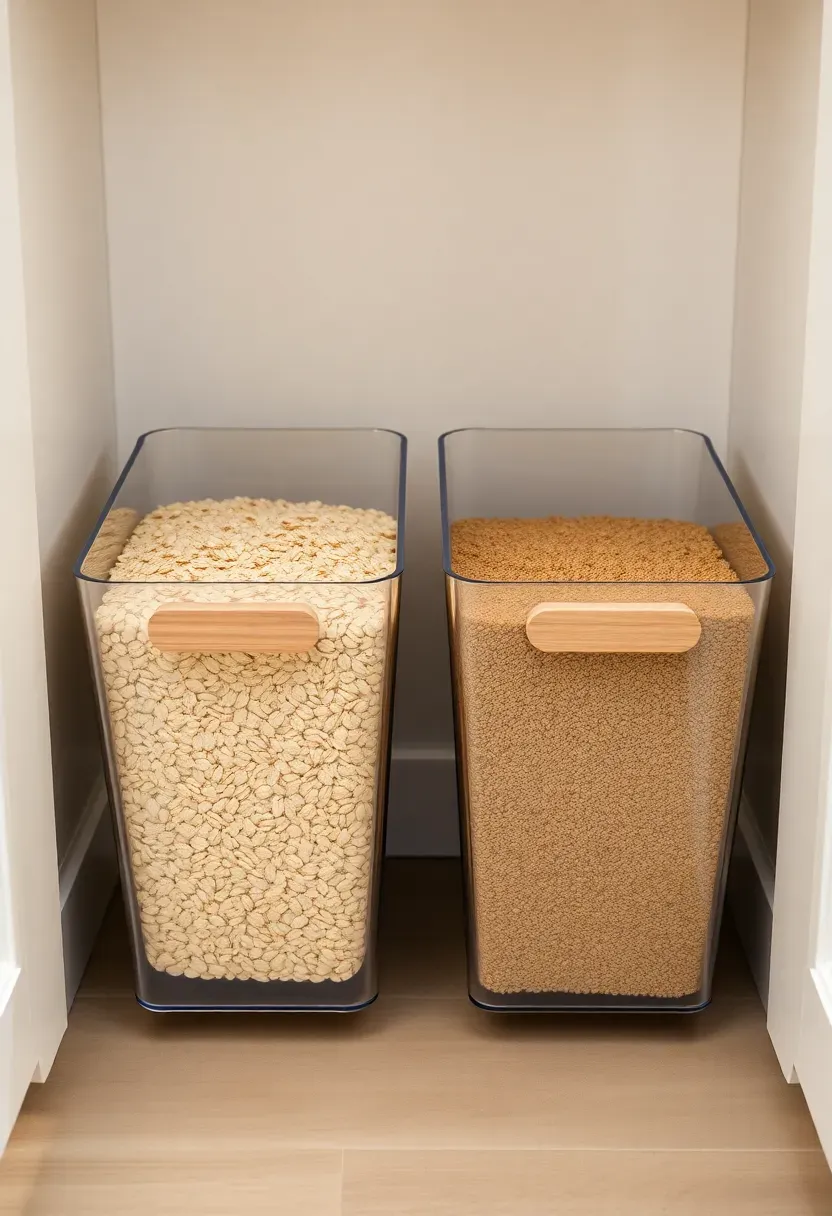
Bulk grains — rice, oats, quinoa, lentils, barley — are the backbone of most home kitchens and also the category most prone to pantry confusion when stored in original bags. Clear acrylic pull-out bins give you an immediate visual inventory at a glance: you can see the quantity without opening anything, estimate when you'll run out, and confirm variety without reading a label from two feet away. AI inventory systems sync easily with bins when you log quantities by visual check — a two-second task.
Tips / Practical Recommendations
- Size bins to match your household's consumption speed: a two-person household rarely needs more than a 2-liter bin for any single grain
- Choose bins with narrow oak or bamboo front handles for a warm aesthetic contrast against the clear acrylic body
- Clean bins between refills to prevent flavor transfer and pest attraction — a quick rinse and air-dry is sufficient
18. Dedicated Snack Zone
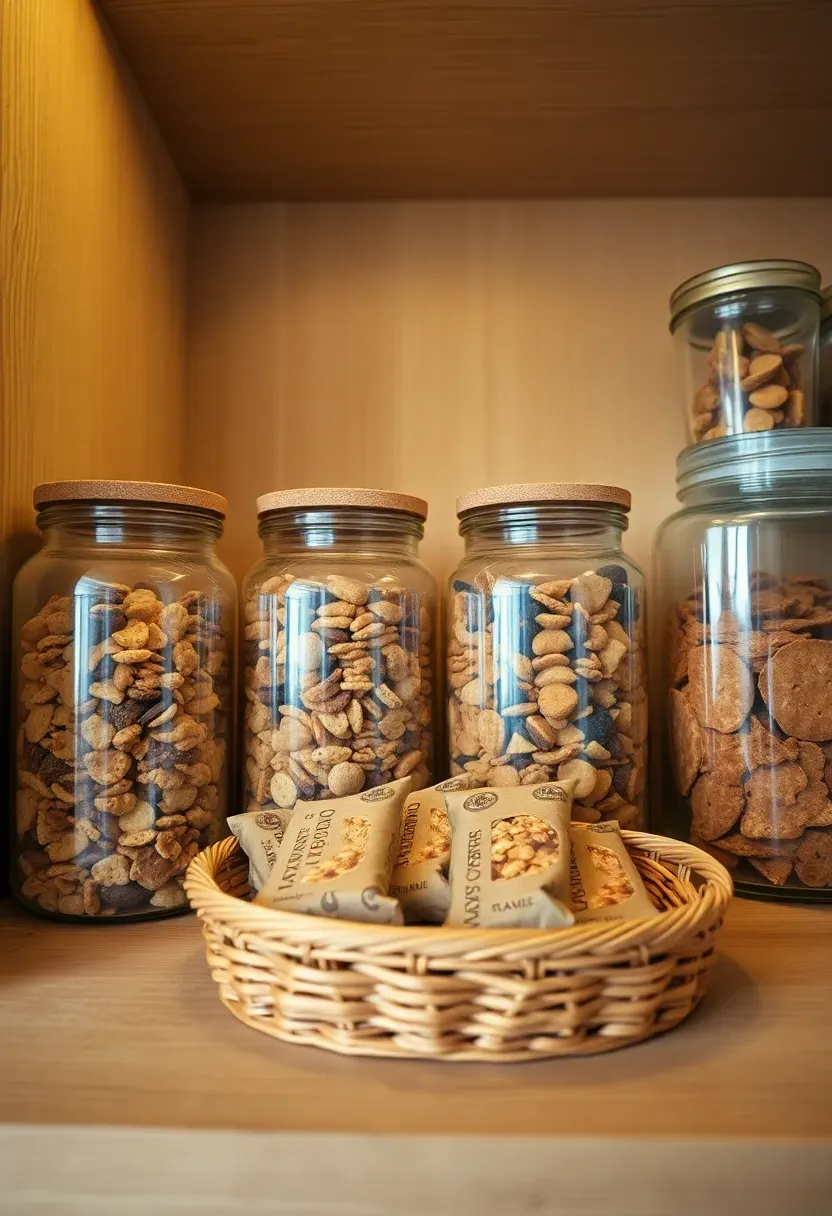
A dedicated snack zone is one of those organizational choices that pays for itself almost immediately — in reduced pantry rummaging, in fewer "there's nothing to eat" declarations despite a full pantry, and in better portion awareness. Keeping all snacks in one clearly defined section (ideally at a consistent, easily reachable height) also makes it easier for AI inventory apps to track consumption patterns: the snack zone's depletion rate is one of the fastest signals for restocking frequency.
Tips / Practical Recommendations
- Use glass jars with cork lids for loose snacks — they look cohesive, seal well, and show quantities clearly
- Add a small rattan or wicker tray for individually packaged items to prevent them from scattering across the shelf
- Restock the zone on a fixed day each week so it's always reliable — Sunday evening before the week begins works well for most households
Recommended
Items for this idea
19. Under-Shelf LED Lighting
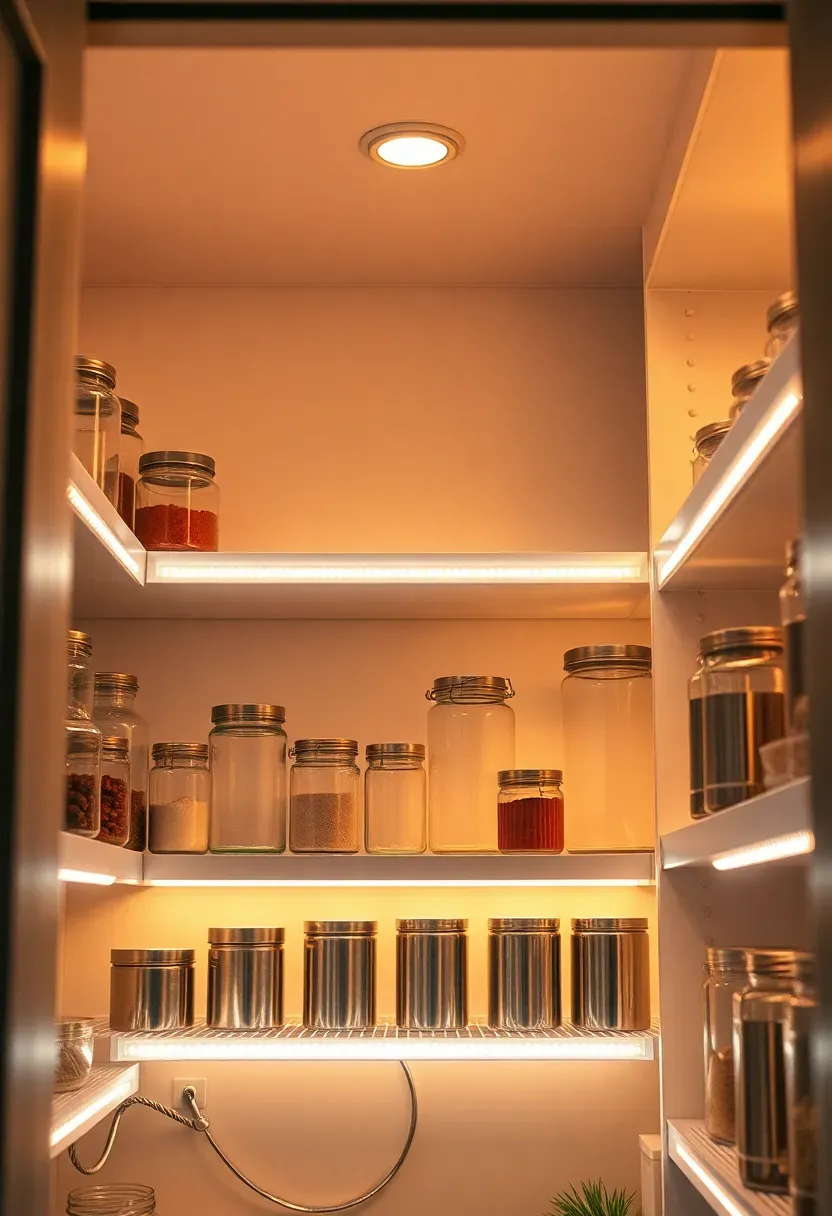
Pantry darkness is an underappreciated contributor to disorganization. When the back of a shelf is dim, items disappear visually even when they're physically present — leading to duplicate purchases and missed stock. Adhesive LED strip lights mounted under each shelf edge (Philips Hue, Govee, or budget alternatives from IKEA) take less than 30 minutes to install and transform the pantry from a dim storage closet into a visible, inviting space. Smart LED strips that connect to a home hub can be set to auto-activate when the pantry door opens.
Tips / Practical Recommendations
- Choose warm white (2700–3000K) rather than cool white to complement wood tones and glass canisters aesthetically
- Install strips toward the front of each shelf underside so light falls on the contents of the shelf below, not the shelf surface itself
- Use a motion sensor or door-triggered smart switch so the lights come on automatically — removing the need to reach for a switch with full hands
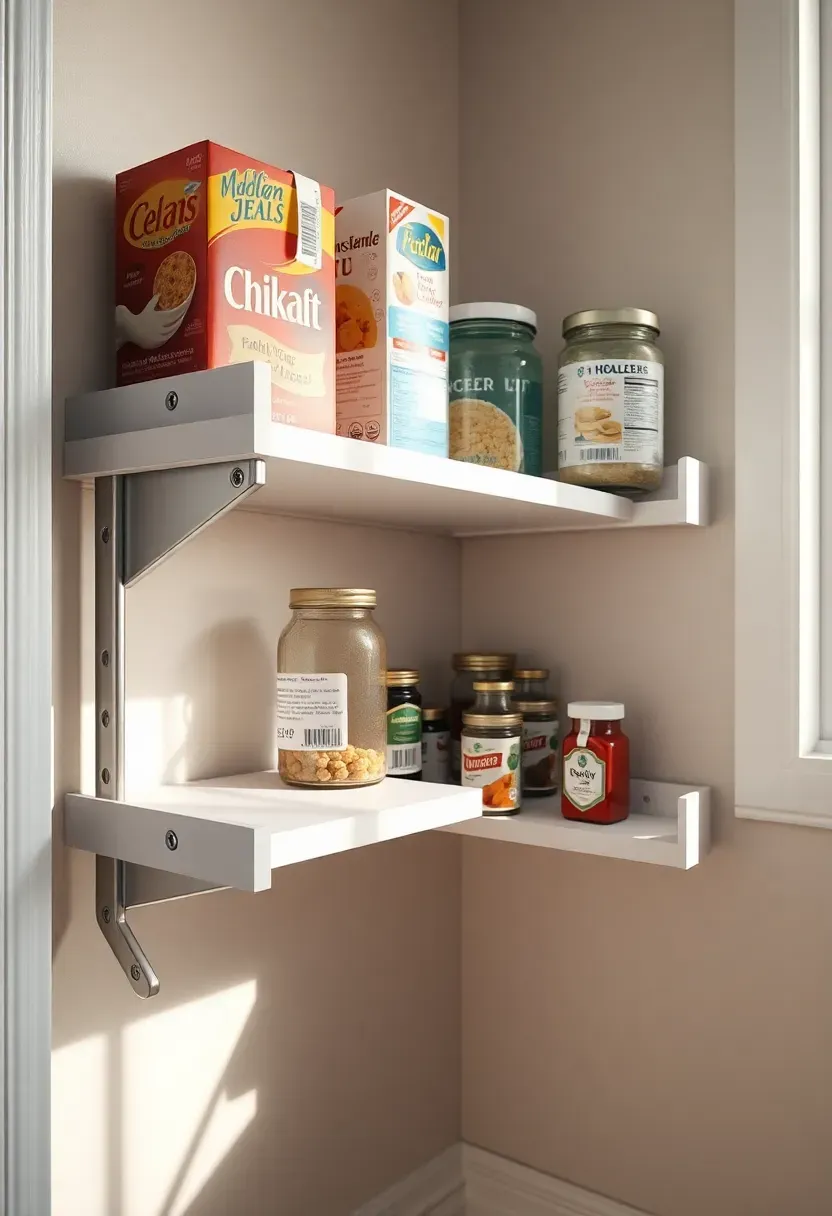
20. Adjustable Shelf Configuration
Fixed shelves are a design assumption that most pantries never question — until you buy a tall appliance or a bulk-sized cereal box that doesn't fit anywhere. Adjustable shelving (peg-rail systems or bracket-and-shelf combinations) lets the pantry reconfigure to fit what you actually store rather than forcing you to store what fits the pantry. AI home organization tools can model your ideal shelf spacing based on a photograph of your current pantry contents.
Tips / Practical Recommendations
- Standard peg spacing of 1.25 inches gives fine-grained adjustment without weakening the shelf board
- Use shelf liner on every adjustable shelf — it prevents items from shifting when a shelf is repositioned
- Photograph your optimized configuration so it's easy to re-create if shelves are moved during a deep clean
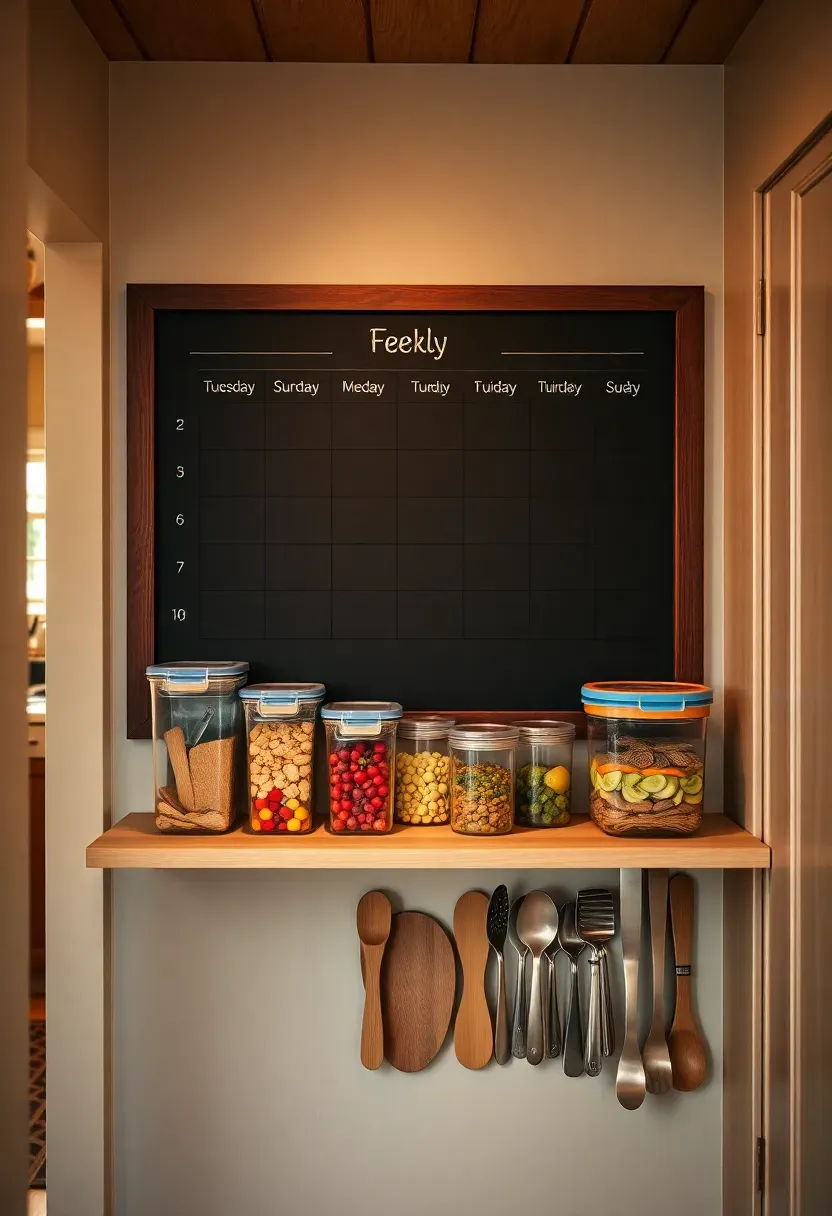
Recommended
Items for this idea
21. AI Meal Planning Integration
The most powerful pantry organization system isn't about the pantry itself — it's about connecting the pantry to what happens next. AI meal planning apps that integrate with your pantry inventory (Mealime with Pantry integration, or custom Notion + AI setups) create a closed loop: the plan drives the shopping list, the shopping list drives what enters the pantry, and the pantry contents drive the next week's plan. Nothing spoils because the system knows what's there. Nothing runs out because the system anticipated the need. This is where individual organizational ideas compound into something that genuinely changes how a kitchen functions.
Tips / Practical Recommendations
- Start with a free trial of one AI meal planning app and connect it to a single pantry tracking method — don't try to integrate everything at once
- Spend 10 minutes each Sunday reviewing the AI's suggested plan and adjusting for preferences before locking in the week's meals
- After 60 days of consistent use, review what the system still gets wrong and use that feedback to refine your pantry zone layout from Idea 1 — the full cycle closes here
Quick FAQ
Is it expensive to set up an AI-organized pantry? Most of the impact comes from free or low-cost apps paired with organizational hardware you may already have. A full AI-integrated setup including smart labels, inventory app, and LED lighting runs approximately $80–150 for an average-sized pantry — comparable to one or two grocery overbuys that the system will prevent.
Should the pantry be organized by ingredient type or by frequency of use? Both matter, but frequency of use should take priority for the main zones. Within a zone (say, "daily staples"), organizing by category makes retrieval fast. Most AI pantry tools default to a hybrid of both — frequency determines vertical position, category determines horizontal grouping.
Can these ideas work in a small apartment pantry or just a cabinet? Absolutely. Zone planning, smart labeling, color-coded bins, and expiry tracking all scale down to a single deep cabinet. LED strip lights are especially transformative in small enclosed spaces where natural light doesn't reach.
Which AI pantry app is the best starting point? Grocy is the most comprehensive free option — it handles inventory, expiry tracking, and shopping list generation with AI-assisted patterns. Pantry Check is simpler and more visually polished. Either works well; the right choice depends on how much detail you want to track.
Does pantry organization actually reduce grocery spending? Studies from household management research consistently show that visible, organized pantries reduce food waste by 20–40% — translating to meaningful savings over a year. The combination of expiry tracking and AI restocking predictions prevents both under-buying (leading to restaurant orders) and over-buying (leading to waste).
Trends in AI and smart home technology come and go, but the underlying principle here is simple and permanent: knowing what you have, knowing where it is, and knowing when you need more. These 21 ideas are different paths toward the same outcome — a pantry that works as a tool rather than a source of daily friction. Start with one or two that fit your current setup, build the habit, then layer in more. The compounding effect of even three or four of these ideas together is genuinely striking.
Pinterest cover for 21 AI Pantry Organization Ideas for a Smarter Kitchen
About the author
OBCD
CGI visualization and interior design content. We create detailed 3D renders and curate practical design ideas for every room in your home.