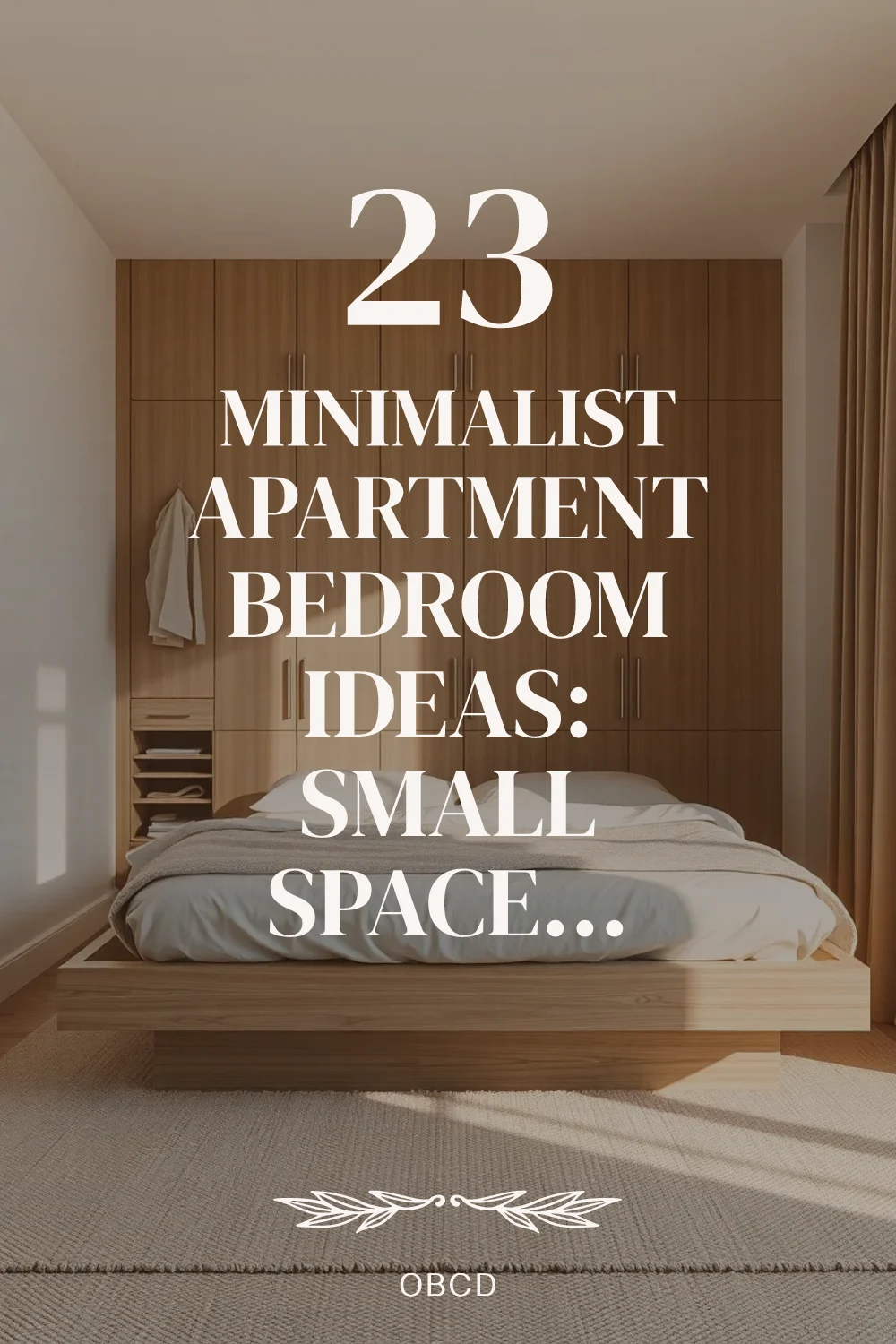
23 Minimalist Apartment Bedroom Ideas for Small Spaces
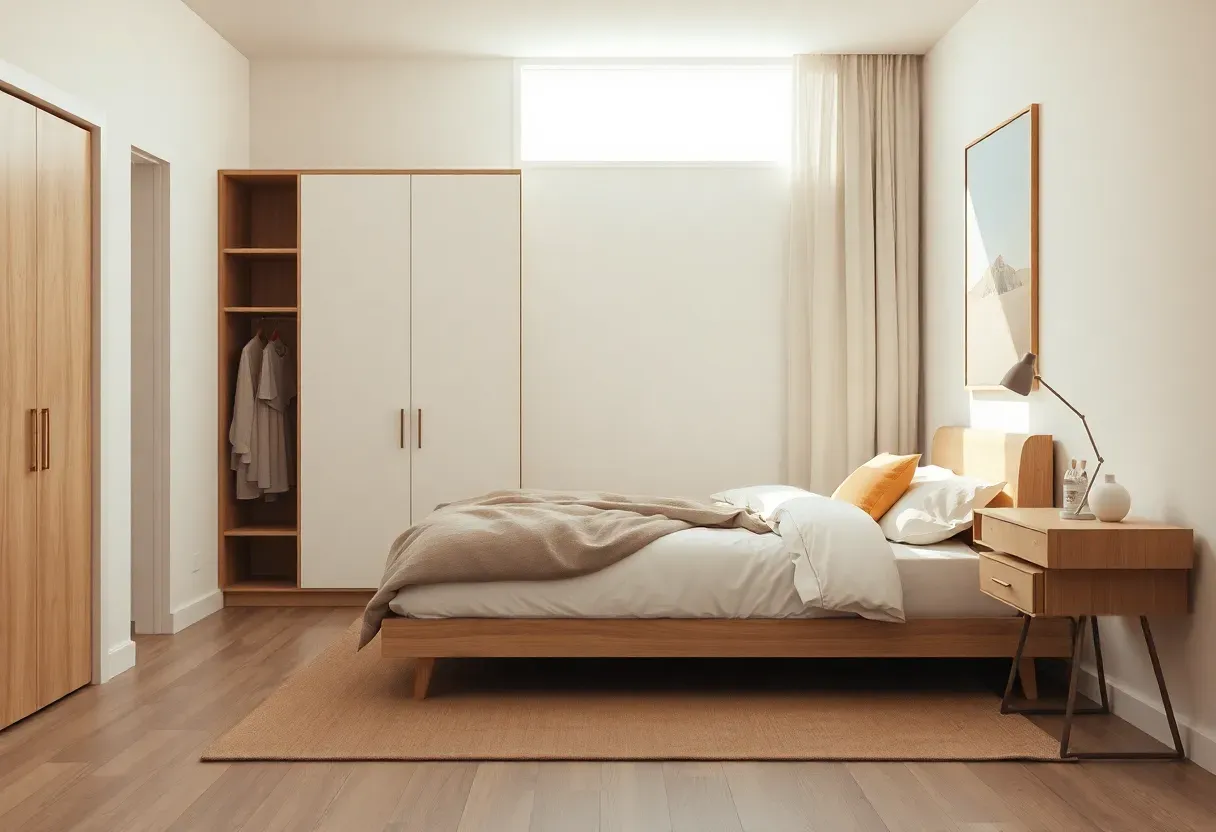
These minimalist apartment bedroom ideas treat the entire room as one system -- not a pile of separate pieces. Each layout solves the core problems renters face in small apartments: tight floor plans, limited storage, and the need for a space that actually feels calm after a long day.
Below you will find 23 full-room designs with space-saving storage, smart furniture placement, and cozy materials that keep a small bedroom looking open and stylish. Use them as blueprints, mix the ideas that fit your floor plan, and skip the rest.
Quick FAQ
Which minimalist apartment bedroom ideas save the most space?
Layouts that combine sleep and storage on one wall save the most floor area. Think built-ins, wall systems, and compact nightstands with floating shelves.
How do I keep a minimalist apartment bedroom cozy?
Use warm neutrals, soft textiles, and layered lighting. A calm palette plus tactile materials makes minimal rooms feel inviting.
Should I use a Murphy bed in a minimalist bedroom?
A Murphy bed can be ideal for studio apartments or multipurpose rooms. It works best when storage and seating are integrated into the same wall.
What colors help a small minimalist bedroom feel larger?
Warm whites, light greiges, and soft sand tones reflect light without feeling cold. Avoid high-contrast patterns that shrink the space.
How much storage do I need in a minimalist apartment bedroom?
Plan for one full-height wardrobe and one hidden storage zone, such as under-bed drawers. That balance keeps clutter controlled without overfilling the room.
As an Amazon Associate I earn from qualifying purchases.
Table of Contents
- 1. Low platform bed with full-height storage wall
- 2. Murphy bed with daytime lounge zone
- 3. Daybed by the window with compact work corner
- 4. Corner bed with L-shaped wardrobe and sliding doors
- 5. Built-in wardrobe and desk wall system
- 6. Loft bed with open lounge and study below
- 7. Linen canopy zone with compact dresser run
- 8. Storage headboard wall with floating nightstands
- 9. Window-wall bed with continuous curtain track
- 10. Microcement floor with layered rug zoning
- 11. Centered bed with full-length shelf ledge
- 12. Under-bed drawer system with toe-kick lighting
- 13. Shoji screen partition with wardrobe wall
- 14. Oak veneer wardrobe with bench footboard
- 15. Linen-led palette with slim hotel layout
- 16. Tall wardrobe plus mirror expansion layout
- 17. Sliding panel work zone and bed alcove
- 18. IKEA PAX wall system with integrated bed
- 19. Light-reflective paint with soft texture layering
- 20. Compact nightstand wall with shelf lighting
- 21. Floating desk built into the headboard wall
- 22. Fold-down table with hidden storage core
- 23. Future-proof compact layout with modular storage
1. Low platform bed with full-height storage wall
This minimalist apartment bedroom layout puts a low platform bed on the longest wall and pairs it with a full-height storage wall on the opposite side. The goal is a single, calm axis that handles sleep and space-saving storage without breaking the room into tiny pieces. Keep the bed height around 10 inches and use one 90-inch-tall wardrobe run to consolidate clothing. For contrast, avoid open shelving and upgrade to flat cabinet fronts instead. This creates a complete, tidy system that reads as one cohesive design.
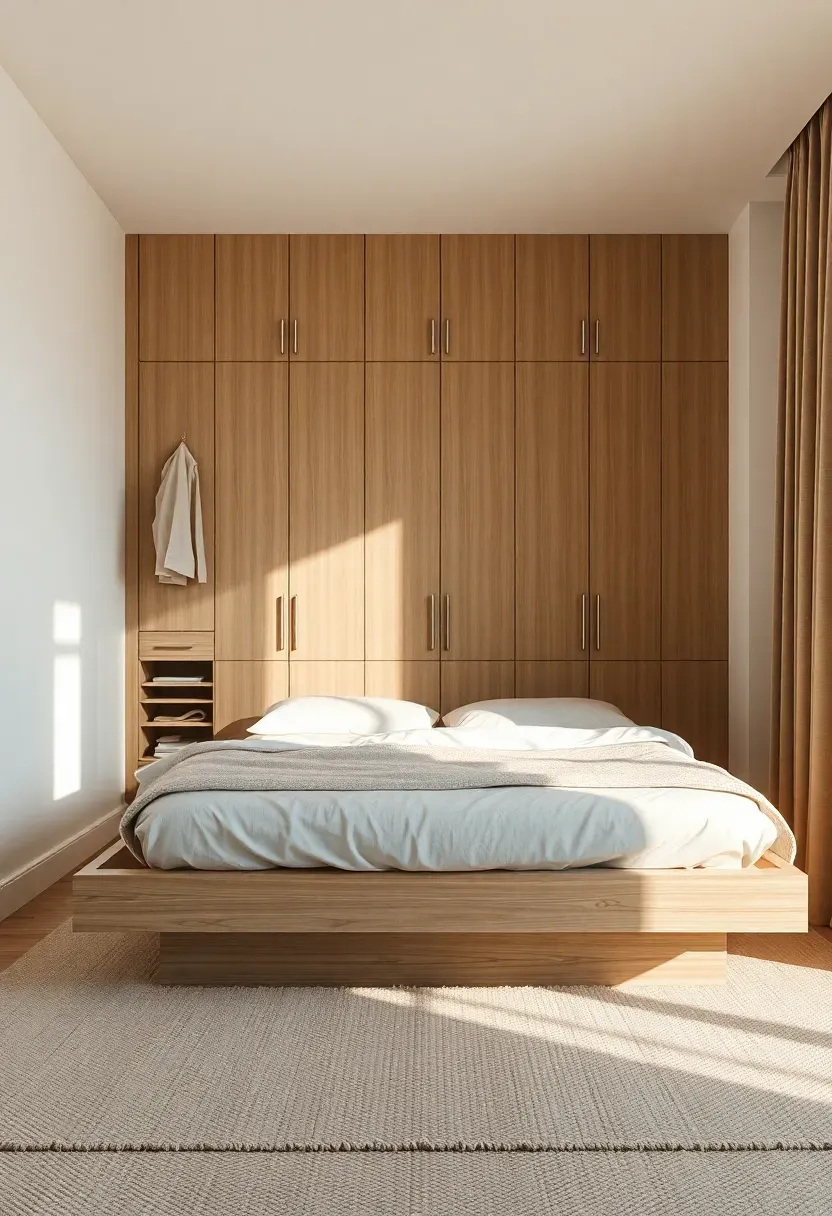
Leave a 30-inch path between bed and storage so the room feels open. Add a single 5x8 rug centered under the bed to anchor the layout without shrinking the floor. The trade-off is fewer display surfaces, so use one art rail above the headboard and keep the rest clean. If you need warmth, add a linen throw at the foot instead of extra decor. The result is a calm, complete layout that keeps the room airy.
Tips
- Do: keep cabinet doors flush and handle-free for a clean wall.
- Don’t: break the storage wall into mismatched heights.
- Do: use soft-close hinges for quieter mornings.
Best for: apartments where one wall can carry most storage.
What this gives you: a full-room plan that feels larger and calmer.
2. Murphy bed with daytime lounge zone
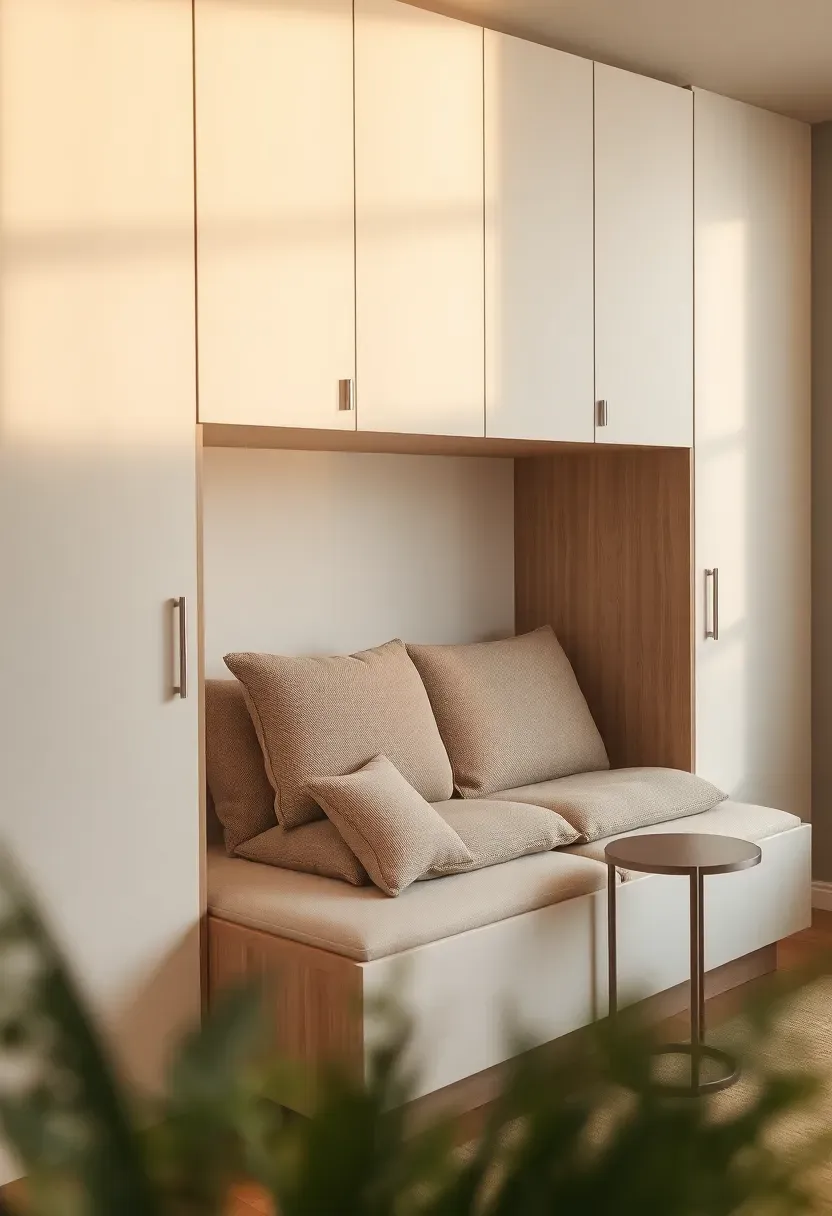
A minimalist apartment bedroom can double as a living area when a Murphy bed shares a wall with a compact lounge. Use a 60-inch sofa or bench below the bed and keep the rest of the room open for circulation. This Murphy bed layout turns one wall into a multi-functional furniture system without cluttering the floor. For contrast, skip bulky armchairs and use a low bench with hidden storage instead. It feels like a full-room solution, not a compromise.
Recommended
Items for this idea
Placement note: Leave a 36-inch clear zone in front of the bed for smooth folding.
Keep the lounge zone in a warm neutral linen so it blends with the wall unit. The trade-off is less permanent decor, so add one floor lamp and a 4x6 rug to define the daytime area. Use a slim side table no deeper than 12 inches to keep circulation open. If you want a softer look, add a wool cushion in a muted tone instead of bright accents. This keeps the space calm and fully functional from day to night.
For cozy small-space lighting ideas, see 23 Cozy Warm Bedroom Ideas for Relaxing Nights at Home.
Tips
- If the bed feels heavy, then paint the unit the same color as the wall.
- If you need extra seating, then use storage ottomans that tuck under.
What this gives you: a full-room layout that switches from lounge to sleep.
3. Daybed by the window with compact work corner
This minimalist apartment bedroom idea places a daybed along the window wall and creates a compact desk corner at the opposite end. The daybed keeps the room open while still providing full sleep length, and the work corner fits a 36-inch desk. The supporting term here is daybed, which makes the room feel light and flexible. For contrast, avoid a bulky headboard and use a simple back cushion with wall-mounted shelves. The layout feels complete without adding extra furniture pieces.
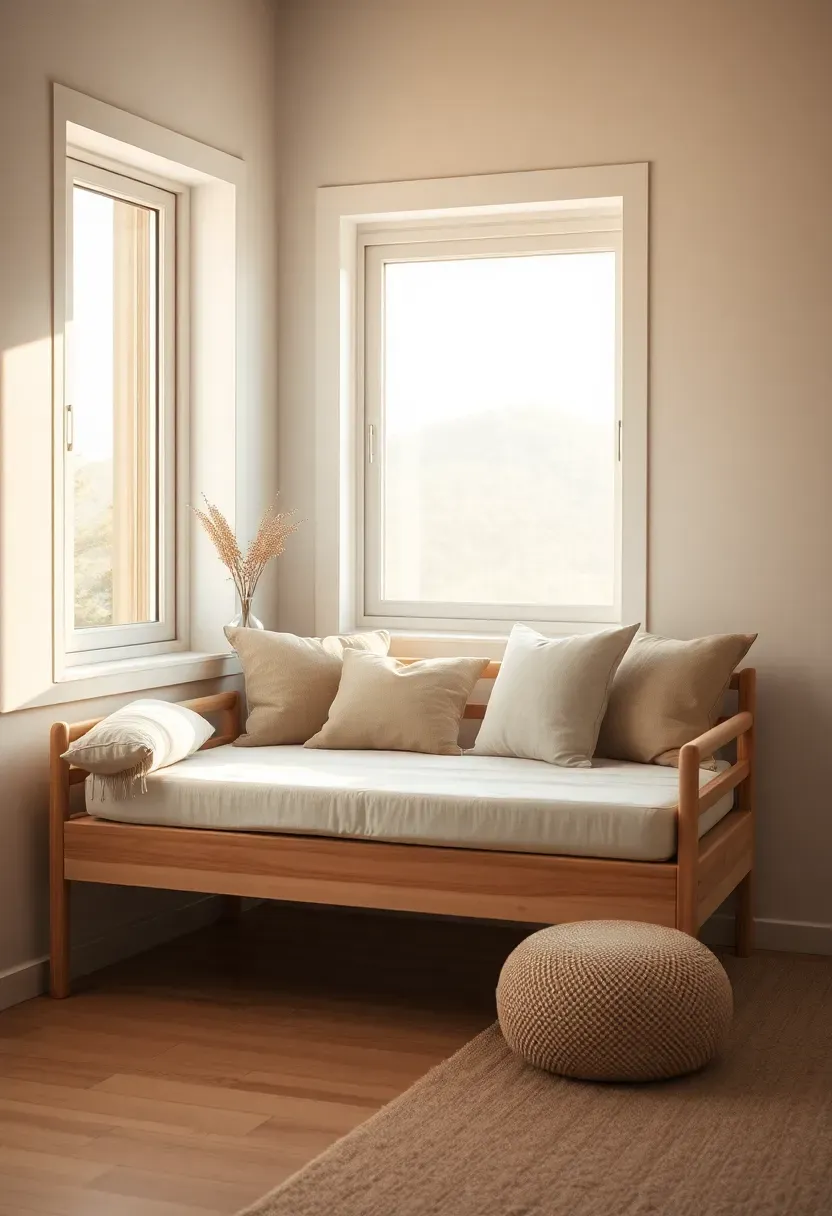
Why it works: the daybed doubles as seating and sleep while keeping the floor open.
Keep the desk chair light and armless so it slides under easily. The trade-off is less storage, so add a 24-inch floating shelf above the desk and one closed bin below. Use a 5x7 rug under the daybed to anchor the sleep zone without closing the room. If you want contrast, add a single black sconce rather than multiple wall fixtures. This layout makes the room feel open and productive.
Tips
- Pro: a daybed frees visual space compared to a full bed frame.
- Con: storage can be limited without drawers.
- Fix: add a low rolling drawer unit under the daybed.
Best for: studios where the bedroom doubles as a work nook.
What this gives you: a compact, airy layout that still supports sleep and work.
4. Corner bed with L-shaped wardrobe and sliding doors
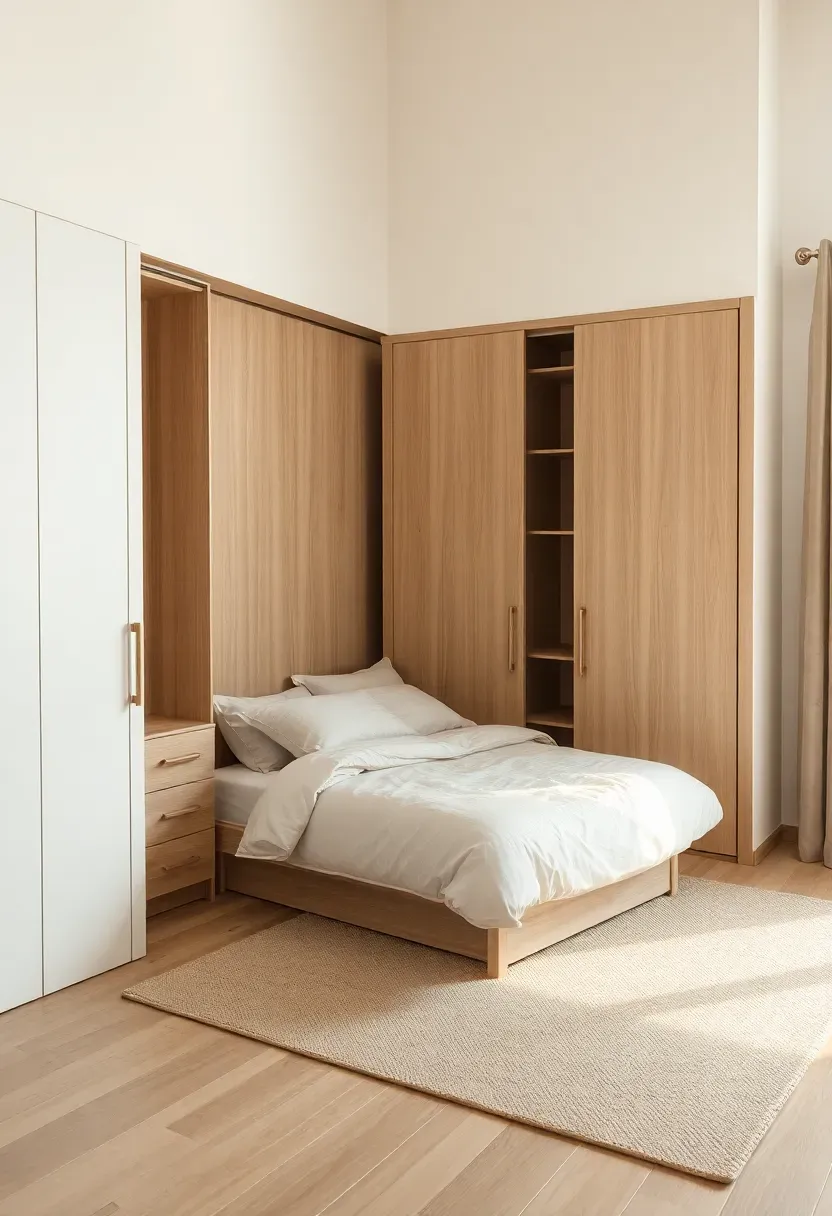
This minimalist apartment bedroom arrangement tucks the bed into a corner and uses an L-shaped wardrobe to wrap storage around it. The supporting term here is sliding doors, which keep the wardrobe usable without stealing floor space. Set the bed with one side against the wall and keep a 24-inch access path on the open side. For contrast, avoid a freestanding dresser and move storage into the wardrobe run instead. The room reads as a single, intentional plan.
Recommended
Items for this idea
Common mistake: placing the bed too tight to the wardrobe, which makes access awkward.
Use a 20-inch wall shelf as a nightstand to keep the floor clear. The trade-off is less surface area, so limit bedside items to a lamp and one book. Add a 4x6 rug that reaches the open side of the bed to soften the corner. Keep door fronts uniform to reduce visual breaks and help the room feel larger. This is a full-room storage solution that stays clean and simple.
For low-key corner styling, see Cozy Guest Bedroom Ideas for a Welcoming Stay.
Tips
- Use soft-close tracks to prevent door slams in tight rooms.
- Keep the bed clearance at least 24 inches for easy access.
- Choose slim pulls or push-latch doors for a flat look.
What this gives you: a compact, storage-rich plan with clear circulation.
5. Built-in wardrobe and desk wall system
This minimalist apartment bedroom uses a single wall for built-in wardrobes and a desk, creating a compact layout that feels custom. Place a 48-inch desk between two tall cabinets to unify storage and work in one zone. The supporting term here is built-in wardrobes, which eliminate the need for extra dressers. For contrast, avoid open shelving and use flat fronts to keep the wall calm. This plan feels complete and organized.
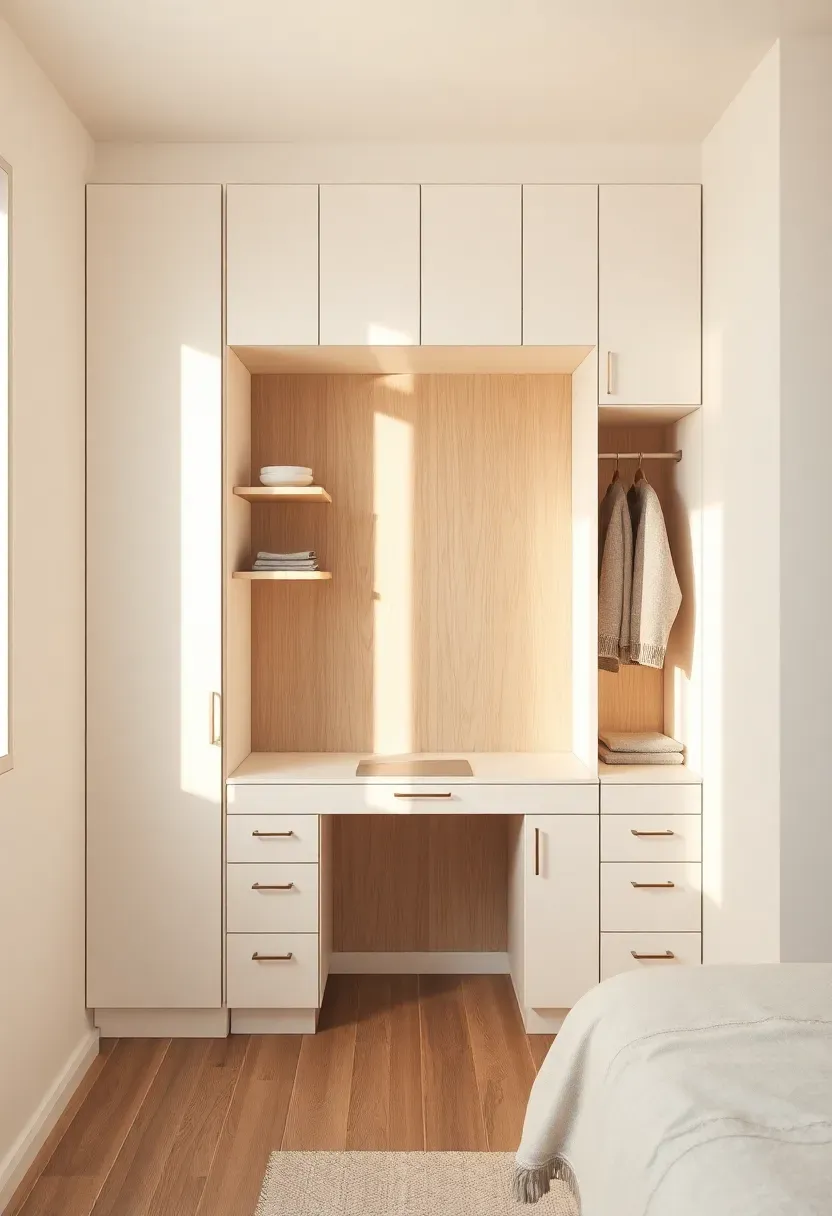
Keep the bed across from the wall system with a 30-inch aisle between. The trade-off is higher upfront cost, but it saves space long-term. Add a slim pinboard above the desk for practical use without visual noise. If you want warmth, use light oak interiors and a wool desk chair pad. This layout turns a small room into a full-function suite.
Tips
- Do: keep desk depth around 20 inches to save space.
- Don’t: mix multiple cabinet colors on one wall.
- Do: use under-cabinet lighting for evening work.
Budget/Time: Built-ins typically run $1,500-$3,000 or 2-3 IKEA units.
What this gives you: a complete wall system that combines storage and work.
6. Loft bed with open lounge and study below
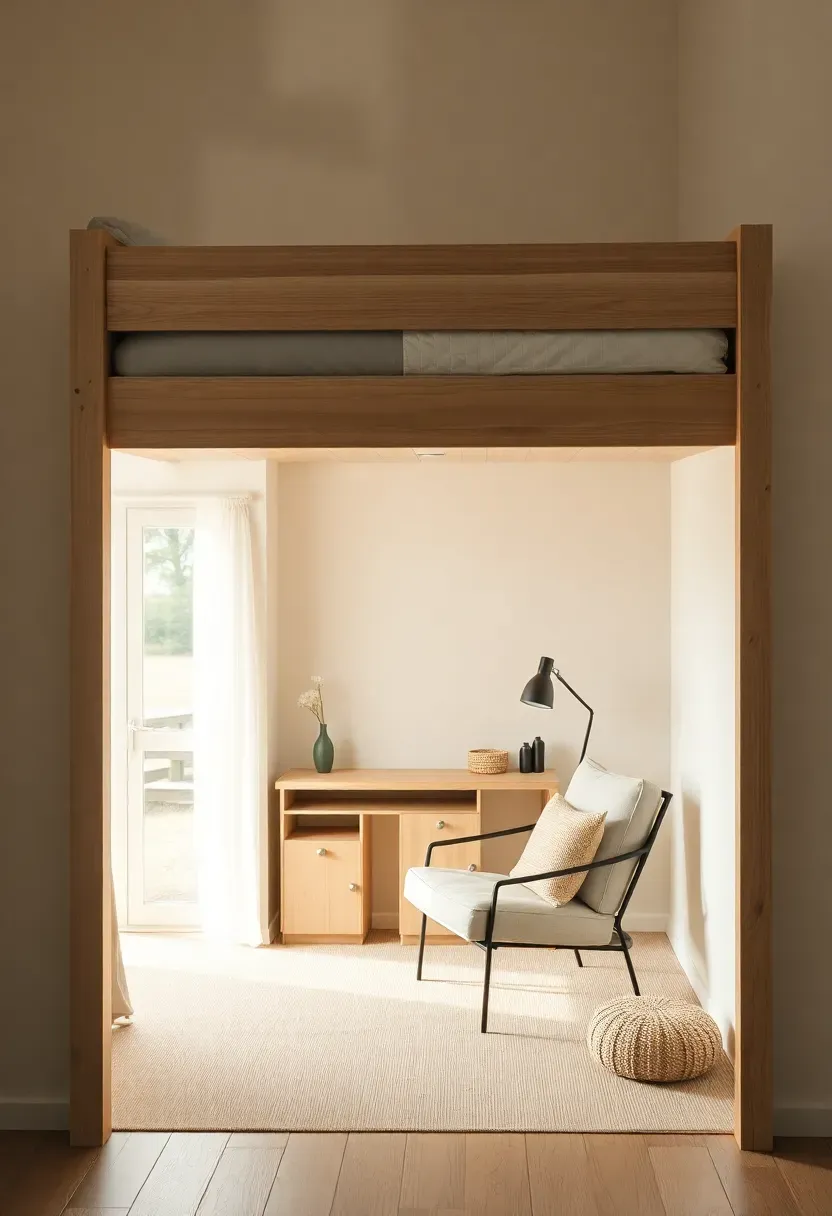
A loft bed layout is a full-room solution for micro apartments because it stacks sleep above living space. Place a 54-inch-high loft bed on one wall and use the floor below for a compact lounge and desk. The supporting term here is multi-functional furniture, which keeps every square foot working. For contrast, skip a bulky sectional and use a small loveseat or bench. This approach makes a tiny bedroom feel like two rooms.
Recommended
Items for this idea
Placement note: Keep 32 inches of head clearance under the loft for comfortable seating.
Use a wall-mounted ladder and a 14-inch-deep desk to keep the area open. The trade-off is less ceiling height, so avoid tall shelving under the bed. Add a 4x6 rug to soften the lounge zone and a single wall sconce for task light. If you want warmth, use a linen chair with a wool cushion instead of a bulky armchair. The room stays airy despite the stacked layout.
For compact cozy textures, see 17 Cozy Romantic Bedroom Ideas for Comfort and Elegance.
Tips
- If the ceiling is low, then choose a low-rise loft under 48 inches.
- If light feels tight, then use a wall sconce instead of a floor lamp.
What this gives you: a two-level layout that separates sleep and lounge.
7. Linen canopy zone with compact dresser run
This minimalist apartment bedroom creates a soft sleep zone with a linen canopy and a compact dresser run on the opposite wall. The canopy brings structure without adding permanent walls, and the dresser run handles daily storage in a clean line. The supporting term here is floating nightstands, which keep the floor open and make the room feel larger. For contrast, avoid heavy drapes and keep the canopy fabric light and translucent. This layout feels fully designed without blocking light.
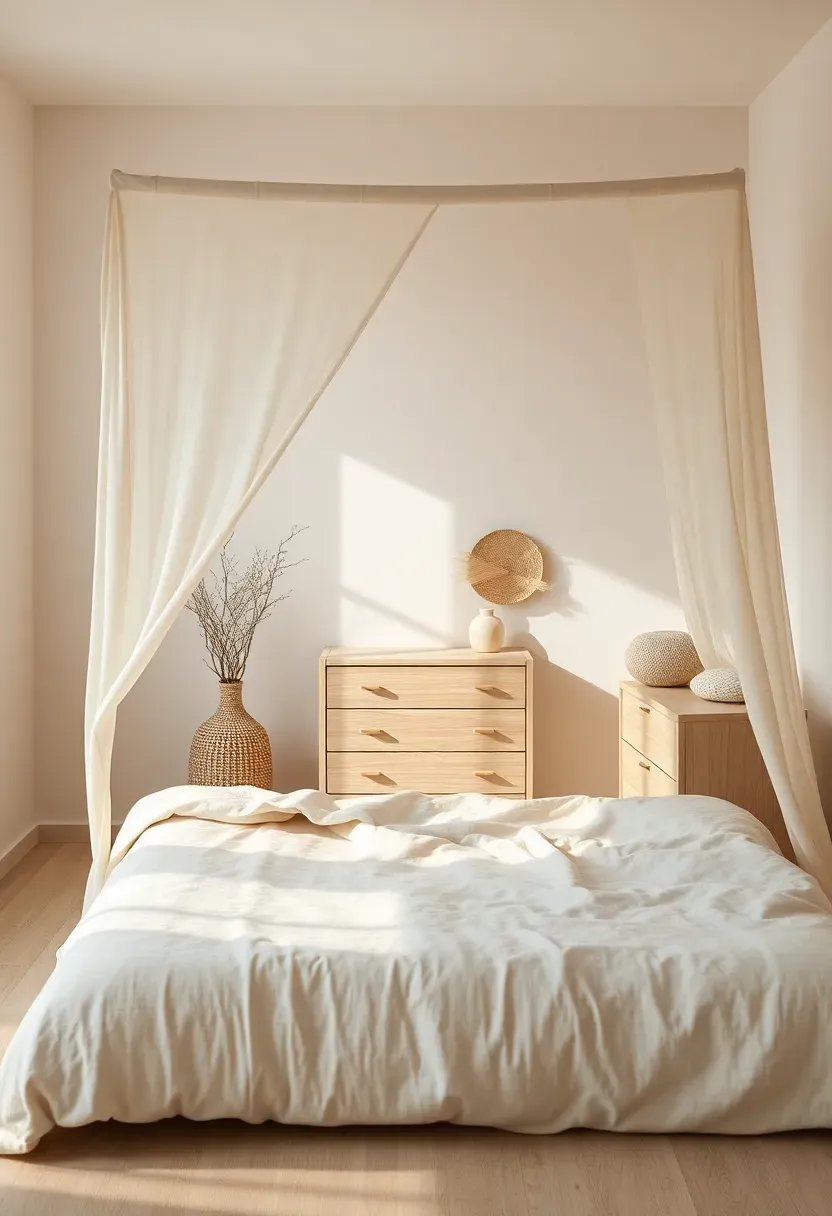
Why it works: a defined sleep zone makes the room feel ordered even when small.
Use a 16-inch-deep dresser run so it does not steal floor space. The trade-off is less display area, so add one 24-inch art ledge above the dresser rather than multiple frames. Keep canopy height at 84 inches to avoid a droopy look. If you need contrast, add a matte black sconce instead of patterned bedding. The result is calm, airy, and cohesive.
Tips
- Pro: canopy adds softness without heavy decor.
- Con: extra fabric needs occasional cleaning.
- Fix: use removable linen panels you can wash.
Best for: renters who want a soft, defined sleep zone.
What this gives you: a cozy, complete layout with clear sleep boundaries.
8. Storage headboard wall with floating nightstands
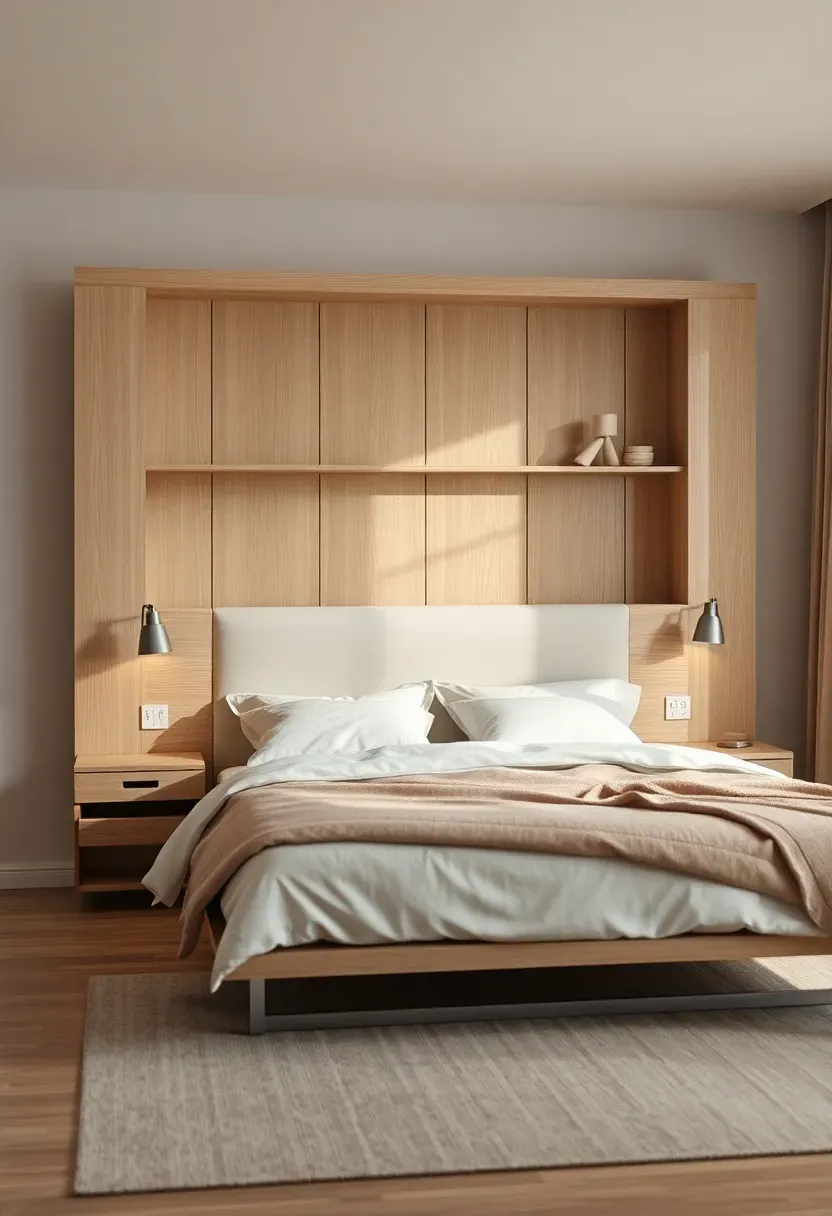
This minimalist apartment bedroom focuses the entire layout on a storage headboard wall that combines lighting and nightstands in one clean band. Use a full-width headboard panel with integrated shelves and add floating nightstands on both sides. The supporting term here is under-bed drawers, which handle overflow items without extra furniture. For contrast, avoid a bulky bed frame and choose a low platform that stays light. The room reads as a finished design rather than a collection of pieces.
Recommended
Items for this idea
Common mistake: mixing multiple shelf sizes that makes the wall look busy.
Keep shelves to one depth, around 8 inches, for a clean line. The trade-off is limited display, so pick one ceramic lamp and one book stack. Use under-bed drawers for linens, and keep handles minimal to avoid visual clutter. Add a 5x8 rug to soften the bed zone without crowding. This gives the room structure and storage in a single move.
For clean wall styling, see 17 Minimalist Japandi Bedroom for Comfort and Visual Balance.
Tips
- Use one shared wall light on each side for balance.
- Keep the headboard panel under 10 inches deep.
- Match drawer pulls to wall color for a quiet look.
What this gives you: a complete storage-and-sleep wall with a minimal footprint.
9. Window-wall bed with continuous curtain track
Placing the bed along the window wall can work in a minimalist apartment bedroom when the curtain track runs across the entire wall. This compact layout keeps the bed in natural light while the curtains unify the wall and hide uneven windows. The supporting term here is compact layout, which keeps circulation open in narrow rooms. For contrast, avoid heavy drapes and upgrade to light-filtering linen panels. The wall feels soft and cohesive instead of broken up.
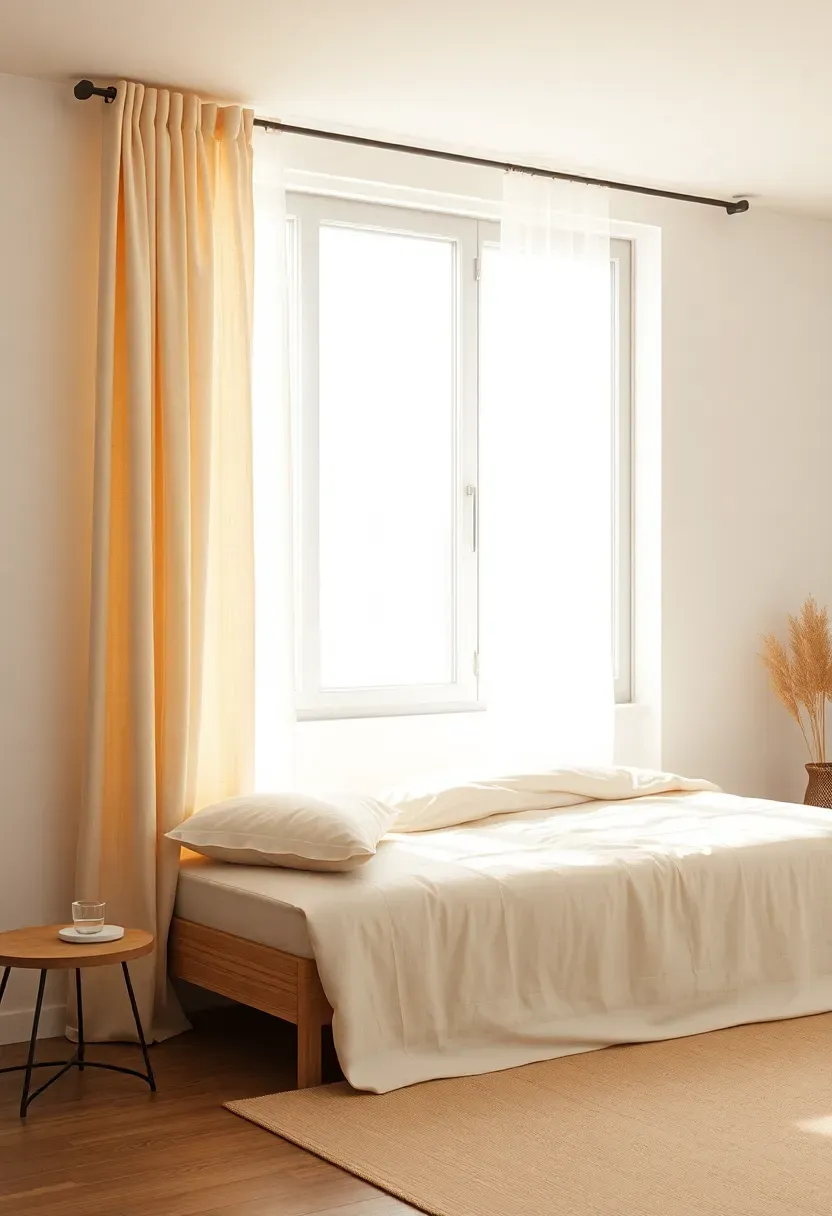
Keep the bed low and add a 12-inch floating shelf as a nightstand to preserve floor space. The trade-off is fewer surfaces, so use a single wall-mounted reading light. A 6x9 rug under the bed keeps the layout grounded. If you want contrast, add a slim black track or rod instead of multiple fixtures. The room feels open while still offering a strong sleeping zone.
Tips
- Do: extend the curtain track 12 inches past each window edge.
- Don’t: use short curtains that cut the wall visually.
- Do: choose a blackout liner for better sleep control.
Best for: narrow rooms with irregular window placement.
What this gives you: a unified wall that makes the room feel wider.
10. Microcement floor with layered rug zoning
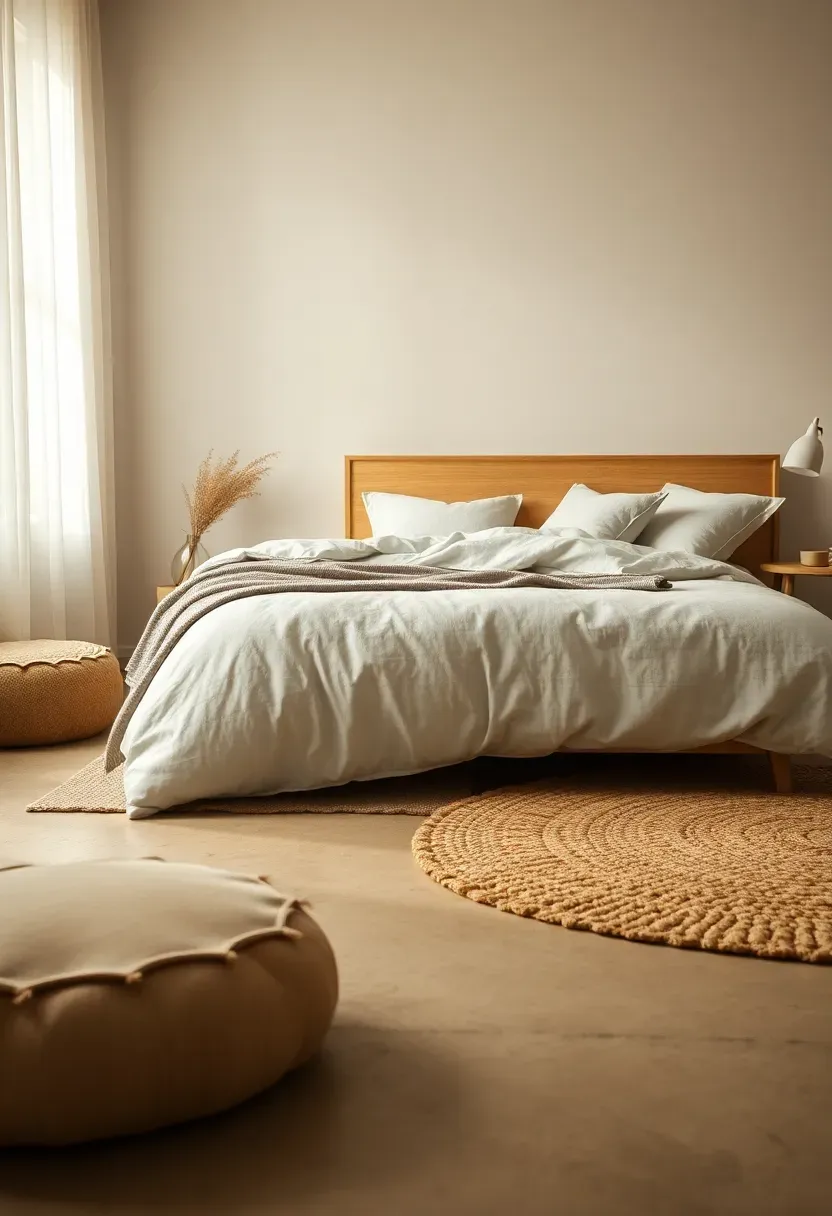
This minimalist apartment bedroom uses a microcement floor to keep the base calm and continuous, then layers rugs to define zones. Use one 6x9 rug under the bed and a smaller 3x5 rug for a reading chair. The supporting term here is light-reflective paint, which can be used on walls to soften the coolness of microcement. For contrast, avoid busy patterns and use texture instead. This layout feels intentional and modern.
Recommended
Items for this idea
Placement note: Leave 8 inches of floor visible around each rug edge.
Keep furniture in light wood so the floor does not feel cold. The trade-off is harder surfaces, so add a padded bench at the foot of the bed. Use warm 2700K lighting to balance the cool floor tone. If you need more warmth, add a linen throw in sand or oat. The room stays minimal but still cozy.
For warm material balance, see 21 Japandi Industrial Bedroom for Comfort and Visual Balance.
Tips
- If the floor feels cold, then use a wool rug with a thick pad.
- If you want a softer look, then choose warm white walls.
What this gives you: a continuous floor that makes the room feel larger.
11. Centered bed with full-length shelf ledge
A centered bed layout can feel complete when a full-length shelf ledge runs across the wall. Keep the bed centered on the shortest wall and use a 10-inch-deep ledge for books and a single lamp. The supporting term here is space-saving storage, which this ledge provides without adding bulk. For contrast, avoid a tall headboard and let the shelf act as the visual anchor instead. This gives a clean, balanced plan for small rooms.
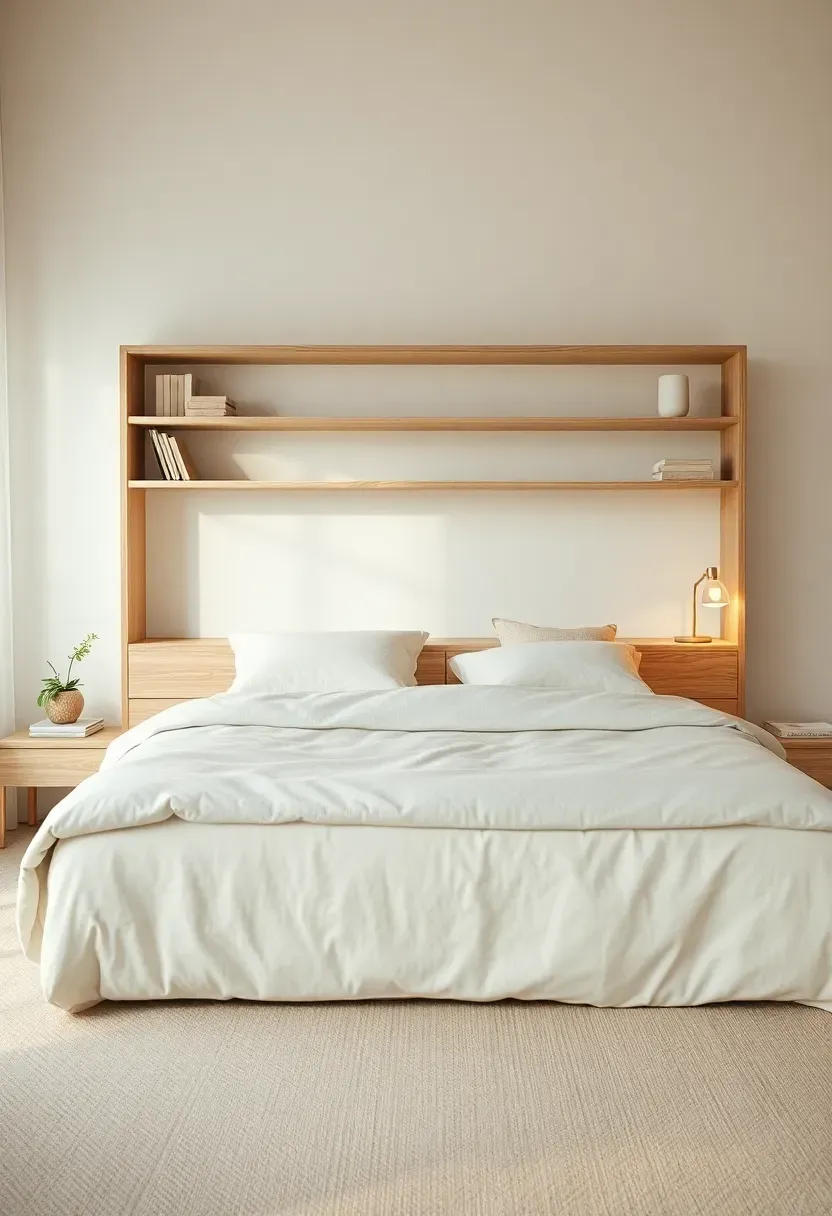
Why it works: the shelf replaces bulky nightstands while keeping essentials within reach.
Use two small baskets on the ledge to keep surfaces tidy and avoid a cluttered look. The trade-off is less hidden storage, so add a 24-inch-wide drawer unit at the foot of the bed. Keep lighting minimal with one wall sconce on each side. If you want contrast, add a black picture rail above the shelf instead of extra art. The result is clean, calm, and easy to maintain.
Tips
- Pro: shelf ledges keep the floor open and easy to clean.
- Con: items are visible and can look messy.
- Fix: use matching trays or baskets to organize.
Best for: narrow rooms where nightstands block circulation.
What this gives you: a centered, balanced layout with hidden storage options.
12. Under-bed drawer system with toe-kick lighting
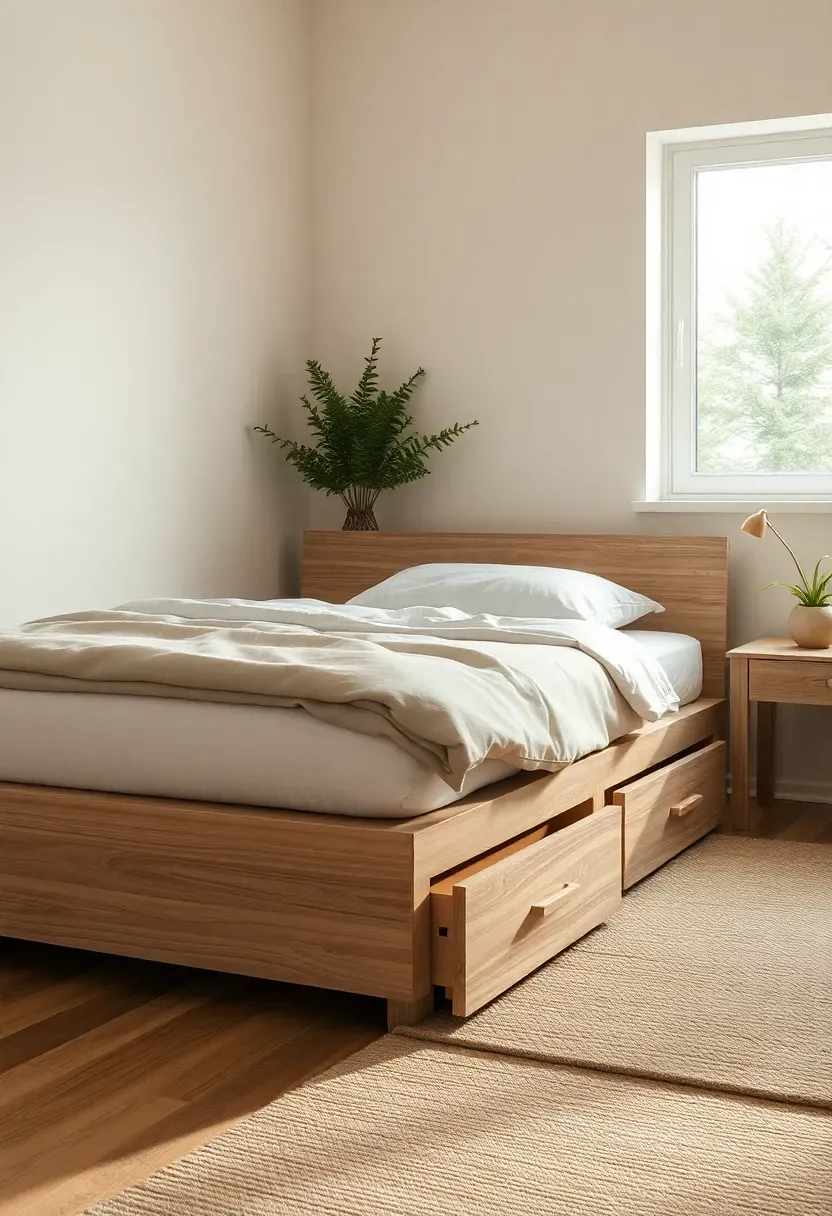
This minimalist apartment bedroom plan uses a bed with full under-bed drawers and a subtle toe-kick light to define the sleep zone. Place the bed along a long wall and keep the rest of the room open for circulation. The supporting term here is under-bed drawers, which replace a dresser in tight rooms. For contrast, avoid a high bed frame and choose a low platform that keeps the drawers easy to access. The design feels complete without extra furniture.
Recommended
Items for this idea
Common mistake: using drawers without full extension, which wastes storage space.
Install a warm 2700K LED strip under the bed to create a soft glow at night. The trade-off is less airflow, so use a breathable slat base. Keep nightstands wall-mounted to preserve floor space. If you need a desk, use a 36-inch floating top on the opposite wall rather than a bulky unit. This makes the room feel finished and functional.
For minimal storage ideas, see Charming Dark Cottagecore Bedroom Ideas for Coziness and adapt the storage strategy.
Tips
- Use full-extension slides for easy access.
- Choose a drawer height of 8-10 inches for linens.
- Keep toe-kick lighting on a dimmer for calm nights.
What this gives you: extra storage without adding another furniture piece.
13. Shoji screen partition with wardrobe wall
This minimalist apartment bedroom uses a shoji screen to separate sleep from a compact dressing zone. Place the bed on one side and a wardrobe wall on the other, keeping the screen light and translucent. The supporting term here is shoji screen, which adds privacy without shrinking the room. For contrast, avoid heavy curtains and use a slim wood frame instead. The layout feels like two calm zones in one space.
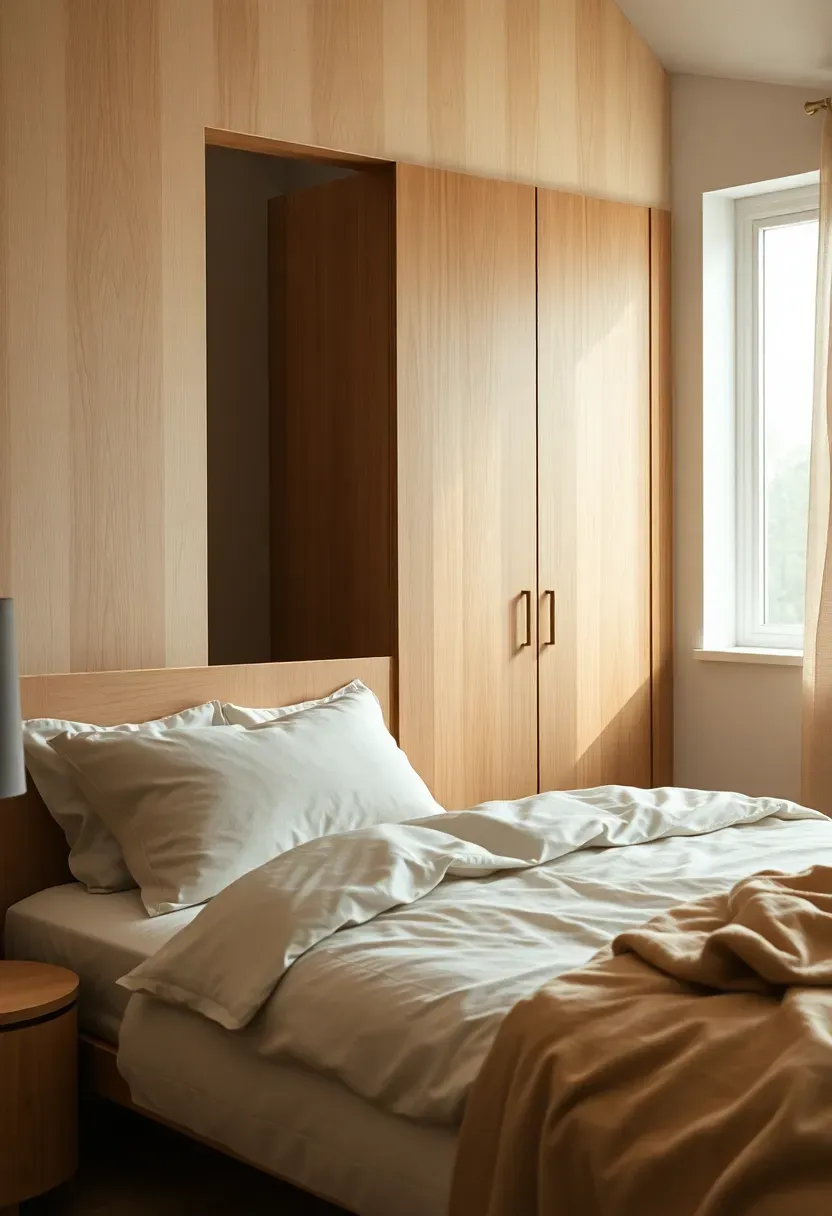
Keep the wardrobe depth at 22 inches and align it with the screen so the room reads as one line. The trade-off is a smaller sleeping area, so use a queen bed with minimal side clearance. Add a small 16-inch stool for dressing instead of a full chair. If you need more contrast, use a black metal rail at the top of the screen. This creates a complete plan with gentle separation.
Tips
- Do: keep the screen height at least 80 inches for privacy.
- Don’t: use opaque panels that block all light.
- Do: choose a sliding track to save floor space.
Best for: studios that need a visual divider without walls.
What this gives you: two calm zones that still feel light and open.
14. Oak veneer wardrobe with bench footboard
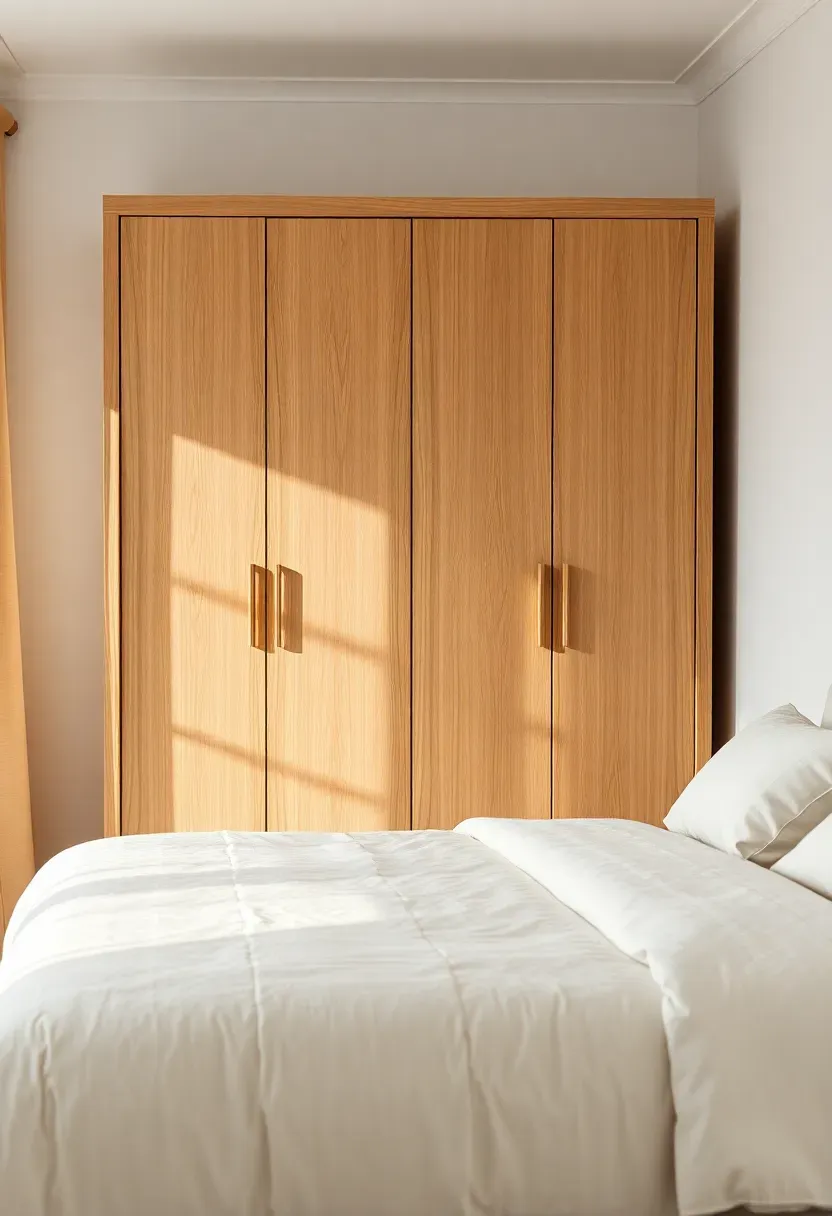
An oak veneer wardrobe paired with a bench footboard creates a complete, hotel-like layout in a small apartment bedroom. Place the wardrobe on the wall opposite the bed and use a 48-inch bench at the foot for storage and seating. The supporting term here is oak veneer, which adds warmth without visual heaviness. For contrast, avoid glossy finishes and use matte textures instead. The room feels cohesive and grounded.
Recommended
Items for this idea
Placement note: Leave 24 inches between the bench and wardrobe for easy access.
Use a bench with lift-up storage to hold extra linens and reduce the need for a dresser. The trade-off is less floor space, so keep the bench depth under 16 inches. Add one wall-mounted reading light instead of a floor lamp. If you want contrast, add a black metal pull on the wardrobe doors. This creates a finished, hotel-like plan in a small room.
For warm wood inspiration, see 19 Japandi Bedroom for a Cozy and Stylish Space.
Tips
- If the room feels tight, then choose a bench without a back.
- If you need more storage, then add shallow bins under the bench.
What this gives you: a cohesive, hotel-style layout with built-in storage.
15. Linen-led palette with slim hotel layout
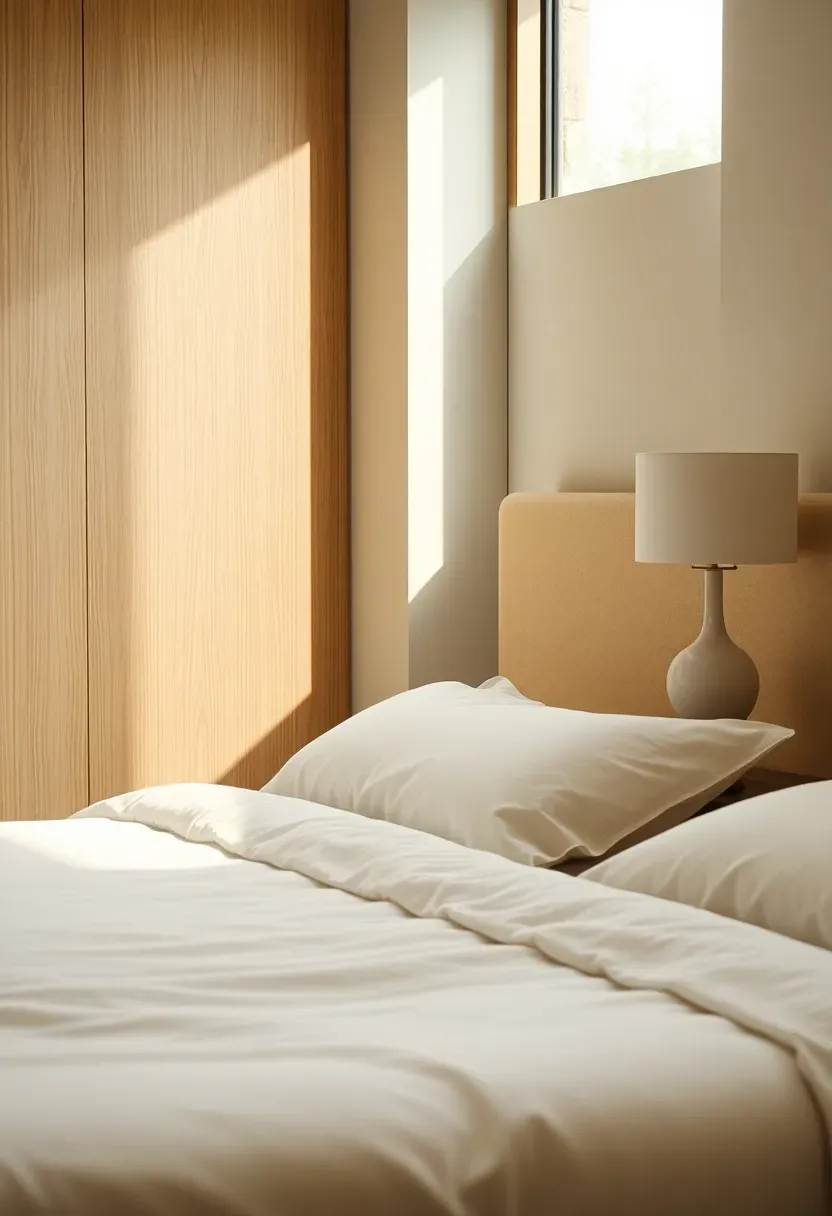
This minimalist apartment bedroom uses a linen-led palette to keep the room soft while maintaining a slim hotel-style layout. Center the bed on the main wall and add a slim console or vanity opposite. The supporting term here is linen, which adds texture without pattern overload. For contrast, avoid ornate decor and keep the console clean and narrow. The room feels balanced and complete with just a few elements.
Why it works: the slim console provides function without dominating the floor.
Keep the console depth under 12 inches and use a wall mirror above it to expand light. The trade-off is limited storage, so use a single drawer and a hidden tray. Add a 6x9 rug under the bed to keep the sleep zone grounded. If you need contrast, use a matte black lamp base, not bold patterns. The room stays calm and polished.
Tips
- Pro: linen softens a minimal palette without adding color.
- Con: linen wrinkles easily in humid rooms.
- Fix: choose a linen-cotton blend for easier care.
Best for: bedrooms that double as a dressing area.
What this gives you: a hotel-like layout that feels soft and refined.
16. Tall wardrobe plus mirror expansion layout
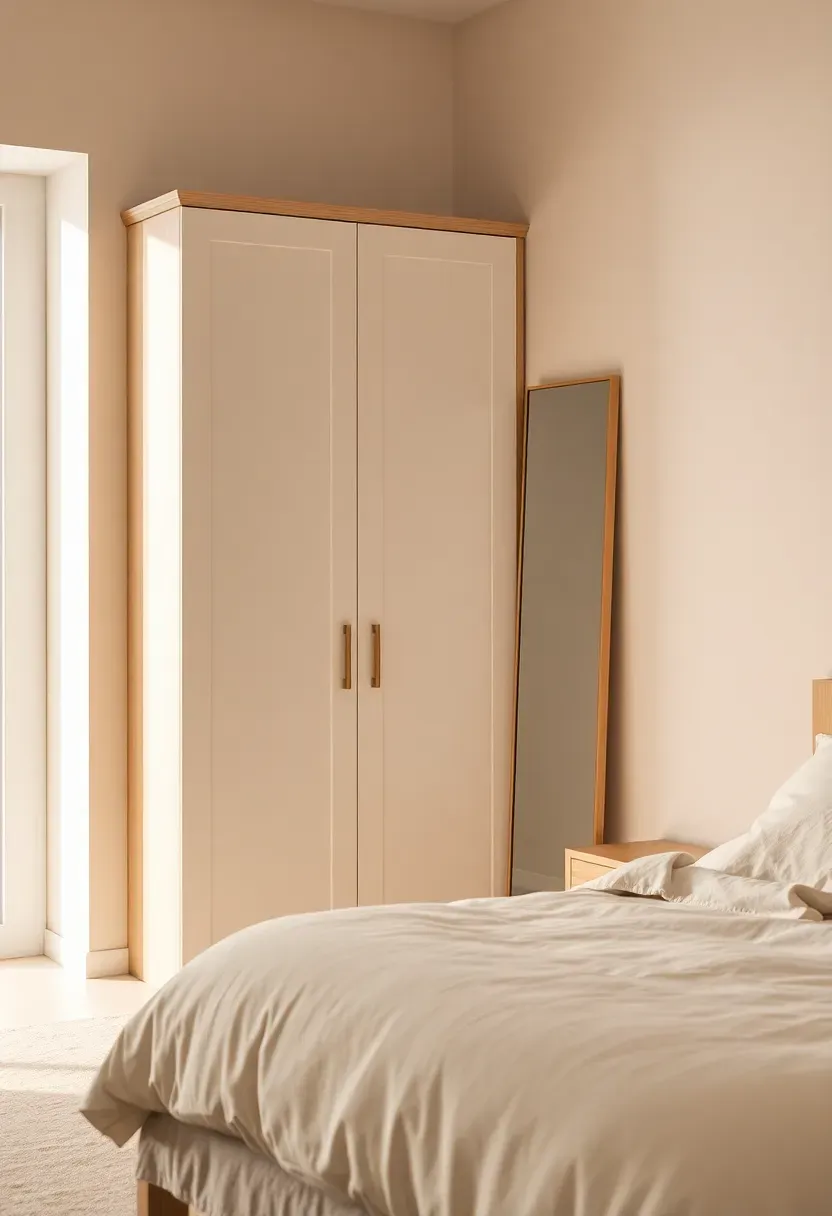
This minimalist apartment bedroom uses a tall wardrobe and a full-height mirror to visually double the room. Place the wardrobe on the shortest wall and mount a mirror on the opposite side to reflect light. The supporting term here is built-in wardrobes, which keep storage vertical and compact. For contrast, avoid a bulky dresser and let the mirror do the visual work. The plan feels open and deliberate.
Recommended
Items for this idea
Common mistake: placing the mirror opposite clutter, which doubles the visual mess.
Keep the mirror facing the bed and a clean wall for the best effect. The trade-off is less wall art, so use a single framed piece above the headboard instead of multiple prints. Add a 4x6 rug to soften the bed zone and keep the wardrobe doors flush. If you want contrast, use a single dark handle to punctuate the wardrobe. The room feels larger without adding furniture.
For minimal color balance, see 21 Navy Blue Bedroom Ideas for Women With Elegant Cozy Details.
Tips
- Hang the mirror 6 inches above the floor for balance.
- Keep wardrobe depth at 22-24 inches for full hang space.
- Use warm white bulbs to reduce glare on glass.
What this gives you: a brighter room that feels visually wider.
17. Sliding panel work zone and bed alcove
This minimalist apartment bedroom splits the room into two zones using a sliding panel: a bed alcove and a compact work area. Place the bed in a shallow alcove with a 10-inch ledge, and keep the desk behind the sliding panel. The supporting term here is space-saving storage, because the panel hides clutter while keeping access easy. For contrast, avoid full-height doors and choose a translucent panel that keeps light moving. The result is a clean, flexible layout.
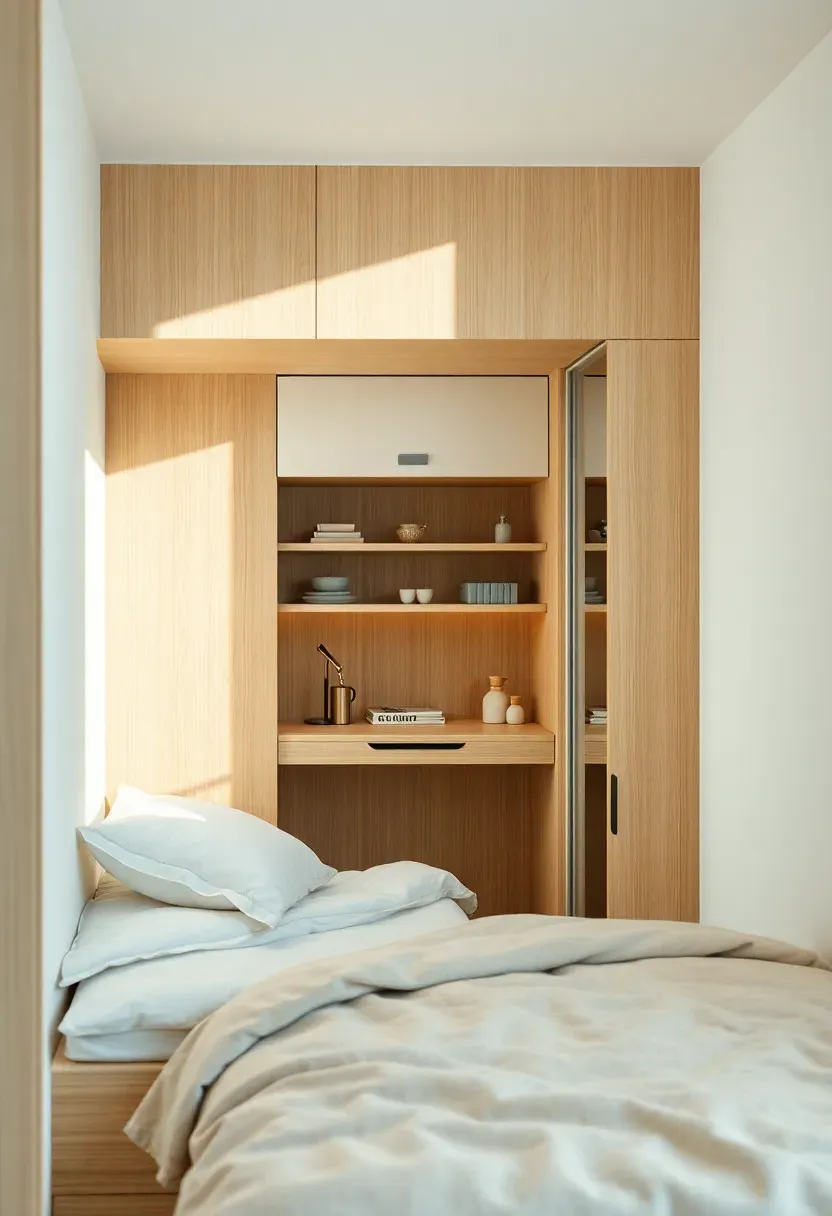
Keep the desk under 40 inches wide and use a wall-mounted shelf for supplies. The trade-off is less open space, so keep the bed low and simple to maintain visual balance. Add a 5x7 rug in the bed alcove to define it. If you want contrast, use a slim black track for the sliding panel instead of heavy hardware. The room stays functional and visually calm.
Tips
- Do: keep the panel width at least 30 inches for easy access.
- Don’t: use opaque panels that block natural light.
- Do: keep desk storage closed to reduce clutter.
Best for: apartments where the bedroom doubles as an office.
What this gives you: two zones that feel separate without extra walls.
18. IKEA PAX wall system with integrated bed
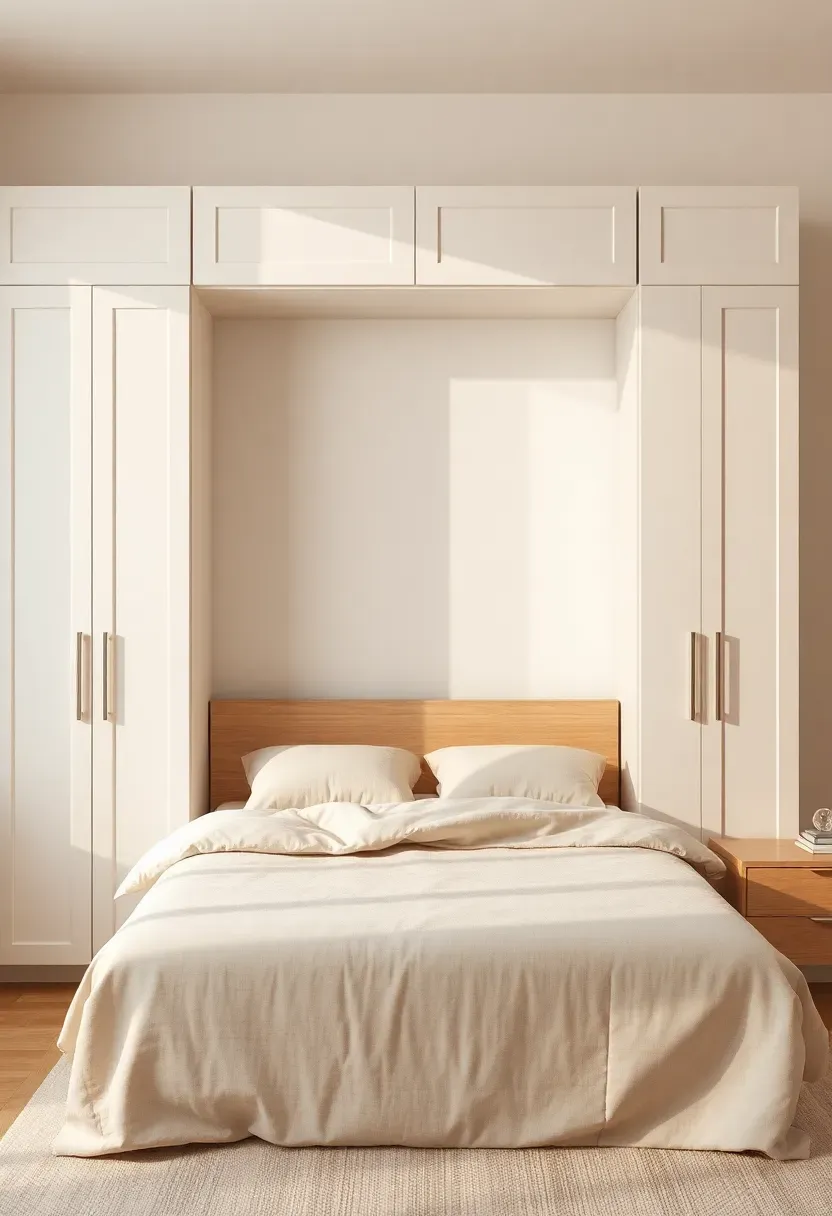
This minimalist apartment bedroom uses an IKEA PAX wall system to create a full storage-and-sleep wall. Place the bed between two PAX units and bridge them with overhead cabinets for a complete frame. The supporting term here is Murphy bed, which you can echo with folding doors if you want a fully concealed look. For contrast, avoid mixed finishes and keep the wall one tone for visual calm. This layout delivers a built-in feel at a modular price.
Recommended
Items for this idea
Placement note: Leave 6 inches above the headboard to avoid a heavy overhead feel.
Use a 60-inch bed and keep side clearance at 20 inches to fit the system. The trade-off is a larger visual wall, so paint everything the same warm white. Add two slim sconces to avoid tabletop lamps. If you want more warmth, add oak veneer handles or inserts. The result is a complete system that looks custom.
For integrated wood accents, see 29 Timeless Wood Kitchen Ideas to Elevate Everyday Living and borrow the tonal wood approach.
Tips
- If the wall feels heavy, then use glass doors on upper cabinets.
- If you need more depth, then add pull-out baskets inside PAX.
What this gives you: a full-wall system that replaces scattered furniture.
19. Light-reflective paint with soft texture layering
This minimalist apartment bedroom uses light-reflective paint to expand the room, then layers soft textures for warmth. Choose a warm white with a low sheen and pair it with a wool rug, linen bedding, and a simple oak nightstand. The supporting term here is daybed, which can replace a full bed if you need more floor space. For contrast, avoid dark feature walls and use texture variation instead. The layout feels airy and complete.
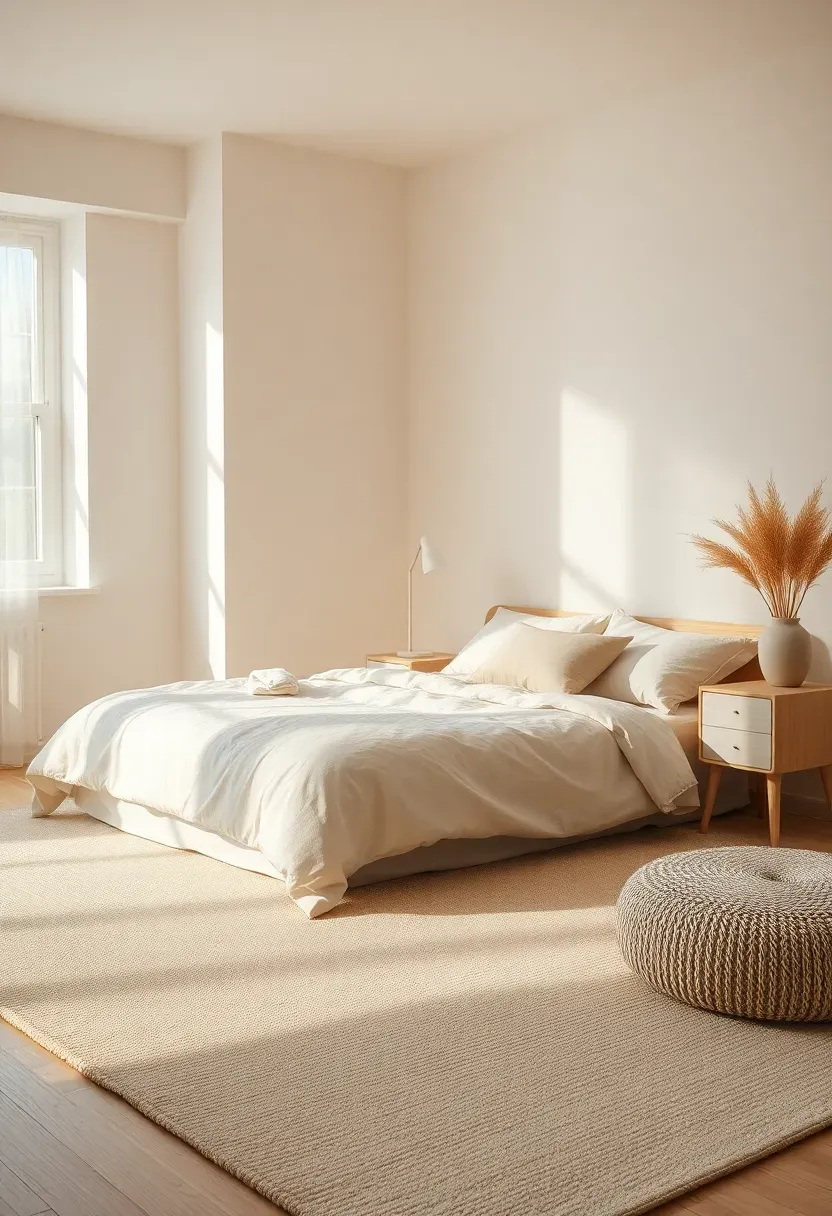
Why it works: light walls bounce natural light while textures keep the room from feeling cold.
Keep furniture to three pieces: bed, nightstand, and a low dresser. The trade-off is minimal storage, so use a 30-inch wall-mounted cabinet above the dresser. Add a 4x6 rug to soften the sleep zone and keep accessories limited to two items per surface. If you need contrast, add a slim black frame, not a dark wall. This keeps the room bright and balanced.
Tips
- Pro: warm white walls make small rooms feel larger.
- Con: light paint can show scuffs easily.
- Fix: use a washable eggshell finish.
Best for: dim rooms that need extra light bounce.
What this gives you: a bright, cozy layout that feels larger than it is.
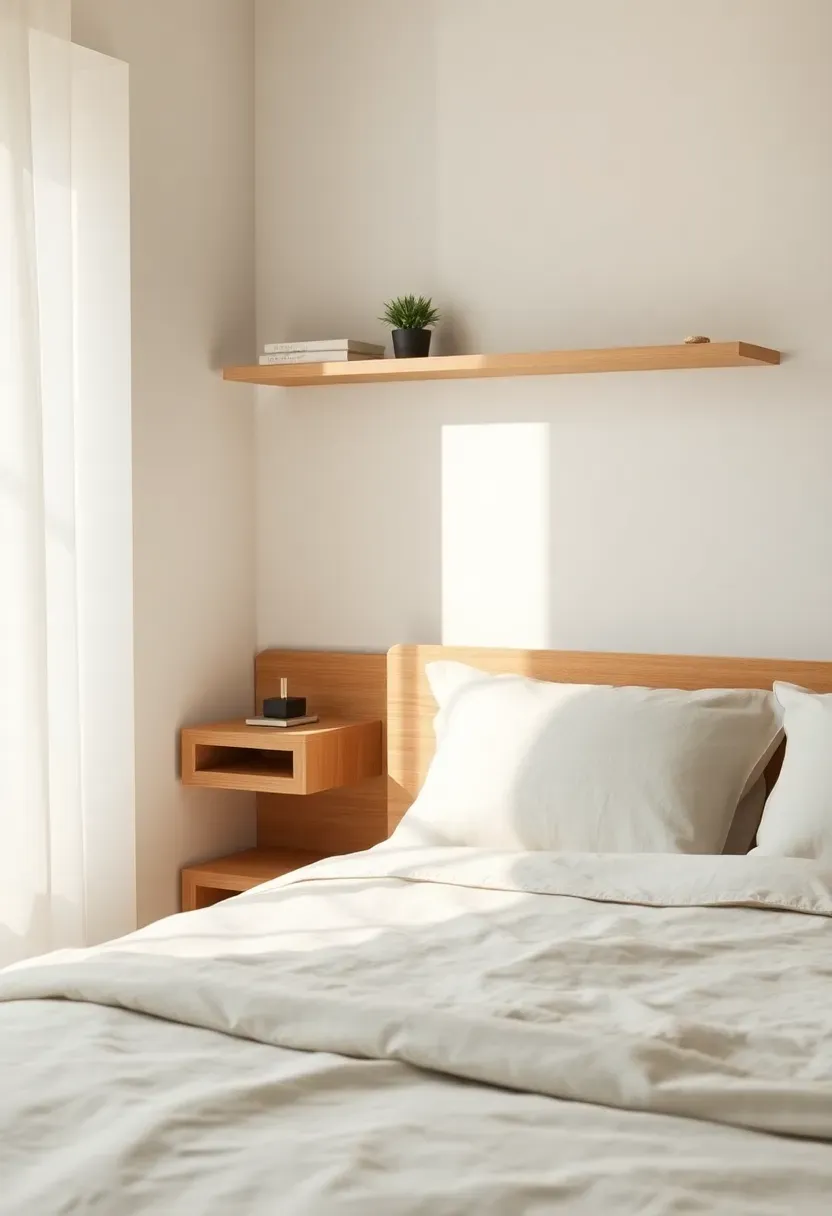
20. Compact nightstand wall with shelf lighting
This minimalist apartment bedroom uses a compact nightstand wall with integrated shelf lighting to replace bulky side tables. Use a 10-inch shelf ledge on each side and a single wall light above. The supporting term here is sliding doors, which work well if the closet is close to the bed. For contrast, avoid floor lamps and keep lighting on the wall to free space. This creates a complete, streamlined layout.
Recommended
Items for this idea
Common mistake: adding too many small decor pieces that clutter the ledges.
Keep each shelf to one lamp and one book, and use a hidden cable channel for clean lines. The trade-off is less surface area, so keep a small tray at the foot of the bed for daily items. Add a 6x9 rug to anchor the bed zone. If you want contrast, use a black sconce and keep the shelf wood light. The room stays open and intentional.
For streamlined wall solutions, see 27 Navy Blue Bedroom Ideas That Feel Rich, Calm, and Timeless and adapt the wall lighting.
Tips
- Use shelves 8-10 inches deep for a clean profile.
- Keep sconce height around 58 inches for reading comfort.
- Hide wires with a painted cable channel.
What this gives you: a tidy sleep wall that keeps the floor clear.
21. Floating desk built into the headboard wall
This minimalist apartment bedroom uses a headboard wall that extends into a floating desk, creating a single continuous element. Place the desk at one end of the headboard and keep the bed centered to maintain balance. The supporting term here is floating nightstands, which keep the floor open and connect to the headboard line. For contrast, avoid separate desk units and integrate the surface into the wall. This is a complete layout that blends sleep and work without clutter.
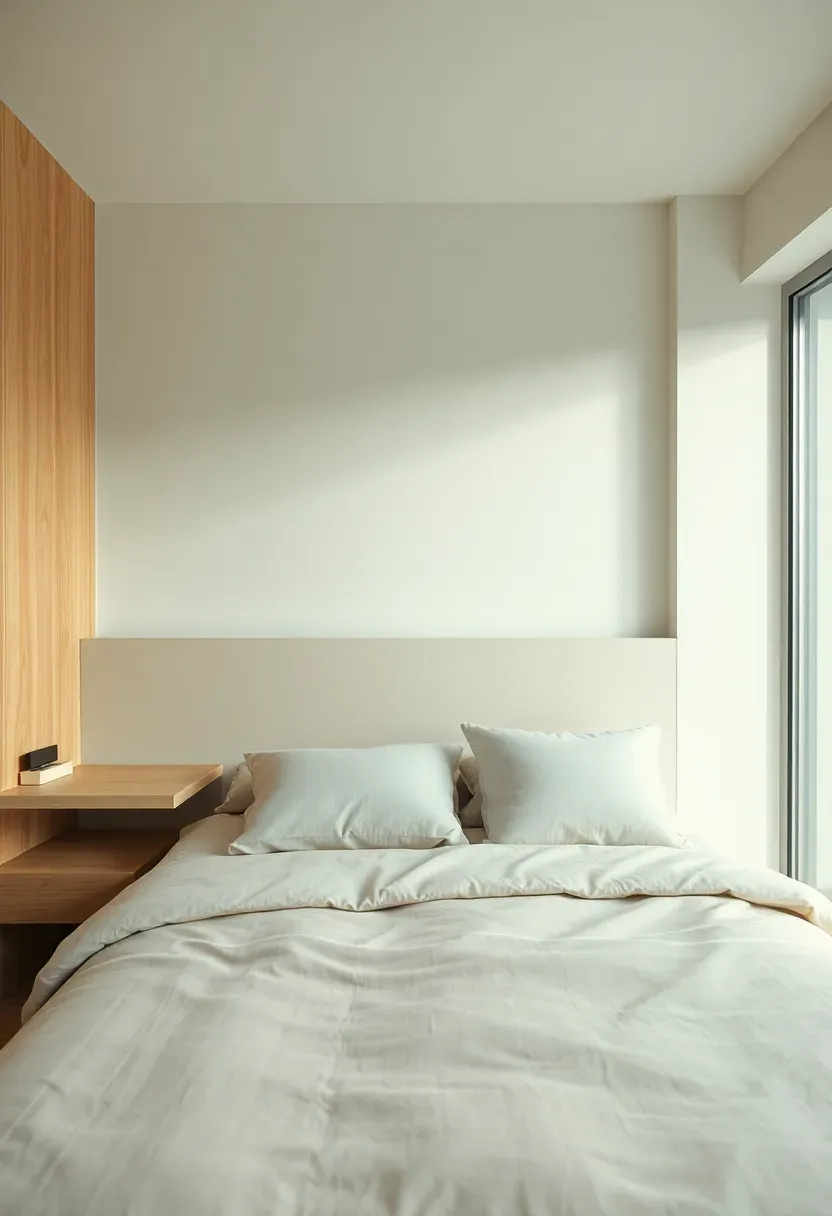
Keep the desk length around 42 inches and the depth at 18 inches for comfort. The trade-off is less storage, so add a single drawer and a slim shelf above the desk. Use a 5x8 rug to anchor the bed zone and leave the desk chair lightweight. If you want contrast, use a matte black task light rather than patterned decor. The room feels integrated and calm.
Tips
- Do: keep the headboard height under 42 inches for proportion.
- Don’t: add bulky legs that break the floating look.
- Do: use a cable grommet to keep the surface clean.
Best for: hybrid bedrooms that need a compact work surface.
What this gives you: a seamless headboard-to-desk system in one line.
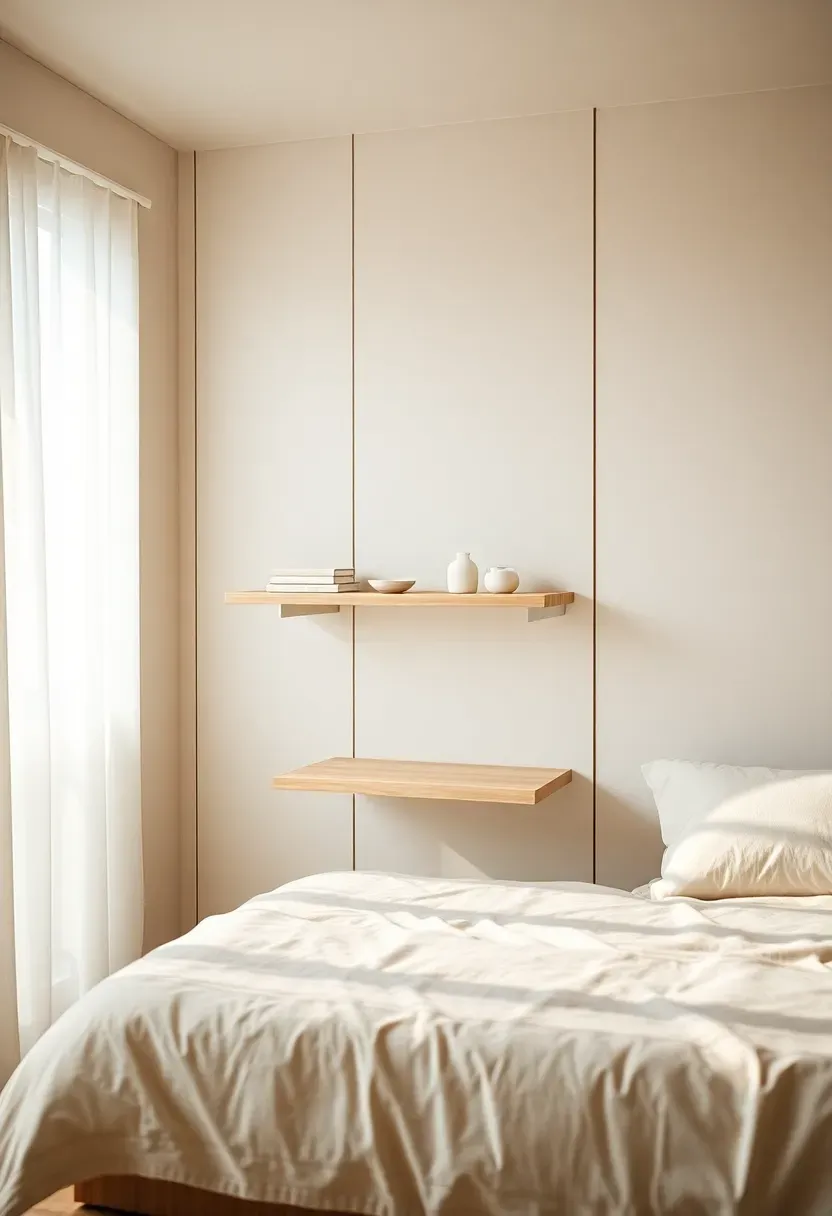
22. Fold-down table with hidden storage core
This minimalist apartment bedroom adds a fold-down table and a hidden storage core for tight spaces. Place the bed on the longest wall and mount a 30-inch fold-down table across from it for work or dining. The supporting term here is under-bed drawers, which carry the bulk of storage without extra cabinets. For contrast, avoid freestanding desks and use a wall-mounted surface instead. The room stays flexible and clean.
Recommended
Items for this idea
Placement note: Leave 36 inches of clearance to open the table comfortably.
Use a slim wall cabinet above the table for supplies so the surface stays clear. The trade-off is less permanent workspace, so use a folding chair that hangs on a wall hook. Add a 4x6 rug under the bed to keep the sleep zone defined. If you want contrast, add a black hinge and keep the rest of the wall neutral. This creates a flexible room that still feels designed.
For minimal hardware cues, see Dark Feminine Bedroom Ideas With Sultry Modern Charm and adapt the contrast.
Tips
- If the table feels shallow, then add a 2-inch wall cleat for support.
- If storage is tight, then use a shallow cabinet with doors.
What this gives you: a flexible work zone without sacrificing sleep space.
23. Future-proof compact layout with modular storage
This minimalist apartment bedroom keeps the layout simple and future-proof by using modular storage and a clean compact layout. Place a low bed on the main wall, a 30-inch dresser on the opposite side, and add two stackable storage cubes that can move as needs change. The supporting term here is compact layout, which ensures clear circulation and easy updates. For contrast, avoid oversized furniture and choose pieces that can shift as your routine changes. This is a full-room plan that adapts over time.
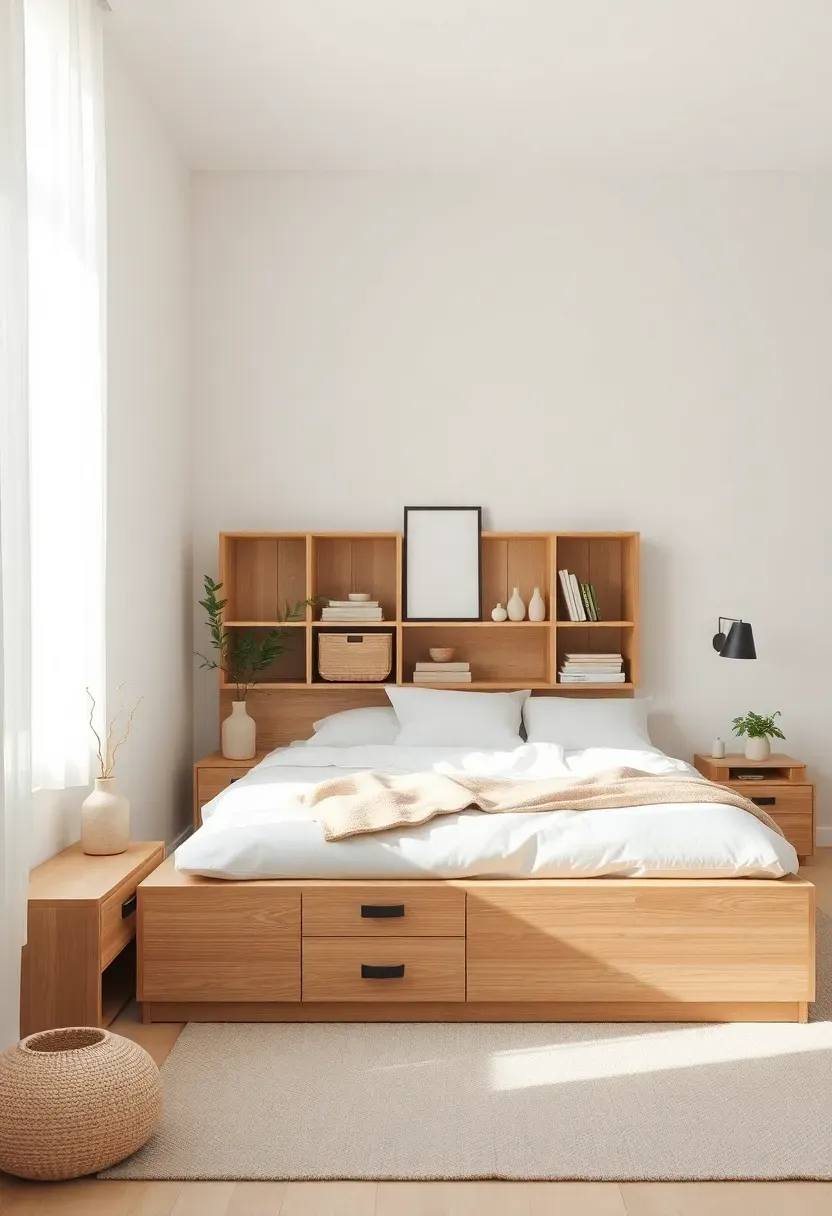
Why it works: modular pieces allow the room to change without a full redesign.
Keep one wall clear for a flexible play or workout zone and use a 5x7 rug to anchor the bed. The trade-off is less built-in storage, so add a shallow wall shelf above the dresser. Use a single statement lamp to avoid visual clutter. If you need contrast, add a muted charcoal throw rather than a bold pattern. The room stays calm and adaptable.
Tips
- Pro: modular storage can move with you to a new apartment.
- Con: pieces can look scattered if not aligned.
- Fix: keep cube edges aligned with the dresser line.
Best for: renters who want flexibility without extra bulk.
What this gives you: a flexible, minimalist apartment bedroom that lasts.
The best minimalist apartment bedroom ideas start with a full-room layout, not scattered decor fixes. Every design above balances space-saving storage, clear circulation, and cozy materials so even the smallest rental bedroom feels calm and complete. Pick the ideas that match your floor plan, keep the palette consistent, and skip anything that does not earn its floor space. With a clear system, a minimalist apartment bedroom stays spacious, stylish, and easy to maintain for years.
About the author
OBCD
CGI visualization and interior design content. We create detailed 3D renders and curate practical design ideas for every room in your home.