23 AI Sustainable Landscape Design Ideas
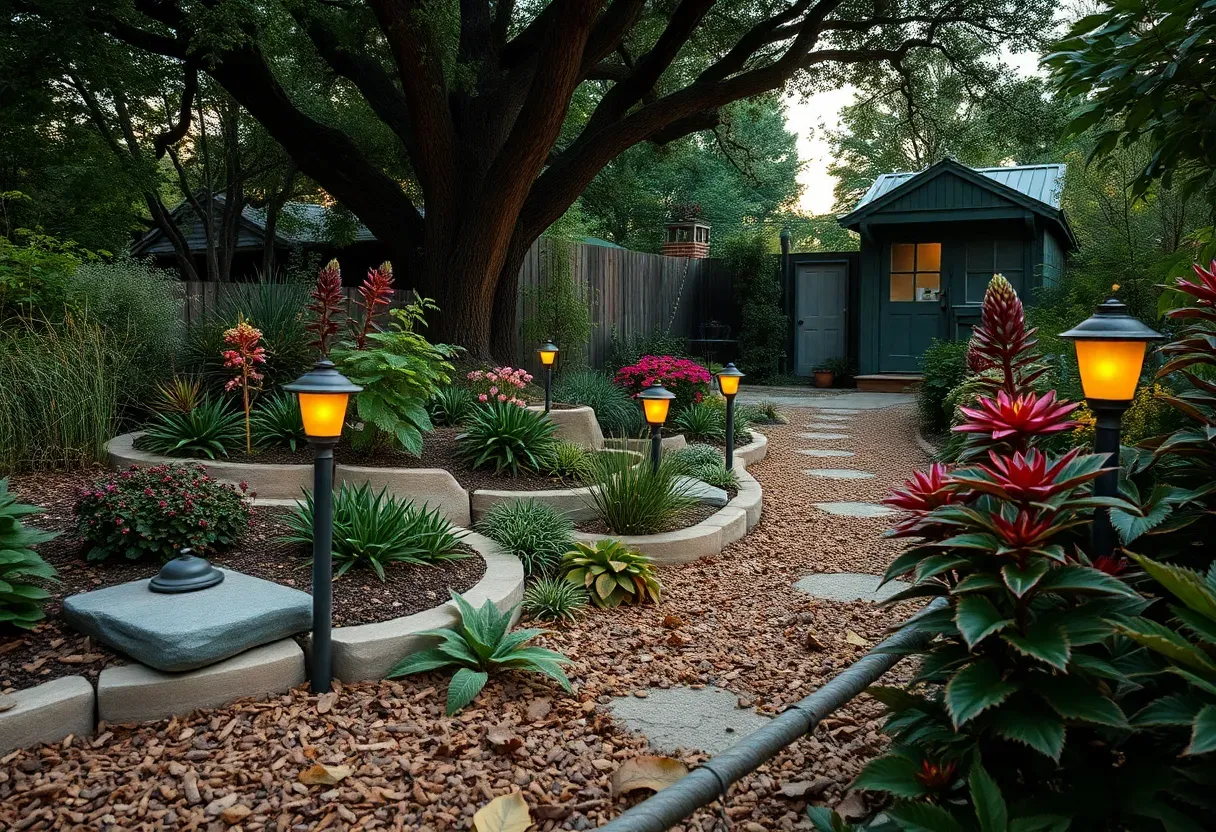
Why do we still treat our gardens as decorations when they could be functioning ecosystems? Artificial intelligence is quietly rewriting that assumption. Feed an AI tool your plot dimensions, soil data, sun exposure, and local rainfall averages, and it returns photorealistic concepts that balance ecological function with genuine beauty. Sustainable landscaping is no longer the exclusive domain of environmental engineers — it is accessible to anyone with a backyard, a patio, or even a strip of soil along a fence. These 23 ideas show what AI-assisted eco-design looks like in practice, from large rewilded acres to a single upcycled container on a balcony.
Ready? Let's dive into 23 distinct approaches — each rooted in real ecological principles and made visually concrete through AI design tools.
Table of Contents
- Native Plant Meadow Garden
- Rainwater Harvesting Landscape
- Edible Food Forest Design
- Permaculture Zone Layout
- Bioswale and Rain Garden
- Solar-Powered Landscape Lighting
- Drought-Tolerant Xeriscape
- Pollinator Corridor Garden
- Living Green Roof Design
- Compost-Integrated Garden Beds
- Vertical Green Wall
- Wildlife Habitat Garden
- Zero-Waste Mulch Pathways
- Mycorrhizal Food Web Garden
- Greywater Recycling Landscape
- Shade Tree Carbon Canopy
- Bamboo Privacy Screen
- Rewilded Urban Corner
- Biodiverse Cottage Garden
- Stormwater Management Swale
- Container Upcycled Planter Garden
- Solar Greenhouse Integration
- AI-Optimized Crop Rotation Layout
1. Native Plant Meadow Garden
Why Conventional Lawns Fall Short
Traditional turf grass demands constant irrigation, fertiliser, and mowing while supporting almost no wildlife. It is, ecologically speaking, a green desert.
The Native Meadow Alternative
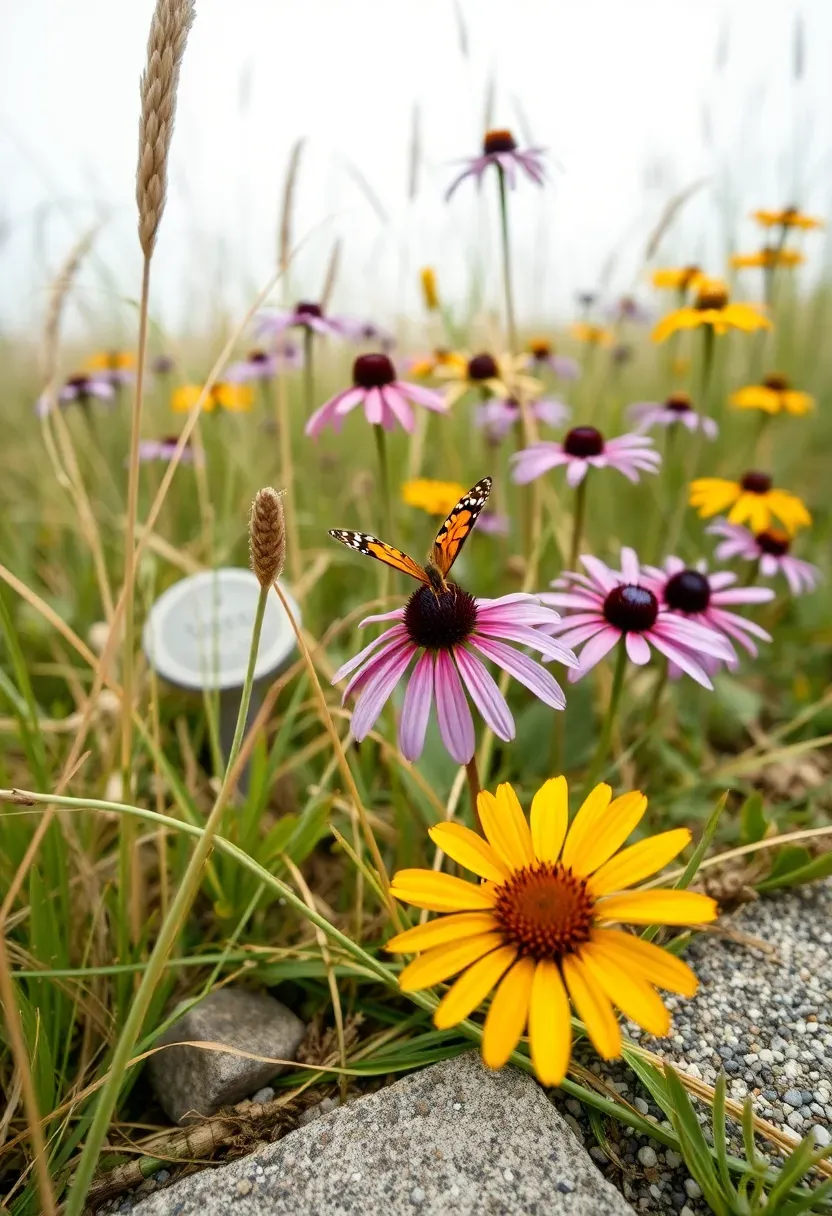
AI tools map your region's native plant palette and propose species combinations that thrive without supplemental watering once established. A well-designed native meadow offers seasonal colour, carbon sequestration, and zero chemical inputs. Coneflowers, milkweed, wild bergamot, and switchgrass form self-sustaining communities that feed birds and pollinators through all four seasons.
How to Transition
- Smother existing turf with cardboard sheet-mulching in autumn
- Source regional ecotype plants from native nurseries, not big-box stores
- Let seed heads stand through winter — they feed birds and self-sow for spring
We picked a few things that go well with this idea: DenicMic Solar Stake Path Lights (10 Pack) (★4.4), Stainless Steel Solar Stake Lights (10 Pack) (★4.4) and Mancra Glass Metal Solar Pathway Lights (8 Pack) (★4.5). As an Amazon Associate we earn from qualifying purchases.
2. Rainwater Harvesting Landscape
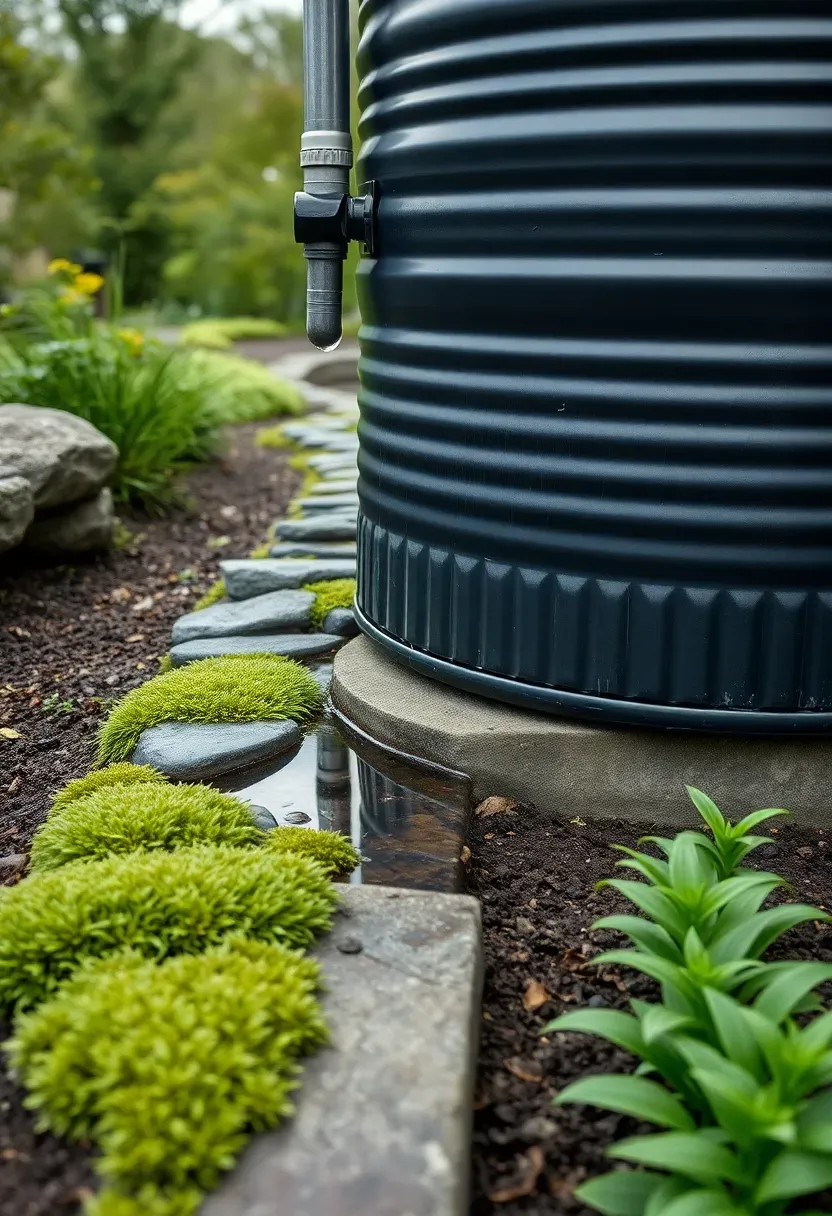
Capturing precipitation before it runs off the property is one of the highest-leverage moves in sustainable design. AI calculates your roof catchment area, average annual rainfall, and water demand to right-size the system automatically.
Step 1: Capture
Install a first-flush diverter on the downspout to discard the initial dirty runoff, then route clean water into a barrel or cistern sized to your irrigation needs.
Step 2: Store
Underground polyethylene cisterns or above-ground corrugated steel tanks hold weeks of irrigation water. AI can model which option fits your site and budget.
Step 3: Distribute
Gravity-fed drip irrigation lines deliver water directly to root zones, cutting waste by 30–50% compared to overhead sprinklers.
What to Watch Out For
- Check local regulations — some jurisdictions restrict rainwater collection
- Use mosquito screens on all tank inlets
- Plan an overflow path into a planted rain garden rather than back to the gutter
We picked a few things that go well with this idea: Rain Wizard 50-Gallon Rain Barrel with Diverter (★4.2), Prestantious Downspout Diverter with Adjustable Valve (★4.4) and RTS 50-Gallon Flat Back Rain Barrel with Brass Spigot (★4.4). As an Amazon Associate we earn from qualifying purchases.
3. Edible Food Forest Design
The Concept
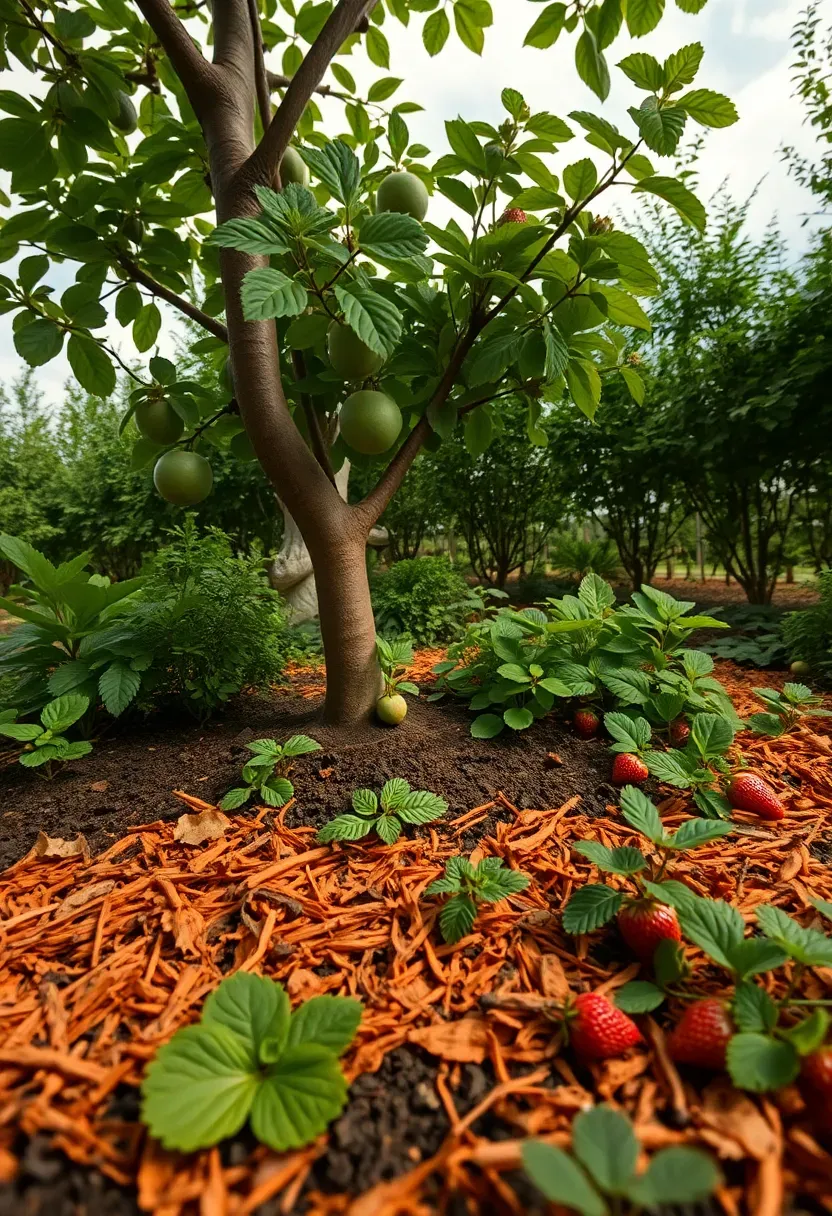
A food forest mimics the structure of a natural woodland — tall canopy trees, mid-layer fruit trees, shrubs, herbs, groundcovers, vines, and root crops — while every layer produces food.
Why AI Makes It Practical
Spacing seven vertical layers in a limited backyard requires complex calculations. AI factors in mature canopy spread, sunlight needs, and companion planting relationships to generate a layout that won't choke itself out within five years.
Modern Interpretation
Urban food forests typically use dwarf or semi-dwarf fruit trees as the canopy, currants and gooseberries as the shrub layer, and perennial herbs like lemon balm and comfrey as groundcover. The system builds fertility naturally through leaf drop and plant-root relationships.
How to Start at Home
- Begin with two or three fruit trees as anchors
- Underplant with nitrogen-fixing comfrey and leguminous shrubs
- Add annual vegetables in the gaps while perennial layers establish
We picked a few things that go well with this idea: Save The Bees Wildflower Seed Mix (19 Varieties) (★4.3), Burpee Wildflower Pollinator Seed Mix (18 Varieties) (★3.9) and HOME GROWN Premium Native Wildflower Seeds (23 Varieties) (★4.3). As an Amazon Associate we earn from qualifying purchases.
4. Permaculture Zone Layout
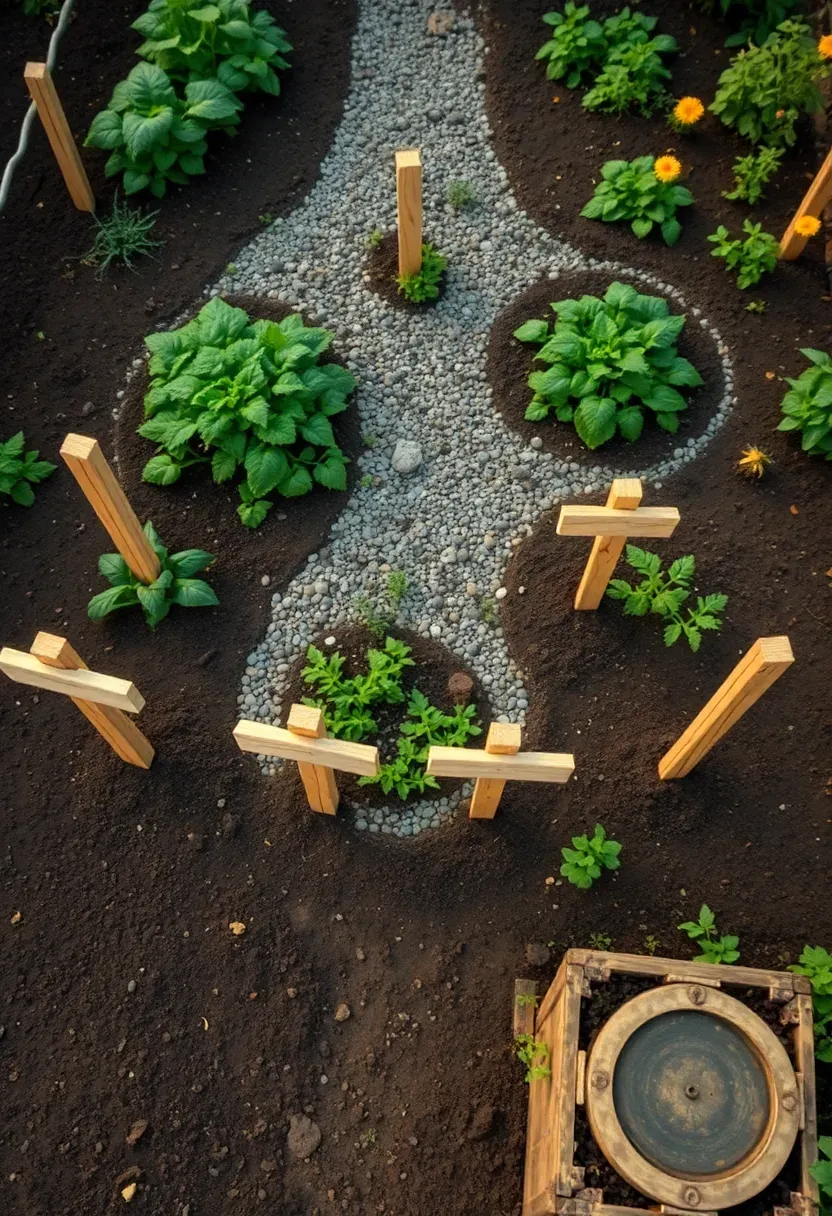
Permaculture organises a property into concentric zones based on how often each area is visited. Zone 0 is your home; Zone 1 holds daily-harvest herbs and salads; Zone 5 is wild, unmanaged nature. AI takes your site plan and assigns plants and functions to zones that minimise the energy you spend maintaining them.
Pros and Cons
Pros: Dramatically reduces maintenance time once established; aligns human habit with plant needs; integrates seamlessly with other sustainable systems like composting and rainwater harvesting.
Cons: Requires upfront planning discipline; zone logic can feel abstract until the first full growing season reveals whether placement decisions were right.
Recommended
Items for this idea
5. Bioswale and Rain Garden
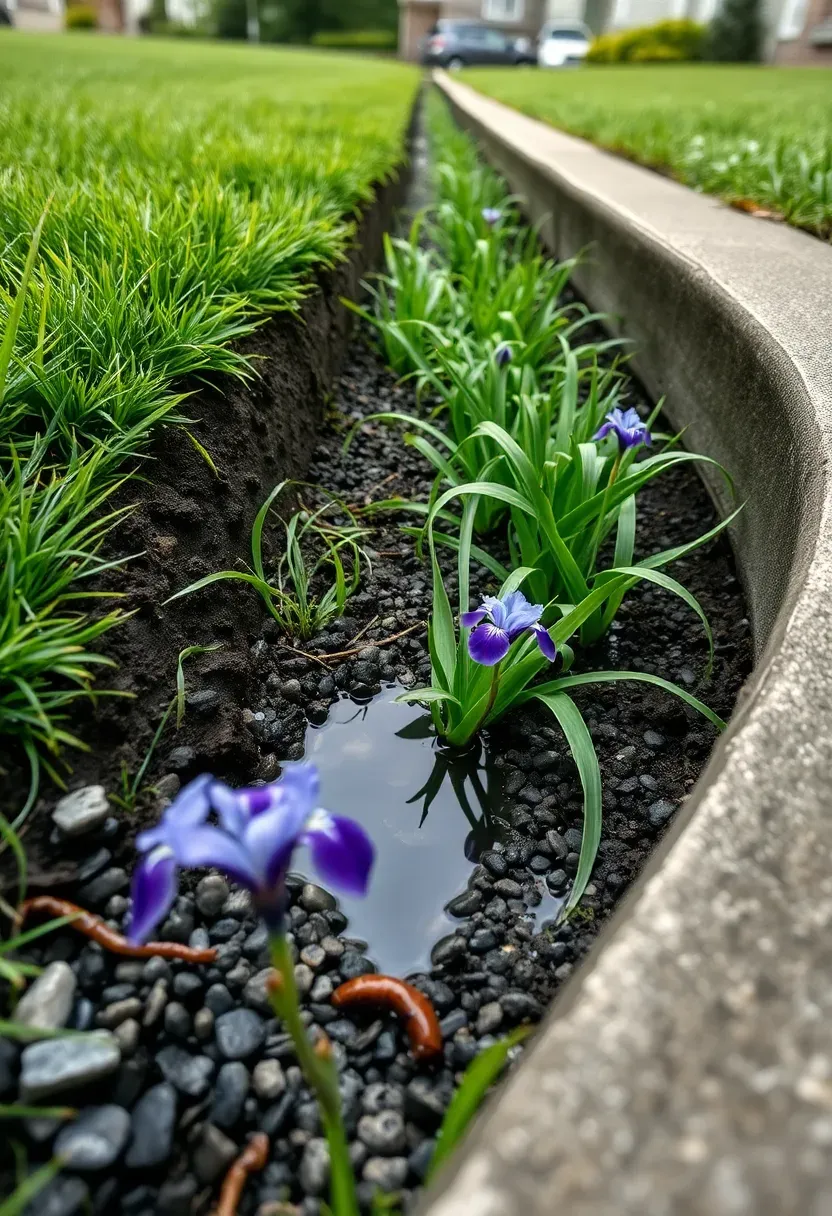
We've all watched runoff carry topsoil and fertiliser off gardens and into storm drains after heavy rain. Bioswales and rain gardens intercept that flow and let it sink slowly into the ground, replenishing aquifers rather than overwhelming drainage infrastructure.
A bioswale is a shallow, vegetated channel; a rain garden is a planted depression that holds ponded water for 24–48 hours before infiltrating. AI models your site's drainage slope and soil permeability to place and size both features correctly. Native sedges, rushes, and iris thrive in the wet-dry cycles these systems create — so the result is practical infrastructure that looks like a designed garden feature.
Tips / Practical Recommendations
- Size the rain garden at roughly 20–30% of the impermeable surface draining into it
- Amend the basin soil with coarse sand and compost to improve infiltration
- Avoid planting species that dislike temporary flooding near the basin centre

6. Solar-Powered Landscape Lighting
Comparing: Grid-Powered vs. Solar Path Lights
Introducing solar lighting is one of the simplest sustainable upgrades in any landscape — no trenching, no electrician, no ongoing energy bill.
Grid-Powered Lights
Require conduit trenching and licensed electrical work. They provide consistent brightness year-round but draw energy continuously and add to household carbon output.
Solar Stake Lights
Self-contained units charge during the day and activate automatically at dusk. Modern high-efficiency solar lights with lithium batteries run 8–12 hours per charge and survive winter in most climates.
What to Choose
Choose grid-powered if: you need high-lumen security or task lighting near steps and doors where consistent brightness is safety-critical.
Choose solar if: you want ambient pathway or garden accent lighting where occasional dimming on cloudy days is acceptable and installation simplicity matters.
Recommendation
For sustainable landscapes, solar suits 80% of accent and path lighting needs. Reserve wired fixtures for entry steps and dark corners where reliable brightness is a safety requirement.
Recommended
Items for this idea
7. Drought-Tolerant Xeriscape
For centuries, gardens in arid climates have relied on plant selection rather than irrigation infrastructure to stay green. Modern xeriscape design brings that wisdom to any climate facing seasonal water restrictions.
Origins
Xeriscape (from the Greek xeros, meaning dry) was formalised in Denver in the 1980s as a response to water shortages. The core principle: group plants by water need and use drought-adapted species that thrive on rainfall alone once established.
Modern Interpretation
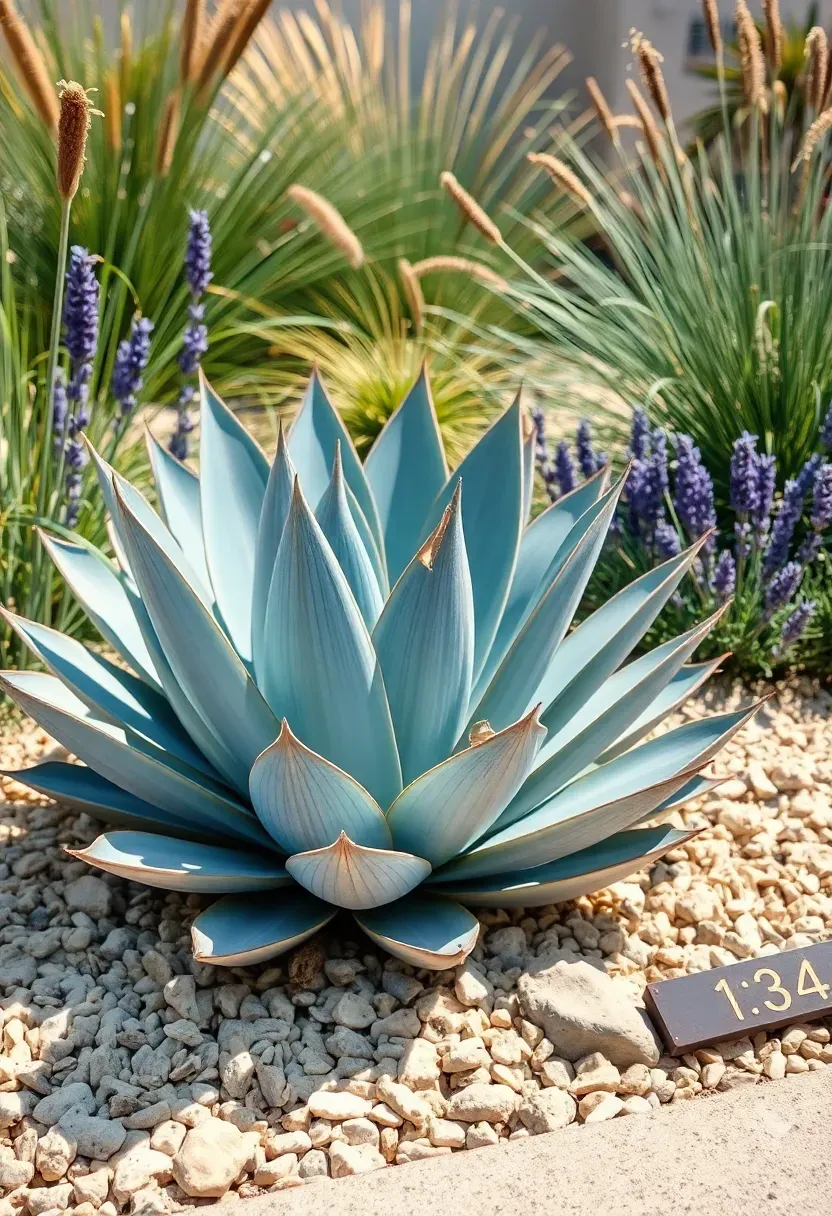
AI-assisted xeriscape goes further, generating plant palettes specific to your USDA hardiness zone and local rainfall data. Blue agave, ornamental grasses, lavender, sage, and creeping thyme combine visual richness with near-zero supplemental irrigation needs in most temperate and semi-arid climates.
How to Apply at Home
- Replace turf in high-sun areas first — where drought stress is most visible and irrigation demand is highest
- Use decomposed granite or river rock mulch to suppress weeds and retain soil moisture
- Group plants in flowing drifts rather than rows for a natural, low-maintenance aesthetic
- Install a soil moisture sensor before any drip system — many over-water even drought-tolerant plants
8. Pollinator Corridor Garden
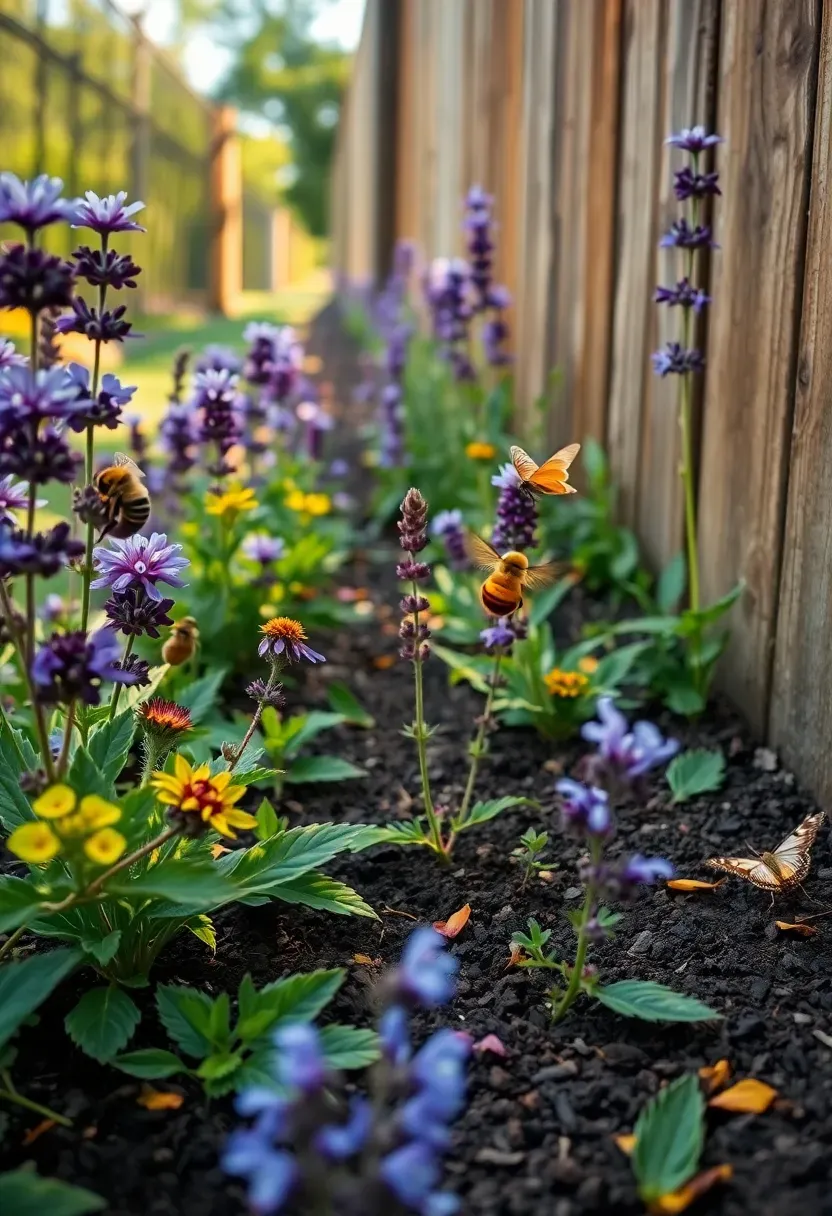
One-third of global food production depends on insect pollination, yet pollinator populations have declined sharply due to habitat loss. A pollinator corridor is a connected strip of nectar-rich planting that gives bees, butterflies, and hoverflies a navigable route through fragmented urban landscapes.
AI tools map which plants in your region provide the highest nectar and pollen value across the broadest seasonal window, then generate a planting plan that blooms from early spring bulbs through late-autumn asters — ensuring pollinators find food for the entire active season, not just the weeks when roses are out.
Tips / Practical Recommendations
- Aim for at least 10 native species to spread the foraging season
- Include larval host plants, not just nectar sources — monarch caterpillars need milkweed, not just butterfly bush
- Leave small patches of bare earth for ground-nesting native bees
Recommended
Items for this idea
9. Living Green Roof Design
The Core Issue
Hard rooftop surfaces shed rainwater rapidly, contributing to urban flooding, and absorb heat, raising building temperatures and surrounding air temperatures.
The Solution
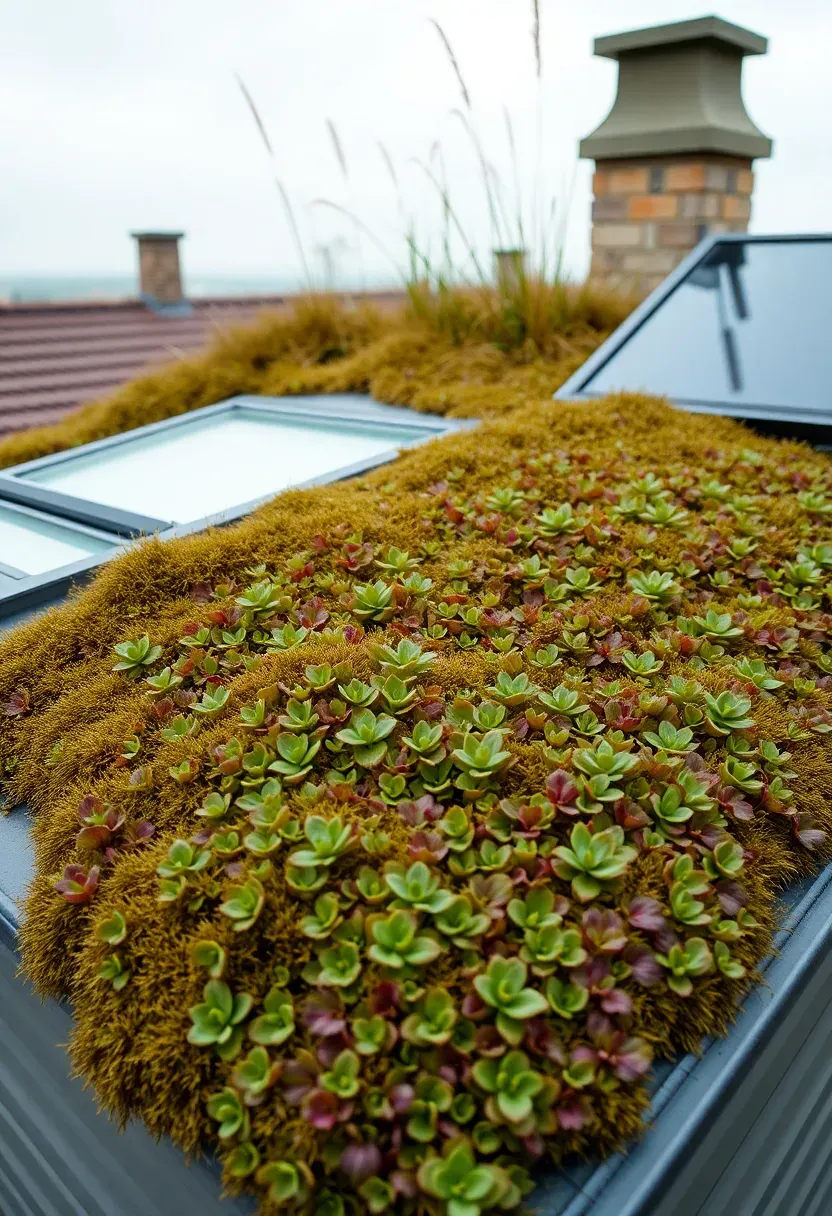
A living roof — planted with sedums, moss, or grasses — absorbs 50–90% of rainfall, insulates the structure below, provides urban wildlife habitat, and reduces the urban heat island effect. AI tools model load-bearing requirements, drainage layer thickness, and plant species selection for your roof pitch, climate, and structural capacity. A sedum mat on a garden shed or garage roof is typically achievable without structural reinforcement.
Pros and Cons
Pros: Significant stormwater management; insulation value that cuts heating and cooling loads; 25–40% longer roof membrane lifespan protected from UV by the growing layer. Cons: Requires a waterproof root-barrier membrane and drainage layer before planting; occasional weeding in the first two years while the sedum mat fills in.
10. Compost-Integrated Garden Beds
Closing the nutrient loop is fundamental to sustainable landscaping. Instead of buying bagged fertiliser and sending kitchen scraps to landfill, compost-integrated beds route organic matter back into the soil that produced it.
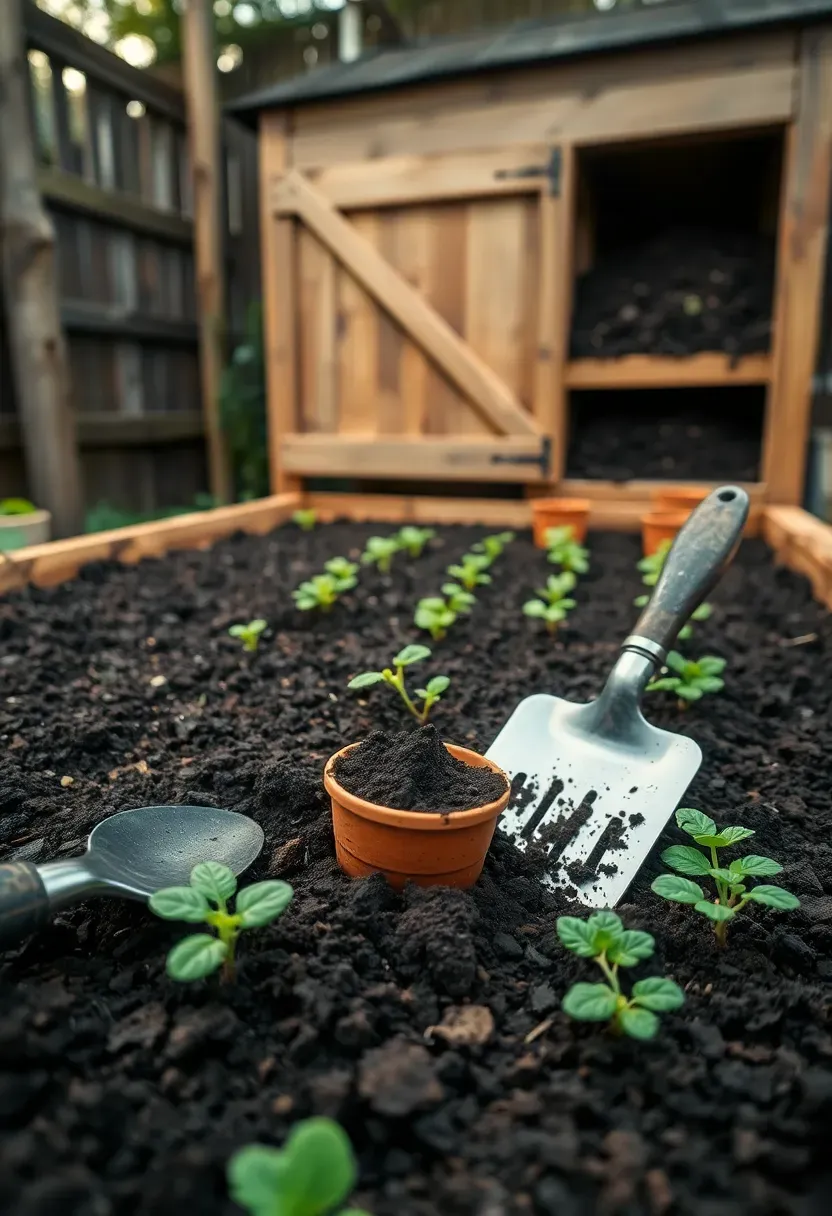
AI designs the physical relationship between compost systems and planting beds, calculating how much compost volume your household generates versus what your beds can absorb. Worm towers inserted directly into raised beds, hot-compost bays positioned for easy access without cross-contaminating paths, and trench composting zones are all options AI tools model within a full garden layout.
Tips / Practical Recommendations
- Aim for a carbon-to-nitrogen ratio of 25:1 — roughly 3 parts "brown" material to 1 part "green"
- Position compost bays within 10 steps of the kitchen door to encourage daily use
- Apply finished compost as a 5cm top-dressing each spring rather than digging it in — soil biology does the incorporation work
Recommended
Items for this idea
11. Vertical Green Wall
According to recent urban greening research, a single square metre of planted wall surface can filter 150–200 grams of airborne particulates per year while providing thermal insulation equivalent to a 5cm insulation board. In dense urban settings where horizontal space is scarce, vertical green walls deliver outsized ecological return per footprint.
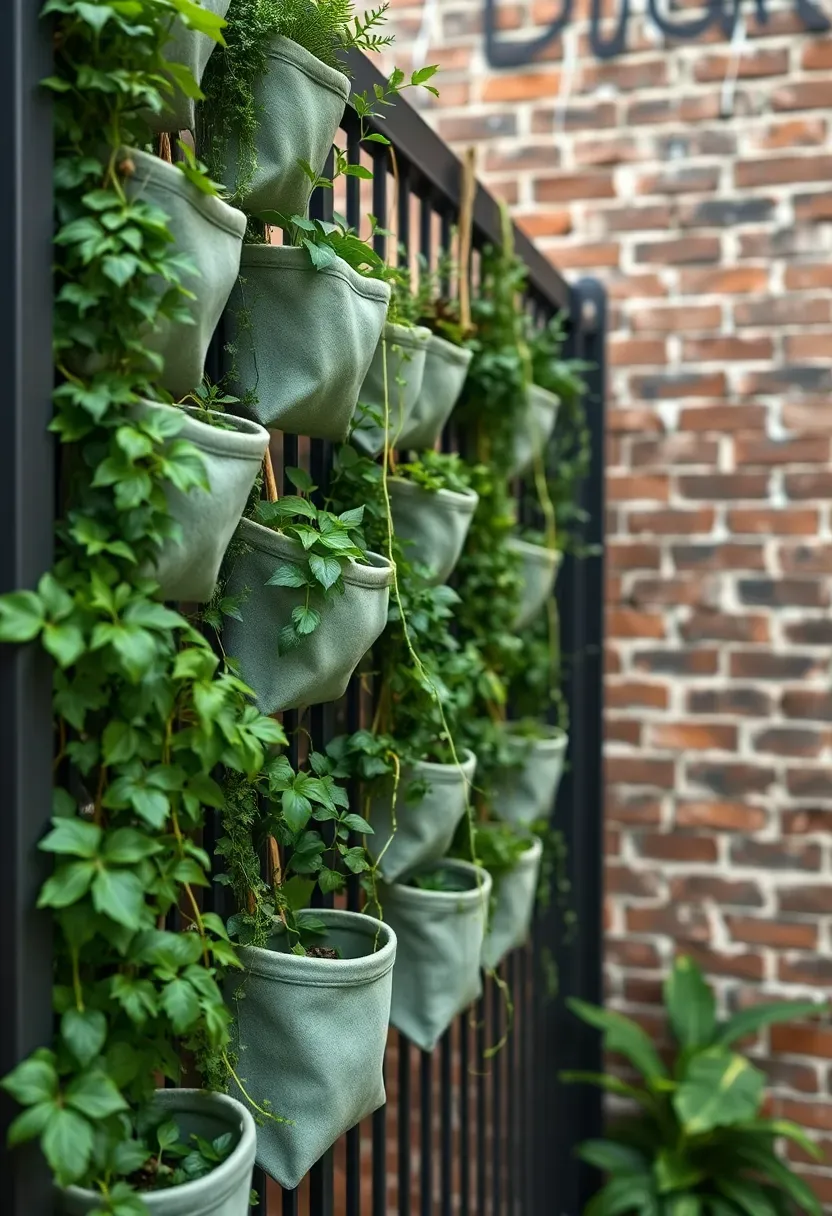
AI-assisted design analyses your wall's sun exposure, prevailing wind, and access for watering to select an appropriate planting system — from soil-filled felt pocket panels to hydroponic modular frames — and generate a planting scheme that stays lush without requiring daily maintenance.
Tips / Practical Recommendations
- Choose felt pocket planters for small installations — they are lightweight, inexpensive, and easy to replant seasonally
- Automate irrigation with a drip manifold on a timer to prevent the most common failure mode: inconsistent hand-watering
- Include trailing species at upper pockets so the wall reads as a continuous planted surface rather than isolated dots of green
12. Wildlife Habitat Garden
Comparing: Formal Garden vs. Habitat Garden
A manicured formal garden looks ordered but offers almost nothing to local wildlife. A habitat garden channels the same design energy into structures that support ecological function.
Formal Garden
Clean lines, uniform planting, raked surfaces. Visually legible, low habitat value. Requires regular intervention to maintain its appearance.
Habitat Garden
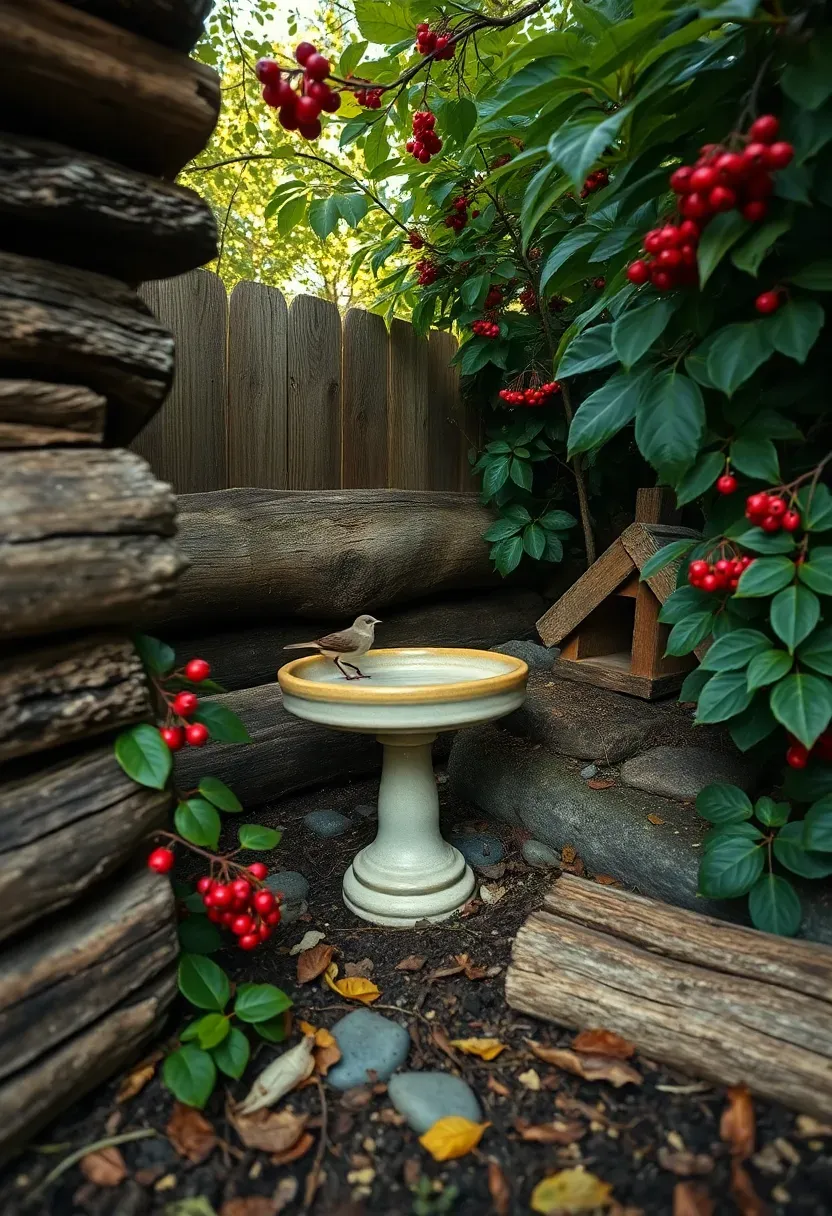
Combines intentional design with deliberate "mess" — log piles, dense shrub masses, seed heads left standing, a shallow birdbath. Every element serves a function. AI tools balance aesthetic coherence with habitat feature placement, ensuring the space feels designed, not abandoned.
What to Choose
Choose a formal approach if: you have a small, highly visible front garden where neighbourhood context makes untidy elements difficult.
Choose a habitat approach if: you have a rear garden with any privacy, where you can afford to let some areas develop naturally.
Recommendation
A hybrid works well for most homeowners: formal sight lines from the house, habitat zones tucked into corners and borders where they are less visible but maximally effective.
Recommended
Items for this idea
13. Zero-Waste Mulch Pathways
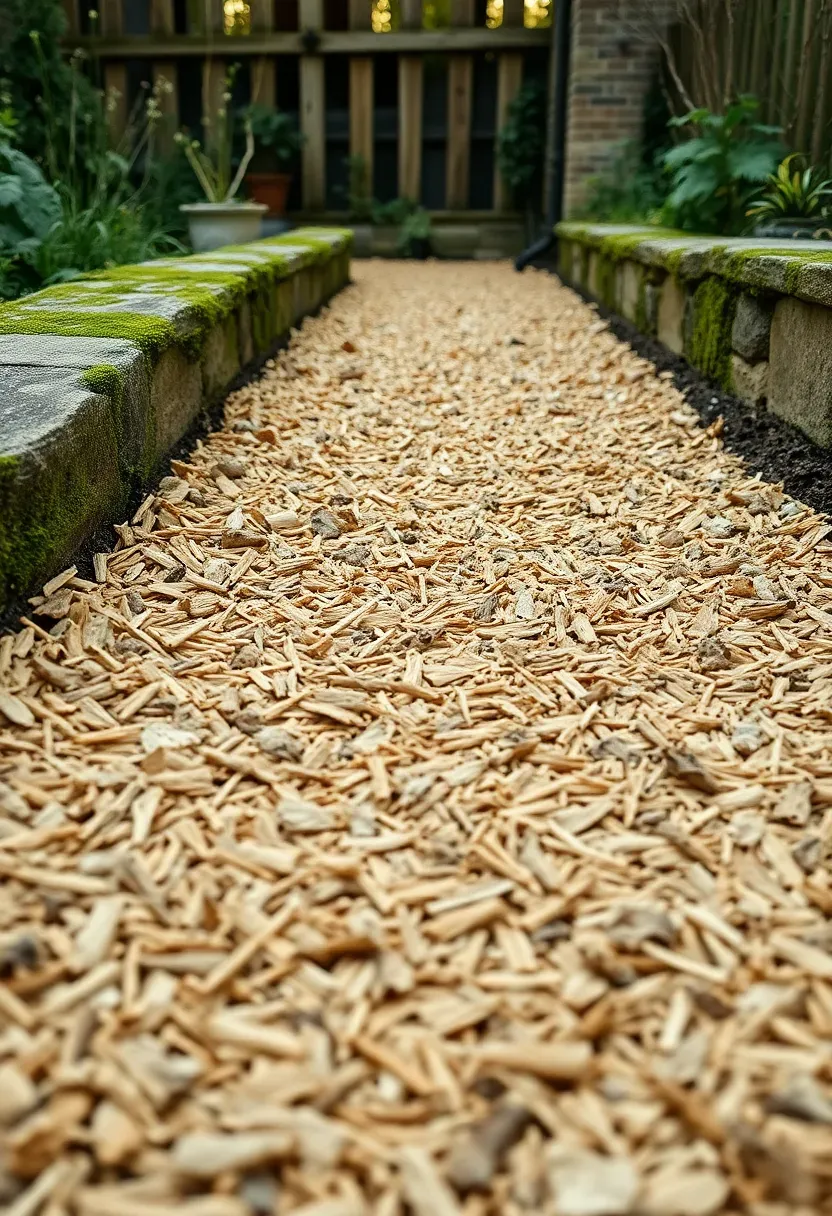
Imagine: you're walking through a garden where every path underfoot is made entirely from materials that would otherwise have gone to a landfill or been burned — wood chips from tree surgery, shredded cardboard, composted straw. Zero-waste mulch pathways do exactly that, converting arborist chip deliveries and cardboard from household deliveries into a functional, weed-suppressing, moisture-retaining surface.
AI-assisted designs calculate the depth and volume of mulch needed for your path network and can even model how the material will break down over time, scheduling when fresh layers should be added to maintain path integrity and maximum soil biological activity.
Tips / Practical Recommendations
- Request free wood chip deliveries from local arborists via services like ChipDrop — they deliver large loads at no cost to avoid disposal fees
- Use the "back to Eden" method: 15–20cm depth of wood chips dramatically suppresses annual weeds for 2–3 years
- Edge paths with a physical barrier — recycled plastic edging or rough-cut timber boards — to keep chips from migrating into planted beds
14. Mycorrhizal Food Web Garden
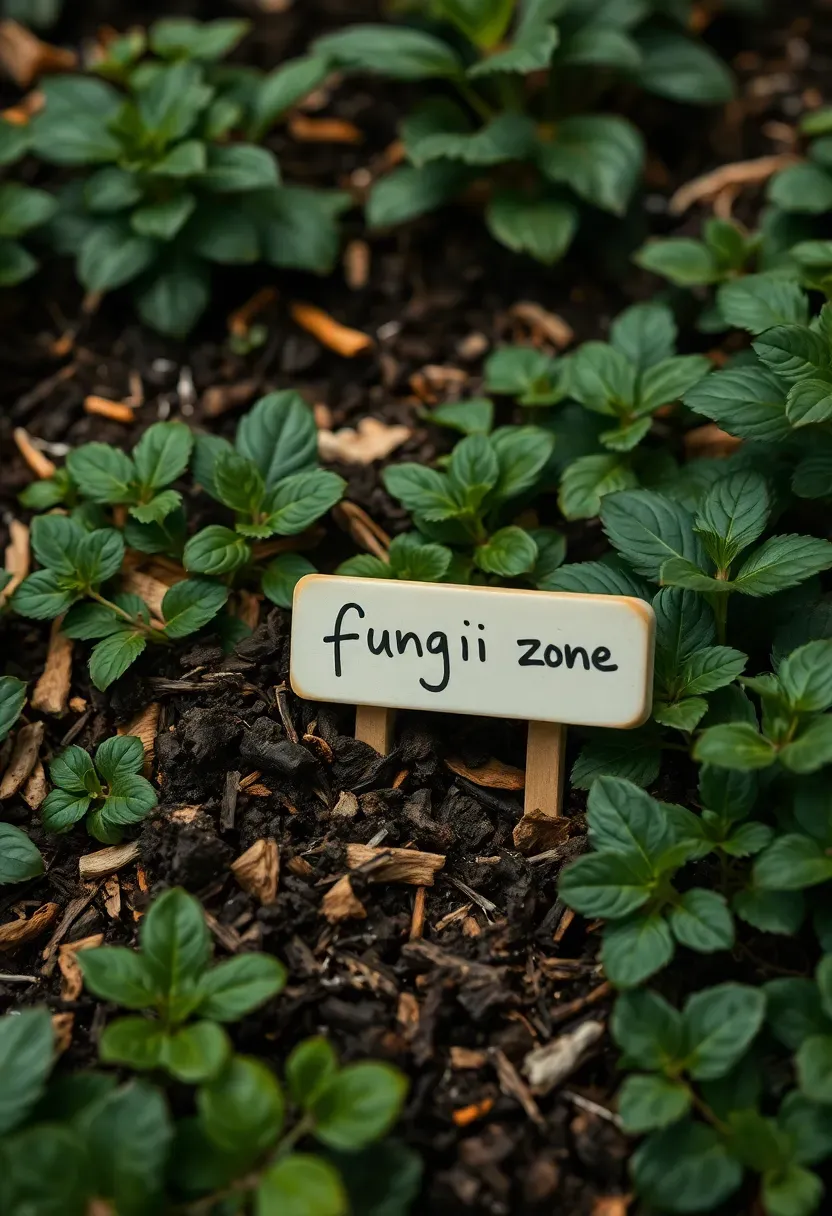
Most of the most important life in a sustainable garden is invisible. Mycorrhizal fungi form symbiotic networks between plant roots, trading water and minerals for sugars — a relationship that can extend a plant's effective root reach by 100–1000 times. Disturb the soil too often and you sever those networks.
AI-designed mycorrhizal gardens minimise soil disturbance through no-dig bed establishment, wood chip inoculant layers, and companion planting combinations known to stimulate fungal network development. The design prioritises perennial plantings over annual monocultures and avoids synthetic fertilisers that suppress fungal growth.
Tips / Practical Recommendations
- Apply mycorrhizal inoculant powder directly to roots at transplanting
- Avoid phosphorus-heavy synthetic fertilisers — high phosphorus suppresses mycorrhizal colonisation
- Keep beds covered with mulch year-round to maintain the moist, stable conditions fungi need
Recommended
Items for this idea
15. Greywater Recycling Landscape
The Core Issue
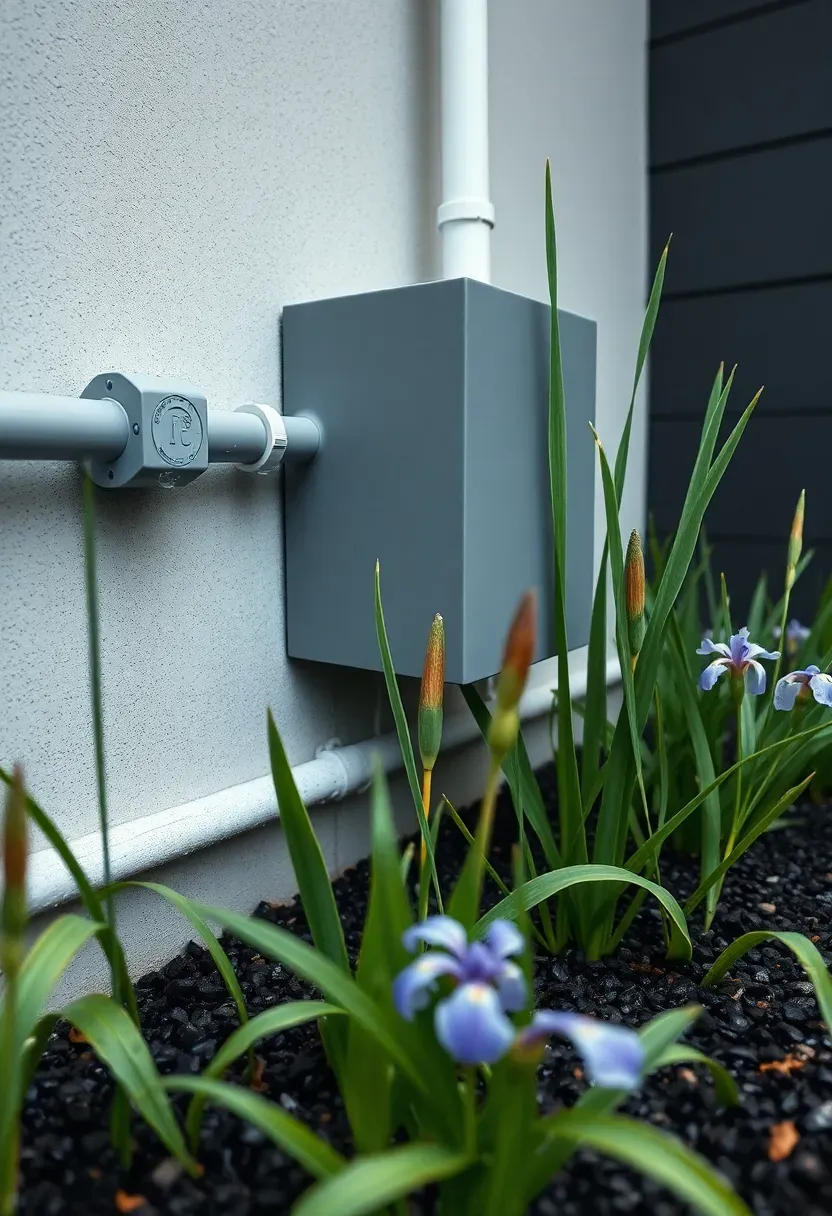
Household laundry, shower, and sink water — classified as greywater — typically goes straight to the sewage system, wasting a resource that could irrigate a significant portion of most gardens.
The Solution
A laundry-to-landscape (L2L) greywater system diverts washing machine water through a simple three-way valve and gravity-feeds it to mulched basins around trees and shrubs. AI tools model daily greywater volume from your household and calculate how many large shrubs or trees the system can support, proposing a layout where greywater recipients are sited downslope within reach of the diverted pipe without pumping.
Pros and Cons
Pros: Can supply 40–60 litres of irrigation water per household member per day without any additional water draw; reduces sewage load; plants respond well to the mild nutrients in greywater. Cons: Requires plant-safe detergents (no boron, bleach, or sodium lauryl sulphate); regulations vary by jurisdiction — check before installing; greywater should not be applied to edible plant leaves or root vegetables.
16. Shade Tree Carbon Canopy
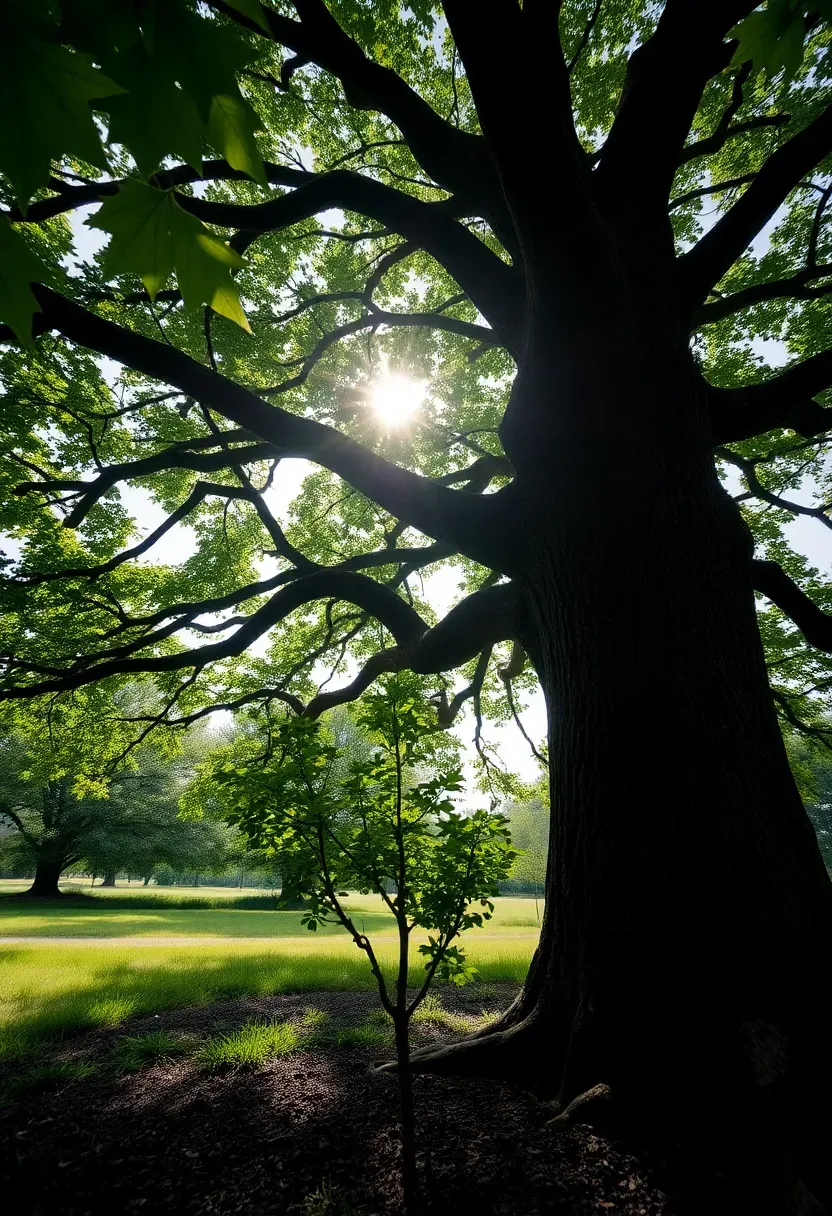
Statistics tell part of the story: a mature broadleaf tree sequesters between 10 and 30 kilograms of carbon annually while cooling the air around it by 2–8°C through transpiration. A well-placed shade tree on the west or south-west side of a building can cut summer cooling loads by 25–30%.
AI tools select species by climate adaptability, mature canopy spread, drought tolerance, and root behaviour relative to nearby structures. They then model where a tree planted today will cast shade in 10, 20, and 40 years — critical information for making a decision that will outlast the people who planted it.
Tips / Practical Recommendations
- Choose native broadleaf species for maximum ecological value — oak, maple, and alder host hundreds more insect species than ornamental exotics
- Maintain a mulch ring to the drip line rather than growing grass to the trunk
- Plant young — smaller transplants establish faster and suffer less transplant shock than large specimen trees
Recommended
Items for this idea
17. Bamboo Privacy Screen
How to Install a Bamboo Screen That Won't Escape
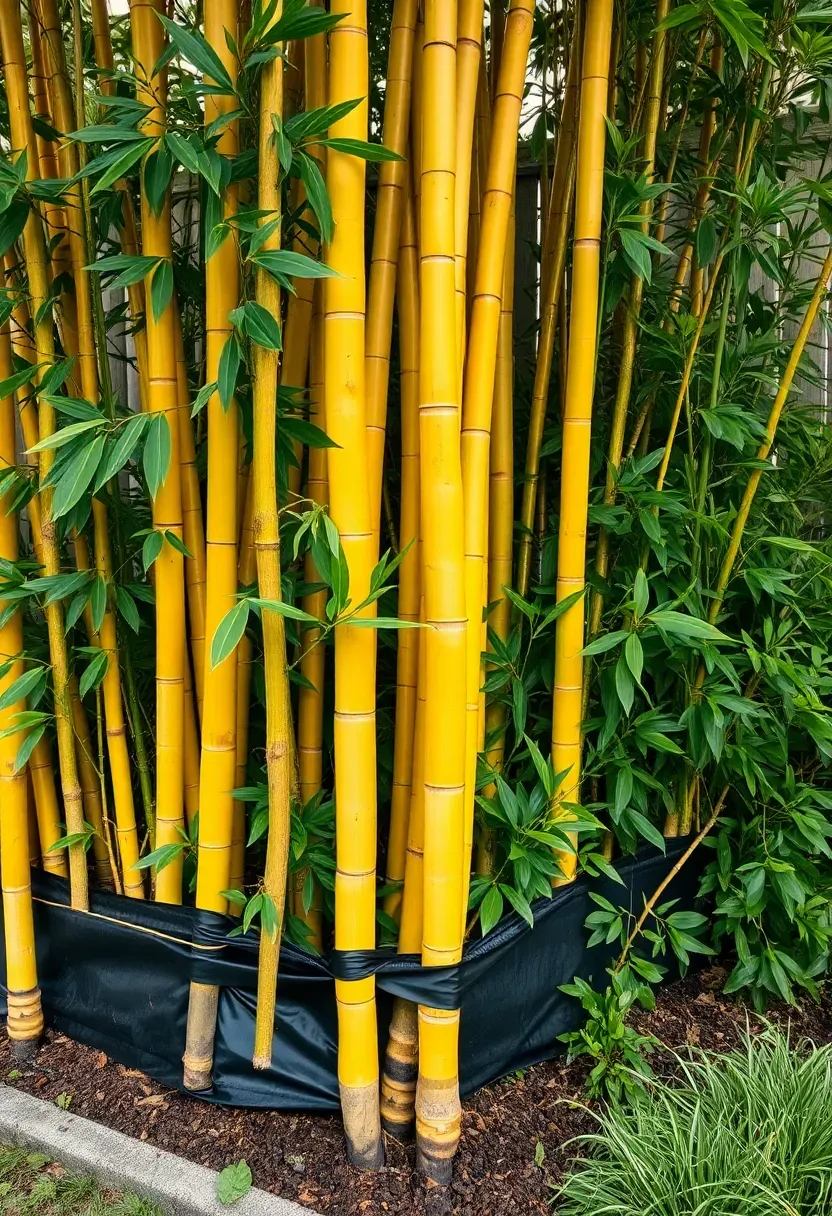
Bamboo is one of the fastest-growing carbon-sequestering plants available to temperate gardeners — but its aggressive running habit has earned it a bad reputation. The key is containment.
Step 1: Choose Clumping, Not Running
Select clumping bamboo varieties (Fargesia species) for compact installations. They spread slowly by centimetres per year rather than by metres. For taller screens where running varieties are preferred, always install a root barrier.
Step 2: Install Root Barrier
A 60cm-deep, 70mil HDPE root barrier around the planting zone contains all running varieties reliably. Overlap the barrier ends by 30cm and seal with a stainless steel clamp.
Step 3: Plant and Establish
Space plants 80–120cm apart for a screen that fills within 2–3 seasons. Water deeply but infrequently during the first summer to encourage deep root establishment.
What to Watch Out For
- Inspect root barrier edges every spring — shoots that escape the barrier must be severed immediately before they establish
- Do not plant running bamboo near neighbours' gardens without their knowledge and a shared barrier
- Harvest culms every 3–5 years to thin the screen and use the canes as garden stakes

18. Rewilded Urban Corner
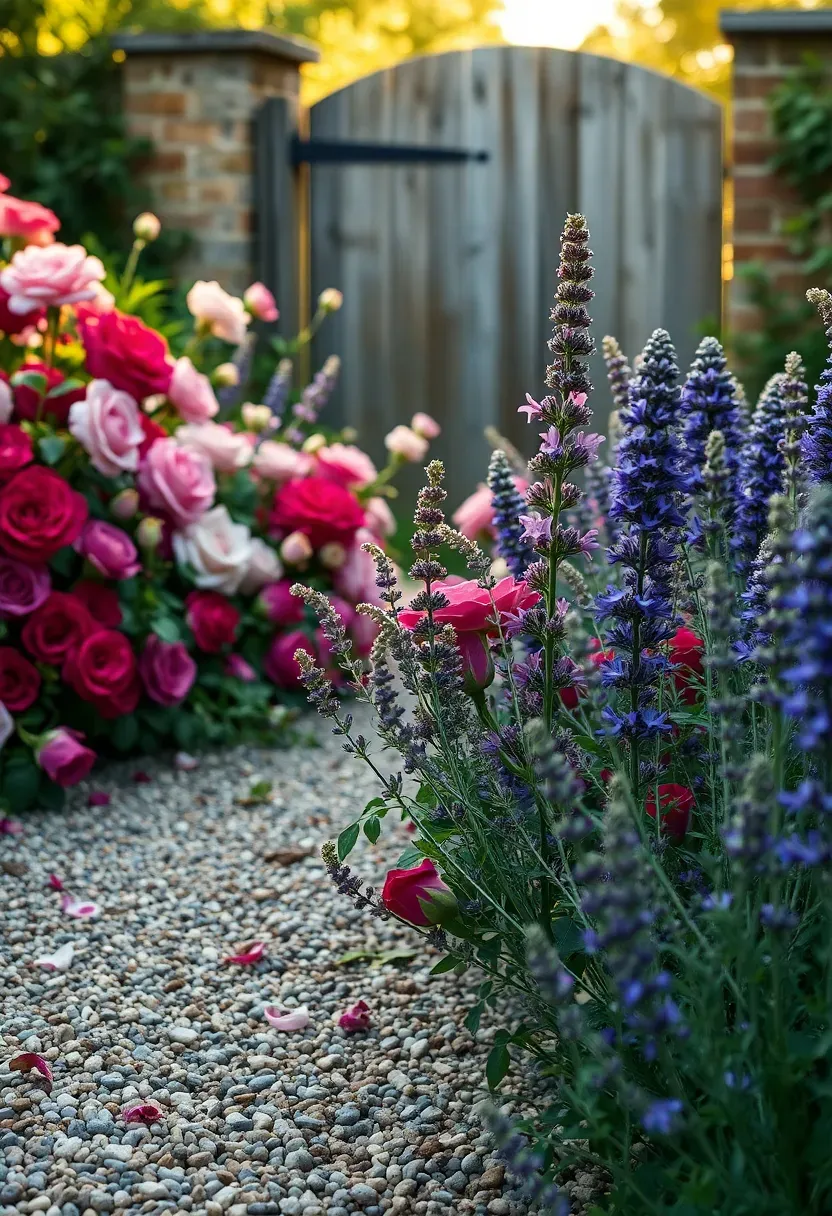
The most radical act in suburban gardening is also the simplest: stop mowing and see what arrives. Rewilding a garden corner means intentionally stepping back from control and allowing native plants to colonise a patch of ground, while using light management to prevent invasive species from dominating.
AI-assisted rewilding is not a contradiction in terms. It maps which spontaneous colonisers are desirable natives versus invasive exotics in your postcode, generates a planting guide of species to add that will compete against undesirables, and models what the space will look like across five seasons.
Tips / Practical Recommendations
- Start with a small defined area — a corner or strip — rather than converting the whole garden at once
- Install a legible edge to signal to neighbours that this is intentional design, not neglect
- Add yellow rattle seed (Rhinanthus minor) to weaken grass dominance if converting from turf
Recommended
Items for this idea
19. Biodiverse Cottage Garden
For centuries the English cottage garden has been a model of ecological generosity — dense plantings with overlapping seasons of bloom, minimal bare soil, and an apparent informality that in fact requires intelligent design to sustain. Modern AI tools generate cottage garden layouts that stack maximum biodiversity into limited space by analysing bloom times, plant heights, and ecological value.
The key difference between a sustainable cottage garden and a decorative one is the inclusion of larval host plants and seed-producing species alongside the conventional showpiece flowers. Foxglove feeds bumblebees; teasel seeds overwinter birds; fennel hosts swallowtail butterfly larvae. AI weaves these into planting plans that maintain the visual richness the style is famous for while delivering genuine ecological function.
Tips / Practical Recommendations
- Aim for 12–15 species minimum to provide genuine biodiversity — monoculture "cottage gardens" offer little more than a lawn
- Include at least one species that blooms in March-April and one that blooms in October-November
- Resist deadheading everything — leave seed heads of echinacea, rudbeckia, and teasel for winter birds
20. Stormwater Management Swale
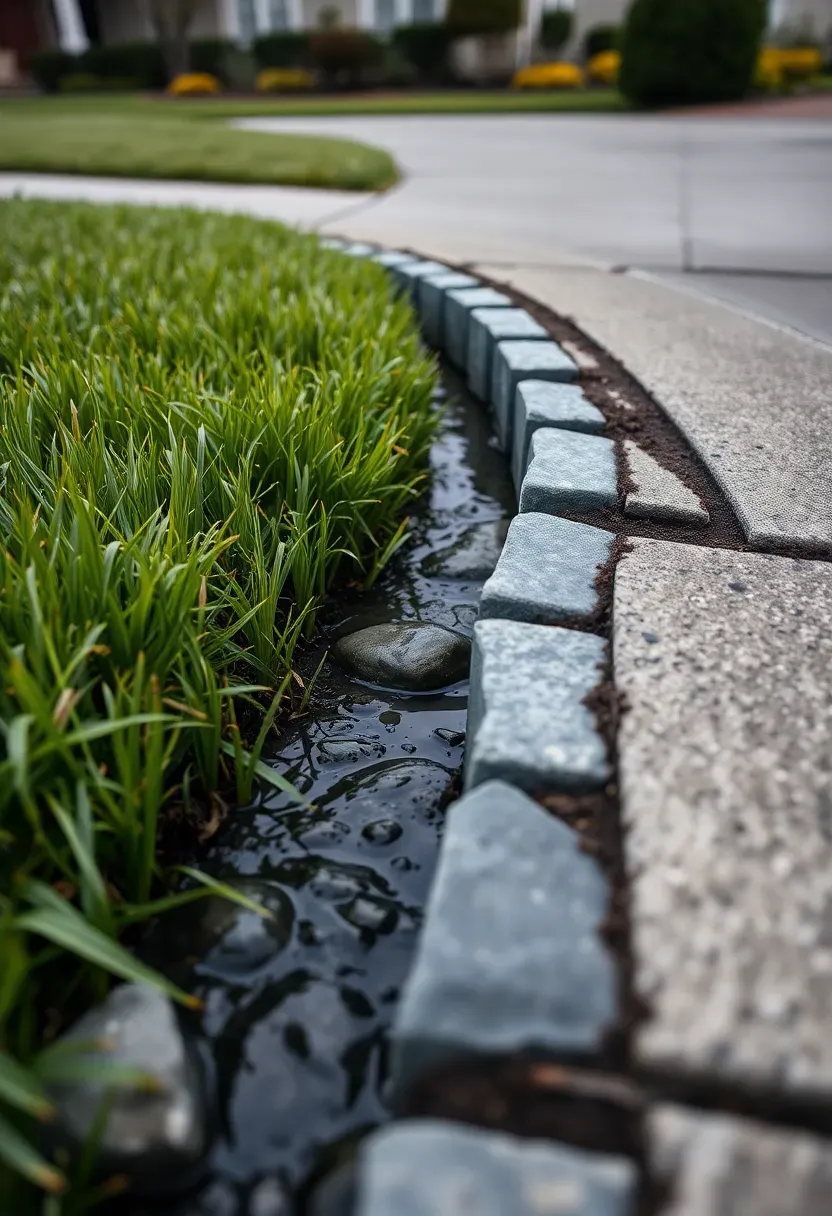
Urban stormwater is one of the leading causes of local waterway pollution — it rushes off impermeable surfaces at high velocity, eroding stream banks and carrying fertilisers, petrol residue, and heavy metals into rivers. A landscape-scale stormwater management swale transforms this liability into a local asset.
AI models the drainage catchment feeding into your property, calculates peak flow volumes for your region's design storm event, and sizes a network of swales and check dams that slows, spreads, and sinks that volume rather than shedding it downstream. Well-designed swales double as landscape features — broad grass-lined channels with stone check dams that read as deliberate garden elements rather than drainage infrastructure.
Tips / Practical Recommendations
- Slope swale floors at 0.5–1% gradient — flat enough to pool water, steep enough to drain within 48 hours
- Stone check dams placed every 3–5 metres on steeper sites significantly increase infiltration and prevent erosion
- Seed swale floors with a moisture-tolerant turf or sedge mix that withstands periodic inundation
Recommended
Items for this idea
21. Container Upcycled Planter Garden
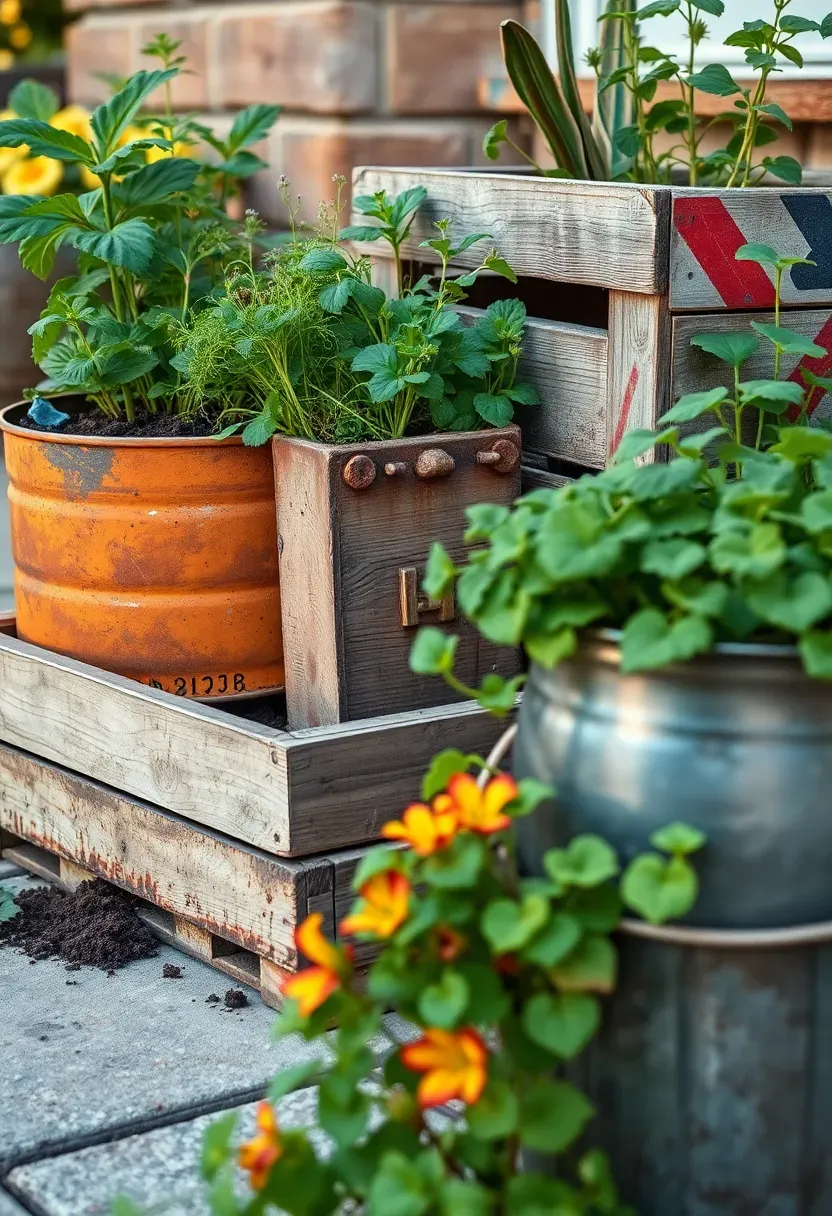
Not every sustainable landscape intervention requires a large plot of ground. Container gardening with upcycled vessels — olive tins, wine crates, galvanised buckets, old Belfast sinks — creates growing space on any patio, balcony, or courtyard while diverting useful objects from landfill.
AI-assisted container design generates planting schemes tailored to container volume, sun exposure, and watering frequency. It groups plants by water and nutrient needs so that everything in a container thrives under the same care regime rather than competing against different needs.
Tips / Practical Recommendations
- Drill at least five drainage holes in any repurposed container that doesn't already have them
- Use a peat-free compost mixed with perlite (4:1) for containers — standard garden soil compacts and drains poorly in pots
- Group containers in clusters of three or five for visual impact, varying heights with pot risers or inverted smaller pots
22. Solar Greenhouse Integration
The Concept
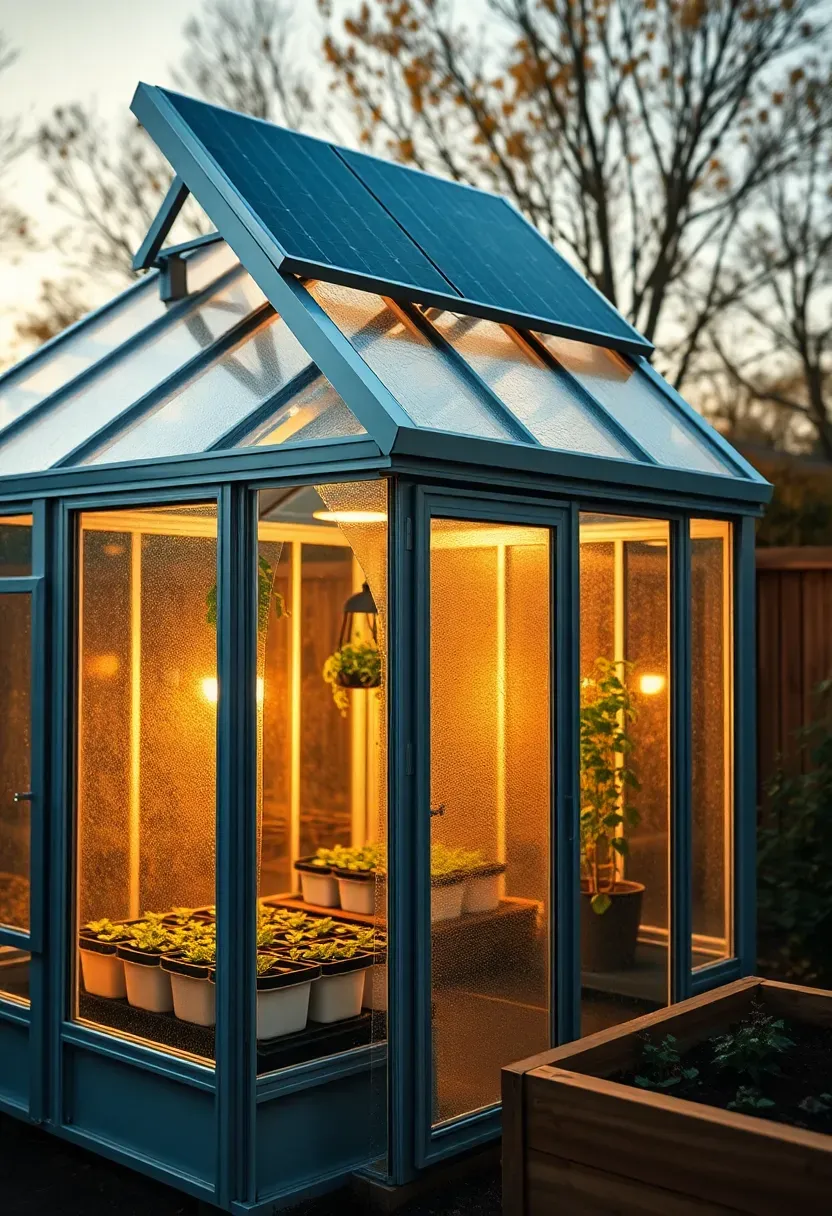
A solar greenhouse extends the growing season by 3–4 months in temperate climates while generating a portion of its own energy through rooftop photovoltaic panels. The combination reduces dependence on grid electricity for grow lights and heating while dramatically increasing food production yield per square metre.
Why AI Makes It Practical
Sizing a PV array to match a greenhouse's heating and lighting loads requires modelling seasonal sun angles, thermal mass, and ventilation dynamics simultaneously. AI tools handle this calculation and generate greenhouse orientations, glazing specifications, and panel configurations optimised for your specific latitude and climate.
Modern Interpretation
Lean-to solar greenhouses attached to a south-facing house wall benefit from thermal mass in the wall, reducing heating demand. The PV panels shade the roof rather than the glazed south face, maintaining full light transmission to plants.
How to Apply at Home
- Orient the long axis east-west and maximise south-facing glazing area
- Install thermal mass (water-filled black containers or stone floor tiles) to store daytime heat
- Connect PV output to a small battery system to power LED grow lights during short winter days
Recommended
Items for this idea
23. AI-Optimized Crop Rotation Layout
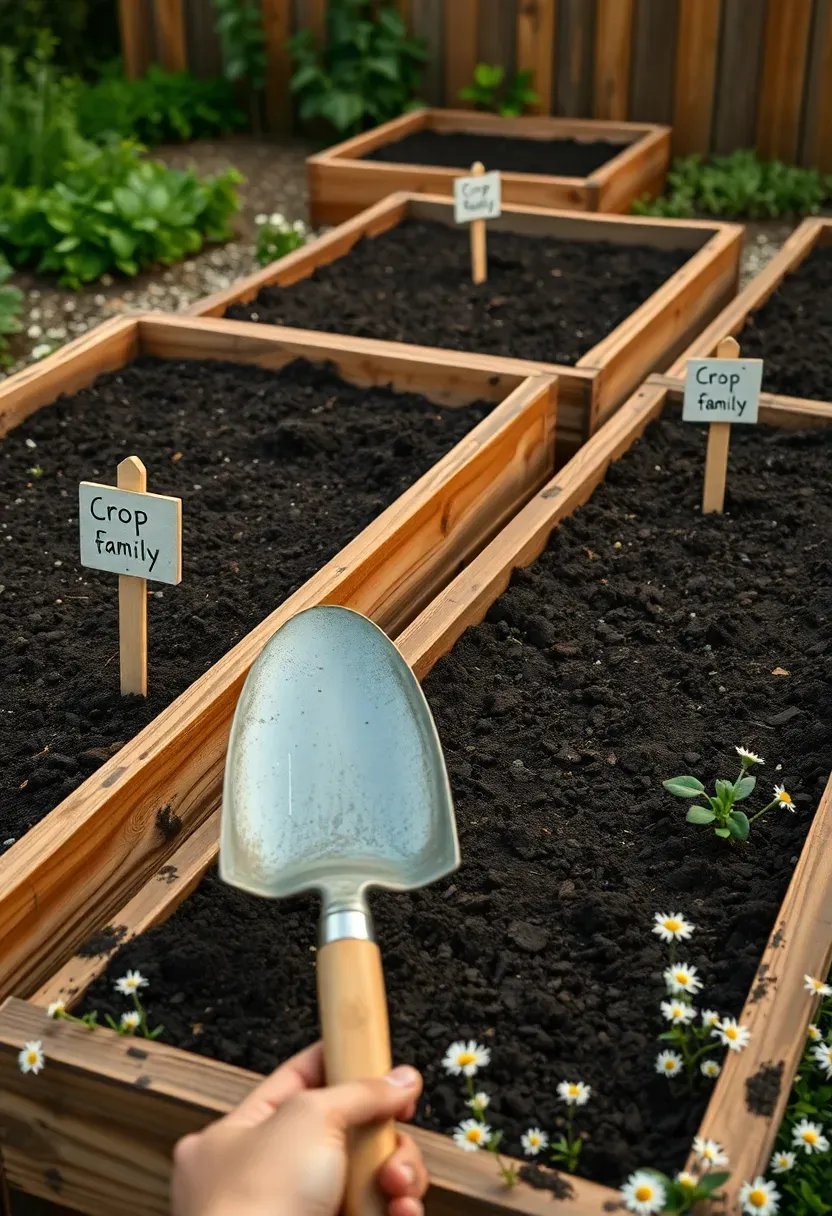
Trends come and go, but crop rotation is one of the oldest agricultural practices on earth — and AI is making it smarter. Traditional four-bed rotation cycles brassicas, legumes, roots, and alliums in sequence to break pest and disease cycles and balance soil nutrient demands. AI-optimised rotation goes further, factoring in your specific soil nutrient profile, past pest pressure, planting dates, and the number of beds available to generate a multi-year rotation schedule dynamically.
The practical result: the system tells you not just which crop family goes where this year, but when to sow cover crops between rotations, which green manures will most benefit the next crop in sequence, and how to stagger successions so the kitchen receives a continuous harvest rather than gluts followed by gaps.
Tips / Practical Recommendations
- Input your soil test results (pH, N-P-K, organic matter) into AI tools for a rotation genuinely calibrated to your beds, not a generic four-year cycle
- Include a dedicated cover crop phase of at least 8 weeks in each bed per year — the soil biology dividend pays forward for the following crop
- Log actual planting and harvest dates each season to build the historical dataset that makes AI rotation suggestions progressively more accurate
Quick FAQ
Is AI sustainable landscaping only for large properties? Not at all. AI design tools work with any scale — from a single raised bed to a rooftop terrace. Most of the ideas in this list, including container gardens, vertical walls, and solar lighting, are specifically suited to compact urban spaces where a few well-chosen interventions make a large proportional difference.
Should you hire a professional to implement AI-generated landscape plans? For straightforward ideas like native plantings, mulch paths, and container gardens, the AI output is actionable without professional help. For bioswales, greywater systems, and green roofs, consulting a landscape professional to verify drainage calculations and structural loads is worthwhile — the AI gives you a well-informed starting point and a much more productive conversation with your contractor.
What's the difference between xeriscape and drought-tolerant gardening? Xeriscape is a comprehensive design philosophy that addresses water use across the entire landscape — soil improvement, irrigation efficiency, plant selection, and mulching together. Drought-tolerant gardening typically refers just to plant selection. Xeriscape is the complete system; drought-tolerant planting is one component of it.
Which sustainable landscape idea delivers the fastest visible results? Solar path lighting, vertical green walls, and upcycled container planters show immediate results — within days of installation. Bioswales and rain gardens demonstrate their value the first time heavy rain falls. Native meadows and food forests require 2–3 seasons before they fill in visually, but their ecological return grows year-on-year long after most garden features would need replacing.
Can these ideas be combined in a single garden? Absolutely — in fact, that is the point. Sustainable landscapes work best as integrated systems rather than isolated features. A rainwater harvesting barrel feeds a greywater-supplemented food forest underplanted with mycorrhizal-inoculated perennials, edged by a pollinator corridor, lit by solar lights, and screened by bamboo. AI tools excel at modelling these interdependencies and generating layouts where all the systems support each other.
Start small: pick one idea that matches your current space, budget, and the season you are in right now. Every native plant, every solar light, and every litre of rainwater captured is a measurable contribution to a garden that gives more than it takes. The best sustainable landscape is not the most elaborate one — it is the one you actually build.
Pinterest cover for 23 AI Sustainable Landscape Design Ideas
About the author
OBCD
CGI visualization and interior design content. We create detailed 3D renders and curate practical design ideas for every room in your home.