21 Alternative to Closet Door Ideas That Open Up Your Space
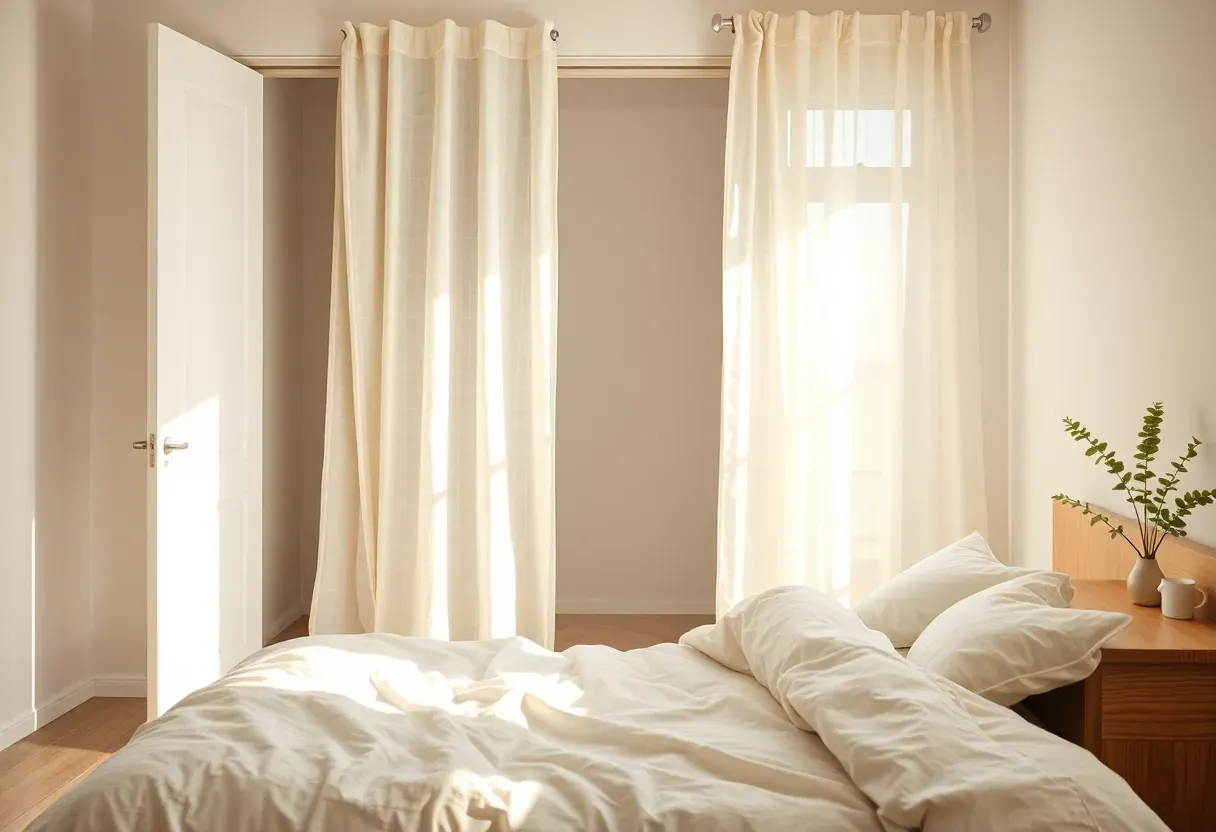
We've all felt that moment when a closet door swings into the nightstand, blocks a lamp, or clips the edge of the bed frame. Standard hinged doors eat floor space that small and mid-size bedrooms simply cannot afford. The good news: removing them doesn't mean living with a messy eyesore. Alternatives range from flowing fabric panels and reclaimed barn sliders to sculptural screens and fully open wardrobe systems that turn storage into a design feature. Whether you rent and can't drill into walls or own and want a weekend-ready upgrade, these 21 ideas offer practical swaps that actually look better than the original door.
Below you'll find each option broken down with material notes, installation difficulty, and styling tips so you can pick the right solution for your room.
Table of Contents
- Linen Curtain Panel
- Reclaimed Wood Barn Door
- Macrame Hanging Screen
- Roman Shade Drop
- Industrial Pipe Garment Rack
- Bamboo Bead Curtain
- Frosted Glass Sliding Panel
- Velvet Drape with Brass Rod
- Open Shelving Wall Unit
- Woven Rattan Folding Screen
- Fabric Roller Shade
- Bookshelf Room Divider
- Sheer Layered Panels
- Patterned Tapestry Cover
- Mirror Sliding Door
- Rope and Driftwood Curtain
- Pegboard Display Wall
- Saloon-Style Cafe Doors
- Pocket Door Retrofit
- Arched Doorway with No Door
- Japanese Noren Curtain
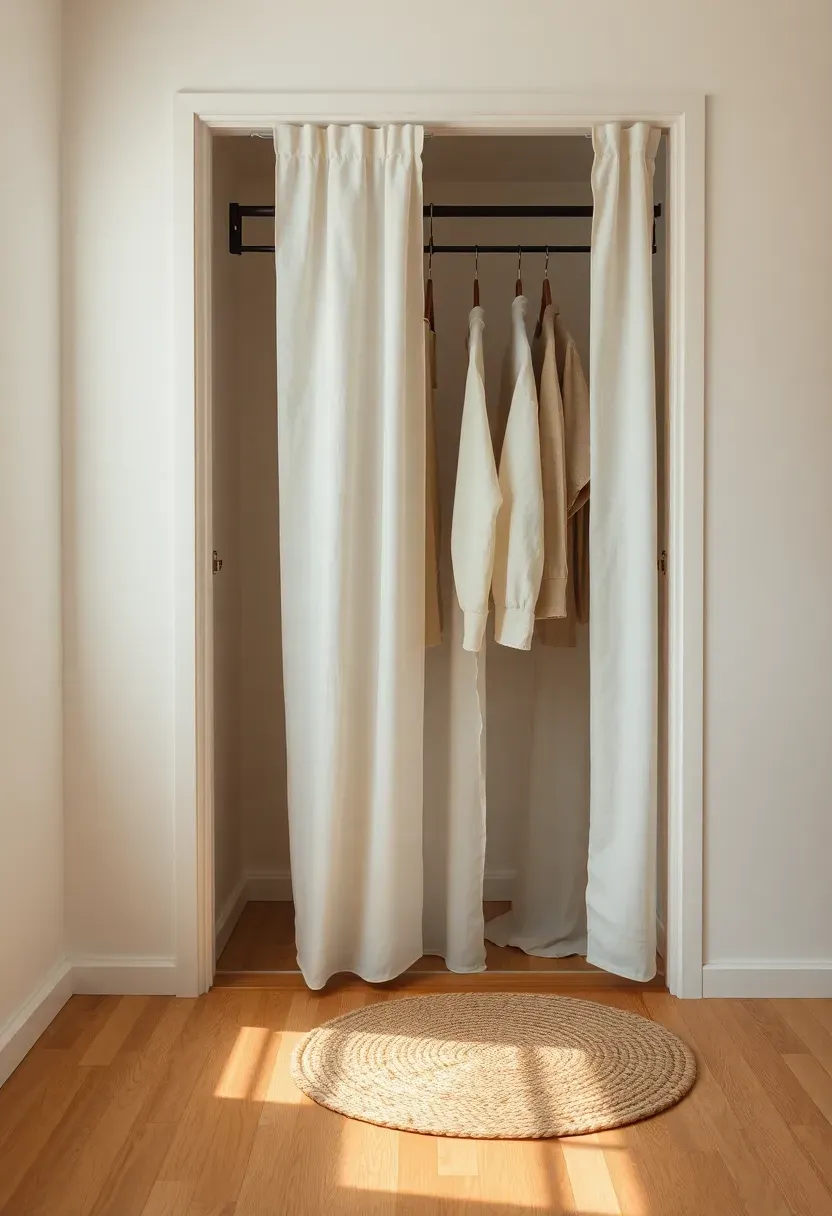
1. Linen Curtain Panel
Swapping a standard bifold for a single floor-length linen panel is the simplest closet door alternative you can install in under ten minutes. A tension rod or ceiling-mounted curtain track holds the fabric, and the panel slides open with one hand. Linen moves gently with air circulation, adding a softness that rigid doors never offer. Choose a heavyweight linen (at least 200 gsm) so the fabric hangs straight without billowing too much. The effect transforms a basic closet into something that feels almost like a boutique dressing area.
Tips for Getting It Right
- Hang the rod 4 inches above the opening to create the illusion of height
- Let the curtain puddle 1-2 inches on the floor for a relaxed, luxurious drape
- Wash linen before hemming since it shrinks up to 10 percent on the first cycle
We picked a few things that go well with this idea: RYB HOME Linen Blackout Doorway Curtain (★4.4), HMYI Faux Linen Magnetic Doorway Curtain (★4.4) and Hahafelt Linen Closet Doorway Curtain Panel (★4.5). As an Amazon Associate we earn from qualifying purchases.
2. Reclaimed Wood Barn Door
Why It Works
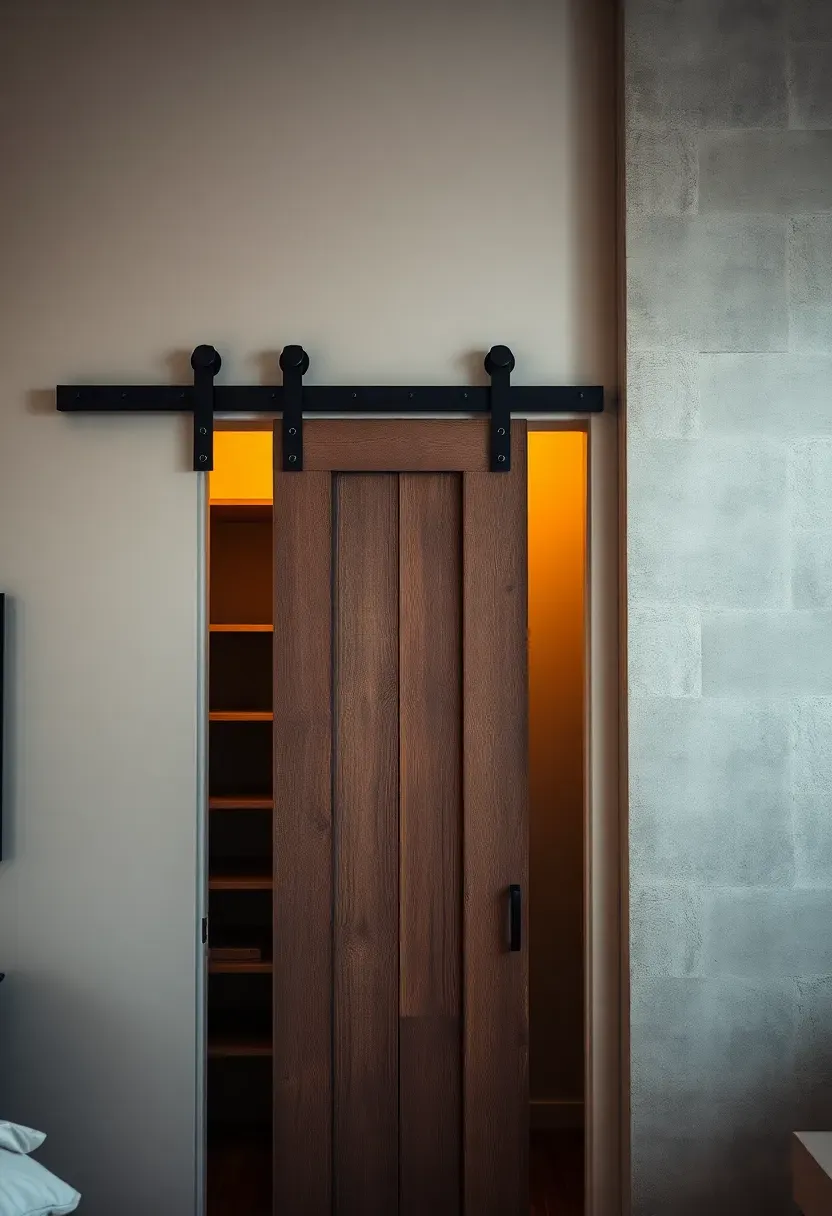
Barn doors became mainstream for a reason: the track-mounted mechanism clears the entire doorway without needing swing clearance, and the reclaimed wood surface brings character that no flat panel can match. A single sliding door works for closets up to 48 inches wide, while a pair of doors handles wider openings with equal ease.
Installation Approach
Mount a flat-bar or J-rail track to the header using lag bolts into studs. Hang the door from two roller hangers and install a floor guide to keep the bottom edge from swinging. Reclaimed barn boards typically run 1 inch thick, so expect the finished door to weigh 60 to 90 pounds depending on width.
Pros and Cons
Pros: massive visual impact; hides clutter completely; no floor clearance needed Cons: requires wall space beside the opening for the door to slide; heavy boards need solid stud mounting
We picked a few things that go well with this idea: AONAYIOA 6FT Bypass Barn Door Hardware Kit (★4.3), ZEKOO 6FT Bypass Barn Door Track Kit (★4.4) and Bifold Barn Door Hardware Track Kit (64") (★4.4). As an Amazon Associate we earn from qualifying purchases.
3. Macrame Hanging Screen
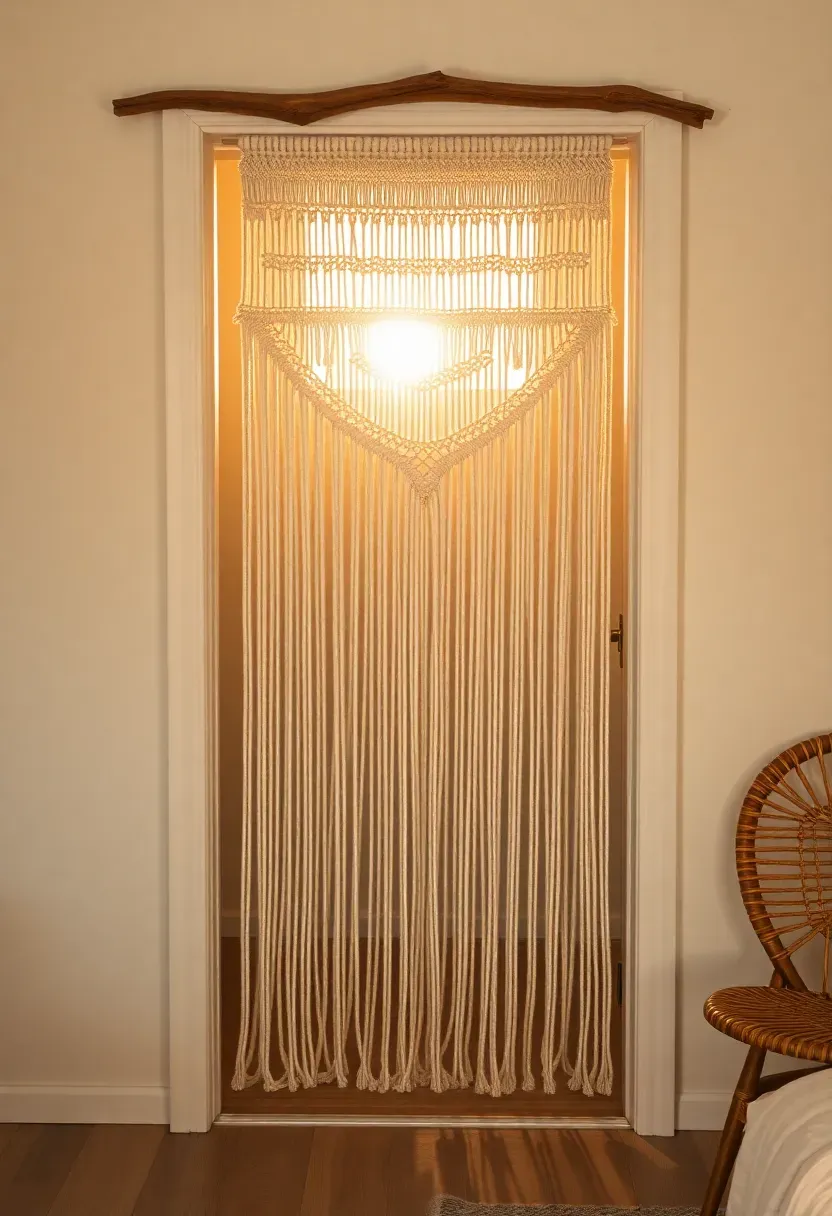
A knotted cotton macrame panel turns a closet opening into a texture-rich focal point that suits boho and eclectic bedrooms perfectly. The open weave lets air circulate through stored clothing, which reduces musty odors in closets without ventilation. Hang the panel from a driftwood dowel or a brass curtain rod for a clean top edge. Full-coverage macrame screens typically use 4 mm to 6 mm single-strand cotton cord and take roughly 200 meters of rope for a standard 36-by-80-inch opening. The translucent weave obscures contents just enough while keeping the wall visually light.
What to Watch Out For
- Cotton cord stretches over time; re-tension after the first month
- Avoid macrame in humid climates unless you use synthetic cord rated for moisture
- Heavier knot patterns (double half-hitch) hold shape better than simple square knots
We picked a few things that go well with this idea: Hand-Woven Rattan 3-Panel Room Divider (★4.4), Svimi Rattan Pine Wood Privacy Screen (3-Panel) (★4.3) and Wood Mesh Woven 4-Panel Folding Screen (★4.4). As an Amazon Associate we earn from qualifying purchases.
4. Roman Shade Drop
The Core Idea
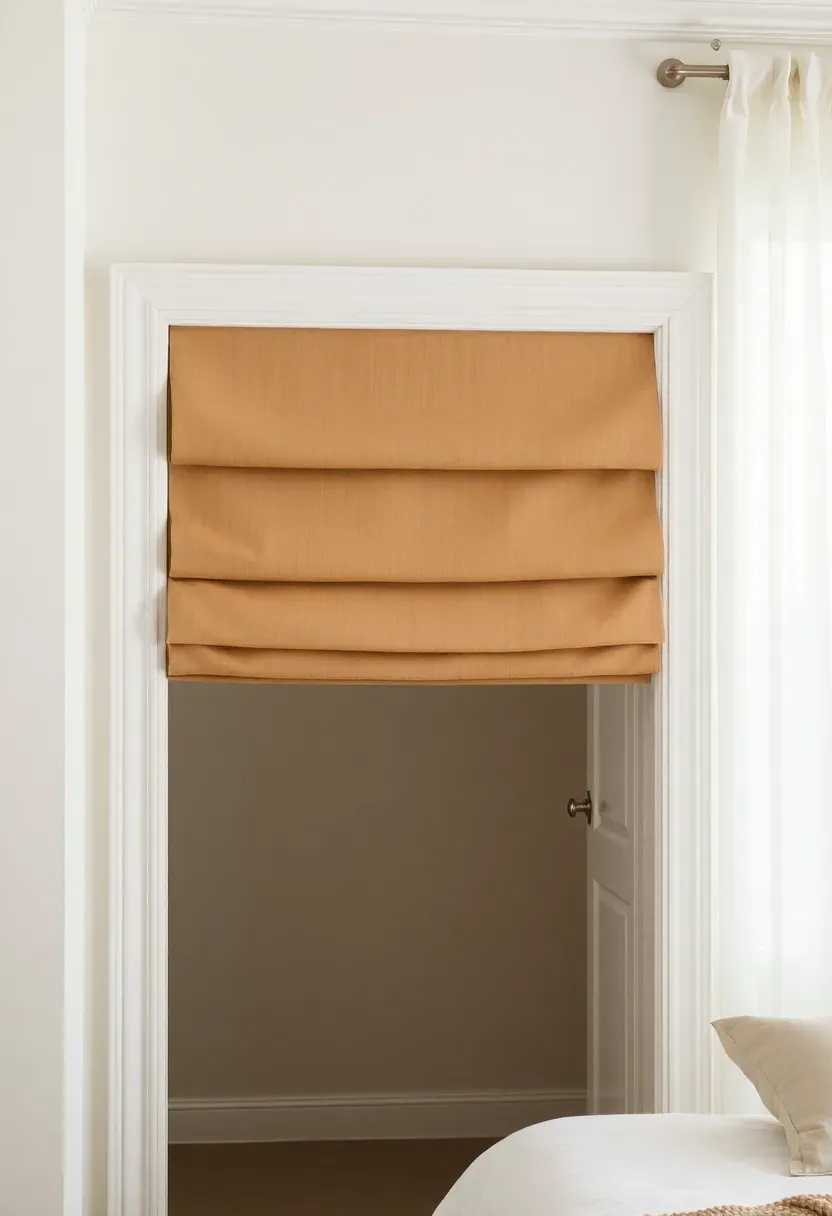
A Roman shade mounted inside or just above the closet frame rolls up into neat horizontal folds when you need access and drops down into a tailored fabric panel when you want to conceal the contents. It borrows the clean geometry of window treatments and applies it to storage.
How to Implement
Step 1: Measure. Take inside-mount dimensions at three points across the width and use the narrowest measurement.
Step 2: Select fabric. A cotton-linen blend with medium body holds pleats without sagging. Avoid anything too stiff or it won't fold smoothly.
Step 3: Install. Screw the headrail bracket into the header or use adhesive brackets for rental situations. The cord or chain mechanism should sit on the side nearest the wall.
Recommendation
Roman shades suit closets in shared spaces like hallways or guest rooms where the tailored look reads polished and intentional.
Recommended
Items for this idea
5. Industrial Pipe Garment Rack
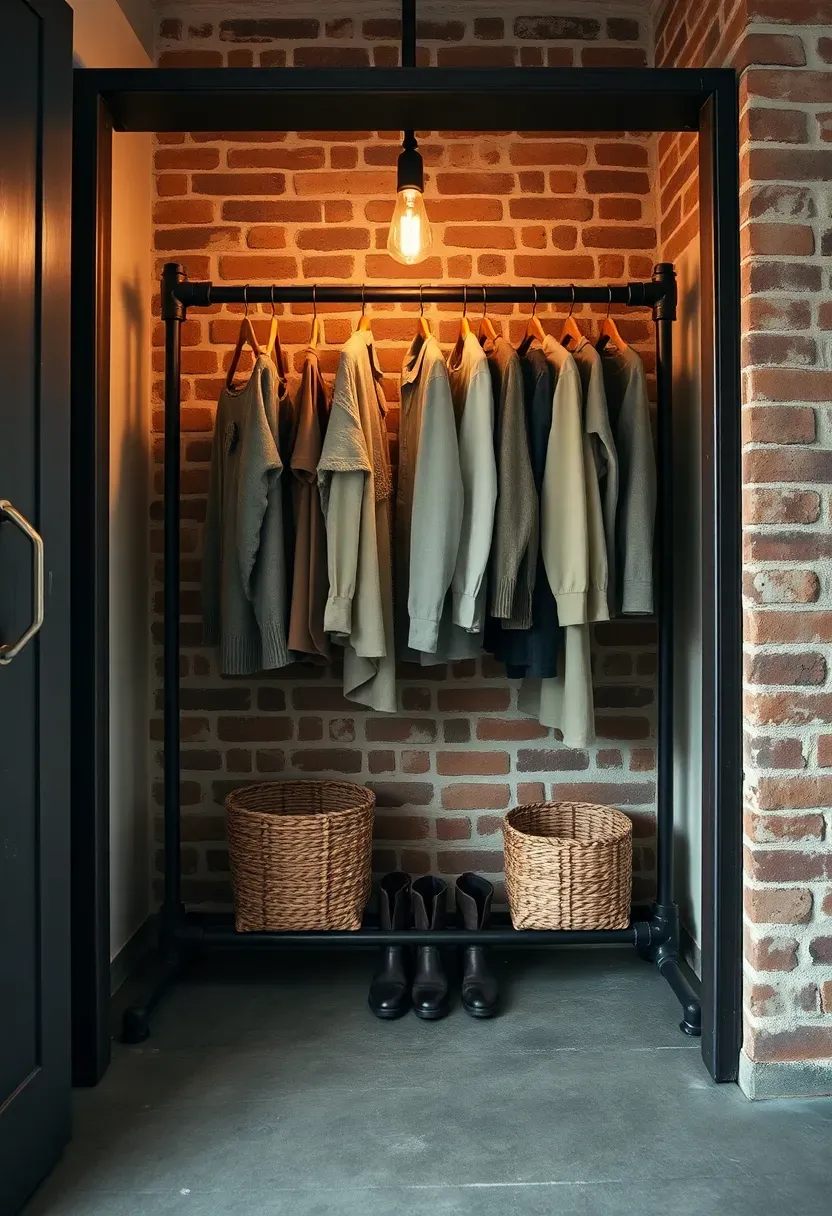
Removing the door entirely and installing an open pipe garment rack turns the closet into a curated display. Black iron pipe fittings create a sturdy frame that holds a top hanging bar and one or two lower shelves. The industrial aesthetic works especially well in loft apartments and urban bedrooms where exposed brick or concrete already set the tone. Keep the rack visually clean by limiting hanging items to a capsule wardrobe selection and storing off-season pieces in labeled bins on the shelf below.
Practical Recommendations
- Use 3/4-inch pipe for the main structure; 1/2-inch for shelf supports
- Floor flanges anchored to the closet floor prevent wobble without wall damage
- Add S-hooks on the side pipes for bags, belts, and scarves
6. Bamboo Bead Curtain
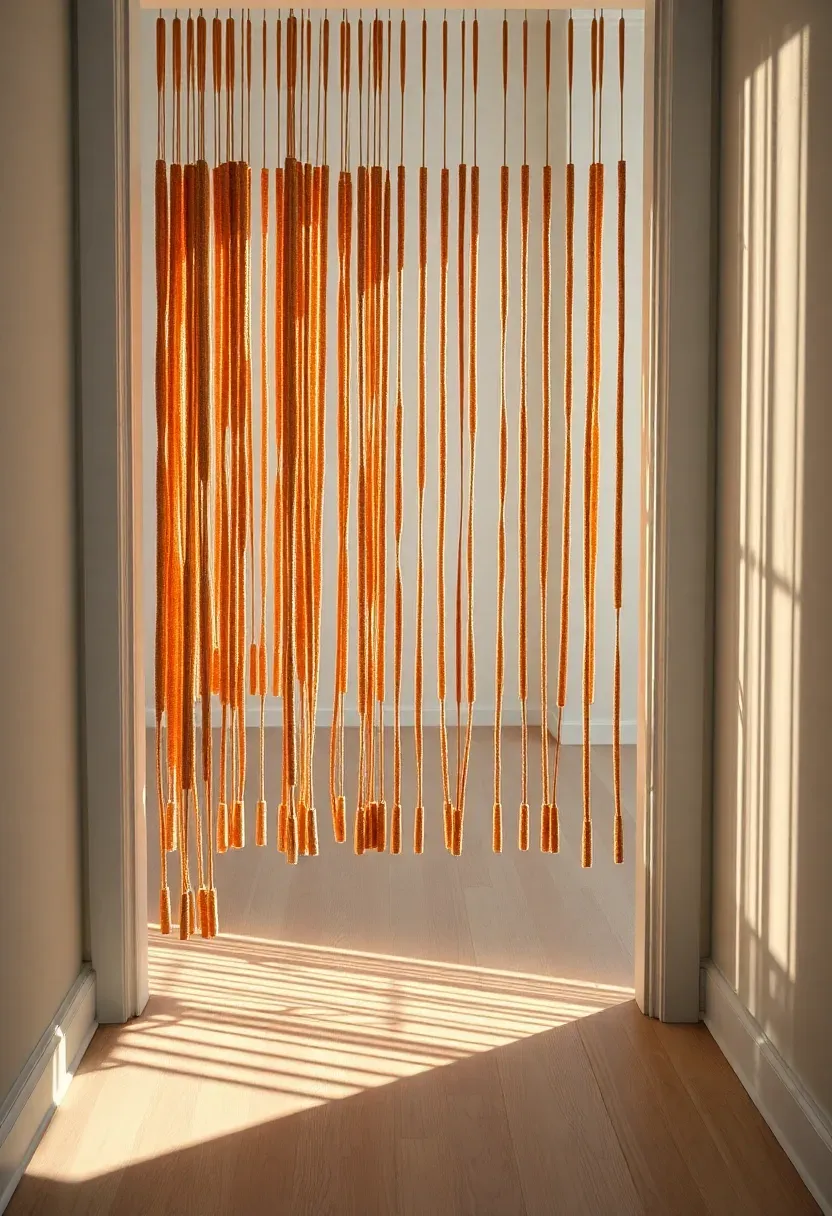
Bead curtains carry retro charm that works surprisingly well in modern spaces when the material choice is natural rather than plastic. Bamboo tubes threaded on nylon cord create a gentle clicking sound when you walk through, adding a sensory layer to the room. Each strand hangs independently, so you can part them at any point without pulling the entire curtain aside. The shadows they cast on sunny afternoons turn the wall into a shifting light installation.
Comparing: Bamboo vs Acrylic Beads
Choose bamboo if: you want warmth, natural texture, and a muted earthy palette Choose acrylic if: you prefer bold color, translucency, and a retro-kitsch statement
Recommended
Items for this idea
7. Frosted Glass Sliding Panel
Why Consider Glass
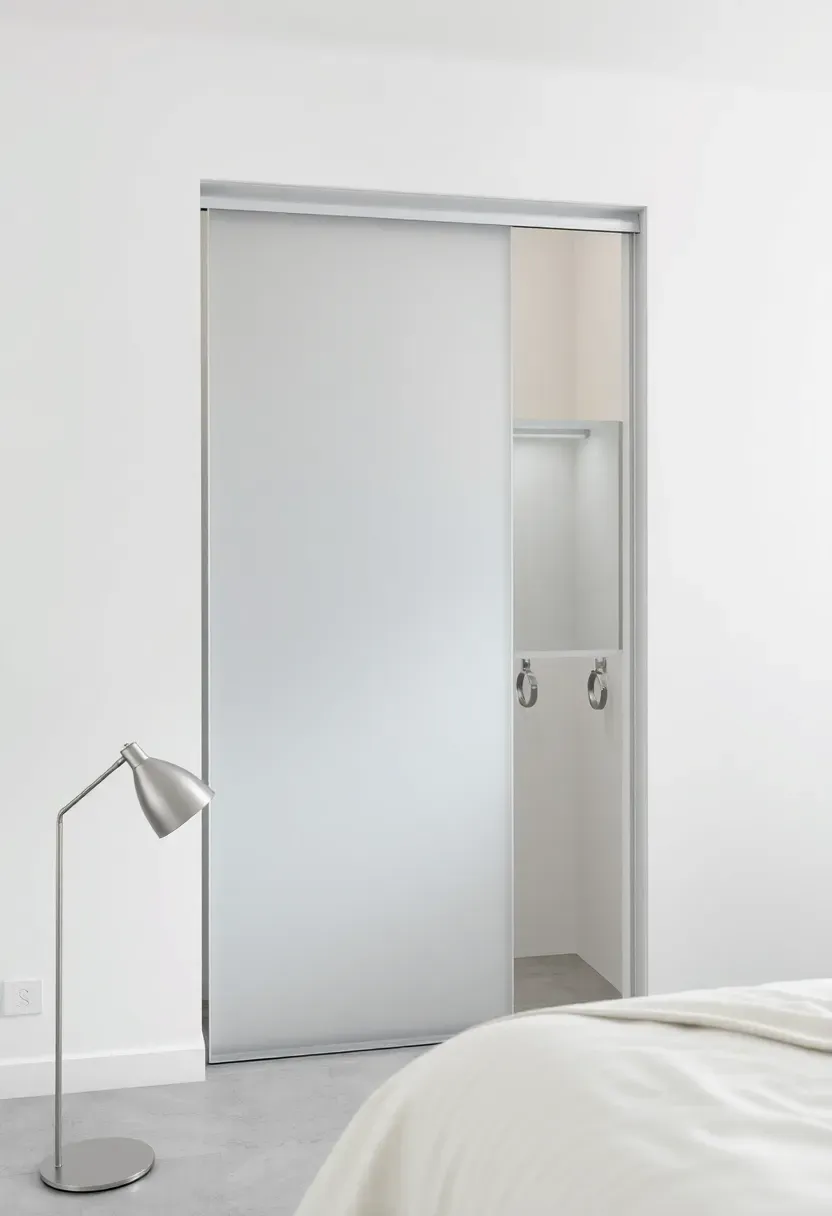
A frosted glass panel diffuses light into the closet while hiding contents behind a milky white surface. The result feels cleaner and more modern than any fabric option and adds a sense of depth to the bedroom wall. Tempered glass panels in 5 mm thickness are lightweight enough for a standard sliding track and safe in bedrooms.
Modern Interpretation
Today's frosted glass closet panels use top-mount aluminum tracks with soft-close mechanisms borrowed from kitchen cabinetry. The hardware practically disappears against a white ceiling, leaving the glass to float across the opening. Some homeowners add an LED strip inside the closet so the panel glows softly at night, doubling as ambient lighting.
How to Apply at Home
- Order tempered frosted glass cut to size from a local glass shop; standard closet panels cost less than you'd expect
- Use a top-hung track rated for the panel weight to eliminate floor rails that collect dust
- Clean with a microfiber cloth and plain water to avoid streaking the frost finish
8. Velvet Drape with Brass Rod
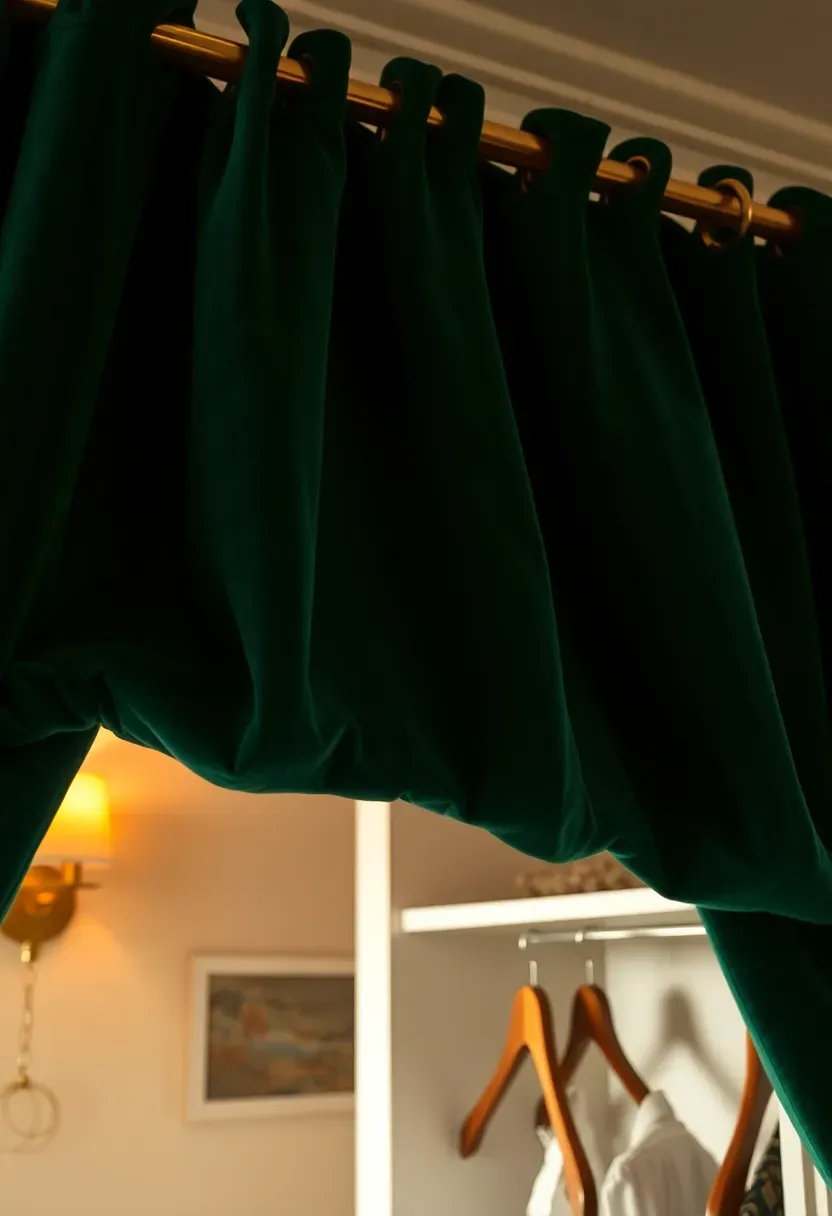
Velvet brings a weight and richness that immediately elevates a closet opening from utilitarian to intentional. A single panel of cotton velvet in a deep jewel tone — emerald, navy, or burgundy — hangs from a polished brass rod with ring clips. The fabric blocks light completely, which protects delicate clothing from sun fading better than a slatted door ever could. When drawn open, the gathered velvet creates a dramatic frame around the closet interior.
Tips
- Choose cotton velvet over polyester for better drape and less static cling
- A weighted hem tape sewn into the bottom edge keeps the panel from swaying
- Dry clean only; machine washing crushes the pile permanently
Recommended
Items for this idea
9. Open Shelving Wall Unit
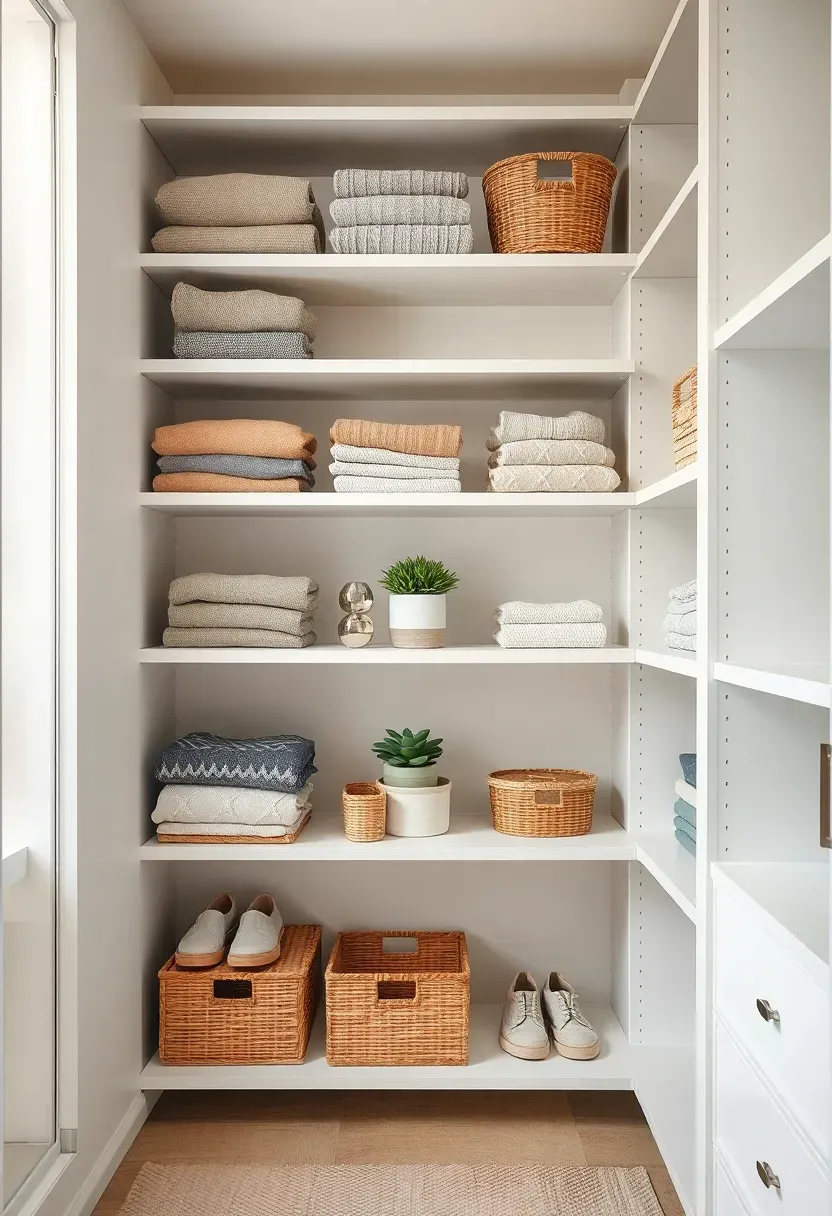
Pulling the door off and installing floor-to-ceiling shelves converts a closet into a visible storage system that forces daily tidiness. Fixed shelves at 12-inch depth accommodate folded sweaters, woven baskets, and shoe boxes without wasting depth. The key to making open shelving look intentional rather than chaotic is grouping items by color and keeping 20 percent of each shelf empty for visual breathing room.
Step-by-Step Approach
Step 1: Remove the door and any existing rod. Patch hinge holes with wood filler and sand smooth.
Step 2: Install vertical side panels and adjustable shelf pins. Melamine-coated boards resist moisture and wipe clean.
Step 3: Style in zones. Top shelves for rarely used items, eye-level for daily wear, bottom for shoes and bins.
What to Watch Out For
- Dust accumulates faster on open shelves; plan to wipe surfaces weekly
- Use matching baskets or boxes to contain small items like socks and accessories
- Avoid cramming shelves full; visual clutter defeats the purpose of going doorless
10. Woven Rattan Folding Screen
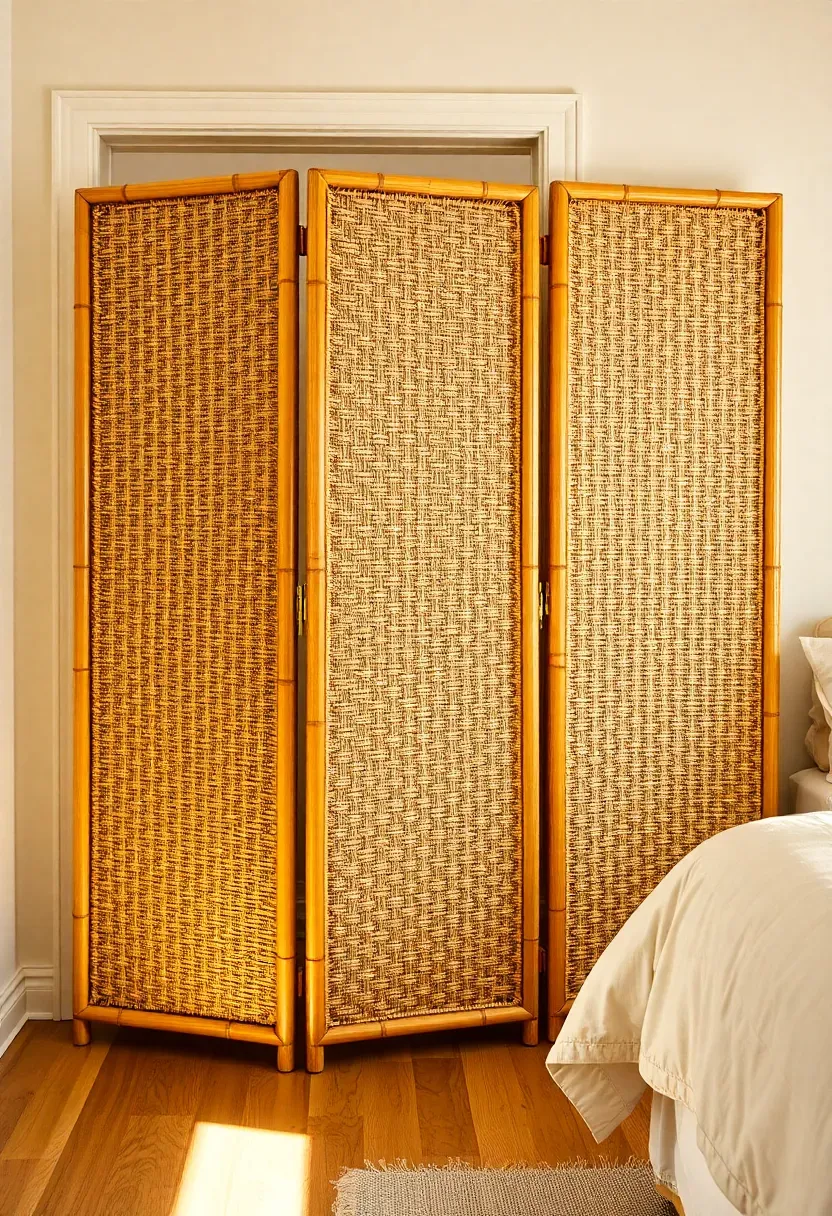
A tri-fold rattan screen placed in front of the closet opening offers a flexible barrier you can reposition or remove entirely in seconds. The woven texture adds a coastal or tropical note to the bedroom, and the hinged panels fold flat for storage when not in use. Rattan screens typically stand 66 to 72 inches tall, which conceals hanging clothes while leaving the top of the closet visible — handy for reaching overhead storage without moving the screen.
Practical Recommendations
- Look for frames made from solid rattan pole, not paper-wrapped wire
- Seal natural rattan with a matte polyurethane to prevent drying and cracking
- Angle the screen slightly rather than placing it flat against the wall for better stability
Recommended
Items for this idea
11. Fabric Roller Shade
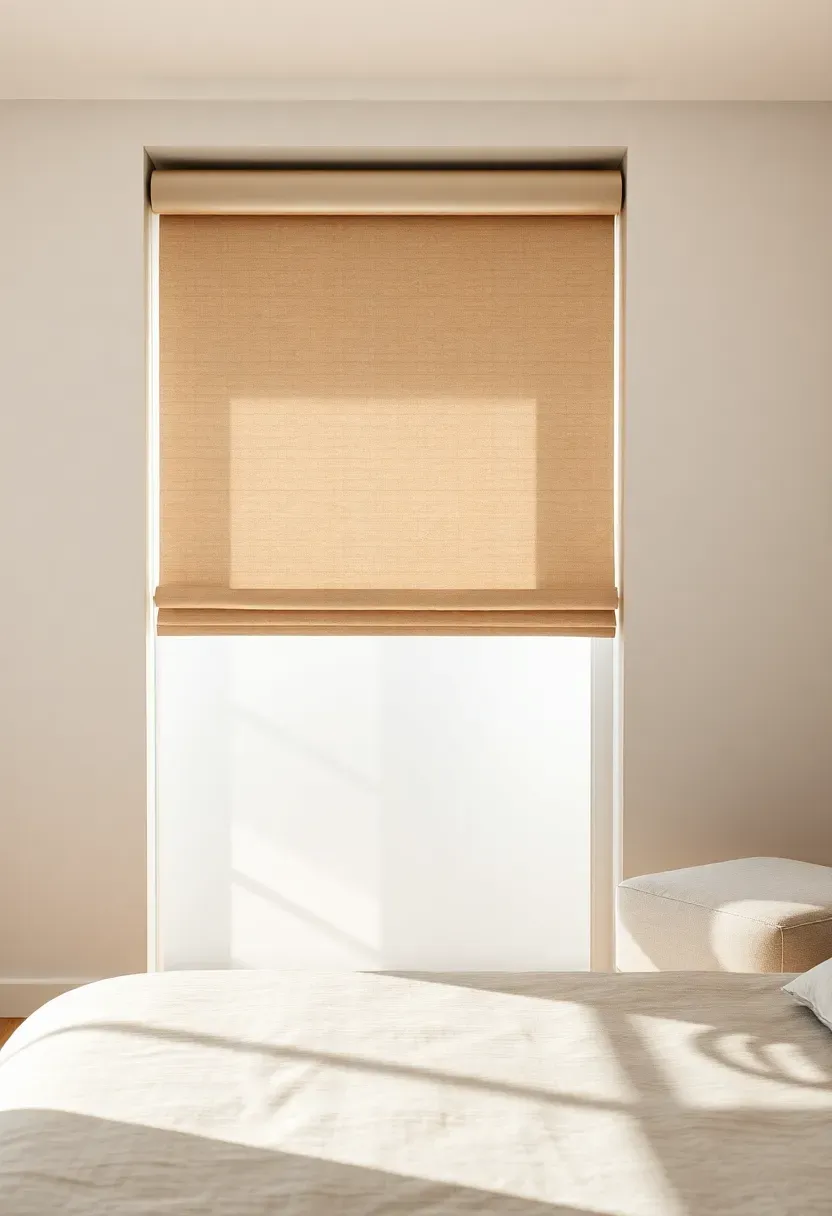
A roller shade mounted above the closet frame gives you the convenience of a pull-down cover with the slim profile of a window treatment. When raised, the shade rolls into a compact tube that virtually disappears against the header. When lowered, it presents a clean fabric face without gathers, pleats, or folds. This works especially well for wide closets where curtains would require excessive fabric and where sliding panels would need extensive track hardware.
Tips for Getting It Right
- Select a blackout-backed fabric if you want full concealment of closet contents
- A slow-release spring mechanism is quieter and more durable than a chain pull in a bedroom
- Mount outside the frame by 2 inches on each side to cover gaps and ensure full coverage
12. Bookshelf Room Divider
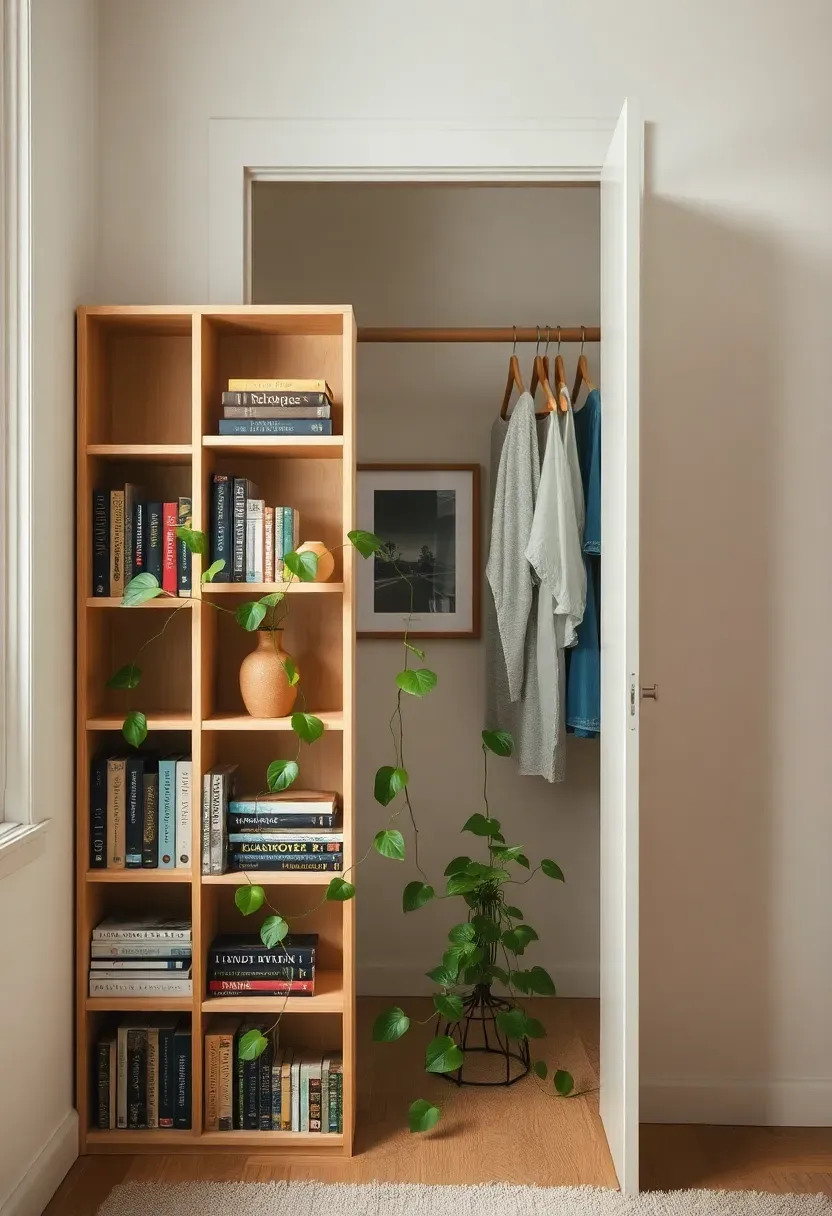
The Core Issue
Standard closet doors add nothing to the room — they take space, collect fingerprints, and offer zero additional function. Meanwhile, most bedrooms lack adequate display or book storage.
The Solution
Position a freestanding bookshelf perpendicular to the closet wall or directly in front of the opening. A narrow 10-inch-deep unit works as both a visual screen and functional storage. Books face the bedroom, while the closet contents remain hidden behind the shelf back. For safety, anchor the bookshelf to the wall with an anti-tip bracket. This dual-purpose approach reclaims dead wall space and turns the closet zone into an intentional vignette.
Pros and Cons
Pros: adds storage and display; no installation tools needed; fully reversible for renters Cons: reduces closet opening accessibility; not ideal for very narrow bedrooms where the shelf would block walkways
Recommended
Items for this idea
13. Sheer Layered Panels
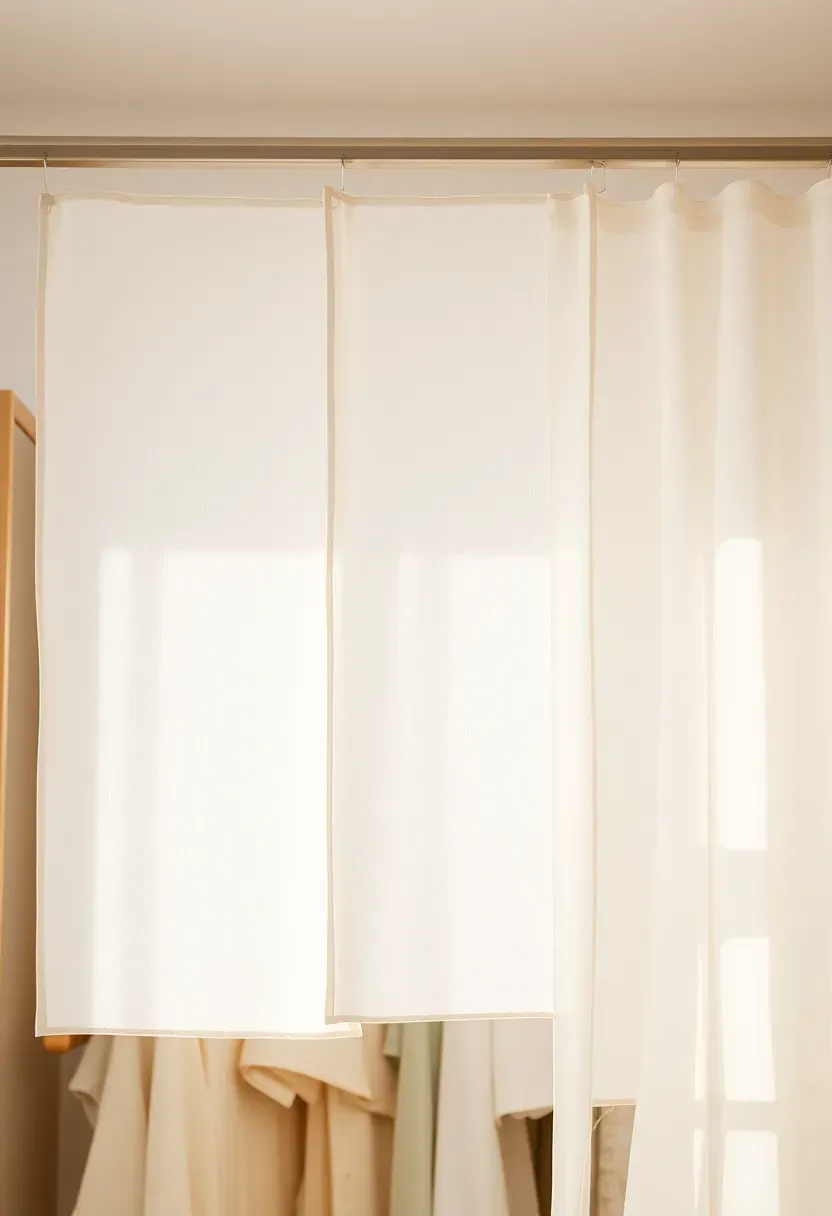
Two or three overlapping sheer panels create a soft, ethereal screen that suggests privacy without heavy visual weight. The layers diffuse whatever sits behind them into soft shapes and muted colors, so even a cluttered closet reads as abstract texture rather than disorganized mess. Use ceiling-mounted tracks so each panel slides independently. When all panels overlap, opacity increases enough to conceal contents fully. When stacked to one side, the closet opens wide.
Practical Recommendations
- Use panels in slightly different tones (ivory, cream, warm white) for subtle depth
- Hem with a narrow rolled edge to keep the look light and prevent fraying
- These work best in bedrooms with abundant natural light where the sheers catch sun beautifully
14. Patterned Tapestry Cover
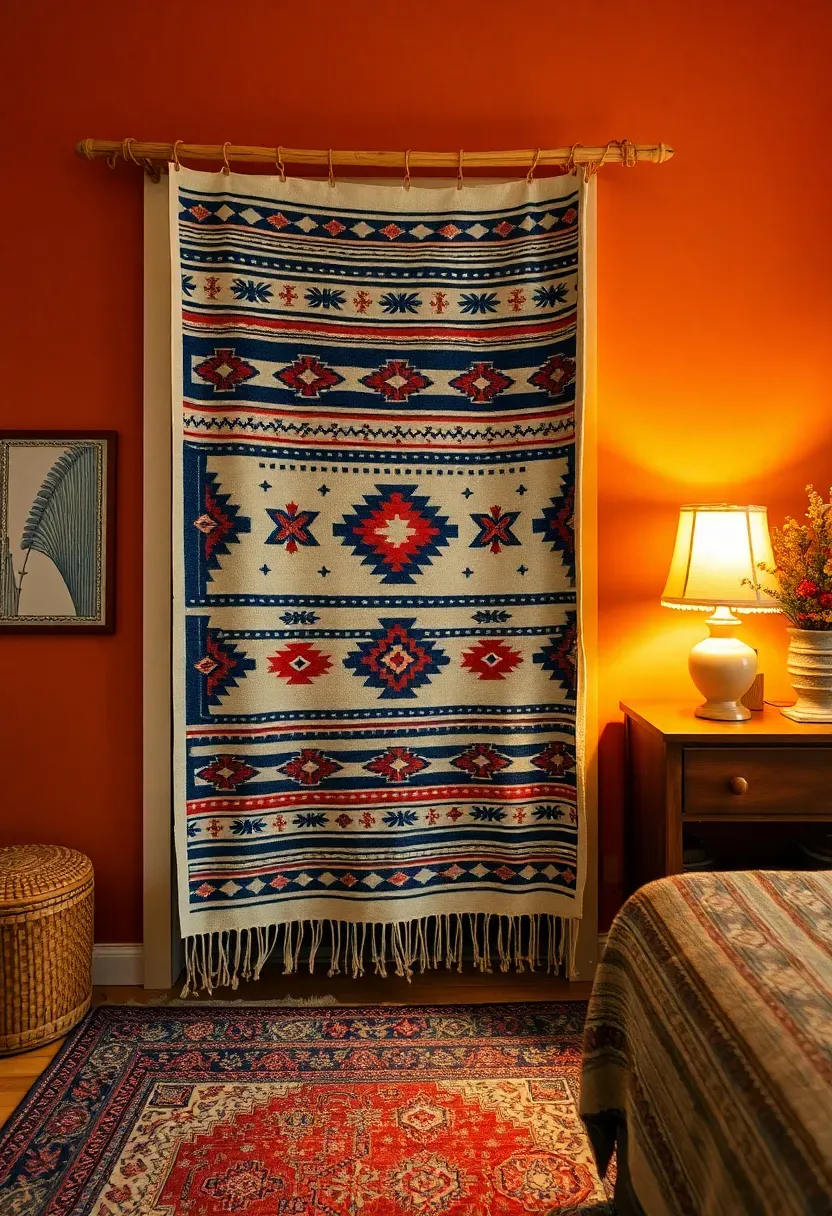
A woven tapestry or textile wall hanging draped across the closet opening brings color, pattern, and cultural texture into the room in a way that no manufactured door can. Vintage kilims, mud cloth panels, and block-printed cotton lengths all work. The irregular weave and handmade quality of these textiles introduce an artisanal warmth that softens the bedroom's geometry. Hang from a simple wooden dowel with leather loops, or clip directly to a curtain wire for a more casual arrangement.
What to Watch Out For
- Vintage textiles may not be wide enough for standard closets; overlap two pieces instead
- Heavier woven fabrics need sturdier mounting than lightweight curtain rods
- Keep tapestries away from direct heat sources to preserve natural dyes
Recommended
Items for this idea
15. Mirror Sliding Door
Why Mirrors Matter
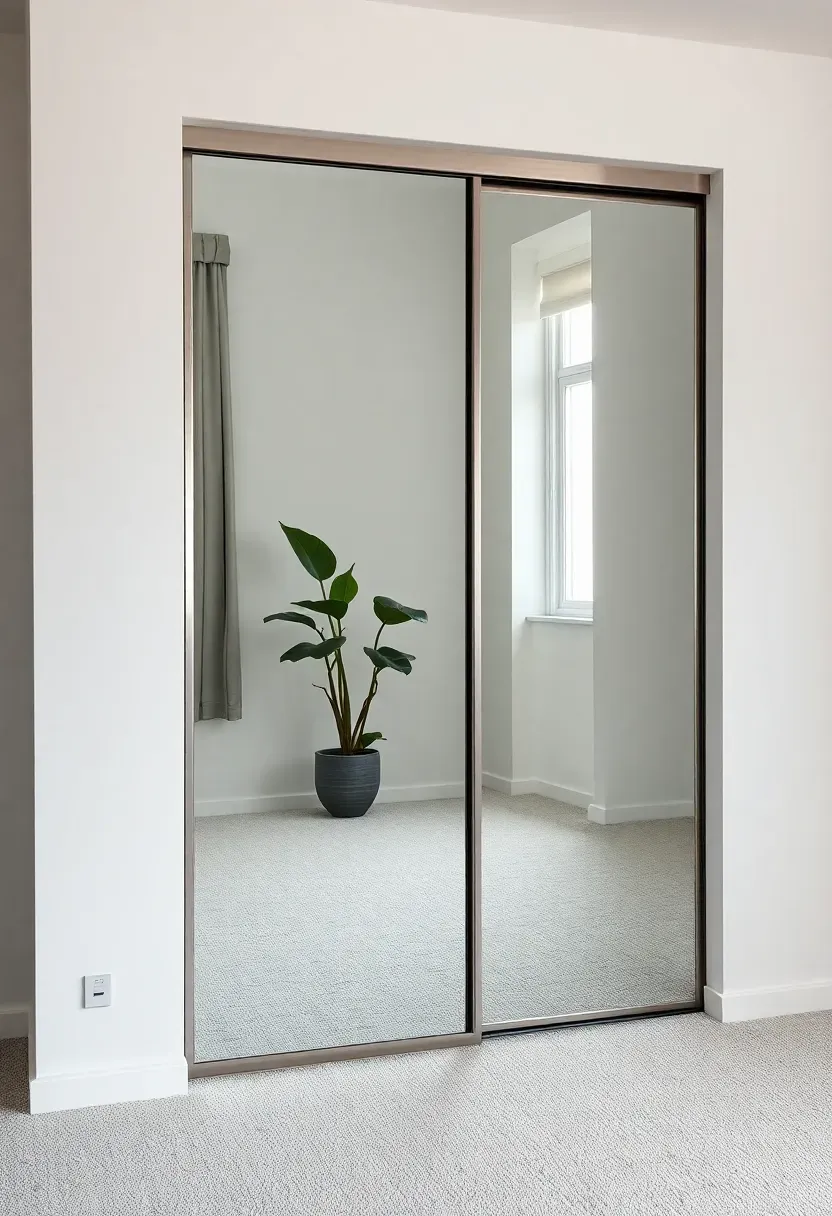
Replacing a solid closet door with a full-length mirror panel gives the room two things at once: a functional dressing mirror and a visual doubling of floor space. Reflected light bounces deeper into the bedroom, which is especially valuable in north-facing rooms or basement bedrooms with limited natural light.
Design Approach
Use a frameless mirror panel mounted on a top-hung sliding track. The absence of a visible frame keeps the look contemporary and lets the mirror read as architecture rather than furniture. Position the track so the mirror slides to cover or reveal the closet without protruding into the room.
Recommendation
Mirror doors suit small bedrooms where every visual trick to expand perceived space counts. Pair with warm overhead lighting to avoid the cold, gym-mirror look.
16. Rope and Driftwood Curtain
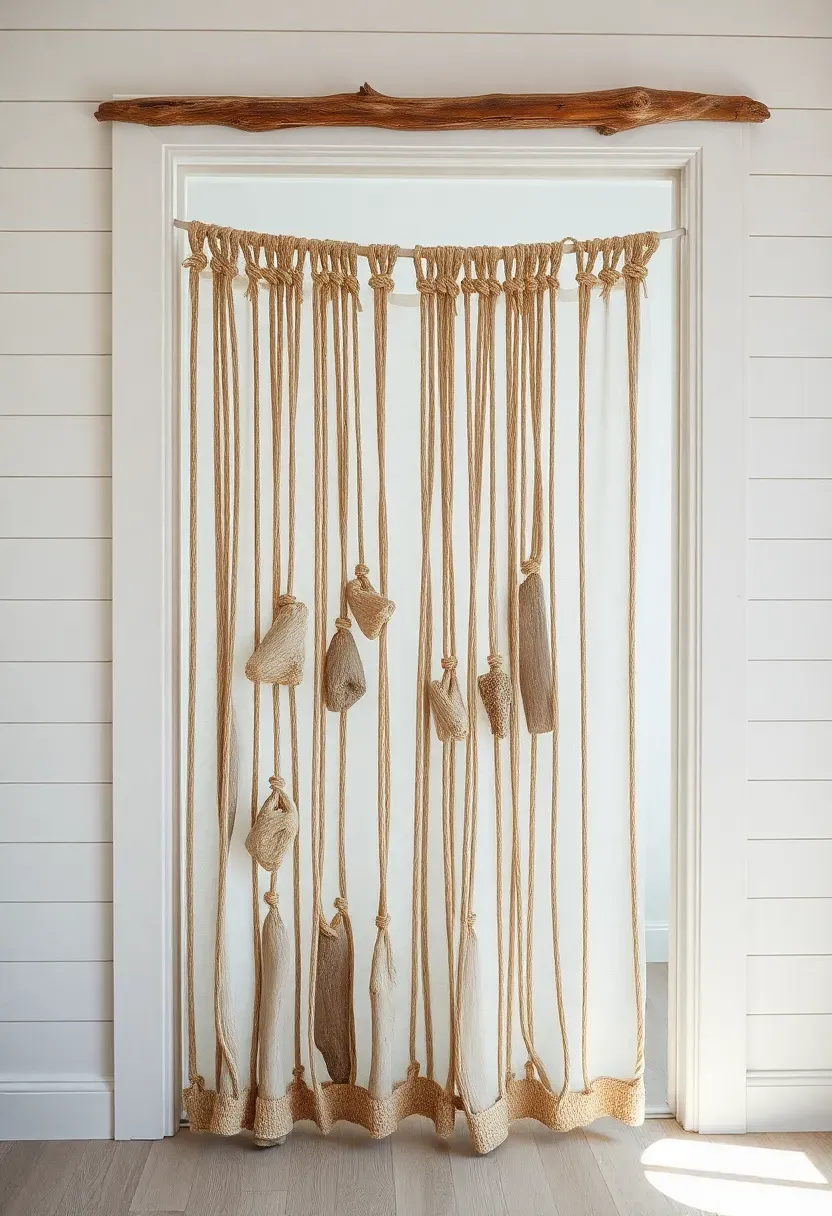
Natural jute rope knotted around driftwood pieces creates a curtain that feels pulled straight from the shoreline. Each strand hangs from a horizontal driftwood branch mounted above the opening, and the irregular shapes of the wood give the curtain an organic silhouette that no factory product can replicate. This works best in coastal, cottage, or Scandinavian-inspired bedrooms where natural materials already lead the design language.
Tips
- Source driftwood from craft suppliers to avoid introducing insects from beach-collected wood
- Space strands 2 to 3 inches apart for easy passage without tangling
- Seal driftwood with a clear matte spray to prevent shedding and splintering
Recommended
Items for this idea
17. Pegboard Display Wall
The Core Idea
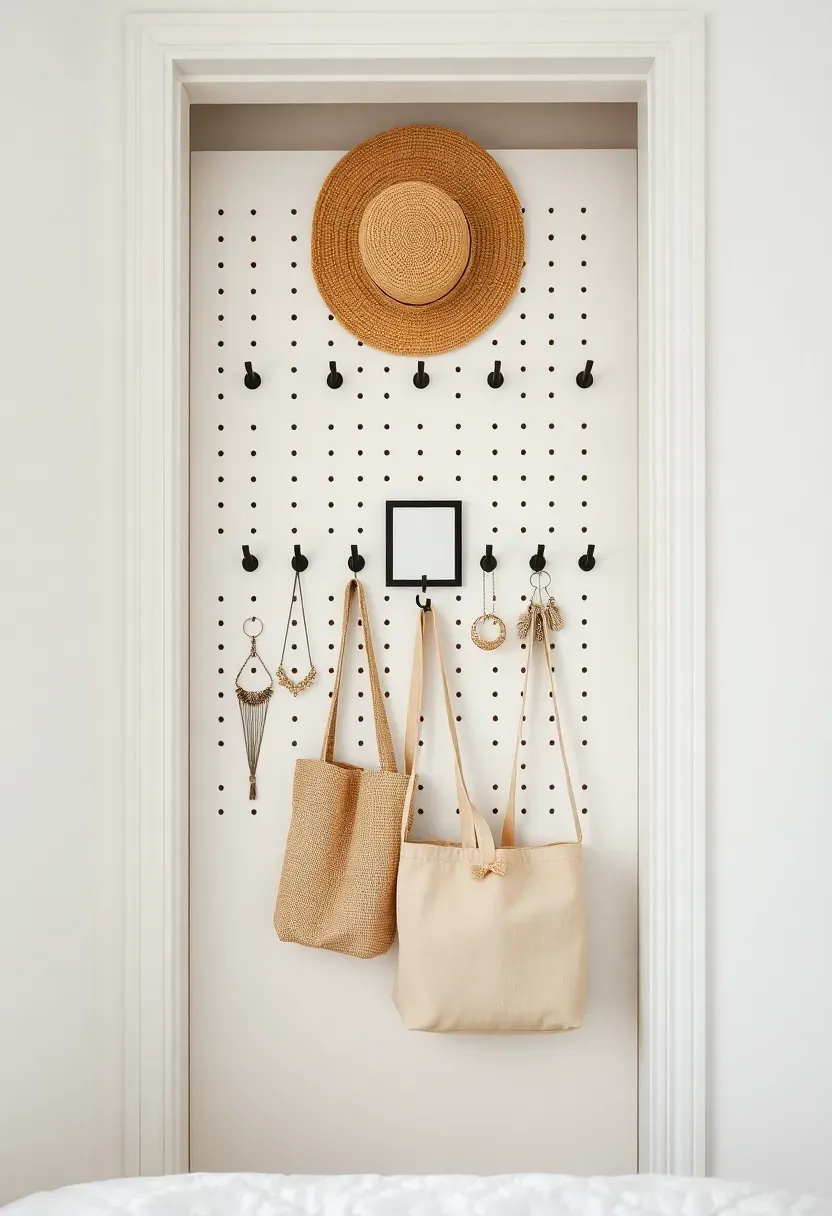
A pegboard panel installed across the closet opening serves as both a screen and an active organization surface. Hooks, shelves, and bins clip into the perforated board, turning the closet face into a customizable display for hats, bags, jewelry, and daily accessories.
Step-by-Step Approach
Step 1: Cut to fit. Measure the opening and trim a 1/4-inch hardboard pegboard panel to size.
Step 2: Mount with standoffs. Use 1-inch spacer blocks behind the board so hooks can insert fully from the front.
Step 3: Arrange accessories. Start with the items you reach for daily and group by category. Leave the lower third open for visual balance.
What to Watch Out For
- Standard pegboard holes accept 1/4-inch hooks; metal hooks hold more weight than plastic
- Paint the board to match your wall color so it integrates instead of standing out
- Swap hook positions seasonally to keep the display fresh and functional
18. Saloon-Style Cafe Doors
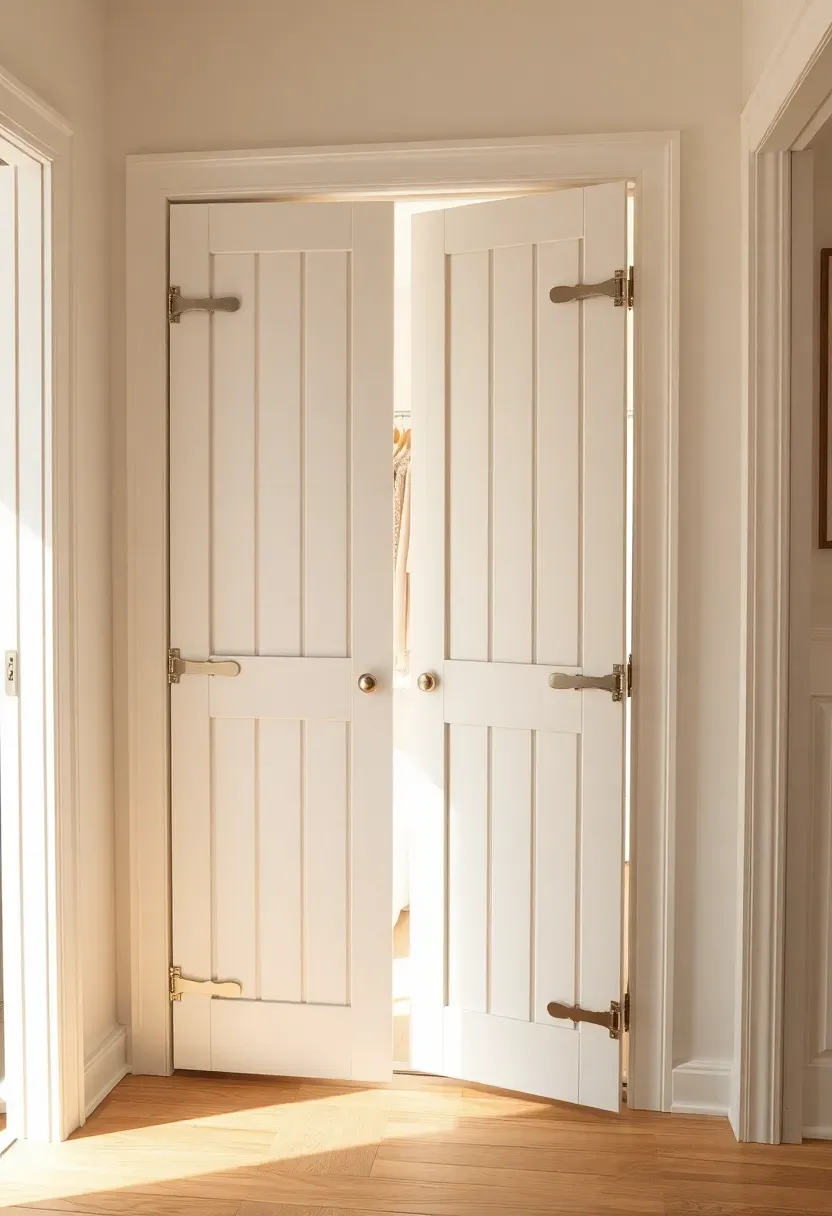
Half-height swinging doors mounted on spring hinges bring playful character to a closet opening while allowing easy hands-free passage. The doors cover the mid-section of the opening, concealing most hanging clothes while leaving the top and bottom visible. This semi-private approach works in casual bedrooms, kids' rooms, and walk-in closets where full concealment isn't a priority. Paint them to match the trim for a cohesive look, or go with a contrasting color for a statement moment.
Practical Recommendations
- Use double-action spring hinges so doors swing both ways and self-close
- Set door height at 42 to 48 inches for the best balance of coverage and openness
- Add rubber bumpers on the inside edges to prevent noise when doors swing shut
Recommended
Items for this idea
19. Pocket Door Retrofit
Why It Solves the Space Problem
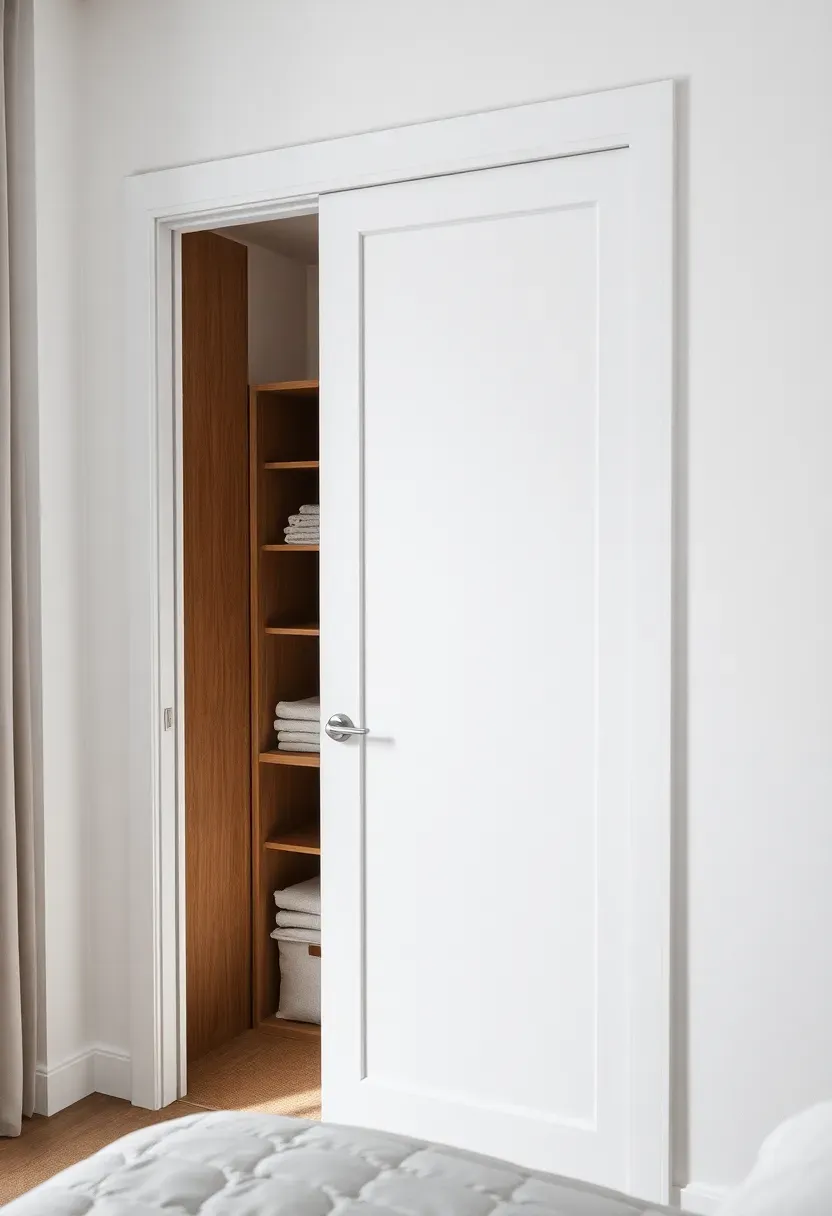
A pocket door slides entirely into the wall cavity, freeing up every inch of floor space that a swinging door would occupy. When open, the door disappears completely. When closed, it looks like a flush wall panel.
Installation Approach
Retrofitting a pocket door into an existing wall is more involved than other options on this list. It requires opening the wall, installing a metal pocket frame, re-drywalling, and hanging the door on a concealed overhead track. Budget a full weekend for the project and confirm no electrical or plumbing runs through the target wall before cutting.
Pros and Cons
Pros: zero floor footprint; clean contemporary look; full privacy when closed Cons: significant installation effort; wall must be deep enough for the door thickness; repairs to the track require opening the wall again
20. Arched Doorway with No Door
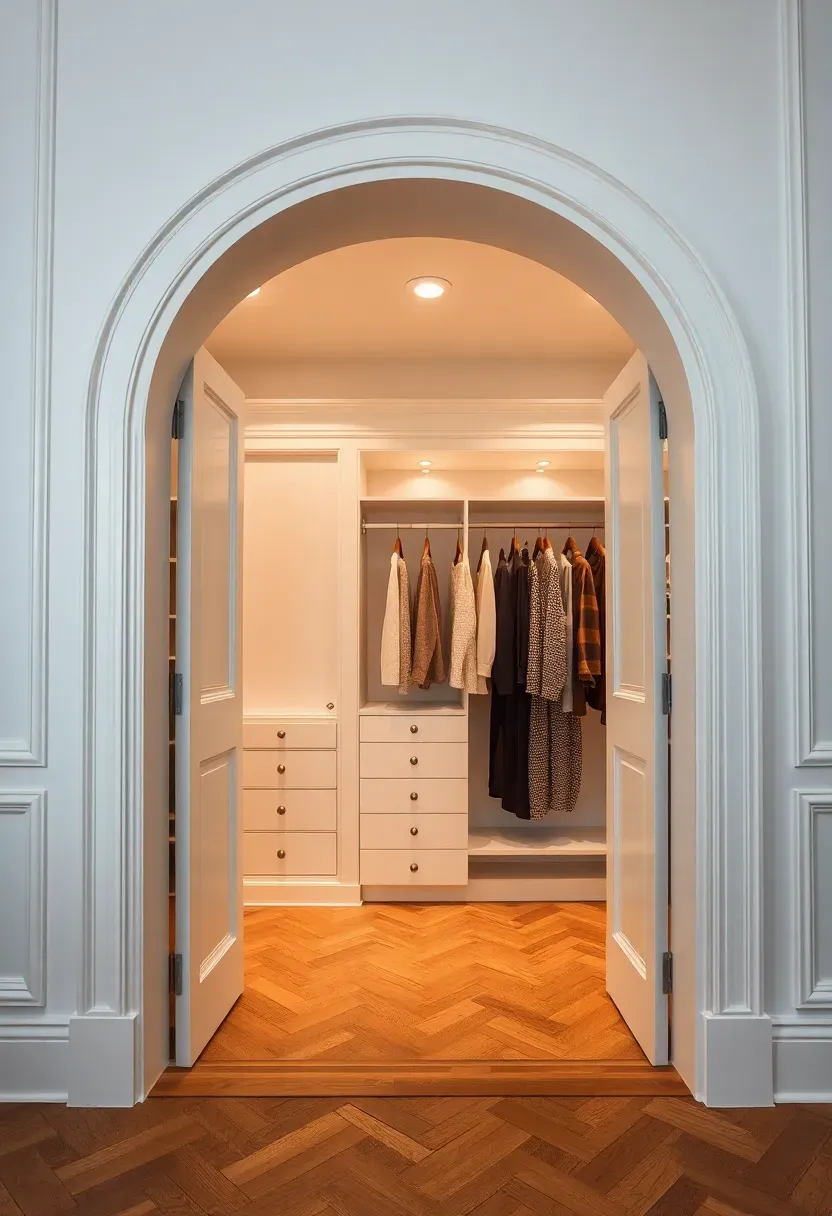
Sometimes the best alternative to a closet door is no door at all — just a beautifully framed opening. Adding an arched header to a standard rectangular closet opening elevates it from a gap in the wall to an architectural feature. The curve of the arch draws the eye upward and makes the ceiling feel taller. Pair the arch with painted trim that matches the room's molding profile for a built-in look. This approach commits fully to an open closet, so it demands a well-organized interior with matching hangers, folded stacks, and intentional color grouping.
Tips
- Build the arch from flexible MDF trim bent into a semicircle and secured with construction adhesive
- Prime and paint the arch before installation for cleaner edges
- Add puck lights inside the closet header to illuminate the display and reinforce the alcove effect
Recommended
Items for this idea
21. Japanese Noren Curtain
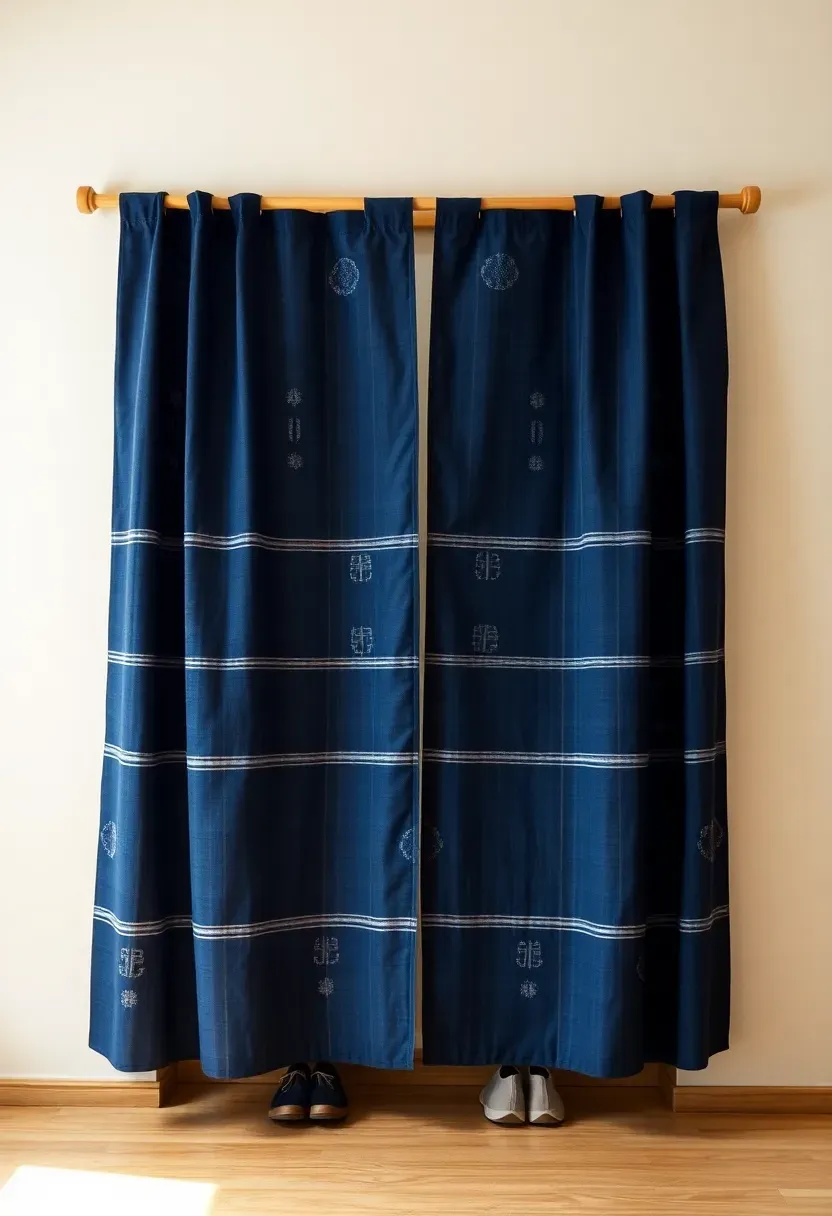
A noren is a traditional split curtain used at the entrance of Japanese shops and homes. Two or three vertical panels hang from a tension rod, each reaching roughly two-thirds of the way to the floor. The split design lets you walk through without pushing fabric aside, and the shorter length keeps the closet floor visible for easy access to shoes and bins. Indigo-dyed cotton with sashiko stitching or a minimalist geometric print feels authentic and brings a refined Japanese aesthetic to the room.
How to Apply at Home
- Standard noren dimensions are 33 by 59 inches; order a wider custom panel for closets over 36 inches
- Hang at a height that leaves 12 to 16 inches of clearance at the bottom
- Choose natural fiber noren (cotton or linen) over synthetic for better drape and breathability
- Pair with a simple wooden tension rod for a clean, authentic mounting
Quick FAQ
Is it worth removing closet doors in a rental? Absolutely. Most alternatives like curtain panels, tension-rod noren, and folding screens require zero permanent modifications. Store the original doors flat under the bed or in a storage unit so you can reinstall them at move-out.
Which closet door alternative hides the most clutter? Velvet drapes and blackout roller shades provide the most complete concealment. Both block light entirely and hang flat against the frame, so nothing inside the closet is visible from any angle in the room.
Do open closets make a bedroom feel messy? Only if the interior is disorganized. Matching hangers, a consistent color palette, and labeled bins transform an open closet into a curated display. Think of it as a boutique shelf rather than a storage dump.
Should I worry about dust on clothes without a door? Dust does settle faster on exposed clothing, but a weekly lint roll or garment brush handles the issue. Alternatively, a sheer panel or bead curtain reduces airborne dust reaching your clothes while still allowing airflow.
What is the cheapest alternative to closet doors? A simple curtain panel on a tension rod costs under fifteen dollars and installs in minutes. It is the most budget-friendly swap and one of the most effective at transforming the look of a bedroom.
The right closet door alternative does more than save floor space — it shifts the entire personality of your bedroom. Start with the option that matches your style, test it for a week, and adjust from there. A closet that looks good open is a closet you'll actually keep organized.
Pinterest cover for 21 Alternative to Closet Door Ideas That Open Up Your Space
About the author
OBCD
CGI visualization and interior design content. We create detailed 3D renders and curate practical design ideas for every room in your home.