23 Attached Garage Addition Ideas to Boost Your Home
We've all felt that moment when the house shrinks around us. The car sits in the driveway because the garage became a storage graveyard years ago. The mudroom barely fits two coats. The workshop lives in a corner of the basement that floods every spring. An attached garage addition solves more than parking — it reshapes how the entire home functions. Whether you want a simple single-bay shelter or a multi-purpose structure with a bonus room above, the right addition integrates seamlessly with existing architecture and adds real value to daily life.
Below you will find 23 distinct approaches organized by function, style, and complexity. We start with straightforward builds and move toward ambitious transformations that blur the line between garage and living space.
Table of Contents
- Single-Bay Side Entry
- Double-Bay Front Loader
- Breezeway-Connected Garage
- Garage with Mudroom Transition
- Carriage House Style
- Modern Flat-Roof Garage
- Garage with Bonus Room Above
- Workshop-Ready Garage
- Tandem Three-Car Deep Bay
- Garage with Side Patio Door
- Farmhouse Barn-Style Garage
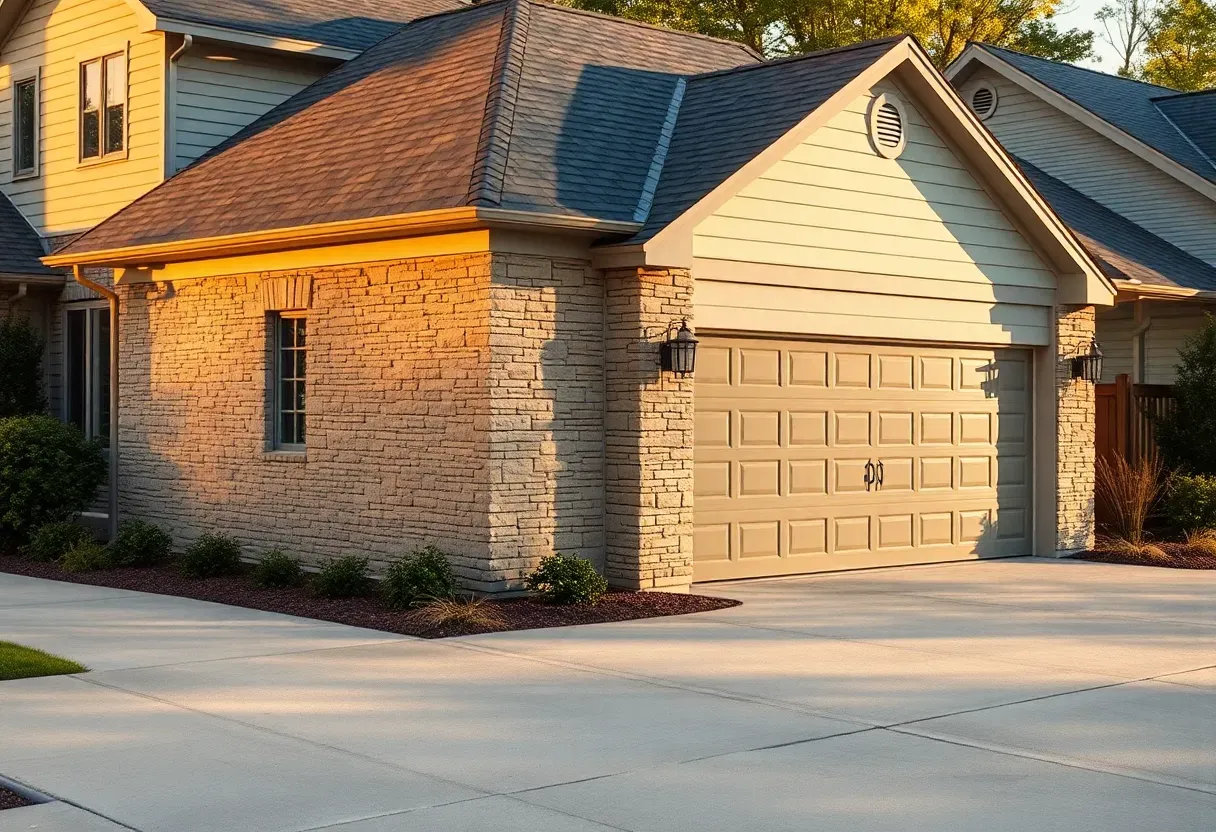
- Stone Veneer Facade Garage
- EV-Ready Garage Addition
- Garage with Built-In Storage Wall
- Garage and Laundry Room Combo
- Craftsman Garage with Pergola
- Garage with Rooftop Deck
- Oversized Single Bay for Truck
- Garage with Dog Wash Station
- L-Shaped Wraparound Garage
- Garage with Home Gym Wing
- Climate-Controlled Garage Addition
- Garage with In-Law Suite Above
1. Single-Bay Side Entry
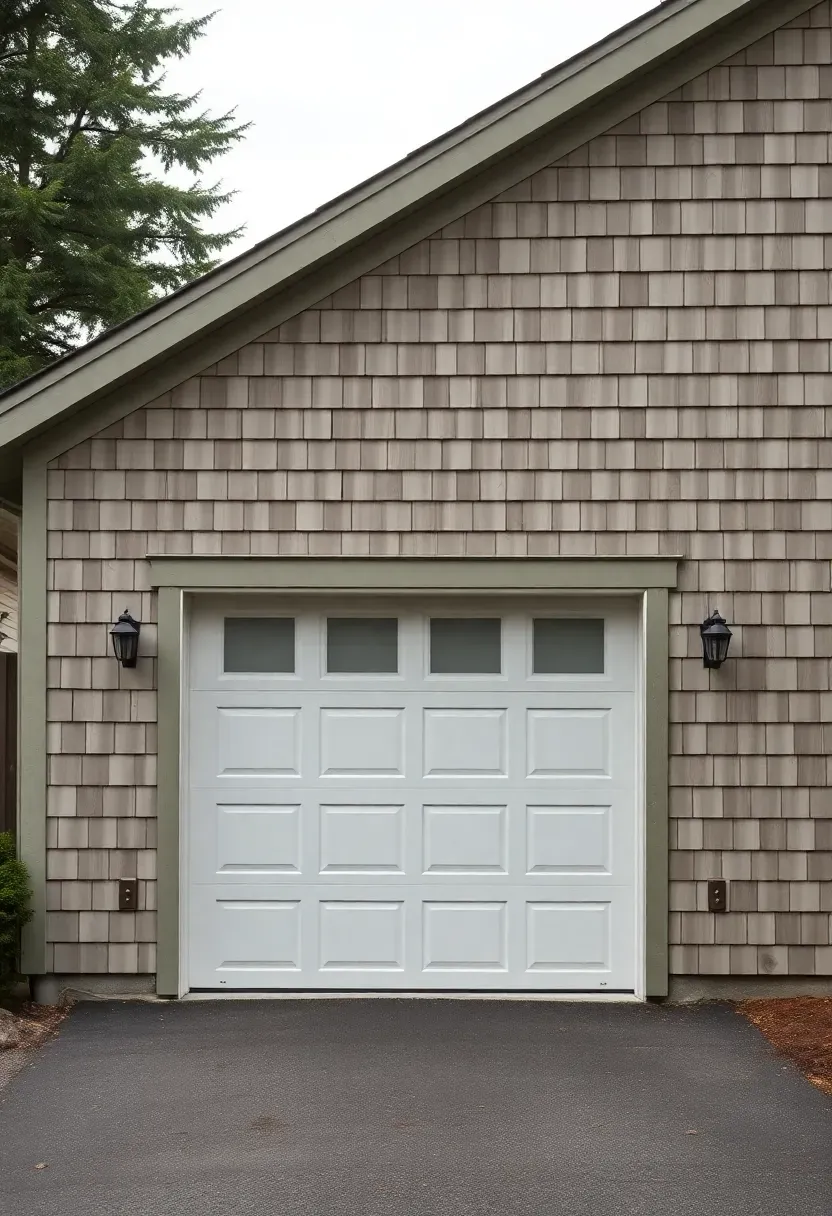
A side-entry garage tucks the door away from the street view, preserving the front facade entirely for windows, landscaping, and architectural detail. The driveway wraps along one side of the property instead of cutting through the center of the front yard.
Tips for Getting It Right
- Position the entry so headlights face away from neighbor windows at night
- Match roofline pitch to the existing house for seamless integration
- Add a pedestrian door on the house-facing wall for interior access without opening the main bay
We picked a few things that go well with this idea: UUP 48-Inch Garage Tool Wall Organizer (★4.7), Wallmaster Wall Mount Garage Storage Rack (★4.7) and 15-Pack Garage Wall Tool Organizer (675 lbs) (★4.6). As an Amazon Associate we earn from qualifying purchases.
2. Double-Bay Front Loader
Why It Works
The most common configuration exists for good reason. Two bays facing the street provide quick access, straightforward construction, and room for two vehicles plus wall-mounted storage on both sides.
The Solution
Keep door width at nine feet per bay minimum. Wider bays — ten feet each — allow opening car doors fully without scraping walls. Set the garage floor four inches below the house floor to contain water and debris. Frame header beams for potential future opener upgrades even if you install manual doors initially.
Pros and Cons
Pros: lowest cost per square foot, simplest roofline tie-in, familiar to every contractor Cons: dominates front elevation visually, limits driveway landscaping options
We picked a few things that go well with this idea: AntiqueSmith Magnetic Garage Door Hardware Kit (★4.8), Homode Faux Garage Door Hinges and Handles (★4.7) and HILLMASTER Magnetic Garage Door Hardware (6-Piece) (★4.7). As an Amazon Associate we earn from qualifying purchases.
3. Breezeway-Connected Garage
Origins
Breezeways trace back to colonial New England, where covered passages linked the main house to outbuildings. The concept prevented weather exposure between structures while maintaining fire separation.
Modern Interpretation
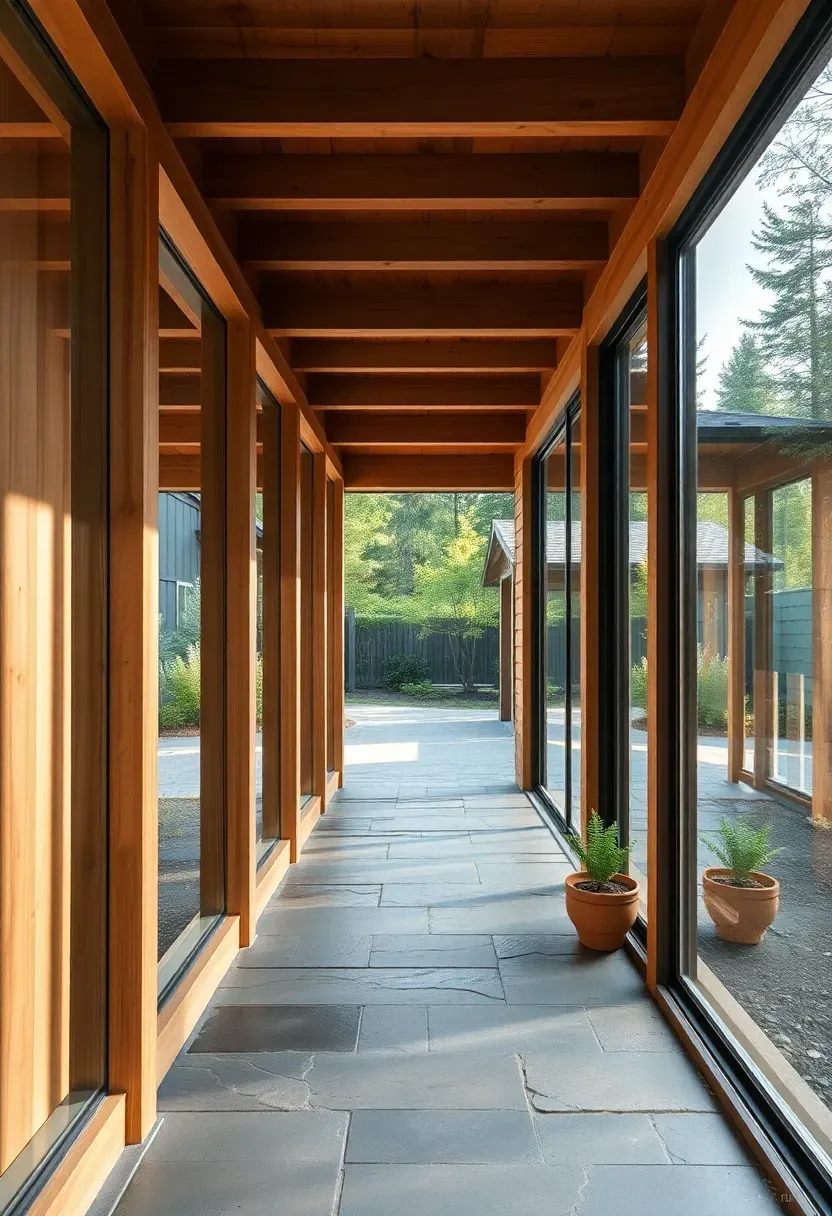
Today a breezeway-connected garage preserves the original home's proportions while adding covered square footage between the two structures. Glass panels or screened walls turn the passage into a three-season sitting area, a plant gallery, or a protected entryway. The separation also reduces noise and vibration transfer from the garage to living spaces. Many homeowners finish the breezeway floor with flagstone or polished concrete — durable materials that handle foot traffic between muddy boots and clean interiors.
How to Apply at Home
- Use tempered glass panels for year-round light
- Install radiant floor heating in cold climates for ice-free passage
- Match roofing material to both structures for visual unity
- Add pendant lighting to make the breezeway feel intentional, not just transitional
We picked a few things that go well with this idea: Rust-Oleum EpoxyShield Garage Floor Kit (2.5 Car) (★4.2), Rust-Oleum RockSolid Polycuramine Floor Coating (★4.0) and Rust-Oleum RockSolid Dark Gray Floor Kit (★4.0). As an Amazon Associate we earn from qualifying purchases.
4. Garage with Mudroom Transition
The Core Issue
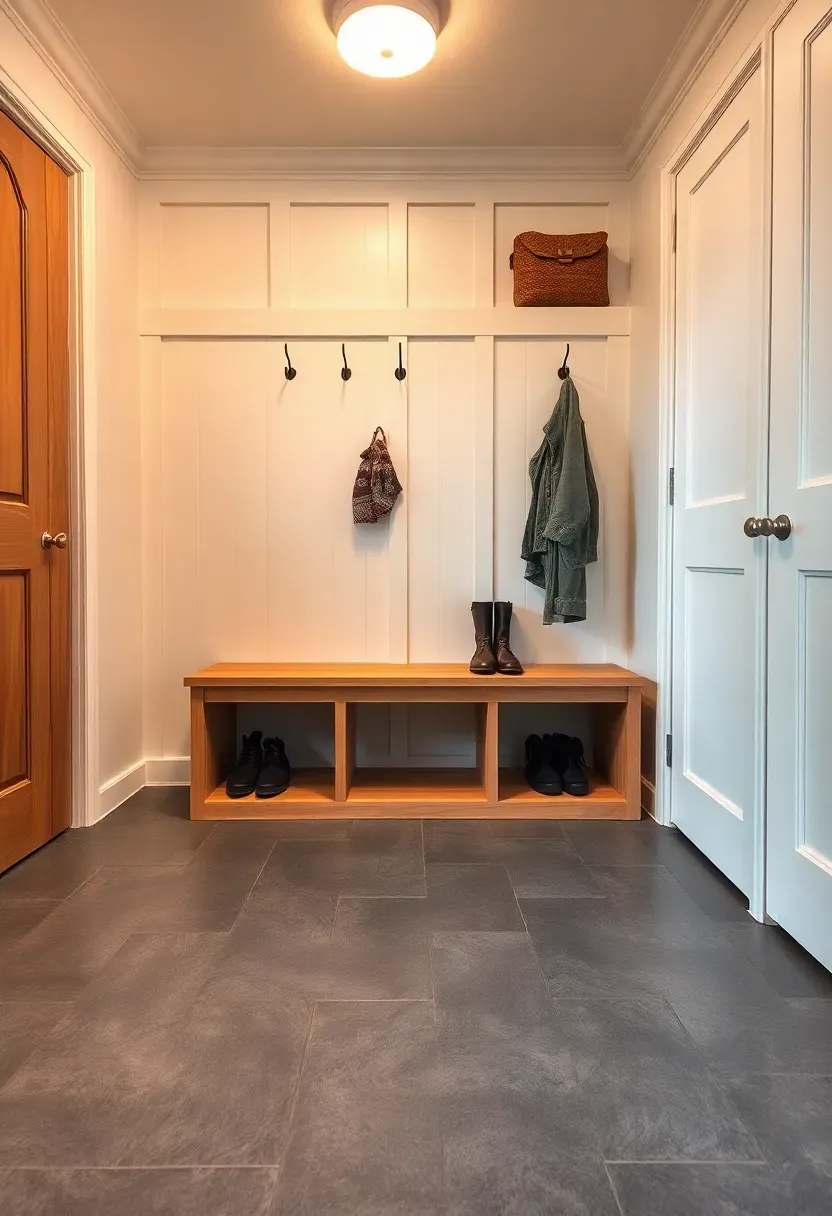
Walking directly from a garage into a kitchen or hallway drags in road grime, snow-soaked boots, and cold drafts. Without a buffer zone, the house entrance becomes the dirtiest spot in the home.
The Solution
Dedicate a four-by-eight-foot zone between the garage and the main house as a proper mudroom. Install a bench with shoe storage underneath, coat hooks at two heights (adult and child), and a small sink for hand washing. Tile the floor with slip-resistant porcelain so melting snow drains safely. A solid-core door with weatherstripping on the house side blocks garage fumes and temperature swings from reaching living spaces.
Pros and Cons
Pros: keeps the house cleaner, adds organization, improves air quality separation Cons: reduces usable garage floor area, requires plumbing if adding a sink
Recommended
Items for this idea
5. Carriage House Style
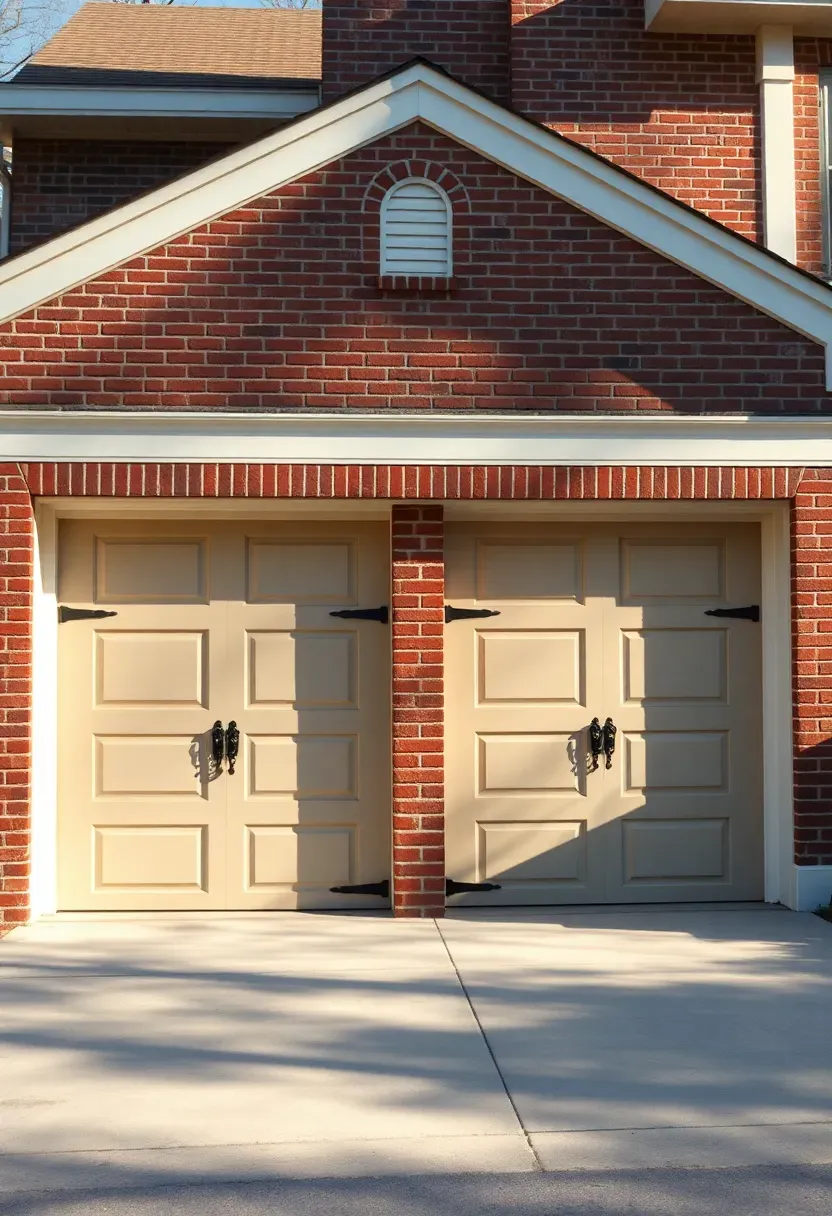
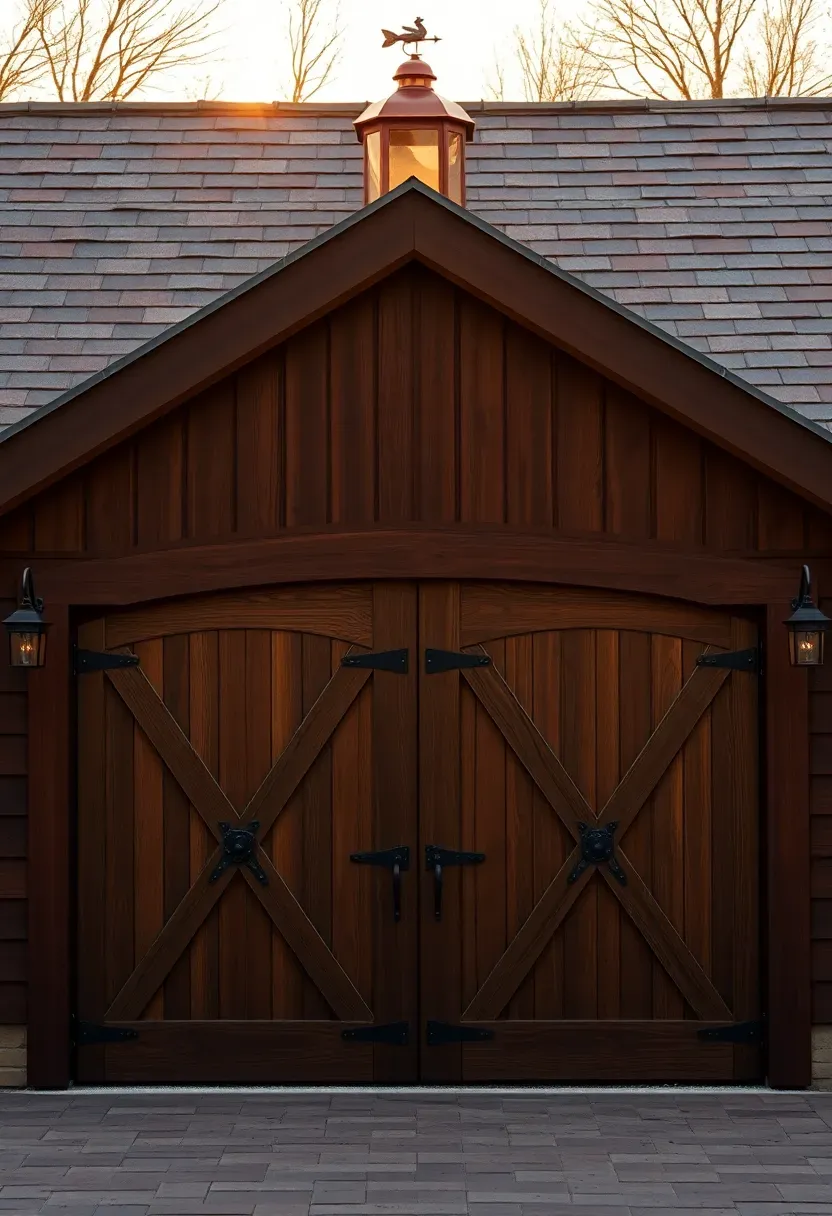
According to architectural historians, the carriage house aesthetic ranks among the most requested garage styles in neighborhoods built before 1950. The appeal is obvious — arched doors, decorative hardware, lantern sconces, and a cupola on the roofline transform a utilitarian box into something that looks like it has always belonged.
Step 1: Choose the Doors
Select swing-out or tilt-up doors with crossbuck panels and wrought iron strap hinges. Avoid sectional doors that mimic the look — the proportions never quite match authentic carriage style.
Step 2: Add Architectural Details
Install a cupola with a copper weathervane, gooseneck barn lights flanking each door, and trim that matches existing window casings on the house.
Step 3: Finish the Driveway
Cobblestone pavers or exposed aggregate concrete complete the period look far better than plain asphalt.
What to Watch Out For
- Swing-out doors need clearance space in front — plan for snow and parked cars
- Authentic hardware weighs more than standard tracks, so reinforce framing
- Check HOA rules before adding a cupola that exceeds existing roof height
6. Modern Flat-Roof Garage
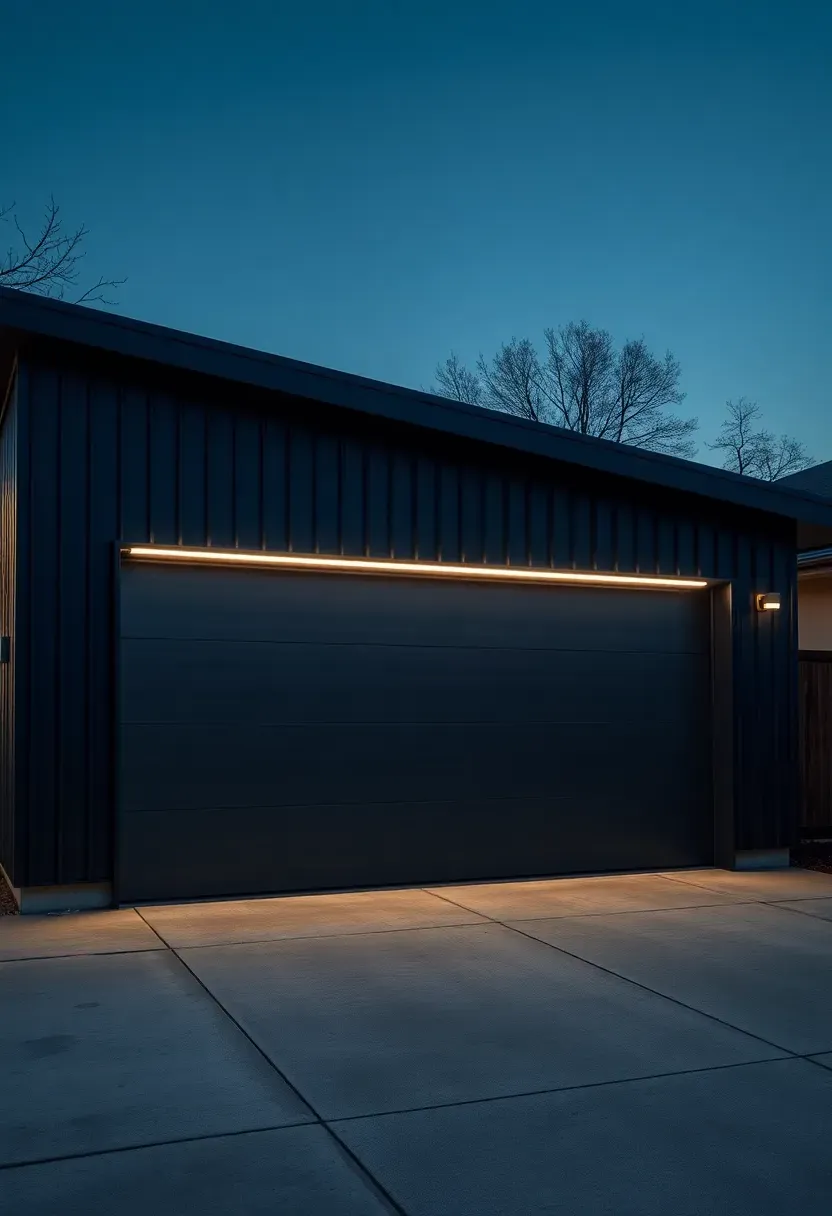
A flat or low-slope roof sheds the traditional gable entirely. The result is a clean horizontal silhouette that pairs naturally with mid-century modern, contemporary, and minimalist home styles. Dark metal cladding — standing seam steel or corrugated aluminum — reads as an extension of the house rather than an add-on.
Tips for the Build
- Specify a slight slope (one-quarter inch per foot minimum) for drainage — truly flat roofs pool water
- Use TPO or EPDM membrane roofing rated for foot traffic if you plan rooftop access later
- Flush-panel aluminum doors with no visible hardware reinforce the minimal aesthetic
- Integrate a linear LED strip above the door for nighttime curb appeal without bulky fixtures
Recommended
Items for this idea
7. Garage with Bonus Room Above
Why This Approach Stands Out
Building upward costs less per square foot than building outward because the foundation and roof framing already exist. A bonus room above the garage adds 400 to 600 square feet of flexible space — home office, guest suite, teen hangout, or rental unit — without consuming any additional lot coverage.
Making It Work
Frame the garage ceiling with engineered floor trusses rated for habitable loads (40 psf live load minimum). Insulate between the garage ceiling and the bonus room floor with sound-deadening batts — nobody wants to hear the garage door cycling at 6 AM. Install a separate HVAC zone for the upstairs space. Access works best via an exterior staircase or an interior stair from the mudroom, depending on the intended use.
Recommendation
If local zoning allows an ADU (accessory dwelling unit), design the plumbing and electrical rough-in for a kitchenette and bathroom from day one. Retrofitting later costs three to four times more than planning during initial construction.
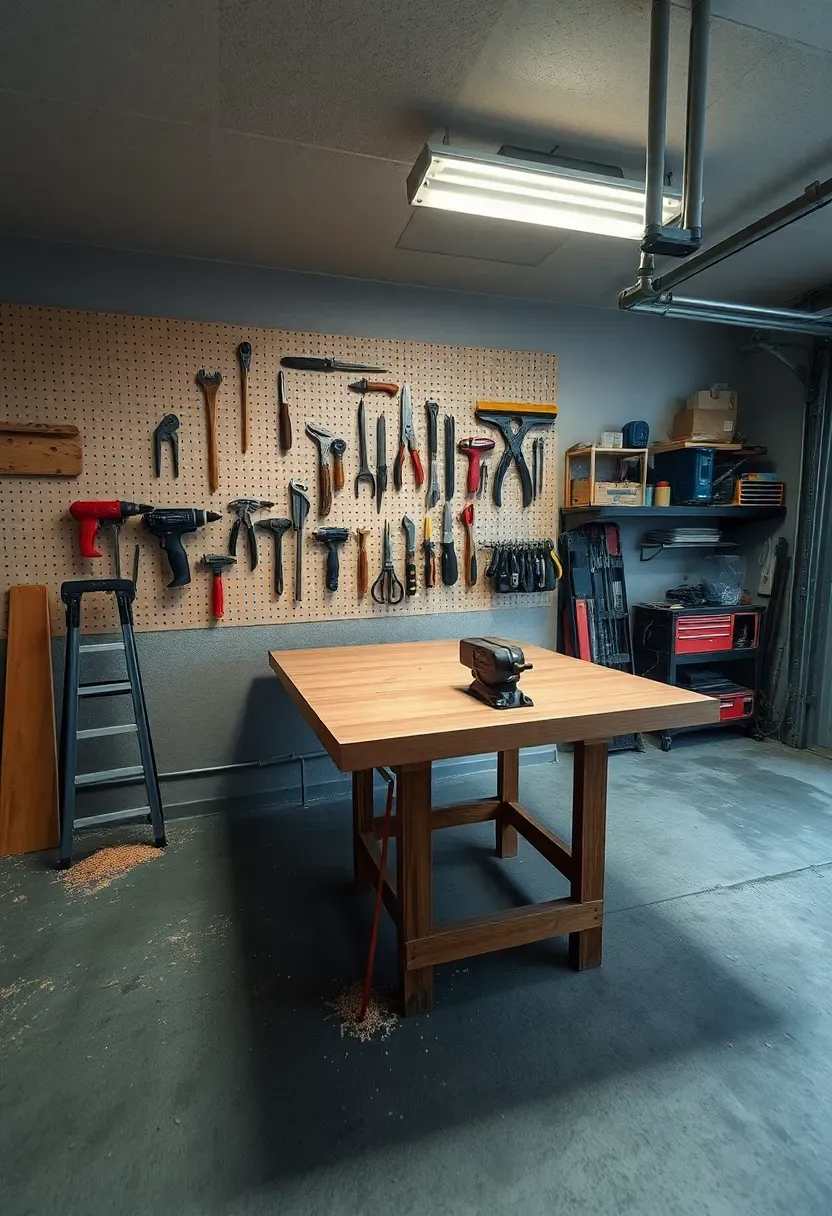
8. Workshop-Ready Garage
Every serious maker, woodworker, or weekend mechanic knows the frustration: a standard garage gives you parking or a workshop, rarely both. A workshop-ready addition solves this by extending the bay depth or adding a dedicated wing.
Step 1: Plan the Layout
Separate vehicle parking from work zones with a clear floor boundary. Epoxy-coat the vehicle side; leave the workshop side as sealed concrete for durability under dropped tools and spilled finishes.
Step 2: Wire for Power
Run a dedicated 50-amp sub-panel to the workshop zone. Include 240V outlets for table saws and welders, plus a 20-amp circuit for dust collection. Position outlets every four feet along the workbench wall.
Step 3: Install Dust and Ventilation
Mount a ceiling-hung air filtration unit rated for the shop size. Add an exhaust fan on the exterior wall to clear fumes from solvent-based finishes.
What to Watch Out For
- Sound insulation between the workshop and living spaces prevents complaints
- Overhead fluorescent or LED shop lights need at least 50 foot-candles at workbench height
- A floor drain simplifies cleanup but requires a permit in most jurisdictions

Recommended
Items for this idea
9. Tandem Three-Car Deep Bay
Comparing: Standard Three-Bay vs Tandem Layout
Introduction: On narrow lots where a traditional three-car-wide garage would overwhelm the facade, a tandem configuration parks vehicles front-to-back in one extended bay.
Standard Three-Bay
Three doors across the front. Requires roughly 30 to 36 feet of facade width. Works on wide lots where proportions stay balanced with the house.
Tandem Deep Bay
One bay extends 40 to 48 feet deep, parking two vehicles nose-to-tail. The remaining bay parks a third car normally. Total facade width drops to roughly 20 feet — a much better proportion for smaller homes.
What to Choose
Choose standard if: your lot is wide enough and you want individual bay access for each vehicle. Choose tandem if: lot width is limited, you rarely need to access the rear vehicle quickly, or you want to minimize front-elevation garage dominance.
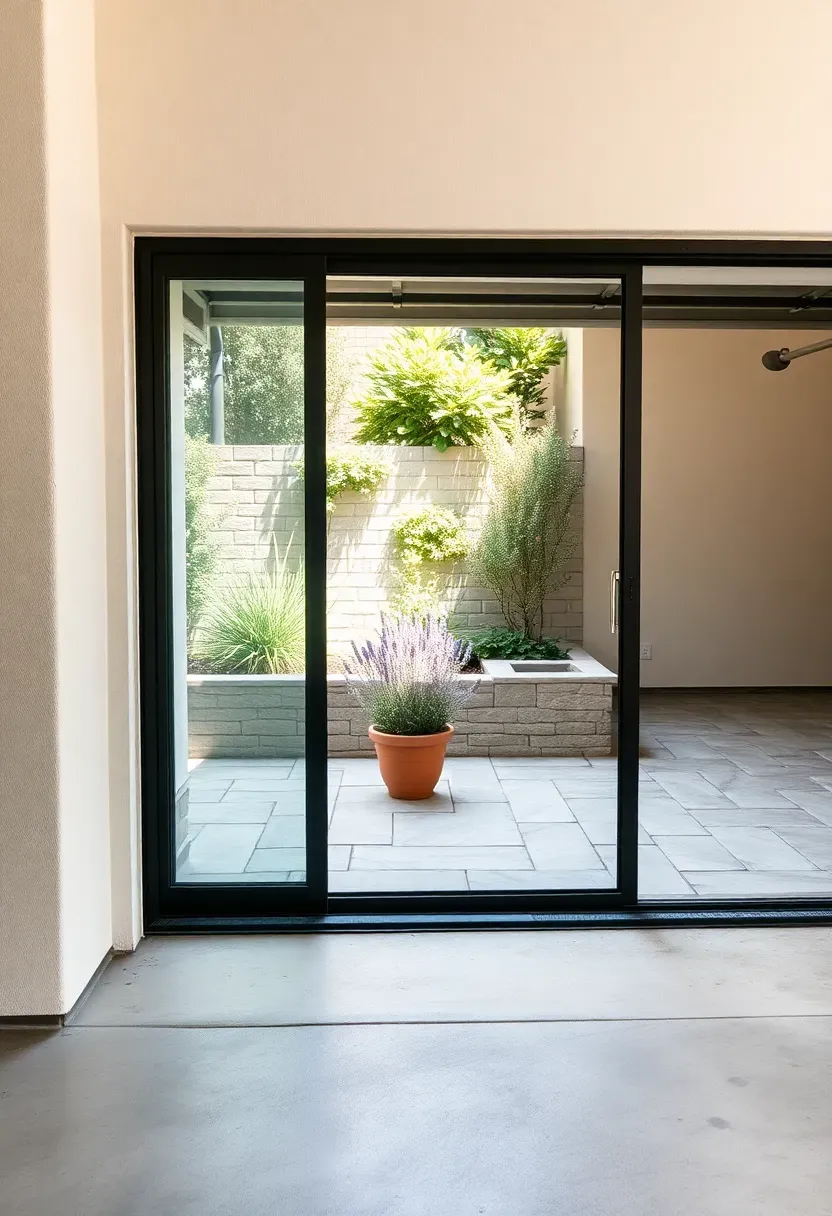
10. Garage with Side Patio Door
A glass or French door on the side wall of the garage transforms the space into a flexible indoor-outdoor room. Open the patio door during weekend projects for fresh air and natural light. Close it and the garage functions normally as a sealed, secure bay.
Practical Recommendations
- Install a sliding glass door rather than French doors to save swing clearance inside the garage
- Position the door to face a side yard or rear patio — not a neighbor's window
- Add a small flagstone landing pad outside with step-down to grade level
- Include a retractable screen for ventilation without insects during warm months
Recommended
Items for this idea
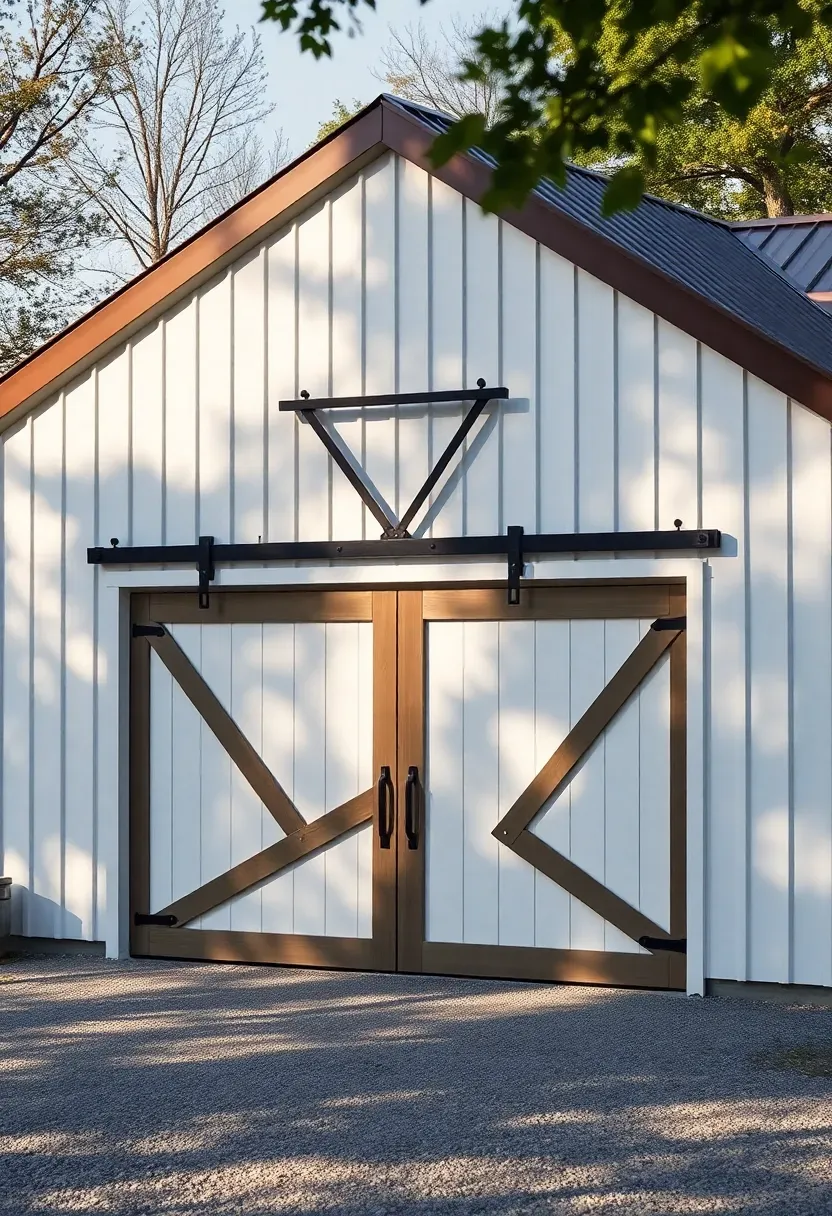
11. Farmhouse Barn-Style Garage
Board-and-batten siding, a standing-seam metal roof, and X-brace barn doors — these three elements alone turn a standard garage addition into a structure that looks pulled from a working farmstead. The barn-style aesthetic resonates with modern farmhouse homes but also complements transitional and even industrial designs when the details stay restrained.
How to Get the Details Right
- Use real board-and-batten (not vinyl simulacra) for authenticity
- Specify barn door hardware rated for exterior use — interior barn track will rust within a season
- Paint the garage in a contrasting accent color or match the house trim for cohesion
- A hay hood (small roof overhang above the door) adds character and weather protection simultaneously
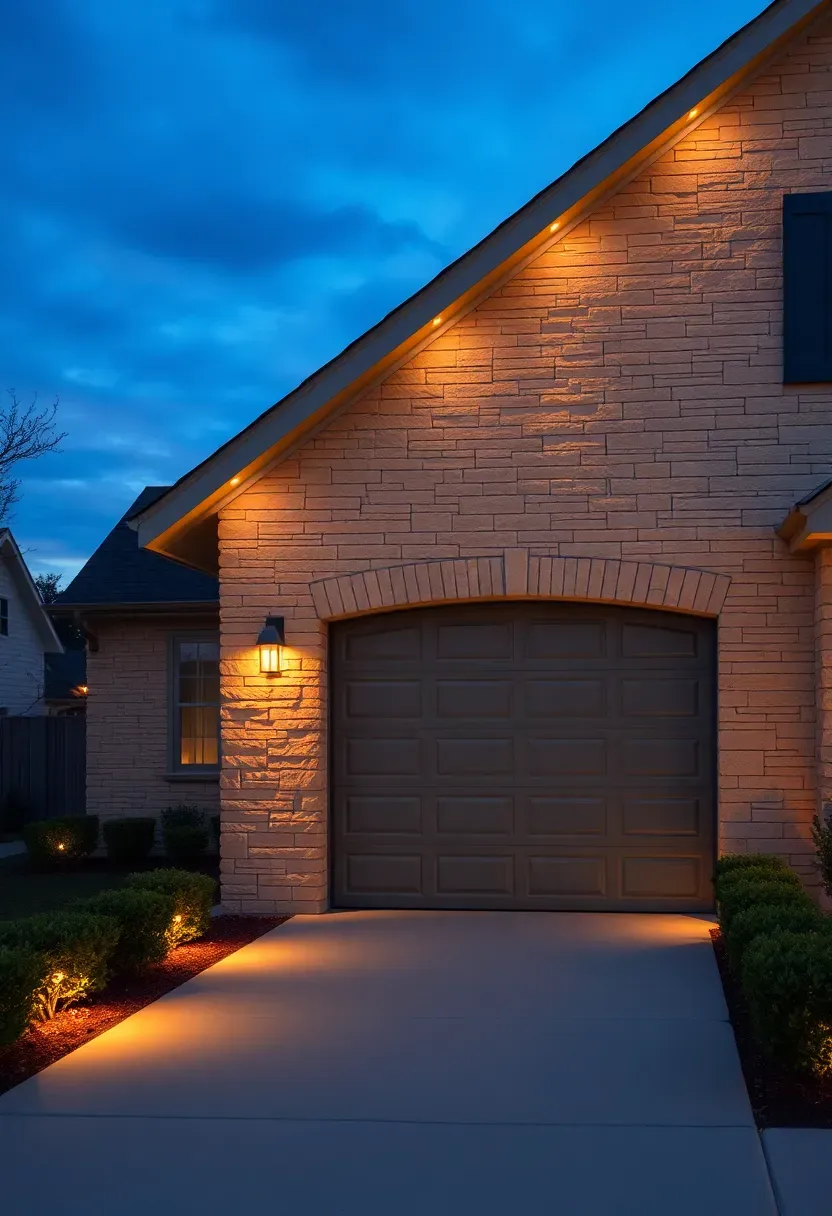
12. Stone Veneer Facade Garage
The Core Issue
Standard vinyl or fiber cement siding on a garage addition often reads as an afterthought — cheaper-looking than the main house and visually disconnected from masonry or brick-clad homes.
The Solution
Applying manufactured or natural stone veneer to the garage facade instantly elevates the addition to match (or exceed) the visual weight of the main structure. Stone veneer runs one to three inches thick and installs over a wire lath and scratch coat on standard framing — no structural changes needed. Choose a stone profile that echoes existing materials: if the house has a limestone chimney, extend that limestone to the garage. The continuity of material weaves the addition into the home's story rather than leaving it as a visual footnote.
Pros and Cons
Pros: dramatic curb appeal improvement, durable for decades, increases home value Cons: higher material cost than siding, longer installation time, needs proper drainage detailing behind the veneer
Recommended
Items for this idea
13. EV-Ready Garage Addition
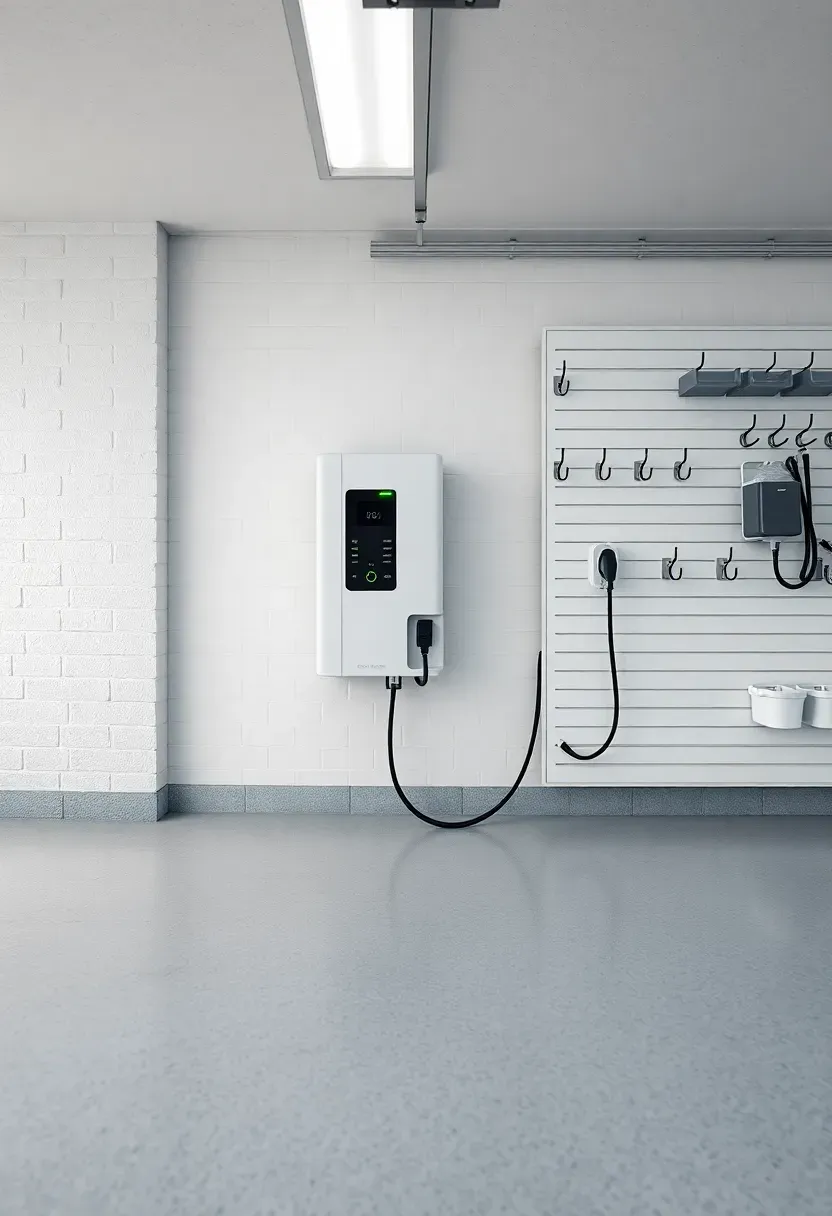
For centuries, garages served one function: shelter for combustion-engine vehicles. The electric vehicle revolution rewrites the rules. An EV-ready garage addition plans for the future by integrating high-capacity electrical infrastructure from the foundation up.
What Makes It Different
Run a 100-amp sub-panel to the garage with dedicated 60-amp circuits for Level 2 chargers. Install conduit from the panel to both sides of the garage so charging stations can serve either bay. Rough in a 240V outlet at the correct height (48 inches from floor) and position for your vehicle's charge port side.
Beyond Charging
- Upgrade the main electrical service to 400 amps if two EVs will charge simultaneously
- Add a smart energy management panel that balances home and vehicle loads
- Pre-wire for a future battery wall (like Tesla Powerwall) on the garage interior wall
- Seal the garage floor with epoxy — EVs drip no oil but track in more road water due to regenerative braking patterns
14. Garage with Built-In Storage Wall
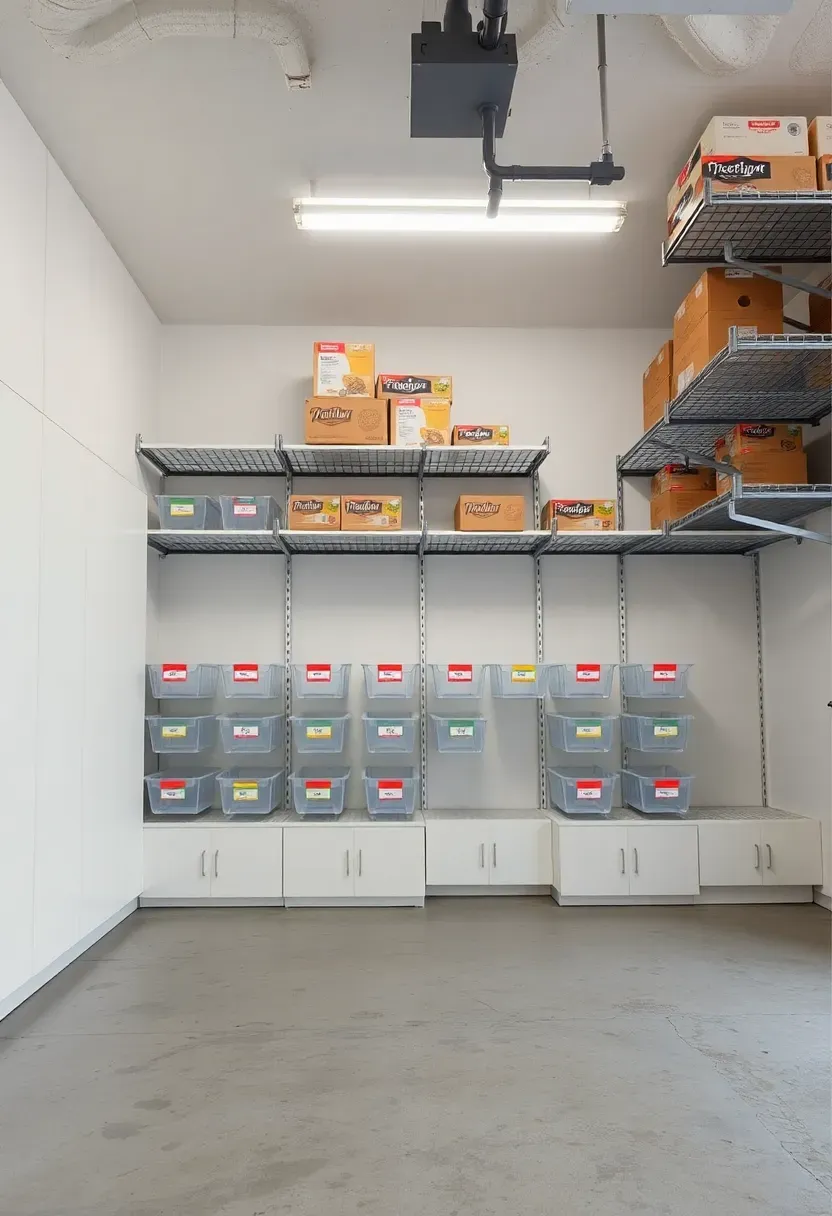
Imagine walking into a garage where every tool, bin, sports item, and seasonal decoration has a labeled home on a floor-to-ceiling storage wall. No pile in the corner. No stack of boxes blocking the car door. Just clean, accessible, organized space.
Step 1: Measure and Zone
Divide the wall into zones: heavy items (bottom), frequently used tools (eye level), and seasonal items (top shelves and overhead).
Step 2: Choose the System
Slatwall panels accept interchangeable hooks, baskets, and shelves. French cleat systems handle heavier items like ladders and bikes. Combine both on the same wall for maximum flexibility.
Step 3: Add Overhead
Ceiling-mounted racks between the garage door tracks and the rear wall hold bulky items — camping gear, luggage, holiday bins — completely off the floor.
What to Watch Out For
- Keep the lowest shelf at least six inches above the floor for easy sweeping
- Label everything — organization without labels degrades within weeks
Recommended
Items for this idea
15. Garage and Laundry Room Combo
Why This Combination Works
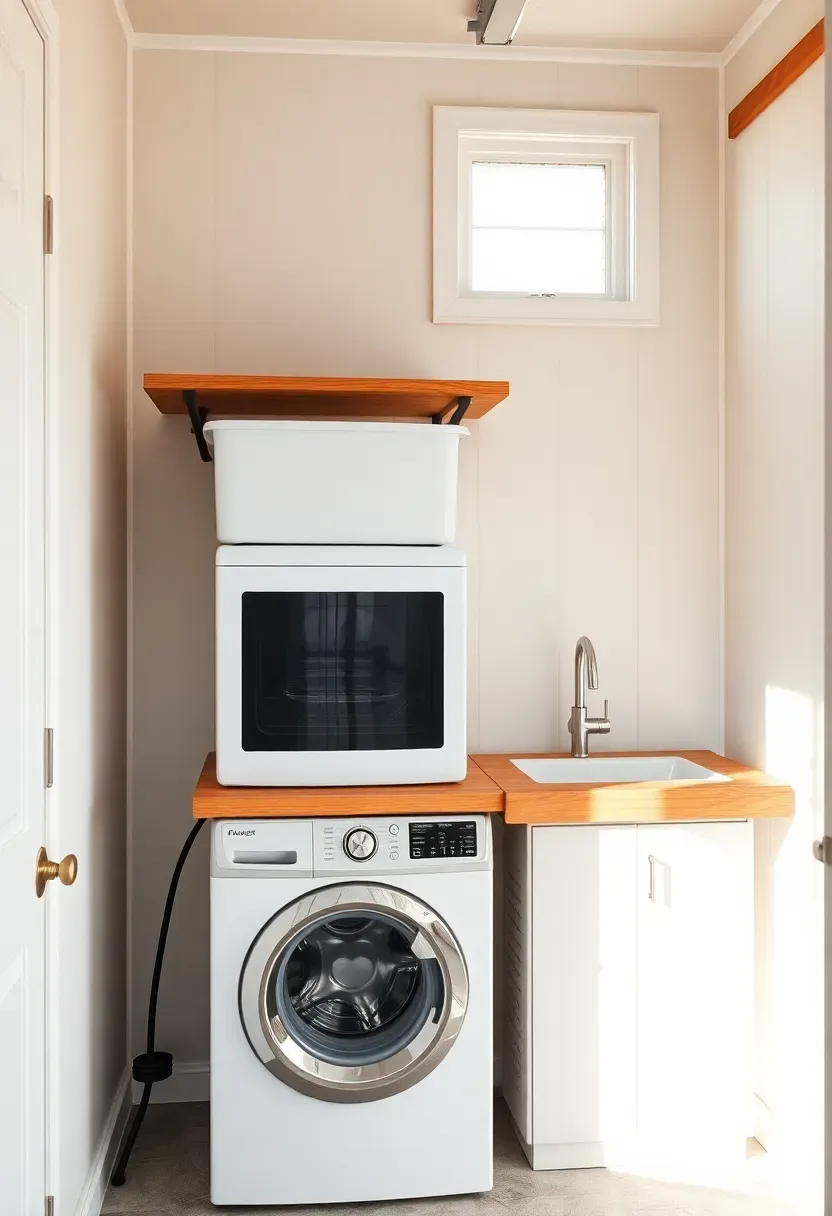
Moving laundry out of the basement or a cramped hallway closet into a dedicated garage wing eliminates the noise and humidity from the main living space. The garage already handles utility functions — HVAC equipment, water heaters, storage — so laundry fits the character of the space naturally.
Making It Practical
Partition a six-by-eight-foot section of the garage with insulated framing and drywall. Install a front-load washer and dryer, a utility sink with hot and cold water, and a butcher-block folding counter mounted to the wall. Vent the dryer through the exterior wall (never into the garage interior). Insulate the shared wall heavily — both for temperature control and to block washer vibration noise from reaching living areas.
Recommendation
If the garage floor slopes toward the bay door (as it should for drainage), level the laundry section with a raised platform or self-leveling compound. An uneven washer walks across the floor and damages plumbing connections.
16. Craftsman Garage with Pergola
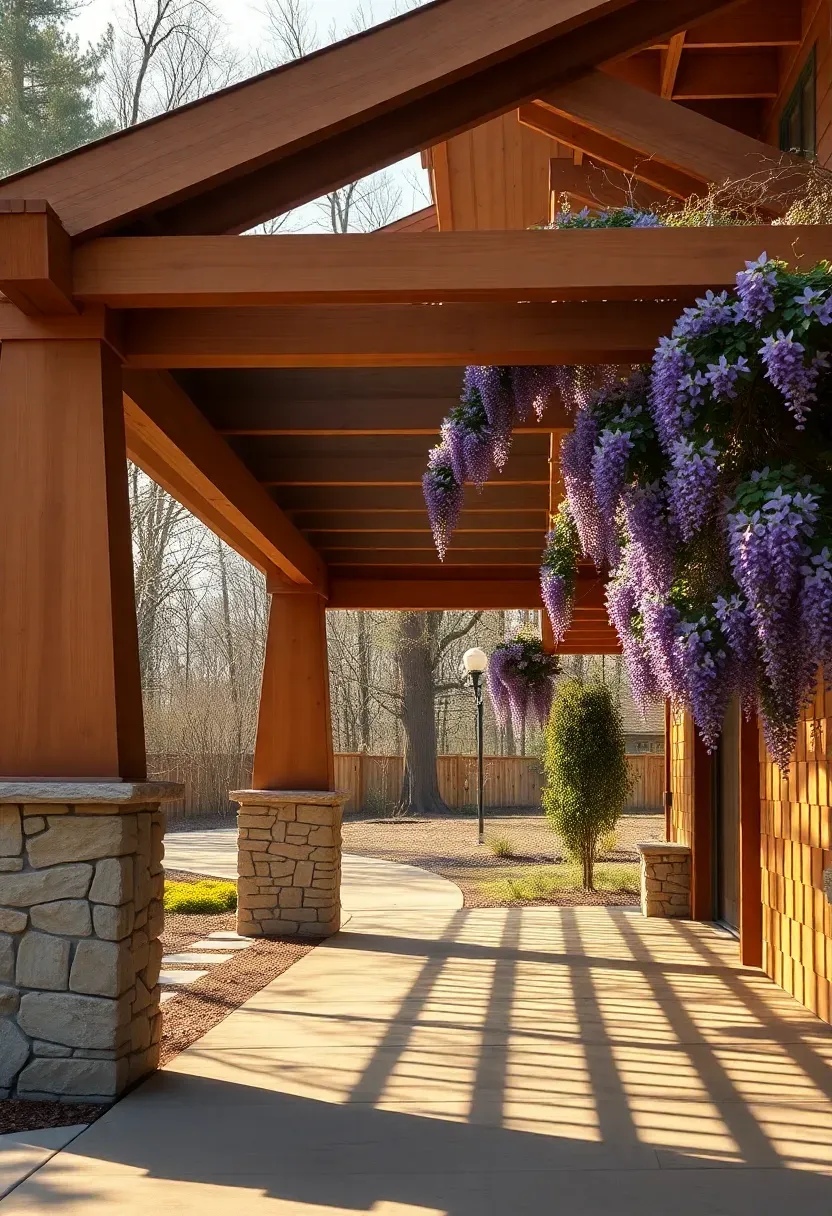
The Craftsman movement valued handcraft, natural materials, and structures that sat comfortably in their landscape. A Craftsman-style garage addition carries those same values — tapered columns, exposed rafter tails, shingle siding, and a timber pergola extending from the garage over the driveway.
The Pergola Advantage
Beyond aesthetics, the pergola provides shade for the driveway approach, protects the vehicle from tree sap and bird deposits, and creates a covered transition zone between car and house. Train wisteria or climbing roses across the beams for seasonal shade that thickens in summer and thins in winter — a natural climate response no mechanical system can replicate.
Practical Details
- Use cedar or Douglas fir for the pergola — both resist rot without chemical treatment
- Size columns to match existing porch posts for visual consistency
- Angle the pergola slightly away from the house to direct rainwater runoff toward landscaping, not the foundation
Recommended
Items for this idea
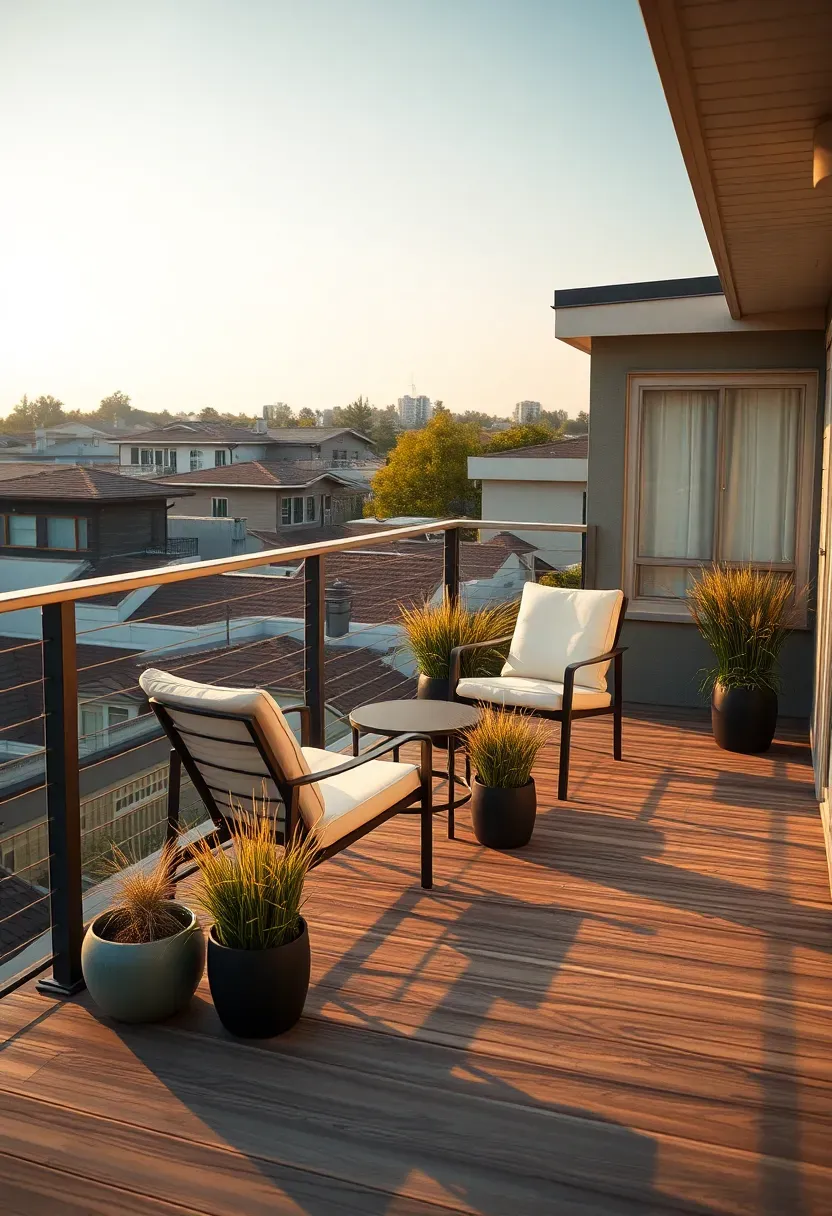
17. Garage with Rooftop Deck
Why Consider a Rooftop Deck
A flat or low-slope garage roof sits at the perfect height for a second-story deck — typically 10 to 12 feet above grade. This elevation catches breezes, expands views, and creates an outdoor living space where none existed before. In dense neighborhoods, a rooftop deck offers privacy that ground-level patios cannot match.
Making It Structurally Sound
Frame the garage roof with steel beams or engineered lumber rated for deck loads (60 psf live load including furniture and occupants). Install a waterproof membrane beneath the decking system — pedestal pavers or a sleeper-and-board system — so the garage below stays dry. Add cable or glass panel railings at 42-inch height per code.
Recommendation
Access matters enormously. A spiral staircase from the side yard works for occasional use. For daily use, route an interior stair from the second floor of the house through the bonus room above the garage. The best rooftop decks feel effortless to reach.
18. Oversized Single Bay for Truck
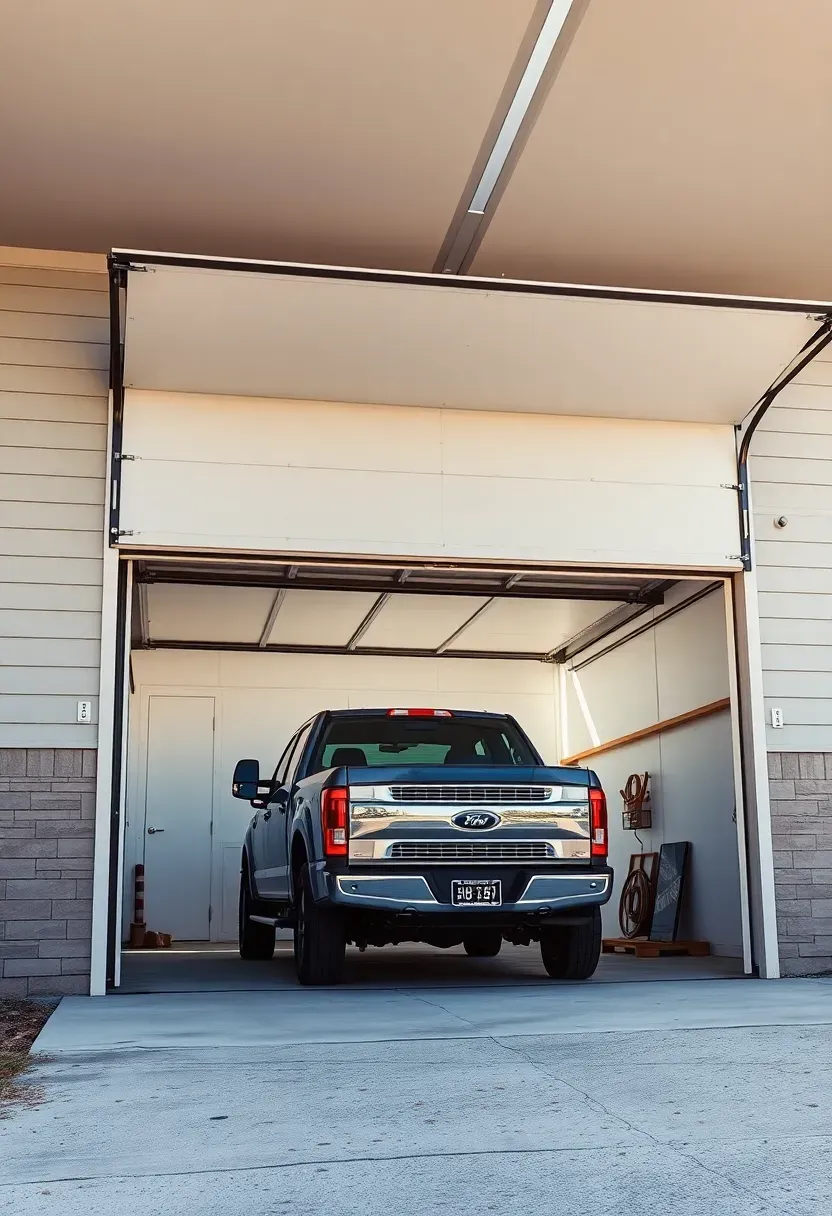
Standard garage bays measure 12 feet wide by 20 feet deep with an eight-foot door height. A full-size pickup truck — particularly crew cab long bed models — needs 12 feet wide by 26 feet deep with a 10-foot door height minimum. The difference matters: park a truck in a standard bay and you cannot walk around it, open the tailgate, or access wall storage.
Key Dimensions
- Door width: 10 feet minimum (12 feet preferred for mirror clearance)
- Door height: 10 feet for stock trucks, 12 feet if running a roof rack or lift kit
- Bay depth: 26 to 28 feet to allow tailgate opening inside
- Ceiling height: 12 feet minimum for overhead storage above the truck hood
Recommended
Items for this idea
19. Garage with Dog Wash Station
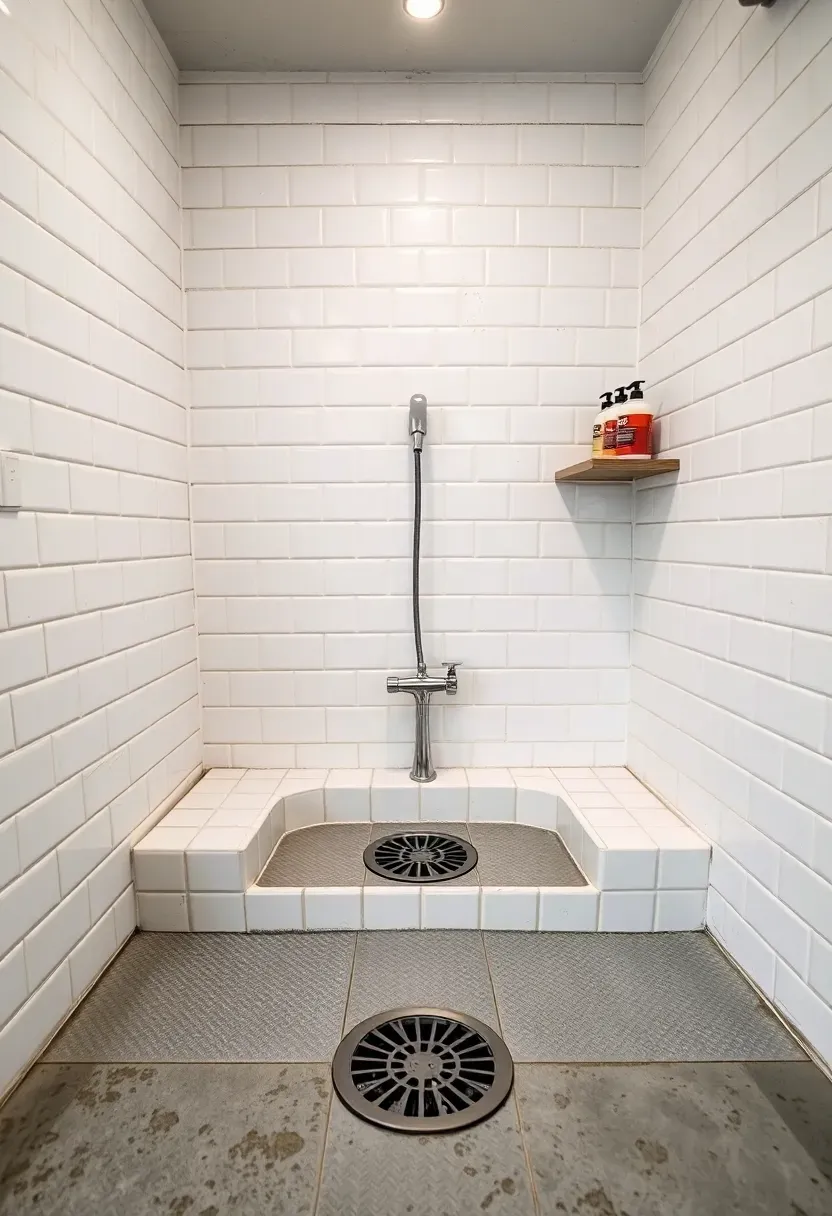
Should you wash your dog in the bathtub and deal with clogged drains and wet fur everywhere? Or should you build a dedicated station where the mess stays contained and cleanup takes minutes? The answer is obvious once you see how simple the installation is.
Building the Station
Construct a raised platform (18 to 24 inches high) in a garage corner with a three-sided tile surround. Install a floor drain, a handheld sprayer connected to a hot and cold mixing valve, and non-slip tile on the platform surface. Size the platform for your largest dog — 36 by 48 inches handles most breeds comfortably.
Practical Extras
- Mount a grooming arm with a loop leash to keep the dog still
- Install a retractable hose reel for the sprayer line
- Add a small shelf for shampoo bottles and towels
- Use epoxy-grouted tile joints to prevent mold growth in the perpetually damp zone
20. L-Shaped Wraparound Garage
Comparing: Traditional Linear vs L-Shaped Layout
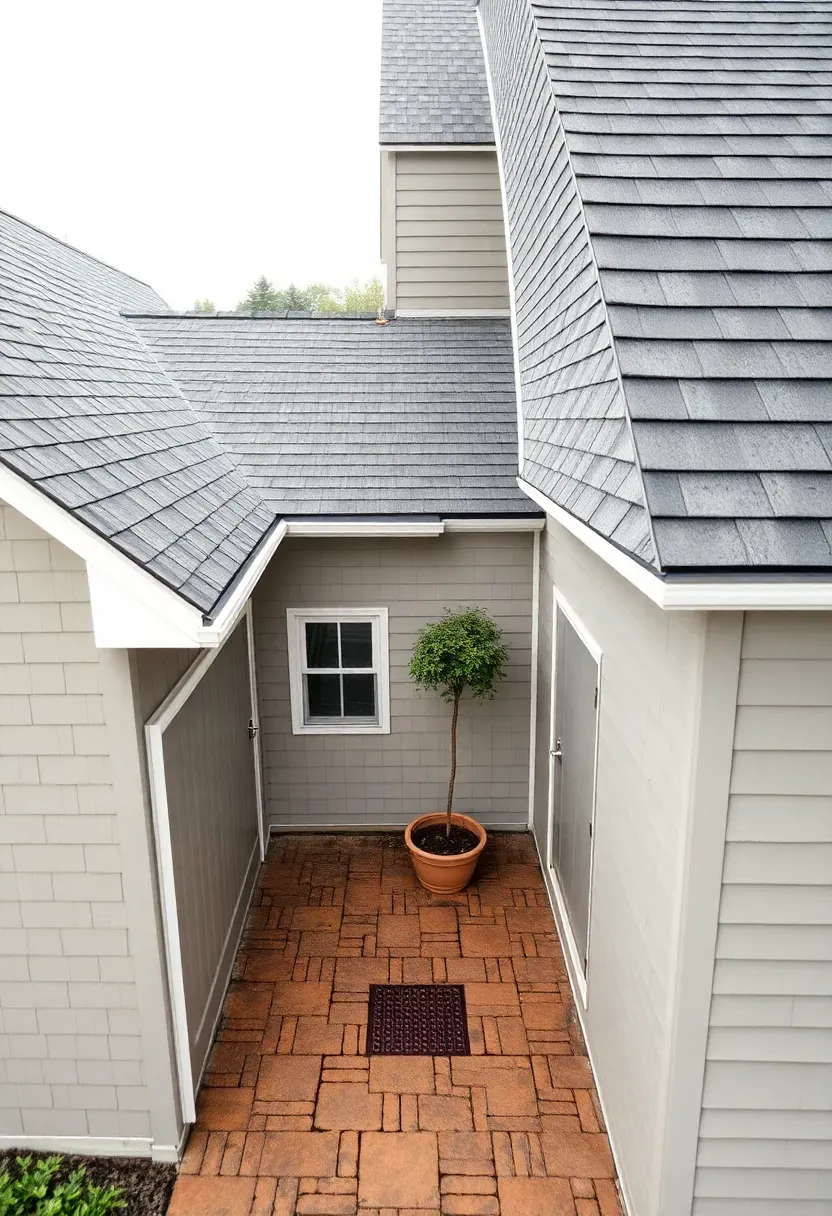
Why it matters: lot shape and house position sometimes make a straight garage addition impossible. An L-shaped configuration wraps one bay along the side of the house and another along the rear, creating a sheltered courtyard in the angle.
Traditional Linear
All bays in a row. Requires continuous facade width. Straightforward roof tie-in. Works best on rectangular lots with generous street frontage.
L-Shaped Wraparound
Bays at a 90-degree angle. Breaks up massing so the garage reads as two smaller volumes rather than one large block. Creates a protected outdoor zone in the inside corner — perfect for a patio, utility area, or side entry.
What to Choose
Choose linear if: your lot is wide and you prefer the simplest construction. Choose L-shaped if: lot width is limited, you want to minimize street-facing garage dominance, or you value the sheltered courtyard the angle creates.
Recommended
Items for this idea
21. Garage with Home Gym Wing
The Core Issue
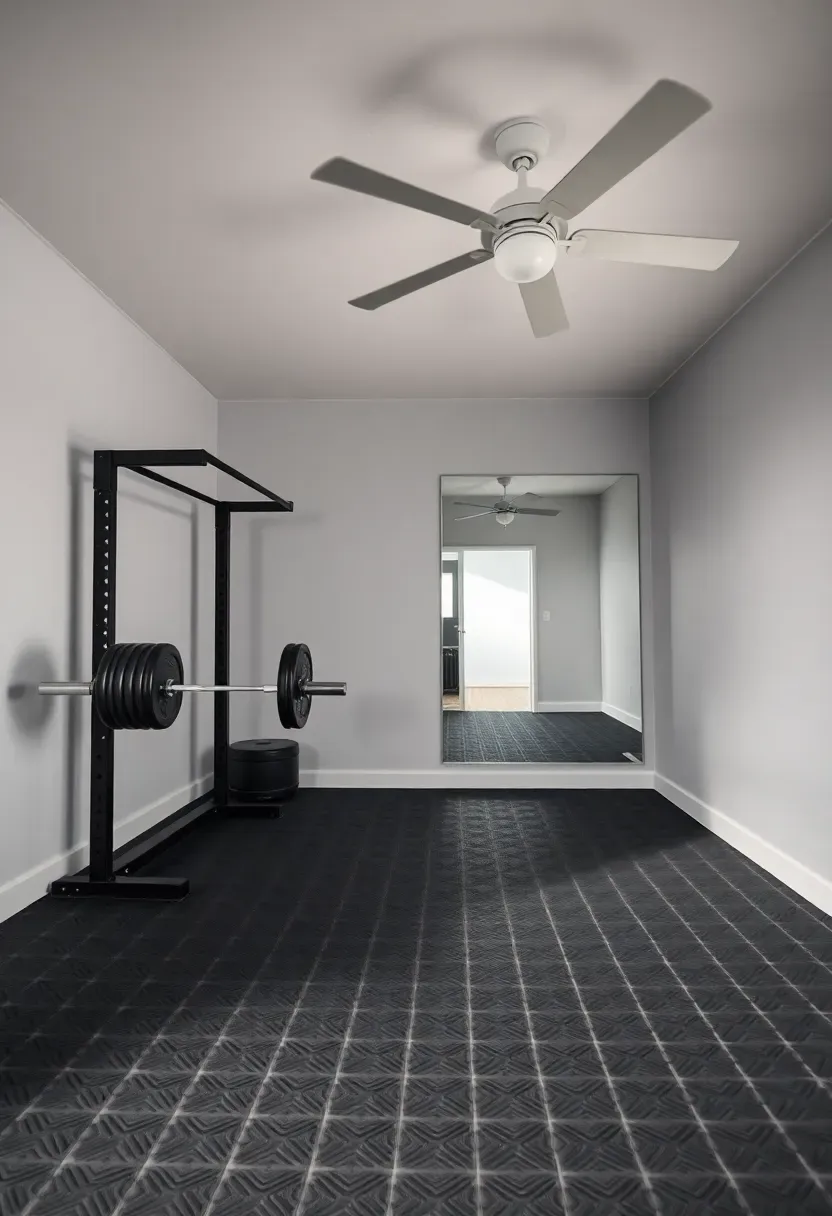
Home gyms crammed into a spare bedroom or basement corner suffer from low ceilings, poor ventilation, and noise complaints from family members in adjacent rooms. Heavy equipment needs solid floors, and nobody wants to carry a barbell up a flight of stairs.
The Solution
Add a dedicated gym wing to the garage — a 12-by-16-foot insulated section with rubber flooring over a reinforced concrete slab (six inches thick for heavy racks and platforms). Install a mini-split for independent climate control, a ceiling fan for air circulation during workouts, and full-wall mirrors on one side. The garage location means noise and vibration stay away from bedrooms, and you can walk from the gym to the car without tracking through the house.
Pros and Cons
Pros: no gym membership, zero commute, custom equipment layout, noise isolation from living spaces Cons: increases garage footprint, requires HVAC, mirrors need protection from stray equipment
22. Climate-Controlled Garage Addition
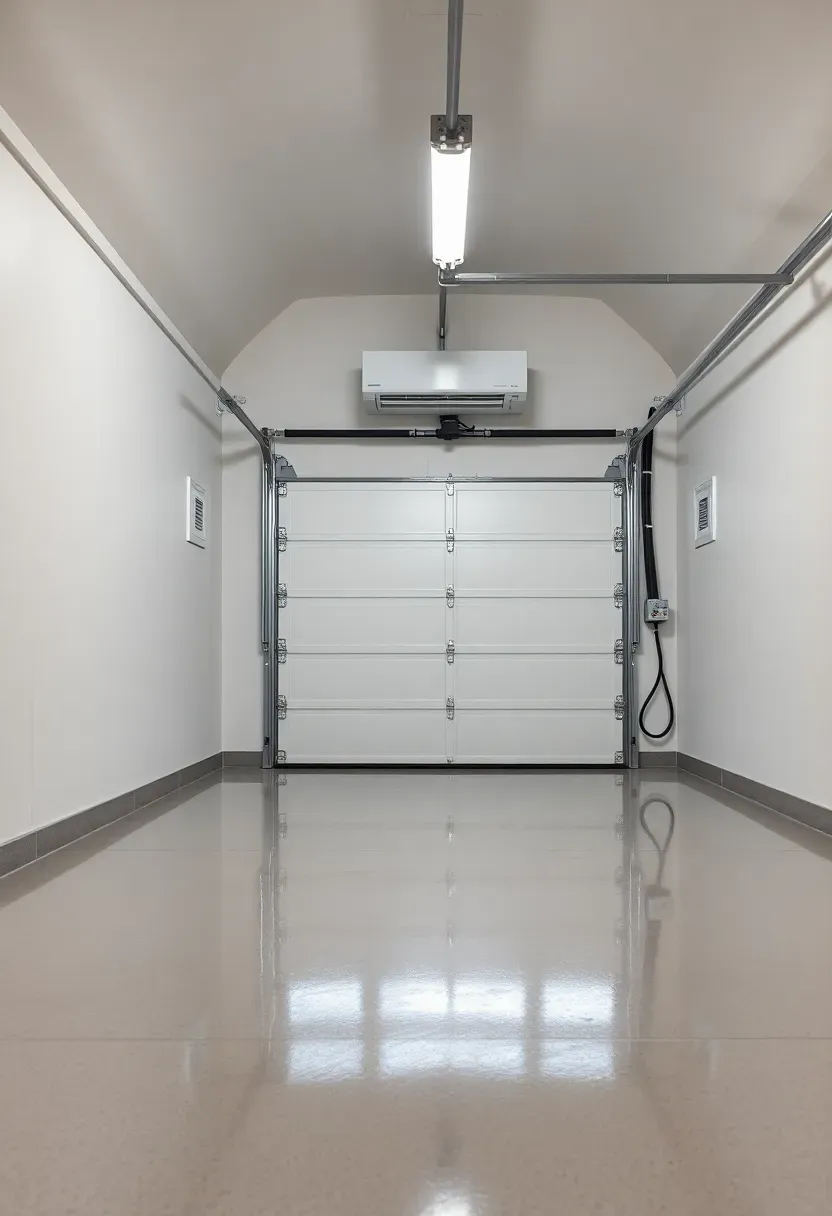
Not every garage needs to be a temperature-swung, humid, freezing-in-winter sauna-in-summer utility box. A climate-controlled addition maintains 60 to 75 degrees year-round — protecting vehicles, tools, stored items, and anyone who actually spends time working in the space.
How to Achieve It
- Insulate walls to R-19 and ceiling to R-38 minimum
- Install an insulated garage door (R-12 or higher) with perimeter weatherstripping
- Seal the concrete slab with vapor barrier and epoxy coating
- Mount a ductless mini-split HVAC unit — they handle heating and cooling efficiently in single-zone spaces
- Caulk every penetration: electrical boxes, pipe entries, sill plate gaps
What to Watch Out For
- A climate-controlled garage attached to the house needs a fire-rated separation wall (5/8" Type X drywall minimum per most codes)
- Combustion vehicles in a sealed garage require a CO detector — or better, plan for EV-only use
- Budget 15 to 20 percent more than a standard garage for the insulation and HVAC upgrades
Recommended
Items for this idea
23. Garage with In-Law Suite Above
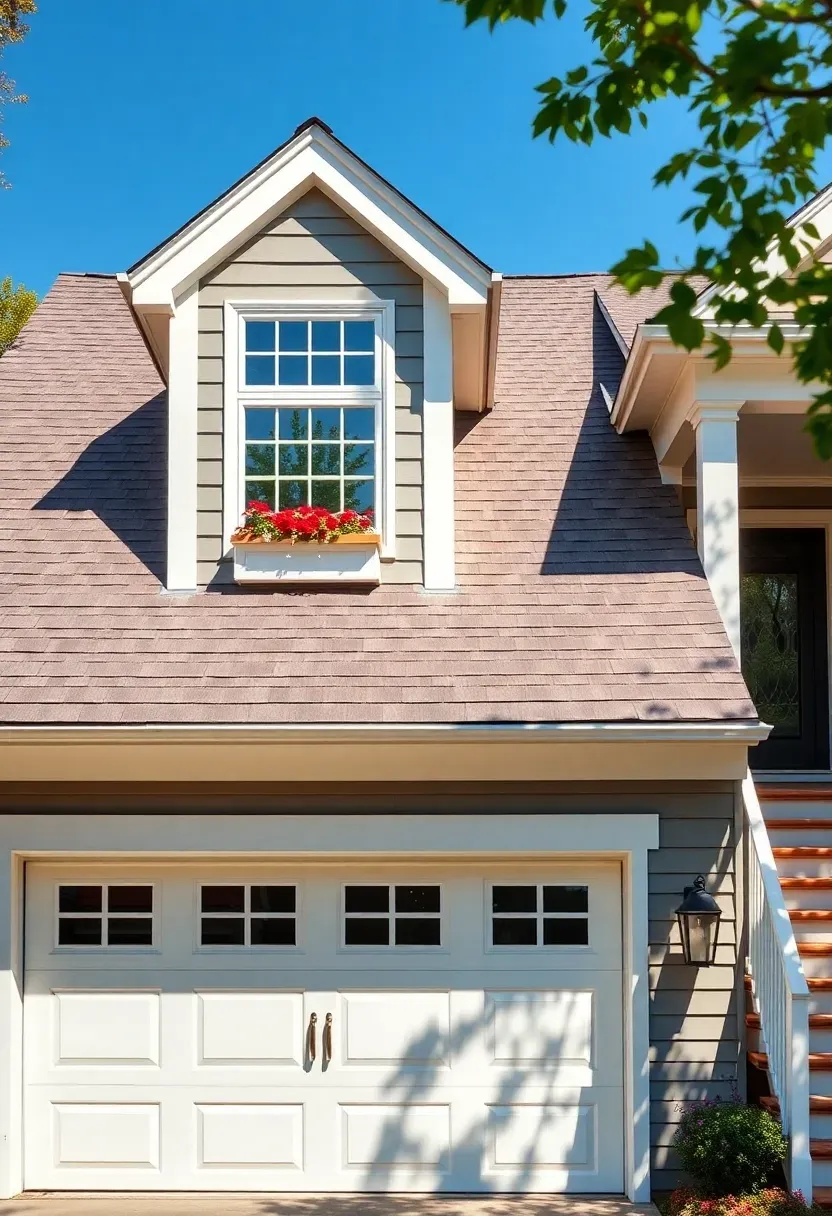
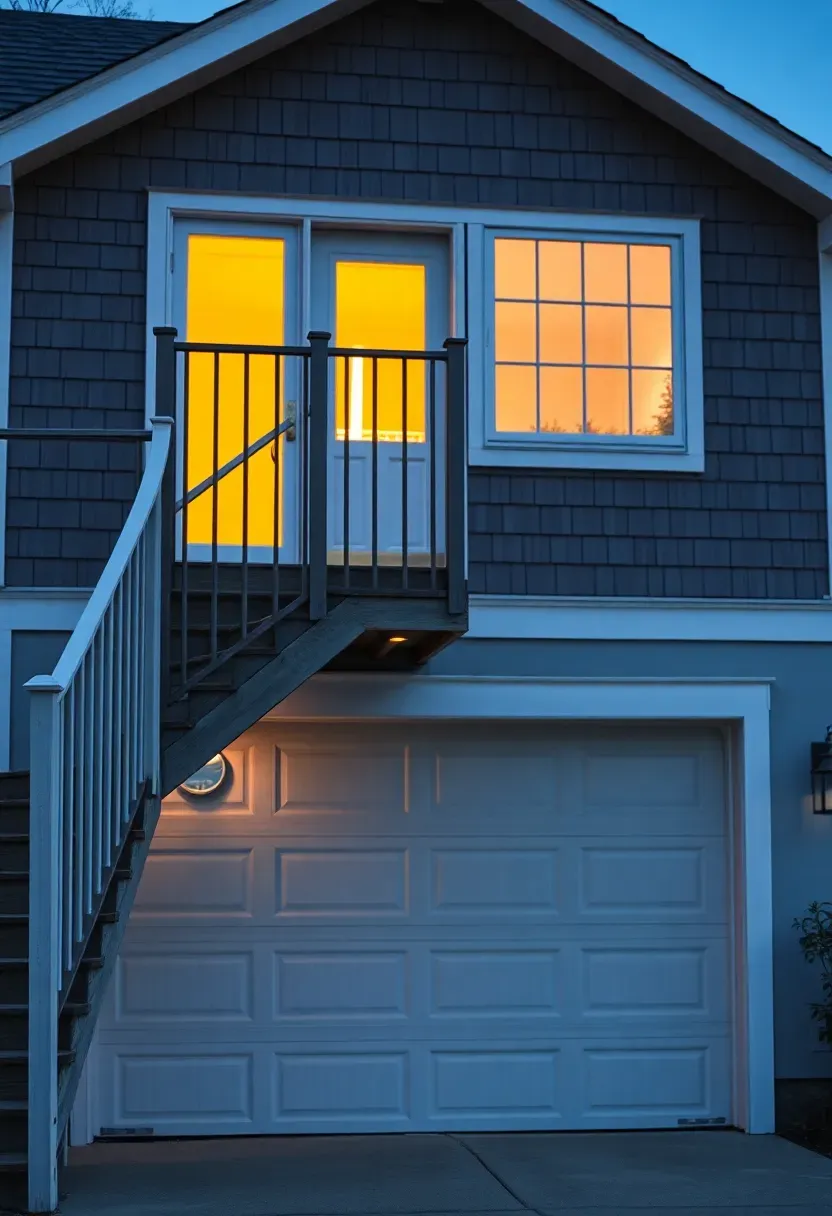
A garage-top in-law suite (also called an accessory dwelling unit) delivers a fully independent living space — bedroom, bathroom, kitchenette, and sitting area — within the footprint of a standard two-car garage. The private exterior staircase gives the occupant autonomy while the physical attachment to the main house keeps family close.
Planning the Layout
Allocate 500 to 700 square feet above the garage. Position the bedroom away from the garage door wall to minimize noise. Place the bathroom over or near the garage's existing plumbing stack to reduce piping runs. A dormer or shed dormer adds headroom and natural light without raising the overall roof peak.
Zoning and Permits
- Check local ADU ordinances — many municipalities now fast-track garage-top units
- Confirm setback, height, and parking requirements before design
- Plan for separate utility metering if the occupant will pay their own bills
- Fire separation between the garage ceiling and the dwelling floor requires 5/8" Type X drywall on the garage side
Quick FAQ
Is it cheaper to build an attached garage or a detached one? Attached garages typically cost 10 to 15 percent less than detached because they share a wall with the existing house, reducing foundation, framing, and siding expenses. The shared wall also simplifies utility connections — electrical, plumbing, and HVAC tie into existing systems more easily.
Should I match the new garage roofline to my existing house? Yes, whenever possible. Matching the roof pitch, shingle style, and fascia trim makes the addition look original rather than bolted on. A mismatched roofline is the single most common visual mistake in garage additions and the hardest to fix after construction.
Which permits do I need for an attached garage addition? Most jurisdictions require a building permit, structural engineering review, and inspections at foundation, framing, electrical, and final stages. If the addition changes the home's footprint, you may also need a zoning variance or site plan approval. Adding a living space above the garage triggers additional requirements — fire separation, egress windows, and separate smoke detectors.
Can I convert my existing attached garage into living space and build a new one? Absolutely. Converting the old garage into a family room, bedroom, or office while building a new garage alongside is a popular approach. The key is ensuring the old garage floor gets leveled, insulated, and finished to match interior standards — including addressing the step-down that most garage floors have relative to the house.
What is the average cost per square foot for a garage addition? Costs vary by region and finish level, but expect $50 to $80 per square foot for a basic unfinished garage, $80 to $120 for a finished and insulated garage, and $120 to $200 or more if adding a bonus room or living space above. Foundation type, roofing material, and local labor rates drive the final number significantly.
Building an attached garage addition is one of the rare home improvements that pays for itself in both daily convenience and resale value. Start by identifying your primary need — vehicle shelter, workshop space, storage, or bonus living area — and let that need drive every design decision. The best additions feel like they were always part of the house, not a weekend afterthought bolted to the side.
Pinterest cover for 23 Attached Garage Addition Ideas to Boost Your Home
About the author
OBCD
CGI visualization and interior design content. We create detailed 3D renders and curate practical design ideas for every room in your home.