21 Arts and Crafts Interior Design Ideas for Timeless Homes
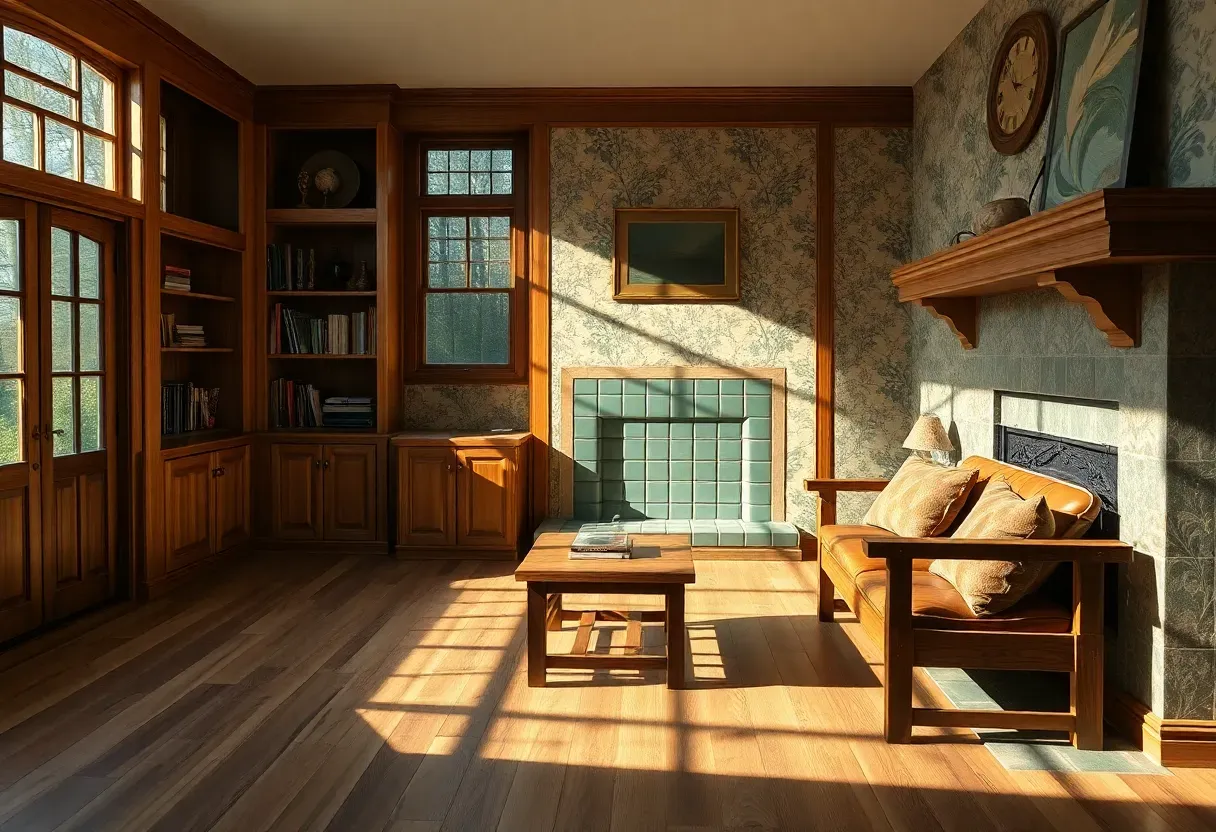
For centuries, the best rooms have shared one quality: they feel made by human hands. The Arts and Crafts movement — born in 1880s England as a revolt against factory uniformity — insisted that beauty comes from honest materials, visible joinery, and the dignity of handwork. William Morris, Gustav Stickley, and the Greene brothers built a philosophy that still resonates: let the grain of the wood speak, let the glaze on the tile breathe, let every object earn its place. These 21 ideas translate that philosophy into rooms you can actually live in today.
Below — a detailed guide covering everything from structural woodwork and handmade tiles to textiles, lighting, and color palettes rooted in the movement's original principles.
Table of Contents
- Quarter-Sawn Oak Paneling
- Handmade Tile Fireplace Surrounds
- William Morris Wallpaper Feature Walls
- Mission-Style Furniture Groupings
- Hammered Copper Light Fixtures
- Exposed Beam Ceilings
- Built-In Window Seats with Storage
- Stained Glass Transom Windows
- Hand-Forged Iron Hardware
- Inglenook Fireplace Nooks
- Woven Textile Wall Hangings
- Handcrafted Ceramic Pottery Displays
- Plate Rails and Display Shelving
- Earthy Color Palettes
- Mica Shade Table Lamps
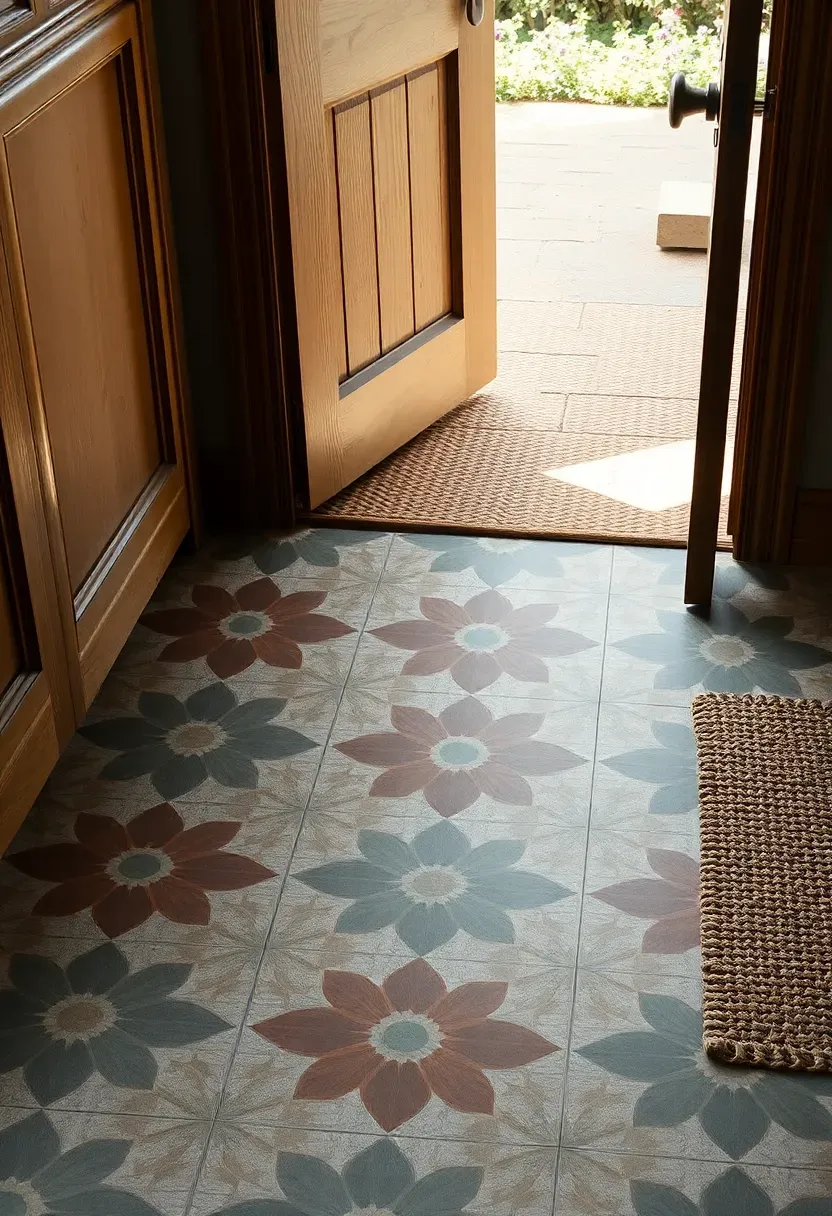
- Linoleum and Encaustic Floor Tiles
- Leaded Glass Cabinet Doors
- Hand-Embroidered Cushions and Curtains
- Copper and Brass Kitchen Accents
- Craftsman Staircase Details
- Nature-Inspired Carved Woodwork
1. Quarter-Sawn Oak Paneling
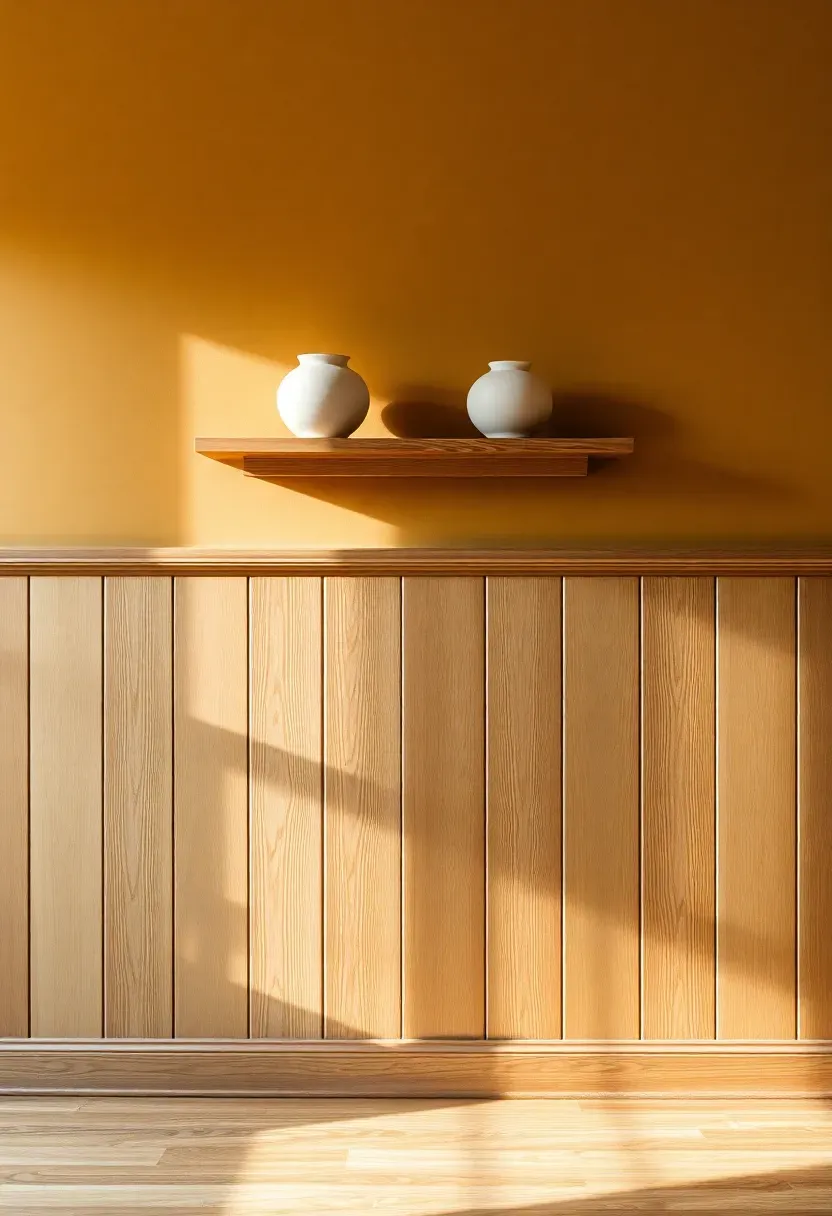
Quarter-sawn white oak was the heartbeat of Arts and Crafts interiors. The milling technique reveals distinctive medullary ray flecks — those shimmering tiger stripes that catch light differently from every angle. Applied as wainscoting to chair-rail height, it grounds a dining room or study in quiet authority. The wood darkens naturally over decades, acquiring the kind of patina that no stain can replicate.
Tips for Getting It Right
- Source FSC-certified white oak milled quarter-sawn to ensure ray fleck visibility
- Apply a penetrating oil finish rather than polyurethane to honor the grain and allow aging
- Keep paneling height between 32 and 42 inches for period-appropriate proportions
We picked a few things that go well with this idea: Leick Home Mission Oak End Table (★4.4), Leick Home Narrow Mission End Table (★4.6) and Leick Home Mission Impeccable End Table (★4.5). As an Amazon Associate we earn from qualifying purchases.
2. Handmade Tile Fireplace Surrounds
The Core Issue
Mass-produced marble and granite surrounds dominate modern fireplaces, but they lack the tactile warmth and individual character that make a hearth feel like the emotional center of a home.
The Solution
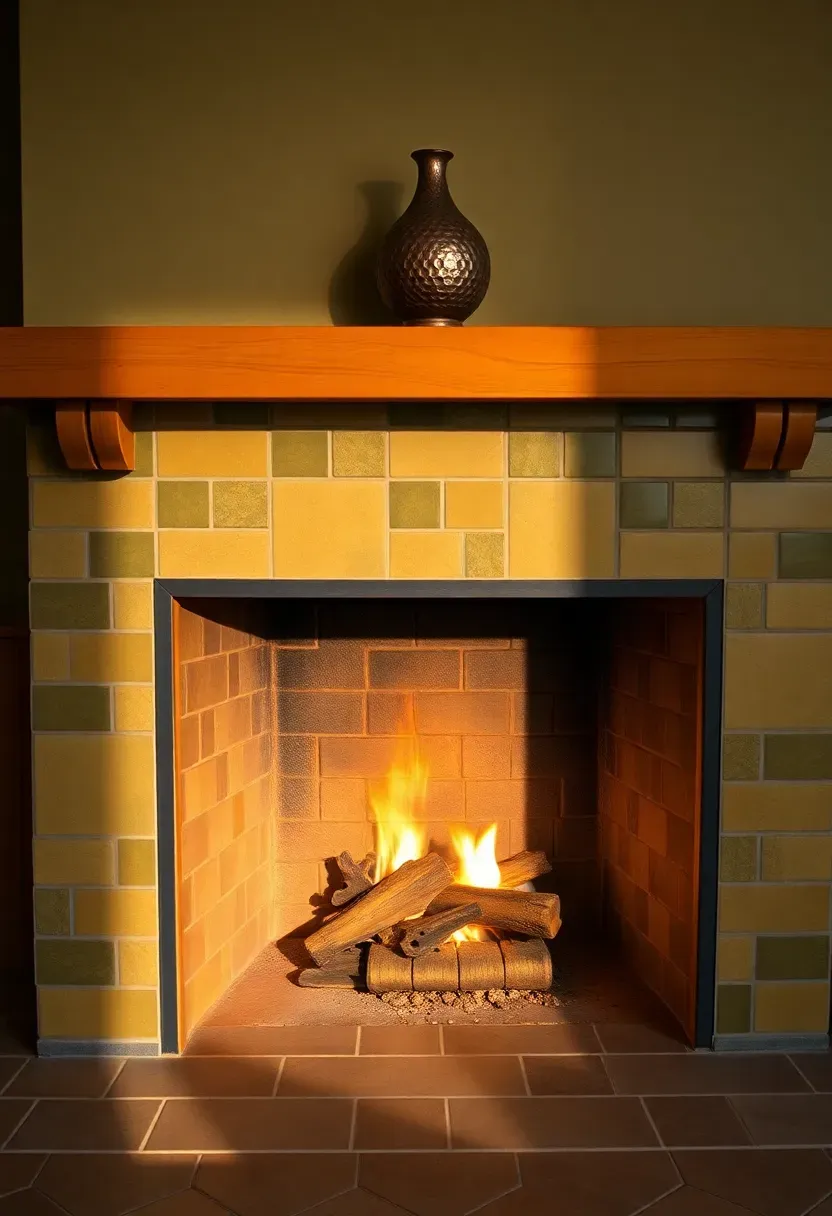
Arts and Crafts tile makers — Grueby, Rookwood, Pewabic, and their modern successors — produce tiles with irregular surfaces, layered glazes, and botanical relief patterns that transform a fireplace into a one-of-a-kind artwork. A surround of matte green field tiles punctuated by acorn or pinecone relief accents creates the classic look. Each tile carries slight glaze variations, so the finished surround reads as a living surface rather than a stamped-out grid. Modern artisan tileries like Motawi and Mercury Mosaics keep the tradition alive at accessible price points.
Pros and Cons
Pros: Creates a singular focal point; handmade quality is visible and tangible; increases home character Cons: Lead times for custom tiles can stretch to 8-12 weeks; installation requires a skilled tile setter comfortable with irregular thicknesses
We picked a few things that go well with this idea: HAOKHOME William Morris Peel Stick Wallpaper (★4.5), FunStick William Morris Floral Wallpaper (★4.5) and Spoonflower William Morris Arts Crafts Wallpaper (★5.0). As an Amazon Associate we earn from qualifying purchases.
3. William Morris Wallpaper Feature Walls
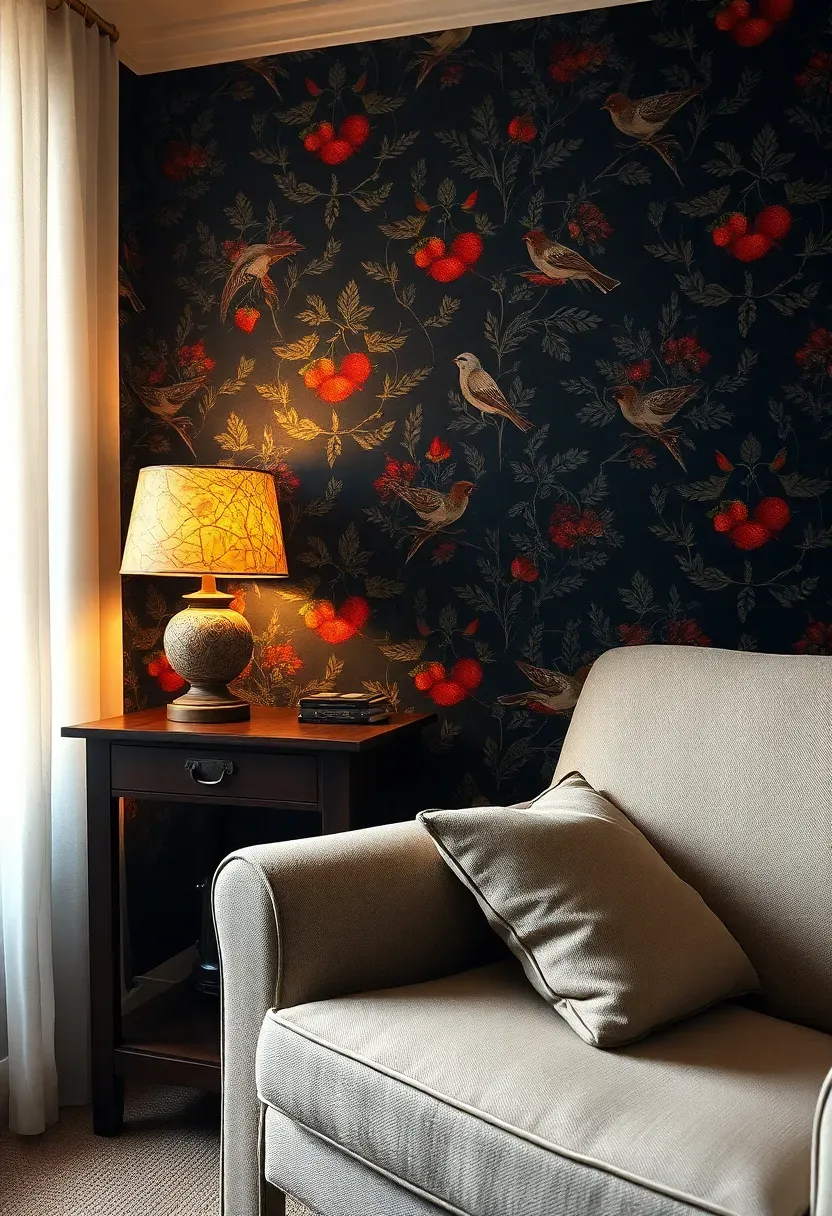
William Morris believed wallpaper should not merely decorate a surface but inhabit it — his designs breathe, twist, and grow across walls like living hedgerows. Patterns such as Strawberry Thief, Willow Boughs, and Acanthus remain in continuous production through Morris and Co., printed on the same wood blocks Morris himself carved. A single feature wall in a bedroom or library wrapped in one of these designs anchors the entire room in the movement's DNA without overwhelming it.
Tips for Authentic Application
- Choose darker colorways (indigo, forest green, deep red) for north-facing rooms to add warmth
- Hang on the wall you see first upon entering the room for maximum visual impact
- Pair with plain linen-textured paint on adjacent walls, pulling a secondary tone from the pattern
We picked a few things that go well with this idea: Hammered Dome Pendant Lights (3-Pack) (★4.8), Vintage Hammered Bronze Mini Pendant (★4.7) and Franklin Iron Works Essex Copper Pendant (★4.8). As an Amazon Associate we earn from qualifying purchases.
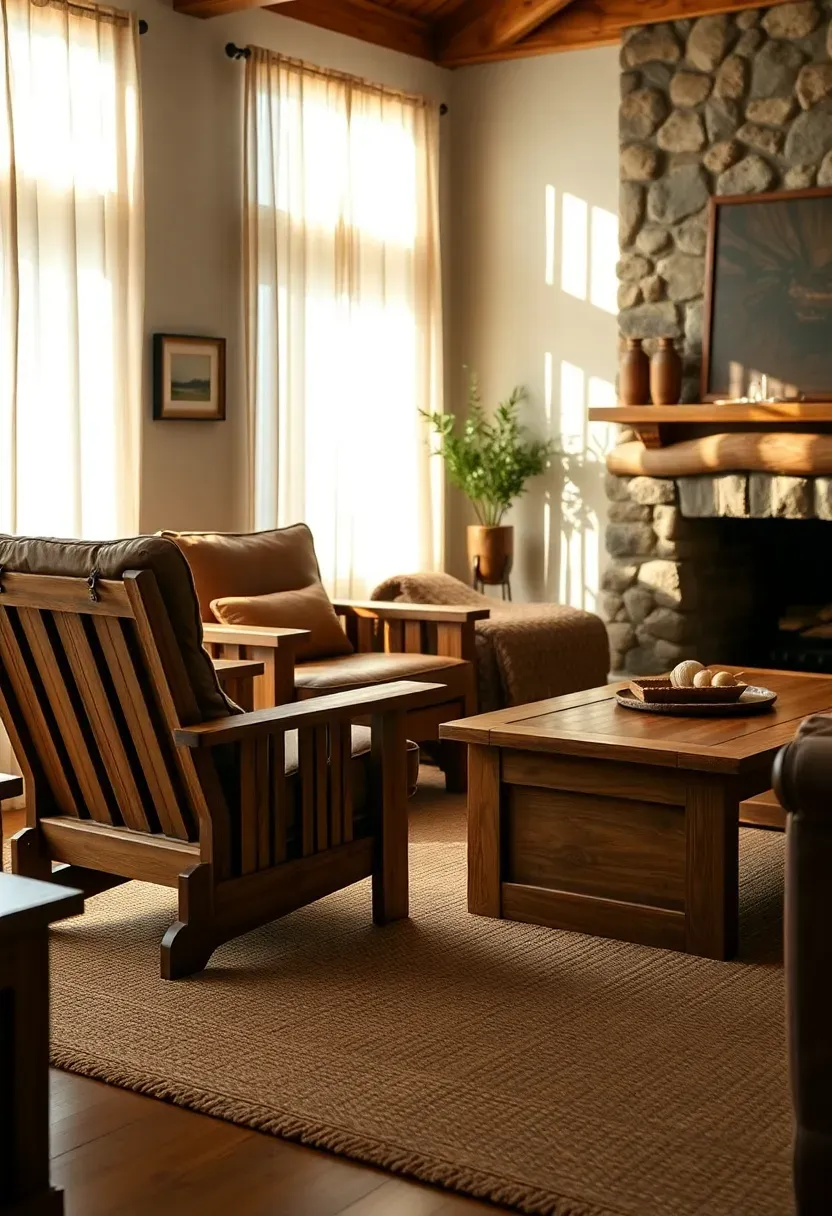
4. Mission-Style Furniture Groupings
Comparing: Stickley Originals vs. Quality Reproductions
Introduction: Gustav Stickley's furniture defined the American Arts and Crafts aesthetic — rectilinear oak frames, exposed tenon joinery, leather or canvas cushions, zero ornament. Both originals and reproductions achieve the look, but priorities differ.
Stickley Originals
Antique Stickley pieces carry more than a century of patina. The quartersawn oak has deepened to amber-brown, leather has softened, and each piece holds provenance that connects you to the movement's founding moment. Prices for signed pieces reflect their collectible status.
Quality Reproductions
Modern makers like Stickley Furniture (still operating), Warren Hile Studio, and Voorhees Craftsman build faithful reproductions using period techniques. New pieces offer consistent condition, custom leather color options, and often better pricing.
What to Choose
Choose originals if: you want genuine history and are comfortable with the imperfections of age Choose reproductions if: you need a coordinated set, specific dimensions, or fresh upholstery choices
Recommendation
Anchor a room with one genuine antique — a settle or a Morris chair — and fill in with quality reproductions for cohesion.
Recommended
Items for this idea
5. Hammered Copper Light Fixtures
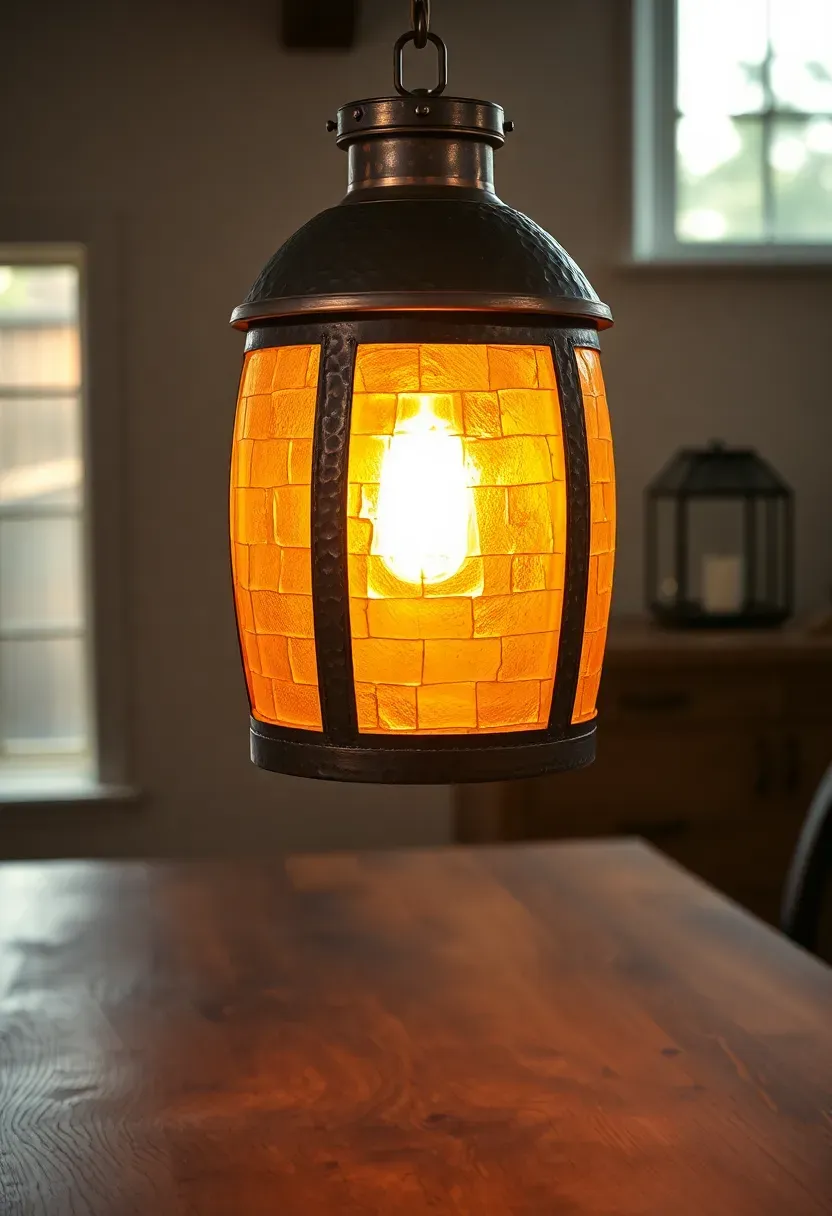
Copper was the metal of the Arts and Crafts movement — warm, workable, and honest about its aging process. Hammered copper pendant lights, lanterns, and sconces develop a living patina that darkens from bright penny to deep umber over years. A single oversized copper lantern above a dining table provides both functional light and a declaration of values: this material was shaped by a human hand, and it shows.
How to Style Copper Lighting
- Group pendants in odd numbers at staggered heights over kitchen islands or long tables
- Choose amber glass or mica inserts to filter light warmly rather than harshly
- Allow patina to develop naturally — do not lacquer or polish to a mirror shine
6. Exposed Beam Ceilings
How to Achieve the Arts and Crafts Ceiling
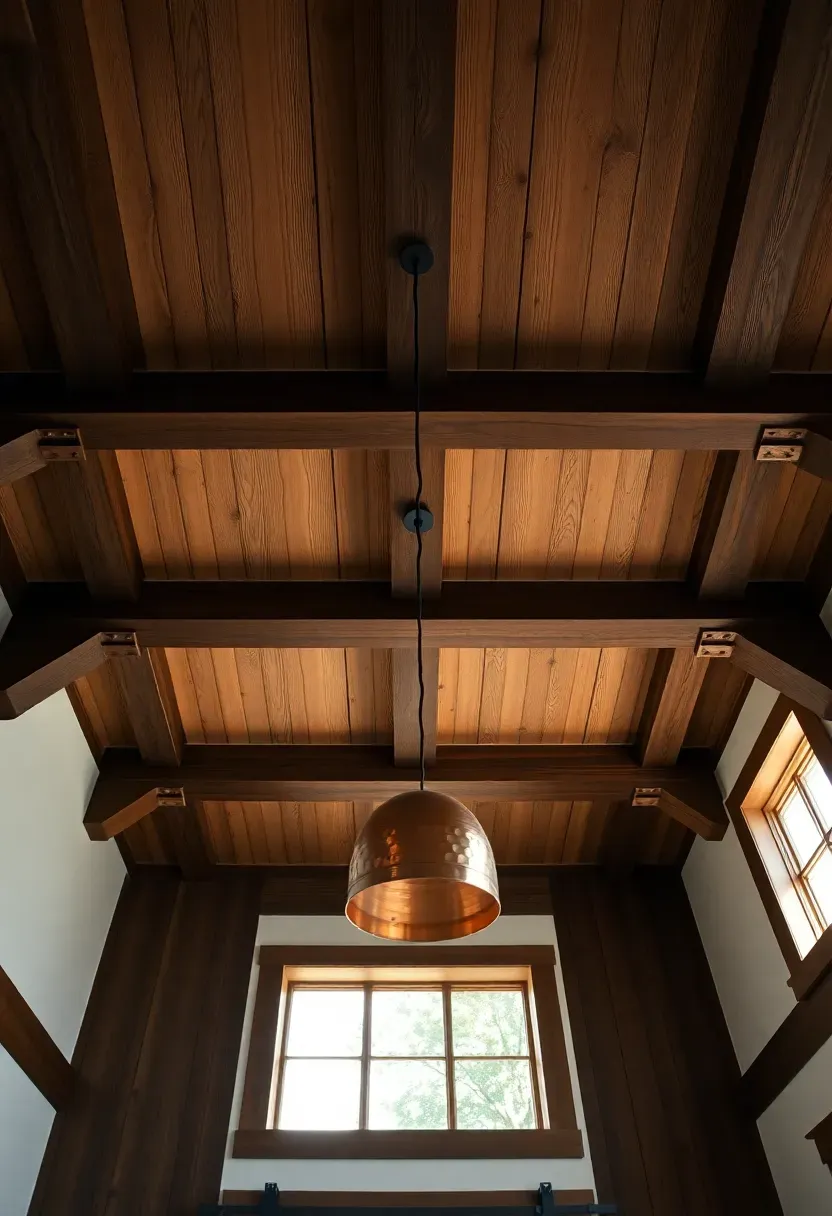
Opening a ceiling to reveal structural beams — or adding decorative beams to a flat ceiling — immediately signals the movement's core value: show how things are made. Genuine structural timbers in Douglas fir or white oak are ideal. Decorative beams wrapped in real wood veneer work in homes where ceiling joists run the wrong direction or sit too high to expose.
Step 1: Assess Your Structure
Have a contractor identify whether existing ceiling joists can be exposed. If they run parallel to the room's length, you have an ideal layout.
Step 2: Choose Your Finish
Dark walnut stain creates the classic craftsman look against white plaster. Honey-toned oil finish reads lighter and suits smaller rooms.
Step 3: Add Complementary Detail
Install simple corbels where beams meet walls. Avoid overly ornate brackets — squared-off corbels with a single chamfered edge are period correct.
What to Watch Out For
- Verify that removing ceiling drywall will not expose unsightly HVAC or wiring runs
- Decorative beams must be secured to blocking, not simply glued to drywall
Recommended
Items for this idea
7. Built-In Window Seats with Storage
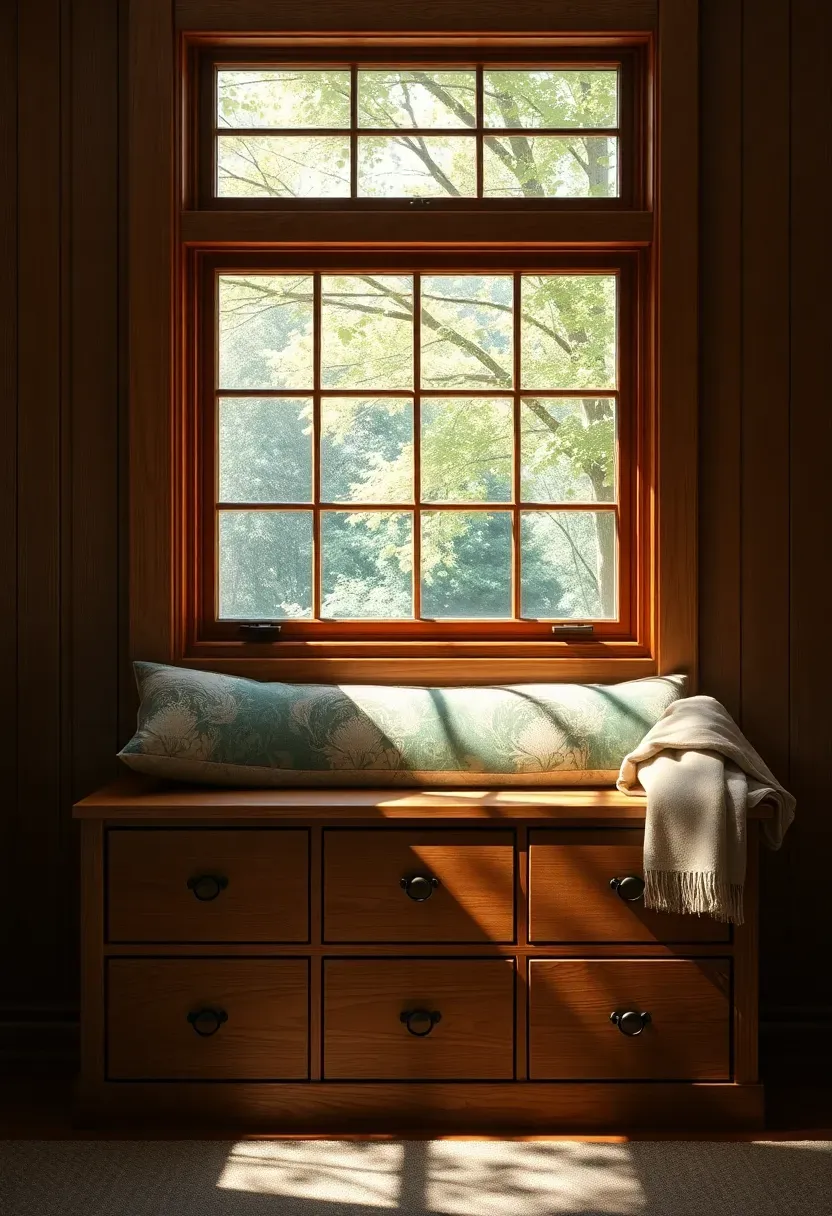
The Arts and Crafts philosophy loved multipurpose built-ins. A window seat nestled into a bay window or a deep wall recess combines seating, storage, and architectural character in one element. The seat box stores blankets, games, or seasonal linens. The frame, built from the same quarter-sawn oak used elsewhere in the room, ties the piece into the home's larger material language. A linen or Morris-print cushion on top and a few well-chosen pillows complete a reading nook that rivals any armchair.
Practical Considerations
- Hinge the seat lid rather than using drawers if the nook is narrow — a piano hinge along the back edge is simplest
- Ventilate the storage cavity with small drilled holes to prevent mustiness
- Set seat height at 18 inches for comfortable sitting with feet flat on the floor
8. Stained Glass Transom Windows
Origins
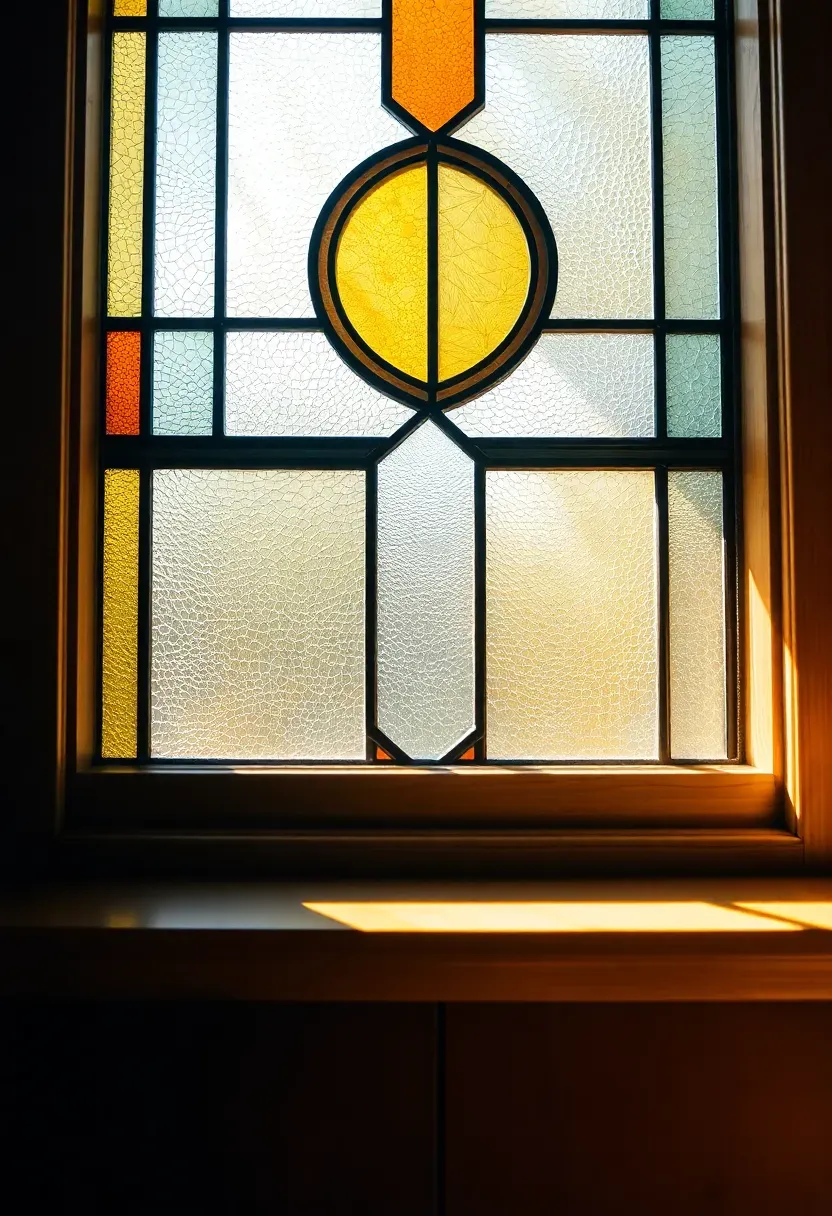
The Arts and Crafts movement borrowed stained glass from Gothic cathedrals but stripped it of religious imagery. In its place came geometric abstractions, stylized trees, mountains, and prairie horizons — particularly in the work of Frank Lloyd Wright and Charles Rennie Mackintosh, both of whom operated at the movement's edge.
Modern Interpretation
Today's craftspeople offer both traditional lead came and modern copper foil techniques. A single transom window above a front door or a pair of sidelights flanking an entry can define a home's character from the street. Prairie-style geometric patterns in warm amber, sage, and clear textured glass suit nearly any home without reading as overly ornate. Custom panels average between 200 and 600 dollars per square foot depending on complexity.
How to Apply at Home
- Commission a panel sized to fit an existing transom opening to avoid structural changes
- Use textured clear glass as a background to maintain privacy while admitting light
- Backlight interior panels with warm LED strips for evening presence
- Pair with simple oak trim to frame the glass and integrate it into the room's woodwork
Recommended
Items for this idea
9. Hand-Forged Iron Hardware
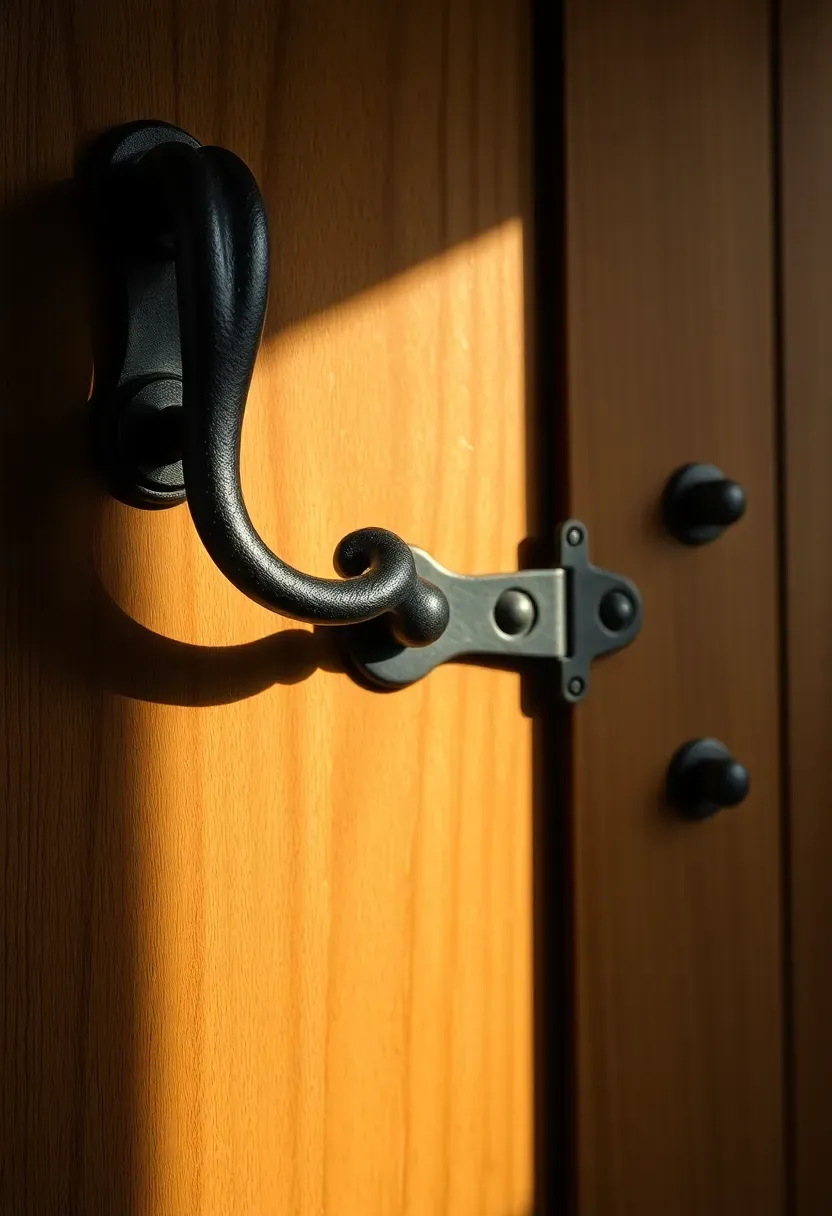
Every doorknob, hinge plate, and drawer pull is an opportunity to declare your design allegiance. Hand-forged iron hardware — blackened, with visible hammer marks and a slightly rough texture — replaces the anonymous smoothness of mass-produced chrome or nickel. A set of hand-forged strap hinges on a pantry door, pyramid-head nail studs on a cabinet, or a twisted iron door handle on a front entry speaks the Arts and Crafts language at the most intimate scale. The beauty is in the imperfection: no two pieces are identical.
Where to Source
- Acorn Manufacturing and Coastal Bronze produce Arts and Crafts-inspired hardware lines
- Local blacksmiths can forge custom pieces to match existing ironwork
- Look for wax-finished iron rather than lacquered — it develops a richer patina
10. Inglenook Fireplace Nooks
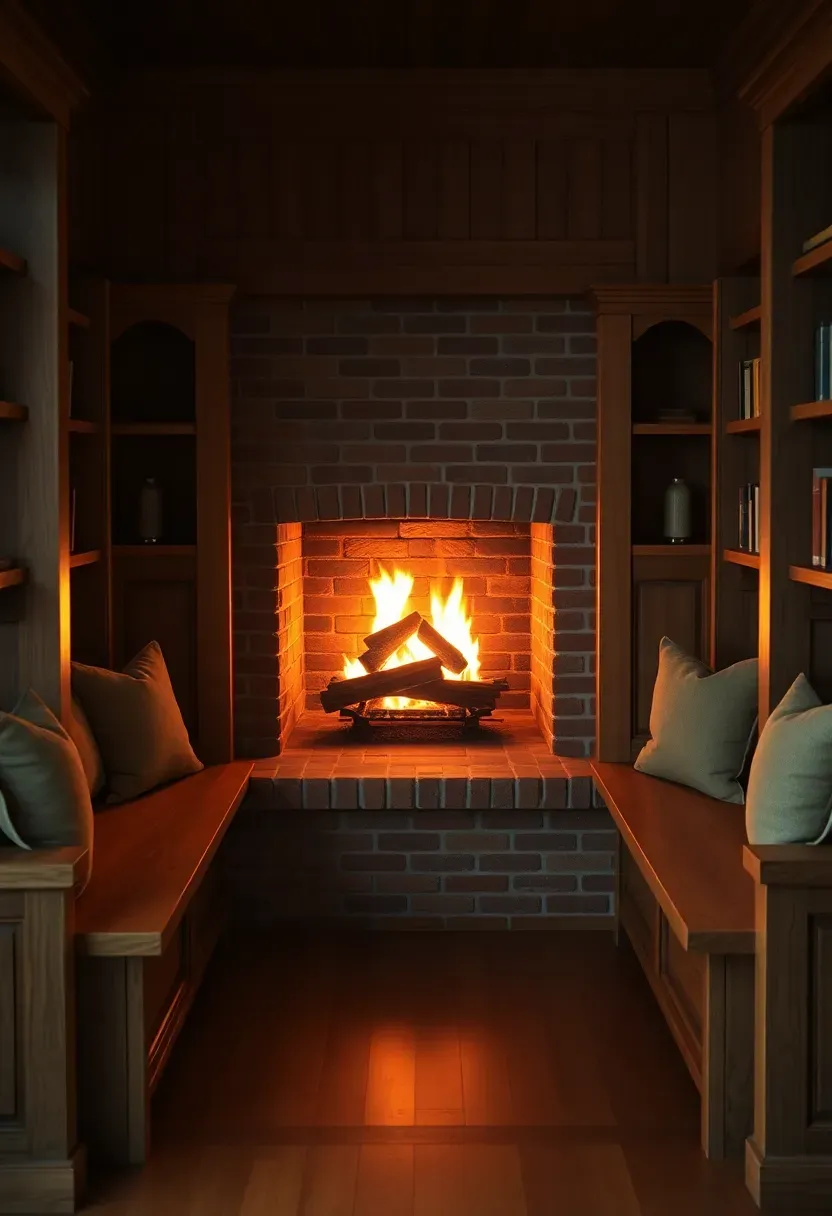
Imagine a room within a room — two built-in benches flanking a fireplace, enclosed by low walls or bookshelves, forming a private enclave around the hearth. That is the inglenook, and it is one of the most romantic inventions of the Arts and Crafts movement. Gustav Stickley featured inglenooks prominently in his Craftsman magazine house plans, arguing that the fireplace should be not just a feature but a destination. Even in a modern open-plan home, a partial inglenook — a deep hearth with one built-in bench and a flanking bookshelf — creates the sense of enclosure and warmth that the movement prized.
Making It Work Today
- A minimum depth of 6 feet from the fireplace face to the back of the bench ensures comfort
- Tile the hearth floor in handmade quarry tile for durability and texture
- Install reading lights above each bench position for practical evening use
Recommended
Items for this idea
11. Woven Textile Wall Hangings
Why Bare Walls Feel Incomplete and How Textiles Fix It
The Core Issue
Painted walls and framed prints are standard responses to empty vertical space, but they lack the dimensionality and warmth that textile surfaces provide — especially in a movement that celebrated craft.
The Solution
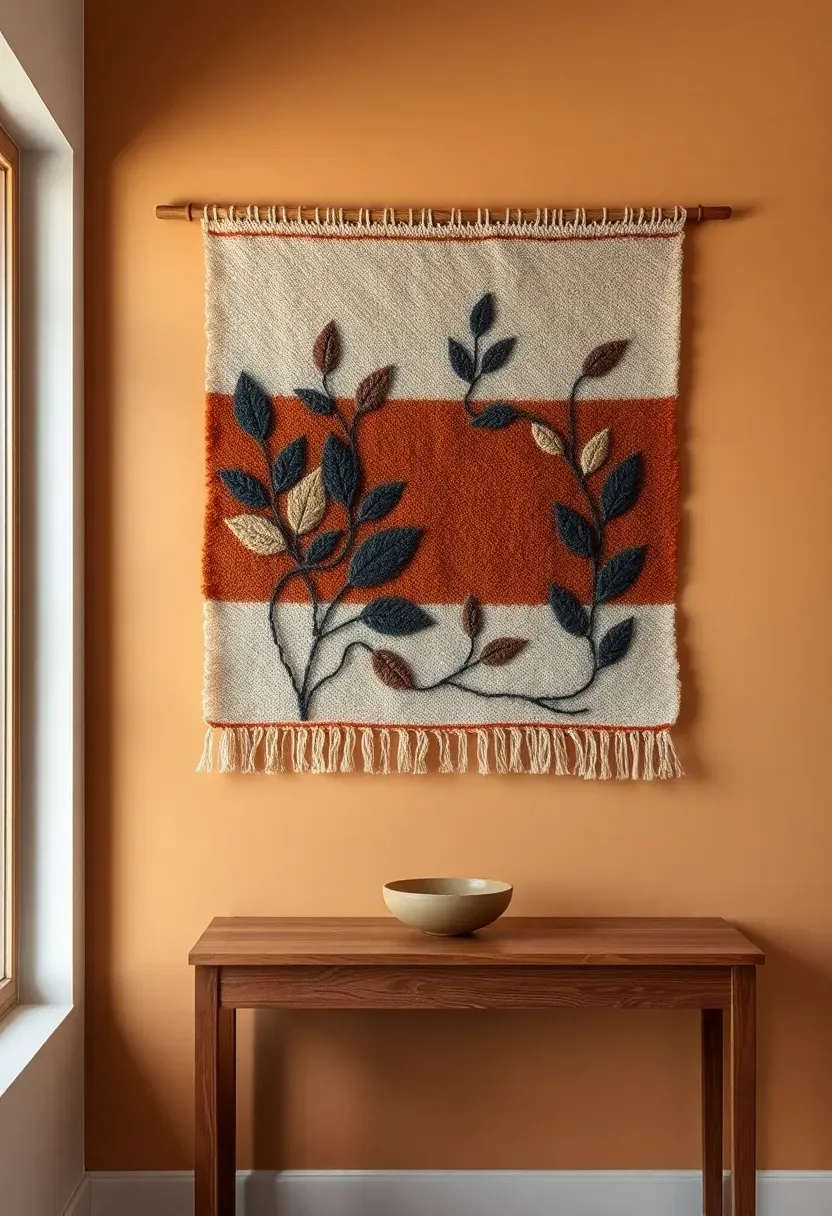
A hand-woven wall hanging in natural fibers — wool, linen, cotton — adds texture, acoustic softness, and artistic presence. Arts and Crafts weavers favored botanical motifs rendered in earthy tones: ochre, sage, terracotta, charcoal. A single large tapestry above a sofa or behind a dining table serves as both art and insulation. Modern makers at shops like Etsy, Teixidors, and local weaving studios create pieces that honor the tradition while fitting contemporary proportions.
Pros and Cons
Pros: Adds acoustic dampening; introduces tactile warmth; supports living craftspeople Cons: Quality handwoven pieces are an investment; requires wall-mounting hardware that supports weight
12. Handcrafted Ceramic Pottery Displays
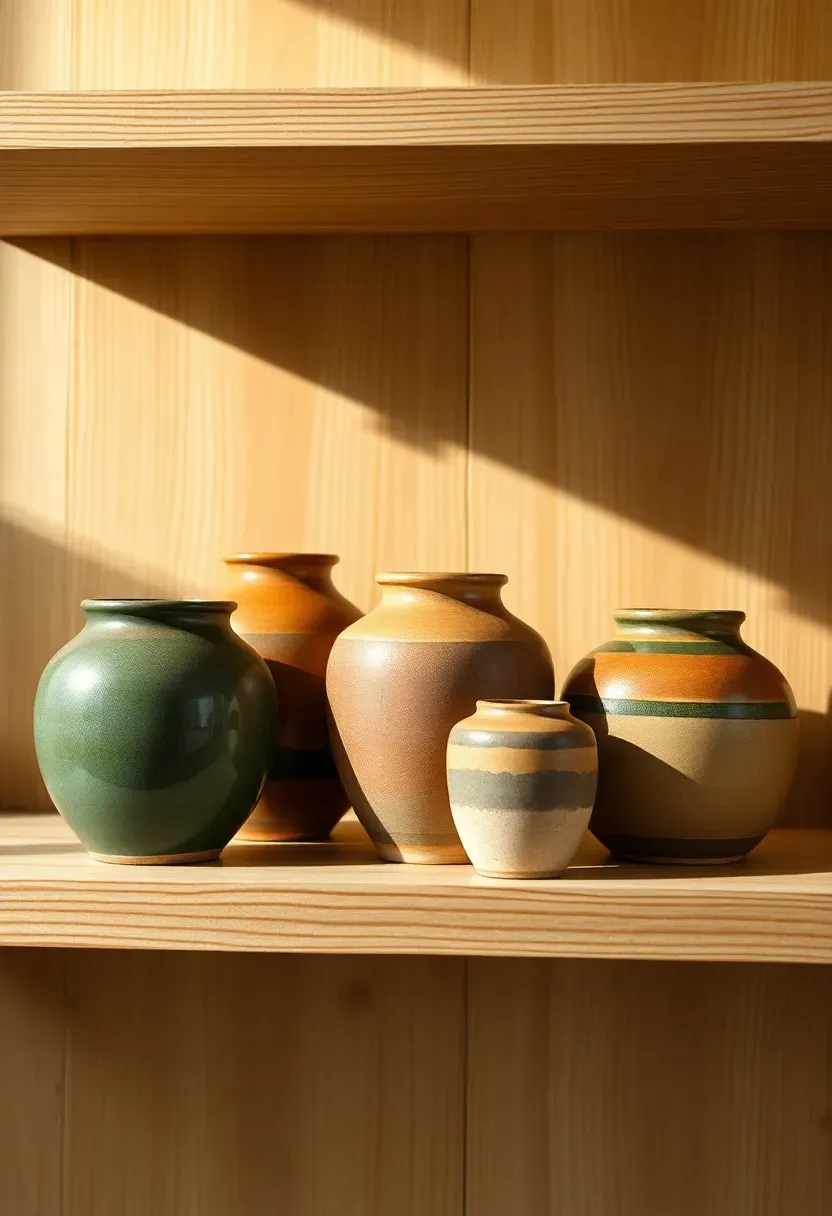
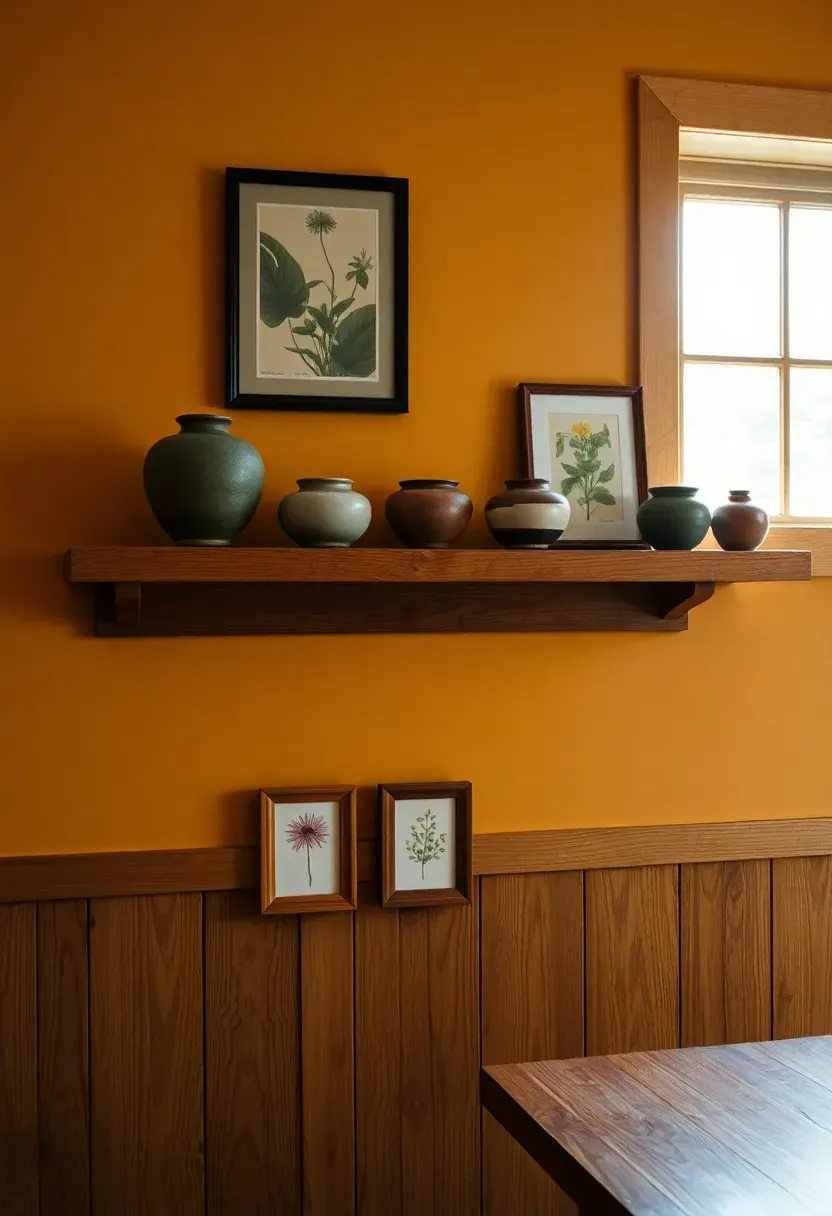
Arts and Crafts potteries — Rookwood, Grueby, Van Briggle, Fulper — produced vessels with matte glazes, organic forms, and a deliberate rejection of machine perfection. Collecting and displaying handmade pottery is one of the simplest ways to bring the movement's values into your home. A shelf of three or five vessels in varied heights and complementary matte glazes becomes a quiet still life that changes character with the light.
Display Strategies
- Group in odd numbers with height variation: tall vase, medium bowl, small bud vase
- Place on open oak shelving or plate rails where they catch sidelight
- Mix contemporary studio pottery with antique pieces for layered history
- Avoid overcrowding — negative space between vessels lets each one breathe
Recommended
Items for this idea
13. Plate Rails and Display Shelving
How to Install a Period-Correct Plate Rail
A plate rail — a narrow shelf with a grooved lip, mounted at picture-rail height — is the quintessential Arts and Crafts display solution. It circles the room, providing continuous exhibition space for pottery, small prints, and decorative objects without the visual weight of full bookshelves.
Step 1: Set the Height
Mount the rail 12 to 18 inches below the ceiling line. In rooms with 9-foot ceilings, 78 inches from the floor is a reliable starting point.
Step 2: Build or Buy
Mill the rail from quarter-sawn oak with a 1-inch groove routed into the top face to prevent plates and frames from sliding. Depth of 4 to 5 inches accommodates most pottery and small prints.
Step 3: Install with Brackets
Use simple L-shaped oak brackets every 24 inches. Avoid ornate corbels — clean right angles are more authentic to the movement.
What to Watch Out For
- Ensure wall studs are hit with every bracket — the rail will bear real weight over time
- Stain or oil the rail to match existing trim before installation
14. Earthy Color Palettes
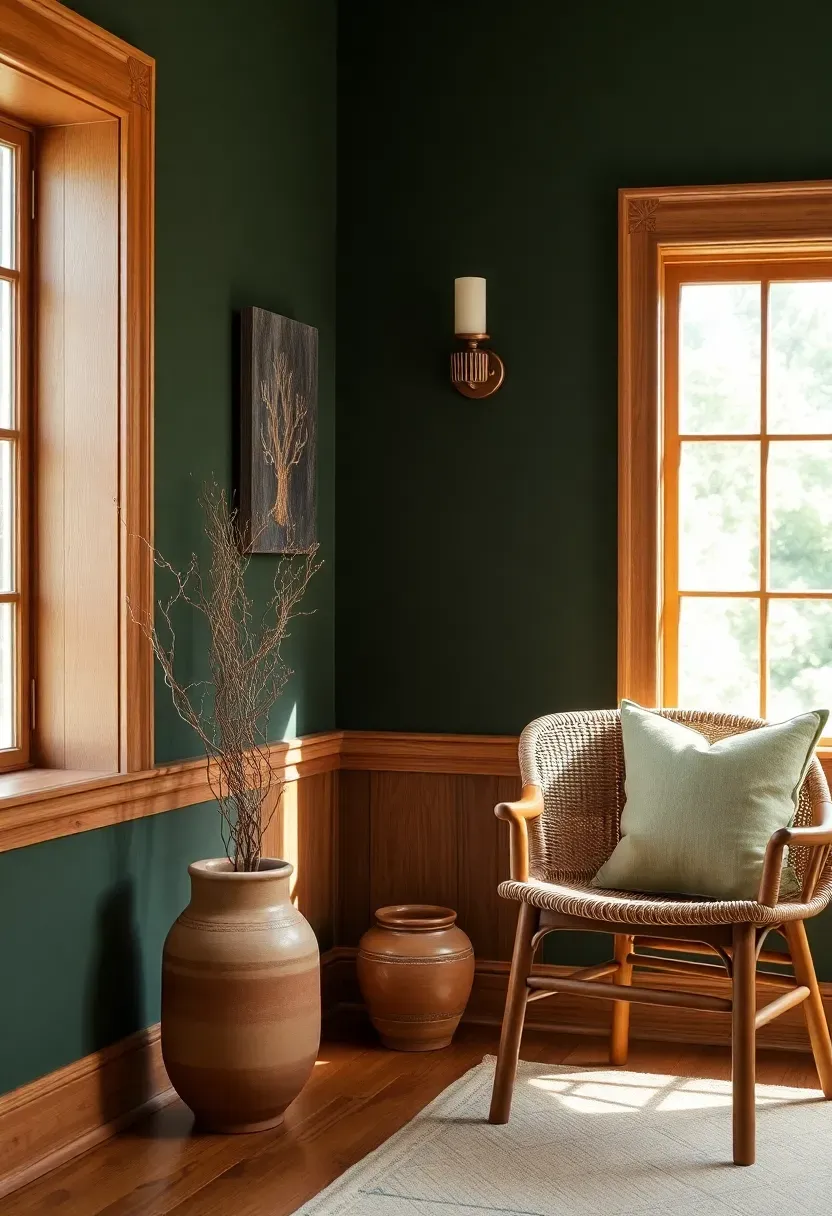
The Arts and Crafts color world draws directly from the English countryside and the California landscape: forest green, warm ochre, terracotta, bark brown, slate blue, moss, and cream. These are not the pastel tints or primary brights of other eras — they are the colors of turned earth, river stones, and weathered wood. Applying them means deep-toned walls above natural wood trim, with accents in copper, umber, or faded gold. The result is a room that feels grounded and quiet, as if it grew from the site rather than being imposed upon it.
Palette Building Guidelines
- Choose one dominant wall color (green, ochre, or terracotta) and one secondary accent
- Keep all wood trim in natural tones — never paint oak trim white in an Arts and Crafts scheme
- Introduce metallic warmth through copper, aged brass, or wrought iron rather than chrome or nickel
- Test paint samples in both natural and artificial light — these muted tones shift dramatically
Recommended
Items for this idea
15. Mica Shade Table Lamps
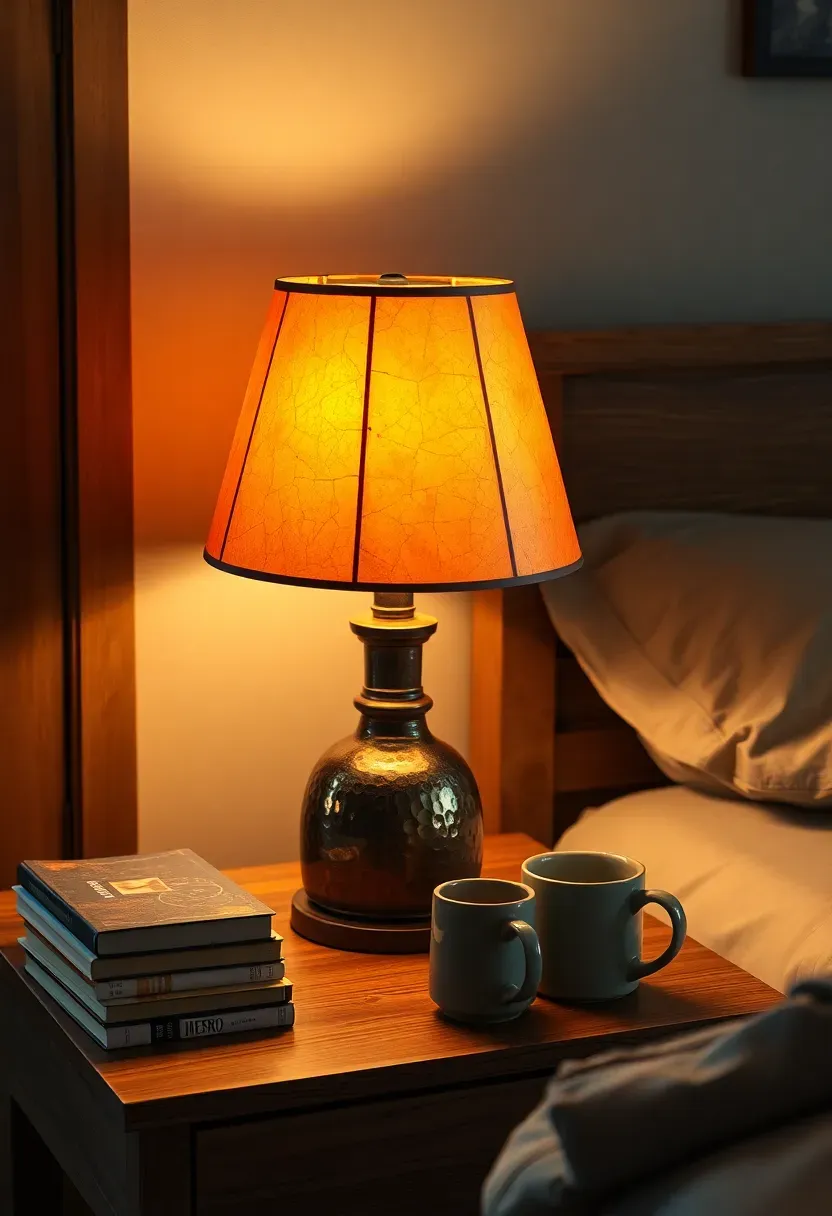
Mica — a translucent mineral that splits into thin, warm-toned sheets — was the signature lampshade material of the American Arts and Crafts movement. Dirk Van Erp, the Dutch-American coppersmith, perfected the form: a hand-hammered copper base supporting panels of natural mica that glow amber when lit. The light is soft, directional, and warm — nothing like the cool blankness of a fabric shade. Modern makers like Old California Lighting and Mica Lamp Company continue the tradition. A pair of mica lamps flanking a bed or a single desk lamp in a study creates atmosphere that no overhead fixture can match.
Choosing the Right Mica Lamp
- Natural mica panels vary in color from pale gold to deep amber — see them lit before purchasing
- Copper bases develop patina; bronze bases maintain a more consistent tone
- Scale matters: a 16-inch shade suits a bedside table; a 20-inch shade anchors a console
16. Linoleum and Encaustic Floor Tiles
Comparing: Linoleum vs. Encaustic Tiles
Introduction: Both materials are historically authentic to Arts and Crafts interiors and offer warm, patterned floors. Understanding their differences helps you choose wisely.
Linoleum
Made from linseed oil, cork dust, and jute backing, linoleum was the original sustainable flooring. Arts and Crafts architects specified it frequently for kitchens and hallways. Modern linoleum from Forbo Marmoleum comes in earthy tones and inlaid patterns that echo period originals. It is resilient underfoot, antibacterial, and ages gracefully.
Encaustic Tiles
Cement-based encaustic tiles feature patterns formed by layered colored cement rather than surface printing. The pattern is integral to the tile body, so it never wears away. Geometric and floral motifs in muted earth tones are quintessentially Arts and Crafts. They suit entryways, bathrooms, and kitchens.
What to Choose
Choose linoleum if: you want warmth underfoot, seamless installation, and budget-friendly coverage for large areas Choose encaustic if: you want a permanent, dramatic floor statement in a defined area like an entry hall
Recommendation
Use encaustic tiles in the entryway as a welcoming floor statement, and linoleum in the kitchen and service areas for practical beauty.
Recommended
Items for this idea
17. Leaded Glass Cabinet Doors
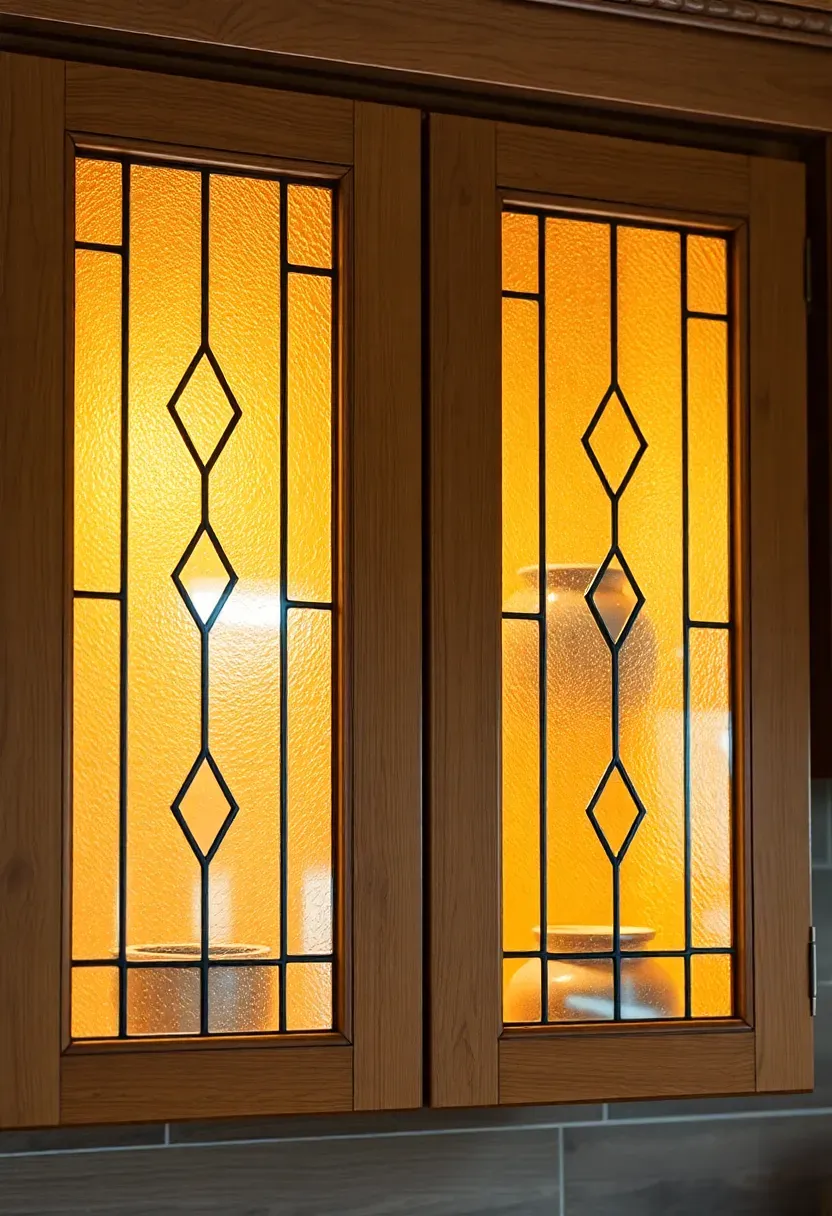
Upper kitchen cabinets and built-in bookcases gain immense character when solid wood panels are replaced with leaded glass. The Arts and Crafts approach to leaded glass favored simple geometries — diamonds, squares, and gentle arches — over the elaborate figural compositions of Victorian stained glass. Clear seeded glass or pale amber glass in a geometric lead came pattern lets cabinet contents show through softly while adding a layer of handcraft to an otherwise utilitarian element.
Practical Advice
- Use leaded glass on upper cabinets only — lower doors take too much physical abuse
- Specify 3/16-inch tempered glass behind the lead came for safety compliance
- Keep the lead pattern simple: a diamond grid or a single horizontal division reads most authentically
- Interior cabinet lighting behind leaded glass creates a lantern effect at night
18. Hand-Embroidered Cushions and Curtains
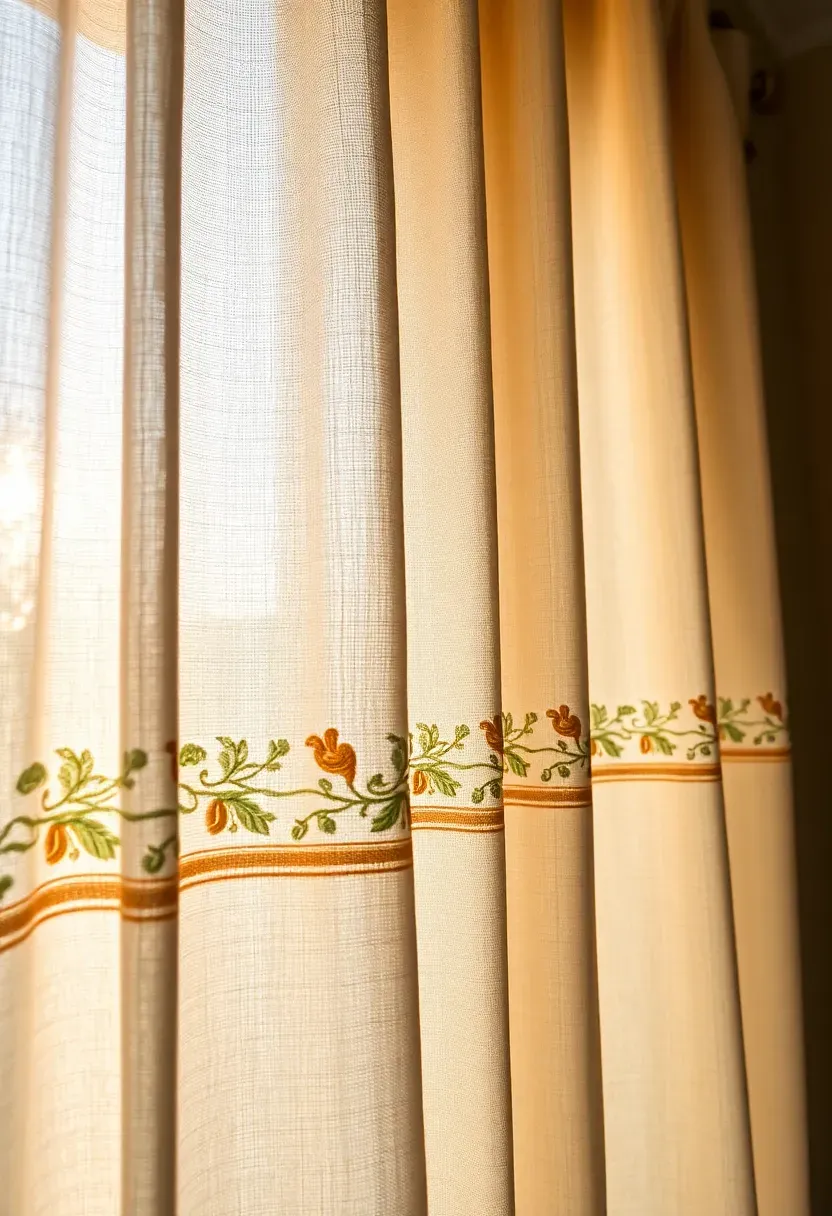
The needle arts were central to the Arts and Crafts ethos — embroidery, crewelwork, and applique allowed individuals to bring handcraft into daily life without a workshop. Cushion covers embroidered with stylized flowers, leaves, or interlacing Celtic knots in muted wools add portable warmth to any chair or sofa. Curtains with a simple embroidered border along the leading edge frame a window with hand-stitched intention. Linen and cotton are the preferred ground fabrics — their natural drape and texture complement the movement's values perfectly.
Getting Started with Embroidered Textiles
- Source kits from Arts and Crafts-inspired suppliers like Morris and Co. or William Morris Gallery
- Use crewel wool on linen for cushions — it is more durable than cotton floss
- A 4-inch embroidered border on plain linen curtains adds character without overwhelming a room
Recommended
Items for this idea
19. Copper and Brass Kitchen Accents
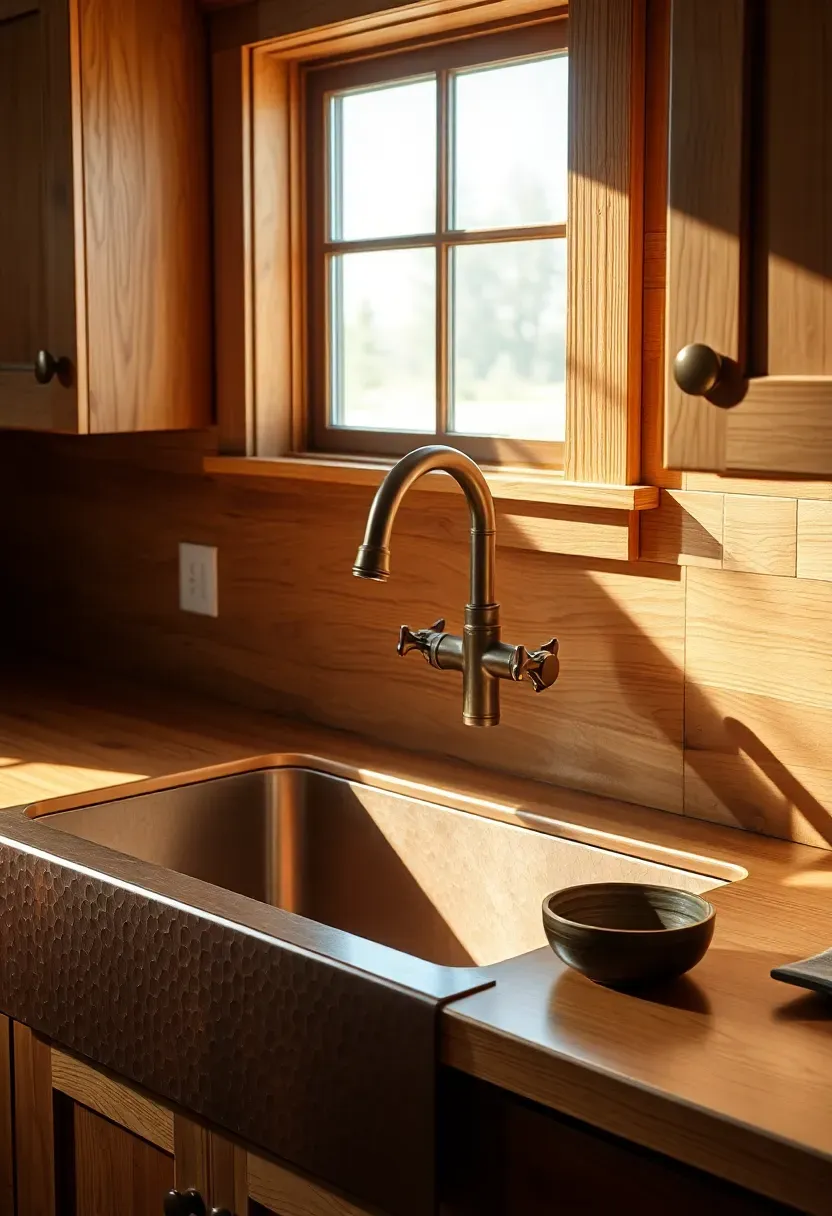
A craftsman kitchen earns its character through material honesty, and nothing speaks that language more clearly than copper and brass. A hammered copper farmhouse sink, unlacquered brass faucet, copper range hood, and hand-forged cabinet pulls build a kitchen that ages alongside its owners. The patina deepens, the metals warm, and every scratch becomes part of the story. Unlike stainless steel, which looks the same on day one and day one thousand, copper and brass keep a visible diary.
Best Applications
- Hammered copper apron-front sink as the kitchen's centerpiece
- Unlacquered brass gooseneck faucet that develops patina naturally
- Copper backsplash panels behind the range for heat resistance and visual drama
- Small brass cup pulls on drawers to maintain the material theme without excess
20. Craftsman Staircase Details
Origins
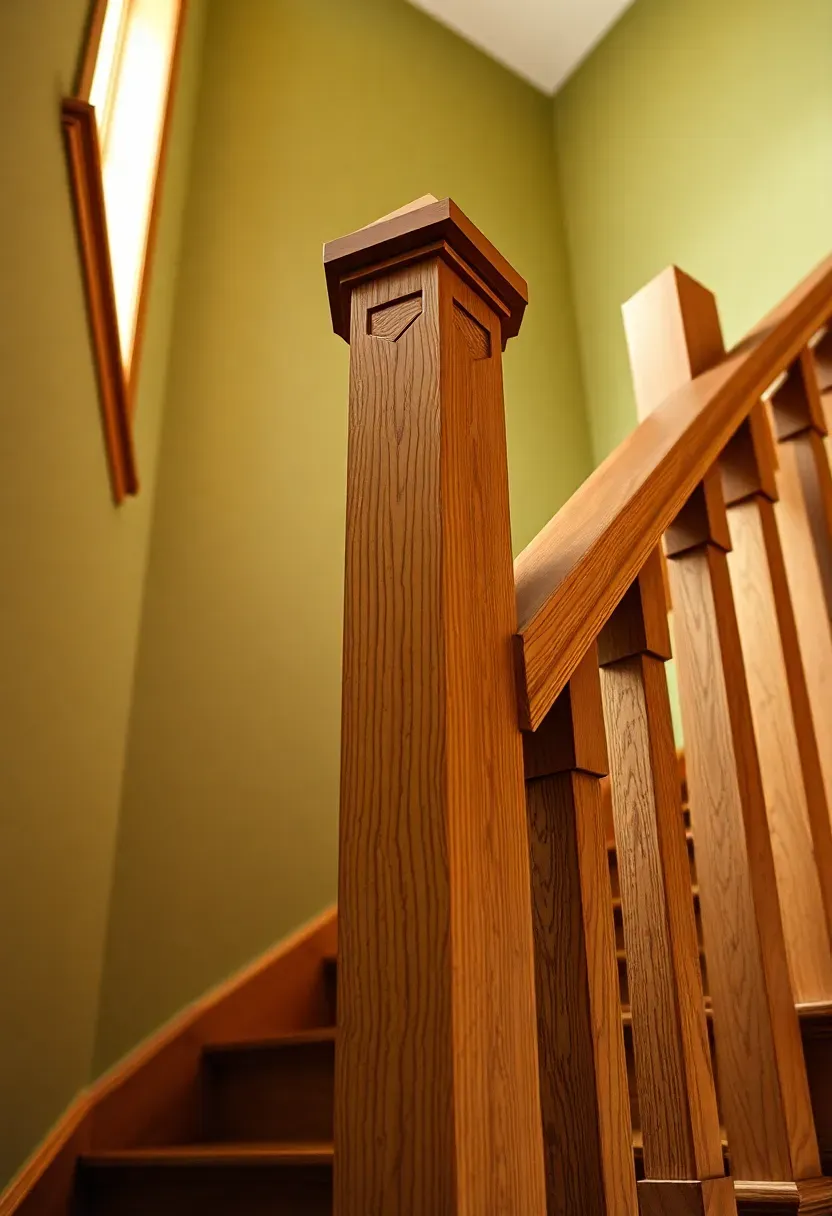
The Victorian staircase was a showpiece of turned spindles, ornate newel posts, and carved scrollwork. The Arts and Crafts movement rejected all of it. In its place came square-section balusters, robust rectilinear newel posts topped with pyramidal caps or through-tenon joints, and wide oak handrails with a gentle radius that fits the hand like a tool handle.
Modern Interpretation
Updating an existing staircase to craftsman specifications is one of the most impactful renovations you can undertake. Replacing turned spindles with square balusters, capping newel posts with simple pyramid tops, and staining everything in warm quarter-sawn oak transforms the central vertical circulation of your home into an architectural statement. The visual effect is immediate: clean geometry, warm wood, and the reassuring solidity of honest construction.
How to Apply at Home
- Replace turned balusters with 1.5-inch square oak balusters spaced evenly at 4-inch centers
- Top newel posts with a pyramidal cap or a recessed panel for visual weight
- Stain all elements to match existing oak trim and flooring for material continuity
- Add a simple chamfer to baluster edges for subtle detail
Recommended
Items for this idea
21. Nature-Inspired Carved Woodwork
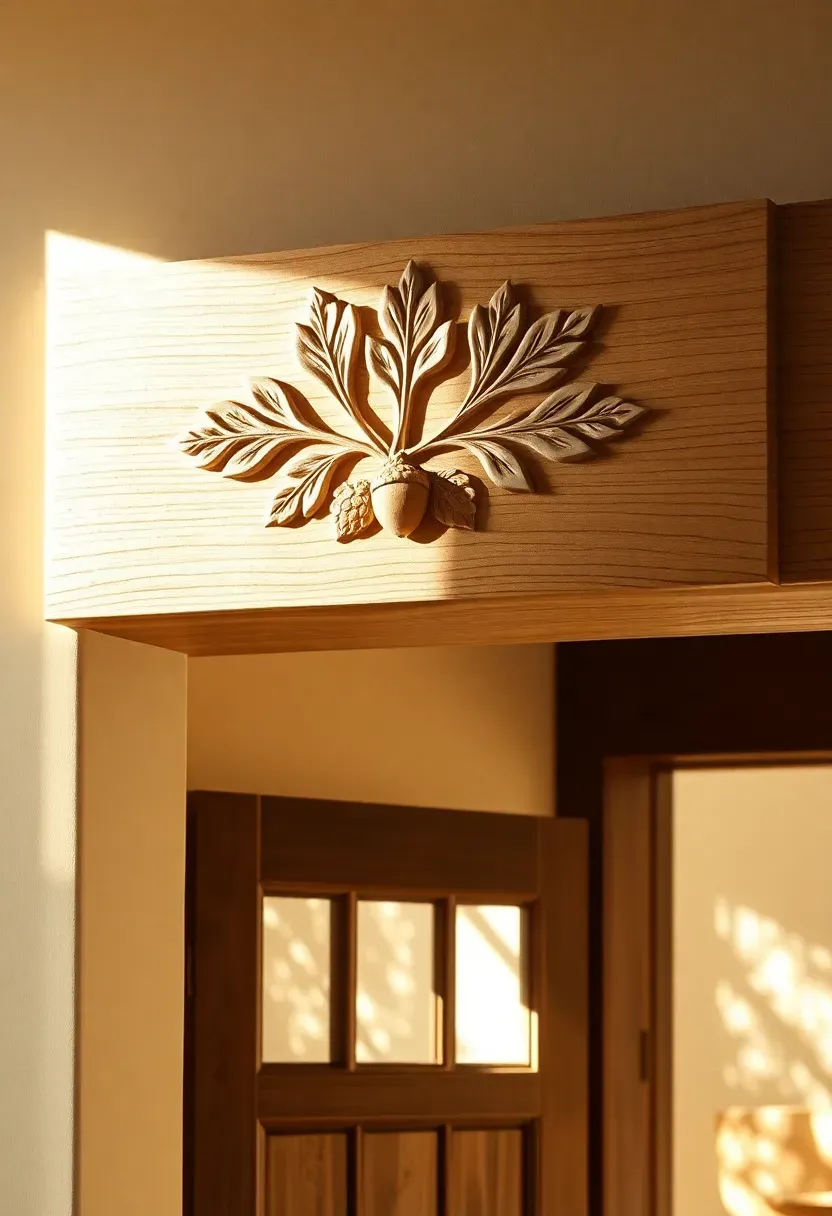
The movement's deepest conviction was that ornament should derive from nature rather than from classical pattern books. Carved oak leaves, acorns, ginkgo leaves, pinecones, and stylized roses appear as corbel details, door lintels, furniture panels, and mantelpiece accents across the best Arts and Crafts interiors. The carving style is typically shallow relief — suggesting rather than imitating — with clean tool marks left visible as evidence of the carver's hand. A single carved panel above a doorway or a pair of botanical corbels supporting a mantel shelf can anchor an entire room in the movement's philosophy.
Commissioning Carved Details
- Seek woodcarvers specializing in architectural ornament — many advertise through the Guild of Master Craftsmen or regional woodworking guilds
- Provide botanical reference images rather than abstract concepts to ensure natural authenticity
- White oak and walnut are the preferred carving woods for Arts and Crafts applications
- Ask for a wax or oil finish rather than varnish to maintain the wood's tactile warmth
Quick FAQ
Is Arts and Crafts style the same as Craftsman? They share DNA but are not identical. Arts and Crafts is the broader philosophical movement originating in England with William Morris. Craftsman refers specifically to Gustav Stickley's American interpretation, popularized through his Craftsman magazine and bungalow house plans. Every Craftsman interior is Arts and Crafts, but not every Arts and Crafts interior is Craftsman.
Can you mix Arts and Crafts with modern furniture? Absolutely — in fact, the movement's emphasis on clean lines and natural materials pairs surprisingly well with mid-century modern and Scandinavian pieces. A Stickley oak settle beside a Hans Wegner chair creates a dialogue about craftsmanship across eras. The key is shared values: honest materials, visible construction, and restraint.
Should I avoid chrome and stainless steel entirely? Not necessarily, but use them sparingly. The movement favored copper, brass, wrought iron, and bronze — metals that age visibly and warm in tone. Chrome and stainless steel read as industrial and anonymous, which contradicts the Arts and Crafts ethos. Reserve them for purely utilitarian applications and use warm metals everywhere else.
Which rooms benefit most from the Arts and Crafts treatment? Living rooms and dining rooms respond most dramatically because they accommodate the movement's signature elements — fireplaces, built-ins, paneling, and display shelving. However, kitchens, bedrooms, and entryways all benefit from selective application: a hammered copper sink, a mica bedside lamp, or a set of hand-forged door hinges can carry the theme without a full renovation.
Where do I find authentic Arts and Crafts antiques? Auction houses like Rago, Toomey, and Sotheby's regularly feature period pieces. Online platforms such as 1stDibs and Chairish carry vetted inventory. For more affordable finds, estate sales in regions with strong bungalow traditions — Pasadena, the Chicago suburbs, upstate New York — yield occasional treasures at reasonable prices.
Trends come and go, but the Arts and Crafts conviction — that a home should be built with care, furnished with integrity, and decorated with restraint — has outlasted every decorating fad of the past 140 years. Start with one honest material, one handmade object, one surface that shows the mark of a human hand, and let the room grow from there.
Pinterest cover for 21 Arts and Crafts Interior Design Ideas for Timeless Homes
About the author
OBCD
CGI visualization and interior design content. We create detailed 3D renders and curate practical design ideas for every room in your home.