21 Nature-Inspired Japandi Bedroom Ideas for a Calming Home
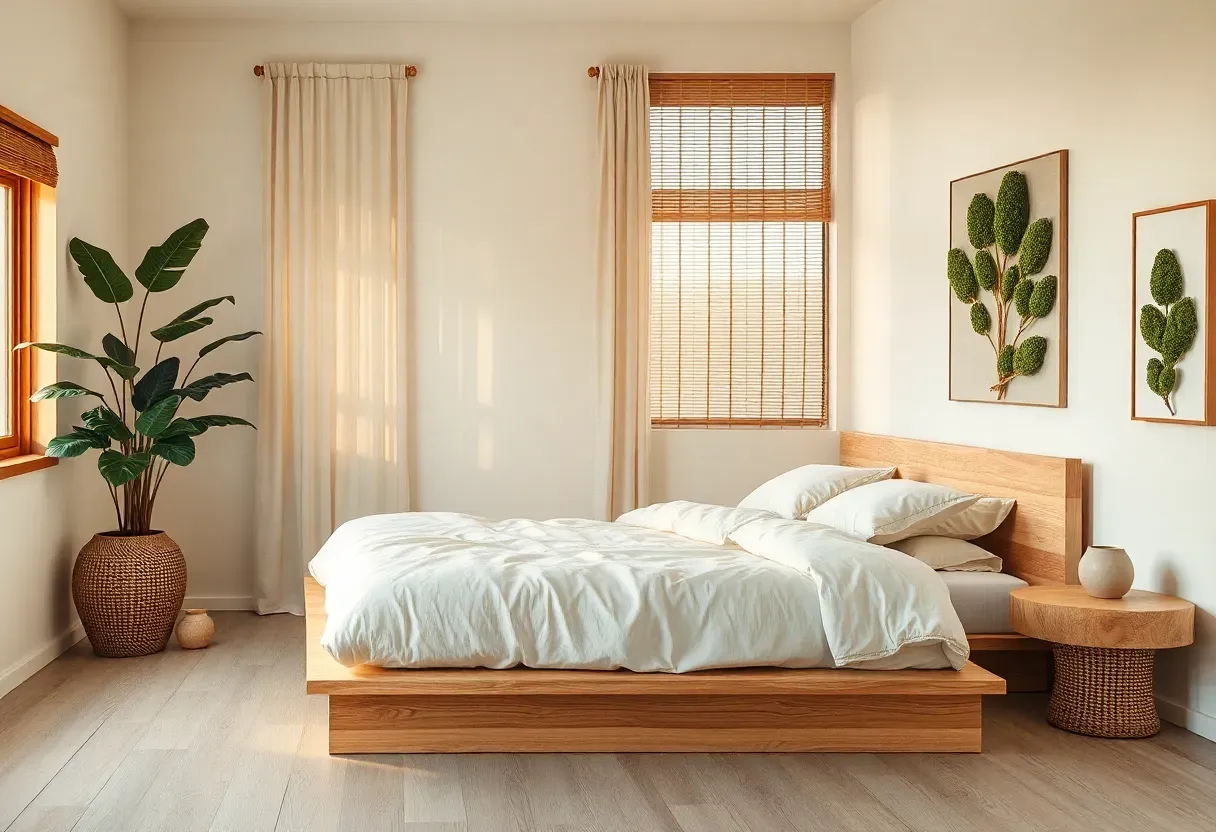
A nature-inspired Japandi bedroom combines zen principles of Japanese minimalism with the cozy warmth of Scandinavian design, creating a calming retreat that promotes restful sleep. These 21 nature-inspired Japandi bedroom ideas show how organic materials, muted earth tones, and thoughtful simplicity work together to craft a space that feels both sophisticated and deeply comforting. By integrating natural elements like wood, stone, and live plants, you can transform even a small rental bedroom into a calming sanctuary that reconnects you with nature while maintaining clean, uncluttered lines.
The Japandi aesthetic emphasizes functional beauty, where each piece serves a purpose while contributing to an overall sense of peace. Natural wood grains, linen textures, and stone accents provide tactile interest without overwhelming the senses, while a carefully curated palette of creams, soft greens, and warm browns creates visual continuity. Whether you are working with a spacious master suite or a compact apartment bedroom, these calming Japandi bedroom design ideas will help you build a balanced environment that supports both relaxation and rejuvenation through organic decor and natural materials.
Quick FAQ
What makes a bedroom Japandi style?
Japandi blends Japanese minimalism (clean lines, low furniture, neutral colors) with Scandinavian hygge (cozy textures, warm woods, soft lighting) to create spaces that feel both serene and inviting.
How do I make my bedroom feel nature-inspired?
Incorporate natural materials like wood, linen, and stone; add live plants; use earthy color palettes; maximize natural light; and choose organic shapes that reflect the outdoors.
Why choose a Japandi bedroom for better sleep?
The Japandi philosophy reduces visual clutter, promotes calm through neutral tones, and creates a restful environment that helps lower stress and improve sleep quality through mindful design.
Which colors work best in a nature-inspired Japandi bedroom?
Soft whites, warm beiges, sage greens, terracotta, charcoal, and natural wood tones create a cohesive palette that feels both grounded and serene.
Should I avoid patterns in a Japandi bedroom?
Avoid bold or busy patterns. Instead, opt for subtle textures like woven linen, natural wood grain, or organic shapes that add visual interest without overwhelming the calm aesthetic.
How can I add warmth to a minimalist Japandi bedroom?
Layer tactile materials like wool throws, linen bedding, and wood accents; incorporate warm lighting; add personal touches through ceramics or handmade objects; and use area rugs to soften hard surfaces.
As an Amazon Associate I earn from qualifying purchases.
Table of Contents
- 1. Low Platform Bed with Natural Wood Headboard
- 2. Living Wall Behind the Bed
- 3. Linen Bedding in Earthy Terracotta
- 4. Stone Accent Wall with Floating Wood Shelves
- 5. Woven Rattan Bed Frame
- 6. Monstera Deliciosa as Focal Point
- 7. Handmade Ceramic Nightstands
- 8. Bamboo Window Blinds with Sheer Linen Curtains
- 9. Tatami-Inspired Floor Cushion Corner
- 10. Driftwood Sculpture on Dresser
- 11. Paper Lantern Light Fixture
- 12. Reclaimed Wood Ceiling Beams
- 13. Moss Art Installation
- 14. Shoji Screen Room Divider
- 15. River Rock Garden Border
- 16. Hemp Rug Layered Over Jute
- 17. Branch Coat Rack as Art Piece
- 18. Terrarium on Nightstand
- 19. Wooden Slat Wall Treatment
- 20. Dried Floral Arrangement in Ceramic Vase
- 21. Meditation Corner with Zen Garden Elements
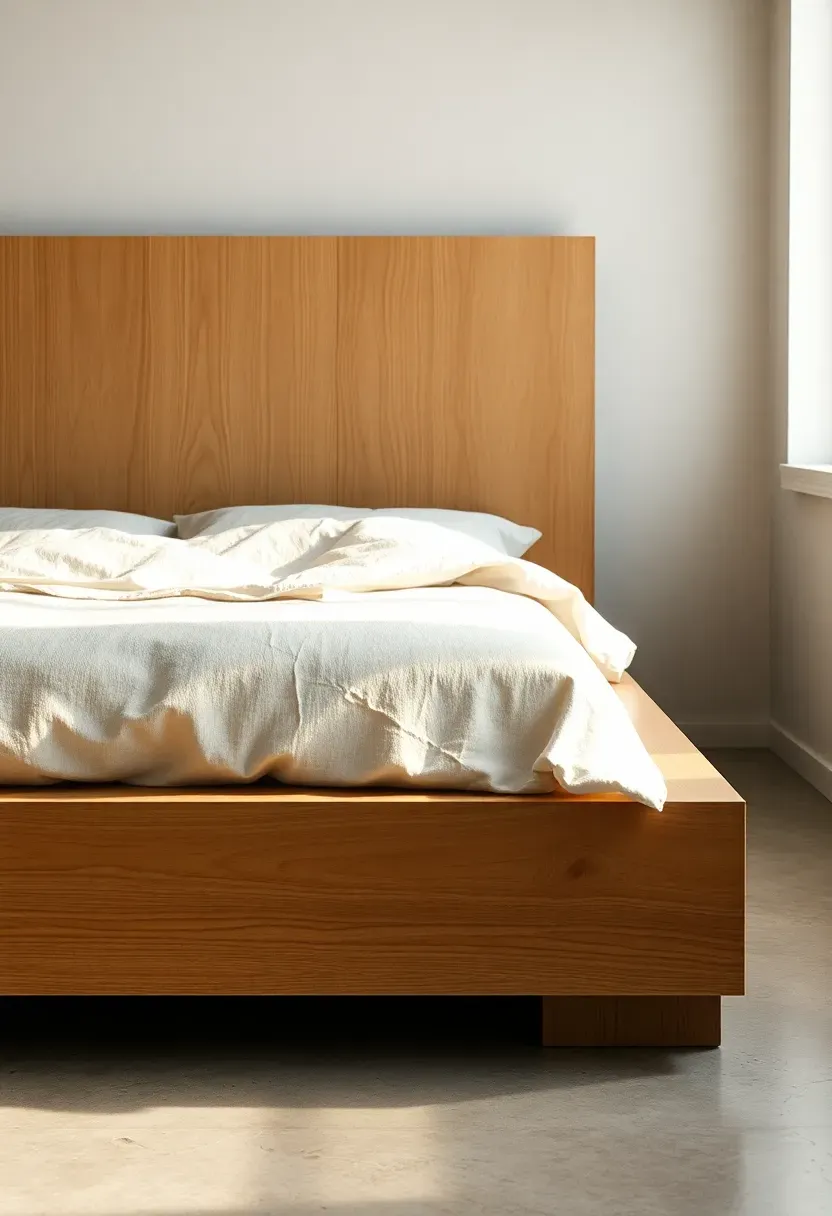
Prompt: Nature documentary capture on Hasselblad X2D 100C with XCD 90V lens at f/4. Hyper-realistic 3/4 view of a low platform bed with natural light oak wood headboard, minimalist bedroom setting with visible floor and part of window. Materials: quarter-sawn white oak headboard with visible grain, natural linen bedding in soft cream, polished concrete floor. Warm low diffused morning light from window right (4500K), soft shadows bedding. Balanced minimalist composition, shallow depth of field with sharp headboard details. No text, no logos, no watermarks.
A low platform bed anchors the nature-inspired Japandi bedroom while maintaining the Japanese principle of close-to-earth sleeping, which promotes grounding and better circulation. The natural wood headboard showcases organic grain patterns that add warmth without introducing visual chaos, while the low profile creates an airy sense of space even in smaller rooms. This design choice honors both traditions: Scandinavian appreciation for quality wood craftsmanship and Japanese reverence for simplicity and natural materials.
The beauty of a solid wood headboard lies in its ability to age gracefully, developing a richer patina over time that tells a story. Unlike synthetic materials that wear down, natural oak develops character while maintaining its structural integrity for decades. Pair the bed with simple linen bedding in neutral tones to let the wood remain the focal point, and consider a minimalist frame design with subtle tapered legs that echo mid-century Scandinavian influences while respecting Japanese restraint.
Tips
- Choose quarter-sawn oak for consistent grain patterns that won't compete with other elements
- Keep the platform height under 14 inches to maintain the low-profile Japandi aesthetic
- Avoid storage drawers underneath—opt for clean base to preserve visual lightness
Best for: Master bedrooms with high ceilings where the low bed creates dramatic vertical proportion.
What this gives you: A serene focal point that combines Scandinavian craftsmanship with Japanese minimalism for a grounded, restful sleep environment.
We picked a few things that go well with this idea: Zinus Lucinda Wood Platform Bed Frame (★4.6), Mellow Naturalista 12-Inch Wood Platform Bed (★4.6) and Zinus Joseph Low Profile 6-Inch Platform Bed (★4.6). As an Amazon Associate we earn from qualifying purchases.
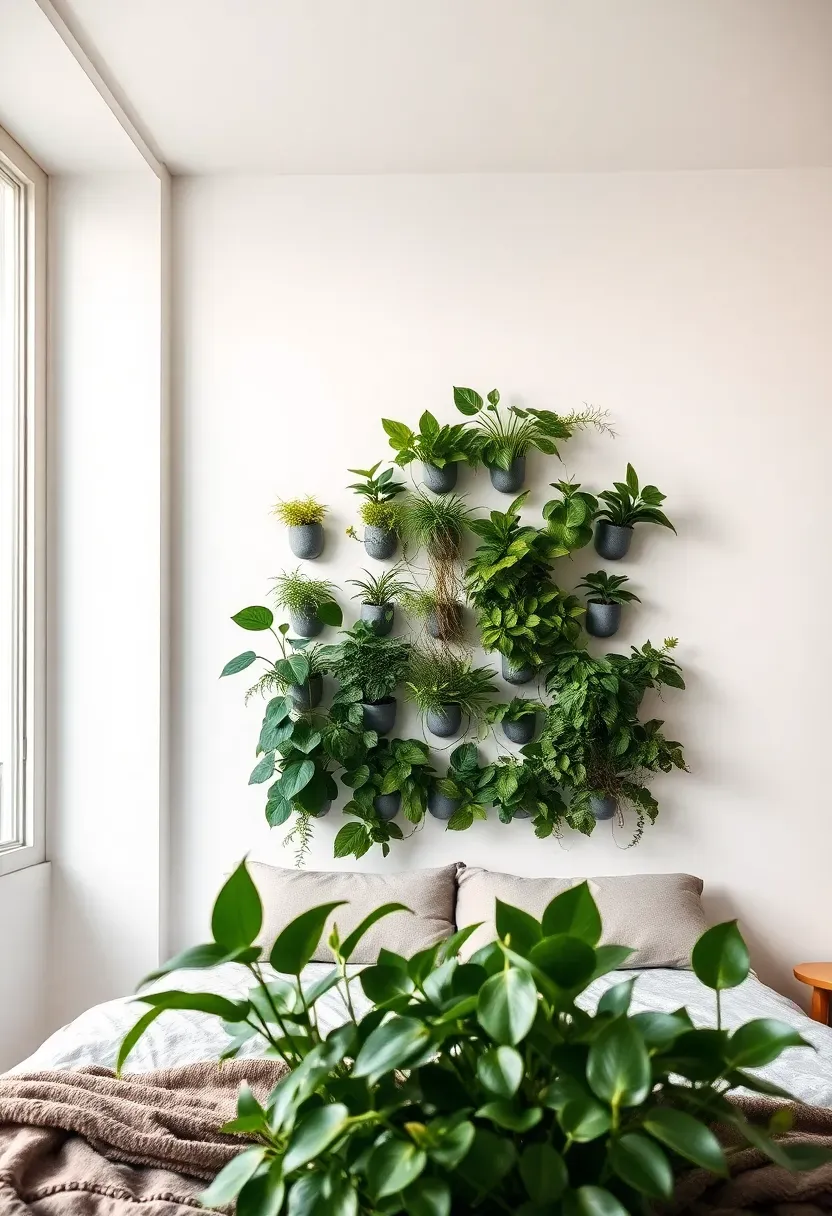
Prompt: Nature documentary capture on Hasselblad X2D 100C with XCD 55V lens at f/5.6. Hyper-realistic straight-on view of a vertical living wall with diverse plants (pothos, ferns, peace lilies) mounted behind a minimalist bed frame. Materials: felt planting pockets, various green leaf textures, white wall background, minimal bed frame visible. Soft diffused daylight from large window left, visible white ceiling and floor edges. Clean vertical composition with sharp plant details foreground. No text, no logos, no watermarks.
Integrating a living wall behind your bed transforms the bedroom into an actual sanctuary, bringing the outdoors in with a dramatic yet serene statement that purifies air while providing a stunning natural backdrop. The vertical garden softens hard architectural lines and creates an immediate connection to nature, which is fundamental to both Japanese and Scandinavian design philosophies. Select low-maintenance plants like pothos, ferns, and peace lilies that thrive in indirect light and require minimal attention—perfect for busy homeowners who want the benefits without the burden.
Living walls act as natural sound dampeners, absorbing street noise and creating a quieter sleep environment. The installation requires a waterproof membrane behind the wall and an irrigation system for consistent moisture, but modern modular systems make this increasingly accessible for residential applications. Consider the scale carefully: a wall that extends 4-6 feet across creates impact without overwhelming the room, and position it at least 2 feet from the bed to allow for maintenance access while preventing moisture issues near bedding.
Tips
- Install LED grow lights on a timer if your bedroom lacks sufficient natural daylight
- Choose a mix of trailing and upright plants for visual depth and texture variety
- If irrigation isn't feasible, opt for individual mounted planters with self-watering reservoirs instead
Placement note: Position the living wall on the wall opposite windows to prevent direct sun from scorching leaves while still providing adequate ambient light.
What this gives you: An air-purifying, sound-absorbing natural backdrop that creates a dramatic connection to the outdoors while maintaining Japandi simplicity.
We picked a few things that go well with this idea: Simple&Opulence Linen Duvet Cover Set (3-Piece) (★4.5), Simple&Opulence Linen Muslin Gauze Duvet Cover (★4.2) and LANE LINEN Organic Cotton Percale Sheets Set (★4.3). As an Amazon Associate we earn from qualifying purchases.

Prompt: Nature documentary capture on Hasselblad X2D 100C with XCD 90V lens at f/2.8. Hyper-realistic close-angle detail shot of rumpled natural linen bedding in warm terracotta color, with visible weave texture and soft wrinkles. Materials: Belgian flax linen with visible slub texture, terracotta dye, white pillowcase contrast. Warm golden hour light from window left creating texture-highlighting shadows, part of wooden bed frame visible. Shallow depth of field with sharp fabric details foreground. No text, no logos, no watermarks.
Linen bedding in earthy terracotta introduces warmth and organic texture that softens the minimal Japandi framework while honoring the Scandinavian love for natural fibers and Japanese appreciation for imperfect beauty. The inherent wrinkles in linen—celebrated rather than smoothed—embody the Japanese concept of wabi-sabi, finding beauty in natural imperfection, while the terracotta hue grounds the space with an earthy connection to the soil. Unlike crisp percale that demands ironing, linen improves with use, becoming softer and more supple with each wash while regulating temperature better than cotton.
The terracotta shade bridges the gap between Japandi's typically neutral palette and a more personalized, warm interior. This color works particularly well in north-facing bedrooms where cooler light might otherwise feel sterile—the terracotta absorbs and reflects warmth, creating a cozy cocoon effect. Layer the terracotta with cream or ivory pillowcases and a lightweight oatmeal-colored throw to maintain visual balance while preventing the room from feeling too monochromatic. Invest in European linen (Belgian or French) for superior quality that will last for years rather than seasons.
Tips
- Embrace the wrinkles—overly smoothed linen contradicts the relaxed aesthetic
- Wash in cold water and avoid fabric softener, which coats fibers and reduces linen's natural breathability
- Layer a lightweight wool blanket at the foot of the bed for added texture without heaviness
Budget/Time: Quality linen duvet covers cost $200-400 but last 5-7 years with proper care, making them a worthwhile investment.
What this gives you: Temperature-regulating, increasingly soft bedding that adds warmth and earthy color while embodying wabi-sabi principles through natural texture.
We picked a few things that go well with this idea: Interlocked Matte Sand-Textured Ceramic Vase Set (2-Pack) (★4.7), Matte Blue Ceramic Japandi Vase Set (3-Pack) (★4.3) and CEMABT Blue Matte Donut Ceramic Vase Set (2-Pack) (★4.8). As an Amazon Associate we earn from qualifying purchases.
Recommended
Items for this idea
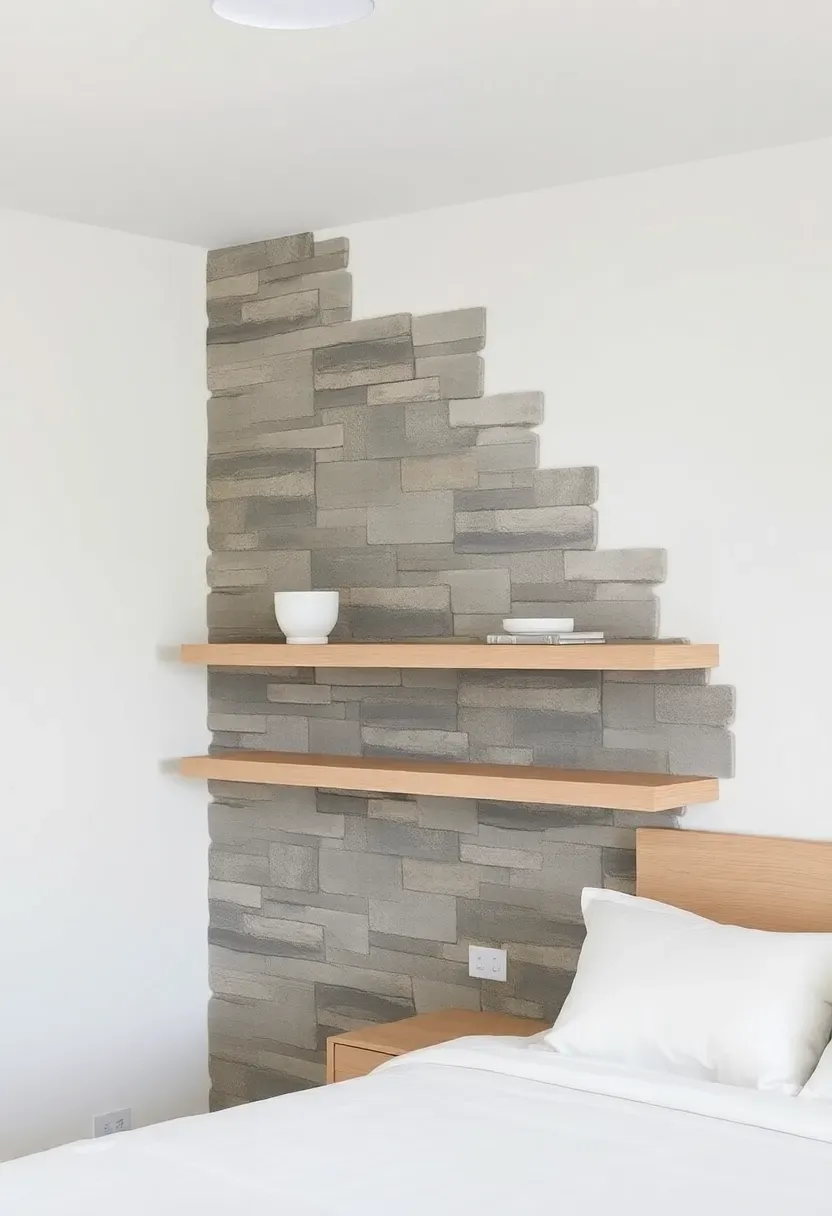
Prompt: Nature documentary capture on Hasselblad X2D 100C with XCD 45V lens at f/8. Hyper-realistic wide shot of a stone accent wall with floating light oak wood shelves, minimalist bedroom setting. Materials: slate stone veneer with natural variation, white oak shelves with visible grain, simple ceramic objects on shelves. Even diffused ambient light from ceiling fixture, soft shadows emphasizing stone texture. Balanced composition with rule-of-thirds shelf placement, sharp details throughout. No text, no logos, no watermarks.
A stone accent wall creates a powerful natural element that brings organic texture and visual weight to the bedroom, serving as a counterpoint to the smooth surfaces typical of Japandi design. The stone's irregularities and color variations—ranging from cool grays to warm earth tones—add depth without clutter, while floating wood shelves provide functional display space without interrupting the wall's visual continuity. This combination works particularly well behind the bed as an alternative to a traditional headboard, or on a side wall to create a reading nook.
Choose stone that reflects your region's geology for authenticity: slate for cool climates, limestone for warmer areas, or fieldstone for rural settings. The floating shelves should match or complement your bed frame wood to maintain cohesion—light oak for airy spaces, walnut for deeper warmth. Keep styling minimal: a single hand-thrown ceramic vase, a small stack of books, perhaps a simple wooden box. The goal is to celebrate the stone's natural beauty rather than distract from it with excessive objects.
Tips
- Install stone in a dry-stack pattern without visible grout for a more organic, Japanese-inspired look
- Use hidden mounting brackets for shelves to preserve the wall's seamless appearance
- If stone installation isn't feasible, consider high-quality stone-look porcelain tiles for easier maintenance
Avoid if: Your bedroom has low ceilings—the heavy visual weight of stone can make vertically-challenged rooms feel more compressed.
What this gives you: A dramatic natural backdrop that adds organic texture, thermal mass for temperature regulation, and timeless appeal while maintaining minimalist principles.
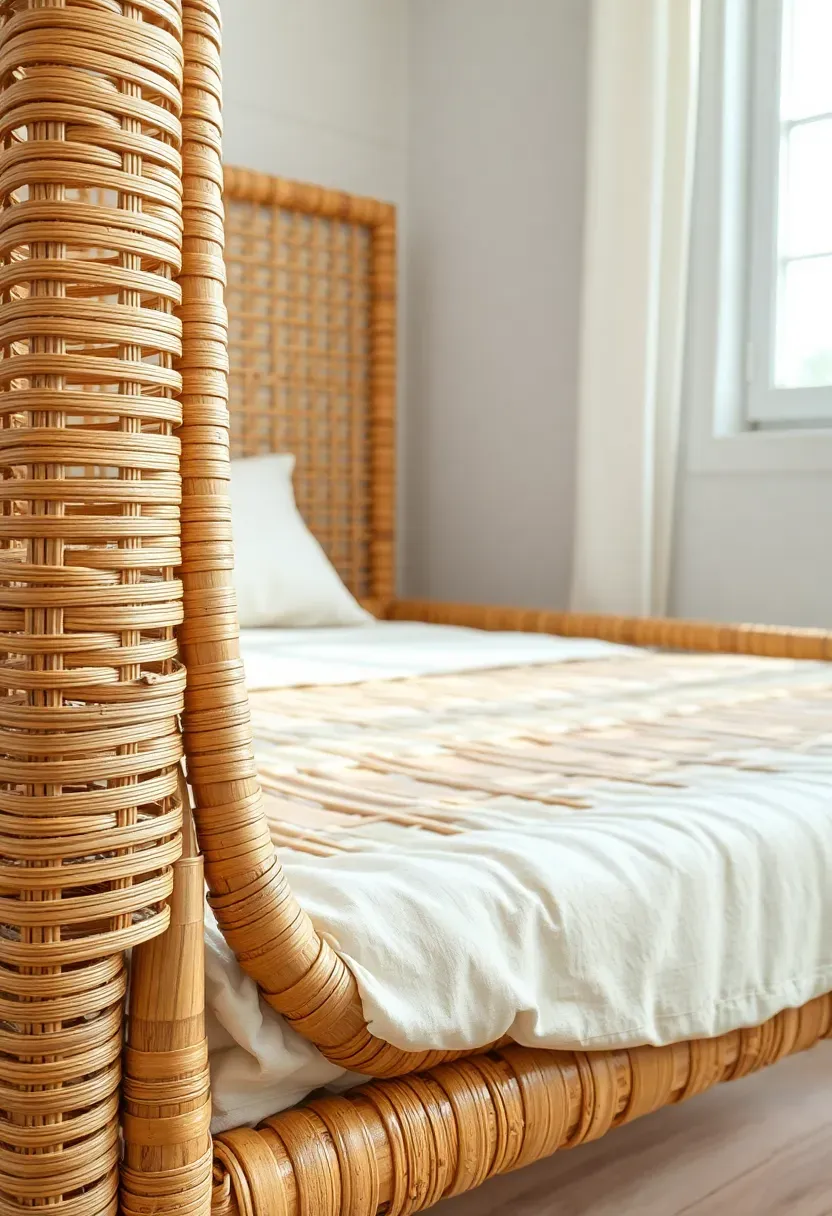
Prompt: Nature documentary capture on Hasselblad X2D 100C with XCD 65V lens at f/4. Hyper-realistic 3/4 view of a woven rattan bed frame with natural cane weaving, bedroom context with visible floor and window. Materials: natural rattan cane weaving, rattan pole frame, linen bedding in cream, light wood floor. Soft diffused daylight from window right, visible shadow patterns from cane weaving. Balanced composition with sharp weaving details foreground to mid-ground. No text, no logos, no watermarks.
A woven rattan bed frame introduces organic texture and craftsmanship that celebrates natural materials while maintaining the light, airy feel essential to Japandi design. The intricate weaving pattern adds visual interest without the heaviness of solid wood, creating a bed that feels both substantial and delicate—a balance that Japandi does so well. Rattan's sustainable credentials (a fast-growing palm that requires minimal processing) align with both Japanese reverence for nature and Scandinavian environmental consciousness, making it an ethical choice beyond aesthetics.
The rattan frame works particularly well in bedrooms with abundant natural light, as the weaving creates beautiful shadow patterns that change throughout the day. This material pairs naturally with linen bedding, jute rugs, and wooden accents for a cohesive organic palette. While traditional rattan can feel tropical, a Japandi interpretation keeps the lines clean and the color neutral—avoid stained or painted finishes in favor of natural golden-brown tones that will develop a richer patina over years of use. Consider a frame with tapered legs to maintain the Scandinavian influence while honoring the rattan's Southeast Asian origins.
Tips
- Choose frames with tightly woven cane for durability—loose weaves may snag on bedding or clothing
- Avoid placing in direct sunlight for extended periods, which can dry and weaken the rattan fibers
- Polish with lemon oil annually to maintain flexibility and prevent drying or cracking
Rental note: Rattan frames are lighter than wood, making them easier to move if you relocate frequently, though they still require careful handling.
What this gives you: A lightweight, sustainable bed frame that adds sophisticated woven texture and creates beautiful shadow patterns while maintaining Japandi's airy aesthetic.
Recommended
Items for this idea
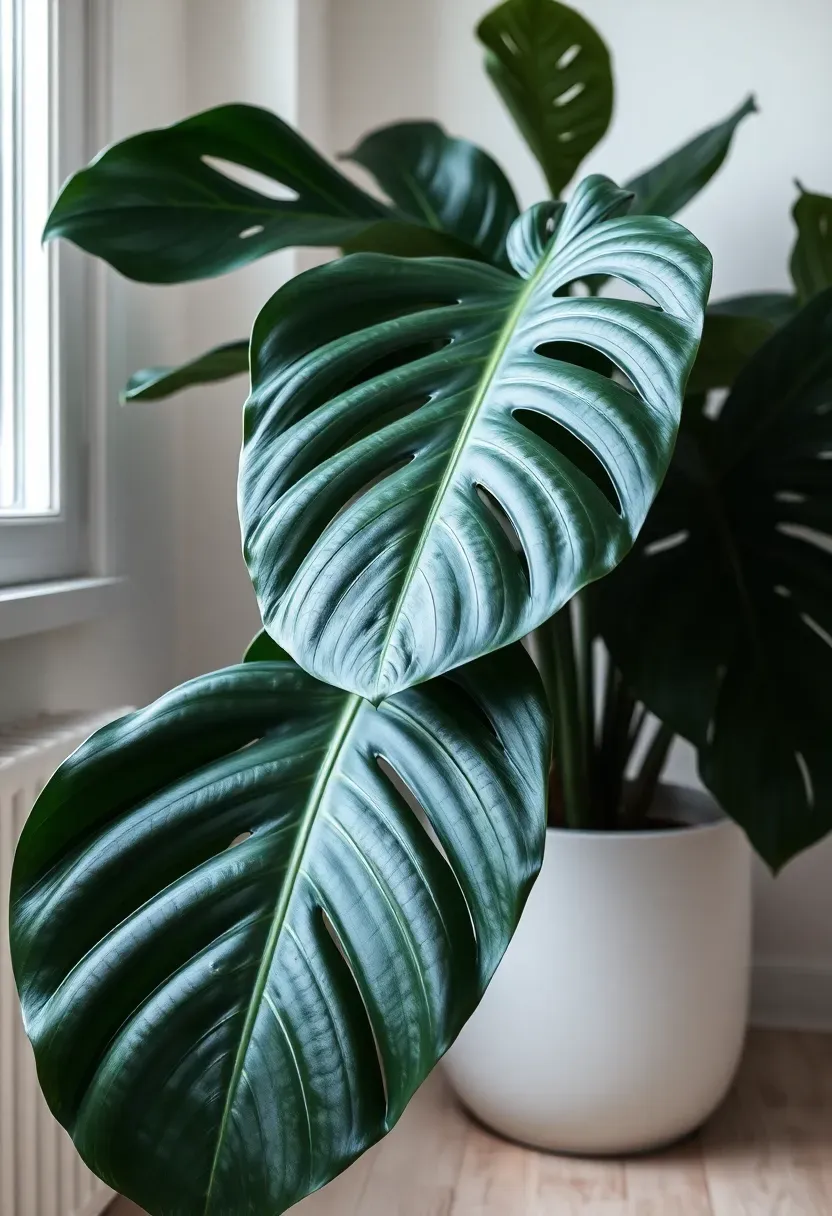
Prompt: Nature documentary capture on Hasselblad X2D 100C with XCD 120V macro lens at f/4. Hyper-realistic detail shot of a large Monstera deliciosa plant in a minimalist ceramic pot, with bedroom corner context visible. Materials: glossy dark green leaves with natural fenestrations, matte white ceramic planter, light wood floor, white wall. Soft diffused window light from left, visible leaf translucency where light passes through. Sharp leaf details foreground, shallow depth of field. No text, no logos, no watermarks.
A single mature Monstera deliciosa makes a bold architectural statement in a Japandi bedroom, its dramatic split leaves providing sculptural interest that rivals artwork while purifying air and connecting the space to nature. The plant's large glossy leaves create beautiful contrast against matte walls and natural wood, while its upright growth habit adds verticality without occupying precious floor space. Position it in a corner where it receives bright indirect light—near but not directly in windows—and let it become the living sculpture that anchors the room.
The Monstera's dramatic leaves work particularly well in bedrooms with high ceilings where their upward growth can be appreciated, and the plant's eventual height (6-10 feet indoors) creates a dramatic sense of scale. Choose a simple white or cream ceramic planter that fades into the background rather than competing with the leaves. For smaller rooms, consider a Monstera adansonii (the smaller-leaf Swiss cheese vine) which provides similar appeal with a more compact footprint. Monsteras are relatively forgiving houseplants—they tolerate lower light than most tropicals and signal their needs clearly through drooping leaves when thirsty.
Tips
- Wipe leaves monthly with a damp cloth to remove dust, which blocks light and reduces photosynthesis
- Rotate the plant quarterly for even growth—Monsteras naturally grow toward light sources
- If the plant becomes too large, propagate stems in water to create new plants or share with friends
Placement note: Position at least 3 feet from heating vents or radiators—Monstera leaves crisp in dry, hot air despite being tropical plants.
What this gives you: A dramatic, air-purifying living sculpture that adds verticality, organic shape, and a strong connection to nature while requiring minimal maintenance.
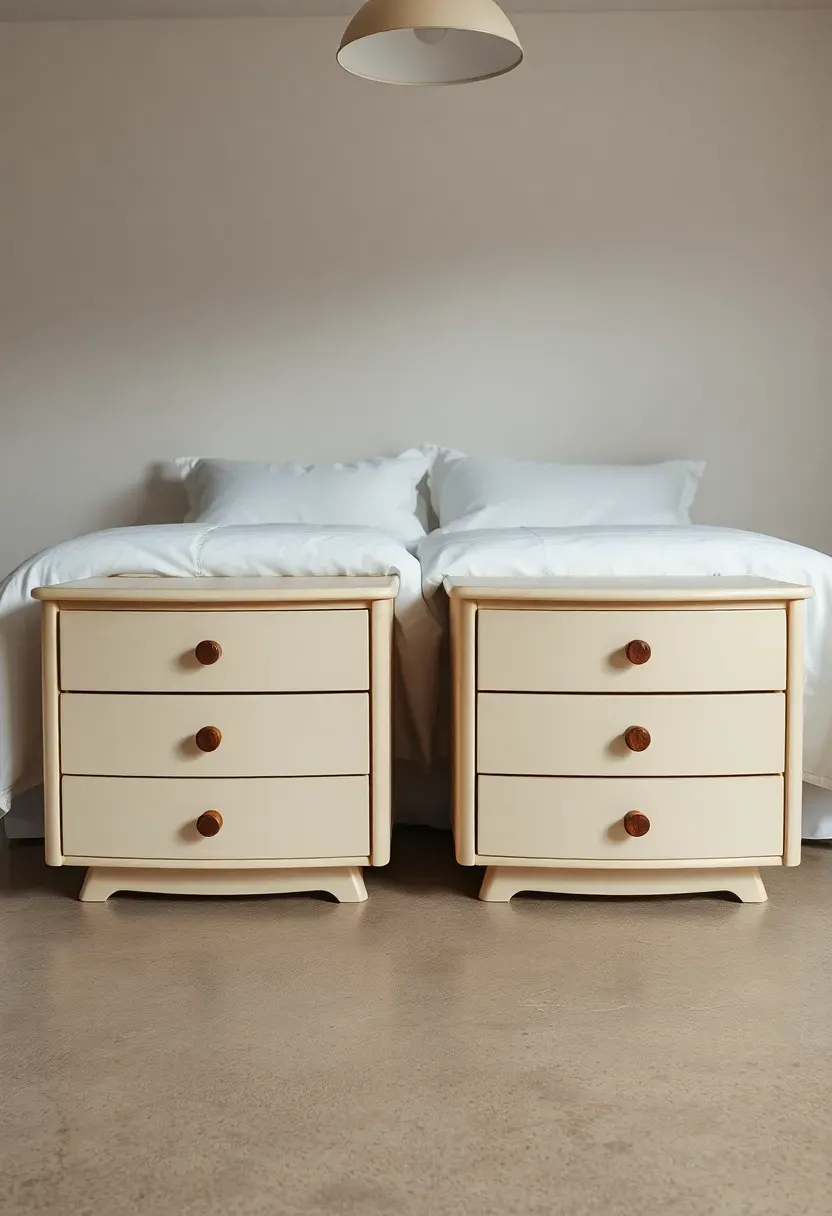
Prompt: Nature documentary capture on Hasselblad X2D 100C with XCD 90V lens at f/4. Hyper-realistic straight-on view of two handmade ceramic nightstands in warm cream with slight variations, bedroom setting with bed partially visible. Materials: matte ceramic with subtle throwing rings visible, wood drawer pulls, concrete floor, white linen bedding. Soft even light from overhead fixture, gentle shadows emphasizing ceramic form. Symmetrical composition with slight variations between the two stands celebrating handmade quality. No text, no logos, no watermarks.
Handmade ceramic nightstands introduce the Japanese appreciation for imperfect beauty and the Scandinavian love for craftsmanship, creating bedside surfaces that feel personal and artisanal rather than mass-produced. The subtle variations between the two nightstands—slight differences in height, shape, or glaze—celebrate the handmade process and embody wabi-sabi principles, finding beauty in natural irregularity. Ceramic's cool surface provides a pleasing contrast to warm wood tones and soft textiles, while the material's weight gives these small pieces a substantial, grounded feel.
Choose nightstands with minimal drawer or shelf storage to maintain Japandi's less-is-more approach—surface space for a lamp, book, and water glass is sufficient. The glaze color should complement your palette: cream for warmth, charcoal for contrast, or soft sage for a subtle connection to nature. Consider working with a local ceramicist to create custom pieces that reflect your region's clay and aesthetic, or seek out pieces with visible throwing rings or finger marks that emphasize the handmade process. These nightstands become functional art objects that elevate the entire room.
Tips
- Use felt pads under the bases to protect floors and prevent shifting
- Embrace slight variations between the two pieces rather than seeking perfectly matching nightstands
- If custom ceramics aren't available, look for artisan-made pieces on platforms like Etsy or local craft fairs
Best for: Bedrooms where you want to introduce individual craftsmanship and artisanal quality as a counterpoint to mass-produced furniture.
What this gives you: Unique, artisanal bedside surfaces that celebrate craftsmanship and imperfection while providing functional elegance and cool tactile contrast.
Recommended
Items for this idea
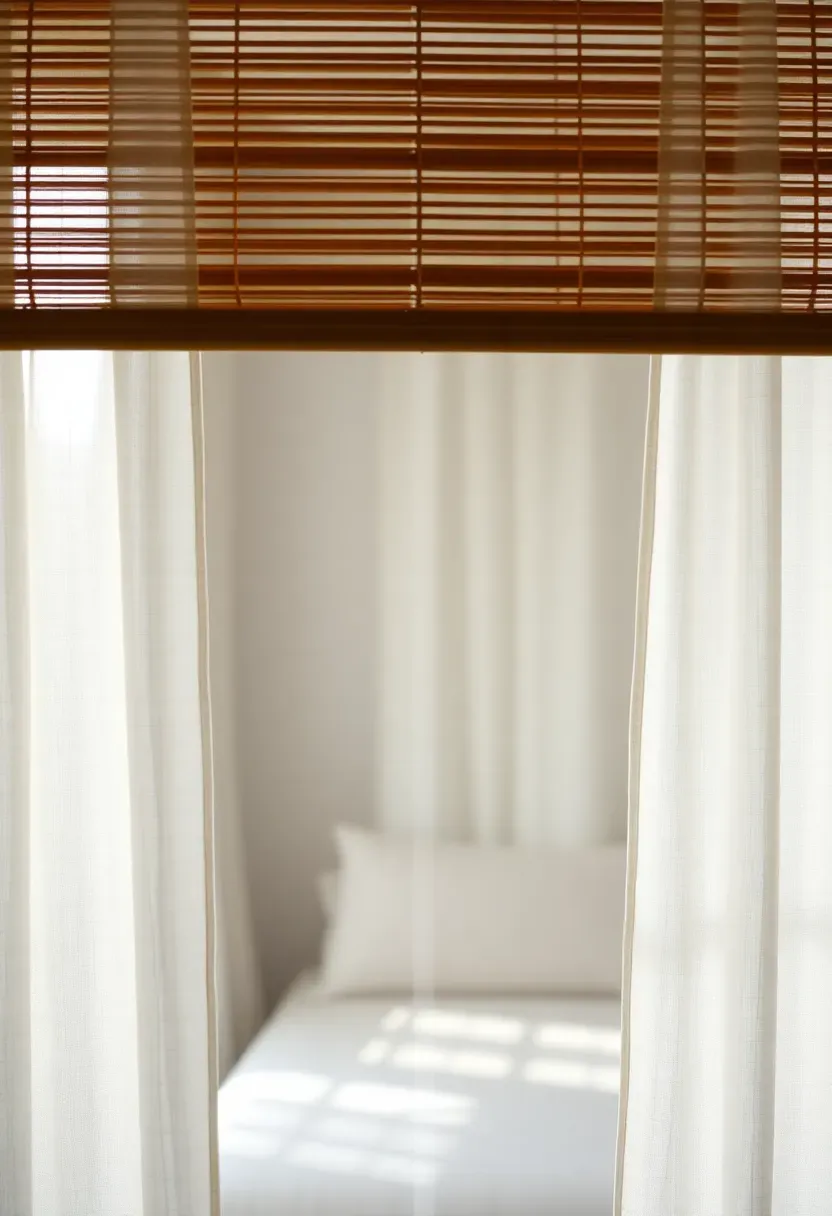
Prompt: Nature documentary capture on Hasselblad X2D 100C with XCD 55V lens at f/5.6. Hyper-realistic view through bamboo blinds with sheer linen curtains, bedroom interior visible beyond window frame. Materials: natural bamboo slats with visible nodes, sheer Belgian linen with loose weave, diffused daylight creating soft patterns. Backlit window treatment with light filtering through both bamboo and linen, visible interior shadows. Balanced composition with window frame as natural border. No text, no logos, no watermarks.
Layering bamboo blinds with sheer linen curtains creates a sophisticated window treatment that provides privacy, light control, and textural depth while maintaining Japandi's natural material palette. The bamboo blinds offer functional light blocking during sleeping hours while introducing organic linear patterns, while the sheer linen curtains soften the hard lines and filter harsh daylight into a gentle, diffused glow. This combination allows you to adjust the room's mood throughout the day—from bright and airy to softly dimmed—without sacrificing the natural aesthetic.
Bamboo's sustainability credentials (it regenerates without replanting and grows rapidly) align with Japandi's environmental consciousness, while linen's natural fibers provide the necessary contrast in texture. Install the blinds inside the window frame for a clean, built-in look that respects Japanese minimalism, and hang the linen curtains from a simple wooden rod or black metal pipe for Scandinavian industrial influence. The curtains should puddle slightly on the floor (1-2 inches) for a relaxed, informal feel that contrasts with the structured bamboo—this tension between formal and casual is quintessentially Japandi.
Tips
- Choose bamboo blinds with minimal cords and tapes for a cleaner, less busy appearance
- Machine wash linen curtains in cold water and hang to dry—dry cleaning can leave residue that attracts dust
- Consider blackout liners behind bamboo if your bedroom faces east or requires darker sleeping conditions
Avoid if: Your bedroom windows are very small—layered treatments can visually shrink already modest windows and reduce precious light.
What this gives you: Versatile light control, privacy, and layered texture that combines sustainable materials with functional elegance while filtering harsh daylight into soft glow.
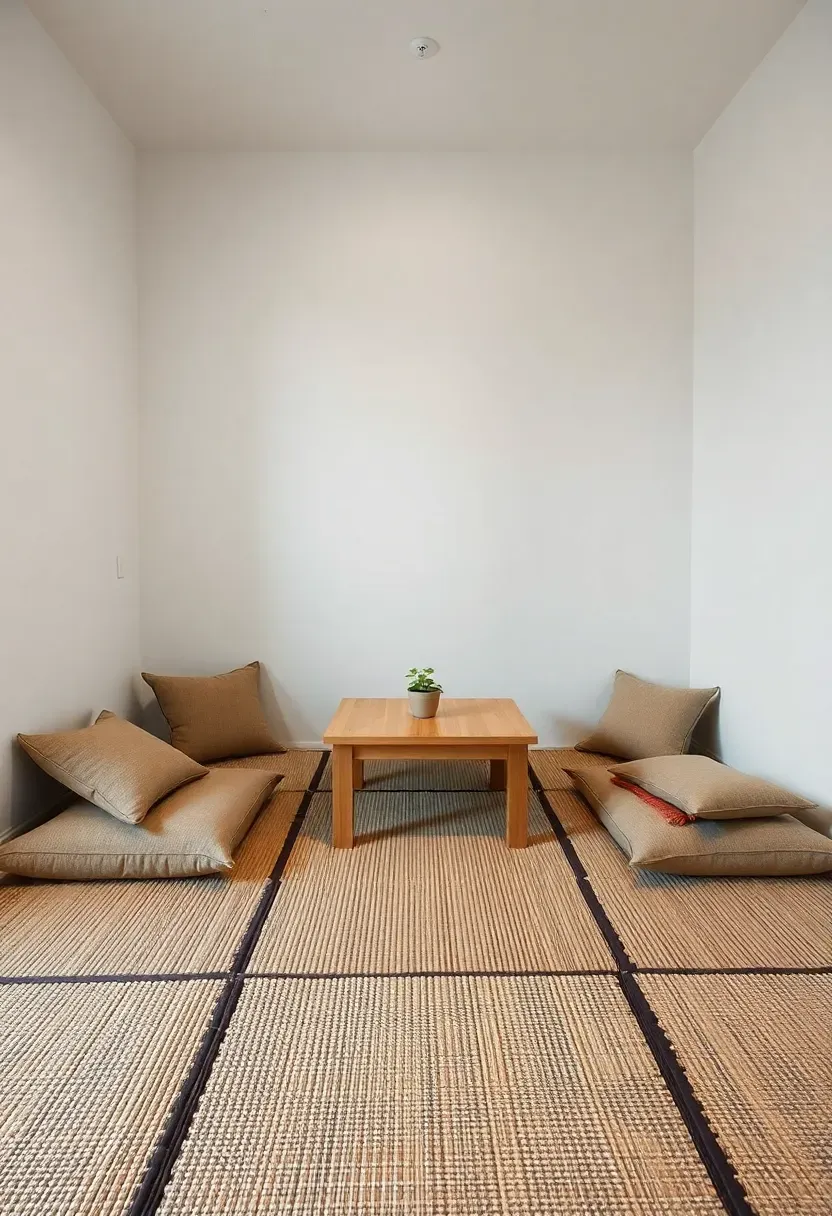
Prompt: Nature documentary capture on Hasselblad X2D 100C with XCD 45V lens at f/8. Hyper-realistic wide shot of a tatami-inspired floor seating corner with rush grass floor mats, buckwheat pillows, low wooden table, bedroom corner context. Materials: woven rush grass tatami mats with fabric borders, cotton pillow covers in earth tones, light oak table, white walls. Even diffused ambient light from ceiling, soft shadows indicating depth. Clean composition with floor-level perspective emphasizing Japanese influence. No text, no logos, no watermarks.
Creating a tatami-inspired floor cushion corner in your bedroom introduces a versatile meditation or reading space that honors Japanese tradition while accommodating modern Japandi flexibility. This low-seating area doesn't compete with the bed but rather provides an alternative zone for contemplation, morning stretching, or quiet reading—all activities that align with the bedroom's purpose as a sanctuary. The rush grass tatami mats provide natural insulation and a distinctive grassy scent when new, while buckwheat hull pillows offer moldable support that conforms to your body for floor-based comfort.
Position this corner near a window to take advantage of natural light for reading, or create it in a quiet nook away from high-traffic areas for undisturbed meditation. The low wooden table—a simple chabudai inspired piece—should be just tall enough for floor seating but low enough to maintain the Japanese aesthetic. Keep the palette neutral: cream, taupe, and soft green cushions that complement rather than contrast with the rest of the room. This space works particularly well in larger bedrooms where you can dedicate a corner without crowding the bed, or in smaller rooms where it serves as a multipurpose zone.
Tips
- Authentic tatami mats require specific care—keep them dry and avoid placing heavy furniture that could compress the rush grass
- Store extra cushions in a woven basket to maintain the minimalist aesthetic when the corner isn't in use
- If traditional tatami isn't practical, look for tatami-style floor cushions built on foam bases for easier maintenance
Budget/Time: A basic tatami corner setup costs $300-800 depending on mat quality and pillow count, making it an accessible addition to most bedrooms.
What this gives you: A versatile meditation, reading, or stretching corner that honors Japanese tradition while adding functional flexibility to your bedroom sanctuary.
Recommended
Items for this idea
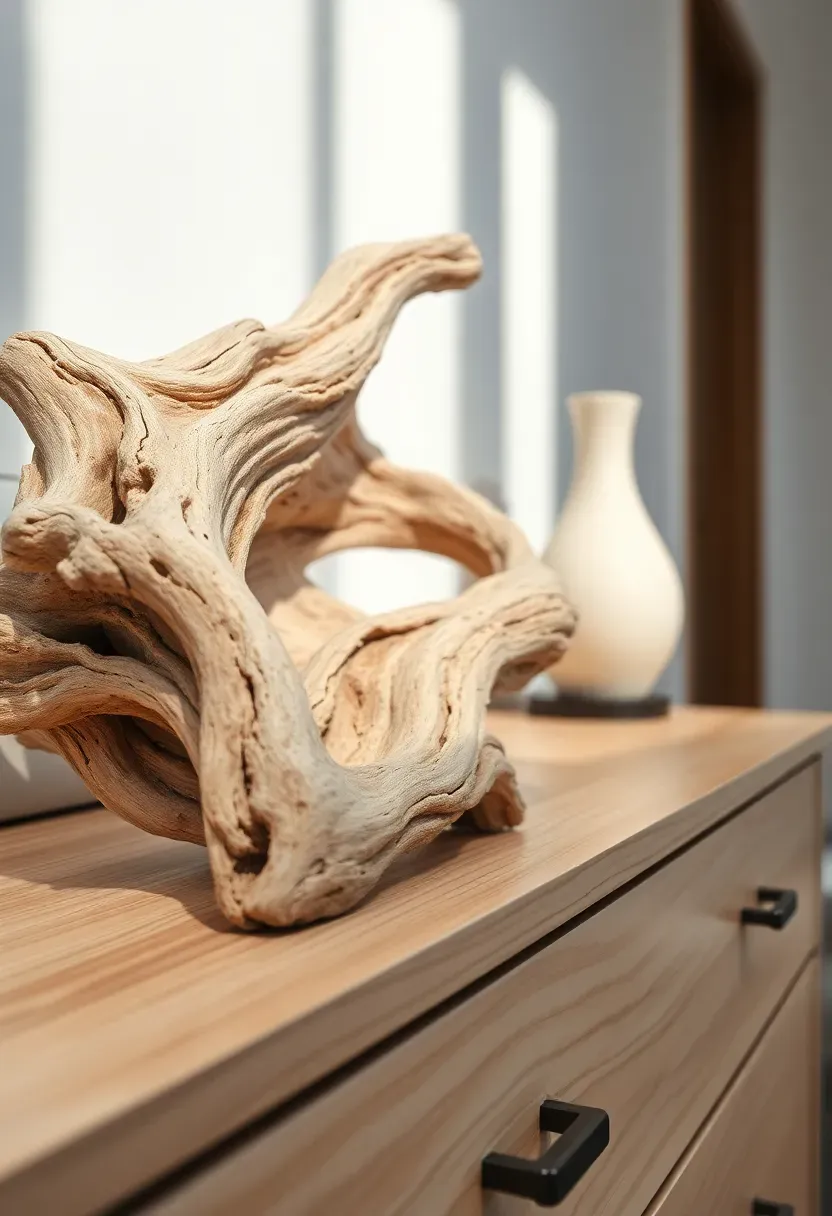
Prompt: Nature documentary capture on Hasselblad X2D 100C with XCD 120V macro lens at f/2.8. Hyper-realistic detail shot of a weathered driftwood sculpture on a light oak dresser top, with bedroom wall context visible. Materials: sun-bleached driftwood with smoothed edges and natural curves, minimal dresser objects, white wall, wood grain. Side light from window left emphasizing driftwood texture and form. Shallow depth of field with sharp driftwood details foreground, dresser slightly blurred. No text, no logos, no watermarks.
A carefully selected driftwood sculpture serves as a powerful natural art piece that connects your bedroom to the ocean or river, bringing the outside in through organic form and weathered texture. The sculpture's natural curves, smoothed by water and time, provide sculptural interest that rivals contemporary art while maintaining absolute authenticity—no two pieces are alike, and each carries the story of its journey. Displayed on a simple wood dresser, the driftwood becomes a focal point that celebrates nature's designs rather than human attempts to control or perfect them.
Source driftwood responsibly from beaches where collecting is permitted, or purchase from artisans who gather and clean pieces ethically. Look for sculptures with interesting negative space, graceful curves, or balanced proportions that draw the eye without overwhelming the space. The piece should be substantial enough to hold its own but not so large that it dominates—typically 12-24 inches in height works well atop a dresser. Pair with minimal objects: perhaps a single ceramic vase or a small stack of books, allowing the driftwood to remain the star. This is nature as art, requiring no frame or pedestal.
Tips
- Clean driftwood thoroughly before bringing indoors—soak in a mild bleach solution, then dry completely in sunlight
- Seal with a clear matte finish if you're concerned about residual salt or moisture affecting furniture
- Rotate the sculpture periodically to find its most compelling angle—the beauty of driftwood lies in exploring its forms
Placement note: Position the driftwood where it catches morning or evening light—the side-lighting emphasizes texture and creates dramatic shadows that change throughout the day.
What this gives you: An authentic natural sculpture that connects your bedroom to waterways, provides endless visual interest, and celebrates nature's designs without human intervention.
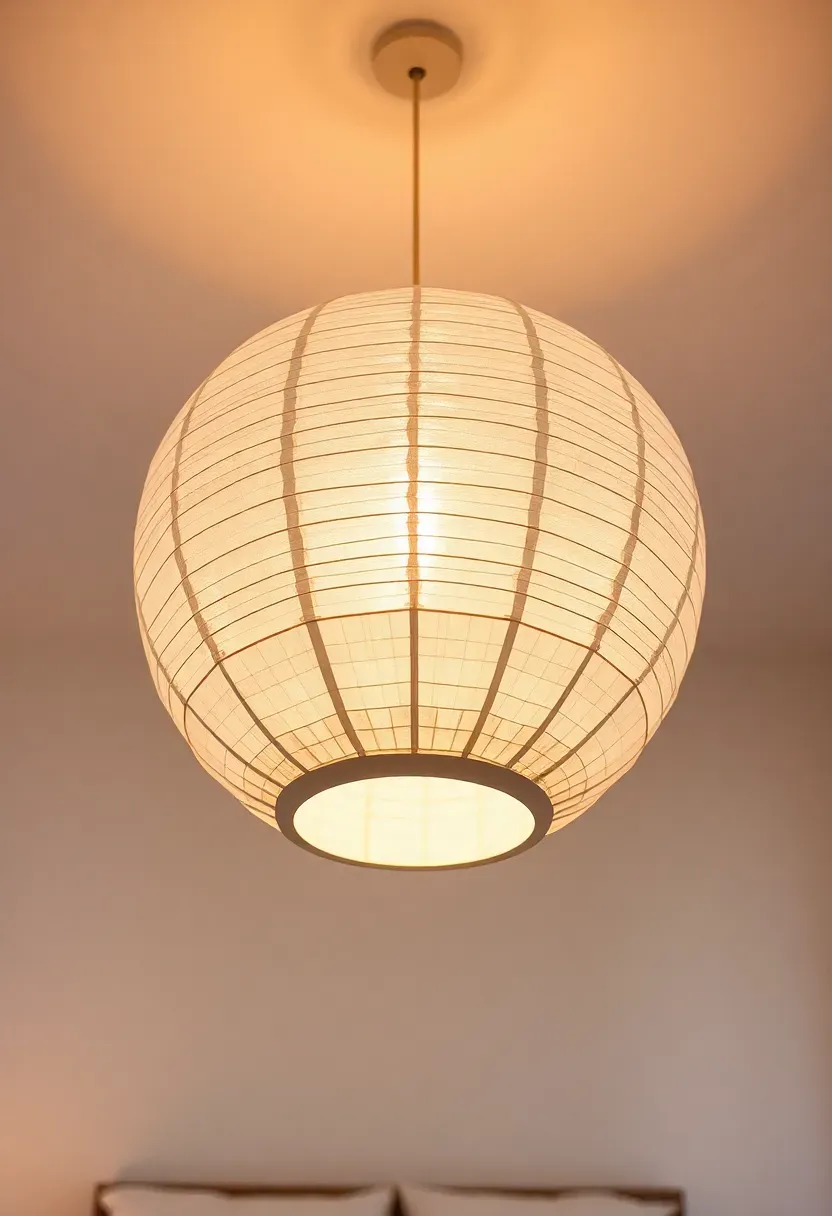
Prompt: Nature documentary capture on Hasselblad X2D 100C with XCD 90V lens at f/4. Hyper-realistic view of a large paper lantern light fixture suspended from ceiling, bedroom context with bed partially visible below. Materials: washi paper with visible fiber texture, minimal metal frame, warm LED glow, white ceiling and walls. Soft warm light emanating from lantern creating gentle ambient illumination. Overhead perspective showing lantern as central ceiling element, sharp paper texture. No text, no logos, no watermarks.
A large paper lantern light fixture—inspired by Japanese chochin lanterns—provides soft, diffused ambient lighting that creates an immediate sense of calm while introducing sculptural presence without visual weight. The washi paper's translucent quality filters harsh LED or incandescent light into a gentle glow that mimics moonlight, creating a soothing atmosphere perfect for winding down at day's end. Suspended centrally or above the bed, the lantern becomes a sculptural element that celebrates Japanese craftsmanship traditions while accommodating modern lighting technology.
Choose a substantial size (24-36 inches in diameter) for impact—the lantern should feel generous rather than minimal in scale. Authentic washi paper, made from mulberry fibers, provides superior translucency and durability compared to imitation papers, developing a subtle patina over years of use. The fixture should hang at a height that clears the tallest occupant's head by at least 7 inches—typically 60-66 inches from the floor. Pair with dimmable LEDs (2700K for warm relaxation) to adjust from bright ambient light during the day to a soft nightlight glow. This single fixture can serve as the bedroom's primary light source, eliminating the need for multiple lamps.
Tips
- Install the lantern on a separate switch or dimmer from other fixtures for independent control
- Dust carefully with a soft brush attachment—vacuuming can tear delicate washi paper
- If authentic washi isn't available, look for high-quality rice paper alternatives with similar fiber-visible texture
Best for: Bedrooms with high ceilings where a suspended fixture can create drama without interfering with movement or sight lines.
What this gives you: Soft, moonlight-like ambient illumination and sculptural ceiling presence that creates immediate calm while celebrating Japanese paper craft traditions.
Recommended
Items for this idea
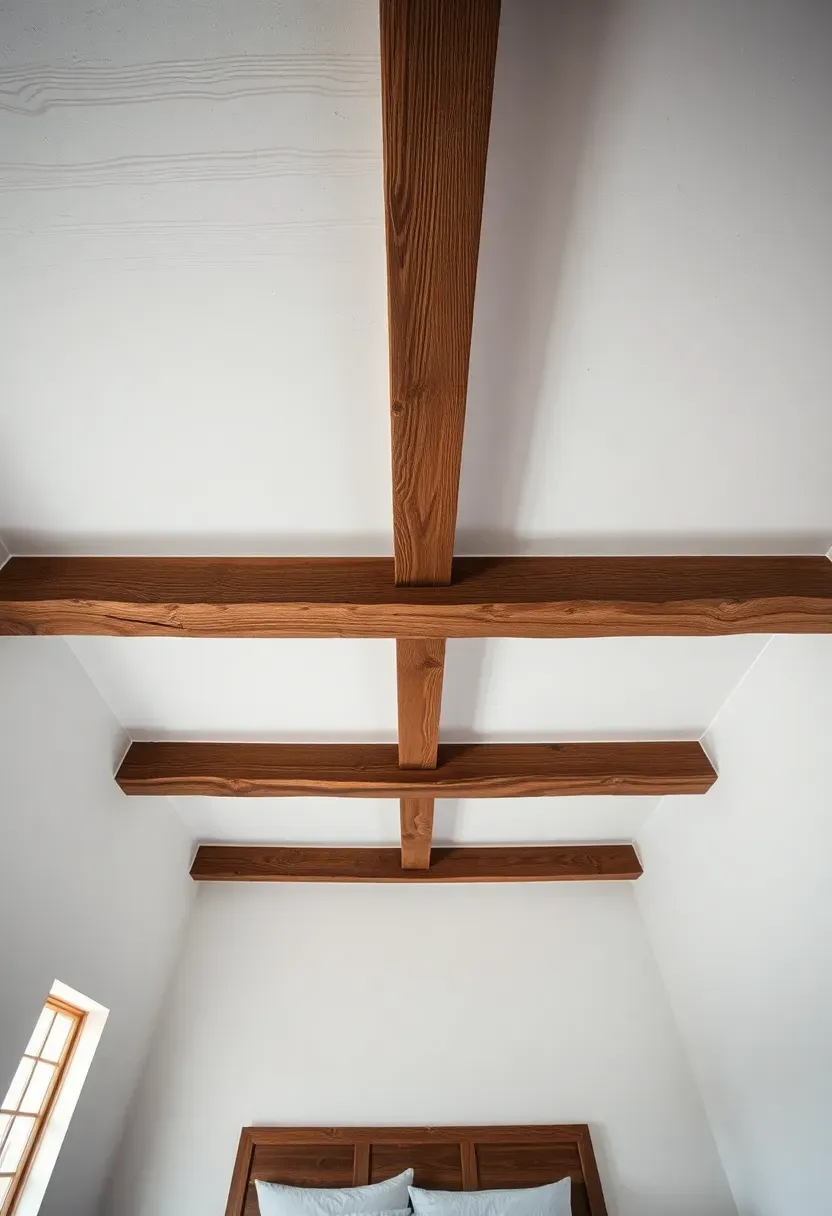
Prompt: Nature documentary capture on Hasselblad X2D 100C with XCD 45V lens at f/8. Hyper-realistic upward angle view of reclaimed wood ceiling beams, white ceiling plaster between beams, bedroom context with bed visible below. Materials: weathered reclaimed oak beams with saw marks and natural checking, white plaster ceiling, simple bed frame. Even diffused ambient light from windows, soft shadows between beams. Wide composition showing architectural detail, sharp beam textures. No text, no logos, no watermarks.
Installing reclaimed wood ceiling beams introduces architectural character and historical depth while bringing natural warmth to the overhead plane, creating a canopy-like effect that makes the bedroom feel grounded and protected. The beams' weathered surface—marked by saw marks, nail holes, and natural checking—tells a story of previous life as a barn, warehouse, or factory, connecting your modern bedroom to craftsmanship of the past. This overhead element works particularly well in bedrooms with otherwise minimal architecture, adding interest without cluttering the walls or floor space.
Position beams parallel to the longest wall for traditional proportions, or run them perpendicular for a more contemporary feel. The spacing should feel generous—typically 4-6 feet between beams allows the white ceiling to remain dominant, maintaining Japandi's light aesthetic. Choose reclaimed oak, pine, or chestnut with consistent weathering and avoid beams with excessive rot or damage. The natural patina of reclaimed wood requires no stain or finish, but a clear matte sealant protects against dust and simplifies cleaning. For bedrooms with standard ceilings, box beams (hollow three-sided pieces) provide the look without structural weight.
Tips
- Work with a salvage yard that can provide beams with consistent dimensions and weathering patterns
- If solid beams exceed your budget, consider high-quality wood-look beams crafted from lightweight materials
- Coordinate beam color with flooring tones to create visual continuity from floor to ceiling
Budget/Time: Reclaimed beams cost $20-50 per linear foot installed—a significant investment, but one that dramatically transforms the room's architecture.
What this gives you: Architectural character, historical warmth, and a canopy-like sense of protection while maintaining Japandi's light aesthetic through generous spacing.
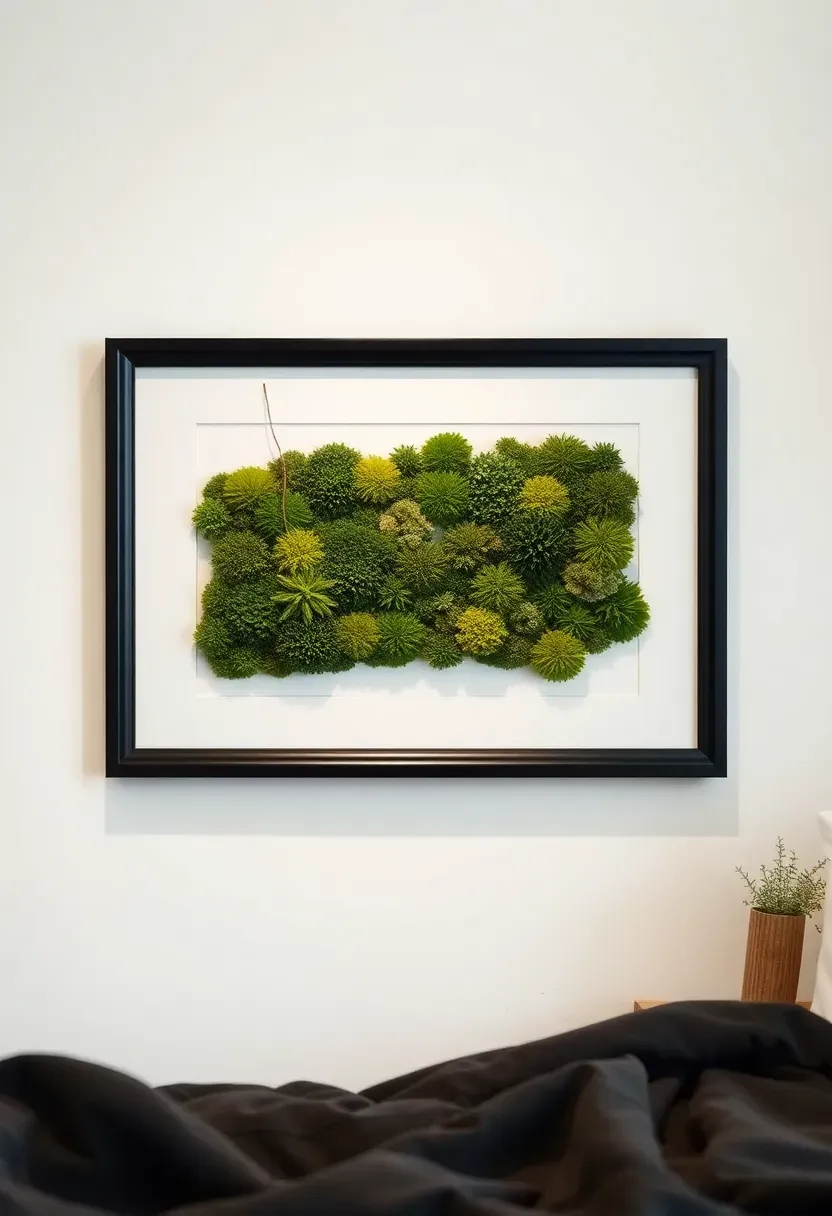
Prompt: Nature documentary capture on Hasselblad X2D 100C with XCD 90V lens at f/4. Hyper-realistic straight-on view of a framed preserved moss art installation, bedroom wall context visible around frame. Materials: preserved reindeer moss in varied greens, simple black wood frame, white wall, soft ambient light. Even diffused gallery-style lighting, minimal shadows. Rectangular composition with organic moss patterns, sharp texture details. No text, no logos, no watermarks.
A preserved moss art installation brings the verdant energy of the forest into your bedroom while requiring zero maintenance—no watering, sunlight, or pruning needed to maintain its lush appearance year-round. The three-dimensional texture of moss adds depth and tactility that flat artwork can't achieve, while the varied greens create a subtle connection to nature that calms without overwhelming. Unlike living walls, preserved moss installations work in any light condition and are ideal for bedrooms without windows or for those who want natural elements without the responsibility of plant care.
Choose a substantial size (minimum 24x36 inches) for impact—the moss needs enough surface area to create a convincing micro-landscape. Mix moss varieties—reindeer moss for fuzzy texture, sheet moss for smooth surfaces, and mood moss for deeper color—to create visual interest within the installation. The frame should be minimal: black wood, white wood, or natural oak depending on your palette. Position it at eye level (60 inches from floor to center) where its texture can be appreciated up close. This is nature as low-maintenance art—preserved through glycerin and food-grade dye, the moss remains soft and vibrant indefinitely.
Tips
- Avoid bathrooms or areas with high humidity—excessive moisture can cause preserved moss to rehydrate and degrade
- Dust gently with compressed air or a soft brush on low setting—vacuuming can pull moss loose from its backing
- Commission a custom piece if you want specific color combinations or shapes that complement your room's palette
Rental note: Moss art is ideal for renters—lightweight and easily mounted with picture hanging strips that won't damage walls.
What this gives you: A maintenance-free three-dimensional natural artwork that brings forest energy and calming green color while adding substantial texture and depth.
Recommended
Items for this idea
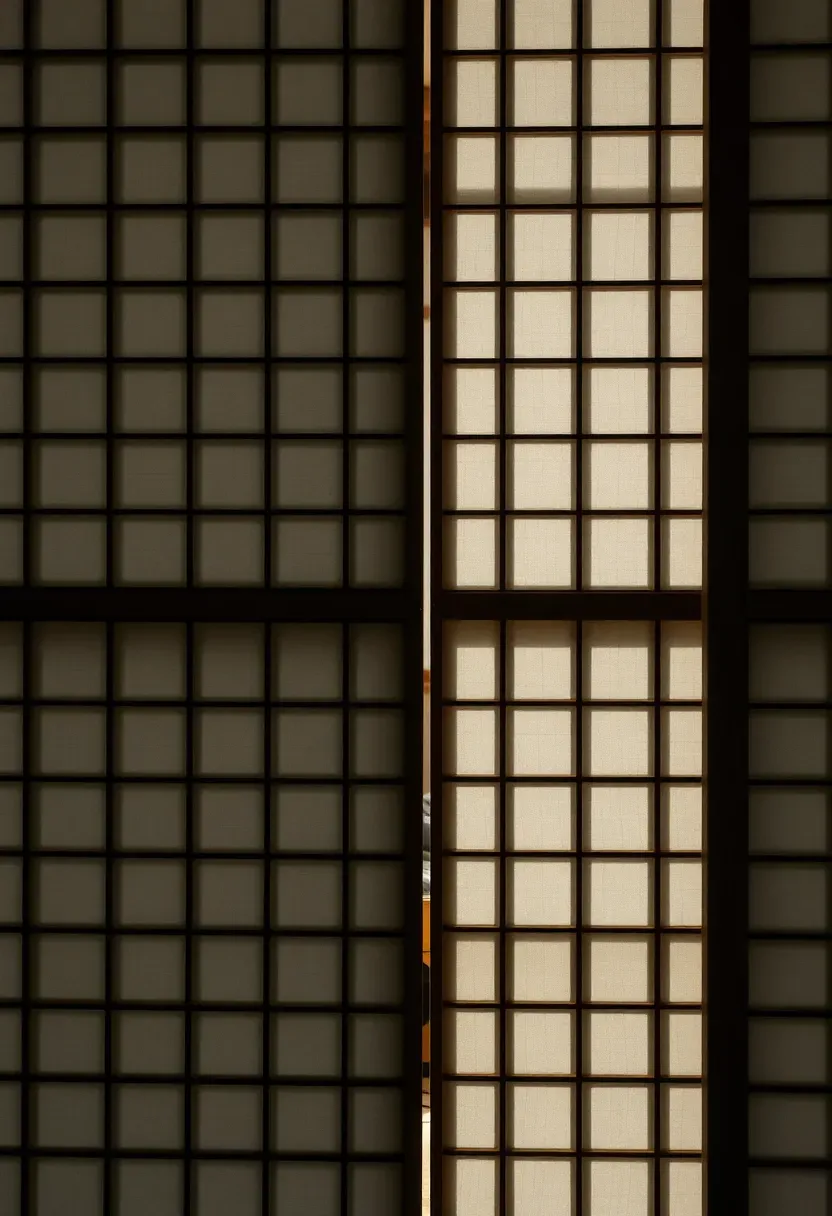
Prompt: Nature documentary capture on Hasselblad X2D 100C with XCD 55V lens at f/5.6. Hyper-realistic view through shoji screen panels, bedroom visible beyond with diffused light filtering through washi paper. Materials: wooden grid framework in natural finish, translucent washi paper panels, visible interior shadows. Backlit effect with daylight or soft interior light beyond screen. Balanced composition with screen as foreground element, interior details softly visible. No text, no logos, no watermarks.
A shoji screen room divider introduces authentic Japanese architectural elements while providing functional space separation or creating a private dressing area within the bedroom. The translucent washi paper panels filter light rather than blocking it, maintaining Japandi's airy feel while defining zones without sacrificing openness. The grid pattern—typically with a thicker vertical frame and thinner horizontal crossbars—creates rhythm and visual interest that becomes more beautiful when backlit by daylight or soft interior lighting, casting delicate shadows that change throughout the day.
Use shoji screens to separate a sleeping area from a home office nook, to create a private dressing corner, or simply as a decorative architectural element that adds depth and texture. The screens can be freestanding (folding panels) or built-in (sliding doors mounted on tracks), depending on your permanence needs. Choose natural wood finishes that match other elements in the room—light oak for Scandinavian brightness, walnut for deeper warmth. Authentic washi paper provides superior translucency but is fragile; for high-traffic areas, consider synthetic alternatives that mimic the look with greater durability. The screen's proportions should relate to the room—typically 6-7 feet tall for standard bedrooms.
Tips
- Built-in sliding shoji doors require professional installation but provide a more authentic, integrated appearance
- Replace washi paper every 5-7 years if it yellows or tears—this is a straightforward DIY project with replacement paper available online
- Position screens to catch morning or evening light for the most dramatic shadow effects
Avoid if: Your bedroom is very small—shoji screens, while translucent, consume floor space and can make tight rooms feel more compartmentalized.
What this gives you: Authentic Japanese architectural detail, flexible space definition, and beautiful light-filtering effects while maintaining an airy, open feel through translucent paper panels.
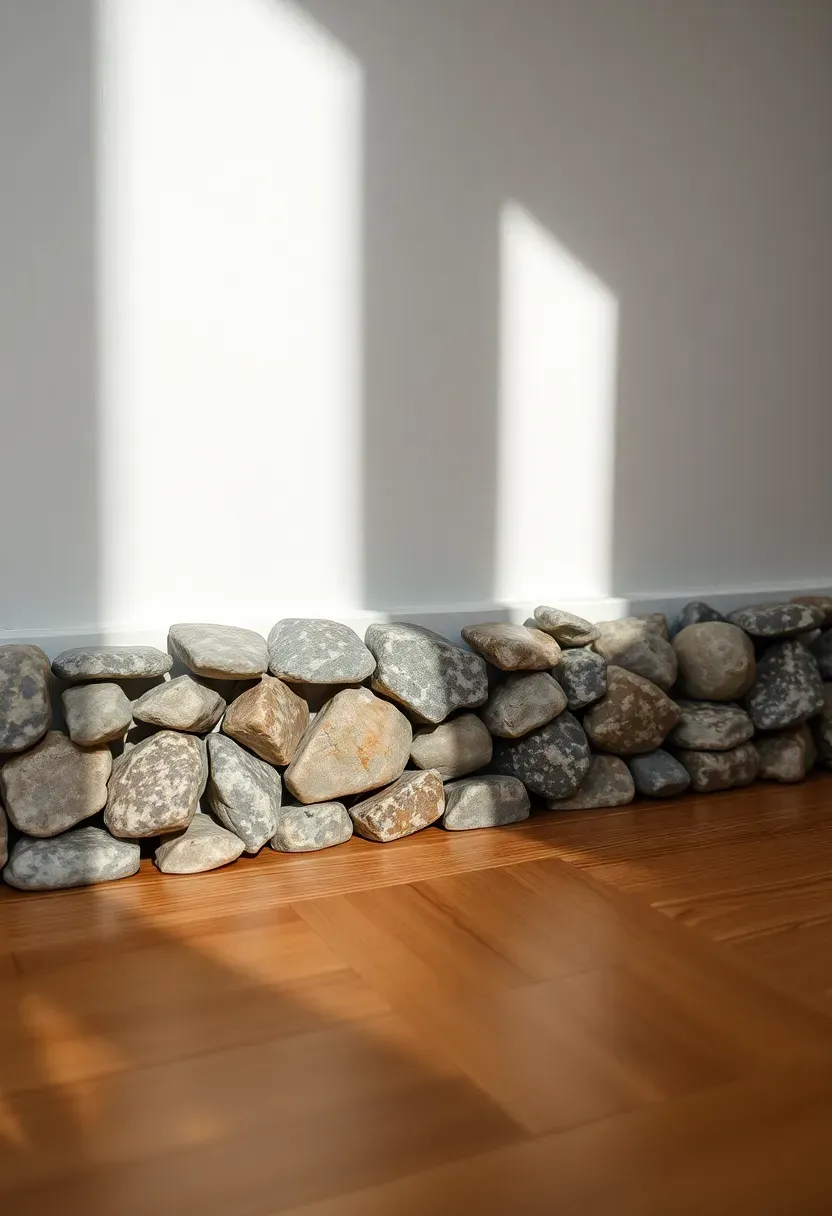
Prompt: Nature documentary capture on Hasselblad X2D 100C with XCD 65V lens at f/5.6. Hyper-realistic detail shot of river rock border at base of wall, bedroom floor transition visible. Materials: smooth river rocks in varied grays and tans, wood floor transitioning to rock border, white wall above. Side light from window creating texture-emphasizing shadows, visible rock shapes and sizes. Low-angle perspective showing floor-to-wall transition, sharp rock details. No text, no logos, no watermarks.
Creating a river rock border at the base of bedroom walls brings a zen garden element indoors, grounding the space with smooth stones that connect to water and earth while introducing satisfying textural contrast to wood floors. This unexpected detail—typically reserved for outdoor landscapes—creates a moment of discovery and delight that embodies Japandi's appreciation for natural materials in unexpected applications. The rocks' smooth surfaces, tumbled by water over time, provide tactile interest and visual variation that breaks up the expanse of flooring while maintaining the neutral palette.
Install the rock border 6-12 inches wide, running along the perimeter of the room or highlighting a specific wall behind the bed. Choose river rocks 2-4 inches in diameter with consistent coloration—grays, tans, and muted earth tones work best for Japandi's restrained palette. The rocks should be set in a mortar bed for stability, with grout that matches or complements the grout color. This treatment works particularly well as a transition between different flooring materials or as a border around a meditation or tatami corner. For easier maintenance, consider sealing the rocks and grout to prevent dust accumulation in crevices.
Tips
- Source river rocks from landscape suppliers who can provide consistent sizing and coloration
- Test cleaning methods in an inconspicuous area—some sealers can alter rock appearance
- If mortar installation isn't feasible, consider removable rock-filled trays that create a similar effect with less commitment
Avoid if: You use a robot vacuum—the irregular surface and potential rock movement can damage both the vacuum and the installation.
What this gives you: An unexpected zen garden element that grounds the space with tactile stone while creating a delightful textural transition at the floor line.
Recommended
Items for this idea
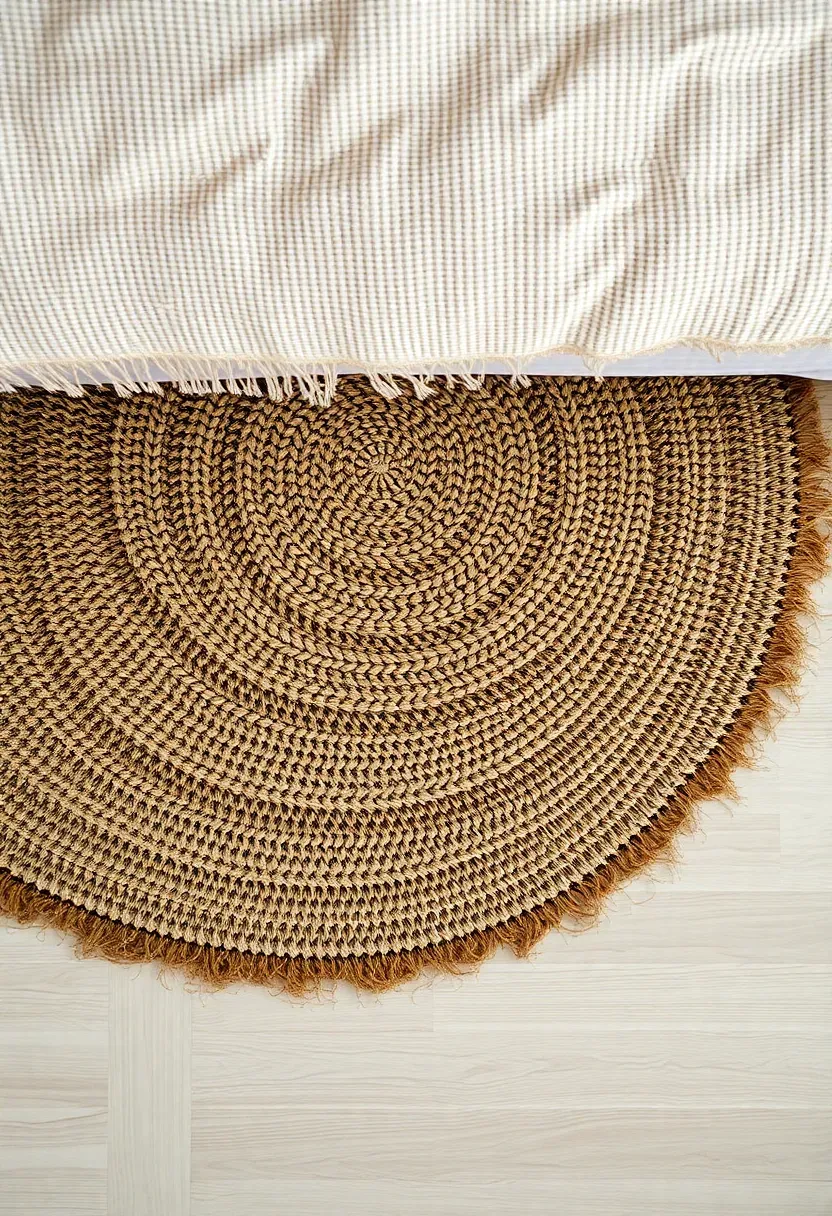
Prompt: Nature documentary capture on Hasselblad X2D 100C with XCD 45V lens at f/8. Hyper-realistic overhead view of layered rugs—hemp rug over larger jute rug, bedroom floor context with bed frame partially visible. Materials: woven hemp with visible fiber texture, chunky jute weave beneath, light wood floor extending beyond rugs. Even diffused top-down lighting emphasizing weave patterns and layering. Composition showing rug layering and relationship to bed, sharp fiber textures. No text, no logos, no watermarks.
Layering a hemp rug over a larger jute foundation creates depth underfoot while introducing two complementary natural fibers that ground the bedroom with earthy texture and warmth. The chunkier jute provides substantial foundation and sound absorption, while the smoother hemp top layer offers a more refined surface that's comfortable for bare feet—a practical layering that serves both aesthetic and functional purposes. This combination celebrates natural fiber variations in color and texture, creating a neutral foundation that feels sophisticated rather than plain.
The jute base should extend beyond the bed by at least 24 inches on all sides, while the hemp layer can be smaller (perhaps just under the nightstands or running alongside the bed) to create visual hierarchy. Both fibers naturally range from tan to light brown—embrace these variations rather than seeking perfectly uniform color. Jute and hemp are sustainable choices (jute is a rapidly renewable crop, hemp requires minimal water and pesticides), aligning with Japandi's environmental consciousness. Both materials are relatively durable but show wear over time—this patina is part of their appeal, developing character that tells the story of use.
Tips
- Use rug pads underneath both layers to prevent shifting and protect flooring
- Vacuum regularly with suction only—rotating brushes can catch and pull natural fibers
- Spot clean immediately with cold water—natural fibers are prone to staining and water damage
Budget/Time: A quality jute rug ($200-400) layered with hemp ($150-300) costs less than a single large rug of comparable size while providing more visual interest.
What this gives you: Layered natural texture underfoot, sound absorption, and sustainable flooring that creates depth and warmth while celebrating earthy fiber variations.

Prompt: Nature documentary capture on Hasselblad X2D 100C with XCD 90V lens at f/4. Hyper-realistic straight-on view of a decorative branch mounted as a coat/hat rack, bedroom wall context visible. Materials: weathered tree branch with natural bark, minimal metal mounts, white wall, single hat or robe hung. Side light from window emphasizing branch texture and form. Horizontal composition with branch as wall-mounted sculpture, sharp bark details. No text, no logos, no watermarks.
Mounting a carefully selected tree branch as a decorative coat rack transforms a functional object into sculptural wall art that celebrates nature's forms while providing storage for robes, hats, or jewelry. The branch's natural shape—determined by the tree's growth pattern rather than human design—provides organic hooks and visual interest that manufactured racks can't replicate. This piece blurs the line between art and utility, a fundamental principle of Japandi design where every object should earn its place through both beauty and function.
Source a branch with interesting character: gentle curves, natural forked sections that serve as hooks, and bark that shows weathering without deterioration. Hardwoods like oak, maple, or birch provide durability, while the branch diameter should be substantial enough to support weight (typically 2-4 inches). Mount securely with heavy-duty brackets or decorative metal straps that become part of the design—black iron for contrast, brass for warmth, or matte nickel for minimal appearance. Position it near the bed for robes and hats, or in a dressing corner for accessories. The branch should be substantial—typically 36-60 inches long—to create real impact.
Tips
- Thoroughly clean and seal the branch before mounting to prevent insects or mold—bake at low temperature (200°F) for 2 hours, then seal with matte polyurethane
- Mount into wall studs rather than drywall alone—branches are heavier than they appear
- Harvest branches only where permitted, or purchase from artisans who source responsibly
Placement note: Position the branch where it catches side-lighting from windows—the raking light emphasizes bark texture and creates dramatic shadows that enhance the sculptural quality.
What this gives you: A functional sculptural piece that celebrates nature's unpredictable forms while providing storage for robes, hats, or jewelry with authentic organic character.
Recommended
Items for this idea
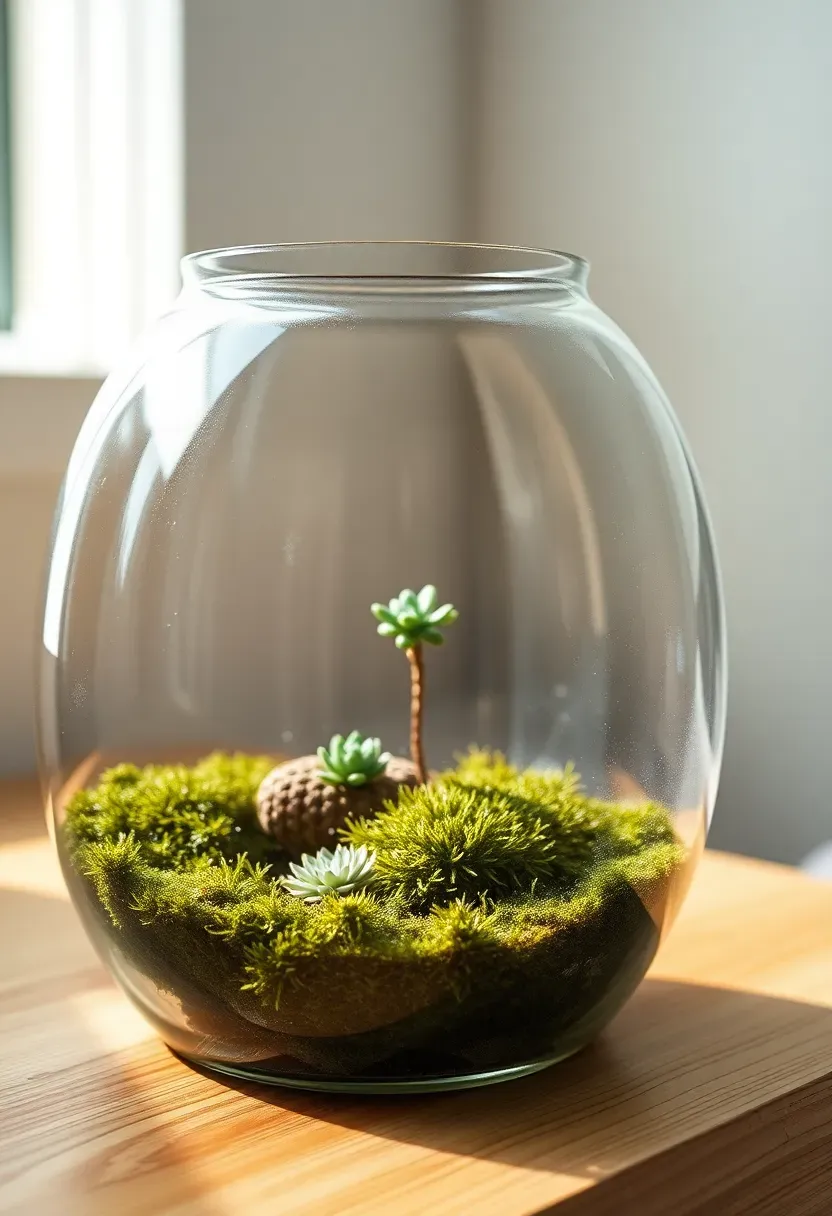
Prompt: Nature documentary capture on Hasselblad X2D 100C with XCD 120V macro lens at f/2.8. Hyper-realistic detail shot of a glass terrarium on wooden nightstand, with small plants and moss inside, bedroom wall context blurred beyond. Materials: clear glass vessel with visible seams, preserved moss, small succulents or fittonias, light wood nightstand surface. Side light from window illuminating interior, visible moisture condensation on glass. Shallow depth of field with sharp terrarium details foreground. No text, no logos, no watermarks.
A glass terrarium on the nightstand brings a miniature ecosystem to your bedside, creating a focal point that connects you to nature even in urban settings while requiring minimal maintenance. The transparent glass vessel creates a moment of discovery—a tiny, self-contained world that you can observe as you drift asleep or first wake, providing a meditative connection to living things. Terrariums naturally regulate their own moisture through condensation and evaporation, creating a closed system that mimics the natural water cycle while requiring infrequent watering.
Choose a vessel with clean lines and substantial presence—typically 8-12 inches in diameter or height—to create real impact on the nightstand. For a low-maintenance Japandi version, use preserved moss and small drought-tolerant plants like fittonias, small ferns, or succulents that thrive in the humid environment. Layer materials thoughtfully: gravel for drainage, activated charcoal to prevent odors, potting soil, then plants, topped with decorative stones or moss. The terrarium should be positioned where it receives bright indirect light—direct sun will cook the plants inside. This is nature in miniature, requiring just minutes of care per month.
Tips
- Water sparingly—terrariums create their own humidity and need water only when condensation disappears for multiple days
- Choose plants with similar light and moisture requirements to ensure all thrive in the same environment
- Open the terrarium for a few hours weekly to refresh air and prevent mold development
Rental note: Terrariums are perfect for renters—they bring living nature into your space without requiring permanent installation or landlord permission.
What this gives you: A low-maintenance miniature ecosystem that provides meditative connection to nature while creating a fascinating focal point on your nightstand.
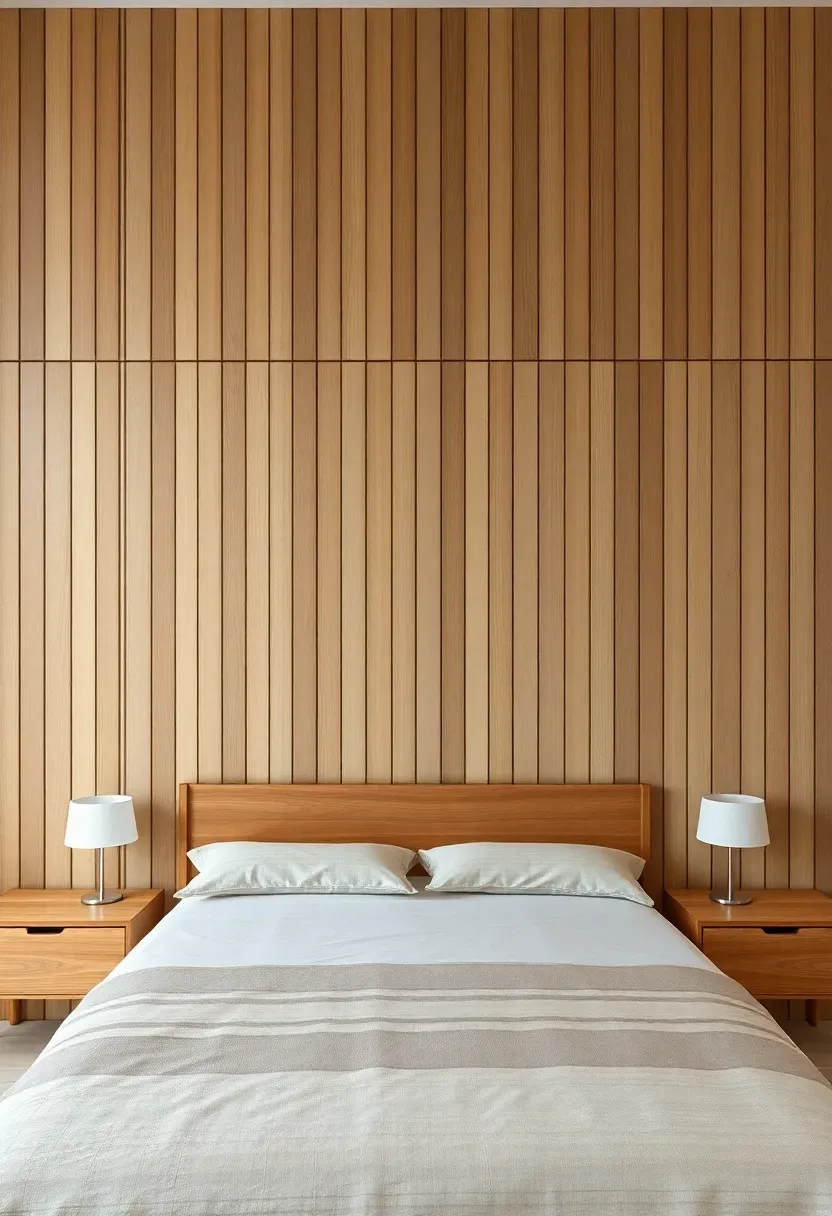
Prompt: Nature documentary capture on Hasselblad X2D 100C with XCD 45V lens at f/8. Hyper-realistic wide view of wooden slat wall treatment behind bed, bedroom interior with nightstands and window visible. Materials: vertical white oak slats with subtle grain, spacing between slats showing wall color, simple bed frame before slats. Even diffused ambient light from window, soft shadows between slats creating rhythm. Wide composition showing architectural wall treatment, sharp slat details. No text, no logos, no watermarks.
Installing a wooden slat wall treatment behind the bed creates architectural interest through rhythm and shadow while introducing natural wood warmth in a controlled, minimalist way that perfectly embodies Japandi principles. The vertical slats create texture through their spacing rather than applied ornament—the shadows they cast change throughout the day, making the wall feel dynamic and alive. This treatment provides substantial impact without overwhelming the space, particularly when the slats match or complement other wood elements in the room for visual cohesion.
Use 1-3 inch wide slats spaced 1-2 inches apart—this ratio maintains a sense of openness while creating clear rhythm. White oak, maple, or ash provide the light Scandinavian palette, while walnut or darker woods add warmth and contrast. The slats should run floor-to-ceiling for maximum impact, or stop 12-18 inches from the ceiling if you want a more restrained application. Behind the bed, this treatment eliminates the need for a headboard—the slats become the architectural backdrop. For easier installation and cost savings, consider applying slats only to the wall section behind the bed rather than the entire wall.
Tips
- Use a spacing template when installing to ensure consistent gaps between slats
- Finish with clear matte sealant rather than stain to preserve the wood's natural color and grain
- If solid wood slats exceed budget, consider high-quality wood-look MDF or veneered options for a similar effect
Avoid if: Your bedroom has very low ceilings—vertical slats can make vertically-challenged rooms feel shorter unless they're very closely spaced.
What this gives you: Architectural rhythm, dynamic shadow play, and natural wood warmth that serves as both wall treatment and headboard while maintaining minimalist restraint.
Recommended
Items for this idea
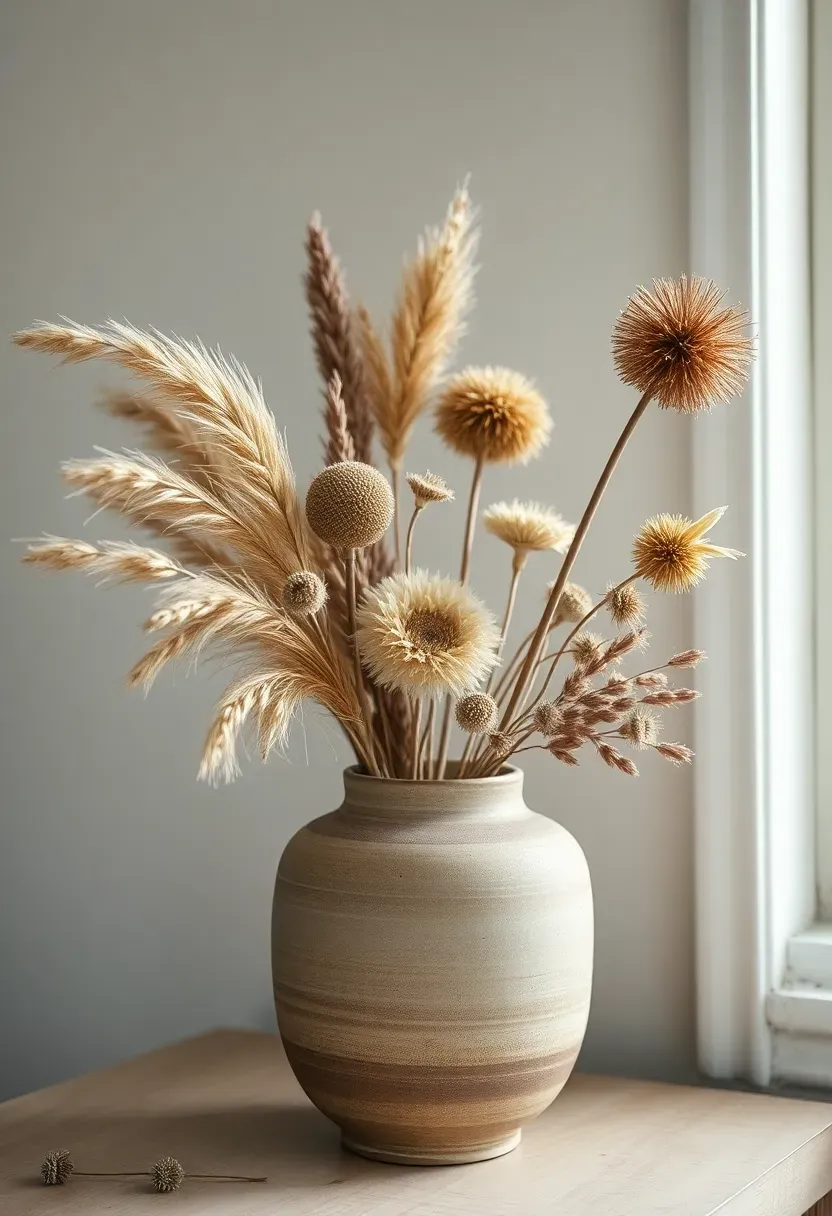
Prompt: Nature documentary capture on Hasselblad X2D 100C with XCD 90V lens at f/2.8. Hyper-realistic detail shot of dried floral arrangement in handmade ceramic vase, bedroom dresser top context with wall beyond. Materials: dried bunny tail grass, pampas plumes, and dried statice in muted tones, matte ceramic vase with subtle throwing rings, white wall. Soft side light from window emphasizing dried flower texture and form. Shallow depth of field with sharp arrangement details foreground. No text, no logos, no watermarks.
A dried floral arrangement in a handmade ceramic vase brings nature's ephemeral beauty into the bedroom with permanence—unlike fresh flowers that fade within days, dried arrangements last for years while providing subtle color, organic form, and tactile interest. The muted tones of dried flowers—cream, taupe, dusty pink, soft brown—align perfectly with Japandi's restrained palette, while their preserved forms celebrate natural beauty without demanding constant replacement. This is low-maintenance nature that requires no water, no sunlight, and minimal attention while providing lasting visual pleasure.
Choose a cohesive selection of dried materials rather than a chaotic mix: bunny tail grass for soft texture, pampas plumes for height and drama, dried statice or lavender for subtle color, perhaps some dried ferns for structure. The arrangement should feel abundant rather than sparse—typically 15-25 stems depending on vessel size—but controlled in its palette. Pair with a handmade ceramic vase that complements rather than competes: matte finish, organic form, and colors drawn from nature (cream, charcoal, sage). Position on a dresser, floating shelf, or nightstand where the arrangement can be appreciated up close.
Tips
- Dust dried arrangements monthly with compressed air or a hair dryer on cool, low setting—vacuuming can pull delicate pieces apart
- Keep away from direct sunlight and humidity, which can cause fading or rehydration that leads to mold
- Refresh the arrangement annually by replacing a few stems rather than entirely recreating it
Budget/Time: A quality dried arrangement costs $50-150 initially but lasts 2-3 years, making it more economical than weekly fresh flowers.
What this gives you: Long-lasting natural beauty that requires minimal maintenance while providing organic form, subtle color, and tactile interest that celebrates nature's preserved state.
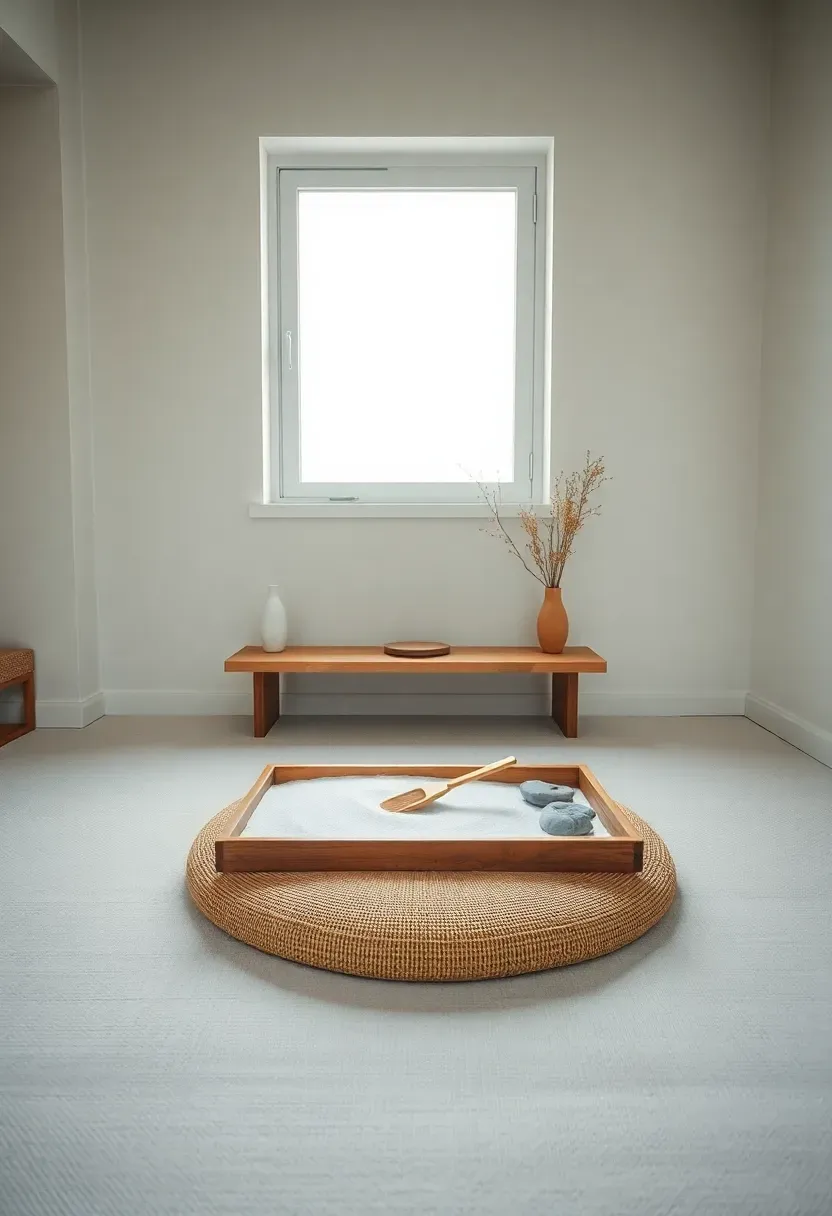
Prompt: Nature documentary capture on Hasselblad X2D 100C with XCD 55V lens at f/5.6. Hyper-realistic wide shot of a meditation corner in bedroom, with floor cushion, small Zen garden sand tray with rake, and minimalist decor. Materials: buckwheat zafu cushion, white sand in wooden tray, smooth river stones, low wooden table, white walls. Even diffused ambient light from window, soft shadows indicating depth. Clean composition with floor-level perspective emphasizing peaceful simplicity. No text, no logos, no watermarks.
Creating a dedicated meditation corner in your bedroom incorporates authentic Zen garden elements that provide a physical space for mindfulness practice while adding functional beauty that serves Japandi's purpose-driven design philosophy. This sacred space—however small—signals intention: a corner of your bedroom devoted not to sleep or storage but to presence and stillness. The Zen garden elements (sand tray with rake, smooth stones, perhaps a small Buddha figure or simple candle) provide focal points for meditation while celebrating Japanese minimalist traditions and the Scandinavian appreciation for hygge—cozy contentment in simple moments.
Position this corner in the quietest part of the bedroom, away from door traffic and preferably near natural light. A buckwheat-filled zafu (meditation cushion) provides proper support for floor seating, while a low table holds your Zen garden tray—shallow wood filled with white sand and smooth black river stones that can be raked into patterns. Keep the surrounding decor minimal: perhaps a single plant, a small incense holder, or a simple textile wall hanging. The corner should feel open and breathable, not cluttered. This is your space for daily practice—a physical reminder to pause, breathe, and connect with present moment awareness.
Tips
- Use a small tray (12x18 inches is sufficient) for the Zen garden—larger trays become cumbersome to maintain
- Store a small whisk and brush nearby to keep sand smooth and free of dust or debris
- If floor meditation isn't comfortable, a simple chair or meditation bench can substitute for the zafu cushion
Best for: Those who maintain a regular meditation or mindfulness practice and want a dedicated physical space that supports and encourages daily sitting.
What this gives you: A dedicated sacred space for mindfulness practice that celebrates Zen traditions while providing functional beauty and a daily reminder to cultivate presence.
These 21 nature-inspired Japandi bedroom ideas demonstrate how organic materials, thoughtful simplicity, and intentional design can transform any bedroom into a calming sanctuary that promotes restful sleep and visual harmony. By blending Japanese minimalism with Scandinavian hygge, you create a space that feels both sophisticated and deeply comforting -- a personal retreat that reconnects you with nature while honoring principles of mindful living. Whether you implement one idea or combine several, each element brings you closer to a bedroom that truly supports rest, relaxation, and rejuvenation through the balanced integration of natural materials, earthy tones, and considered zen-inspired design.

About the author
OBCD
CGI visualization and interior design content. We create detailed 3D renders and curate practical design ideas for every room in your home.