29 Minimalist Bedroom Ideas for Men That Feel Sleek and Stylish
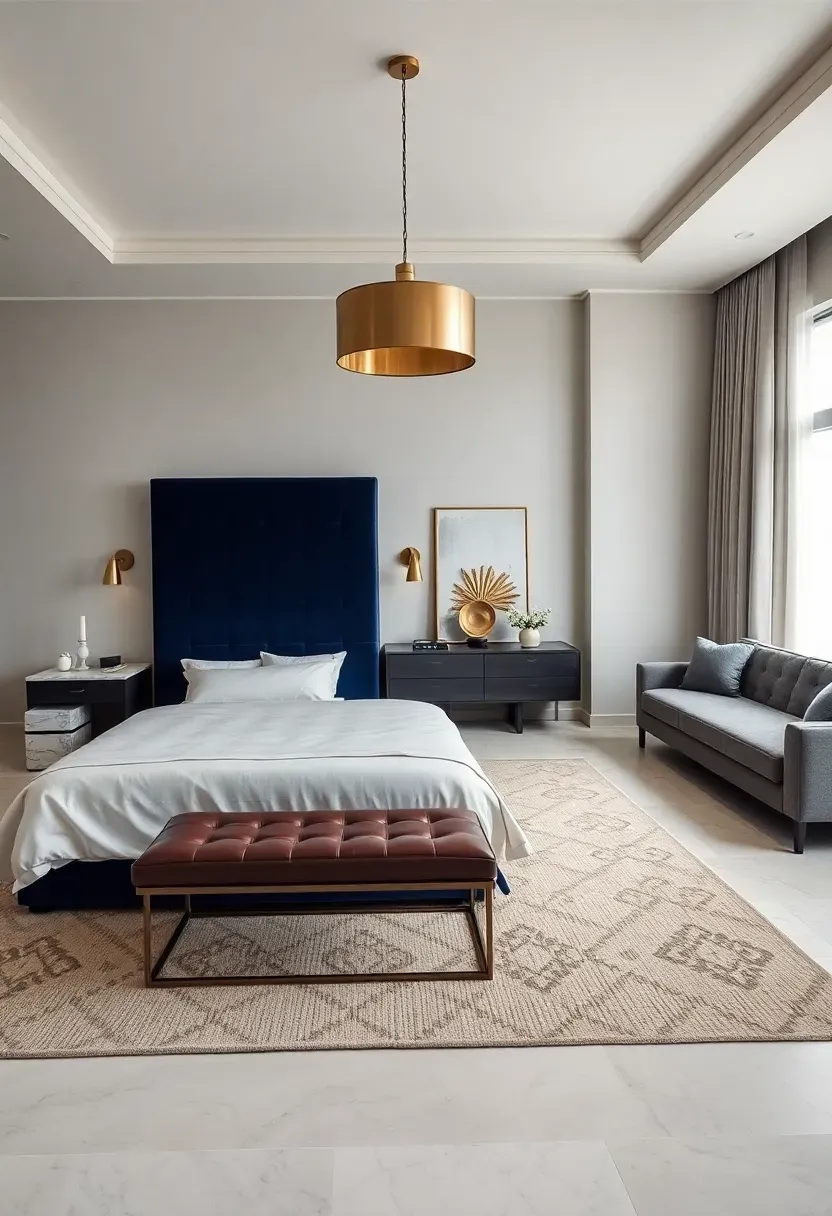
Minimalist bedroom ideas for men strike the right balance between sophisticated style and everyday comfort, creating spaces that look sharp and actually feel relaxing. A well-designed masculine minimalist bedroom leans into clean architectural lines, a restrained color palette, and purposeful furniture placement that cuts clutter while letting texture and form do the heavy lifting.
The key to a successful men's bedroom design with clean lines is choosing quality over quantity -- investing in a few standout pieces like a sleek platform bed, streamlined storage solutions, and layered lighting that work together as one cohesive environment. This approach delivers a visually striking space and promotes better rest and mental clarity through the principle of "less but better."
Whether you are working with a compact urban apartment or a spacious master suite, these minimalist bedroom ideas for men show how thoughtful material choices -- rich woods, matte metals, natural textiles, and architectural lighting -- can transform any room into a refined sanctuary that reflects confidence and intentionality in every detail.
Quick FAQ
What are the best colors for a minimalist men's bedroom?
Neutral foundations—charcoal, navy, slate grey, taupe, or black—create a strong masculine base. Add one accent color like olive green, rust, or mustard through textiles and accessories for depth without visual clutter.
How can I make a minimalist bedroom feel warm and not sterile?
Incorporate natural materials like wood, wool, linen, and leather. Layer textures through a chunky knit throw, plush area rug, or fabric headboard. Warm lighting (2700-3000K) and plants also add life and softness to minimalist spaces.
What furniture essentials do I need for a minimalist men's bedroom?
Focus on the essentials: a quality platform bed, two nightstands (one floating for small rooms), a dresser or wardrobe, and a statement chair or bench. Choose pieces with clean lines and hidden storage to maintain visual calm while meeting functional needs.
How do I keep a minimalist bedroom organized and clutter-free?
Invest in furniture with built-in storage—bed drawers, floating cabinets with doors, and a wardrobe system. Use decorative boxes and trays to corral small items. Adopt the "one in, one out" rule and do a 10-minute daily tidy to maintain order.
Can minimalist design work in small bedrooms for men?
Absolutely. Minimalism excels in small spaces. Choose a wall-mounted bed or platform bed with storage, floating nightstands, and mirrored surfaces to expand visual space. Keep the floor clear and use vertical storage to maintain an open, airy feel.
What lighting works best in a minimalist men's bedroom?
Layered lighting is key: ambient overhead (flush mount or recessed), task lighting by the bed (sconces or adjustable lamps), and accent lighting to highlight architectural features. Choose fixtures with clean geometric forms in matte black, brass, or brushed steel finishes.
As an Amazon Associate I earn from qualifying purchases.
Table of Contents
- 1. Monochromatic Charcoal Sanctuary
- 2. Industrial Concrete and Wood Retreat
- 3. Navy Blue Minimalist Haven
- 4. Japandi-Inspired Masculine Space
- 5. Black and White Architectural Bedroom
- 6. Earthy Taupe Minimalist Design
- 7. Sleek Glass and Metal Contemporary
- 8. Rustic Minimalist Wood Bedroom
- 9. Moody Grey Minimalist Escape
- 10. Coastal Minimalist Men's Retreat
- 11. Urban Studio Minimalist Layout
- 12. Leather and Wood Modern Bedroom
- 13. Concrete and Brass Industrial Design
- 14. Minimalist Sloped Ceiling Attic
- 15. Open Concept Minimalist Suite
- 16. Textured Neutral Minimalist Room
- 17. Scandi-Style Men's Bedroom
- 18. Dark Moody Minimalist Interior
- 19. Light Oak Minimalist Foundation
- 20. Accent Wall Minimalist Design
- 21. Platform Bed with Built-In Storage
- 22. Minimalist Workspace Integration
- 23. Reading Corner Minimalist Setup
- 24. Walk-In Wardrobe Minimalist Design
- 25. Minimalist Glass Partition Bedroom
- 26. Sustainable Minimalist Men's Bedroom
- 27. Tech-Integrated Minimalist Space
- 28. Biophilic Minimalist Design
- 29. Luxury Minimalist Master Suite
1. Monochromatic Charcoal Sanctuary
This monochromatic charcoal sanctuary creates dramatic impact through tone-on-tone layering rather than pattern or color contrast. The foundation starts with walls painted in a deep matte charcoal—Benjamin Moore's Kendall Charcoal or similar—while bedding introduces textural variation in charcoal linen duvet, darker velvet pillows, and a lighter grey throw blanket. A low-profile platform bed in black walnut or stained oak grounds the space without adding visual weight, while two floating wall-mounted nightstands in matching finish maintain the clean, uninterrupted lines that define minimalist bedroom ideas for men seeking bold sophistication.
Prompt: Nature documentary capture on Hasselblad X2D 100C with XCD 90V lens at f/4. Hyper-realistic
Tips
- Vary textures within the same color family—linen, velvet, wool, leather—to create visual interest without pattern
- Add a single metallic accent in brass or copper for warmth and unexpected contrast
- Layer lighting at different heights: floor lamp, bedside sconces, and ambient overhead
Best for: North-facing rooms or spaces where you want a cozy, cocooning atmosphere for better sleep.
What this gives you: A dramatic, sophisticated retreat that feels both bold and serene through expert textural layering.
We picked a few things that go well with this idea: Simple&Opulence French Linen Duvet Cover (King) (★4.3), Simple&Opulence French Linen Duvet Cover (Queen) (★4.3) and Janlive Washed Cotton Charcoal Duvet Cover (★4.4). As an Amazon Associate we earn from qualifying purchases.
2. Industrial Concrete and Wood Retreat
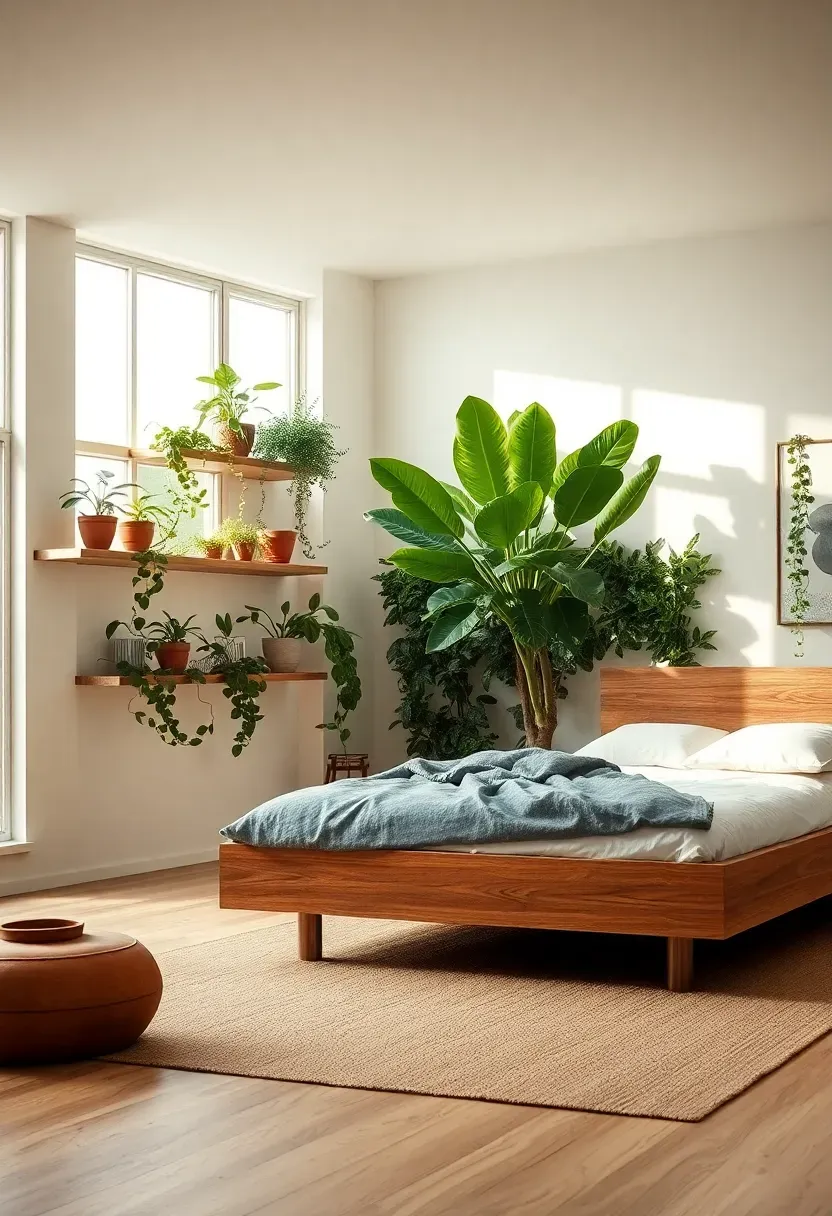
The industrial concrete and wood retreat embraces raw materials and architectural elements to create a space that feels both rugged and refined. Exposed concrete walls—either original or achieved through concrete-effect wallpaper—provide a cool grey backdrop that contrasts beautifully with warm wood accents. A solid wood platform bed with visible grain character becomes the natural focal point, while black metal industrial-style light fixtures and open metal shelving units reinforce the warehouse aesthetic without overwhelming the minimalist principles. This approach to masculine bedroom design celebrates material honesty: concrete's cool surface, wood's organic warmth, and metal's structural strength work together to create a space that feels authentic and grounded.
Prompt: Nature documentary capture on Hasselblad X2D 100C with XCD 90V lens at f/4. Hyper-realistic
Tips
- If you don't have original concrete walls, use concrete-effect wallpaper or polished concrete plaster for the look
- Soften the industrial edge with a wool area rug in natural undyed cream or grey
- Choose one wood tone and repeat it throughout—bed frame, shelving, accessories—for cohesion
Placement note: This style works particularly well in converted loft spaces or rooms with high ceilings where the industrial elements have room to breathe.
What this gives you: An authentically masculine space that celebrates raw materials and architectural character while maintaining refined simplicity.
We picked a few things that go well with this idea: Velvet Upholstered Floor Platform Bed (Queen) (★4.4), ITIMIDI 16-Inch Metal Bed Frame (Twin) (★4.3) and Kujielan 12-Inch Metal Platform Bed (Queen) (★4.4). As an Amazon Associate we earn from qualifying purchases.
3. Navy Blue Minimalist Haven
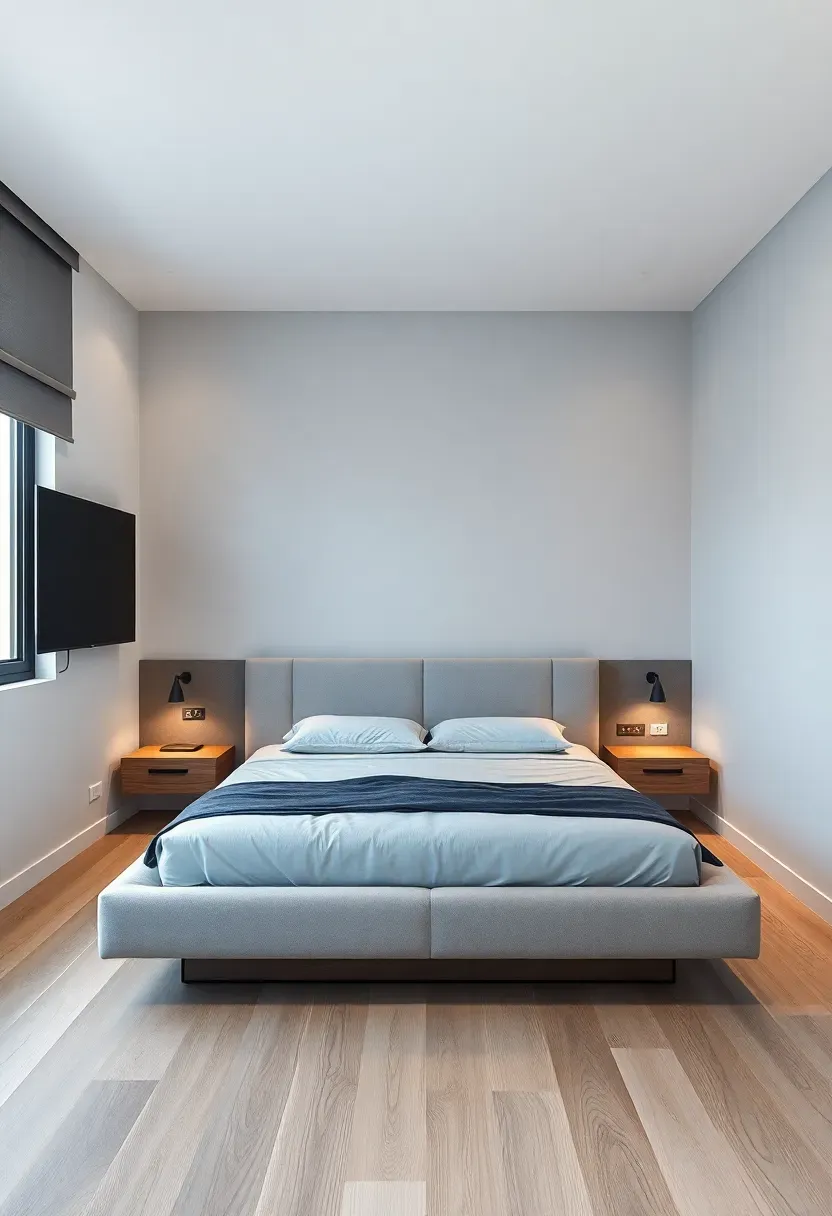
This navy blue minimalist haven demonstrates how a strong color can serve as the foundation of a calming, sophisticated men's bedroom. Rather than using navy as an accent, this design embraces it as the primary wall color—chosen in a flat, velvety finish that absorbs light rather than reflecting it, creating depth and intimacy. The navy backdrop allows furniture in lighter tones to pop: a white oak platform bed, crisp white bedding, and a light grey area rug create essential contrast that keeps the room from feeling cave-like. Brass or gold-toned light fixtures add warmth against the cool navy, while abstract art in complementary tones—sage, mustard, or coral—provides focal interest without clutter. This is minimalist color confidence at its best: bold yet balanced, dramatic yet restful.
Prompt: Nature documentary capture on Hasselblad X2D 100C with XCD 90V lens at f/4. Hyper-realistic
Tips
- Test navy paint samples in your room's actual lighting—colors shift dramatically between natural and artificial light
- Keep ceilings white or light cream to maintain height and brightness in the room
- If navy feels too overwhelming, start with one accent wall and use lighter neutral shades on remaining walls
Avoid if: Your bedroom is very small or has limited natural light—dark walls can make these spaces feel more enclosed.
What this gives you: A bold, confident color statement that creates a cocooning, restful atmosphere perfect for unwinding.
We picked a few things that go well with this idea: Matte Black Modern Wall Sconces (Set of 2) (★4.7), FOLKSMATE LED Wall Sconces (Set of 2) (★4.5) and Joosenhouse LED Up Down Wall Sconces (Set of 2) (★4.6). As an Amazon Associate we earn from qualifying purchases.
4. Japandi-Inspired Masculine Space
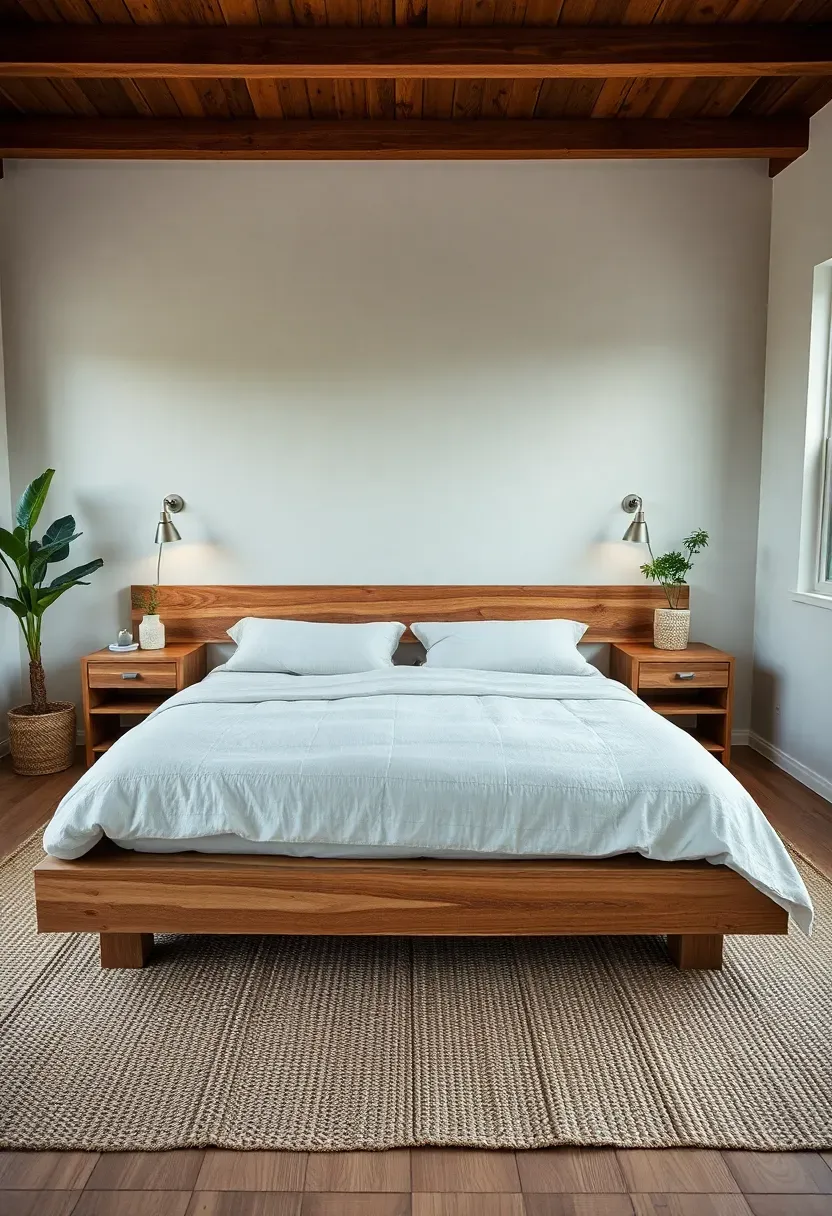
Japandi design—the fusion of Japanese minimalism and Scandinavian functionality—creates an ideal foundation for a sophisticated men's bedroom that feels both serene and styled. This approach begins with a light, neutral palette: walls in soft white or pale grey, light oak flooring, and furniture in natural wood tones with clean, tapered legs. The Japanese influence introduces low-profile furniture, sliding door elements (even if decorative), and carefully considered negative space that honors the principle of ma—the art of emptiness. Scandinavian contributions include layered textiles (a wool throw, linen pillows), warm ambient lighting through paper or fabric shades, and functional storage solutions that are as beautiful as they are practical. The result is a harmonious minimalist retreat that balances masculine simplicity with organic warmth, proving that restraint and comfort are not mutually exclusive. Explore more of this aesthetic in our guide to Japandi bedroom design ideas.
Recommended
Items for this idea
Prompt: Nature documentary capture on Hasselblad X2D 100C with XCD 90V lens at f/4. Hyper-realistic
Tips
- Incorporate one statement Japanese element: a low platform bed, shoji screen, or hand-thrown ceramic vessel
- Choose wood tones that are warm and natural rather than stained or heavily finished
- Layer lighting with multiple warm light sources (2700K) rather than relying on a single overhead fixture
Best for: Men who appreciate cultural craftsmanship and want a bedroom that feels both global and grounded.
What this gives you: A perfectly balanced sanctuary that merges Japanese mindfulness with Scandinavian practicality for ultimate calm.
5. Black and White Architectural Bedroom
This black and white architectural bedroom takes monochromatic minimalism to its most sophisticated extreme through the strategic use of contrast and architectural detail. White walls become a canvas for black architectural elements: black window frames, black baseboards and door trim, and a black accent wall behind the bed create bold graphic lines that define the space. The bed, dressed in crisp white high-thread-count cotton, sits on a black platform frame, while black pendant lights suspended asymmetrically add modern sculptural interest. What elevates this beyond basic black-and-white is the introduction of texture: a black faux fur throw, white linen pillows, and a white flokati rug add dimensional softness that prevents the stark contrast from feeling cold. This is graphic minimalism at its most refined—where architectural elements do the decorative work, eliminating the need for accessories or artwork.
Prompt: Nature documentary capture on Hasselblad X2D 100C with XCD 90V lens at f/4. Hyper-realistic
Tips
- Use various shades of white—paint, bedding, rug—to create subtle depth within the monochromatic scheme
- Keep black elements in the same finish (matte, satin) for consistency across trim, furniture, and fixtures
- Let architectural details be the stars—avoid artwork or accessories that compete with the graphic walls
Placement note: This high-contrast scheme works best in rooms with good natural light, which prevents the black elements from making the space feel heavy.
What this gives you: A striking, gallery-like space where architectural contrast creates visual drama without any clutter or decoration.
6. Earthy Taupe Minimalist Design
This earthy taupe minimalist design offers a softer approach to masculine bedrooms, proving that neutral doesn't have to mean grey or black. The walls are painted in a rich taupe with warm undertones—think Benjamin Moore's Tapestry Beige or similar—creating a cozy, envelope-like backdrop that feels more approachable than cooler neutrals. The warmth continues through wood furniture in medium oak or walnut tones, with a upholstered headboard in taupe linen or leather adding texture and comfort. Unlike cooler minimalist schemes, this design incorporates warmth through a terracotta or rust accent pillow, a potted succulent or snake plant, and warm brass light fixtures that glow against the taupe walls. The result is a warm, grounded minimalist space that feels livable and relaxed while maintaining the clean lines and clutter-free surfaces essential to minimalist bedroom ideas for men who prefer approachability over edge.
Recommended
Items for this idea
Prompt: Nature documentary capture on Hasselblad X2D 100C with XCD 90V lens at f/4. Hyper-realistic
Tips
- Choose taupe with warm (pink/beige) undertones rather than cool (grey/green) for a cozier feel
- Layer multiple wood tones in the same warmth family—oak, walnut, teak—rather than mixing warm and cool woods
- Add living plants for organic warmth that enlivens the neutral palette
Best for: Men who find cool neutrals too sterile and want a minimalist space that feels warm and inviting.
What this gives you: A sophisticated neutral space that feels warm and approachable while maintaining clean, minimalist principles.
7. Sleek Glass and Metal Contemporary
This sleek glass and metal contemporary bedroom embraces modern materials to create a minimalist space that feels futuristic, lightweight, and undeniably masculine. The design foundation includes a glass-partitioned sleeping area (even if decorative rather than structural), a metal platform bed frame in black or chrome, and glass floating nightstands that visually disappear. Unlike wood-dominated minimalist designs, this approach celebrates transparency and reflection: a mirrored wardrobe wall expands the space, metallic light fixtures add sparkle, and glossy surfaces on nightstands and desks reflect light to create brightness. The bedding keeps things grounded with matte black or navy cotton, preventing the space from feeling too cold. This modern minimalist aesthetic is particularly effective in urban apartments where the contemporary materials echo the city skyline outside, creating a seamless connection between interior and exterior views.
Prompt: Nature documentary capture on Hasselblad X2D 100C with XCD 90V lens at f/4. Hyper-realistic
Tips
- Balance glossy surfaces with matte elements (bedding, rugs) to prevent the space from feeling cold
- Use transparent elements (glass nightstands, acrylic chairs) in small rooms to maintain visual flow
- Keep metal finishes consistent—choose all chrome, all black metal, or all brass rather than mixing
Budget/Time: Glass and metal furniture can be more expensive than wood alternatives—prioritize one statement piece and supplement with simpler items.
What this gives you: A cutting-edge contemporary space that feels spacious, bright, and connected to modern urban life.
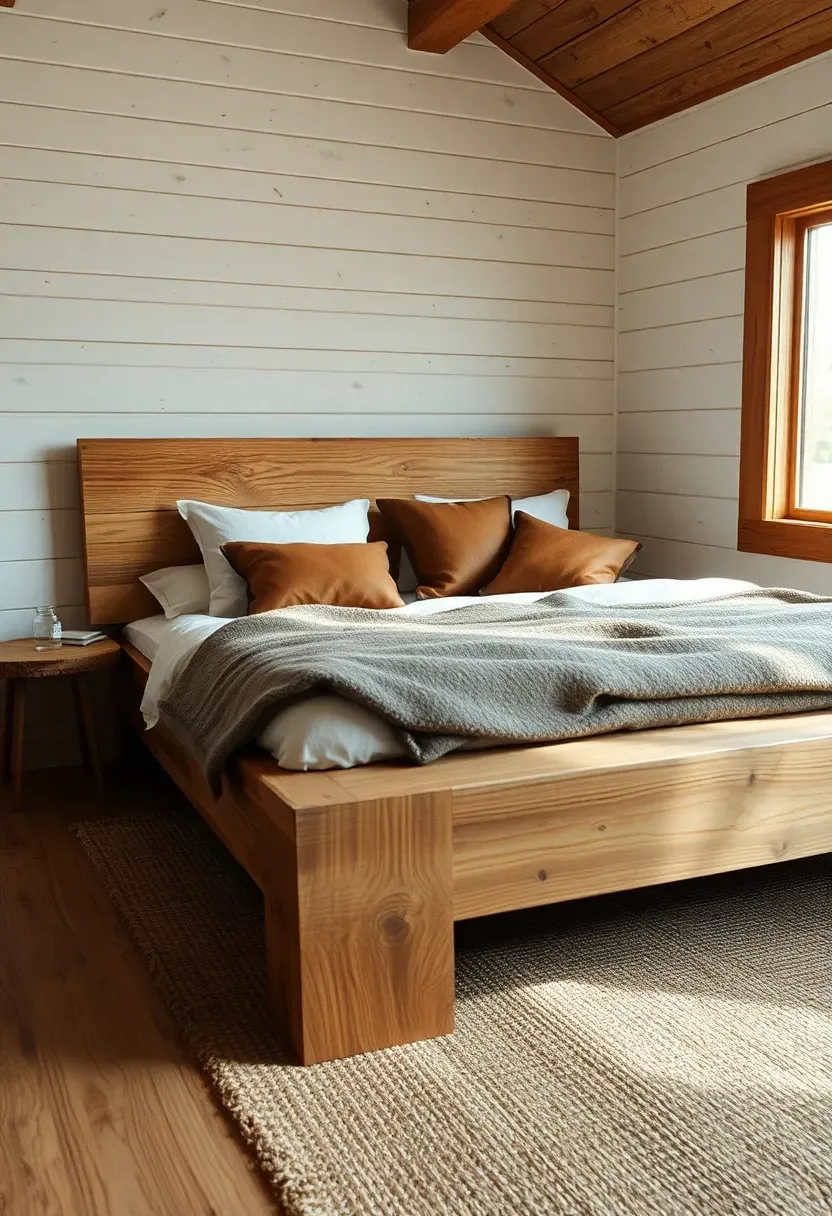
8. Rustic Minimalist Wood Bedroom
This rustic minimalist wood bedroom brings warmth and natural character to minimalist design through the liberal use of wood in its organic, unfinished state. Rather than sleek, processed wood, this design embraces reclaimed timber, live-edge pieces, and visible wood grain that tells a story. A platform bed crafted from reclaimed barn wood or rough-hewn oak becomes the natural focal point, its imperfections and knots adding character that mass-produced furniture lacks. The walls might feature reclaimed wood siding or shiplap painted in a soft warm white, allowing the wood texture to read while keeping the space bright. Wool blankets, leather pillows, and a jute rug introduce natural textures that complement rather than compete with the wood. This is organic minimalism—where the warmth of natural materials creates a cozy, cabin-inspired retreat that maintains the clutter-free principles of minimalist design.
Recommended
Items for this idea
Prompt: Nature documentary capture on Hasselblad X2D 100C with XCD 90V lens at f/4. Hyper-realistic
Tips
- Source reclaimed wood locally or use wood-look tile or wallpaper for a more budget-friendly alternative
- Balance the rustic elements with clean, simple shapes—avoid ornate or traditionally styled furniture
- Keep wood tones in the same warmth family throughout the room for cohesion
Best for: Men who appreciate natural materials, craftsmanship, and want a bedroom that feels connected to nature.
What this gives you: A warm, character-rich minimalist space that celebrates natural wood imperfections and organic textures.
9. Moody Grey Minimalist Escape
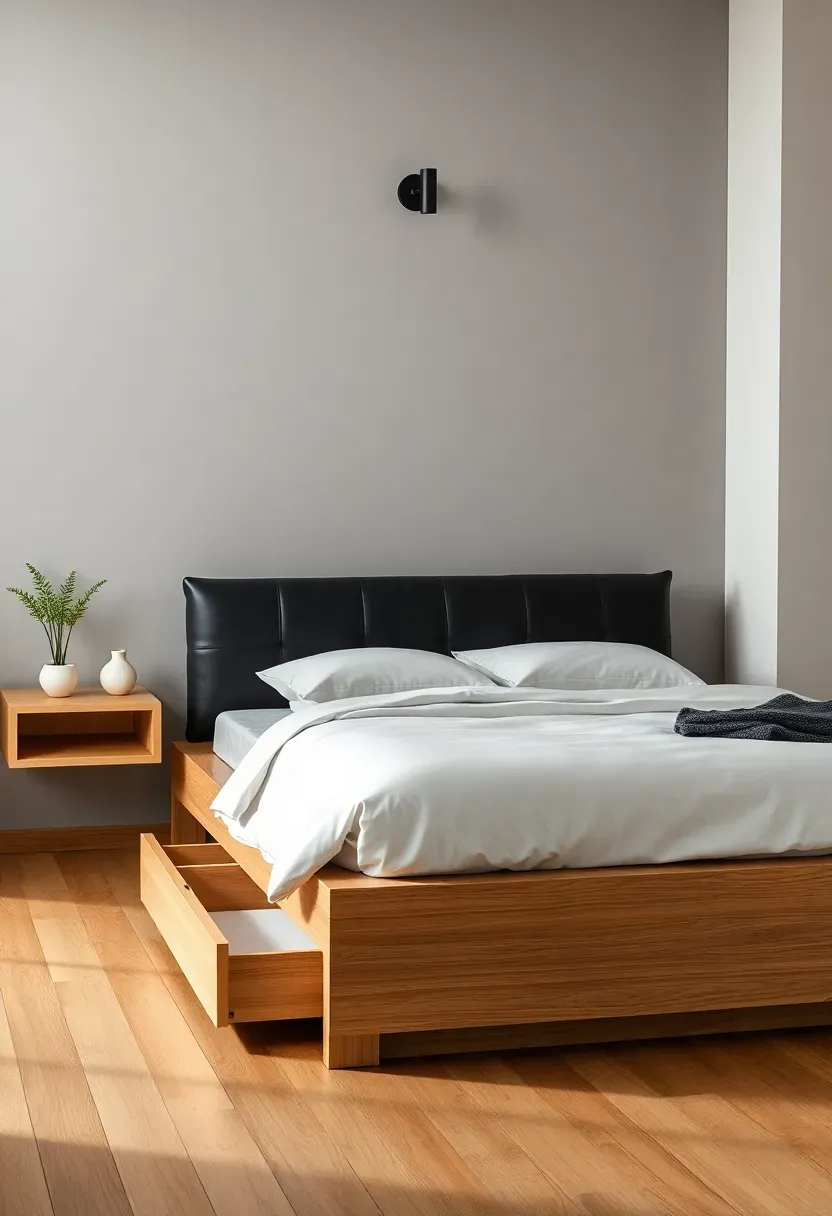
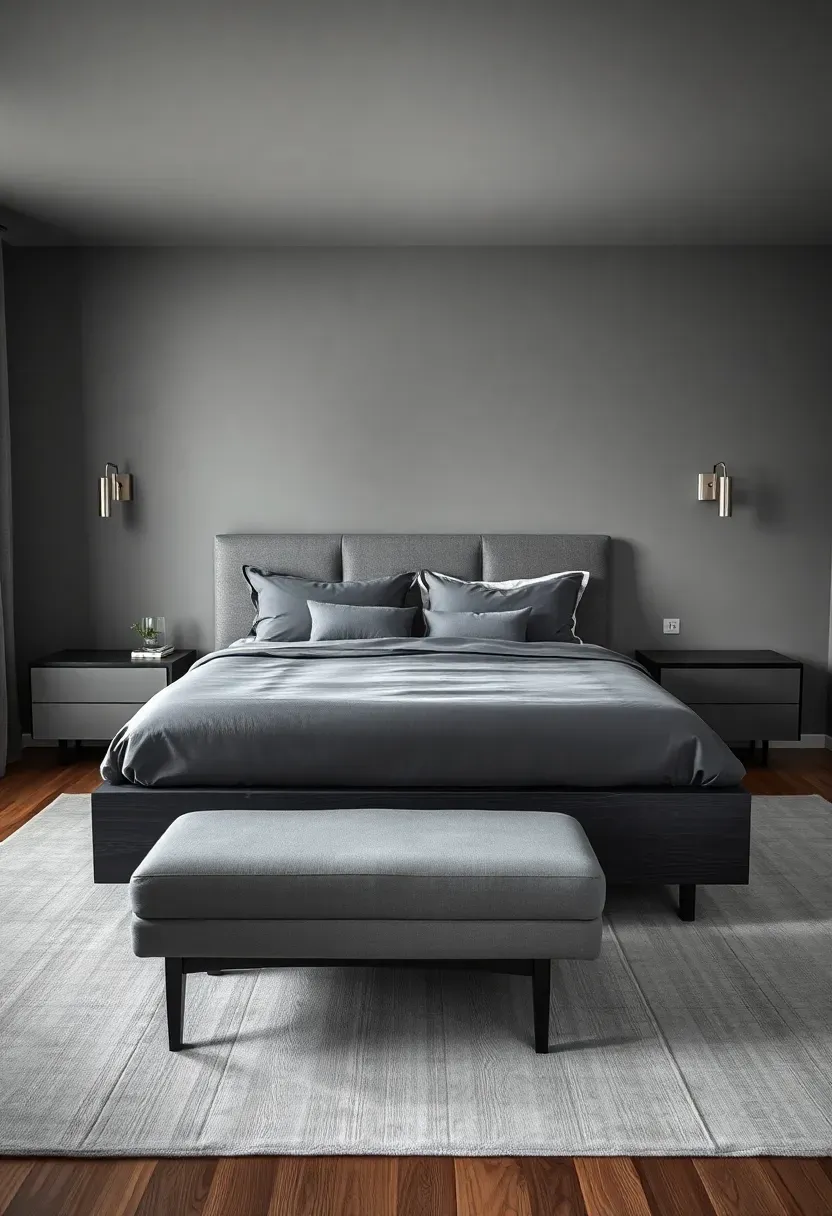
This moody grey minimalist escape creates a sophisticated cocoon through the layered use of various grey tones from near-black to near-white. The walls are painted in a medium-grey with cool undertones—like Farrow & Ball's Pavilion Grey—creating a neutral foundation that's neither too dark nor too light. Bedding introduces the grey spectrum: dark grey sheets, medium-grey duvet, and light grey pillows create tonal depth without pattern. Furniture keeps things sleek and simple: a black oak platform bed, floating grey nightstands, and a grey upholstered bench at the foot of the bed. What prevents this monochromatic scheme from feeling flat is the strategic use of sheen contrast: matte walls, satin bedding, lacquer nightstands, and metallic accents in brushed nickel or chrome create dimension through light reflection. This tonal minimalist approach demonstrates that a single color family can create a rich, layered space when texture and sheen are thoughtfully varied.
Prompt: Nature documentary capture on Hasselblad X2D 100C with XCD 90V lens at f/4. Hyper-realistic
Tips
- Create a grey sample board with paint swatches, fabric samples, and finish samples to ensure your greys harmonize
- Warm up cool greys with brass accents or wood tones to prevent the space from feeling too cold
- Vary sheen levels (matte, satin, lacquer) to create visual interest without adding color
Best for: Men who want a sophisticated neutral space that's less predictable than standard white minimalism.
What this gives you: A rich, layered monochromatic space that proves single-color schemes can be deeply sophisticated.
10. Coastal Minimalist Men's Retreat
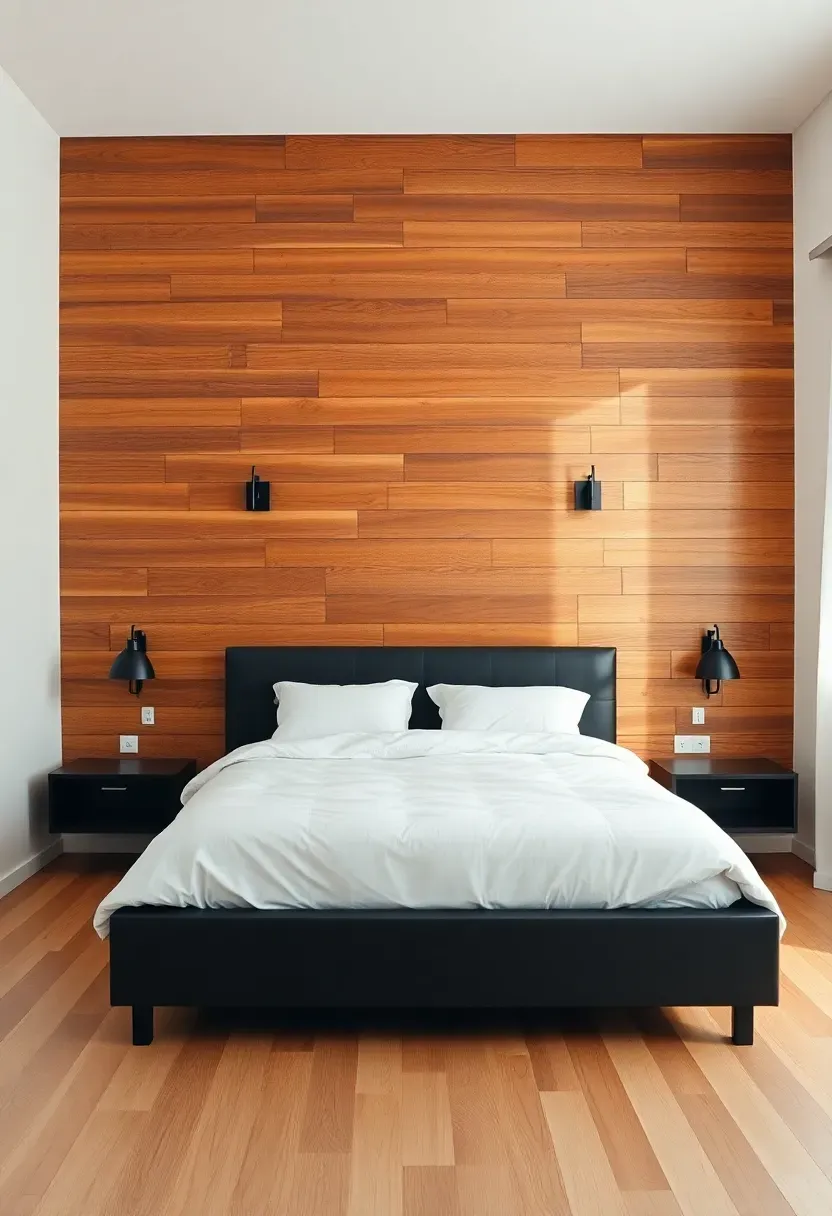
This coastal minimalist retreat brings a breezy, relaxed quality to masculine bedroom design through a palette inspired by sand, sea, and sky. Rather than the expected beachy blues, this interpretation uses sophisticated neutrals: sandy beige walls, driftwood-grey bedding, and white oak furniture that feels weathered yet refined. The coastal influence appears in natural materials—jute rugs, linen curtains, and rope or driftwood accents—rather than literal sea-themed decor. A large window (or windows) maximizes natural light and might offer water views, but even in urban settings, the abundance of light and airiness creates a coastal mood. This refined coastal minimalism avoids kitsch in favor of natural simplicity: think quality linen sheets, a canvas sling chair in the corner, and accessories in sea glass, shell, or coral colors that nod to the beach without shouting about it.
Recommended
Items for this idea
Prompt: Nature documentary capture on Hasselblad X2D 100C with XCD 90V lens at f/4. Hyper-realistic
Tips
- Use natural textures (jute, linen, canvas) rather than patterns to reinforce coastal mood without clutter
- Keep window treatments minimal—linen roman shades or simple panels that maximize light
- Choose woods with visible grain and weathered character rather than pristine finishes
Placement note: This style thrives with abundant natural light—use reflective surfaces (mirrors, glossy furniture) to amplify light in darker rooms.
What this gives you: A relaxed, airy bedroom that feels connected to nature and promotes a calm, vacation-like state of mind.
11. Urban Studio Minimalist Layout
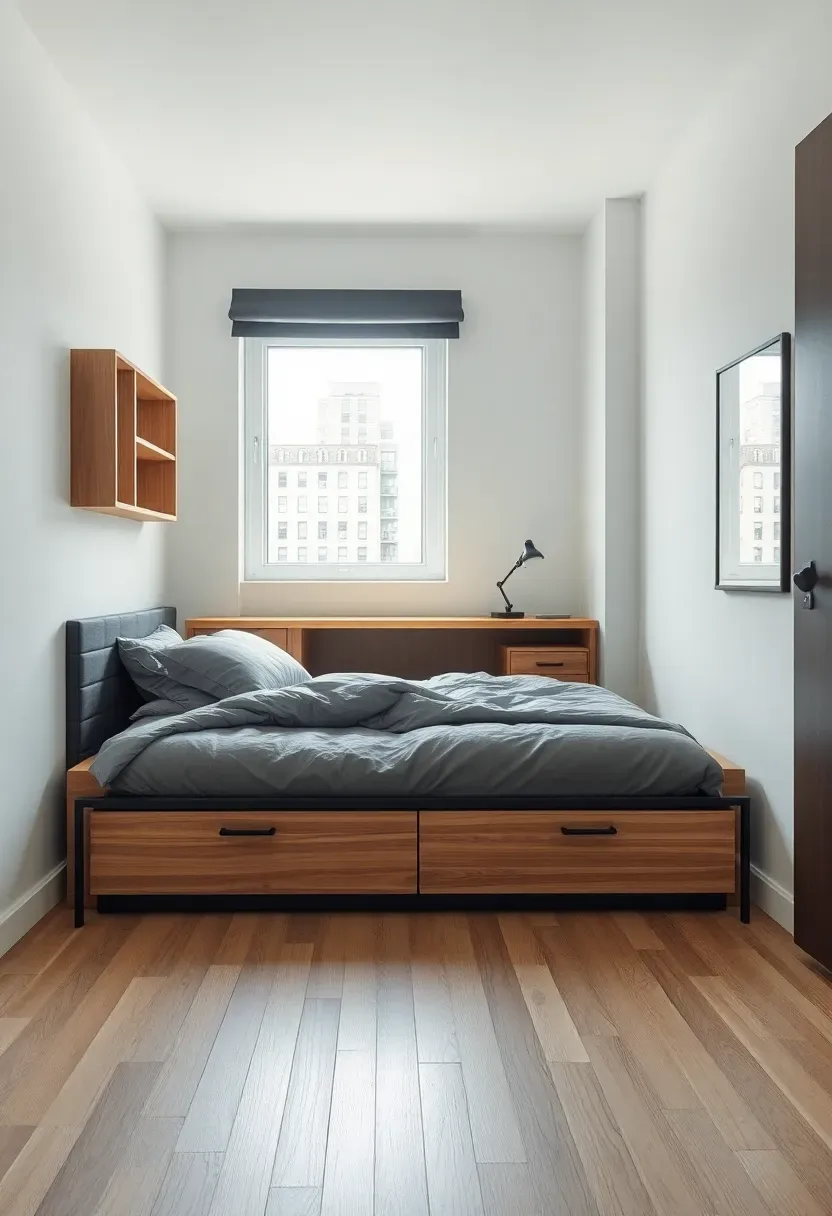
This urban studio minimalist layout is designed for men living in compact city apartments where the bedroom often shares space with living and working areas. The key challenge—and opportunity—is creating visual separation without adding walls or clutter. This design uses strategic placement: the bed is positioned to create a natural "zone" with the headboard acting as a partial room divider, facing away from the living area to maintain privacy. A low-profile bookshelf or console table behind the bed provides storage and display while doubling as a room divider. The bed itself might be a wall-mounted Murphy bed or a sleek platform with integrated storage drawers to maximize every square foot. Lighting zones help delineate areas: a bedside sconce for reading, a floor lamp for the living zone, and task lighting for the desk area. This smart urban minimalism proves that small spaces can feel luxurious and intentional when every element serves multiple purposes. For more compact-room strategies, see our minimalist bedroom ideas for small rooms.
Prompt: Nature documentary capture on Hasselblad X2D 100C with XCD 90V lens at f/4. Hyper-realistic
Tips
- Use furniture with exposed legs rather than solid bases to maintain visual flow and make the space feel larger
- Choose a consistent neutral palette throughout the studio to create cohesion across zones
- Invest in a quality mattress and bedding—comfort becomes even more crucial in small spaces
Rental note: Use open shelving and freestanding dividers rather than built-ins to create separation without permanent construction.
What this gives you: A highly functional small-space solution that feels intentional and spacious rather than cramped.
12. Leather and Wood Modern Bedroom
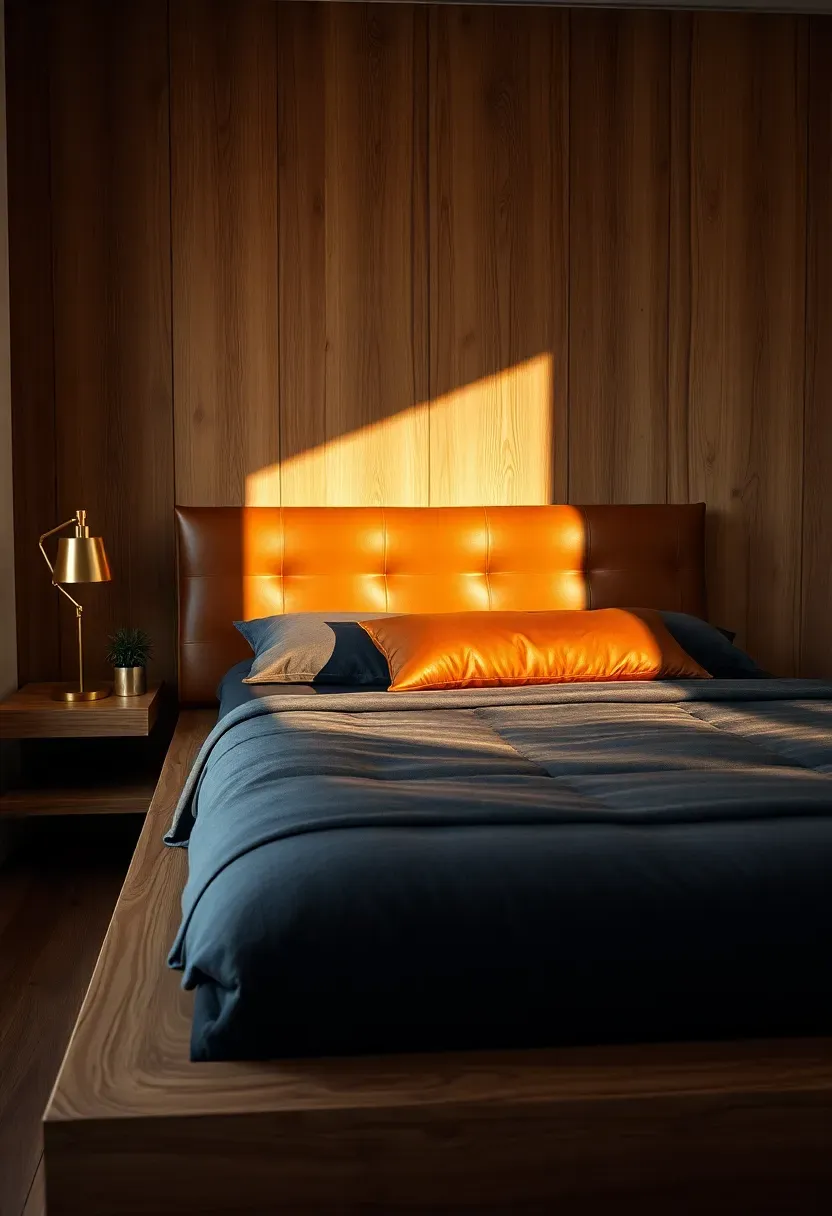
This leather and wood modern bedroom creates masculine sophistication through the rich pairing of two timeless materials. The foundation begins with a platform bed in medium oak or walnut, its clean lines and visible grain establishing a natural warmth. Against this wood backdrop, leather elements add luxury and character: a leather-upholstered headboard in cognac, tobacco, or black creates a striking focal point, while leather pillows or a folded leather throw at the foot of the bed introduce textural contrast. The beauty of leather is that it patinas over time, developing character that makes the space feel lived-in and personal. Wood accents continue through floating nightstands, a bench or stool in the corner, and possibly a leather-clad valet tray for daily essentials. This material-focused minimalism relies on quality rather than quantity—fewer pieces, but each chosen for material excellence that speaks for itself.
Recommended
Items for this idea
Prompt: Nature documentary capture on Hasselblad X2D 100C with XCD 90V lens at f/4. Hyper-realistic
Tips
- Choose leather with visible grain and natural markings for character rather than flawless, processed hides
- Balance leather's smoothness with textured elements—wool rugs, linen pillows, wood grain
- Use a leather conditioner annually to maintain the material and develop an even patina
Budget/Time: Real leather is an investment—faux leather or vinyl can mimic the look for less, though without the same aging properties.
What this gives you: A rich, sophisticated space where quality materials create luxury without excess decoration.
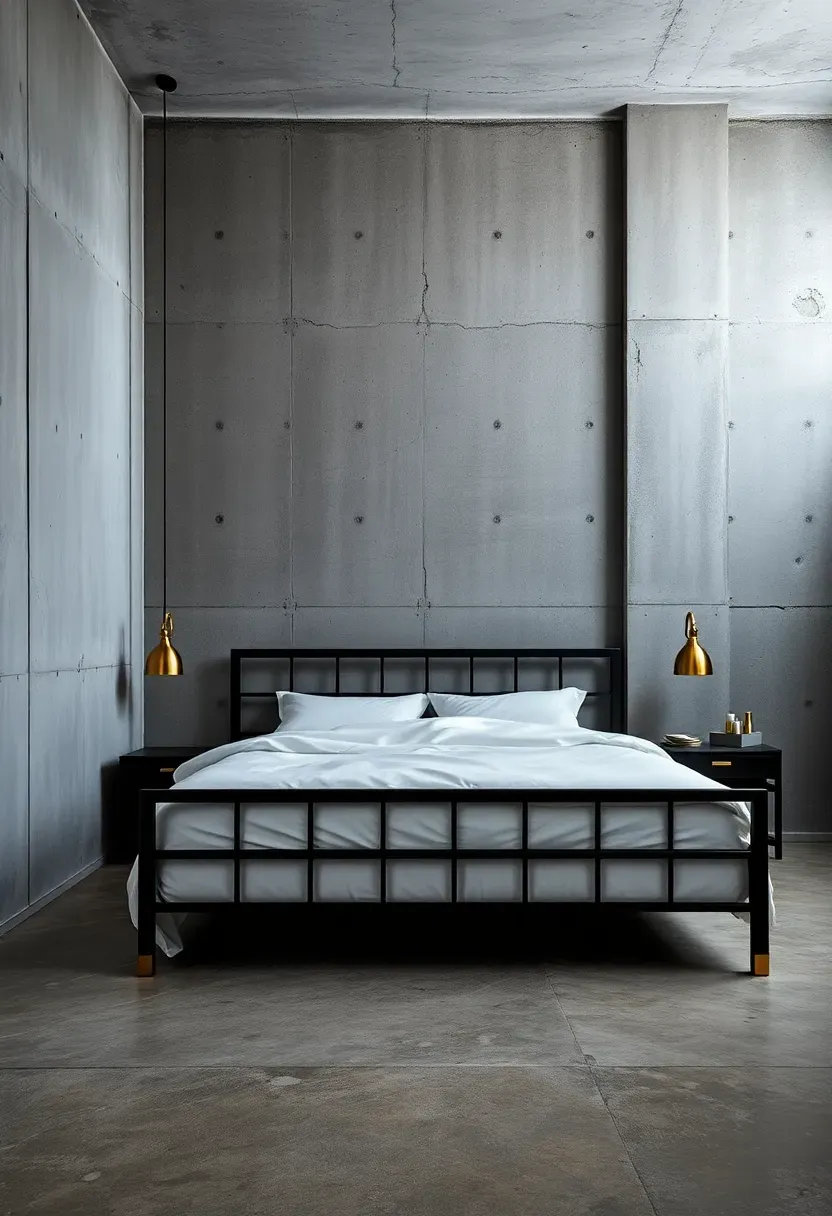
13. Concrete and Brass Industrial Design
This concrete and brass industrial design creates a refined masculine space through the sophisticated pairing of raw and polished elements. Concrete surfaces—whether actual concrete walls, concrete-effect plaster, or polished concrete flooring—provide a cool grey foundation with visible texture and variation. Against this cool backdrop, brass accents introduce warmth and luxury: brass pendant lights, brass drawer pulls, or a brass-framed mirror add metallic gleam that contrasts beautifully with concrete's matte surface. The bed might feature a black metal frame with brass detailing, while bedding in crisp white or charcoal keeps the space feeling clean rather than chaotic. What makes this design successful is the restraint: brass is used strategically as an accent rather than liberally, ensuring it feels special rather than overwhelming. This refined industrial minimalism balances raw and refined, creating a space that feels both edgy and elegant.
Prompt: Nature documentary capture on Hasselblad X2D 100C with XCD 90V lens at f/4. Hyper-realistic
Tips
- Use unlacquered brass which will develop a natural patina over time, adding character
- Soften concrete surfaces with textiles—rugs, throws, curtains—to prevent the space from feeling too hard
- Keep brass elements in the same finish (brushed, polished) throughout for consistency
Best for: Men who appreciate industrial aesthetics but want a more polished, sophisticated take on the style.
What this gives you: A refined industrial space where the contrast between raw concrete and polished brass creates sophisticated tension.
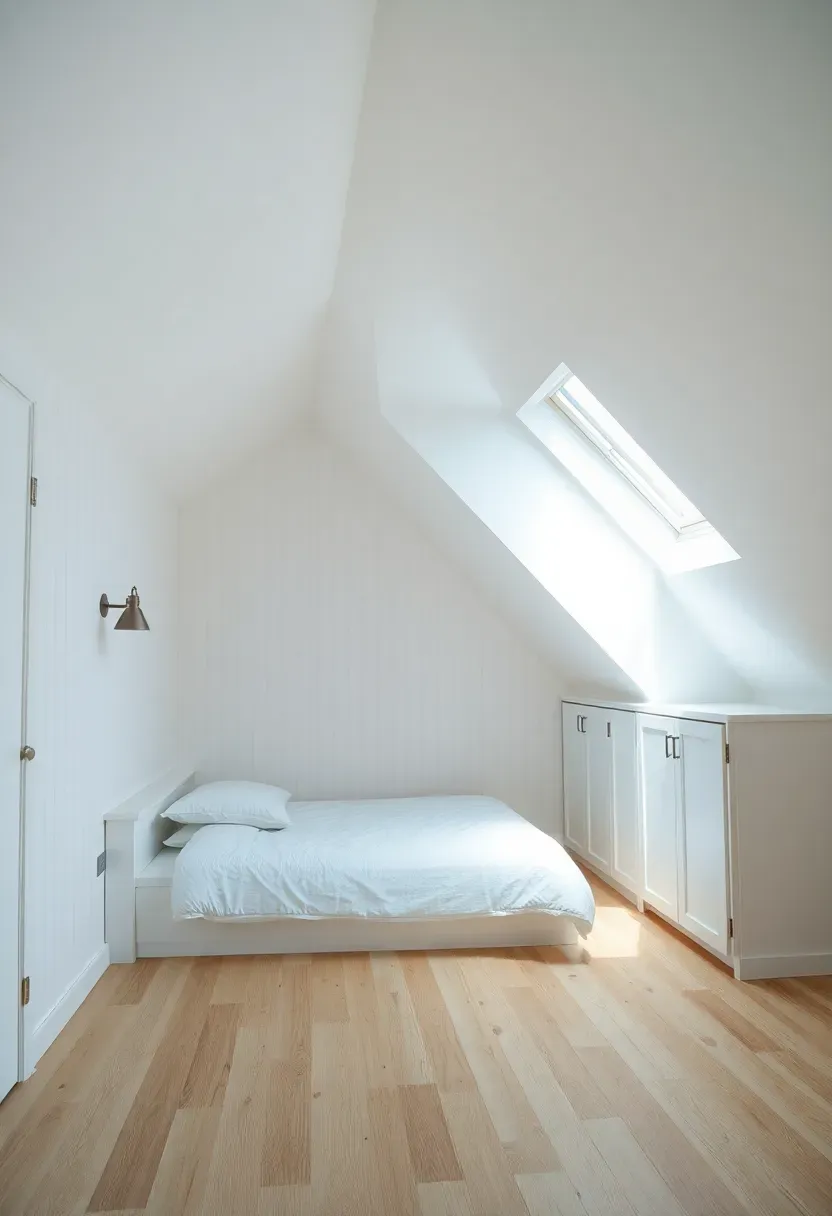
14. Minimalist Sloped Ceiling Attic
This minimalist sloped ceiling attic bedroom embraces architectural challenges rather than hiding them, turning awkward angles into design assets. The key to working with sloped ceilings is to lean into the architecture rather than fighting it: position the bed under the lowest point of the ceiling where you'll be lying down, maximizing headroom, and use the taller sections for standing areas like a dressing zone or desk. Built-in storage is crucial in attic bedrooms—custom cabinets that follow the slope of the ceiling maximize every cubic foot while maintaining clean lines. The color palette should be light and reflective to maximize the sense of space: white or pale grey walls, light wood flooring, and mirrors strategically placed to amplify light. Lighting becomes particularly important in sloped spaces—recessed lights follow the ceiling angle, wall-mounted sconces save headroom, and a statement pendant light can hang from the highest point. This architectural minimalism proves that challenging spaces can become the most interesting rooms in the house.
Recommended
Items for this idea
Prompt: Nature documentary capture on Hasselblad X2D 100C with XCD 90V lens at f/4. Hyper-realistic
Tips
- Use the vertical wall space created by sloped ceilings for built-in storage or a reading nook
- Keep furniture low-profile and scaled to the space—avoid tall pieces that make the ceiling feel lower
- Maximize natural light with minimal window treatments to keep the space feeling open
Best for: Attic or bonus rooms where working with (rather than against) the architecture creates the most functional layout.
What this gives you: A character-filled minimalist space that celebrates architectural quirks rather than hiding them.
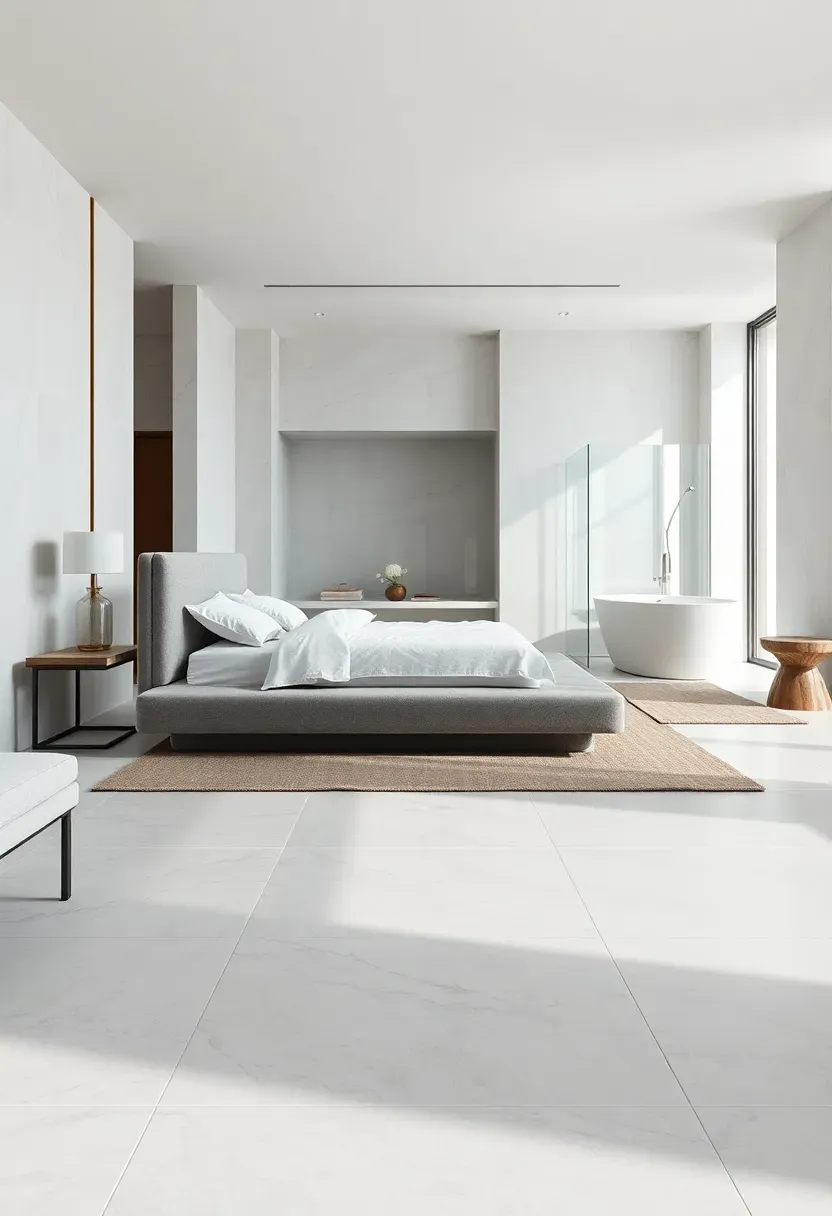
15. Open Concept Minimalist Suite
This open concept minimalist suite blurs the boundaries between bedroom and bathroom, creating a luxurious spa-like flow that's particularly suited to master suites. Rather than walls, the separation is achieved through strategic placement: the bed is positioned to face a freestanding bathtub or a glass-enclosed shower, turning the bathing area into a visual focal point. Flooring continues seamlessly from bedroom to bath—large-format stone tiles or polished concrete create continuity while defining zones through area rugs. The bed itself might be a statement piece, perhaps an upholstered platform with a tall headboard that creates privacy without blocking sightlines. This seamless minimalism requires thoughtful planning for privacy and practical concerns (ventilation, waterproofing), but the result is a hotel-like experience where the boundary between rest and renewal dissolves into a continuous sanctuary.
Prompt: Nature documentary capture on Hasselblad X2D 100C with XCD 90V lens at f/4. Hyper-realistic
Tips
- Ensure proper ventilation—open bathrooms require excellent exhaust systems to prevent humidity damage
- Use consistent flooring material throughout for visual continuity—stone, concrete, or large-format tiles
- Consider a partial wall or strategically placed furniture for privacy without complete separation
Budget/Time: Open concept baths require significant plumbing and waterproofing work—budget accordingly for professional installation.
What this gives you: A luxurious, spa-like master suite where the boundaries between rest and renewal beautifully dissolve.
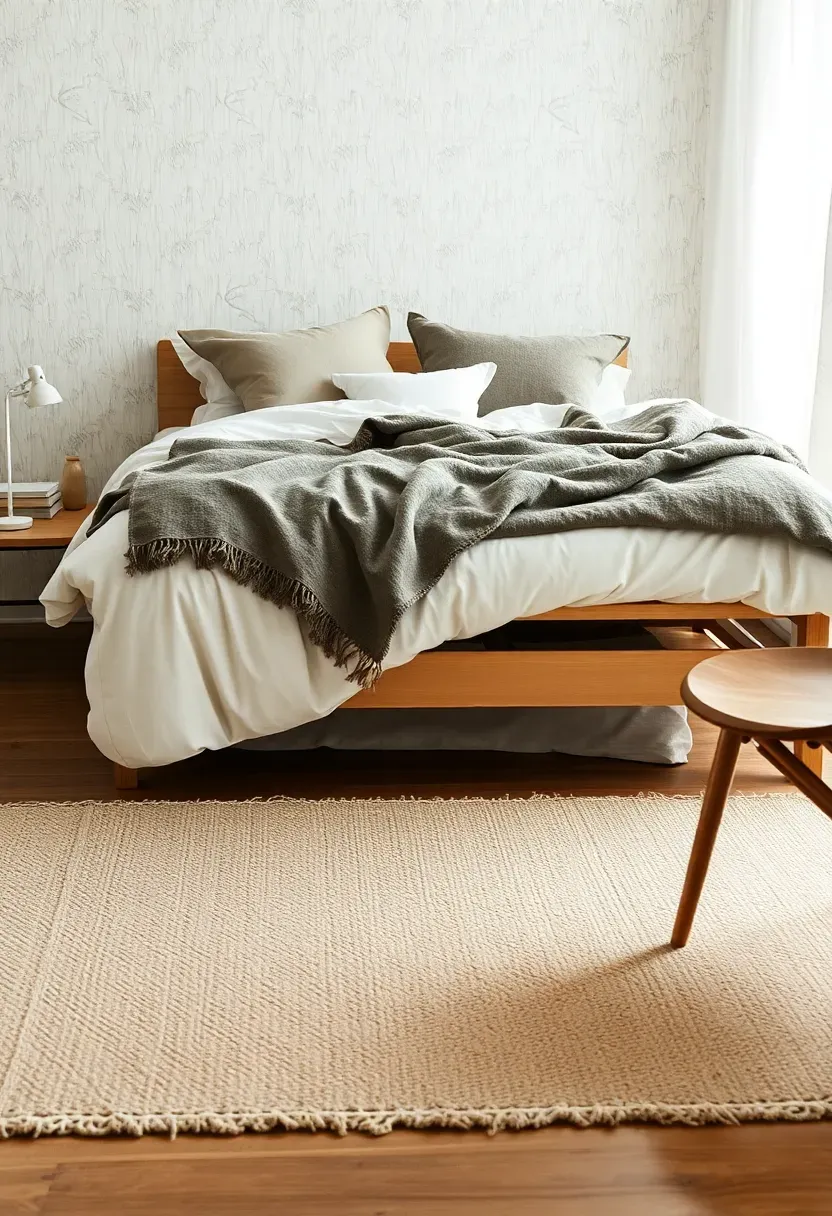
16. Textured Neutral Minimalist Room
This textured neutral minimalist room creates visual interest without color or pattern through the masterful layering of various textures in a consistent neutral palette. Walls might feature a subtle texture—plaster, grasscloth wallpaper, or board and batten painted in soft white or pale grey. The bed is dressed in layers of textural contrast: a linen duvet, a cotton blanket, a wool throw, and velvet or leather pillows create a tactile, inviting surface despite the monochromatic scheme. The flooring introduces another texture—natural jute or sisal rug over hardwood or stone. Furniture keeps things simple in form but rich in material: a wood bench with visible grain, a leather-upholstered chair, or a metal side table with hammered finish. Lighting fixtures add texture through material—woven rattan shades, hammered brass, or blown glass. This textural minimalism proves that a room can be deeply interesting without being colorful or cluttered when texture becomes the primary design element.
Recommended
Items for this idea
Prompt: Nature documentary capture on Hasselblad X2D 100C with XCD 90V lens at f/4. Hyper-realistic
Tips
- Create a texture board before committing—layer actual fabric samples to see how textures interact
- Lighting enhances texture—position lights to cast shadows that highlight dimensional surfaces
- Keep within the same temperature family (warm or cool neutrals) for cohesion
Best for: Men who want visual interest without pattern or color, and who appreciate tactile, sensory design.
What this gives you: A visually rich, deeply textural space that feels serene and sophisticated without color or pattern.
17. Scandi-Style Men's Bedroom
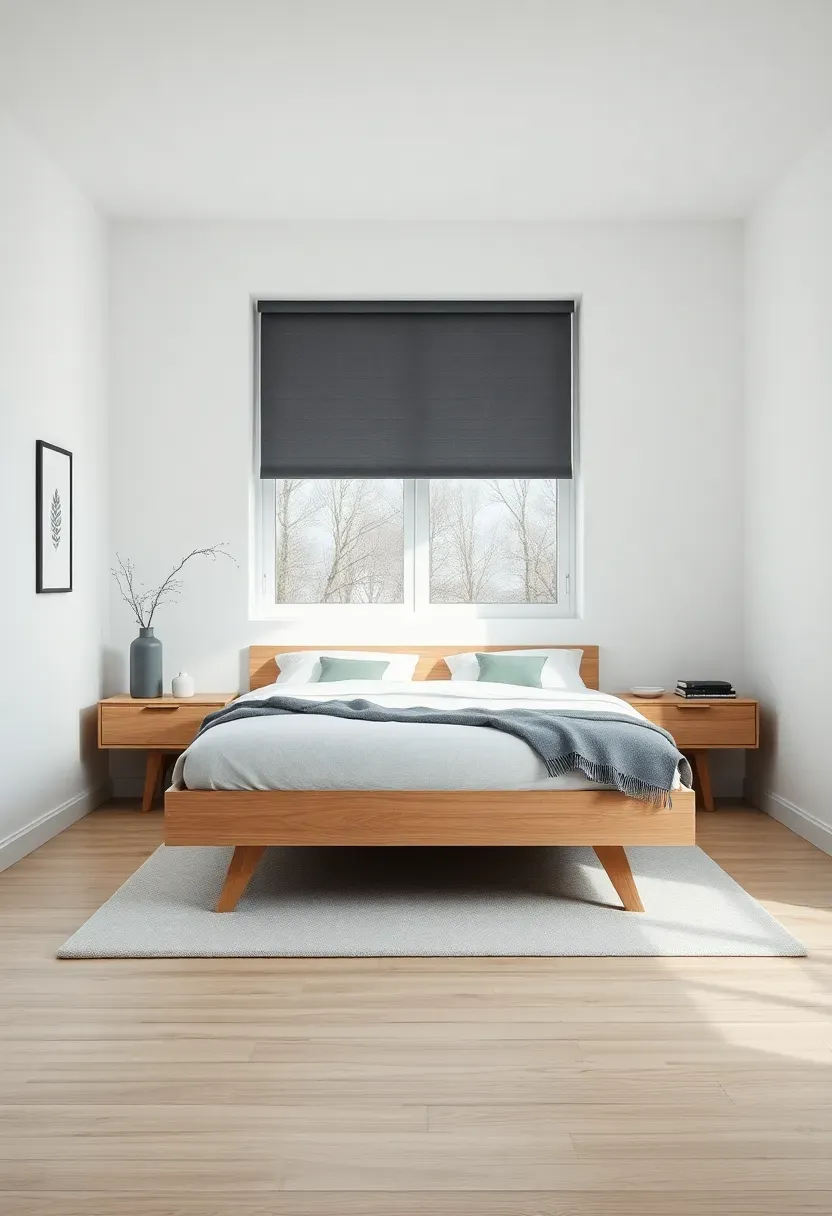
This Scandi-style men's bedroom brings the clean, functional beauty of Nordic design to a masculine context through light colors, natural materials, and practical functionality. The foundation is bright and airy: white or pale grey walls, light oak or ash flooring, and large windows (if available) maximized with minimal window treatments. Furniture embodies Scandinavian principles: low-profile beds with simple frames, storage that's beautiful as well as functional, and pieces with tapered, exposed legs that maintain a sense of visual lightness. The color palette stays neutral with occasional muted accents—sage green, dusty blue, or mustard yellow—introduced through textiles and accessories. Textiles are key to the Scandi warmth factor: wool throws, linen pillows, and cotton area rugs add softness without clutter. This Nordic minimalism creates a space that feels both modern and timeless, functional and beautiful, proving that practicality and style are not opposing forces but complementary elements of good design.
Prompt: Nature documentary capture on Hasselblad X2D 100C with XCD 90V lens at f/4. Hyper-realistic
Tips
- Embrace lagom—the Swedish concept of "just the right amount"—not too little, not too much
- Choose furniture with exposed legs rather than solid bases to maintain visual lightness
- Layer textiles for warmth—start with a base of neutrals and add one or two muted accent colors
Best for: Men who appreciate functional design, natural materials, and want a bedroom that feels bright and cheerful.
What this gives you: A bright, functional space that embodies Nordic principles of practical beauty and comfortable simplicity.
18. Dark Moody Minimalist Interior
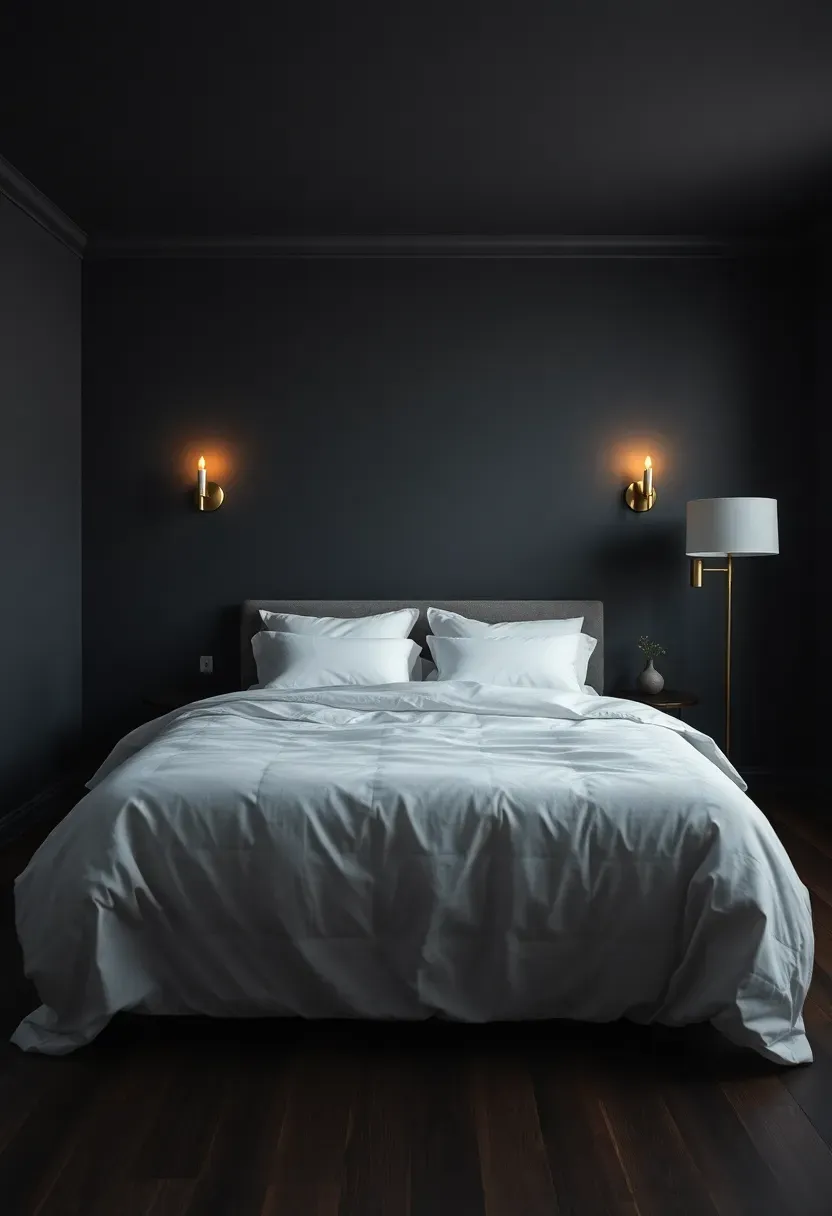
This dark moody minimalist interior creates a dramatic, cocooning atmosphere through the fearless use of dark colors on walls, ceiling, and sometimes even flooring. The walls are painted in a deep, rich hue—charcoal, navy, forest green, or even black—creating an envelope-like effect that makes the room feel intimate and secluded. The key to success with dark rooms is contrast: bedding in crisp white or light cream provides essential brightness, while metallic accents in brass, copper, or chrome add sparkle and dimension. Lighting becomes particularly crucial in dark spaces—layered lighting at multiple levels (sconces, pendants, floor lamps) creates depth and prevents the room from feeling oppressive. This moody minimalism isn't for everyone, but for men who embrace the dramatic, it creates a sanctuary-like bedroom that feels removed from the outside world -- a space for deep rest and recharge. For more dark-palette inspiration, browse our stylish dark bedroom ideas.
Recommended
Items for this idea
Prompt: Nature documentary capture on Hasselblad X2D 100C with XCD 90V lens at f/4. Hyper-realistic
Tips
- Use the highest quality paint you can afford—dark colors show imperfections more than light colors
- Layer lighting with dimmers to control the mood—bright for getting ready, dim for relaxation
- Maintain contrast through white bedding, light rugs, or metallic accents to prevent the room from feeling oppressive
Avoid if: Your bedroom is small or has limited natural light—dark colors can make these spaces feel more enclosed.
What this gives you: A dramatic, sanctuary-like bedroom that feels completely removed from the outside world for deep rest.
19. Light Oak Minimalist Foundation
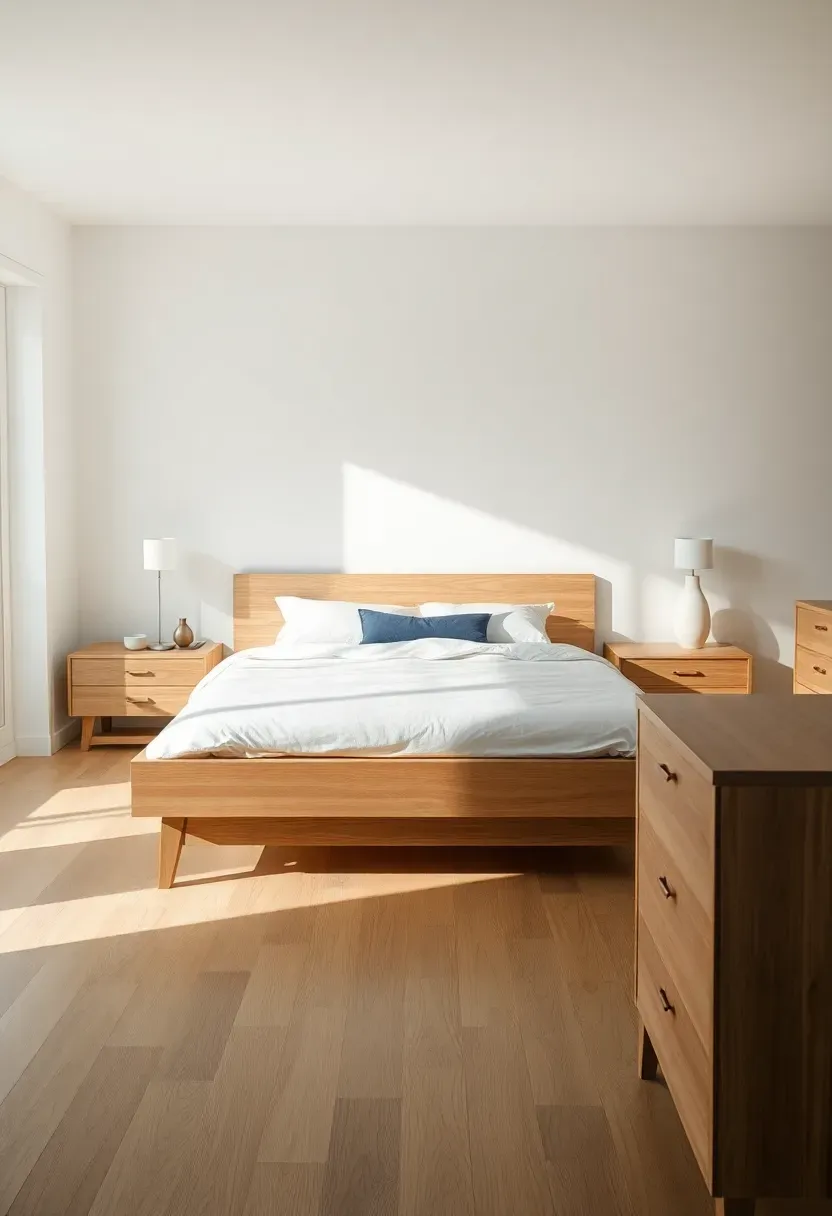
This light oak minimalist foundation creates a bright, warm, and inviting bedroom built around the consistent use of light oak wood throughout the space. Unlike darker, moodier minimalist schemes, this approach embraces light and warmth: light oak flooring, a light oak platform bed, oak nightstands, and oak dresser create visual continuity while bringing natural warmth to the space. The walls are kept light and reflective—soft white or pale grey—to maximize brightness and let the oak's natural grain take center stage. Bedding stays neutral but textured: white or cream linens with maybe a single accent pillow in sage, rust, or navy adds a pop of color without clutter. What elevates this beyond basic wood furniture is the quality of the oak pieces—visible grain, clean joinery, and thoughtful proportions that showcase craftsmanship. This warm minimalist approach creates a bedroom that feels serene and sunny rather than stark, proving that minimalism can be warm and inviting as well as clean and simple.
Prompt: Nature documentary capture on Hasselblad X2D 100C with XCD 90V lens at f/4. Hyper-realistic
Tips
- Choose oak with visible grain and character rather than perfectly processed boards for more visual interest
- Keep oak tones consistent throughout the room for cohesion—avoid mixing warm and cool oak finishes
- Contrast the warmth of oak with cool elements (black metal, white bedding) for balance
Best for: Men who want a minimalist space that feels warm and inviting rather than stark or cold.
What this gives you: A bright, warm minimalist bedroom where consistent oak tones create visual continuity and natural comfort.
20. Accent Wall Minimalist Design
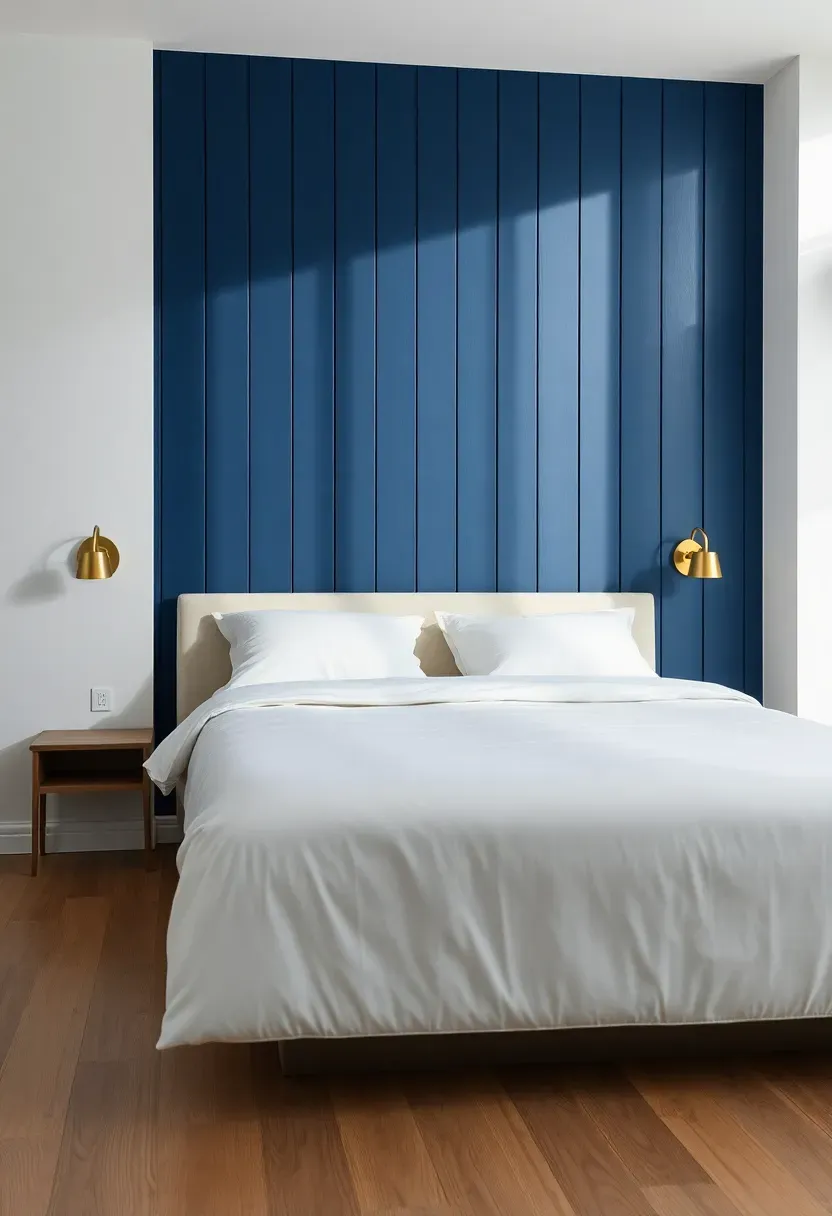
This accent wall minimalist design creates visual interest through a single statement wall while keeping the remaining walls clean and neutral. The accent wall behind the bed might feature wood siding—shiplap, board and batten, or reclaimed planks—or could be painted in a bold color like navy, charcoal, or forest green. The bed is positioned against this feature wall, with simple, understated bedding that lets the wall be the star. The remaining walls are kept neutral—white or light grey—to maintain brightness and balance. The beauty of this approach is that it creates focal interest without the need for artwork or decorative accessories. The accent wall does the decorative work, allowing the rest of the room to remain simple and clutter-free. This statement minimalism proves that one bold element can carry a room's visual weight, eliminating the need for additional decoration.
Recommended
Items for this idea
Prompt: Nature documentary capture on Hasselblad X2D 100C with XCD 90V lens at f/4. Hyper-realistic
Tips
- Choose an accent wall material or color that you genuinely love—this will be the room's dominant feature
- Keep bedding simple and neutral to avoid competing with the statement wall
- Consider lighting the accent wall with sconces or directional lighting to highlight texture
Budget/Time: Shiplap or board and batten can be DIY-friendly weekend projects for handy homeowners.
What this gives you: A room with strong visual impact that requires zero artwork or accessories—the wall itself is the decoration.
21. Platform Bed with Built-In Storage
This platform bed with built-in storage exemplifies minimalist principles by combining essential furniture with smart organization in a single, streamlined piece. The platform bed sits slightly higher than traditional beds, with drawers integrated into the base—either on the sides for easy access or at the foot for a cleaner look. This design eliminates the need for a separate dresser, reducing visual clutter while maximizing storage. The bed frame itself is clean and simple: solid wood or upholstered in leather or linen, with no unnecessary ornamentation. Above the bed, the wall remains relatively bare—perhaps a single piece of abstract art or nothing at all—allowing the bed's clean lines to shine. Bedding is simple but high-quality: solid colors, quality materials, and excellent tailoring create a polished look without pattern or excess. This functional minimalism demonstrates how smart furniture design can reduce clutter while maintaining style.
Prompt: Nature documentary capture on Hasselblad X2D 100C with XCD 90V lens at f/4. Hyper-realistic
Tips
- Choose drawers with soft-close mechanisms for smooth operation and longevity
- Consider whether side-access or foot-of-bed drawers work better for your room's layout
- Use the storage for bulky items—extra bedding, off-season clothing—to keep daily essentials accessible
Best for: Small bedrooms or anyone wanting to maximize storage without adding more furniture pieces.
What this gives you: Maximum storage with minimum visual clutter—your bed becomes your dresser.
22. Minimalist Workspace Integration
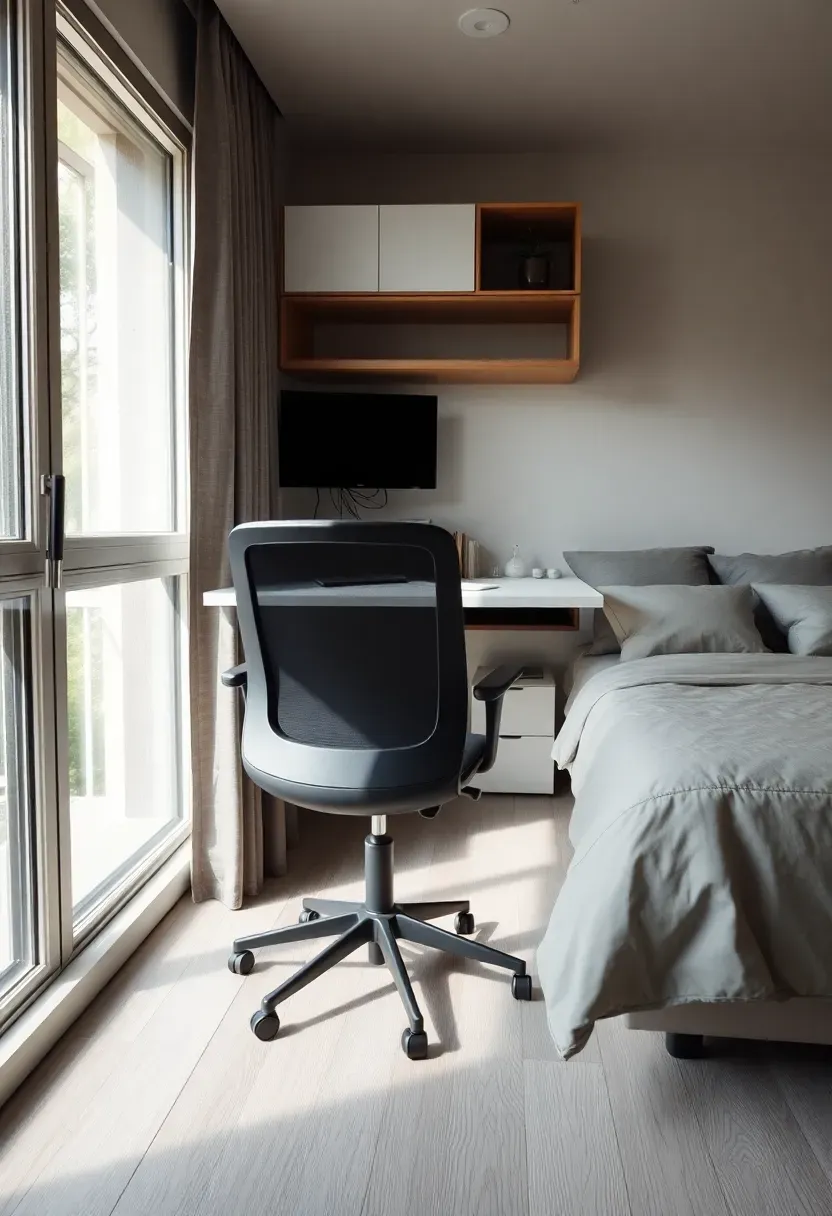
This minimalist workspace integration creates a seamless bedroom-office hybrid where the desk area feels like an intentional part of the room rather than an afterthought. The desk is positioned to maximize natural light—ideally in front of a window—and features clean, simple lines that echo the bedroom's minimalist aesthetic. A wall-mounted desk keeps the floor area open and maintains visual lightness, while storage is integrated above or below the desk to keep the surface clutter-free. The chair is sleek and modern—perhaps an ergonomic task chair in black or grey—that doesn't dominate the space visually. Lighting zones help separate work and rest: task lighting for the desk area, ambient lighting for the bedroom zone, and blackout curtains or room dividers that can create physical separation when needed. This hybrid minimalism proves that work and rest can coexist in the same space when the design is thoughtful and intentional.
Recommended
Items for this idea
Prompt: Nature documentary capture on Hasselblad X2D 100C with XCD 90V lens at f/4. Hyper-realistic
Tips
- Position the desk so you don't see your workspace while in bed—consider room layout and sightlines
- Use cable management solutions to keep cords hidden and maintain the minimalist aesthetic
- Create a ritual for "closing" the workspace at the end of the day—clear the desk, turn off task lights
Best for: Apartment dwellers or anyone working from home who needs a dedicated workspace without a separate room.
What this gives you: A functional home office that doesn't compromise your bedroom's calm, minimalist aesthetic.
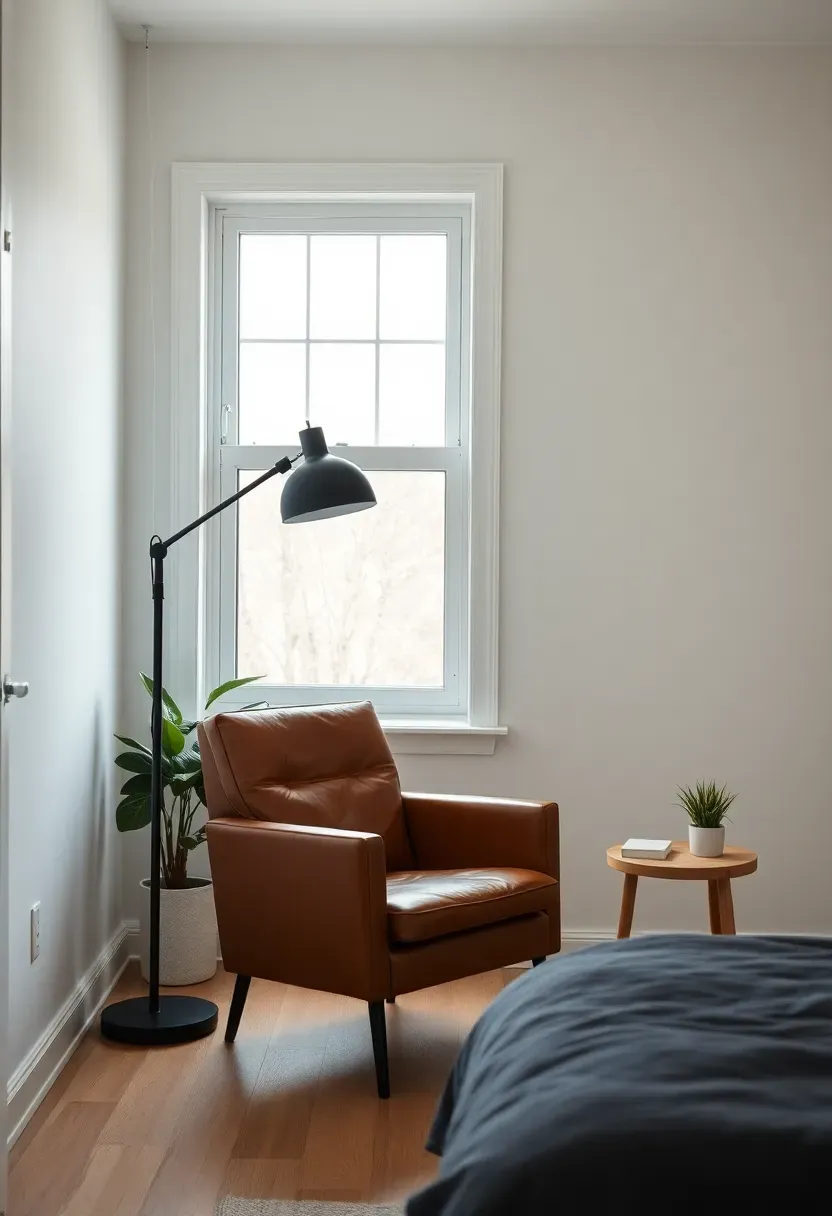
23. Reading Corner Minimalist Setup
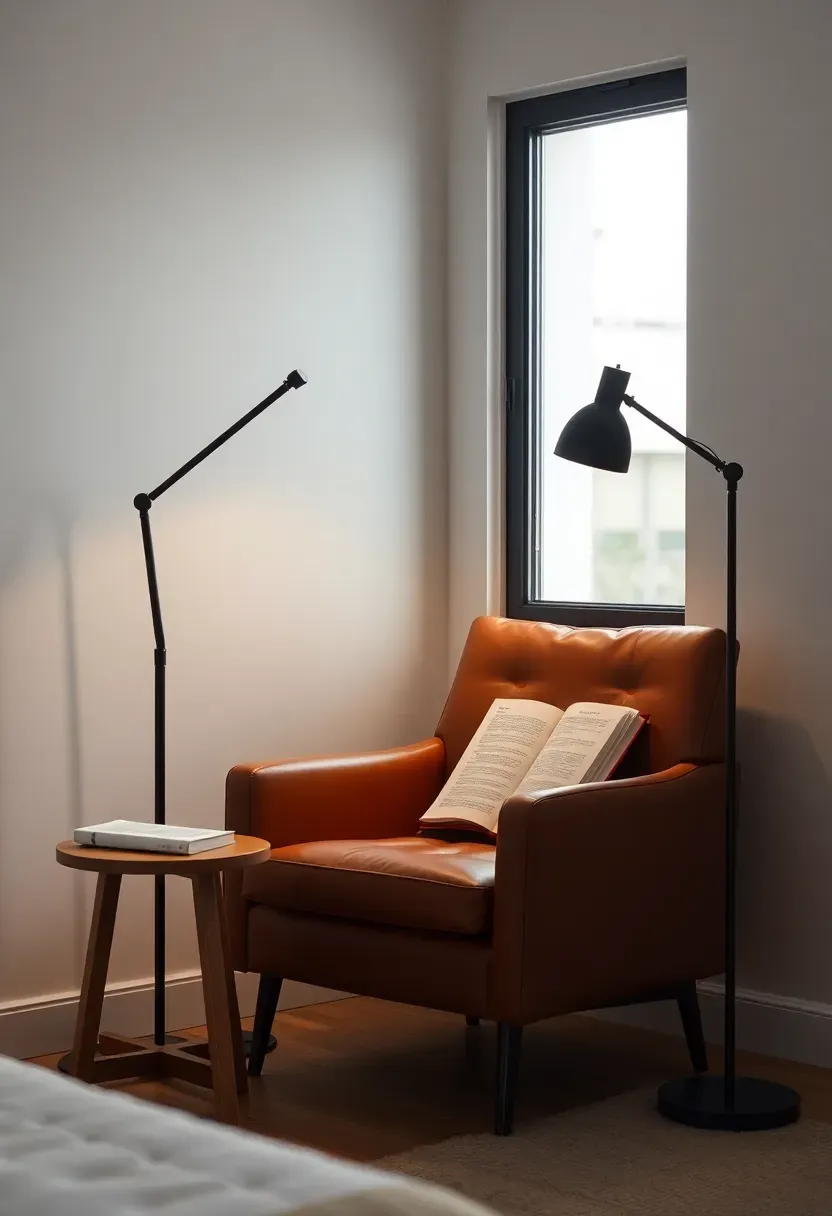
This reading corner minimalist setup creates a dedicated nook for relaxation within the larger bedroom, demonstrating how minimalism can accommodate specific activities without clutter. The reading corner might feature a comfortable but sleek armchair—leather or upholstered in a neutral fabric—positioned near a window for natural light. A floor lamp with an articulated arm provides focused task lighting for reading, while a small side table or floating shelf holds a book, reading glasses, or a cup of tea. The key is keeping this area simple and intentional: just the essential elements for comfortable reading, nothing more. The chair's lines are clean and modern, not bulky or overstuffed, maintaining visual harmony with the rest of the bedroom. This micro-zoned minimalism shows how a single room can accommodate multiple functions when each zone is thoughtfully edited to include only what's truly necessary.
Prompt: Nature documentary capture on Hasselblad X2D 100C with XCD 90V lens at f/4. Hyper-realistic
Tips
- Choose a chair with clean lines rather than bulky proportions to maintain the minimalist aesthetic
- Position the reading corner to take advantage of natural light during your preferred reading times
- Keep the surface clear—just one book, one light, one coaster—to maintain minimalism
Best for: Avid readers who want a dedicated space for reading without sacrificing their bedroom's minimalist aesthetic.
What this gives you: A peaceful retreat within your bedroom for reading and reflection, free from visual clutter.
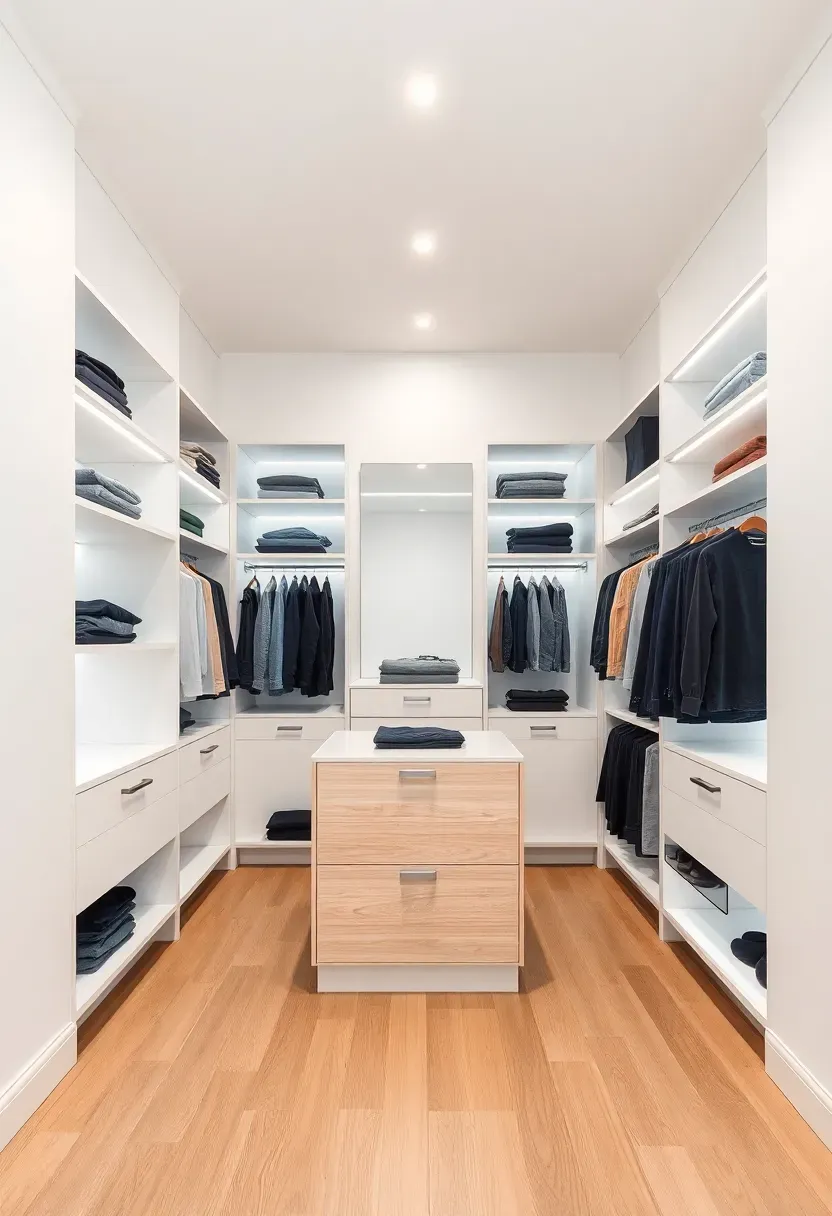
24. Walk-In Wardrobe Minimalist Design
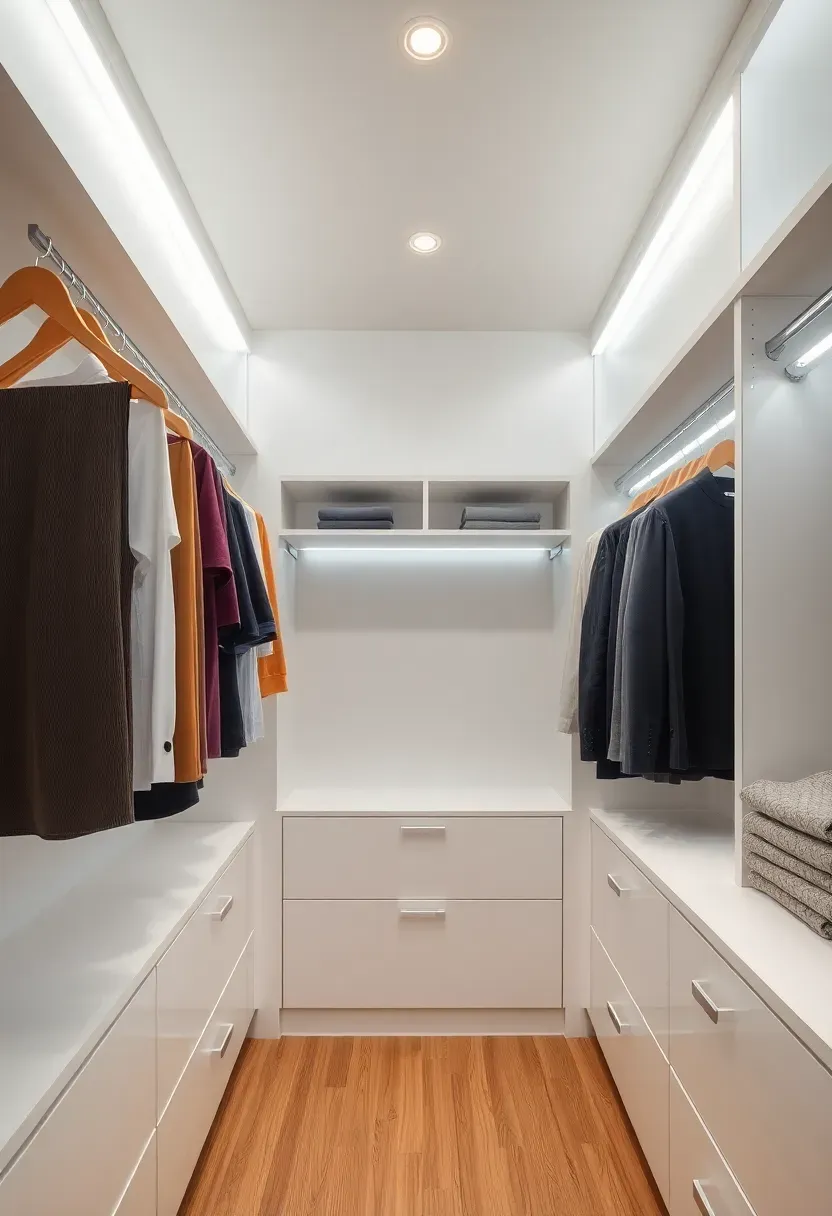
This walk-in wardrobe minimalist design creates an organized, streamlined closet space that eliminates visual clutter through thoughtful organization and consistent styling. The wardrobe features a mix of hanging rods, open shelving, and drawers—all with clean lines and minimal hardware. Rather than hiding everything behind closed doors, this approach embraces visible storage with a crucial rule: everything is organized, edited, and consistently styled. Clothing is arranged by color and type, creating visual order. Hangers match—wooden or black metal—creating consistency. Shoes are displayed on low shelves rather than piled on the floor. The space itself is neutral—white or light grey walls, wood or laminate flooring—with excellent lighting (recessed ceiling lights plus LED strip lighting in closets) that makes getting dressed a pleasure. This organizational minimalism transforms the daily routine of dressing into a calm, curated experience rather than a frantic search through clutter.
Recommended
Items for this idea
Prompt: Nature documentary capture on Hasselblad X2D 100C with XCD 90V lens at f/4. Hyper-realistic
Tips
- Budget/Time: Start with one area—say, the hanging rods—and upgrade other elements as budget allows.
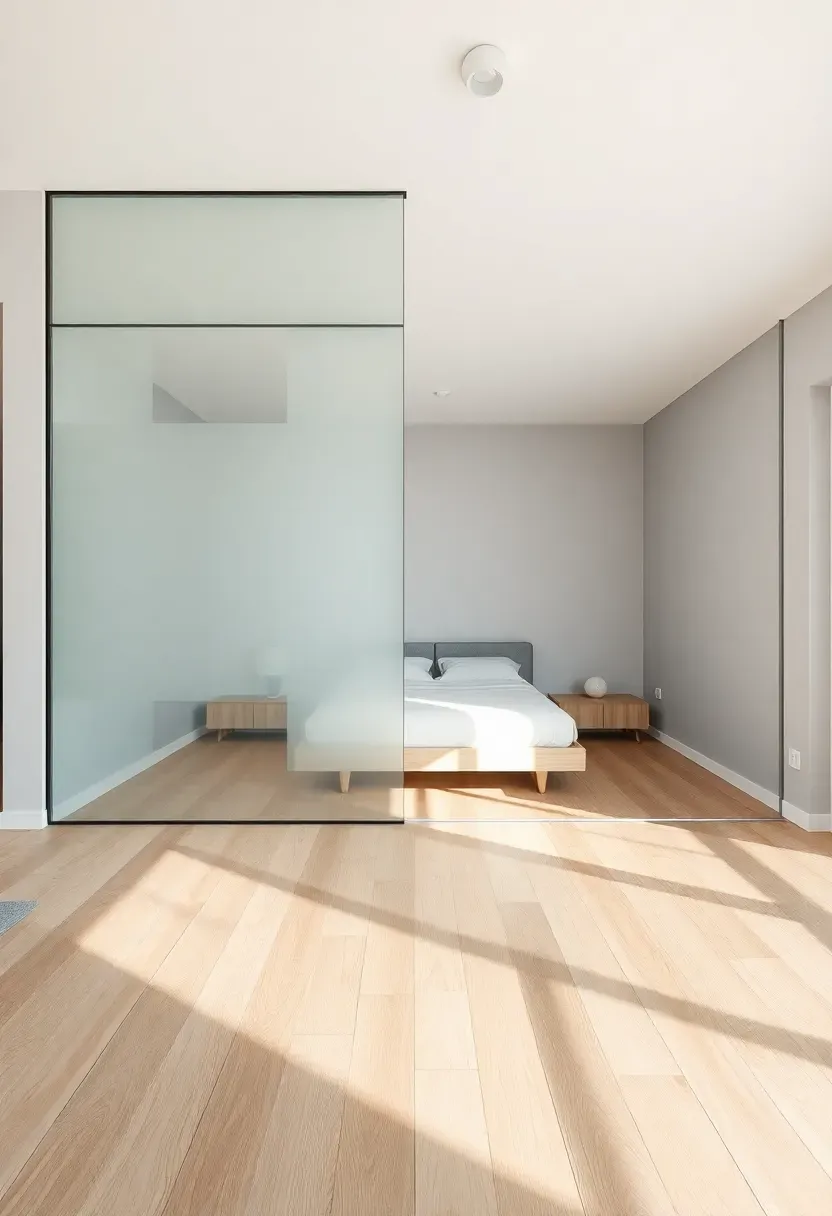
- Frosted or fluted glass provides privacy while still allowing light to pass through
- Consider smart glass (switchable privacy) for versatility when budget allows
- Keep the glass clean—streaks and smudges are more visible on transparent partitions
- Look for FSC-certified wood, organic textiles, and low-VOC finishes when making purchases
- Buy less but better: invest in quality pieces that will last rather than replacing cheap items frequently
- Choose timeless designs over trendy pieces to reduce the urge to replace as styles change
- Plan for cord management during the design phase—built-in channels and concealment solutions are essential
- Choose smart devices from the same ecosystem for seamless integration and control
- Consider which tech features you'll actually use—don't over-invest in functions that will go unused
- Choose low-maintenance plants if you're new to indoor gardening—snake plants, pothos, ZZ plants thrive with minimal care
- Group plants with similar light and water needs together for easier care
- Consider grow lights for rooms with limited natural light—modern options are sleek and unobtrusive
- Invest in the pieces that matter most: mattress, bedding, and lighting—these have the biggest impact on daily experience
- Choose quality over quantity: one exceptional rug is better than three mediocre ones
- Edit ruthlessly—luxury minimalism requires discipline to keep surfaces clear and spaces open
What this gives you: A clutter-free closet where everything is visible, accessible, and consistently styled.
25. Minimalist Glass Partition Bedroom
This minimalist glass partition bedroom creates separation within open-concept spaces while maintaining visual flow and light. Rather than solid walls, floor-to-ceiling glass partitions divide the sleeping area from living or work spaces, creating privacy without blocking light or sightlines entirely. The glass might be clear, frosted, or smart glass that switches from transparent to opaque with the touch of a button. The bedroom itself maintains minimalist principles: a simple platform bed, minimal nightstands, and streamlined storage keep the space feeling open. The beauty of glass partitions is that they define zones without closing them off—maintaining the sense of spaciousness while creating the psychological separation that helps with rest and relaxation. This transparent minimalism is ideal for lofts, studios, or anyone who wants defined spaces without sacrificing the airy feel of open-concept living.
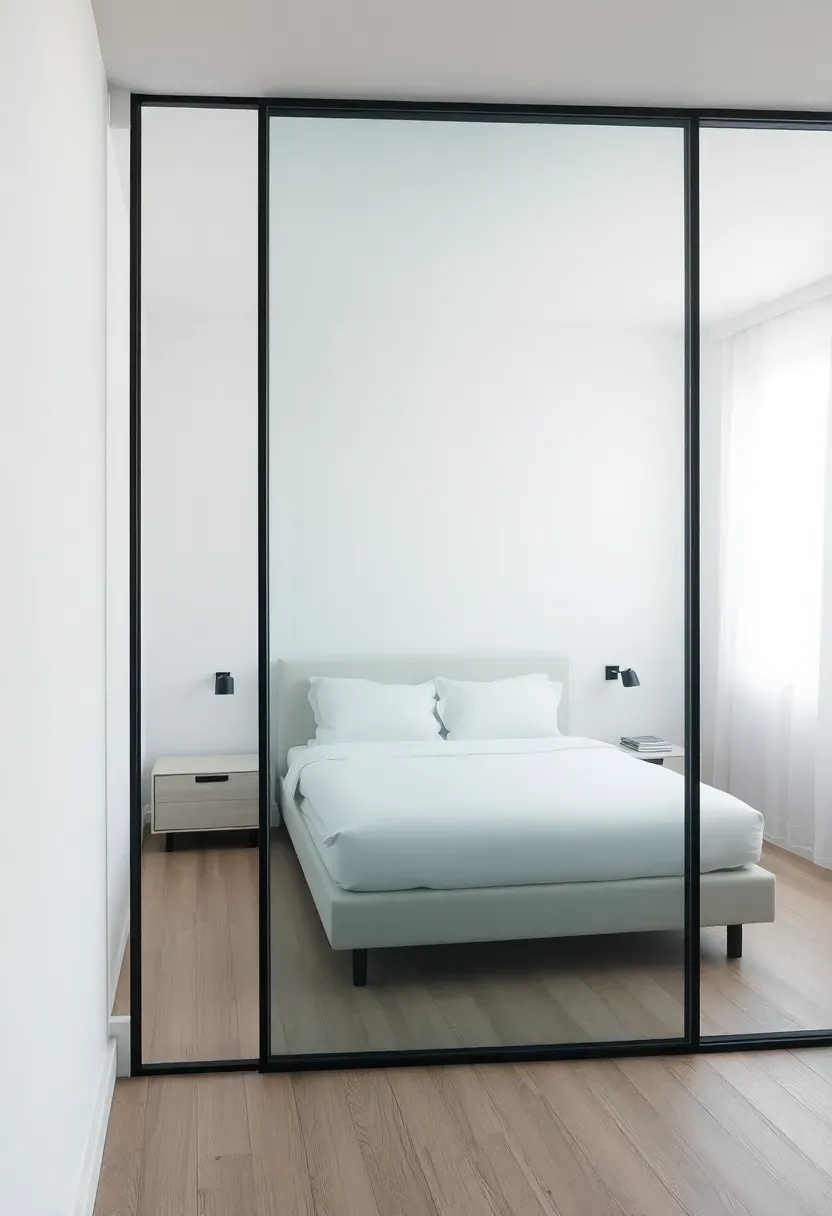
Prompt: Nature documentary capture on Hasselblad X2D 100C with XCD 90V lens at f/4. Hyper-realistic
Tips
Budget/Time: Glass partitions are a significant investment—freestanding folding screens offer a budget-friendly alternative.
What this gives you: Defined bedroom separation that maintains openness, light, and spaciousness in your home.
26. Sustainable Minimalist Men's Bedroom
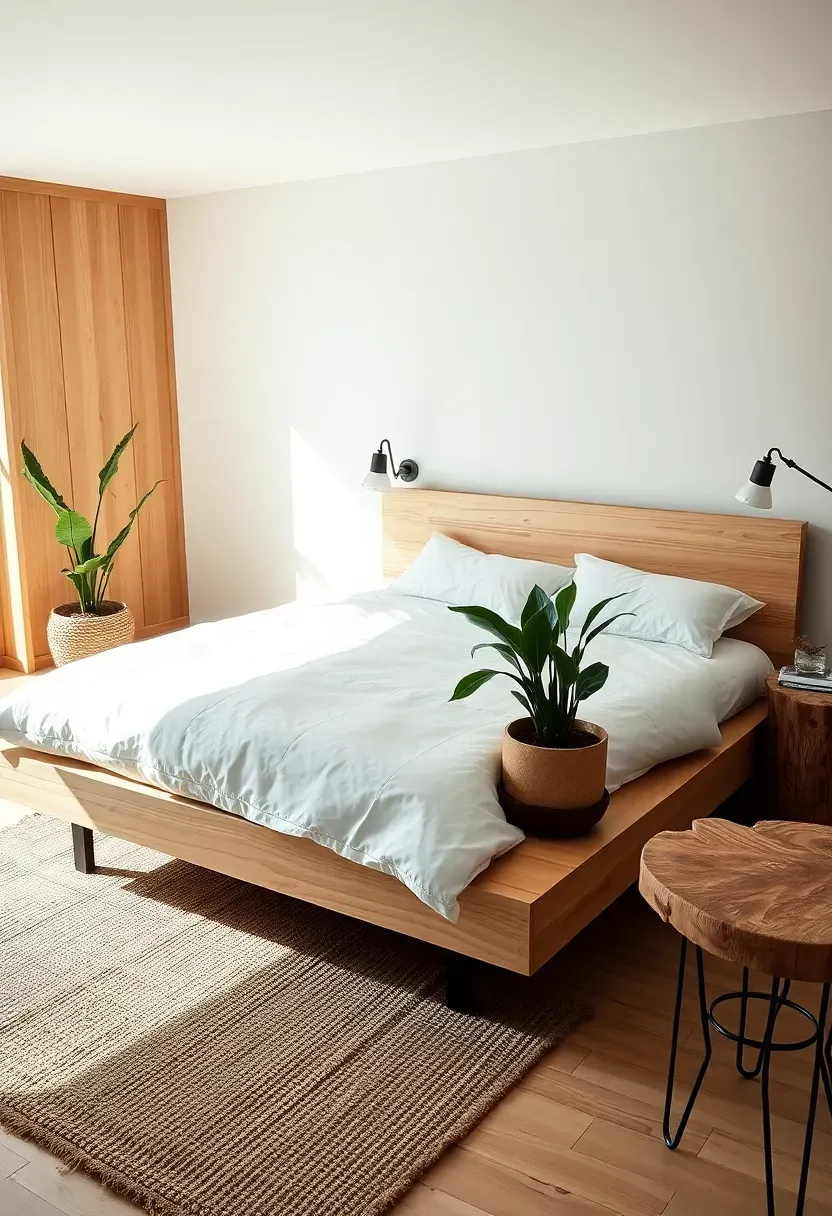
This sustainable minimalist bedroom brings environmental consciousness to minimalist design through the use of eco-friendly materials and thoughtfully chosen pieces that prioritize longevity and low environmental impact. The platform bed might be crafted from FSC-certified wood or reclaimed timber, with natural finishes rather than toxic stains or lacquers. Bedding is organic cotton or linen, produced without harmful chemicals and chosen for quality that will last for years rather than fast fashion that needs frequent replacement. The rug is natural fiber—jute, sisal, or wool—biodegradable and sustainably harvested. Furniture is kept to essential pieces, each chosen for quality and longevity rather than trendiness. Even lighting choices consider efficiency: LED fixtures and bulbs reduce energy consumption while providing excellent light quality. This conscious minimalism proves that less stuff and better choices can create a bedroom that's not only beautiful but also aligned with values of sustainability and mindful consumption.
Recommended
Items for this idea
Prompt: Nature documentary capture on Hasselblad X2D 100C with XCD 90V lens at f/4. Hyper-realistic
Tips
Best for: Environmentally conscious men who want their bedroom to reflect their values as well as their style.
What this gives you: A guilt-free sanctuary that aligns with environmental values without sacrificing style or comfort.
27. Tech-Integrated Minimalist Space
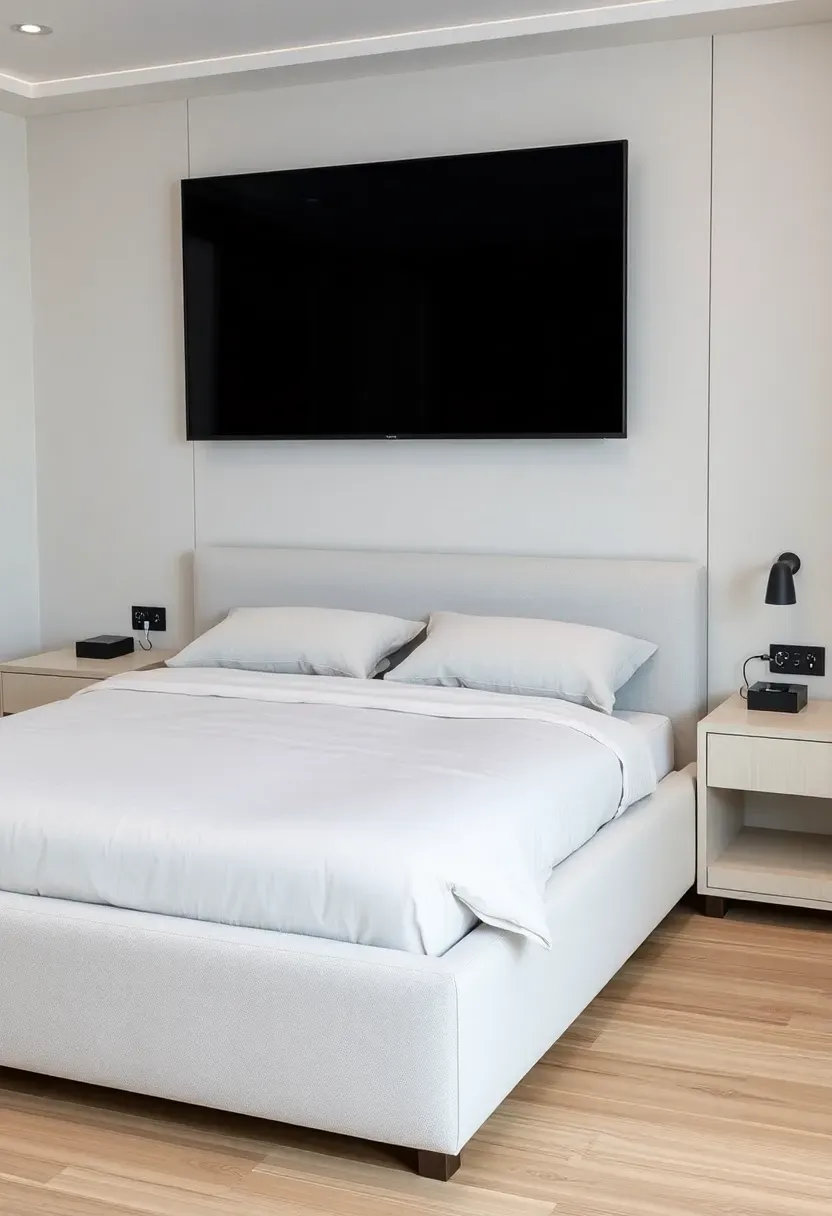
This tech-integrated minimalist space embraces modern technology while maintaining clean lines and visual calm through thoughtful integration and smart storage solutions. The bed might feature an adjustable base with massage or position memory, hidden beneath a sleek upholstered frame that conceals the mechanics. Charging stations are integrated into nightstands or built into the wall, keeping devices powered without visible cords. Smart lighting is controlled via phone or voice, allowing customizable scenes for reading, waking, or relaxing without requiring multiple switches or fixtures. Even the TV (if present) is mounted on a minimalist bracket or concealed behind cabinetry when not in use. The key is that technology serves the space rather than dominating it—features are intuitive, accessible, and aesthetically integrated. This modern minimalism proves that cutting-edge technology and minimalist design are not opposing forces but complementary elements of contemporary living.
Prompt: Nature documentary capture on Hasselblad X2D 100C with XCD 90V lens at f/4. Hyper-realistic
Tips
Budget/Time: Tech integration is easiest during construction or renovation—retrofitting can be more challenging and expensive.
What this gives you: A cutting-edge bedroom where technology enhances comfort and convenience without visual clutter.
28. Biophilic Minimalist Design
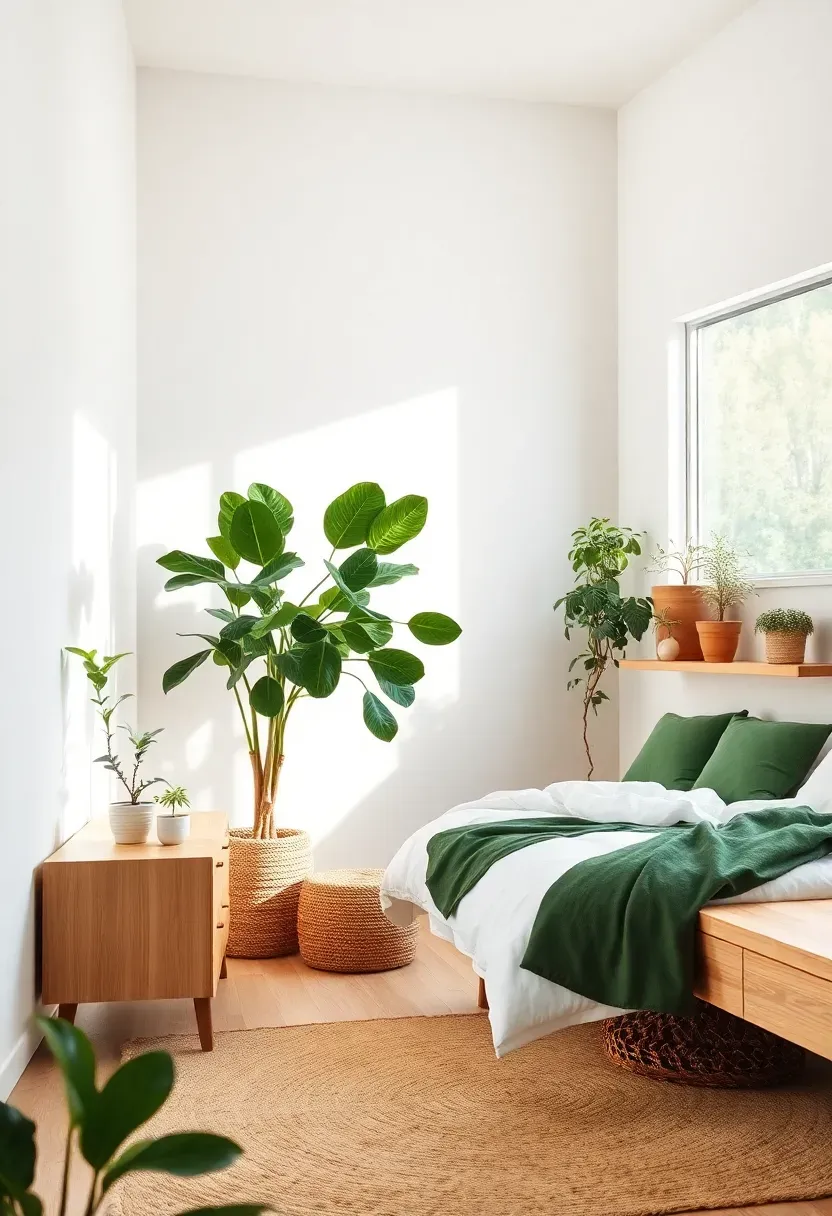
This biophilic minimalist design brings the outdoors in, creating a bedroom that feels connected to nature through abundant plant life, natural materials, and organic forms. Large windows (if available) maximize natural light and views, but even in urban settings, biophilic design can thrive through abundant indoor plants: a large statement tree (fiddle leaf fig, bird of paradise, or monstera) in the corner, smaller plants on nightstands and floating shelves, and perhaps a living wall or vertical garden as a dramatic accent. Materials celebrate nature: wood furniture with visible grain, natural fiber rugs (jute, sisal), and stone or terracotta accessories. The color palette stays grounded in earth tones—greens, browns, terracottas—with white or cream walls to keep the space bright. This nature-connected minimalism creates a bedroom that feels like a retreat from the urban environment, promoting better sleep and mental well-being through the proven stress-reducing effects of biophilic design.
Recommended
Items for this idea
Prompt: Nature documentary capture on Hasselblad X2D 100C with XCD 90V lens at f/4. Hyper-realistic
Tips
Best for: Nature lovers, urban dwellers, or anyone wanting to bring stress-reducing greenery into their sleep space.
What this gives you: A living, breathing bedroom that connects you to nature and promotes well-being through biophilic design.
29. Luxury Minimalist Master Suite
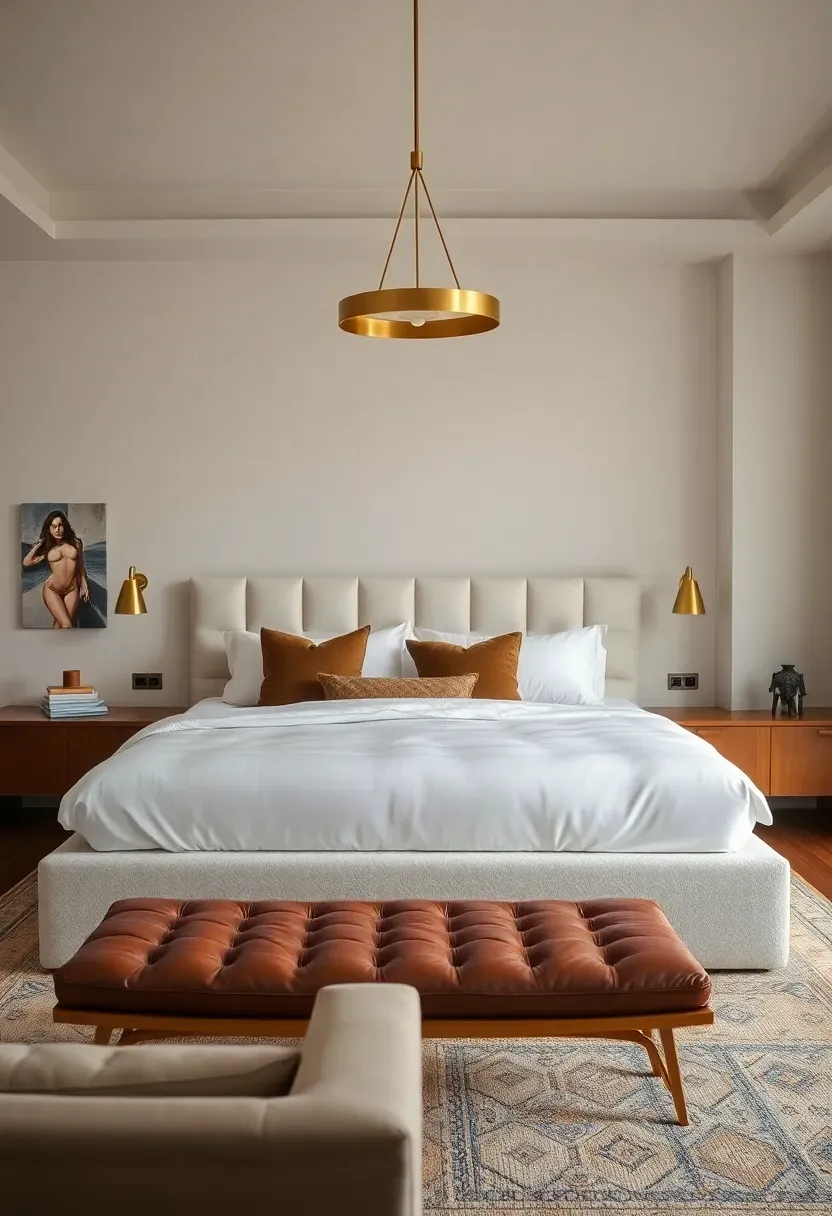
This luxury minimalist master suite demonstrates that minimalism and luxury are not opposing concepts but complementary approaches to refined living. The space is edited and uncluttered, but every element is of the highest quality: a custom upholstered bed with impeccable tailoring, hotel-quality bedding with exceptional thread count, a hand-knotted rug, and statement lighting that doubles as art. Materials are luxurious but not ostentatious: velvet or silk throw pillows, a leather bench at the foot of the bed, marble or brass accents that add warmth through material excellence. The layout is spacious and thoughtfully zoned: perhaps a seating area with a sleek sofa and coffee table, a dedicated work zone with a minimalist desk, or an en-suite bath with freestanding tub visible through a glass partition. This refined minimalism proves that luxury isn't about excess but about quality—fewer things, but each chosen and crafted to the highest standard.
Prompt: Nature documentary capture on Hasselblad X2D 100C with XCD 90V lens at f/4. Hyper-realistic
Tips
Budget/Time: Build slowly—start with the bed and bedding, add luxury elements as budget allows over time.
What this gives you: A five-star hotel experience at home, where every element is exceptional but nothing is excessive.
Looking for more minimalist inspiration? Explore our collection of minimalist bedroom designs for additional ideas on creating calm, clutter-free spaces that balance style with serenity.
These 29 minimalist bedroom ideas for men prove that sophisticated masculine design thrives on thoughtful editing, quality materials, and confident choices -- not excess or ornamentation. From the bold drama of dark monochromatic schemes to the airy brightness of Scandi-inspired spaces, from industrial edges to organic warmth, there is a minimalist approach that aligns with every taste and lifestyle. The common thread is intentionality: each element serves a purpose, each material is chosen for quality, and each space is curated to support both rest and personal expression. Whether you are starting from scratch in a small apartment or refining an existing master suite, let these ideas inspire a bedroom that is not just stylish but truly yours -- a calm, ordered retreat built on confidence, clarity, and the refined art of living with less.

About the author
OBCD
CGI visualization and interior design content. We create detailed 3D renders and curate practical design ideas for every room in your home.