29 Basement Entertainment Ideas for Fun Nights
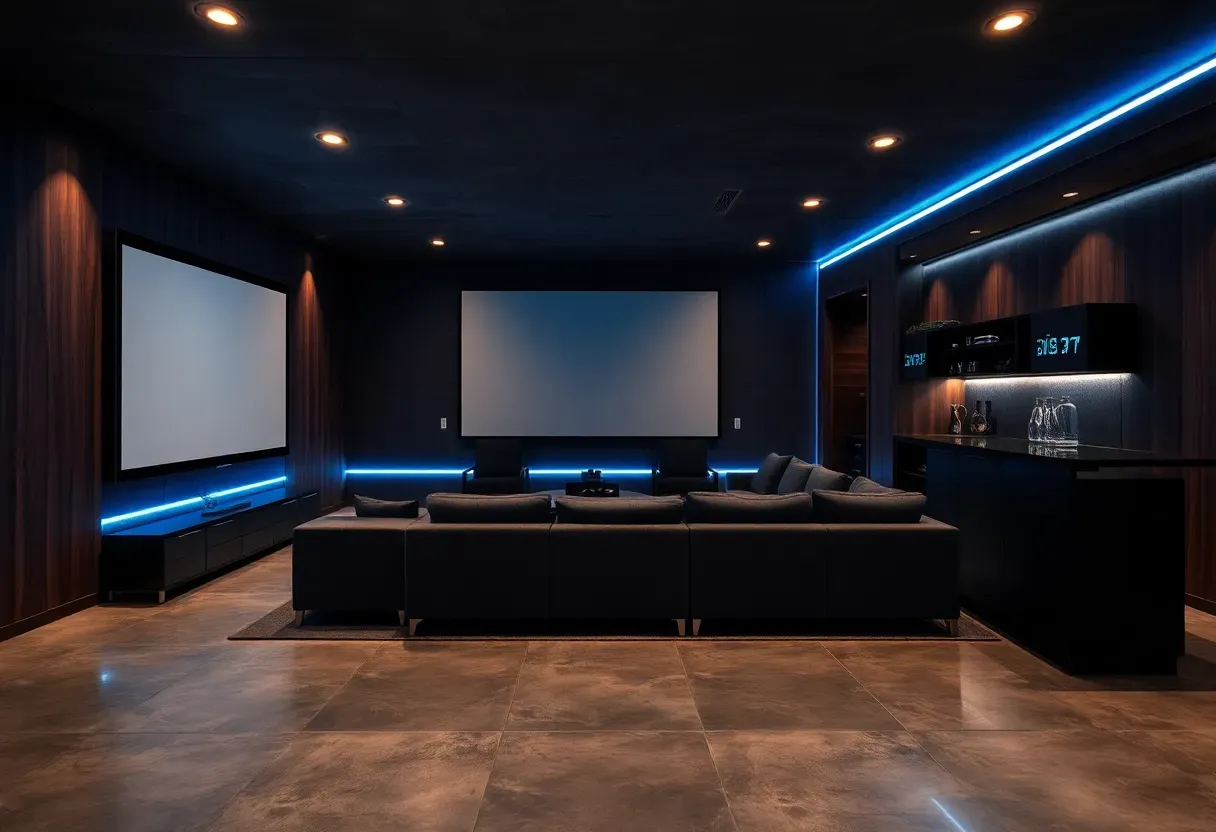
I grew up in a house where the basement was strictly off-limits — damp walls, bare bulbs, and a furnace that sounded like a diesel engine. So when I bought my own place and walked downstairs to find a dry, 700-square-foot box with 8-foot ceilings, I immediately started planning. That space became a projector room, then a poker night spot, then a hybrid of both. The point is that basements are perfect for entertainment because they are naturally dark, acoustically isolated, and far enough from sleeping areas that nobody complains about volume. Here are 29 ideas that cover every kind of fun you might want down there.
A mix of media setups, game zones, social hangout spots, and hybrid layouts — organized by what kind of evening you want to have.
Table of Contents
- Projector Wall with Acoustic Panels
- Retro Arcade Corner
- Sunken Lounge Pit
- Basement Sports Bar
- Vinyl Listening Room
- Pool Table with Pendant Lighting
- Dedicated Home Theater
- Karaoke Booth
- Board Game Library Wall
- Poker and Card Room
- Bowling Lane Setup
- VR Gaming Station
- Music Jam Room
- Indoor Mini Golf Corner
- Sports Simulator Bay
- Craft Beer Tasting Nook
- Dance Floor with LED Panels
- Console Gaming Lounge
- Cinema Snack Bar
- Dartboard and Shuffleboard Zone
- Whiskey and Cigar Room
- Escape Room Theme Build
- Kids Entertainment Hub
- Basement Comedy Stage
- Foosball and Air Hockey Den
- Wine Cellar Lounge
- Home Recording Studio
- Multi-Screen Sports Den
- Flex Room with Modular Furniture
1. Projector Wall with Acoustic Panels
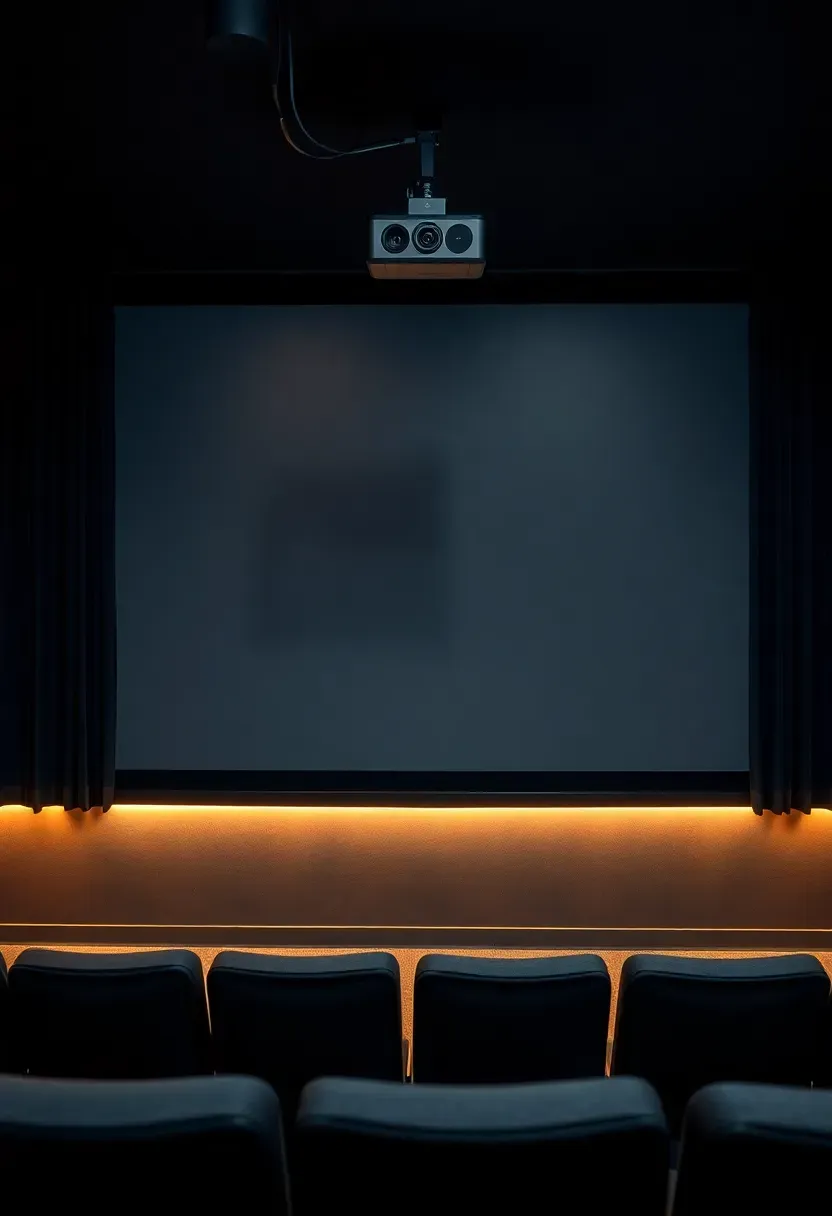
Skip the TV entirely. A short-throw laser projector paired with a matte gray screen wall gives you 100-plus inches of image without mounting hassles. The real upgrade is the acoustic paneling flanking the screen — 2-inch rigid fiberglass wrapped in black fabric kills echo and makes dialogue crisp even at low volume. Total cost for a decent setup runs $1,200 to $2,500 depending on projector choice. Paint the surrounding wall a dark charcoal so stray light disappears into the surface rather than bouncing back.
Setup tips
- Mount the projector on a ceiling bracket to keep walkways clear
- Use ALR (ambient light rejecting) screen material if you have any windows
- Run speaker wire through the wall before finishing drywall
2. Retro Arcade Corner
Why it works below grade
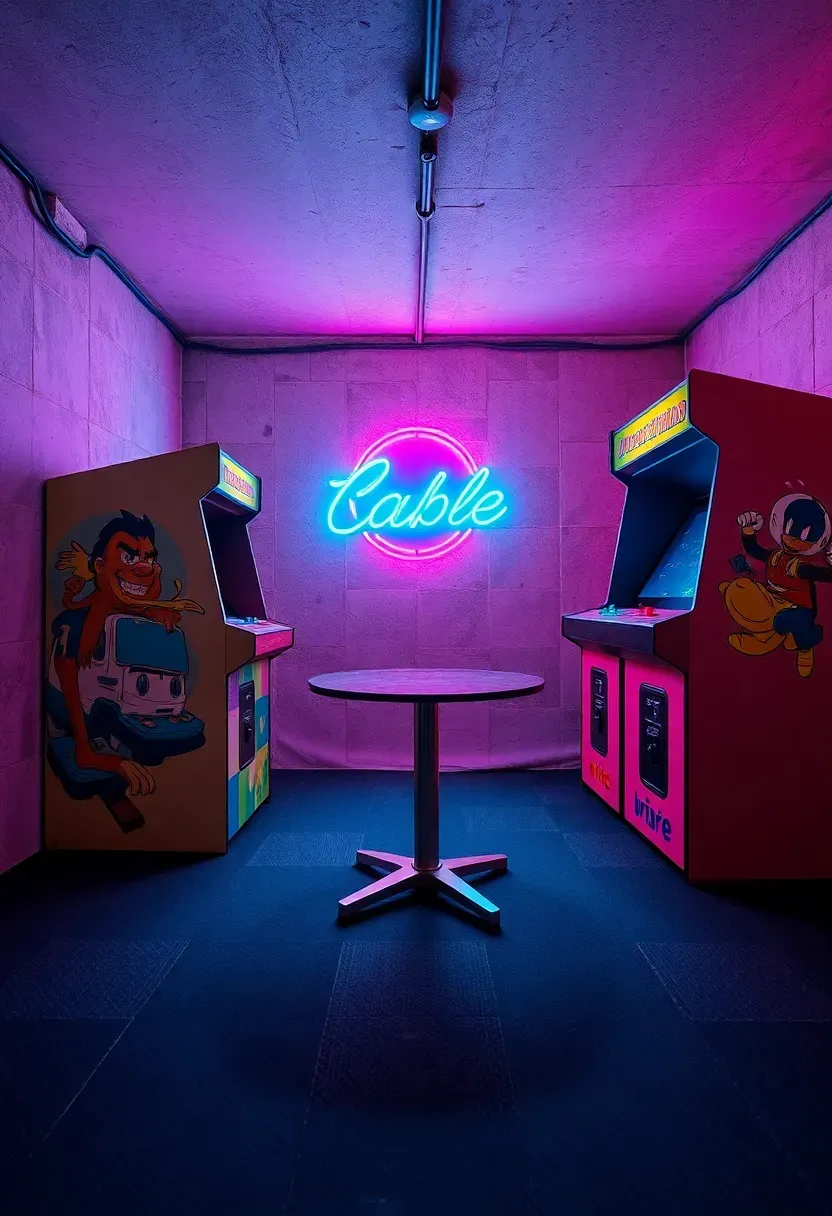
Basements stay cool year-round, which is exactly what arcade cabinets need. CRT monitors and older PCBs generate heat, and a 68-degree basement keeps them running longer than a sun-baked game room upstairs.
How to build it
Start with two or three cabinets — a classic cocktail table, a stand-up fighter, and a pinball machine cover most tastes. Rubber-backed commercial carpet tiles underneath protect the floor and dampen sound. Budget around $400 to $1,500 per refurbished cabinet from local sellers. Add a few bar stools and a neon "OPEN" sign for atmosphere.
Watch out for
- Electrical load — older machines pull 3-5 amps each, so plan your circuits
- Humidity above 60% damages PCBs; run a dehumidifier year-round
Recommended
Items for this idea
3. Sunken Lounge Pit
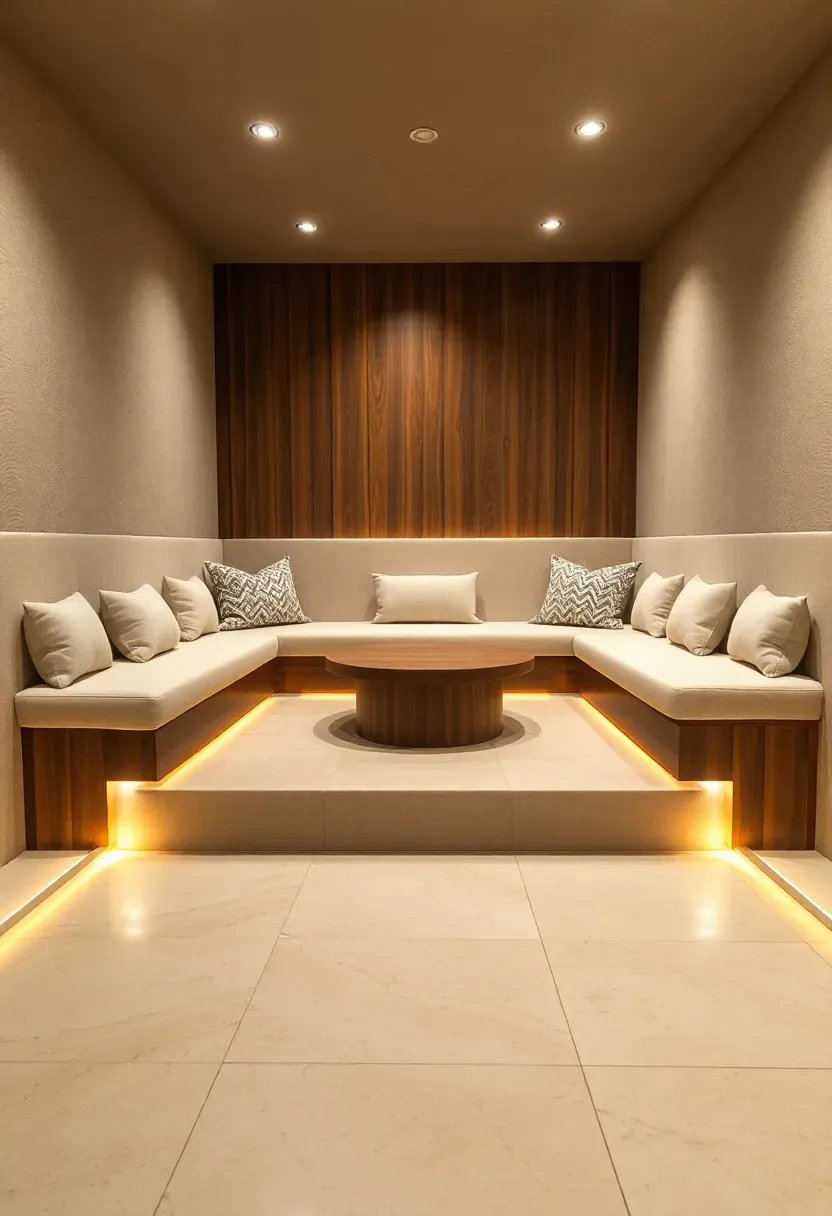
If your basement slab sits low enough, carving out a sunken conversation pit creates an intimate gathering spot that feels completely separate from the rest of the room. The drop only needs to be 12 to 18 inches. Line the perimeter with built-in bench seating upholstered in a stain-resistant performance fabric — Crypton or Sunbrella work well in basements. A round ottoman or low table in the center keeps drinks within reach. This is the kind of space where people stay for hours without realizing it.
Materials to consider
- Engineered hardwood or large-format tile for the step-down floor
- Under-bench heating strips if the slab gets cold
- Low-profile LED strips recessed into the step edge for safety
4. Basement Sports Bar
The problem
You want game-day energy without the $80 bar tab and the drive home.
The solution
Build an L-shaped bar against the wall using butcher block countertop on standard 36-inch base cabinets. Mount two to three screens at different angles so every seat has a view. A small kegerator fits under the counter, and open shelving behind the bar displays glassware. Expect to spend $2,000 to $4,500 on the full build. A rubber bar rail along the edge protects the wood and gives it an authentic pub feel.
Pros and cons
- Pro: dedicated hosting space that keeps spills away from your main living area
- Pro: resale value — finished basement bars consistently rank high in buyer interest
- Con: plumbing for a bar sink adds $600-$1,200 to the project
Recommended
Items for this idea
5. Vinyl Listening Room
Basements have a built-in advantage for audio: concrete walls and floors reflect sound in predictable ways, making acoustic treatment straightforward. Set up a quality turntable on a solid console, add a tube amp, and position a pair of bookshelf speakers at ear height when seated. The room does not need to be large — 10 by 12 feet is plenty. Wall-mounted record shelves double as both storage and decor. Use a thick area rug and a few absorption panels at first reflection points to tame any harshness.
Gear worth the money
- A carbon-fiber tonearm turntable ($300-$600 range) over a cheap all-in-one
- Banana plug speaker cable for clean connections
- A dedicated power conditioner to eliminate hum from basement wiring
6. Pool Table with Pendant Lighting
Step 1: Measure first
A standard 8-foot pool table needs a room that is at least 13 by 17 feet to allow full cue strokes on all sides. Measure your basement before ordering anything. A 7-foot bar-size table works in tighter spaces.
Step 2: Light it right
Hang a three-shade pendant light fixture 32 to 36 inches above the playing surface. This eliminates shadows on the felt. Avoid recessed cans alone — they create uneven pools of light.
Step 3: Protect the floor
Slate pool tables weigh 700 to 1,000 pounds. Place the legs on furniture cups to distribute weight across basement flooring. LVP and carpet tiles handle the load fine; avoid peel-and-stick vinyl.
Watch out
- Never level the table yourself unless you have a machinist's level — hire a billiard technician for $200-$300
Recommended
Items for this idea
7. Dedicated Home Theater
A dedicated theater differs from a projector wall in one important way: the room is designed exclusively for watching. That means tiered seating (even a single riser for the back row makes a difference), full light control with blackout treatments on any windows, and a proper 5.1 or 7.1 surround sound layout. The screen goes on the shortest wall. Acoustic treatments cover at least 30 percent of wall surface area. Paint the ceiling flat black. Total budget for a respectable setup starts around $5,000 and can climb quickly, but the mid-range sweet spot sits between $7,000 and $12,000.
Key decisions
- Projector vs. 85-inch TV — projectors win on size, TVs win on brightness
- Fabric theater seats vs. a sectional — seats look the part, sectionals seat more people
- Atmos ceiling speakers are worth the wiring effort for overhead sound effects
8. Karaoke Booth
Why it belongs in a basement
Sound isolation. Your karaoke rendition of Bohemian Rhapsody at midnight will not reach the bedrooms upstairs if the basement ceiling has even basic insulation between the joists.
Building the booth
Frame out a 6-by-8-foot enclosure using 2x4s and drywall. Line the interior walls with 1-inch acoustic foam — the egg-crate style is cheap and effective. Add a small PA system with two wireless microphones, a monitor for lyrics, and a compact mixer. RGB LED strips around the ceiling edge set the mood. The whole booth costs $800 to $1,500 in materials if you build it yourself.
Pro tip
- Use a tablet running a karaoke app rather than a dedicated machine — the song libraries are larger and constantly updated
Recommended
Items for this idea
9. Board Game Library Wall
Dedicate one full wall to floor-to-ceiling shelving stocked with board games, card games, and puzzles. IKEA Kallax units work well here — the 13-inch cube openings fit most game boxes. Position a large table (at least 36 by 60 inches) in front of the wall with comfortable chairs that have armrests. Good overhead lighting matters more than ambiance for game nights — you need to read cards and count pieces. A pendant fixture with a 4000K bulb provides clean, neutral light without the clinical feel of fluorescents.
Organization ideas
- Sort by player count, not alphabetically — makes picking a game faster
- Keep a small whiteboard nearby for scoring
- Stock a drawer with extra dice, card sleeves, and pencils
10. Poker and Card Room
Setting the scene
A proper poker room needs three things: a quality table, controlled lighting, and comfortable seats. An 84-inch oval table with a padded rail and speed cloth surface seats eight comfortably. Hang a single wide pendant or billiard-style light directly above. Dim the rest of the room so the table becomes the focal point.
Getting the details right
Cup holders built into the rail prevent spills on the felt. A small side table or bar cart holds snacks and drinks. Chip trays in each seat position keep the game organized. Acoustic panels on the walls absorb chatter so conversation stays at the table rather than echoing around the room. Budget runs $600 for a decent table up to $3,000 for a custom build with dealer slot.
Choose this if
- You host regular game nights with 6+ people
- You want a room that doubles for any card or tabletop game
Recommended
Items for this idea
11. Bowling Lane Setup
Yes, you can put a bowling lane in a basement. Residential lanes run 40 to 75 feet (regulation is 60 feet plus approach). Companies like US Bowling and Murrey sell home lane kits starting around $15,000 for a single lane with pin-setting mechanism. You need a straight run of uninterrupted space with at least 10-foot ceilings for the pin deck area. Synthetic lane surfaces require almost no maintenance compared to oiled wood. The mechanical pin setter is the biggest maintenance item — budget $200 per year for parts and lubrication.
Before you commit
- Verify your basement length and ceiling height with the manufacturer
- Concrete slab must be level within 1/8 inch over the full run
- Noise travels through the slab, so ground-floor rooms directly above will hear pins dropping
12. VR Gaming Station
Step 1: Clear the zone
VR needs a minimum play area of 6.5 by 6.5 feet, but 10 by 10 is ideal. Remove all furniture from the center of the room. Pad the floor with interlocking EVA foam mats — they cushion falls and define the boundary by feel.
Step 2: Mount the hardware
Wall-mount your base stations or ceiling-mount inside-out tracking cameras at opposite corners, 7 feet high and angled 45 degrees downward. Run a long USB-C cable or set up wireless streaming from your PC in the corner.
Step 3: Manage the cables
A ceiling-mounted pulley system keeps the headset cable overhead and out of your feet. Kiwi Design and VOKOO sell kits for $25-$40. Alternatively, invest in a wireless adapter.
Watch out
- Ceiling fans are the number one cause of VR controller damage — remove or disable any fan in the play zone
Recommended
Items for this idea
13. Music Jam Room
Basements and music go together because of one thing: mass. Concrete walls and floors block low-frequency sound better than any other residential construction. Set up a drum kit, a couple of amp stands, and a small PA for vocals. Treat the corners with bass traps (rigid fiberglass wedges) and cover 40 percent of the wall area with 2-inch acoustic panels. Rubber isolation pads under the drum kit and amp cabinets prevent vibration from traveling through the slab. An 8-channel mixer with USB output lets you record jam sessions directly to a laptop.
Gear priorities
- Bass traps in all four corners before anything else
- A drum rug with non-slip backing to keep the kit from creeping
- In-ear monitors instead of wedge monitors to reduce overall volume
14. Indoor Mini Golf Corner
Build a two or three-hole putting course in an unused corner of the basement. Use artificial turf sections (indoor/outdoor carpet with short pile works too) and get creative with obstacles — PVC pipe tunnels, wooden ramps, and small windmill mechanisms from craft stores. Each hole needs a standard 4.25-inch cup sunk into a plywood base beneath the turf. The whole project costs under $200 in materials and takes a weekend. Kids love it, and adults get surprisingly competitive after a couple of drinks.
Tips
- Vary the difficulty — one straight shot, one with a curve, one with an obstacle
- Use landscape edging strips to create fairway borders
- Add a scorecard holder made from a clipboard mounted on the wall
Recommended
Items for this idea
15. Sports Simulator Bay
A golf simulator is the most common version, but modern software supports baseball, soccer, hockey, and more. The core setup includes a high-speed launch monitor ($500 for basic, $2,000+ for accurate), an impact screen (heavy-duty nylon, around $300), a short-throw projector, and a hitting mat. Total footprint is roughly 10 feet wide by 15 feet deep by 9 feet tall. The ceiling height is the usual deal-breaker in basements — you need room for a full golf swing. Budget $3,000 to $8,000 for a mid-range setup that delivers accurate ball flight data.
Options compared
Budget build — SkyTrak launch monitor, DIY frame, basic projector. Around $3,500 total. Accurate enough for practice, limited course selection.
Mid-range — Garmin R10 or Mevo+, commercial frame, 1080p short-throw projector. $5,000 to $7,000. Good course libraries, multiplayer modes.
Choose budget if you mainly want swing practice. Choose mid-range if you want realistic round simulation with friends.
16. Craft Beer Tasting Nook
The problem
You love craft beer but tasting events are expensive and crowded.
The solution
Set up a tasting station with a small three-tap kegerator, a wooden bar counter, and shelving for tasting glasses. A chalkboard or small digital display lists what is on tap. Keep flight boards (wooden paddles with cutouts for small glasses) for side-by-side comparisons. The station takes up about 4 by 6 feet of floor space. Stock a mini fridge underneath for bottles and cans. Total investment runs $1,500 to $3,000 depending on kegerator quality.
Pros and cons
- Pro: rotating taps keep things interesting without a full bar commitment
- Pro: takes up a fraction of the space of a full basement bar
- Con: kegs need replacing every 6-8 weeks to stay fresh if you are a light drinker
Recommended
Items for this idea
17. Dance Floor with LED Panels
Clear a 12-by-12-foot area and install interlocking LED dance floor panels. These modular tiles connect together and display patterns, colors, and reactive effects synced to music. A basic set of panels covering 100 square feet runs $2,000 to $4,000. Pair with a compact DJ booth in the corner — a controller, two powered speakers, and a subwoofer. Add a fog machine and a few moving-head lights mounted on a T-bar stand. The basement ceiling contains the sound and light, so you get a club atmosphere without bothering anyone outside the room.
Setup tips
- LED panels need a flat, clean subfloor — LVP or sealed concrete works best underneath
- Power the panels and audio on separate circuits to avoid interference
- Install a simple ventilation fan — dancing in a sealed basement gets hot quickly
18. Console Gaming Lounge
Dedicate a section of the basement to console gaming with two or three screens mounted side by side for multiplayer sessions. Each station gets its own display, a comfortable chair (gaming rockers or bean bags for a casual vibe), and a small side table for controllers and snacks. Run ethernet cables to each station rather than relying on Wi-Fi — basement walls block wireless signals. A USB charging station on the wall keeps controllers topped up. Cable raceways along the baseboards keep everything tidy.
Worth spending on
- A low-latency gaming monitor (1ms response time) over a regular TV for competitive play
- Surge protectors with USB ports at each station
- A mini fridge within arm's reach — because nobody pauses a ranked match
Recommended
Items for this idea
19. Cinema Snack Bar
Origins
Movie theater concession stands date back to the 1930s, when theater owners realized that popcorn vendors outside were making more money than the box office. They brought the snacks inside, and margins on concessions have funded the film industry ever since.
Modern version
Build a 6-foot counter with a commercial popcorn machine ($150 for a good tabletop model), a candy display rack, and a soda fountain or mini fridge stocked with drinks. Mount a backlit menu board above the counter listing your offerings. Use small paper bags and striped boxes for serving.
Apply at home
- Position the snack bar near but not inside the viewing room to keep crumbs contained
- A warming drawer under the counter keeps nachos and soft pretzels ready
- Real butter dispensers cost $30 and are worth every penny over microwave bags
20. Dartboard and Shuffleboard Zone
Two classic bar games that fit well together because they use different spaces — darts on the wall, shuffleboard on the floor. A regulation steel-tip dartboard hangs with the bullseye at 5 feet 8 inches, and you need 7 feet 9.25 inches of throwing distance. A shuffleboard table (9 to 12 feet long for home use) sits along an adjacent wall. Both games are quiet, social, and work for all skill levels. Mount a scoreboard between them — a small chalkboard or whiteboard does the job.
Tips
- Install a dartboard surround (cork ring) to protect the wall from stray throws
- Apply shuffleboard wax monthly — silicone-based wax lasts longer than traditional
- LED strip lighting behind the dartboard improves visibility and adds atmosphere
Recommended
Items for this idea
21. Whiskey and Cigar Room
This one requires ventilation. Install a dedicated exhaust fan that vents to the exterior — a bathroom exhaust fan rated at 150+ CFM works, but an inline duct fan with a carbon filter is better. Seal the room from the rest of the basement with a solid-core door and weatherstripping. Inside, leather or vinyl seating resists odor absorption better than fabric. A wooden display shelf for bottles, a humidor cabinet, and a small sink round out the setup. Keep the lighting warm and low — wall sconces with dimmable Edison bulbs at 2700K.
Key decisions
- Ventilation is non-negotiable if cigars are involved — skip this if exterior venting is not possible
- Vinyl plank flooring over carpet — smoke smell embeds in carpet fibers permanently
- A standalone air purifier with activated carbon filter handles residual odor between sessions
22. Escape Room Theme Build
Step 1: Pick a theme
Choose one narrative — haunted laboratory, pirate ship, space station, detective office. Trying to mix themes weakens the experience. Research commercial escape rooms online for puzzle mechanics you can replicate.
Step 2: Build the puzzles
Start with 5 to 7 puzzles that chain together. Combination locks, magnetic switches, UV-light reveals, and hidden compartments are all achievable with hardware store supplies. Budget $200 to $500 for props, locks, and electronics.
Step 3: Set the scene
Thrift store furniture, spray paint, and printable props go a long way. Dim the lights and add a Bluetooth speaker playing ambient soundscapes. A countdown timer on a tablet mounted to the wall adds pressure.
Watch out
- Test every puzzle chain with someone who did not build it — creators always overestimate how obvious clues are
Recommended
Items for this idea
23. Kids Entertainment Hub
The problem
Kids need a space to burn energy when it is raining, freezing, or just too late to go outside.
The solution
Dedicate a section of the basement to active play. An indoor climbing wall panel (4 by 8 feet, bolt-on holds) mounts directly to the studs and costs $200 to $400. Lay interlocking foam floor mats underneath for safety. Add a small trampoline, a mini basketball hoop, and a reading nook with floor cushions. Use colorful storage cubbies along the wall so cleanup is part of the routine. Gate the area off from the rest of the basement if needed.
Pros and cons
- Pro: gives kids a dedicated space that keeps the main living areas clean
- Pro: foam flooring and padded walls make it safer than most indoor alternatives
- Con: noise travels through basement ceilings — add insulation between joists if bedrooms are directly above
24. Basement Comedy Stage
Build a low platform stage (8 by 6 feet, 8 inches high) from 2x6 lumber and plywood, topped with indoor/outdoor carpet. A single spotlight on the performer, a stool, and a microphone stand are all you need on stage. Face 15 to 20 folding chairs toward the platform. The intimacy of a basement makes comedy land better than it would in a big room — timing and reactions feed off close proximity. A small speaker on a stand handles amplification. Host open-mic nights, invite friends to try five-minute sets, or just use it for storytelling evenings.
Tips
- Keep the stage lighting separate from house lighting — a dimmer switch on the audience lights lets you create focus
- Record sets with a phone on a tripod for reviewing later
- A two-drink minimum is optional but adds to the bit
Recommended
Items for this idea
25. Foosball and Air Hockey Den
These two tables together need roughly 10 by 16 feet of floor space including player clearance. Both games are fast, loud, and social — exactly the kind of activity basements contain well. A regulation foosball table runs $400 to $800 for a solid model with counterbalanced men. Air hockey tables with reliable air blowers start around $500. Position them parallel with 4 feet of walkway between. Hang a pendant light over each table and mount a bracket shelf between them for drinks. Rubber bumpers on the air hockey table edges prevent puck fly-offs.
Worth knowing
- Cheap foosball tables wobble — look for tables over 100 pounds with adjustable leg levelers
- Air hockey blowers pull significant power; plug into a dedicated outlet
- Tournament-style handles (octagonal grip) on foosball rods reduce wrist fatigue
26. Wine Cellar Lounge
Basements maintain naturally cool temperatures (55 to 65 degrees in most climates), which sits close to ideal wine storage conditions (55 degrees, 70 percent humidity). Build a wall-mounted wooden wine rack to hold 100 to 200 bottles, add a small tasting table with two to four seats, and install a cooling unit only if your basement runs warm. Stone or brick veneer on one accent wall adds texture without major construction. Keep a tasting journal and a few decanters on the table. The room doubles as a quiet retreat for conversation away from louder entertainment zones.
Practical notes
- UV light damages wine — use warm LED bulbs and avoid any direct sunlight from egress windows
- Vibration from nearby HVAC units accelerates wine aging negatively — isolate racks with rubber mounts
- A digital hygrometer ($15) monitors humidity so you know if you need a humidifier
Recommended
Items for this idea
27. Home Recording Studio
Why basements work
Low ambient noise. No traffic rumble, no footsteps overhead (if you add ceiling insulation), and minimal HVAC noise if you dampen the ducts. These conditions are difficult and expensive to achieve above grade.
Building it out
Start with a 10-by-12-foot treated room. Cover walls with 4-inch acoustic panels at reflection points and stack bass traps floor-to-ceiling in every corner. A small vocal booth (4 by 4 feet) framed with 2x4s, filled with insulation, and lined with moving blankets gives you a dry recording space. An audio interface, studio monitors, and a condenser microphone round out the gear for $1,500 to $3,000.
Watch out for
- Furnace and water heater noise bleeds into recordings — schedule sessions around HVAC cycles or insulate mechanicals
- Basement humidity can damage wooden instruments — keep a dehumidifier running
28. Multi-Screen Sports Den
Mount four screens in a 2x2 grid on the main wall, each connected to a separate cable box or streaming device. This lets you watch four games simultaneously during March Madness, NFL Sunday, or Premier League weekends. Use a soundbar with selectable input so you can switch audio between screens. Recliner seating with built-in cup holders faces the wall. Mount team memorabilia — signed jerseys in shadow boxes, pennants, framed ticket stubs — on the side walls. A stats ticker running on a tablet mounted below the screens adds a broadcast studio feel.
Setup tips
- Use identical screen sizes for a clean grid — 55-inch TVs work well in most basements
- An HDMI matrix switch lets you route any source to any screen
- Label each remote or use a universal remote with macro buttons to avoid confusion
Recommended
Items for this idea
29. Flex Room with Modular Furniture
Not every basement needs a permanent setup. A flex room uses furniture on casters, foldable tables, and stackable chairs so the space reconfigures in minutes. Monday it is a yoga studio with mats on the floor. Friday it is a movie room with a pull-down screen. Saturday it is a dance party with the furniture pushed to the walls. The key is storage — a closet or wall-mounted cabinet system that holds folded tables, stacked chairs, and rolled mats. Wheeled A/V carts let you roll the projector and speakers in when needed and stow them when you want open floor space.
Making it work
- Label storage spots so everything returns to the right place
- Use a pull-down screen rather than a fixed one to free up wall space
- Invest in quality casters — cheap wheels scratch floors and lock up within months
Quick FAQ
Do I need a permit to finish my basement for entertainment use? In most US jurisdictions, yes. Any work involving electrical, plumbing, or structural changes requires a permit. Cosmetic work like painting and flooring usually does not. Check with your local building department before starting — unpermitted work can complicate home sales.
How do I handle moisture in a basement entertainment room? Start with a dehumidifier rated for your square footage. Seal any visible cracks in the foundation walls with hydraulic cement. Apply a waterproof coating to the interior walls before finishing. If water actively enters during rain, address exterior drainage (grading, gutters, French drain) before spending money on interior finishes.
What flooring works best for a basement entertainment space? Luxury vinyl plank is the most popular choice — it is waterproof, comfortable underfoot, and installs over concrete without a subfloor. Carpet tiles are good for game rooms because you can replace individual tiles if they stain. Avoid solid hardwood, which warps in high-humidity environments.
Can I soundproof my basement ceiling to keep noise from reaching upstairs? Complete soundproofing requires decoupled framing (resilient channel or isolation clips), insulation between joists, and two layers of drywall with damping compound between them. This combination reduces sound transmission by 20-30 decibels. A simpler approach — just adding R-19 insulation between joists — helps noticeably but will not block loud music or subwoofer bass.
How much does it cost to build a basement entertainment room? A basic setup (paint, LVP flooring, lighting, and furniture) runs $5,000 to $10,000. A mid-range build with a bar, media system, and acoustic treatment costs $15,000 to $30,000. High-end projects with home theaters, bowling lanes, or custom builds can exceed $50,000. The basement's existing condition — dry or wet, finished or unfinished — has the biggest impact on total cost.
A basement is one of the few places in a house where you can be genuinely loud, genuinely dark, and genuinely uninterrupted. Whatever type of entertainment you gravitate toward, the space rewards commitment. Pick one idea from this list, do it well, and your basement stops being a storage problem and becomes the room everyone wants to hang out in. You can always add more later — that is the beauty of having all that square footage to work with.
Pinterest cover for 29 Basement Entertainment Ideas for Fun Nights
About the author
OBCD
CGI visualization and interior design content. We create detailed 3D renders and curate practical design ideas for every room in your home.