21 Basement Paint Ideas That Work
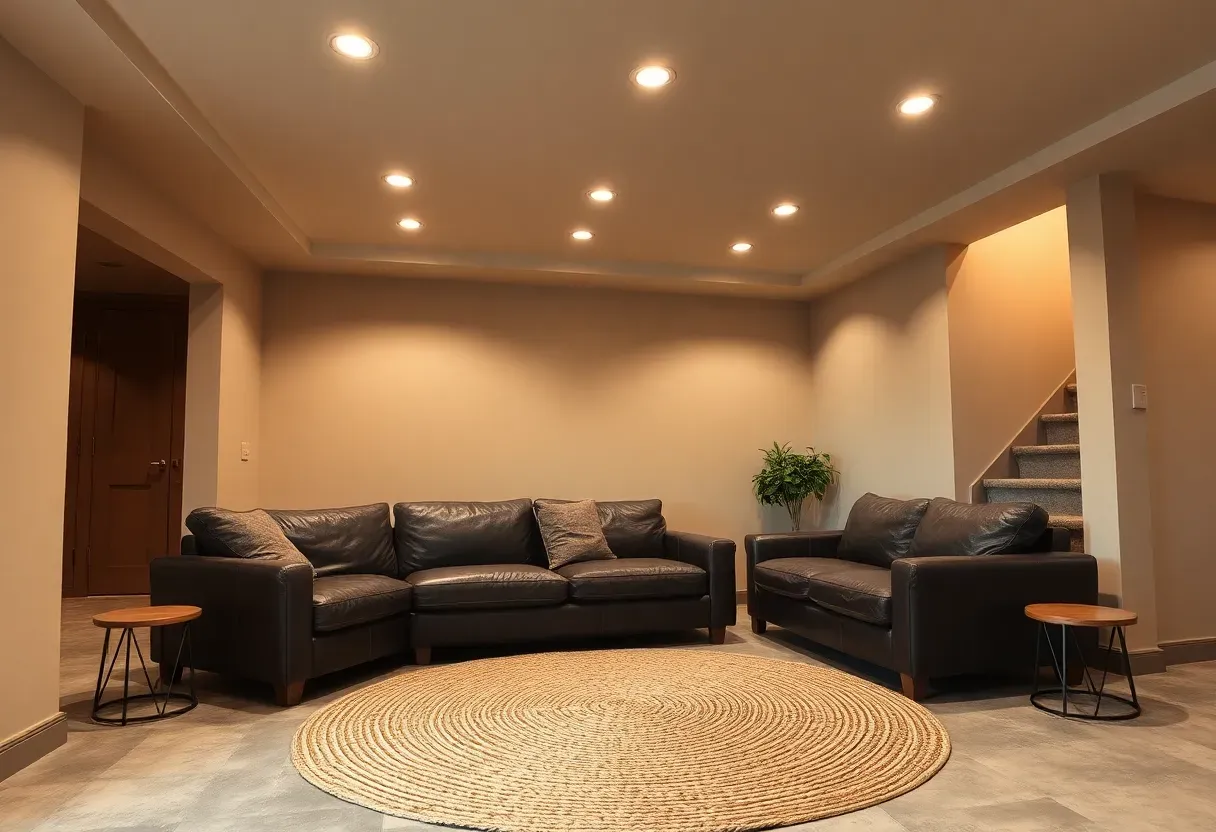
Basement walls are usually the last thing anyone thinks about painting, and it shows. Bare drywall, leftover primer, or that grayish builder-grade beige that seems to come standard with every below-grade space. The problem is not laziness — it is decision paralysis. Basements have less natural light, lower ceilings, and more moisture than the rest of the house, so the paint choices that work upstairs often fall flat down here. These 21 ideas zero in on colors, techniques, and combinations specifically tested for underground rooms where light is scarce and stakes feel high.
Start with the sections that match your basement's biggest weakness — too dark, too cold, too boring — and go from there.
Table of Contents
- Bright White Ceiling Lift
- Warm Greige Walls
- Navy Blue Accent Wall
- Two-Tone Horizontal Split
- Whitewashed Brick
- Industrial Concrete Gray
- Warm Earth Tones
- Moody Dark Green
- Soft Pale Blue
- Bold Black Feature Wall
- Painted Ceiling Beams
- Warm Terracotta
- Light Sage Green
- Charcoal and Cream Contrast
- Painted Basement Stairwell
- Mushroom Brown Lounge
- Color-Blocked Zones
- Dusty Blue-Gray
- Warm Ochre Accent
- Painted Open Ceiling in Matte Black
- Soft Warm White Everywhere
1. Bright White Ceiling Lift
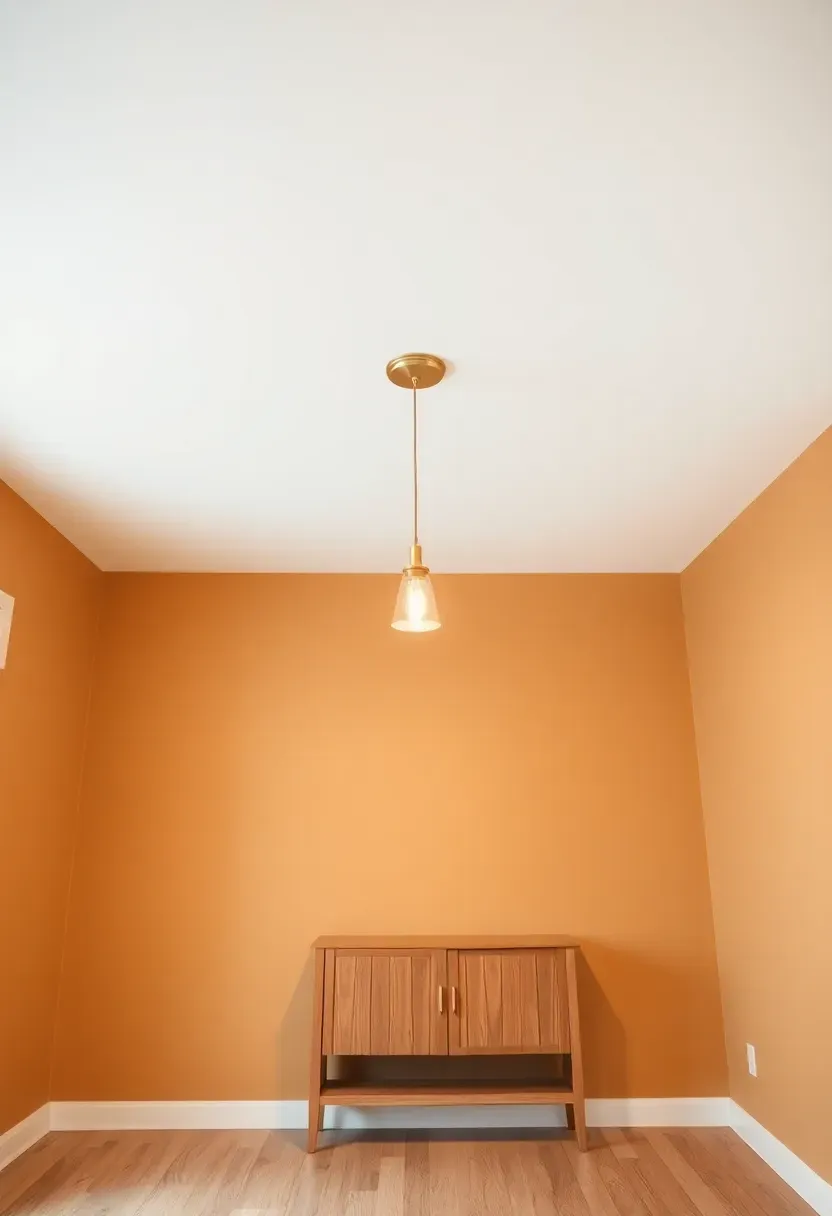
Painting the ceiling bright white is the single fastest way to make a low basement feel taller. It works because the eye reads lighter surfaces as farther away, so a white ceiling at 7 feet can feel closer to 8. Use a flat or ultra-flat sheen — any gloss up there reflects light unevenly and highlights every imperfection in the drywall tape. Benjamin Moore Chantilly Lace (OC-65) is dead flat and photographs well if you care about that. Pair the white ceiling with walls in any mid-tone color and the contrast does all the heavy lifting.
Tips
- Flat sheen hides ceiling imperfections better than eggshell or satin
- Use a 3/4-inch nap roller for textured drywall to get full coverage in two coats
- Paint the ceiling first before tackling walls to avoid drip cleanup
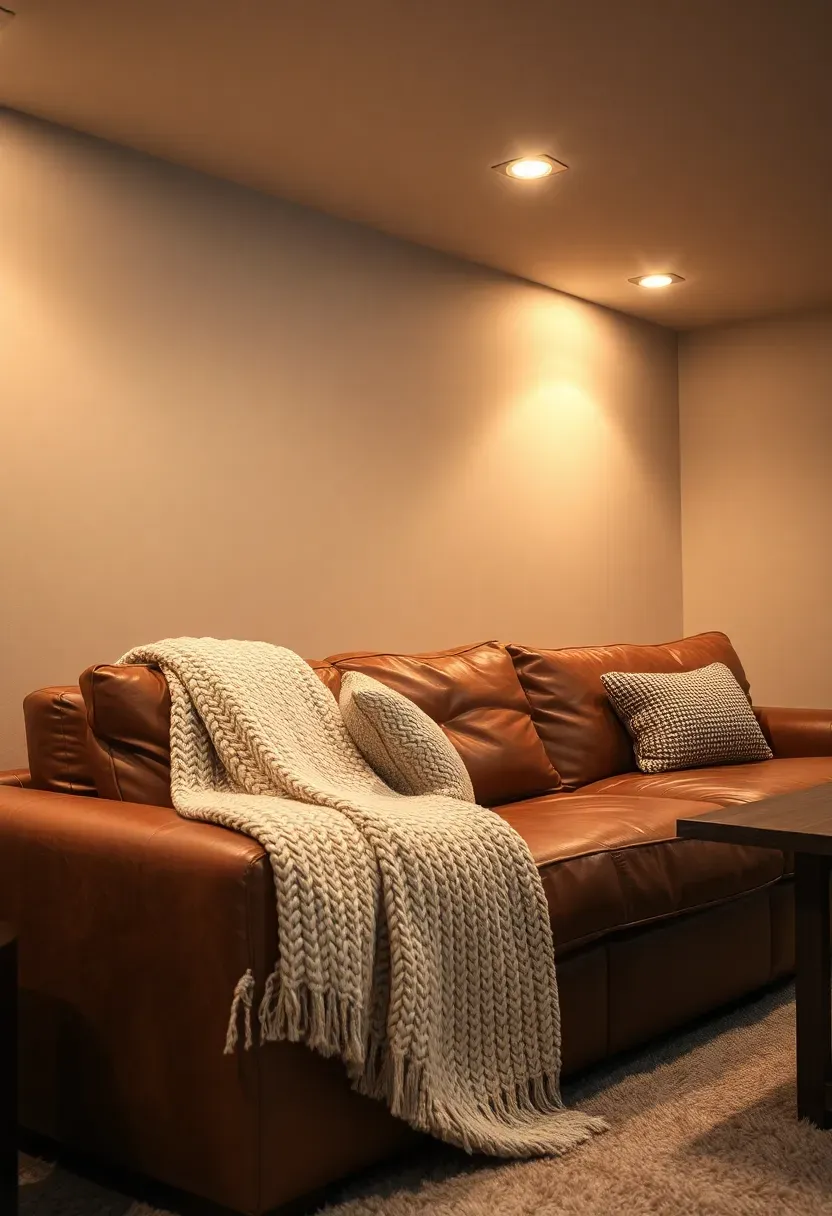
We picked a few things that go well with this idea: Zinsser Perma-White Mold-Proof Interior Paint (★4.5), KILZ Basement Masonry Waterproofing Paint (1 Gal) (★4.6) and KILZ Epoxy Concrete Floor Paint Slate Gray (★4.3). As an Amazon Associate we earn from qualifying purchases.
2. Warm Greige Walls
Why greige works underground
Basements skew cold. Concrete floors, concrete block walls, and limited sunlight create an environment that leans blue-gray no matter what you do. Greige — that gray-beige hybrid — counteracts this without going full tan. Sherwin-Williams Accessible Beige (SW 7036) is the go-to for a reason: it reads neutral under both warm and cool lighting, which matters in basements where you might have LEDs in one zone and a table lamp in another. The warmth keeps the room from feeling clinical, and the gray keeps it from looking dated.
How to apply
- Two coats of eggshell over primed drywall
- Pair with white trim for a clean break
- Test a sample patch near the darkest corner first — colors shift underground
We picked a few things that go well with this idea: Bates Paint Roller and Tray Set (11-Piece) (★4.5), Pro Grade Paint Roller Kit (10-Piece) (★4.4) and Rhibak Paint Roller Kit with Extension Pole (27-Piece) (★4.4). As an Amazon Associate we earn from qualifying purchases.
3. Navy Blue Accent Wall
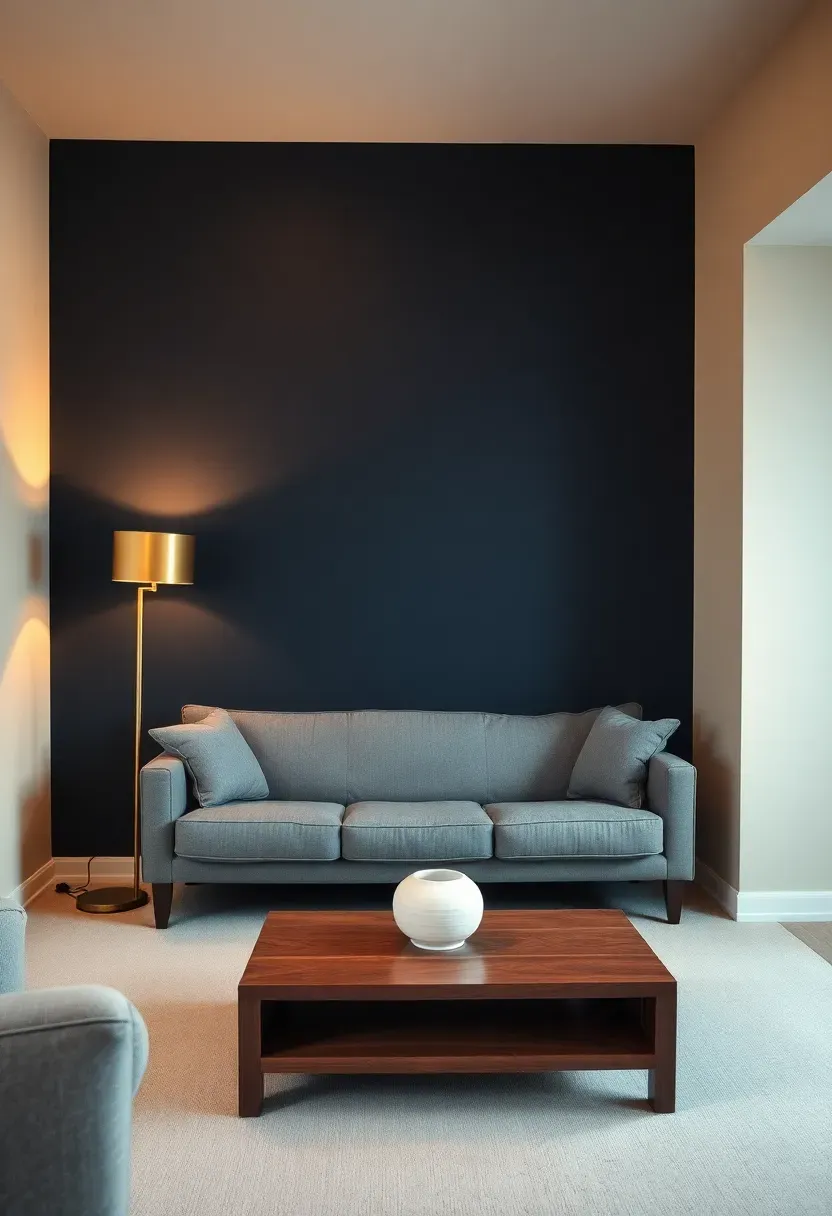
A single navy wall behind a sofa or media console creates depth without making the whole room feel like a cave. The trick is limiting it to one surface. Navy absorbs light, so painting four walls dark blue in a basement with two small windows results in a room that feels oppressive rather than sophisticated. One wall, though, acts as an anchor point — your eye goes there first, and the lighter surrounding walls keep everything breathable. Hale Navy (HC-154) by Benjamin Moore is a reliable pick that does not lean too purple or too teal.
What to pair it with
- Brass or gold-toned light fixtures to warm up the blue
- A gallery wall with light-matted frames to break up the dark field
- Cream or off-white on the remaining three walls, not pure white which can look stark
We picked a few things that go well with this idea: Ensenior 6-Inch LED Recessed Lights (12-Pack) (★4.7), Sunco BR30 LED Recessed Bulbs 2700K (12-Pack) (★4.6) and Sunco BR30 LED Recessed Bulbs 2700K (6-Pack) (★4.6). As an Amazon Associate we earn from qualifying purchases.
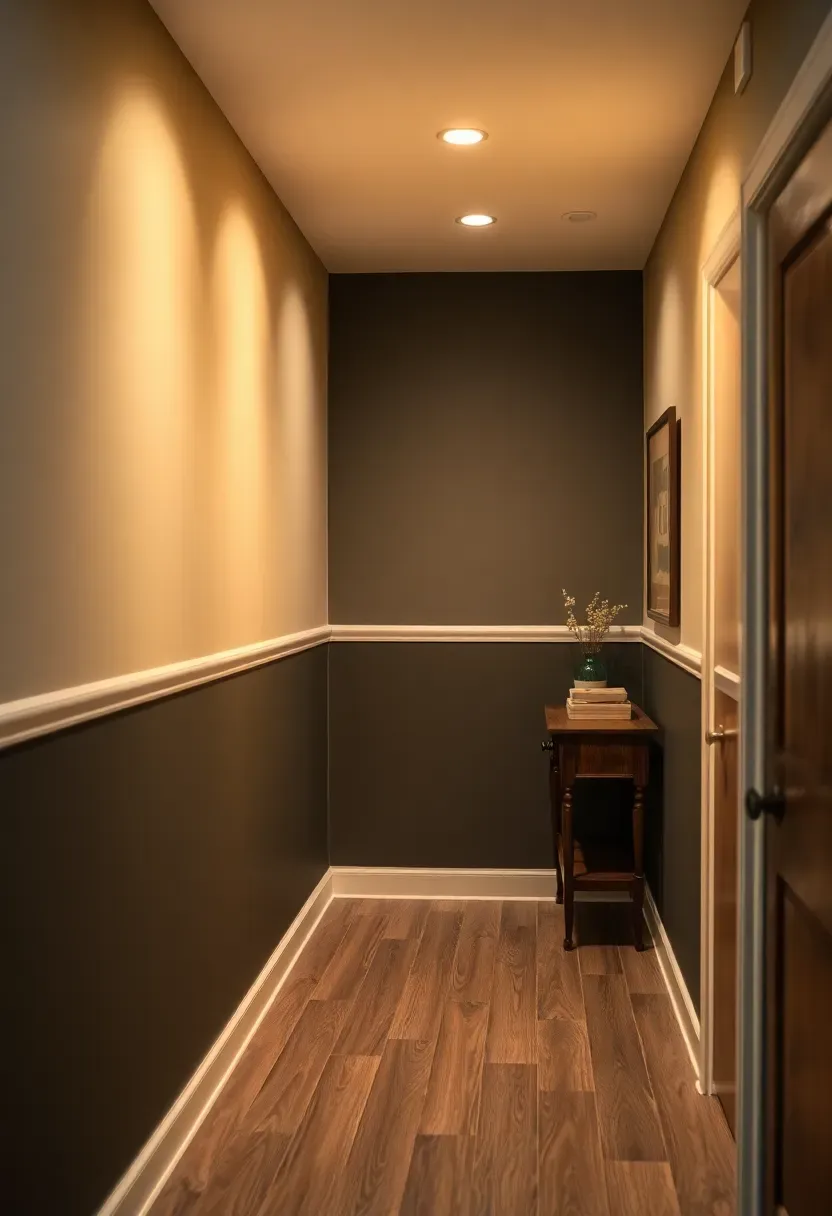
4. Two-Tone Horizontal Split
Splitting the wall horizontally with two paint colors adds visual interest and can make a basement feel taller if you place the dividing line at roughly the 36-inch mark. The darker shade goes on the bottom third, and the lighter shade takes the upper two-thirds plus the ceiling. This technique originally came from Victorian-era wainscoting, but you do not need actual panel molding — a clean tape line or a simple chair rail does the job.
Step by step
- Measure 36 inches from the floor and snap a chalk line around the room
- Tape above the line, paint the lower section first in your darker color
- Let it dry fully, then tape below the line and paint the upper section
- Remove tape while the final coat is still slightly tacky for the cleanest edge
Watch out
- Uneven basement floors can make the line look crooked — measure from the ceiling down instead if your floor slopes
Recommended
Items for this idea
5. Whitewashed Brick
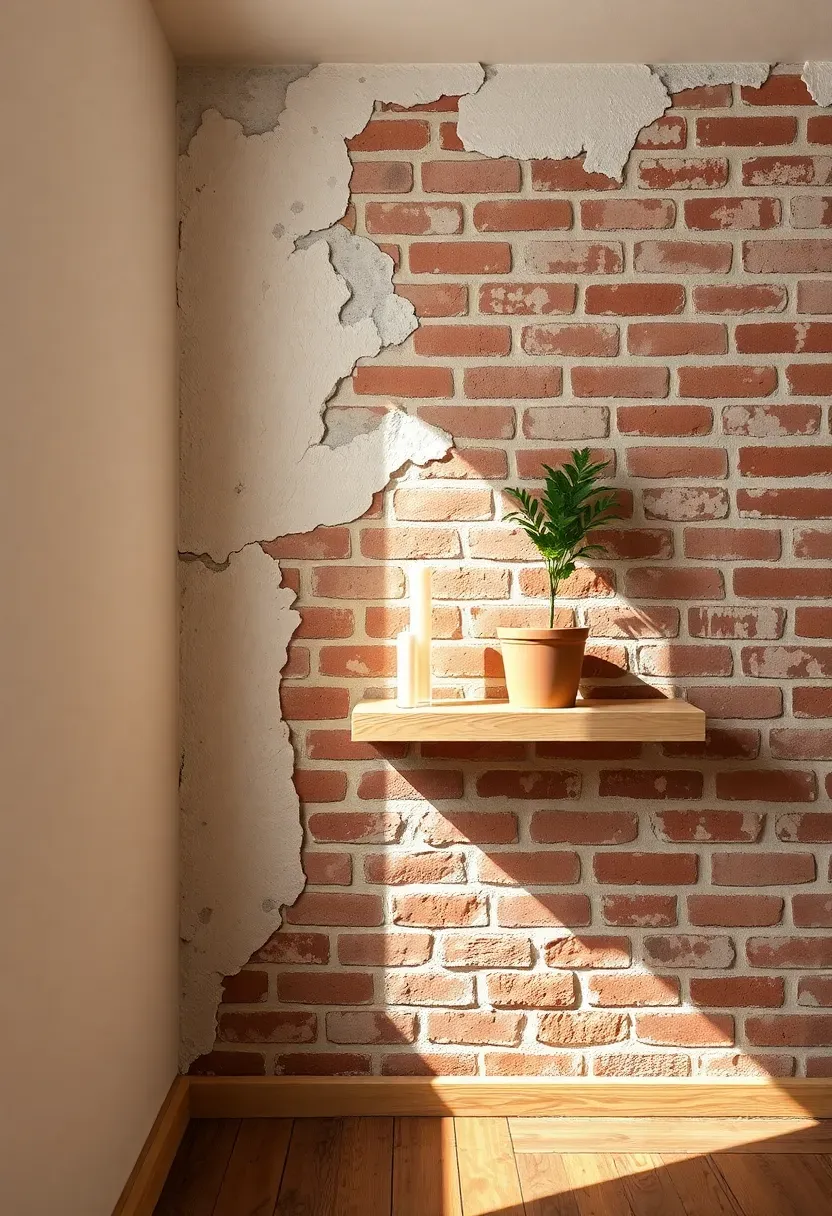
If your basement has exposed brick walls — common in homes built before 1960 — whitewashing lets you brighten the space while preserving the texture. Unlike solid paint, whitewash is a diluted mixture (roughly 50/50 white paint and water) applied with a rag or wide brush, then blotted. The brick pattern shows through, mortar lines stay visible, and the overall effect reads as deliberately imperfect. This approach works well in basements used as workshops, studios, or casual hangouts where a polished finish would feel out of place.
Tips
- Adjust the paint-to-water ratio: more water for subtle coverage, less for heavier white
- Work in 3-foot sections and blot immediately — dried whitewash is hard to thin out after the fact
- Seal with a clear matte polyurethane if the brick wall is prone to moisture or chalking
6. Industrial Concrete Gray
The case for gray
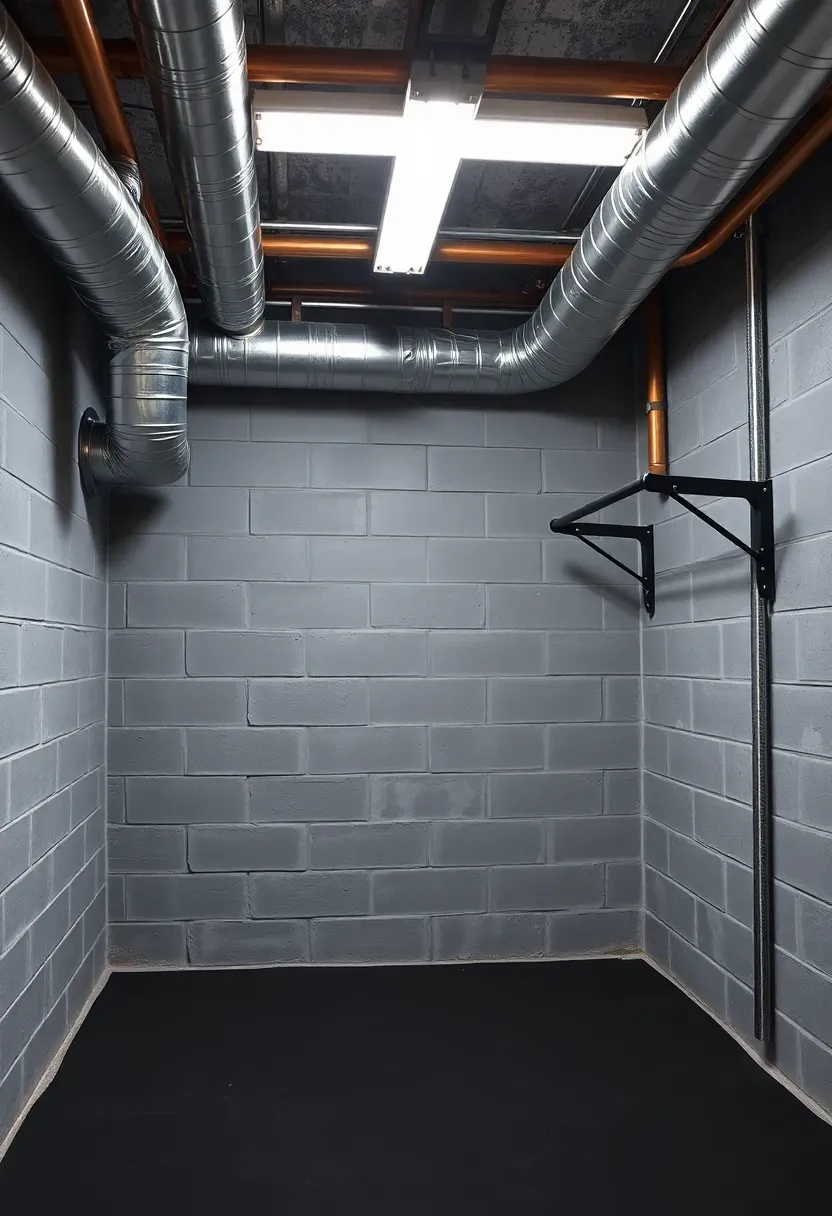
Sometimes leaning into the basement's natural character makes more sense than fighting it. Industrial gray on the walls — something like Sherwin-Williams Gauntlet Gray (SW 7019) or Benjamin Moore Kendall Charcoal (HC-166) — pairs with exposed ductwork, pipes, and concrete floors to create a cohesive look that feels intentional. This approach works best in basements used as home gyms, workshops, or media rooms where a polished residential aesthetic is not the goal.
Pros and cons
- Pro: Hides scuffs and handprints better than any light color
- Pro: Works with exposed mechanical systems rather than against them
- Con: Needs strong lighting — at least 30 lumens per square foot — or the room goes dark fast
- Con: Small basements under 400 square feet can feel claustrophobic in full gray
Recommended
Items for this idea
7. Warm Earth Tones
Earth tones — clay, sienna, ochre, warm brown — bring a coziness to basements that cooler colors cannot match. These shades mimic natural materials like adobe, sandstone, and dried grass, which our brains associate with warmth and shelter. In a basement with limited natural light, a mid-tone clay (try Benjamin Moore Firenze AF-225 or Sherwin-Williams Cavern Clay SW 7701) makes the room feel like a retreat rather than a bunker. Earth tones also hide the slightly yellow cast that many basement ceiling lights produce.
Tips
- Pair earth-toned walls with cream or linen-colored trim for softness
- Add texture through woven baskets, jute rugs, and raw wood shelving to reinforce the palette
- Avoid matching the wall color too closely to the concrete floor — contrast prevents the room from looking flat
8. Moody Dark Green
Why dark green works in basements
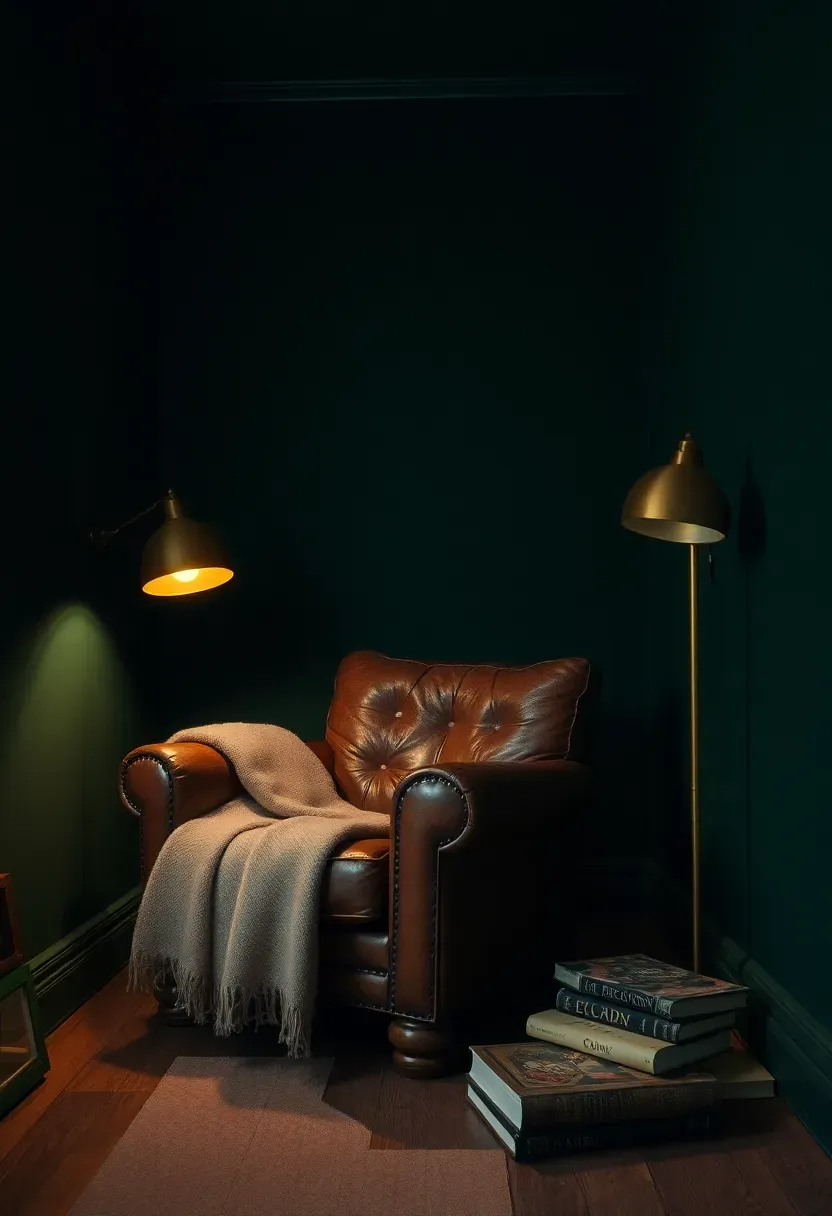
Dark green is having a moment, and basements are one of the best places to use it. A color like Benjamin Moore Essex Green (HC-188) or Farrow & Ball Studio Green creates the feeling of being surrounded by dense foliage — enclosed but not claustrophobic. The key difference between green and other dark colors in a basement is psychological: we associate green with living things, so even a windowless room painted this shade feels organic rather than oppressive.
How to pull it off
- Commit to all four walls — dark green as a single accent wall tends to look like a mistake
- Use warm-toned LED bulbs (2700K) to prevent the green from going cold and murky
- Add brass, copper, or warm wood accents to keep the room from feeling too serious
Recommended
Items for this idea
9. Soft Pale Blue
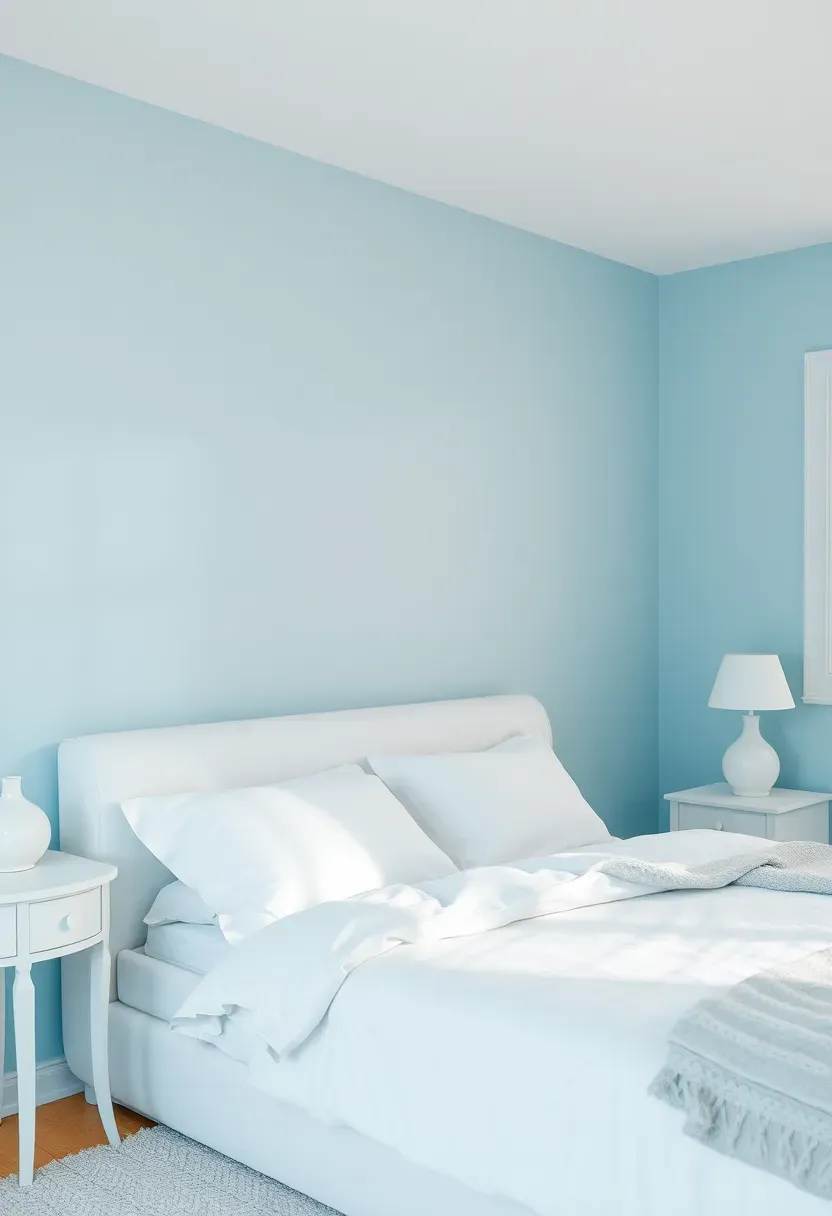
Pale blue reads as open sky, which is exactly what a basement lacks. A muted blue like Sherwin-Williams Sleepy Blue (SW 6225) or Benjamin Moore Breath of Fresh Air (806) on the walls tricks the brain into sensing more space and more light than actually exists. This works especially well in basement bedrooms and guest rooms where you want the occupant to forget they are underground. The color stays calm without veering into the baby-nursery territory that brighter blues risk.
Tips
- Pair with warm white trim (not cool white) to prevent the room from feeling sterile
- Test the color under your actual basement lighting — pale blues shift dramatically under warm vs. cool LEDs
- Add one warm accent like a wood nightstand or a terracotta lamp base to ground the palette
10. Bold Black Feature Wall
The problem it solves
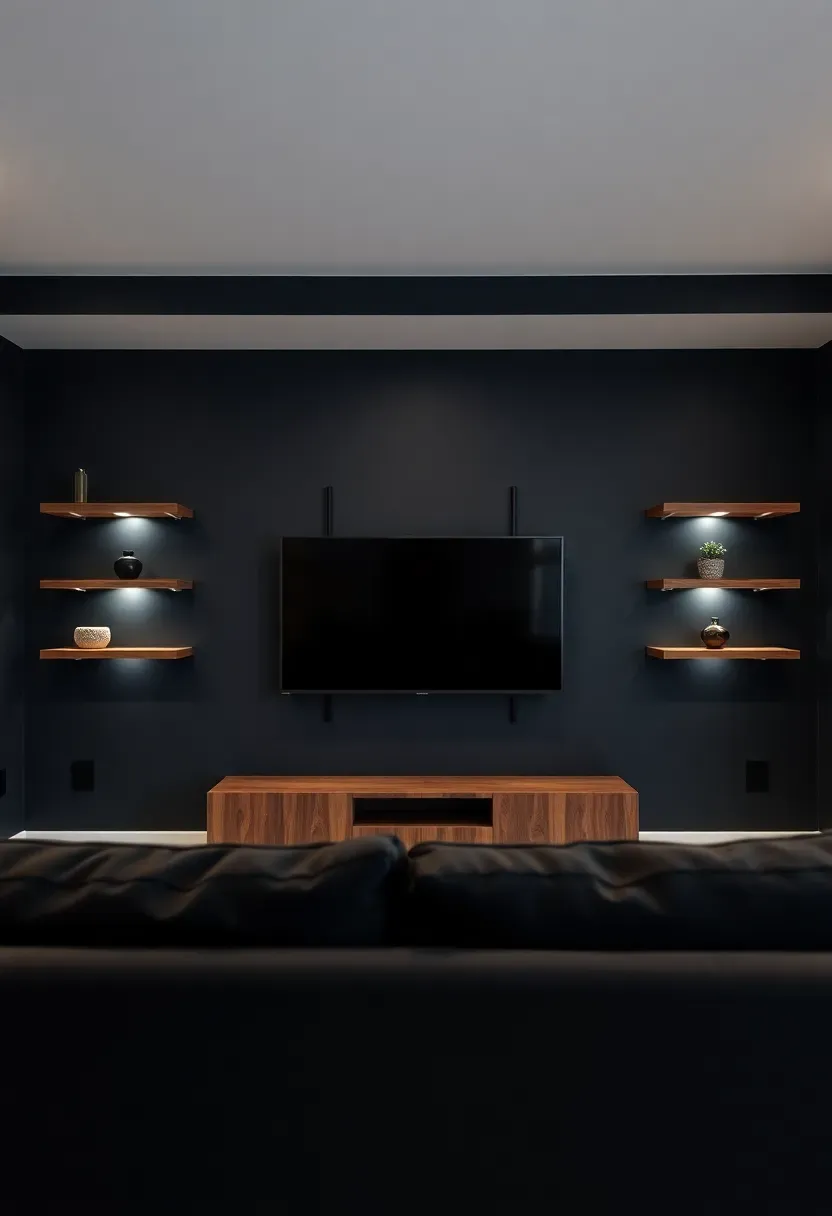
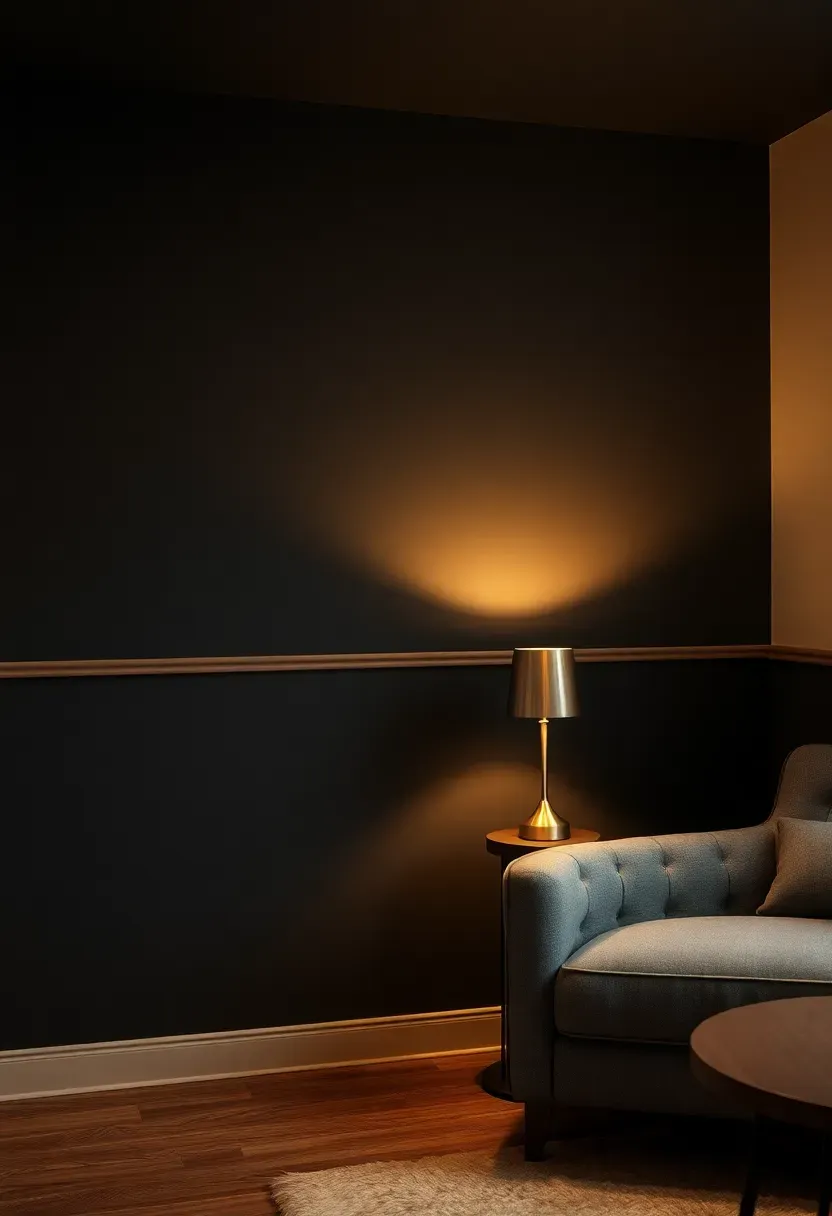
Every basement media room has the same issue: the TV competes with everything around it. A black wall behind the screen eliminates that problem. The screen blends into its background, the room darkens naturally for movie watching, and the whole setup looks like it was designed by someone who thought it through. Use a matte or flat finish — any gloss bounces light and defeats the purpose.
The solution
Paint the wall behind the TV and about 6 inches of the adjacent walls and ceiling in flat black (Benjamin Moore Black Satin 2131-10 in flat sheen, despite the name). Mount the TV directly to the painted surface. The visual effect is immediate: the screen appears to float, and the wall recedes completely. Keep the remaining three walls in a mid-tone gray or warm neutral so the room does not feel like a bunker.
Recommended
Items for this idea
11. Painted Ceiling Beams
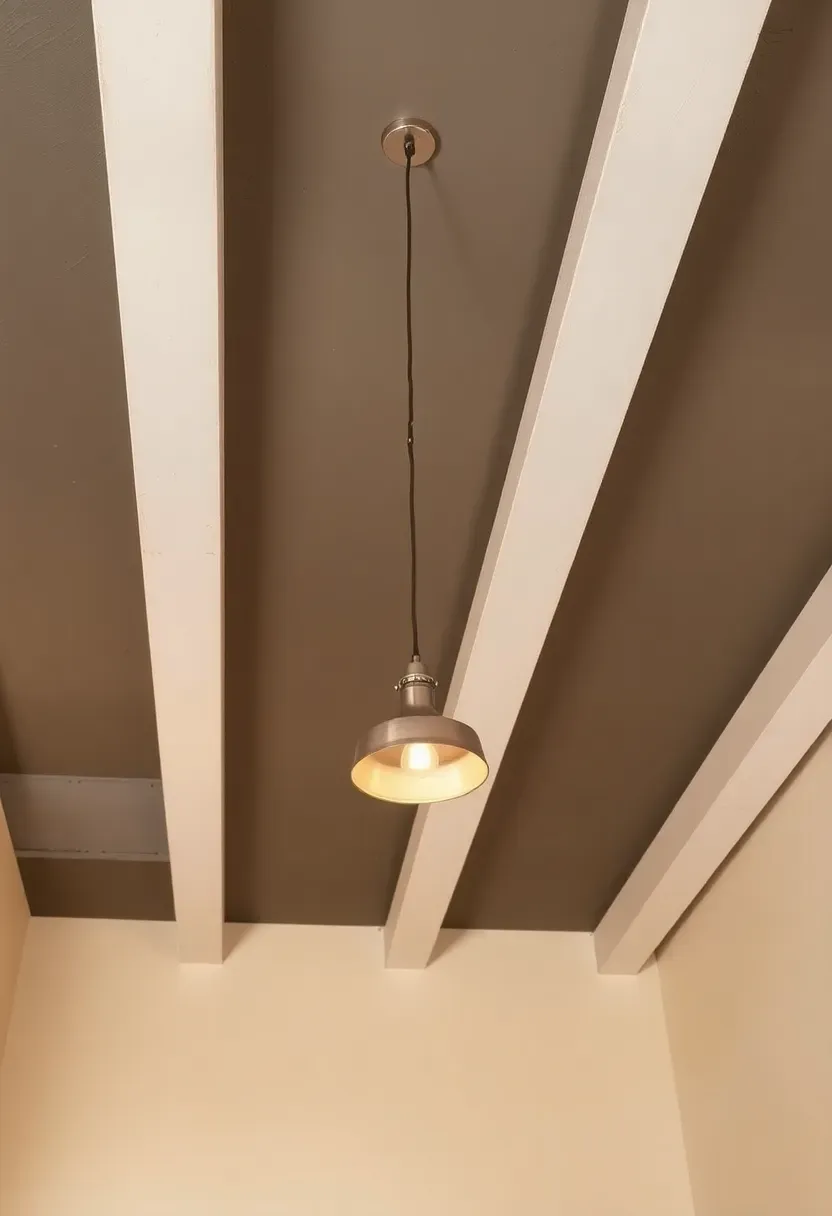
Exposed beams in a basement are either structural LVLs, steel I-beams, or decorative additions — and all of them look better painted. White beams against a darker ceiling create coffered-ceiling visual interest without the cost of actual coffers. Alternatively, painting beams a dark color against a white ceiling draws the eye upward and adds architectural detail to an otherwise featureless plane. The prep matters more than the color: sand any glossy surfaces, prime with a bonding primer like Zinsser 1-2-3, and use a trim brush for clean edges.
Choose if
- White beams, dark ceiling: You want the ceiling to recede and the beams to stand out as architectural detail
- Dark beams, white ceiling: You want a farmhouse or rustic look with perceived height
- Same color everything: You want the beams to disappear and the ceiling to read as one flat plane
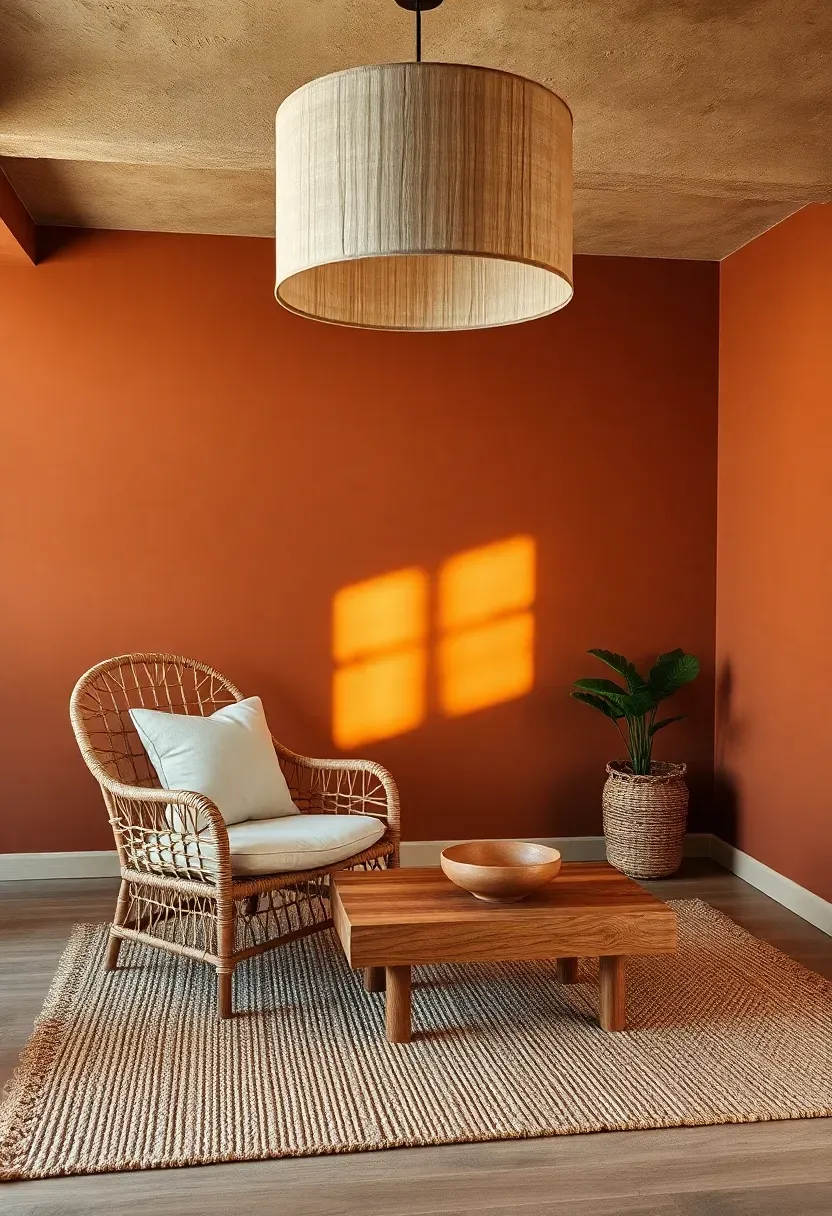
12. Warm Terracotta
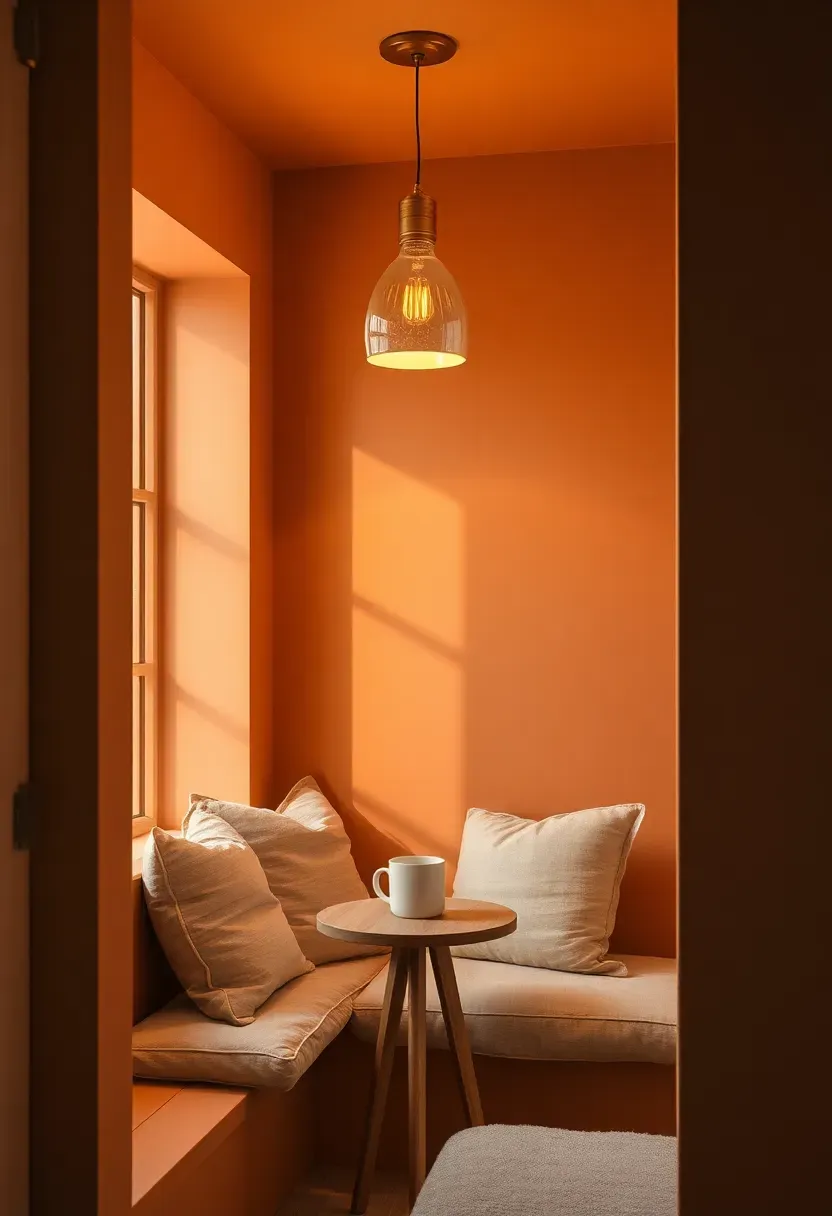
Terracotta sits between orange and brown in a way that feels ancient and grounding. In a basement, this color radiates warmth even without sunlight — it practically generates its own heat visually. Sherwin-Williams Baked Clay (SW 6340) or Benjamin Moore Audubon Russet (HC-51) are in the right family. Terracotta has enough brown in it to avoid looking like a Halloween decoration, which is the risk with anything too close to pure orange. Use it on all walls in a small basement room (under 200 square feet) or as an accent in a larger open plan.
Tips
- Eggshell sheen gives terracotta depth; flat can look chalky
- Pair with black iron hardware or matte black light fixtures for contrast
- Terracotta clashes with cool-toned gray — keep flooring and furniture in warm neutrals
Recommended
Items for this idea
13. Light Sage Green
Why sage and not mint
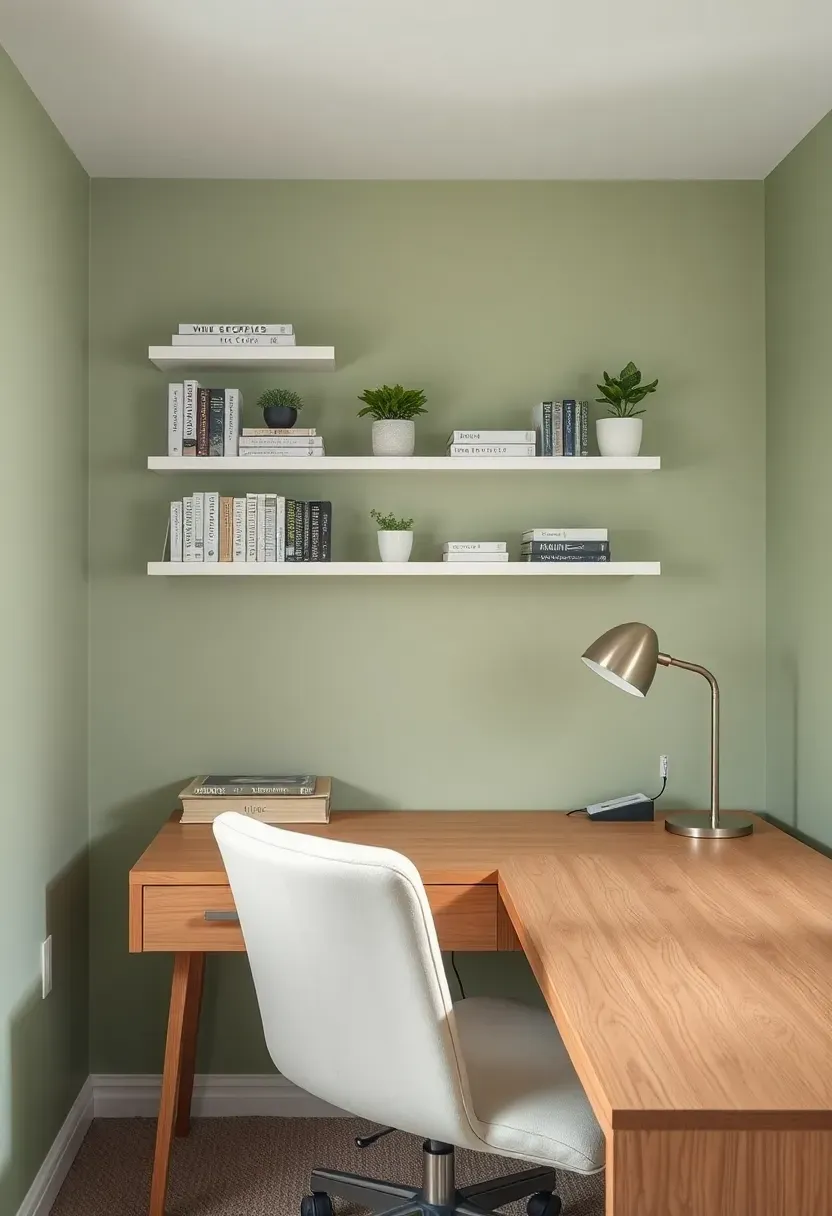
Mint green in a basement reads cold and dated — like a hospital hallway from the 1980s. Sage has enough gray and brown mixed in to stay warm. It reads as natural and calm without the visual temperature drop. For a basement office or craft room, sage is one of the few greens that stays productive rather than sleepy. Sherwin-Williams Clary Sage (SW 6178) sits right in the sweet spot.
How to use it
- Paint all four walls and keep trim in warm white for a contemporary look
- Works well with natural wood desks and shelving — the green picks up the undertones in oak and maple
- Add one or two real plants on shelves to echo the color and make the room feel less underground
14. Charcoal and Cream Contrast
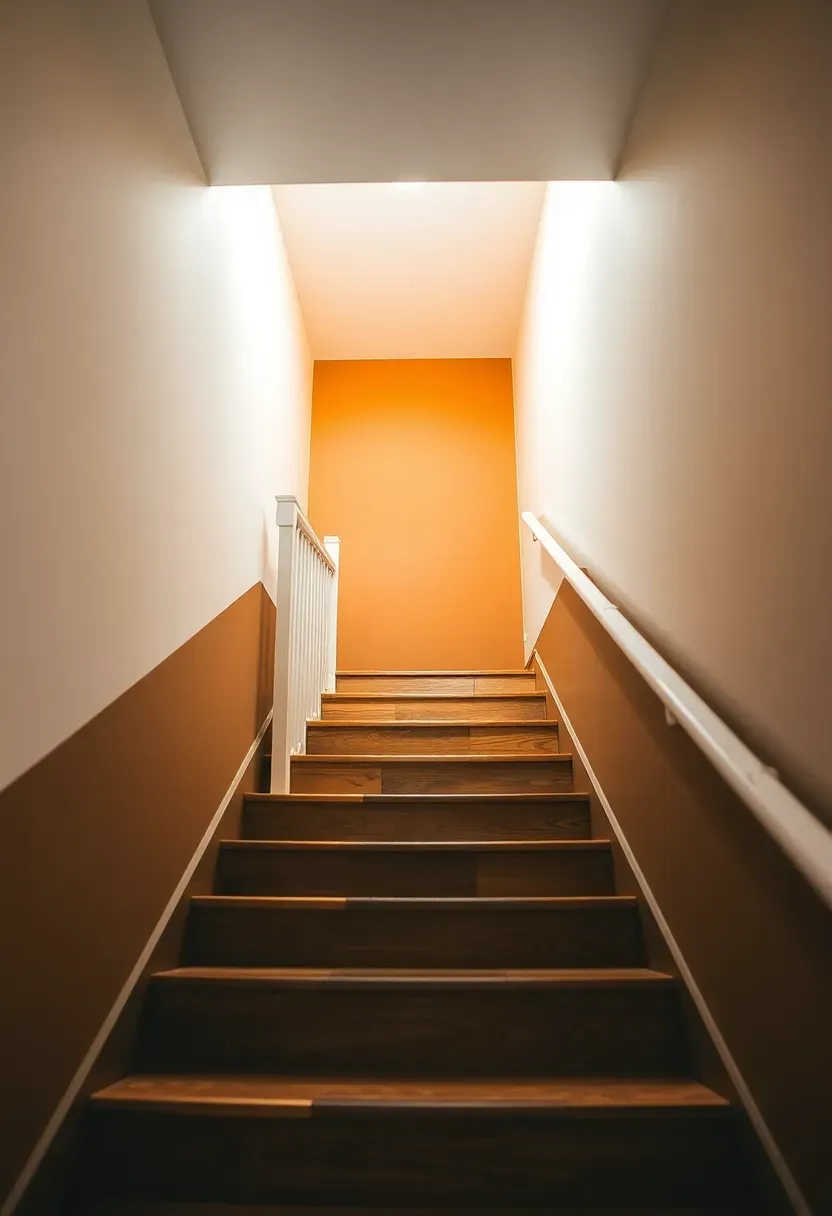
This is the grown-up version of the two-tone split from Idea 4. Charcoal on the lower half (or lower third) and cream from the split point to the ceiling creates a basement that feels polished without being fussy. The dark bottom grounds the room and hides scuffs from furniture and foot traffic, while the cream top keeps the space feeling open. A thin piece of flat stock trim at the transition line finishes the look. Benjamin Moore Kendall Charcoal (HC-166) below and White Dove (OC-17) above is a proven combination.
Tips
- Install a 1x3 flat trim piece at the color break for a finished look
- Keep both colors in the same sheen (eggshell) for visual consistency
- This scheme works in open basements and defined rooms alike
Recommended
Items for this idea
15. Painted Basement Stairwell
The stairwell sets the tone for the entire basement. Most people ignore it — they paint it the same off-white as the upstairs hallway and move on. A better approach is treating the stairwell as a color transition. Start with your upstairs hallway color at the top and shift to your basement wall color at the bottom. You can do this as a gradual ombre blend (labor-intensive but striking) or a clean break at the midpoint landing. Either way, the descent feels intentional rather than like walking into an afterthought.
Step by step
- Pick your upstairs color and your basement wall color — they should be in the same family or at least the same temperature
- If blending, mix three intermediate shades and apply each to a section of wall descending the stairs
- If doing a clean break, use the landing or the point where the stairwell turns as your dividing line
- Paint the stairwell ceiling the same white as the upstairs ceiling for continuity
16. Mushroom Brown Lounge
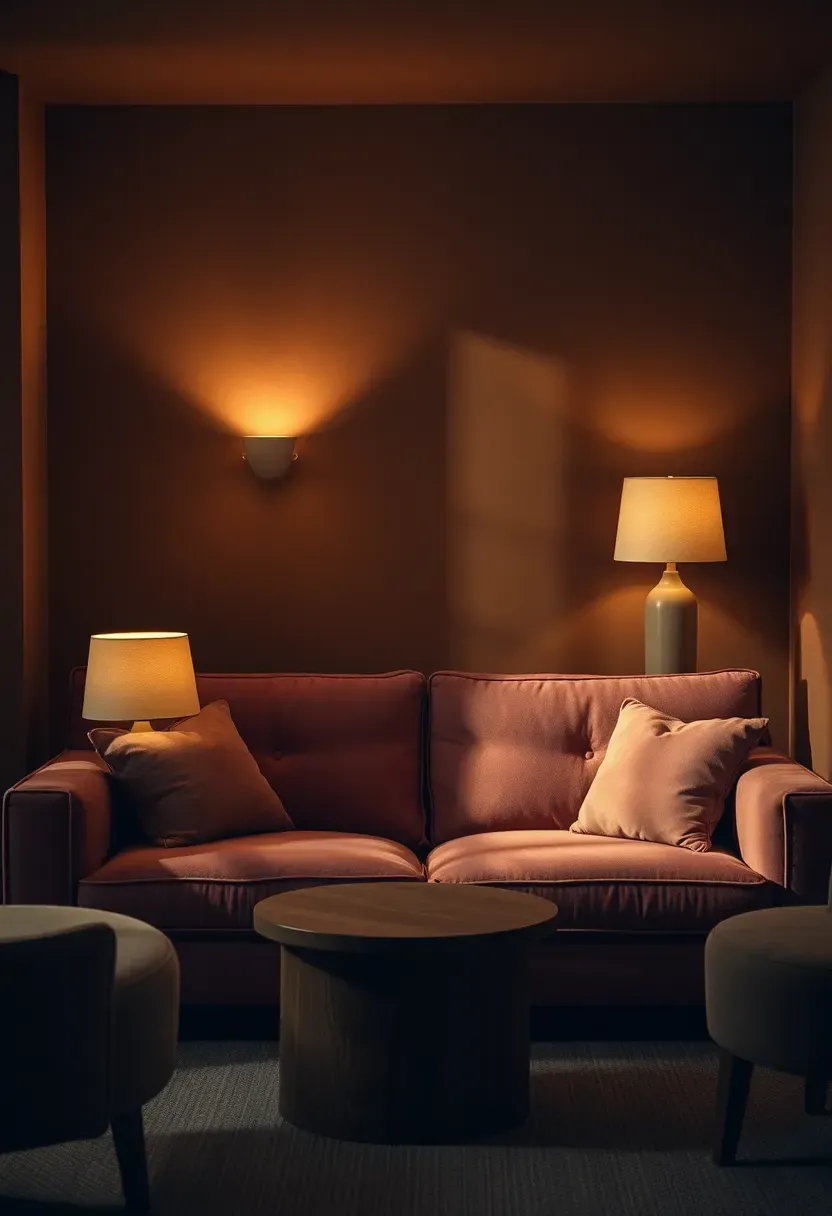
Mushroom brown is gray-brown with a hint of mauve, and it creates one of the most comfortable atmospheres you can get from a single paint color. It feels like a cigar lounge or a members-only library — enclosed, quiet, and deliberately cocoon-like. This works in basements because you are already below grade and partially enclosed, so leaning into that feeling makes sense. Farrow & Ball Dead Salmon (No.28) despite its unappetizing name, or Benjamin Moore Smokey Taupe (983) both land in this territory.
Pros and cons
- Pro: The most flattering backdrop for warm lighting — skin tones look great in mushroom brown rooms
- Pro: Hides wall imperfections better than any light neutral
- Con: Needs at least two light sources per zone or it gets muddy
- Con: Not ideal for basements used as playrooms or gyms where energy matters more than calm
Recommended
Items for this idea
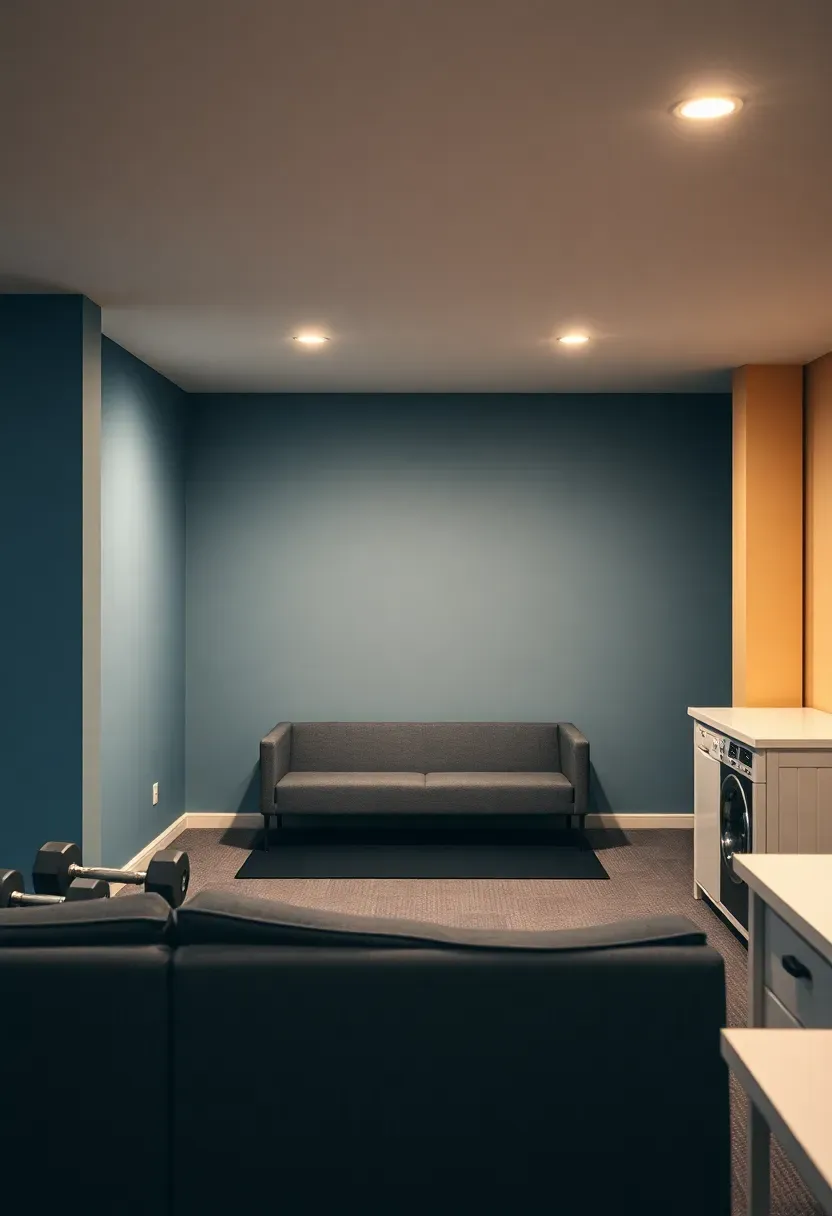
17. Color-Blocked Zones
The problem
Open-plan basements lack the walls and doorways that naturally separate rooms upstairs. A single paint color across 800 square feet of basement reads as unfinished warehouse.
The solution
Use color to define zones the way walls would. Paint the media area in a deep blue, the exercise corner in an energizing mid-gray, the kids' play zone in a warm cream, and the laundry nook in a bright white. The transitions happen at natural break points — columns, ceiling jogs, the edge of area rugs. No physical dividers needed. Each zone reads as its own room while the open floor plan stays intact.
Watch out
- Limit yourself to 3-4 colors max or the basement starts looking like a paint store display
- Keep the ceiling one consistent color throughout to unify the zones overhead
18. Dusty Blue-Gray
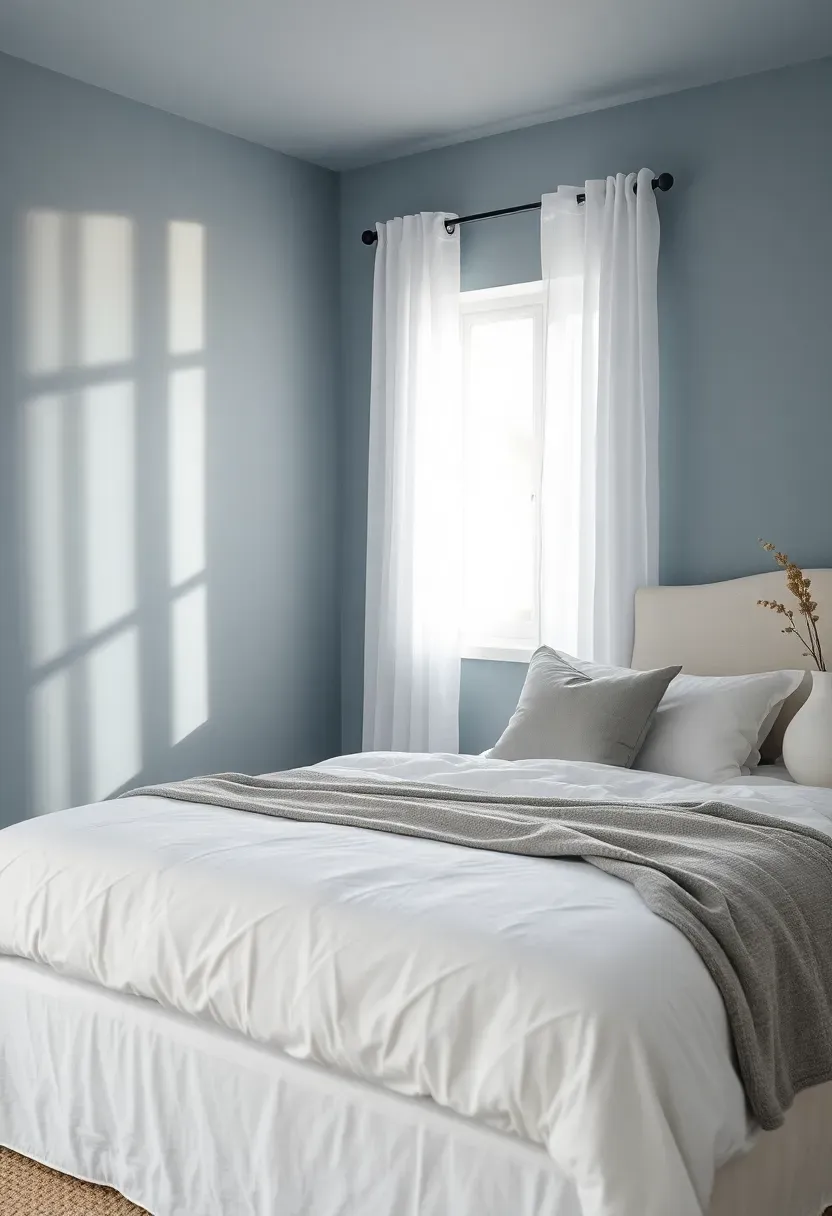
Dusty blue-gray sits in that narrow band between blue and gray where neither dominates. It reads as sophisticated without trying hard, and in a basement it has the rare quality of making the space feel both calm and spacious. Sherwin-Williams Uncertain Gray (SW 6234) — which leans more blue than the name suggests — and Benjamin Moore Silver Gray (2131-60) both hit this mark. The dusty quality prevents the color from feeling childish or nautical, which is the trap with cleaner blues.
Tips
- Satin sheen catches light and keeps the color from going flat in low-light corners
- Pair with white or very pale gray trim — cream trim next to blue-gray creates a yellow cast
- This is one of the best colors for basement guest rooms because it photographs well and suits most decor styles
Recommended
Items for this idea
19. Warm Ochre Accent
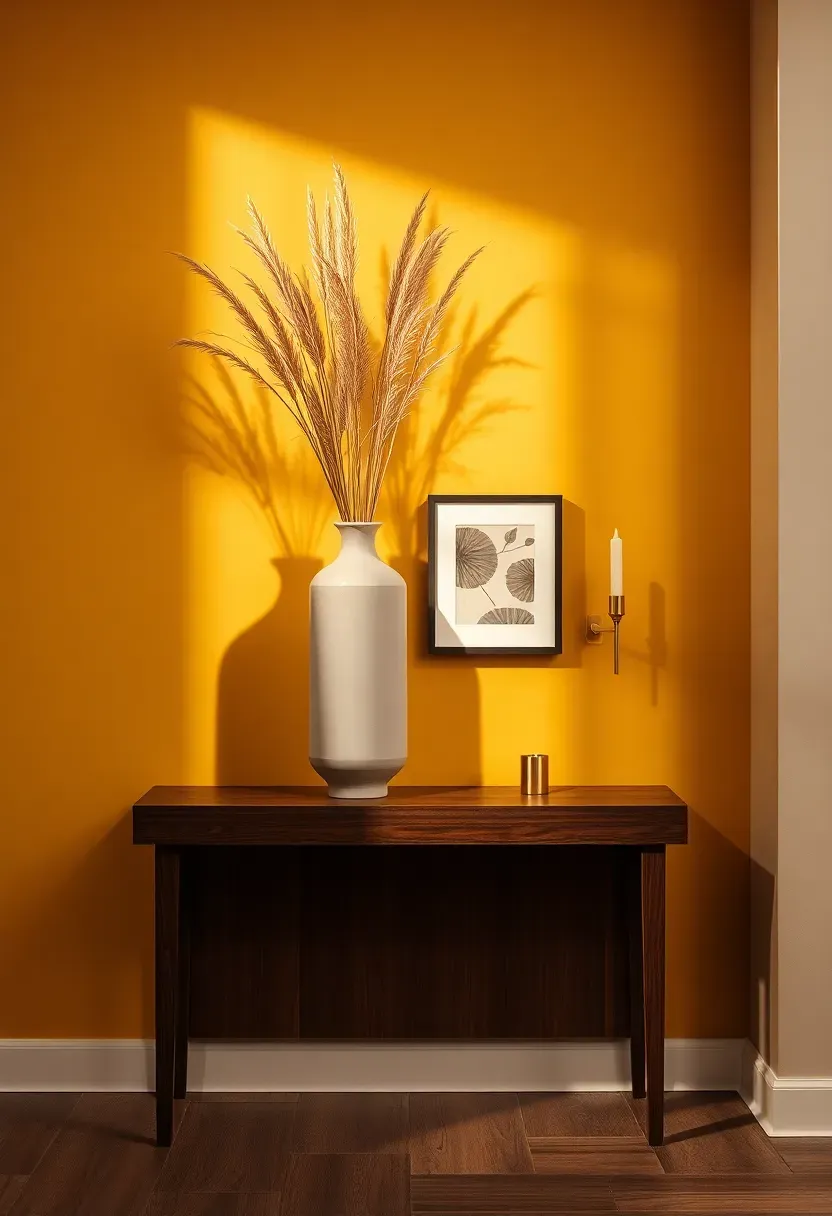
Ochre is not yellow — it is gold's quieter, earthier cousin. On one wall, ochre adds a punch of warmth that makes the rest of the basement's neutral palette pop. This color works as an accent because a full room of it can feel overwhelming, but a single wall behind a bar, console table, or bookshelf creates a focal point that draws people in. Benjamin Moore Maple Sugar (2160-30) or Sherwin-Williams Gold Crest (SW 6670) are good starting points. The key is choosing an ochre that leans brown rather than lemon.
Tips
- Keep adjacent walls in a warm white or light gray — cool gray next to ochre creates an unpleasant contrast
- Matte sheen looks most natural with ochre; satin can look plasticky in this color family
- Works especially well behind open shelving where the color peeks through objects
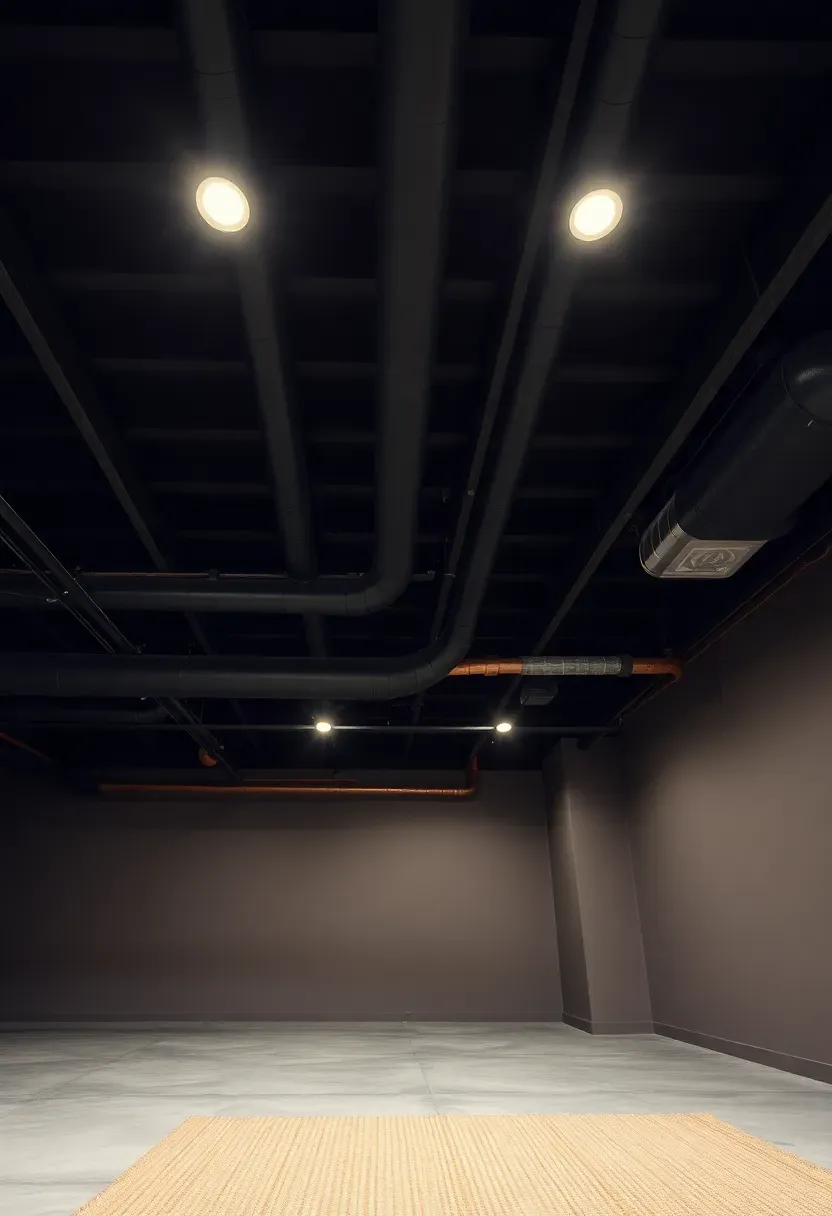
20. Painted Open Ceiling in Matte Black
How it works
Unfinished basement ceilings — the ones with visible joists, ductwork, pipes, and wiring — can actually look good if you paint everything up there one uniform color. Matte black is the best option because it makes the mechanical clutter disappear into shadow. The eye stops registering individual pipes and wires and instead reads one dark, receding plane. It is cheaper than installing a drop ceiling, takes a weekend with an airless sprayer, and gives you an extra 6-12 inches of headroom since you are not hanging tiles.
Step by step
- Clean the ceiling area and cover floors completely — overspray from a sprayer travels far
- Use an airless sprayer with a bonding primer like Kilz Adhesion for the first coat over all surfaces
- Follow with two coats of flat black latex paint (Behr Ultra Flat Black works well)
- Spray in consistent passes, overlapping by 50 percent to avoid striping
Watch out
- This adds zero sound absorption — for noise control, pair with acoustic panels on walls or hang fabric baffles between joists
Recommended
Items for this idea
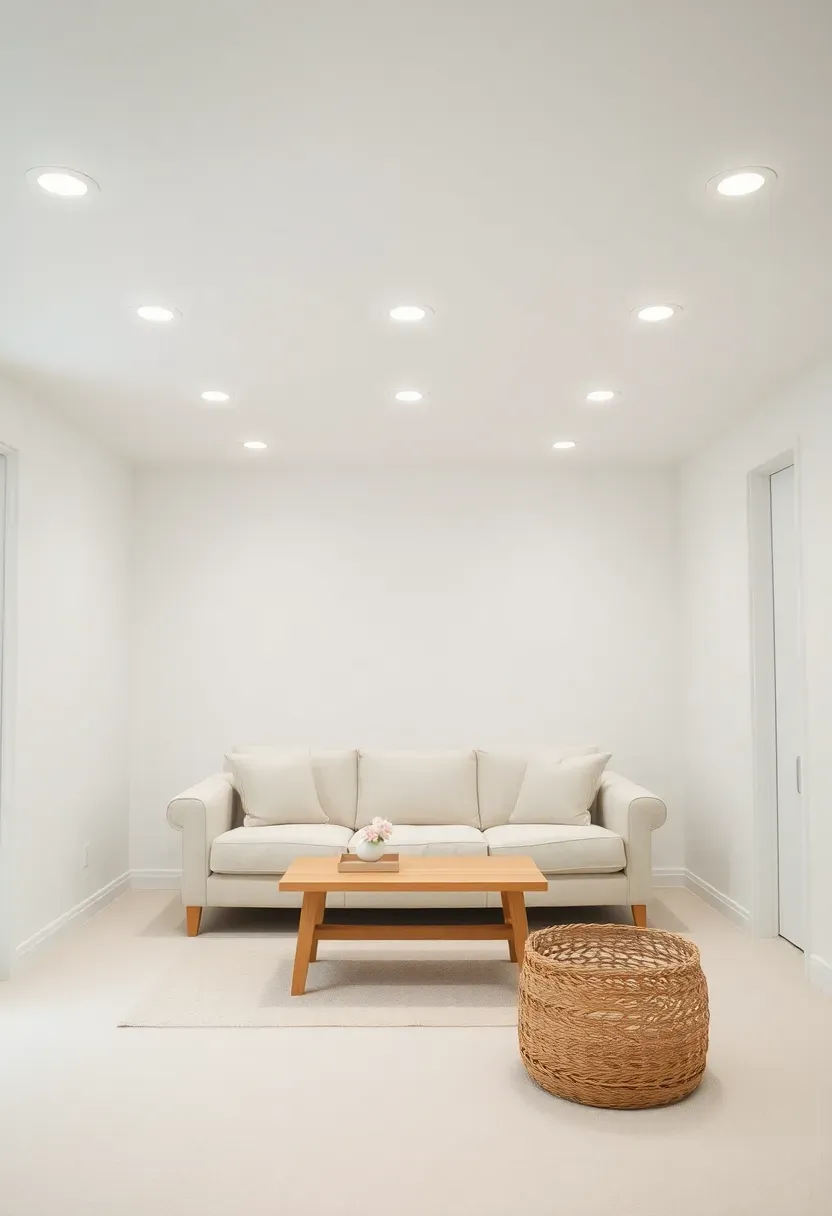
21. Soft Warm White Everywhere
When in doubt, white wins — but the right white. Cool whites in basements look blue and institutional. Warm whites with a hint of yellow or pink undertone feel clean and inviting without the harshness. Benjamin Moore Simply White (OC-117) and Sherwin-Williams Alabaster (SW 7008) are both warm enough to counteract the cool cast of basement lighting while still reading as white. The all-white approach works best when you commit fully: walls, ceiling, trim, and even doors all the same shade. Variations read as mistakes. Consistency reads as intention.
Tips
- Paint everything in the same color but vary the sheen: flat on ceilings, eggshell on walls, semi-gloss on trim
- Warm white only works if your lighting is also warm — swap any 4000K or 5000K bulbs for 2700K
- Add visual interest through furniture, textiles, and art rather than wall color — the white becomes a gallery backdrop
Quick FAQ
Does basement paint need to be different from regular interior paint? Not necessarily. Standard interior latex paint works on finished drywall basements. However, if you are painting concrete block or cinder block walls, use a masonry primer first (Drylok or Zinsser Watertite) to seal against moisture before applying your topcoat. Moisture is the biggest paint-killer in basements, and regular primer will not block it on masonry.
Which sheen is best for basement walls? Eggshell handles most situations well — it is washable enough for a lived-in space and hides minor wall imperfections. Avoid flat on walls in high-traffic basement areas because it scuffs and stains permanently. Satin works in utility zones, laundry areas, and kids' spaces where wipeable surfaces matter more than aesthetics.
How do I prevent paint from peeling in a damp basement? Address the moisture before you paint. Run a dehumidifier for at least two weeks to bring relative humidity below 50 percent. Fix any active leaks or seepage. Then use a moisture-resistant primer on the walls. Painting over damp surfaces is a guaranteed peel within six months, regardless of how expensive the paint is.
Can I paint my basement ceiling the same color as the walls? You can, and it creates a cocooning effect that works well in media rooms and lounges. In rooms where you want to maximize perceived height, stick with a lighter ceiling color. Same-color walls and ceiling make the room feel intimate but smaller, so reserve this trick for spaces where cozy is the goal.
What is the cheapest way to paint a basement? Buy a 5-gallon bucket of a quality paint like Behr Ultra or Valspar Signature (around $150-180 for enough to cover a 1,000-square-foot basement in two coats) and apply it yourself with a roller and brush. Skip the sprayer if you do not own one — roller marks disappear with proper technique and the right nap thickness (3/8-inch for smooth walls, 3/4-inch for textured).
Paint is the fastest return on effort you will get in a basement. One weekend, a few gallons, and a decent roller can take a space from forgotten storage zone to a room people actually want to use. Start with whatever idea on this list caught your eye first. If you are still undecided, grab three or four sample pots and paint large swatches on the darkest wall in your basement — colors behave differently down there, and a 2-foot square swatch tells you more than any screen ever will.
Pinterest cover for 21 Basement Paint Ideas That Work
About the author
OBCD
CGI visualization and interior design content. We create detailed 3D renders and curate practical design ideas for every room in your home.