17 Basement Room Ideas
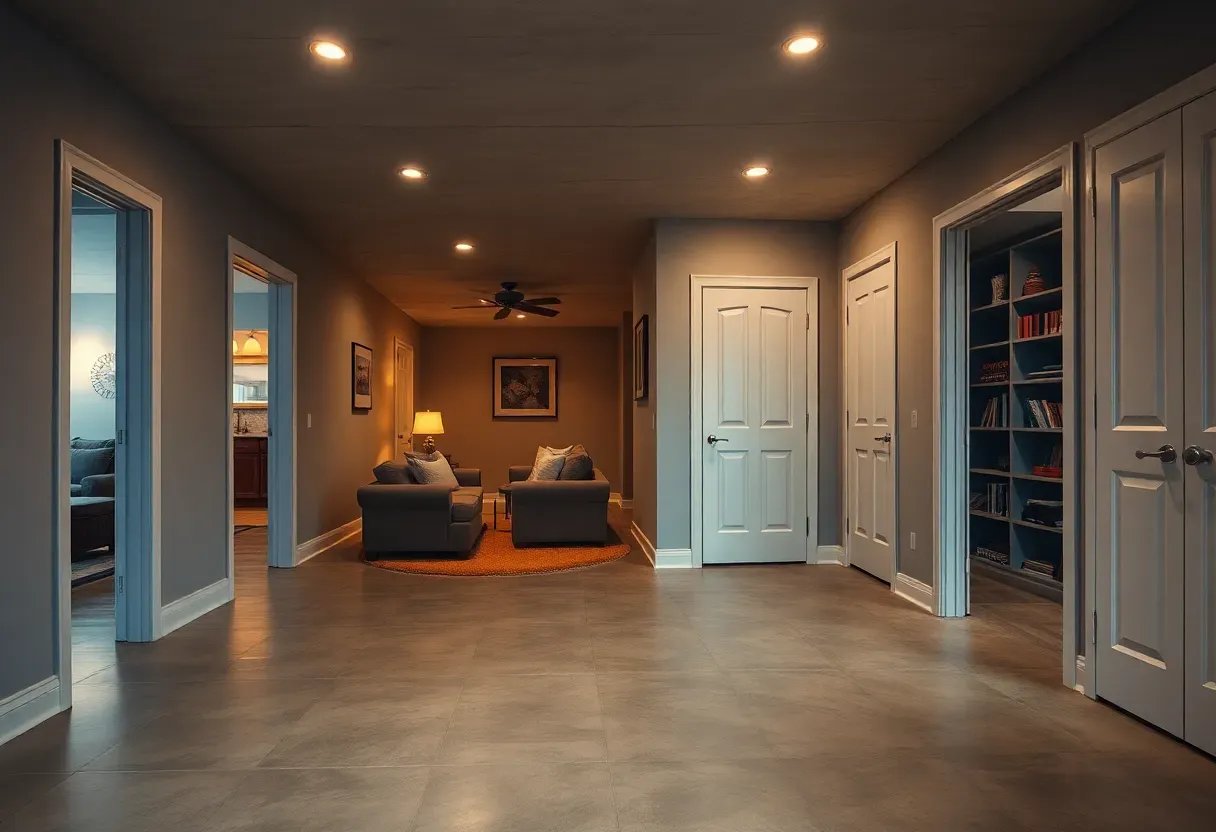
Most basements sit half-forgotten, holding holiday decorations and old exercise equipment nobody touches. That is a lot of square footage going to waste. The rooms below grade have some genuine advantages over the rest of your house — they stay cool in summer, they are naturally quiet because of all that earth around them, and they give you space to be loud or messy without bothering anyone upstairs. The key is matching the right room type to your basement's specific conditions: ceiling height, natural light, moisture levels, and where the plumbing and mechanicals land.
Here are 17 basement room ideas covering everything from practical workshops to relaxation retreats.
Table of Contents
- Home Theater Room
- Guest Bedroom Suite
- Wine Cellar and Tasting Room
- Kids Playroom
- Music Practice Studio
- Craft and Sewing Room
- Sauna and Wellness Room
- Library and Reading Room
- Laundry Room with Folding Station
- Photography Studio
- Home Gym
- Game Room with Arcade Corner
- Podcast and Recording Studio
- Workshop and Tool Room
- Art Studio
- Teen Hangout Room
- Meditation and Yoga Room
1. Home Theater Room
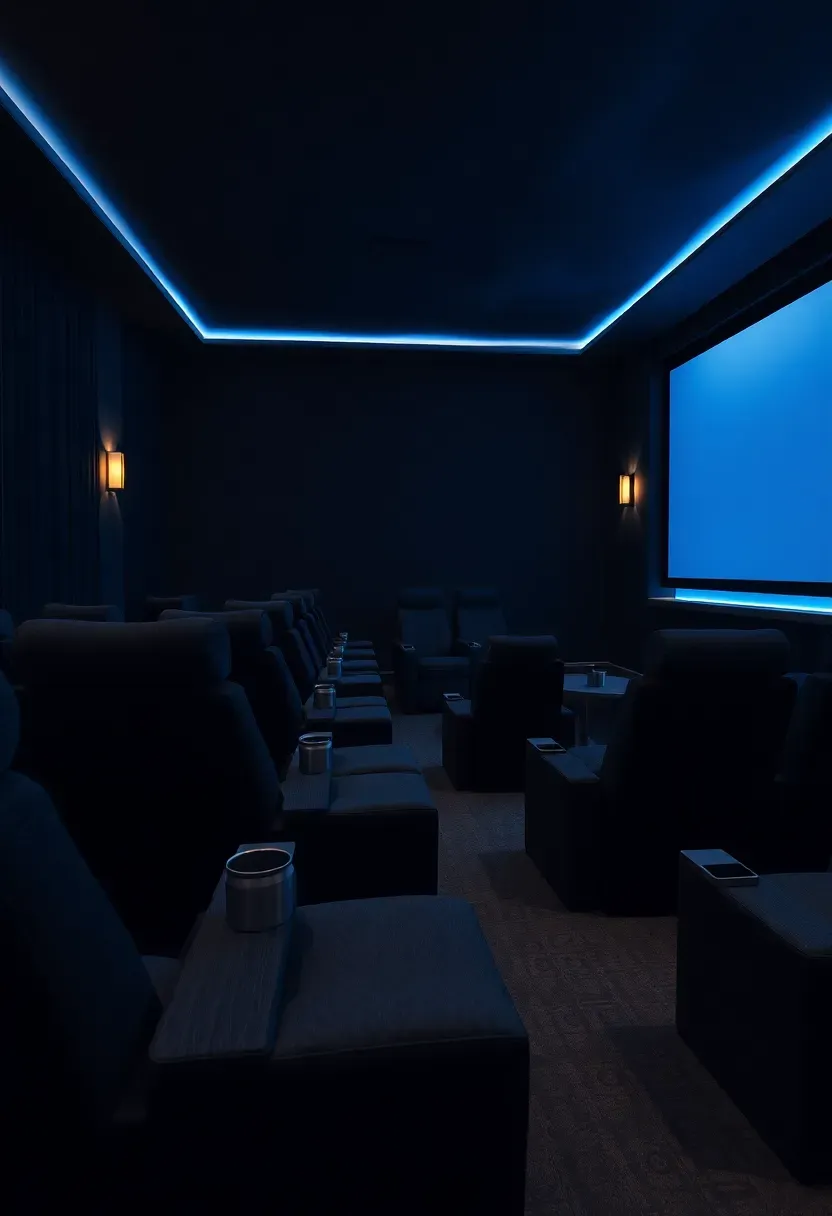
Basements are arguably the best spot in any house for a dedicated theater. The lack of windows means you skip blackout curtains entirely, and the below-grade position dampens sound in both directions — your movie explosions stay downstairs, and footsteps upstairs do not interrupt dialogue. A room roughly 12 by 18 feet fits a 120-inch projection screen with two rows of seating comfortably. Run conduit for speaker wire before finishing the walls, because fishing cable through closed walls later is tedious.
Tips
- Carpet the floor and add fabric acoustic panels on at least two walls to reduce echo and bass boominess
- A dedicated 20-amp circuit for the projector and receiver prevents dimming when the AC kicks on
- Tiered seating platforms need only 8 inches of rise per row — achievable in most 8-foot basement ceilings
We picked a few things that go well with this idea: Amico 6-Inch LED Recessed Lights (12-Pack) (★4.7), Amico 5CCT Retrofit LED Can Lights (12-Pack) (★4.5) and Amico 5CCT Dimmable Recessed Lights (24-Pack) (★4.6). As an Amazon Associate we earn from qualifying purchases.
2. Guest Bedroom Suite
Why basements make surprisingly good bedrooms
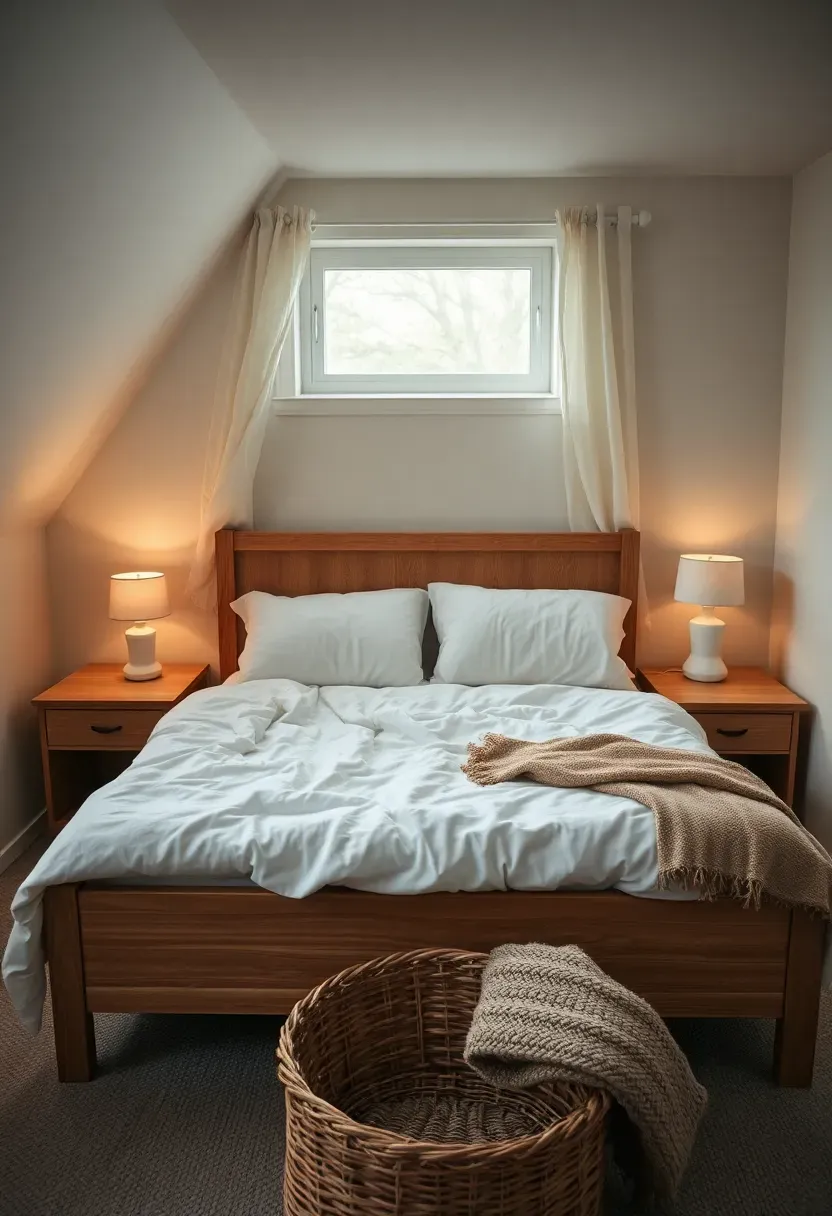
The constant cool temperature and natural darkness underground mean guests sleep well without fiddling with thermostats or blinds. The separation from the main living areas also gives visitors real privacy, which matters more than most hosts realize.
Making it code-compliant
Building code in most jurisdictions requires an egress window in any basement bedroom — typically 5.7 square feet of opening area with a sill no higher than 44 inches from the floor. If your basement lacks this, a window well with a step can meet the requirement. Beyond code, add a smoke detector, a carbon monoxide detector, and a closet or wardrobe to make the room feel genuinely livable rather than like a decorated storage room.
Watch out for
- Moisture is the biggest enemy — run a dehumidifier and use mold-resistant drywall behind the bed wall
- A small ensuite bathroom nearby (even a half bath) makes the suite vastly more comfortable for guests
- Plug-in sconces avoid the cost of ceiling fixture wiring while still providing bedside light
We picked a few things that go well with this idea: AEOCKY 80-Pint Basement Dehumidifier (4500 SqFt) (★4.5), Compact 95oz Dehumidifier with Auto Shutoff (★4.3) and VEAGASO 34-Pint Basement Dehumidifier (2500 SqFt) (★4.5). As an Amazon Associate we earn from qualifying purchases.
3. Wine Cellar and Tasting Room
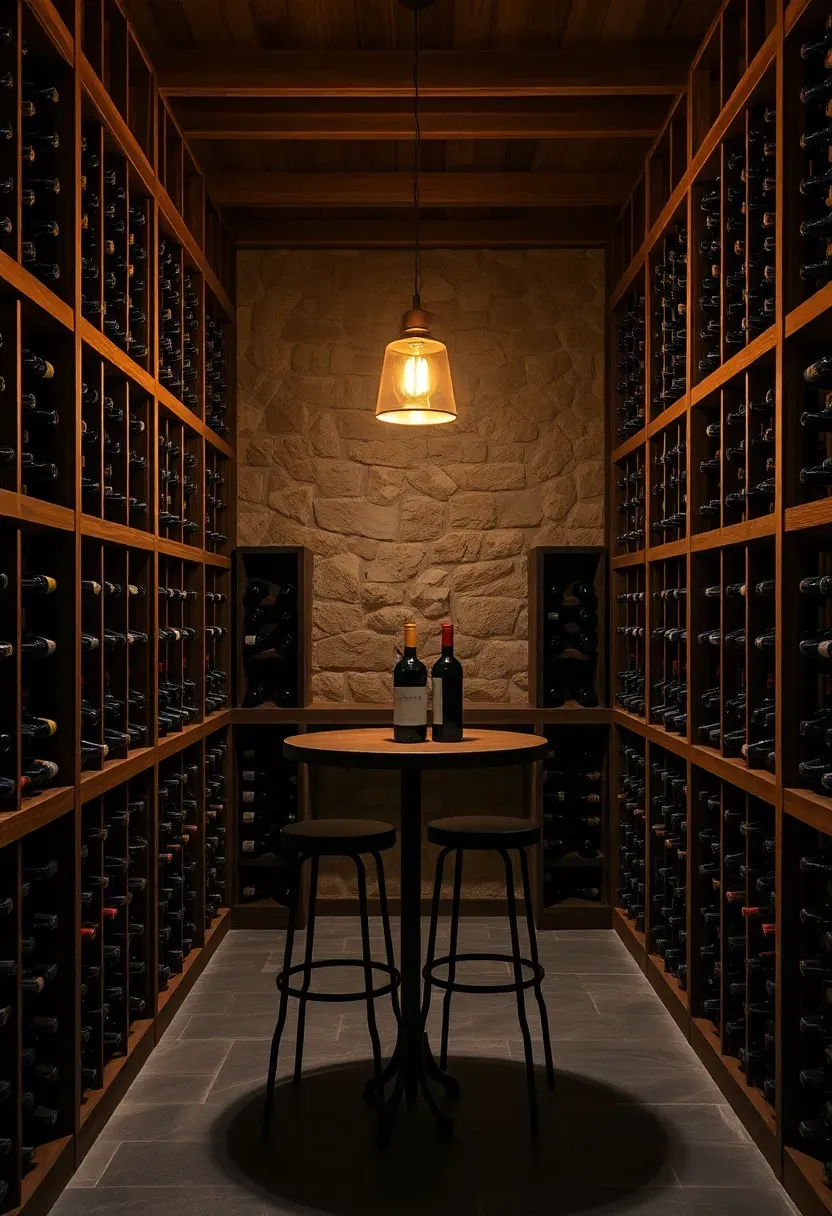
Basements naturally hover around 55 to 60 degrees Fahrenheit in most climates, which is close to ideal wine storage temperature. That head start means your cooling unit works less and costs less to run compared to a main-floor wine room. Dedicate a small enclosed area — even 6 by 8 feet is enough for 300 to 400 bottles — with a vapor barrier on the exterior walls and a split cooling unit rated for the room's cubic footage. Build a tasting counter just outside the cellar door so you can enjoy a glass without letting cold air escape every time someone browses the collection.
Tips
- Vibration from HVAC equipment or a nearby laundry affects wine aging — keep the cellar at least one wall away from mechanical systems
- Racking angled at 15 degrees keeps corks wet and labels visible simultaneously
- Stone or brick veneer on one wall adds atmosphere without adding significant cost over drywall
We picked a few things that go well with this idea: ProsourceFit EVA Gym Floor Tiles (36-Pack) (★4.6), ProsourceFit EVA Gym Floor Tiles (12-Pack) (★4.6) and Bemaxx EVA Interlocking Gym Mats (18-Pack) (★4.4). As an Amazon Associate we earn from qualifying purchases.
4. Kids Playroom
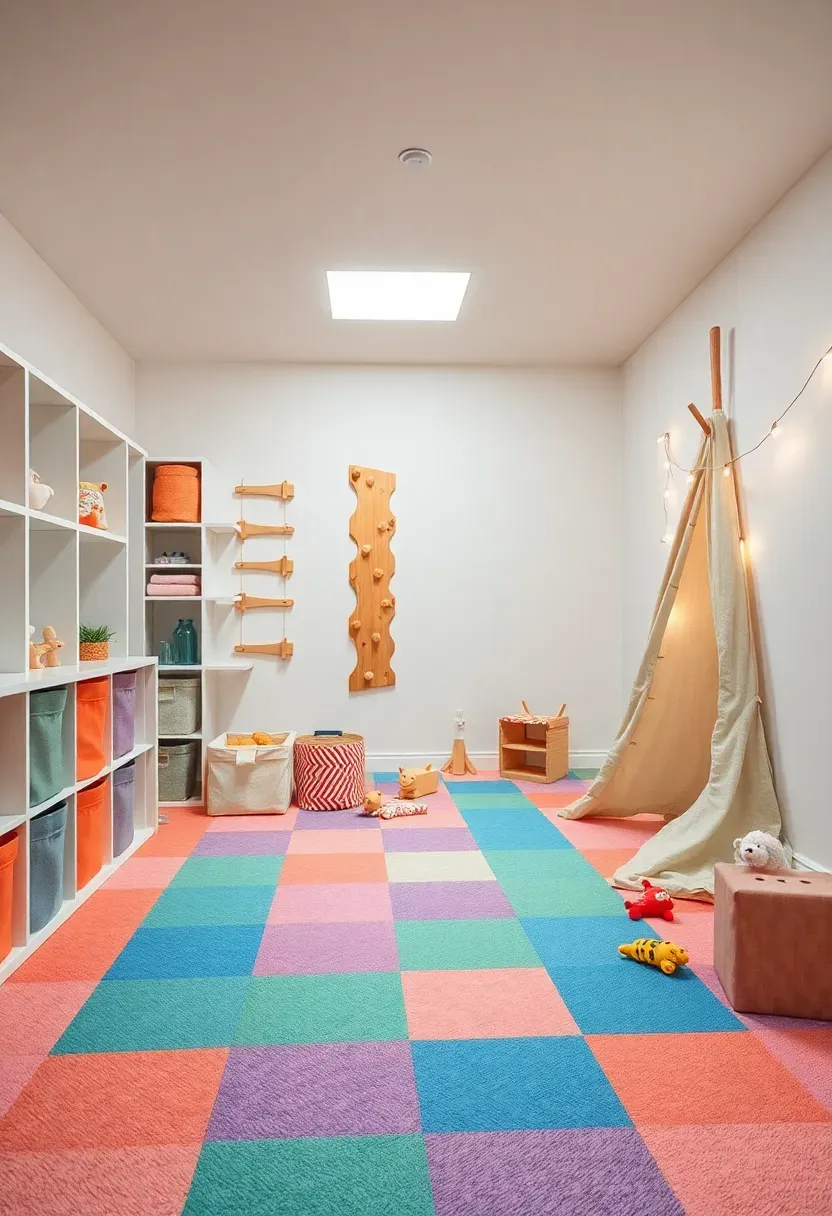
Step 1: Pick the right flooring. Interlocking foam tiles handle drops, spills, and bare feet better than carpet or concrete. They come in neutral colors now, not just primary brights. A 12 by 14 foot room needs about 24 tiles at 2-foot squares.
Step 2: Zone the space. Put messy activities (paint, Play-Doh, water table) on a hard surface near a utility sink if you have one. Reading and quiet play go on a soft rug in the opposite corner. Active play — climbing, tumbling — needs the center of the room with nothing sharp nearby.
Step 3: Plan for outgrowing it. Kids change fast. Use modular shelving like IKEA Kallax that you can repurpose later, and avoid built-ins with themes they will reject in two years.
Watch out for
- Basement air can feel stale — a ceiling fan or inline duct booster keeps air moving without a full HVAC upgrade
- Anchor all shelving to the wall even if it seems stable, since kids climb everything
Recommended
Items for this idea
5. Music Practice Studio
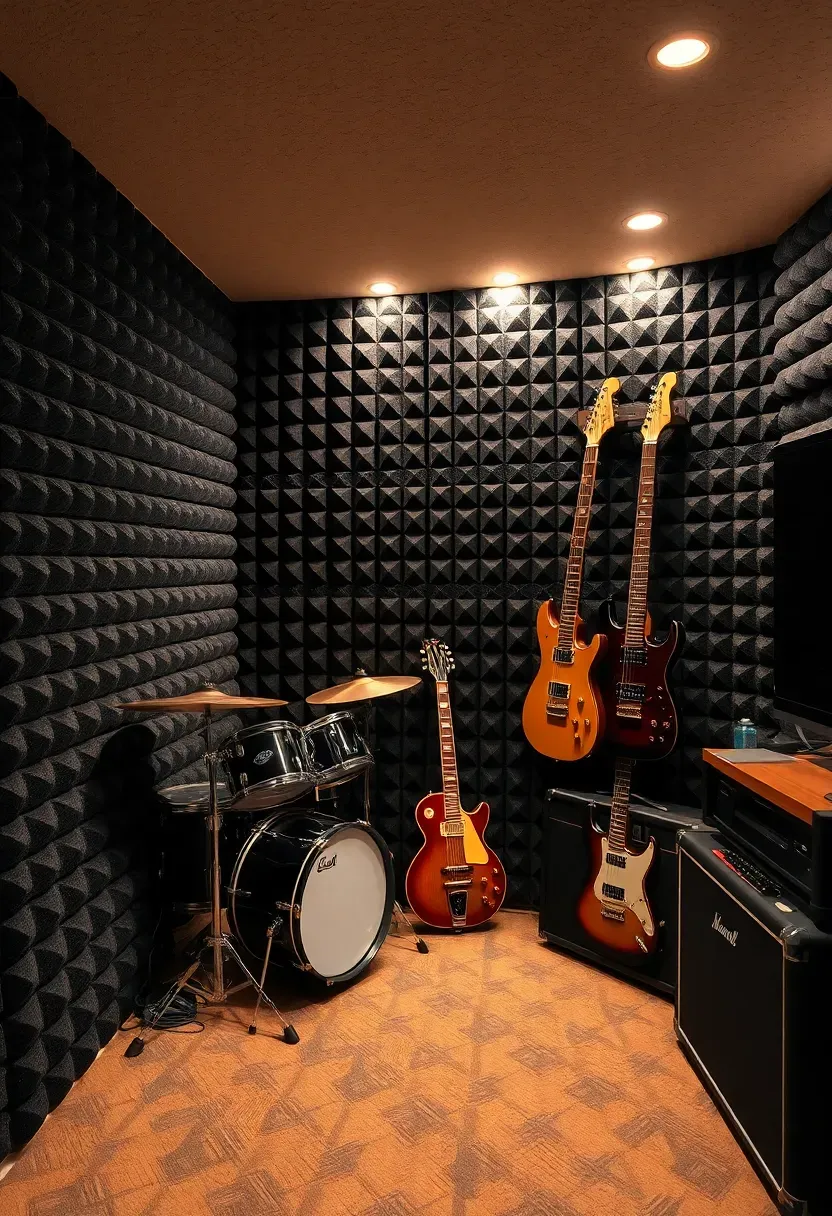
The ground surrounding a basement provides natural sound insulation that no above-grade room can match. For drums, bass guitar, or any amplified instrument, this matters enormously — both for your family's sanity and for recording quality. The remaining weak point is the ceiling, where sound travels through floor joists into rooms above. A layer of mass-loaded vinyl stapled to the joists before you install drywall costs about $1.50 per square foot and cuts transmitted sound by roughly 50 percent. Add resilient channel clips and a second layer of 5/8-inch drywall for serious isolation.
Tips
- Electrical: run at least three dedicated circuits — one for amps, one for recording gear, one for lighting — to avoid ground loop hum
- Skip parallel walls where possible; angling one wall even 5 degrees reduces standing waves that muddy the sound
- A solid-core exterior door with weatherstripping seals the room better than any interior door
6. Craft and Sewing Room
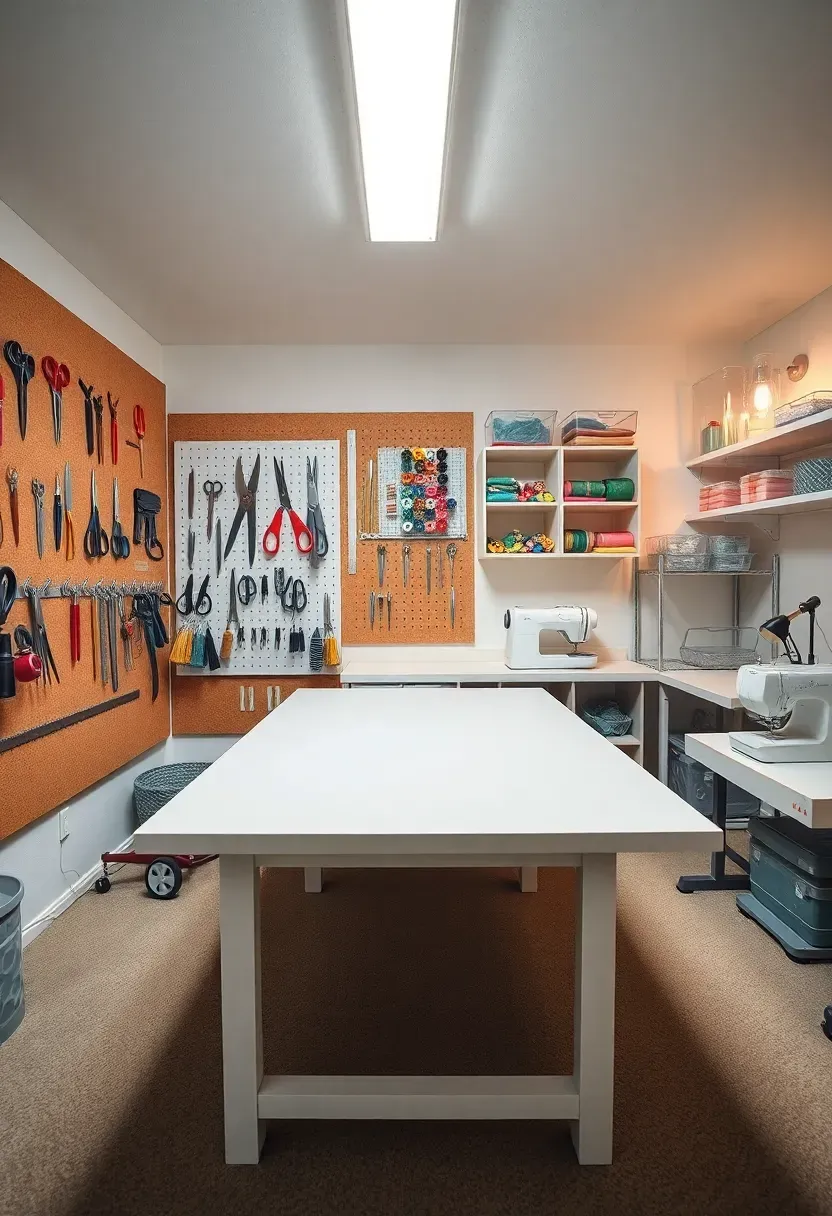
A dedicated craft room solves the problem every crafter knows: packing up a half-finished project because the dining table is needed for dinner. In the basement, you can leave your sewing machine threaded, your cutting mat out, and your fabric organized without anyone complaining about the mess. The ideal setup centers around a 3 by 6 foot cutting table at counter height (36 inches), with open shelving on two walls for fabric bolts and supply bins. Position the sewing station near an outlet cluster and under the brightest light in the room — 5000K daylight bulbs are important here because warm lighting distorts fabric colors.
Tips
- Pegboard on one wall holds scissors, rulers, and rotary cutters within arm's reach
- A rolling cart between the cutting table and sewing station moves supplies without multiple trips
- Install a lint trap on any dryer vent running through the room to keep fabric dust under control
Recommended
Items for this idea
7. Sauna and Wellness Room
Traditional sauna vs. infrared
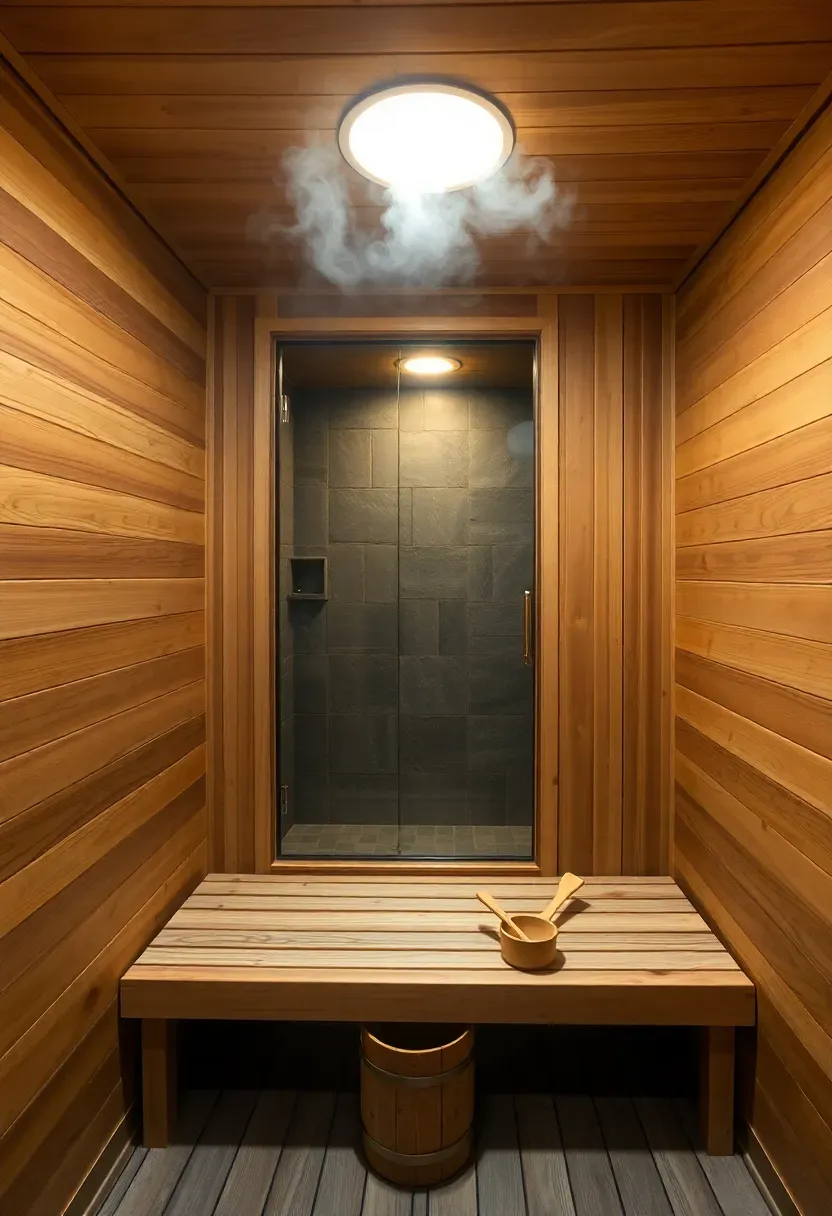
A traditional Finnish sauna heats the air to 150-190 degrees Fahrenheit using an electric or wood-fired stove with rocks. It requires robust ventilation and a dedicated 240-volt circuit (for electric). An infrared sauna panel heats your body directly at lower air temperatures (120-140 degrees), uses a standard 120-volt outlet, and needs less ventilation. Infrared is easier to install in a basement, but purists prefer the steam and ritual of a traditional setup.
Choose traditional if
- You want to pour water on rocks for löyly (steam bursts)
- Your basement has good ceiling height (7 feet minimum inside the sauna)
- You plan to share it with 3 or more people regularly
Choose infrared if
- You are working with a smaller footprint (4 by 4 feet works)
- Electrical upgrades are not in the budget
- You primarily want muscle recovery and relaxation without intense heat
Recommendation
Either type benefits from a nearby cold plunge tub or at minimum a shower — the contrast between hot and cold is where most of the health benefit comes from. A floor drain in the sauna area is non-negotiable for water management.
8. Library and Reading Room
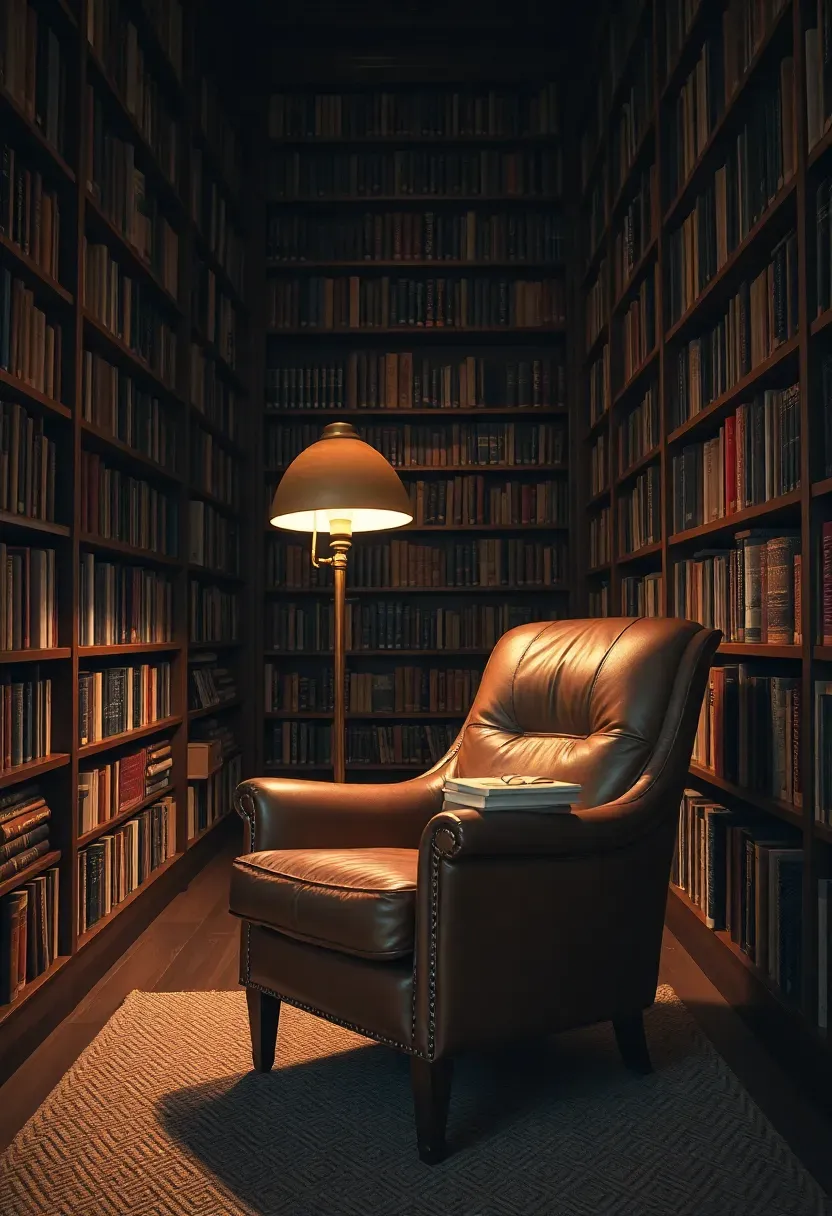
Basements are naturally quiet and dim — two qualities you actually want in a reading room. Instead of fighting the low light with banks of overhead fixtures, lean into it. A single good reading lamp (300-400 lumens, adjustable arm) next to a deep armchair is all you need for focused reading. The rest of the room can stay at low ambient levels. Floor-to-ceiling shelving on two walls holds roughly 800 to 1,000 books depending on shelf depth. Use 10-inch deep shelves for standard paperbacks and 12-inch for hardcovers and art books. A library ladder on a rail adds both function and character if your shelves reach above 7 feet.
Tips
- Dehumidify to 40-50 percent relative humidity — books deteriorate faster in damp basement conditions
- A thick wool rug absorbs sound reflections off the concrete slab and warms bare feet
- Skip overhead recessed cans in the seating area; they create glare on book pages
Recommended
Items for this idea
9. Laundry Room with Folding Station
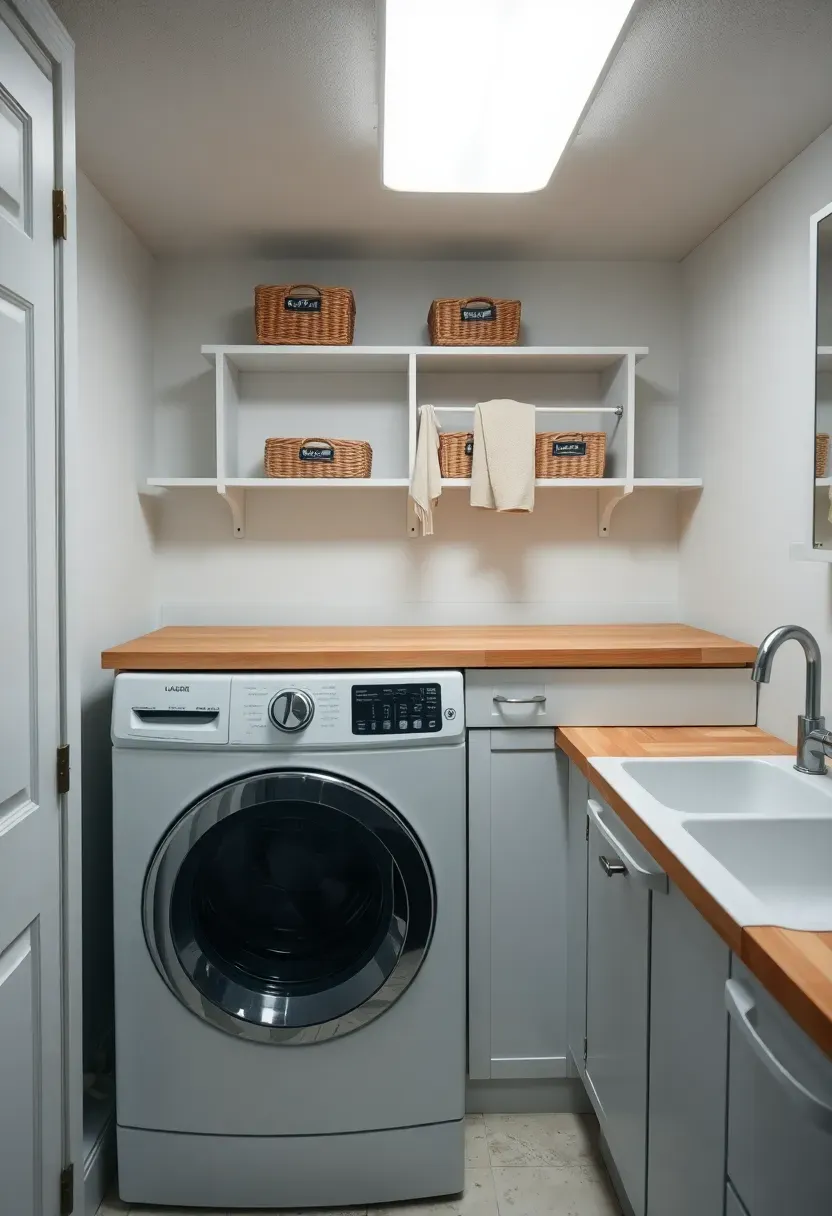
Most basements already have the plumbing rough-in for a laundry setup, making this one of the cheaper room conversions. The real upgrade over a bare-bones basement laundry is adding a proper folding counter, a hanging rod for air-dry items, and enough lighting to actually spot stains during pretreating. Build a countertop directly over front-loading machines at 36-inch height. Extend it 24 inches beyond the machines on one side for folding space. A tension rod or wall-mounted retractable clothesline above the utility sink handles delicates. Keep ironing supplies in a wall cabinet rather than dragging a board out every time.
Tips
- A utility sink with a pull-down sprayer handles hand-wash items and muddy boots
- Vent the dryer through the shortest possible duct run to maintain efficiency — each 90-degree bend reduces airflow by about 5 feet of equivalent length
- Install a shelf at eye level behind the machines for detergent and stain remover so you are not reaching across a running washer
10. Photography Studio
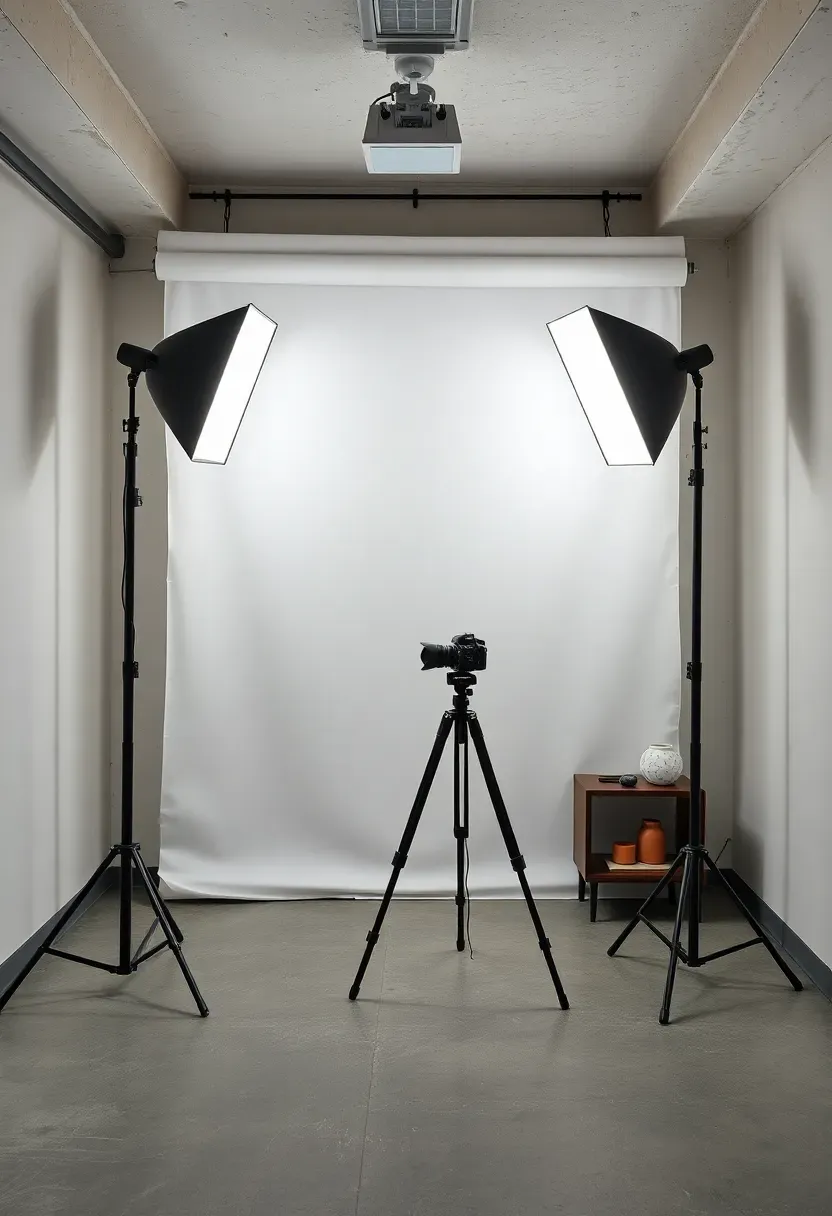
A basement photo studio offers consistent conditions that garage or living room setups cannot match. No shifting sunlight during a shoot, no wind blowing backdrops, and enough space for a 9-foot seamless paper roll if your ceiling clears 8 feet. Paint the walls and ceiling matte white or matte gray to serve as a neutral bounce surface — glossy paint creates hot spots. You need roughly 10 by 15 feet of clear floor space for headshots and product photography, or 12 by 20 feet for full-length portraits. Electrical matters here: two 20-amp circuits handle studio strobes without tripping breakers, and outlets on opposite walls give you flexible light placement.
Tips
- Seal and paint the concrete floor with a light gray epoxy — it reflects fill light upward and cleans easily
- A rolling backdrop stand lets you switch between paper colors in minutes
- Keep a small folding table near the shooting area for product photography flat lays
Recommended
Items for this idea
11. Home Gym
The ceiling height problem
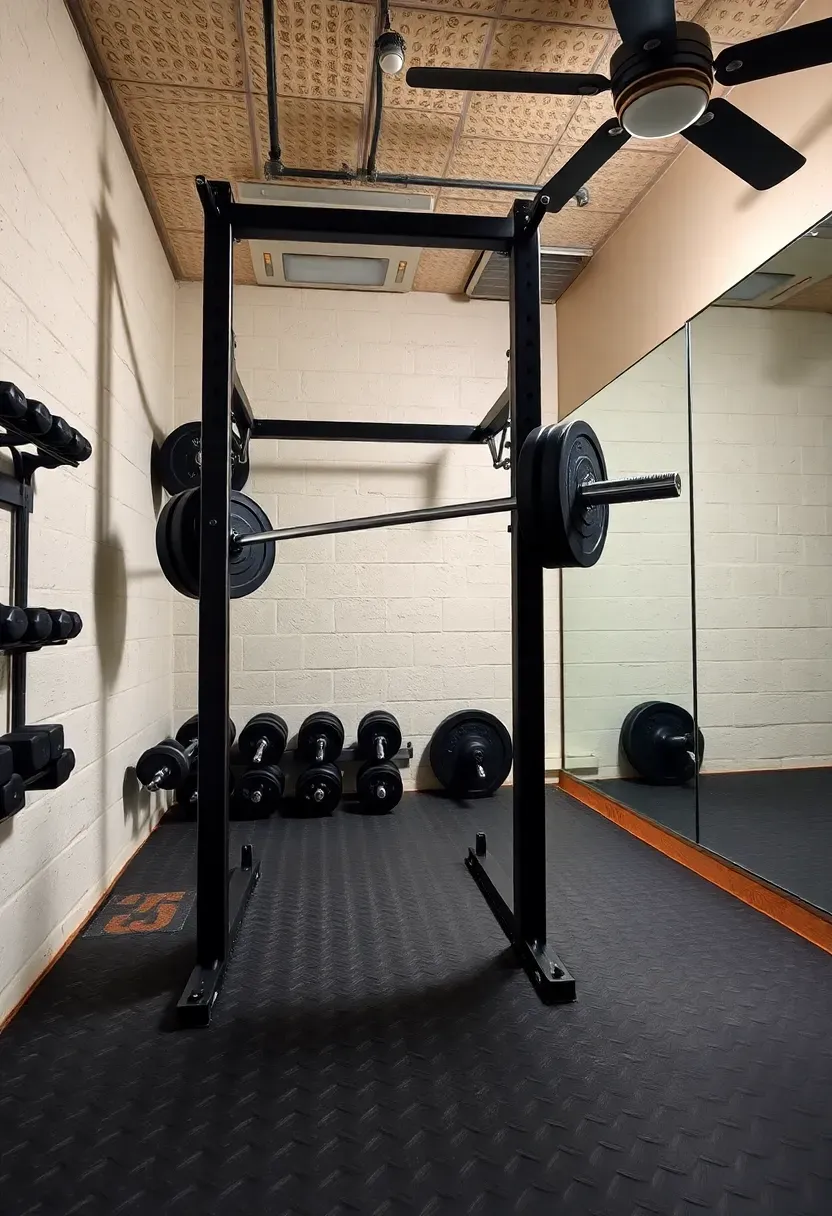
Most basement gyms run into the same issue: standard 8-foot ceilings do not leave room for overhead presses or pull-up bars. Measure your ceiling before buying equipment. A power rack needs 82 to 84 inches of interior height for a standard pull-up bar attachment. If your ceiling is exactly 96 inches (8 feet), that leaves only 12 inches of clearance — enough for pull-ups but not overhead barbell work while standing inside the rack.
Solutions
Use a short rack (72 inches) or a wall-mounted pull-up bar positioned where the ceiling is highest. For Olympic lifting, a lifting platform in the center of the room with bumper plates lets you drop weight without cracking concrete — build it from two layers of plywood topped with horse stall mats. The mats cost about $45 each at farm supply stores and handle heavy deadlifts without compressing.
Pros and cons of basement gyms
- Pro: temperature stays cool year-round, which is genuinely better for intense training
- Pro: no commute, no waiting for equipment, no monthly fee
- Con: low ceilings restrict certain movements
- Con: moving heavy equipment down basement stairs requires planning and sometimes removing a railing temporarily
12. Game Room with Arcade Corner
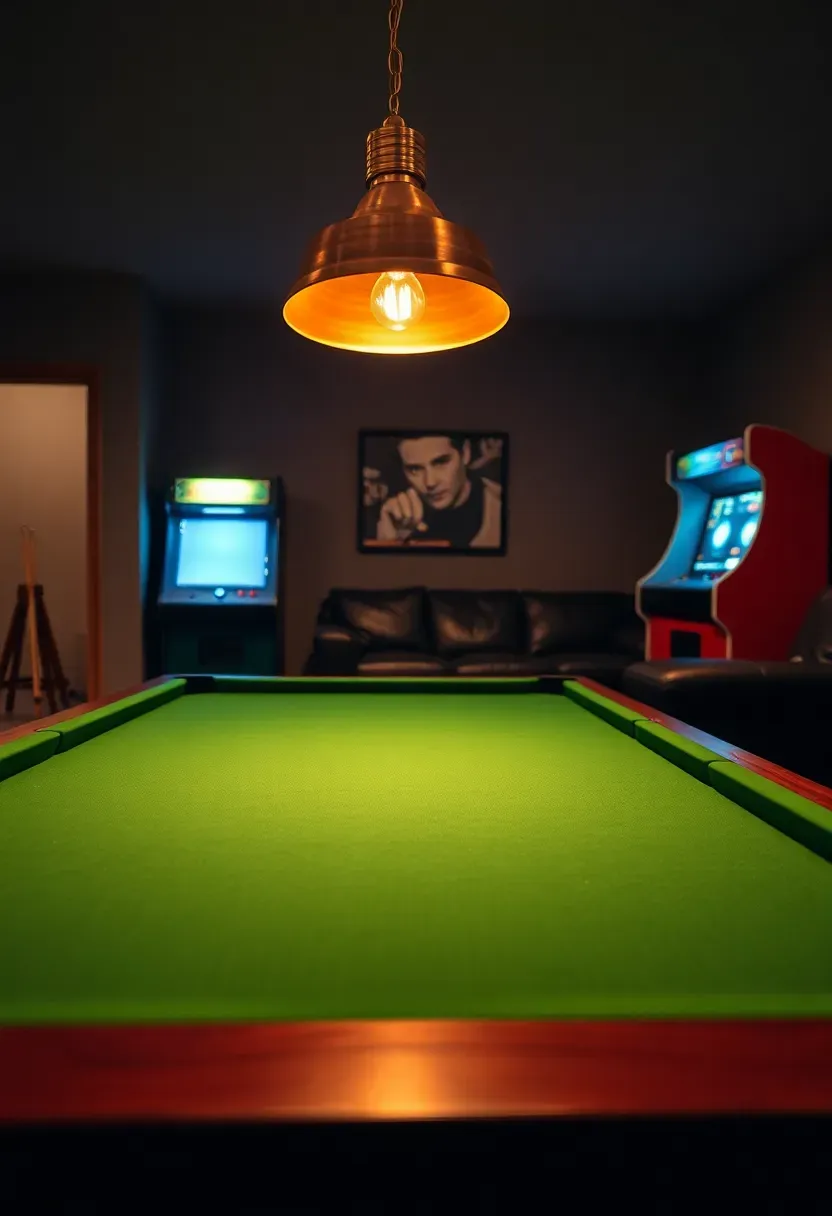
A pool table needs a room at least 13 by 17 feet for a standard 7-foot table with enough cue clearance on all sides. Measure twice — this is the number one mistake in basement game room planning. Position the table under a low pendant fixture (32 to 34 inches above the playing surface) to eliminate shadows on the felt. The arcade corner works well in a 4 by 6 foot alcove that might otherwise go unused. Two stand-up cabinets and a cocktail-style tabletop unit fit comfortably there. Wire a dedicated outlet behind each cabinet and add a small shelf for drinks so nobody sets a glass on the pool table felt.
Tips
- Short cues (48 inches instead of 57) solve tight clearance on one wall without compromising playability much
- Rubber-backed carpet tiles under the pool table area protect the concrete and reduce leg fatigue during long games
- A dartboard needs 7 feet 9 inches from the board face to the throw line — plan this before placing other furniture
Recommended
Items for this idea
13. Podcast and Recording Studio
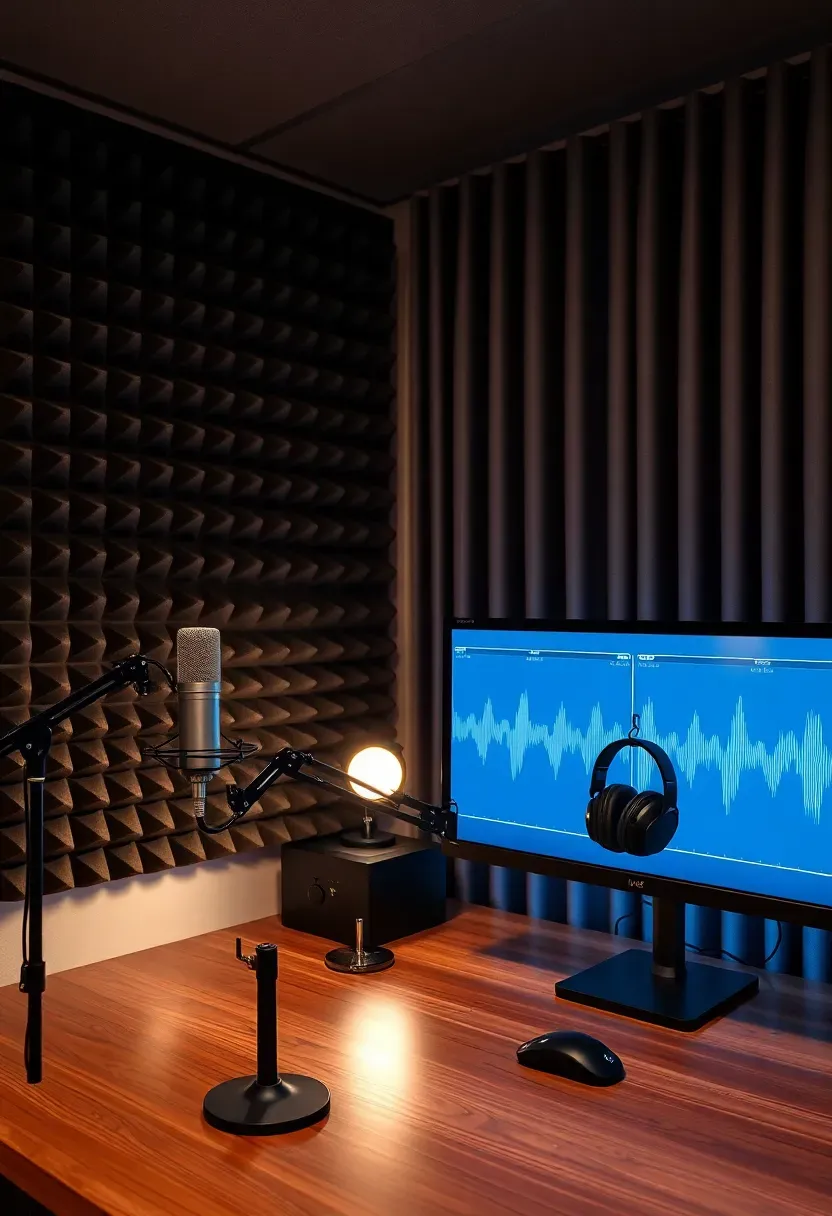
Step 1: Tame the room acoustics. Bare concrete and drywall create harsh reflections. Cover 40 to 60 percent of wall surfaces with 2-inch thick acoustic foam or rigid fiberglass panels wrapped in fabric. Focus on the wall directly behind microphones and the wall the speakers face.
Step 2: Build a simple desk setup. A 60-inch desk holds two microphones on boom arms, a laptop, an audio interface, and a small mixer. Route cables through a grommet hole in the desktop to keep the surface clean for camera shots.
Step 3: Handle the HVAC noise. Forced air systems are the biggest enemy of clean audio in a basement. Install a manual damper on the duct feeding your recording space so you can close it during sessions. A 30-minute recording window is usually fine without active heating or cooling underground.
Watch out for
- Overhead water pipes transmit plumbing noise when someone flushes upstairs — wrap exposed pipes in foam insulation
- A solid-core door is worth the $150 upgrade over hollow-core for sound isolation
14. Workshop and Tool Room
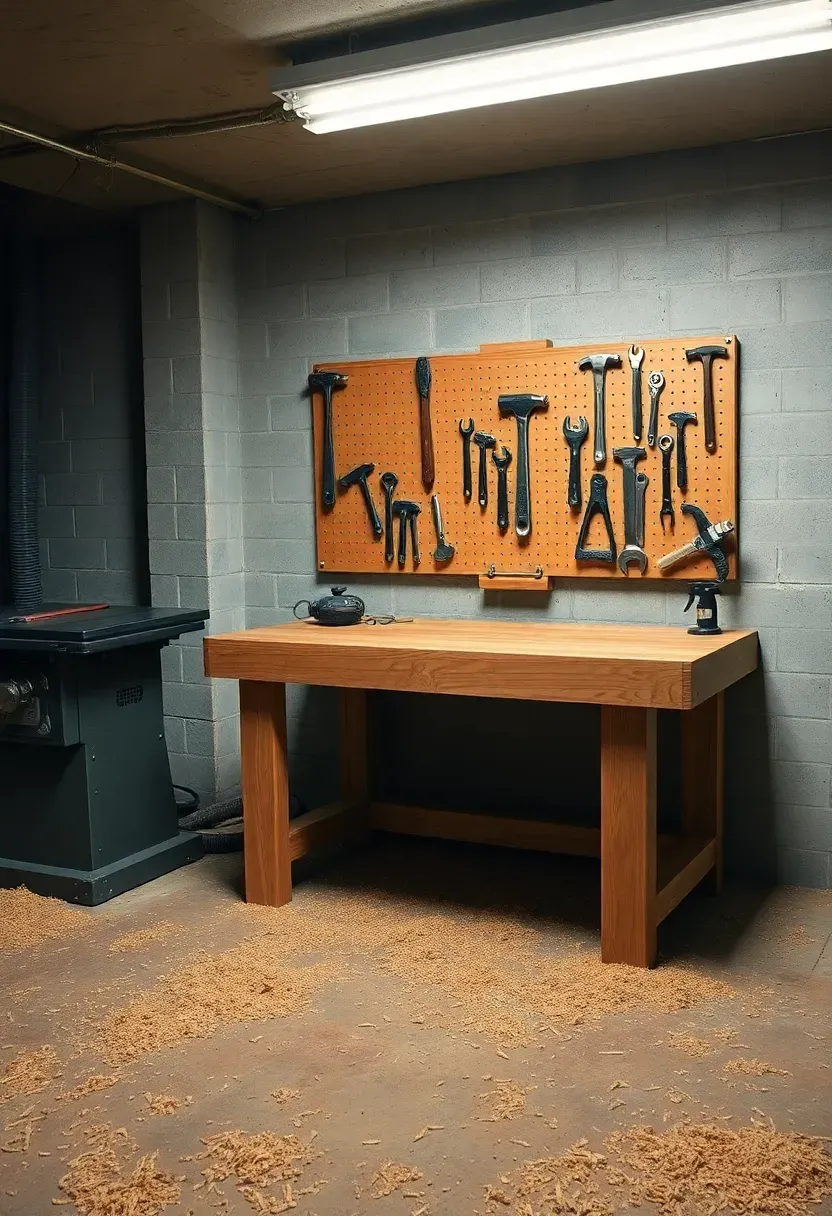
Basement workshops have a ventilation requirement that people underestimate. Sawdust, paint fumes, and solvent vapors need somewhere to go. If your basement has a window, install a box fan or inline exhaust fan to create negative pressure that pulls fumes out. A shop vacuum with a fine dust filter handles the bulk of sawdust, but for table saws and routers, a dedicated dust collection system with 4-inch ductwork makes a real difference in air quality and cleanup time. Mount the workbench against the sturdiest wall — ideally one shared with the foundation — and anchor it to the wall studs so it does not shift during planing or chiseling.
Tips
- 200 watts of overhead lighting per 50 square feet prevents shadows on your work surface
- Store flammable materials (stains, solvents, thinners) in a metal cabinet away from the electrical panel
- A rubber anti-fatigue mat at the workbench saves your knees and lower back during long projects
Recommended
Items for this idea
15. Art Studio
What makes a basement good for art
Consistent temperature and no direct sunlight are advantages for drying times and color accuracy. Oil paints cure more predictably without temperature swings, and UV light does not fade works in progress. The main challenge is getting enough artificial light to judge color accurately.
Lighting it right
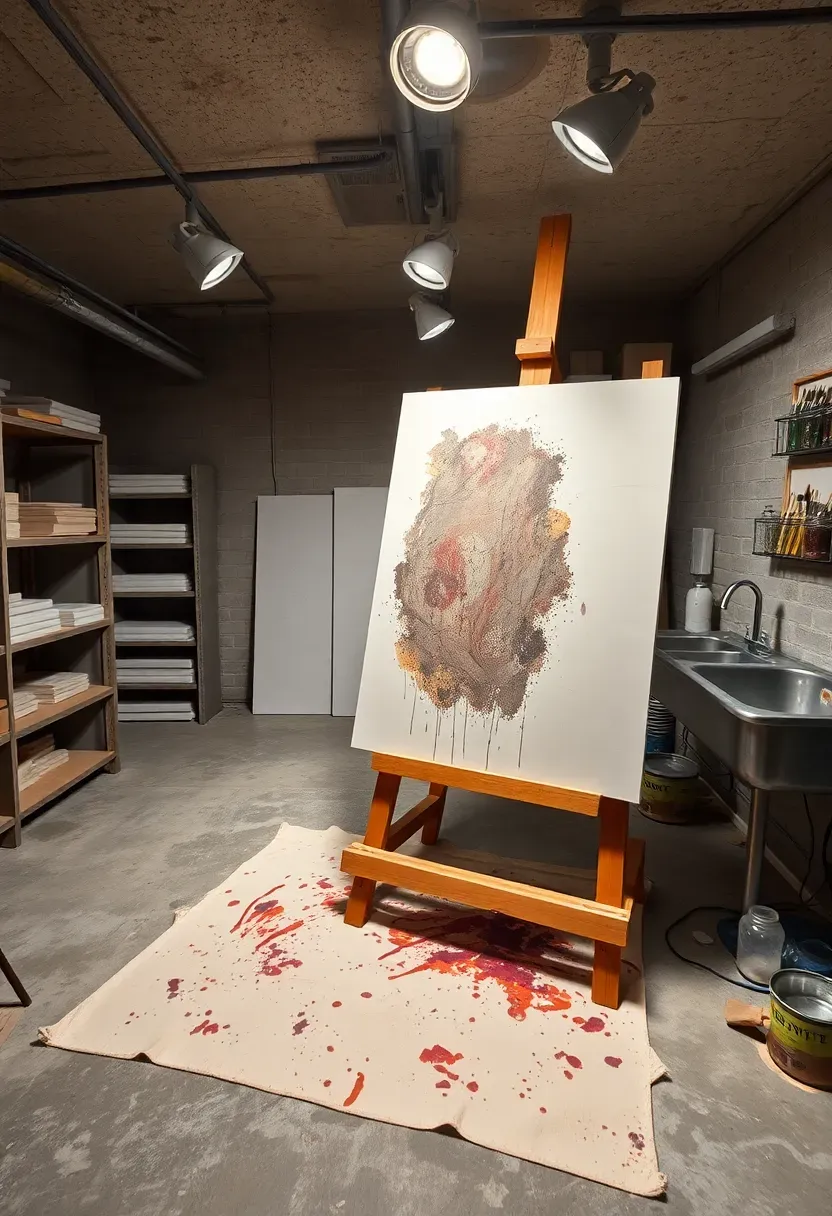
Install 5000K to 5500K LED panels — this range mimics north-facing window light, which is the gold standard for painters. Position lights at a 30-degree angle from the canvas to minimize glare. Two 4-foot LED shop lights overhead plus one adjustable clip light near the easel covers most setups for under $100 total.
Apply at home
Mount a sheet of tempered hardboard (4 by 8 feet) on the wall as a splash guard behind your easel. It is cheaper than repainting drywall every few months. A utility sink with a solvent trap keeps turpentine and paint residue out of your plumbing. Use rolling carts for supplies so you can reconfigure the room for different projects or clear space for large canvases on the floor.
16. Teen Hangout Room
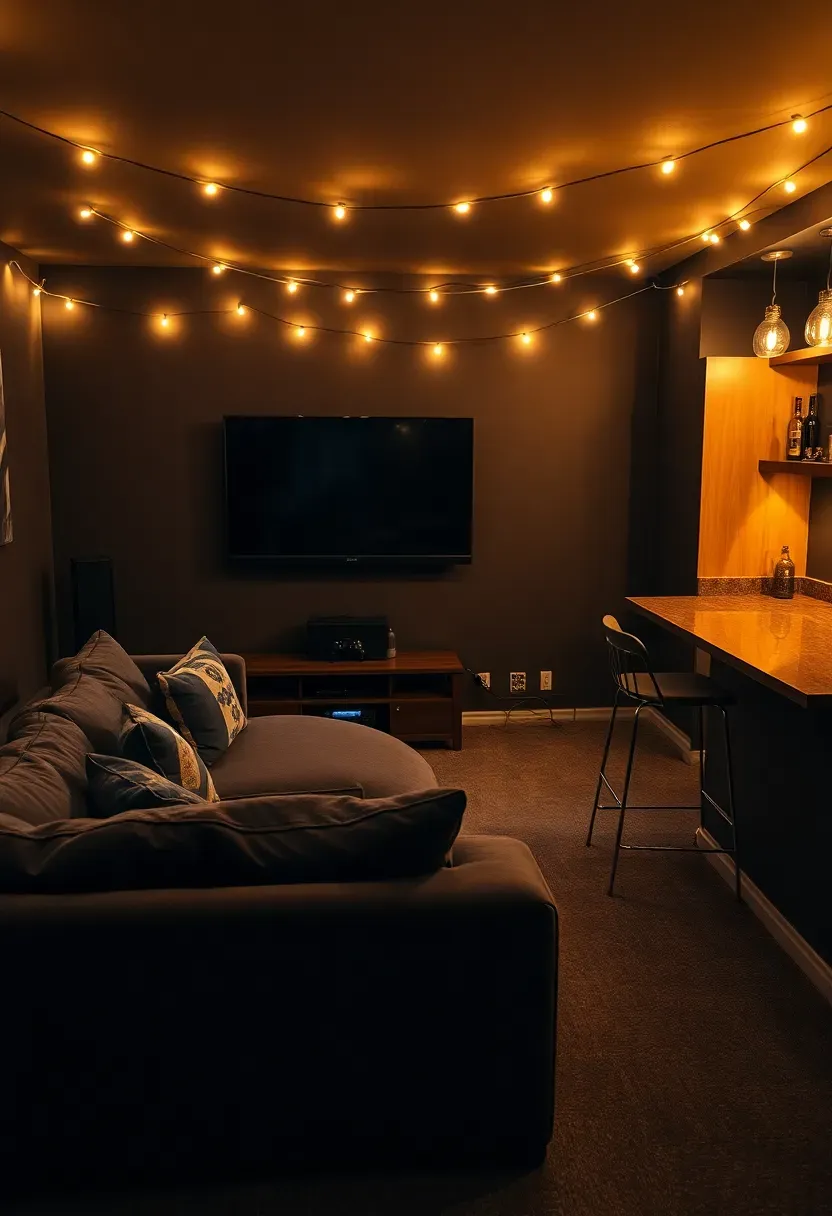
Teenagers want one thing from a room: separation from parents. A basement hangout gives them that without leaving the house, which is a trade-off most parents will take happily. The room needs a large sectional or modular couch (bean bags wear out fast and look bad within months), a TV or projector for gaming and streaming, decent speakers, and a mini fridge. Skip the expensive finishes — this room takes abuse. Luxury vinyl plank flooring handles spills better than carpet and does not show stains. Paint the walls a dark color they pick themselves. The psychological ownership of choosing the color matters more than whether you personally like charcoal gray.
Tips
- A dedicated Wi-Fi access point in the basement prevents the constant "the internet is slow down here" complaint
- Install a half bathroom nearby if plumbing allows — teenagers and their friends will use it constantly
- A USB charging station with 6 to 8 ports on the snack counter eliminates extension cord tangles
Recommended
Items for this idea
17. Meditation and Yoga Room
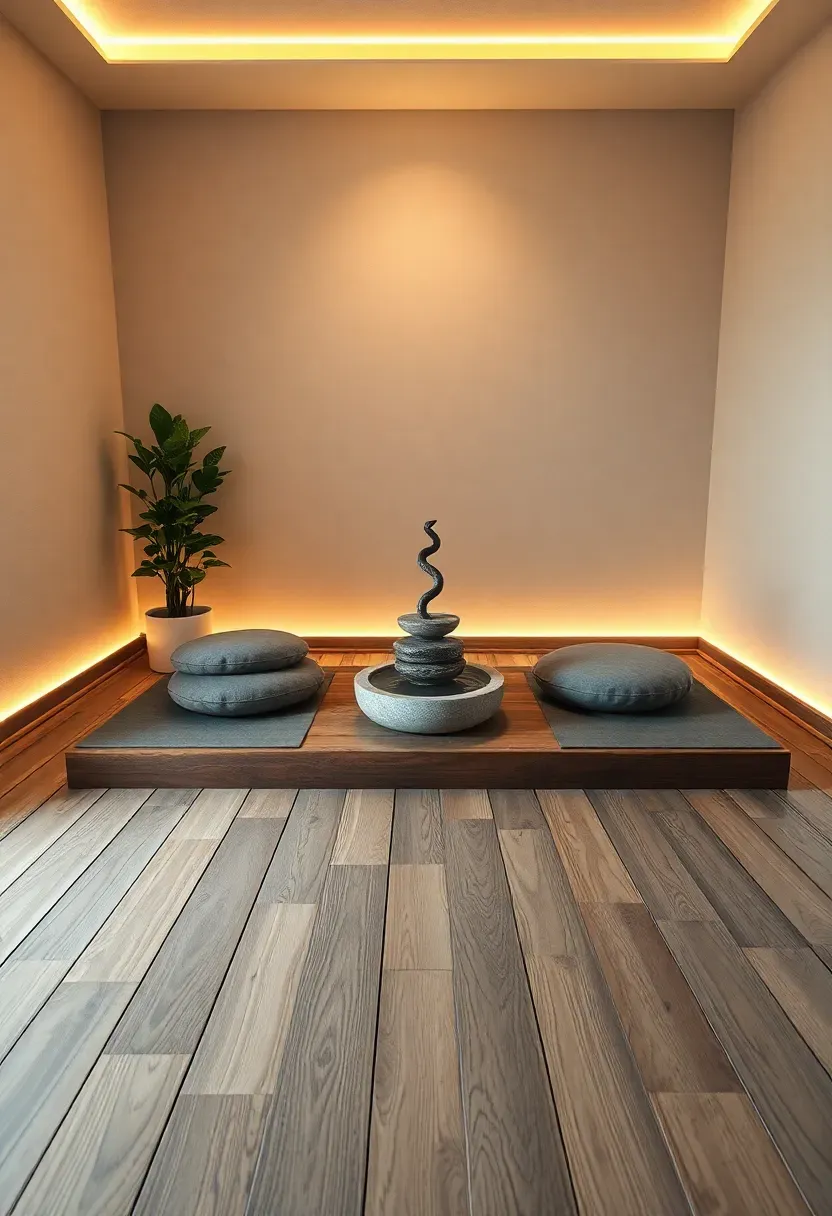
The silence of a basement is not a drawback here — it is the entire point. A meditation or yoga room needs very little: a clean floor, warm lighting, and freedom from visual clutter. Bamboo or cork flooring over the concrete slab feels warm underfoot and provides enough cushion for yoga without a mat (though most people still use one). Keep the room small, 8 by 10 feet is plenty for solo practice or two people. Indirect LED strip lighting along the base of the walls creates a calm glow without overhead glare. A small tabletop water fountain adds white noise that masks any residual mechanical sounds from nearby HVAC equipment.
Tips
- Maintain 45 to 55 percent humidity — too dry irritates breathing during deep meditation, too damp feels uncomfortable
- A Bluetooth speaker recessed into a shelf keeps technology out of sight while playing ambient sound
- Use only one or two natural elements (a single plant, a stone, a piece of driftwood) rather than cluttering the space with decorations
Quick FAQ
Do basement rooms need a permit? In most jurisdictions, finishing a basement with new walls, electrical, or plumbing requires a building permit. Cosmetic changes like painting concrete or laying floating floors typically do not. Check with your local building department before starting — the fine for unpermitted work can exceed the permit fee by ten times or more.
How do I handle moisture before finishing a basement room? Address water intrusion first, always. Grade the soil outside to slope away from the foundation. Repair any visible cracks with hydraulic cement. Apply a waterproof membrane or paint to bare concrete walls. Run a dehumidifier rated for your square footage. Skipping this step means mold behind your new drywall within a year or two.
Which basement room adds the most home value? A code-compliant bedroom with an egress window and a bathroom adds the most resale value per dollar spent. Appraisers can count it as additional living space when it meets code requirements. A home theater or game room adds lifestyle value but rarely recoups the full investment at resale.
Can I combine multiple room ideas in one basement? Absolutely, and most people should. A 600-square-foot basement can comfortably hold a gym corner, a guest bedroom behind a partition wall, and a laundry station. The key is zoning — use flooring transitions, partial walls at 42-inch height, or open shelving units to separate functions without closing off the space entirely.
Is basement ceiling height a dealbreaker for any of these rooms? Ceilings below 7 feet limit your options significantly. You cannot legally call it a bedroom in most places, overhead exercises are out for a gym, and a pool table feels cramped. At 7 to 7.5 feet, most room types work with careful fixture selection. Above 8 feet, nothing is off the table.
Your basement is already built. The foundation walls are up, the slab is poured, and the space is sitting there waiting. Picking the right room type comes down to honestly assessing what your household actually needs versus what looks good on a mood board. A wine cellar is impressive, but if you drink two bottles a month, a simple wine rack in the corner of your game room makes more sense. Start with the room that solves a real daily problem — whether that is laundry piling up on the couch, kids underfoot while you work, or nowhere to practice guitar without headphones — and build from there.
Pinterest cover for 17 Basement Room Ideas
About the author
OBCD
CGI visualization and interior design content. We create detailed 3D renders and curate practical design ideas for every room in your home.