21 Basement Game Room Ideas
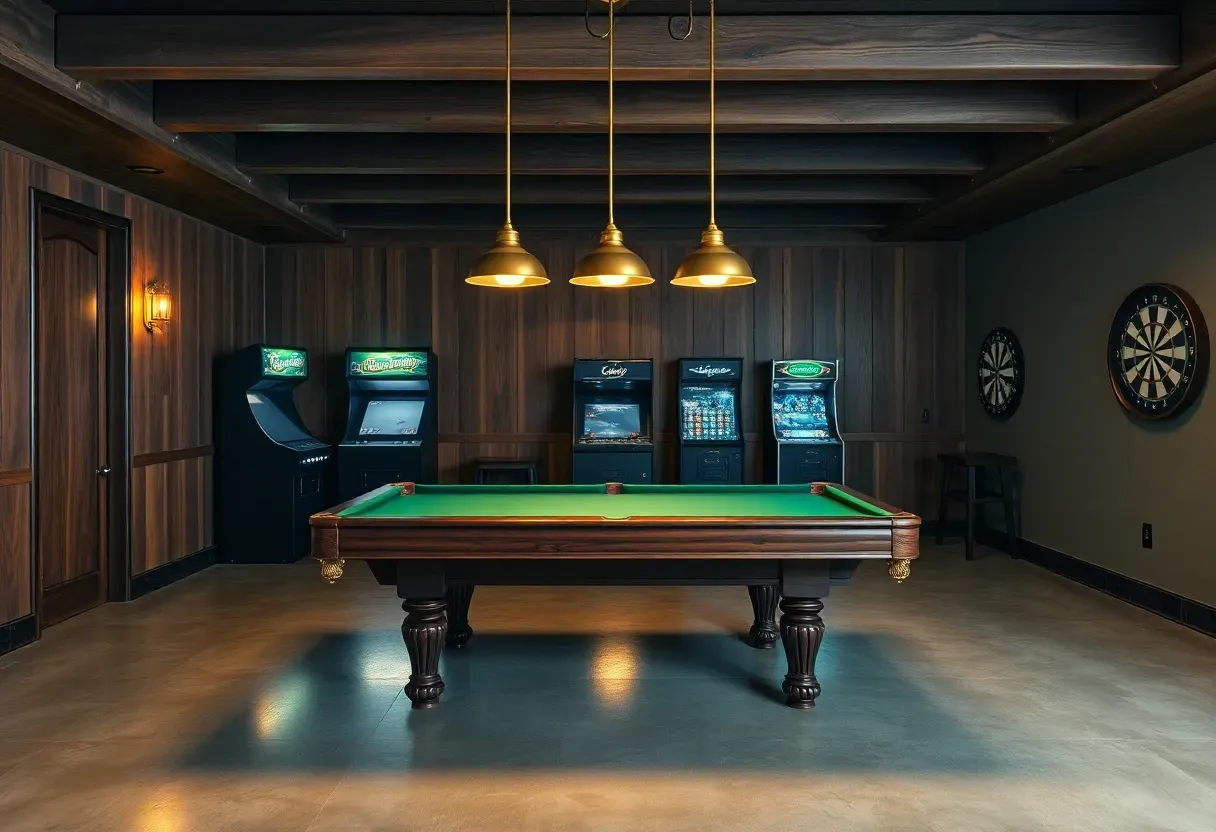
I grew up playing air hockey in a friend's basement that had exposed ceiling joists and a concrete floor with a rug thrown over it. Nobody cared about the finishes because the games were what made it worth going down there. That instinct is still right — a game room lives or dies by what you fill it with, not the trim package. But a few smart decisions about flooring, lighting, and layout make the difference between a room that gets used every weekend and one that collects dust after the novelty wears off. Basements are naturally suited to this. They are quiet, they stay cool, and you can be as loud as you want without bothering the rest of the house.
Here are 21 basement game room ideas organized by activity type, from classic tabletop games to full-scale athletic setups.
Table of Contents
- Regulation Pool Table Room
- Retro Arcade Corner
- Dart Board Pub Wall
- Multi-Sport Simulator Bay
- Poker and Card Game Den
- VR Gaming Zone
- Bowling Lane
- Board Game Library Lounge
- Air Hockey and Foosball Hub
- PC Gaming Battlestation
- Home Casino Floor
- Shuffleboard Alley
- Console Gaming Theater
- Table Tennis Arena
- Indoor Putting Green
- Skee-Ball and Carnival Games
- Pinball Machine Gallery
- Karaoke and Music Lounge
- Indoor Rock Climbing Wall
- Escape Room Challenge
- Multi-Game Convertible Room
1. Regulation Pool Table Room
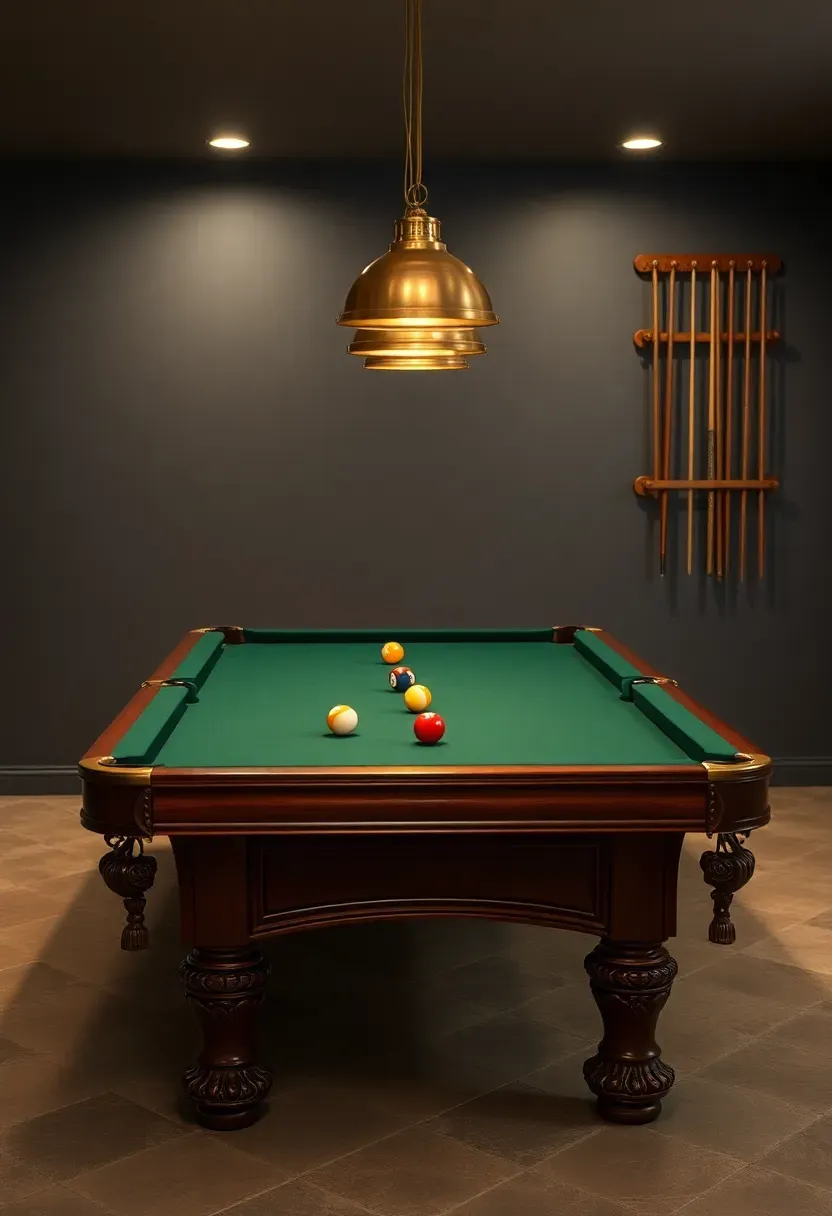
A regulation 8-foot pool table needs a room that measures at least 17 by 13.5 feet to allow full cue strokes on all sides. That is 58 inches of clearance from each rail to the nearest wall or furniture. Most people underestimate this and end up with a table they can only shoot from two sides. Measure your basement before shopping — a 7-foot bar box fits rooms as small as 15.5 by 12 feet. The floor must be dead level; use a precision level across the slate before final setup and adjust the legs with shims, not by moving the table around.
Things to get right
- Low-hanging pendant lights or a billiard-style light fixture 32 to 36 inches above the table surface
- Cue racks on the wall save floor space and keep cues from warping
- Rubber-backed carpet tiles under the table absorb dropped ball impacts and protect the slab
We picked a few things that go well with this idea: Best Choice 10-in-1 Combo Game Table (★4.3), 12-in-1 Combo Game Table (48") (★4.6) and GoSports Pool Table with Wood Finish (★4.6). As an Amazon Associate we earn from qualifying purchases.
2. Retro Arcade Corner
The appeal
Original arcade cabinets from the 1980s and 1990s carry a weight that emulators on a screen cannot match. The click of real microswitches, the heft of a proper joystick, the glow of a CRT — these things matter to anyone who grew up with them.
Building it out
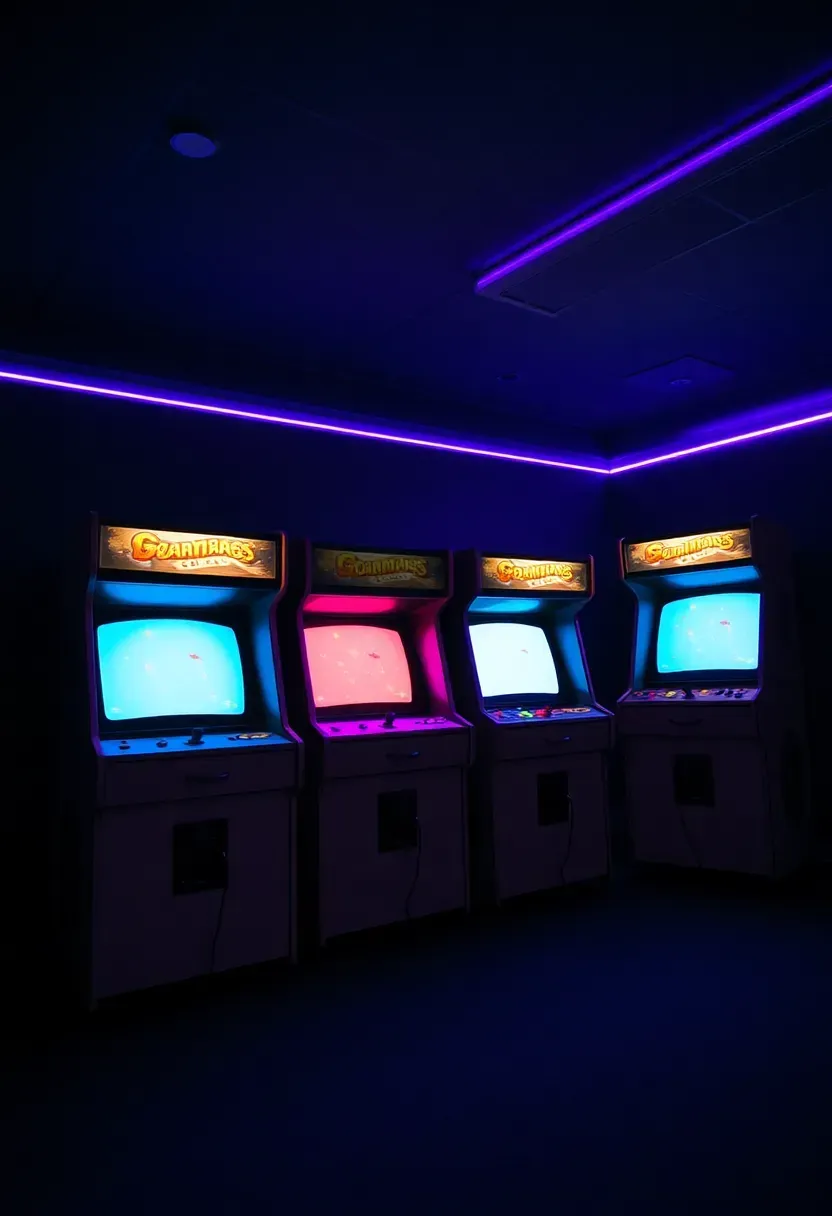
Start with a multi-game cabinet loaded with thousands of titles for around $500 to $800 if you build from a kit. Add one or two original machines if budget allows — Pac-Man cabinets run $1,200 to $2,000 restored. Line them against one wall with 30 inches of space in front of each. Rubber-backed carpet on the floor keeps feet comfortable during long sessions. LED strip lighting along the ceiling perimeter in blue or purple sells the atmosphere without costing much.
Watch out for
- Dedicated 20-amp circuits for every three cabinets to avoid tripped breakers
- Humidity control matters — CRT monitors and PCBs corrode in damp basements
We picked a few things that go well with this idea: Atari Centipede Retro Arcade Cabinet (40 Games) (★4.2) and Arcade1Up Mortal Kombat Deluxe Machine (14 Games) (★4.6). As an Amazon Associate we earn from qualifying purchases.
3. Dart Board Pub Wall
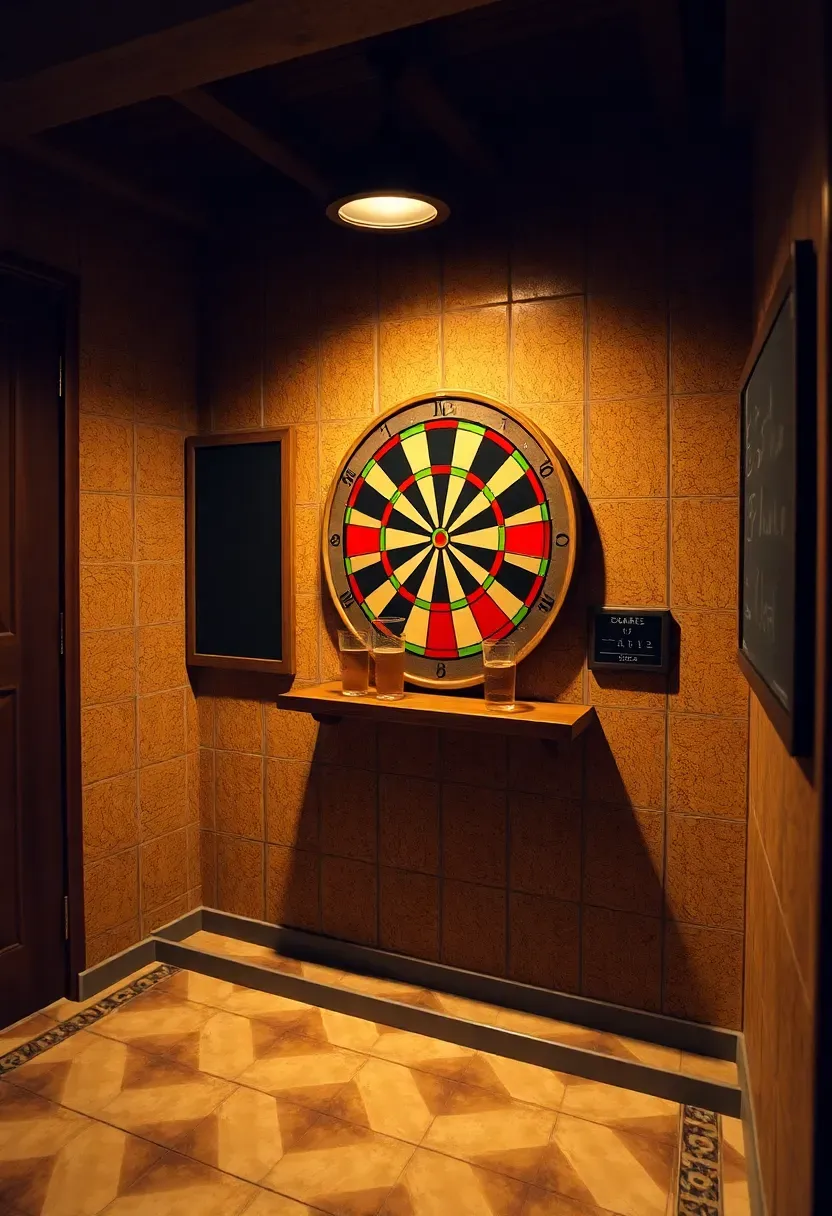
You need exactly 7 feet 9.25 inches from the face of the board to the throwing line (the oche), and the bullseye sits 5 feet 8 inches from the floor. That is it for space requirements — darts is one of the most basement-friendly games because the footprint is so small. Mount a bristle board (not electronic) on a backboard made from cork tiles or a repurposed cabinet door to protect the wall. A strip of wood or metal tape on the floor marks the oche permanently. Add a narrow shelf at elbow height for drinks, a chalkboard or small whiteboard for scoring, and good overhead lighting aimed at the board face. The total cost for a quality setup is under $200.
Tips
- Sisal fiber boards like Winmau Blade 6 self-heal and last years
- Side lighting creates shadows that make it harder to see — light the board from directly above
- Mount the backboard protector at least 3 feet wider than the board on each side
We picked a few things that go well with this idea: Hexagon LED Ceiling Lights (25-Pack) (★4.8), Hexagon LED Gym Ceiling Light (5 Grids) (★4.6) and Gamer Neon Sign Dimmable Wall Decor (★4.7). As an Amazon Associate we earn from qualifying purchases.
4. Multi-Sport Simulator Bay
What it covers
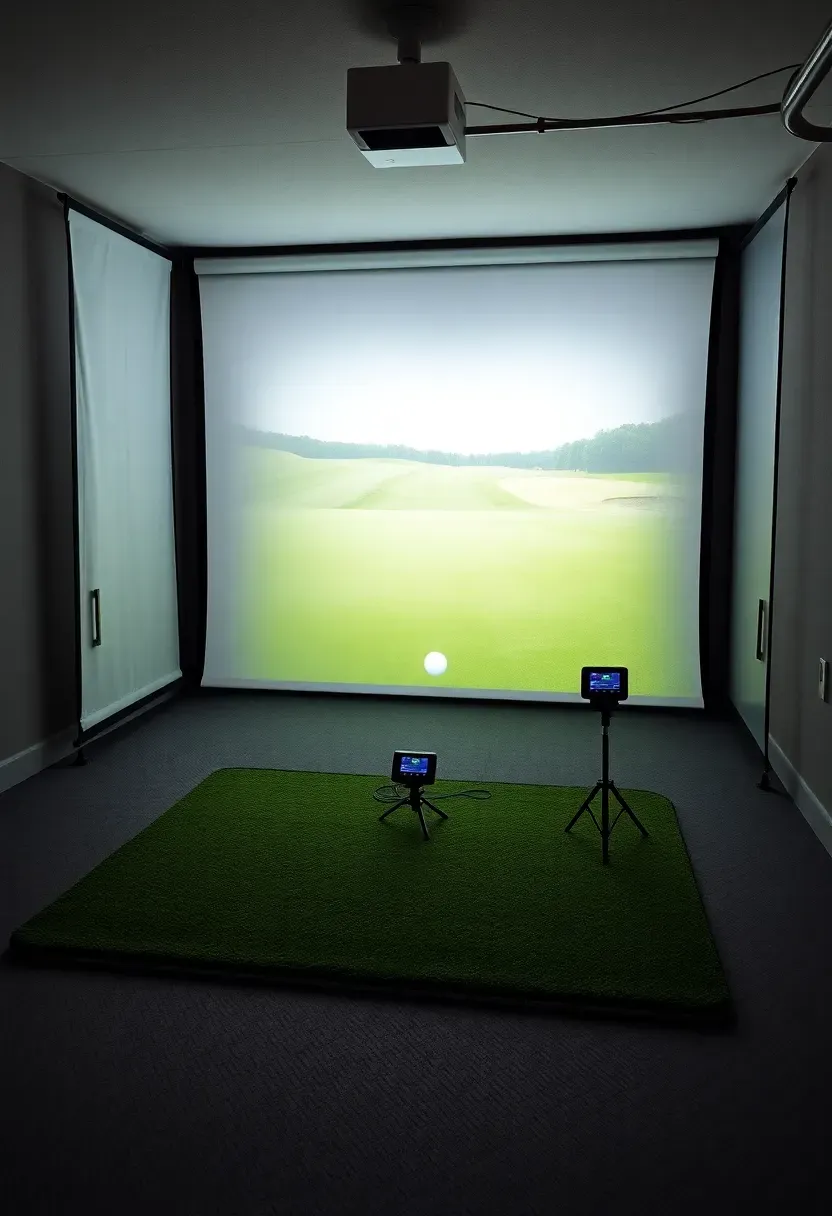
A single simulator setup handles golf, baseball, football, soccer, hockey, and even bowling depending on the software. The hardware is the same: an impact screen, a short-throw projector, a launch monitor, and hitting mat.
How to build it
The enclosure needs 10 feet of ceiling height (9 feet minimum for golf), 12 feet of width, and 15 to 20 feet of depth. SkyTrak and Garmin Approach R10 launch monitors start around $2,000 and $600 respectively. The impact screen and frame run another $500 to $1,500. Total cost for a solid setup ranges from $3,000 to $8,000 — still cheaper than a couple years of golf memberships.
Choose this if
- You play golf or baseball regularly and want year-round practice
- Your basement has at least 9-foot ceilings
- You want one piece of equipment that covers multiple sports
Recommended
Items for this idea
5. Poker and Card Game Den
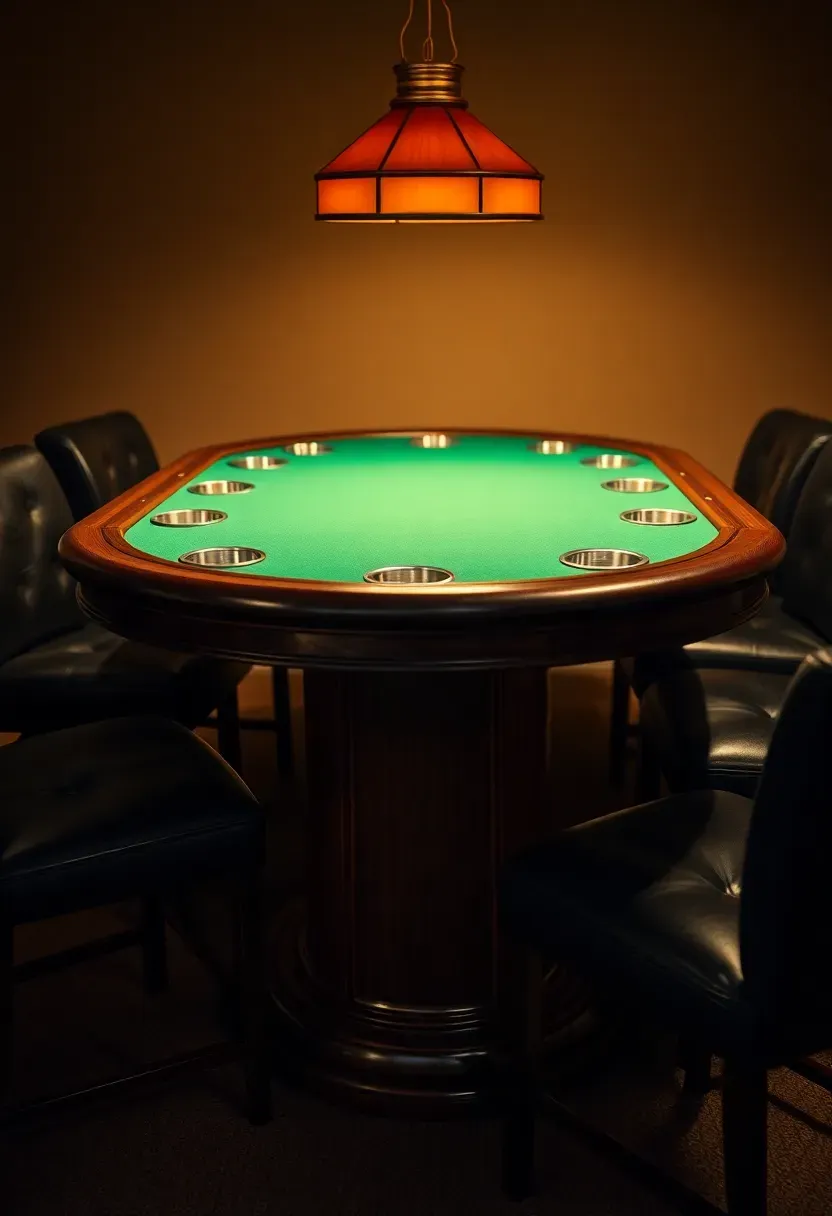
A dedicated poker room needs less space than you would think. An 8-player oval table fits in a 12 by 12 foot area with comfortable chair movement. The table itself is the biggest investment — a solid wood table with speed cloth, padded armrest, and stainless cup holders costs $800 to $2,500. Avoid cheap folding tables; they wobble, the felt pills, and chips slide around. Lighting matters more than decor. A single pendant fixture centered over the table at about 36 inches above the surface eliminates shadows on the cards without blinding anyone. Keep the rest of the room dim to maintain focus at the table.
Details that matter
- A chip set with denominations and a dealer button stored in a locking case
- Background music at low volume from a single speaker — not a full sound system
- A sideboard or small bar cart against the wall for drinks and snacks
6. VR Gaming Zone
The problem with VR upstairs
Most living rooms and bedrooms are full of furniture, TVs, and lamps that a blindfolded person swinging their arms will eventually hit. Basements solve this by offering open floor area with nothing breakable nearby.
Setting up the space
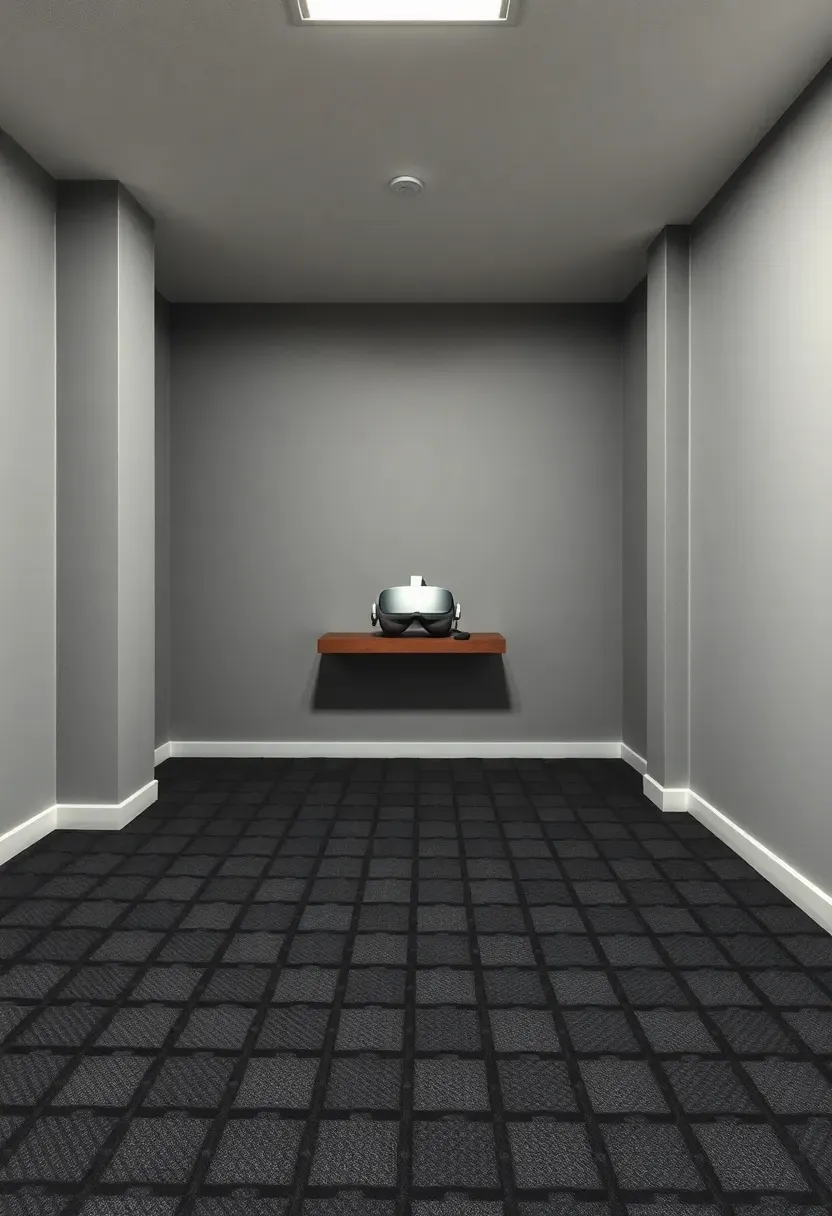
Clear a 10 by 10 foot area minimum. The Meta Quest 3 is wireless and needs no PC — just the headset and controllers. If you want PC VR with a Valve Index or similar, run a long DisplayPort cable from an upstairs PC or put the gaming rig in the basement. Cover the floor with 24x24 inch interlocking foam tiles (about $1 per tile from Amazon) so falling does not hurt. Pad any support columns with foam wraps. Mount a fan at head height pointing toward the play area — VR sessions get warm fast.
Pros and cons
- Pro: no furniture to crash into, low ceilings keep you from jumping too high
- Con: low ceilings may bother tall players in games that require overhead reaching
Recommended
Items for this idea
7. Bowling Lane
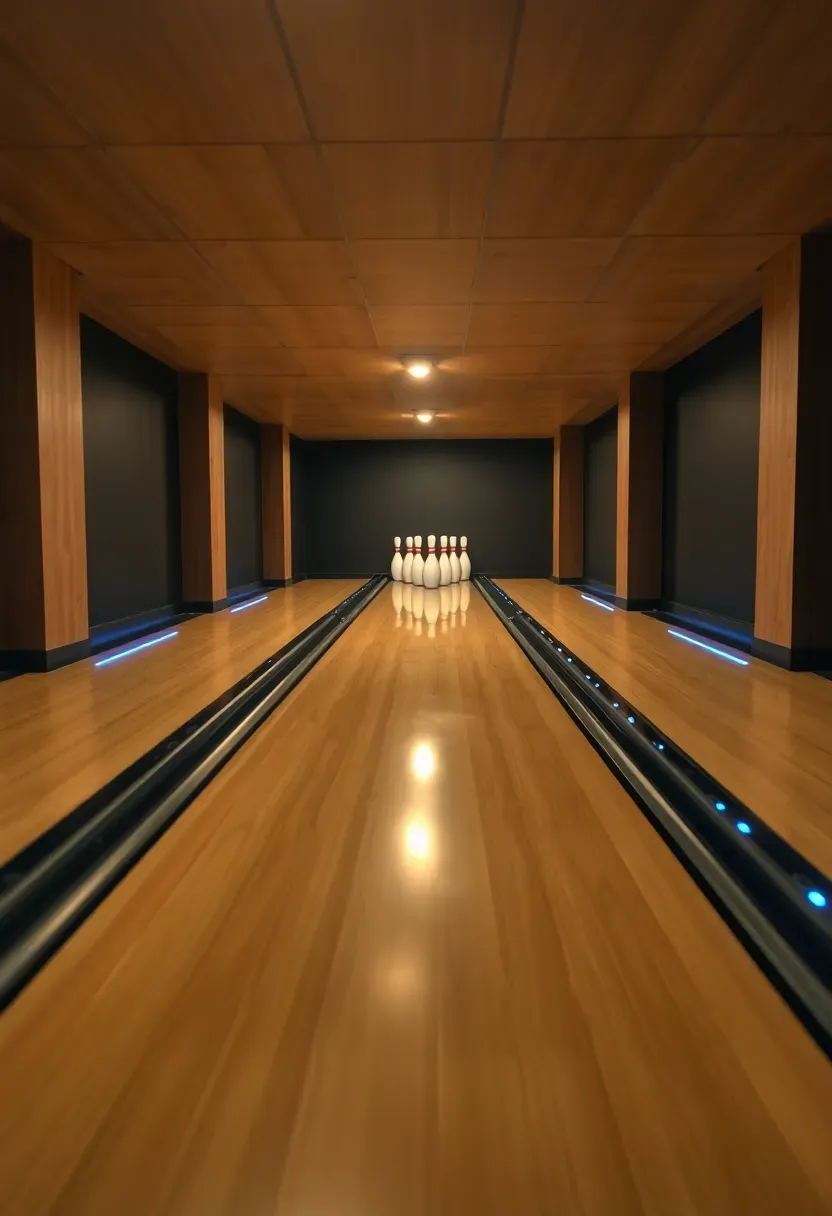
A residential bowling lane is more realistic than most people assume. A single lane is 42 inches wide and 60 feet long for regulation, but short-format lanes at 28 to 40 feet work perfectly in basements. Companies like US Bowling and Murrey International sell residential lane packages starting around $15,000 to $25,000 installed. You need at minimum a 10-foot wide basement to fit one lane with gutters and a return channel. The lane surface is synthetic — no waxing or resurfacing needed. Automatic pin setters are included in most packages. The main structural concern is the floor; the lane sits on a leveled platform, so your slab needs to be reasonably flat.
Tips
- Acoustic padding behind the pins prevents the crash from echoing through the house
- LED lighting strips along the gutters add a bowling alley feel at night
- Ball return systems are quieter than you would expect from the commercial versions
8. Board Game Library Lounge
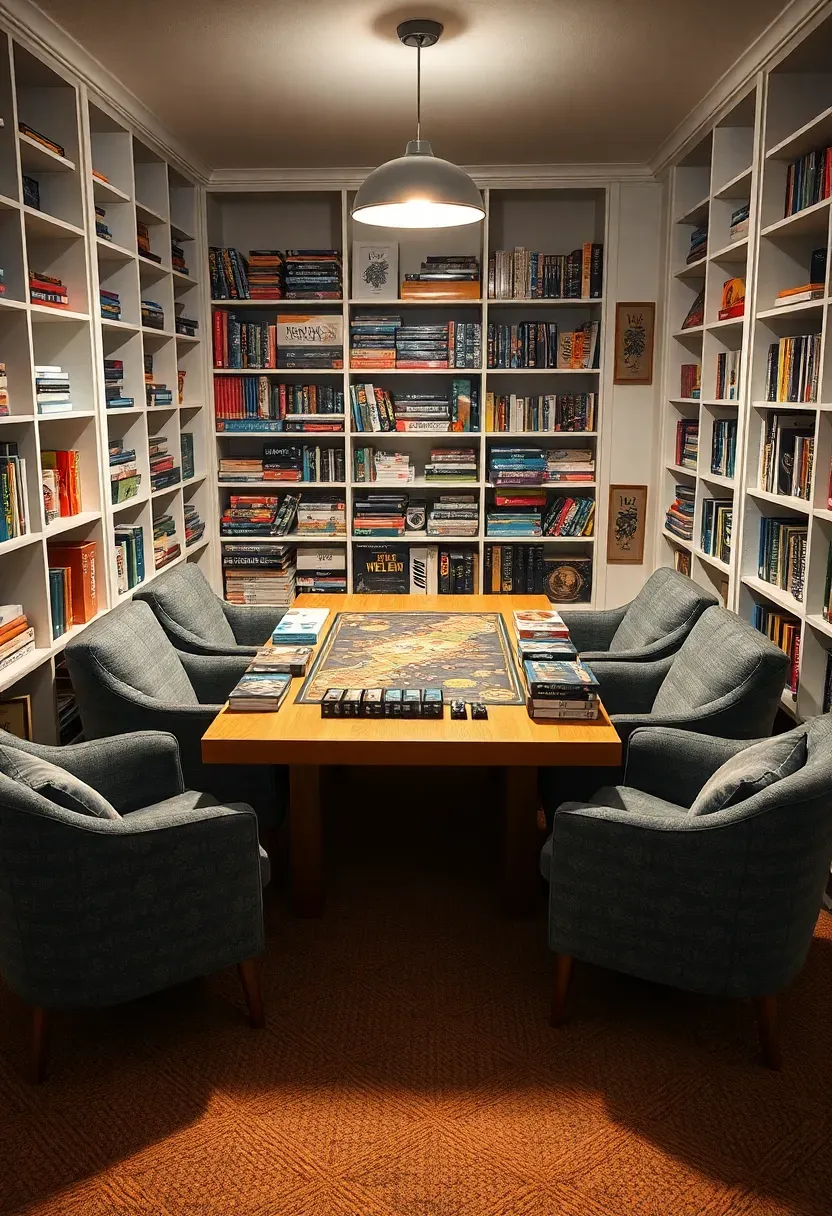
A board game room prioritizes storage and table space over everything else. A collection of 50 to 100 games needs roughly 24 linear feet of shelf space — two Kallax units from IKEA handle this for under $200. The table should be large enough for sprawling games like Gloomhaven (which needs at least 3 by 5 feet of play area) with extra surface for player boards and reference sheets. A 4 by 6 foot table with a hard, flat surface works well. Skip tablecloths — they bunch under game boards. Adjustable overhead lighting lets you brighten the table for reading small card text without flooding the whole room.
Make it comfortable
- Padded chairs with armrests for sessions that run 2 to 4 hours
- A small side table per player for drinks keeps liquids away from game components
- Label shelf sections by game weight or type so guests can browse
Recommended
Items for this idea
9. Air Hockey and Foosball Hub
Step 1: Pick your tables
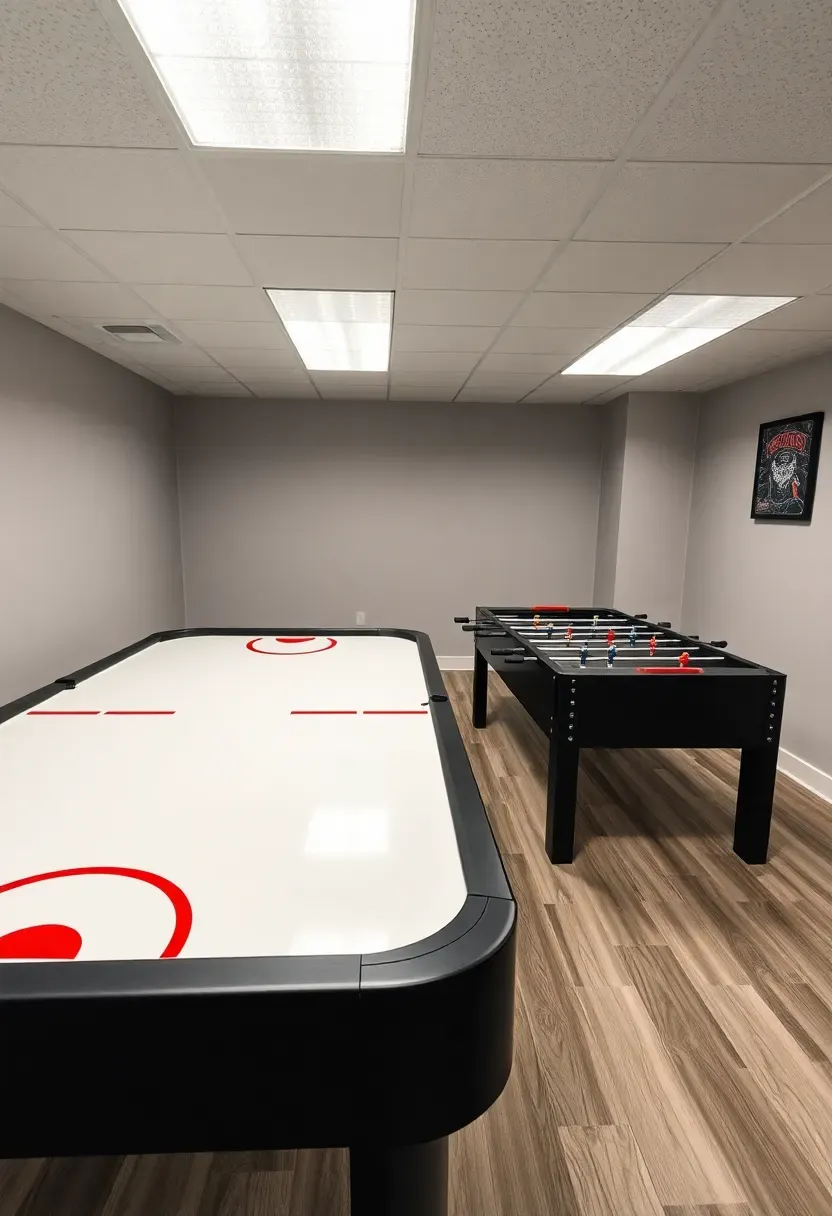
Full-size air hockey tables are 84 inches long — a 7-footer. Foosball tables run about 56 inches. Side by side they need a room at least 16 feet wide with 3 feet of clearance on all sides. If space is tight, tournament-style foosball tables come in 48-inch versions that play just as well.
Step 2: Floor and lighting
Hard flooring works best here. Luxury vinyl plank or epoxy-coated concrete lets pucks and balls slide under and get retrieved easily. Avoid carpet — dropped foosball balls disappear into it. Overhead fluorescent or LED panel lights give even, shadow-free coverage across both playing surfaces.
Step 3: Sound management
- Air hockey blowers generate constant noise — place the table away from seating areas
- Rubber feet under both tables prevent vibration transfer to the slab
- A sound-absorbing panel on the nearest wall reduces echo
10. PC Gaming Battlestation
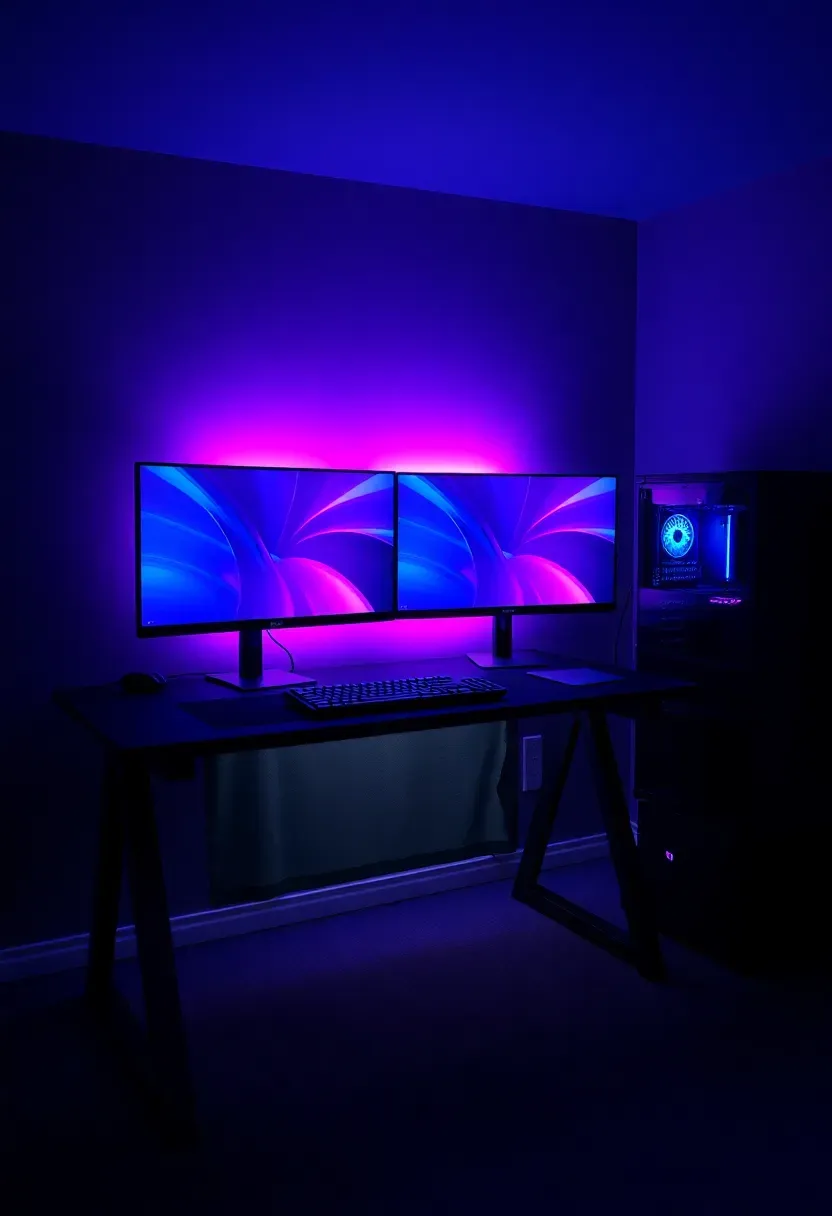
A basement PC setup has one big advantage over bedrooms and offices: temperature. Basements stay 10 to 15 degrees cooler than upper floors year-round, which means your hardware runs cooler and your fans run quieter. Build the desk against an interior wall away from any moisture-prone areas. A 72-inch desk fits dual monitors, a full keyboard, and a mouse pad with room to spare. Route all cables through the desk grommet or a cable management tray — the back of a gaming desk gets ugly fast without planning. Ethernet over WiFi is non-negotiable for competitive play, and running a cable through the basement ceiling to the router upstairs is usually a straight shot.
Tips
- A UPS (uninterruptible power supply) protects your rig from basement circuit fluctuations
- Acoustic panels behind the monitors reduce echo from headset mic pickup
- Keep the PC off the floor — concrete wicks moisture, and dust settles low
Recommended
Items for this idea
11. Home Casino Floor
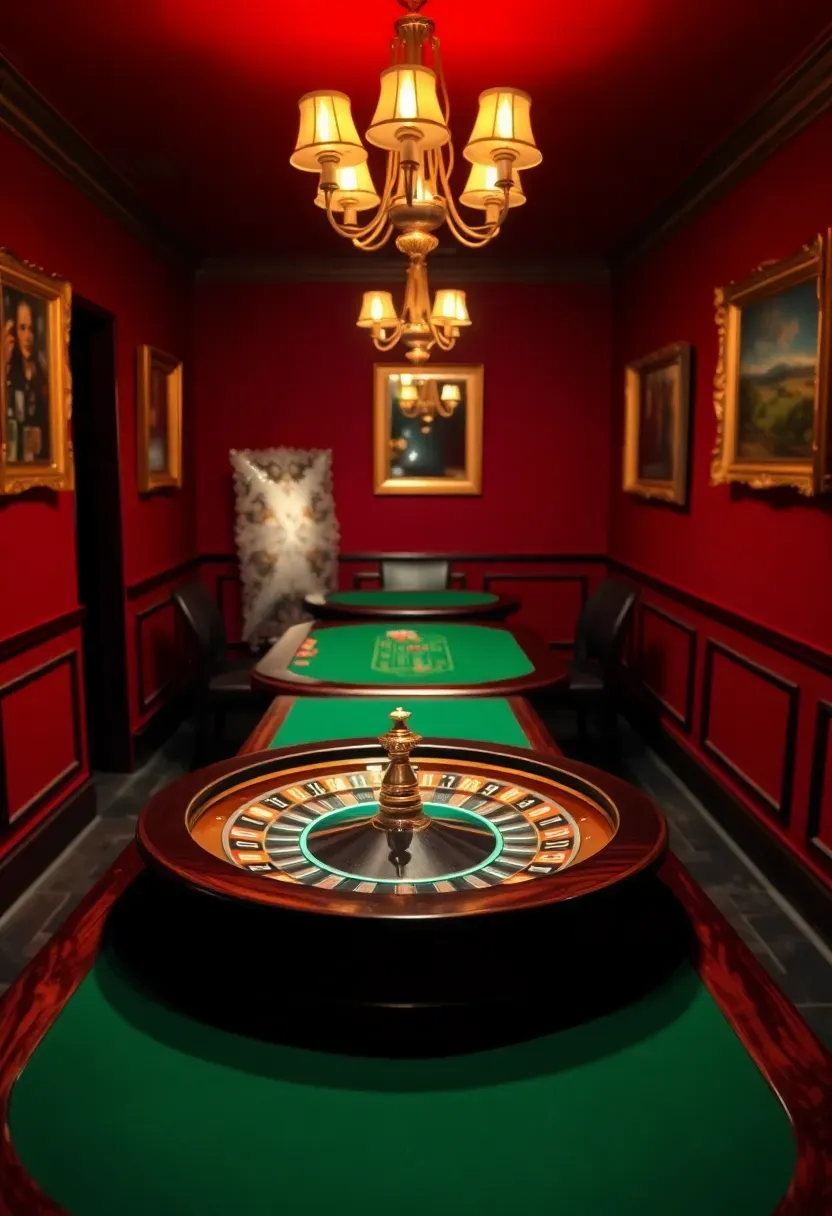
This is a commitment, but it makes for an unforgettable party space. A blackjack table, a roulette wheel, and a craps layout fit in a 20 by 16 foot room. You do not need Vegas-grade equipment — folding-leg casino tables with proper felt tops run $200 to $500 each. A roulette wheel and layout together cost about $150 for a decent home version. The decor sells the illusion: dark red walls or drapes, gold accents, and a chandelier or pendant light over each table. Background jazz or lounge music from a single Bluetooth speaker finishes the mood. Hire a couple friends as dealers for parties, or let guests rotate. Chip sets with denominations make tracking bets easy.
Make it work
- Printed table rules laminated and placed at each station help beginners
- A small bar cart in the corner keeps the action at the tables
- Avoid real money gambling — use chips redeemable for prizes to keep it legal and fun
12. Shuffleboard Alley
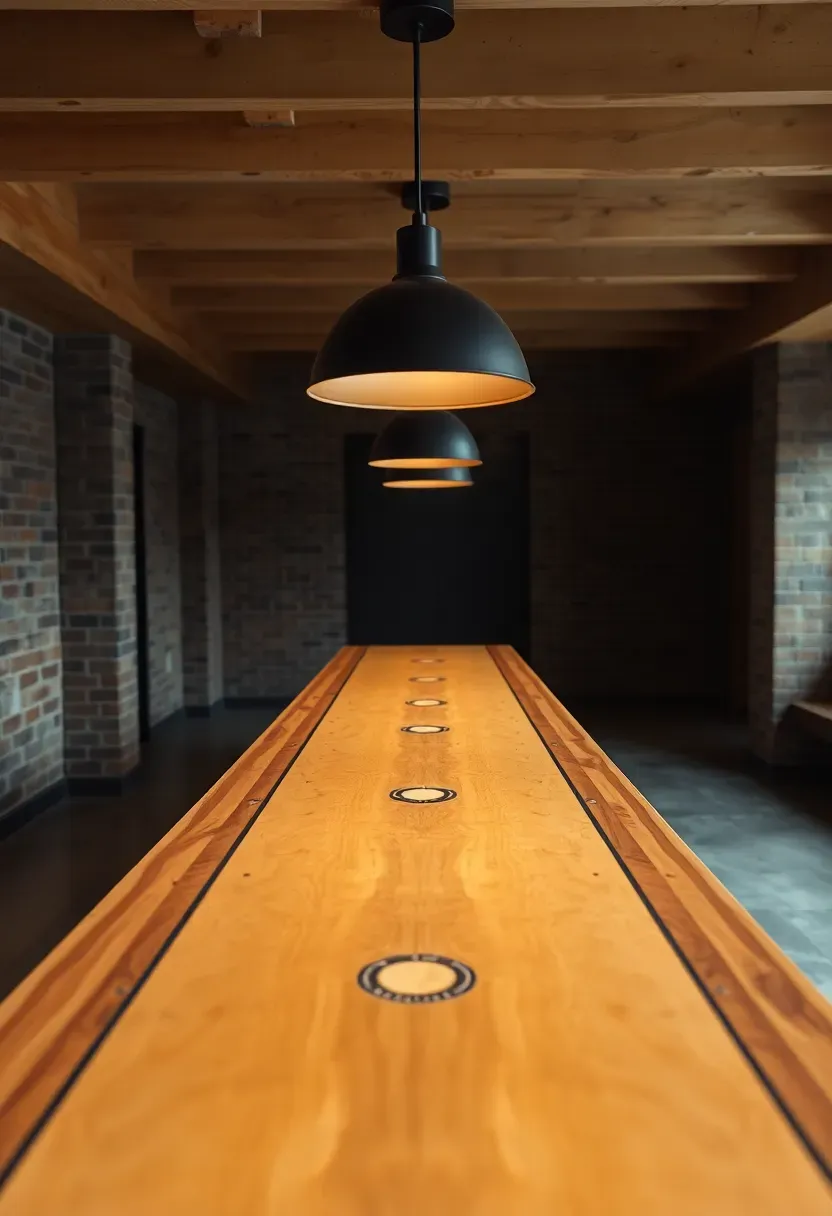
Shuffleboard tables range from 9 to 22 feet long. A 14-footer is the sweet spot for basements — long enough for serious play, short enough to fit in most rooms with clearance at each end. The table needs about 2 feet of space at each end for players and another 18 inches on the sides. Quality tables from Hudson, Venture, or Champion start at $2,000 for a 14-footer in maple or poplar. The playing surface requires periodic waxing with shuffleboard powder (silicone beads, not actual wax) to maintain speed. Mount a linear pendant light directly above the table running its full length — this eliminates shadows that make it hard to judge distance.
Tips
- Climate control matters — wood tables warp in humid basements without a dehumidifier
- A scoreboard mounted on the end wall keeps games moving
- Concave surfaces (slight dish in the middle) are normal on longer tables and affect play strategy
Recommended
Items for this idea
13. Console Gaming Theater
Why tiered seating works
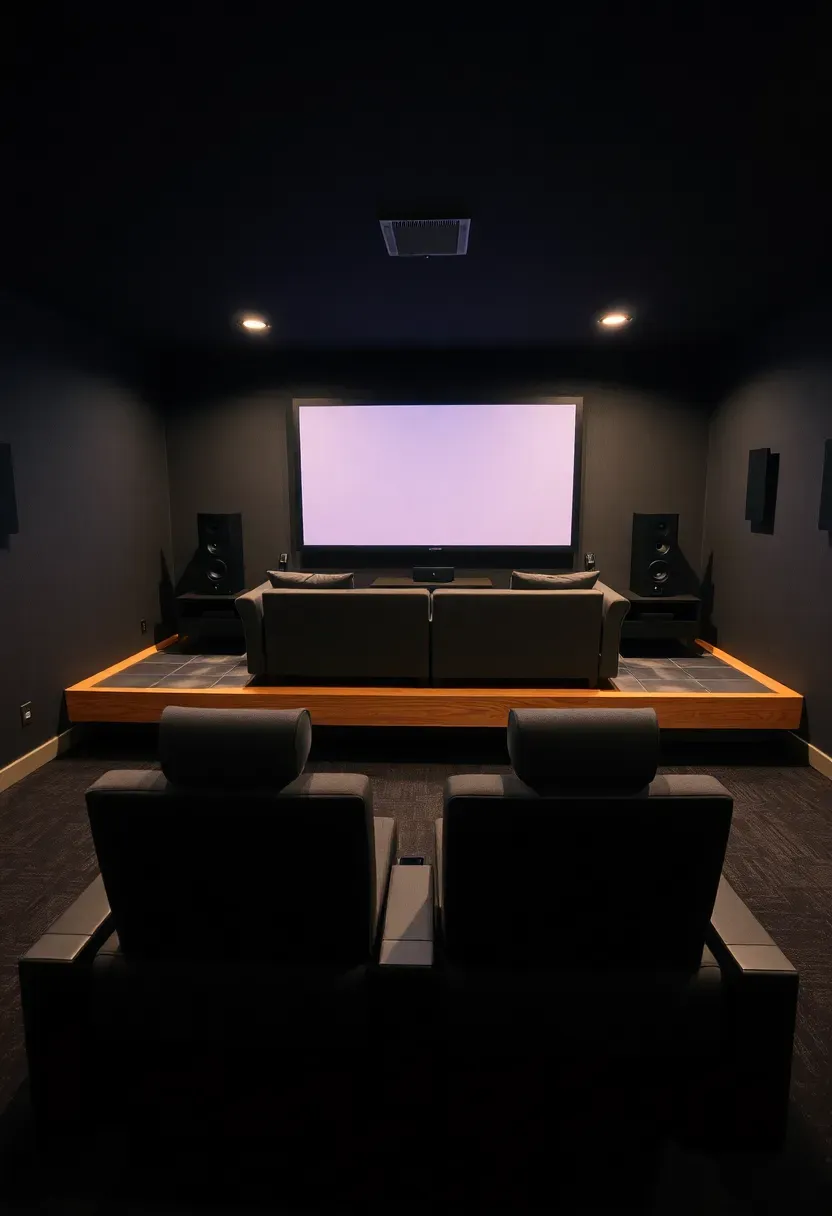
In a flat room, the person sitting behind another player cannot see the bottom third of the screen. A simple riser platform — even just 6 inches high — fixes this. Build a 10-foot wide, 4-foot deep platform from 2x6 lumber and plywood, then place a sofa on it. The front row sits on the floor level. Two rows of seating means four to six people can play or watch comfortably.
Screen and sound
Mount a 75- to 85-inch TV at eye level for the front row. A 5.1 surround system with the center channel below the TV, surrounds on the side walls, and a subwoofer in the corner fills the room without running expensive overhead speakers. HDMI 2.1 ports on the TV are mandatory for PS5 and Xbox Series X to hit 4K at 120fps.
Worth noting
- Bean bag chairs as a third row work for kids and casual watchers
- USB charging stations built into each seating area prevent controller death mid-game
14. Table Tennis Arena
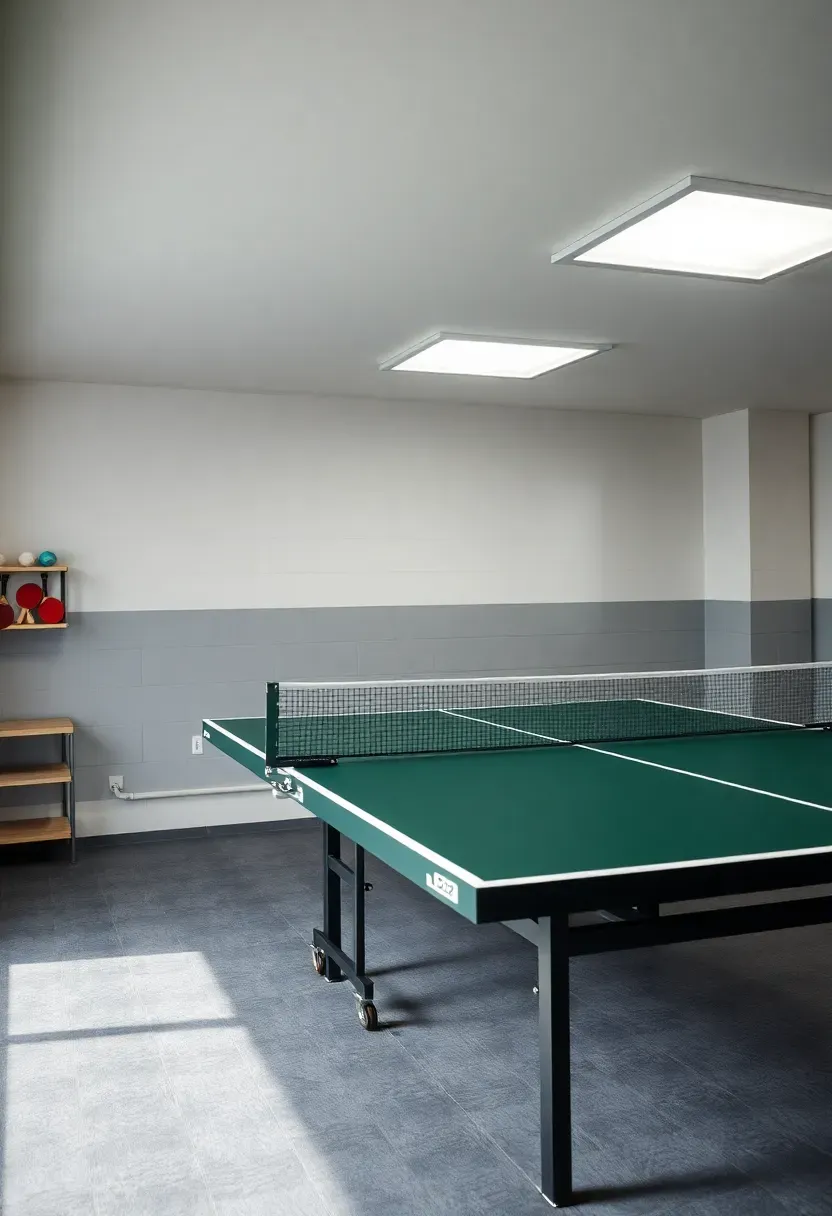
A regulation table is 9 feet long and 5 feet wide. You need 5 feet of clearance on each end and 3 feet on each side, so the minimum room size is 19 by 11 feet. That is doable in most basements. The table itself costs $300 to $800 for a solid 18mm to 25mm top — thickness determines how true the bounce plays. Stiga, Butterfly, and Joola all make reliable home tables. The biggest mistake is lighting: a single bulb creates glare on the table and shadows that hide the ball. Flat LED panel lights or multiple fluorescent tubes give even coverage. Ceiling height of 8 feet is playable but tight for lob shots; 9 feet is comfortable.
Tips
- A robot ball machine ($200 to $400) lets you practice solo and improves your game fast
- Rubber flooring is kinder on feet than concrete during long rallies
- Net tension matters — replace the stock net with a screw-clamp competition net for $20
Recommended
Items for this idea
15. Indoor Putting Green
Getting started
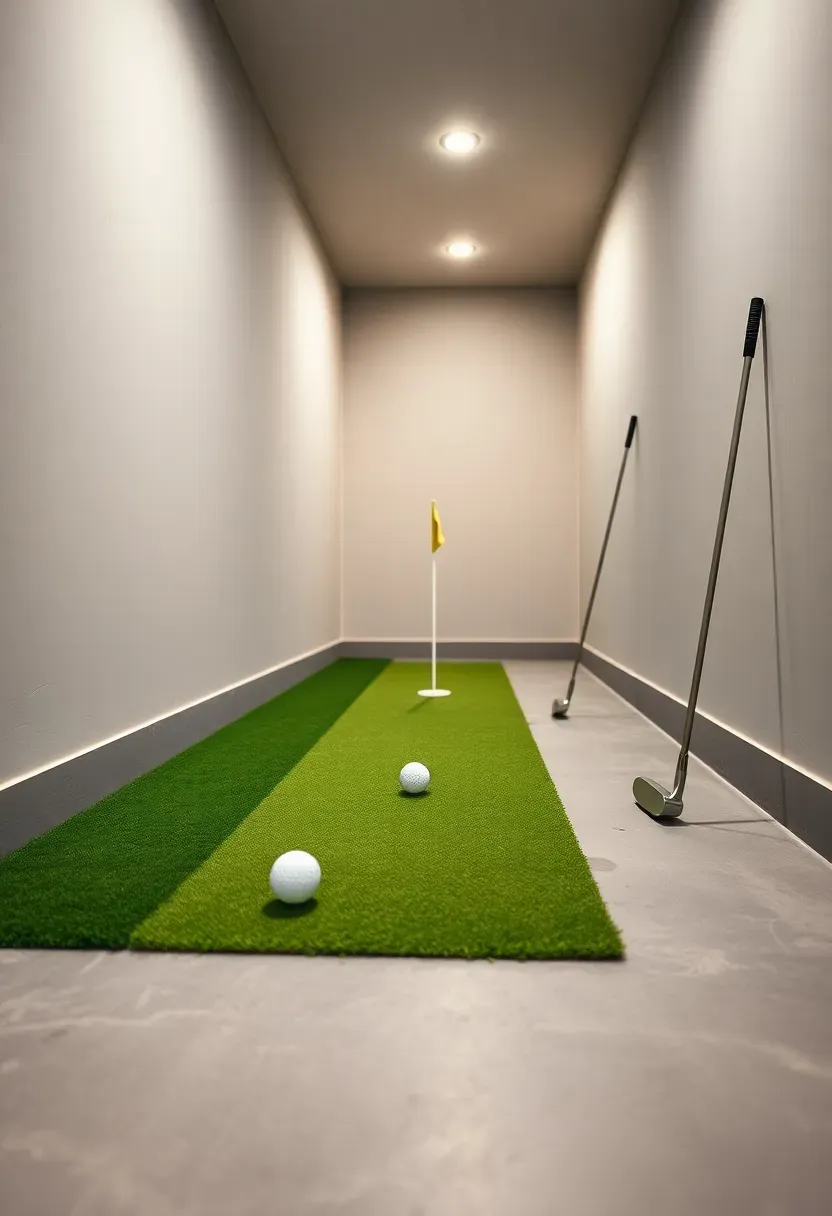
A putting green needs surprisingly little space. A strip 4 feet wide and 12 to 15 feet long fits along one wall of most basements. Pre-made putting mats from Birdie Ball or Big Moss cost $200 to $600 and roll true. For a more permanent setup, install synthetic turf directly onto a plywood subfloor built to your exact dimensions. Cut holes with a hole saw and insert regulation cups.
Making it realistic
The key difference between a toy putting mat and a useful practice tool is stimp speed — how fast the ball rolls. Better mats let you adjust this. Add subtle breaks (slopes) by shimming the plywood subfloor with tapered strips at one end. A ball return channel built from PVC pipe saves you from walking to the cup after every putt.
Apply at home
- Mount a mirror behind the starting position to check your stance and alignment
- Mark distance lines every 3 feet with tape for structured practice drills
16. Skee-Ball and Carnival Games
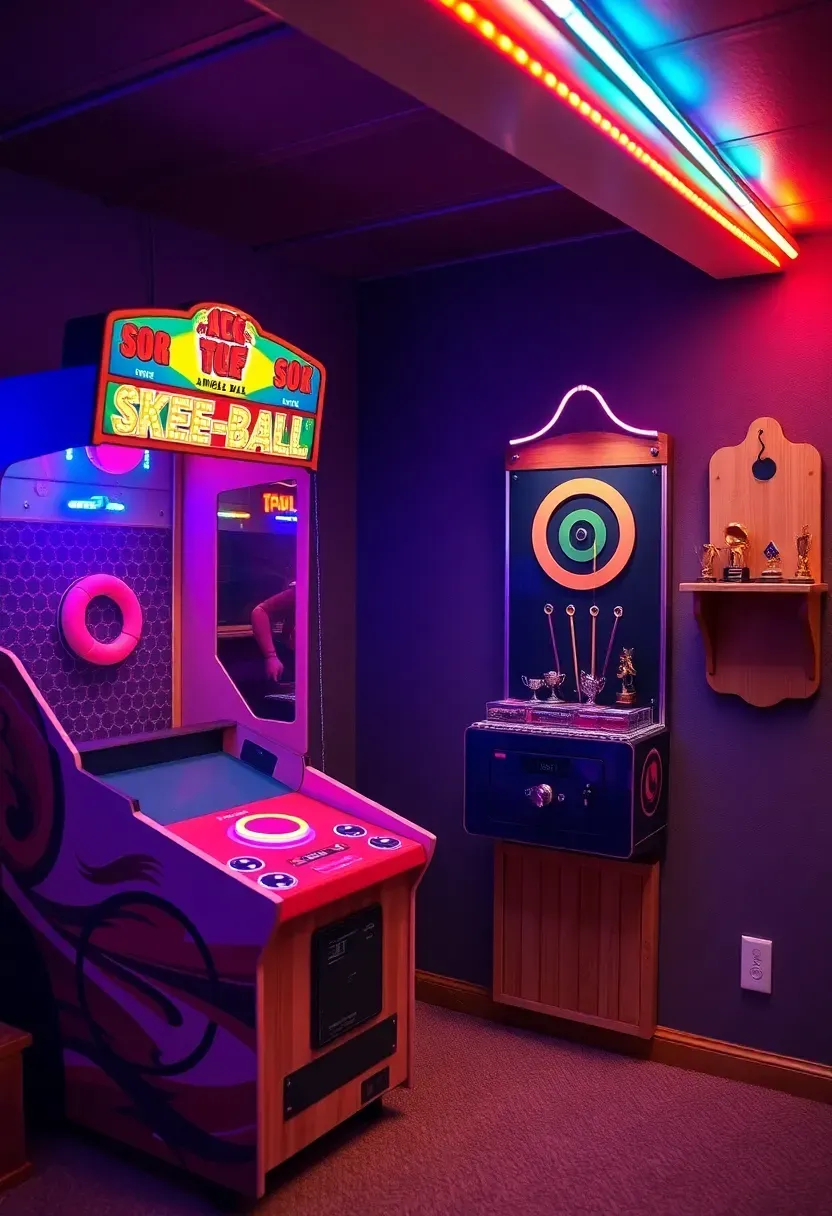
Skee-ball machines designed for home use cost $700 to $1,500 and fit in a space about 10 feet long and 2 feet wide. Bay Tek and Skee-Ball Inc. make residential versions that are quieter than the boardwalk originals. Pair it with a ring toss board, a basketball pop-a-shot, or a coin pusher for a full carnival corner. The trick is grouping these games along one wall with enough space between them — 3 feet minimum — so players do not bump into each other. A prize shelf on the wall with small toys, candy, or funny trophies motivates kids and adults alike. Use ticket dispensers (manual or electronic) and set point thresholds for prizes.
Tips
- Rubber mats under skee-ball machines absorb the ball return noise
- Colored LED rope lights along the ceiling sell the carnival feel for under $30
- Rotate prizes monthly to keep regulars interested
Recommended
Items for this idea
17. Pinball Machine Gallery
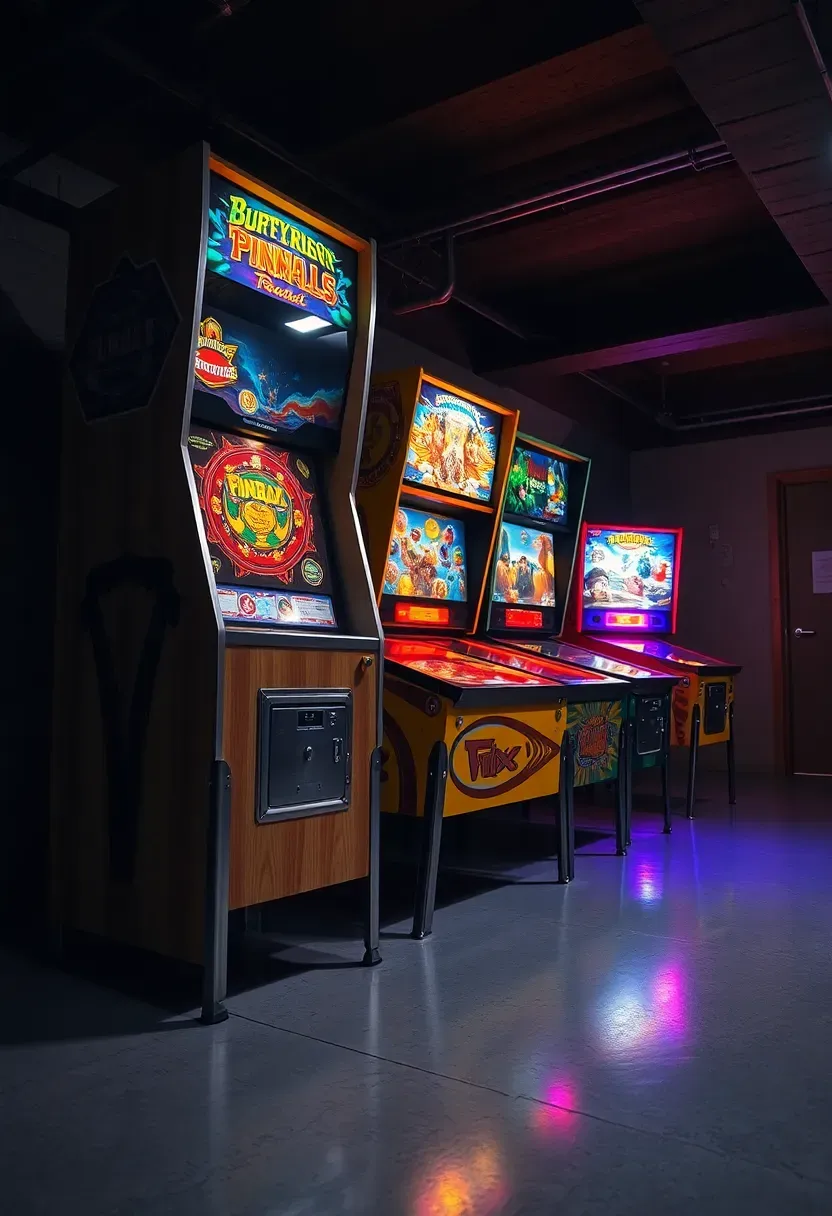
Pinball machines occupy about 28 by 56 inches of floor space each and weigh 250 to 350 pounds. You can fit three machines along a 15-foot wall with comfortable playing space in front. Used machines from the 1990s golden era — titles like Medieval Madness, Attack from Mars, or Theatre of Magic — run $3,000 to $8,000 depending on condition. Newer Stern machines cost $6,000 to $10,000 new. Each machine draws about 3 to 5 amps, so a dedicated 20-amp circuit covers three machines easily. The backglass artwork is half the appeal, so position machines where you can appreciate the art from across the room. Keep the room slightly dim so the playfield and backglass lighting pops.
Tips
- Pinball machines need annual maintenance — flipper rebuilds, rubber ring replacement, bulb swaps
- Level each machine precisely with a bubble level on the playfield glass
- Join a local pinball league to find deals on used machines from other collectors
18. Karaoke and Music Lounge
The problem
Karaoke upstairs means everyone in the house hears your off-key rendition of Bohemian Rhapsody at 11 PM. Basements contain the sound.
The solution
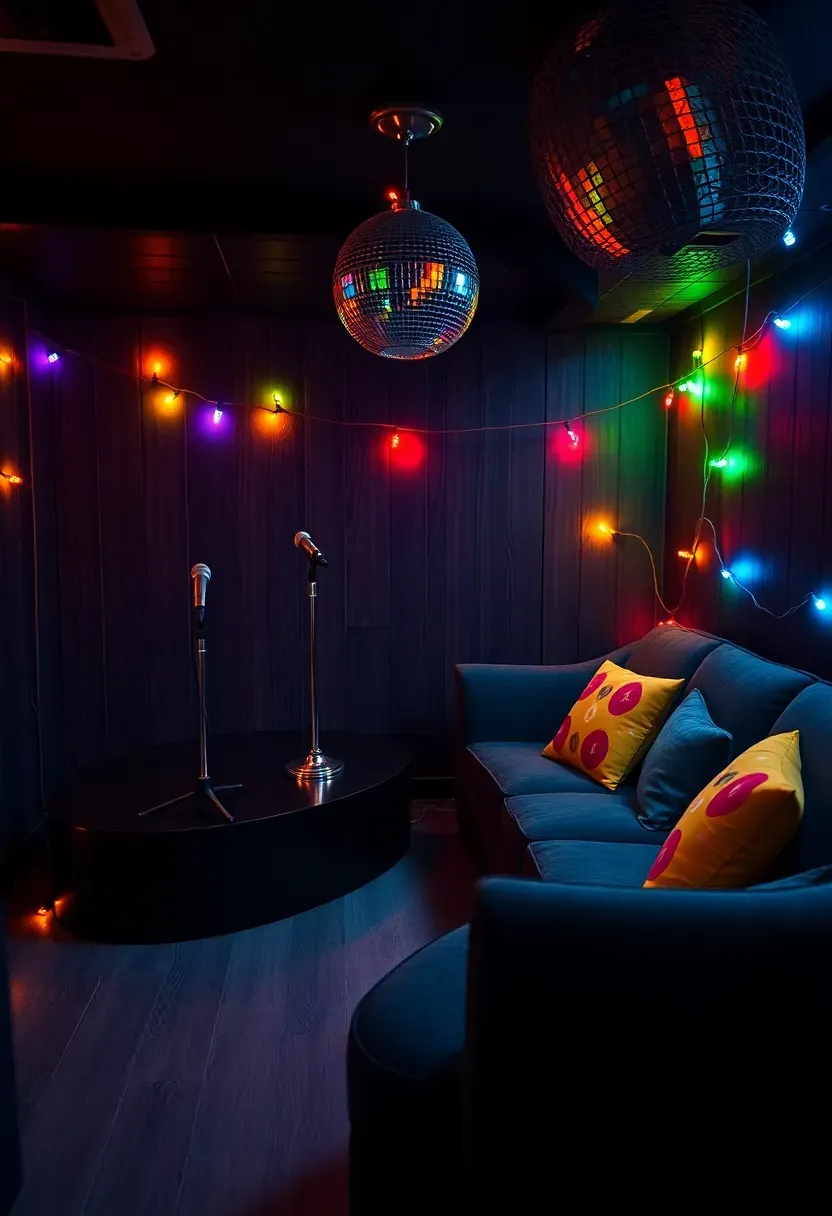
Build a small raised platform (even 4 inches high works) as a stage area against one wall. A karaoke system with two wireless microphones and a monitor displaying lyrics costs $200 to $500 — Singing Machine and Grand Videoke make solid home units. Connect it to a decent speaker system, not a soundbar. A pair of powered PA speakers on stands ($150 to $300 per pair) gives real stage volume without distortion. Add a disco ball, some string lights, and a few colored flood bulbs. Comfortable seating facing the stage — a sectional or a row of chairs — completes the setup.
Pros and cons
- Pro: cheapest game room idea on this list if you already have speakers
- Con: soundproofing the ceiling helps but adds $500 to $1,000 in materials
Recommended
Items for this idea
19. Indoor Rock Climbing Wall
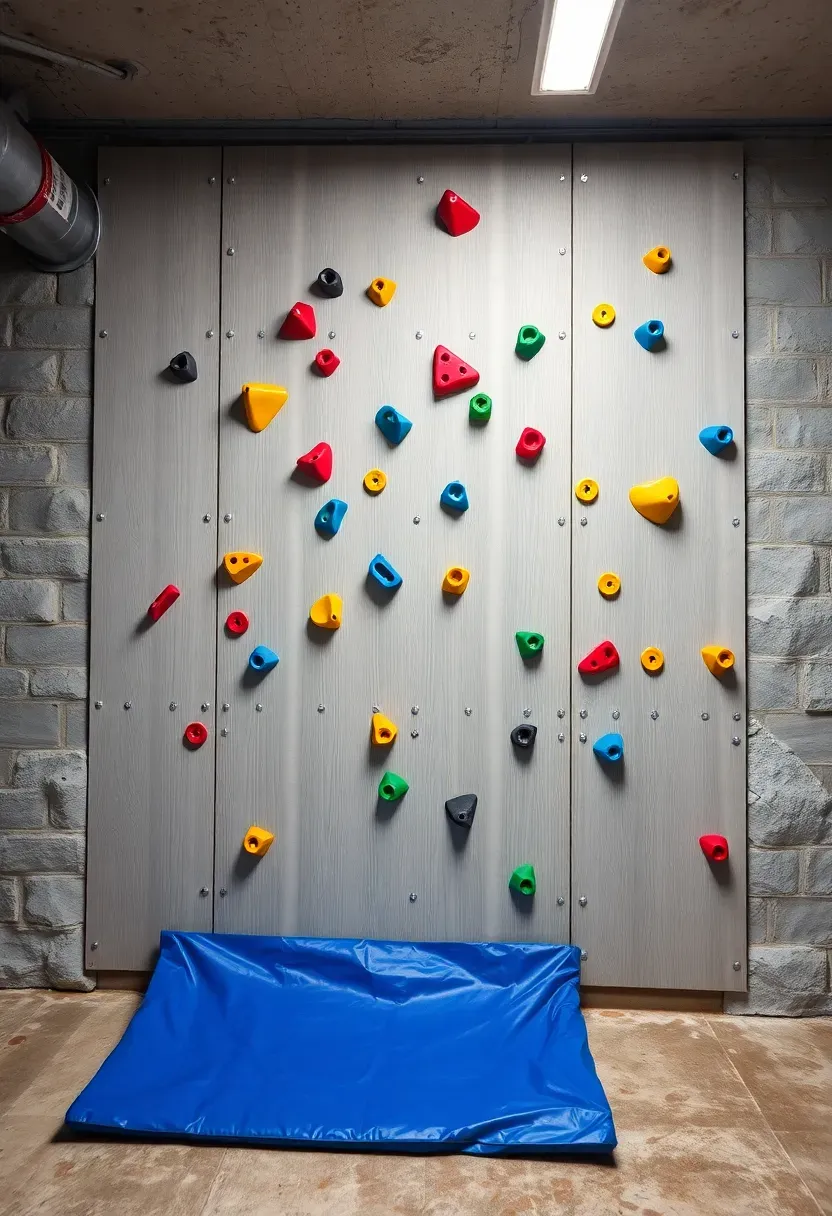
A basement climbing wall works best on a wall that is at least 8 feet tall, though angled overhangs built out from the wall add challenge in rooms with lower ceilings. Build the wall from 3/4-inch plywood screwed into the studs, then drill a grid of T-nut holes on 8-inch centers. Climbing holds cost $2 to $15 each — budget $300 to $500 for enough holds to cover a 10-foot wide wall section. Place a 6-inch thick crash pad at the base. The total project cost for a DIY wall runs $500 to $1,000 depending on whether you add an overhang. Bouldering walls (no ropes, low height) are the practical choice for basements. Reset the hold patterns every few months to keep routes fresh.
Tips
- T-nut installation is permanent — plan the grid carefully before drilling
- Sand and paint the plywood to prevent splinters
- Involve kids in choosing hold placements — it teaches route-setting basics
20. Escape Room Challenge
Origins
Commercial escape rooms became a $1.2 billion industry by 2024. The concept translates to basements better than most game room ideas because the enclosed, windowless environment is already built into the space.
Modern approach
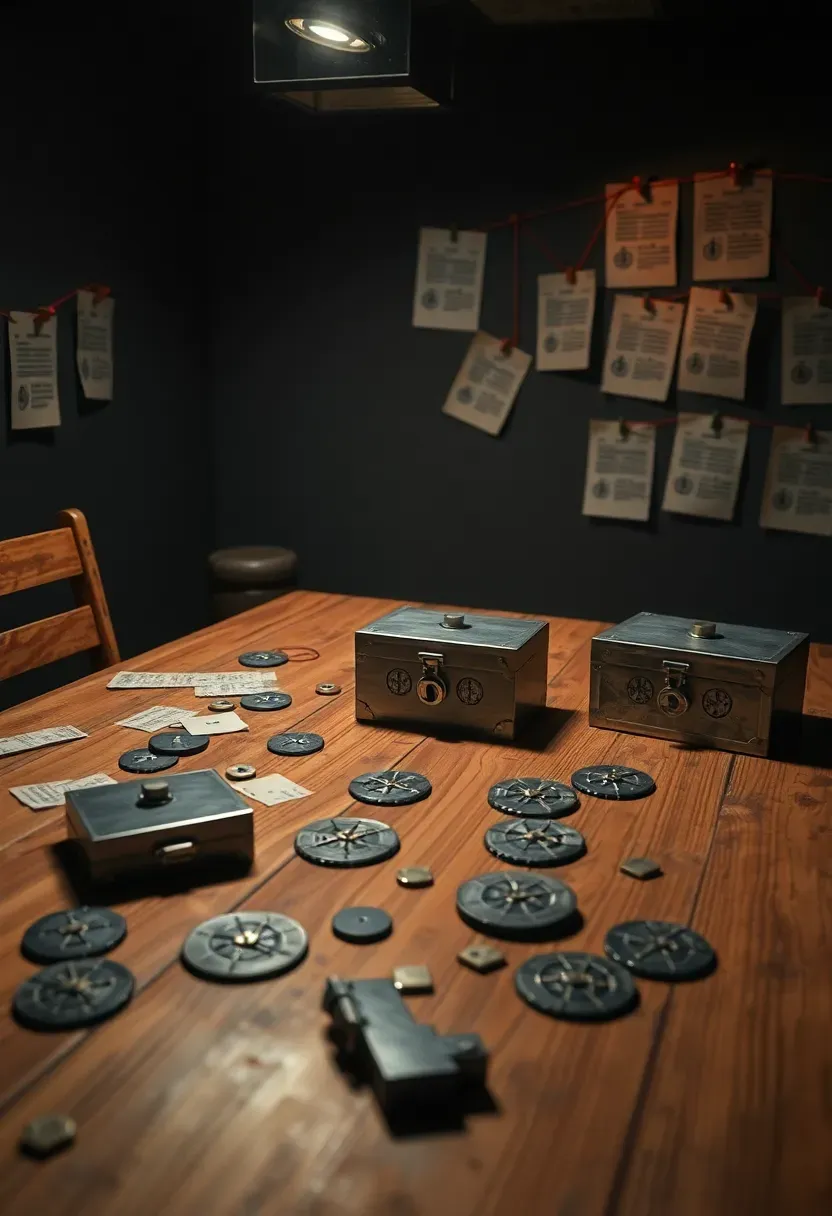
Design a single-room escape experience with 5 to 8 puzzles that take 45 to 60 minutes to solve. Use combination locks ($5 to $10 each), lockboxes, UV pens with hidden messages, magnetic locks triggered by correct item placement, and simple electronic puzzles built from Arduino kits. The room does not need expensive theming — printed posters, thrift store props, and creative lighting establish atmosphere. Change the puzzle set every few months to keep it replayable for different friend groups.
Apply at home
- Keep a master answer sheet somewhere accessible in case players get truly stuck
- A countdown timer displayed on a tablet adds urgency
- Start simple and increase complexity based on feedback from your first few groups
Recommended
Items for this idea
21. Multi-Game Convertible Room
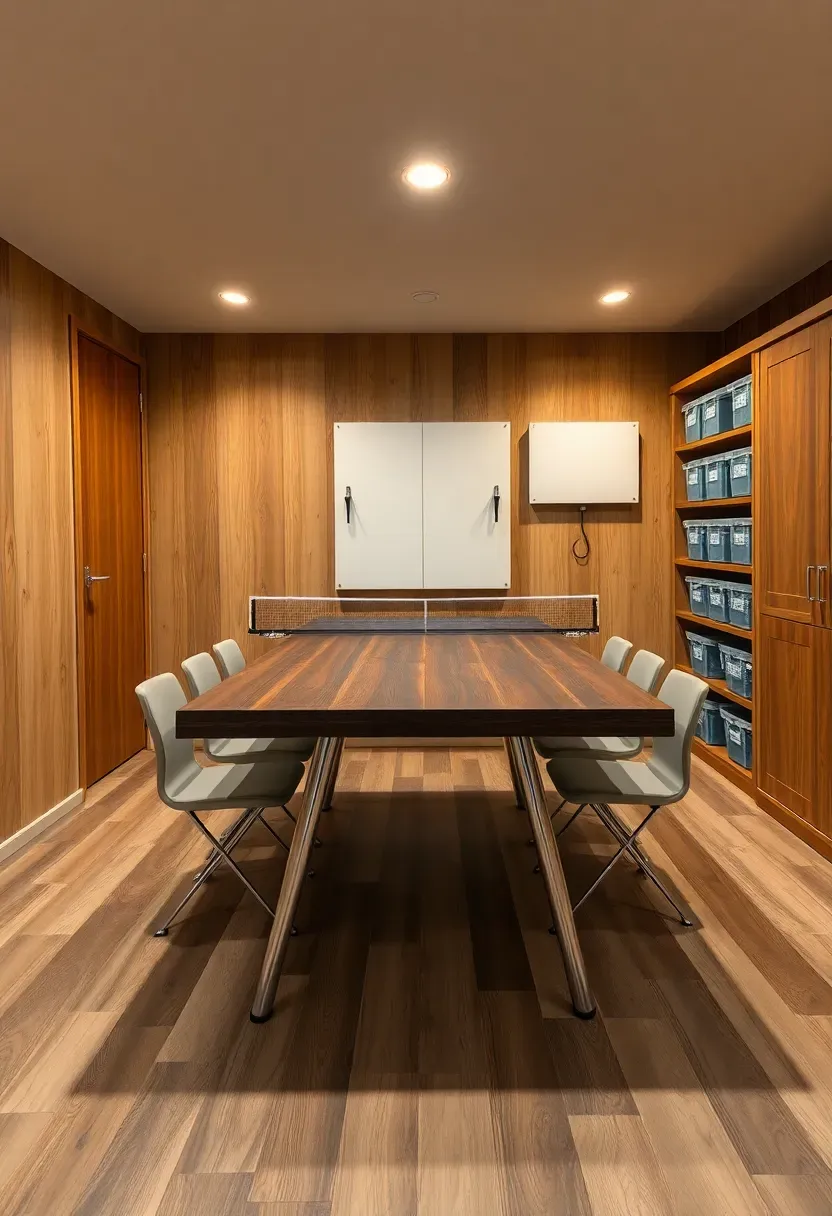
Not every basement is big enough for dedicated game stations. A convertible room uses furniture and equipment that transforms based on what you want to play. A 3-in-1 game table (pool, air hockey, table tennis) costs $400 to $1,200 and takes up the same footprint as a single table. Wall-mounted folding table tennis tops fold flat against the wall when not in use. A poker top that sits on a dining table converts dinner seating into game night in 30 seconds. Store board games, VR headsets, and dart supplies in a closet or cabinet system along one wall. The key is keeping the center of the room open so you can swap activities without rearranging everything.
Tips
- Label storage bins by game type so setup is quick
- Invest in one quality convertible table rather than three cheap dedicated ones
- A rolling cart for game accessories moves from storage to play area easily
Quick FAQ
How much does it cost to build a basement game room? Budget $2,000 to $5,000 for basic finishing (flooring, lighting, paint) plus the cost of whatever games you choose. A pool table room runs $3,000 to $6,000 total. An arcade setup can start at $1,000 with multi-game cabinets. The most expensive option on this list — a bowling lane — pushes $25,000 or more.
What flooring works best for a basement game room? Luxury vinyl plank handles moisture, cleans easily, and feels comfortable underfoot. Epoxy-coated concrete works well for active game areas. Interlocking rubber tiles suit workout-adjacent game rooms. Avoid wall-to-wall carpet — it traps moisture in basements and makes it hard to roll chairs or retrieve dropped game pieces.
Do I need to waterproof before building a game room? Yes. Test for moisture by taping a plastic sheet to the concrete floor and checking for condensation after 48 hours. If moisture is present, apply a waterproof membrane or use a dimpled drainage mat under your finished floor. A dehumidifier running continuously in the 45 to 50 percent humidity range protects game equipment from warping and corrosion.
Can a basement game room increase home value? Finished basements add roughly 70 percent of their cost to home value according to most appraisal guidelines. A well-done game room appeals to buyers with families or those who entertain frequently. The key is keeping the space flexible — built-in bowling lanes or climbing walls can narrow your buyer pool.
What ceiling height do I need for a basement game room? Most games work fine with 8-foot ceilings. Table tennis, VR, and basketball need 9 feet minimum. Golf simulators require 10 feet. If your basement has 7-foot ceilings, stick to low-profile games like pool, darts, board games, shuffleboard, and card tables.
The best game rooms reflect how you actually spend your downtime, not what looks good in a magazine. Start with one or two games you know you will use regularly and add from there. A pool table you play twice a week beats a room full of equipment that sits idle. Pick your games first, figure out the space requirements, then finish the room around them.
Pinterest cover for 21 Basement Game Room Ideas
About the author
OBCD
CGI visualization and interior design content. We create detailed 3D renders and curate practical design ideas for every room in your home.