21 Basement Kitchenette Ideas
Most basement cooking spaces fail because people try to shrink a full kitchen into a corner. A kitchenette is not a miniature kitchen — it is a different thing entirely, built around what you will actually use it for. Maybe that is reheating leftovers and making coffee for a guest suite. Maybe it is a full snack-and-drink station for movie nights. The 21 basement kitchenette ideas here start with that question — what do you need this space to do? — and work outward from there. Each one fits into 12 linear feet or less.
Below you will find kitchenette layouts arranged from the simplest setups to more involved builds.
Table of Contents
- Coffee and Microwave Station
- Single-Wall Kitchenette
- Under-Stair Kitchenette
- Wet Bar Kitchenette with Snack Prep
- Closet Conversion Kitchenette
- ADA-Accessible Kitchenette
- Portable Kitchenette Cart System
- Industrial Pipe and Concrete Kitchenette
- Compact L-Shaped Kitchenette
- Guest Suite Kitchenette
- Scandinavian Minimal Kitchenette
- Rustic Reclaimed Wood Kitchenette
- Dark Moody Kitchenette
- Kitchenette with Breakfast Nook
- Home Theater Snack Kitchenette
- Teen Hangout Kitchenette
- Airbnb Rental Kitchenette
- Laundry Room Combo Kitchenette
- Window Well Kitchenette
- Smart Appliance Kitchenette
- Budget Kitchenette Under $2,000
1. Coffee and Microwave Station
This is the zero-plumbing starting point. A 4-foot counter on legs or a wall-mounted shelf, a microwave, a drip coffee maker, and an electric kettle. No sink, no water line, no drain. You plug into an existing outlet (make sure it is a 20-amp circuit — microwaves pull 12 to 15 amps on their own). Floating shelves above hold mugs, plates, and dry goods. A small dorm-style fridge underneath keeps cream and drinks cold. Total footprint: about 4 by 2 feet.
Tips
- Dedicate one outlet to the microwave and use a separate circuit for the coffee maker to avoid tripping breakers
- A removable drip tray under the coffee station catches spills without damaging the counter surface
- Mount a paper towel holder on the wall to save counter space
We picked a few things that go well with this idea: RQYIXI 4-Piece Ceramic Bathroom Accessories Set (★4.6), Kukikan 4-Piece Ceramic Bathroom Set Beige (★4.5) and Terramoza 5-Piece Boho Ceramic Bathroom Set (★4.8). As an Amazon Associate we earn from qualifying purchases.
2. Single-Wall Kitchenette
How to build one in 8 linear feet
Step 1: Start with the sink placement. Put it near the center of the run so you have prep space on both sides. The drain needs to connect to an existing stack or a sewage ejector pump — in most basements, gravity drainage is not available.
Step 2: Flank the sink with base cabinets. A 24-inch undercounter fridge on one side, a 24-inch dishwasher drawer or open shelving on the other. Upper cabinets or open shelves run the full length above.
Step 3: If local code allows, add a 24-inch induction cooktop at one end. Induction needs a 240-volt circuit but no gas line, and it generates less ambient heat — a real advantage in a windowless basement.
Watch out for
- Single-wall layouts feel cramped without at least 48 inches of open floor in front of the counter
- All plumbing and electrical runs along one wall, which simplifies rough-in but concentrates the cost
We picked a few things that go well with this idea: NNN Compact Teak Shower Stool with Shelf (★4.8), Upolana 20-Inch Teak Shower Bench with Shelf (★4.7) and HDPE Waterproof Corner Shower Foot Rest (★4.8). As an Amazon Associate we earn from qualifying purchases.
3. Under-Stair Kitchenette
The triangle of space beneath a basement staircase is often wasted or turned into a storage closet. It can hold a surprisingly functional kitchenette instead. The tallest point (near the bottom of the stairs) fits a full-height pantry cabinet or fridge. Counter height works where the ceiling drops to about 40 inches — that is where you put the sink and prep surface. Custom angled upper cabinets follow the stair slope and capture space that flat cabinets would miss. Lighting is critical: recessed LED puck lights under the stair treads themselves wash the counter without taking up headroom.
Tips
- Measure the stair angle before ordering cabinets — standard stock sizes rarely fit; go with a local cabinet shop
- Use a bar-height sink (8 to 10 inches deep) rather than a standard kitchen sink to preserve clearance under low sections
- Treat the under-stair walls with moisture barrier paint before installing cabinets against the foundation
We picked a few things that go well with this idea: CHIVS Antique Brass Wall Hooks (5-Pack) (★4.8), BOZWELL Antique Brass Towel Hooks (6-Pack) (★4.7) and WINCASE Vintage Brass Towel Hooks (2-Pack) (★4.7). As an Amazon Associate we earn from qualifying purchases.
4. Wet Bar Kitchenette with Snack Prep
Why combine a bar with food prep
A standalone wet bar does one job. Adding 3 feet of counter space with a cutting board and a small convection toaster oven turns it into a spot where you can actually prepare appetizers, reheat pizza, or assemble sandwiches. The bar sink already provides water. A single undercounter fridge handles both drinks and perishable ingredients.
What makes it different from a full wet bar
The difference is the prep surface and a small cooking appliance. Keep a 30-inch section of counter clear for food work — no bottle display, no built-in ice maker, just open butcher block or quartz. A pull-out cutting board built into the cabinetry adds workspace without taking permanent counter real estate.
Pros and cons
- Dual-purpose — entertaining and light cooking in one compact footprint
- Bar sink is too small for washing large pots; you will carry those upstairs
- Guests congregate here, which means the cook has company but also less elbow room
Recommended
Items for this idea
5. Closet Conversion Kitchenette
A standard 6-foot-wide reach-in closet has enough depth (24 inches) and width to hold a mini fridge, a sink, and a microwave with room left for shelving. Remove the closet rod and shelf. Install a 6-foot countertop at 36 inches. Run a water line and drain through the back wall — if a bathroom is on the other side, the plumbing tie-in is short and cheap. Keep the bifold or sliding doors so you can close the whole thing away when not in use. From the outside, it looks like a closet. Open the doors and you have a complete kitchenette.
Tips
- Add a power strip with USB ports along the backsplash inside the closet for charging devices and powering small appliances
- Install a vent fan (bathroom exhaust type) in the closet ceiling to prevent moisture and cooking odors from lingering
- Use peel-and-stick tile on the closet interior walls for easy cleaning and a finished look
6. ADA-Accessible Kitchenette
The issue
Standard kitchenettes ignore wheelchair users and people with limited mobility. Counter heights of 36 inches block seated access. Cabinets above 48 inches are unreachable. Knob-style faucets require grip strength that some people lack.
The solution
Drop a 30-inch section of counter to 34 inches with open knee space underneath (27 inches of clearance minimum). Use a shallow sink (6.5 inches deep) so the drain does not intrude into knee space. Lever-handle or touchless faucets. Pull-out shelves in every base cabinet. Side-opening oven or a microwave drawer at counter height. Upper storage should stop at 48 inches from the floor, or use pull-down shelf hardware that brings items within reach.
Pros and cons
- Meets ADA guidelines and improves usability for everyone, not just wheelchair users
- Pull-down shelf hardware adds $150-$300 per cabinet
- Lower counters may feel awkward for standing users; a two-height counter solves this
Recommended
Items for this idea
7. Portable Kitchenette Cart System
No plumbing. No permanent installation. No permits. A rolling butcher block cart (about $200 for a solid one) holds a countertop induction burner, a cutting board, and utensil storage. A small fridge on casters parks next to it. A 5-gallon water dispenser with a pump provides water for rinsing. A bus tub catches dirty dishes for transport upstairs. This is a renter's solution or a stopgap while you save for a permanent build. When you need the floor space for something else, roll everything against a wall.
Tips
- Lock the cart casters before cooking — an induction burner on a rolling surface is a hazard
- A collapsible drying rack on top of the cart handles clean dishes without needing a dish towel spread
- Keep a fire extinguisher within 10 feet any time you use a portable cooking appliance
8. Industrial Pipe and Concrete Kitchenette
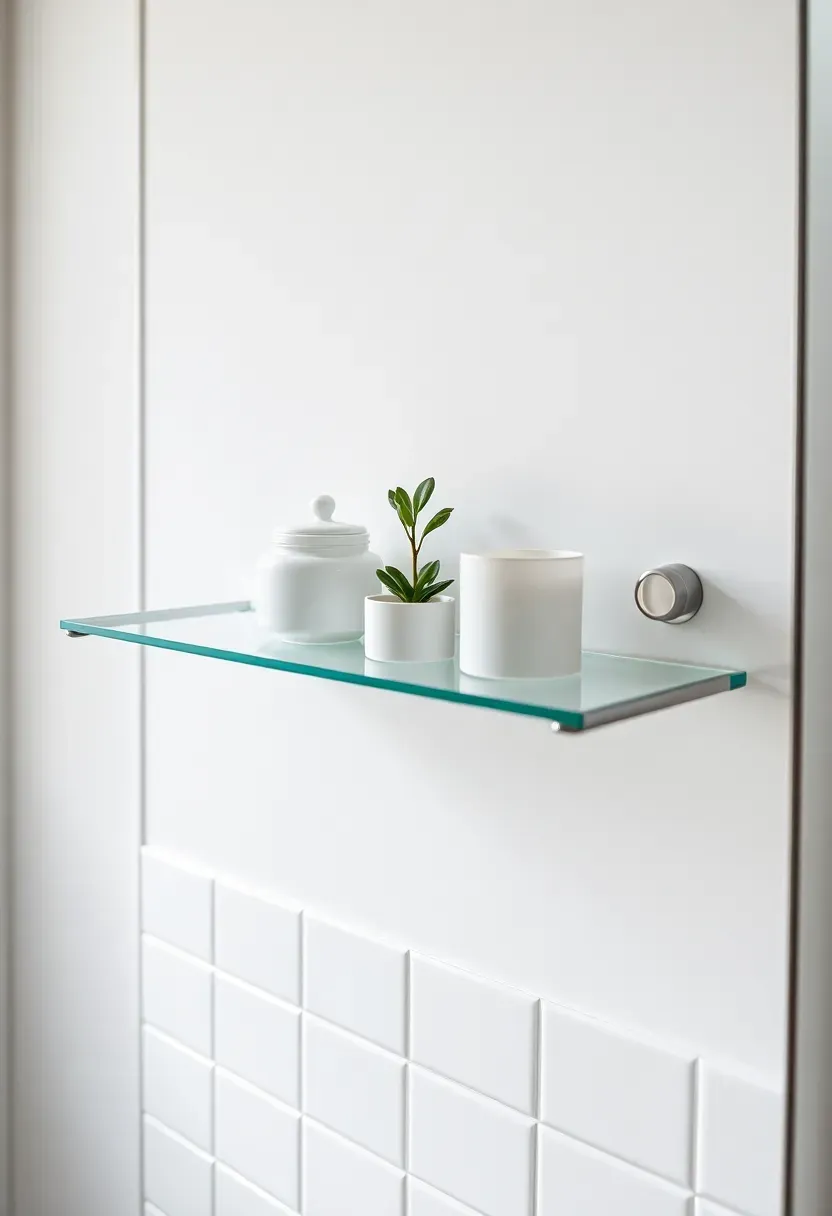
Basements give you raw materials most rooms do not: concrete block walls, exposed ceiling joists, and visible plumbing runs. Instead of covering all of it, lean into it. Leave the concrete walls exposed but seal them with a clear penetrating sealer to prevent dust. Build open shelving from 3/4-inch black iron pipe and reclaimed wood planks. Use a stainless steel restaurant prep table as your counter — they cost less than custom cabinetry, resist water damage, and bolt together in an hour. A wall-mounted commercial faucet with a sprayer adds function that matches the look.
Tips
- Seal concrete walls with a silicone-based penetrating sealer, not paint — paint peels when moisture migrates through the block
- Black iron pipe shelving needs floor flanges anchored into concrete with Tapcon screws, not drywall anchors
- Stainless prep tables come in 24-inch and 30-inch depths; the 24-inch version fits tighter spaces without losing much workspace
Recommended
Items for this idea
9. Compact L-Shaped Kitchenette
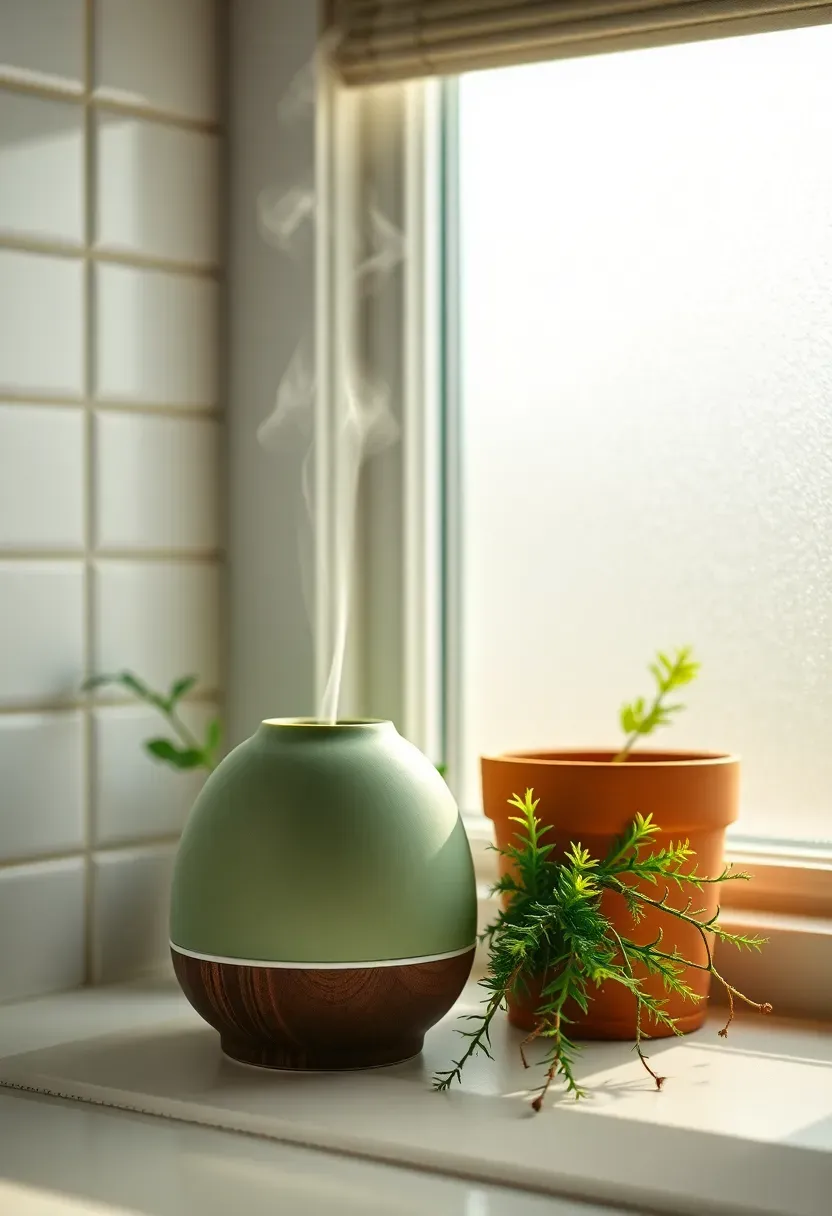
The L-shape gives you two working walls in a corner footprint of roughly 6 by 8 feet. One leg holds the sink and fridge. The other holds counter space and a cooktop or microwave. The corner where the legs meet is dead space in full kitchens but works fine here because the runs are short enough that you never need to reach deep into a corner cabinet. A simple open shelf across the corner connects the two legs visually and stores frequently used items.
Tips
- Skip the lazy Susan corner cabinet — in a kitchenette this small, a fixed shelf or open corner is easier to access
- Place the sink on the leg closest to the existing drain line to minimize plumbing cost
- A 15-inch-wide dishwasher fits the scale of an L-shaped kitchenette better than a full 24-inch model
10. Guest Suite Kitchenette
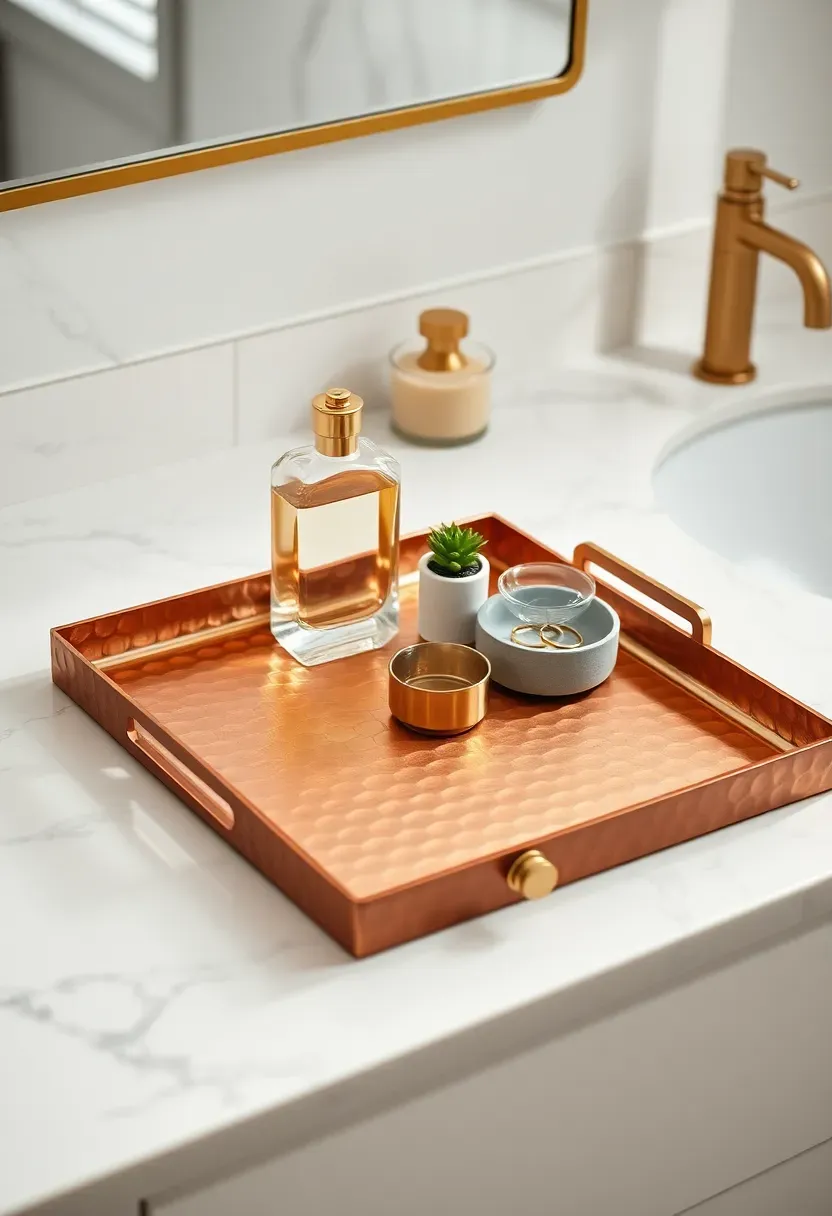
Think about what a house guest actually needs at 6 AM: coffee, a glass of water, a place to store yogurt and fruit. They do not need a six-burner range. A guest suite kitchenette is about independence — your guest can eat breakfast without navigating your main kitchen in their pajamas. Minimum setup: a sink, an undercounter fridge, a coffee maker, a microwave, and a toaster. Keep it within arm's reach of the guest bedroom. Stock it with a few dishes, mugs, and basic utensils before each visit.
Tips
- A single-serve coffee maker (pod or pour-over) avoids the mess of a full drip machine in a guest space
- Label cabinet contents with small tags so guests do not rummage through every door looking for a mug
- Include a small trash can with a liner — guests will not want to walk upstairs to throw away a wrapper
Recommended
Items for this idea
11. Scandinavian Minimal Kitchenette
Origins of the style
Scandinavian kitchen design grew out of small Nordic apartments where every square foot mattered. Clean lines, light wood, white surfaces, and very little ornamentation. The philosophy is functional simplicity — nothing on the counter that does not get used daily.
How it works in a basement
Basements are dark. The Scandi palette of white, pale birch, and light gray reflects every bit of available light. Use matte white slab-front cabinets (no raised panels, no hardware — push-to-open latches). A single open shelf in blonde birch plywood replaces upper cabinets. White quartz or laminate countertops. The result feels larger and brighter than the square footage suggests.
Apply at home
- Replace overhead fluorescents with warm-white (2700K) recessed LEDs to mimic natural Nordic daylight without the harshness
- A light birch plywood backsplash sealed with marine-grade polyurethane is water-resistant and warmer than tile
- Keep counter appliances to two maximum — a kettle and a toaster, stored in sight, everything else inside a cabinet
12. Rustic Reclaimed Wood Kitchenette
Reclaimed barnwood has inconsistent thickness and width, which is precisely what gives it character. Use it for cabinet fronts, open shelving, and a range hood surround. Pair it with a small apron-front farmhouse sink — even a 24-inch-wide version exists for tight spaces. Wrought iron cup pulls and strap hinges match the material without looking like a costume. The key to keeping reclaimed wood functional in a moisture-prone basement: seal every surface with a satin polyurethane, and run a dehumidifier in the room year-round.
Tips
- Source reclaimed wood from a dealer who kiln-dries it — air-dried barn wood often carries insects and mold spores
- A farmhouse sink sits forward of the counter edge; account for the extra 1-inch depth when measuring base cabinet clearance
- Mason jar pendant lights fit the rustic look and cost under $30 each as DIY builds
Recommended
Items for this idea
13. Dark Moody Kitchenette
Most advice says basements need light colors. Ignore that. A deliberately dark kitchenette — matte black cabinets, dark charcoal countertops, blackened brass hardware — works in basements because you are already fighting against limited natural light. Instead of losing that fight with pale surfaces that look gray anyway, own the darkness. Use warm amber lighting (2200K bulbs in sconces, not overhead cans) to create pools of light on the counter and leave the periphery dim. It reads as intentional and atmospheric rather than gloomy.
Tips
- Matte finishes hide fingerprints better than gloss in dark colors
- Brass or copper hardware catches the warm light and prevents an all-black scheme from going flat
- A lighted glass-front cabinet with a warm LED strip inside breaks up the dark mass and displays glassware
14. Kitchenette with Breakfast Nook
A kitchenette alone is a utility. Add a built-in banquette and a small round table next to it and you have a place people actually want to sit. The banquette does double duty — lift the seat and there is storage inside for linens, board games, or pantry overflow. A round pedestal table (36 inches in diameter) seats three comfortably and takes less visual space than a rectangular one. Position the nook perpendicular to the kitchenette counter so the cook can pass plates directly to the table without walking around furniture.
Tips
- Banquette seat depth of 18 inches provides comfort without pushing the table too far into the room
- Upholster the seat in vinyl or outdoor fabric — basements are humid and spills happen
- A single pendant light centered over the table defines the eating area as its own zone
Recommended
Items for this idea
15. Home Theater Snack Kitchenette
Why a theater room needs its own food source
Walking upstairs during a movie breaks immersion. A dedicated snack kitchenette adjacent to the theater keeps everyone seated. This is not about cooking — it is about reheating, popping, pouring, and serving.
What to include
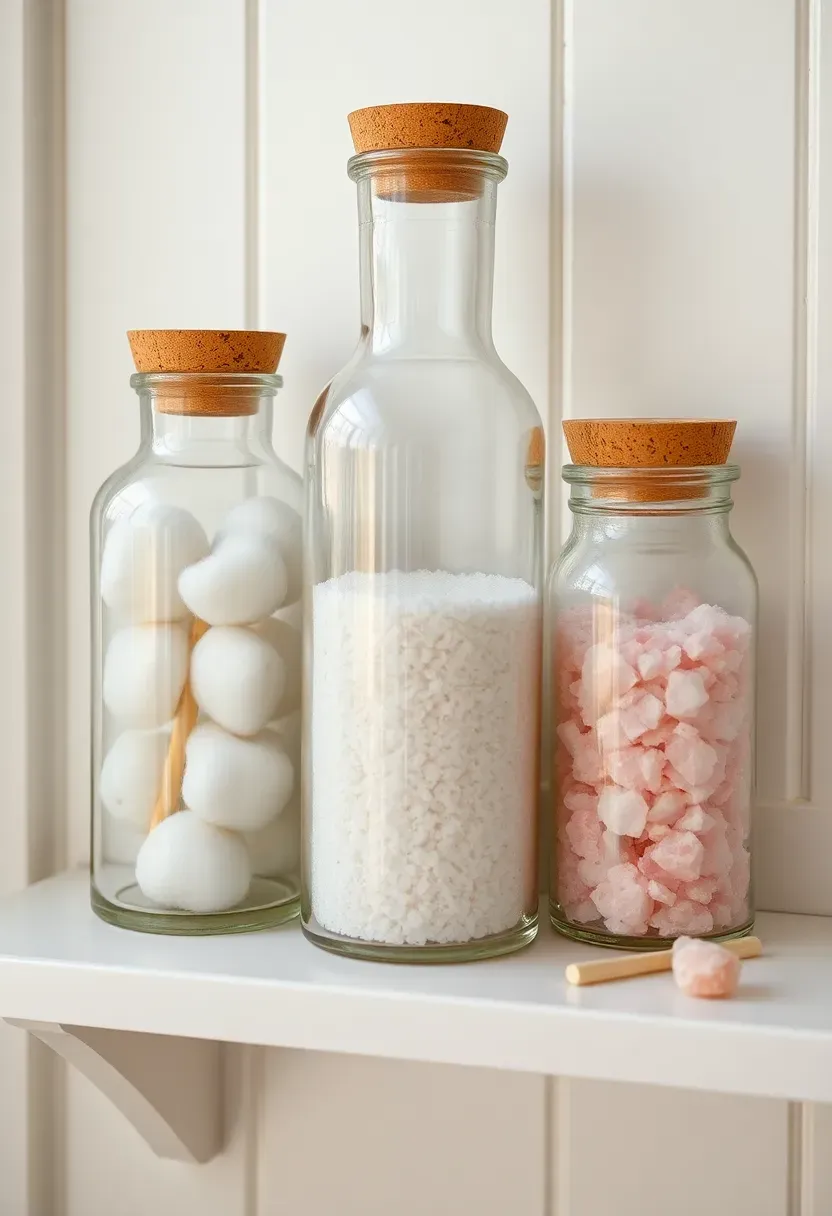
A popcorn machine (countertop models cost $50-$80 and produce theater-quality results). A beverage fridge stocked with cans and bottles. A microwave for nachos and hot dogs. Glass jars on shelving filled with candy. A small sink for rinsing hands and glasses. A 6-foot counter handles all of it.
Choose this if
- Your household watches movies at least twice a week
- You host game days or watch parties regularly
- The theater room is already finished and you want to add function without a major renovation
16. Teen Hangout Kitchenette
Teenagers raid the main kitchen at midnight. Give them their own. A kitchenette in a basement teen space needs a mini fridge, a microwave, a sink for filling water bottles, and shelving stocked with snacks. Keep it durable — laminate counters, vinyl plank flooring, and cabinet surfaces you can wipe down with a wet cloth. Let them personalize the space with a magnetic or chalkboard wall panel behind the counter. The independence matters more than the aesthetics.
Tips
- Install a GFCI outlet near the sink and a separate 20-amp circuit for the microwave
- Use open bins instead of closed cabinets for snack storage — teenagers will not close cabinet doors
- A small Bluetooth speaker mounted under a shelf keeps music contained without cluttering the counter
Recommended
Items for this idea
17. Airbnb Rental Kitchenette
Short-term rental guests expect a kitchenette. They do not expect a gourmet kitchen. Provide what gets used: a two-burner induction cooktop, a sink, an undercounter fridge, a coffee maker, a kettle, basic cookware, and enough dishes for four people. Use durable, replaceable materials — laminate counters, stock cabinets, ceramic tile backsplash. Label everything. Include a small printed card explaining which appliances are available and where to find supplies. Avoid anything that requires explanation — if it needs a manual, it does not belong in a rental kitchenette.
Tips
- Induction cooktops are safer than gas for unsupervised guests and shut off automatically when a pan is removed
- Stock the fridge with a welcome water bottle and a local restaurant guide instead of perishable groceries
- Install a lockbox under the sink for cleaning supplies that guests should not access
18. Laundry Room Combo Kitchenette
The issue
Basements often have a laundry area that already has water lines, a drain, and electrical. Building a separate kitchenette means duplicating all that infrastructure in another location.
The solution
Put the kitchenette next to the laundry. Share the water supply and drain line. A stacked washer-dryer takes up 27 inches of width, leaving the rest of the wall for kitchen cabinetry and counter. A rolling divider screen or a curtain separates the two zones visually during cooking. The plumbing savings alone can be $1,000 to $1,500 compared to a standalone location.
Pros and cons
- Drastically cheaper plumbing because you tap into existing laundry connections
- Noise from the washer and dryer during cooking can be irritating
- Laundry detergent stored near food requires careful separation and labeling
Recommended
Items for this idea
19. Window Well Kitchenette
If your basement has a window well — especially an egress-size one — build the kitchenette on that wall. Natural light over a sink changes the entire experience of being underground. Widen the interior sill to 8 inches and use it for herb pots: basil, mint, and chives grow fine in the indirect light a window well provides. The window also gives you a natural ventilation option during mild weather, reducing reliance on a recirculating hood. Position the counter so the person standing at the sink faces the window directly.
Tips
- Egress window wells must remain accessible — do not block the window with cabinets or shelving
- Apply window well covers outside to keep leaves and debris from falling onto your herb garden
- South-facing window wells get the most light; north-facing ones will need supplemental grow lights for herbs
20. Smart Appliance Kitchenette
A kitchenette is small enough that a few smart devices cover the entire space. A touchless faucet with temperature presets. A smart plug on the coffee maker so it starts brewing when your morning alarm goes off. A compact smart display (like a 7-inch Echo Show) that handles timers, recipes, and music without taking much counter space. A wireless charging pad built into the counter surface keeps phones powered without cords. The point is not gadgetry for its own sake — it is that a kitchenette has so few components that automating each one actually makes a noticeable difference.
Tips
- Smart plugs cost $10-$15 each and let you control any appliance remotely — start with the coffee maker and the under-cabinet lights
- A touchless faucet in a kitchenette reduces cross-contamination when switching between raw food and other surfaces
- Set the smart display voice assistant to a different wake word than your main-floor devices to avoid conflicts
Recommended
Items for this idea
21. Budget Kitchenette Under $2,000
Here is a realistic breakdown. A 6-foot butcher block countertop from a home center: $180. A repurposed dresser or thrift store cabinet as the base: $50-$150. A bar sink with faucet: $120. A mini fridge: $150. A microwave: $80. Peel-and-stick backsplash tile: $40. Open shelving from pine boards and metal brackets: $60. Plumbing hookup (if tying into an existing nearby line): $400-$800. Electrical for a dedicated 20-amp circuit: $200-$400. Total: $1,280 to $1,980. It will not look like a magazine spread, but it will function exactly as well as a kitchenette that costs five times as much.
Tips
- Habitat for Humanity ReStores sell used sinks, faucets, and cabinets at a fraction of retail
- A repurposed dresser needs a waterproof seal on top and around the sink cutout — use silicone caulk generously
- Skip the dishwasher entirely at this budget; a small dish drying rack beside the sink is sufficient
Quick FAQ
Do I need a permit for a basement kitchenette? It depends on what you are installing. Adding a sink requires a plumbing permit in most jurisdictions. Electrical work beyond plug-in appliances usually needs an electrical permit. A simple microwave-and-fridge setup with no new plumbing or wiring rarely triggers permit requirements. Check with your local building department before starting work.
How much does a typical basement kitchenette cost? A basic setup with no plumbing runs $300 to $600. A kitchenette with a sink, fridge, and microwave typically lands between $1,500 and $4,000 depending on how far you need to run water and drain lines. Higher-end finishes with induction cooking and custom cabinetry can reach $8,000 to $12,000.
Can I install a stove in a basement kitchenette? Gas stoves require a gas line and proper ventilation, which gets complicated below grade. Induction or electric cooktops are more practical for basements — they need only an electrical connection and produce less combustion byproduct. Some local codes restrict or prohibit gas appliances in basements altogether.
What flooring works best around a basement kitchenette? Luxury vinyl plank is the standard choice. It handles moisture, resists stains, installs over concrete without a subfloor, and costs $2 to $4 per square foot. Ceramic tile is more durable but colder underfoot. Avoid hardwood and carpet near any cooking or water source in a basement.
Is a sewage ejector pump necessary for a basement sink? Only if your drain line sits below the main sewer line, which is the case in most basements. A sewage ejector pump (or a smaller utility pump for a kitchenette with only a sink) costs $300 to $600 installed and handles gray water from the sink. Without it, gravity will not move wastewater uphill to the sewer connection.
A basement kitchenette does not need to be complicated or expensive to change how you use the space. Start by deciding what you will actually cook, reheat, or prepare down there — then pick the idea above that matches. If budget is tight, idea 21 proves you can build a working kitchenette for under $2,000. If you have more to spend, ideas like the Scandi minimal or the smart appliance version add polish without adding unnecessary bulk. The best kitchenette is the one you will actually use every week, not the one that looks best in a photograph.
Pinterest cover for 21 Basement Kitchenette Ideas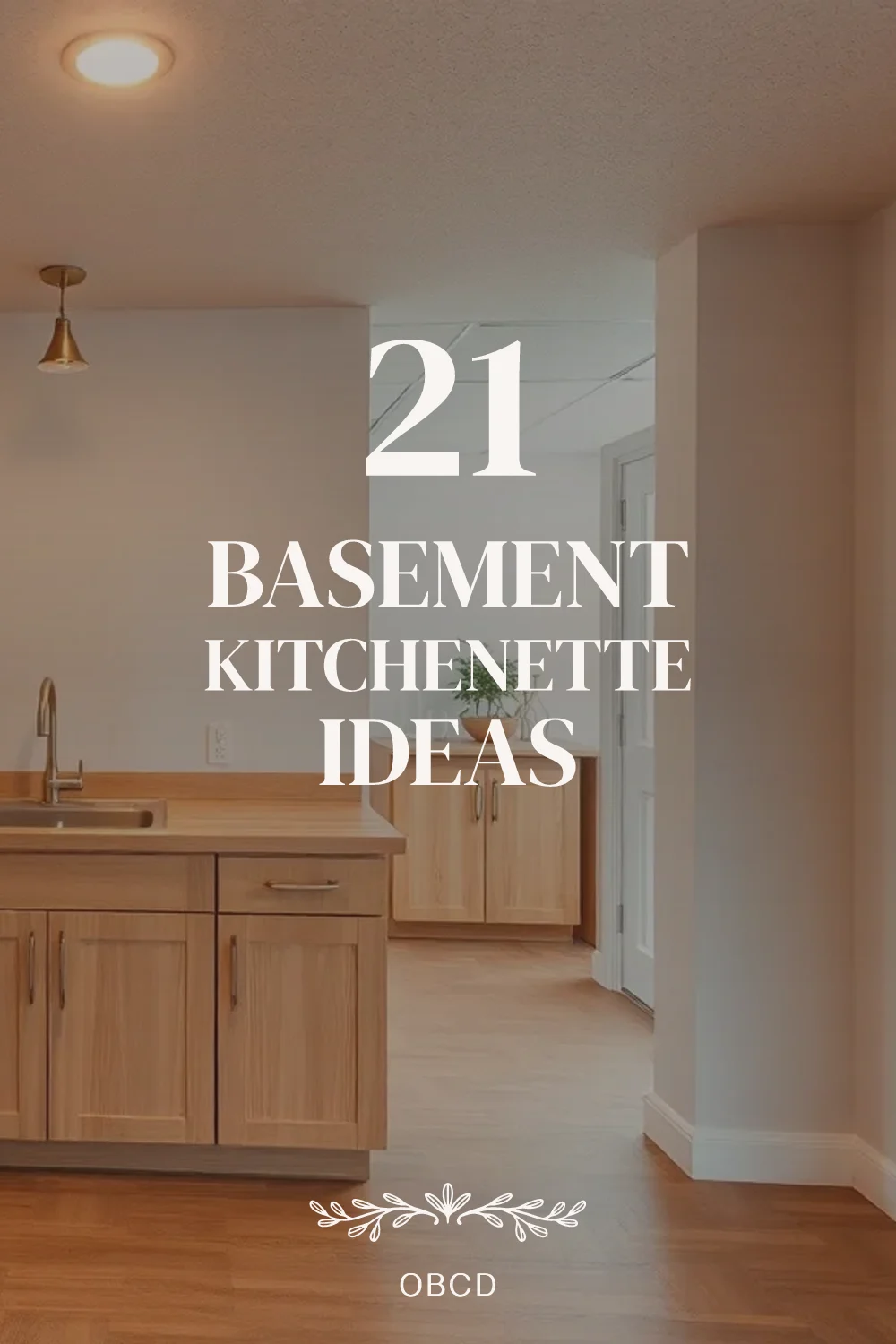
About the author
OBCD
CGI visualization and interior design content. We create detailed 3D renders and curate practical design ideas for every room in your home.