17 Rustic Minimalist Bedroom Ideas That Blend Simplicity & Warmth
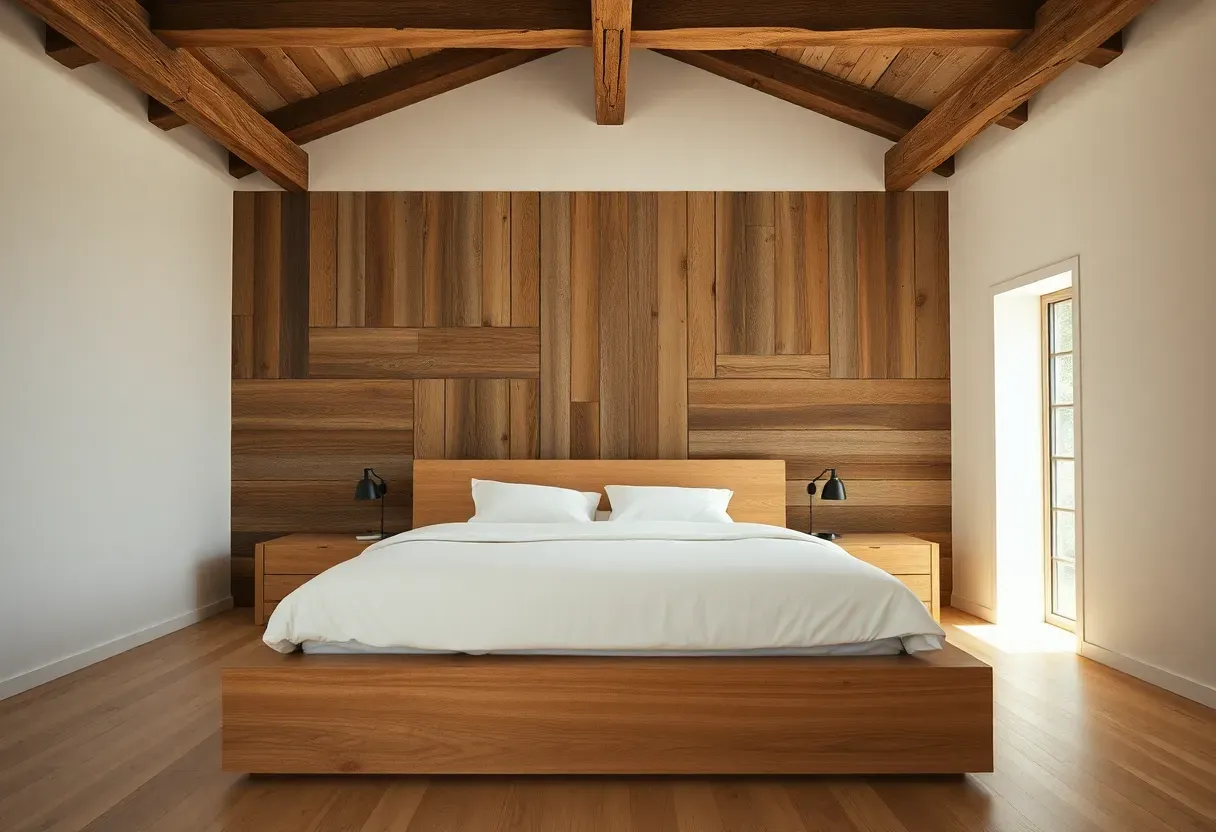
These rustic minimalist bedroom ideas bring together the raw beauty of natural materials and the calm clarity of simplified spaces. This approach creates a serene retreat that feels grounded and authentic without sacrificing visual peace. By embracing weathered wood textures, earthy color palettes, and intentional emptiness, you achieve a bedroom that is both warmly inviting and refreshingly uncluttered.
The key lies in balancing rustic character with minimalist restraint -- think exposed beams kept clean, reclaimed wood furniture with simple lines, and natural textiles that add warmth without visual noise. This simple rustic bedroom style works particularly well for renters and small apartment dwellers seeking sanctuary-like spaces that connect to nature while maintaining modern simplicity.
Whether you live in a countryside home or an urban rental, these 17 natural wood bedroom ideas will help you craft a space that celebrates imperfect perfection and the quiet luxury of restraint.
Quick FAQ
What defines a rustic minimalist bedroom?
It combines raw natural materials like weathered wood and stone with minimalist principles of clean lines, negative space, and intentional decor. The aesthetic embraces imperfection while maintaining visual calm through reduced clutter.
How do I keep a rustic bedroom from looking cluttered?
Focus on fewer, larger statement pieces rather than many small items. Choose furniture with simple silhouettes even when made from rough-hewn materials, and keep surfaces mostly clear with just 1-2 purposeful objects per surface.
What colors work best for rustic minimalism?
Warm neutrals form the foundation: cream, warm gray, taupe, and soft brown. Accent with muted earth tones like sage, terracotta, or dusty blue. The key is keeping saturation low for that serene, minimal feel.
Can rustic minimalism work in small bedrooms?
Absolutely. In fact, the minimalist aspect helps small spaces feel larger. Choose light wood tones, keep low-profile furniture, and maximize vertical space with one statement architectural element like a single wood shelf or headboard.
What wood tones are typical for this style?
Unfinished or lightly finished oak, pine, walnut, and reclaimed barn wood are staples. The natural grain and imperfections are celebrated—avoid high-gloss finishes or heavily stained woods that hide the material's character.
How do I add warmth without adding clutter?
Layer textures instead of objects: a wool rug, linen bedding, a wood headboard, and perhaps one textile throw. Textural warmth adds coziness through material variety rather than quantity of items.
As an Amazon Associate I earn from qualifying purchases.
Table of Contents
- 1. Reclaimed Wood Headboard as Focal Point
- 2. Exposed Beam Ceiling with Clean Lines
- 3. Monochromatic Wood Palette
- 4. Platform Bed with Natural Finish
- 5. Single Statement Wood Accent Wall
- 6. Minimalist Rustic Nightstands
- 7. Neutral Layered Bedding
- 8. Wood and Black Metal Accents
- 9. Low-Profile Rustic Furniture
- 10. Natural Light with Simple Window Treatments
- 11. Textured Neutral Rug
- 12. Floating Wood Shelves (Renter-Friendly Option)
- 13. Stone Accent Wall
- 14. Woven Texture Elements
- 15. Minimalist Wood Slat Features
- 16. Earthy Plant Accents
- 17. Open Space Beneath Bed
1. Reclaimed Wood Headboard as Focal Point
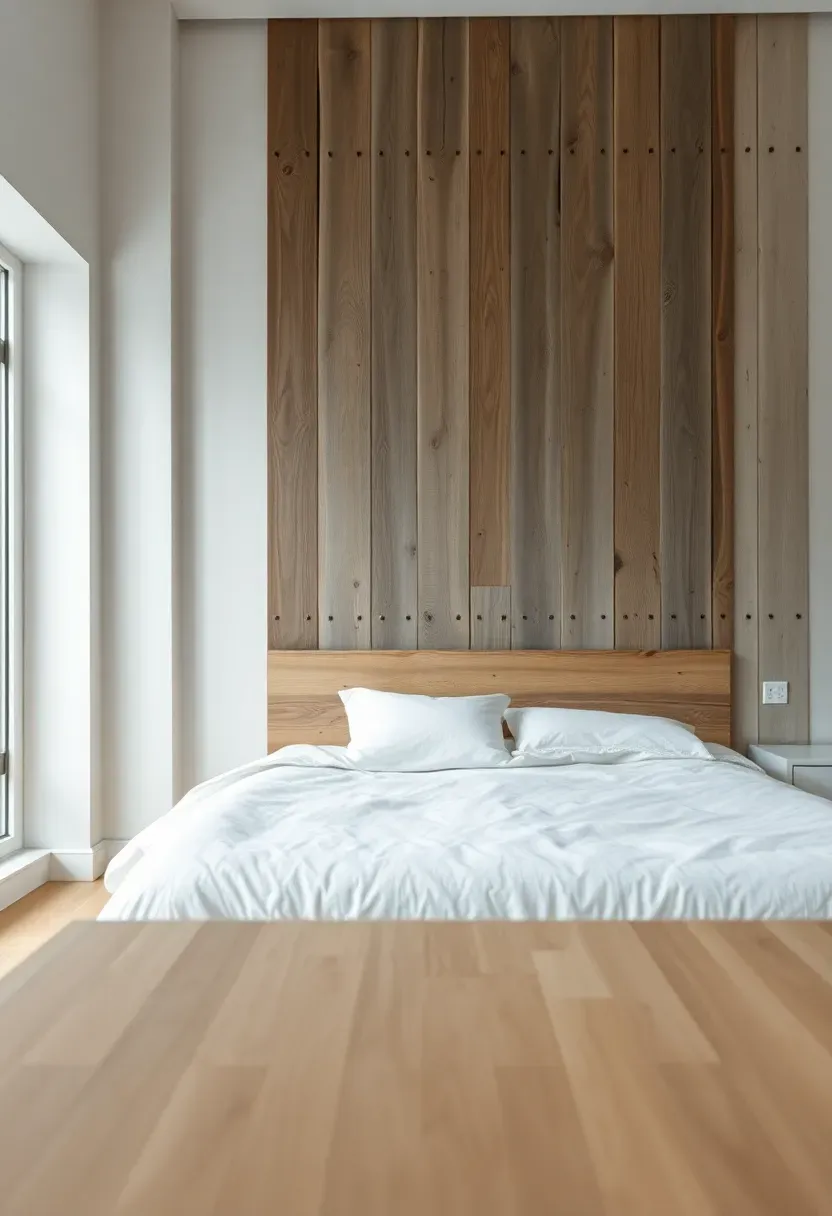
A reclaimed wood headboard anchors the bedroom with authentic character while maintaining minimalist simplicity. Choose wide planks with natural grain patterns, nail holes, and weathered patina that tell a story without overwhelming the space. Mount it floor-to-ceiling for dramatic presence, or keep it at standard headboard height for subtler impact. The key is letting the wood's natural imperfections serve as the sole decoration—no art, no gallery wall needed. Pair with crisp white bedding and simple nightstands to let the reclaimed texture shine as the room's hero element.
Tips
- Do source wood from local barns or salvage yards for authentic weathering
- Don't combine multiple wood stains—let natural aging create variation
- If budget allows, have planks professionally cleaned and sealed
Best for: bedrooms with at least one blank wall needing architectural interest
What this gives you: instant character without requiring additional artwork or decor
We picked a few things that go well with this idea: Mellow Naturalista Solid Wood Platform Bed (★4.6), AMERLIFE Rustic Platform Bed with Headboard (★4.4) and Farmhouse Queen Bed Frame with Storage (★4.3). As an Amazon Associate we earn from qualifying purchases.
2. Exposed Beam Ceiling with Clean Lines
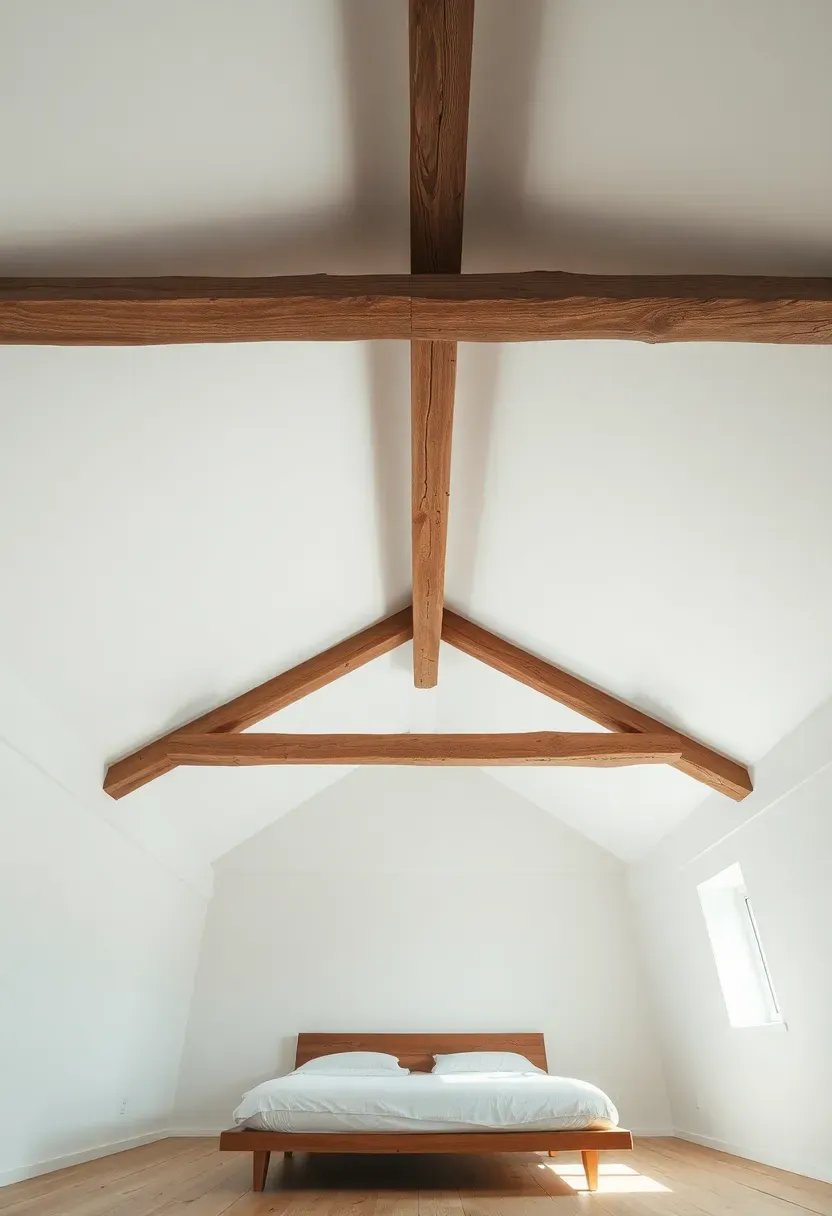
Exposed ceiling beams create rustic architecture that frames the entire bedroom with warm horizontal lines. The beauty of this approach lies in its structural honesty—beams become decoration through their inherent presence rather than added ornamentation. Keep the surrounding ceiling and walls crisp white or soft cream to maintain the minimalist balance. If your home lacks original beams, consider adding faux beams made from rough-sawn lumber positioned symmetrically across the ceiling. The contrast between dark weathered wood and bright overhead space creates visual depth while keeping the room feeling open and airy rather than heavy or enclosed.
Tips
- If adding faux beams, space them evenly for visual rhythm
- Keep beam finish consistent—either all natural or all white-washed
- Avoid hanging anything from beams to maintain clean lines
Budget note: faux beams cost significantly less than structural restoration
What this gives you: permanent architectural character that requires no ongoing styling
We picked a few things that go well with this idea: Hand Knitted Chunky Throw Blanket (50x60) (★4.7), Organic Cotton Cable Knit Throw Blanket (★4.7) and Handmade Chenille Cable Knit Throw Blanket (★4.5). As an Amazon Associate we earn from qualifying purchases.
3. Monochromatic Wood Palette
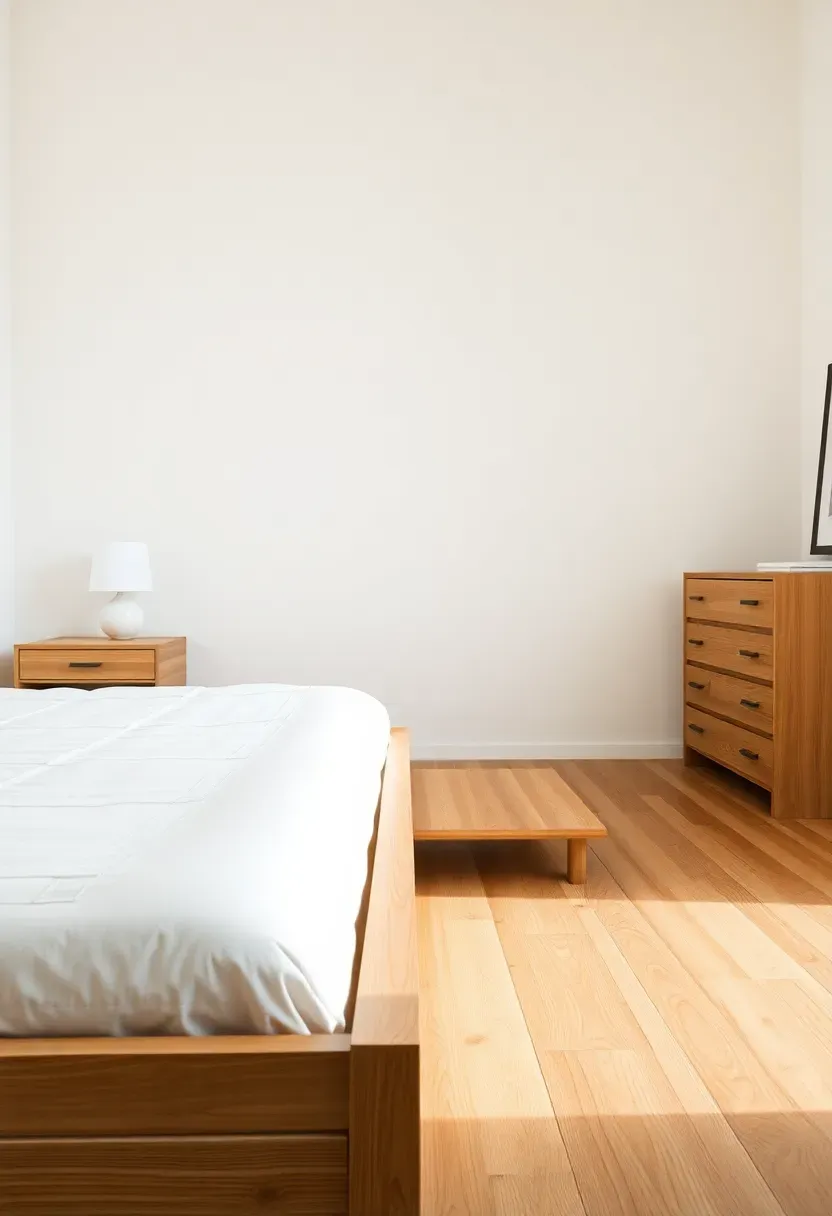
Embrace a single wood tone throughout the bedroom for cohesive rustic minimalism that feels intentional rather than collected. Choose one species—light oak, warm walnut, or pine—and carry it through the bed frame, nightstands, dresser, and any wood accents. This monochromatic approach creates visual calm through material consistency while still delivering warmth and natural variation through grain patterns. The simplicity of matching wood tones eliminates the visual clutter that comes with mixing multiple finishes. Even within one wood type, nature provides plenty of variation through knots, grain direction, and natural aging, so the space never feels sterile or monotonous.
Tips
- Light oak works best for small rooms as it reflects more light
- Walnut creates drama in larger bedrooms with high ceilings
- Don't worry about perfect grain matching—variation is part of rustic appeal
Best for: creating a put-together look without hiring an interior designer
What this gives you: visual harmony that makes the room feel larger and more intentional
We picked a few things that go well with this idea: S&L Homes Jute Cotton Farmhouse Rug (8x10) (★4.0), Hand Braided Jute Area Rug (8x10) (★4.7) and HOMEMONDE Solid Braided Jute Rug (8x10) (★4.3). As an Amazon Associate we earn from qualifying purchases.
4. Platform Bed with Natural Finish
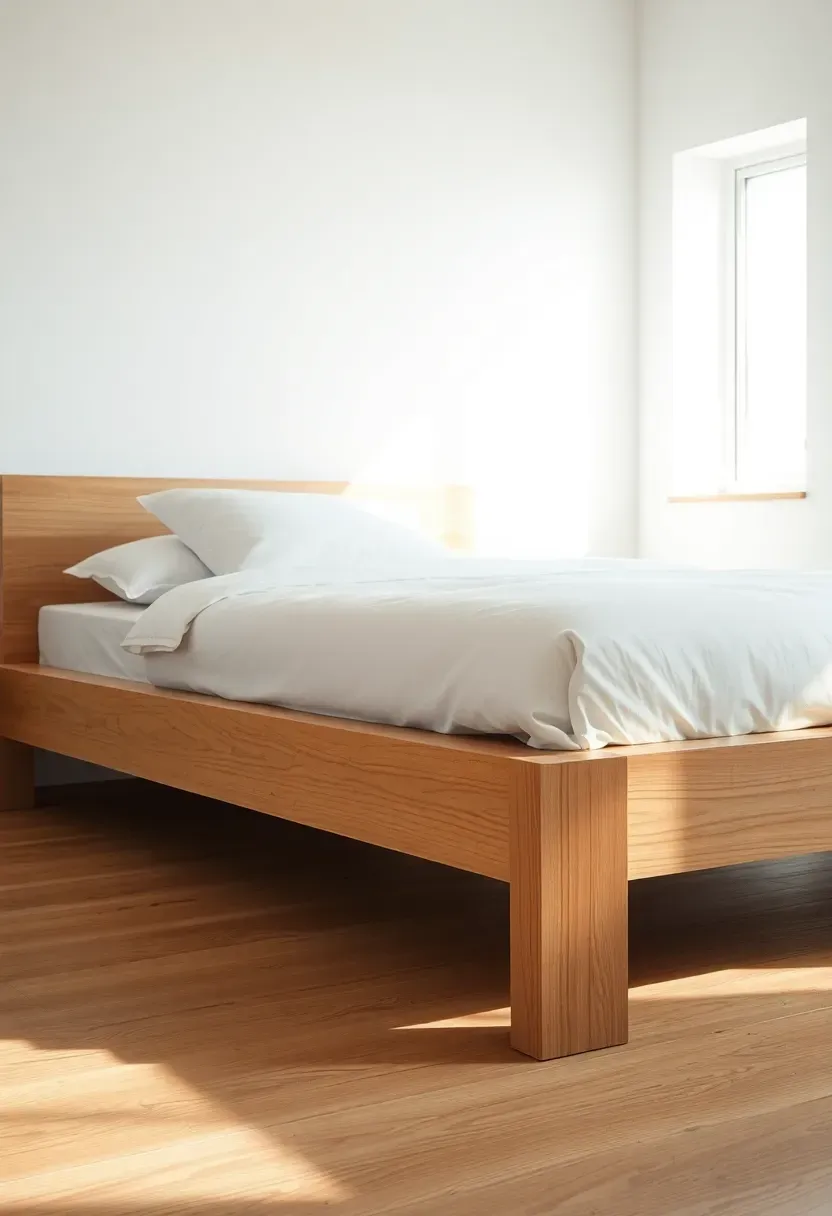
A low-profile platform bed in natural wood serves as the rustic minimalist bedroom's foundational element. The platform design eliminates the need for a box spring and bed skirt, reducing visual bulk and revealing more floor space—which makes any bedroom feel larger. Choose a bed frame with clean, simple lines and minimal ornamentation, letting the wood's natural grain and color provide the only decoration. Platform beds often incorporate under-bed storage, but for true minimalist aesthetics, leave the space beneath the bed open and empty rather than adding drawers or bins. This creates breathing room and maintains the light, uncluttered feel essential to the rustic minimalist balance.
Recommended
Items for this idea
Tips
- Choose a platform height 12-14 inches from floor for ideal proportions
- Japanese-style platform beds work exceptionally well for this aesthetic
- Avoid headboards with carvings or ornamentation—keep it simple wood planks
Best for: smaller bedrooms where maximizing perceived space is priority
What this gives you: visual lightness and more apparent floor space than traditional bed frames
5. Single Statement Wood Accent Wall
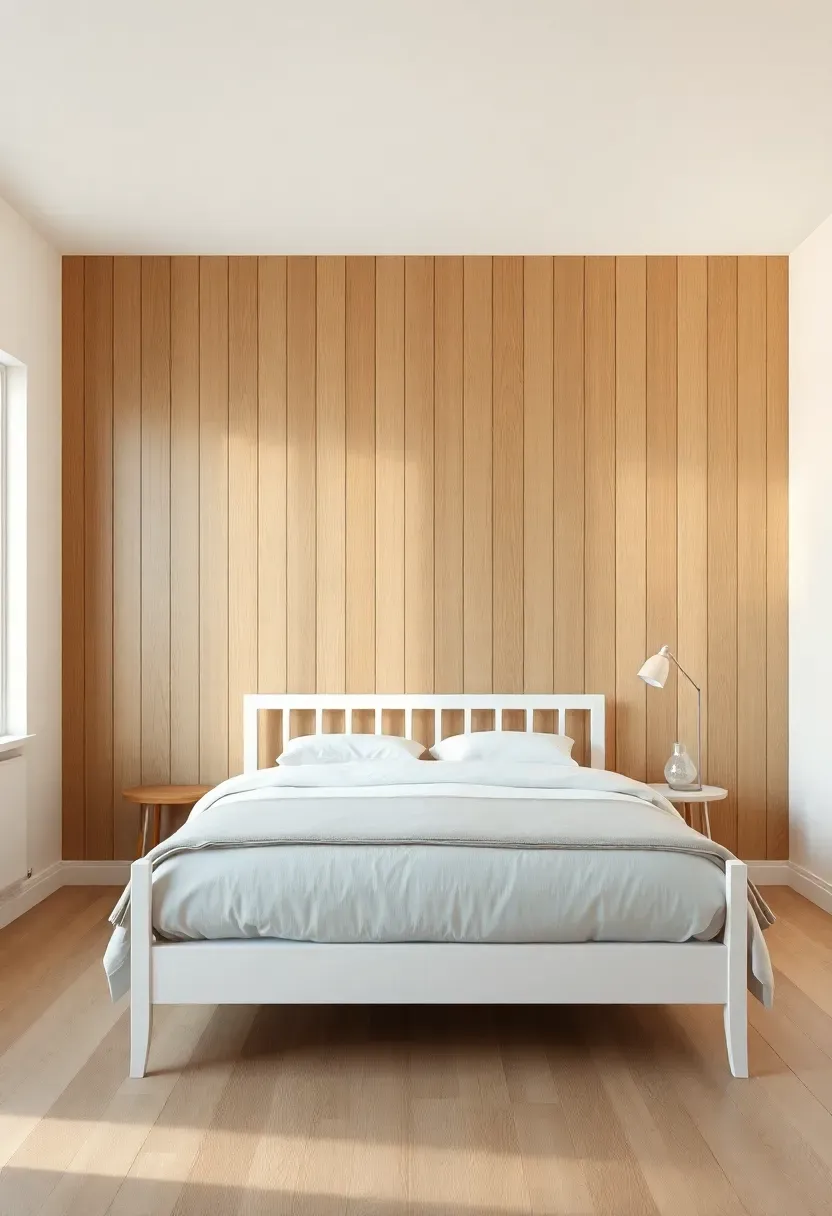
Creating one accent wall with wood planks, shiplap, or board-and-batten adds rustic architecture without overwhelming the room. The key is choosing just ONE wall—typically behind the bed—to feature wood treatment, while keeping the remaining three walls painted in a crisp neutral. This single statement wall creates a focal point and authentic rustic character while maintaining the minimalist principle of restraint. For maximum impact, run the wood floor-to-ceiling rather than stopping partway up the wall. This vertical continuity draws the eye upward, making ceilings feel higher. The contrast between warm wood texture and clean plaster walls strikes the perfect balance between cozy rustic charm and modern minimalist simplicity.
Tips
- Vertical plank installation makes ceilings feel higher
- Horizontal planks create cozy, grounded feel—choose based on room dimensions
- White-washing the wood lightens the rustic character for brighter rooms
Placement note: always apply the wood wall behind the bed for natural focal point placement
What this gives you: architectural interest that replaces the need for wall art or headboard
6. Minimalist Rustic Nightstands
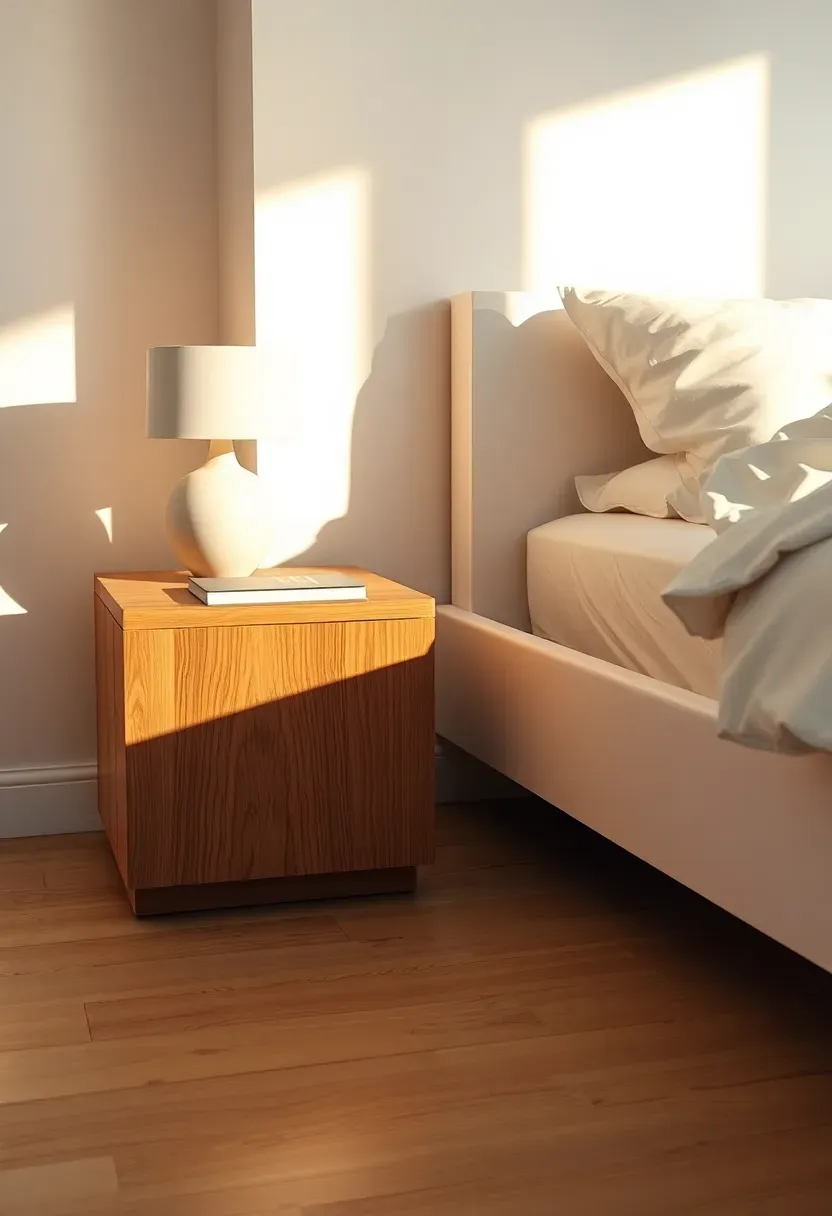
Nightstands in rustic minimalist bedrooms should be simple wood forms with clean lines and ample empty surface area. Avoid pieces with drawers, carvings, or decorative hardware—solid wood cubes or stump-style tables work beautifully. The goal is having just enough surface for essentials—a lamp, perhaps a book or water glass—while maintaining plenty of visible negative space. Each nightstand should feel intentionally sparse rather than accidentally empty. If using stump tables, choose ones with relatively flat tops and simple shapes rather than highly irregular or branching forms. This maintains the minimalist aesthetic while still celebrating natural wood forms. For smaller bedrooms, consider floating wall shelves instead of traditional nightstands to free up floor space.
Recommended
Items for this idea
Tips
- Keep nightstand height level with mattress top for visual ease
- If using stump tables, sand tops thoroughly for stable surface
- Mismatched nightstands work if they share similar wood tone and scale
Best for: maintaining open surfaces that don't accumulate clutter
What this gives you: functional surfaces that enhance rather than disrupt the minimalist aesthetic
7. Neutral Layered Bedding
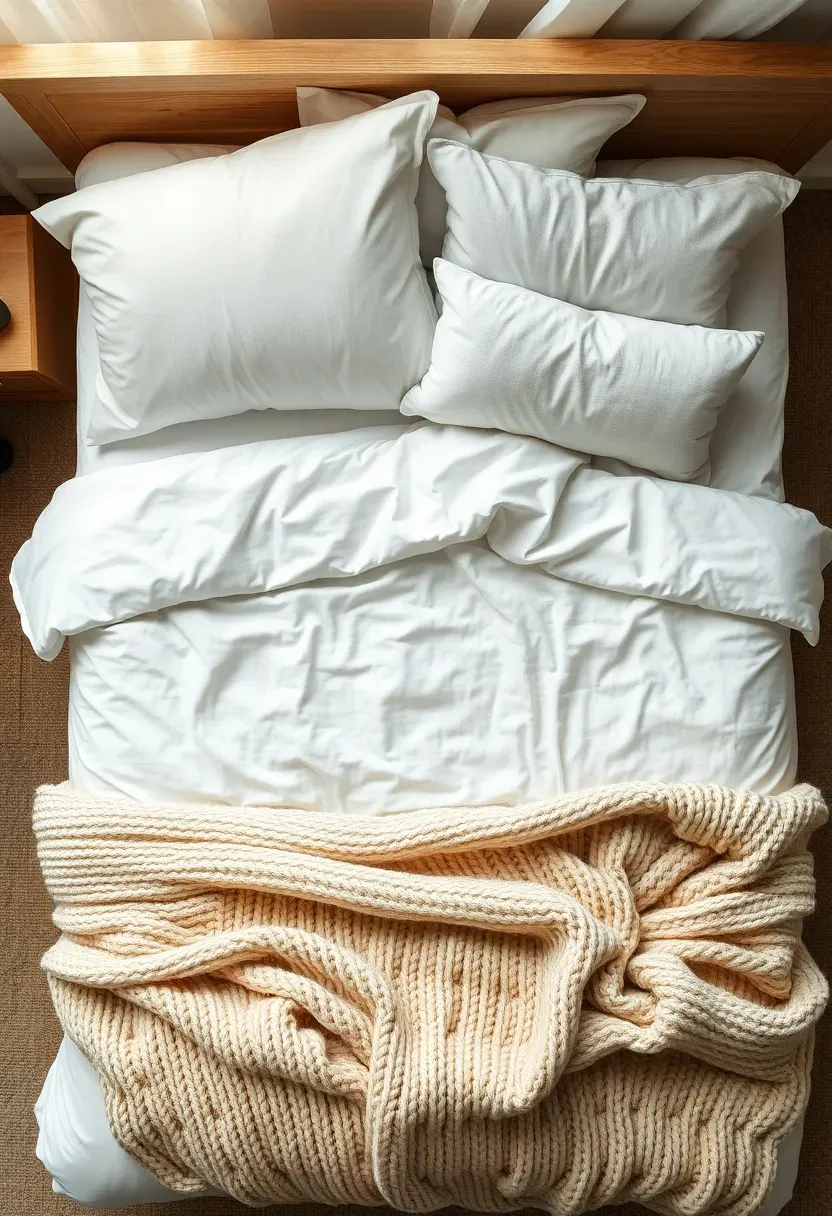
Bedding in rustic minimalist bedrooms should create a serene, inviting foundation through layered neutral tones and natural fabrics. Start with white or cream linens as your base, then add texture through a chunky knit blanket or woven throw in soft gray, warm beige, or muted sage. The key is mixing textures rather than colors—linen, cotton, wool, and cashmere in similar neutral tones create depth without visual noise. Avoid bold patterns or bright accent colors. Instead, let the rustic wood elements provide the room's character while bedding contributes calm softness. Keep pillow arrangements simple: two standard pillows and perhaps one lumbar or accent pillow rather than the overstuffed pillow arrangements common in traditional bedrooms. This restraint maintains the minimalist ethos while still creating a bed that looks welcoming and lived-in.
Tips
- Invest in high-quality natural fabrics—texture is more noticeable in monochromatic bedding
- Don't over-layer; too many blankets creates visual bulk inconsistent with minimalism
- Wash linens less frequently to maintain their natural rumpled texture
Best for: creating a calm retreat that still feels warm and inviting
What this gives you: a bed that looks neatly made even with casual, relaxed styling
8. Wood and Black Metal Accents
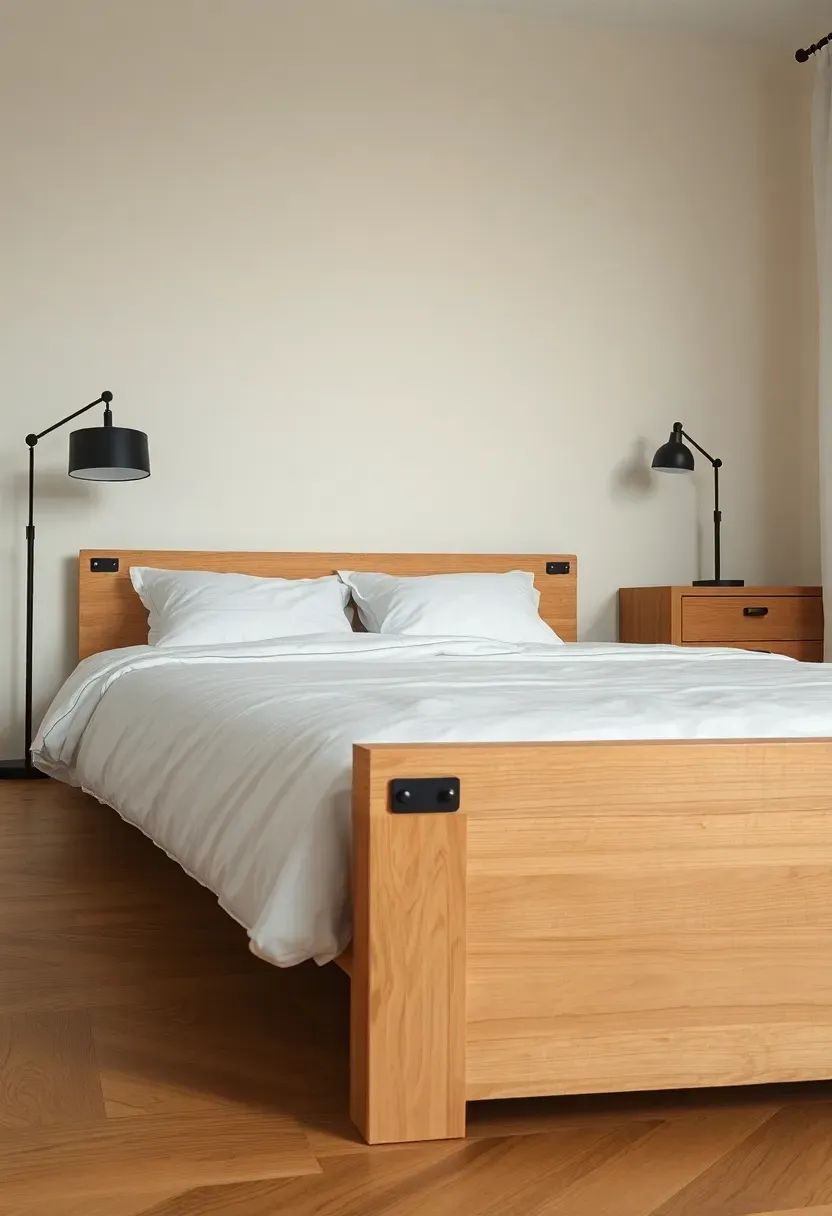
Introducing black metal elements—lamp bases, curtain rods, bed frame details—creates striking contrast against warm wood while reinforcing the minimalist aesthetic. The combination of natural wood and black forged metal nods to industrial rustic heritage without feeling kitschy or themed. This palette partnership works because black metal adds crisp definition and modern edge, softening the rustic character just enough to keep it current rather than nostalgic. Use black metal sparingly: one lamp per nightstand, perhaps a black metal curtain rod, or bed frame brackets. This restraint ensures the material feels like an intentional accent rather than a dominant theme. The dark metal also provides visual weight that grounds light-colored wood, creating balance in the room's material composition.
Recommended
Items for this idea
Tips
- Choose matte black rather than glossy or oil-rubbed bronze for modern feel
- Keep black metal elements limited to 3-5 pieces per room maximum
- Black metal light fixtures work particularly well against wood ceilings
Avoid if: you prefer softer, more feminine bedroom aesthetics
What this gives you: modern edge that prevents rustic elements from feeling dated or cabin-like
9. Low-Profile Rustic Furniture
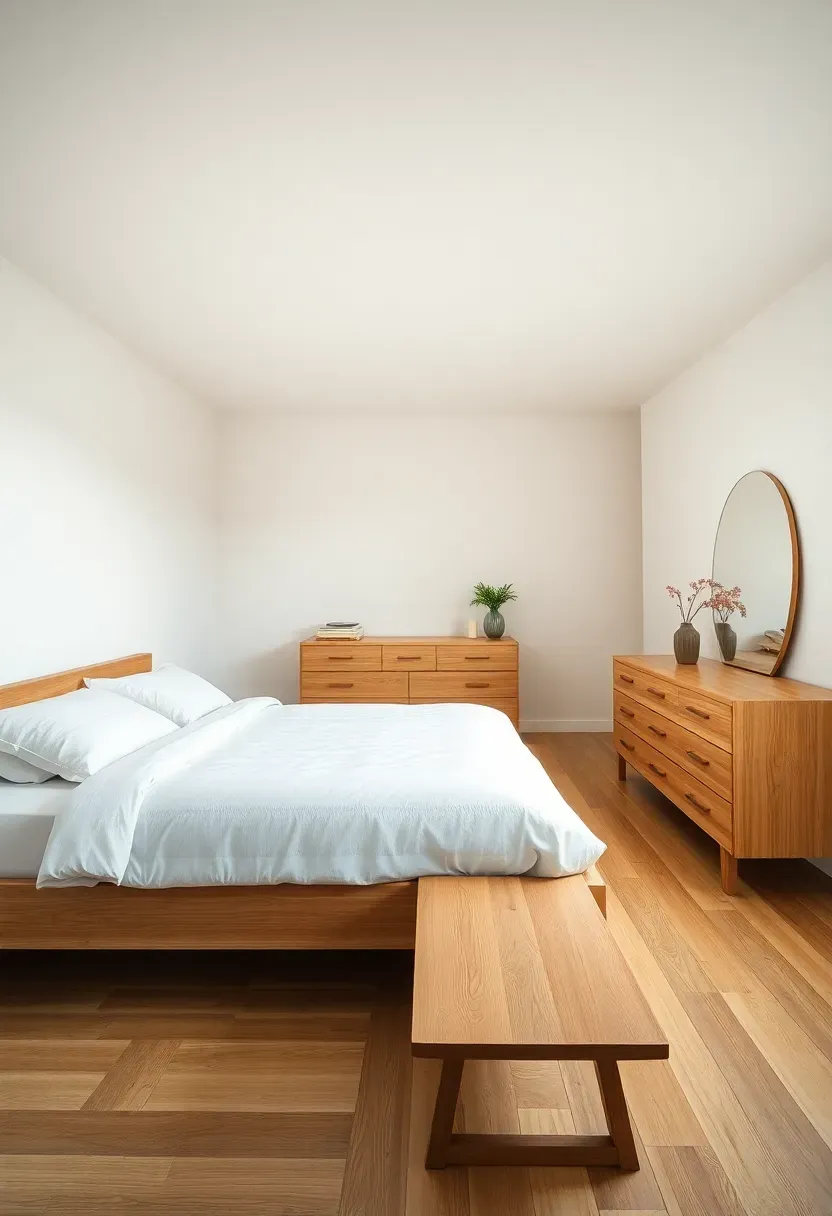
Keeping all furniture low to the ground enhances the rustic minimalist bedroom's connection to earth while making ceilings feel higher. Low platform beds, low-slung dressers, and bench seating rather than standard-height chairs create a grounded, cocoon-like atmosphere that feels cozy rather than cramped. This vertical proportion strategy works particularly well in bedrooms with standard eight-foot ceilings, where taller furniture can make the space feel compressed. Low-profile furniture also emphasizes horizontal lines over vertical ones, which reinforces the calm, restful energy ideal for sleeping spaces. When selecting low pieces, prioritize those with solid wood construction and simple silhouettes rather than pieces with carved legs or ornate details. The goal is furniture that feels substantial and grounded while maintaining minimal visual complexity.
Tips
- Japanese-inspired furniture naturally lends itself to this aesthetic
- If replacing furniture isn't possible, remove legs from existing pieces
- Ensure low furniture doesn't compromise comfortable functionality
Best for: rooms with standard ceiling heights where vertical space is limited
What this gives you: a cozy, grounded atmosphere that still feels spacious and airy
10. Natural Light with Simple Window Treatments
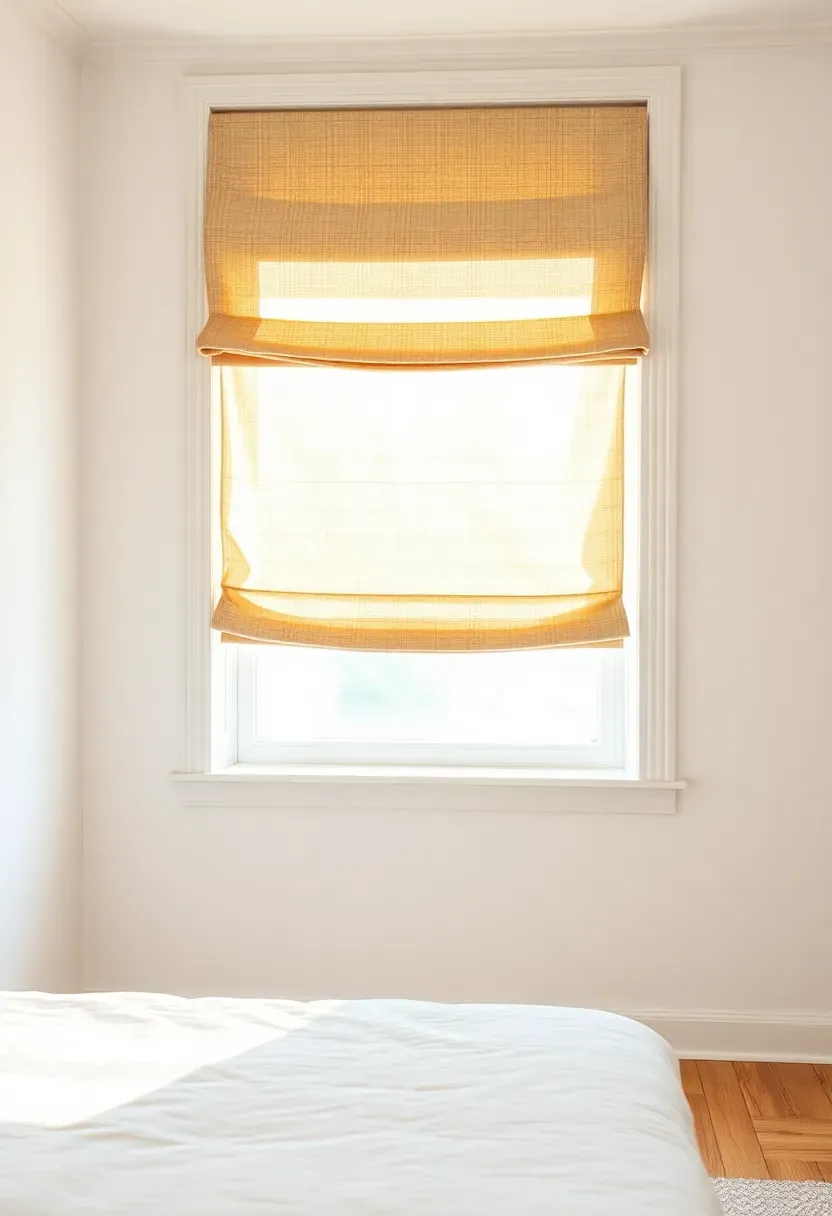
Rustic minimalist bedrooms should maximize natural light while using window treatments that don't compete with the room's simple aesthetic. Opt for flat Roman shades in natural linen or simple wood blinds rather than heavy drapes or elaborate valances. The goal is window treatments that filter light softly and provide privacy when needed without becoming visual focal points themselves. If privacy isn't a concern, consider leaving windows bare or using just a simple roller shade that disappears when raised. This approach celebrates the architecture of the window itself—especially if your windows have wood frames or rustic divided lite patterns. The abundance of natural light also enhances the rustic materials' beauty, illuminating wood grain and creating dynamic shadows throughout the day that add life without adding objects.
Recommended
Items for this idea
Tips
- Mount shades outside the window frame to make windows feel larger
- Choose cordless options for cleaner, minimal appearance
- Wood blinds work well if they match other wood tones in the room
Best for: east-facing bedrooms where morning light is especially desirable
What this gives you: rooms that feel larger, brighter, and more connected to outdoors
11. Textured Neutral Rug
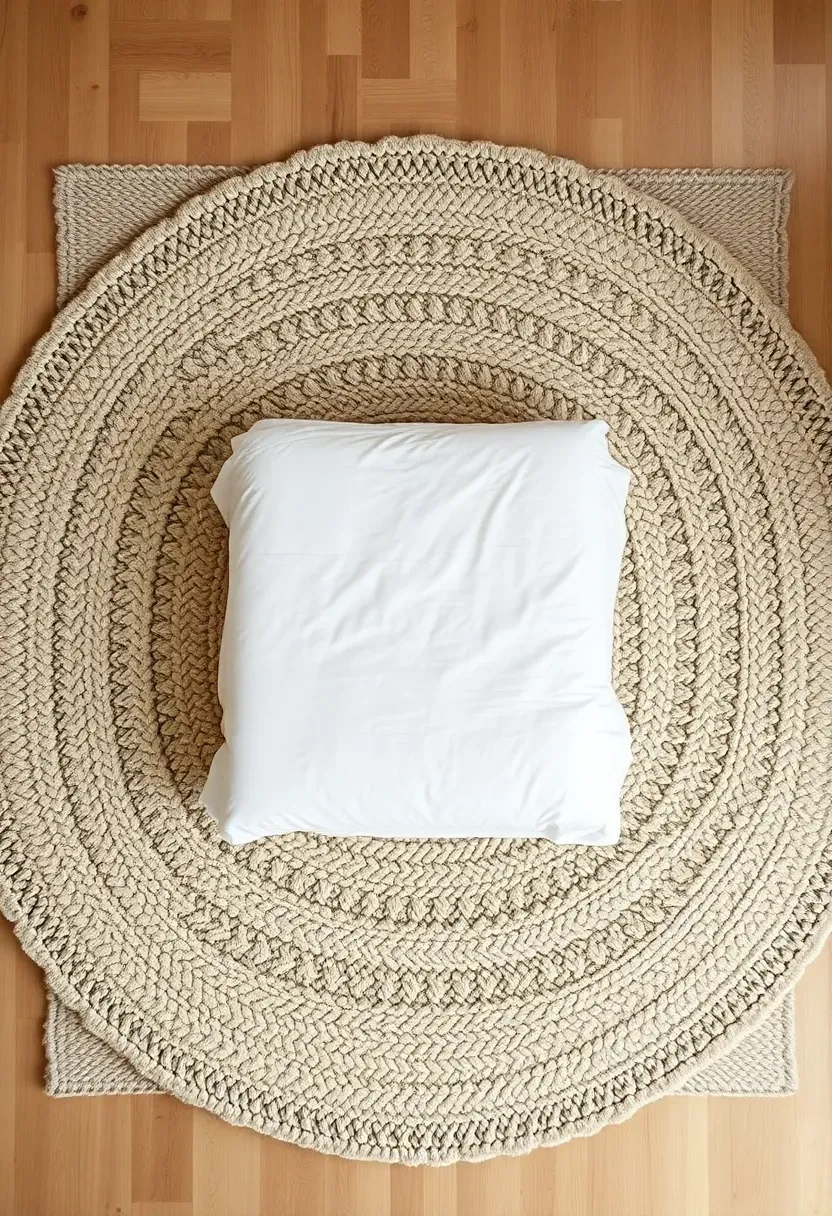
A single textural rug anchors the bedroom while adding softness underfoot without introducing bold colors or patterns. Choose natural fiber rugs—jute, sisal, wool, or chunky woven cotton—in neutral tones that complement rather than contrast with the existing palette. The rug should be large enough to extend at least 2 feet beyond the bed's sides and foot, creating a soft island that defines the sleeping zone within the larger room. Texture becomes the primary visual feature: the nubby surface of jute, the plush pile of wool, or the organic variations in handwoven cotton. This textural richness provides sensory warmth and visual interest that aligns with rustic character while maintaining the minimalist principle of subdued coloration. Avoid layering multiple rugs—a single well-sized piece creates more impact than several smaller ones.
Tips
- Jute adds authentic rustic texture but can be rough under bare feet
- Wool rugs feel softer and work better for bedrooms where warmth matters
- Choose rugs with bound edges rather than fringed for cleaner, minimal look
Best for: bedrooms with hardwood floors that need softening and zoning
What this gives you: defined sleeping area that feels cozier without adding visual complexity
12. Floating Wood Shelves (Renter-Friendly Option)
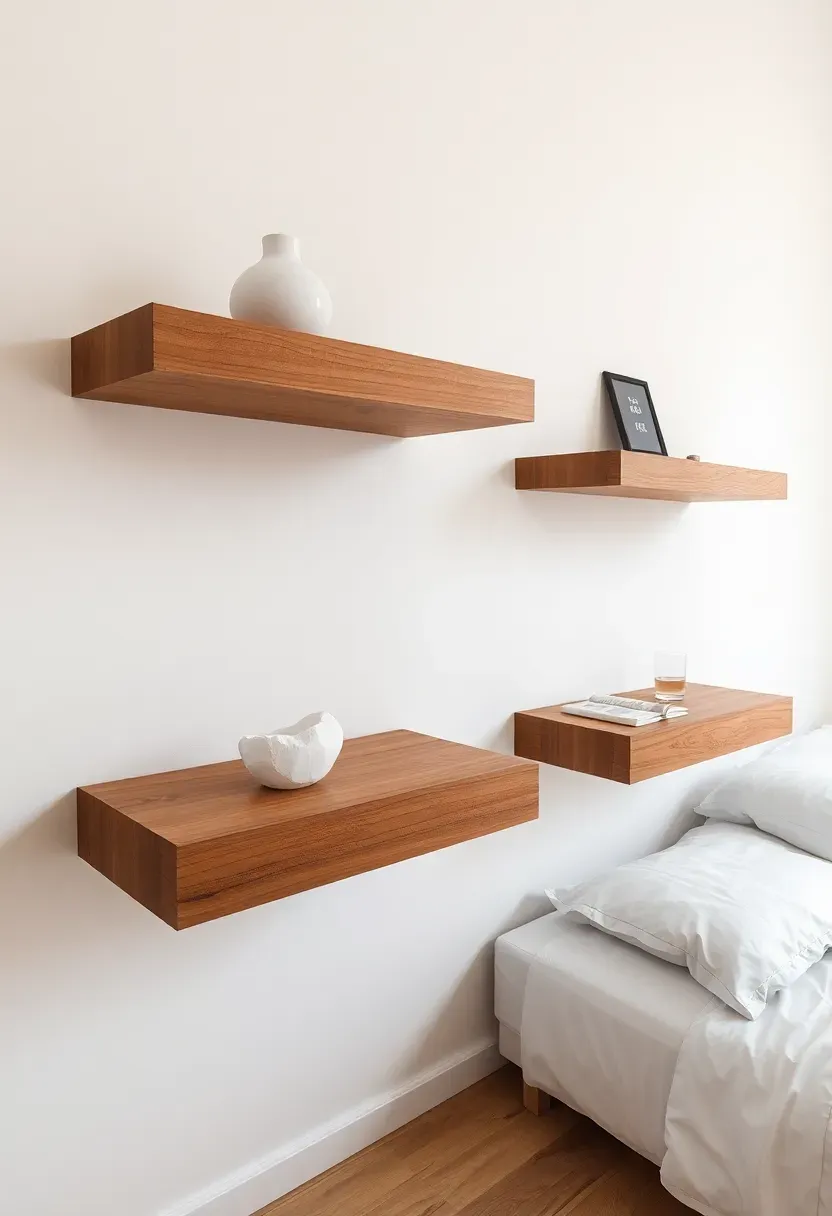
Replace traditional nightstands or add storage with floating wood shelves that maintain floor visibility while providing functional surfaces. Thick-cut wood shelves mounted directly to walls create the same rustic warmth as table-style nightstands but leave the floor area beneath them open and empty. This visual lightness is crucial for maintaining the minimalist aesthetic, especially in smaller bedrooms where floor clutter makes spaces feel cramped. Install one shelf per side of the bed at standard nightstand height, or add a single longer shelf above the bed for displaying just two or three carefully chosen objects. The key is keeping surfaces mostly empty rather than filled. Choose shelves with substantial thickness—2 to 3 inches—to prevent them from feeling flimsy or temporary. The visible wood grain and substantial thickness communicate quality and intentionality.
Recommended
Items for this idea
Tips
- Use hidden mounting hardware for true floating appearance
- Match shelf wood to bed or other furniture for cohesive palette
- Keep shelf depth to 8-10 inches maximum for proportion
Best for: small bedrooms where preserving floor space is essential
What this gives you: functional surfaces without sacrificing floor space or visual calm
13. Stone Accent Wall
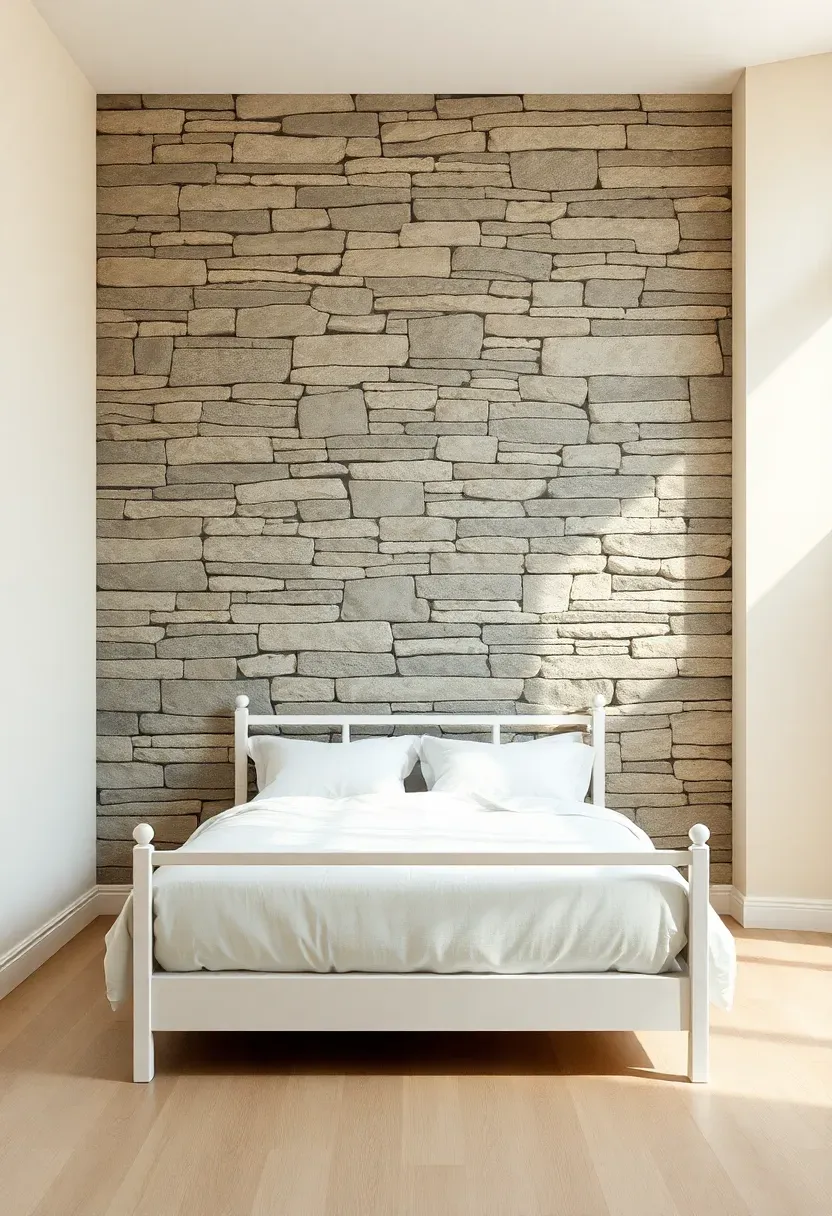
Incorporating natural stone—either real or faux veneer—creates a dramatic rustic backdrop that still aligns with minimalist principles when applied to just one wall. A stone accent wall behind the bed adds authentic earthy texture and architectural interest that no other material can replicate. Choose stone in neutral tones: gray limestone, warm sandstone, or river rock in monochromatic earth tones. The irregularity and depth of stone surfaces catch light beautifully, creating subtle shadows that change throughout the day. This dynamic quality adds life to the room without requiring any additional decoration. Keep the remaining walls smooth and painted in soft neutrals to create contrast between the heavily textured stone and clean surrounding surfaces. The stone wall becomes the room's artwork, eliminating the need for framed pieces or gallery arrangements.
Tips
- Faux stone veneer is significantly cheaper and lighter than real stone
- Choose ledge stone rather than round river rock for cleaner, modern feel
- Consider grout color carefully—gray grout blends more than white
Placement note: stone walls work best on exterior walls where they feel architecturally authentic
What this gives you: dramatic texture that serves as both focal point and wall art
14. Woven Texture Elements
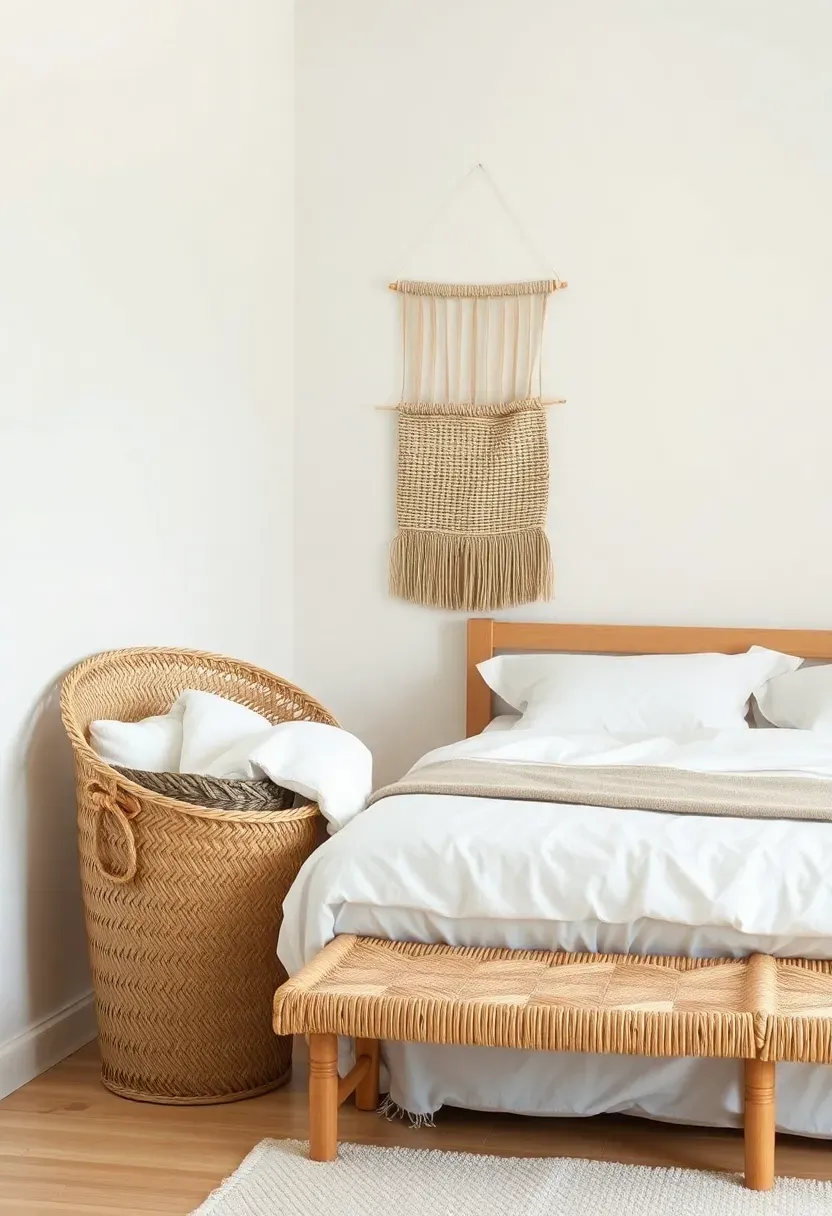
Introduce woven textures through baskets, textile art, or furniture accents to add handmade rustic warmth without clutter. A single large woven basket for blanket storage, a hanging woven wall piece, or a woven bench seat brings artisanal character that complements wood elements beautifully. The beauty of woven items lies in their irregularity—visible variations in fiber thickness, weave patterns, and natural colorations create authentic human touch that machine-made items lack. Choose woven pieces in neutral tones that integrate seamlessly rather than standing out. The goal is texture variation rather than color contrast. Place woven items strategically where they'll be noticed but won't compete with each other: one basket in a corner, one woven textile piece on a focal wall, or woven texture incorporated into a single furniture piece like a bench or chair.
Recommended
Items for this idea
Tips
- Natural fibers like seagrass, jute, and rattan age beautifully over time
- Limit woven pieces to 2-3 per room to maintain minimalist restraint
- Avoid brightly dyed woven items—stick to natural undyed fibers
Best for: adding softness and craftsmanship to rooms dominated by hard wood surfaces
What this gives you: human-scale warmth that feels authentic rather than decorated
15. Minimalist Wood Slat Features
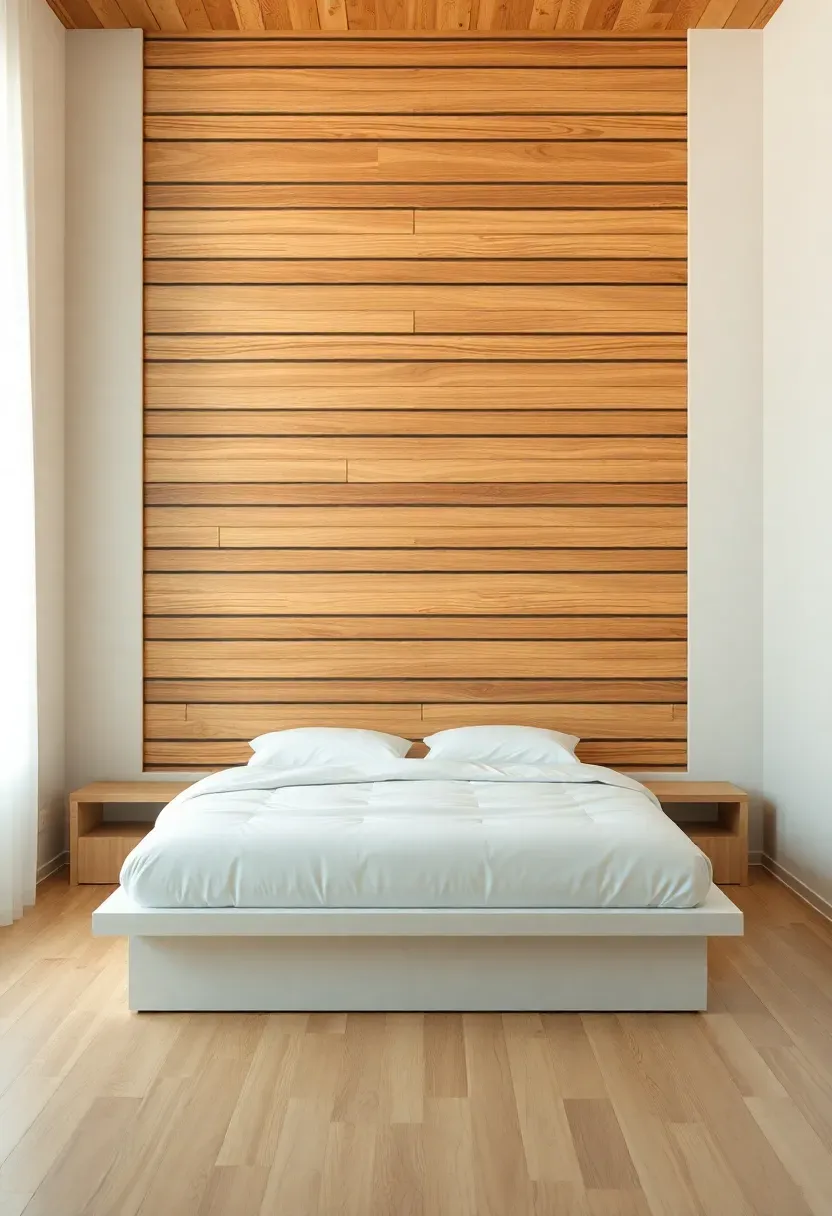
Vertical or horizontal wood slat walls create architectural rhythm and texture while maintaining the clean lines essential to minimalist design. This treatment works beautifully as a partial wall application—perhaps just the lower third of a wall, or a section behind the bed—rather than covering entire surfaces. The consistent spacing between slats creates visual order and repetition that's inherently calming, while the wood material provides rustic warmth. Slat features can be installed directly over drywall or incorporated into built-in cabinetry. For bedrooms, consider a slat feature wall behind the bed as an alternative to traditional headboards, or incorporate slats into a closet system or room divider. The depth created by the slats adds shadow and dimension that makes walls more interesting without adding decoration or objects.
Tips
- Consistent spacing is crucial—use spacers during installation
- Horizontal slats make rooms feel wider, vertical slats make ceilings feel higher
- Consider LED strip lighting behind slats for dramatic nighttime effect
Best for: adding architectural interest in newly constructed or renovated bedrooms
What this gives you: permanent architectural detail that provides both texture and rhythm
16. Earthy Plant Accents
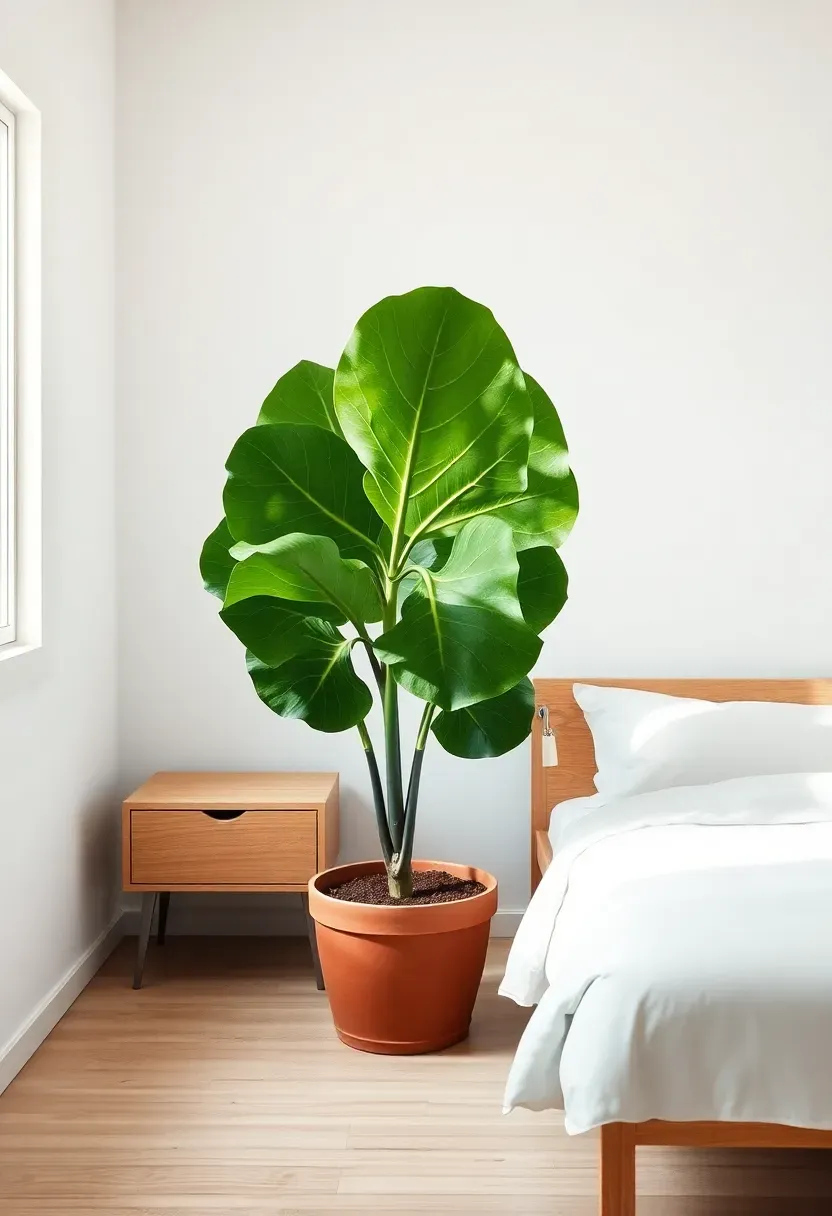
Introduce living plants sparingly to bring natural life and organic shapes that soften the geometric lines of wood furniture and architectural elements. The key is restraint: one statement plant in a corner, or two smaller plants on nightstands, rather than filling the room with greenery. Choose plants with structural forms that align with the minimalist aesthetic—snake plants, fiddle leaf figs, or monstera with simple, bold leaves rather than frilly or cascading growth patterns. Plain terracotta or simple ceramic pots in neutral tones complement rustic materials without competing. Plants not only add living decoration but also improve air quality and connection to nature—both valuable in bedroom environments. Their organic shapes provide natural contrast to the straight lines and right angles typical of rustic minimalist furniture and architecture.
Recommended
Items for this idea
Tips
- Choose low-maintenance plants if you don't have a green thumb
- Group plants in odd numbers—1 or 3 rather than 2 for more casual feel
- Consider plant size relative to room—one large plant has more impact than several small
Best for: bedrooms that feel too sterile or lacking in organic presence
What this gives you: living decoration that adds life and purifies air without clutter
17. Open Space Beneath Bed
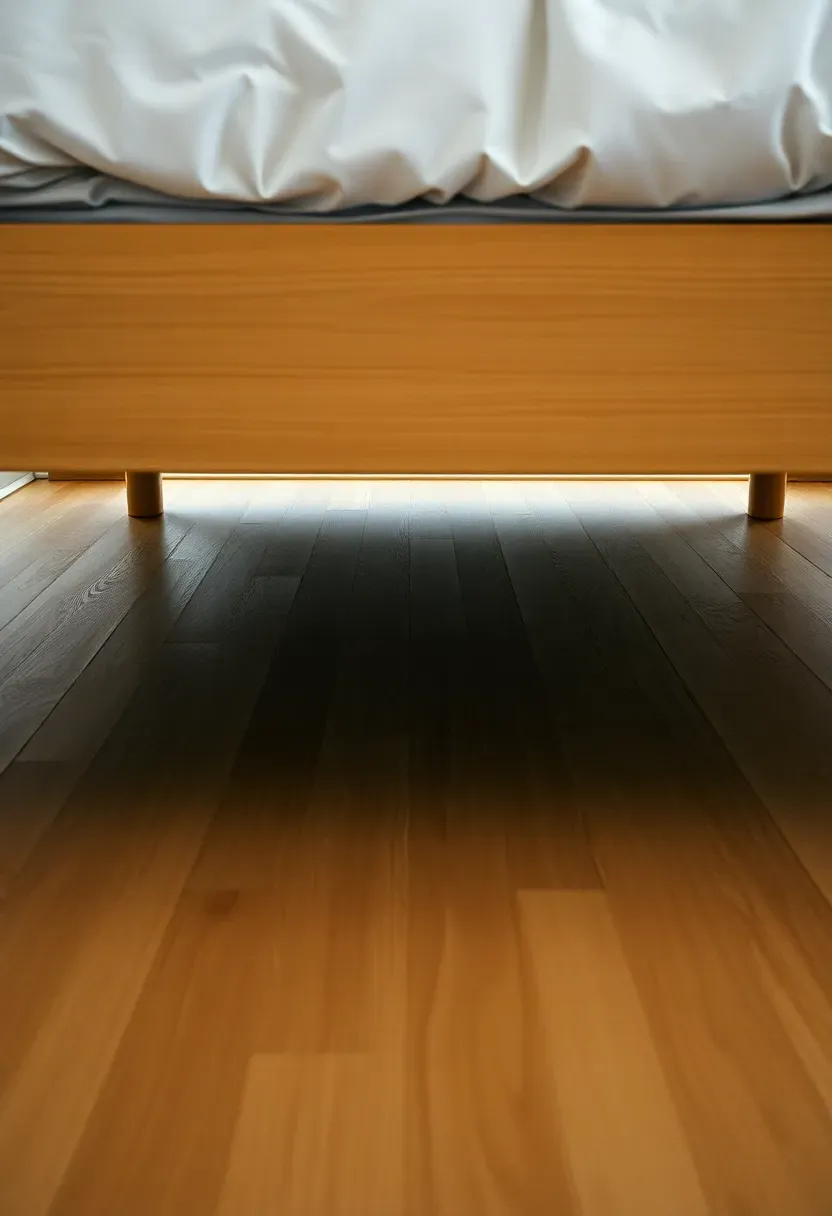
Leaving the space beneath the bed completely open and visible creates essential breathing room in rustic minimalist bedrooms. Unlike traditional styling that uses bed skirts, under-bed storage bins, or decorative boxes, the minimalist approach celebrates empty space as a design element itself. This openness makes floors feel larger, rooms feel airier, and cleaning easier—dust doesn't accumulate in hidden areas. The visible floor creates continuity from walls to bed, enhancing the sense of spaciousness. If storage is necessary, choose platform beds with integrated drawers that maintain the clean, flush appearance rather than visible bins or containers. The goal is having nothing break the visual line from floor to bed frame except the legs or base of the bed itself. This visual clarity is fundamental to the minimalist ethos and makes the entire room feel more intentional and serene.
Tips
- Platform beds should be at least 10-12 inches high for comfortable cleaning underneath
- If you need storage, use bed frame with integrated drawers rather than visible containers
- This approach works best with hard floors or low-pile rugs
Best for: smaller bedrooms where maximizing perceived space is critical
What this gives you: visual lightness and a room that feels larger than its actual square footage
These rustic minimalist bedroom ideas succeed by balancing warmth and restraint -- natural materials provide character and coziness while minimalist principles keep spaces calm and uncluttered. The 17 ideas above focus on architectural elements, material choices, and spatial arrangements that create authentic rustic atmosphere without relying on decoration or accessories. This approach yields bedrooms that feel grounded, serene, and timeless -- spaces that quiet the mind rather than stimulate it. Whether you are renovating a master bedroom or furnishing a small rental guest room, the key is choosing fewer, better pieces and letting natural materials speak for themselves through grain, texture, and honest construction rather than ornamentation or artifice.
About the author
OBCD
CGI visualization and interior design content. We create detailed 3D renders and curate practical design ideas for every room in your home.