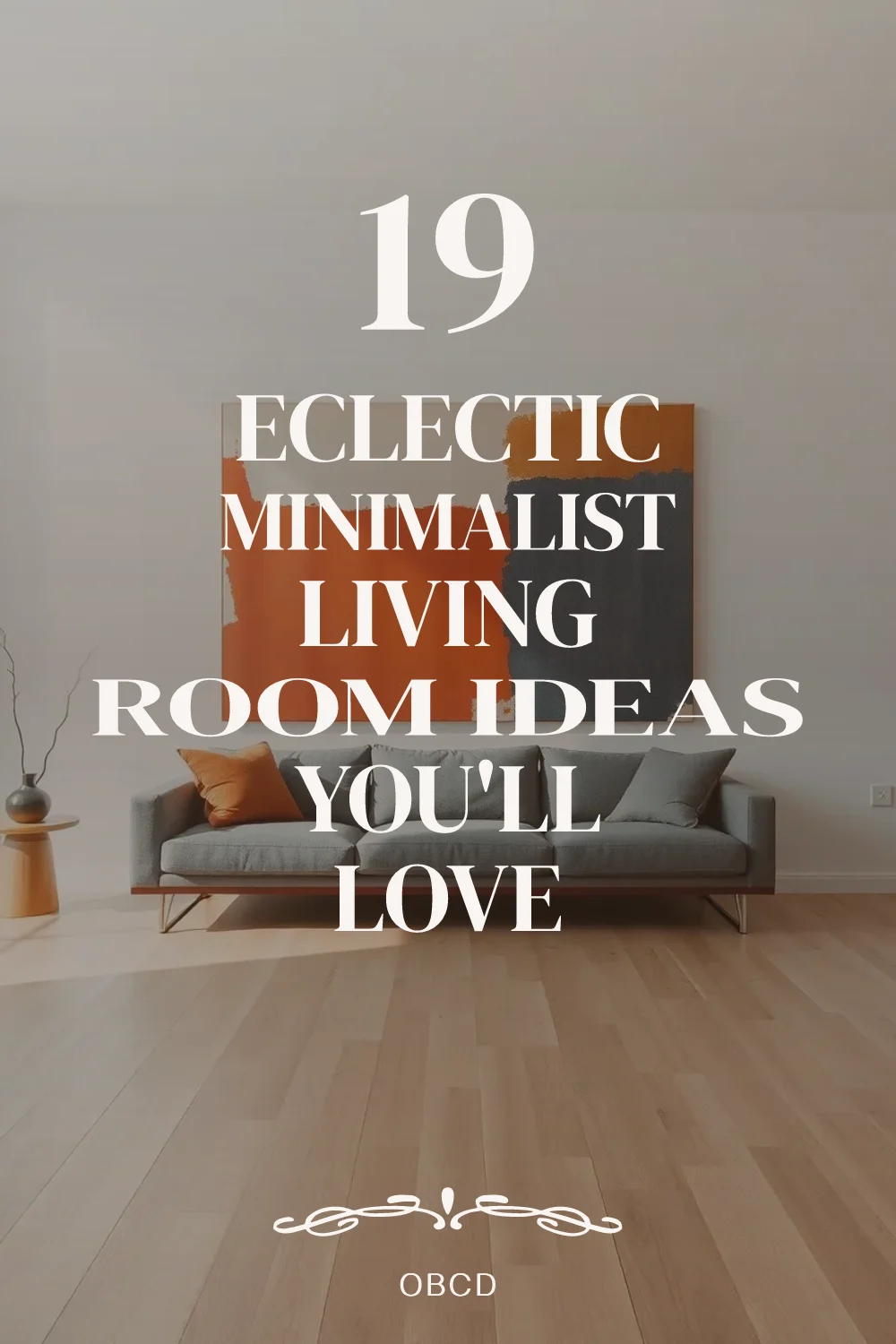
19 Eclectic Minimalist Living Room Ideas (Character Meets Calm)
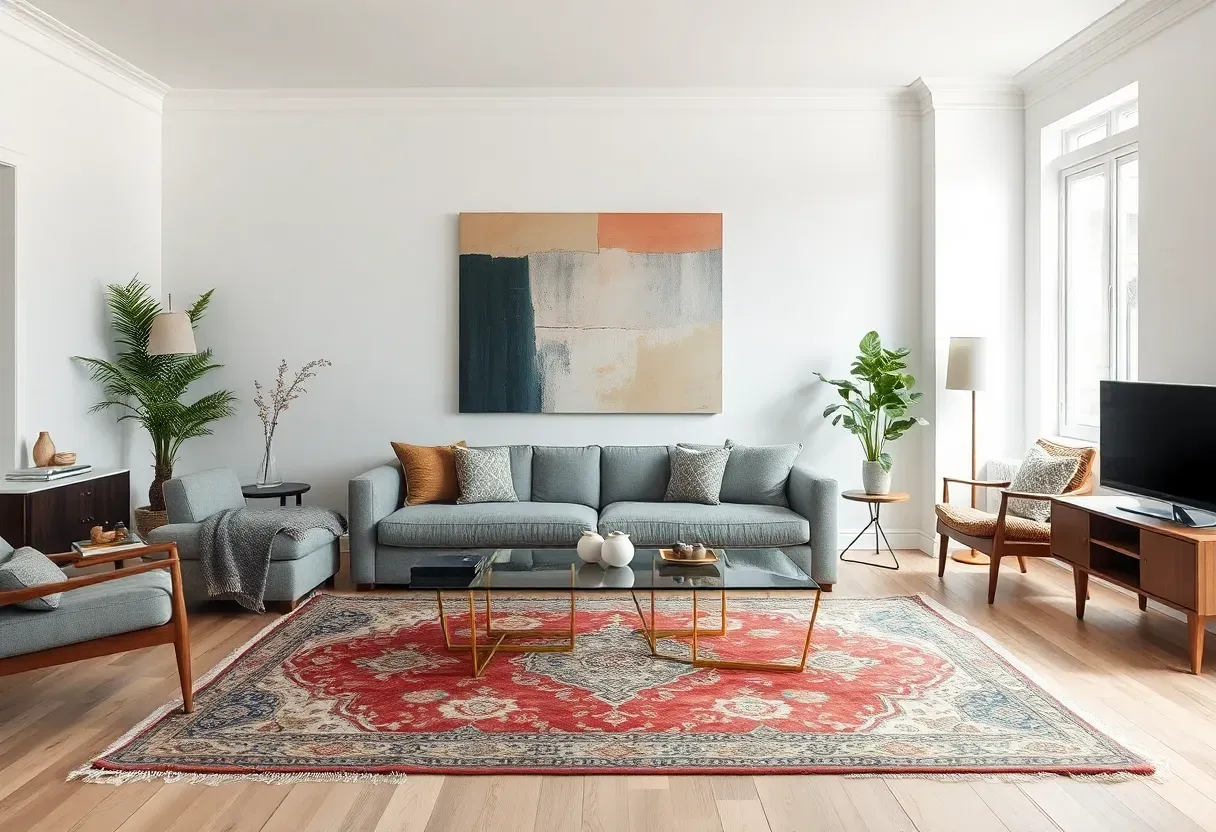
Eclectic minimalist living room ideas prove you can fill a space with personality and still keep it serene. This design approach celebrates the joy of collecting while honoring the peace of simplicity -- proving you don't have to choose between interesting interiors and calm environments. The secret lies in intentional editing, strategic mixing of styles, and creating breathing room around statement pieces that truly matter. Whether you rent a small apartment or own a compact home, these curated looks work in any space.
An eclectic minimalist living room feels collected over time rather than decorated all at once. It might pair a mid-century sofa with a modern glass coffee table, or hang abstract art above a rustic wood console, but always with restraint and purpose. This isn't about maximalist excess -- it's about selective curation where every piece earns its place through beauty, meaning, or function. The result is a living room that tells your story while maintaining the visual rest essential for relaxation.
These 19 eclectic minimalist living room ideas will help you master the balance between eclecticism's warmth and minimalism's calm, creating a living space that feels both personal and peaceful.
Quick FAQ
What is eclectic minimalist style?
It combines the curated, mixed-style approach of eclecticism with minimalism's emphasis on restraint and negative space. You might see furniture from different eras, varied art styles, or mixed materials, but always with limited quantities and intentional placement.
How do I mix styles without it looking cluttered?
Choose one dominant style (60-70%) and use other styles as accents (30-40%). Keep color palettes cohesive across different pieces, maintain generous negative space, and edit ruthlessly—if a piece doesn't add beauty or meaning, remove it.
Can eclectic minimalism work in small living rooms?
Absolutely. In fact, eclectic minimalist living room ideas work especially well in small apartments and rentals. In small spaces, choose fewer but larger statement pieces rather than many small items. Use furniture with slender profiles, incorporate vertical space for art, and keep floor areas open. The eclectic elements become more impactful with breathing room.
What colors work best for eclectic minimalist living rooms?
Start with a neutral foundation—white, cream, gray, or warm beige walls. Then layer in 2-3 accent colors consistently across different pieces. This creates cohesion even when mixing styles, patterns, or eras.
How many styles can I mix in one room?
Limit to 2-3 distinct styles maximum. For example: mid-century modern + Scandinavian, or industrial + boho + contemporary. More styles than this quickly moves from curated eclectic to confused cluttered.
What's the difference between eclectic and cluttered?
Eclectic means intentional mixing of different elements with breathing room. Cluttered means too many things without visual breaks. The key test: can you see empty wall and floor space between objects? If yes, it's eclectic. If no, it's cluttered.
As an Amazon Associate I earn from qualifying purchases.
Table of Contents
- 1. Statement Art Wall with Minimal Surroundings
- 2. Mixed Era Furniture Cohesion
- 3. Neutral Base with Pops of Global Pattern
- 4. Single Vintage Piece as Anchor
- 5. Sculptural Furniture as Art
- 6. Curated Collection Display
- 7. Mixed Metals with Restraint
- 8. Textural Diversity, Color Unity
- 9. Asymmetric Arrangement
- 10. One Patterned Element, Rest Solid
- 11. Modern Art, Traditional Architecture
- 12. Layered Rugs with Shared Palette
- 13. Suspended Statement Lighting
- 14. Indoor Plant as Living Sculpture
- 15. Unexpected Material Pairings
- 16. Gallery Wall with Generous Spacing
- 17. Transparent Furniture Surfaces
- 18. Architectural Salvage as Art
- 19. Curated Oddities Display
1. Statement Art Wall with Minimal Surroundings
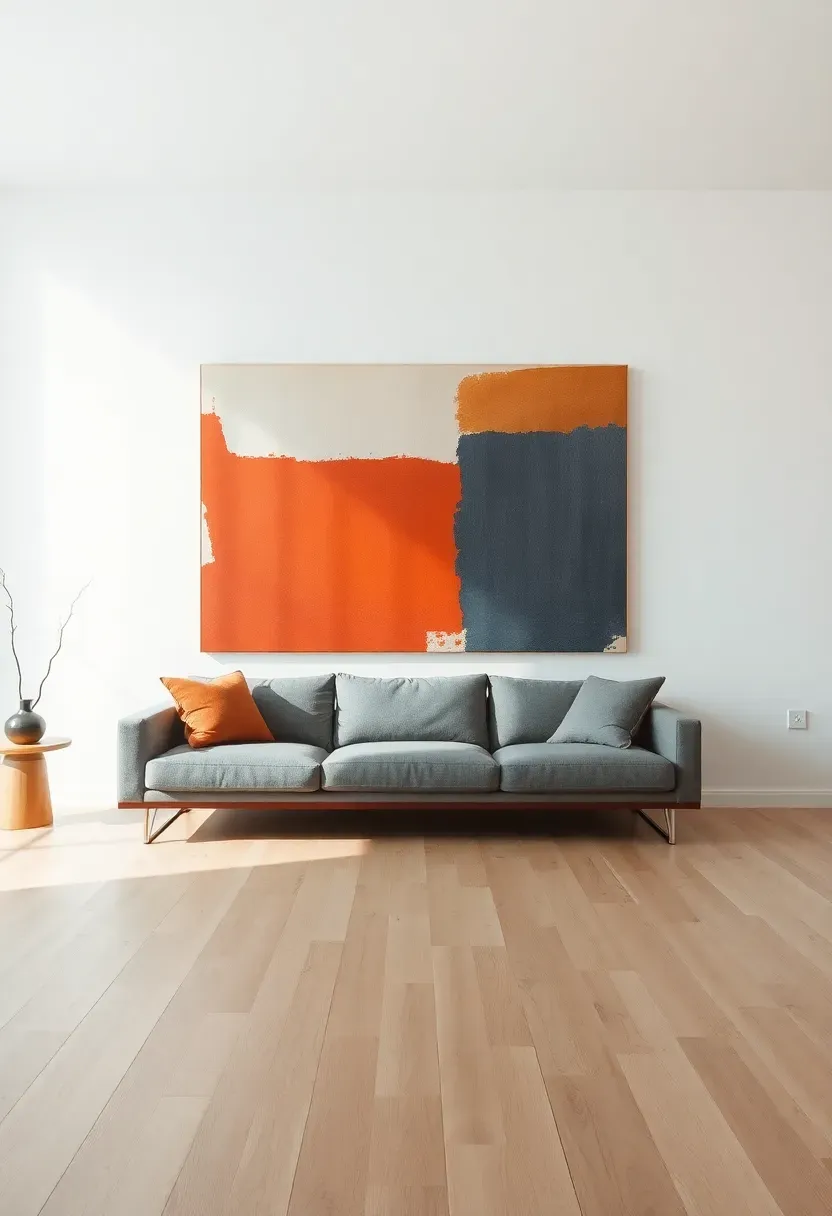
Create one wall featuring a single oversized piece or carefully arranged gallery that serves as the room's eclectic focal point. The key is leaving all other walls mostly bare—this creates dramatic impact while maintaining minimalist calm. Choose art that genuinely moves you, whether it's abstract painting, photography, textile art, or sculpture. Scale matters: go larger than you think comfortable. A piece that occupies 60-70% of wall space behind a sofa creates appropriate visual weight. For gallery walls, use consistent framing and generous spacing between pieces (3-4 inches minimum) to maintain the minimalist ethos even with multiple artworks. Keep the surrounding area simple—no competing patterns or additional decor near your statement wall.
Tips
- Hang art at eye level—center approximately 57-60 inches from floor
- If uncertain about scale, cut kraft paper to size and tape it to wall first
- For gallery walls, plan layout on floor before hanging to avoid unnecessary holes
Best for: living rooms with at least one large uninterrupted wall
What this gives you: maximum personality impact with minimal visual noise
We picked a few things that go well with this idea: Foindtower Linen Throw Pillow Covers (2-Pack) (★4.5), MIULEE Neutral Linen Pillow Covers (4-Pack) (★4.5) and Tweed Linen Woven Textured Pillow Cover (★5.0). As an Amazon Associate we earn from qualifying purchases.
2. Mixed Era Furniture Cohesion
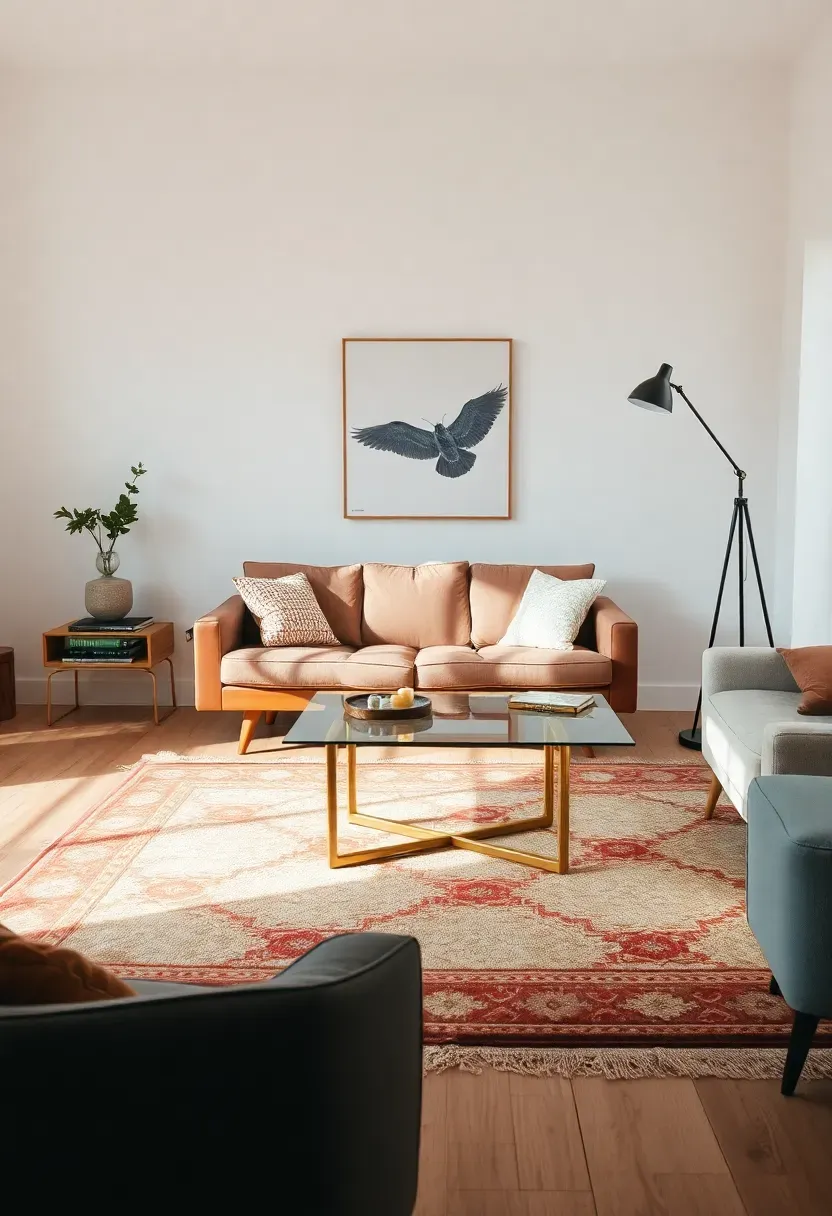
Combine furniture from different decades while maintaining unity through consistent materials or color. The eclectic minimalist living room might pair a 1960s teak sofa with a contemporary glass coffee table and a vintage Moroccan rug—but the color palette ties it together. Choose one element that repeats across pieces: wood tone, metal finish, or upholstery color. This repetition creates subconscious cohesion even as styles vary. Limit to three eras maximum per room to avoid visual chaos. For example: mid-century Danish + 1970s Italian + contemporary Scandinavian. Keep proportions consistent—don't pair massive overstuffed pieces with delicate petite ones. The goal is a curated timeline feel rather than random accumulation. Each piece should feel individually beautiful while contributing to the whole. If you love mixing old and new, explore our [minimalist vintage living room ideas](/posts/67_25-minimalist-vintage-living-room-that-create-a-welcoming-living-room/) for more era-blending inspiration.
Tips
- Photography stores and estate sales offer authentic vintage pieces
- If buying vintage, check structural integrity—especially sofas and chairs
- Reupholstering in consistent fabric can unify mismatched furniture
Best for: collectors who've accumulated furniture over time
What this gives you: a room that feels like a curated collection rather than a furniture showroom
We picked a few things that go well with this idea: SGLfarmty Gold Geometric Cage Pendant Light (★4.7), Untrammelife Gold Geometric Lantern Chandelier (4-Light) (★4.5) and Modern Black Brass Geometric Cube Pendant (★4.2). As an Amazon Associate we earn from qualifying purchases.
3. Neutral Base with Pops of Global Pattern
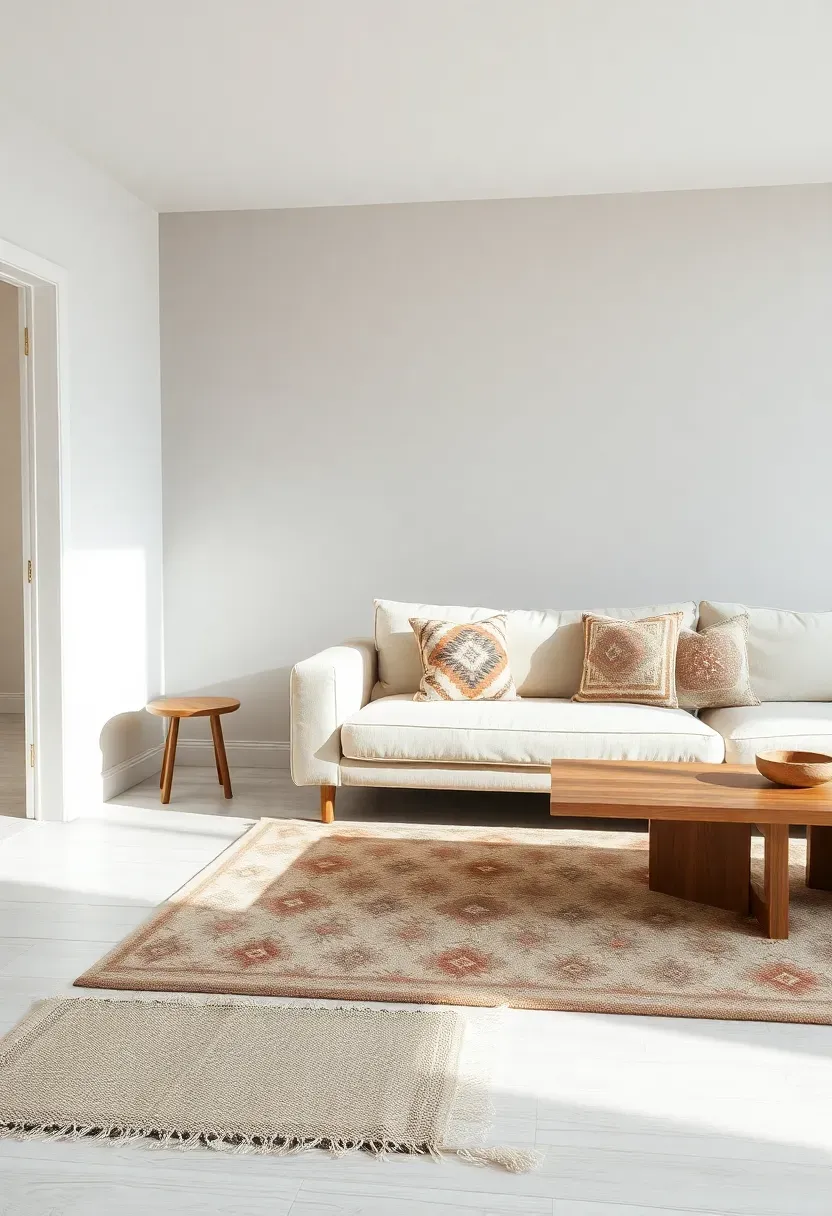
Establish a foundation of neutral walls, furniture, and floors, then introduce just one or two patterned pieces from global traditions. This might be a Turkish kilim rug, Indian block-print pillows, or Japanese indigo textiles—but limit patterned elements to 20% of the room's surface area maximum. The neutral base ensures the space remains calm while global patterns provide authentic character and cultural connection. Choose patterns in colors that echo your neutral palette rather than introducing new colors. For example, if your base is cream and gray, select patterns predominantly in those tones with just small accents of terracotta or navy. This approach allows you to incorporate meaningful textiles from travels or heritage without overwhelming the minimalist sensibility. The global elements become conversation pieces rather than visual noise.
Tips
- Souvenir textiles from travels make meaningful pattern additions
- Vintage markets often have authentic global pieces at reasonable prices
- If patterns compete, edit—remove one rather than adding more neutrals
Best for: travelers and those who value global cultural connections
What this gives you: worldly character without sacrificing serene atmosphere
We picked a few things that go well with this idea: Gold Glass Nesting Coffee Tables (Set of 2) (★4.2), SAYGOER Modern Square Glass Coffee Table (★4.7) and OIOG Round Gold Glass Coffee Table (★4.1). As an Amazon Associate we earn from qualifying purchases.
4. Single Vintage Piece as Anchor
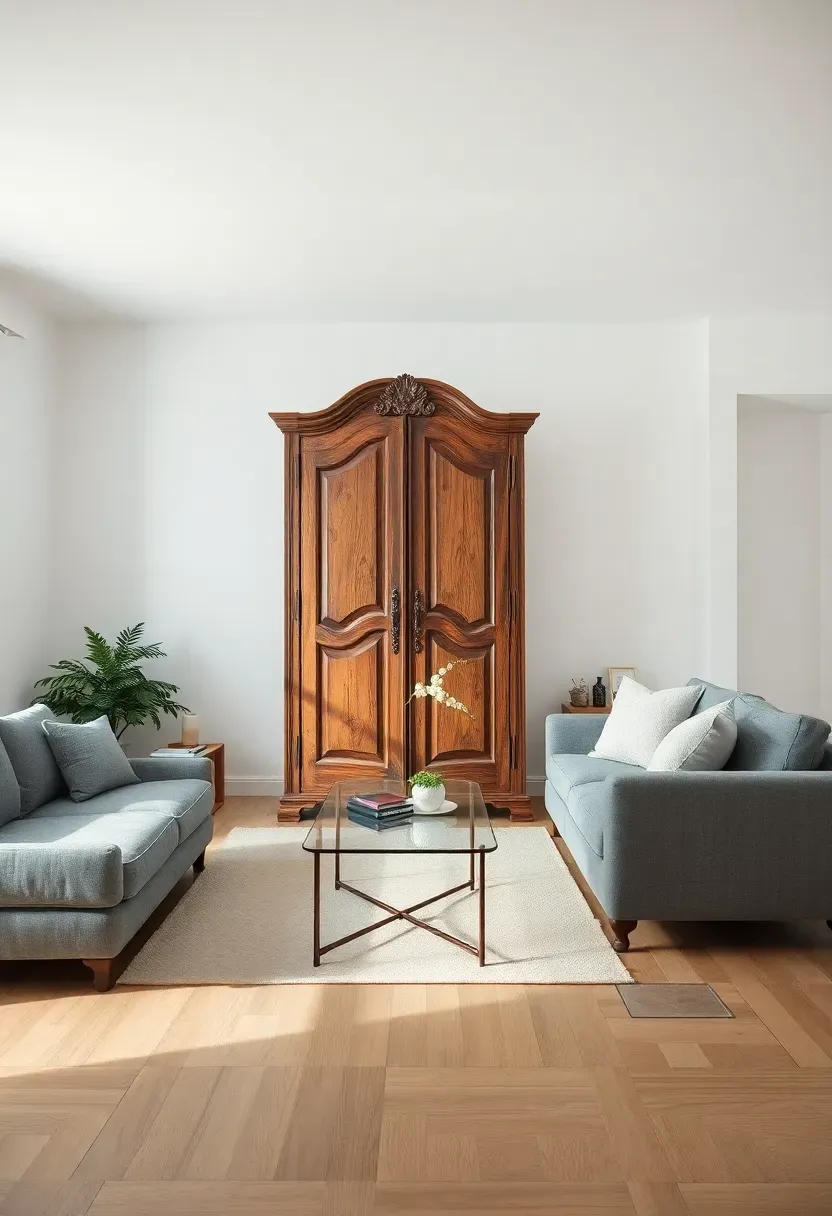
Let one exceptional vintage piece serve as the room's eclectic hero while keeping everything else contemporary and minimal. This might be a 19th-century armoire, mid-century sideboard, Art Deco console, or heirloom rug—but choose just one statement vintage item per room. The contrast between this piece and modern surroundings creates dynamic tension and interest. Place the vintage piece prominently: against a focal wall, as the room's first visible element from the entry, or centered on the main seating arrangement. Keep other furniture simple and understated to avoid competing with the vintage anchor. This approach works beautifully because it tells a story—where did this piece come from? Who owned it before?—while maintaining the clean aesthetic essential to minimalist design.
Recommended
Items for this idea
Tips
- One showpiece has more impact than several good vintage pieces
- Consider scale—ensure the vintage piece fits room proportions
- Leave adequate empty space around the piece to let it breathe
Best for: those with one special heirloom or found piece
What this gives you: maximum character from minimal vintage elements
5. Sculptural Furniture as Art
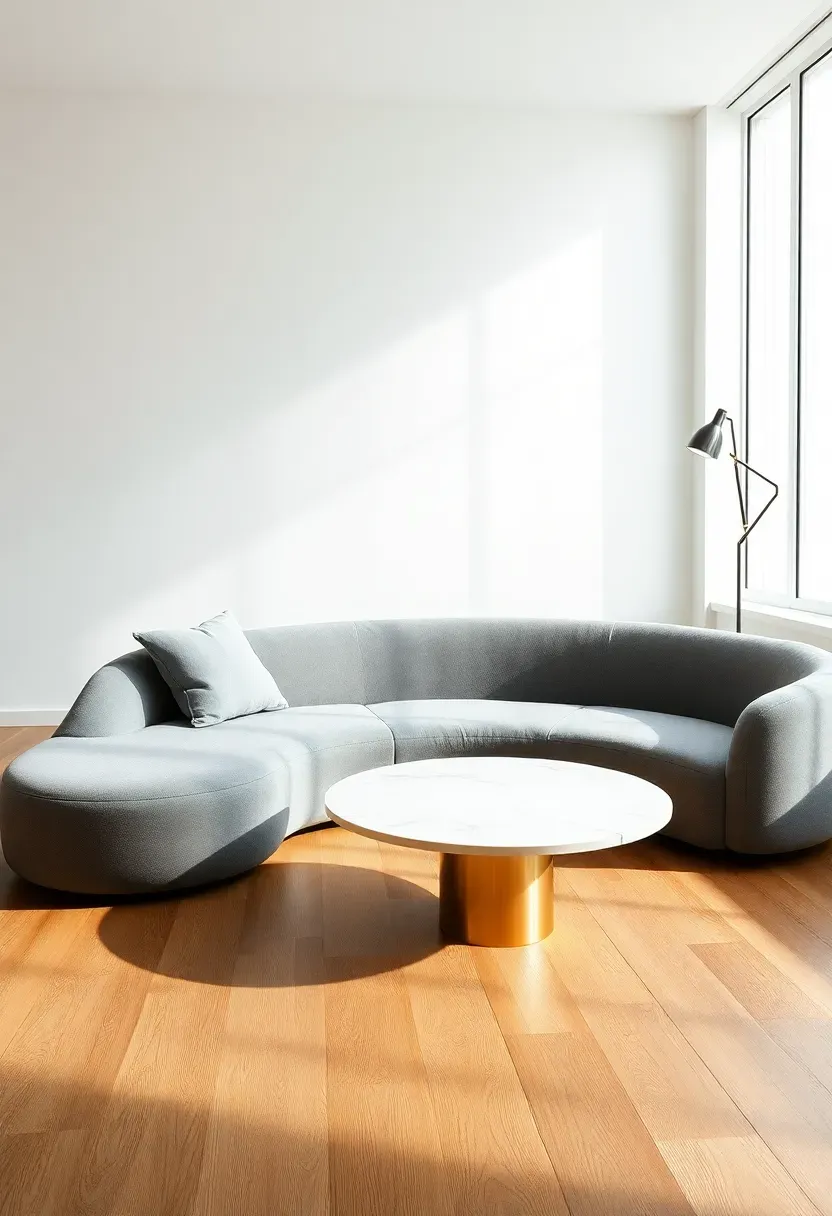
Choose furniture pieces with such strong sculptural presence that they function as art while remaining functional. Think curved sofas, organically shaped coffee tables, chairs with dramatic silhouettes, or lighting that resembles sculpture. These pieces provide eclectic interest through form rather than pattern or ornamentation. In an eclectic minimalist living room, one or two sculptural furniture pieces can replace traditional art entirely. The key is positioning: place sculptural items where they have 360-degree visibility or can be seen from multiple viewing angles. Keep surrounding furniture simple to avoid competition. A sculptural chair in an open corner, a dramatic floor lamp, or a coffee table with artistic shape all become functional art that makes the room memorable without requiring additional decoration.
Tips
- Design Within Reach and similar stores curate sculptural contemporary pieces
- Vintage Italian and Danish modern furniture often has strong sculptural qualities
- Light the piece intentionally to highlight its form—consider accent lighting
Best for: those who appreciate modern design and clean forms
What this gives you: visual interest that's both functional and artistic
6. Curated Collection Display
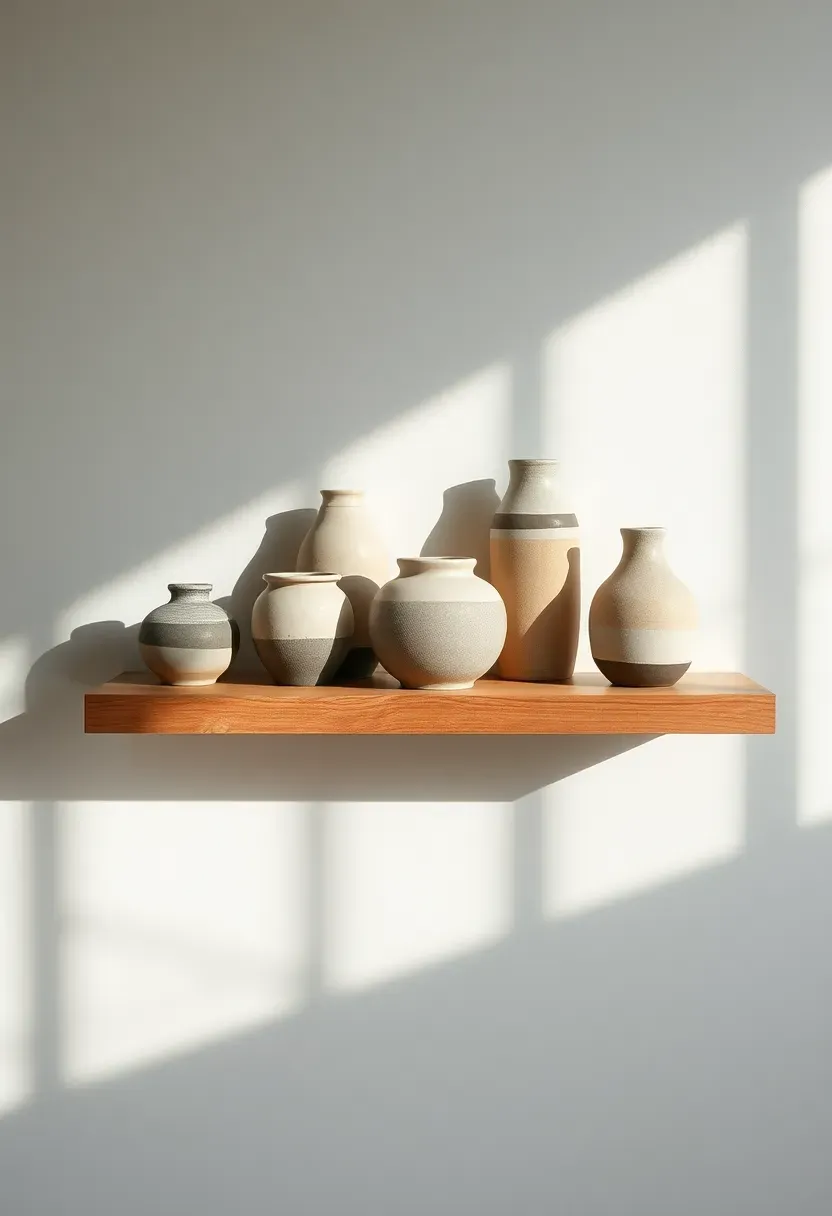
Display a meaningful collection—ceramics, vessels, books, or objects—but limit it to one shelf, one surface, or one wall area. The eclectic minimalist approach celebrates collections through editing rather than abundance. Choose 5-7 pieces maximum that represent your collection's best examples, and display them with generous spacing and consistent presentation. Group similar items together for visual impact rather than scattering them throughout the room. Use uniform shelving or consistent backgrounds to create unity. For example, a collection of white ceramic vessels looks striking when grouped on a single wood shelf with ample breathing room between each piece. The collection becomes a studied vignette rather than cluttered accumulation. Display what you genuinely love and use—not what you think you should display.
Recommended
Items for this idea
Tips
- Rotate collections seasonally rather than displaying everything at once
- Odd numbers (5, 7, 9) generally create more dynamic arrangements than even
- Consider background—painted shelf back or matte board can enhance presentation
Best for: collectors who want to display meaningfully without clutter
What this gives you: curated personality that feels intentional rather than accumulative
7. Mixed Metals with Restraint
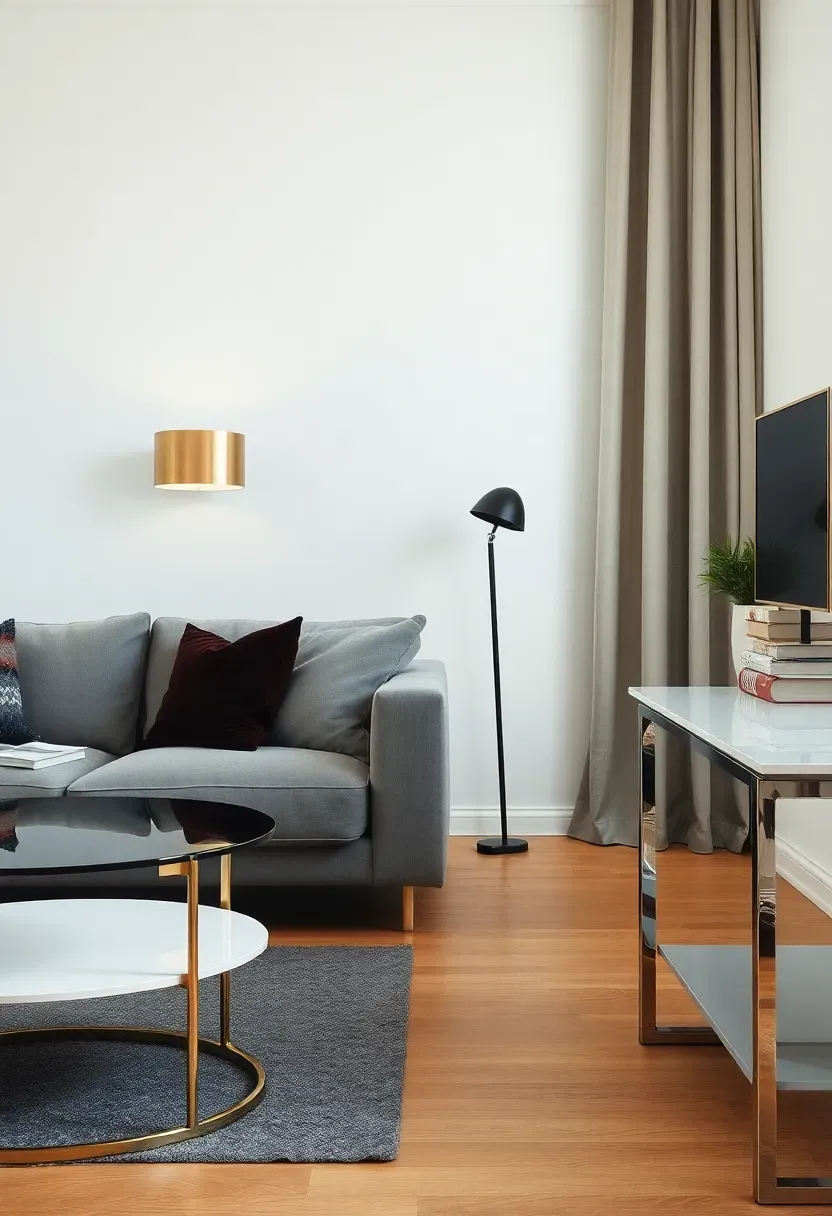
Combine two or three metal finishes—brass, chrome, copper, black iron—but use each sparingly and consistently throughout the room. The eclectic minimalist living room might feature brass lamp bases, chrome table legs, and black iron curtain rods, but each metal appears in multiple locations rather than randomly. This repetition creates cohesion. Limit to three metal finishes maximum; more feels scattered rather than curated. Choose one dominant metal (used in 60% of metal elements) and use others as accents (40% combined). Mix warm metals (brass, copper, gold) with cool metals (chrome, nickel, steel) for dynamic contrast, or stay within one temperature family for subtler mixing. The key is consistency—don't use brass for just one item; repeat it in lighting, hardware, or furniture details.
Tips
- Update existing furniture hardware for quick metal mixing
- Metal spray paint can transform pieces—use for lamp bases or frames
- Consider undertones—warm wood pairs better with brass, cool with chrome
Best for: adding subtle visual richness without introducing color
What this gives you: layered sophistication through material mixing
8. Textural Diversity, Color Unity
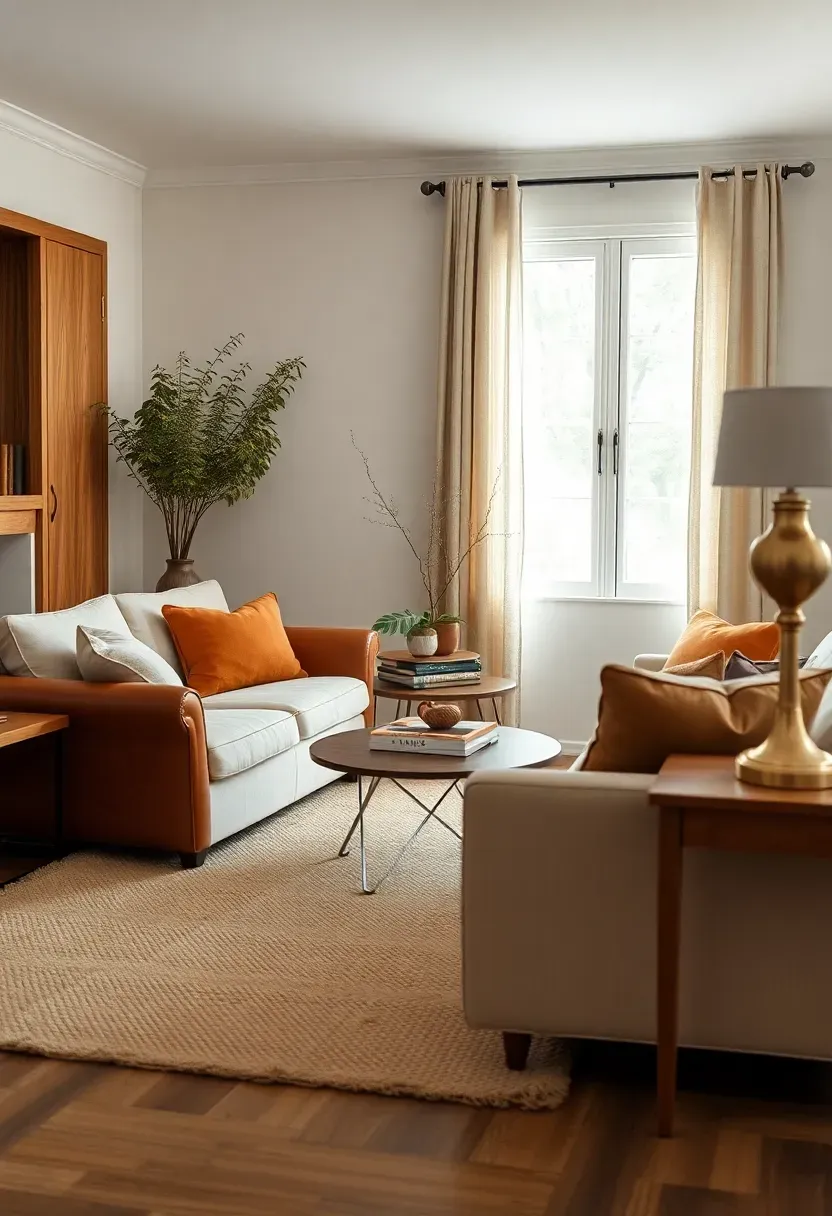
Layer multiple textures while keeping color consistent for a room that's visually rich yet calmly cohesive. The eclectic minimalist living room might combine linen sofa, leather chair, wool rug, velvet pillows, wood furniture, and metal accents—all in similar neutral tones. This creates tactile diversity that feeds the eye and hand while maintaining color calm. Texture becomes the primary source of variety rather than pattern or hue. Natural materials excel here: linen, wool, leather, wood, stone, jute, and metal each bring distinct textural character. Aim for at least 4-6 different textures in the room, but keep them all within a unified color family—warm neutrals, cool grays, or earth tones. This approach makes spaces feel layered and interesting without relying on color contrast or pattern mixing.
Recommended
Items for this idea
Tips
- Natural textures age beautifully and develop patina over time
- Lighting affects texture perception—test materials at different times of day
- Smooth textures balance rough ones for comfortable variety
Best for: those who love tactile richness but prefer neutral palettes
What this gives you: visual and tactile interest without color chaos
9. Asymmetric Arrangement
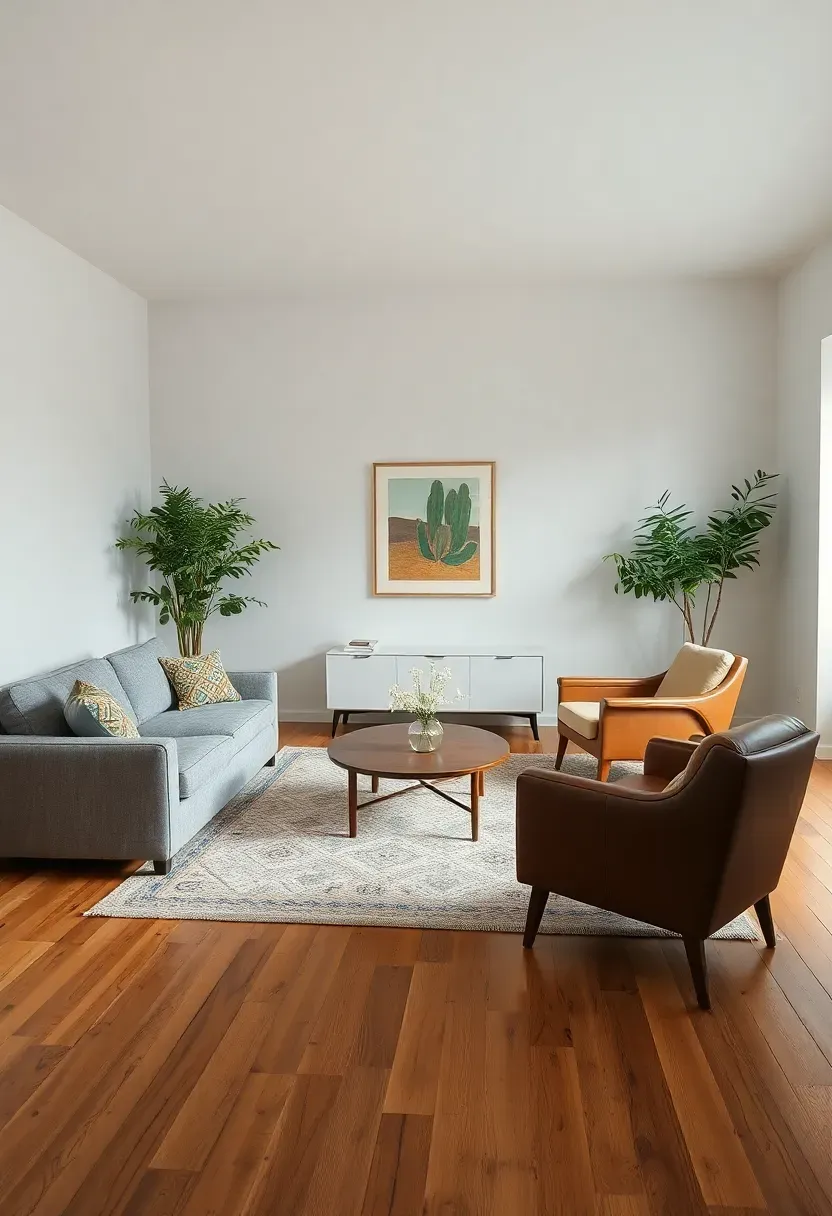
Break the symmetry typical of minimalist design through asymmetric furniture and art placement that creates dynamic movement. Instead of centered art and matching side chairs, offset key elements intentionally. Place the sofa slightly off-center, hang art off-axis, or use two different side chairs instead of a matching pair. Asymmetry introduces energy and eclecticism while the overall simplicity maintains minimalism. The key is intentionality—asymmetric arrangements should look deliberate, not accidental. Use visual weight to balance: a large piece on one side might balance two smaller pieces on the other. Or a tall element (floor lamp) balances a wide element (sofa). This creates tension and interest while preserving overall equilibrium. Asymmetric arrangements feel more casual, collected, and lived-in than rigid symmetry.
Tips
- Step back and view from door—is the asymmetry intentional or accidental?
- Sketch options on paper before moving heavy furniture
- Photograph arrangements from different angles to test balance
Best for: adding energy to rooms that feel too static or formal
What this gives you: dynamic visual movement while maintaining overall calm
10. One Patterned Element, Rest Solid
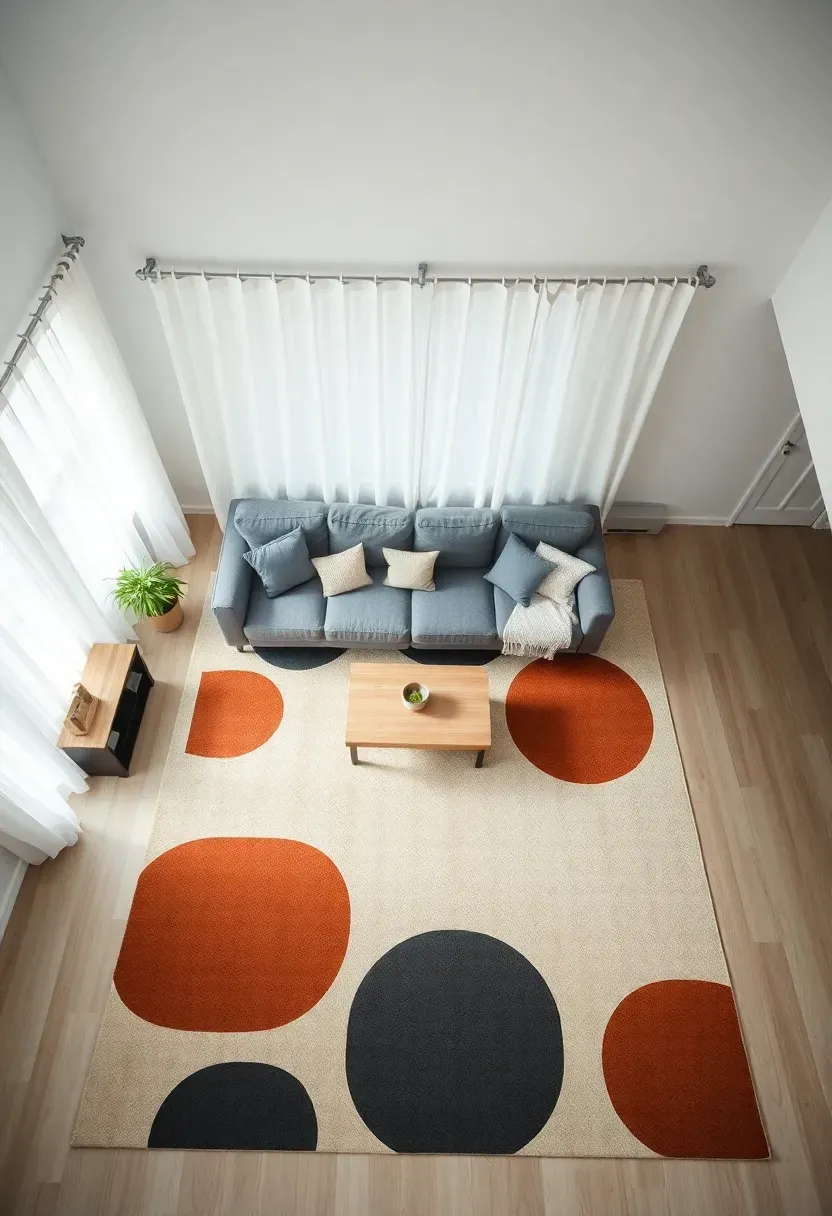
Introduce pattern through just one significant element—rug, pillows, curtain, or artwork—while keeping all other surfaces solid and neutral. The eclectic minimalist living room might feature a bold geometric rug but plain sofas, solid drapes, and minimal art. Or patterned curtains with everything else solid. This single patterned element becomes a focal point that provides eclectic energy without overwhelming the space with multiple competing patterns. If using patterned textiles, choose patterns that incorporate your room's existing colors rather than introducing entirely new hues. For example, a rug with geometric patterns in cream, gray, and rust ties into a neutral palette while adding visual interest. The pattern becomes a statement rather than noise.
Recommended
Items for this idea
Tips
- Large-scale patterns work better in spacious rooms, small-scale in cozy rooms
- Geometric patterns feel modern, organic patterns feel relaxed
- If you tire of the pattern, replace it—just one element is easy to swap
Best for: pattern-lovers who want to maintain calm overall atmosphere
What this gives you: bold personality without pattern competition
11. Modern Art, Traditional Architecture
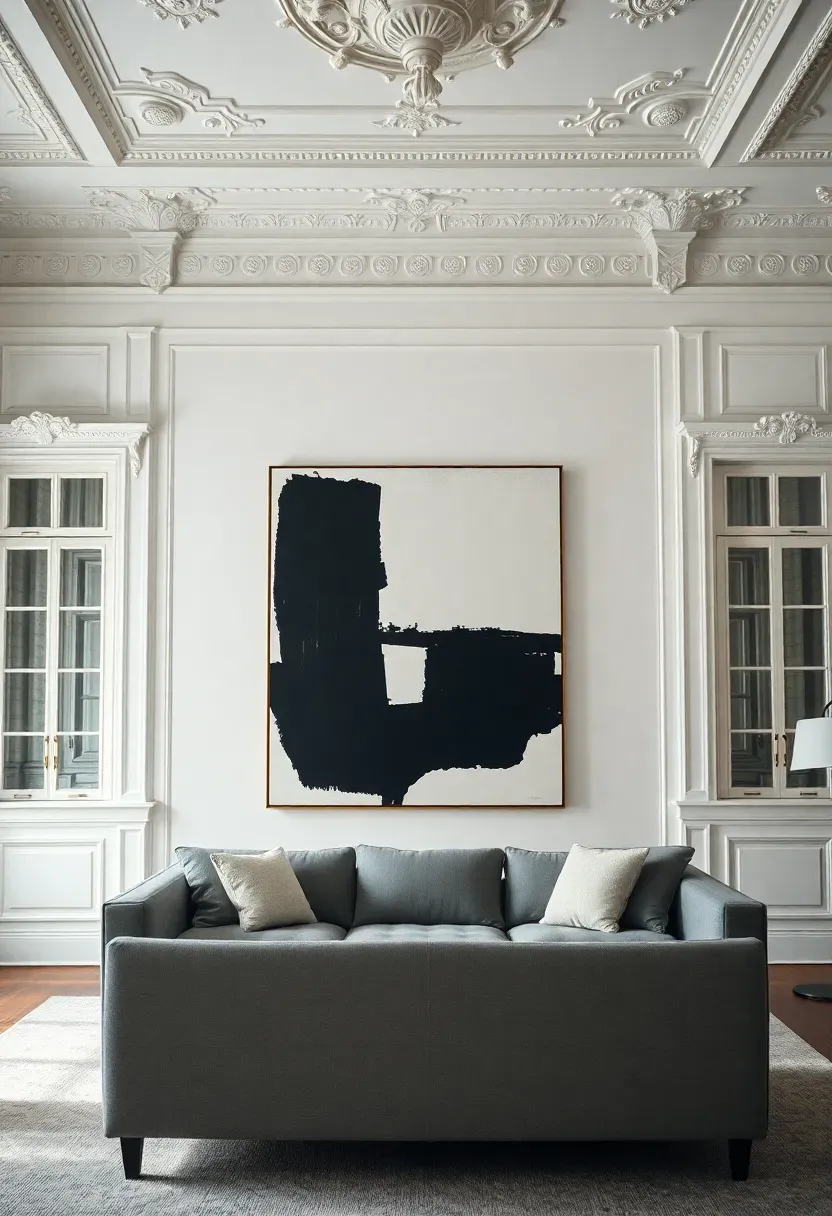
Emphasize the contrast between contemporary art and traditional architectural features for inherently eclectic minimalism. If your living room has crown molding, chair rails, wainscoting, or period details, hang boldly modern art to create striking juxtaposition. This approach celebrates both the building's history and your contemporary taste simultaneously. The key is scale: large modern pieces hold their own against ornate architecture. Keep furniture minimal and neutral to let the art-architecture contrast be the star. This works particularly well in older homes or apartments where you can't change the shell—work with it instead. The tension between old and new creates inherent interest without requiring additional decor or clutter. Traditional architecture provides framework; modern art provides content.
Tips
- Emphasize architectural features with paint color rather than hiding them
- Large-scale art works better than small pieces against ornate backgrounds
- Keep furniture lines simple to avoid competing with ornate architecture
Placement note: this approach works best in rooms with significant architectural character
What this gives you: built-in eclectic contrast through architecture
12. Layered Rugs with Shared Palette
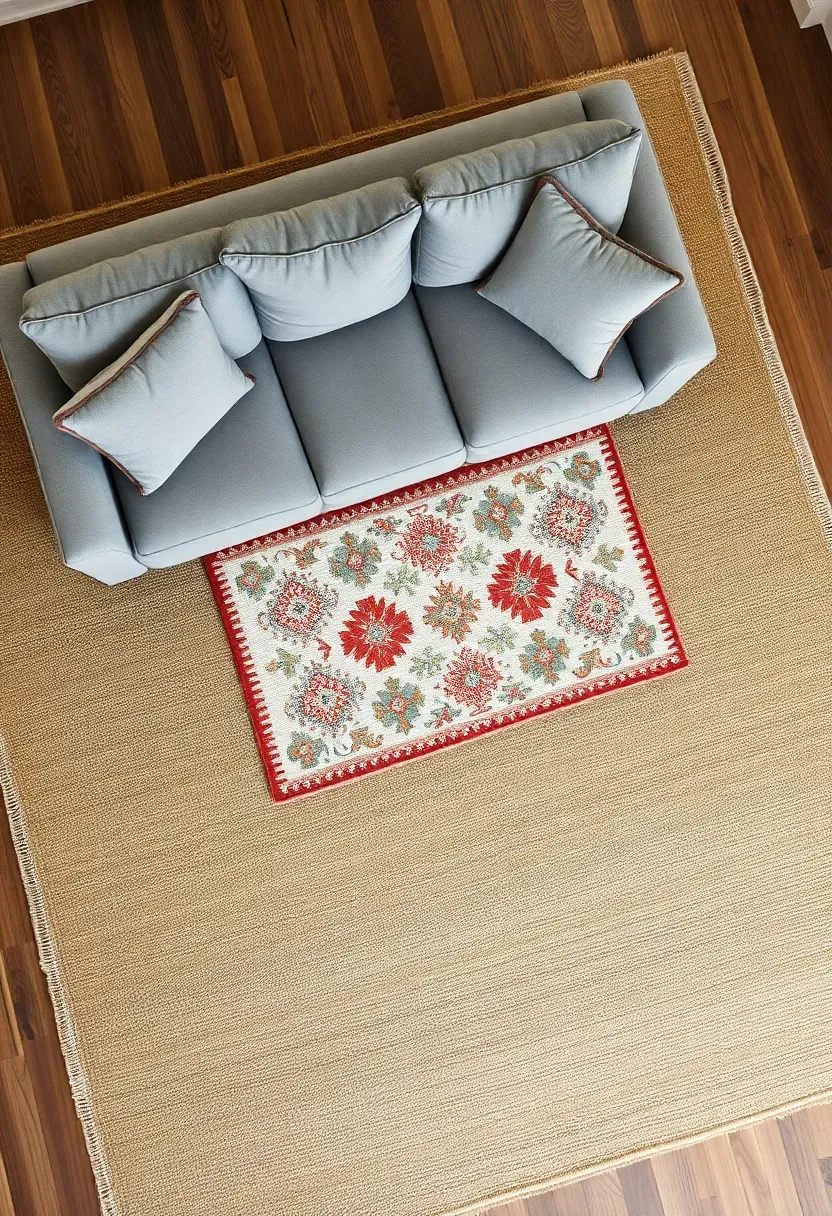
Layer two rugs with different textures or patterns but unified colors to create depth and eclectic interest. Start with a larger neutral base rug—natural fiber or solid wool—then layer a smaller patterned or textured rug on top. The top rug should be roughly 2/3 the size of the bottom rug and centered or intentionally offset. Both rugs should share at least one color to maintain cohesion. For example, a jute base rug layered with a Turkish kilim in cream, rust, and gray creates textural and pattern variety while color harmony ties them together. This layering adds visual richness without introducing new colors or requiring additional decor. The layered look feels collected and casual, perfect for eclectic minimalist spaces that avoid formality.
Recommended
Items for this idea
Tips
- Ensure rugs have different pile heights so layering looks intentional
- Use rug pads under both rugs to prevent slipping and bunching
- Consider traffic patterns—layered rugs work best in low-traffic areas
Best for: adding visual depth without introducing furniture or objects
What this gives you: layered, collected aesthetic through floor treatment alone
13. Suspended Statement Lighting
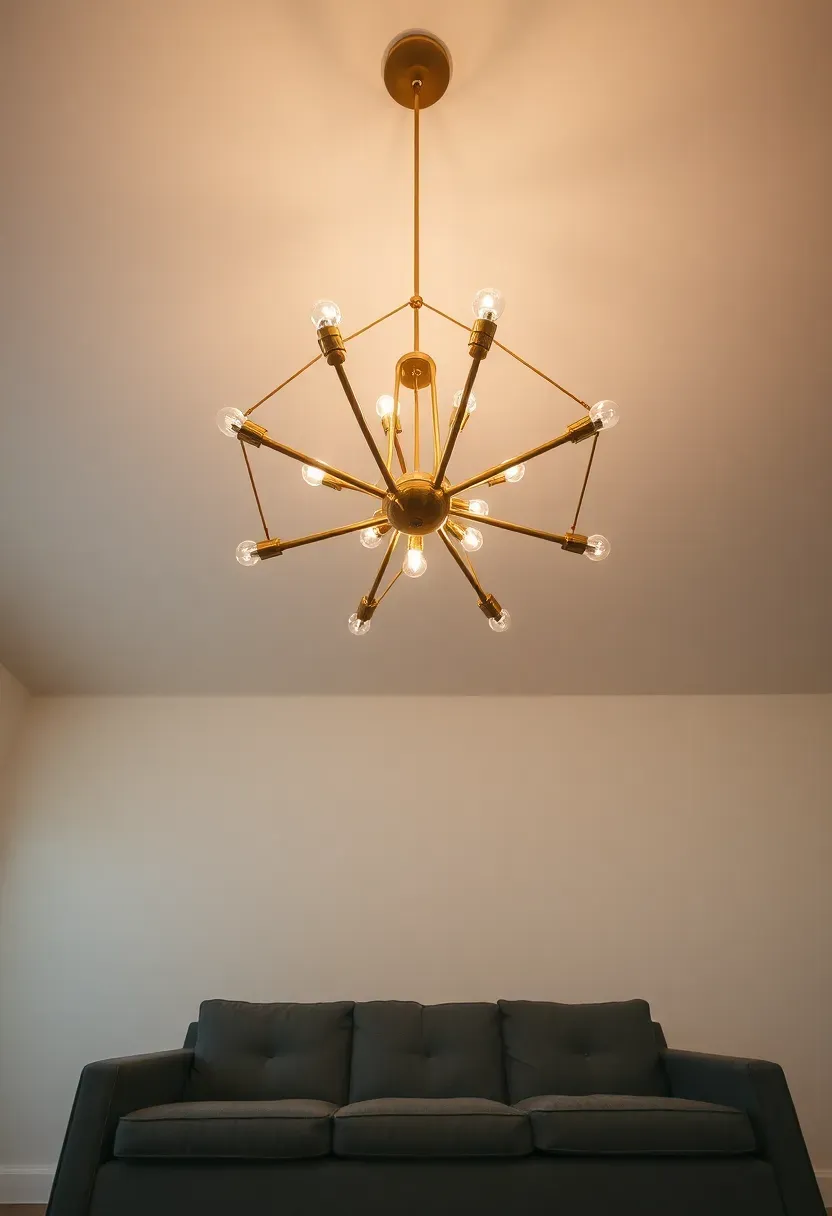
Choose one dramatic pendant or chandelier that serves as sculptural art while providing illumination. In eclectic minimalist living rooms, lighting becomes a primary vehicle for personality and interest. Select fixtures with strong presence—oversized scale, unusual materials, or distinctive form—that draw the eye upward and create conversation. The fixture might be a massive paper lantern, a brass geometric pendant, a woven rattan chandelier, or a cascade of glass spheres—but choose just one statement piece per room. Keep other lighting minimal and understated: simple floor lamps or recessed cans that don't compete with the main fixture. Position the statement light centrally over the coffee table or slightly off-center above the seating arrangement for maximum impact.
Tips
- Hang pendants 28-34 inches above coffee table for ideal proportion
- Consider dimmers—statement lighting should be adjustable for different moods
- Fixture scale should relate to room size—bigger rooms need bigger fixtures
Best for: rooms with high ceilings or architectural drama
What this gives you: vertical interest and artistic ceiling presence
14. Indoor Plant as Living Sculpture
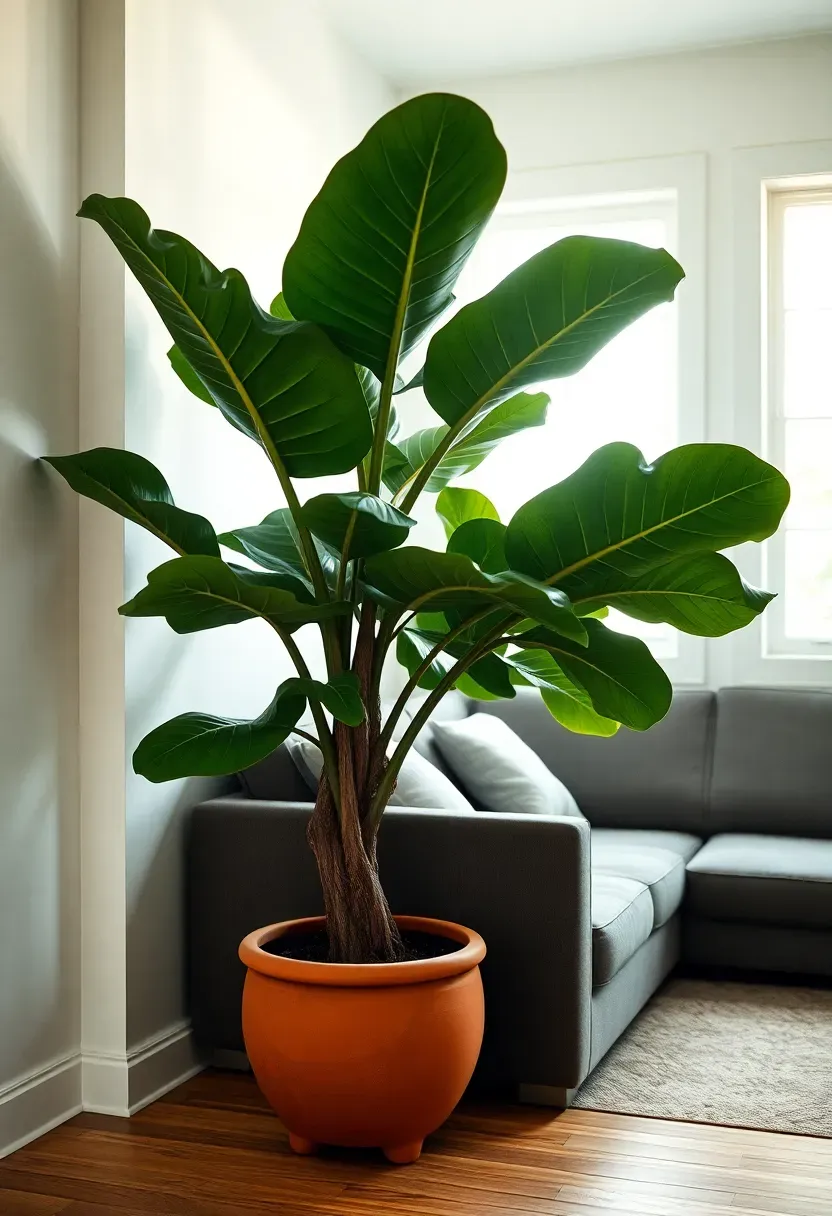
Introduce one large-scale plant that functions as living sculpture rather than small decorative plants scattered throughout. In eclectic minimalist living rooms, a single fiddle leaf fig, monstera, bird of paradise, or olive tree becomes the organic counterpoint to geometric furniture and architecture. Choose plants with architectural form—strong trunks, dramatic leaves, or sculptural shapes—rather than bushy or frilly varieties. Place the plant in a significant location: an empty corner, beside a major furniture piece, or as the room's first visible element. Use a simple pot in neutral tones or natural materials that complement rather than compete with the plant. The living element adds warmth, life, and organic irregularity that balances the room's constructed elements. One impressive plant has more impact than many small ones. For more greenery inspiration, see our [minimalist living room ideas with indoor plants](/posts/143_minimalist-living-room-ideas-indoor-plant-decor/).
Recommended
Items for this idea
Tips
- Consider your light conditions—match plant to available sunlight
- Large plants are investments—research care requirements before purchasing
- Rotate plants quarterly for even growth and light exposure
Best for: adding organic warmth without collecting objects
What this gives you: life and movement in an otherwise static environment
15. Unexpected Material Pairings
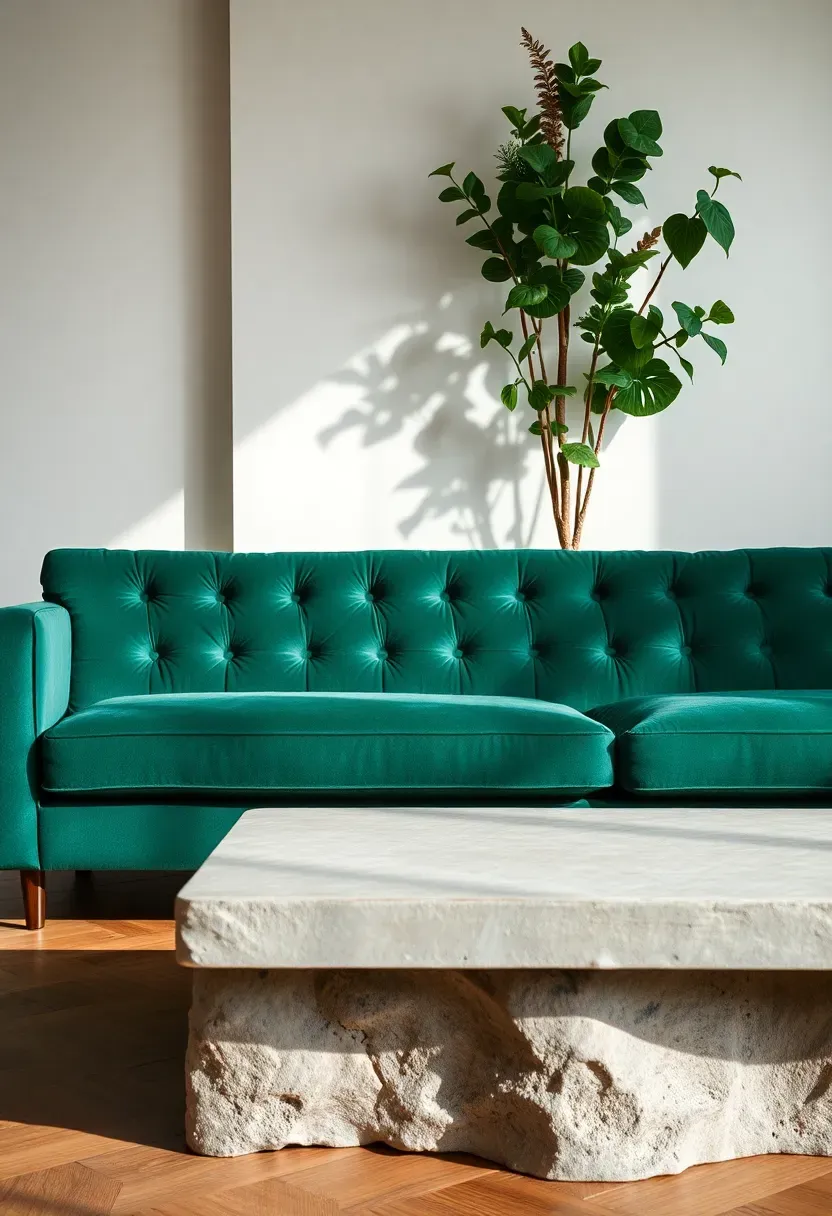
Create visual interest through juxtaposing materials that don't traditionally combine: velvet and concrete, brass and particle board, marble and cardboard, or leather and acrylic. These unexpected pairings create the eclectic tension that makes spaces memorable while maintaining minimalist simplicity. Choose one or two material contrasts per room maximum—more feels chaotic rather than curated. The key is execution: the unexpected materials should meet with thoughtful detailing rather than haphazard assembly. If you lean toward polished restraint, our [elegant minimalist living room ideas](/posts/84_27-elegant-minimalist-living-room-ideas/) offer complementary inspiration. A velvet sofa with rough concrete coffee table creates luxury-industrial tension. A marble tabletop on simple wood base combines refinement with rusticity. These material conversations become the room's primary source of interest, replacing the need for excessive decoration or art.
Tips
- Consider maintenance—delicate materials need more care than durable ones
- Test material combinations in person—textures and finishes matter
- Ground unexpected pairings with neutral surroundings
Avoid if: you prefer harmonious, soothing material palettes
What this gives you: provocative material conversations that spark interest
16. Gallery Wall with Generous Spacing
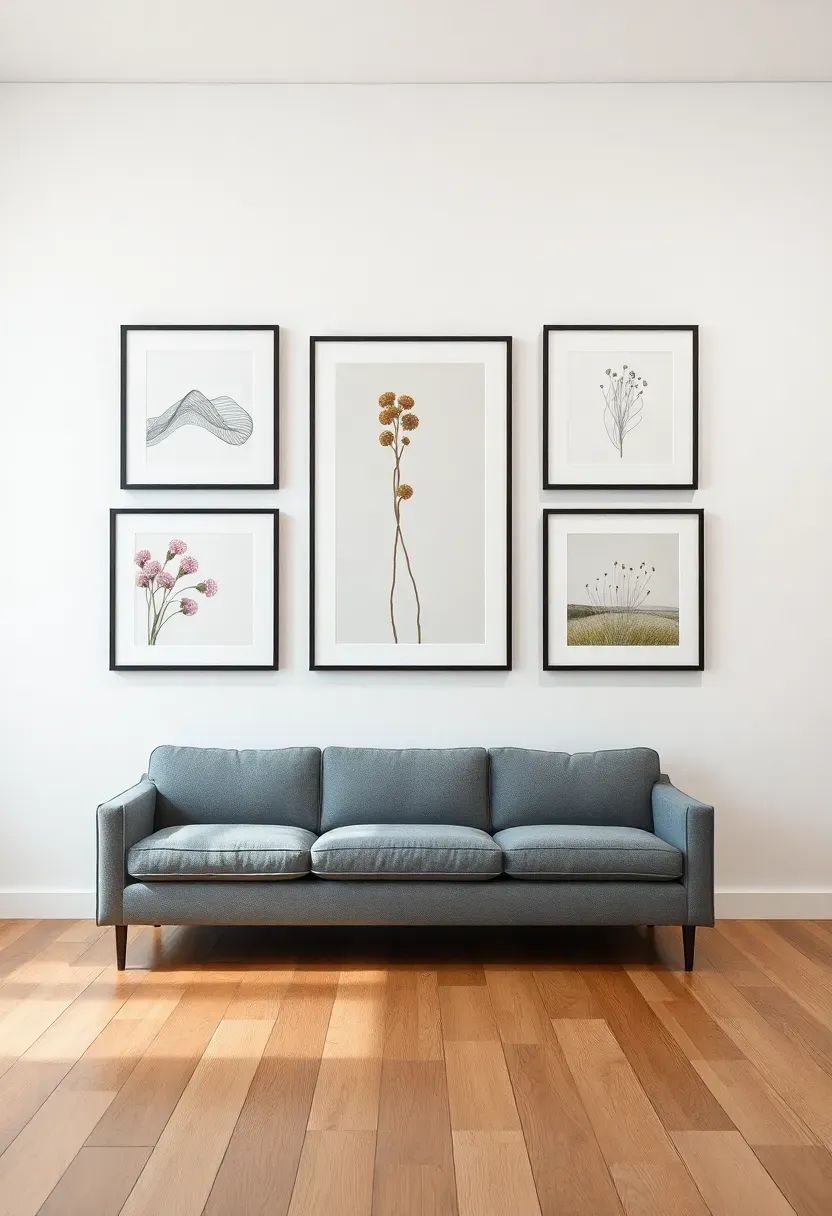
Create a gallery wall that feels curated and spacious through generous spacing between artworks rather than tight clustering. Hang 4-7 pieces with 4-6 inches of empty wall between each frame—more than typical gallery walls. This breathing room maintains the minimalist ethos while still allowing for multiple artworks that express your personality. Keep framing consistent: all white frames, all black, or all natural wood for cohesion. Or mix two frame styles intentionally with clear pattern (alternating, or by size). Mats should be consistent or intentionally varied rather than random. Arrange works asymmetrically rather than in rigid grid for more casual, collected feel. The generous spacing makes each piece individually visible and appreciated rather than blending into one visual mass.
Recommended
Items for this idea
Tips
- Layout on floor first—arrange and photograph before hammering nails
- Use level and measuring tape—generous spacing requires precision
- Start with center piece and work outward for easier layout decisions
Best for: art lovers with multiple pieces to display
What this gives you: maximum artwork display with minimal visual density
17. Transparent Furniture Surfaces
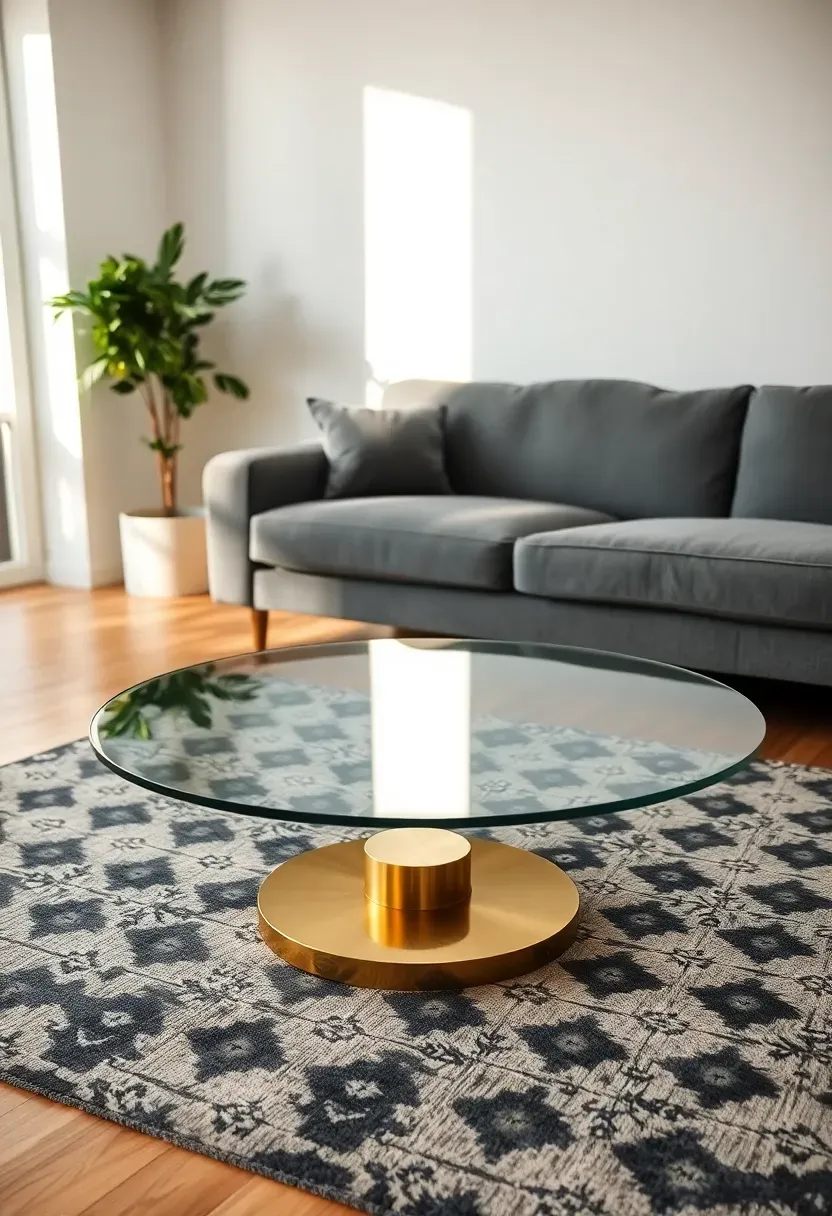
Incorporate glass, acrylic, or open-base furniture to create visual lightness that allows eclectic pieces to shine without feeling crowded. Transparent surfaces—coffee tables, console tables, or side tables—visually disappear, letting the objects around them take prominence. This is particularly valuable in eclectic rooms where multiple interesting pieces compete for attention. A glass coffee table allows an ethnic rug beneath to remain visible. An acrylic console doesn't block light or sightlines. Open-base furniture (wireframe, hairpin legs, open shelving) similarly creates visual permeability. Use transparent pieces strategically in high-traffic areas or where maintaining sightlines is important. The furniture serves its function without adding visual weight.
Tips
- Tempered glass is essential for table tops—safety first
- Transparent surfaces show dust and fingerprints—clean frequently
- Acrylic scratches more easily than glass—consider placement
Best for: smaller rooms or spaces with many eclectic elements
What this gives you: functional furniture without visual bulk
18. Architectural Salvage as Art
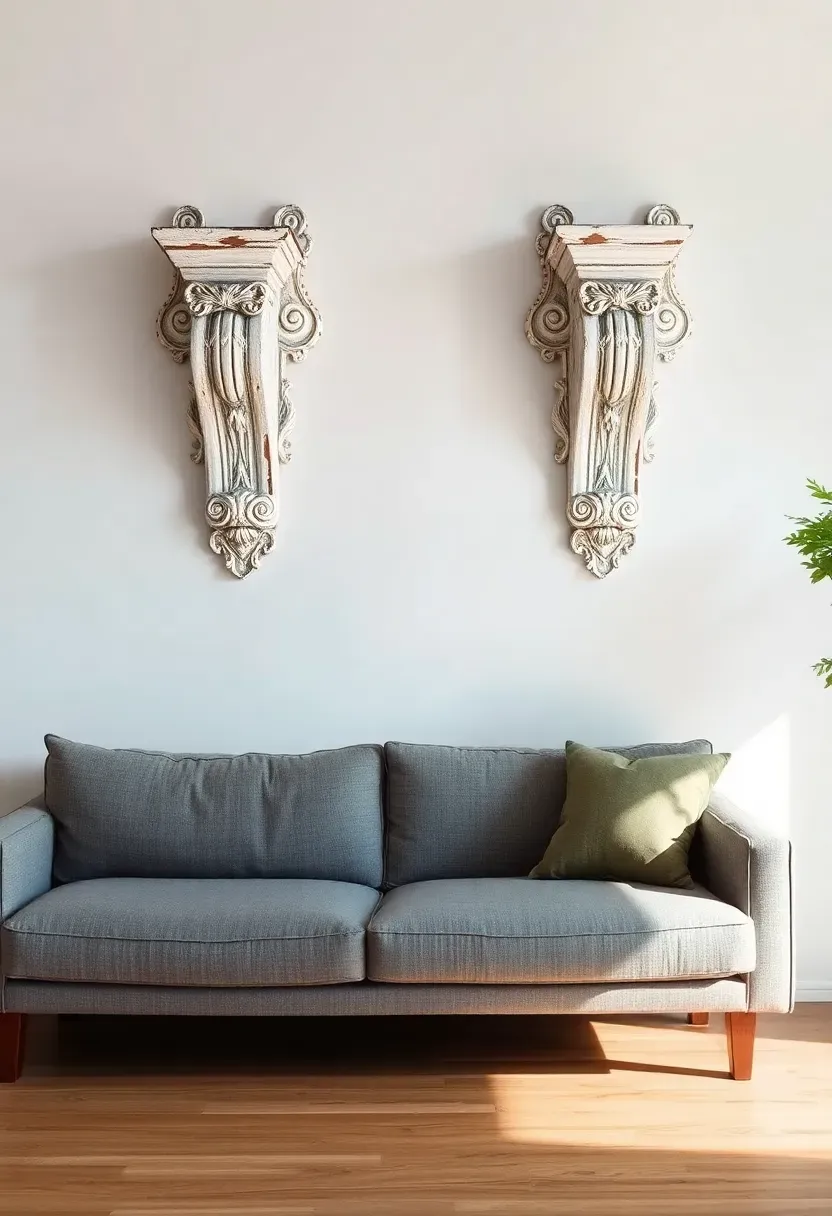
Elevate reclaimed architectural elements—corbels, columns, gates, windows, or doors—to art status by displaying them as sculptural objects. A pair of painted wood corbels mounted on the wall, an old iron gate as room divider, or a vintage window frame leaning against a wall all become distinctive art with history and character. These pieces bring authenticity and age that new objects cannot replicate. Choose architectural salvage in proportion to your room—large pieces for spacious rooms, smaller elements for intimate spaces. Clean or refinish minimally; patina and wear are part of the appeal. Mount securely and prominently as you would traditional art. The architectural fragment becomes a conversation piece and unique focal point that instantly makes your space personal and memorable.
Recommended
Items for this idea
Tips
- Architectural salvage yards and demolition sites are treasure troves
- Consider weight—old architectural elements can be extremely heavy
- Clean thoroughly but preserve authentic patina
Best for: adding unique character unavailable through conventional retail
What this gives you: one-of-a-kind art with historical authenticity
19. Curated Oddities Display
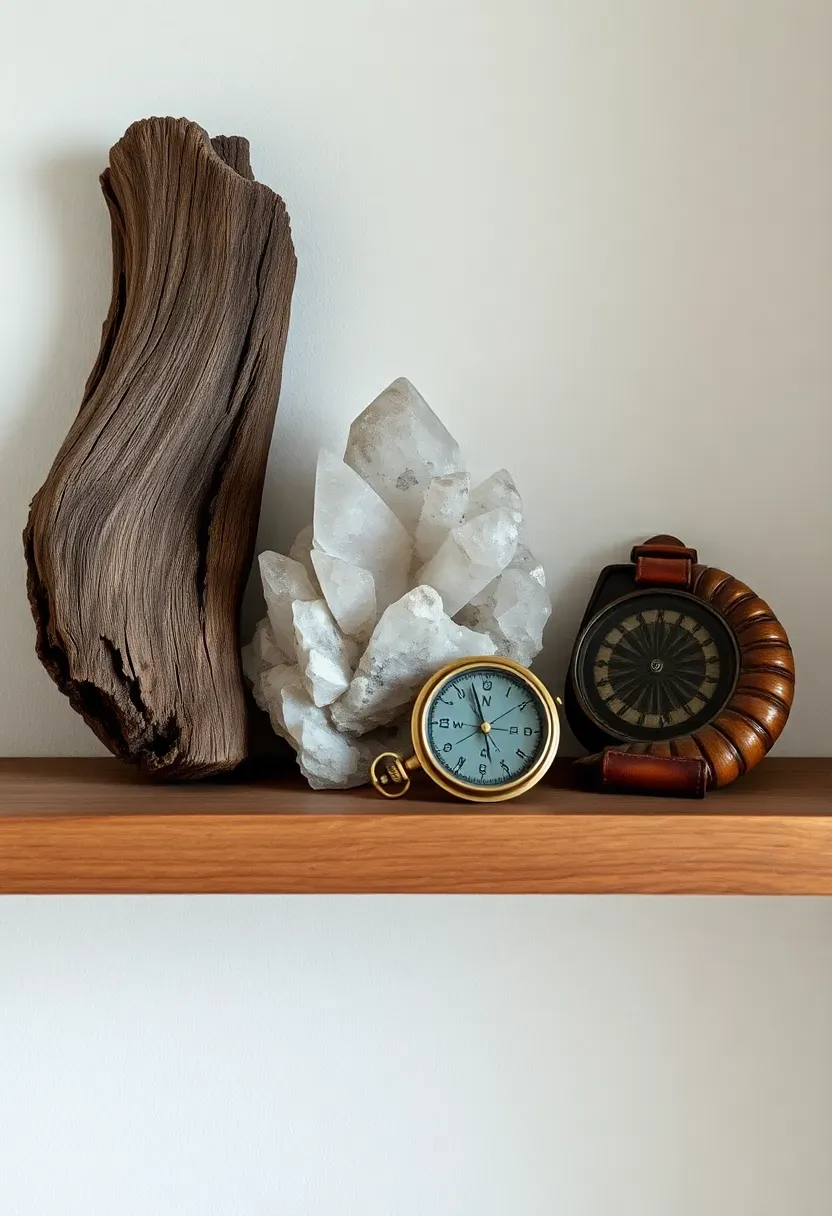
Display a small group of unusual objects that spark curiosity and conversation: geological specimens, found objects, vintage tools, or natural anomalies. Group 3-5 oddities on a shelf, table, or wall-mounted ledge where they can be examined and appreciated. The eclectic minimalist living room might feature a piece of driftwood, a quartz crystal, a vintage compass, and a fossilized shell arranged together. These objects become conversation starters and reflections of your interests. The key is curation: choose objects that relate through theme (nature, science, travel) or aesthetic (all mineral, all metallic, all organic). Display with adequate spacing so each piece can be appreciated individually. Limit to one grouping or surface to maintain minimalist restraint. The oddities become a distinctive vignette that reveals your personality.
Tips
- Nature walks, antique markets, and specialty shops are great sources
- Rotate objects seasonally to keep displays fresh
- Consider safety—securely mount heavy or fragile items
Best for: collectors of natural objects, scientific specimens, or found treasures
What this gives you: deeply personal display that sparks conversation
These eclectic minimalist living room ideas succeed through intentional curation rather than accidental accumulation. The 19 approaches above focus on strategic mixing of styles, materials, and eras while maintaining generous negative space and color unity. Whether you rent a small apartment or own your home, this philosophy yields living rooms that feel both authentic and serene -- spaces that reflect your personality while providing the visual calm essential for relaxation. Whether you're mixing family heirlooms with modern pieces, displaying treasured collections, or simply combining different aesthetics you love, the key principles remain the same: edit ruthlessly, space generously, and choose meaningfully. Your eclectic minimalist living room should tell your story, but with thoughtful pauses between chapters.
About the author
OBCD
CGI visualization and interior design content. We create detailed 3D renders and curate practical design ideas for every room in your home.