other

17 Tiny Colonial House Ideas for Practical and Stylish Interiors

Tiny Colonial House Interior

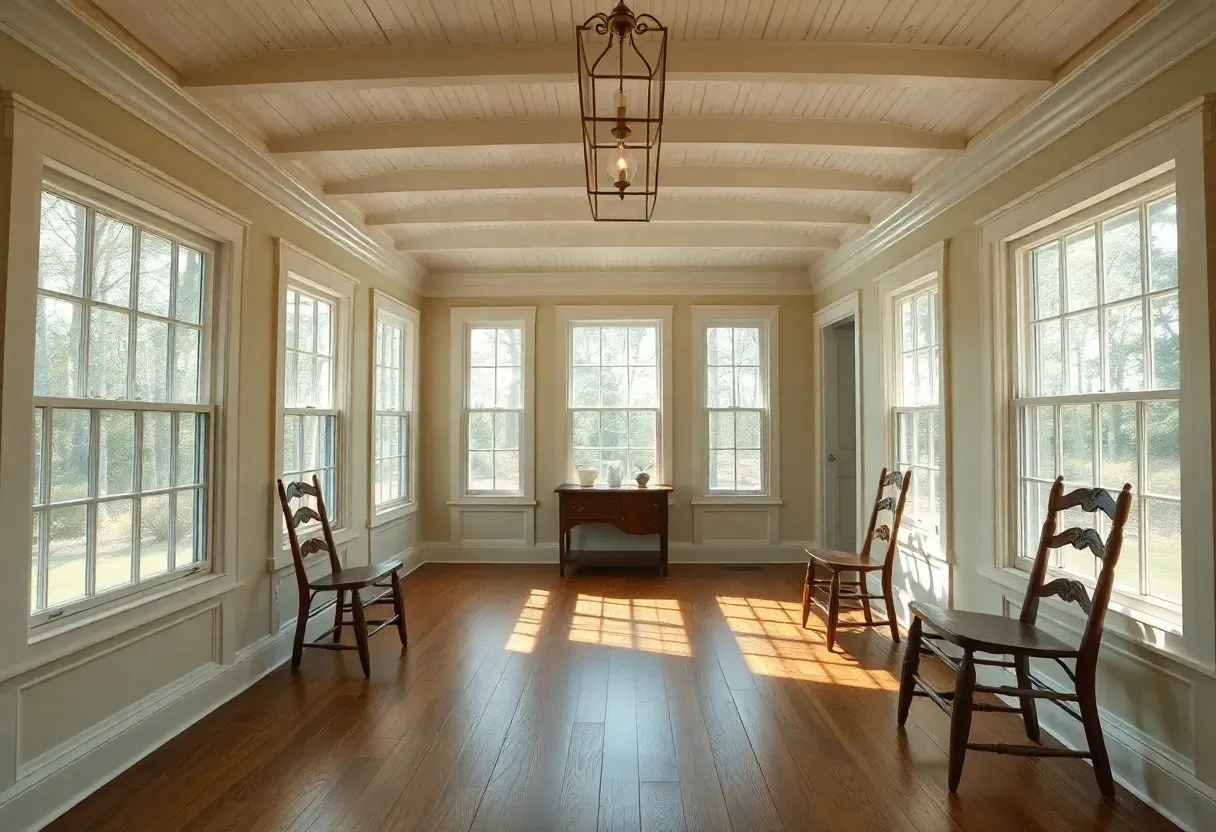
Tiny colonial house design proves that historical charm and compact living can coexist beautifully. These scaled-down colonial interiors maintain the symmetry, craftsmanship, and timeless elegance of traditional architecture while embracing modern efficiency.

By adapting classic colonial elements—crown molding, chair rails, and built-in cabinetry—to smaller footprints, you create spaces that feel both authentic and livable. The key lies in honoring historical proportions while embracing contemporary functionality.

Whether you're renovating a historic colonial cottage or building new with colonial inspiration, these ideas demonstrate how period details enhance rather than overwhelm compact spaces.

Quick FAQ

What defines a tiny colonial house interior?

A tiny colonial house interior combines traditional colonial architectural elements like crown molding, chair rails, and symmetrical layouts with compact footprint optimization. These homes typically feature neutral color palettes, natural wood trim, and built-in storage adapted for smaller rooms.

How do you make a colonial house feel bigger?

Maximize space in colonial homes by embracing the original verticality—high ceilings, tall windows, and exposed beams. Use the characteristic symmetry to create balanced layouts, incorporate built-ins that echo colonial craftsmanship, and choose lighter paint colors while keeping historical trim painted white.

Should I keep colonial woodwork white or natural?

Both approaches work beautifully in tiny colonial spaces. White-painted trim reflects light and makes rooms feel larger, while natural woodwork adds warmth and authenticity. Consider mixing—painted built-ins for brightness, natural hardwood floors for character.

What colors work best in colonial tiny houses?

Traditional colonial palettes—cream, sage green, dusty blue, barn red, and warm grays—create historical authenticity. In tiny spaces, use these colors as accents while keeping walls light. Navy blue window trim, burgundy throw pillows, or hunter green upholstery add colonial depth without darkening the room.

Can modern furniture work in colonial interiors?

Absolutely. The key is scale and proportion. Choose clean-lined furniture that respects colonial symmetry without being reproduction pieces. A modern sofa with classic roll arms, sleek lighting fixtures with traditional silhouettes, or contemporary art in gilded frames bridge eras beautifully.

What flooring suits tiny colonial homes?

Wide-plank hardwood floors (4-6 inches) in oak, pine, or heart pine are historically accurate and visually expand small rooms. Hand-scraped textures add authenticity. For kitchens, consider stone-look tile or wide-plank porcelain that mimics colonial materials with modern durability.

Table of Contents

  1. 1. Symmetrical Layout with Center Hall Tradition
  2. 2. Chair Rail Maximization
  3. 3. Built-In Cabinetry with Colonial Proportions
  4. 4. Crown Molding that Defines Height
  5. 5. Window Seat Nook with Colonial Charm
  6. 6. Shiplap Walls with Historical Accuracy
  7. 7. Colonial Color Palette: Cream with Navy Accents
  8. 8. Exposed Beam Ceiling
  9. 9. Fireplace as Focal Point
  10. 10. Wainscoting for Texture and Protection
  11. 11. Dual-Purpose Room Division
  12. 12. Staircase Storage Integration
  13. 13. Dutch Door Entry
  14. 14. Wide-Plank Flooring Throughout
  15. 15. Multi-Pane Window Emphasis
  16. 16. Butler's Pantry Concept
  17. 17. Vertical Board-and-Batten

1. Symmetrical Layout with Center Hall Tradition

The center hall configuration defines colonial architecture, and in tiny houses, this symmetrical approach creates organized flow. By positioning a narrow hallway down the center with rooms flanking each side, you maximize both circulation and privacy—a traditional solution that feels spacious despite compact dimensions.
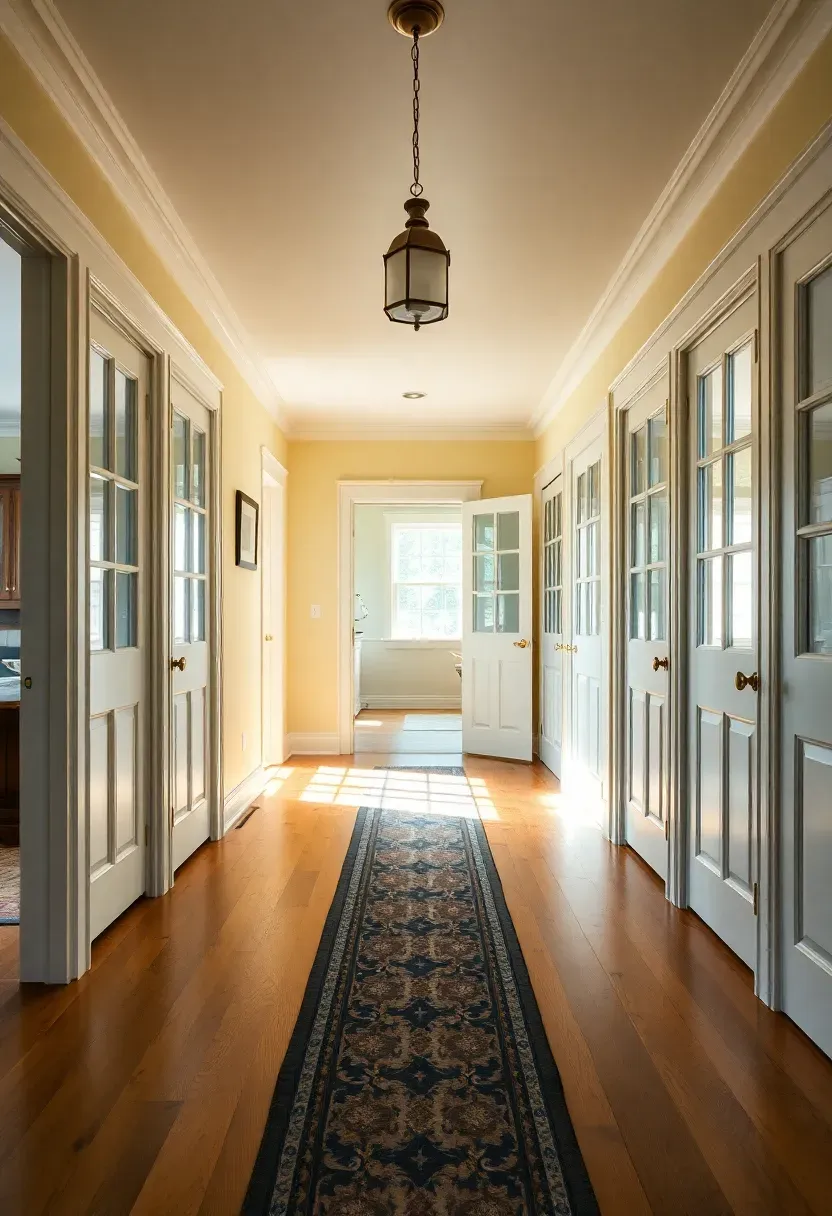
Hyper-realistic wide shot of a tiny colonial house interior showing center hall layout with symmetrical room openings on both sides. Materials: wide-plank pine floors, white-painted crown molding, colonial-style panel doors with brass hardware, warm cream walls. Natural light streaming through multi-pane windows at both ends of hall, creating bright, airy atmosphere. Shallow depth of field showing balanced composition with hallway runner and colonial-style pendant light. Visible room context—glimpses of living area left, bedroom right. Elegant colonial mood like Historic New England, clean symmetry, no clutter.</p>
Tiny colonial house design proves that historical charm and compact living can coexist beautifully. These scaled-down colonial interiors maintain the symmetry, craftsmanship, and timeless elegance of traditional architecture while embracing modern efficiency.. Hyper-realistic wide shot of a tiny colonial house interior showing center hall layout with symmetrical room openings on both sides. Materials: wide-plank pine floors, white-painted crown molding, colonial-style panel doors with brass hard
Prompt: Nature documentary captured on Hasselblad X2D 100C with XCD 90V lens at f/4. Hyper-realistic wide shot of a tiny colonial house interior showing center hall layout with symmetrical room openings on both sides. Materials: wide-plank pine floors, white-painted crown molding, colonial-style panel doors with brass hardware, warm cream walls. Natural light streaming through multi-pane windows at both ends of hall, creating bright, airy atmosphere. Shallow depth of field showing balanced composition with hallway runner and colonial-style pendant light. Visible room context—glimpses of living area left, bedroom right. Elegant colonial mood like Historic New England, clean symmetry, no clutter.

Tips

  • Keep the hallway narrow—36-40 inches is sufficient for circulation while preserving room width
  • Use identical light fixtures or artwork on both sides to reinforce colonial symmetry
  • Install shallow built-in niches in hallway walls for additional storage without breaking symmetry

Best for: tiny houses over 300 square feet where traditional colonial floor plans can be scaled down

What this gives you: organized circulation paths and defined room separation while maintaining historical authenticity

2. Chair Rail Maximization

Colonial chair rail molding typically divides walls at roughly 32 inches from the floor, originally designed to protect plaster from chair backs. In tiny colonial houses, this horizontal element does double duty: it creates visual rhythm, provides a natural transition for wall color changes, and offers opportunities for shallow shelving or display.
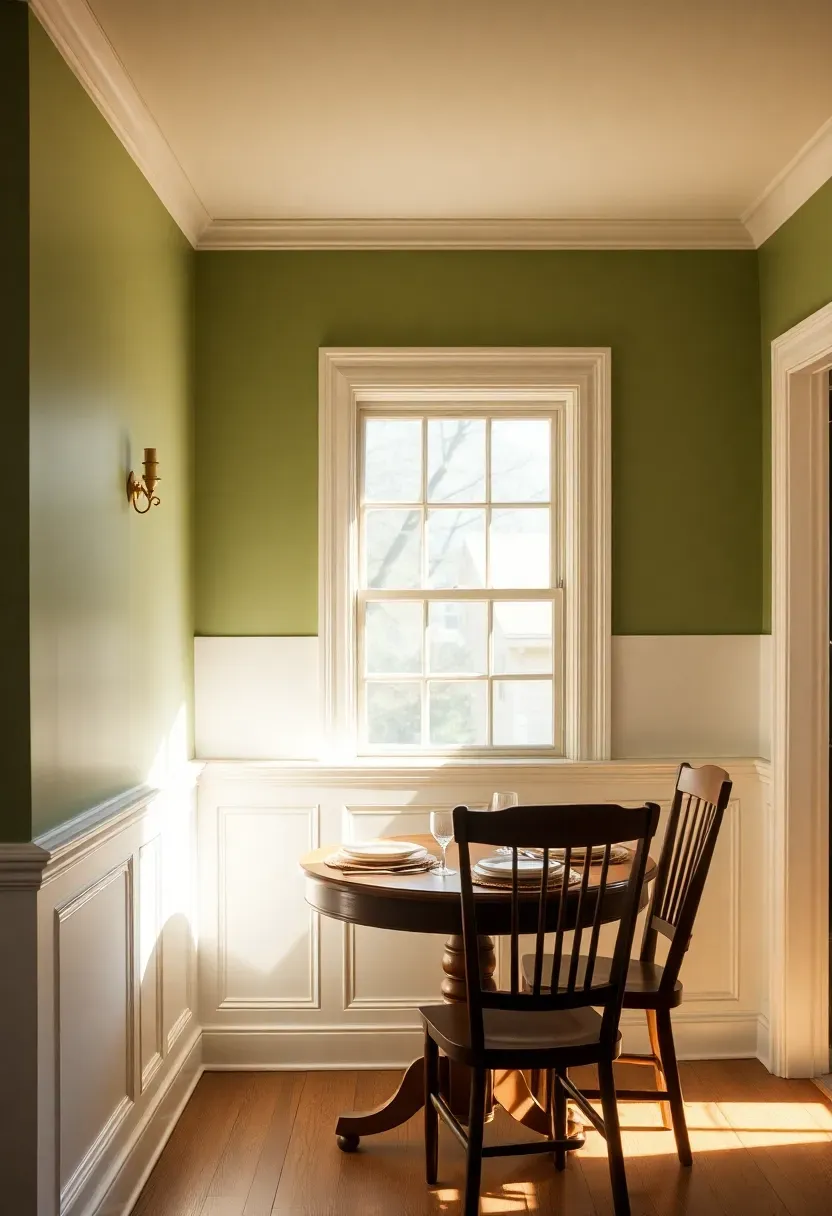
Hyper-realistic 3/4 view of a small colonial dining nook with chair rail molding dividing walls. Upper walls painted soft sage green, lower walls white wainscoting-style paneling below chair rail. Materials: painted wood chair rail with colonial profile, small round oak table, ladder-back chairs, brass candle sconces on rail. Warm morning light from multi-pane window creating shadows that highlight molding depth. Shallow depth of field showing table setting with colonial-era reproduction plates. Visible room context—glimpse of kitchen through doorway. Cozy colonial mood like Williamsburg tavern, intimate scale.</p>
Tiny colonial house design proves that historical charm and compact living can coexist beautifully. These scaled-down colonial interiors maintain the symmetry, craftsmanship, and timeless elegance of traditional architecture while embracing modern efficiency.. Hyper-realistic 3/4 view of a small colonial dining nook with chair rail molding dividing walls. Upper walls painted soft sage green, lower walls white wainscoting-style paneling below chair rail. Materials: painted wood chair rail with co
Prompt: Nature documentary captured on Hasselblad X2D 100C with XCD 90V lens at f/4. Hyper-realistic 3/4 view of a small colonial dining nook with chair rail molding dividing walls. Upper walls painted soft sage green, lower walls white wainscoting-style paneling below chair rail. Materials: painted wood chair rail with colonial profile, small round oak table, ladder-back chairs, brass candle sconces on rail. Warm morning light from multi-pane window creating shadows that highlight molding depth. Shallow depth of field showing table setting with colonial-era reproduction plates. Visible room context—glimpse of kitchen through doorway. Cozy colonial mood like Williamsburg tavern, intimate scale.

Tips

  • Mount shallow floating shelves (4-6 inches deep) on the wall above chair rail for display
  • Paint upper and lower wall sections different colors to visually manipulate room proportions
  • Avoid mounting the rail too high—it should align with the back of your dining chairs

Budget/Time: chair rail molding costs $2-4 per linear foot; installation takes 1-2 days for average room

What this gives you: architectural detail that scales perfectly to small rooms while adding colonial authenticity

3. Built-In Cabinetry with Colonial Proportions

Colonial craftsmanship excelled at built-in storage, and tiny houses benefit enormously from this tradition. Floor-to-ceiling cabinets flanking fireplaces, window seats with storage below, and built-in bed niches maximize every square foot while maintaining period authenticity. The key is using colonial proportions—raised-panel doors, crown molding tops, and base molding details.
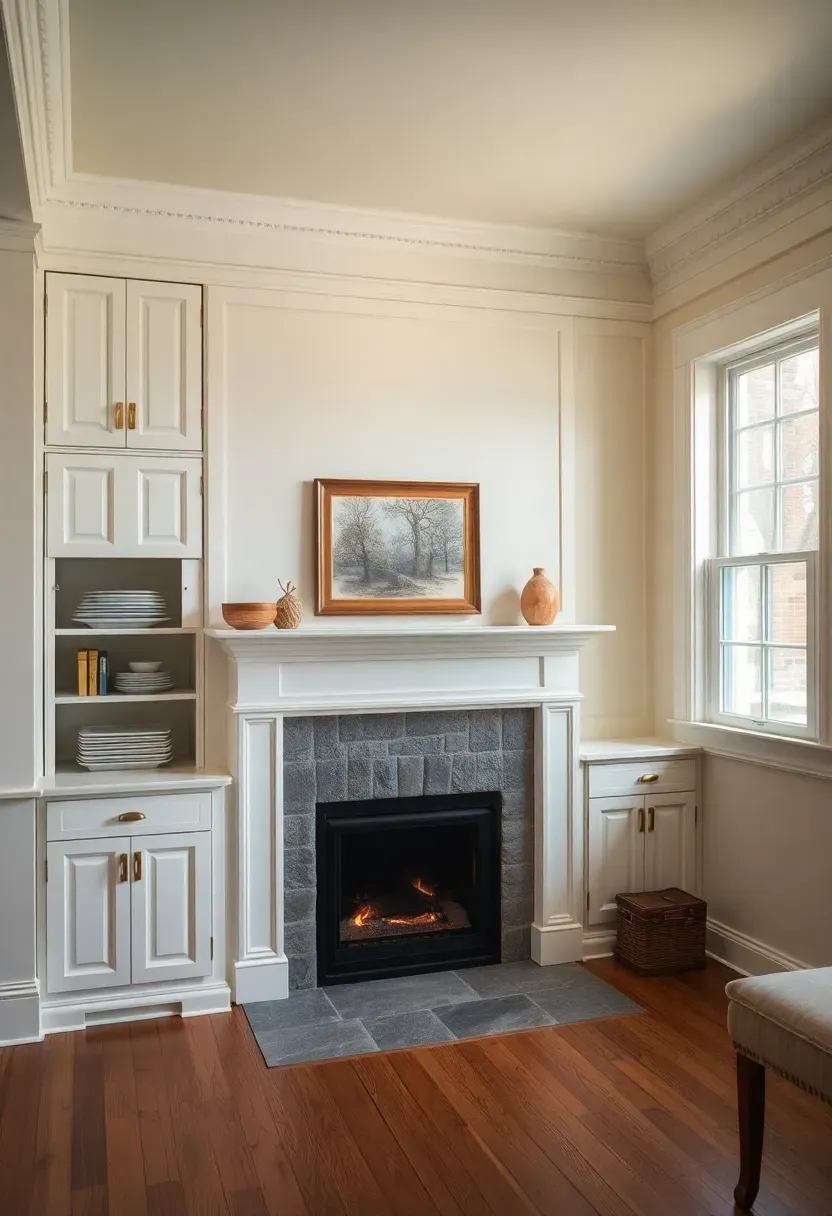
Hyper-realistic straight-on view of built-in cabinetry flanking a small colonial fireplace. Cabinets feature raised-panel doors, colonial crown molding at ceiling, and detailed base molding. Materials: painted white cabinetry with brass bin pulls, interior showing organized dishes and books, bluestone hearth. Warm ambient light from fire and multi-pane window right, highlighting architectural details. Shallow depth of field showing cabinet hardware and interior contents. Visible room context—cream walls, wide-plank floors. Elegant colonial mood like restored historic home, functional beauty.</p>
Tiny colonial house design proves that historical charm and compact living can coexist beautifully. These scaled-down colonial interiors maintain the symmetry, craftsmanship, and timeless elegance of traditional architecture while embracing modern efficiency.. Hyper-realistic straight-on view of built-in cabinetry flanking a small colonial fireplace. Cabinets feature raised-panel doors, colonial crown molding at ceiling, and detailed base molding. Materials: painted white cabinetry with brass bi
Prompt: Nature documentary captured on Hasselblad X2D 100C with XCD 90V lens at f/4. Hyper-realistic straight-on view of built-in cabinetry flanking a small colonial fireplace. Cabinets feature raised-panel doors, colonial crown molding at ceiling, and detailed base molding. Materials: painted white cabinetry with brass bin pulls, interior showing organized dishes and books, bluestone hearth. Warm ambient light from fire and multi-pane window right, highlighting architectural details. Shallow depth of field showing cabinet hardware and interior contents. Visible room context—cream walls, wide-plank floors. Elegant colonial mood like restored historic home, functional beauty.

Tips

  • Design cabinet depth at 18-20 inches maximum to preserve floor space in tiny rooms
  • Use butt hinges rather than concealed hinges for historical accuracy
  • Consider mixing open and closed storage—glass upper doors create display space while maintaining colonial style

Best for: living rooms, bedrooms, and dining areas where storage needs are high but floor space is limited

What this gives you: maximum storage with authentic colonial detailing that looks built-in rather than added

4. Crown Molding that Defines Height

Colonial homes often featured modest ceiling heights (8-9 feet), and crown molding was the signature detail that added elegance without requiring additional vertical space. In tiny colonial houses, crown molding draws the eye upward, making rooms feel taller while completing the wall-to-ceiling transition with historical accuracy.
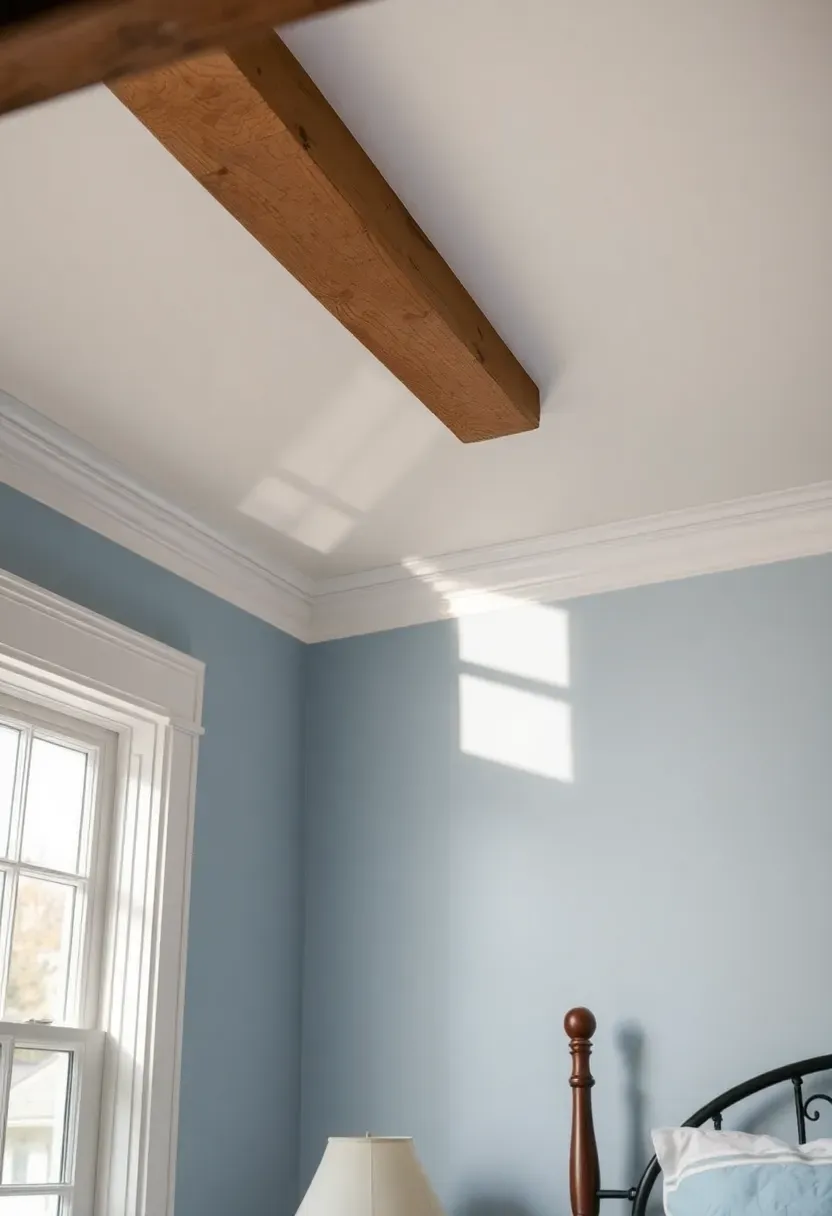
Hyper-realistic upward-angle view of a small colonial bedroom corner showing crown molding installation. Materials: white-painted crown molding with classic colonial profile, cream walls above, light blue walls below chair rail. Soft daylight from multi-pane window creating shadows that emphasize molding depth and ceiling line. Shallow depth of field showing molding detail against wall. Visible room context—exposed ceiling beam corner, glimpse of four-poster bed. Serene colonial mood like historic inn bedroom, vertical emphasis.</p>
Tiny colonial house design proves that historical charm and compact living can coexist beautifully. These scaled-down colonial interiors maintain the symmetry, craftsmanship, and timeless elegance of traditional architecture while embracing modern efficiency.. Hyper-realistic upward-angle view of a small colonial bedroom corner showing crown molding installation. Materials: white-painted crown molding with classic colonial profile, cream walls above, light blue walls below chair rail. Soft dayli
Prompt: Nature documentary captured on Hasselblad X2D 100C with XCD 90V lens at f/4. Hyper-realistic upward-angle view of a small colonial bedroom corner showing crown molding installation. Materials: white-painted crown molding with classic colonial profile, cream walls above, light blue walls below chair rail. Soft daylight from multi-pane window creating shadows that emphasize molding depth and ceiling line. Shallow depth of field showing molding detail against wall. Visible room context—exposed ceiling beam corner, glimpse of four-poster bed. Serene colonial mood like historic inn bedroom, vertical emphasis.

Tips

  • Choose proportionate molding—colonial profiles are typically 3-5 inches tall, not oversized
  • If ceiling height is under 8 feet, use smaller molding (2.5-3 inches) to avoid overwhelming the room
  • Paint crown molding the same color as the ceiling in very tiny rooms to avoid visual chopping

Placement note: install crown molding in all main living spaces for continuity, but consider omitting in very small bathrooms where wall space is precious

What this gives you: architectural polish that elevates the entire room while creating the illusion of greater height

5. Window Seat Nook with Colonial Charm

The window seat is a colonial staple that transforms any window into a functional feature. In tiny houses, a built-in window seat provides seating, storage, and visual interest without consuming additional floor space. Flanking the seat with closed storage cabinets and topping it with a tailored cushion creates a cozy reading nook that embodies colonial practicality.
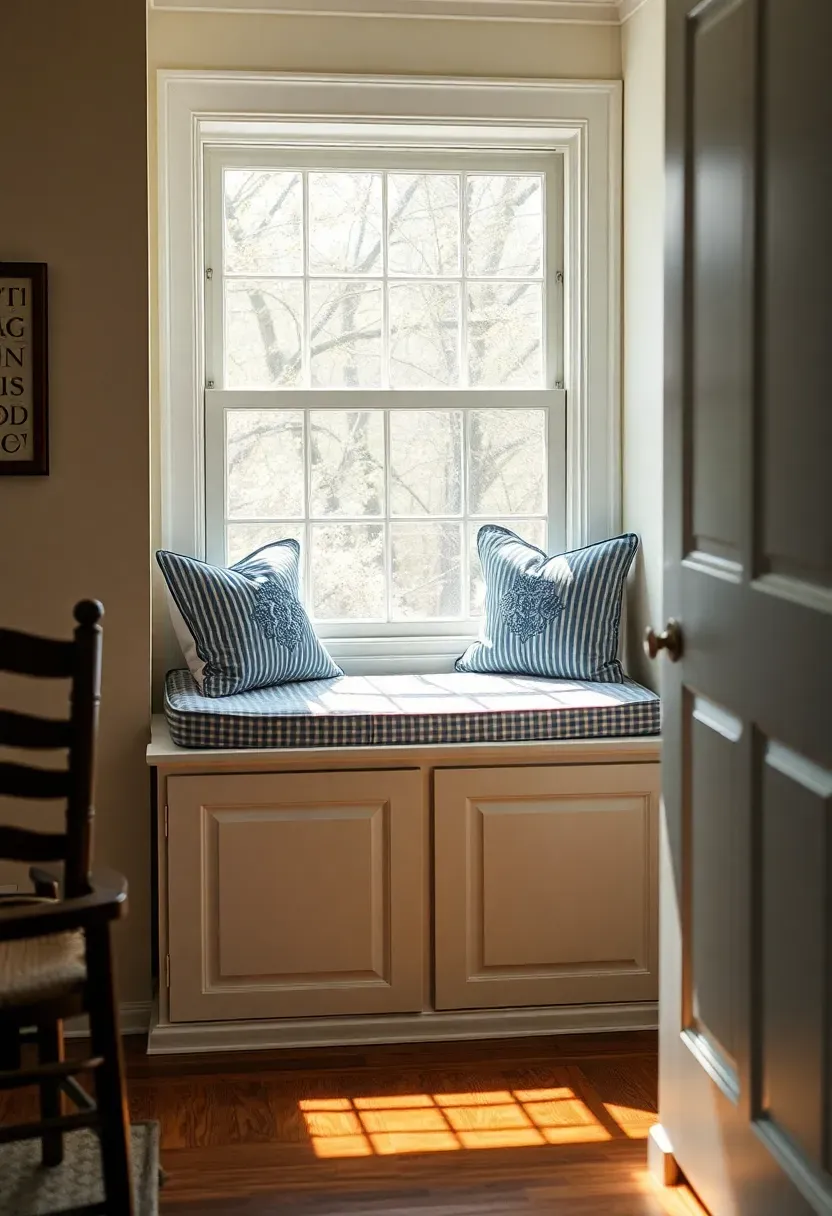
Hyper-realistic 3/4 view of a colonial window seat nook in a small living room. Window seat features raised-panel cabinet doors below, tailored blue ticking cushion, matching throw pillows with colonial embroidery. Materials: painted white cabinetry, multi-pane double-hung window with cream walls, wide-plank oak floor. Bright natural light streaming through window, casting geometric shadows from window muntins. Shallow depth of field showing cushion texture and cabinet hardware. Visible room context—glimpse of ladder-back chair, colonial-style side table. Cozy reading nook mood like historic farmhouse.</p>
Tiny colonial house design proves that historical charm and compact living can coexist beautifully. These scaled-down colonial interiors maintain the symmetry, craftsmanship, and timeless elegance of traditional architecture while embracing modern efficiency.. Hyper-realistic 3/4 view of a colonial window seat nook in a small living room. Window seat features raised-panel cabinet doors below, tailored blue ticking cushion, matching throw pillows with colonial embroidery. Materials: painted white
Prompt: Nature documentary captured on Hasselblad X2D 100C with XCD 90V lens at f/4. Hyper-realistic 3/4 view of a colonial window seat nook in a small living room. Window seat features raised-panel cabinet doors below, tailored blue ticking cushion, matching throw pillows with colonial embroidery. Materials: painted white cabinetry, multi-pane double-hung window with cream walls, wide-plank oak floor. Bright natural light streaming through window, casting geometric shadows from window muntins. Shallow depth of field showing cushion texture and cabinet hardware. Visible room context—glimpse of ladder-back chair, colonial-style side table. Cozy reading nook mood like historic farmhouse.

Tips

  • Design the seat depth at 18-20 inches for comfortable lounging without excessive projection into the room
  • If the window lacks side walls, build a freestanding window seat cabinet that can be removed if needed
  • Include hidden storage within the seat bench—lift-up cushions or pull-out drawers maximize utility

Best for: bedrooms, living rooms, and dining areas where windows have at least one adjacent wall

What this gives you: multipurpose functionality (seating + storage) while creating an inviting architectural feature

6. Shiplap Walls with Historical Accuracy

Shiplap siding was a practical colonial wall treatment that has returned as a design staple. In tiny colonial houses, shiplap adds texture, visual interest, and historical depth without overwhelming small spaces. Install horizontally to visually widen rooms, or vertically in entries and stairwells to emphasize height. Paint it white for brightness or keep it natural for warmth.
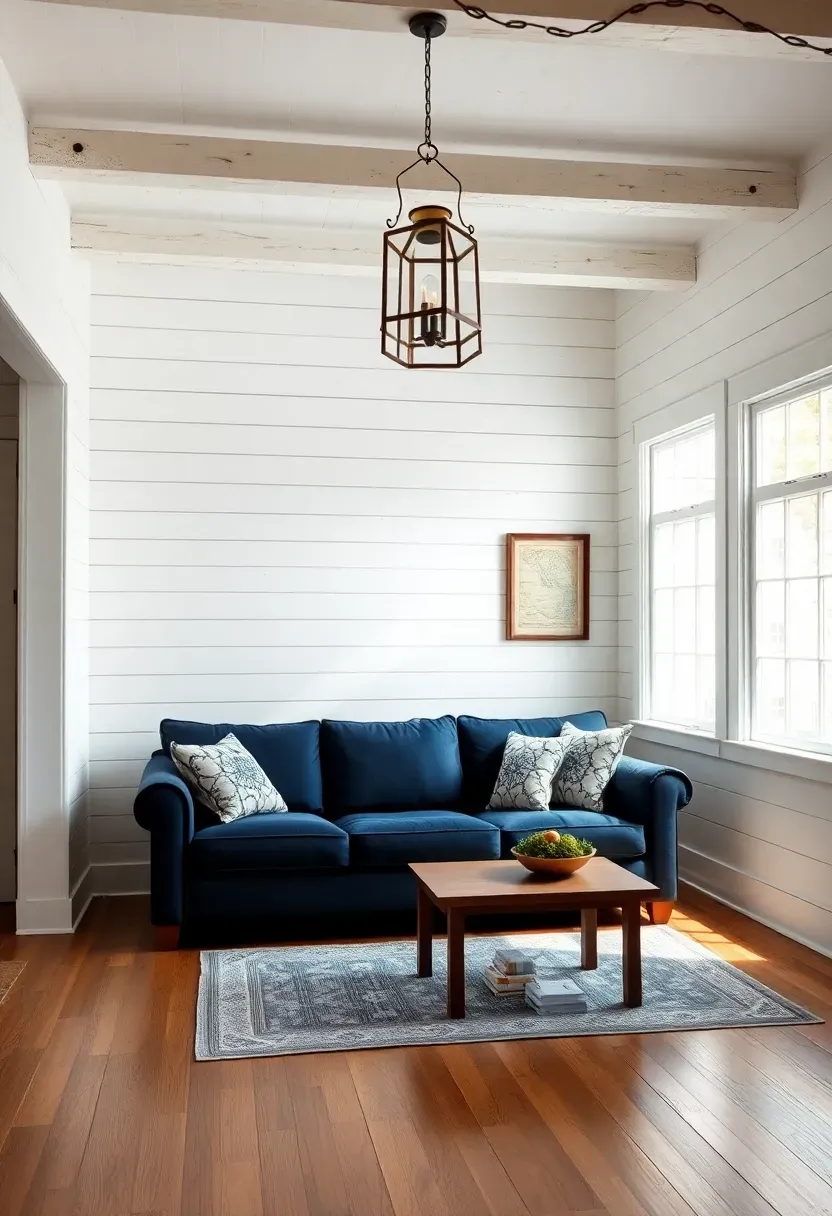
Hyper-realistic straight-on view of a small colonial living room with horizontal white shiplap walls. Materials: painted shiplap with nickel-gap spacing, exposed ceiling beams, wide-plank pine floors, navy blue sofa, brass lantern pendant light. Soft diffused daylight from multi-pane window right, creating shadows that highlight shiplap texture and depth. Shallow depth of field showing sofa fabric texture and throw pillows. Visible room context—colonial-style coffee table, vintage map artwork. Rustic colonial mood like restored coastal cottage.</p>
Tiny colonial house design proves that historical charm and compact living can coexist beautifully. These scaled-down colonial interiors maintain the symmetry, craftsmanship, and timeless elegance of traditional architecture while embracing modern efficiency.. Hyper-realistic straight-on view of a small colonial living room with horizontal white shiplap walls. Materials: painted shiplap with nickel-gap spacing, exposed ceiling beams, wide-plank pine floors, navy blue sofa, brass lantern pendant
Prompt: Nature documentary captured on Hasselblad X2D 100C with XCD 90V lens at f/4. Hyper-realistic straight-on view of a small colonial living room with horizontal white shiplap walls. Materials: painted shiplap with nickel-gap spacing, exposed ceiling beams, wide-plank pine floors, navy blue sofa, brass lantern pendant light. Soft diffused daylight from multi-pane window right, creating shadows that highlight shiplap texture and depth. Shallow depth of field showing sofa fabric texture and throw pillows. Visible room context—colonial-style coffee table, vintage map artwork. Rustic colonial mood like restored coastal cottage.

Tips

  • Use nickel-gap shiplap (1/8-inch spacing between boards) for authentic colonial appearance
  • Paint shiplap the same color as trim to create cohesion, or contrast with walls for definition
  • If budget is tight, apply shiplap only as wainscoting (lower 36-48 inches) rather than full walls

Budget/Time: shiplap materials cost $2-3 per square foot; installation takes 2-3 days for average room

What this gives you: period-correct wall treatment that adds texture and depth while maintaining brightness

7. Colonial Color Palette: Cream with Navy Accents

Colonial interiors relied on a refined palette of cream, sage, navy, and dusty brick. In tiny colonial houses, this historic color scheme creates sophistication without visual clutter. Cream walls reflect light and expand spaces, while navy accents in upholstery, trim, or accessories add colonial depth and grounding.
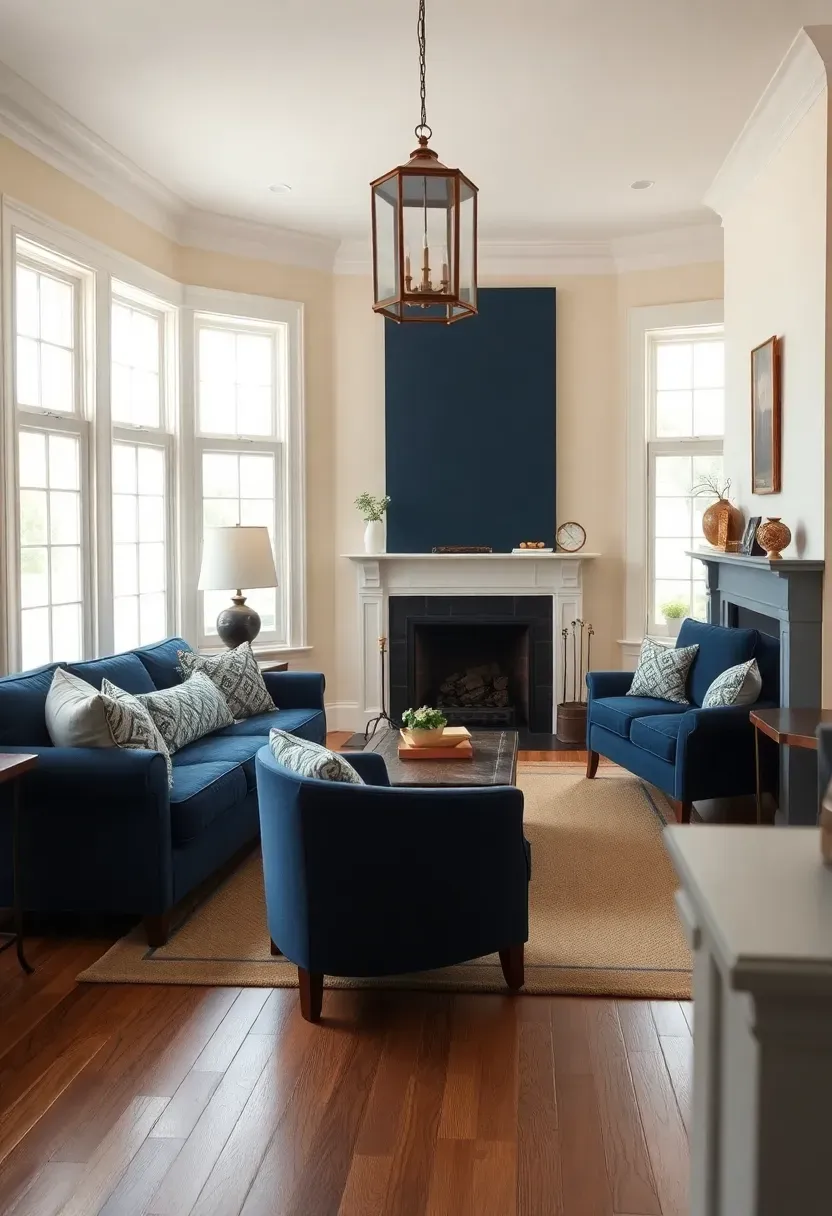
Hyper-realistic wide shot of a tiny colonial living room with cream walls and navy accents. Materials: cream-painted walls with white crown molding, navy blue sofa and armchair, brass lantern chandelier, wide-plank oak floors with colonial-style braided rug. Bright natural light from multi-pane windows, highlighting the contrast between cream walls and navy upholstery. Shallow depth of field showing throw pillow textures and brass hardware. Visible room context—colonial fireplace with painted mantel. Elegant colonial mood like Newport mansion.</p>
Tiny colonial house design proves that historical charm and compact living can coexist beautifully. These scaled-down colonial interiors maintain the symmetry, craftsmanship, and timeless elegance of traditional architecture while embracing modern efficiency.. Hyper-realistic wide shot of a tiny colonial living room with cream walls and navy accents. Materials: cream-painted walls with white crown molding, navy blue sofa and armchair, brass lantern chandelier, wide-plank oak floors with colonial
Prompt: Nature documentary captured on Hasselblad X2D 100C with XCD 90V lens at f/4. Hyper-realistic wide shot of a tiny colonial living room with cream walls and navy accents. Materials: cream-painted walls with white crown molding, navy blue sofa and armchair, brass lantern chandelier, wide-plank oak floors with colonial-style braided rug. Bright natural light from multi-pane windows, highlighting the contrast between cream walls and navy upholstery. Shallow depth of field showing throw pillow textures and brass hardware. Visible room context—colonial fireplace with painted mantel. Elegant colonial mood like Newport mansion.

Tips

  • Use cream (not stark white) for walls—colonial originals featured warm, aged whites
  • Limit navy to 1-2 major pieces (sofa, curtains) plus smaller accents to avoid overwhelming tiny rooms
  • Repeat accent colors in at least three places for cohesion—sofa, throw pillows, and artwork, for example

Best for: all rooms in tiny colonial houses—this palette provides flexibility while maintaining historical accuracy

What this gives you: timeless sophistication that reflects colonial aesthetics while keeping small spaces feeling open

8. Exposed Beam Ceiling

Colonial construction featured exposed structural beams, and incorporating this element in tiny colonial houses adds architectural drama without sacrificing floor space. Exposed ceiling beams define zones, add historical authenticity, and draw the eye upward making rooms feel larger. Whether original or added as decorative elements, beams should have substantial proportions and natural or painted finishes.
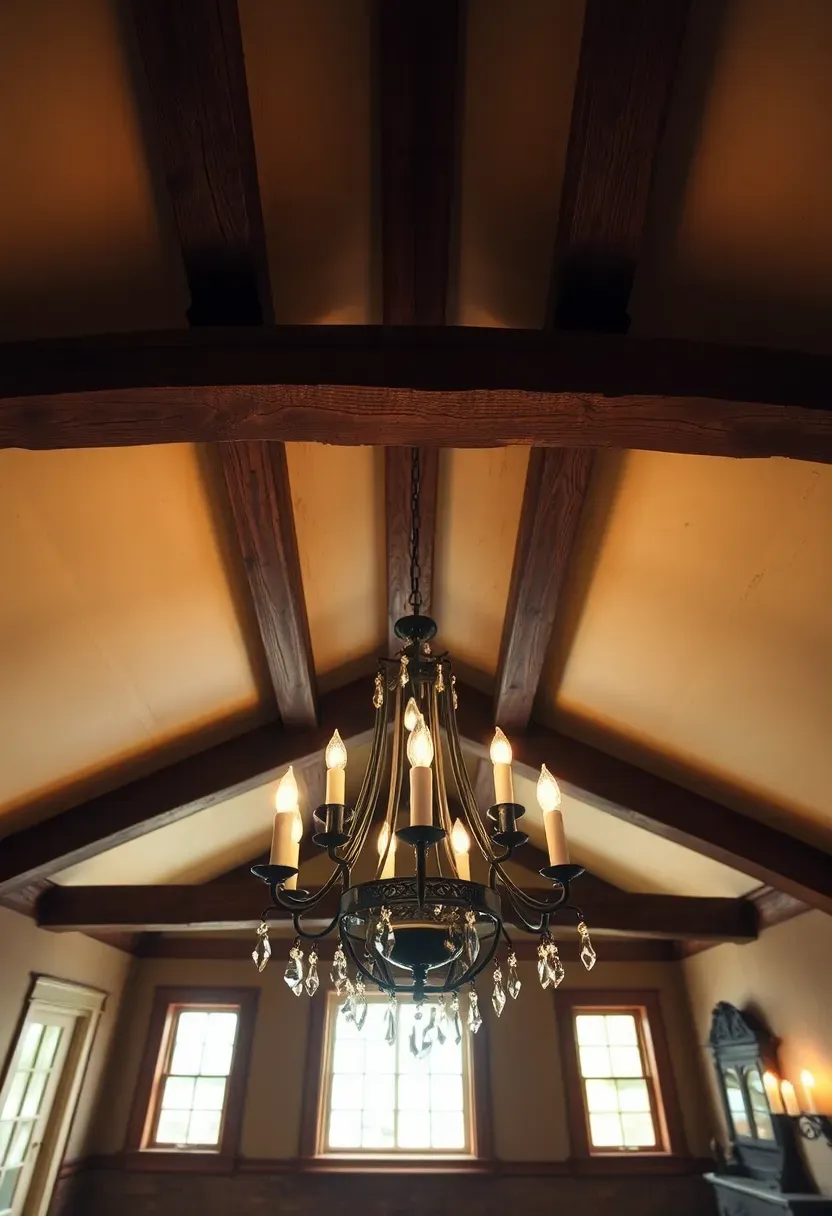
Hyper-realistic upward-angle view of exposed beam ceiling in a tiny colonial great room. Materials: rough-hewed oak beams with natural finish, cream plaster ceiling between beams, wrought iron chandelier with candle-style bulbs. Warm ambient light from chandelier and multi-pane windows, creating shadows that emphasize beam depth and ceiling texture. Shallow depth of field showing beam details and chandelier crystals. Visible room context—glimpse of stone fireplace, wide-plank floors. Authentic colonial mood like restored 18th-century home.</p>
Tiny colonial house design proves that historical charm and compact living can coexist beautifully. These scaled-down colonial interiors maintain the symmetry, craftsmanship, and timeless elegance of traditional architecture while embracing modern efficiency.. Hyper-realistic upward-angle view of exposed beam ceiling in a tiny colonial great room. Materials: rough-hewed oak beams with natural finish, cream plaster ceiling between beams, wrought iron chandelier with candle-style bulbs. Warm ambie
Prompt: Nature documentary captured on Hasselblad X2D 100C with XCD 90V lens at f/4. Hyper-realistic upward-angle view of exposed beam ceiling in a tiny colonial great room. Materials: rough-hewed oak beams with natural finish, cream plaster ceiling between beams, wrought iron chandelier with candle-style bulbs. Warm ambient light from chandelier and multi-pane windows, creating shadows that emphasize beam depth and ceiling texture. Shallow depth of field showing beam details and chandelier crystals. Visible room context—glimpse of stone fireplace, wide-plank floors. Authentic colonial mood like restored 18th-century home.

Tips

  • Space beams 4-6 feet apart for authentic colonial appearance without excessive visual chopping
  • Paint beams white if ceiling height is under 8 feet to avoid overwhelming the room
  • Run beams parallel to the longest wall to visually extend the space

Placement note: exposed beams work best in main living areas; bedrooms may benefit from a cleaner ceiling for calm

What this gives you: architectural interest and historical character without consuming any floor space

9. Fireplace as Focal Point

The colonial fireplace dominated room layout and design, serving as heating source, cooking center, and social hub. In tiny colonial houses, a properly scaled fireplace anchors the room and provides a natural focal point. Even if you don't use wood heat, a fireplace surround with colonial proportions—wide mantel, surround paneling, and perhaps a built-in cabinet on one side—creates instant historical authenticity.
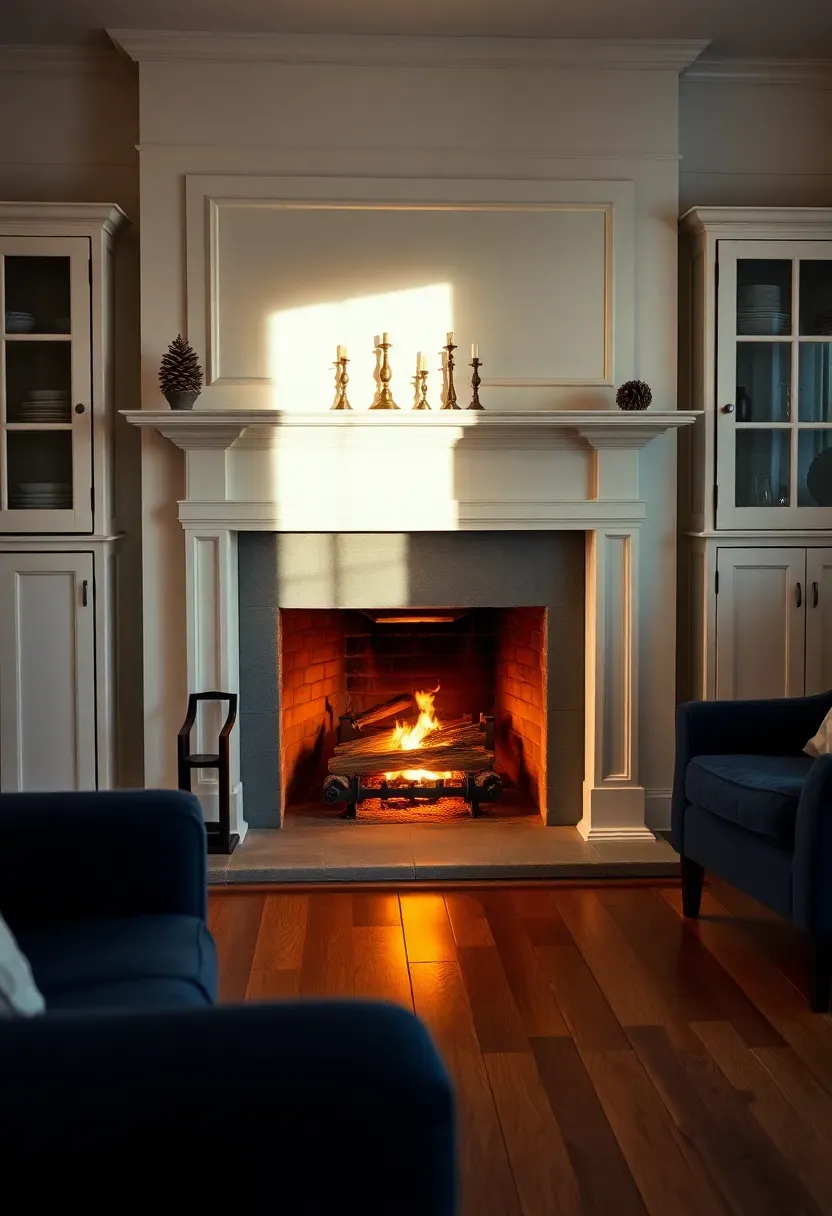
Hyper-realistic straight-on view of colonial fireplace as focal point in a small living room. Materials: painted white wooden mantel with colonial crown molding, bluestone hearth, cream firebox with birch logs, flanking built-in cabinet with glass doors. Warm firelight illuminating the room, casting shadows on mantel displaying colonial brass candlesticks and pinecones. Shallow depth of field showing mantel accessories and fire glow. Visible room context—wide-plank floors, navy sofa facing fireplace. Cozy colonial mood like historic tavern.</p>
Tiny colonial house design proves that historical charm and compact living can coexist beautifully. These scaled-down colonial interiors maintain the symmetry, craftsmanship, and timeless elegance of traditional architecture while embracing modern efficiency.. Hyper-realistic straight-on view of colonial fireplace as focal point in a small living room. Materials: painted white wooden mantel with colonial crown molding, bluestone hearth, cream firebox with birch logs, flanking built-in cabinet wi
Prompt: Nature documentary captured on Hasselblad X2D 100C with XCD 90V lens at f/4. Hyper-realistic straight-on view of colonial fireplace as focal point in a small living room. Materials: painted white wooden mantel with colonial crown molding, bluestone hearth, cream firebox with birch logs, flanking built-in cabinet with glass doors. Warm firelight illuminating the room, casting shadows on mantel displaying colonial brass candlesticks and pinecones. Shallow depth of field showing mantel accessories and fire glow. Visible room context—wide-plank floors, navy sofa facing fireplace. Cozy colonial mood like historic tavern.

Tips

  • Scale mantel width to the room—36-48 inches is sufficient for tiny living rooms
  • Consider an electric or gas insert with realistic flames for heat without maintenance
  • Use the wall space above the mantel for a single large piece or symmetrical arrangement rather than clutter

Best for: living rooms and great rooms where a strong focal point defines the space

What this gives you: authentic colonial character and a natural gathering point that anchors the entire room

10. Wainscoting for Texture and Protection

Colonial wainscoting protected walls from damage while adding architectural detail. In tiny colonial houses, wainscoting serves multiple purposes: it creates texture, provides a backdrop for furniture, and visually lowers the ceiling for intimacy. Raised-panel wainscoting is most authentic, but beadboard or board-and-batten also work in colonial-inspired small homes.
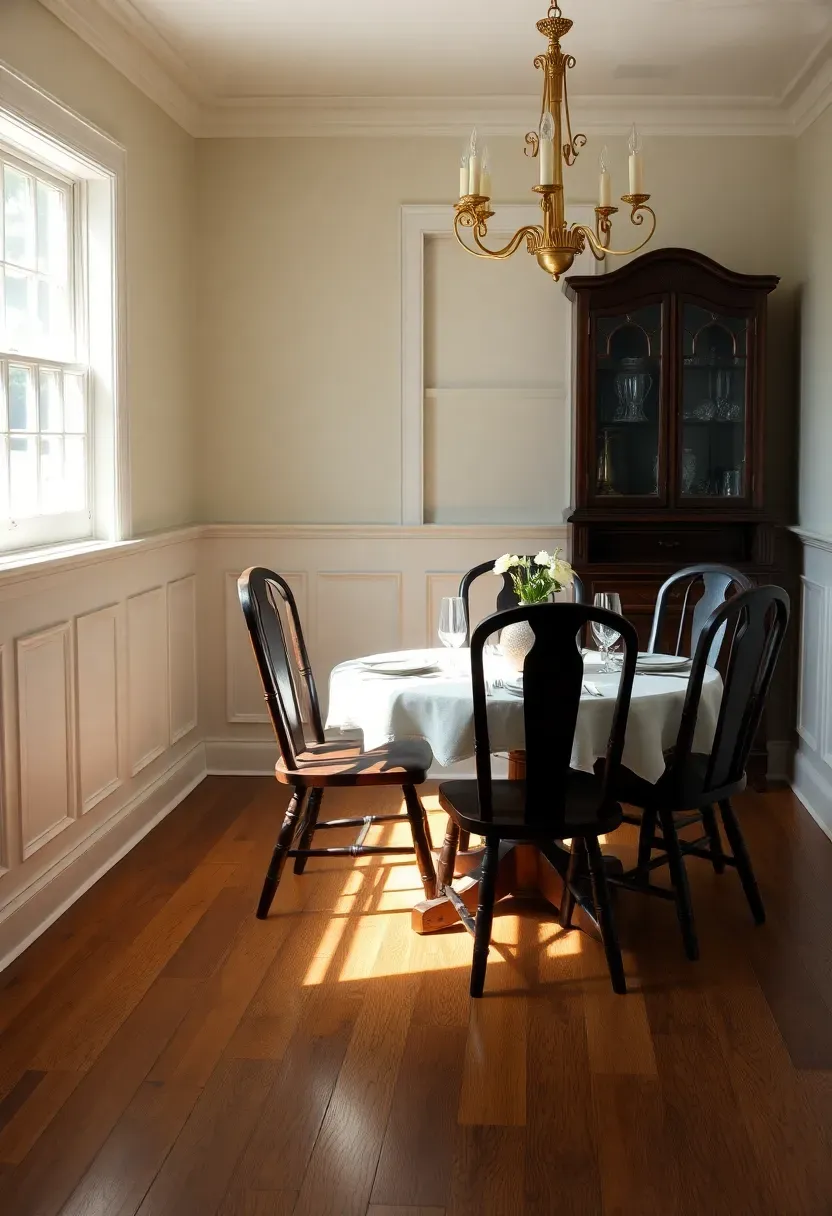
Hyper-realistic straight-on view of raised-panel wainscoting in a small colonial dining room. Materials: white-painted raised panel wainscoting with colonial rail style, cream walls above, wide-plank oak floors, small round table with ladder-back chairs, brass chandelier. Natural light from multi-pane window creating shadows that highlight panel depth and molding detail. Shallow depth of field showing wainscoting texture and table setting details. Visible room context—corner built-in cabinet, colonial wallpaper accent. Formal colonial mood like Newport dining room.</p>
Tiny colonial house design proves that historical charm and compact living can coexist beautifully. These scaled-down colonial interiors maintain the symmetry, craftsmanship, and timeless elegance of traditional architecture while embracing modern efficiency.. Hyper-realistic straight-on view of raised-panel wainscoting in a small colonial dining room. Materials: white-painted raised panel wainscoting with colonial rail style, cream walls above, wide-plank oak floors, small round table with ladd
Prompt: Nature documentary captured on Hasselblad X2D 100C with XCD 90V lens at f/4. Hyper-realistic straight-on view of raised-panel wainscoting in a small colonial dining room. Materials: white-painted raised panel wainscoting with colonial rail style, cream walls above, wide-plank oak floors, small round table with ladder-back chairs, brass chandelier. Natural light from multi-pane window creating shadows that highlight panel depth and molding detail. Shallow depth of field showing wainscoting texture and table setting details. Visible room context—corner built-in cabinet, colonial wallpaper accent. Formal colonial mood like Newport dining room.

Tips

  • Install wainscoting to 32-36 inches height for authentic colonial proportions
  • Paint wainscoting the same color as other trim for continuity, or contrast with walls for definition
  • If budget is limited, apply wainscoting only on the focal wall rather than entire room

Budget/Time: raised-panel wainscoting costs $8-12 per square foot; beadboard is $4-6 per square foot

What this gives you: period-correct wall treatment that adds sophistication and protects walls from daily wear

11. Dual-Purpose Room Division

Colonial homes often used architectural elements rather than full walls to define spaces, an approach perfectly suited to tiny houses. Open colonnades, half-walls, archways, and even ceiling beam placement can separate living and sleeping areas without blocking light or visual flow. This maintains the colonial sense of spacious symmetry while accommodating modern living needs.
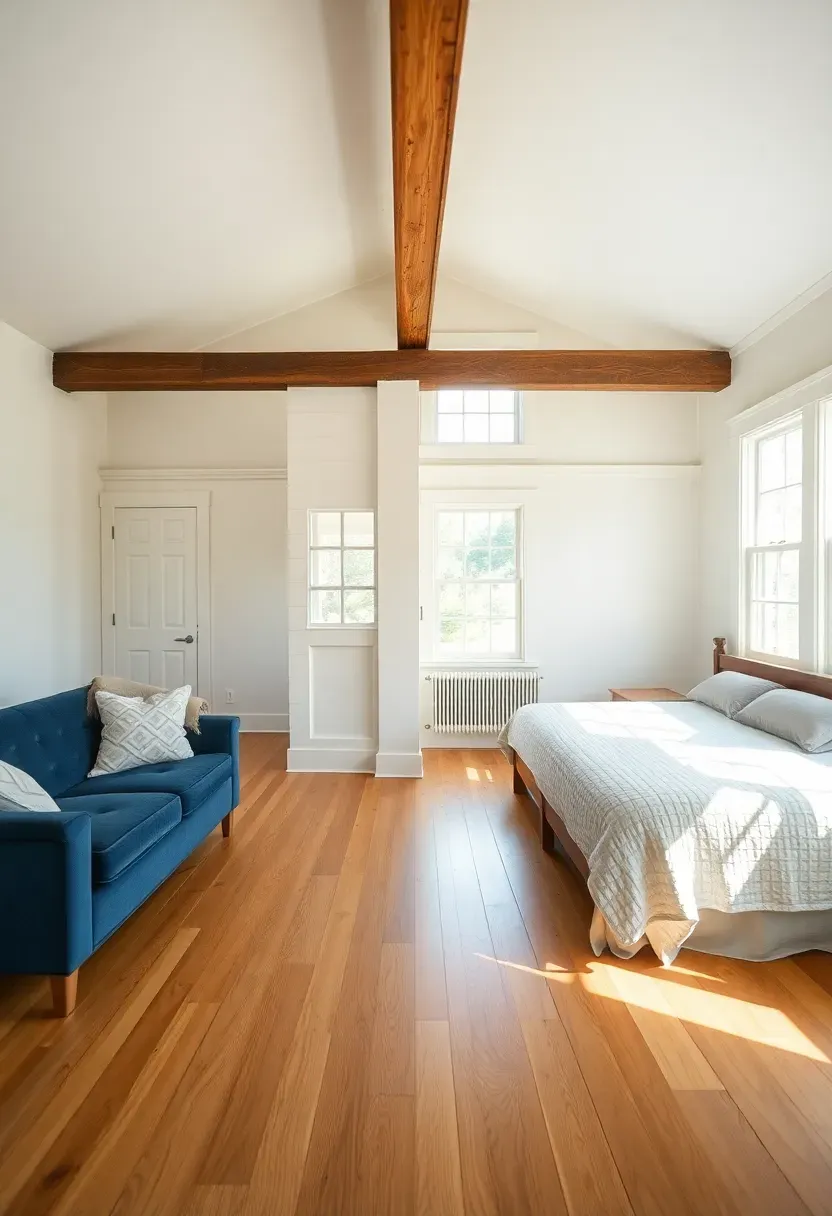
Hyper-realistic wide shot of tiny colonial open floor plan showing subtle room division through architectural elements. Living area left with navy sofa, sleeping area right with colonial-style bed, separation created by partial wall with colonnade opening and exposed ceiling beam running perpendicular. Materials: wide-plank floors throughout, cream walls, white colonial trim, multi-pane windows. Bright natural light from windows, open sight lines across both spaces. Shallow depth of field showing sofa texture and bed linens. Authentic colonial mood like adaptive historic reuse.</p>
Tiny colonial house design proves that historical charm and compact living can coexist beautifully. These scaled-down colonial interiors maintain the symmetry, craftsmanship, and timeless elegance of traditional architecture while embracing modern efficiency.. Hyper-realistic wide shot of tiny colonial open floor plan showing subtle room division through architectural elements. Living area left with navy sofa, sleeping area right with colonial-style bed, separation created by partial wall with c
Prompt: Nature documentary captured on Hasselblad X2D 100C with XCD 90V lens at f/4. Hyper-realistic wide shot of tiny colonial open floor plan showing subtle room division through architectural elements. Living area left with navy sofa, sleeping area right with colonial-style bed, separation created by partial wall with colonnade opening and exposed ceiling beam running perpendicular. Materials: wide-plank floors throughout, cream walls, white colonial trim, multi-pane windows. Bright natural light from windows, open sight lines across both spaces. Shallow depth of field showing sofa texture and bed linens. Authentic colonial mood like adaptive historic reuse.

Tips

  • Use ceiling-mounted curtains on colonial-style rods for flexible, temporary room division
  • Position furniture to create subtle zones—sofa back defining living area, bed foot defining sleeping nook
  • Consider a colonial-style folding screen painted with a historical mural for movable privacy

Best for: studio tiny houses where separate rooms aren't possible but defined zones improve livability

What this gives you: spatial definition without sacrificing the openness and light that make tiny houses feel livable

12. Staircase Storage Integration

Colonial staircases were often built with enclosed spaces beneath, and in tiny houses with lofts, this tradition offers invaluable storage. Instead of open stairs, build a colonial-style staircase with closed risers, newel post, and turned balusters—then incorporate pull-out drawers, cabinet doors, or hinged steps within the staircase structure for hidden storage.
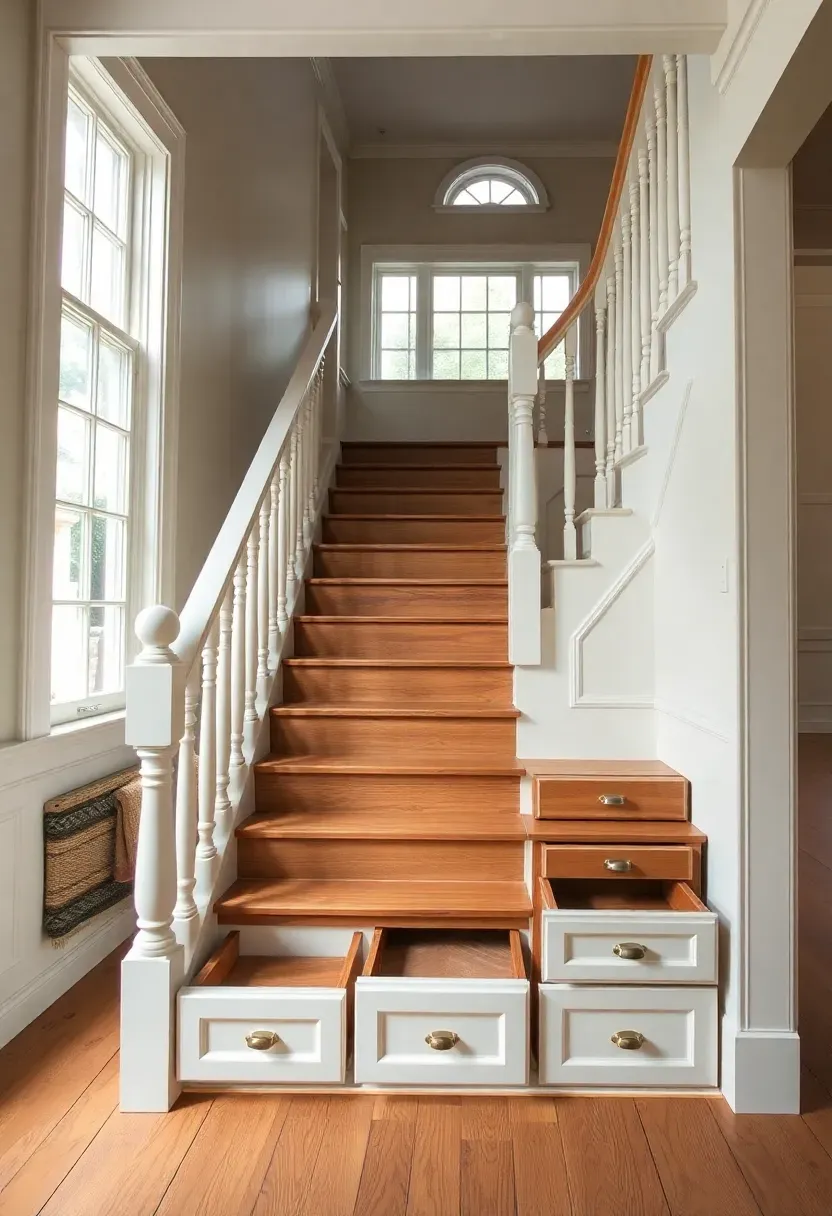
Hyper-realistic 3/4 view of colonial staircase with storage integration. Staircase features turned balusters, hand-hewed newel post, closed risers; lower steps show pull-out drawer mechanisms and cabinet door access. Materials: painted white staircase components, natural oak treads, cream walls with crown molding, wide-plank floors. Ambient light from multi-pane window landing, highlighting architectural details and storage access points. Shallow depth of field showing turned baluster details and drawer hardware. Visible room context—living area below, loft opening above. Functional colonial mood.</p>
Tiny colonial house design proves that historical charm and compact living can coexist beautifully. These scaled-down colonial interiors maintain the symmetry, craftsmanship, and timeless elegance of traditional architecture while embracing modern efficiency.. Hyper-realistic 3/4 view of colonial staircase with storage integration. Staircase features turned balusters, hand-hewed newel post, closed risers; lower steps show pull-out drawer mechanisms and cabinet door access. Materials: painted whi
Prompt: Nature documentary captured on Hasselblad X2D 100C with XCD 90V lens at f/4. Hyper-realistic 3/4 view of colonial staircase with storage integration. Staircase features turned balusters, hand-hewed newel post, closed risers; lower steps show pull-out drawer mechanisms and cabinet door access. Materials: painted white staircase components, natural oak treads, cream walls with crown molding, wide-plank floors. Ambient light from multi-pane window landing, highlighting architectural details and storage access points. Shallow depth of field showing turned baluster details and drawer hardware. Visible room context—living area below, loft opening above. Functional colonial mood.

Tips

  • Work with a carpenter experienced in colonial stair detailing—proportions and profiles are specific
  • Use the space under the lowest 4-5 steps for deepest storage; upper steps have limited clearance
  • Consider combining storage types—pull-out drawers for everyday items, cabinet doors for bulk storage

Budget/Time: custom colonial staircase with storage costs $3,000-6,000; takes 2-3 weeks to build

What this gives you: substantial hidden storage that maintains colonial aesthetics while maximizing utility

13. Dutch Door Entry

The Dutch door—horizontally divided so top and bottom open independently—is a colonial staple that offers practical benefits for tiny houses. The top can remain open for ventilation and light while the bottom stays closed for privacy and security. In small spaces, this flexibility expands the sense of connection to the outdoors while maintaining colonial authenticity.
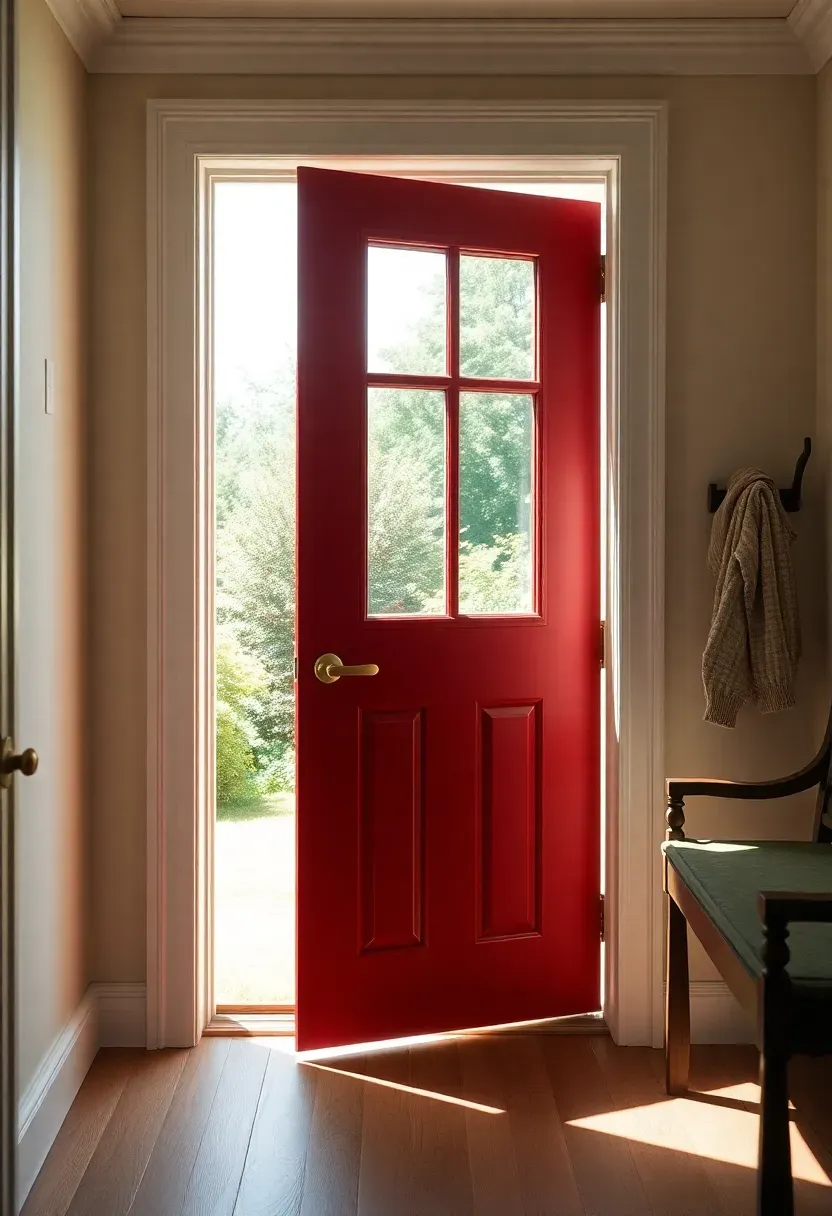
Hyper-realistic straight-on view of Dutch door entry in tiny colonial house. Door features horizontal division with upper half open outward showing garden view, lower half closed with colonial hardware. Materials: painted red door with white trim, brass hinges and latch, multi-pane upper door, cream walls with crown molding, wide-plank floor. Bright daylight streaming through open upper half, creating strong shadows that highlight door division and architectural details. Shallow depth of field showing hardware and door texture. Visible room context—entry bench with coat hooks. Authentic colonial exterior mood.</p>
Tiny colonial house design proves that historical charm and compact living can coexist beautifully. These scaled-down colonial interiors maintain the symmetry, craftsmanship, and timeless elegance of traditional architecture while embracing modern efficiency.. Hyper-realistic straight-on view of Dutch door entry in tiny colonial house. Door features horizontal division with upper half open outward showing garden view, lower half closed with colonial hardware. Materials: painted red door with whi
Prompt: Nature documentary captured on Hasselblad X2D 100C with XCD 90V lens at f/4. Hyper-realistic straight-on view of Dutch door entry in tiny colonial house. Door features horizontal division with upper half open outward showing garden view, lower half closed with colonial hardware. Materials: painted red door with white trim, brass hinges and latch, multi-pane upper door, cream walls with crown molding, wide-plank floor. Bright daylight streaming through open upper half, creating strong shadows that highlight door division and architectural details. Shallow depth of field showing hardware and door texture. Visible room context—entry bench with coat hooks. Authentic colonial exterior mood.

Tips

  • Choose a durable exterior paint color—deep red, navy blue, or forest green are historically accurate
  • Install a sturdy sliding latch to secure upper and lower sections when closed
  • Add screen behind the upper half for insect-free ventilation in warm months

Best for: primary exterior doors, especially those leading to porches, gardens, or outdoor living spaces

What this gives you: ventilation flexibility and outdoor connection while maintaining colonial character and security

14. Wide-Plank Flooring Throughout

Colonial floors featured wide planks (4-6 inches) of pine, oak, or chestnut, and continuous flooring without transitions is a hallmark that makes tiny houses feel larger. Using the same wide-plank flooring throughout the entire tiny house creates visual continuity, draws the eye from one end to the other, and reflects colonial authenticity. Choose natural finish for warmth or painted for brightness.
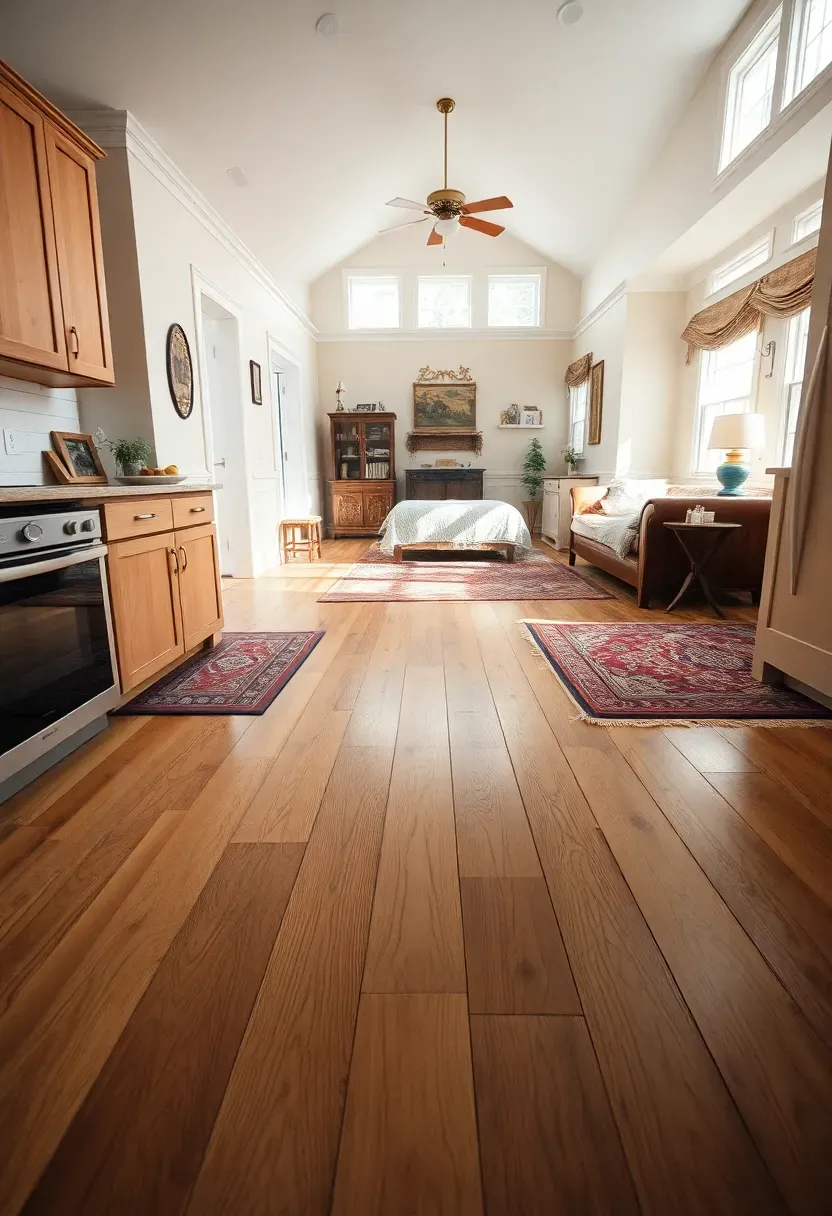
Hyper-realistic high-angle shot showing wide-plank flooring flowing through tiny colonial house. Flooring shows continuous 5-inch oak planks running from kitchen foreground through living area to bedroom beyond. Materials: natural finish wide-plank oak with subtle grain, cream walls with white baseboard, area rugs defining zones. Bright natural light from multiple windows, emphasizing the continuous floor plane and visual flow. Shallow depth of field showing plank textures and floor details. Visible room context—kitchen cabinets left, sofa center, bed right. Spacious colonial mood achieved through continuity.</p>
Tiny colonial house design proves that historical charm and compact living can coexist beautifully. These scaled-down colonial interiors maintain the symmetry, craftsmanship, and timeless elegance of traditional architecture while embracing modern efficiency.. Hyper-realistic high-angle shot showing wide-plank flooring flowing through tiny colonial house. Flooring shows continuous 5-inch oak planks running from kitchen foreground through living area to bedroom beyond. Materials: natural finish w
Prompt: Nature documentary captured on Hasselblad X2D 100C with XCD 90V lens at f/4. Hyper-realistic high-angle shot showing wide-plank flooring flowing through tiny colonial house. Flooring shows continuous 5-inch oak planks running from kitchen foreground through living area to bedroom beyond. Materials: natural finish wide-plank oak with subtle grain, cream walls with white baseboard, area rugs defining zones. Bright natural light from multiple windows, emphasizing the continuous floor plane and visual flow. Shallow depth of field showing plank textures and floor details. Visible room context—kitchen cabinets left, sofa center, bed right. Spacious colonial mood achieved through continuity.

Tips

  • Run flooring parallel to the longest dimension of the house to visually expand space
  • Use engineered wide-plank flooring for stability in tiny houses with moisture variation
  • Consider painted floorboards (cream or light gray) for maximum brightness in very small spaces

Best for: all flooring areas—continuous unbroken flooring is a colonial tradition that expands tiny spaces

What this gives you: historical authenticity and visual continuity that makes the entire tiny house feel larger and more cohesive

15. Multi-Pane Window Emphasis

Colonial windows featured multiple small panes (6-over-6, 9-over-9, or 12-over-12 configurations) divided by wooden muntins. In tiny colonial houses, emphasizing these multi-pane windows through architectural millwork around them creates authentic character. Build out window trim with colonial casing, consider adding a pediment or cornice above important windows, and use window treatments that rather than hide the multi-pane character.
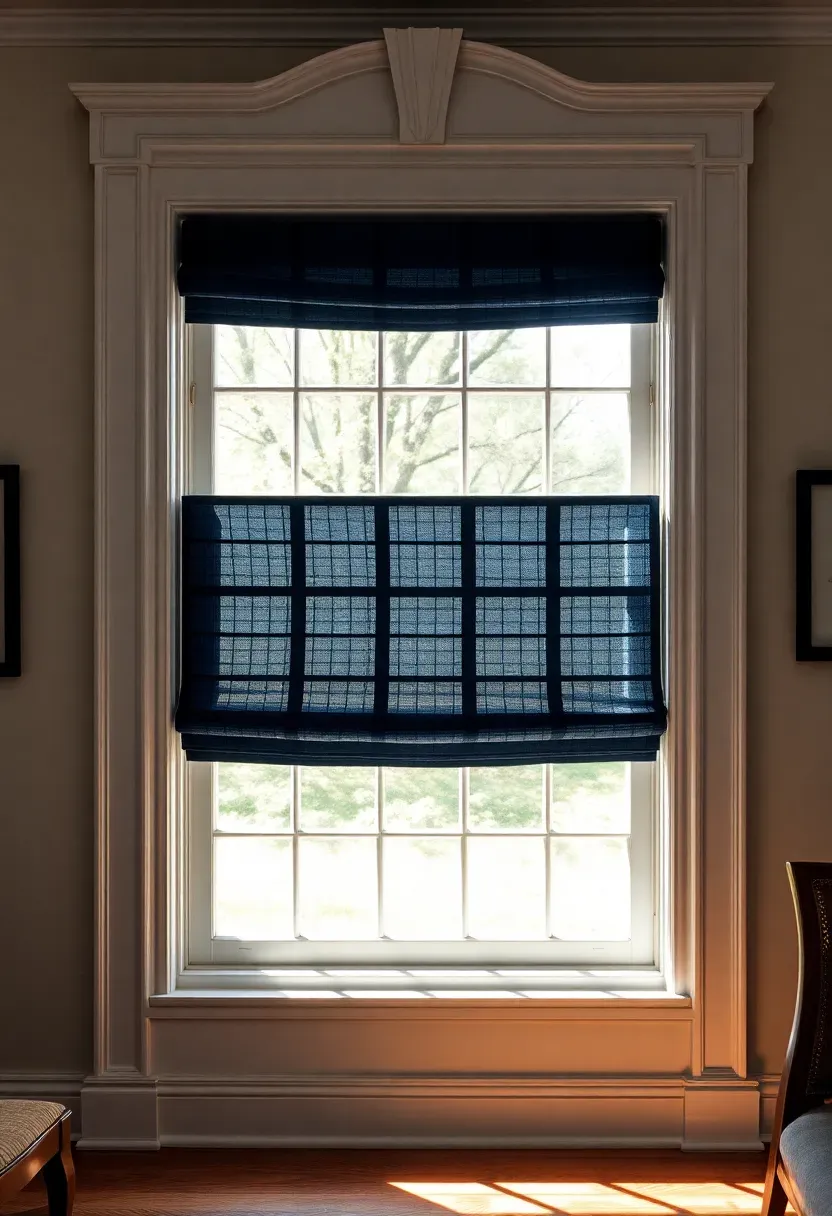
Hyper-realistic straight-on view of multi-pane colonial window with elaborate trim. Window features 6-over-6 configuration, white-painted colonial casing with back band, decorative pediment top, flanking pilasters. Materials: painted wood trim, cream walls, navy blue woven Roman shade, brass sash locks. Bright daylight through glass creating strong geometric shadows from muntins on interior walls. Shallow depth of field showing muntin profiles and shade texture. Visible room context—wide-plank floors, colonial furniture arrangement. Authentic colonial architectural detail mood.</p>
Tiny colonial house design proves that historical charm and compact living can coexist beautifully. These scaled-down colonial interiors maintain the symmetry, craftsmanship, and timeless elegance of traditional architecture while embracing modern efficiency.. Hyper-realistic straight-on view of multi-pane colonial window with elaborate trim. Window features 6-over-6 configuration, white-painted colonial casing with back band, decorative pediment top, flanking pilasters. Materials: painted wood
Prompt: Nature documentary captured on Hasselblad X2D 100C with XCD 90V lens at f/4. Hyper-realistic straight-on view of multi-pane colonial window with elaborate trim. Window features 6-over-6 configuration, white-painted colonial casing with back band, decorative pediment top, flanking pilasters. Materials: painted wood trim, cream walls, navy blue woven Roman shade, brass sash locks. Bright daylight through glass creating strong geometric shadows from muntins on interior walls. Shallow depth of field showing muntin profiles and shade texture. Visible room context—wide-plank floors, colonial furniture arrangement. Authentic colonial architectural detail mood.

Tips

  • Build out window trim 4-6 inches from the wall to create depth and shadow lines
  • Use inside-mount Roman shades or woven wood blinds that respect the multi-pane character rather than hiding it
  • Consider adding a colonial-style window seat or built-in cabinet beneath especially prominent windows

Placement note: prioritize elaborate trim on windows that are visible from the main living area for maximum impact

What this gives you: authentic colonial character and architectural detail that celebrates rather than obscures historical windows

16. Butler's Pantry Concept

Colonial homes often included a butler's pantry between kitchen and dining room—a transition space for dish storage, food prep, and serving. In tiny colonial houses, incorporating this concept as even a narrow hallway or alcove with floor-to-ceiling cabinets and countertop provides invaluable additional storage and workspace without requiring a separate room.
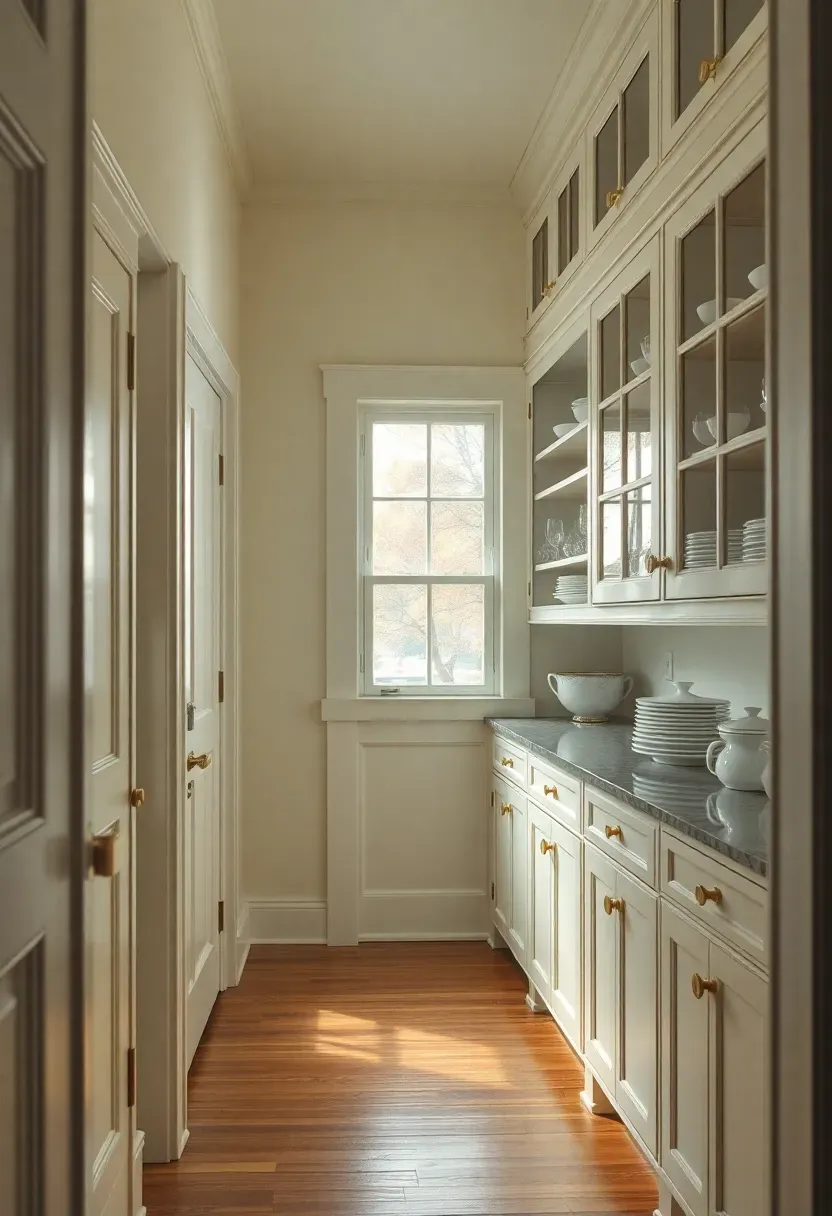
Hyper-realistic side view of narrow butler's pantry space in tiny colonial house. Space features floor-to-ceiling cabinets on both walls with narrow central aisle, marble countertop along one wall, open shelving upper section. Materials: painted white cabinetry with colonial crown molding, brass hardware, marble countertop, cream walls, wide-plank floors. Warm ambient light from multi-pane window end of space, highlighting countertop and cabinet contents. Shallow depth of field showing cabinet interiors with organized dishes and glassware. Visible room context—kitchen entrance left, dining right. Functional colonial serving space mood.</p>
Tiny colonial house design proves that historical charm and compact living can coexist beautifully. These scaled-down colonial interiors maintain the symmetry, craftsmanship, and timeless elegance of traditional architecture while embracing modern efficiency.. Hyper-realistic side view of narrow butler's pantry space in tiny colonial house. Space features floor-to-ceiling cabinets on both walls with narrow central aisle, marble countertop along one wall, open shelving upper section. Materials: p
Prompt: Nature documentary captured on Hasselblad X2D 100C with XCD 90V lens at f/4. Hyper-realistic side view of narrow butler's pantry space in tiny colonial house. Space features floor-to-ceiling cabinets on both walls with narrow central aisle, marble countertop along one wall, open shelving upper section. Materials: painted white cabinetry with colonial crown molding, brass hardware, marble countertop, cream walls, wide-plank floors. Warm ambient light from multi-pane window end of space, highlighting countertop and cabinet contents. Shallow depth of field showing cabinet interiors with organized dishes and glassware. Visible room context—kitchen entrance left, dining right. Functional colonial serving space mood.

Tips

  • Minimum width for functional butler's pantry is 36-42 inches; narrower aisles feel cramped
  • Include at least 6-8 linear feet of countertop for practical prep and serving space
  • Use glass upper cabinet doors to display dishware and maintain visual lightness in the narrow space

Best for: transitions between kitchen and dining areas, or as a dedicated storage hallway in rectangular tiny house plans

What this gives you: colonial-serving functionality and substantial storage in a minimal footprint

17. Vertical Board-and-Batten

While horizontal shiplap dominates colonial interiors, vertical board-and-batten was equally common, especially in entries, stairwells, and smaller rooms. In tiny colonial houses, vertical board-and-batten emphasizes ceiling height, making rooms feel taller. The alternating wide boards (6-8 inches) and narrow battens (2-3 inches) create rhythm and shadow that adds colonial depth to compact spaces.
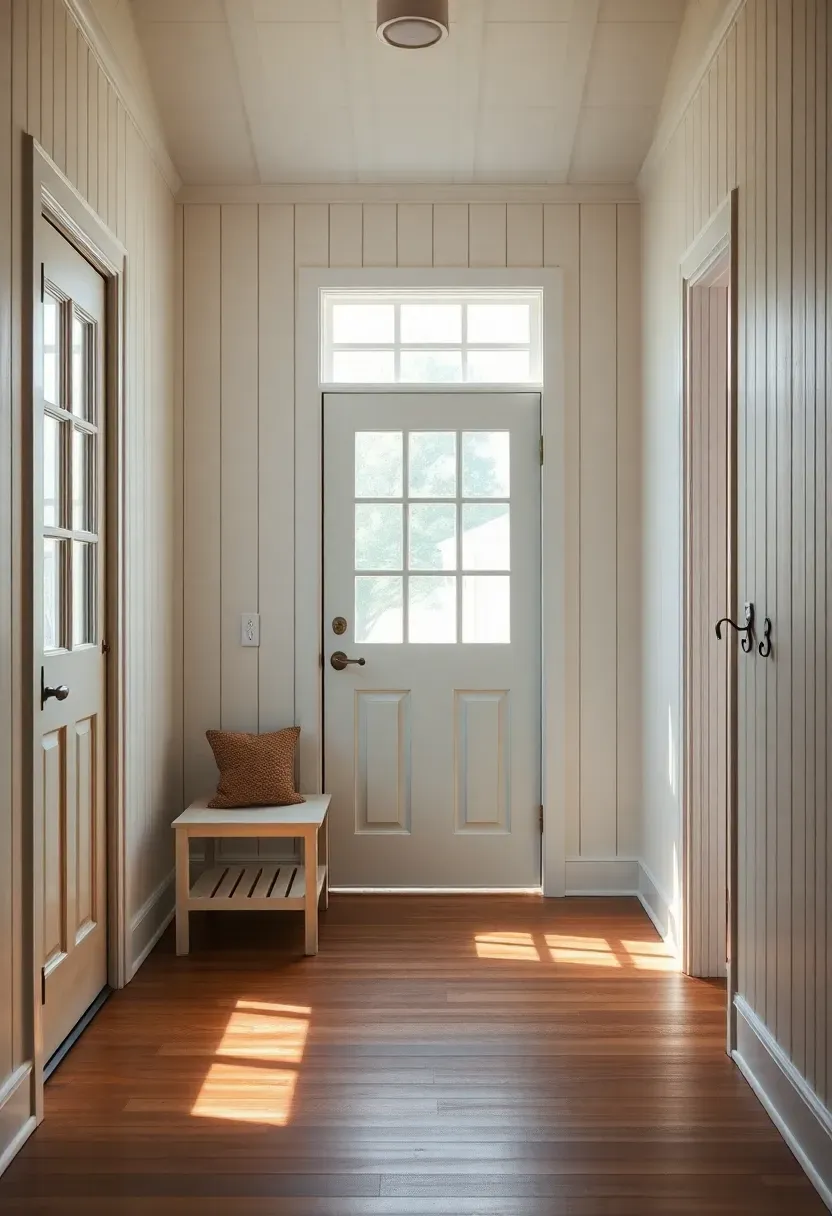
Hyper-realistic wide shot of small colonial entry featuring vertical board-and-batten walls. Walls show 7-inch wide boards with 2-inch battens, painted cream with white battens for subtle contrast. Materials: painted wood board-and-batten with shadow gaps, wide-plank floors, colonial bench with coat hooks, multi-pane door with transom above. Natural light from multi-pane door and window, creating strong vertical shadows that emphasize height and board detail. Shallow depth of field showing board texture and batten profiles. Visible room context—staircase rising beyond. Vertical colonial entry mood emphasizing height.</p>
Tiny colonial house design proves that historical charm and compact living can coexist beautifully. These scaled-down colonial interiors maintain the symmetry, craftsmanship, and timeless elegance of traditional architecture while embracing modern efficiency.. Hyper-realistic wide shot of small colonial entry featuring vertical board-and-batten walls. Walls show 7-inch wide boards with 2-inch battens, painted cream with white battens for subtle contrast. Materials: painted wood board-and-batten
Prompt: Nature documentary captured on Hasselblad X2D 100C with XCD 90V lens at f/4. Hyper-realistic wide shot of small colonial entry featuring vertical board-and-batten walls. Walls show 7-inch wide boards with 2-inch battens, painted cream with white battens for subtle contrast. Materials: painted wood board-and-batten with shadow gaps, wide-plank floors, colonial bench with coat hooks, multi-pane door with transom above. Natural light from multi-pane door and window, creating strong vertical shadows that emphasize height and board detail. Shallow depth of field showing board texture and batten profiles. Visible room context—staircase rising beyond. Vertical colonial entry mood emphasizing height.

Tips

  • Use vertical board-and-batten in rooms with ceiling height under 8 feet to maximize vertical emphasis
  • Consider painting battens a contrasting color (white on cream, navy on white) for colonial sophistication
  • Apply only to lower 48-60 inches of wall in larger rooms, or full-height in very small entries

Best for: entries, stairwells, powder rooms, and any tiny room where vertical emphasis expands the space

What this gives you: historical authenticity and visual height enhancement that makes small rooms feel larger

Tiny colonial house design demonstrates how historical architecture can gracefully adapt to modern compact living. By embracing traditional elements—symmetrical layouts, moldings, built-ins, and period color palettes—you create spaces that feel both authentic and livable. The colonial emphasis on craftsmanship, proportion, and practicality translates remarkably well to tiny house design.

Whether you're working with an actual historic structure or building new with colonial inspiration, these ideas prove that period character and small-footprint efficiency are complementary rather than conflicting goals. The key is respecting colonial proportions while embracing contemporary needs—a balance that results in tiny colonial houses that feel both timeless and thoroughly livable.

Pinterest cover for 17 Tiny Colonial House Ideas for Practical and Stylish Interiors