21 Rustic Tiny House Ideas for Cozy Cabin-Style Living
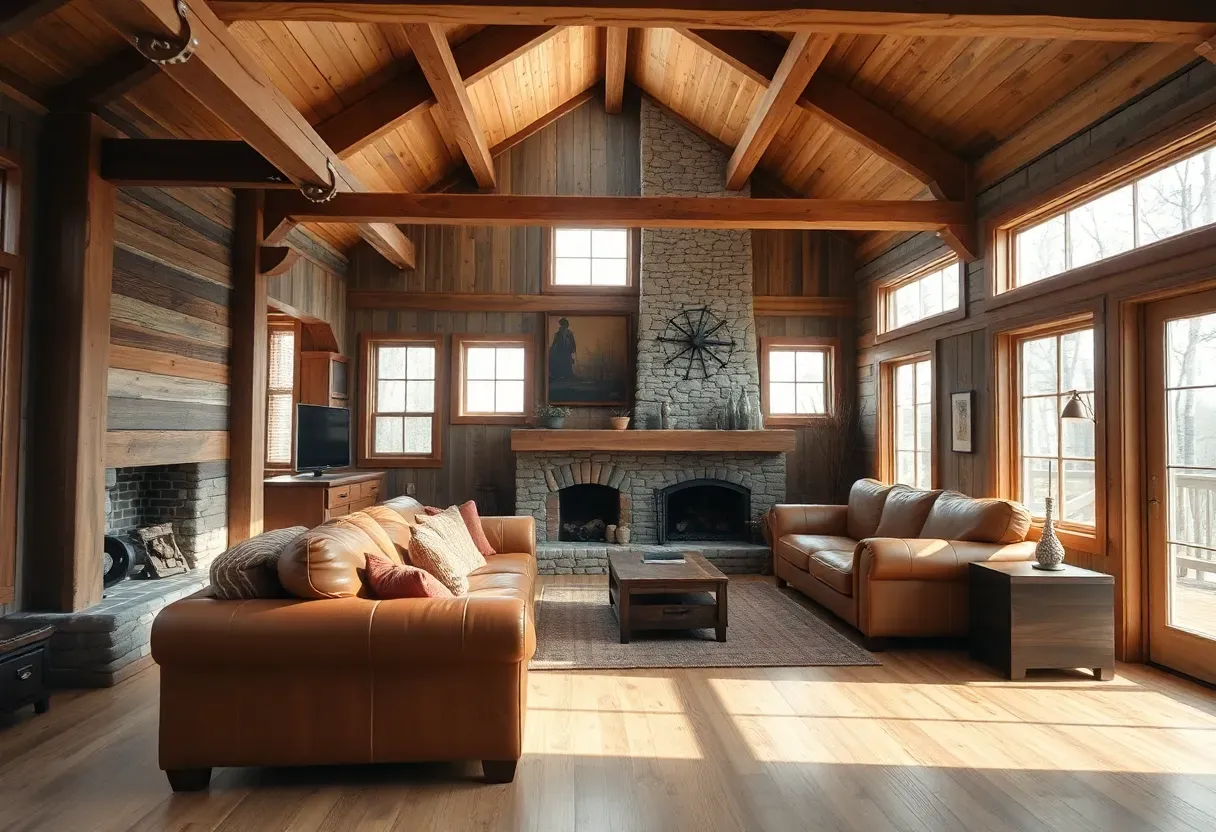
These rustic tiny house ideas celebrate natural imperfection, aged materials, and craftsmanship that tells a story. By incorporating reclaimed wood, stone, and handmade elements, these compact homes achieve remarkable warmth and character despite minimal square footage. The rustic approach prioritizes authenticity over perfection, creating spaces that feel lived-in and deeply welcoming.
The beauty of rustic tiny house interior design lies in its ability to make small spaces feel expansive through visual warmth and layered textures. Exposed beams, barn wood walls, and natural stone create architectural interest that draws the eye while establishing a profound connection to nature and craft tradition. We found that even rental apartments can capture this cozy cabin atmosphere with the right material choices.
Whether you're building a dedicated rustic cabin tiny house or infusing farmhouse charm into a small apartment on a budget, these 21 ideas demonstrate how aged materials and honest design create profoundly cozy compact homes. If you prefer a different aesthetic, check out our [Japanese tiny house ideas](/posts/91_japanese-tiny-house/) for a more minimalist approach to compact living.
Quick FAQ
What defines a rustic tiny house interior?
Rustic tiny house interiors feature natural materials (reclaimed wood, stone, brick), aged finishes, exposed structural elements, and handmade craftsmanship. The design emphasizes warmth through layered textures, earthy color palettes, and architectural details like beams, board-and-batten walls, and vintage fixtures that create character and coziness.
How do you make a tiny house feel rustic without clutter?
Focus on architectural elements rather than decor—exposed beams, reclaimed wood walls, and stone surfaces provide rustic character without occupying floor space. Choose one statement material (barn wood ceiling or stone fireplace) as focal point, keep other surfaces simpler, and use negative space to let textures breathe.
Is reclaimed wood practical for tiny houses?
Absolutely. Reclaimed barn wood is lightweight, richly textured, and covers large surface areas efficiently. Use for ceilings, accent walls, or built-ins. The aged patina hides wear and tear, and the material's story adds character that new wood cannot replicate. Seal properly for durability in humid conditions.
What colors work best in rustic tiny spaces?
Warm neutrals dominate—cream, warm gray, tan, with accents of deep brown, forest green, or burnt orange. The goal is warmth rather than darkness. Use light neutral walls to reflect light while allowing wood and stone to provide rich color. Avoid stark white in favor of cream or warm gray for softer contrast.
Can rustic design feel modern and bright?
Yes. Modern rustic combines aged materials with clean lines and plenty of white space. Use reclaimed wood as accent rather than dominant surface, pair with white walls and modern fixtures, and incorporate abundant lighting. The contrast between rustic texture and modern simplicity creates sophisticated warmth.
How do you prevent rustic from feeling dark or cramped?
Prioritize light—white walls, abundant windows, and reflective surfaces balance dark wood. Use rustic elements on one surface per room (accent wall OR ceiling OR floor, not all three). Incorporate mirrors and light-colored textiles to brighten. The goal is warmth through texture, not darkness through color.
As an Amazon Associate I earn from qualifying purchases.
1. Exposed Beam Ceiling Statement
Exposed ceiling beams create instant architectural character while defining the rustic aesthetic. In tiny houses, beams add visual interest without consuming floor space and draw the eye upward, making rooms feel taller. Whether original structural beams or decorative additions, the warmth of natural wood overhead establishes cozy atmosphere.
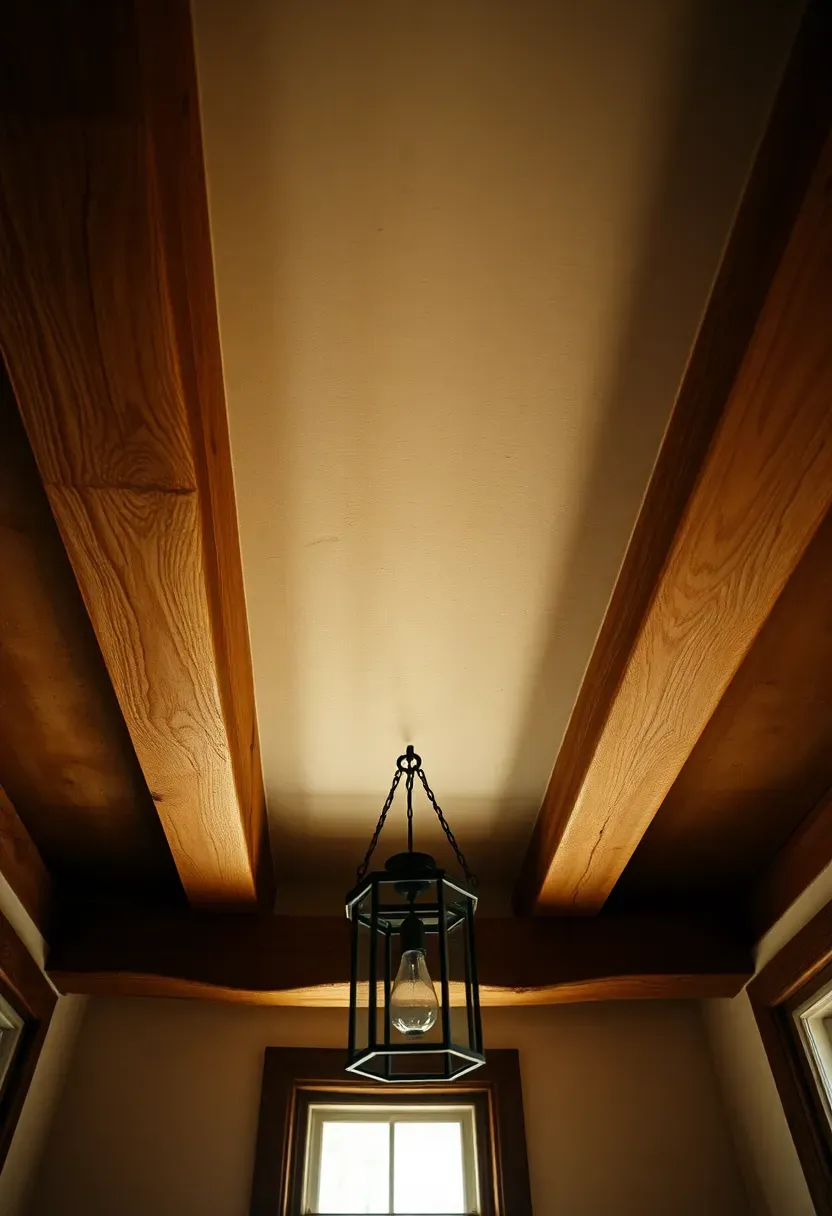
Hyper-realistic upward-angle view of exposed beam ceiling in rustic tiny house. Rough-hewn oak beams (6x8 inches) running parallel, natural wood finish with subtle grain and saw marks. White plaster ceiling between beams for contrast. Materials: aged oak beams, cream plaster, wrought iron pendant light. Warm ambient light from lantern and window, creating shadows that emphasize beam depth and texture. Shallow depth of field showing beam details and iron fixture. Authentic rustic timber frame mood.</p>
These rustic tiny house ideas celebrate natural imperfection, aged materials, and craftsmanship that tells a story. By incorporating reclaimed wood, stone, and handmade elements, these compact homes achieve remarkable warmth and character despite minimal square footage. The rustic approach prioritizes authenticity over perfection, creating spaces that feel lived-in and deeply welcoming.. Hyper-realistic upward-angle view of exposed beam ceiling in rustic tiny house. Rough-hewn oak beams (6x8 inc
Prompt: Nature documentary captured on Hasselblad X2D 100C with XCD 90V lens at f/4. Hyper-realistic upward-angle view of exposed beam ceiling in rustic tiny house. Rough-hewn oak beams (6x8 inches) running parallel, natural wood finish with subtle grain and saw marks. White plaster ceiling between beams for contrast. Materials: aged oak beams, cream plaster, wrought iron pendant light. Warm ambient light from lantern and window, creating shadows that emphasize beam depth and texture. Shallow depth of field showing beam details and iron fixture. Authentic rustic timber frame mood.
Tips
- Space beams 4-6 feet apart for authentic appearance without excessive visual chopping
- Paint beams white if ceiling height is under 8 feet to avoid overwhelming small rooms
- Run beams parallel to longest wall to visually extend space
Best for: main living areas where architectural statement defines the space
What this gives you: instant character and vertical emphasis without sacrificing floor space
We picked a few things that go well with this idea: Rustic Floating (★4.3), Rustic Farmhouse (★4.7) and Rustic Farmhouse (★4.5). As an Amazon Associate we earn from qualifying purchases.
2. Reclaimed Wood Accent Wall
A reclaimed wood accent wall serves as visual anchor that tells a story through aged patina and weathered texture. In tiny houses, one feature wall provides maximum rustic impact without overwhelming the space. The mix of wood species, nail holes, saw marks, and natural aging creates depth that new lumber cannot replicate.
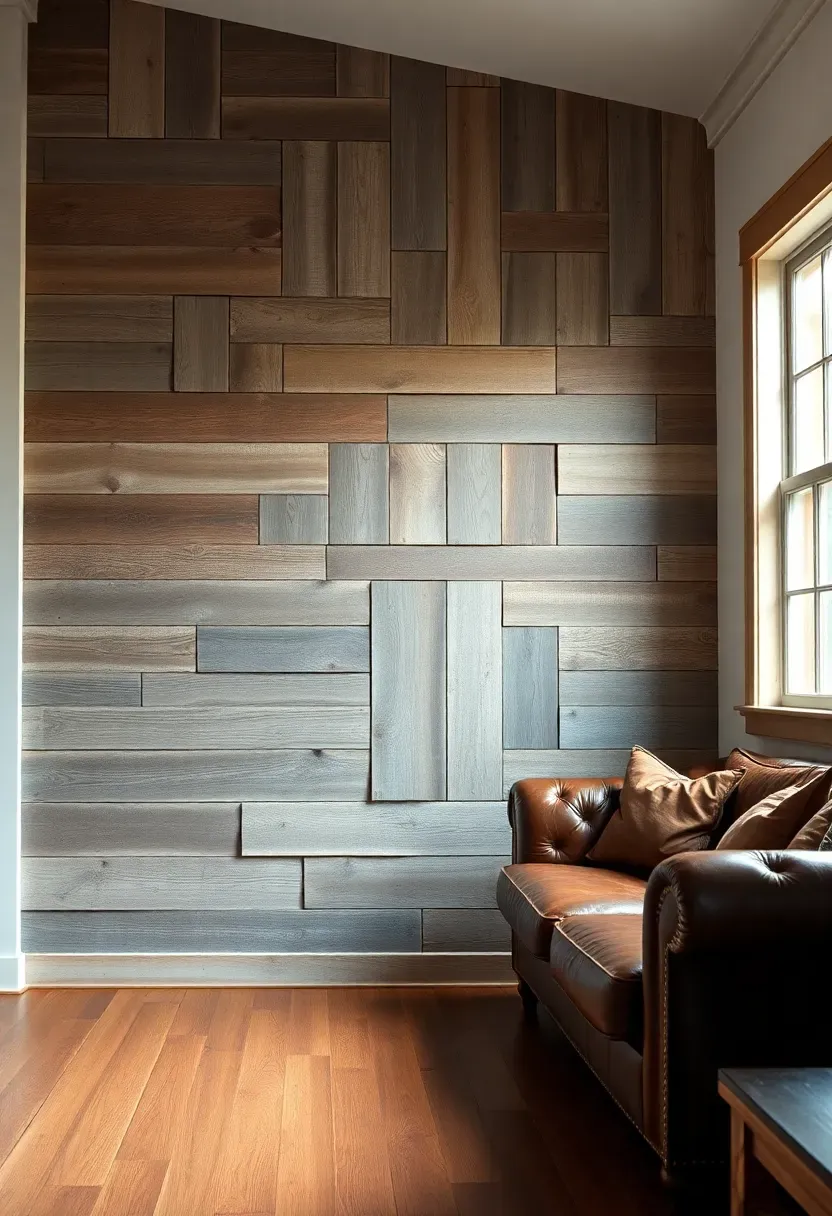
Hyper-realistic straight-on view of reclaimed barn wood accent wall in rustic tiny house living room. Mix of gray and brown weathered boards with varying widths, nail holes, saw marks, natural aged patina. Wall extends floor to ceiling. Materials: reclaimed barn wood, white plaster adjacent walls, wide-plank oak floor, vintage leather sofa. Warm natural light from window right, highlighting wood texture and variation. Shallow depth of field showing board details and aging character. Authentic rustic barn wood mood.</p>
These rustic tiny house ideas celebrate natural imperfection, aged materials, and craftsmanship that tells a story. By incorporating reclaimed wood, stone, and handmade elements, these compact homes achieve remarkable warmth and character despite minimal square footage. The rustic approach prioritizes authenticity over perfection, creating spaces that feel lived-in and deeply welcoming.. Hyper-realistic straight-on view of reclaimed barn wood accent wall in rustic tiny house living room. Mix of
Prompt: Nature documentary captured on Hasselblad X2D 100C with XCD 90V lens at f/4. Hyper-realistic straight-on view of reclaimed barn wood accent wall in rustic tiny house living room. Mix of gray and brown weathered boards with varying widths, nail holes, saw marks, natural aged patina. Wall extends floor to ceiling. Materials: reclaimed barn wood, white plaster adjacent walls, wide-plank oak floor, vintage leather sofa. Warm natural light from window right, highlighting wood texture and variation. Shallow depth of field showing board details and aging character. Authentic rustic barn wood mood.
Tips
- Use reclaimed wood on one wall only—too much feels overwhelming in tiny spaces
- Seal properly with clear matte finish to protect without hiding natural patina
- Mix board widths (4-8 inches) for authentic barn appearance
Best for: living rooms or bedrooms where one statement wall defines the space
What this gives you: powerful rustic character through weathered texture and storytelling materials
We picked a few things that go well with this idea: Modern Farmhouse (★4.6), Modern Farmhouse (★4.6) and DeerValley White Farmhouse Sink Workstation Inch (★4.7). As an Amazon Associate we earn from qualifying purchases.
3. Stone Fireplace Focal Point
A stone fireplace creates instant rustic warmth while serving as natural gathering point. In tiny houses, even a modest stone surround transforms the living area into cozy retreat. The irregular shapes and varied colors of natural stone provide organic contrast to clean walls while establishing timeless character.
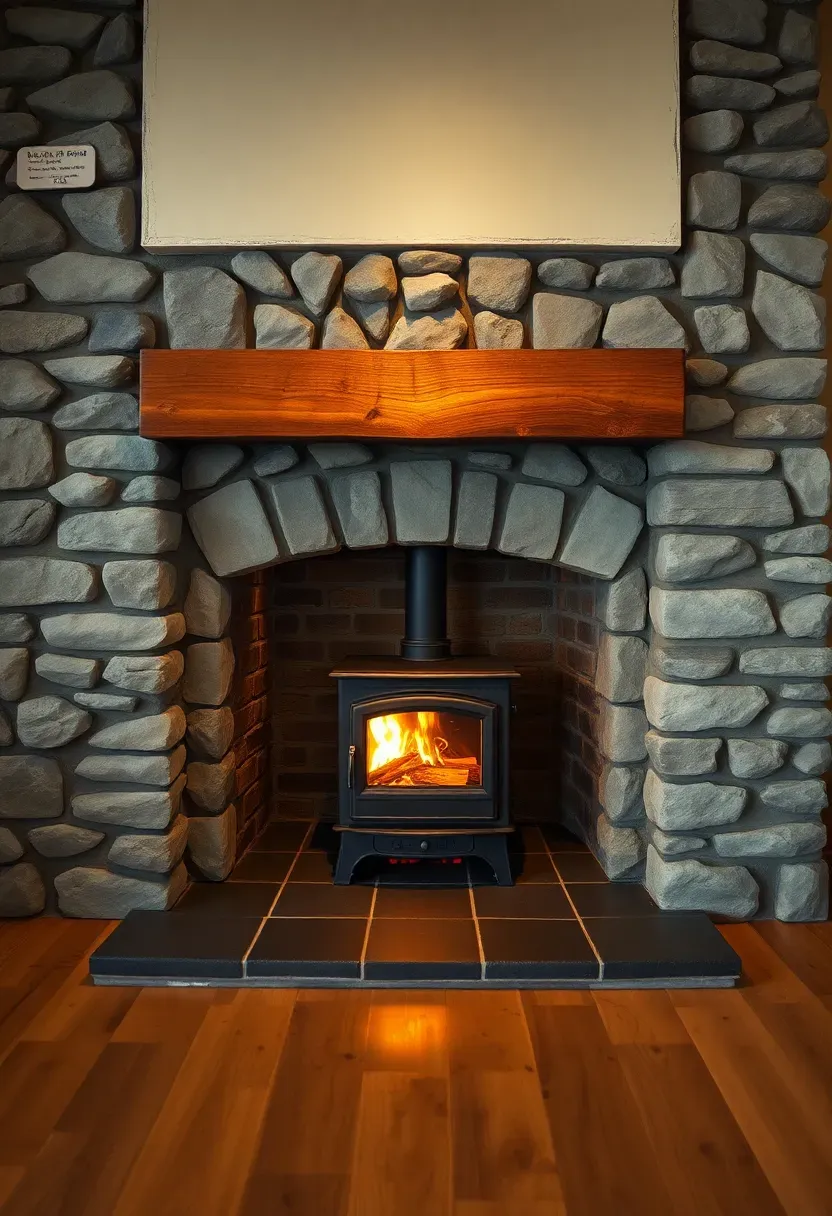
Hyper-realistic straight-on view of stone fireplace as focal point in rustic tiny house. Fieldstone surround with cream mortar, reclaimed wood mantel (8 inches deep), woodstove insert. Hearth features slate flooring. Materials: gray fieldstones, aged oak mantel, slate hearth, cream walls, wide-plank pine floor. Warm firelight illuminating stone textures and mantel. Shallow depth of field showing stone shapes and mantel details. Cozy rustic fireplace mood with fire glow.</p>
These rustic tiny house ideas celebrate natural imperfection, aged materials, and craftsmanship that tells a story. By incorporating reclaimed wood, stone, and handmade elements, these compact homes achieve remarkable warmth and character despite minimal square footage. The rustic approach prioritizes authenticity over perfection, creating spaces that feel lived-in and deeply welcoming.. Hyper-realistic straight-on view of stone fireplace as focal point in rustic tiny house. Fieldstone surround
Prompt: Nature documentary captured on Hasselblad X2D 100C with XCD 90V lens at f/4. Hyper-realistic straight-on view of stone fireplace as focal point in rustic tiny house. Fieldstone surround with cream mortar, reclaimed wood mantel (8 inches deep), woodstove insert. Hearth features slate flooring. Materials: gray fieldstones, aged oak mantel, slate hearth, cream walls, wide-plank pine floor. Warm firelight illuminating stone textures and mantel. Shallow depth of field showing stone shapes and mantel details. Cozy rustic fireplace mood with fire glow.
Tips
- Scale mantel width to room—36-48 inches sufficient for tiny living rooms
- Use wood stove insert rather than open fire for efficiency and heat control
- Extend stone to ceiling for maximum impact, or stop at mantel height for subtler presence
Best for: living rooms where fireplace defines the space and provides primary heat
What this gives you: natural focal point and profound warmth through organic stone textures
We picked a few things that go well with this idea: Rustic Floating (4-Pack) (★4.7), Blulu Pack Antique Style Cast Iron (4-Pack) (★4.6) and Modern Floating (4-Pack) (★4.4). As an Amazon Associate we earn from qualifying purchases.
4. Board-and-Batten Texture
Board-and-batten siding creates classic farmhouse texture that adds rustic depth without overwhelming small spaces. The alternating wide boards and narrow battens create shadow lines that emphasize architectural detail. In tiny houses, this treatment works beautifully as wainscoting or full accent wall.
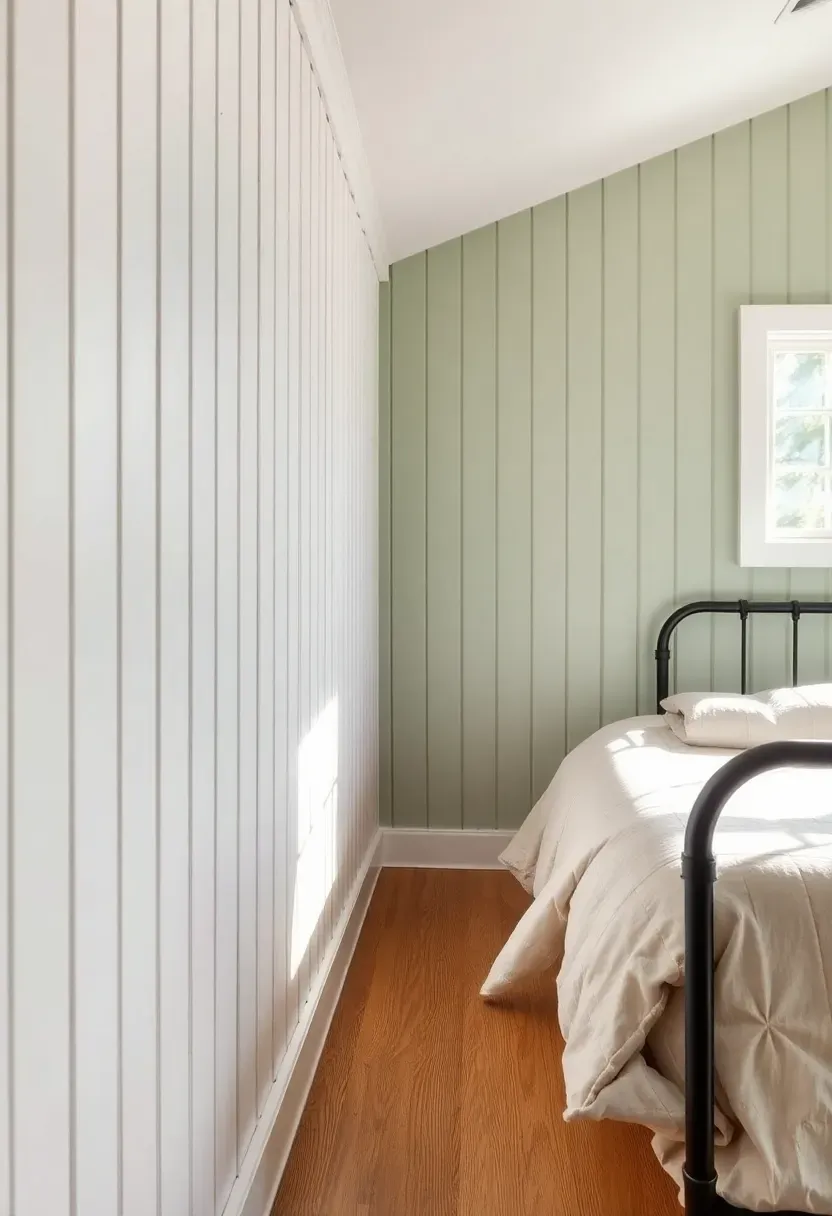
Hyper-realistic straight-on view of board-and-batten walls in rustic tiny house bedroom. Vertical white-painted boards (6 inches wide) with 2-inch battens, covering lower 48 inches of walls. Upper walls painted soft sage green. Materials: painted pine boards, wood battens, wide-plank oak floor, iron bed frame. Natural light from window creating shadows that highlight board-and-batten depth. Shallow depth of field showing batten details and shadow lines. Classic farmhouse bedroom mood.</p>
These rustic tiny house ideas celebrate natural imperfection, aged materials, and craftsmanship that tells a story. By incorporating reclaimed wood, stone, and handmade elements, these compact homes achieve remarkable warmth and character despite minimal square footage. The rustic approach prioritizes authenticity over perfection, creating spaces that feel lived-in and deeply welcoming.. Hyper-realistic straight-on view of board-and-batten walls in rustic tiny house bedroom. Vertical white-paint
Recommended
Items for this idea
Tips
- Standard board-and-batten height is 36-48 inches for wainscoting effect
- Paint battens contrasting color (cream on sage, white on gray) for emphasis
- Use narrower battens (2 inches) for refined look, wider (3 inches) for more rustic
Best for: bedrooms, dining areas, or entries where textured wainscoting adds character
What this gives you: classic farmhouse texture with architectural shadow lines
5. Barn Door Room Divider
Barn doors slide smoothly to divide space while adding authentic rustic character. In tiny houses, these space-saving doors replace swinging doors and can separate rooms or conceal storage. The reclaimed wood construction and exposed hardware create visual interest while maintaining open sight lines when open.
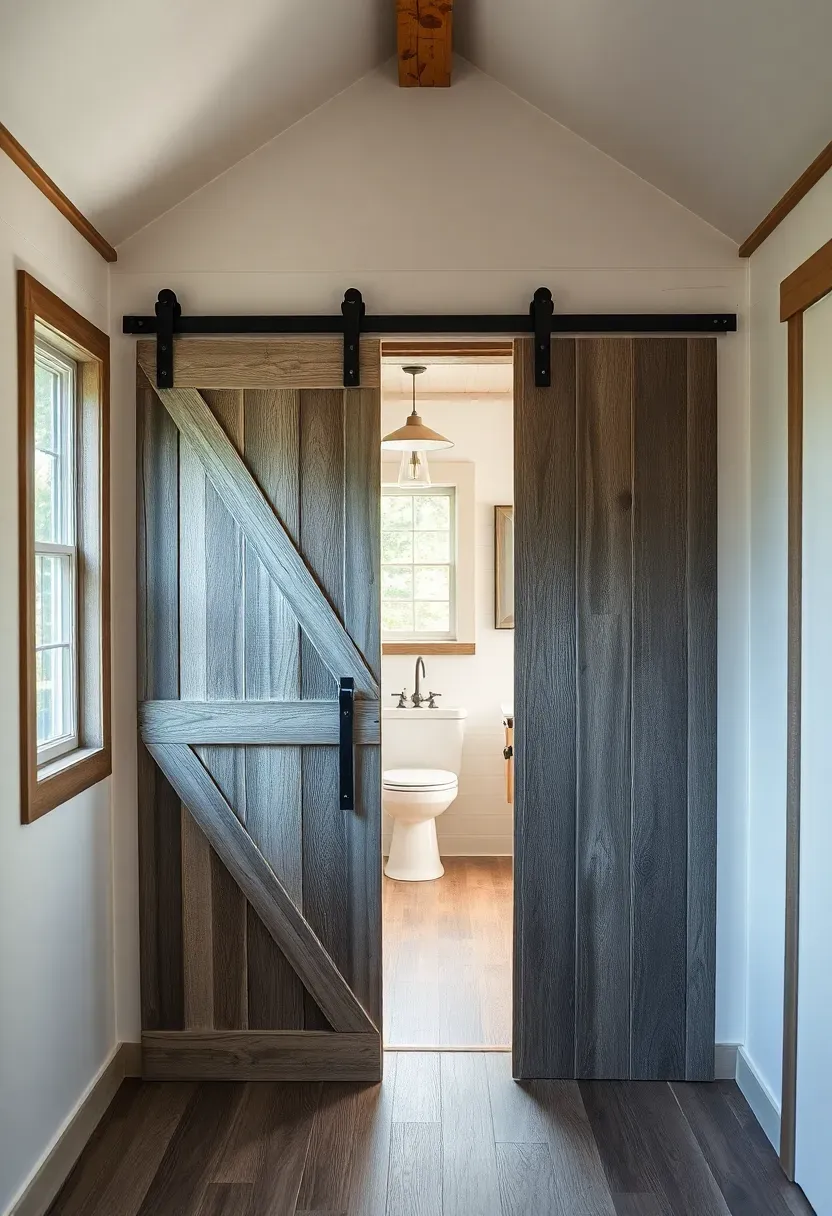
Hyper-realistic straight-on view of rustic barn door sliding on track in tiny house. Door constructed from reclaimed barn wood with Z-pattern framing, exposed iron sliding hardware above. Partially open to reveal bathroom beyond. Materials: weathered gray barn wood, black iron track and hardware, white walls, wide-plank floor. Ambient light from window highlighting wood texture and metal details. Shallow depth of field showing wood grain and hardware. Authentic barn door rustic mood.</p>
These rustic tiny house ideas celebrate natural imperfection, aged materials, and craftsmanship that tells a story. By incorporating reclaimed wood, stone, and handmade elements, these compact homes achieve remarkable warmth and character despite minimal square footage. The rustic approach prioritizes authenticity over perfection, creating spaces that feel lived-in and deeply welcoming.. Hyper-realistic straight-on view of rustic barn door sliding on track in tiny house. Door constructed from re
Recommended
Items for this idea
Tips
- Mount barn door hardware on ceiling rather than wall to preserve precious wall space
- Choose bypass track system for double doors covering wider openings
- Use reclaimed barn wood or new wood distressed to achieve aged appearance
Best for: bathrooms, closets, or room dividers where sliding doors save space
What this gives you: space efficiency combined with authentic rustic character
6. Loft with Railing Character
Tiny house lofts gain rustic character through thoughtfully designed railings that celebrate craftsmanship—and lofts are one of the best strategies for [making a tiny house feel bigger](/posts/133_how-to-make-a-tiny-house-feel-bigger-20-pro-tips/). Instead of standard spindles, consider branches, logs, or reclaimed wood rails that embrace natural imperfections. The railing becomes sculptural element while maintaining safety and visual connection below.
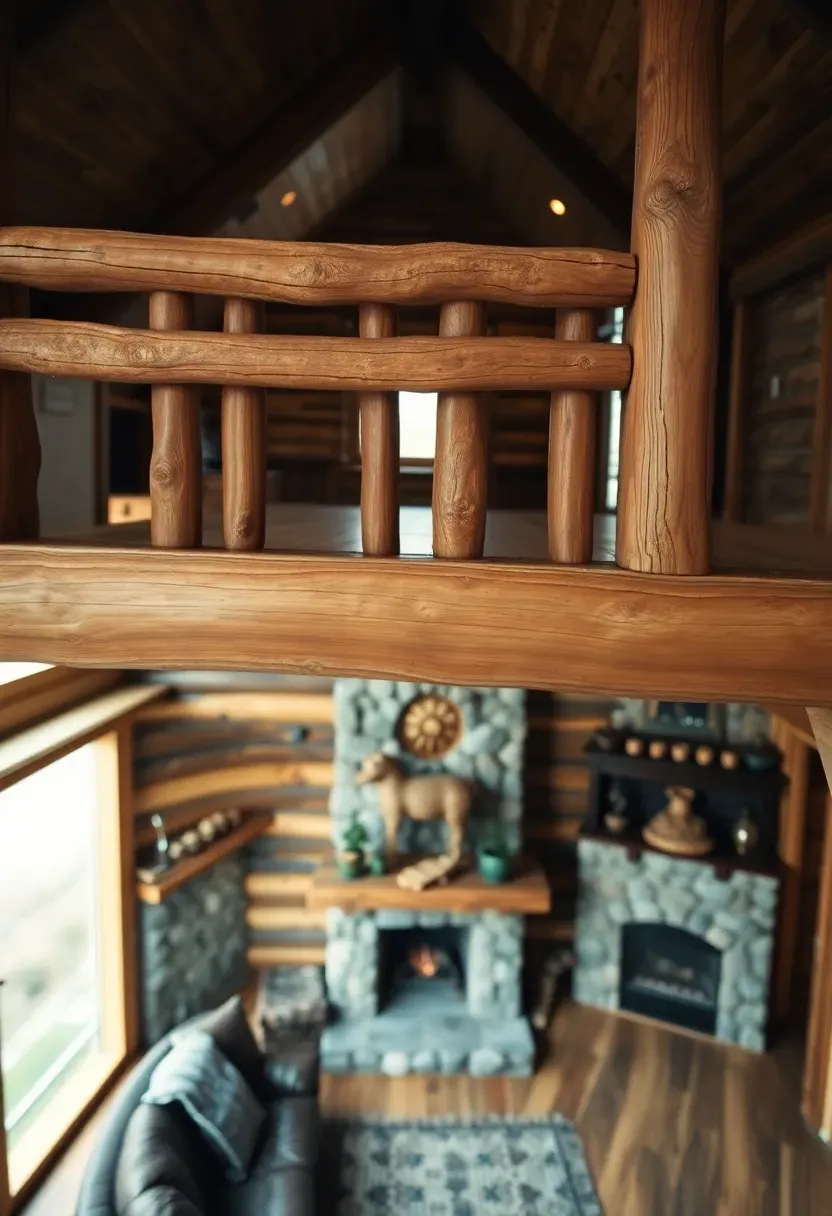
Hyper-realistic view from rustic tiny house loft overlooking main living space. Loft railing features horizontal logs (3-4 inches diameter) with natural bark, cedar post supports. Below: reclaimed wood walls, stone fireplace, leather sofa. Loft has tongue-and-groove ceiling. Materials: natural cedar logs, bark-on railing, reclaimed wood walls, stone fireplace. Warm ambient light from fireplace and window, emphasizing natural wood textures. Shallow depth of field showing railing bark and log details. Authentic rustic loft mood.</p>
These rustic tiny house ideas celebrate natural imperfection, aged materials, and craftsmanship that tells a story. By incorporating reclaimed wood, stone, and handmade elements, these compact homes achieve remarkable warmth and character despite minimal square footage. The rustic approach prioritizes authenticity over perfection, creating spaces that feel lived-in and deeply welcoming.. Hyper-realistic view from rustic tiny house loft overlooking main living space. Loft railing features horizon
Recommended
Items for this idea
Tips
- Maximum railing spacing is 4 inches for safety compliance
- Choose local species (cedar, pine, oak) for regional authenticity
- Seal bark-on logs with clear matte finish to preserve natural appearance
Best for: tiny houses with lofts where railing becomes design statement
What this gives you: safety combined with sculptural natural character
7. Kitchen Open Shelving
Open shelving constructed from reclaimed wood or rough-sawn lumber adds rustic warmth while maximizing storage efficiency. In tiny house kitchens, open shelves keep everyday items accessible while creating display opportunity for dishes and collection pieces. The wood warmth softens hard kitchen surfaces.
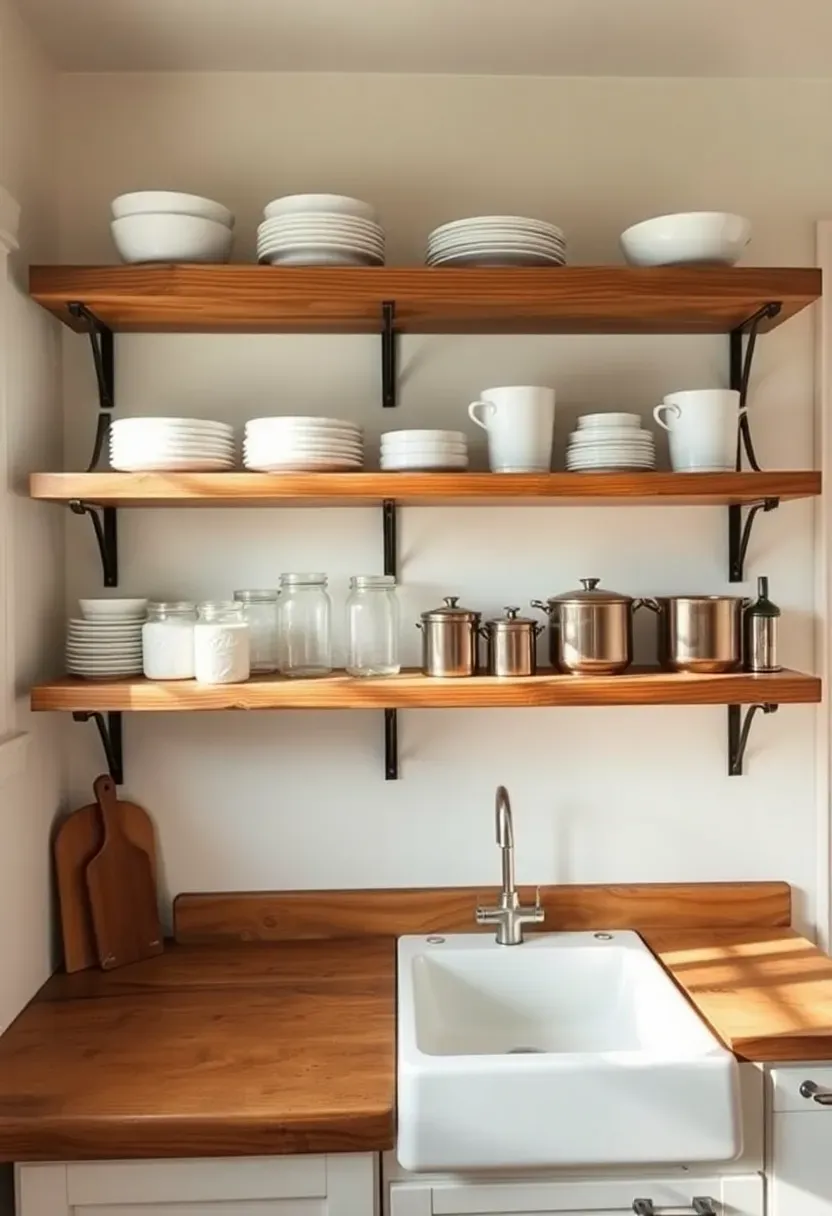
Hyper-realistic straight-on view of rustic tiny house kitchen with open shelving. Rough-sawn oak shelves (10 inches deep) on iron brackets, displaying white dishes, mason jars, copper pots. Below: farmhouse sink, butcher block counter. Walls painted cream. Materials: reclaimed oak shelves, wrought iron brackets, white dishes, copper accents, cream walls. Natural light from window, highlighting shelf wood grain and displayed items. Shallow depth of field showing shelf details and dish textures. Rustic kitchen charm mood.</p>
These rustic tiny house ideas celebrate natural imperfection, aged materials, and craftsmanship that tells a story. By incorporating reclaimed wood, stone, and handmade elements, these compact homes achieve remarkable warmth and character despite minimal square footage. The rustic approach prioritizes authenticity over perfection, creating spaces that feel lived-in and deeply welcoming.. Hyper-realistic straight-on view of rustic tiny house kitchen with open shelving. Rough-sawn oak shelves (10
Recommended
Items for this idea
Tips
- Standard shelf depth is 10-12 inches for kitchen storage
- Space shelves 12-18 inches apart for easy access
- Use wrought iron brackets for authentic rustic hardware
Best for: tiny house kitchens where storage efficiency meets display opportunity
What this gives you: accessible storage with rustic warmth and character
8. Built-in Window Seat
A window seat with rustic character provides cozy seating while incorporating valuable storage. In tiny houses, built-in benches maximize window views and create inviting nooks for reading or contemplation. Using reclaimed wood for the bench front and cushions in natural fabrics completes the rustic aesthetic.
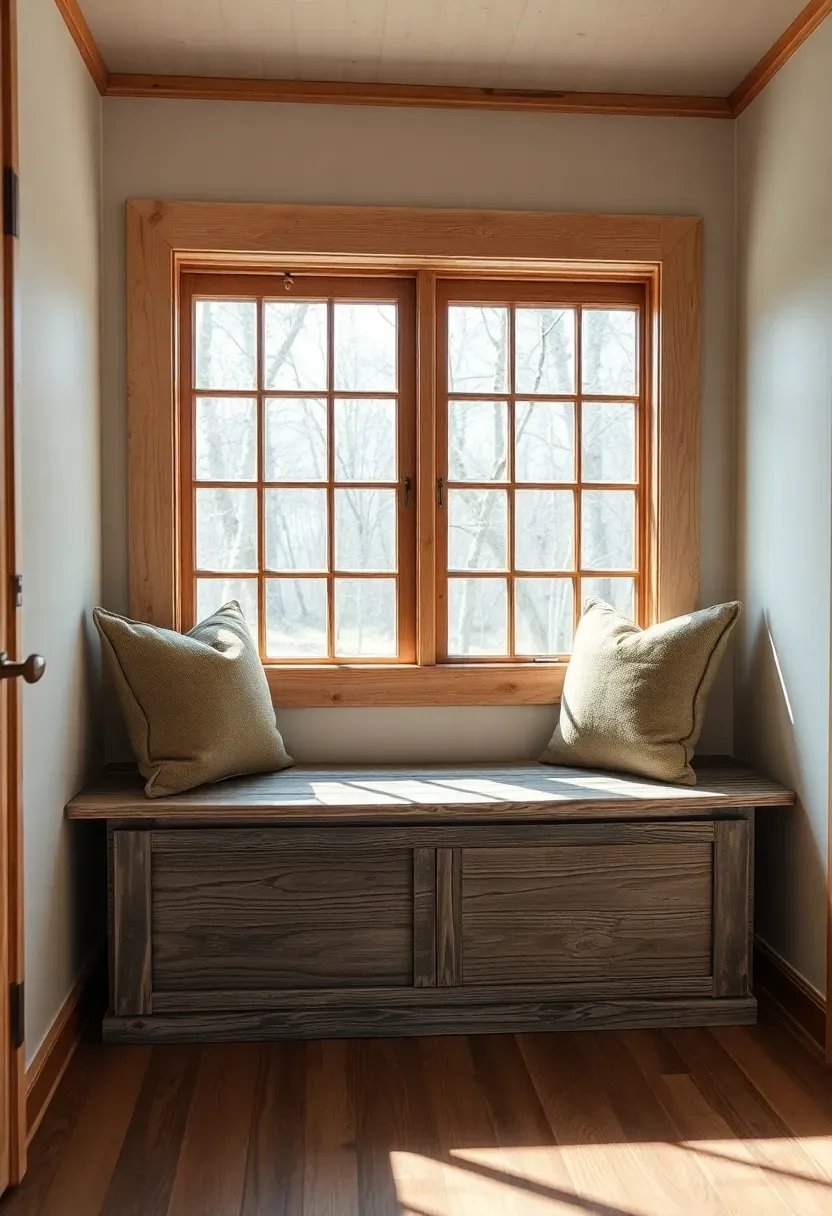
Hyper-realistic 3/4 view of window seat in rustic tiny house. Built-in bench with reclaimed barn wood front, lift-top storage, tailored burlap cushions. Large double-hung window with wood dividers. Materials: weathered gray barn wood, burlap cushions, cream walls, wide-plank pine floor. Bright natural light from window, casting shadows that highlight wood texture. Shallow depth of field showing barn wood aging and cushion fabric. Cozy rustic window nook mood.</p>
These rustic tiny house ideas celebrate natural imperfection, aged materials, and craftsmanship that tells a story. By incorporating reclaimed wood, stone, and handmade elements, these compact homes achieve remarkable warmth and character despite minimal square footage. The rustic approach prioritizes authenticity over perfection, creating spaces that feel lived-in and deeply welcoming.. Hyper-realistic 3/4 view of window seat in rustic tiny house. Built-in bench with reclaimed barn wood front,
Recommended
Items for this idea
Tips
- Standard seat depth is 18-20 inches for comfortable lounging
- Incorporate lift-top storage for hidden functionality
- Choose natural fabrics—burlap, linen, wool—for authentic rustic cushioning
Best for: any room with window access where cozy seating enhances functionality
What this gives you: inviting seating with storage and rustic character
9. Vintage Fixture Accents
Vintage lighting fixtures—mason jar lights, farmhouse pendants, or industrial lanterns—add authentic rustic character while providing necessary illumination. In tiny houses, lighting becomes decorative element that tells a story. The mix of aged metal, glass, and warm bulbs creates atmosphere.
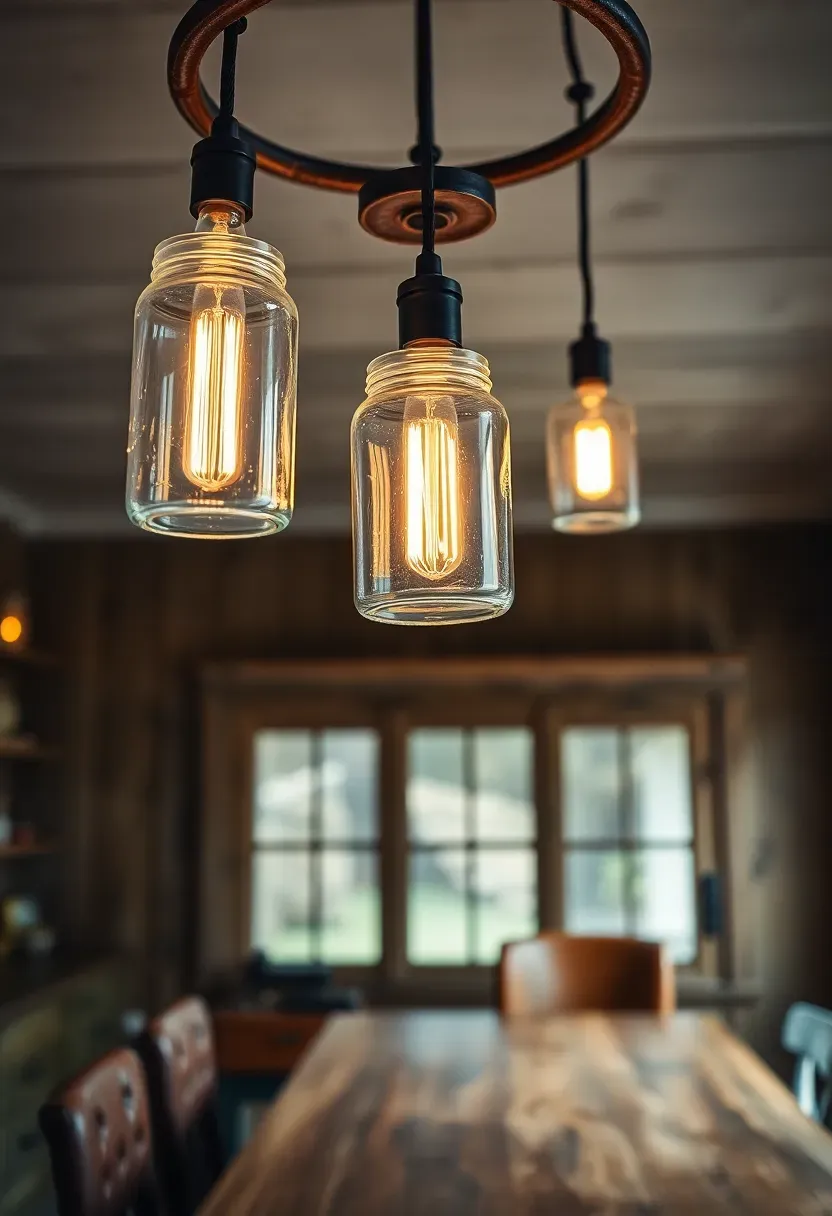
Hyper-realistic upward-angle view of vintage lighting fixtures in rustic tiny house. Mason jar pendant lights (3 jars) hanging at different heights, exposed filament bulbs, rusted metal canopy. Below: reclaimed wood dining table with leather chairs. Materials: clear mason jars, rusted iron hardware, warm Edison bulbs, barn wood table. Warm ambient light from fixtures creating cozy glow. Shallow depth of field showing jar details and filament bulbs. Vintage rustic lighting mood.</p>
These rustic tiny house ideas celebrate natural imperfection, aged materials, and craftsmanship that tells a story. By incorporating reclaimed wood, stone, and handmade elements, these compact homes achieve remarkable warmth and character despite minimal square footage. The rustic approach prioritizes authenticity over perfection, creating spaces that feel lived-in and deeply welcoming.. Hyper-realistic upward-angle view of vintage lighting fixtures in rustic tiny house. Mason jar pendant lights
Recommended
Items for this idea
Tips
- Hang primary fixtures at least 7 feet from floor for adequate headroom
- Use warm color temperature bulbs (2700K) to enhance rustic warmth
- Mix fixture styles for collected-over-time appearance
Best for: all rooms—lighting provides character throughout tiny house
What this gives you: atmospheric illumination with vintage storytelling
10. Shiplap Ceiling Charm
Shiplap on the ceiling adds warmth and architectural interest while maintaining brightness. In tiny houses, white-painted shiplap ceilings reflect light while providing subtle texture. The horizontal lines visually widen rooms and create cozy cottage atmosphere without consuming floor space.
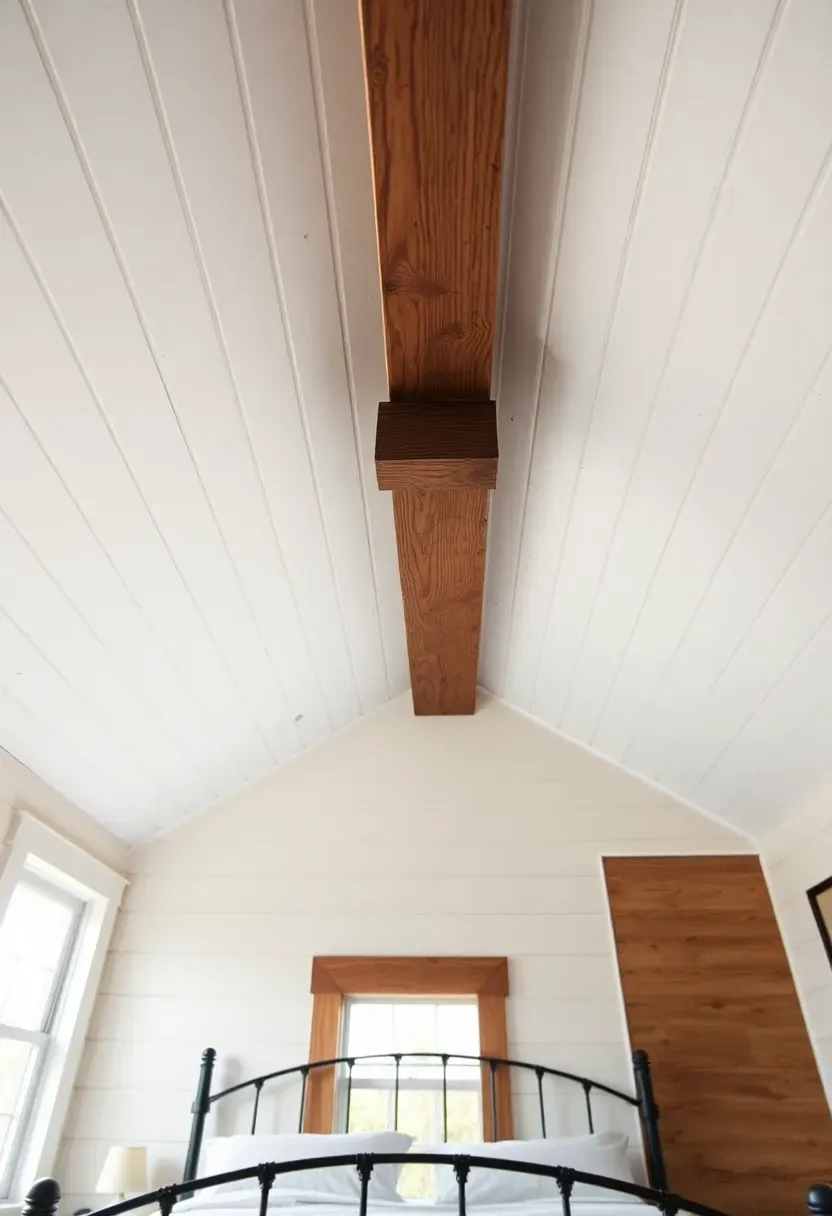
Hyper-realistic upward-angle view of white shiplap ceiling in rustic tiny house bedroom. Horizontal nickel-gap shiplap boards painted white, running full ceiling width. Exposed reclaimed wood beam as accent. Below: iron bed with linen bedding, barn wood accent wall. Materials: painted pine shiplap, oak beam, linen bedding, cream walls. Soft natural light from window, highlighting shiplap texture and beam. Shallow depth of field showing board gaps and beam details. Cozy rustic bedroom mood.</p>
These rustic tiny house ideas celebrate natural imperfection, aged materials, and craftsmanship that tells a story. By incorporating reclaimed wood, stone, and handmade elements, these compact homes achieve remarkable warmth and character despite minimal square footage. The rustic approach prioritizes authenticity over perfection, creating spaces that feel lived-in and deeply welcoming.. Hyper-realistic upward-angle view of white shiplap ceiling in rustic tiny house bedroom. Horizontal nickel-ga
Recommended
Items for this idea
Tips
- Paint shiplap white to maintain brightness in tiny spaces
- Run boards parallel to longest wall for visual widening
- Add one accent beam for contrast and focal point
Best for: bedrooms and living rooms where ceiling becomes fifth wall
What this gives you: architectural interest with maintained brightness
11. Farmhouse Sink Feature
A farmhouse (apron-front) sink serves as functional sculpture in rustic kitchens. In tiny houses, the deep basin provides practical utility while the exposed front becomes decorative element. White porcelain fireclast sinks contrast beautifully with wood countertops and aged cabinetry.
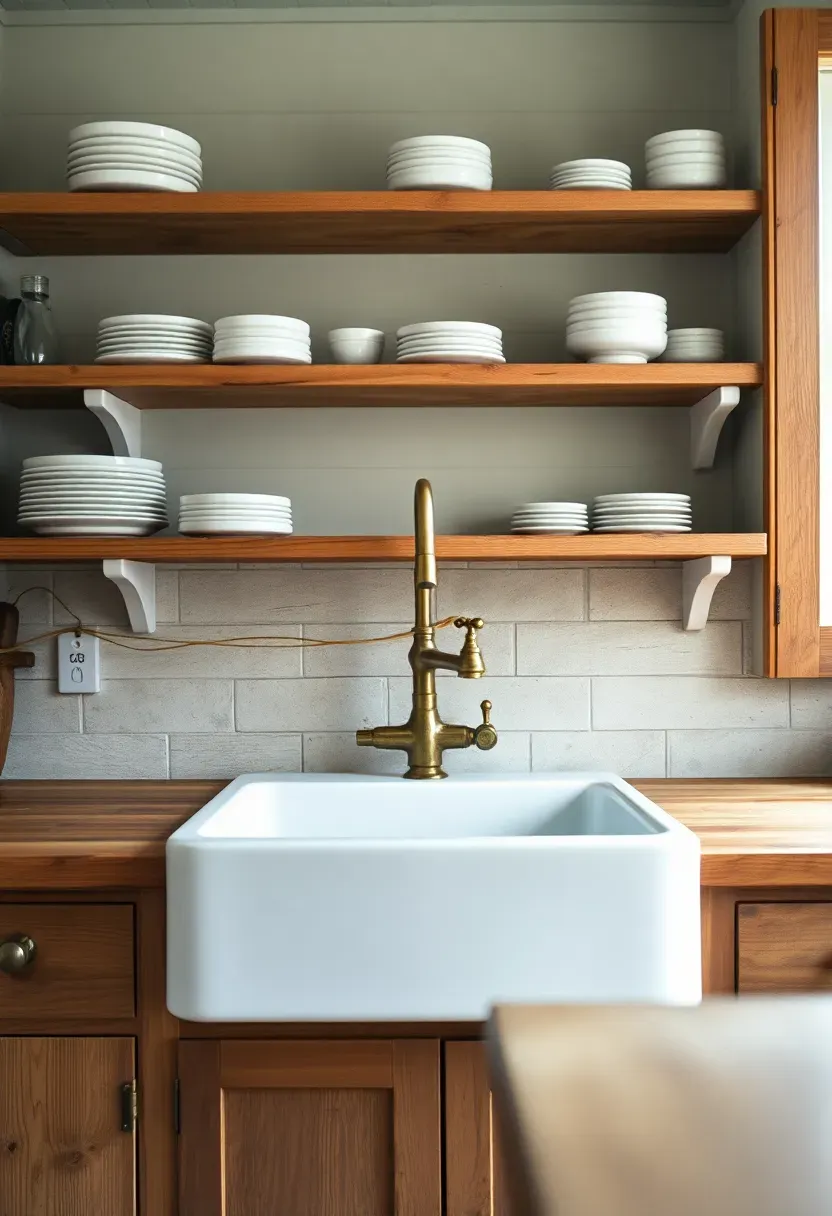
Hyper-realistic straight-on view of farmhouse sink in rustic tiny house kitchen. White porcelain apron-front sink, aged brass faucet, butcher block counter, reclaimed wood cabinets below. Open shelves above display white dishes. Materials: white fireclast sink, brass hardware, oak butcher block, barn wood cabinets. Natural light from window, highlighting sink curves and brass warmth. Shallow depth of field showing faucet details and wood grain. Classic farmhouse kitchen mood.</p>
These rustic tiny house ideas celebrate natural imperfection, aged materials, and craftsmanship that tells a story. By incorporating reclaimed wood, stone, and handmade elements, these compact homes achieve remarkable warmth and character despite minimal square footage. The rustic approach prioritizes authenticity over perfection, creating spaces that feel lived-in and deeply welcoming.. Hyper-realistic straight-on view of farmhouse sink in rustic tiny house kitchen. White porcelain apron-front
Recommended
Items for this idea
Tips
- Standard farmhouse sink width is 30-36 inches for tiny house kitchens
- Choose aged brass or copper faucets for authentic rustic hardware
- Pair with wood butcher block countertop for material warmth
Best for: kitchens where sink becomes decorative and functional focal point
What this gives you: practical utility with farmhouse charm
12. Butcher Block Warmth
Butcher block countertops bring substantial warmth and functionality to rustic tiny house kitchens. The thick wood surface provides durable workspace while adding natural character. End-grain or edge-grain construction creates visual interest, and the surface develops patina with use.
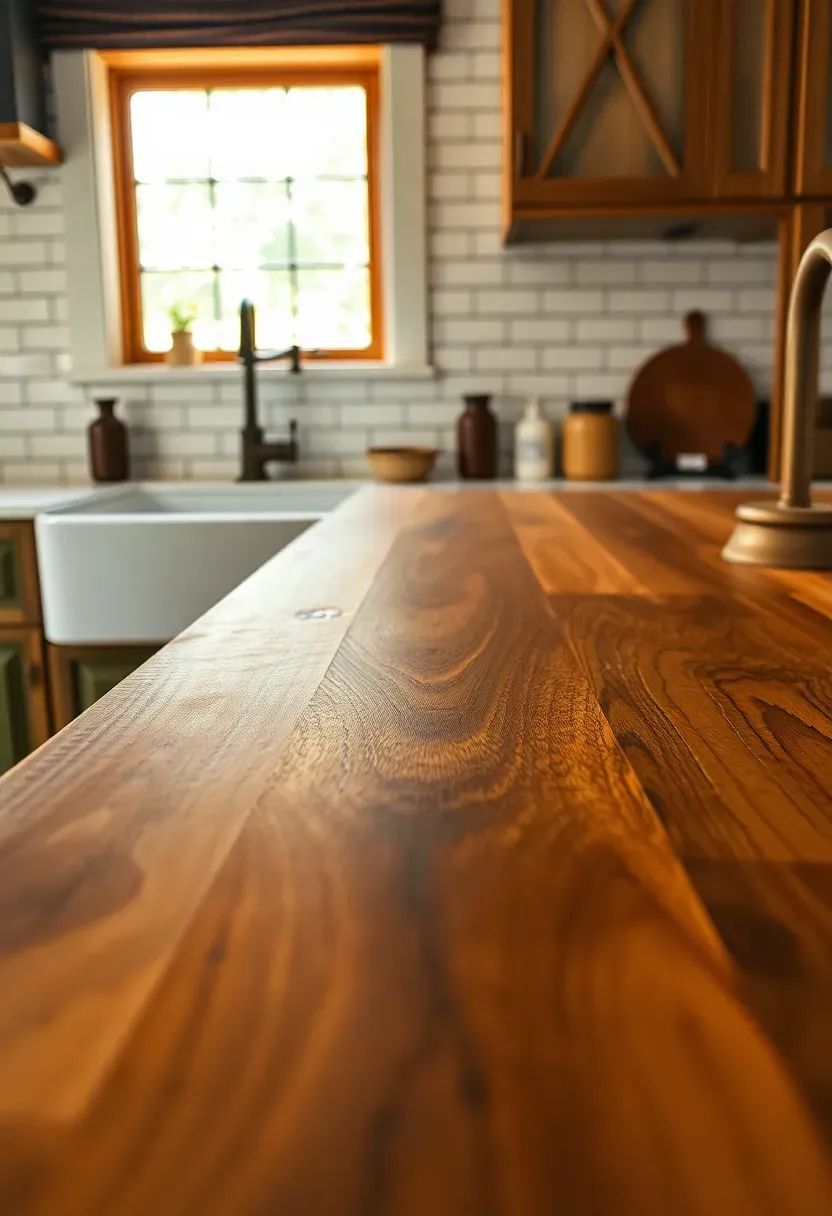
Hyper-realistic close-up view of butcher block countertop in rustic kitchen. Thick end-grain oak blocks (2 inches thick) showing varied wood grain patterns, natural oil finish. farmhouse sink and aged brass faucet visible. Materials: end-grain oak, brass fixtures, cream subway tile backsplash, reclaimed wood cabinets. Warm natural light from window, emphasizing wood grain and brass warmth. Shallow depth of field showing wood texture and butcher block details. Warm wood countertop mood.</p>
These rustic tiny house ideas celebrate natural imperfection, aged materials, and craftsmanship that tells a story. By incorporating reclaimed wood, stone, and handmade elements, these compact homes achieve remarkable warmth and character despite minimal square footage. The rustic approach prioritizes authenticity over perfection, creating spaces that feel lived-in and deeply welcoming.. Hyper-realistic close-up view of butcher block countertop in rustic kitchen. Thick end-grain oak blocks (2 in
Recommended
Items for this idea
Tips
- Standard countertop thickness is 1.5-2 inches for substantial appearance
- Maintain with food-safe mineral oil or beeswax regularly
- Choose edge-grain for durability or end-grain for maximum visual interest
Best for: kitchen primary prep areas and islands
What this gives you: durable workspace with evolving natural patina
13. Corner Fireplace Efficiency
A corner fireplace maximizes floor space while providing substantial rustic warmth and character. In tiny houses, corner installation allows furniture placement along walls while creating cozy gathering area. Fieldstone or brick surround creates architectural interest in otherwise dead corner space.
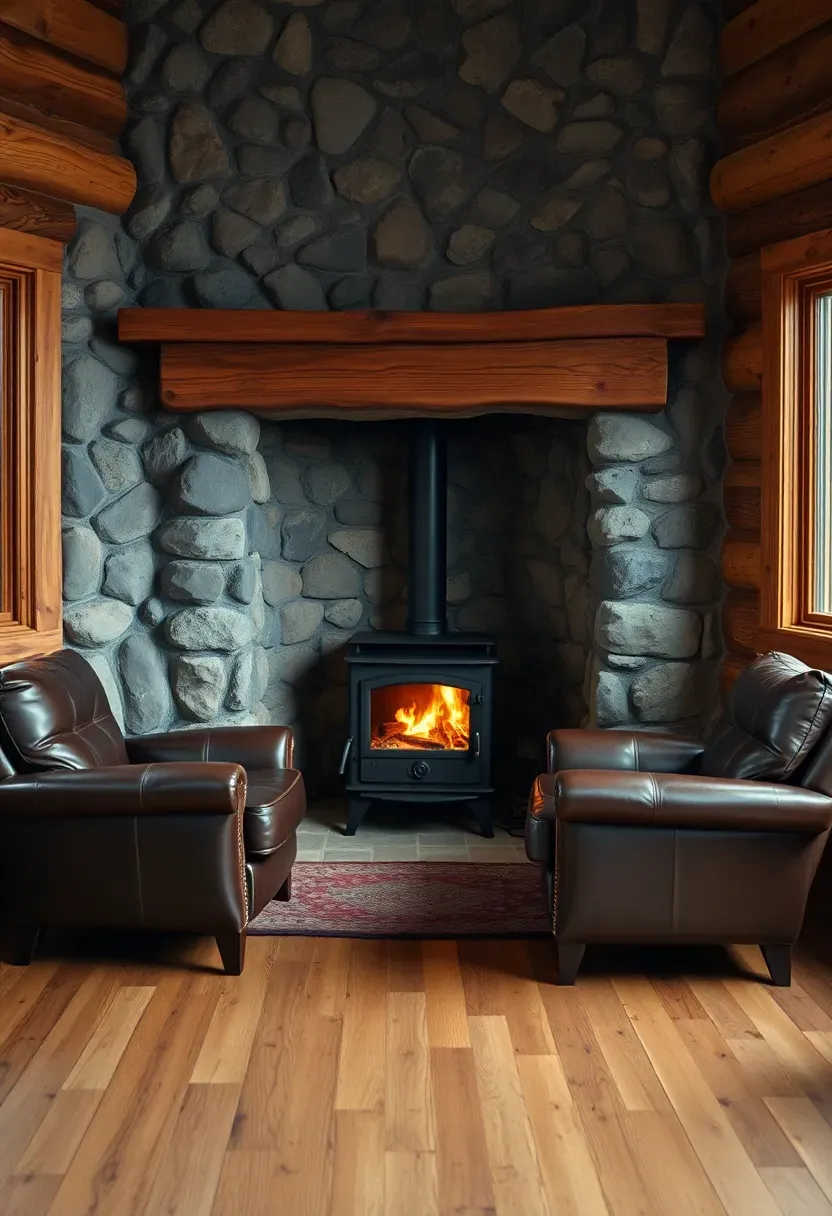
Hyper-realistic angled view of corner fireplace in rustic tiny house living room. Fieldstone surround filling corner, woodstove insert, reclaimed oak mantel. Leather armchairs positioned to face fireplace. Materials: gray fieldstones, aged oak mantel, black iron woodstove, leather furniture, wide-plank pine floor. Warm firelight illuminating stone and wood. Shallow depth of field showing stone shapes and fire glow. Cozy corner fireplace mood.</p>
These rustic tiny house ideas celebrate natural imperfection, aged materials, and craftsmanship that tells a story. By incorporating reclaimed wood, stone, and handmade elements, these compact homes achieve remarkable warmth and character despite minimal square footage. The rustic approach prioritizes authenticity over perfection, creating spaces that feel lived-in and deeply welcoming.. Hyper-realistic angled view of corner fireplace in rustic tiny house living room. Fieldstone surround filling
Recommended
Items for this idea
Tips
- Corner installation saves 2-3 feet of floor space compared to wall-center placement
- Use woodstove insert rather than open fire for heating efficiency
- Extend stone to adjacent walls for built-in appearance
Best for: living rooms where space efficiency meets heating needs
What this gives you: efficient use of corner space with maximum warmth
14. Wide-Plank Flooring
Wide-plank pine or oak flooring provides substantial rustic character while creating visual continuity. In tiny houses, wide boards (5-7 inches) reduce visual grout lines and make spaces feel larger. The natural wood warmth grounds the entire interior while providing durable surface for daily living.
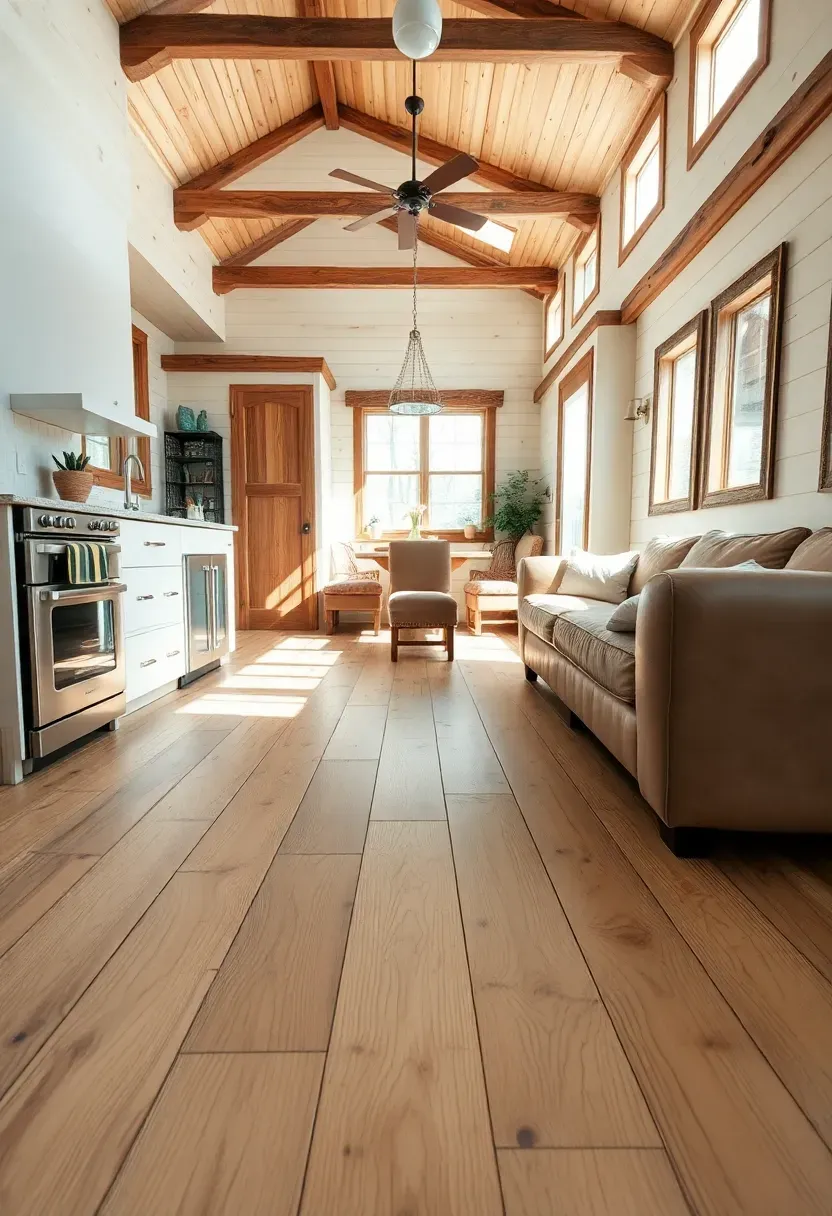
Hyper-realistic high-angle view showing wide-plank flooring throughout rustic tiny house. Eastern white pine planks (6 inches wide, random lengths) with natural finish, visible saw marks and subtle grain. Floor runs continuously from kitchen through living area. Materials: natural pine flooring, cream walls, reclaimed wood beams, leather furniture. Bright natural light emphasizing floor continuity. Shallow depth of field showing plank width and saw marks. Authentic wide-plank pine floor mood.</p>
These rustic tiny house ideas celebrate natural imperfection, aged materials, and craftsmanship that tells a story. By incorporating reclaimed wood, stone, and handmade elements, these compact homes achieve remarkable warmth and character despite minimal square footage. The rustic approach prioritizes authenticity over perfection, creating spaces that feel lived-in and deeply welcoming.. Hyper-realistic high-angle view showing wide-plank flooring throughout rustic tiny house. Eastern white pine
Recommended
Items for this idea
Tips
- Choose 5-7 inch width for authentic wide-plank appearance
- Eastern white pine provides authentic rustic character and is relatively lightweight
- Maintain with penetrating oil finish rather than film-forming polyurethane
Best for: all flooring areas—continuous unbroken flooring expands spaces
What this gives you: visual continuity and grounding natural warmth
15. Exposed Brick Accent
Exposed brick walls provide authentic rustic texture and thermal mass. In tiny houses, even a single brick wall creates substantial character. The variation in brick color, mortar texture, and architectural arches or openings adds visual interest while celebrating industrial heritage.
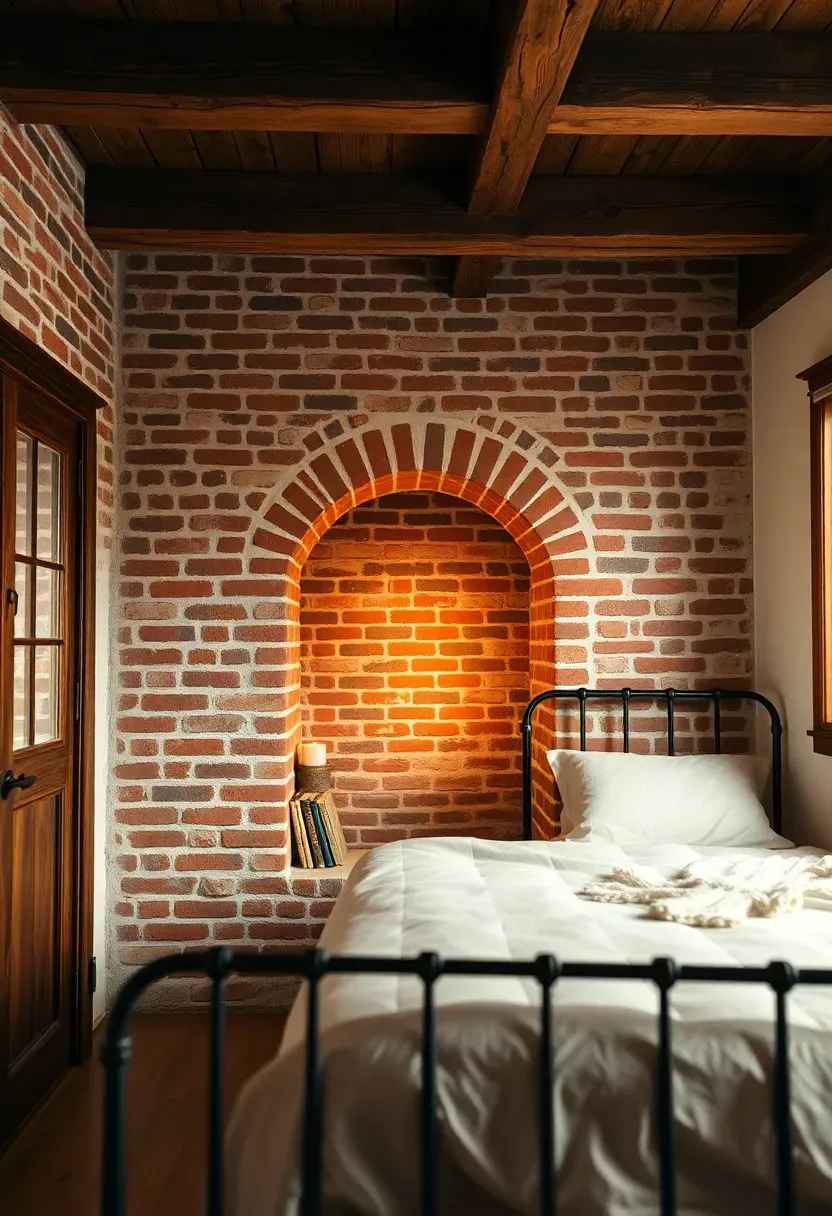
Hyper-realistic straight-on view of exposed brick accent wall in rustic tiny house bedroom. Red brick wall with white mortar, arched brick nook displaying candle and books. Reclaimed wood ceiling beams, iron bed frame with linen bedding. Materials: salvaged red brick, white mortar, oak beams, iron bed, cream walls opposite. Warm ambient light from candle and window, highlighting brick texture and arch. Shallow depth of field showing mortar texture and brick variation. Industrial rustic brick wall mood.</p>
These rustic tiny house ideas celebrate natural imperfection, aged materials, and craftsmanship that tells a story. By incorporating reclaimed wood, stone, and handmade elements, these compact homes achieve remarkable warmth and character despite minimal square footage. The rustic approach prioritizes authenticity over perfection, creating spaces that feel lived-in and deeply welcoming.. Hyper-realistic straight-on view of exposed brick accent wall in rustic tiny house bedroom. Red brick wall wi
Recommended
Items for this idea
Tips
- Limit brick to one wall—too much feels overwhelming in tiny spaces
- Consider whitewashed brick for lighter, brighter rustic appearance
- Incorporate architectural features (arches, niches) for added interest
Best for: bedrooms or living rooms where one statement wall provides character
What this gives you: authentic industrial texture with thermal mass benefits
16. Wrought Iron Details
Wrought iron hardware, fixtures, and accents provide authentic rustic contrast to wood surfaces. In tiny houses, iron elements—curtain rods, shelf brackets, lighting fixtures, door hardware—add sophisticated detail while celebrating blacksmithing tradition. The dark metal creates beautiful contrast against warm wood.
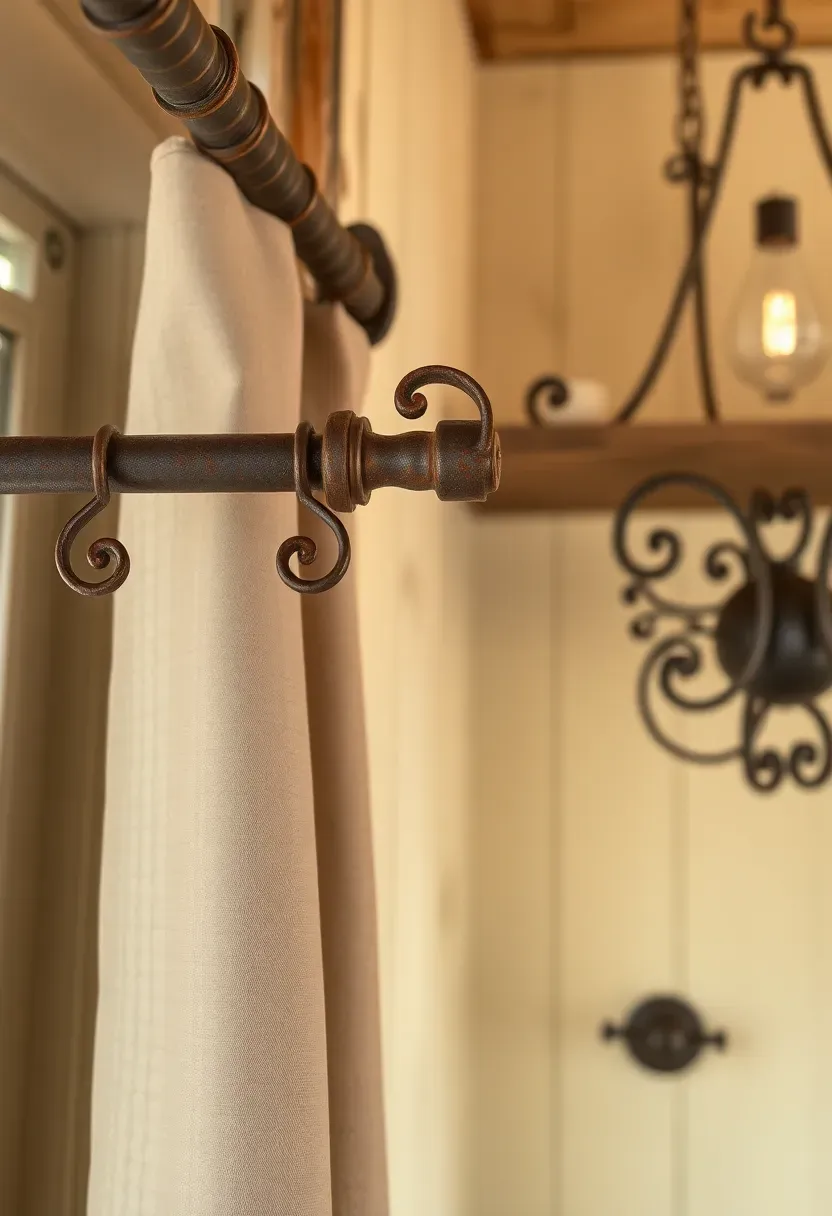
Hyper-realistic detail shot showing wrought iron elements in rustic tiny house. Iron curtain rod with rusted patina, scroll-bracket shelf supports, iron pendant light fixture, iron cabinet pulls. All against reclaimed wood surfaces. Materials: wrought iron with natural rust, aged barn wood, cream walls. Warm ambient light highlighting iron scrollwork and patina. Shallow depth of field showing iron details and rust texture. Authentic wrought iron hardware mood.</p>
These rustic tiny house ideas celebrate natural imperfection, aged materials, and craftsmanship that tells a story. By incorporating reclaimed wood, stone, and handmade elements, these compact homes achieve remarkable warmth and character despite minimal square footage. The rustic approach prioritizes authenticity over perfection, creating spaces that feel lived-in and deeply welcoming.. Hyper-realistic detail shot showing wrought iron elements in rustic tiny house. Iron curtain rod with rusted
Recommended
Items for this idea
Tips
- Allow natural rust patina for authentic aged appearance
- Mix iron finishes—matte black, rusted bronze, oil-rubbed bronze—for variety
- Use scroll-work or forged details for handcrafted appearance
Best for: throughout tiny house—iron details provide cohesive accent material
What this gives you: sophisticated hardware contrast with handcrafted authenticity
17. Wood Stove Heating
A wood stove provides efficient heating while serving as rustic focal point. In tiny houses, a compact stove delivers substantial warmth with minimal fuel consumption. The cast iron or steel construction, visible firebox, and chimney create authentic cabin atmosphere while reducing reliance on electric heat.
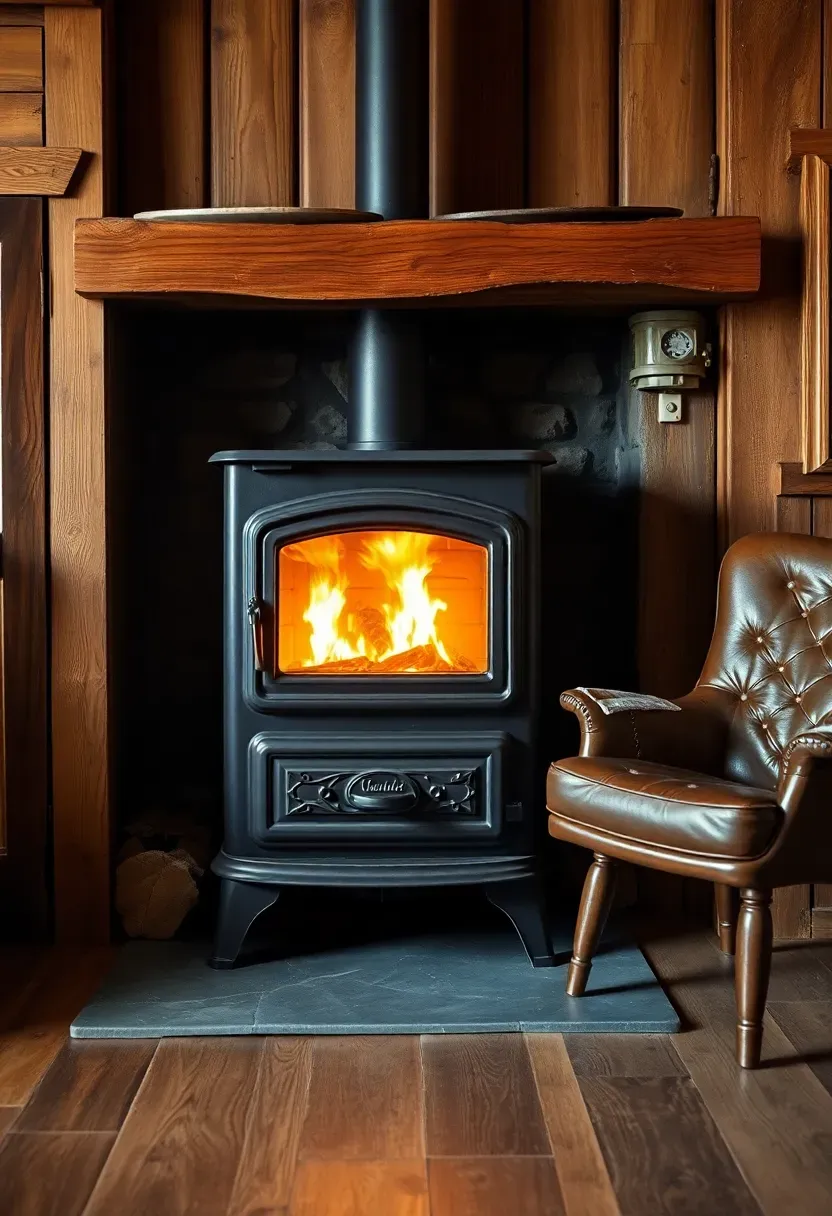
Cast iron wood stove with glass door and visible fire in a rustic tiny house, stone hearth and reclaimed wood mantel creating cozy cabin atmosphere
These rustic tiny house ideas celebrate natural imperfection, aged materials, and craftsmanship that tells a story. By incorporating reclaimed wood, stone, and handmade elements, these compact homes achieve remarkable warmth and character despite minimal square footage. The rustic approach prioritizes authenticity over perfection, creating spaces that feel lived-in and deeply welcoming.. Cast iron wood stove with glass door and visible fire in a rustic tiny house, stone hearth and reclaimed wood
Recommended
Items for this idea
Tips
- Choose appropriately sized stove—tiny houses require 15,000-30,000 BTU maximum
- Position stove away from traffic flow while maintaining visible firebox
- Include stone or brick hearth for spark protection and thermal mass
Best for: primary heating in colder climates where wood fuel is available
What this gives you: efficient heating with visible fire ambiance
18. Tongue-and-Groove Walls
Tongue-and-groove paneling creates seamless rustic walls with subtle shadow lines. In tiny houses, T&G walls provide warmth and character while maintaining clean appearance. The vertical lines add height, and painted white finishes maintain brightness while preserving wood texture.
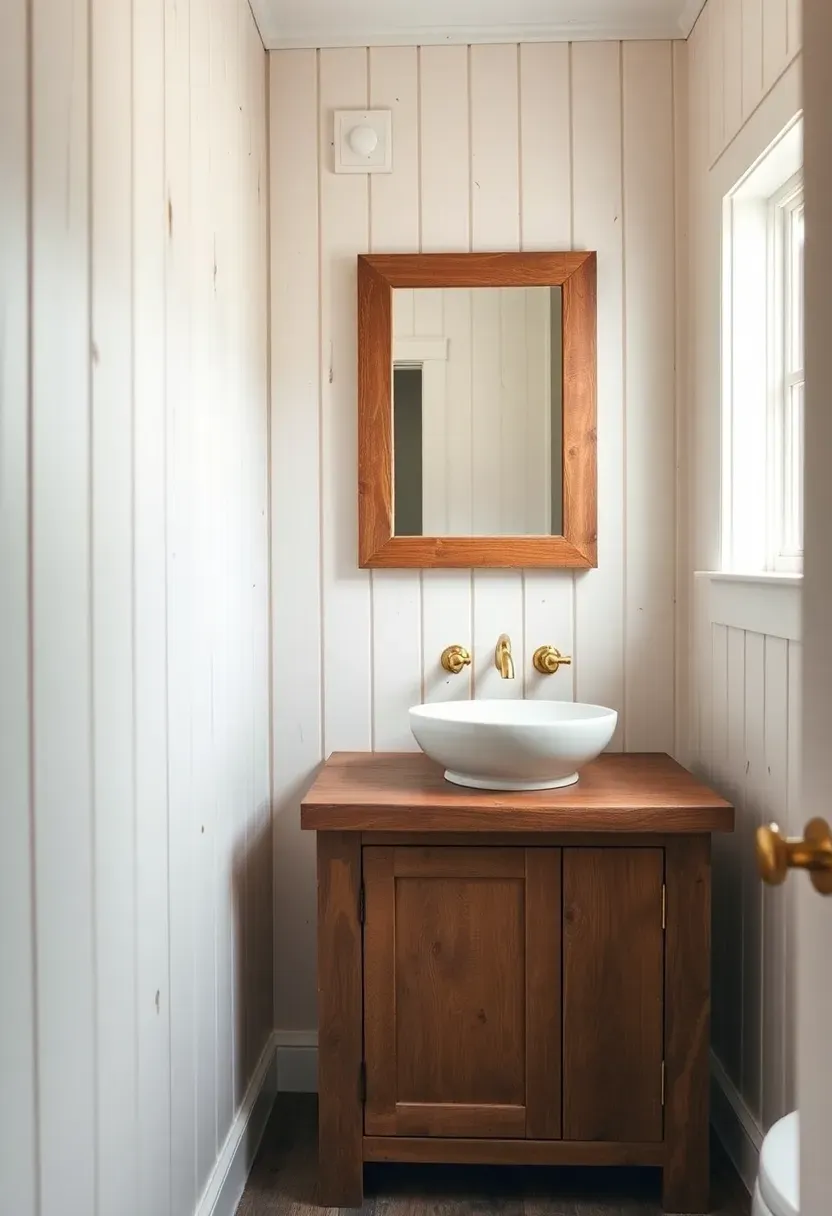
Hyper-realistic straight-on view of tongue-and-groove walls in rustic tiny house bathroom. Vertical pine T&G boards painted cream, covering all walls. Reclaimed wood vanity with vessel sink, mirror with barn wood frame. Materials: painted pine T&G, aged oak vanity, white porcelain sink, brass fixtures. Natural light from window, highlighting board shadows and painted texture. Shallow depth of field showing board joints and painted wood grain. Rustic cottage bathroom mood.</p>
These rustic tiny house ideas celebrate natural imperfection, aged materials, and craftsmanship that tells a story. By incorporating reclaimed wood, stone, and handmade elements, these compact homes achieve remarkable warmth and character despite minimal square footage. The rustic approach prioritizes authenticity over perfection, creating spaces that feel lived-in and deeply welcoming.. Hyper-realistic straight-on view of tongue-and-groove walls in rustic tiny house bathroom. Vertical pine T&G
Recommended
Items for this idea
Tips
- Paint T&G white or cream to maintain brightness in tiny spaces
- Run boards vertically to emphasize ceiling height
- Choose knotty pine for maximum rustic character
Best for: bathrooms, bedrooms, or accent walls throughout house
What this gives you: seamless wood walls with maintained brightness
19. Leather and Wood Furniture
Leather and wood furniture pieces embody rustic craftsmanship while providing durable comfort. In tiny houses, the [minimalist living approach](/posts/114_minimalist-living-in-a-tiny-house-simple-life-small-spaces/) works perfectly here—select fewer but higher-quality pieces that celebrate natural materials. A leather sofa, wood armchairs, or live-edge tables become focal points that age beautifully and develop character over time.
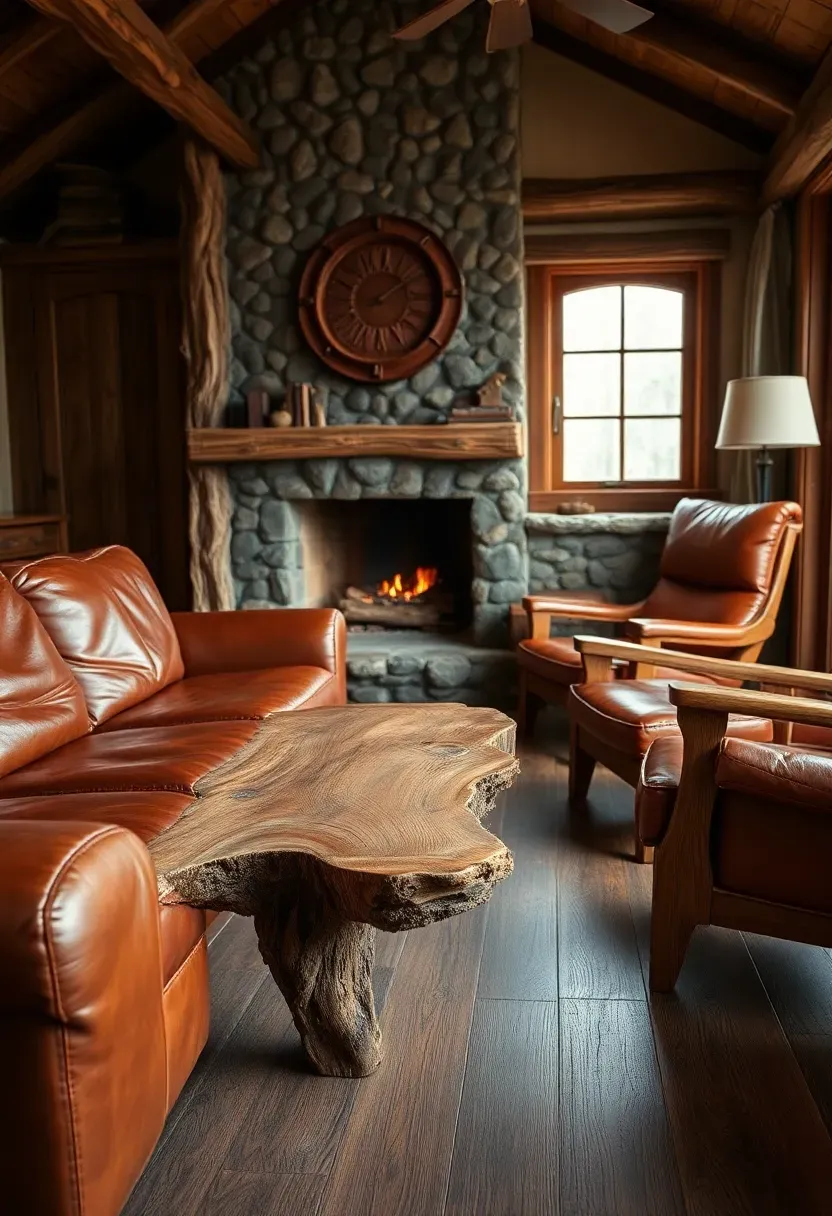
Hyper-realistic 3/4 view of leather and wood furniture in rustic tiny house living room. cognac leather sofa with visible stitching, live-edge oak coffee table with natural bark edge, leather armchair with exposed wood frame. Stone fireplace background. Materials: cognac leather, live-edge oak with bark, stone fireplace, wide-plank floor. Warm ambient light from fireplace and window, highlighting leather warmth and wood grain. Shallow depth of field showing leather texture and live-edge details. Authentic rustic furniture mood.</p>
These rustic tiny house ideas celebrate natural imperfection, aged materials, and craftsmanship that tells a story. By incorporating reclaimed wood, stone, and handmade elements, these compact homes achieve remarkable warmth and character despite minimal square footage. The rustic approach prioritizes authenticity over perfection, creating spaces that feel lived-in and deeply welcoming.. Hyper-realistic 3/4 view of leather and wood furniture in rustic tiny house living room. cognac leather sofa
Recommended
Items for this idea
Tips
- Choose quality full-grain leather that develops patina over time
- Select live-edge or reclaimed wood furniture for authentic rustic character
- Invest in fewer statement pieces rather than multiple smaller items
Best for: living areas where furniture becomes investment and focal point
What this gives you: durable comfort with evolving natural patina
20. Natural Stone Backsplash
Natural stone backsplash brings organic texture and sophisticated rustic character to tiny house kitchens. Slate, travertine, or ledger stone add depth while being practical and easy to clean. The varied colors and surface irregularities create visual interest without overwhelming small spaces.
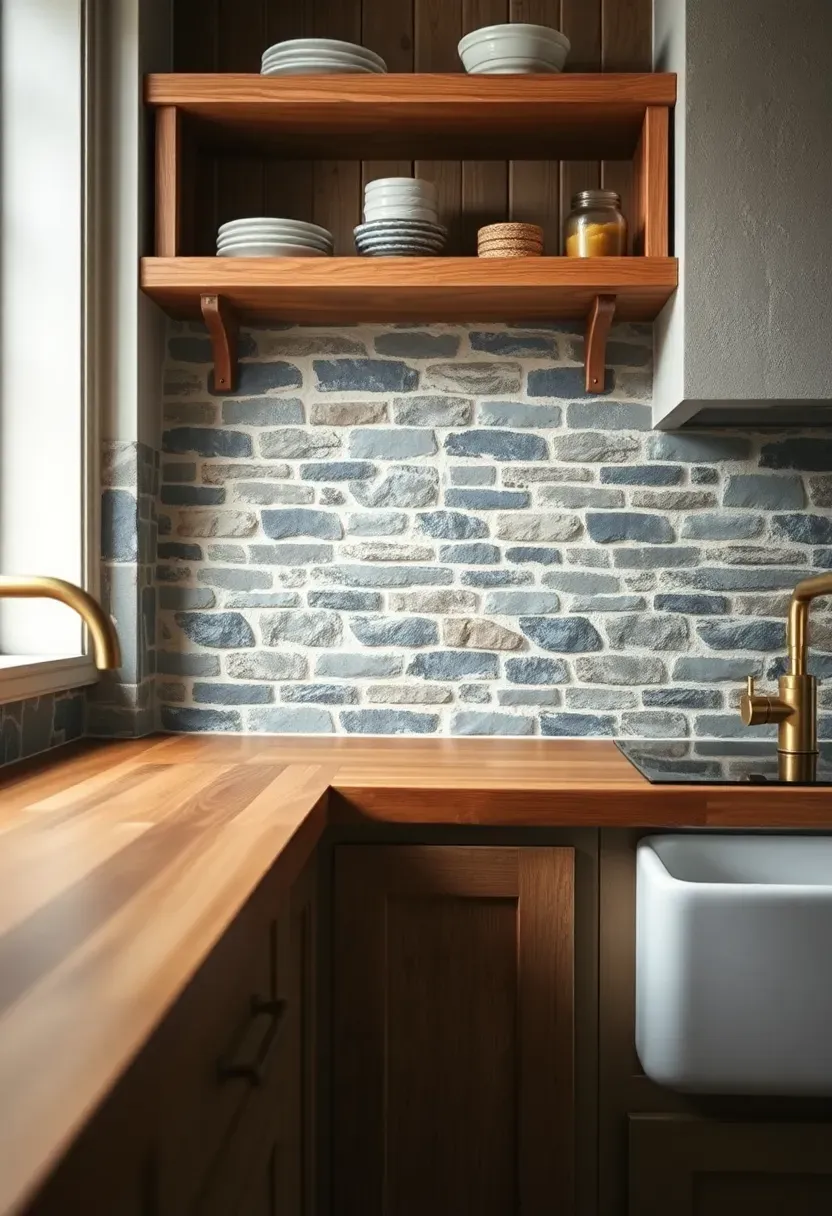
Hyper-realistic close-up view of natural stone backsplash in rustic kitchen. Multicolor slate ledger stone with irregular shapes and varied gray tones, white grout. Butcher block counter, farmhouse sink, open shelves above. Materials: slate ledger stone, oak butcher block, white fireclast sink, brass fixtures. Natural light from window highlighting stone variation and texture. Shallow depth of field showing stone shapes and grout lines. Organic stone backsplash mood.</p>
These rustic tiny house ideas celebrate natural imperfection, aged materials, and craftsmanship that tells a story. By incorporating reclaimed wood, stone, and handmade elements, these compact homes achieve remarkable warmth and character despite minimal square footage. The rustic approach prioritizes authenticity over perfection, creating spaces that feel lived-in and deeply welcoming.. Hyper-realistic close-up view of natural stone backsplash in rustic kitchen. Multicolor slate ledger stone wi
Recommended
Items for this idea
Tips
- Choose ledger stone or slate for authentic rustic appearance
- Use white or light gray grout to maintain brightness
- Seal stone properly to protect against kitchen moisture and stains
Best for: kitchen primary prep areas and behind range
What this gives you: organic texture with practical durability
21. Hand-Hewn Beams
Hand-hewn beams display authentic craftsmanship through irregular surfaces and tool marks. In tiny houses, these historic beams provide superior rustic character compared to sawn lumber. The irregular shapes, adze marks, and natural edges tell story of traditional building methods while adding substantial architectural interest.
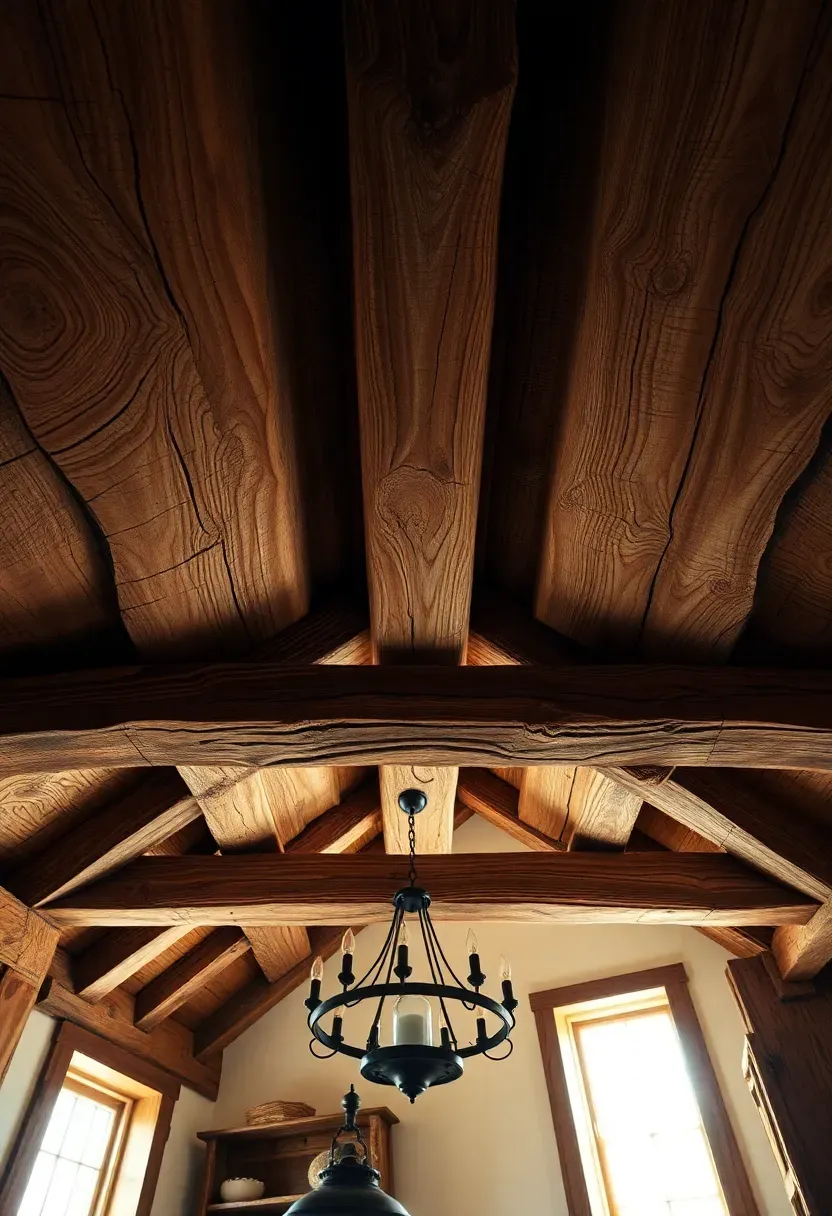
Hyper-realistic upward-angle view of hand-hewn beams in rustic tiny house great room. Irregular oak beams (6x8 inches) showing adze marks and natural edges, aged patina from centuries of use. White plaster ceiling between beams. Materials: hand-hewn white oak with tool marks, cream plaster, iron chandelier. Warm ambient light from lantern and windows, emphasizing beam irregularity and craftsmanship. Shallow depth of field showing adze marks and beam texture. Authentic hand-hewn timber frame mood.</p>
These rustic tiny house ideas celebrate natural imperfection, aged materials, and craftsmanship that tells a story. By incorporating reclaimed wood, stone, and handmade elements, these compact homes achieve remarkable warmth and character despite minimal square footage. The rustic approach prioritizes authenticity over perfection, creating spaces that feel lived-in and deeply welcoming.. Hyper-realistic upward-angle view of hand-hewn beams in rustic tiny house great room. Irregular oak beams (6x
Recommended
Items for this idea
Tips
- Salvaged hand-hewn beams available from reclaimed timber specialists
- Display adze marks and irregularity rather than sanding smooth
- Clear seal with matte finish to preserve aged appearance
Best for: main living spaces where authentic craftsmanship tells story
What this gives you: historic authenticity and superior rustic character
These rustic tiny house ideas achieve remarkable warmth and character through celebration of natural materials and authentic craftsmanship. By incorporating reclaimed wood, stone, and handmade elements, these compact homes create profoundly cozy spaces that feel connected to tradition and nature. In our experience, the emphasis on aged surfaces and honest materials results in interiors that feel both timeless and deeply welcoming.
Whether you're building a dedicated rustic cabin tiny house or simply incorporating these elements into a rental apartment, the key lies in balancing warmth with spaciousness. Choose statement materials wisely—a reclaimed accent wall, exposed beams, or stone fireplace—while keeping other surfaces simpler to prevent overwhelming limited square footage. The beauty of rustic design is that aged materials only improve with time, developing patina and character that make tiny houses feel like home. For more small-space inspiration, explore our [modern tiny house ideas](/posts/93_modern-tiny-house/) or our complete [guide to tiny house living](/posts/164_ultimate-guide-to-tiny-house-living-tips-essentials/).