21 Modern Tiny House Ideas That Maximize Every Square Foot
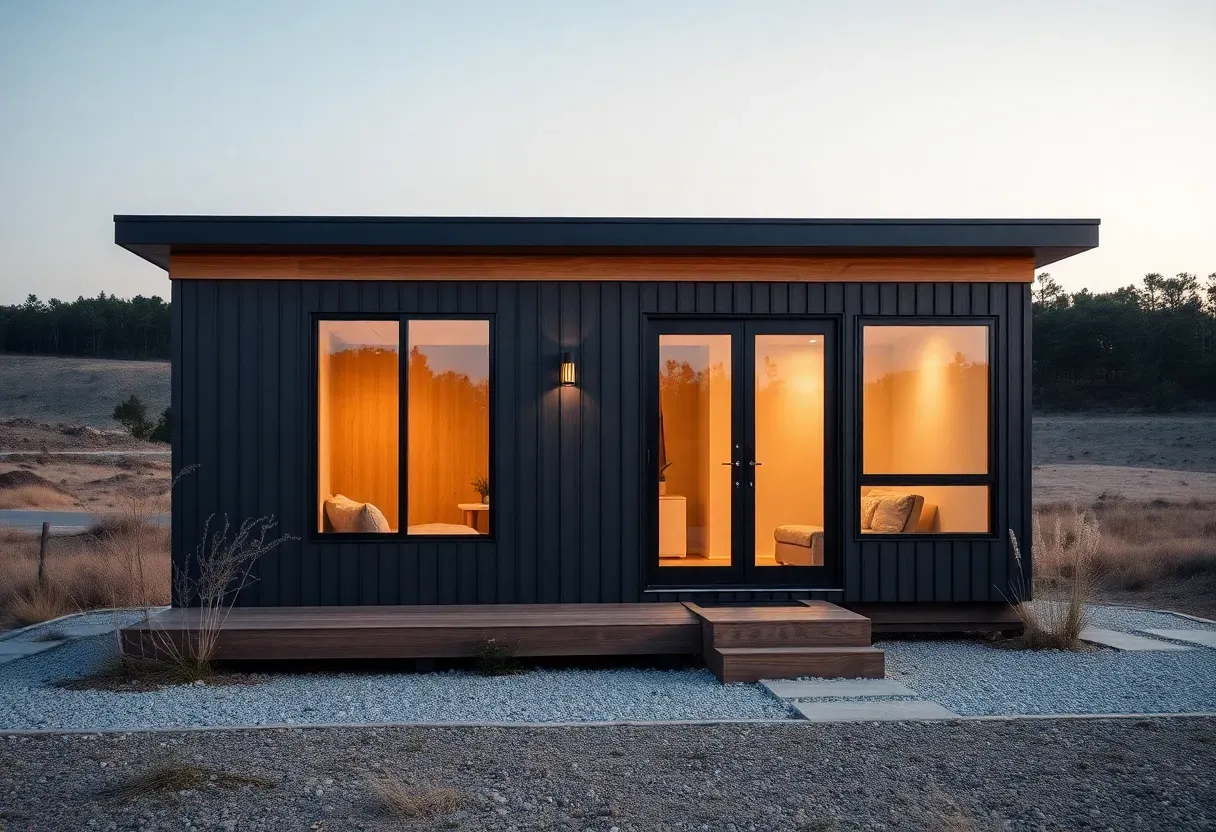
These modern tiny house ideas prove that compact living doesn't mean compromising on style or comfort. From floor-to-ceiling glass walls to hidden kitchens and cantilevered sleeping lofts, contemporary tiny house design transforms every square foot into purposeful, beautiful space.
The best modern tiny house designs blend minimalist aesthetics with smart storage solutions, creating homes that feel open and airy despite their small footprint. Whether you're planning a tiny house on wheels or a permanent micro dwelling, these innovative approaches to small-space living show how less truly becomes more.
We've gathered 21 modern tiny house ideas that showcase clever multi-purpose furniture, architectural innovations, and space-maximizing strategies for anyone ready to embrace intentional, contemporary tiny home living.
Quick FAQ
What defines a modern tiny house?
Modern tiny houses feature clean lines, minimal ornamentation, flat or shed roofs, large windows, open floor plans, and contemporary materials like metal, glass, and engineered wood. They emphasize efficiency and purposeful design over decorative elements.
How do modern tiny houses maximize space?
Through multi-functional furniture, vertical storage solutions, lofts for sleeping, hidden compartments, convertible spaces, and open floor plans that eliminate unnecessary walls. Every square inch serves multiple purposes.
What materials work best in modern tiny houses?
Light-colored woods, plywood, metal accents, glass, concrete, quartz countertops, and smooth plaster finishes. These materials reflect light, create continuity, and maintain the clean aesthetic typical of modern design.
Are modern tiny houses suitable for families?
Yes, with careful planning. Family-oriented tiny houses incorporate separate sleeping lofts, convertible living areas, dedicated storage for each person, and durable materials that withstand daily use while maintaining modern aesthetics.
How much does a modern tiny house cost?
DIY builds range from $20,000-$60,000, while professionally built modern tiny houses typically cost $60,000-$120,000. Custom designs with high-end finishes can exceed $150,000, still significantly less than traditional homes.
What are the best layout strategies for modern tiny houses?
Open floor plans with multi-functional zones, ground-floor bedrooms for accessibility, galley kitchens with full appliances, bathroom placement for plumbing efficiency, and loft spaces that maintain headroom while maximizing storage below.
As an Amazon Associate I earn from qualifying purchases.
Table of Contents
- 1. Floor-to-Ceiling Glass Walls for Visual Expansion
- 2. Hidden Kitchen Behind Sliding Panels
- 3. Integrated Built-In Furniture for Maximum Storage
- 4. Cantilevered Sleeping Loft
- 5. Rooftop Terrace Extension
- 6. Minimalist Steel Staircase
- 7. Smart Home Automation System
- 8. Folding Glass Wall System
- 9. Concealed Murphy Bed for Small-Space Flexibility
- 10. Polished Concrete Flooring
- 11. Hidden Bathroom Entrance
- 12. Multipurpose Island Table
- 13. Skylight Over Sleeping Area
- 14. Vertical Garden Wall
- 15. Hidden Laundry Cabinet
- 16. Floating Vanity Storage
- 17. Fold-Down Desk for Tiny House Home Office
- 18. Multi-Slide Glass Door System
- 19. Raised Platform Living Area
- 20. Hidden Appliance Garage
- 21. Minimalist Exterior Cladding
1. Floor-to-Ceiling Glass Walls for Visual Expansion
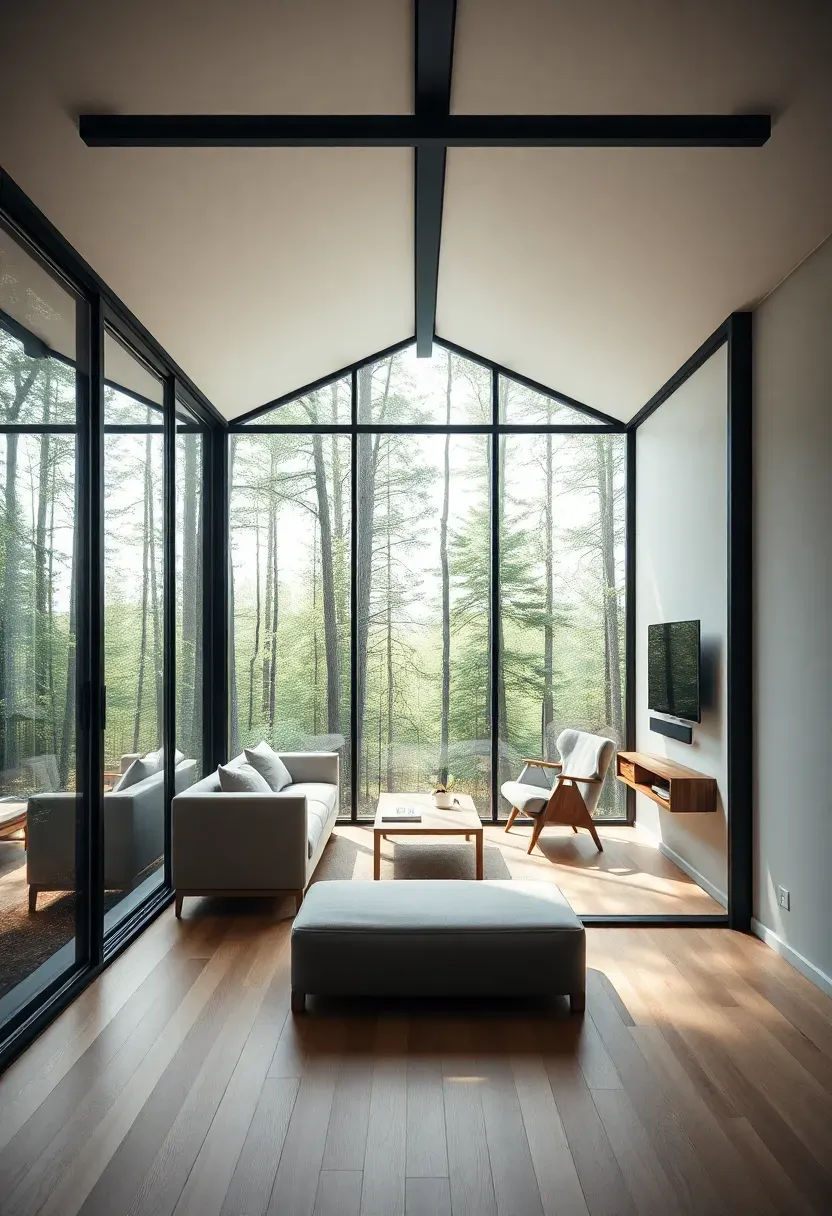
Floor-to-ceiling glass walls transform modern tiny houses by erasing the boundary between interior and exterior, making compact spaces feel dramatically larger through visual expansion and natural light saturation. This architectural feature eliminates the claustrophobic feeling that can plague small spaces while framing views like living artwork that changes with the seasons. The strategic placement of glass walls creates an indoor-outdoor living experience that's particularly effective in scenic locations, whether urban or rural, turning the tiny house into an observation platform rather than a confined shelter.
Tips
- Install low-E glass to manage heat transfer while maintaining views
- Include motorized shades for privacy and light control when needed
- Position glass walls to capture best views while considering solar orientation
- Use minimal framing to maximize transparency and maintain clean lines
Best for: tiny houses in scenic locations with privacy considerations
What this gives you: expanded visual space and constant connection to outdoors
We picked a few things that go well with this idea: SOFTSEA Twin Farmhouse Hidden Murphy Bed Gray (★3.9), Merax Queen Murphy Bed with Sofa White (★4.3) and AMERLIFE Twin Murphy Cabinet Charging Station Grey (★4.3). As an Amazon Associate we earn from qualifying purchases.
2. Hidden Kitchen Behind Sliding Panels
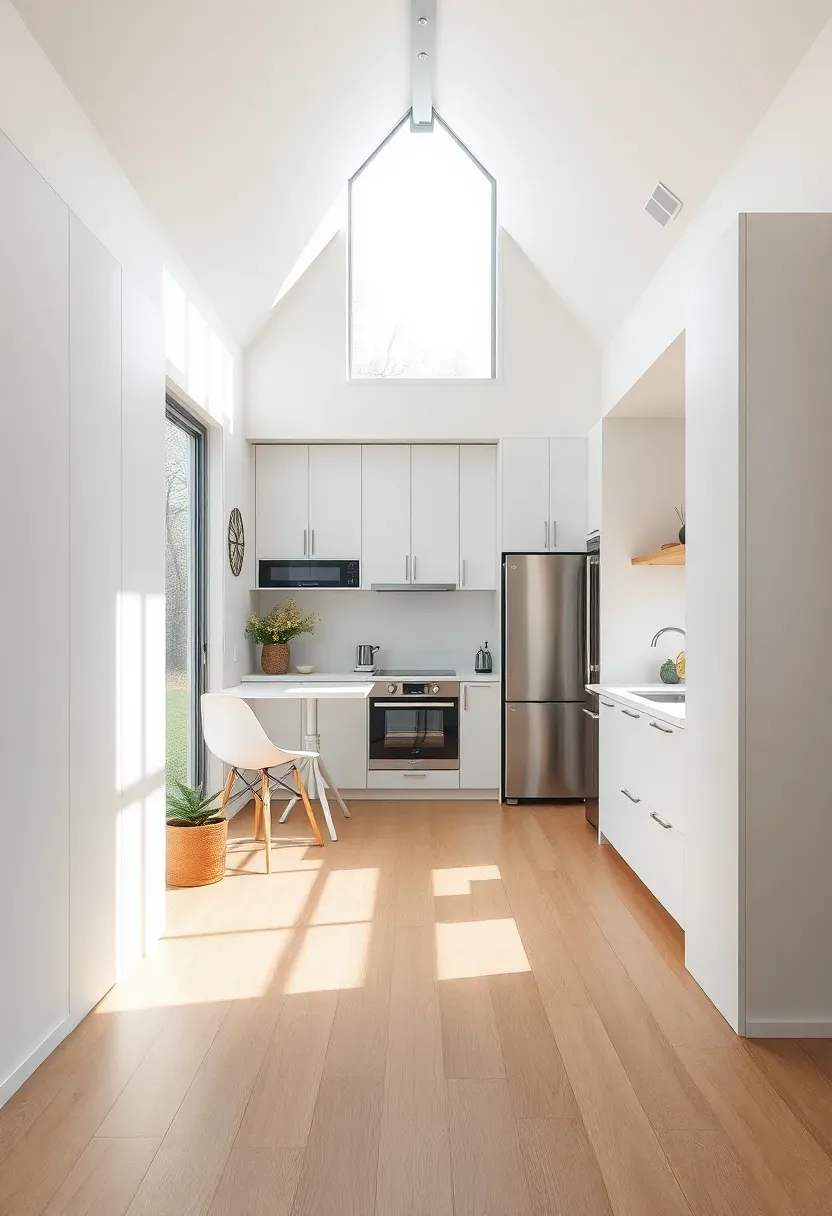
Concealing the kitchen behind sleek sliding panels creates instant visual calm by eliminating kitchen clutter when the space isn't in active use, allowing a tiny house to transform from dining mode to relaxation mode seamlessly. This modern approach to kitchen design maximizes flexibility in open-plan tiny houses where the kitchen, living, and sleeping areas overlap, ensuring that food preparation doesn't dominate the entire living experience. The hidden kitchen concept works particularly well with minimalist aesthetics, where clean surfaces and uncluttered spaces contribute to mental clarity and peaceful living.
Tips
- Use soft-close hardware for panels to prevent slamming and ensure smooth operation
- Install ventilation that activates when panels open to manage cooking odors
- Design counter-depth appliances that align perfectly with cabinetry
- Include electrical outlets inside panels for small appliance use
Best for: studio-style tiny houses where living and kitchen areas overlap
What this gives you: instant transformation from cooking space to peaceful living area
We picked a few things that go well with this idea: GOYLSER 47-Inch Rustic Fold-Down Wall Desk (★4.6), Fold-Down Murphy Desk Cabinet Blackboard Shelves White (★3.8) and SKEENA 31-Inch Floating Folding Wall-Mounted Desk (★3.7). As an Amazon Associate we earn from qualifying purchases.
3. Integrated Built-In Furniture for Maximum Storage
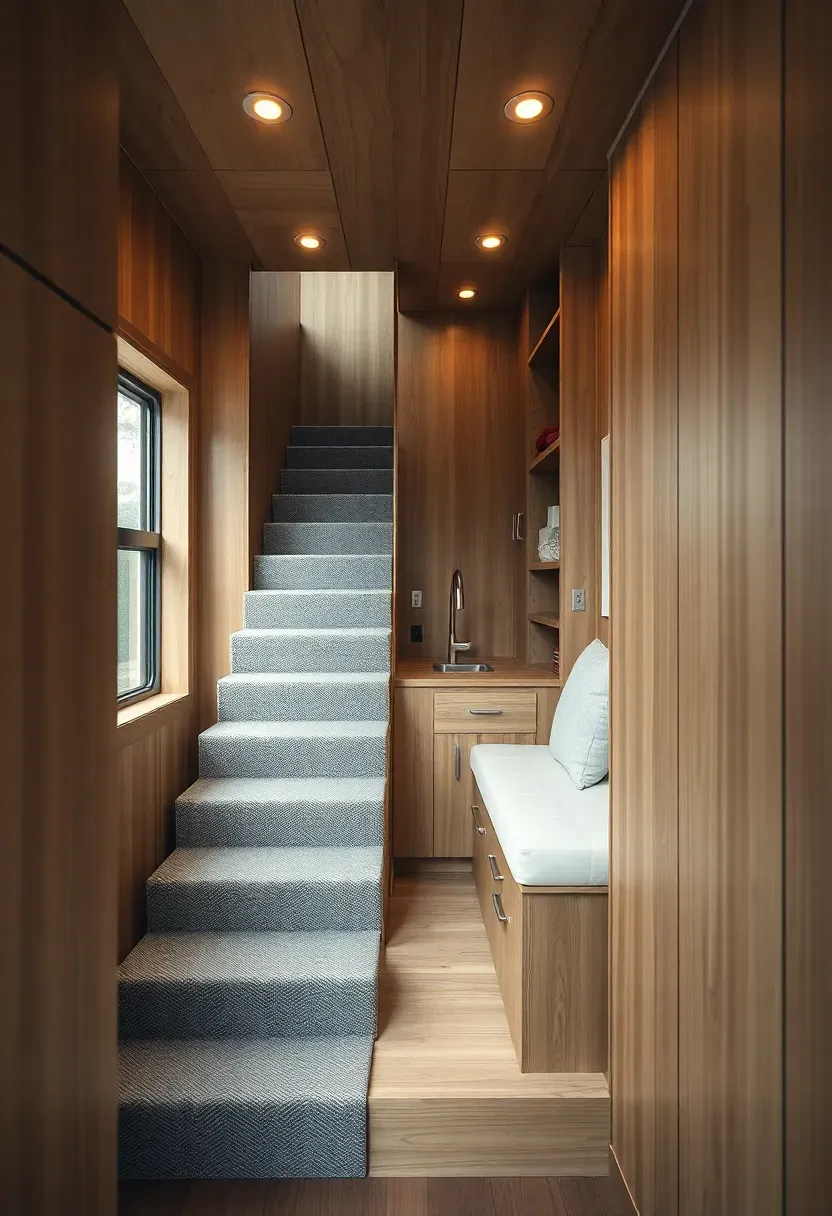
Custom built-in furniture maximizes every available inch in a modern tiny house by eliminating wasted space around freestanding pieces while creating a cohesive architectural aesthetic that feels intentional rather than makeshift. These integrated solutions transform structural elements into functional furniture—seating that incorporates storage, stairs that double as drawers, platforms that hide appliances—creating a layered approach to functionality that's invisible when not in use. Built-ins create the illusion of more space by reducing visual clutter and eliminating the "furniture floating in room" effect that can make small spaces feel crowded and disorganized.
Tips
- Design drawers to full extension for complete access to contents
- Use soft-close mechanisms on all cabinet doors and drawers
- Incorporate dividers and organizers to prevent items from shifting
- Consider access—can everything be reached without moving other items?
Budget/Time: higher upfront cost but maximizes functionality permanently
What this gives you: triple the storage with half the visual footprint
We picked a few things that go well with this idea: ALASDO Small Foldable Storage Ottoman Footrest Grey (★4.4), SONGMICS 30-Inch Folding Storage Ottoman Bench (★4.6) and COLAMY Round Fabric Storage Ottoman Reversible Tray (★4.5). As an Amazon Associate we earn from qualifying purchases.
4. Cantilevered Sleeping Loft
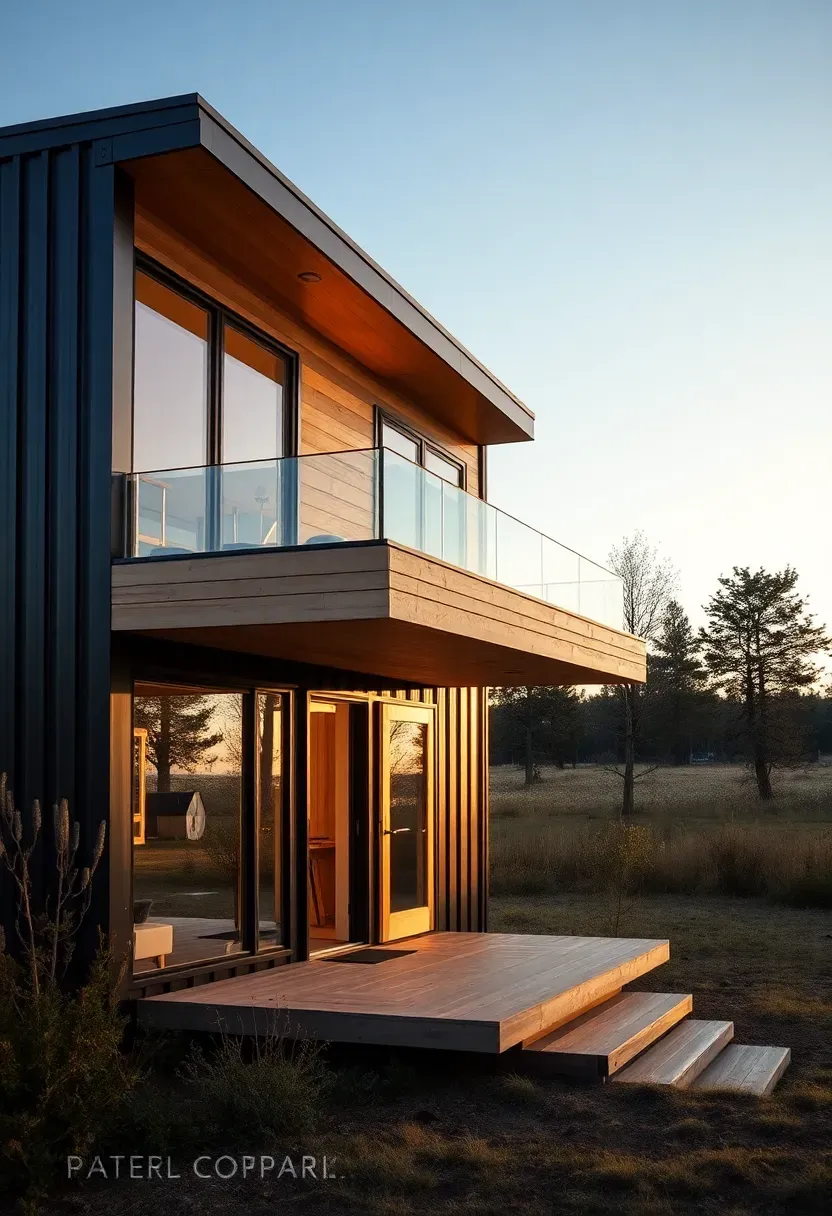
A cantilevered sleeping loft pushes the boundaries of traditional tiny house design by extending the sleeping space beyond the main structure's footprint, creating room for storage, workspace, or headroom below while maintaining the cozy loft experience. This architectural innovation uses the strength of modern steel beam construction to create dramatic overhangs that become defining design features both inside and out, turning structural necessity into aesthetic opportunity. The cantilever approach particularly shines in tiny houses on wheels, where maximizing interior volume without increasing trailer length translates directly to better towing and more flexible parking.
Recommended
Items for this idea
Tips
- Consult structural engineer—cantilevers require precise calculations for safety
- Insulate the cantilever thoroughly to prevent heat loss through extended floor
- Consider window placement for views while maintaining privacy
- Minimize loft weight to reduce structural stress on cantilever
Placement note: cantilever should extend 3-5 feet maximum for structural efficiency
What this gives you: extra interior space without increasing overall footprint
5. Rooftop Terrace Extension
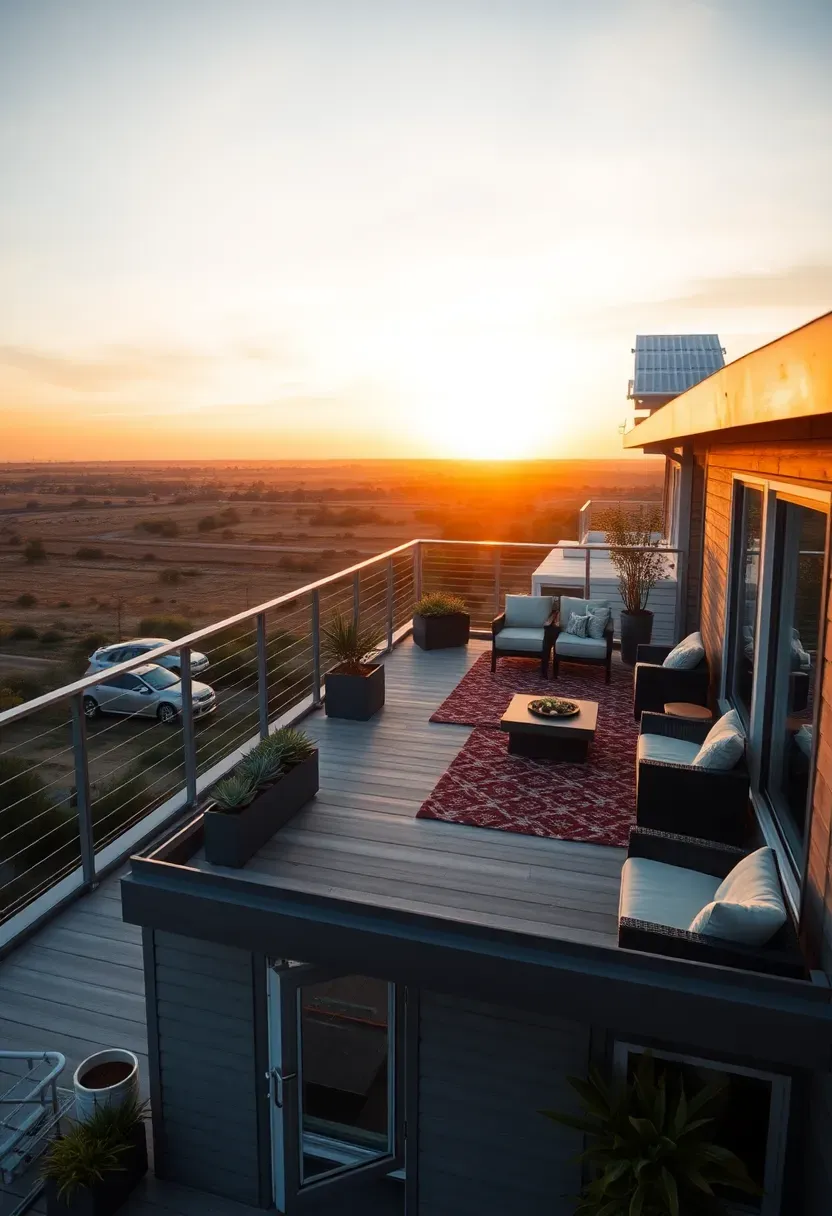
Transforming the roof into usable terrace space effectively doubles the living area of a modern tiny house, creating an outdoor room that serves as additional living, dining, or relaxation space while capturing views and breezes unavailable at ground level. This vertical expansion approach works exceptionally well for tiny houses on wheels or permanent installations where ground-level outdoor space is limited, turning typically wasted roof area into a primary living feature. Modern rooftop terraces incorporate safety railings that double as design elements, integrated lighting for evening use, and even green roofs that provide insulation while creating private retreats above the surrounding landscape.
Tips
- Reinforce roof structure significantly to support human activity and furniture weight
- Install proper drainage to prevent water infiltration into living space below
- Include shaded areas with retractable canopies for sun protection
- Consider access—stairs or ladder must be safe and code-compliant
Best for: tiny houses in scenic locations with good weather exposure
What this gives you: outdoor living room with views and fresh air access
6. Minimalist Steel Staircase
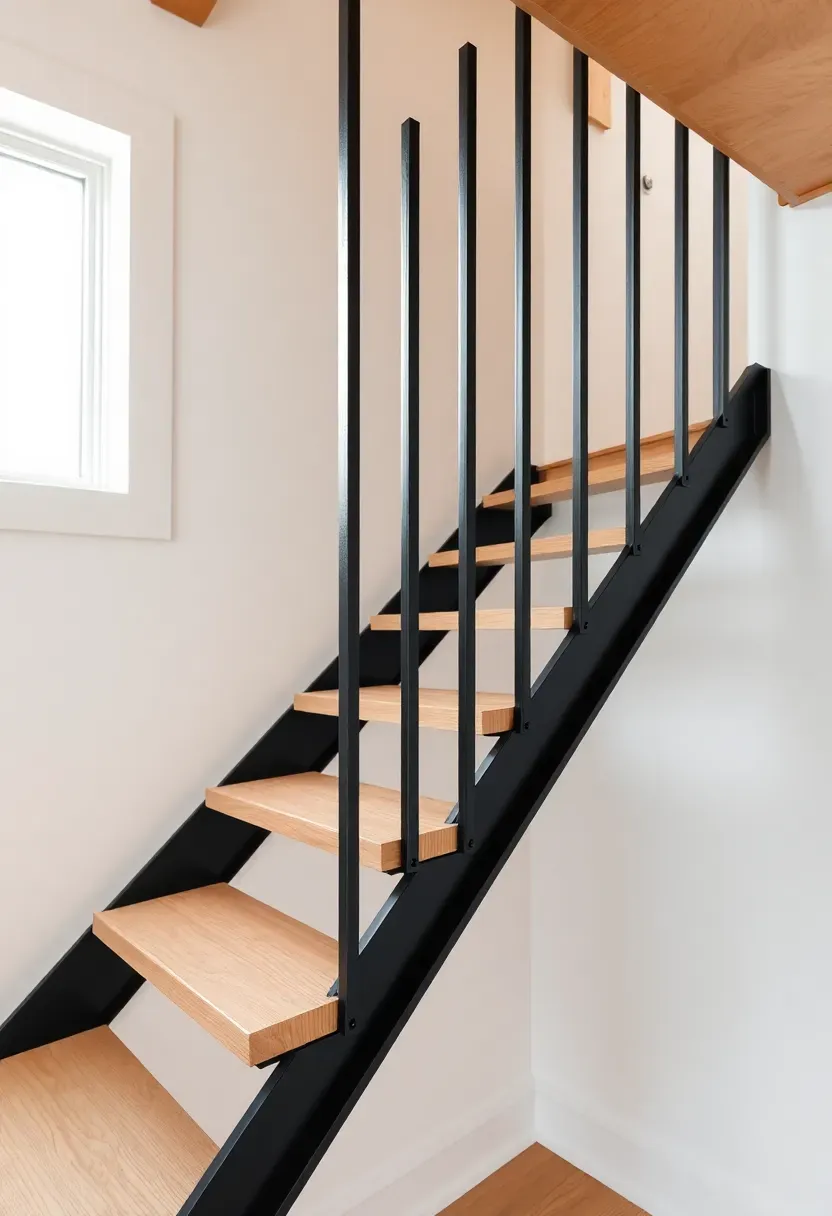
A steel staircase with open risers and slim profile creates a sculptural focal point in modern tiny house design while providing safe loft access without consuming visual space or blocking light flow like traditional solid stairs. The industrial materiality of steel contrasts beautifully with warm wood interiors, creating the modern aesthetic tension that characterizes contemporary tiny house design, while the open construction allows light to penetrate and views to remain unobstructed. Steel stairs can incorporate storage solutions within each tread or be designed to fold against the wall when not in use, demonstrating how even the most functional elements in a tiny house can serve multiple purposes.
Recommended
Items for this idea
Tips
- Check local building codes—some areas require closed risers for safety
- Include non-slip tread surfaces, especially important for slim-profile stairs
- Consider handrail design integral to overall aesthetic, not an afterthought
- Mount securely to wall structure—stairs experience significant dynamic loads
Avoid if: budget is extremely tight—steel fabrication is expensive
What this gives you: safe loft access that maintains open sightlines
7. Smart Home Automation System
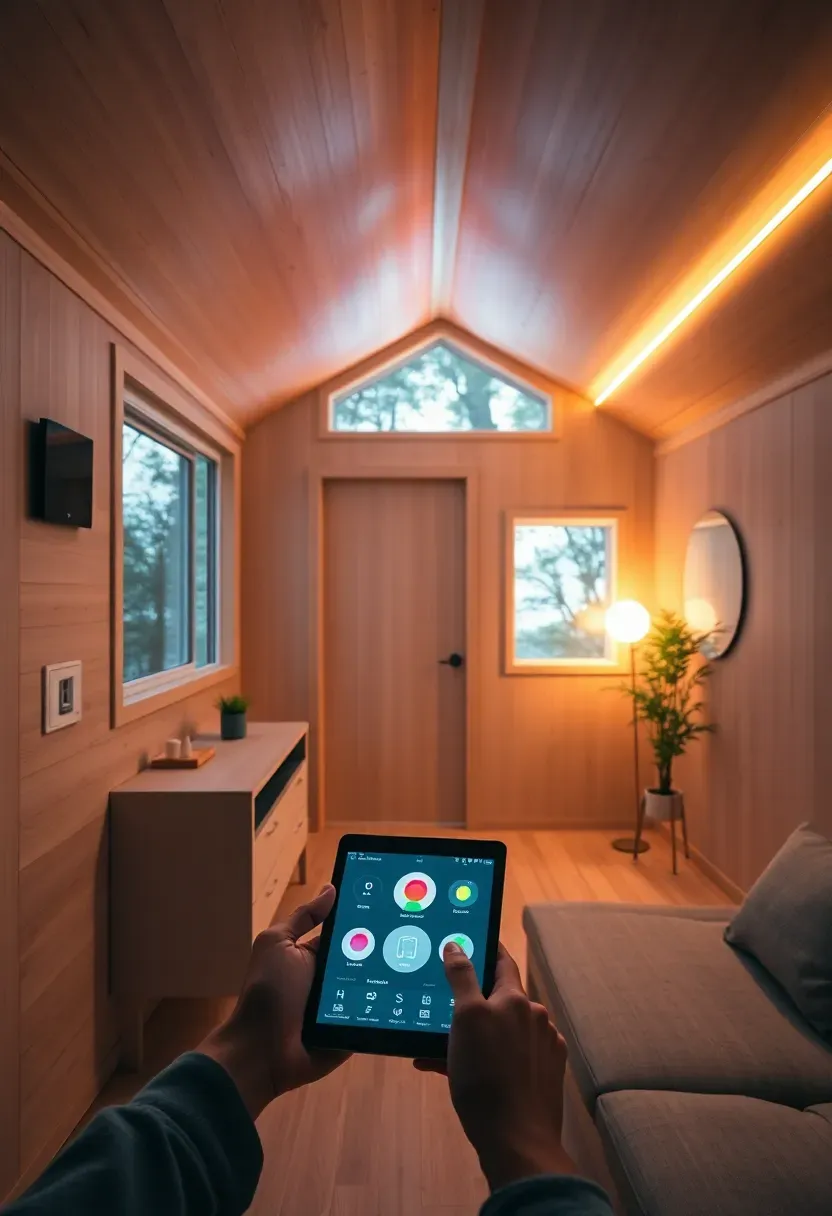
Integrating smart home technology allows modern tiny houses to punch above their weight class, automating lighting, climate, security, and entertainment through voice control or smartphone apps while reducing energy consumption through intelligent scheduling and sensors. The beauty of smart systems in tiny houses lies in their ability to make spaces function larger—a single voice command can transform a living room into a theater, adjust lighting from bright task mode to cozy relaxation, or monitor energy usage in real-time to optimize off-grid systems. Smart automation particularly shines in multi-purpose spaces where the same square footage must serve conflicting functions throughout the day.
Tips
- Start with essential systems—lighting, thermostat, security—expand gradually
- Choose systems that work locally without internet for reliability
- Consider professional installation for complex systems like HVAC integration
- Document all systems thoroughly for troubleshooting and future resale
Budget/Time: moderate investment that increases functionality and efficiency
What this gives you: one-tap control of entire house environment and systems
8. Folding Glass Wall System
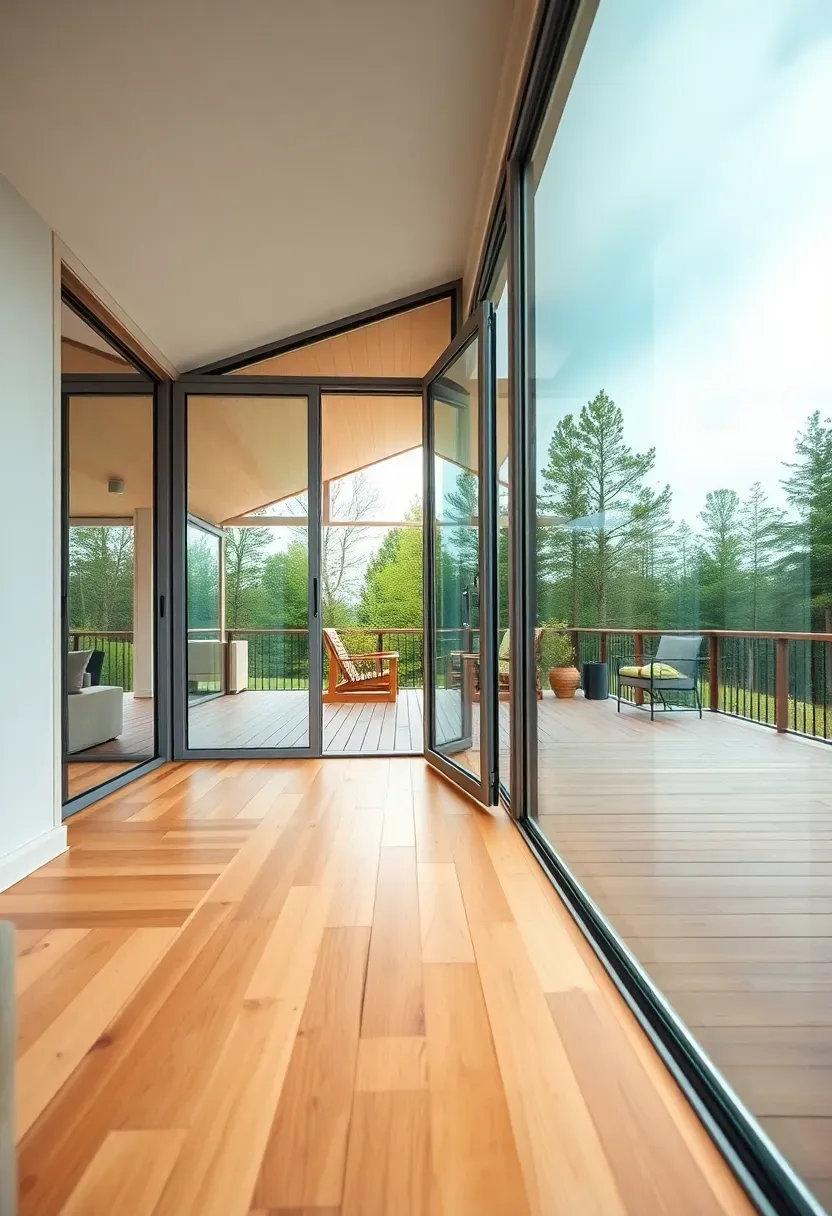
Installing a folding glass wall system creates the ultimate indoor-outdoor flexibility in modern tiny house design, allowing entire walls to disappear and merge interior space with decks, patios, or balconies while maintaining weather tightness when closed. This architectural feature transforms tiny houses from enclosed boxes to open pavilions in fair weather, effectively doubling usable living space during much of the year and creating that coveted indoor-outdoor flow that defines modern luxury living regardless of square footage. When closed, high-quality folding glass systems provide insulation and security while maintaining views and natural light, making them practical even in colder climates.
Recommended
Items for this idea
Tips
- Invest in quality systems—cheap folding doors leak and fail prematurely
- Install proper flashing and drainage to prevent water infiltration
- Consider screen options for bug control while maintaining openness
- Plan for track vs. trackless systems based on flooring transitions
Best for: tiny houses with adjacent outdoor deck or patio space
What this gives you: seamless indoor-outdoor living on demand
9. Concealed Murphy Bed for Small-Space Flexibility
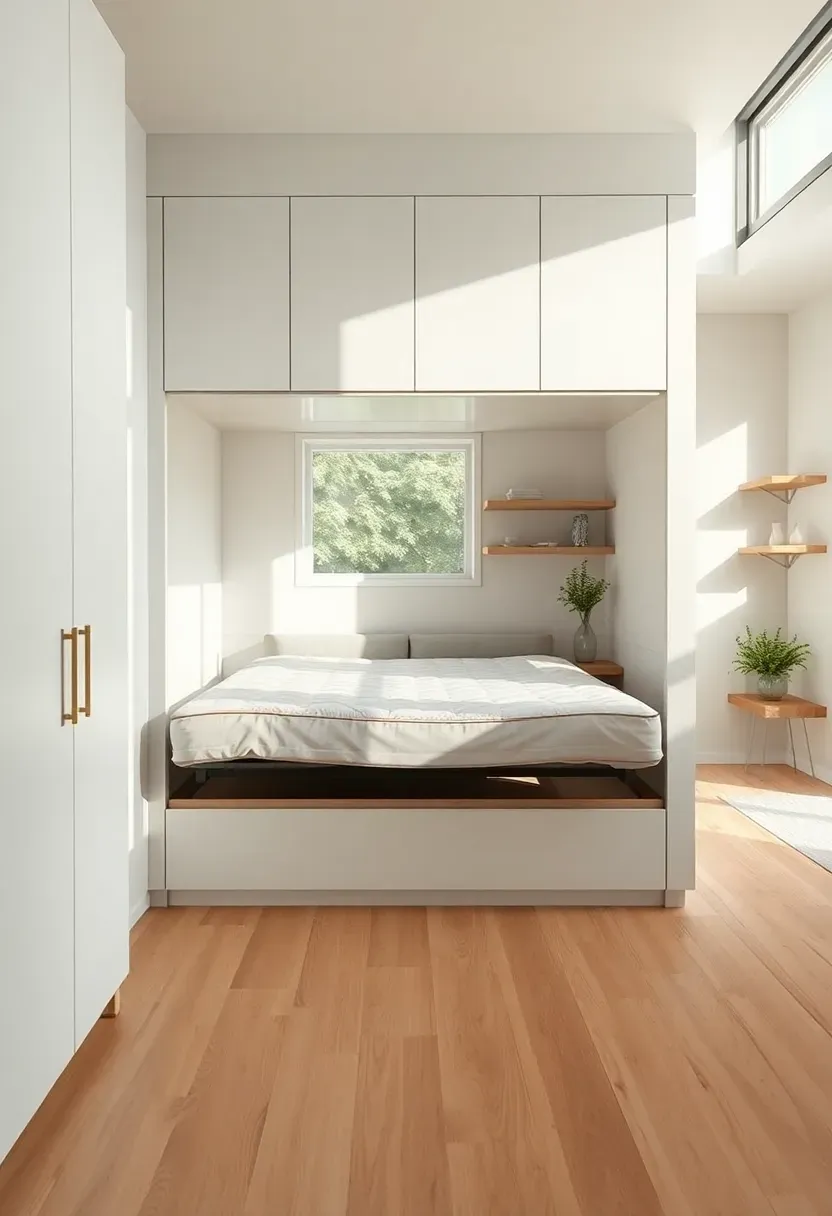
A modern Murphy bed hidden within a sleek cabinet creates instant flexibility in tiny house floor plans, allowing a bedroom to transform into a living room, workspace, or yoga studio in seconds while maintaining comfortable queen-sized sleeping accommodations. Unlike traditional Murphy beds with obvious hardware and dated aesthetics, contemporary concealed beds disappear completely into custom cabinetry that reads as storage or wall paneling when closed, maintaining the clean minimalist aesthetic that defines modern tiny house design. This space-saving solution is particularly valuable in tiny houses that must serve as full-time residences rather than vacation retreats, where permanent bedroom allocation would compromise daytime functionality.
Tips
- Invest in quality lifting mechanism—cheap mechanisms fail and are dangerous
- Include mattress strap to secure bedding when bed is stored vertically
- Design nightstands that fold down or are integrated into cabinet
- Allow proper clearance for bed deployment in floor plan
Best for: tiny houses under 200 square feet with flexible sleeping needs
What this gives you: full-time bedroom and living room in same footprint
10. Polished Concrete Flooring
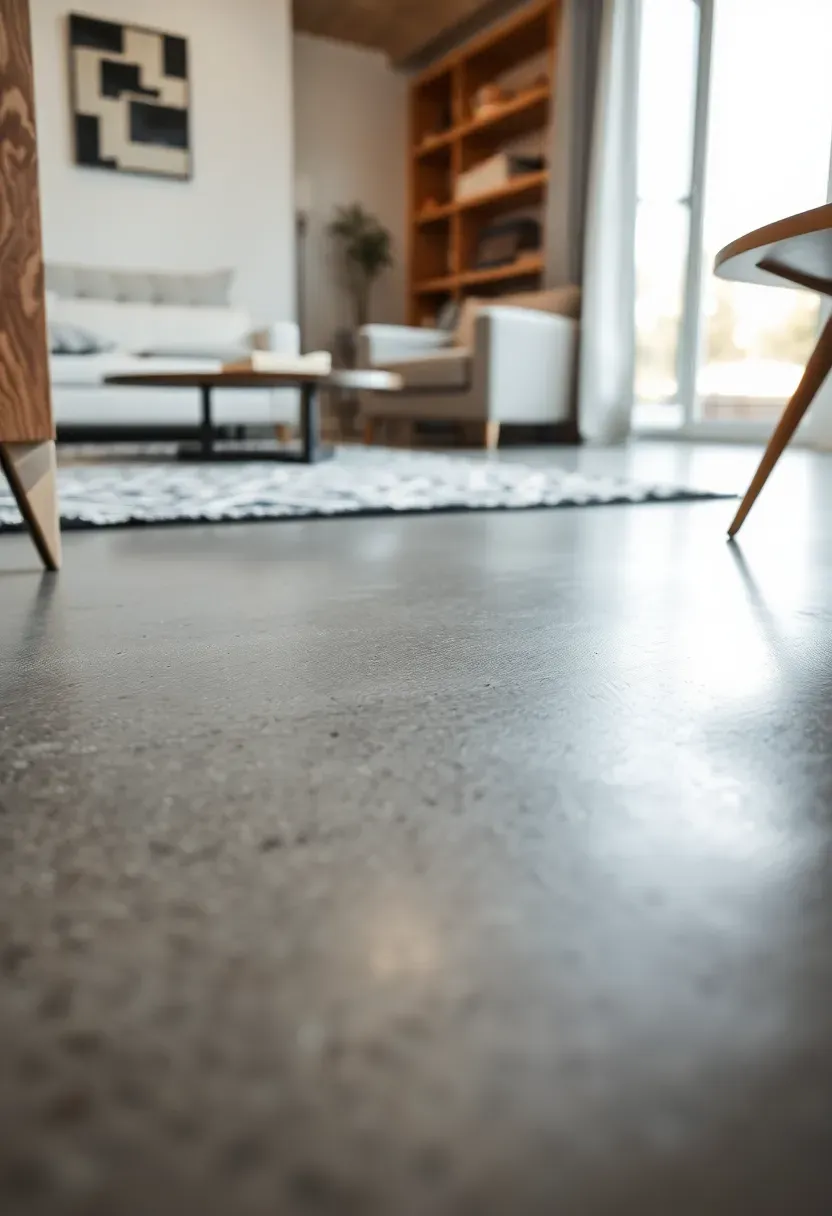
Polished concrete flooring provides the ultimate modern foundation for tiny houses, offering durability, thermal mass for heating efficiency, and a sleek industrial aesthetic that reflects light to visually expand spaces while standing up to the heavy traffic patterns that plague small floor plans. The continuous nature of polished concrete creates visual flow without seams or grout lines, making tiny houses feel larger while providing a surface that works equally well with radiant heating, area rugs for zoning, or standing alone as the primary finish material. Concrete floors can be stained, dyed, or left natural gray, and they accommodate underfloor heating systems exceptionally well, making them practical in various climates.
Recommended
Items for this idea
Tips
- Install proper insulation beneath concrete slab for thermal efficiency
- Consider area rugs for warmth and sound dampening in key zones
- Include rugs with non-slip pads on concrete for safety
- Seal regularly to maintain stain resistance and surface quality
Avoid if: you prefer warm flooring underfoot—concrete stays cool
What this gives you: indestructible modern floor that maximizes light reflection
11. Hidden Bathroom Entrance
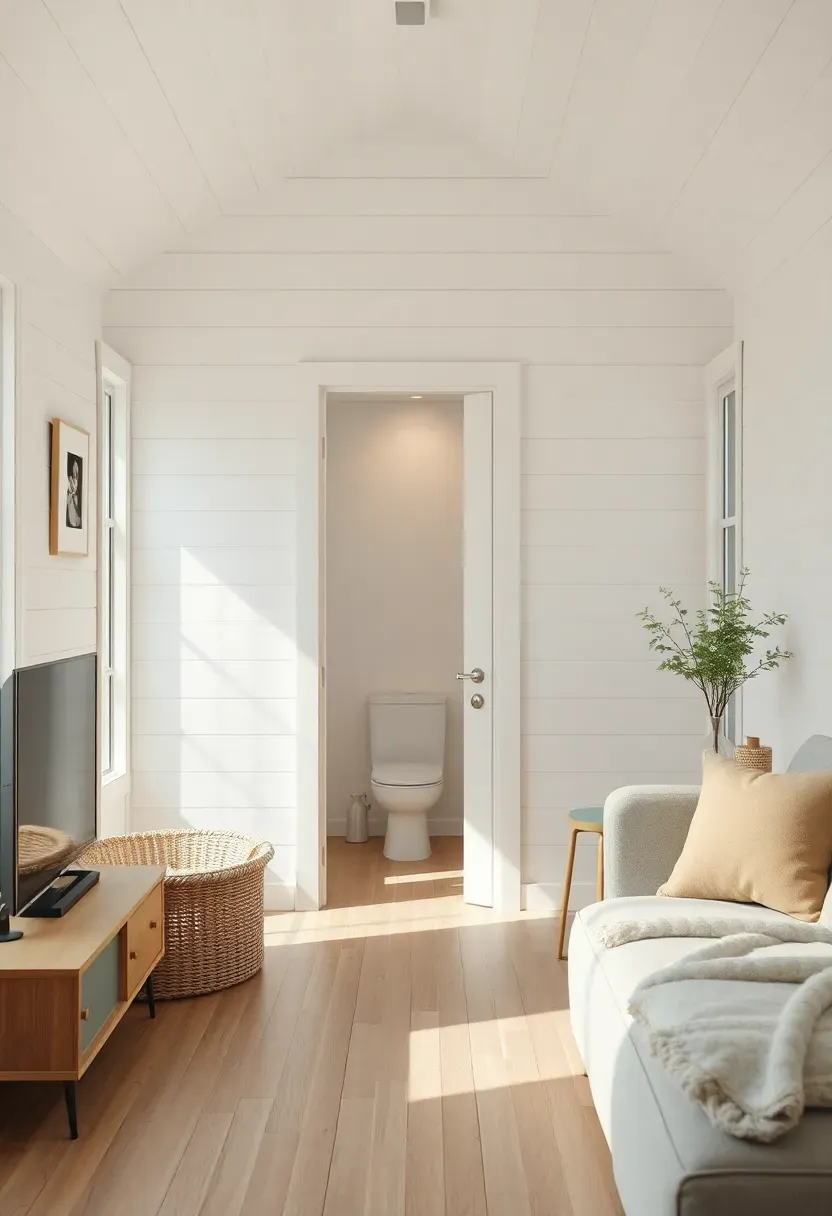
Concealing the bathroom entrance behind a seamless panel or door that matches the surrounding wall creates the illusion of a larger living space by eliminating visual clutter and maintaining continuous wall lines in tiny houses where every wall is visible from multiple angles. This design approach turns the bathroom into a "disappearing" room when not in use, reducing the psychological impact of dedicating precious square footage to plumbing fixtures while maintaining easy access when needed. Modern hidden doors can be integrated with cabinetry, designed as pocket doors that disappear into walls, or created as flush panels with push-latch hardware that maintains the minimalist aesthetic without obvious hardware.
Tips
- Install magnetic push latches rather than traditional handles for clean appearance
- Use soft-close slides on pocket doors to prevent slamming
- Include ventilation system that operates regardless of door position
- Consider slight color variation or trim piece to hint at door location
Rental note: hidden doors confuse guests—add subtle signage
What this gives you: bathroom that disappears when not in use
12. Multipurpose Island Table
A freestanding island table serves as the ultimate modern tiny house workhorse, functioning simultaneously as kitchen prep surface, dining table, desk, and social gathering spot while providing storage below and maintaining mobility for flexible floor plans. Unlike fixed countertops, island tables can be positioned to suit different activities—tucked against the wall for food prep, pulled to the center for dining, moved aside to create open floor space for yoga or gatherings—making them particularly valuable in tiny houses where flexibility equals functionality. Modern island tables incorporate power outlets, adjustable height mechanisms, and storage solutions that make them true command centers for tiny house living.
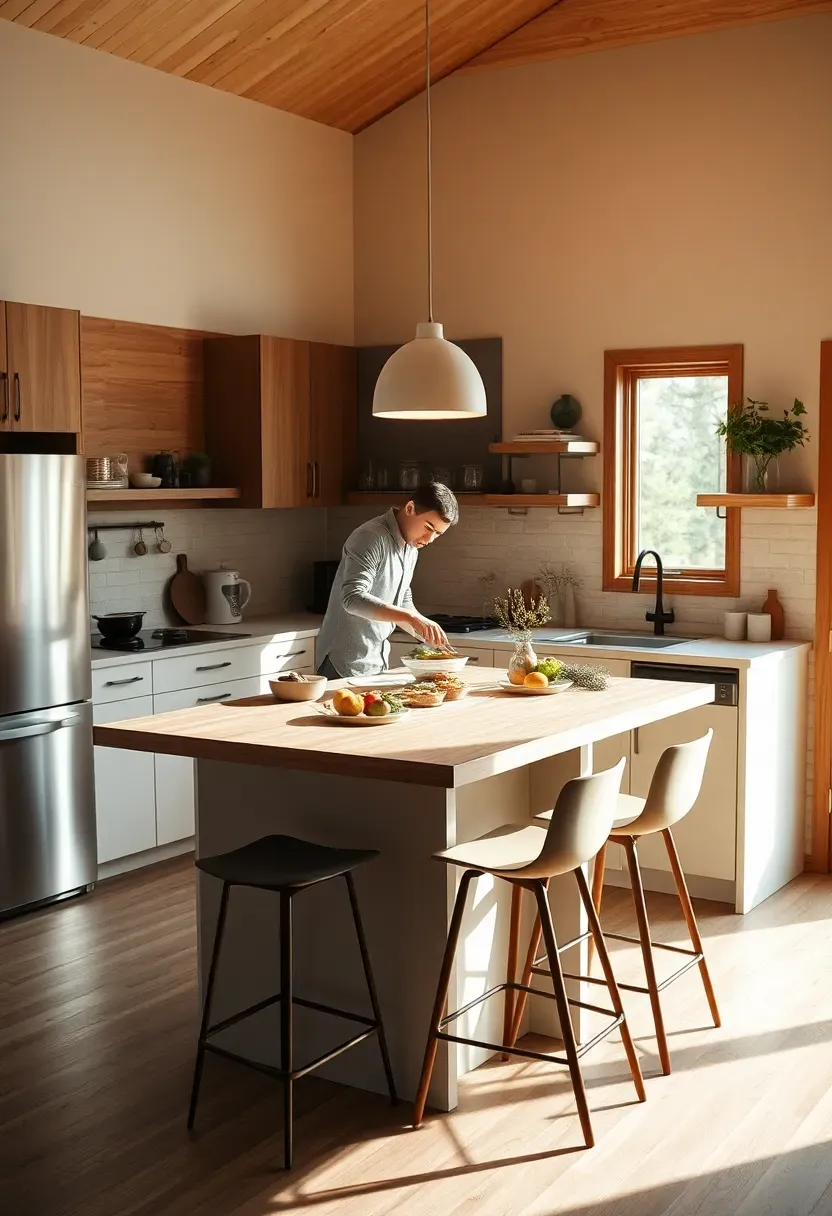
Recommended
Items for this idea
Tips
- Include heavy-duty locking casters for mobility that stays put when needed
- Install power strips with USB ports for device charging while dining/working
- Size carefully—allow 30-36 inches clearance around all sides
- Consider water supply hookup if island will include sink for true flexibility
Best for: tiny houses with open floor plans and multi-functional needs
What this gives you: mobile workstation, dining area, and prep surface in one
13. Skylight Over Sleeping Area
Positioning a skylight directly over the sleeping loft or bed creates a dramatic daily connection to the sky, transforming the most private space in a tiny house into a personal observatory for stargazing, watching weather patterns, or waking to natural light regardless of window placement. This vertical glazing strategy is particularly valuable in tiny houses where wall space is limited by structural requirements or where privacy concerns preclude large windows, bringing natural light and visual expansion to spaces that might otherwise feel dark and confined. Modern skylights incorporate remote-controlled shades for darkness when needed, ventilation capabilities for passive cooling, and even rain sensors that automatically close when weather turns.
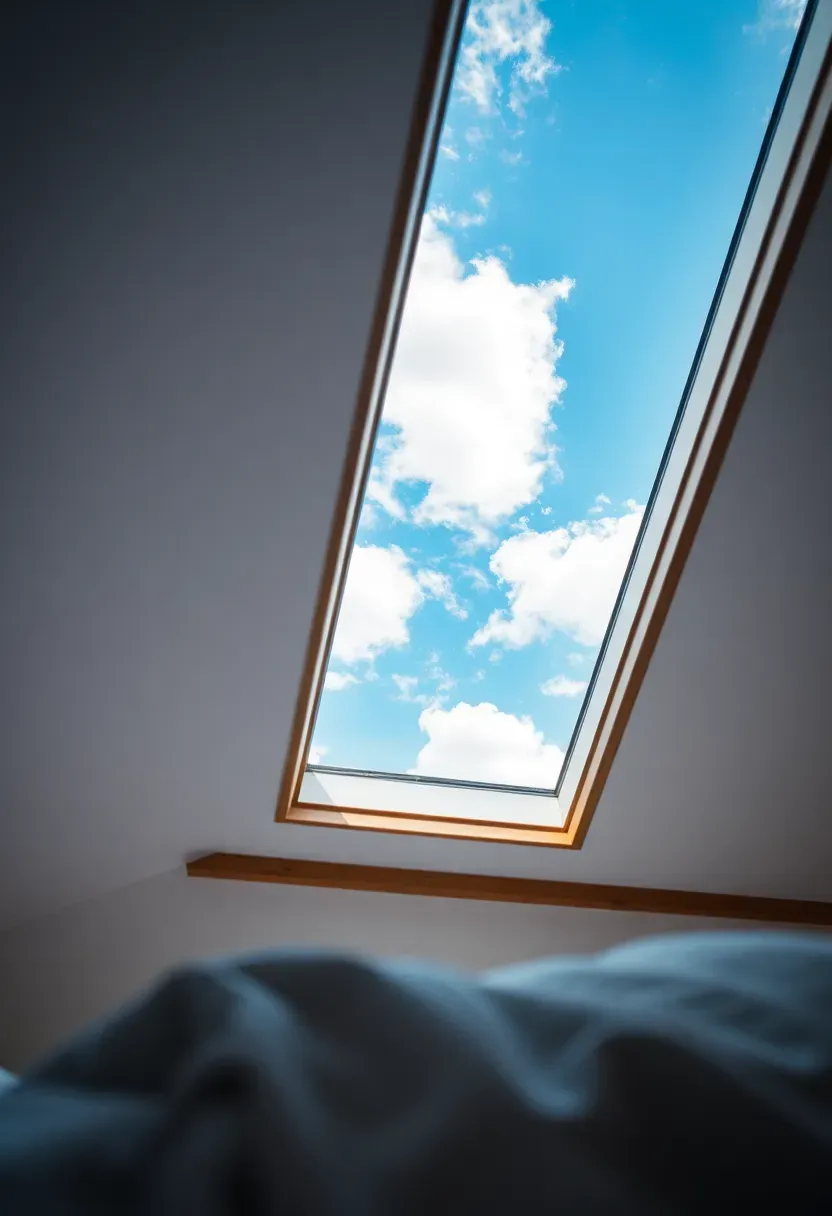
Tips
- Install UV-blocking glass to prevent fading of bedding and flooring
- Include remote-controlled shades for summer heat control and darkness
- Consider rain sensors for automatic closure during weather
- Position skylight to capture best views while minimizing heat gain
Budget/Time: moderate investment with dramatic daily impact
What this gives you: daily sky connection and natural light in sleeping space
14. Vertical Garden Wall
Installing a living wall transforms blank exterior or interior surfaces into productive garden space, bringing fresh herbs, vegetables, or decorative plants into tiny house living without consuming valuable floor area while improving air quality and providing visual connection to nature. Vertical garden systems are particularly valuable for tiny houses on wheels or urban lots where ground-level gardening space is unavailable, turning typically unused wall surfaces into productive growing areas that provide food, beauty, and the psychological benefits of living plants. Modern living wall systems incorporate automated irrigation, grow lights for interior installations, and modular planting pockets that make maintaining the garden manageable regardless of gardening experience.
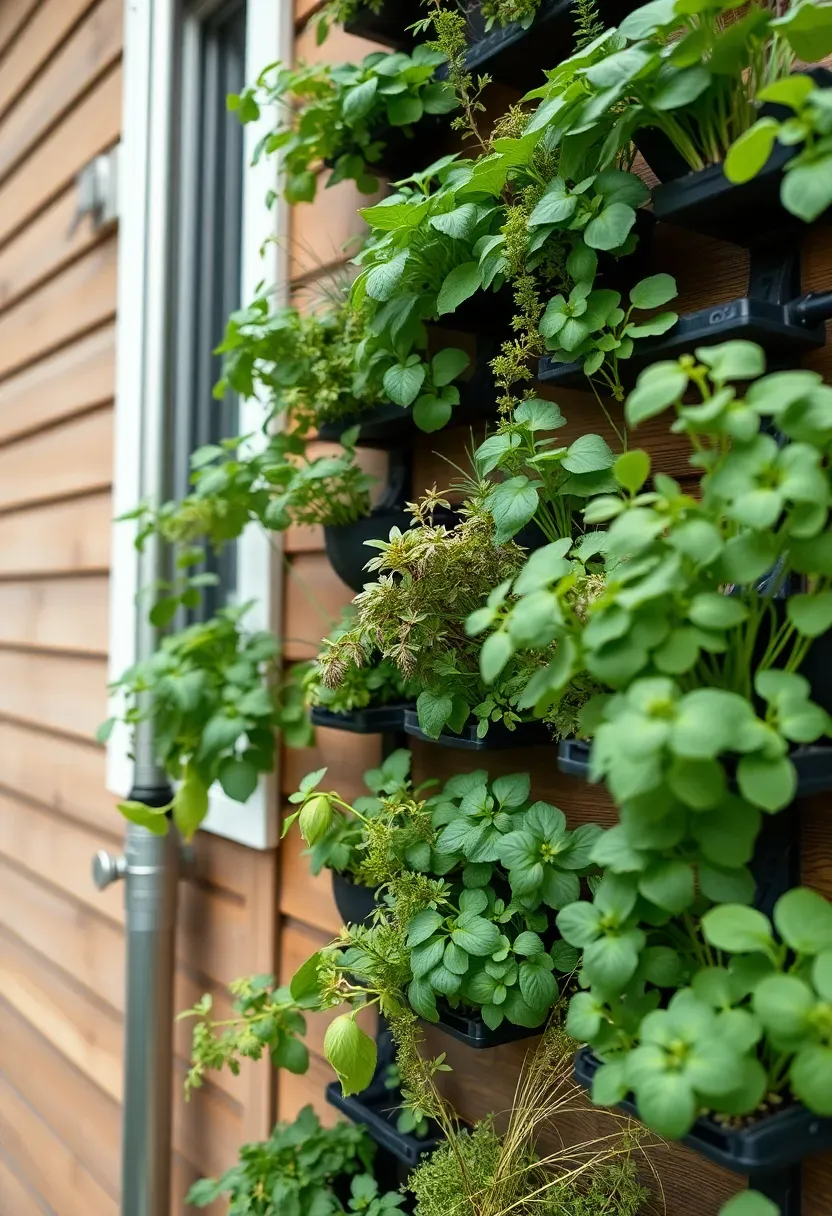
Recommended
Items for this idea
Tips
- Start with easy herbs and lettuces before attempting more demanding plants
- Install properly with waterproof membrane behind to protect structure
- Include accessible water hookup or manual watering backup for system failures
- Consider weight when planted—wet soil is extremely heavy
Best for: tiny house owners interested in growing their own food
What this gives you: productive garden without consuming floor space
15. Hidden Laundry Cabinet
Concealing washer and dryer units within a floor-to-ceiling cabinet creates a dedicated laundry space that disappears when not in use, maintaining the clean minimalist aesthetic of modern tiny house design while providing full-size appliance capability hidden behind sleek cabinet doors. This approach to laundry design eliminates the visual clutter of appliances in small spaces where the laundry area is typically visible from multiple vantage points, creating a more polished and intentional look. The hidden laundry cabinet can incorporate countertop space above for folding, pull-out hampers for sorting, and drying cabinets that utilize warm air from the dryer to gently dry delicates.
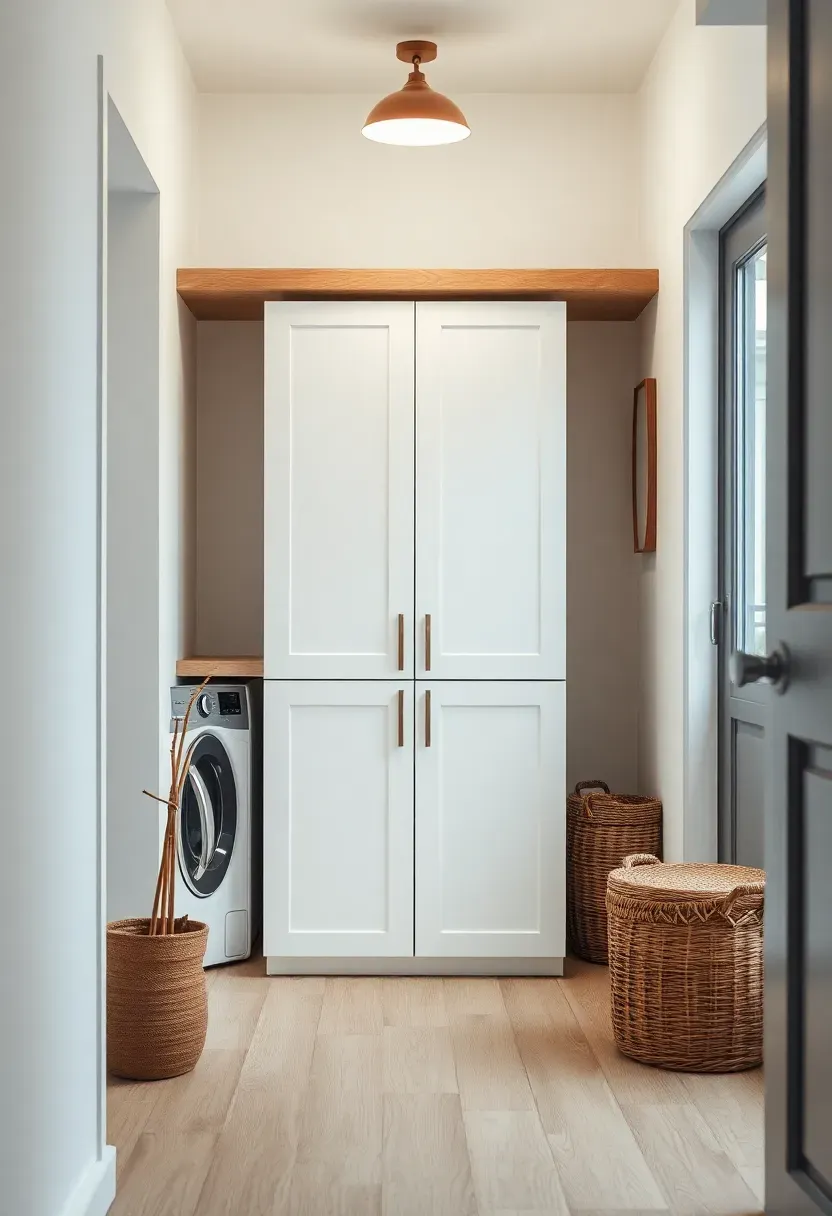
Tips
- Provide adequate ventilation to prevent moisture buildup and mold
- Include water supply shutoff accessible without opening cabinet doors
- Use louvered doors or vented cabinet for airflow around appliances
- Allow 3-6 inches clearance around appliances for proper operation and servicing
Rental note: stackable units save space but capacity is limited
What this gives you: full laundry capability behind seamless cabinet doors
16. Floating Vanity Storage
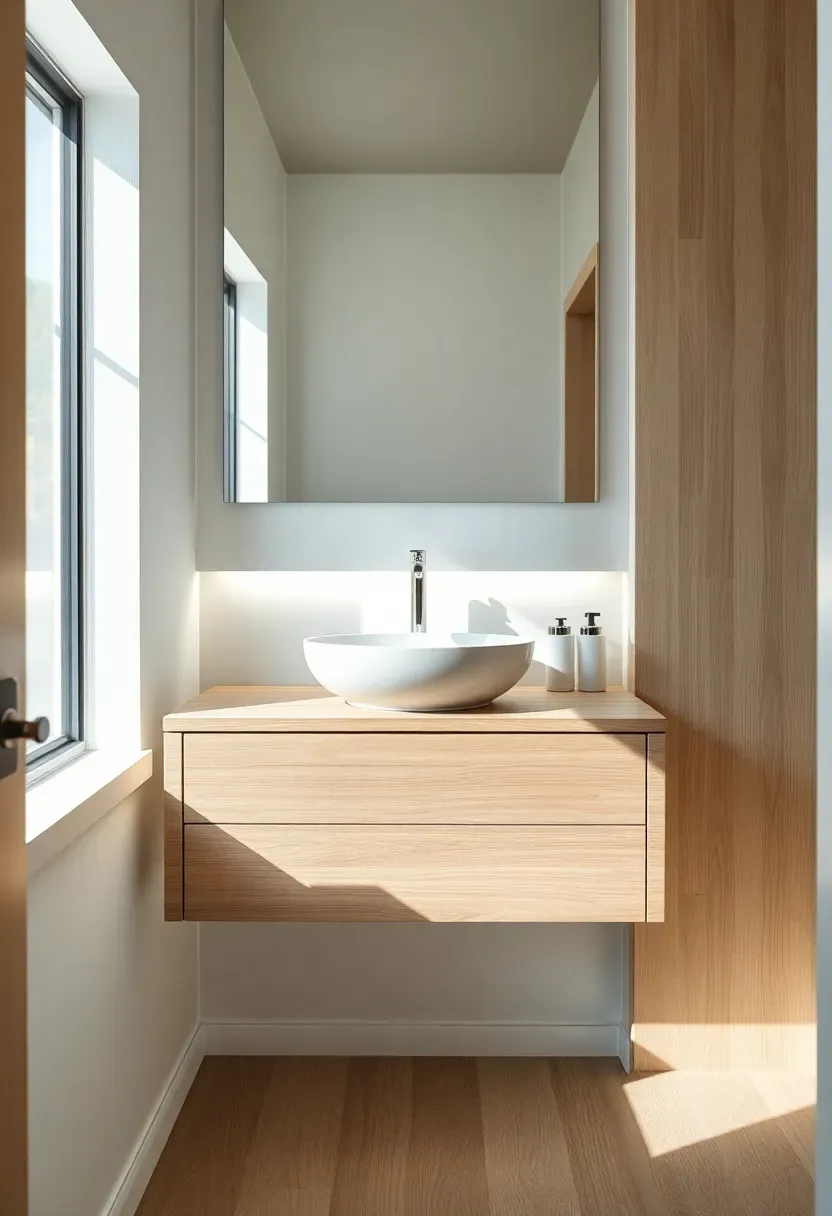
A wall-mounted floating vanity creates visual openness in tiny house bathrooms by exposing floor space beneath, making the room feel larger while providing storage for toiletries, towels, and bathroom essentials in a sleek modern package. The floating design allows for easy floor cleaning beneath the vanity, prevents water damage from minor flooding, and creates the illusion of more space by maintaining visual continuity of flooring material across the entire bathroom footprint. Modern floating vanities can incorporate integrated sinks, LED under-cabinet lighting for ambiance, and smart storage solutions like pull-out drawers and divided compartments that maximize organization in minimal square footage.
Recommended
Items for this idea
Tips
- Install into structural backing—vanities experience significant weight when loaded
- Include drawer dividers to prevent items from shifting during travel
- Consider under-cabinet lighting for both ambiance and floor-level illumination
- Allow adequate knee space if vanity will be used seated
Best for: tiny house bathrooms under 30 square feet
What this gives you: storage that doesn't compromise visual space
17. Fold-Down Desk for Tiny House Home Office
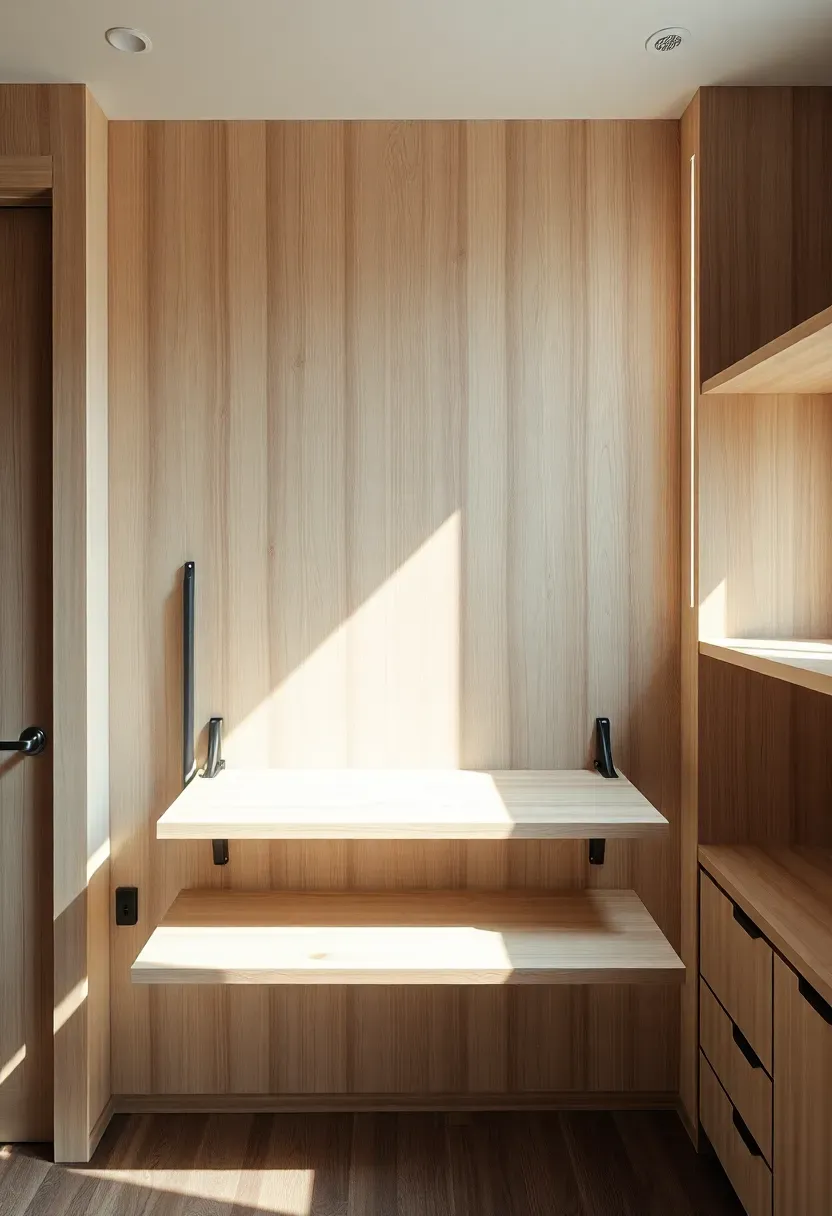
A fold-down desk mounted to the wall creates an instant workspace that can be deployed when needed and disappeared completely when not, making it ideal for tiny houses where permanent desk allocation would sacrifice valuable living space for intermittent use. Modern folding desk mechanisms are sturdy enough for daily work, can include integrated cable management for charging devices, and often incorporate additional features like cork boards, magnetic surfaces, or storage pockets that fold down with the desktop. When closed, the desk becomes a shallow cabinet or decorative panel, maintaining the clean minimalist aesthetic that's essential in small spaces where every visible element impacts the perceived roominess.
Tips
- Install sturdy support brackets or chains to prevent desk from dropping unexpectedly
- Include magnetic catches to hold desk securely closed during travel
- Plan for cable management when desk is open—messy cords ruin the effect
- Size desk to actual needs—most laptop work requires only 24-30 inches width
Best for: tiny house owners who work from home occasionally
What this gives you: full workspace that vanishes when work is done
18. Multi-Slide Glass Door System
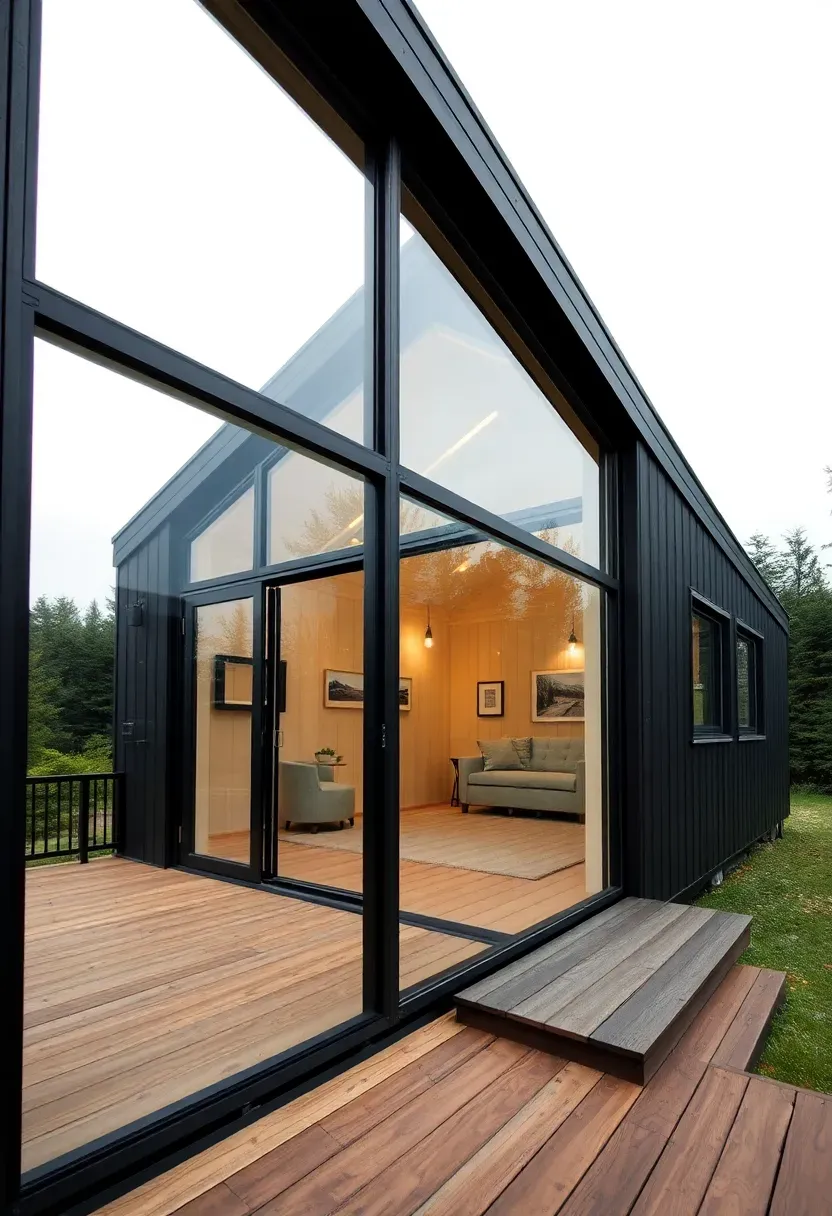
Installing a multi-slide glass door system along an entire wall creates the ultimate indoor-outdoor connection in modern tiny houses, allowing multiple glass panels to slide and stack against each other, effectively removing the wall between interior and exterior living spaces. Unlike traditional sliding doors with limited opening, multi-slide systems can open up to 75% of wall width, transforming the tiny house from enclosed shelter to open pavilion while maintaining the sleek glass aesthetic that defines modern design. When closed, these systems provide expansive glass areas for natural light and views while maintaining weather tightness and security through quality locking mechanisms.
Recommended
Items for this idea
Tips
- Plan for where panels stack—they need wall space or pocket when open
- Install screens for bug control while maintaining openness
- Include adequate overhang or porch for weather protection when open
- Consider motorized operation for large, heavy panel systems
Budget/Time: significant investment but transformative effect on space
What this gives you: wall that completely disappears to merge indoors and out
19. Raised Platform Living Area
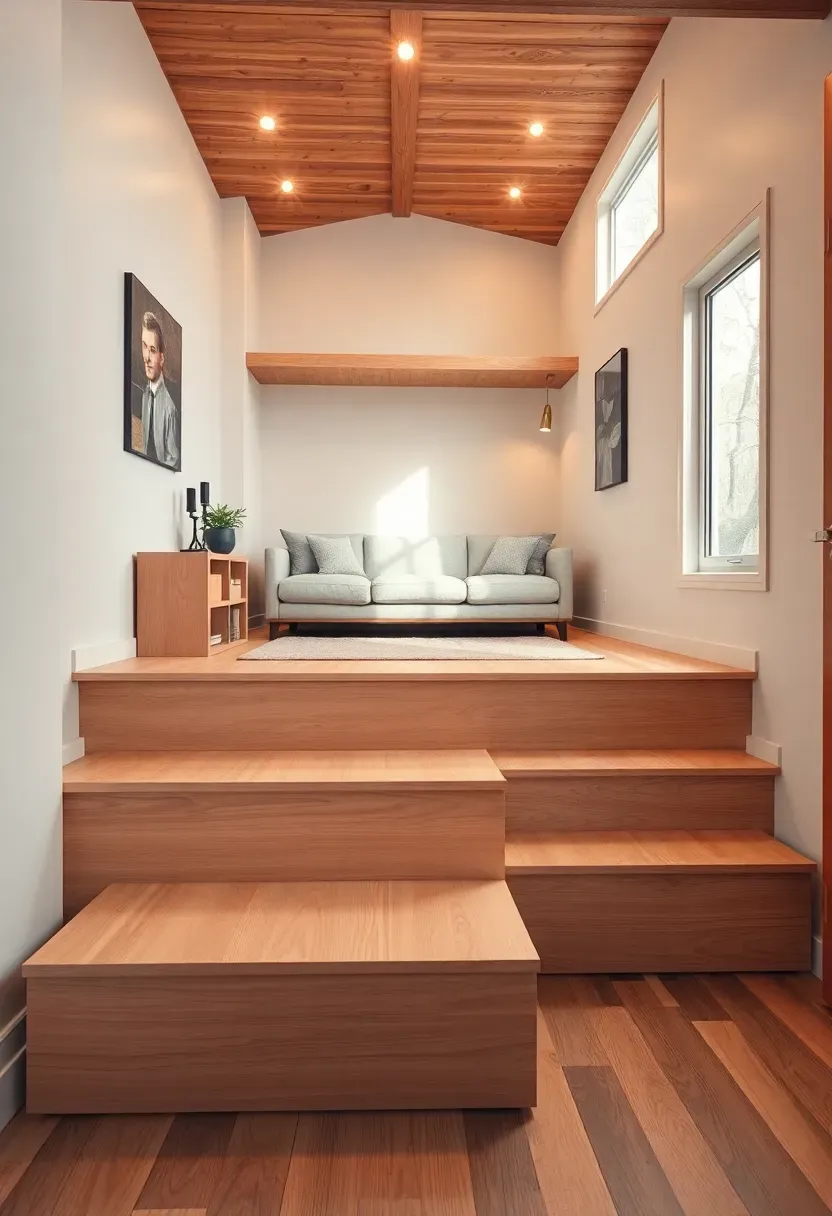
Creating a raised platform for the main living area serves multiple functions in modern tiny house design: visually defining the living space without walls, providing hidden storage beneath the entire platform, and creating psychological separation between living and utility areas while maintaining open floor plan flow. The platform approach works particularly well in tiny houses with loft sleeping arrangements, creating a stepped hierarchy that guides circulation naturally from entry to living to sleeping while each level change provides opportunities for storage, electrical systems, or even mechanical equipment like water heaters hidden beneath. Modern platform designs can incorporate integrated lighting, built-in seating, or even pull-out drawers that utilize the full volume beneath the raised floor.
Tips
- Keep platform rise modest—6-12 inches—to maintain ease of movement
- Include LED strip lighting under platform lip for ambiance and safety
- Design access hatches for storage or mechanical systems beneath
- Consider railing requirements for rises over 30 inches per local codes
Placement note: ideal for separating living from kitchen or entry areas
What this gives you: visual space definition plus massive hidden storage
20. Hidden Appliance Garage
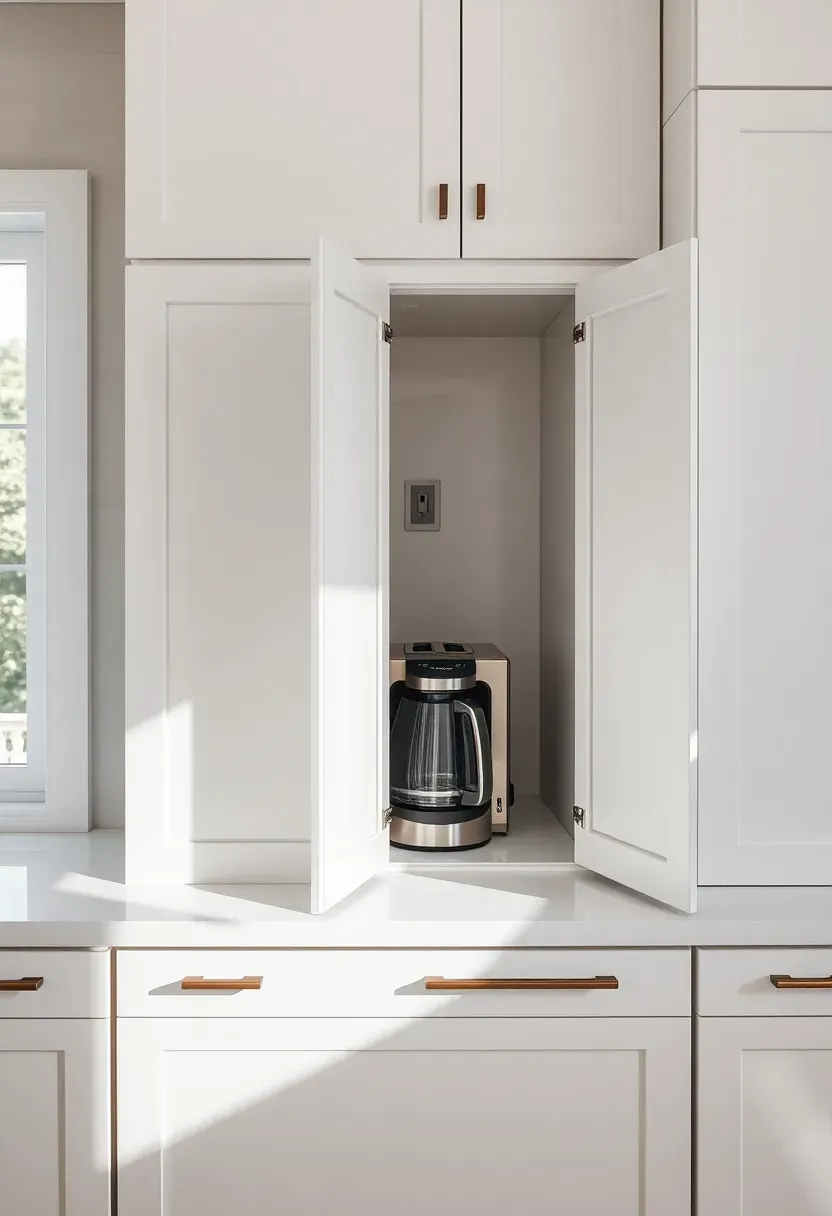
An appliance garage creates a dedicated home for small kitchen appliances—toaster, coffee maker, blender—that keeps them accessible but out of sight, maintaining clean countertop surfaces in tiny house kitchens where every square inch of prep space matters. Modern appliance garages incorporate bi-fold or pocket doors that disappear when open, electrical outlets inside for plugin without cords crossing counters, and even integrated lighting that illuminates the interior when in use. This design approach acknowledges the reality that tiny house owners still use small appliances daily but don't want them creating visual clutter or consuming precious prep space when not actively in use.
Recommended
Items for this idea
Tips
- Include adequate ventilation for appliances that generate heat like toaster ovens
- Install outlets inside garage with switch-controlled power for safety
- Allow depth for largest appliance—typically 18-24 inches minimum
- Consider pull-out shelves for easier access to appliances in back
Best for: tiny house kitchens with limited counter depth
What this gives you: clear countertops while keeping appliances accessible
21. Minimalist Exterior Cladding
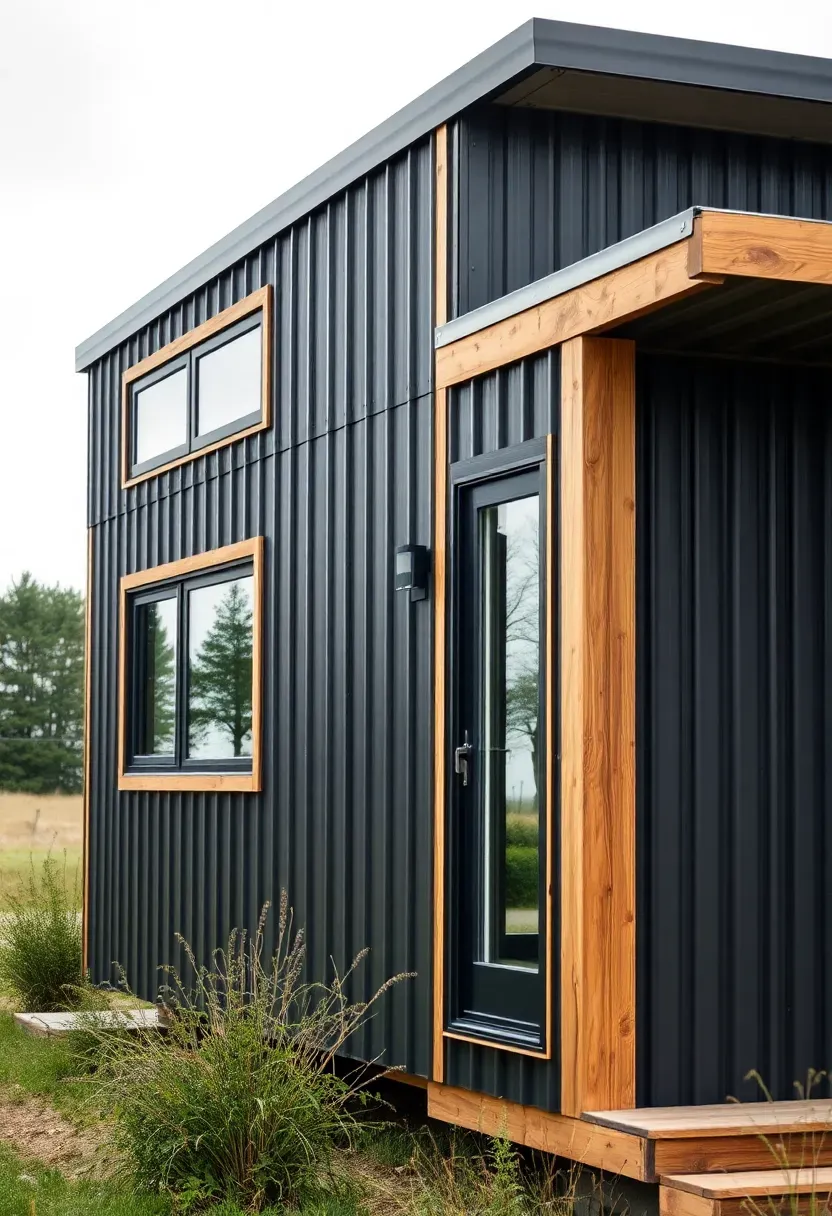
The exterior cladding of a modern tiny house defines its aesthetic character and first impression, with minimalist materials like corrugated metal, smooth fiber cement panels, or natural wood siding creating clean lines and contemporary curb appeal that reflects the thoughtful design within. Modern exterior choices prioritize low maintenance, weather resistance, and visual continuity without ornamentation, using material quality and precise installation to create beauty rather than decorative elements. The best tiny house exteriors express their construction honestly, celebrating materials and connections rather than disguising them, creating architectural honesty that resonates with modern minimalist values.
Tips
- Invest in quality fasteners—cheap screws rust and streak the exterior
- Consider thermal bridging at metal connections for cold climates
- Plan for proper flashing at all penetrations and transitions
- Choose colors that blend with surroundings or make intentional statement
Best for: modern tiny houses in any climate or setting
What this gives you: low-maintenance exterior that expresses modern aesthetic
These modern tiny house ideas prove that limited square footage doesn't mean limited living quality. From glass walls and hidden kitchens to smart home automation and concealed storage, thoughtful design transforms compact spaces into sophisticated homes that feel spacious and luxurious. Whether you're building a modern tiny house on wheels, planning a permanent micro dwelling, or simply looking for small-space design inspiration, these 21 ideas show how every design decision can serve multiple purposes -- and how less truly becomes more when beauty and functionality work together in every square foot.
About the author
OBCD
CGI visualization and interior design content. We create detailed 3D renders and curate practical design ideas for every room in your home.