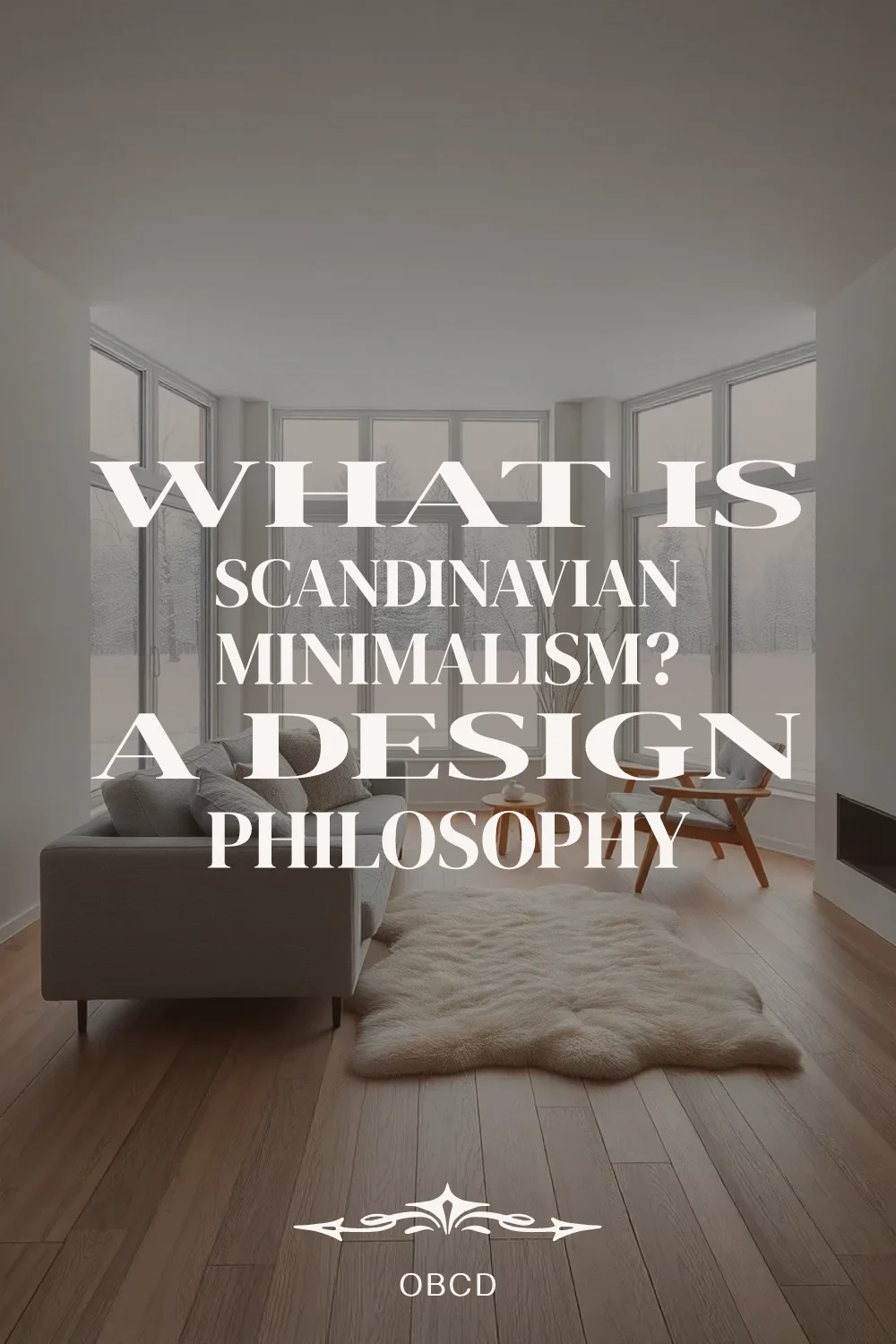
What is Scandinavian Minimalism? A Design Philosophy
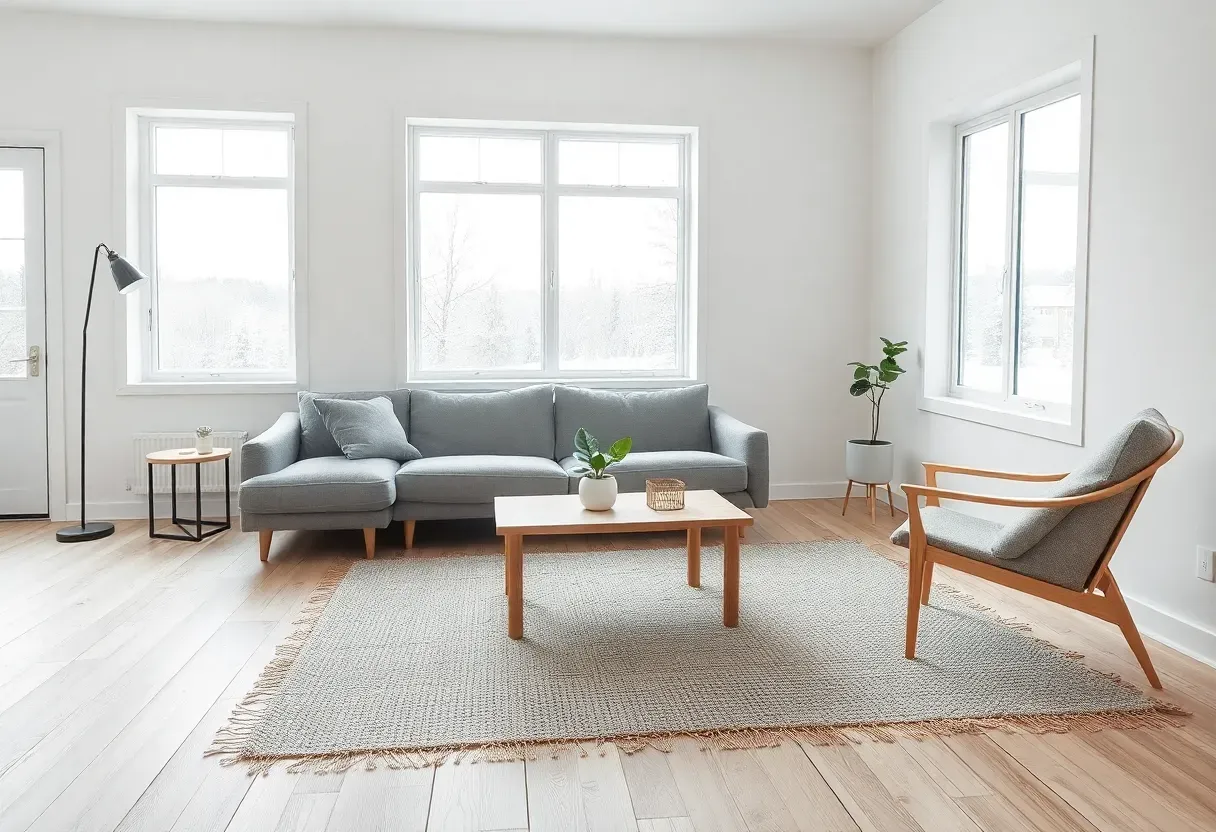
Scandinavian minimalism represents one of the most influential design philosophies of the modern era, emerging from the Nordic countries' unique blend of harsh climate, social values, and cultural appreciation for simplicity. This approach to interior design transcends mere aesthetics—it embodies a complete worldview that values functionality, craftsmanship, and intentional living over excess consumption and decorative clutter.
At its core, Scandinavian minimalism asks us to reconsider our relationship with objects and space. Rather than filling rooms with meaningless possessions, this philosophy encourages curating environments where every piece serves a purpose or brings genuine joy. The result is interiors that feel simultaneously spacious and warm, modern and timeless, sophisticated and welcoming.
Quick FAQ
What makes Scandinavian minimalism different from other minimalist styles?
Unlike stark modernist minimalism, Scandinavian design emphasizes warmth through natural materials like wood, wool, and linen. It embraces "hygge"—the Danish concept of cozy contentment—making spaces feel livable rather than clinical. The style also prioritizes craftsmanship and heirloom quality over disposable pieces.
Is Scandinavian minimalism only for cold climates?
While originally developed for long Nordic winters, the principles work anywhere. The emphasis on light colors and maximizing natural brightness actually benefits warm climates by keeping interiors cool. However, you might adjust materials—opting for lighter woods and breezier linens in tropical regions.
Can I achieve Scandinavian minimalism on a budget?
Absolutely. The philosophy isn't about expensive designer pieces—it's about intentional choices. IKEA itself is Swedish and embodies many Scandinavian design principles. Focus on fewer, better pieces, natural materials, and neutral colors. Second-hand vintage finds often align perfectly with this aesthetic.
Does Scandinavian minimalism mean no color?
Not at all. While the base palette remains neutral (whites, grays, natural woods), color is used strategically as accent. Muted blues, sage greens, dusty pinks, and warm terracottas appear in textiles, art, and accessories. The key is restraint—color punctuates rather than dominates.
How does hygge fit into Scandinavian minimalism?
Hygge (roughly "cozy contentment") is the emotional heart of Scandinavian design that prevents minimalism from feeling cold. Think: soft throws, warm lighting (lots of lamps at different heights), textures that invite touch, and spaces that foster connection. Minimalism provides the calm backdrop; hygge adds the warmth.
As an Amazon Associate I earn from qualifying purchases.
Table of Contents
The Nordic Origins: Climate and Culture
Understanding Scandinavian minimalism requires understanding its birthplace. The Nordic countries—Sweden, Norway, Denmark, Finland, and Iceland—share extreme seasonal variations where winter daylight can last just a few hours. This geographical reality shaped design philosophy: dark winters demanded bright interiors to maximize available light, while harsh climates necessitated homes that offered genuine sanctuary.
Culturally, Scandinavian societies developed values of equality, practicality, and social welfare that extended to design. Unlike ornate European aristocratic styles that signaled wealth through excess, Nordic design embraced democratic principles—beautiful, functional objects should be accessible to everyone, not just the elite. This cultural foundation produced designers who believed that good design improves everyday life for ordinary people.
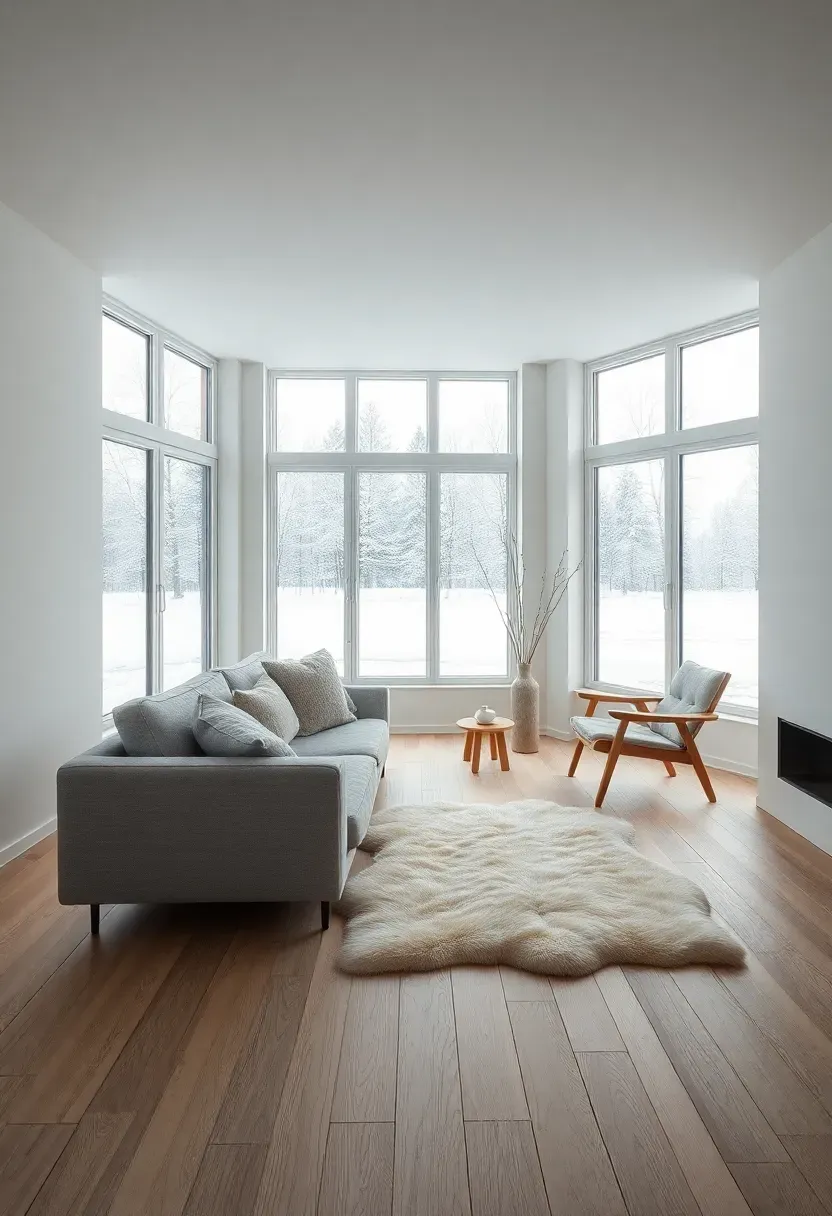
Historical Context: The movement gained international prominence in the 1950s through designers like Hans Wegner, Arne Jacobsen, and Alvar Aalto, though its roots extend deeper into Nordic folk traditions and functionalist architecture of the 1930s.
What this gives you: understanding that this isn't just a style but a response to environment—a philosophy developed by people who needed their homes to function as genuine refuges during long, dark winters
Core Design Principles
Scandinavian minimalism rests on several non-negotiable principles that distinguish it from other minimalist approaches. First and foremost: functionality without sacrificing beauty. Every object must earn its place through either utility or genuine aesthetic pleasure—preferably both. This eliminates decorative clutter while maintaining warmth through meaningful pieces.
Second principle: quality over quantity. Scandinavian design traditionally prioritizes investment pieces that last decades over fast furniture that requires replacement every few years. This approach actually aligns with minimalist values—fewer possessions, but each one chosen with intention and built to endure. The result contains less stuff overall, but what remains has substance and presence.
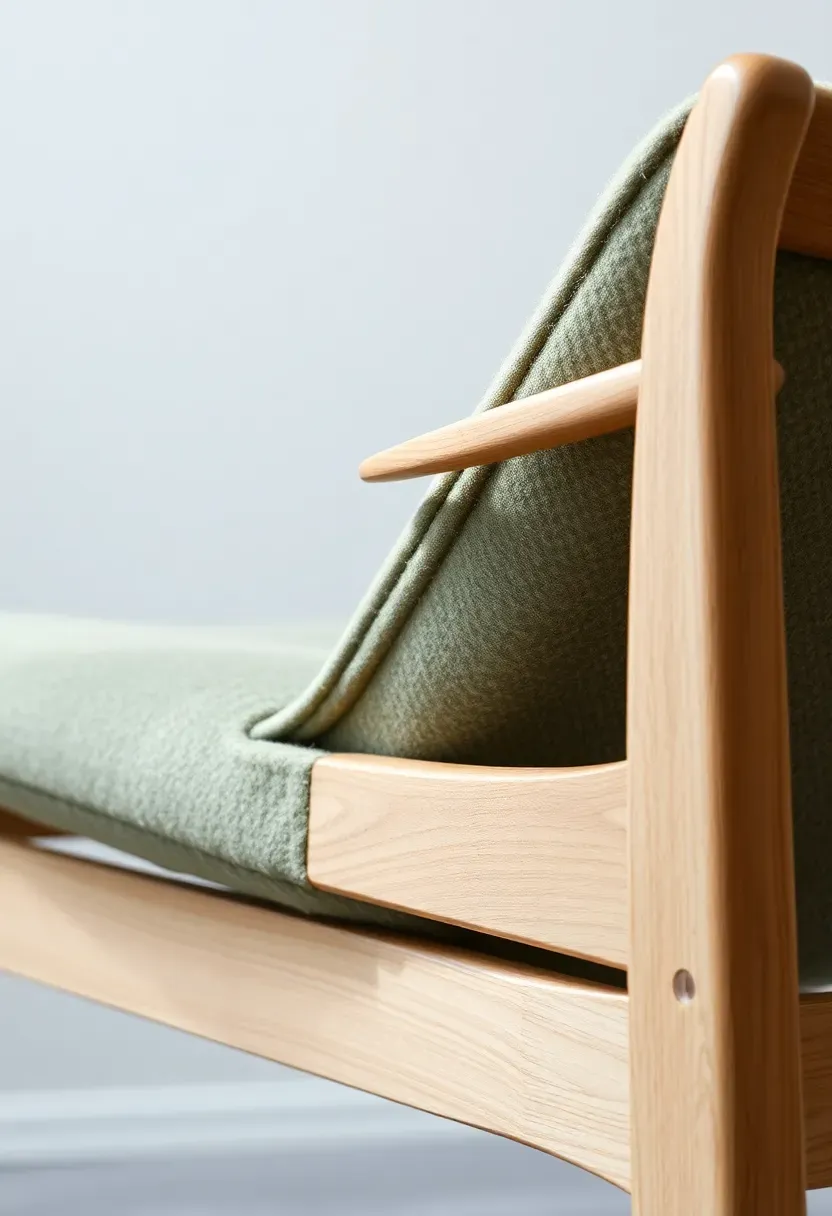
Third: honest materials and construction. Rather than covering surfaces with veneers or disguising joinery, Scandinavian design celebrates how things are made. Visible dovetail joints, exposed wood grain, honest weaving in textiles—these aren't design flaws but features connecting users to craftsmanship. This transparency creates trust between object and owner, fostering long-term relationships with possessions rather than disposable consumption.
Recommended
Items for this idea
Key Insight: These principles work together to create environments that feel calm yet full of life—spaces where absence of clutter allows presence of meaning to emerge.
What this gives you: a framework for evaluating possessions that prioritizes long-term satisfaction and authentic beauty over trend-driven accumulation
Natural Materials and Color Philosophy
The Scandinavian color palette reflects the northern landscape itself: whites and pale grays reminiscent of snow and winter skies, wood tones echoing birch and pine forests, blues and greens drawn from summer fjords and midnight summer evenings. This isn't color deprivation—it's color curation, creating neutral backdrops that allow materials and textures to take center stage.
Woods play starring role, particularly light varieties like white oak, ash, birch, and pine. Unlike dark woods that can feel heavy, these lighter species maintain visual lightness while adding warmth. Woods are typically finished with oils or light stains that preserve natural grain rather than opaque paints that conceal it. The goal is connection to nature—bringing forest elements indoors through honest material use.
Textiles follow similar natural principles: wool, linen, cotton, and sheepskin provide warmth without synthetic fibers' environmental drawbacks. These materials age beautifully, developing patina that tells story of use rather than looking worn or tired. A linen throw that wrinkles from use, a wool rug that shows foot traffic patterns, a leather sofa that develops creases—these aren't signs of degradation but character development.
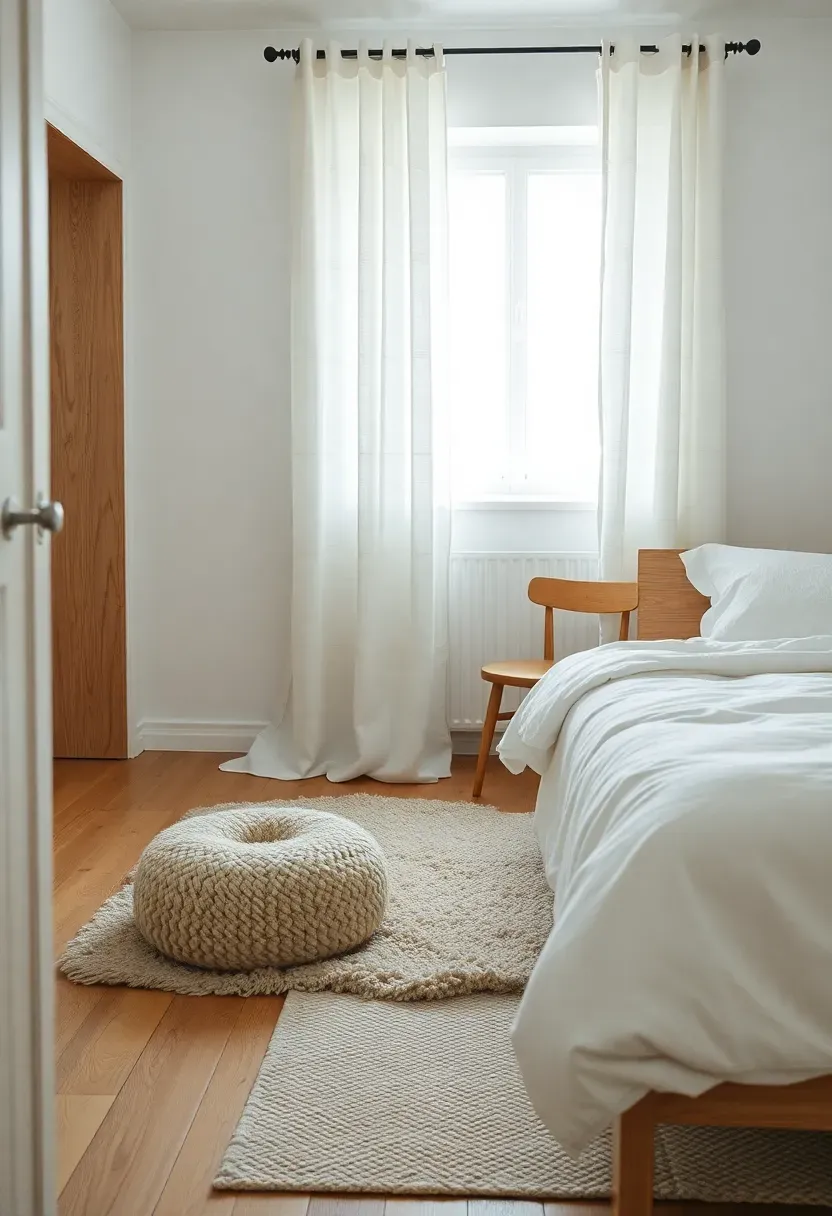
Material Tip: When choosing materials, ask "Will this look better in 10 years?" Scandinavian design favors materials that develop character—wood that gains richness, leather that forms patina, natural fibers that soften with use.
What this gives you: interiors that feel connected to nature, age gracefully, and provide visual warmth without relying on color or decoration
Light: The Most Essential Element
No discussion of Scandinavian minimalism is complete without addressing light—specifically, how to maximize it in regions where winter brings precious little. This necessity birthed design innovations that now define the aesthetic: large windows, minimal window treatments, reflective surfaces, and strategic lighting design.
Windows in Scandinavian interiors are typically maximized and kept unobstructed. Curtains, when used, are sheer or positioned to allow full light exposure when open. Walls are painted white or pale colors to reflect and amplify available daylight. Mirrors are positioned strategically to bounce light deeper into rooms. Floors are often light wood or polished concrete that reflects rather than absorbs brightness.
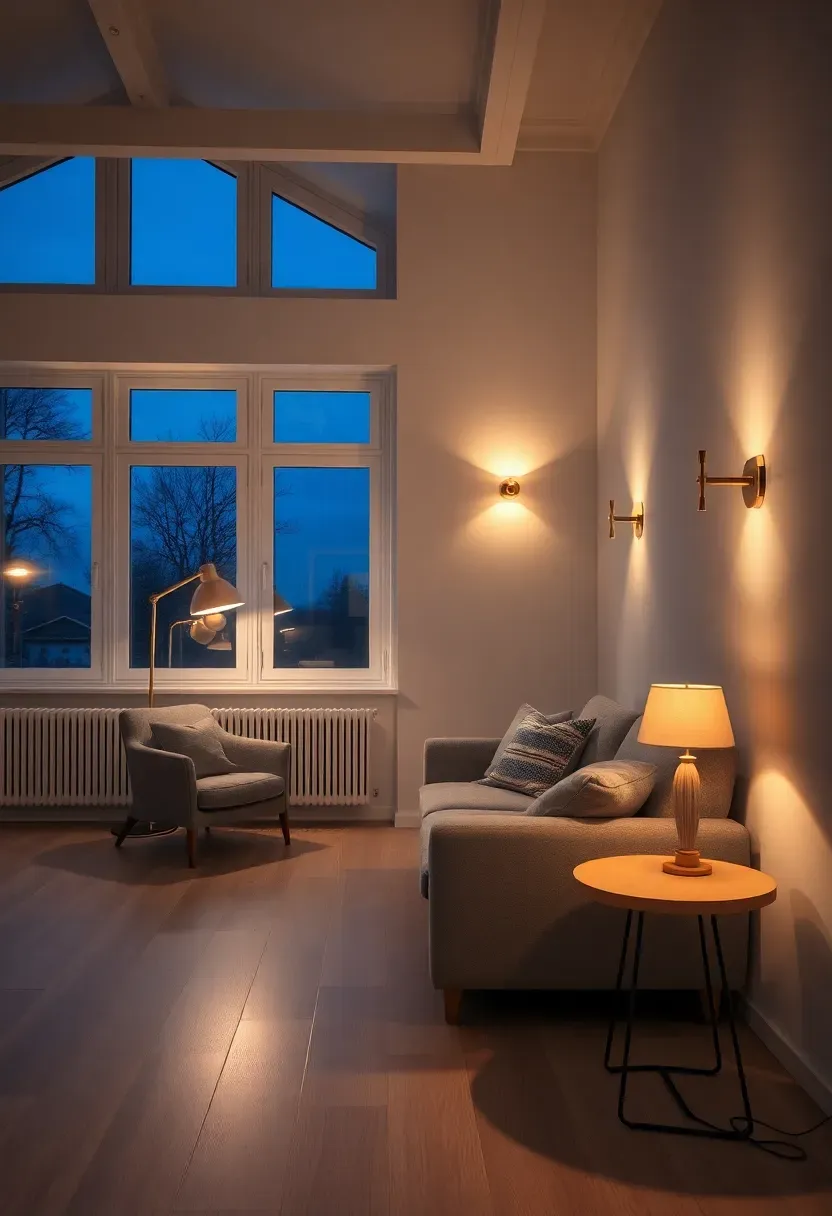
Artificial lighting receives equal attention. Rather than relying on single overhead fixture, Scandinavian design employs multiple light sources at different heights: floor lamps for ambient glow, table lamps for task lighting, wall sconces for accent. This layered approach creates warmth and depth that prevents spaces from feeling clinical despite minimalism. The lighting color temperature stays warm (2700-3000K), reinforcing hygge comfort even in minimalist settings.
Recommended
Items for this idea
Lighting Rule: Every room should have at least 3-5 light sources controlled separately, allowing adjustment from bright task lighting to soft ambient glow depending on activity and mood.
What this gives you: living spaces that adapt to natural light cycles, maintain cheer through dark winters, and provide psychological benefits of bright, well-illuminated environments
Lagom: The Art of "Just Right"
Beyond hygge, Scandinavian design philosophy embraces "lagom"—a Swedish word roughly translating to "just right" or "not too much, not too little." This concept encapsulates the Scandinavian approach to balance in all things: enough possessions but not excess, decoration that pleases but doesn't clutter, rooms that feel full but not crowded.
Lagom manifests spatially through negative space—leaving areas empty rather than filling every surface. A coffee table might hold only one carefully chosen object rather than cluttered arrangement. Walls display single pieces of art rather than gallery walls. Bookshelves contain breathing room between books rather than stuffed rows. This restraint isn't deprivation; it's respect for each object's presence.
The philosophy also applies to consumption: buying enough but not more, choosing quality over quantity, finding satisfaction with sufficient rather than constantly seeking more. In practical terms, lagom might mean owning one excellent winter coat rather than five mediocre ones, having enough dishes for guests but not entire cabinets of rarely used pieces, maintaining wardrobe with versatile staples rather than trend-driven excess.
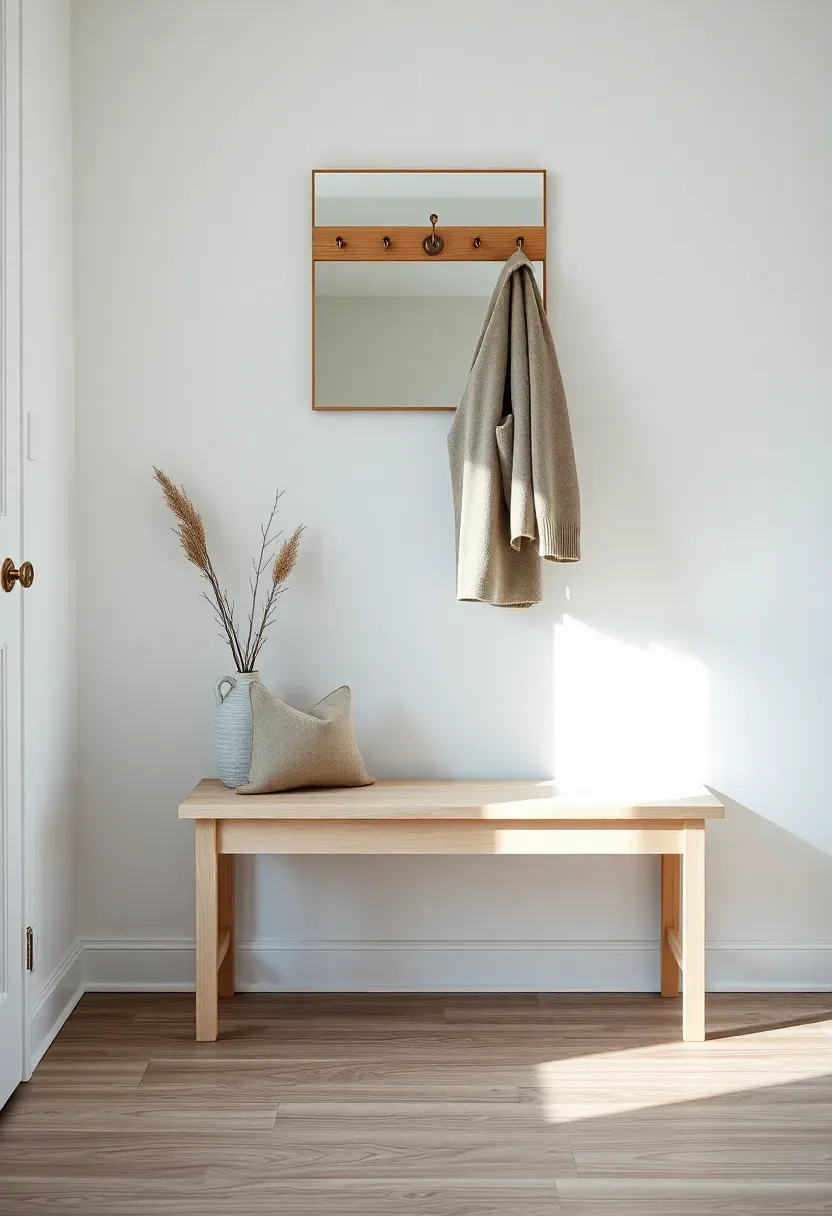
Practical Application: Before acquiring anything new, ask "Does this serve a genuine purpose or bring authentic joy?" Lagom isn't about never having—it's about having intentionally.
What this gives you: liberation from both excess and scarcity, finding sweet spot where possessions support rather than complicate life
Furniture: Form Meets Function
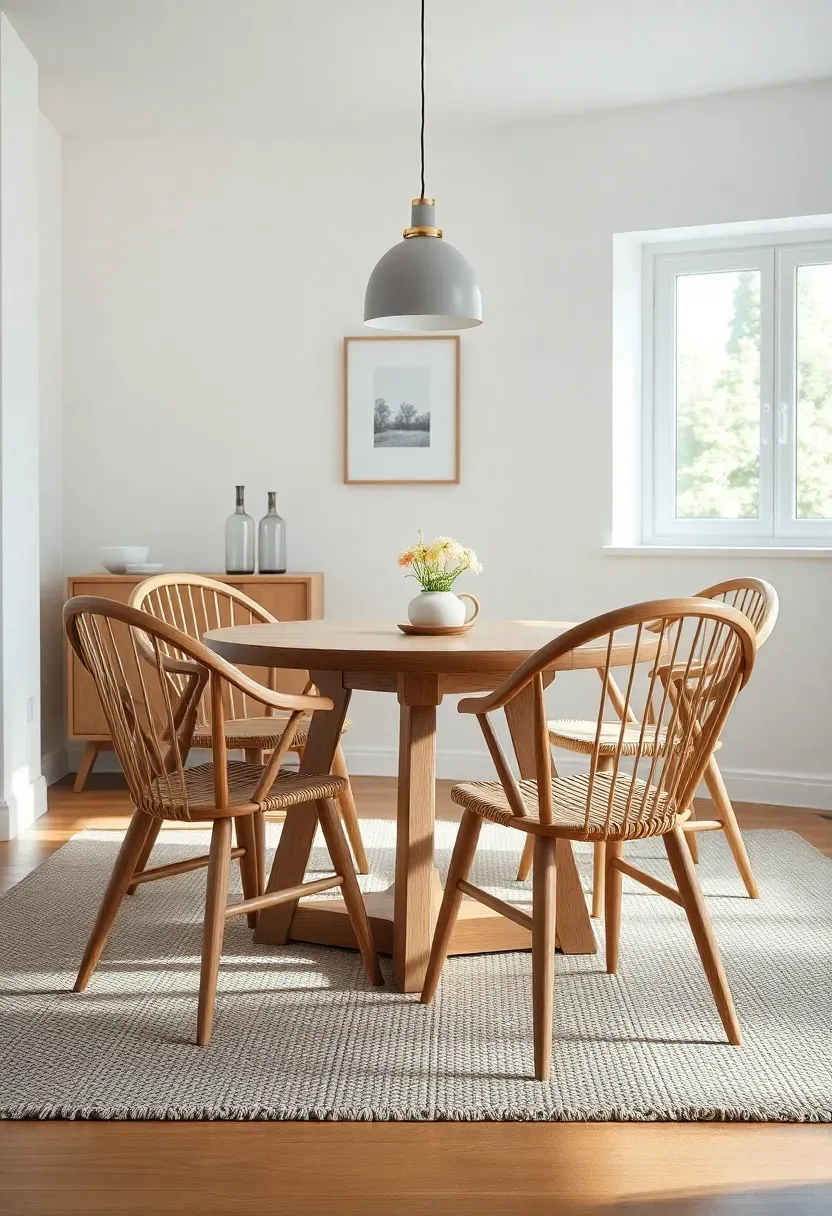
Scandinavian furniture design achieved global recognition through pieces that perfectly balance sculptural beauty with human comfort. Consider iconic works like the Wegner Wishbone Chair, Jacobsen's Egg Chair, or Aalto's Stool 60—each is visually striking enough to stand as art, yet designed first and foremost for human use. These aren't chairs meant to be looked at but sat in, tables meant to be admired but used daily.
The furniture forms typically feature organic curves that soften minimalism's potential severity. Danish designers famously studied human ergonomics to create pieces that support natural posture—wingback chairs that hug the body, tables with rounded edges that prevent sharp corners, sofas with depths that invite lounging. This human-centric approach explains why Scandinavian furniture feels comfortable despite minimalist appearance.
Low profiles characterize much Scandinavian furniture, creating visual lightness while making rooms feel more spacious. Sofas and chairs often sit closer to floor than conventional furniture, tables feature slender legs, storage pieces maintain slender proportions. This vertical space contributes to airy feeling even smaller rooms don't feel cramped.
Recommended
Items for this idea
Investment Strategy: If budget is limited, prioritize statement seating (sofa or dining chairs) in authentic Scandinavian design, then supplement with simpler pieces. Quality seating gets daily use and impacts comfort significantly.
What this gives you: furniture that looks beautiful and feels comfortable, aging gracefully while serving daily needs rather than demanding careful preservation
Implementing Scandinavian Philosophy
Embracing Scandinavian minimalism doesn't require Nordic heritage or complete interior overhaul. Start by editing existing possessions: remove items that don't serve purpose or bring joy, donating or selling what doesn't align. This clearing process creates blank slate for more intentional curation.
Next, assess materials and colors. Introduce natural materials where possible: wood furniture or accents, wool or linen textiles, stone or ceramic elements. Shift color palette toward neutrals—white, cream, gray, tan—using existing colors as accents rather than dominant schemes. This neutral base provides flexibility to evolve over time.
Lighting deserves attention: replace harsh overhead fixtures with multiple warm lamps at different heights. Maximize natural light by removing heavy window treatments or replacing with sheer alternatives. Add mirrors to reflect brightness deeper into rooms. These relatively simple changes dramatically transform how spaces feel and function.
Finally, practice lagom in acquisition: before adding anything new, ensure it earns its place through utility or genuine joy. Choose quality over quantity, favoring pieces that will last rather than trend items that will quickly feel dated. Remember: Scandinavian minimalism isn't about having nothing—it's about having the right things.
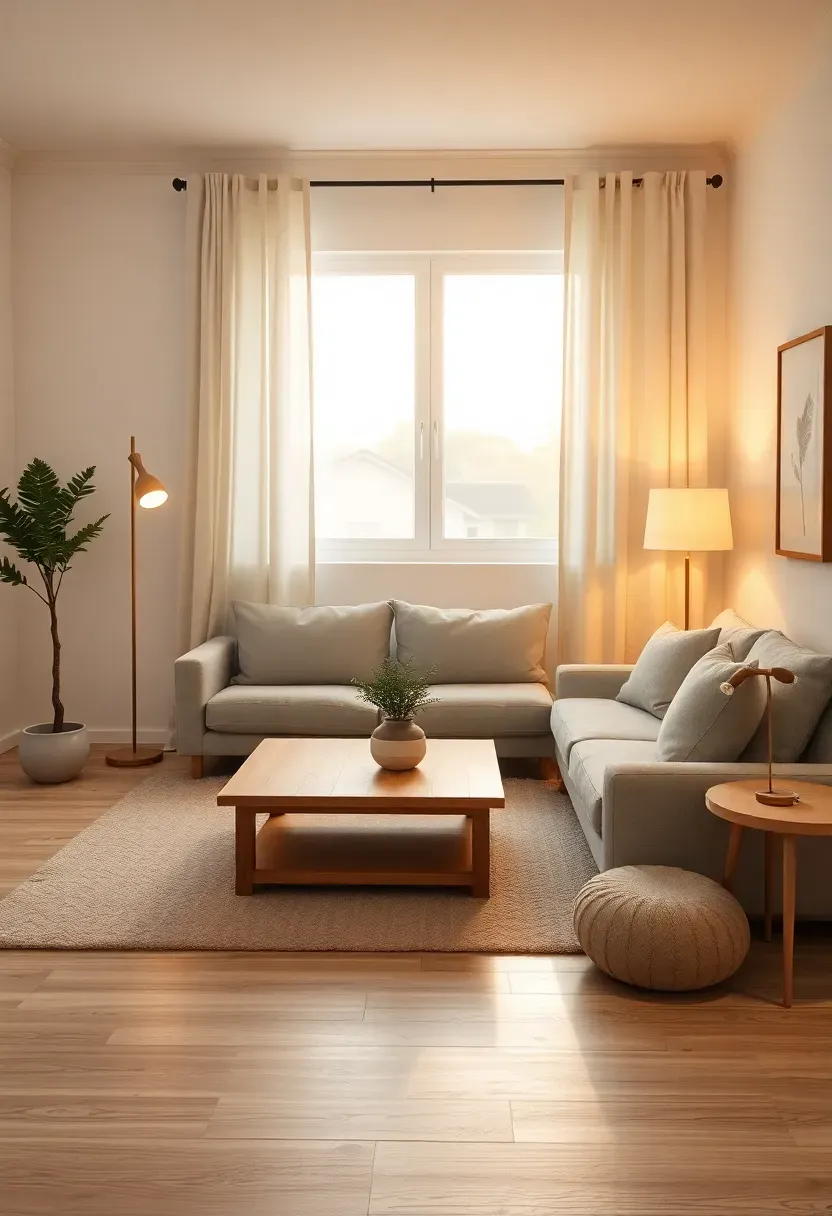
Starting Point: Begin with one room—often living room or bedroom—master the principles there before expanding. Success in single space builds confidence and provides reference for rest of home.
What this gives you: home environment that supports wellbeing through thoughtful design, creating sanctuary from chaotic world while reflecting considered values rather than consuming identity
Scandinavian minimalism offers more than aesthetic direction—it provides complete philosophy for living with intention, beauty, and warmth. Emerging from necessity in harsh northern climates, this approach has proven universally applicable because it addresses fundamental human needs: light, comfort, functionality, and connection to natural world. Whether implemented through iconic Danish furniture, white oak floors, or simply edited possessions and layered lighting, the result remains same: spaces that feel simultaneously calm and alive, modern and timeless, spacious and welcoming. In age of excess and overwhelm, Scandinavian minimalism isn't just design choice—it's lifestyle strategy for finding balance in modern world.
About the author
OBCD
CGI visualization and interior design content. We create detailed 3D renders and curate practical design ideas for every room in your home.