25 Bathroom Floors Ideas
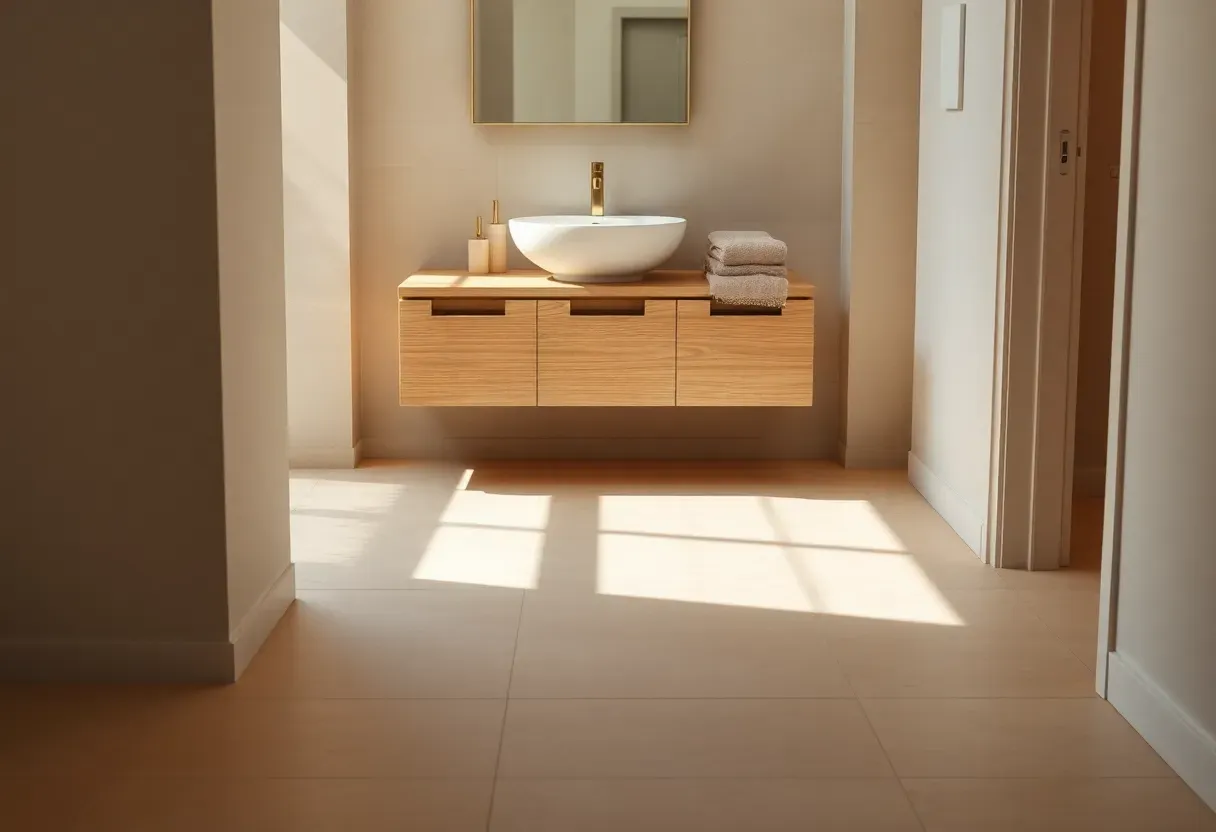
My downstairs bathroom had builder-grade beige ceramic for eight years. It functioned fine but looked like every other bathroom in the neighborhood. When I finally ripped it out last fall, the process of choosing a replacement taught me that bathroom floors carry more visual weight than most people realize. The floor is the largest uninterrupted surface you see when you walk in. Pick wrong and nothing else you do to the room matters much.
These 25 bathroom floors ideas cover a range of materials, patterns, and price points — from budget vinyl to hand-poured terrazzo.
Table of Contents
- Black and White Checkerboard Tile
- Herringbone Porcelain Plank
- Zellige-Style Floor Tile
- Micro Cement Finish
- Fish Scale Mosaic
- Basket Weave Marble
- Encaustic Patterned Cement Tile
- Wood-Look Porcelain Plank
- Terrazzo Floor
- Pebble Tile Floor
- Large Format Concrete-Look Tile
- Penny Round in Color
- Hexagonal Marble Mosaic
- Slate Tile with Natural Cleft
- Geometric Patterned Vinyl
- Limestone Floor
- Brick-Pattern Quarry Tile
- Moroccan Star and Cross Tile
- Travertine in Running Bond
- Fluted Porcelain Tile
- Tadelakt Waterproof Plaster Floor
- Cork Bathroom Floor
- Windmill Mosaic Pattern
- Polished Concrete Overlay
- Reclaimed Terracotta Tile
1. Black and White Checkerboard Tile
Checkerboard floors date back to European manor houses in the 1600s and never went out of production. The pattern works because it is simple enough to anchor a room without competing with wall treatments or fixtures. For bathrooms specifically, 4x4 inch squares suit small powder rooms while 12x12 tiles look proportional in larger spaces. Matte-finish porcelain gives the look without the slipperiness of polished marble or glossy ceramic. Set them on the diagonal (diamond orientation) for a more dynamic effect, or keep them straight for a cleaner grid.
Tips
- Rectified tiles with minimal grout lines keep the checkerboard crisp
- Dark grout hides discoloration better than white grout in wet areas
- Budget roughly $4-7 per square foot for porcelain checkerboard tile
We picked a few things that go well with this idea: Black Diamond Marble & Tile Floor Cleaner (★4.3), MSI La Paloma Encaustic Porcelain Tile (8x8) (★4.2) and MSI Azila Matte Encaustic Porcelain Tile (8x8) (★4.2). As an Amazon Associate we earn from qualifying purchases.
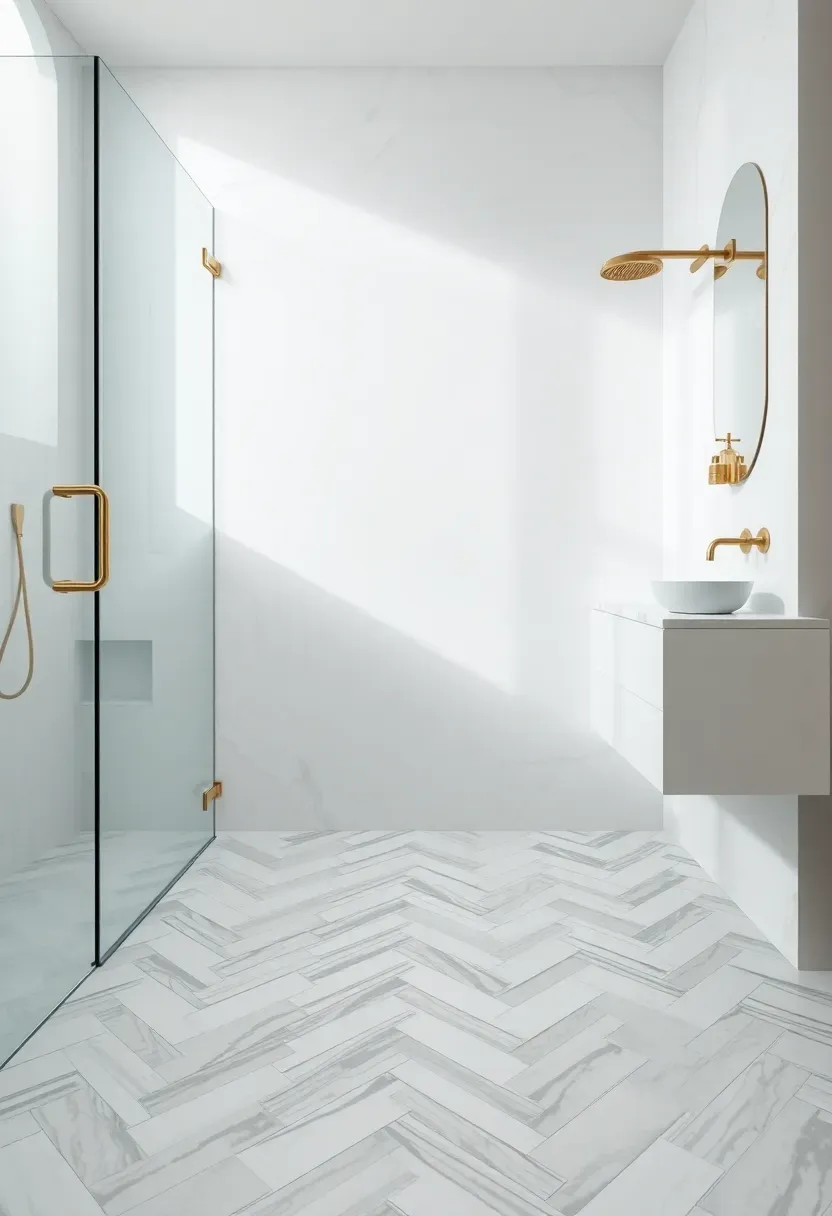
2. Herringbone Porcelain Plank
Why Herringbone Works in Bathrooms
The angled V-pattern creates directional movement that pulls your eye through the room. In a narrow bathroom, laying the herringbone lengthwise makes the space feel deeper. The pattern also disguises minor subfloor imperfections better than straight-lay because the eye focuses on the zigzag rather than individual tile edges.
Modern Take
Use 3x12 or 4x16 porcelain planks in a single neutral color. The herringbone pattern itself provides enough visual interest without color variation. Matte finishes in greige, warm white, or charcoal work well. Avoid glossy finishes — herringbone already catches light at different angles across each plank.
Choose If
You want a floor that looks more complex than it actually is. Herringbone reads as custom and expensive but uses standard rectangular tiles arranged differently.
We picked a few things that go well with this idea: Achim Nexus Peel & Stick Marble Vinyl Tiles (20-Pack) (★4.0), WESTICK White Marble Peel & Stick Floor Tiles (20-Pack) (★4.0) and Carrara White Marble Hexagon Mosaic Tile (5 Sheets) (★4.6). As an Amazon Associate we earn from qualifying purchases.
3. Zellige-Style Floor Tile
Zellige tiles originate from Fez, Morocco, where they have been hand-cut and glazed since the 10th century. Each tile varies in thickness, color depth, and surface undulation. That irregularity catches light differently across the floor, creating a shimmering effect that flat factory tiles cannot replicate. True zellige is glazed terracotta, which is porous and requires sealing for bathroom floors. Porcelain tiles designed to mimic the zellige look offer the visual character with better water resistance — a practical compromise if you want the aesthetic without annual resealing.
Tips
- True zellige needs a penetrating sealer reapplied every 6-12 months
- The handmade variations mean wider grout joints are necessary (1/8 inch minimum)
- Cost ranges from $15-30 per square foot for authentic, $6-12 for porcelain replicas
We picked a few things that go well with this idea: Waterproof Self-Adhesive Caulk Tape for Bathroom (★4.1), Miracle Sealants 511 Penetrating Stone Sealer (Pint) (★4.5) and Waterproof Grout Sealer Spray (17.6 OZ) (★4.3). As an Amazon Associate we earn from qualifying purchases.
4. Micro Cement Finish
The Problem with Grout Lines
Every tiled floor has grout. Grout collects dirt, mildew, and soap scum. In bathrooms, grout maintenance is a recurring chore that ranges from mildly annoying to genuinely awful depending on the grout color and type you chose.
The Solution
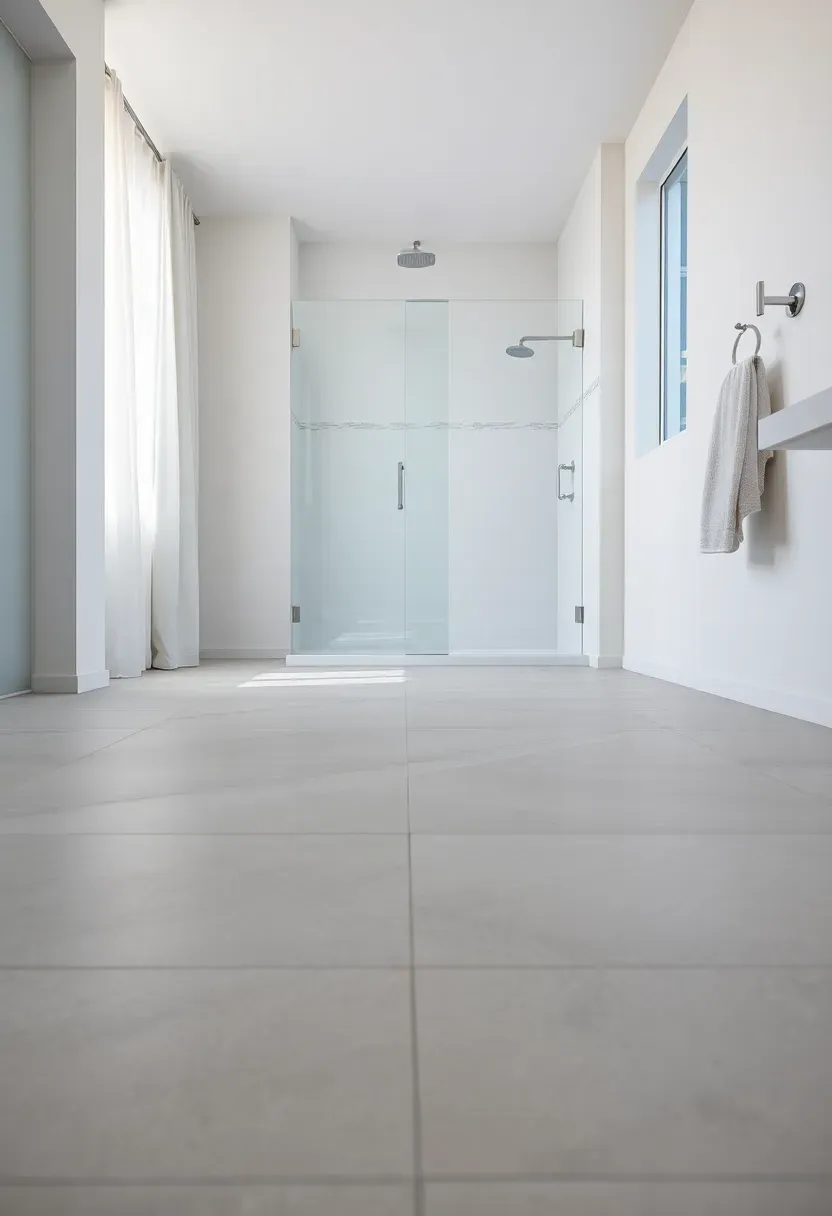
Micro cement (also called microtopping or microcement) eliminates grout entirely. It is a polymer-modified cement coating applied in thin layers — typically 2-3mm total thickness — directly over existing tile or concrete subfloors. The result is a continuous, seamless surface with a matte or satin finish. It is waterproof when sealed correctly and comes in dozens of tones from pure white to deep charcoal.
Pros and Cons
- Pro: Zero grout lines mean zero grout maintenance and a visually larger floor
- Pro: Can be applied over existing tile, avoiding demolition costs
- Con: Requires a skilled applicator — this is not a DIY project for most people
- Con: Surface scratches show more than on tile, especially in lighter colors
Recommended
Items for this idea
5. Fish Scale Mosaic
Fan-shaped tiles — sometimes called scallop or mermaid tiles — have seen a surge on Pinterest boards since around 2018. The curved shape breaks the rigidity of typical square or rectangular layouts and introduces an organic feel. On floors, fish scale mosaics come on mesh-backed sheets, usually in 1-inch or 2-inch sizes. The smaller the individual tile, the more grout surface area you get, which actually improves slip resistance. Glazed ceramic in ocean blues, teals, or soft whites is the most popular choice. Matte-finish porcelain versions handle foot traffic better and resist chipping.
Tips
- Smaller scales (1 inch) give more traction but require more grout maintenance
- Orient the pattern with fans pointing toward the door for a natural flow
- Pairs well with simple white subway walls to avoid visual overload
6. Basket Weave Marble
Step 1: Understand the Pattern
Basket weave alternates pairs of rectangular tiles in perpendicular directions, creating an over-under woven appearance. In marble, this is typically done with 1x2 inch pieces — sometimes with a small square dot tile in a contrasting color at each intersection.
Step 2: Choose Your Marble
Carrara (gray veining on white) is the classic. Calacatta (bolder gold and gray veining) makes a stronger statement. Thassos (pure white) paired with Nero Marquina (black) dots creates the most contrast. All three need sealing.
Step 3: Plan for Maintenance
Marble is softer than porcelain. On a bathroom floor, it will develop a patina over years of use. Some people find this aging attractive. If you want pristine-looking stone indefinitely, honed Carrara holds up better than polished.
Watch Out
Marble basket weave with a dot accent means three different stones meeting at each intersection — more potential for lippage if the installer is not careful with thinset depth.
Recommended
Items for this idea
7. Encaustic Patterned Cement Tile
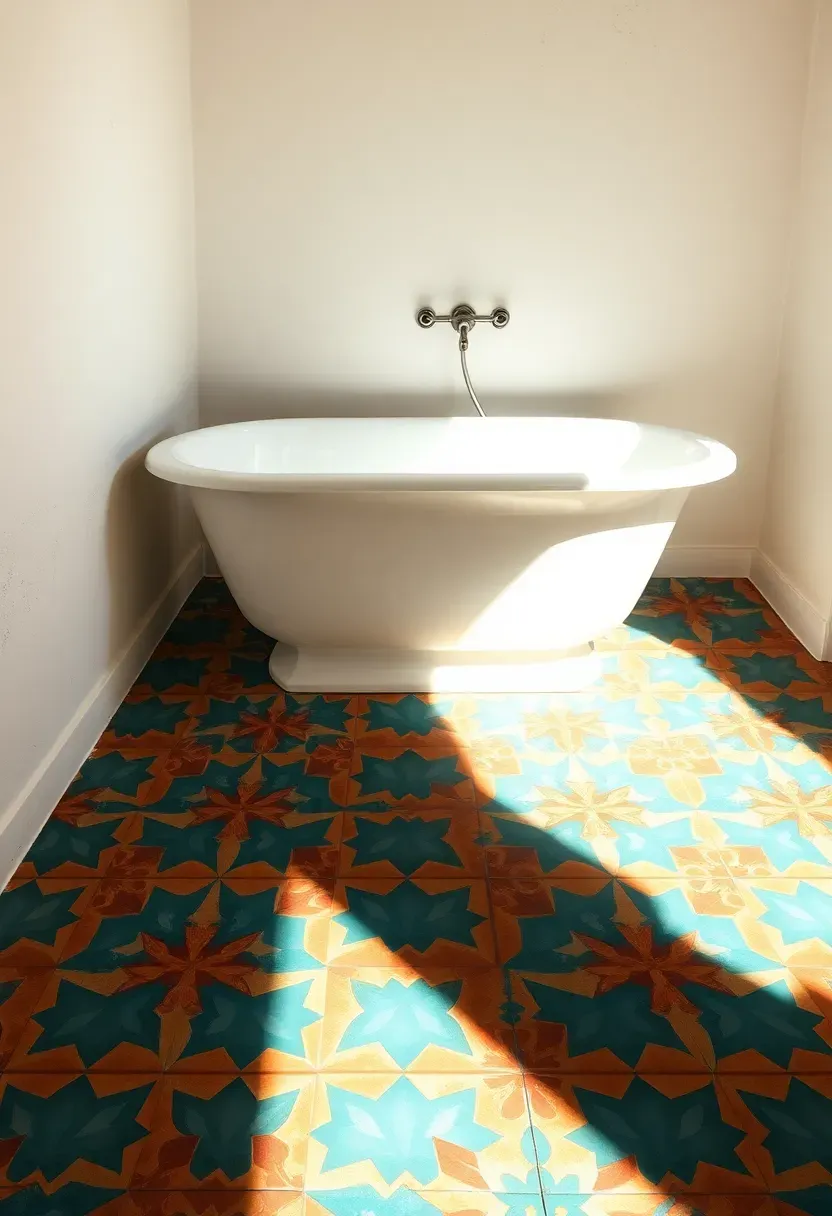
Encaustic tiles are pressed cement with pigment layered into the surface, not painted or glazed on top. The color is integral to the tile — it goes several millimeters deep. This means the pattern survives decades of foot traffic without wearing away to a different color underneath. Each tile is handmade, so slight variations in tone and alignment create a floor that looks artisanal rather than manufactured. Traditional patterns include florals, geometric stars, and Moorish-inspired arabesques. A single bold pattern across a small bathroom floor can serve as the entire design statement for the room.
Tips
- Seal before grouting, then seal again after — cement is very porous when new
- Avoid dragging furniture across them; the surface can scratch
- Price sits between $8-20 per square foot, with complex multicolor patterns at the higher end
8. Wood-Look Porcelain Plank
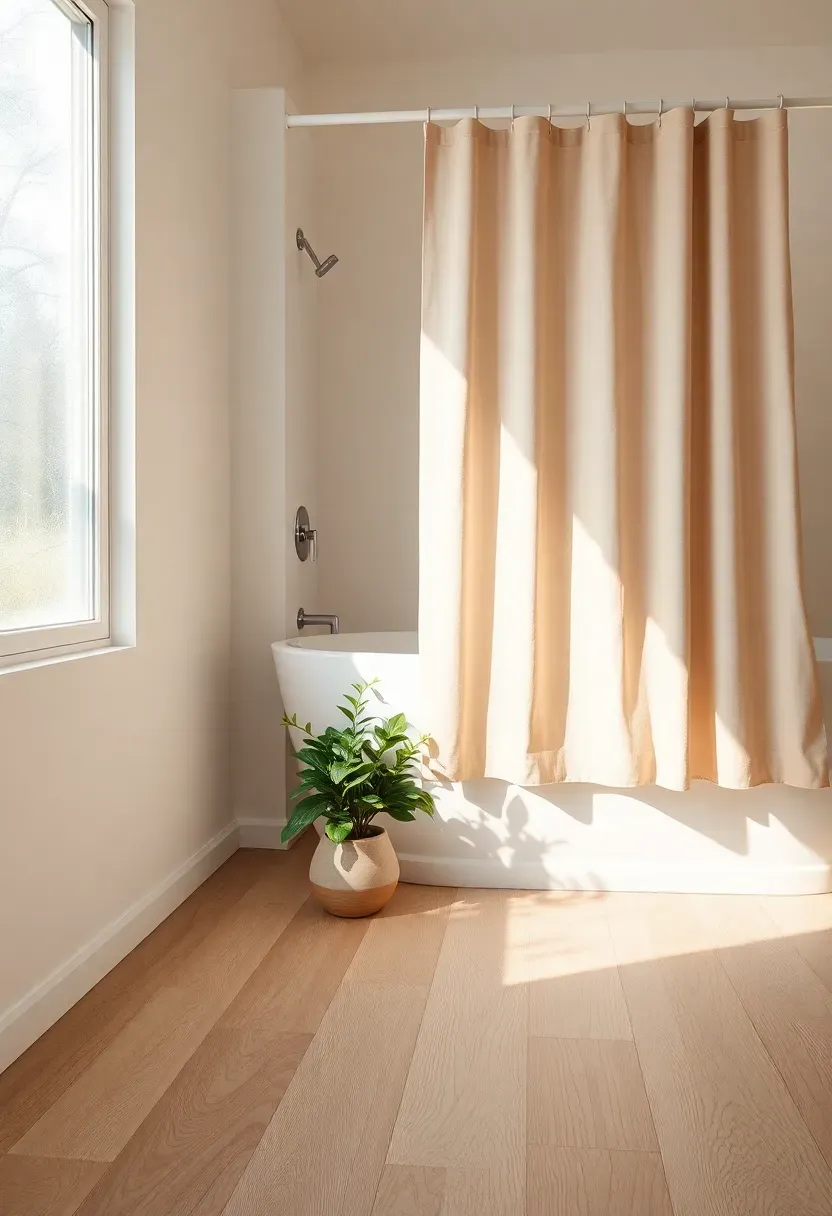
Real Wood vs. Porcelain That Looks Like Wood
Real hardwood in a bathroom is risky. Moisture warps boards, steam lifts finishes, and splashes around the tub or sink damage the surface over time. Porcelain planks printed with wood-grain imagery and textured to feel like wood grain give you the warmth of a wood floor without the vulnerability. Quality has improved dramatically — the best versions fool people until they knock on them and hear the density difference.
The Honest Tradeoffs
Porcelain planks are harder and colder underfoot than real wood. They can sound hollow if not installed with full thinset coverage. The texture is surface-level only — it does not develop a genuine patina the way hardwood does. Grout lines between planks break the illusion slightly, though color-matched grout minimizes this.
Choose If
You love the look of wood flooring but your bathroom gets heavy moisture exposure from a shower or tub. This is the sensible middle ground.
Recommended
Items for this idea
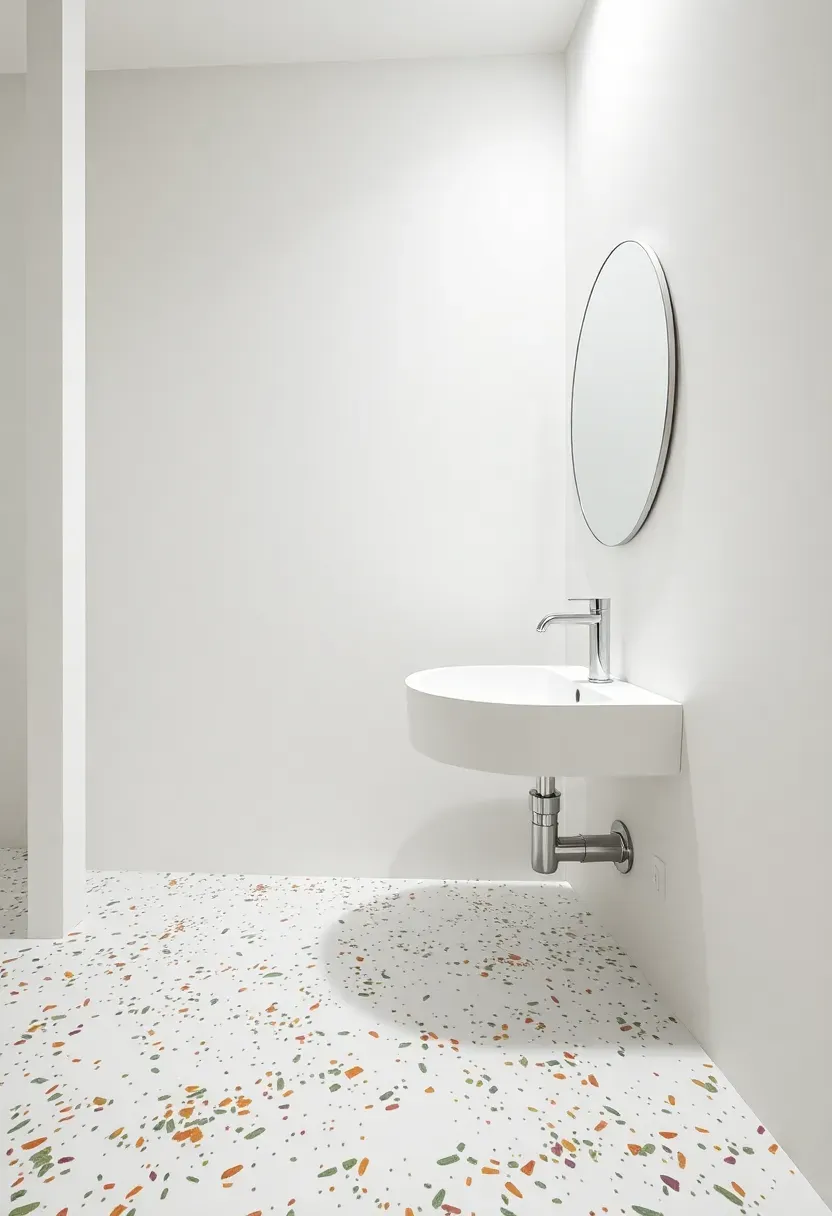
9. Terrazzo Floor
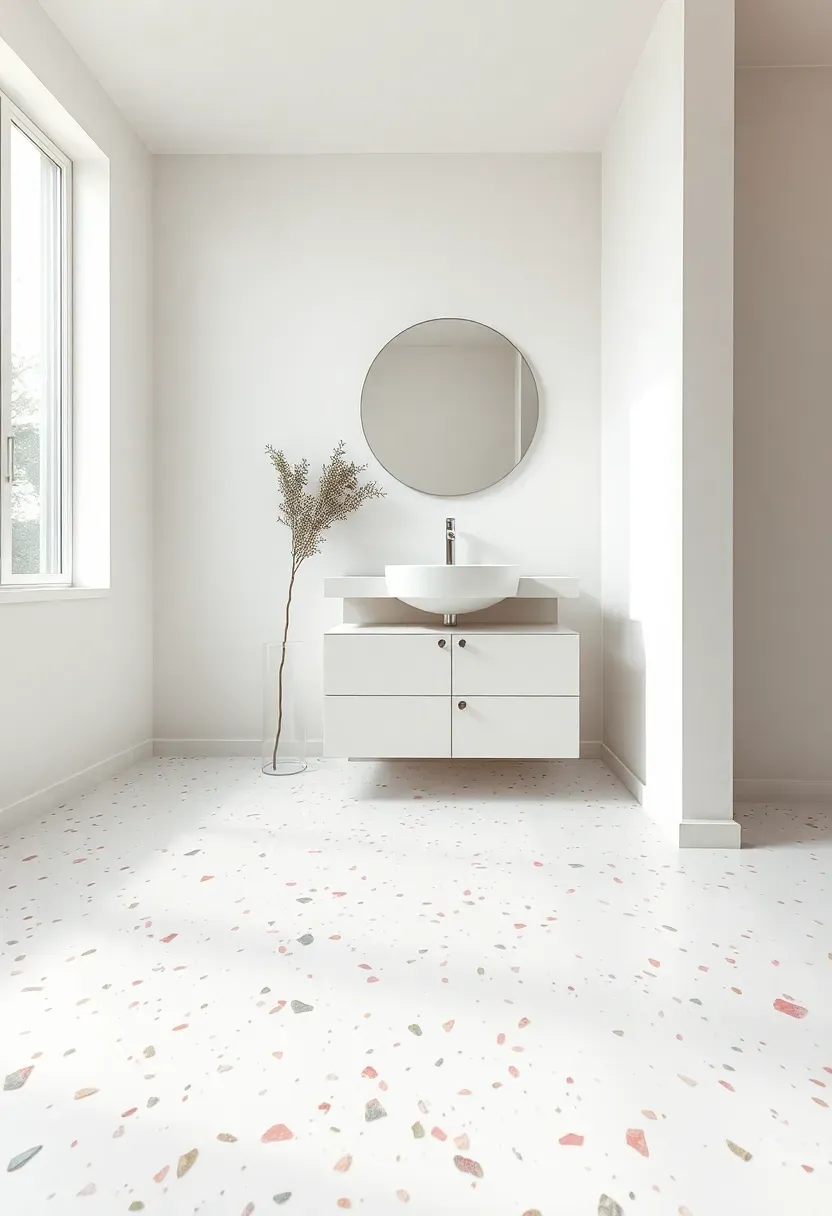
Terrazzo originated in 15th-century Venice when marble workers embedded leftover stone chips in clay and polished the surface smooth. Today it is made with marble, granite, quartz, or glass chips set in a cement or epoxy binder. Poured-in-place terrazzo creates a genuinely seamless floor — no tiles, no grout lines, just an unbroken surface of aggregate and binder polished to a satin sheen. Precast terrazzo tiles are the more affordable alternative. The speckled, confetti-like pattern hides dirt and water spots remarkably well, which is a practical advantage in bathrooms.
Tips
- Poured terrazzo costs $25-50 per square foot installed; tiles run $8-15
- Chip size and color mix are fully customizable in poured applications
- Epoxy-based terrazzo resists staining better than cement-based versions
10. Pebble Tile Floor
The Problem with Smooth Shower Floors
Standard flat tile in a shower stall offers limited traction when wet and soapy. Anti-slip coatings wear off. Bath mats get moldy underneath. The surface needs something inherently textured.
The Solution
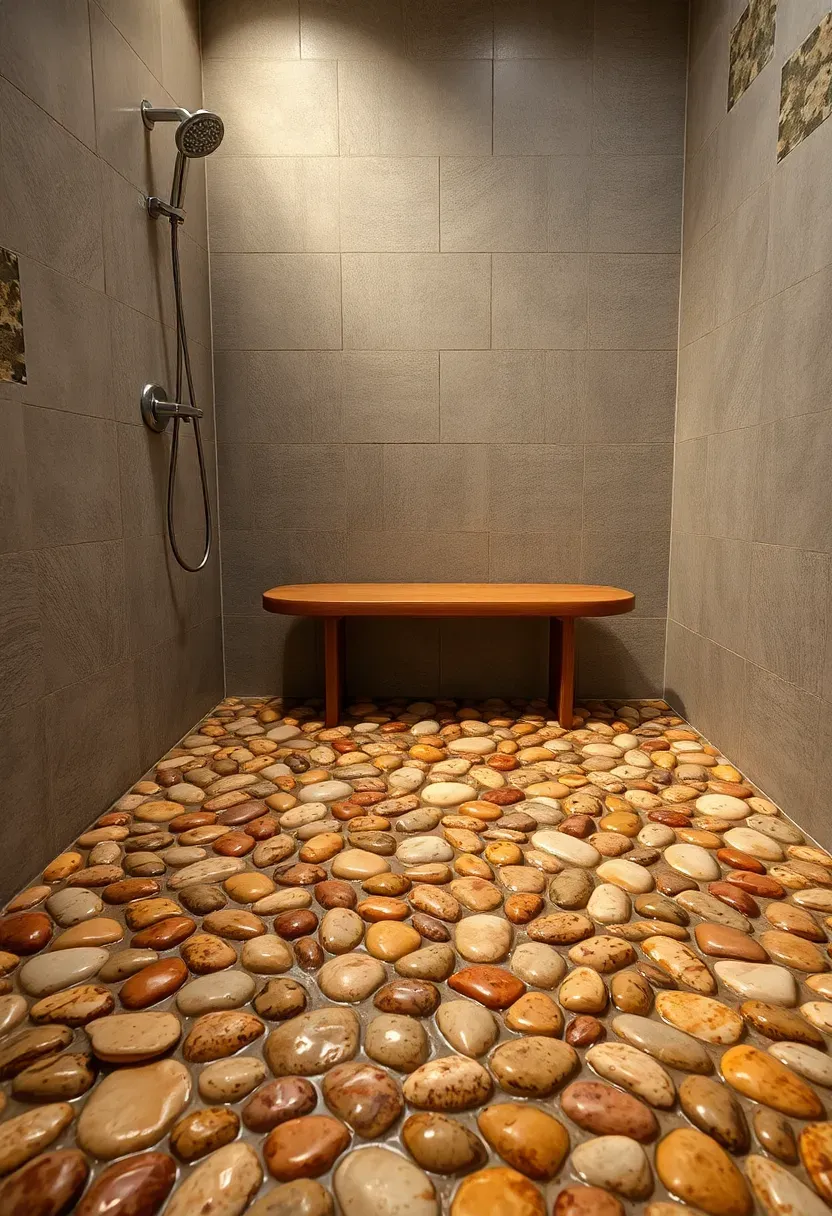
Pebble tile sheets use natural river stones mounted on mesh backing. The rounded tops of each stone create a naturally uneven surface that provides excellent grip. The stones also feel good under bare feet — more like a river bed than a cold floor. Most people use pebble tile specifically in shower pans, with a different tile for the main bathroom floor.
Pros and Cons
- Pro: Superior traction in wet conditions without any applied coatings
- Pro: The massage-like texture is genuinely pleasant
- Con: Grout between irregular stones is difficult to clean and seal
- Con: Standing on pebbles for long showers can become uncomfortable for some people
Recommended
Items for this idea
11. Large Format Concrete-Look Tile
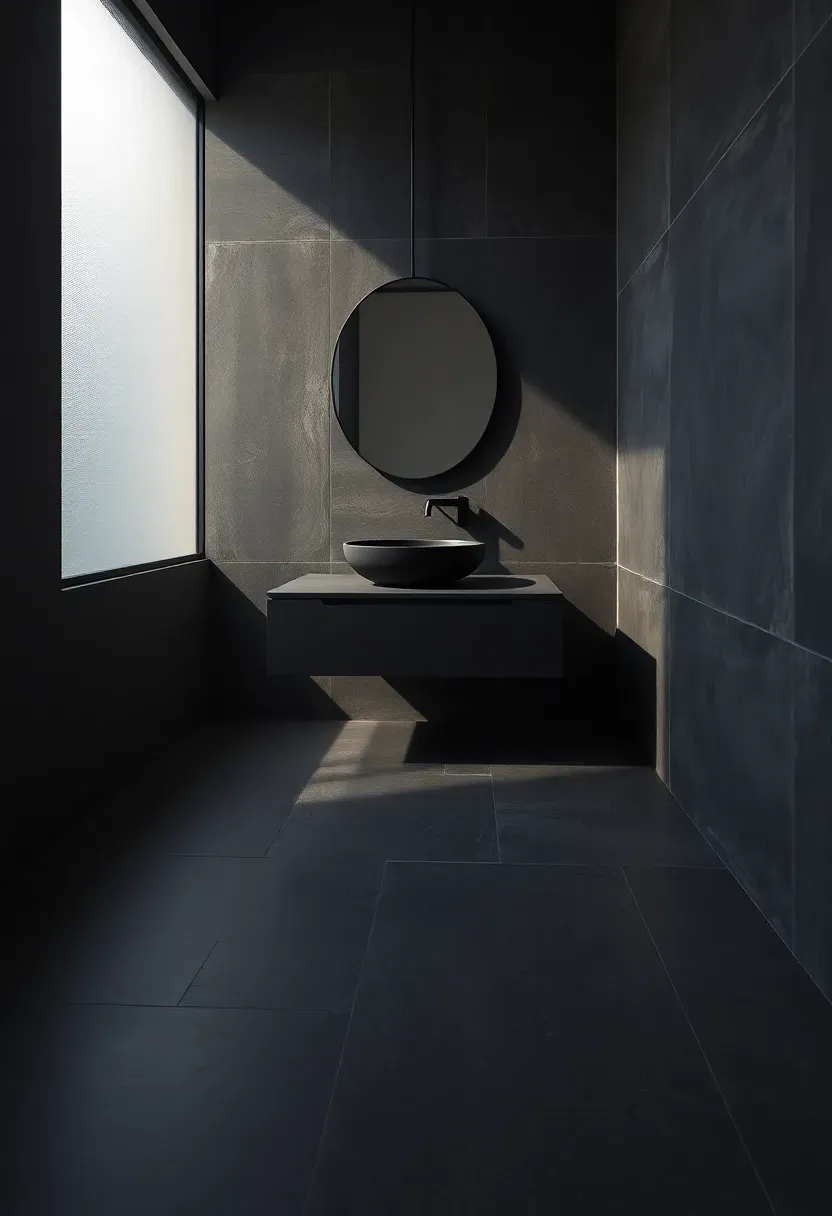
Big porcelain tiles — 24x24 inches or even 24x48 — printed to resemble poured concrete give an industrial-modern look with far less hassle than actual concrete. The appeal is the combination of visual weight and minimal visual interruption. Fewer grout lines mean a cleaner, more monolithic appearance. In medium to large bathrooms, this reads as calm and intentional. In small bathrooms, it makes the floor plane feel continuous and spacious. Matte and slightly textured finishes are essential for safety; glossy concrete-look tile in a wet bathroom is asking for trouble.
Tips
- Use a leveling system during installation — large tiles magnify any subfloor unevenness
- Specify rectified edges for grout joints as narrow as 1/16 inch
- Pairs well with warm wood accents to soften the industrial edge
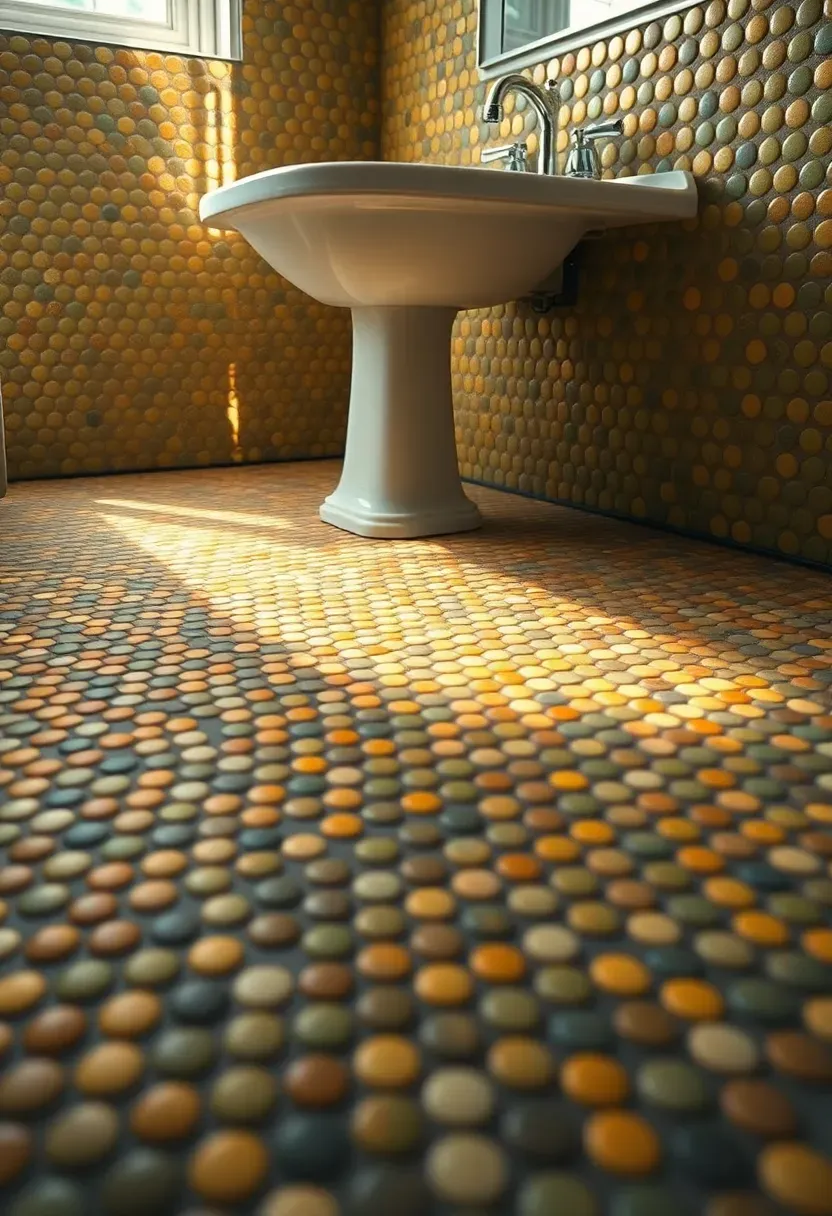
12. Penny Round in Color
Beyond White Penny Tile
White penny rounds are the safe default. But colored penny mosaics — olive green, mustard, cobalt, terracotta — anchor a bathroom with personality that white cannot provide. A floor of matte sage penny tiles with a matching dark green grout creates a tonal, earthy feel. Mixed-color sheets with three or four complementary tones scattered randomly look like they belong in a boutique hotel lobby.
Modern Take
Unglazed porcelain penny tiles in muted, matte tones feel more current than shiny glazed versions. The matte surface also performs better in wet areas. Mixed sheets where 80% of the tiles are one color and 20% are a contrasting accent give enough variation to be interesting without becoming chaotic.
Apply at Home
Start with a sample sheet taped to your actual bathroom floor. Penny tile reads very differently at scale than in a small swatch. Order at least 15% extra for cuts and waste.
Recommended
Items for this idea
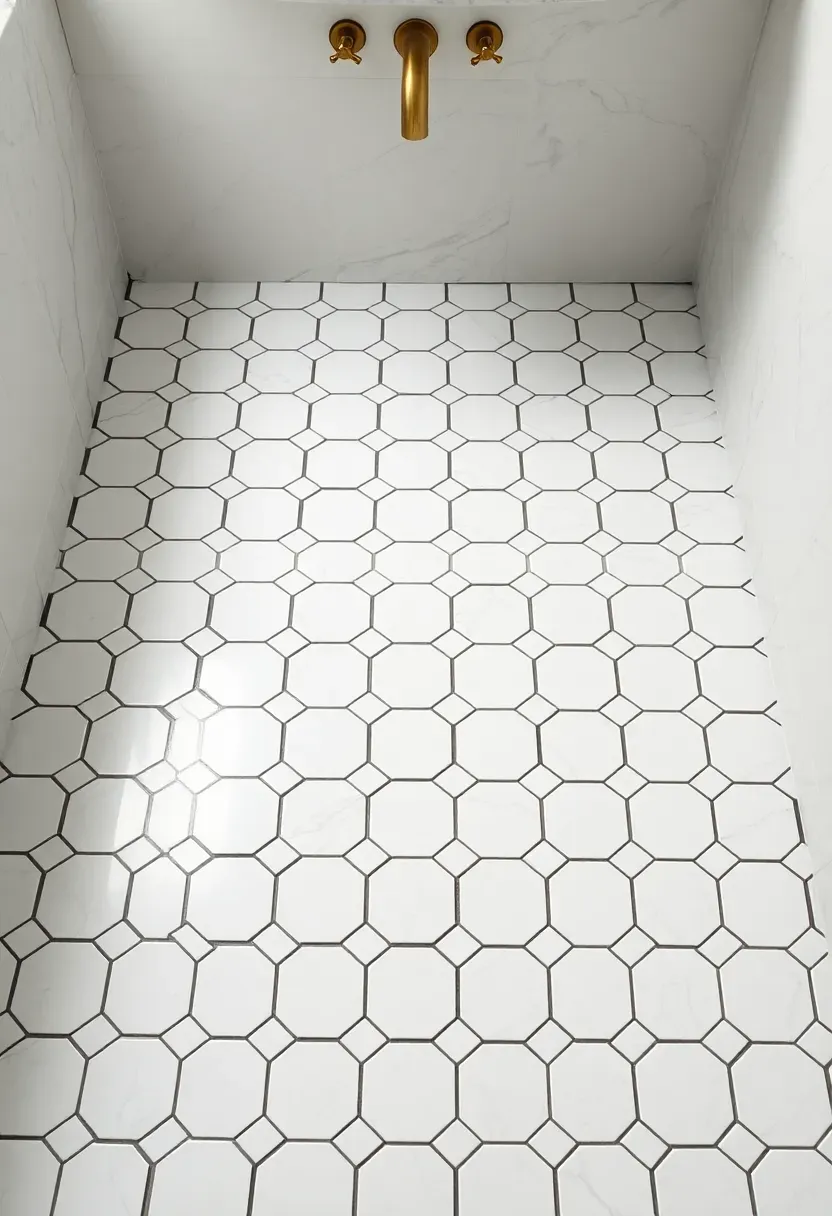
13. Hexagonal Marble Mosaic
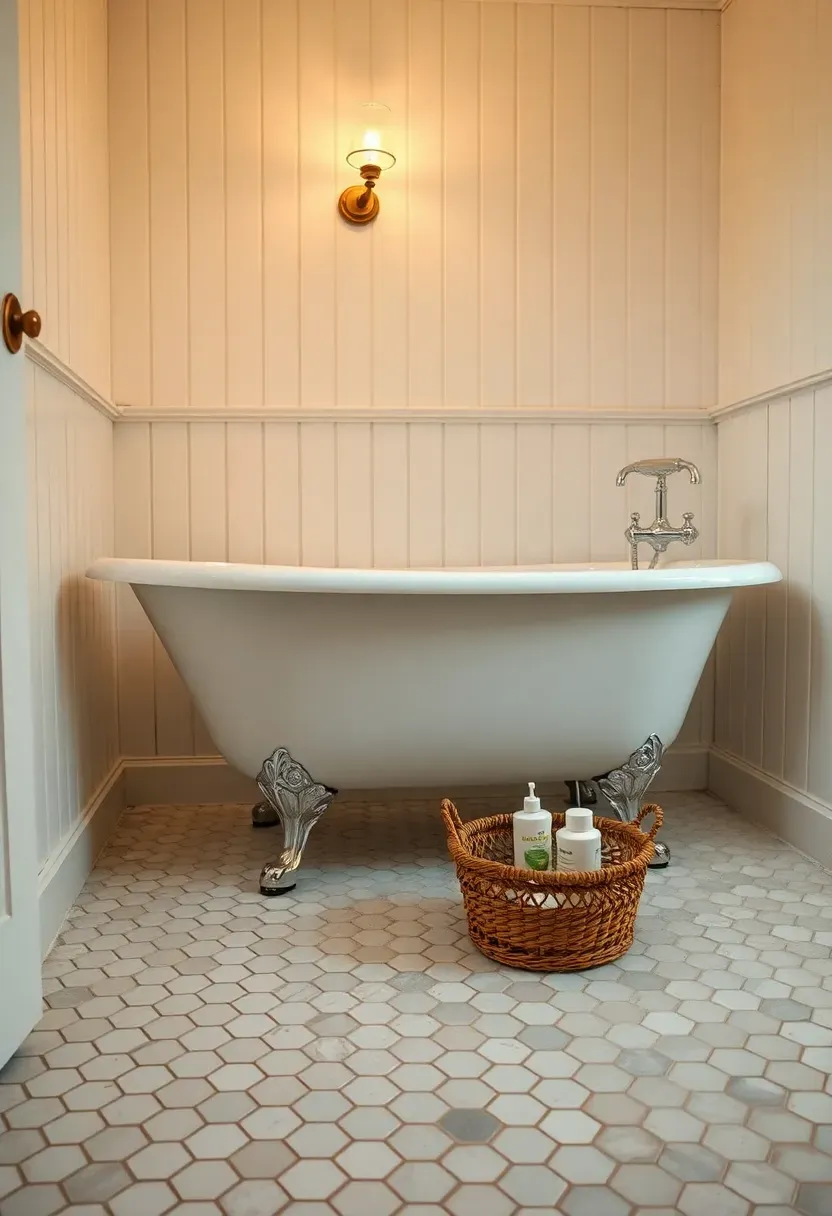
Hexagonal marble in 2-inch pieces on mesh backing combines two classic bathroom elements: the timeless shape and natural stone. Unlike large marble slabs, the small hex format follows the contour of sloped shower pans without requiring complex cuts. The many grout lines between hexagons improve slip resistance — an important gain since polished marble on its own is dangerously slick when wet. Honed (matte) Carrara hex is the most popular version, but Bianco Dolomiti offers a whiter base with subtler veining. Use dark grout if you want to emphasize the honeycomb geometry, or white grout for a seamless tone-on-tone look.
Tips
- Honed finish is essential for floors; polished marble hexagons belong on walls
- Seal marble hex tiles before and after grouting to prevent staining
- Cost is roughly $12-20 per square foot for quality marble hex sheets
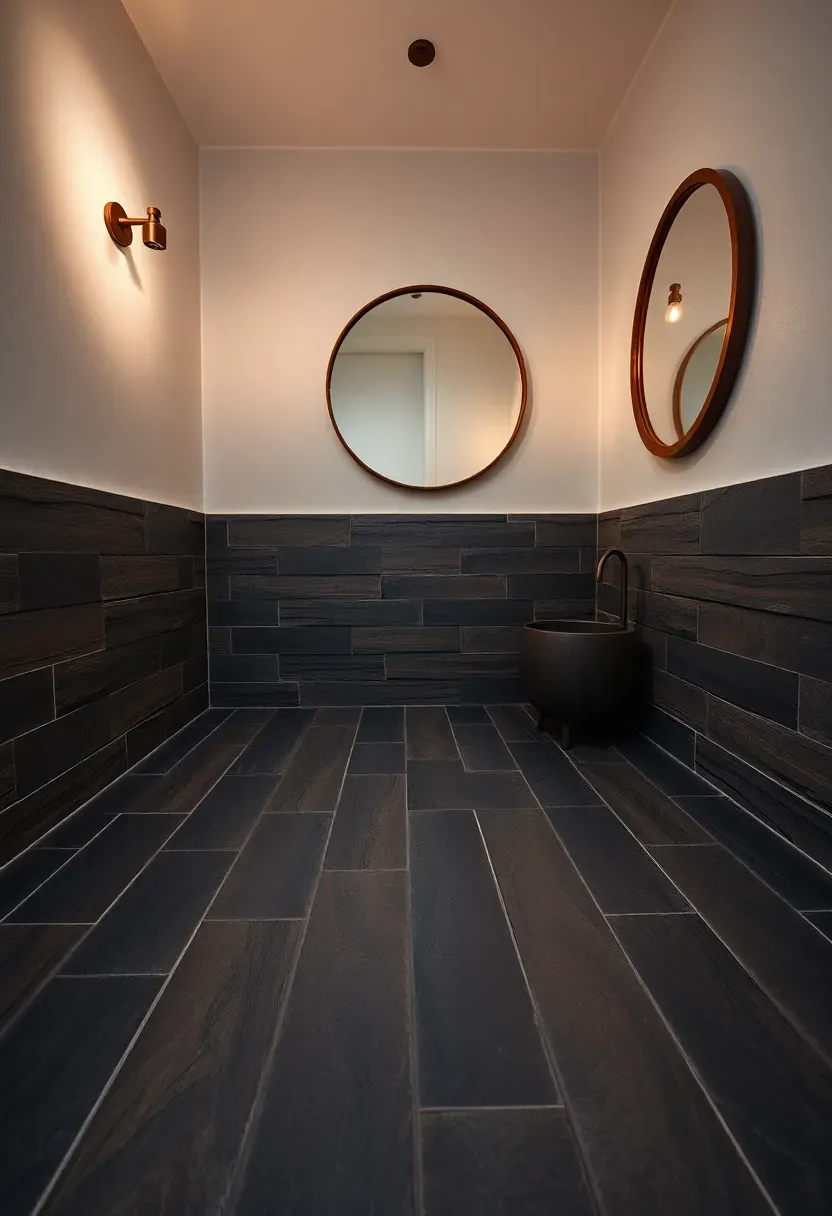
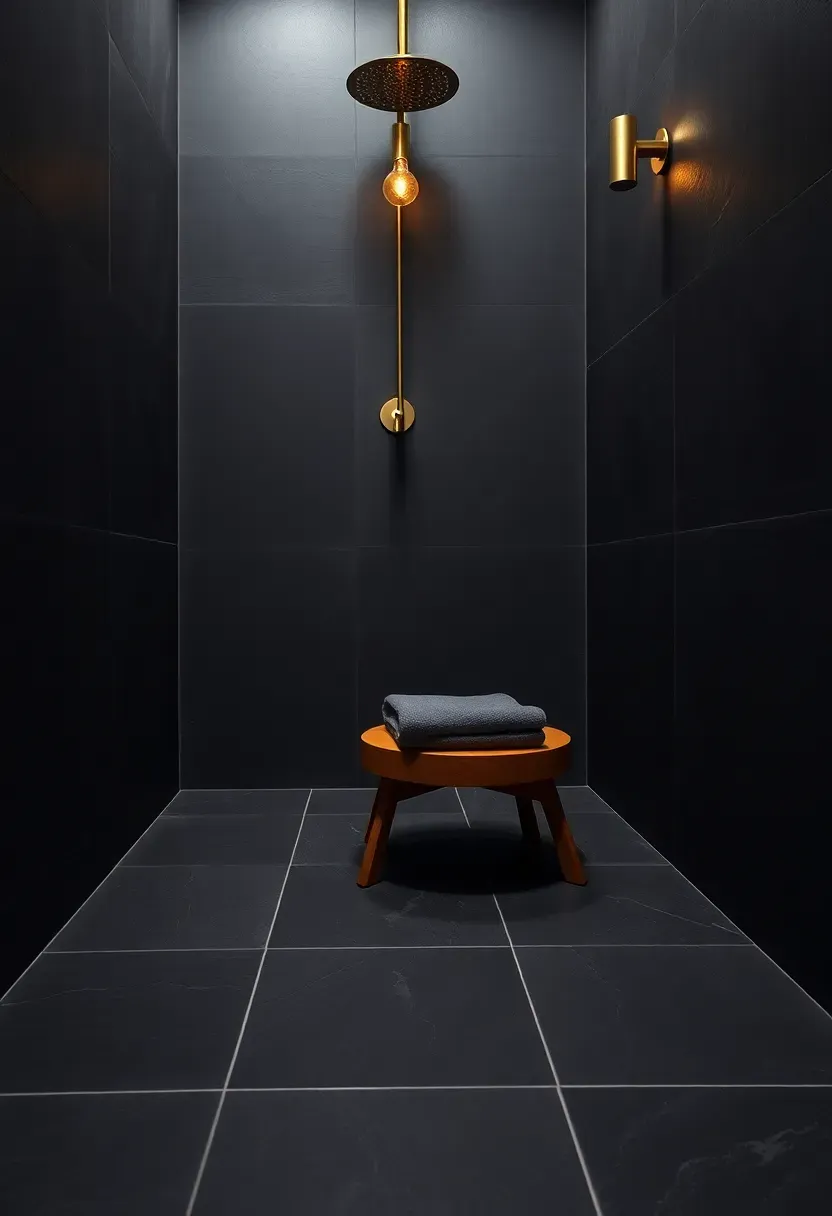
14. Slate Tile with Natural Cleft
Step 1: Know What Natural Cleft Means
Slate splits along natural layers, creating a surface with ridges and valleys rather than a flat plane. This texture is called natural cleft or riven. It provides built-in traction that makes slate one of the safest natural stone options for wet bathroom floors.
Step 2: Select Your Color Range
Slate comes in black, charcoal, green, rust, purple, and multicolor blends depending on the quarry. Indian slate tends toward darker greens and blacks. Brazilian slate shows more purple and rust. Vermont slate ranges from gray to green.
Step 3: Seal Properly
Slate absorbs water and oils if left unsealed. Apply a penetrating stone sealer before use and reapply annually. Color-enhancing sealers deepen the natural tones; natural-look sealers protect without changing the color.
Watch Out
The uneven surface can be uncomfortable under bare feet for extended periods. Gauge-calibrated slate (milled to uniform thickness on the bottom) is easier to install level.
Recommended
Items for this idea
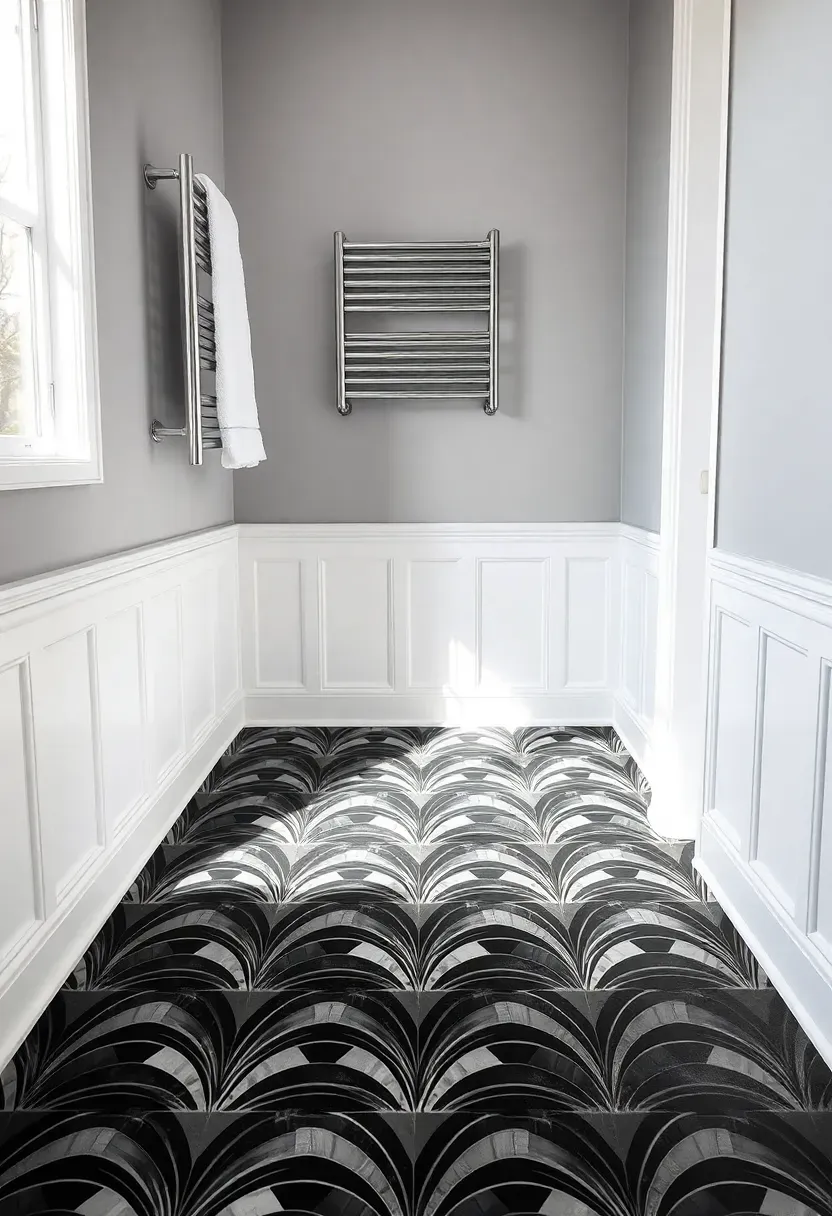
15. Geometric Patterned Vinyl
Luxury vinyl tile (LVT) has moved past wood-look and stone-look into bold geometric patterns. You can now get vinyl that mimics encaustic cement tile, art deco geometrics, and Moroccan-inspired designs at a fraction of the cost. The practical advantages in bathrooms are real: fully waterproof, warm underfoot compared to tile, and forgiving on dropped glass bottles. Peel-and-stick versions allow renters to upgrade a bathroom floor in an afternoon. Click-lock versions are more stable and durable for permanent installations.
Tips
- SPC (stone polymer composite) core vinyl handles bathroom moisture better than WPC
- Patterned LVT often comes in 12x12 or 12x24 tiles for easier pattern alignment
- Budget $2-6 per square foot; significantly cheaper than the ceramic it mimics
16. Limestone Floor
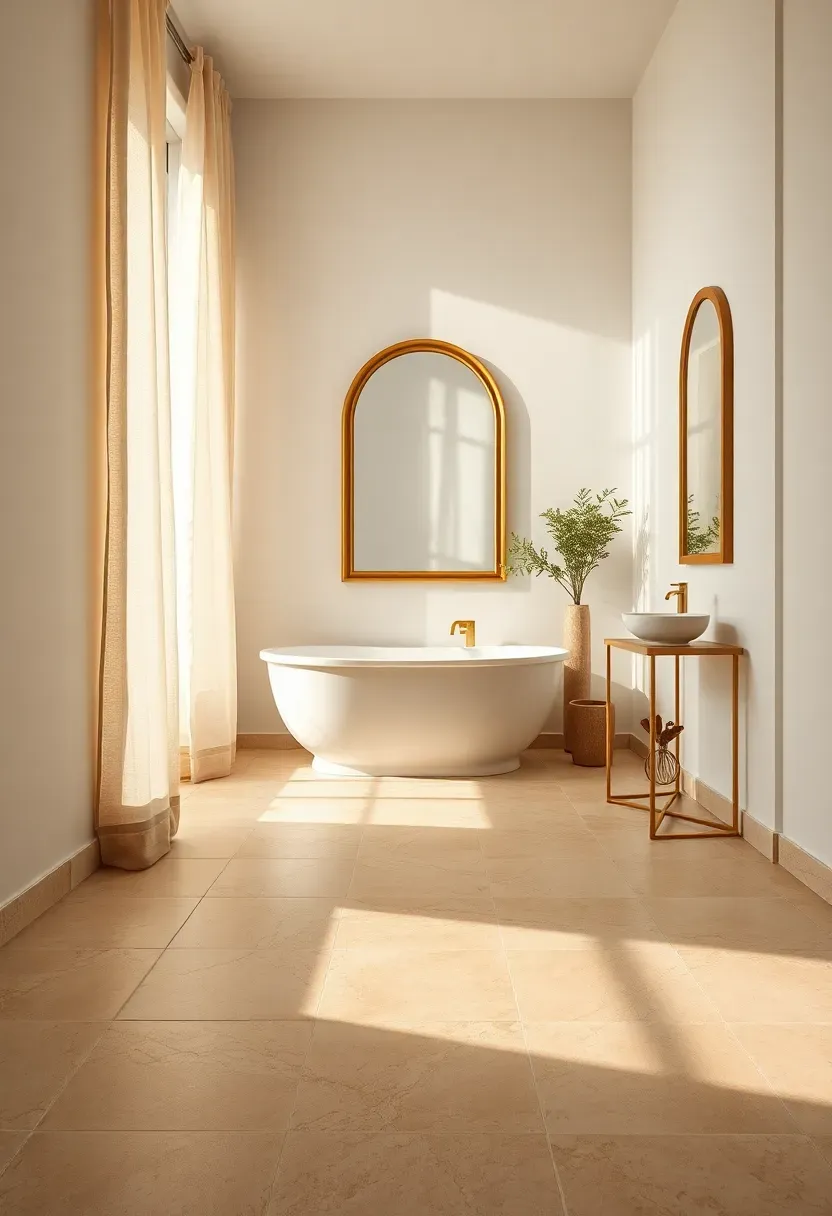
Limestone offers a softness that harder stones like granite and marble lack — both visually and literally. The surface feels warmer underfoot and has a matte, chalky quality that pairs with Mediterranean, French country, and transitional bathroom styles. Colors range from near-white to golden honey to warm taupe, all with subtle fossil textures and tonal variation. Limestone is softer than marble on the Mohs scale, which means it scratches more easily but also feels gentler underfoot. Honed and filled limestone (where the natural pits are filled with color-matched resin) gives a smoother surface that is easier to keep clean.
Tips
- Requires sealing every 6-12 months; limestone is porous
- Acidic cleaners damage the surface — use pH-neutral stone cleaners only
- Pairs particularly well with wrought iron fixtures and linen textiles
Recommended
Items for this idea
17. Brick-Pattern Quarry Tile
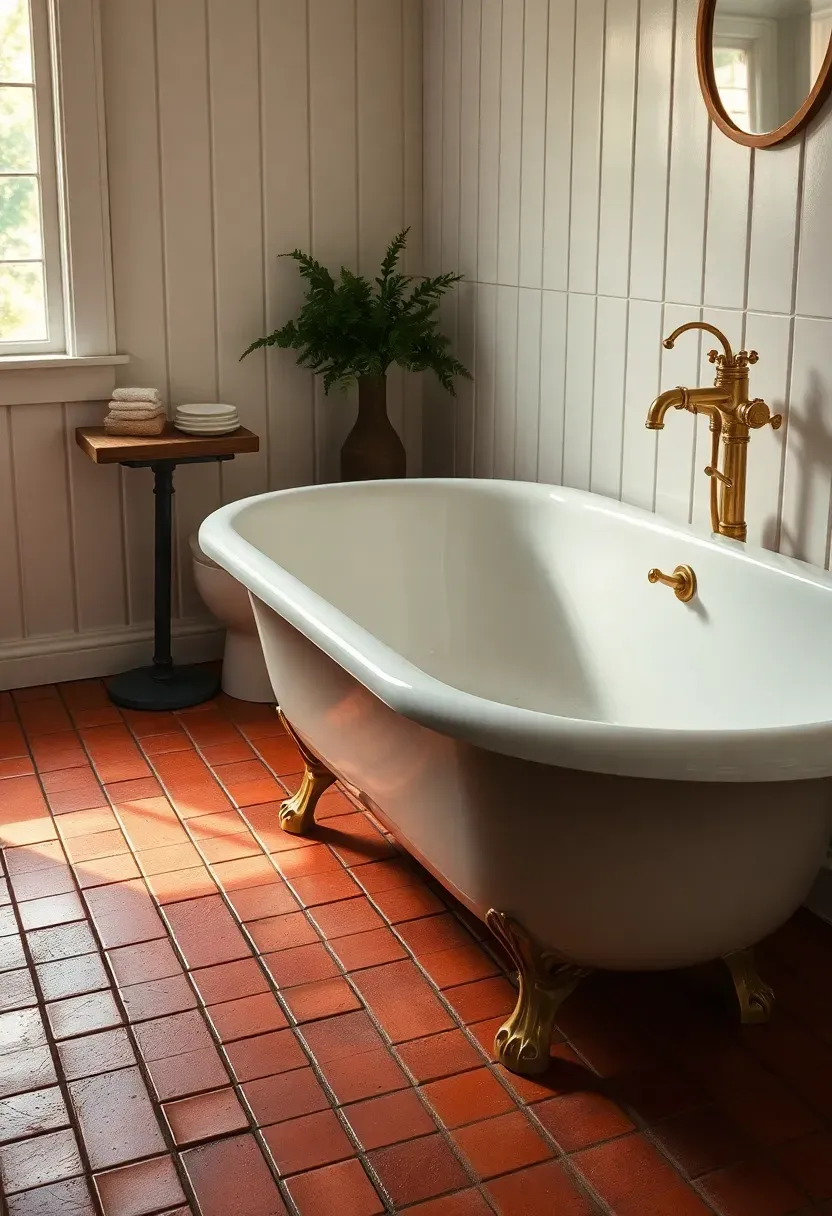
Quarry tile is unglazed, kiln-fired clay — dense, durable, and naturally slip-resistant due to its slightly rough texture. The classic 6x6 or 4x8 format in running bond (brick) pattern creates a warm, utilitarian floor that suits farmhouse, industrial, and craftsman-style bathrooms. The terracotta-red color is the default, but quarry tile also comes in brown, gray, and black. Because it is unglazed, the color is consistent throughout the tile body. Scratches and chips blend in rather than exposing a different-colored core like glazed tile would.
Tips
- Apply a penetrating sealer to prevent staining; unglazed clay absorbs liquids
- The rough texture holds grit and needs regular sweeping or vacuuming
- One of the most affordable natural tile options at $2-5 per square foot
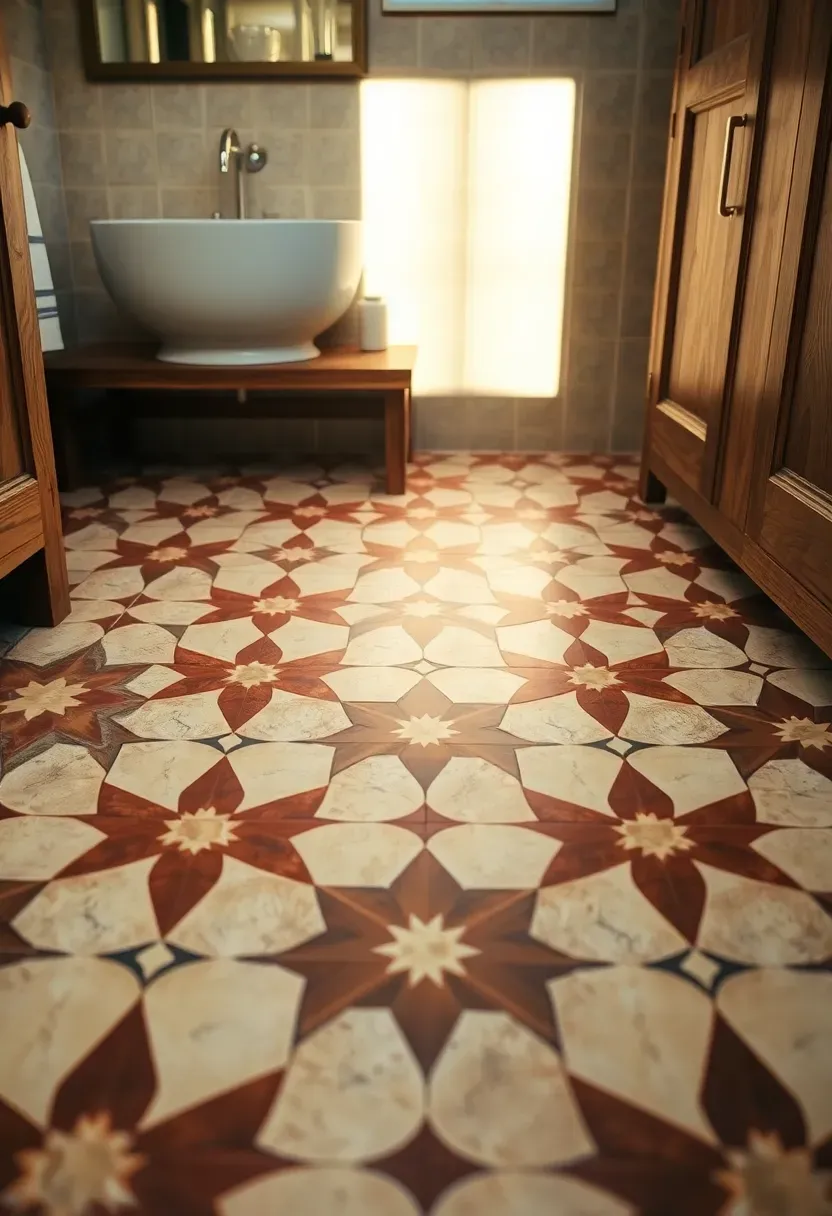
18. Moroccan Star and Cross Tile
Origins
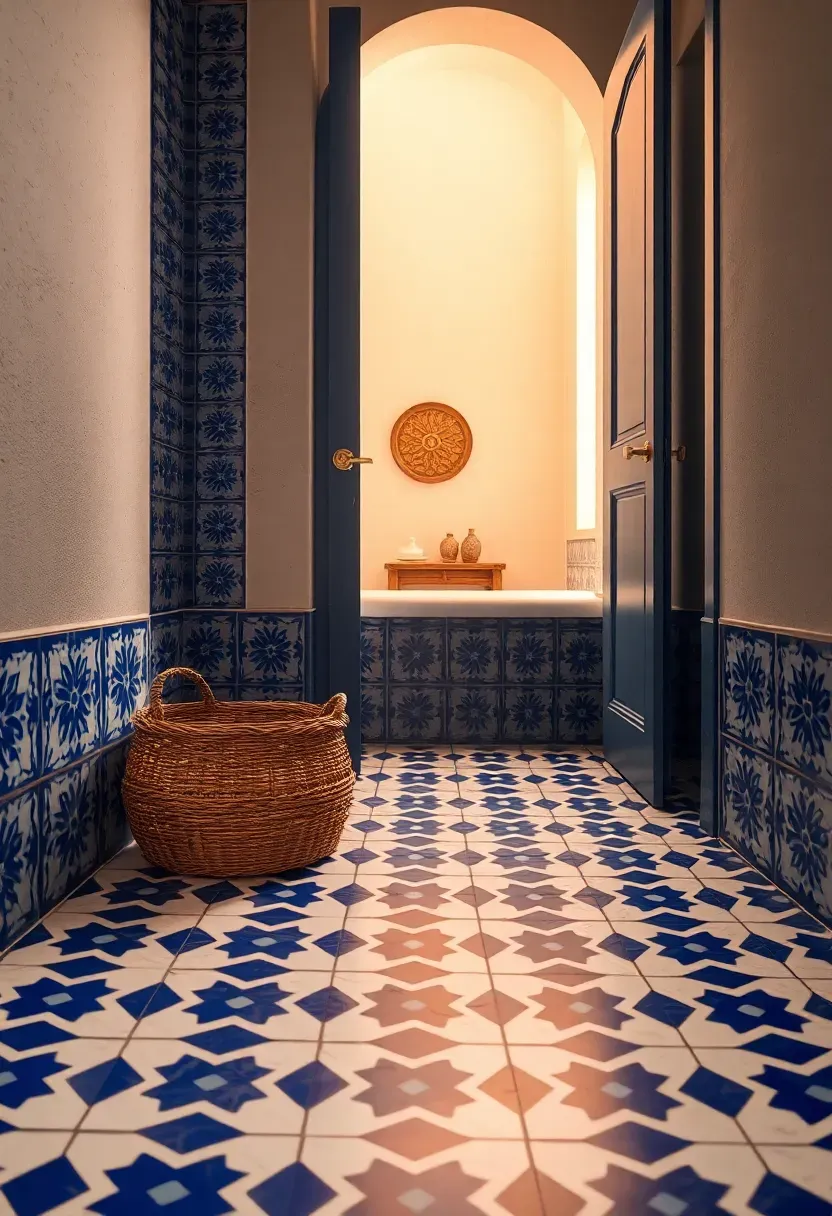
The eight-pointed star interlocking with a cross shape is one of the oldest geometric tile patterns in Islamic architecture. It appears in mosques, palaces, and riads across Morocco, Spain, and Turkey dating back to the 12th century. The geometry is based on mathematical principles of tessellation — shapes that cover a surface without gaps.
Modern Use
Contemporary versions come in cement, porcelain, and ceramic. Cement tiles in saturated blues, greens, and whites look the most authentic. Porcelain versions are more durable and require less maintenance. The pattern works best as a feature floor in a smaller bathroom where it can fill the entire floor area without feeling overwhelming.
Apply at Home
Pick two colors maximum for the pattern. More than that and the geometric precision gets lost in visual noise. A white star with a deep blue cross on a white field is a reliable combination.
Recommended
Items for this idea
19. Travertine in Running Bond
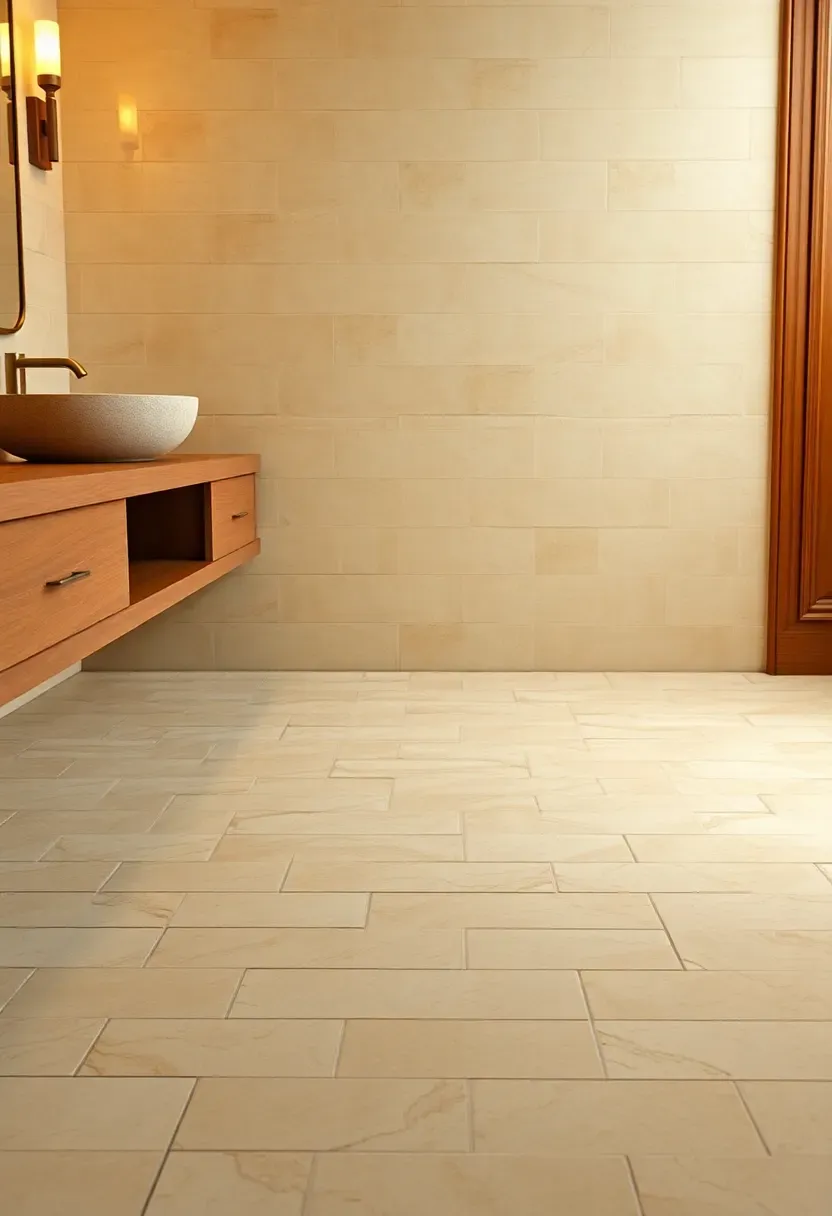
Travertine is a form of limestone deposited by mineral springs. Its characteristic pits and holes (called vug) give it a texture unlike any manufactured tile. When filled and honed, those voids are smoothed over with resin, producing a soft matte surface with visible patches where the fill differs slightly from the surrounding stone. Running bond layout — staggering each row by half, like bricks — adds linear direction to the floor and suits rectangular rooms well. Tumbled travertine has softened, rounded edges for a more rustic, aged appearance. Honed travertine is smoother and more refined.
Tips
- Filled and honed is the most practical finish for bathroom floors
- Unfilled travertine traps moisture and dirt in the open voids — avoid it in wet areas
- Cross-cut travertine shows the most consistent patterning; vein-cut shows linear striations
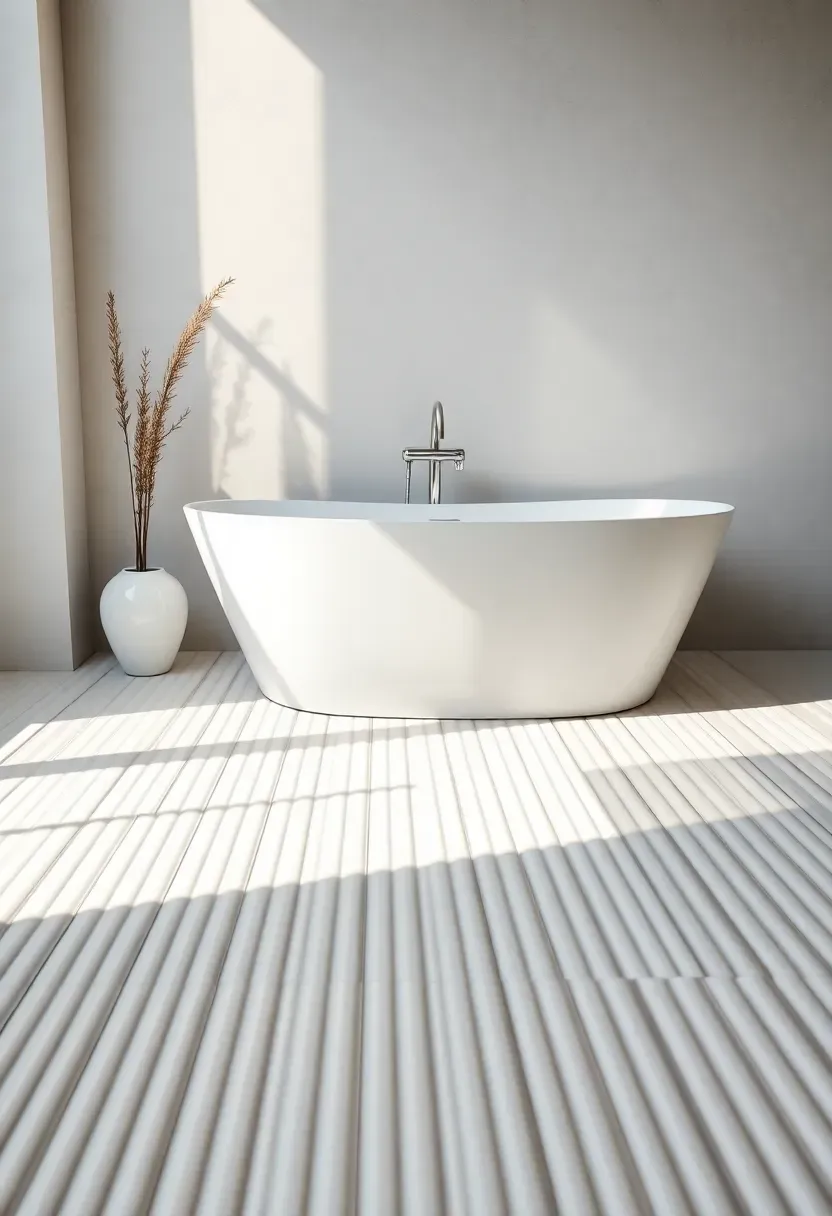
20. Fluted Porcelain Tile
The Trend
Fluted and reeded surfaces — those with evenly spaced vertical ridges — have moved from furniture and wall panels onto floor tile. The ridged texture catches light along each groove, creating subtle shadow lines that change throughout the day. On floors, fluted porcelain adds tactile interest and mild traction.
The Honest Tradeoffs
The grooves collect dust and hair more than a smooth tile would. Cleaning requires a brush attachment on a vacuum or a stiff-bristled mop. Water pools in the channels briefly after a shower. The visual effect is worth it in a primary bathroom where you control the cleaning routine, but a shared family bathroom might benefit from something easier to maintain.
Choose If
You are after a spa-like texture underfoot and appreciate the subtle play of light across a ridged surface.
Recommended
Items for this idea
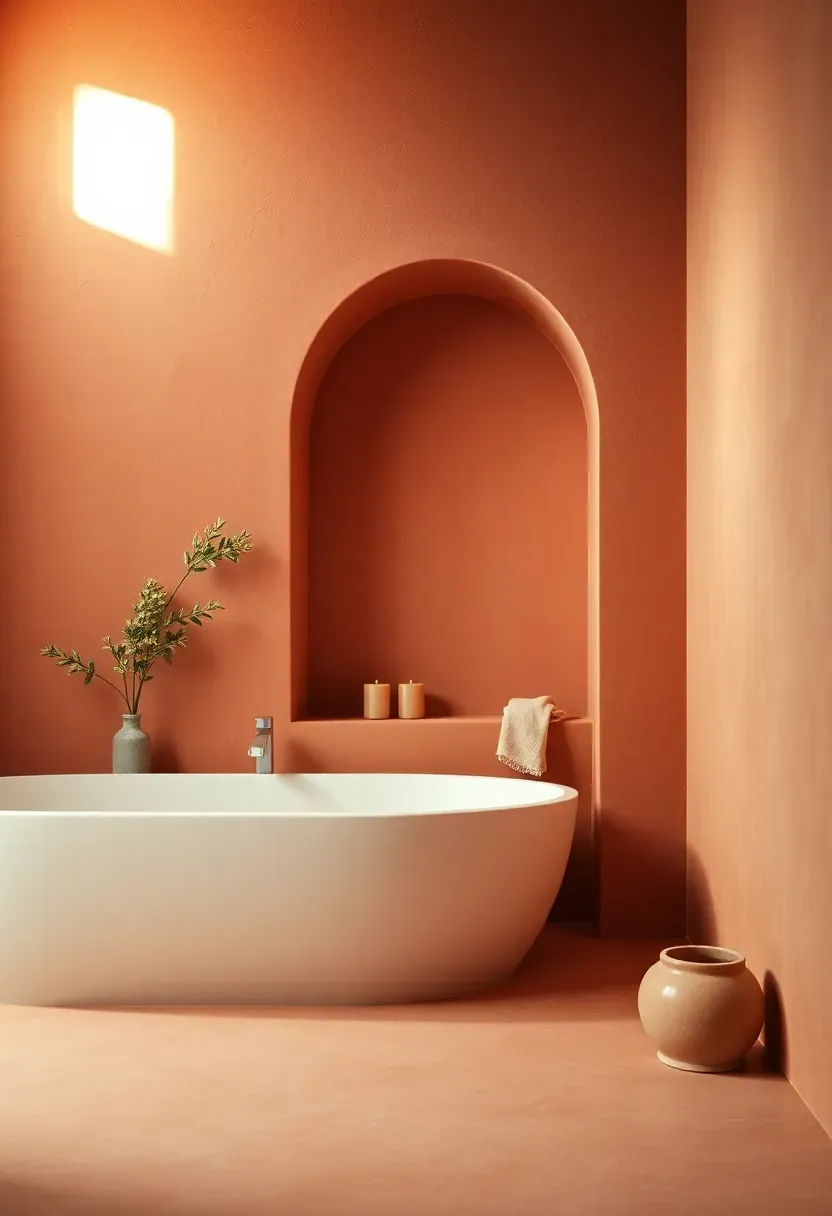
21. Tadelakt Waterproof Plaster Floor
Tadelakt is a traditional Moroccan lime plaster made waterproof by burnishing the surface with a smooth stone and treating it with olive oil soap. The result is a seamless, subtly lustrous finish that repels water without synthetic sealers. On floors, tadelakt creates a continuous surface with no grout joints, no tiles, and no seams — just a monolithic expanse of hand-polished plaster. Colors are typically warm earth tones: terracotta, sand, cream, and pale rose. The surface develops a gentle patina with use. Application requires a trained artisan; this is specialized work that cannot be improvised.
Tips
- Expect to pay $30-60 per square foot for professional tadelakt application
- The surface can be repaired and re-burnished if damaged, unlike tile
- Keep it away from highly acidic products; use gentle soap-based cleaners
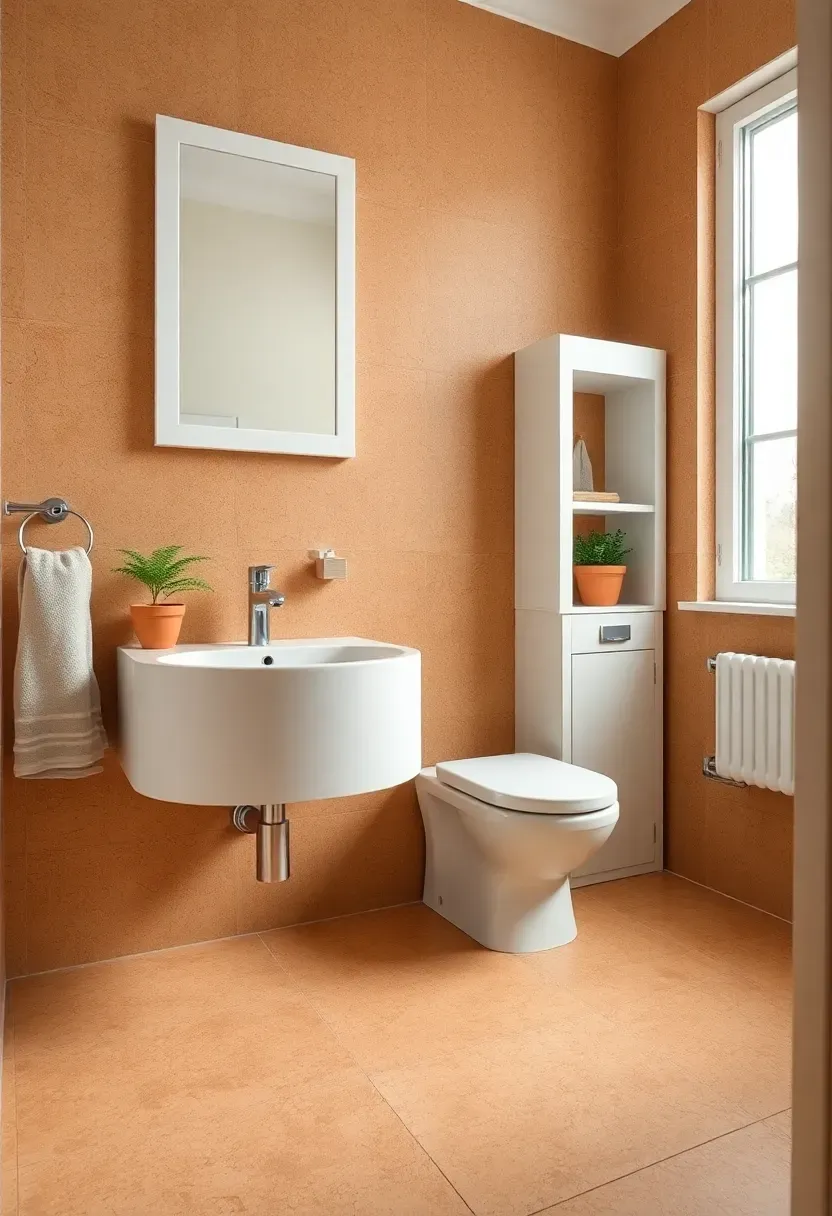
22. Cork Bathroom Floor
Step 1: Understand Why Cork Works
Cork is naturally antimicrobial and resistant to mold — properties that come from suberin, a waxy substance in the cork cell walls. It is also warm underfoot (cork insulates well) and has a slight cushion that is comfortable for standing.
Step 2: Choose the Right Product
Cork floor tiles for bathrooms must be sealed with multiple coats of polyurethane or a similar waterproof finish. Factory-finished cork tiles with pre-applied sealant are the safest bet. Floating cork planks with click-lock installation are also available but must have sealed seams for bathroom use.
Step 3: Maintain the Seal
The waterproof coating is what protects the cork. If the seal is compromised — by scratches, wear, or gaps — moisture reaches the cork and causes swelling. Recoat the floor every 3-5 years to maintain protection.
Watch Out
Cork dents under heavy point loads and fades in direct sunlight. Use furniture pads and window treatments to protect it.
Recommended
Items for this idea
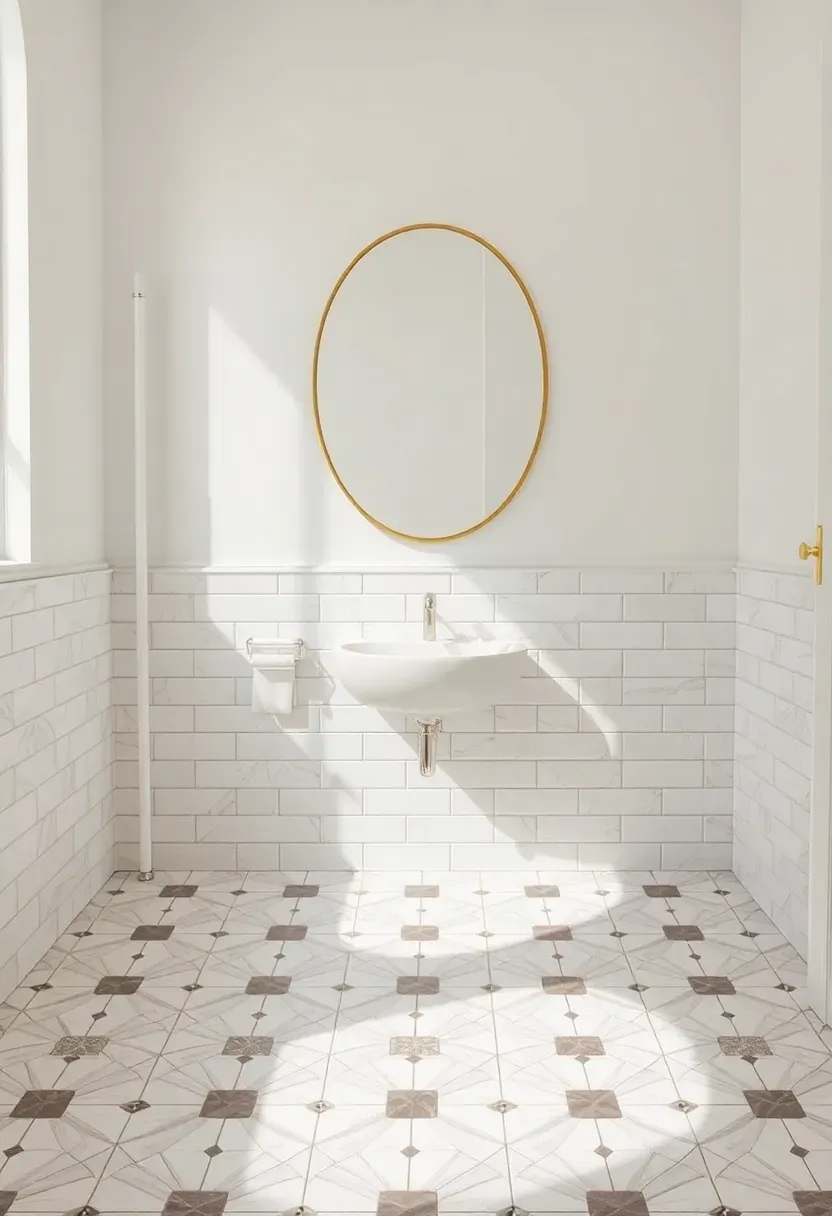
23. Windmill Mosaic Pattern
The windmill pattern (also called pinwheel) places four rectangular tiles around a small central square, creating a rotating visual effect. In marble — typically white rectangles with a contrasting gray or black center square — this pattern has a crisp, orderly elegance. The small scale of the mosaic pieces (usually 1x2 inch rectangles with a 1-inch square center) provides extensive grout coverage, which adds traction on wet floors. Windmill mosaics come on mesh-backed sheets for straightforward installation. The pattern reads as traditional without being as common as subway tile or standard hex.
Tips
- Color-matched grout gives a subtle look; contrasting grout makes the pattern pop
- Works well as a full floor or as an accent in a shower niche or threshold
- Approximately $10-18 per square foot for marble windmill mosaic sheets
24. Polished Concrete Overlay
The Problem with Existing Concrete
Raw concrete is porous. It absorbs water, stains from soap and cosmetics, and develops mildew in humid bathroom environments. It also looks unfinished.
The Solution
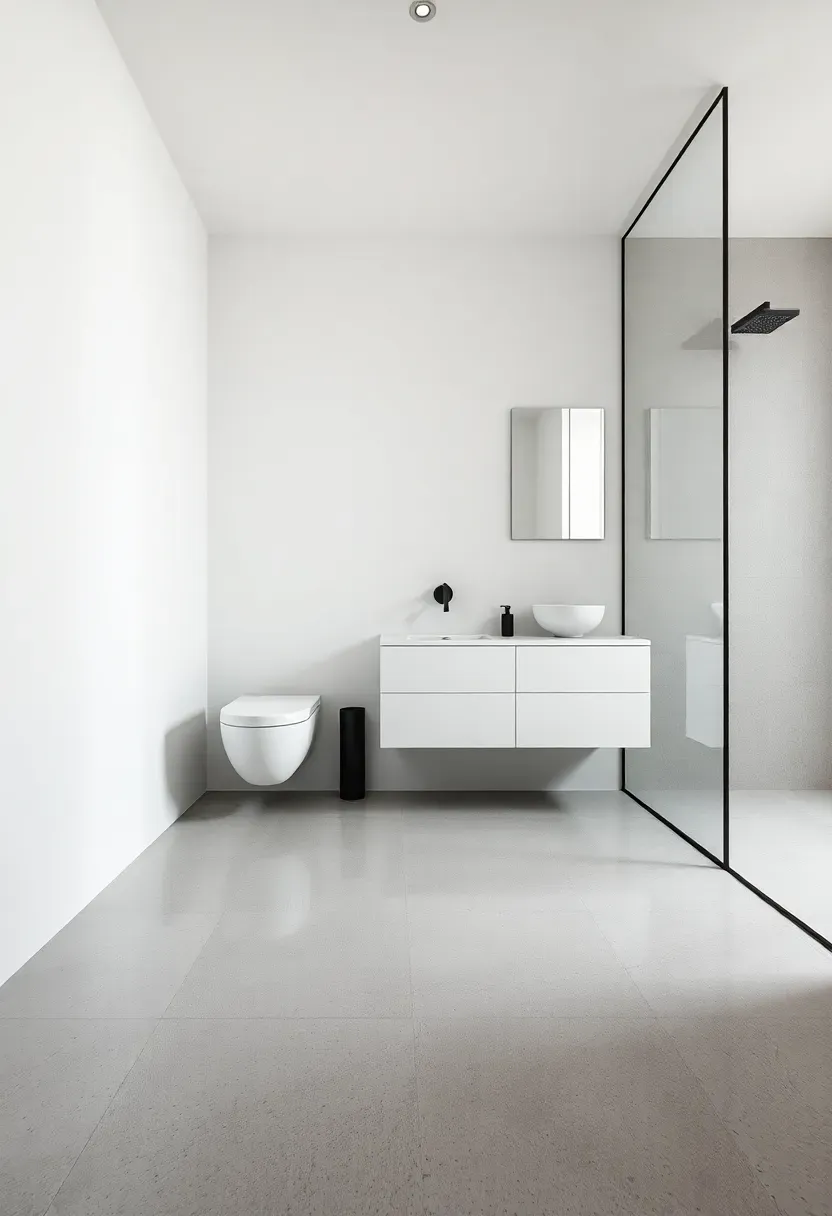
A polished concrete overlay is a thin cementitious coating applied over existing concrete (or even over tile). The surface is then ground and polished in stages — from coarse diamond pads to fine — until it reaches the desired sheen. Densifiers are applied during polishing to harden the surface and close the pores. The final result is a smooth, non-porous floor with a subtle aggregate texture visible in the polish.
Pros and Cons
- Pro: The polished surface is naturally stain-resistant and easy to mop clean
- Pro: Customizable sheen level from matte satin to high-gloss mirror
- Con: Hard underfoot — no give at all, which can be tiring for long periods
- Con: Requires professional equipment; not a weekend DIY project
Recommended
Items for this idea
25. Reclaimed Terracotta Tile
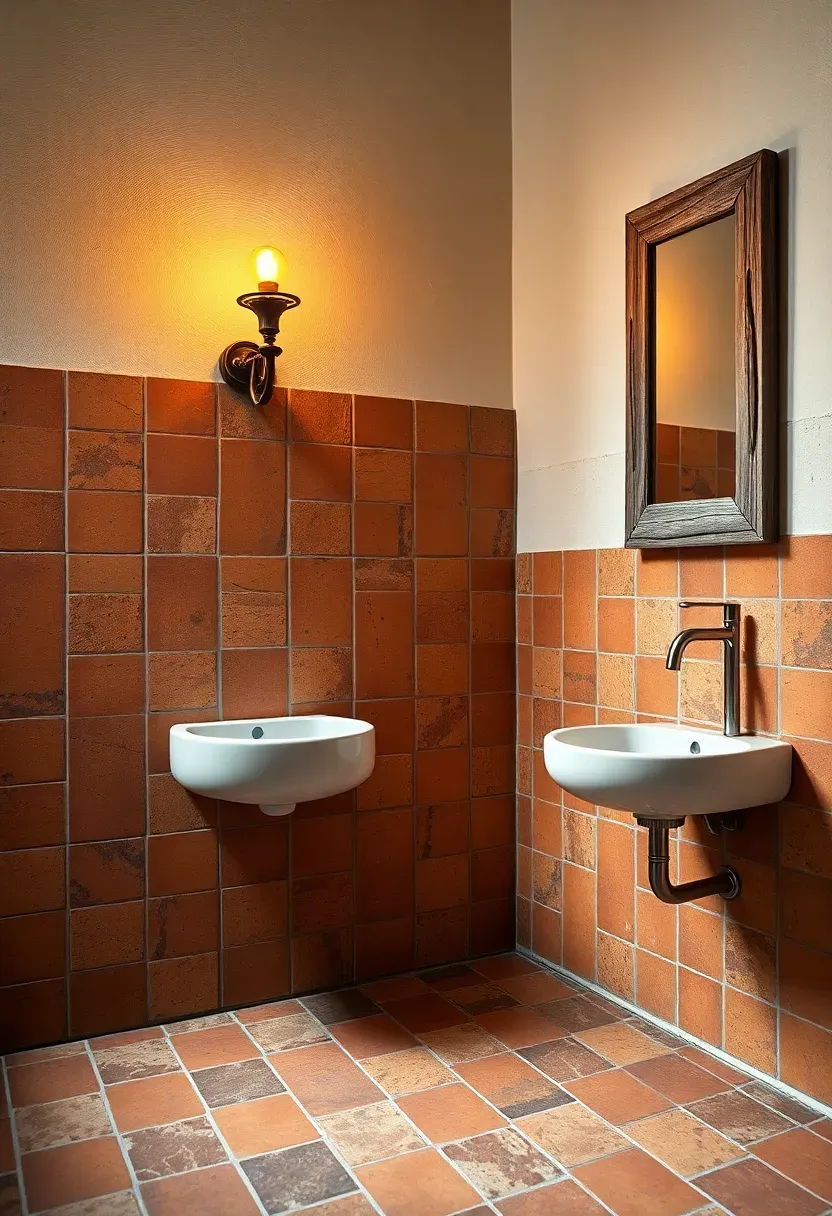
Reclaimed terracotta tiles pulled from old European farmhouses and industrial buildings carry a character that new terracotta cannot match. Decades (sometimes centuries) of foot traffic, sunlight, and natural aging produce color variation and surface wear that tells a visible history. Each tile differs in size, thickness, and shade — from pale apricot to deep burnt sienna. In a bathroom, reclaimed terracotta brings warmth and grounding that manufactured tiles struggle to replicate. The material is porous and absolutely requires sealing for bathroom use, but the sealed surface maintains the aged appearance while resisting moisture penetration.
Tips
- Source from reputable salvage dealers who verify the tiles are lead-free
- Thickness varies per tile; a skilled installer must level with thinset adjustments
- Expect $15-35 per square foot depending on age, origin, and condition
Quick FAQ
Which bathroom floor material is the most waterproof? Porcelain tile absorbs less than 0.5% moisture, making it the most inherently waterproof hard-surface option. Large format porcelain with epoxy grout creates an essentially water-impervious floor.
Can I install bathroom floor tile over existing tile? Yes, provided the existing tile is level, firmly bonded, and the subfloor can handle the added weight. Micro cement and concrete overlays are also designed specifically for this application.
Are patterned bathroom floors a passing trend? Patterned tile has been used in bathrooms for centuries — encaustic cement, checkerboard marble, and Moroccan geometric designs predate modern trends by hundreds of years. A well-chosen pattern will not date quickly.
What is the cheapest bathroom floor that still looks good? Patterned luxury vinyl tile gives the look of cement tile or stone for $2-6 per square foot, compared to $10-30 for the real materials. Quality has reached a point where the visual difference is genuinely small.
How do I pick the right grout color for bathroom floor tile? Match the grout to the lightest tile color for a blended look, or choose a darker grout to define the pattern. In bathrooms, medium-toned grout hides soap residue and mildew better than white.
A bathroom floor sets the tone for the entire room. Whether you choose the timeless geometry of checkerboard porcelain or the warmth of reclaimed terracotta, the material underfoot shapes how the space feels every time you walk in. Start with your practical requirements — moisture level, maintenance tolerance, budget — then narrow from there. Most of these options are available at local tile shops where you can see and touch samples before committing. That tactile step matters more with flooring than almost any other design choice.
Pinterest cover for 25 Bathroom Floors Ideas
About the author
OBCD
CGI visualization and interior design content. We create detailed 3D renders and curate practical design ideas for every room in your home.