23 Backyard Design Tool Ideas for Planning Your Outdoor Space

I spent three weekends last summer rearranging patio pavers because I eyeballed the layout instead of planning it first. Lesson learned the hard way: a decent backyard design tool saves you from digging holes in the wrong spot, ordering too much gravel, and realizing the fire pit blocks the view from the kitchen window. These 23 tools range from free phone apps to professional-grade software, and each one solves a different planning problem. Some handle quick sketches, others produce photorealistic renders that help you convince a skeptical partner.
Below you will find tools grouped by what they do best — from drag-and-drop simplicity to full 3D modeling.
Table of Contents
- SketchUp Free for 3D Yard Models
- Planner 5D Outdoor Module
- iScape for AR Plant Preview
- Home Outside for Professional Planting Plans
- PRO Landscape Home App
- Realtime Landscaping Architect
- Garden Puzzle Planner
- DreamPlan Home Design
- Cedreo for Outdoor Layouts
- Lands Design for Rhino Users
- Terragen for Terrain Visualization
- SmartDraw Landscape Templates
- Houzz Sketch Tool
- Ketchup AI Scene Generator
- AutoCAD LT for Hardscape Drafting
- Gardena myGarden Online Planner
- BricsCAD Lite for Deck Plans
- Roomsketcher Outdoor Floor Plans
- Yardzen for Full-Service Design
- Structure Studios Pool Studio
- Lumion for Photorealistic Renders
- Google Earth Pro for Site Analysis
- Procreate for Hand-Drawn Concepts
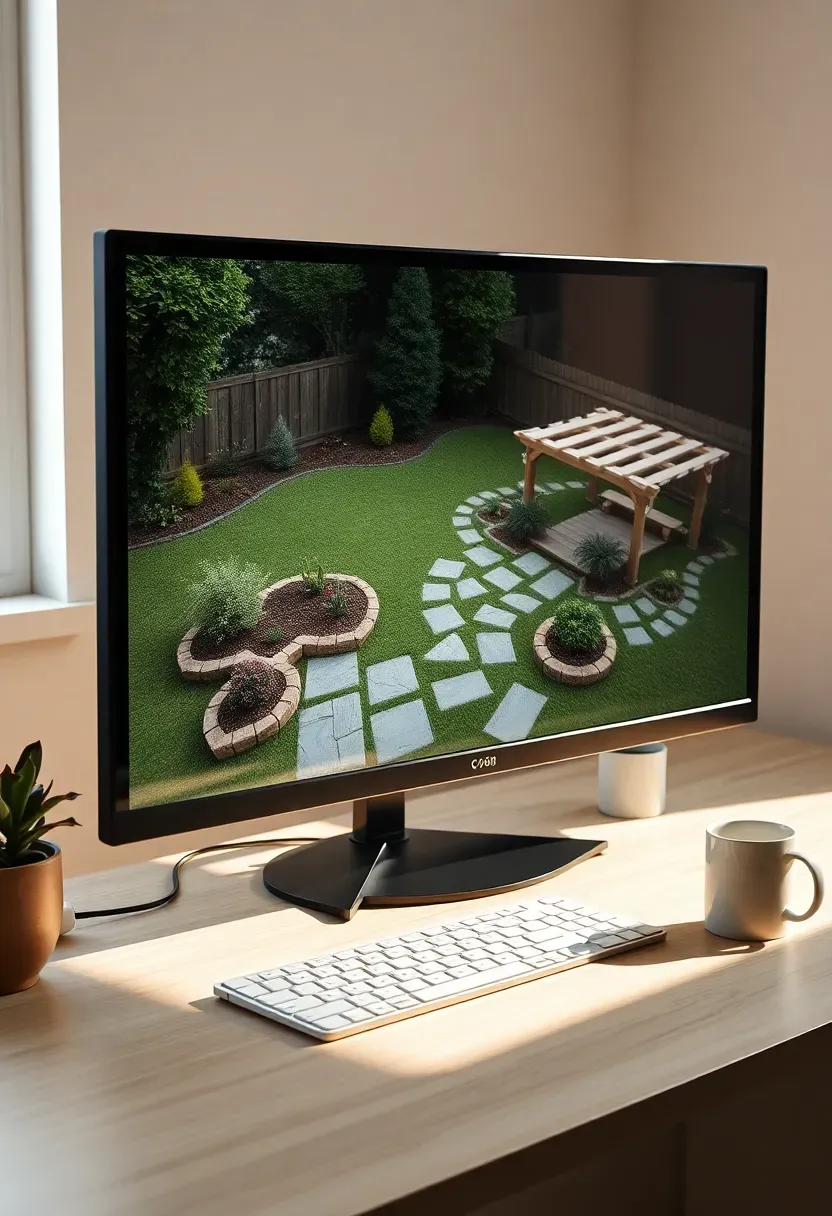
1. SketchUp Free for 3D Yard Models
SketchUp Free runs in your browser and handles backyard projects without downloading anything. You can model a deck, fence line, or pergola in actual dimensions, then orbit around to check proportions before buying a single board. The 3D Warehouse has thousands of free outdoor furniture models you can drop right into your scene. It takes about two hours to get comfortable with the push-pull tool, and after that you can mock up most yard structures faster than you can sketch them on paper.
Why It Works for Backyards
- Accurate measurements mean you can calculate material quantities directly from the model
- The orbit and walk-through views reveal sightlines you would miss on a flat plan
- Free tier covers everything a homeowner needs — paid versions are for professionals

We picked a few things that go well with this idea: Encyclopedia of Landscape Design Book (★4.7), Gardentopia Outdoor Design Basics Book (★4.6) and Take It Outside Design Guide Book (★4.5). As an Amazon Associate we earn from qualifying purchases.
2. Planner 5D Outdoor Module
The Quick-Start Appeal
Planner 5D lets you switch between 2D floor plans and 3D views with one tap. The outdoor catalog includes fences, pools, decking, trees, and garden structures. You do not need any design background — the interface works like arranging furniture in a dollhouse. Most people have a rough backyard layout done within thirty minutes of opening the app for the first time.
Where It Falls Short
The free version limits your material library, and some textures look generic. If you want realistic stone or specific wood grains, you will need the paid tier. Plant models are decorative rather than botanically accurate, so do not rely on it for planting plans.

We picked a few things that go well with this idea: RockSeed Digital Laser Measure (165ft) (★4.4), Bosch Blaze Laser Distance Measure (100ft) (★4.7) and MiLESEEY Digital Laser Measure (229ft) (★4.6). As an Amazon Associate we earn from qualifying purchases.
3. iScape for AR Plant Preview
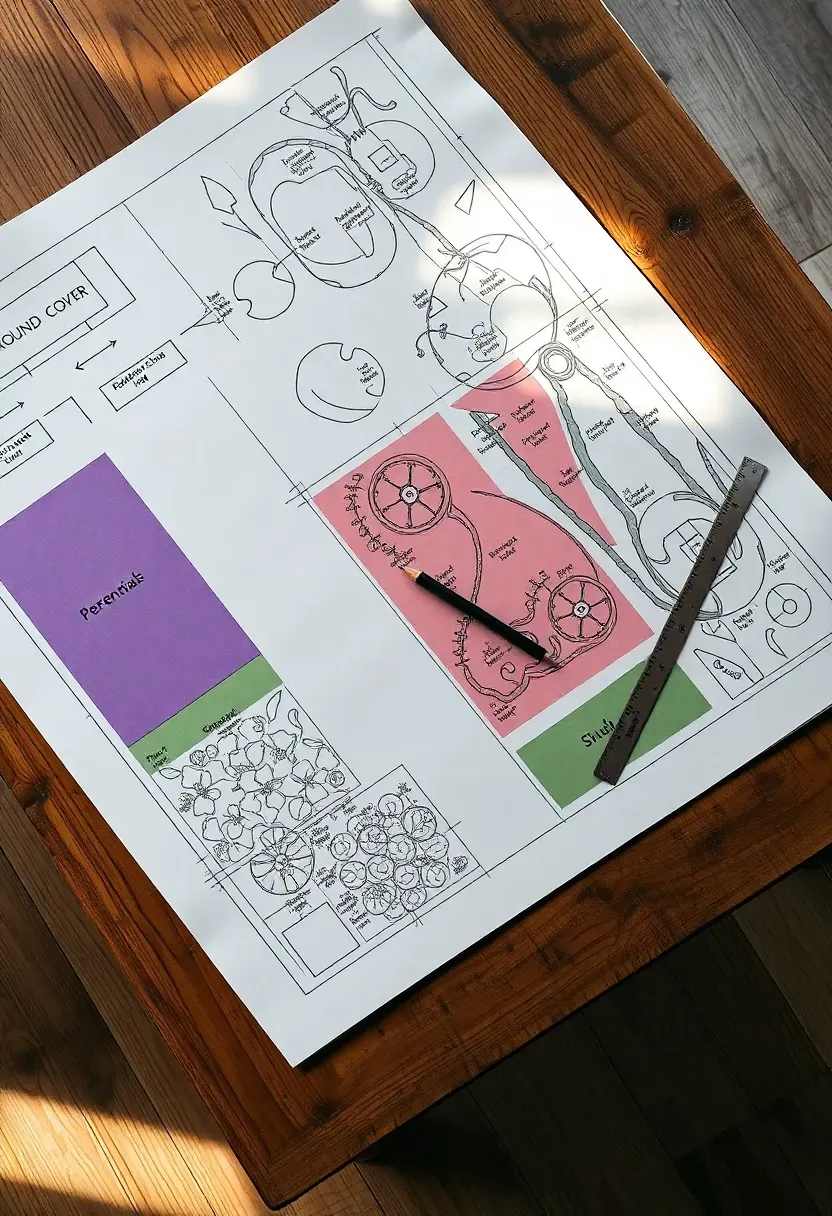
This backyard design tool uses your phone camera to overlay plants, trees, and hardscape elements onto a live view of your actual yard. Point your phone at a bare corner, drop in a Japanese maple, and see roughly how it will look at mature height. The augmented reality is not perfect — lighting can look off, and scale drifts if you move too fast — but it beats staring at a plant tag trying to imagine "grows to 15 feet." Works on iOS, with an Android version in beta.
Getting Good Results
- Stand at the spot where you normally view the area, not right on top of it
- Use it on overcast days when shadows will not confuse the AR tracking
- Screenshot your favorites before the session ends, because the app does not save AR views automatically
We picked a few things that go well with this idea: Garden Planner Journal with Checklists (★3.7), Monthly Gardening Log Book and Planner (★4.6) and Clever Fox 5-Year Gardener's Journal (★4.6). As an Amazon Associate we earn from qualifying purchases.
4. Home Outside for Professional Planting Plans
What Sets It Apart
Home Outside connects you with landscape designers who create custom plans based on photos of your yard. You upload images, describe your goals, and receive a scaled planting plan with specific cultivar recommendations for your USDA zone. It is not a DIY tool — it is a service accessed through an app. Expect to pay a few hundred dollars depending on project scope.
Best For
Homeowners who know they want a designed garden but cannot justify the cost of a full landscape architect. The plans include plant names, spacing, and seasonal interest notes, so a handy person can install everything without further professional help.
Watch Out
Turnaround takes one to two weeks. If you are on a tight spring planting deadline, submit early.
Recommended
Items for this idea
5. PRO Landscape Home App
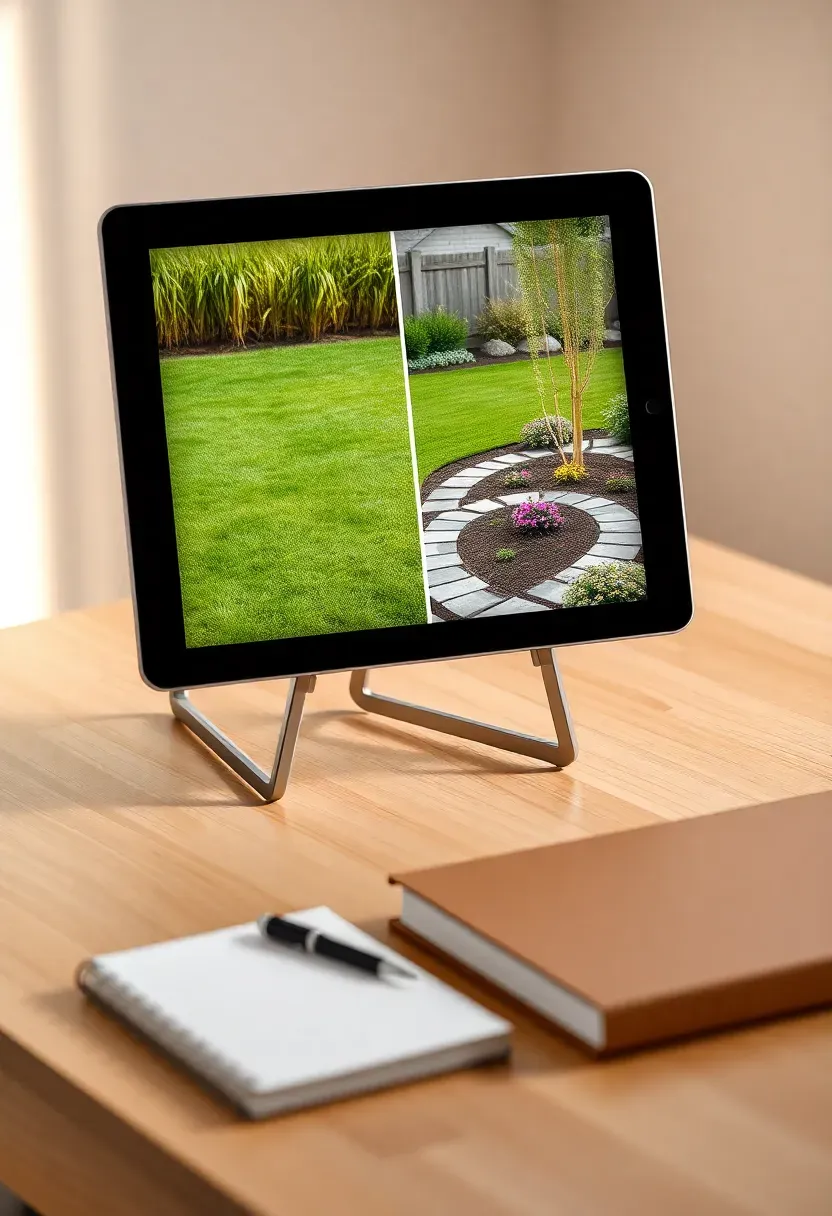
PRO Landscape Home takes a photo of your existing yard and lets you paint changes onto it — add a stone walkway, swap the lawn for a paver patio, drop in shrubs along the fence line. The image-overlay approach feels more intuitive than building a 3D model from scratch because you are working with a real photo of your specific space. The plant database is extensive, with filtering by sun exposure and mature size.
Tips
- Photograph your yard at midday for even lighting that helps the overlay blend naturally
- Use the line tool to mark property boundaries before placing elements near edges
- Export the edited image to share with contractors — it communicates intent better than verbal descriptions
6. Realtime Landscaping Architect
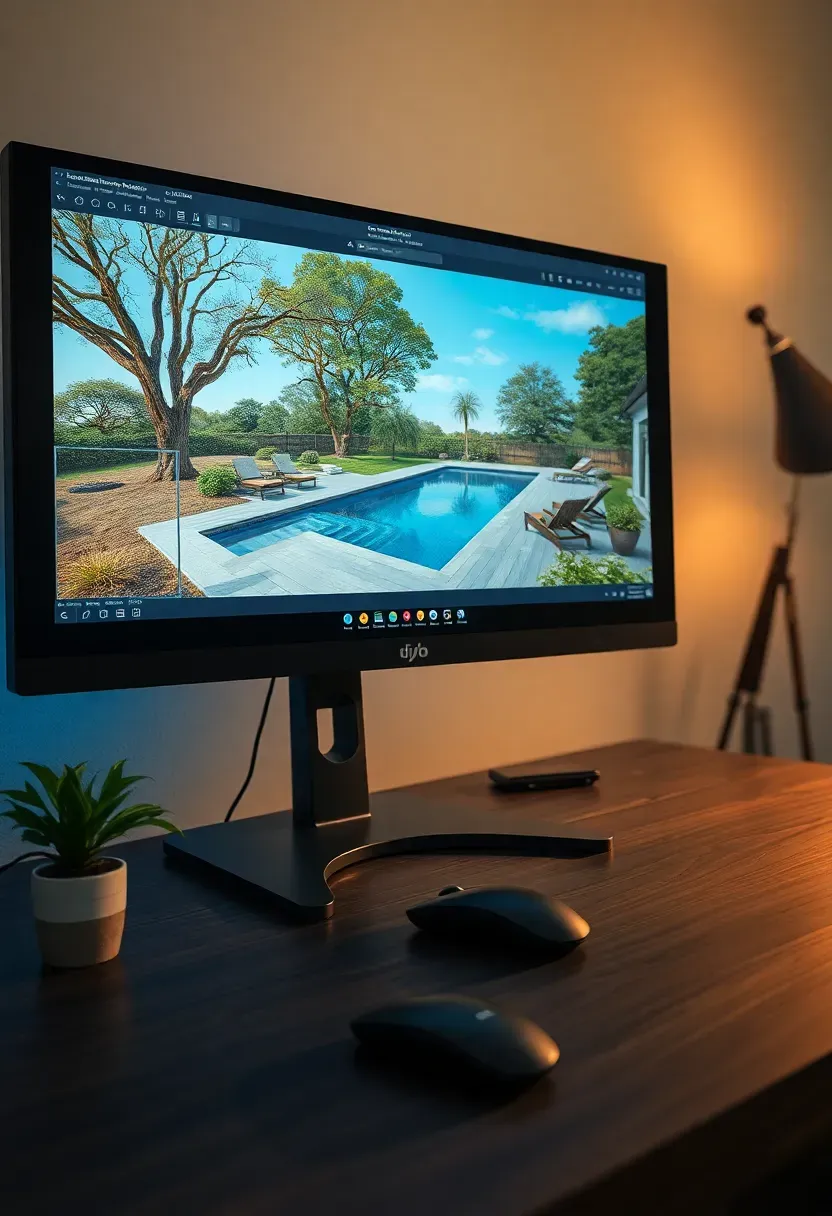
This is the heavy hitter for homeowners willing to invest time in a learning curve. Realtime Landscaping Architect runs on Windows and produces walkthrough-quality renders of complete yard designs. The plant library includes growth simulations so you can see what your garden looks like in year one versus year five. You can model pools, retaining walls, outdoor kitchens, drainage grades, and irrigation layouts — all in one project file. At around $200 for the full version, it costs less than a single consultation with most landscape firms.
When to Choose This Over Free Tools
- Your project involves grading or drainage changes that need elevation data
- You want to animate a walkthrough video to present to an HOA board
- The yard is large enough that material estimates from accurate models save real money
Recommended
Items for this idea
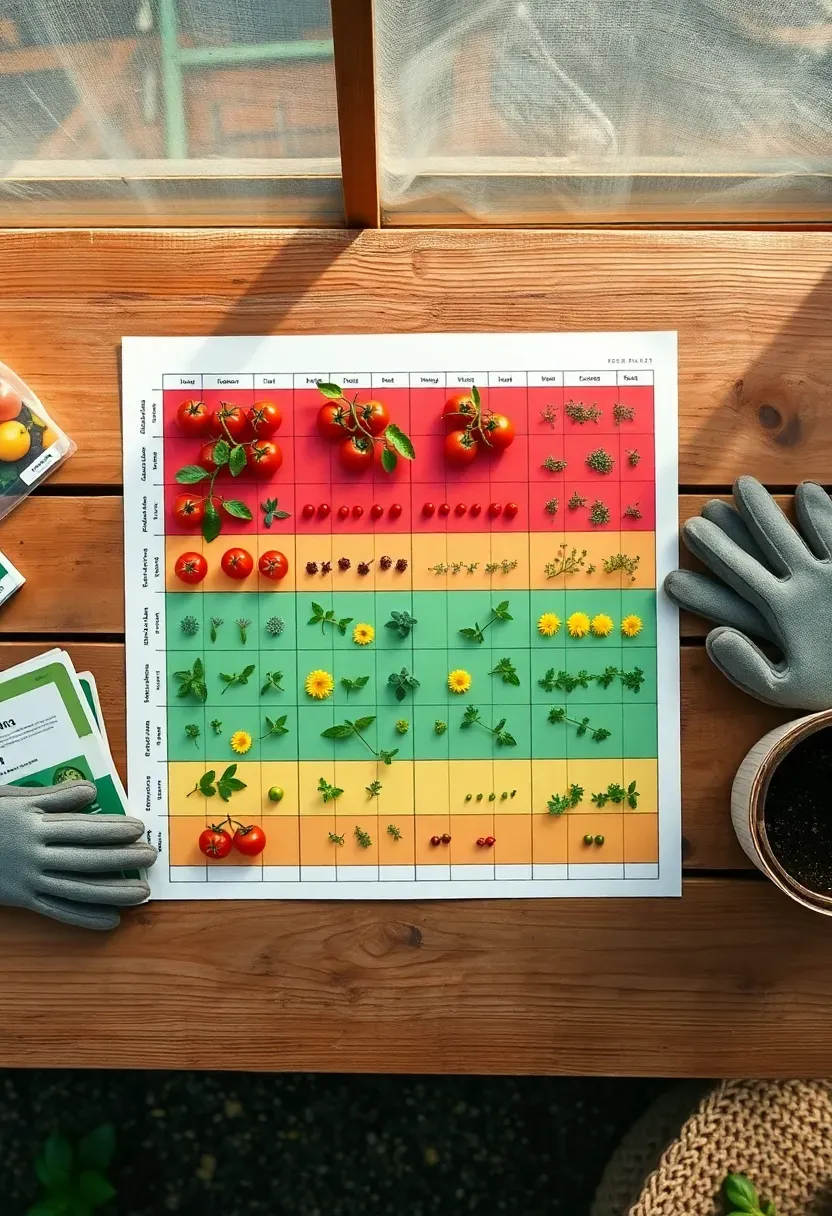
7. Garden Puzzle Planner
Step 1: Set Your Plot Size
Garden Puzzle works on a grid system. You define the dimensions of each garden bed, and the tool snaps plants to the grid based on their spacing requirements. It prevents the common mistake of cramming too many seedlings into a raised bed that cannot support them all at mature size.
Step 2: Drag in Your Plants
The library covers vegetables, herbs, flowers, and fruit. Each entry lists spacing, days to harvest, sun needs, and companion planting compatibility. Drag plants onto the grid and the tool flags conflicts — like planting fennel next to tomatoes.
Step 3: Print Your Planting Map
The final output is a clean overhead diagram with plant names and quantities. Tape it to your potting bench and follow it row by row during planting weekend.
8. DreamPlan Home Design
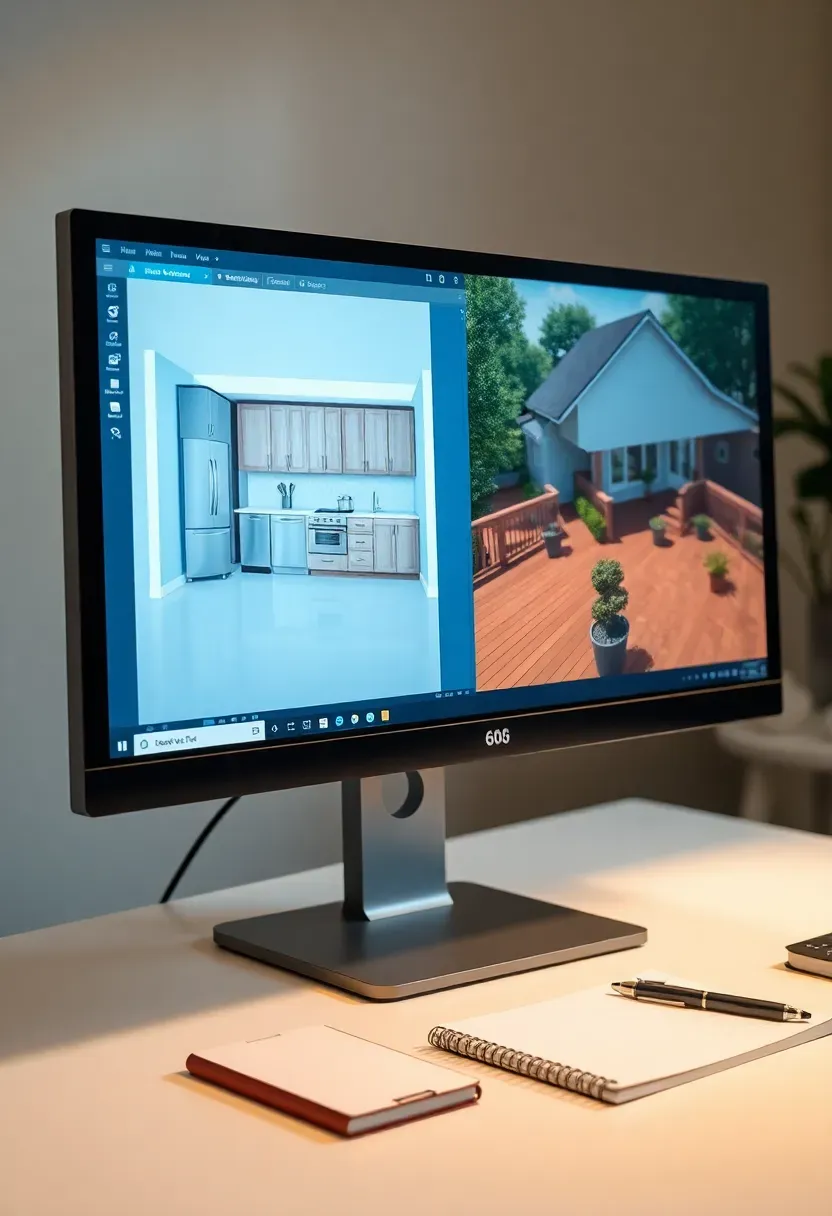
DreamPlan covers both interior and exterior design in one package, which matters if your backyard project connects to the house — like adding a deck off the kitchen or extending a sunroom into a screened porch. The outdoor tools include terrain sculpting, pool design, and fence placement. The free version handles most residential projects. Where it gets clunky is the rendering engine, which looks dated compared to newer tools. But if accuracy matters more than pretty pictures, it does the job.
Strengths and Limits
- Good at: Integrated indoor-outdoor planning, terrain slopes, multi-level decks
- Weak at: Photorealistic output, plant-specific modeling, material textures
Recommended
Items for this idea
9. Cedreo for Outdoor Layouts
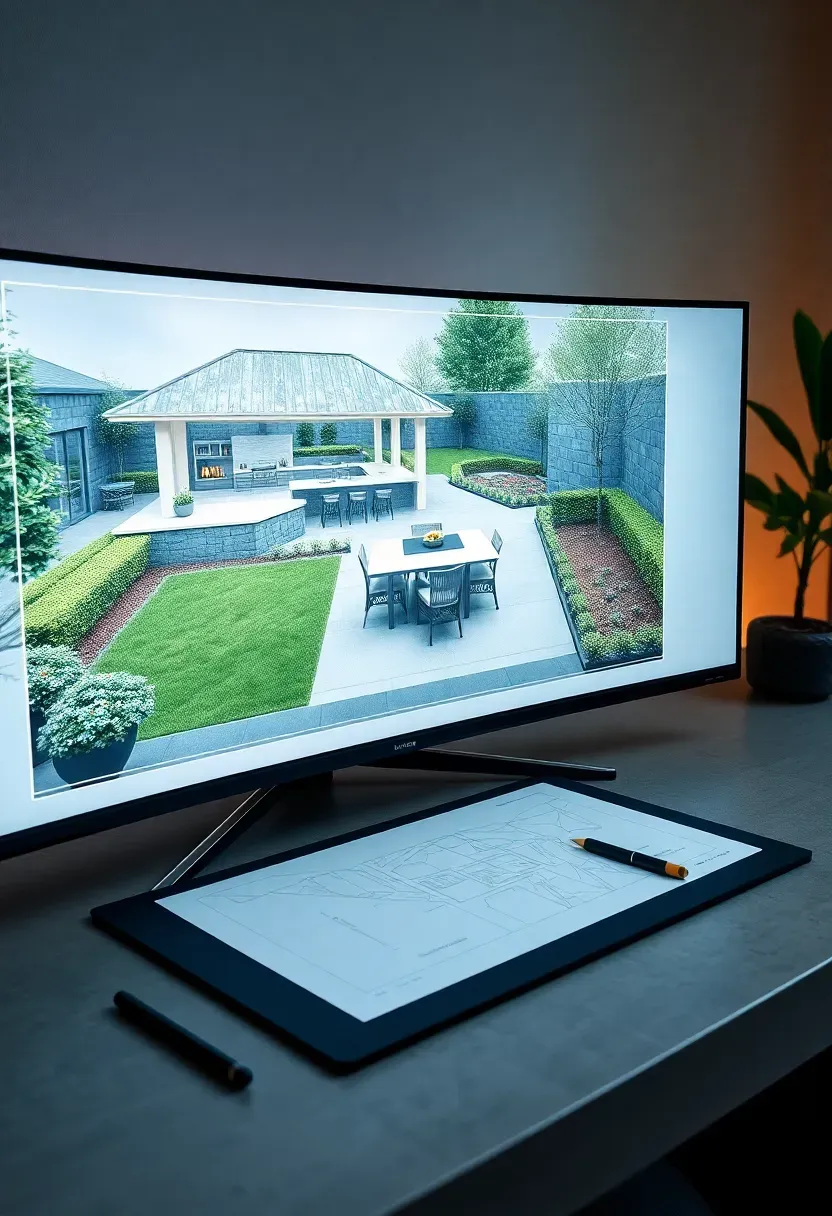
Cedreo targets professionals but offers enough in its basic tier for ambitious homeowners. The outdoor module handles site plans, terrain modeling, and 3D visualization with decent material rendering. What makes Cedreo stand apart is speed — it uses template-based design so you can generate a complete backyard layout in under an hour instead of building every element from scratch. The furniture and accessory library skews toward modern aesthetics, which is either a plus or a limitation depending on your taste.
Tips
- Start with the 2D site plan and lock dimensions before switching to 3D
- Use the sunlight simulation to check how shadows from your house fall across the yard at different times
- Export PDFs at scale for contractor handoffs
10. Lands Design for Rhino Users
Who This Is For
If you already use Rhino for other projects — architectural modeling, product design, CNC work — Lands Design plugs directly into your workflow. It adds a botanical plant database, terrain tools, irrigation design, and seasonal visualization to Rhino's already powerful modeling engine. This is not a starting point for beginners. It is a backyard design tool for people who think in NURBS surfaces and construction planes.
What Makes It Worth the Price
Plant models grow over time in the simulation, shadows are accurate to your GPS coordinates, and you can export construction documents with proper annotation. For designing a complex hillside garden or a commercial landscape, nothing in the consumer space matches its precision.
Recommended
Items for this idea
11. Terragen for Terrain Visualization
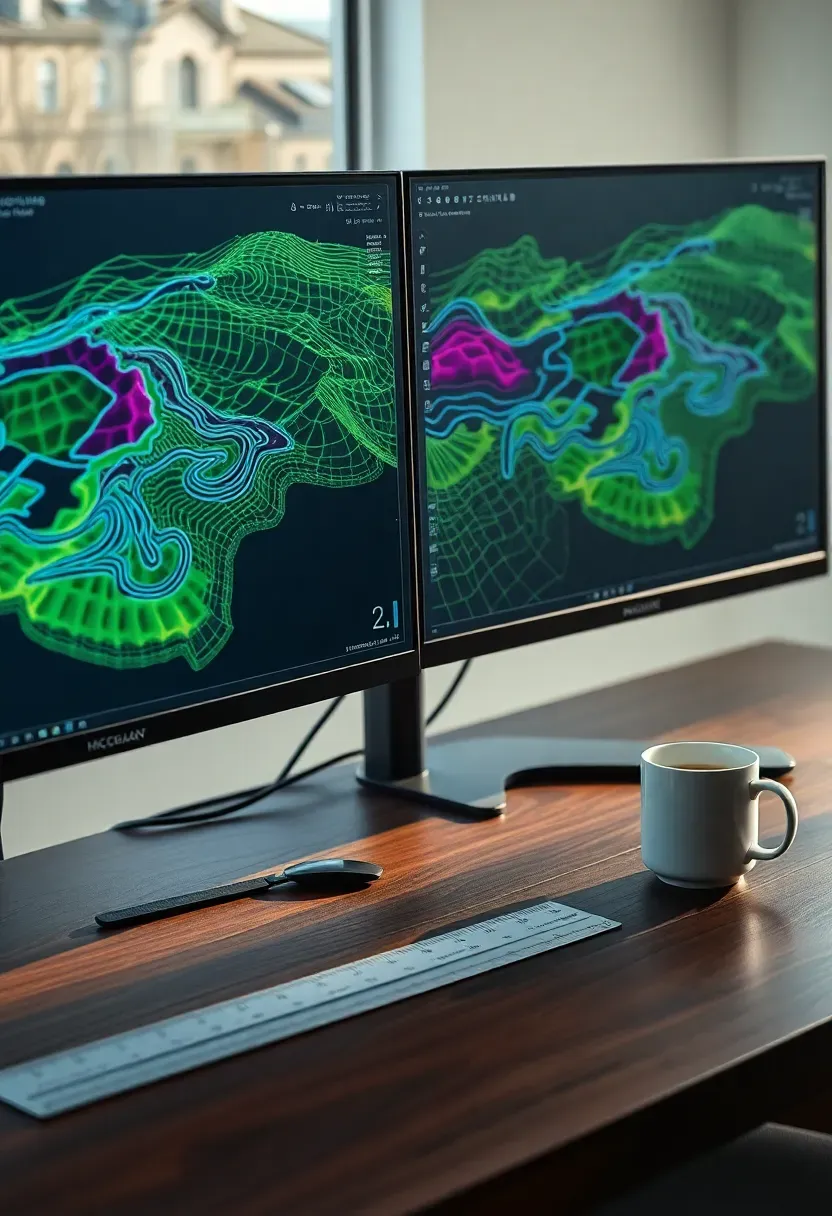
Terragen specializes in natural environments. While it is overkill for planning where to put a patio, it becomes genuinely useful for large rural properties where terrain dominates the design. If you are working with acreage that includes slopes, rock outcrops, or water features, Terragen renders the landscape itself with a realism that flat-grid planners cannot approach. Use it to test how a clearing, a pond, or a tree line would alter the look of your property before hiring an excavator.
Practical Application
- Import elevation data from USGS surveys for your actual plot
- Simulate different tree species at varying densities to find the right balance of shade and openness
- Render seasonal changes to anticipate how the property looks in winter versus summer
12. SmartDraw Landscape Templates
The Case for Starting with a Template
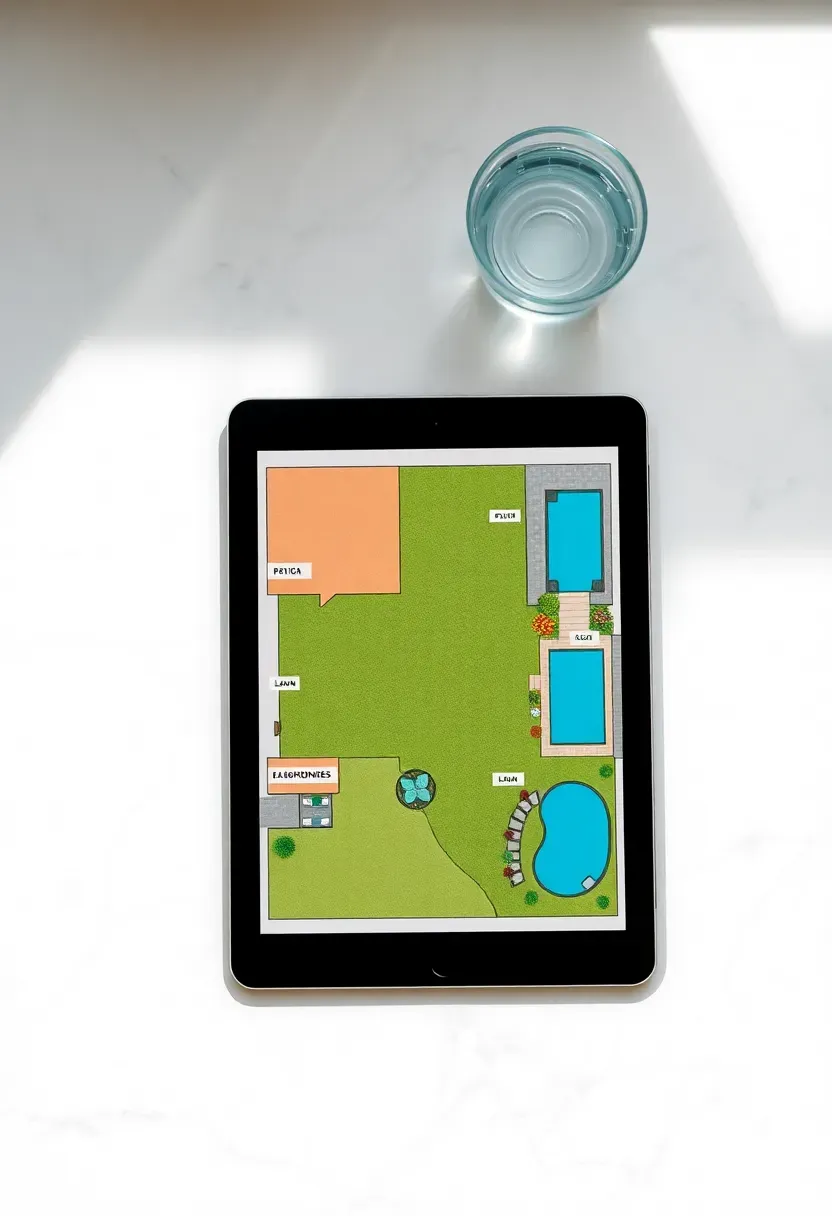
Not everyone wants to learn 3D modeling software. SmartDraw offers dozens of landscape templates you can edit with drag-and-drop shapes — patios, decks, garden beds, driveways, trees. The output is a clean 2D plan view, which is actually what most contractors prefer to receive anyway. It runs in a browser, saves automatically, and exports to PDF or image files.
Choose This If
- You need a site plan for a permit application and do not need 3D
- Your project is mostly hardscape — patios, walkways, retaining walls — where top-down views convey the design clearly
- You want to hand something professional-looking to a contractor this week, not next month
Recommended
Items for this idea
13. Houzz Sketch Tool
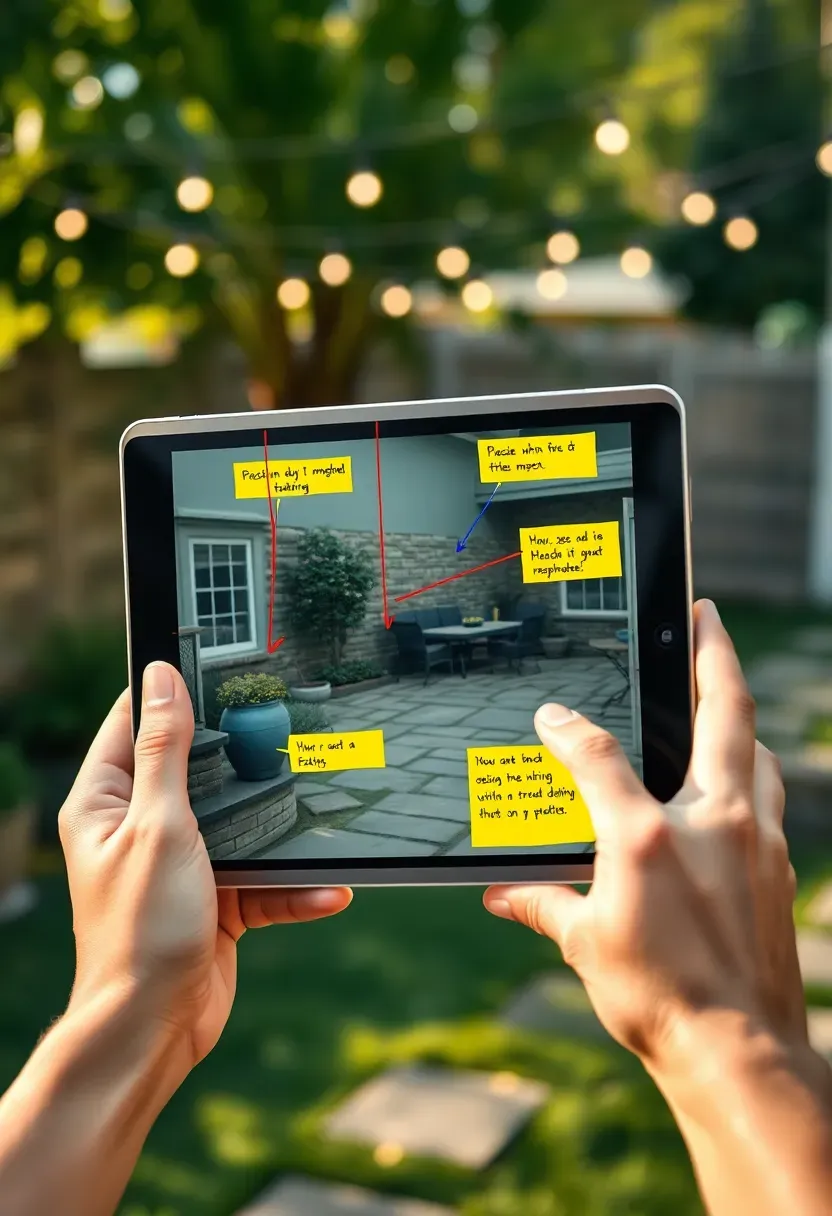
Houzz built its reputation on inspiration photos, but the Sketch feature turns it into a lightweight backyard design tool. You can annotate any photo — your own or one from the Houzz library — with arrows, measurements, text notes, and product tags. It is not a CAD tool. Think of it as a visual mood board that you can mark up with practical details. The real power is linking annotations directly to products you can purchase through the Houzz marketplace, which shortens the gap between dreaming and ordering.
Tips
- Save annotated sketches to ideabooks organized by project phase: hardscape, planting, lighting
- Use the product tag feature to build a running cost estimate as you design
- Share sketches directly with professionals on Houzz to get quotes faster
14. AI Scene Generators for Backyard Concepts
How AI Fits Into Backyard Planning
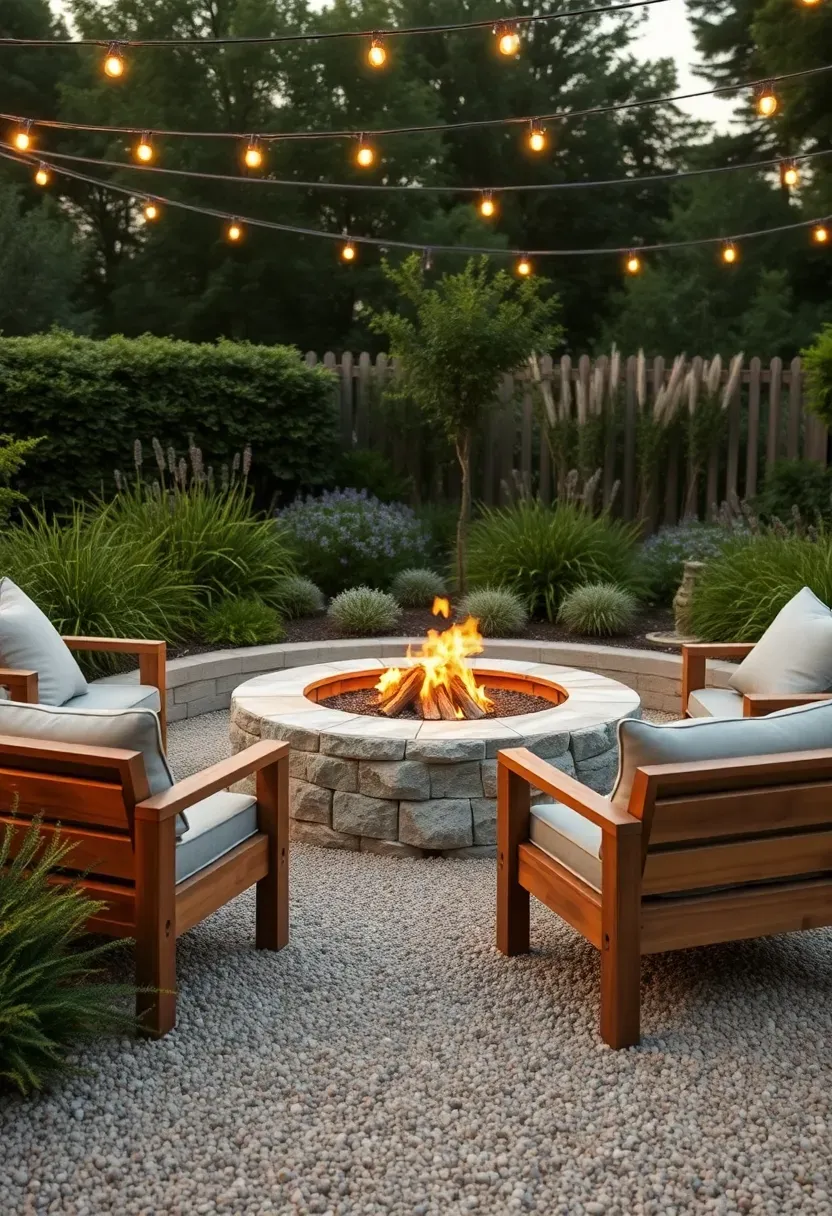
A growing category of AI tools lets you describe a backyard scene in plain text and get a photorealistic image back in seconds. Upload a photo of your current yard, type "add a flagstone patio with built-in planter walls and string lights," and the AI generates a plausible rendering. These tools are not precise enough for construction plans, but they excel at the earliest design phase — answering the question "would I even like this style?"
Pros and Cons
- Fast: Results in under a minute, no learning curve
- Inspiring: Shows combinations you might not have considered
- Imprecise: Dimensions are approximate, materials may not exist as shown
- Recommendation: Use AI renders to narrow your aesthetic direction, then switch to a measurement-accurate tool for the actual plan
Recommended
Items for this idea
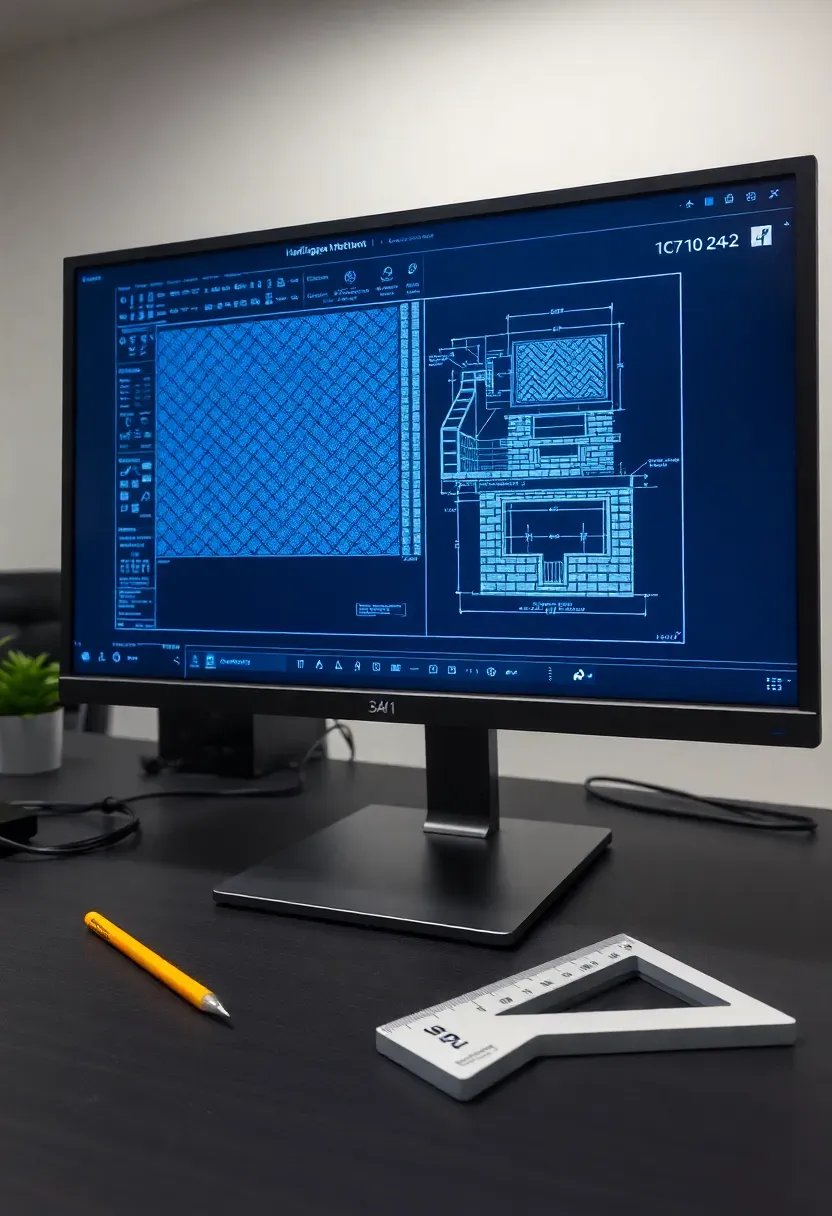
15. AutoCAD LT for Hardscape Drafting
AutoCAD LT is industry-standard drafting software, and while it is designed for architecture and engineering, it handles hardscape plans with surgical precision. If your backyard project involves complex paver patterns, multi-level retaining walls, or custom-built outdoor structures, AutoCAD LT gives you exact dimensions, angles, and material callouts that contractors can build from directly. The subscription runs about $50 per month. This is not the tool for casual weekend planners — it is for projects where getting a wall angle wrong by two degrees costs you thousands in rework.
When the Precision Pays Off
- Custom curved retaining walls that need radius calculations
- Paver layouts where cut patterns repeat and waste percentages matter
- Permit drawings that require professional-level dimensioning
16. Gardena myGarden Online Planner
Step 1: Draw Your Property Outline
Gardena's free browser tool starts with a blank canvas where you trace your lot shape and mark the house footprint. The grid system keeps everything to scale. Add existing features — trees, sheds, fences — so the plan reflects reality before you start designing.
Step 2: Design Garden Zones
Drag in lawn areas, flower beds, vegetable patches, and paths. The tool calculates areas automatically, which is useful when ordering soil, mulch, or sod by the square foot. Each zone gets its own material and plant assignment.
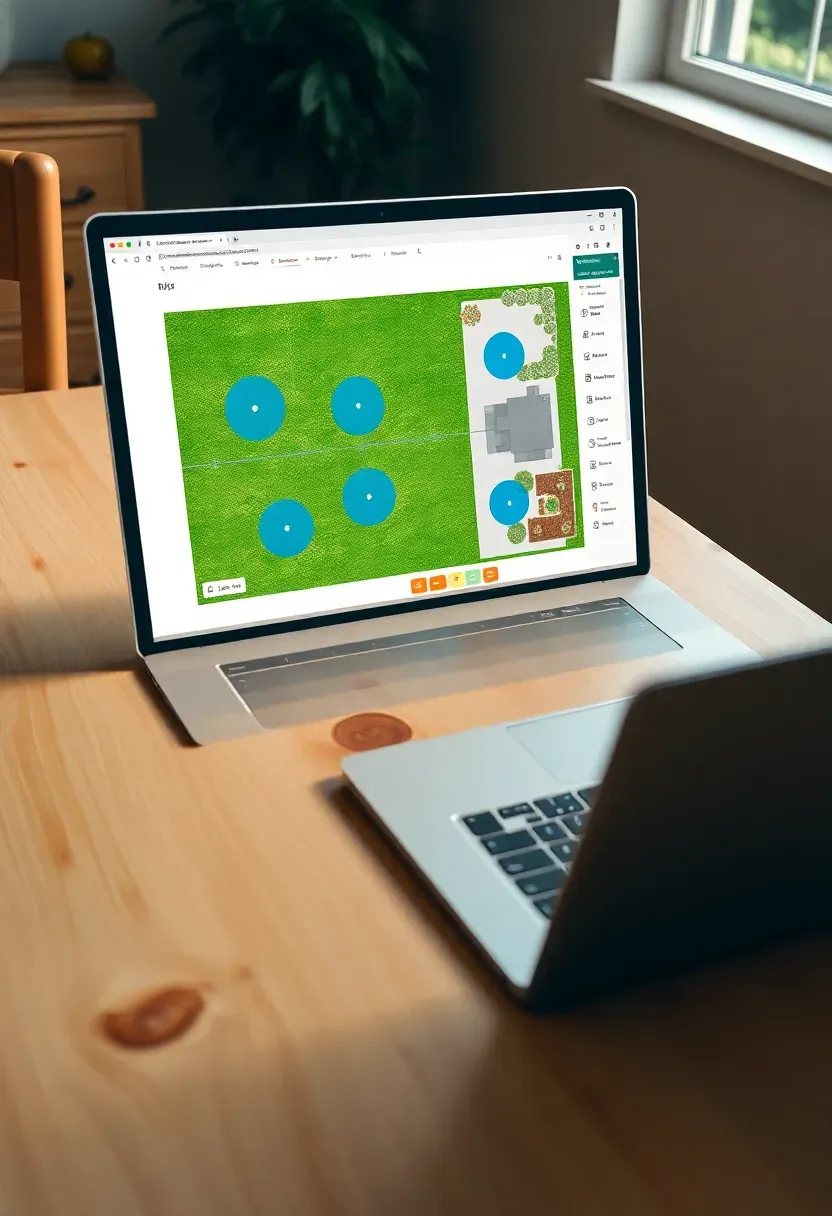
Step 3: Plan Irrigation
This is where Gardena's tool shines — it is built by a company that manufactures irrigation equipment. Drop in sprinkler heads and the tool shows coverage circles, overlaps, and dead zones. You get a parts list and layout diagram ready for installation.
Recommended
Items for this idea
17. BricsCAD Lite for Deck Plans
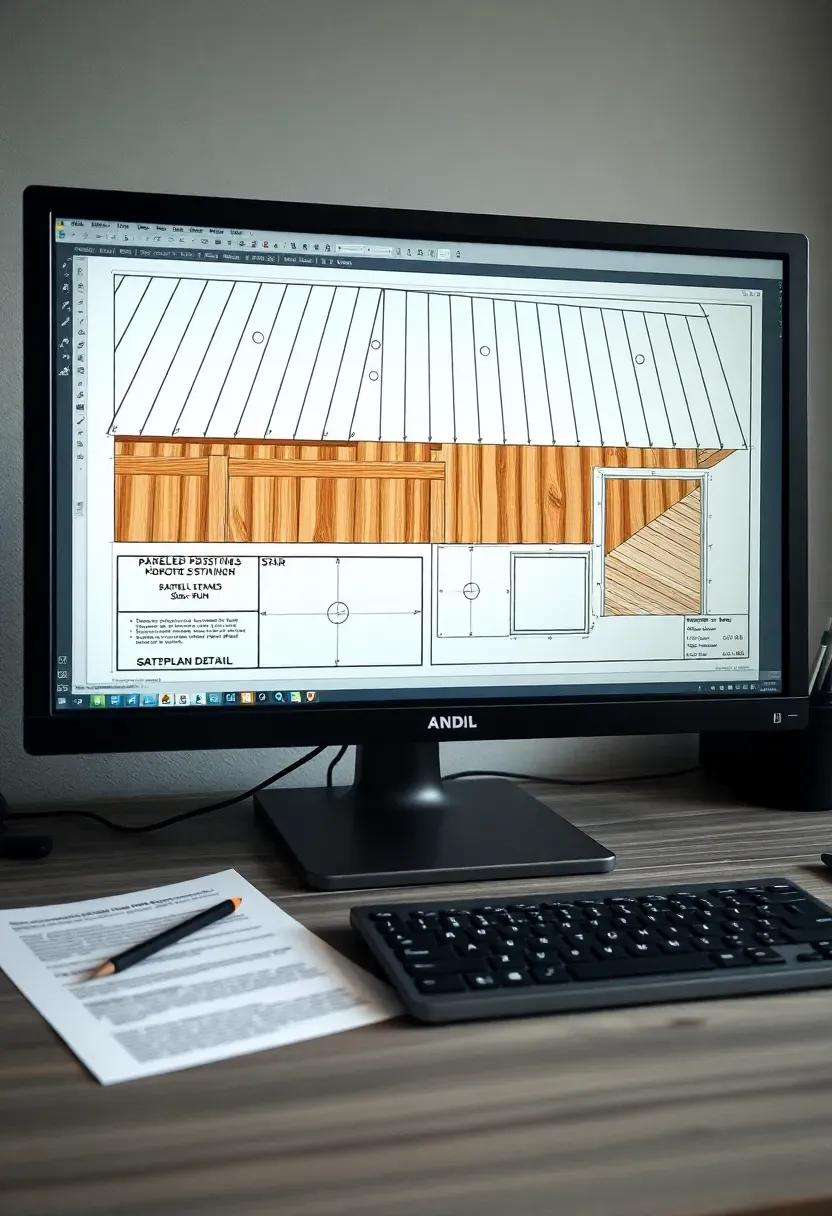
BricsCAD Lite offers DWG-compatible drafting at a lower price point than AutoCAD. For deck projects specifically, it handles joist spacing calculations, railing detail drawings, and stair rise-and-run dimensions with full precision. The perpetual license model — pay once, own it — appeals to homeowners who plan to build multiple projects over the years rather than subscribing month to month. If you have used any CAD software before, the transition to BricsCAD takes about a day.
Tips
- Download deck-specific block libraries from BricsCAD's community forum to speed up drafting
- Use layers to separate structural framing from decking and railing for cleaner contractor drawings
- The built-in area calculator handles irregular deck shapes that spreadsheet formulas struggle with
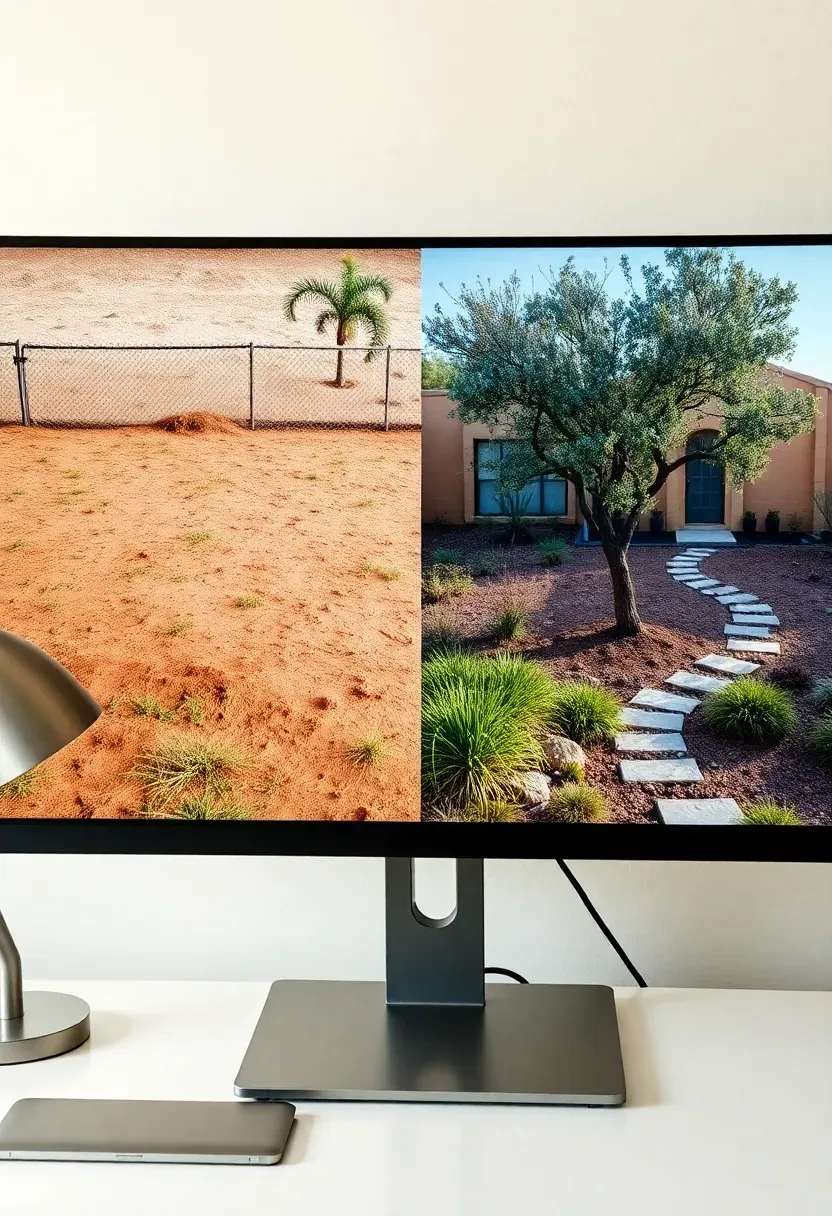
18. Roomsketcher Outdoor Floor Plans
Why Floor Plans Still Matter Outdoors
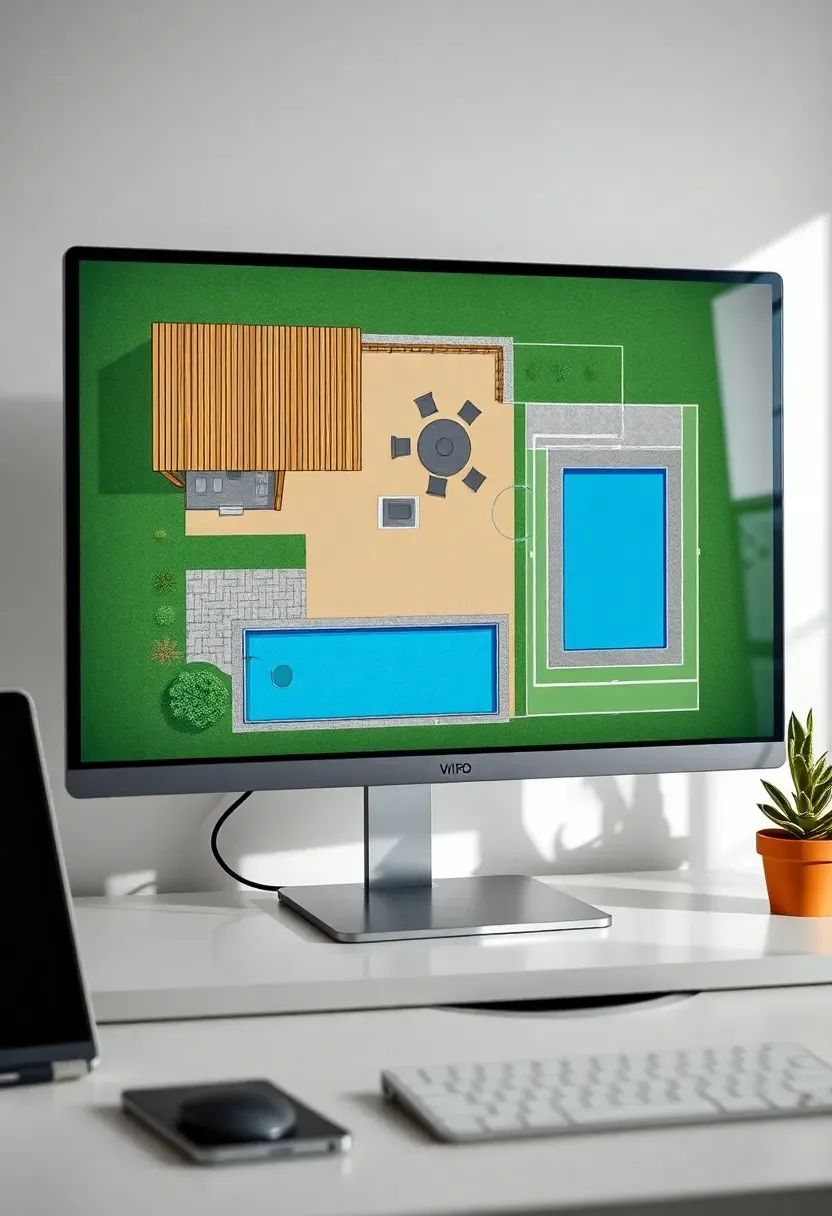
Three-dimensional renders get the attention, but a clean 2D floor plan is what keeps a project organized. Roomsketcher generates polished overhead views with color-coded zones, furniture placement, and dimension lines. The interface is simple enough for someone who has never touched design software, and the output looks professional enough to present to a homeowners association or attach to a permit application.
How It Compares
Roomsketcher sits between SmartDraw's template-based approach and full CAD software. It offers more customization than templates but skips the steep learning curve of AutoCAD. The free tier limits you to basic floor plans; the paid version adds 3D views and high-resolution exports.
Recommended
Items for this idea
19. Yardzen for Full-Service Design
Yardzen operates differently from every other tool on this list. You pay for a complete design package, submit photos and measurements of your yard, fill out a style questionnaire, and receive a professionally designed plan with plant lists, material specifications, and 3D renders. Prices start around $349 and scale up for larger properties. The value proposition is clear: you get a landscape architect's expertise without the landscape architect's hourly rate. Contractor matching in your area is included.
Choose Yardzen If
- You want a professional result but do not enjoy the design process itself
- Your yard has complex conditions — slopes, drainage issues, mature trees to work around
- You prefer spending money over spending weekends learning software
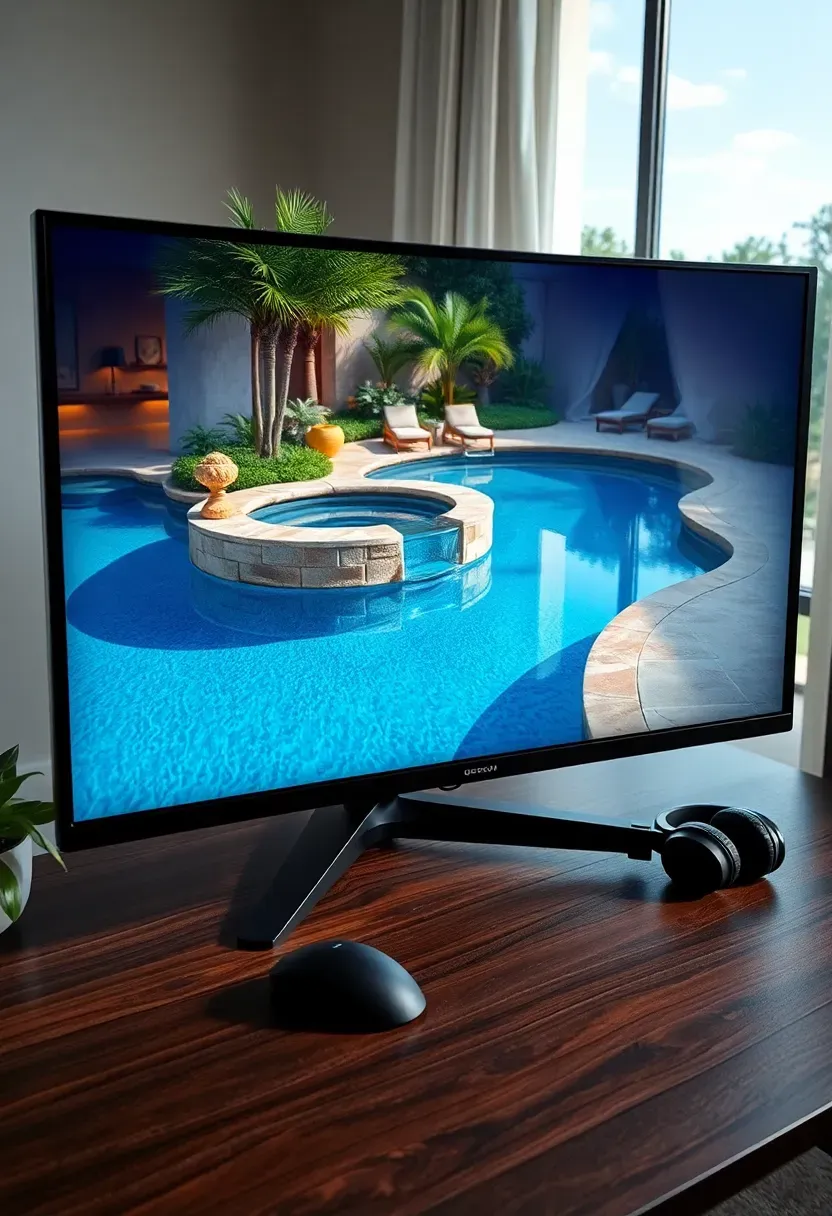
20. Structure Studios Pool Studio
The Specialized Case for Pool Design
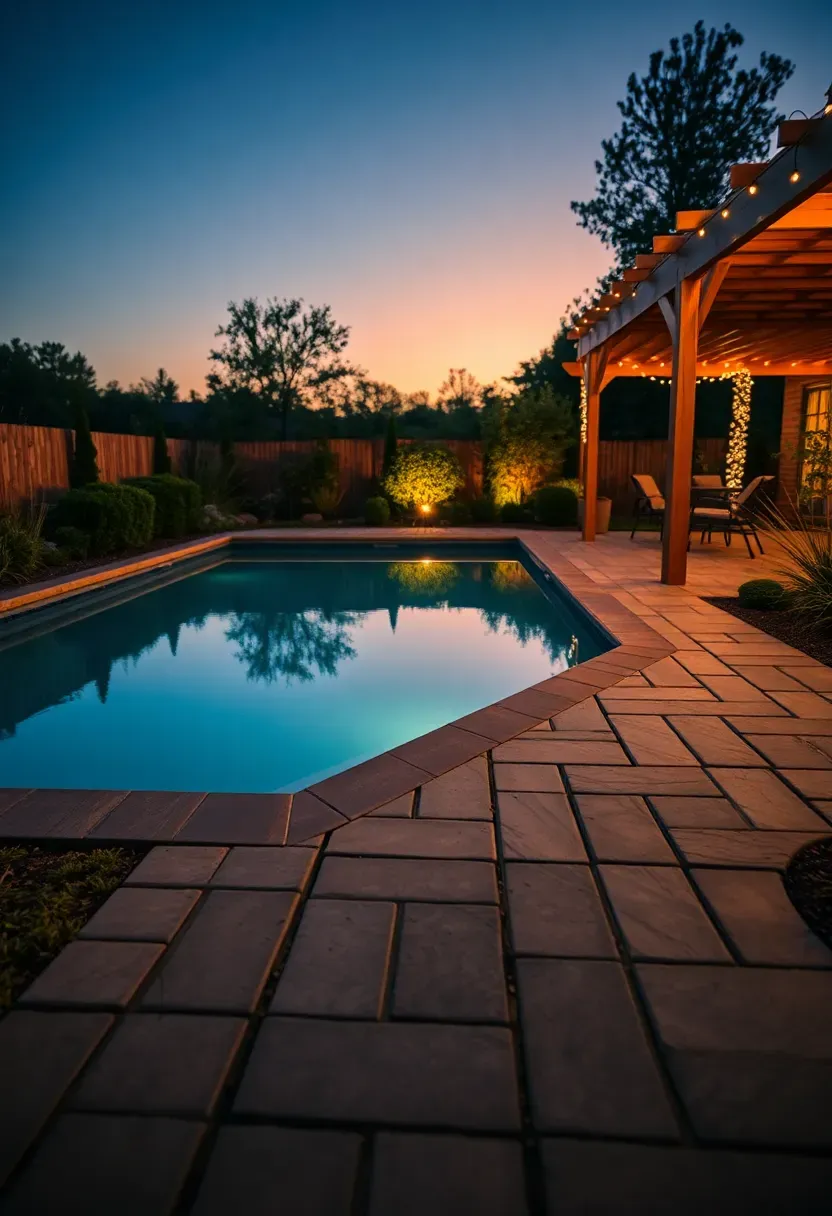
Generic backyard design tools treat pools as blue rectangles. Pool Studio models water features in three dimensions with accurate depth profiles, equipment pad placement, and hydraulic calculations. If your backyard project centers on a pool or spa, this tool handles details that general software ignores — coping styles, tile lines, spillover edges, lighting placement below the water surface.
What to Know Before Buying
Pool Studio is expensive and targets pool contractors, not homeowners. Some pool builders offer Pool Studio visualizations as part of their design services. Ask your builder if they use it — viewing your pool in 3D before ground breaks is worth requesting.
Recommended
Items for this idea
21. Lumion for Photorealistic Renders
Lumion takes 3D models from SketchUp, Rhino, Revit, or other tools and turns them into cinematic-quality renders. For a backyard design tool workflow, you model the space in your preferred software, import into Lumion, apply materials, set the time of day, and render an image that looks like a photograph. The library includes thousands of trees, shrubs, outdoor furniture, and atmospheric effects. Lumion is subscription-based and requires a strong graphics card.
Tips
- Use the "Nature" category to populate your scene with regionally appropriate vegetation quickly
- Set the render to golden hour for client-ready presentations that sell the design
- The animation mode lets you create walkthrough videos that are impossible to achieve with static renderers
22. Google Earth Pro for Site Analysis
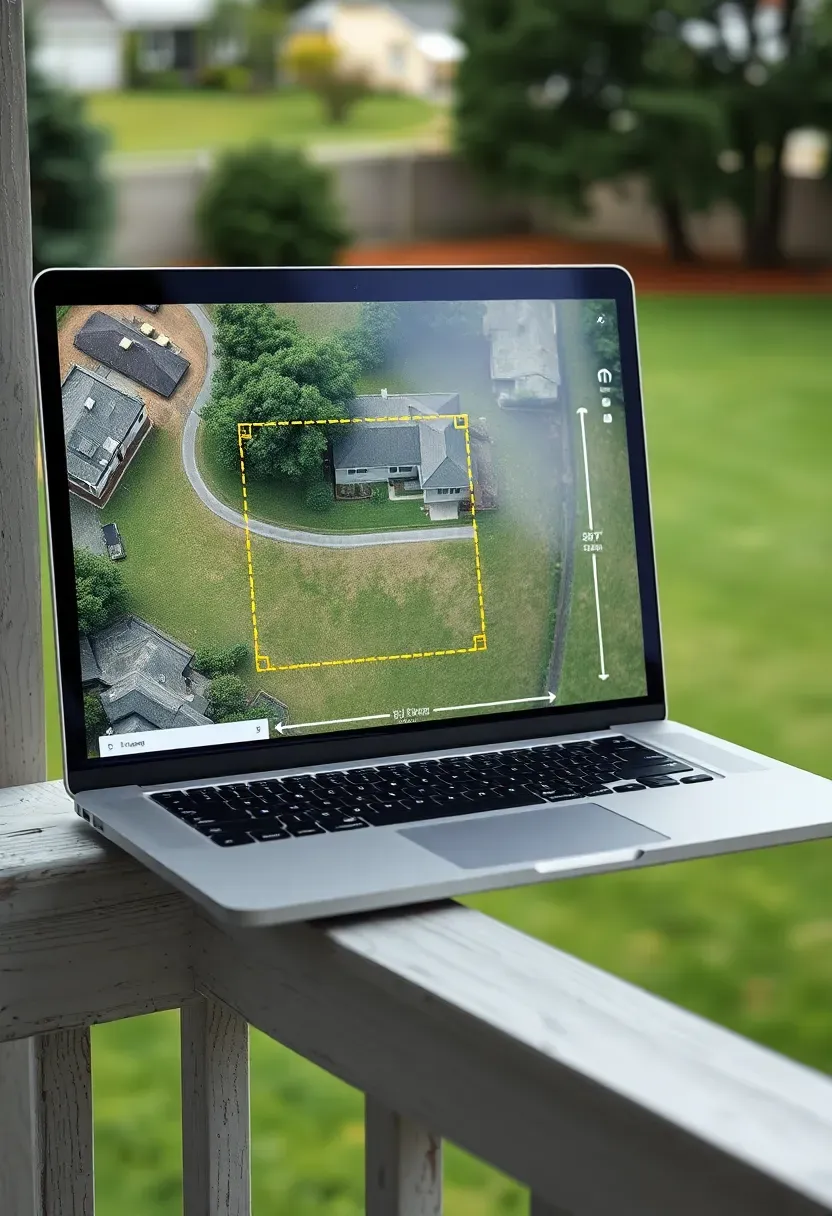
Before opening any design software, open Google Earth Pro and look at your property from above. It is free, and it gives you information that drives every decision downstream: lot dimensions, compass orientation (critical for sun exposure), neighboring structures, tree canopy coverage, and slope direction. The measurement tools let you calculate areas and distances directly from satellite imagery. Many landscape designers start every project here before touching a drafting tool.
Practical Application
- Measure shadow patterns by checking imagery at different capture dates and times
- Export a site image as an underlay for your design software — draw right on top of the satellite view
- Use the terrain view to identify drainage direction and low spots where water collects

Recommended
Items for this idea
23. Procreate for Hand-Drawn Concepts
Why Go Analog-ish?
Sometimes software gets in the way of thinking. Procreate on an iPad with an Apple Pencil lets you sketch backyard ideas freehand — loose, fast, imperfect — the way landscape architects have worked for decades before going digital. Layer a rough site plan underneath, drop the opacity, and sketch design ideas on top. The watercolor and pencil brushes produce presentation-quality concept drawings that communicate mood and intention better than any wireframe model.
Making It Practical
- Import a screenshot from Google Earth as your base layer for accurate proportions
- Use separate layers for hardscape, planting, and lighting so you can toggle elements on and off
- Export layers individually to discuss options with family members or contractors
Quick FAQ
Do I need paid software to design a backyard? No. SketchUp Free, Planner 5D's basic tier, Gardena myGarden, and Google Earth Pro all cost nothing and handle most residential projects. Paid tools add precision, better rendering, or specialized features like irrigation planning — but free options cover the fundamentals.
Which backyard design tool works best for beginners? Planner 5D and iScape both prioritize ease of use over feature depth. If you want a 2D plan, SmartDraw's templates require zero learning. If you prefer seeing changes on a photo of your actual yard, PRO Landscape Home is the most intuitive photo-overlay option.
Can I use these tools to get accurate material estimates? Tools with measurement capabilities — SketchUp, Realtime Landscaping Architect, AutoCAD LT, BricsCAD — produce reliable area and volume calculations. Photo-overlay tools and AI generators do not. If material costs matter, choose a measurement-based tool from the start.
Should I hire a designer or use software myself? That depends on project complexity. A flat patio and some garden beds? Software handles it. A multi-level yard with retaining walls, drainage engineering, and a pool? Hire someone. Yardzen and Home Outside offer middle-ground options where professionals create the plan at a fraction of full-service landscape architecture fees.
Are phone apps accurate enough for real construction? Phone apps like iScape and Planner 5D are best for visual planning and inspiration, not construction documents. For anything that requires a permit or involves structural work, use desktop software that produces dimensioned drawings — or hand the concept to a professional who will.
Planning a backyard without a design tool is like cooking without tasting as you go — you might get lucky, but you will probably end up redoing something. Start with Google Earth Pro to understand your site, pick one tool from this list that matches your skill level and project scope, and spend an afternoon modeling before you spend a dollar on materials. The hour you invest in planning pays back tenfold in avoided mistakes and materials that actually fit.
Pinterest cover for 23 Backyard Design Tool Ideas for Planning Your Outdoor Space
About the author
OBCD
CGI visualization and interior design content. We create detailed 3D renders and curate practical design ideas for every room in your home.