19 Backyard Turf Ideas
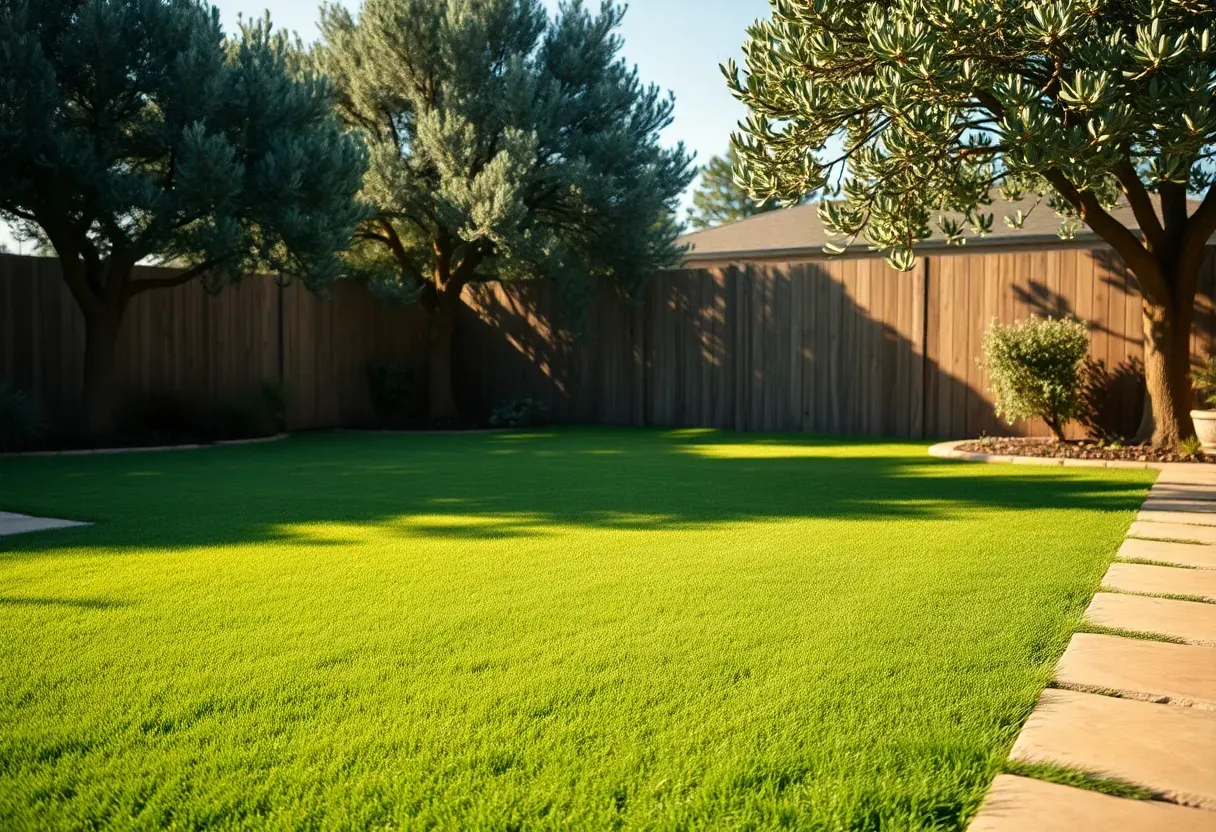
Last summer I ripped out 800 square feet of dying Bermuda grass and replaced it with synthetic turf. The water bill dropped by about $65 a month, and I stopped spending Saturday mornings behind a mower. But what surprised me most was how many options exist beyond the basic green carpet. Some neighbors went with putting-green-grade nylon for a sport surface. Others mixed turf with decomposed granite pathways or used it as infill between concrete pavers. The 19 ideas below reflect that range — from simple lawn replacements to specialized pet zones, play areas, and rooftop installations.
Here are 19 backyard turf setups organized by use case, from full lawn conversions to targeted accent areas and sport surfaces.
Table of Contents
- Full Lawn Replacement
- Turf and Paver Checkerboard
- Pet-Friendly Turf Zone
- Poolside Turf Surround
- Turf Between Stepping Stones
- Kids' Play Area with Turf Padding
- Rooftop Turf Deck
- Backyard Sports Court Turf
- Zen Garden with Turf Accents
- Slope-Stabilized Turf Hillside
- Fire Pit Turf Lounge
- Turf Pathway Through Gravel
- Side Yard Turf Runner
- Balcony and Patio Turf Overlay
- Turf with Raised Garden Beds
- Drought-Resistant Turf Front-to-Back
- Turf Dog Run Along the Fence
- Outdoor Dining Turf Terrace
- Mixed Turf and Native Planting
1. Full Lawn Replacement
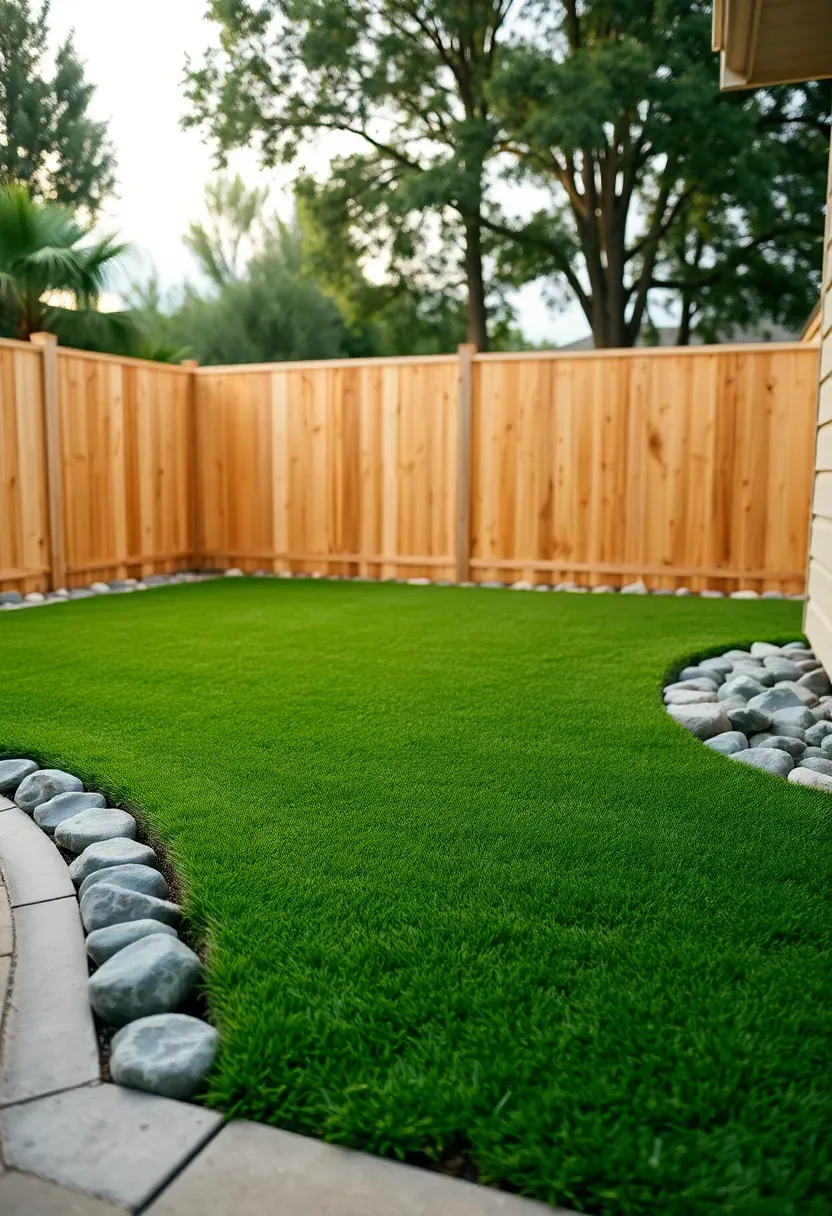
Tearing out natural grass and laying synthetic turf across the entire yard is the most popular approach, and for good reason. You eliminate mowing, fertilizing, aerating, and overseeding in one project. A typical 1,000-square-foot installation runs $8 to $14 per square foot including base prep, drainage fabric, and silica or zeolite infill. The key is getting the sub-base right — four inches of compacted Class II road base gives you a surface that drains well and does not develop ruts. Expect the turf to last 15 to 20 years before the fibers start matting.
What to get right
- Compact the base in 2-inch lifts with a plate compactor to avoid settling
- Use a weed barrier fabric between soil and crushed rock to prevent growth from below
- Leave a 1-inch gap between turf edges and hardscape for thermal expansion
We picked a few things that go well with this idea: Roll & Comb Electric Turf Sweeper (★4.2), Artificial Grass Turf Roll (4x6 ft) (★4.4) and RizzLeaf Artificial Grass Roll (7x15 ft) (★4.7). As an Amazon Associate we earn from qualifying purchases.
2. Turf and Paver Checkerboard
The appeal of geometry
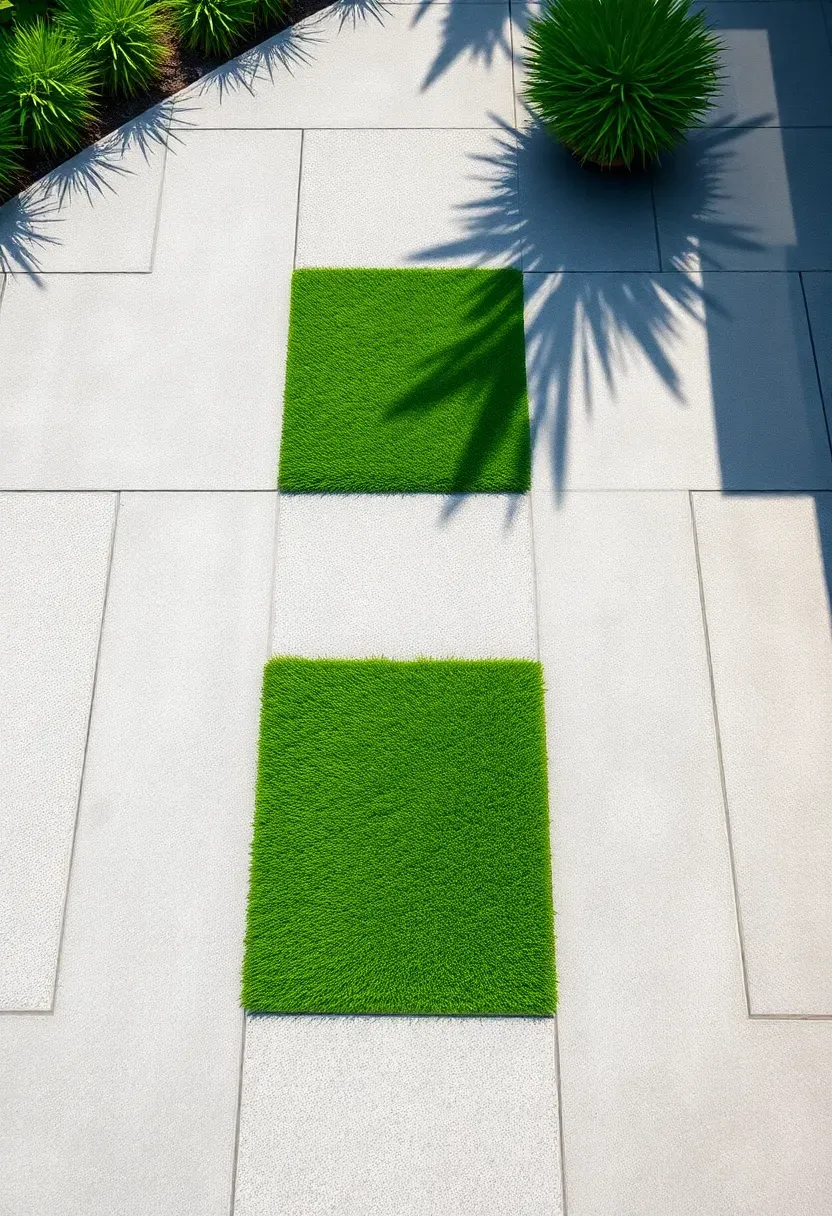
A grid of alternating pavers and turf squares breaks up what could be a monotonous green expanse. This pattern works well in modern and mid-century backyards where clean lines matter.
How to build it
Cut turf panels to match your paver dimensions — 12x12 or 16x16 inches are common. Set pavers on a sand-and-gravel base at the same height as the turf surface. The turf squares sit in excavated pockets filled with the same base material. Budget about $18 to $22 per square foot for the combined surface.
Choose this if
- You want visual texture without planting beds
- Your yard gets heavy foot traffic and needs hard surfaces mixed in
- You like a contemporary look that photographs well from above
We picked a few things that go well with this idea: Galvanized Steel Landscape Edging (33 ft) (★4.5), Black Steel Garden Border Edging (20 ft) (★4.5) and Bluepro Garden Border Edging (100 ft) (★4.9). As an Amazon Associate we earn from qualifying purchases.
3. Pet-Friendly Turf Zone
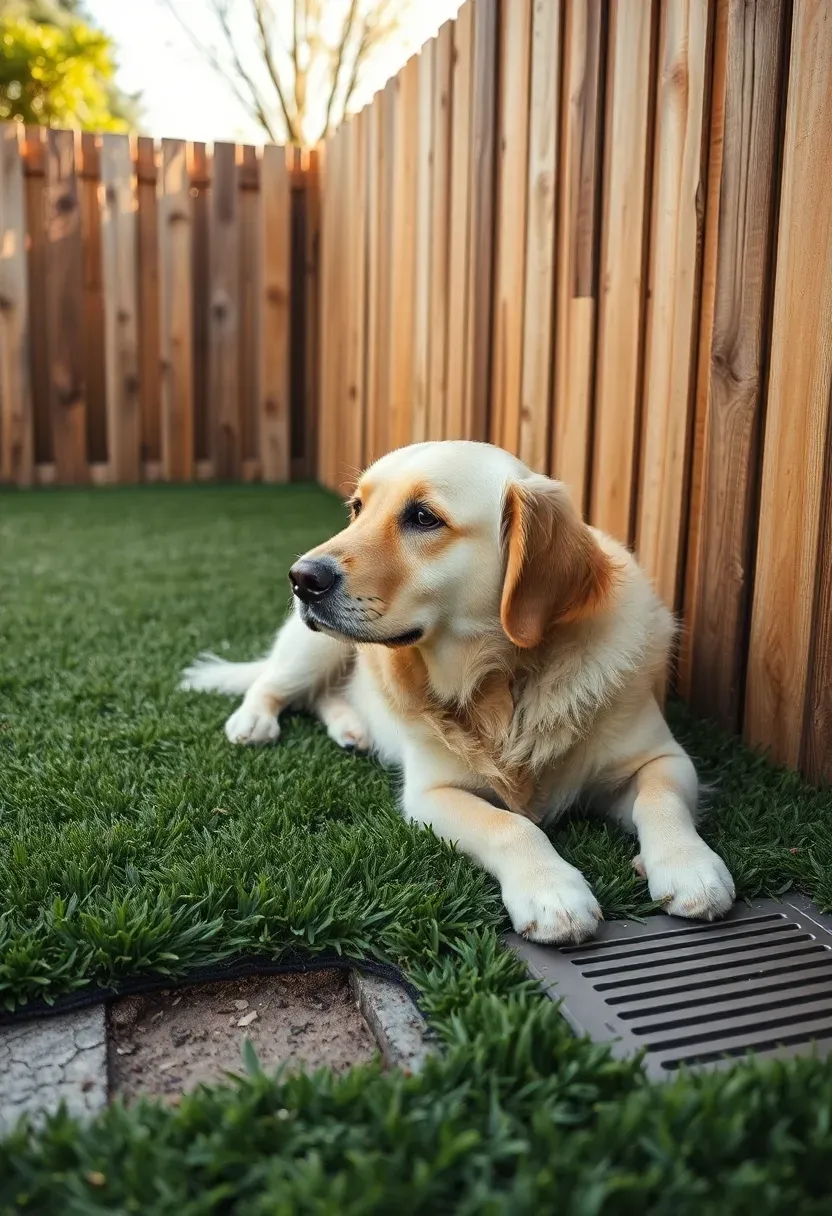
Dogs destroy natural grass faster than anything else. Urine burns, digging, and constant running leave bare patches within a season. Pet-specific synthetic turf uses shorter pile height (around 1 inch) and antimicrobial infill — typically Envirofill or zeolite — that neutralizes ammonia from urine. The backing needs to be fully permeable so liquids drain through rather than pooling. Install a 2-inch layer of washed pea gravel beneath the turf for drainage, and hose the surface down every few days. Cost runs about $10 to $16 per square foot installed.
Tips
- Avoid rubber crumb infill — it traps odor and gets hot in direct sun
- Add a border of smooth river rock so dogs do not pull up turf edges
- Install a slight grade (1-2% slope) toward a drain or garden bed for runoff
We picked a few things that go well with this idea: HongWay Landscape Staples (240-Pack) (★4.8), Feed Garden Galvanized Landscape Staples (50-Pack) (★4.7) and Bakulyor Turf Stakes with Washers (50-Pack) (★4.7). As an Amazon Associate we earn from qualifying purchases.
4. Poolside Turf Surround
Why turf beats concrete decking
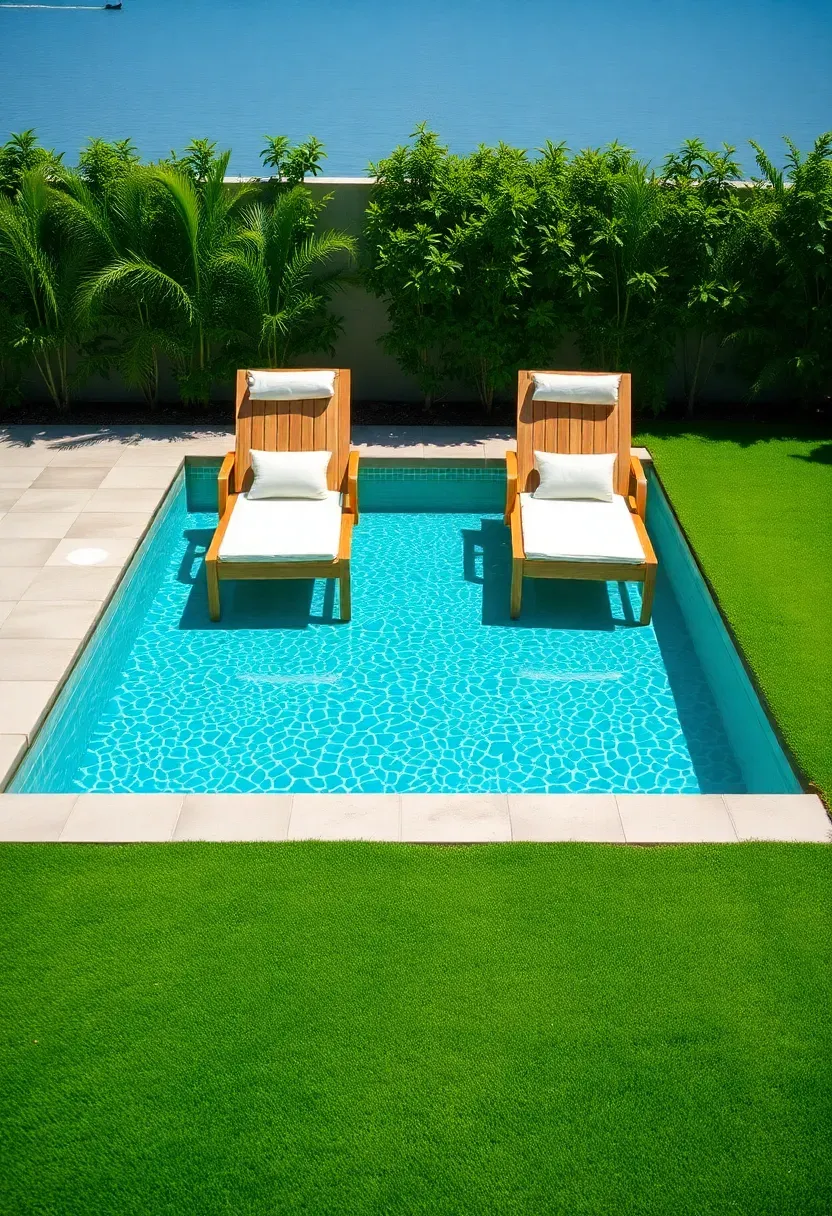
Concrete pool decks absorb heat and burn bare feet by mid-afternoon. Turf stays cooler — not cool, but noticeably less painful — and provides a softer landing for kids running between the pool and the yard. It also eliminates the mud and grass clippings that natural lawns track into the water.
Installation details
Use marine-grade turf backing rated for constant moisture exposure. Standard residential backing will degrade near a pool within three to five years. Ensure the turf drains away from the pool edge to keep splash-out from pooling. Budget $12 to $18 per square foot for pool-rated synthetic turf with proper drainage base.
Watch out
- Chlorinated splash water can bleach certain turf fibers — ask for UV and chemical-resistant product
- Secure turf edges with concrete nailing strips rather than landscape staples near the pool
Recommended
Items for this idea
5. Turf Between Stepping Stones
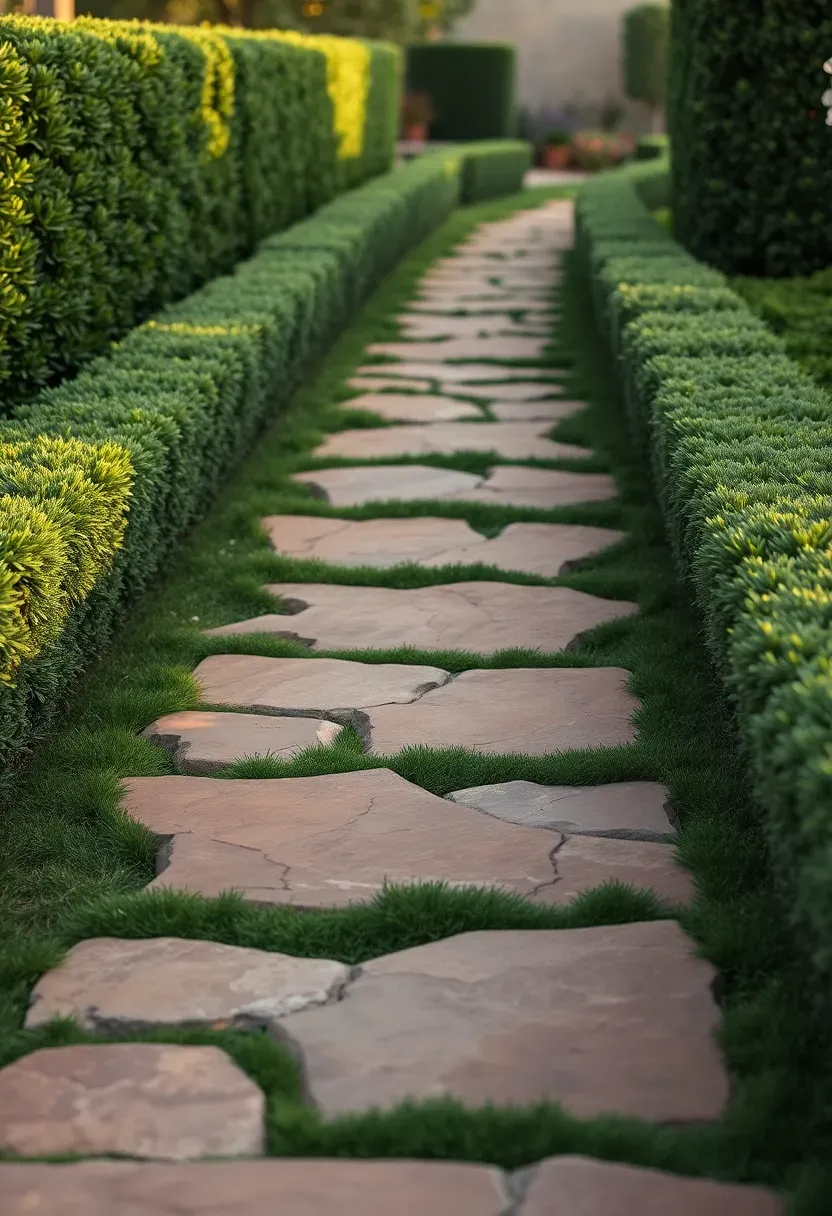
Flagstone or concrete steppers set into turf create a casual pathway that looks organic and feels comfortable underfoot. The turf fills the joints between stones, replacing the gravel or ground cover that typically goes there. This works particularly well for connecting a patio to a garden shed, gate, or side yard. Cut turf pieces to fit tightly against stone edges using a sharp utility knife, and tuck the edges underneath the stones for a clean seam.
Tips
- Set stones at least 1/2 inch above turf height so mowing (if using natural grass nearby) does not scalp the surface
- Use stones at least 2 inches thick — thinner ones shift underfoot
- Space steppers 4 to 6 inches apart for a natural walking stride
6. Kids' Play Area with Turf Padding
The problem with rubber mulch
Traditional playground surfacing — rubber mulch or wood chips — migrates out of the play zone, gets tracked inside, and hides sharp objects. Sand attracts cats. Poured rubber costs a fortune.
The turf solution
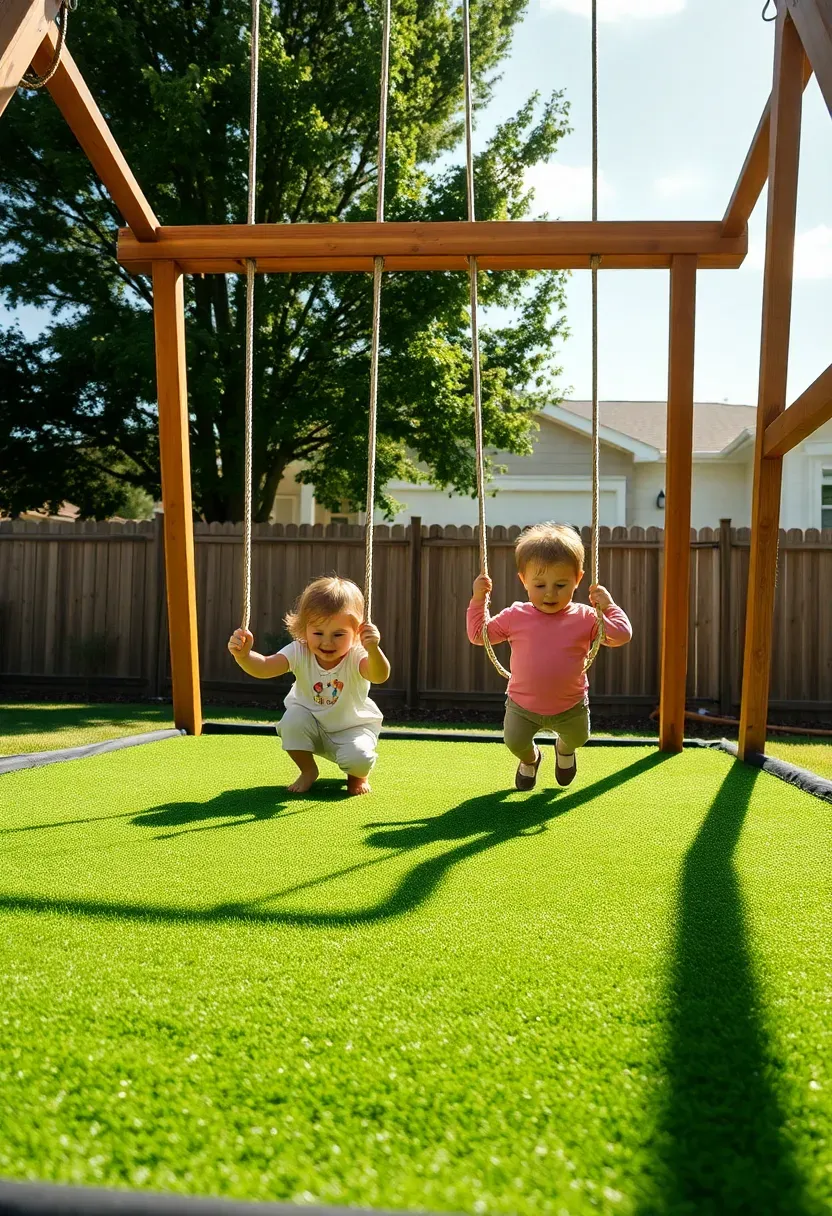
Playground-rated turf with a foam shock pad underneath offers a consistent fall surface. A 2-inch foam pad beneath 1.5-inch pile turf meets ASTM F1292 standards for fall heights up to 6 feet, which covers most residential swing sets and climbers. The surface stays clean, drains fast, and does not need raking or replenishing. Expect to pay $14 to $20 per square foot for turf plus shock pad.
Pros and cons
- Pro: No loose material to sweep off the patio every evening
- Pro: Meets safety standards without annual maintenance
- Con: Higher upfront cost than mulch or pea gravel
Recommended
Items for this idea
7. Rooftop Turf Deck
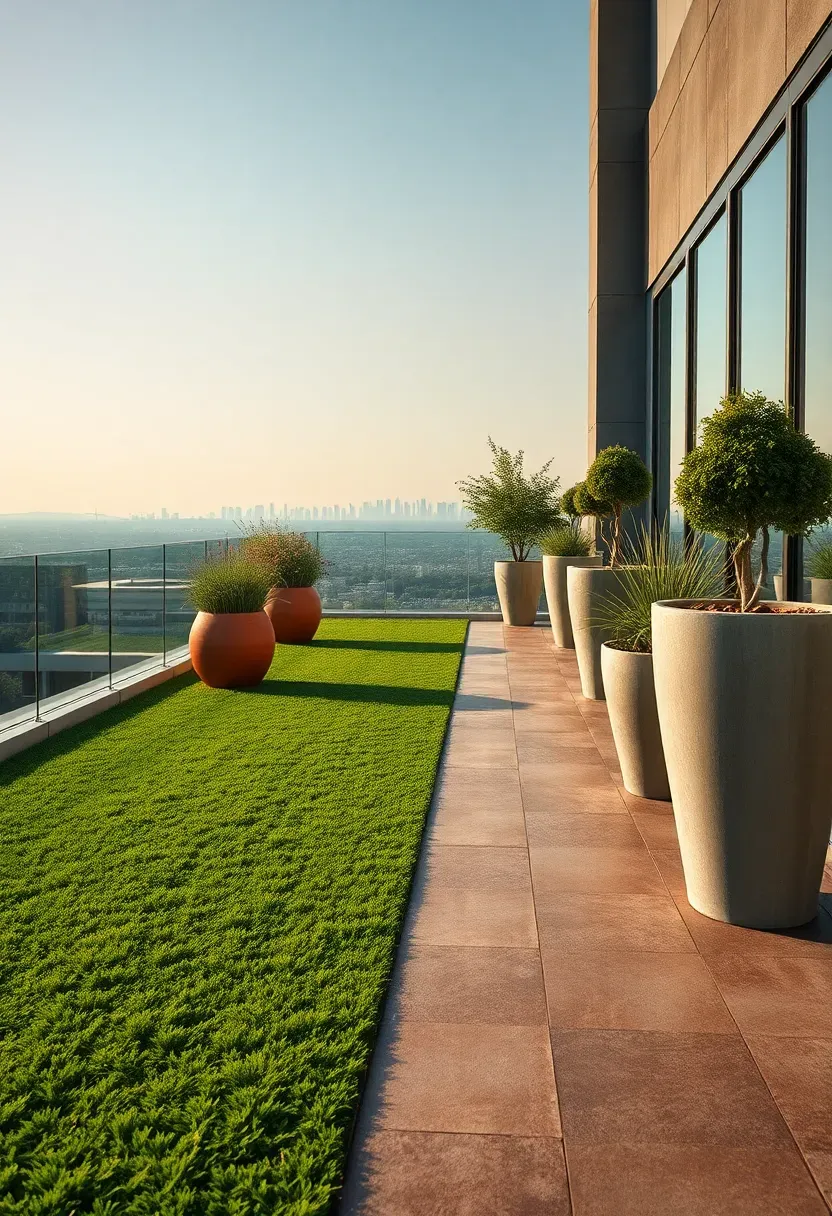
Installing turf on a rooftop or elevated deck requires extra planning, but the payoff is a usable green space where you would otherwise have bare membrane or pavers. Weight matters — synthetic turf with infill adds about 2 to 4 pounds per square foot, which most flat roofs can handle. Use a drainage mat between the waterproof membrane and the turf to prevent water from sitting against the roof surface. Anchor the turf with perimeter weights or adhesive strips rather than nails or staples that would puncture the membrane.
Tips
- Verify your roof's load rating with a structural engineer before adding any material
- Use turf rated for high UV exposure — rooftops get unfiltered sun all day
- Add weighted planters at corners to prevent wind uplift in exposed locations
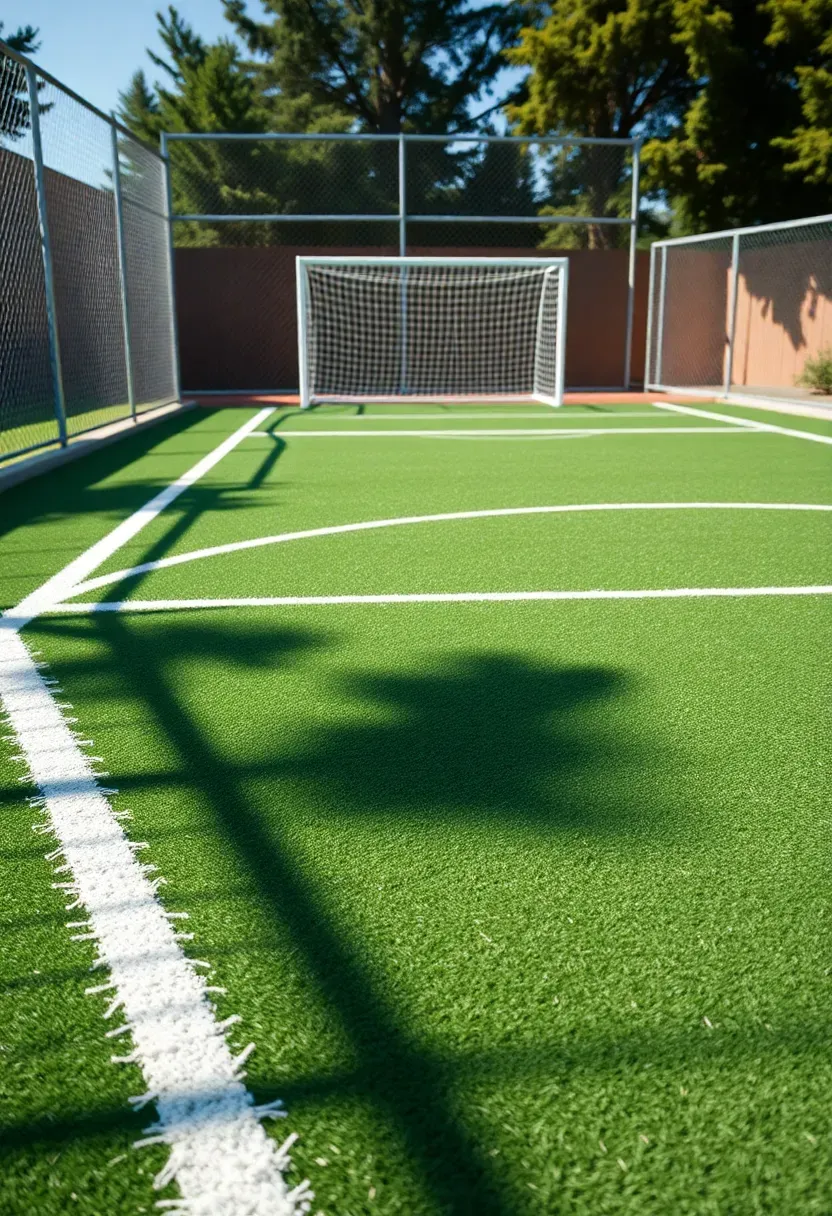
8. Backyard Sports Court Turf
Picking the right turf for sports
Not all synthetic turf handles athletic use. Short-pile nylon turf (around 3/4 inch) with sand and rubber infill provides the ball bounce and traction needed for sports like soccer, lacrosse, and field hockey practice. Standard landscape turf is too soft and too tall — balls drag and footing gets spongy.
How to set it up
- Grade and compact a 6-inch crushed rock base for stability.
- Install a geotextile fabric layer.
- Roll out sport-grade turf and seam panels with outdoor adhesive tape.
- Spread rubber crumb infill at the manufacturer's recommended depth.
- Brush the fibers upright with a power broom.
Watch out
- Rubber infill heats significantly in direct sun — consider cooling infill alternatives like coated sand
- Court lines can be cut into the turf in contrasting colors during installation
Recommended
Items for this idea
9. Zen Garden with Turf Accents
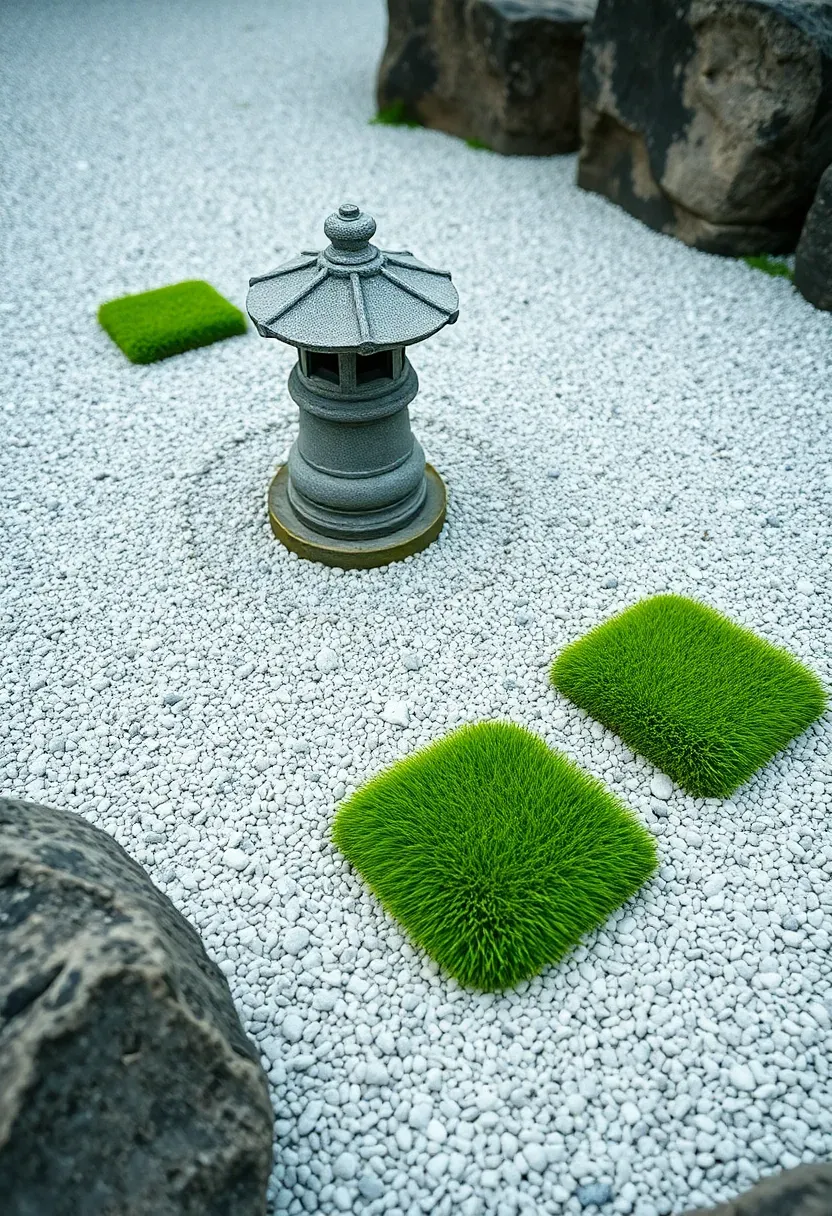
Small panels of turf inserted into a gravel or sand garden provide color contrast without the maintenance of live moss or groundcover. In a zen-inspired layout, use 2x3-foot rectangular turf patches between raked gravel areas and natural stone groupings. The turf reads as a manicured moss bed from a distance. Keep the pile height short — 3/4 inch maximum — so it matches the tight, groomed aesthetic of a Japanese garden rather than looking like a miniature lawn.
Tips
- Edge turf panels with thin steel landscape edging painted black for a clean border
- Choose a darker green turf shade to mimic moss rather than bright lawn grass
- Limit turf to 15-20% of the total garden area so gravel and stone remain dominant
10. Slope-Stabilized Turf Hillside
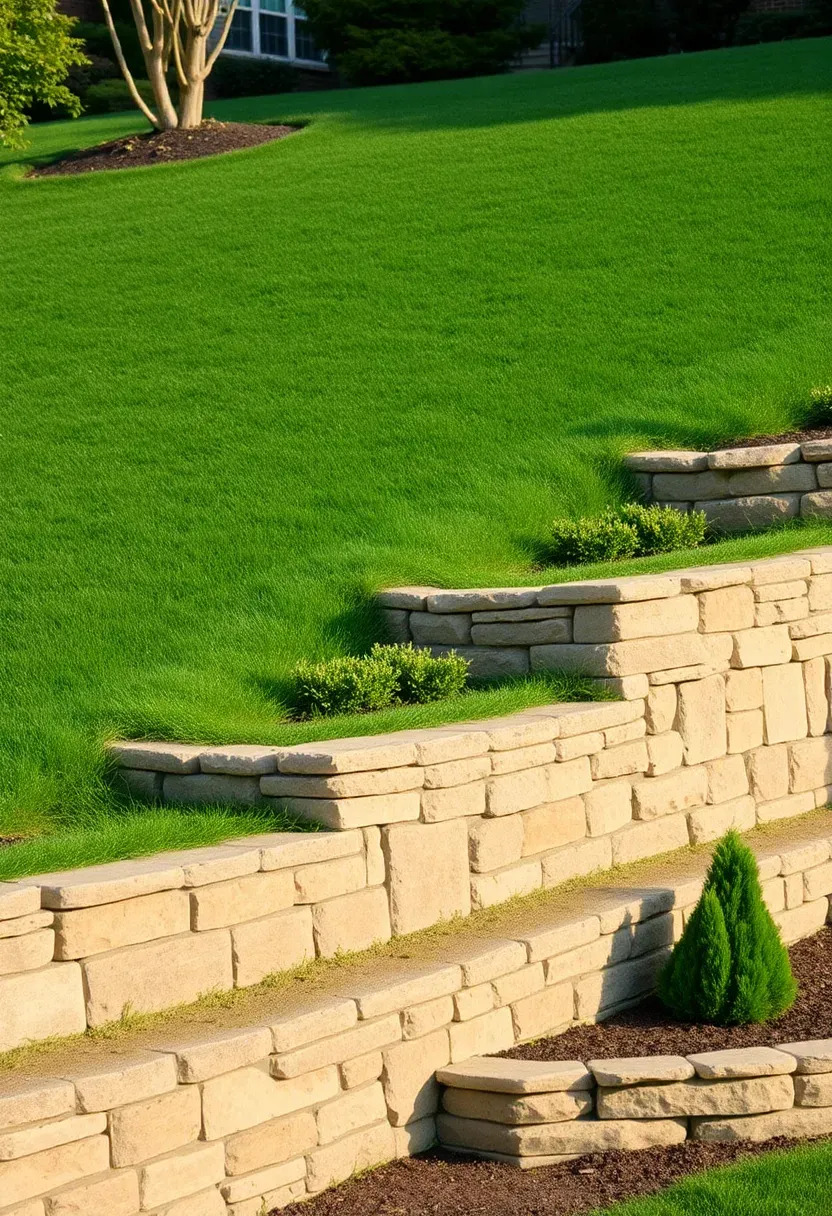
Mowing a slope is miserable and sometimes dangerous. Synthetic turf on a hillside eliminates that chore and prevents erosion at the same time. The turf backing and infill hold soil in place, and the drainage characteristics prevent the surface runoff that causes washouts on bare slopes. For grades steeper than 3:1, install ground anchoring pins every 12 inches and use a heavier infill like silica sand at a higher rate to keep the turf from creeping downhill over time.
What to get right
- Excavate and compact the slope in horizontal benches rather than following the natural grade
- Use 6-inch non-galvanized staples — they rust and lock into the soil over time
- Add a French drain at the base of the slope to collect water filtering through the turf
Recommended
Items for this idea
11. Fire Pit Turf Lounge
Setting turf near fire safely
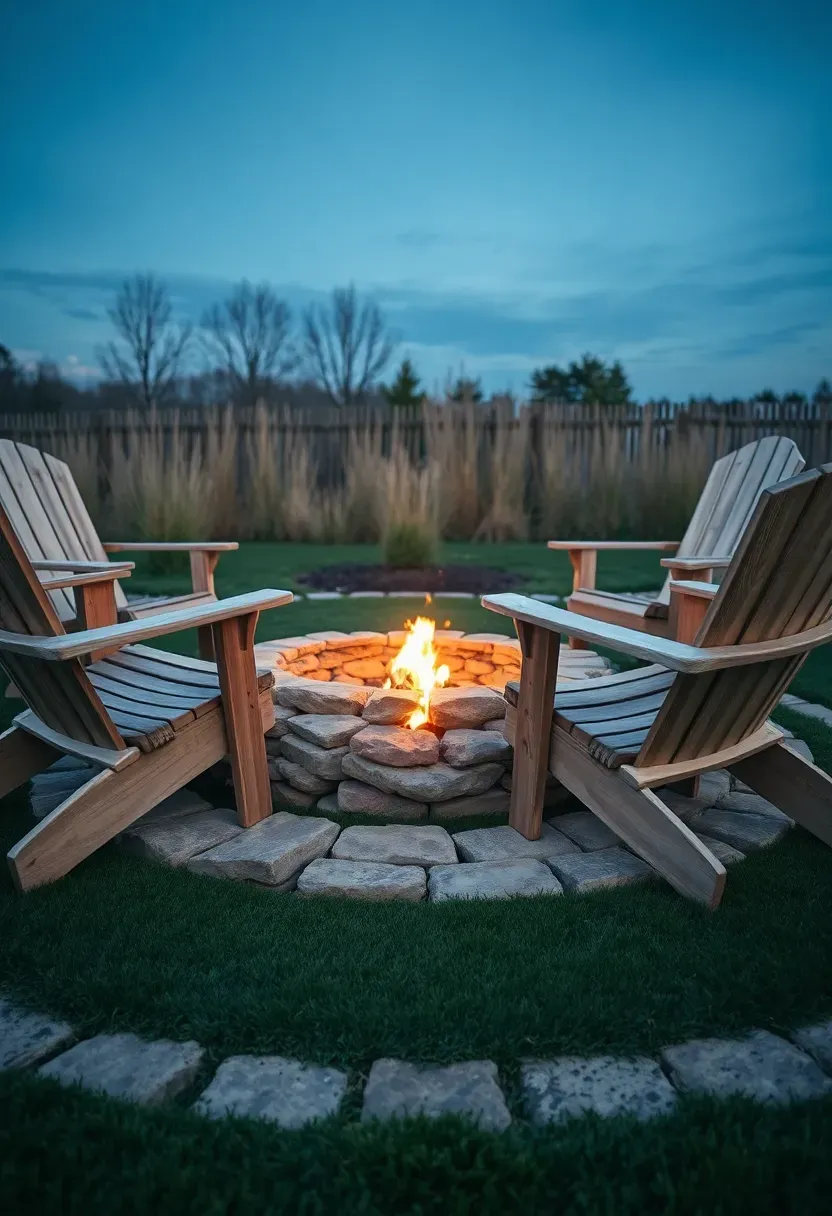
Synthetic turf melts, so you need a buffer. Most manufacturers recommend at least 15 inches of non-combustible material between any flame source and turf edges. A ring of flagstone, concrete pavers, or decomposed granite around the fire pit handles this while looking intentional.
Creating the lounge layout
Lay turf in a large circle or organic shape around the fire pit buffer zone. Place chairs directly on the turf — it handles furniture weight without denting if you use flat chair pads under the legs. This setup works well for evening gatherings and gives the space a backyard-living-room feel without requiring a full patio pour.
Choose this if
- You want a soft, barefoot-friendly surface around your fire pit
- Pouring a concrete patio is outside your budget
- You like the contrast of green turf against stone and fire
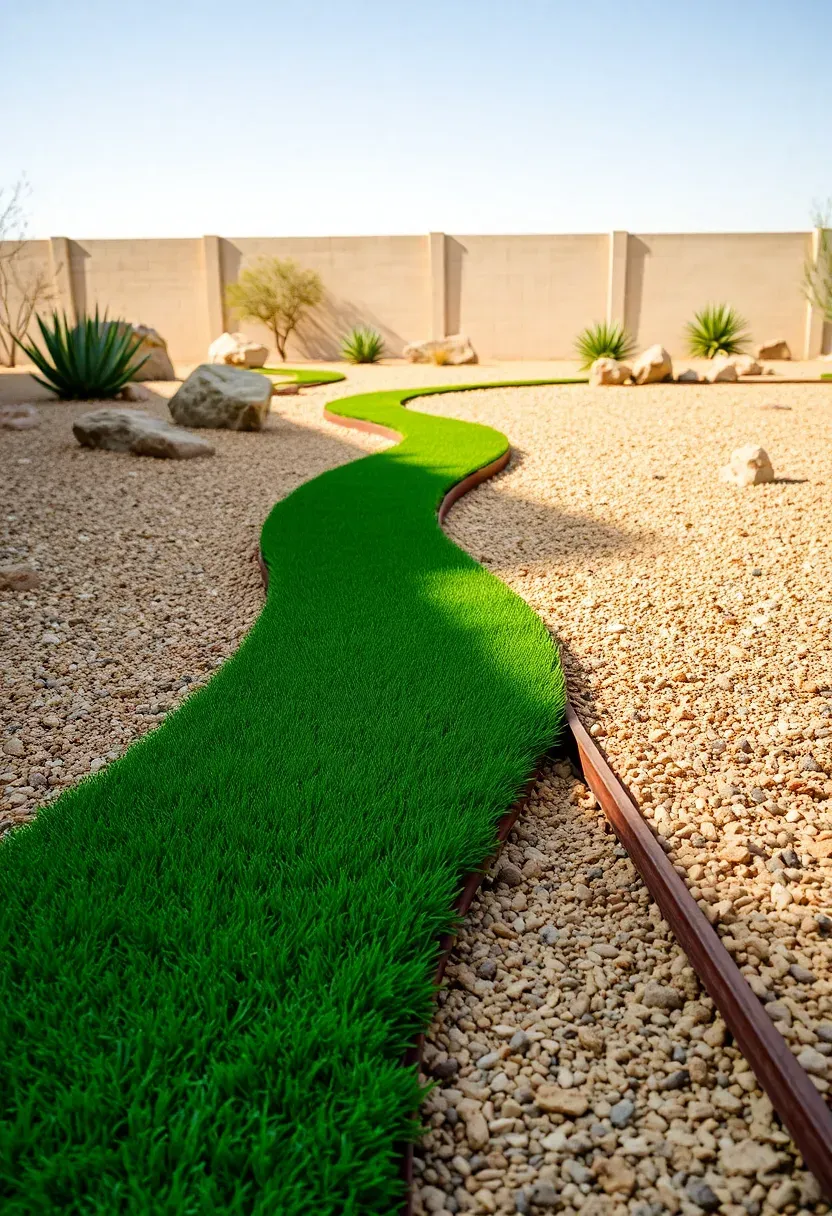
12. Turf Pathway Through Gravel
A turf strip cutting through a gravel or decomposed granite yard creates a clear walking route that feels soft underfoot and adds color to an otherwise neutral landscape. Cut the turf in a 30 to 36-inch-wide strip — enough for comfortable single-file walking. Edge both sides with steel or aluminum landscape edging to keep gravel from migrating onto the turf. This combination is especially popular in desert and Mediterranean-climate yards where water conservation drives design choices.
Tips
- Curved paths look more natural than straight lines in gravel landscapes
- Use a heavier infill to keep the turf strip flat and resist foot-traffic compression
- Install the turf slightly above gravel height so debris rolls off rather than collecting on the surface
Recommended
Items for this idea
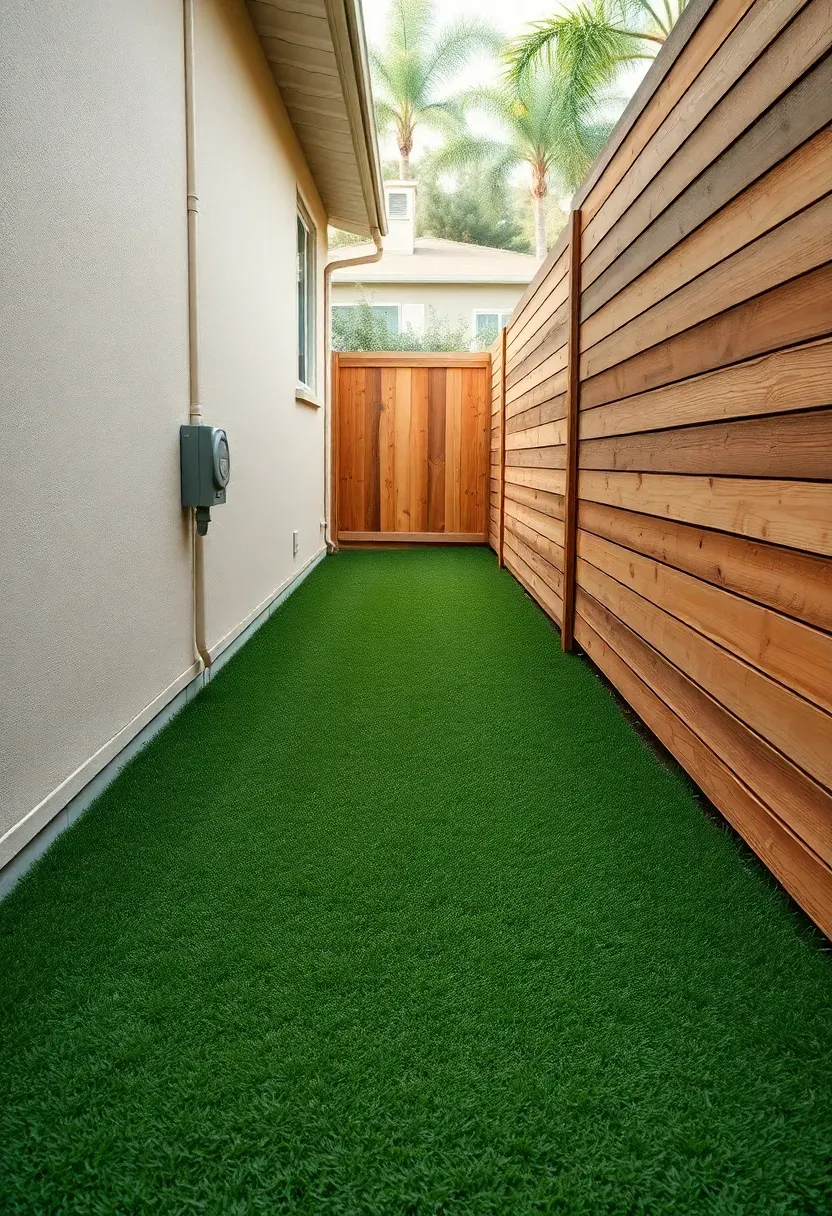
13. Side Yard Turf Runner
Side yards are the forgotten zones — usually a strip of dirt, weeds, or cracked concrete between the house and the fence. A turf runner turns this dead space into a clean, usable corridor. Most side yards are 3 to 5 feet wide, which means you can install turf with a single panel and no seams. Add motion-sensor lighting overhead and the space doubles as a pleasant evening walkway instead of a dark alley you avoid after sunset.
What to get right
- Ensure drainage flows away from the house foundation — add a French drain if needed
- Use a shorter pile height (1 inch) in narrow spaces for easier cleaning
- Attach turf to a concrete mow strip at both ends for a finished look
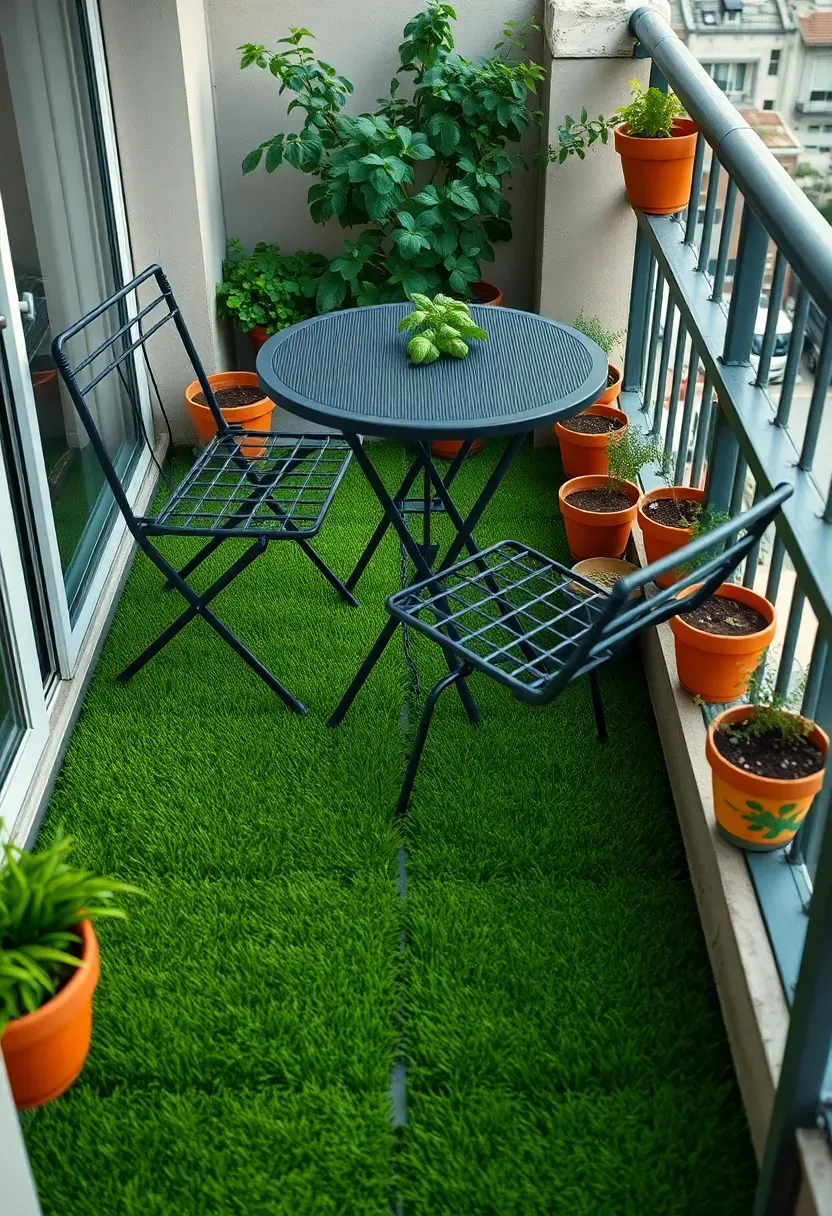
14. Balcony and Patio Turf Overlay
Why renters love this option
Interlocking turf tiles sit on top of existing concrete, wood, or composite decking without adhesive or fasteners. You can pull them up when your lease ends and take them with you. Each tile is typically 12x12 inches with a snap-together plastic base that elevates the turf slightly for drainage.
How to install
- Sweep the existing surface clean.
- Lay tiles starting from one corner, snapping each into the next.
- Cut edge tiles to fit with a utility knife.
- Weigh down corners if the balcony is windy.
Pros and cons
- Pro: Zero permanent modification to the surface underneath
- Pro: Installation takes under an hour for a standard balcony
- Con: Tiles can shift on smooth surfaces — use non-slip pads if needed
Recommended
Items for this idea
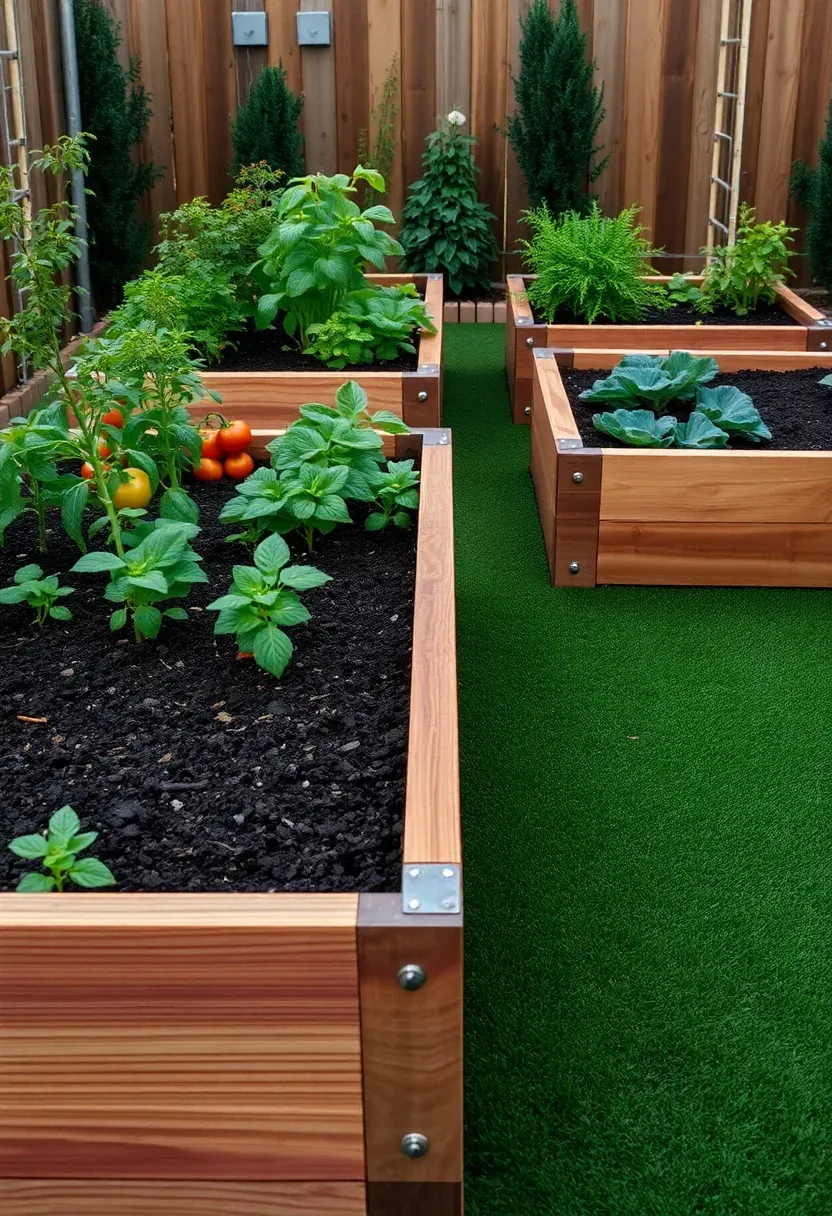
15. Turf with Raised Garden Beds
Combining synthetic turf with raised planting beds gives you the low-maintenance ground surface without sacrificing the ability to grow food or flowers. The turf handles all the walking and lounging areas while the beds contain real soil and real plants. This layout works particularly well for gardeners who hate weeding pathways between beds. Build beds from cedar or galvanized steel, set them on the compacted base before laying turf, and cut the turf to fit tightly around each bed frame.
Tips
- Leave a 2-inch gap between bed frames and turf for irrigation runoff
- Use landscape fabric under the turf but not under the beds — beds need soil-to-ground contact for drainage
- Raise beds at least 12 inches so soil and mulch do not spill onto the turf surface
16. Drought-Resistant Turf Front-to-Back
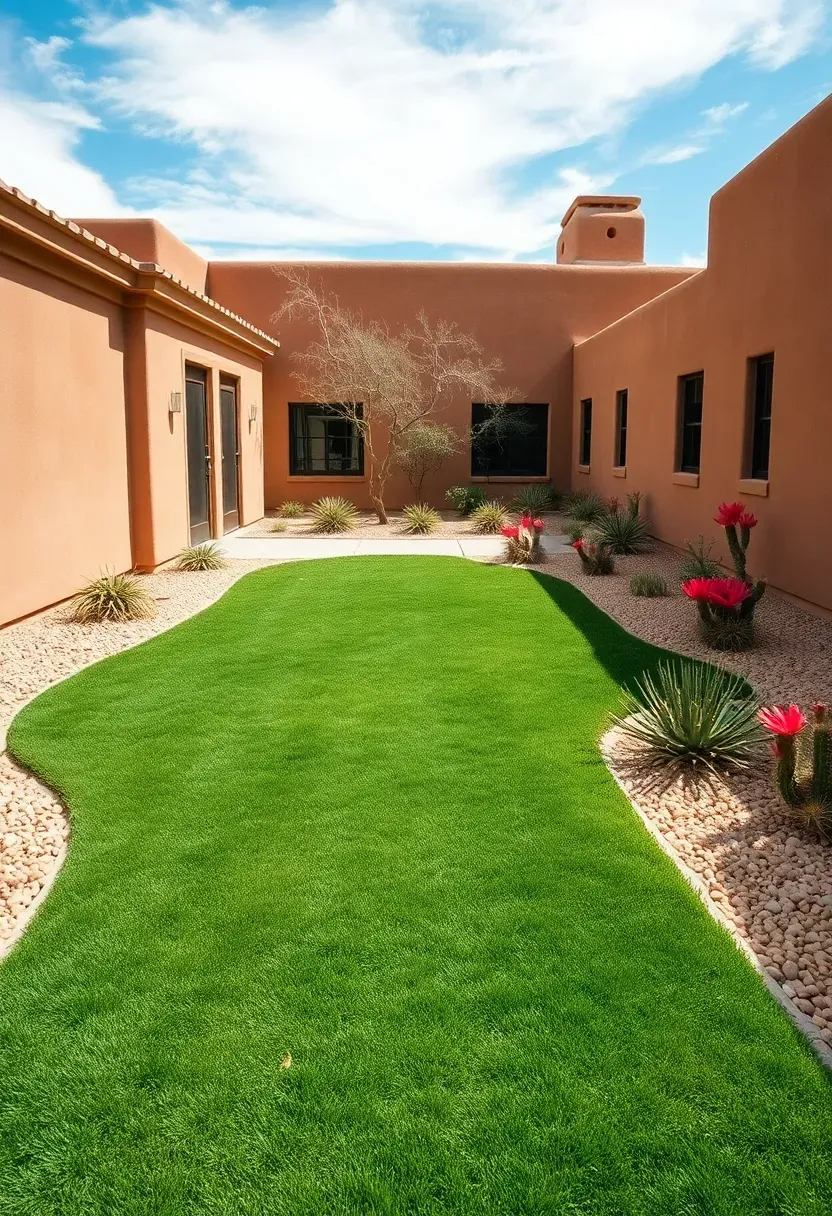
In water-restricted areas like parts of California, Nevada, and Arizona, many municipalities offer rebates of $1 to $3 per square foot for replacing natural grass with drought-tolerant alternatives. Synthetic turf qualifies in most programs. Going front-to-back with turf creates a unified look and maximizes your rebate. A 2,500-square-foot total conversion typically costs $20,000 to $35,000 installed but saves $800 to $1,500 per year in water, fertilizer, and lawn service — so the payback window is 12 to 18 years before rebates.
What to get right
- Apply for rebates before starting work — most programs require pre-approval and inspection
- Mix turf with native drought-tolerant plants along borders to satisfy HOA landscaping requirements
- Use two different turf shades (front and back) to avoid the "carpet store" look on large areas
Recommended
Items for this idea
17. Turf Dog Run Along the Fence
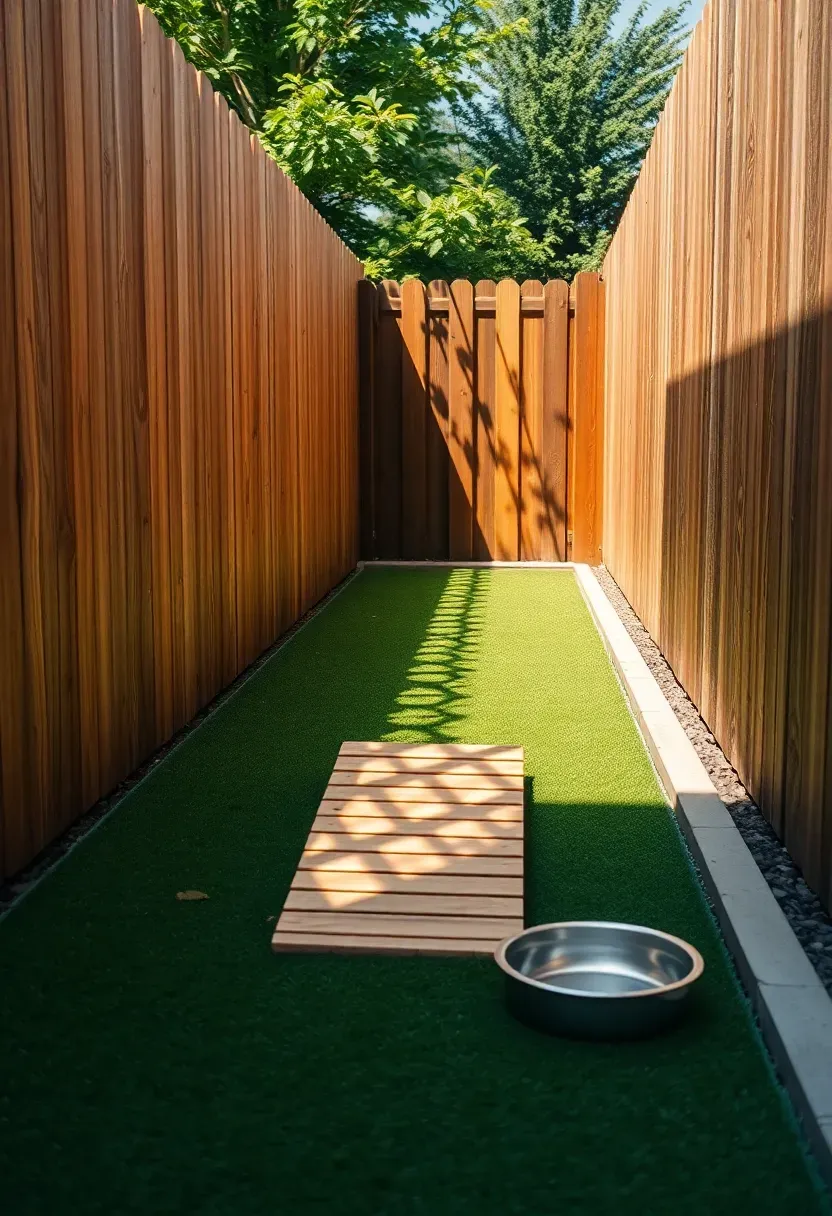
A dedicated dog run along the fence line gives your pet a contained space to patrol, exercise, and do their business without destroying the rest of the yard. Build it 4 to 6 feet wide and as long as your fence allows. Use the same pet-friendly turf described in idea 3 — short pile, antimicrobial infill, permeable backing. Add a small rinse station with a hose bib at one end for easy cleanup. This keeps the main lawn or turf area cleaner and gives the dog a clear territory.
Tips
- Install a concrete curb between the dog run and the main yard to contain infill
- Add a shade sail or tree coverage over part of the run for hot days
- Replace infill in the dog run zone every 2 to 3 years since it degrades faster with daily use
18. Outdoor Dining Turf Terrace
Skipping the concrete pour
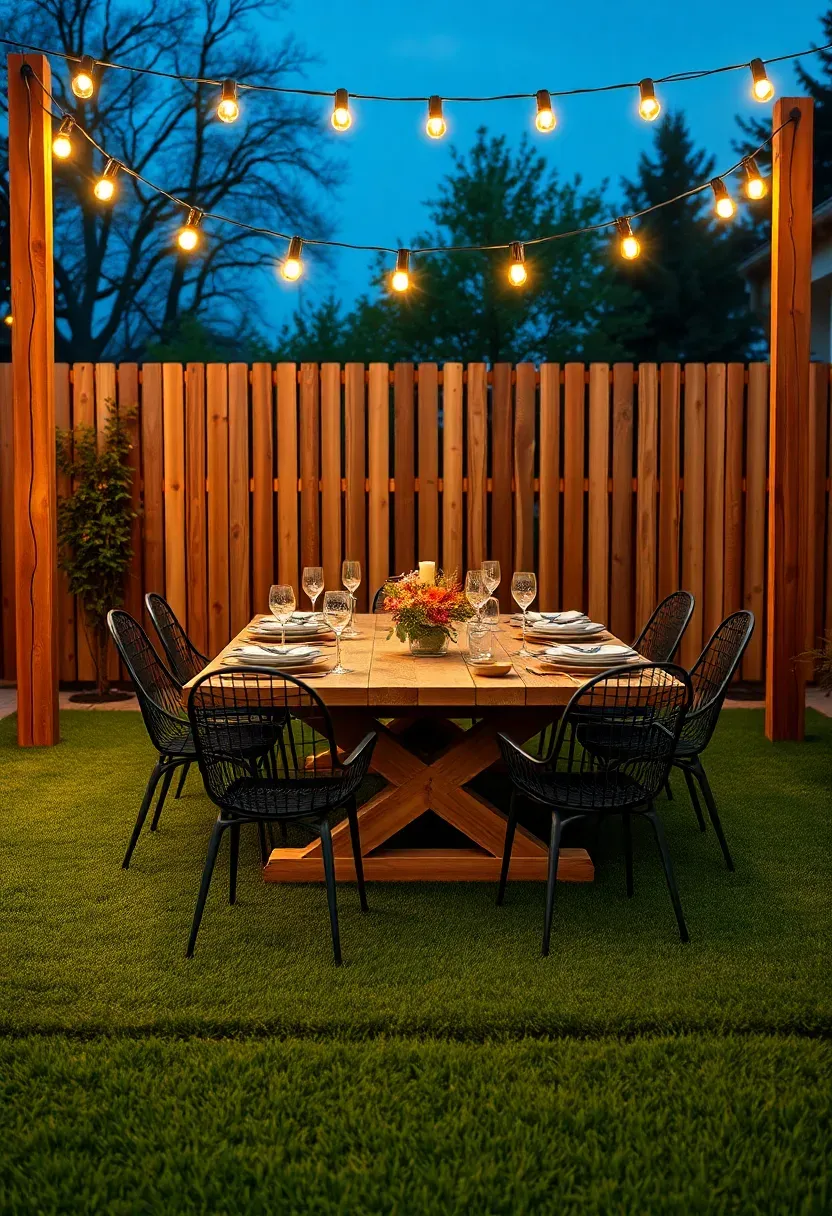
A poured concrete patio for outdoor dining costs $8 to $15 per square foot and takes a week to cure before you can use it. Synthetic turf over a compacted base costs about the same but installs in a day and feels softer underfoot. For dining furniture, the surface needs to be firm — use a higher infill rate and compact it thoroughly so chair legs do not sink.
Making it work
Level a 12x14-foot area (enough for a 6-person table with chairs pulled out), install turf with heavy infill, and define the dining zone with string lights or a border of potted plants. The turf reads as a green "rug" in the yard. Add a portable outdoor rug under the table if you want extra stability for the furniture legs.
Choose this if
- You want a defined dining area without permanent hardscape
- Your yard has uneven ground that would require expensive grading for concrete
- You prefer a softer, warmer surface for barefoot summer dinners
Recommended
Items for this idea
19. Mixed Turf and Native Planting
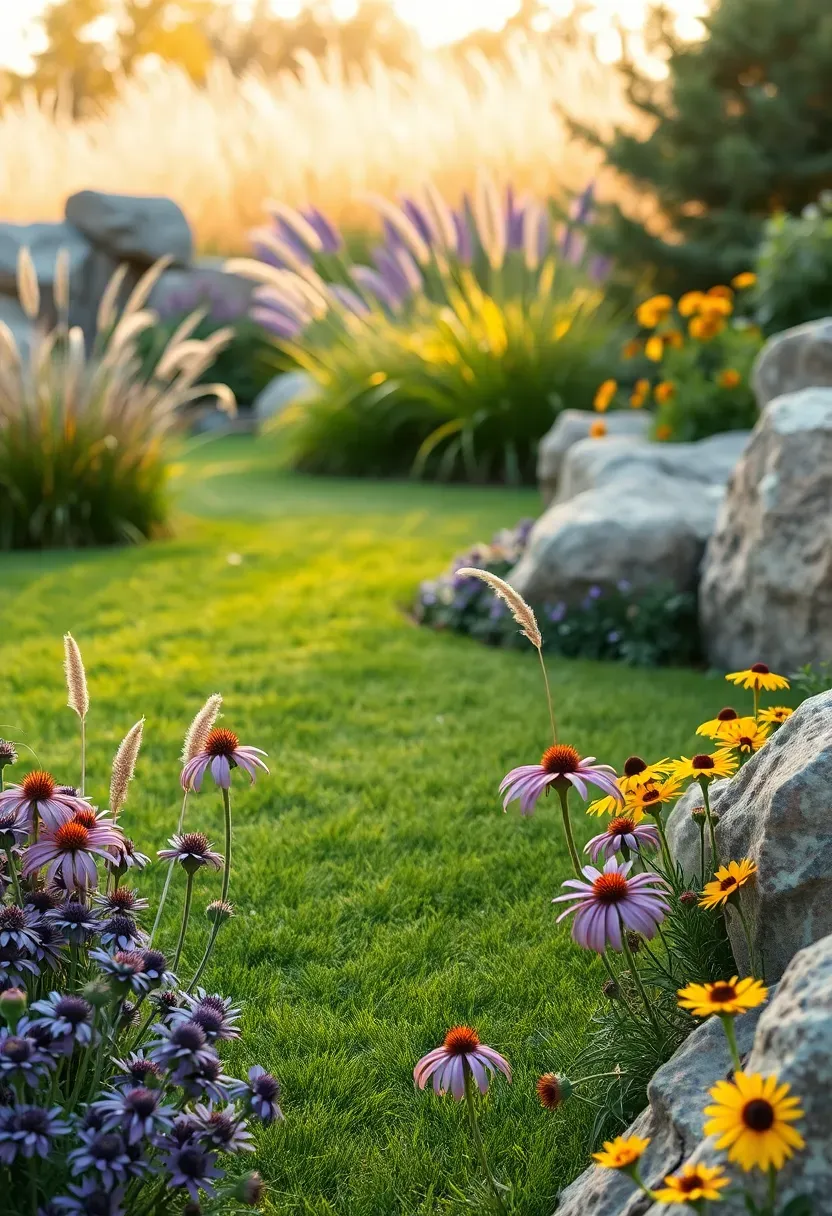
Going all-synthetic can feel monotone. Mixing turf panels with clusters of native grasses, perennial wildflowers, and ornamental shrubs creates a landscape that looks alive while still cutting maintenance by 60 to 70 percent compared to a full natural lawn. Use turf for the high-traffic areas — paths, seating zones, play spaces — and native plantings for borders, slopes, and corners where you would otherwise fight weeds. The native plants attract pollinators and add seasonal color that synthetic turf cannot provide on its own.
Tips
- Choose native plants rated for your USDA hardiness zone so they survive without irrigation once established
- Keep turf and planting beds separated by steel edging to prevent root intrusion into the turf base
- Group plants by water needs so you can irrigate efficiently without overwatering the turf border
Quick FAQ
How long does synthetic turf last in a backyard? Most residential synthetic turf lasts 15 to 20 years with normal use. UV-stabilized fibers resist fading, but high-traffic zones like dog runs or sports areas may need replacement sooner — around 8 to 12 years. Brushing the fibers upright every few months and topping off infill annually extends the lifespan.
Does artificial turf get too hot to walk on barefoot? On a 90-degree day in direct sun, synthetic turf surface temperatures can hit 150 degrees or higher. Spraying water on the turf drops the temperature by 30 to 40 degrees almost immediately. Some newer turf products use cooling technology infill that reduces peak temperatures by about 15 percent compared to standard options.
Can I install synthetic turf myself, or do I need a contractor? A handy homeowner can install turf in a small area — under 500 square feet — with basic tools: a plate compactor, utility knife, landscape staples, and a stiff broom. Larger areas benefit from professional installation because seaming multiple panels invisibly requires experience, and getting the base grade right over a big area is difficult without a laser level.
Is backyard turf safe for children and pets? Lead-free, non-toxic synthetic turf is safe for both. Look for turf certified to ASTM standards and infill free of heavy metals. For play areas, add a shock-absorbing pad beneath the turf. For pets, use antimicrobial infill like zeolite that controls bacteria and odor.
What maintenance does synthetic turf actually need? Rinse with a hose every week or two, brush high-traffic areas monthly with a stiff bristle broom, and remove leaves and debris with a leaf blower. Add infill once a year to maintain proper levels. Address any pet waste promptly. That is roughly 20 minutes per week compared to several hours for a natural lawn.
Backyard turf works for practically any situation — from a full lawn swap to a narrow side-yard strip or a rooftop terrace you never thought could be green. Pick the idea that matches how you actually use your outdoor space, price out materials for your square footage, and start with the base prep. A solid sub-base is the difference between turf that looks great for 15 years and turf that develops bumps and drainage problems within two. Whatever setup you choose, you are trading weekend mowing for weekend relaxing, and that math works out for most people.
Pinterest cover for 19 Backyard Turf Ideas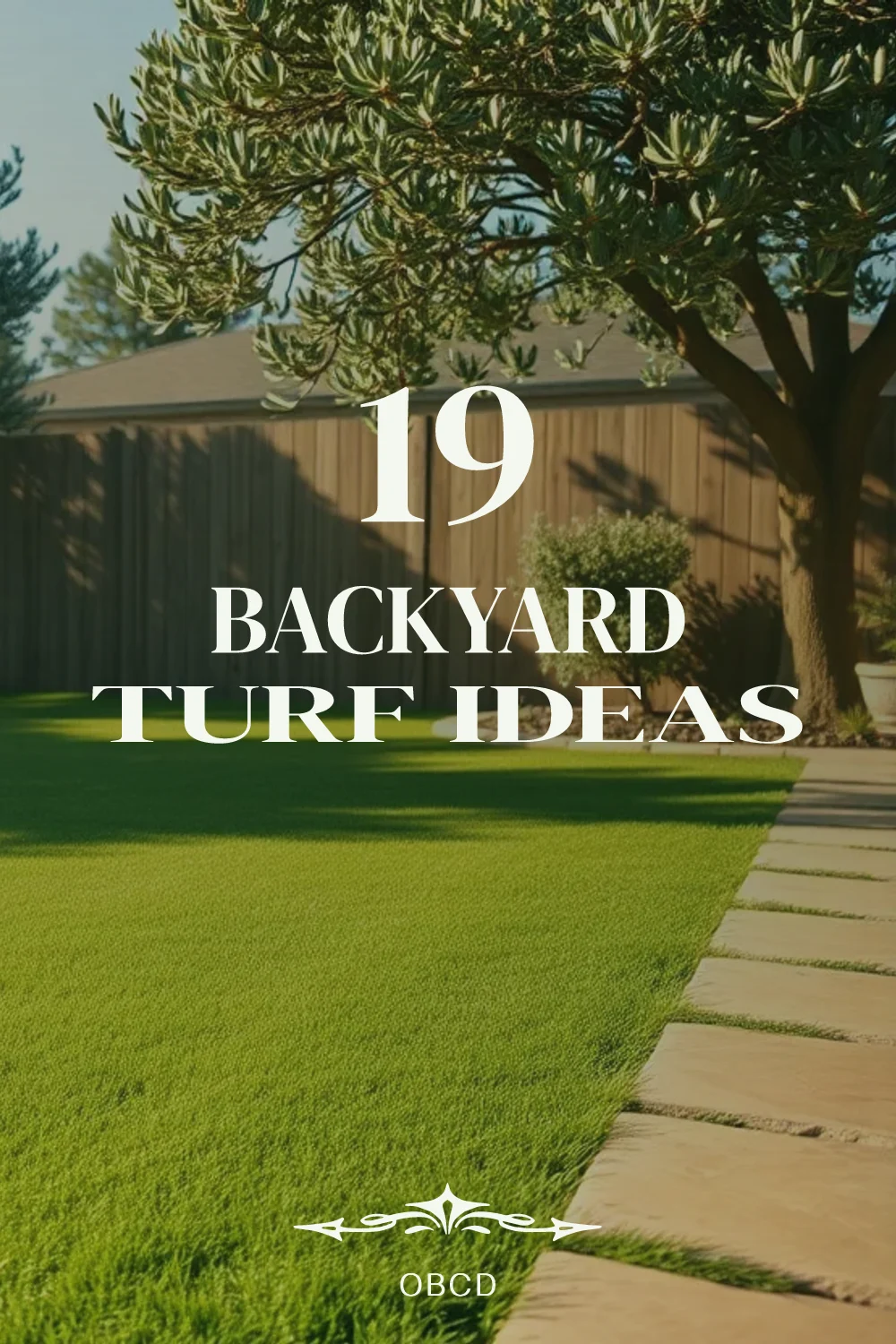
About the author
OBCD
CGI visualization and interior design content. We create detailed 3D renders and curate practical design ideas for every room in your home.