21 Backyard Camping Ideas
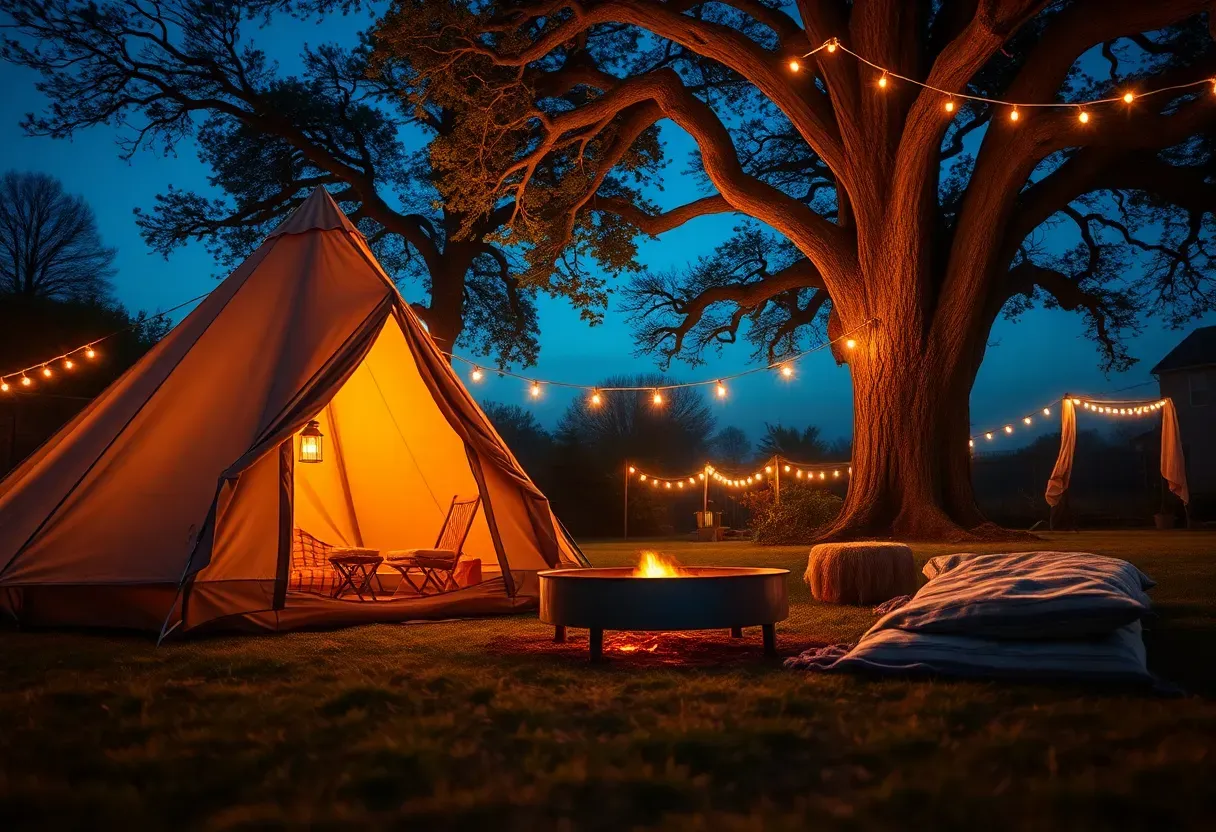
My neighbor thought I was losing it when I pitched a tent ten feet from my back door. But by 9 PM, with the fire going and my kids roasting marshmallows under actual stars, I understood why backyard camping has become a thing. You get the experience of sleeping outdoors without the hour-long drive, forgotten gear panic, or questionable campground bathrooms. Whether you are planning a family sleepover, a date night under the stars, or just want to test new gear before a real trip, your yard already has everything you need except the right setup.
Below you will find 21 ideas covering shelter, lighting, cooking, comfort, and entertainment — organized so you can pick and match based on your yard size and budget.
Table of Contents
- Canvas Bell Tent
- DIY Movie Screen Under the Stars
- Campfire Cooking Station
- Hammock Sleep Setup
- Solar-Powered Lantern Path
- Kids' Fort with Tarps and Poles
- Glamping Mattress Pit
- Stargazing Blanket Station
- Portable Fire Pit Ring
- Themed Camping Night
- Outdoor Breakfast Spread
- Fairy Light Canopy
- Camp Kitchen on a Folding Table
- Bug-Free Screened Shelter
- Nature Scavenger Hunt Setup
- Two-Person Bivy for Date Night
- Rain-Ready Tarp Overhead
- Campfire Story Circle
- Morning Yoga Clearing
- Wildlife Observation Post
- Winter Backyard Camp
1. Canvas Bell Tent
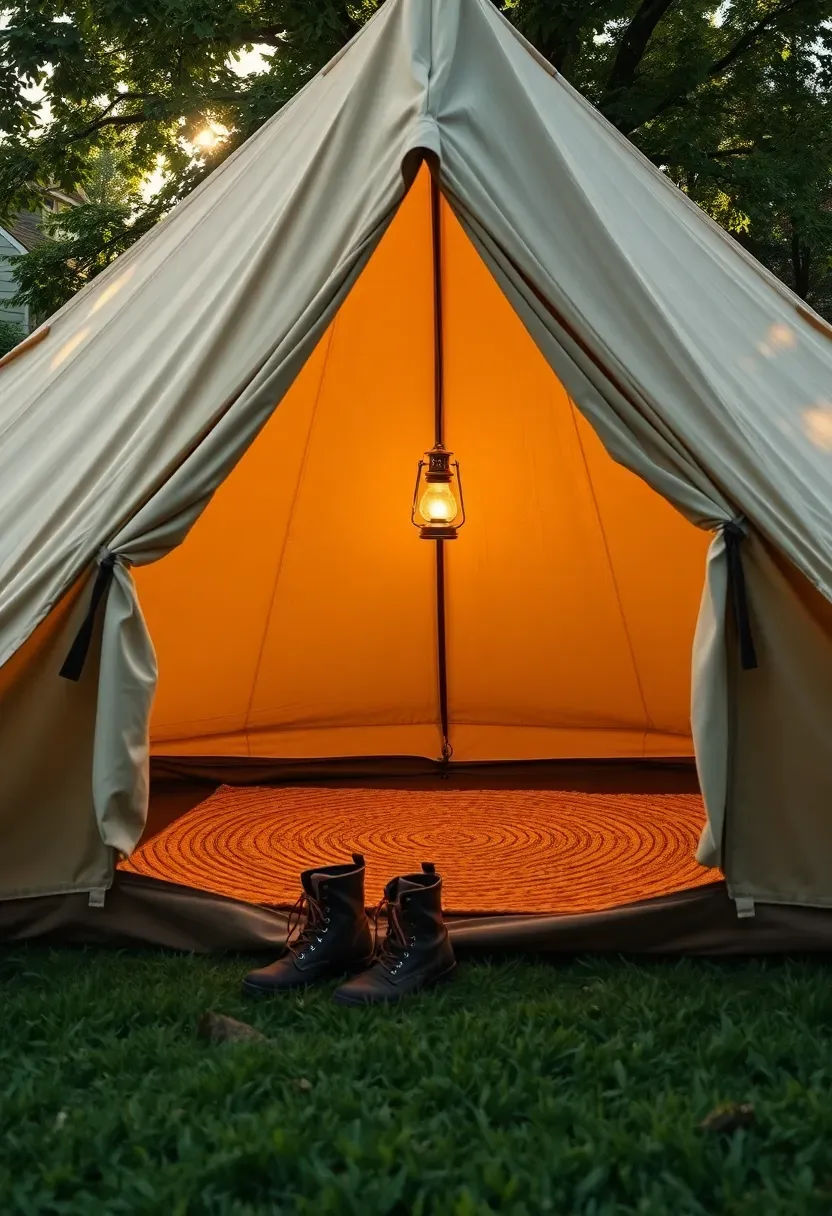
A bell tent turns a backyard campout from roughing it into something closer to a boutique hotel with grass floors. The center pole design creates enough headroom to stand and move around, which makes a huge difference at 2 AM. Most 5-meter models fit a queen-sized air mattress with room left over for bags and a small side table. The cotton canvas breathes better than nylon, so condensation is less of an issue on humid nights. Expect to pay between $250 and $600 depending on the brand and waterproofing quality.
Tips
- Stake all guy lines even in calm weather — nighttime winds can surprise you
- Place a ground tarp slightly smaller than the tent footprint to prevent moisture wicking up
- Leave the door flap partially open for airflow unless mosquitoes are bad
We picked a few things that go well with this idea: LVUYOYO Canvas Bell Tent with Stove Jack (★4.7), Canvas Bell Tent with Detachable Groundsheet (★4.4) and MC TOMOUNT Canvas Bell Tent (16.4ft) (★4.3). As an Amazon Associate we earn from qualifying purchases.
2. DIY Movie Screen Under the Stars
Why this works
Camping does not have to mean disconnecting from everything. A movie before bed gives the night structure, especially with younger kids who need wind-down time.
How to set it up
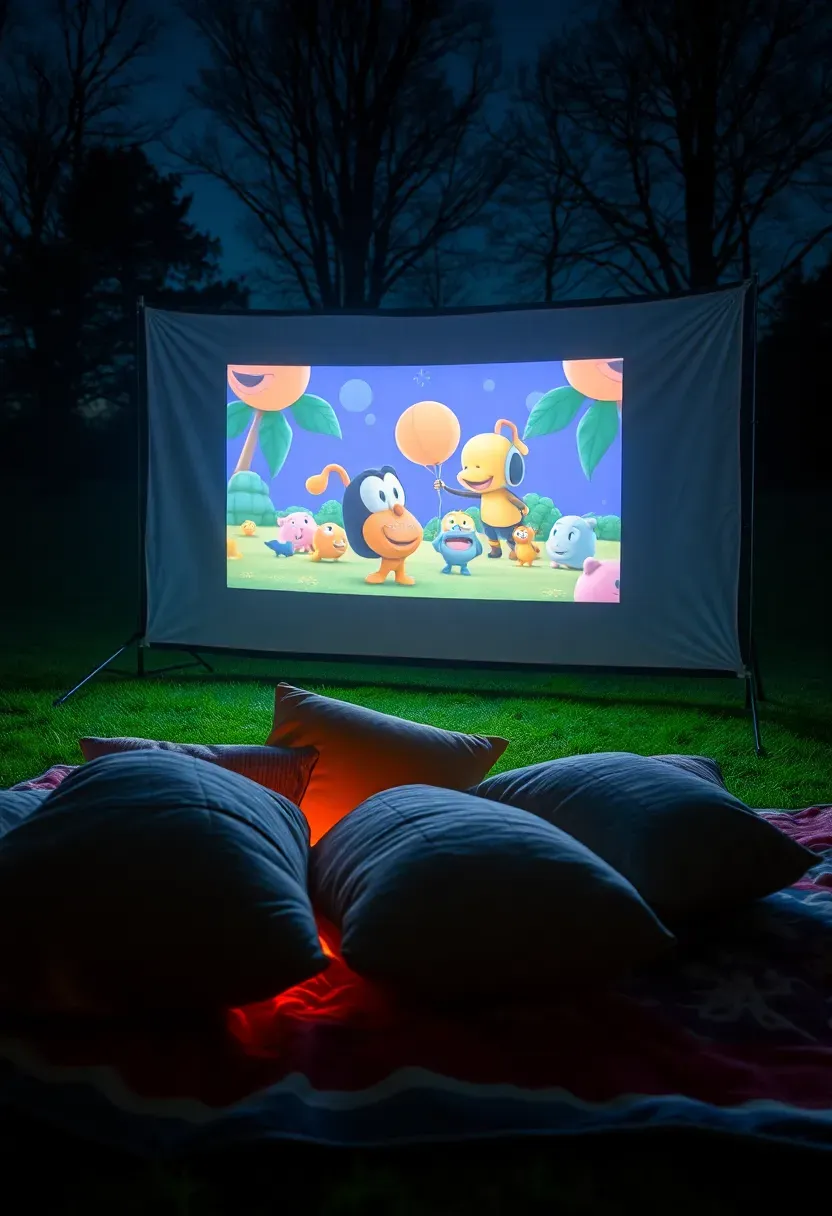
Hang a white bedsheet between two trees or fence posts using bungee cords. A mini projector — anything with 100+ lumens works outdoors — connects to a phone or laptop. Position the projector on a stable surface about eight to twelve feet from the sheet. A portable Bluetooth speaker placed near the viewing area beats the projector's built-in speaker by a wide margin.
Pros and cons
- Low cost if you already own a projector or can borrow one
- Kids love it and it fills the gap between sunset and actual sleep time
- Picture quality drops to nothing if ambient light is too strong — wait until full dark
We picked a few things that go well with this idea: Portable Collapsible Mesh Fire Pit (22-Inch) (★4.5), Portable Steel Fire Pit with Grill Grate (★4.2) and CIAYS Smokeless Portable Fire Pit (19-Inch) (★4.6). As an Amazon Associate we earn from qualifying purchases.
3. Campfire Cooking Station
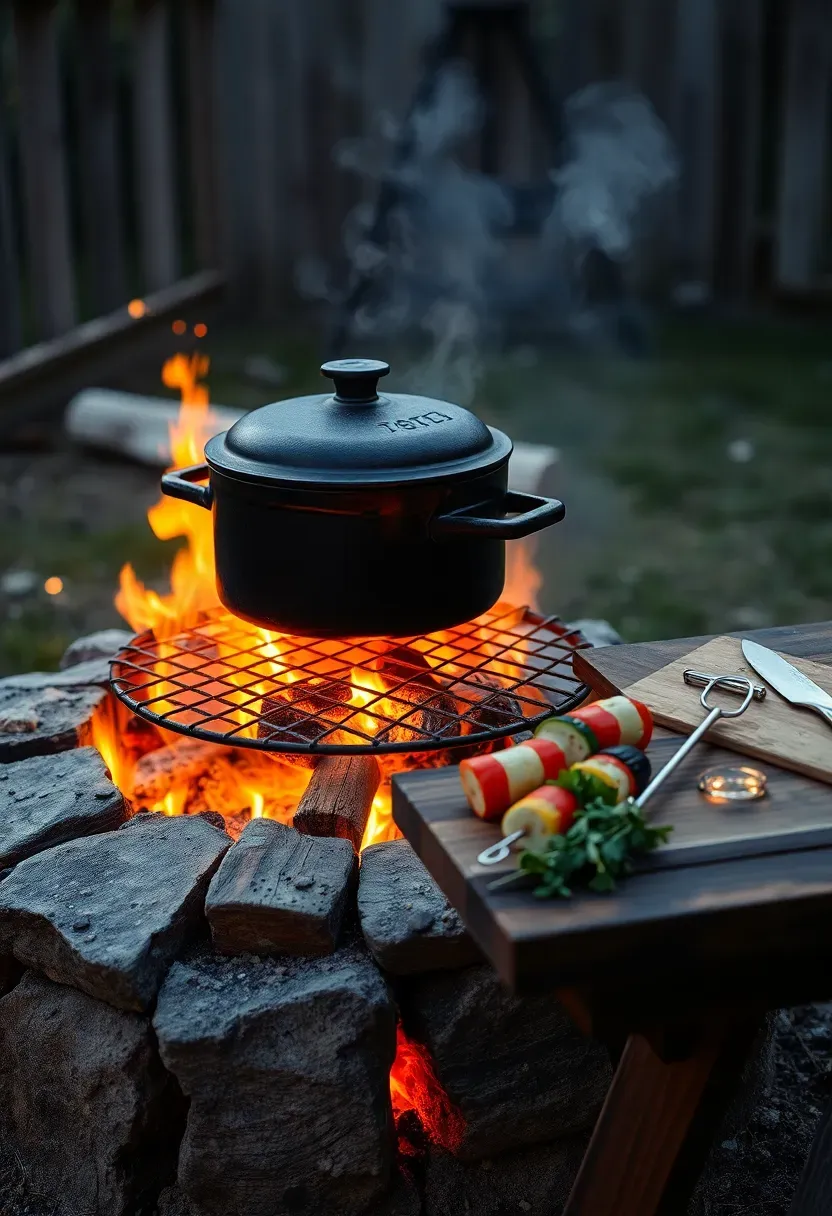
Cooking over fire is half the reason people go camping in the first place. In your backyard, you can do it without hauling a cooler through the woods. Set up a fire pit with a cooking grate, a small folding table for prep, and keep your kitchen fridge twenty steps away for anything that needs to stay cold. Cast iron skillets and Dutch ovens work best over open flame. Foil packet meals — potatoes, onions, sausage, butter — are nearly impossible to mess up and require zero cleanup beyond tossing the foil.
Tips
- Keep a spray bottle of water nearby for flare-ups when fat drips
- Let coals burn down to white-gray before cooking — flames char the outside and leave the inside raw
- Bring a headlamp so you can actually see what you are cooking after dark
We picked a few things that go well with this idea: Minetom Battery LED Globe String Lights (21ft) (★4.3), 4-in-1 Camping String Lights (32.8ft) (★4.4) and OGERY Rechargeable Camping String Lights (32.8ft) (★4.4). As an Amazon Associate we earn from qualifying purchases.
4. Hammock Sleep Setup
The issue
Sleeping on the ground gets uncomfortable fast, even with a quality pad. Back pain, hip pressure, and cold seeping up through the earth ruin what should be a fun night.
The fix
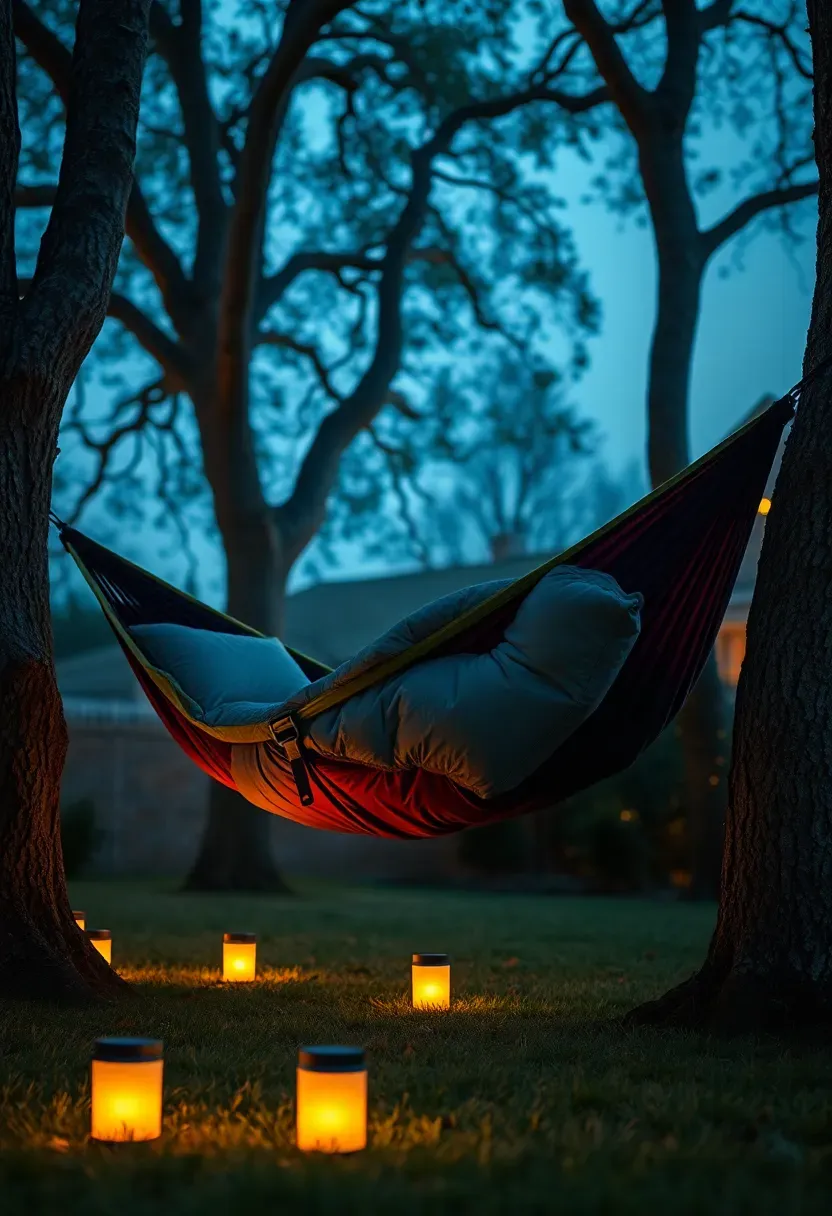
Hammocks solve the ground problem entirely. A double-wide camping hammock with an integrated bug net gives you a flat-enough sleeping surface suspended between two sturdy trees spaced about twelve to fifteen feet apart. Add a sleeping bag rated ten degrees below the expected low temperature because you lose insulation underneath where the bag compresses. An underquilt, hung beneath the hammock, fixes this completely.
Worth noting
- Not everyone sleeps well in a hammock — try a nap first before committing to a full night
- Tree straps wider than one inch prevent bark damage
- Hang the hammock with a 30-degree sag angle for the flattest lie
Recommended
Items for this idea
5. Solar-Powered Lantern Path
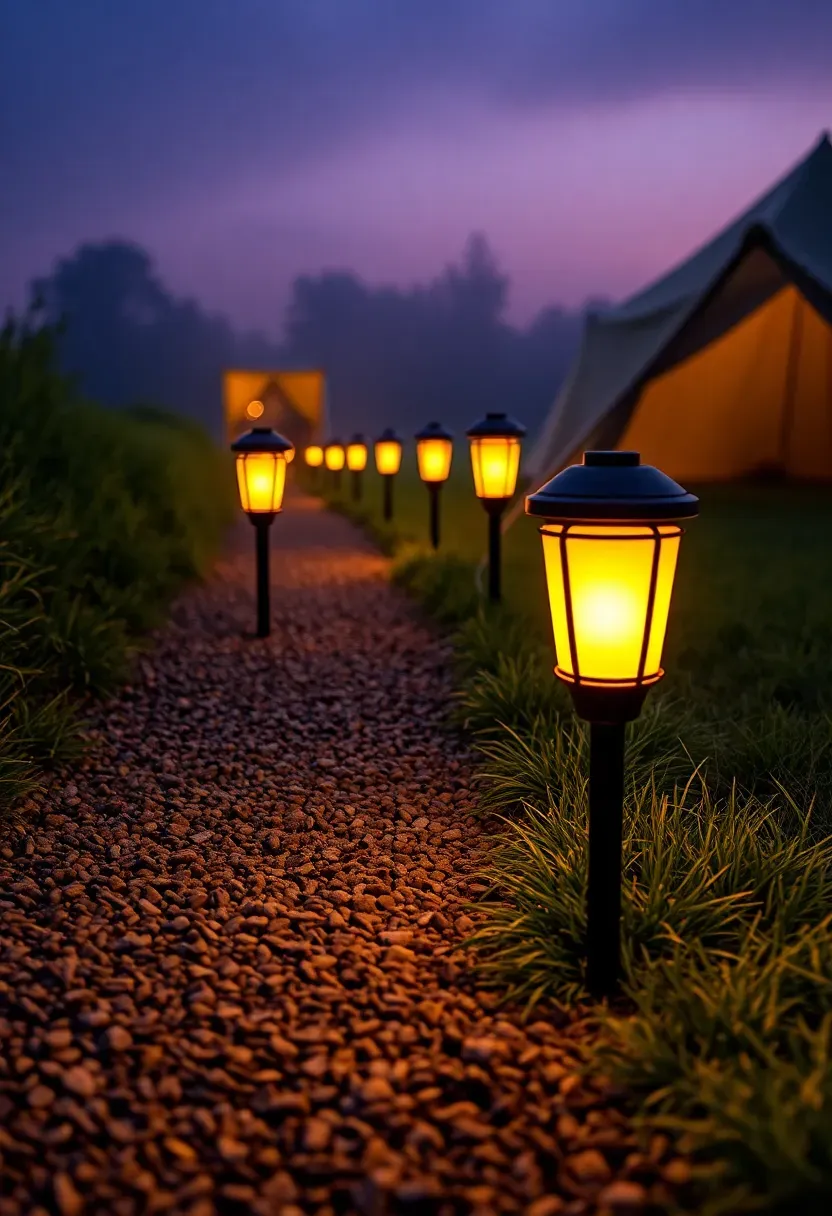
Mark the route from your back door to the campsite with solar lanterns and you solve two problems: navigation in the dark and atmosphere. Stick-in-the-ground solar path lights cost about two dollars each and charge during the day with zero wiring. Space them every four feet along the walkway. For a warmer glow, choose amber or warm white LEDs over the bluish-cool models. The path makes late-night bathroom trips to the house feel like a guided trail rather than a stumble through darkness.
Tips
- Position lanterns where they will get direct sun for at least six hours during the day
- Mix heights by alternating short path stakes with taller shepherd-hook lanterns
- Collect them after the campout or leave them as permanent yard lighting
6. Kids' Fort with Tarps and Poles
How to build it
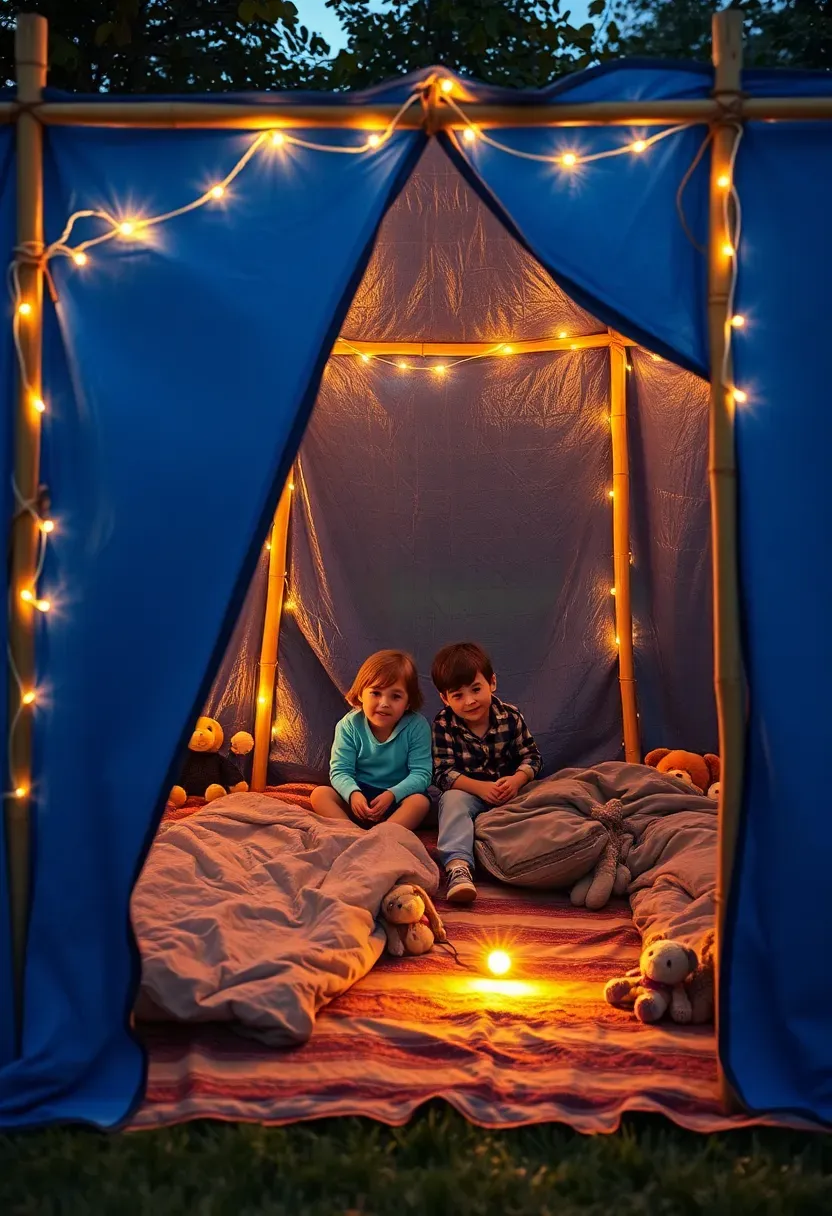
Start with four wooden garden stakes or bamboo poles pushed into the ground in a square, roughly five feet apart. Drape a large tarp over the top and secure with bungee cords or clothespins. Leave one side open or partially open for an entrance. Lay a ground cloth inside, pile on sleeping bags and pillows, and hang a battery-powered lantern from the center.
Step 1: Pick the right spot
Choose flat ground away from sprinkler heads or low spots where water pools. Under a tree gives partial natural coverage but watch for dripping sap.
Step 2: Size it for the group
One tarp per two or three kids. If you have more, build two forts and let them compete on decoration.
Step 3: Add personal touches
Let each kid bring a flashlight, a favorite stuffed animal, and one snack. Ownership of the space matters more than how polished it looks.
Watch out
- Tarps flap loudly in wind — secure every edge with clips or weights
- Check the weather radar before building; taking down a wet tarp at midnight is no fun
Recommended
Items for this idea
7. Glamping Mattress Pit
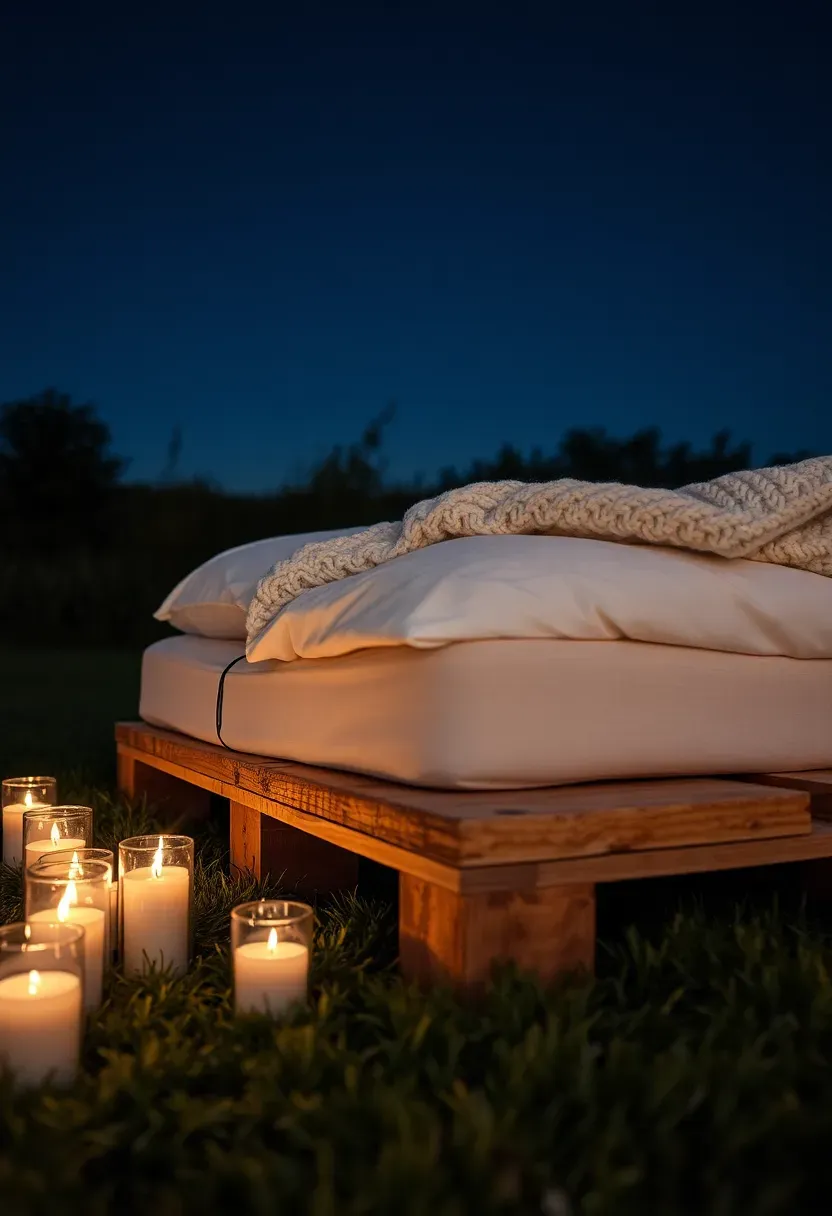
Skip the sleeping bags entirely. Drag your guest room mattress or a thick foam camping pad onto a flat section of lawn, throw on real sheets and a duvet, and pile extra blankets at the foot. A low wooden pallet keeps the mattress off damp ground. Surround it with candles in glass hurricane jars for a setup that looks like it belongs in a travel magazine. This works best for couples or anyone who wants the outdoor experience without sacrificing sleep quality.
Tips
- Wrap the mattress in a waterproof protector in case of morning dew
- Bring the bedding inside first thing in the morning before moisture sets in
- A battery-powered fan pointed at the bed helps on warm, still nights
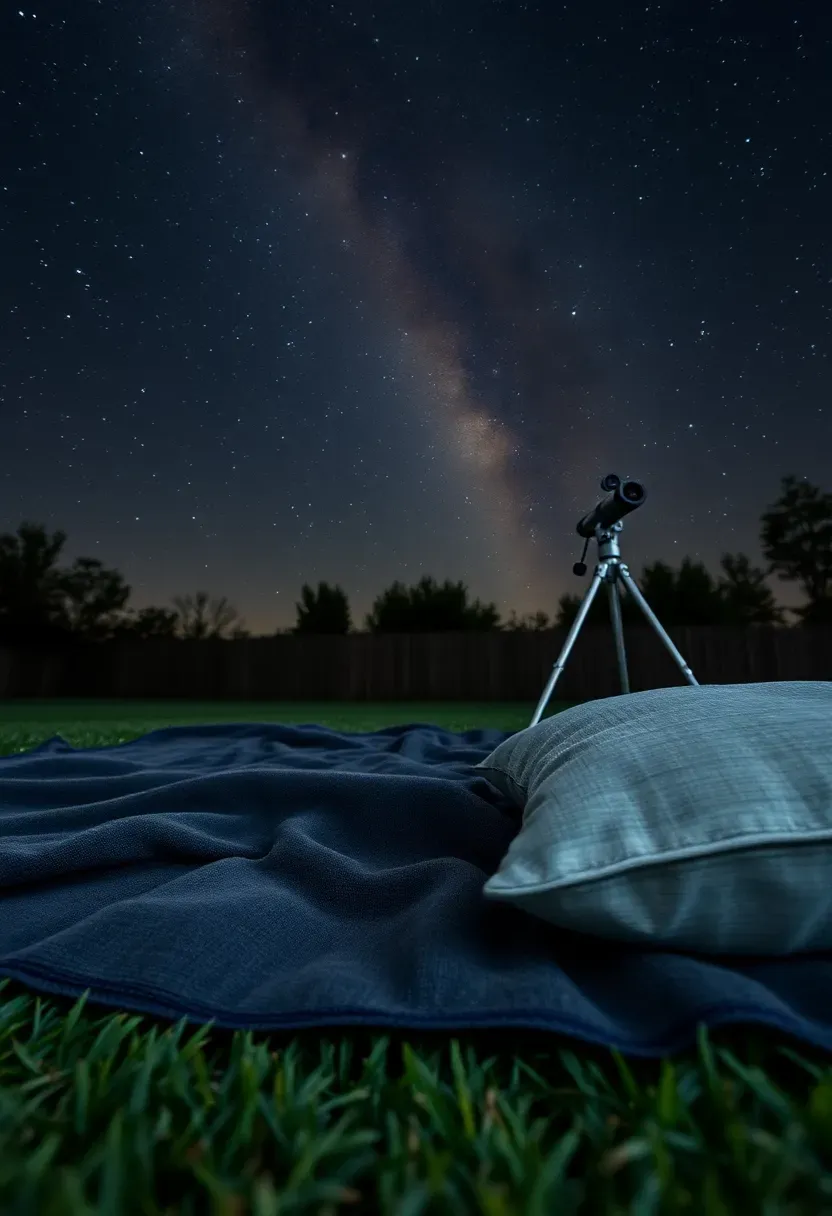
8. Stargazing Blanket Station
Origins
People have been watching the sky from their own land since long before telescopes existed. Farmers used star positions for planting schedules. Sailors navigated by constellations. The backyard version is simpler — you just lie down and look up.
Modern setup
Spread a waterproof-backed blanket on the flattest, darkest part of your yard, away from porch lights and street lamps. Download a star chart app on your phone. A basic telescope or even decent binoculars (10x50 works well) lets you see Jupiter's moons and Saturn's rings on clear nights. Add pillows so you can lie flat without neck strain.
Apply at home
- Turn off all exterior house lights for at least twenty minutes to let your eyes adapt
- Check moon phase calendars — new moon nights show the most stars
- Make it part of the camping routine by starting stargazing right after the fire dies down
Recommended
Items for this idea
9. Portable Fire Pit Ring
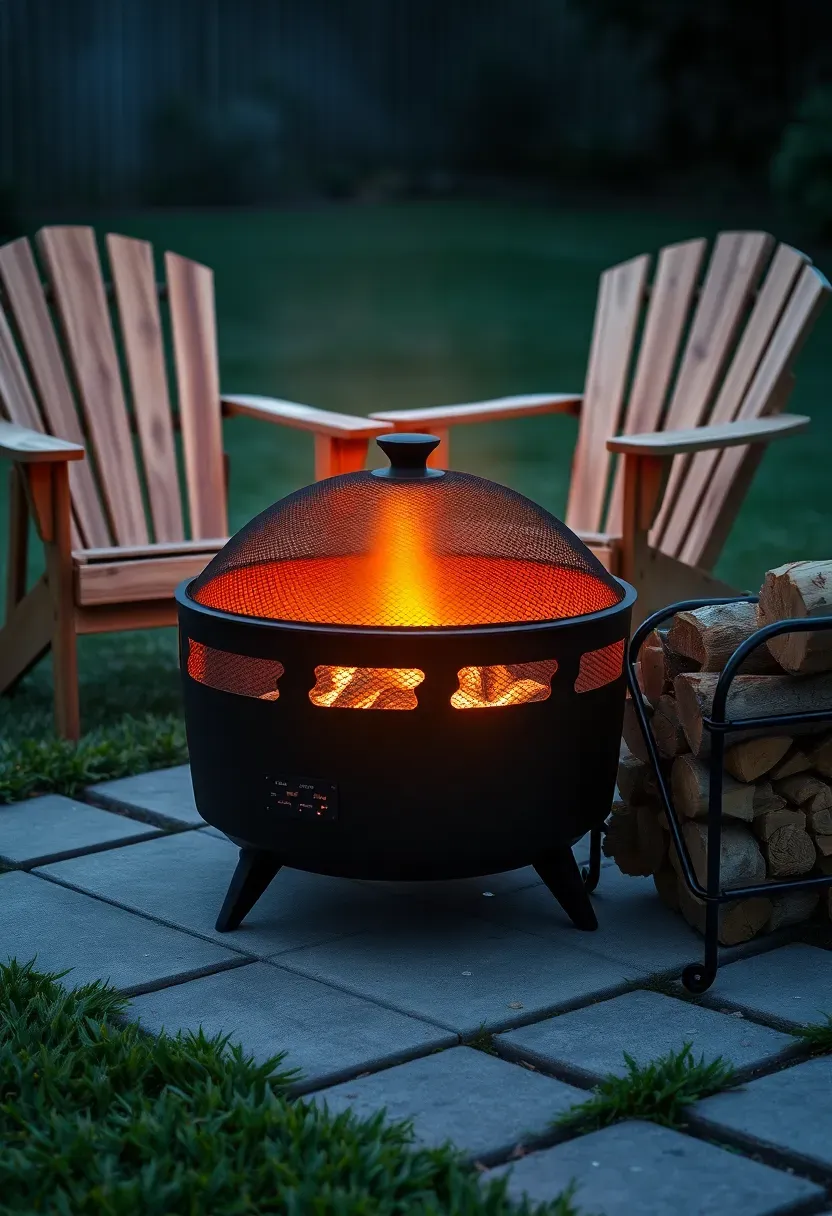
A fire pit is the anchor of any campsite, backyard or otherwise. Portable steel fire pits start around $50 and sit on any heat-resistant surface — a few pavers or a patch of bare dirt work fine. Look for models with a spark screen to keep embers from floating onto dry grass. Solo Stove-style designs burn with less smoke because of their double-wall airflow, which your neighbors will appreciate. Place it at least ten feet from any structure, fence, or low-hanging branch.
Tips
- Keep a garden hose within reach, not just nearby but actually uncoiled and ready
- Burn dry hardwood for less smoke; avoid pine unless you enjoy eye-watering haze
- Check your city's open-burn regulations before lighting anything
10. Themed Camping Night
Safari Night vs. Mountain Expedition vs. Space Mission
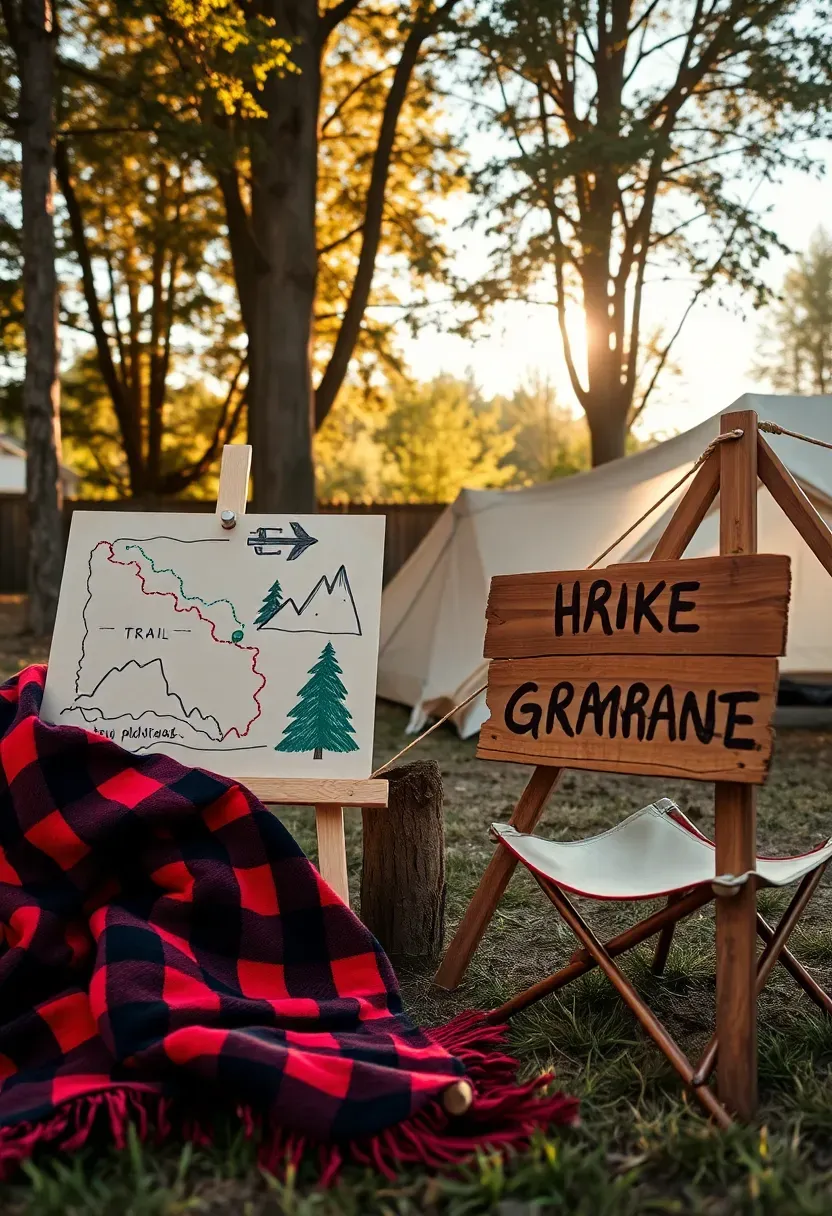
Pick a theme and let it shape the food, decorations, and activities. A safari night means animal-print blankets, binoculars for backyard bird spotting, and trail mix in small bags. A mountain expedition uses plaid everything, a hand-drawn trail map of the yard, and hot chocolate in tin mugs. A space mission needs glow sticks, a telescope, and freeze-dried astronaut ice cream from any science museum gift shop.
Choose if...
- You have young kids: Safari or space themes keep them engaged for hours
- You are hosting adults: Skip the heavy theming and just do a "rustic lodge" vibe with plaid, whiskey, and a good playlist
- You want repeat campouts: Rotate themes each time so nobody gets bored
Recommendation
Start simple. One or two theme-specific props go further than a fully decorated yard. The fire and the tent do most of the atmosphere work already.
Recommended
Items for this idea
11. Outdoor Breakfast Spread
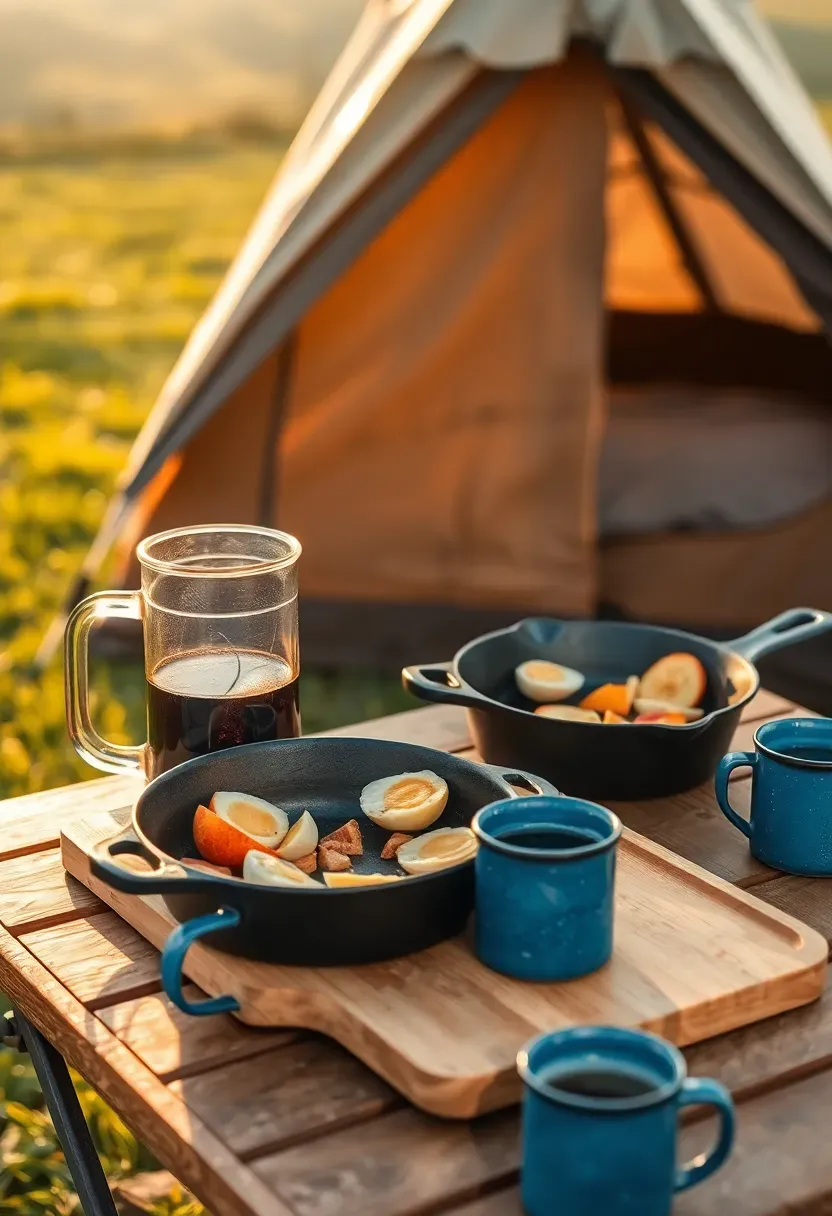
Waking up outside is only good if breakfast follows quickly. Set up a folding table the night before with a tablecloth, plates, and mugs so it is ready when you crawl out of the tent. A French press makes coffee without electricity. Scrambled eggs in a cast iron skillet over the fire pit coals from the night before — or a camp stove if the fire is out — take five minutes. Add fruit, granola, and orange juice in a jug, and you have a meal that makes the whole campout feel complete rather than something you survived.
Tips
- Prep a cooler with breakfast items the night before so nothing needs a kitchen trip
- Enamel mugs and plates look the part and survive drops on grass or concrete
- Eat before packing up — dismantling camp on an empty stomach kills the mood
12. Fairy Light Canopy
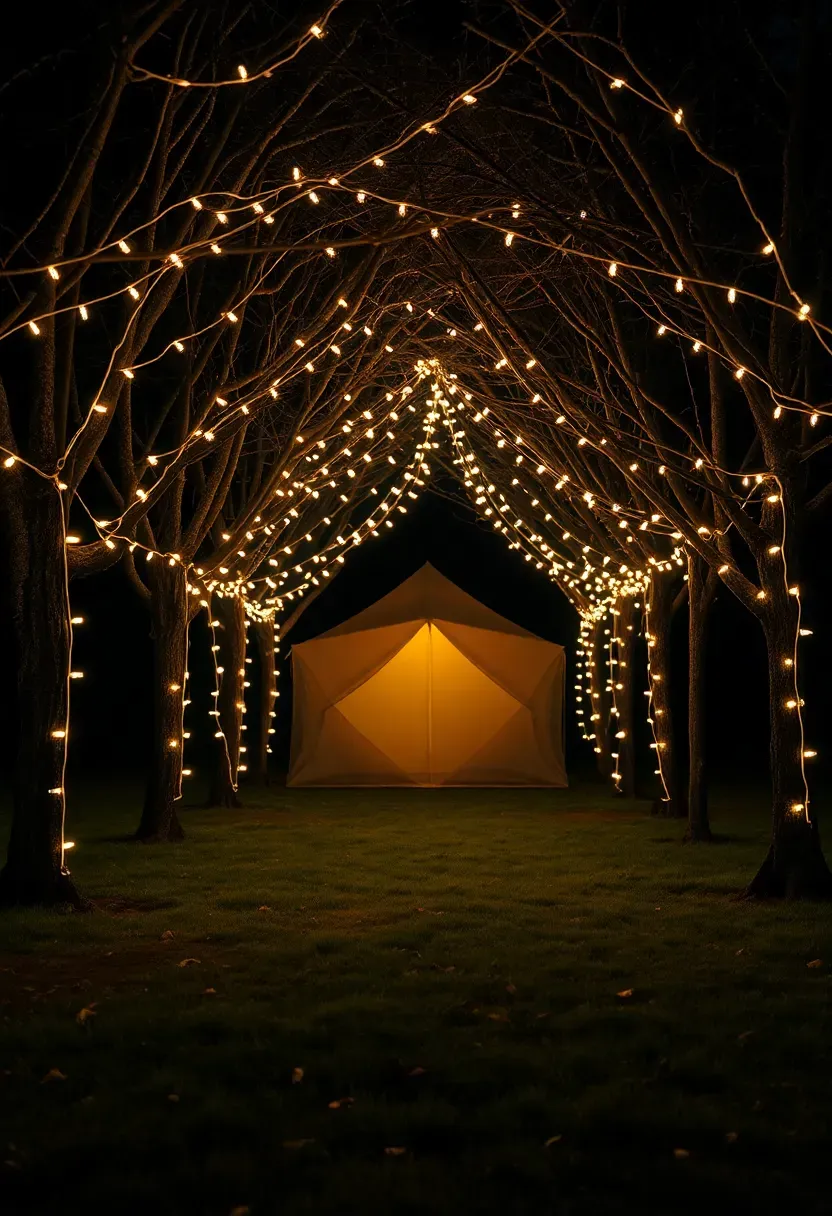
String lights are the single fastest way to make a backyard campsite feel intentional. Drape warm white LED fairy lights between trees, fence posts, or tall garden stakes above the camping area. Battery-powered or solar options skip the extension cord problem. Criss-cross them in a grid pattern for an overhead canopy effect, or run parallel lines from the house to the tent for a corridor of light. Use lights with a timer so they shut off automatically around midnight.
Tips
- Warm white (2700K) reads as campfire glow; cool white reads as parking lot
- Wrap extras around tree trunks or tent poles for ground-level ambiance
- Clip lights to a clothesline wire for straight, even runs between attachment points
Recommended
Items for this idea
13. Camp Kitchen on a Folding Table
How to set it up
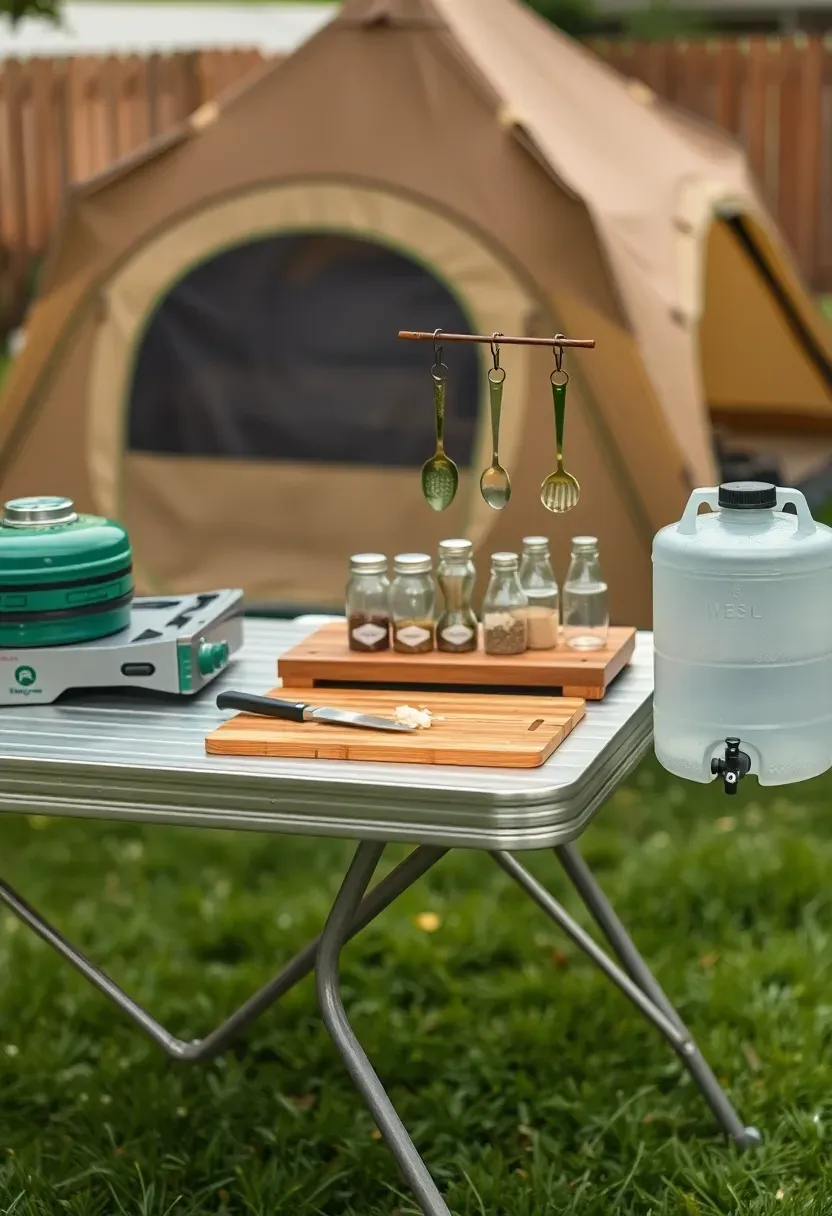
Dedicate one folding table as your outdoor kitchen. Place a two-burner propane camp stove on one end, a cutting board and knife in the center, and a wash basin with soapy water at the other end. Hang utensils from S-hooks on a short tension rod clipped between two table legs. Keep paper towels, a trash bag, and a headlamp within arm's reach.
Step 1: Position near the tent, not over it
Place the cooking table downwind from sleeping areas. Grease smoke drifting into a tent is unpleasant and clings to fabric.
Step 2: Organize by task
Left side for raw ingredients, center for cooking, right side for clean-up. This camp kitchen workflow mirrors a real kitchen and prevents cross-contamination.
Step 3: Pack a spice kit
Salt, pepper, garlic powder, paprika, and olive oil in small containers fit in a sandwich bag and make campfire food taste like actual food.
Watch out
- Never use a propane stove inside a tent or enclosed space — carbon monoxide risk is real
- Secure the table on level ground so the stove does not slide
14. Bug-Free Screened Shelter
The issue
Mosquitoes and gnats turn a pleasant evening outdoors into an itchy endurance test. Citronella candles help some, but they are not enough in areas with standing water nearby.
The fix
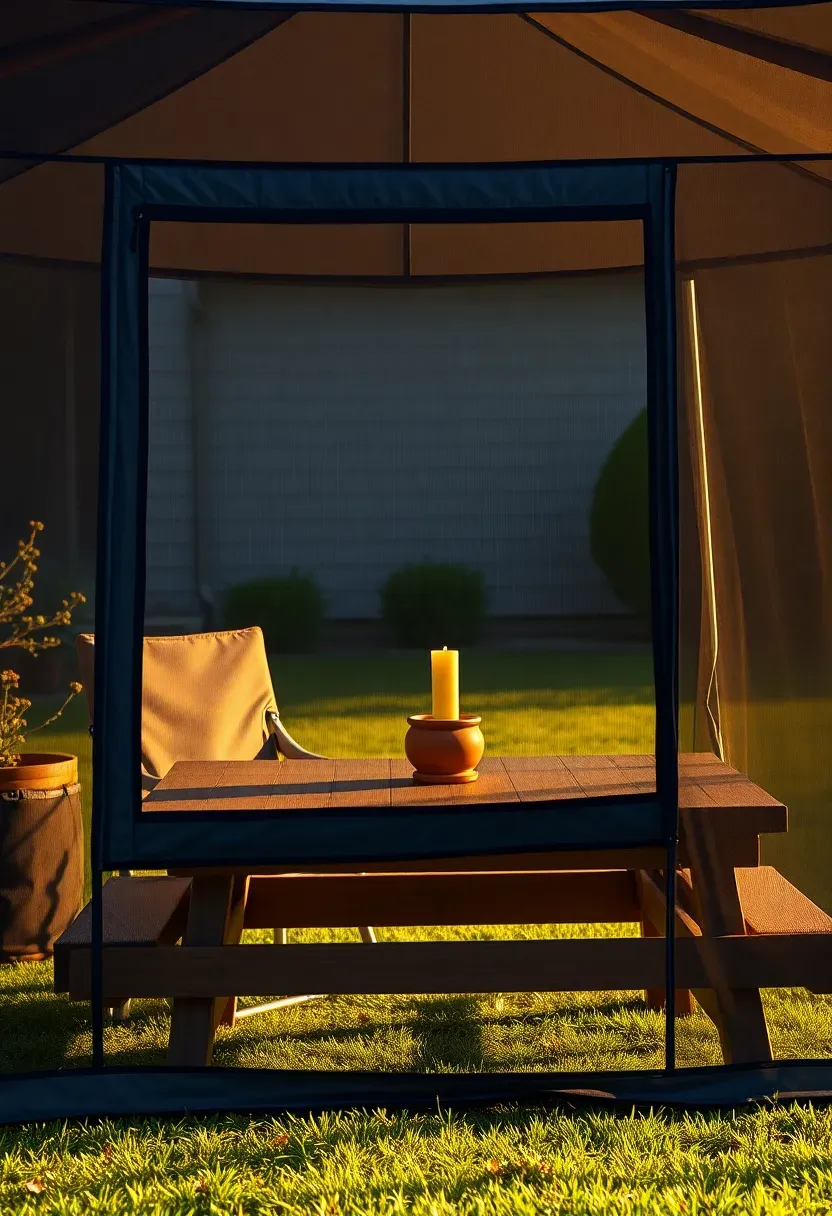
A pop-up screen tent — essentially a gazebo with mesh walls — creates a bug-free zone you can eat, play cards, and relax in. Most 10x10 models set up in under five minutes and weigh around fifteen pounds. Place it over your picnic table or seating area. Zip the mesh doors closed and enjoy the breeze without the bites. Some models include a rain fly for light showers.
Worth noting
- Screen tents are not sleeping shelters — they block bugs but not cold or heavy rain
- Stake them down even if they feel stable; wind catches the mesh like a sail
- A battery-powered fan inside improves airflow and further discourages flying insects
Recommended
Items for this idea
15. Nature Scavenger Hunt Setup
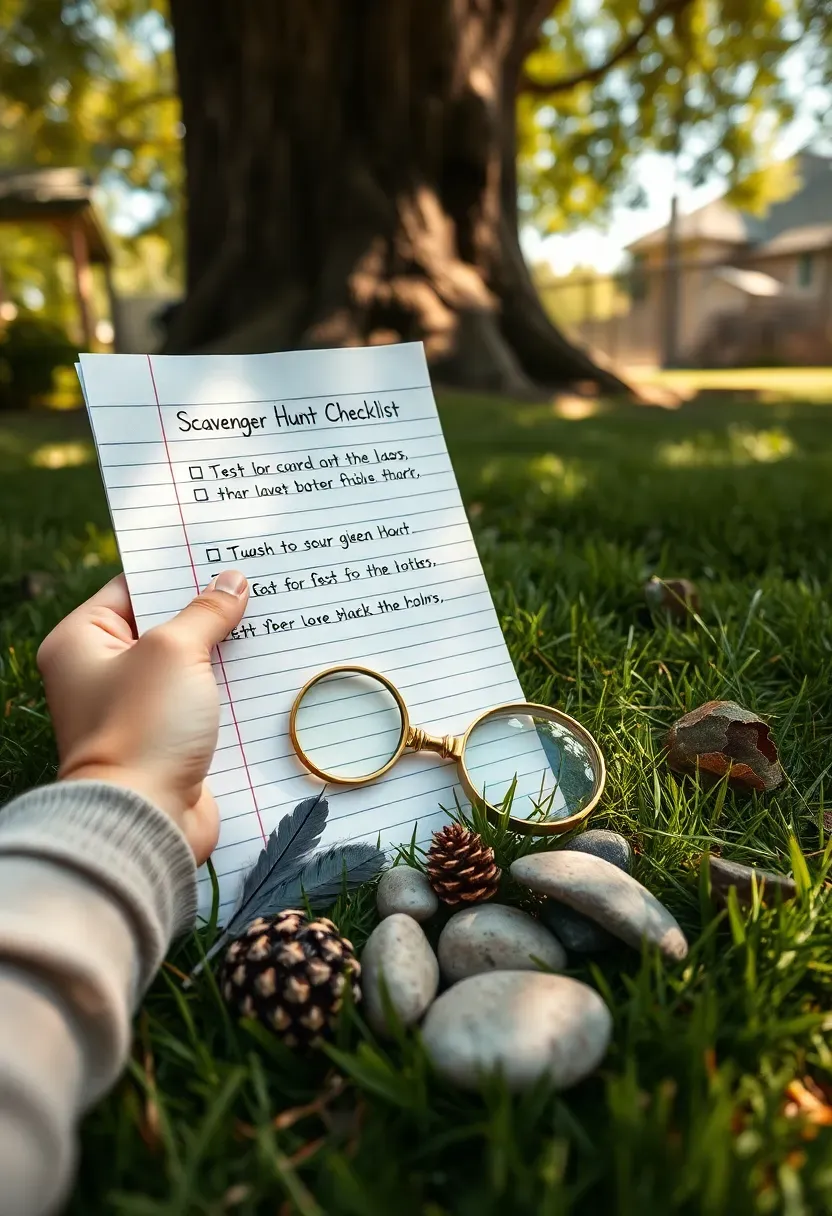
Write a list of fifteen to twenty things to find in the yard: a specific leaf shape, a smooth rock, something that smells good, an insect, a feather, something red. Print or handwrite copies and hand them out with paper bags for collecting. This works for ages four through twelve and keeps kids busy for an hour or more while you set up camp or start the fire. Add a small prize — a glow stick, extra marshmallows, or picking the first s'more — and competition gets fierce.
Tips
- Include sensory items: something soft, something rough, something that makes noise
- For older kids, add a photography element — phone pictures of things they cannot pick up
- Run it during golden hour when the light makes everything in the yard look interesting
16. Two-Person Bivy for Date Night
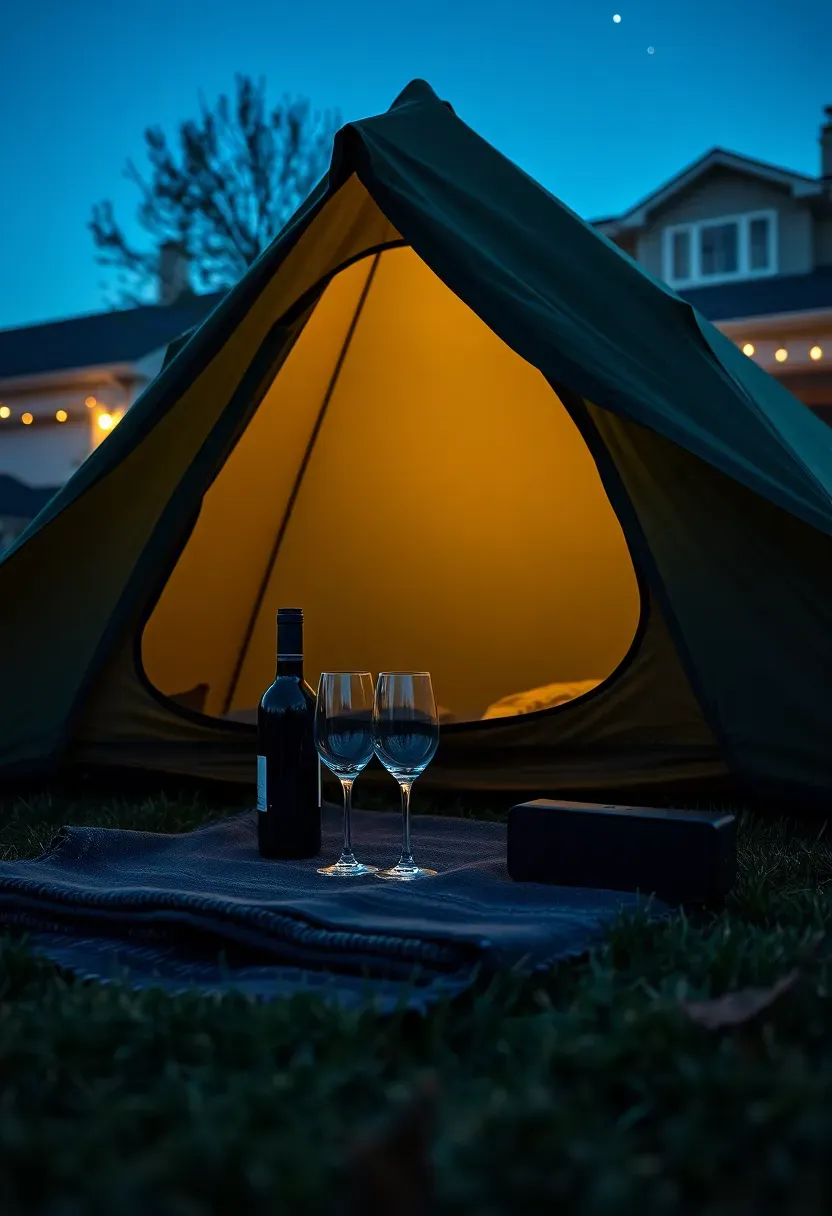
A bivy shelter strips camping down to the essentials — just enough cover for two people and a sleeping pad. The low profile feels more intimate than a full tent, closer to sleeping directly under the sky with a thin layer of protection. Pair it with a good bottle of wine, a Bluetooth speaker playing something low, and a blanket heavy enough for the temperature. No kids, no agenda, no screens. The backyard version means you can bail to the bedroom if it gets too cold or too buggy without it feeling like failure.
Tips
- Choose a bivy with a mesh window at the head end for ventilation and star views
- Lay a thick foam pad underneath — bivy floors offer almost no cushioning
- Set up near the fence line for extra privacy from neighboring houses
Recommended
Items for this idea
17. Rain-Ready Tarp Overhead
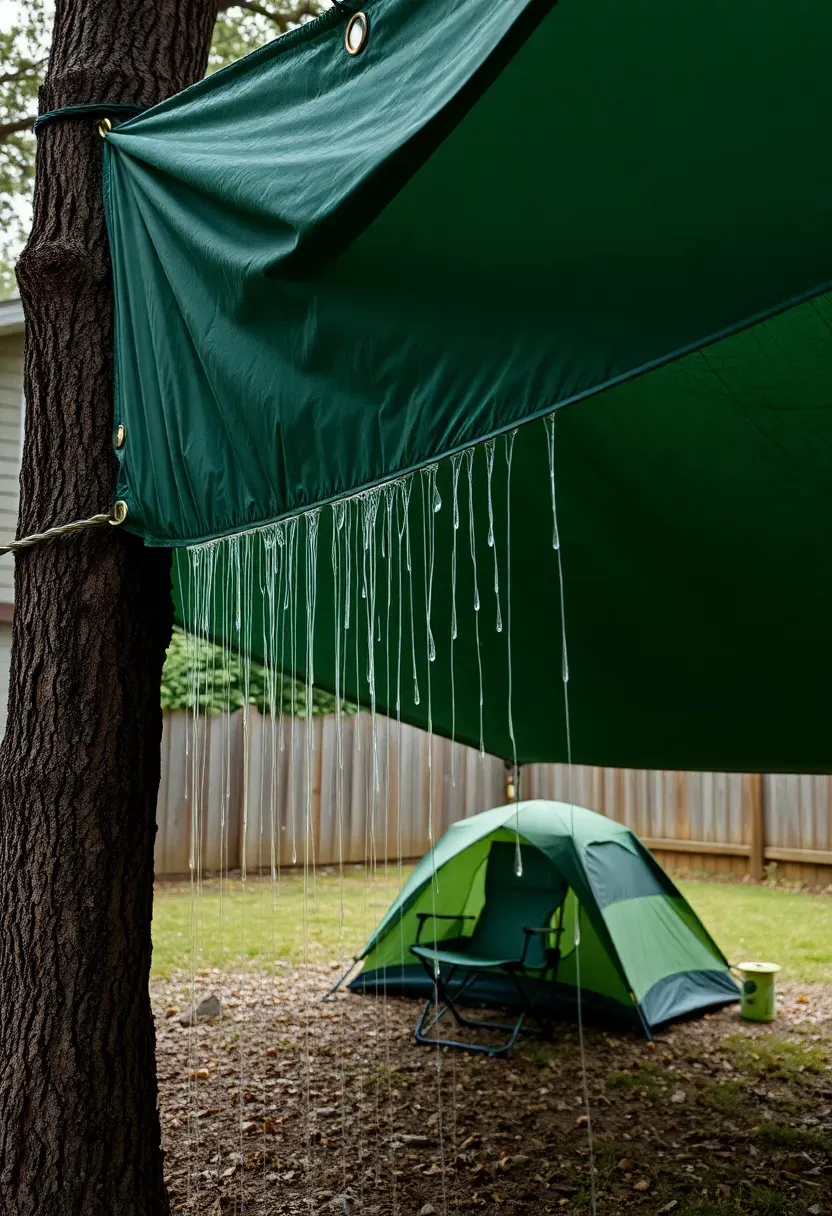
Rain does not have to cancel a backyard campout if you plan for it. String a tarp at an angle between two trees or poles above your main gathering area. The angle matters — a flat tarp collects water in a sagging pool; an angled tarp channels it off to one side. Use paracord tied at each corner and adjust tension until the tarp surface is taut. This creates a covered outdoor room where you can cook, eat, and sit around a lantern even during steady rain. The sound of rain on a tarp while you are dry underneath is one of camping's best features.
Tips
- Position the low end of the tarp away from foot traffic and tent entrances
- Use a ridge line (a single cord running the tarp's length) for a peaked shape that sheds water evenly on both sides
- Bring a second smaller tarp to cover the fire pit area if it is outside the main shelter
18. Campfire Story Circle
How to do it
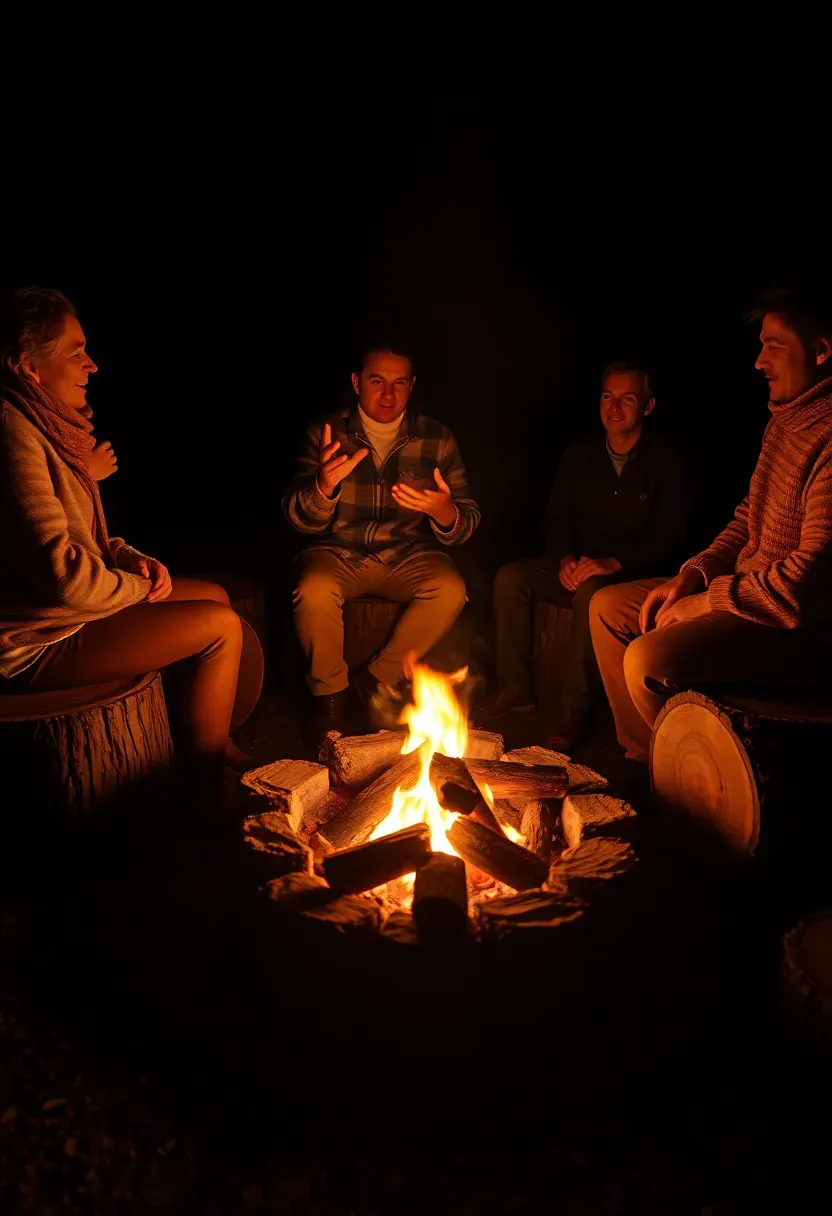
Arrange seating in a circle around the fire pit — log rounds, camping chairs, overturned buckets with cushions, or blankets on the ground. Designate one person as the story starter. They begin a tale and after two minutes pass it to the next person, who continues. The story gets wilder with each turn. Alternatively, read from a book of campfire stories or local legends. Ghost stories are traditional but comedy works just as well for younger groups.
Step 1: Set the mood
Let the fire burn down to a low glow. Turn off all other lights. Darkness beyond the fire circle makes every story feel more vivid.
Step 2: Add props
A flashlight held under the chin is classic for a reason. A stick for dramatic pointing. A bell to signal the next person's turn.
Step 3: End on a calm note
Close with a quiet story or a moment of silence listening to night sounds. Going from peak excitement straight to sleep rarely works.
Watch out
- Gauge your audience — genuinely scary stories can backfire with kids under seven
- Keep a funny story ready in case someone goes too dark
Recommended
Items for this idea
19. Morning Yoga Clearing
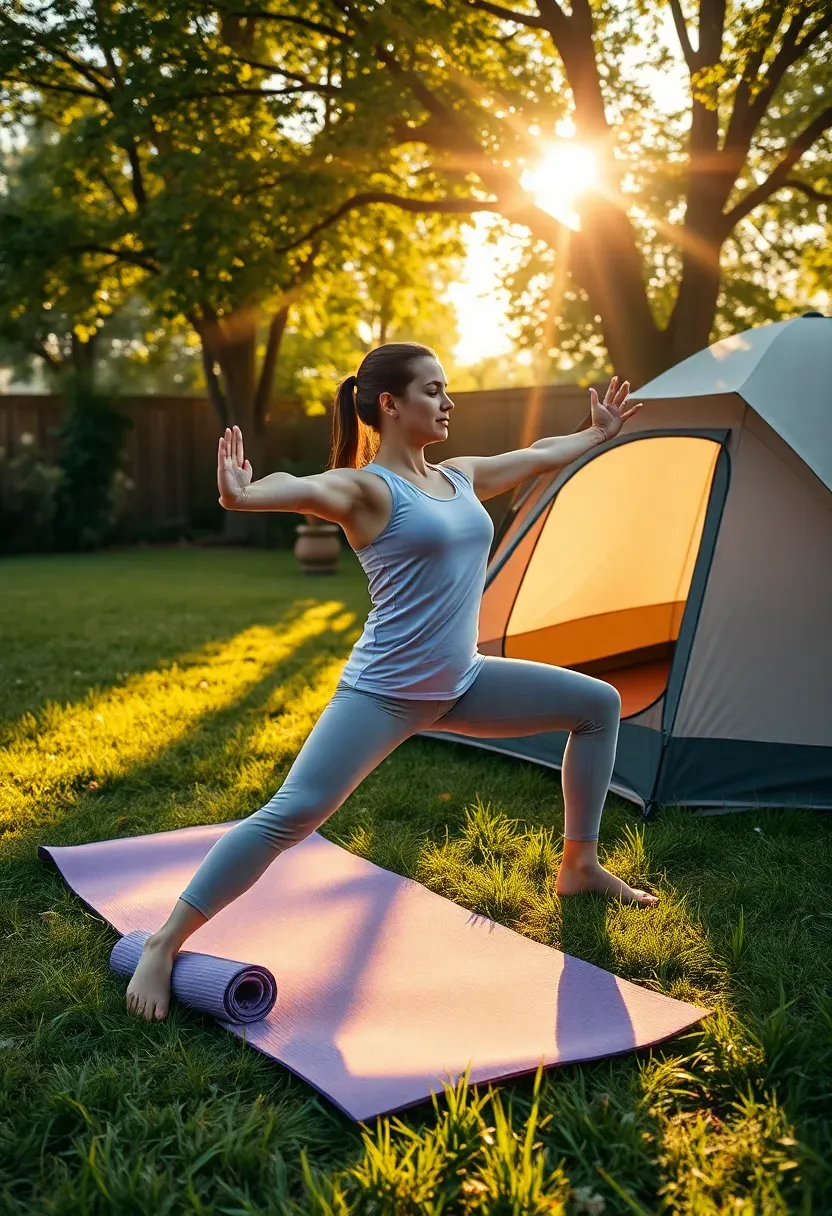
Clear a flat patch of grass near the tent, roll out a yoga mat or a thick blanket, and start the morning with twenty minutes of stretching before anyone checks a phone. The combination of fresh air, birdsong, and cool morning grass under bare feet is difficult to replicate indoors. Follow a saved yoga video on your phone propped against a water bottle, or just work through whatever stretches your back needs after sleeping on the ground. This turns the campout morning into something worth waking up early for rather than just a groggy pack-up session.
Tips
- Face east to catch the earliest light if your yard orientation allows it
- Keep the session short and gentle — this is not a gym workout, it is a wake-up
- Invite others but do not push it; some people need coffee first, and that is fair
20. Wildlife Observation Post
Origins
Birdwatching hides have been used in the UK and Europe for centuries. The concept is simple: sit still, stay quiet, and let animals come to you instead of chasing them.
Modern backyard version
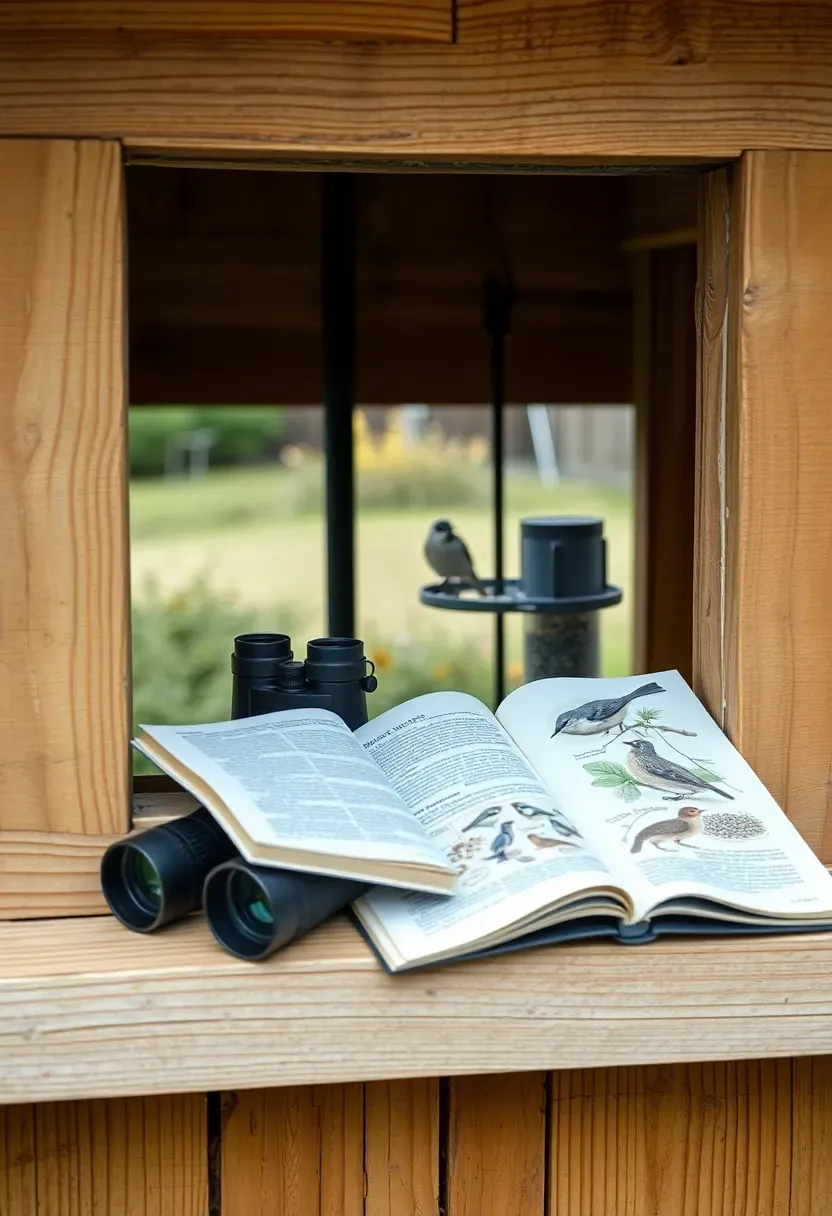
Set up a camping chair behind a bush or near a bird feeder with binoculars and a notebook. Early morning and dusk are peak activity windows for birds, rabbits, squirrels, and whatever else lives near your yard. A small field guide specific to your region helps with identification. Keeping a list of species spotted during the campout gives kids (and competitive adults) a running tally to beat next time.
Apply at home
- Fill bird feeders the day before your campout to attract more visitors during your observation hours
- Stay downwind so animals do not catch your scent and avoid you
- Use a phone camera held up to binoculars for surprisingly decent wildlife photos
Recommended
Items for this idea
21. Winter Backyard Camp
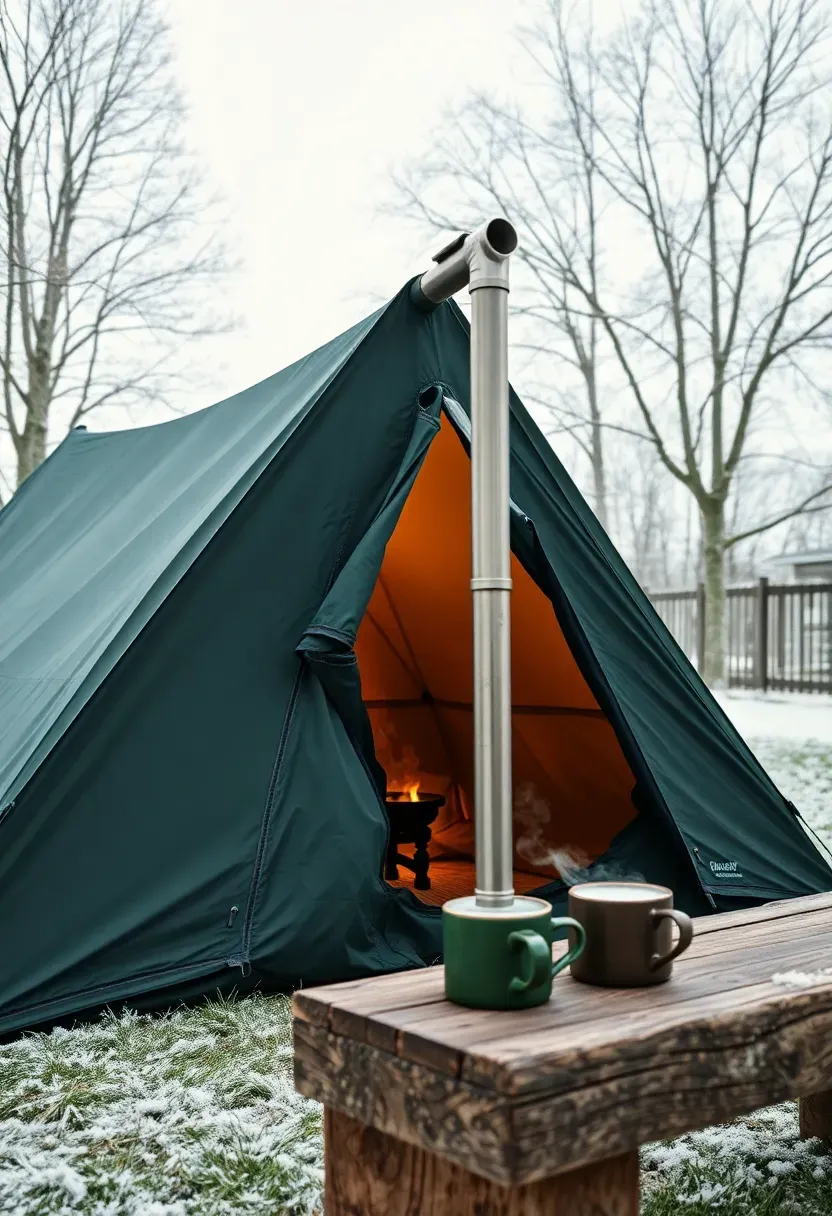
Backyard camping is not a summer-only activity. A cold-weather campout is quieter, has zero bugs, and feels genuinely adventurous even though your heated house is right there. Use a four-season tent or a canvas tent with a portable wood stove if you want real warmth. Layer your sleep system: a closed-cell foam pad on the bottom, an inflatable pad on top, a zero-degree sleeping bag, and a fleece liner inside. Wear a wool hat to bed — you lose significant heat through your head. Hot water bottles placed at your feet inside the sleeping bag last about four hours.
Tips
- Check your tent's ventilation — sealed tents trap moisture from your breath, which makes everything damp by morning
- Cook warming foods: chili, soup, hot cider, oatmeal in the morning
- Keep boots inside the tent overnight so they are not frozen stiff when you need them
Quick FAQ
Do I need a permit to have a campfire in my backyard? Many municipalities require a burn permit or restrict open fires during dry seasons. Check your local fire department's website before lighting up — fines for unpermitted fires can run several hundred dollars.
What is the best tent for backyard camping with kids? A cabin-style tent with vertical walls gives kids room to sit up and play inside. Look for models with a built-in floor and a rain fly, even for backyard use, since dew and unexpected showers happen. Six-person tents fit a family of four comfortably with gear.
How do I keep food safe from animals overnight? Even in suburban yards, raccoons, possums, and stray cats will investigate food smells. Store all food in a sealed cooler and keep it inside a screened shelter or the house overnight. Never leave food wrappers or scraps near the tent.
Can backyard camping work in a small yard? Absolutely. A small dome tent fits in a 10x10-foot space. Skip the fire pit and use a camp stove or lantern instead. Focus on the sleeping experience and morning routine rather than a sprawling campsite layout.
Is backyard camping safe for toddlers? It can be, with supervision. Keep toddlers away from any fire or heat source, ensure the tent zips fully closed so they cannot wander at night, and plan for an early bedtime. Having the house steps away makes this lower-risk than remote camping.
Backyard camping is one of those ideas that sounds too simple to be worth doing until you actually try it. The setup takes an hour. The cleanup takes less. But the night itself — fire smoke in your hair, conversations that happen only in the dark, waking up to birdsong instead of an alarm — sticks around longer than most weekends do. Pick two or three ideas from this list, block an evening off, and see what your own yard feels like after sunset. You might not bother booking that campground this year.
Pinterest cover for 21 Backyard Camping Ideas
About the author
OBCD
CGI visualization and interior design content. We create detailed 3D renders and curate practical design ideas for every room in your home.