29 Backyard Garden Ideas Worth Trying
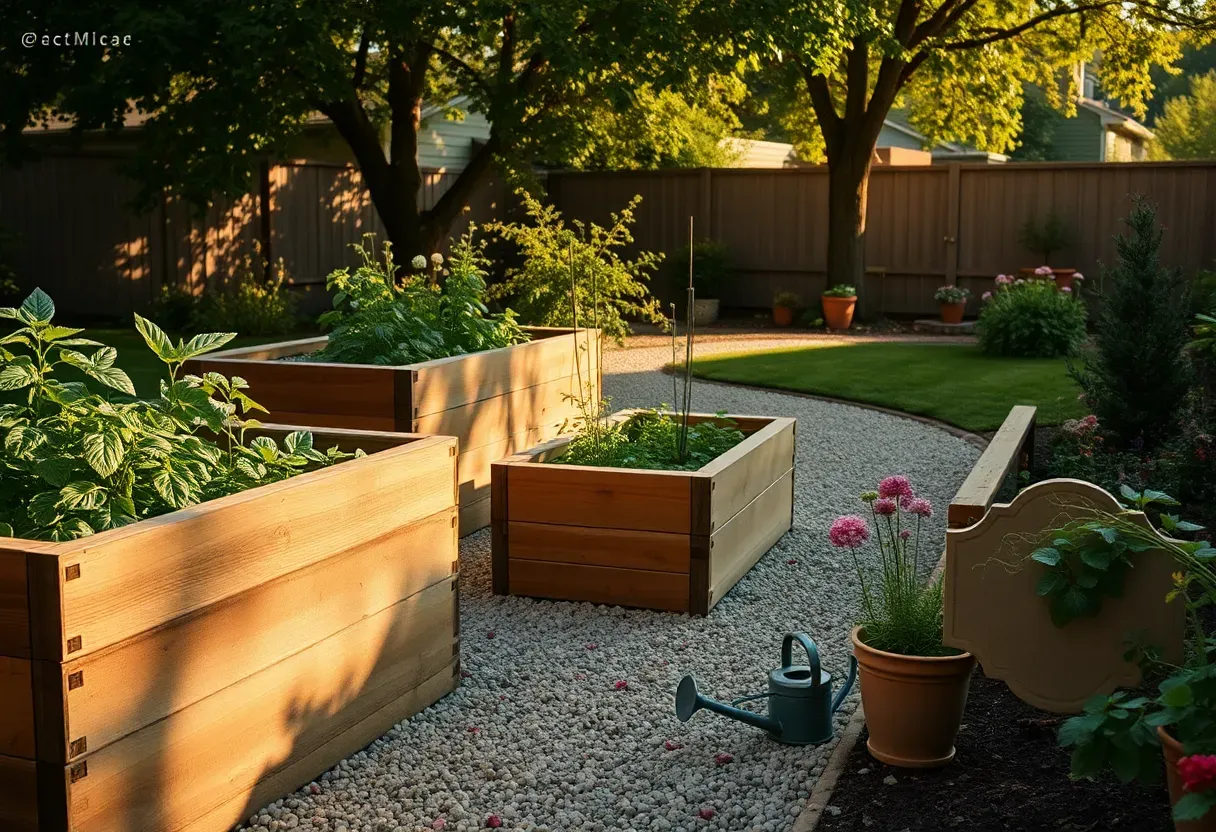
Two years ago my backyard was mostly patchy grass, a rusted wheelbarrow, and a single overgrown rosemary bush that had taken over the fence line. I started small — one 4x8 raised bed — and within a season the whole yard shifted. Not because I followed some grand landscape plan, but because growing one thing well made me want to grow more. The 29 ideas here cover ground-level beds, vertical setups, hardscaping, edible gardens, and ornamental plantings. Some cost almost nothing. Others require a weekend of labor. All of them work in real yards with real soil and real budgets.
These ideas are organized loosely from structural elements to planting strategies, so you can jump to whatever matches where you are in your garden project.
Table of Contents
- Raised Cedar Bed Grid
- Gravel and Stepping Stone Pathway
- Cottage-Style Flower Border
- Pollinator Wildflower Patch
- Tiered Herb Spiral
- Sunken Conversation Garden
- Vegetable Potager Layout
- Rain Garden for Drainage
- Japanese-Inspired Zen Corner
- Living Fence with Espalier Fruit Trees
- Gravel Garden with Drought-Tolerant Plants
- Cut Flower Picking Garden
- Berry Patch Along the Fence
- Fire Pit Surrounded by Ornamental Grasses
- Shade Garden Under Mature Trees
- Stock Tank Container Garden
- Native Plant Meadow Strip
- Vertical Pallet Planter Wall
- Edible Ground Cover Instead of Lawn
- Stone Retaining Wall Bed
- Greenhouse or Cold Frame Station
- Water Feature with Aquatic Plants
- Climbing Rose Arbor Entrance
- Four-Season Evergreen Backbone
- Composting Corner Setup
- Kid-Friendly Sensory Garden
- Night-Blooming Moon Garden
- Terraced Hillside Beds
- Mixed Orchard Mini Grove
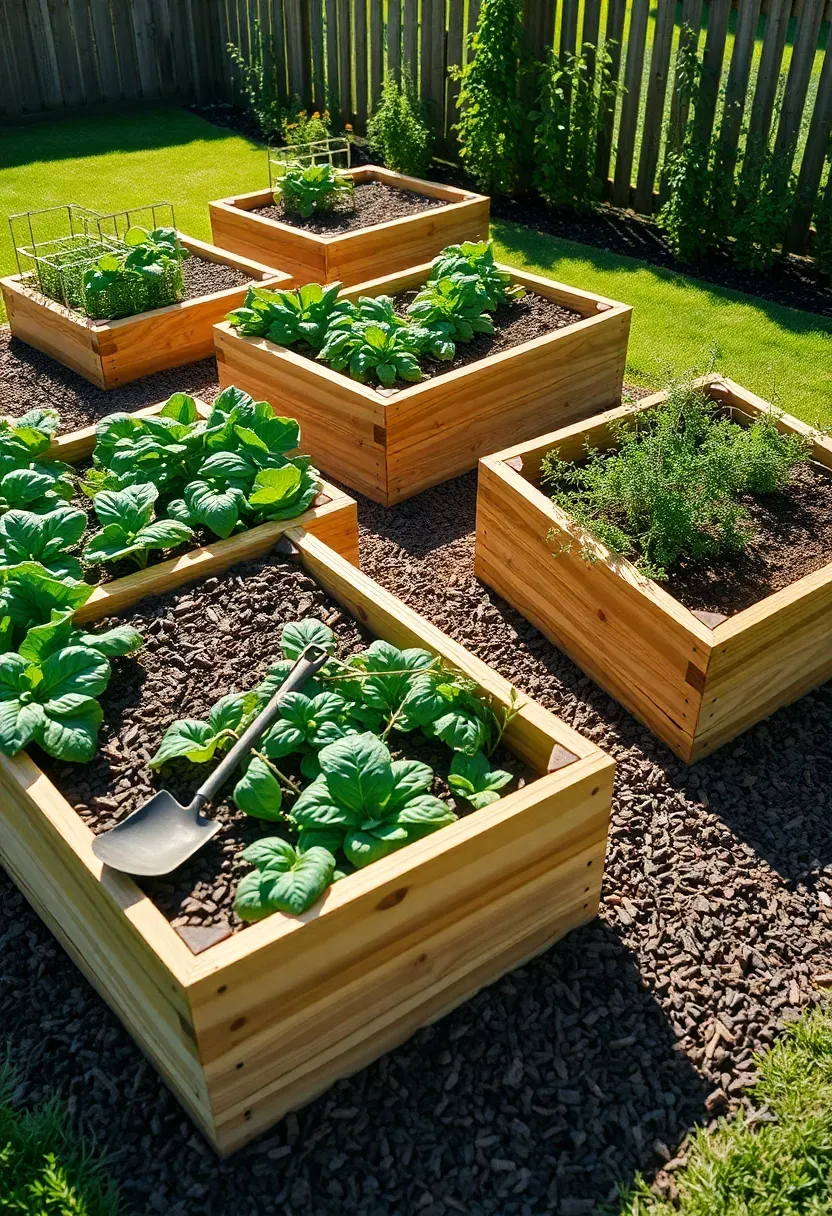
1. Raised Cedar Bed Grid
Raised beds solve three problems at once: poor native soil, bad drainage, and back pain from bending over. A 4x8 cedar frame costs about $80-120 in lumber and lasts 10-15 years without chemical treatment. Cedar resists rot naturally, unlike pine or fir which break down in two to three seasons. Fill with a mix of topsoil, compost, and perlite — roughly a 60/20/20 ratio works well for most vegetables. Arrange beds in a grid with 3-foot paths between them so you can wheel a cart through.
Tips
- Line the bottom with hardware cloth to keep gophers and moles out
- Make beds no wider than 4 feet so you can reach the center from either side
- Orient beds north-south so both sides get equal sunlight throughout the day
We picked a few things that go well with this idea: Best Choice Elevated Raised Garden Bed (72x24) (★4.5), Best Choice Elevated Planter Box (48x24) (★4.5) and Yaheetech 8x4ft Wooden Raised Garden Bed (★4.5). As an Amazon Associate we earn from qualifying purchases.
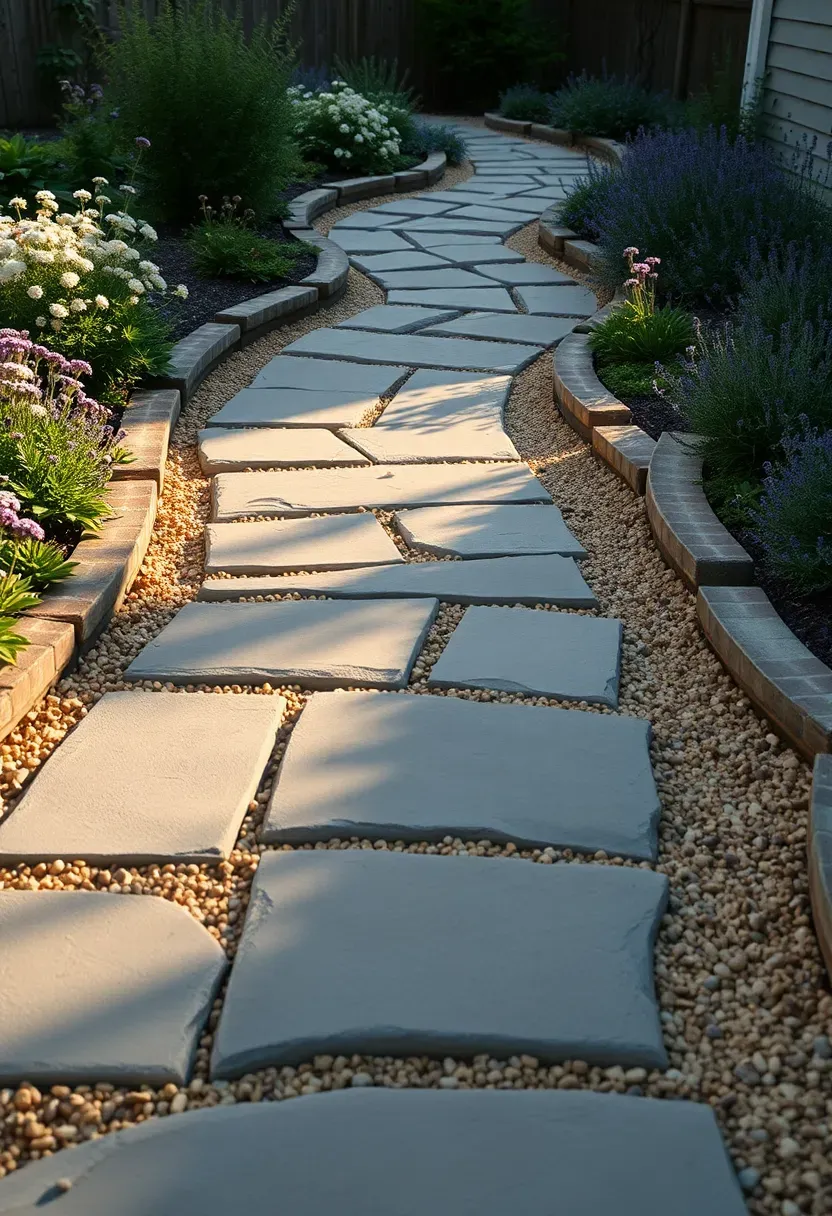
2. Gravel and Stepping Stone Pathway
Step 1: Mark and excavate
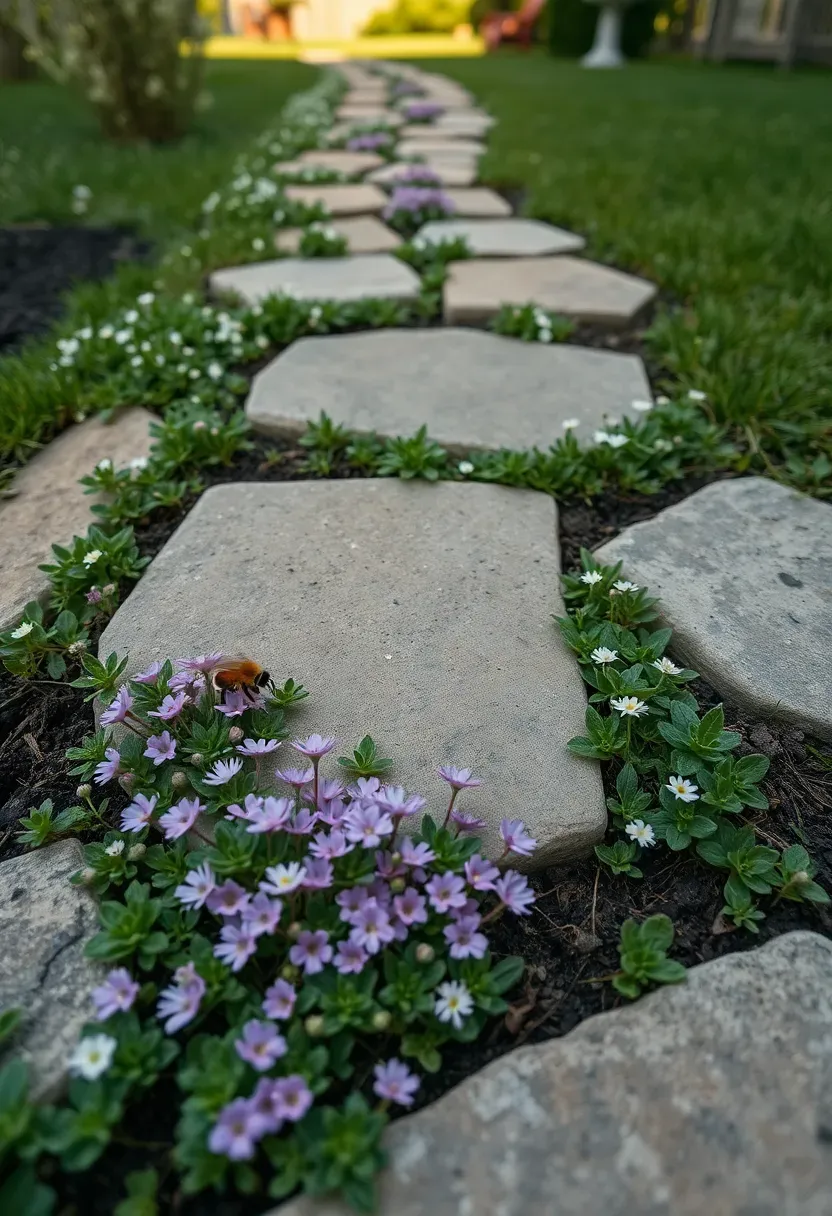
Lay a garden hose in the shape you want. Dig out 4 inches of soil along the path, keeping the width between 24 and 36 inches. Compact the base with a hand tamper.
Step 2: Add base and fabric
Lay landscape fabric over the compacted soil. Spread 2 inches of crushed gravel base (3/4-inch minus) and compact again. This layer prevents settling and keeps the path level through freeze-thaw cycles.
Step 3: Set stones and finish gravel
Place stepping stones 18-22 inches apart, center to center, matching a comfortable stride. Fill around and between them with pea gravel or decomposed granite to a depth of about 2 inches.
Watch out
- Skip the fabric and weeds will push through within one season
- Pea gravel migrates into lawn areas — install steel or aluminum edging at the borders
- Irregular flagstone looks better than cut pavers in most garden settings
We picked a few things that go well with this idea: Waterproof Solar Path Lights (12-Pack) (★4.4), Mancra Glass Metal Solar Pathway Lights (8-Pack) (★4.5) and Greluna Solar Pathway Lights 3000K (12-Pack) (★4.3). As an Amazon Associate we earn from qualifying purchases.
3. Cottage-Style Flower Border
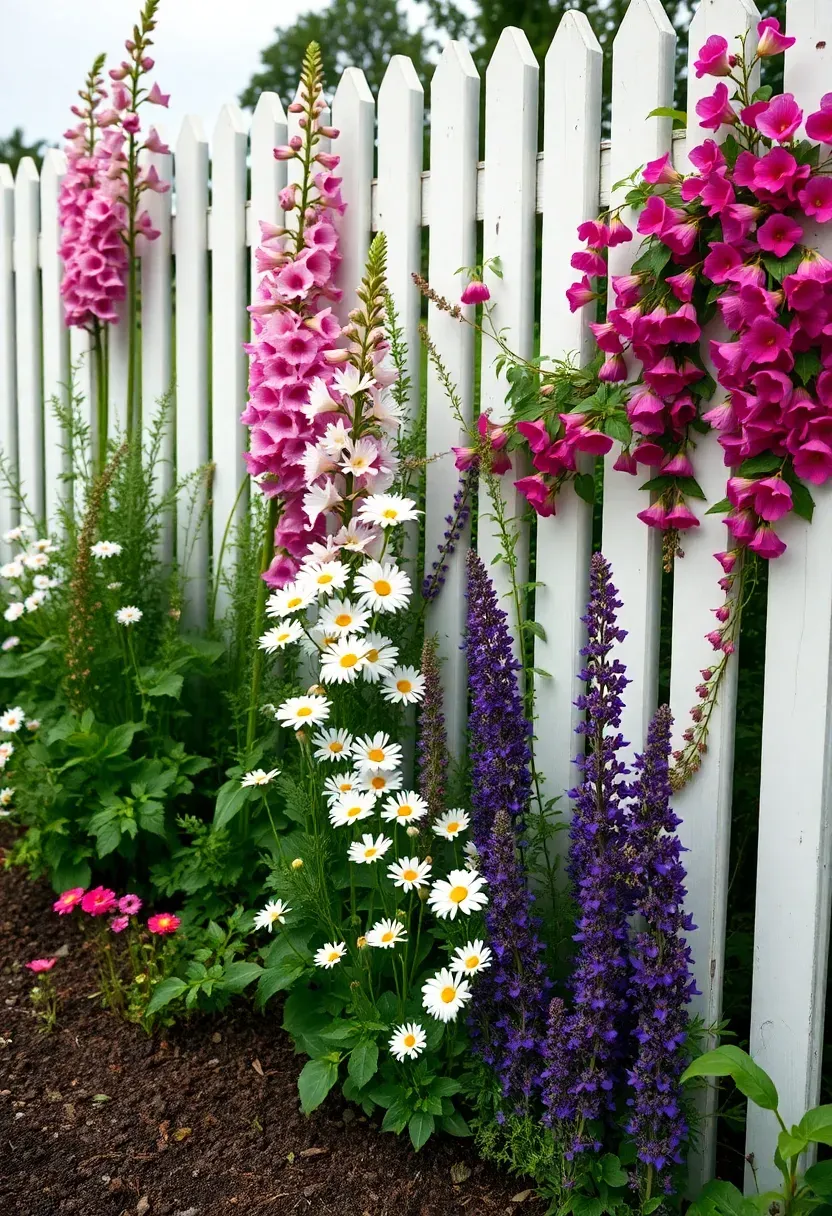
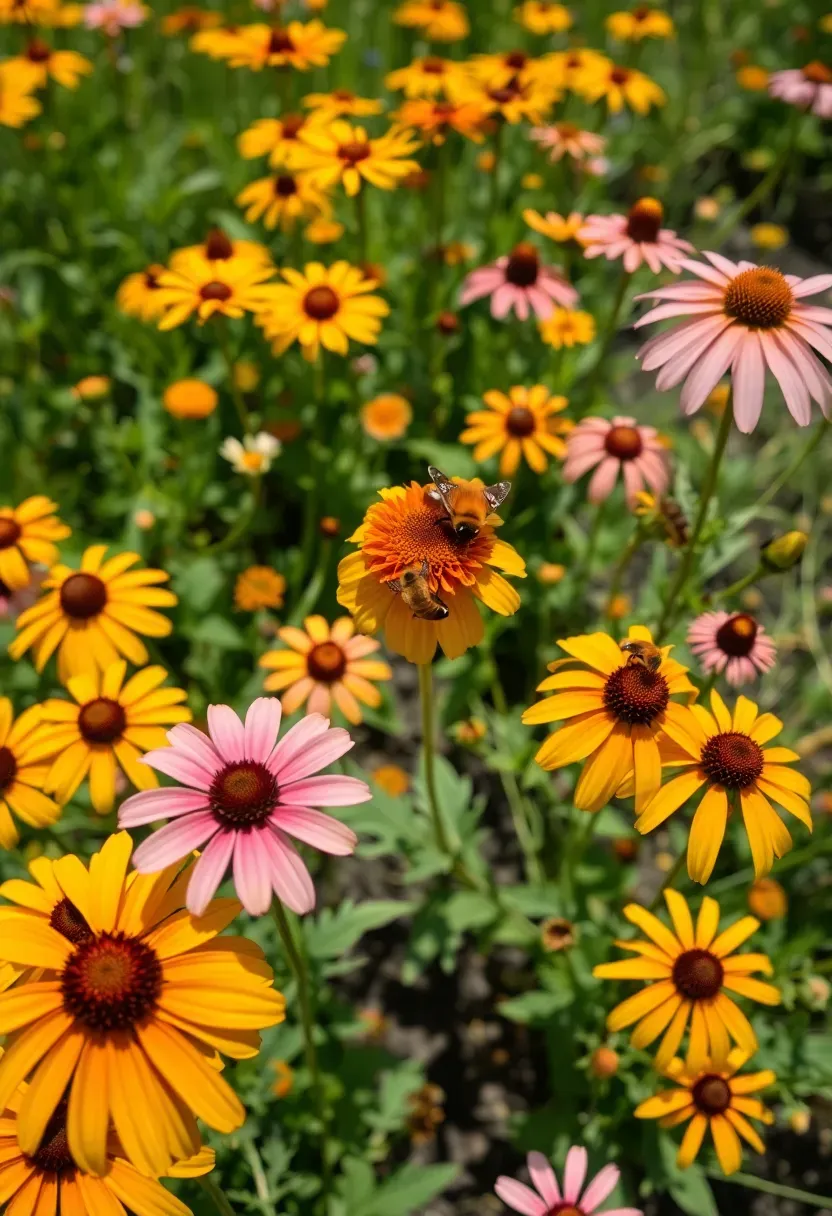
The cottage border looks unplanned, but that appearance takes deliberate layering. Place tall plants like hollyhocks, delphiniums, and foxgloves at the back. Middle tier gets salvia, echinacea, and rudbeckia. Front row: catmint, lady's mantle, and low-growing geraniums. The key is overlapping bloom times so something is always flowering from May through October. Start with six to eight species rather than fifteen — too many varieties in a small border looks chaotic rather than charming.
Tips
- Deadhead spent flowers weekly to extend bloom season by several weeks
- Plant in odd-numbered groups (3s and 5s) for a natural, drifting look
- Leave seed heads on echinacea and rudbeckia through winter for bird food and visual interest
We picked a few things that go well with this idea: VIVOSUN Dual Rotating Compost Tumbler (43 Gal) (★4.3), East Oak Dual Chamber Compost Tumbler (★4.3) and Dual Chamber Compost Tumbler (43 Gal) (★4.4). As an Amazon Associate we earn from qualifying purchases.
4. Pollinator Wildflower Patch
Why it matters
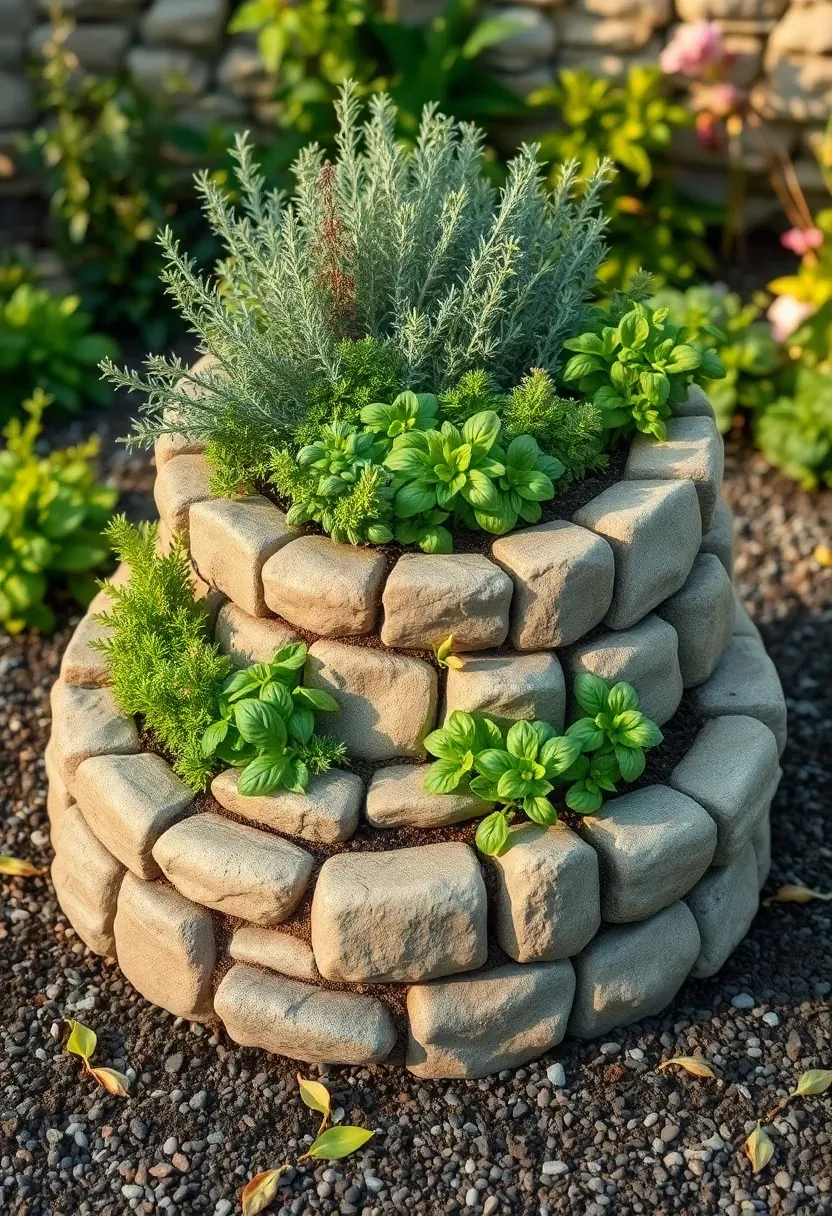
Pollinator populations have dropped sharply in the last two decades. A single 100-square-foot patch of native wildflowers in your backyard can support dozens of bee species, butterflies, and beneficial insects that also help your vegetable garden produce better.
How to start
Clear a section of lawn in early spring, scatter a regional native wildflower seed mix over loosened soil, and press seeds in with a roller or by walking on a board. Water lightly until germination. Do not fertilize — most wildflowers prefer lean soil and fertilizer just encourages weeds.
Pros and cons
- Pro: Almost zero maintenance once established — no mowing, no watering after year one
- Pro: Seeds cost $15-30 for enough to cover 200 square feet
- Con: Looks messy during the first season before plants fill in; neighbors may ask questions
Recommended
Items for this idea
5. Tiered Herb Spiral
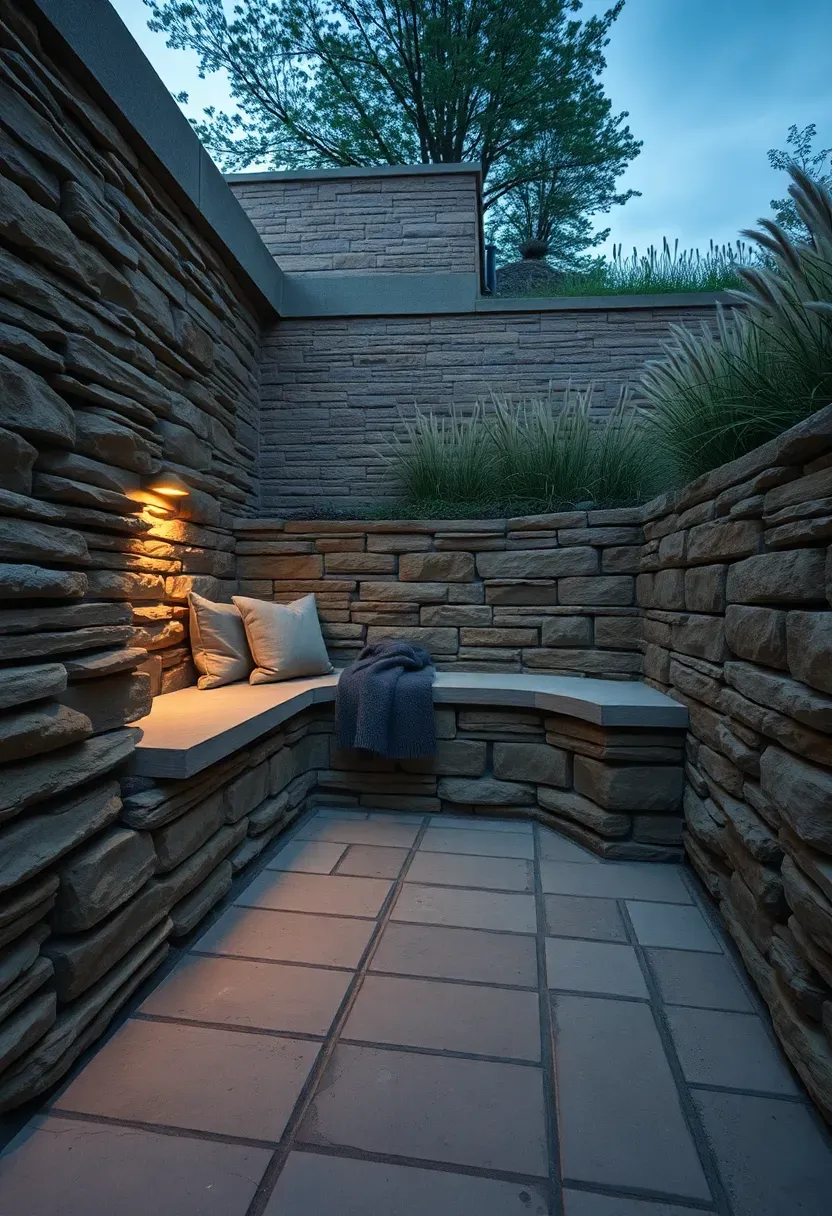
An herb spiral packs a surprising number of plants into about 6 feet of ground space. The structure — a mound of soil held in place by a spiral of stacked stones — creates multiple microclimates: dry and sunny at the top for rosemary and thyme, moist and shaded at the bottom for parsley and cilantro. Mediterranean herbs thrive at the peak while moisture-loving varieties nestle near the base. Build it near your kitchen door so you actually use the herbs instead of forgetting about them.
Tips
- Use dry-stacked fieldstone or broken concrete — no mortar needed
- Height should be about 3 feet at the center, tapering to ground level
- Plant mint in a buried pot to prevent it from overtaking everything else
6. Sunken Conversation Garden
The problem
Flat backyards lack intimacy. Everything feels exposed, and there is no natural boundary between a seating area and the rest of the yard. Wind whips through without any barrier.
The solution
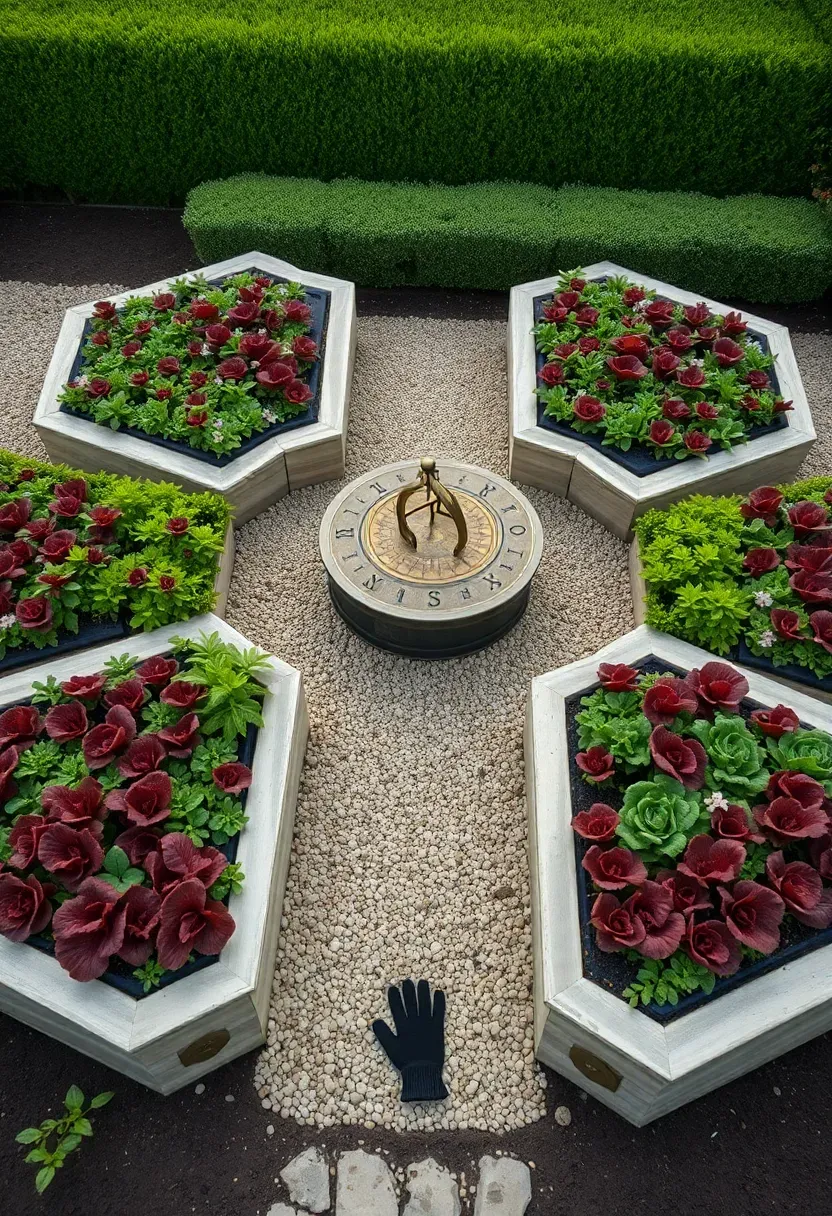
Excavate 18-24 inches in a circular or rectangular area, about 10x12 feet. Line the walls with stacked stone or landscape blocks. Add a compacted gravel base, then set flagstone or pavers for the floor. Install a built-in bench along one or two walls using the same stone. The lowered position creates shelter from wind and gives the space a sense of enclosure that feels private without building a fence. Plant ornamental grasses along the upper rim to soften the edge.
Pros and cons
- Pro: Natural wind protection and a cozy, room-like feel
- Pro: Excellent focal point that anchors the whole yard's layout
- Con: Drainage must be planned carefully — you are creating a low point that collects water
Recommended
Items for this idea
7. Vegetable Potager Layout
The potager borrows from French kitchen garden tradition: geometric beds arranged symmetrically around a central feature, mixing vegetables, herbs, and flowers together. Unlike the American row garden, a potager treats food-growing as ornamental. Edge beds with low boxwood or lavender hedges. Run gravel paths between them. Interplant red lettuce with green, tuck marigolds between tomato plants, and train beans up obelisk trellises at the corners. The structure means it looks good even in early spring when plants are small.
Tips
- Keep individual beds under 4 feet wide for easy harvesting
- Use a central element — an urn, sundial, or birdbath — to anchor the symmetry
- Rotate crops each season to prevent soil depletion and reduce disease pressure
8. Rain Garden for Drainage
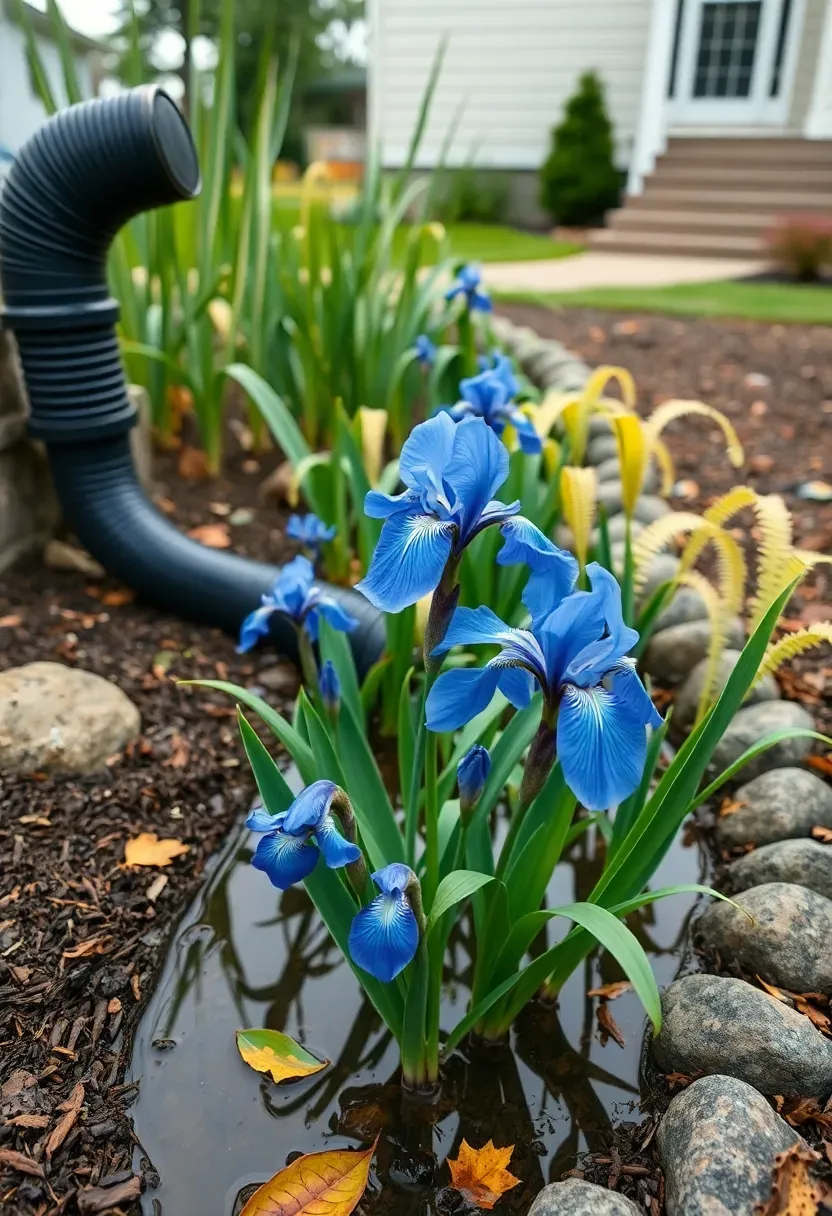
If part of your yard stays soggy after every rain, a rain garden turns a problem into a feature. Dig a shallow depression (6-8 inches deep) in the low spot, amend the soil with sand and compost for better infiltration, and plant moisture-tolerant natives like blue flag iris, cardinal flower, sedges, and switchgrass. Direct gutter downspouts toward the garden with a buried drainpipe or a simple rock-lined channel. The plantings filter stormwater runoff before it hits storm drains, reducing erosion and pollution downstream.
Tips
- Position at least 10 feet from your foundation to prevent water damage
- The garden should drain completely within 24-48 hours after a storm
- Mulch with shredded hardwood bark, not stone — bark holds moisture better for establishing plants
Recommended
Items for this idea
9. Japanese-Inspired Zen Corner
Origins
Japanese garden design goes back over a thousand years, rooted in Buddhist and Shinto principles of simplicity, natural materials, and deliberate emptiness. The dry garden (karesansui) uses raked gravel to represent water and carefully placed stones to suggest mountains or islands.
Modern take
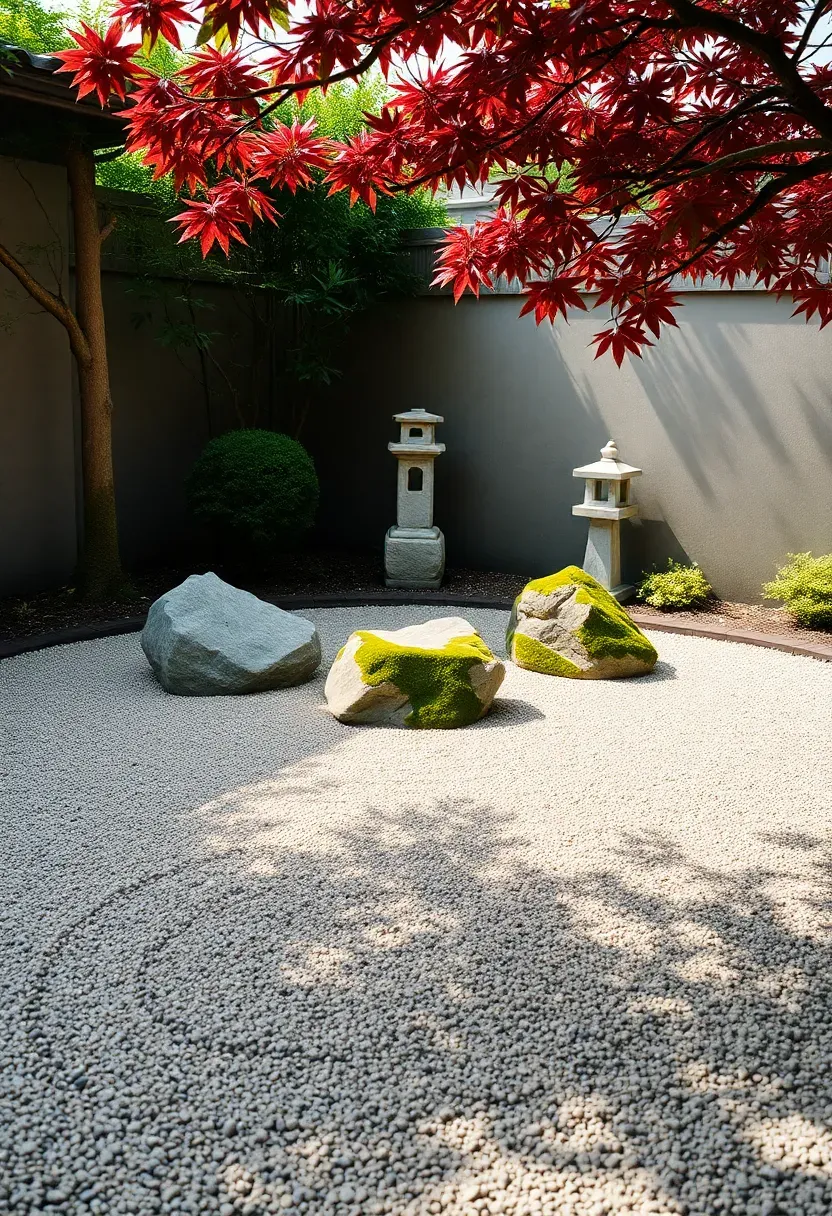
You do not need a large space. A 10x10-foot corner works. Lay a bed of decomposed granite or fine gravel. Place three to five large, moss-covered boulders in an asymmetric arrangement — odd numbers feel more natural. Add one Japanese maple for color and a stone lantern or basin for vertical interest. Rake concentric circles around the stones.
Apply at home
- Keep plant choices minimal — one tree, one ground cover, one accent
- Use real stone, not cast concrete — the weight and texture matter
- Maintain the raked gravel weekly; it only takes ten minutes but makes the space feel intentional
10. Living Fence with Espalier Fruit Trees
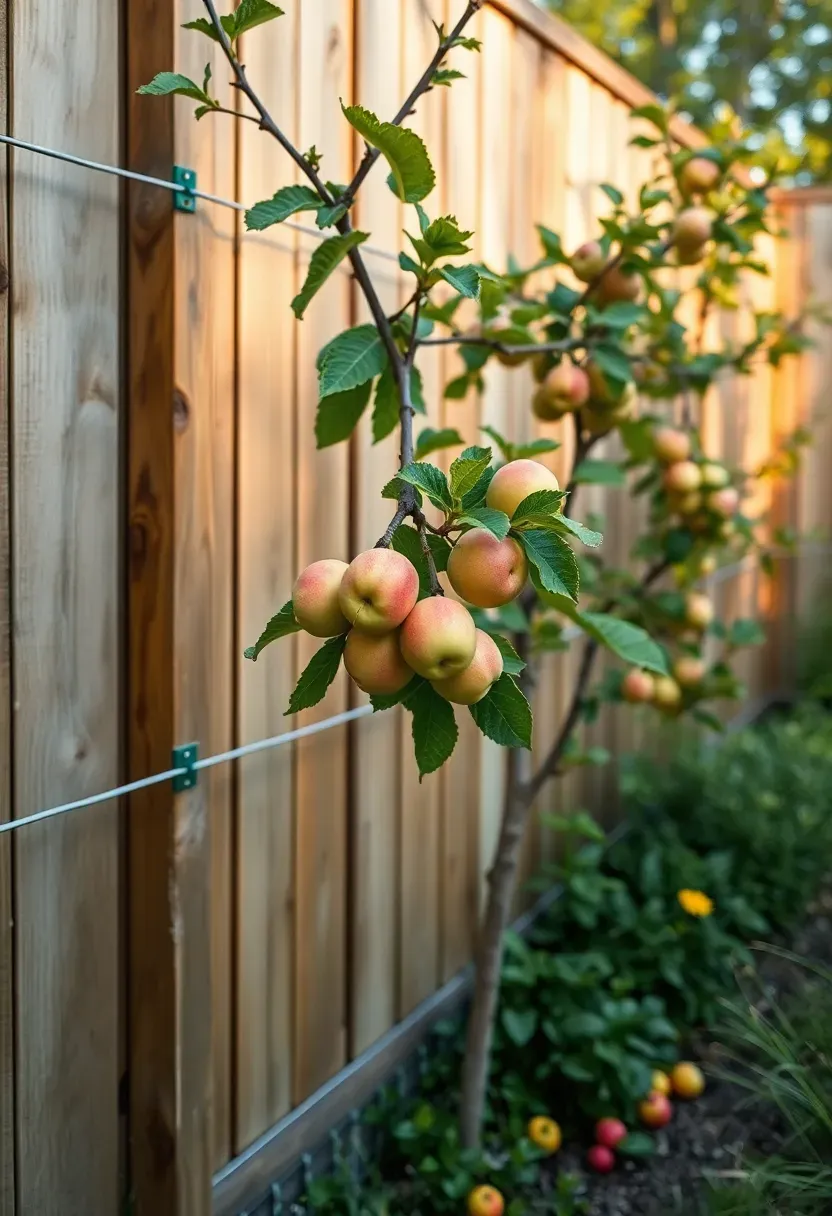
Espalier is the practice of training fruit trees to grow flat against a wall or fence in a two-dimensional pattern. It saves space, produces reachable fruit, and turns a boring fence into a living feature. Apple and pear trees are the easiest to espalier because their branches are flexible when young. Plant trees 6-8 feet apart, install horizontal support wires at 18-inch intervals, and tie branches to the wires as they grow. Prune twice a year — once in late winter for shape, once in summer to control growth.
Tips
- Semi-dwarf rootstock (M26 or M9 for apples) keeps trees manageable
- South-facing fences give the most fruit production in northern climates
- Start with whips (single-stem saplings) rather than mature trees for easier training
Recommended
Items for this idea
11. Gravel Garden vs. Traditional Mulched Beds
Introduction
Both approaches suppress weeds and retain moisture, but they suit different climates and aesthetics. Here is how they compare.
Gravel garden
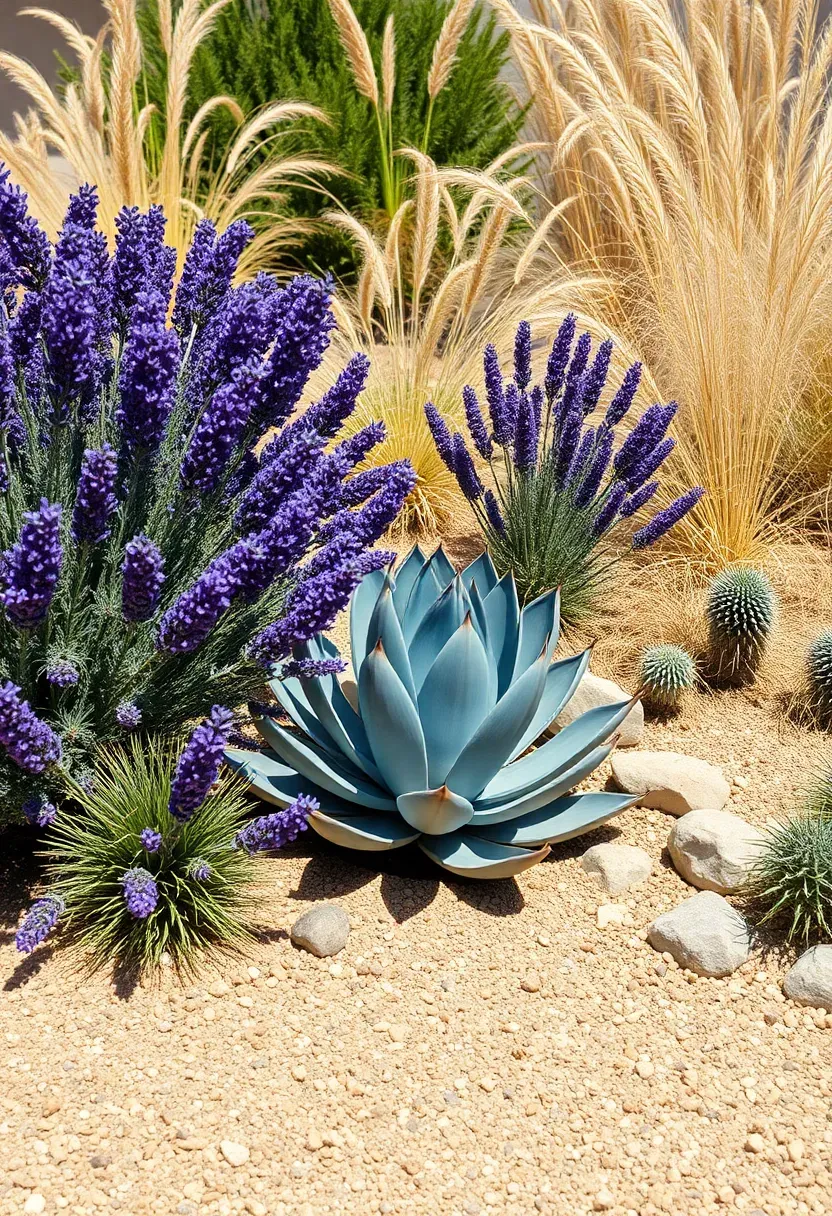
A 3-inch layer of pea gravel or decomposed granite replaces organic mulch entirely. Works best with drought-tolerant plants — lavender, agave, yucca, sedums, ornamental grasses. Zero organic matter means almost zero weeds. Never needs replacing. Reflects heat, so plants must handle it.
Traditional mulched beds
Wood chip or bark mulch feeds the soil as it decomposes, improving structure and fertility over time. Needs refreshing every 1-2 years. Better for perennials, shrubs, and vegetables that want rich, moisture-retentive soil.
Choose gravel if
You live somewhere dry, want minimal maintenance, or prefer a Mediterranean or desert aesthetic. Choose mulch if you grow food, have acid-loving plants, or want to build soil health over time.
12. Cut Flower Picking Garden
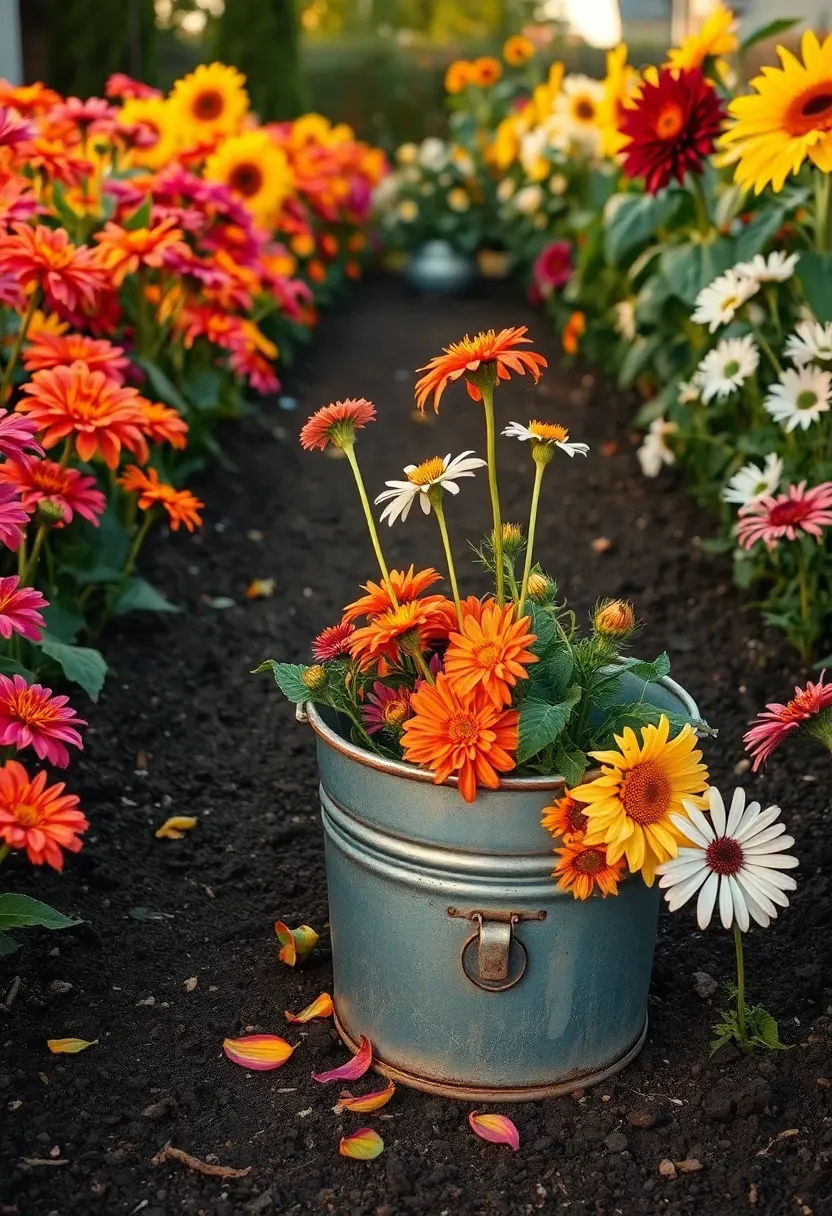
Growing your own cut flowers costs a fraction of buying bouquets, and the variety is incomparably better. Dedicate a 4x12-foot bed to flowers grown specifically for cutting: zinnias, dahlias, cosmos, sunflowers, snapdragons, and sweet peas. Plant in rows like a mini farm rather than mixed borders — it makes harvesting faster and replanting easier. Succession plant zinnias and cosmos every 3 weeks from late spring through midsummer for continuous blooms. One bed this size produces enough flowers for a fresh bouquet every week from June through frost.
Tips
- Cut stems in early morning when they are fully hydrated
- Use a dedicated cutting garden so you are not stripping your display borders
- Dahlias alone can produce 50+ blooms per plant across a season
Recommended
Items for this idea
13. Berry Patch Along the Fence
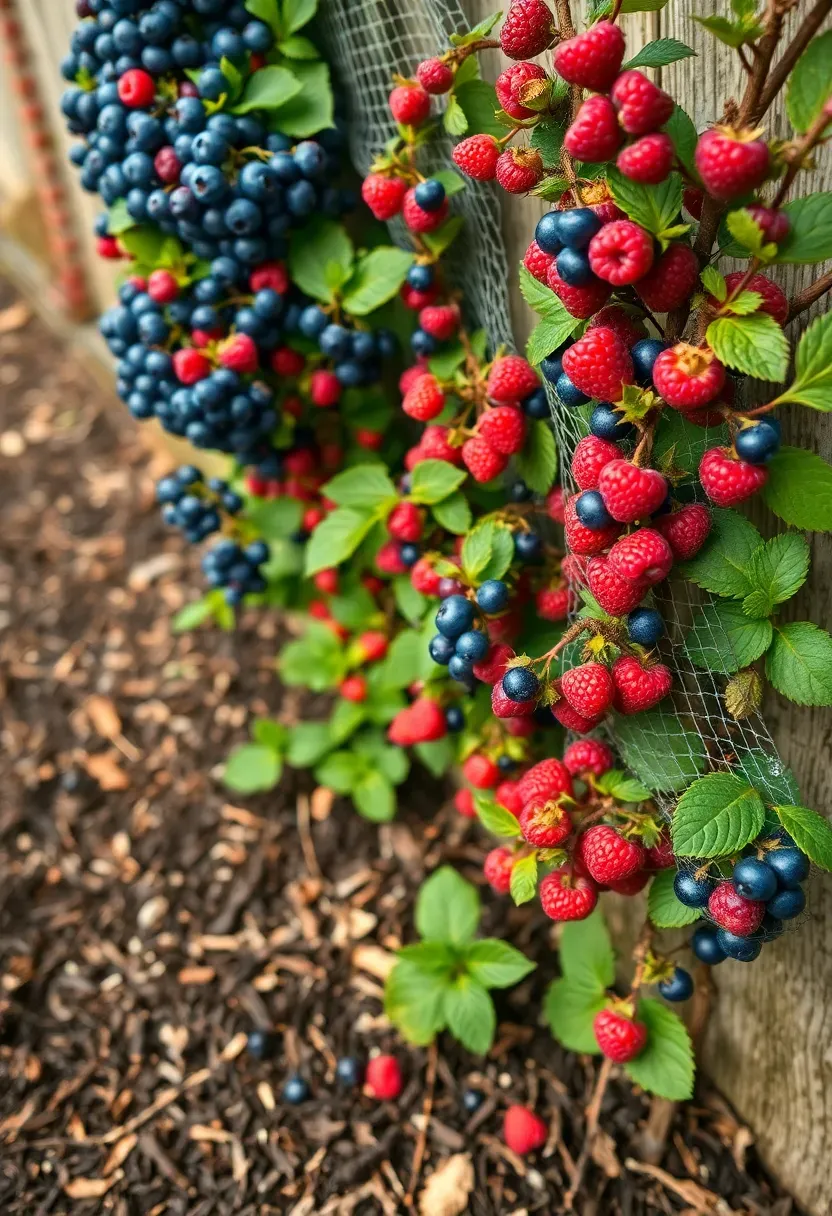
Fences are wasted vertical space in most yards. Plant a row of berry bushes — blueberries, raspberries, or blackberries — along a sunny fence line and you get food production, privacy screening, and wildlife habitat in one move. Raspberries and blackberries need trellising, which a fence already provides. Blueberries are freestanding and look attractive year-round with their fall foliage color. Space plants 3-5 feet apart depending on species. Most berries start producing meaningfully in their second or third year.
Tips
- Blueberries need acidic soil (pH 4.5-5.5) — test before planting and amend with sulfur if needed
- Bird netting is non-negotiable unless you are willing to share your harvest
- Thornless blackberry varieties exist and make picking far less painful
14. Fire Pit Surrounded by Ornamental Grasses
Step 1: Build or place the pit
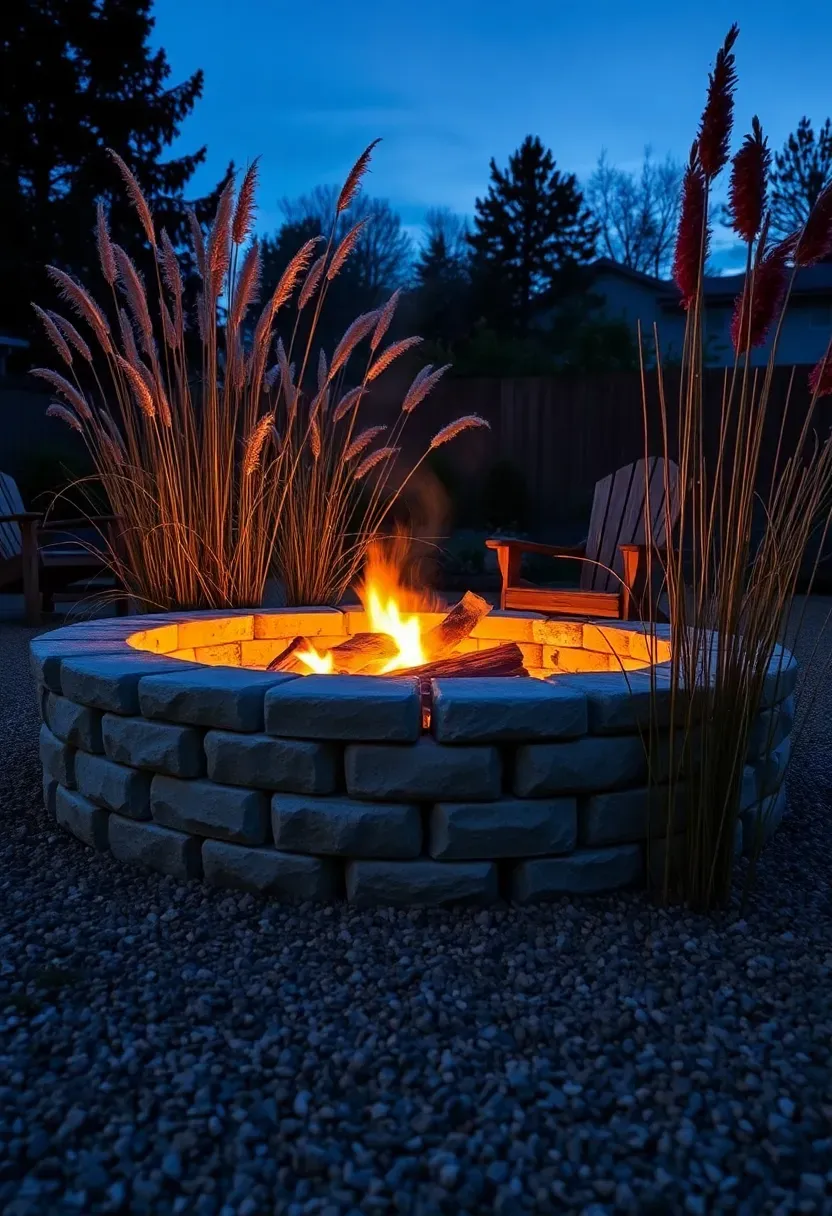
A simple ring of stacked retaining wall blocks, about 36 inches in diameter, makes a solid fire pit for under $100 in materials. Set it on a compacted gravel pad, not directly on soil or lawn.
Step 2: Create the grass ring
Plant a semicircle of tall ornamental grasses — miscanthus, Karl Foerster feather reed grass, or switchgrass — about 5 feet back from the pit's edge. This distance keeps foliage safe from heat while creating a sense of enclosure.
Step 3: Add seating and finish
Place Adirondack chairs or a curved stone bench between the pit and the grasses. Lay gravel or flagstone underfoot. The grasses catch the breeze and make a rustling sound that pairs well with crackling fire.
Watch out
- Check local fire codes for setback distances from structures and property lines
- Avoid pampas grass near fire — it is highly flammable when dry
- Cut grasses back in late winter before new growth emerges
Recommended
Items for this idea
15. Shade Garden Under Mature Trees
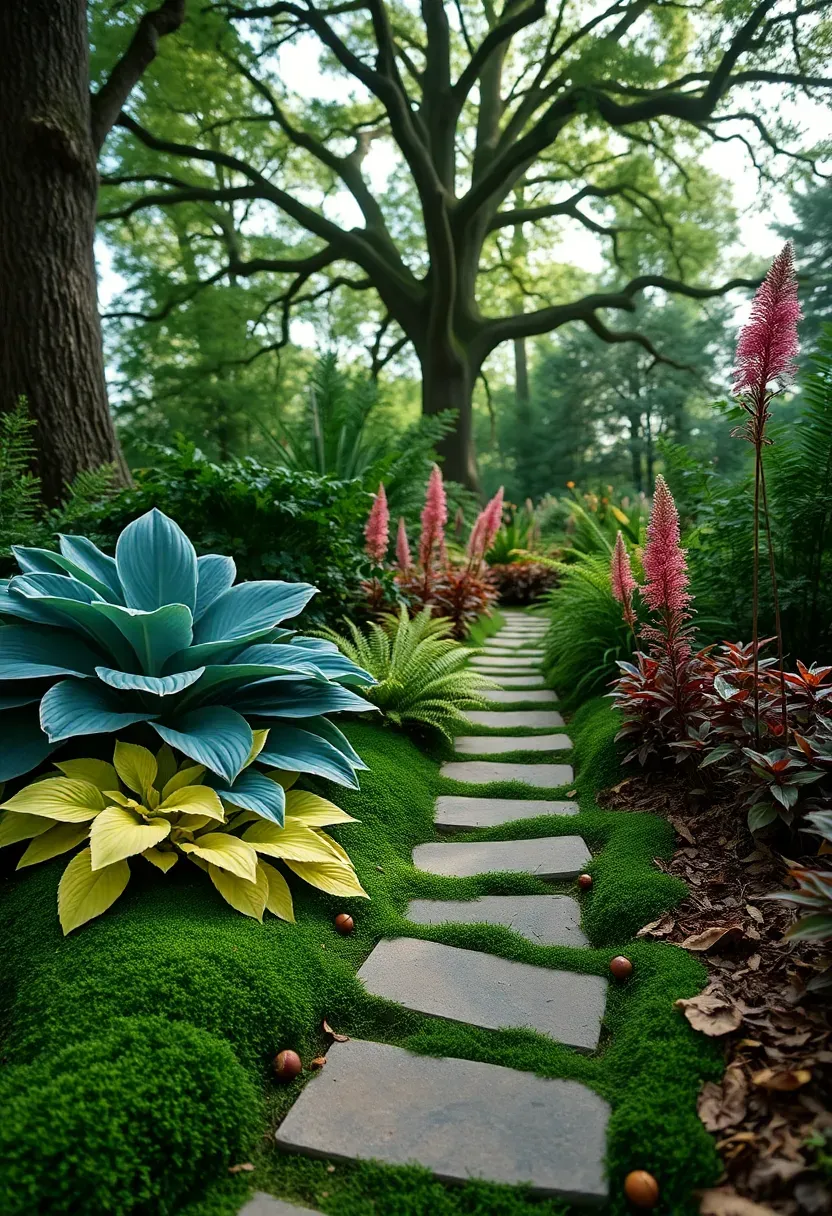
Shade does not mean empty. The area beneath large trees can support a layered planting of hostas, ferns, astilbe, heuchera, brunnera, and native woodland wildflowers like trillium and Virginia bluebells. The trick is working around tree roots without damaging them. Never pile more than 2-3 inches of soil or mulch over existing roots. Use a narrow trowel and plant in pockets between roots. Water new plantings frequently until established, since tree roots compete aggressively for moisture.
Tips
- Hostas in blue and gold varieties create strong color contrast without flowers
- Astilbe handles deep shade and provides feathery plumes in pink, red, and white
- Add a stone or bark-chip path so foot traffic does not compact the soil around root zones
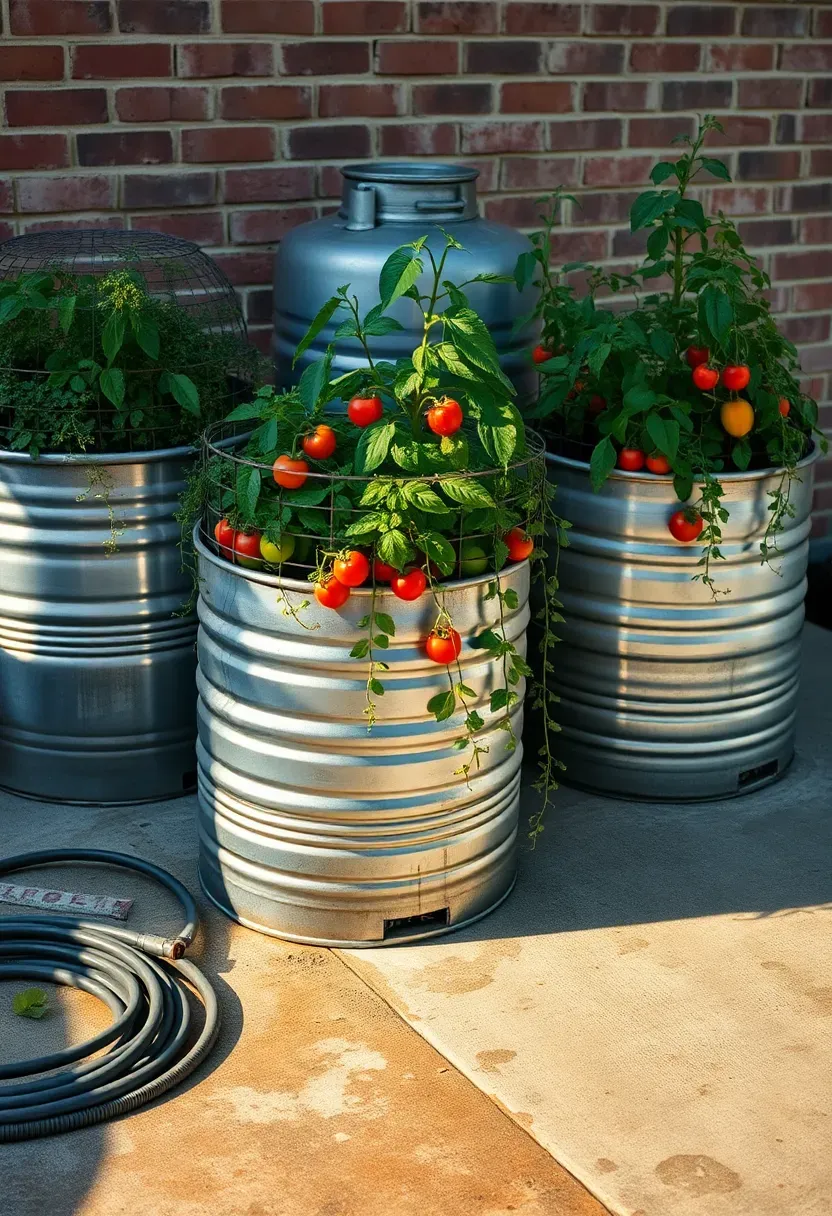
16. Stock Tank Container Garden
Galvanized stock tanks — the oval or round troughs sold at farm supply stores — make excellent raised planters. They are cheaper than custom raised beds, nearly indestructible, and look sharp in both modern and farmhouse-style yards. Drill 4-6 drainage holes in the bottom, add a 3-inch gravel layer, then fill with potting mix. A 2x4-foot oval tank runs about $60-80 and holds enough soil for four tomato plants or a dense herb garden. Line the inside with landscape fabric to prevent soil from clogging the drain holes.
Tips
- Metal heats up in full sun — position where tanks get afternoon shade, or insulate the inside walls with rigid foam board
- Paint the exterior with rust-resistant spray paint in black or dark green for a cleaner look
- Elevate on cinder blocks or pot feet to improve drainage and airflow underneath
Recommended
Items for this idea
17. Native Plant Meadow Strip
The problem
Large lawns consume water, fertilizer, and weekly mowing hours without providing food or habitat for any living thing. But ripping out all the grass feels extreme and leaves the yard looking unfinished.
The solution
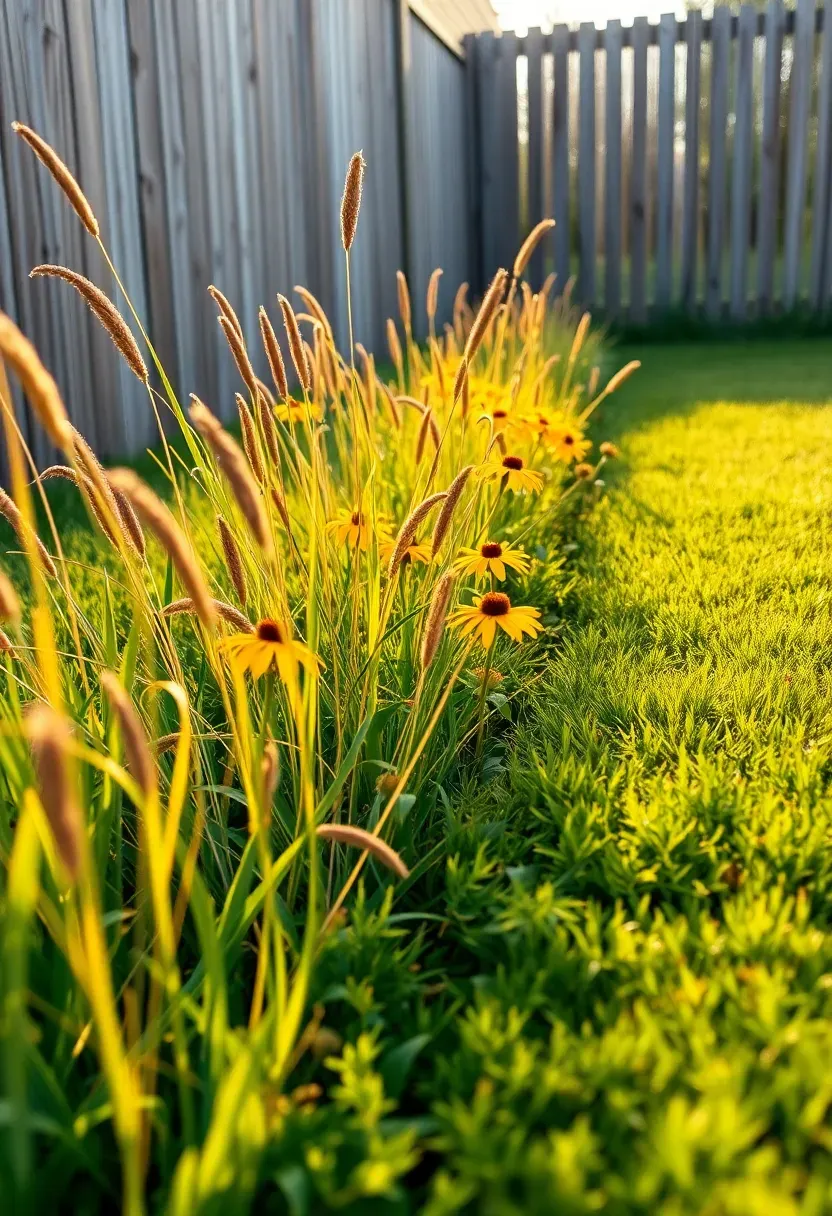
Convert a strip of lawn — 4-6 feet wide along a fence, sidewalk, or property edge — into a native plant meadow. Use species like little bluestem, prairie dropseed, black-eyed Susans, and wild bergamot. Mow a clean edge where the meadow meets the remaining lawn so it looks intentional. The strip requires no irrigation after the first year, no fertilizer, and one mowing per year in late winter. Over time you can expand the strip or convert additional sections.
Pros and cons
- Pro: Cuts water bills and mowing time for every square foot converted
- Pro: Provides habitat for native bees, butterflies, and ground-nesting birds
- Con: Takes 2-3 seasons to look fully established; patience is required
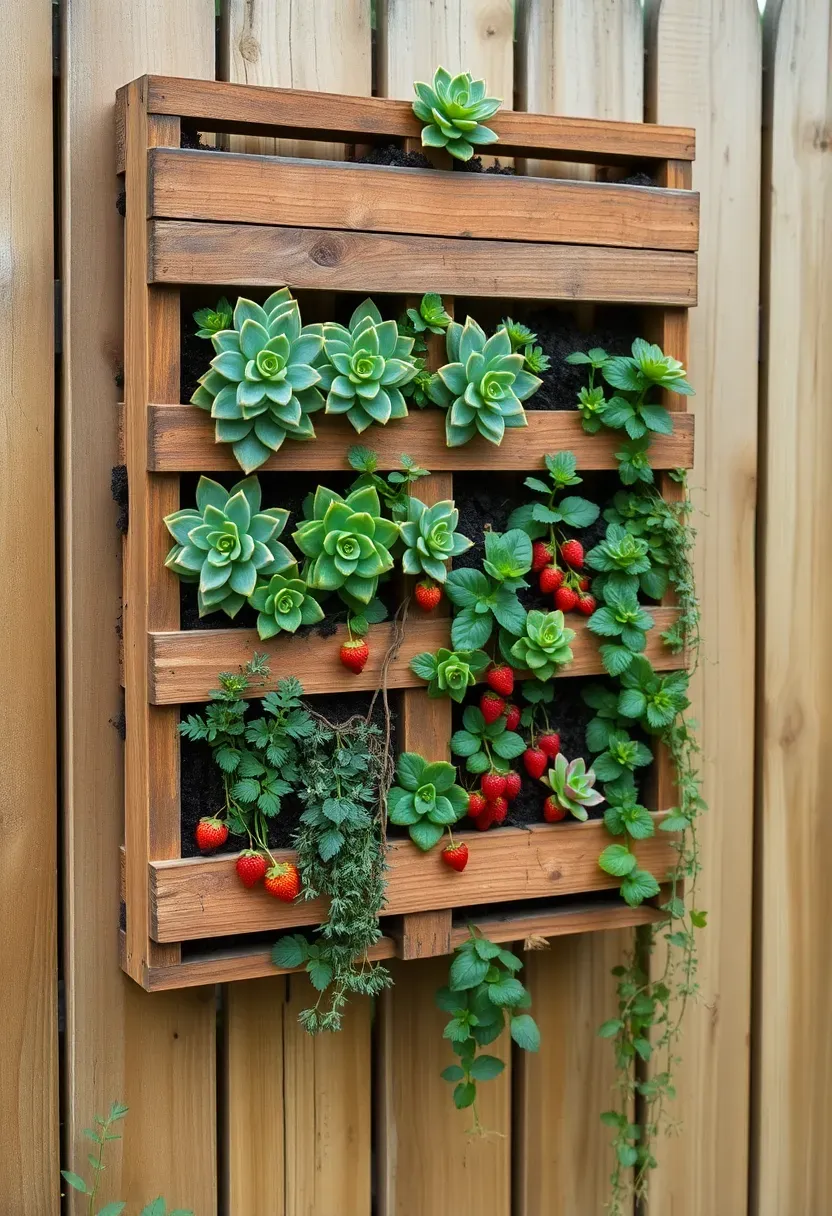
18. Vertical Pallet Planter Wall
A wooden pallet mounted vertically on a fence or wall turns dead vertical space into growing area. Line the back and bottom of each slat pocket with landscape fabric, fill with lightweight potting mix, and plant with trailing herbs, strawberries, succulents, or small annuals like petunias. One pallet gives you 8-10 planting pockets in about 3 square feet of wall space. Secure the pallet with lag bolts into fence posts or wall studs — it gets heavy once filled and watered.
Tips
- Use heat-treated (HT-stamped) pallets only — chemically treated ones leach toxins into soil
- Water from the top and let it cascade down; bottom pockets stay wetter than top ones, so plant accordingly
- Group drought-tolerant plants at the top and moisture-lovers at the bottom
Recommended
Items for this idea
19. Edible Ground Cover Instead of Lawn
Creeping thyme, white clover, and wild strawberries all form dense, walkable mats that replace grass. Thyme releases fragrance when stepped on, fixes nitrogen, and never needs mowing. White clover feeds pollinators with tiny white flowers all summer and tolerates foot traffic well. Wild strawberries produce small, sweet fruit throughout the growing season. Start by sheet-mulching the existing grass with cardboard and compost in fall, then plant plugs on 6-inch centers in spring. Within two seasons the ground cover fills in completely.
Tips
- Mix species for resilience — thyme handles dry spots, clover handles shade, strawberries handle moisture
- These alternatives need far less water than a traditional lawn
- Do not apply herbicides or the ground cover will die along with the weeds
20. Stone Retaining Wall Bed
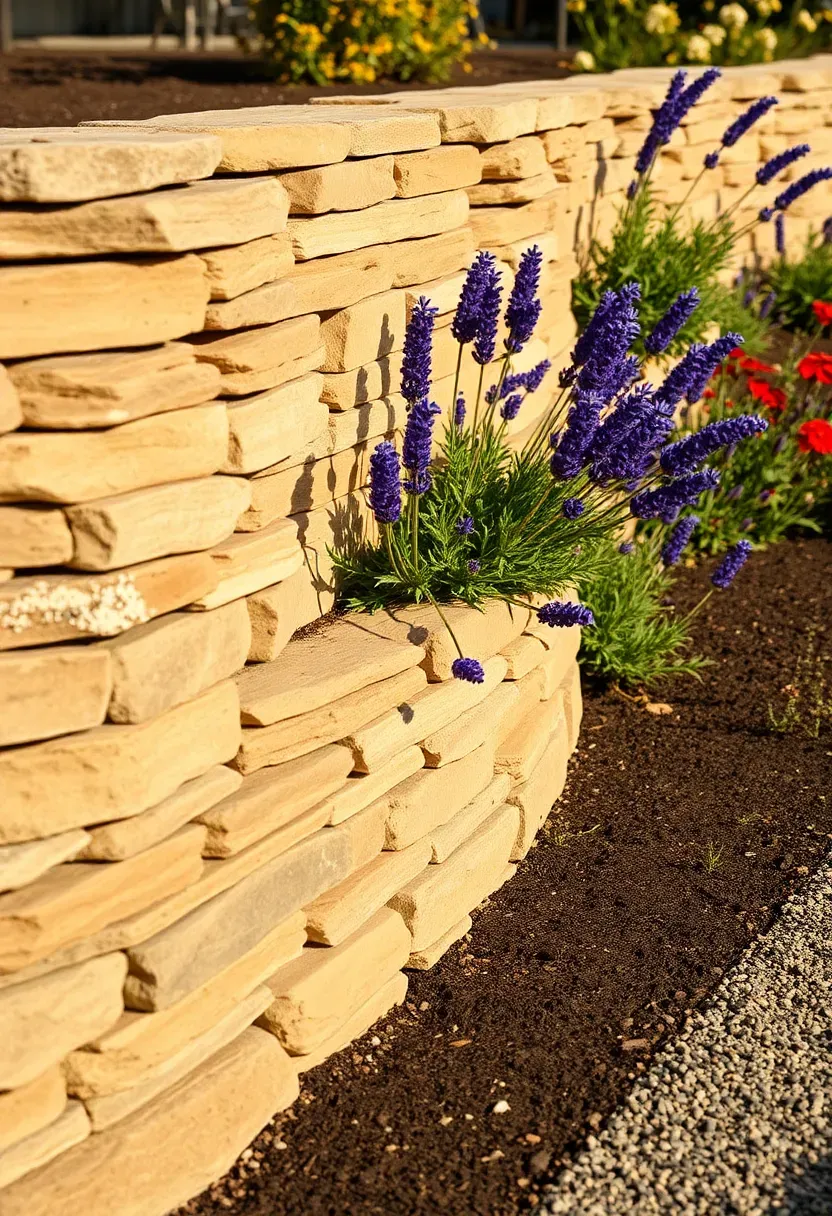
If your yard has any slope at all, a retaining wall turns unusable grade into flat, plantable terraced beds. Dry-stacked natural stone — fieldstone, limestone, or sandstone — looks better than concrete blocks and does not require mortar for walls under 2 feet tall. Tilt each stone slightly back into the hillside (called battering) for stability. Backfill behind the wall with gravel for drainage, then add topsoil and plant. The wall face itself becomes habitat for rock garden plants like sedums, hens-and-chicks, and creeping phlox tucked into crevices.
Tips
- Walls over 2 feet tall may require a permit and engineered design in many municipalities
- Place the largest, flattest stones at the base for a stable foundation
- A single curved wall looks more natural than a straight one in most garden settings
Recommended
Items for this idea
21. Greenhouse or Cold Frame Station
Cold frame option
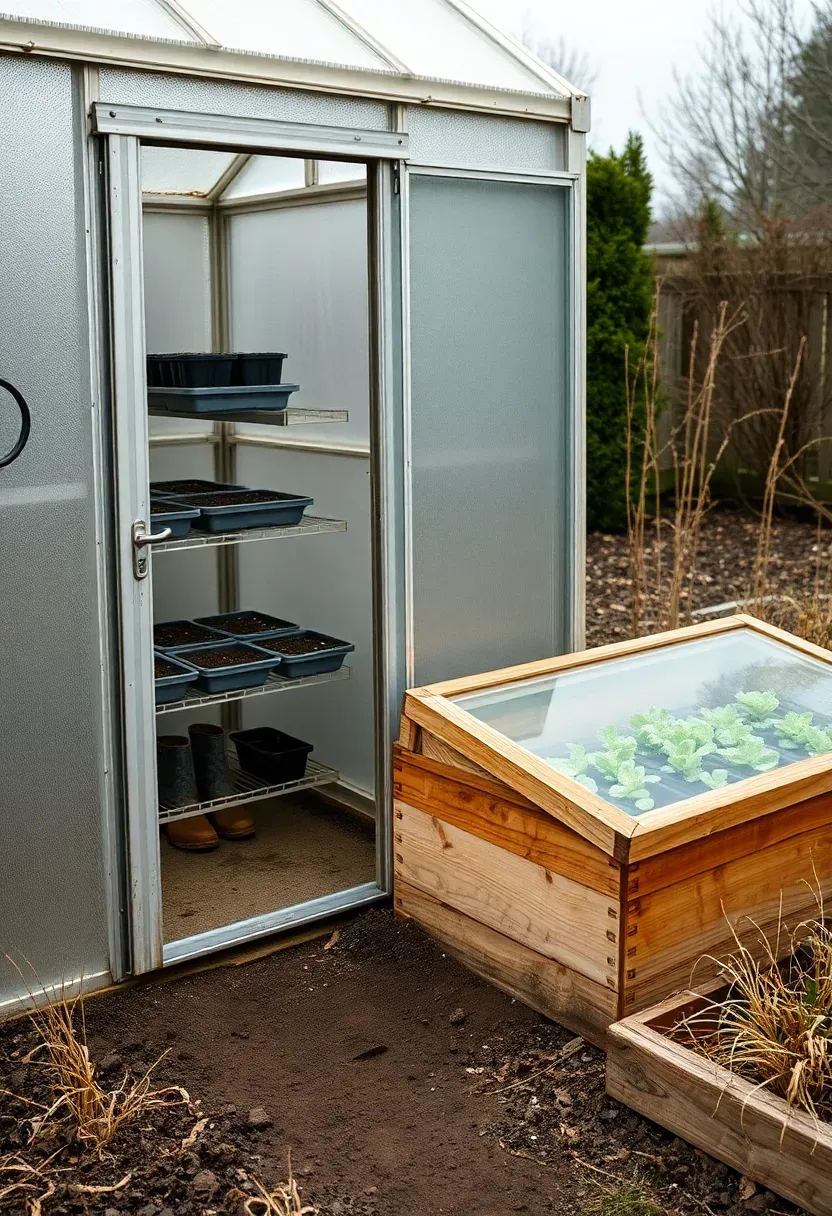
A cold frame is essentially a bottomless box with a glass or polycarbonate lid, set directly on the ground. Build one from an old window sash and some scrap lumber for almost nothing. It extends your growing season by 4-6 weeks on both ends, protecting seedlings in spring and keeping salad greens alive into December in zone 6-7.
Small greenhouse option
A walk-in hobby greenhouse (6x8 feet) costs $300-800 for a kit with aluminum frame and polycarbonate panels. It gives you year-round seed starting, overwinter storage for tender plants, and a warm place to garden when it is freezing outside. Position with the long side facing south for maximum solar gain.
Choose if
You want a cold frame if you are a beginner or have limited space. Choose a greenhouse if you start seeds in volume or grow frost-tender crops like tomatoes and peppers and want a head start of 8+ weeks.
22. Water Feature with Aquatic Plants
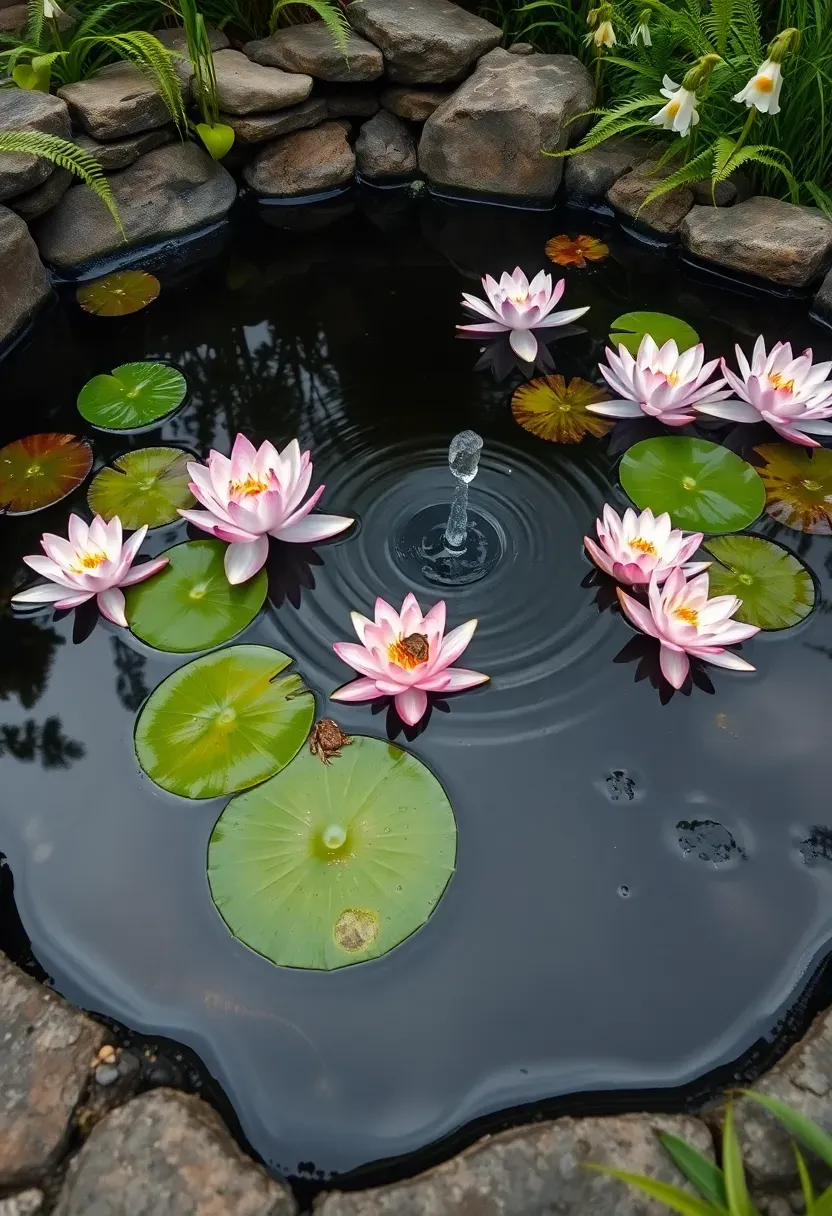
Even a small water feature — a half-barrel pond, a preformed liner pond, or a recirculating stream — adds sound, movement, and wildlife. A 3x5-foot preformed pond liner runs about $100 and takes an afternoon to install. Add a small submersible pump ($20-40) for circulation, then plant hardy water lilies in submerged pots, sweet flag and pickerelweed along the margins, and floating duckweed or water lettuce for natural filtration. Moving water attracts dragonflies, frogs, and songbirds that drink and bathe.
Tips
- A pump with at least 100 GPH prevents mosquito larvae from developing
- Place in a spot that gets 5-6 hours of sun for water lilies to bloom
- Add a small mesh over the pond in autumn to catch falling leaves before they rot and foul the water
Recommended
Items for this idea
23. Climbing Rose Arbor Entrance
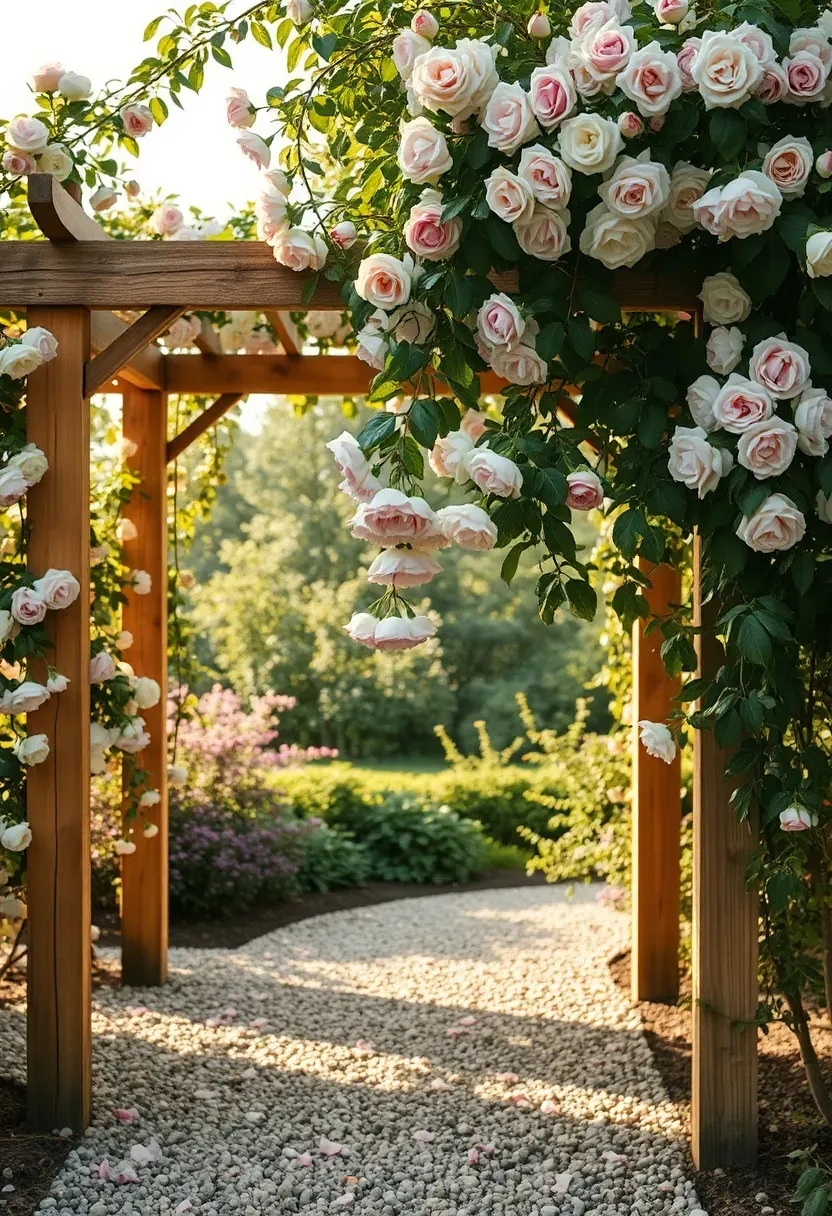
A rose-covered arbor marks the transition between yard and garden in a way that few other structures can match. Build or buy a cedar or metal arbor (roughly 4 feet wide, 7 feet tall), place it at the entrance to a garden path or between zones in your yard, and plant one climbing rose on each side. David Austin varieties like 'Generous Gardener' or 'Gertrude Jekyll' give heavy blooms and strong fragrance. New Dawn is the most disease-resistant choice for most climates. Tie canes horizontally along the arbor rails — horizontal training triggers more blooms along the full length of the cane.
Tips
- Prune in late winter, removing dead wood and shortening side shoots to 2-3 buds
- Climbing roses need 2-3 years to establish before heavy blooming begins
- Feed with a balanced rose fertilizer monthly from spring through midsummer
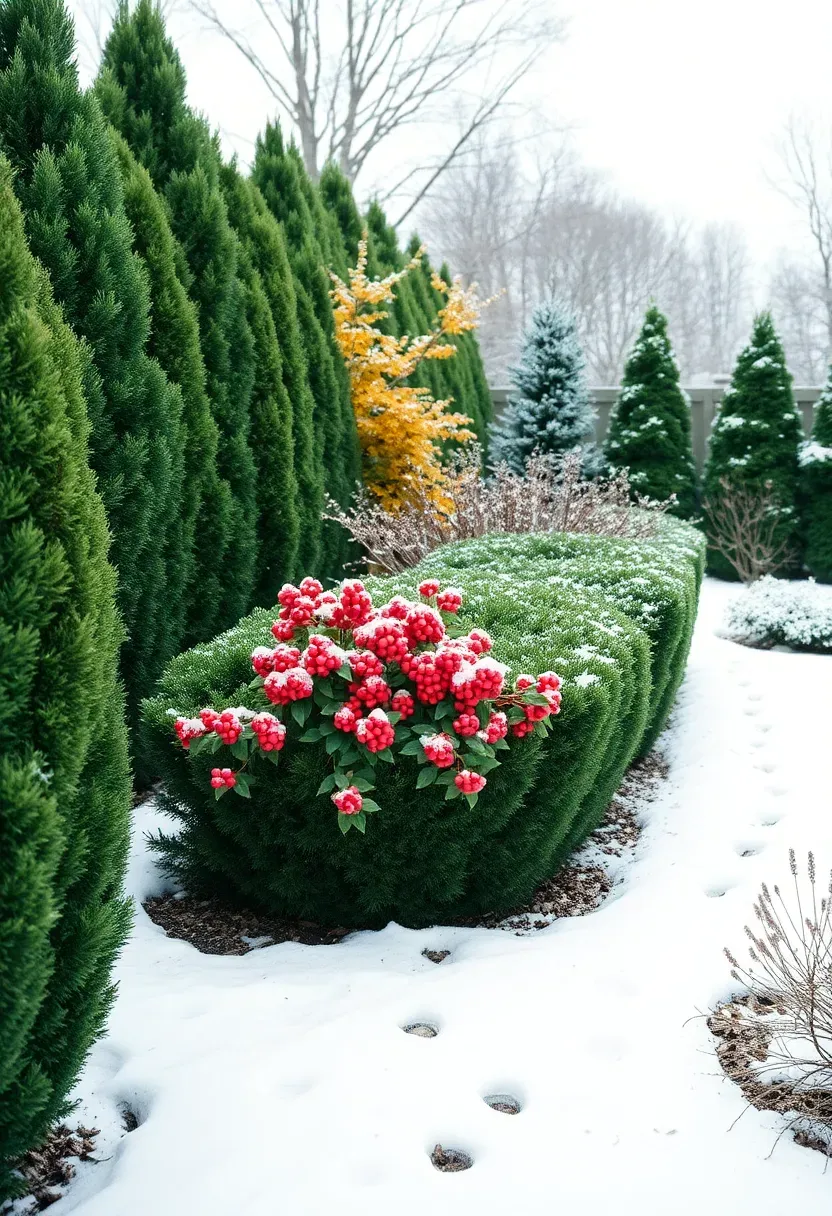
24. Four-Season Evergreen Backbone
The problem
Many gardens look bare and depressing from November through March because they rely entirely on deciduous plants and perennials that die back to the ground. Four months of brown twigs and mud is demoralizing.
The solution
Plant a framework of evergreens — boxwood hedges, arborvitae screens, holly specimens, and dwarf conifers — that hold their foliage year-round. These become the garden's bones. Deciduous trees, perennials, and annuals fill in around them during the growing season, but in winter the evergreens carry the visual weight. Position them at key structural points: corners of beds, along paths, and at sight lines from windows you look through daily.
Pros and cons
- Pro: The garden has structure even under snow
- Pro: Evergreens provide year-round privacy screening
- Con: Slow growth means results take a few years; buy the largest specimens you can afford
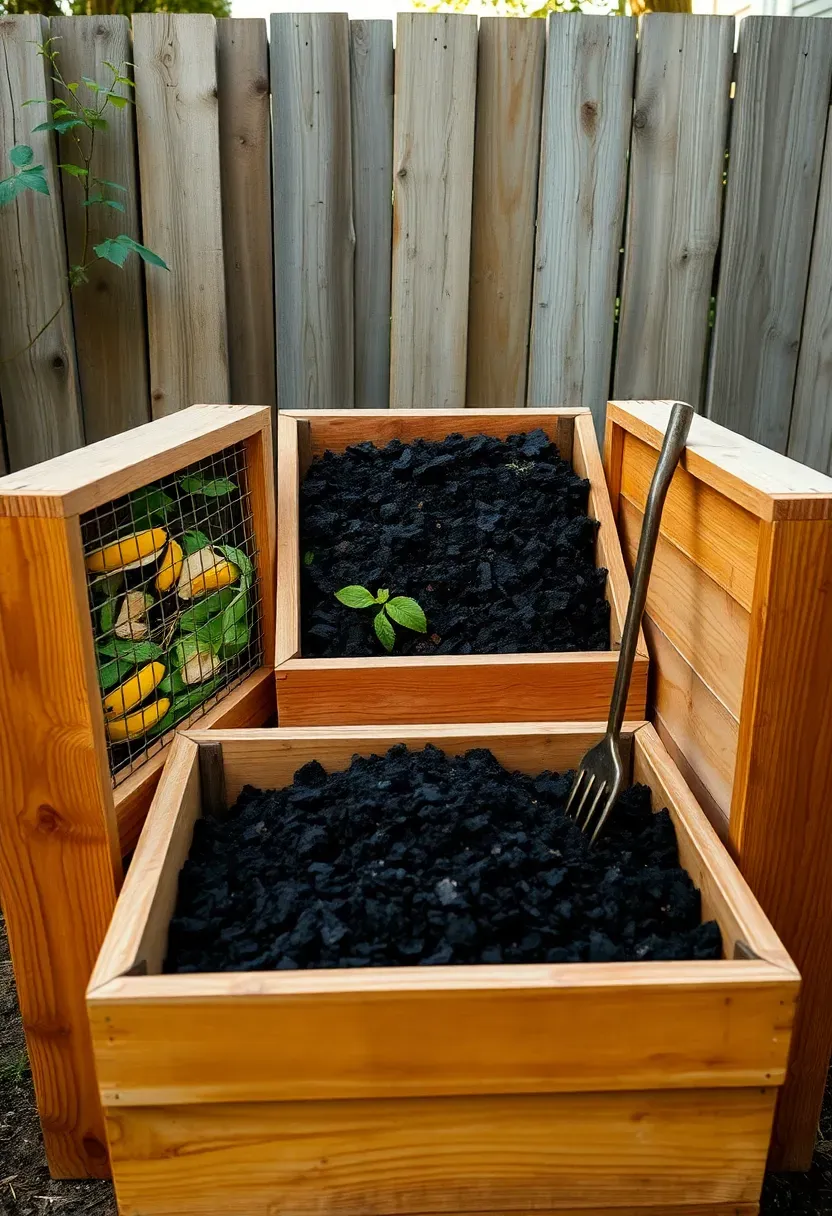
Recommended
Items for this idea
25. Composting Corner Setup
Step 1: Pick the spot
Choose a level, well-drained area at least 3 feet from fences and structures. Partial shade keeps compost from drying out too fast in summer. Near the garden and accessible from the kitchen makes hauling scraps easier.
Step 2: Build a three-bin system
Three bins — one for fresh material, one for actively decomposing material, one for finished compost — creates a continuous cycle. Build from wooden pallets, wire mesh, or cedar boards. Each bin should be roughly 3x3x3 feet, which is the minimum volume for efficient decomposition.
Step 3: Manage the pile
Alternate layers of green material (food scraps, grass clippings) and brown material (dried leaves, cardboard, straw) at about a 1:3 ratio. Turn the active bin every 2-3 weeks with a pitchfork. In warm weather, finished compost takes 2-3 months. In winter, decomposition slows but does not stop.
Watch out
- Avoid adding meat, dairy, or cooked food — it attracts rodents
- If the pile smells bad, add more browns and turn it — anaerobic conditions cause odor
- Finished compost should smell like forest floor, be dark brown, and crumble easily
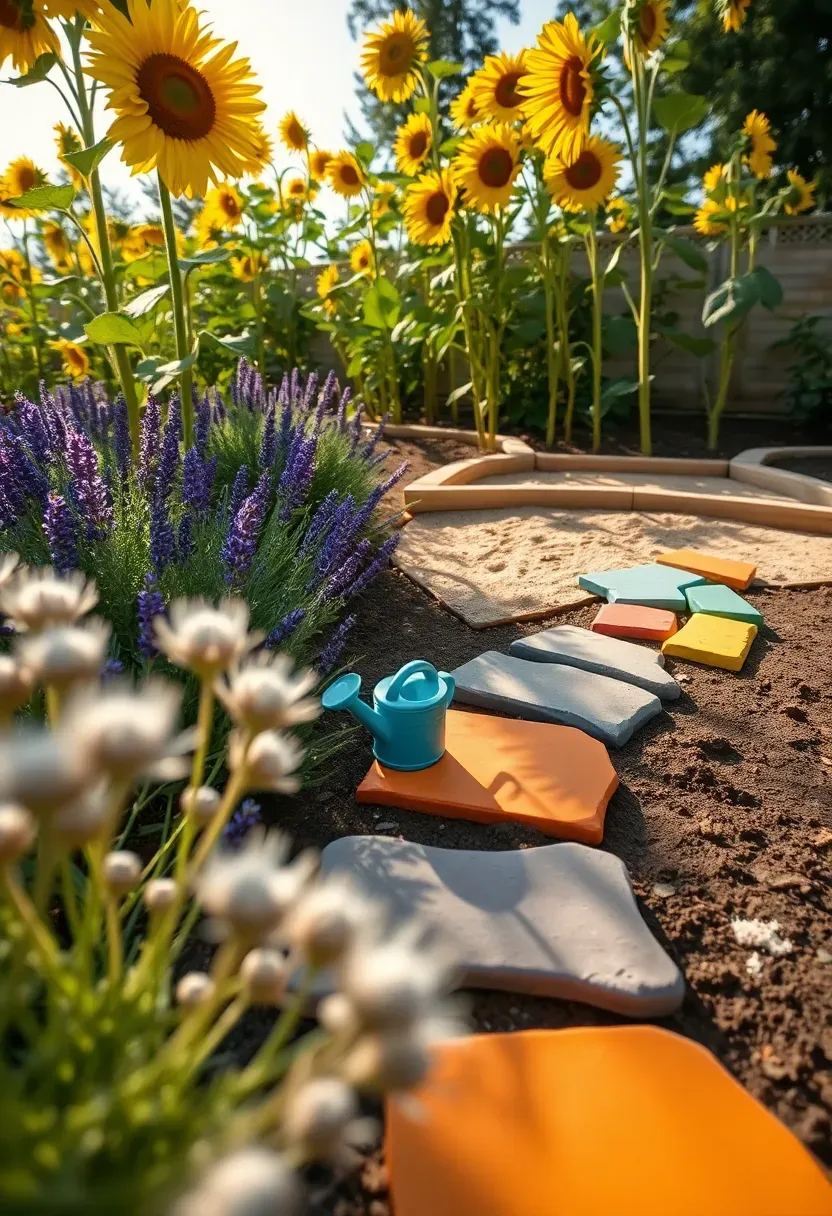
26. Kid-Friendly Sensory Garden
A sensory garden gives children a reason to go outside and stay there. Plant lamb's ear for its impossibly soft leaves, lavender and mint for scent, cherry tomatoes and snap peas for taste, ornamental grasses for sound in the wind, and sunflowers for pure visual scale. Add a few hands-on elements: a small sandbox or digging zone, stepping stones spaced for short legs, and a bug hotel made from stacked bamboo tubes and pinecones. Let kids help plant seeds and water. The messier it is, the more they will use it.
Tips
- Avoid toxic plants like foxglove, lily of the valley, and castor bean in areas accessible to young children
- Raised beds at kid height (12-16 inches) make planting and harvesting easier for small hands
- Include a child-size watering can and real garden tools, not toy versions — they work better and kids take ownership
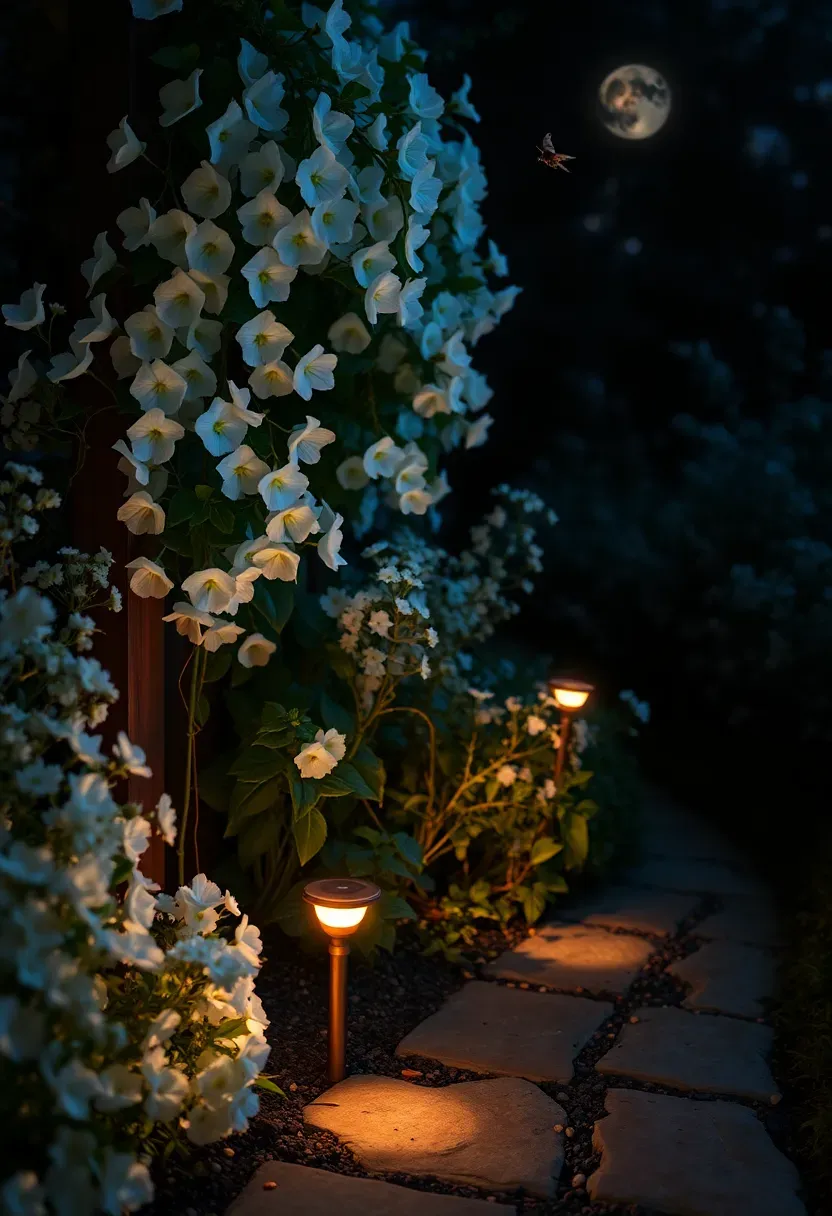
Recommended
Items for this idea
27. Night-Blooming Moon Garden
Most gardens are designed to look good at 2 PM. A moon garden is designed for 9 PM. Plant white and pale-colored flowers that glow in moonlight and low ambient light: moonflower vine (Ipomoea alba), white nicotiana, night-blooming jasmine, pale petunias, and white phlox. Add silvery foliage plants — dusty miller, artemisia, lamb's ear — which reflect whatever light is available. Position near a patio or seating area where you spend summer evenings. Many night bloomers are also intensely fragrant, releasing scent after sunset to attract moth pollinators.
Tips
- White flowers reflect up to 10 times more light than dark-colored blooms at night
- Night-blooming jasmine scent carries 15-20 feet on still evenings
- Low solar path lights or a string of warm-white LEDs supplement moonlight on overcast nights
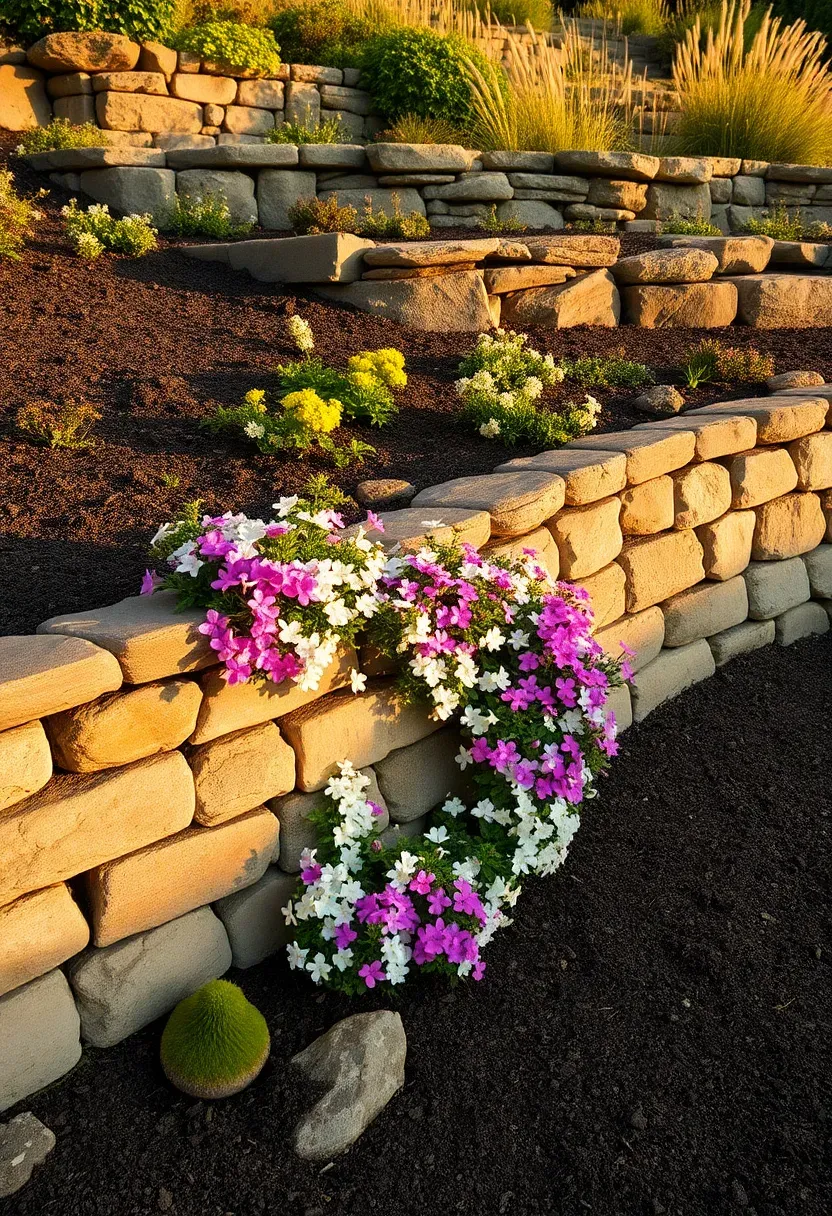
28. Terraced Hillside Beds
The problem
Slopes erode. Rain washes soil downhill, plants struggle to root on inclines steeper than about 30 degrees, and mowing a hill is miserable and dangerous. Most people just let steep areas go wild.
The solution
Cut the slope into a series of level terraces held by stone or timber retaining walls. Each terrace is a flat planting bed, typically 3-4 feet deep. The walls catch water that would otherwise run off, giving plants time to absorb it. Stagger the terraces rather than making them perfectly parallel for a more natural look. Plant each level with different species: ground covers on the lowest terrace, perennials in the middle, and shrubs or small trees at the top.
Pros and cons
- Pro: Converts unusable slope into productive, beautiful garden space
- Pro: Dramatically reduces erosion and water runoff
- Con: Most labor-intensive project on this list — budget a full weekend or hire help for walls over 2 feet
Recommended
Items for this idea
29. Mixed Orchard Mini Grove
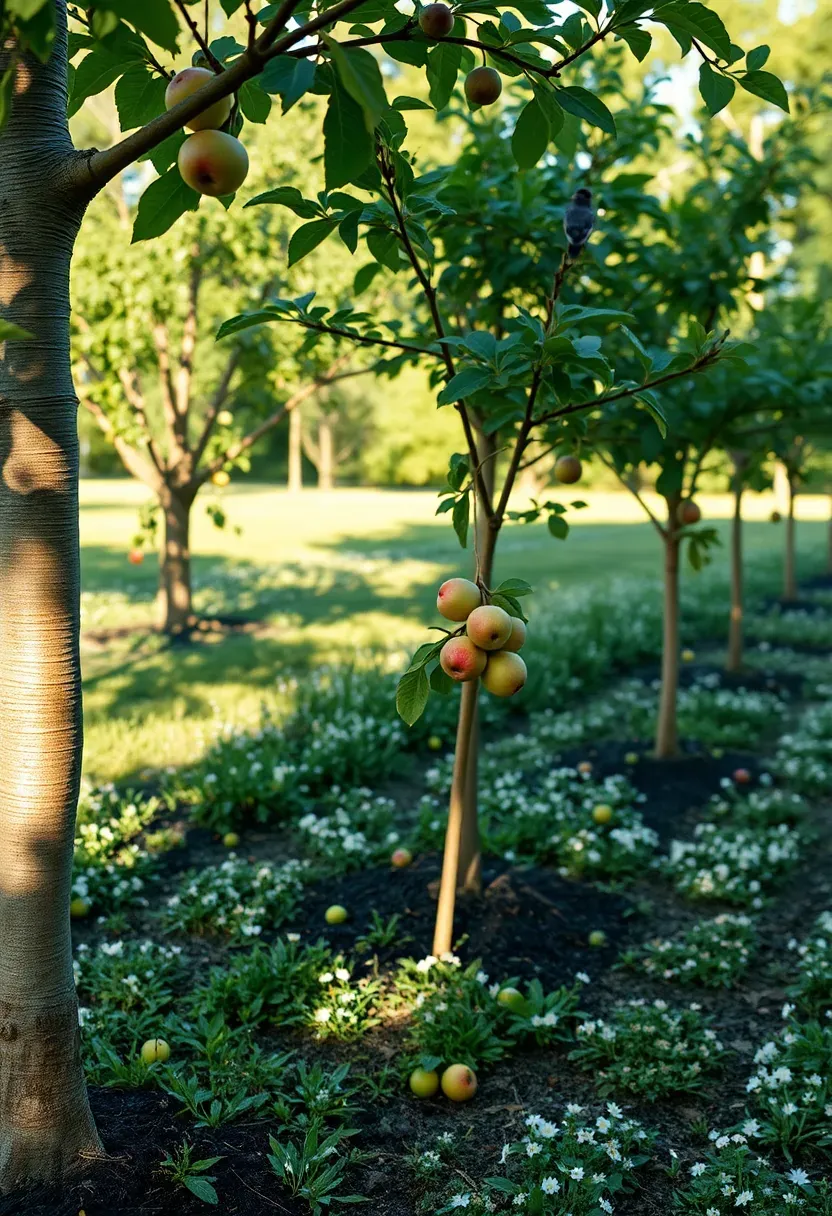
You do not need acreage for an orchard. Five to seven dwarf fruit trees — apple, pear, plum, cherry — planted on 8-10 foot centers fit in a 20x30-foot area. Dwarf rootstock keeps trees under 8-10 feet tall, making pruning and harvesting manageable without a ladder. Undersow the area between trees with white clover or a low wildflower mix instead of grass. This feeds pollinators, fixes nitrogen, and eliminates the need to mow around trunks. Most dwarf trees begin producing fruit in their third year after planting.
Tips
- Check pollination requirements — many apple and pear varieties need a second compatible variety nearby
- Thin fruit in early summer to one apple per cluster for larger, better-quality harvest
- Protect trunks with hardware cloth wraps if rabbits or voles are present in your area
Quick FAQ
Can I start a backyard garden on a tight budget? Absolutely. Seed packets cost $2-4 each, and compost from municipal programs is often free. A single raised bed from reclaimed lumber, a few bags of soil, and seeds can get you growing for under $50. Start small and expand each season as you learn what works.
Which backyard garden ideas work best in small yards? Vertical planters, stock tank containers, herb spirals, and espaliered trees all maximize output per square foot. Focus on growing upward rather than outward. A 4x8-foot raised bed produces more food than most people expect.
How do I deal with deer eating my garden? An 8-foot fence is the only reliable solution for serious deer pressure. Short of that, deer netting over individual beds, motion-activated sprinklers, and planting species deer dislike (lavender, rosemary, ornamental grasses) help reduce damage but will not eliminate it entirely.
Is it worth building a rain garden for a small property? Even a small rain garden (50-100 square feet) handles the runoff from a single downspout and reduces standing water problems. It is particularly worthwhile if you have clay soil that drains poorly. The plants do the filtering work once established.
When is the best time to start planning a new backyard garden? Late winter is ideal — you can order seeds, sketch layouts, and prepare beds before the rush of spring. But honestly, any time you are motivated is the right time. Fall planting works well for perennials, trees, and shrubs since roots establish over winter.
A backyard garden does not need to happen all at once. Pick one or two ideas from this list that match your yard, your climate, and how much time you actually want to spend outside with a shovel. Build that first. Live with it for a season. Then add the next thing. The best gardens I have seen were built over years, not weekends, and they reflect the personality of the person who grew them rather than a magazine layout. Start with the soil. Everything else follows from there.
Pinterest cover for 29 Backyard Garden Ideas Worth Trying
About the author
OBCD
CGI visualization and interior design content. We create detailed 3D renders and curate practical design ideas for every room in your home.