25 Backyard Ideas for Kids
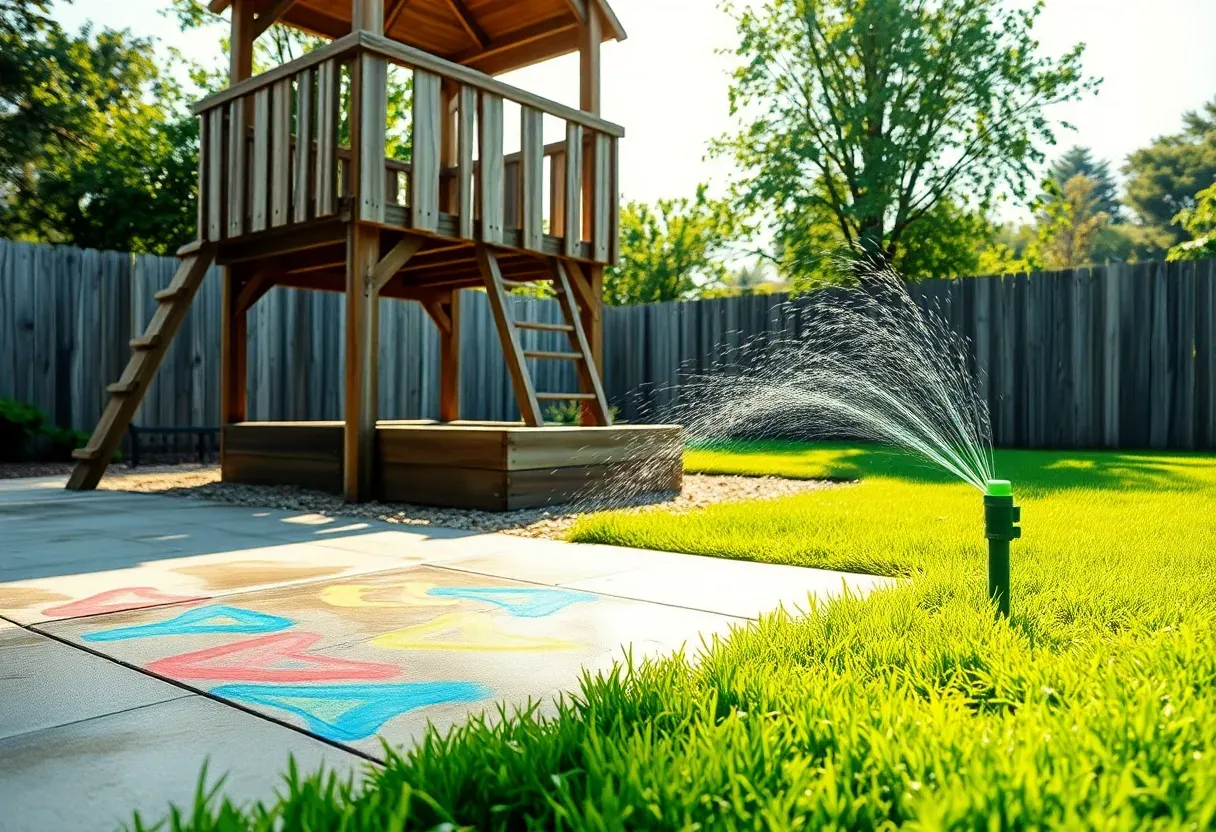
My kids stopped asking for screen time the week we built a mud kitchen out of an old dresser. That was three years ago. They still use it almost daily from April through October. The trick with kid-friendly backyards is not buying expensive play structures — it is creating spaces where children can dig, splash, climb, hide, and invent without needing an adult to organize the fun. Most of the 25 projects below cost under $150 and use materials you can pick up in a single hardware store trip. Several require nothing more than dirt, water, and permission to get messy.
Here are outdoor play ideas grouped from active play and water features to nature exploration and creative zones.
Table of Contents
- Mud Kitchen
- Backyard Water Wall
- DIY Balance Beam Course
- Sandbox with Shade Sail
- Chalkboard Fence Panel
- Nature Scavenger Hunt Station
- Tire Swing on a Tree Branch
- Splash Pad from Garden Hose
- Raised Garden Beds for Kids
- Backyard Obstacle Course
- Outdoor Music Wall
- Fort Building Supply Pile
- Hillside Slide
- Bug Hotel
- Hammock Reading Nook
- Pallet Lemonade Stand
- Digging Pit
- Rain Gutter Boat Race
- Climbing Wall on a Fence
- Outdoor Art Station
- Stepping Stone Hop Path
- Backyard Camping Zone
- Water Table from Storage Bins
- Treehouse Platform
- Fairy Garden Plot
1. Mud Kitchen
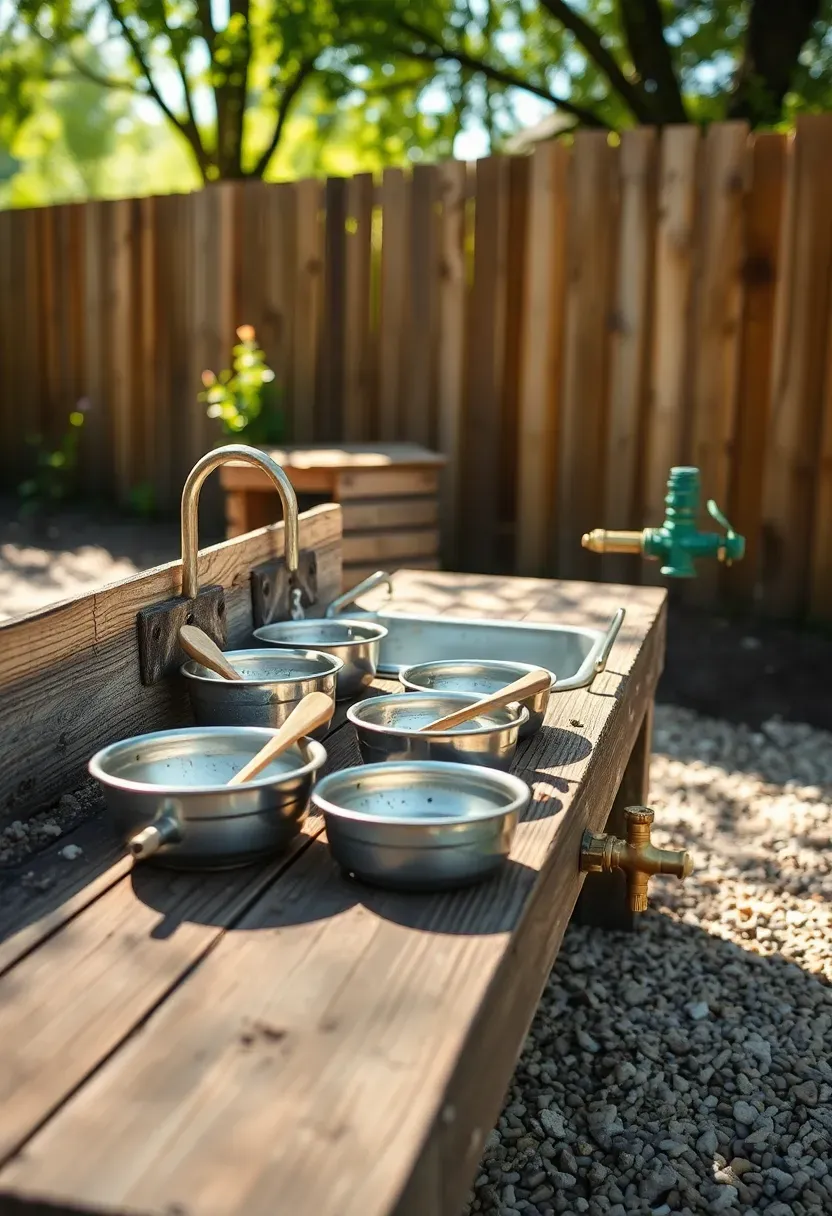
An old dresser, nightstand, or wooden pallet turned sideways becomes a fully functional mud kitchen in about two hours. Remove the drawers, screw a plywood shelf across the top, and mount a few hooks for utensils. Add thrift-store pots, metal bowls, wooden spoons, and a plastic pitcher for water. Set it on a gravel pad near a hose bib so cleanup is easy. Kids from age two through eight will spend hours mixing "recipes" from dirt, water, leaves, and flower petals without needing any direction.
Tips
- Position the kitchen under a tree or fence for partial shade on hot afternoons
- Add a towel bar on the side for hanging aprons made from old t-shirts
- Keep a bucket of soapy water nearby for hand washing before going inside
We picked a few things that go well with this idea: Gardenature 10FT Climbing Dome with Hammock (★4.8), Garbuildman Adjustable Tetherball Set for Backyard (★3.1) and Garbuildman Tetherball Set with Screw Base (★3.2). As an Amazon Associate we earn from qualifying purchases.
2. Backyard Water Wall
The problem
Kids want water play every hot day, but filling a kiddie pool uses a lot of water and gets boring after twenty minutes.
The solution
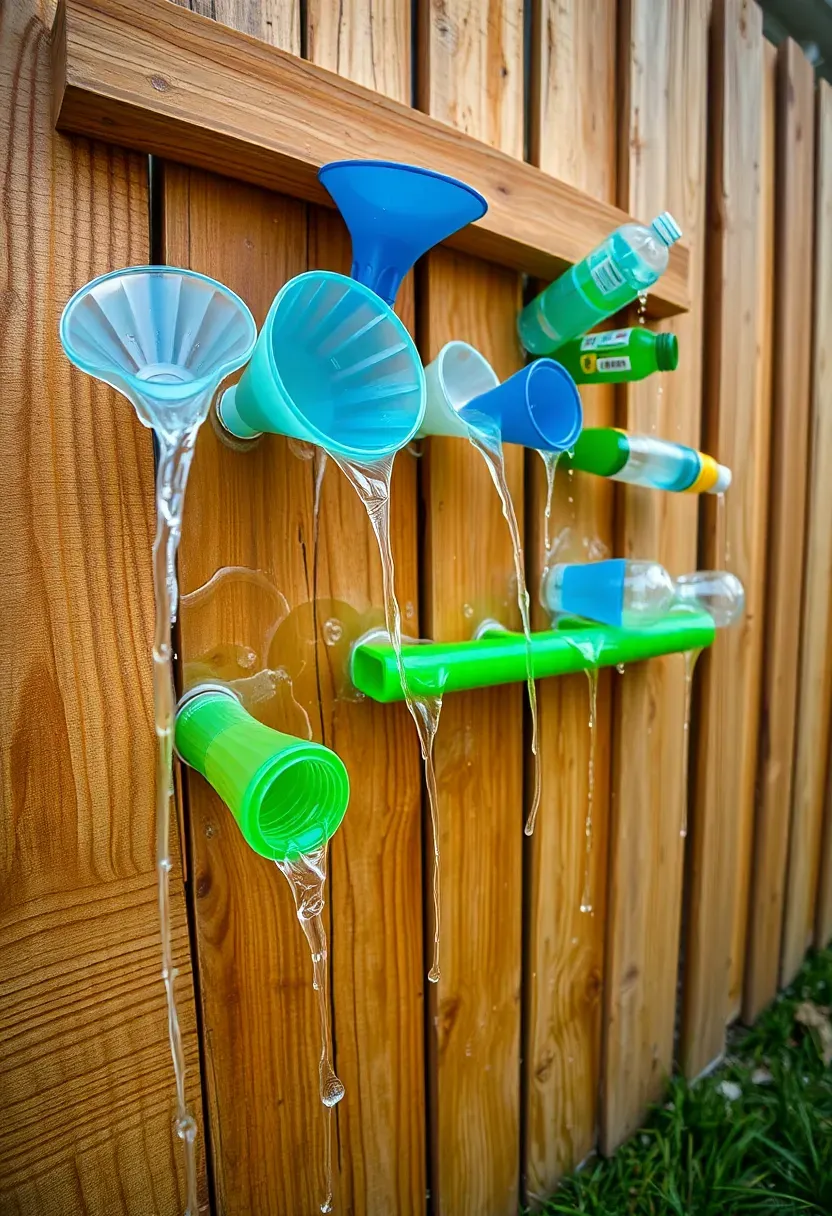
Build a water wall by screwing funnels, cut plastic bottles, sections of pool noodles, and short lengths of rain gutter to a fence panel. Arrange them so water pours from one piece into the next. Kids pour a cup of water at the top and watch it zigzag down. It uses a fraction of the water a pool does and keeps them experimenting with flow paths, blockages, and speed for much longer.
Pros and cons
- Pro: Costs under $15 using recycled materials and dollar-store funnels
- Pro: Easy to rearrange and rebuild for a new layout each week
- Con: Plastic bottles degrade in UV light — replace them each season
We picked a few things that go well with this idea: Kids Metal Gardening Tools Set (6-Piece) (★4.6), Kids Metal Sand Toys Garden Set (6-Piece) (★4.5) and Metal Sandbox Gardening Tools for Kids (6-Piece) (★4.4). As an Amazon Associate we earn from qualifying purchases.
3. DIY Balance Beam Course
Gross motor skills develop fast when kids have something to walk across, jump between, and climb over. A backyard balance beam course costs almost nothing.
Step 1: Source the beams
Use landscape timbers from the hardware store ($4-6 each) or fallen branches at least 4 inches in diameter.
Step 2: Set them up
Lay the timbers directly on the ground in a winding path. For height variation, set some on top of cinder blocks buried halfway into the soil.
Step 3: Add stepping stumps
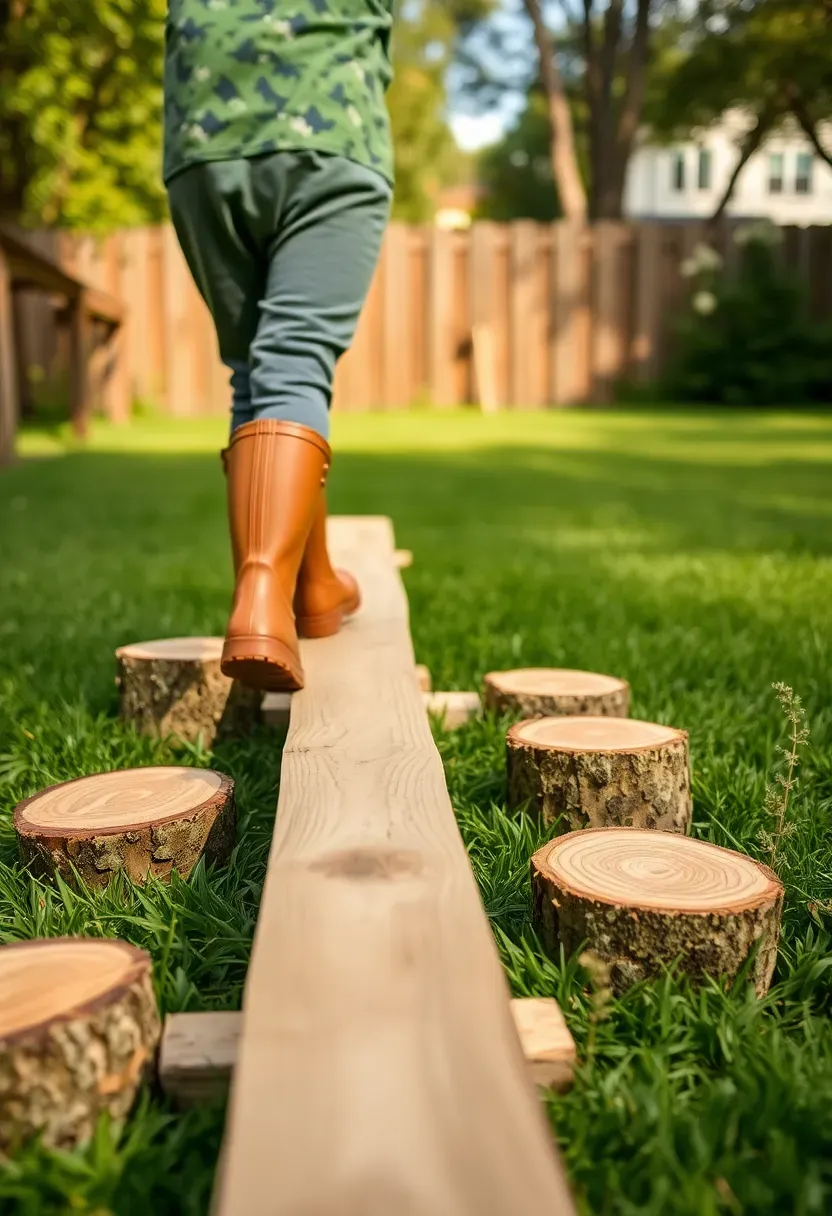
Cut a log into 8-inch rounds and sink them into the ground between beam sections. Kids jump from stump to beam and back.
Watch out
- Keep beam heights under 12 inches for kids under five to prevent injury
- Sand rough edges on landscape timbers to avoid splinters on bare feet
We picked a few things that go well with this idea: Double-Sided Plexiglass Kids Art Easel (★4.0), Colorations 3-Way Acrylic Panel Easel (★4.4) and Hearthsong Inflatable Double-Sided Kids Easel (★4.1). As an Amazon Associate we earn from qualifying purchases.
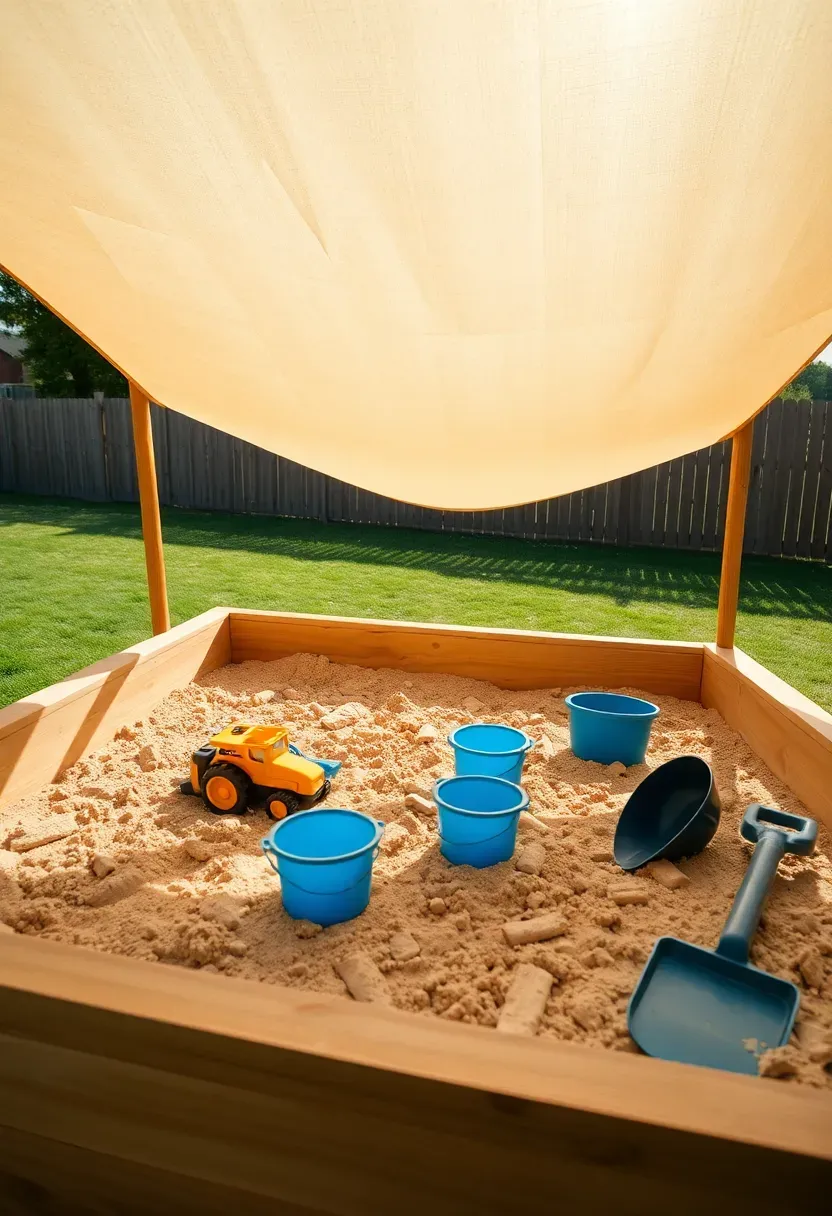
4. Sandbox with Shade Sail
A sandbox without shade becomes unusable by 10 AM in summer. Build the box from four 2x10 pressure-treated boards screwed into corner posts. Line the bottom with landscape fabric to prevent weeds and drainage problems. Fill with 400-800 pounds of play sand depending on box size. Hang a triangular shade sail from three points — two fence posts and one post set in concrete behind the box. The sail blocks 90% of UV while letting air through. Total cost runs $80-120 including sand delivery. Add a fitted plywood cover to keep cats and rain out overnight.
Tips
- Play sand is washed and screened — construction sand contains dust and debris that irritates skin
- Cinnamon mixed into the sand repels ants and other insects naturally
- Bury small toys and "fossils" in the sand before kids arrive for a surprise dig
Recommended
Items for this idea
5. Chalkboard Fence Panel
Why kids gravitate toward it
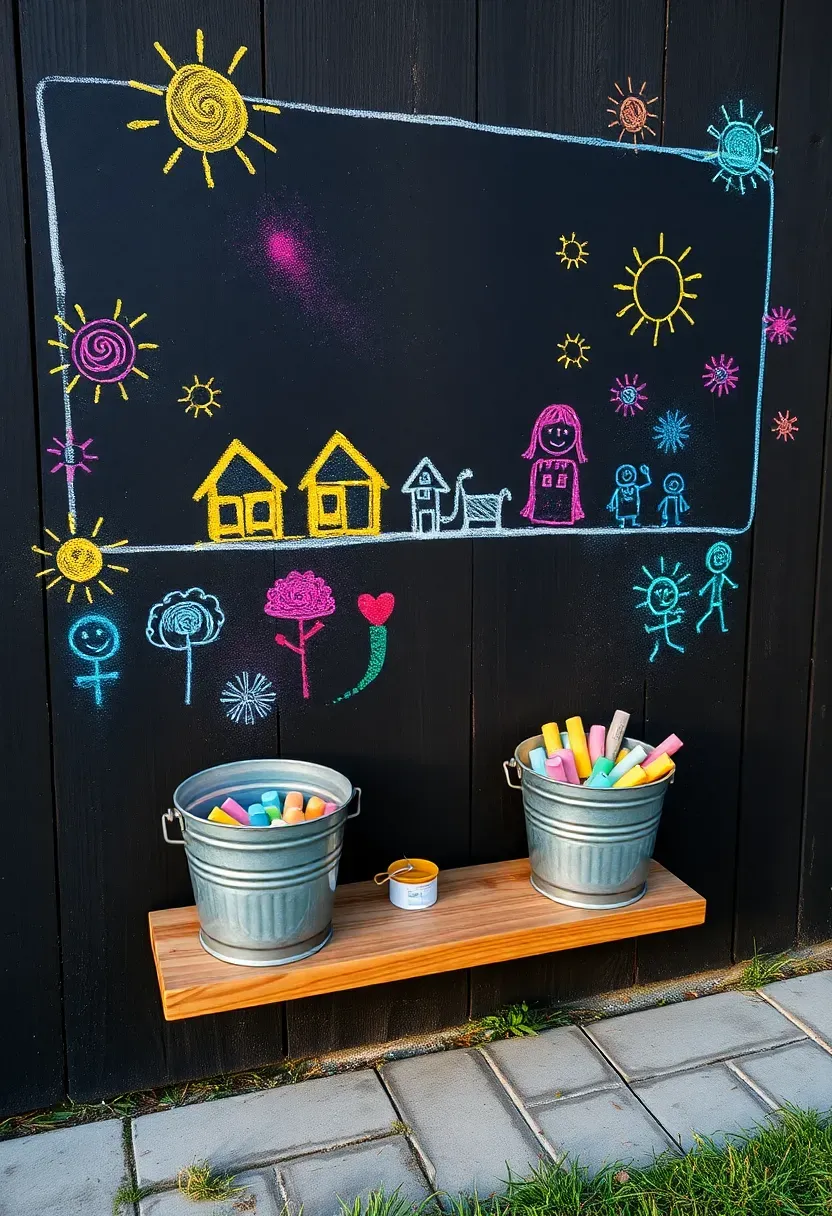
Drawing on vertical surfaces uses different muscles than drawing at a table and feels more like real art than coloring books. A chalkboard fence gives kids a mural-sized canvas they can erase and start over every day.
How to make it
Sand a 4x4-foot section of wooden fence smooth. Apply two coats of exterior chalkboard paint ($12 for a quart). Screw a narrow shelf below the painted area using a scrap 1x4 to hold chalk buckets. Rain washes chalk off naturally, but the paint needs recoating once a year.
Choose if
- Your fence is wood (chalkboard paint does not adhere well to vinyl or metal)
- You want a mess-free creative outlet that stays outdoors
- Your kids are 3+ and old enough not to eat the chalk
6. Nature Scavenger Hunt Station
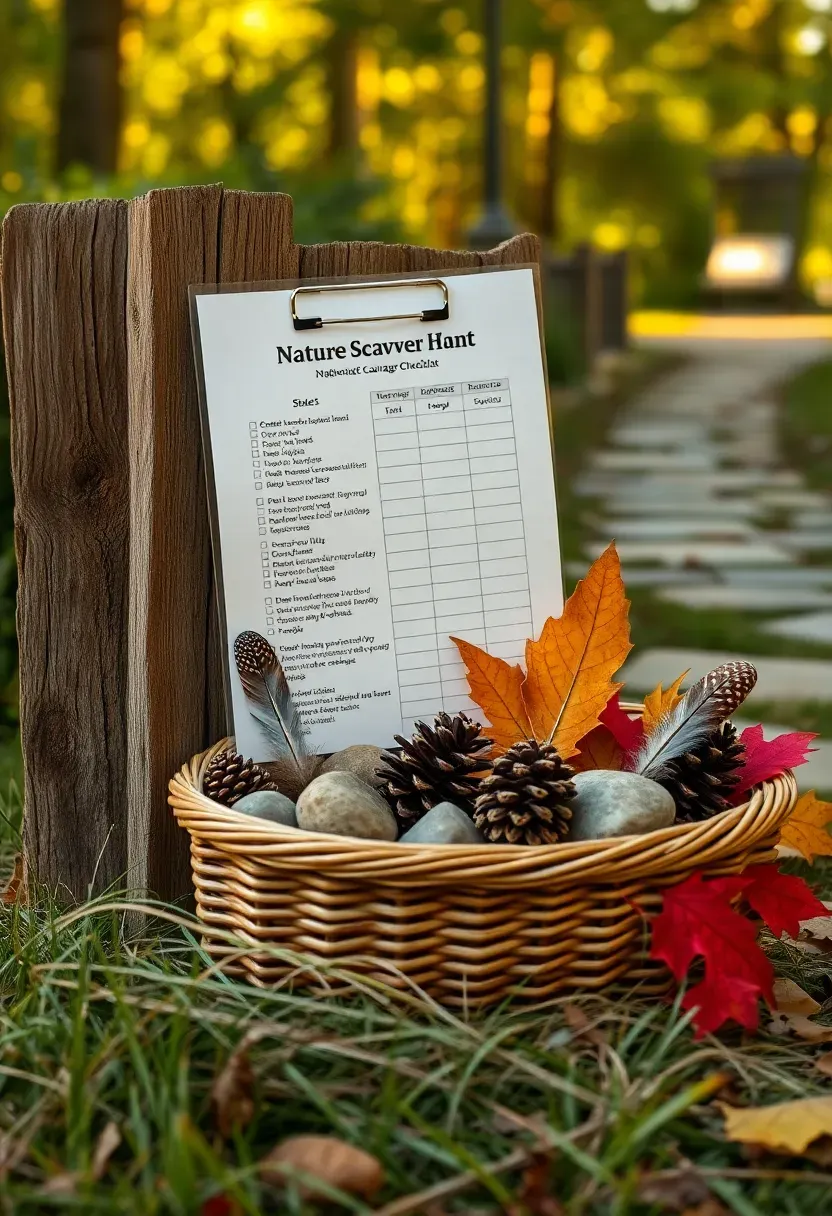
Print a laminated checklist with items like "something smooth," "something that smells good," "three different leaf shapes," and "something an animal left behind." Mount the laminated sheet on a fence post or tree with a binder clip. Set a collection basket below. Kids work through the list at their own pace across multiple days, which teaches observation skills better than any worksheet. Rotate the checklist monthly so the hunt stays fresh. A whiteboard marker lets them check off items through the lamination, and you wipe it clean for the next round.
Tips
- Add seasonal items: acorns in fall, buds in spring, icicle shapes in winter
- Include measurement challenges for older kids: "find a stick longer than your arm"
- Keep a field guide nearby so kids can identify what they collect
Recommended
Items for this idea
7. Tire Swing on a Tree Branch
Tire swing vs. strap swing
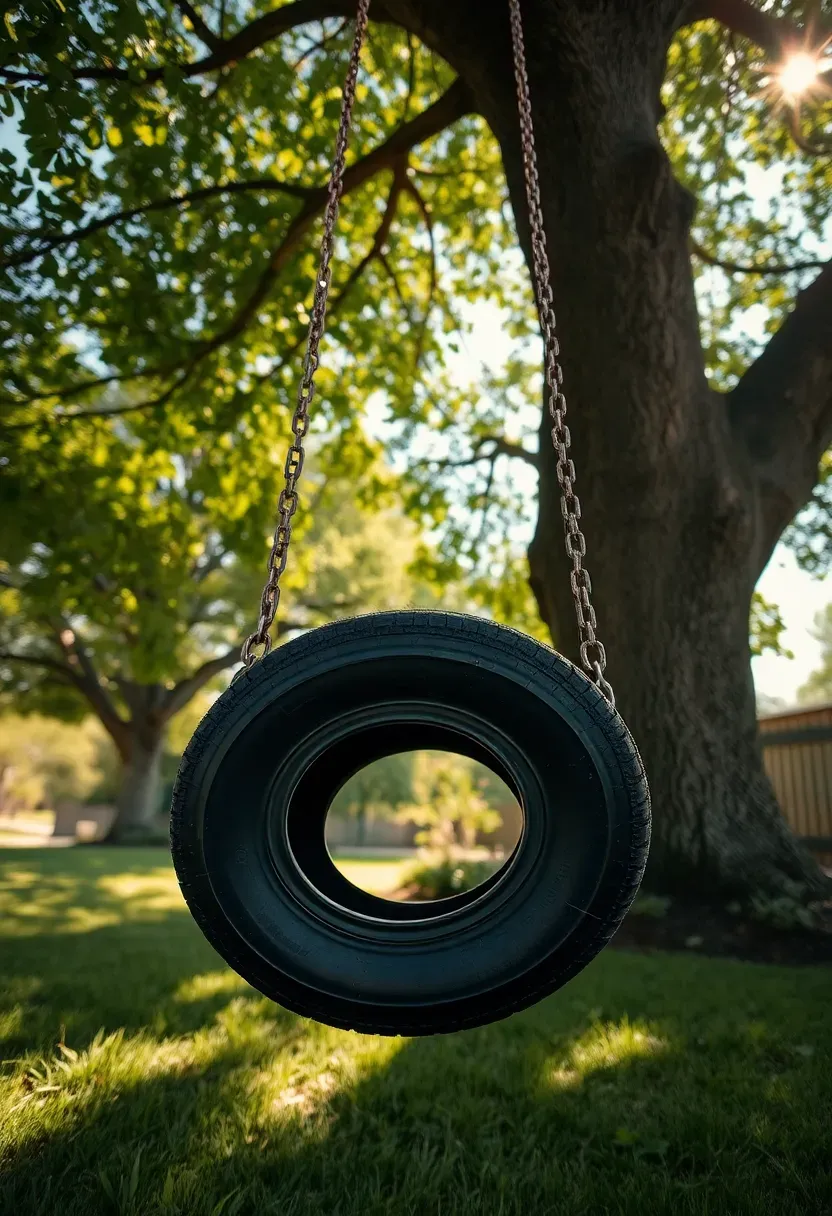
A strap swing goes back and forth. A tire swing spins, tilts, and swings in every direction, which develops vestibular balance that pediatric occupational therapists specifically recommend. It also fits two or three kids at once, reducing fights over turns.
What you need
One used tire (free from any tire shop), three eye bolts with washers, three 4-foot lengths of galvanized chain, three S-hooks, and one heavy-duty tree swing strap rated for 800+ pounds. Drill three evenly spaced holes in the top of the tire for the eye bolts. Attach chains to the bolts, gather them at the top, and connect to the tree strap with a swivel link.
Recommendation
Horizontal mounting (tire flat like a disc) works better for younger kids because they can sit inside it. Vertical mounting suits older kids who want to stand and swing through the opening.
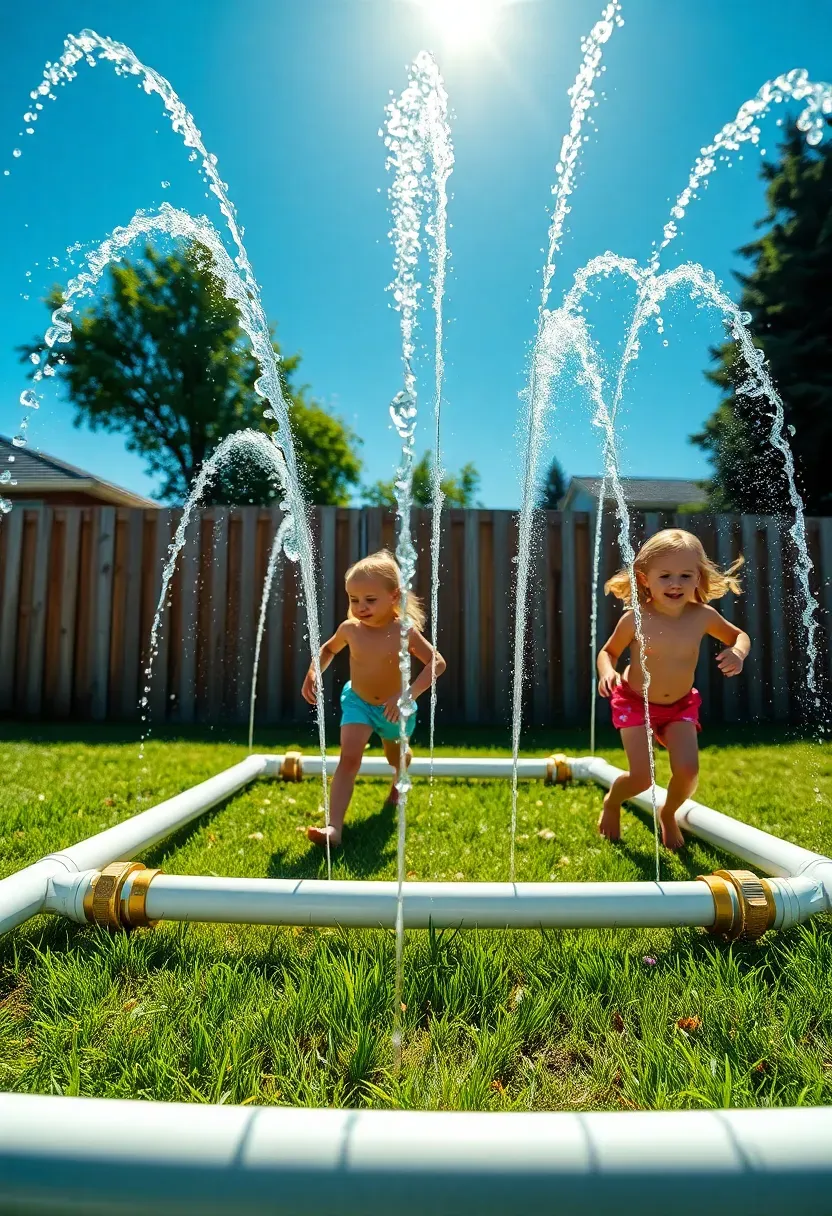
8. Splash Pad from Garden Hose
Commercial splash pads cost $200+. A PVC version costs $30 and works just as well. Buy 10-foot lengths of 3/4-inch PVC pipe, four elbow joints, and a hose adapter. Assemble a rectangular frame, drill 1/8-inch holes every 3 inches along the top, and connect your garden hose. Water arcs up in thin streams that kids can run through. Stake the frame to the ground with U-shaped landscape pins so it does not move.
Tips
- Angle the drill slightly inward so the streams cross in the center
- Cap one end and connect the hose to the other for maximum pressure
- Place it on a flat section of lawn — the grass underneath will grow back thicker from the extra water
Recommended
Items for this idea
9. Raised Garden Beds for Kids
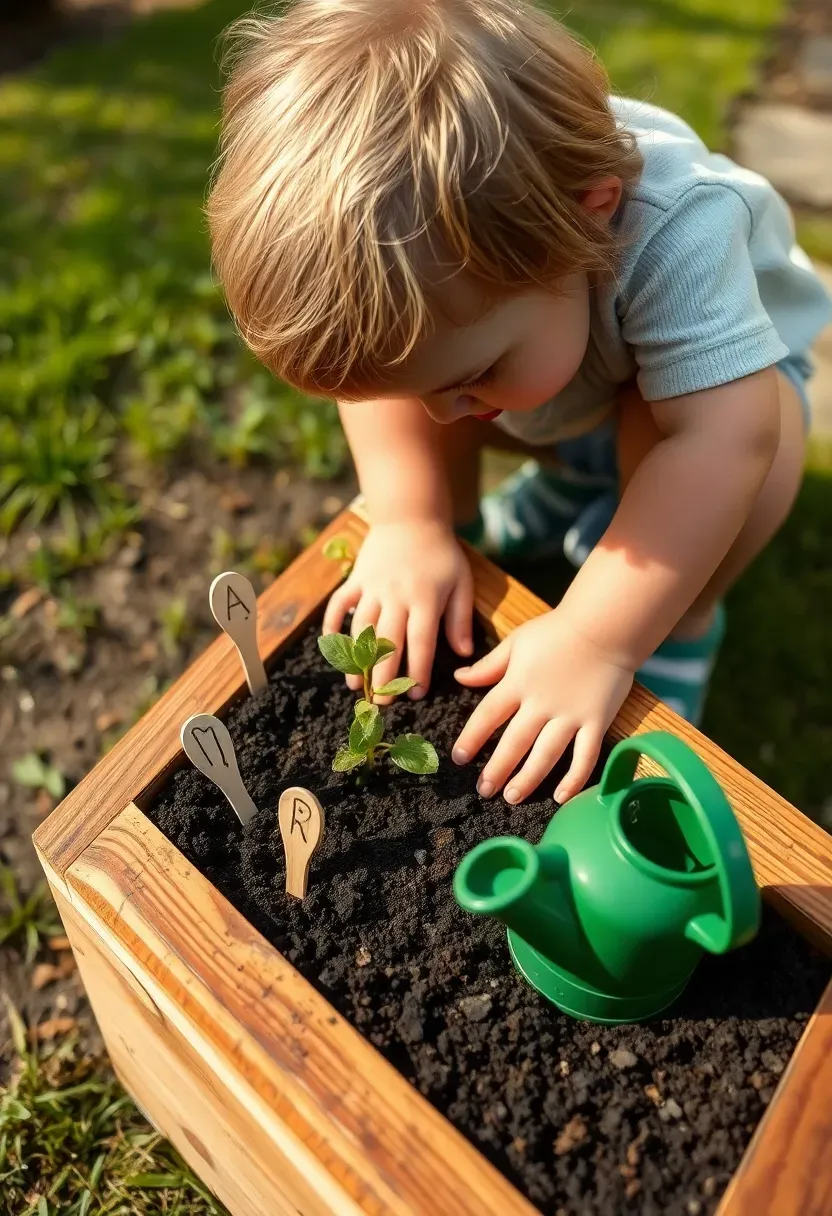
Kids who grow food actually eat it — multiple studies back this up. Build a dedicated kid bed that is smaller and lower than adult beds: 2 feet wide, 4 feet long, and 8 inches tall using untreated cedar boards. This height lets children reach every corner without stepping on soil. Plant things that grow fast and produce visibly: radishes (21 days), snap peas (60 days), cherry tomatoes (70 days), and sunflowers (80 days). Hand-painted wooden spoon markers add ownership.
Tips
- Position the bed where it gets morning sun but some afternoon shade so soil does not dry out hourly
- Give each child their own row or section with a name marker
- Start with seeds rather than transplants so kids see the full growth cycle
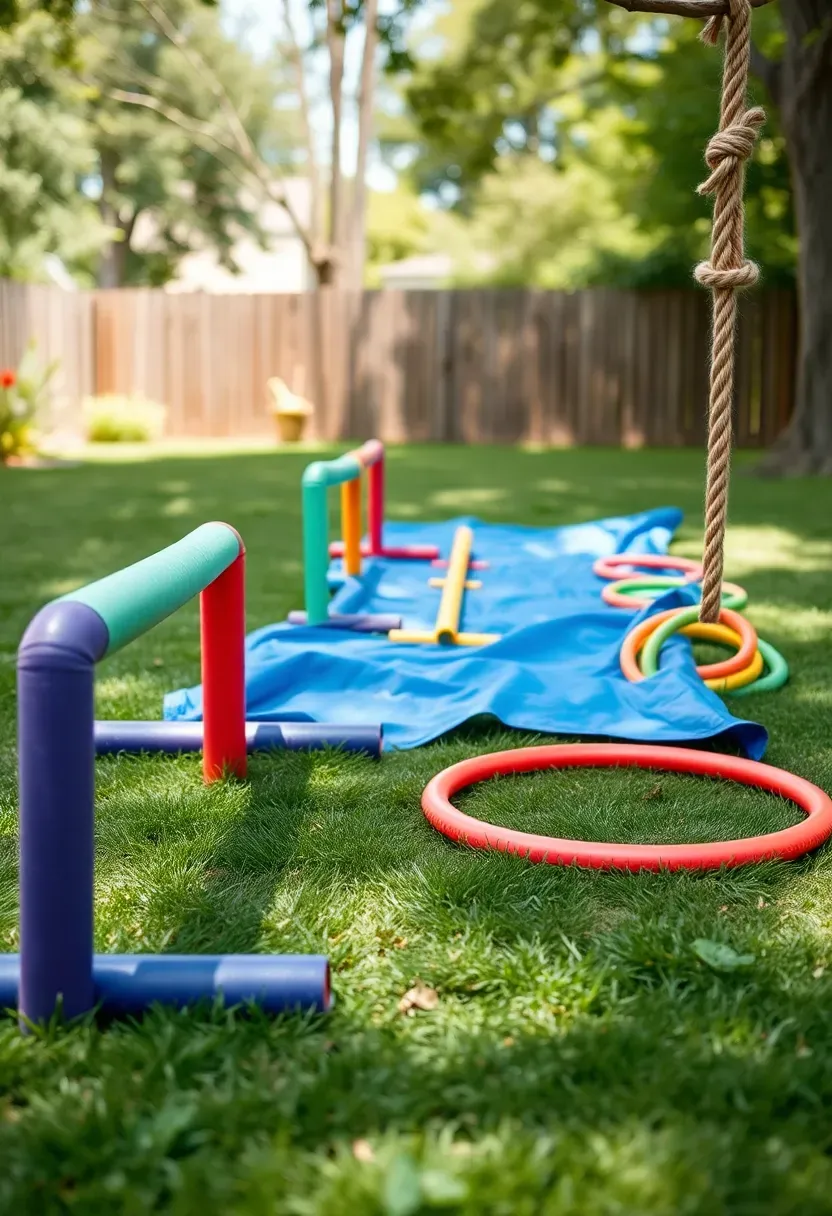
10. Backyard Obstacle Course
Use what you already own: pool noodles stuck into the ground as weave poles, a tarp staked 18 inches off the ground as a crawl-under, hula hoops laid flat for a hop sequence, a jump rope tied between two chairs as a limbo bar, and a plastic bin full of water balloons as the final station. The course changes every time based on whatever you drag out of the garage. Time each kid with a stopwatch and let them try to beat their own record — the competitive element keeps them running the course ten times instead of once.
Tips
- Set up on flat ground and remove any rocks or sticks from the path first
- Space stations far enough apart that two kids can run simultaneously
- Let older kids design the course layout for younger siblings
Recommended
Items for this idea
11. Outdoor Music Wall
Origins
Music walls started in Reggio Emilia preschools in Italy during the 1970s as a way to encourage unstructured sound exploration. They spread to public playgrounds across Europe before becoming a popular backyard project in North America.
Modern version
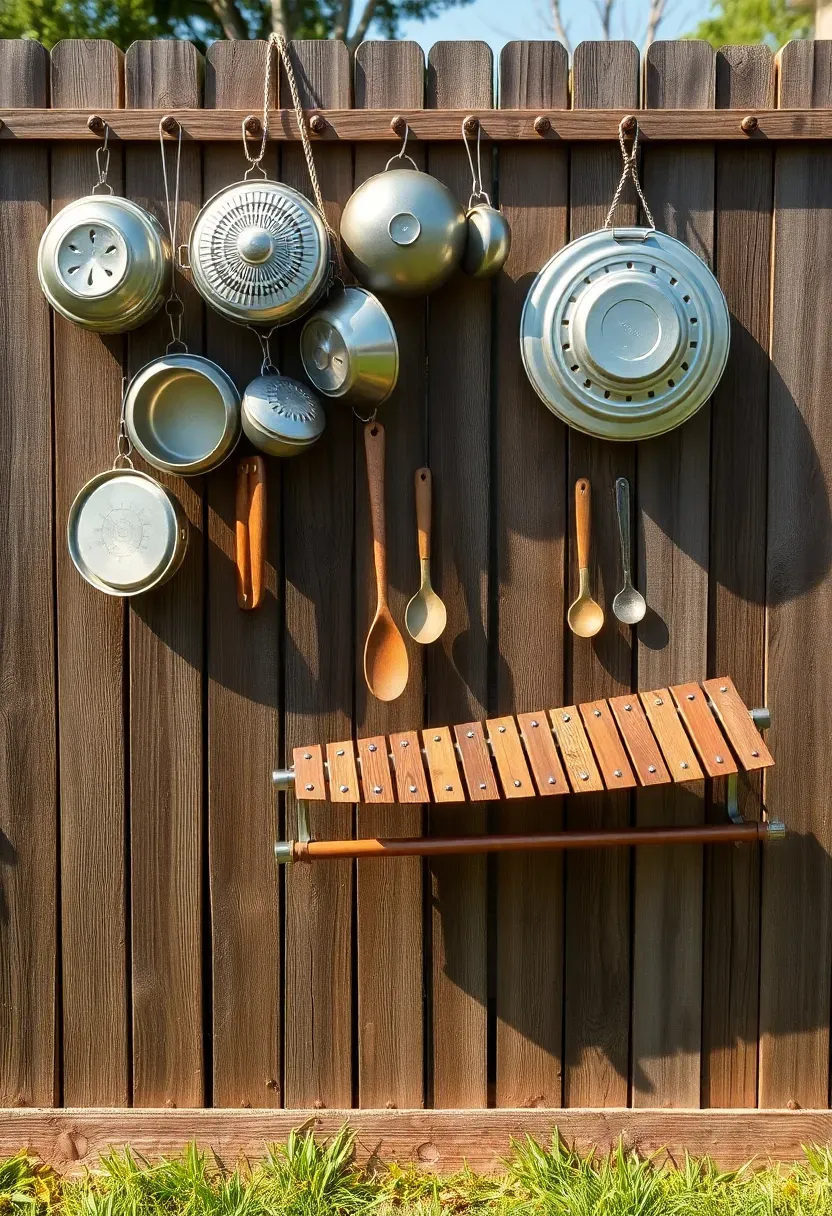
Mount an assortment of noise-making objects on a fence: old pot lids, metal colander, tin cans of different sizes, a cookie sheet, and lengths of copper pipe cut to different lengths (which produce actual musical notes). Attach wooden spoons and drumsticks on strings. Kids create rhythms and melodies without any instruction.
How to apply at home
Use a 4-foot section of fence, screw items on with pipe clamps and cup hooks, and group them by sound type — metals on the left, wood sounds in the center, and shakers (sealed cans with rice inside) on the right.
12. Fort Building Supply Pile
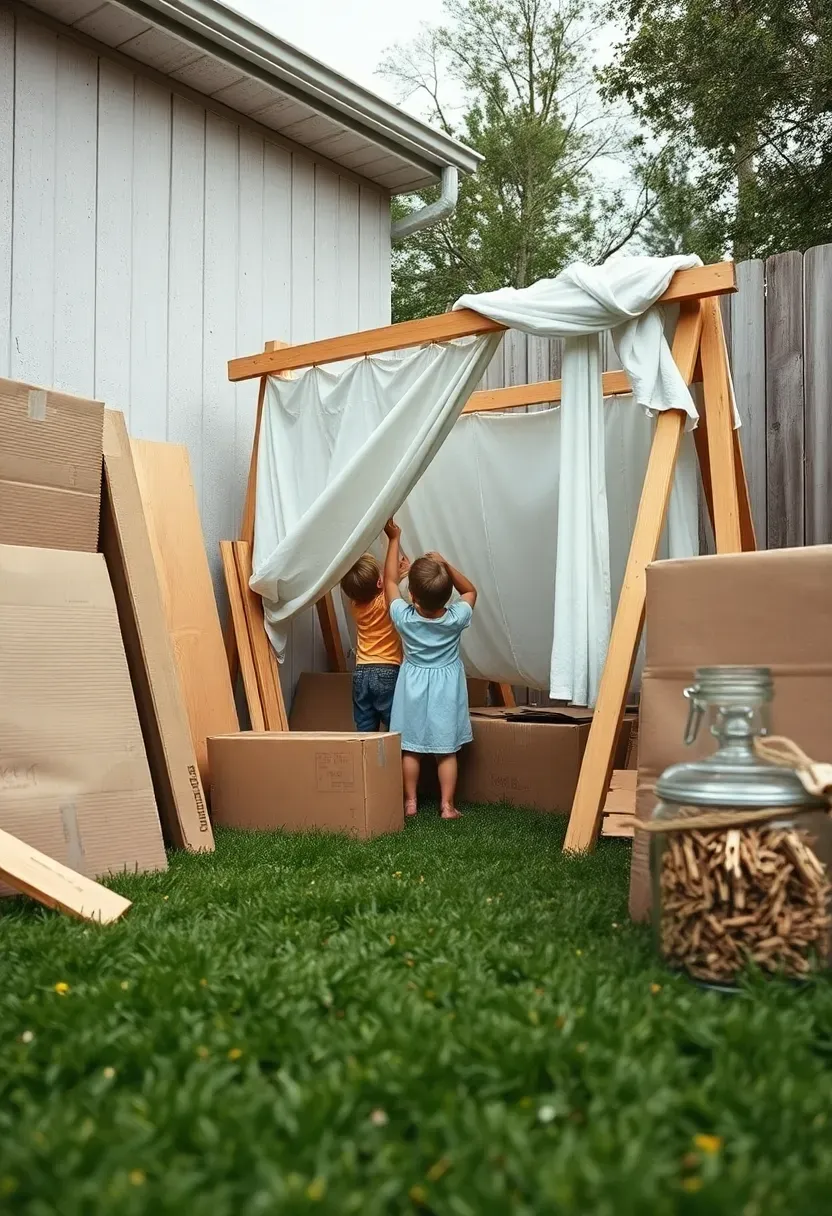
Instead of buying a playhouse, give kids raw materials and let them build their own. Dedicate a corner of the yard to a supply pile: large cardboard boxes from appliance deliveries, scrap lumber cut to safe lengths (no nails), old bedsheets, clothespins, bungee cords, and milk crates. The fort changes shape every week. Some weeks it is a castle, other weeks a spaceship. This type of unstructured construction play develops spatial reasoning, problem-solving, and negotiation skills when multiple kids collaborate.
Tips
- Replace cardboard after rain — keep a stack of flattened boxes in the garage
- Add a tarp as a roof element that actually keeps rain off during light showers
- Avoid pieces longer than 6 feet or heavier than what one child can carry safely
Recommended
Items for this idea
13. Hillside Slide
The problem
Slopes in backyards are usually wasted space that is hard to mow and prone to erosion.
The solution
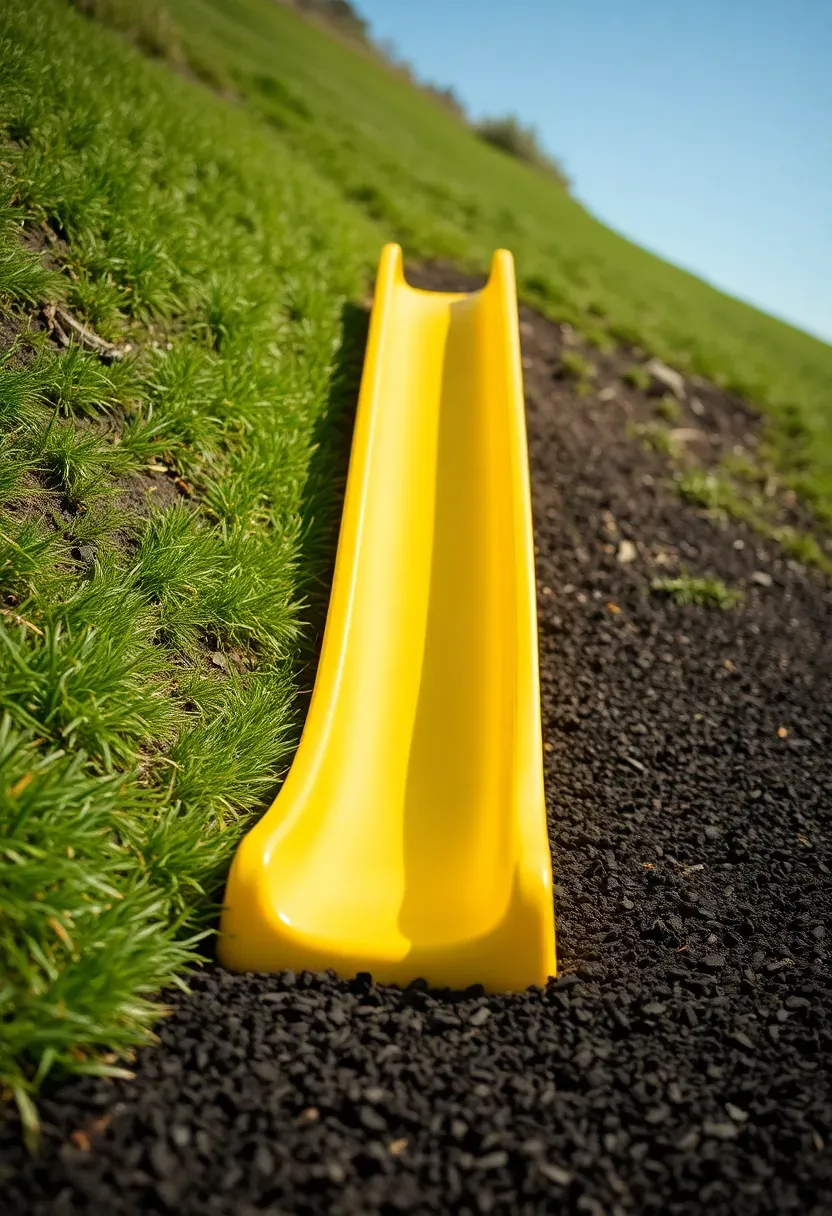
Embed a playground slide directly into the hill. Dig a channel the width of the slide, set it flush with the grade, and pack soil tightly along both edges. The grass grows right up to the slide rails so it looks like the hill itself has a slide built in. Add rubber mulch or a thick rubber mat at the bottom landing zone. Cost: $40-80 for a used slide from a yard sale or online marketplace. This works on any slope steeper than about 30 degrees.
Pros and cons
- Pro: No elevated platform needed so it is safer than freestanding slide structures
- Pro: Mowing around it is easy since the slide sits at ground level
- Con: Only works if your yard has a natural or graded slope
14. Bug Hotel
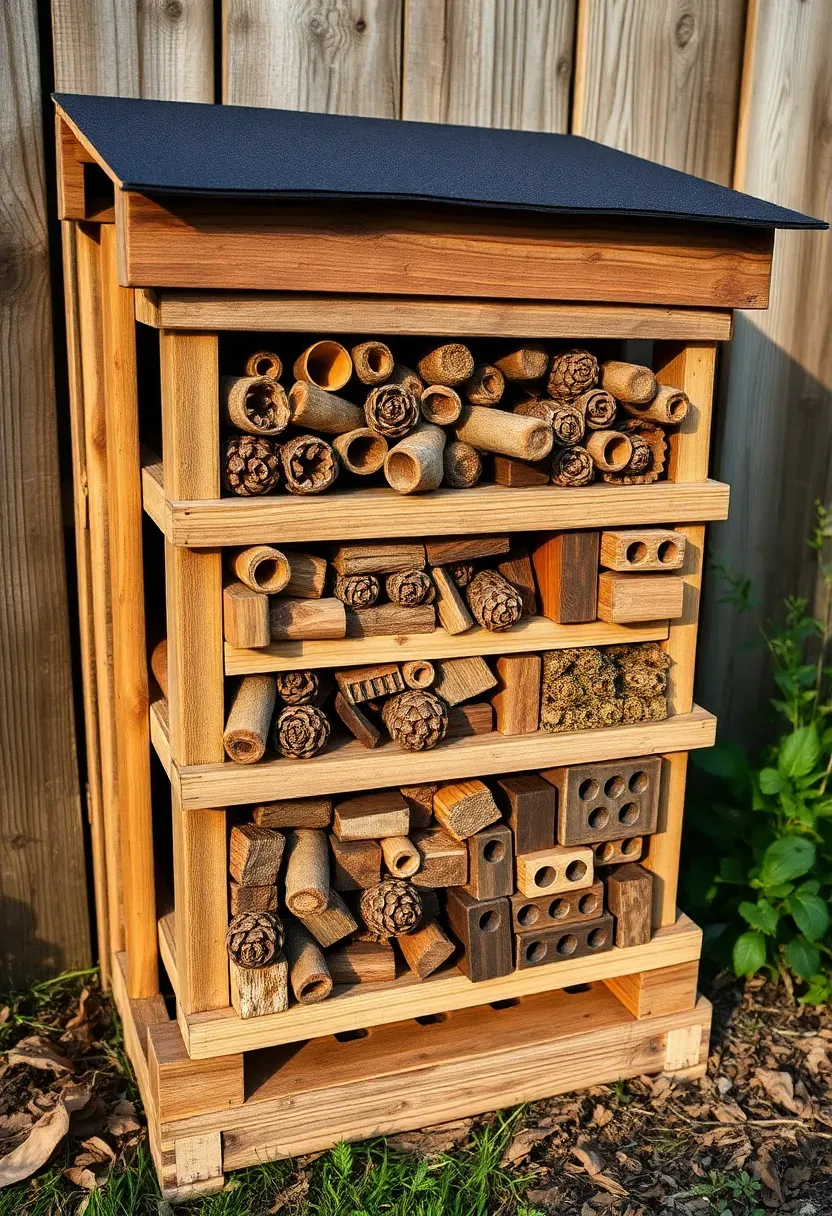
Stack two or three wooden pallets on top of each other against a fence or wall. Fill the gaps between the slats with natural materials: bundles of bamboo tubes for solitary bees, pine cones for ladybugs, bark chips for beetles, dried leaves for lacewings, and drilled hardwood blocks for mason bees. Top with a piece of roofing felt to keep rain off the interior. Kids check the hotel weekly to see which rooms have been occupied. This doubles as a science project and a genuine benefit to your garden since many bug hotel residents are pollinators and pest predators.
Tips
- Face the hotel southeast so it gets morning sun, which insects prefer
- Use bamboo tubes cut to 6-8 inches long and sealed at one end for best bee occupancy
- Keep a magnifying glass and insect identification chart nearby
Recommended
Items for this idea
15. Hammock Reading Nook
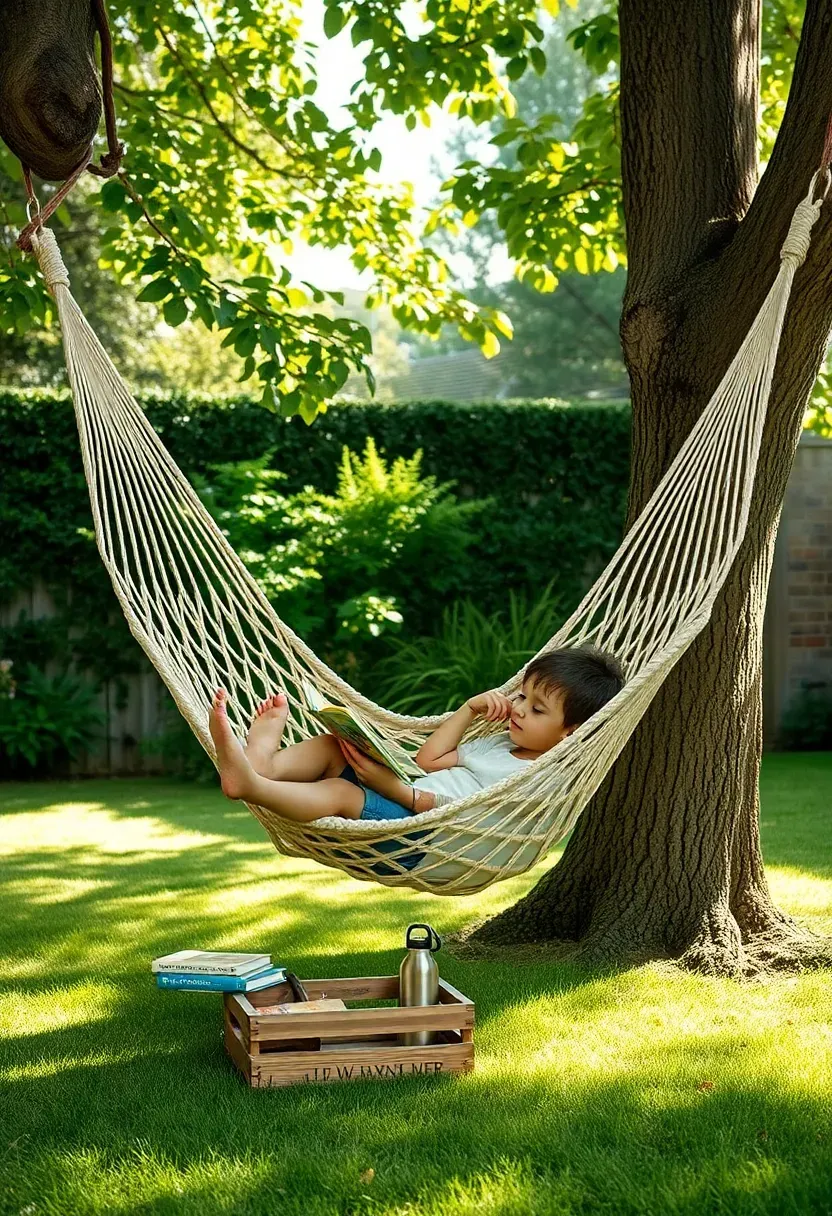
String a child-sized cotton hammock between two trees 8-10 feet apart, hung about 18 inches off the ground. At that height, falling out is no worse than falling off a couch. Place a wooden crate next to it as a book shelf and side table. The gentle rocking motion actually helps some kids focus on reading better than sitting still at a desk. A 6x4-foot cotton hammock rated for kids costs $20-35 online. Add a clip-on battery-powered reading light for evening use during long summer days.
Tips
- Check tree trunk diameter — you need at least 8-inch trunks to safely hold a hammock
- Use tree straps instead of hooks to avoid damaging the bark
- Hang a sheer mosquito net canopy over the hammock for bug-free reading sessions
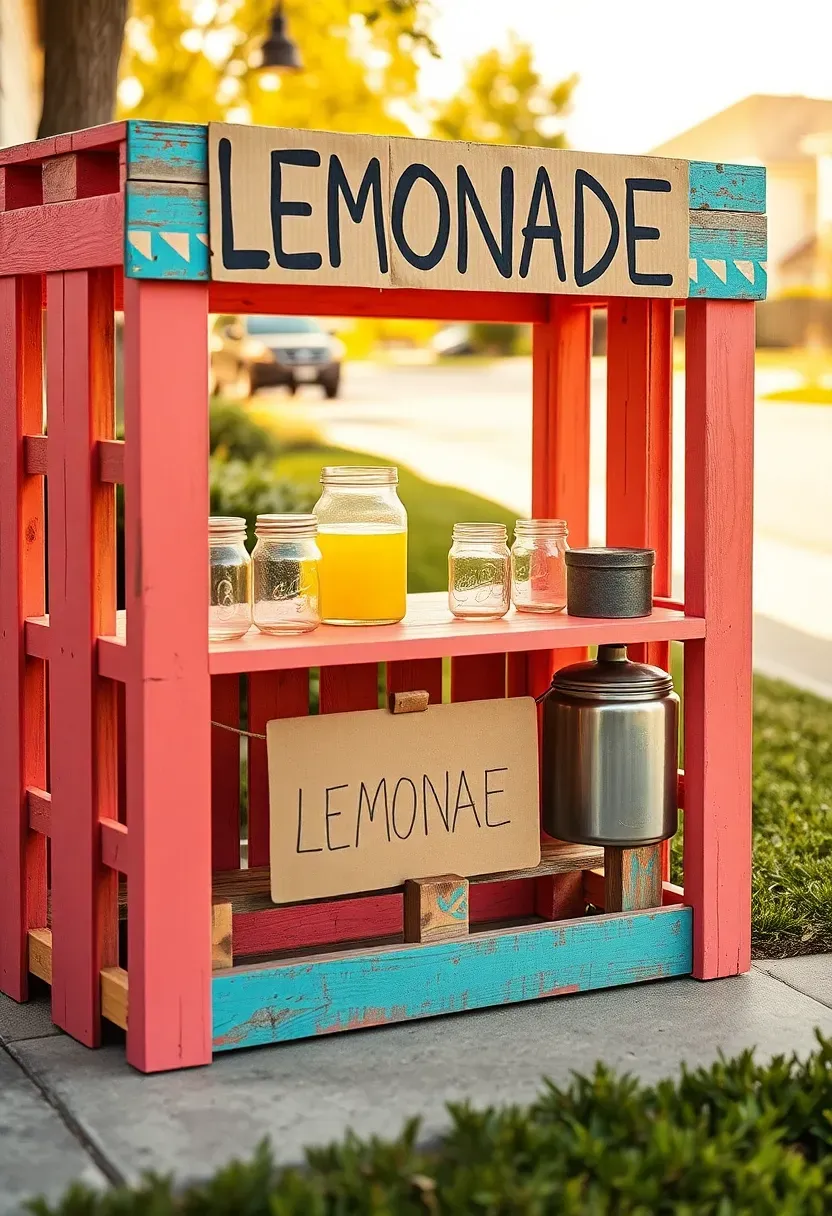
16. Pallet Lemonade Stand
How to build it
Stand two pallets upright and parallel, about 3 feet apart. Lay a third pallet across the top as a countertop. Screw everything together with 3-inch deck screws. Sand the front and top surfaces smooth and let kids paint it whatever color they want. The slatted front provides built-in shelving for supplies. Add a simple fabric awning from a bedsheet and two dowel rods.
More than a play structure
A lemonade stand teaches math (making change), planning (buying supplies within a budget), customer interaction, and basic business concepts. Some neighborhoods let kids set up on weekends, and the stand folds down flat for storage since pallets are naturally stackable.
Choose if
- Your kids are 6+ and interested in pretend play involving transactions
- You have sidewalk or front-yard access where neighbors walk past
- You want a project the whole family builds together over a Saturday
Recommended
Items for this idea
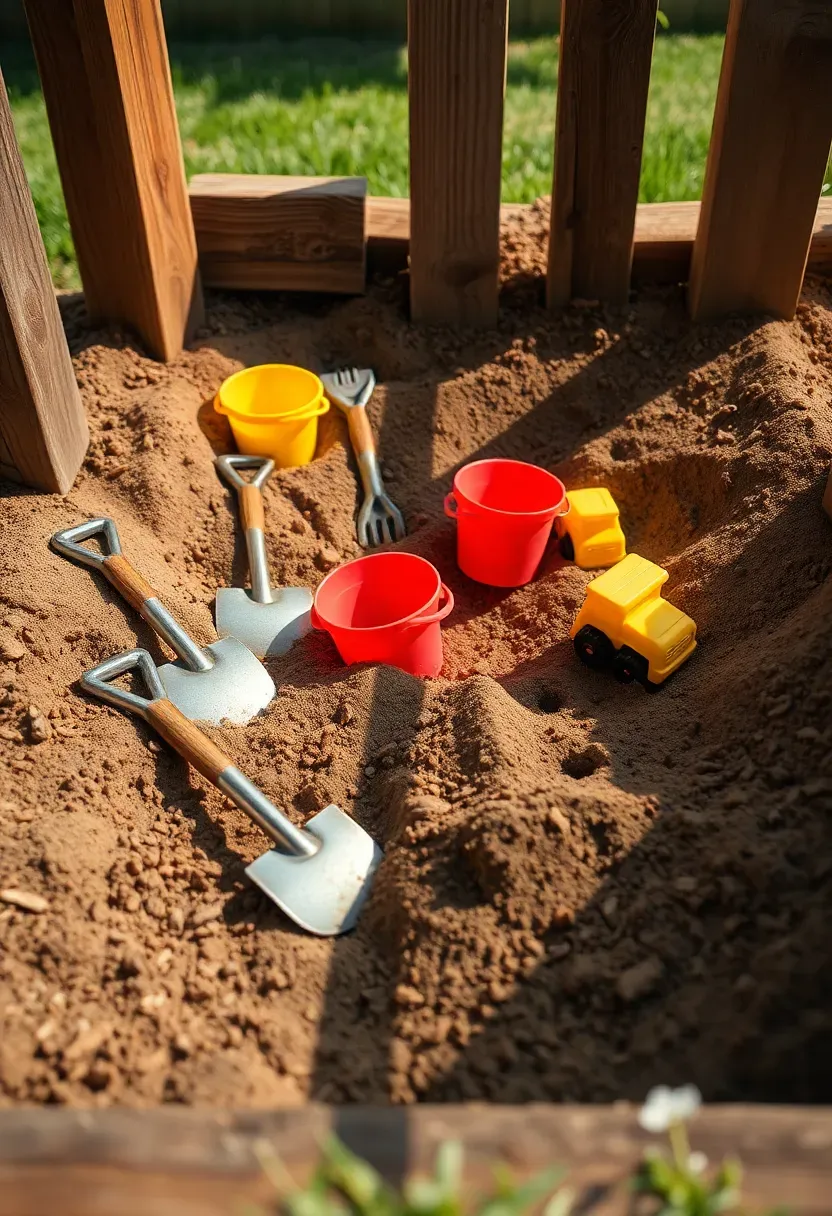
17. Digging Pit
Some kids just want to dig. Designate a 4x6-foot section of yard as the official digging zone. Border it with landscape timbers, remove the grass, and loosen the existing soil with a garden fork. Mix in some sand so it holds shape when wet but does not turn to sticky clay. Bury old kitchen items, plastic dinosaurs, or "treasure" coins at various depths for kids to excavate. This pit saves the rest of your yard from random holes while giving kids permission to do what they naturally want to do anyway.
Tips
- Refresh the soil and buried items every few weeks to maintain interest
- Add a small bucket of water so kids can make the soil workable on dry days
- Keep the pit covered with a tarp when not in use to prevent it from becoming a cat bathroom
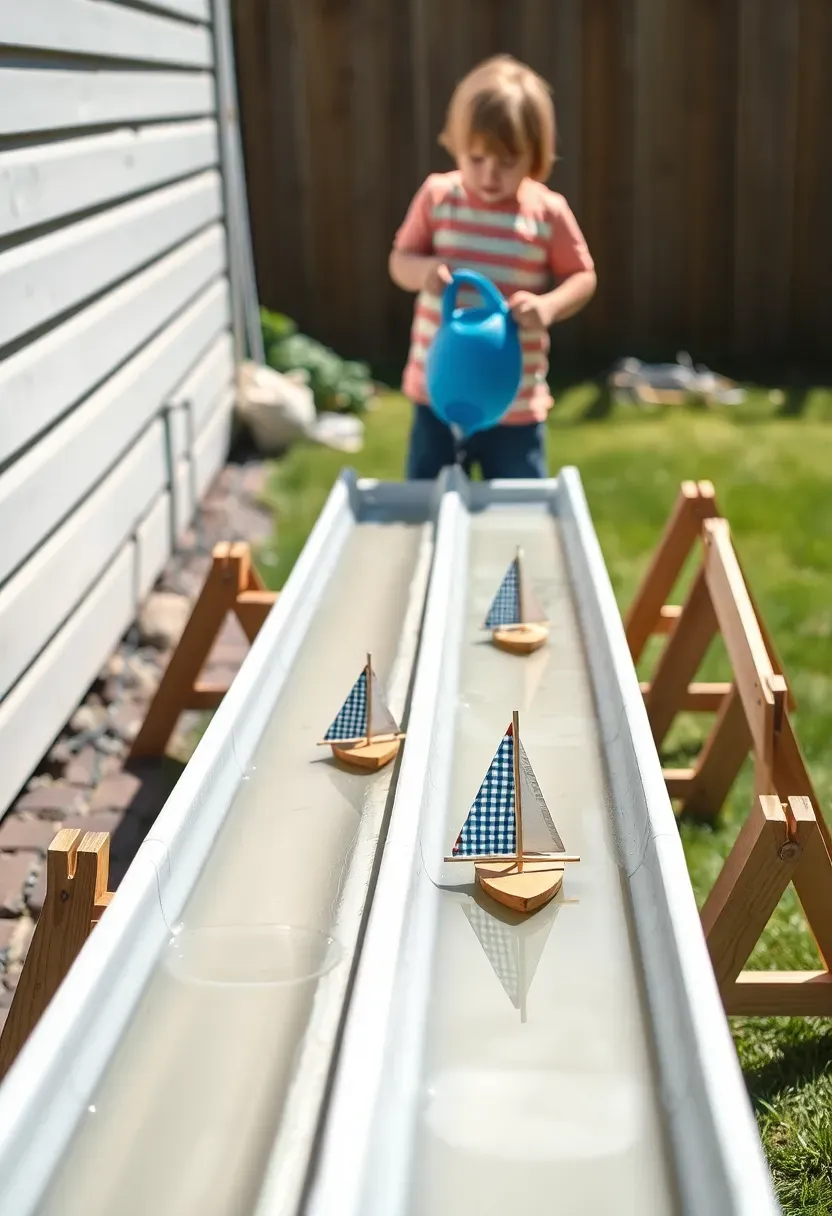
18. Rain Gutter Boat Race
Buy two 10-foot vinyl rain gutters ($8 each), set them on sawhorses at a slight angle, and cap the lower ends. Kids build boats from whatever they can find — cork, foil, popsicle sticks, leaves — and race them by pouring water behind the boats with a pitcher or cup. The slight incline creates a current. Whoever's boat reaches the end cap first wins. Between races, kids redesign their boats to go faster, which teaches basic hydrodynamics through play. The gutters store flat against a fence when not in use.
Tips
- A 2-inch height difference between ends creates enough flow without splashing water everywhere
- Provide craft supplies near the raceway: hot glue gun (supervised), toothpick masts, fabric scraps for sails
- Use food coloring in the water to make the current visible and more exciting
Recommended
Items for this idea
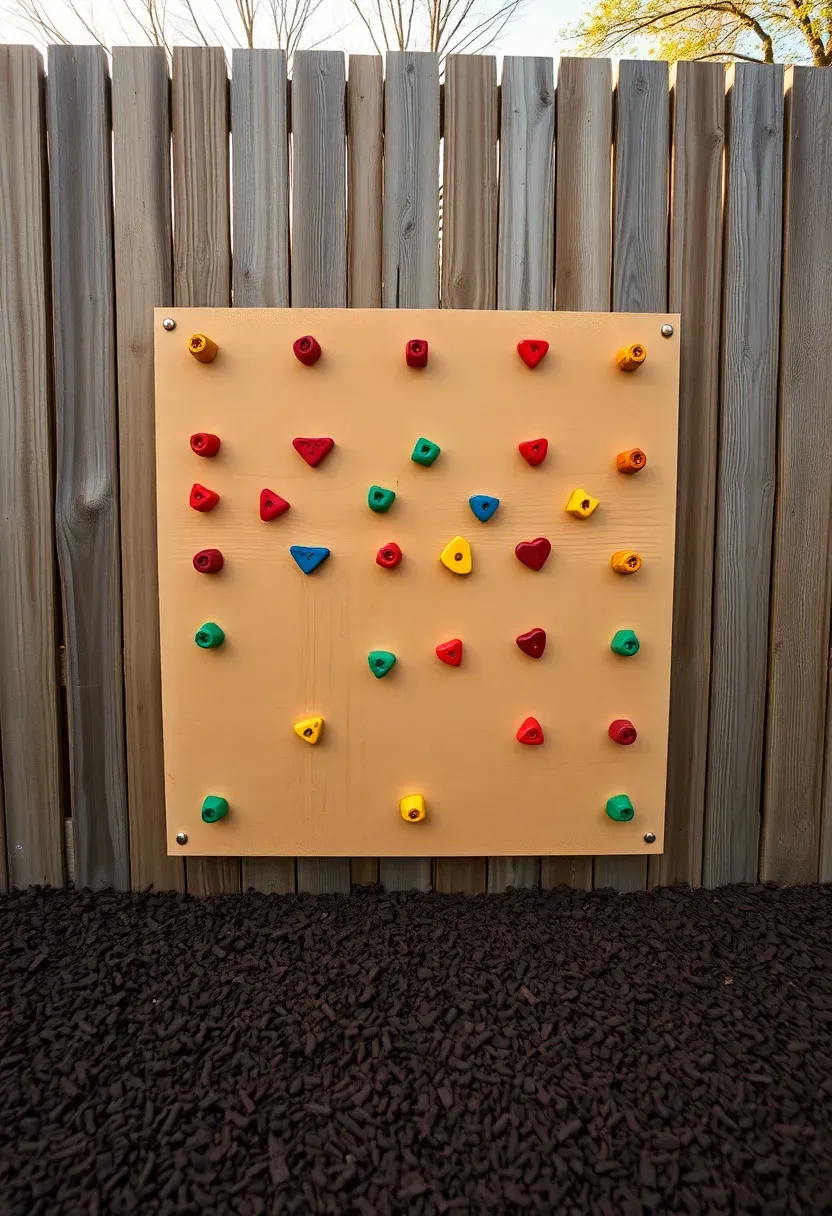
19. Climbing Wall on a Fence
What you need
A 4x8-foot sheet of 3/4-inch exterior plywood, 20-25 bolt-on climbing holds ($25 for a starter set), T-nuts, and lag bolts for mounting. Screw the plywood to the fence posts on the back side of the fence (the side facing your yard, not the neighbor's). Install T-nuts through the plywood from behind and bolt climbing holds onto the front face.
Keep it safe
Maximum height should be 6 feet — no higher than the fence itself. Spread 6 inches of rubber mulch or wood chips in a 4-foot zone around the base. Space holds close together for younger kids, farther apart for older ones. Reposition holds every few months to create new routes and maintain the challenge.
Recommendation
Textured holds with deep grips work better for small hands than smooth competition-style holds. Buy a variety pack with jugs, pinches, and ledges.
20. Outdoor Art Station
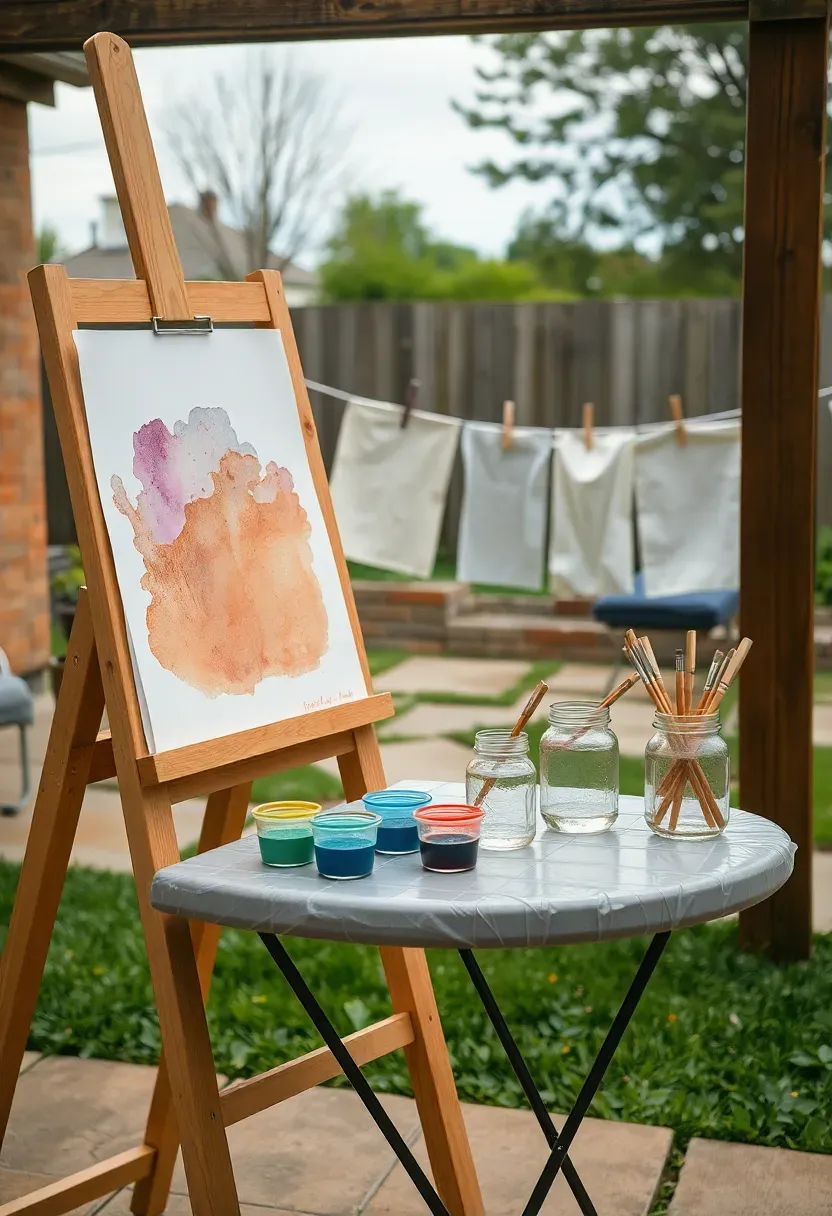
Move the mess outside. Set up a wooden easel on the patio, a table covered in a plastic cloth, and cups of washable tempera paint. String a clothesline between two trees or posts for drying finished paintings with clothespins. Keep supplies in a weatherproof deck box: paper rolls, brushes, paint cups with lids, crayons, and scissors. Outdoor light produces different colors on paper than indoor light, and kids paint more freely when they do not have to worry about drips on the carpet. Hose down the patio when they finish.
Tips
- Roll paper (like butcher paper on a dowel) is cheaper per square foot than individual sheets
- Freeze leftover paint in ice cube trays for mess-free paint cubes kids can use on hot pavement
- Add natural elements: let kids paint with sticks, leaves, and flower petals instead of brushes
Recommended
Items for this idea
21. Stepping Stone Hop Path
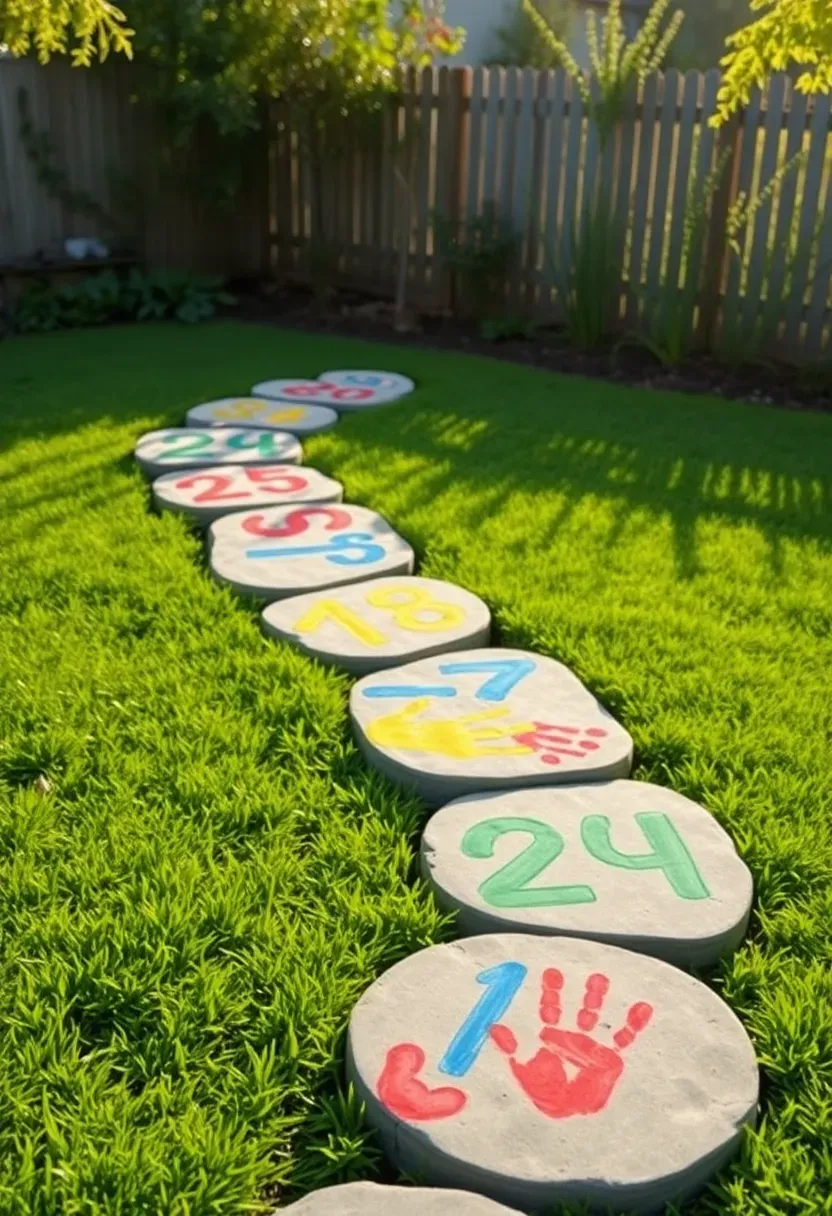
Pour your own stepping stones using 12-inch round concrete molds ($3 each) and premixed concrete ($5 per bag makes 3-4 stones). Let kids press handprints, marbles, or mosaic tile pieces into the wet surface. Once cured, paint numbers on each stone and set them in a winding path through the yard. Kids hop from stone to stone following a number sequence, skip counting by twos, or making up their own rules. The path doubles as a garden feature that looks intentional when guests visit.
Tips
- Space stones 12-16 inches apart for small children, 18-24 inches for kids over six
- Seal painted surfaces with exterior polyurethane to prevent fading
- Let each child claim and decorate one stone so they feel ownership of their section
22. Backyard Camping Zone
Why backyard camping works
It gives kids the adventure of sleeping outside with the safety net of a house 50 feet away. Nervous kids who would not last a night in the woods often thrive in the backyard because they can use the bathroom and retreat inside if they get scared.
Setting it up
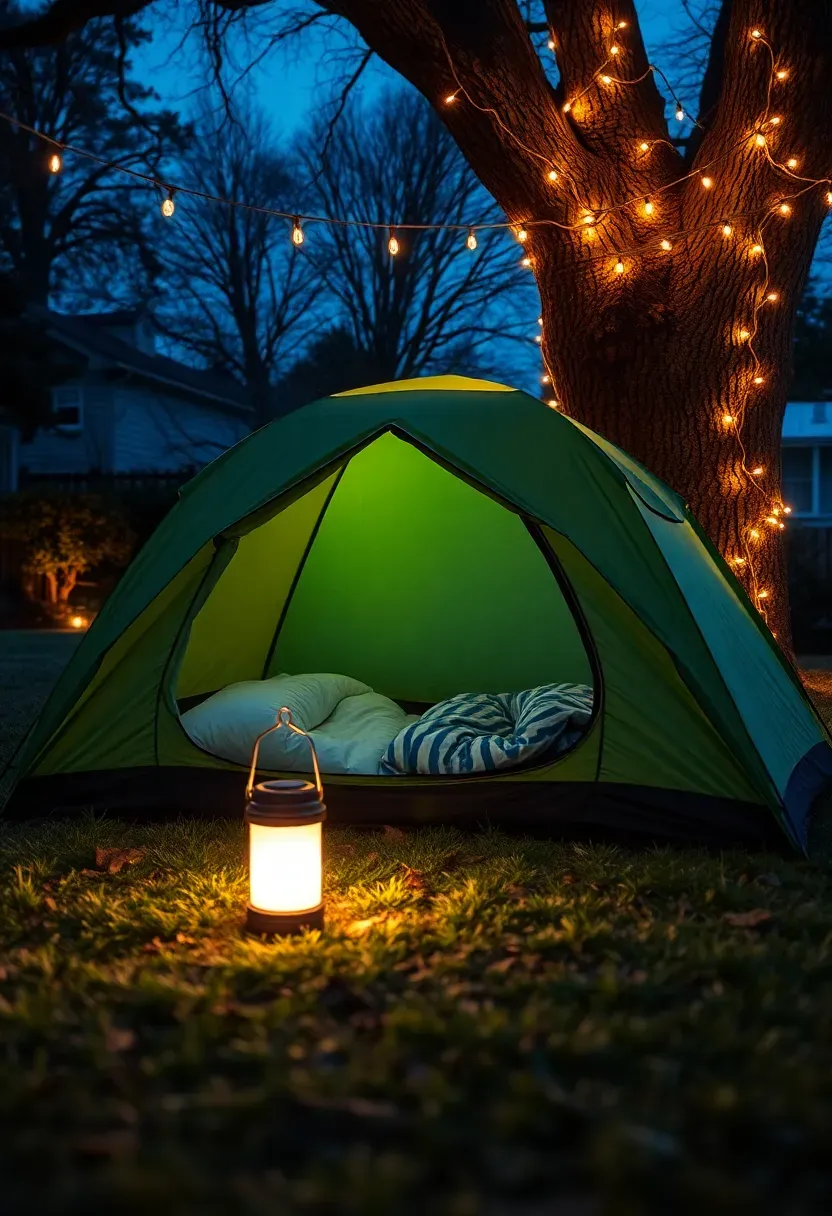
Flatten a 10x10-foot section of grass. Set up a tent large enough for the kids plus one parent if needed. Hang battery-operated string lights in a nearby tree for atmosphere. Lay out sleeping bags, flashlights, and a basket of snacks. If your yard allows it, build a small fire in a fire pit for marshmallows. Start in summer when nights are warm and work toward cooler seasons as kids build confidence.
Choose if
- Your kids are curious about camping but not ready for remote sites
- You have flat ground at least 10 feet from the house and any fences
- You want a screen-free evening activity that feels like an event
Recommended
Items for this idea
23. Water Table from Storage Bins
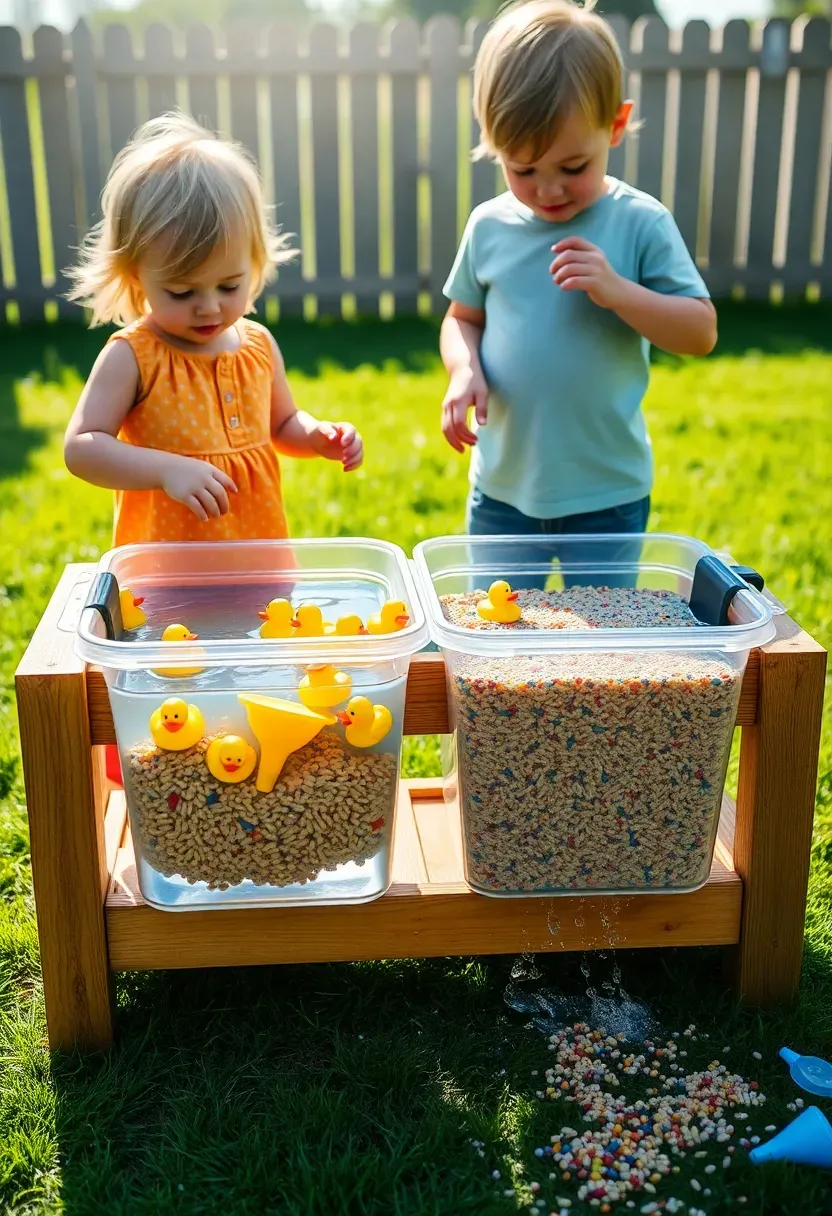
Commercial water tables cost $50-80 and crack after two seasons. Build one for $20 that lasts longer. Buy two large plastic storage bins and build a simple wooden frame from 2x4s at kid-standing height (about 22 inches for toddlers, 26 inches for preschoolers). Drop the bins into the frame like sinks. Fill one with water and one with dried rice or beans for sensory contrast. Add cups, funnels, turkey basters, and small containers. The bins lift out for dumping and cleaning. Replace a cracked bin for $7 instead of buying a whole new table.
Tips
- Drill a small hole near the bottom of each bin and plug with a rubber stopper for easy draining
- Add food coloring or water beads to change the sensory experience weekly
- Set the table on grass or gravel rather than a deck to avoid slippery puddles on wood
24. Treehouse Platform
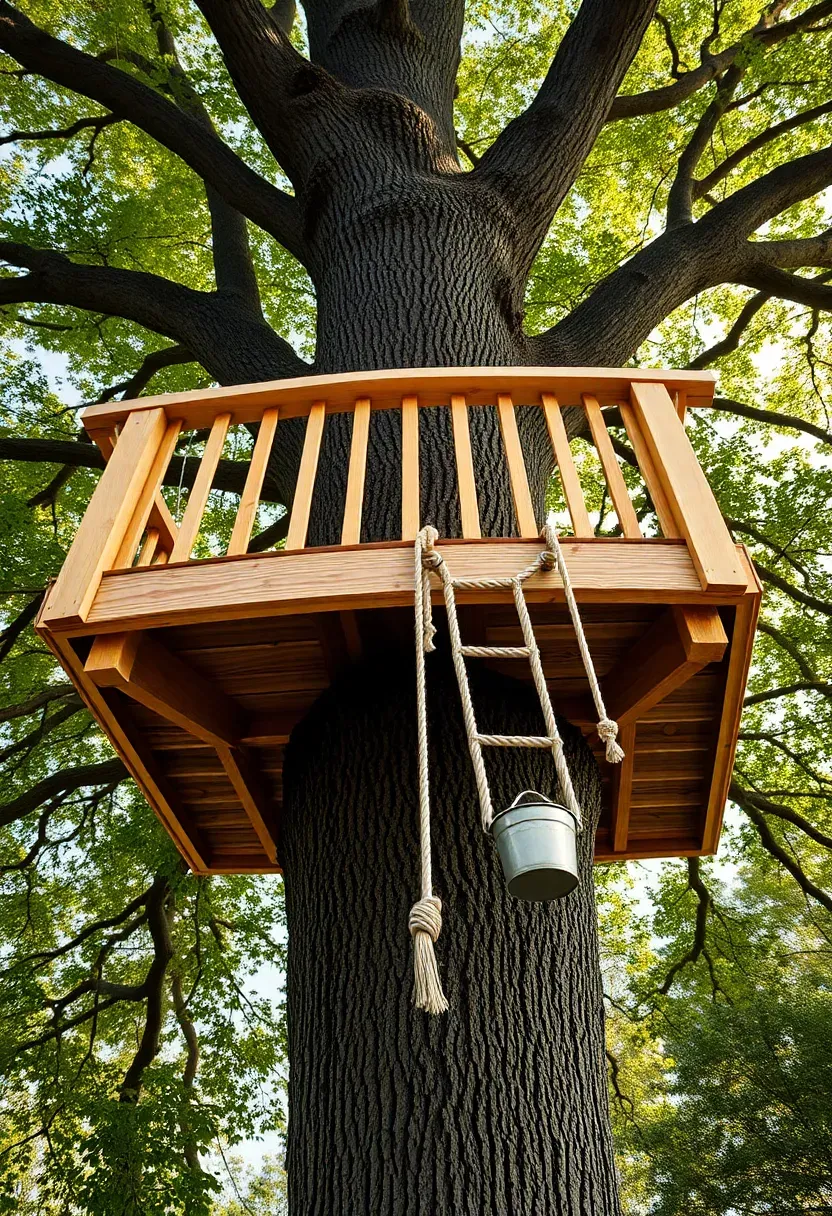
You do not need to build a full treehouse to give kids the thrill of being up in a tree. A 4x6-foot platform bolted to a sturdy trunk at 4-5 feet off the ground takes one weekend and basic carpentry skills. Use pressure-treated 2x6 joists supported by two lag-bolted brackets on the trunk and a 4x4 post on the outer edge. Add 36-inch railings on all sides and a rope ladder or simple wooden ladder for access. Attach a rope with a bucket and pulley so kids can haul snacks and toys up without climbing one-handed.
Tips
- Consult an arborist if you are unsure whether your tree can handle the weight — you need a trunk at least 12 inches in diameter
- Use a single bolt per bracket rather than multiple screws, which create more wound points in the tree
- Leave a 2-inch gap between the platform and the trunk to allow for tree growth and movement in wind
Recommended
Items for this idea
25. Fairy Garden Plot
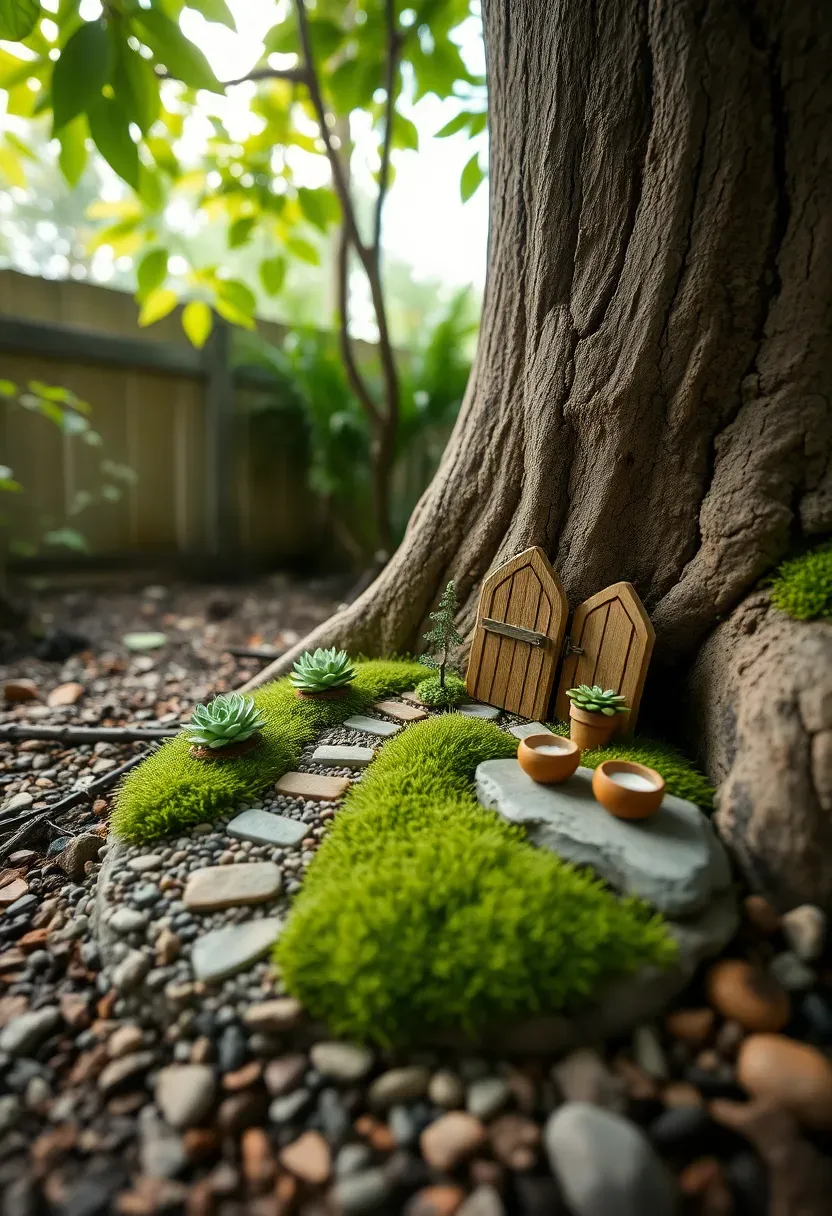
Claim a 2x2-foot square at the base of a tree or along a fence line. Cover the soil with sheet moss from a craft store. Add miniature stone paths using aquarium gravel, tiny fences from popsicle sticks, and small potted succulents as "trees." Kids build the world over time, adding a new element each week — a small mirror as a pond, acorn caps as bowls, a tiny wooden door leaned against the tree trunk. Fairy gardens teach patience and fine-motor skills because everything is small and deliberate. They also give kids a personal territory in the yard that belongs only to them.
Tips
- Use hot glue to assemble small structures — it holds in outdoor conditions better than craft glue
- Real miniature plants (hen-and-chicks, creeping thyme) survive outdoors and grow slowly enough to stay in scale
- Place the garden where it gets dappled shade so moss stays green without drying out
Quick FAQ
At what age can kids use most of these backyard projects? Most ideas here work for ages 3 and up with supervision. Simpler sensory projects like the digging pit, water table, and mud kitchen suit toddlers as young as 18 months. Climbing walls, treehouse platforms, and tire swings work best for kids five and older who have developed enough grip strength and coordination.
Do I need a large yard for kid-friendly backyard ideas? No. At least half of these projects fit in a 10x10-foot space or smaller. A water wall, chalkboard fence, music wall, and art station all mount flat on an existing fence. Raised beds, fairy gardens, and stepping stone paths work along narrow side yards.
Which backyard ideas for kids hold their interest longest? Open-ended projects outlast fixed ones every time. A mud kitchen, fort supply pile, and digging pit stay interesting for years because kids invent new uses. A fixed slide or swing set tends to lose appeal after one season unless you add new elements around it.
How do I keep outdoor play areas safe? Rubber mulch or wood chips under anything kids climb or swing from. Maximum fall height of 6 feet. No exposed hardware — countersink screws and file bolt ends. Check rope and chain connections monthly. Keep a first aid kit in a waterproof box near the play area.
What materials should I avoid in a kid play area? Skip pressure-treated lumber manufactured before 2004, which contains arsenic compounds. Avoid railroad ties, which leach creosote. Do not use pea gravel in areas where toddlers play — it is a choking hazard. Use stainless or galvanized hardware instead of bare steel, which rusts and creates sharp edges.
The best backyard ideas for kids share one quality: they give children something to do without telling them exactly how to do it. A pile of boxes beats a prefab playhouse. A patch of dirt with a shovel beats an app. Build a few of these projects this weekend and then step back. The less you organize, the more they play.
Pinterest cover for 25 Backyard Ideas for Kids
About the author
OBCD
CGI visualization and interior design content. We create detailed 3D renders and curate practical design ideas for every room in your home.