23 Backyard Ideas Without Grass
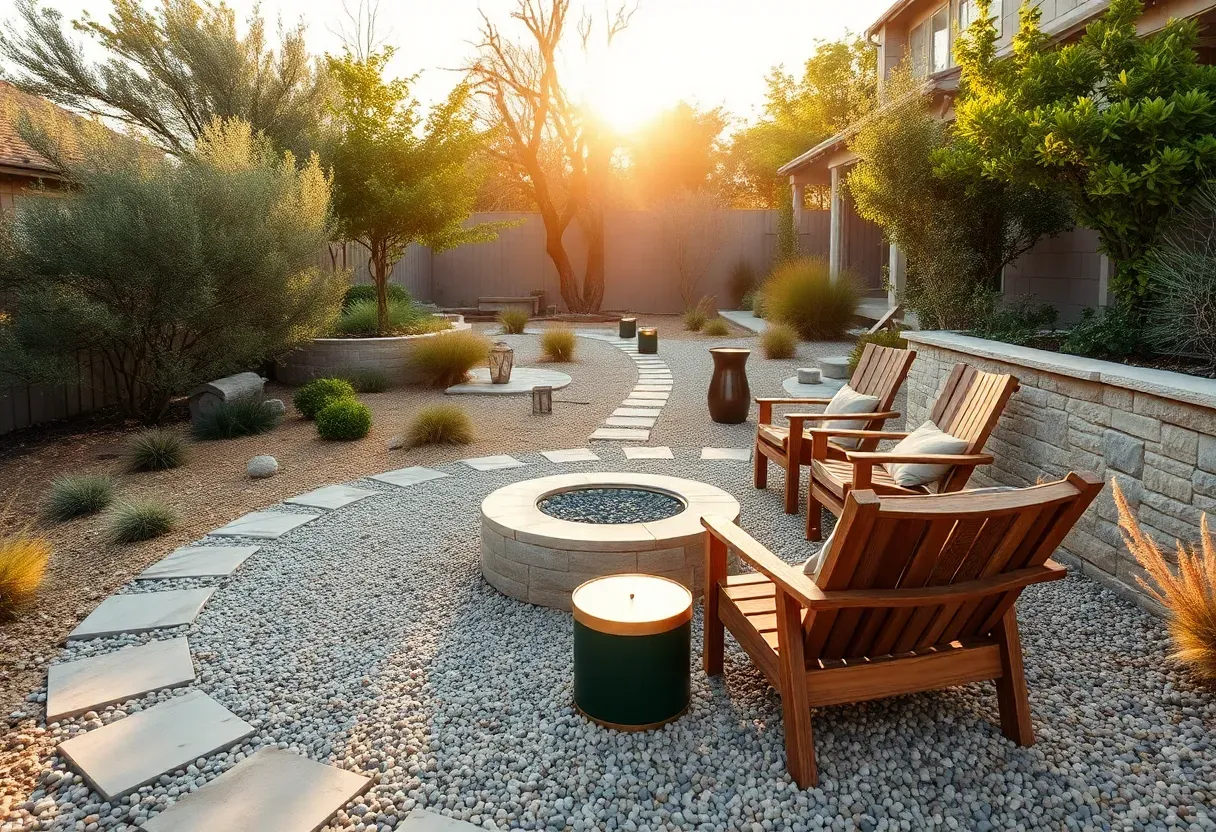
I stopped mowing three years ago. Not out of laziness — the back third of our lot gets maybe two hours of direct sun, and the grass there was always patchy crabgrass pretending to be a lawn. I ripped it out over a long weekend, put down cardboard and mulch, and planted ferns and hostas. That ugly corner became the part of the yard guests actually walk to. Ditching grass is not about giving up on your yard. It is about being honest about what actually grows well where you live, how much time you want to spend on maintenance, and what you actually do outside. These 23 ideas range from full hardscape to living ground covers that never need a mower.
Below you will find alternatives organized roughly by material — stone and gravel, ground covers and plantings, constructed surfaces, and mixed approaches. Each section notes realistic costs, maintenance expectations, and climate suitability.
Table of Contents
- Pea Gravel Patio
- Clover Lawn Replacement
- Decomposed Granite Yard
- Creeping Thyme Carpet
- Flagstone and Ground Cover Mix
- Xeriscaped Desert Garden
- Concrete Paver Grid
- Moss Garden
- Mulch and Perennial Beds
- Artificial Turf Play Area
- River Rock Dry Bed
- Native Prairie Meadow
- Brick Courtyard
- Succulent Ground Cover
- Wood Chip Woodland Path
- Permeable Paver Patio
- Ornamental Grass Border Yard
- Crushed Limestone Terrace
- Japanese Zen Garden
- Ground Cover Tapestry
- Raised Bed Kitchen Garden
- Corten Steel and Gravel Zones
- Composite Deck Expansion
1. Pea Gravel Patio
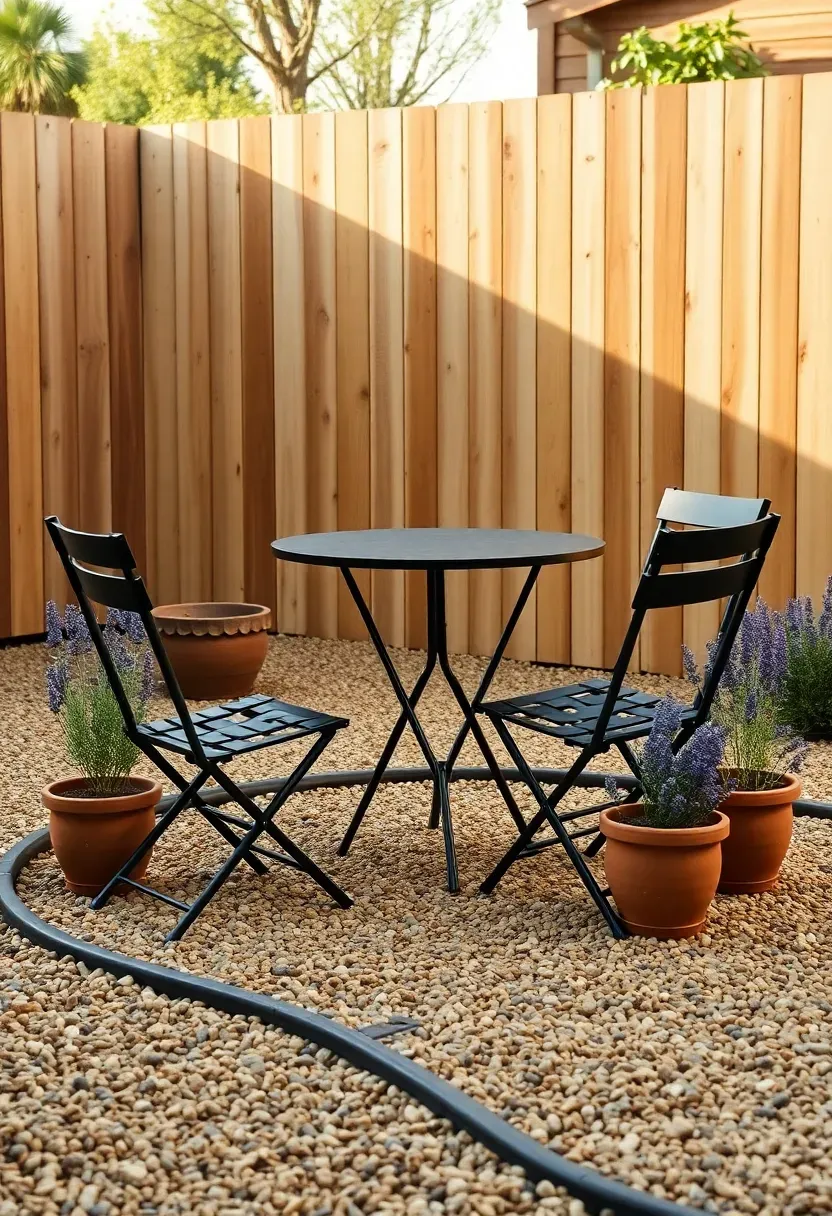
Pea gravel is the fastest way to replace a dying lawn with something that actually looks intentional. A 300-square-foot area costs $200 to $600 in materials depending on your region, and you can finish it in a weekend. The stones drain instantly — no puddles, no mud — and the slight crunch underfoot gives the space a courtyard feel. Lay 3 inches of gravel over landscape fabric inside steel or aluminum edging. The main upkeep is raking it level every few weeks and topping off the gravel every second year as stones migrate. It pairs naturally with container plants, string lights, and outdoor rugs.
Tips
- Use 3/8-inch pea gravel, not 3/4-inch — the smaller stones pack tighter and are more comfortable barefoot
- Install metal edging flush with the surface so it disappears visually
- Add a compacted road base layer underneath for a firmer surface that does not shift as much underfoot
We picked a few things that go well with this idea: Flexible Landscape Edging Kit (33ft) (★4.6), Gardzen Dig-Free Landscape Edging (100ft) (★4.6) and Flexible Plastic Landscape Edging (100ft, 3-Pack) (★4.6). As an Amazon Associate we earn from qualifying purchases.
2. Clover Lawn Replacement
Why clover outperforms grass in many yards
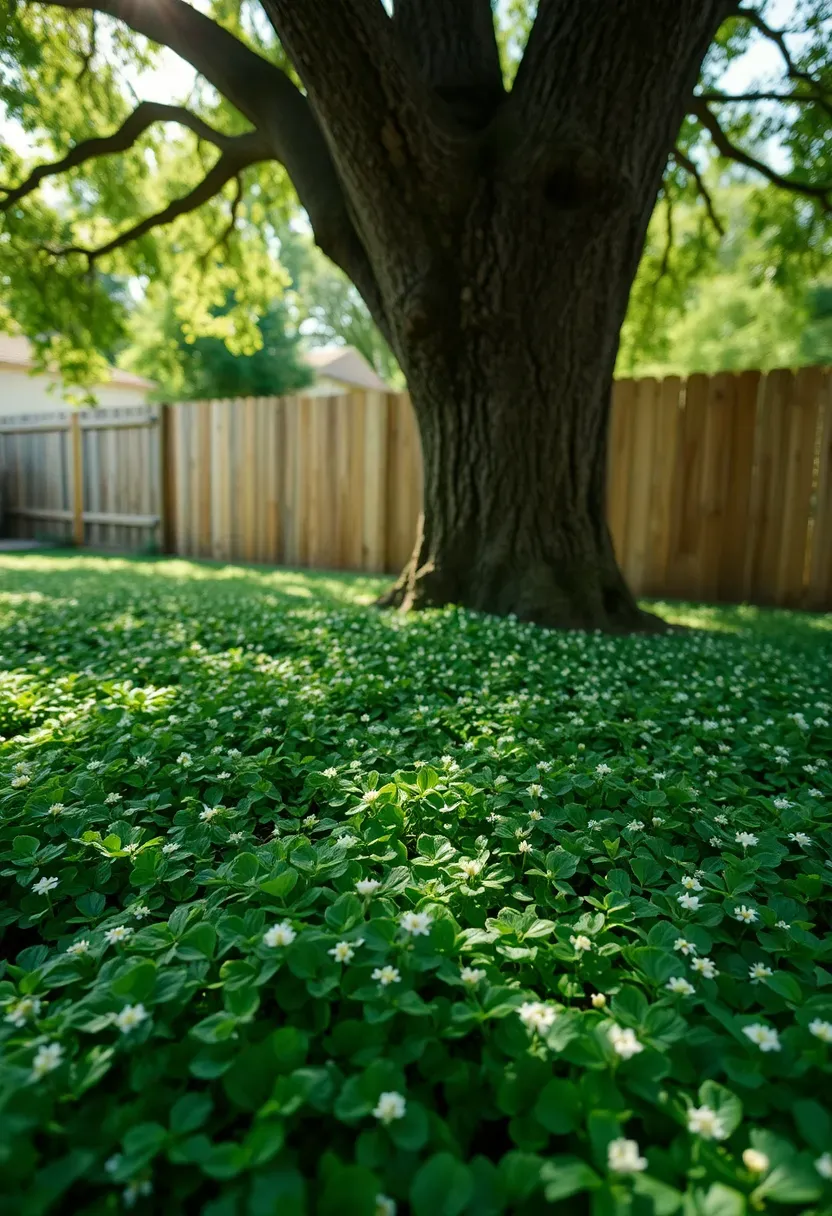
Microclover and Dutch white clover fix nitrogen from the air, meaning they fertilize themselves. They stay green through moderate drought, tolerate partial shade, and top out at 4 to 6 inches — so you mow maybe once a month if you want it tidy, or never if you prefer the meadow look. A clover lawn costs roughly $1 per 100 square feet in seed.
Getting it established
Mow your existing grass as short as possible, dethatch or rake hard, and overseed with clover in early fall or spring when soil temperatures are between 50 and 60 degrees. Keep the seed moist for two weeks. Clover germinates in 7 to 14 days and fills in within one growing season. It will coexist with remaining grass or eventually dominate it.
Pros and cons
- Pro: Feeds pollinators, stays green without irrigation, no fertilizer needed
- Pro: Soft and comfortable to walk on barefoot
- Con: Goes dormant and brown in hard freezes; not ideal for heavy foot traffic zones like play areas
We picked a few things that go well with this idea: Creeping Thyme Ground Cover Seeds (20000+pcs) (★4.5), Heirloom Creeping Thyme Perennial Seeds (18000+) (★4.2) and Perennial Creeping Thyme Seeds (20000pcs) (★4.0). As an Amazon Associate we earn from qualifying purchases.
3. Decomposed Granite Yard
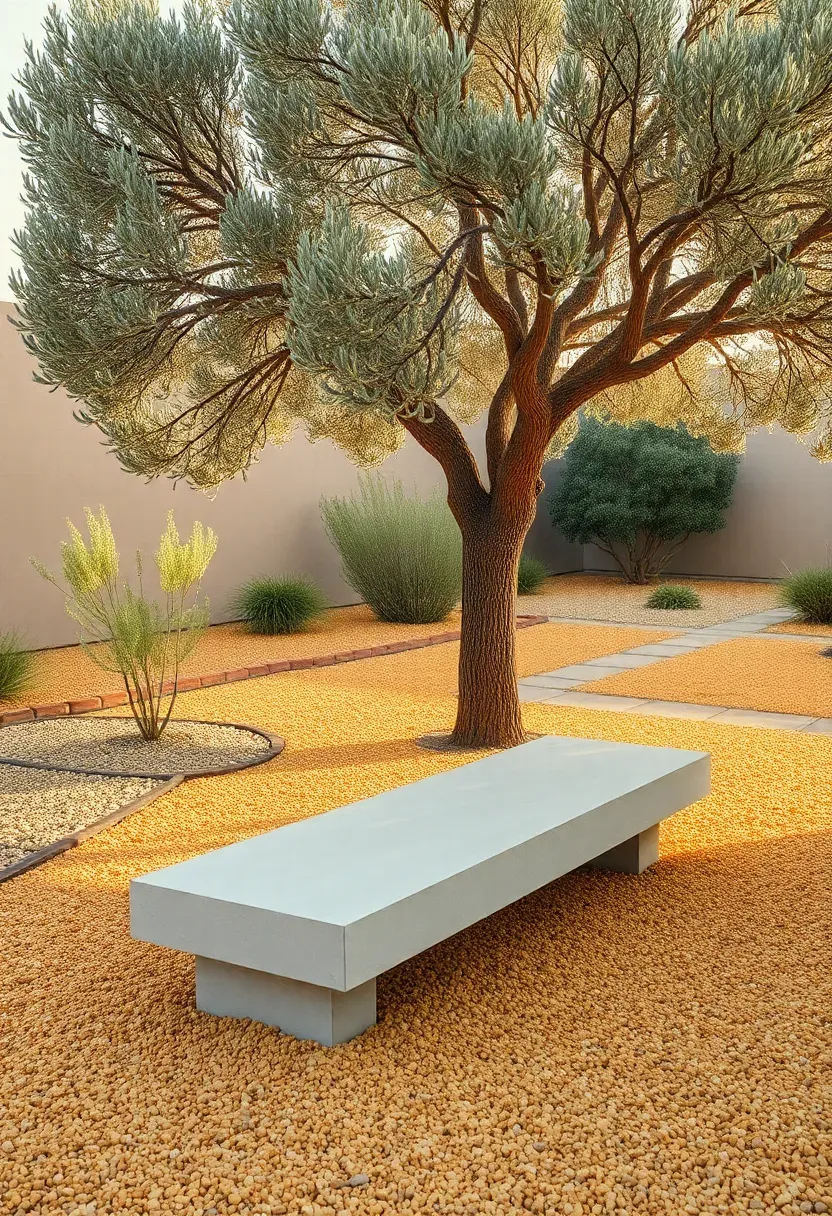
Decomposed granite — DG — is granite rock weathered into sand-sized particles. It compacts into a firm, walkable surface that looks like a refined dirt path. At $1 to $4 per square foot, it is one of the cheapest full-yard replacements for grass. The warm gold, tan, or grey tones complement Mediterranean, desert, and modern landscapes. Spread it 2 to 3 inches deep over compacted sub-base, and optionally add a stabilizer resin to bind the surface and reduce tracking. Without stabilizer, DG needs annual top-dressing as rain and foot traffic displace particles. It drains well but can get dusty in dry climates and muddy if compaction is poor.
Tips
- Compact DG with a plate compactor in 1-inch lifts for a surface that does not shift
- Use stabilized DG near entries to prevent tracking particles indoors
- Edge with steel, stone, or concrete to keep the material from spreading into planting beds
We picked a few things that go well with this idea: BlueWish Elevated Cedar Garden Bed (72x23x30) (★5.0), Infinite Cedar Deep Root Raised Bed Kit (★4.6) and Infinite Cedar Select Raised Bed (2x8ft) (★5.0). As an Amazon Associate we earn from qualifying purchases.
4. Creeping Thyme Carpet
How to replace grass with creeping thyme
Creeping thyme (Thymus serpyllum) spreads into a dense, fragrant mat that stays under 3 inches tall. It handles foot traffic, blooms purple and pink in early summer, and attracts bees without becoming weedy. It works best in zones 4 through 9 with full sun and well-drained soil.
Step 1: Kill or remove existing grass in the target area. Solarization with clear plastic for 6 weeks works without chemicals.
Step 2: Amend heavy clay soil with coarse sand — thyme hates wet feet. Rake smooth.
Step 3: Plant plugs on 6-inch centers. This uses roughly 400 plugs per 100 square feet, costing $150 to $300.
Step 4: Water regularly for the first growing season. By year two, the thyme should be fully knit together and largely self-sufficient.
Watch out
- Creeping thyme goes semi-dormant in winter and looks brown in cold climates until spring
- It does not tolerate heavy shade or constantly wet soil — avoid low spots
Recommended
Items for this idea
5. Flagstone and Ground Cover Mix
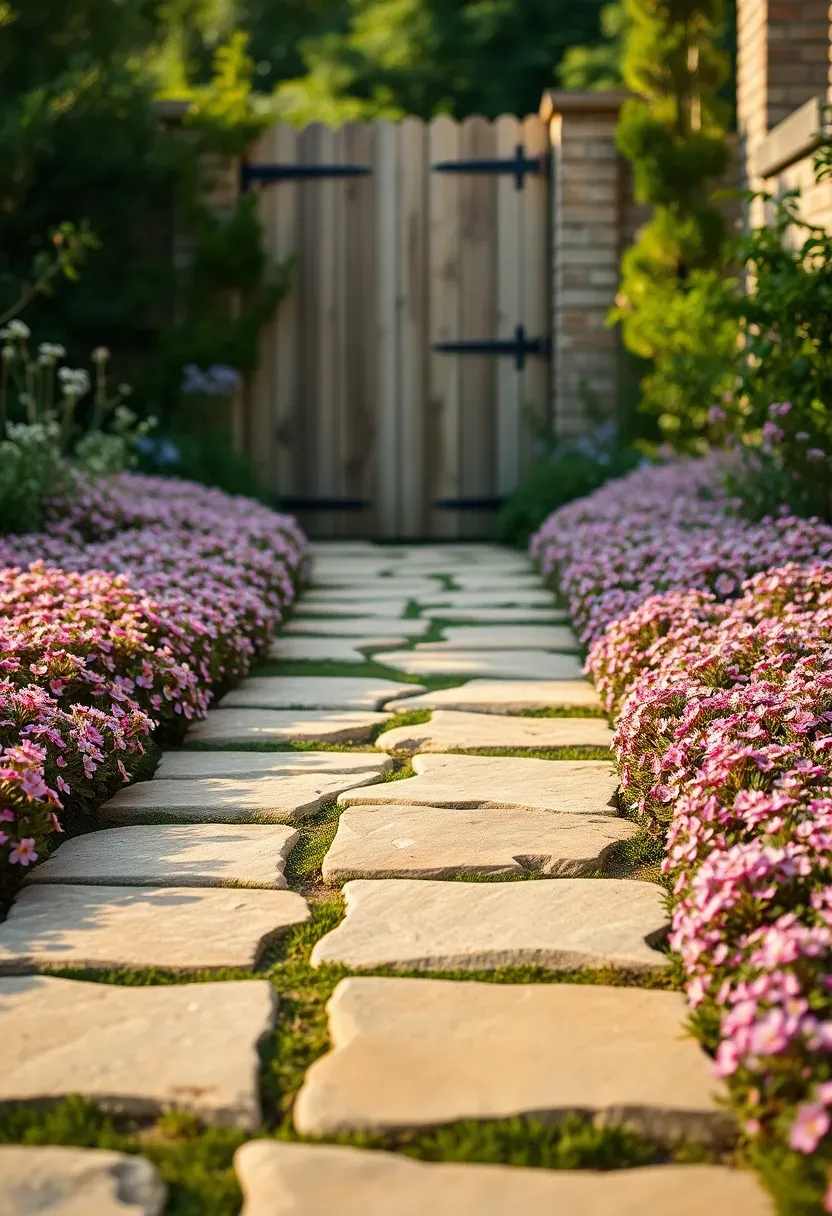
Flagstone set on a gravel base with living joints bridges the gap between full hardscape and garden. The stone gives you a stable walking surface while the ground cover between joints — creeping thyme, mazus, or Irish moss — softens the look and handles rainwater. Dry-laid flagstone on gravel runs $8 to $15 per square foot in materials. The ground cover fills in within one or two seasons, depending on plant spacing. This approach works well as a replacement for a central lawn area, creating a patio feel without the rigid geometry of pavers. Choose stone colors that complement your house — warm sandstone near cream or tan siding, blue-grey slate near grey or white exteriors.
Tips
- Leave joints at least 1 inch wide to give ground cover roots enough soil to establish
- Fill joints with a mix of compost and sand rather than pure sand for better plant growth
- Use a rubber mallet and level during installation — uneven stones catch toes and collect water
6. Xeriscaped Desert Garden
The water argument
In the American Southwest, a 1,000-square-foot lawn consumes roughly 55,000 gallons of water per year. Replace it with drought-adapted plants in gravel mulch and that number drops to near zero after establishment. Several cities in Arizona, Nevada, and California offer rebates of $2 to $3 per square foot for ripping out turf.
Building a xeriscape
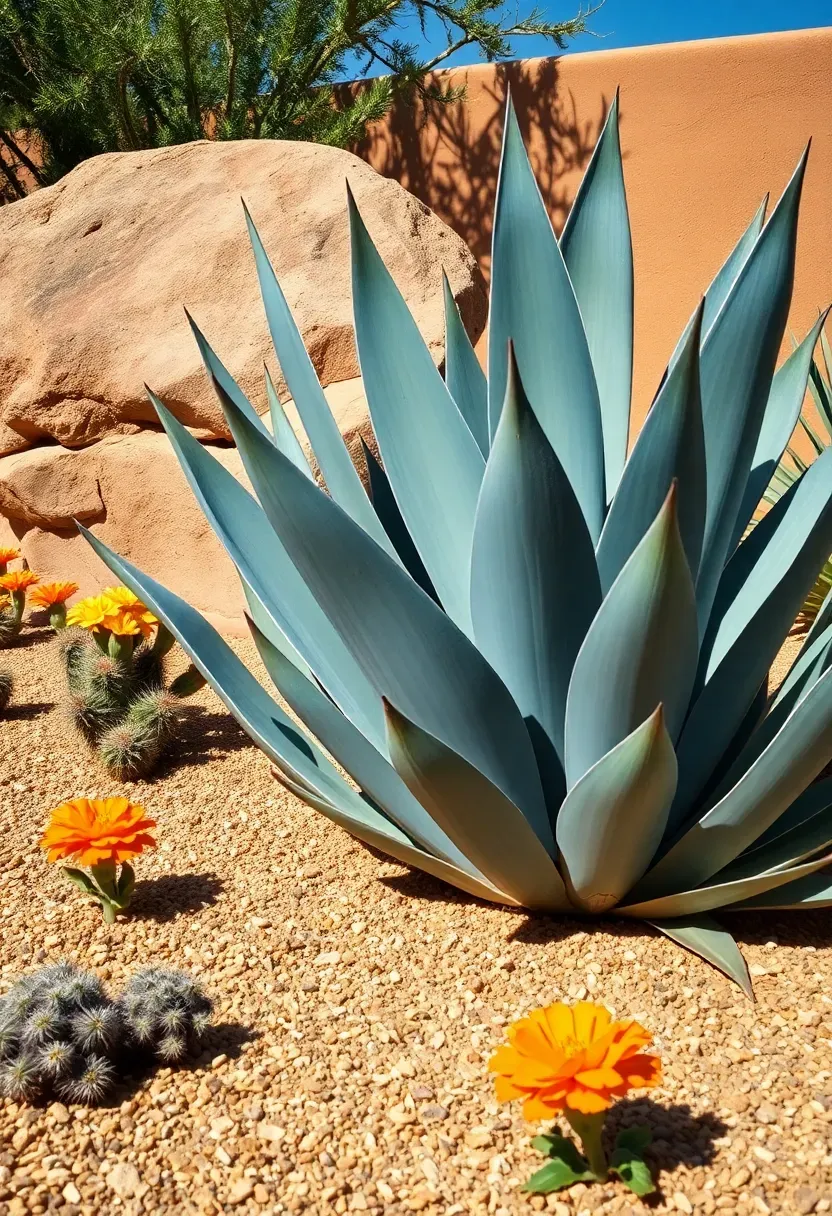
Group plants by water needs. Place higher-water species near the house where irrigation is convenient, and put true xerics — agave, yucca, penstemon, desert marigold — at the yard's edges. Mulch with 3 inches of gravel or decomposed granite, not bark (bark retains moisture that desert plants do not want). Install drip irrigation on a timer for the first two years, then reduce or eliminate supplemental water as plants establish root systems.
Choose if
- You live in USDA zones 7 through 11 with less than 20 inches of annual rainfall
- You want a yard that looks better in August than any lawn possibly could
- You are willing to learn which plants are native to your specific region
Recommended
Items for this idea
7. Concrete Paver Grid
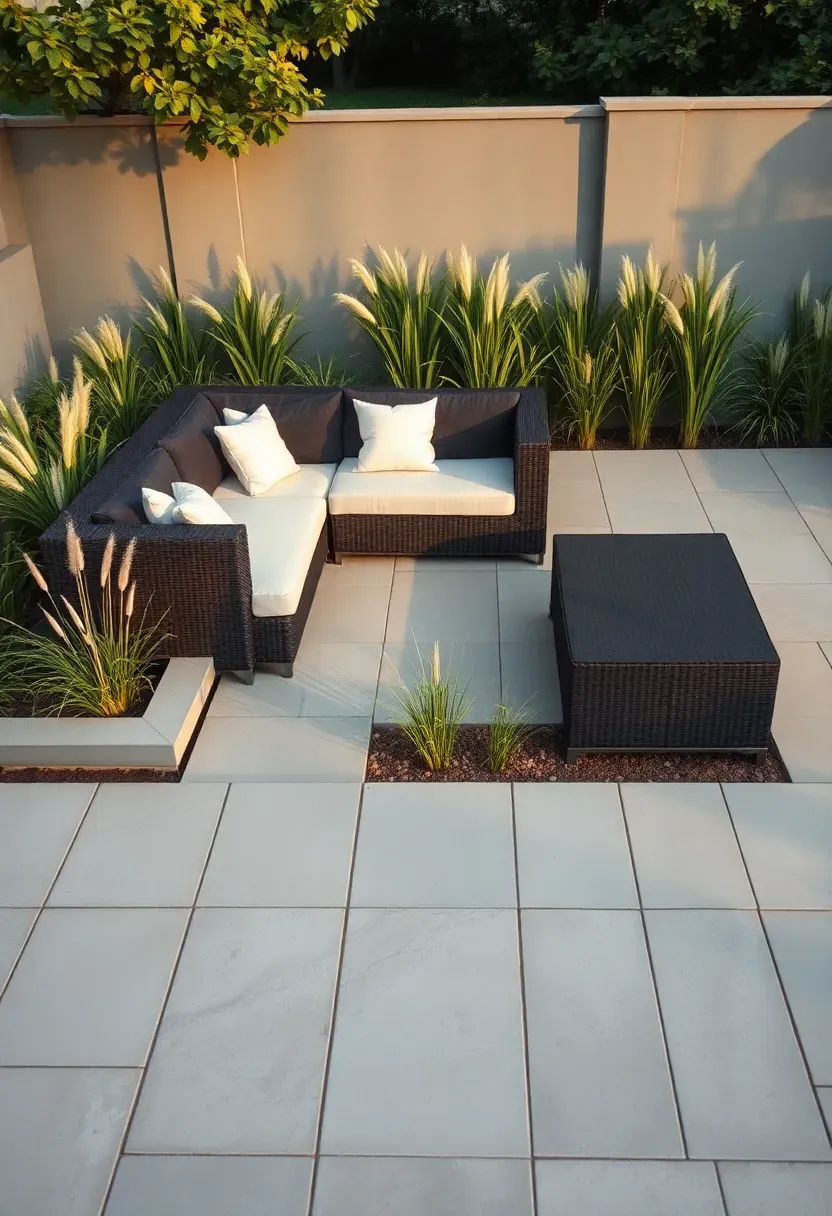
Concrete pavers offer a clean, geometric alternative to the organic shapes of flagstone. Standard 12-by-24-inch pavers in grey or charcoal run $3 to $7 per square foot. Laid in a running bond or stacked pattern on compacted gravel and sand, they create a level surface suitable for dining tables, lounge chairs, and heavy planters. Leave intentional gaps every few feet for planting pockets — a 2-by-2-foot opening filled with soil and ornamental grasses or low perennials breaks up the expanse and manages stormwater. Polymeric sand locks the joints and prevents weed growth between pavers. The result reads as an outdoor room rather than a yard, which is exactly the point when you are done pretending grass will thrive.
Tips
- Rent a plate compactor for the base — hand tamping a large area results in uneven settling
- Slope pavers 1/4 inch per foot away from structures for drainage
- Choose a paver with a textured or shot-blasted finish for grip when wet
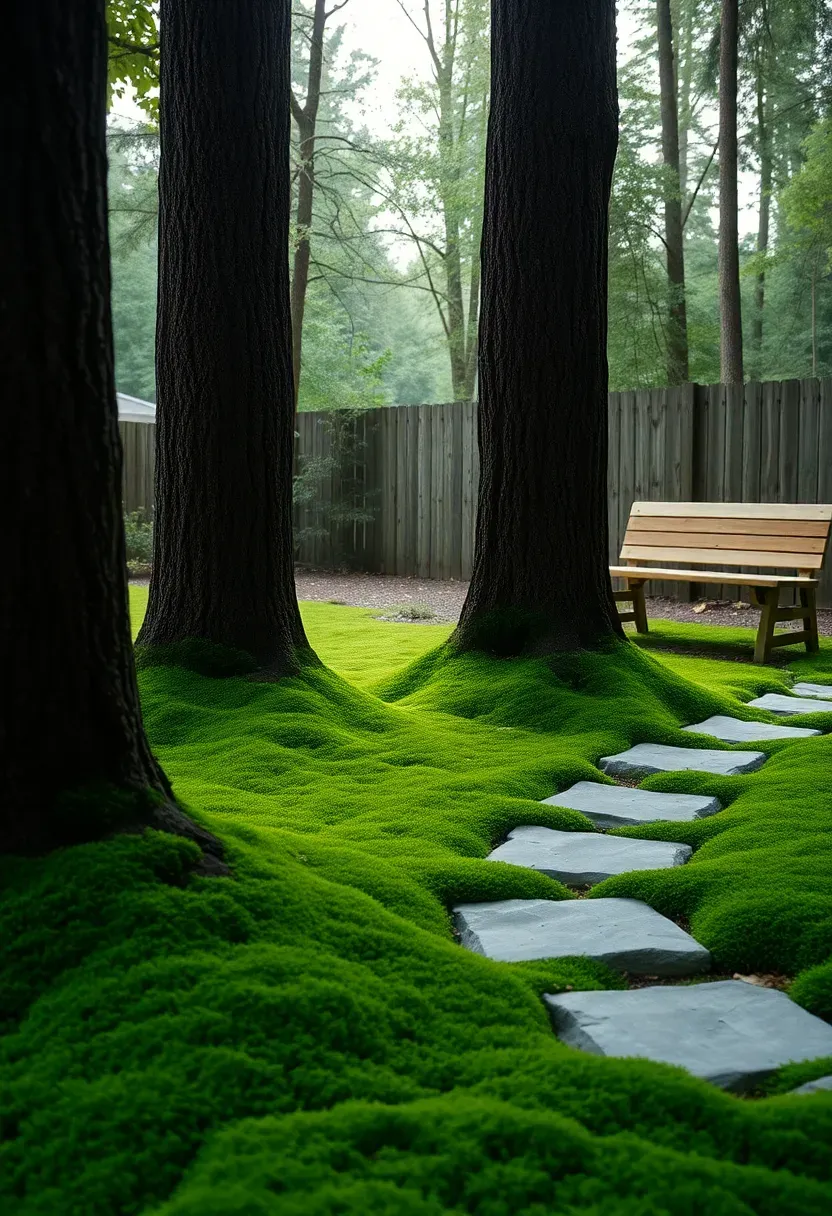
8. Moss Garden
Why moss works where grass fails
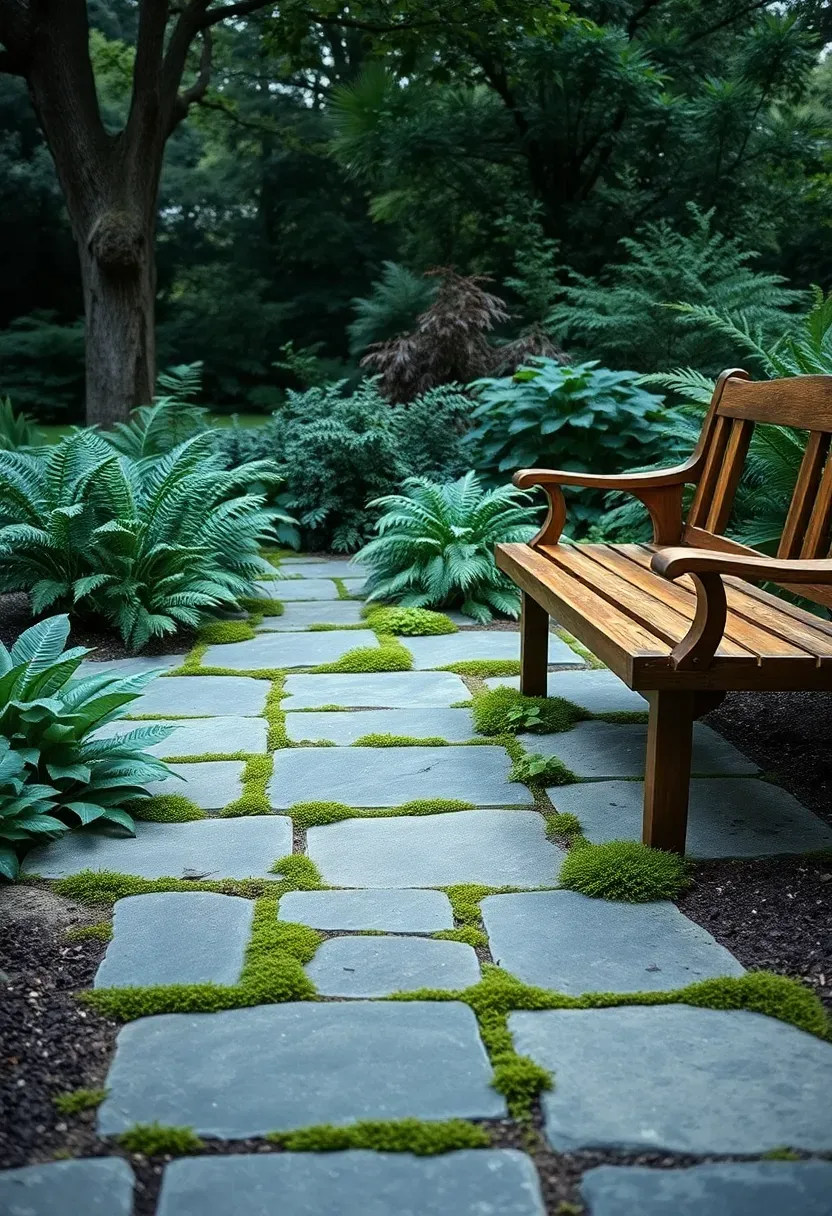
Moss thrives in exactly the conditions that kill lawns — heavy shade, acidic soil, compacted ground, poor drainage. If you have ever fought moss in your lawn, the counterintuitive solution is to stop fighting and let it win. Sheet moss (Hypnum) and fern moss (Thuidium) form a dense green carpet that stays green through winter in zones 3 through 9 and never needs mowing.
Establishing a moss garden
Remove existing vegetation down to bare soil. Test soil pH — moss prefers 5.0 to 6.0. If your soil is alkaline, amend with sulfur. Transplant moss sheets from a nursery (never harvest wild moss) by pressing them firmly onto moist soil and pinning with landscape staples. Mist daily for the first month. Once established, moss needs no fertilizer, no mowing, and only occasional watering during extended dry spells. A 200-square-foot area costs $300 to $600 in nursery moss.
Pros and cons
- Pro: Zero maintenance once established — no mowing, feeding, or aerating
- Pro: Stays green year-round in temperate climates
- Con: Cannot handle regular foot traffic — use stepping stones for paths through it
Recommended
Items for this idea
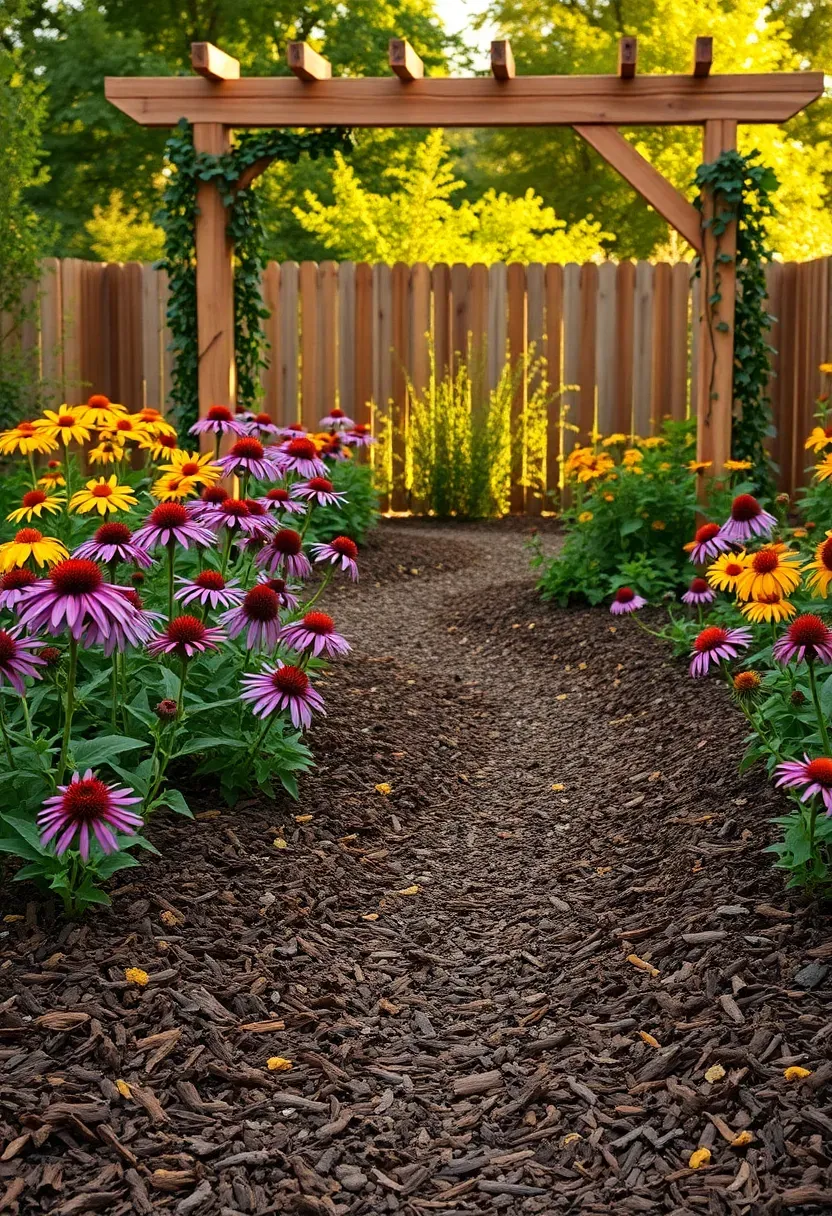
9. Mulch and Perennial Beds
The simplest grass replacement is also one of the most satisfying: rip out the lawn and plant things you actually want to look at. Sheet mulch the grass with cardboard and 4 to 6 inches of hardwood mulch in fall, and by spring the turf is dead and the soil underneath is alive with worms. Plant perennials on 12-to-18-inch centers directly through the mulch. Within two growing seasons, the plants fill in and shade out weeds while the mulch suppresses whatever remains. A 500-square-foot bed costs $100 to $200 in bulk mulch and $300 to $600 in perennial plants at wholesale. Maintenance drops to a few hours of cutting back dead stems in late winter and refreshing mulch every other year.
Tips
- Choose perennials native to your area — they establish faster and need less water
- Plant in drifts of 5 to 7 of the same species for visual impact rather than one of everything
- Leave mulch 2 inches away from plant stems to prevent crown rot
10. Artificial Turf Play Area
The case for fake grass
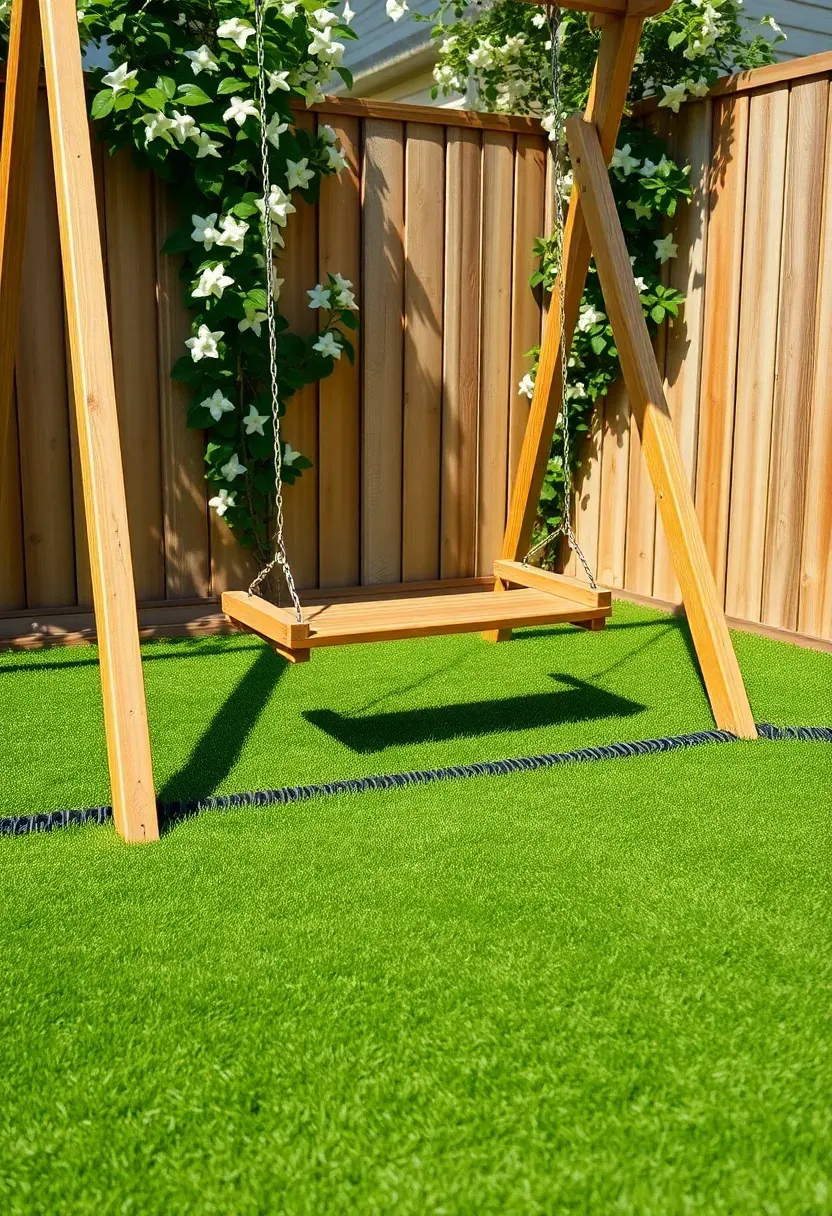
I resisted artificial turf for years. Then I watched my kids turn the backyard into a mud wrestling arena every March and reconsidered. Modern turf with a thatch layer looks convincingly real from 5 feet away, drains through perforated backing, and handles the kind of sliding, tumbling, and digging that destroys natural grass in weeks.
Installation basics
Excavate 3 to 4 inches, lay compacted crushed stone, top with a half-inch of decomposed granite leveled with a screed bar, roll out the turf, seam panels with adhesive tape, and secure edges with 6-inch landscape spikes. Infill with rounded silica sand or zeolite — not rubber crumb, which gets hot and tracks everywhere. Total cost runs $8 to $14 per square foot installed, or $5 to $9 DIY.
Pros and cons
- Pro: Usable year-round, drains fast, no mud or dead patches
- Pro: No mowing, fertilizing, or watering — ever
- Con: Surface temperature can reach 150 degrees F in direct sun — shade structures help
Recommended
Items for this idea
11. River Rock Dry Bed
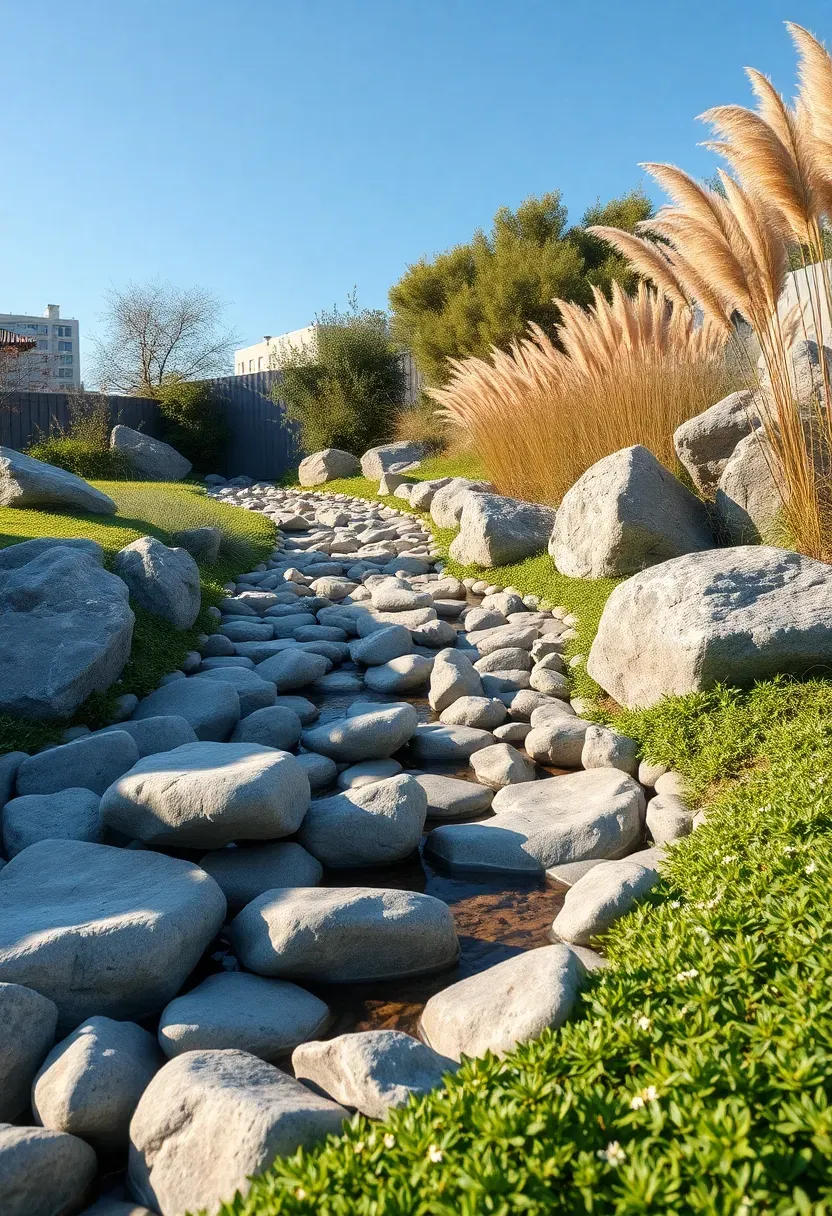
A dry creek bed replaces grass with a drainage feature that doubles as a landscape focal point. Line a shallow trench with landscape fabric, place large boulders along the edges, and fill the center with 3-to-5-inch river rocks. The bed handles stormwater runoff that would otherwise pond on a lawn, and it looks good dry or flowing. Size the bed to match your drainage needs — most residential yards work with a channel 18 to 30 inches wide and 8 to 12 inches deep. River rock runs $100 to $200 per ton, and a 30-foot bed typically needs 1 to 2 tons. Plant moisture-tolerant species like daylilies, blue flag iris, or sedges along the banks to naturalize the edges.
Tips
- Grade the bed with a slight slope (1 to 2 percent) toward your property's drainage outlet
- Vary rock sizes within the channel — uniform rocks look artificial
- Place the largest boulders at bends where water would naturally deposit them in a real stream
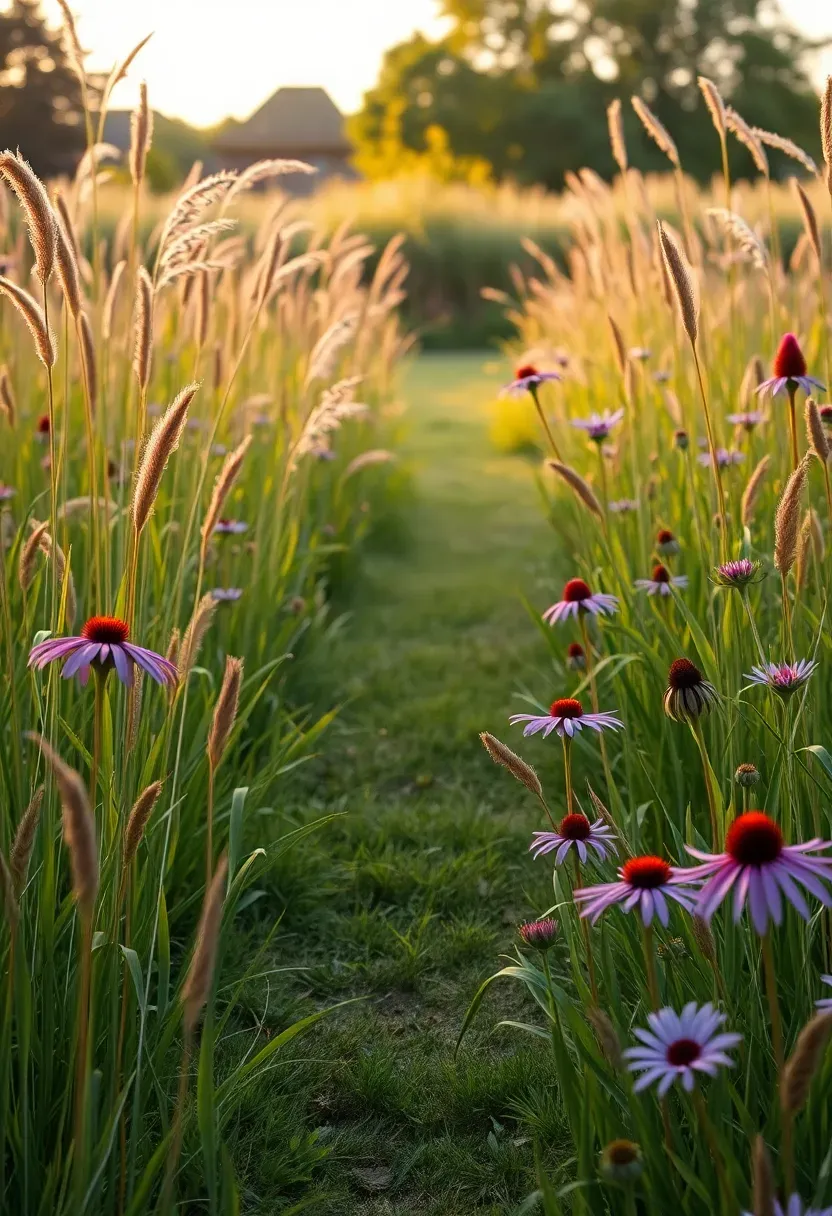
12. Native Prairie Meadow
From lawn to meadow
A prairie meadow is grass — just not the kind you mow weekly. Native bunch grasses like little bluestem, switchgrass, and prairie dropseed grow 2 to 4 feet tall, change color through the seasons, and support insects and birds that turf grass cannot. Mixed with native wildflowers (coneflower, blazing star, wild bergamot), a meadow planting provides four-season interest and requires mowing only once per year in late winter.
How to establish
- Kill existing turf with repeated mowing at the lowest setting and solarization, or apply a non-selective herbicide in fall
- Seed in late fall or early spring at 1/4 to 1/2 pound of pure live seed per 1,000 square feet
- Expect weeds the first year — mow at 6 inches whenever weeds reach 12 inches to prevent them from shading out the slower prairie seedlings
- By year three, the prairie plants dominate and the meadow largely manages itself
Watch out
- Some HOAs and municipalities have weed ordinances that prohibit unmown vegetation — check local rules before committing
- A meadow looks intentional when bordered by mown edges or a low fence; without borders it reads as neglect
Recommended
Items for this idea
13. Brick Courtyard
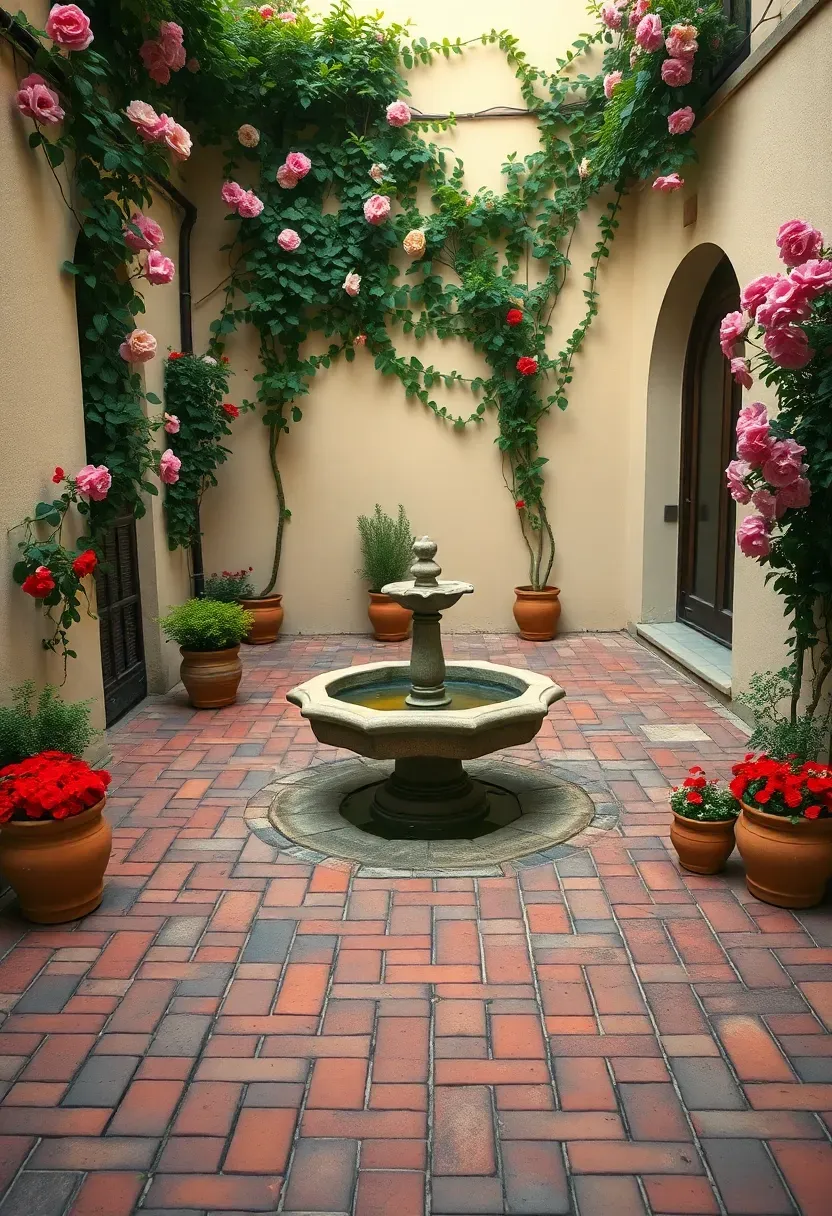
Brick has paved courtyards for centuries and the material ages better than almost anything else. Reclaimed brick in particular develops a patina that new materials cannot replicate. Clay pavers rated SW (severe weathering) handle freeze-thaw cycles in northern climates. A herringbone or basket-weave pattern laid on compacted gravel and sand costs $6 to $12 per square foot in materials. The warm red-orange tones pair naturally with garden plantings and look equally at home in colonial, Mediterranean, and cottage settings. Unlike poured concrete, individual bricks can be lifted and reset if settling occurs. A full courtyard replacing a 400-square-foot lawn section runs $2,400 to $4,800 in materials alone.
Tips
- Use SW-rated clay pavers, not standard building bricks — building bricks spall in frost
- Lay in a herringbone pattern for the strongest interlock against shifting
- Sweep polymeric sand into joints and mist with water to activate the binding agent
14. Succulent Ground Cover
Sedums and ice plants as lawn replacements
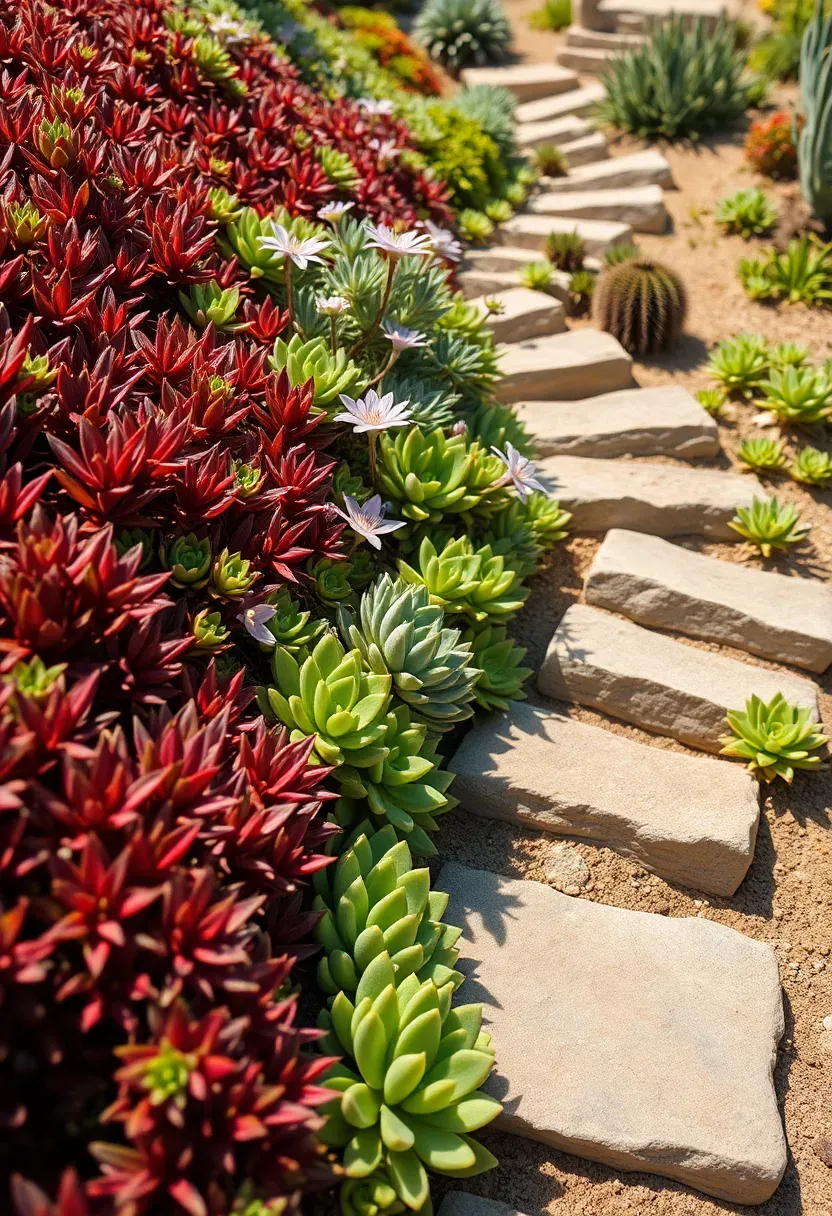
In zones 5 through 10, spreading succulents like Sedum spurium (Dragon's Blood), Delosperma (ice plant), and Sempervivum form dense, colorful mats that survive on rainfall alone once established. They root from any stem contact with soil, so a flat of 50 plugs covers 100 square feet within two seasons.
Getting started
Plant plugs 8 to 10 inches apart in well-drained soil. If your soil is clay, work in 2 inches of coarse sand or pea gravel to the top 4 inches. Mulch between plugs with gravel, not wood — succulents rot under wet organic mulch. Water once weekly for the first summer, then stop. The plants fill gaps by spreading laterally, and dropped leaves root where they land.
Choose if
- Your yard gets full sun and has sandy or rocky soil
- You want ground cover that changes color with the seasons — green in spring, red in fall
- You accept that succulent ground cover is not walkable like a lawn
Recommended
Items for this idea
15. Wood Chip Woodland Path
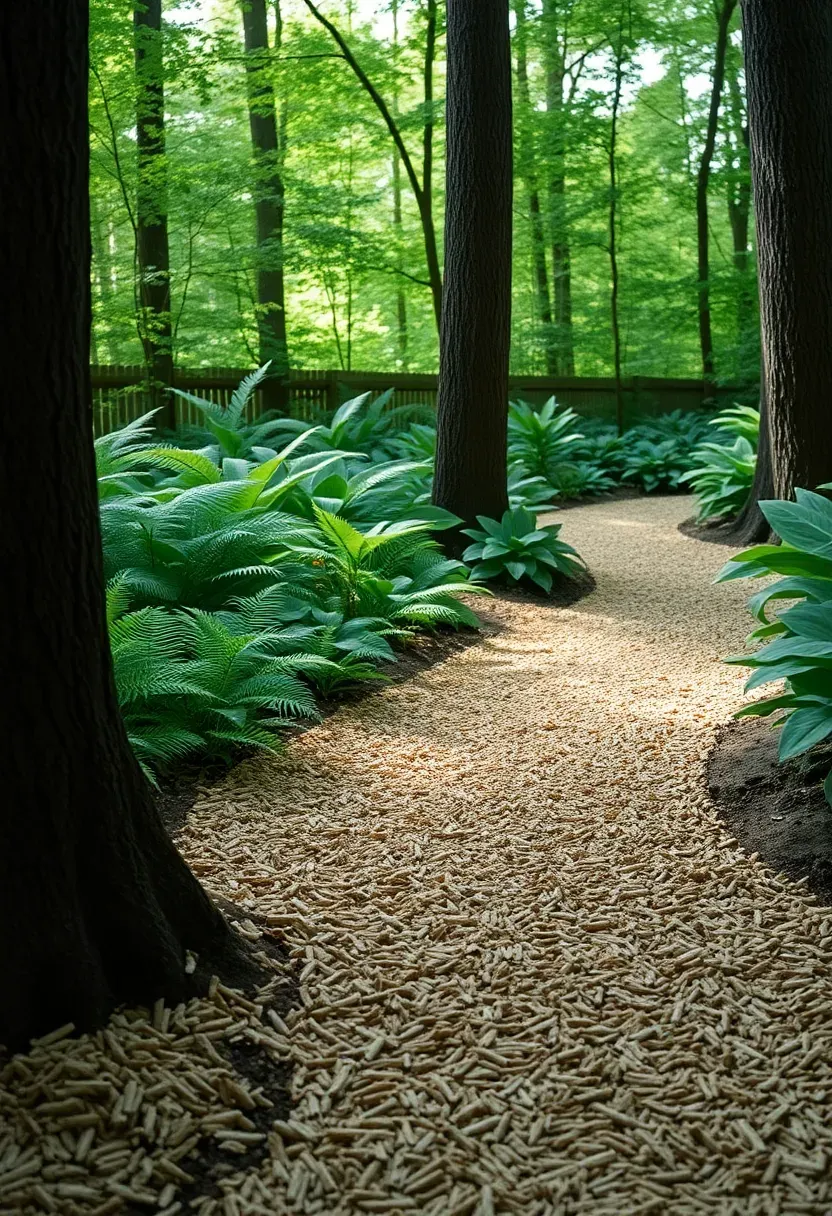
Wood chips from a local arborist are often free — call tree services in your area and ask to be on the drop list. A 4-to-6-inch layer of ramial wood chips (from branches under 3 inches in diameter) suppresses weeds, retains moisture, feeds soil biology as it decomposes, and creates a soft, springy surface that is pleasant to walk on. Use it to replace grass in shaded areas under trees where turf struggles. The chips break down in 2 to 3 years, adding organic matter to the soil, and you simply top-dress with fresh material. For a 500-square-foot area, you need roughly 3 cubic yards — one arborist truck load usually provides 8 to 12 cubic yards.
Tips
- Avoid dyed mulch — it is made from ground pallets and construction waste, not fresh wood
- Keep chips 6 inches away from tree trunks to prevent bark rot
- Fresh chips temporarily tie up nitrogen at the soil surface — do not mix them into garden beds where you are planting annuals
16. Permeable Paver Patio
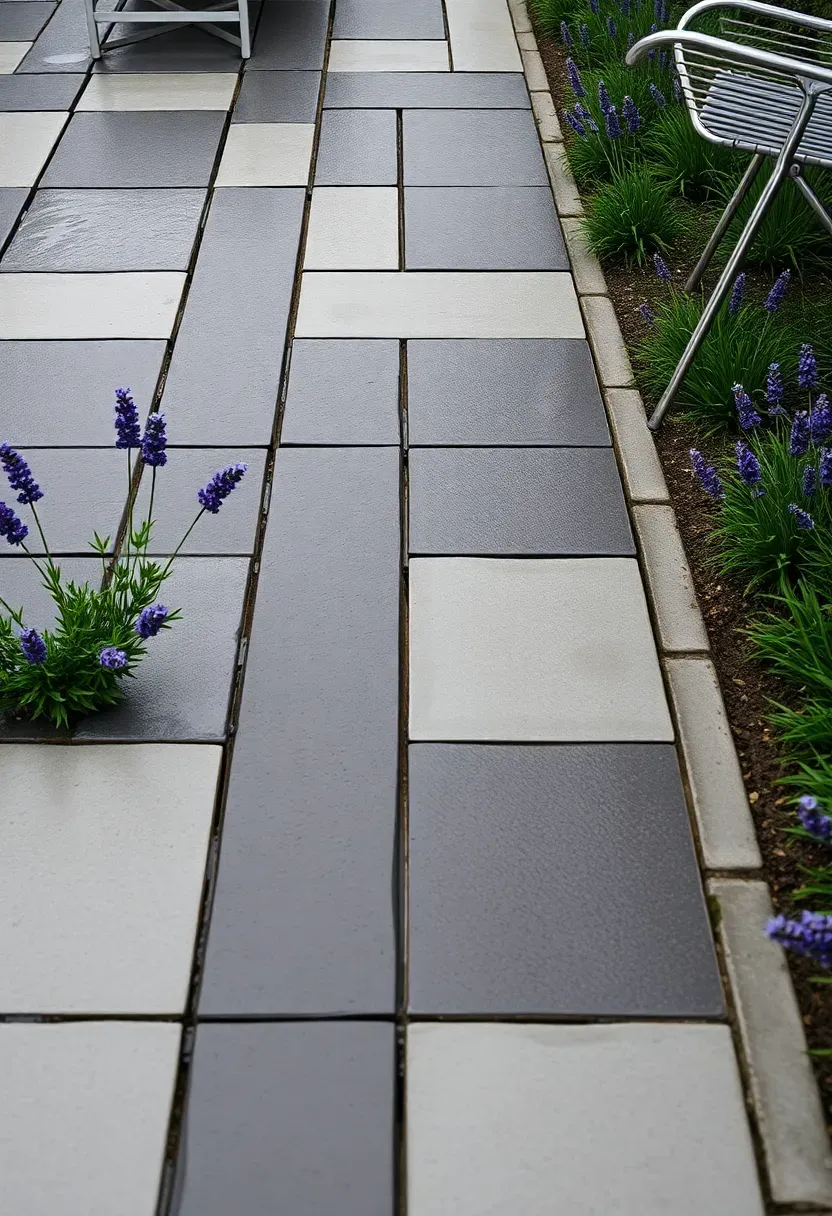
Permeable pavers look identical to standard concrete pavers but have wider joints or built-in drainage channels that let water pass through to a gravel reservoir underneath. This handles stormwater on-site rather than sending it to storm drains — increasingly important as many municipalities tighten runoff regulations. The paver surface provides the same functionality as a solid patio while meeting infiltration requirements. Cost runs $10 to $20 per square foot installed, roughly double standard pavers, because the sub-base requires specific gravel layers engineered for water storage. If you live in an area with stormwater fees, permeable pavers can qualify for credits that offset part of the cost.
Tips
- Clean joints annually with a vacuum or pressure washer to prevent clogging from fine sediment
- The gravel sub-base needs to be sized by a professional if your soil has poor infiltration (clay)
- Permeable pavers are not suitable in areas with high water tables — the reservoir needs room to drain
Recommended
Items for this idea
17. Ornamental Grass Border Yard
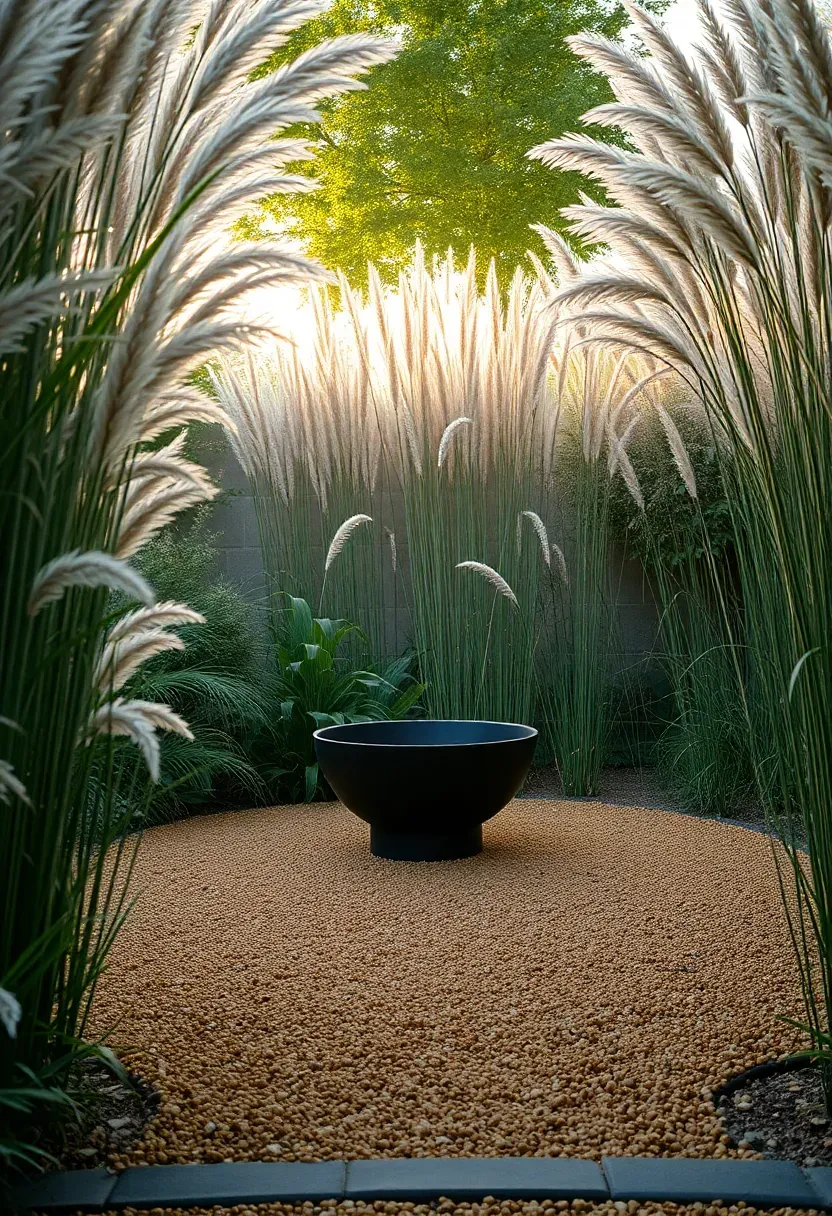
Instead of a lawn, picture a central patio or gravel area surrounded by sweeping masses of ornamental grasses. Miscanthus, Karl Foerster feather reed grass, and fountain grass (Pennisetum) create walls of texture that move in the wind and shift color from green to gold to tan through the year. Plant in dense rows or curving drifts to replace the lawn's green backdrop with something that requires no mowing, no irrigation after the first year, and one annual cutback in late February. A border of grasses around a 400-square-foot gravel patio uses roughly 30 to 40 plants at $8 to $15 each from a wholesale nursery.
Tips
- Cut all grasses to 4 to 6 inches in late winter before new growth appears — use a hedge trimmer or string trimmer
- Plant at the spacing recommended on the tag, not closer — grasses at mature size need airflow to prevent fungal issues
- Anchor the gravel center with a fire pit, dining area, or water feature to give the space a purpose beyond looking at grass borders
18. Crushed Limestone Terrace
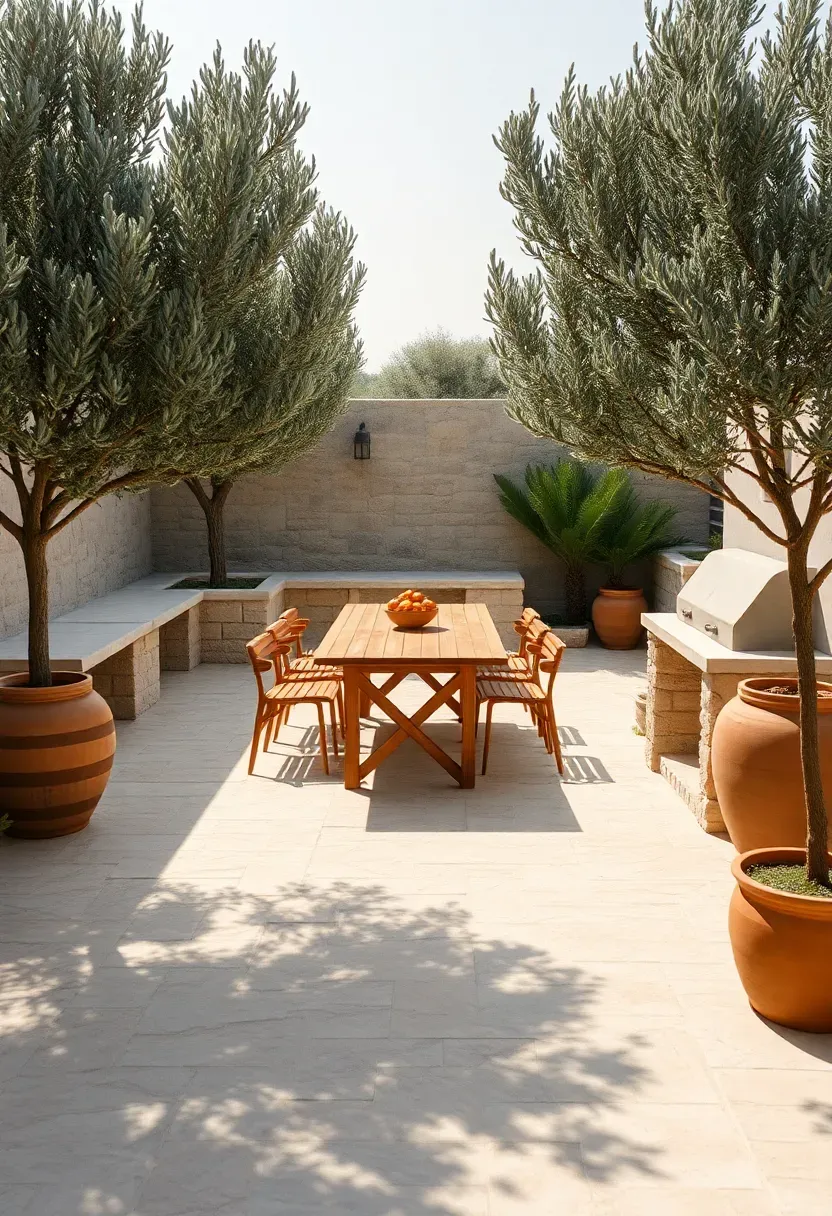
Crushed limestone compacts harder than DG and sets up almost like a soft concrete when moistened and rolled. The pale cream color reflects light and works particularly well with Mediterranean, French country, and Texas Hill Country aesthetics. Spread 3 inches over a compacted sub-base, wet it thoroughly, and run a roller or plate compactor over it. The surface firms up within a day and resists erosion better than loose gravel. Cost is comparable to decomposed granite — $2 to $5 per square foot. The alkaline nature of limestone means acid-loving plants (azaleas, blueberries, rhododendrons) should not be planted immediately adjacent. Use it for dining terraces, bocce courts, or as a full yard surface.
Tips
- Wet and compact in 1-inch layers for the firmest result
- Recompact annually after winter freeze-thaw loosens the surface
- Pair with warm-toned stone walls or terracotta pots to emphasize the Mediterranean palette
Recommended
Items for this idea
19. Japanese Zen Garden
Origins and principles
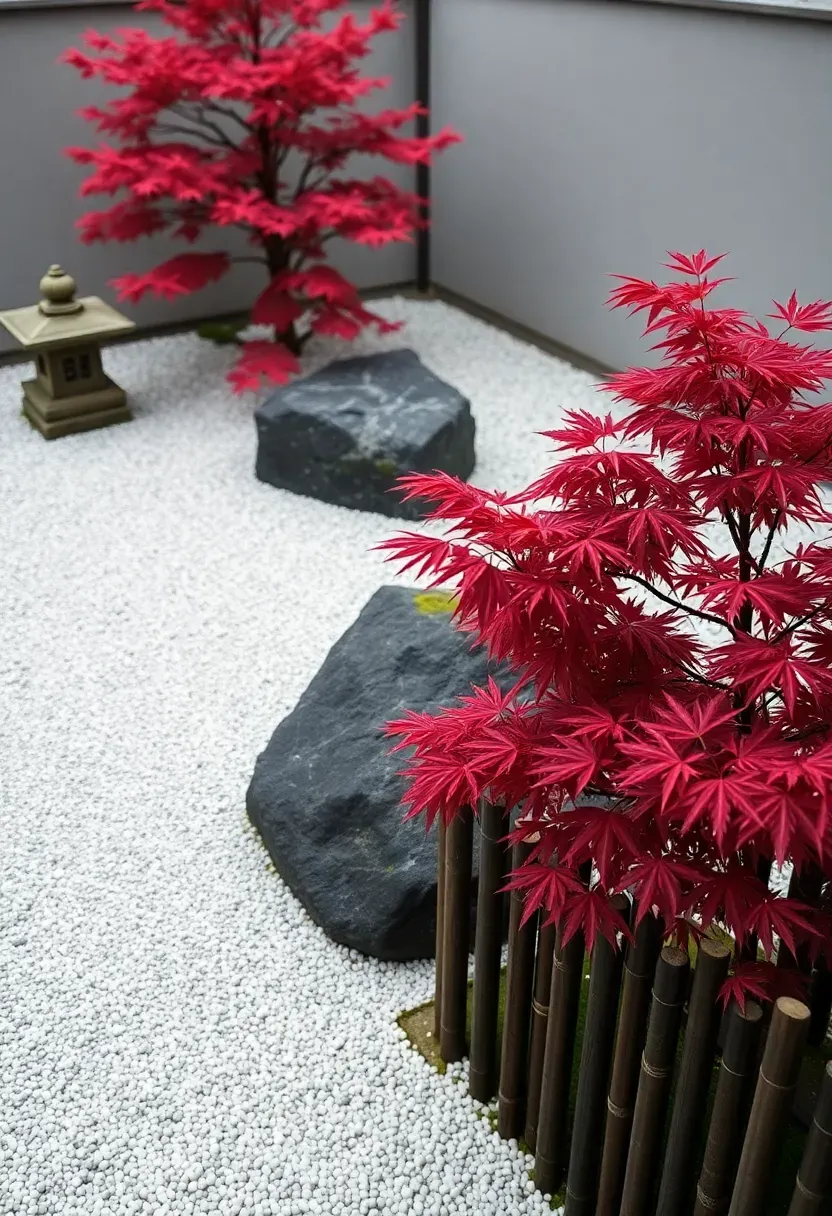
The karesansui (dry landscape) garden originated in 14th-century Zen Buddhist monasteries in Kyoto. Raked gravel represents water; boulders represent mountains or islands. The entire composition is meant to be viewed from a single vantage point, usually a veranda or sitting area. The restraint is the point — fewer elements, more carefully placed.
Building a residential version
Select 3 to 5 boulders of varying sizes with interesting surface textures. Place them in asymmetric groupings (odd numbers, never lined up) on a bed of fine white or grey gravel raked into linear or circular patterns. Border the space with a low bamboo fence or dark-stained wood. Add one specimen tree — a Japanese maple or mugo pine — placed off-center. The gravel bed should be 3 inches deep on landscape fabric. Total cost for a 200-square-foot garden runs $500 to $1,500 depending on boulder costs in your region.
Apply at home
- Even a 10-by-10-foot corner works as a zen garden — scale down the number of boulders to 2 or 3
- Rake the gravel weekly for the meditative practice and to erase footprints and leaf debris
- Avoid overdecorating — the power comes from empty space
20. Ground Cover Tapestry
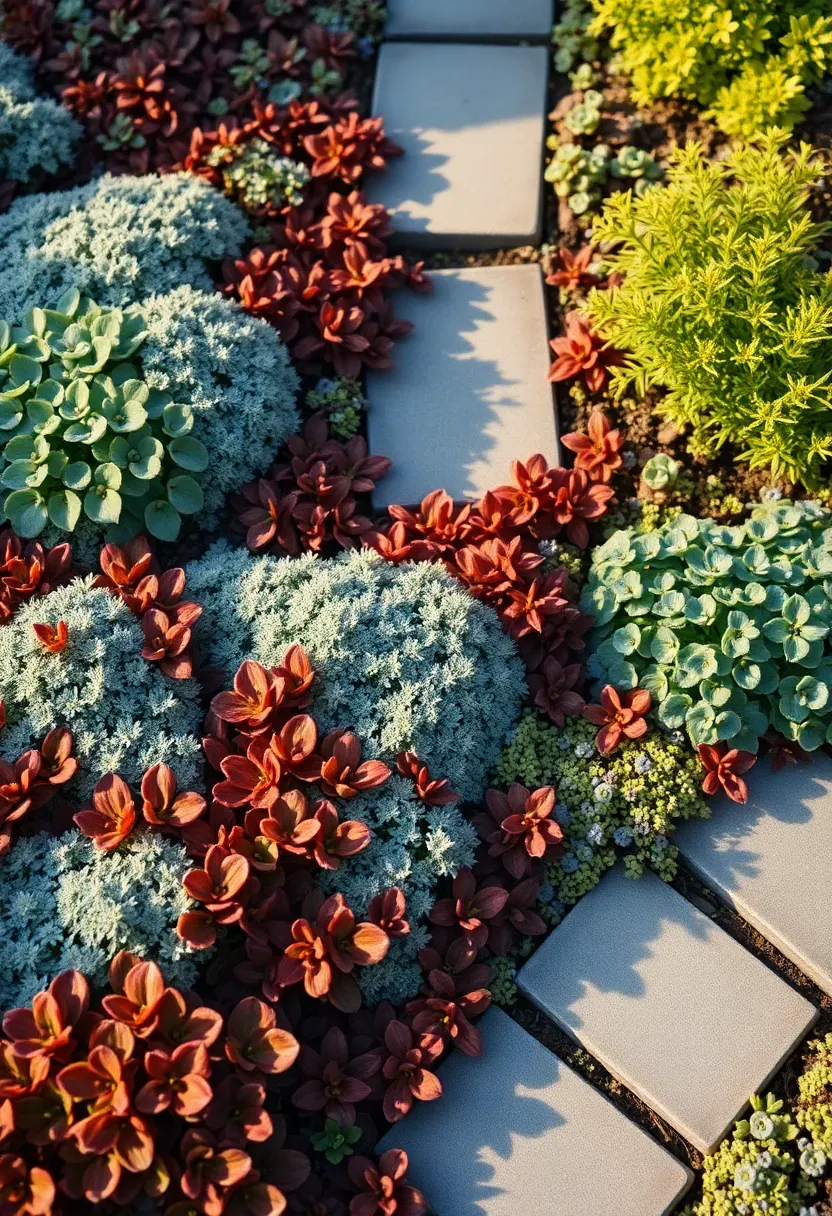
A tapestry lawn mixes multiple low-growing species to create a living carpet with varied textures and colors. Combine woolly thyme, creeping mazus, ajuga, brass buttons, and blue star creeper for a patchwork that blooms at different times and stays under 3 inches tall. Unlike a monoculture lawn, a tapestry planting has built-in resilience — if one species struggles in a particular microclimate, neighboring plants fill the gap. Plant plugs on 6-inch centers in a random mix, not blocks of single species. Water the first summer, then let the plants sort themselves out. By year two, you have a maintenance-free ground layer that looks intentionally wild. Expect to spend $3 to $5 per square foot in plugs for initial planting.
Tips
- Choose species matched to your conditions — all-sun, all-shade, or a mix for transitional areas
- Accept some seasonal dormancy in cold climates — the tapestry greens up unevenly in spring, which is part of the charm
- Place stepping stones through the planting so you can walk across without compacting the soil
Recommended
Items for this idea
21. Raised Bed Kitchen Garden
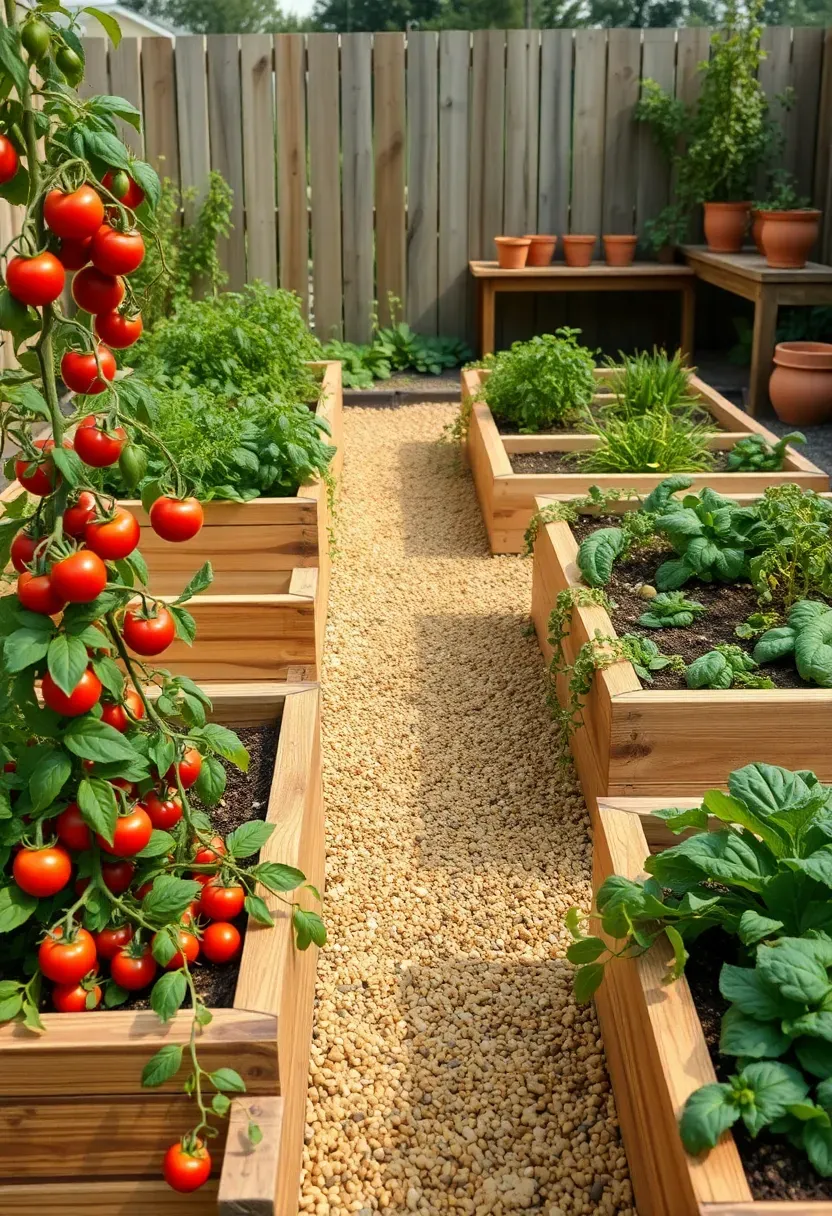
Why maintain grass you never sit on when you could grow food instead? Raised beds built from 2-inch-thick cedar or Douglas fir boards, 12 to 18 inches tall, filled with a mix of topsoil, compost, and perlite, give you productive growing space that replaces lawn. Standard 4-by-8-foot beds cost $50 to $100 each in lumber. Fill cost runs about $40 per bed for a 50/50 compost-topsoil blend delivered in bulk. Line the pathways between beds with gravel or wood chips — never leave bare soil paths or they become mud tracks. A backyard with 6 to 8 raised beds and gravel paths between them produces a serious amount of food while eliminating 500-plus square feet of lawn.
Tips
- Orient beds north-south so both sides get equal sunlight
- Make paths at least 30 inches wide to fit a wheelbarrow
- Install drip irrigation on a timer — hand watering raised beds is the fastest way to lose interest in gardening
22. Corten Steel and Gravel Zones
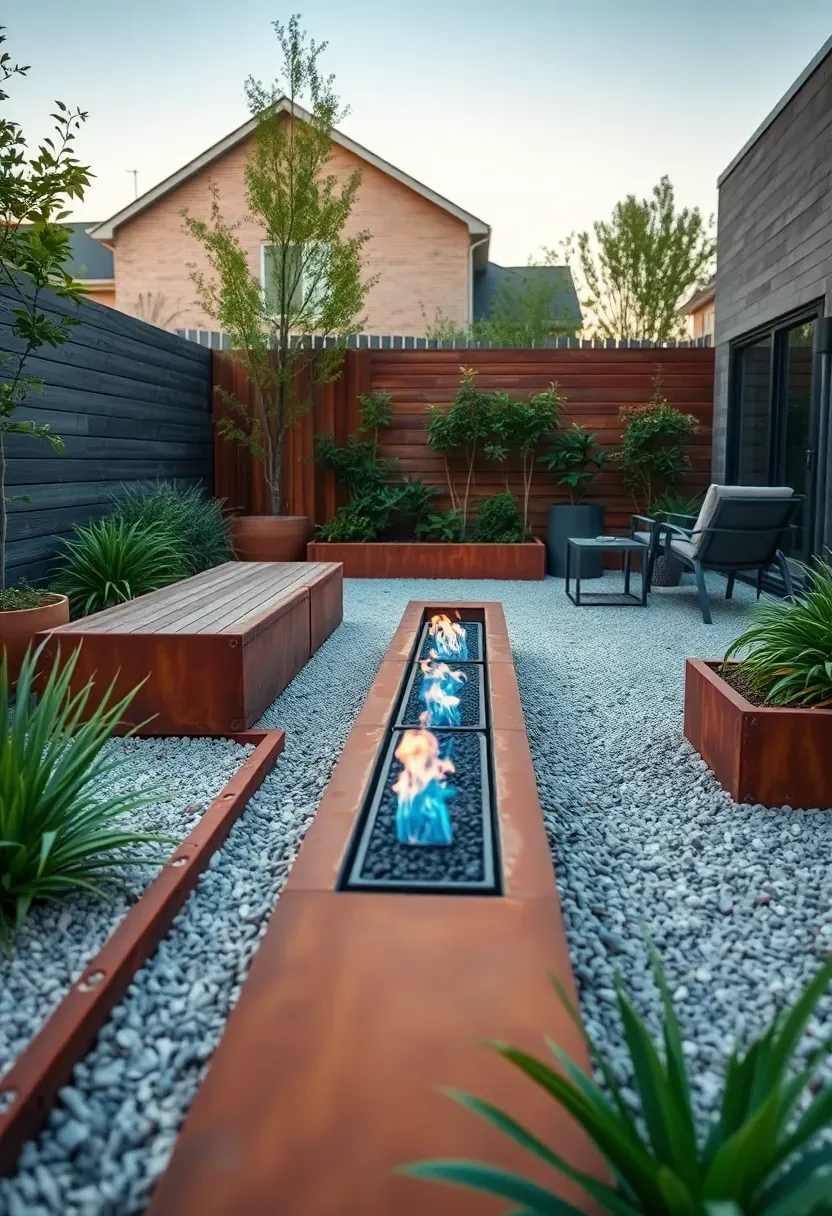
Corten (weathering steel) develops a stable rust patina that protects the underlying metal and gives it a warm, burnt-orange surface. Used as edging, planters, and retaining walls, it divides a grassless yard into distinct zones — a gravel dining area here, a planted bed there, a fire pit zone beyond. The 14-gauge steel sheets bend to follow curves and hold their shape permanently. Corten edging runs $15 to $25 per linear foot, and planters start around $200 for a 4-foot-long box. The contrast between the orange steel and grey gravel or green plants is sharp and deliberate. This approach works best in modern and industrial-leaning landscapes where clean material contrasts carry the design.
Tips
- Corten stains concrete and light-colored stone during the initial rusting phase — keep it away from pavers or pour a gravel buffer
- It takes 6 to 12 months for the patina to fully stabilize, during which it weeps rust-colored water
- Weld or bolt connections rather than relying on friction — Corten is slippery when wet and panels can shift
Recommended
Items for this idea
23. Composite Deck Expansion
Deck as yard
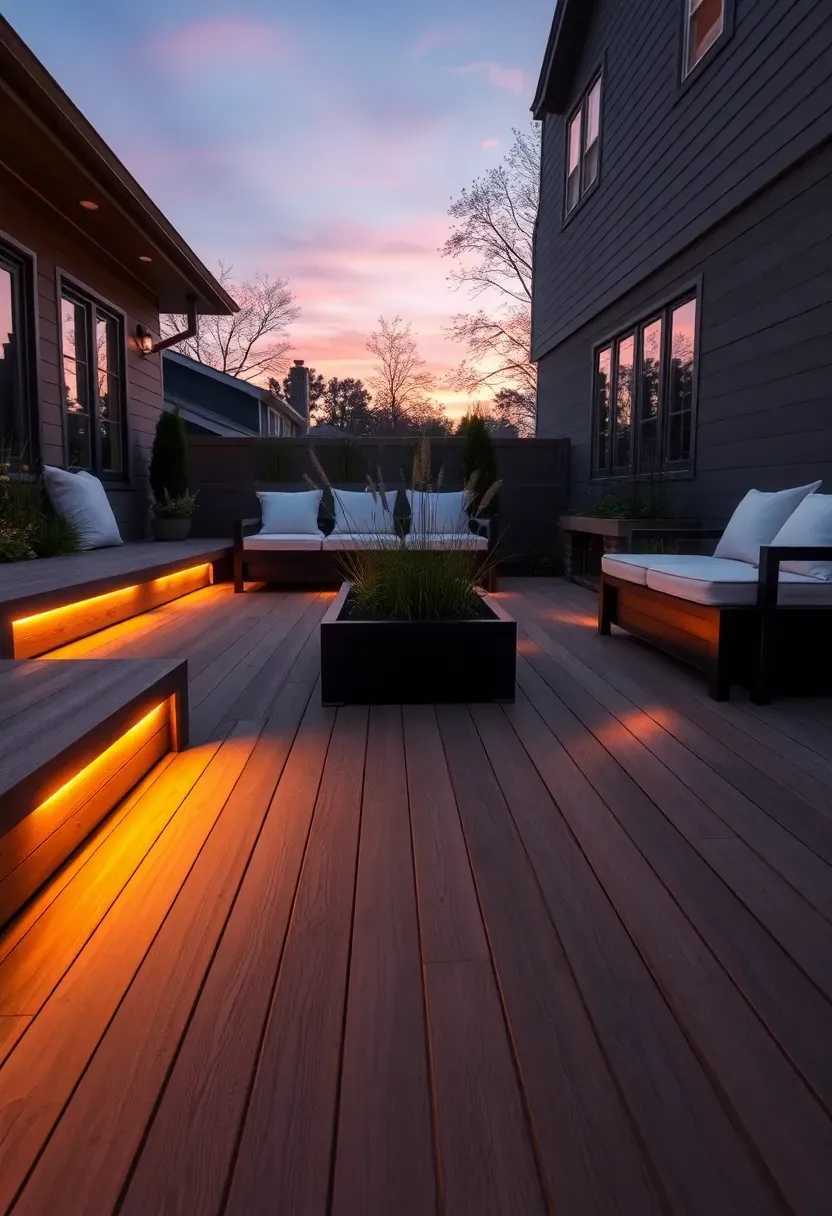
If your yard is small — under 600 square feet — a composite deck that covers most or all of it can make more sense than patching together multiple ground-level surfaces. Composite decking (Trex, TimberTech, Fiberon) runs $6 to $12 per square foot for materials plus framing. It does not rot, does not need staining, and cleans with soap and water. Build it at ground level or just above grade to avoid the raised-deck look and eliminate the need for railings in most jurisdictions.
Planning the build
Frame the deck on concrete pier blocks or helical piles on 6-foot centers. Use pressure-treated southern yellow pine for the frame and composite boards for the decking surface. Hidden fasteners give a clean, screw-free appearance. Leave gaps at the perimeter for drainage and ventilation underneath. Integrate built-in planters and bench seating to reduce the need for separate furniture.
Choose if
- Your yard is small enough that a single deck surface covers it
- You want a dead-flat, clean surface for furniture, dining, and entertaining
- You are willing to pay more upfront for a surface that needs near-zero maintenance for 25 years
Quick FAQ
Does removing grass hurt property value? Not if you replace it with something intentional. A well-designed hardscape, xeriscape, or garden typically increases curb appeal and appraisal value compared to patchy or dead grass. The key is looking maintained — gravel with defined edges and healthy plantings reads as a design choice, not neglect.
Which backyard ideas without grass work best in shade? Moss gardens, wood chip paths, and mulch-and-perennial beds all thrive in shade. Hostas, ferns, astilbe, and native woodland species handle low light well. Avoid creeping thyme, succulents, and most ornamental grasses in shade — they need full sun.
How do I kill an existing lawn without chemicals? Sheet mulching (cardboard plus 6 inches of mulch) kills grass in 2 to 3 months. Solarization with clear plastic works in 4 to 6 weeks during summer. Both methods also suppress weed seeds. For fastest results, scalp the lawn with a mower first.
Is artificial turf environmentally friendly? It eliminates water use, mowing emissions, and chemical inputs. However, it is made from plastic, does not support soil biology, and eventually goes to a landfill after 15 to 20 years. Weigh the tradeoffs based on your priorities and how you use the space.
What is the cheapest way to replace a grass lawn? Clover seed at $1 per 100 square feet is the cheapest living option. For non-living surfaces, free arborist wood chips or pea gravel at $1 to $3 per square foot are the most affordable. Sheet mulching the existing lawn costs under $100 for a typical backyard if you source free cardboard.
Grass lawns persist mostly out of habit. Once you accept that a yard does not need to be a green rectangle, the options open up fast. Pick the idea that matches your climate, your soil, and how you actually spend time outside. Start with one section — the shadiest corner, the muddiest stretch, the strip along the fence nobody looks at — and see how it feels after a full season. You will probably not miss the mowing.
Pinterest cover for 23 Backyard Ideas Without Grass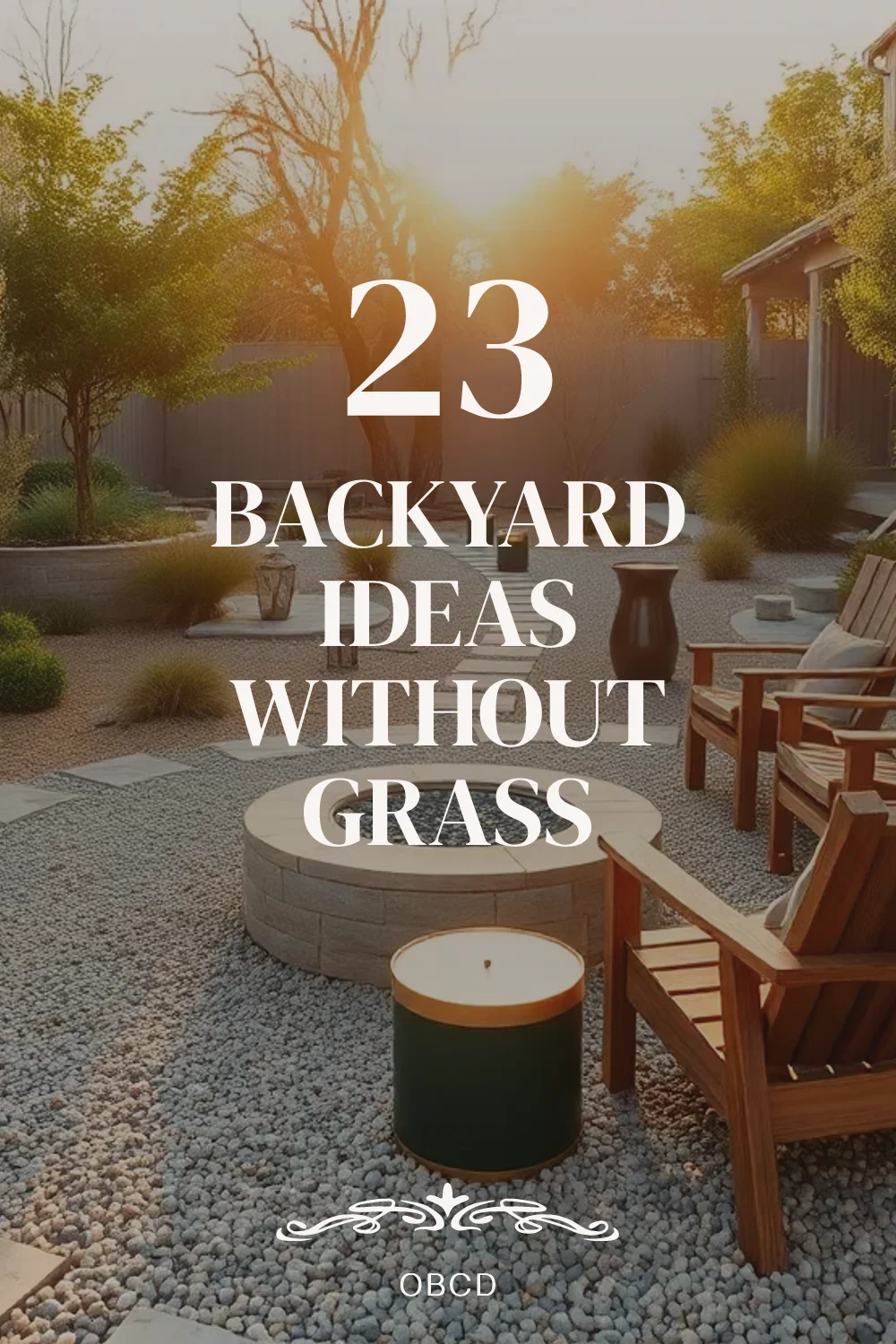
About the author
OBCD
CGI visualization and interior design content. We create detailed 3D renders and curate practical design ideas for every room in your home.