25 Backyard Ideas Texas Homeowners Actually Use
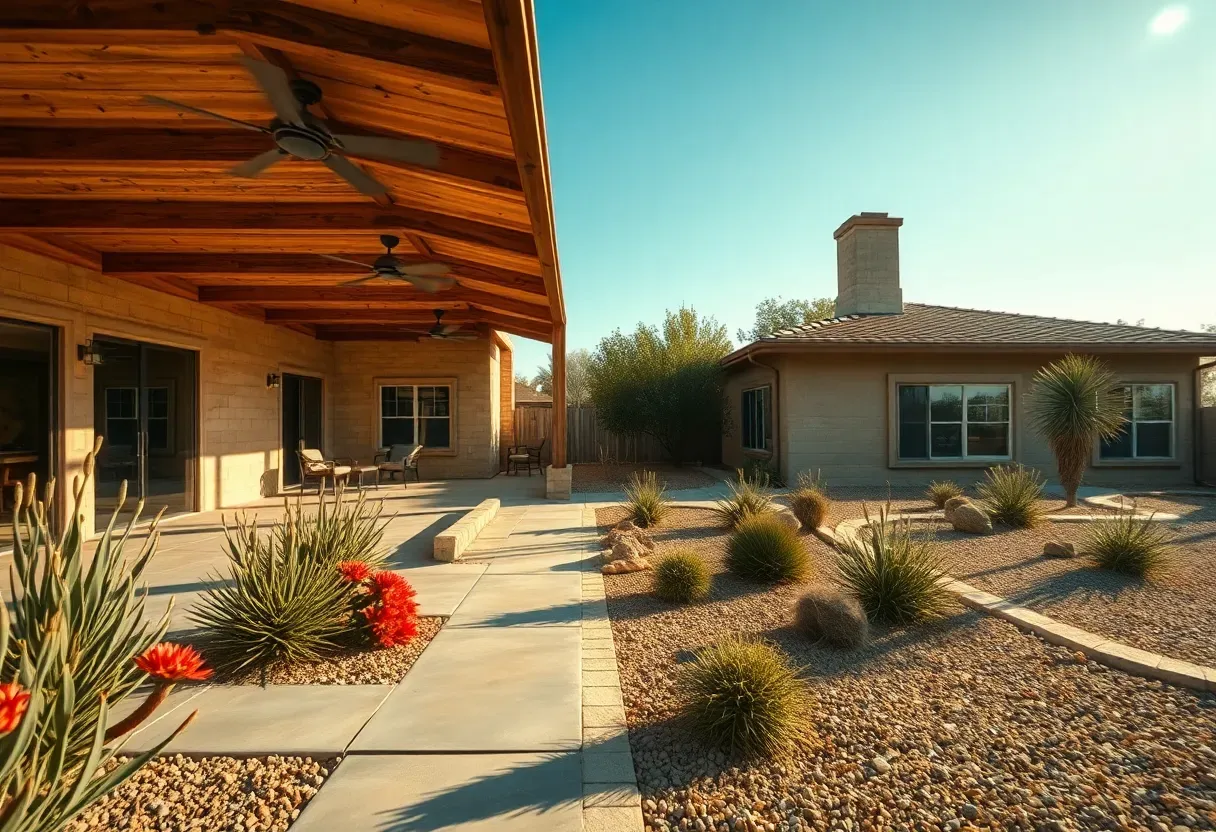
Texas backyards operate under conditions most design blogs ignore. Triple-digit summers, clay soil that cracks wide enough to lose a golf ball, water restrictions that tighten every few years, and the occasional freeze that kills anything subtropical overnight. Designing a yard here means working with those realities instead of pretending you live in the Pacific Northwest. The good news: Texas gives you more outdoor months than almost anywhere else in the country, so the payoff for getting it right is huge.
Here are 25 ideas pulled from yards across Houston, Austin, Dallas, San Antonio, and everywhere in between. Mix and match based on your zone, soil, and budget.
Table of Contents
- Stock Tank Pool
- Xeriscaped Front-to-Back Yard
- Cedar Pergola with Ceiling Fans
- Native Prairie Grass Meadow
- Outdoor Kitchen with Smoker Station
- Decomposed Granite Gathering Area
- Hill Country Stone Retaining Wall
- Shade Sail Array
- Rain Barrel and Rain Garden System
- Texas Wildflower Border
- Concrete Slab Patio with Stain
- Mesquite-Shaded Dining Area
- DIY Stock Pond for Wildlife
- Covered Breezeway Between House and Garage
- Cactus and Succulent Rock Garden
- Galvanized Metal Raised Beds
- Backyard Movie Screen Setup
- Flagstone Path with Creeping Thyme
- Misting System for the Patio
- Live Oak Hammock Grove
- Corrugated Metal Privacy Fence
- Sunken Fire Pit with Limestone Seating
- Artificial Turf Play Zone
- Texas Cottage Garden
- Nightscape Lighting Plan
1. Stock Tank Pool
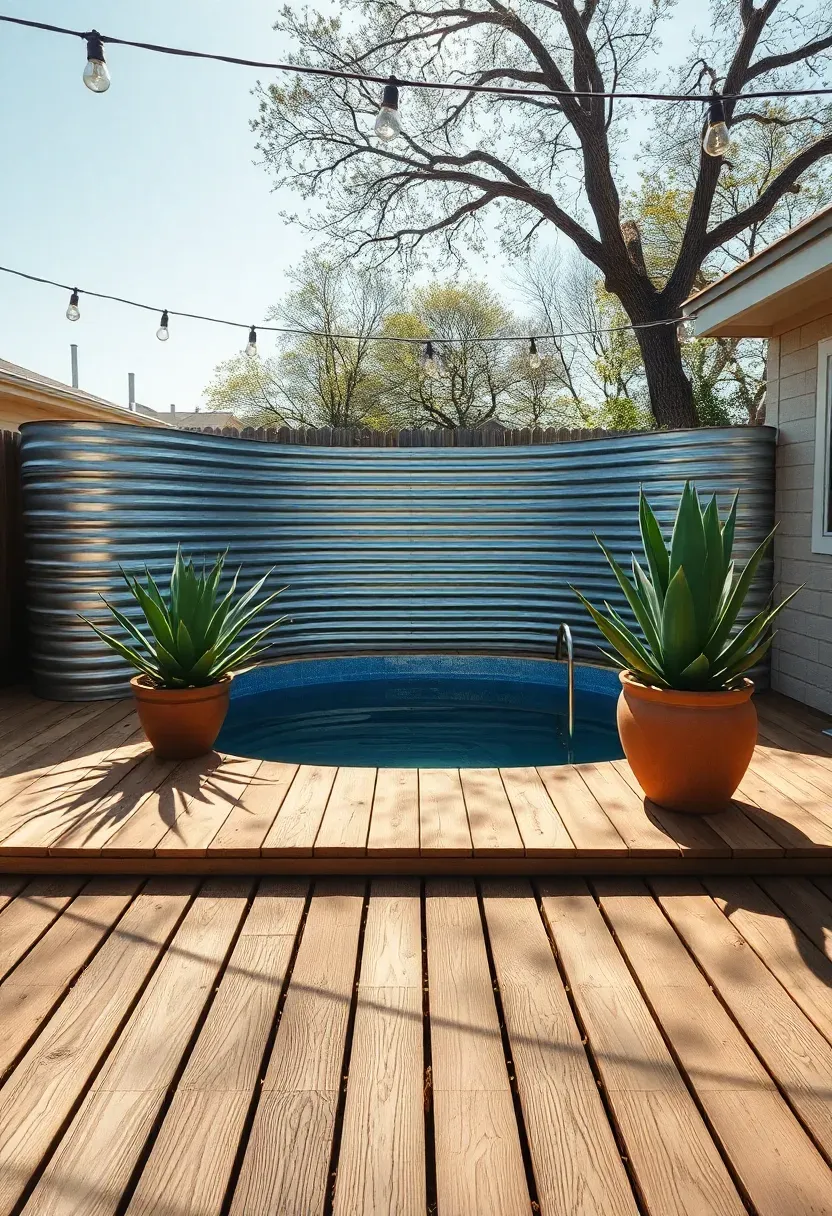
The stock tank pool became a Texas backyard staple because it solves two problems at once: it costs a fraction of a gunite pool, and you can install one in a weekend. A standard 8-foot galvanized tank runs about $400-$700 at Tractor Supply. Add a small cartridge filter pump, and you have a functional dip pool that keeps you sane through July and August.
Getting It Right
- Set the tank on a level pad of compacted crushed limestone, not bare soil — clay will shift
- Use a 1,500 GPH pump with a filter basket; change the cartridge monthly in peak season
- Paint the interior with rubberized pond liner paint to prevent rust and soften the metal color
- Add a simple wooden deck surround for seating and to hide plumbing connections
We picked a few things that go well with this idea: LOVE STORY Triangle Sun Shade Sail (12ft) (★4.5), Shade&Beyond Triangle Sun Shade Sail (16ft) (★4.5) and SUNNY GUARD Triangle UV Shade Sail (16ft) (★4.6). As an Amazon Associate we earn from qualifying purchases.
2. Xeriscaped Front-to-Back Yard
Why It Matters in Texas
Municipal water restrictions hit harder every summer across Central and West Texas. San Antonio's SAWS regularly moves to Stage 2 restrictions, and even Houston neighborhoods see watering limits during droughts. A fully xeriscaped yard sidesteps these problems entirely.
How to Approach It
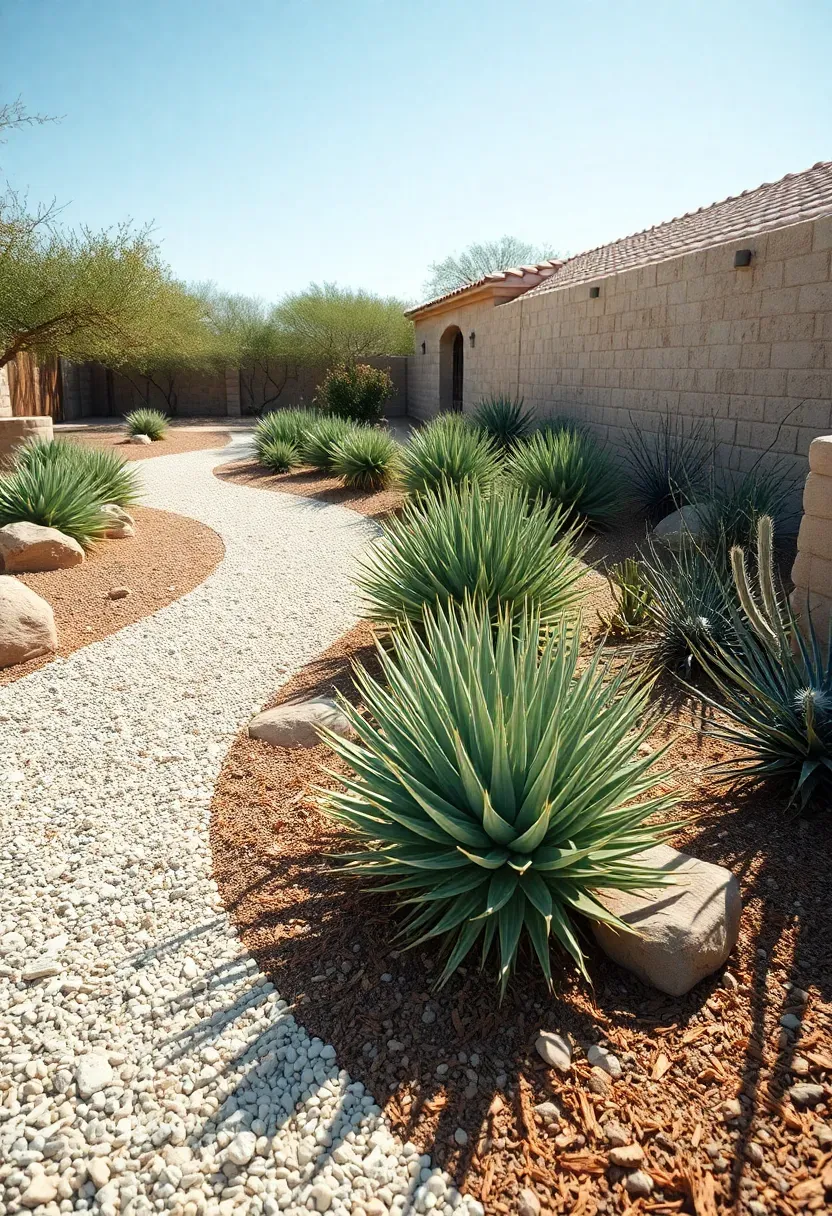
Start by removing turf in phases — front yard first, since that is the largest water consumer. Replace with decomposed granite or crushed limestone pathways, then plant in layers: tall structural plants like red yucca and Texas sotol in back, mid-height lantana and cenizo in the middle, and low spreading germander or silver ponyfoot as ground cover. Mulch heavily with shredded cedar to hold moisture and suppress weeds.
The Trade-Offs
Worth it: Water bills drop 40-60%, maintenance drops to seasonal trimming, and the yard looks intentional year-round Be aware: Neighbors may push back if your HOA has green-lawn requirements — check CC&Rs first, and know that Texas law protects xeriscaping rights under the Property Code
We picked a few things that go well with this idea: Land Guard Galvanized Raised Garden Bed (★4.5), Land Guard Galvanized Garden Bed (2-Pack) (★4.5) and Land Guard Large Raised Garden Bed (8x4ft) (★4.2). As an Amazon Associate we earn from qualifying purchases.
3. Cedar Pergola with Ceiling Fans
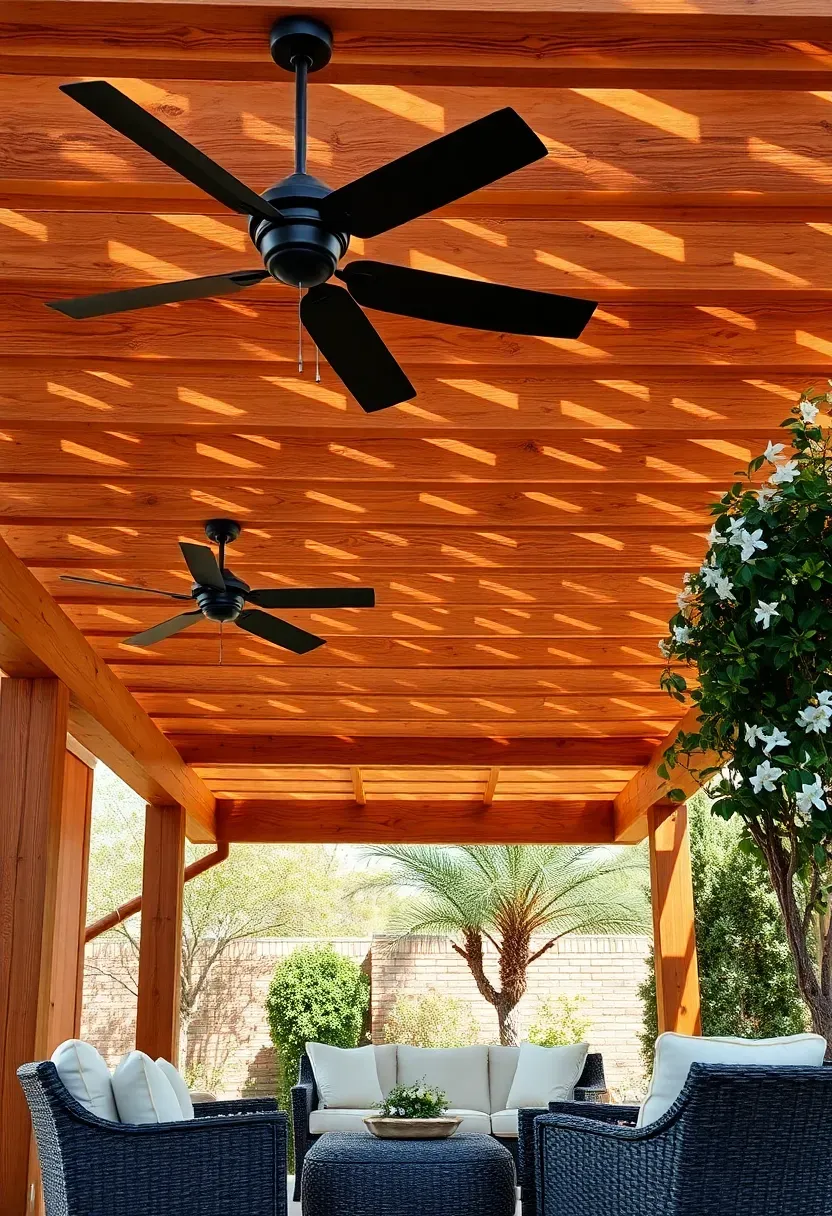
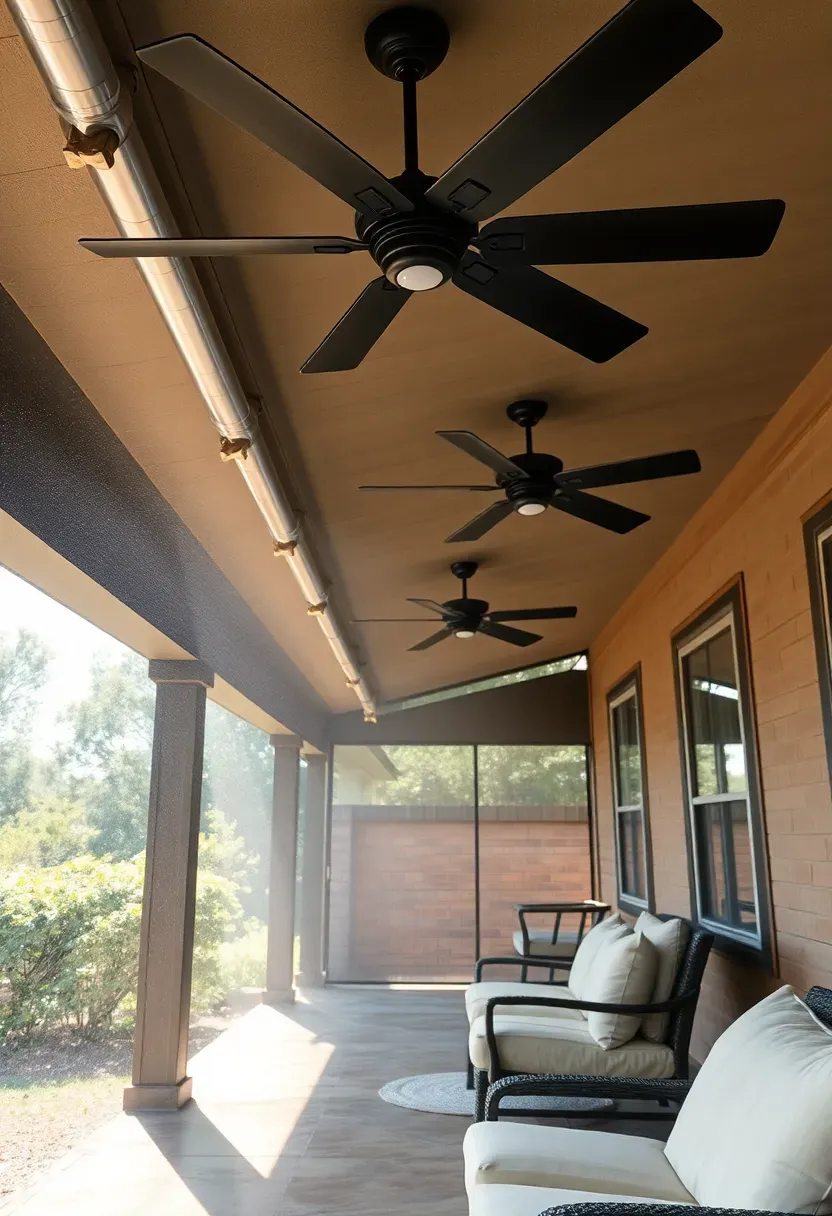
Nothing makes a Texas patio usable in summer faster than shade plus air movement. A cedar pergola with properly sized ceiling fans drops the perceived temperature by 10-15 degrees. Western red cedar resists rot without chemical treatment, which matters when you are spending this kind of money on a permanent structure.
Build Tips
- Space rafters at 12 inches on center for meaningful shade — wider spacing looks open but leaves you cooking
- Use 52-inch or 60-inch outdoor-rated fans; one fan per 100 square feet of covered area
- Run electrical conduit through the posts during construction, not after
- Train star jasmine or crossvine up the posts for fragrance and additional leaf cover by year two
We picked a few things that go well with this idea: PARTPHONER Low Voltage Pathway Lights (12-Pack) (★4.5), LEONLITE LED Landscape Path Lights (12-Pack) (★4.4) and SUNVIE Cast-Aluminum Landscape Path Lights (12-Pack) (★4.5). As an Amazon Associate we earn from qualifying purchases.
4. Native Prairie Grass Meadow
From Lawn to Meadow
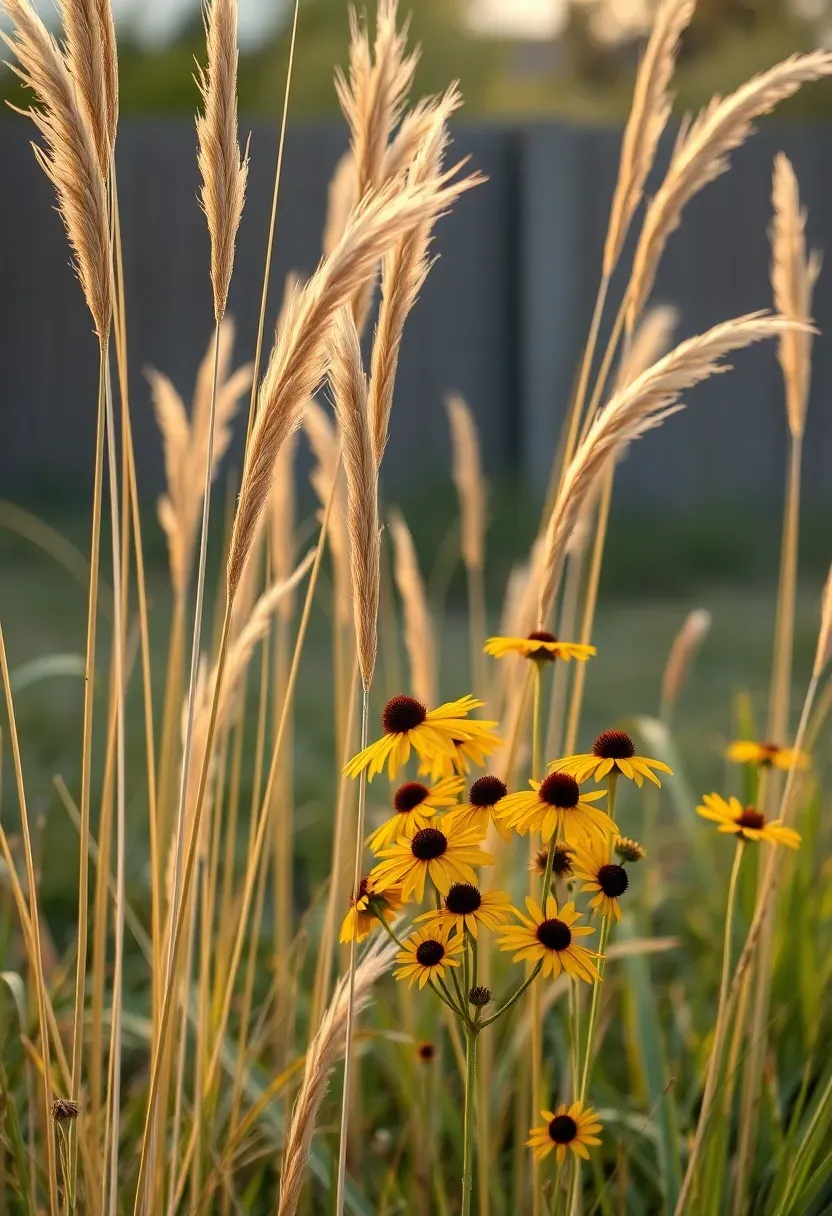
Converting part of your yard to native prairie grasses feels radical until you see how little work it takes after establishment. Big bluestem, Indiangrass, and little bluestem are all native to Texas and grow without irrigation once their roots reach depth — usually by the second fall.
Step 1: Kill Existing Turf
Smother with cardboard and 4 inches of compost in fall. By spring, the turf beneath is dead.
Step 2: Seed or Plug
Broadcast native seed mixes from Native American Seed (based in Junction, TX) or plant 4-inch plugs on 12-inch centers for faster coverage.
Step 3: First-Year Maintenance
Mow to 6 inches three times during the first growing season to prevent weeds from shading out seedlings. After that, mow once annually in late winter.
Watch Out For
Bermuda grass invasion is the biggest threat. It will creep in from neighboring yards through runners. Install a 6-inch steel edging barrier at property lines.
Recommended
Items for this idea
5. Outdoor Kitchen with Smoker Station
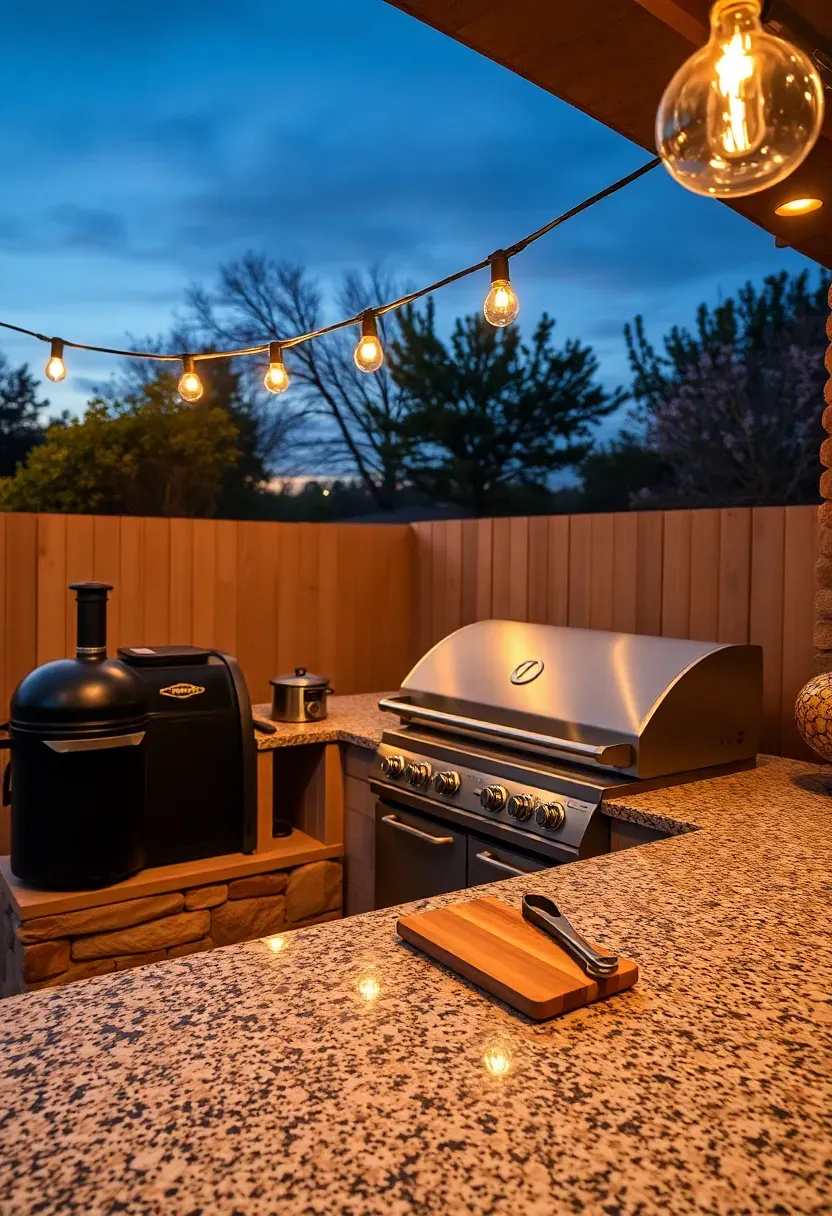
Texans take outdoor cooking seriously enough that a grill alone does not cut it. A proper backyard kitchen here includes an offset smoker or a built-in pellet smoker alongside the gas grill. The key is building the station so the smoke drifts away from the seating area — check your prevailing wind direction (usually south-southeast in most of Texas) before you pour the slab.
What Works Best
- Build the base from stacked limestone or concrete block with a stone veneer — it handles heat and rain
- Include at least 6 linear feet of counter space; granite remnants from countertop shops are cheap
- Plumb a sink with hot and cold water if you can — hand-washing after handling brisket matters
- Install a dedicated 20-amp circuit for the pellet smoker and any rotisserie attachments
6. Decomposed Granite Gathering Area
Concrete vs. DG: A Quick Comparison
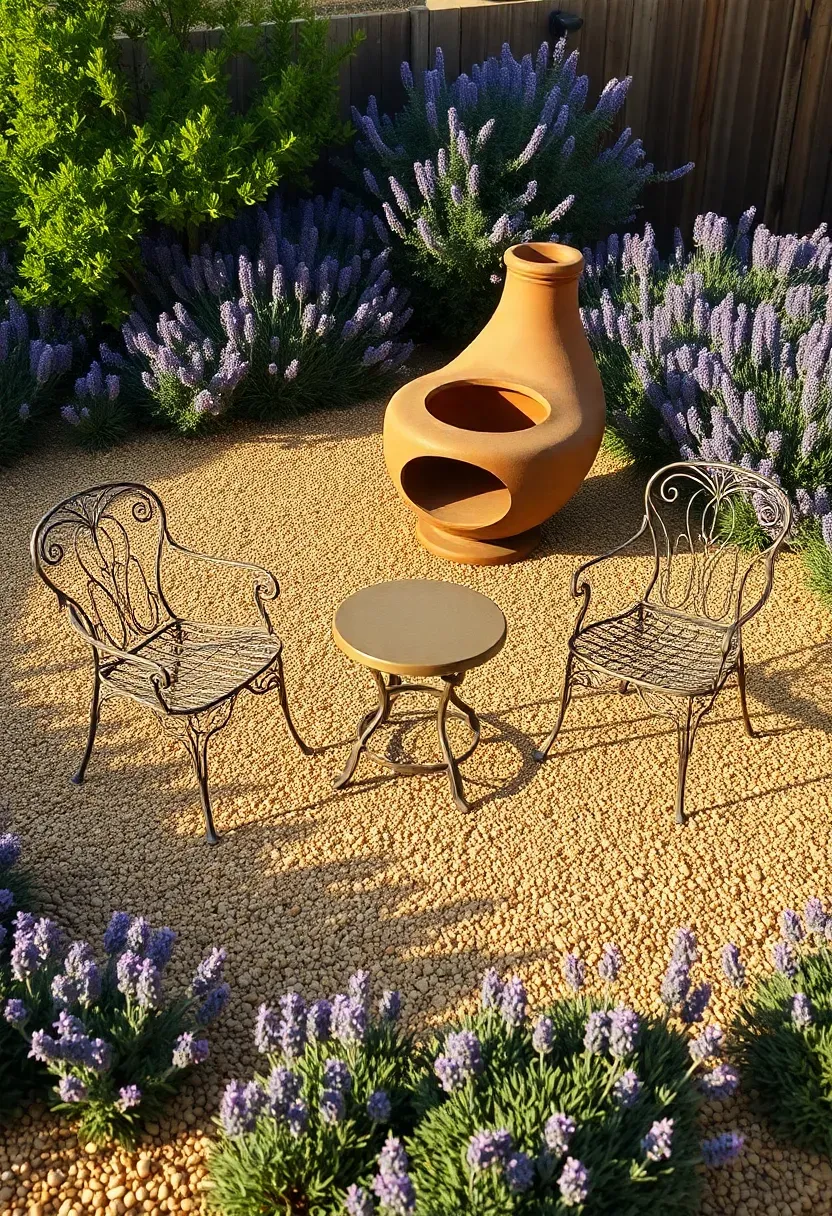
Decomposed granite costs $1-$3 per square foot installed versus $6-$12 for poured concrete. It drains naturally (critical in flash-flood-prone areas), and you can reshape it anytime.
Choose DG If:
- You want permeable ground cover that satisfies city drainage codes
- Your budget is tight but you need usable outdoor space now
- You are renting and landlord approval for concrete is unlikely
Choose Concrete If:
- You need a perfectly level surface for heavy furniture or a hot tub
- Your yard floods regularly and you want a raised slab
Recommendation
For most Texas backyards, a DG patio bordered with steel landscape edging and compacted with a plate compactor gives you 80% of the function at 20% of the cost. Add a stabilizer like Stabilizer Solutions to prevent the surface from loosening in high-traffic zones.
Recommended
Items for this idea
7. Hill Country Stone Retaining Wall
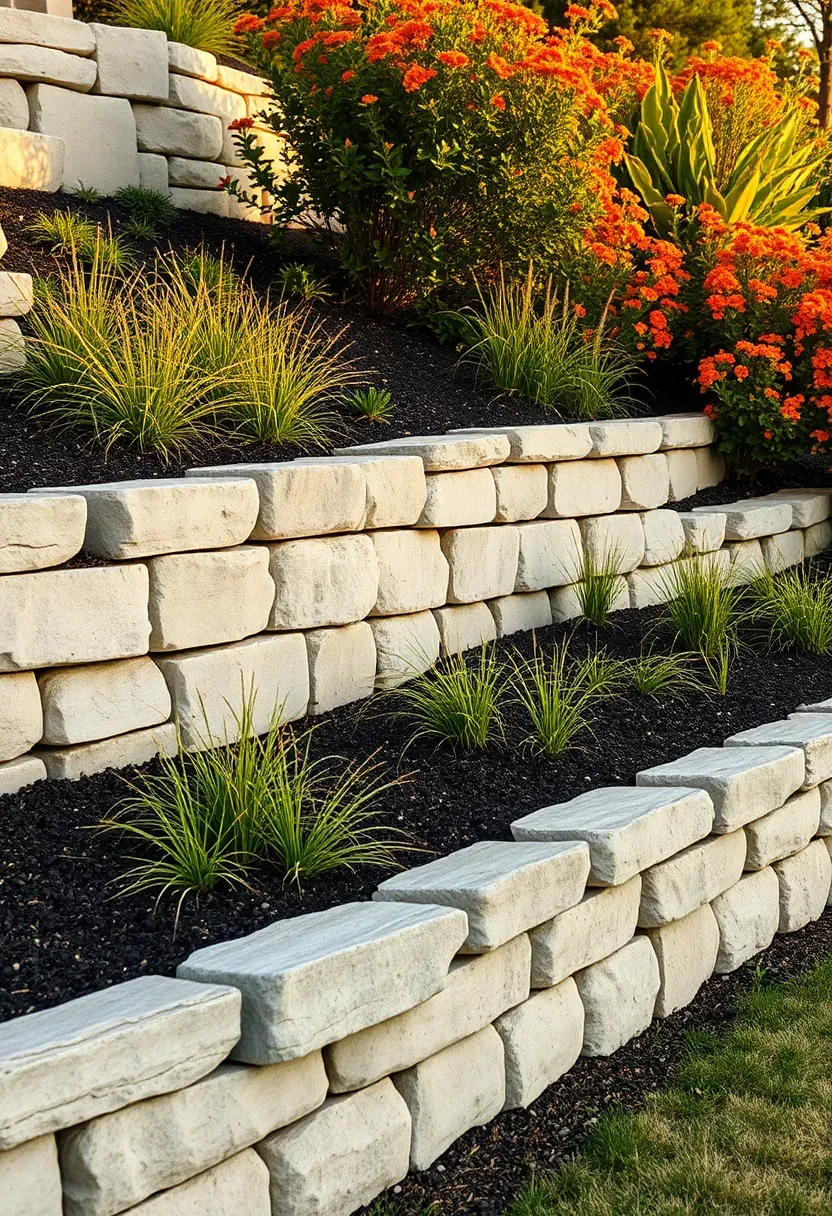
Sloped lots in the Hill Country, North Texas, and parts of Houston need retaining walls to create flat, usable yard space. Locally quarried limestone is the default material because it is abundant, affordable, and weathers into the landscape naturally. A dry-stacked wall up to 3 feet tall is a solid DIY project; anything taller needs an engineer and proper drainage behind the wall.
Key Details
- Install 4-inch perforated drain pipe behind the wall, bedded in gravel, with daylight outlets at both ends
- Batter the wall face back at roughly 1 inch per foot of height for stability
- Fill planting terraces behind the wall with a 50/50 mix of native soil and compost
- Plant the top with trailing rosemary or silver ponyfoot to soften the stone edge
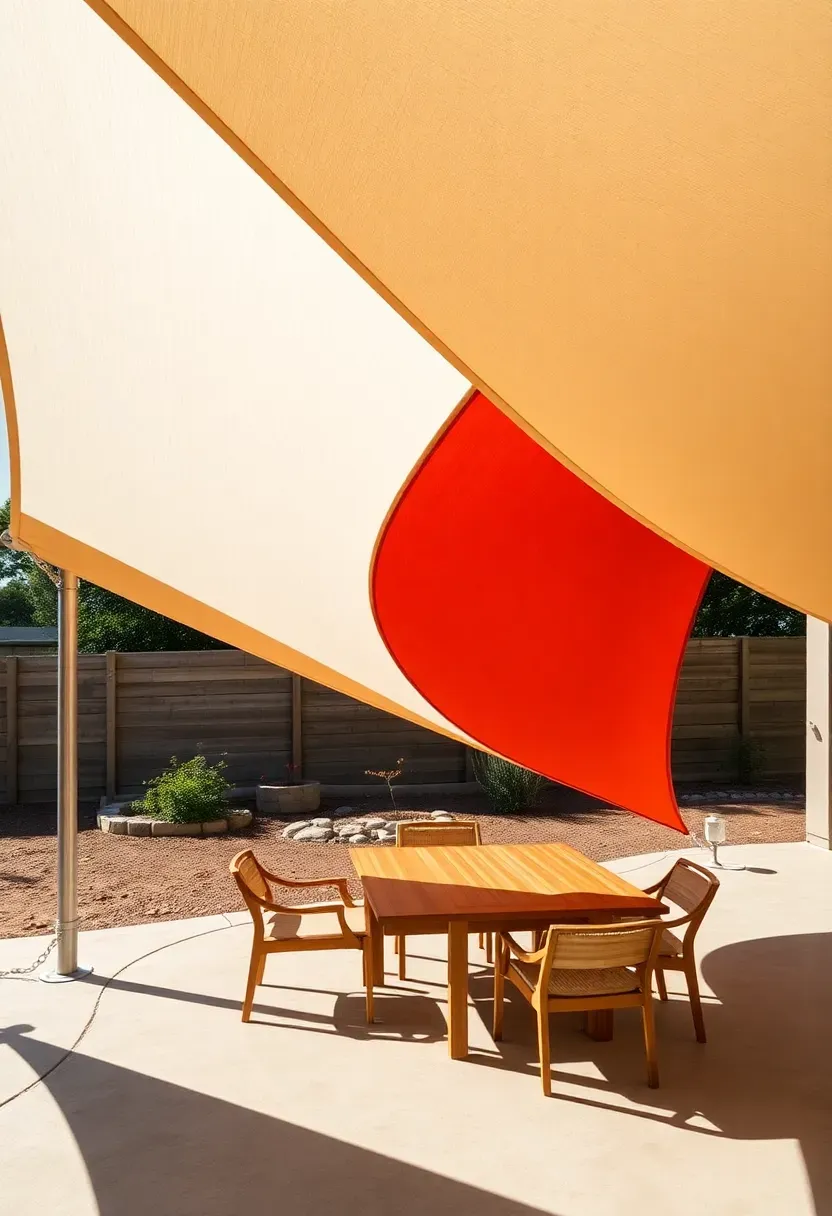
8. Shade Sail Array
The Problem
You need shade fast and a pergola build is months out or over budget.
The Solution
Commercial-grade shade sails block 85-95% of UV and install in a day with proper anchor points. Use galvanized steel posts set in 30-inch-deep concrete footings (deeper than most guides suggest, but Texas wind gusts during spring storms demand it). Overlap two or three sails at different angles for better coverage and a more dynamic look than a single flat rectangle.
Pros and Cons
Pros: Fraction of pergola cost, removable for winter or hurricanes (Gulf Coast), available in colors that match your house Cons: Fabric degrades in 5-8 years under Texas UV and needs replacement; hardware stays permanent
Recommended
Items for this idea
9. Rain Barrel and Rain Garden System
Step 1: Capture
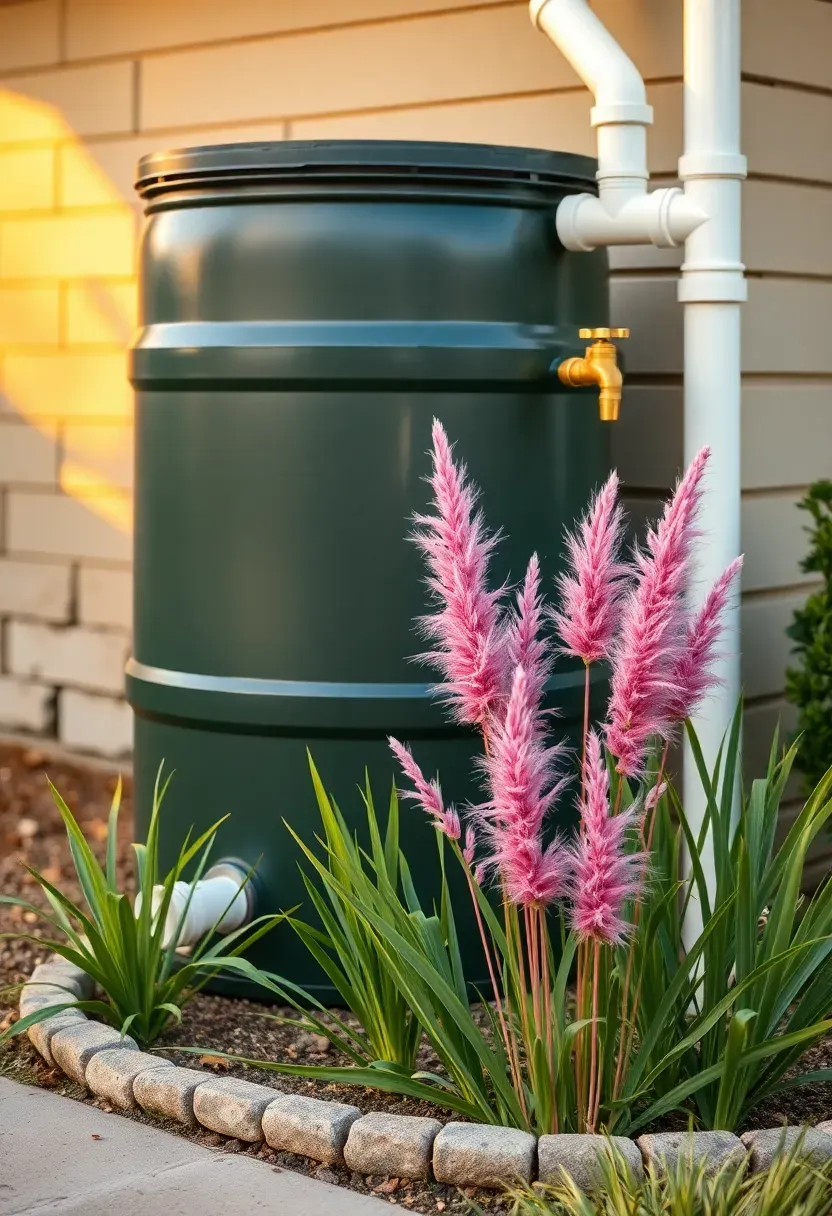
Install 55-gallon rain barrels at each downspout. A 1,000-square-foot roof generates roughly 600 gallons from a single inch of rain — and Texas thunderstorms routinely deliver 2-3 inches in an hour.
Step 2: Overflow
Connect barrel overflows to a shallow rain garden — a planted depression 6-8 inches deep, lined with compost-amended sandy soil. Position it at least 10 feet from your foundation.
Step 3: Plant the Garden
Use Gulf muhly grass, inland sea oats, and horseherb. These species tolerate both standing water during storms and dry conditions between rains.
Watch Out For
Mosquito breeding in standing barrel water. Screen all inlets with fine mesh, and add mosquito dunks (Bti) monthly from April through October.
10. Texas Wildflower Border
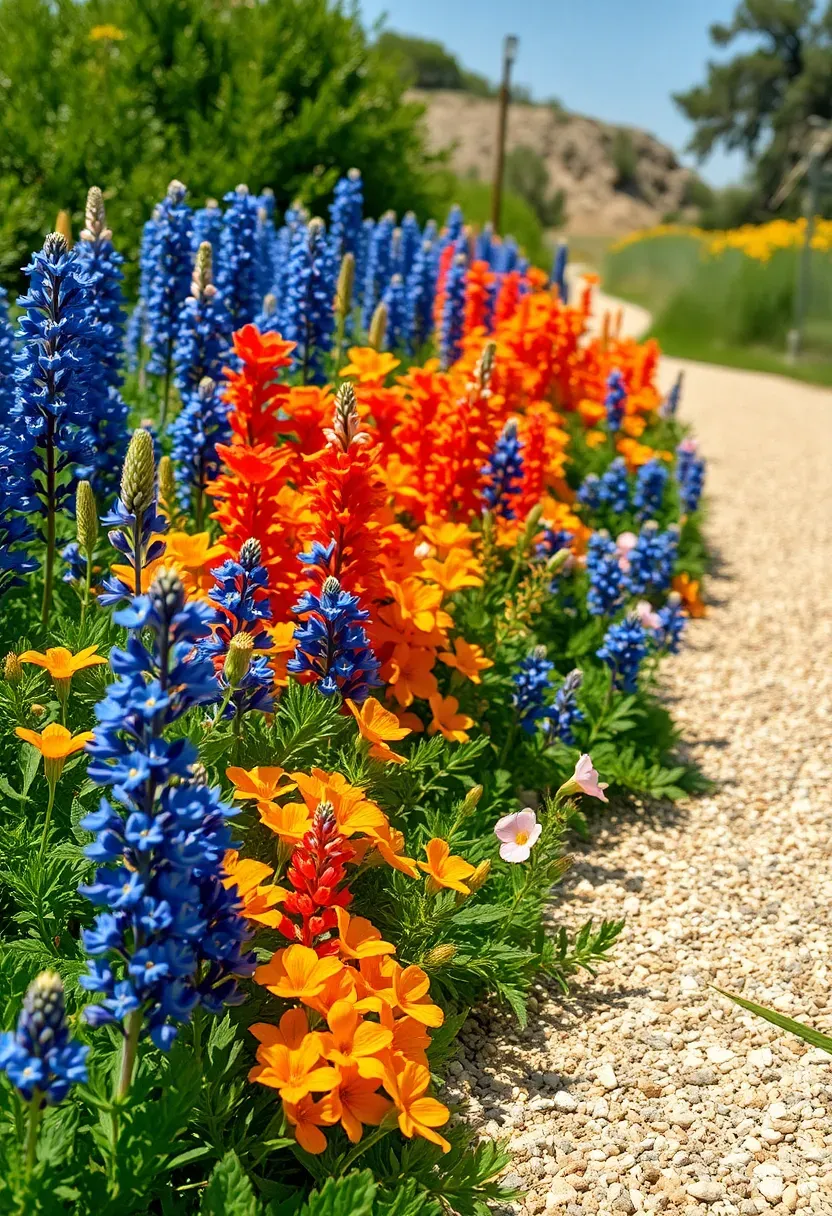
Bluebonnets get all the attention, but a properly planned wildflower border blooms from March through November by mixing species with staggered schedules. Sow seed in September or October — wildflowers need winter cold stratification to germinate well. Scatter seed on bare, scraped soil (not mulch), press it in with a lawn roller, and walk away.
Seasonal Bloom Sequence
- March-April: Bluebonnets, Indian paintbrush, pink evening primrose
- May-June: Black-eyed Susans, coreopsis, horsemint
- July-September: Maximilian sunflower, Turk's cap, mealy blue sage
- October-November: Fall aster, goldenrod
Recommended
Items for this idea
11. Concrete Slab Patio with Stain
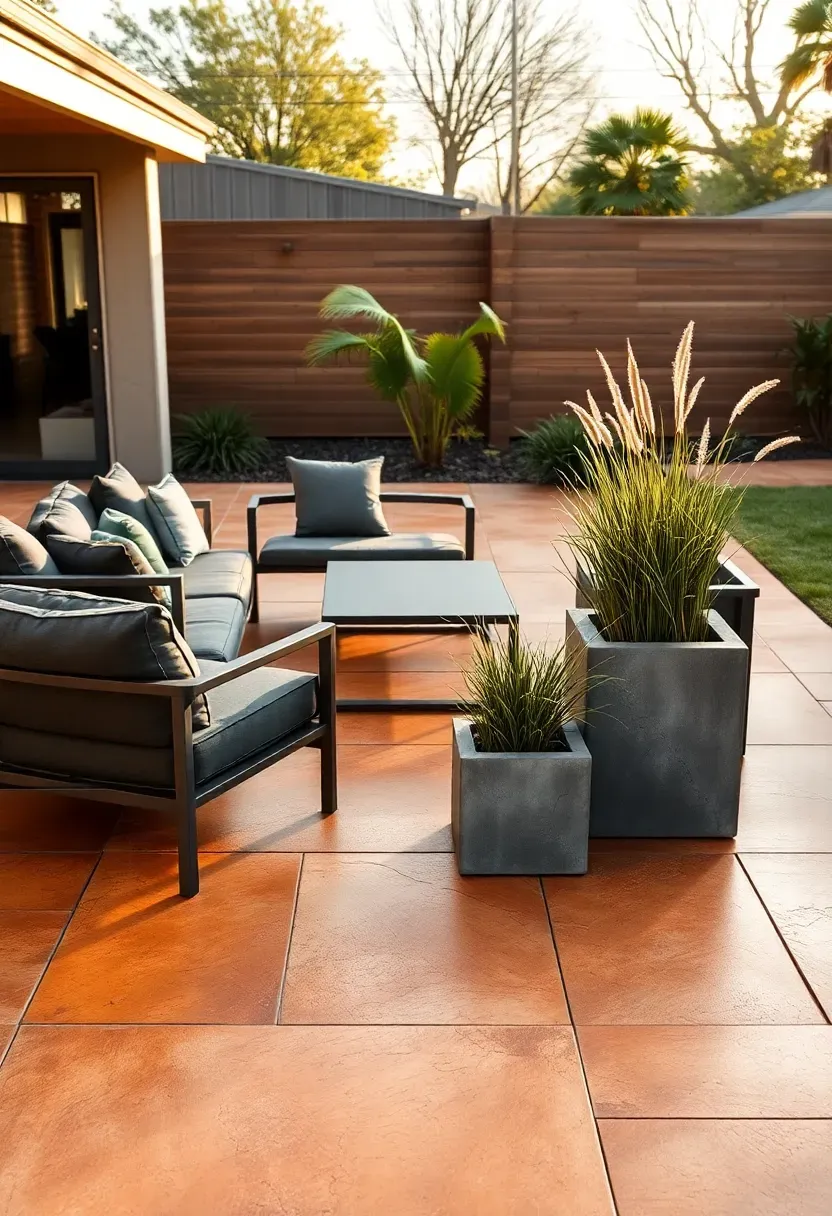
An existing concrete slab — or a freshly poured one — becomes a finished patio with acid stain or water-based concrete stain for about $0.50-$1.50 per square foot in materials. The look mimics natural stone at a fraction of the cost. In Texas, the trick is applying stain during a mild window (October or March) when temperatures stay between 50-90 degrees and rain odds are low.
Practical Notes
- Clean the slab with a pressure washer and TSP solution before staining — any sealer or paint must come off first
- Apply two coats of stain in opposite directions for even color
- Seal with a penetrating silicone sealer, not a film-forming one — film sealers peel in Texas heat
- Reapply sealer every 2-3 years for UV protection
12. Mesquite-Shaded Dining Area
Why Mesquite Works Here
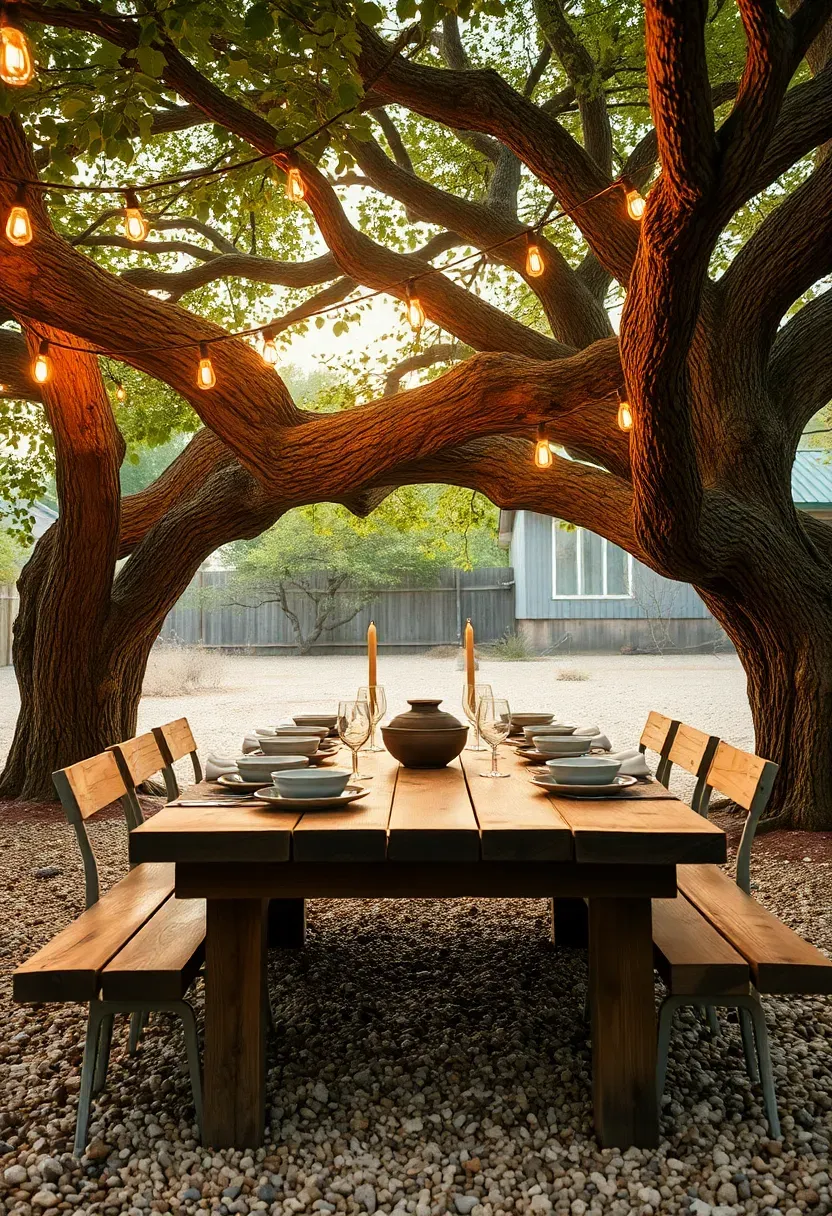
Mesquite trees are already growing across most of Texas — many homeowners try to remove them. Instead, limb them up to 8-10 feet and you get a sculptural canopy that provides filtered shade without blocking airflow. Their small leaves let rain through to the ground below, unlike dense oaks that create soggy dead zones.
Setting Up the Space
Level the area beneath the canopy with decomposed granite. Place a heavy dining table (teak or powder-coated steel) that will not blow over in spring winds. Wrap the trunk and lower branches with commercial-grade string lights — the gnarled bark texture makes mesquite one of the most photogenic trees you can light at night.
Be Honest About
Mesquite drops bean pods in summer that stick to shoes and attract rodents if not swept. Budget 10 minutes weekly for cleanup from June through August.
Recommended
Items for this idea
13. DIY Stock Pond for Wildlife
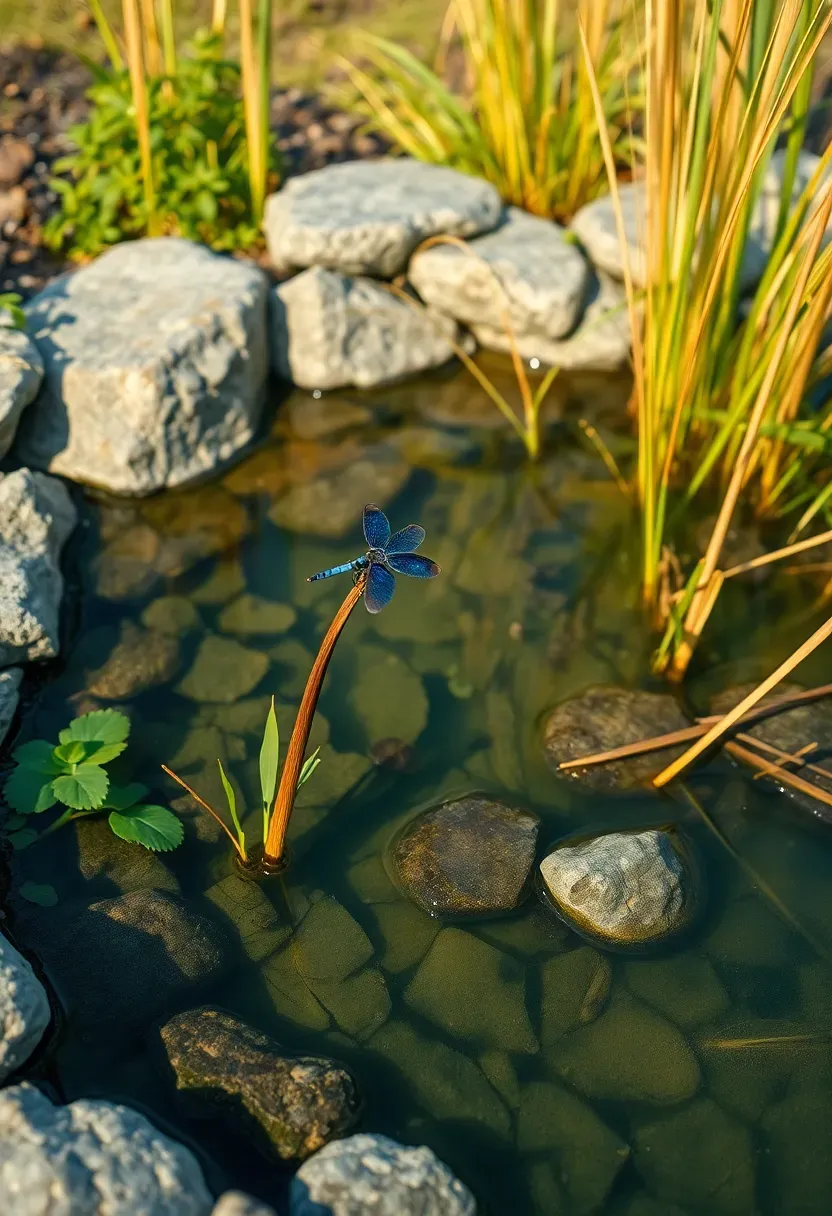
A shallow wildlife pond — 18-24 inches deep, roughly 8-10 feet across — brings dragonflies, frogs, and songbirds into your yard within weeks. Use a preformed rigid pond liner or EPDM rubber liner over a sand base. Edge with locally gathered fieldstone and plant the margins with rushes and sedges.
Keeping It Healthy
- No fish in a wildlife pond this size — fish eat the beneficial insect larvae you want
- A small solar-powered bubbler prevents stagnation and mosquito breeding
- Partial shade from a nearby tree reduces algae growth and water temperature
- Top off with collected rainwater when possible; chlorinated tap water kills beneficial bacteria
14. Covered Breezeway Between House and Garage
A Missed Opportunity
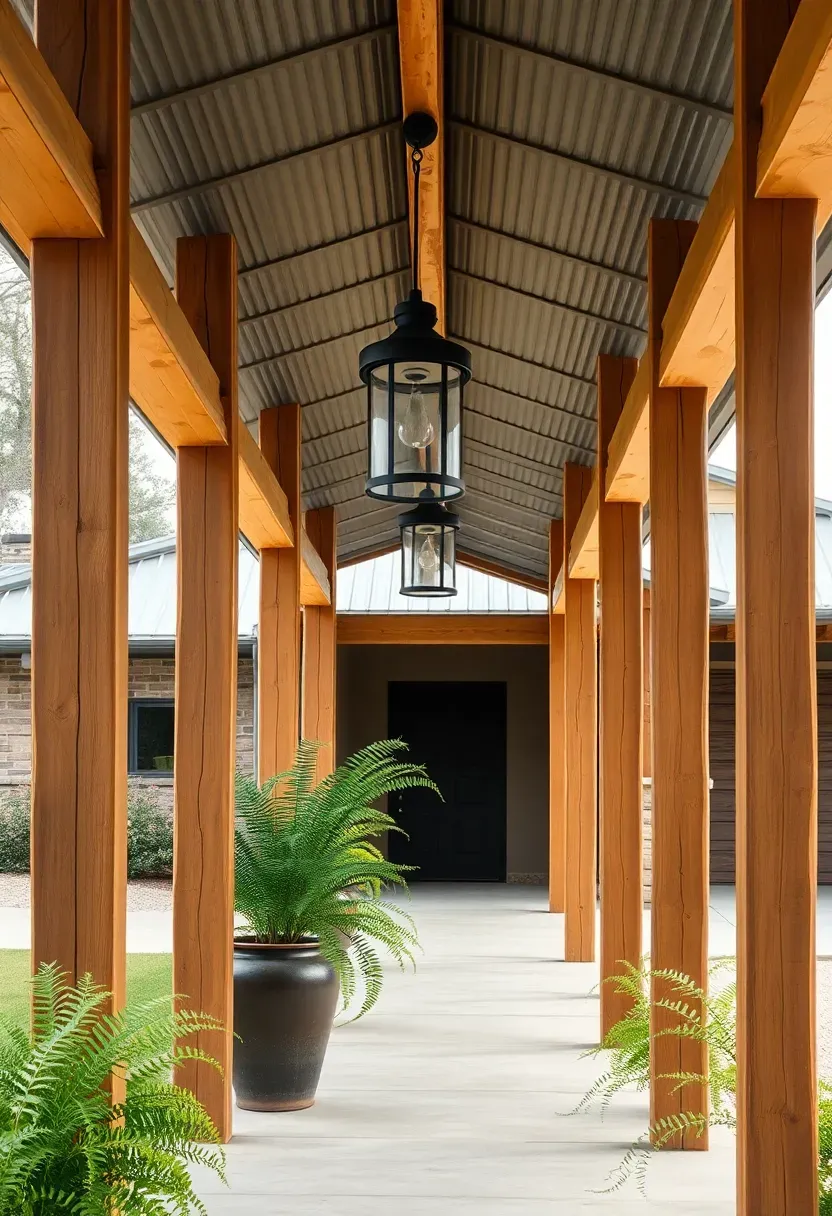
Most Texas homes have a detached or side-entry garage with an uncovered gap between house and garage. That dead zone bakes in summer and floods in rain. A covered breezeway turns it into usable space — a mudroom transition, a potting area, or just a dry path to your car.
How to Build It
Frame with pressure-treated 6x6 posts and cedar 2x6 rafters. Roof with standing-seam metal to match the house. Keep the sides open or add half-walls for cross-ventilation. This project typically runs $3,000-$6,000 in materials for a 20-foot span, and it adds covered square footage that appraisers notice.
Worth Knowing
Check your city's setback requirements — some municipalities count covered breezeways toward lot coverage limits. Pull the permit; it is a structural addition.
Recommended
Items for this idea
15. Cactus and Succulent Rock Garden
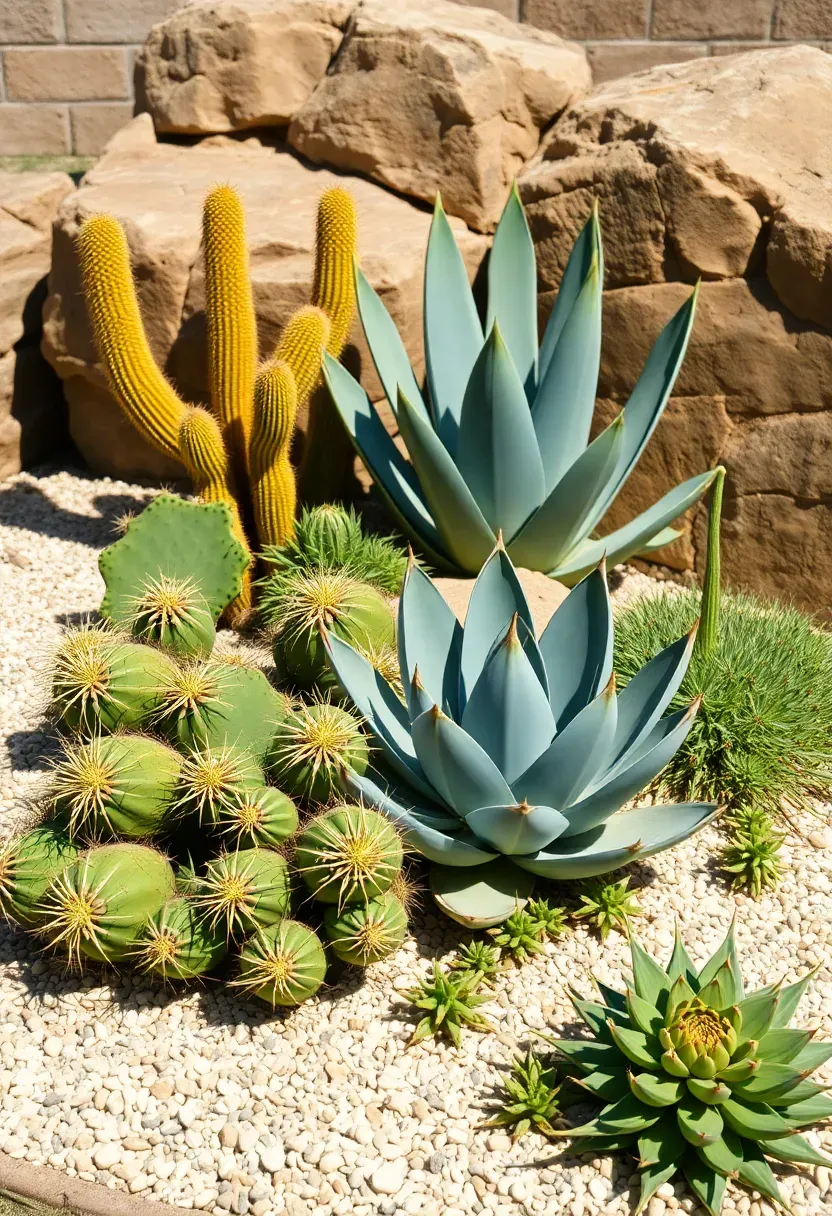
Cacti and succulents thrive in Texas heat but die fast in wet clay soil. The fix is building up, not digging down. Create a raised mound of decomposed granite mixed with coarse sand (70/30 ratio), bordered by large fieldstone. Plant prickly pear pads, agave americana, whale's tongue agave, and various sedums across the mound. The elevation ensures drainage even during Gulf Coast deluges.
Placement Tips
- Full south or west exposure for maximum sun
- Keep tall agaves at least 4 feet from walkways — the terminal spines are no joke
- Group plants by water need: cacti on the mound peak, sedums on the lower slopes
- Top-dress with 2 inches of river pebbles to prevent soil splash and suppress weeds
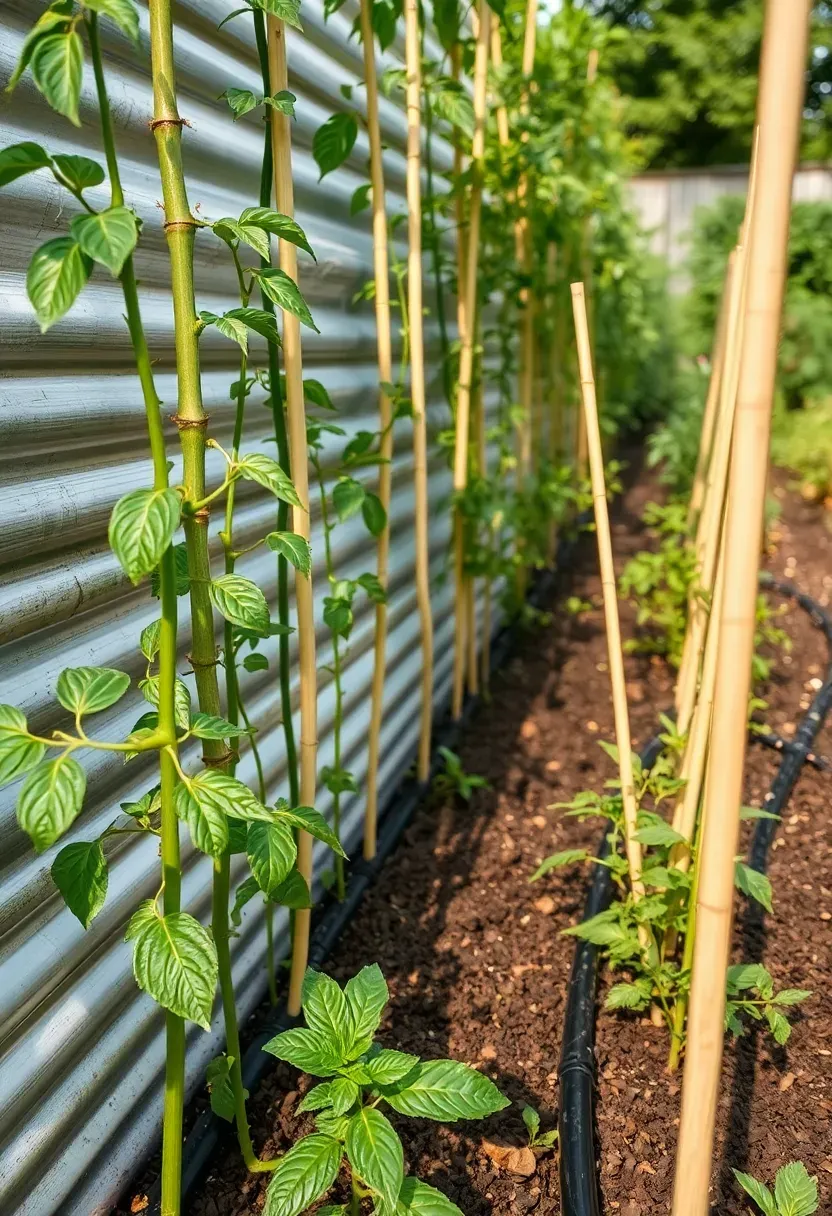
16. Galvanized Metal Raised Beds
Why Raised Beds Win in Texas
Texas clay soil (particularly the black gumbo in Houston and the caliche in Central Texas) is hostile to vegetable roots. Raised beds let you fill with your own soil mix and control drainage completely.
Building Them
Galvanized stock tank troughs or corrugated metal panels bolted to cedar corner posts make the most durable beds. Fill with a mix of 60% compost, 30% expanded shale, and 10% native topsoil. This drains fast while holding nutrients.
Growing Calendar
Texas has two prime growing seasons: plant tomatoes, peppers, and squash in March; plant greens, root vegetables, and brassicas in September. The summer gap (July-August) is too brutal for most vegetables — use shade cloth or let beds rest.
Watch Out For
Metal beds heat up in direct sun and can cook roots near the edges. Insulate the inside walls with 1-inch rigid foam board, or plant heat-lovers (peppers, okra) along the sunny sides.
Recommended
Items for this idea
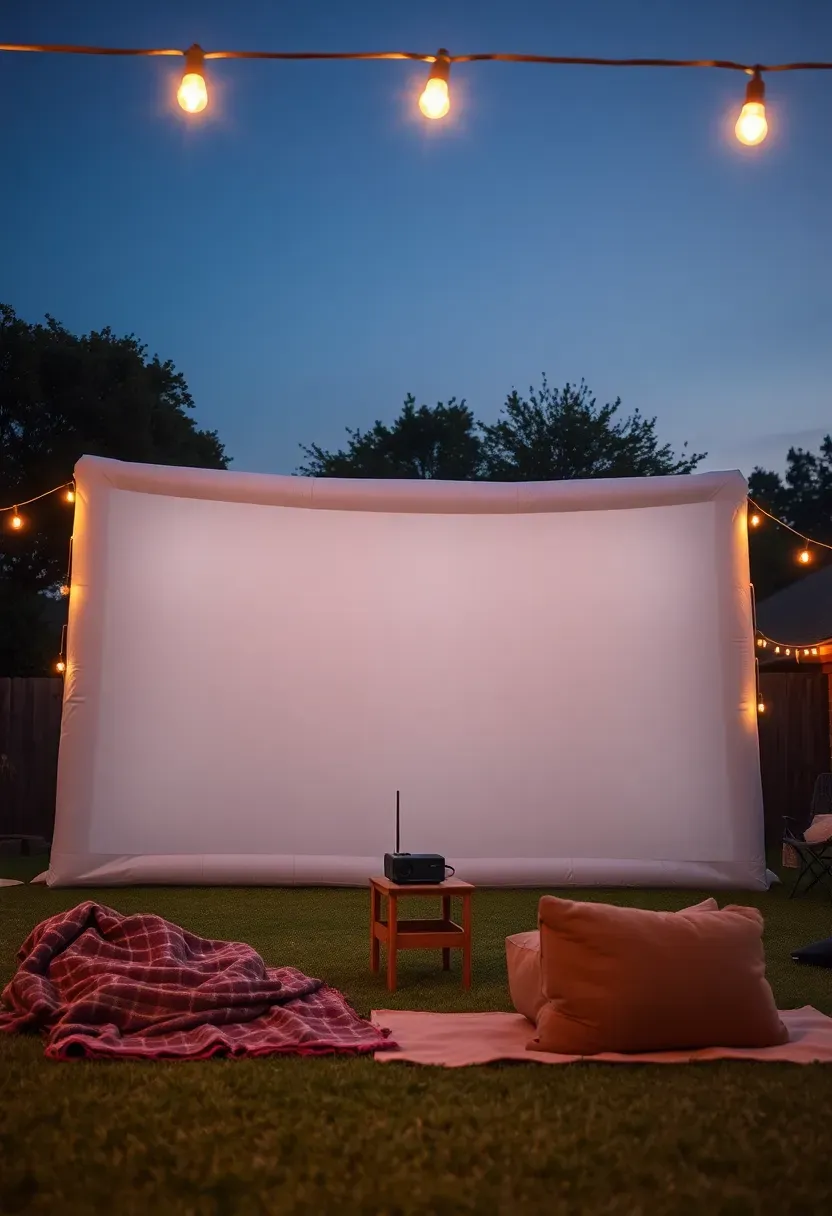
17. Backyard Movie Screen Setup
Texas evenings from October through April are ideal for outdoor movies — low humidity, mild temperatures, and dark by 6 PM in winter. An inflatable screen (14-16 feet wide) stores in a bag and sets up in 10 minutes. Pair it with a 1080p portable projector ($200-$400 range) and a Bluetooth speaker.
Making It Work
- Position the screen facing north to avoid residual sunset glow on the fabric
- Start movies 30-45 minutes after sunset for a visible image
- Lay out outdoor rugs and floor cushions rather than chairs — kids migrate to the ground anyway
- Run a 100-foot outdoor extension cord from a GFCI outlet for the projector; battery projectors lack brightness
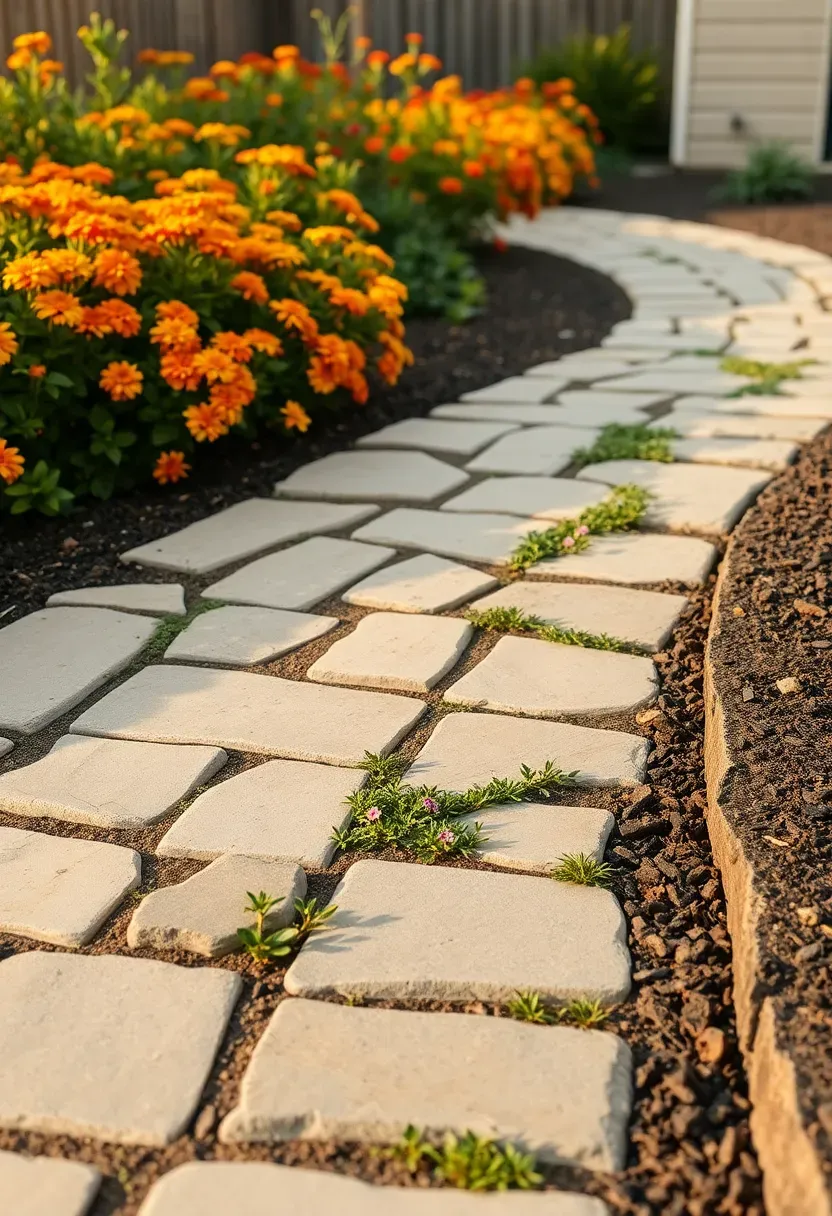
18. Flagstone Path with Creeping Thyme
Step 1: Layout
Lay flagstones directly on the ground in a dry-fit pattern. Irregular shapes look more natural — avoid cutting to fit. Leave 2-3 inch gaps between stones.
Step 2: Set the Stones
Excavate 2 inches under each stone, add a thin layer of decomposed granite, and set the stone flush with the surrounding grade. Wobble-test each one and shim with more DG as needed.
Step 3: Plant the Joints
Fill gaps with a sandy soil mix and press in creeping thyme plugs (Thymus serpyllum or Thymus praecox) every 6 inches. Water daily for three weeks until roots establish.
Step 4: Ongoing Care
Creeping thyme handles foot traffic and Texas heat well once established. It needs no mowing and releases fragrance when stepped on. In the dead of August, it may go semi-dormant — this is normal and not a sign of failure.
Recommended
Items for this idea
19. Misting System for the Patio
A high-pressure misting system (1,000 PSI) produces a fog so fine it evaporates before it wets furniture or skin. The evaporation drops ambient temperature by 20-30 degrees — the difference between abandoning your patio in July and actually using it. Low-pressure systems (standard garden hose pressure) leave everything damp and are not worth installing.
Installation Notes
- Mount misting nozzles along the perimeter of your covered patio at 8-foot intervals
- Use 3/8-inch stainless steel tubing and brass fittings — plastic degrades in Texas UV within two years
- The pump unit runs about $300-$500 for a residential system covering 200 square feet
- Pair with ceiling fans to distribute the cooled air across the full seating area
20. Live Oak Hammock Grove
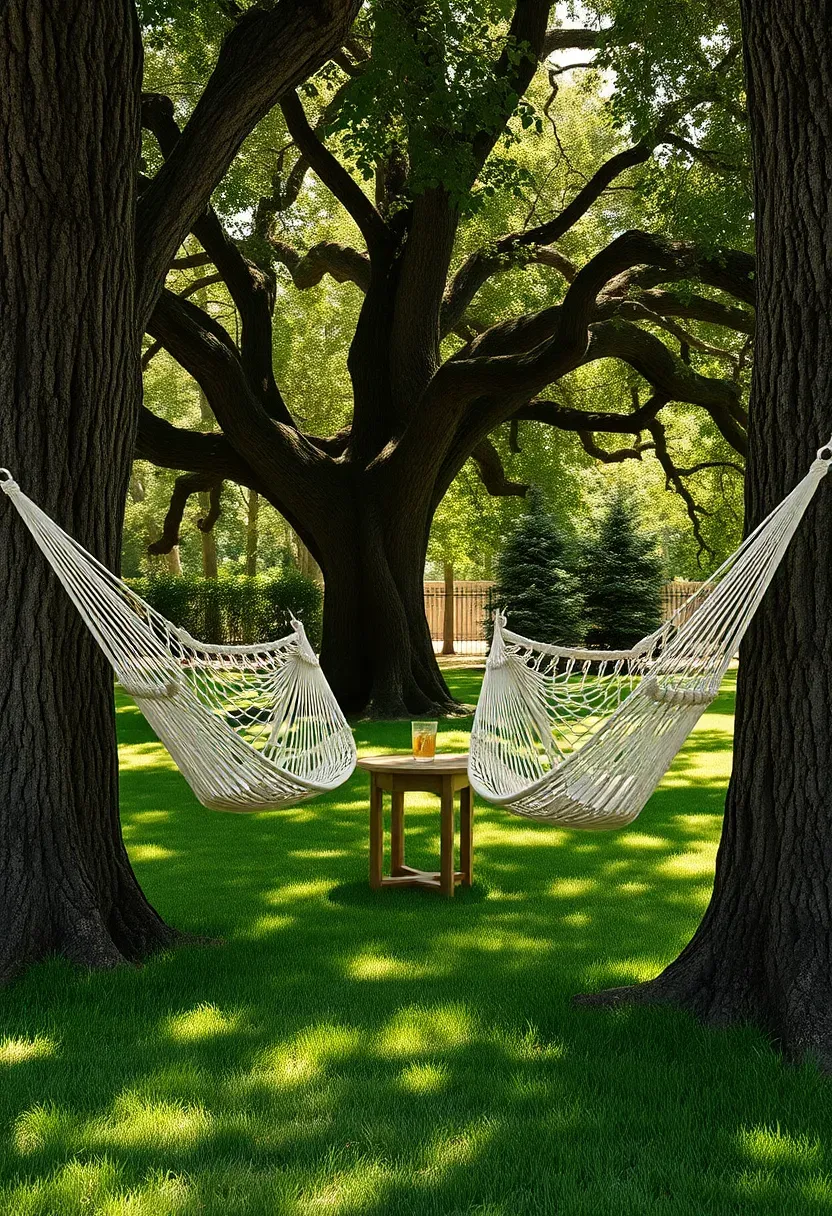
If you have mature live oaks on your property, you already own the best shade structure money cannot buy. Hang hammocks between trunks spaced 12-15 feet apart using heavy-duty tree straps (never lag bolts, which damage the cambium layer). A pair of hammocks under live oaks, with a small side table for drinks, creates the most relaxing spot in any Texas yard — and it costs under $200 total.
Practical Considerations
- Check branches overhead for dead wood before hanging — live oaks drop heavy limbs without warning
- Use 11-foot Brazilian-style hammocks for the widest, flattest lie
- Rake acorns and leaf litter weekly in fall to prevent slipping hazards beneath the hammocks
- Live oaks are semi-evergreen in Texas, so they provide shade even in January
Recommended
Items for this idea
21. Corrugated Metal Privacy Fence
Metal vs. Wood in Texas
Corrugated metal lasts 30+ years without rot, does not warp in humidity, and resists termites — all problems that destroy cedar fences within 8-12 years in Central and East Texas.
Choose Metal If:
- You want zero maintenance after installation
- Modern or industrial ranch aesthetics appeal to you
- Your property borders an alley or utility easement where appearance from one side matters less
Choose Cedar If:
- Your HOA mandates wood fencing
- You prefer a traditional look and do not mind staining every 2-3 years
Recommendation
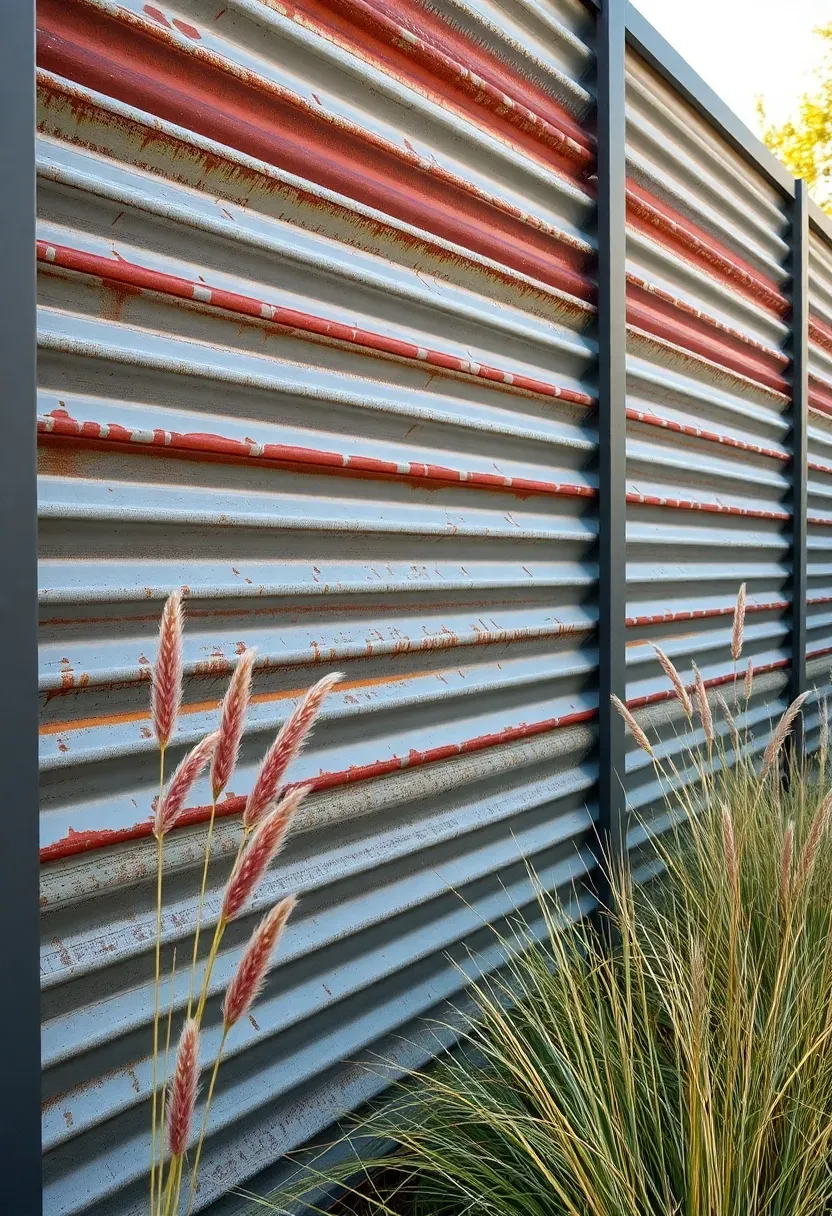
Horizontal corrugated panels in a weathered gray or rust patina mounted on galvanized steel posts give you a fence that looks better with age. Cost runs $15-$25 per linear foot installed — comparable to a quality cedar fence but with triple the lifespan.
22. Sunken Fire Pit with Limestone Seating
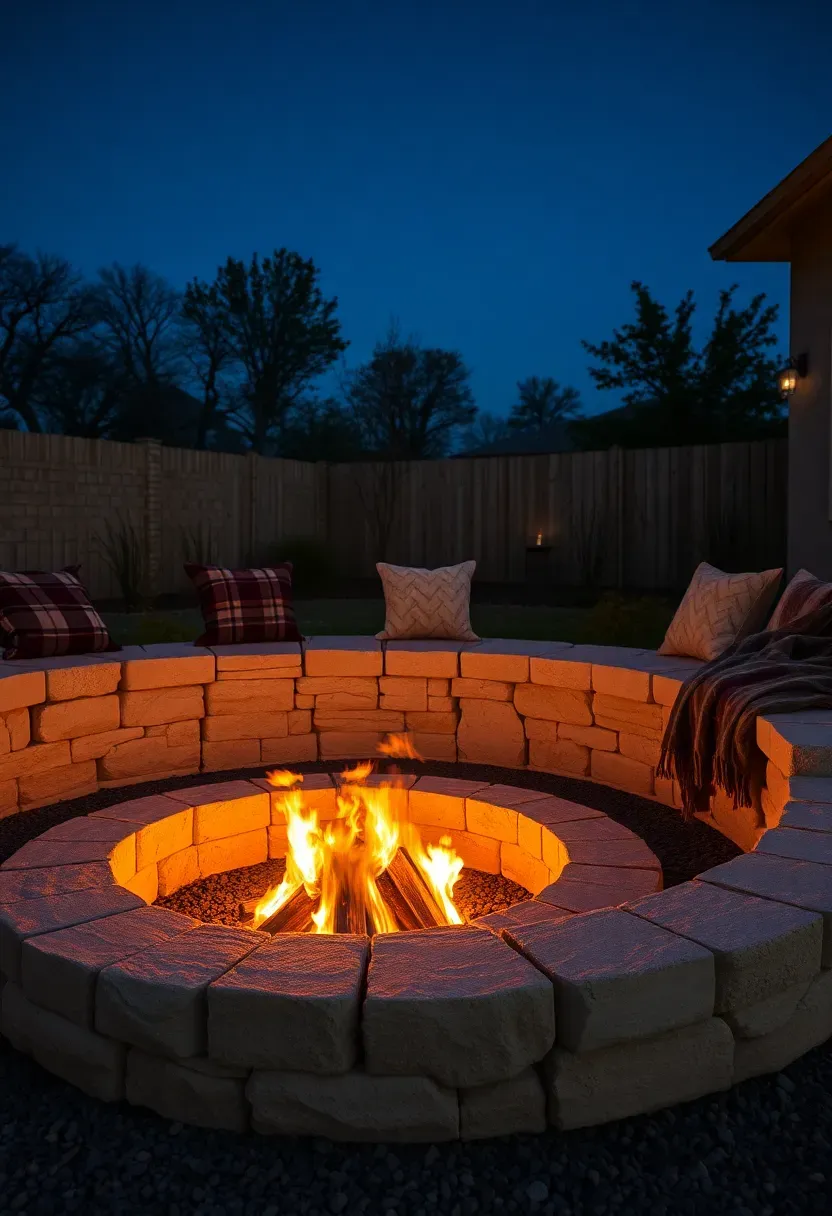
Dig a circular pit 18 inches deep and 4 feet in diameter. Line it with fire-rated brick and mortar. Build a sitting wall around the perimeter from stacked limestone — 18 inches tall (standard seat height). The sunken design shields flames from Texas wind and concentrates heat toward seated guests. This is a three-weekend project if you dig by hand, one weekend with a mini excavator rental.
Details That Matter
- Install a French drain at the pit bottom to prevent water pooling after storms
- Use a steel fire ring insert to protect the brick lining
- Leave a 2-foot gap in the sitting wall for entry and exit
- Distance the pit at least 20 feet from structures and overhanging branches per most Texas fire codes
Recommended
Items for this idea
23. Artificial Turf Play Zone
The Case For Synthetic Grass
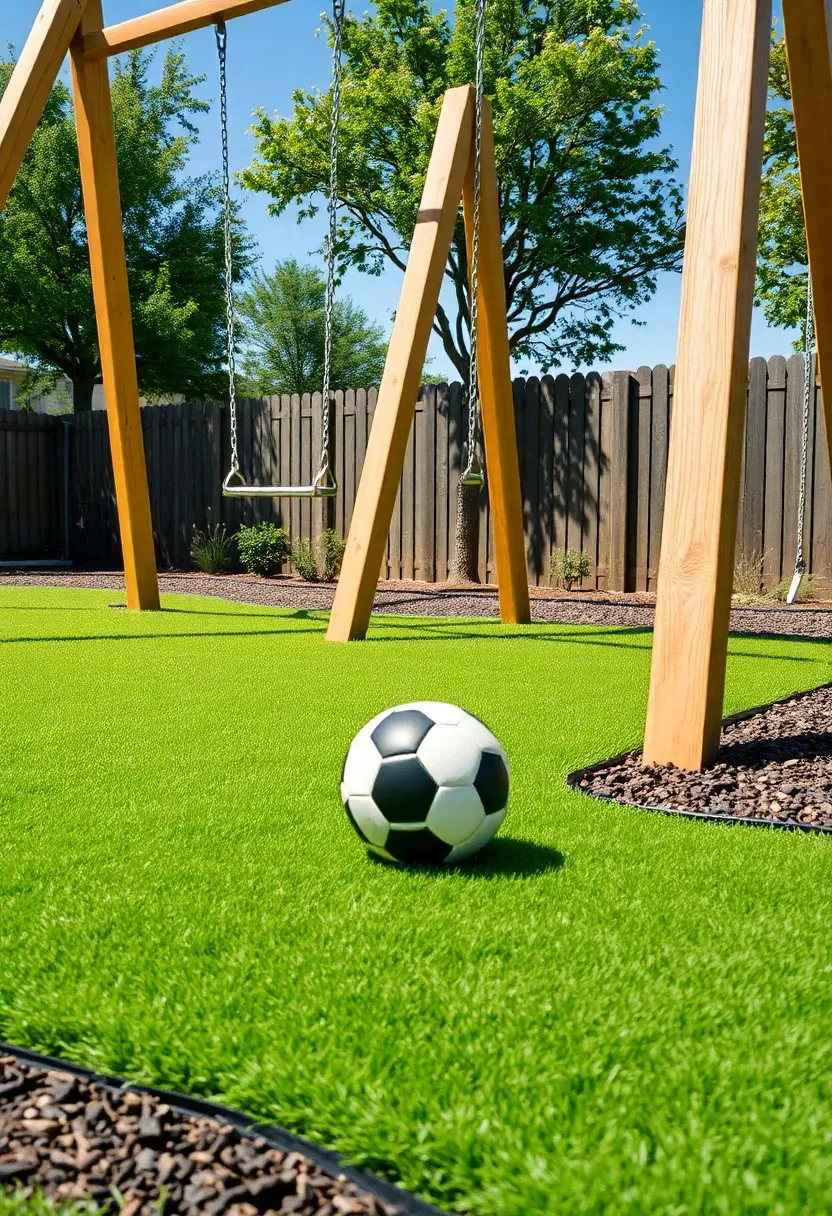
Real grass under a swing set or trampoline dies within one season in Texas — heavy foot traffic plus summer heat kills it outright. Artificial turf designed for play areas stays green, drains well, and cushions falls when installed over a proper base.
Installation Basics
Remove 4 inches of existing soil, lay a compacted base of crushed limestone, add a layer of shock-absorbing rubber infill, and roll out the turf. Seam pieces with landscape adhesive and pin edges with 6-inch galvanized nails.
Honest Downsides
Artificial turf gets hot — surface temperatures can reach 150 degrees on a July afternoon. Mitigate by choosing lighter green shades (they absorb less heat), installing in areas that get afternoon shade, or spraying down with a hose before kids play.
24. Texas Cottage Garden
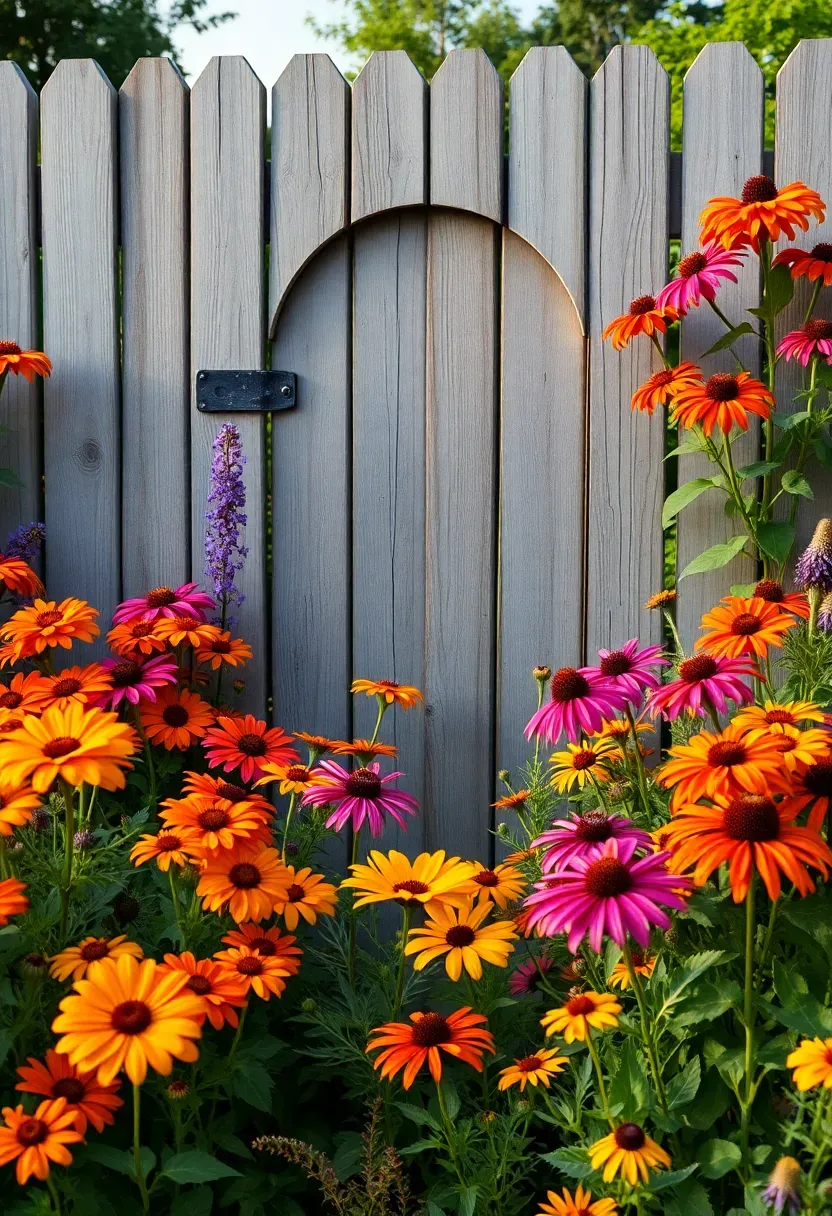
The English cottage garden concept adapts well to Texas when you swap the plant palette. Instead of delphiniums and foxglove, use heat-adapted alternatives: zinnias (direct sow after last frost), autumn sage (Salvia greggii), purple coneflower, mealy blue sage, and Gulf Coast penstemon. The goal is the same — dense, overflowing mixed borders that look unplanned but are actually layered by height and bloom time.
Making It Look Right
- Plant in drifts of 5-7 of the same species rather than one of everything
- Use a rustic fence, gate, or arbor as the structural backbone — it gives the wildness a frame
- Edge beds with stones or reclaimed brick, not plastic edging
- Cut everything back hard in late February before spring growth starts
Recommended
Items for this idea
25. Nightscape Lighting Plan
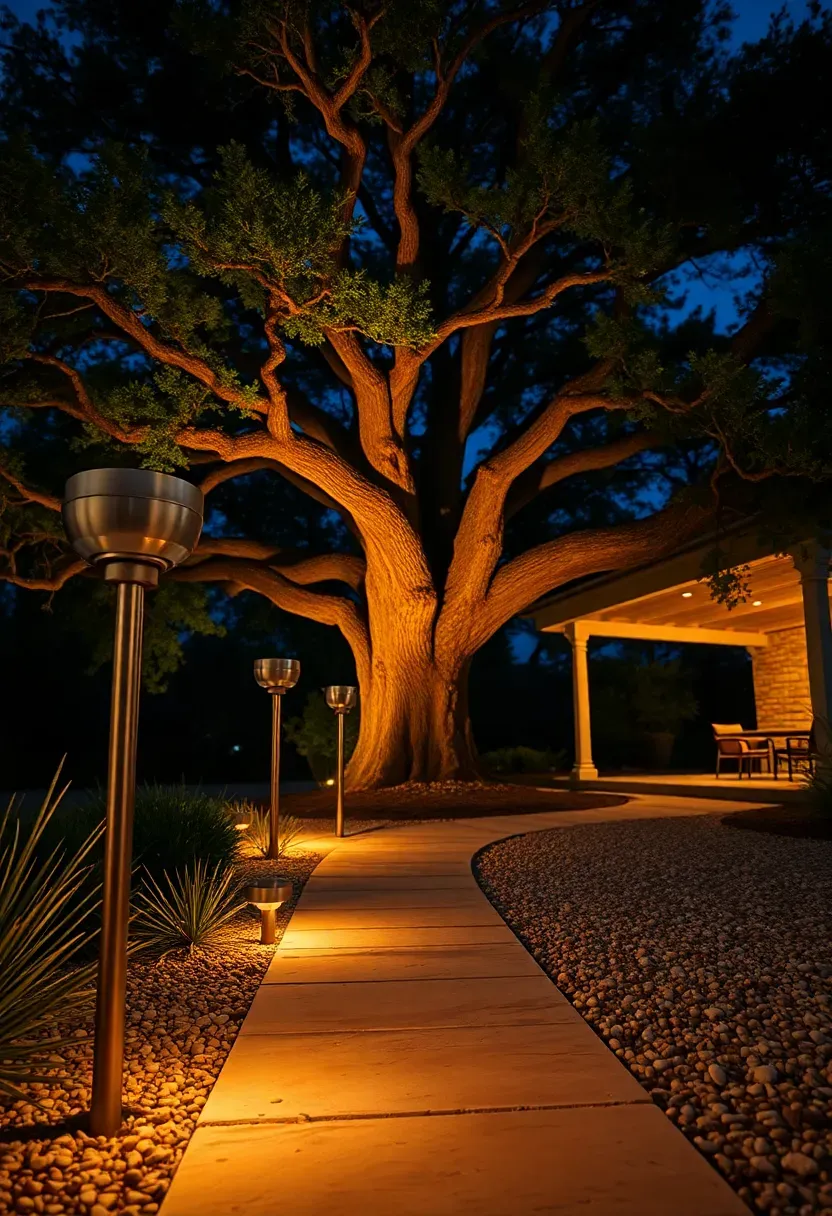
Good landscape lighting doubles the usable hours of your Texas yard and makes every other improvement on this list look better after dark. The key is restraint: light the paths, uplight two or three key trees, wash the back of the house, and illuminate the cooking area. Skip the urge to floodlight everything.
Practical Approach
- Use 12-volt LED fixtures on a transformer — safer, cheaper to run, and easy to reposition
- Place path lights 8-10 feet apart along walkways, alternating sides for a natural rhythm
- Uplight live oaks or mesquites with two fixtures per tree, aimed into the canopy from opposite sides
- Put everything on a photocell timer so lights turn on at dusk and off at midnight automatically
Quick FAQ
Do I need a permit for a backyard patio in Texas? Most Texas cities do not require a permit for an at-grade patio (concrete, pavers, or gravel) that is not attached to the house. Covered structures, electrical work, and plumbing additions almost always need permits. Check with your city's building department — rules vary widely between Houston (minimal permitting) and Austin (stricter oversight).
Which grass survives Texas summers with the least water? Buffalograss is the most drought-tolerant turf grass native to Texas. It goes dormant and brown during extreme drought but bounces back after rain. Bermuda grass is tougher for high-traffic areas but needs more water. Zoysia splits the difference. St. Augustine, the most popular lawn grass in Texas, is the thirstiest of the group.
When is the best time to plant trees in a Texas yard? Fall — specifically October through early December. Roots grow through the mild winter, and the tree is established before summer heat arrives. Spring planting works but gives the tree less time to root before stress season.
Can I build a fire pit without a permit in Texas? In most Texas cities, a ground-level fire pit under 3 feet in diameter does not require a permit, but you must follow setback rules (typically 15-25 feet from structures). Some cities, particularly in wildfire-prone areas west of I-35, have seasonal burn bans. Check your county's fire marshal website before lighting up.
Are HOAs allowed to ban xeriscaping in Texas? No. Texas Property Code Section 202.007 prohibits HOAs from banning water-conserving landscaping, including xeriscaping. They can require a design plan and set standards for appearance, but they cannot force you to maintain a grass lawn.
A Texas backyard earns its keep by working with the climate, not against it. Pick three or four ideas from this list that match your lot, your budget, and the way you actually spend time outside. Start with shade and water management — everything else layers on top of those two fundamentals. The best yards here are the ones that look good in August, not just April.
Pinterest cover for 25 Backyard Ideas Texas Homeowners Actually Use
About the author
OBCD
CGI visualization and interior design content. We create detailed 3D renders and curate practical design ideas for every room in your home.