27 Backyard Stock Tank Pool Ideas
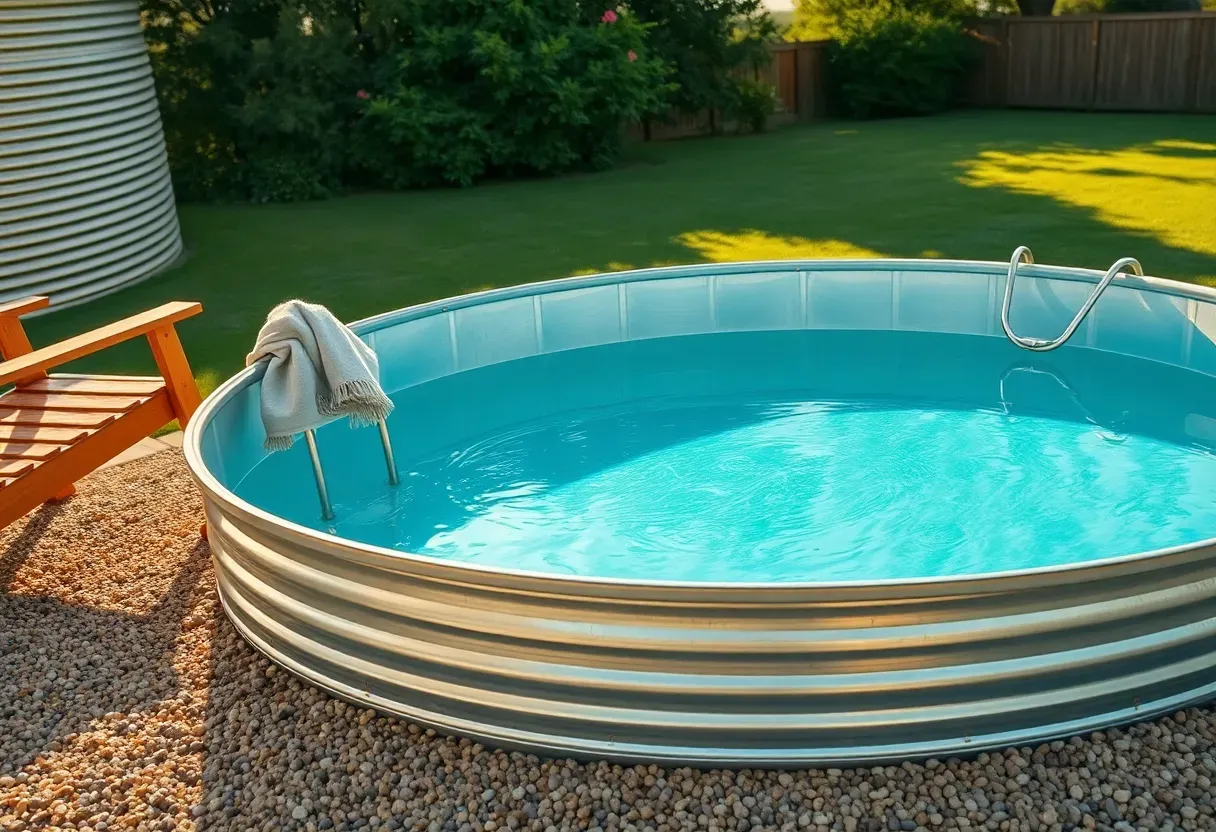
I installed my first stock tank pool four summers ago after getting a contractor quote of twenty-two thousand dollars for a basic in-ground pool. The eight-foot galvanized tank cost three hundred and fifty dollars at a feed supply store, and I had it filled and swimmable by that same afternoon. Since then I have helped friends set up a dozen more, each one different — painted, decked, sunken, landscaped, heated, you name it. The format is flexible enough that no two stock tank pools need to look alike, and most of the customization costs less than you would spend on a single weekend dining out.
These 27 backyard stock tank pool ideas range from dead-simple weekend setups to more ambitious builds with decking, plumbing, and permanent landscaping. Each one includes specifics on materials and practical considerations.
Table of Contents
- Classic Galvanized Round Pool
- Painted Matte Black Tank
- Sunken Stock Tank with Flush Ground Level
- Wrap-Around Wood Deck Platform
- Bohemian Patio Pool with Macrame and Planters
- Stock Tank with Built-In Bench
- Modern Concrete Pad Surround
- Hillside Terraced Installation
- Stock Tank Hot Tub Conversion
- Rustic Farmhouse Pool with Barn Wood Cladding
- Kid-Friendly Splash Zone with Shallow Tank
- Desert Landscape Pool with Gravel and Cacti
- Cocktail Pool with Underwater LED Lights
- Privacy Screen Enclosure Pool
- Oval Trough Soaking Pool
- Double Stock Tank Setup
- Tropical Oasis with Palm Plantings
- Pergola-Covered Stock Tank
- Stone Veneer Wrapped Tank
- Stock Tank with Waterfall Feature
- Rooftop or Balcony Mini Pool
- Japanese Soaking Style Tank
- Fire Pit and Pool Combo
- Plunge Pool with Jets
- Cottage Garden Pool
- Industrial Chic Tank with Metal Accents
- Solar-Heated Eco Pool
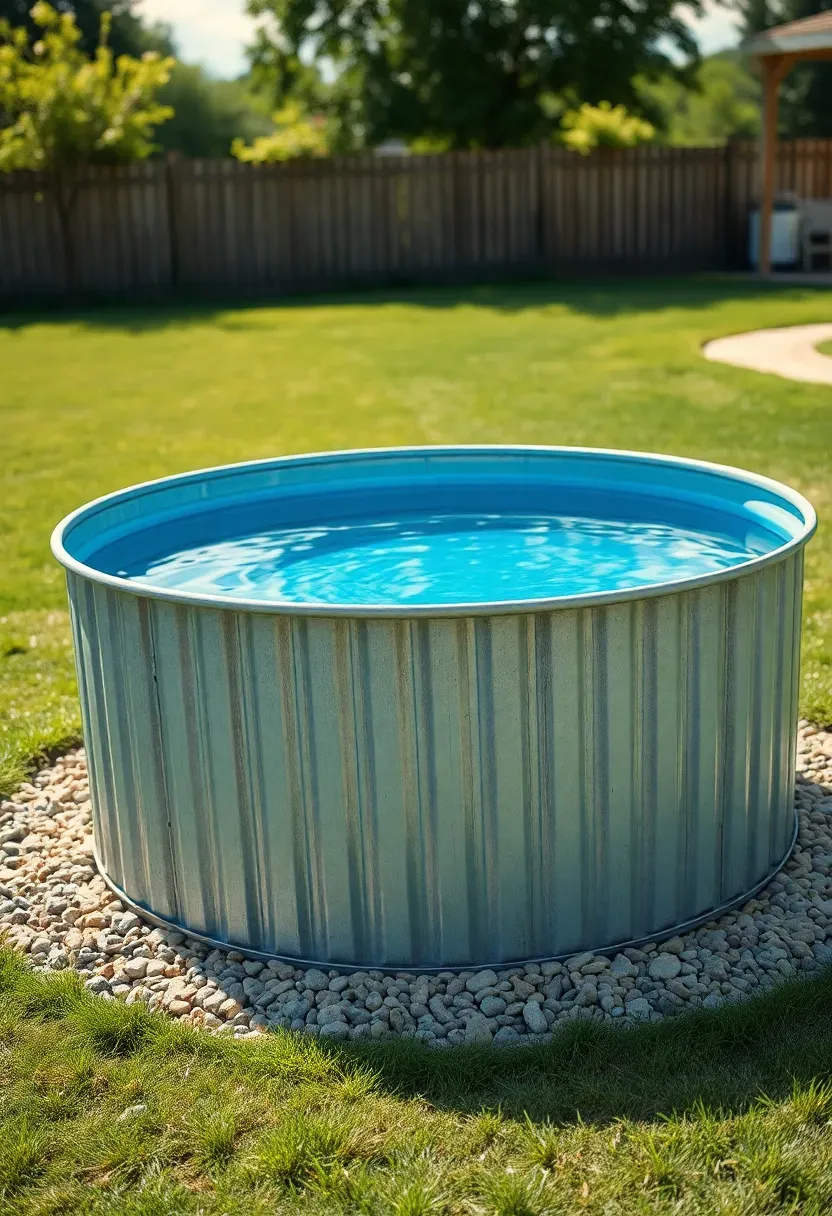
1. Classic Galvanized Round Pool
The unpainted galvanized steel look is where most people start, and honestly where many people stay. An eight-foot round tank from Tractor Supply or a local feed store runs two hundred fifty to four hundred dollars. The natural silver finish weathers to a matte patina over a couple of seasons, which many homeowners prefer to the shiny new look. Set it on a level compacted sand or pea gravel pad, add a small cartridge filter pump for eighty to a hundred dollars, and you are swimming.
Tips
- Use a sand base at least two inches deep under the tank to prevent rocking and protect the bottom from rocks
- Apply marine-grade zinc spray to any scratches immediately to prevent rust from spreading
- Add a floating chlorine dispenser rather than dumping chemicals directly, which can bleach the tank interior
We picked a few things that go well with this idea: Bestway TANX 10ft Round Stock Tank Pool and Stock Tank Pool Protective Liner (8ft Round) (★4.6). As an Amazon Associate we earn from qualifying purchases.
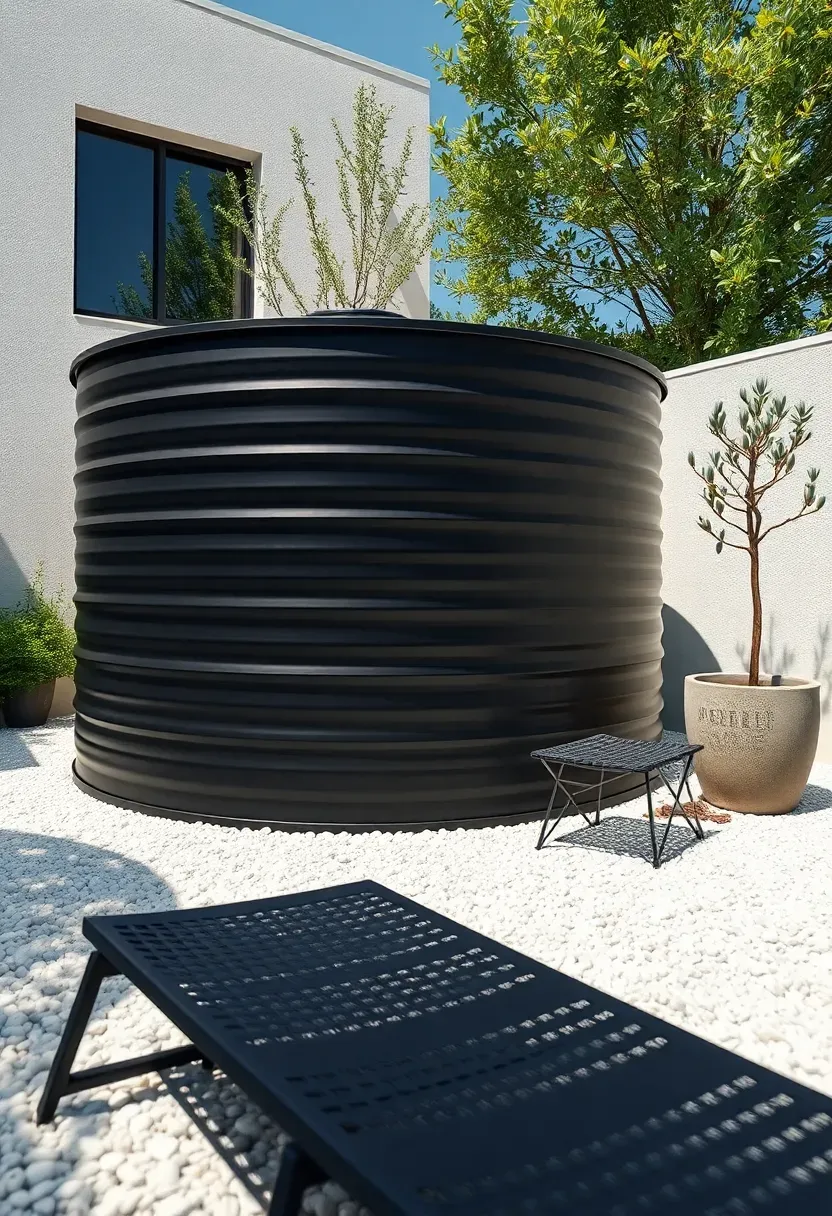
2. Painted Matte Black Tank
A coat of rust-proof exterior paint completely changes the personality of a stock tank. Matte black is the most popular choice because it absorbs solar heat — the water temperature runs five to eight degrees warmer than an unpainted tank in the same sun exposure. That natural heating effect means you may not need a separate heater during peak summer months.
How to Do It Right
Sand the exterior with 120-grit paper, wipe down with mineral spirits, then apply two coats of Rust-Oleum high-heat enamel or similar rust-proof paint. Let each coat cure for 24 hours. Do not paint the interior unless you use a food-safe or pool-rated coating — exterior paint leaches chemicals into water.
Watch Out For
- Black surfaces get extremely hot to the touch in direct sun — warn guests before they lean against the rim
- The paint absorbs UV aggressively and may need a fresh coat every two to three seasons
- Darker water makes depth harder to judge, which matters if small children use the pool
We picked a few things that go well with this idea: LOFTEK Submersible LED Pool Lights (4-Pack) (★3.6), RGB Submersible Color Changing Lights (12-Pack) (★4.0) and Rechargeable Submersible Pool Lights (2-Pack) (★4.2). As an Amazon Associate we earn from qualifying purchases.
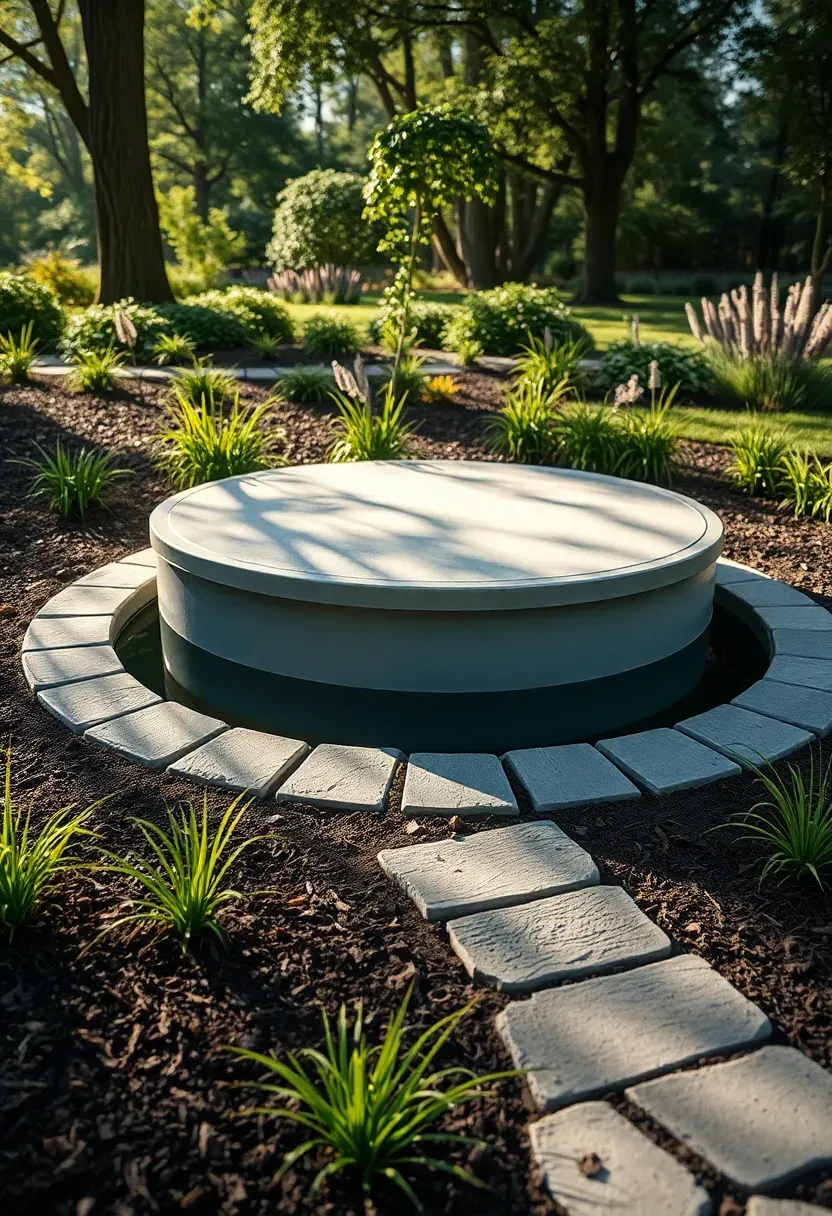
3. Sunken Stock Tank with Flush Ground Level
Sinking the tank into the ground eliminates the industrial look entirely. When the rim sits at ground level, surrounded by pavers or natural stone, most visitors cannot tell it apart from a custom plunge pool. The excavation adds labor — you are digging a hole roughly four feet deep and nine feet across — but the finished result looks like a ten-thousand-dollar installation.
Step 1: Excavate and Level
Dig the hole six inches wider than the tank diameter in every direction. The extra space allows for a gravel drainage ring that prevents the tank from heaving during freeze-thaw cycles.
Step 2: Set the Tank and Backfill
Lower the tank into the hole, check level across the rim with a four-foot level, and backfill with three-quarter-inch crushed gravel. Compact every six inches.
Step 3: Finish the Border
Set flagstone, brick, or concrete pavers flush with the tank rim. Slope the surrounding grade slightly away from the pool to direct rainwater elsewhere.
Watch Out For
- Buried tanks need a drain line — you cannot tip the tank to empty it anymore
- Groundwater pressure in wet climates can pop an empty tank out of the ground, so never drain completely without anchoring
We picked a few things that go well with this idea: MOSENPOL Solar Pool Cover 8ft Round (★4.6), Goplus 8ft Solar Pool Cover (12 Mil) (★4.2) and KETNET 8ft Round Solar Pool Blanket (★4.3). As an Amazon Associate we earn from qualifying purchases.
4. Wrap-Around Wood Deck Platform
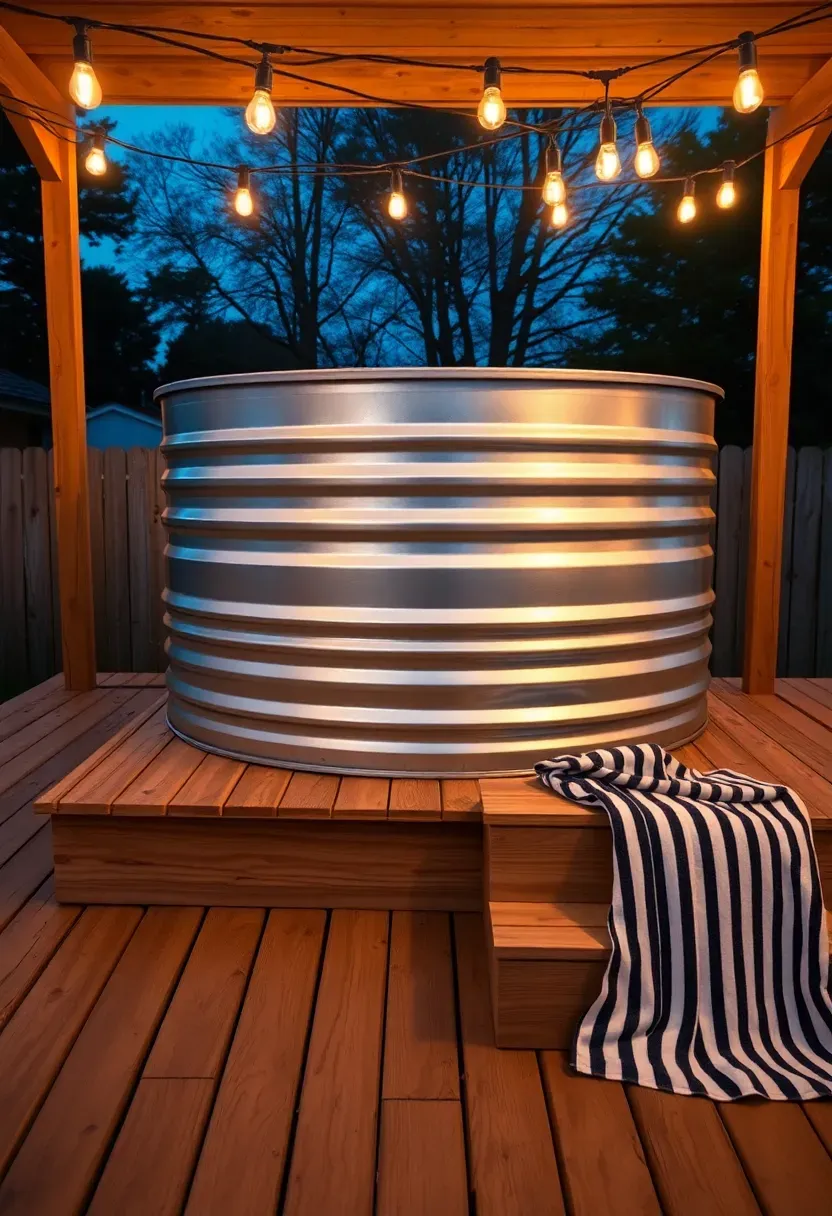
Building a deck platform around the tank gives you lounging space, hides the tank walls, and creates a finished look that rivals above-ground pool installations costing five times as much. Pressure-treated lumber keeps the budget under fifteen hundred dollars for an eight-by-twelve-foot platform with built-in steps.
Tips
- Frame the deck so the top surface sits two inches below the tank rim to allow easy entry without climbing
- Leave a six-inch gap between deck boards and the tank wall for airflow and to prevent moisture trapping
- Add a gate or removable section if you have kids to control unsupervised access
Recommended
Items for this idea
5. Bohemian Patio Pool with Macrame and Planters
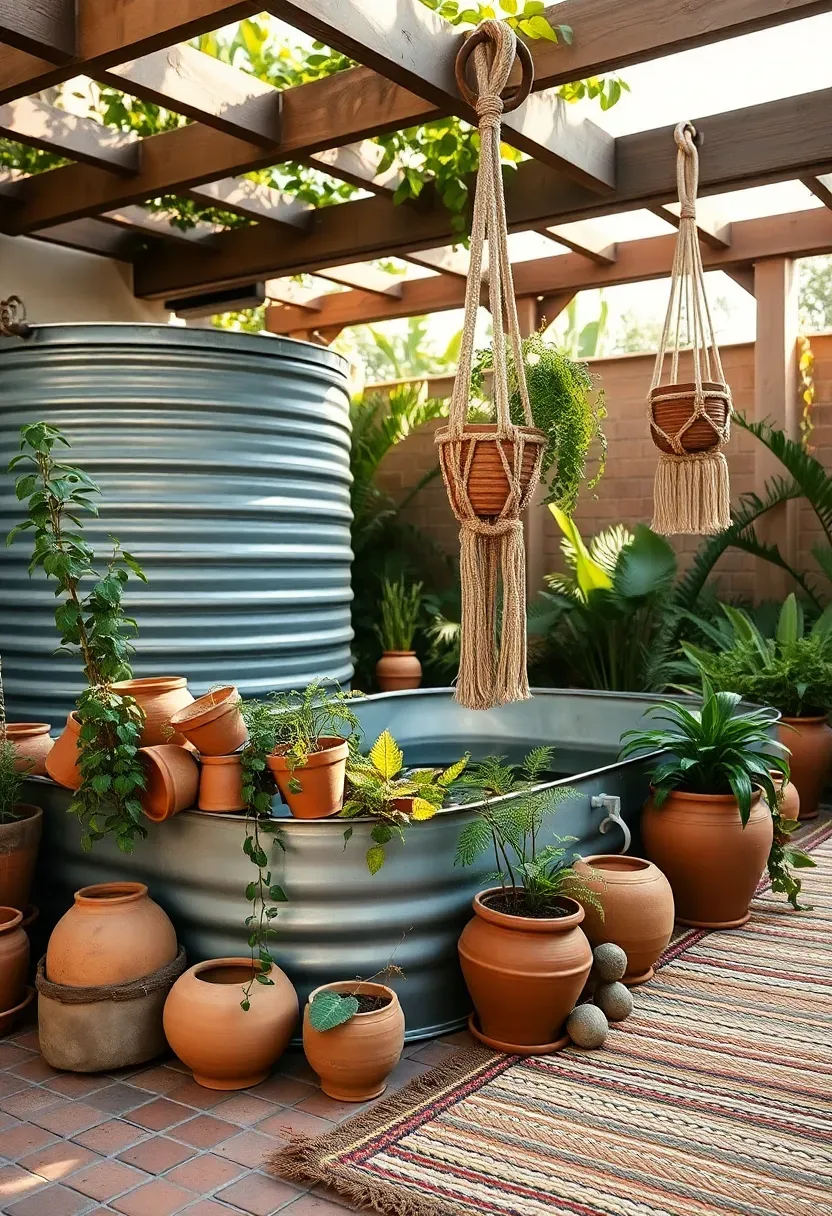
This approach treats the stock tank as one element in a larger outdoor living scene rather than the focal point. Cluster terracotta pots with trailing plants around the base, hang macrame planters from a nearby pergola or tree branch, and layer outdoor rugs on the surrounding patio. The pool itself stays unpainted or gets a single coat of terracotta-colored paint to blend with the pottery.
Why This Works on a Budget
Most of the aesthetic comes from items people already own or can source cheaply — thrift store planters, dollar store outdoor cushions, and macrame you can make from cotton rope in an afternoon. The pool is just the anchor for a whole outdoor room that costs next to nothing to style.
Pros and Cons
Pros: Highly photogenic, easy to change seasonally, works on rental patios where permanent changes are not allowed Cons: Fabric and rope elements degrade in rain and need storage during storms, cluttered surroundings make pool cleaning and chemical testing slightly more awkward
6. Stock Tank with Built-In Bench
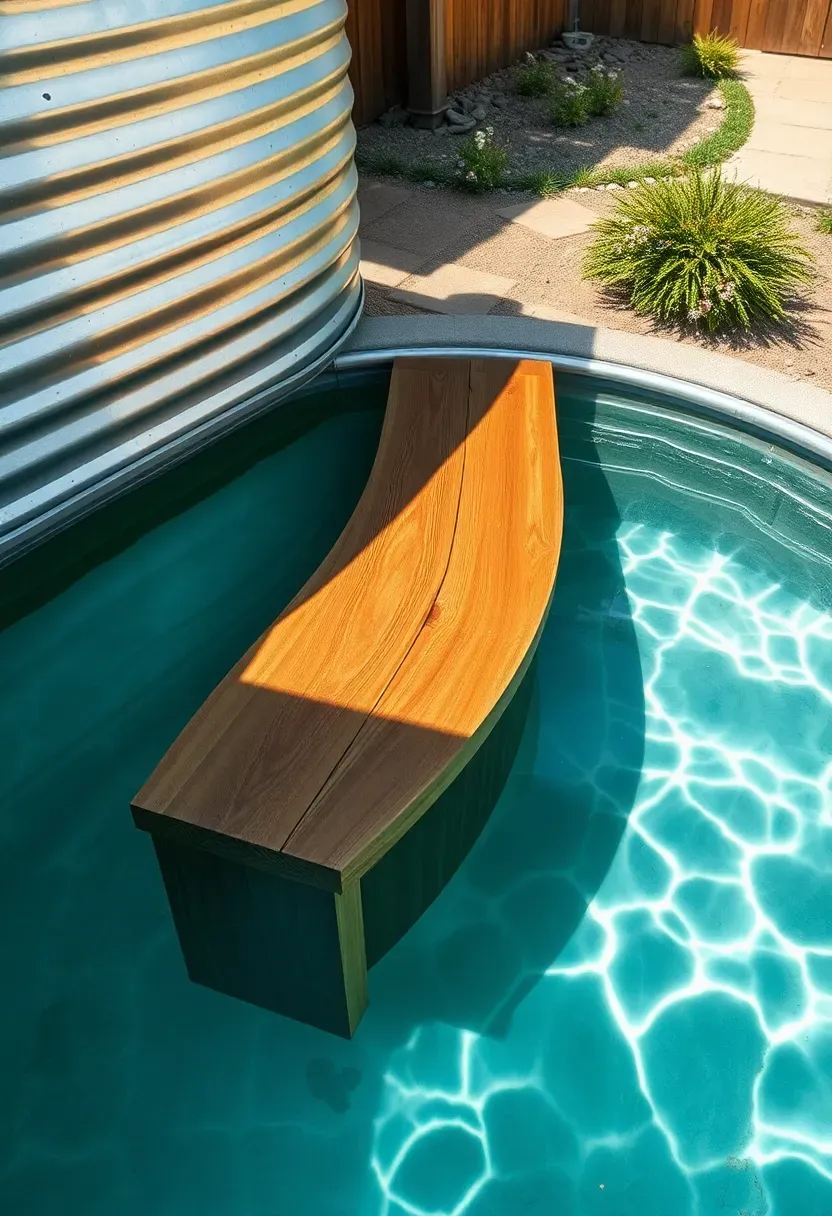
Welding or bolting a perforated metal shelf inside the tank at seat height turns a splash pool into a proper soaking pool. The bench reduces total water volume by about fifteen percent, which means less chemical usage and faster heating. Two adults can sit comfortably with water at chest level in an eight-foot tank with a bench along one third of the circumference.
How to Build It
Use 14-gauge perforated stainless steel or aluminum sheet cut to follow the tank curve. Support it on stainless threaded rod legs bolted through the tank floor with rubber washers on both sides to prevent leaks. Cover the bench surface with marine-grade outdoor cushions that dry quickly between uses.
Tips
- Drill drainage holes in the bench surface so water circulates freely beneath the seat
- Round all metal edges and cover bolt heads with rubber caps to prevent skin scrapes
- Test the bench with weight before filling — it should support at least four hundred pounds without flexing
Recommended
Items for this idea
7. Modern Concrete Pad Surround
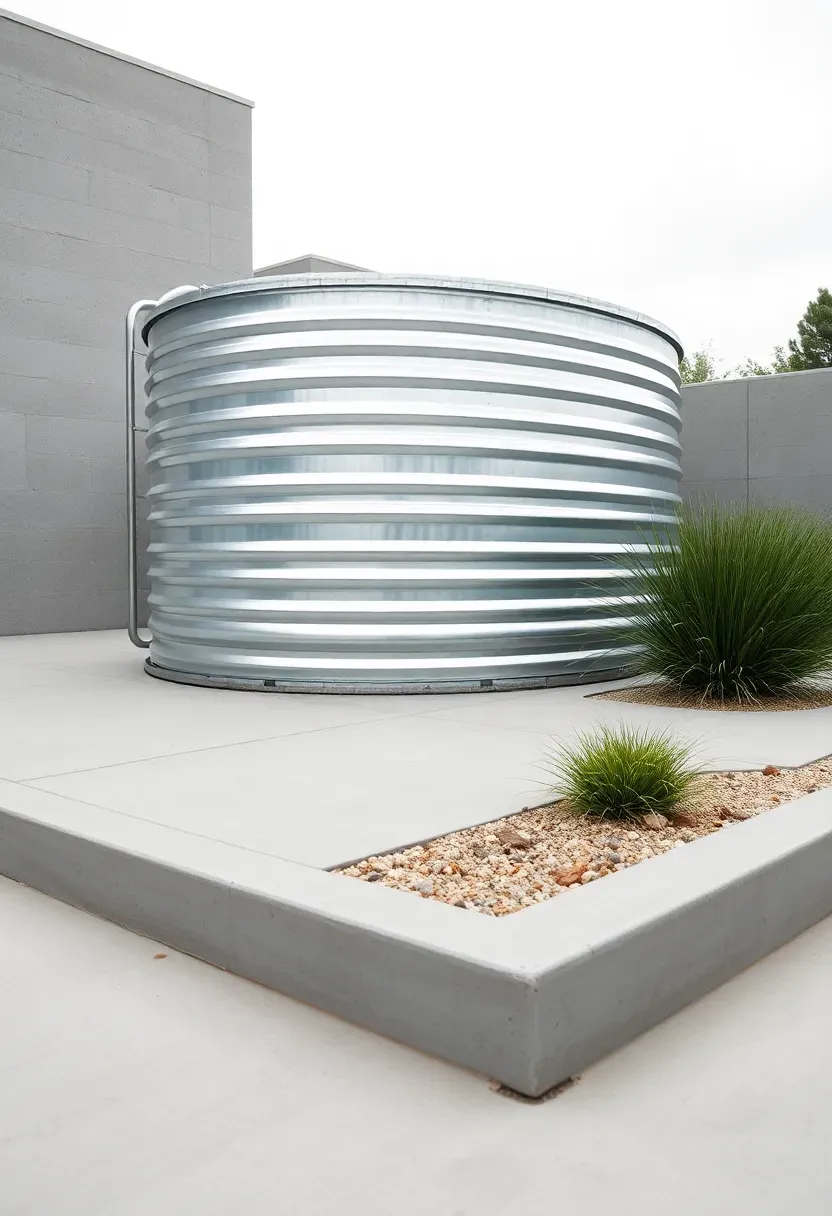
For a clean, architectural look, pour a concrete pad extending three to four feet beyond the tank in every direction. Broom-finish the surface for slip resistance, and form a low three-inch curb at the pad edge to contain splashed water. The concrete prevents mud, keeps the area tidy, and provides a stable surface for lounge chairs.
A vs B: Poured Concrete vs Pavers
Poured concrete costs less per square foot and creates a seamless surface, but cracks are inevitable over time and repairs show. Concrete pavers cost more upfront and require an aggregate base, but individual units can be replaced if they crack or stain, and the look tends toward a more relaxed, residential feel.
Choose If
- Choose poured concrete for modern, minimalist yards where clean lines matter most
- Choose pavers for traditional or cottage-style landscapes where some texture variation feels natural
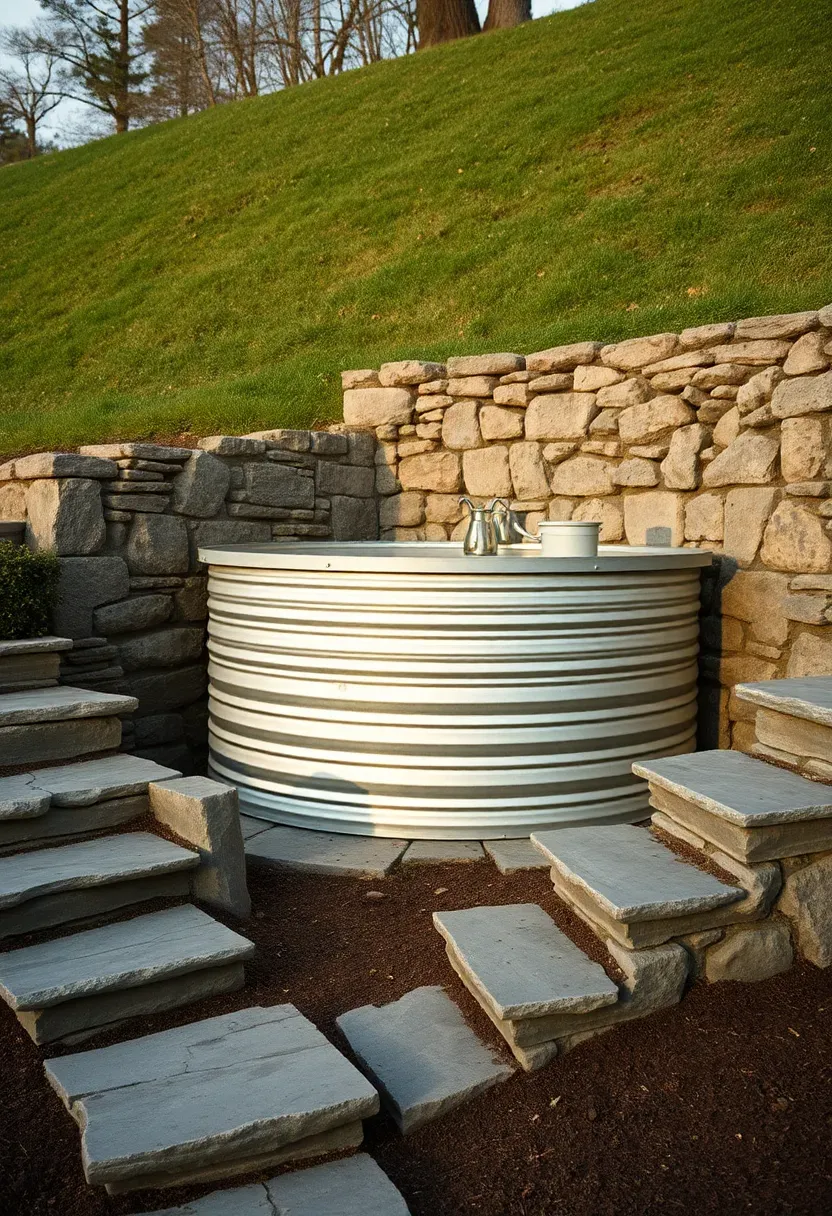
8. Hillside Terraced Installation
A sloped yard is actually an advantage for stock tank pools. Cut a level terrace into the hillside, set the tank so the downhill side sits partially above grade and the uphill side sits partially below. The retaining wall on the uphill side does double duty — it holds back the slope and creates a natural privacy wall behind the pool. Stone, timber, or concrete block all work for the retaining structure.
The Core Challenge
Drainage is everything on a hillside. Without a French drain behind the retaining wall, groundwater will build hydrostatic pressure and eventually push the wall or the tank out of position. Lay perforated pipe at the base of the wall, wrap it in filter fabric, and backfill with clean gravel before compacting soil over the top.
What This Gives You
A pool that looks carved into the landscape with natural privacy on one or more sides, plus reclaimed flat space on the terrace that was previously unusable slope.
Recommended
Items for this idea
9. Stock Tank Hot Tub Conversion
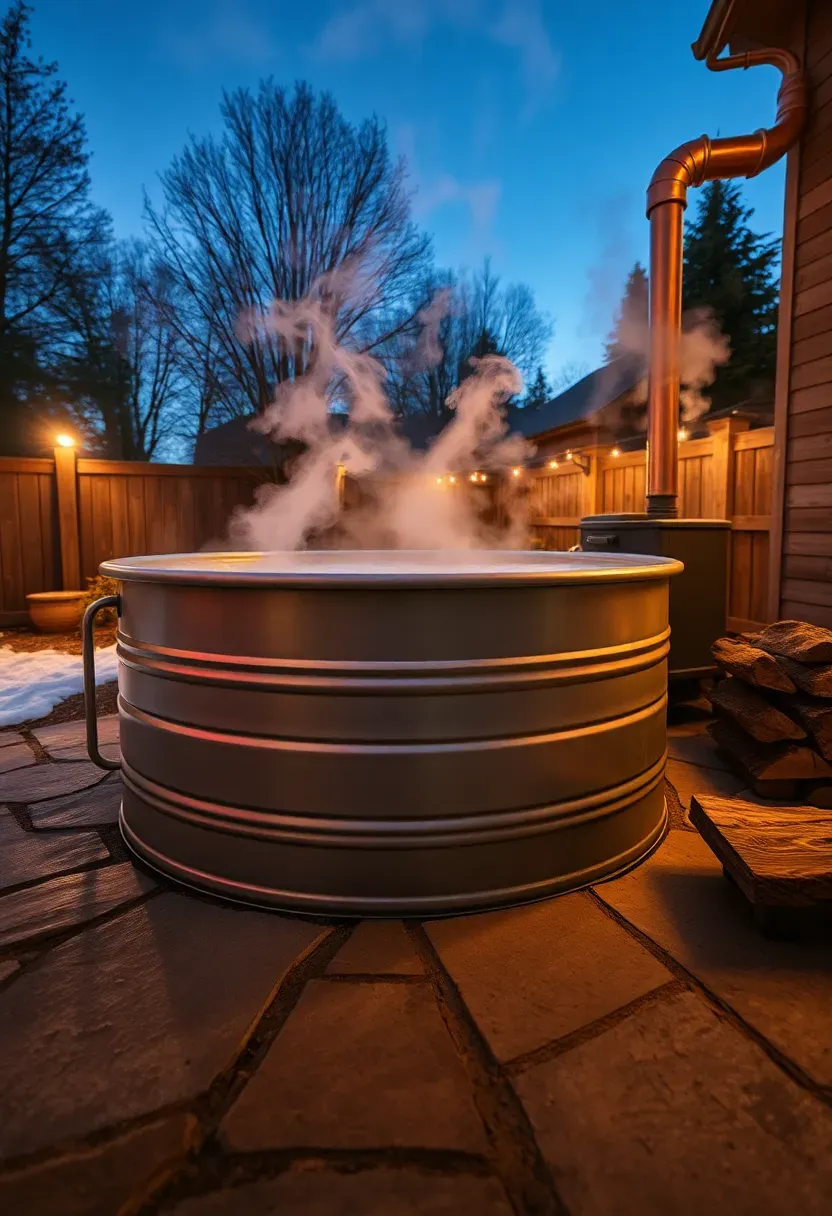
A stock tank plus a wood-fired water heater equals a hot tub for under eight hundred dollars. The most popular heater option is an external wood-burning stove with copper coil heat exchanger — water circulates through the coil, picks up heat from the fire, and returns to the tank. No electricity required.
Origins of the Concept
Wood-fired hot tubs trace back to Scandinavian and Japanese bathing traditions that predate modern plumbing by centuries. The stock tank version is a thoroughly American adaptation that started showing up on homesteading blogs around 2015 and exploded on social media by 2020.
Modern Application
A Timberline or similar wood-fired heater runs four hundred to six hundred dollars and heats a standard eight-foot tank from cold to a hundred and two degrees in about three hours. Insulating the tank exterior with rigid foam board and wrapping it in cedar slats cuts heating time in half and keeps the water warm overnight.
Practical Limits
- Wood-fired heaters require constant fire tending — you cannot set a thermostat and walk away
- Hot water accelerates galvanized coating degradation, so plan on interior sealant from the start
- Check local fire codes before installing any wood-burning appliance outdoors
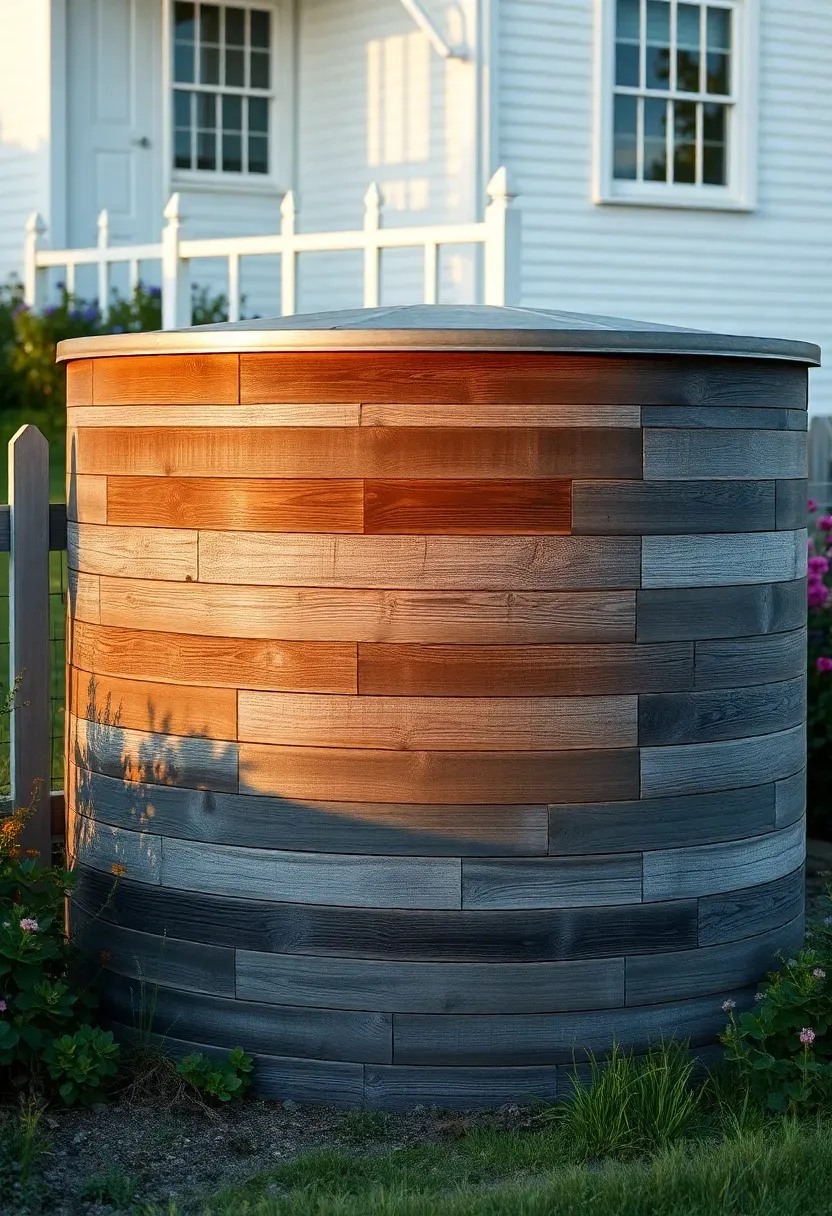
10. Rustic Farmhouse Pool with Barn Wood Cladding
Wrapping the exterior in reclaimed barn wood or cedar fence boards hides the galvanized steel entirely. The finished look reads as a custom wooden soaking tub rather than a livestock tank. Attach the wood to a simple frame of one-by-two furring strips screwed to the tank rim and base, leaving a half-inch air gap between wood and steel for ventilation.
Tips
- Seal the wood with exterior-grade tung oil or spar urethane to prevent rot from splash exposure
- Use stainless steel screws exclusively — regular steel fasteners will streak rust stains down the wood within one season
- Leave the bottom few inches of the tank exposed behind the cladding so you can inspect for leaks or corrosion
Recommended
Items for this idea
11. Kid-Friendly Splash Zone with Shallow Tank
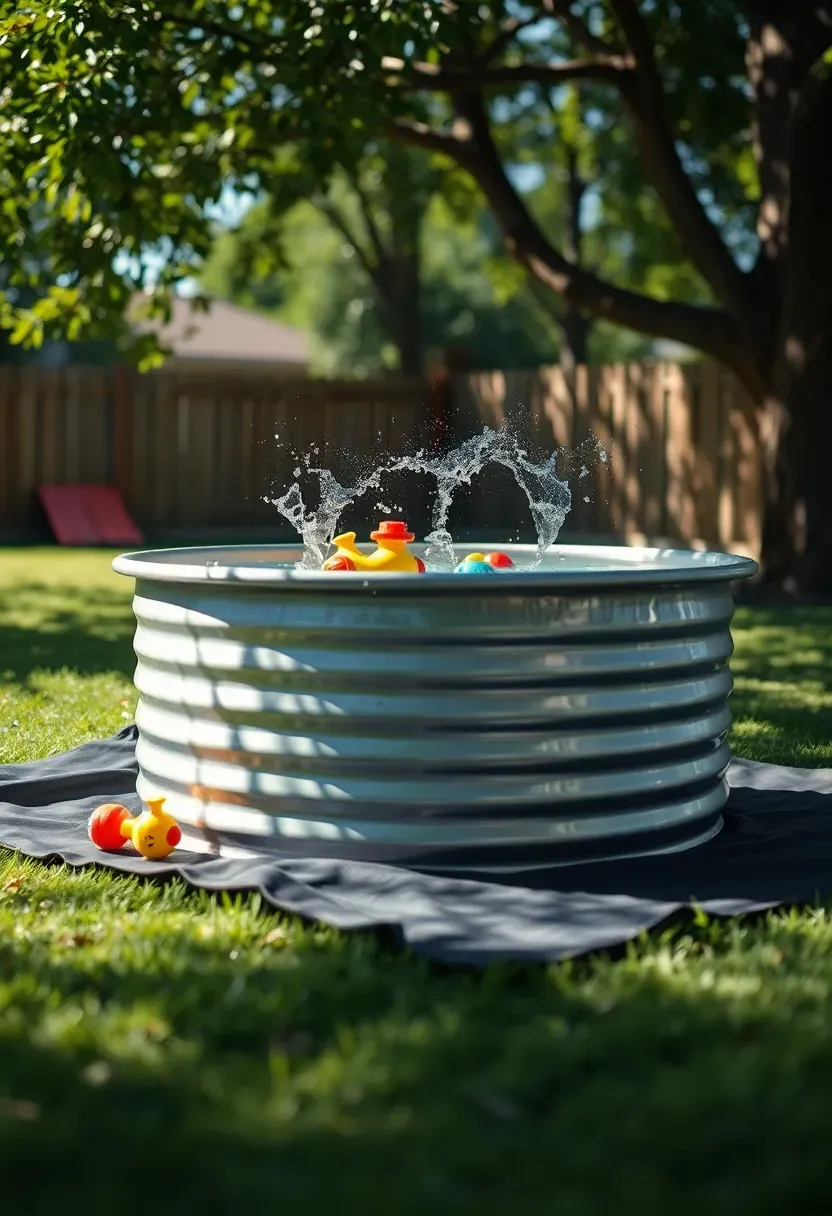
Smaller stock tanks — four to six feet in diameter and two feet deep — make ideal toddler and young kid pools. The shallow depth reduces drowning risk compared to deeper tanks, and the heavy steel construction means kids cannot tip it over like inflatable pools. Set it on a flat rubber mat or artificial turf pad that provides a non-slip surface around the pool.
Why Parents Prefer This Over Inflatables
Inflatable pools puncture, deflate overnight, and grow mold in the seams within weeks. A galvanized tank survives the entire childhood of abuse — thrown toys, climbing attempts, dog paws — without a single leak. It drains in minutes with a hose siphon and stores vertically against a fence when not in use.
Safety Notes
- Never leave children unattended near any standing water, regardless of depth
- Remove the filter pump when kids are in the pool to eliminate any suction hazard
- Add a pool thermometer — small bodies overheat faster, so keep water below 85 degrees for young children
12. Desert Landscape Pool with Gravel and Cacti
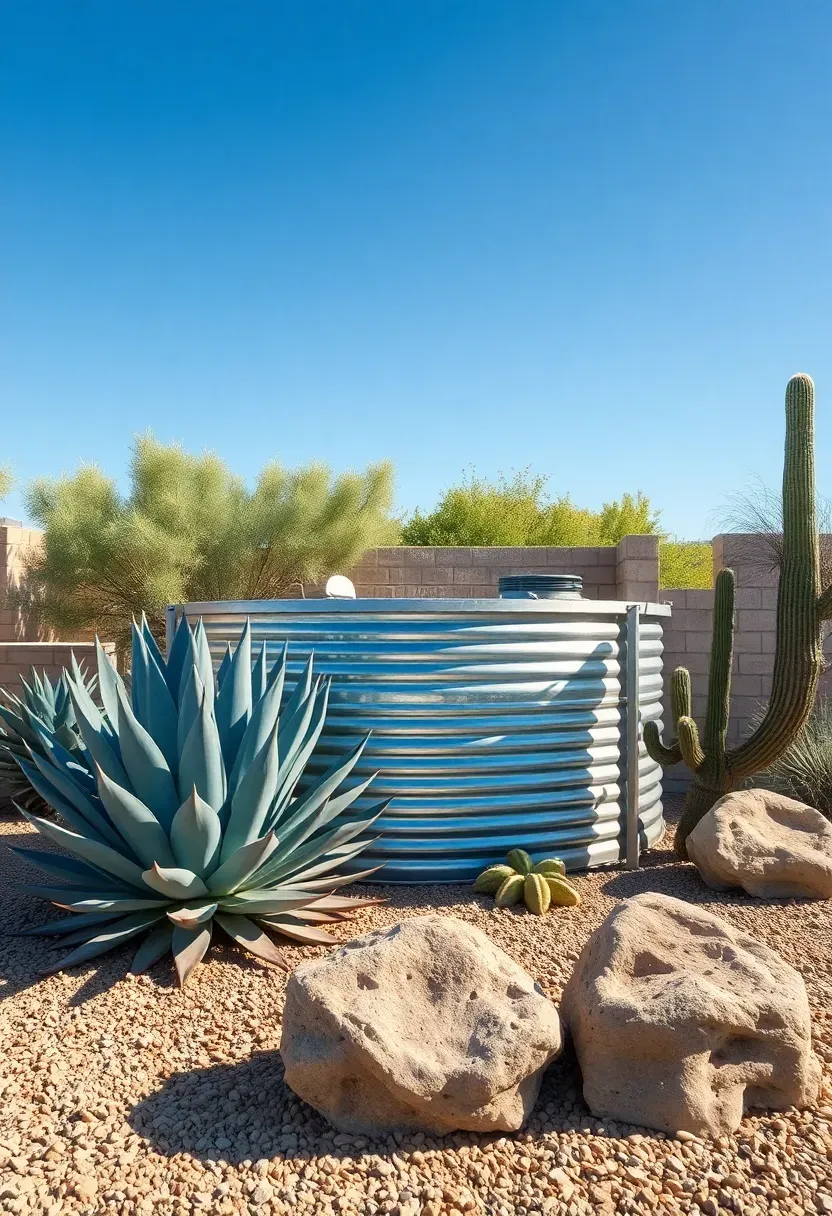
In arid climates, a stock tank pool surrounded by decomposed granite, native succulents, and a few well-placed boulders looks completely at home. The dry landscape means no grass to maintain, no mud around the pool, and no irrigation runoff contaminating the water. This might be the lowest-maintenance combination possible.
Step 1: Prepare the Ground
Clear a fifteen-foot diameter circle, lay landscape fabric, and spread three inches of decomposed granite over the top. Set the tank on a compacted sand pad in the center.
Step 2: Place the Hardscape
Arrange three to five large boulders asymmetrically around the pool. Bury each boulder one-third deep so they appear naturally placed rather than set on top of the gravel.
Step 3: Plant the Perimeter
Install agave, prickly pear, or barrel cactus at least four feet from the tank edge — far enough that spines are not a hazard for swimmers but close enough to create visual framing.
Watch Out For
- Decomposed granite gets scorching hot in bare feet during summer — add stepping stone paths from the house to the pool
- Cacti near pools mean cactus spines in pool water during windy days, so choose spineless varieties where possible
Recommended
Items for this idea
13. Cocktail Pool with Underwater LED Lights
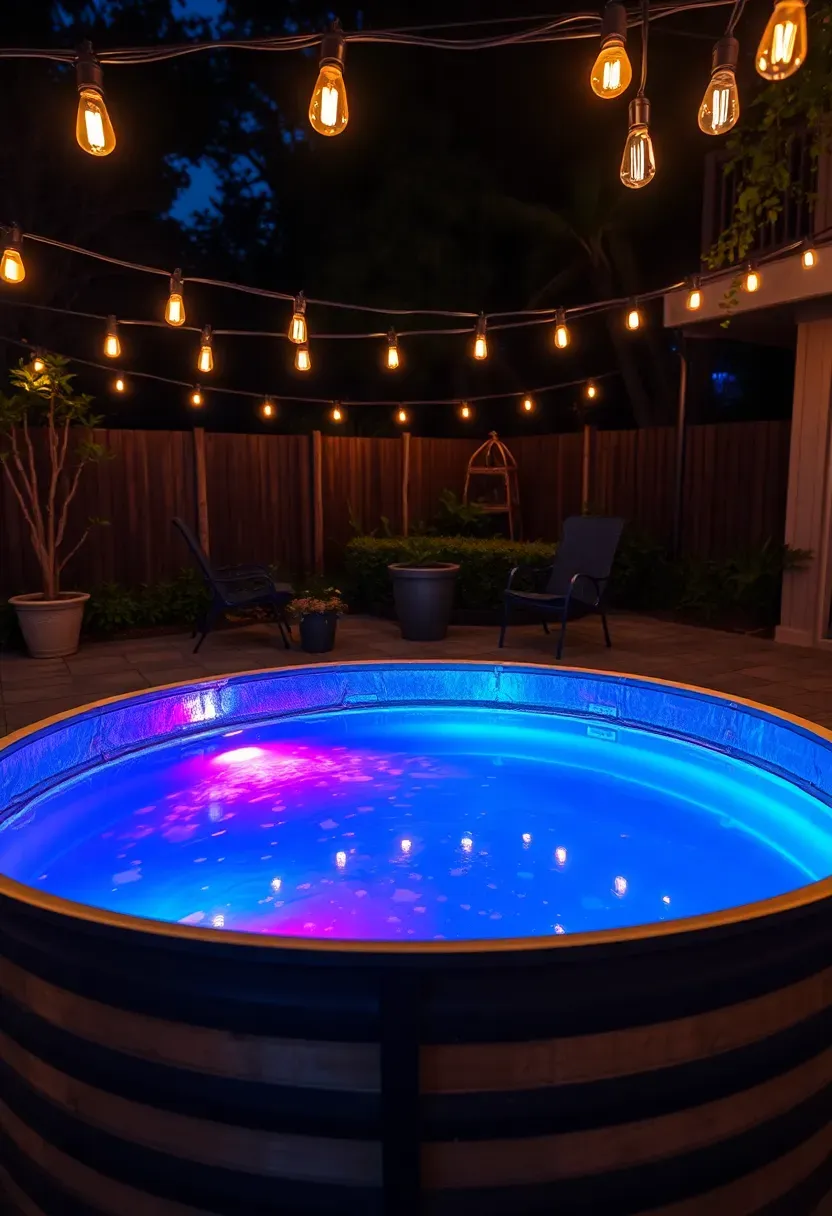
Submersible LED pool lights cost fifteen to forty dollars each and completely change the night atmosphere. Drop two or three into an eight-foot tank and you have a glowing cocktail pool that anchors evening outdoor entertaining. Most units run on rechargeable batteries with twelve-plus-hour runtime, so no electrical wiring is needed.
Tips
- Choose lights with a remote control so you can switch colors without reaching into the water
- Float a few lights rather than sinking them all — the combination of submerged and surface light creates more visual depth
- Pair with overhead string lights at eight to ten feet high to create a warm canopy effect that complements the cool pool glow
14. Privacy Screen Enclosure Pool
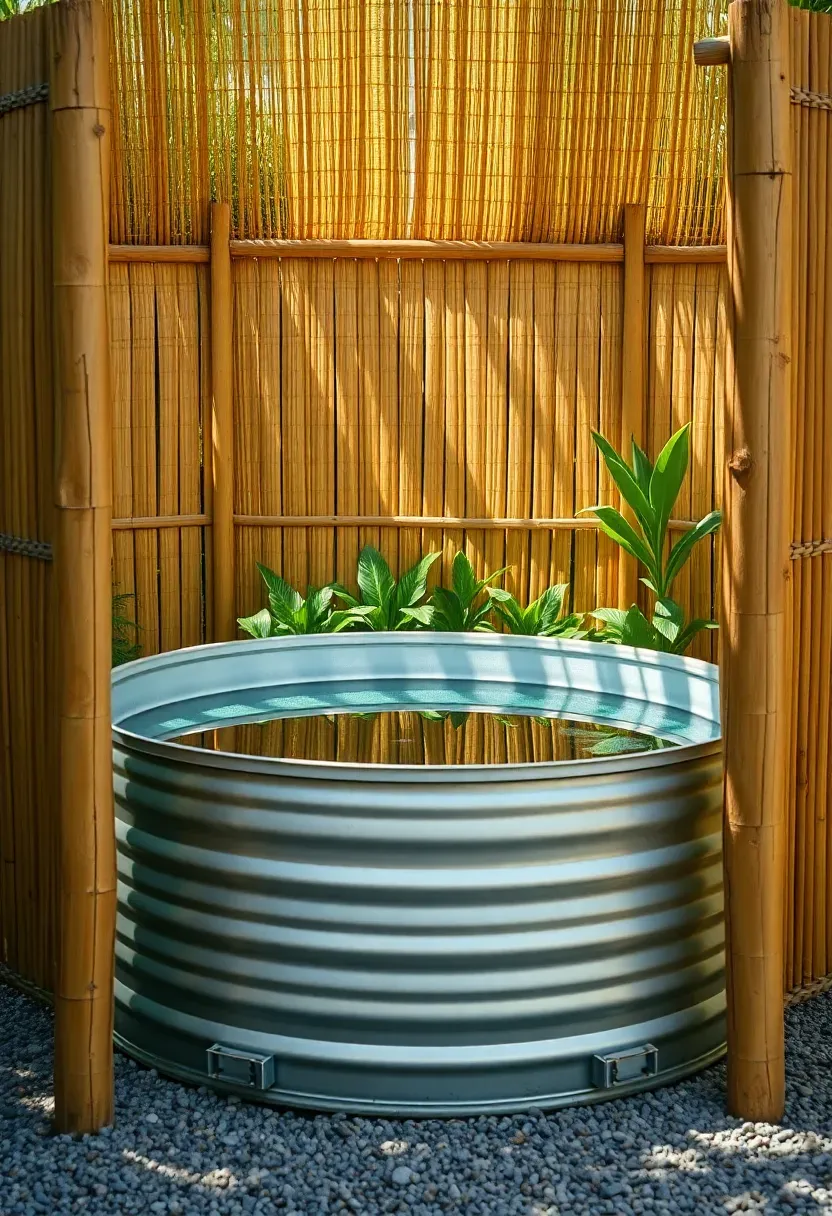
Bamboo roll fencing, reed panels, or horizontal cedar slats mounted on pressure-treated four-by-four posts create an enclosed pool area that blocks neighbor sightlines. The screens typically run six to eight feet tall and cost two to five dollars per linear foot for bamboo, versus fifteen to twenty-five dollars per linear foot for cedar.
Comparing Screen Materials
Bamboo roll fencing installs fastest — unroll, zip-tie to posts, done in an hour. It looks great for two to three seasons before weathering makes it brittle. Reed panels offer a tighter visual barrier and slightly longer lifespan. Cedar slats are the most durable and attractive option but require basic carpentry skills and a bigger materials budget.
Choose If
- Choose bamboo for a rental property or temporary installation where speed and cost matter most
- Choose cedar for a permanent backyard upgrade where you want the screens to last a decade or longer
Recommended
Items for this idea
15. Oval Trough Soaking Pool
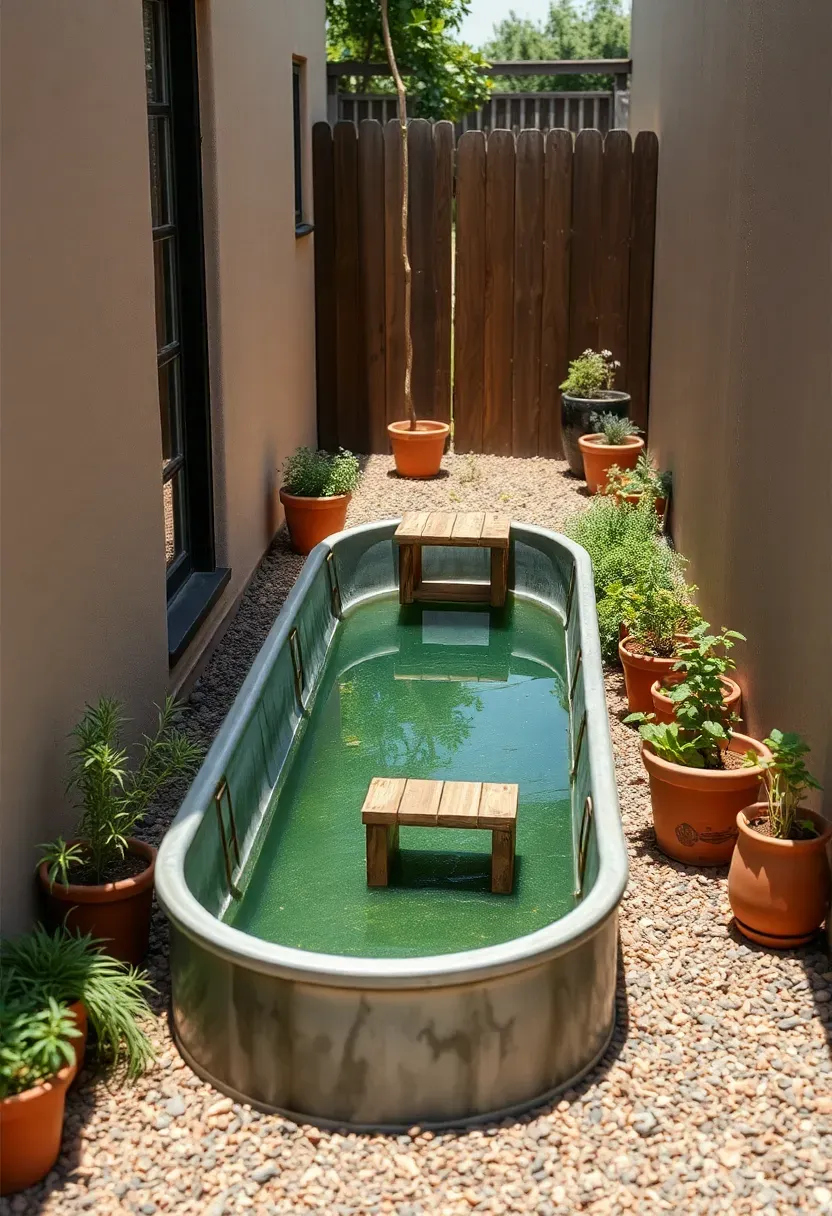
Oval livestock troughs measuring eight to ten feet long and three feet wide offer a soaking experience that round tanks cannot match. Two adults can stretch out with legs extended, and the narrow profile fits side yards, long patios, or spaces between buildings where a round pool would not work.
Problem: Round Tanks Waste Side Yard Space
Side yards are typically eight to twelve feet wide, which barely accommodates an eight-foot round tank plus access space. The proportions feel cramped and the pool blocks passage through the yard.
Solution: Oval Trough
An eight-foot oval trough is only three feet wide, leaving five or more feet of clearance in even the narrowest side yards. Line one long side with a low bench for seating and the other with a planting bed, and the space functions as a private linear courtyard.
Pros and Cons
Pros: Fits spaces round tanks cannot, better for soaking than splashing, unique appearance Cons: Harder to find locally — most farm supply stores carry limited oval stock, and shipping is expensive due to the awkward shape
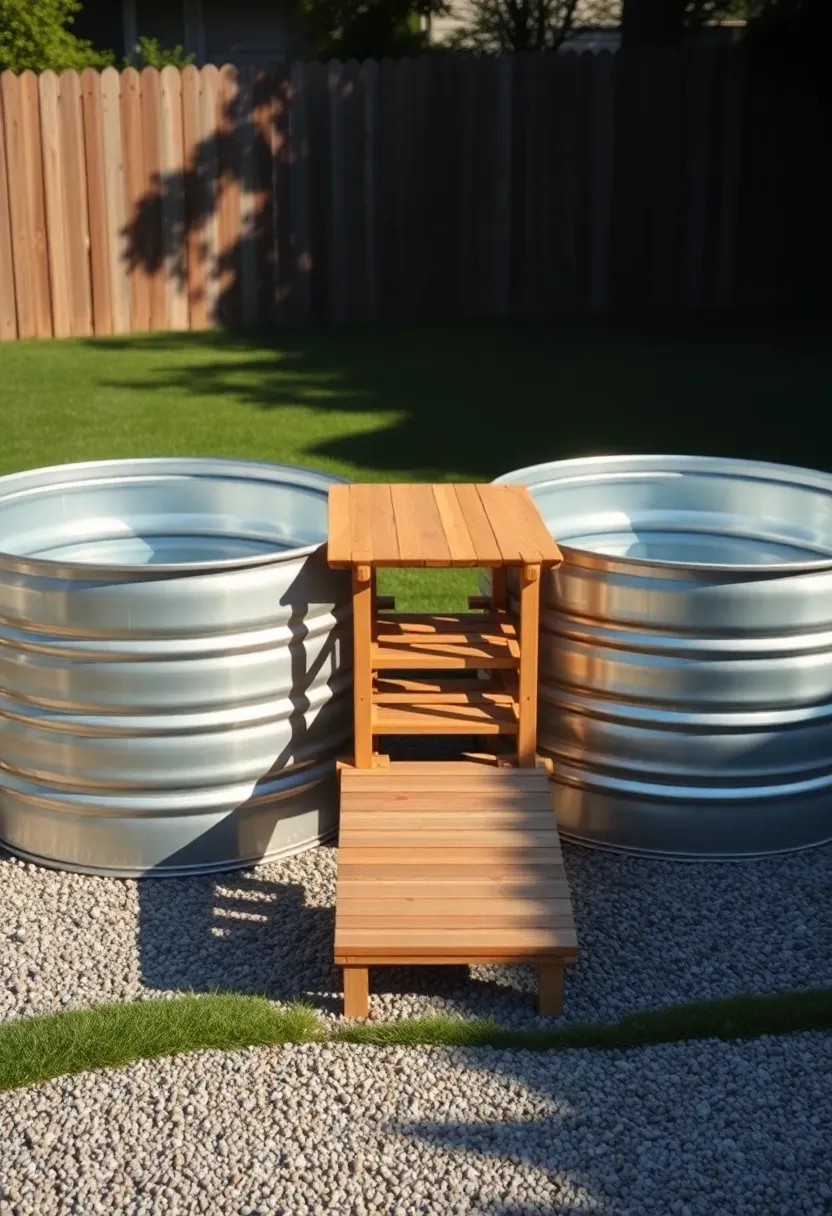
16. Double Stock Tank Setup
Two tanks side by side or at staggered elevations create zones — a cooler pool and a heated soaking tank, or a shallow kids pool adjacent to a deeper adult pool. A short connecting deck bridges them visually and functionally. The total cost for two eight-foot tanks plus a connecting platform stays under two thousand dollars.
Tips
- Run separate filtration systems for each tank to maintain different chemical balances and temperatures
- Stagger the elevations by one step height (about seven inches) so the connecting deck has natural visual interest
- Designate one tank as cold plunge and the other as warm soak for a DIY contrast therapy setup that spa resorts charge hundreds of dollars per session for
Recommended
Items for this idea
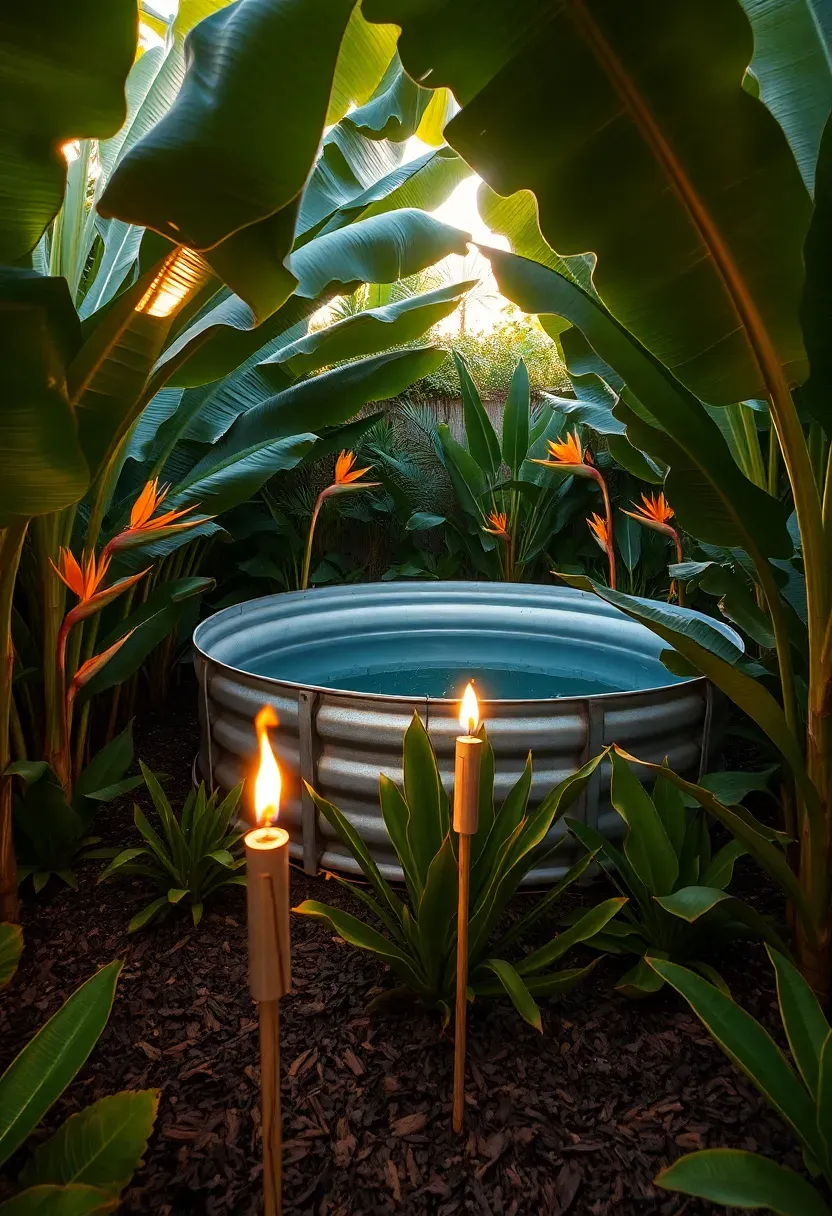
17. Tropical Oasis with Palm Plantings
Tropical plants grow fast and big, which means you can create a lush poolside environment in a single growing season. Plant banana trees, bird of paradise, cannas, and elephant ears in a semicircle behind the tank. These plants tolerate the reflected heat from the water surface and their broad leaves provide natural afternoon shade.
Origins of the Look
Tropical poolside landscaping became mainstream in the U.S. after mid-century Florida resort culture filtered into residential design during the 1950s and 60s. The stock tank version is a budget interpretation of that same principle — big dramatic foliage framing a small body of water creates a sense of lushness that the pool size alone would not deliver.
Where This Works
Zones 8 through 11 can grow most tropical plants outdoors year-round. In zones 5 through 7, use container plantings that you can roll into a garage or basement when frost arrives. Banana trees in particular survive surprisingly cold temperatures if you cut them back and mulch the roots heavily in fall.
Practical Limit
- Falling leaves from large tropical plants create constant pool maintenance — plan to skim the surface daily or invest in a floating debris net
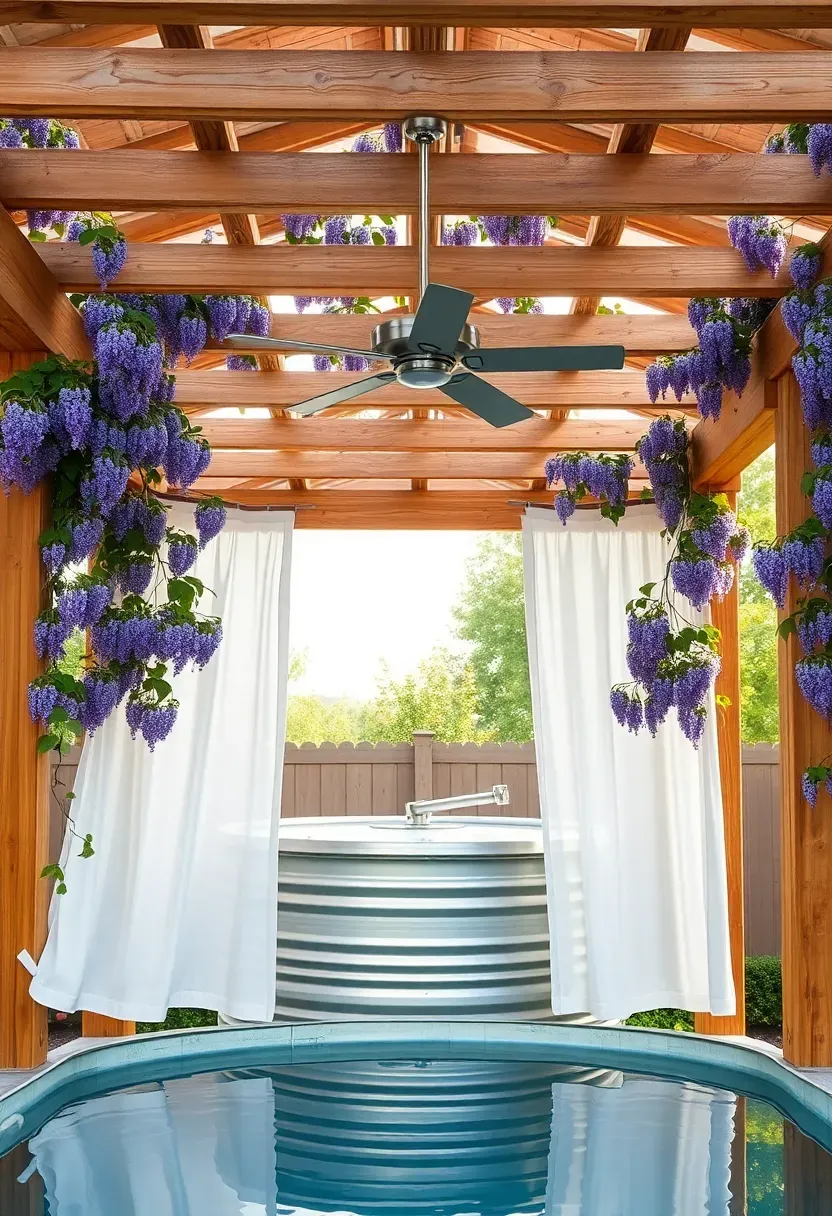
18. Pergola-Covered Stock Tank
A pergola directly over the pool solves three problems at once: sun protection, privacy from upper-story neighbor windows, and a structure for hanging lights, fans, or shade cloth. A basic twelve-by-twelve-foot pergola in pressure-treated lumber costs five hundred to twelve hundred dollars in materials.
Step 1: Set the Posts
Sink four six-by-six posts at least thirty inches deep in concrete footings, positioned so the pool sits centered beneath the beam span.
Step 2: Install Beams and Rafters
Notch the beams into the post tops and run two-by-six rafters at sixteen-inch spacing. The rafter gaps allow some sun through while cutting direct exposure by fifty to sixty percent.
Step 3: Add Comfort Features
Mount an outdoor-rated ceiling fan to the center beam for air circulation. Run string lights along the rafters. Hang outdoor curtain panels on two sides for adjustable privacy.
Watch Out For
- Pergola footings must be below frost line in cold climates or they will heave and shift
- Keep climbing vines trimmed so they do not drop leaves directly into the pool water
Recommended
Items for this idea
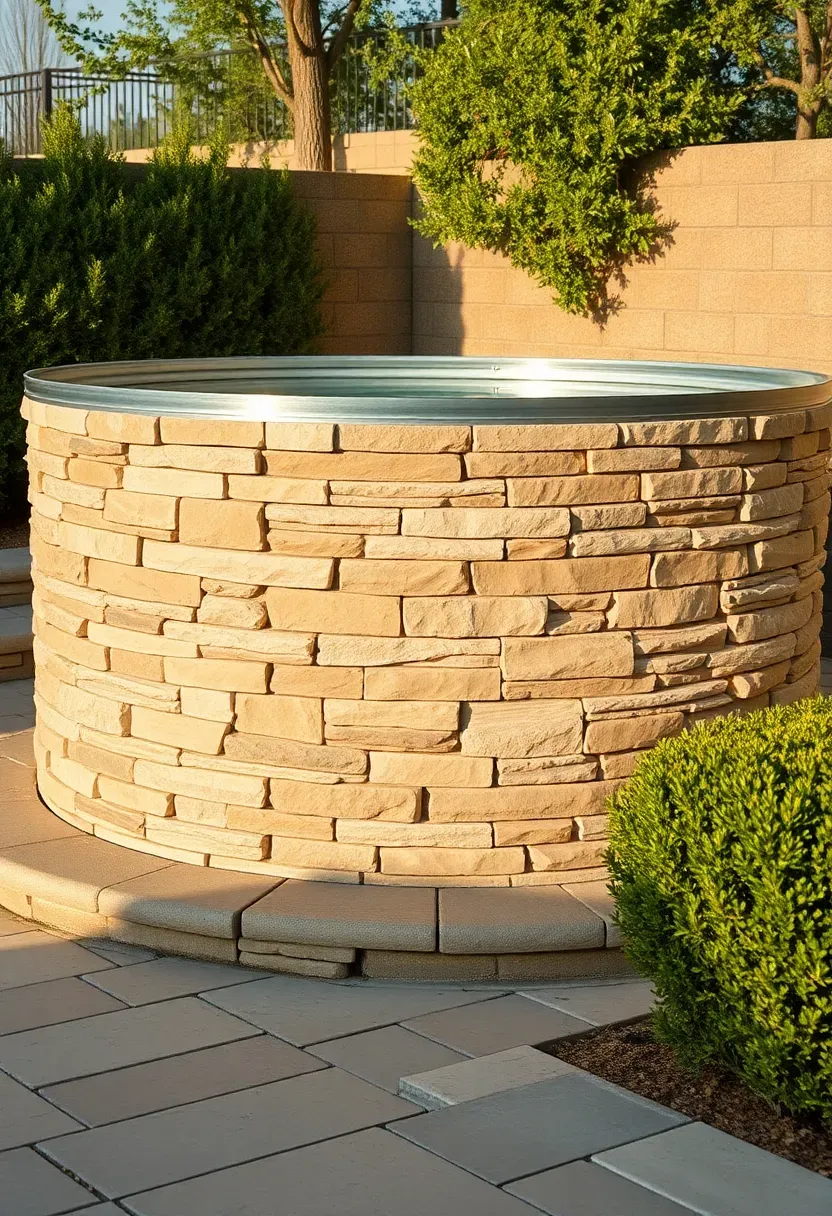
19. Stone Veneer Wrapped Tank
Thin natural stone or manufactured stone veneer adhered to the tank exterior produces a pool that looks like hand-laid masonry. The stone adds insulation value and completely disguises the galvanized origin. Use construction adhesive rated for metal-to-stone bonds, and start from the bottom course working upward.
Why This Fools Everyone
The human eye reads stone as permanent and expensive. A stock tank wrapped in stone veneer reads as a custom plunge pool that cost five figures, when the actual materials — tank plus veneer — total eight hundred to fifteen hundred dollars depending on the stone type. The visual return on investment here is enormous.
Tips
- Use manufactured stone veneer if budget is tight — it weighs half as much as natural stone, costs thirty percent less, and installs faster
- Leave a two-inch gap between the stone and the ground to prevent moisture wicking that leads to efflorescence staining
- Apply a clear stone sealer annually to maintain color and prevent water absorption in freeze-prone climates
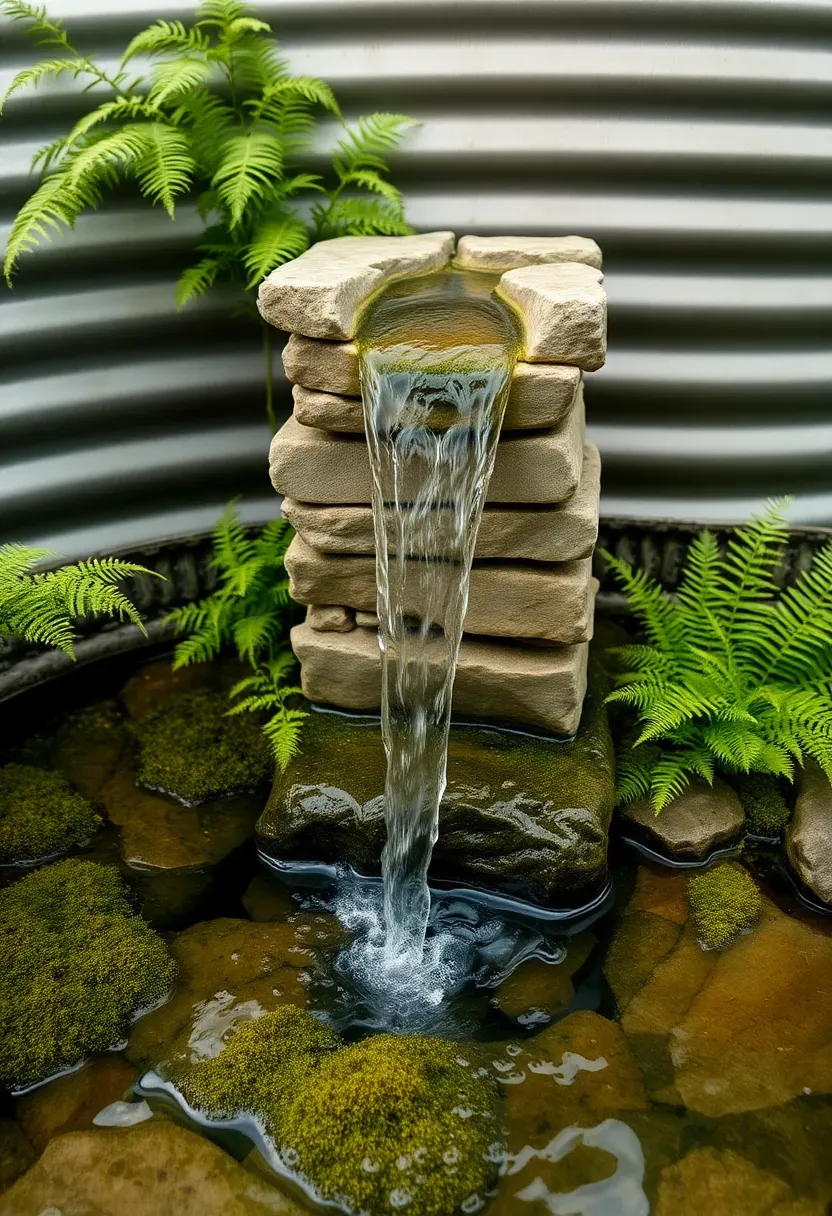
20. Stock Tank with Waterfall Feature
A recirculating pump and a short stack of natural stone or a copper spillway creates a waterfall that flows back into the tank. The sound alone changes the backyard atmosphere from quiet patio to resort. The moving water also improves circulation, which helps distribute chemicals more evenly and reduces stagnant zones where algae form.
How to Build This for Under $200
Buy a two-hundred-GPH submersible pump for thirty to fifty dollars. Run flexible tubing from the pump up through a stacked stone column built from dry-stacked flagstone pieces. The water exits at the top and cascades back into the tank. Total materials: pump, ten feet of tubing, a few pieces of flat stone, and some silicone sealant.
Pros and Cons
Pros: Dramatic visual and acoustic effect for minimal cost, improves water circulation, attracts birds and creates white noise that masks traffic sounds Cons: Pump increases electricity usage by a few dollars per month, waterfall splashing accelerates water loss through evaporation, stone column requires occasional restacking after settling
Recommended
Items for this idea
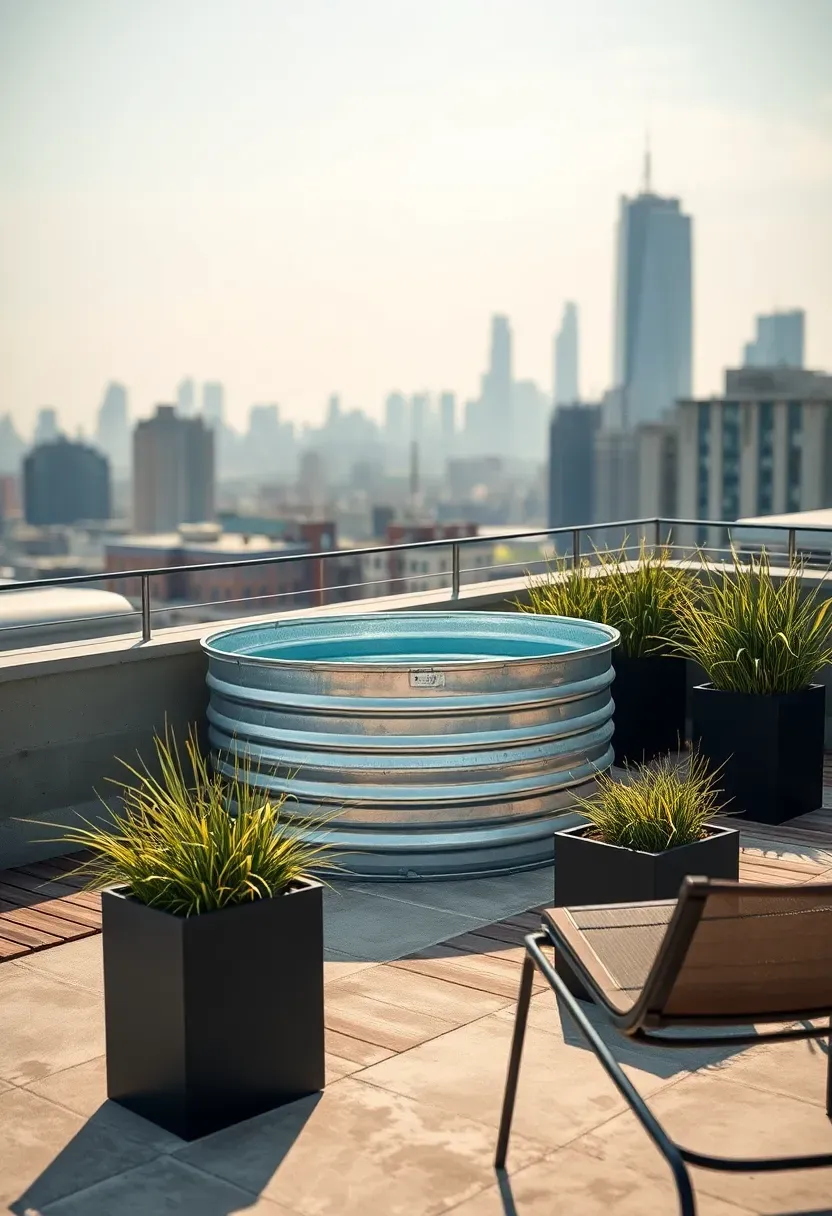
21. Rooftop or Balcony Mini Pool
A four-foot diameter stock tank filled with water weighs roughly seventeen hundred pounds. Most commercial building rooftops and reinforced residential balconies handle this load without issue, but you absolutely must verify structural capacity before filling. Contact a structural engineer or your building management — never assume.
The Real Concern
Water is 8.3 pounds per gallon. A four-foot tank holds about 130 gallons, putting total weight around twelve hundred pounds including the tank itself. This concentrated load needs to be placed directly over a structural beam or load-bearing wall, never in the middle of a span.
Tips
- Use a four-foot tank maximum for rooftop and balcony applications — larger tanks exceed most residential load ratings
- Place a sheet of rubber roofing membrane under the tank to protect the rooftop surface from scratches and rust stains
- Keep a drain hose connected and routed to an approved drainage point so you never need to carry buckets of water through the building
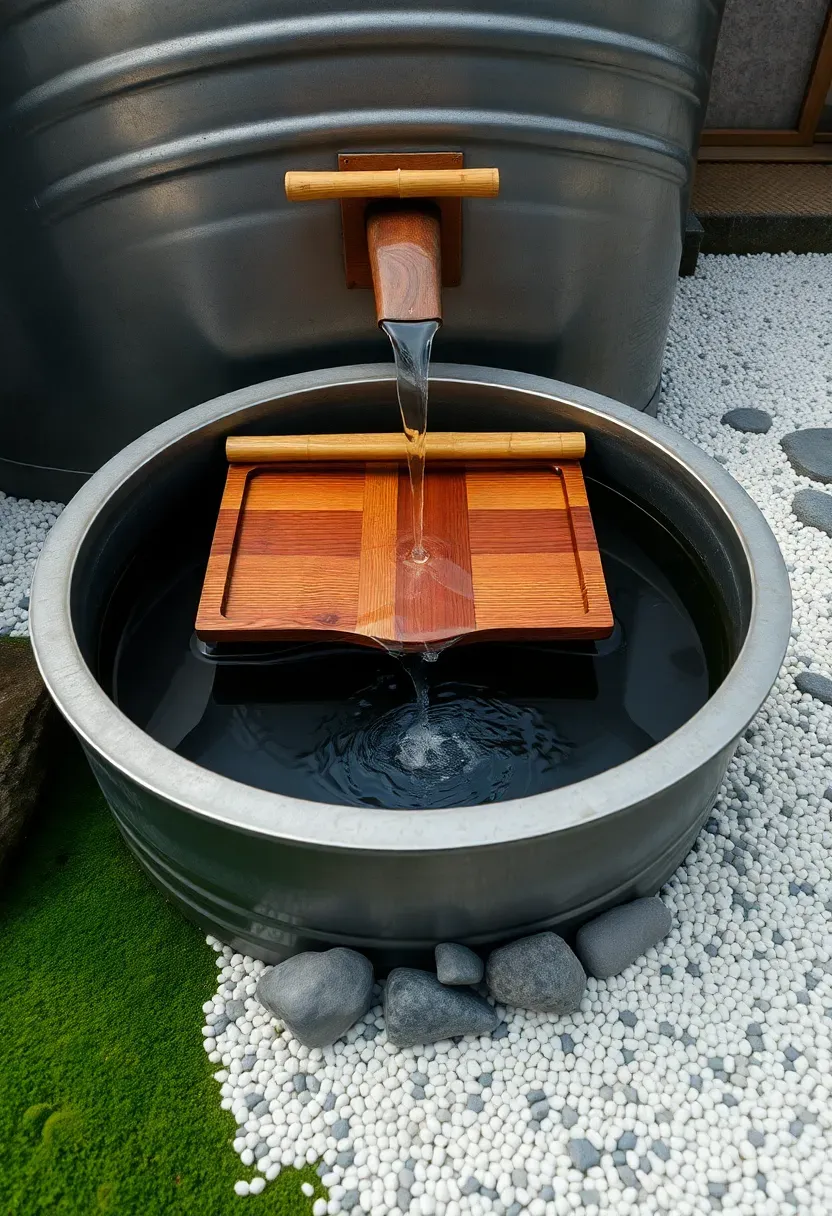
22. Japanese Soaking Style Tank
Traditional Japanese soaking tubs (ofuro) are deep and compact — meant for sitting upright with water at shoulder level. A tall, narrow stock tank or a standard round tank with a raised platform around the base replicates this proportion. The key is heating the water to 100-104 degrees and keeping the tank at a height where you step down into it.
Origins
Japanese soaking tubs date to the Edo period, when communal bathhouses (sento) became central to neighborhood social life. Home ofuro followed, using hinoki cypress wood. The stock tank version borrows the depth-over-surface-area principle while being far more affordable and weather-resistant than wood.
Modern Application
Install a propane or wood-fired inline heater. Build a raised cedar platform with interior steps so bathers enter from above. Add a bamboo spout for the water return line and place river stones around the base. The result is a genuine soaking experience for under a thousand dollars that a traditional hinoki tub would cost four to eight thousand dollars to achieve.
Recommended
Items for this idea
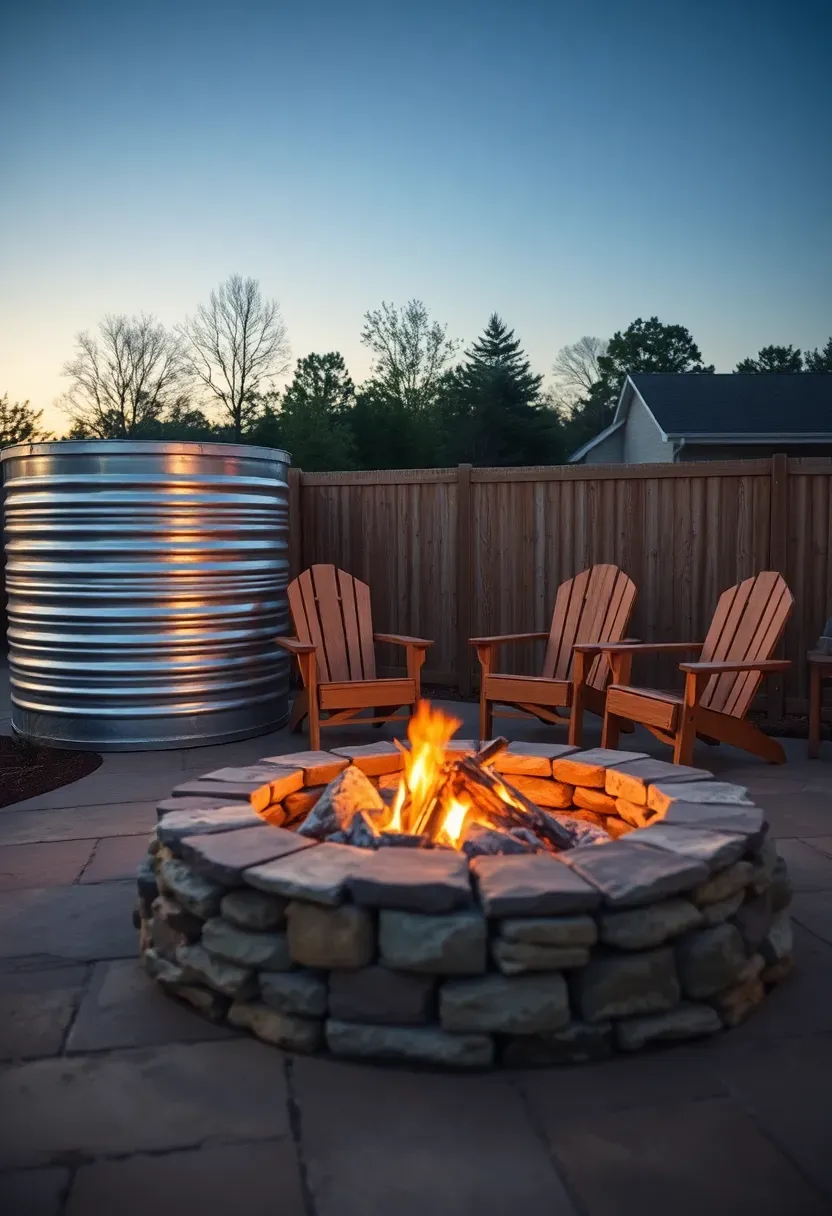
23. Fire Pit and Pool Combo
The combination of cool water and warm fire on the same patio is hard to beat for evening entertaining. Position the stock tank and fire pit at least eight feet apart — close enough to move between them but far enough that sparks and embers cannot reach the pool or anyone in it.
Why This Pairing Works
After a hot afternoon soak, sitting by a fire pit as the air cools down extends the usable hours of your outdoor space well into the night. The temperature contrast — cool water to warm fire — triggers a physical relaxation response that makes the whole experience more satisfying than either element alone.
Tips
- Use a spark screen on the fire pit to prevent wind-carried embers from landing in the pool or on nearby furniture
- Build the pool and fire pit on the same hardscape surface (concrete, pavers, or gravel) for a cohesive look
- Angle seating so guests face both the fire and the pool, which creates a natural conversation circle between the two features
24. Plunge Pool with Jets
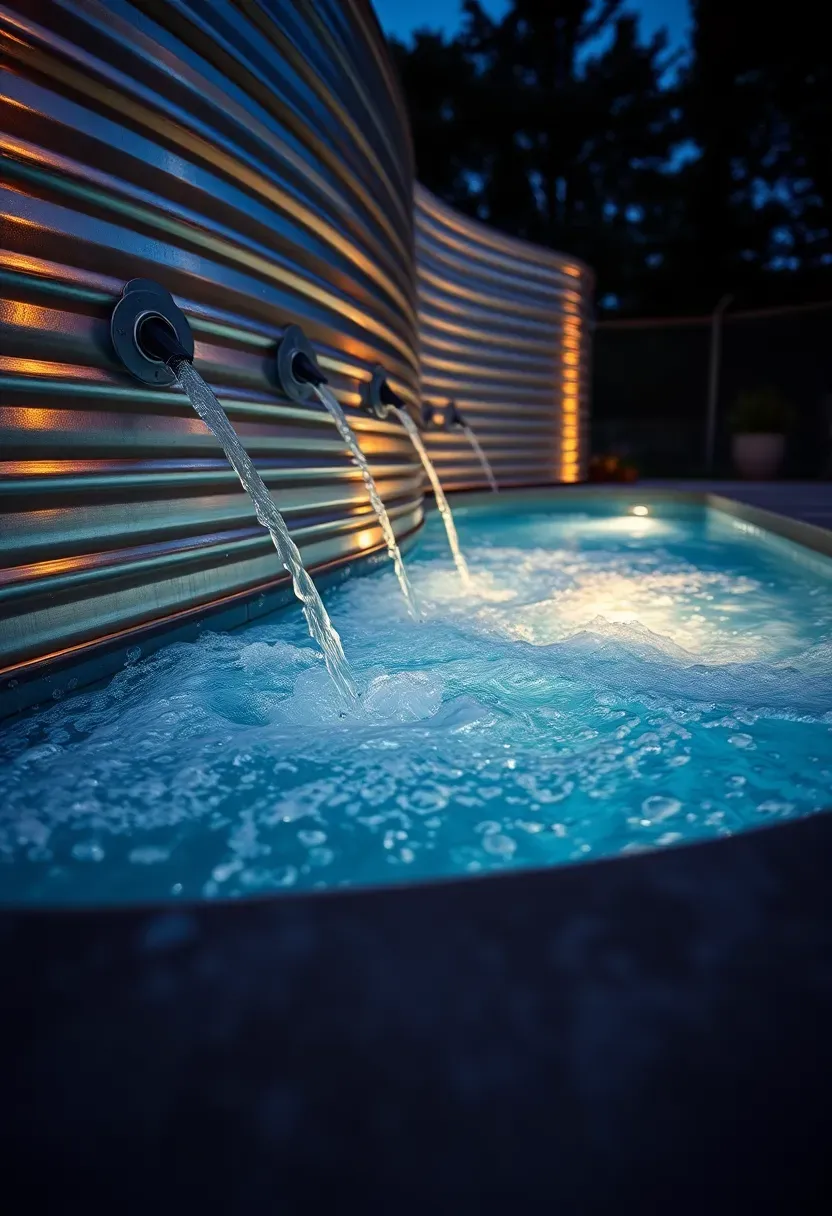
Adding two to four adjustable spa jets to a stock tank turns a passive pool into an active hydrotherapy experience. Jets require drilling into the tank wall, fitting bulkhead connectors with rubber gaskets, and connecting to a small jet pump. Total cost for a four-jet system runs three hundred to five hundred dollars.
The Core Challenge
Drilling through galvanized steel without creating stress cracks requires a step drill bit or a hole saw at low speed with cutting oil. The bulkhead fitting must include a rubber gasket on both sides of the tank wall, compressed with a lock nut to create a watertight seal. Any shortcut here results in a slow leak that worsens under water pressure.
The Payoff
Jet massage after a workout, a long day of yard work, or a stressful week rivals what you would get at a gym spa — except you are in your own backyard at no per-visit cost. The jets also create water movement that improves filtration effectiveness and reduces the chemical stagnant zones where algae thrive.
Recommended
Items for this idea
25. Cottage Garden Pool
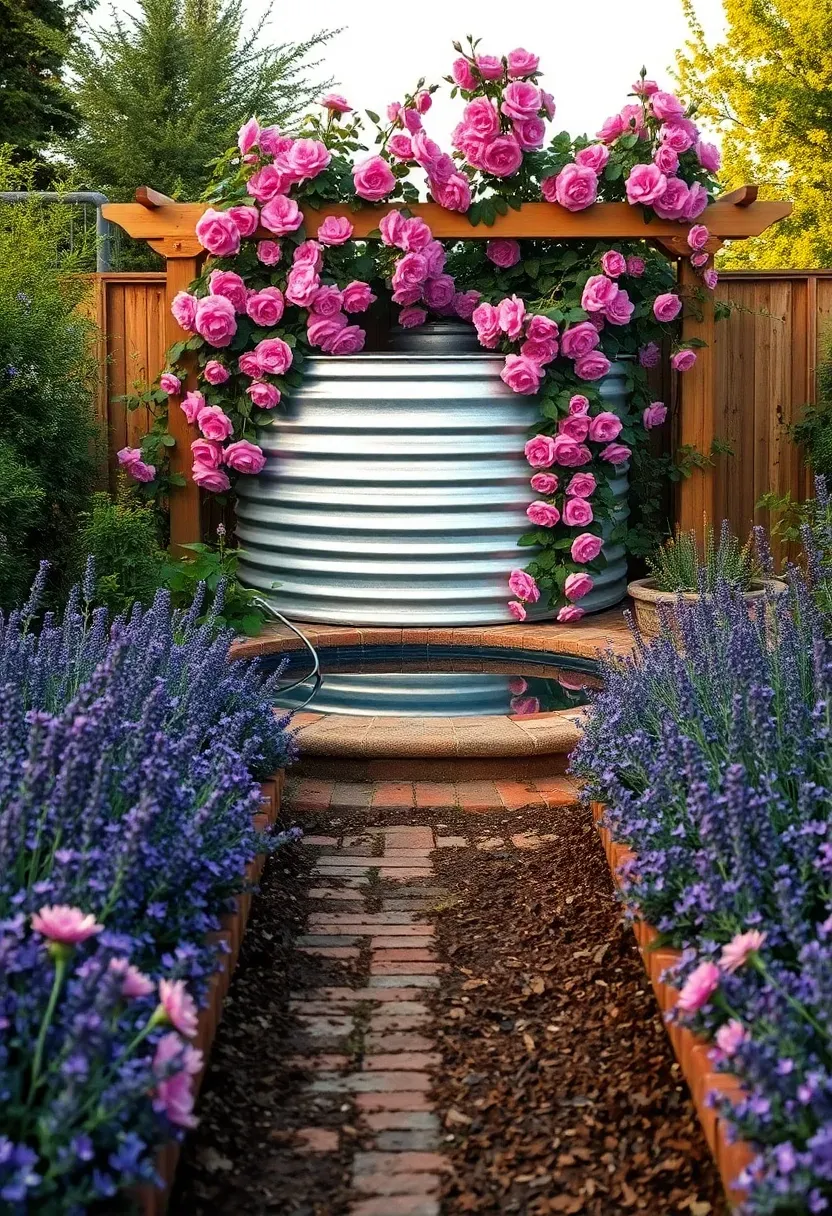
Surround the tank with the kind of dense, layered planting that defines English cottage gardens — lavender, roses, salvia, catmint, foxglove. The steel tank disappears behind billowing perennials, and the pool reads as a garden water feature rather than a swimming hole. This style works best when the plantings look slightly overgrown and informal.
Tips
- Plant fragrant varieties like lavender and jasmine near the pool to create a sensory experience beyond just the visual
- Keep thorny plants like roses at least three feet from the tank edge so swimmers can enter and exit without getting scratched
- Mulch heavily between plantings to suppress weeds and reduce soil splash into the pool during rain
26. Industrial Chic Tank with Metal Accents
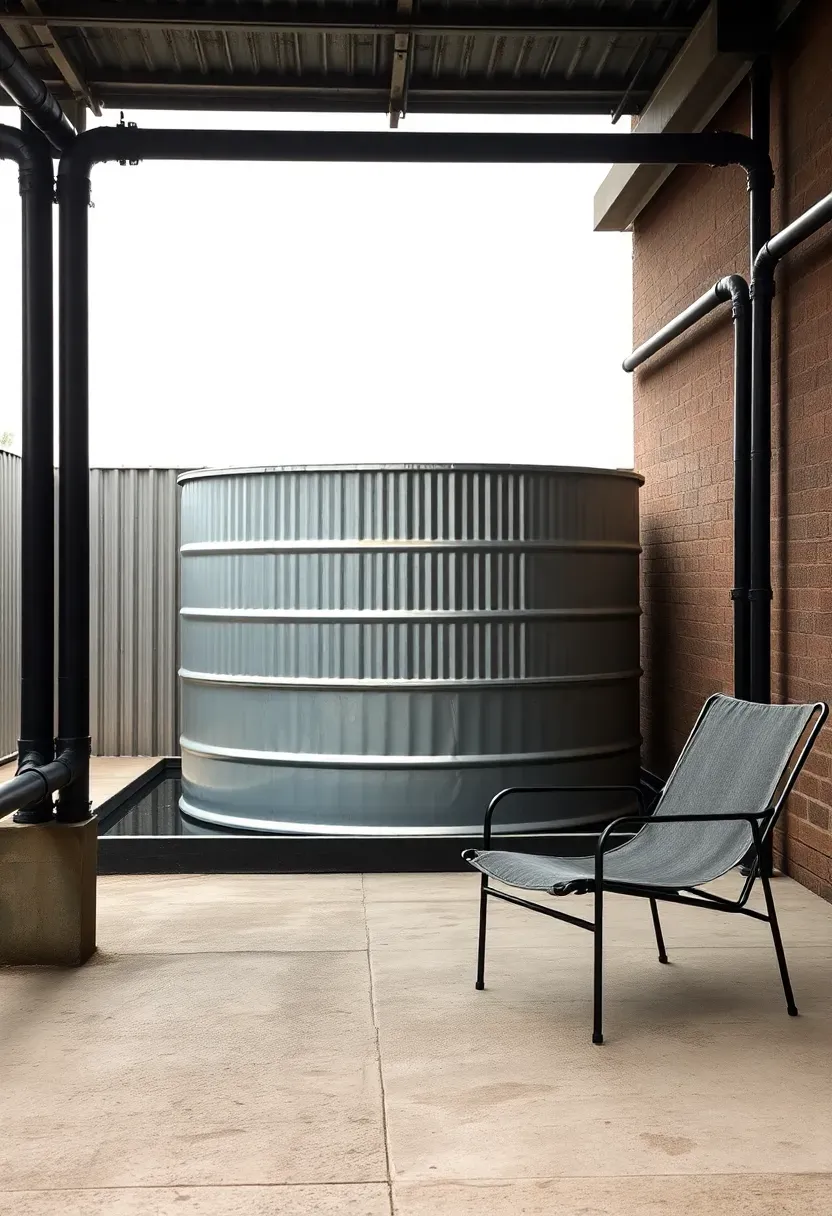
Lean into the galvanized steel rather than disguising it. Pair the tank with corrugated metal privacy walls, black iron pipe railings, and a poured concrete patio. Add a metal-frame lounge chair and a wire-basket side table. The entire scene celebrates raw materials and honest construction.
Why This Appeals
Industrial design works because it skips the pretense. A stock tank is literally an industrial object, so surrounding it with complementary industrial materials feels authentic rather than aspirational. There is nothing to apologize for or cover up — the aesthetic is the material itself.
Pros and Cons
Pros: Low cost since raw materials need no finishing, extremely durable and weather resistant, strong visual identity Cons: Metal surfaces get hot in sun, the look is too harsh for some tastes, may conflict with HOA aesthetic requirements in suburban neighborhoods
Recommended
Items for this idea
27. Solar-Heated Eco Pool
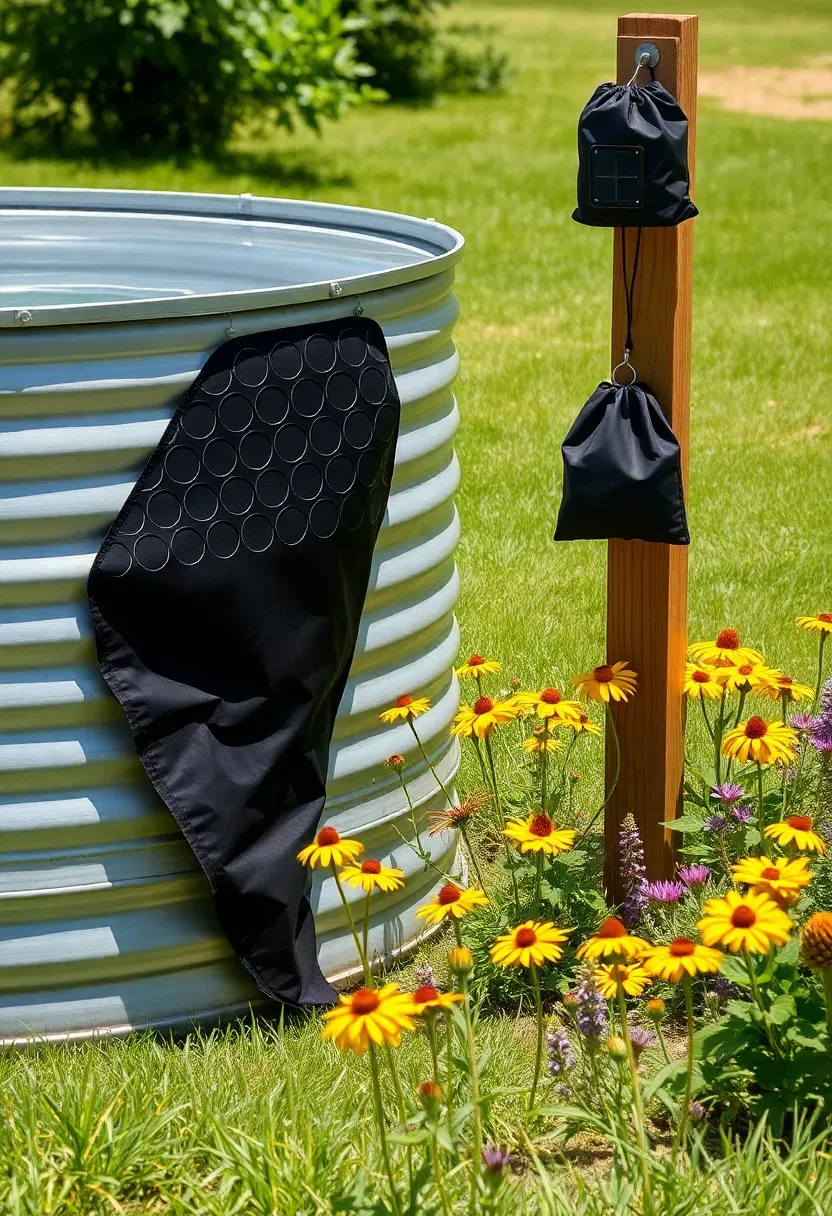
Combine a solar pool cover, a solar-powered filter pump, and a passive solar shower for a pool setup with zero ongoing energy cost. The solar cover alone raises water temperature by ten to fifteen degrees and reduces evaporation by up to seventy percent. A solar-powered pump runs during daylight hours when you need filtration most and costs nothing to operate.
The Full Solar Setup
A solar cover sized for an eight-foot tank costs thirty to fifty dollars. A solar-powered pond pump runs sixty to ninety dollars. A solar camping shower bag hung on a nearby post provides a warm rinse before and after swimming. Total additional cost beyond the tank: under two hundred dollars, with zero monthly operating expense.
Practical Considerations
- Solar pump output drops on cloudy days, so keep a manual backup for extended overcast periods
- The solar cover must be removed completely before swimming — rolling it to one side creates a drowning hazard
- In northern climates, solar heating alone may not reach comfortable temperatures until June, so manage expectations
Quick FAQ
How long does a stock tank pool last before it rusts out? With proper care — food-safe interior sealant, exterior rust-proof paint or clear coat, and keeping the water chemically balanced — a galvanized stock tank pool lasts eight to twelve years. Uncoated tanks in chlorinated water show rust within two to three seasons. The investment in sealant and paint up front pays for itself many times over in tank longevity.
Do I need a permit for a stock tank pool? In most U.S. jurisdictions, stock tank pools fall below the volume and depth thresholds that trigger permit requirements for swimming pools. However, some municipalities regulate any outdoor water container over a certain size, and fencing requirements for pools sometimes apply regardless of pool type. Call your local building department before setup — five minutes on the phone beats a code violation notice.
What size stock tank is best for two adults? An eight-foot round tank is the sweet spot for two adults. It holds roughly 700 gallons, provides enough room to sit on opposite sides without touching knees, and fits through a standard 36-inch gate for backyard delivery. Six-foot tanks work for solo use or a parent-and-child combo, but feel cramped with two adults.
Can I use regular pool chemicals in a stock tank? Yes, with one caution. Standard chlorine tablets and liquid chlorine work fine, but keep pH between 7.2 and 7.6 to minimize corrosion of the galvanized coating. Avoid calcium hypochlorite shock treatments at high concentrations — they accelerate zinc degradation. A small floating chlorine dispenser with half-inch tablets is the gentlest approach for galvanized steel.
How often should I change the water completely? With proper filtration and chemical maintenance, a full water change every four to six weeks keeps water quality high. Without filtration, change water weekly. In practice, most stock tank pool owners settle into a rhythm of topping off evaporation losses daily, testing chemicals twice a week, and doing a full drain-and-refill monthly during swimming season.
Stock tank pools succeed because they strip away everything unnecessary about backyard swimming — the permits, the contractors, the five-figure price tags, the six-month construction timelines. Pick the idea from this list that matches your yard, your skills, and your budget, then go buy a tank this weekend. The water will be warm by Monday.
Pinterest cover for 27 Backyard Stock Tank Pool Ideas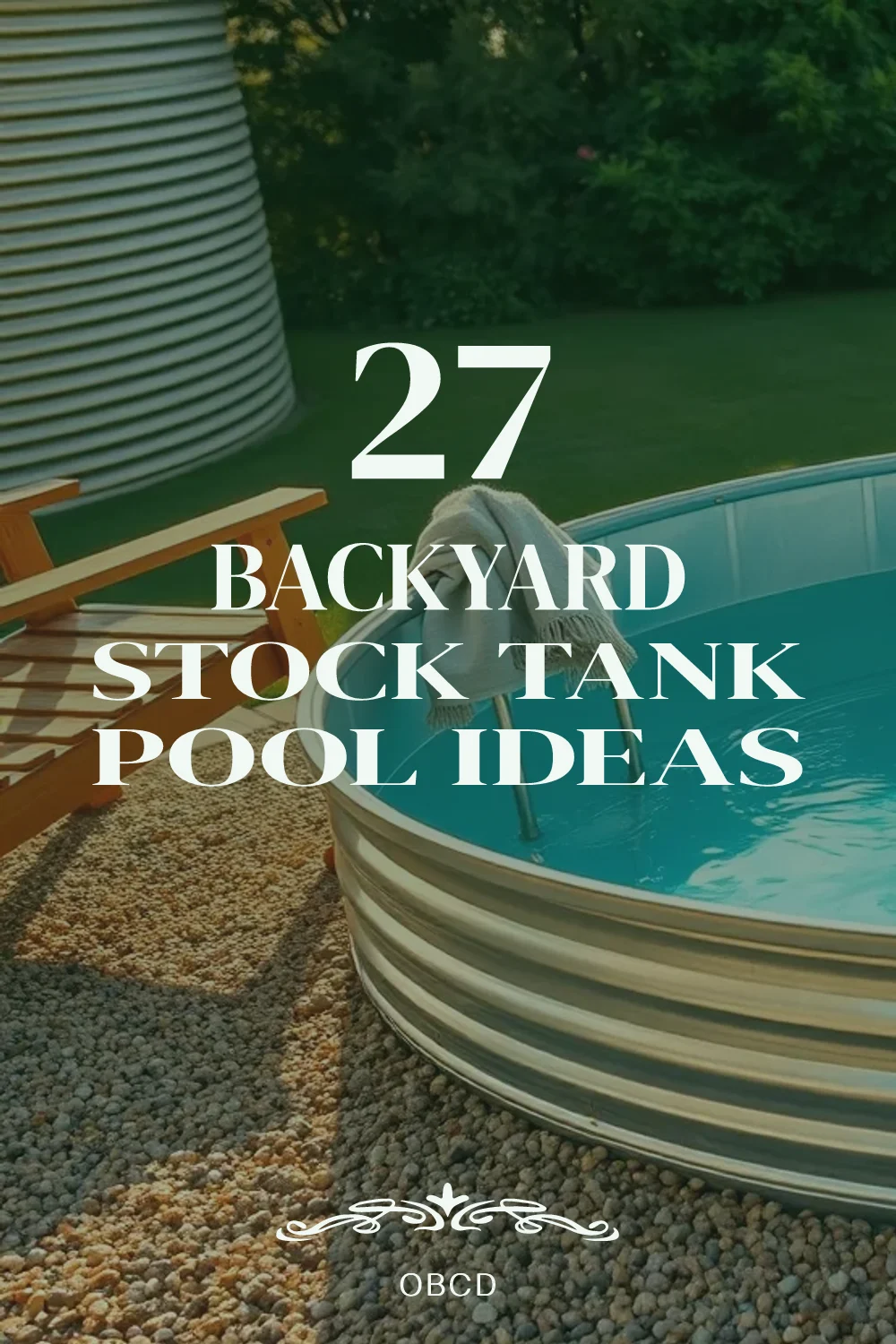
About the author
OBCD
CGI visualization and interior design content. We create detailed 3D renders and curate practical design ideas for every room in your home.