25 Backyard Privacy Ideas That Block Views
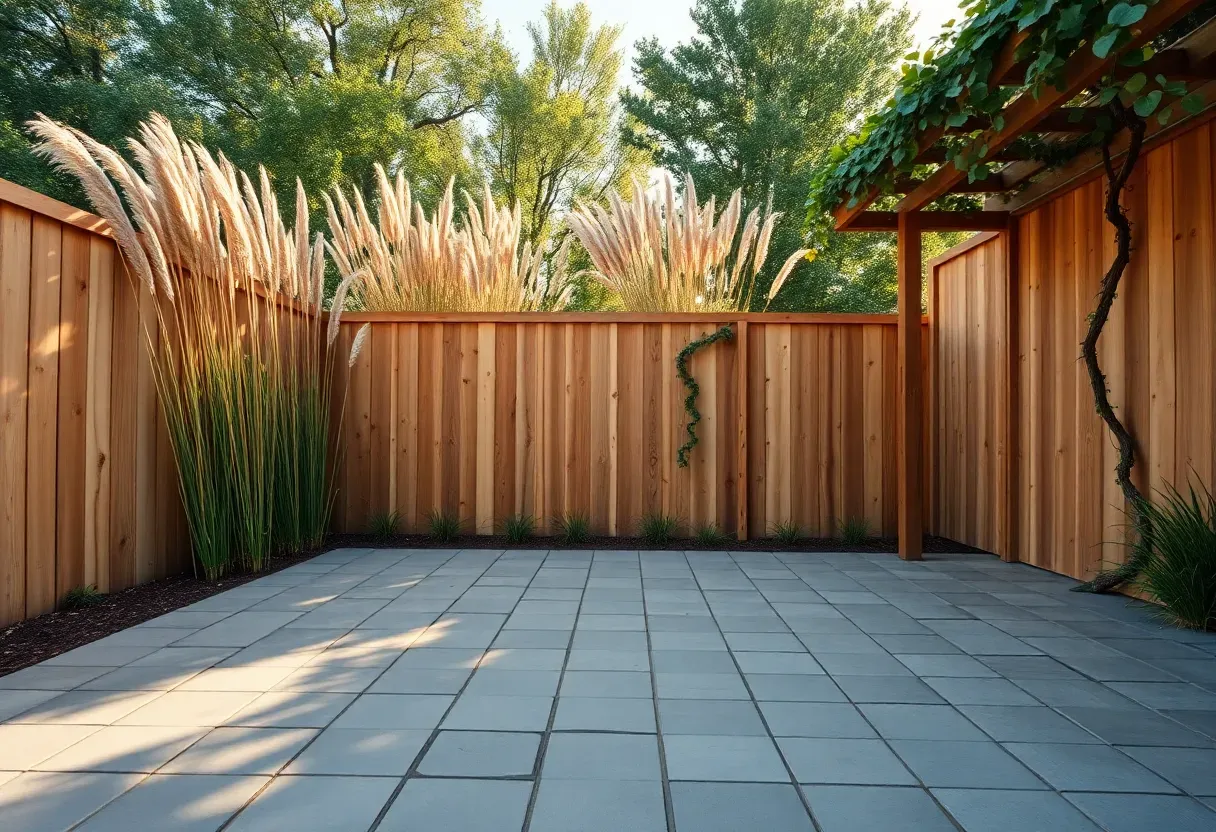
My neighbor installed a second-story deck three years ago and suddenly my entire patio felt like a fishbowl. That weekend I started researching privacy solutions and quickly learned there is no single fix — the best backyards layer multiple approaches. A fence handles the ground-level sightlines, tall plantings fill in above it, and overhead structures block the view from elevated windows or decks nearby. I have since tested pergola screens, living walls, bamboo stands, and various fence styles on my own property and for friends. The 25 ideas here reflect what actually works across different yard sizes, budgets, and climates, with honest notes on maintenance and how long each option takes to reach full coverage.
Below you will find 25 privacy solutions organized by type — from structural screens and fences to living barriers and creative alternatives.
Table of Contents
- Tall Board-on-Board Cedar Fence
- Bamboo Privacy Screen
- Living Privacy Wall with Arborvitae
- Horizontal Slat Fence
- Pergola with Retractable Shade Panels
- Stacked Stone Wall
- Lattice Screen with Climbing Roses
- Tall Ornamental Grass Border
- Corrugated Metal and Wood Fence
- Outdoor Curtain Panels
- Layered Hedge Row
- Gabion Wall with Planters
- Corten Steel Privacy Panels
- Reed or Willow Fencing
- Trellis Wall with Jasmine
- Privacy Planter Boxes on Wheels
- Louvered Fence Panels
- Green Wall Vertical Garden
- Reclaimed Wood Pallet Fence
- Sail Shade Canopy for Overhead Privacy
- Mixed Material Fence with Glass Inserts
- Clumping Bamboo Hedge
- Concrete Block Screen Wall
- Espaliered Fruit Trees
- Layered Privacy with Berm and Plantings
1. Tall Board-on-Board Cedar Fence
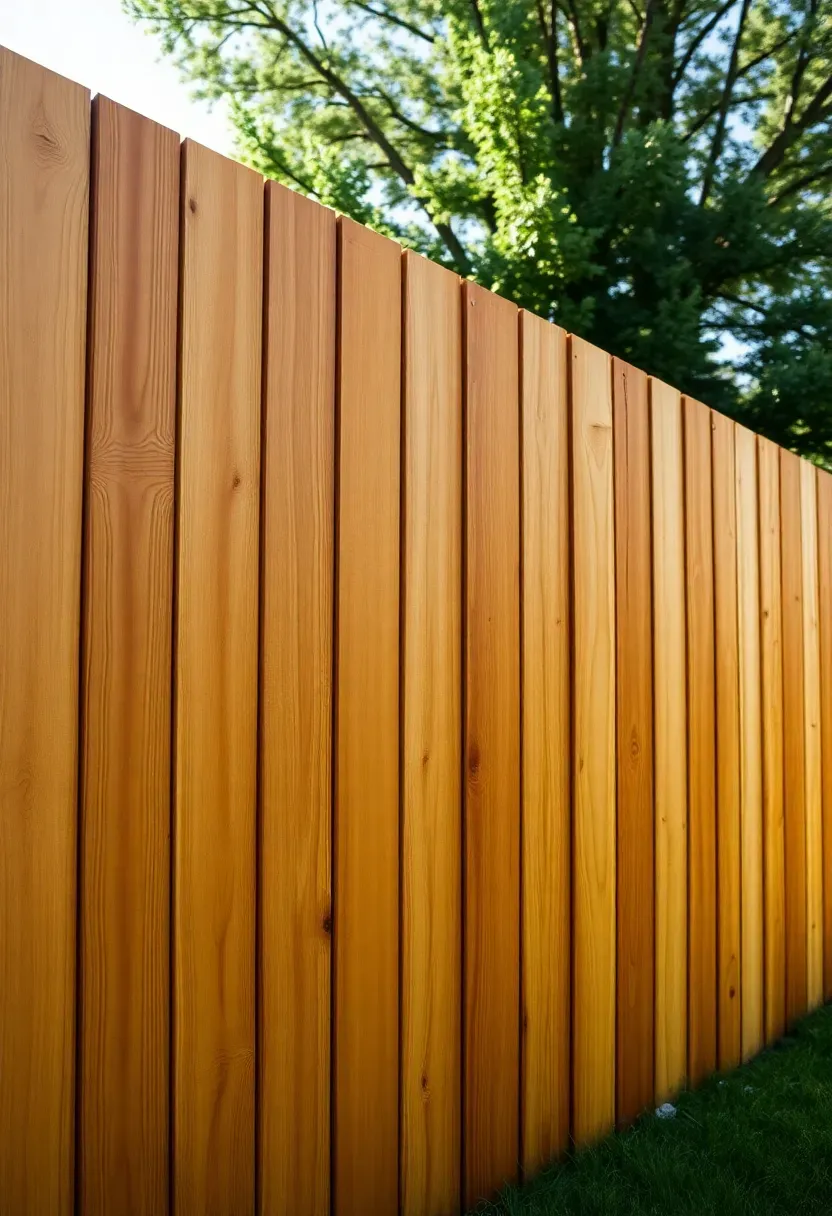
Board-on-board fencing overlaps adjacent pickets on alternating sides of the rail, so there are no gaps to see through from any angle. At 6 feet tall, it blocks sightlines from ground level completely. Western red cedar resists rot naturally without chemical treatment and weathers to a silver-gray if left unsealed, or holds a warm honey tone with annual oil application. Material costs run $18 to $28 per linear foot for 6-foot panels depending on cedar grade. The overlapping design also handles wood shrinkage better than standard privacy fences — as boards dry and contract, the overlap still covers the gap.
Tips
- Use 1x6 dog-ear pickets with 1-inch overlap for full coverage
- Set posts in concrete at 42 inches deep minimum for a 6-foot fence
- Apply a penetrating oil stain within 3 months of installation before the wood oxidizes
We picked a few things that go well with this idea: Enclo Concord Cedar Privacy Screen Panel (★4.4), Modern Shade Cedar Privacy Fence (3-Panel) (★4.7) and Enclo Richmond Cedar Privacy Screen (2-Panel) (★4.5). As an Amazon Associate we earn from qualifying purchases.
2. Bamboo Privacy Screen
Why bamboo works fast
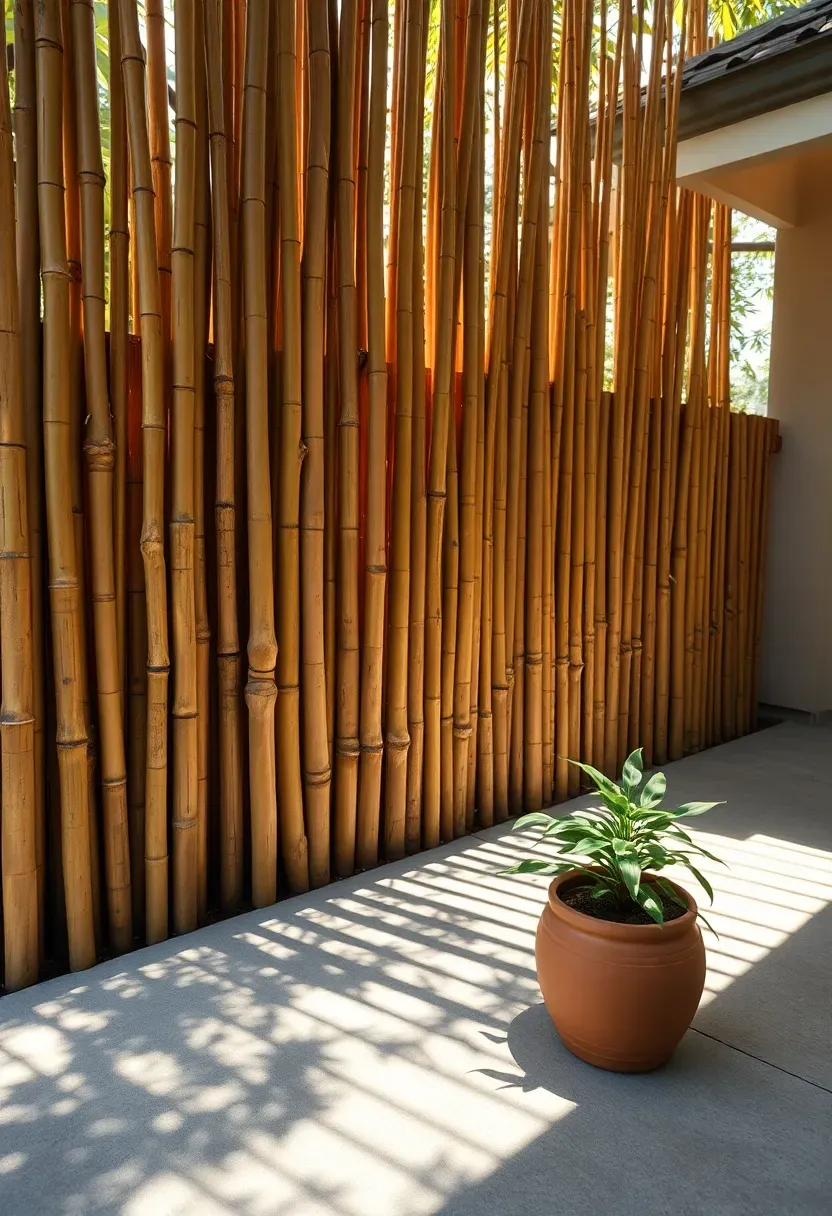
Bamboo delivers the densest natural screen you can get in two to three growing seasons. Rolled bamboo fencing (dead culms wired together) installs in an afternoon by zip-tying it to an existing chain-link or post-and-rail frame. It costs $2 to $5 per linear foot and lasts 3 to 5 years before the canes split and fade.
The tradeoff
Live bamboo grows faster but brings containment headaches. Running varieties spread aggressively through underground rhizomes and will invade your neighbor's yard without a barrier. Clumping varieties stay put but grow more slowly and cost more per plant.
Choose this if
- You need instant screening on a tight budget (use rolled bamboo)
- You want a tropical or Asian-inspired look in a warm climate
- You can install a 24-inch-deep HDPE root barrier if planting running varieties
We picked a few things that go well with this idea: 72in Metal Laser Cut Privacy Screen (★4.5), 72in Metal Louvered Privacy Fence Panel (★4.5) and Sorbus 8-Panel Woven Privacy Divider (6ft) (★4.4). As an Amazon Associate we earn from qualifying purchases.
3. Living Privacy Wall with Arborvitae
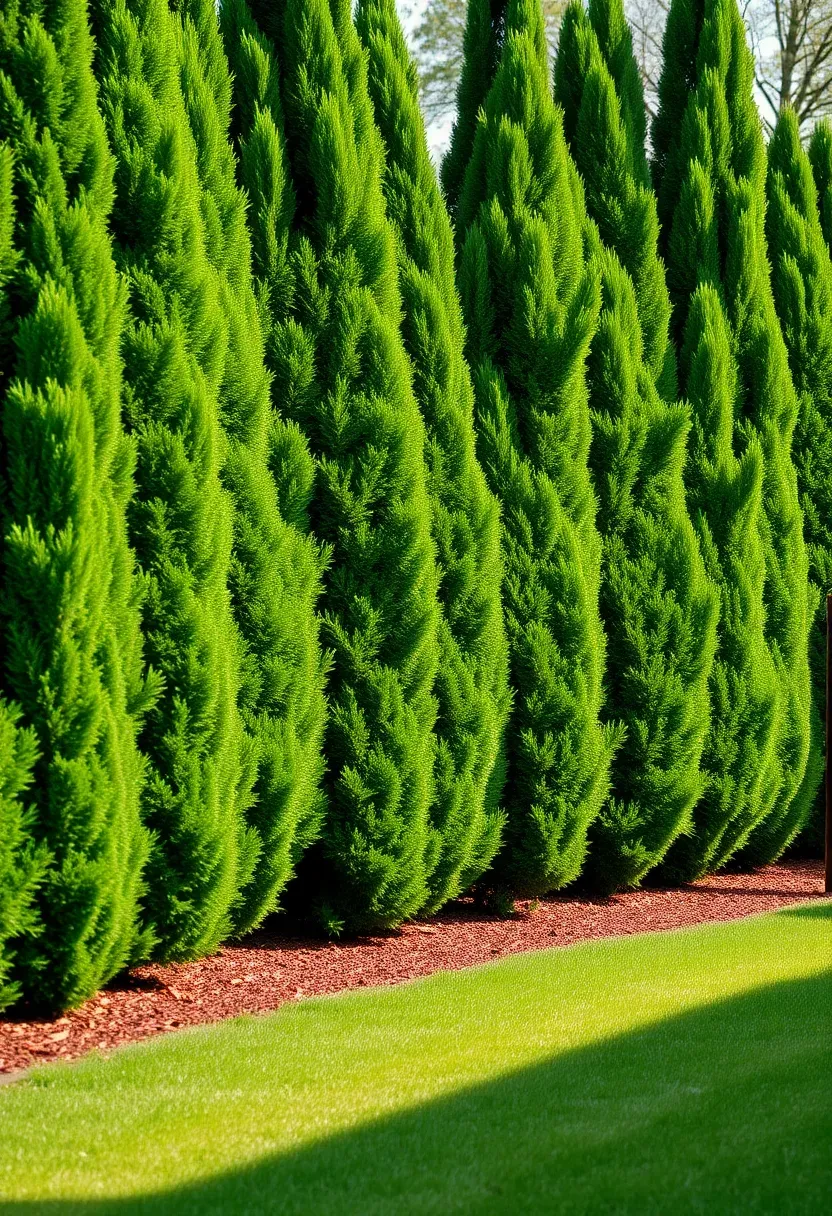
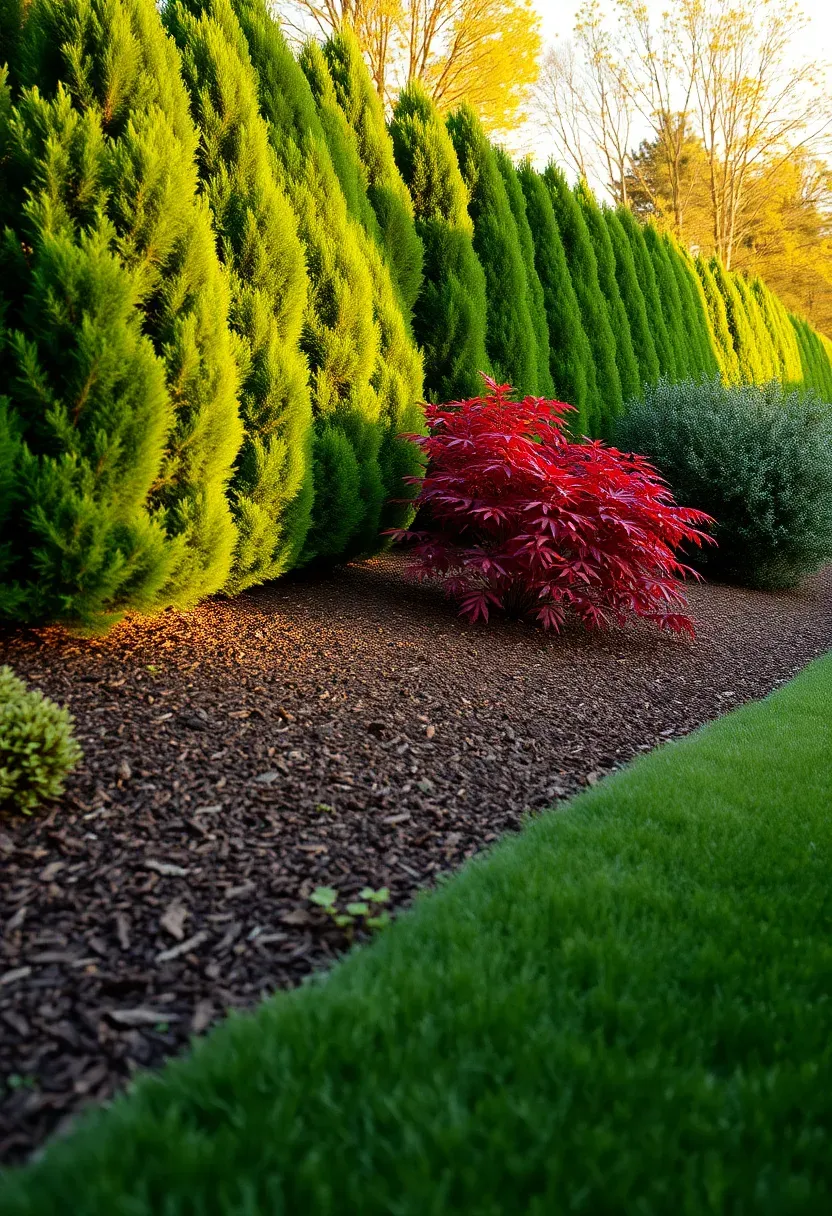
Arborvitae is the default privacy hedge for good reason. Emerald Green (Thuja occidentalis 'Smaragd') stays narrow — about 3 to 4 feet wide at maturity — which matters on tight property lines. It grows 12 to 18 inches per year and reaches 12 to 15 feet tall. Plant them 3 feet apart center-to-center for a solid wall within 4 years. Each 5-foot nursery tree costs $40 to $80 depending on your area. They tolerate cold down to USDA zone 3 and handle clay soil reasonably well. The main vulnerability is heavy snow load bending the leader, which you can prevent with a loose cord tie during winter.
Tips
- Water deeply twice a week during the first two summers to establish roots
- Avoid shearing the sides flat — let the natural pyramidal shape fill in for a softer look
- Plant 2 feet inside the property line to keep branches off the neighbor's side
We picked a few things that go well with this idea: Outvita 7ft Wooden Garden Arbor Trellis (★4.4), Yaheetech 85in Wooden Garden Arch Trellis (★4.6) and VINGLI 85in Wooden Garden Arch Arbor (★4.3). As an Amazon Associate we earn from qualifying purchases.
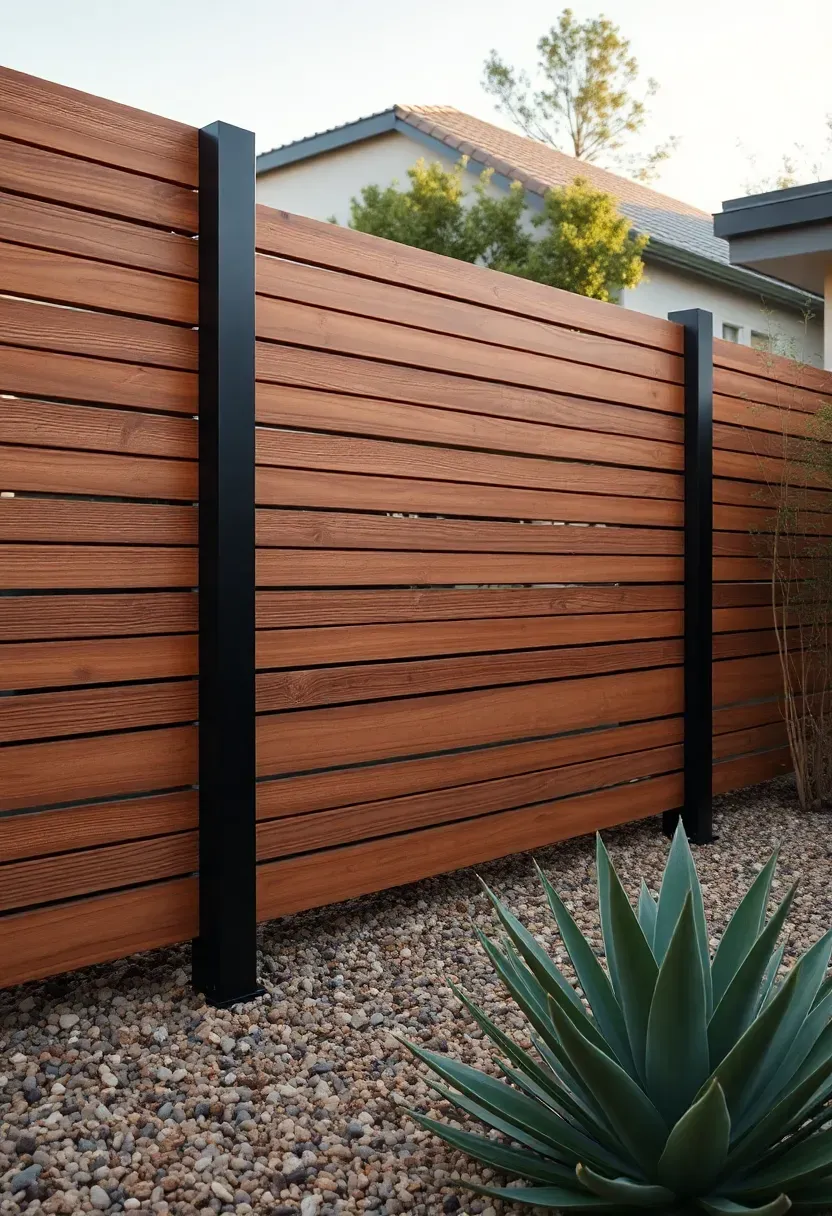
4. Horizontal Slat Fence
Horizontal fences read as modern and architectural compared to the vertical picket standard. The boards run parallel to the ground between steel or wood posts, creating clean lines that make small yards feel wider. Spacing matters: zero-gap gives full privacy but traps wind and moisture; half-inch gaps allow air circulation while still blocking most sightlines. The structural challenge is preventing sag — horizontal boards span longer distances between posts than vertical pickets, so you need a center stringer or closer post spacing (6 feet instead of 8). Use 1x6 or 5/4x6 boards and keep spans under 6 feet to avoid bowing.
Planning Tips
- Hardwood (ipe, cumaru) resists horizontal sag better than softwood at longer spans
- Dado-cut the posts to receive each board end for a cleaner look than face-screwing
- Stagger board joints on alternating posts if your fence runs longer than your lumber lengths
Recommended
Items for this idea
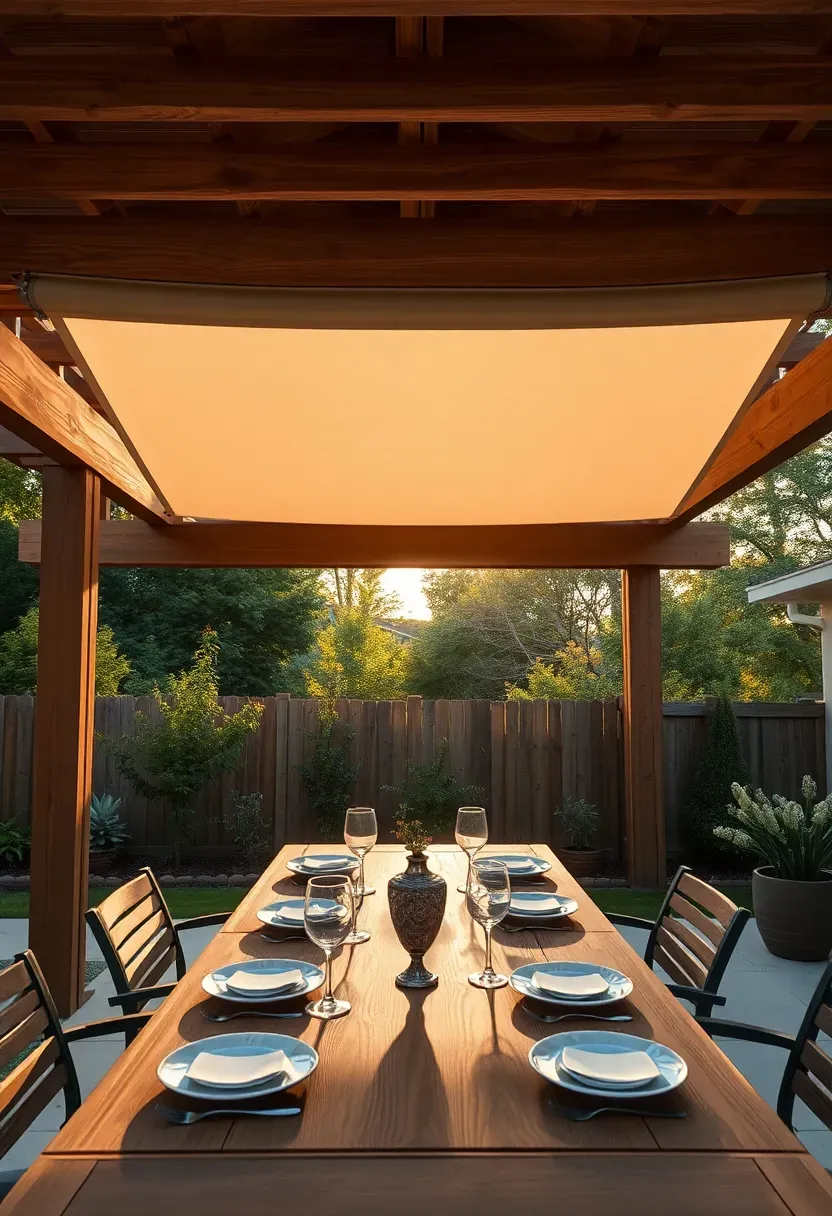
5. Pergola with Retractable Shade Panels
A pergola alone does not provide privacy — the open rafters let anyone on a balcony or upper floor look straight down. Adding retractable shade panels or a louvered roof system fixes that. Canvas panel kits on stainless steel cable cost $200 to $500 per bay and slide open when you want sky views. Motorized aluminum louver systems run $80 to $120 per square foot installed but give you rain protection too. The pergola structure itself creates a room-like enclosure when you add side curtains or climbing plants on one or two walls, handling both overhead and lateral privacy in a single structure.
Steps
- Build or buy a pergola with at least 7-foot clearance under the beams
- Install stainless cable runs between rafters for the panel track
- Hang outdoor-rated fabric panels (Sunbrella or similar UV-resistant polyester)
- Add side curtains or planter-mounted trellises on the two most exposed sides
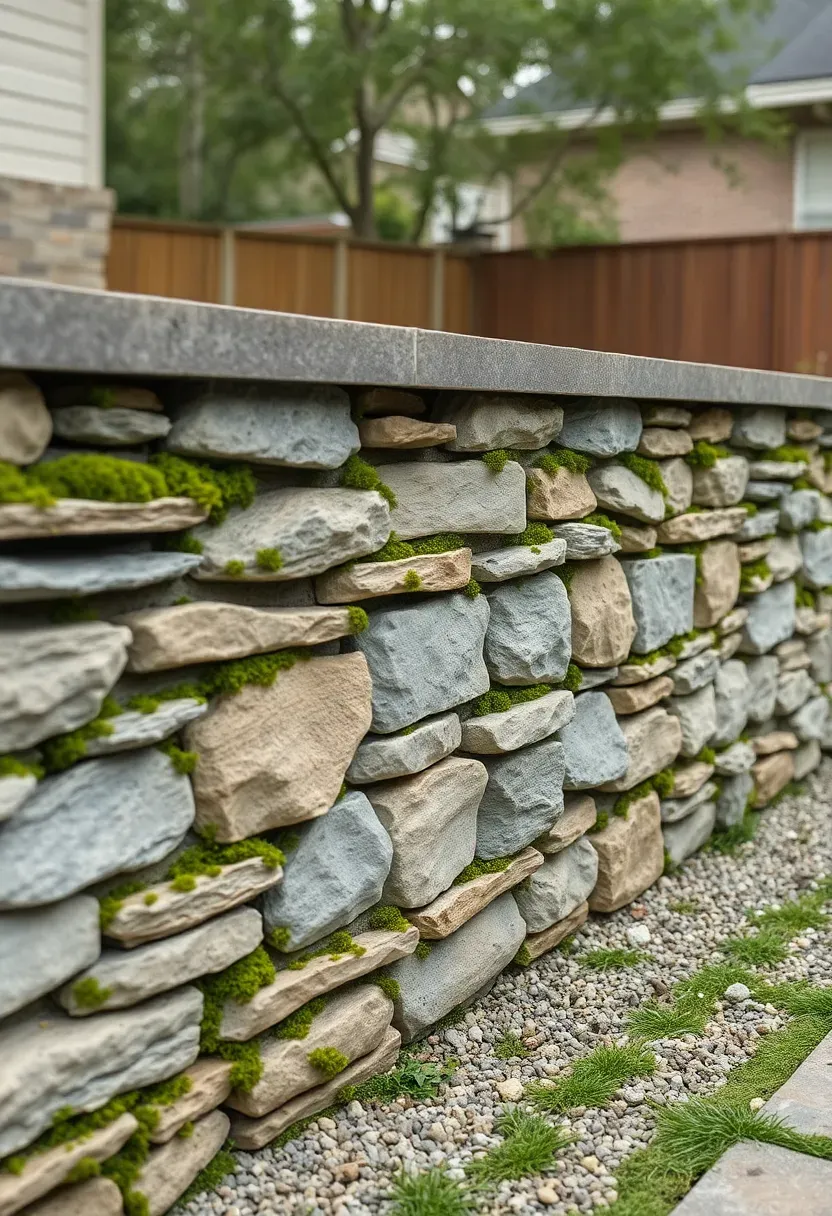
6. Stacked Stone Wall
Stone privacy walls work where fences feel too lightweight and hedges take too long. A 4-foot dry-stacked wall using locally sourced fieldstone or limestone blocks creates a permanent boundary that needs zero maintenance. Material costs vary wildly by region — $8 per square face foot in quarry-rich areas of Pennsylvania, $25 or more in the Pacific Northwest where stone ships from farther away. Professional installation doubles the cost. The weight of stone (about 150 pounds per cubic foot) means these walls stay put through wind, but they require a compacted gravel base at minimum 6 inches deep. At 4 feet tall, a stone wall alone will not block views from a standing person, so combine it with a hedge or fence on top for full screening.
Tips
- A 4-foot stone wall typically does not need a building permit, but check your local code
- Cap the top course with flat flagstone to shed water and prevent freeze-thaw damage
- Batter the wall inward 1 inch per foot of height for structural stability
Recommended
Items for this idea
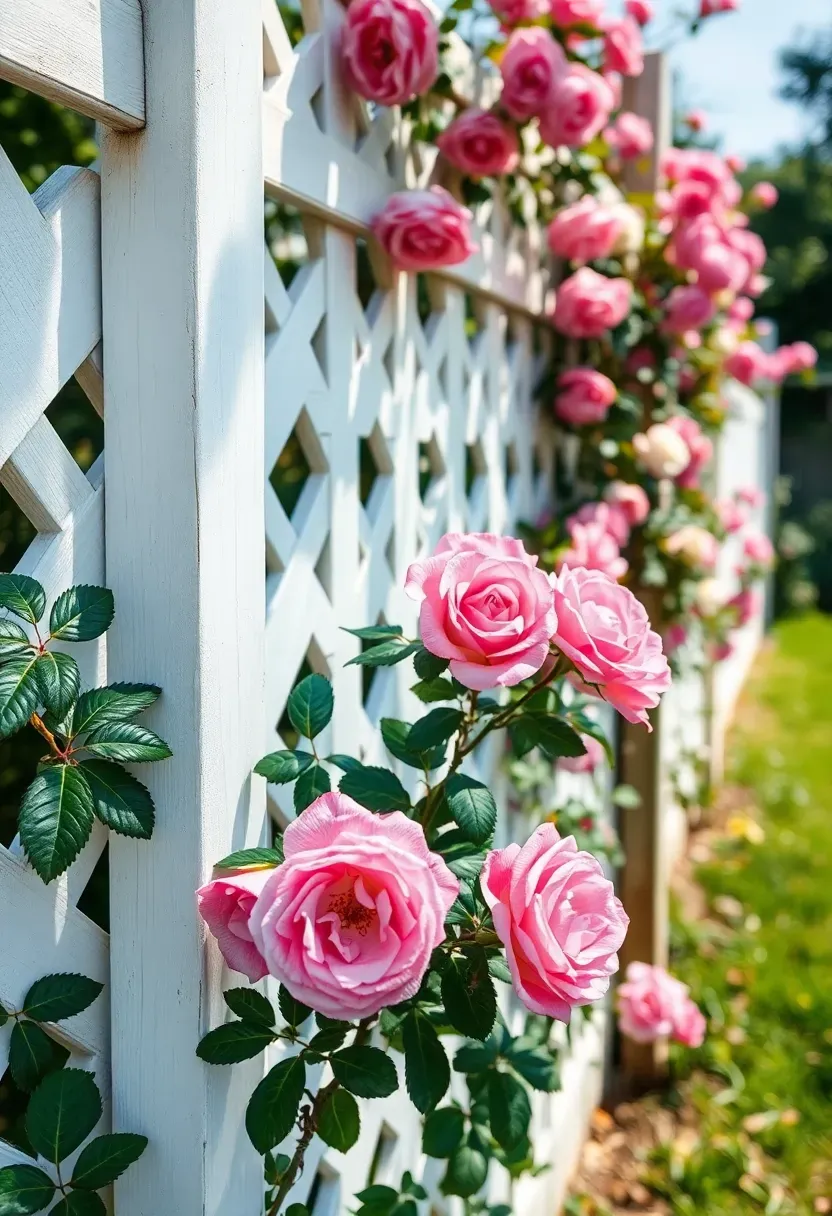
7. Lattice Screen with Climbing Roses
Lattice panels on their own give filtered privacy at best — the diamond or square openings are too large to block direct views. But as a support structure for climbing plants, lattice becomes a living wall within two growing seasons. Climbing roses (New Dawn, Zephirine Drouhin, or Don Juan) cover a 4x8 panel completely by year three. The lattice provides the structure while the foliage does the screening. Cedar lattice panels cost $30 to $60 each at 4x8 feet. Mount them on 4x4 posts with a 6-inch gap behind them for air circulation and access for pruning. In winter, deciduous roses lose foliage, so privacy drops. Pair with an evergreen climber like Carolina jessamine for year-round coverage.
Tips
- Choose disease-resistant rose varieties to avoid constant spraying
- Attach lattice with screws, not staples — you will need to remove panels for maintenance
- Install drip irrigation at the base of each climbing plant for consistent watering
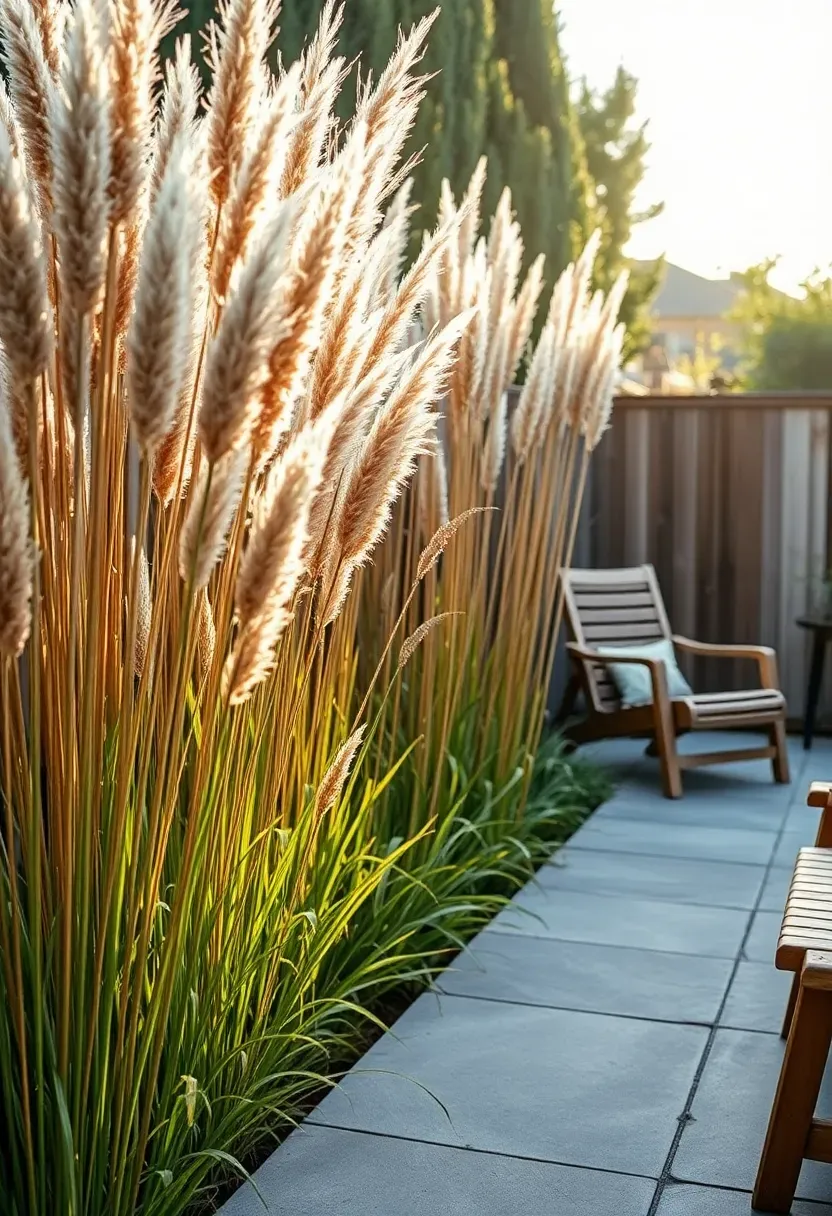
8. Tall Ornamental Grass Border
The case for grasses over fences
Ornamental grasses grow fast, need almost no care after establishment, and create soft, moving privacy that a solid fence cannot match. Miscanthus giganteus reaches 10 to 12 feet in a single season. Karl Foerster feather reed grass tops out at 5 to 6 feet but stays narrowly upright, making it ideal for tight spaces. A row of grasses planted 3 feet apart creates effective screening within one growing season.
The limitations
Most ornamental grasses are deciduous — they brown out in late fall and need cutting back in early spring. For those 4 to 5 winter months, your privacy disappears. Pair grasses with a 4-foot solid fence behind them for year-round coverage, or use evergreen alternatives like muhly grass in warm climates.
Choose this if
- You want a natural, non-structural look without posts or concrete
- Your privacy needs are seasonal (spring through fall outdoor living)
- You prefer low maintenance — grasses need cutting back once per year and nothing else
Recommended
Items for this idea
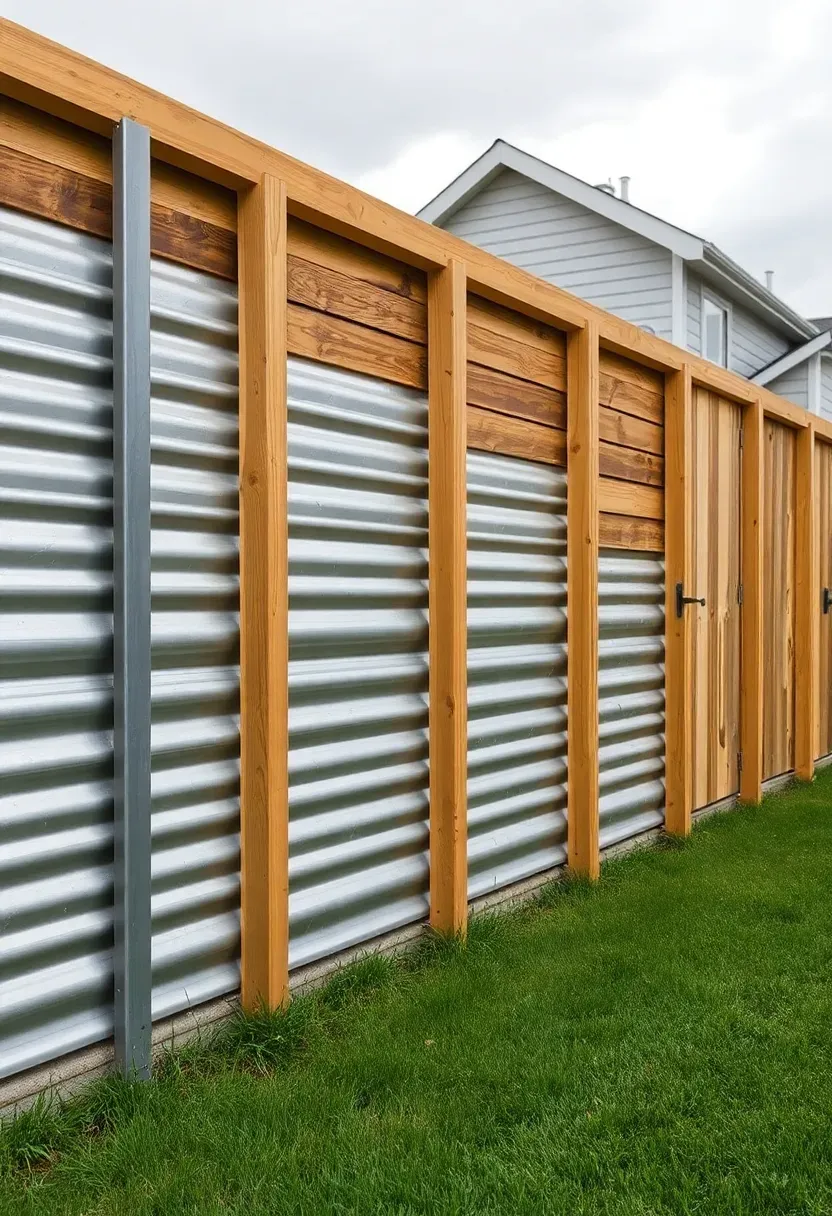
9. Corrugated Metal and Wood Fence
Mixing corrugated metal panels with wood framing gives an industrial-farmhouse look that stands out from the standard cedar fence. The metal panels handle weather without any treatment — galvanized steel lasts 40+ years, and weathering steel (Corten) develops a protective rust patina. Build a wood frame with 4x4 posts and 2x4 rails, then screw the corrugated panels into the rails from behind so no fastener heads show on the exterior. A 6-foot fence using 26-gauge galvanized panels runs $12 to $18 per linear foot in materials. The sound of rain hitting corrugated metal is either a bonus or a drawback depending on your tolerance.
Tips
- File or cap the top edge of metal panels — cut corrugated steel has razor-sharp edges
- Leave a 1-inch ground clearance to prevent corrosion from soil contact
- Use self-tapping metal screws with neoprene washers to prevent water infiltration at fastener points
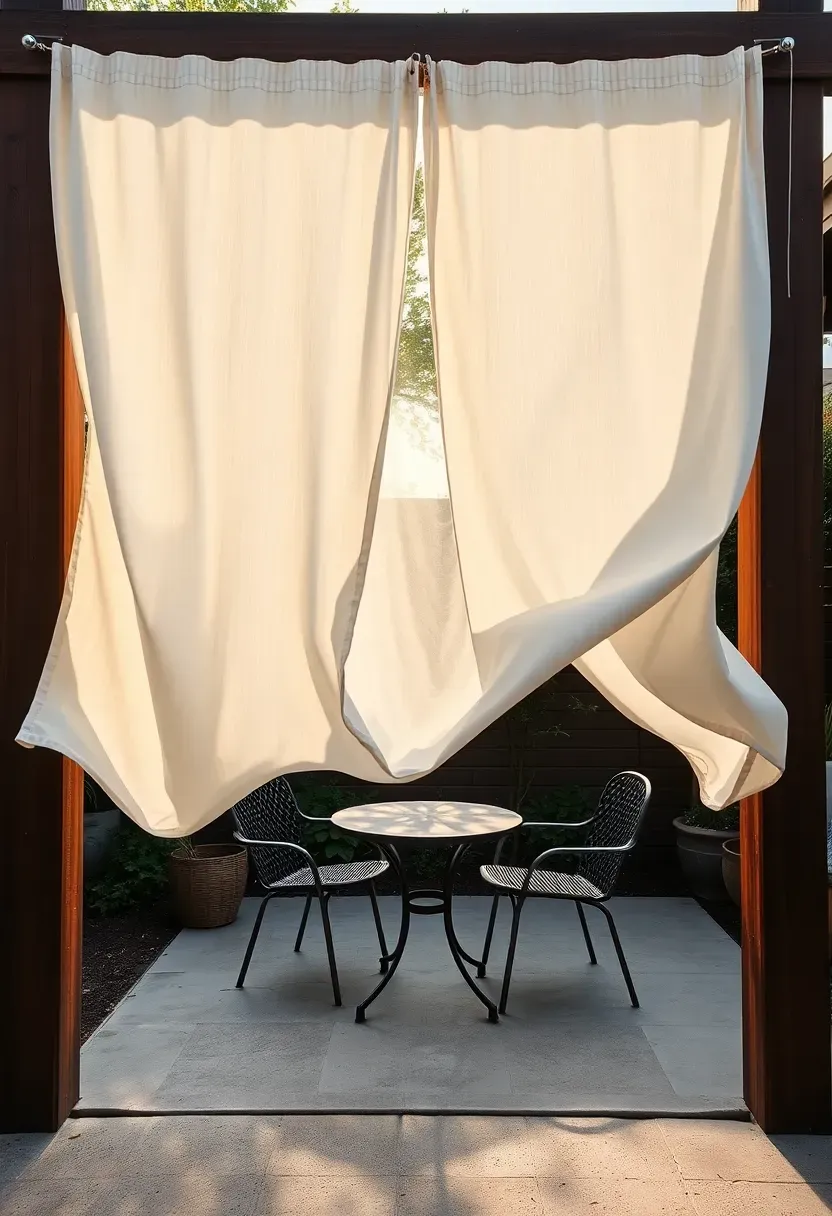
10. Outdoor Curtain Panels
Curtains are the fastest and cheapest way to add privacy to an existing patio or pergola. Heavy-duty outdoor curtain panels in Sunbrella fabric cost $40 to $80 per panel and hang from stainless steel cable or curtain rods mounted between posts. You can open or close them depending on where the neighbors are and where the sun sits. They work especially well for renters or anyone who cannot install permanent structures. The fabric blocks about 85% of visibility while still letting filtered light through. In windy areas, add weighted hems or tie-backs with cleats screwed to the posts to keep them from billowing.
Steps
- Install stainless steel eye hooks at the top of your posts or pergola beams
- Run marine-grade cable between the hooks with turnbuckle tensioners
- Thread curtain grommets onto the cable — use stainless rings if the grommet holes are oversized
- Add tie-back cleats at hip height on each post for securing panels when open
Recommended
Items for this idea
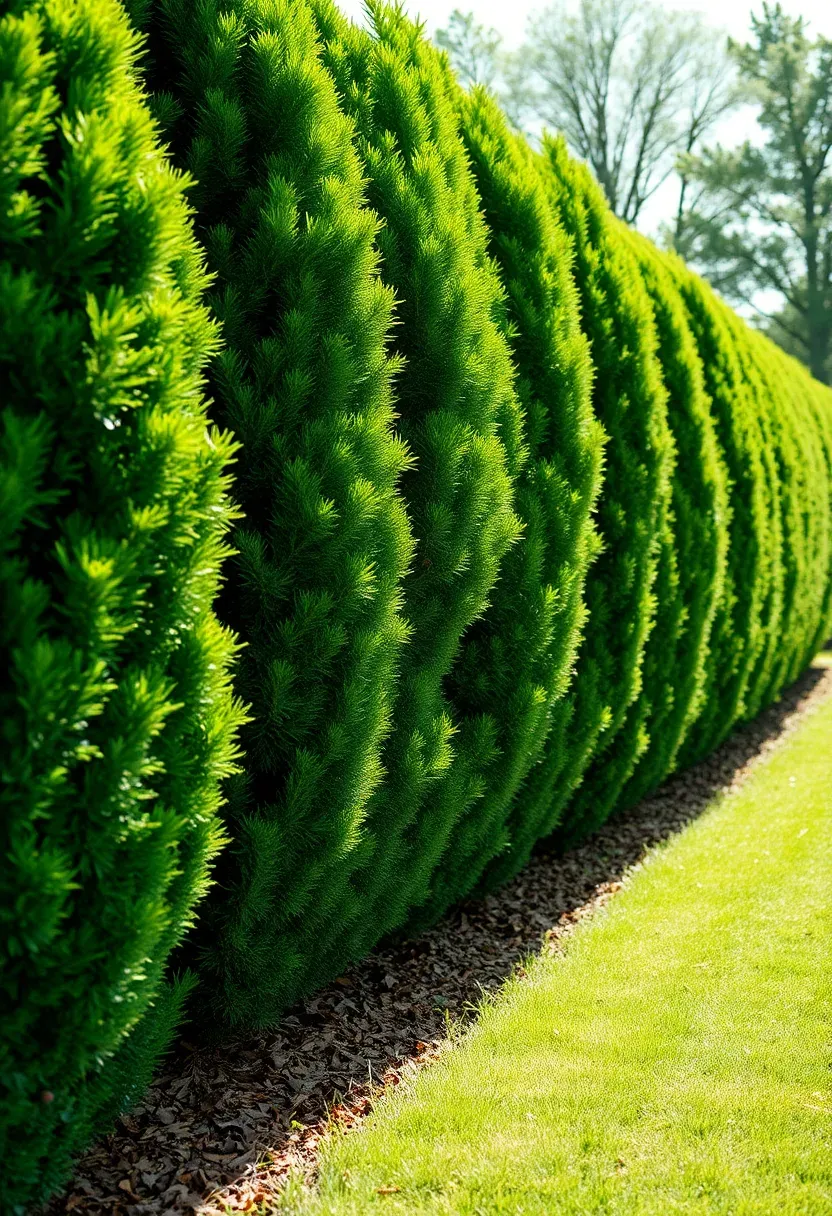
11. Layered Hedge Row
A single species hedge leaves you vulnerable — if disease hits, the entire screen dies at once. A layered hedge mixes two or three species at different heights for redundancy and visual depth. Place the tallest species (arborvitae or Leyland cypress at 10-15 feet) in the back row, medium shrubs (holly or privet at 6-8 feet) in the middle, and low evergreens (boxwood or yew at 3-4 feet) in front. This three-tier approach blocks views from ground level up through elevated sightlines. The total depth of a layered hedge runs 8 to 12 feet, which requires the yard space, but the result looks like established English garden screening rather than a utility barrier.
Tips
- Stagger planting positions between rows so plants are not directly behind each other
- Water requirements differ by species — run separate drip zones for each row
- Prune the shortest row most aggressively to keep light reaching its base
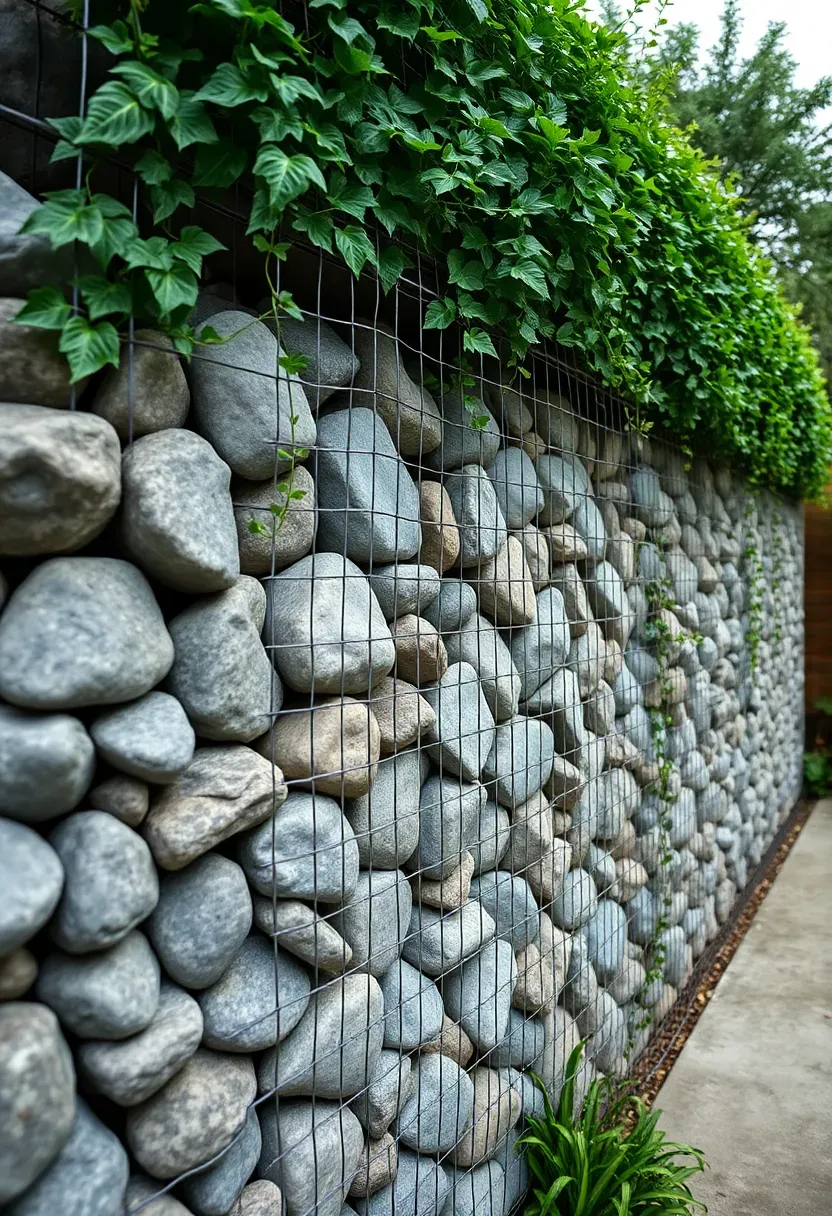
12. Gabion Wall with Planters
Gabion walls — wire mesh cages filled with stone — offer a modern, textural privacy barrier that combines structural mass with industrial aesthetics. A 4-foot gabion wall with integrated planter pockets at the top adds another 2 feet of trailing greenery for effective screening at 6 feet total. The wire cages come in modular sizes (typically 3x3-foot and 3x6-foot sections) and you fill them on-site with whatever stone is cheapest locally. River rock, crushed granite, and recycled concrete chunks all work. Material costs run $20 to $35 per linear foot excluding stone fill. The walls are heavy enough to resist wind without a footing, though a leveled gravel base prevents settling.
Watch out for
- Wire gauge matters — use minimum 4mm galvanized or galfan-coated mesh to prevent bulging
- Stone fill needs to be 3-6 inches in diameter; smaller pieces fall through the mesh
- Settling occurs in the first year as stones shift; overfill by 10% and top off after the first winter
Recommended
Items for this idea
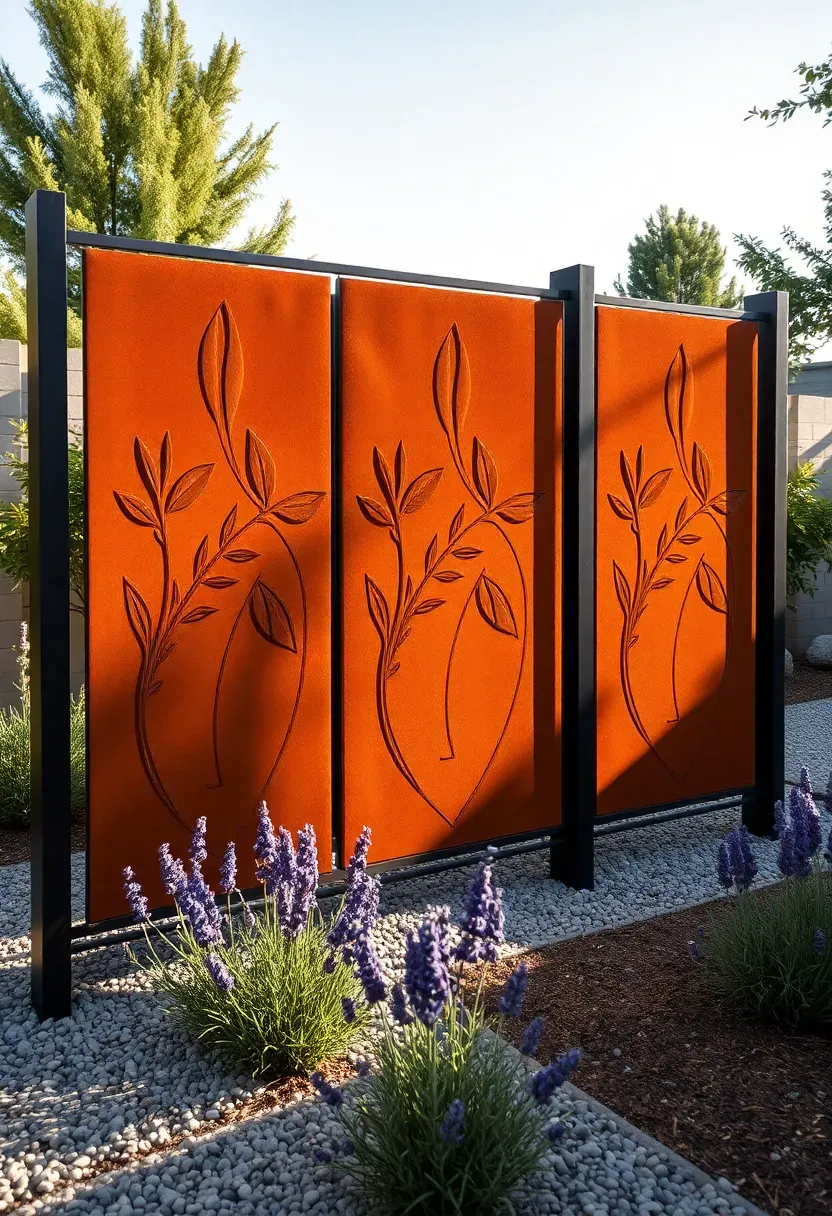
13. Corten Steel Privacy Panels
Corten (weathering steel) develops a stable rust-orange patina that protects the steel beneath from further corrosion. Laser-cut panels with geometric, botanical, or abstract patterns provide partial privacy — roughly 60 to 80% opacity depending on the design density. Solid Corten panels give full screening but lose the decorative appeal. Standard panel sizes are 4x6 feet and cost $300 to $800 each depending on pattern complexity and steel thickness. Mount them between steel posts with bolted brackets or weld them directly to a frame. The rust patina takes 6 to 18 months to stabilize; during that period, rain runoff will stain concrete and light-colored surfaces below.
Tips
- Keep Corten panels 4 inches above soil and concrete to prevent runoff staining the hardscape
- Seal surrounding surfaces with a concrete sealer before the patina stabilizes
- Pair with drought-tolerant plantings — the warm rust tones work especially well with lavender and gray-green foliage
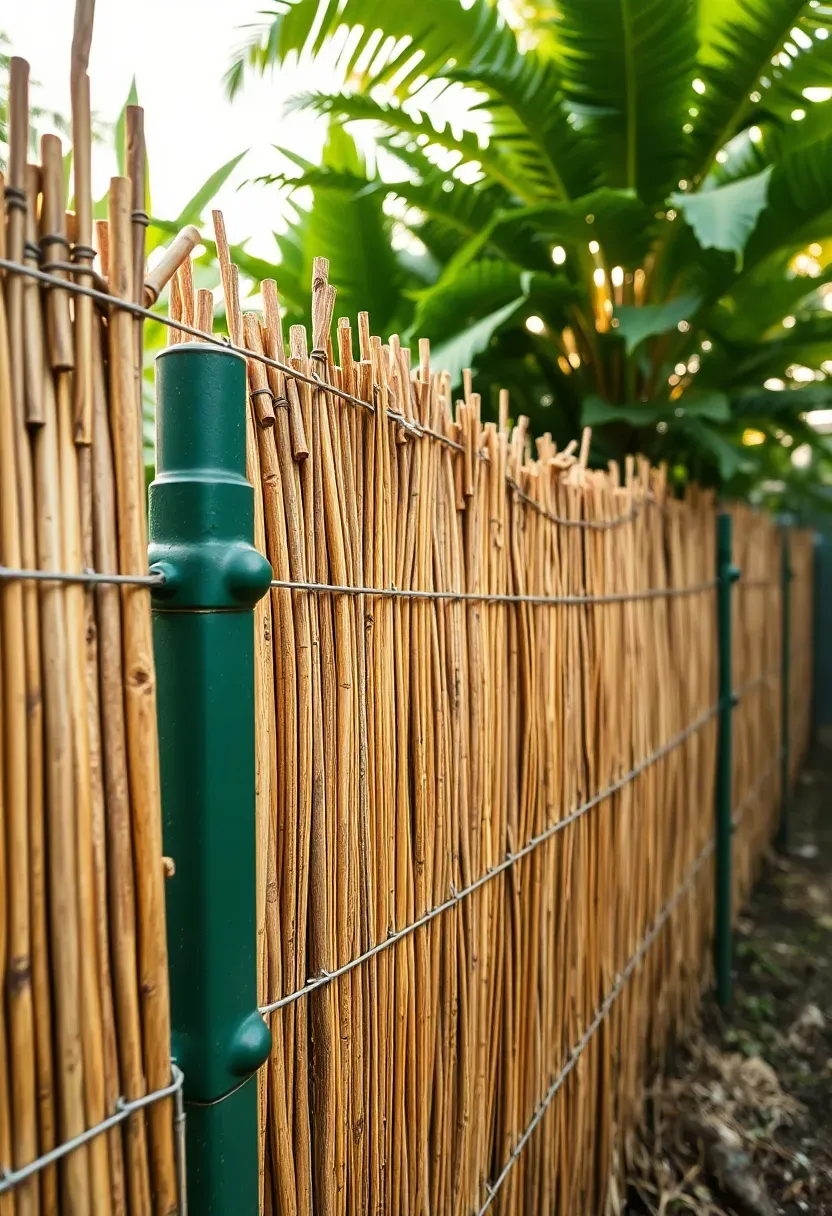
14. Reed or Willow Fencing
Rolled reed and willow fencing gives a natural, coastal, or Mediterranean feel at the lowest cost of any privacy option. A 6-foot by 16-foot roll costs $20 to $45 and installs with zip ties or wire to any existing structure — chain link, T-posts, or wooden rails. The screening is dense enough to block direct views but lets breeze and filtered light through. Lifespan is the main weakness: reed fencing lasts 2 to 4 years before becoming brittle, and willow holds up slightly longer at 3 to 5 years. Think of it as a temporary or seasonal solution while permanent plantings grow in behind it.
Tips
- Double-layer the reed for better opacity — overlap two rolls with offset gaps
- Treat with a clear outdoor wood sealer to extend lifespan by 1 to 2 years
- Secure the bottom edge to a ground-level rail or stake to prevent wind from lifting it
Recommended
Items for this idea
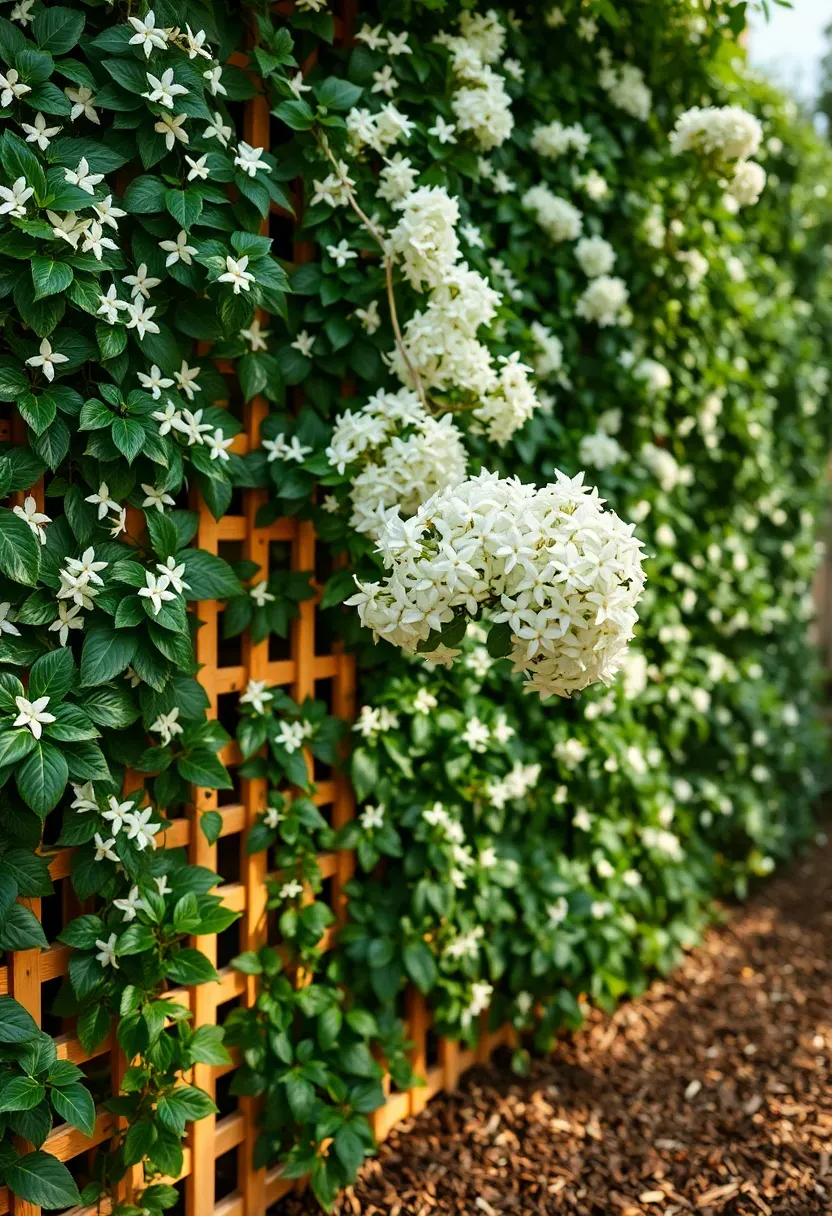
15. Trellis Wall with Jasmine
Star jasmine (Trachelospermum jasminoides) is one of the best climbers for privacy. It is evergreen, grows in zones 8 through 11, and covers a trellis with dense, dark green foliage within two years. The white flowers in late spring are intensely fragrant — enough to scent an entire patio. Build a trellis using 2x2 cedar strips in a grid pattern on a 4x4 post frame, or buy prefab 4x8-foot trellis panels and stack them to reach 8 feet. The trellis needs to be sturdy because a mature jasmine vine is heavy. Use lag bolts at every connection point. In colder climates, substitute with climbing hydrangea (deciduous but vigorous) or evergreen clematis.
Steps
- Set 4x4 posts at 6-foot spacing in concrete footings
- Attach 2x2 trellis grid with stainless screws at 6-inch spacing
- Plant jasmine at the base of every other post — one plant covers about 6 feet of trellis width
- Train new growth horizontally along the lower trellis bars during the first season to build a dense base
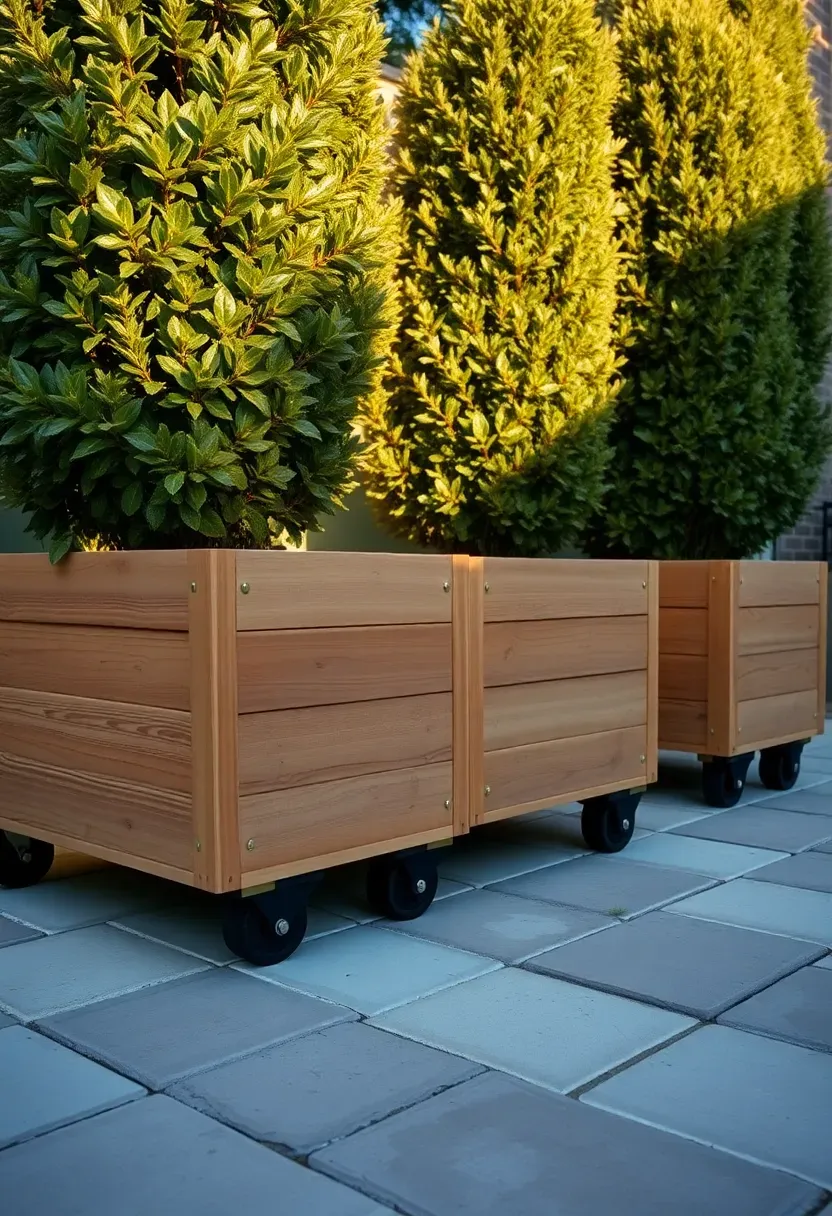
16. Privacy Planter Boxes on Wheels
Mobile planters solve privacy for renters, condo owners, and anyone who cannot install permanent structures. Build or buy large planter boxes (at least 24 inches wide and 24 inches deep for root space) and mount them on heavy-duty locking casters. Fill with columnar plants that grow tall without spreading wide: Sky Pencil holly, Italian cypress (in mild climates), or columnar hornbeam. The planters roll into position when you need screening and back against the wall when you want an open view. Weight is the engineering challenge — a 3-foot planter box with soil and a 5-foot shrub weighs 200+ pounds, so use casters rated for at least 300 pounds per wheel.
Tips
- Line the inside with EPDM pond liner to prevent wood rot and water leakage
- Drill drainage holes through the liner at the lowest point — waterlogged roots kill plants faster than anything
- Use lightweight potting mix with perlite instead of garden soil to reduce weight by 30%
Recommended
Items for this idea
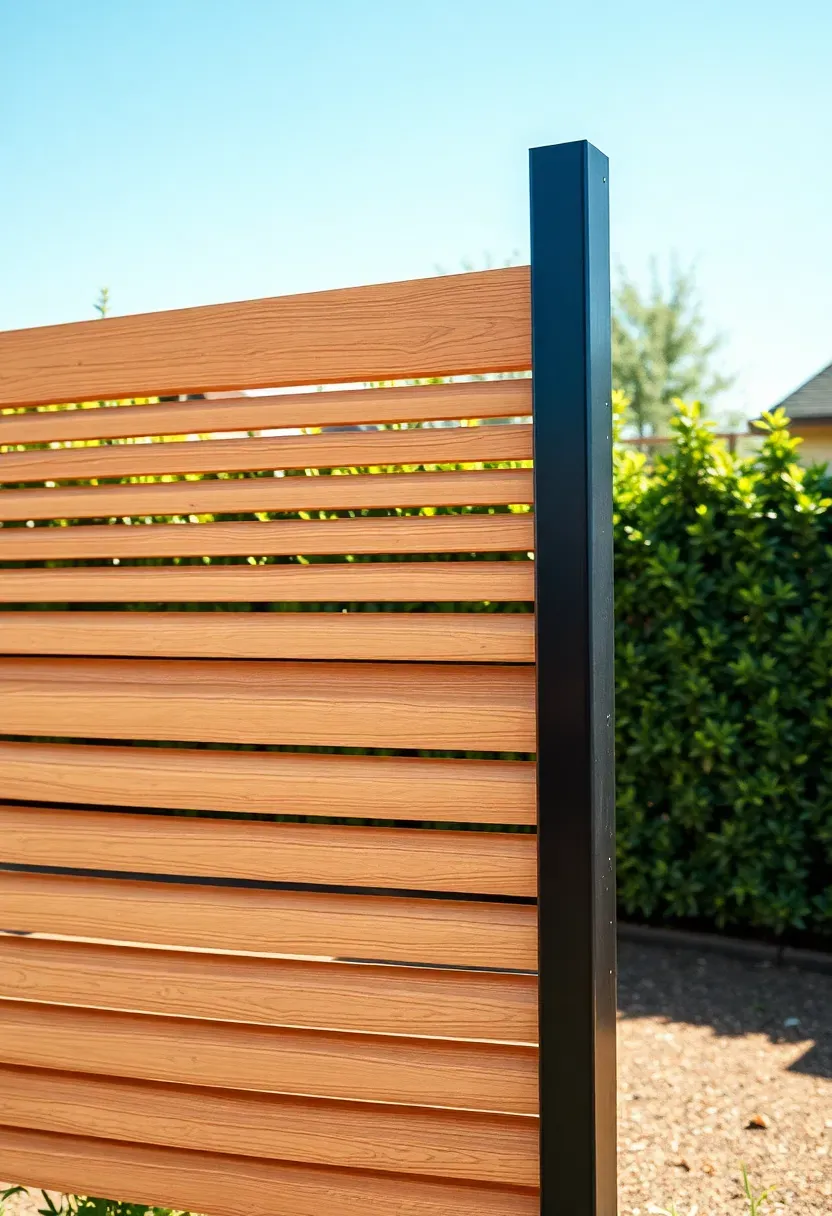
17. Louvered Fence Panels
How louvers differ from solid fencing
Louvered fence panels angle each board at roughly 45 degrees, like a horizontal window blind. From straight-on, the fence appears solid. From an angle, narrow slivers of light pass through. This design blocks direct sightlines while allowing significant airflow — a real advantage in hot, humid climates where a solid fence traps heat and promotes mildew on nearby plants.
What to expect
Prefab aluminum louver panels run $60 to $120 per 6-foot section. Wood louver fences require either custom milling or buying pre-cut louvered inserts to fit between posts. The aluminum versions need no maintenance; wood louvers need the same care as any exterior wood. The angled boards also shed rain better than vertical pickets, reducing water absorption and extending wood life.
Choose this if
- Your local code limits fence height but you want maximum visual screening at allowed heights
- Wind is a factor — louvers reduce wind load by 40-60% compared to solid panels
- You want a distinctive look that reads as intentional design rather than just a barrier
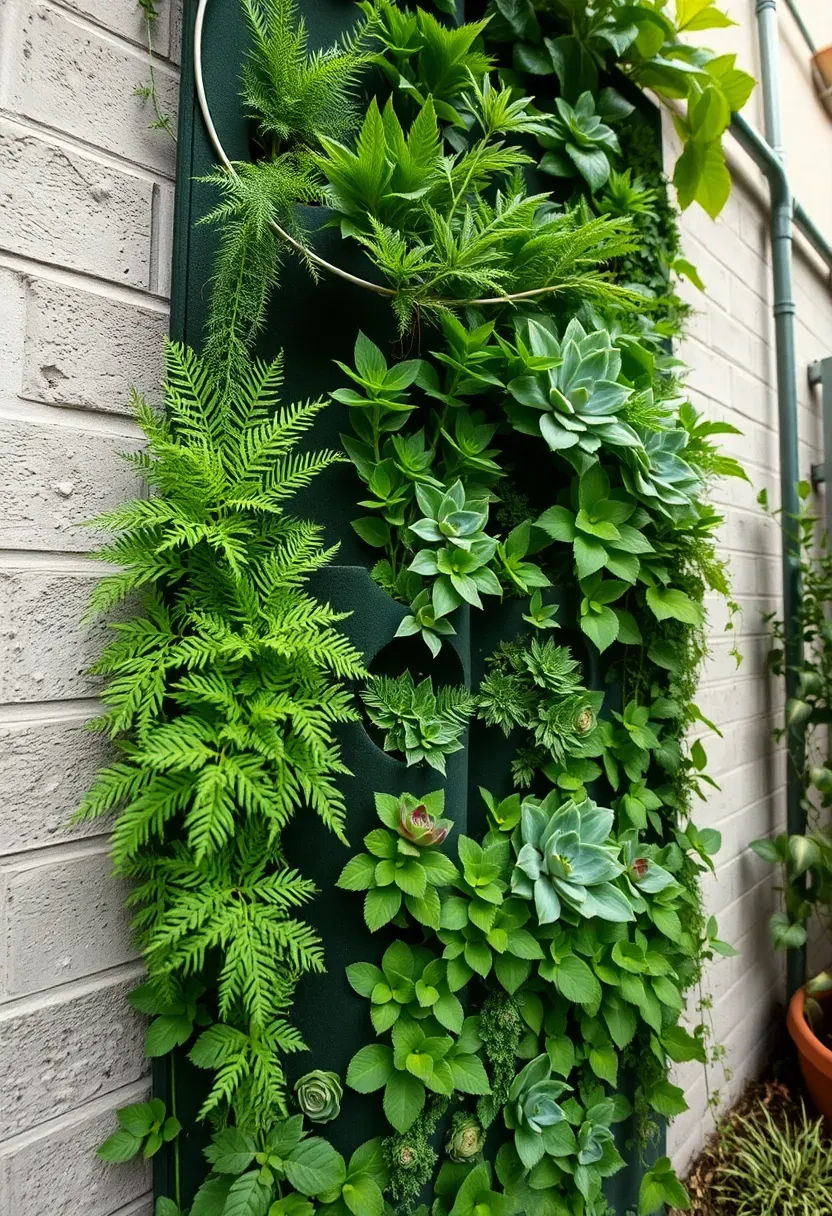
18. Green Wall Vertical Garden
A vertical garden panel turns a boring wall or fence into dense living screening. Modular pocket systems (Florafelt, Woolly Pocket) mount to any flat surface and hold individual plants in felt or fabric pockets arranged in a grid. A 4x8-foot panel holds 30 to 50 plants depending on pocket size. Fill with shade-tolerant species for north-facing walls (ferns, pothos, creeping fig) or sun-loving picks for exposed locations (sedums, succulents, trailing rosemary). The system needs an integrated drip irrigation line connected to a timer because vertical plantings dry out fast. Annual plant cost runs $100 to $200 per panel, plus $150 to $300 for the mounting system.
Watch out for
- Irrigation failure kills the entire panel within days in summer — install a battery backup timer
- Weight when saturated can exceed 25 pounds per square foot — verify your wall or fence can handle it
- Winter hardiness depends entirely on plant selection — use evergreen species for year-round screening
Recommended
Items for this idea
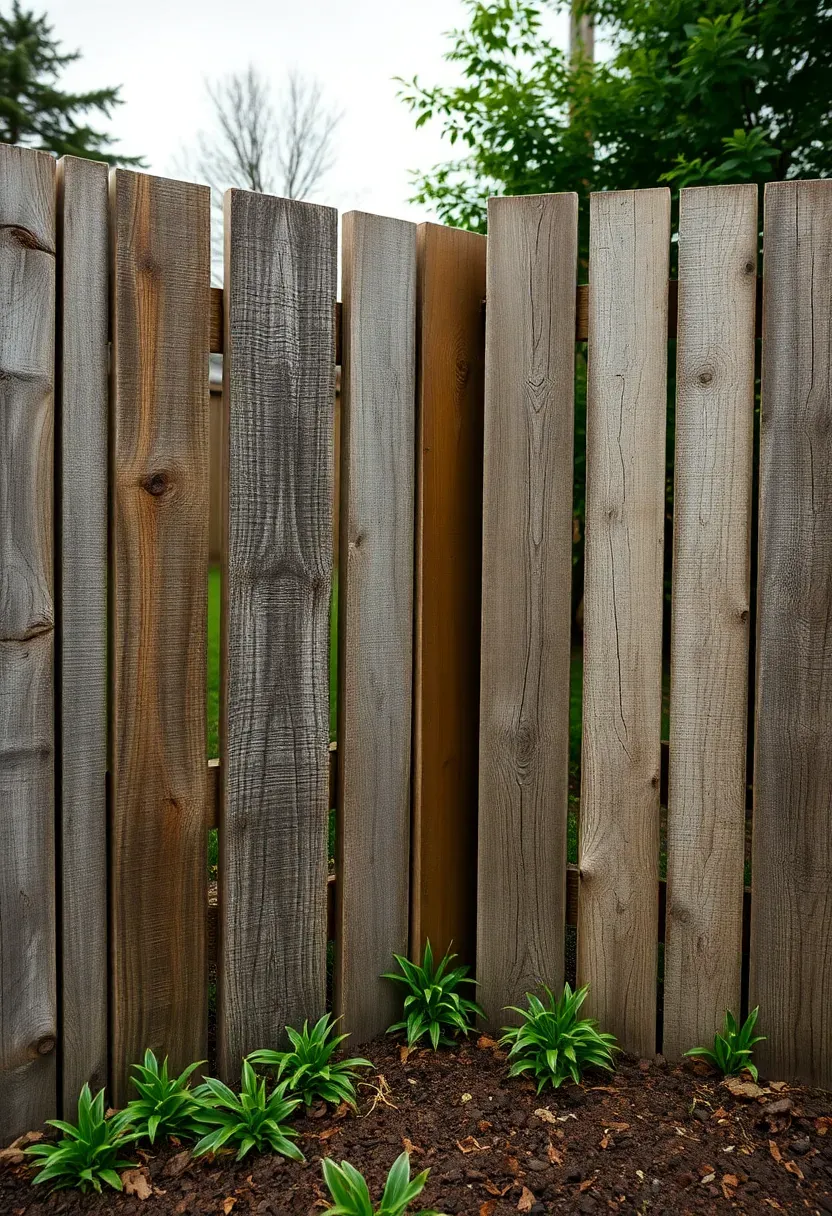
19. Reclaimed Wood Pallet Fence
Free pallets from local warehouses or Craigslist make the cheapest possible privacy fence. Stand pallets upright between driven T-posts or bolt them to 4x4 wooden posts. The pallet boards have small gaps, so add a second layer of pallet wood nailed over the gaps for full privacy. The resulting look is rustic, weathered, and distinctly DIY — which works well for cottage gardens, urban homesteads, or workshop yards. The main cost is your time: disassembling pallets, pulling nails, and reassembling takes roughly an hour per 4-foot section. Avoid pallets marked "MB" (methyl bromide treated) — they contain toxic chemicals. Look for "HT" (heat treated) stamps only.
Tips
- Sand the surfaces to remove splinters — pallet wood is rough-sawn and can cause injuries
- Stain or paint all surfaces including the back side to slow moisture rot
- Expect a 3 to 5 year lifespan depending on climate and ground contact
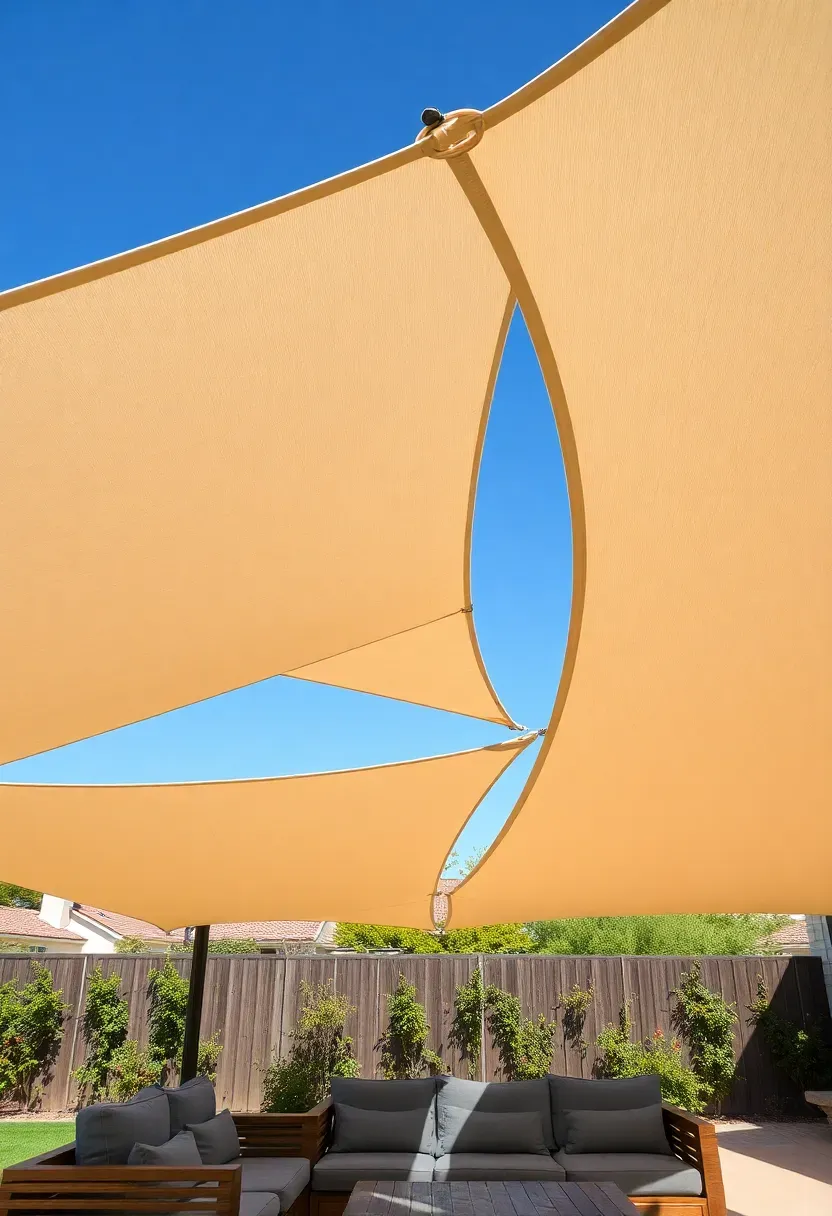
20. Sail Shade Canopy for Overhead Privacy
When your privacy problem comes from above — a neighbor's second-story windows, a nearby apartment building, or overlooking hillside — horizontal screening matters more than vertical. Shade sails mounted at 8 to 10 feet above the patio block downward sightlines while keeping the yard feeling open at ground level. Triangular and rectangular sail shapes in HDPE fabric cost $40 to $150 depending on size (the 12x12 range covers most patios). Mount to steel posts set in concrete, existing structures, or large trees using turnbuckle hardware for tension adjustment. Overlap two or three sails at different angles for better coverage and visual interest.
Steps
- Map the sightlines you need to block by standing where the overlooking windows are
- Install mounting points at least 8 feet high — stainless steel pad eyes rated for 500+ pound pull
- Attach sails with turnbuckles and snap hooks, tensioning until the fabric is taut with no sag
- Angle sails at 20-30 degrees from horizontal to shed rainwater rather than pooling
Recommended
Items for this idea
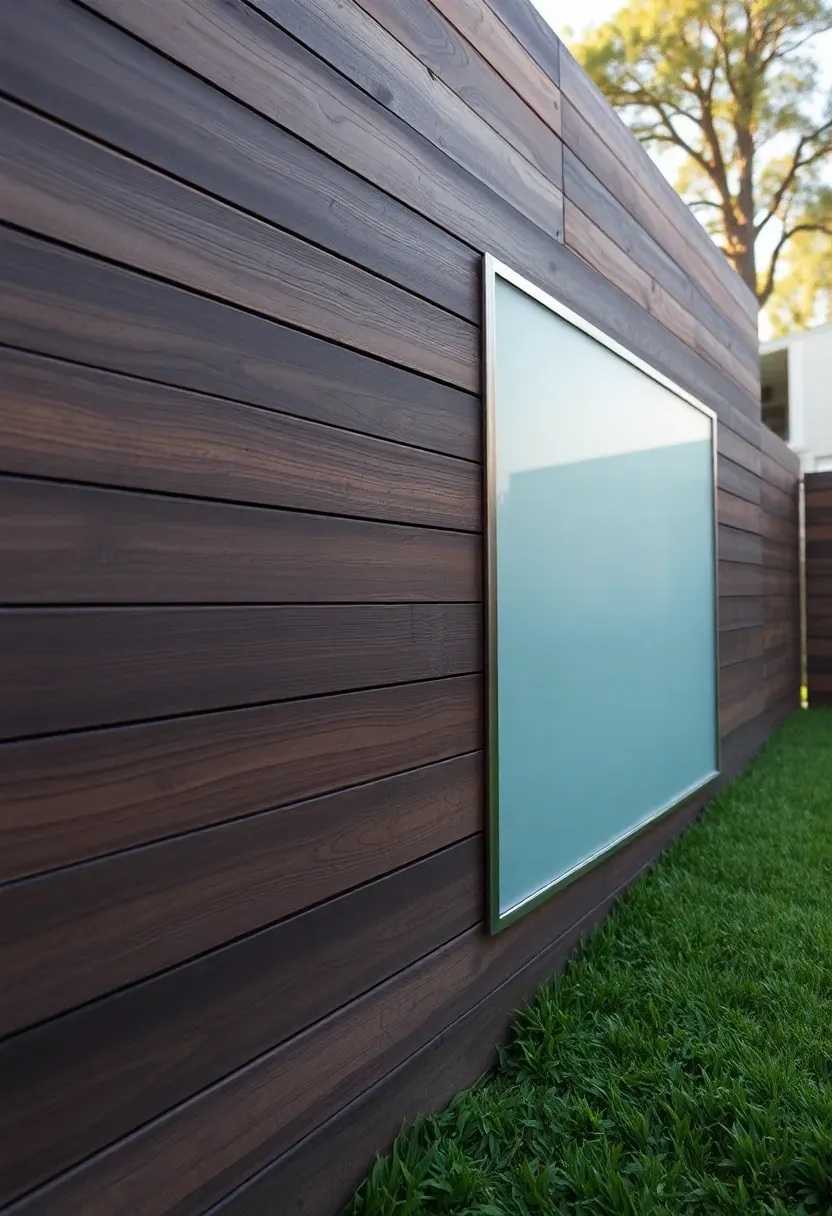
21. Mixed Material Fence with Glass Inserts
Solid fences block views in both directions, which can make small yards feel closed in. Replacing every third or fourth panel with frosted or tempered glass lets light through while maintaining privacy. The glass panels brighten the space behind the fence and create an interesting rhythm of opaque and translucent sections. Frosted tempered glass in 4x6-foot panels costs $80 to $150 each. Clear glass provides no privacy and requires constant cleaning. Alternatives to glass include polycarbonate sheets ($30-$50 per panel) which are lighter and shatter-resistant, though they yellow over time with UV exposure. Frame each glass panel with a matching wood or metal surround to protect the edges and create a finished look.
Tips
- Use tempered safety glass — standard glass shatters into dangerous shards if hit by a ball or branch
- Set glass panels in rubber-lined channels to absorb expansion and prevent cracking
- Clean frosted glass panels twice a year with a soft brush and mild soap to prevent algae buildup
22. Clumping Bamboo Hedge
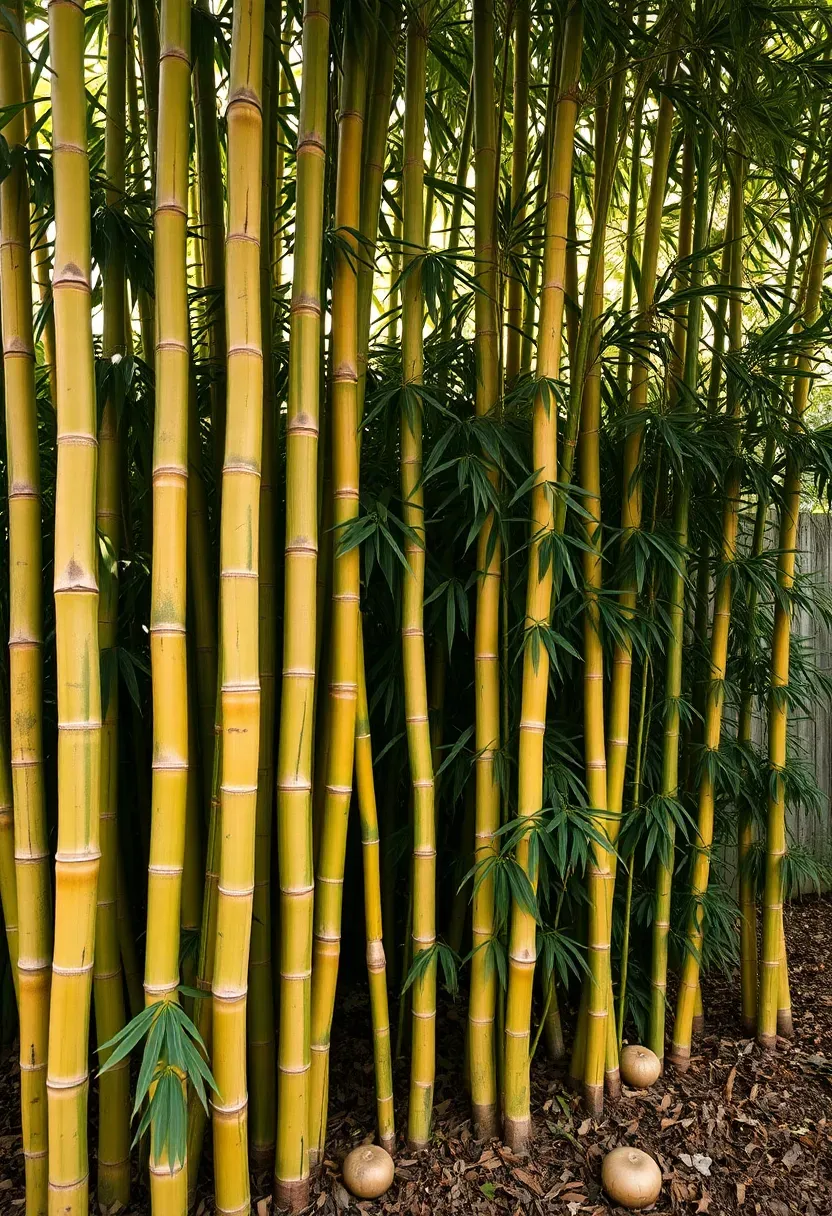
Clumping bamboo solves the invasiveness problem that gives bamboo a bad reputation. Unlike running bamboo, clumping species (Bambusa multiplex, Bambusa oldhamii) expand outward only 2 to 4 inches per year from the root mass, staying exactly where you plant them. Bambusa multiplex 'Alphonse Karr' reaches 20 to 35 feet with yellow and green striped culms and dense foliage down to near ground level. Plant divisions 4 to 5 feet apart and expect a solid screen within 3 years. Hardy to zone 8b (about 15 degrees F). In colder climates, Fargesia species are cold-hardy clumping bamboos but grow shorter — typically 10 to 15 feet.
Tips
- Feed heavily in spring with a high-nitrogen fertilizer — bamboo is a grass and responds to nitrogen
- Water deeply during establishment; mature clumps are drought-tolerant once the root mass fills in
- Thin old culms at ground level every 2 to 3 years to keep the stand dense and healthy at the base
Recommended
Items for this idea
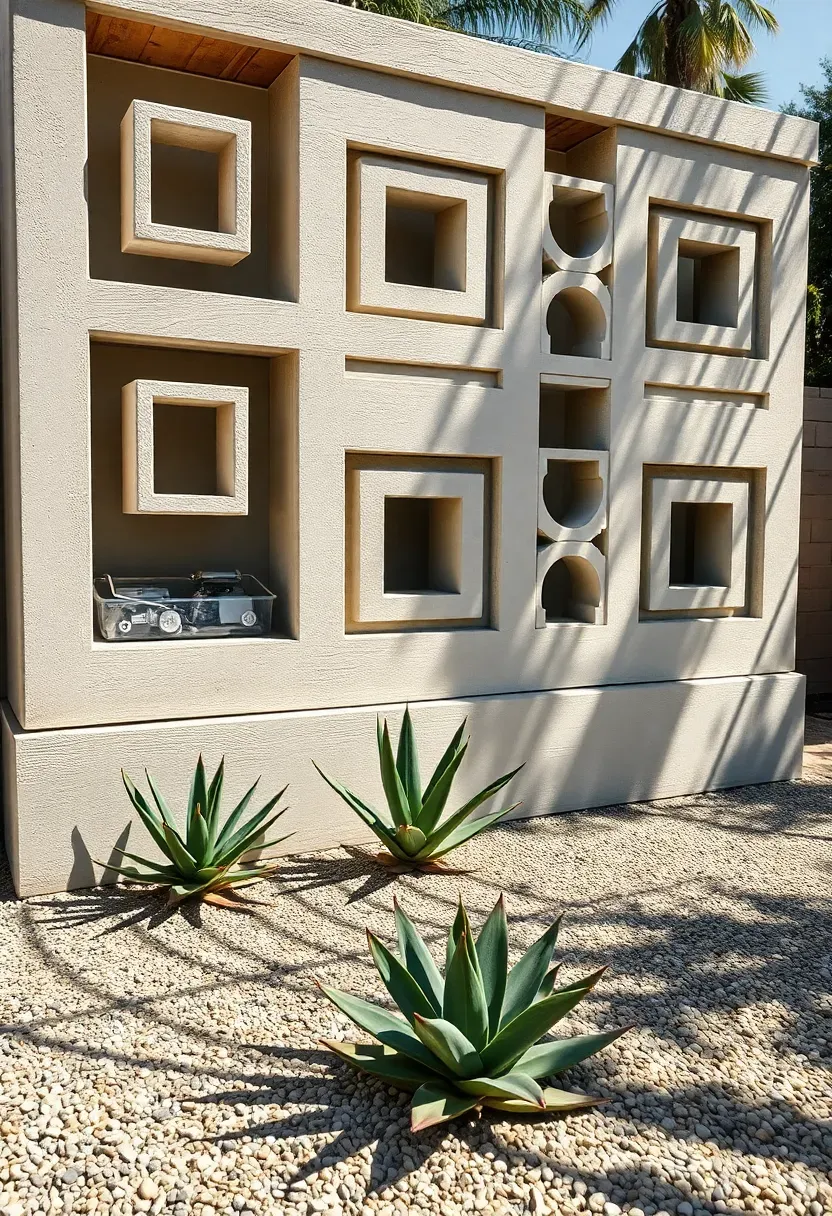
23. Concrete Block Screen Wall
Origins
Decorative concrete screen blocks (breeze blocks) hit peak popularity in the 1950s and 1960s in mid-century modern architecture. They were used for everything from carports to privacy walls in Sun Belt homes. After decades of being dismissed as dated, they are back — manufacturers now produce updated geometric patterns alongside the original mid-century designs.
Modern take
Current breeze blocks run $5 to $12 each (8x8x4 inches) depending on pattern complexity. A 6-foot-tall wall needs about 13 blocks per linear foot. The geometric openings provide roughly 50 to 70% visual screening while allowing air and light through — ideal for warm climates. Structural reinforcement with rebar and mortar is required for walls over 4 feet. The shadow patterns cast by breeze blocks change throughout the day, adding visual interest that a solid wall never provides.
Where this works best
- Mid-century, modern, or Mediterranean-style homes
- Hot climates where solid walls trap heat
- Pool areas and outdoor showers where you want airflow with visual screening
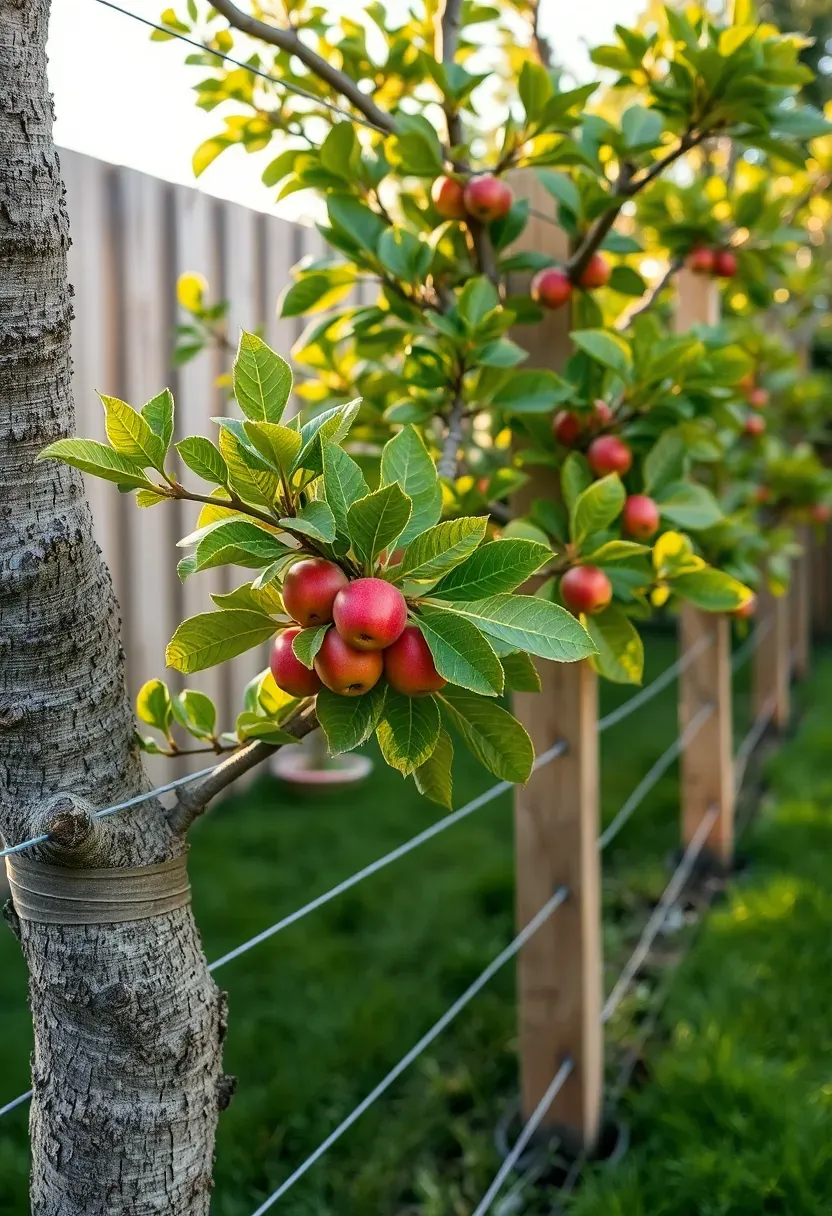
24. Espaliered Fruit Trees
Espalier is the technique of training trees to grow flat against a wall or wire support. Apple and pear trees are the most common choices because their branches are flexible when young and fruit production stays high in the flat form. A properly trained espaliered fruit tree provides 6 to 8 feet of dense screening while occupying only 12 to 18 inches of depth — far less space than any hedge. Plant bare-root whips 8 to 10 feet apart along horizontal wire supports and prune twice annually to maintain the flat plane. The result is functional privacy, edible fruit, and a garden feature that looks impressive enough to start conversations. Full coverage takes 3 to 4 years of patient training.
Steps
- Install 8-gauge galvanized wire on 4x4 posts at 18-inch vertical intervals up to your desired height
- Plant semi-dwarf fruit trees at the base — M26 rootstock for apples works well for espalier
- Select two horizontal branches per wire level and tie them loosely with soft garden tape
- Prune vertical shoots back to 3 leaves in midsummer and remove crossing branches entirely
Recommended
Items for this idea
25. Layered Privacy with Berm and Plantings
A berm is a mound of earth, typically 2 to 4 feet tall, built along a property line or road-facing edge. It immediately adds height to whatever you plant on top. A 3-foot berm with 6-foot evergreens on top gives you 9 feet of screening — equivalent to a very tall fence — while looking completely natural. Build the berm with fill dirt and compost, compacting in layers and shaping the sides to a gentle 3:1 slope for mowing and stability. Plant the top with a mix of evergreen trees and shrubs at different heights for the layered effect. The berm also dampens road noise, improves drainage, and adds topographic interest to flat yards that otherwise feel monotonous.
Tips
- Build the berm 18 months before planting to allow settling — or add 15% extra height to compensate
- Slope the sides gradually enough to mow safely (3:1 run-to-rise ratio minimum)
- Mix deciduous ornamental trees among the evergreens for seasonal color without sacrificing winter screening
Quick FAQ
Will a 6-foot fence give me full backyard privacy? A 6-foot fence blocks sightlines from ground level when both people are standing on flat ground. If your neighbor's yard is higher, or they have a deck or second-story window, 6 feet is not enough. You need vertical height above 8 feet (through trees or climbing plants) or overhead screening.
Which privacy plants grow fastest? Leyland cypress grows 3 to 4 feet per year and is the fastest evergreen screen. Clumping bamboo and Miscanthus grass reach full height in 1 to 2 seasons. Arborvitae grows 12 to 18 inches annually. The fastest options often have the most maintenance needs or vulnerability to disease.
Do I need a permit to build a privacy fence? In most US jurisdictions, fences under 6 feet on interior lot lines do not require a permit, but front yard fences and anything over 6 feet usually do. HOA rules may impose additional restrictions on materials, height, and placement. Always check your local building code and HOA covenants before starting.
Can I block my neighbor's view without a fence? Yes. Tall hedges, ornamental grass borders, strategically placed pergolas with climbing plants, and privacy planter boxes all screen views without any fencing. These living and movable options also avoid the property-line disputes that fences sometimes trigger.
How much does full backyard privacy cost on a budget? Rolled bamboo or reed fencing attached to existing posts costs under $100 for 50 linear feet. Growing ornamental grasses from gallon pots ($8-$12 each) along a fence line adds effective seasonal screening for under $200. Pallet fences are nearly free if you invest the labor.
Privacy works best when you layer multiple methods. A fence at property level, climbing plants filling in above the fence line, and an overhead structure for the patio where you spend the most time — that combination handles sightlines from every angle. Start with whatever blocks the most bothersome view first and add layers over time as budget allows. The best privacy setup is one that looks intentional rather than defensive — your yard should feel like a garden room, not a compound.
Pinterest cover for 25 Backyard Privacy Ideas That Block Views
About the author
OBCD
CGI visualization and interior design content. We create detailed 3D renders and curate practical design ideas for every room in your home.