29 Backyard Shed Ideas
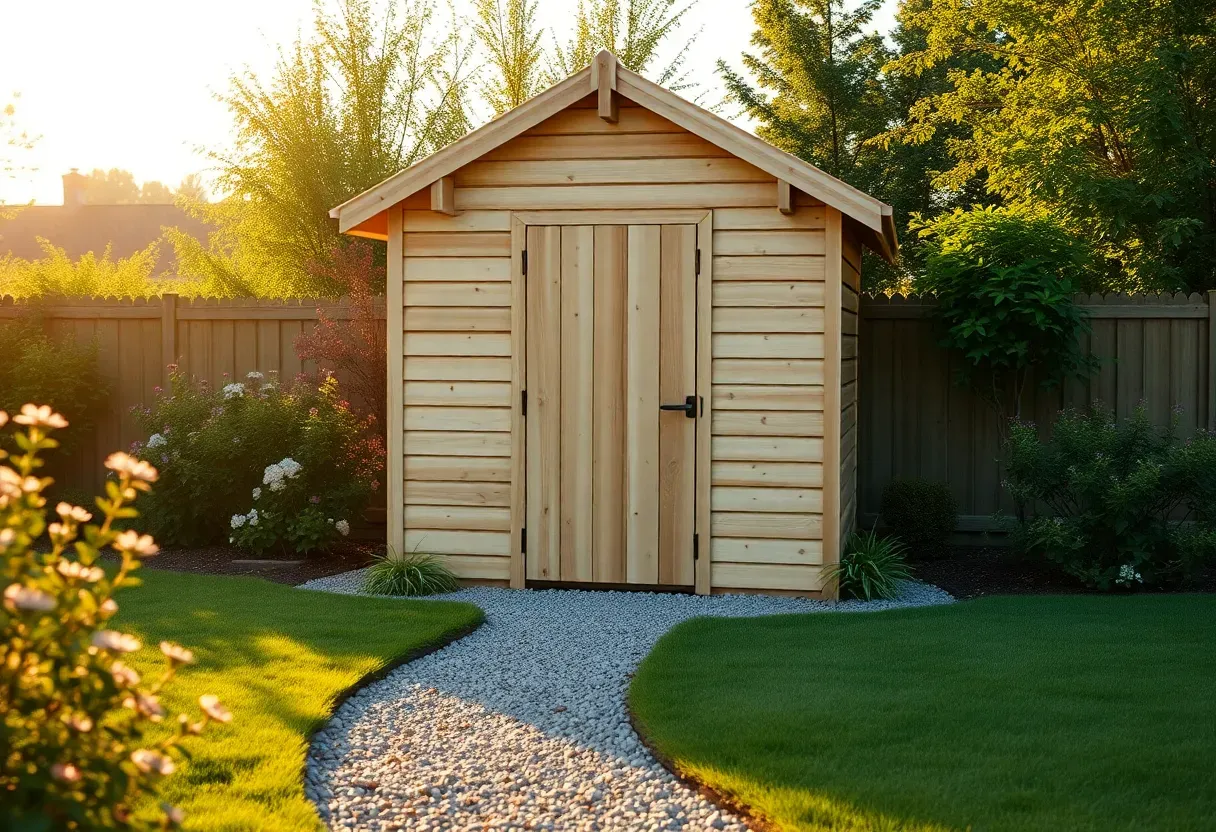
A shed used to mean one thing — a dark box where you threw the lawnmower and forgot about it. That was fine when backyards were just grass to maintain. But the backyard shed has quietly become one of the most flexible structures you can add to a property. People are turning them into art studios, home offices, potting rooms, and guest quarters. My neighbor built a 10x12 cedar shed last fall and uses it as a woodworking shop three nights a week. The real question is not whether you need a shed — it is what kind of shed matches how you actually want to use your yard. These 29 ideas cover storage, workspace, relaxation, and everything between.
From basic tool storage to fully finished retreats, here are shed concepts organized by purpose and style.
Table of Contents
- Classic Gabled Garden Shed
- Modern Flat-Roof Shed
- Potting Shed with Workbench
- Shed Turned Home Office
- Rustic Reclaimed Wood Shed
- She Shed Reading Retreat
- Lean-To Tool Shed
- Greenhouse-Shed Combo
- Japanese-Inspired Garden Shed
- Cedar Shake Cottage Shed
- Blackened Timber Shed
- Kids' Playhouse Shed
- Art Studio Shed
- Firewood Storage Shed
- Pool Equipment Shed
- Bike Storage Shed
- Shed with Covered Patio
- Vertical Board-and-Batten Shed
- Shed Bar and Entertaining Space
- Gambrel Roof Barn Shed
- Minimalist Concrete Shed
- Living Roof Shed
- Corner Shed for Tight Yards
- Music Practice Shed
- Workshop Shed with Pegboard Walls
- Shed with Wraparound Deck
- Stone-Clad Garden Shed
- Shipping Container Shed
- A-Frame Shed
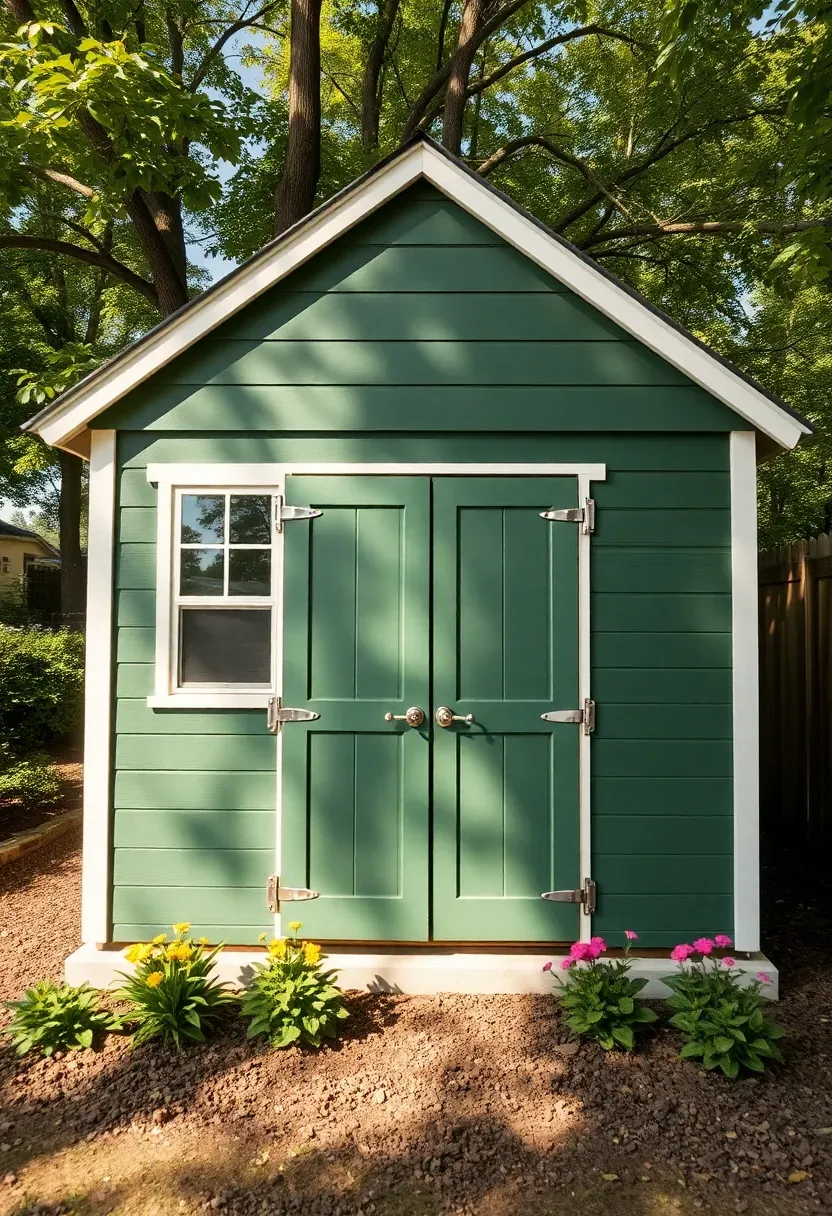
1. Classic Gabled Garden Shed
The gabled roof shed exists everywhere for a reason — it sheds water efficiently, provides headroom in the center, and looks at home in almost any yard. A standard 8x10 footprint gives enough room for a riding mower, shelving on both side walls, and a clear walkway down the middle. Stick with fiber cement siding or pressure-treated plywood sheathed in housewrap if you want something that lasts fifteen years without much fuss. The peak also creates natural attic space above the collar ties where you can store seasonal items in bins.
Tips
- Add a ridge vent and a gable vent on each end to prevent moisture buildup inside
- Mount a motion-sensor light above the door so you can find things after dark
- Build the floor on treated 4x4 skids instead of a concrete slab — cheaper and easier to level
We picked a few things that go well with this idea: Aoxun 8x6 Metal Garden Storage Shed (★4.0), Aoxun 10x12 Metal Outdoor Storage Shed (★4.0) and 8x12 Metal Garden Tool Shed (Grey) (★5.0). As an Amazon Associate we earn from qualifying purchases.
2. Modern Flat-Roof Shed
Why flat works
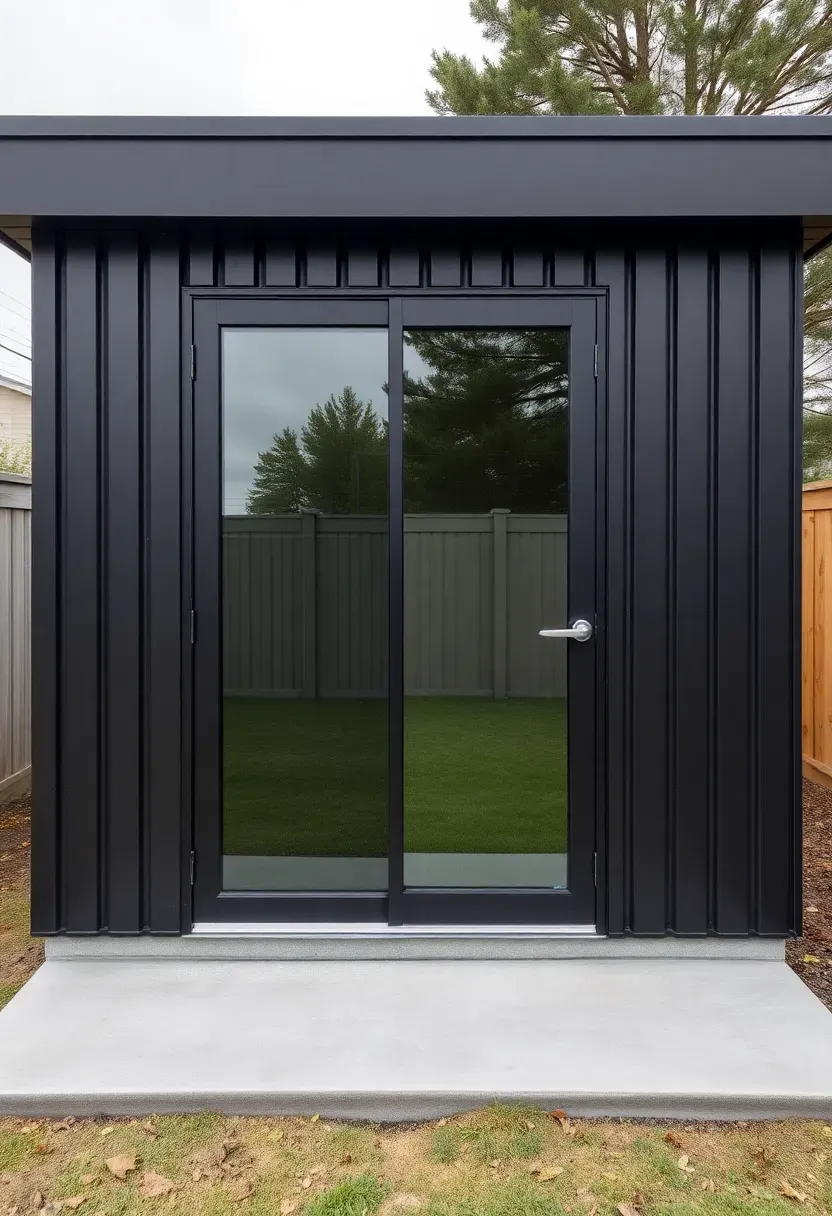
A flat roof (really a low-slope roof at about 1/4 inch per foot) gives a shed a clean, contemporary profile that pairs well with modern homes. The lower overall height also helps in neighborhoods with strict height restrictions for accessory structures — many codes cap sheds at 10 or 12 feet.
Building considerations
Use a single-ply membrane like TPO or EPDM rubber on the roof deck. Standing-seam metal panels on the walls keep the look sharp and eliminate painting. Include a 6-inch overhang on the back to direct runoff away from the foundation.
Choose this if
- Your house has clean horizontal lines and a flat or low-slope roof itself
- Height restrictions rule out a steep gable
- You want rooftop options later — flat roofs can support solar panels or a green roof addition
We picked a few things that go well with this idea: Metal Pegboard Panels with 50 Hooks (4-Pack) (★4.4), INCLY 278-Piece Pegboard Hooks and Bins Kit (★4.6) and Wall Control 4ft Metal Pegboard Storage Kit (★4.7). As an Amazon Associate we earn from qualifying purchases.
3. Potting Shed with Workbench
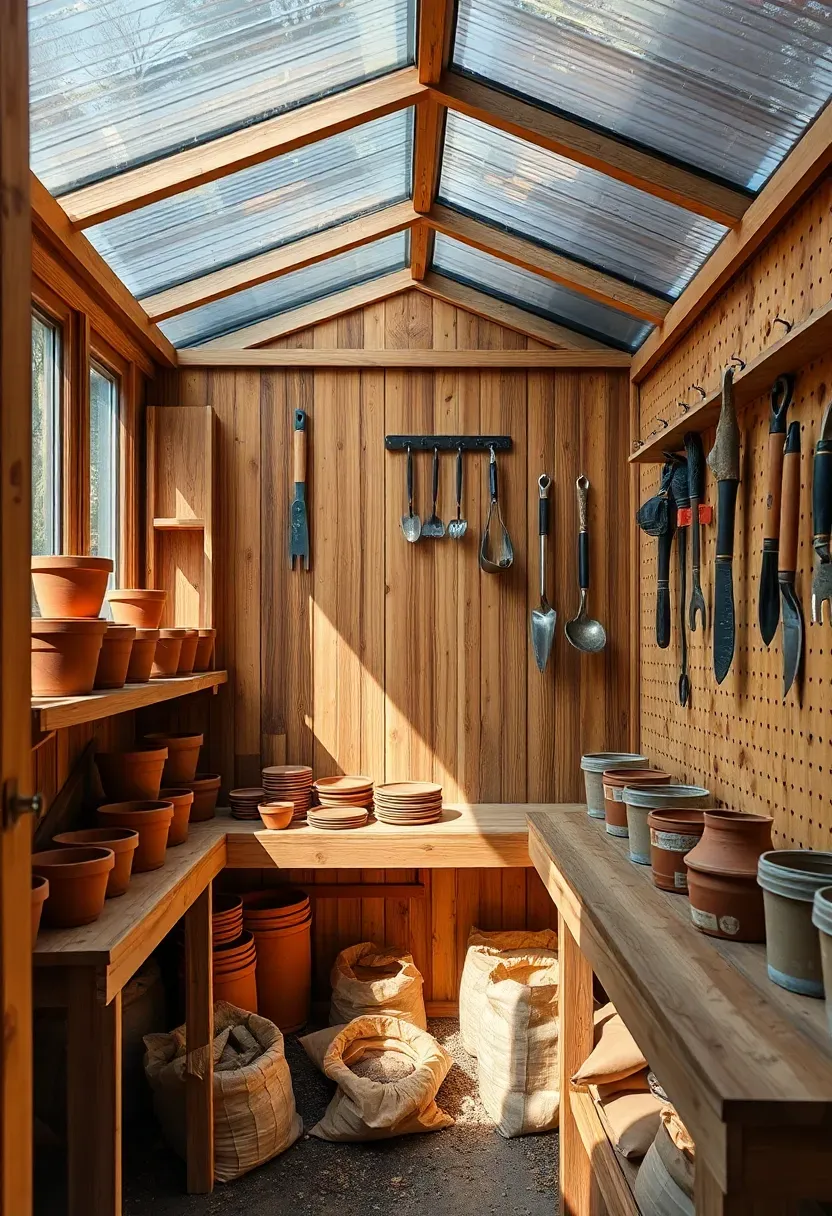
A potting shed earns its keep from March through October. The critical feature is a waist-height workbench — 34 to 36 inches tall — with a waterproof top surface. Zinc sheet metal, sealed butcher block, or even an old countertop remnant all work. Below the bench, leave open shelving for soil bags and pots rather than closed cabinets that trap moisture and attract mice. A utility sink with cold water plumbing turns this from a nice-to-have into a genuinely useful workspace, and running a single water line from the house costs less than most people assume.
Tips
- Install a pegboard wall behind the bench for hanging trowels, pruners, and twine
- Use a translucent polycarbonate panel in the roof for natural light without a window
- Add a boot tray by the door to keep muddy footwear off the shed floor
We picked a few things that go well with this idea: Brightever 100ft Edison Outdoor String Lights (★4.6), Brightown 50ft G40 Globe Patio Lights (★4.7) and Addlon 100ft LED Patio Lights with Remote (★4.6). As an Amazon Associate we earn from qualifying purchases.
4. Shed Turned Home Office
The problem
Working from the kitchen table gets old fast. Distractions are constant, the lighting is wrong, and there is no mental separation between work and home. A spare bedroom helps, but not everyone has one.
The solution
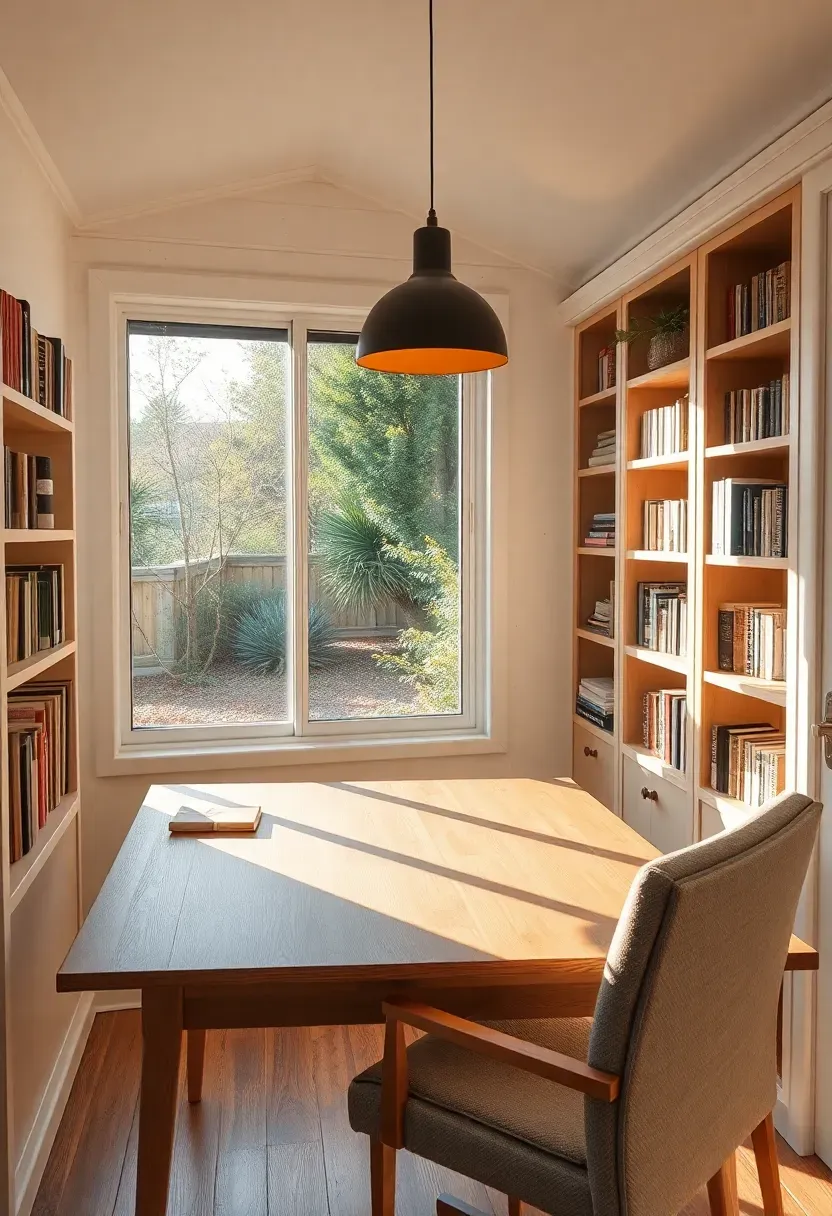
A backyard office shed — insulated, wired for electricity, and climate-controlled — creates real separation. You walk outside, cross the yard, and you are at work. At the end of the day, you close the door and leave it behind. The minimum comfortable size is 10x12 feet, which fits a desk, a bookshelf, and enough floor space that the room does not feel cramped. Run a 20-amp subpanel from the house for outlets, lighting, and a mini-split HVAC unit. Insulate walls with R-13 fiberglass batts and use 1/2-inch drywall over a vapor barrier.
Pros and cons
- Pro: Complete separation from household noise and interruptions
- Pro: May increase property value as an accessory dwelling feature
- Con: Electrical and HVAC work requires permits in most jurisdictions
- Con: Internet connectivity may need a dedicated outdoor-rated ethernet run or mesh WiFi node
Recommended
Items for this idea
5. Rustic Reclaimed Wood Shed
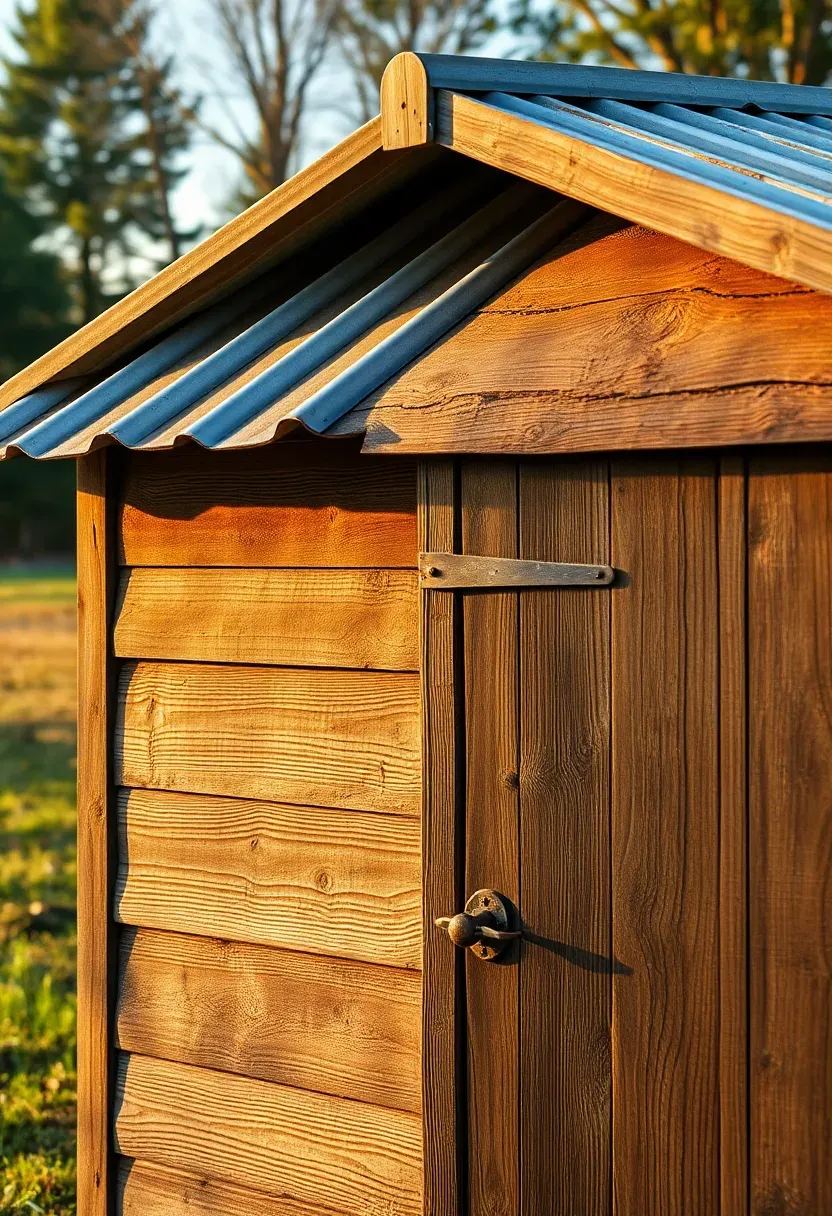
Reclaimed lumber gives a shed character that no stain can replicate. Old barn siding, pallet wood, or salvaged fence boards carry decades of patina — nail holes, saw marks, faded paint traces. The key is structural honesty: use new pressure-treated lumber for the frame, floor joists, and roof rafters where strength matters, then clad the exterior in reclaimed boards. This approach is cheaper than buying new cedar and looks better from day one. Seal the reclaimed wood with a clear penetrating oil to slow further weathering without hiding the texture.
What to watch out for
- Inspect reclaimed boards for hidden nails and screws before cutting — a metal detector wand costs about fifteen dollars
- Avoid wood from old chemical storage or treated industrial pallets marked with "MB" (methyl bromide)
- Gaps between uneven boards are fine for aesthetics but install a weather barrier underneath
6. She Shed Reading Retreat
How to build it
Start with any basic shed kit in the 8x10 to 10x12 range. The magic is in the interior finishing.
Step 1: Insulate and finish walls
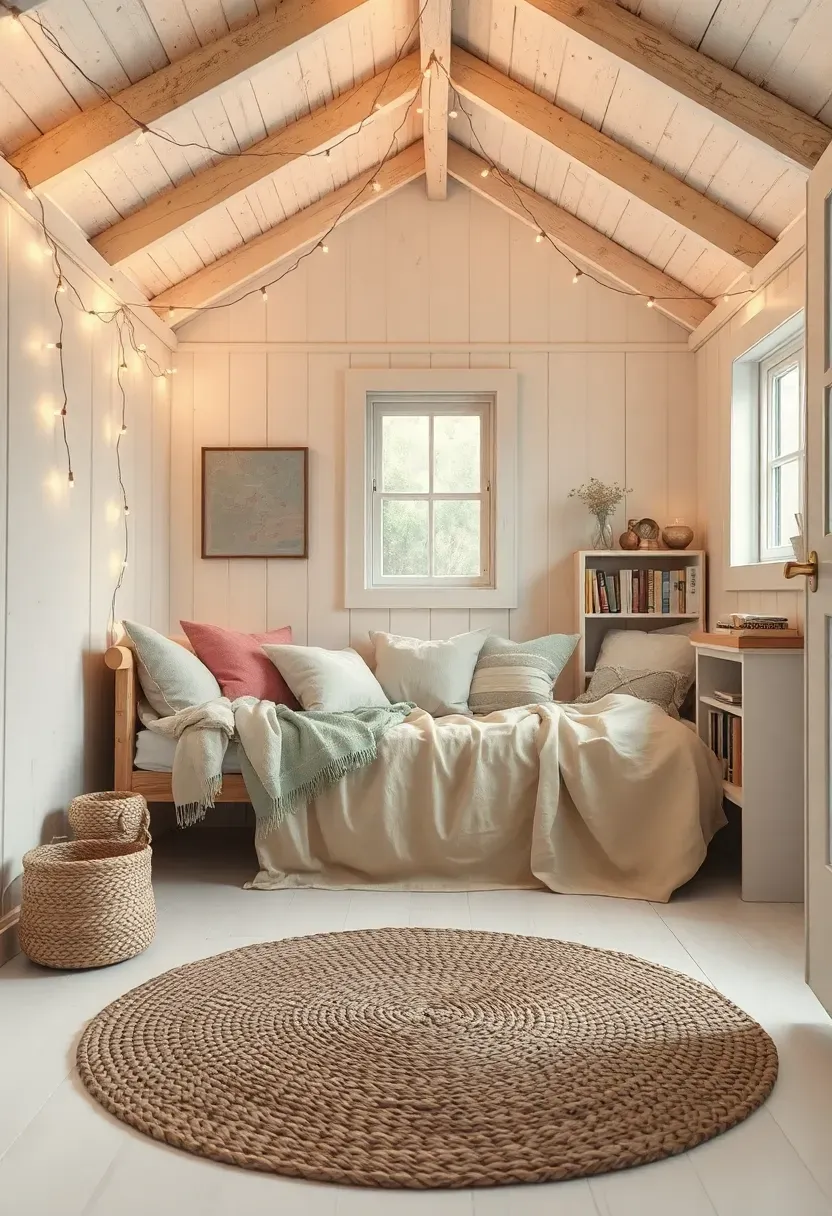
Use rigid foam insulation between studs, then cover with shiplap or beadboard paneling. Paint everything a light color — white, pale blue, or soft green — to make the small space feel open.
Step 2: Install the seating
A built-in daybed or window seat with storage drawers underneath is more space-efficient than a freestanding sofa. Add thick cushions and a pile of pillows.
Step 3: Layer the lighting
Skip overhead fluorescents. Use a combination of a plug-in wall sconce for reading, string lights along the roofline for ambiance, and a small table lamp.
Step 4: Add personal details
Bookshelves on one wall, a small side table for tea, a woven rug on the floor. These details are what separate a shed from a room.
Recommended
Items for this idea
7. Lean-To Tool Shed
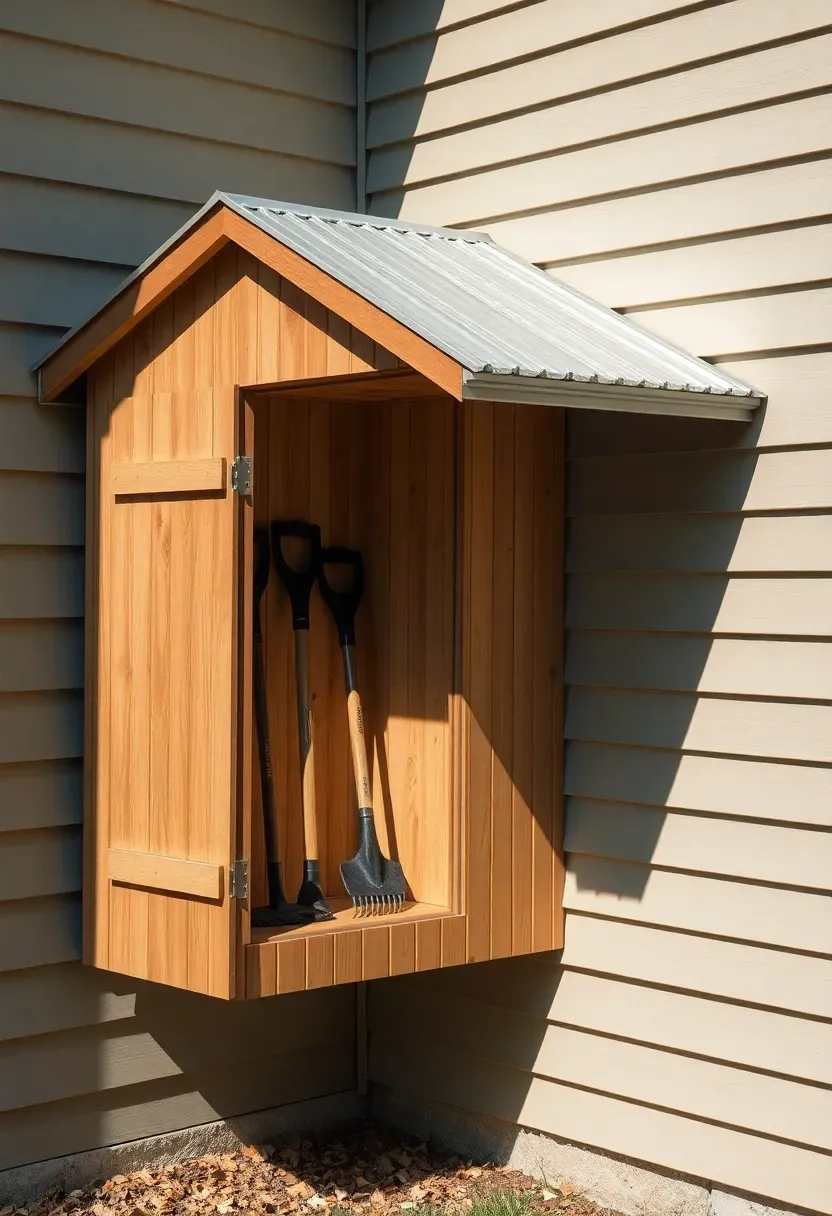
Not every yard has room for a freestanding structure. A lean-to shed attaches to an existing wall — your house, garage, or fence — and uses that wall as its back. The footprint can be as shallow as 3 feet deep, which is enough for rakes, shovels, and a wheelbarrow stored upright. Build the frame from 2x4s with a single-slope roof that pitches away from the existing wall. Flash the top edge carefully where the shed roof meets the wall to prevent water intrusion. This is a weekend project for someone comfortable with basic framing.
Tips
- Hinge the front wall as one large door panel so everything is accessible at once
- Attach the ledger board to the house with lag bolts and a continuous strip of flashing
- Keep the bottom edge at least 4 inches off the ground to prevent rot
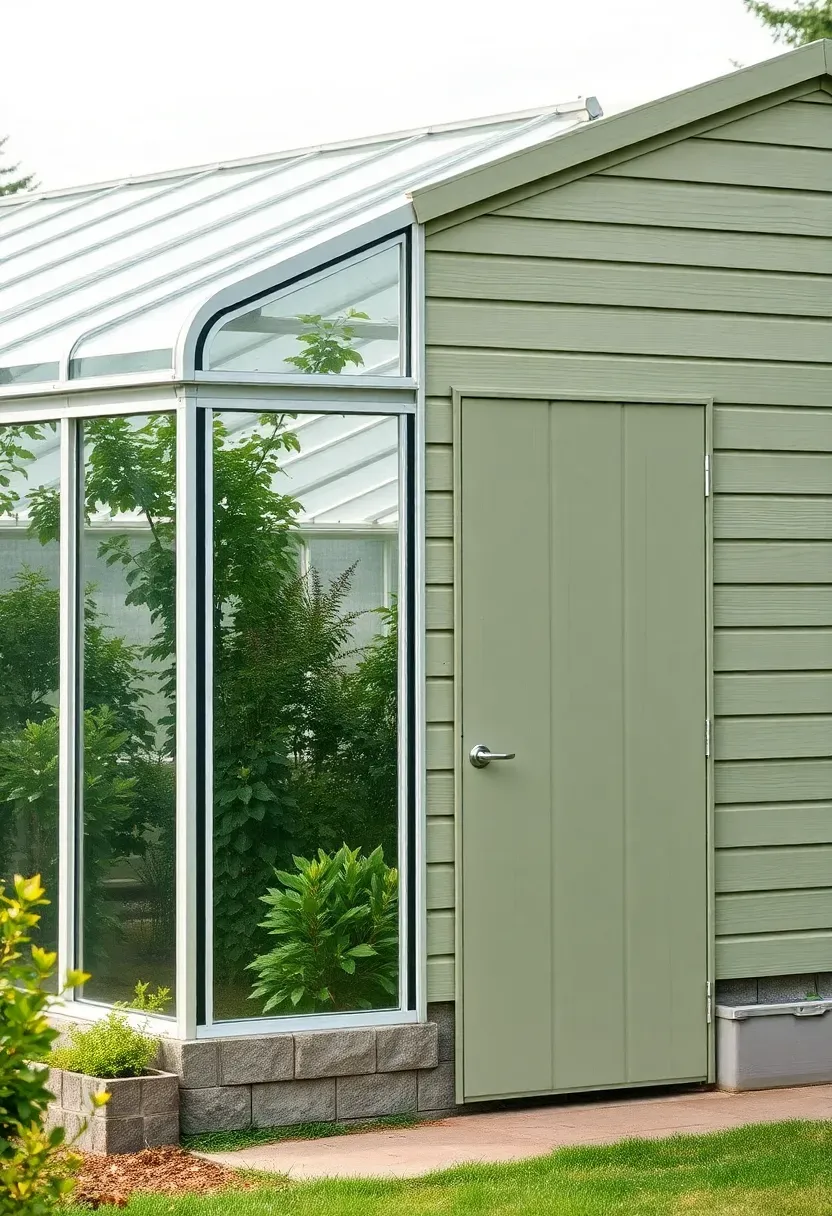
8. Greenhouse-Shed Combo
Storage vs. growing — why not both?
A split-function structure puts your tools and your seedlings under one roof. The typical layout devotes one-third of the footprint to enclosed storage and two-thirds to a greenhouse section with polycarbonate or tempered glass walls. A shared interior wall with a door lets you step between sides without going outside.
How to orient it
Point the greenhouse section south or southeast for maximum light exposure. The opaque storage side on the north blocks cold wind and provides a thermal mass wall that moderates temperature swings inside the greenhouse.
Choose this if
- You start seedlings indoors every spring and need hardening-off space
- Tool clutter is taking over your garage
- You want a single permitted structure instead of building two separate ones
Recommended
Items for this idea
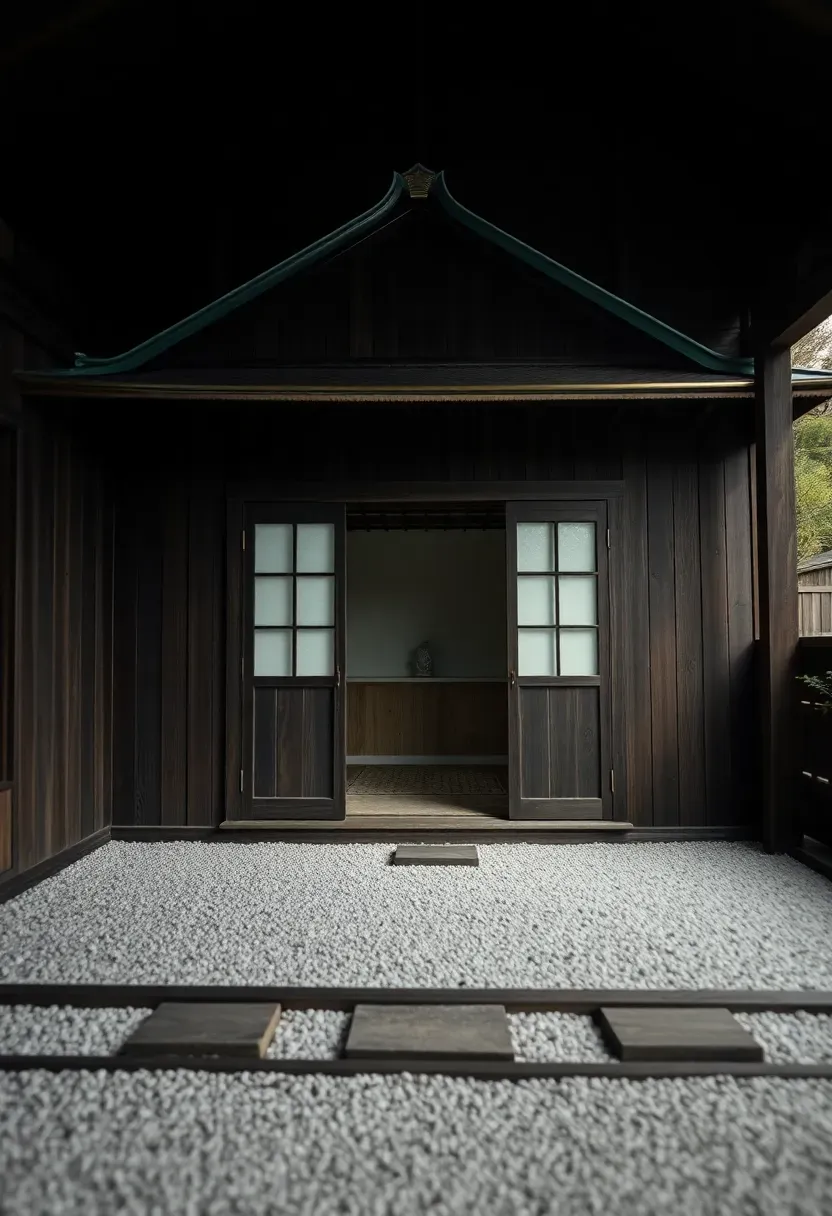
9. Japanese-Inspired Garden Shed
Japanese design treats the shed as part of the garden composition, not just a box dropped into it. The proportions matter — wider than tall, with deep eaves that cast shadow lines on the walls. Use dark-stained cedar or cypress with exposed joinery instead of hidden fasteners. Sliding doors (modeled after shoji screens but built with weather-resistant materials) connect the interior to the surrounding landscape. A raked gravel apron around the base keeps the foundation dry and extends the visual footprint of the structure.
Tips
- Plant low-growing moss or mondo grass around the perimeter instead of mulch
- Use copper flashing at the roof edge — it develops a green patina that complements dark wood
- Keep the interior minimal: open floor, one shelf, one hanging rod
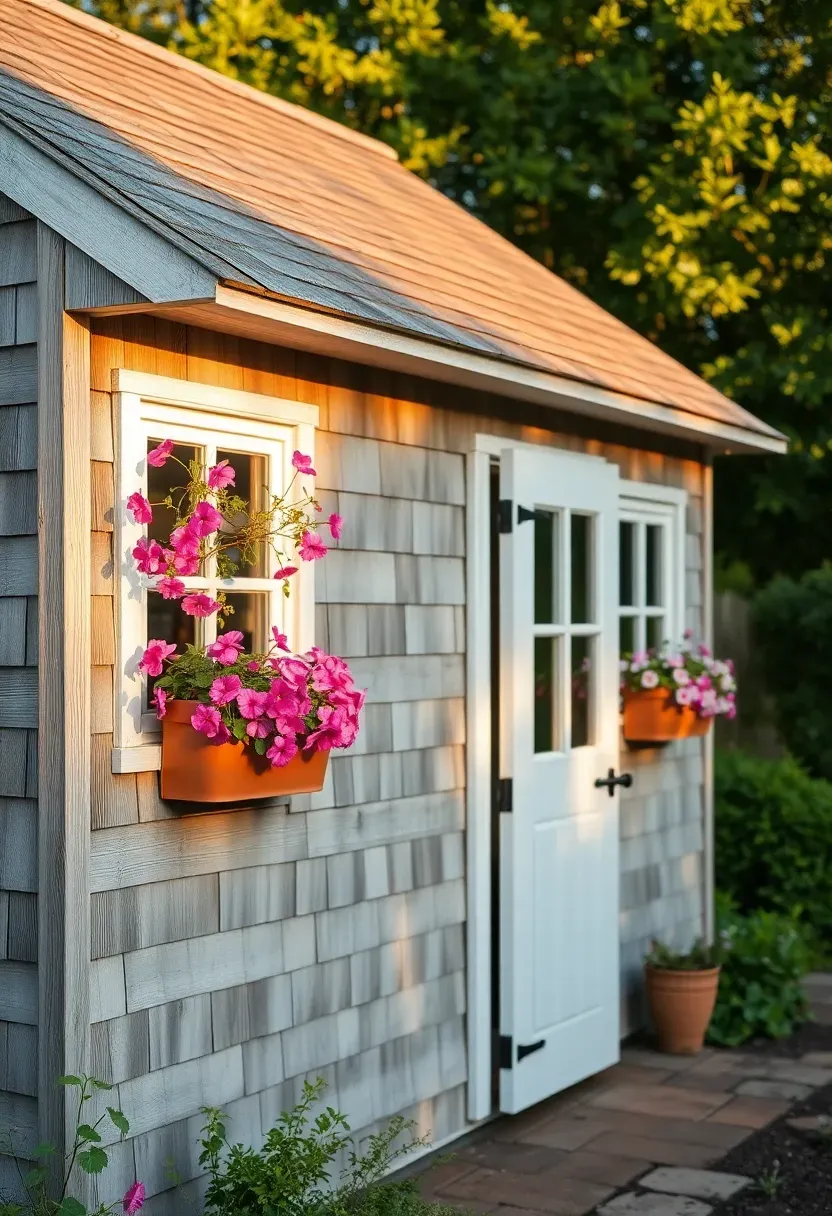
10. Cedar Shake Cottage Shed
Cedar shakes age from warm honey to silver gray over about five years, and the transition looks good the entire time. A cottage shed leans into that natural aging with details borrowed from residential architecture — window boxes, a Dutch door, decorative trim at the gable peak. The steep roof pitch (8:12 or higher) gives the structure a storybook profile and creates usable loft space inside. Cedar naturally resists rot and insects, so the only maintenance is an optional UV-protective oil every few years if you want to slow the graying process.
What to watch out for
- Cedar shakes need a minimum 4:12 roof pitch for proper water shedding
- Install shakes over a breathable underlayment, not standard roofing felt, to prevent moisture trapping
- Budget about 30 percent more for materials compared to T1-11 plywood siding
Recommended
Items for this idea
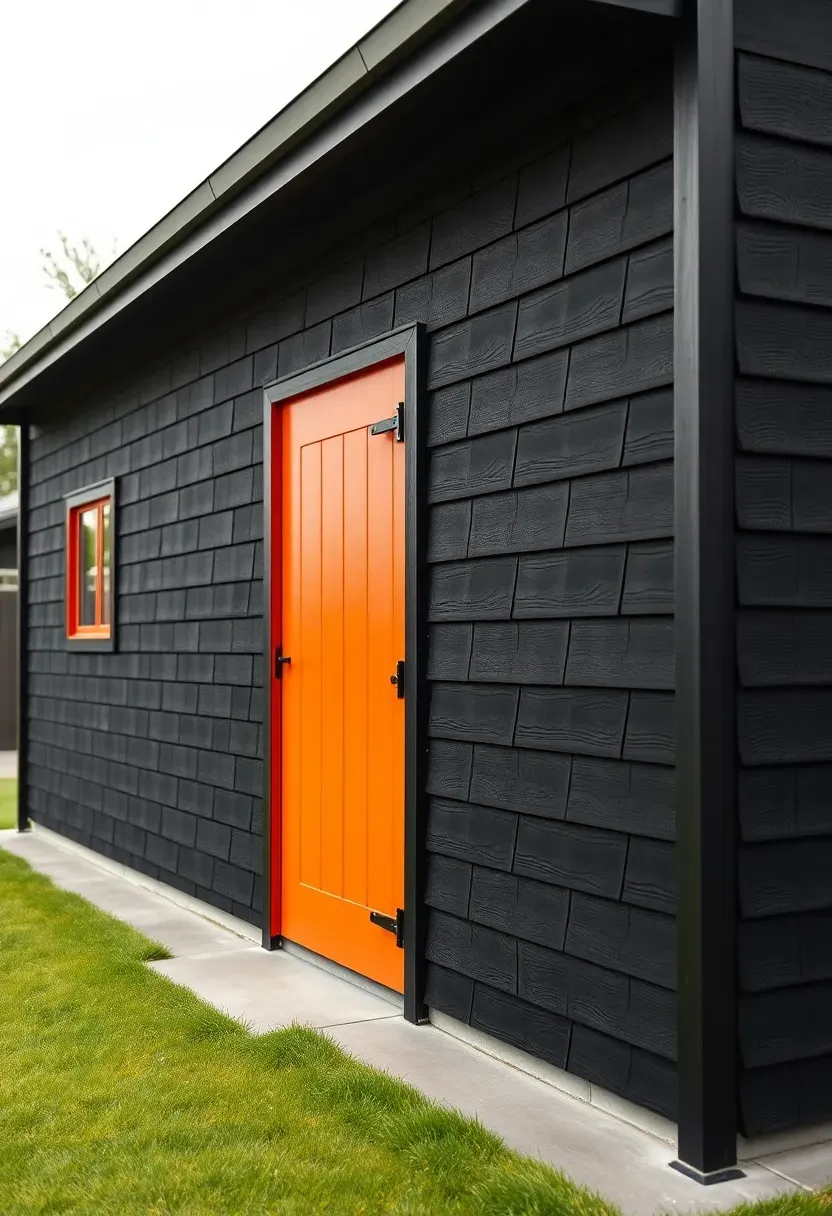
11. Blackened Timber Shed
Shou sugi ban — the Japanese technique of charring wood surfaces — produces a matte black finish that resists insects, rot, and UV degradation without chemical treatments. The charred layer acts as a natural preservative. On a shed, it creates a striking silhouette against green landscaping. Use softwood boards like pine or Douglas fir, char them with a propane torch until the surface alligators, then brush off loose carbon and seal with raw linseed oil. The contrast of a brightly painted door — orange, yellow, or red — against the black walls makes the structure a genuine focal point.
Tips
- Char boards before installation, not after — working with a torch near a finished structure is risky
- Wear a respirator during charring and brushing
- Apply two coats of linseed oil, allowing 48 hours between coats
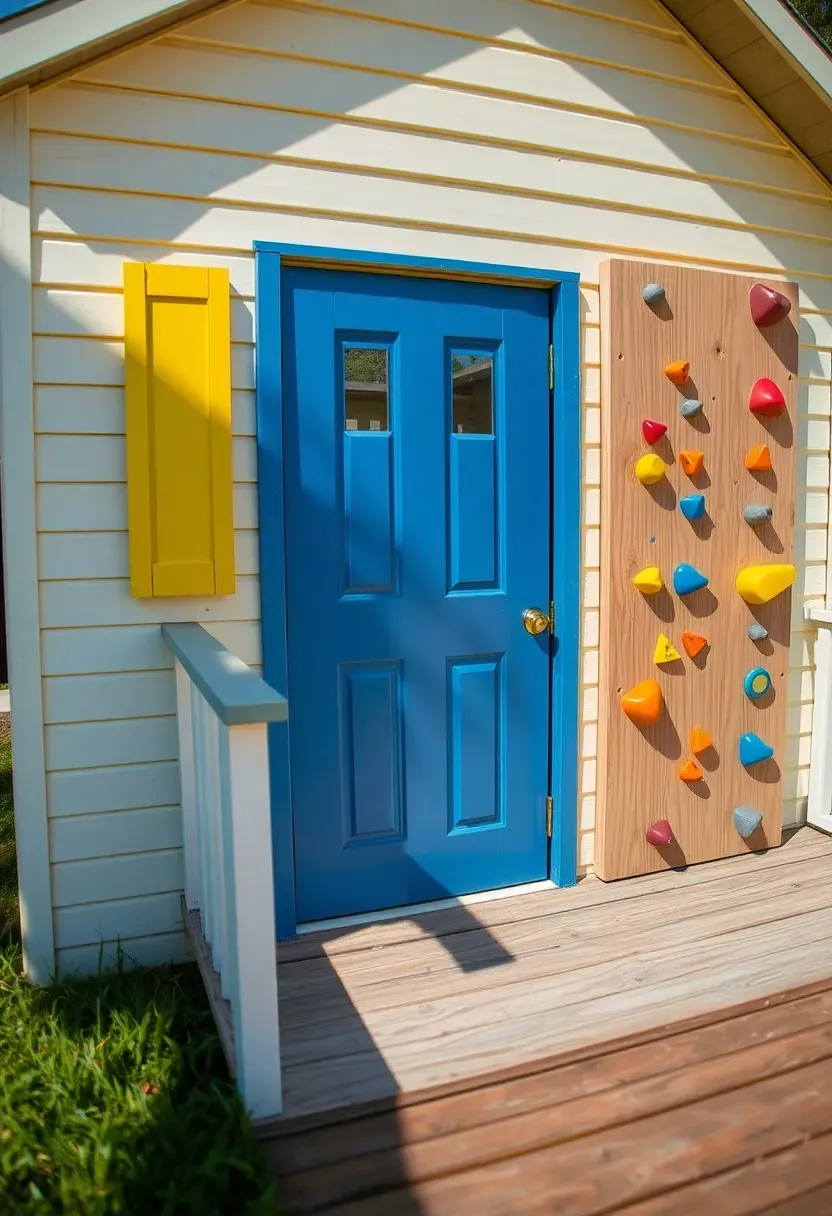
12. Kids' Playhouse Shed
Dual purpose from the start
Build it as a proper shed with a proper frame, then customize the exterior for play. This way it transitions to storage or a teen hangout as kids grow. A 6x8 footprint fits a small porch, a door sized for adults (not a miniature one you will regret), and enough interior space for a play table.
Play features that work
Add a climbing wall panel on one exterior side using T-nuts and commercial climbing holds. A fireman's pole mounted to the overhang gives a quick exit. A small chalkboard panel on an exterior wall provides art space that washes clean in rain.
Practical notes
- Use rounded exterior trim edges to reduce splinter risk
- Install a latch high enough that toddlers cannot lock themselves inside
- Skip carpet — use interlocking foam floor tiles that pull up for cleaning
Recommended
Items for this idea
13. Art Studio Shed
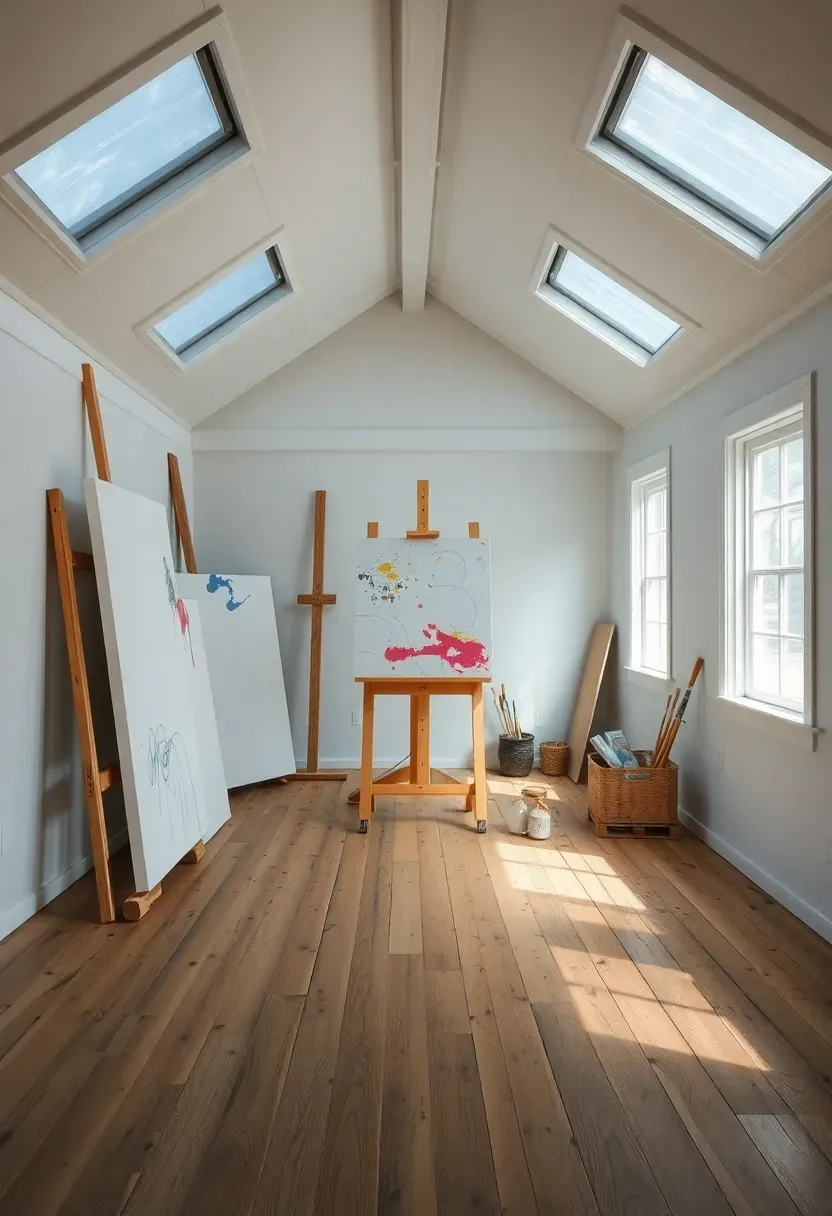
Light quality makes or breaks a studio. North-facing windows or skylights deliver consistent, indirect light without harsh shadows or glare shifts throughout the day. If your shed cannot face north, use frosted or diffusing film on south-facing glass to soften direct sun. Size the space at minimum 10x12 feet — an easel, a work table, and storage for canvases and supplies need room to breathe. Seal and paint the plywood subfloor with porch-and-floor enamel so paint drips wipe up easily. Add a ventilation fan rated for at least 200 CFM to clear fumes from solvents and spray fixatives.
Tips
- Install a utility sink with a sediment trap to keep paint out of your septic or sewer line
- Use slatwall panels instead of pegboard — they hold heavier items and accept a wider range of hooks
- Wire two separate lighting circuits: warm ambient lights and cool daylight-balanced task lights
14. Firewood Storage Shed
The problem
Firewood stacked against the house invites termites, carpenter ants, and moisture damage to your siding. Loose tarps blow off and trap moisture underneath, accelerating rot.
The solution
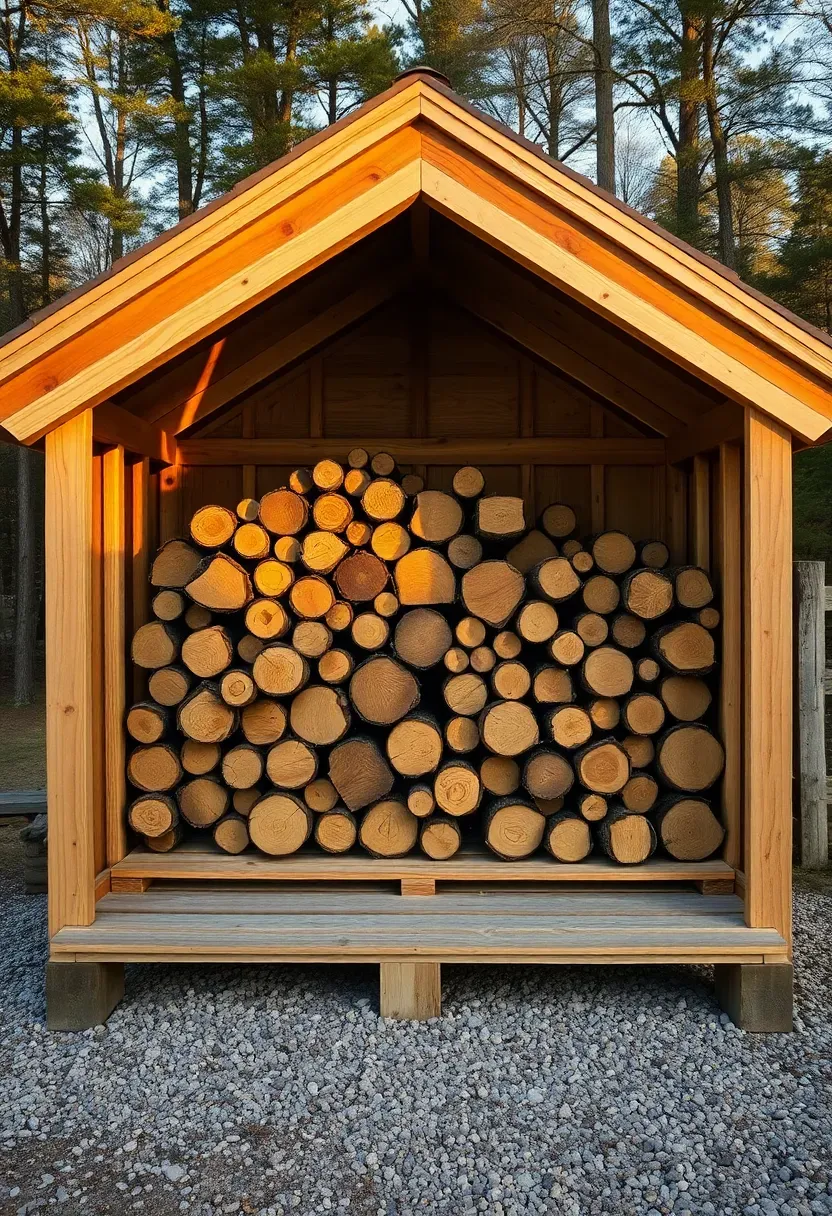
A dedicated firewood shed keeps wood off the ground, under a roof, and away from your house walls. The ideal design uses three closed sides and an open front. Build the floor as a slatted platform raised 6 inches off the ground on concrete blocks — air circulates underneath and accelerates seasoning. Size each bay to hold roughly a face cord (4x8 feet, 16 inches deep). Two bays store a winter's worth for a home that burns three fires per week.
Pros and cons
- Pro: Wood seasons faster with proper airflow compared to covered stacks
- Pro: Keeps your house foundation clear of pest-attracting material
- Con: Requires a flat, well-drained site — soggy ground defeats the purpose
Recommended
Items for this idea
15. Pool Equipment Shed
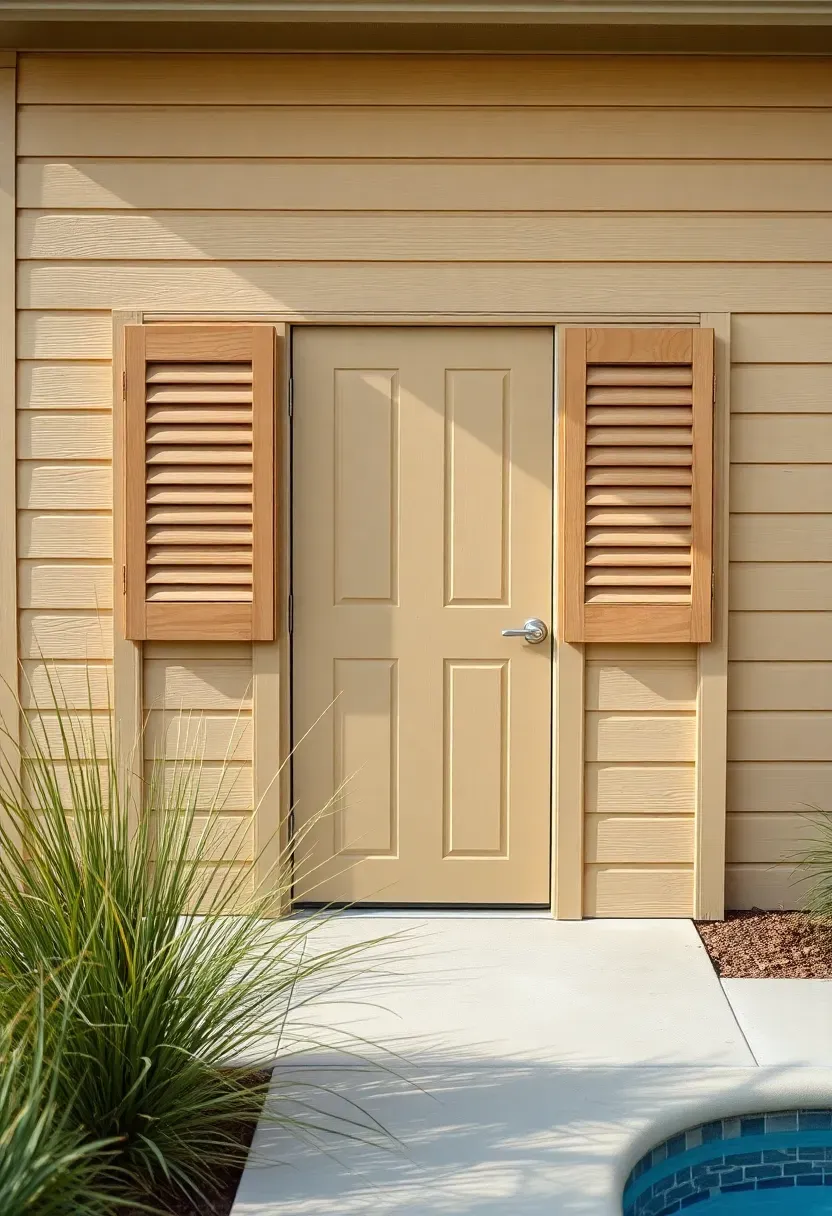
Pool pumps, filters, chlorinators, and heaters need weather protection but also heavy ventilation — a sealed box traps heat and shortens equipment lifespan. Build with louvered panels on at least two walls for cross-ventilation. Size the interior to fit your equipment with 18 inches of clearance on all sides for maintenance access. Run a dedicated 240-volt circuit from the house panel if your pump or heater requires it. Match the shed siding and paint color to your house so it blends into the landscape rather than looking like an afterthought parked next to the pool.
Tips
- Include a concrete pad floor with a drain — equipment leaks happen
- Install a timer-controlled exhaust fan for hot climates
- Locate the shed within 25 feet of the pool to minimize plumbing run lengths
16. Bike Storage Shed
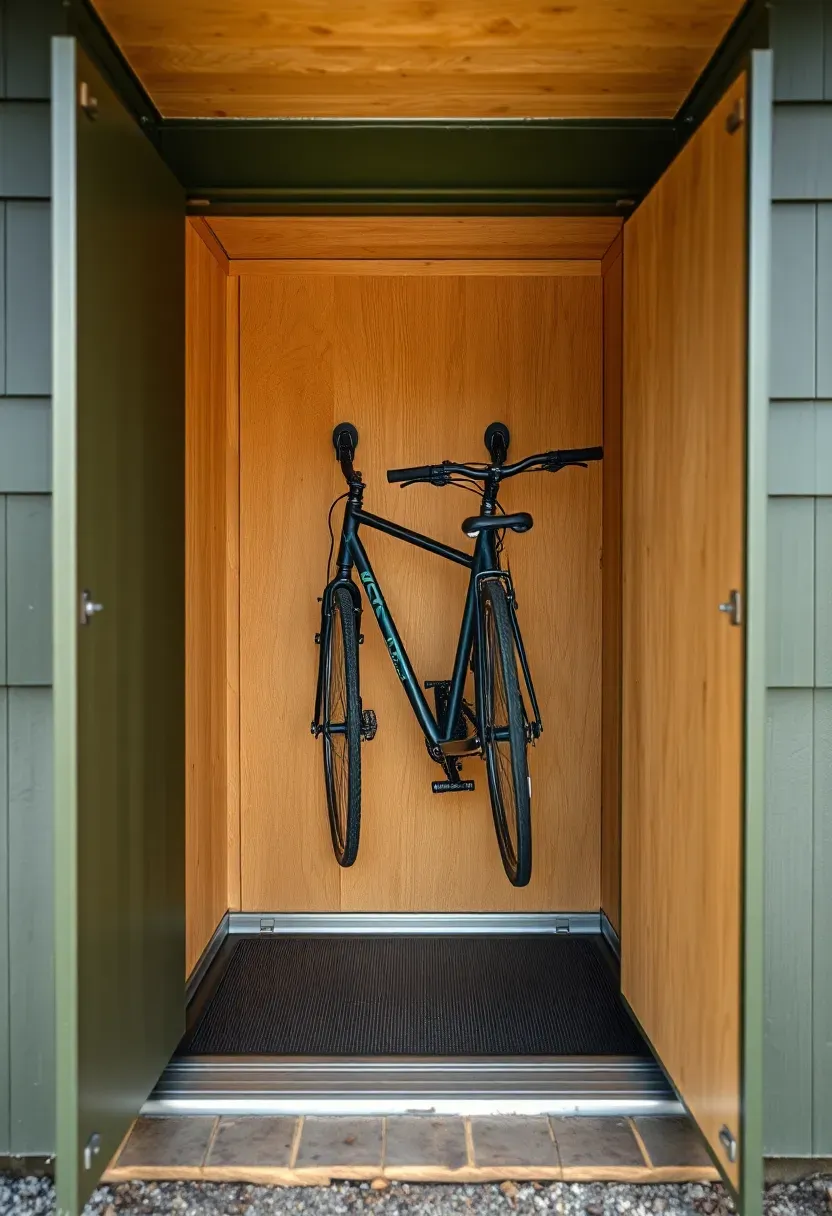
A bike shed needs to be narrow, accessible, and secure. A 3x6-foot footprint stores two to four bikes using vertical wall hooks or a ceiling-mounted pulley system. The door should be the full width of the front wall — anything smaller and you will scrape handlebars every time. Use a hasp-and-padlock setup or a keyed deadbolt since bikes are a common theft target. A floor-level ramp at the threshold (just a beveled 2x4) eliminates the step that makes rolling bikes in and out annoying.
What to watch out for
- Vertical storage only works if interior ceiling height is at least 7 feet
- Avoid storing bikes in unventilated sheds during winter — condensation accelerates rust on chains and cables
- Anchor the shed to the ground with concrete anchors or earth augers — a lightweight empty shed can tip in wind
Recommended
Items for this idea
17. Shed with Covered Patio
How to extend the shed's usefulness
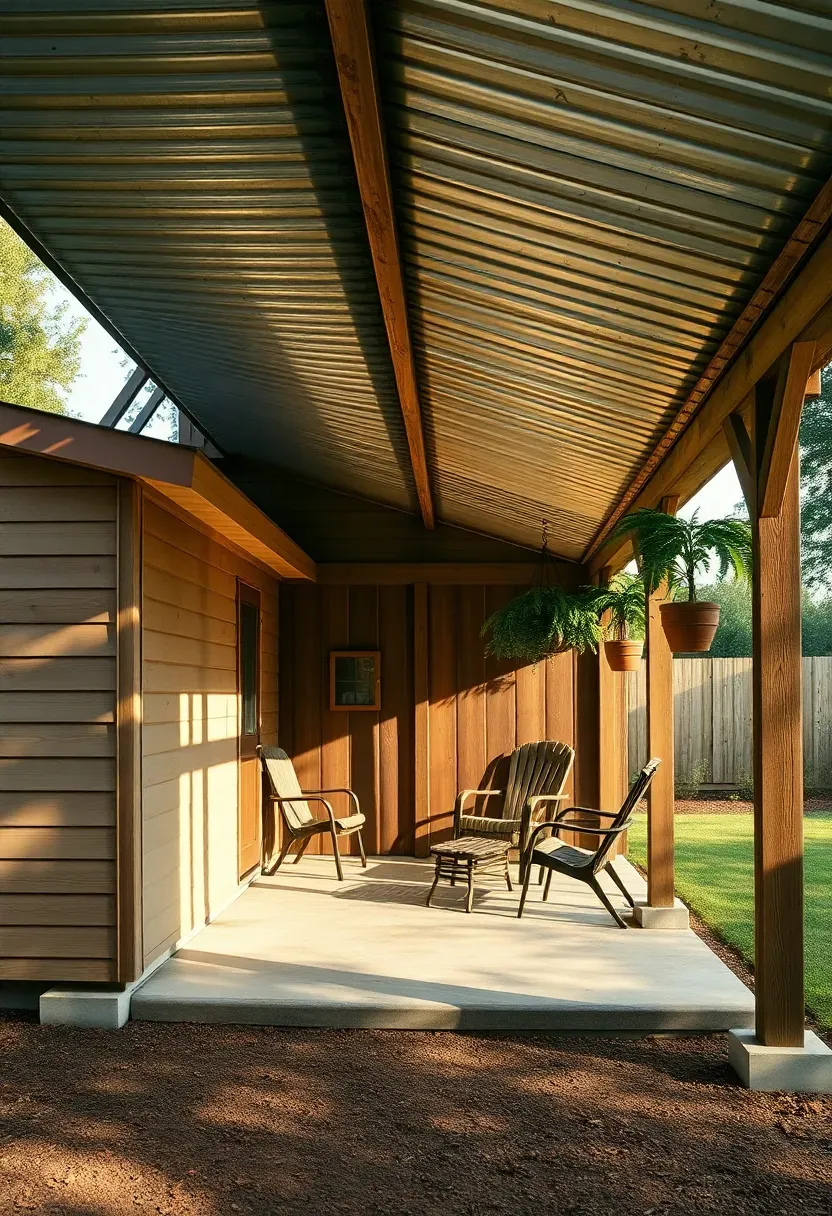
Attach a 6- to 8-foot roof extension off the front or side of a standard shed. Support it with two or four posts on concrete pier footings. This covered area becomes a place to sit during rain, a shaded workspace for messy projects, or a dry spot to stage plants before transplanting. The cost of adding the patio roof during initial construction is roughly 20 percent of the shed cost — doing it later means reworking the roofline.
Step 1: Plan the roofline
Continue the shed roof slope outward, or drop the patio roof slightly to create a visual break. Use corrugated metal or clear polycarbonate panels for the patio section.
Step 2: Set the posts
4x4 or 6x6 posts on Simpson post bases anchored to concrete piers. Space posts no more than 8 feet apart.
Step 3: Finish the floor
Pour a concrete pad, lay pavers on a sand bed, or use compacted gravel. Match the shed floor height for a seamless transition.
18. Vertical Board-and-Batten Shed
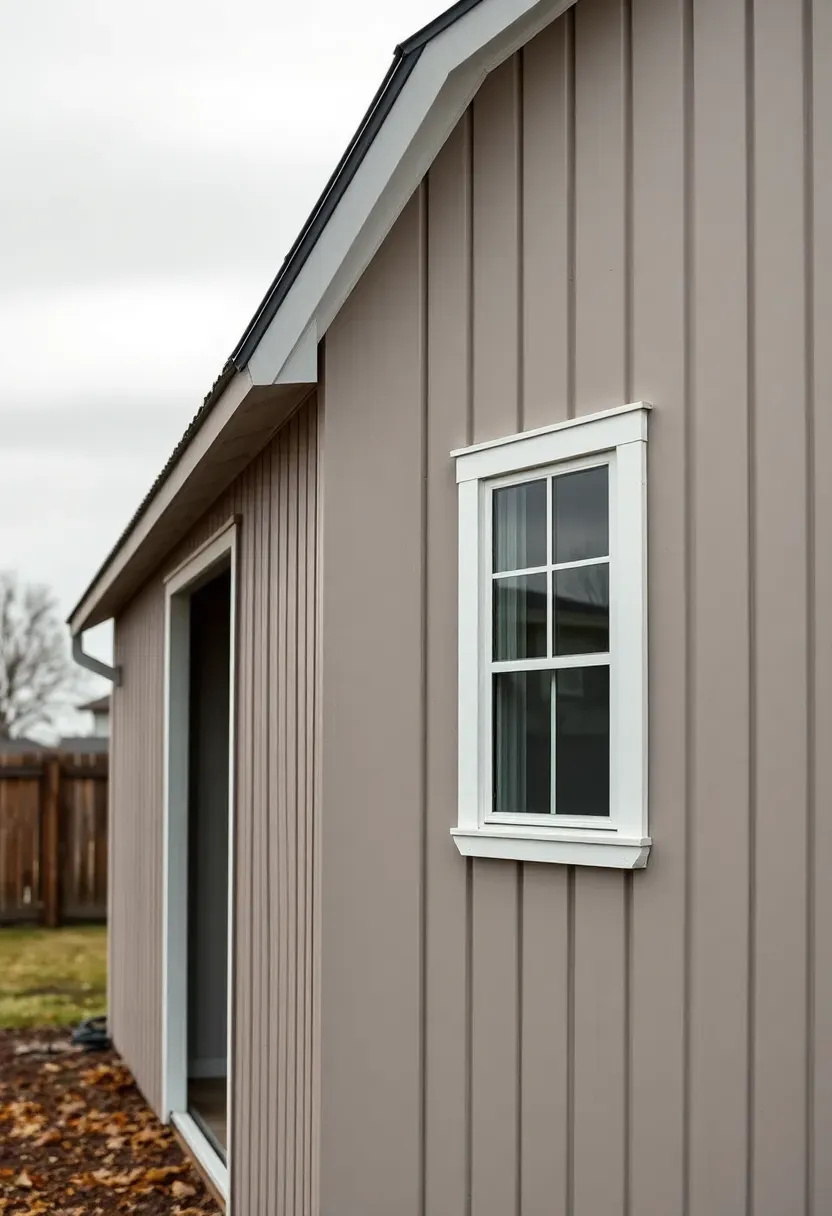
Board-and-batten siding uses wide planks with narrow strips (battens) covering the seams. The vertical lines make a shed look taller and more refined than horizontal lap siding. Use 1x10 or 1x12 boards with 1x3 battens. The alternating shadow lines created by the battens add depth and texture that reads well from a distance. This style suits farmhouse, modern farmhouse, and traditional settings equally well. Paint the boards and battens the same color for a clean look, or use a contrasting batten color for more definition.
Tips
- Leave a 1/2-inch gap between boards for wood expansion — the battens cover the gap
- Nail battens through the gap, not through the boards, to allow seasonal movement
- Prime all six sides of every board before installation to prevent moisture absorption
Recommended
Items for this idea
19. Shed Bar and Entertaining Space
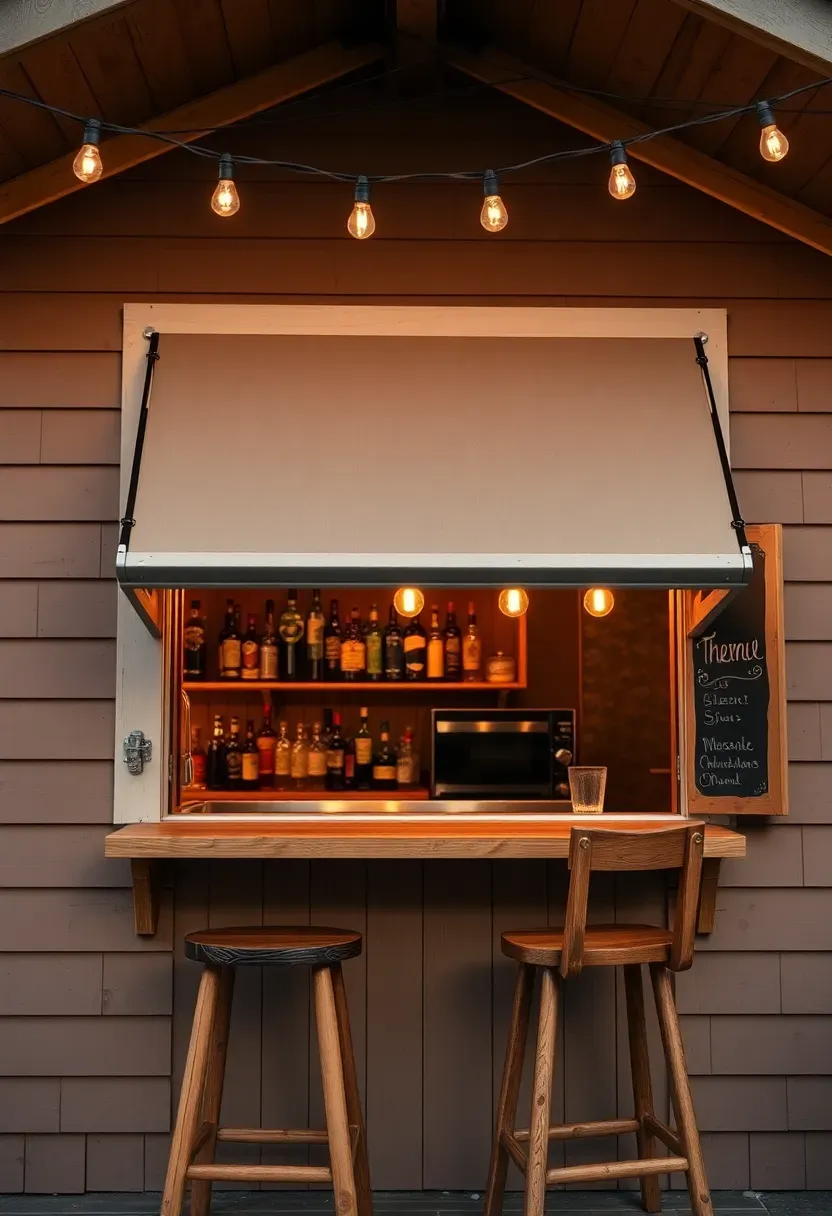
Convert one wall of a shed into a serving counter by installing a fold-down awning window that opens outward and doubles as a bar shelf. The interior needs a countertop, a small refrigerator, and shelving for glasses and bottles. Wire a single 20-amp circuit for the fridge, a blender, and accent lighting. The exterior side gets bar stools, string lights, and maybe a chalkboard for the drink menu. This works best with a 10x12 or larger shed so you still have storage space behind the bar area.
Tips
- Use a marine-grade piano hinge for the fold-down counter — it handles the weight and weather
- Install a drip rail above the opening to keep rain off the counter when closed
- Add a removable screen panel to keep bugs out during evening use
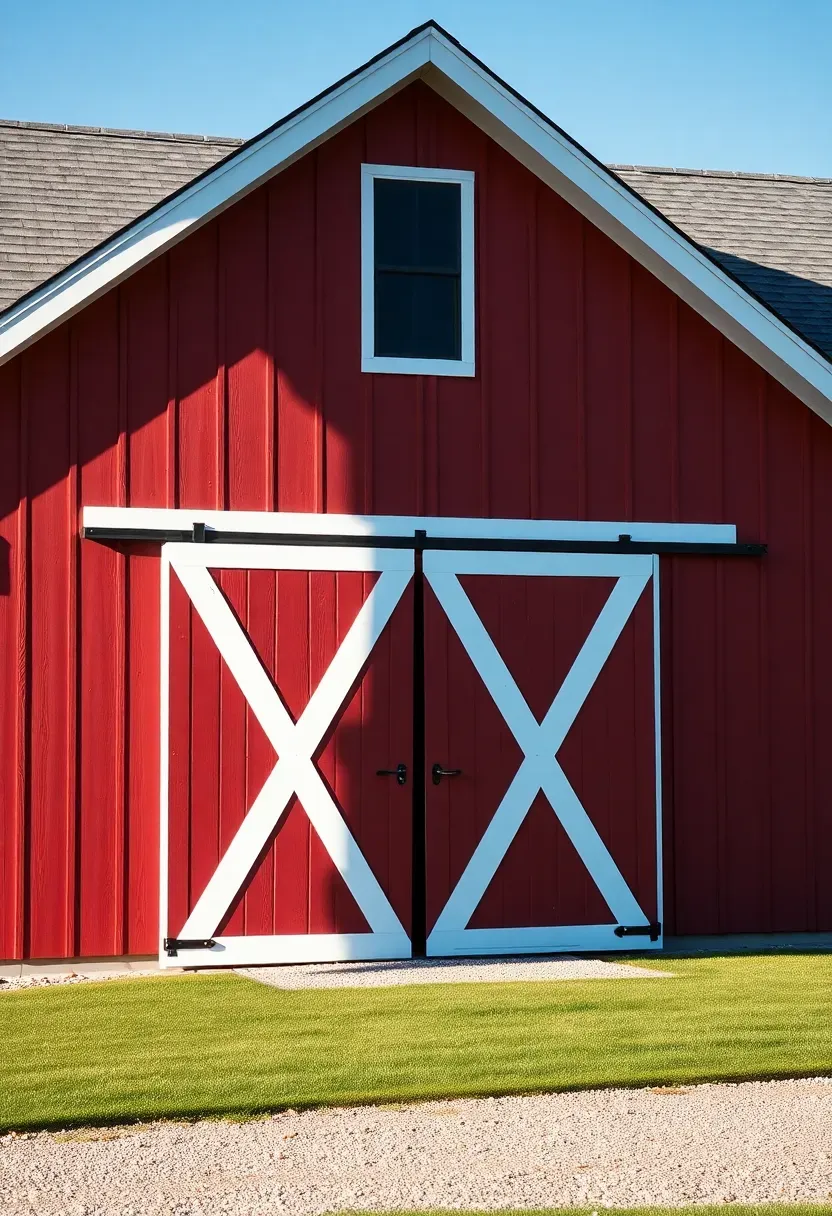
20. Gambrel Roof Barn Shed
Origins of the gambrel
The gambrel roof — with its two slopes on each side — originated in Dutch colonial architecture and became the standard profile for American barns. The steeper lower slope and shallower upper slope maximize interior volume without increasing the building footprint.
Modern application
On a backyard shed, a gambrel roof adds roughly 50 percent more usable headroom compared to a standard gable of the same width. That extra space becomes a loft for storage, a sleeping area for a guest retreat, or overhead workshop storage. The classic look works with board-and-batten siding, clapboard, or even metal panels.
Apply at home
Build on a 12x16 or larger footprint to take full advantage of the loft space. Use engineered gambrel trusses — most building supply stores stock them or can order them in standard widths. Paint it barn red with white trim for the traditional look, or go with matte black and natural wood for a modern barn aesthetic.
Recommended
Items for this idea
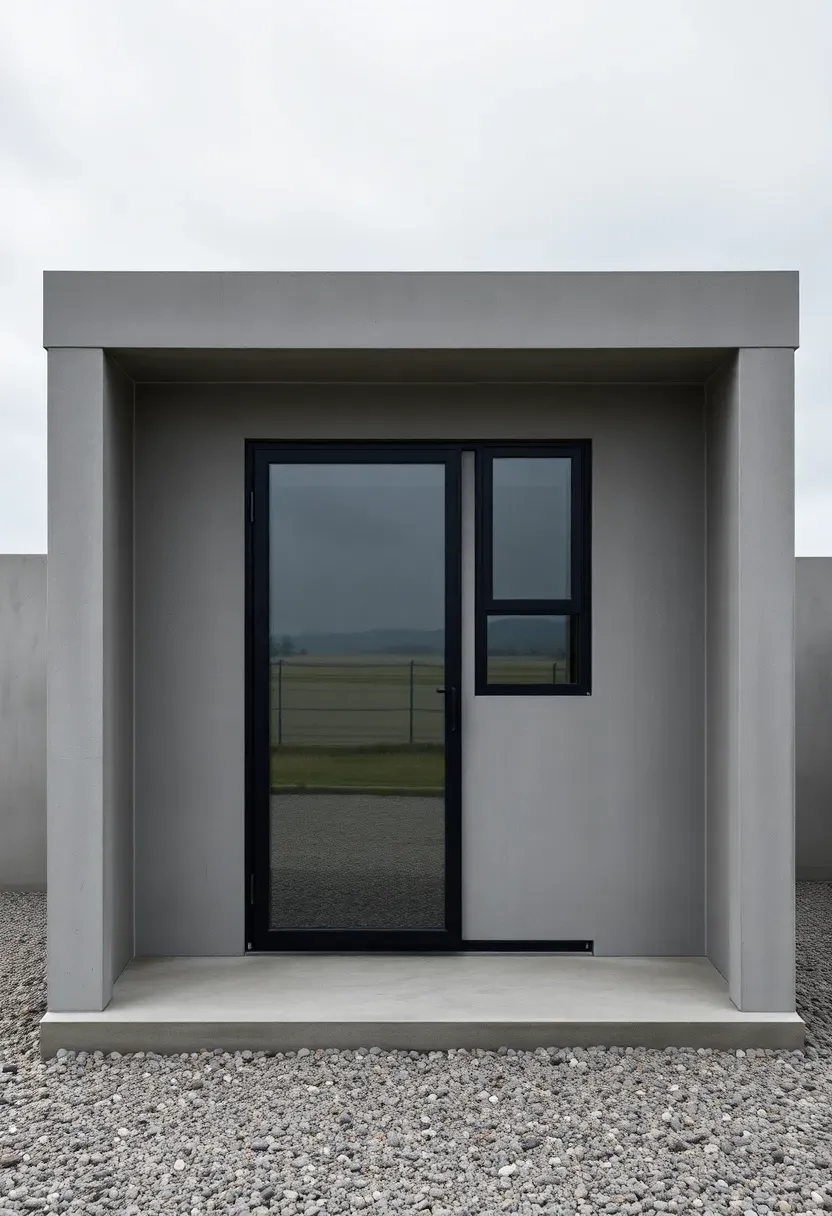
21. Minimalist Concrete Shed
Precast concrete panels or poured-in-place walls create a shed that is fireproof, pest-proof, and nearly maintenance-free. The raw concrete surface has a brutalist honesty that works surprisingly well in modern landscapes. A 2-inch rigid foam layer on the interior side of the walls handles insulation. Pair the concrete with a steel-framed door, a single large window, and a flat membrane roof. The upfront cost is higher than wood framing, but you skip painting, staining, and rot repair for the life of the structure.
What to watch out for
- Concrete sheds are heavy — you need a proper footing, not just surface blocks
- Form-poured walls require either renting forms and pouring yourself or hiring a small crew
- Add interior furring strips and drywall if you plan to hang shelves or artwork
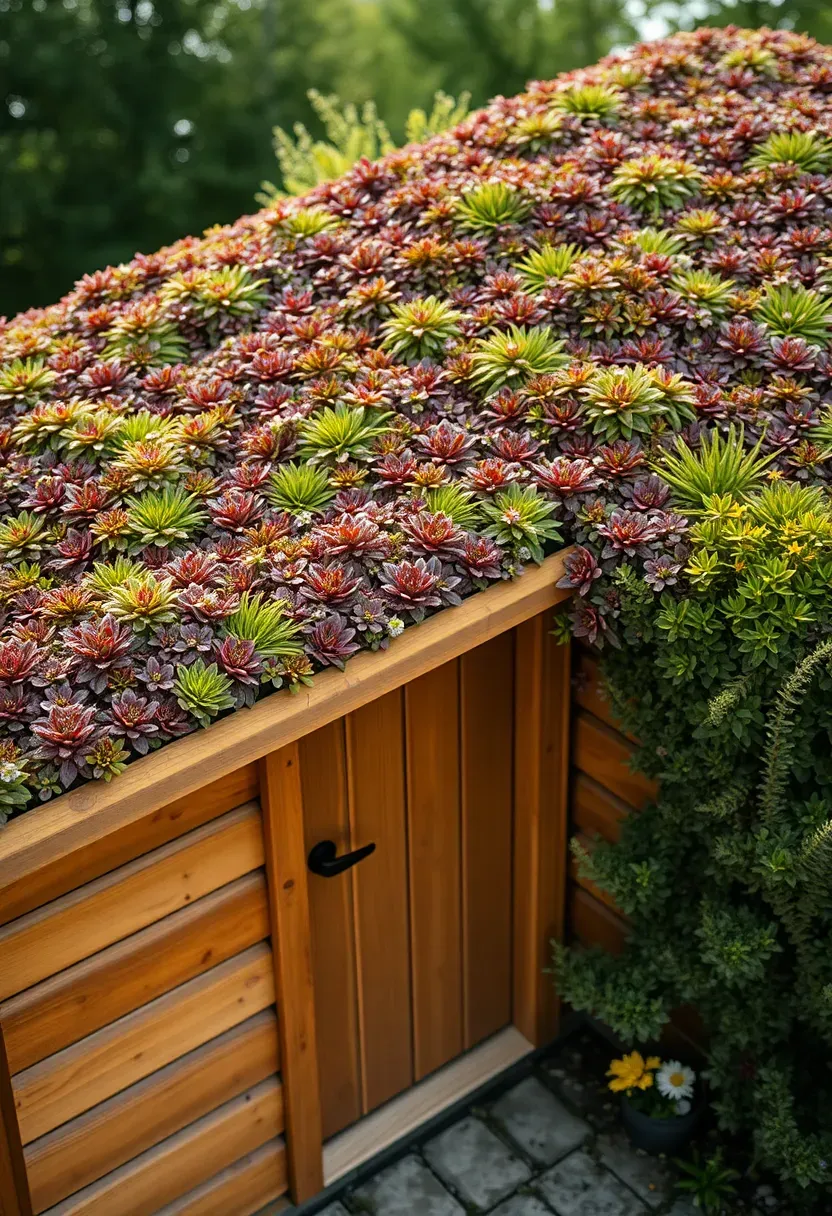
22. Living Roof Shed
Step 1: Reinforce the structure
A green roof adds 25 to 50 pounds per square foot when saturated. Standard shed framing cannot handle this. Upgrade roof joists to 2x8 or 2x10 on 12-inch centers and use 3/4-inch plywood decking.
Step 2: Waterproof the deck
Install a pond liner (EPDM rubber, 45-mil minimum) over the plywood. Run it up the edges at least 4 inches and secure with aluminum termination bars.
Step 3: Build the growing layers
From bottom up: drainage mat, filter fabric, 3 to 4 inches of lightweight growing medium (not regular soil — use a blend of expanded shale, comite, and compost). Plant with sedum varieties, which tolerate drought, shallow roots, and temperature extremes.
Watch out
- Roof slope must stay under 2:12 or the growing medium slides
- Water the plantings during the first growing season until roots establish
- Inspect the membrane every spring by lifting edge sections
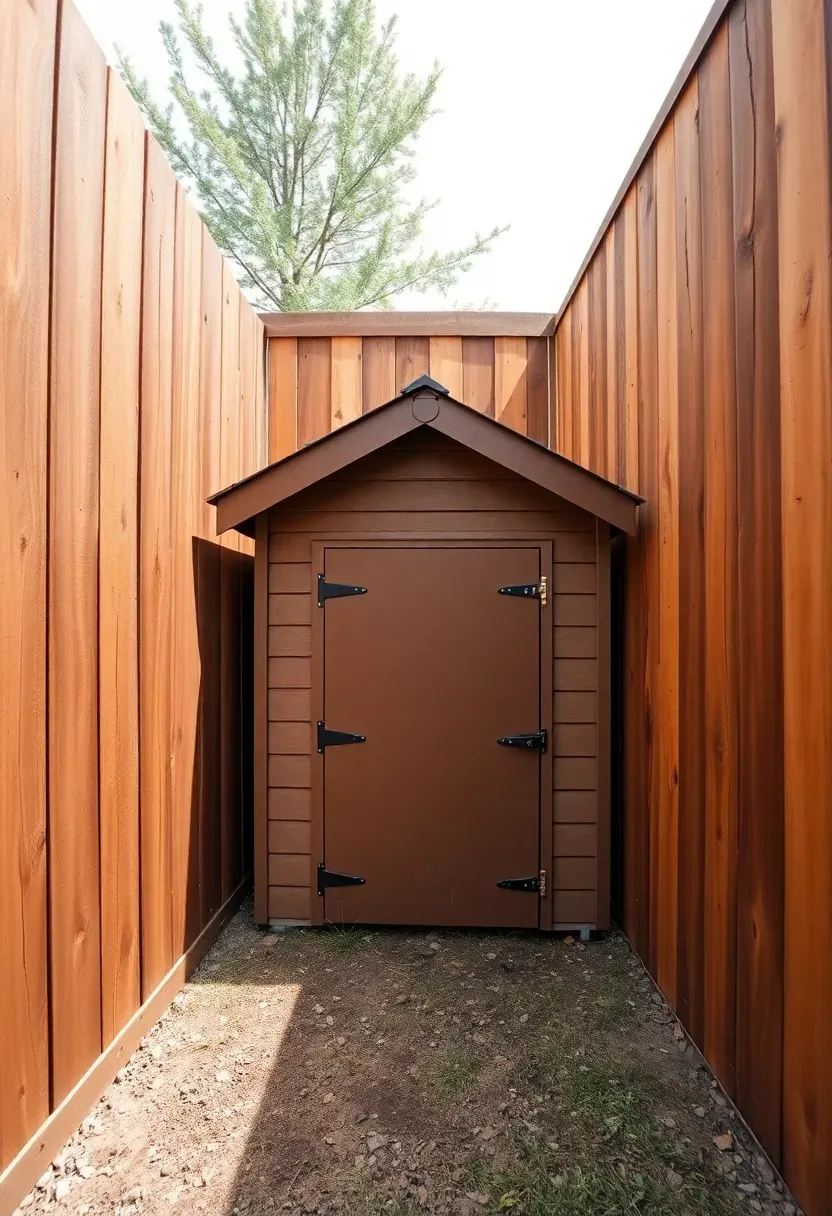
Recommended
Items for this idea
23. Corner Shed for Tight Yards
When square footage is limited, a corner shed uses the most wasted part of a yard — where two fence lines meet. The footprint forms a triangle or a truncated L-shape, which is awkward for furniture but perfectly fine for garden tools, pots, and supplies. Build the two back walls to follow the fence lines and angle them to meet at the corner. A single door on the exposed face provides access. You gain storage capacity equivalent to a 4x6 rectangular shed but consume far less usable lawn or garden space.
Tips
- Leave a 6-inch gap between the shed walls and the fence for air circulation and maintenance access
- Use a shed roof (single slope) angled toward the yard so rain drains away from the fence
- Mount hooks on the angled interior walls for rakes and shovels — the triangular shape naturally accommodates long-handled tools

24. Music Practice Shed
The problem
Playing drums, electric guitar, or trumpet inside a house creates noise complaints — from your own family, let alone neighbors. Soundproofing an existing room is expensive and only partially effective.
The solution
A purpose-built music shed uses mass-loaded barriers and decoupled wall construction to contain sound. Build double walls with a 1-inch air gap between inner and outer frames — sound travels through solid connections, so breaking that path is critical. Fill both wall cavities with mineral wool insulation (denser than fiberglass, better for sound absorption). Use two layers of 5/8-inch drywall with Green Glue damping compound between layers on the inner walls. Add a solid-core exterior door with weatherstripping compression seals on all four edges.
Pros and cons
- Pro: Practice any time without disturbing the household
- Pro: Recording quality improves dramatically in a treated, isolated space
- Con: Double-wall construction nearly doubles the framing cost
- Con: The shed must be significantly oversized because the thick walls eat into usable interior space
Recommended
Items for this idea
25. Workshop Shed with Pegboard Walls
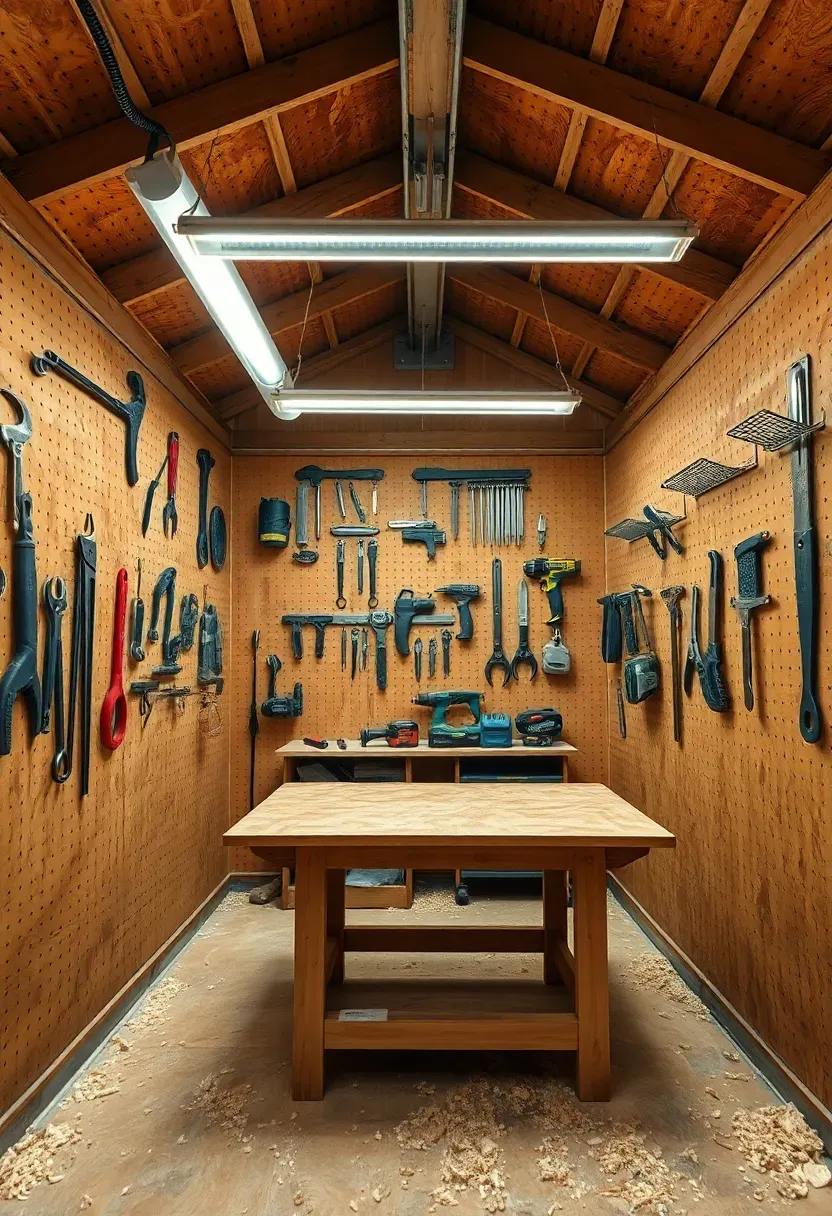
A workshop lives or dies by wall organization. Cover every available wall surface with 1/4-inch pegboard mounted on 1x2 furring strips (the gap behind the board lets hooks insert properly). Standard 1/4-inch hooks hold hand tools, and heavy-duty 1/2-inch hooks handle power tools and extension cords. The central workbench should be 36 inches tall with a 2-inch-thick hardwood or MDF top that can absorb pounding. Wire the shed with a 30-amp subpanel — table saws and dust collectors need dedicated 20-amp circuits that a single extension cord from the house cannot safely provide.
Tips
- Outline each tool on the pegboard with a marker so you know what goes where and what is missing
- Mount a dust collection hose along the ceiling with blast gates at each tool station
- Install at least four duplex outlets at bench height so cords do not cross the floor
26. Shed with Wraparound Deck
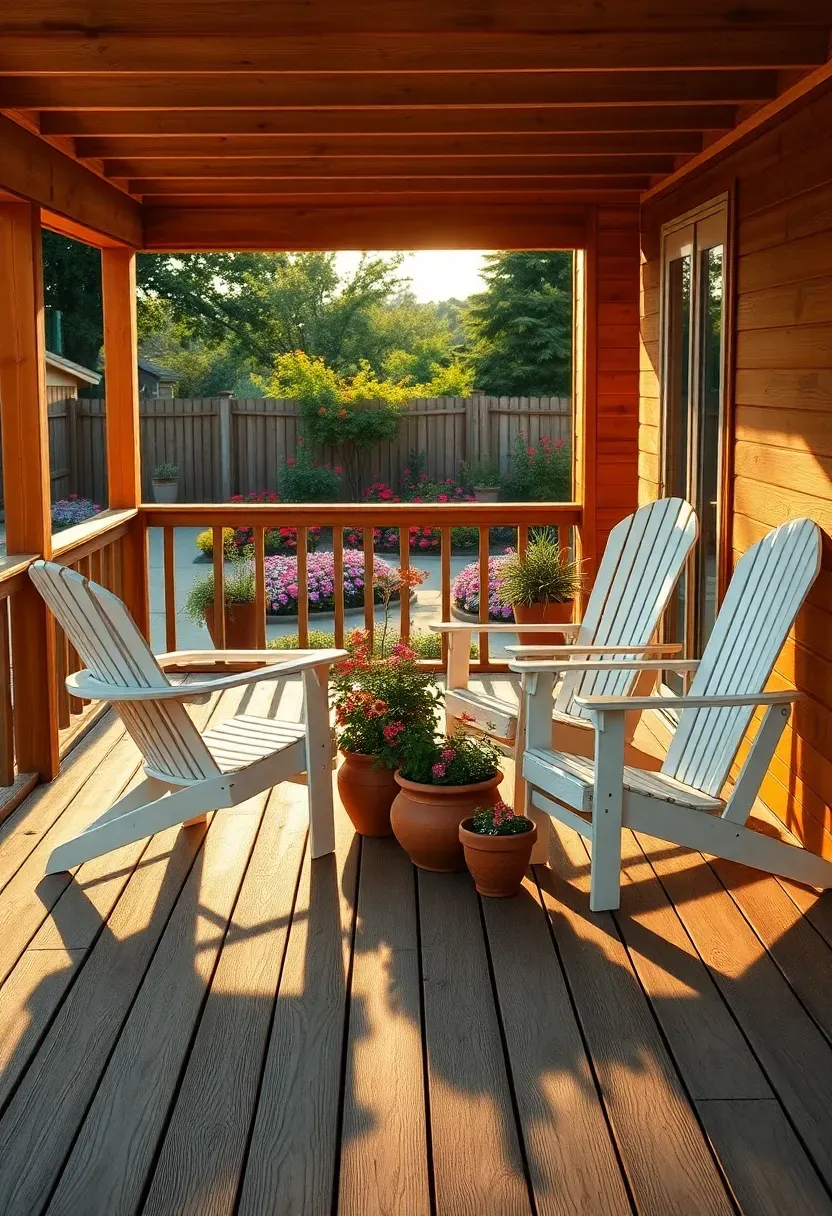
A deck turns a shed from a building you walk to into a place you sit at. Wrap the deck around two or three sides, making it 4 to 6 feet deep — enough for chairs and a small table. Use the same decking material and finish as the shed floor for visual continuity. The deck doubles as a display platform for container plants, a staging area for gardening projects, and an afternoon sitting spot. Frame the deck as an independent structure that shares a ledger board with the shed — this distributes the load properly and simplifies construction.
What to watch out for
- Deck footings need to reach below the frost line in cold climates — this adds cost compared to a surface-level gravel pad
- Railings may be required by code if the deck is more than 30 inches above grade
- Pressure-treated pine decking is cheaper but shows splinters within two years — composite holds up better for seating areas
Recommended
Items for this idea
27. Stone-Clad Garden Shed
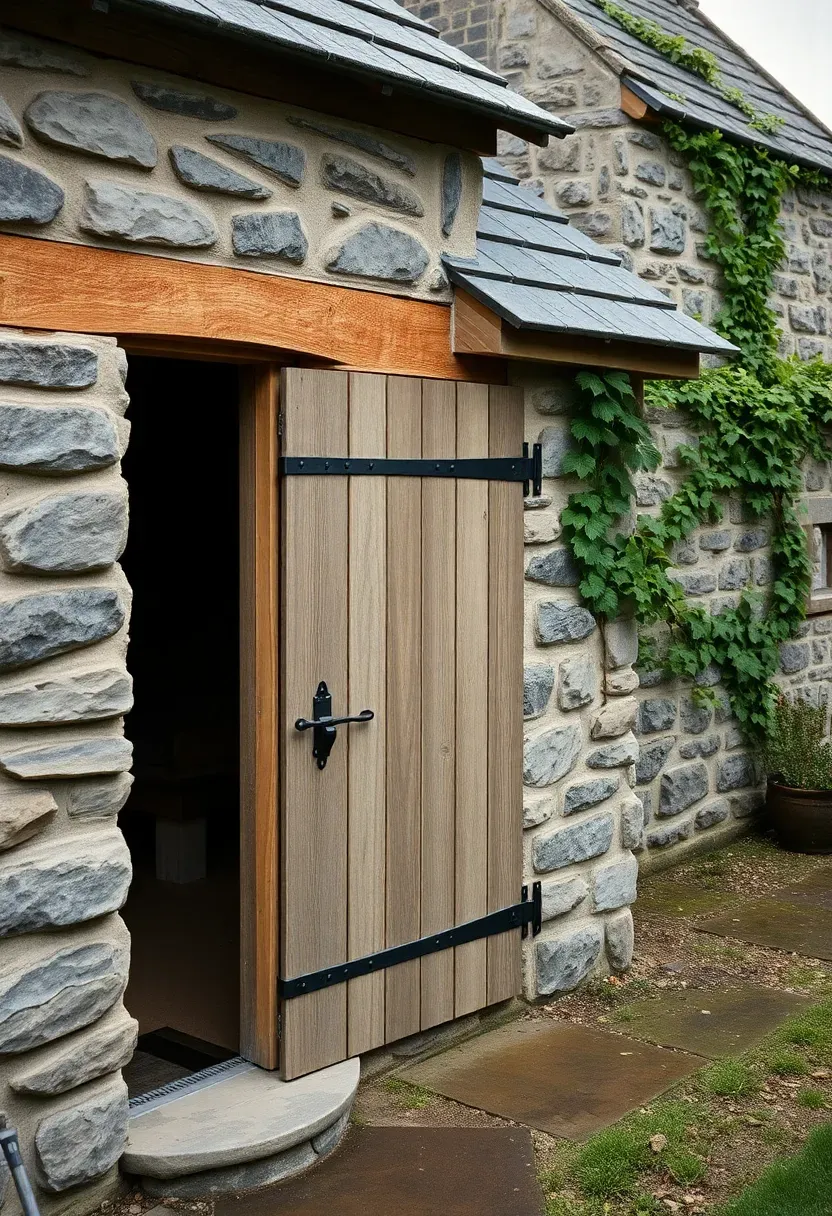
Real or manufactured stone veneer applied over a standard framed wall gives a shed a permanent, rooted-in-place quality that no other material matches. Natural fieldstone in irregular shapes creates a rustic, European cottage look. Use a metal lath and scratch coat system for full-depth stone, or adhesive-applied thin veneer for manufactured product. The stone does not need to cover every wall — a single accent wall or a wainscot on the lower third of all walls creates enough visual impact while keeping costs manageable.
Tips
- Stone veneer adds weight — reinforce the wall framing and ensure footings can handle the additional load
- Weep screed at the base of stone walls prevents moisture from wicking up behind the veneer
- Mix stone sizes and shapes randomly rather than in courses for a more natural appearance
28. Shipping Container Shed
Container vs. traditional framing
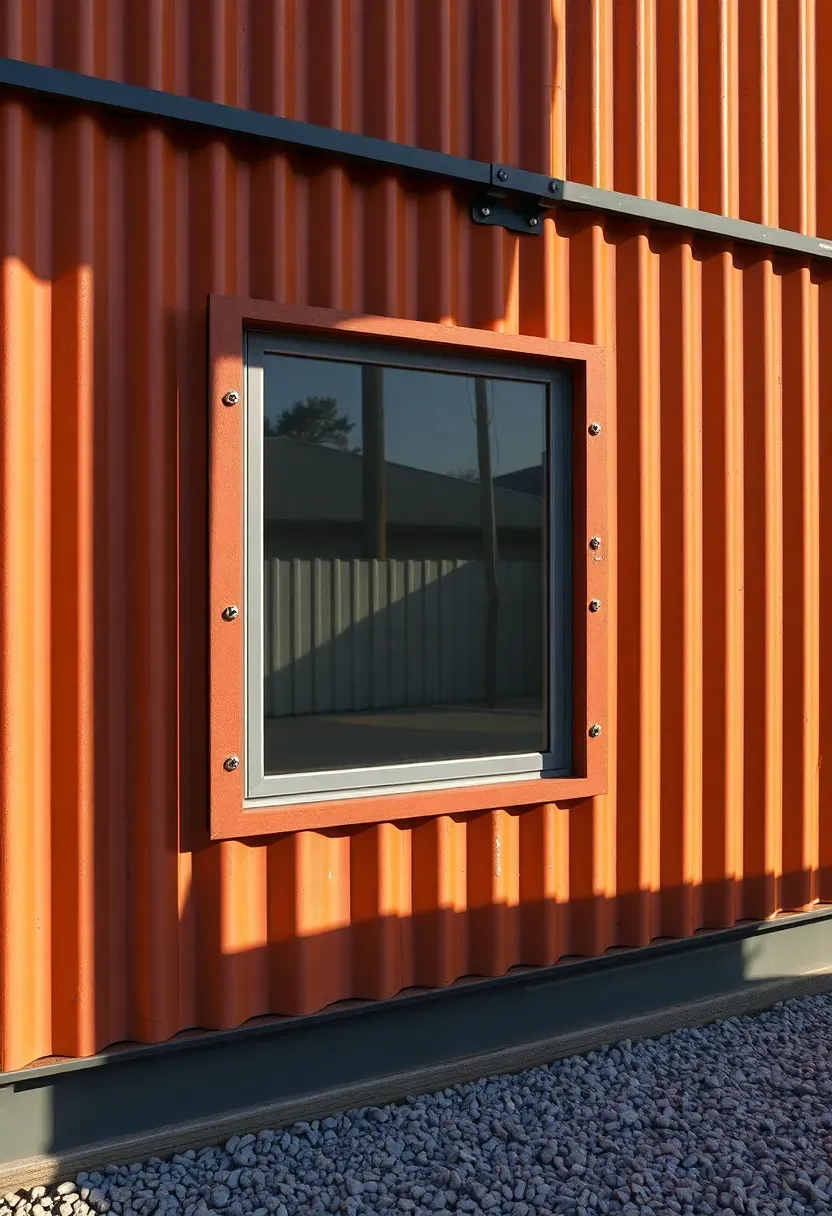
A 20-foot shipping container (8x20 feet) costs between $1,500 and $3,000 delivered. That buys you a weatherproof, pest-proof, theft-resistant steel box with a lockable door — no framing, sheathing, or roofing required. The corrugated steel walls support shelving directly with self-tapping screws. Cut openings for windows with an angle grinder and plasma cutter, then frame them with steel angle iron.
Modifications worth making
Insulate with closed-cell spray foam (the steel sweats without it). Add a turbine vent on the roof to prevent heat buildup. Paint the exterior with rust-inhibiting DTM paint in any color you want.
Choose this if
- Security matters — nothing short of a torch gets through 14-gauge corten steel
- You need 160 square feet of covered storage fast with minimal construction time
- The industrial look suits your property aesthetic
Recommended
Items for this idea
29. A-Frame Shed
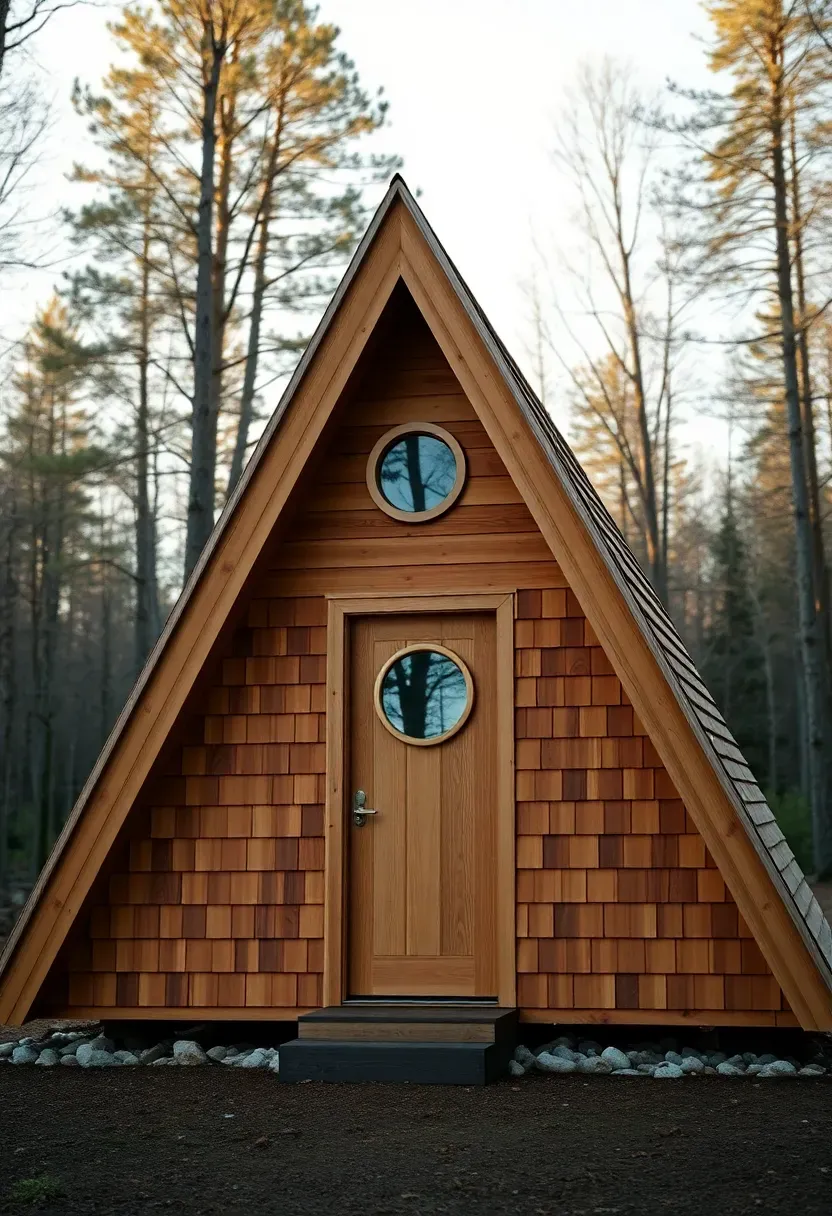
The A-frame is all roof and no walls — the rafters go straight to the ground, creating a triangular profile that sheds snow, rain, and leaves with zero maintenance. The steep pitch makes the interior tall at the center but tight at the edges, so store items along the centerline and use the low sides for shallow shelving. An A-frame works well in wooded settings where it echoes the shape of surrounding trees. Build it from 2x8 rafters on a simple platform floor, and cover with cedar shingles, standing-seam metal, or even asphalt architectural shingles. A round window in the gable end adds light and visual interest.
Tips
- Size the door opening carefully — the angled walls narrow fast, so frame the door at the widest point
- Add a small loft shelf near the peak for lightweight seasonal storage
- Use the triangular exterior wall space to mount a fold-down potting shelf or tool rack
Quick FAQ
How close to my property line can I build a shed? Most residential zoning codes require a 3- to 5-foot setback from property lines for accessory structures. Some municipalities allow zero setback for sheds under a certain square footage, but this varies widely. Check your local zoning ordinance before pouring a foundation — moving a finished shed is not a simple task.
Do I need a permit for a backyard shed? In most U.S. jurisdictions, sheds under 120 or 200 square feet (depending on your municipality) are exempt from building permits. However, any shed with electrical wiring, plumbing, or a concrete foundation typically requires a permit regardless of size. HOA rules may impose additional restrictions on placement, height, and appearance.
What is the most durable shed flooring option? A 4-inch concrete slab on compacted gravel is the most durable and moisture-resistant option. For a less permanent approach, pressure-treated plywood over treated floor joists on concrete blocks works well and keeps the shed movable. Avoid OSB for flooring — it swells and deteriorates when exposed to any moisture.
Can I convert a shed into a livable guest space? Legally, this depends on your local building codes. Converting a shed into habitable space (defined as having sleeping, cooking, or sanitary facilities) usually reclassifies it as an accessory dwelling unit, which triggers permit requirements, utility connections, and inspections. Structurally it is feasible — most shed frames can be insulated and finished — but skipping permits creates problems at resale.
Which shed material requires the least maintenance? Vinyl siding over a wood frame is the lowest-maintenance combination — it never needs painting, resists rot, and cleans with a garden hose. Metal sheds (galvanized steel or aluminum) are similarly low-maintenance but dent easily and lack the insulating value of a framed wall. Cedar and redwood look better but require periodic sealing or staining.
A shed is one of those rare projects where the building itself can be simple but the impact on how you use your yard is significant. Pick the style that fits your primary use case first — storage, workspace, retreat — and let the aesthetics follow from there. Start with a solid foundation, build the frame properly, and you can always upgrade the interior and finish later. The best shed is the one you actually walk out to and use every week, not the prettiest one on the block gathering dust.
Pinterest cover for 29 Backyard Shed Ideas
About the author
OBCD
CGI visualization and interior design content. We create detailed 3D renders and curate practical design ideas for every room in your home.